1/2
6 Small Living Room Layout Mistakes You Should Never Make, According to Designers
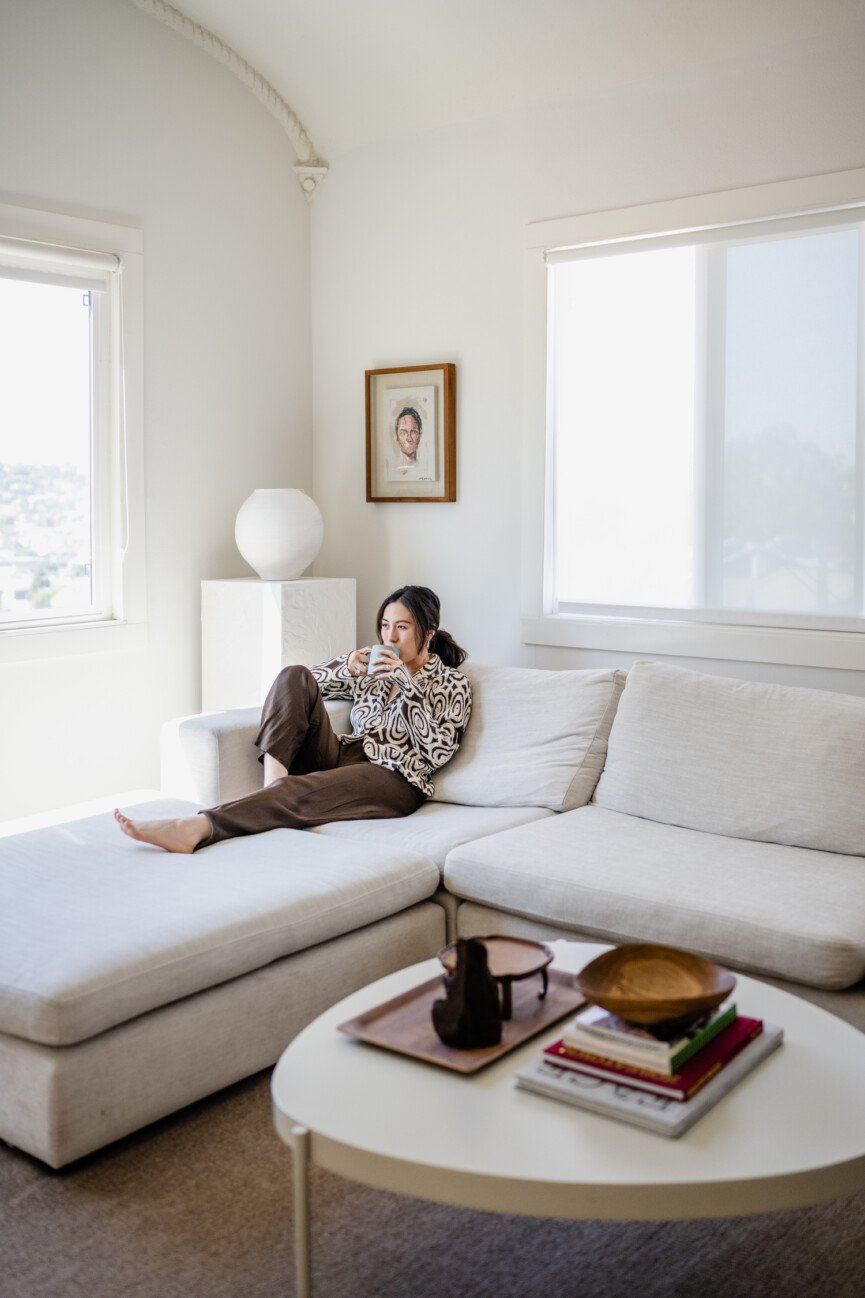
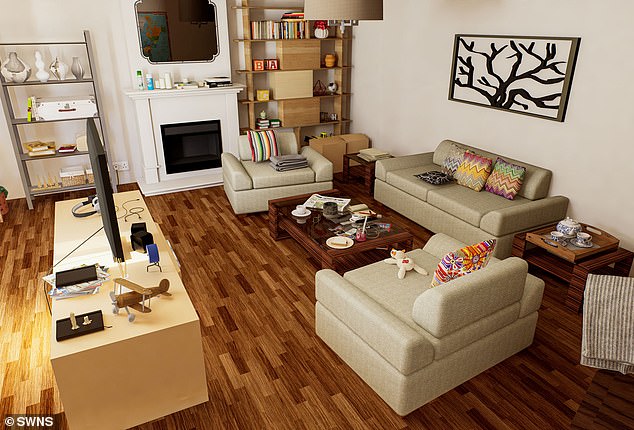
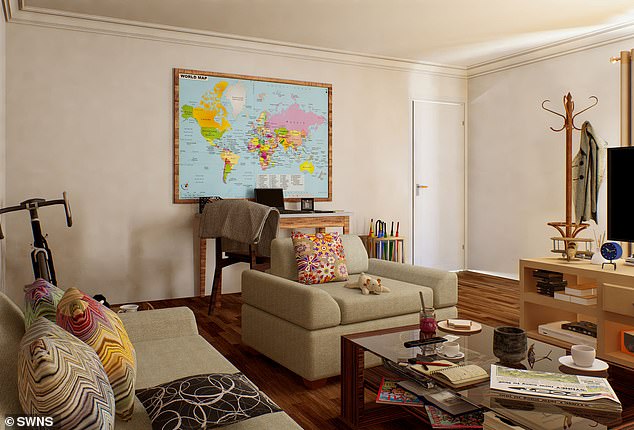
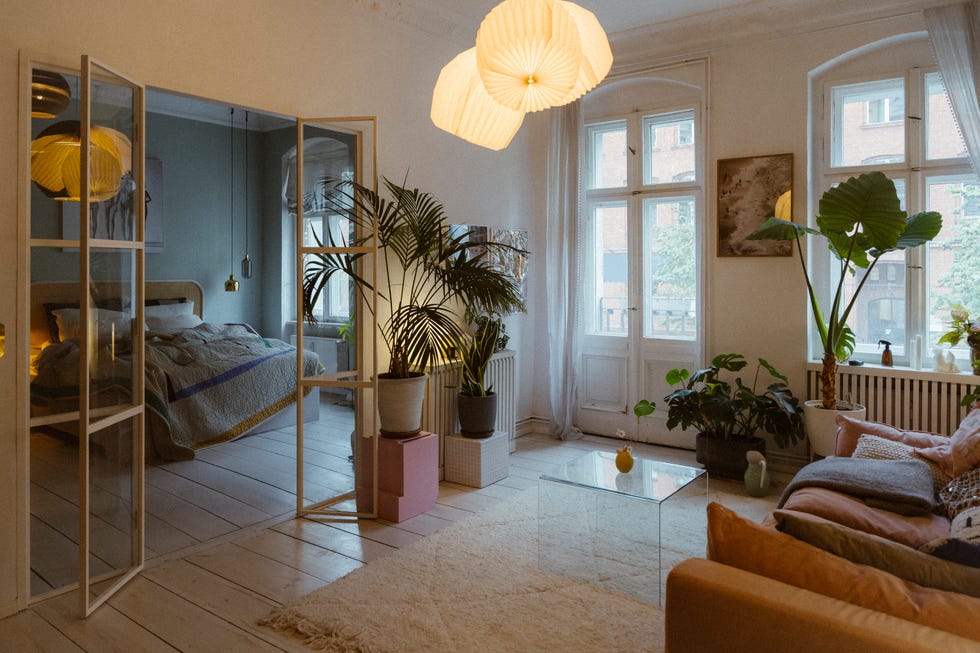
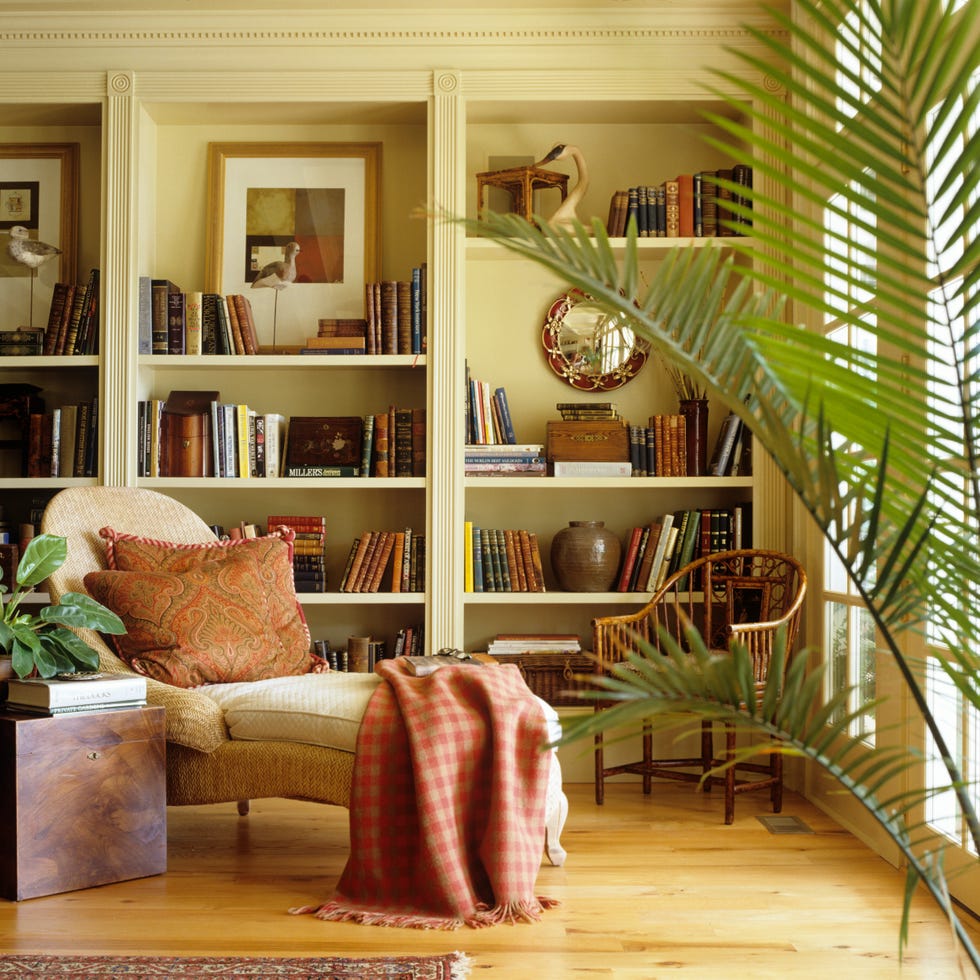
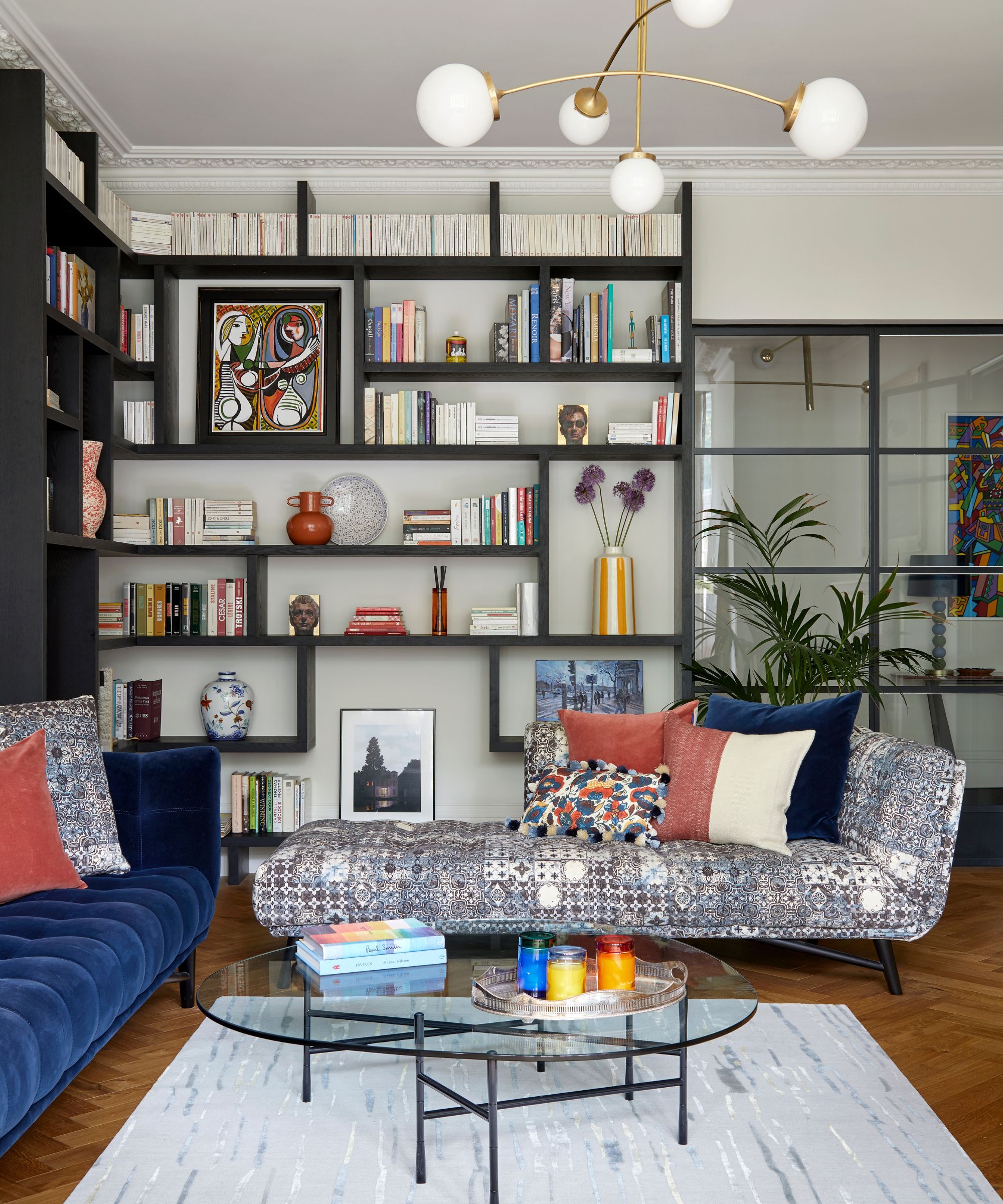
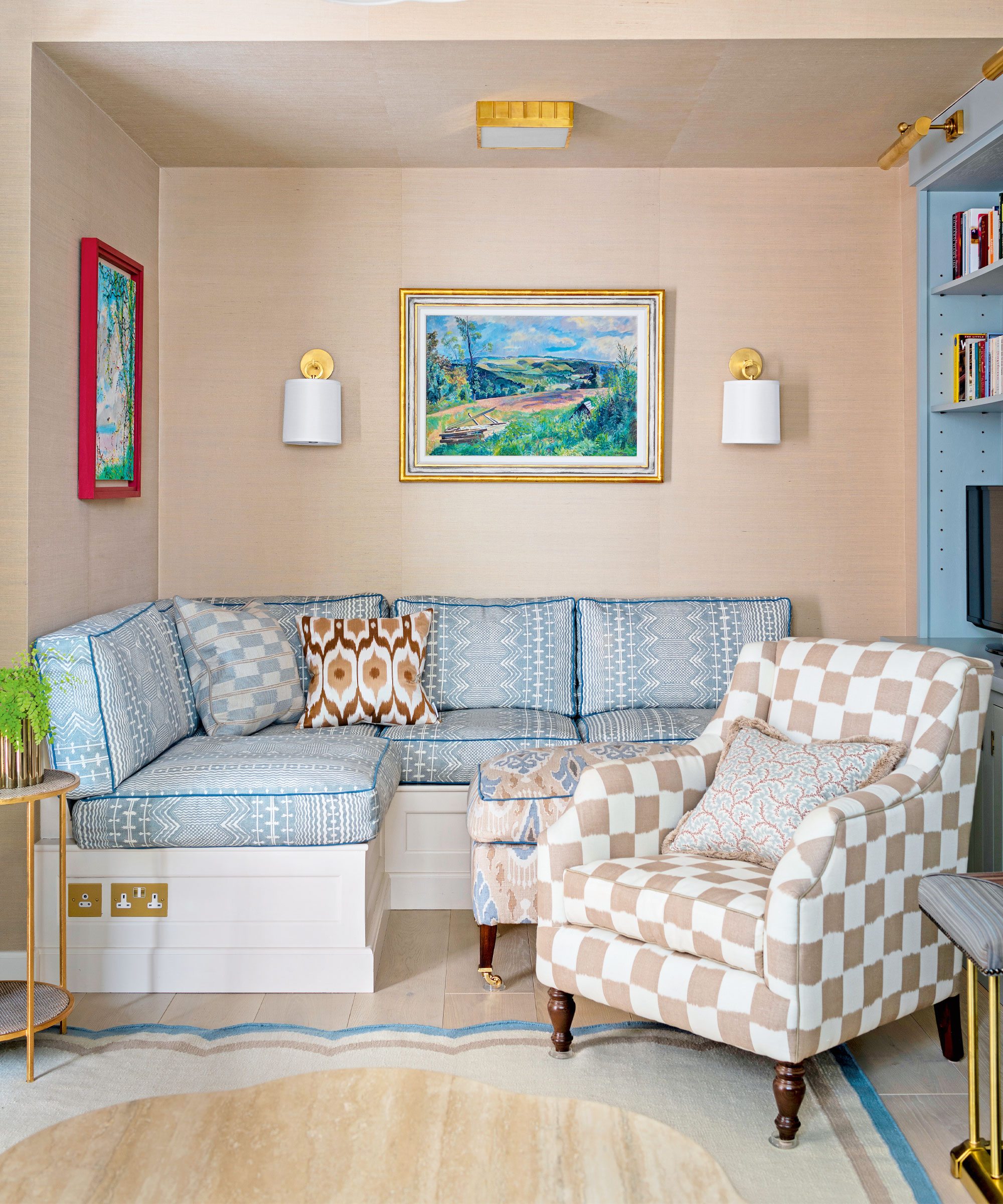
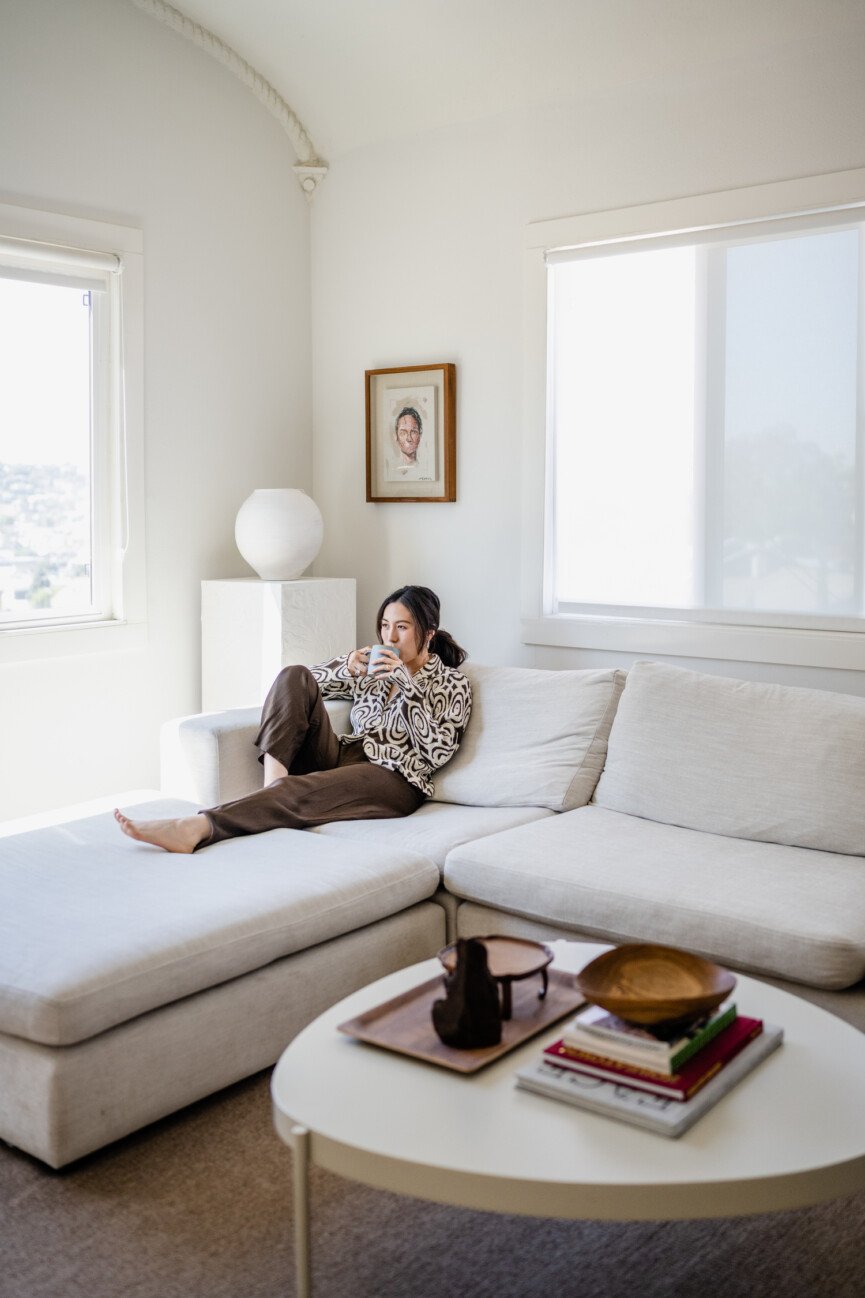
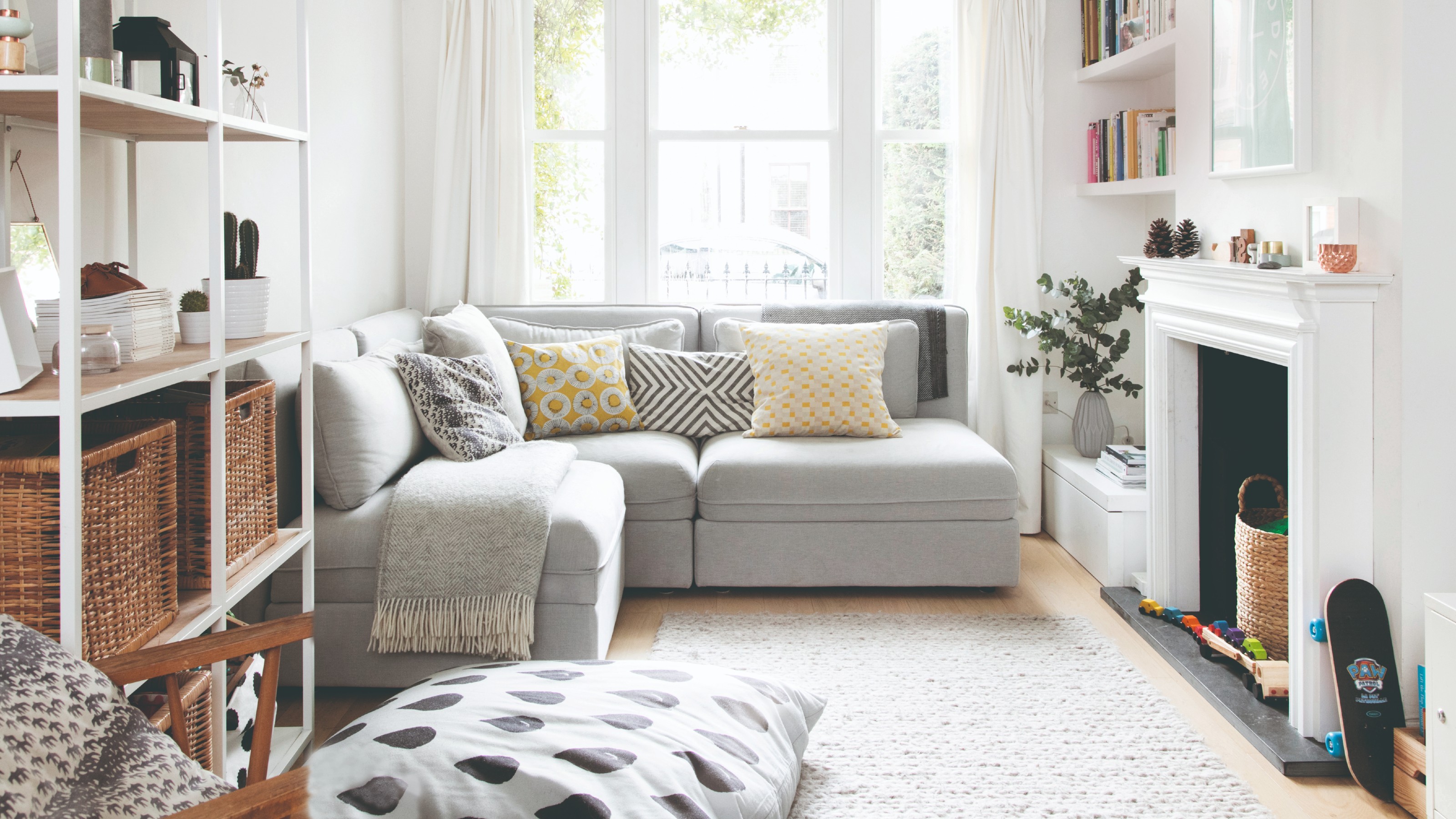
Designing a small living room effectively involves avoiding common pitfalls that can make the space feel cramped or uninviting. One primary mistake is failing to embrace the room's inherent coziness. Instead of attempting to make a small room appear larger than it is, designers suggest highlighting its intimate nature by using appropriately scaled furnishings and incorporating cozy layers and textures. Furthermore, arranging furniture by lining it against the perimeter of the room is discouraged; instead, pulling pieces away from walls and creating a central conversation area fosters a more intimate atmosphere.
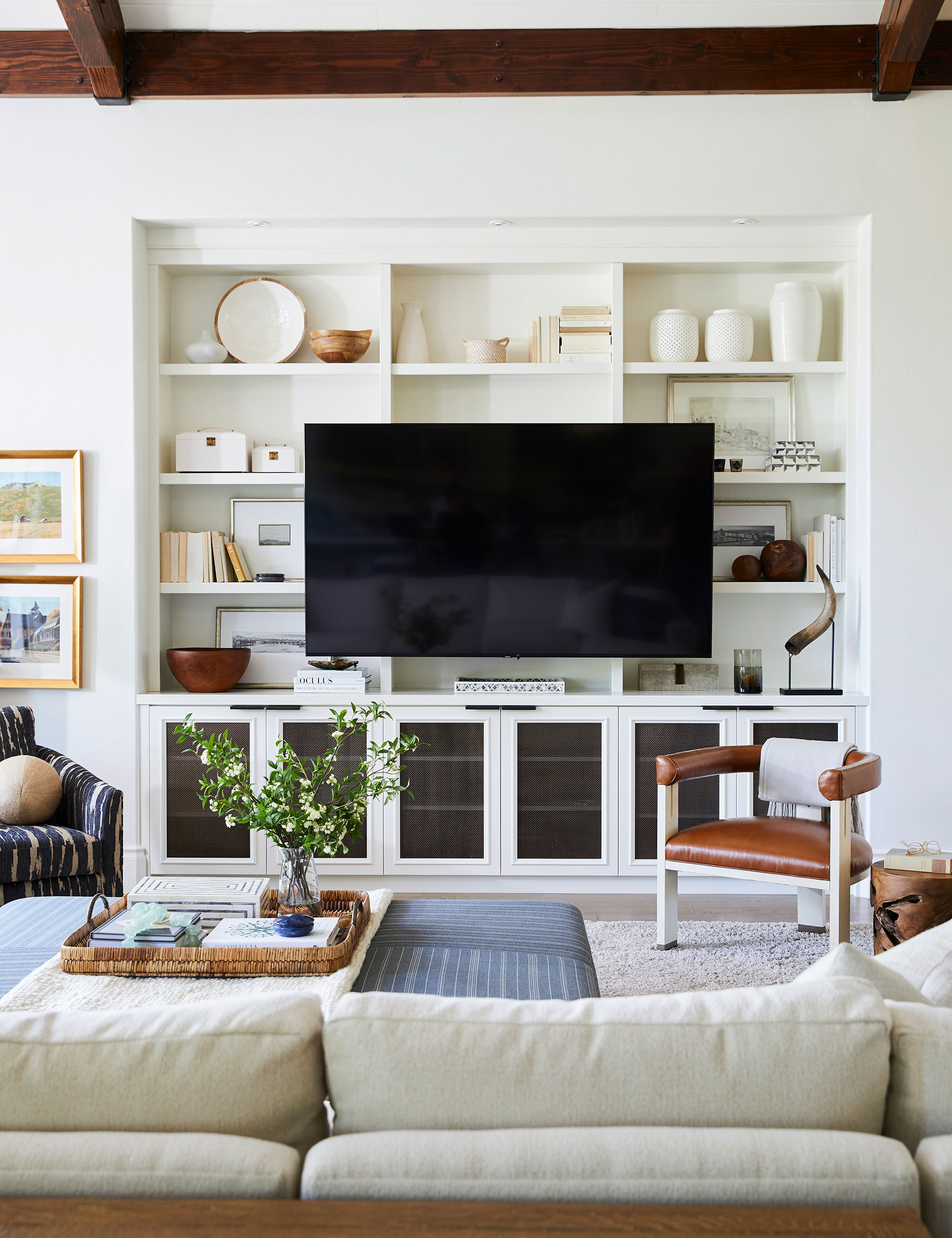
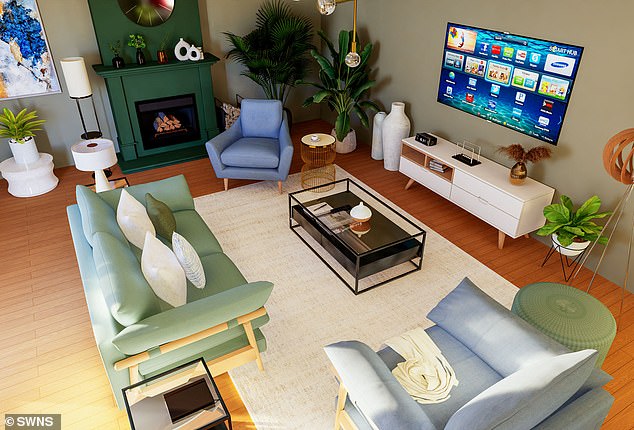
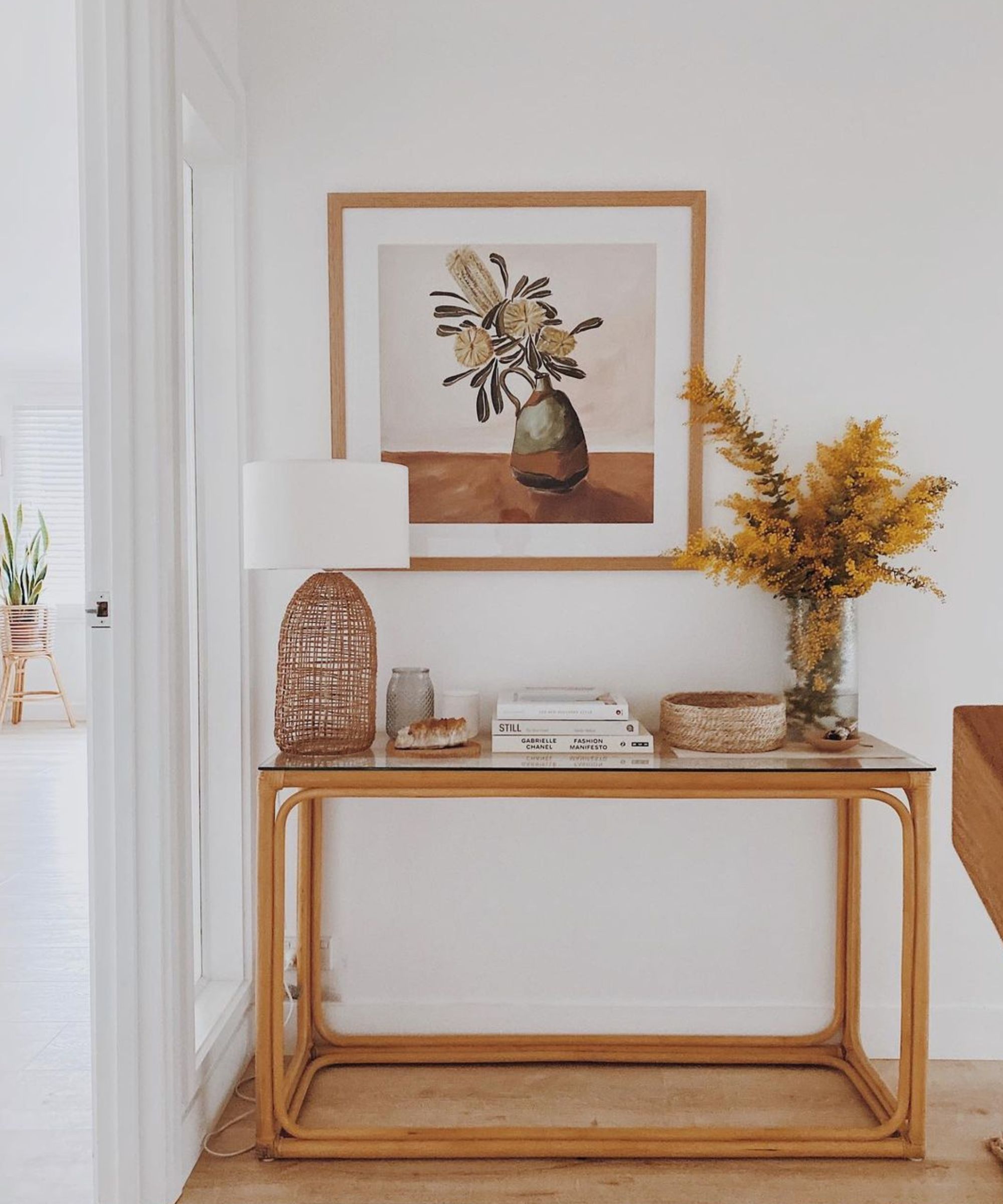
Another error is overlooking the potential of multifunctional pieces. In small living spaces, furniture that serves multiple purposes can significantly enhance functionality. Examples include cocktail tables that double as eating areas or desks, dressers, or bar areas positioned beneath a TV. This approach maximizes utility without cluttering the limited floor space.
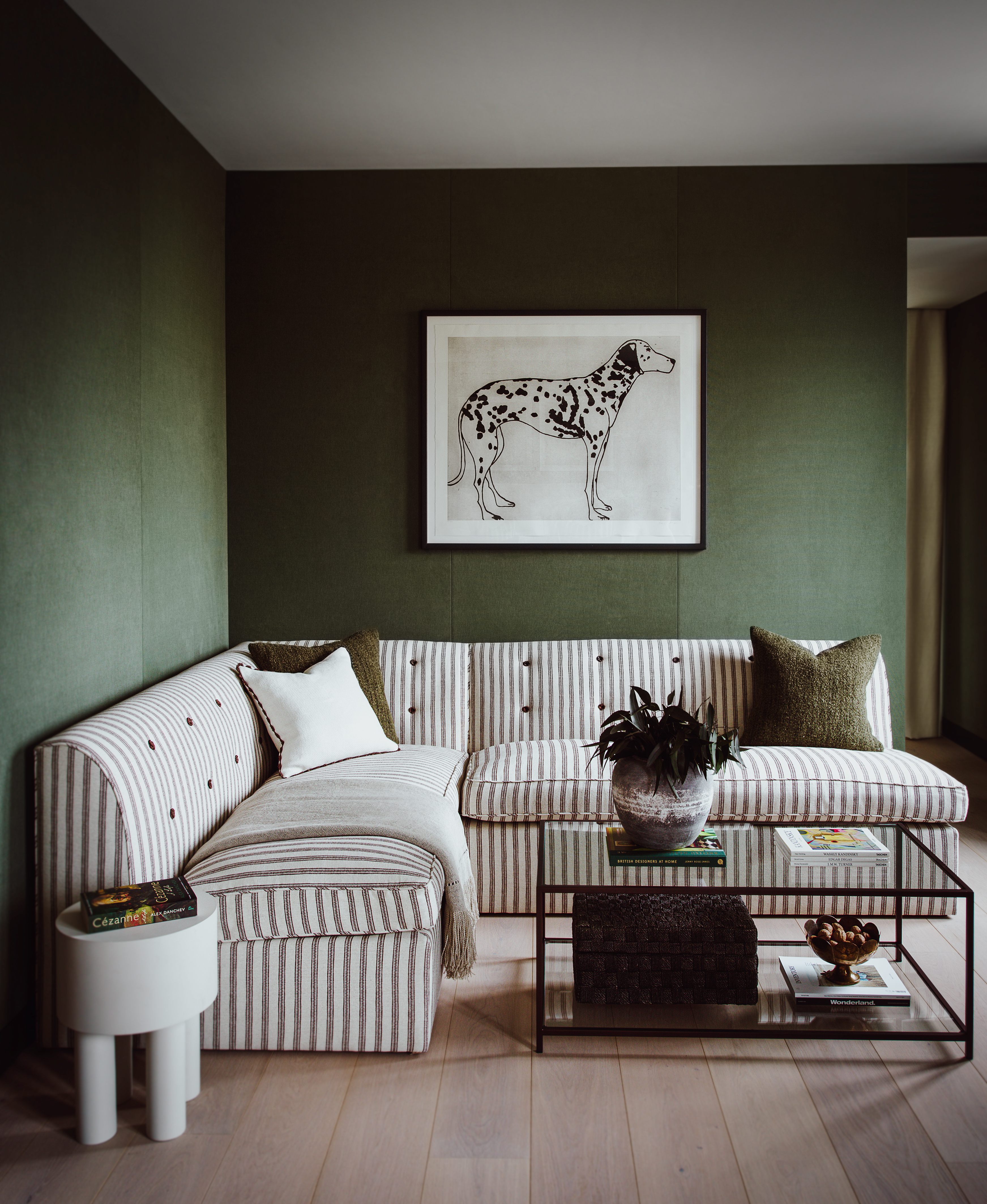
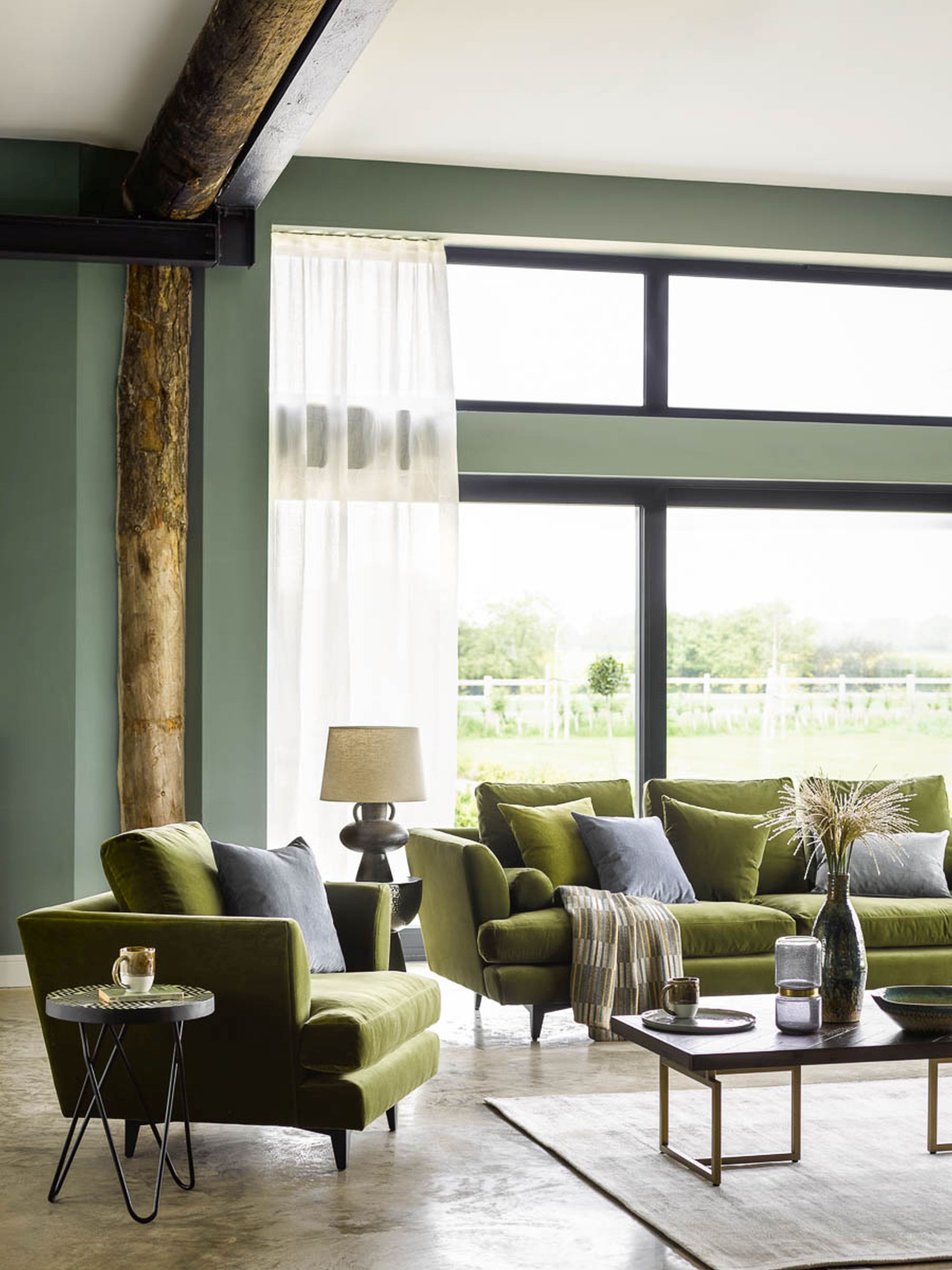
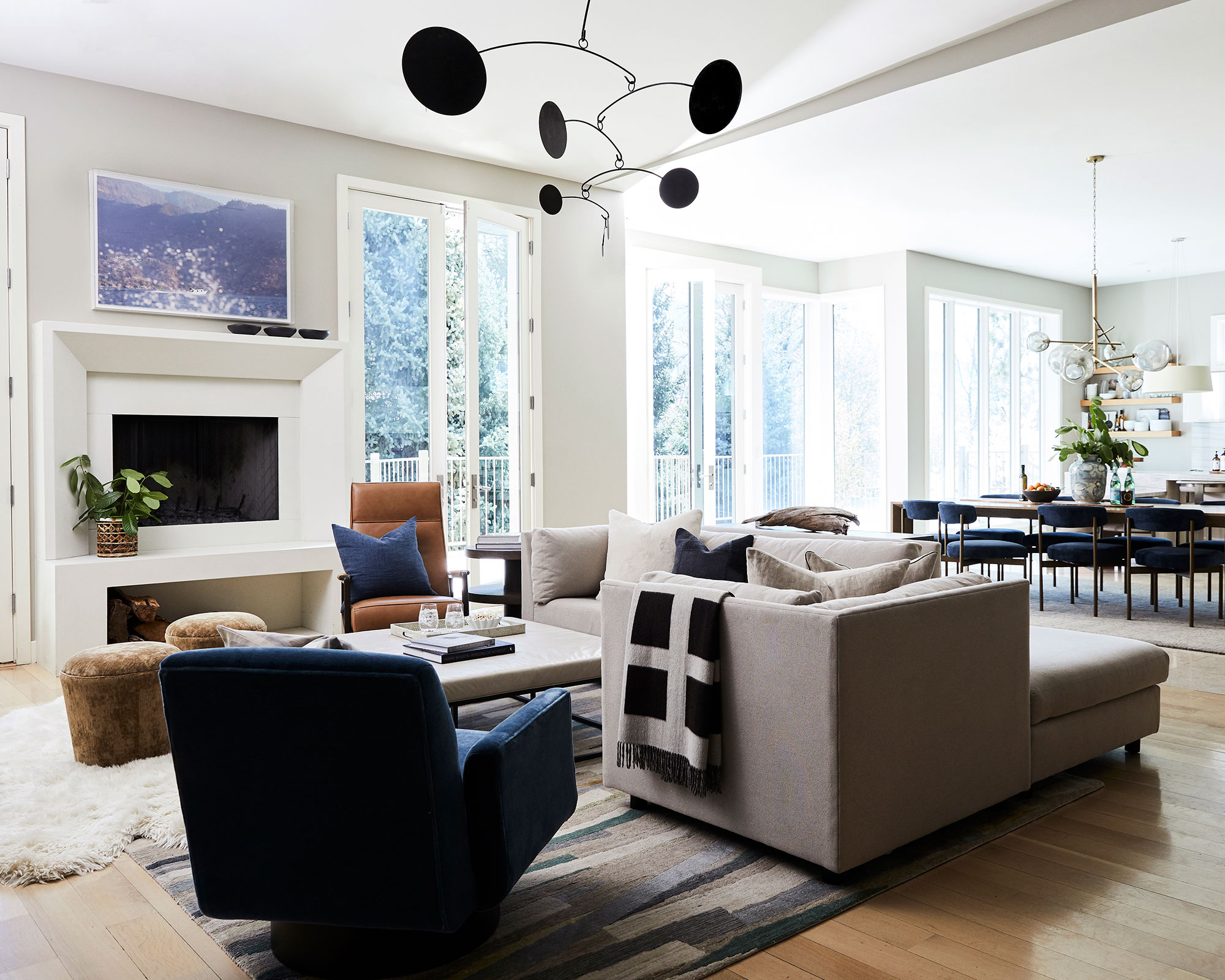
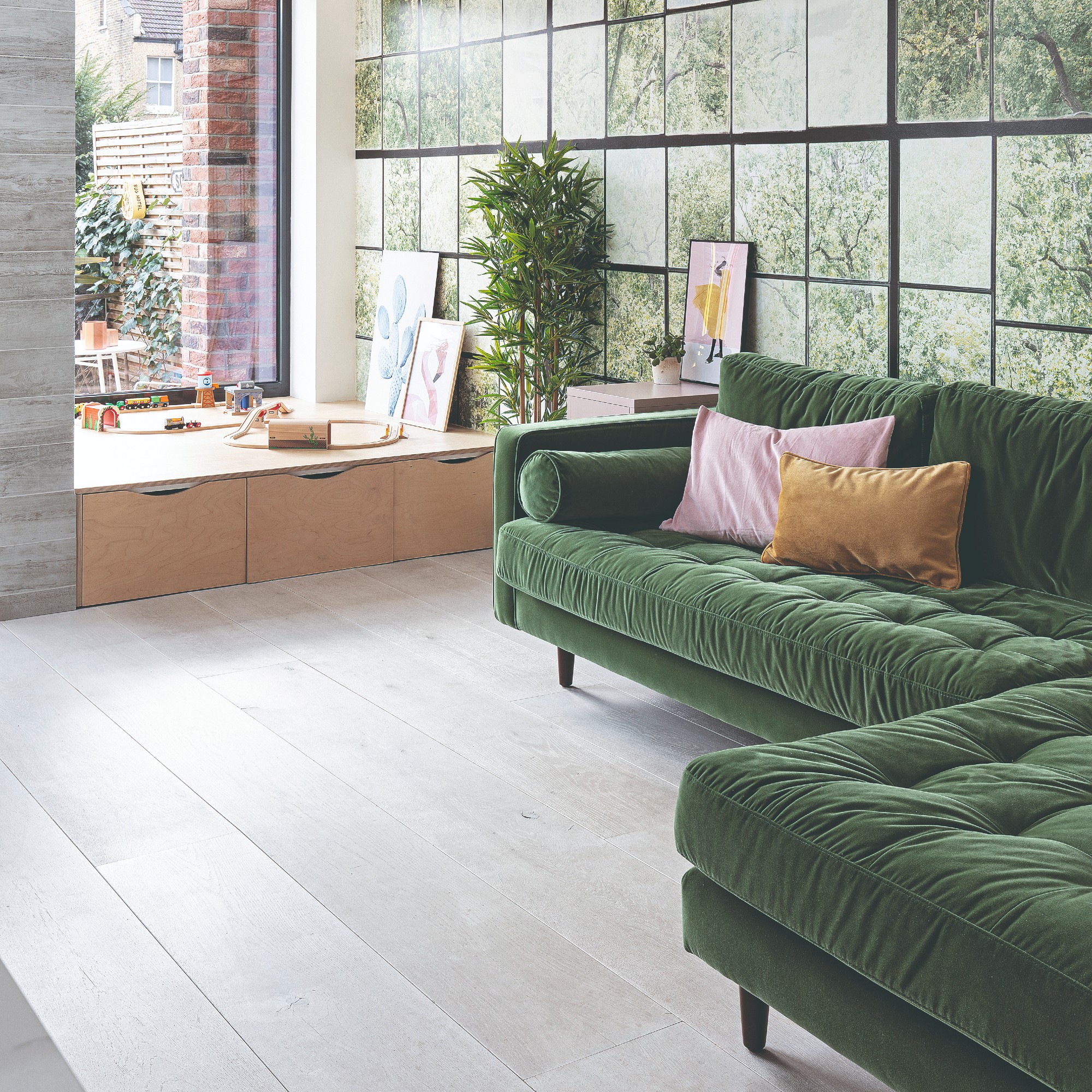
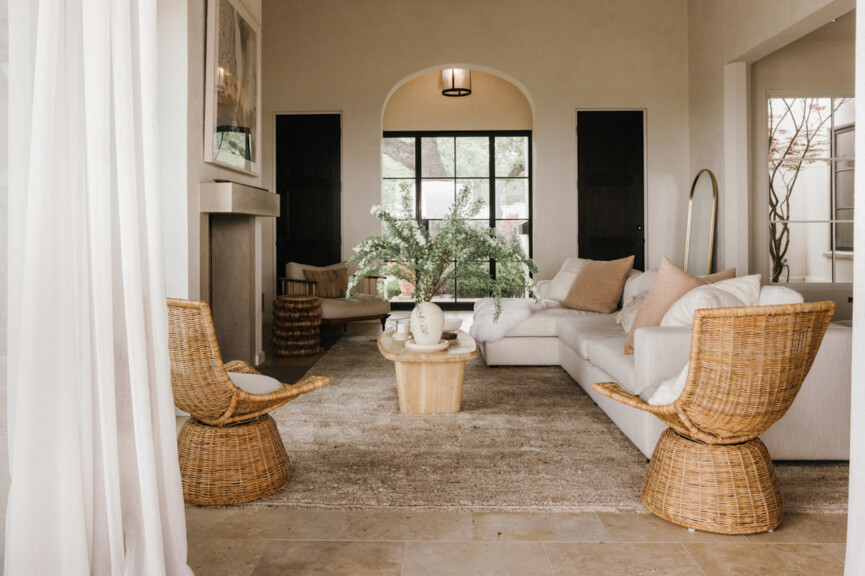
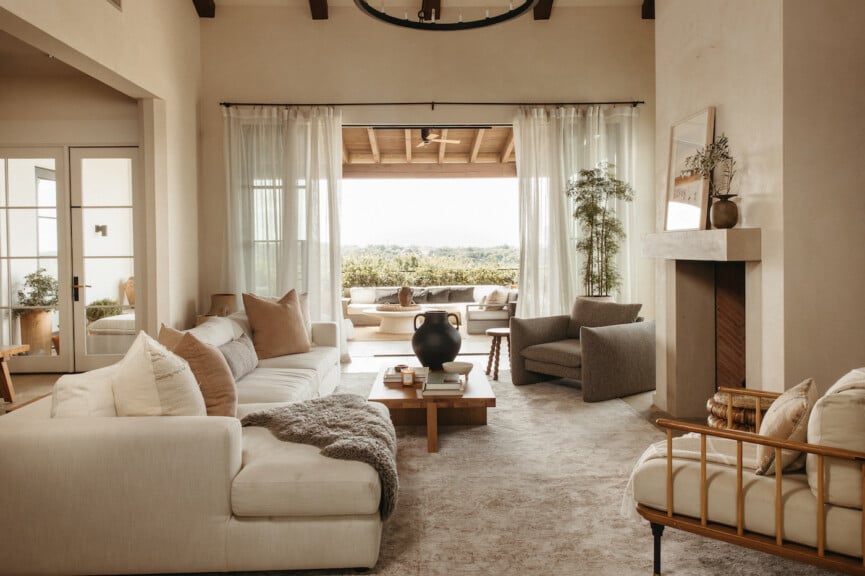
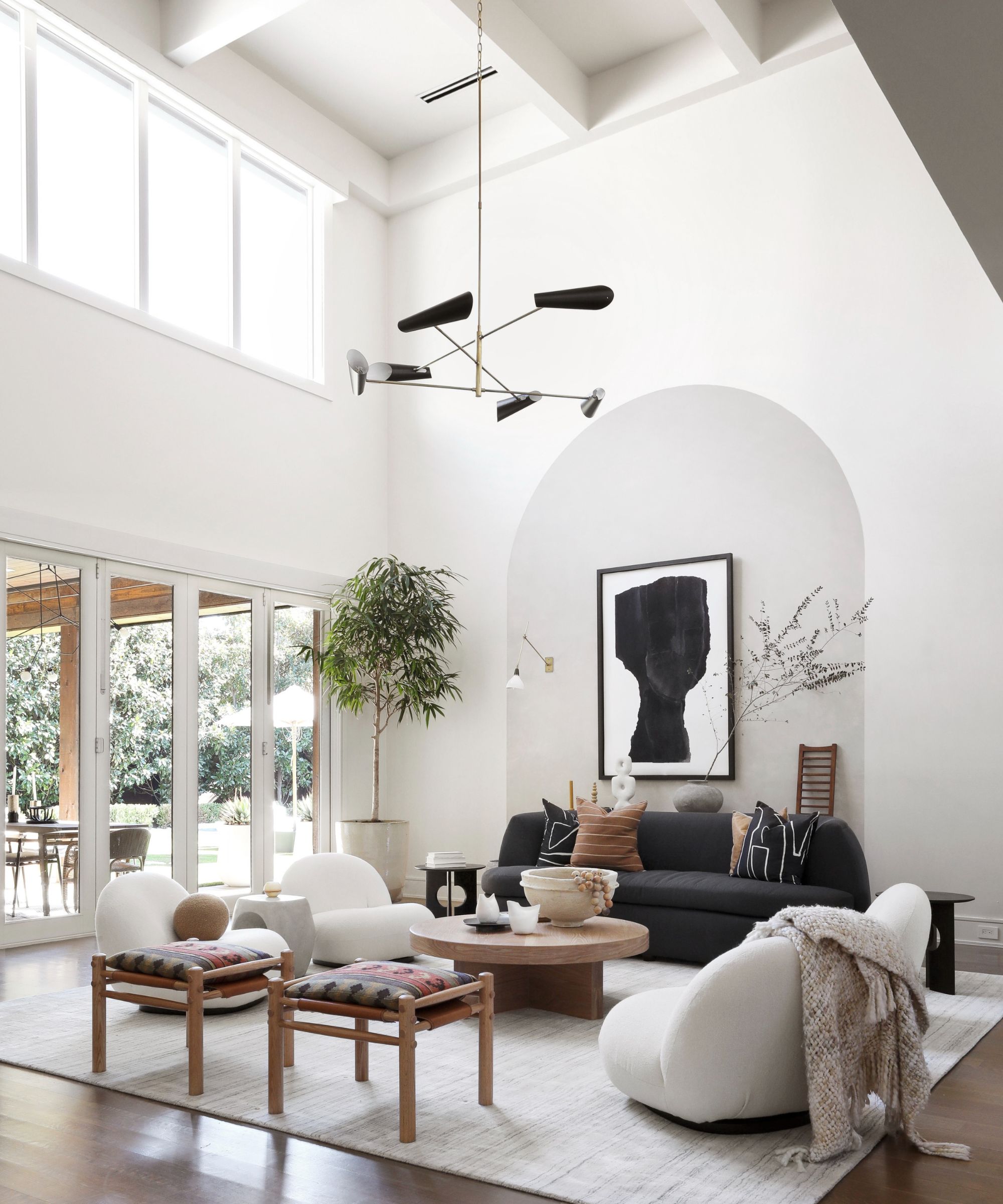
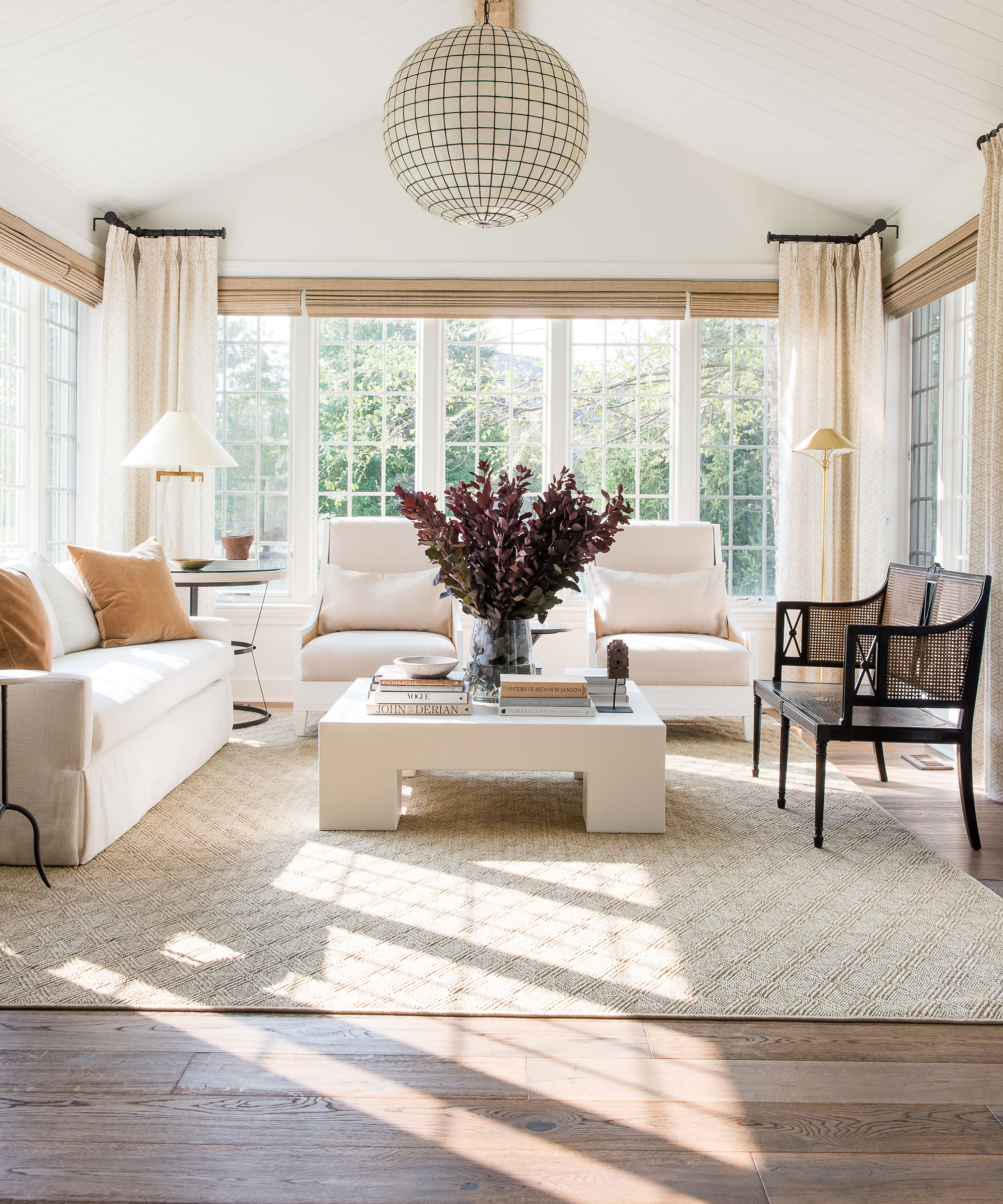
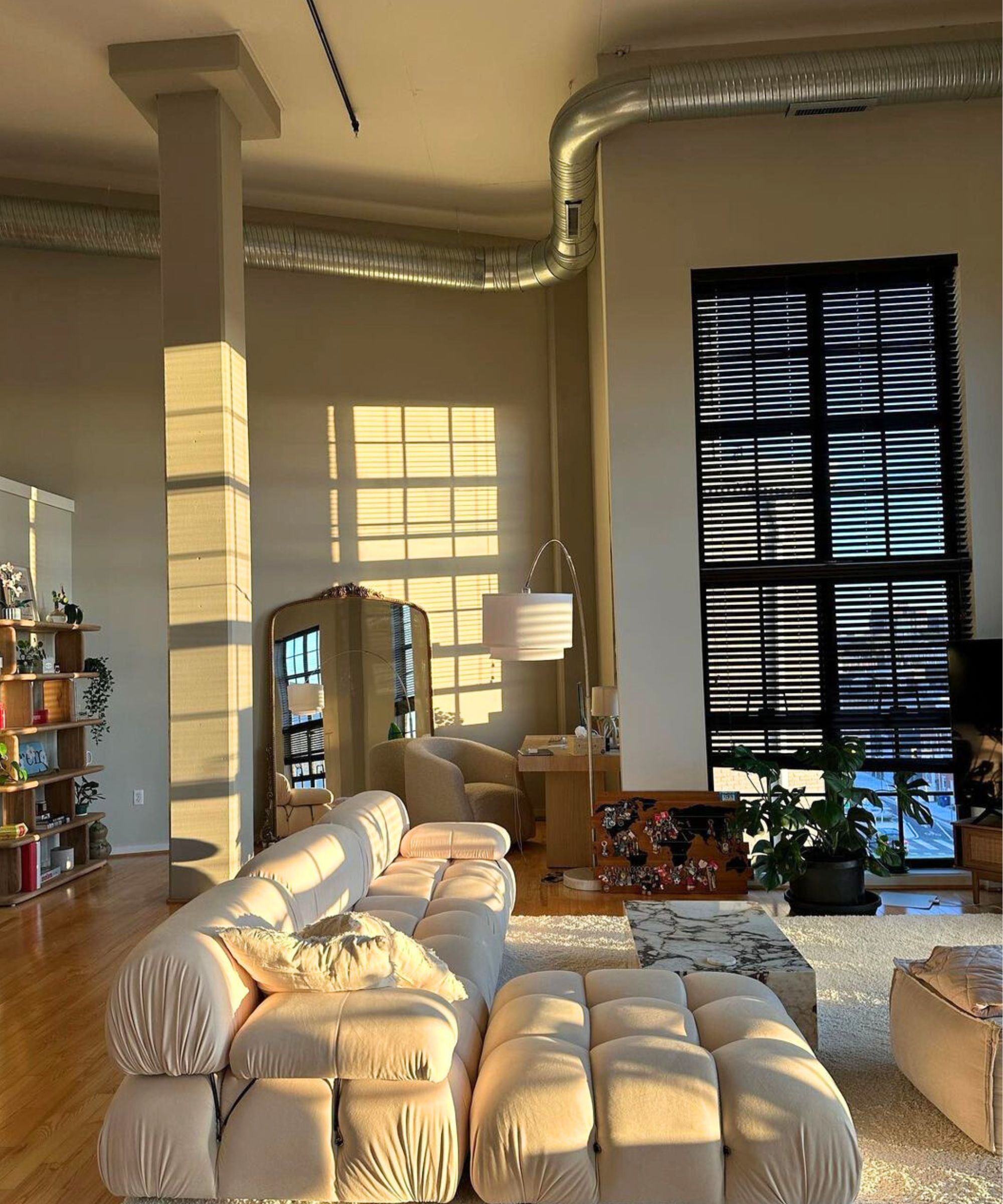
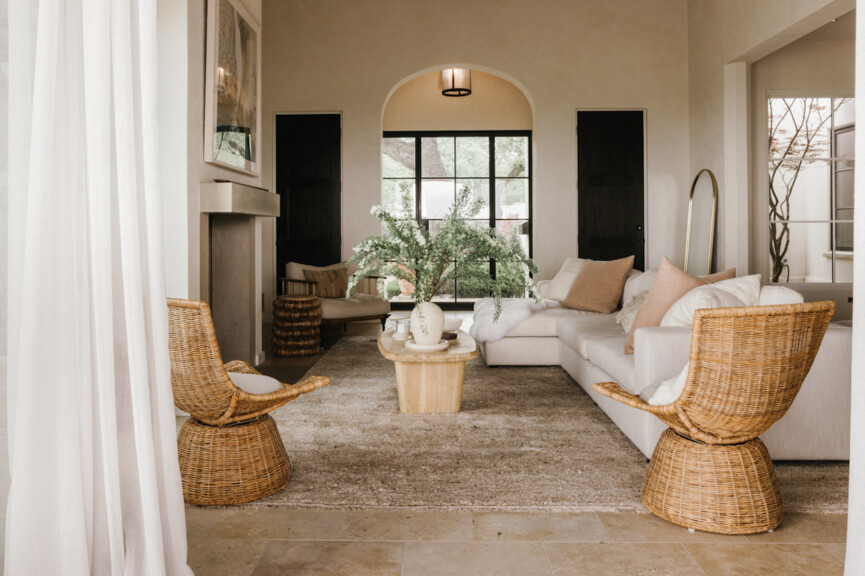
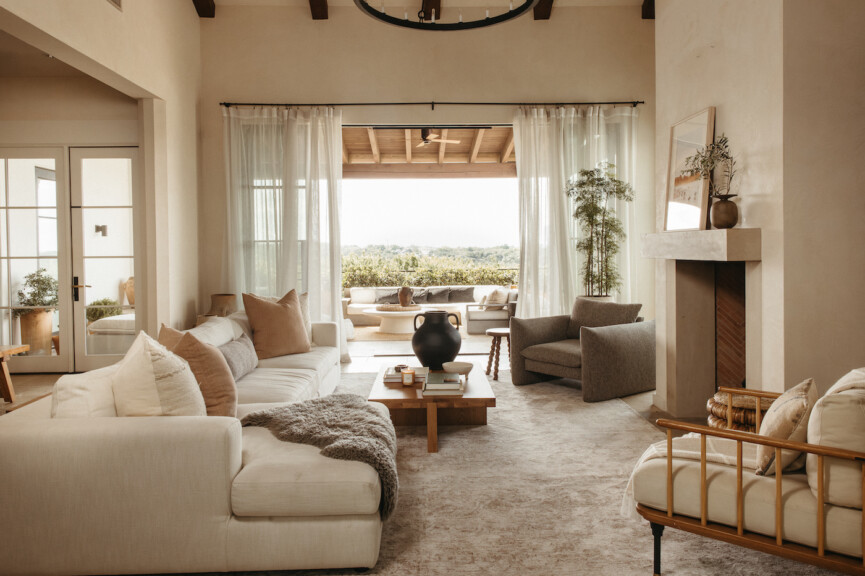
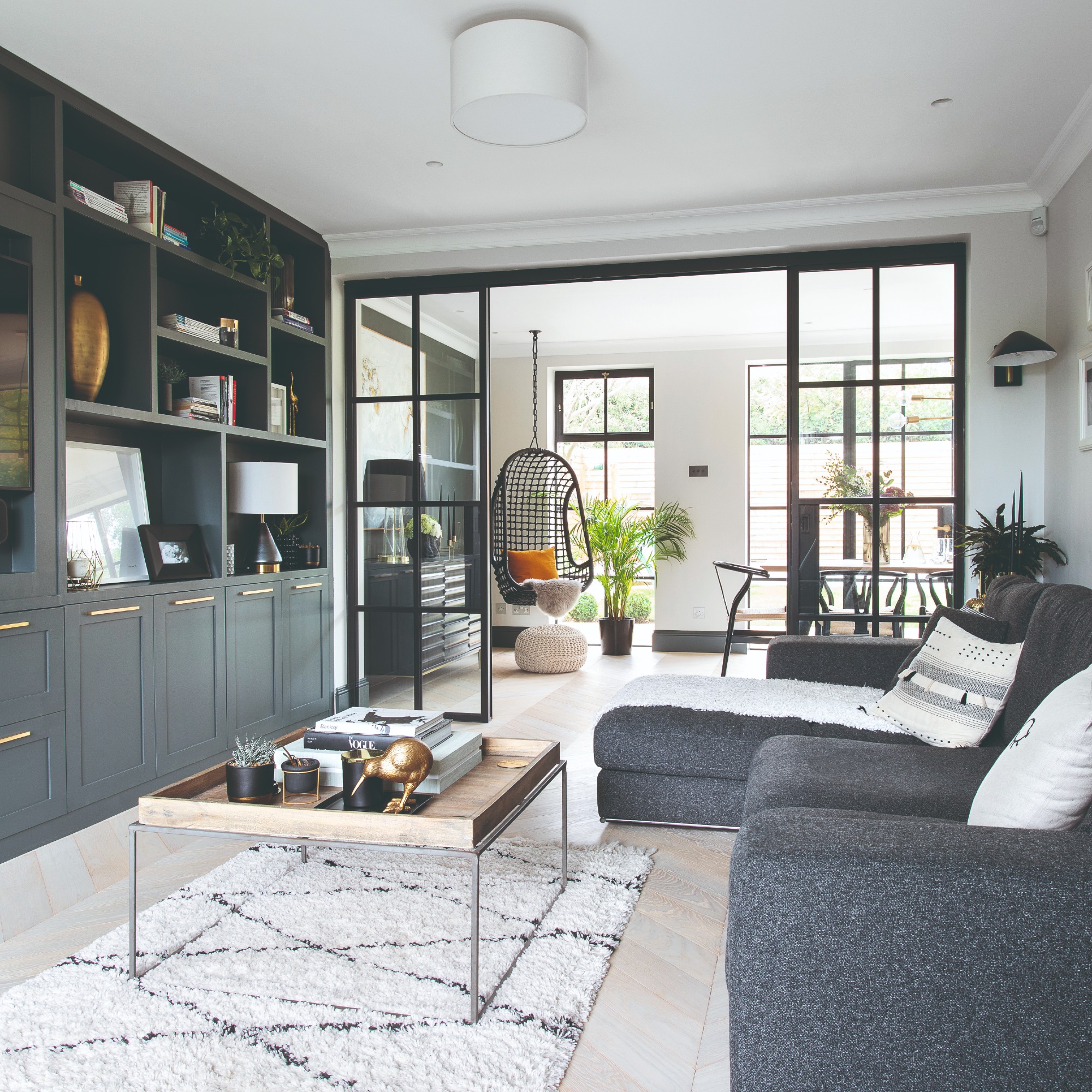
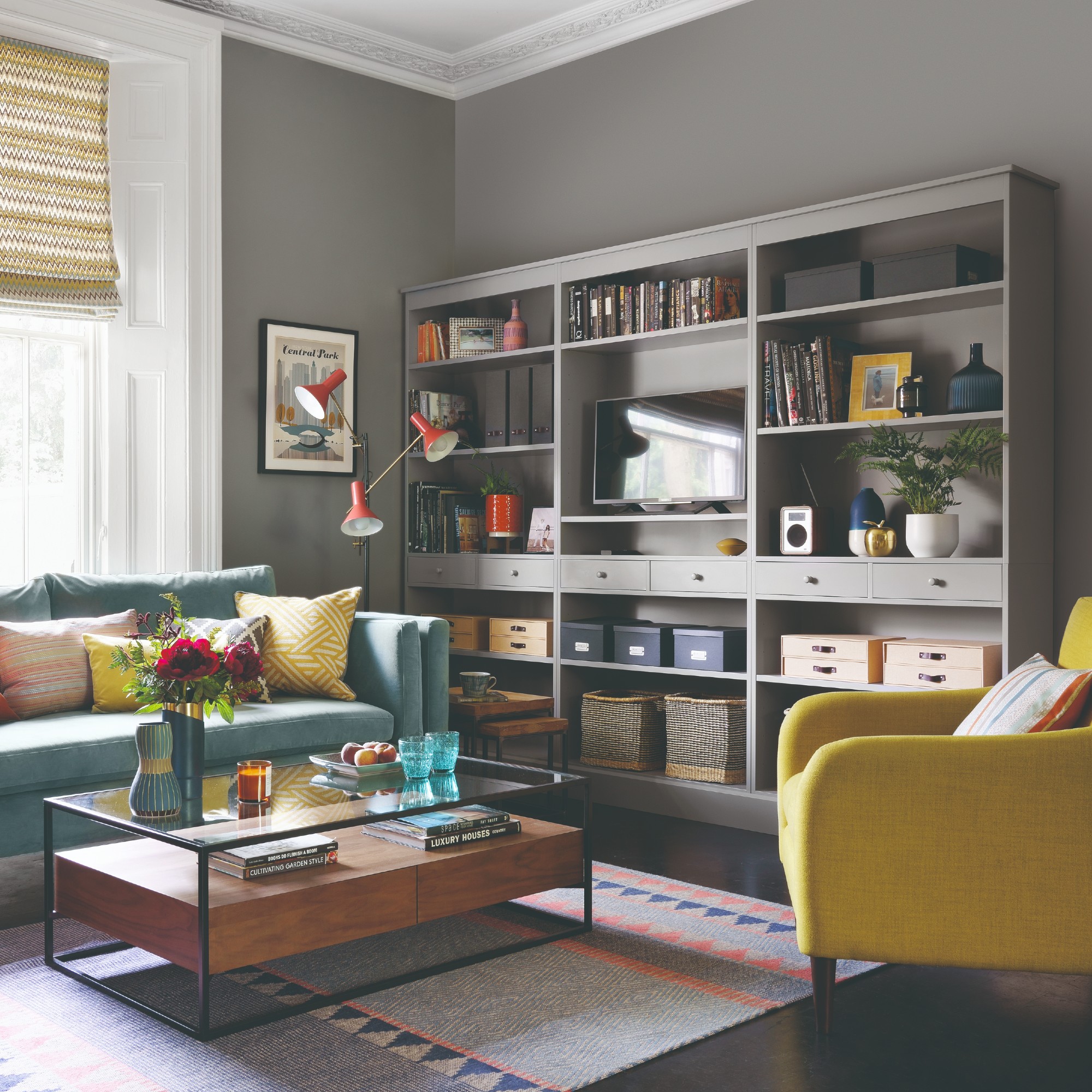
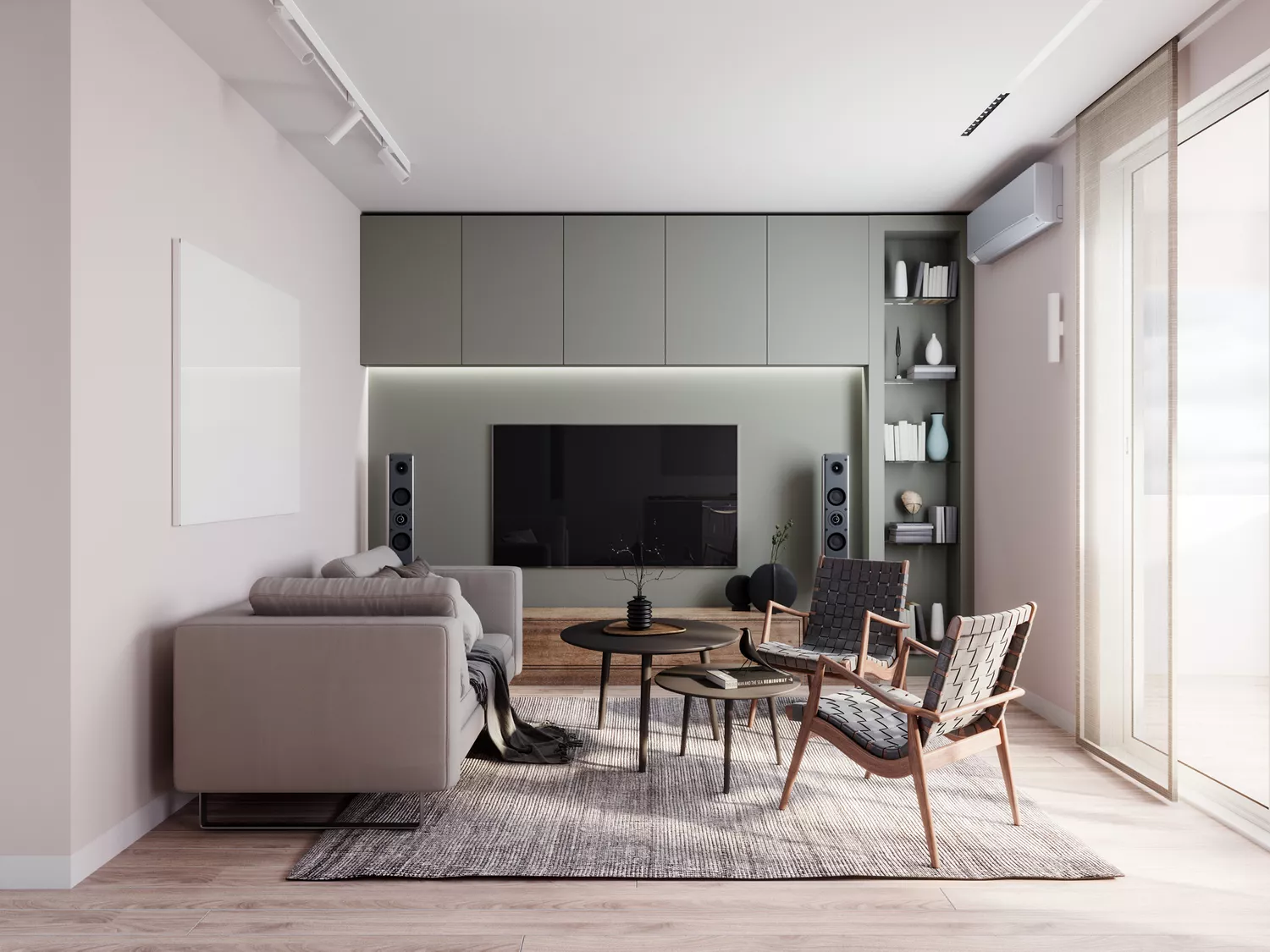
Incorporating an oversized sectional is a frequent misstep. Large pieces of furniture can be cumbersome and restrict movement in a small room. A more suitable alternative is to opt for a petite sofa paired with accent chairs, which offer greater flexibility in arrangement and can be easily reconfigured. The choice of rug size also plays a crucial role; using a rug that is too small for the living room can make the space feel disconnected. Designers recommend selecting a large rug that leaves only six to twelve inches of uncovered floor space between the rug and the walls, ensuring the primary furniture sits entirely on it. This technique creates a sense of expansiveness, warmth, and cohesion.
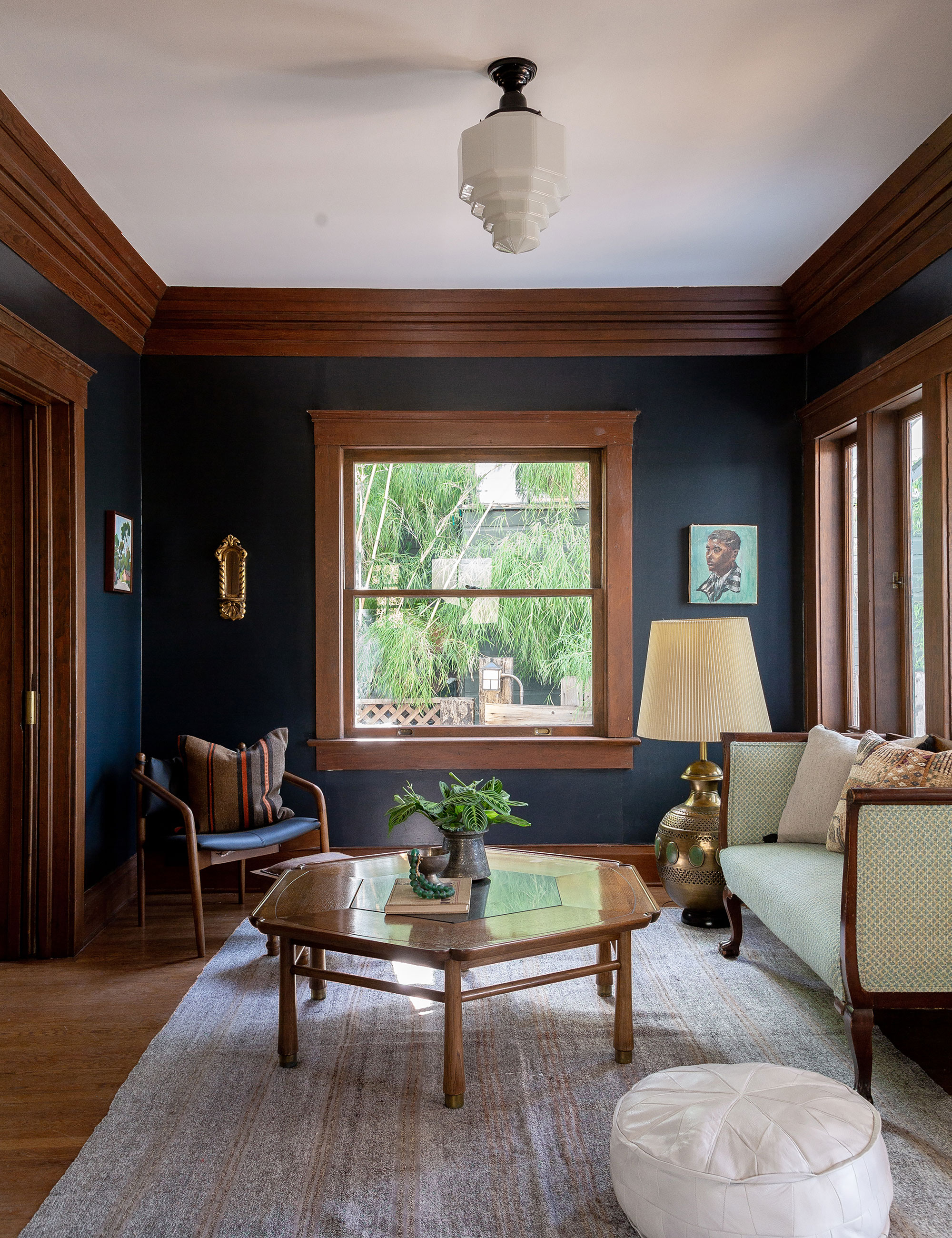
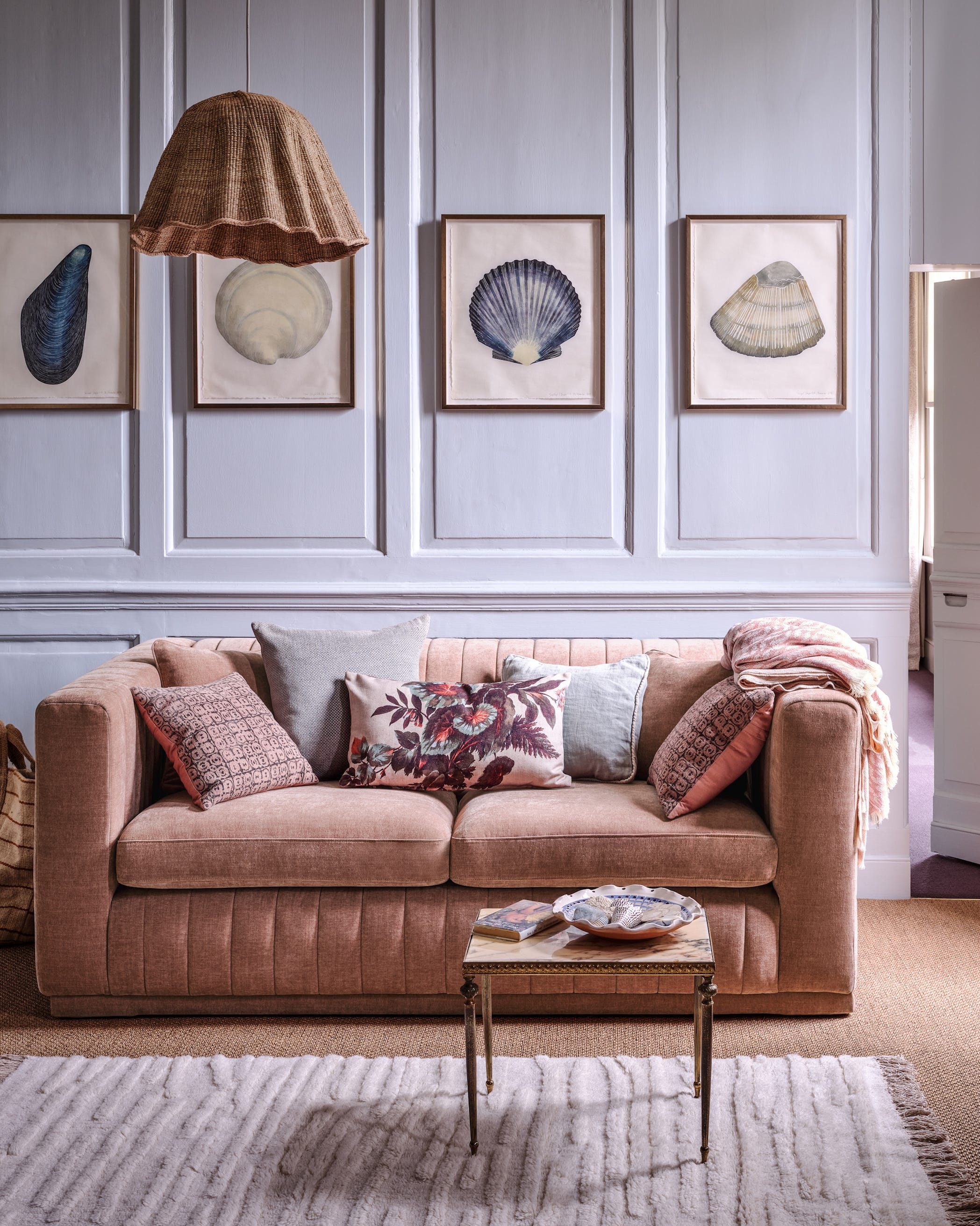
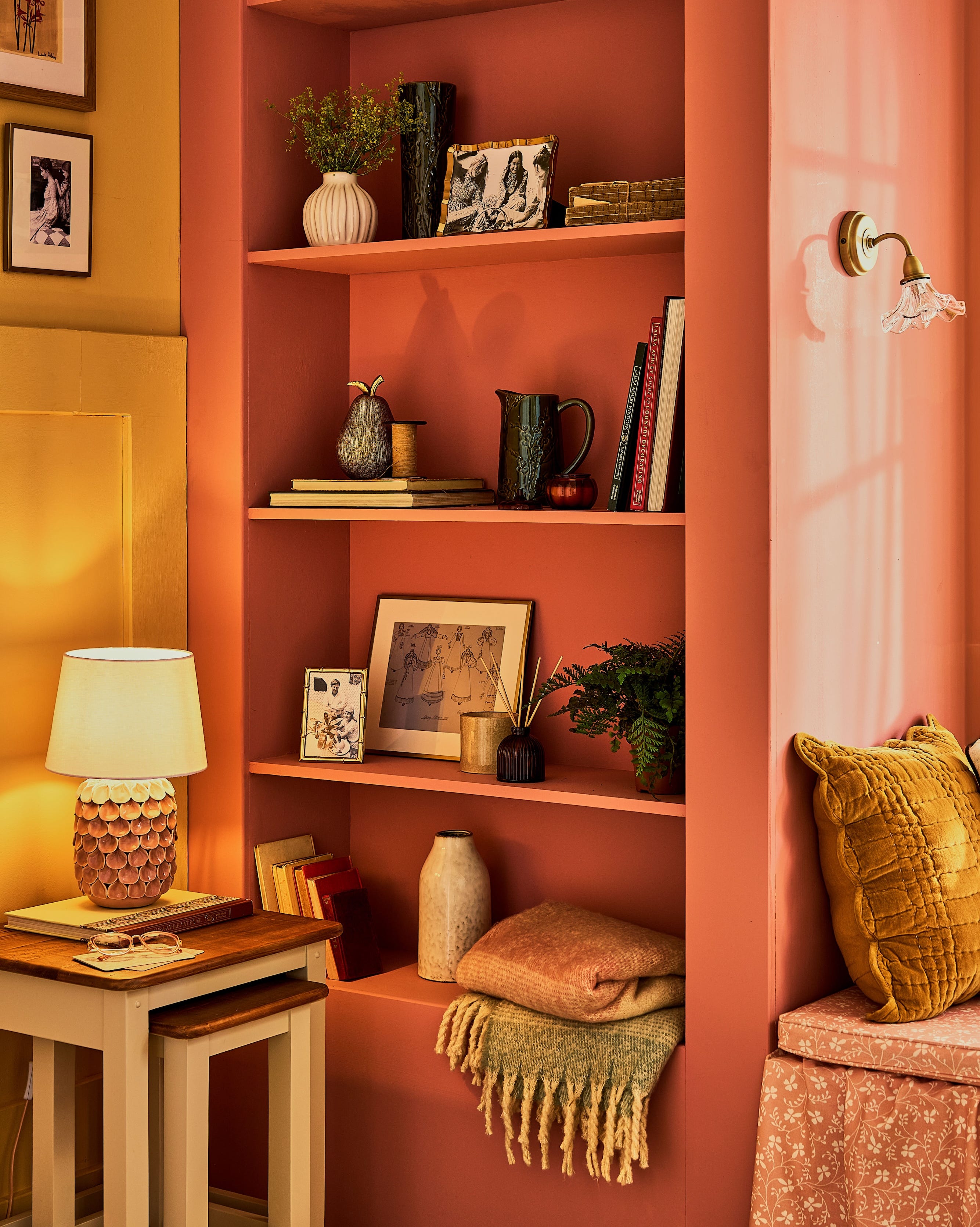
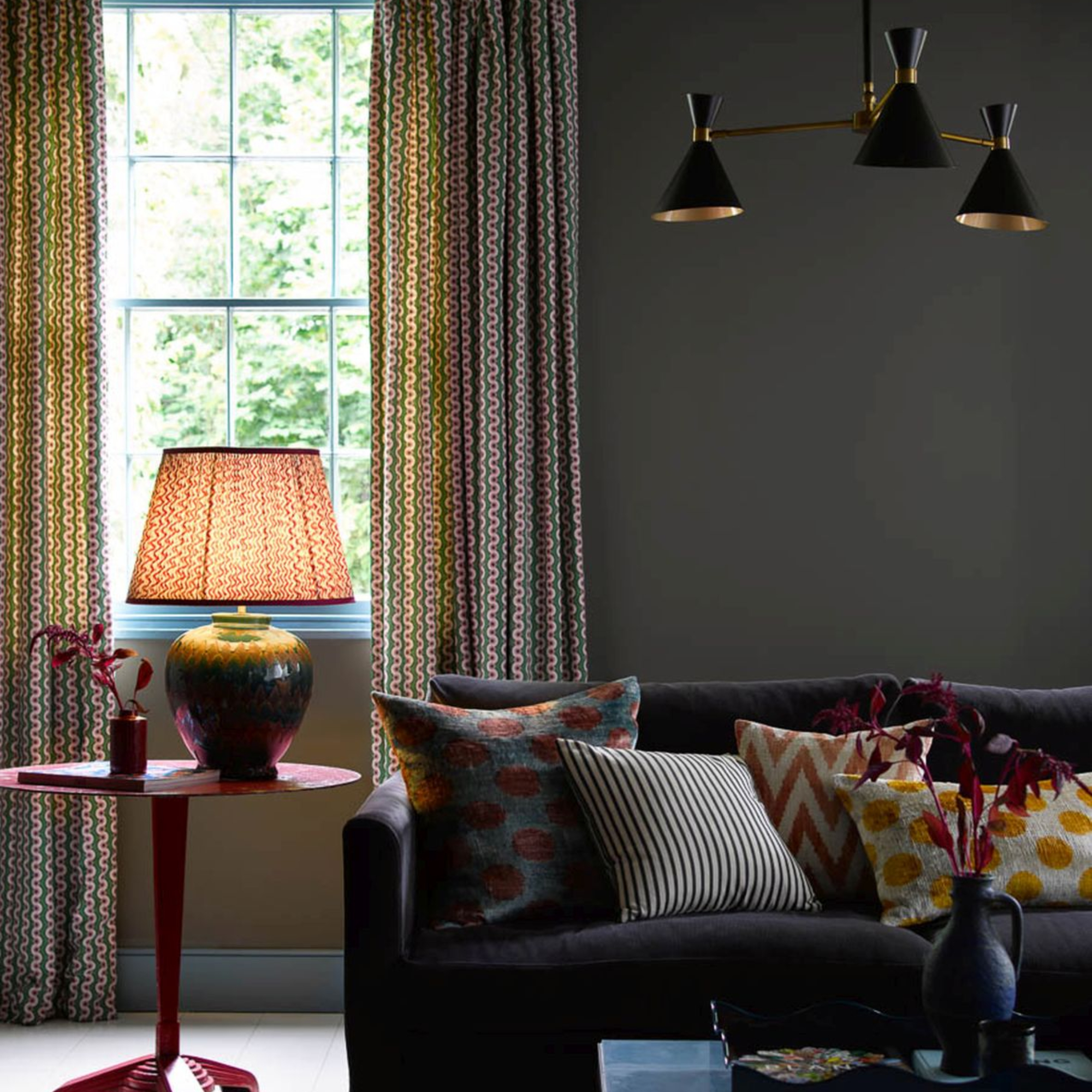
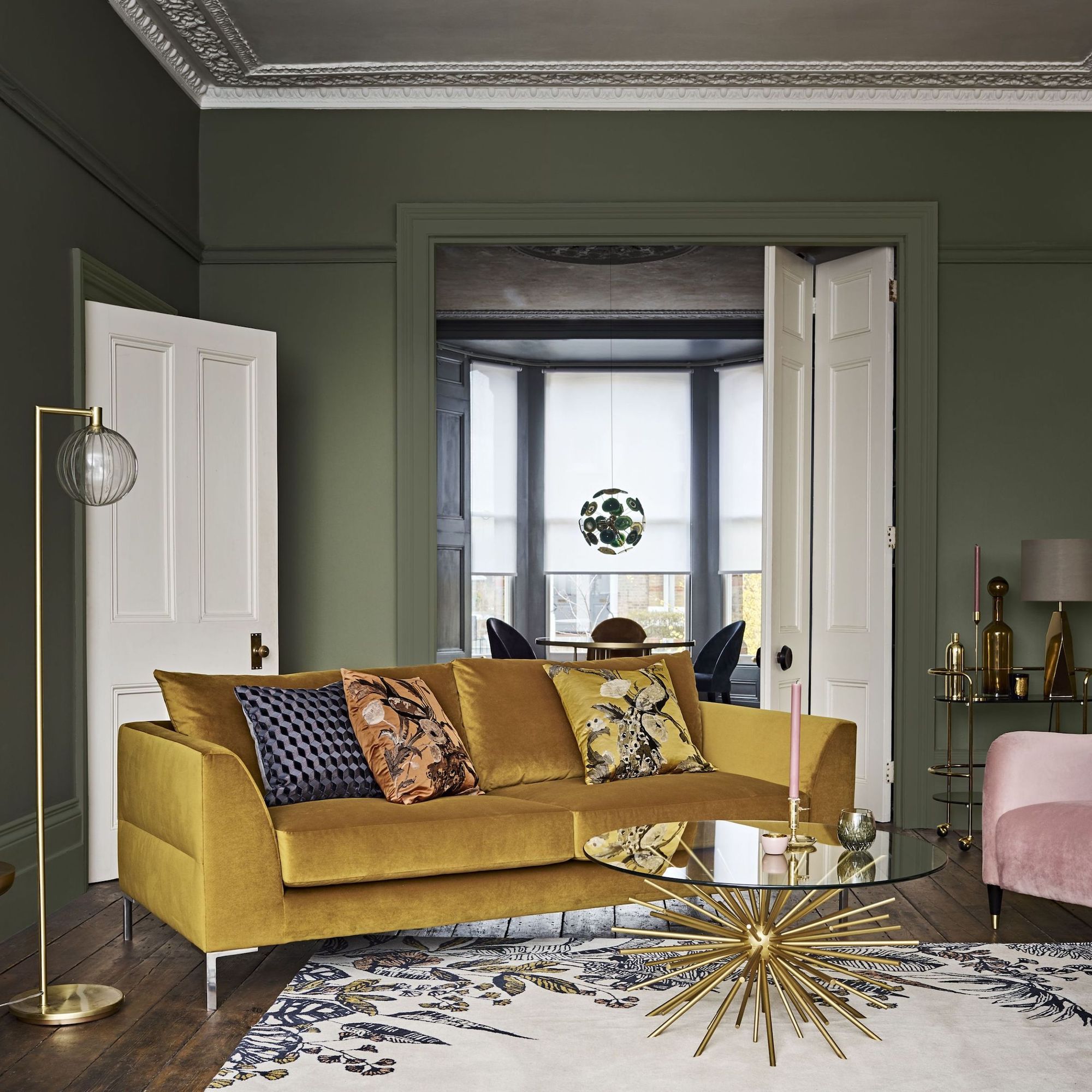
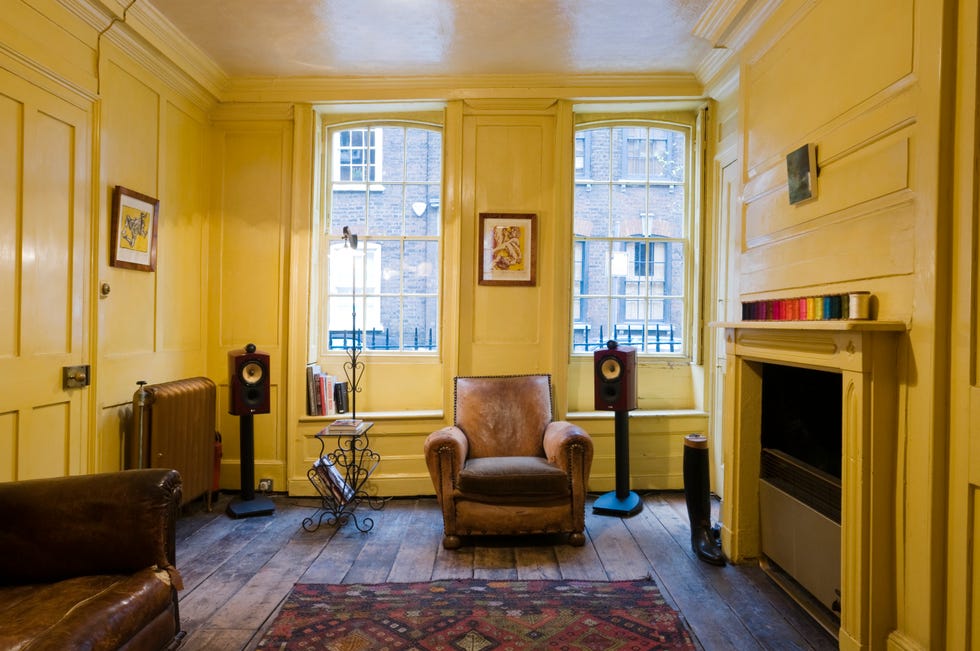
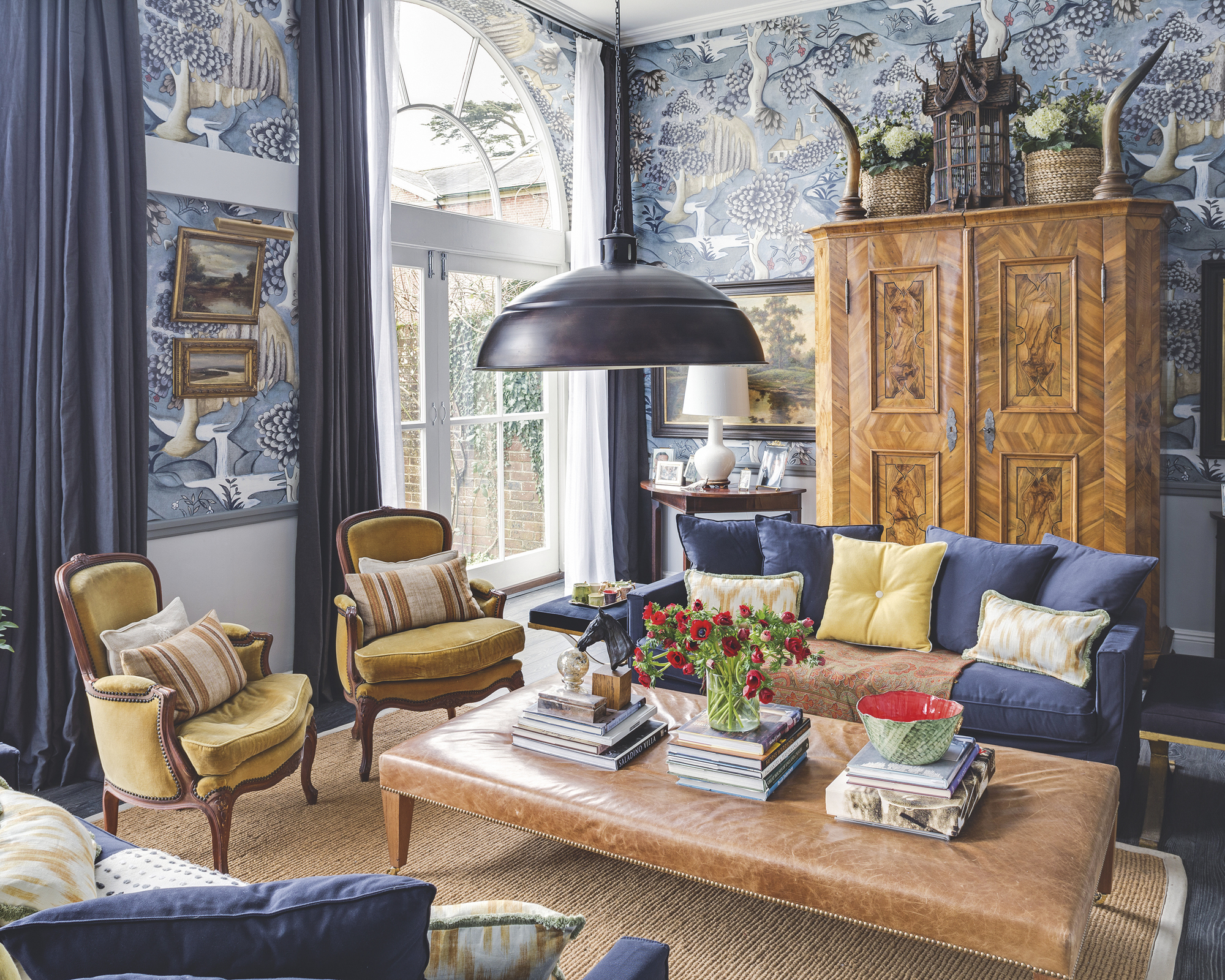
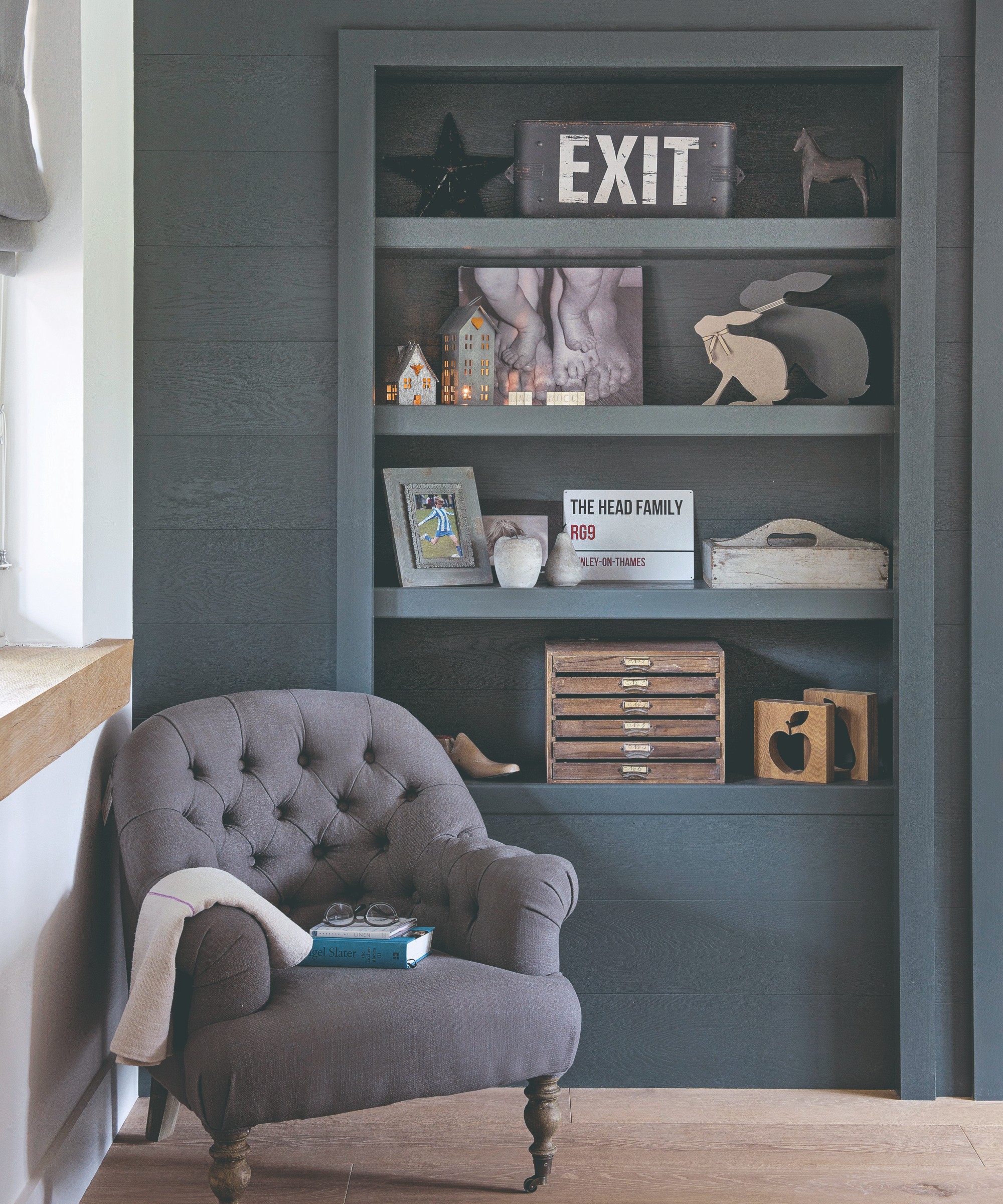
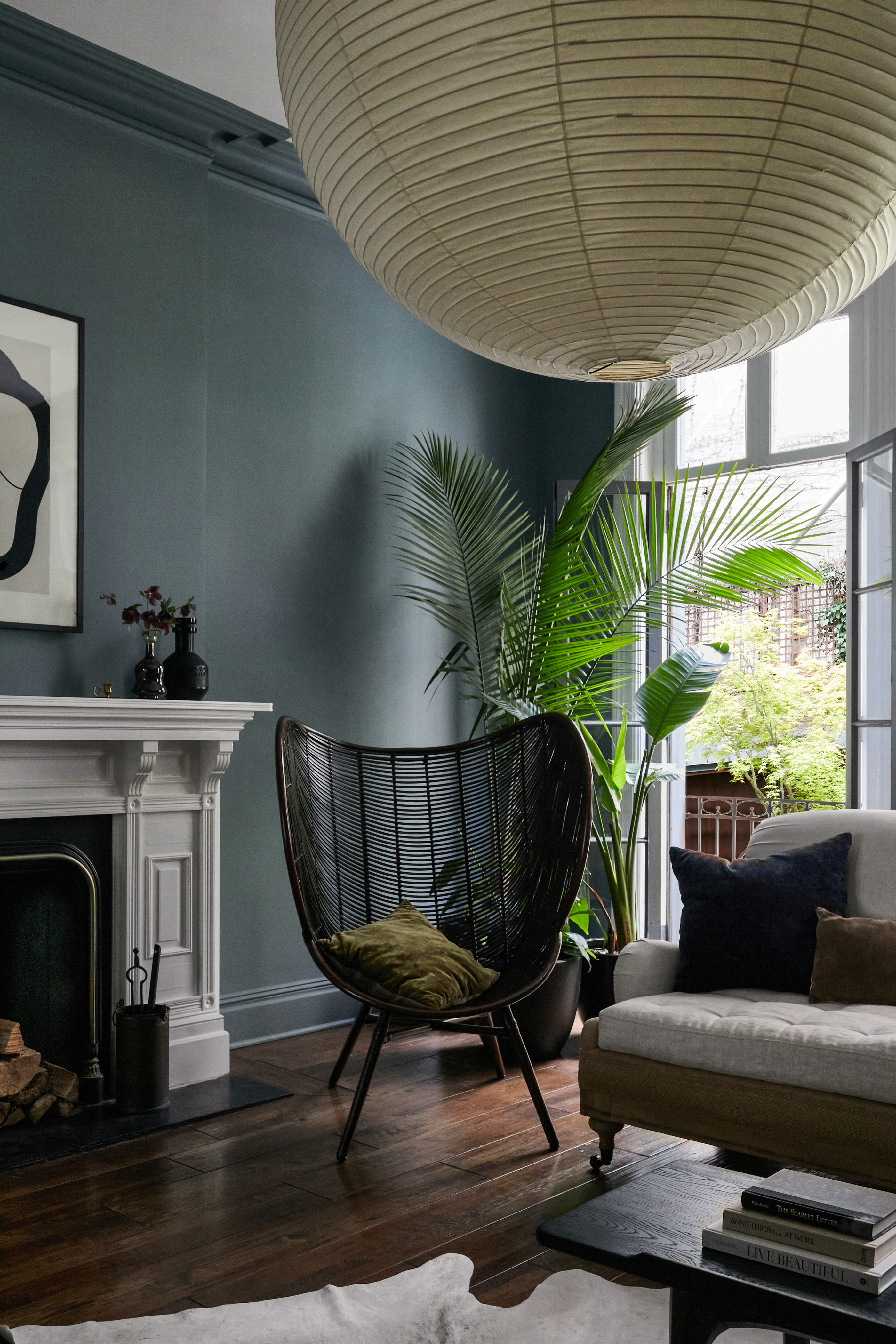
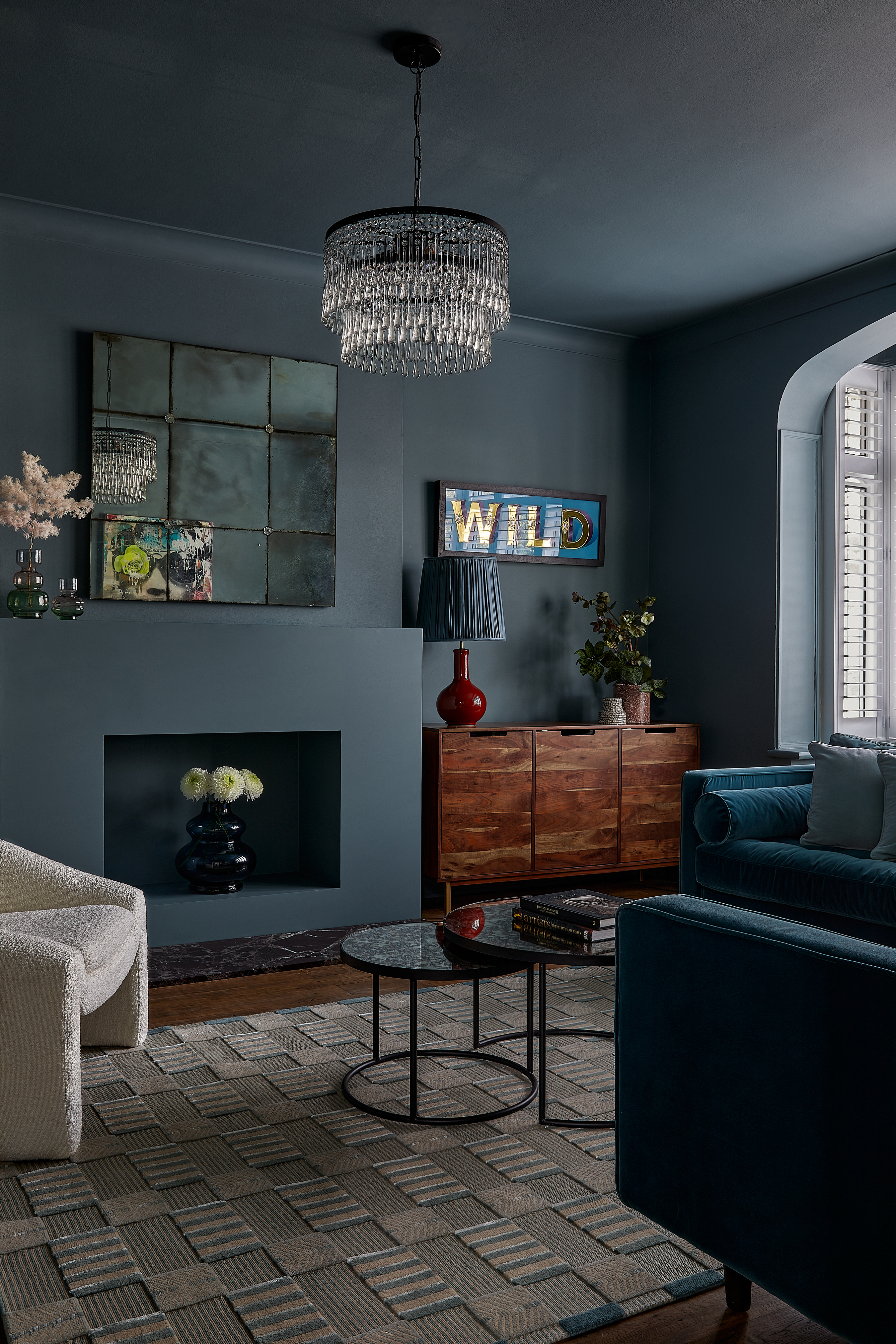
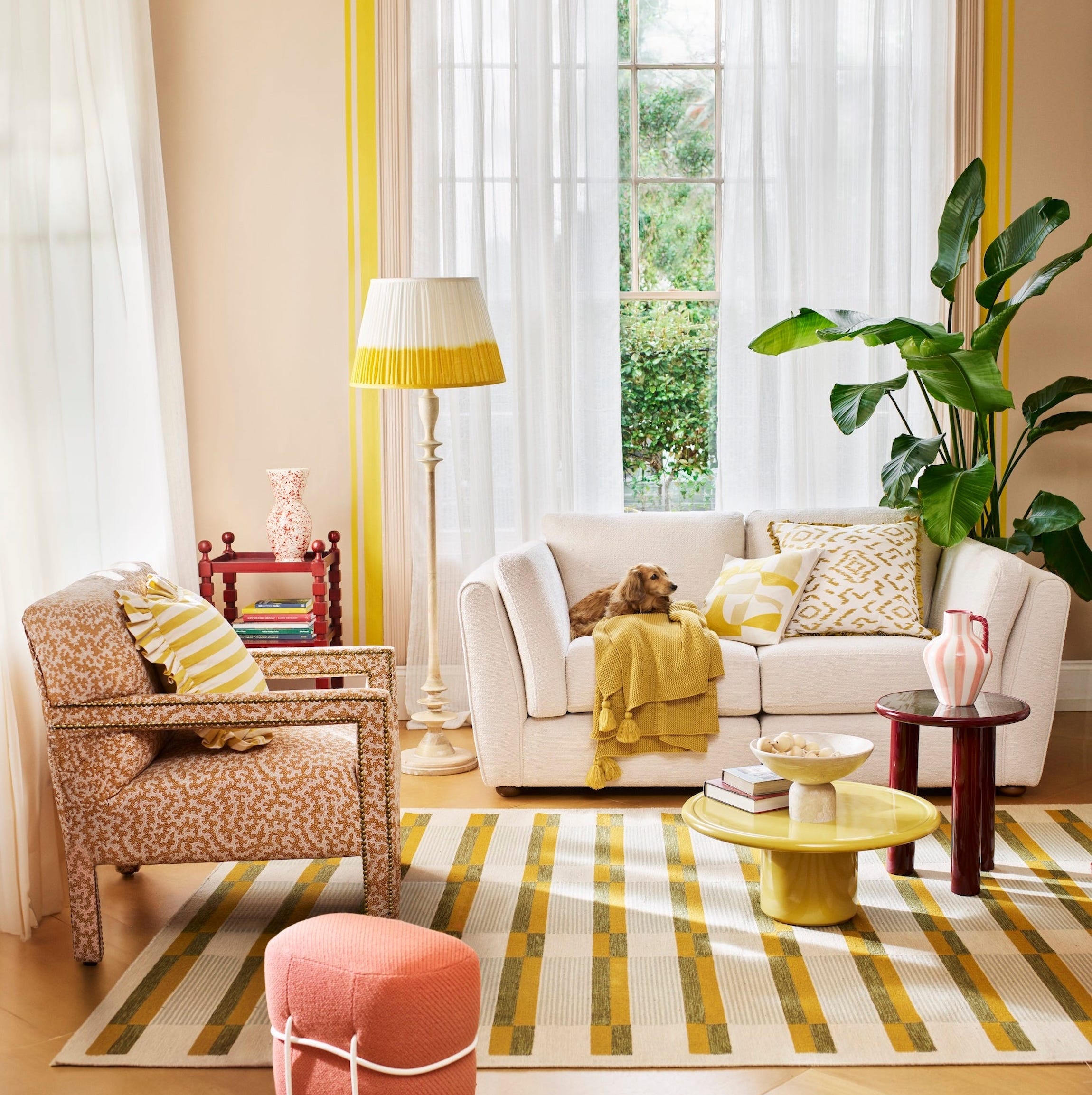
Skipping out on color is another common mistake, driven by the misconception that white paint makes small rooms appear larger. This can lead to a sterile and uninteresting environment. A more effective strategy is to use moody colors or deep hues to create an intimate and inviting ambiance. Painting walls, trim, and even the ceiling the same color can minimize visual distractions, drawing attention instead to furnishings, art, and accessories, thereby enhancing the room's overall aesthetic.
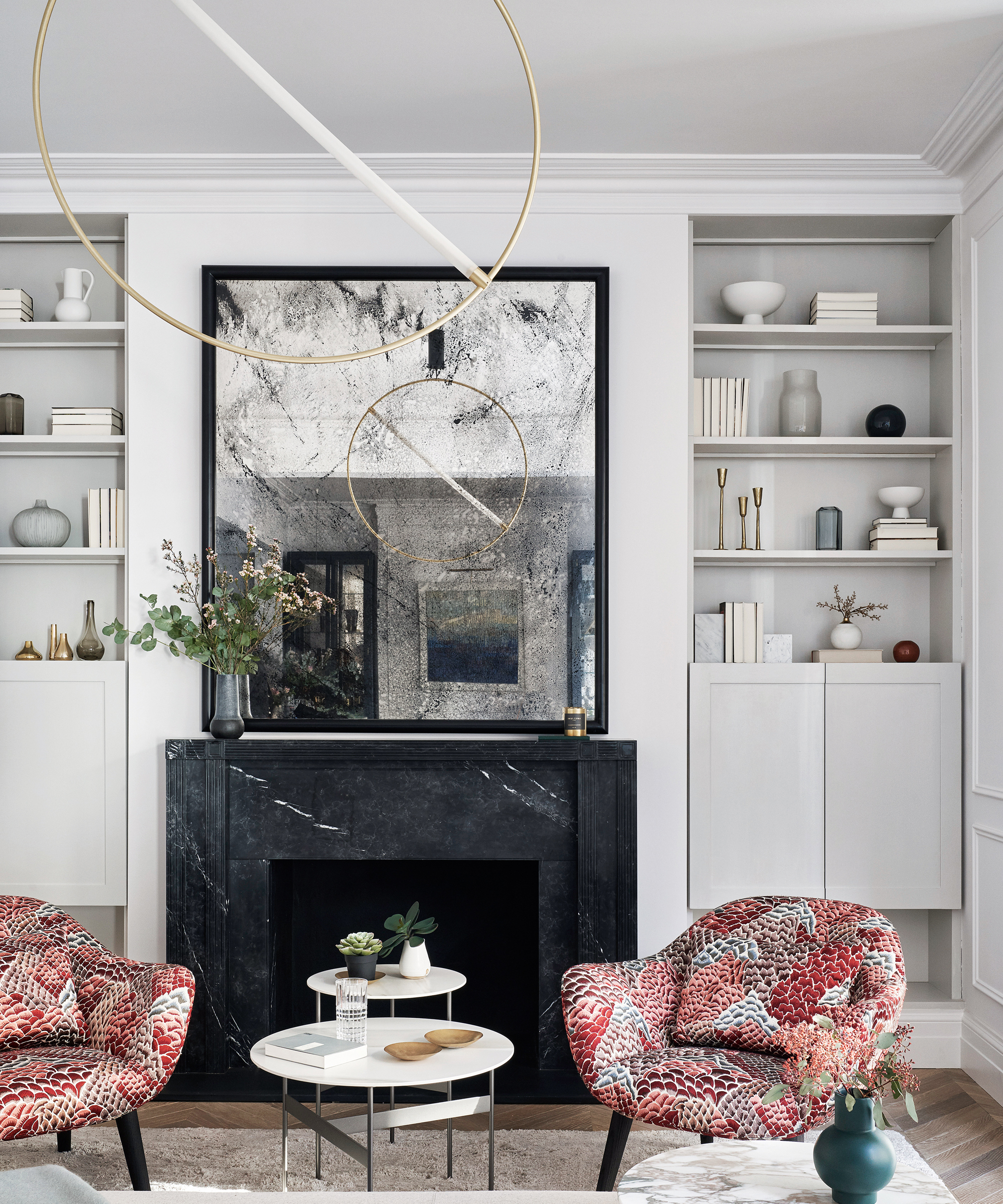
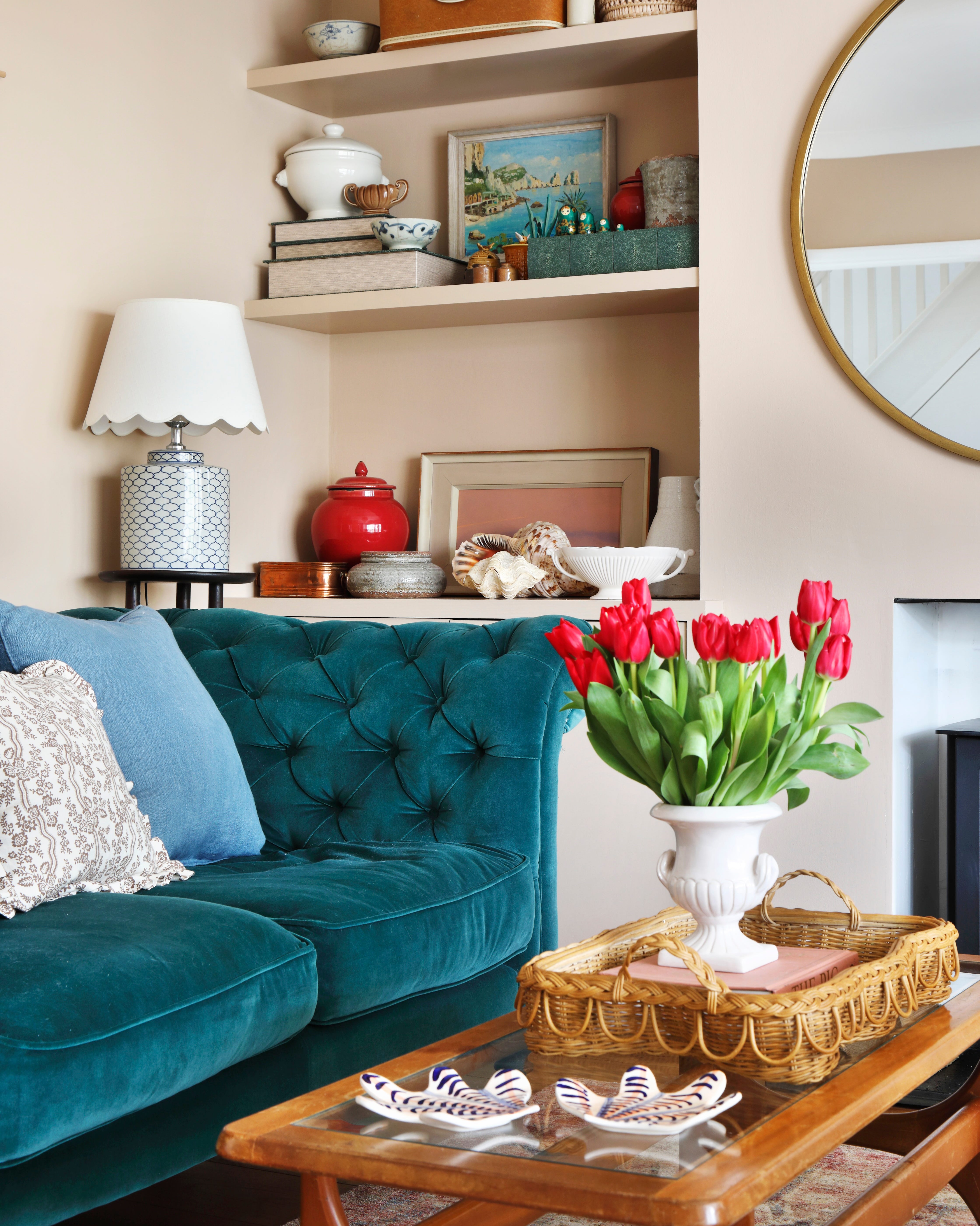
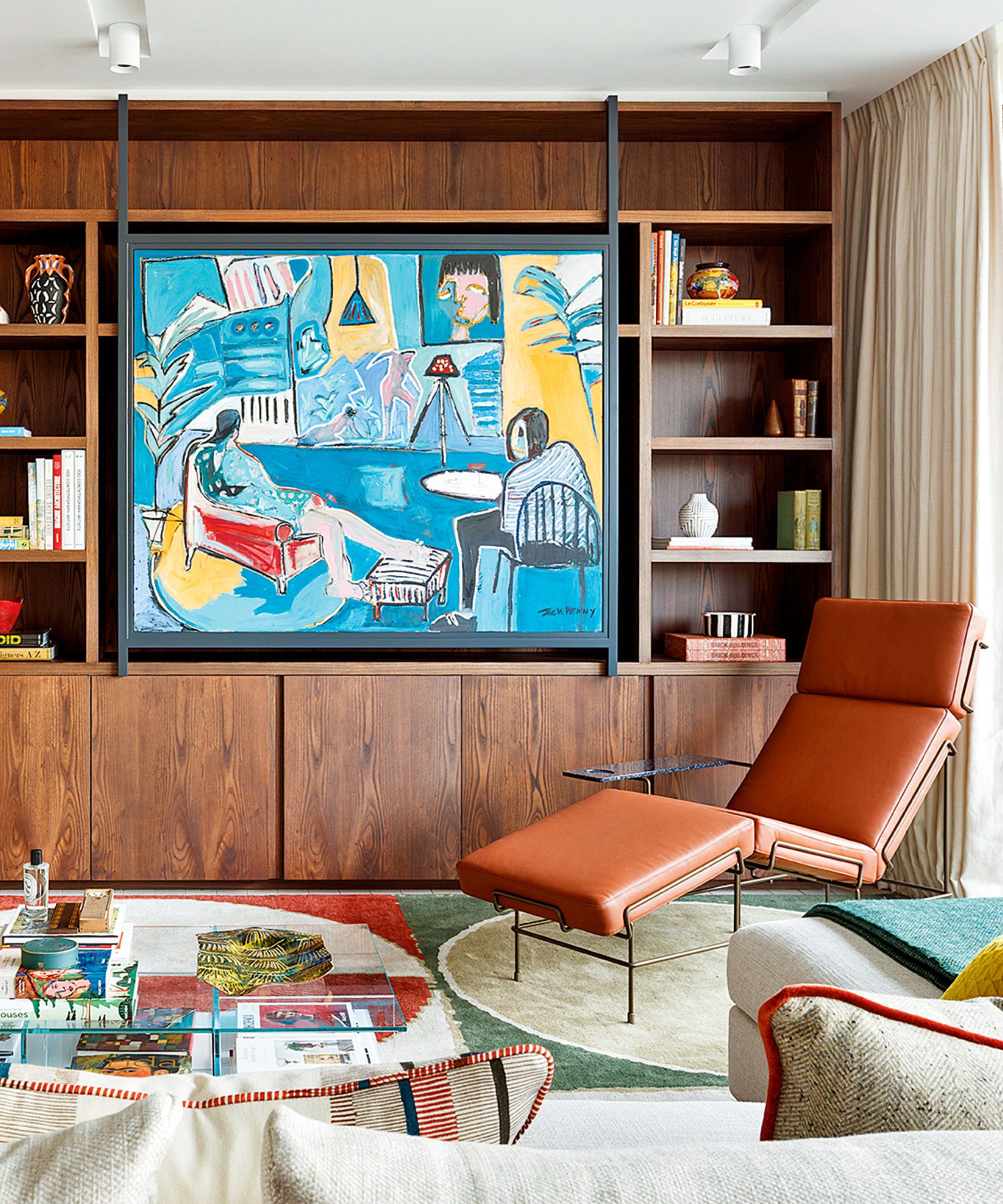
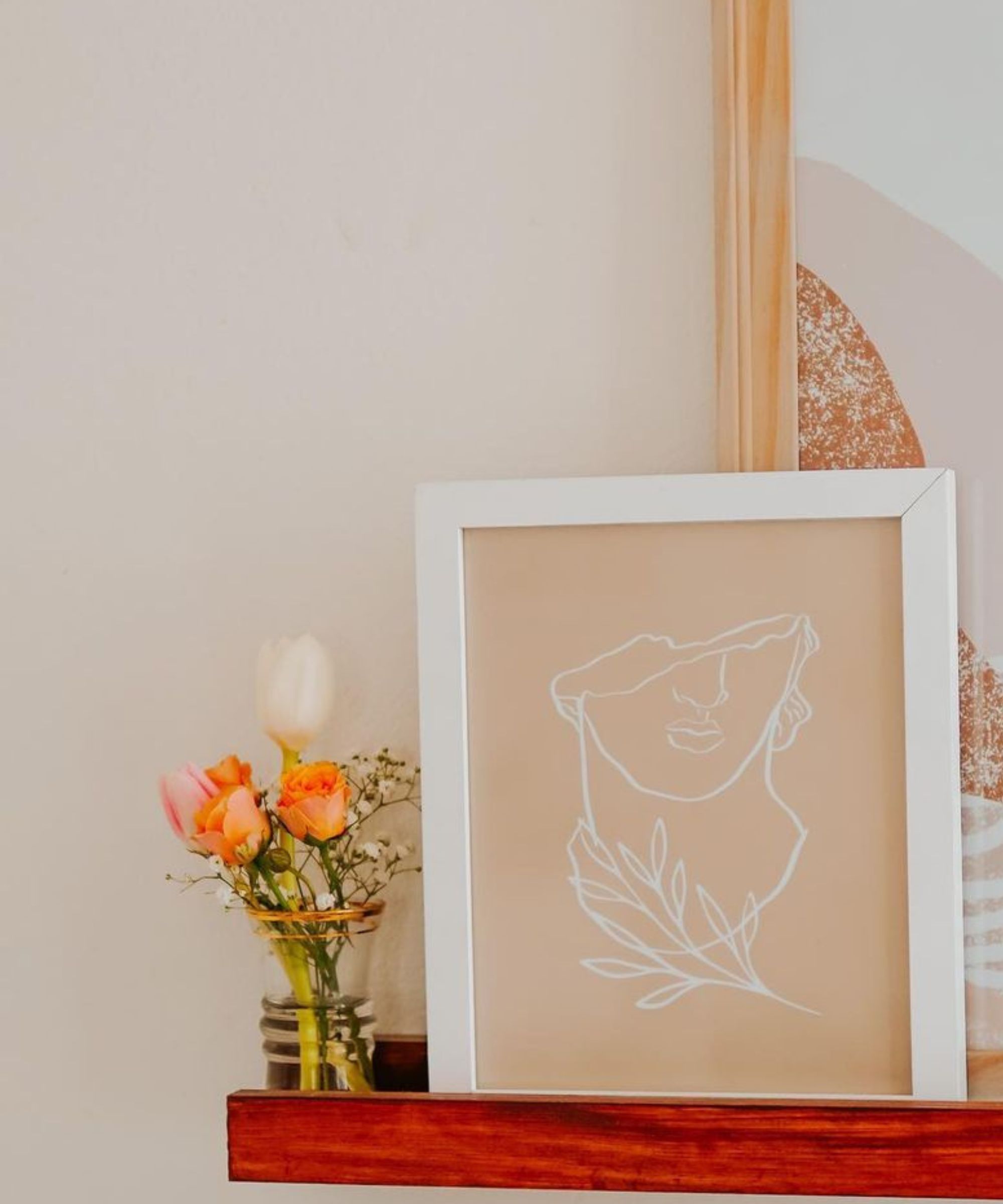
Finally, selecting accessories and art pieces that are too small can diminish the impact of a small living room. Instead, incorporating a few large-scale accent pieces, such as a substantial piece of art, a bold lamp, or an oversized mirror, can introduce dramatic statements and depth without overwhelming the space. The key is to choose one or two impactful items rather than many small ones, allowing for thoughtful layering that adds character and visual interest to the compact environment.
#SmallLivingRoom #InteriorDesign #HomeDecor #SpaceSaving #FurnitureArrangement #DecoratingTips #SmallLivingRoom #InteriorDesign #HomeDecor #SpaceSaving #FurnitureArrangement #DecoratingTips
0 comment in total
 No comments yet
You may also like
7 small living room layout mistakes design experts want you to avoid – and what to do instead

Designers Say This Is the #1 Living Room Mistake Everyone Makes

6 failsafe formulas designers always follow when planning a living room
The One Thing Interior Designers Avoid in Small Rooms—and You Should Too
5 small living room mistakes – designers share the worst decorating disasters that we need to stop doing right now
Are YOU guilty of these living room layout mistakes? Decor expert reveals the 8 sins people make
Common design mistakes you're making in every room of your house
12 common family living room mistakes that pros warn against
5 Living Room Design Mistakes You Didn't Know You Were Making

7 Living Room Decorating Mistakes You Should Never Make
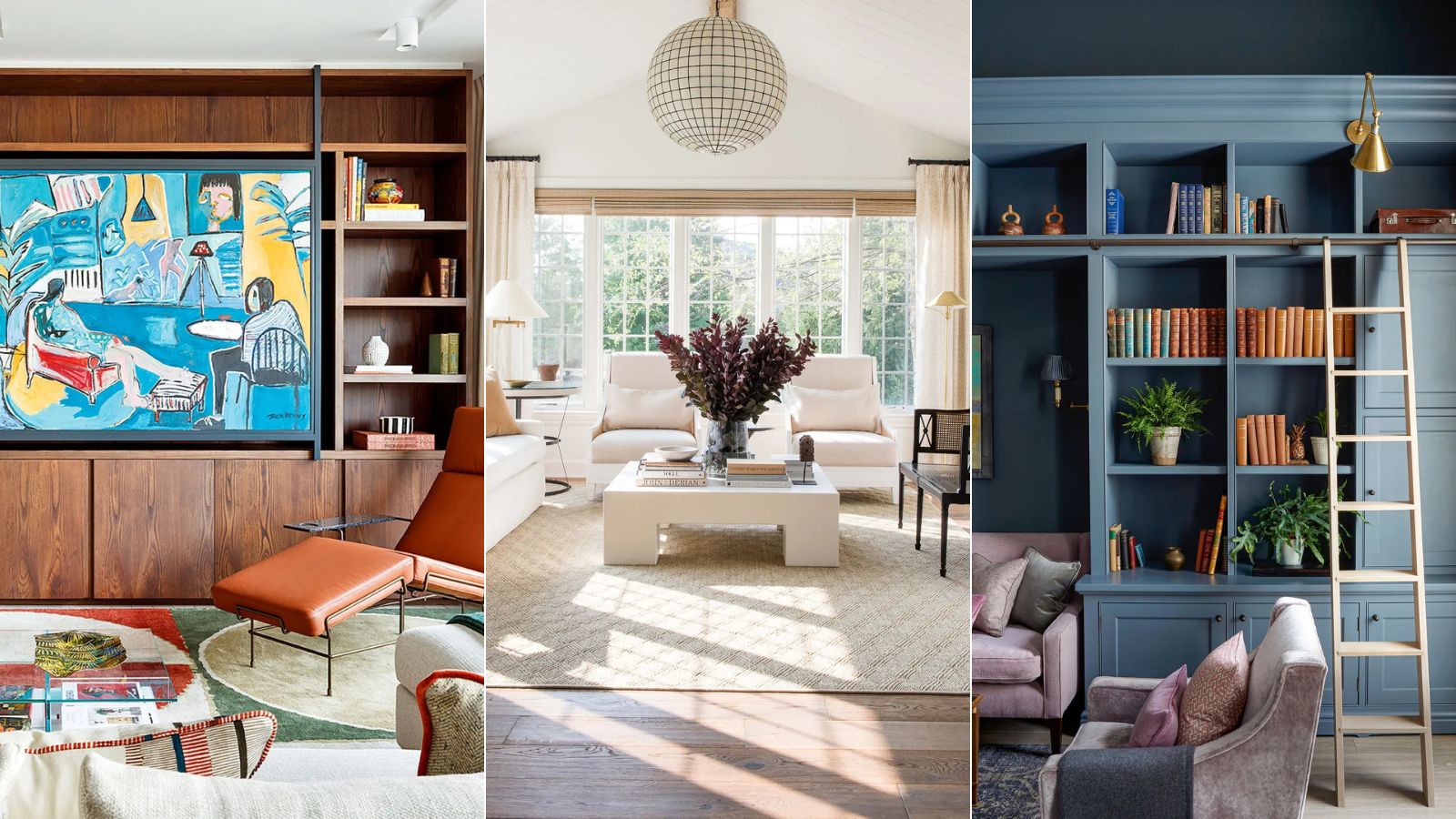
6 things making your living room furniture look cheap – explore the key mistakes to avoid and what designers do instead
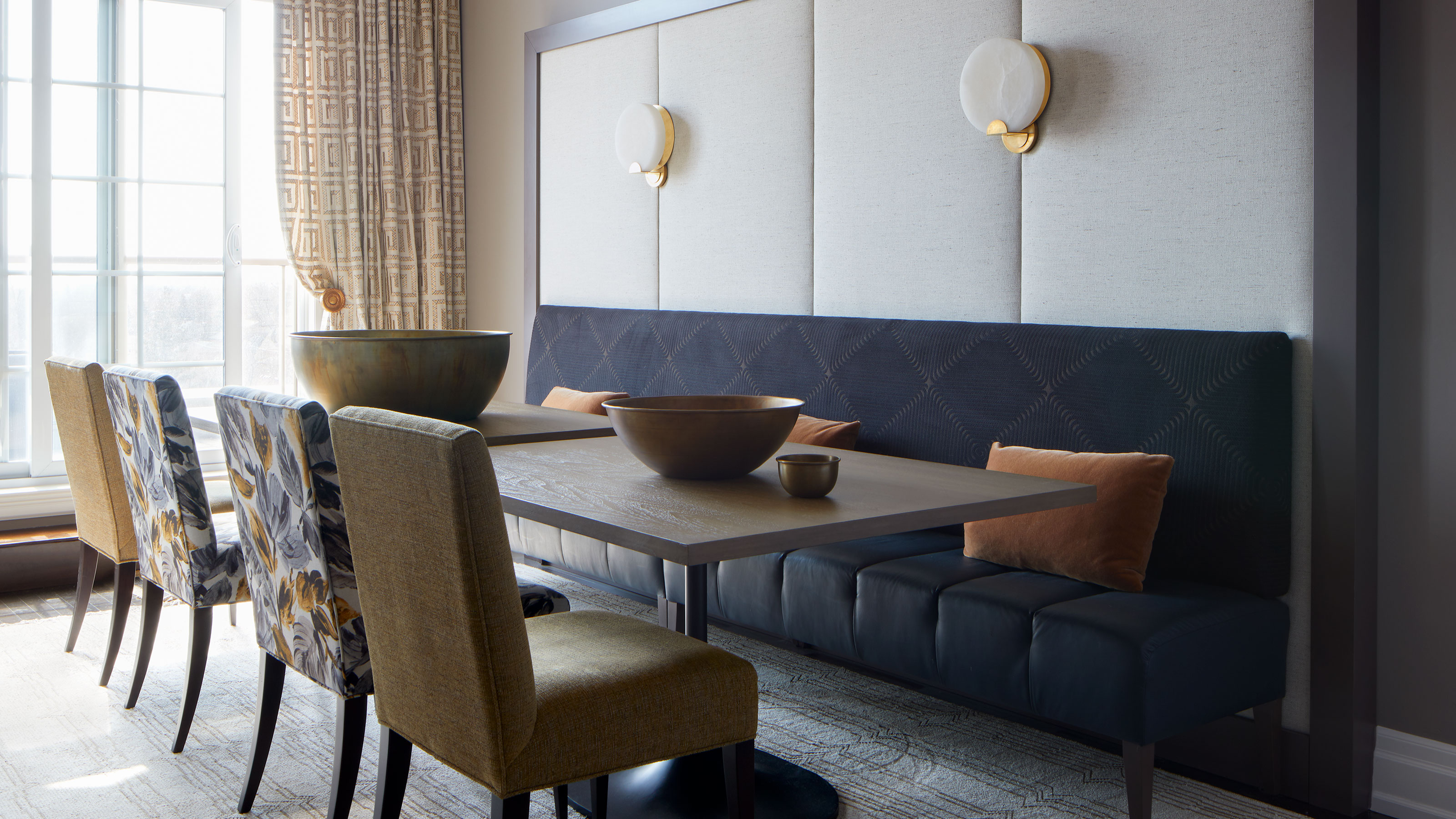
7 major dining room layout mistakes to avoid, according to designers
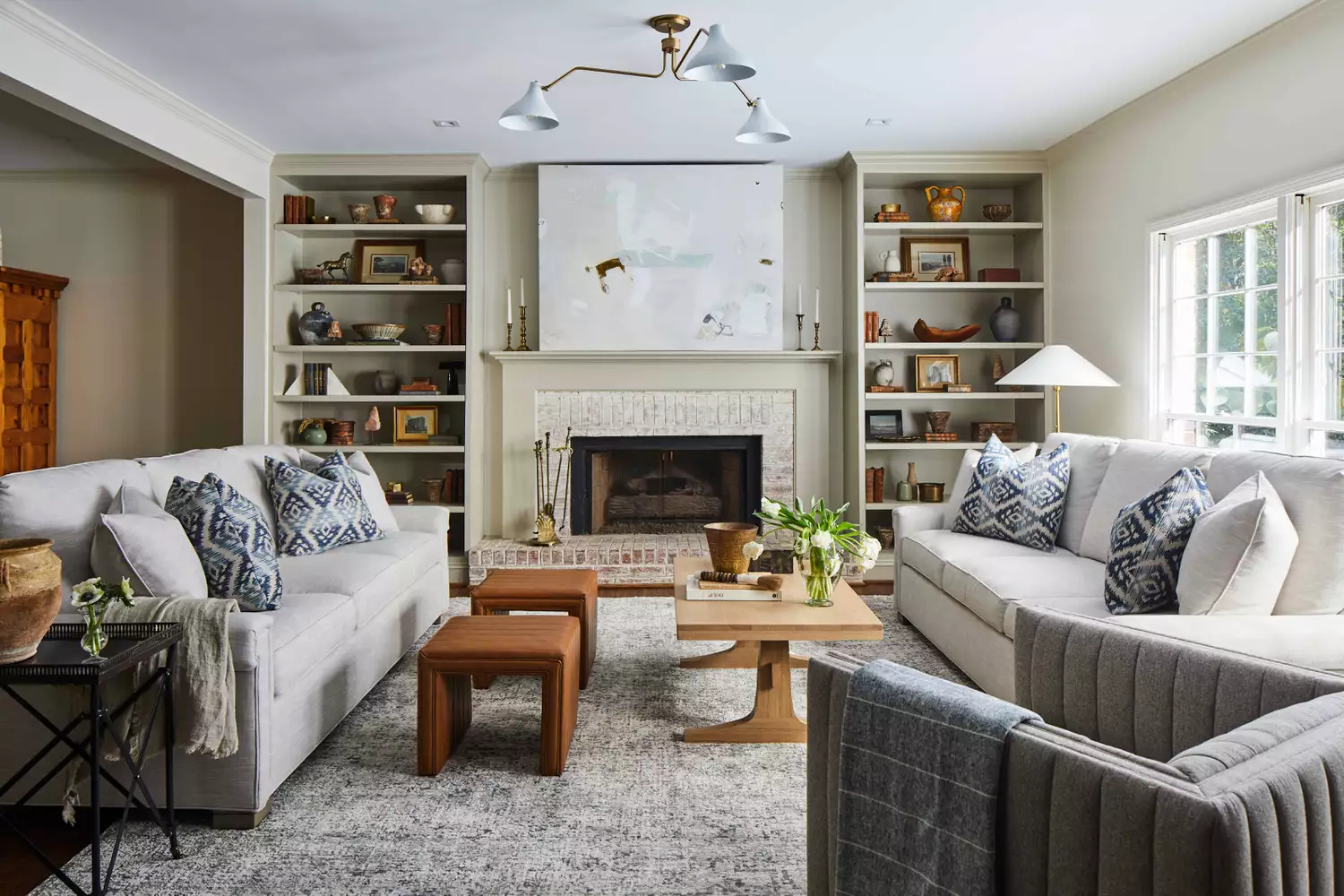
11 Living Room Layout Mistakes Designers Want You To Stop Making
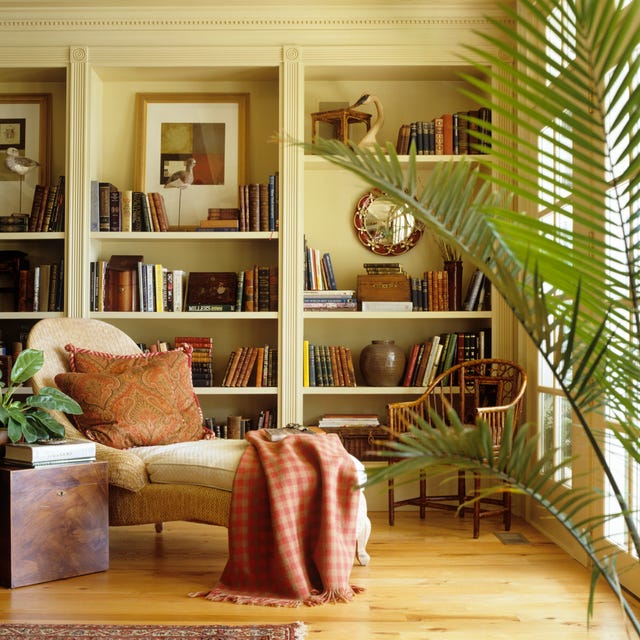
Designers Share 4 Common "Mistakes" You're Making in Your Living Room—and How to Correct Them
7 things interior designers never have in small living rooms

7 Common Living Room Lighting Mistakes to Avoid at all Costs

10 common living room design disasters experts warn against falling for
8 of the biggest small bedroom layout mistakes designers see time and time again
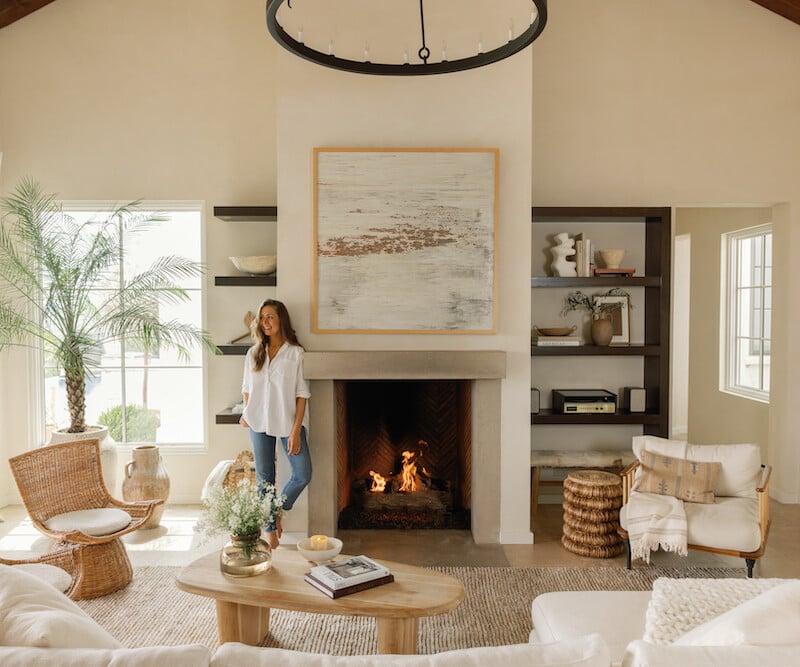
How to Fix the Most Common Living Room Layout Mistakes
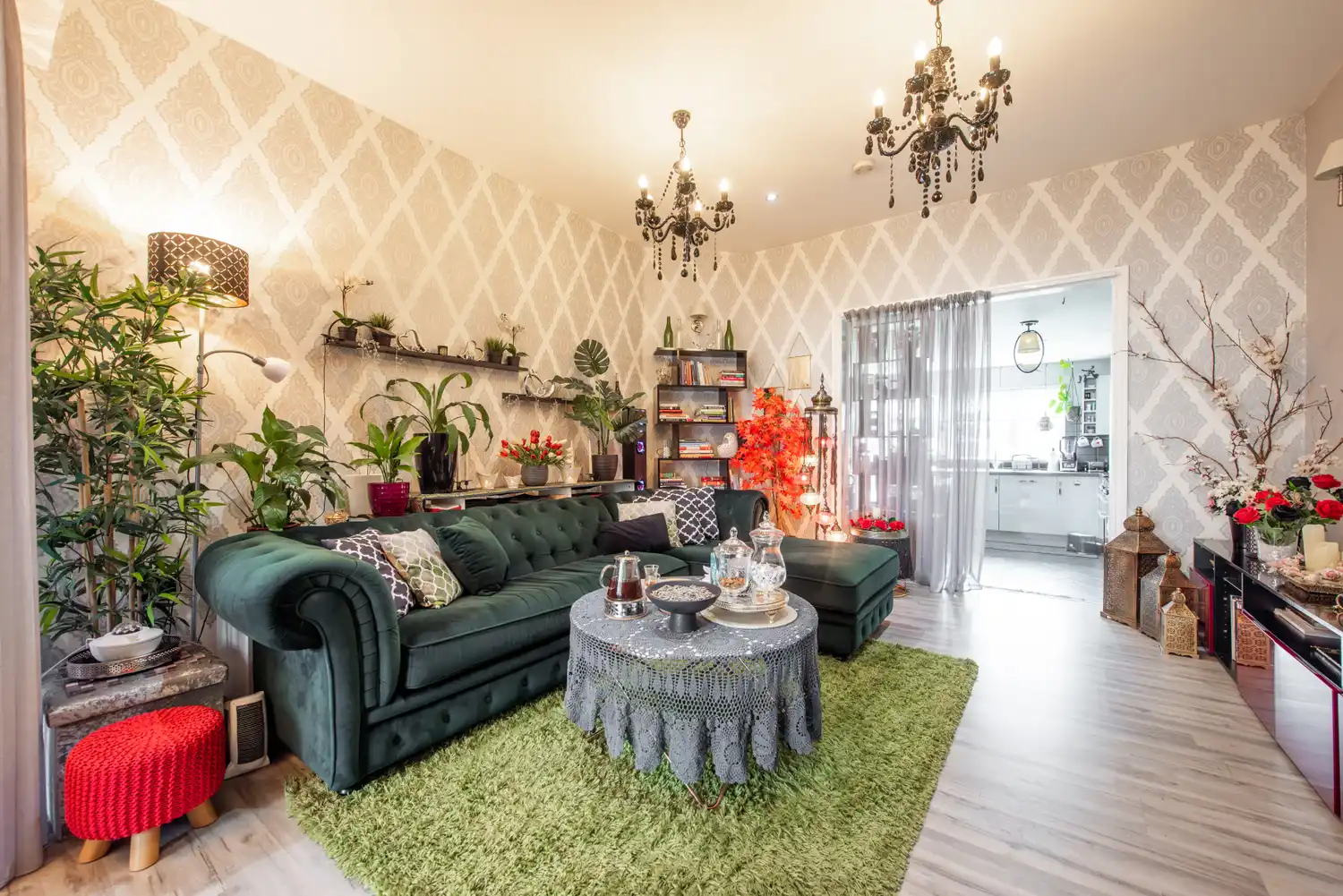
6 Home Décor Mistakes Interior Designers Notice Right Away—and How to Fix Them