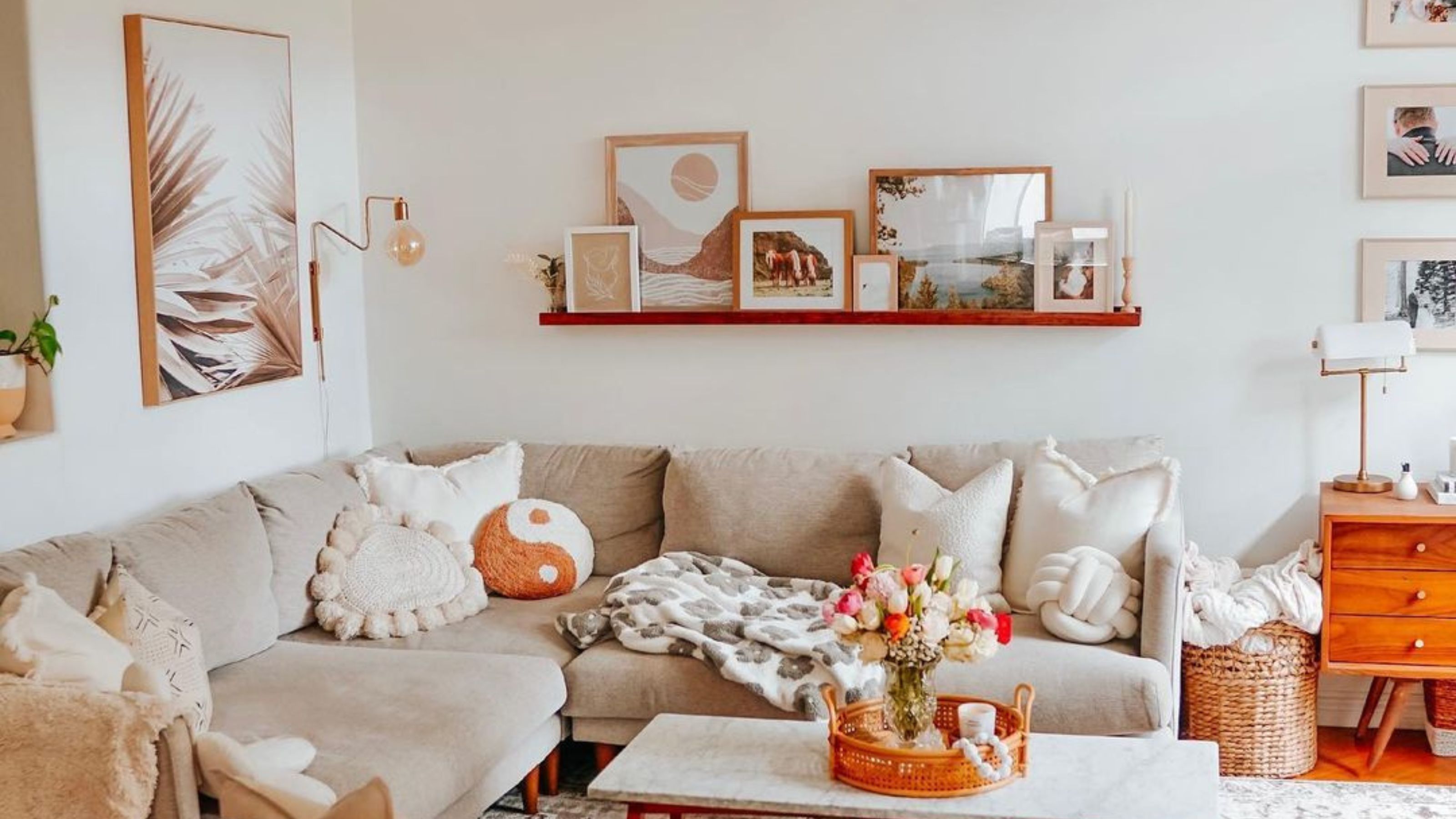
1/8
7 things interior designers never have in small living rooms
The article highlights common mistakes and best practices when decorating small living rooms, as advised by interior design experts. The core message revolves around avoiding elements that can make a small space feel even smaller, emphasizing the importance of intentional and strategic design choices.
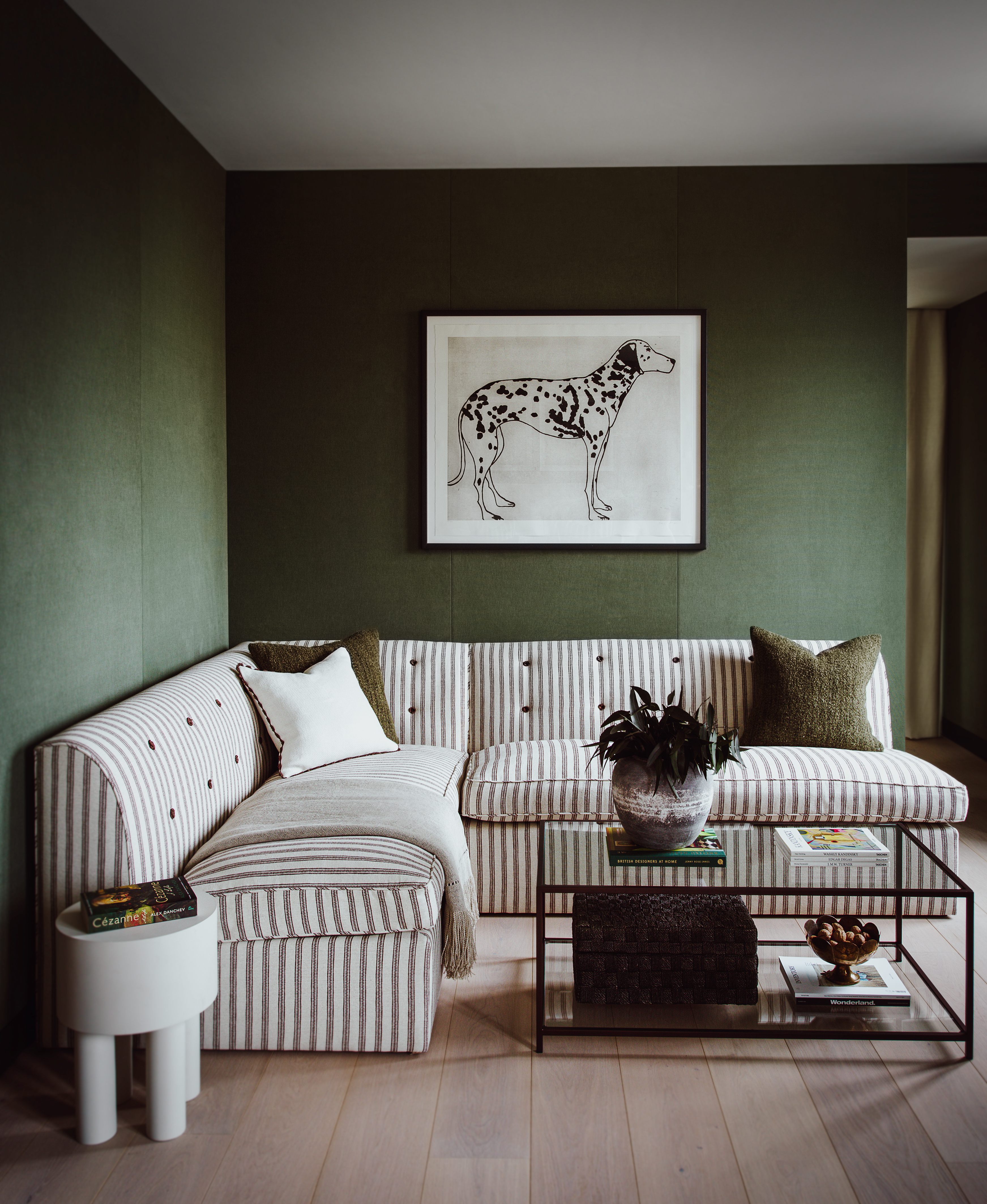
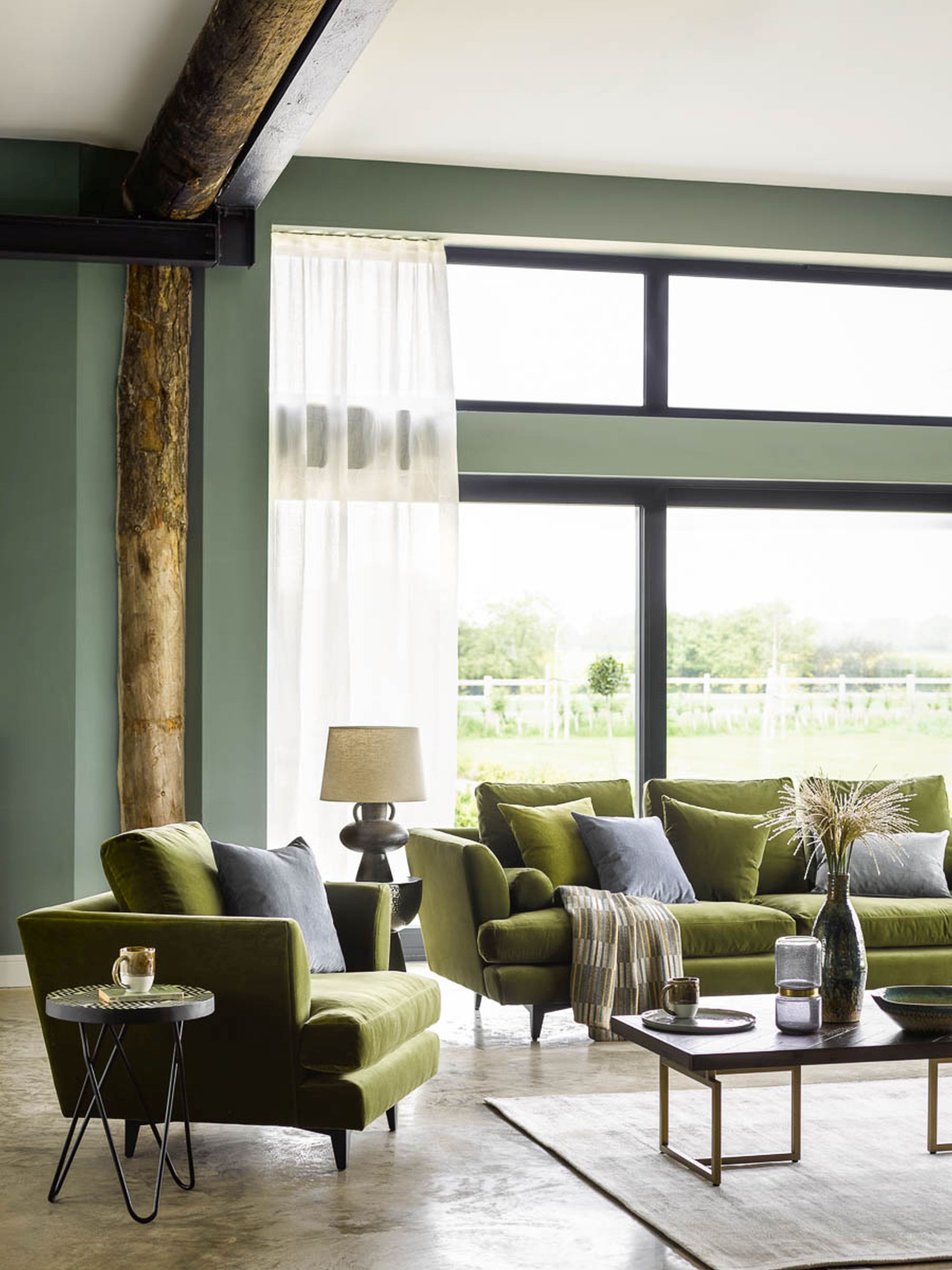
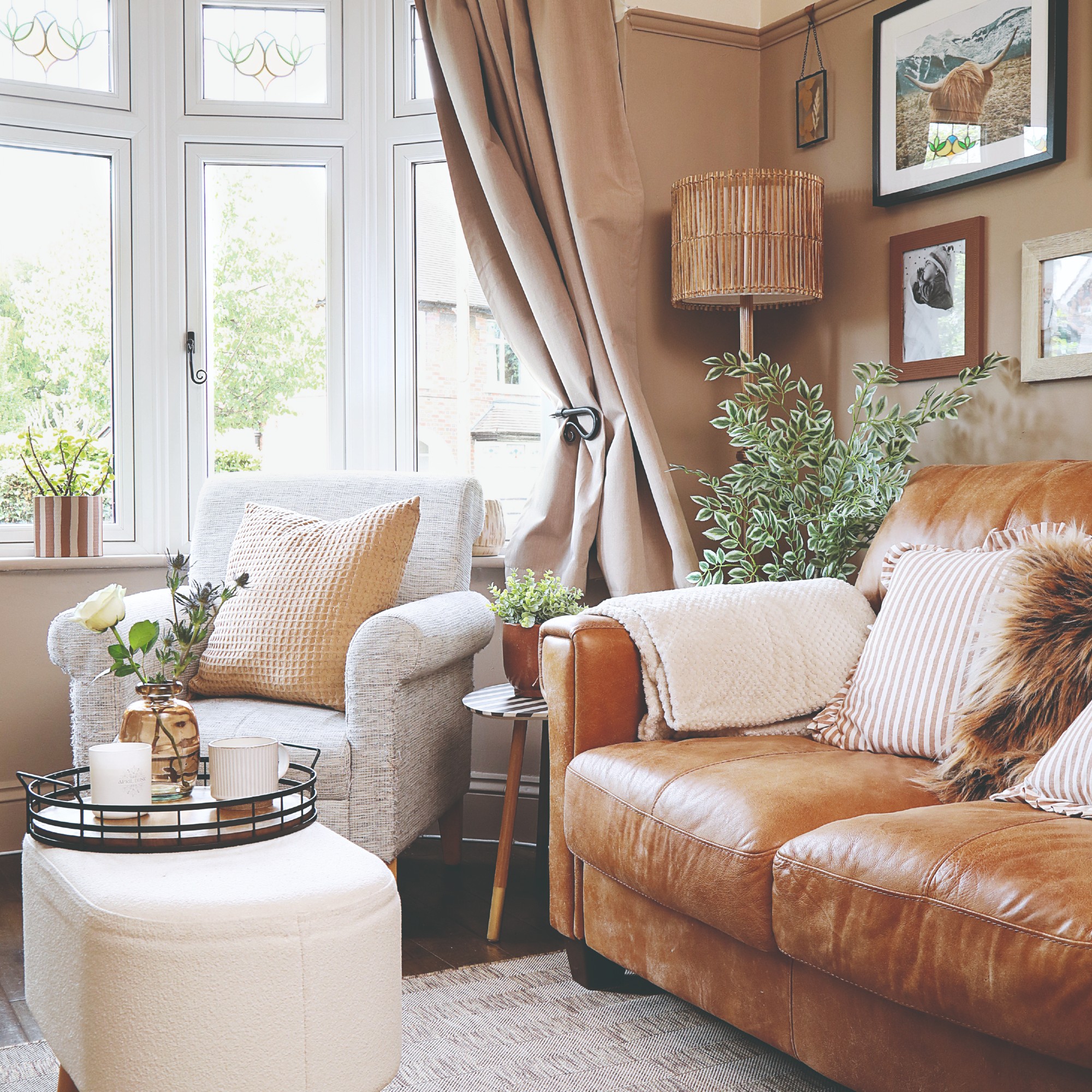
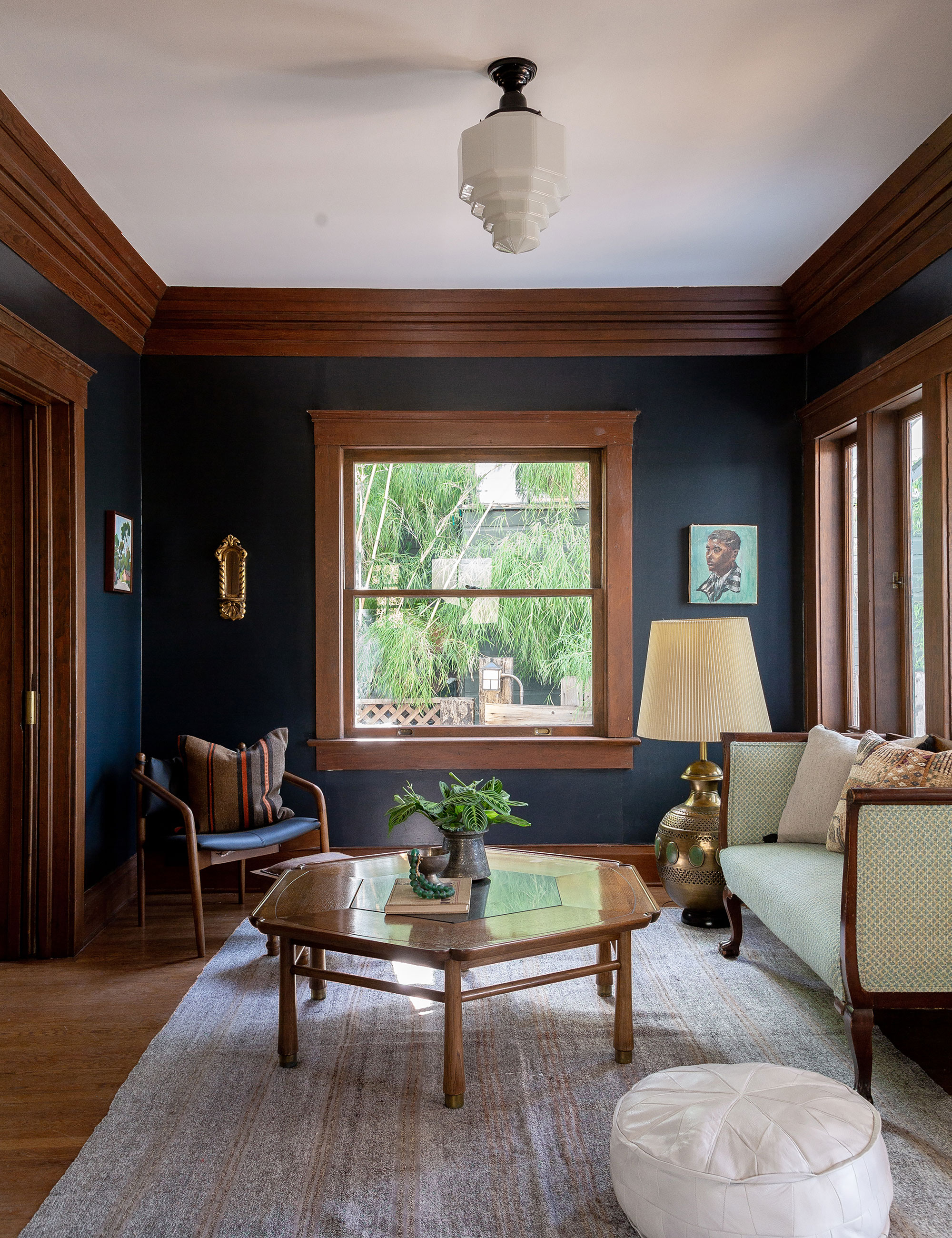
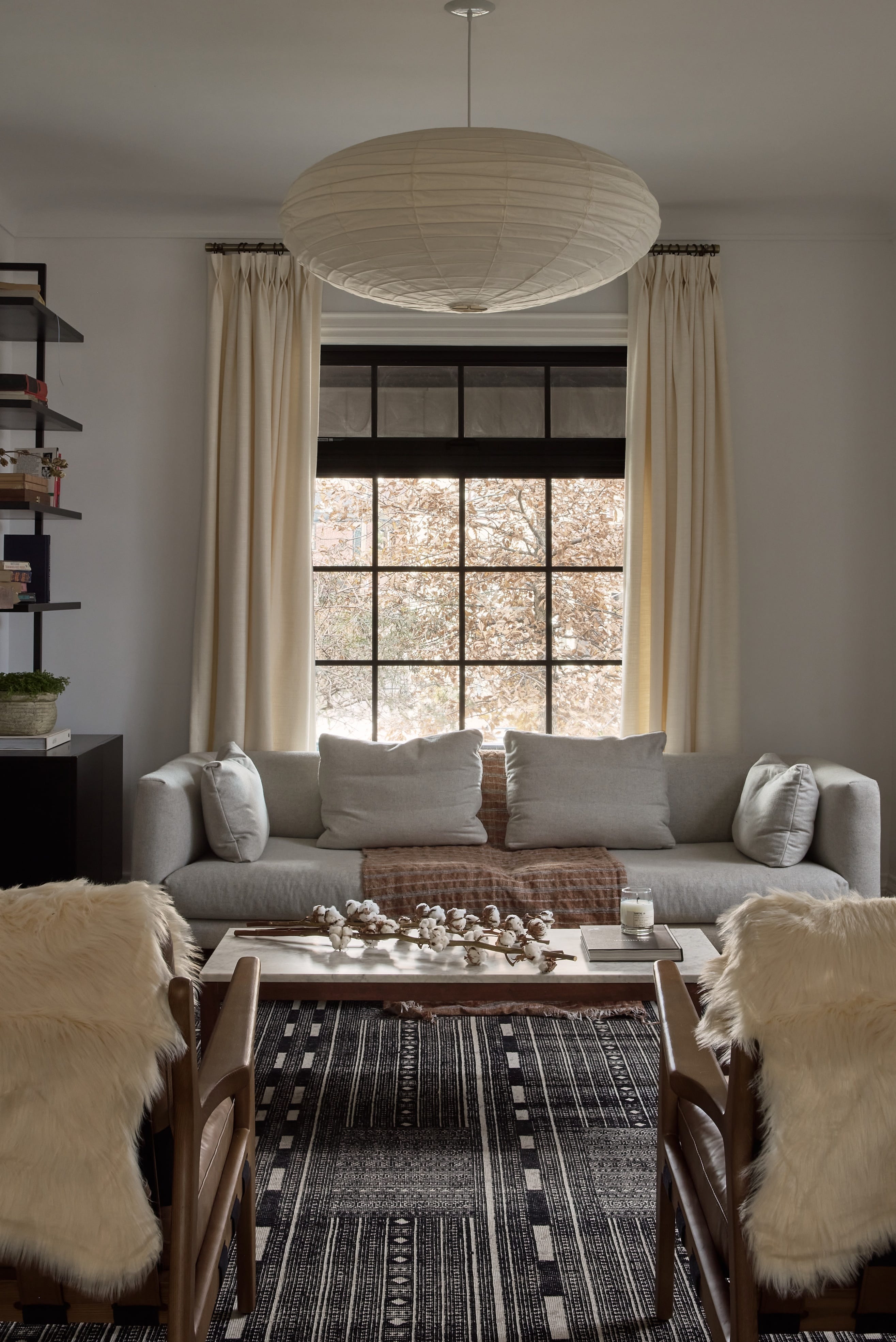
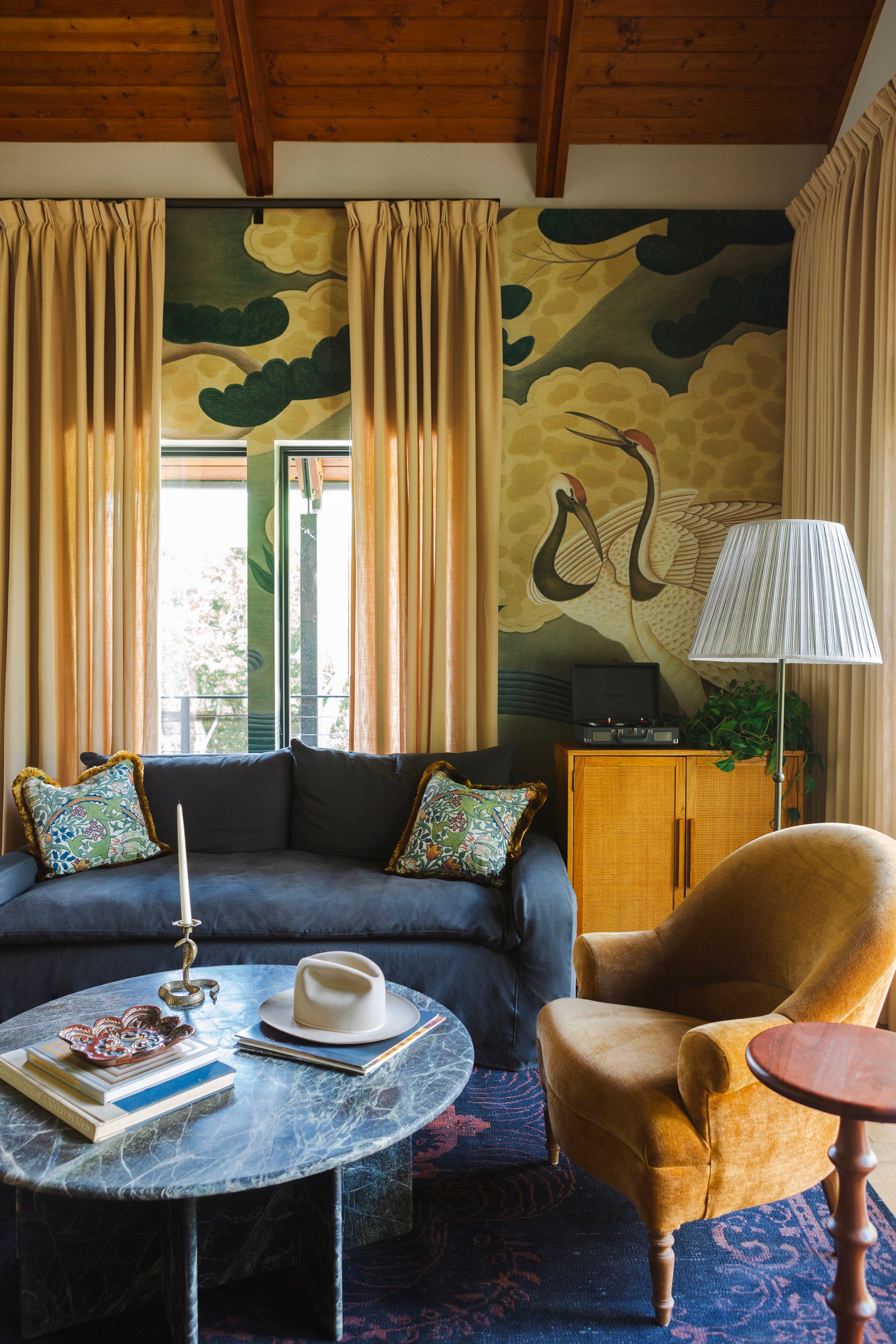
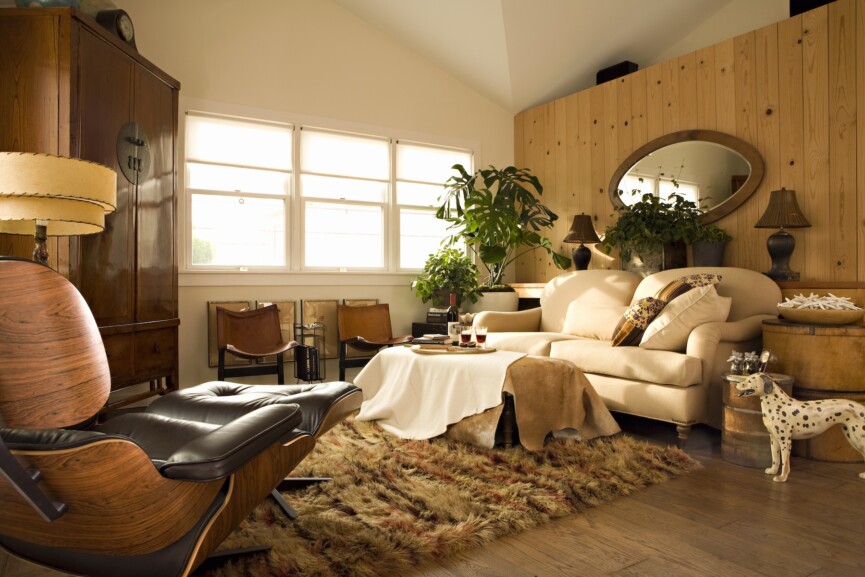
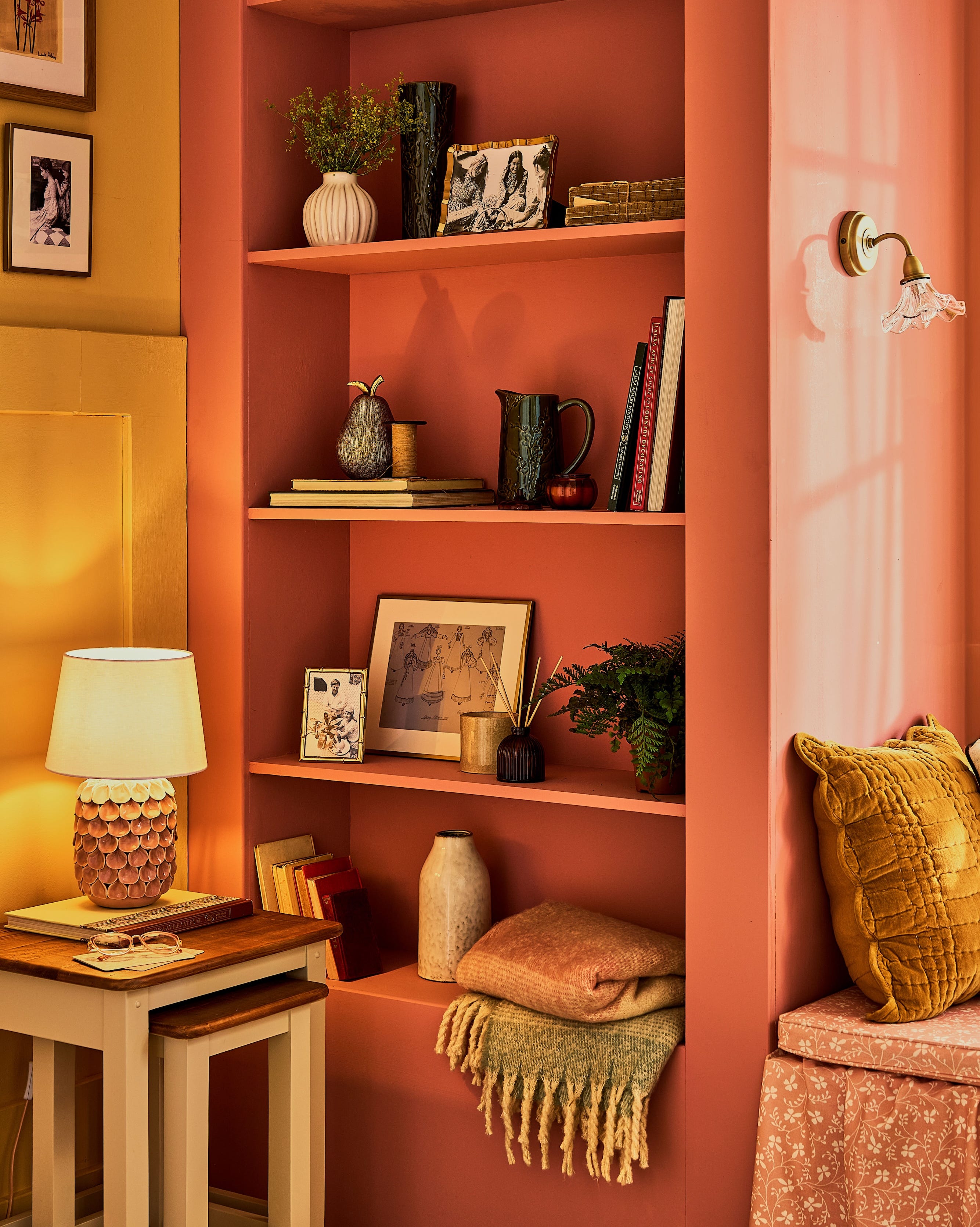
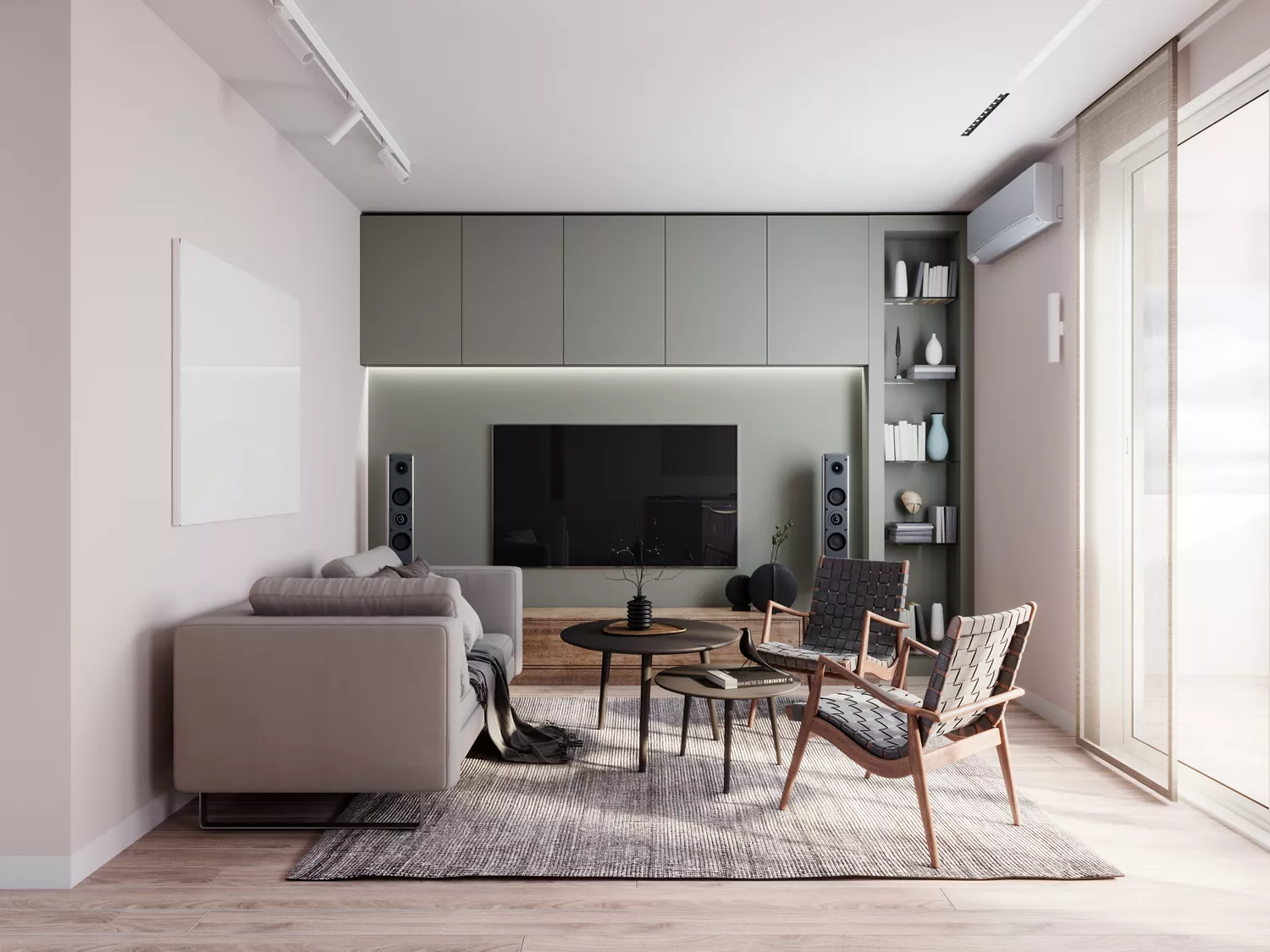
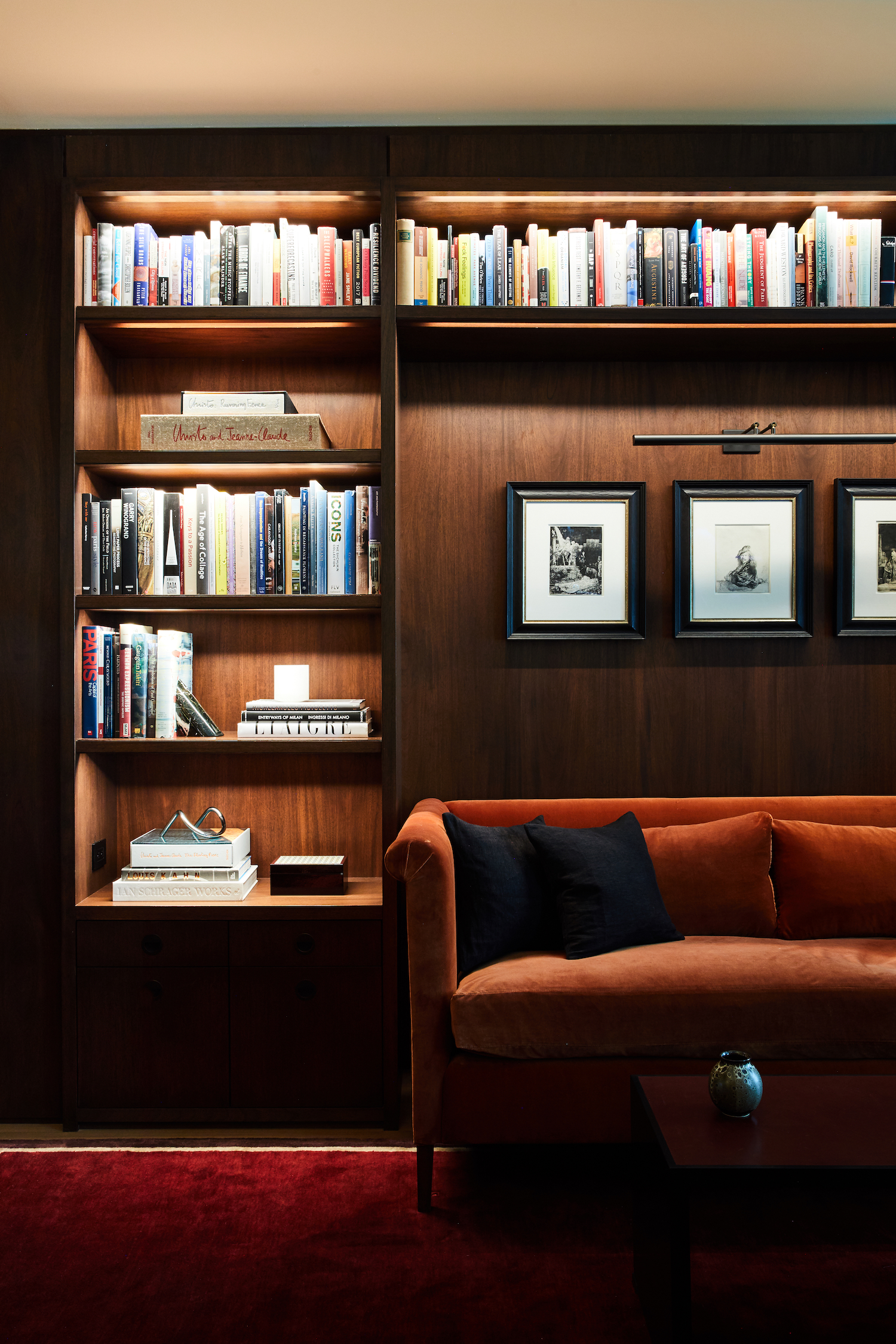
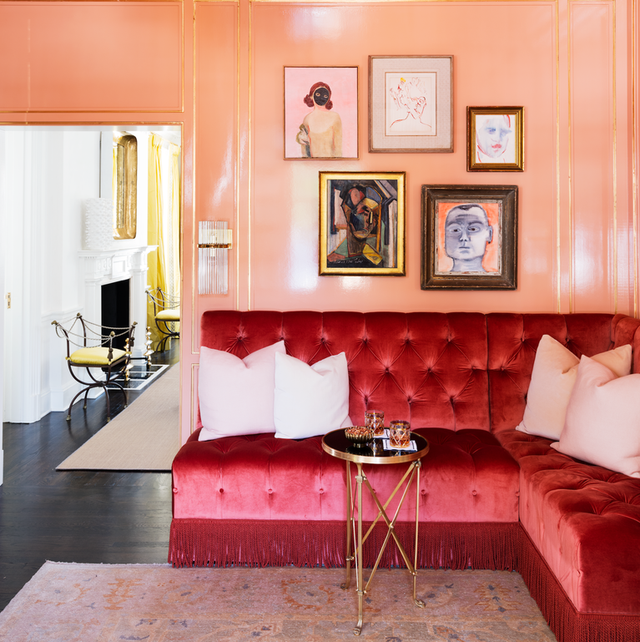
One key piece of advice concerns color palettes. While dark colors can create a cozy atmosphere, an excessive use of them, particularly without contrasting shades, can make a room appear confined and cold. Instead, designers recommend pairing dark colors with warm neutrals like beiges, browns, and creams to create a more open and inviting feel. This approach helps to balance the visual weight in the room and prevent it from feeling overwhelmed by dark hues.
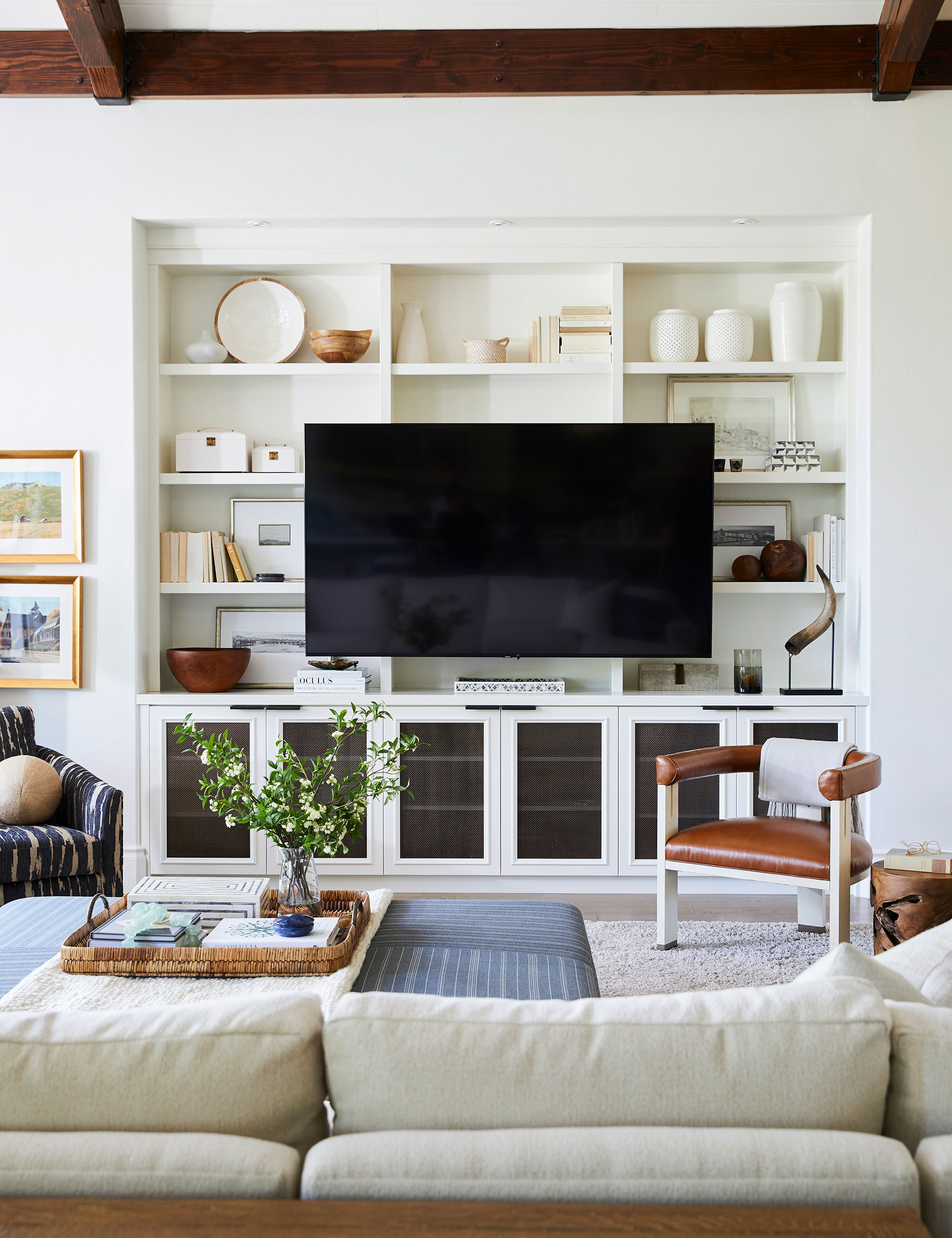
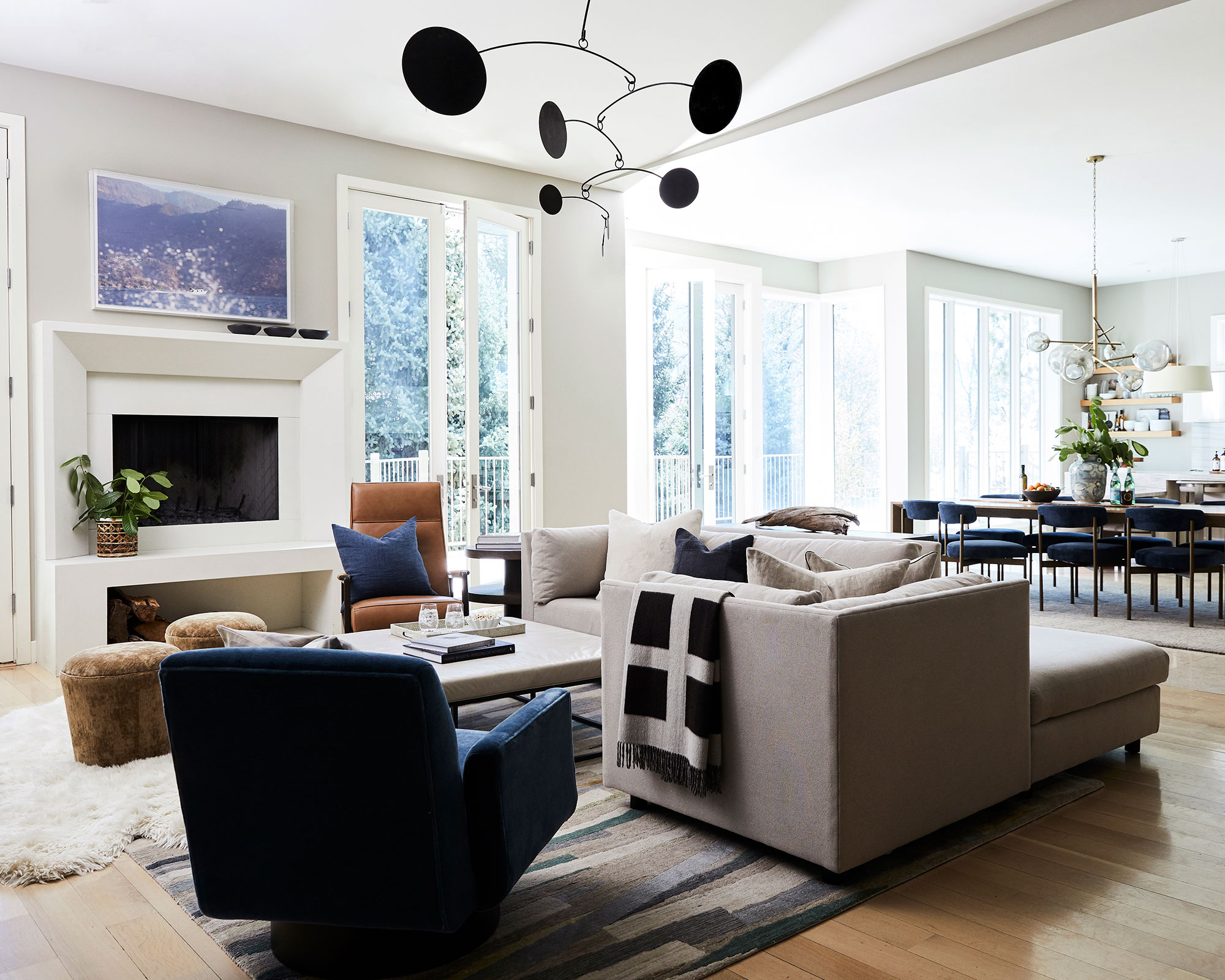
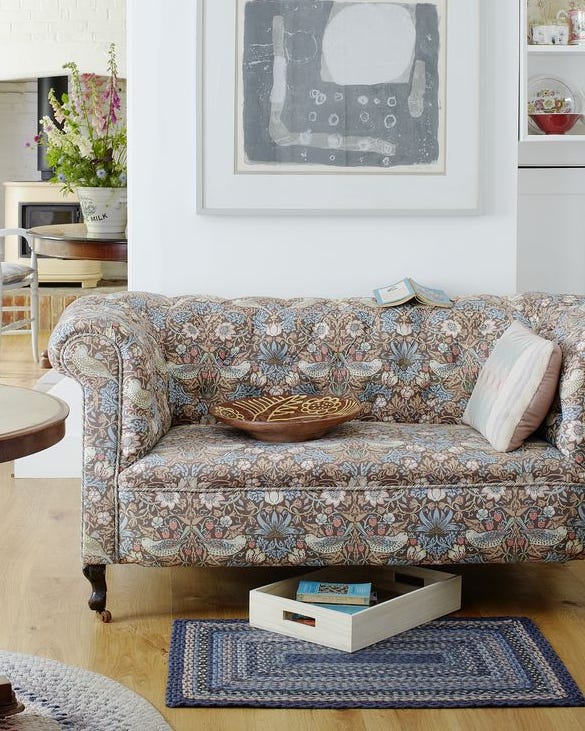
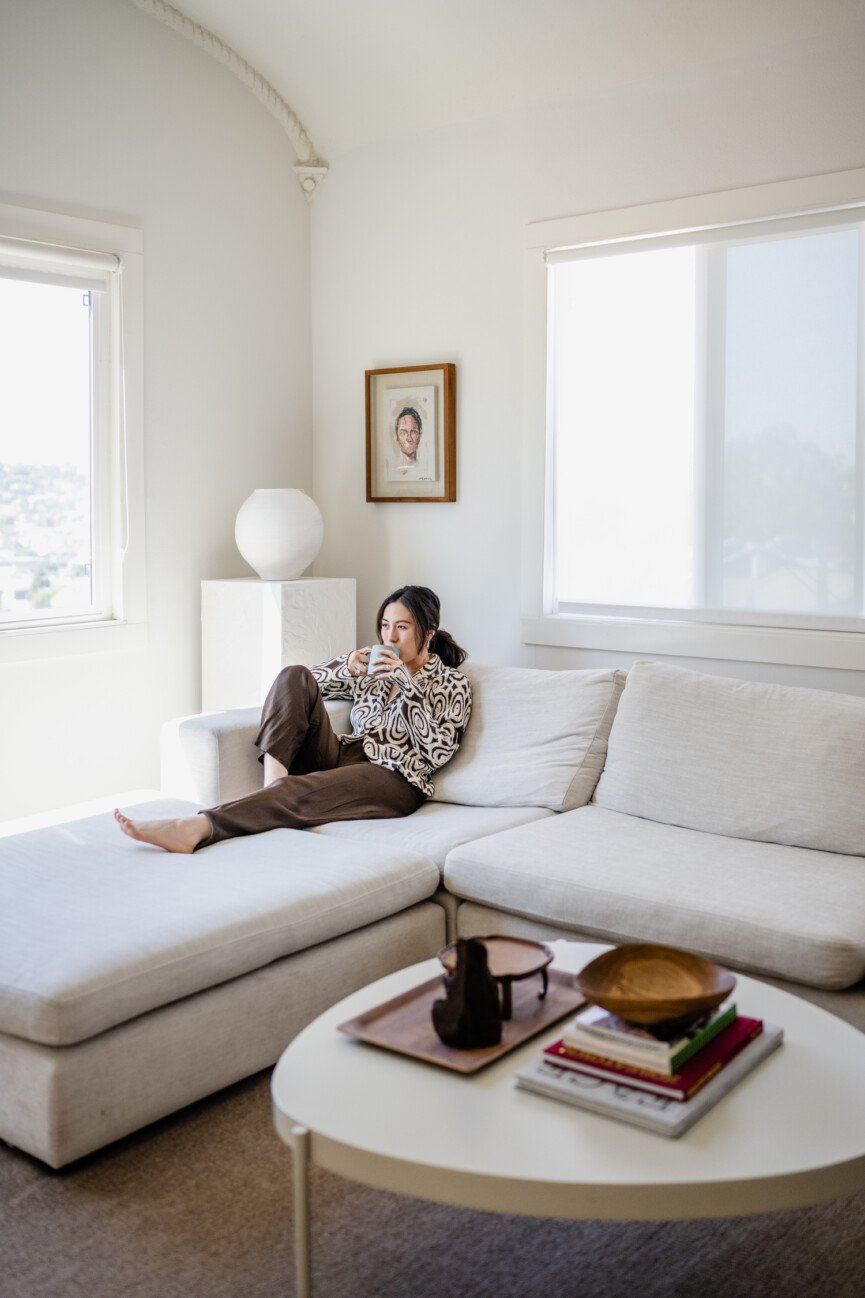
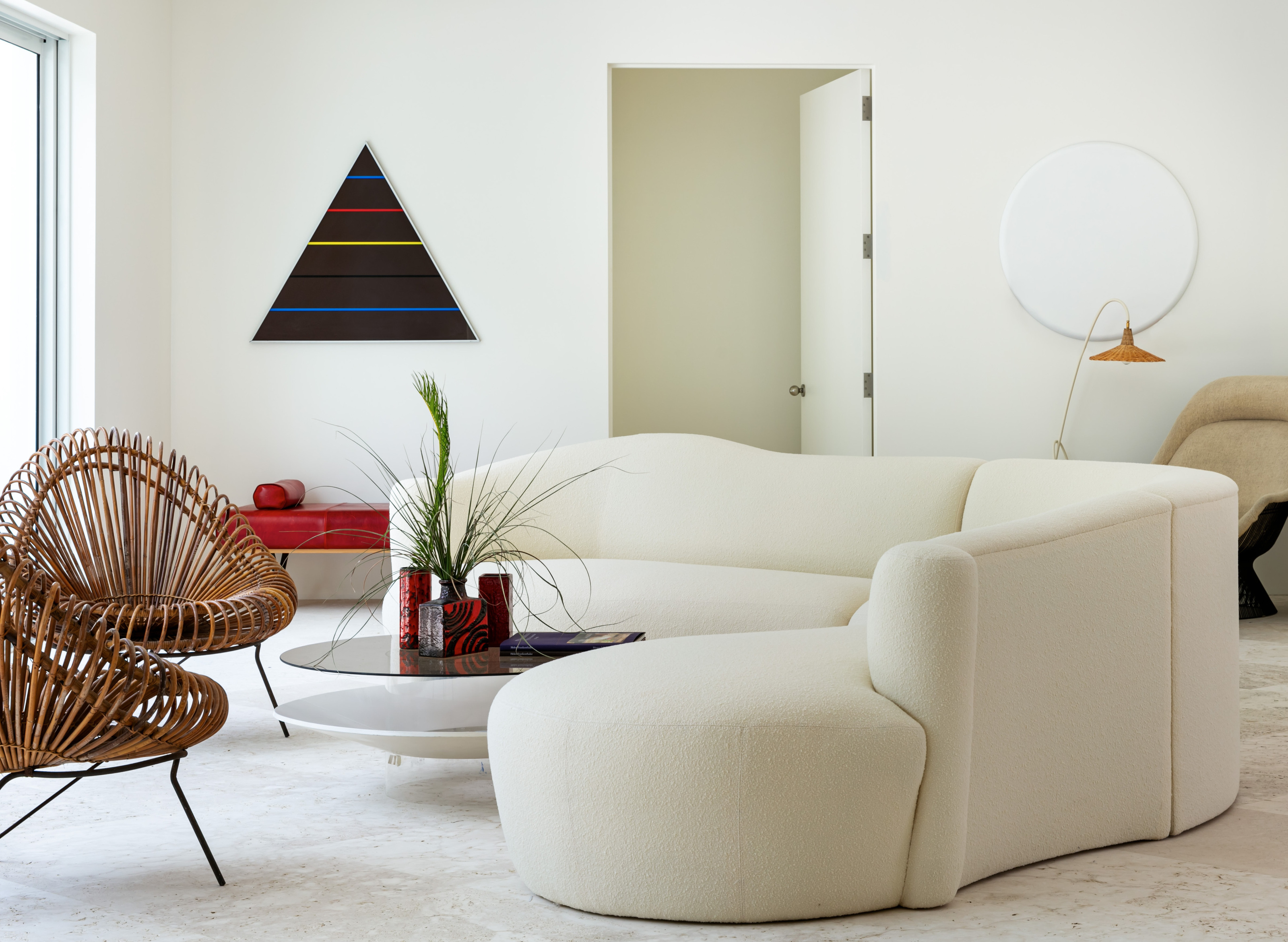
Another critical aspect discussed is furniture selection. Oversized furniture is a significant deterrent in small living rooms, as it can dominate the space and make it feel cramped. The experts advocate for a 'less is more' philosophy, urging individuals to choose furniture intentionally. Multipurpose pieces, such as storage ottomans or small sofa beds, are highly recommended. These items save space by serving dual functions, providing both seating or sleeping arrangements and valuable storage solutions, thereby optimizing the utility of a limited area.
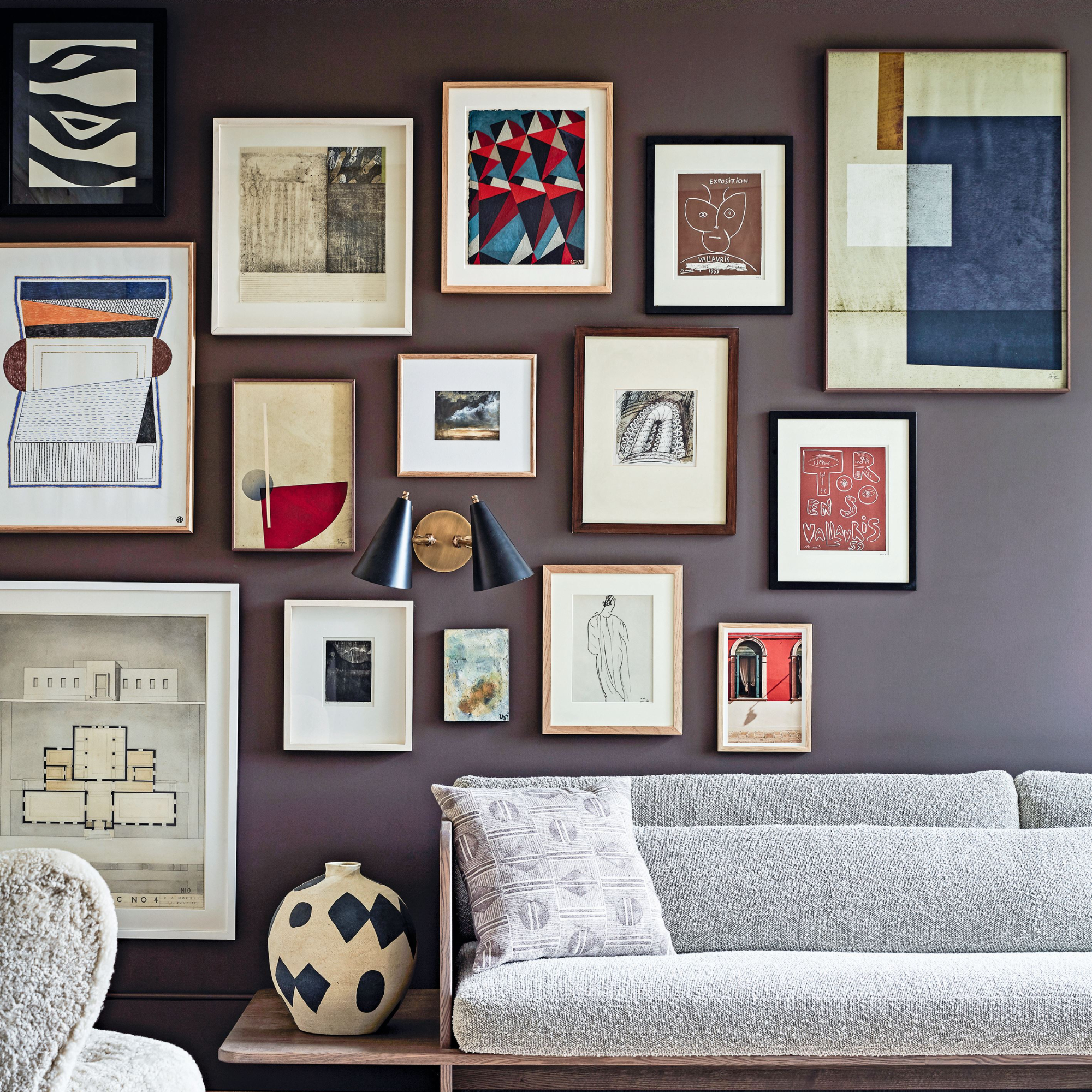
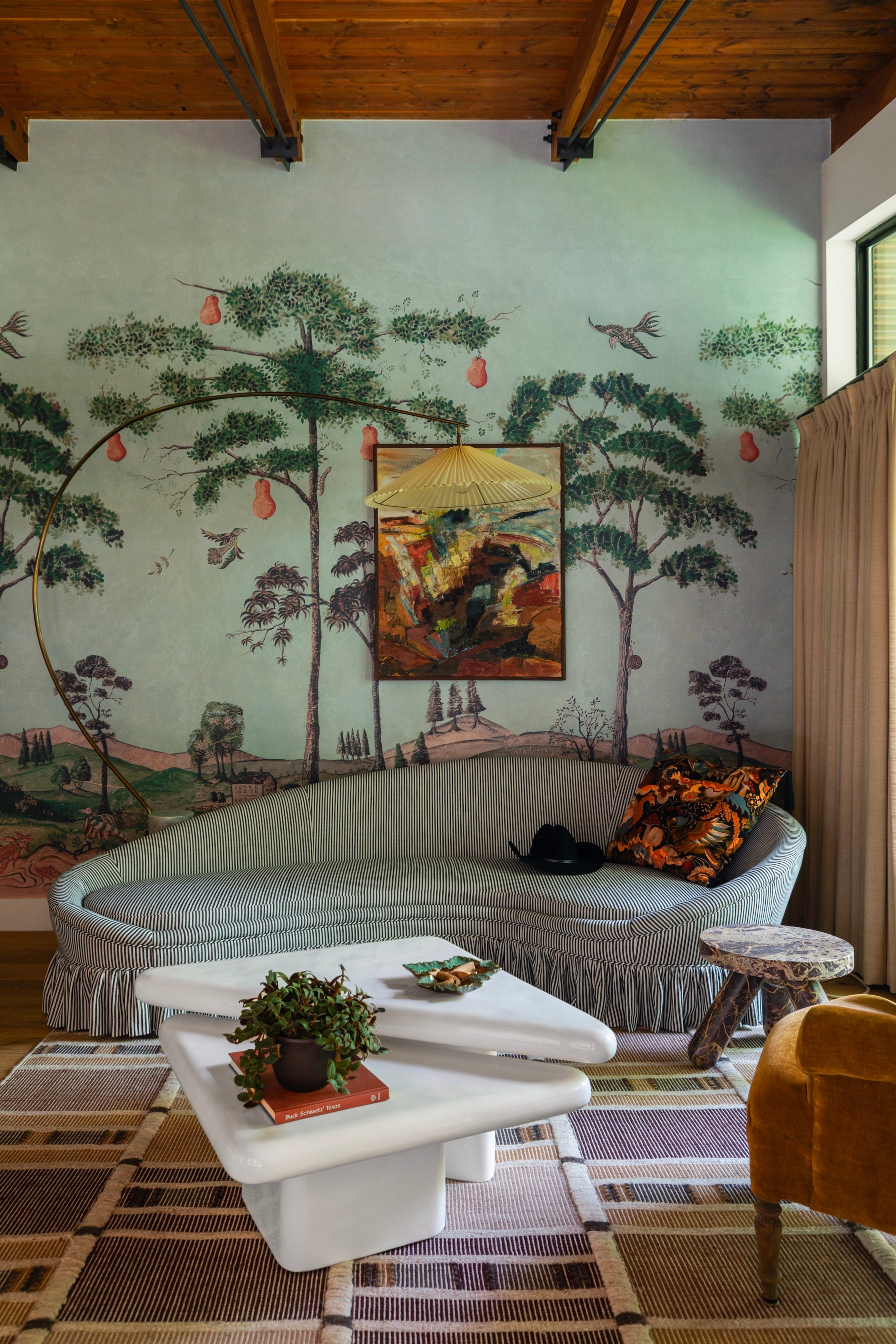
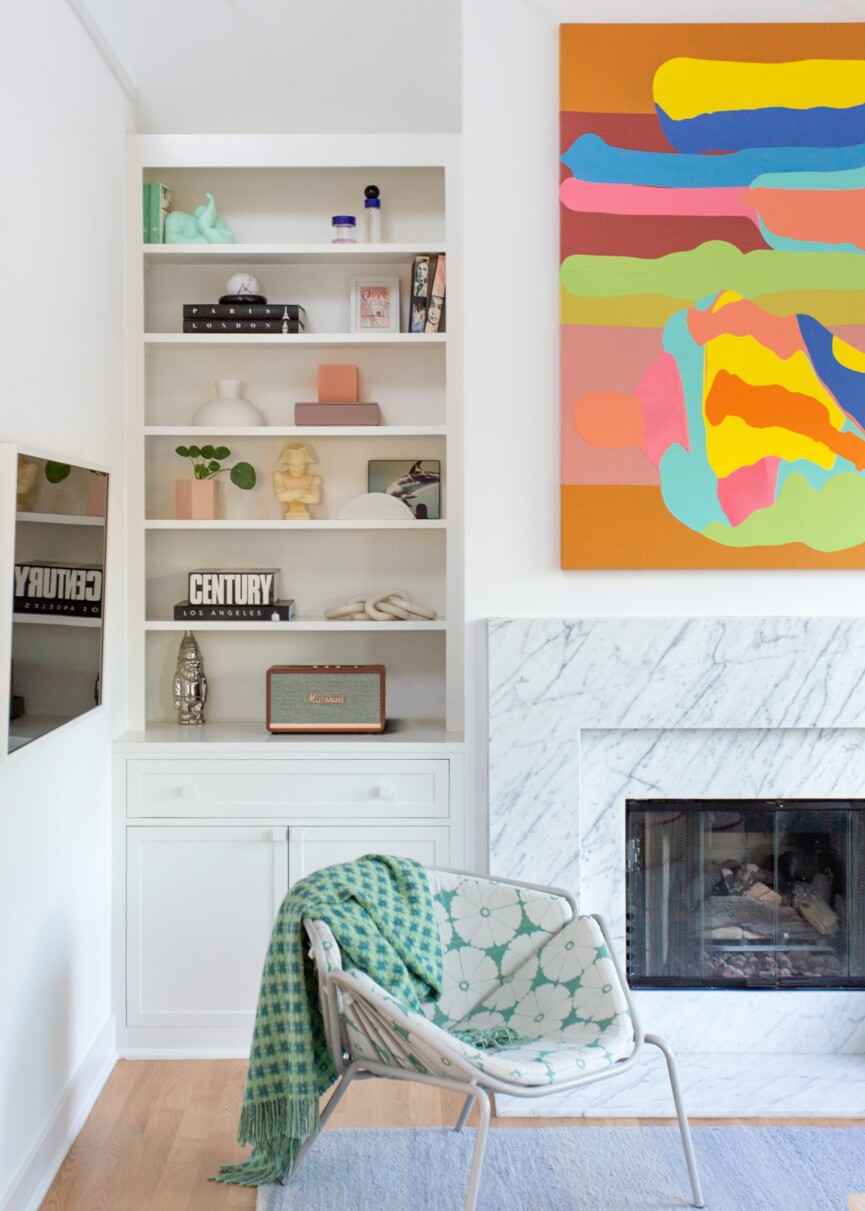
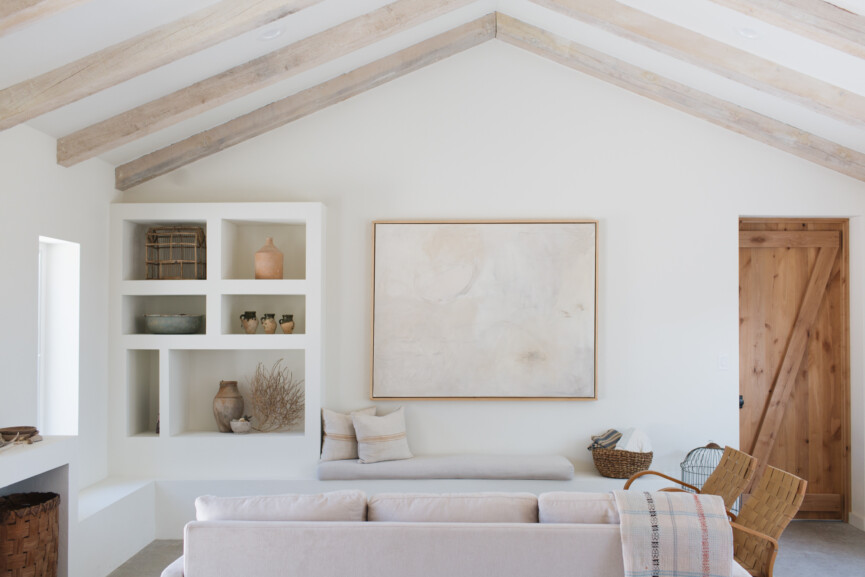
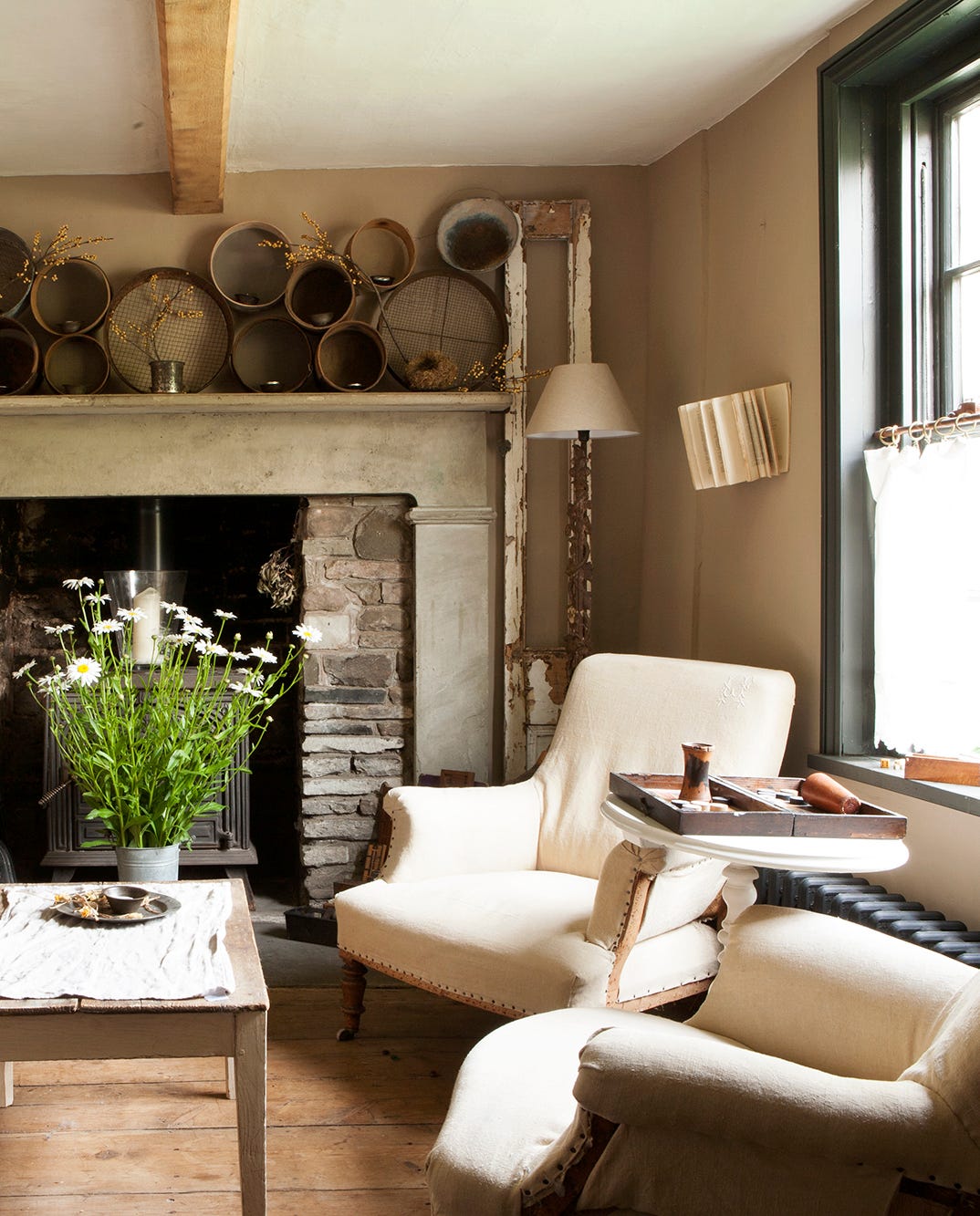
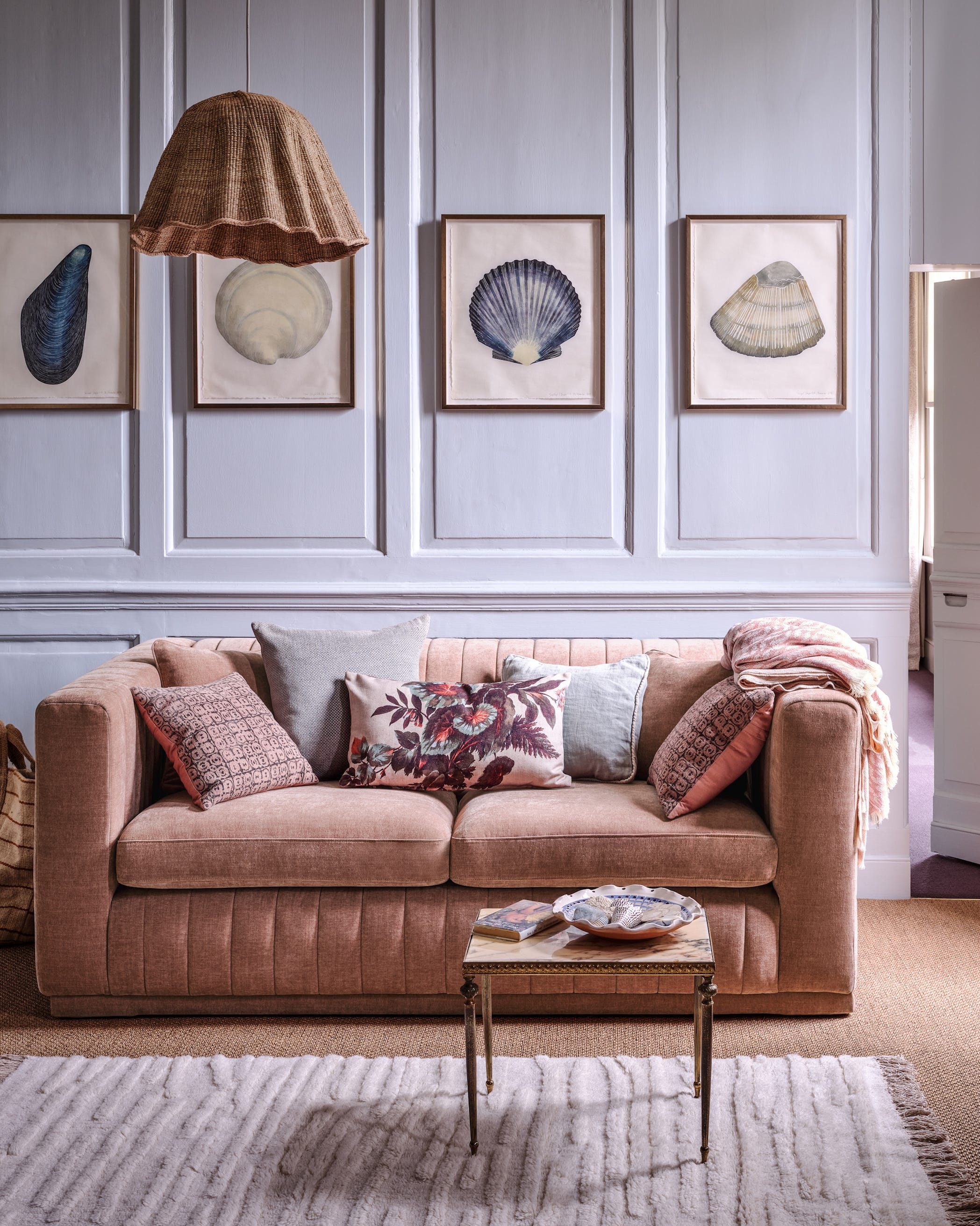
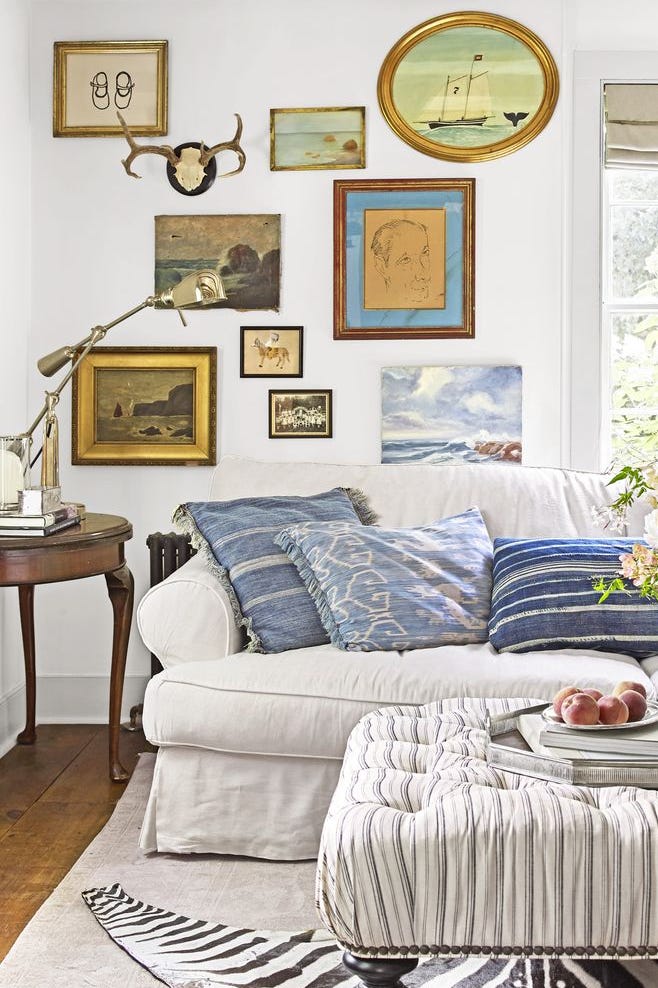
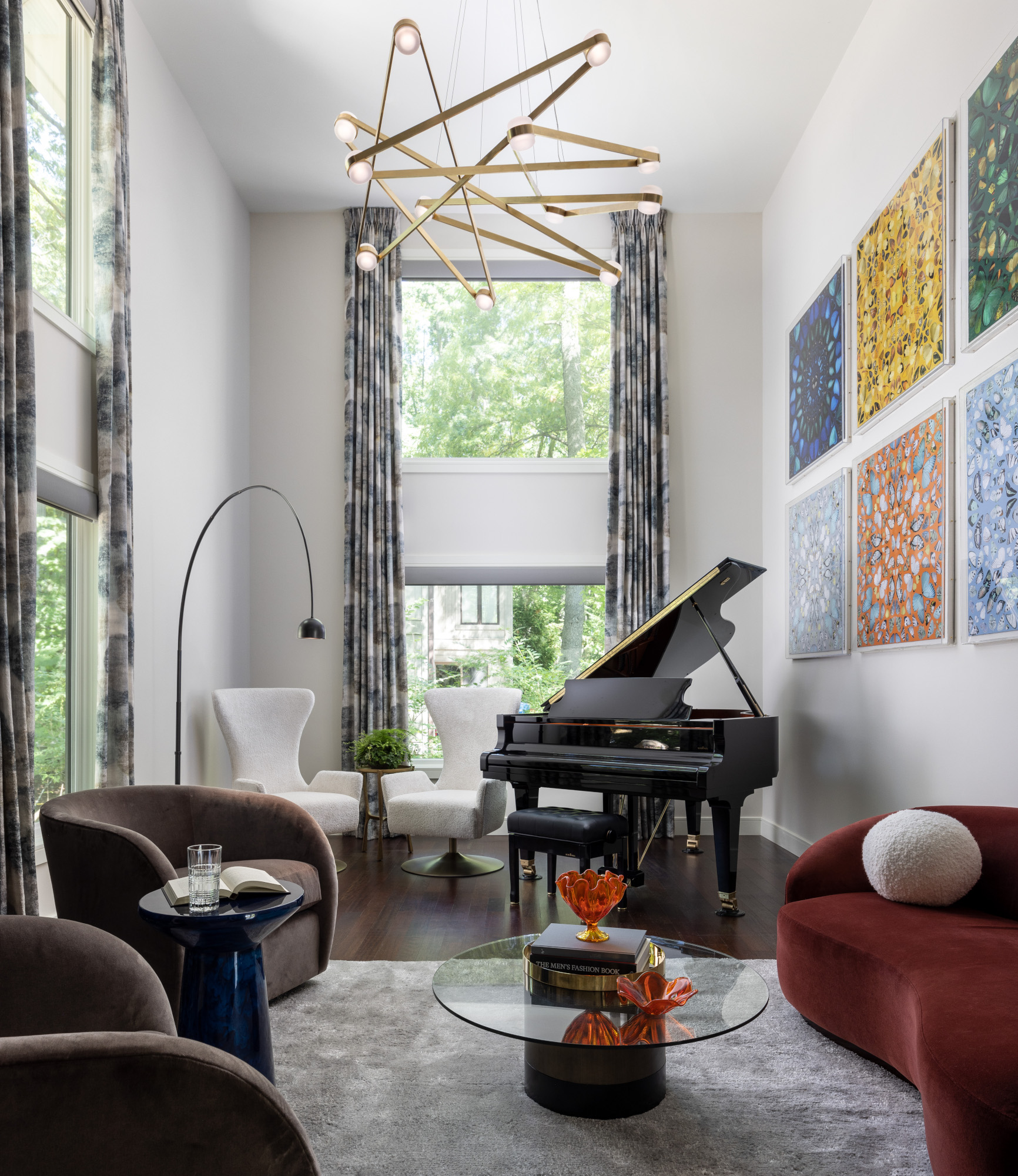
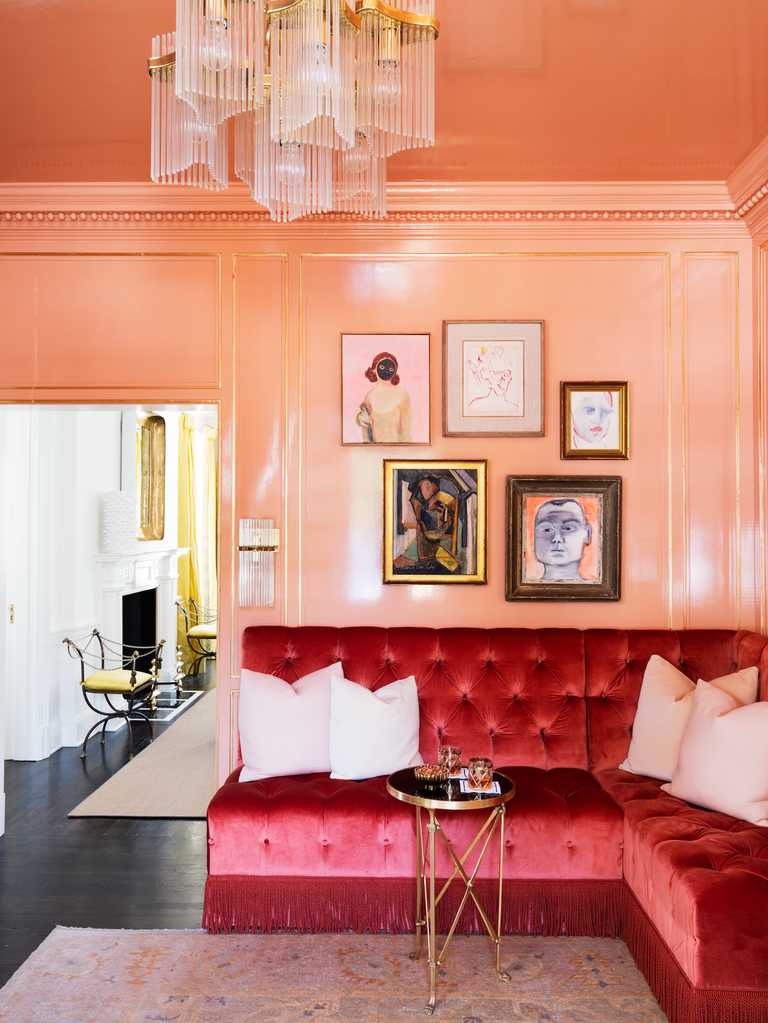
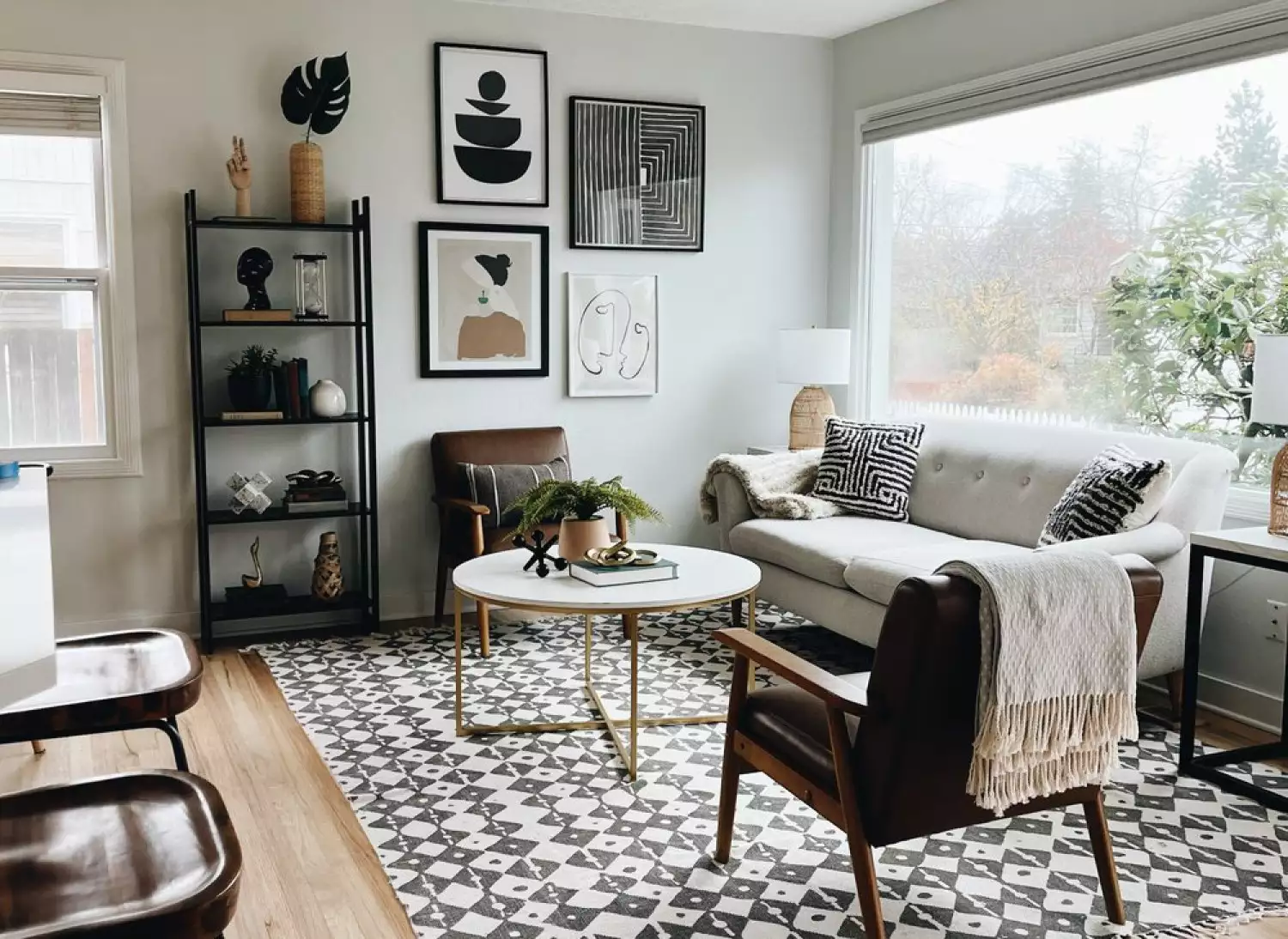
Art and decor also play a crucial role in shaping a room's perceived size. Large, overbearing art pieces are generally avoided in small living rooms because they can throw off the room's balance and overwhelm the visual space. A more effective strategy is to select smaller art pieces and arrange them in a gallery wall. This technique allows for a focal point without creating visual clutter. Similarly, excessive decor can make a small room feel even smaller. Designers suggest a mindful approach to decoration, selecting meaningful and versatile pieces that reflect personal style without adding unnecessary 'noise' to the room, encouraging decluttering and choosing items that bring joy.
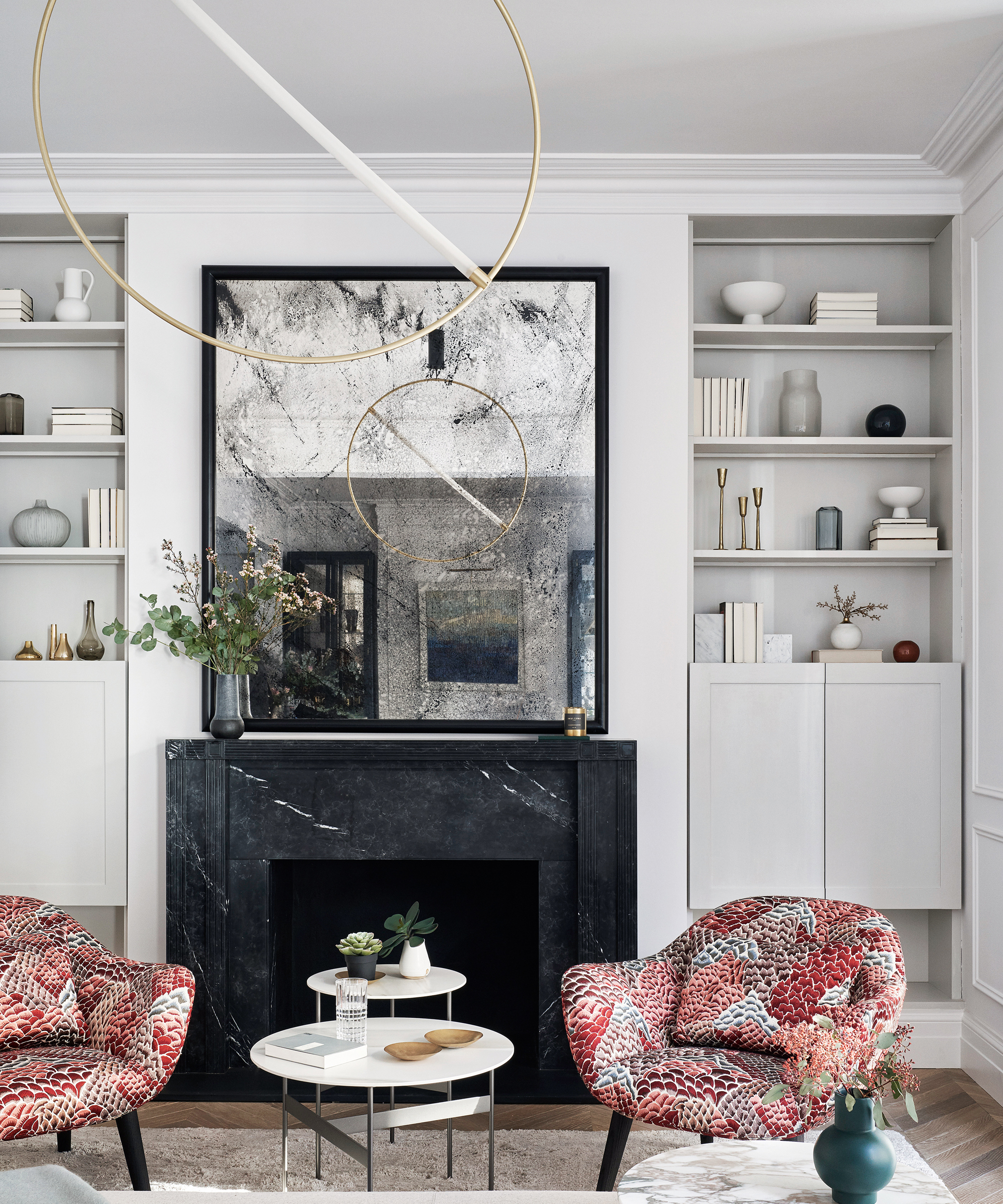
Lighting is another element that needs careful consideration. Sole reliance on overhead lighting is discouraged, as it can create harsh shadows and limit the ability to set different moods. Instead, layering various types of lighting—ambient, task, and accent—is recommended to add depth and flexibility to the room's atmosphere. This layered approach ensures that different areas of the room can be illuminated effectively, contributing to a more dynamic and welcoming environment.
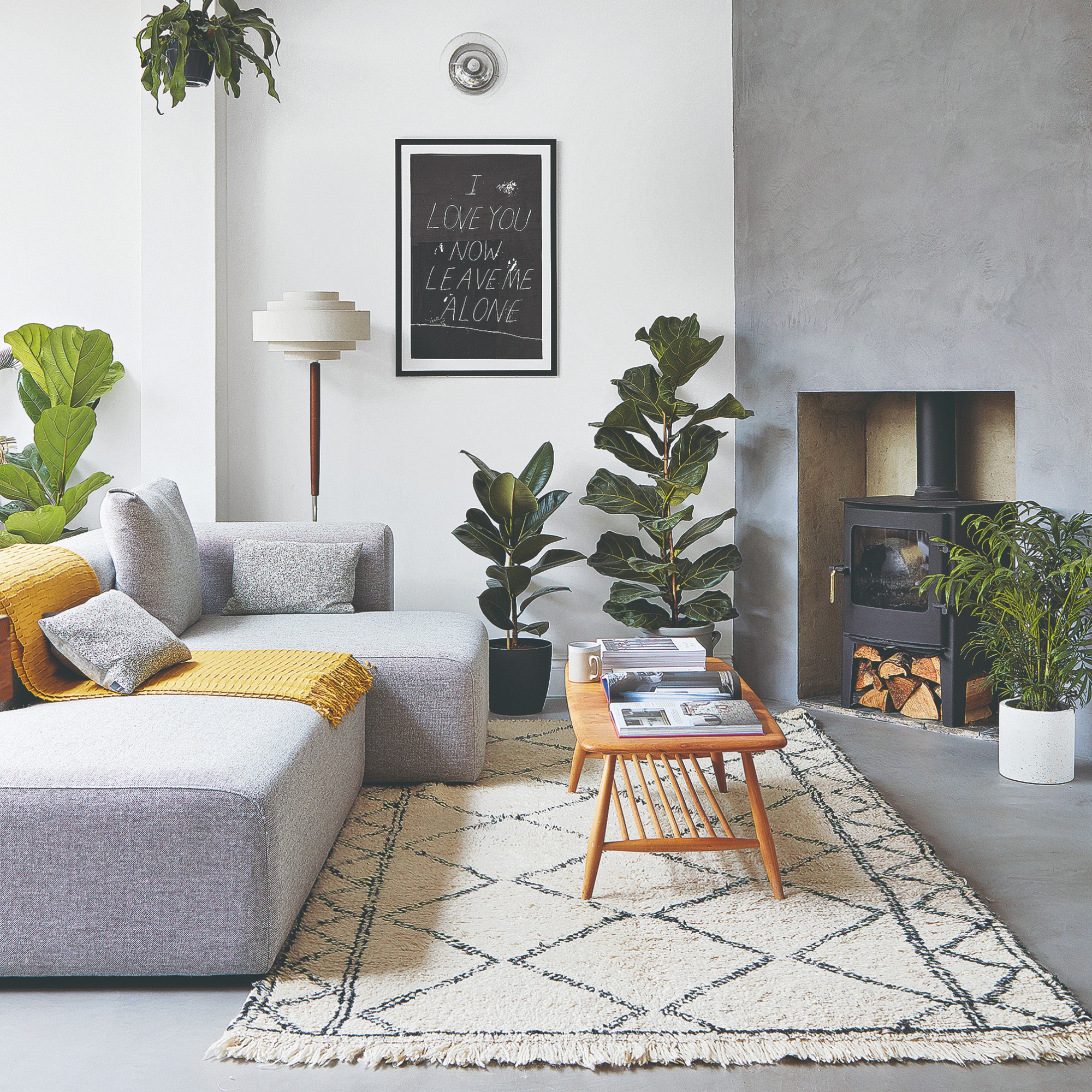
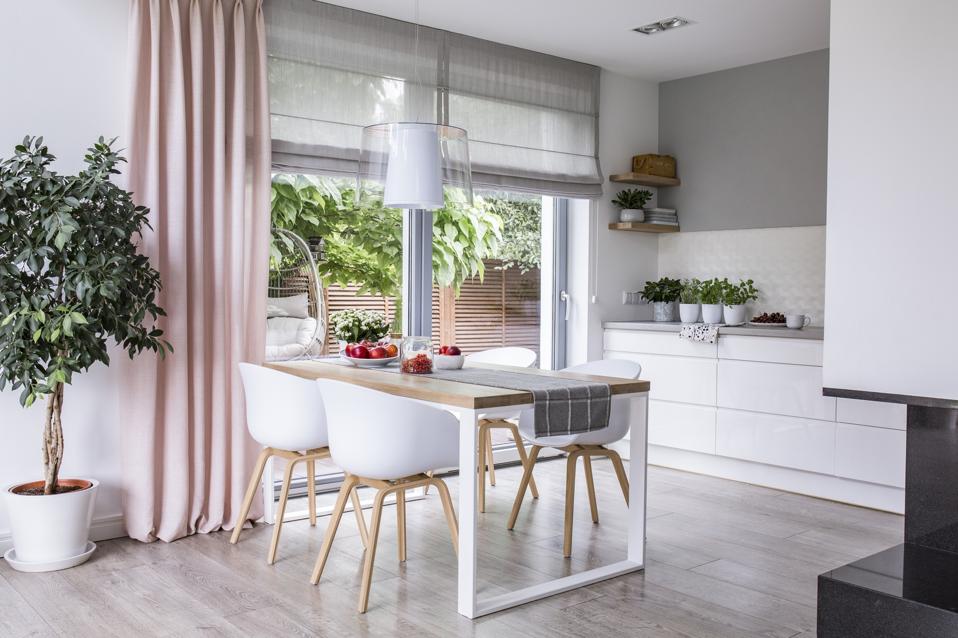
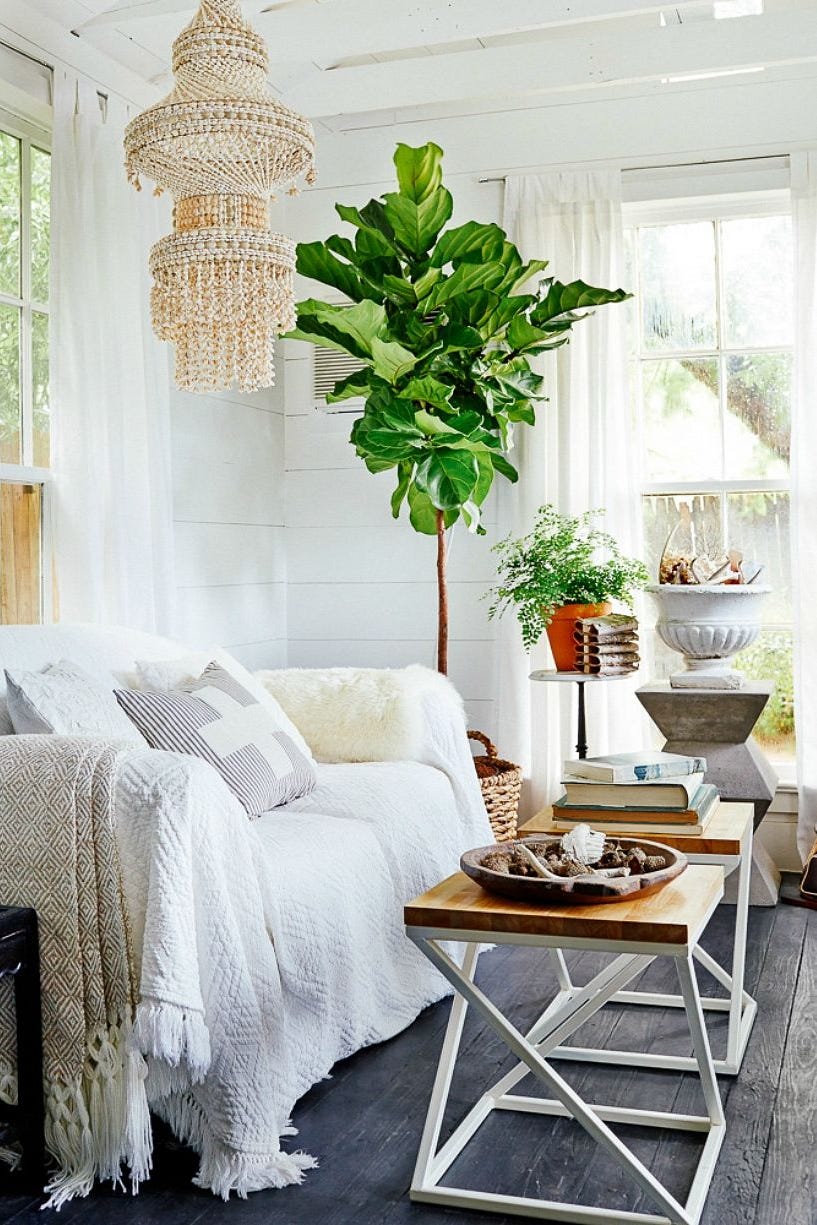
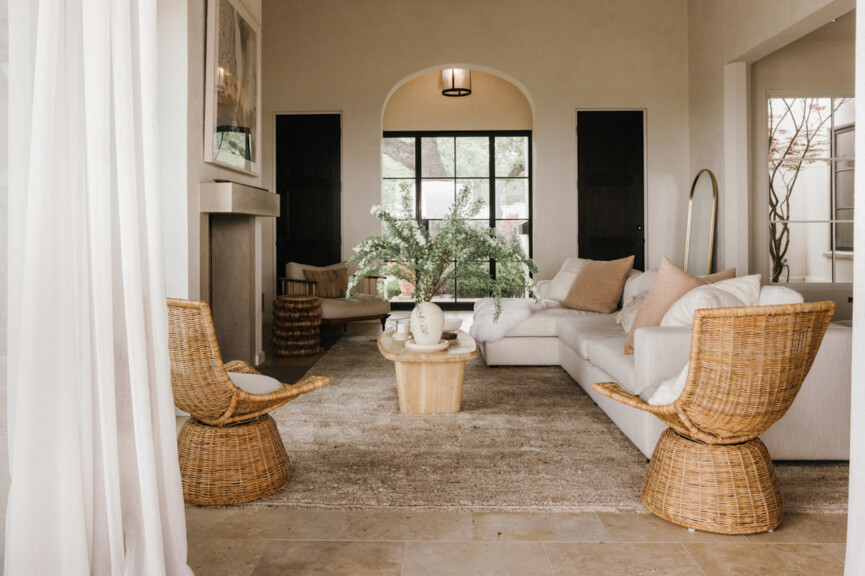
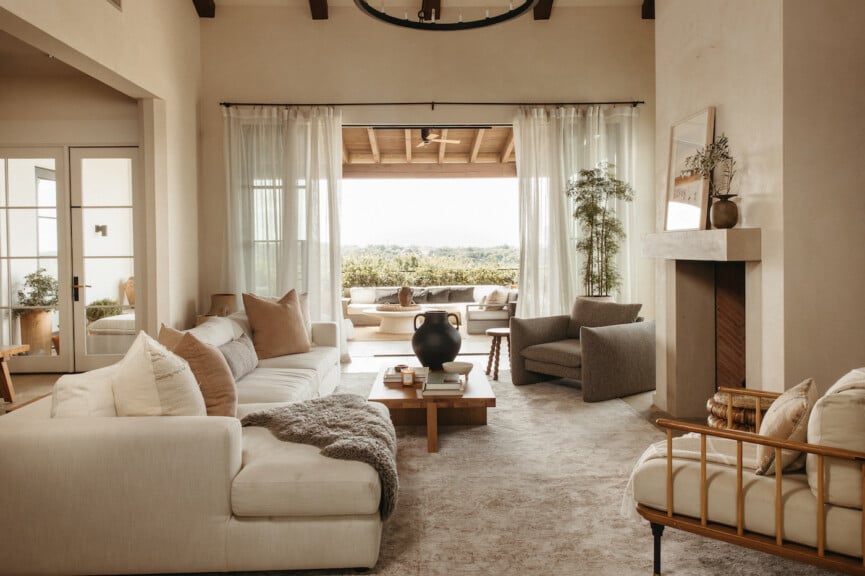
The absence of plants is also identified as a common oversight. Greenery brings vibrancy and color, making a space feel less sterile and more alive. Interior designers frequently incorporate indoor plants, including air-purifying varieties, to enhance the overall ambiance. For those with limited gardening skills, low-maintenance plants like snake plants are suggested. Finally, the article advises against using dark, heavy curtains, as they absorb light and make rooms appear smaller. Light-favoring materials such as cotton and linen are preferred, as they allow natural light to filter through, contributing to a brighter and more spacious feel. These strategic choices collectively aim to maximize the functionality and aesthetic appeal of small living rooms. #SmallLivingRooms #InteriorDesign #SpaceSaving #HomeDecor #FurnitureSelection #LightingDesign #PlantDecor #ColorPalette
0 comment in total
 No comments yet
You may also like
7 small living room layout mistakes design experts want you to avoid – and what to do instead

5 things minimalists never have in a small entryway

Design tips and tricks for decorating a small living room
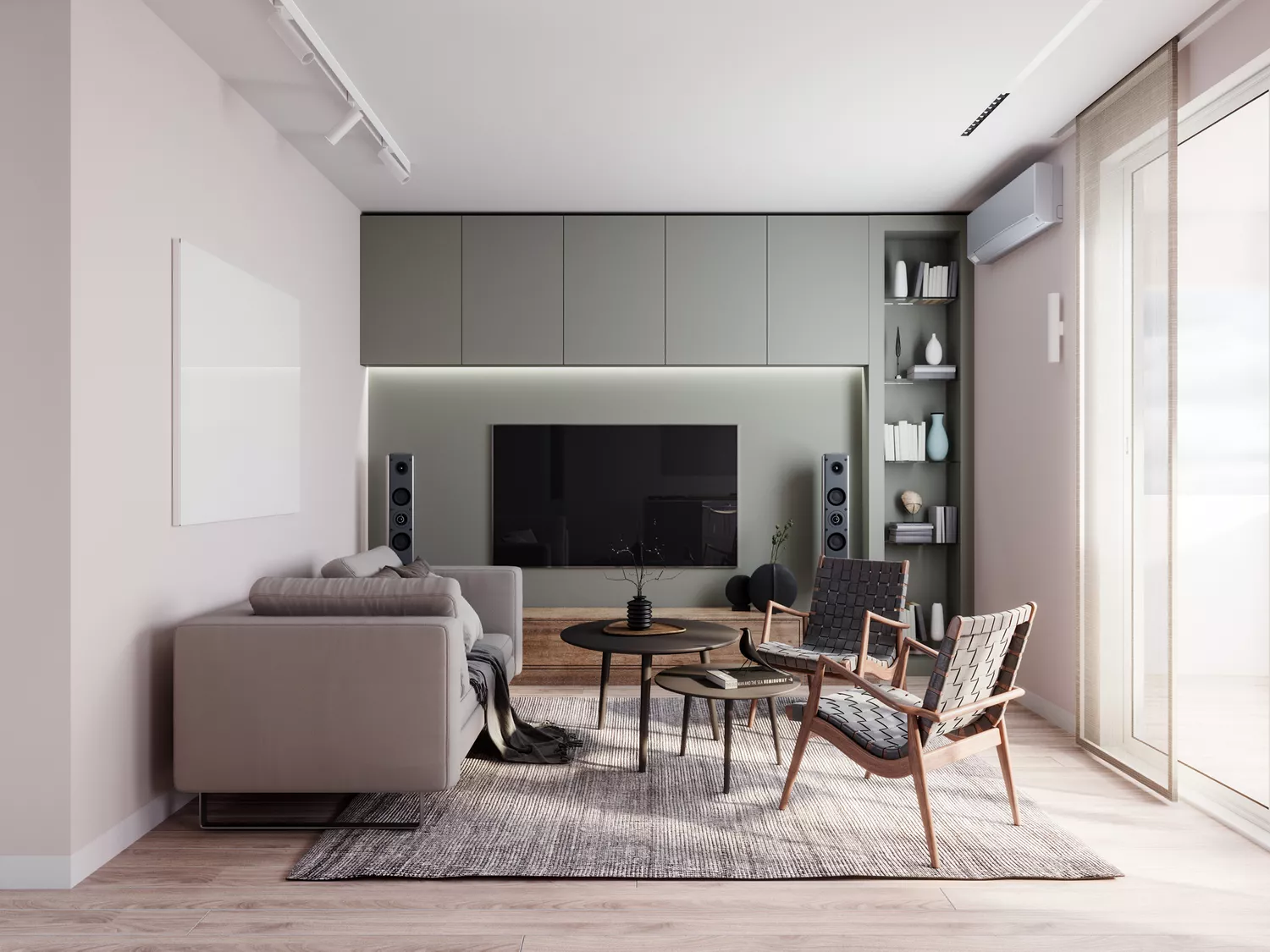
6 Small Living Room Layout Mistakes You Should Never Make, According to Designers

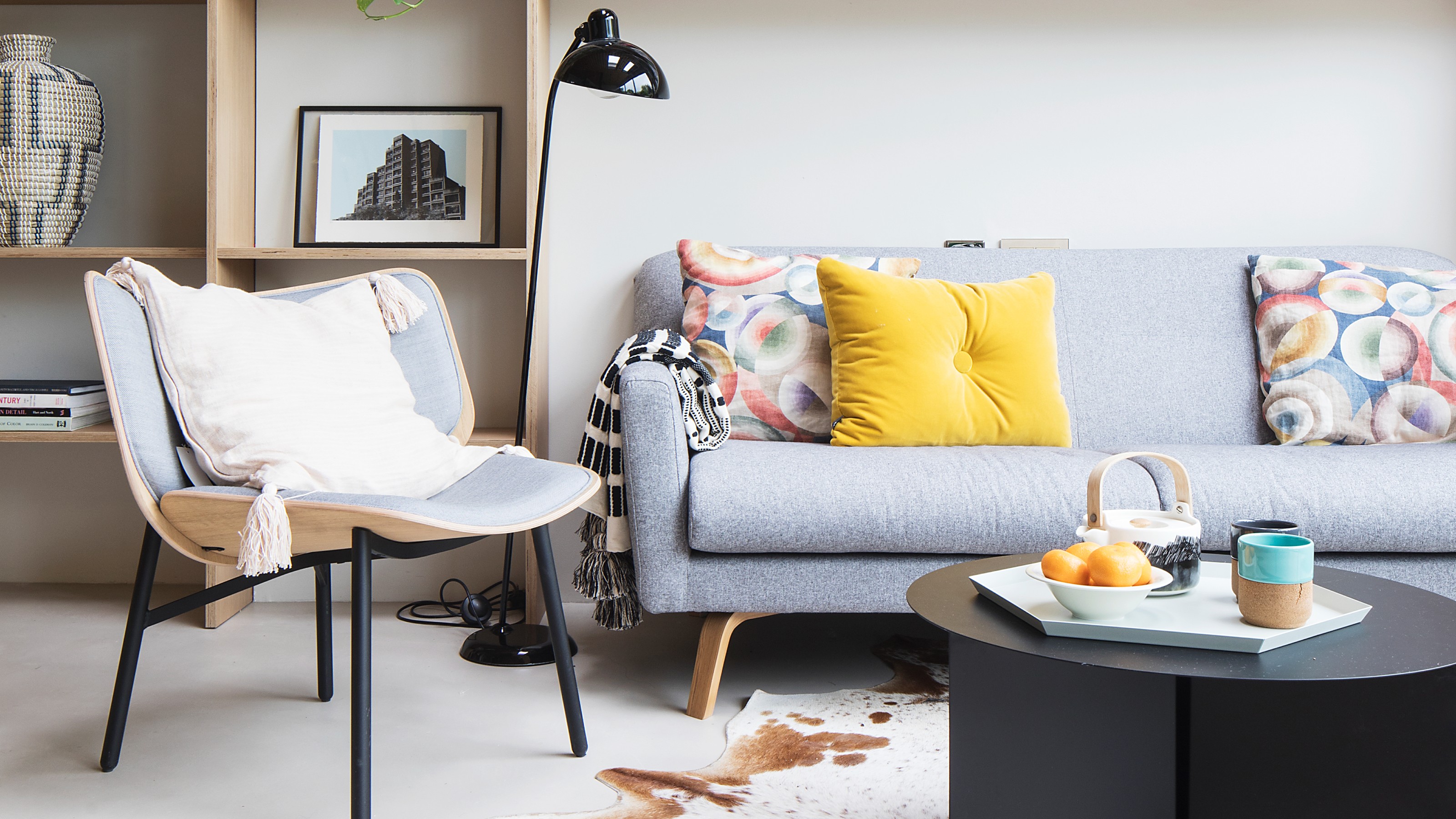
I asked 8 interior designers what you shouldn’t put in a small living room – these 3 things kept coming up
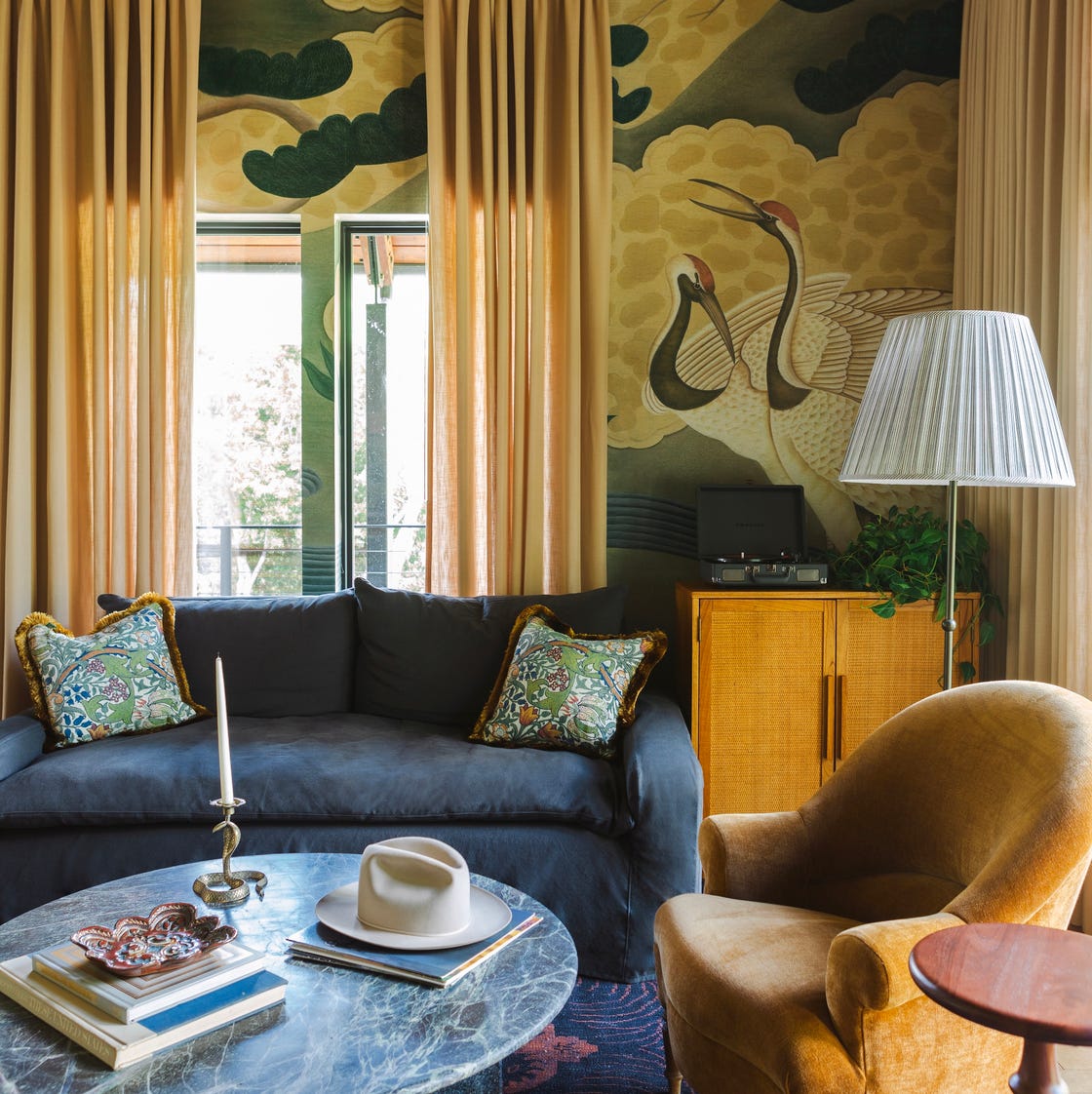
Design Pros Reveal Their Secret Tricks for Maximizing Space in the Tiniest Living Rooms

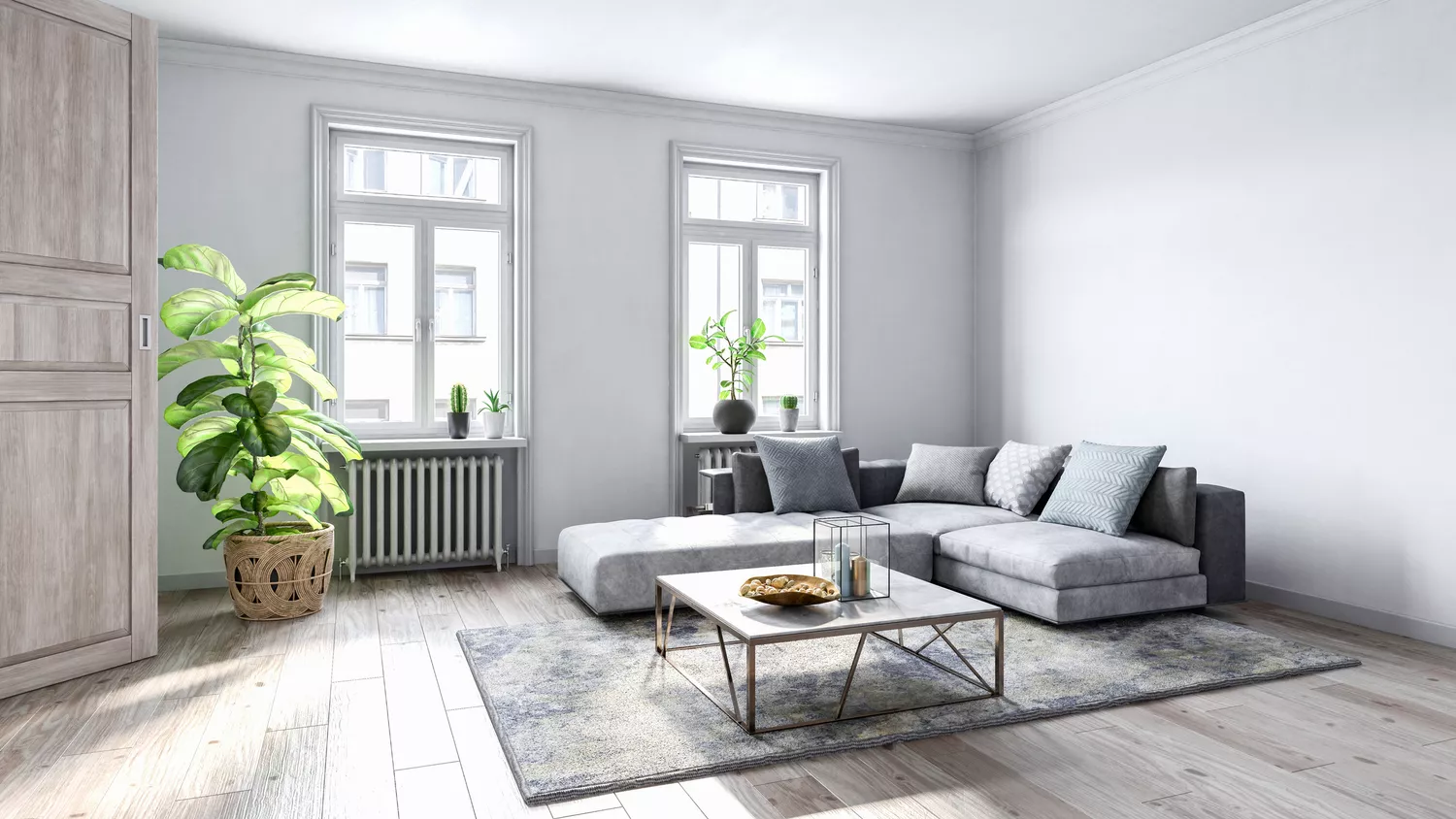
7 Things That Always Make Your Living Room Look Empty, According to Designers
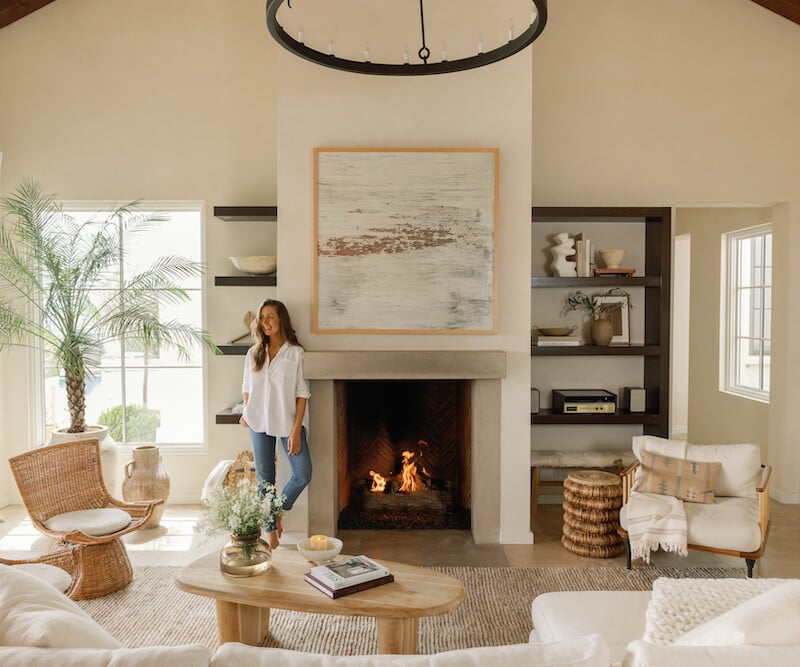
Designers Say This Is the #1 Living Room Mistake Everyone Makes

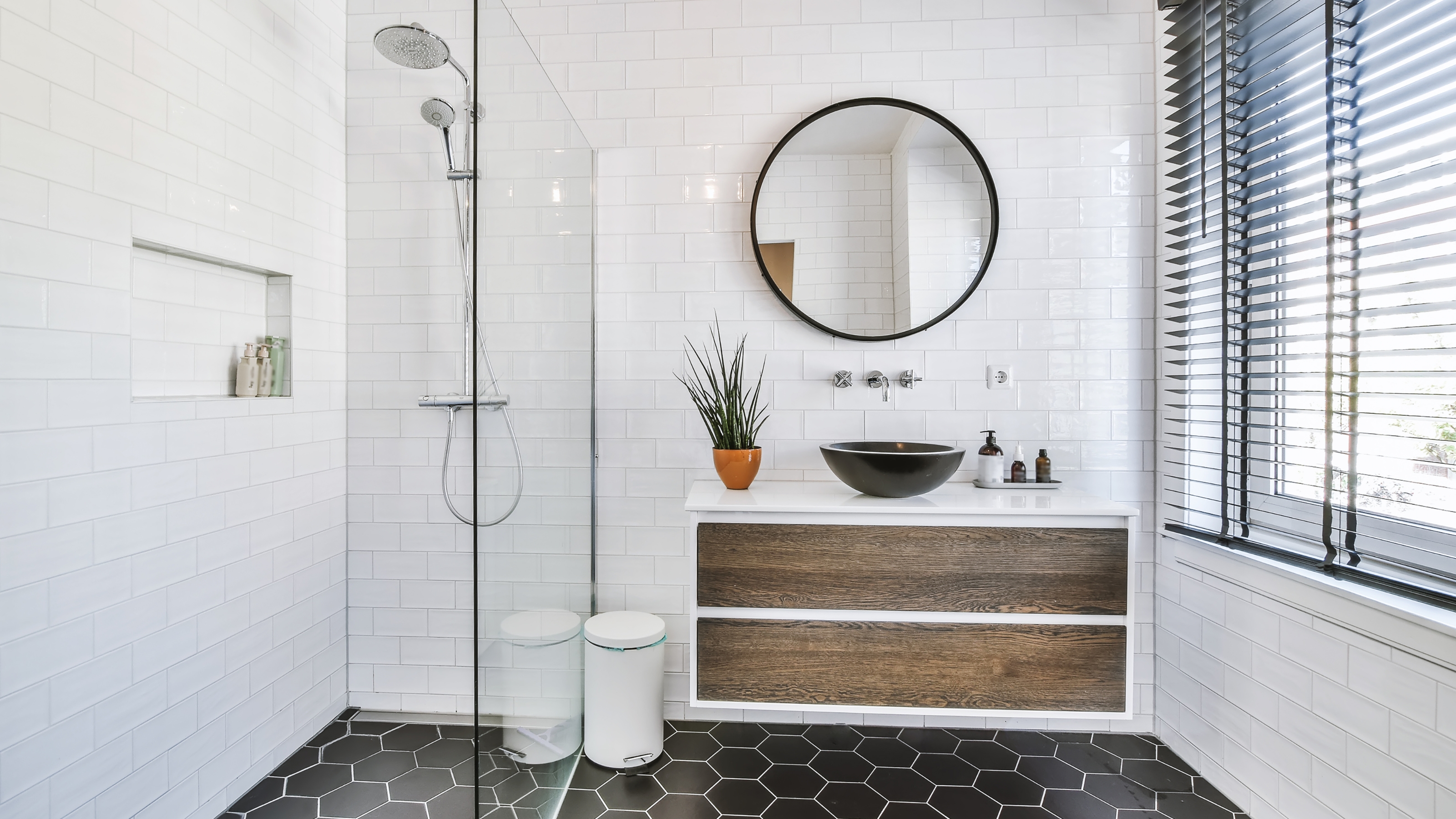
8 items interior designers never have in small bathrooms

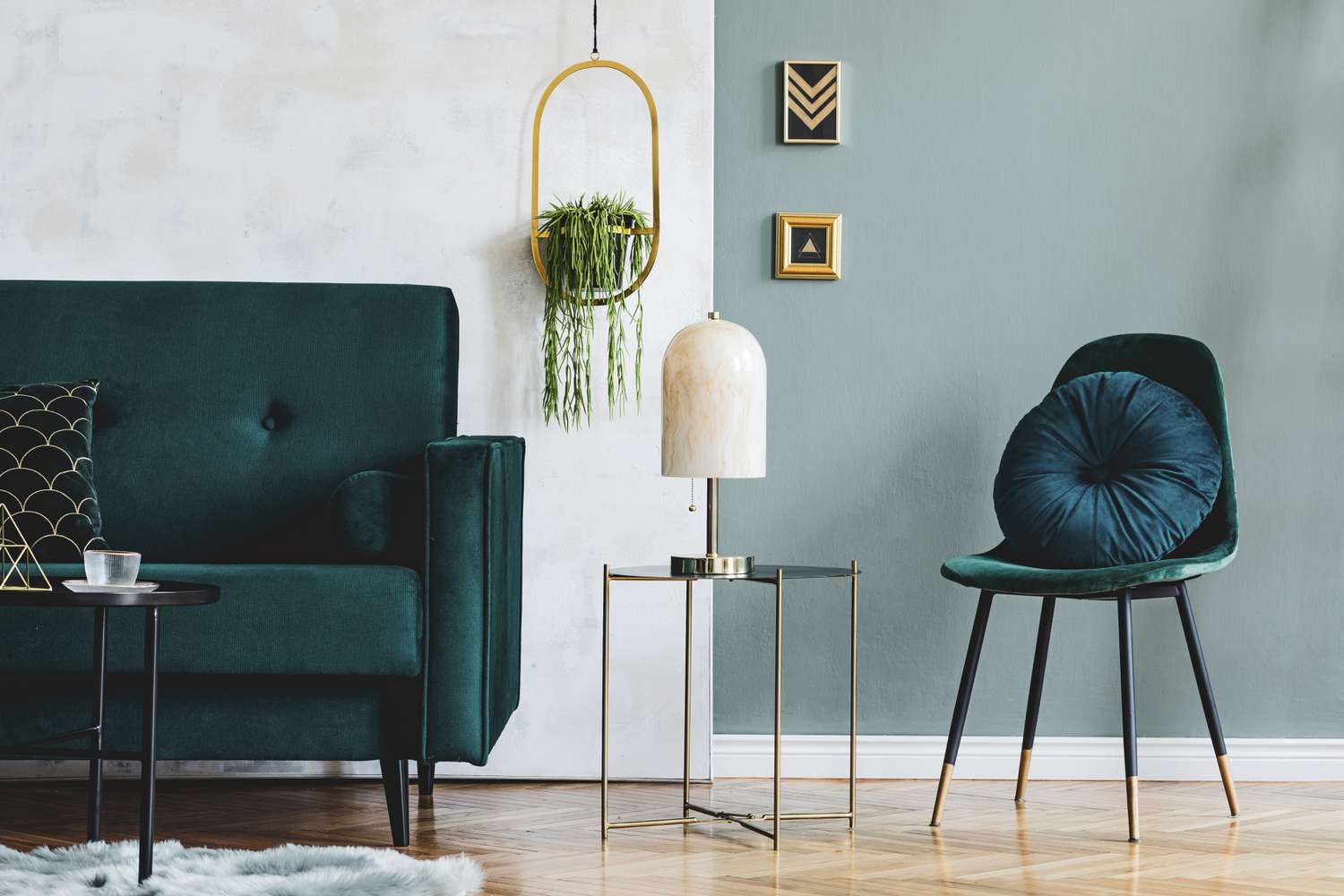
7 Things Minimalists Would Never Put in Their Living Room

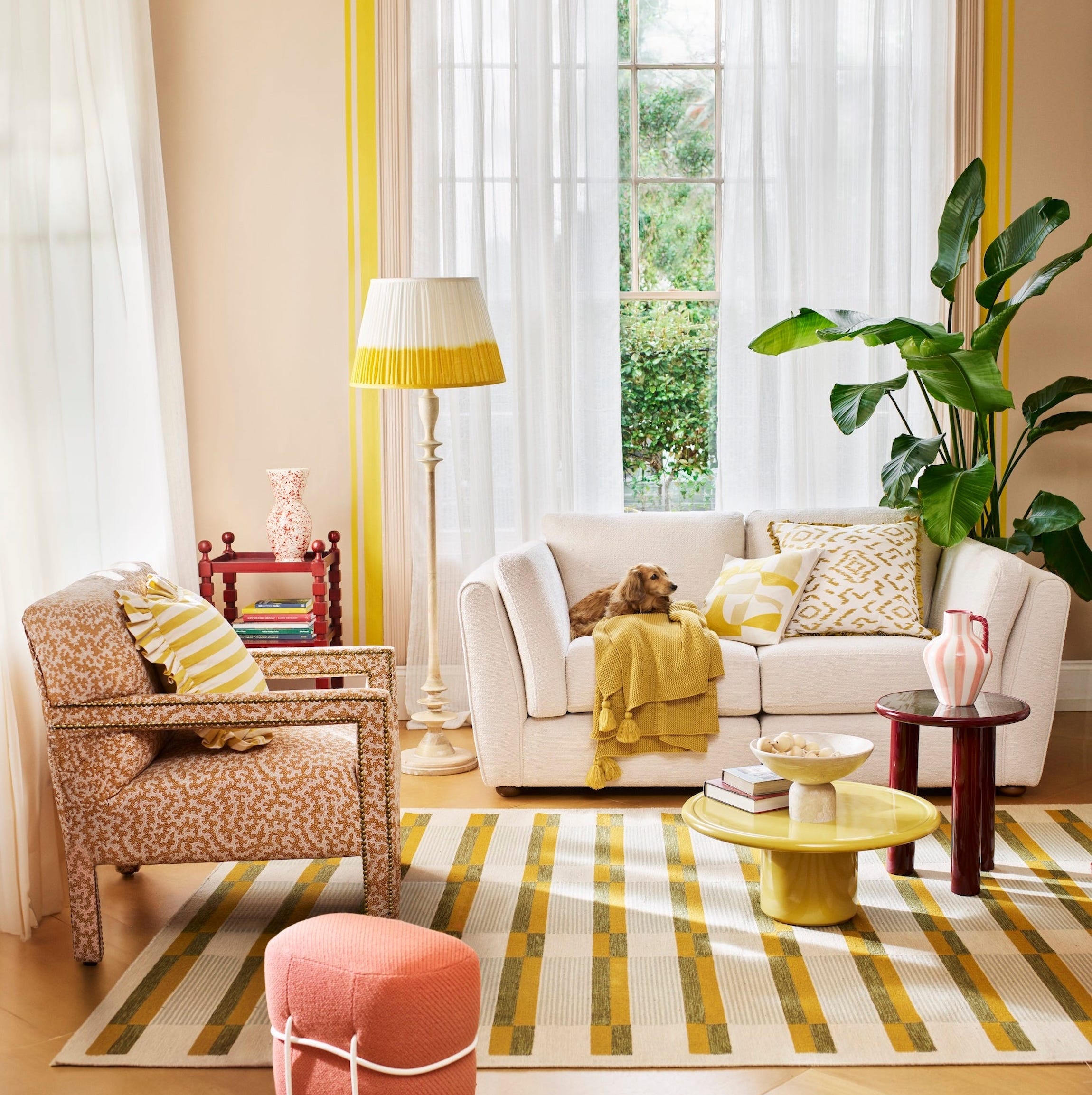
5 Living Room Design Mistakes You Didn't Know You Were Making
5 things interior designers say every living room should have in it – are you missing any?

The One Thing Interior Designers Avoid in Small Rooms—and You Should Too
7 Design Mistakes Interior Designers Always Notice

6 things to never put in an entryway, according to interior designers
18 Small Living Room Design Ideas Worth Copying in Your Own Home

5 small living room mistakes – designers share the worst decorating disasters that we need to stop doing right now
The Top 10 Small Living Room Ideas From Interior Designers
15 Small Living Room Decor Ideas That Won't Sacrifice Your Style

5 Living Room Staples Designers Never Splurge on (and You Shouldn't Either)