1/6
5 coffee table mistakes you should always avoid, according to interior designers
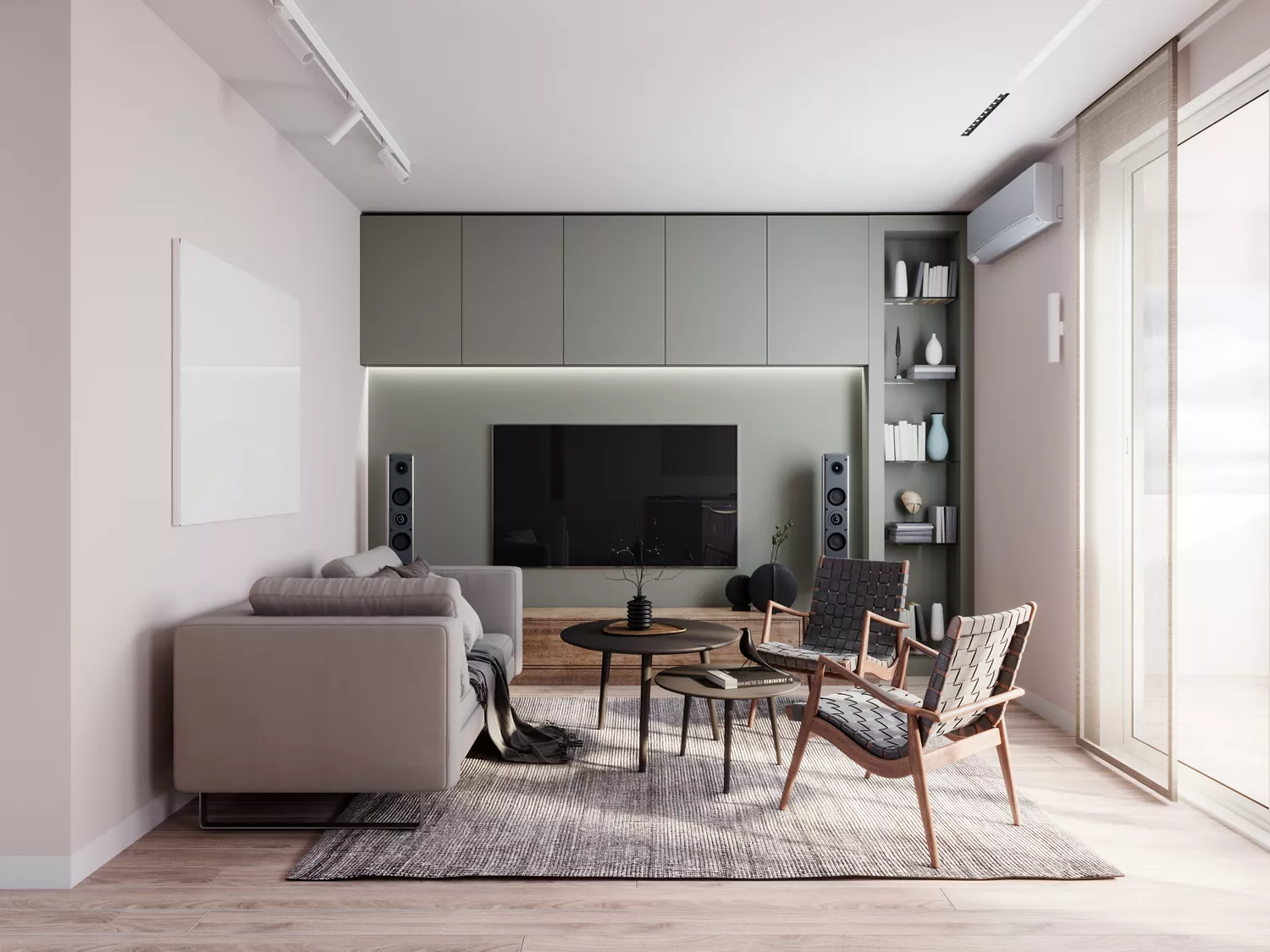
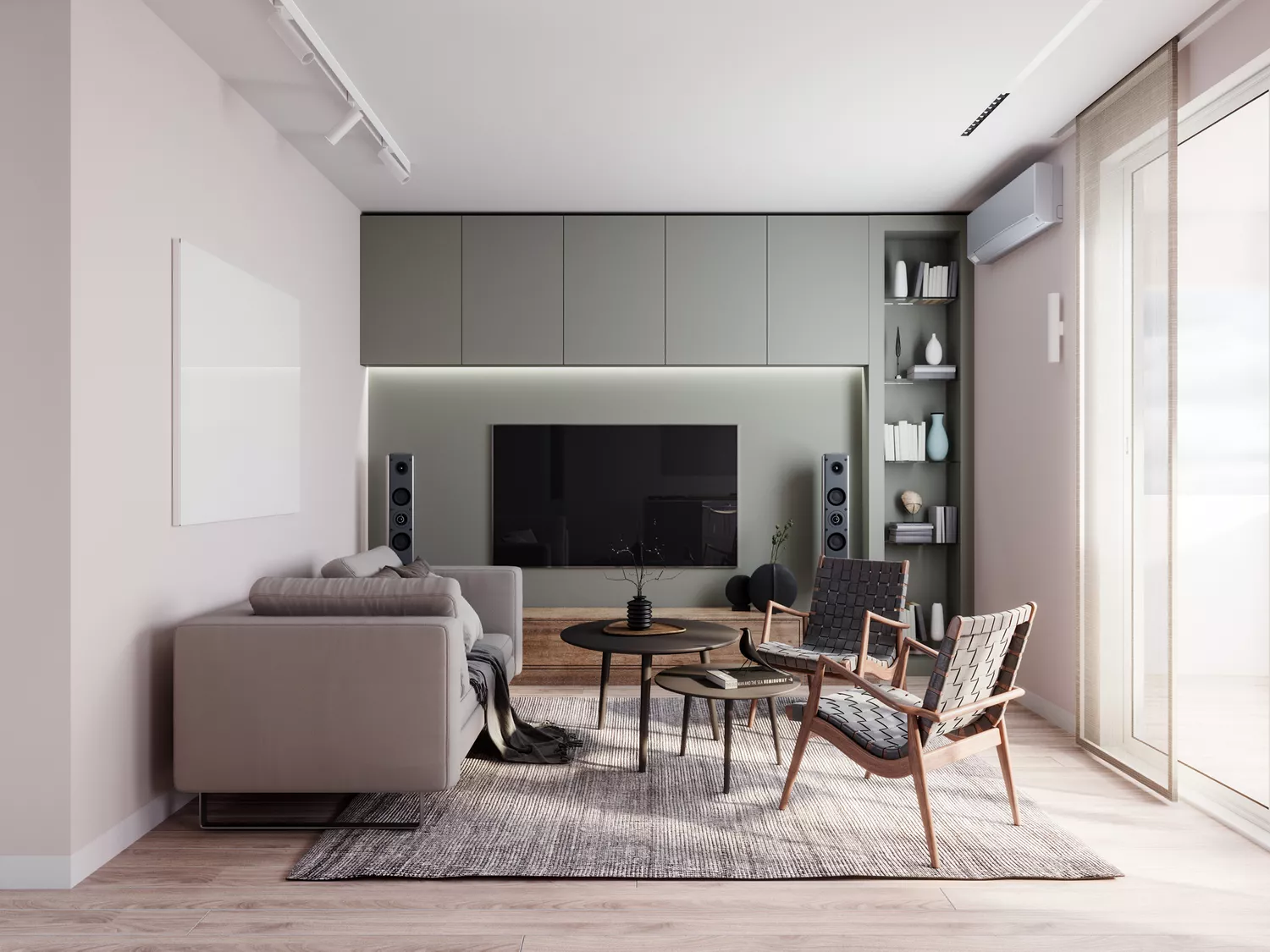
Styling a coffee table effectively involves more than simply placing items on its surface; it requires careful consideration of its design potential, organization, and integration with the surrounding living space. Many common pitfalls can diminish a coffee table's impact, ranging from treating it merely as a footrest or catch-all to selecting an inappropriate size or style for the room. Addressing these issues can transform a coffee table into a functional and aesthetically pleasing centerpiece.
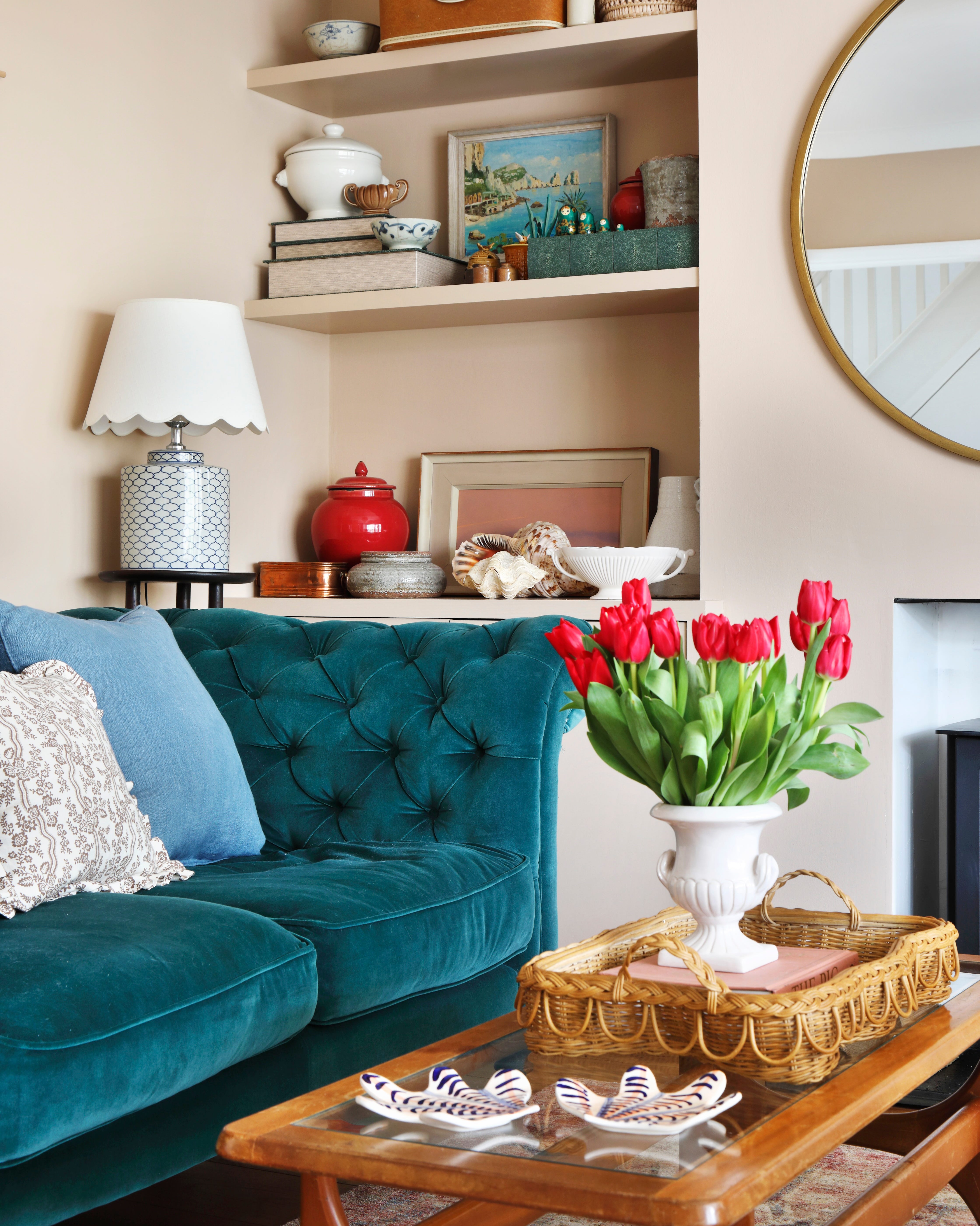
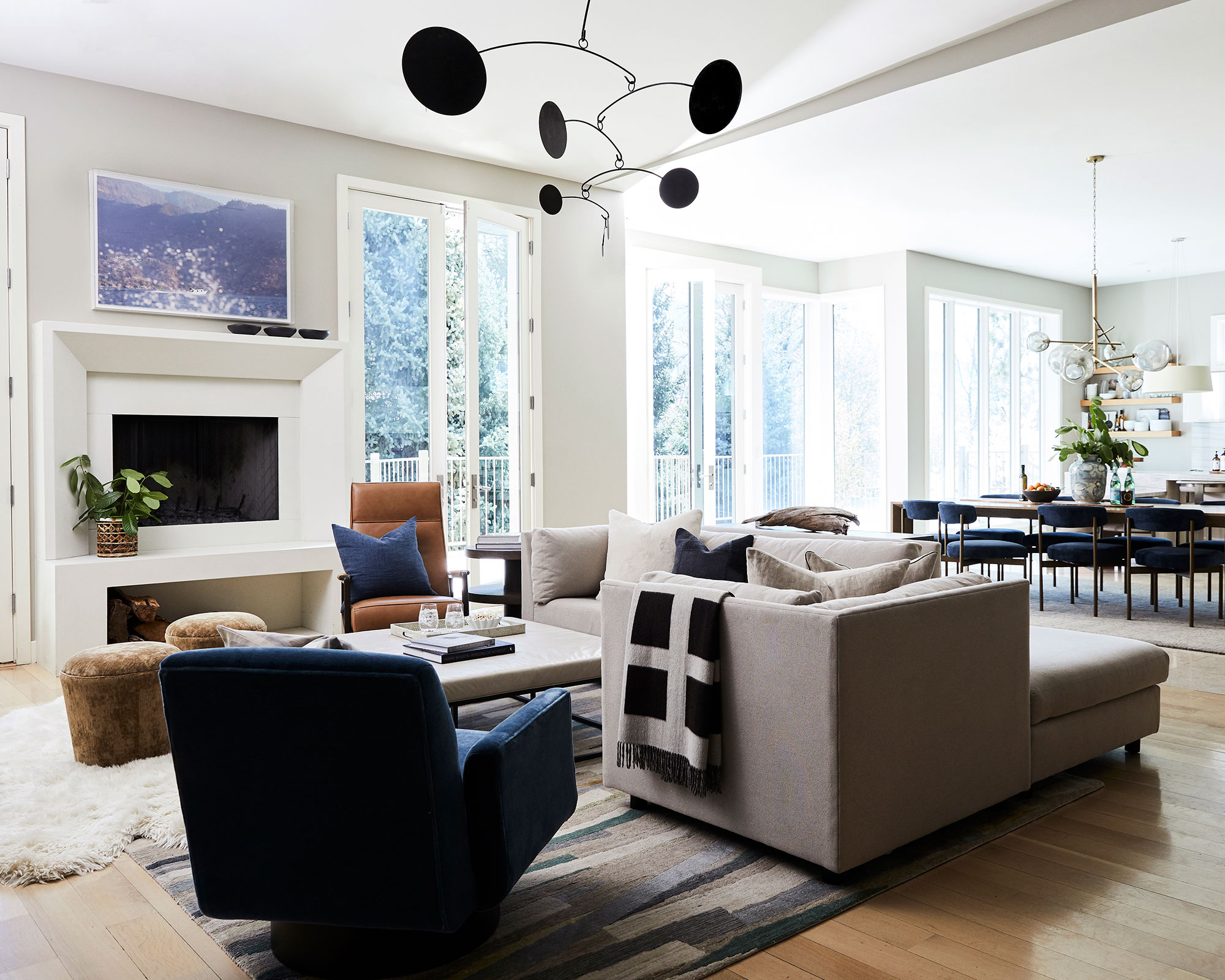
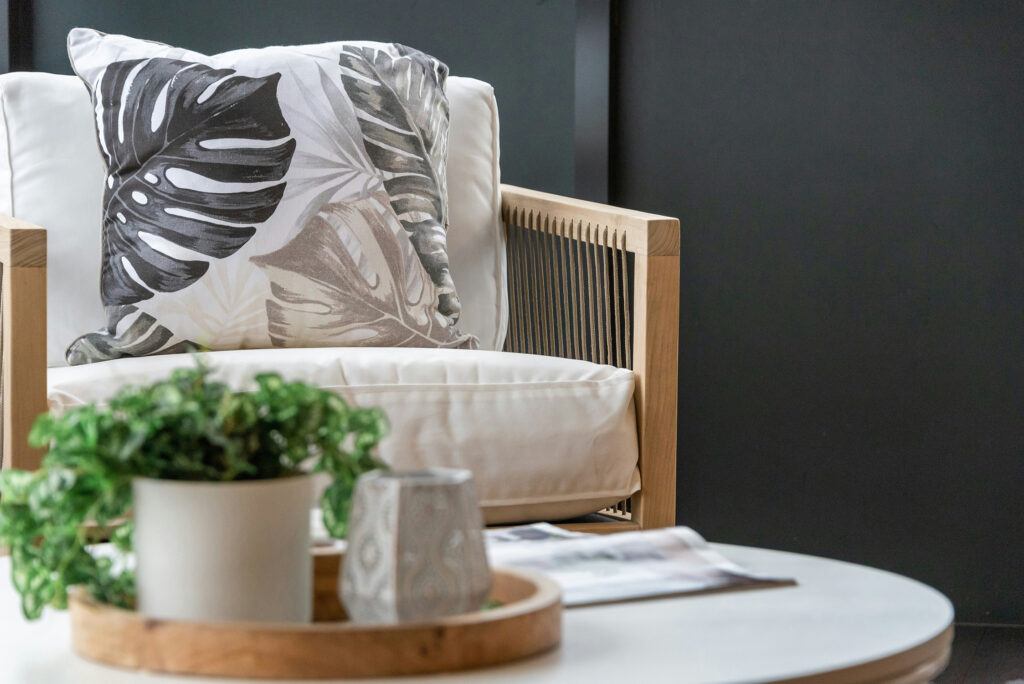
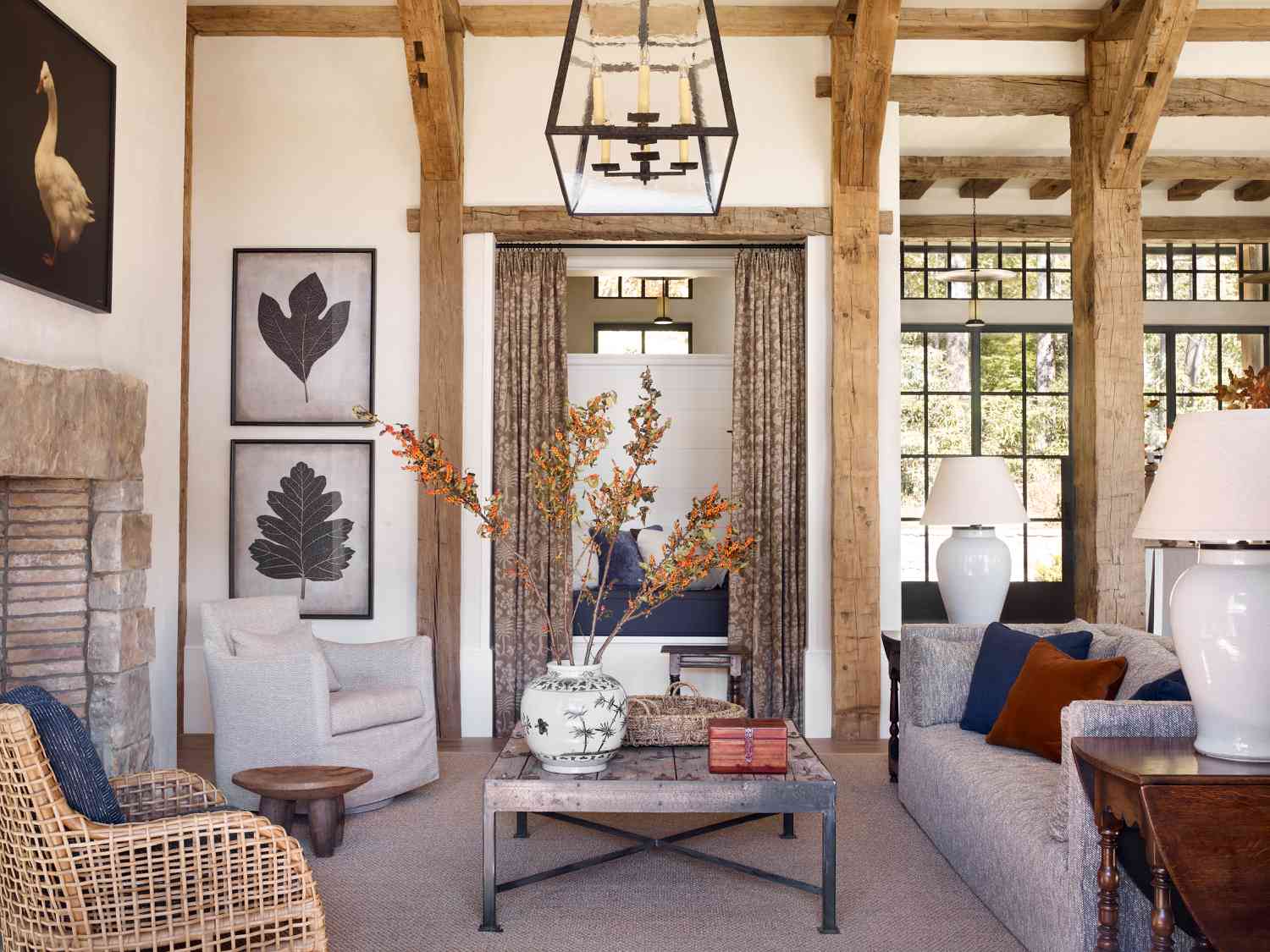
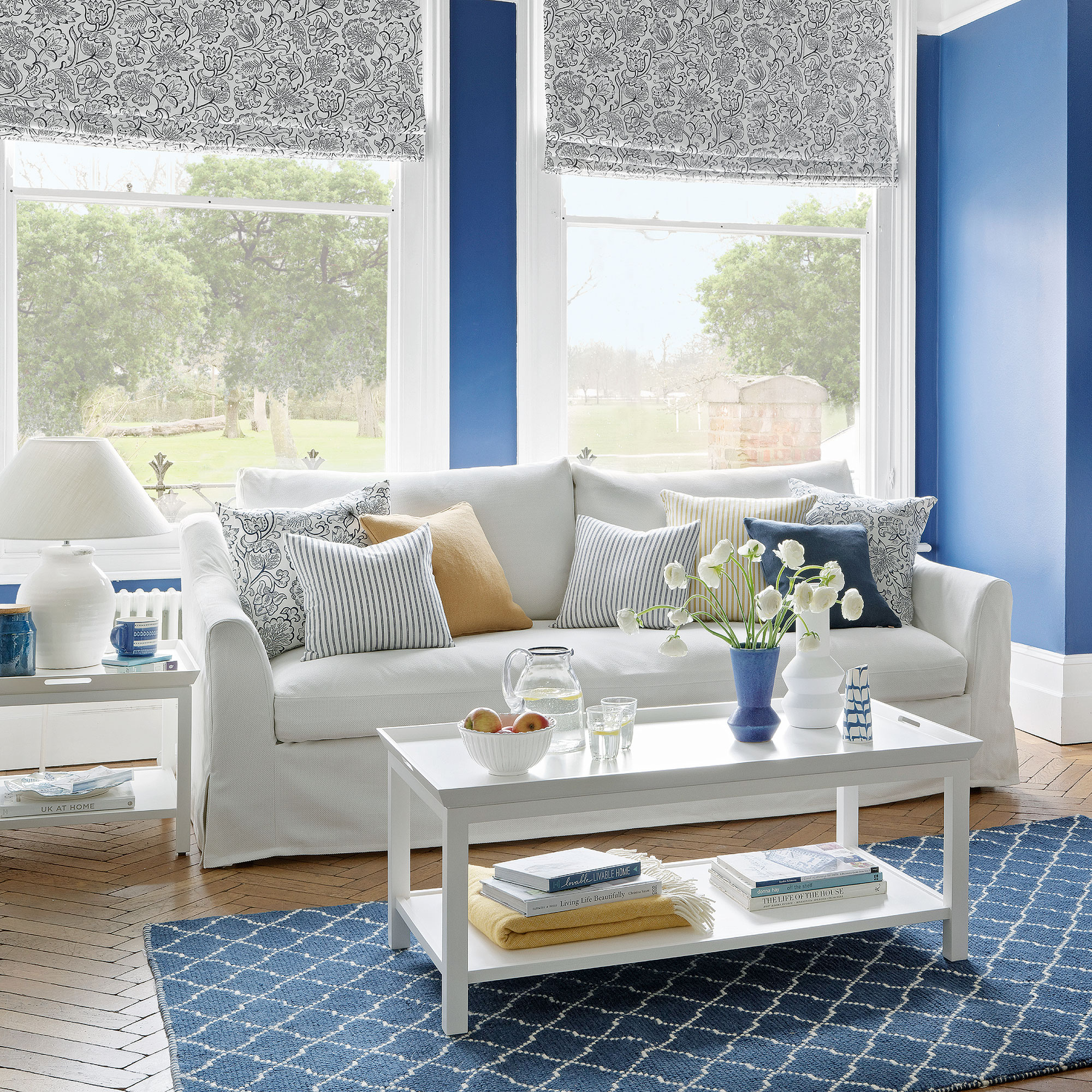
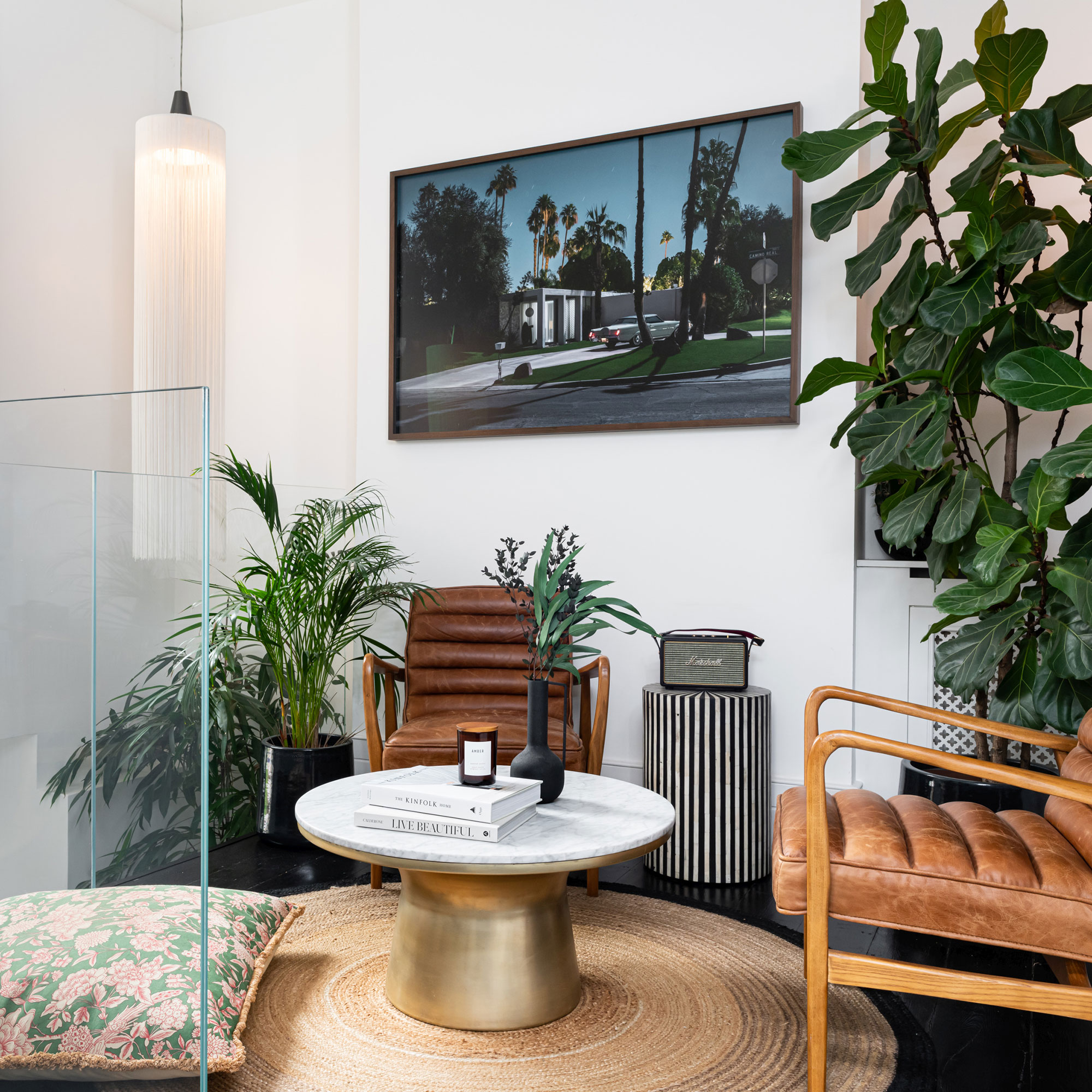
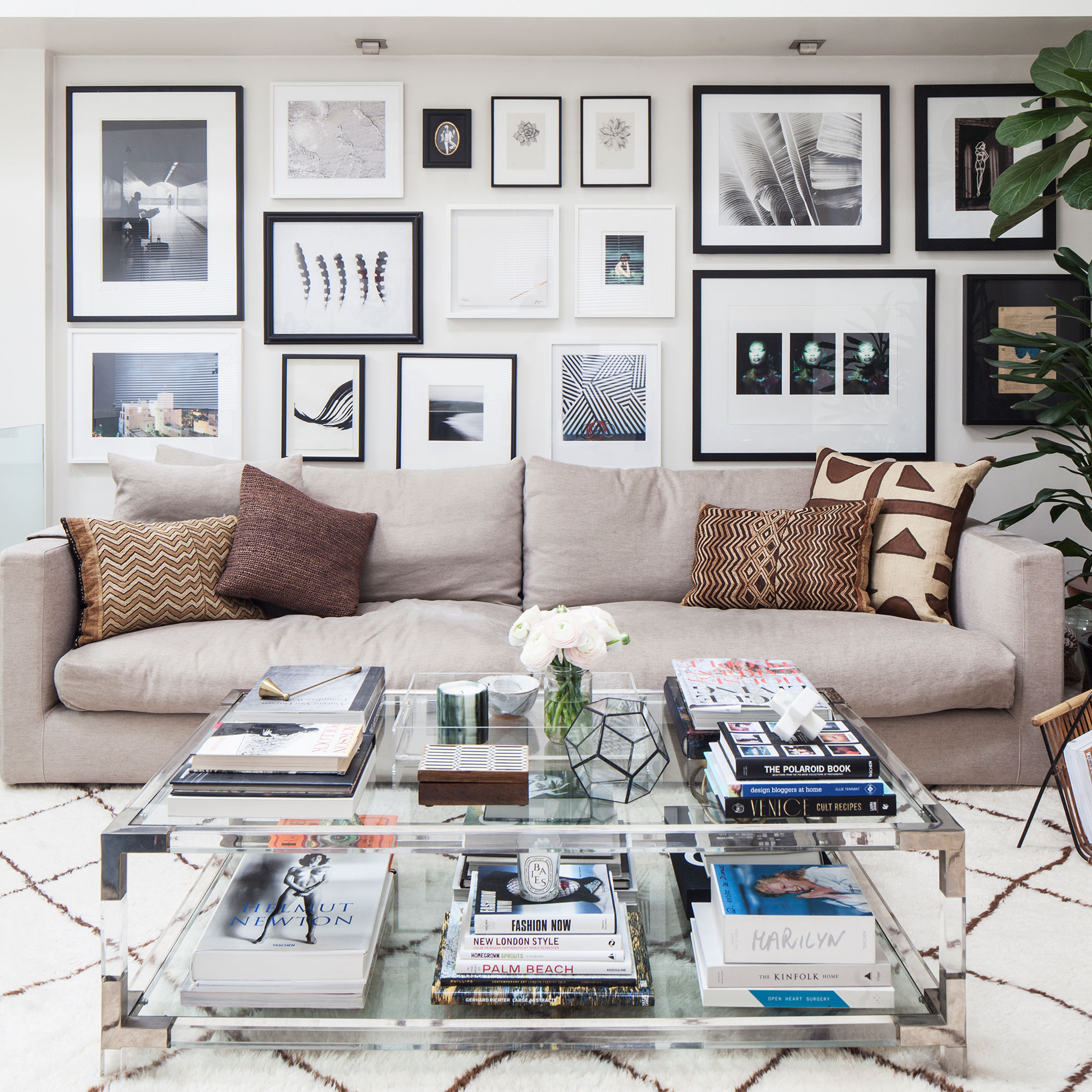
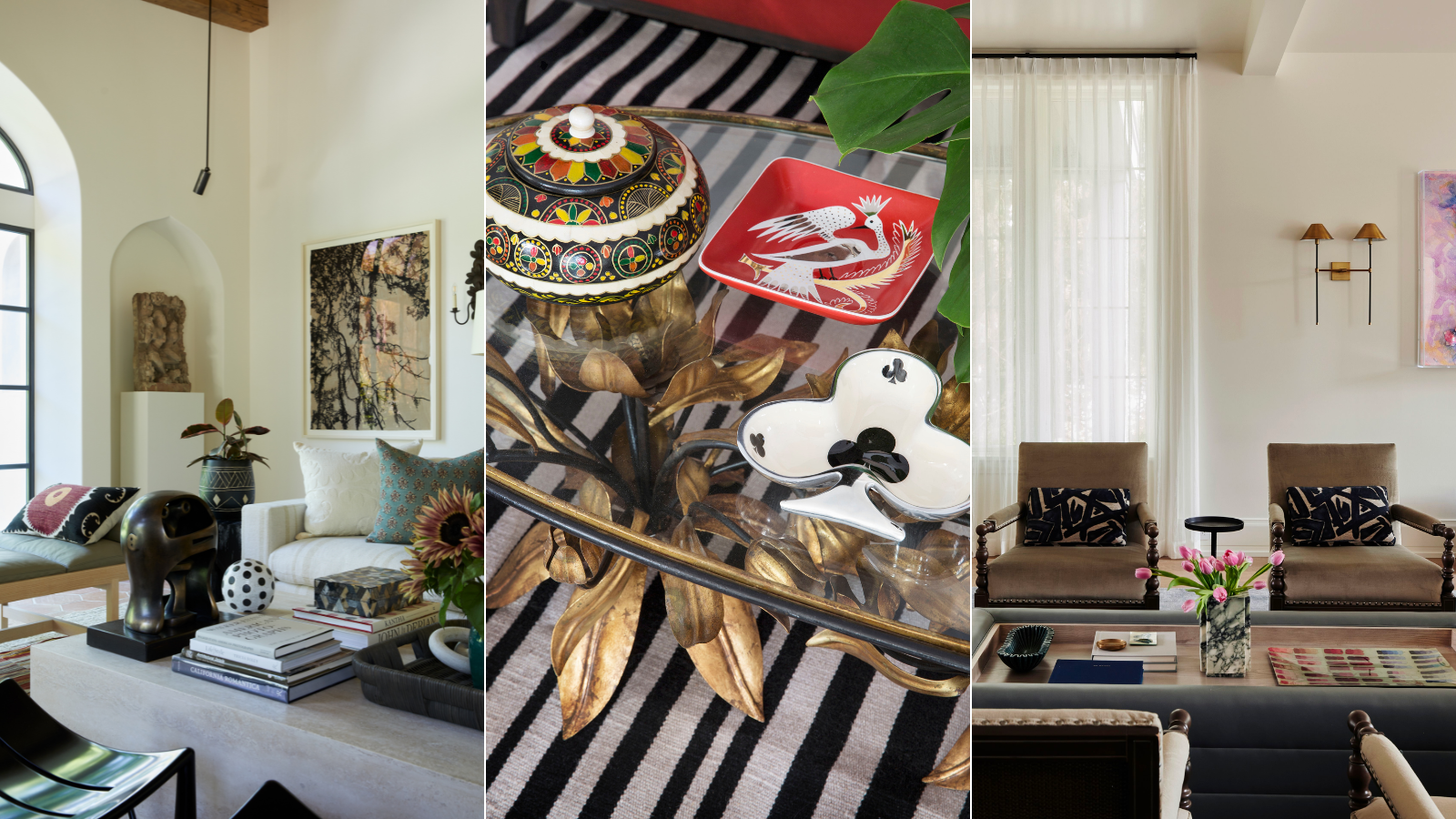
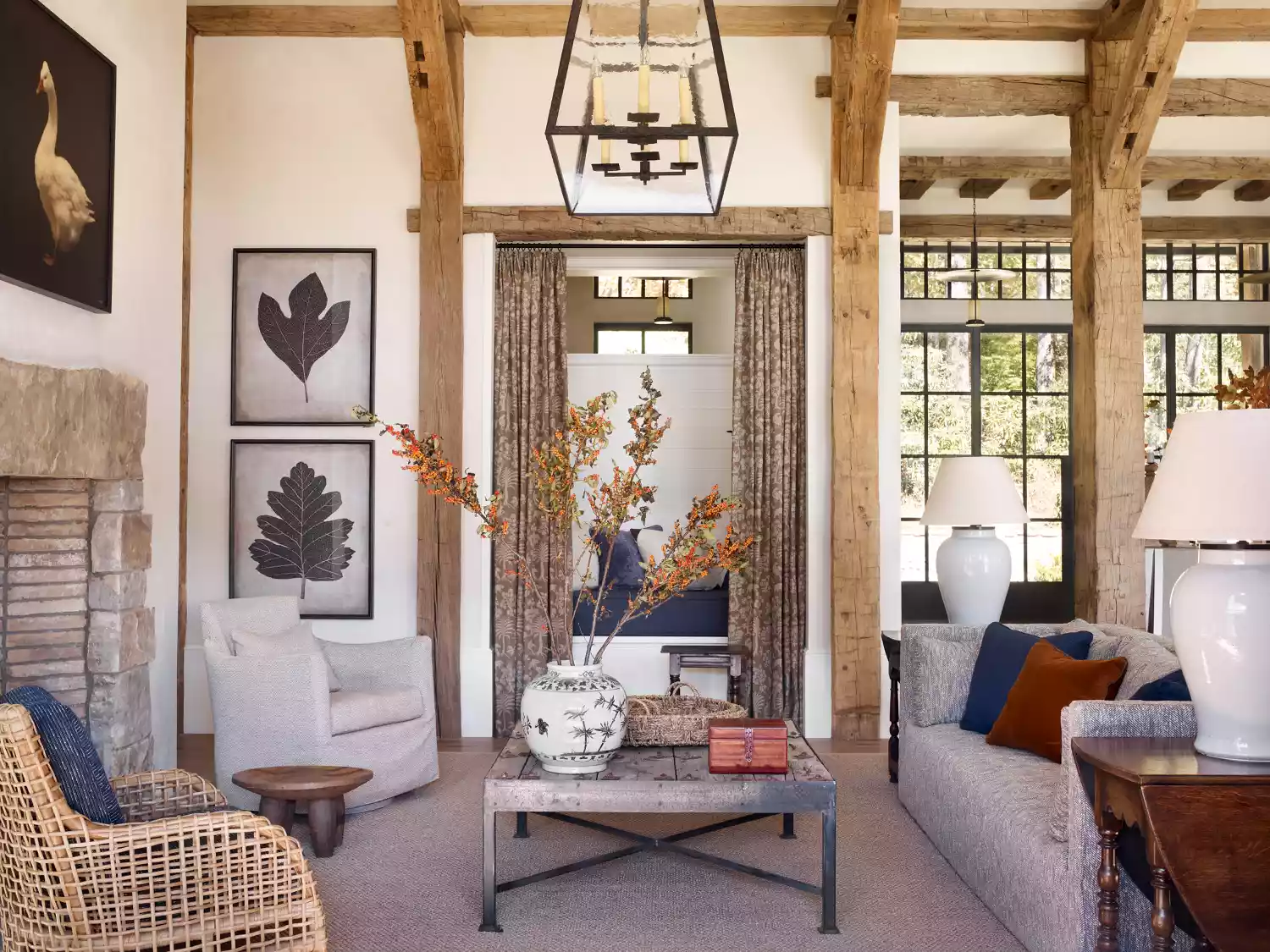
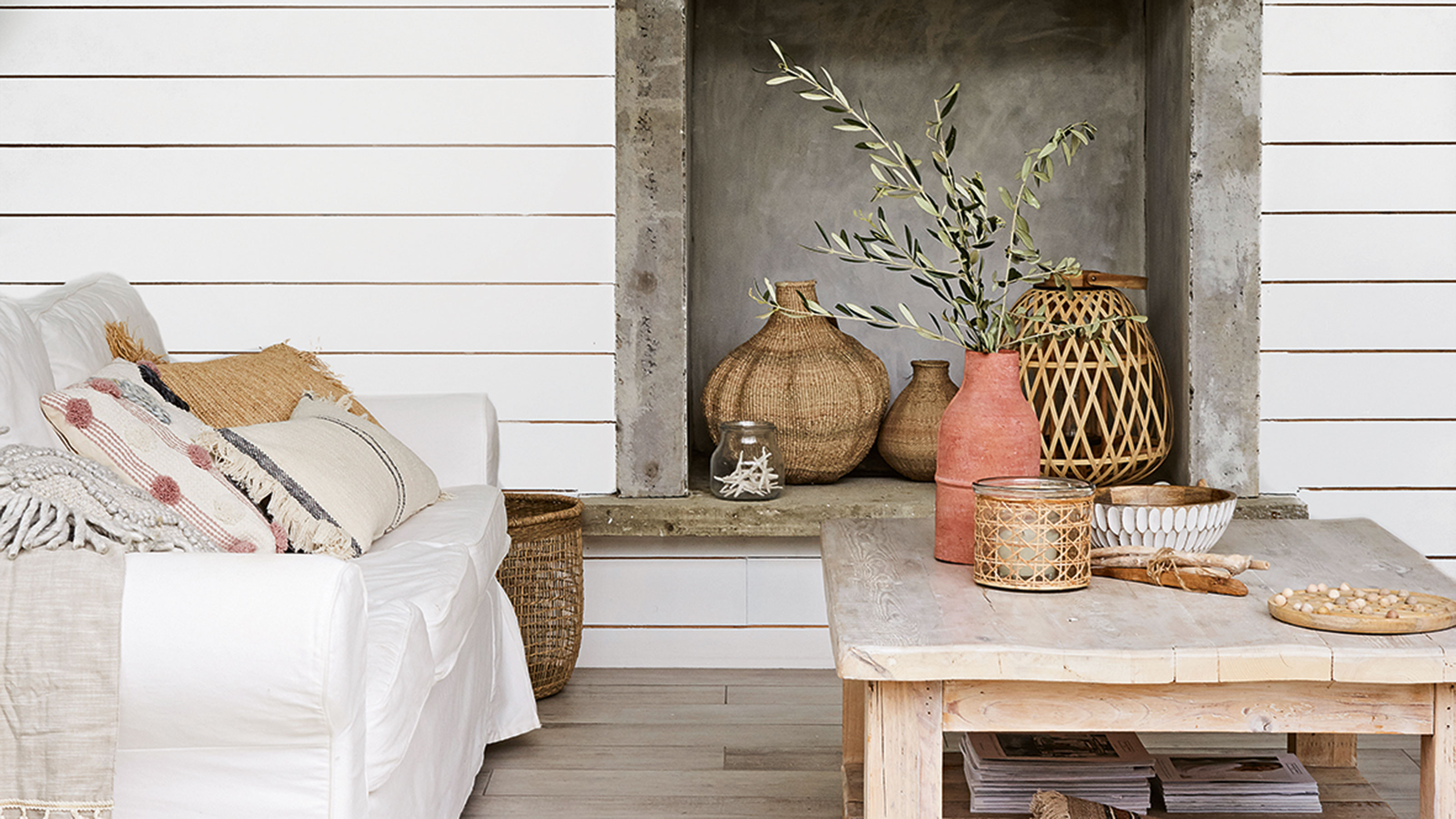
One significant mistake is neglecting the coffee table's design potential. Instead of viewing it as a utilitarian object, interior designers suggest utilizing the surface to create a styled vignette. This can be achieved by starting with a decorative tray and then experimenting with various combinations of coffee table books, scented candles, framed photos, and sculptural elements. This approach elevates the table beyond a simple storage or resting spot, turning it into a curated display that enhances the overall living room design.
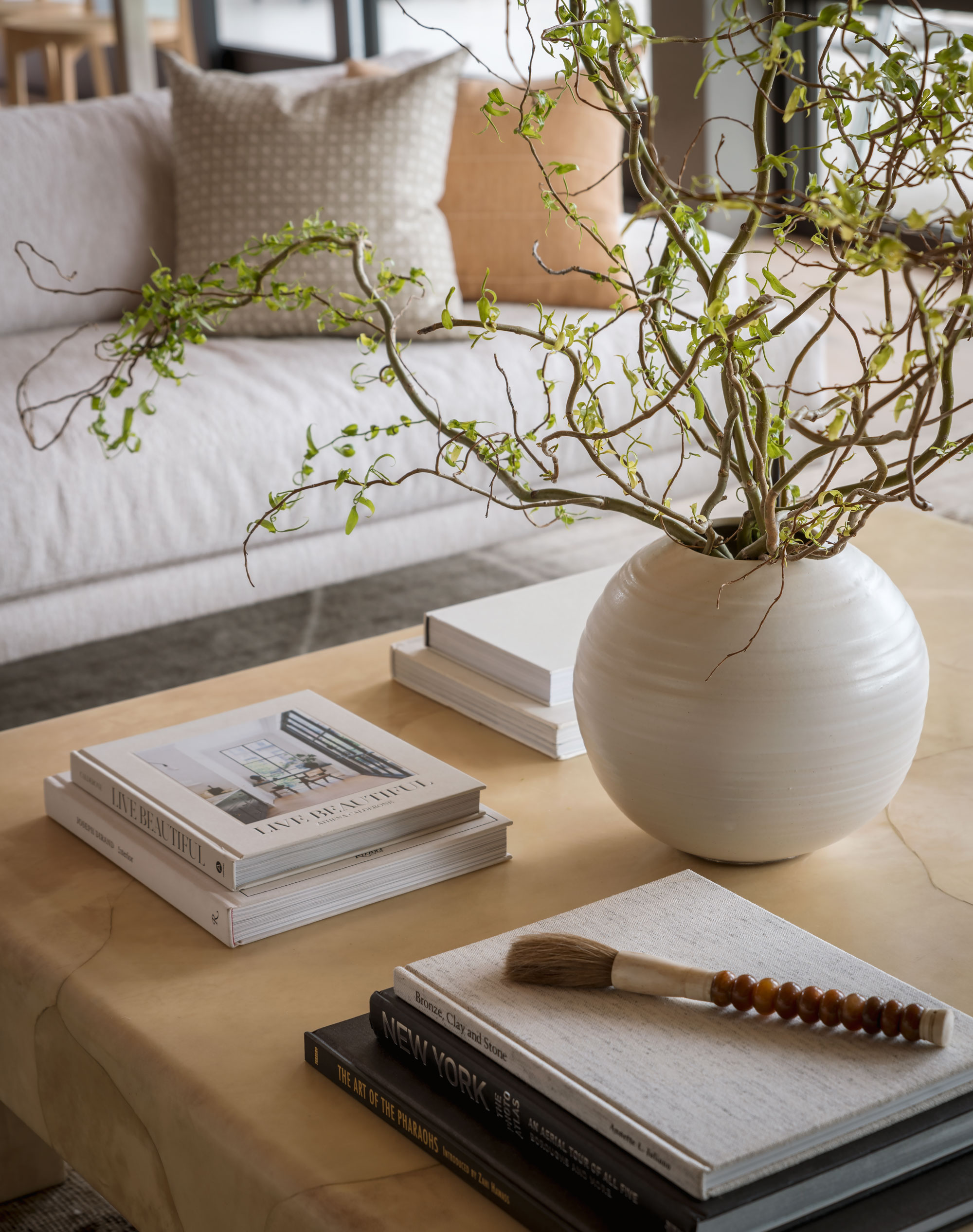
Another common error is over-accessorizing, which can lead to a cluttered and messy appearance. While curation is encouraged, too many items can overwhelm the space and detract from its intended purpose. A practical solution involves using decorative trays to create 'zones' on the tabletop. These trays can neatly organize items such as remote controls and devices, preventing a jumbled look. Adding a stack of design books can introduce varying heights and visual interest, while elements like candles and fresh flowers contribute to a sophisticated and organized arrangement, ensuring every item has its designated place without resorting to unsightly storage.
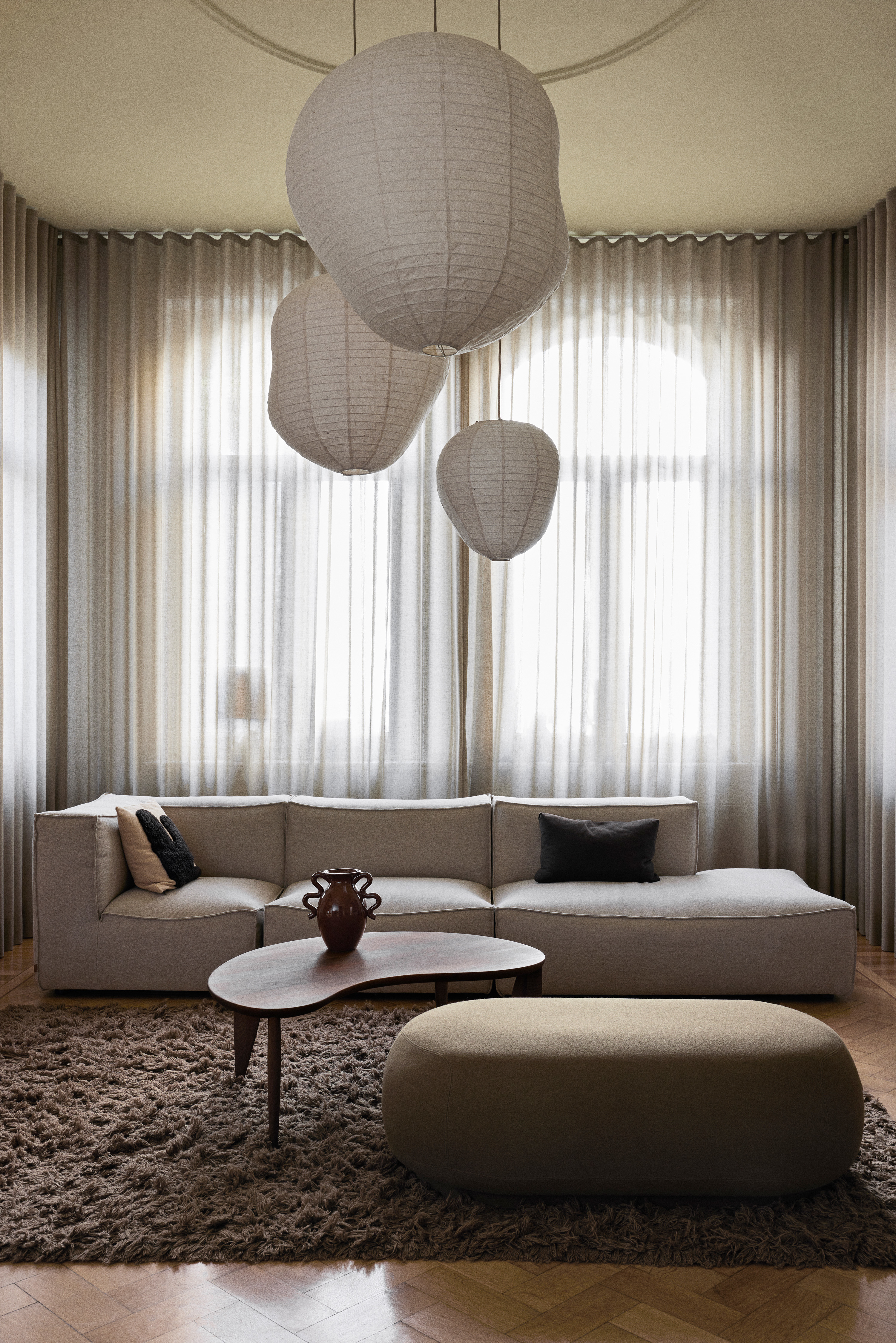
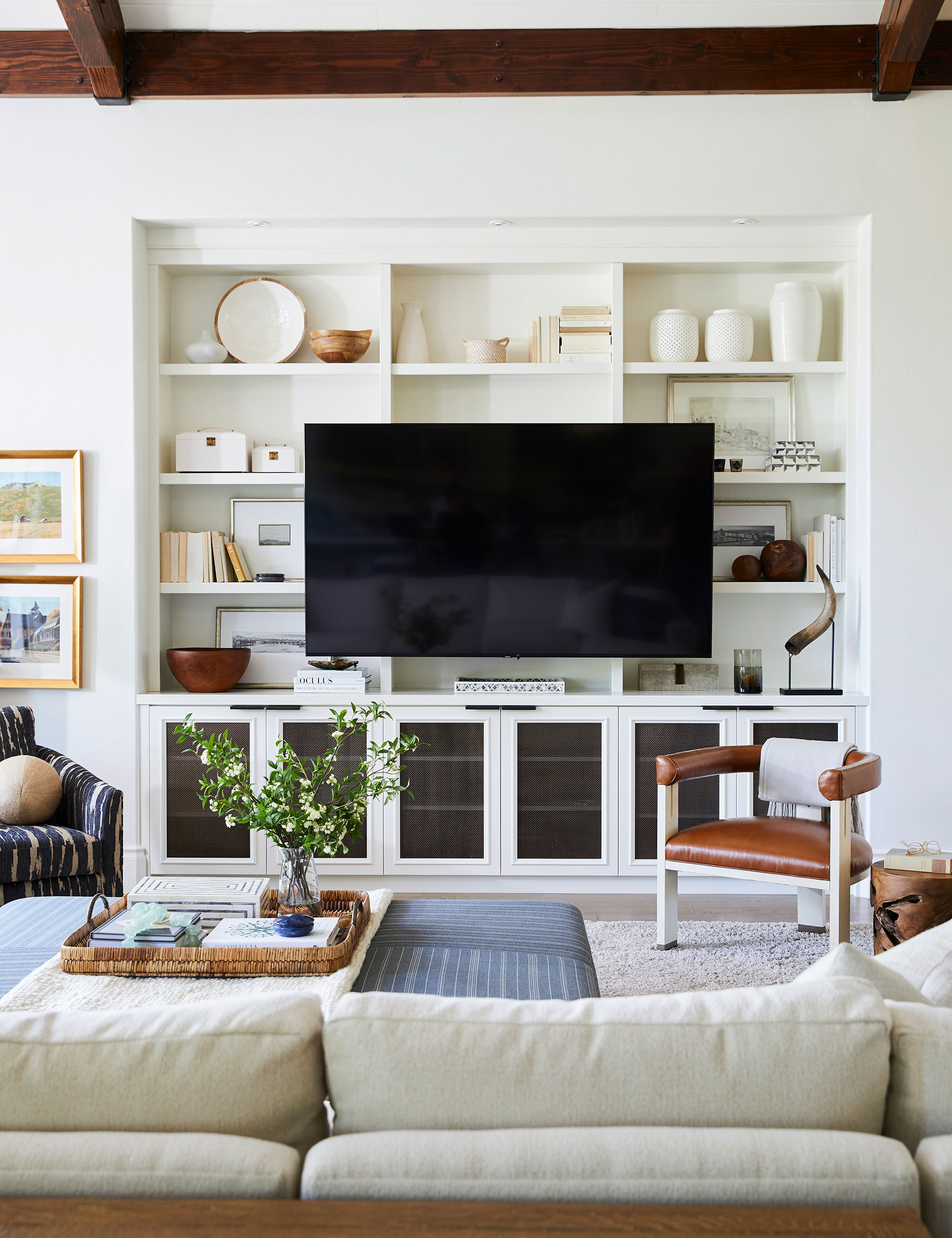
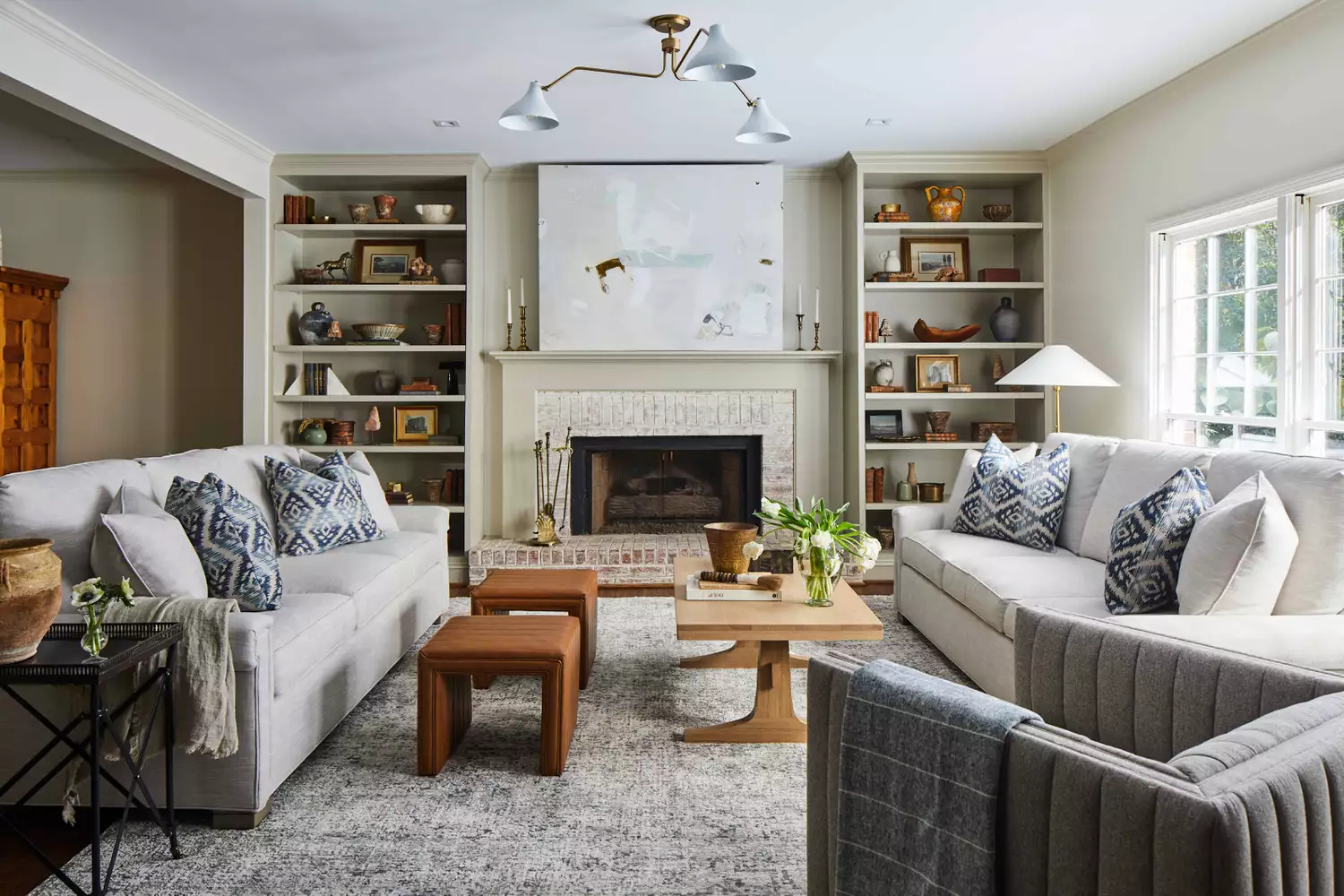
The choice of the coffee table itself is crucial, and a frequent mistake is mismatching the table with the room's overall design and functionality. Designers emphasize the importance of material selection, advising an upholstered ottoman for television-watching areas and a harder surface for more conversational settings. Furthermore, size and scale are critical. The table should be positioned between 15 and 18 inches from the sofa's edge to ensure comfort and accessibility. Ignoring these measurements can result in a table that is either too high or too low, making the space uncomfortable or awkward to use.
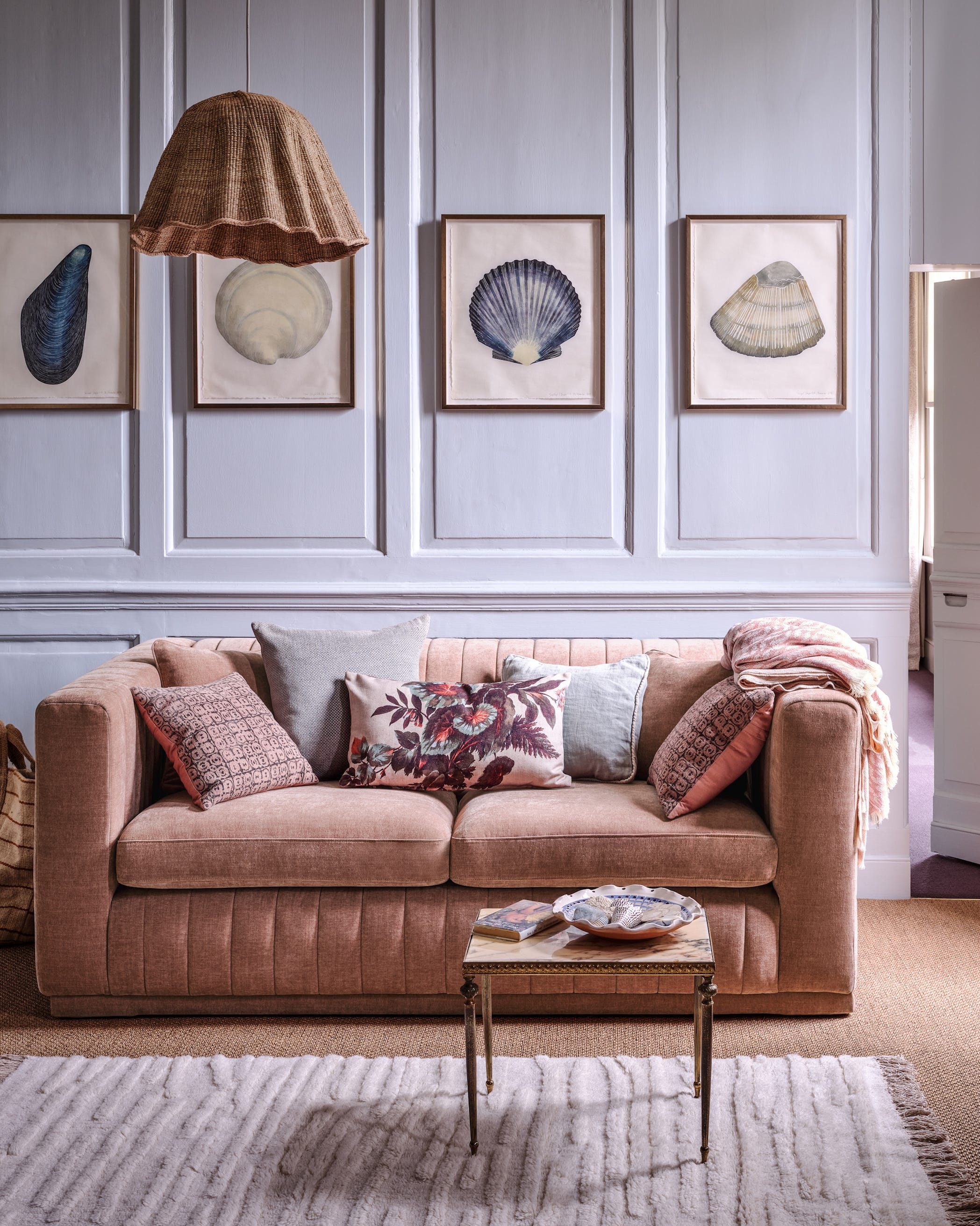
Opting for an incorrect size is another prevalent mistake. The coffee table should be appropriately scaled for the room and ensure that all living room seating, including sofas, benches, and armchairs, is within comfortable reach. If a single coffee table cannot adequately serve all seating areas in a larger room, its length should be dictated by the sofa, with additional side tables or drink tables used to accommodate other seating. Adequate space, approximately 15 to 25 inches, should be maintained between the table and other furniture to allow for easy movement without making the table too distant to be functional.
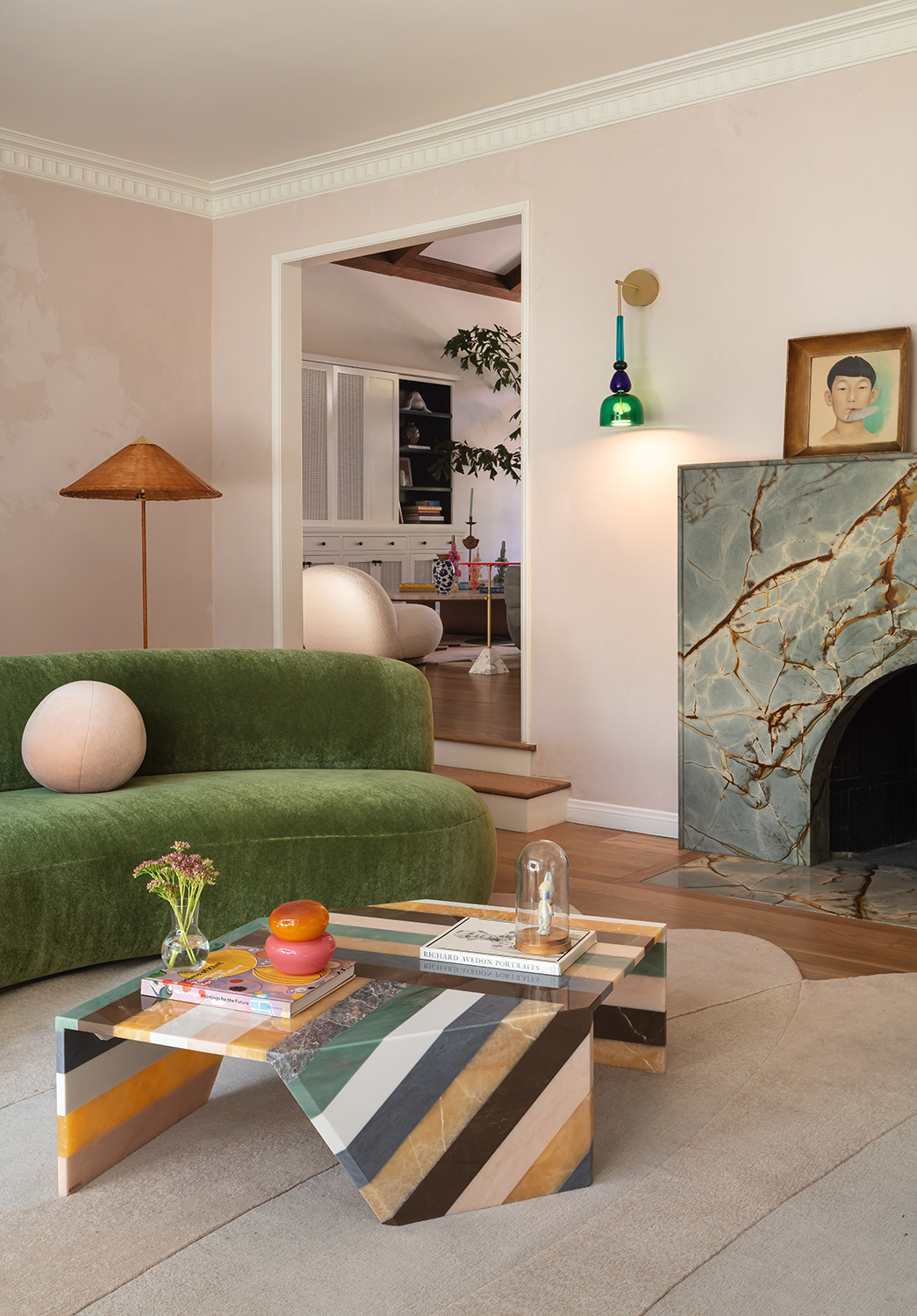
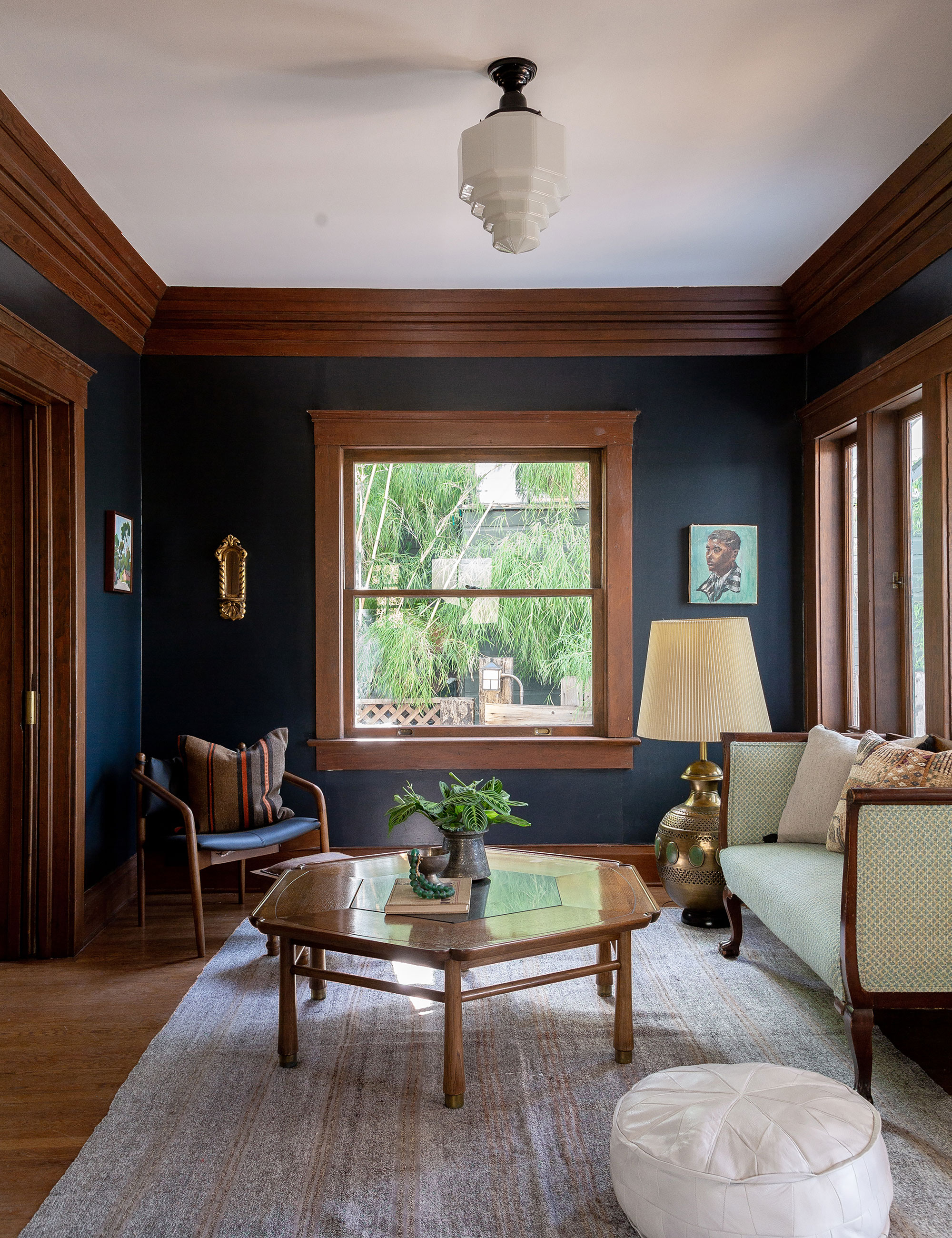
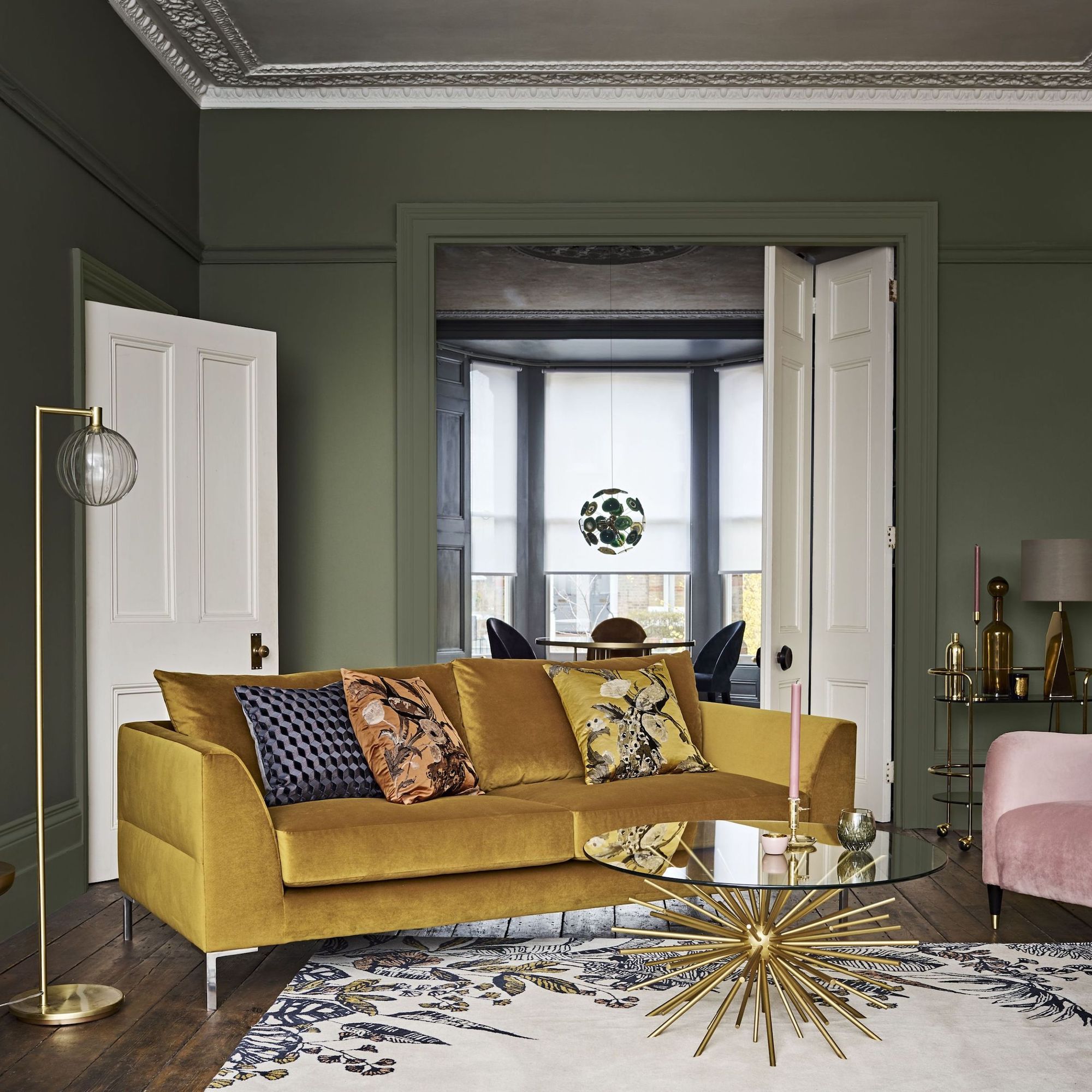
Finally, limiting personal expression in the coffee table's design is a missed opportunity. Designers advocate for selecting a coffee table that complements other living room furniture and allows homeowners to infuse their personality into the space. The table's height is also important, ideally aligning with the 18 to 19-inch seat height of most sofas and chairs for optimal functionality, though slight variations can add visual interest if executed skillfully. Coffee tables offer diverse design opportunities, serving as sculptural elements, focal points, or subtle backdrops for accessories. Experimenting with materials such as wood, stone, metal, or glass, and incorporating both vintage and new pieces, can personalize the area. When accessorizing, selecting graphically interesting books that reflect the client's interests, sculptural pieces for height and visual appeal, and trays or boxes for smaller items can create a unique and cohesive display. Handmade vases can introduce texture and life, while a blend of high-end and more accessible accessories allows for further personalization, ensuring the coffee table truly reflects the homeowner's aesthetic and preferences.
#CoffeeTable #InteriorDesign #HomeDecor #LivingRoom #StylingTips #DesignMistakes #FurnitureSelection #SpacePlanning #Personalization #CoffeeTable #InteriorDesign #HomeDecor #LivingRoom #StylingTips #DesignMistakes #FurnitureSelection #SpacePlanning #Personalization
0 comment in total
 No comments yet
You may also like
5 Common Coffee Table Mistakes You’re Probably Making, According to the Professionals

7 Design Mistakes Interior Designers Always Notice

The 5 kitchen storage mistakes interior designers always avoid

5 Things You Should Never Do When Buying New Furniture, Designers Spill

5 Living Room Design Mistakes You Didn't Know You Were Making

7 major dining room layout mistakes to avoid, according to designers
14 Mistakes To Avoid When Buying New Furniture, According To Designers
5 things stylists always do when styling a coffee table
5 small living room mistakes – designers share the worst decorating disasters that we need to stop doing right now
11 Living Room Layout Mistakes Designers Want You To Stop Making
Designers Share 4 Common "Mistakes" You're Making in Your Living Room—and How to Correct Them
Don't make these 5 entryway decor mistakes
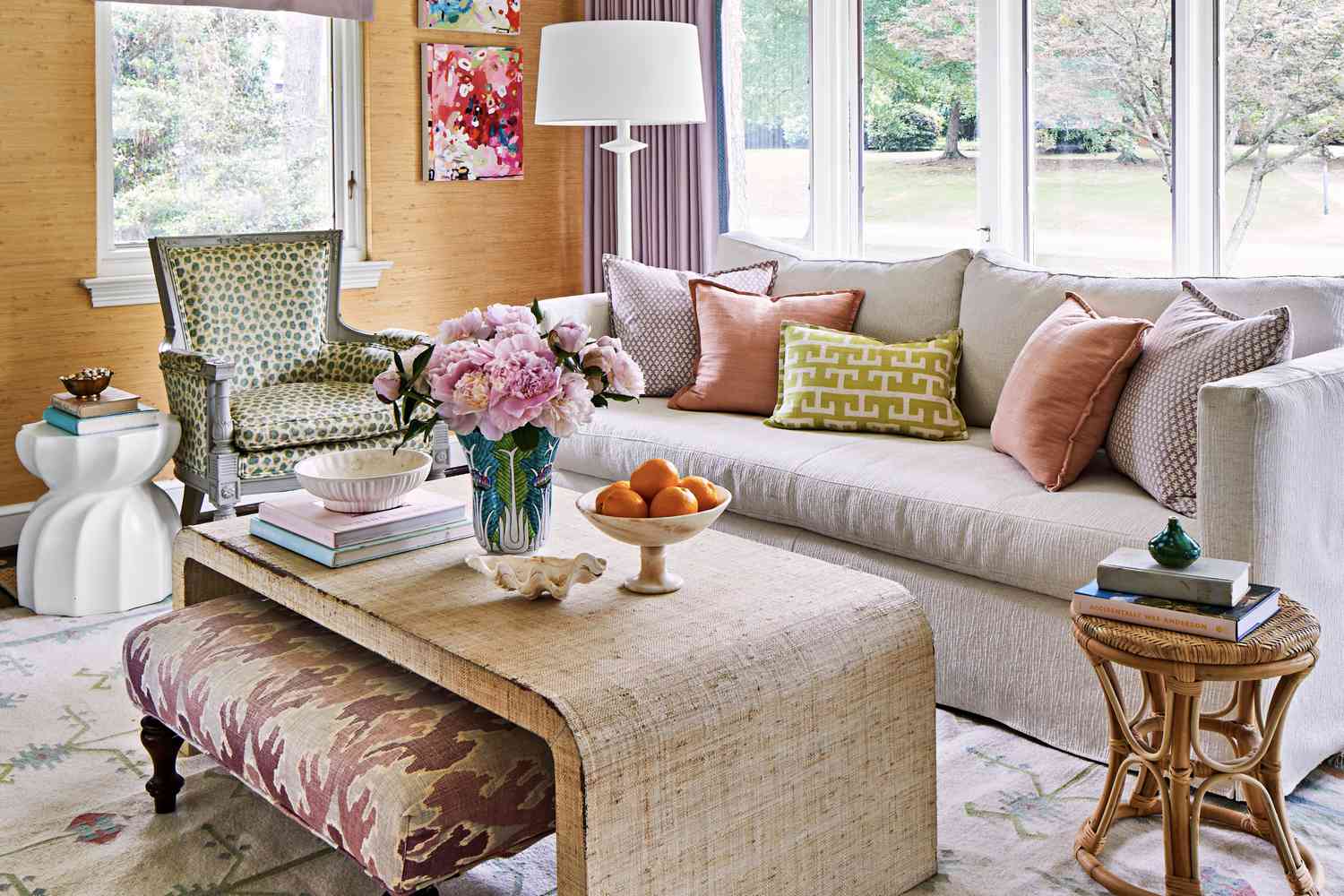
5 Common Coffee Table Mistakes That Make Your Living Room Feel Messier
The 10 biggest bedroom furniture mistakes that interior designers always notice – and how to fix them

6 things you should never put on your dining room table, according to interior designers
5 kitchen hardware mistakes interior designers say homeowners always make, and how to fix them
5 kitchen countertop mistakes designers warn to avoid

5 Mistakes Designers Want You to Stop Making with Your Outdoor Furniture
10 common living room design disasters experts warn against falling for
6 Small Living Room Layout Mistakes You Should Never Make, According to Designers