1/5
7 major dining room layout mistakes to avoid, according to designers
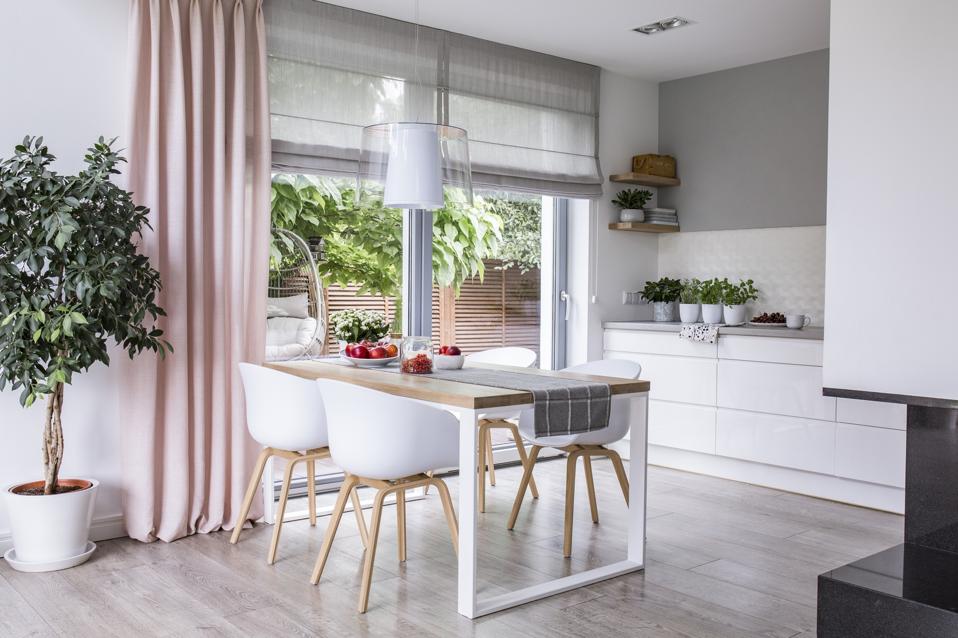
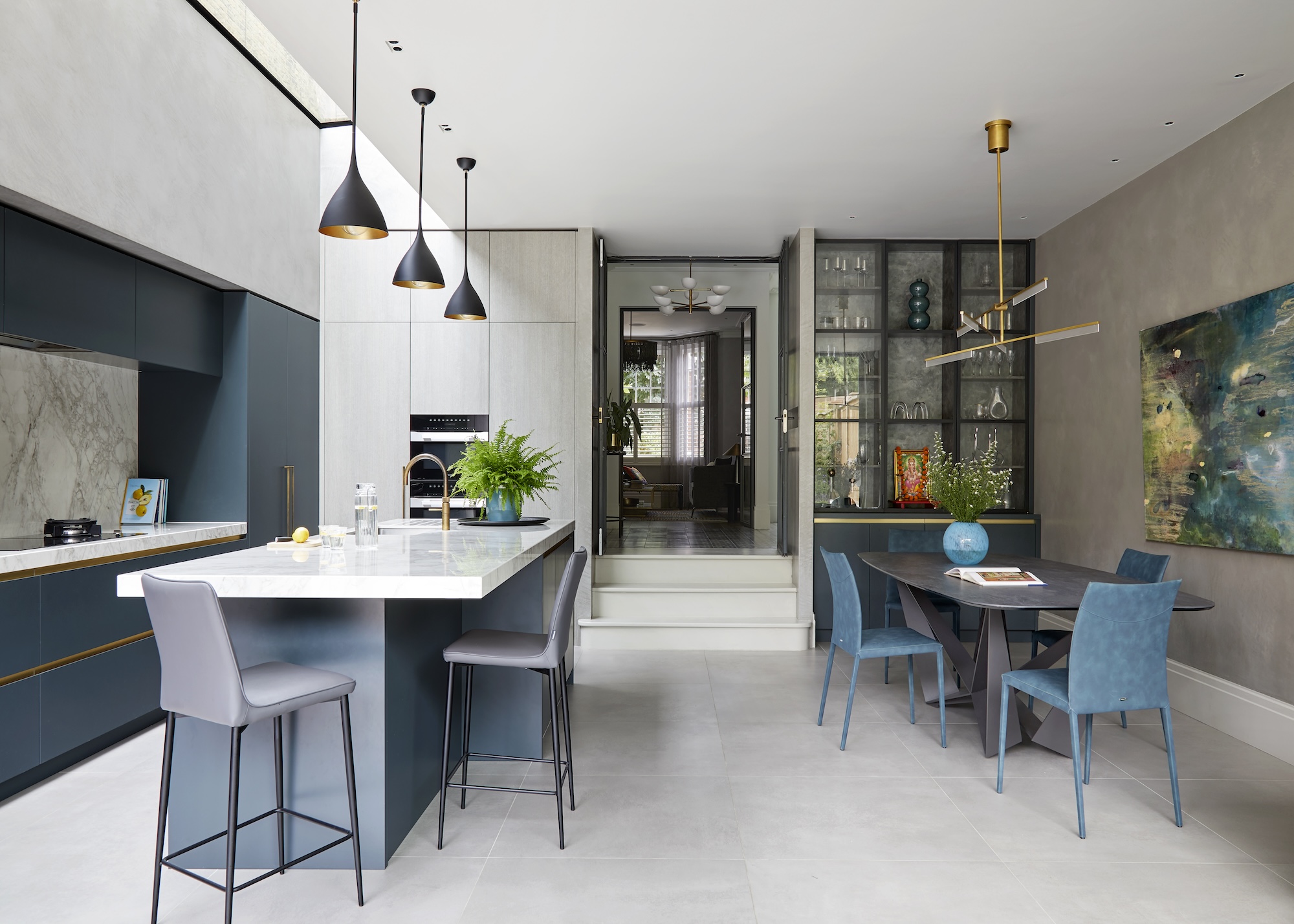
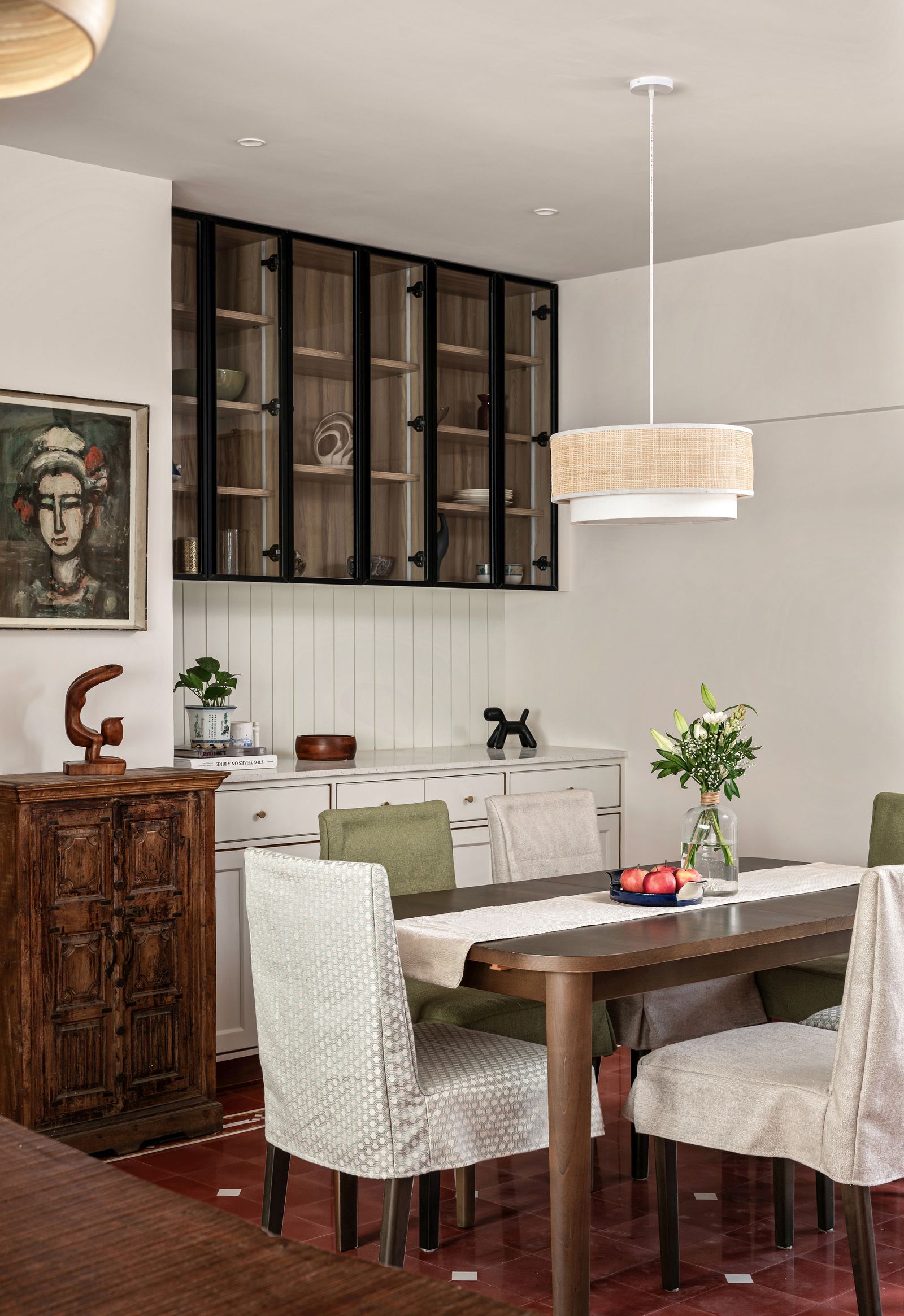
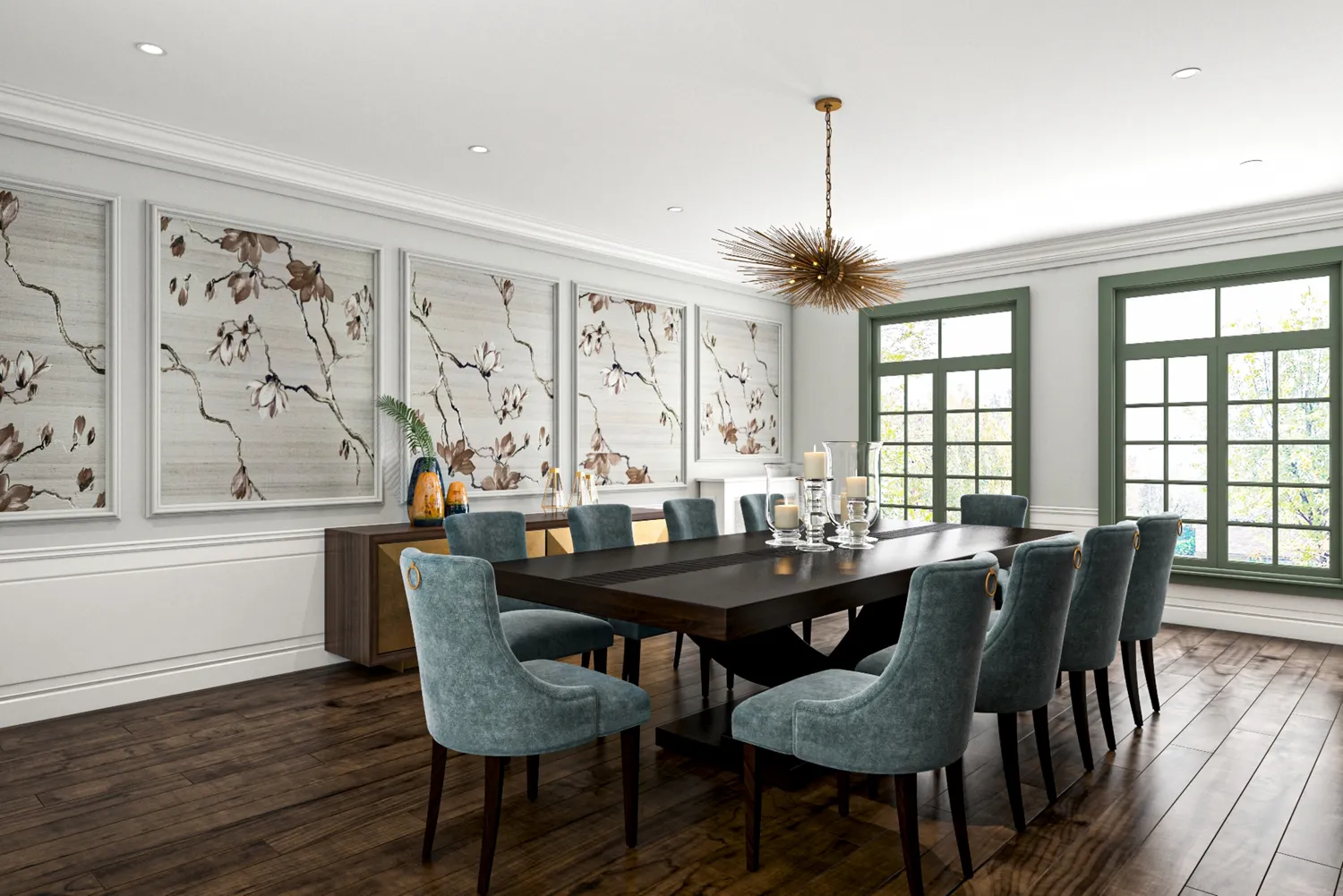
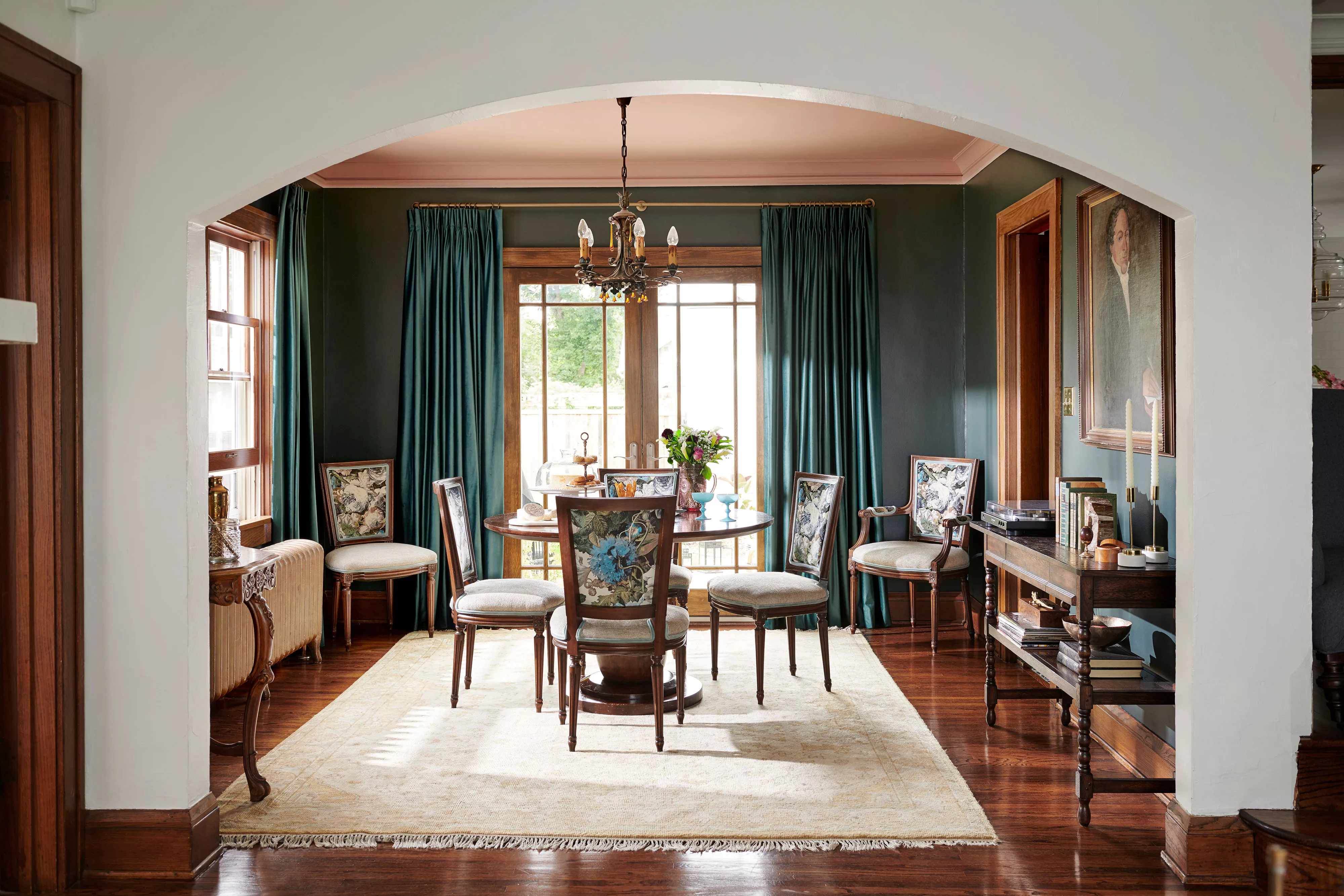
Creating an inviting and functional dining room involves careful consideration of several design elements, as overlooked layout mistakes can significantly detract from the space's appeal and usability. Designers frequently encounter common pitfalls related to furniture choice, spatial arrangement, and lighting, which can render a dining room less effective and comfortable. The size of furniture is a critical factor; oversized pieces can make a room feel cramped and cluttered, while undersized items might leave the space feeling sparse and unwelcoming. Achieving a balanced and intimate atmosphere requires selecting furniture, especially dining tables, that are proportionate to the room's dimensions. Comfort of seating is also paramount, as comfortable chairs encourage guests to linger and enjoy the space more fully.
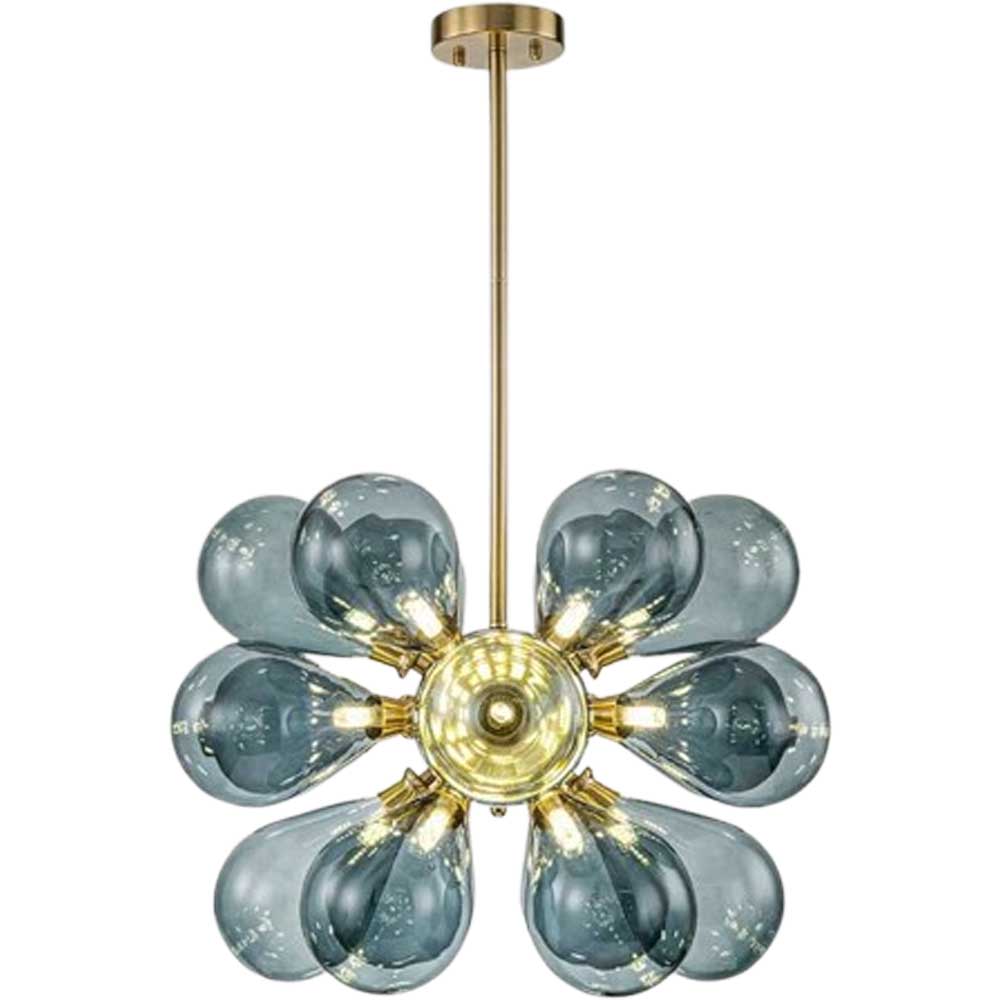
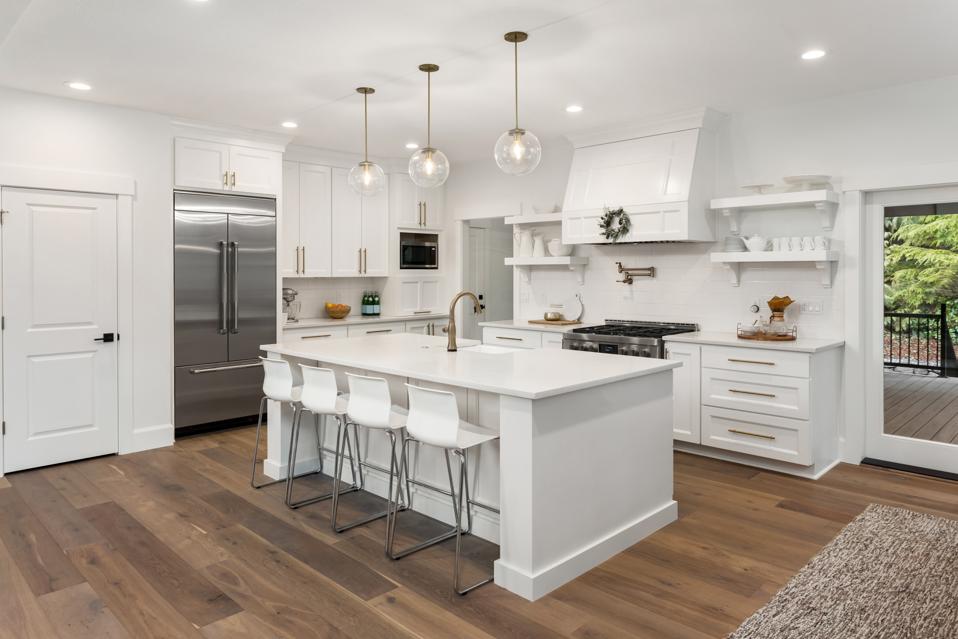
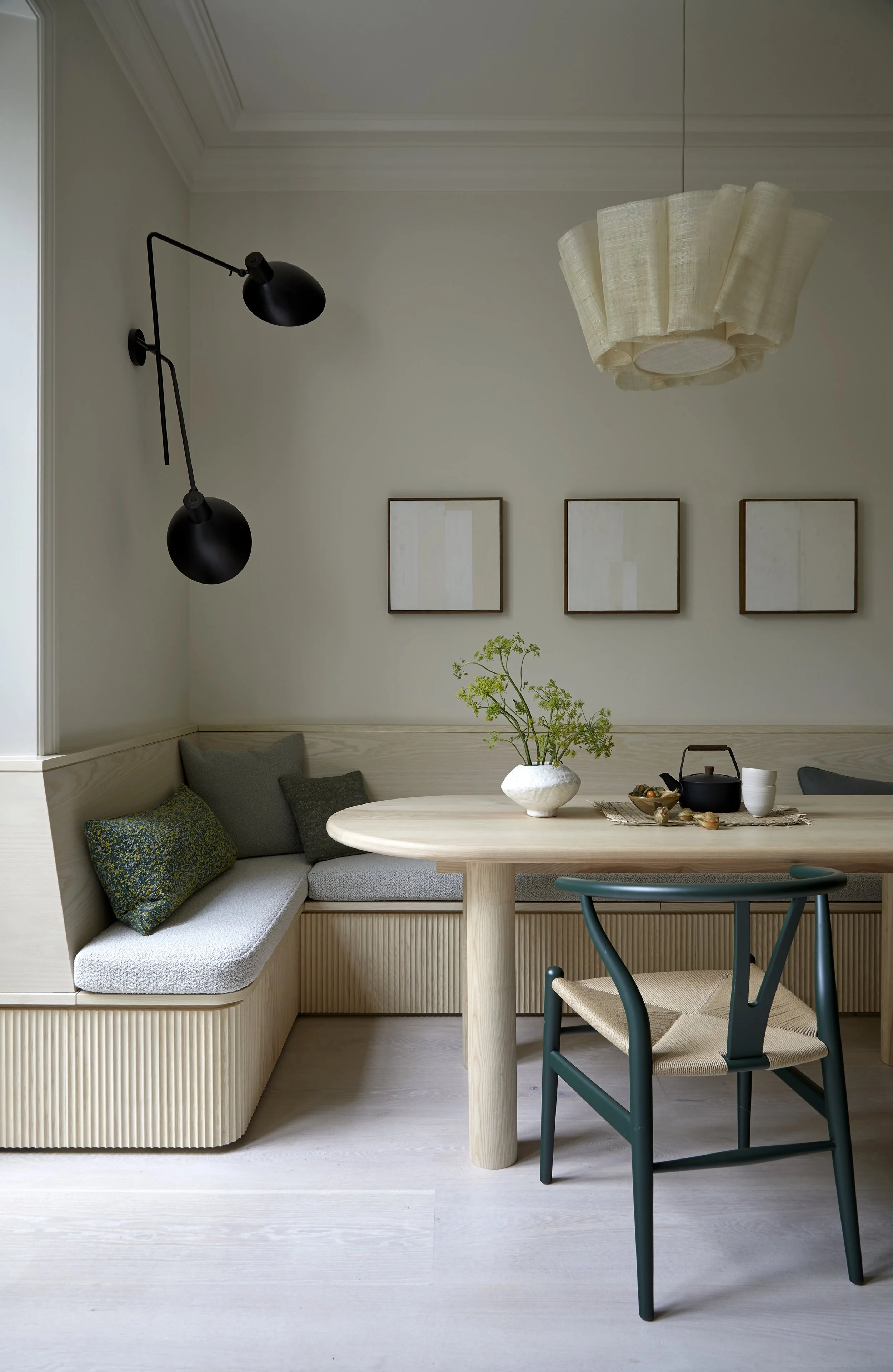
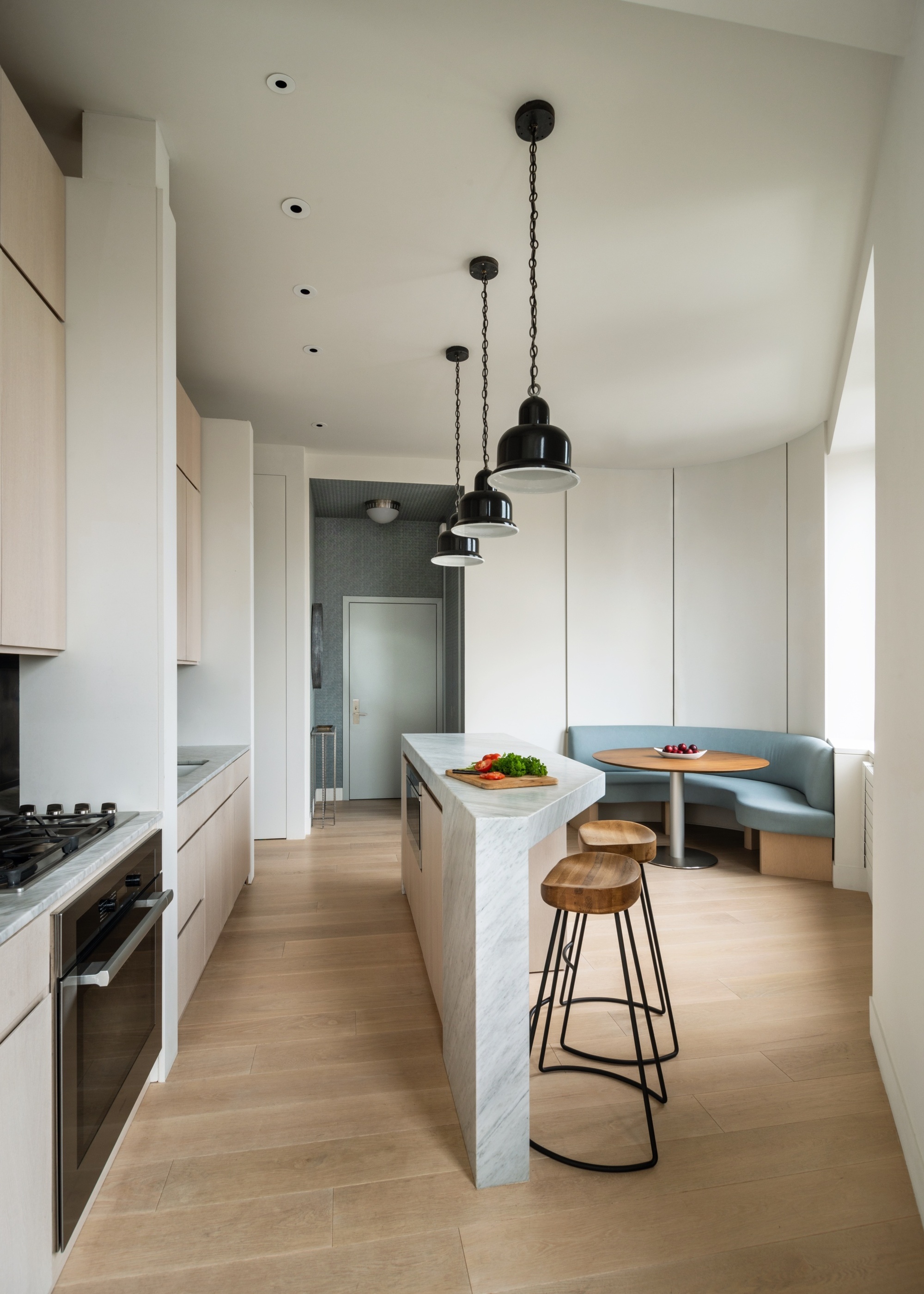
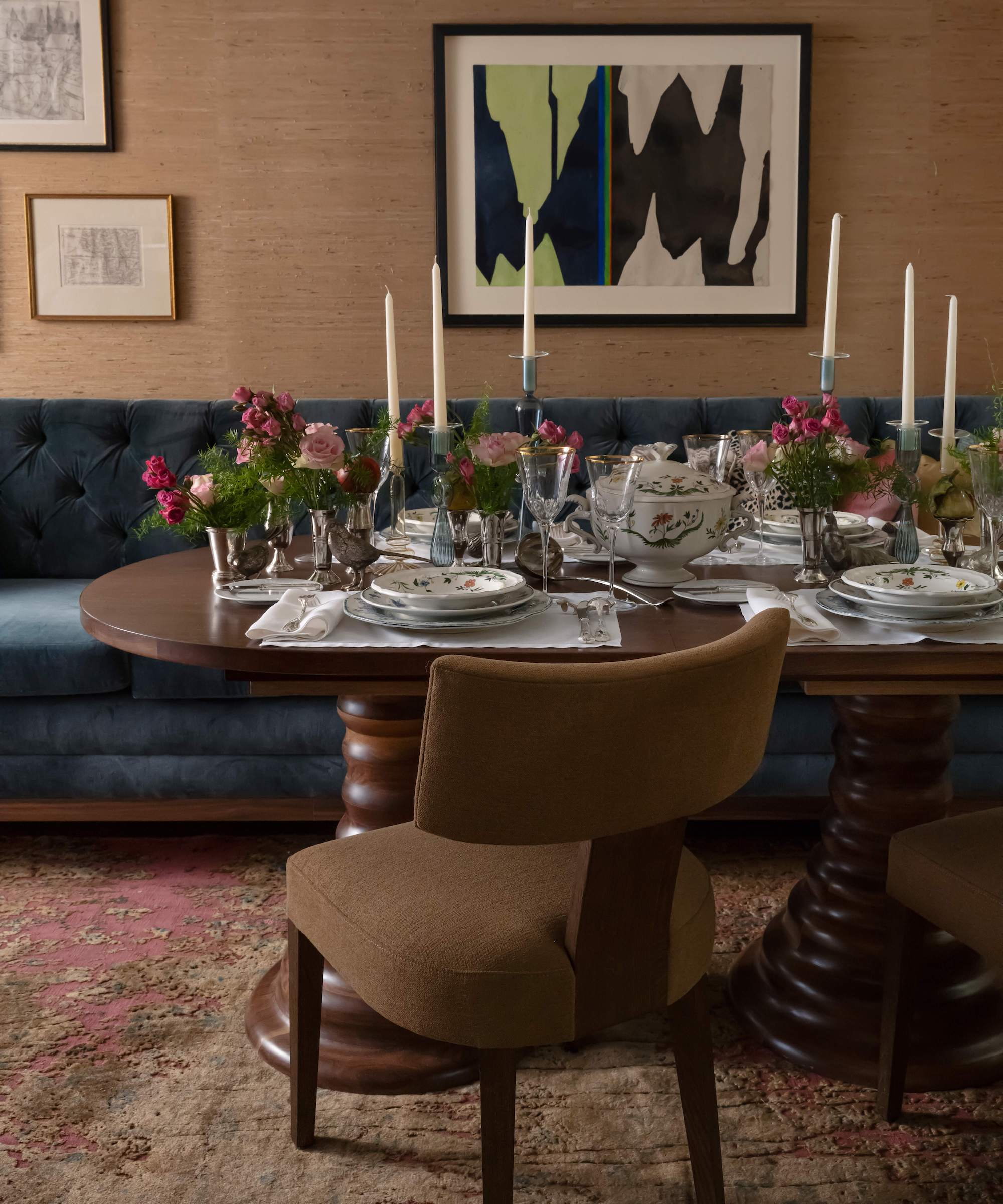
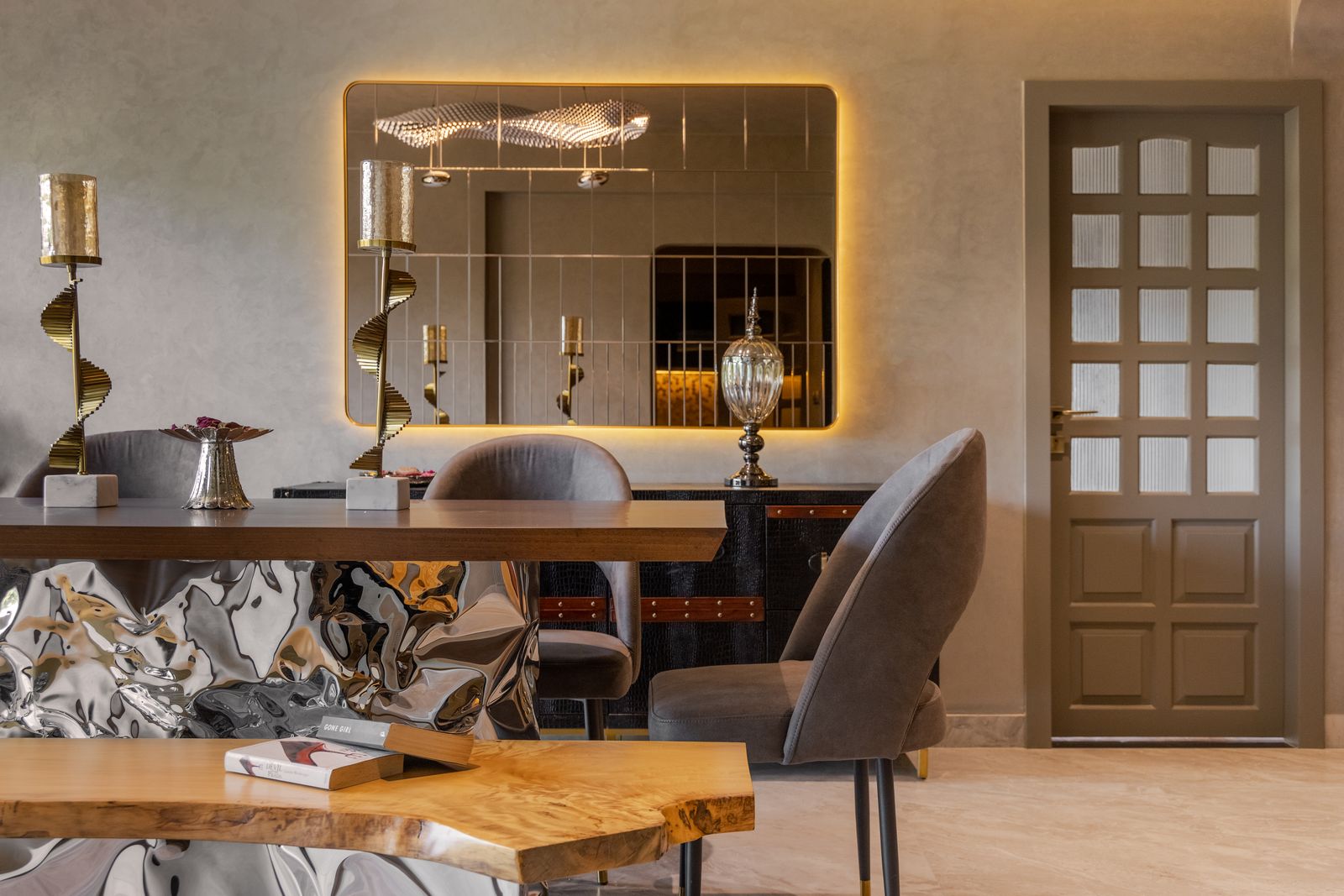
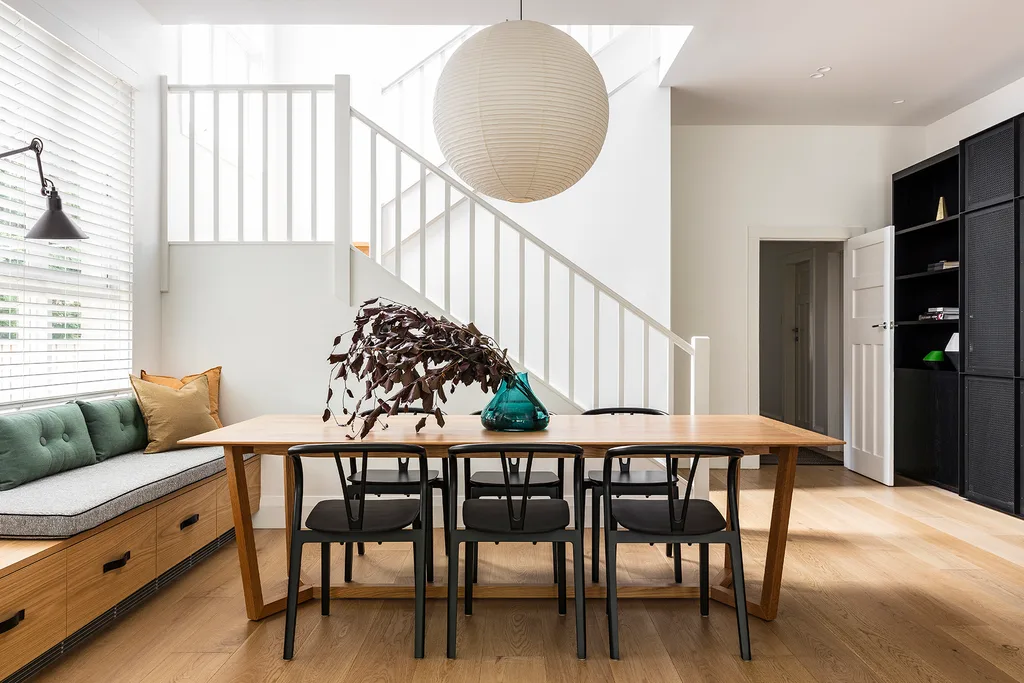
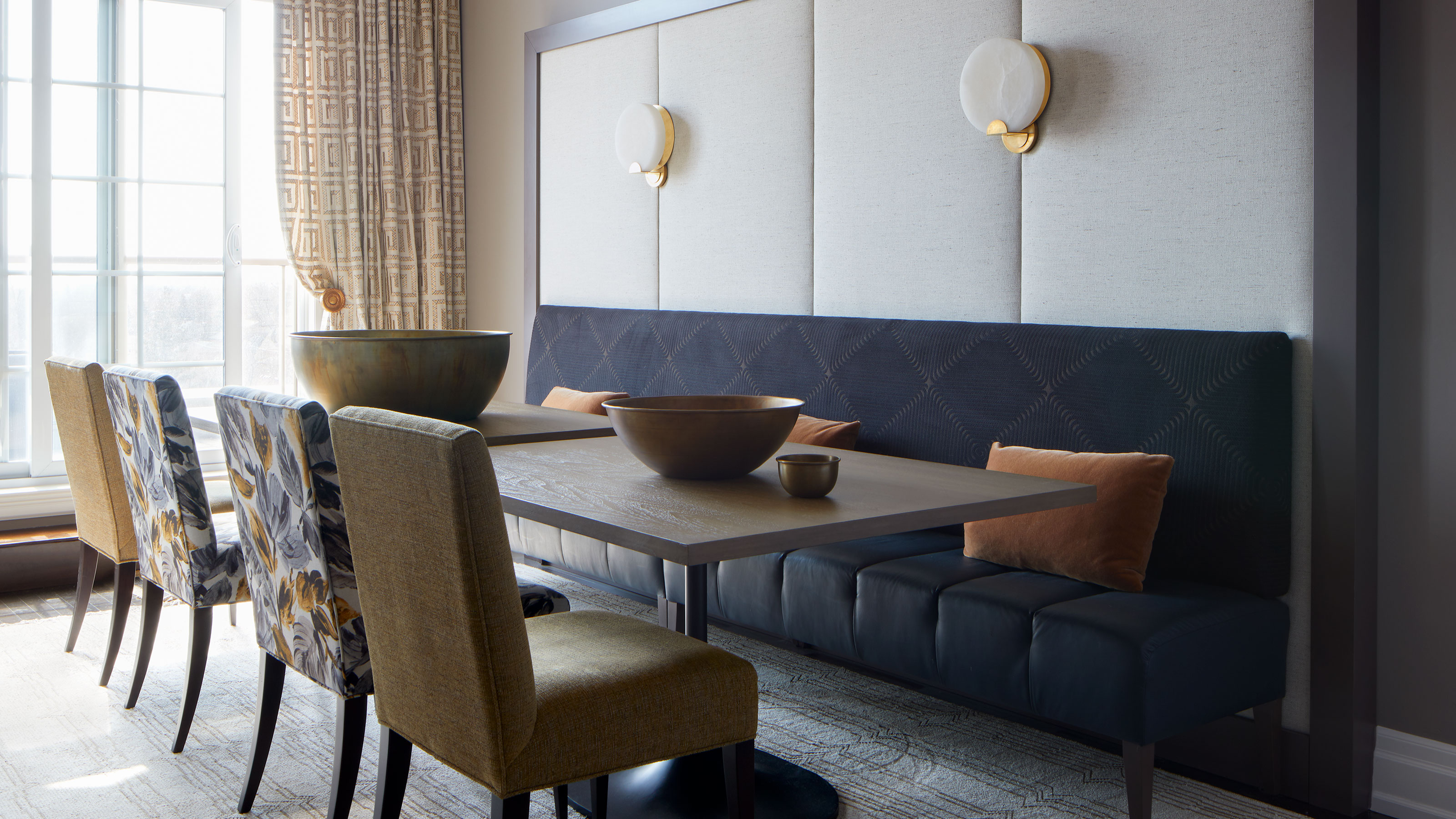
Another frequent mistake is failing to allocate sufficient space around the dining table. Easy movement is essential for a convivial atmosphere, allowing guests to sit, stand, and navigate comfortably without feeling restricted. Exploring unconventional table placements, such as off-center arrangements with banquettes, can optimize space utilization and create a more versatile room. Lighting also plays a crucial role in shaping the dining room's ambiance. Inappropriate lighting, whether too bright or too dim, can negatively impact comfort and mood. The goal is to achieve a cozy, natural glow that is conducive to eating and conversation, avoiding harshness or eye strain. Furthermore, the scale of light fixtures is important; undersized fixtures often fail to adequately illuminate the space, affecting both function and aesthetics. Incorporating dimmers is recommended to provide flexibility in adjusting light levels for various occasions.
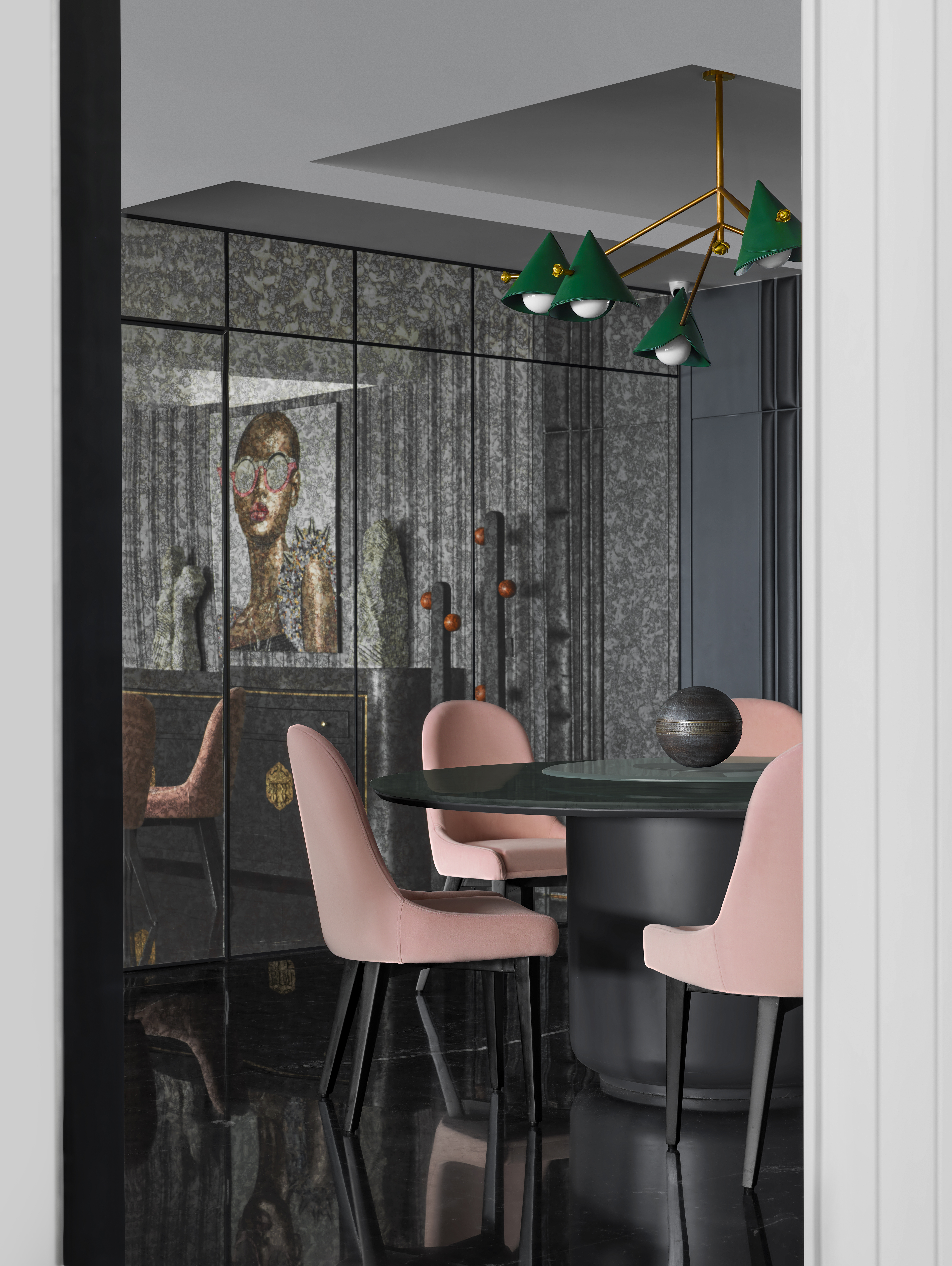
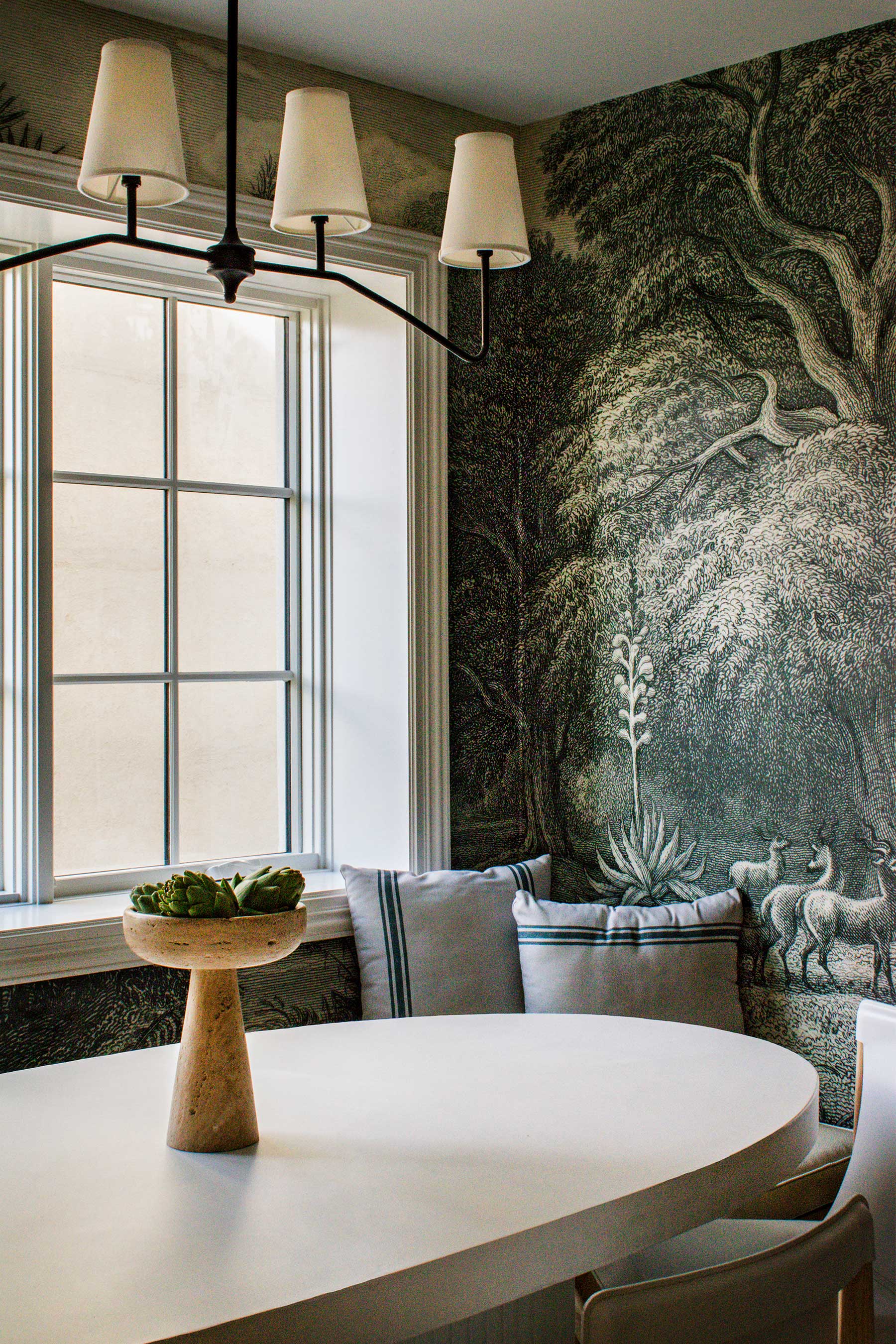
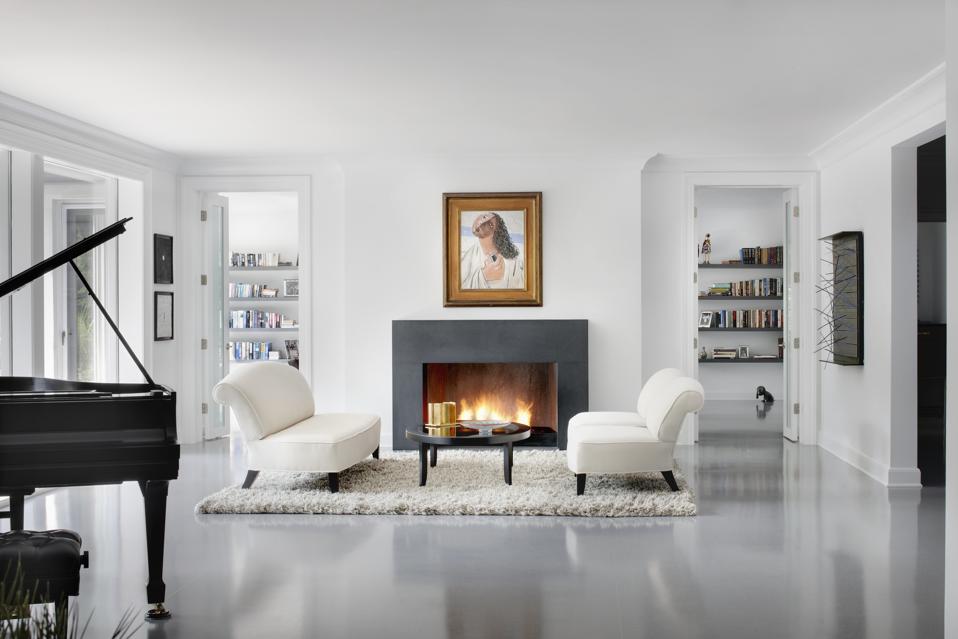
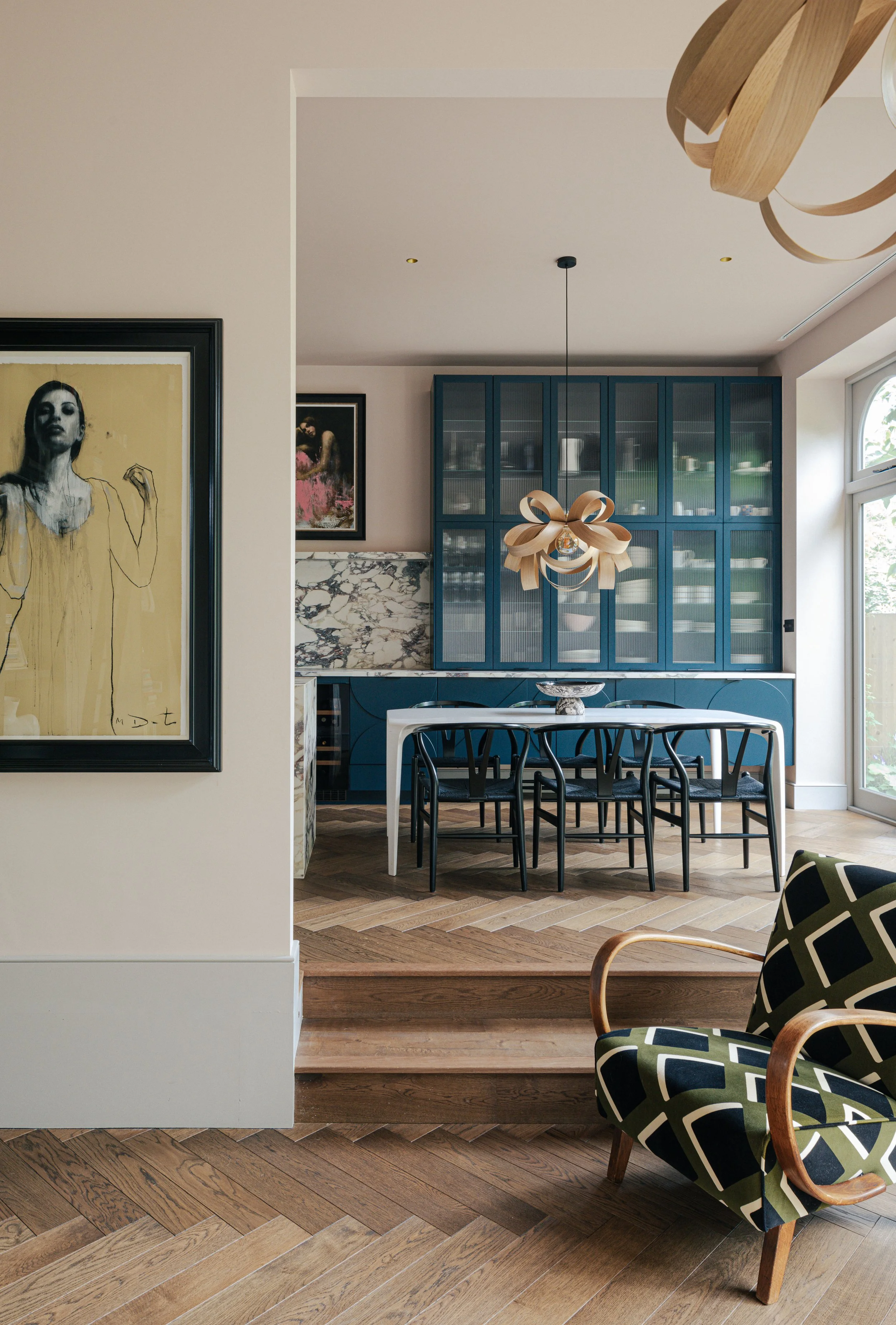
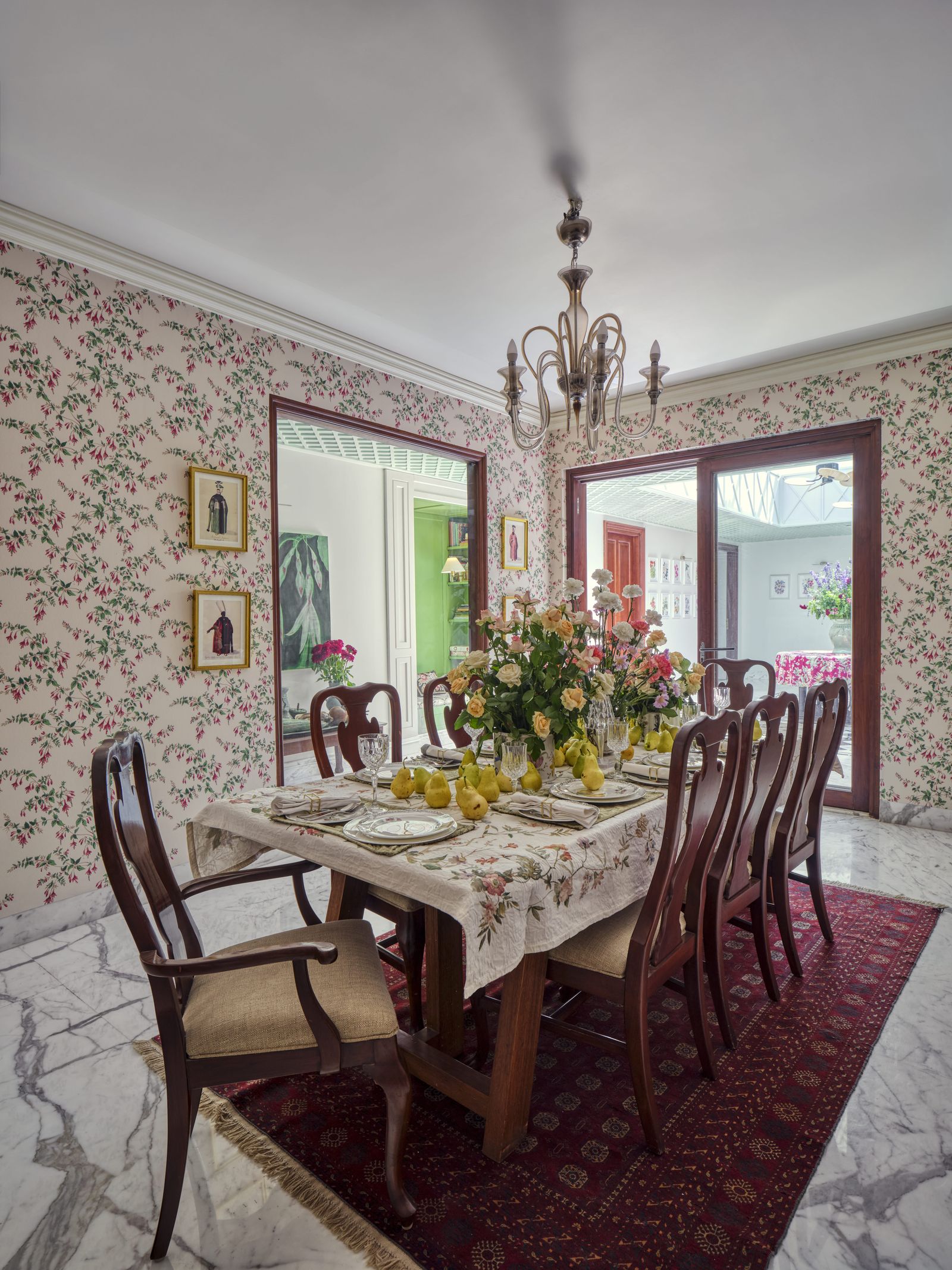
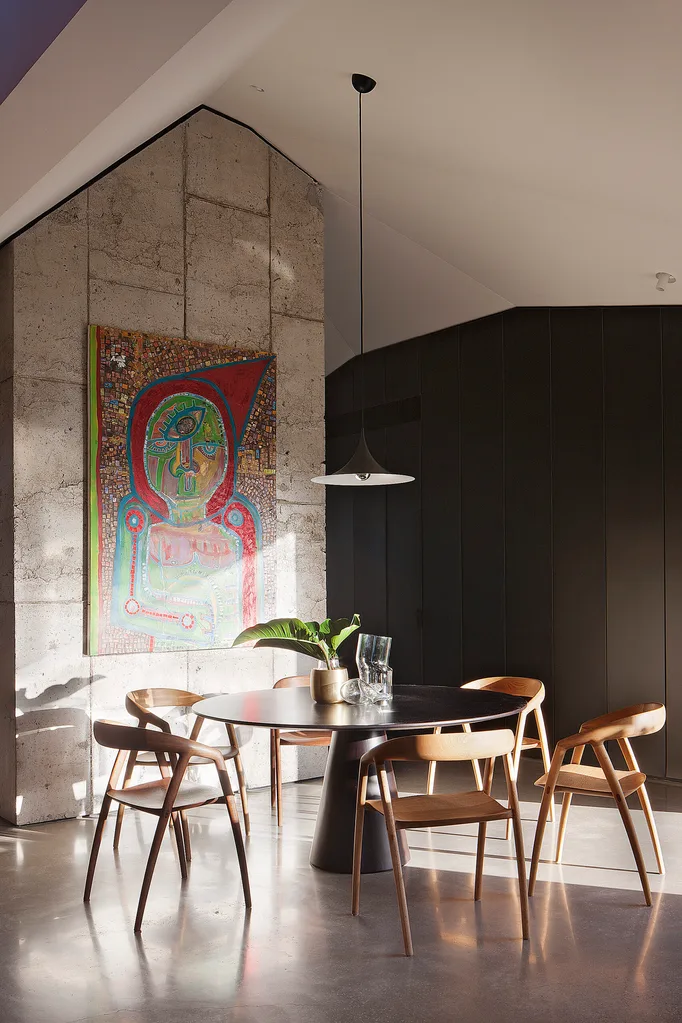
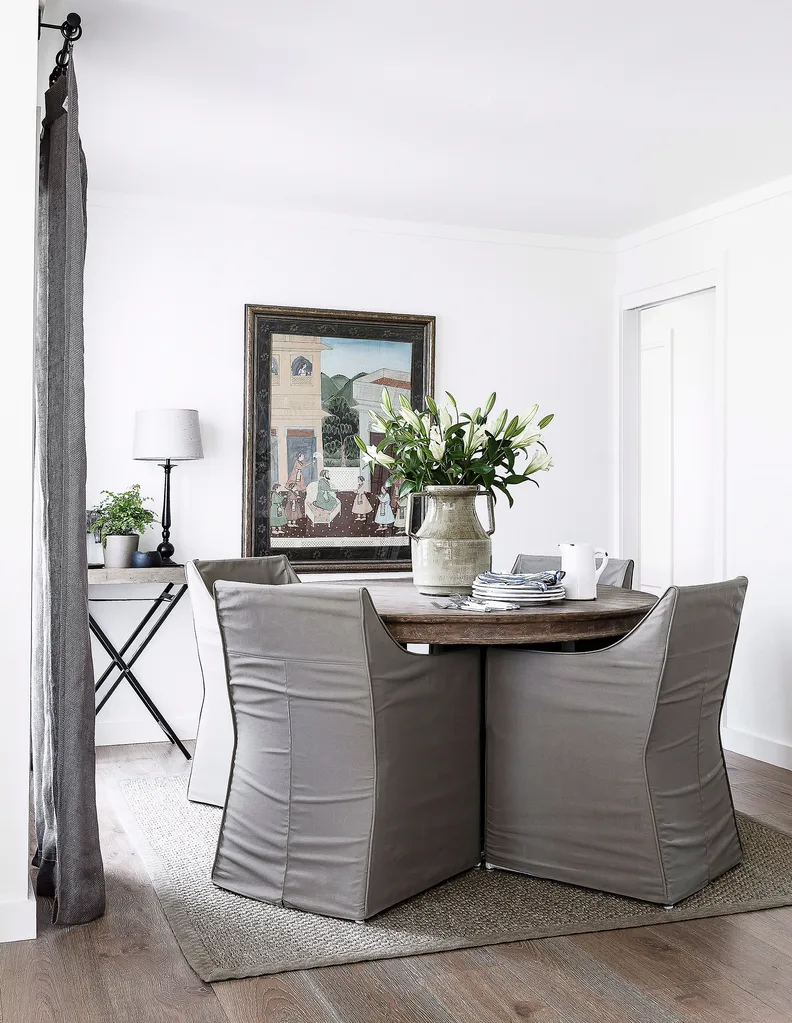
The absence of a focal point can lead to a lackluster dining room. A well-chosen statement piece, such as a chandelier or a piece of art, can draw the eye and add character. When incorporating art, precise hanging at appropriate heights is essential, especially given that people will often be seated. Designers also advocate for a bolder approach to decorating, encouraging homeowners to move beyond playing it safe. This can involve using wallpaper on walls or ceilings, adding wainscoting, experimenting with interesting paint colors, and integrating beautiful lighting fixtures. Layering materials, even in simple designs, can significantly enhance coziness. Similarly, rugs should be appropriately sized to avoid disrupting the flow of space and ensuring furniture legs do not get caught.
Finally, designing a dining room that is too formal can limit its everyday use and prevent it from feeling truly welcoming. A versatile dining room should accommodate both intimate dinners and larger celebrations, fostering a relaxed environment where laughter and joy can thrive. Achieving this balance often involves mixing formal and more relaxed furniture pieces, such as combining a cozy bench with traditional chairs. Small, interchangeable decorative items can also facilitate adapting the room's aesthetic for different occasions. Ultimately, the biggest mistake is neglecting the overall ambiance, which is a culmination of all these elements. A well-designed dining room should exude coziness and warmth, reflecting the care and attention given to creating a space for gathering with family and friends. By considering these insights from design experts, one can transform a dining room into a highly functional, beautiful, and inviting area.
#DiningRoomLayout #InteriorDesignMistakes #FurnitureProportions #DiningRoomLighting #AmbianceCreation #FocalPointDesign #SpacePlanning #ComfortableSeating #VersatileDesign #DiningRoomLayout #InteriorDesignMistakes #FurnitureProportions #DiningRoomLighting #AmbianceCreation #FocalPointDesign #SpacePlanning #ComfortableSeating #VersatileDesign
0 comment in total
 No comments yet
You may also like
7 Dining Room Lighting Mistakes That Could Be Making Your Space (and Food) Look Less Appetizing

10 Small Kitchen Layout Mistakes Designers Will Always Urge You to Avoid for a Better Working Space
8 shockingly common kitchen design mistakes according to a pro

7 Things That Immediately Make Your Dining Room Look Bad, According to Designers

7 Design Mistakes Interior Designers Always Notice

5 coffee table mistakes you should always avoid, according to interior designers
7 Dining Room Design Mistakes That Could Ruin Your Next Dinner Party

Dining table Vastu: 8 mistakes you need to stop making

10 Easy-to-Make Dining Room Mistakes That Are Killing the Vibe — And How to Fix Them Before Your Next Dinner Party
7 Dining Room Layout Mistakes That Ruin the Flow of Your Space, Designers Say

8 shockingly common kitchen design mistakes according to a pro

11 WORST Kitchen Design Mistakes You're Probably Making

7 Dining Room Layout Mistakes That Ruin the Flow of Your Space, Designers Say
6 things you should never put on your dining room table, according to interior designers
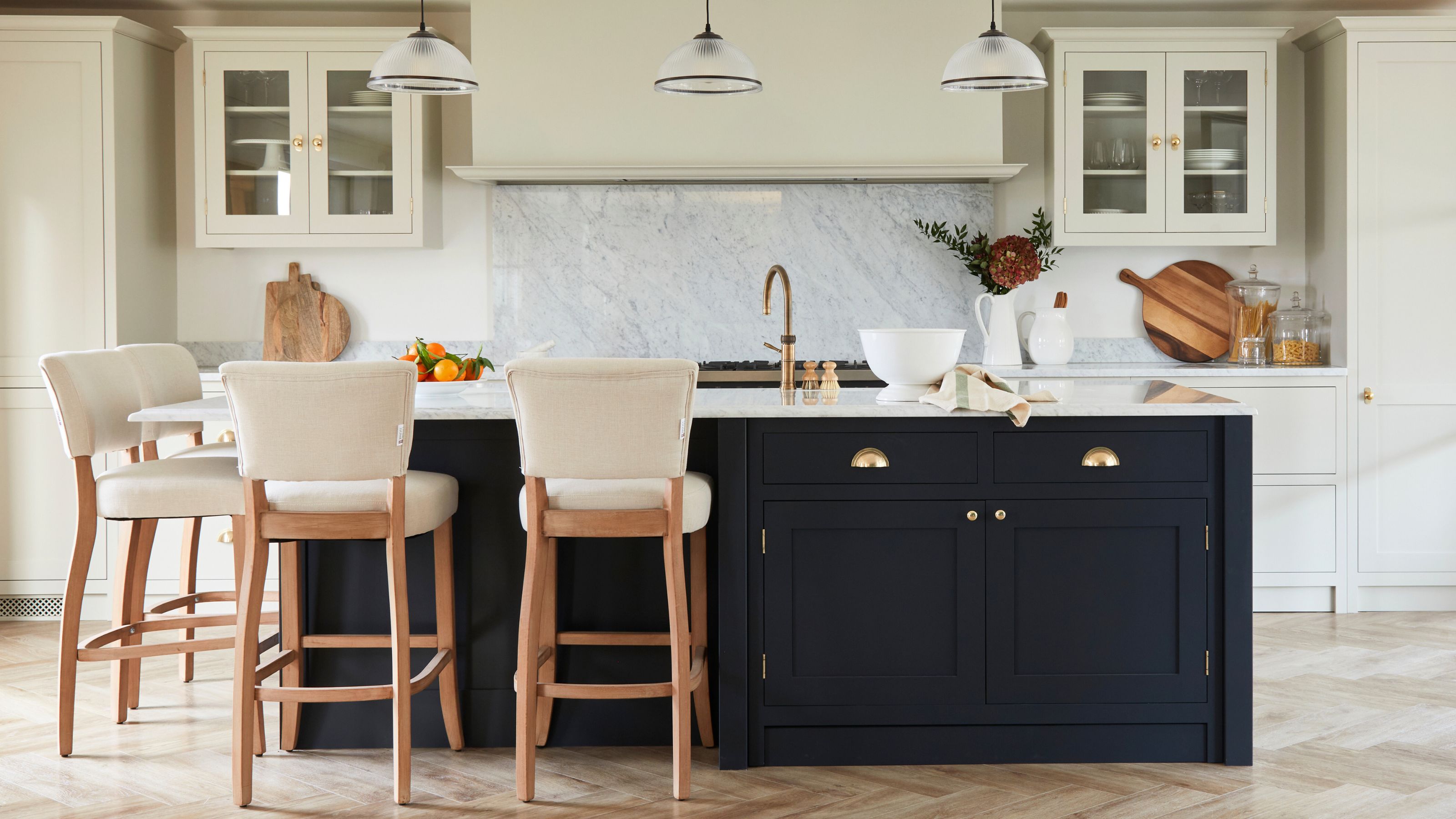
The 7 kitchen island mistakes designers always avoid — and what you can try instead

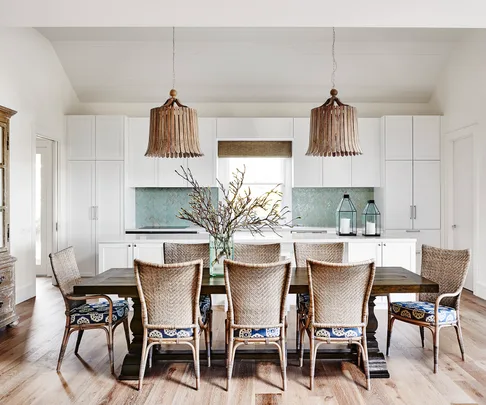
7 designer dining rooms to inspire

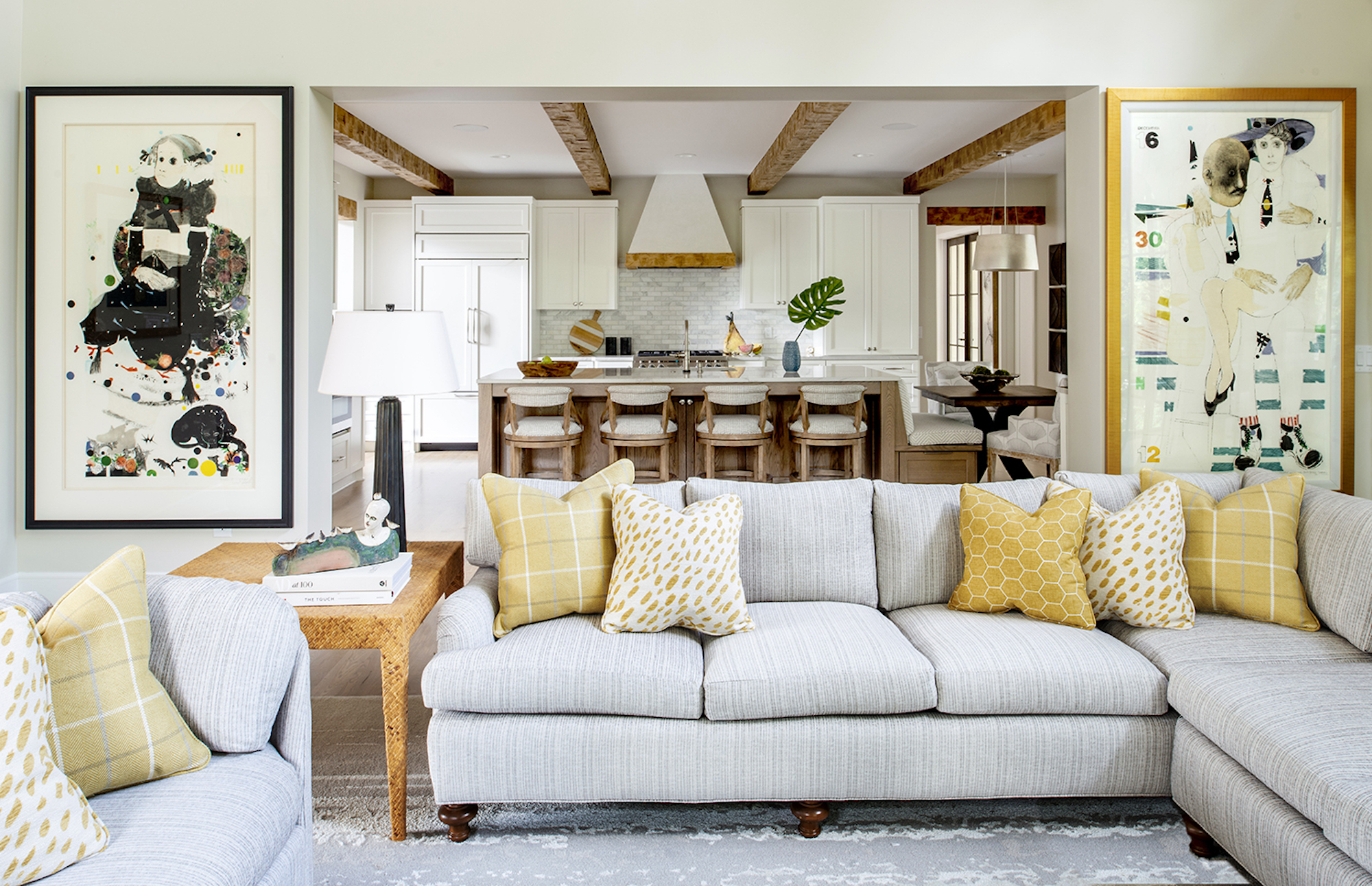
7 small living room layout mistakes design experts want you to avoid – and what to do instead
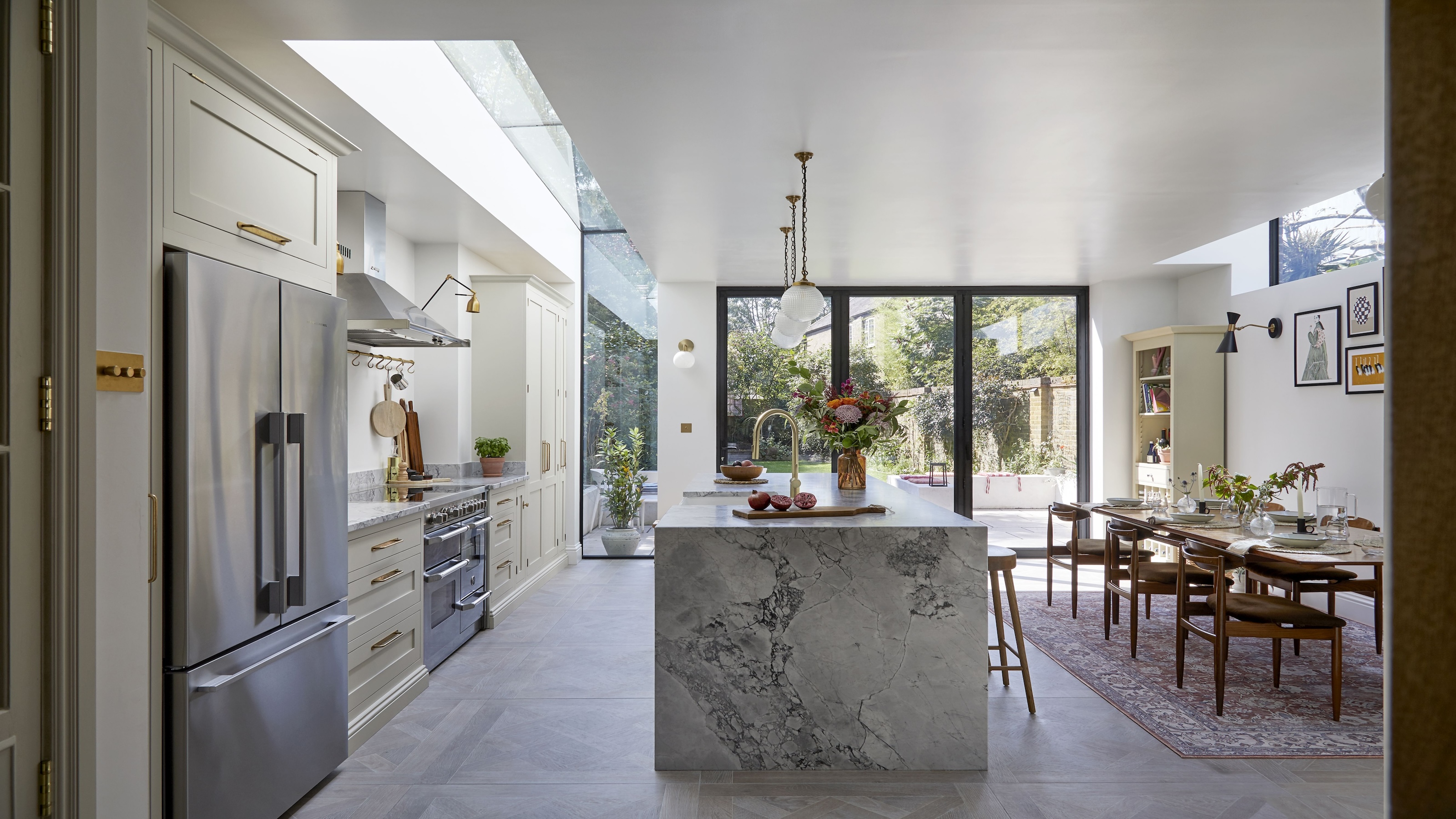
7 Kitchen Planning Mistakes That Amateurs Always Make, According to London's Best Kitchen Designers
8 small kitchen design mistakes to avoid, according to an interior designer
6 Dining Room Design Rules Designers Always Break—and You Should, Too