1/5
5 Common Coffee Table Mistakes You’re Probably Making, According to the Professionals
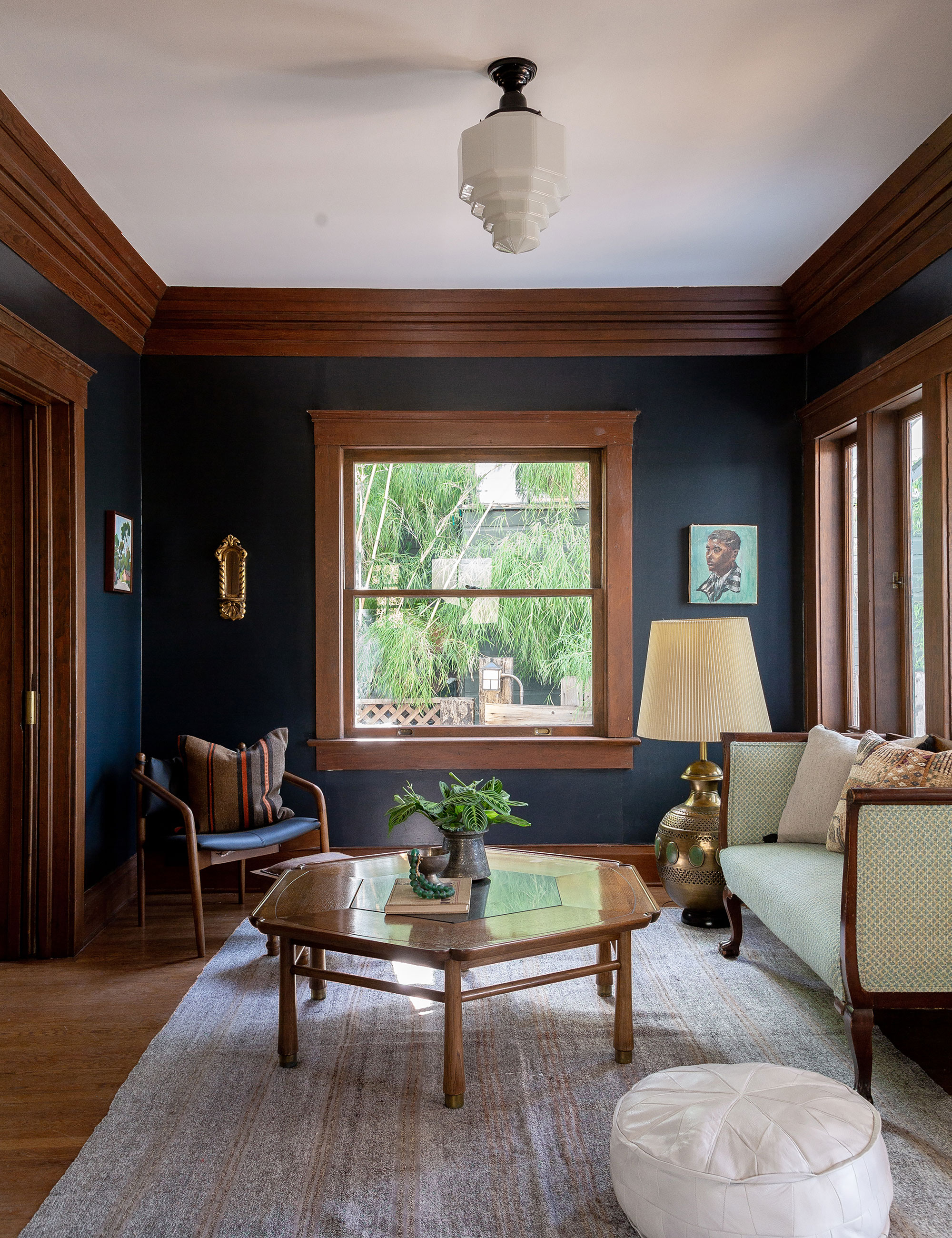
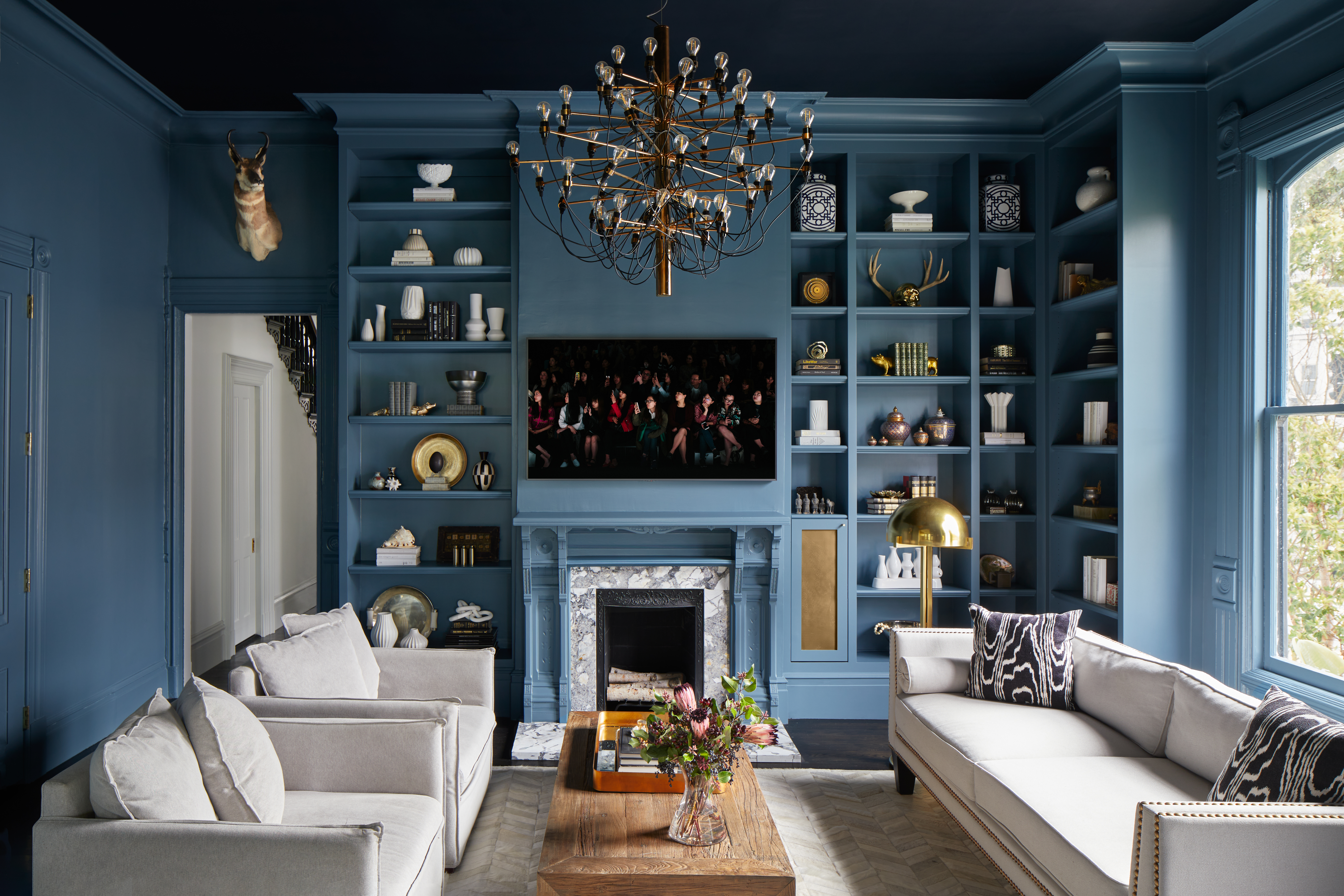
Coffee tables serve as crucial elements in living room design, fulfilling both practical and aesthetic roles. However, it is common to make several key mistakes when selecting and placing them, which can lead to a cramped, incoherent, or disjointed living space. These errors often arise from prioritizing aesthetics over functionality or failing to consider the table's relationship with other furniture and the overall room layout.
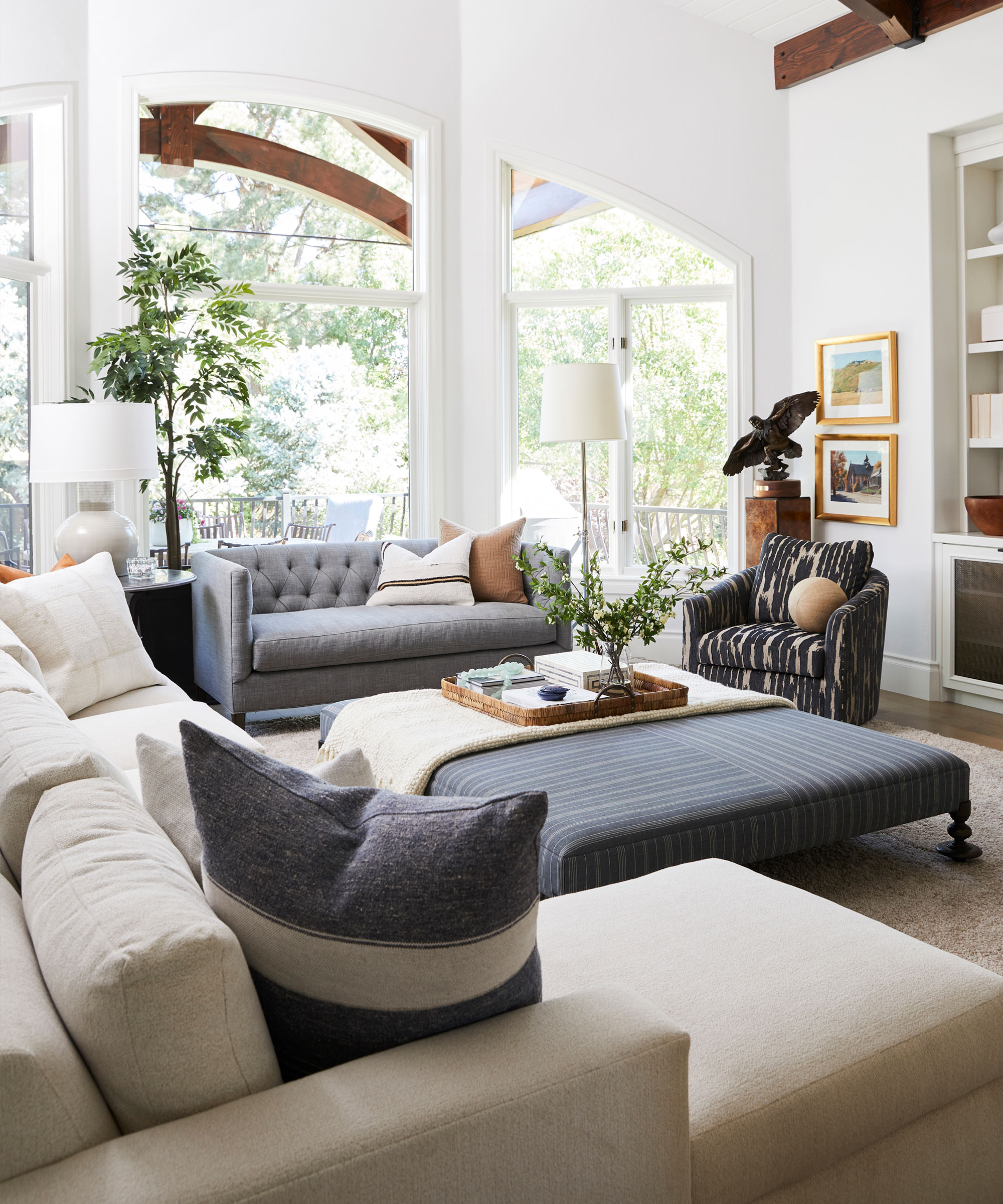
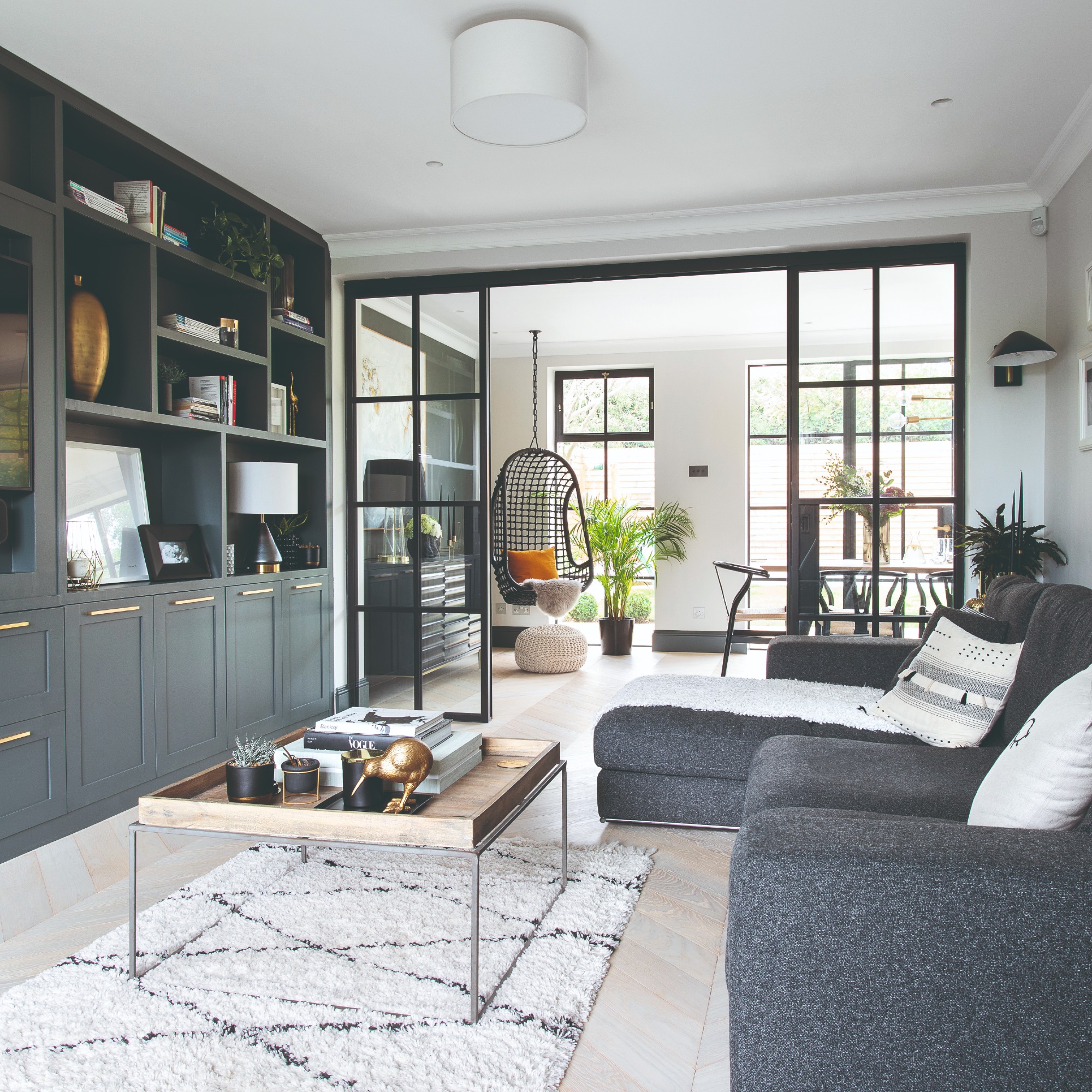
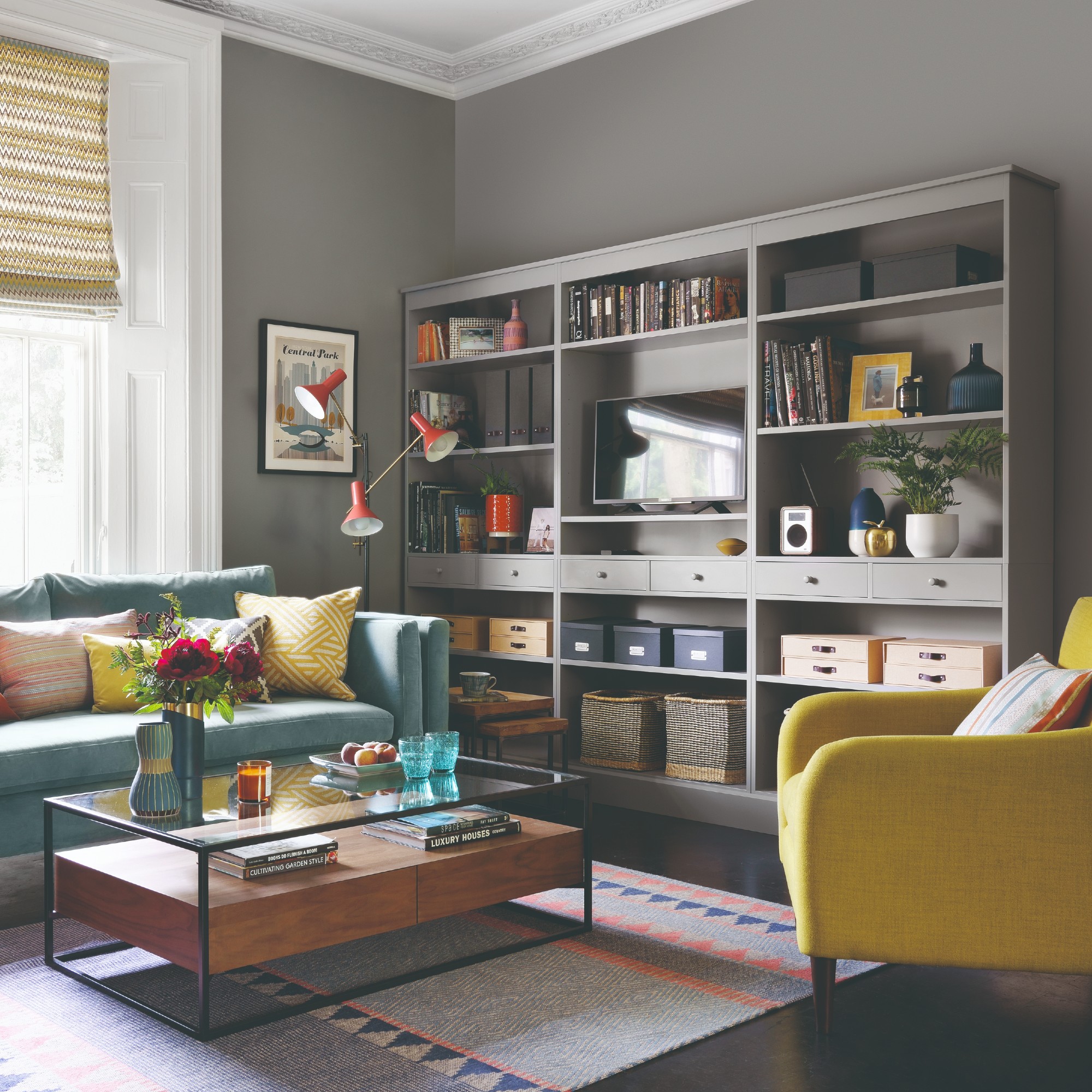
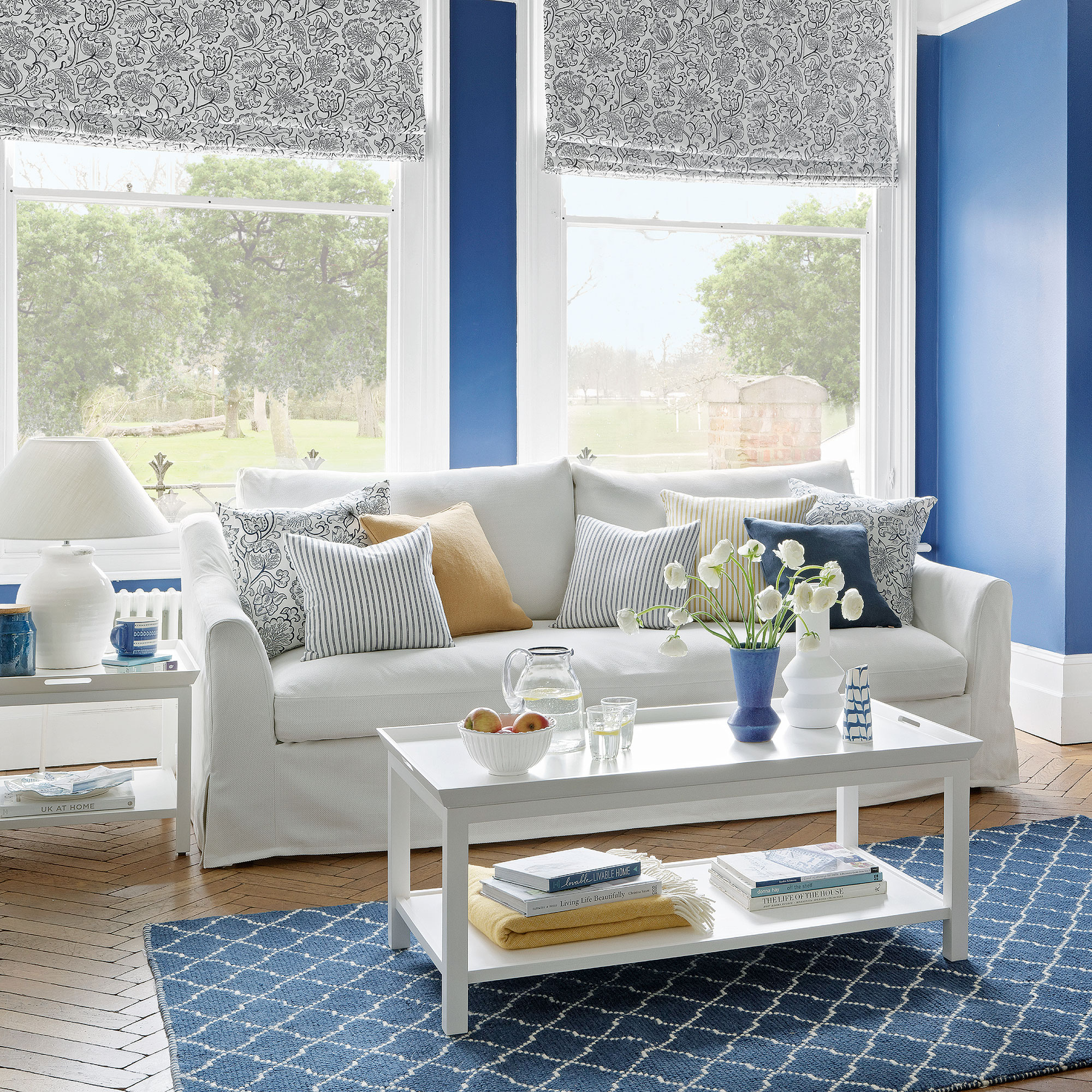
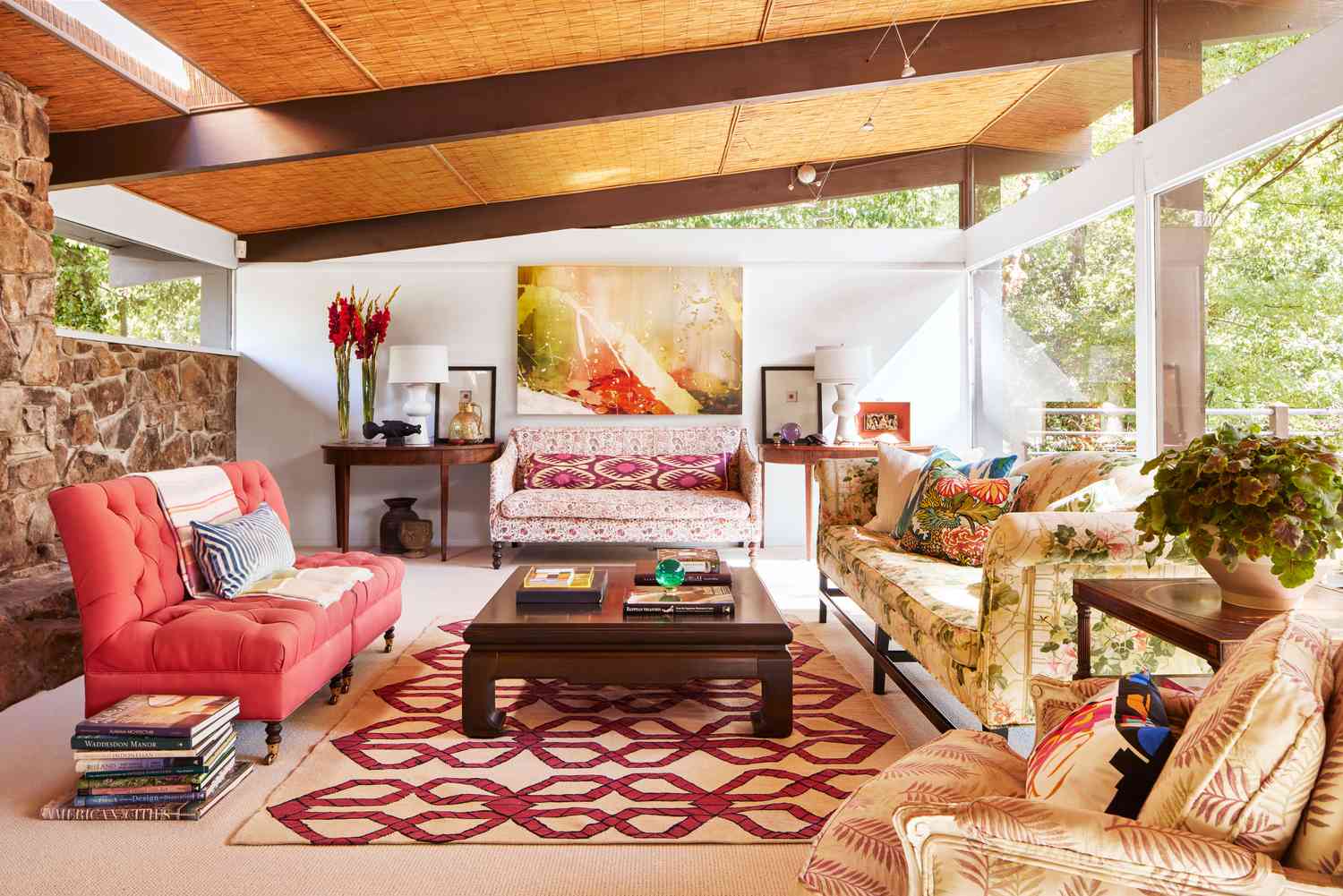
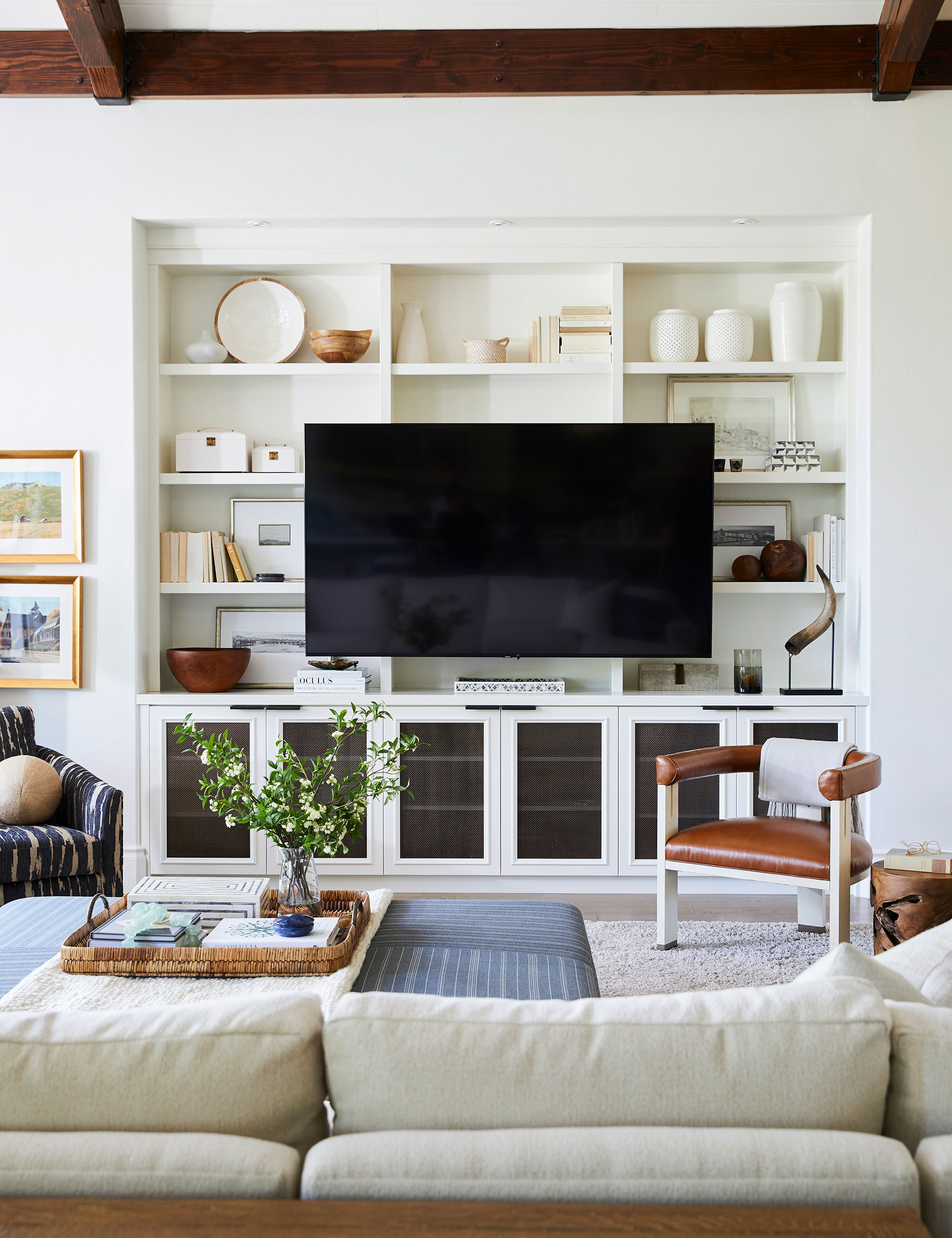
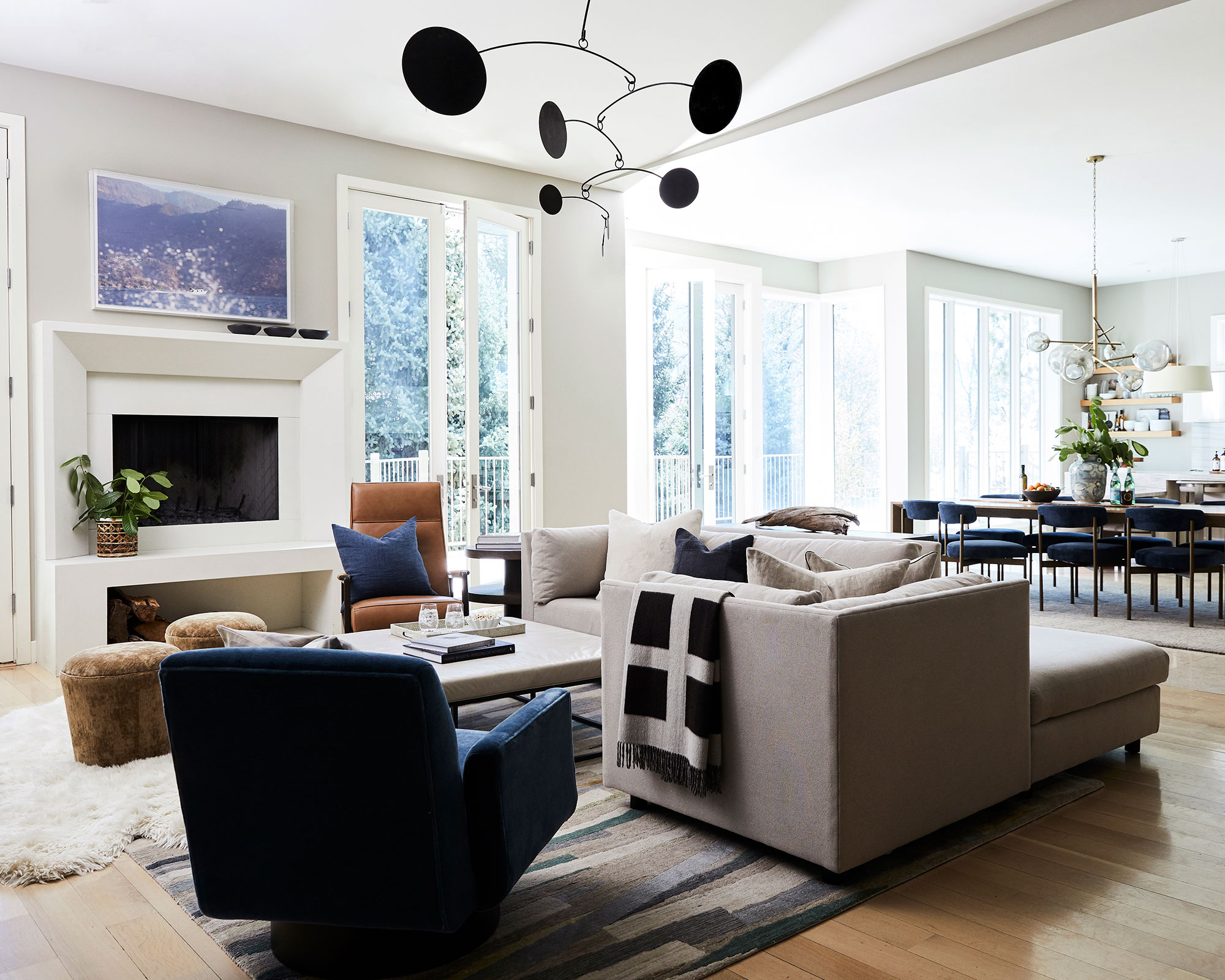
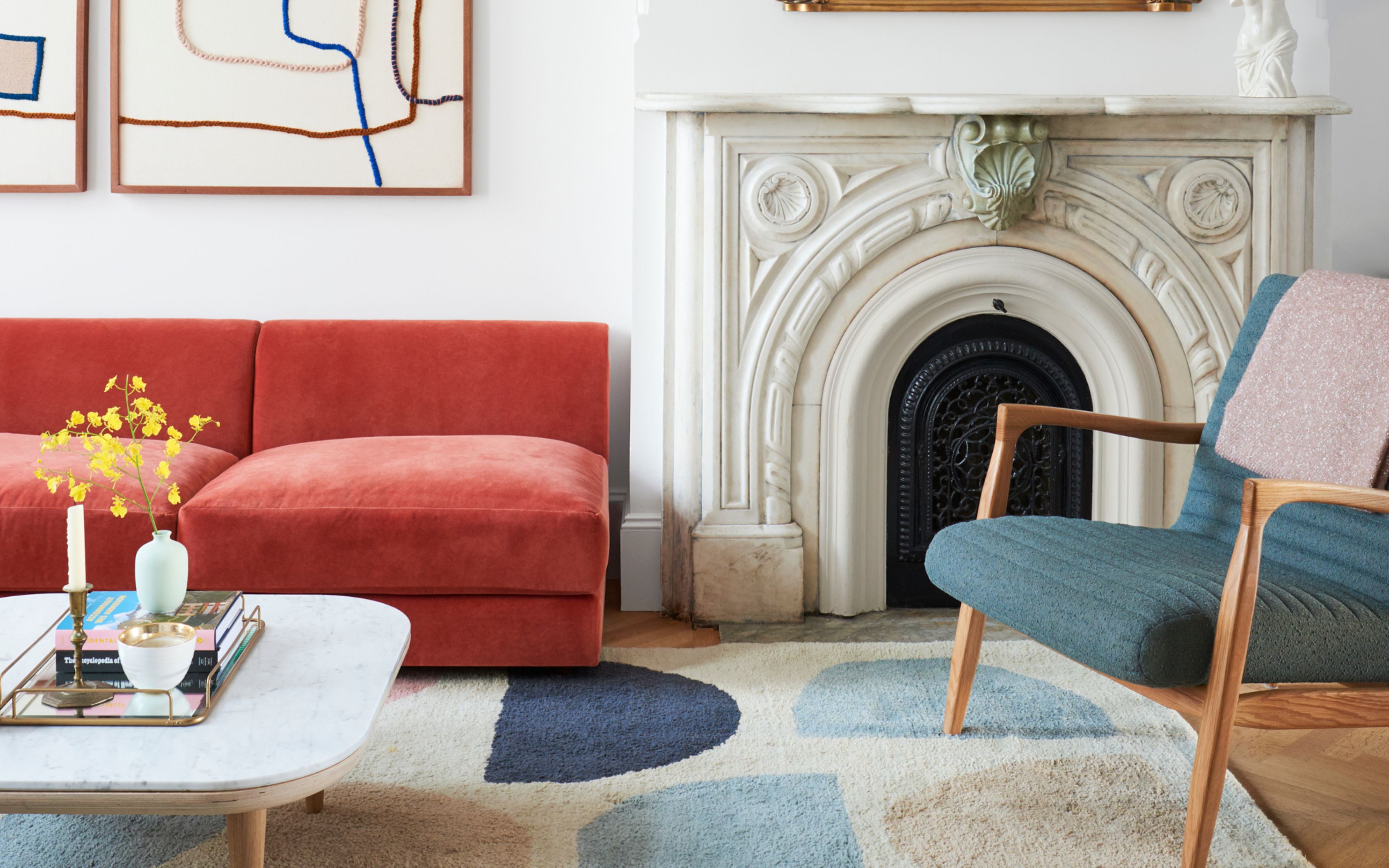
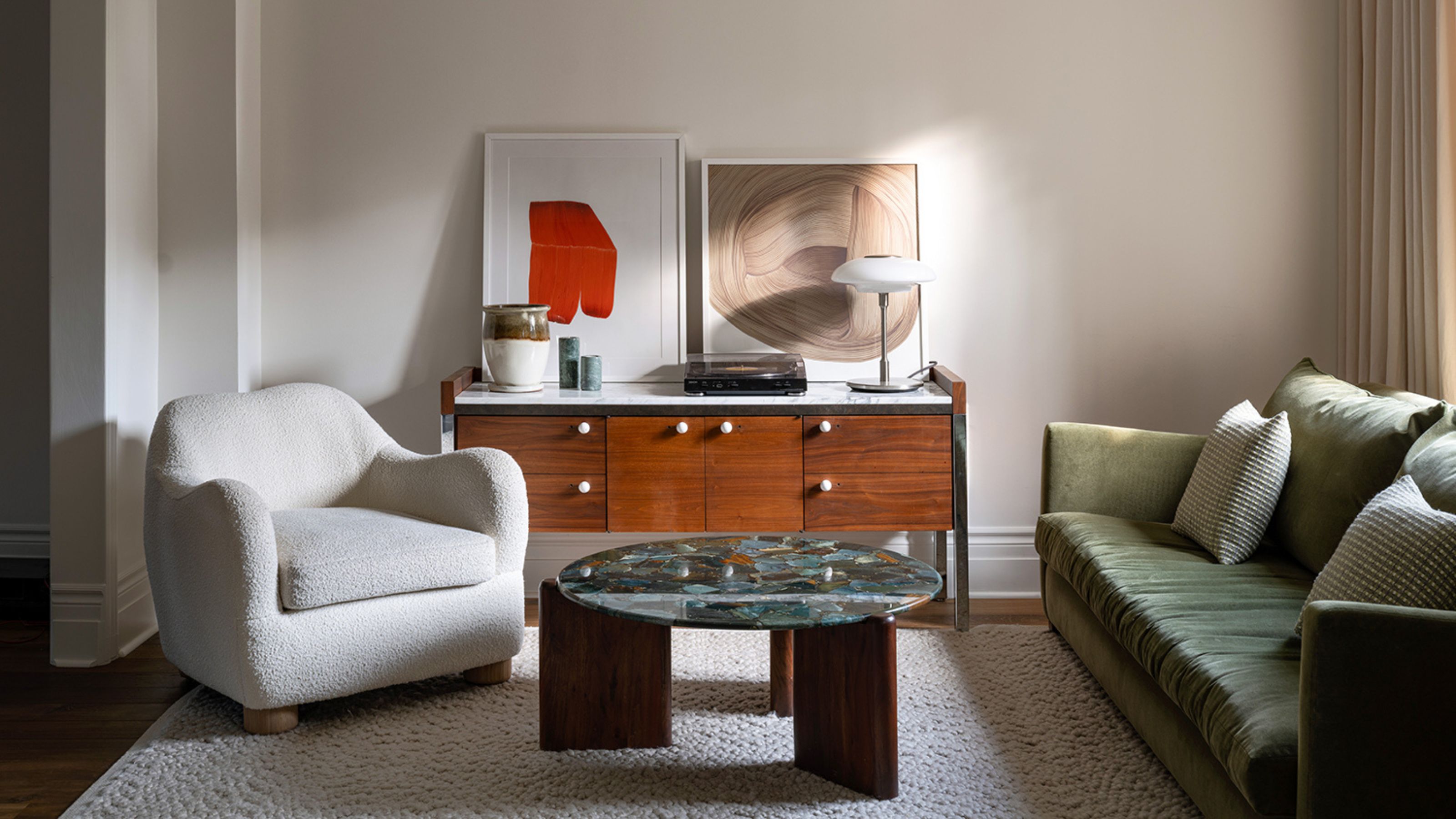
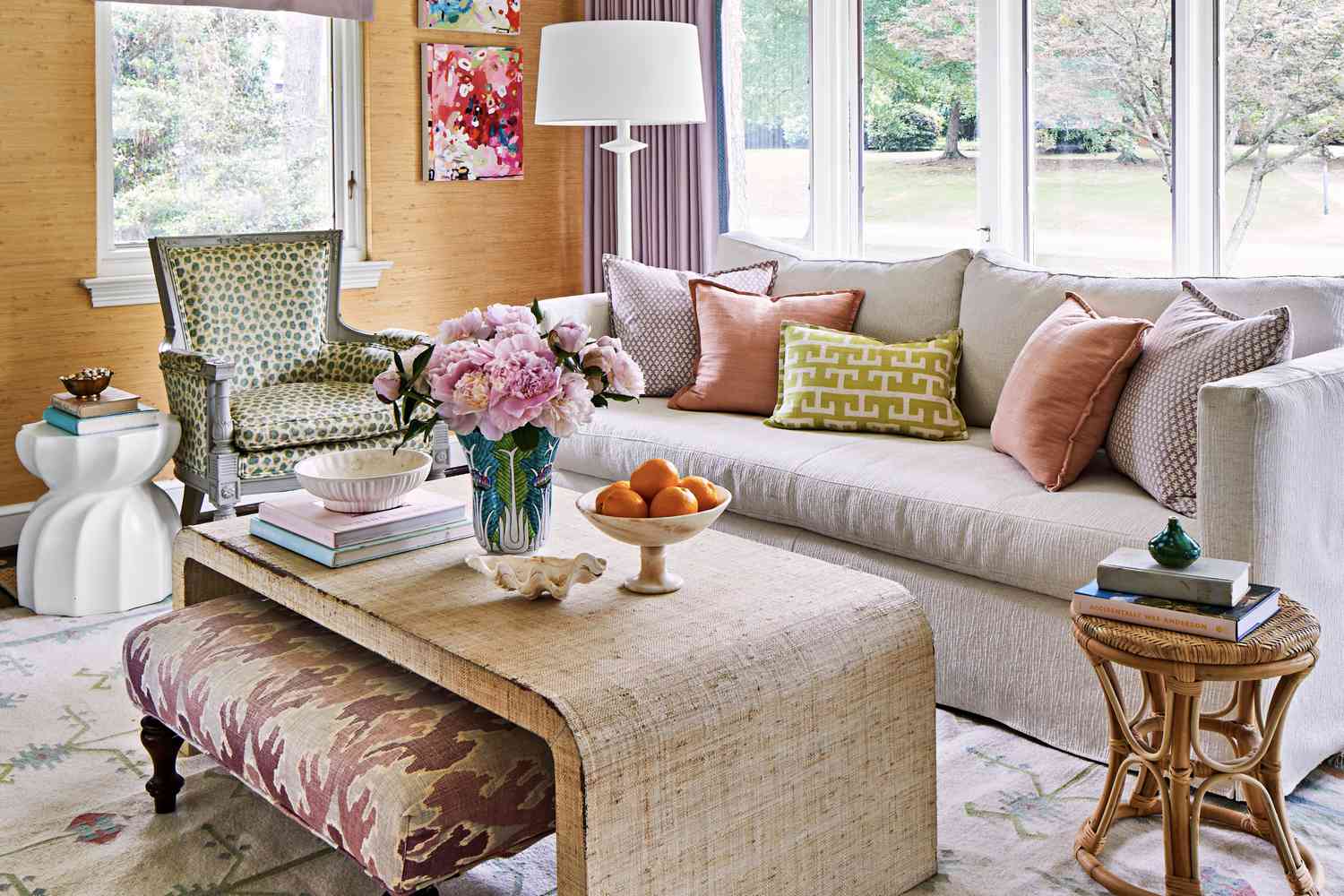
One of the most frequent mistakes is choosing a coffee table that is the wrong size for the space. An oversized table can overwhelm a room, making it feel confined, while a table that is too small can appear lost and ineffective. A general guideline suggests that a coffee table should be approximately two-thirds the length of the accompanying sofa. Additionally, maintaining an ideal distance of about 18 inches between the sofa edge and the coffee table ensures comfortable legroom and easy access. This proportional consideration is vital for the visual balance and functional flow of the living area.
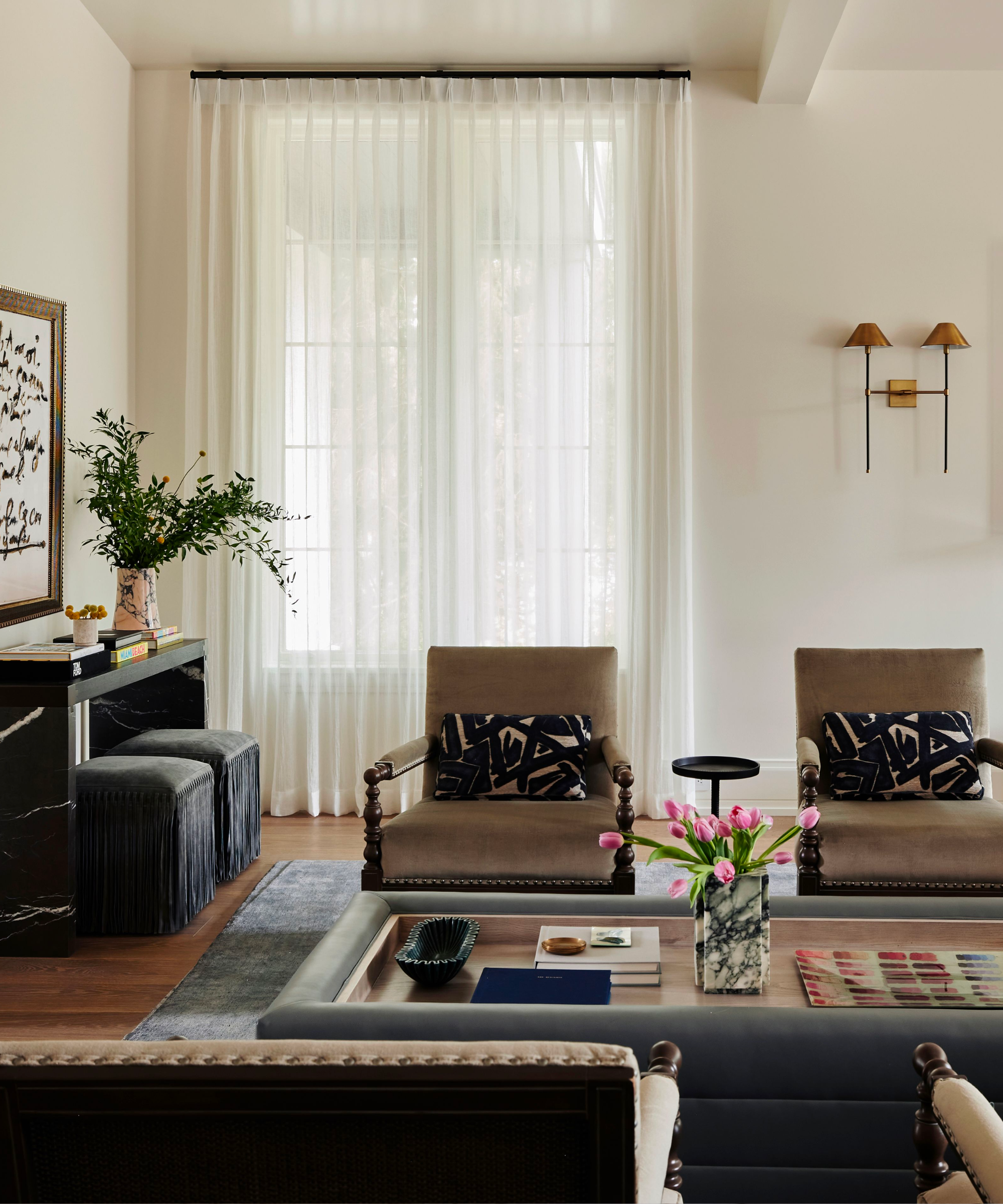
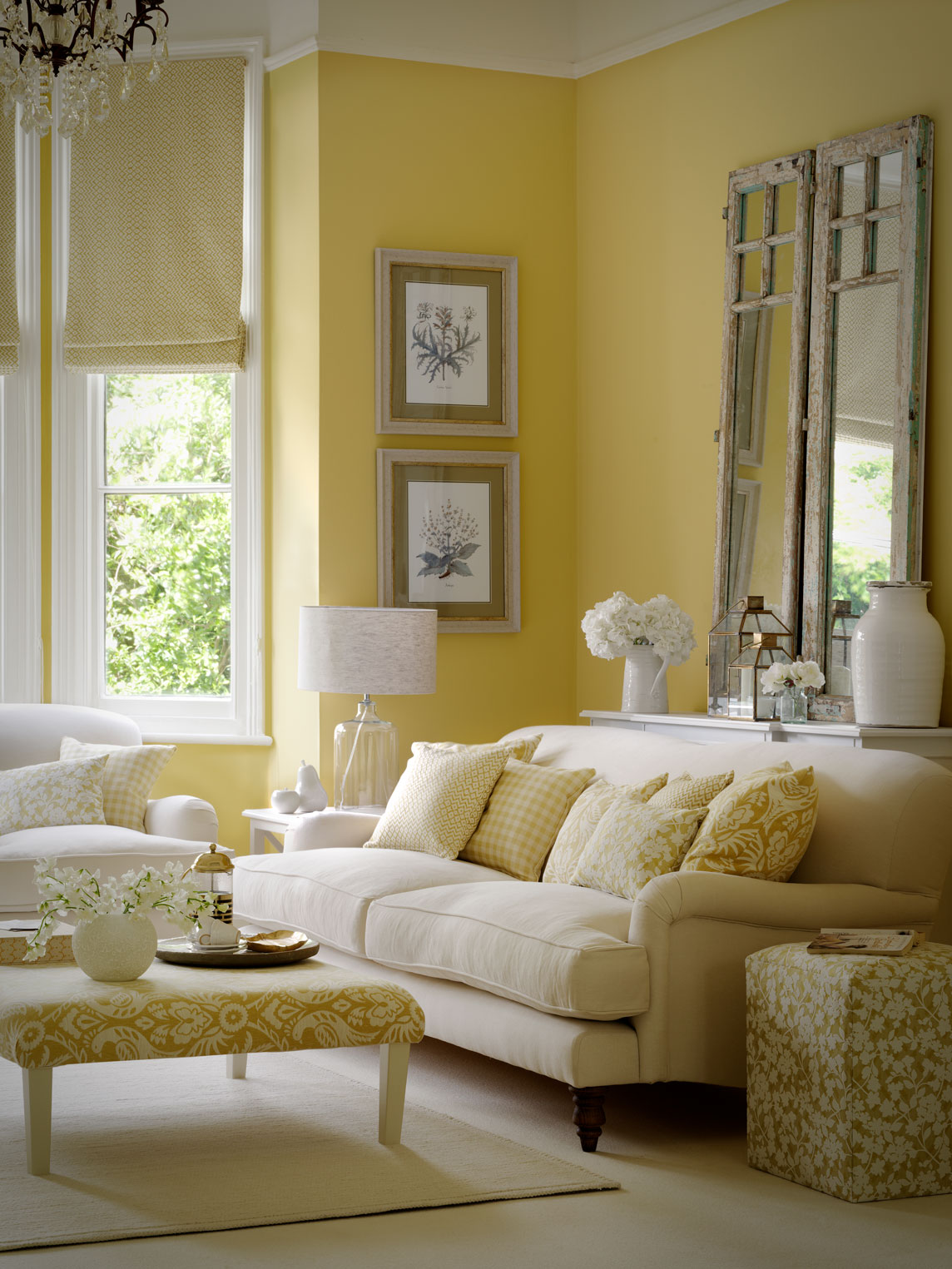
Another common oversight relates to the coffee table's height. A table that is either too high or too low relative to the seating can disrupt both functionality and visual harmony. The recommended height for a coffee table is typically between 16 and 18 inches off the ground, aligning closely with or being slightly lower than the seat height of the sofa. Ensuring that the coffee table's height also corresponds with any end tables helps create a uniform and cohesive look, preventing awkward reaching or discomfort for users.
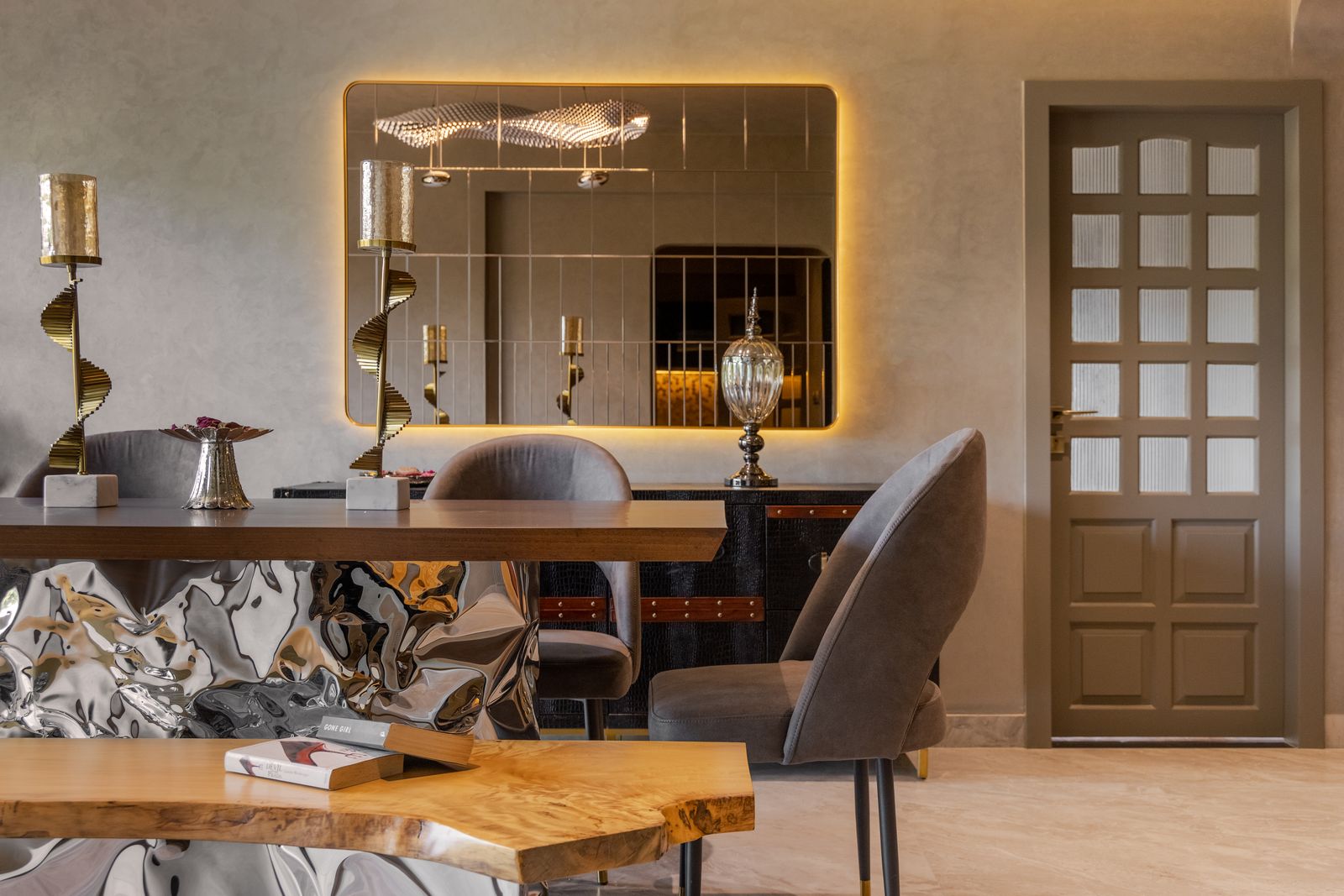
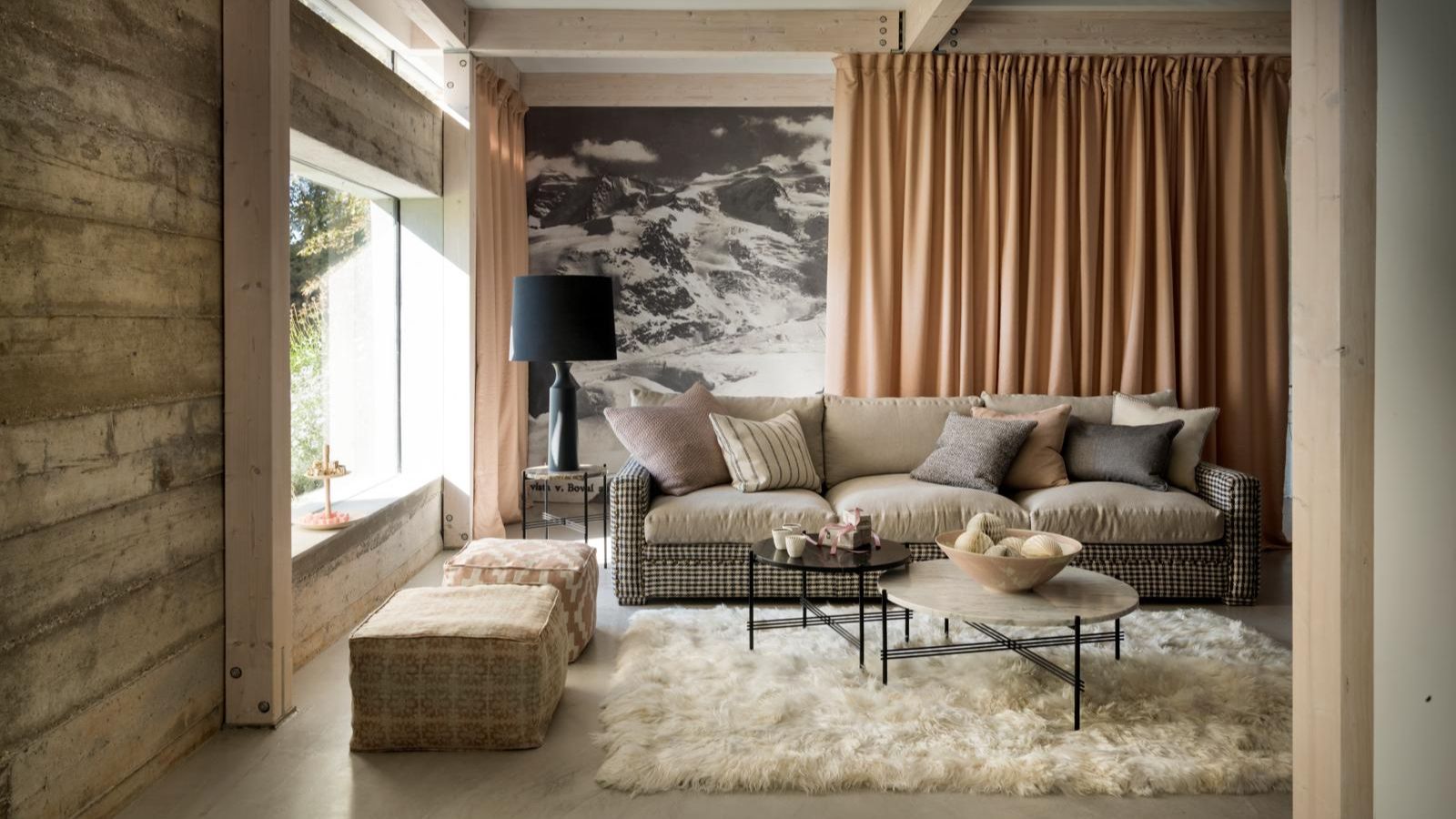
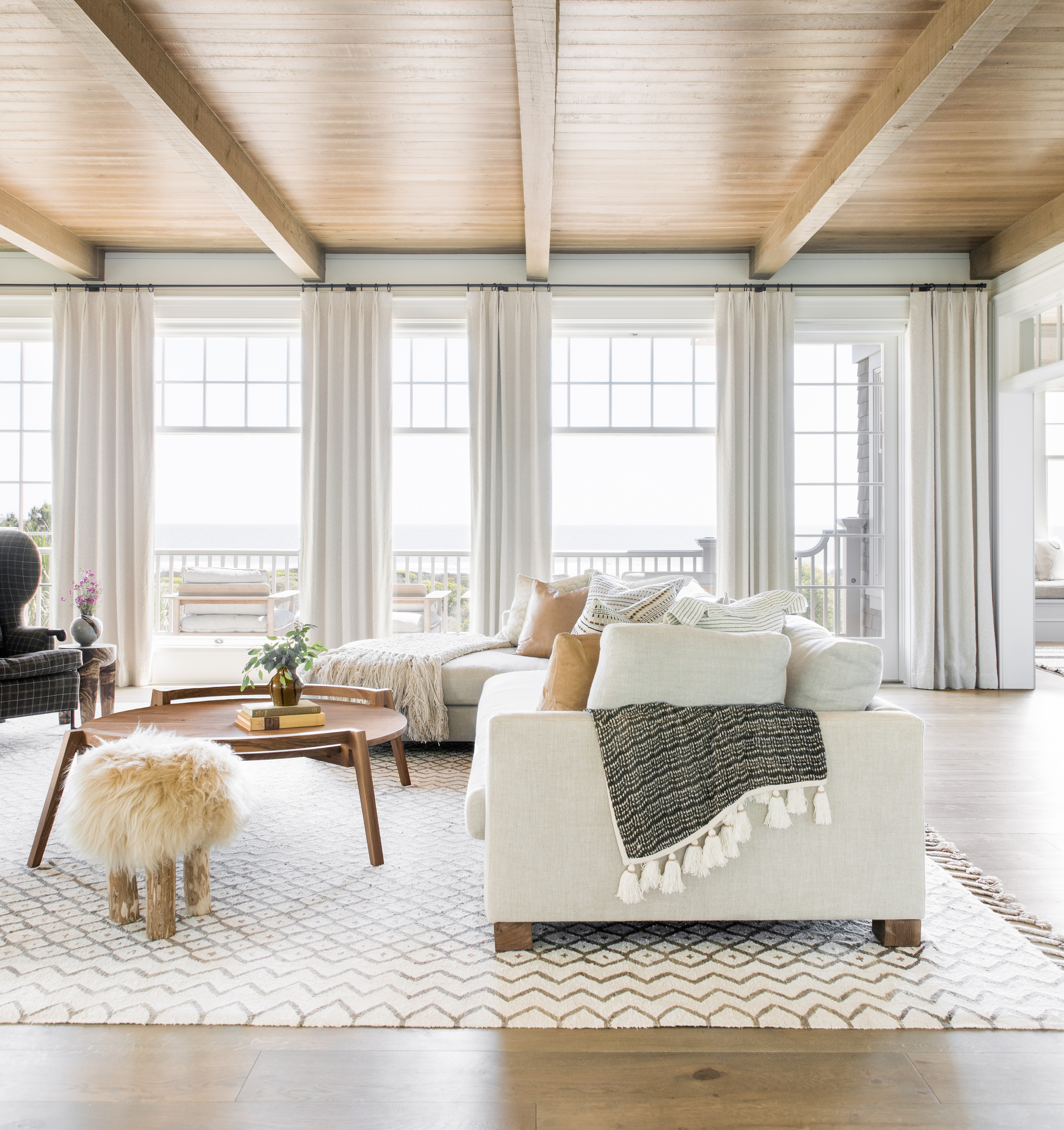
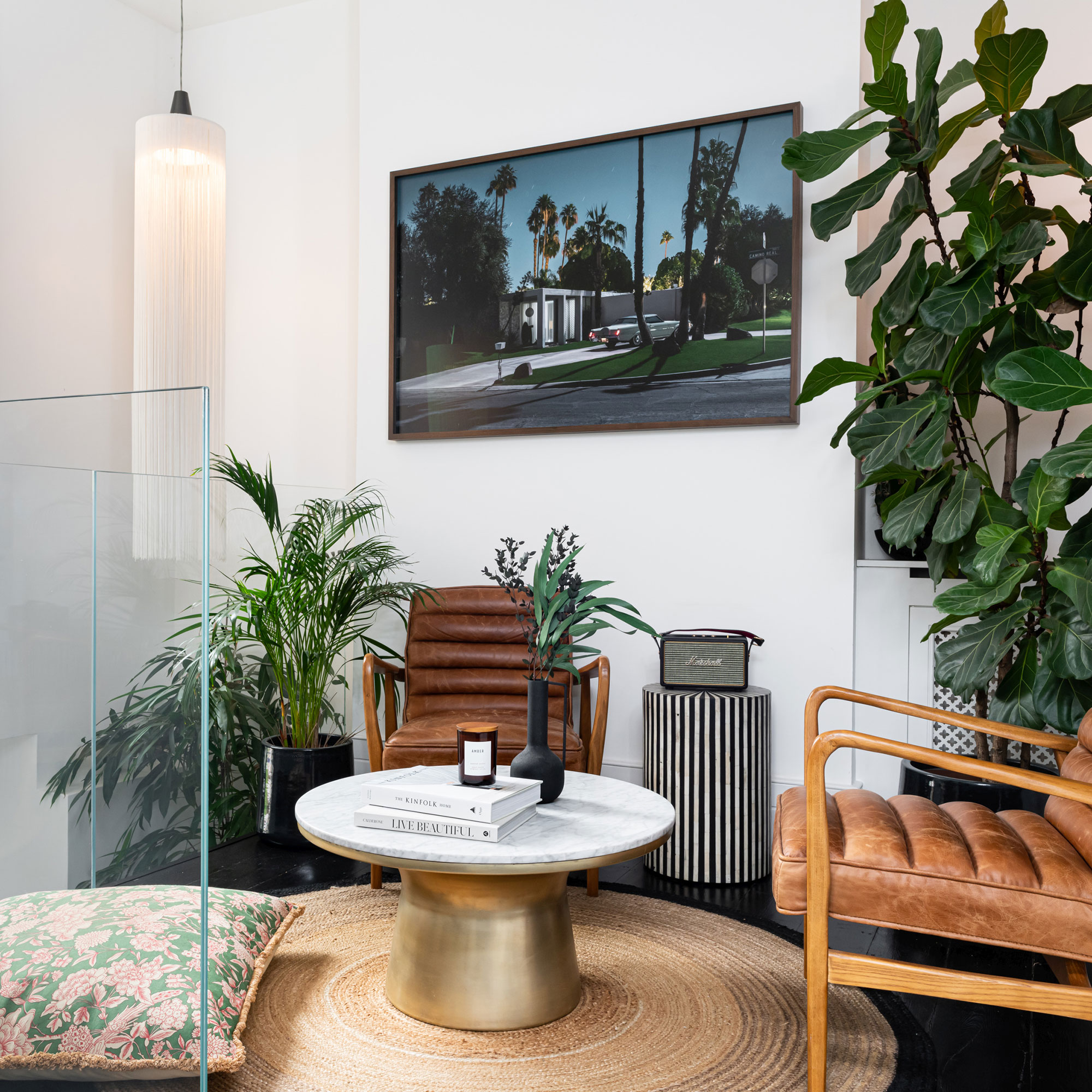
The shape of the coffee table also plays a significant role in its suitability for a space. While certain shapes, such as organic curves, may be trendy, they might not always be practical or timeless for every living room. Oval or round coffee tables are generally well-suited for tighter spaces and high-traffic areas, as their lack of sharp corners facilitates smoother movement. In contrast, square or rectangular coffee tables tend to complement more spacious and formal living rooms, providing a solid anchor for the seating arrangement. The choice of shape should complement the existing furniture and traffic patterns within the room.
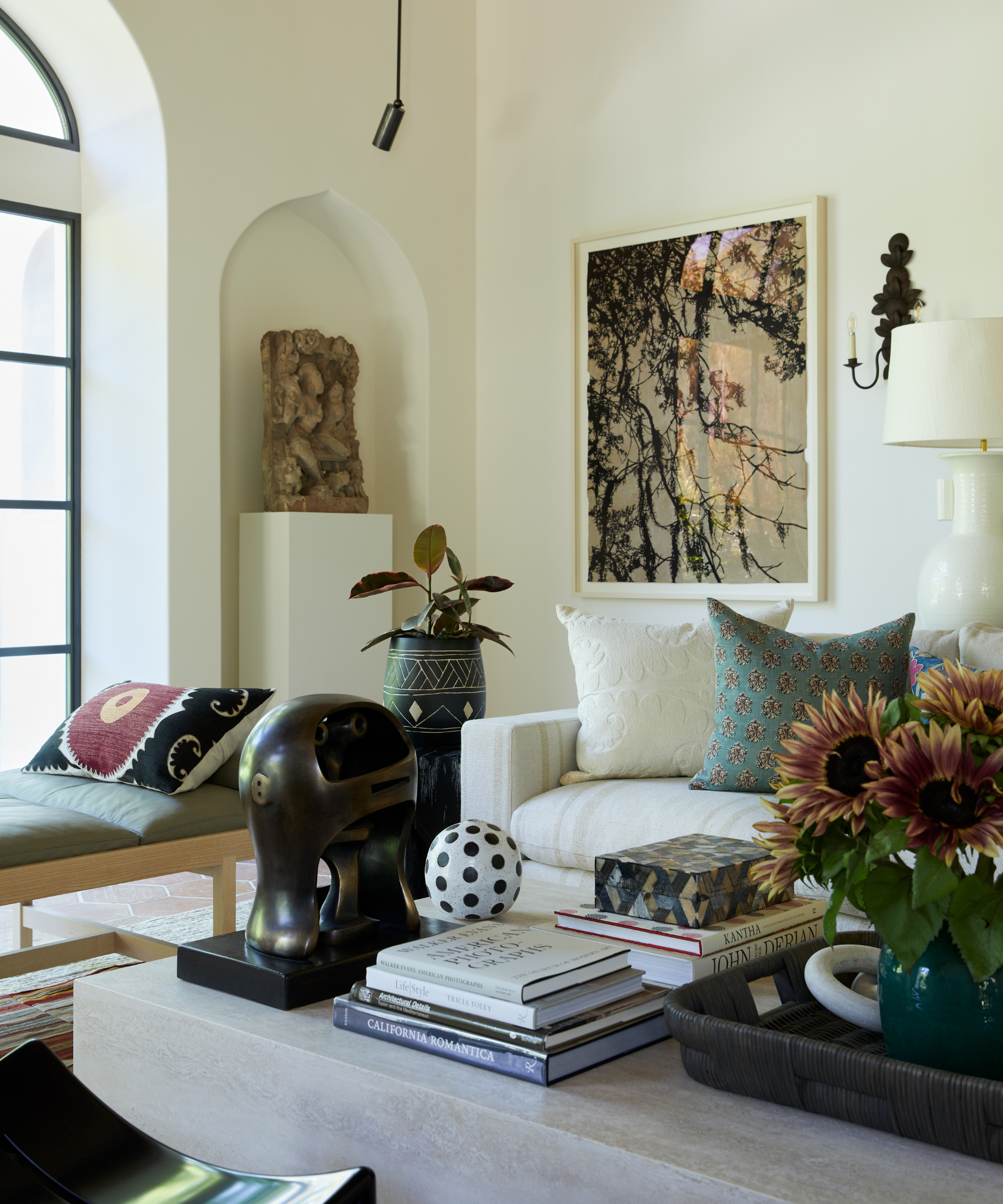
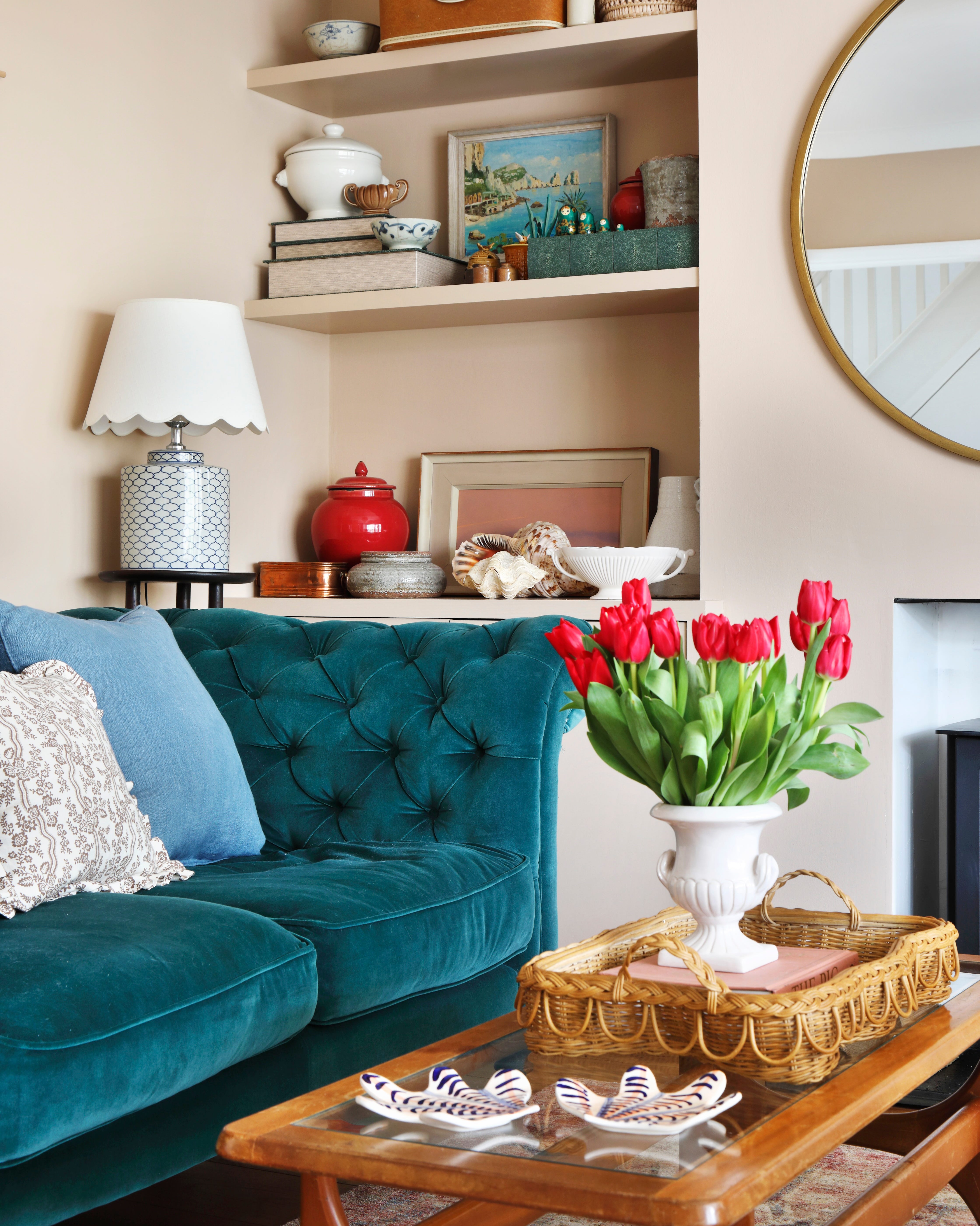
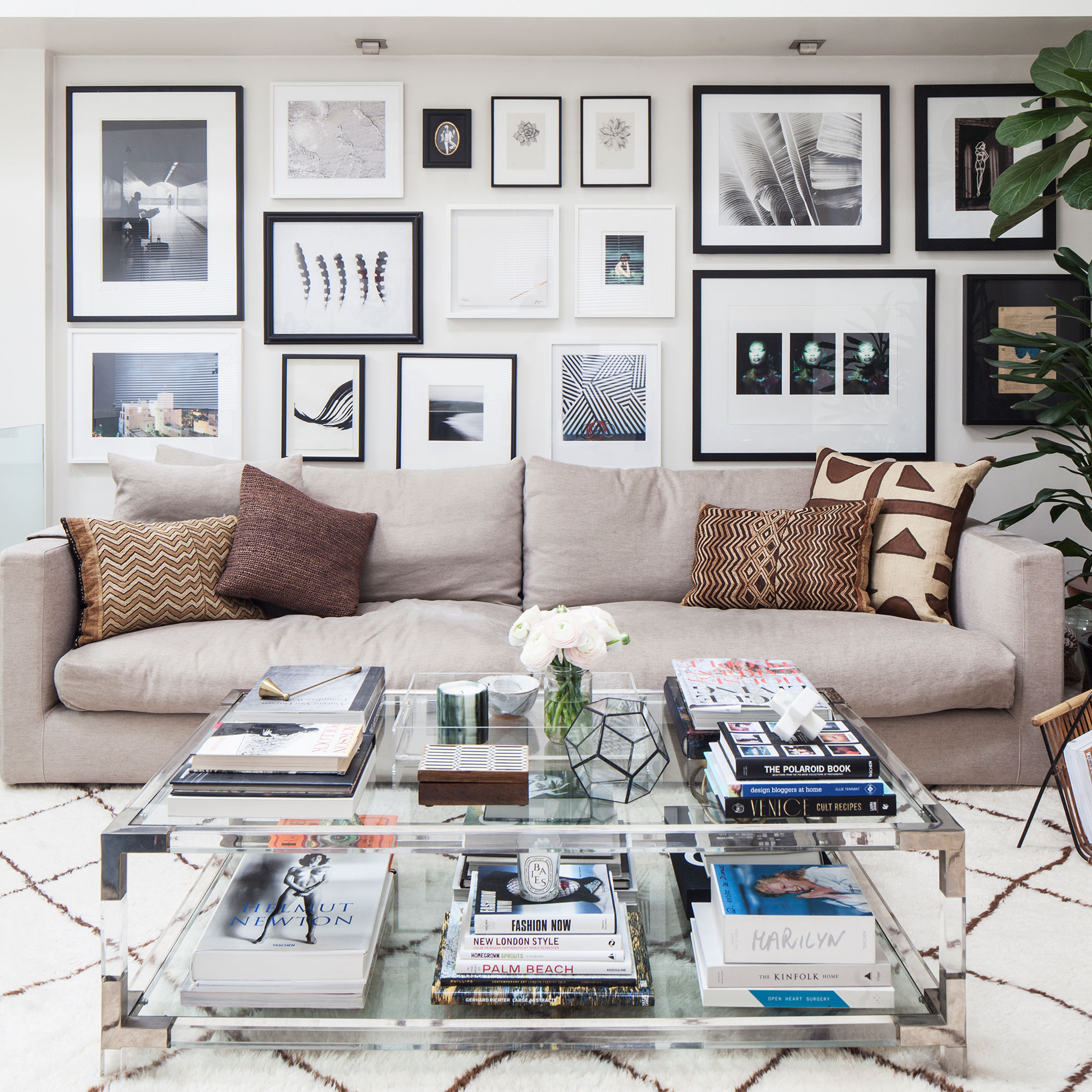
Furthermore, neglecting the functionality of the coffee table in favor of its appearance is a common pitfall. Many beautiful coffee tables lack essential practical features, such as storage or ease of cleaning. Prioritizing durability and practical needs, such as materials resistant to stains or the inclusion of a bottom shelf for storage, can significantly enhance the table's utility and contribute to a tidier living space. Trays can also be used on the tabletop to organize smaller items, maintaining a less cluttered appearance.
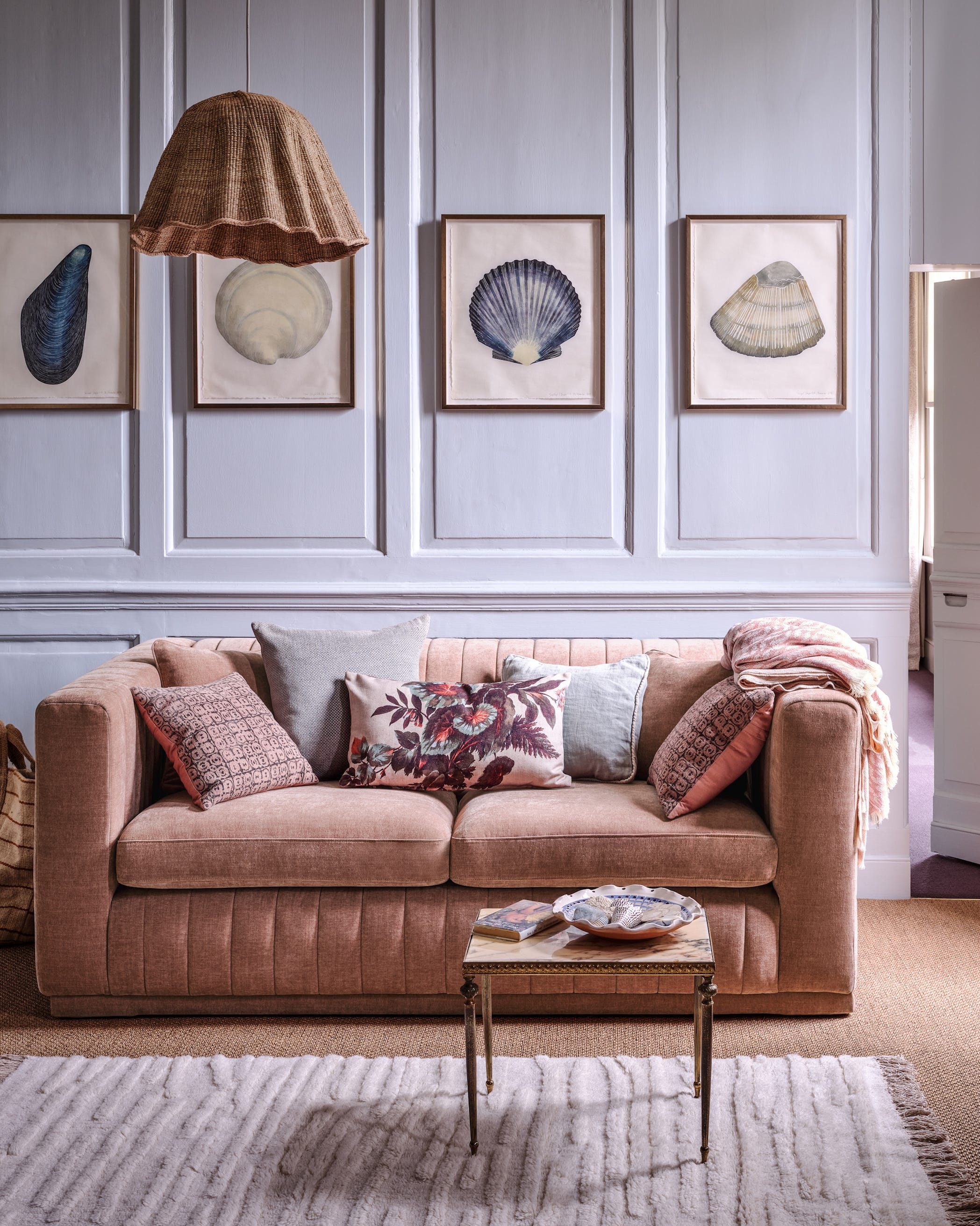
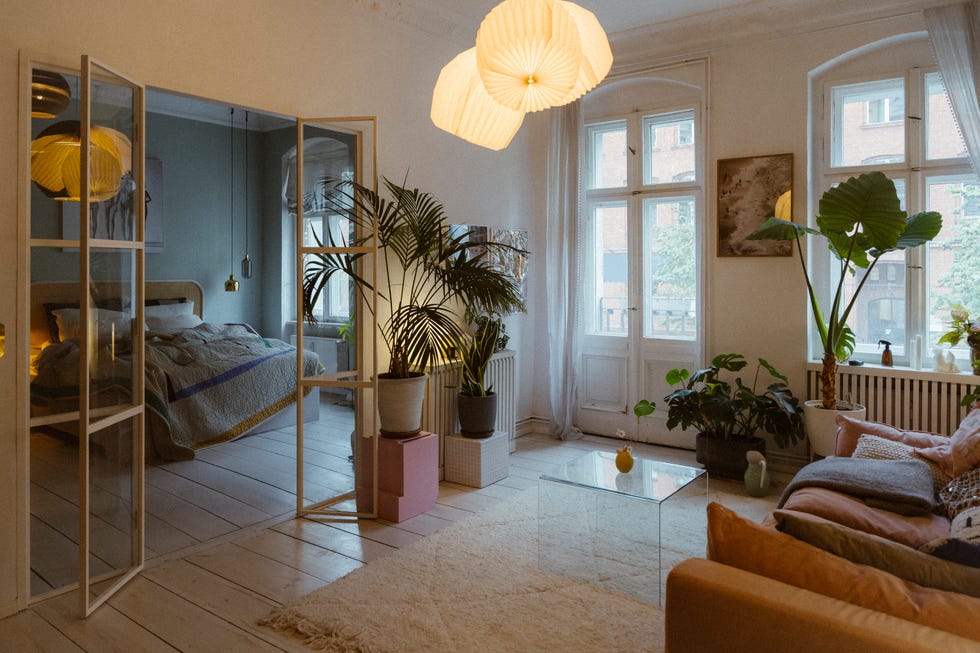
Finally, depending on the size and layout of the living area, opting for multiple smaller coffee tables instead of a single large one can be a more effective solution. This approach offers flexible layout options, allows for easier rearrangement, and prevents the space from being overwhelmed by a single bulky piece of furniture. For example, a larger, lower table in front of the seating for drinks can be complemented by smaller, taller tables placed near armrests for guests. This multi-table strategy enhances adaptability and caters to varying needs within the living room.
#CoffeeTableMistakes #LivingRoomDesign #FurnitureSelection #InteriorDesignTips #HomeDecor #SpacePlanning #FunctionalDesign #CoffeeTableSize #CoffeeTableHeight #CoffeeTableMistakes #LivingRoomDesign #FurnitureSelection #InteriorDesignTips #HomeDecor #SpacePlanning #FunctionalDesign #CoffeeTableSize #CoffeeTableHeight
0 comment in total
 No comments yet
You may also like
5 coffee table mistakes you should always avoid, according to interior designers

Designers Share 4 Common "Mistakes" You're Making in Your Living Room—and How to Correct Them

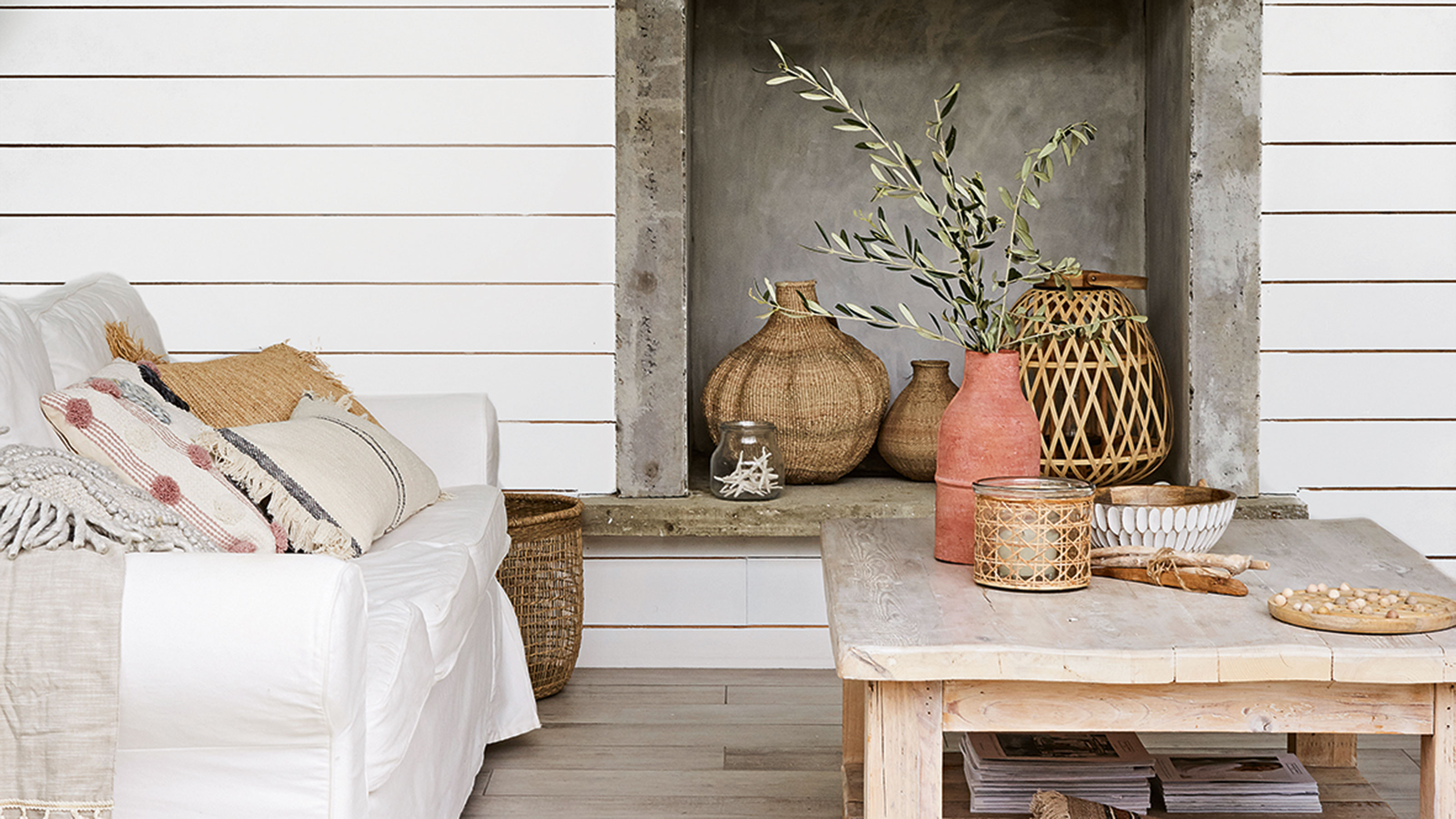
5 things stylists always do when styling a coffee table
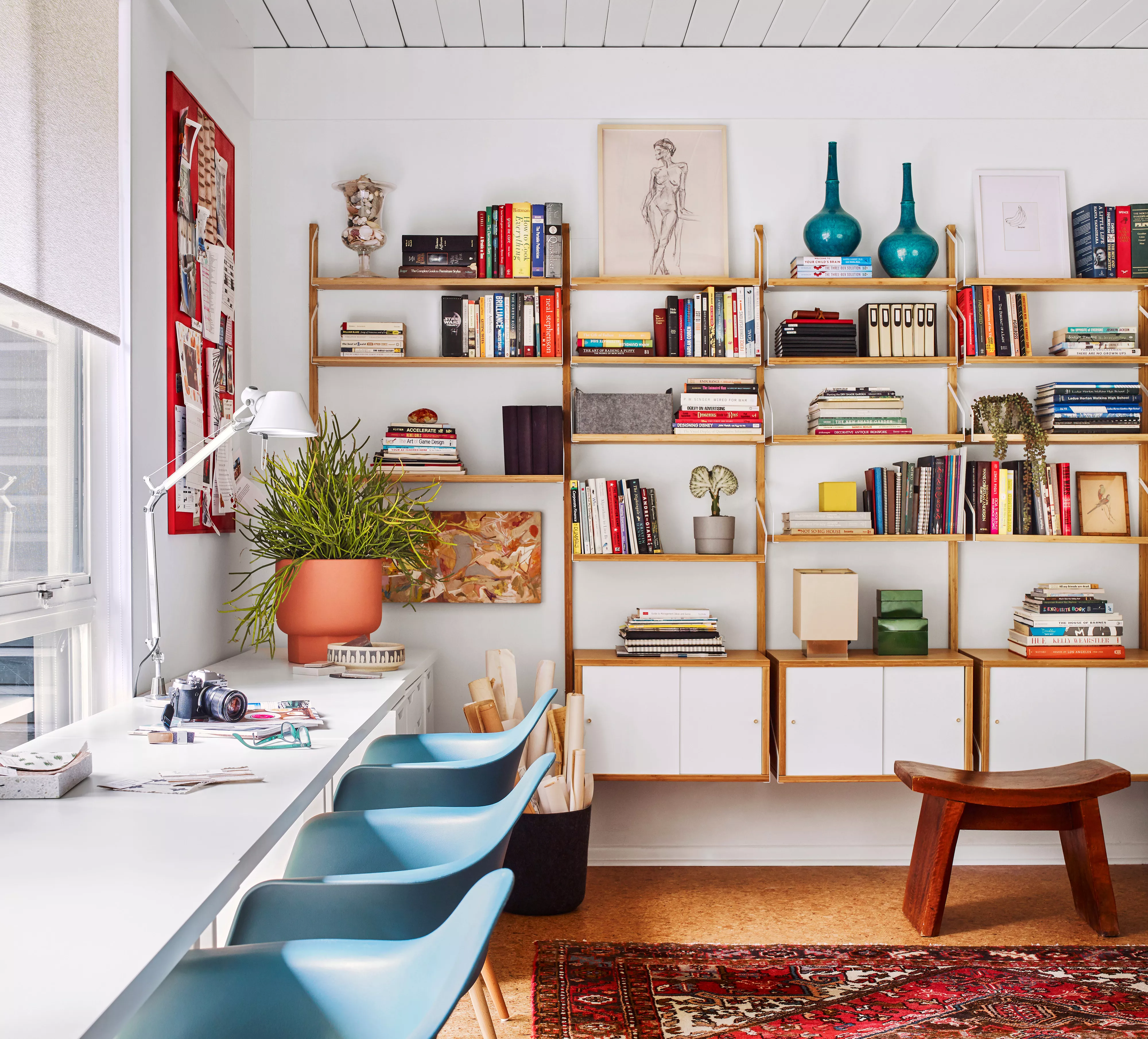
Is Your Home Office Layout Making You Less Productive? 5 Common Mistakes to Avoid

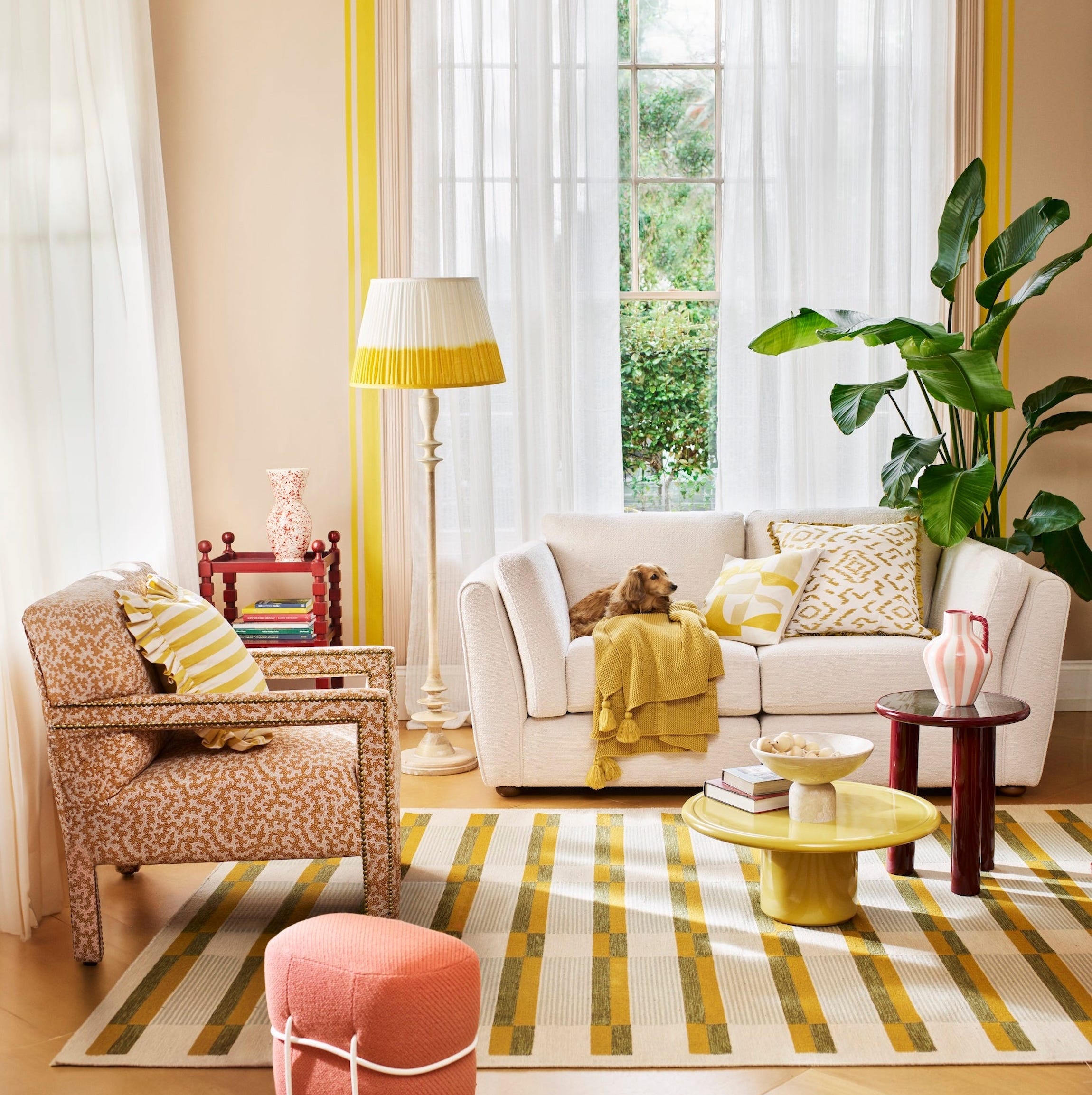
5 Living Room Design Mistakes You Didn't Know You Were Making
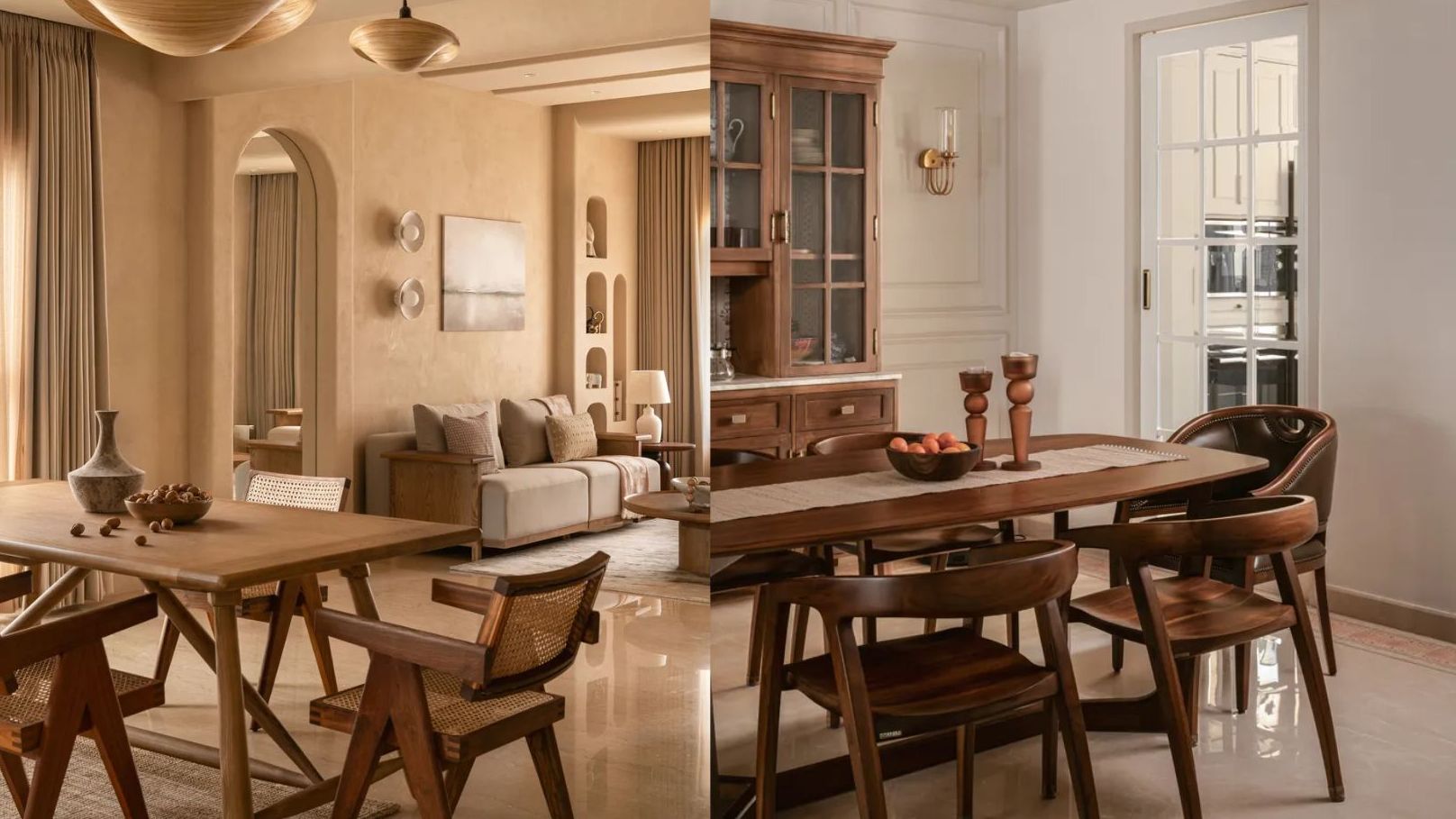
Dining table Vastu: 8 mistakes you need to stop making

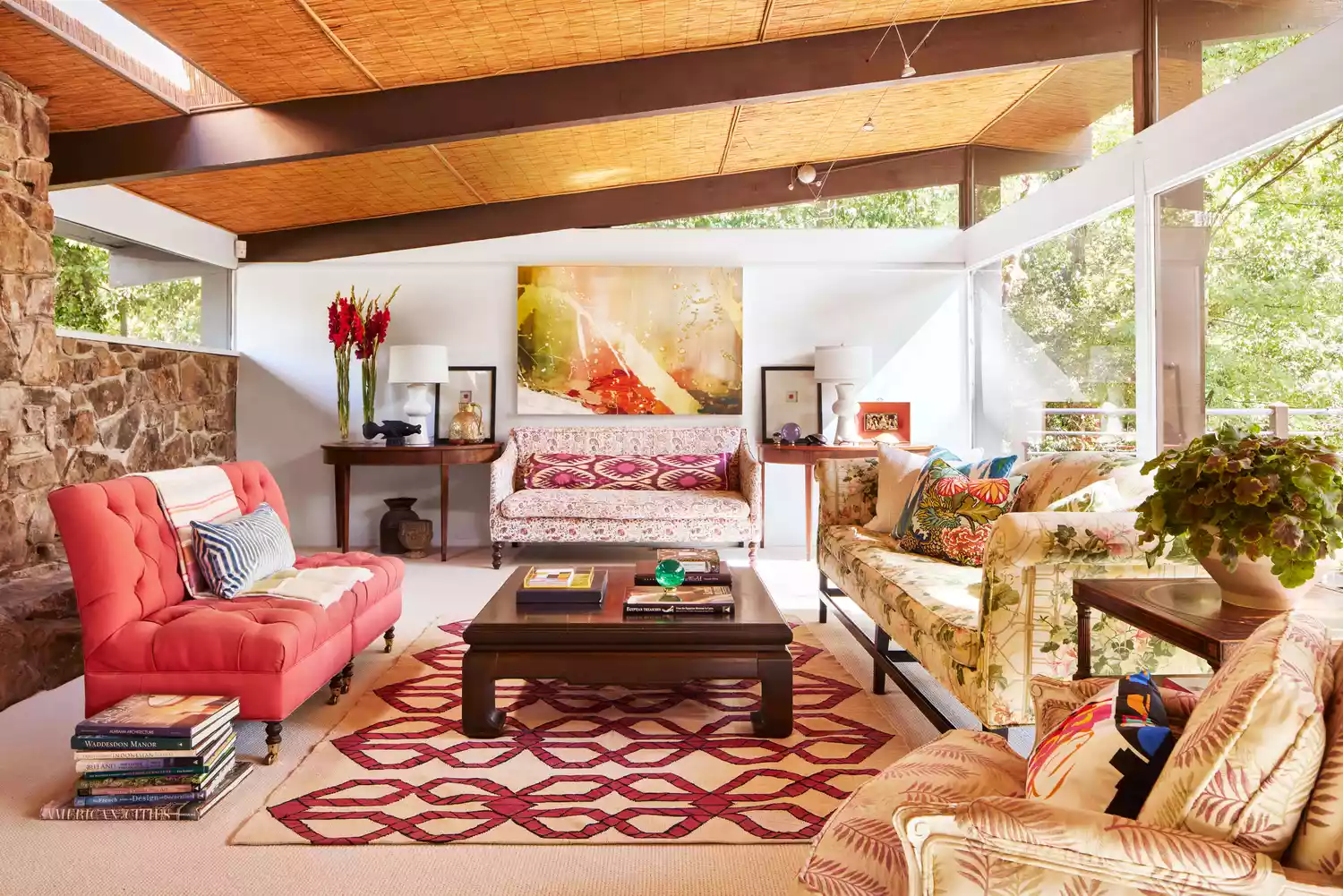
5 Living Room Rug Mistakes You’re Probably Making—And How To Fix Them, According To Designers
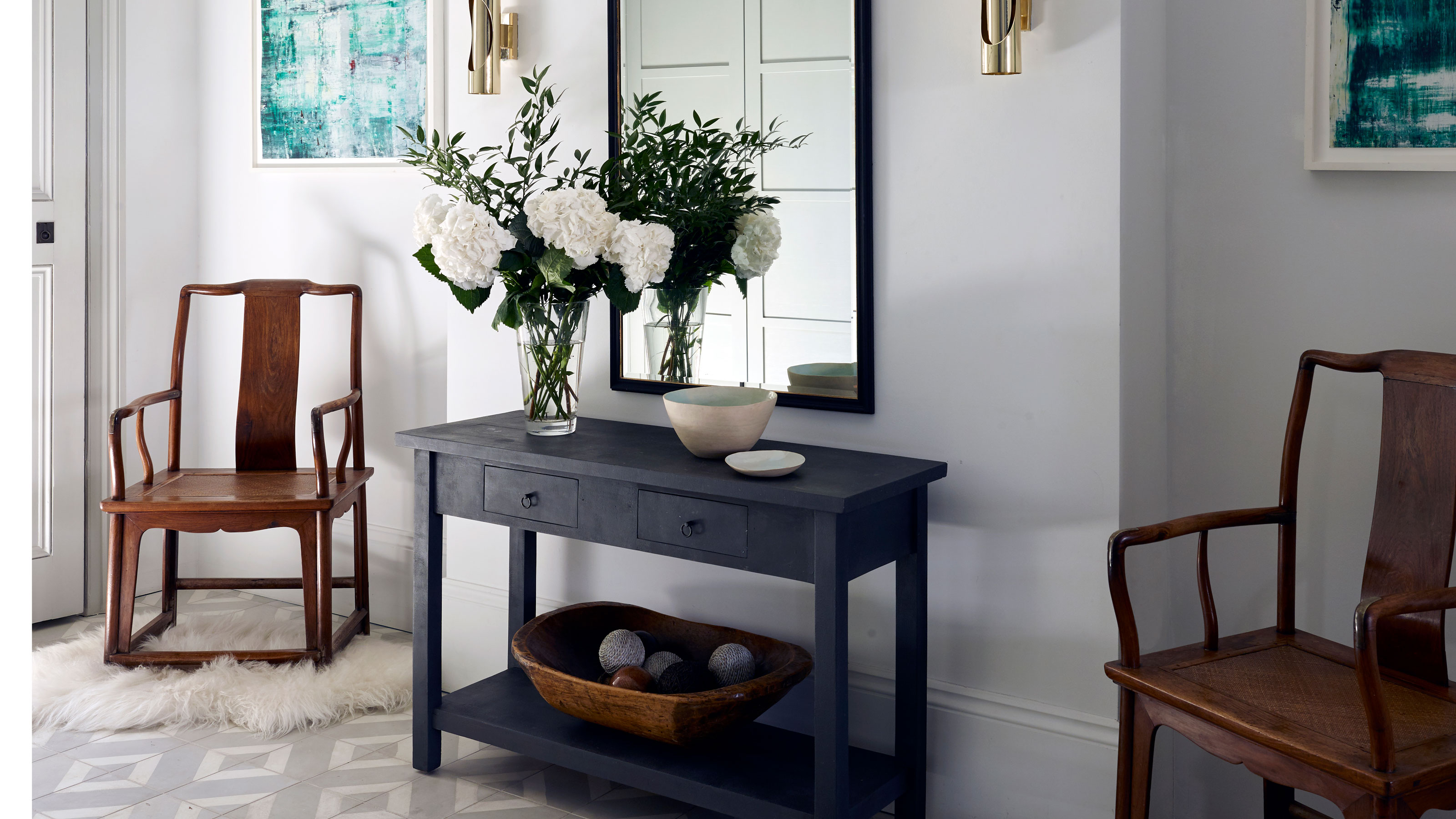
5 entryway mistakes we all make – and how designers suggest we avoid them
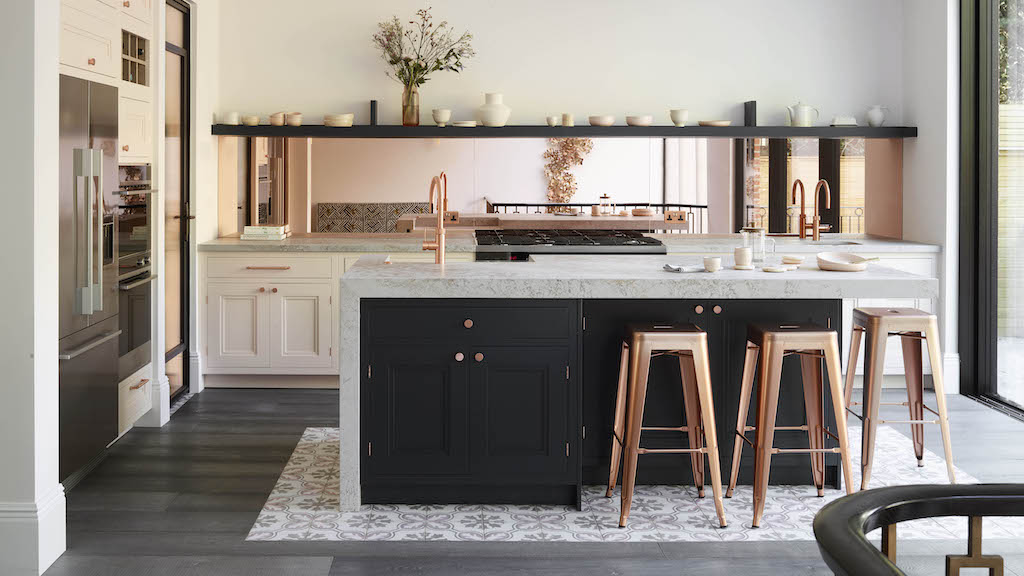
Experts reveal the kitchen worktop mistakes to avoid - ignore at your peril
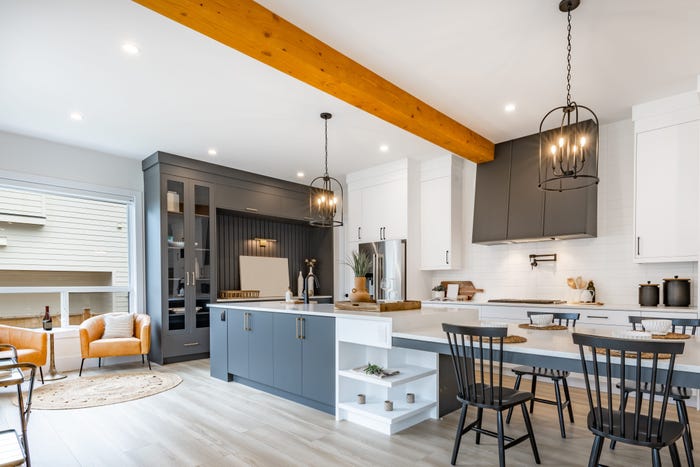
Common design mistakes you're making in every room of your house
5 kitchen hardware mistakes interior designers say homeowners always make, and how to fix them
7 major dining room layout mistakes to avoid, according to designers
5 Common Coffee Table Mistakes That Make Your Living Room Feel Messier
12 common family living room mistakes that pros warn against
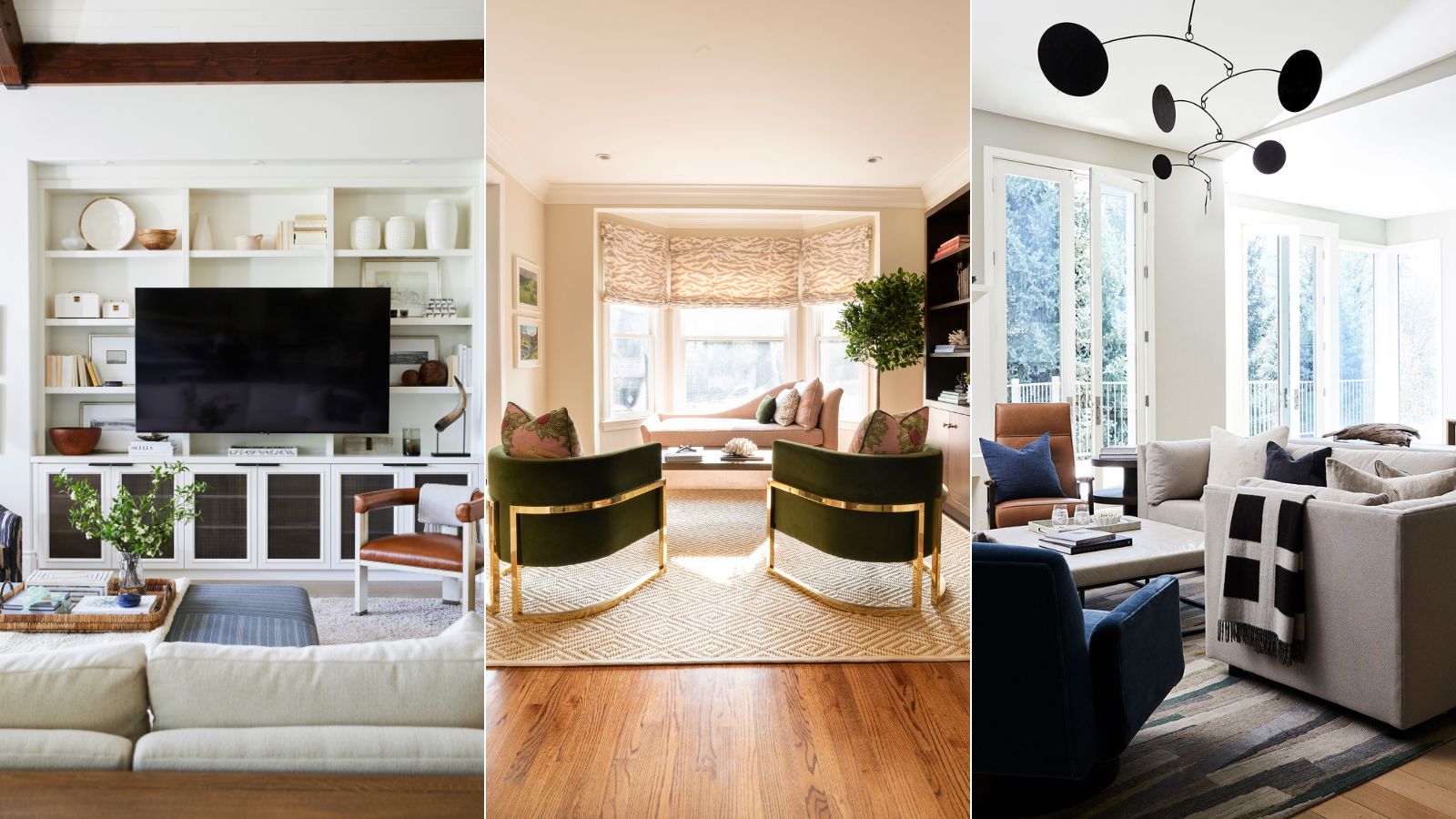
5 small living room mistakes – designers share the worst decorating disasters that we need to stop doing right now
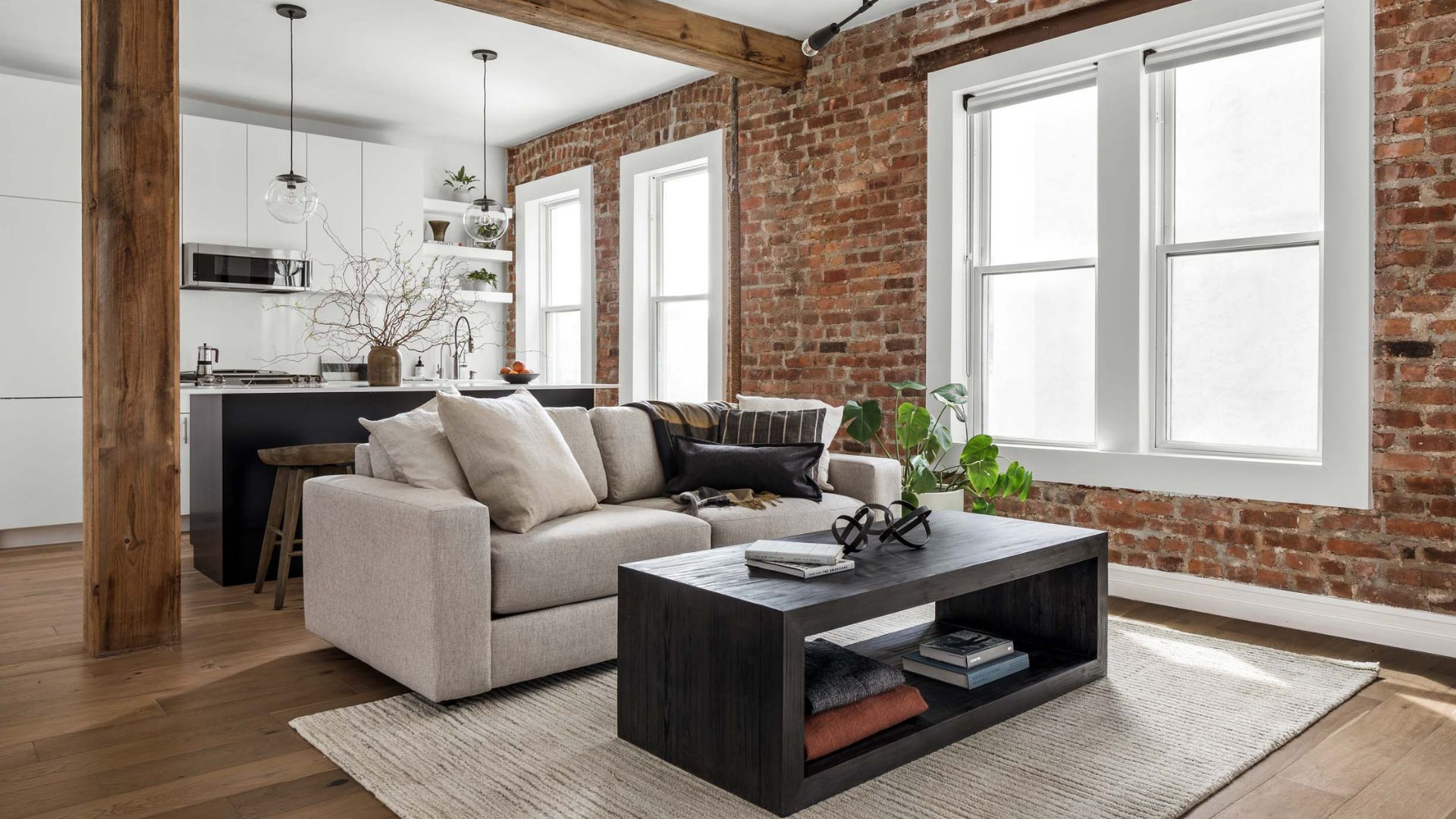
5 Common Sofa Cleaning Mistakes You Might Be Making

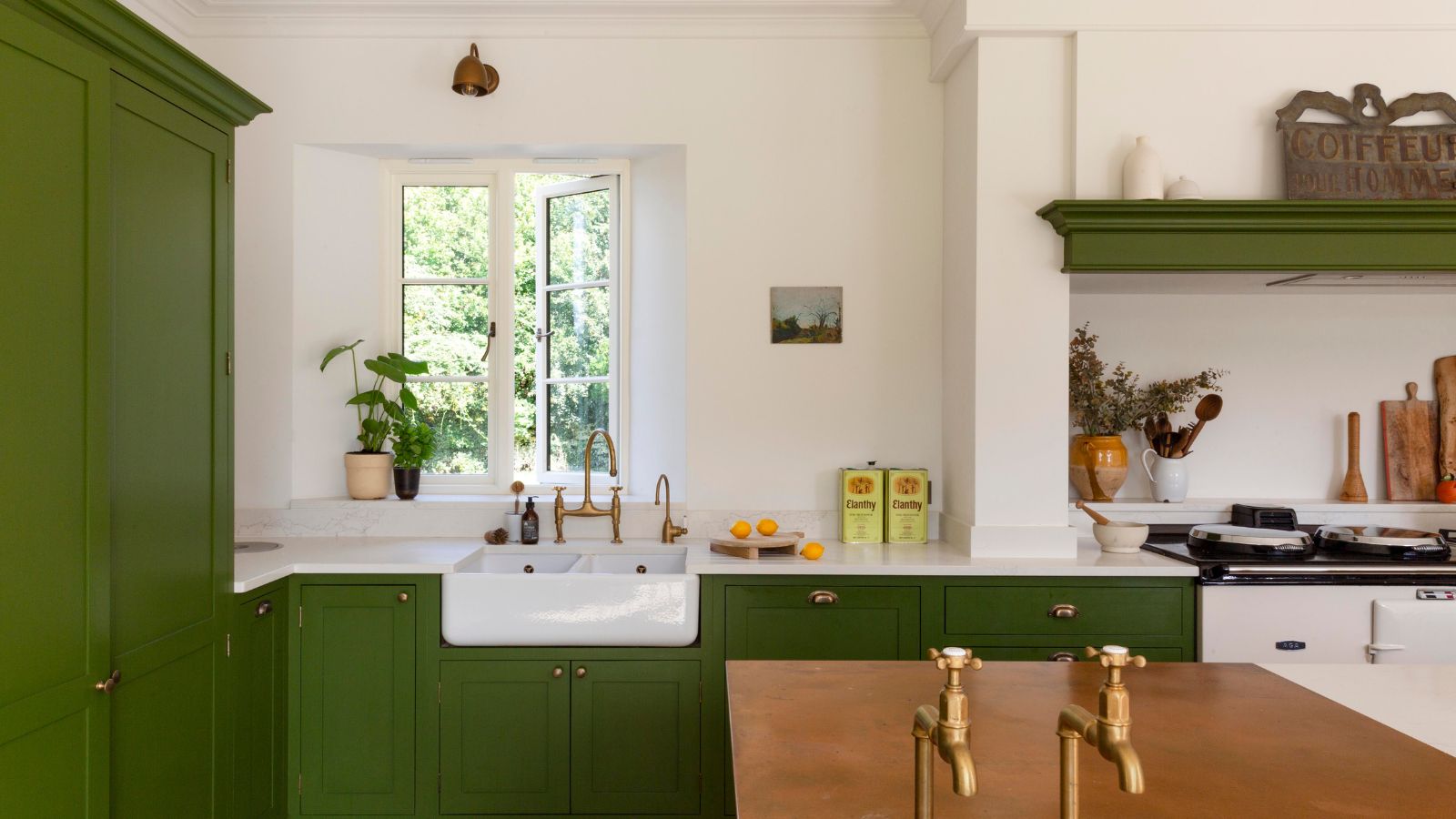
5 kitchen countertop mistakes designers warn to avoid
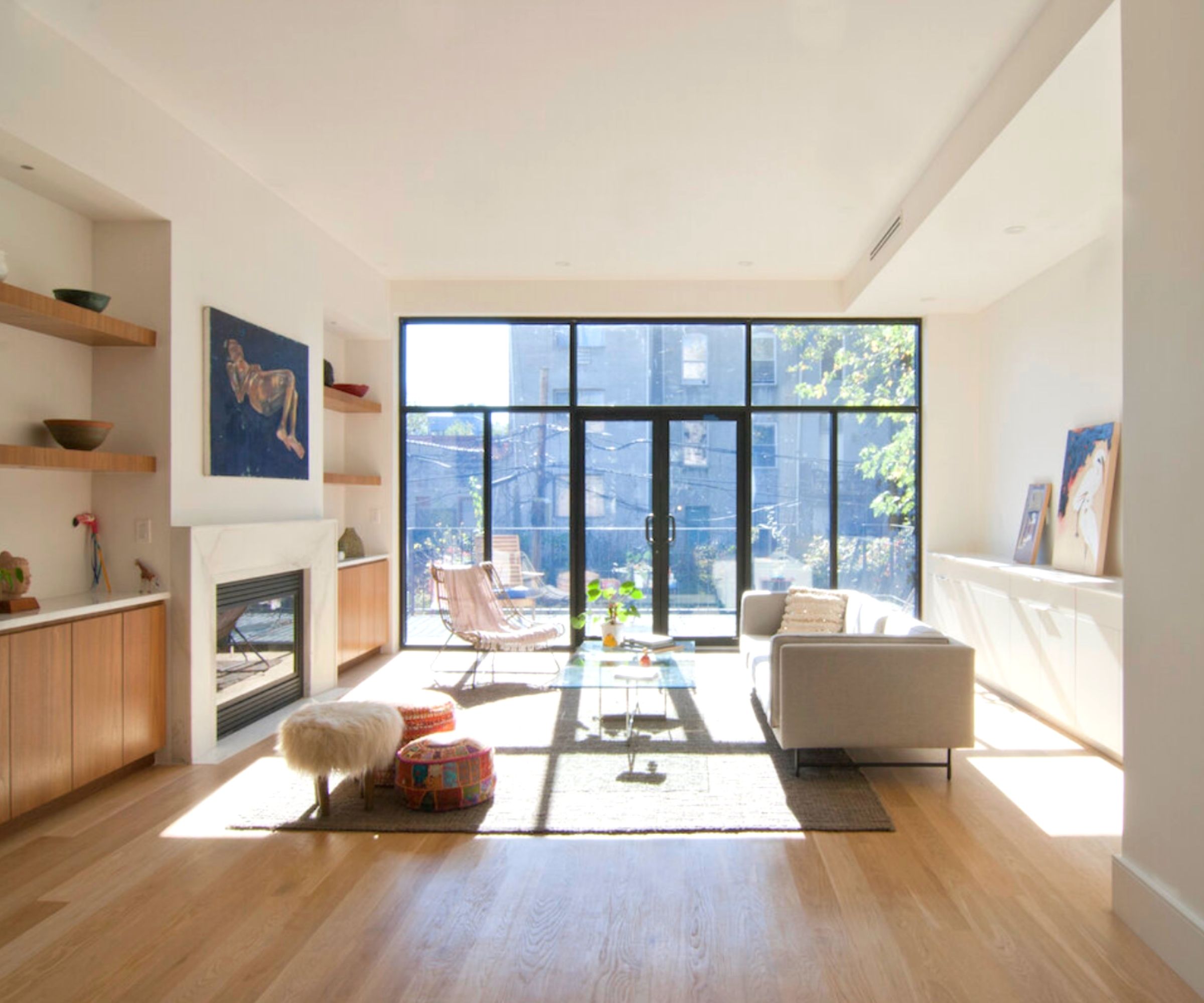
5 Feng Shui living room mistakes you're making – and how the experts avoid them
Five Mistakes People Make When Selecting Kitchen Cabinets—and How to Avoid Them
3 mistakes you're probably making with your dining room decor, according to an interior stylist