Is Your Home Office Layout Making You Less Productive? 5 Common Mistakes to Avoid
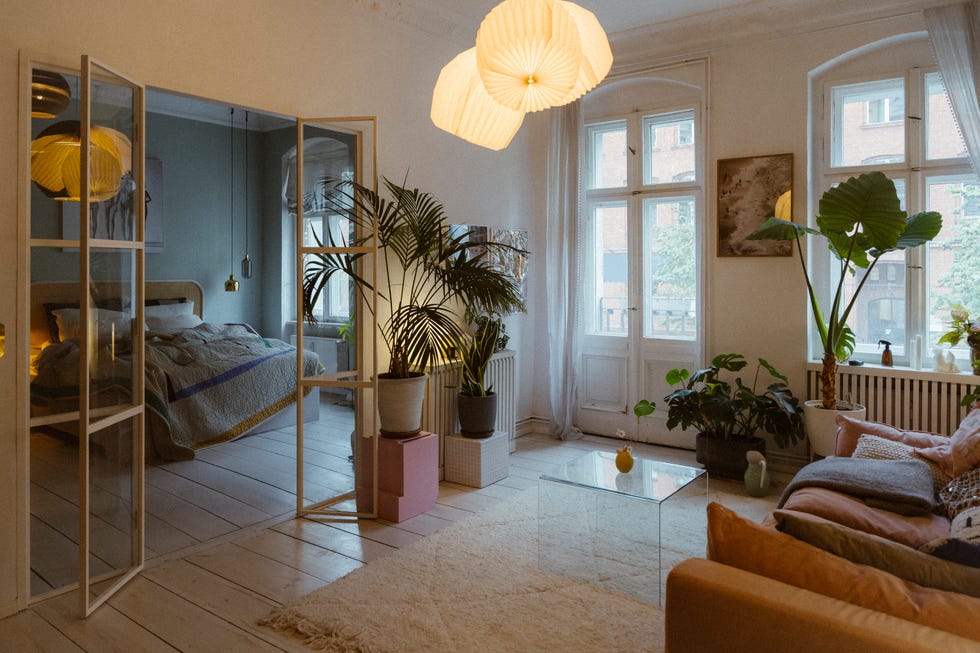
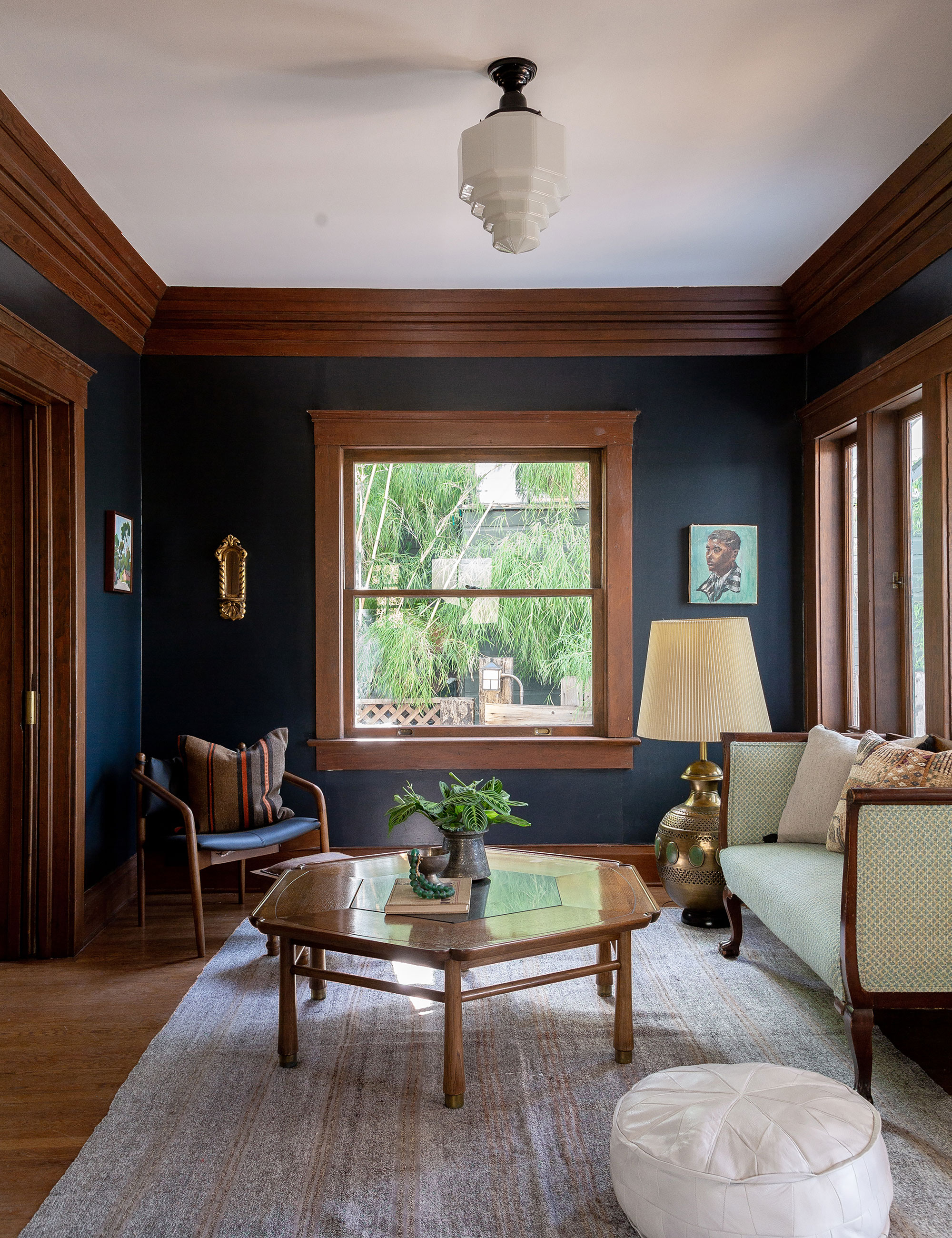
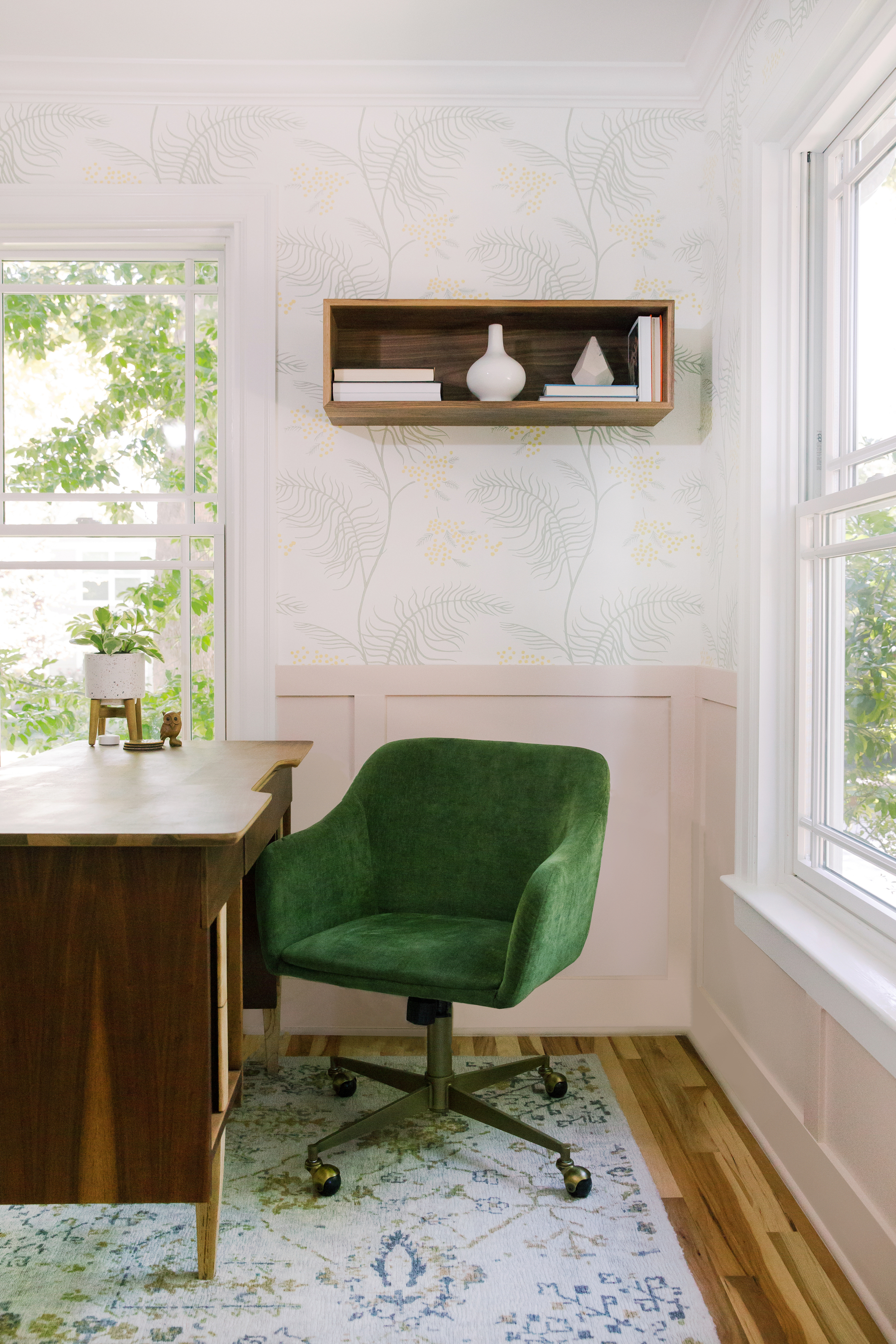
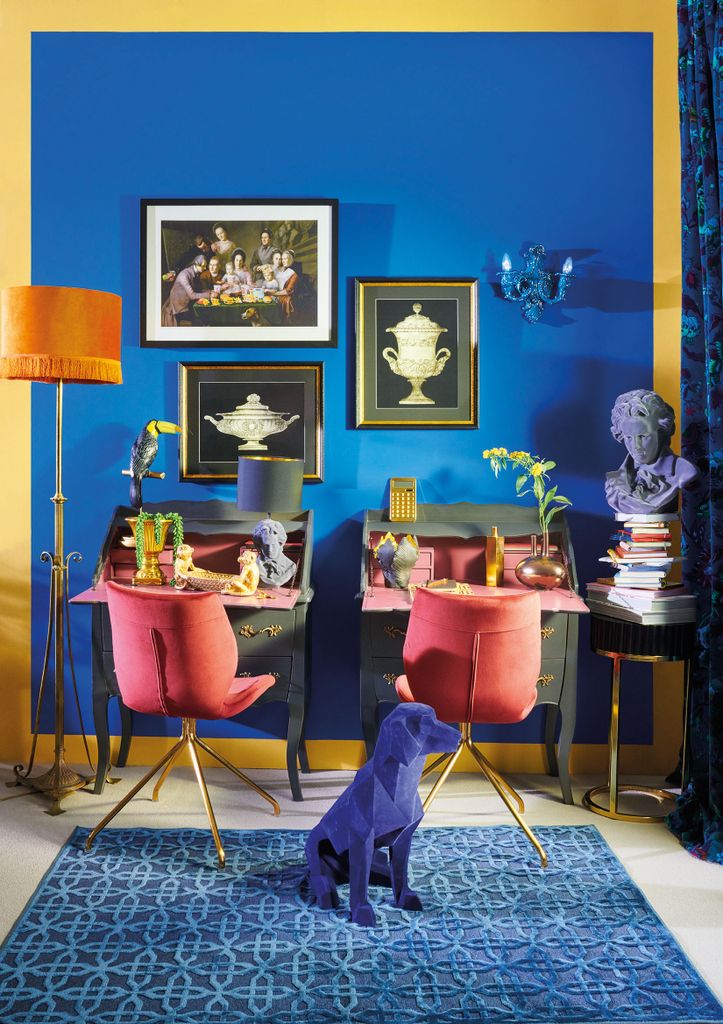
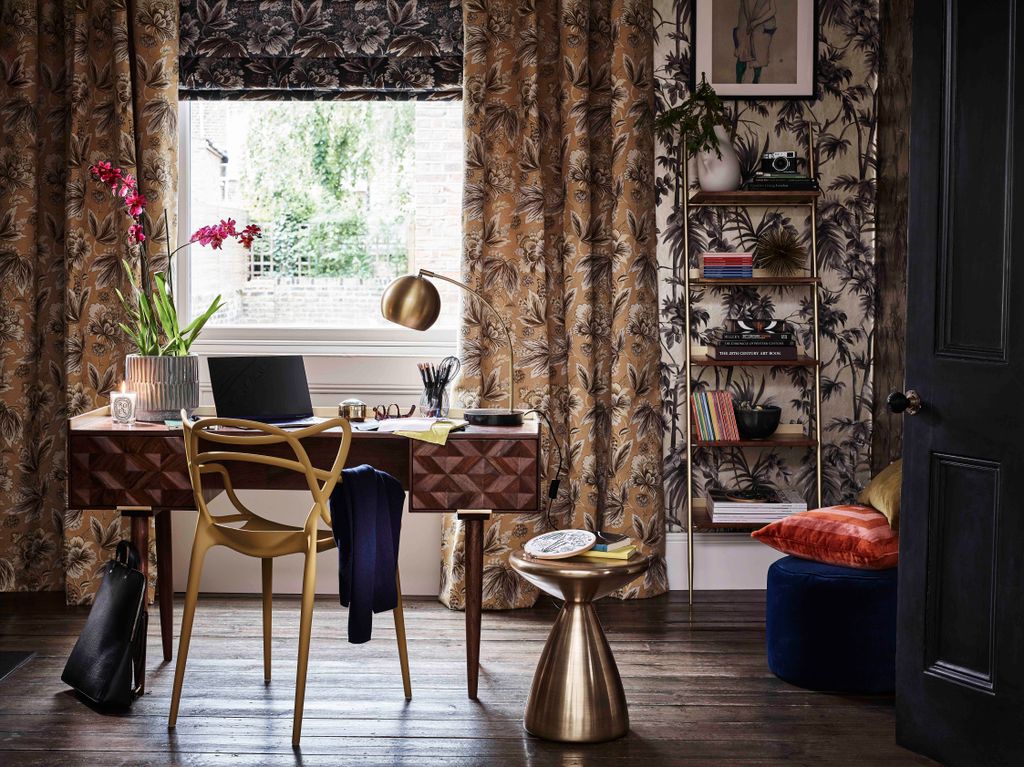
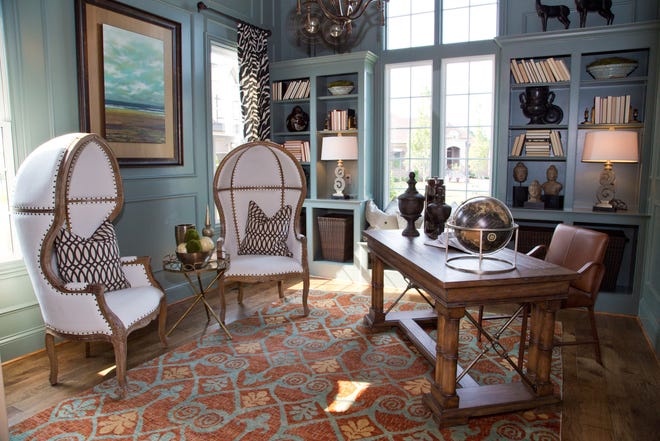
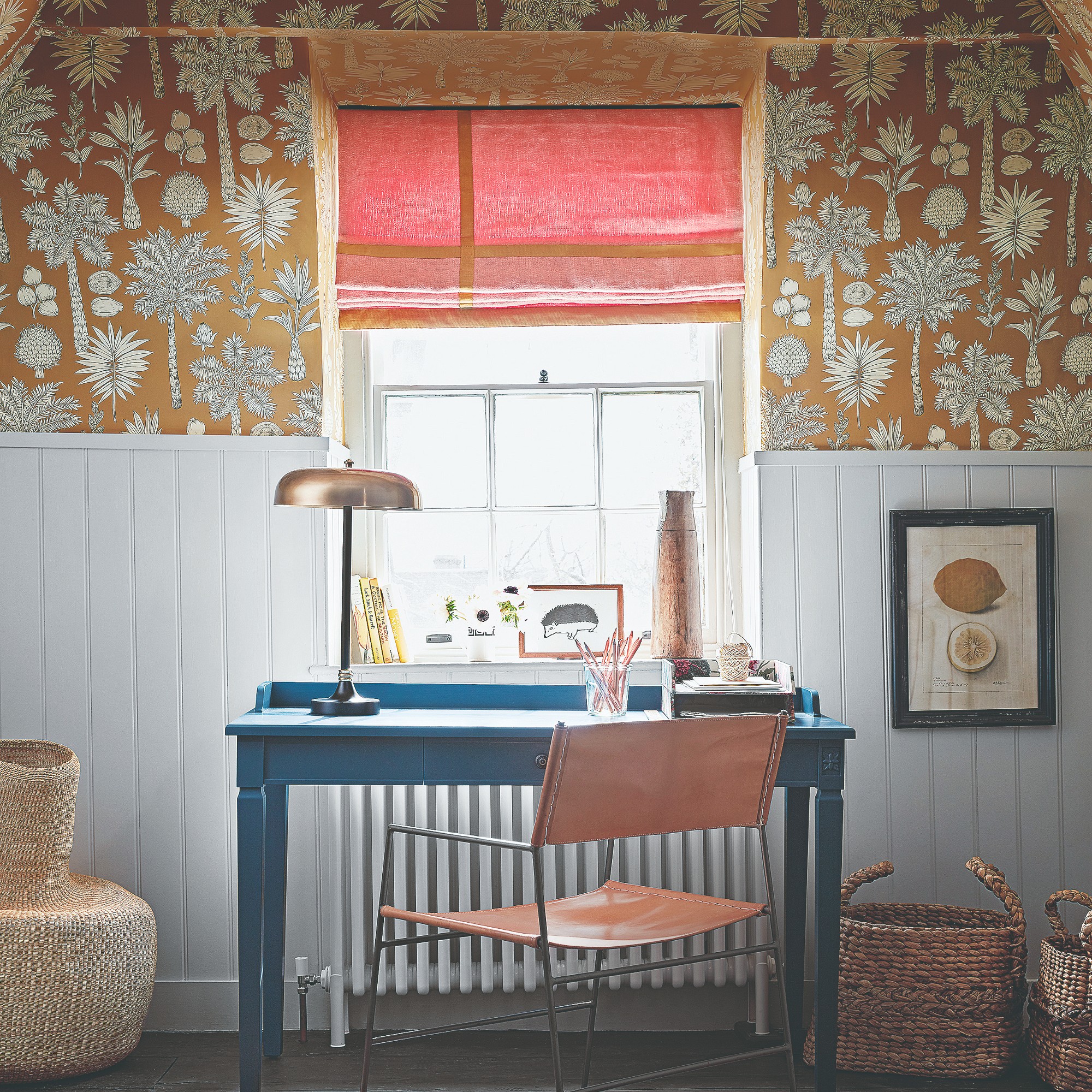
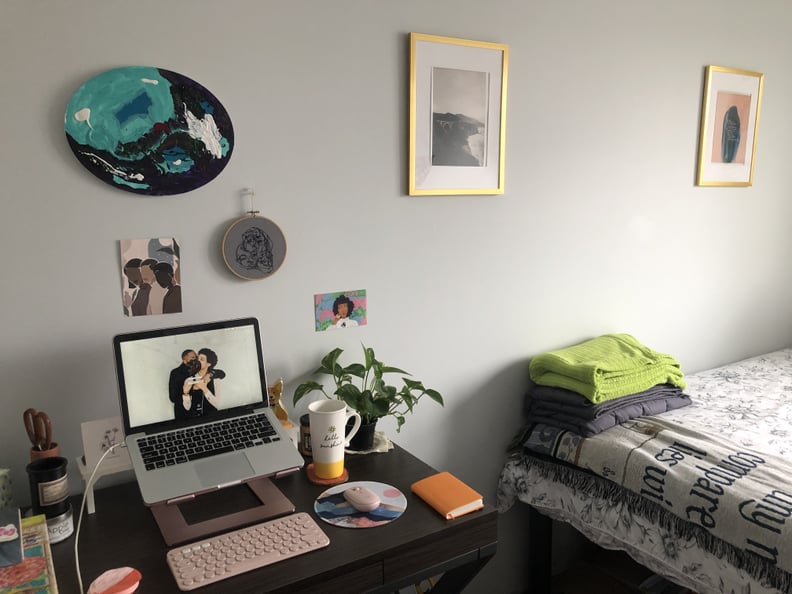
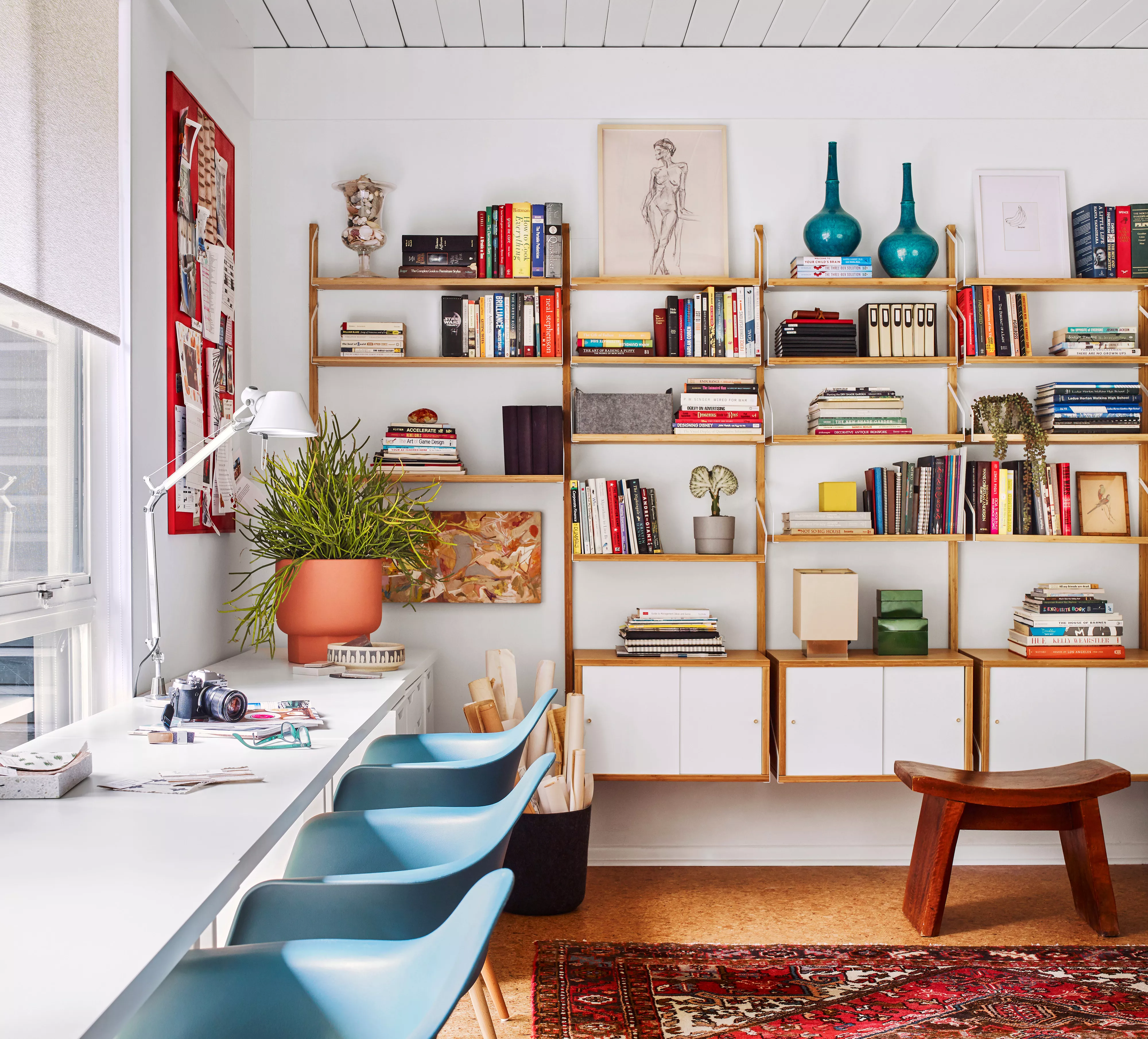
The layout of a home office significantly impacts productivity and job satisfaction. Common mistakes in home office setup can hinder focus and decrease motivation, but simple adjustments can transform the workspace into a more efficient environment. One frequent error is positioning the desk facing a blank wall. While seemingly practical for stability, this orientation can stifle creativity and evoke a cubicle-like feeling, offering little inspiration. To remedy this, it is recommended to orient the desk towards a window to leverage natural light and outdoor views, which can enhance mood and productivity. If a window view is not feasible, incorporating artwork, a vision board, or other energizing elements on the wall can prevent the feeling of being confined and foster creativity.
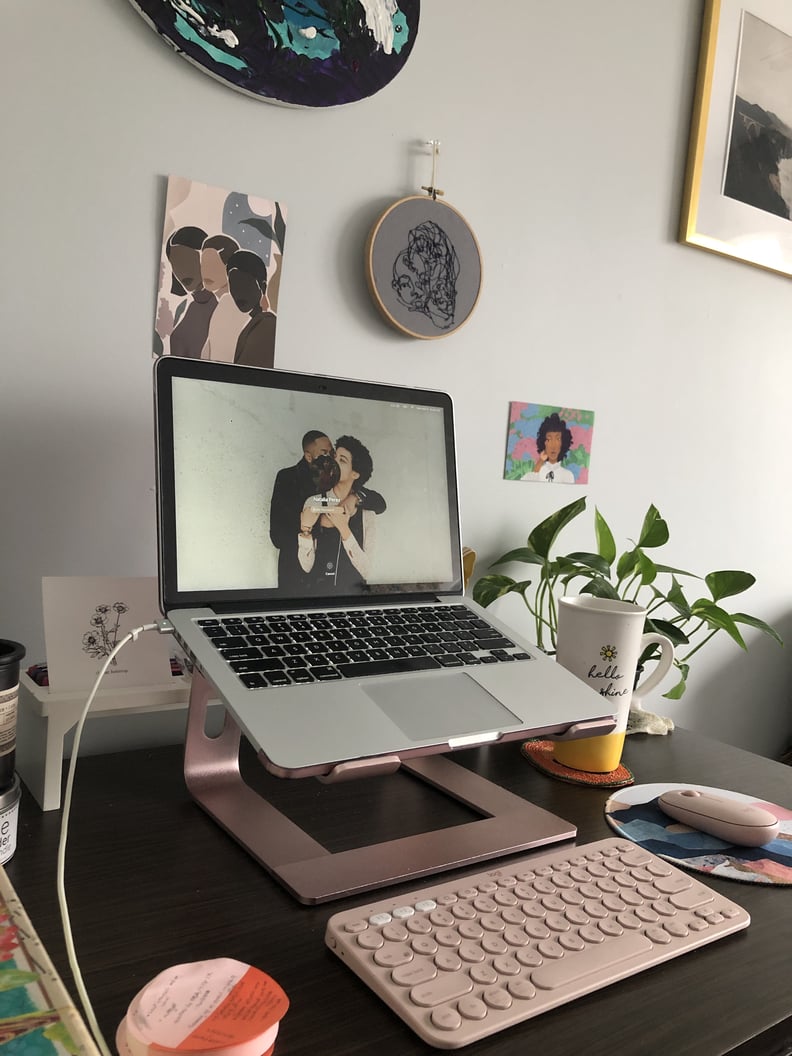
Another common issue is a cluttered work surface. A desk overflowing with supplies, papers, and miscellaneous items can lead to mental clutter and make it difficult to concentrate. The solution involves implementing effective storage and organization strategies. Utilizing desk organizers, trays, baskets, and filing systems helps keep items contained and out of sight when not in use. Establishing a daily or weekly decluttering routine ensures the workspace remains tidy, allowing for a fresh start each day.
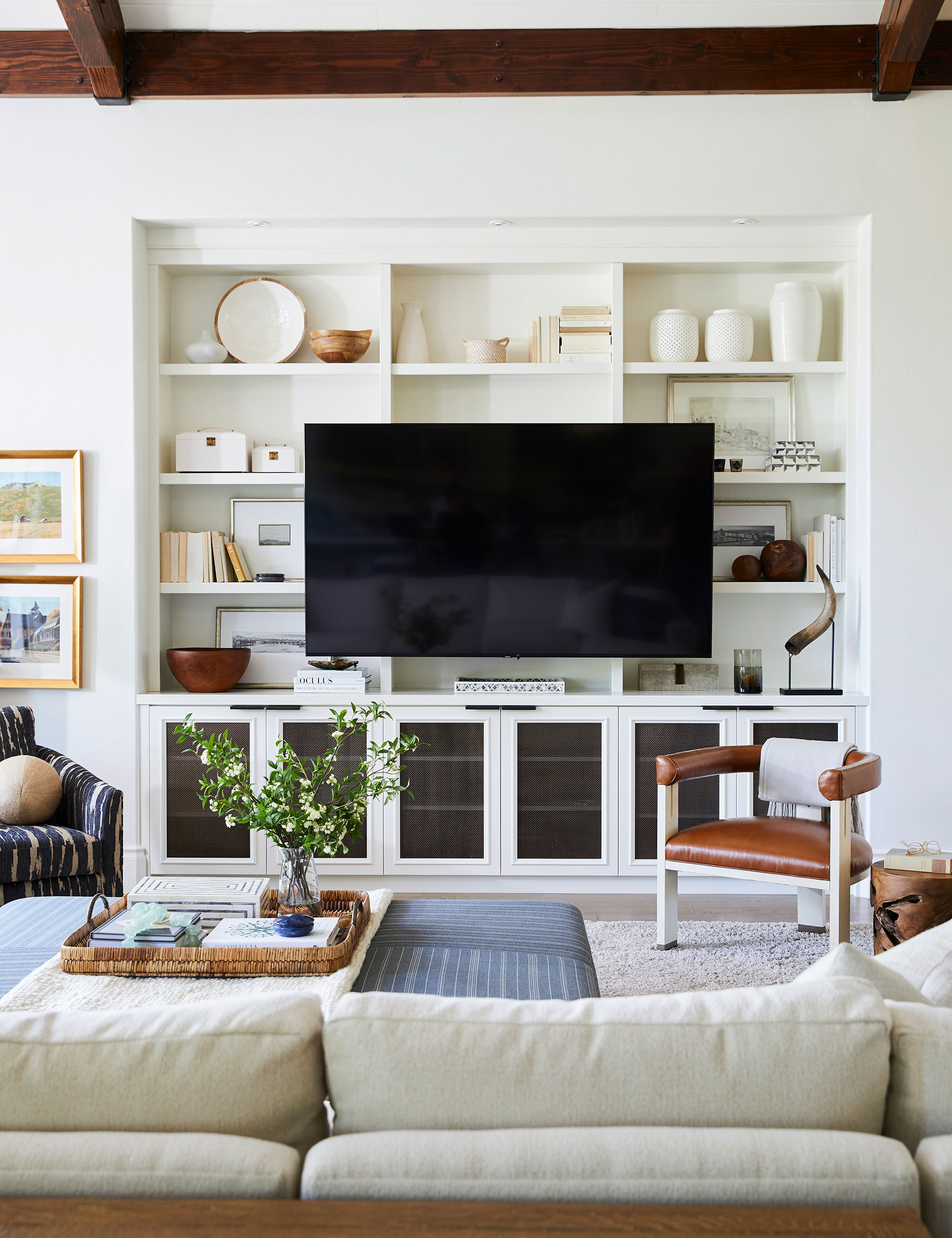
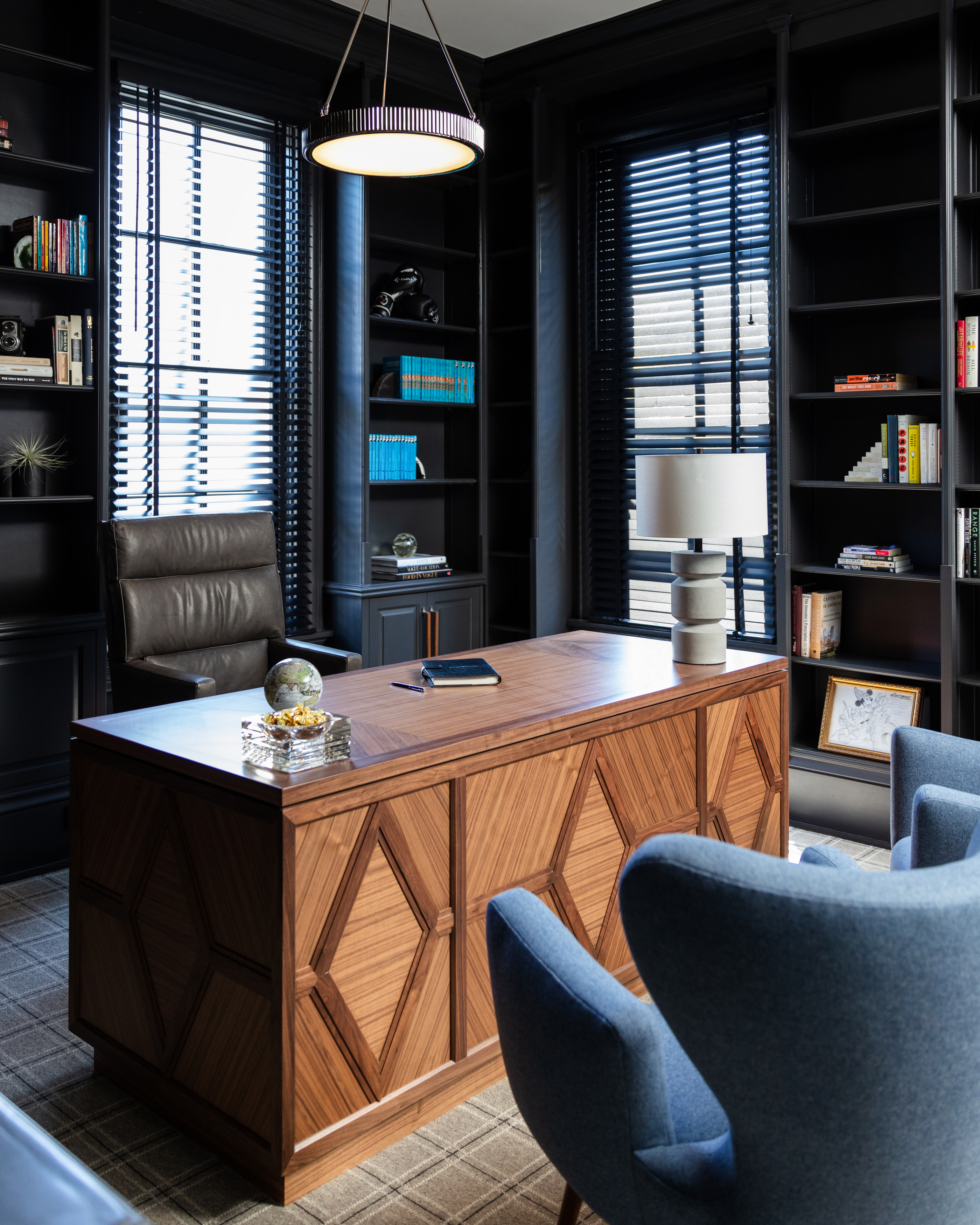
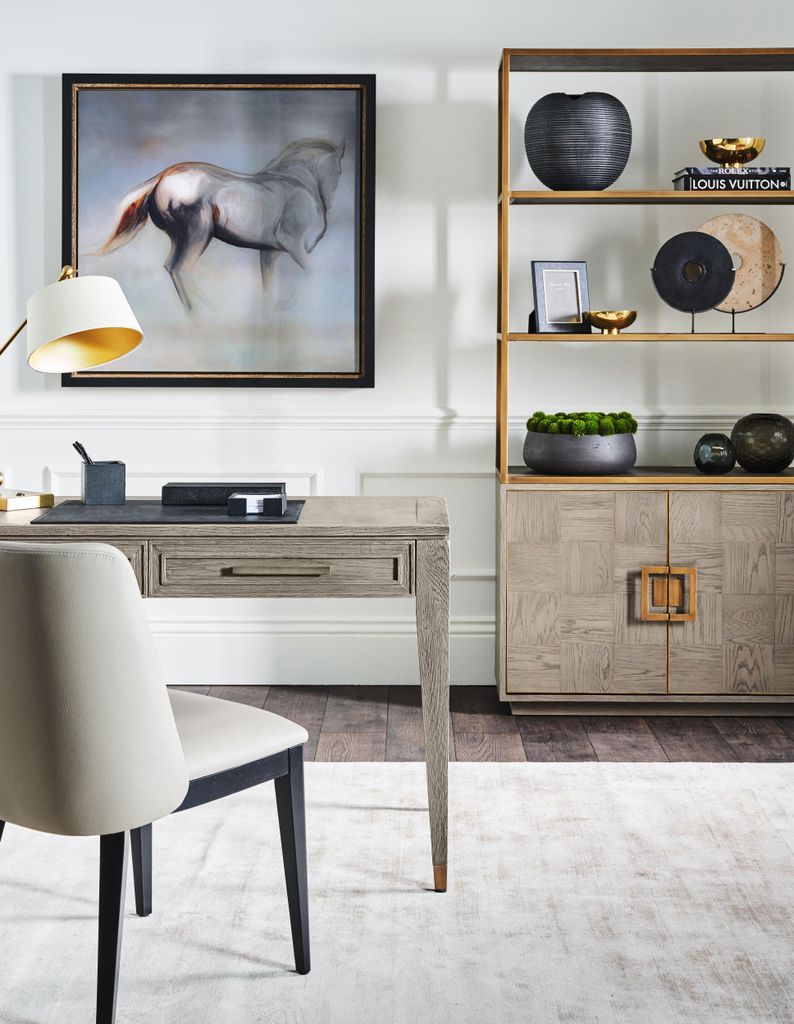
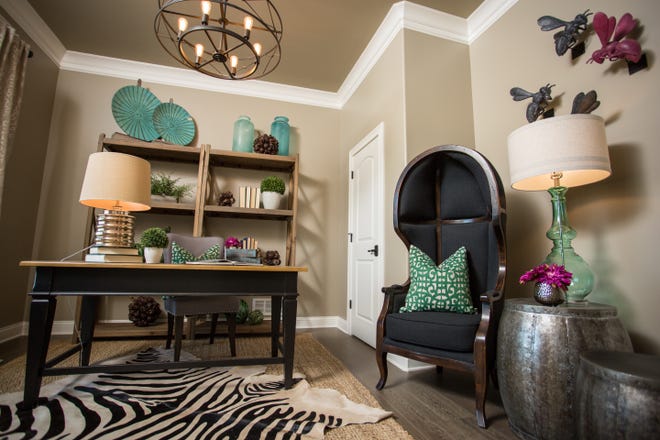
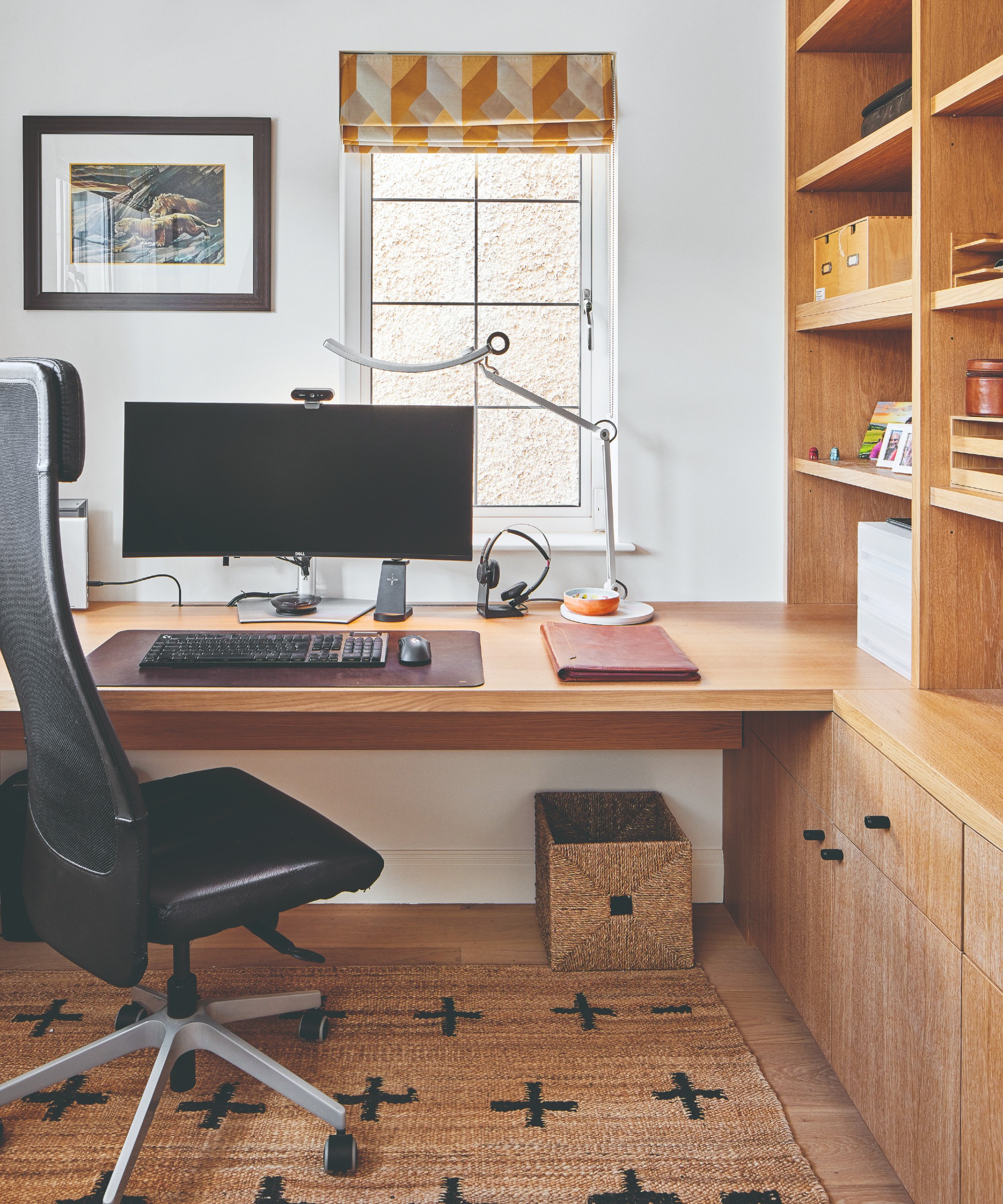
Lack of adequate storage is a pervasive problem in home offices, directly affecting efficiency. Without sufficient storage options, the office can quickly become disorganized, leading to wasted time searching for misplaced documents and supplies. To address this, consider replacing minimalist desks with furniture that offers integrated storage, such as desks with built-in drawers or bookshelves. Maximizing vertical space by installing shelves or cabinets can also keep essential items accessible while freeing up desk space.
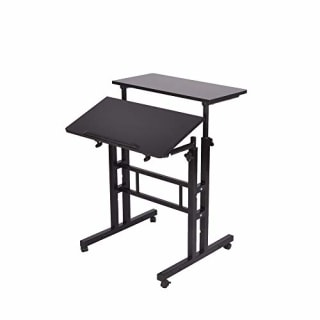
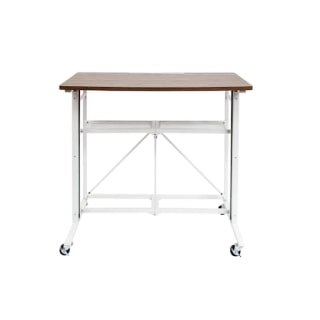
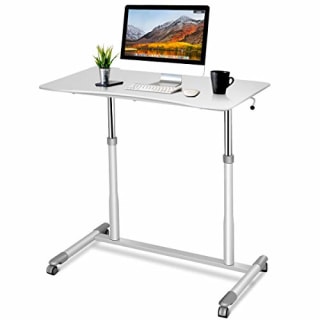
Ignoring ergonomics is another critical mistake that can have significant health and productivity consequences. An improperly set up workstation, including an uncomfortable chair or poorly positioned desk, can cause physical discomfort like back pain and neck strain, making it hard to focus. Investing in an ergonomic chair with adjustable features like seat height, arm height, lumbar support, and back angle is crucial. Additionally, ensuring that the work surface and computer monitor are at comfortable heights—with arms resting at a 90-degree angle for typing and the monitor at eye level—can prevent strain. For individuals who prefer movement, a standing desk can provide ergonomic benefits and support a more active work style.
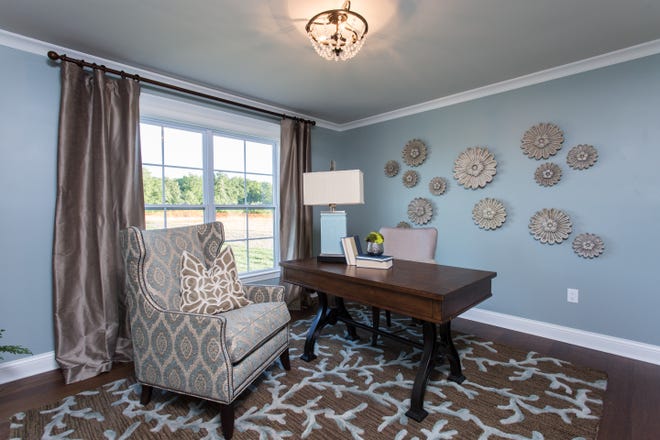
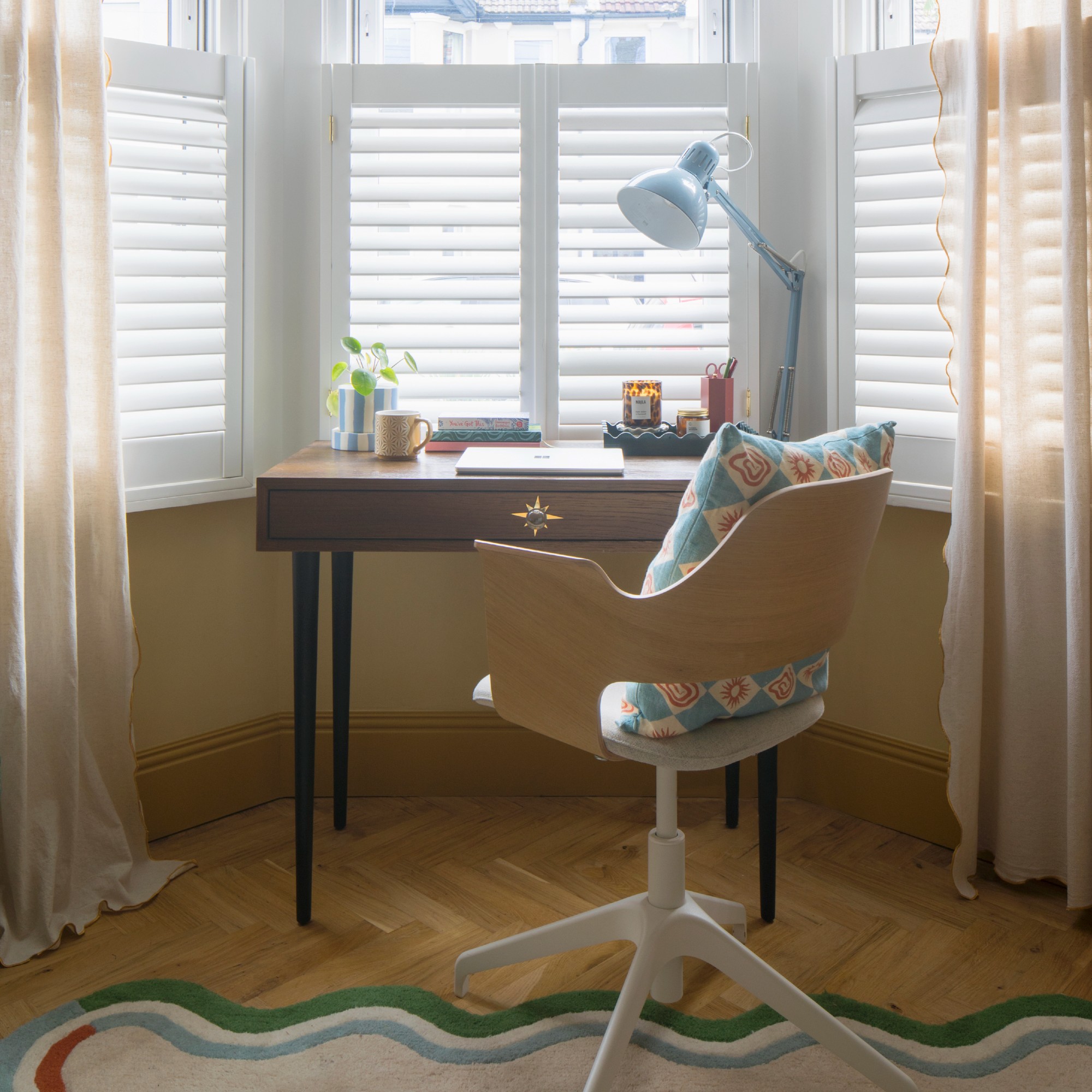
Finally, poor lighting conditions can severely impact a home office. Working in a dimly lit space can cause eye strain, headaches, and a general feeling of sluggishness, while overly bright or harsh overhead lighting can create glare on screens and surfaces. Maximizing natural light by positioning the desk near a window and keeping blinds open can significantly improve the ambiance. However, it may be necessary to adjust the layout or use curtains to mitigate glare at certain times of the day. Supplementing natural light with task lighting, such as a desk lamp, can brighten the immediate work area and reduce eye strain. Additional ambient lighting in corners can also invigorate the space and enhance overall productivity, creating a well-lit and comfortable environment conducive to focused work.
#HomeOffice #Productivity #WorkplaceDesign #Ergonomics #HomeDecor #Organization #InteriorDesign #Lighting #DeskSetup #HomeOffice #Productivity #WorkplaceDesign #Ergonomics #HomeDecor #Organization #InteriorDesign #Lighting #DeskSetup
0 comment in total
 No comments yet
You may also like
5 Living Room Design Mistakes You Didn't Know You Were Making

5 small living room mistakes – designers share the worst decorating disasters that we need to stop doing right now

Step up your home office game with these tips from an interior designer
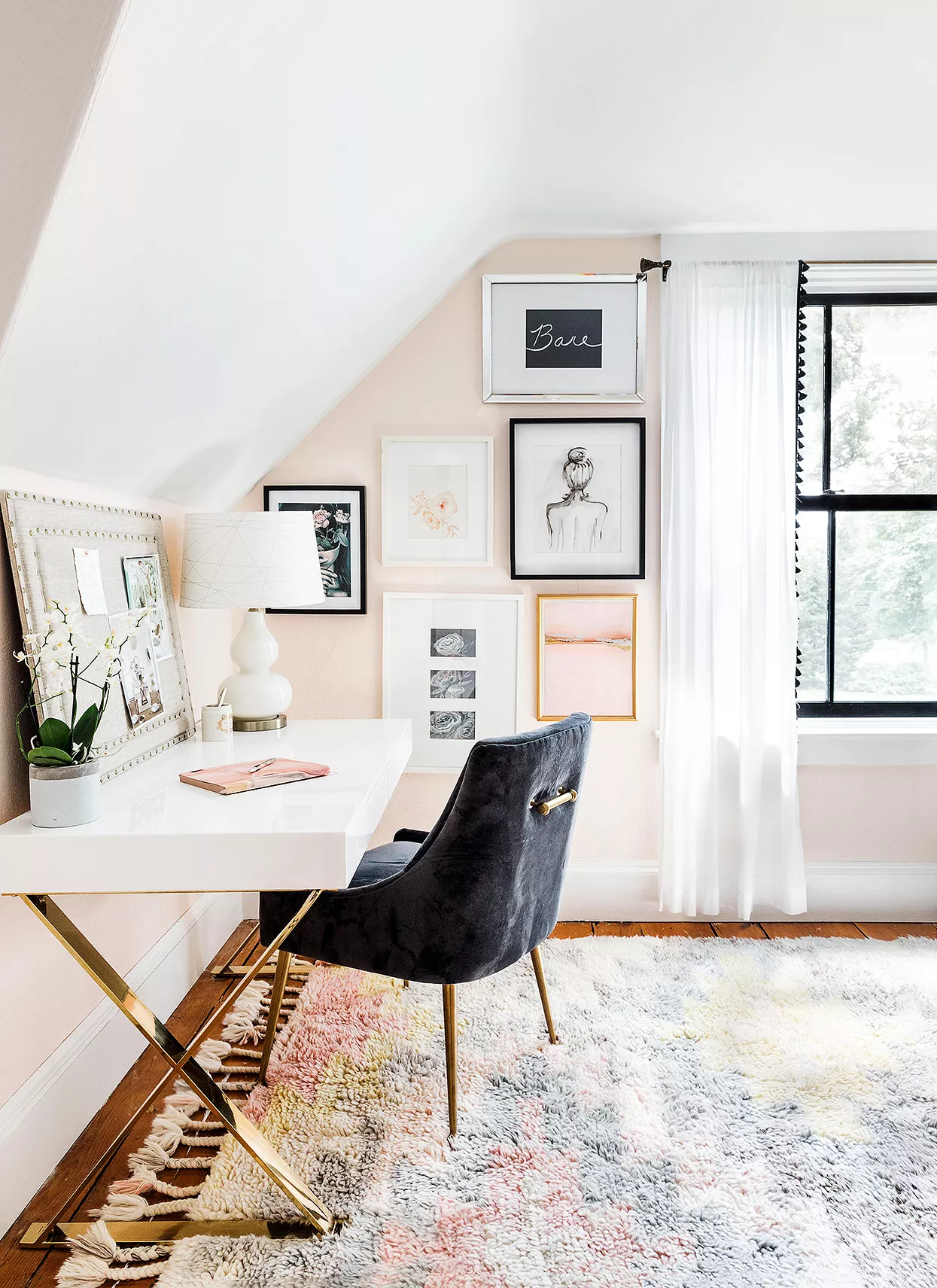
Corporate Natalie’s Top Tips for a Functional Home Office
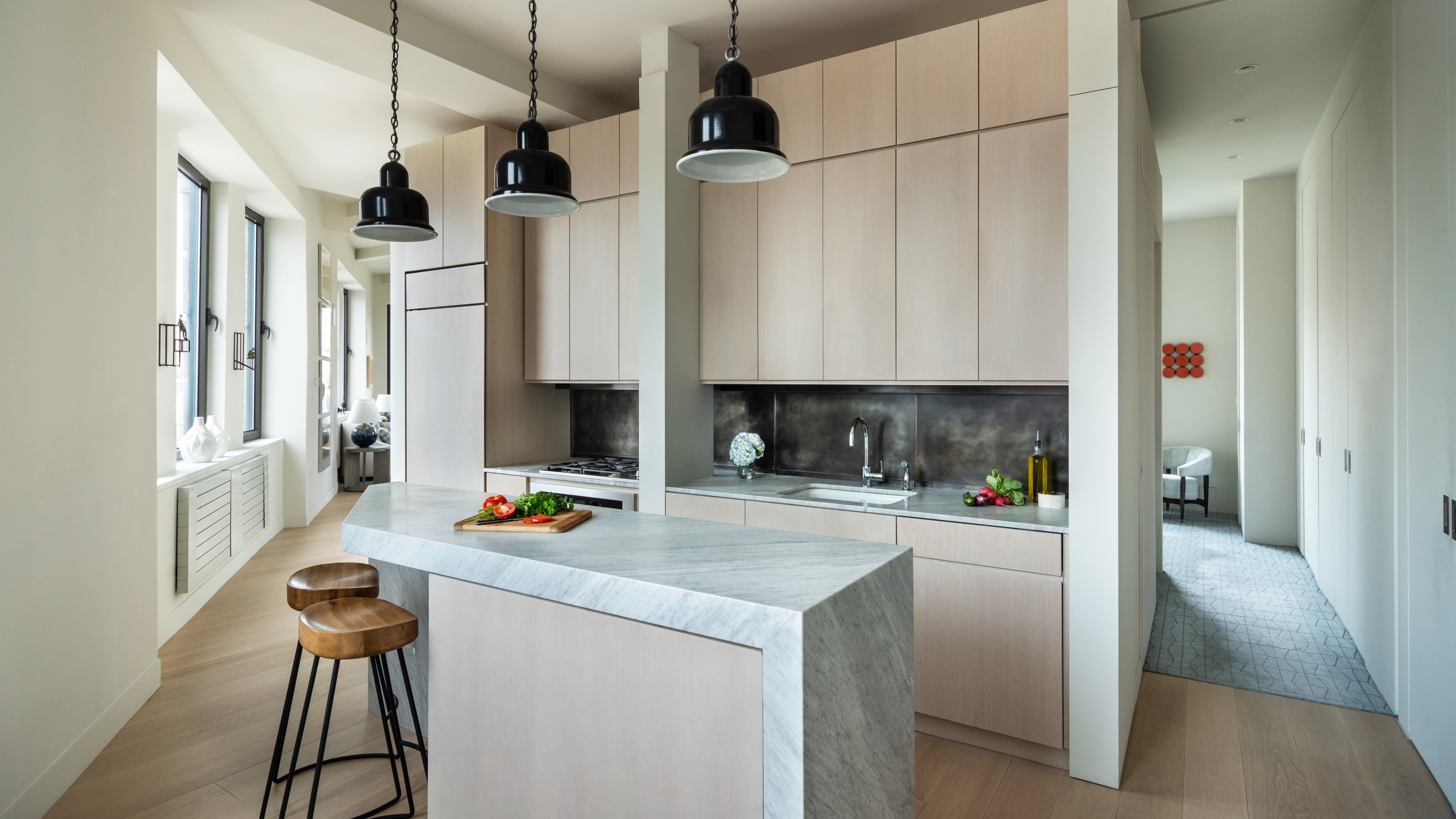
10 Small Kitchen Layout Mistakes Designers Will Always Urge You to Avoid for a Better Working Space

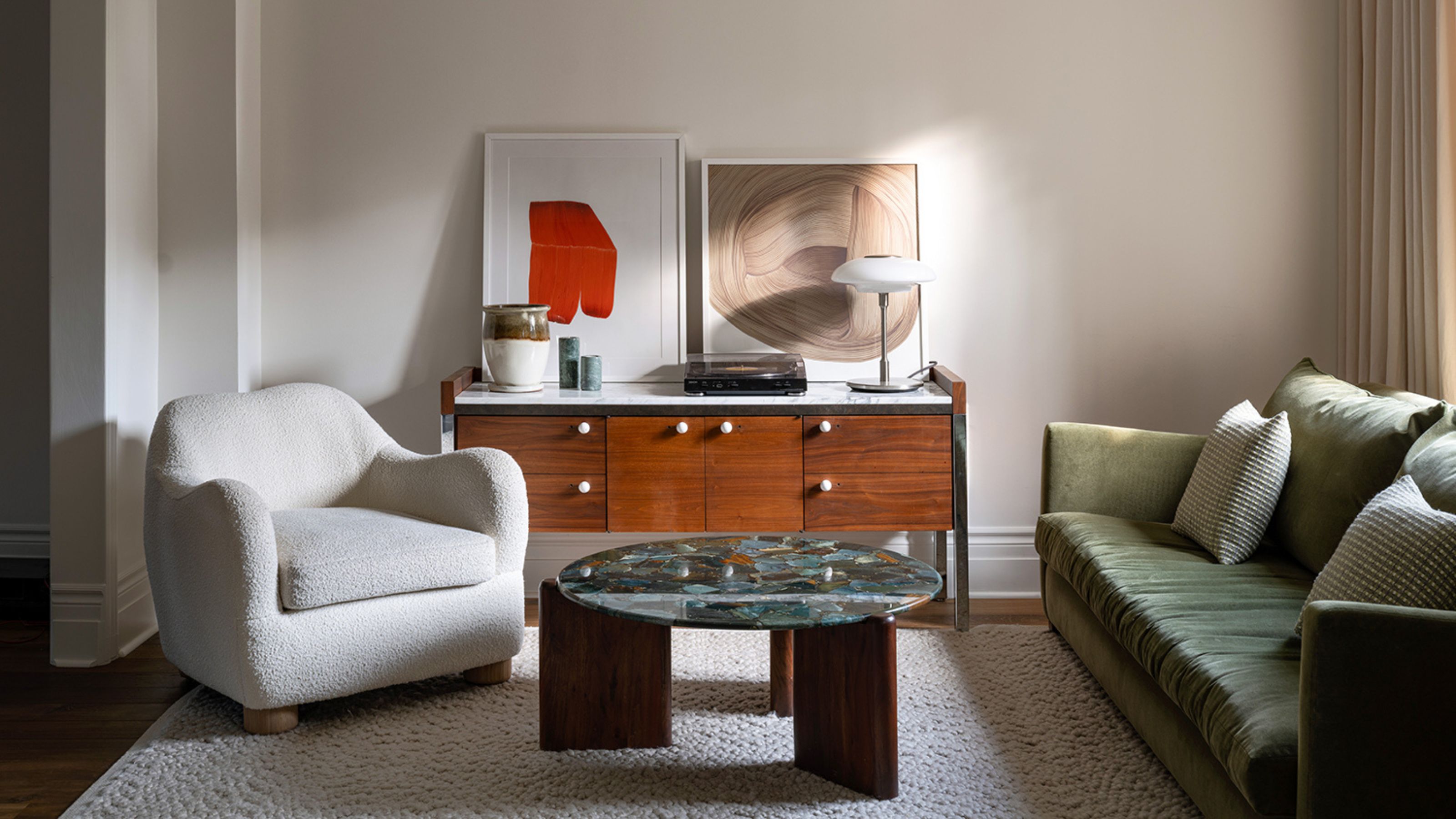
5 Common Coffee Table Mistakes You’re Probably Making, According to the Professionals
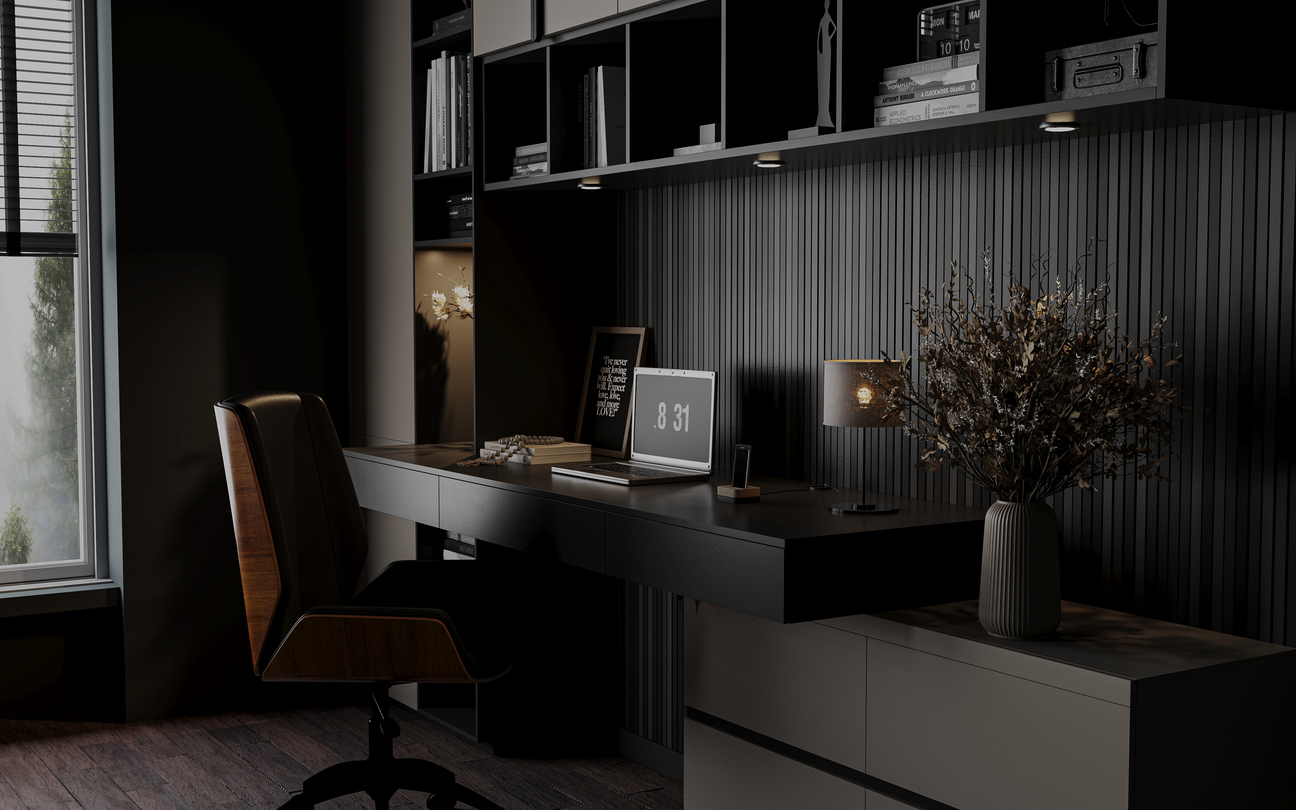
Rethinking your home office setup for a productive season ahead
How I Set Up My Dream Desk in My Tiny Bedroom

Designers Share 4 Common "Mistakes" You're Making in Your Living Room—and How to Correct Them
22 Home Office Workshop Ideas That’ll Make You Realize Why You’ve Been Unproductive
16 home office layout ideas to boost productivity and create a comfortable work space
Here's Why Your Open Plan Layout Isn't Actually Working — 5 Mistakes You're Probably Making and How to Fix Them
Common design mistakes you're making in every room of your house
'You'll feel exhausted by the end of the day' – bad home office Feng Shui explained
10 Interior Design Mistakes Experts Avoid In Their Own Homes

5 Feng Shui living room mistakes you're making – and how the experts avoid them
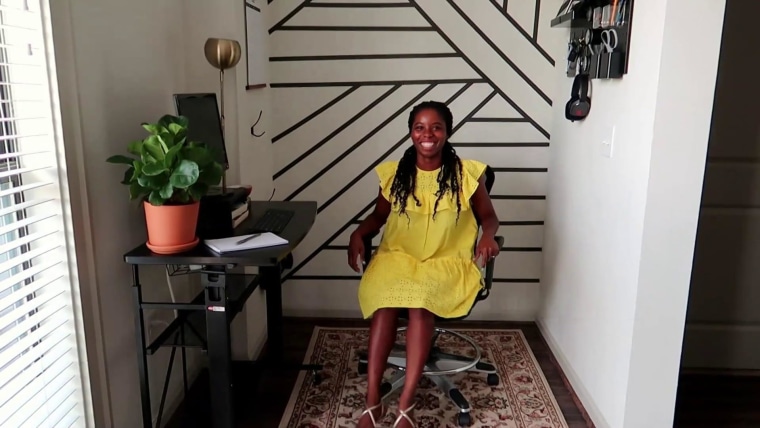
5 home office ideas to create the perfect workspace

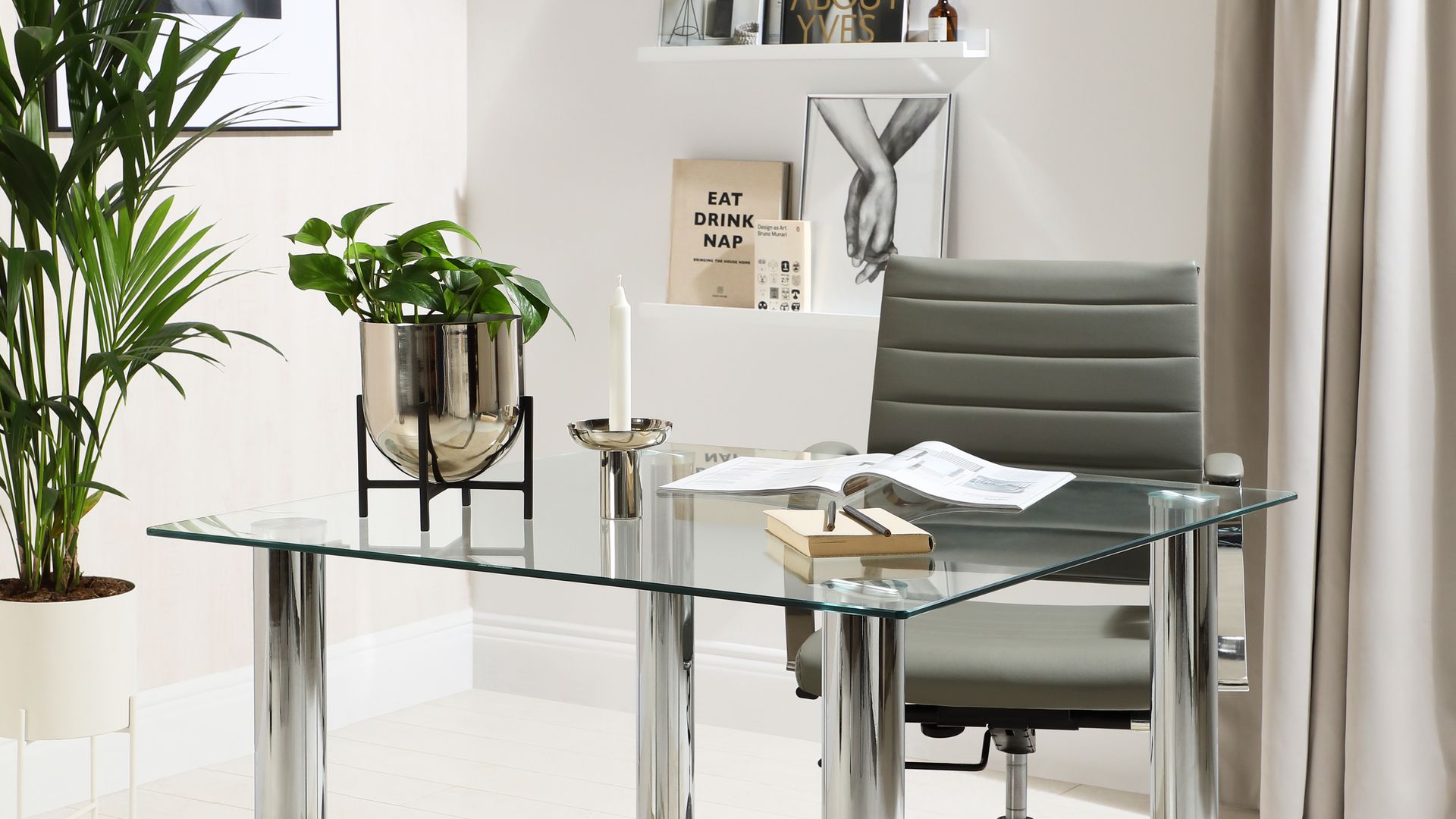
15 home office décor ideas for every WFH setup

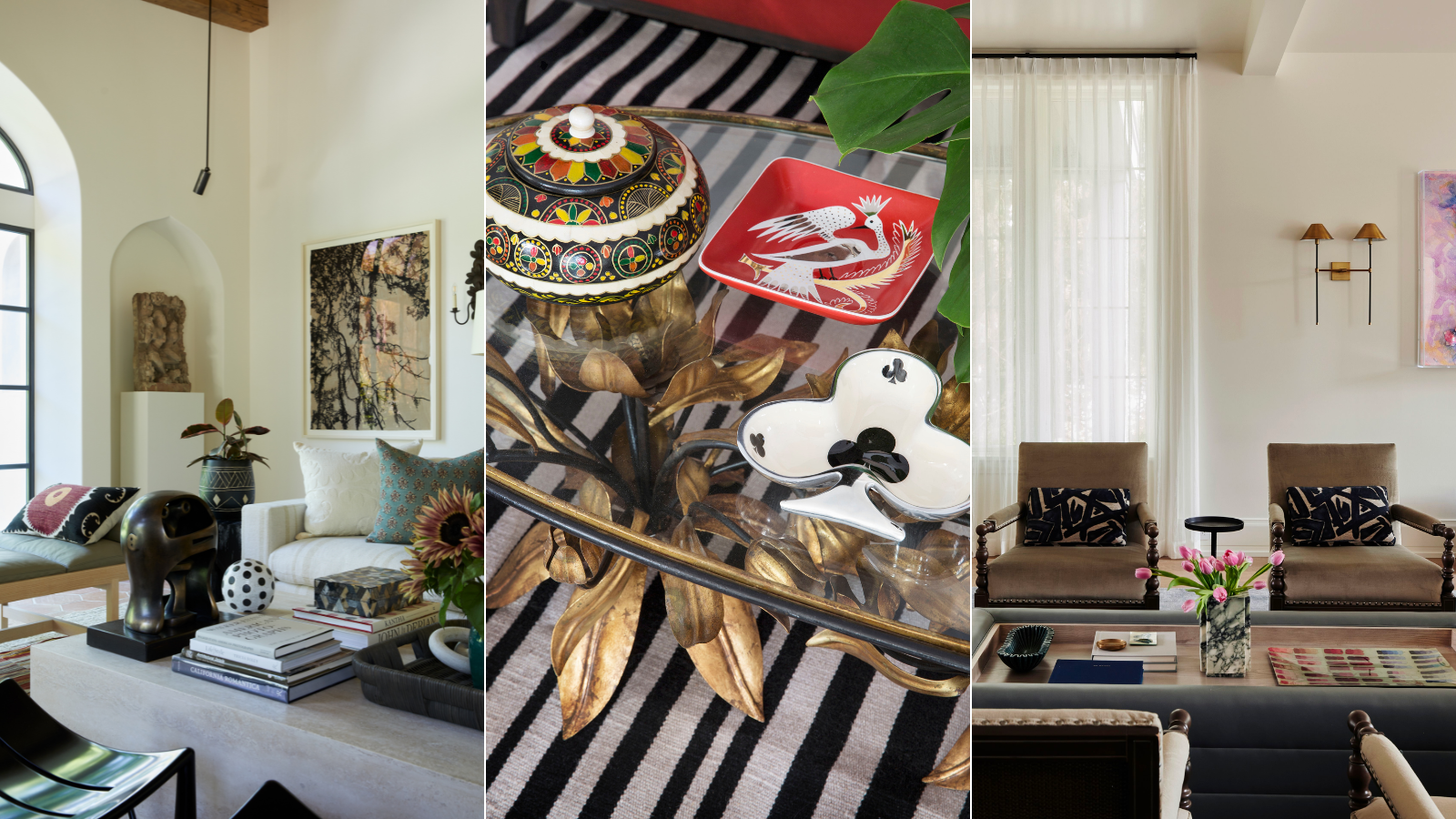
5 coffee table mistakes you should always avoid, according to interior designers

5 Common Coffee Table Mistakes That Make Your Living Room Feel Messier