1/9
Dining table Vastu: 8 mistakes you need to stop making
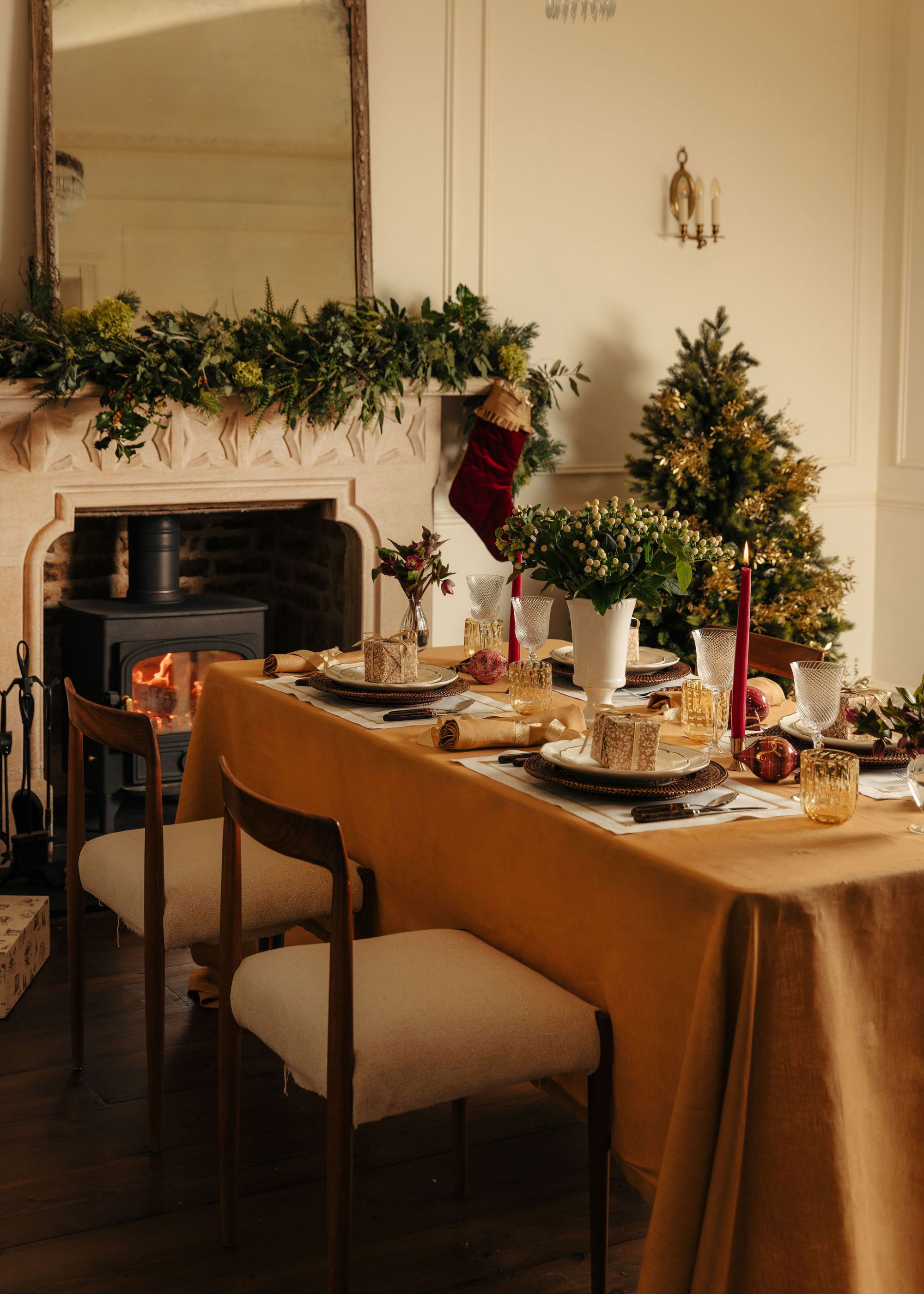
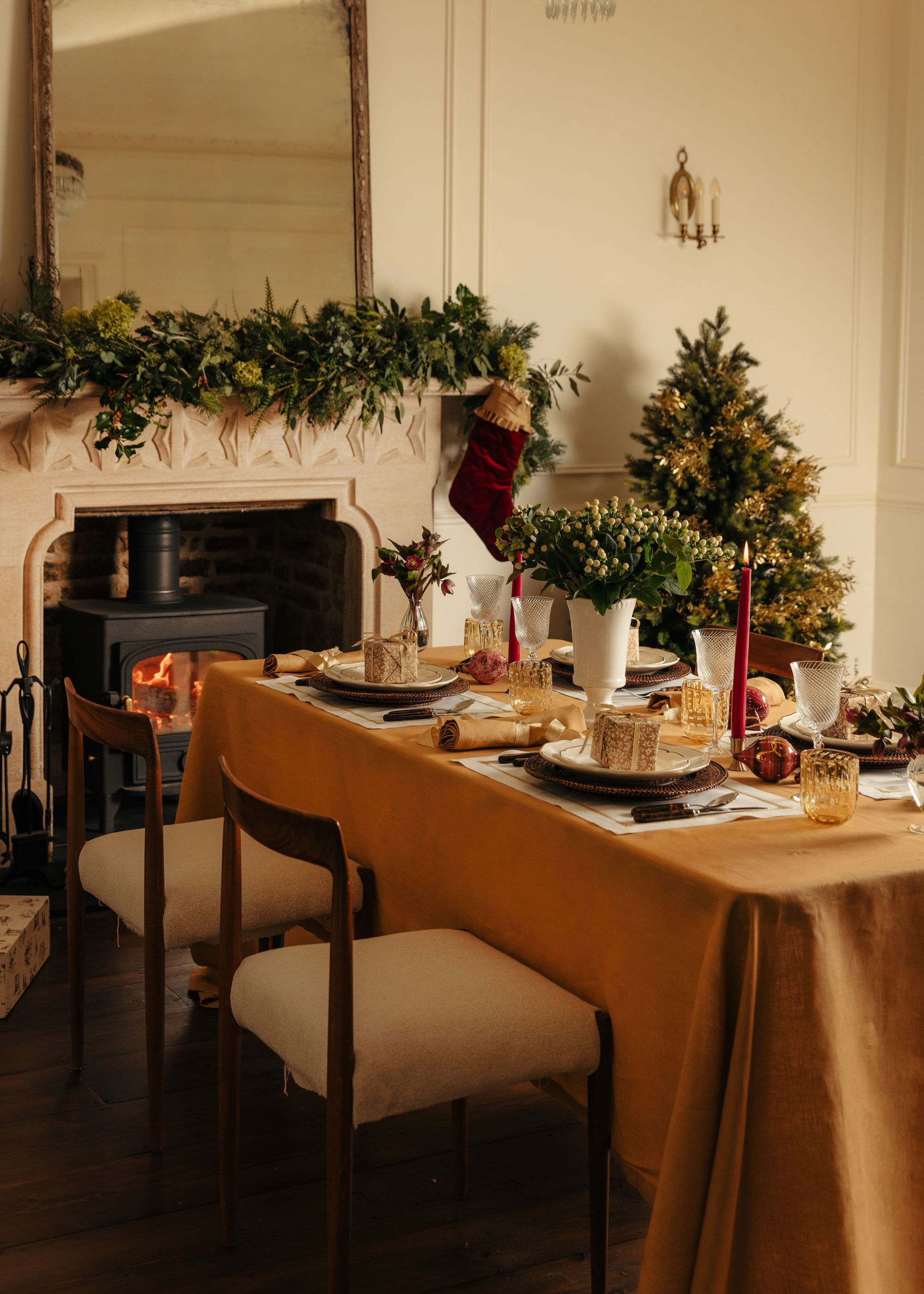
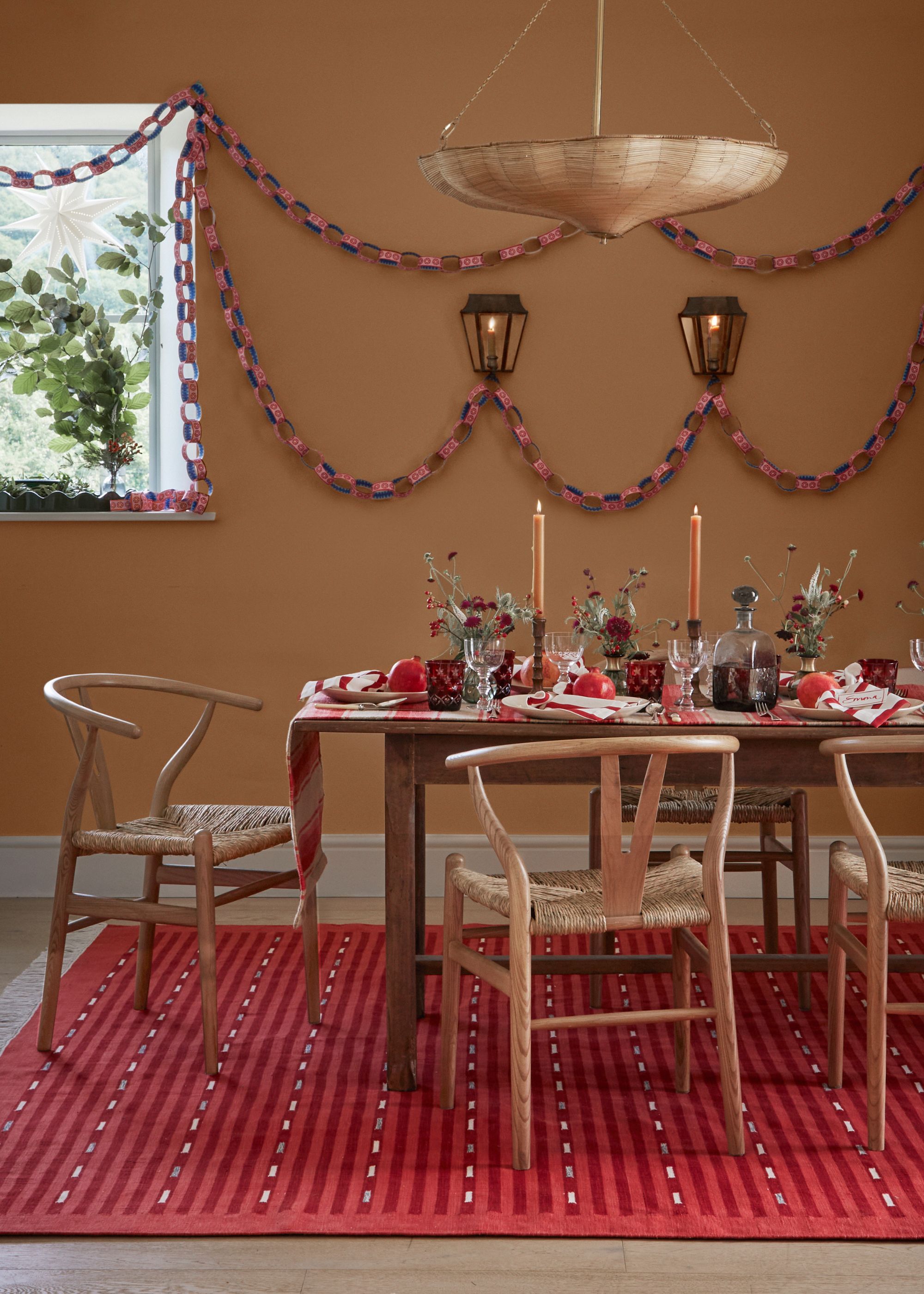
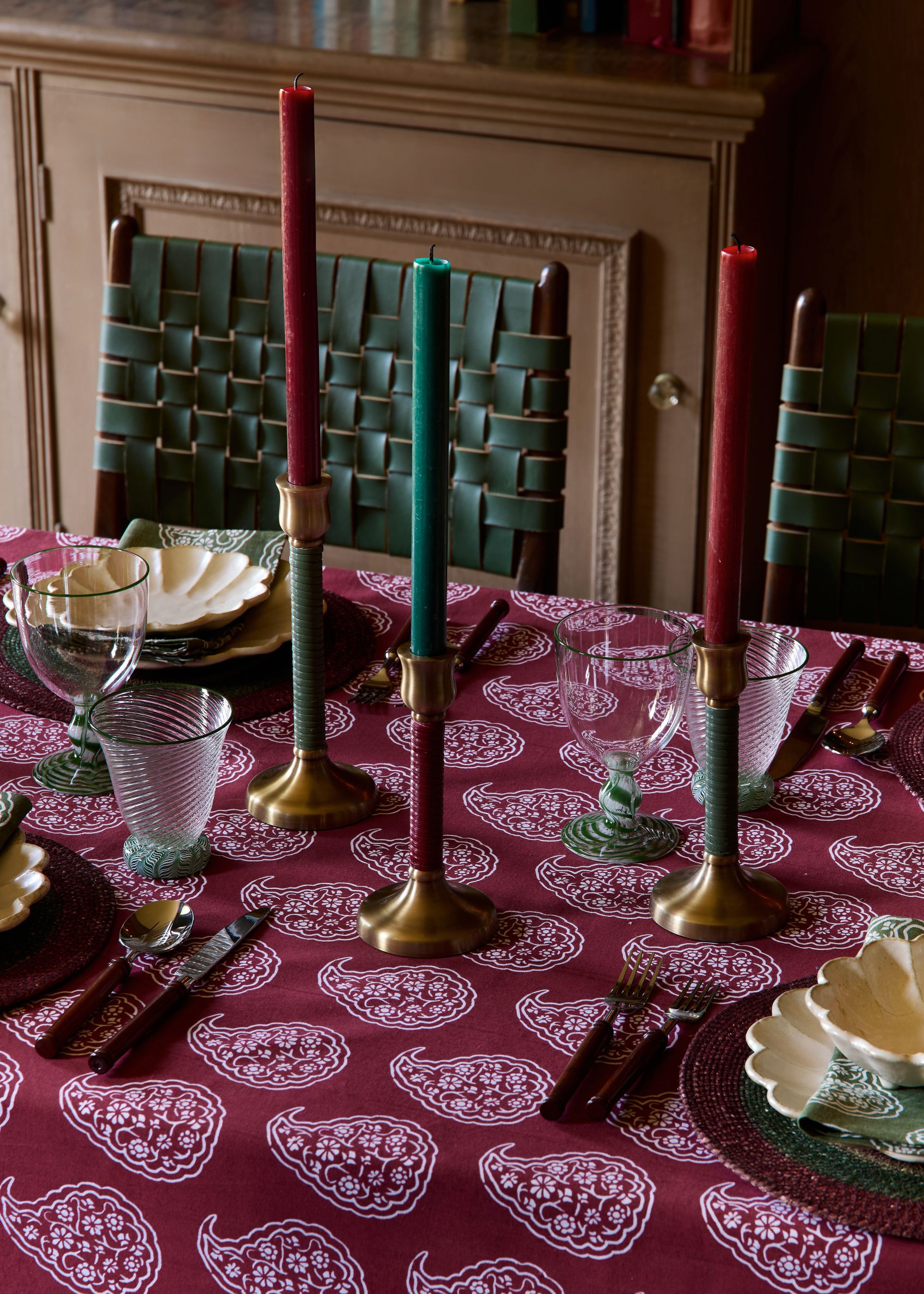
The ancient Indian architectural science of Vastu Shastra offers guidelines for arranging elements in a living space to promote harmony, health, and prosperity. When applied to the dining area, Vastu principles aim to enhance the holistic benefits of meals, ensuring that both the body and soul are nourished. This article outlines eight common mistakes to avoid in dining table placement and surrounding decor, as well as recommendations for creating a Vastu-compliant dining environment.
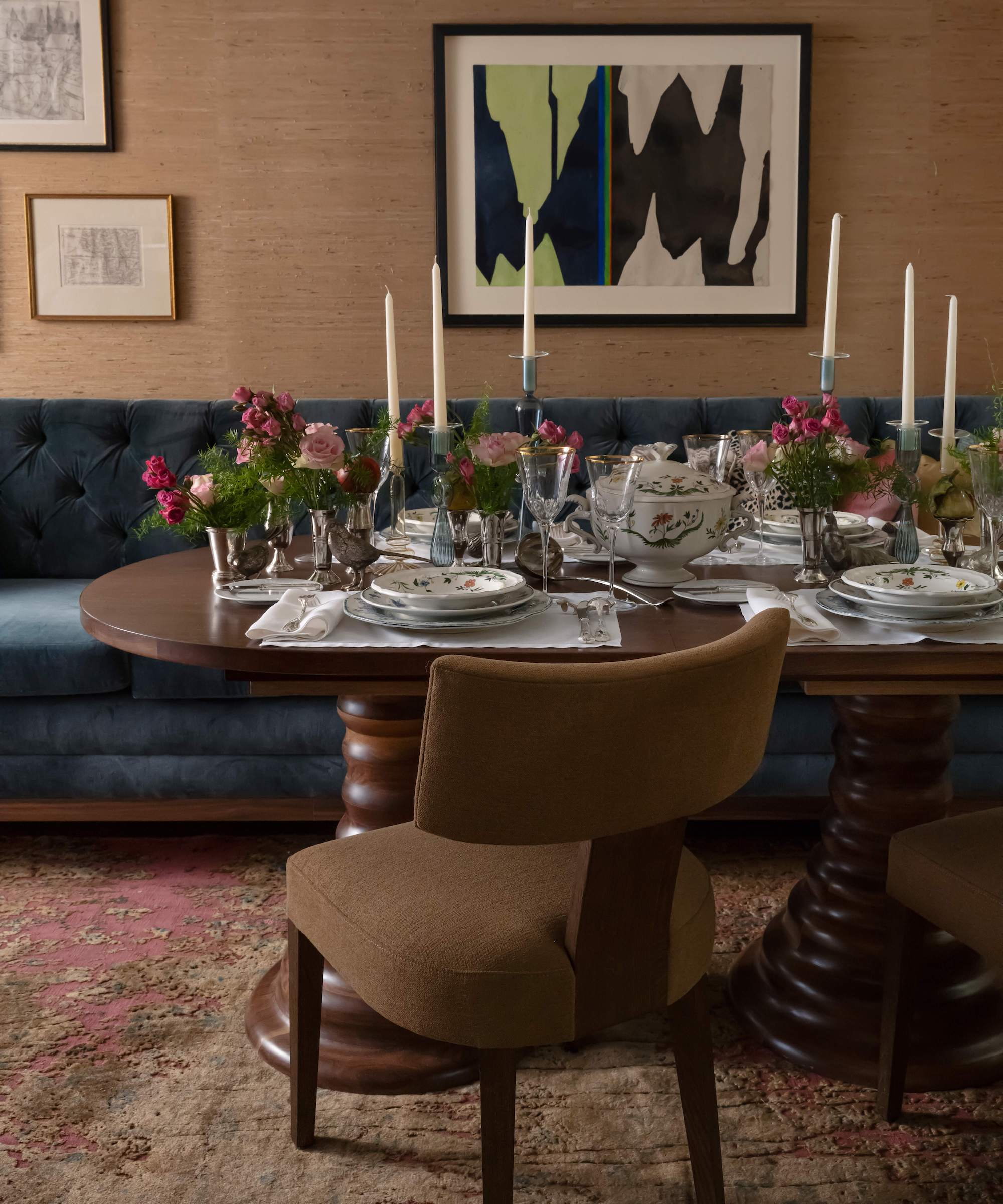
First, specific directions are deemed unfavorable for dining table placement. The east-of-northeast (ENE) direction, for instance, is associated with a propensity for junk food and prioritizing presentation over nutritional value, particularly for children. The east-of-southeast (ESE) is considered a zone of churning (manthan), which can lead to anxiety, reduced appetite, and complaints during meals. The south-of-south-west (SSW) is designated for disposal, implying that a dining table here would result in reluctance to use it and poor nutrient absorption. Lastly, the west-of-north-west (WNW) is linked to depression and a cynical attitude, making diners perpetually unhappy with their food. Instead, Vastu suggests placing the dining table in the west, northwest, or north-of-northeast (NNE) directions.
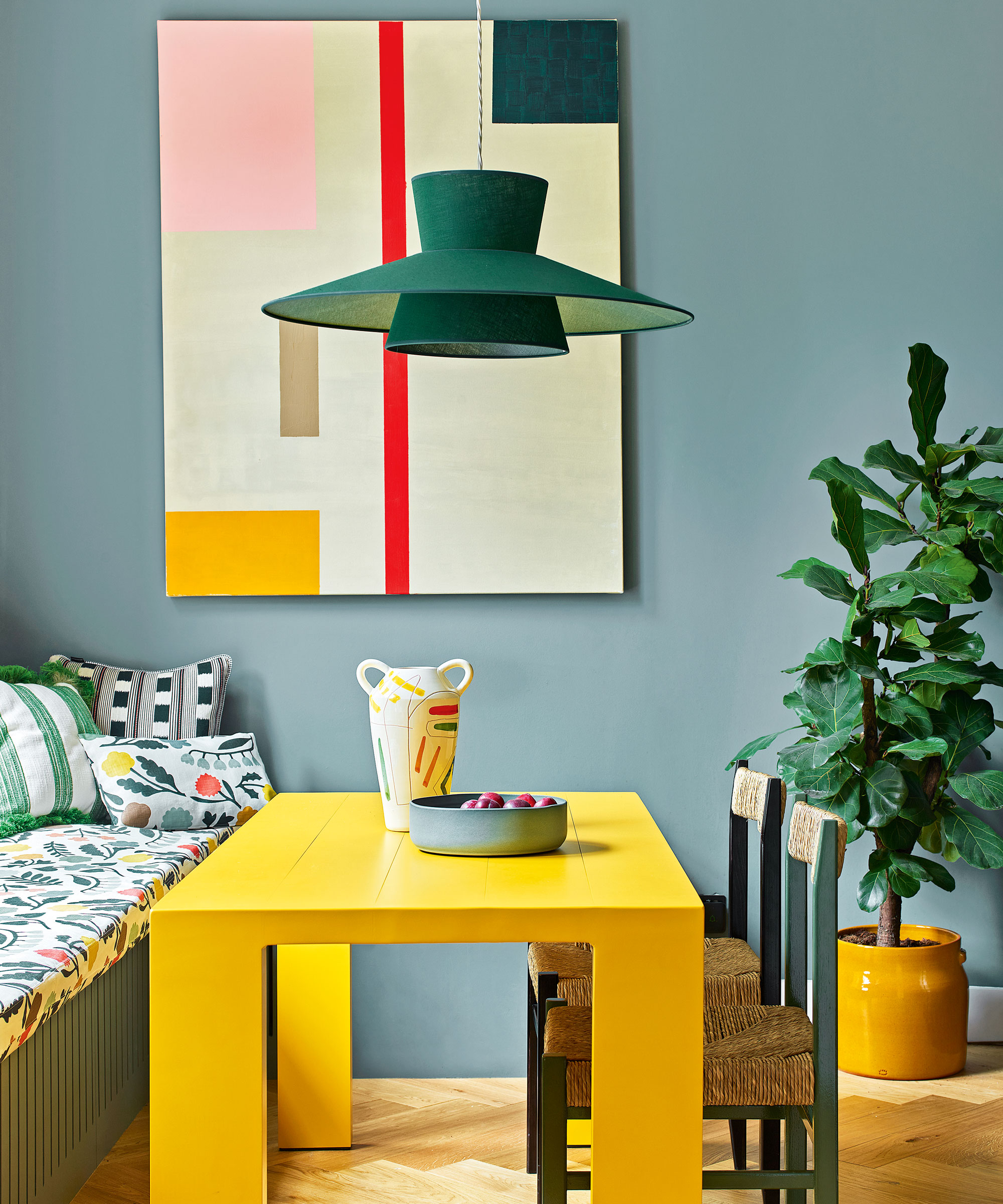
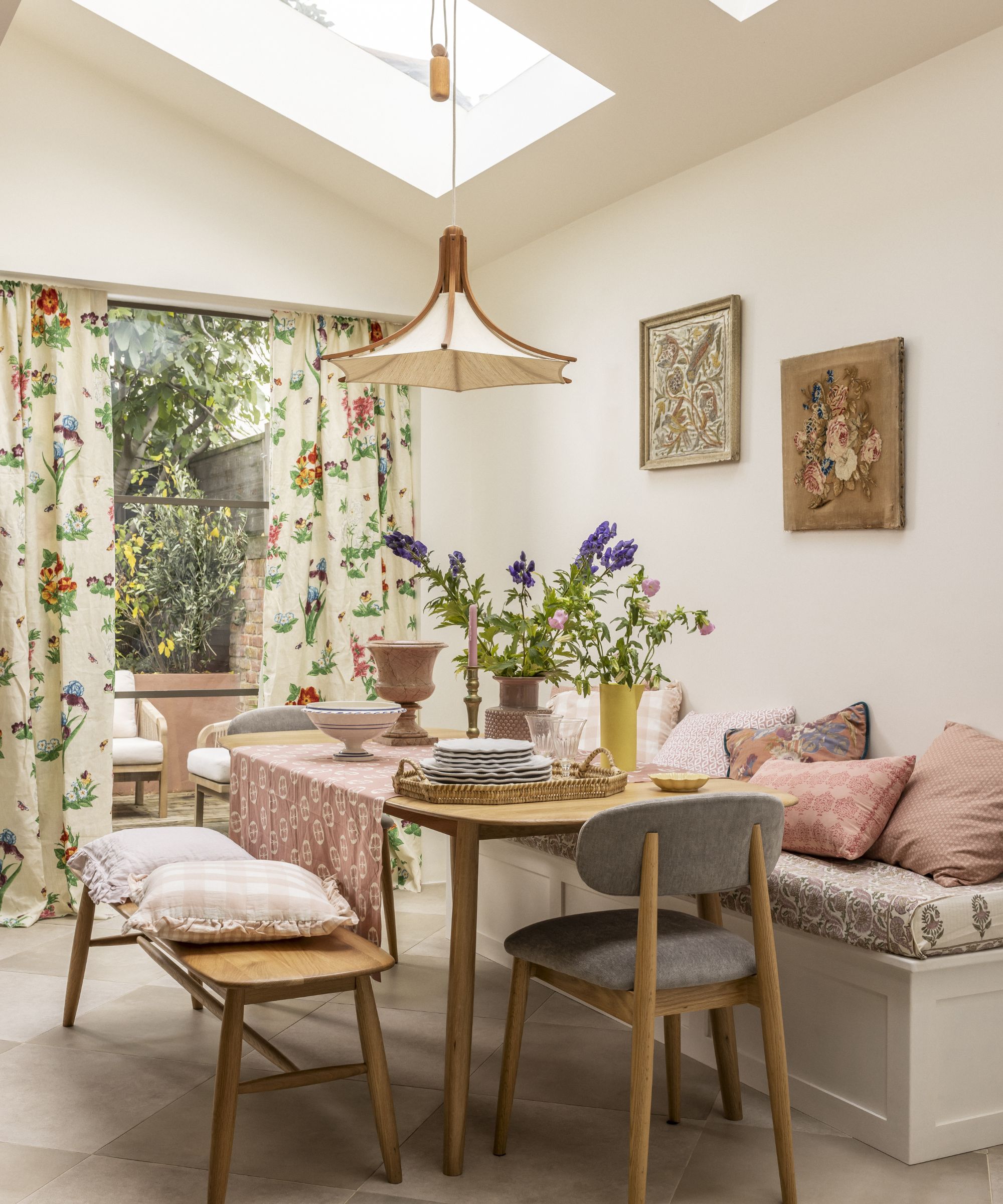
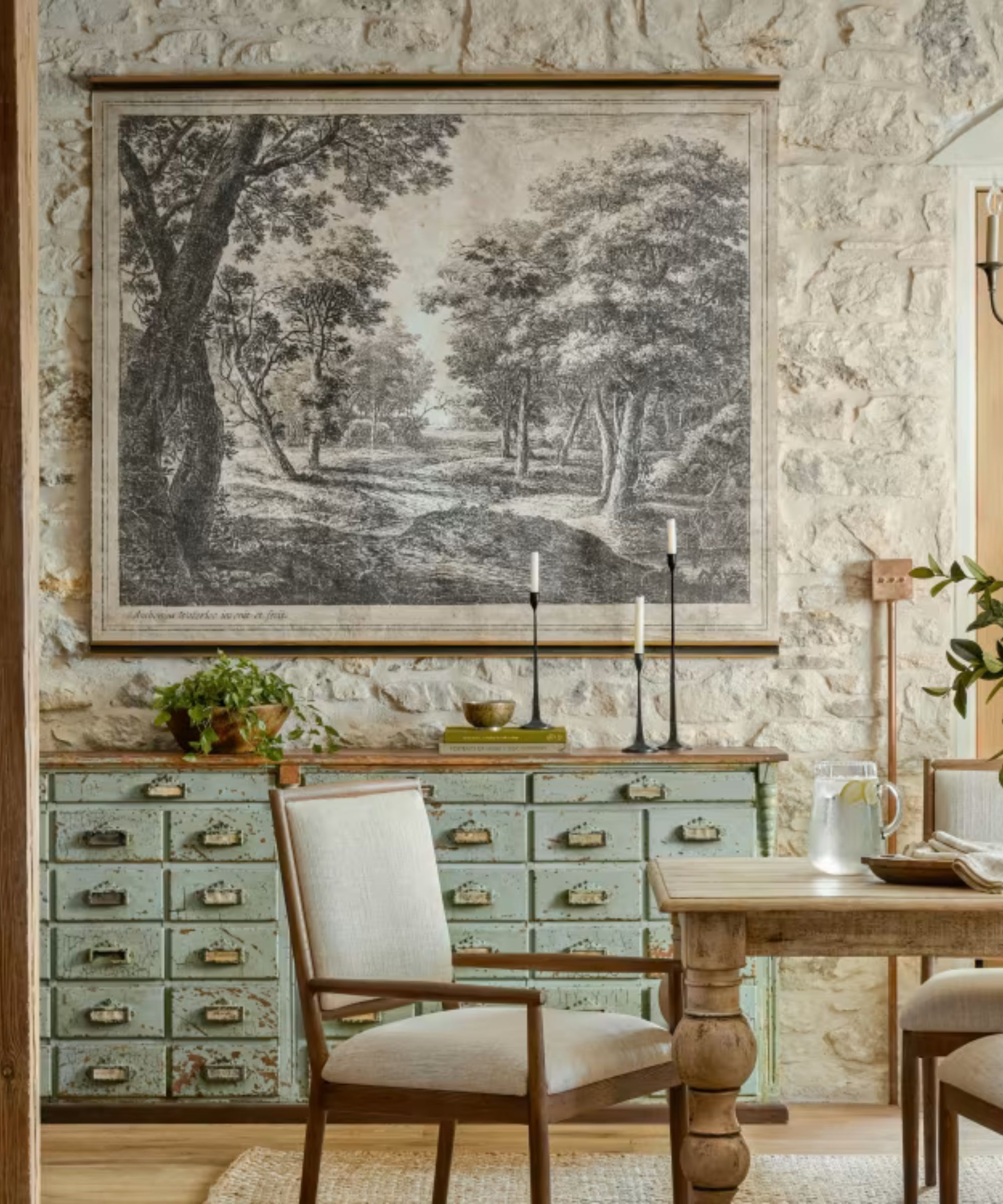
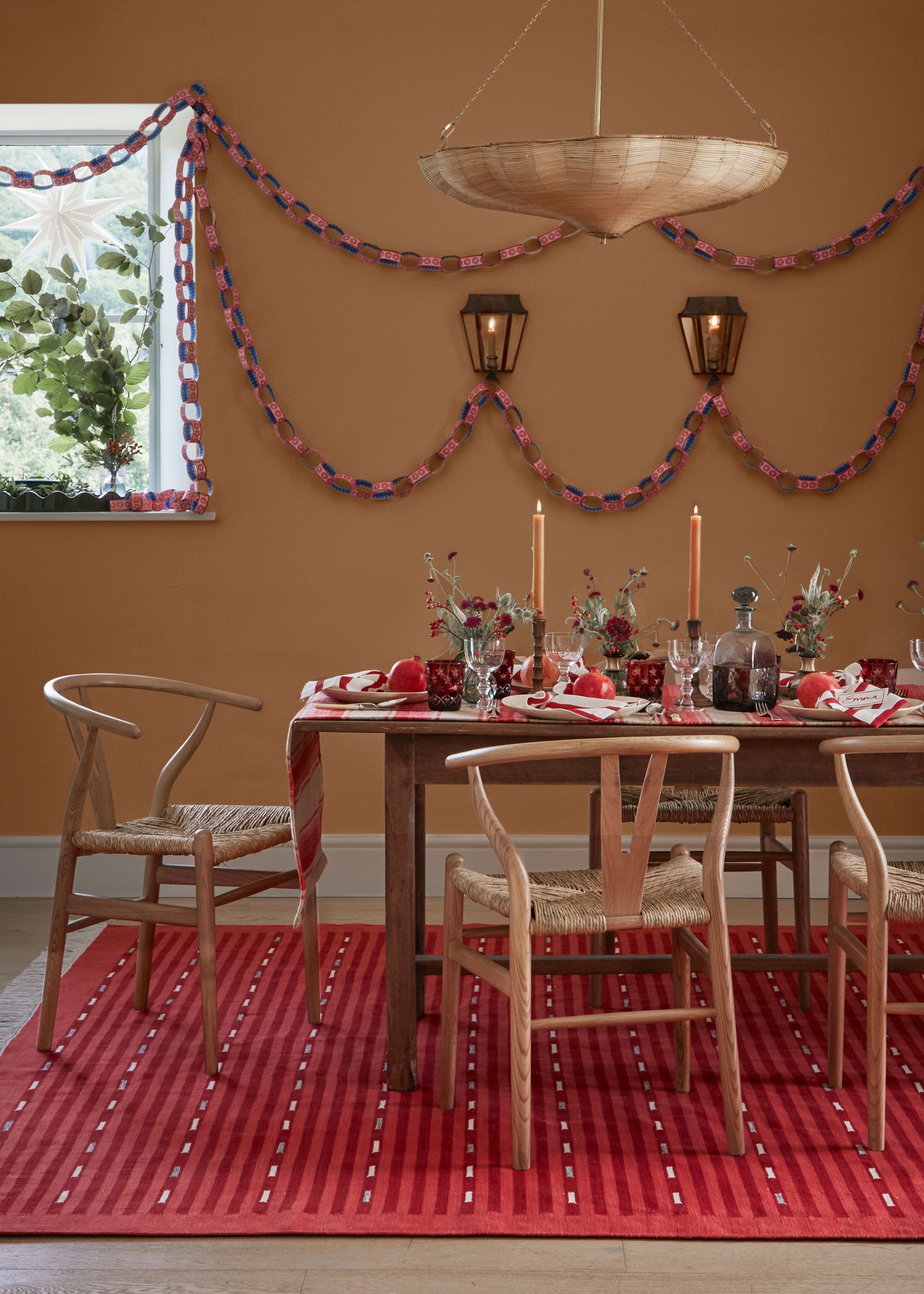
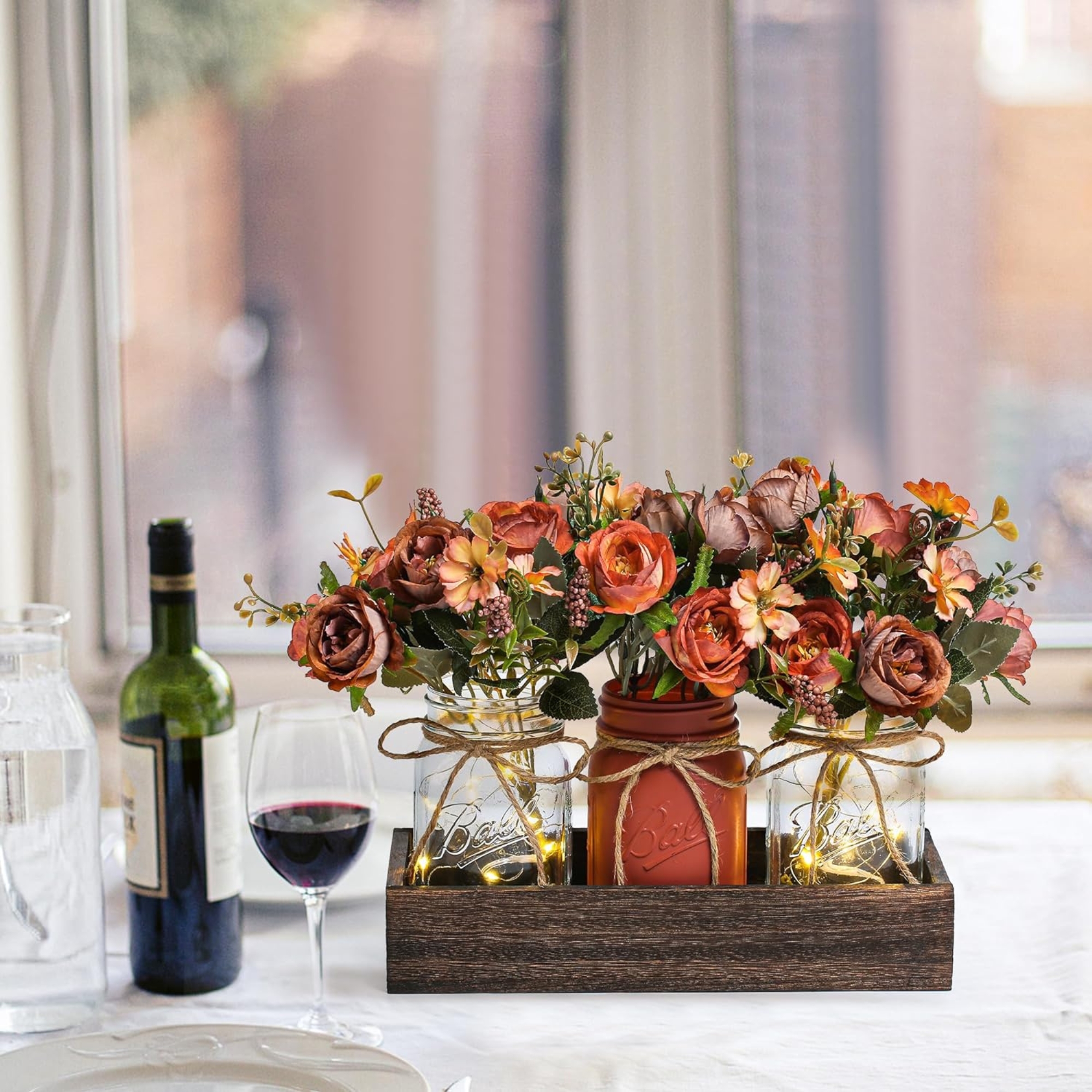
Second, the type of art displayed in the dining room is crucial. Paintings depicting war, ships, or sad portraits should be avoided as they can create negative energy. Instead, cheerful and positive artwork, such as fruit bowls, vases of colorful flowers, or scenes of people enjoying meals together, are recommended to stimulate appetite and foster a pleasant atmosphere.
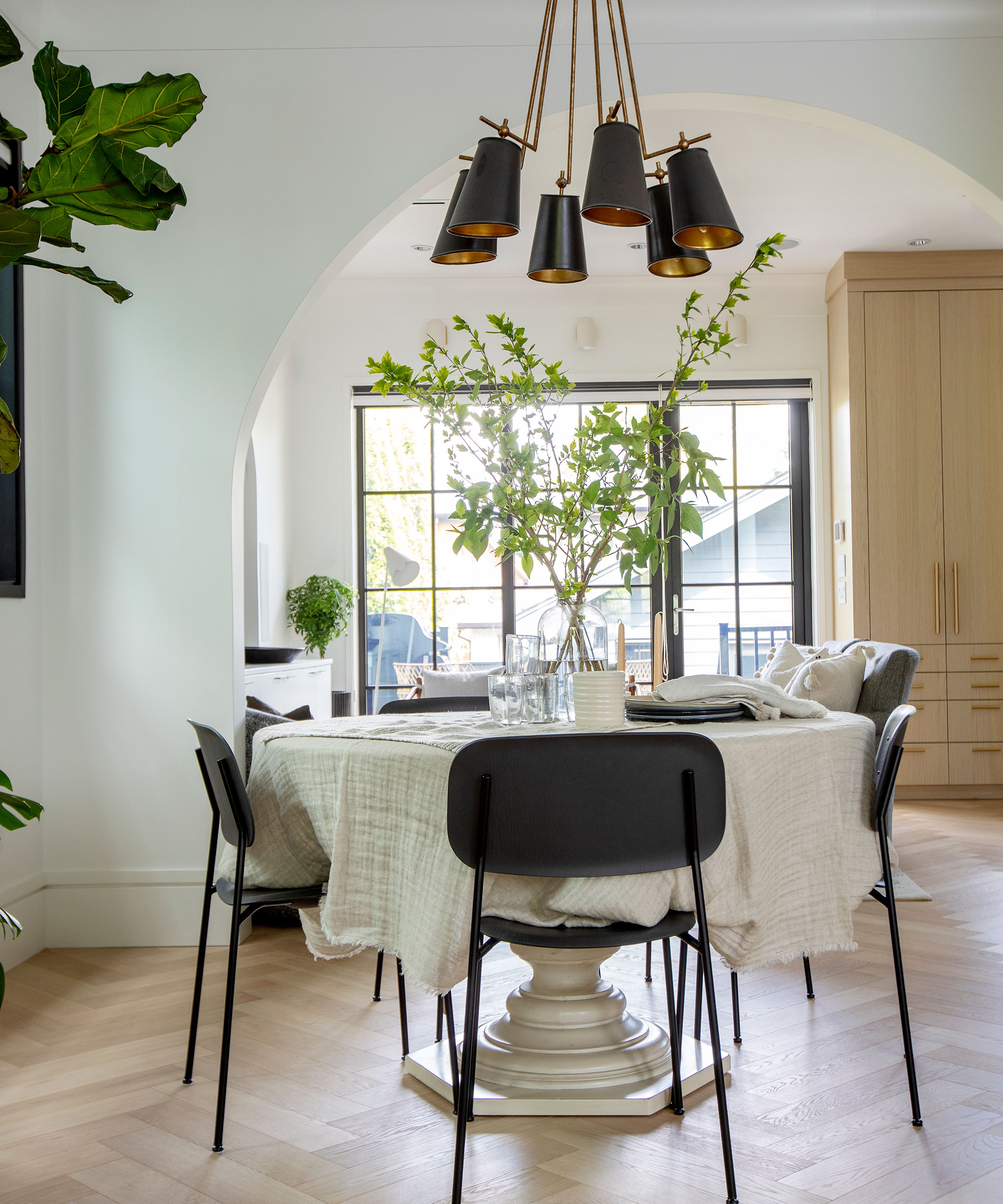
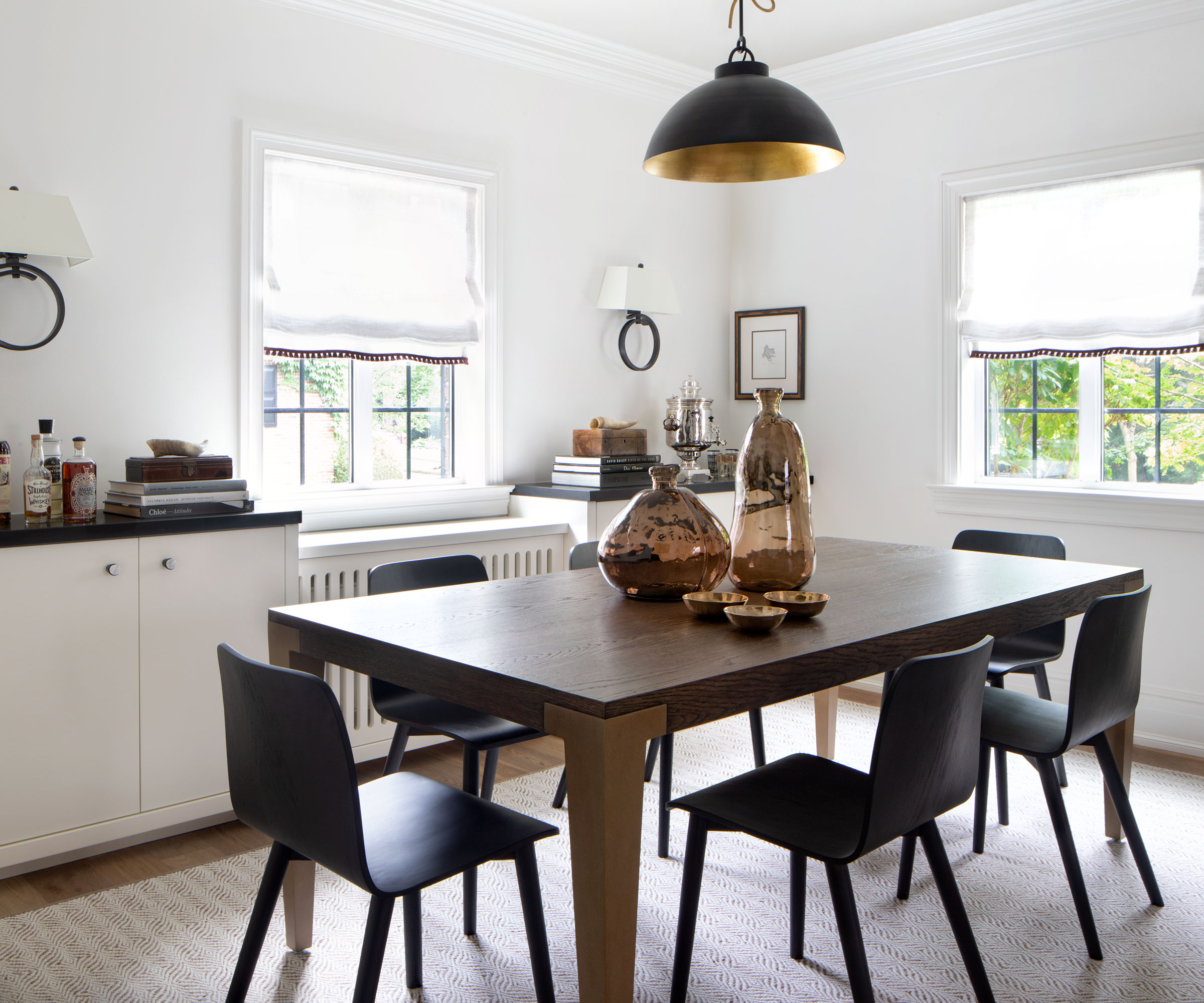
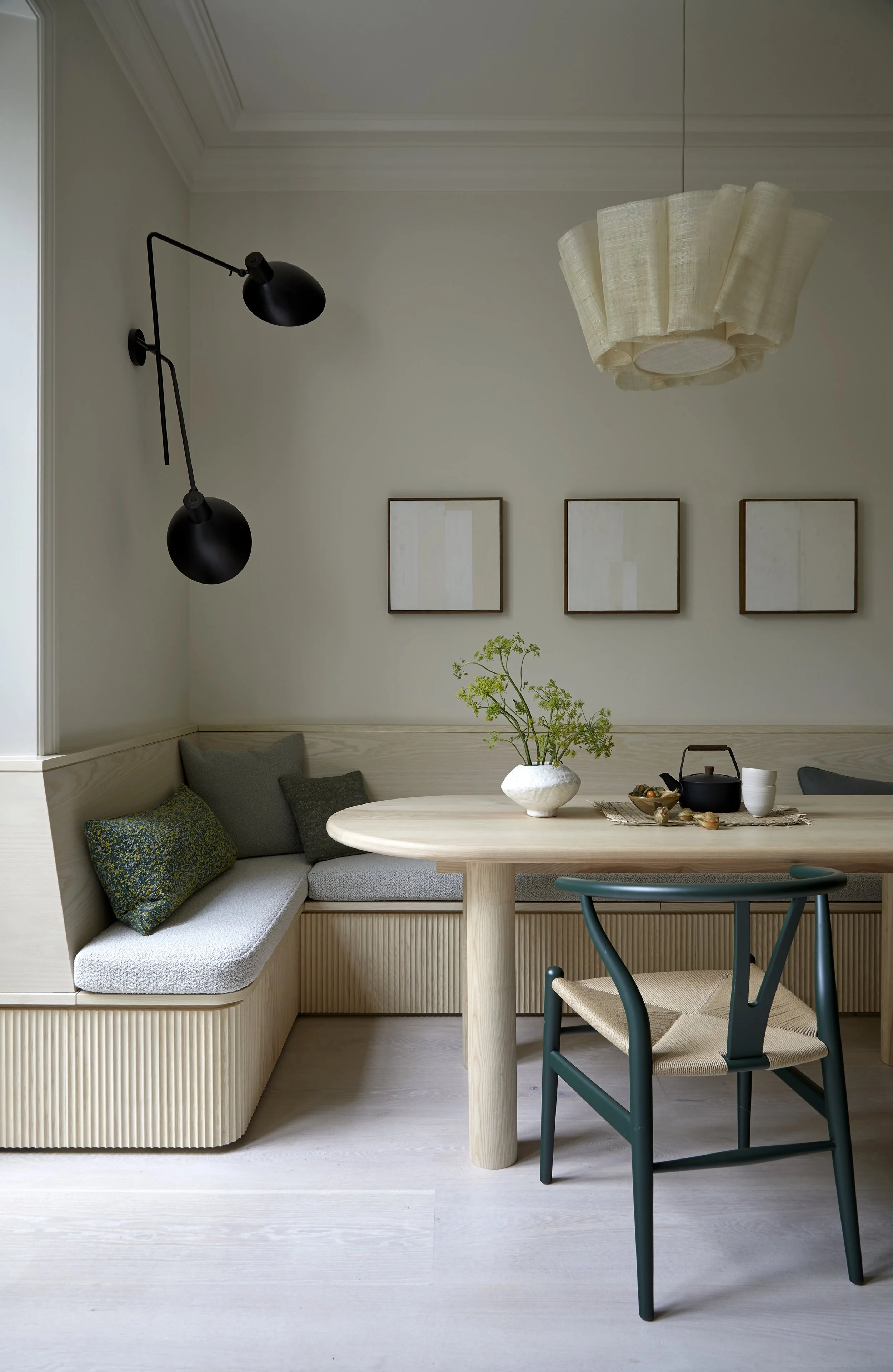
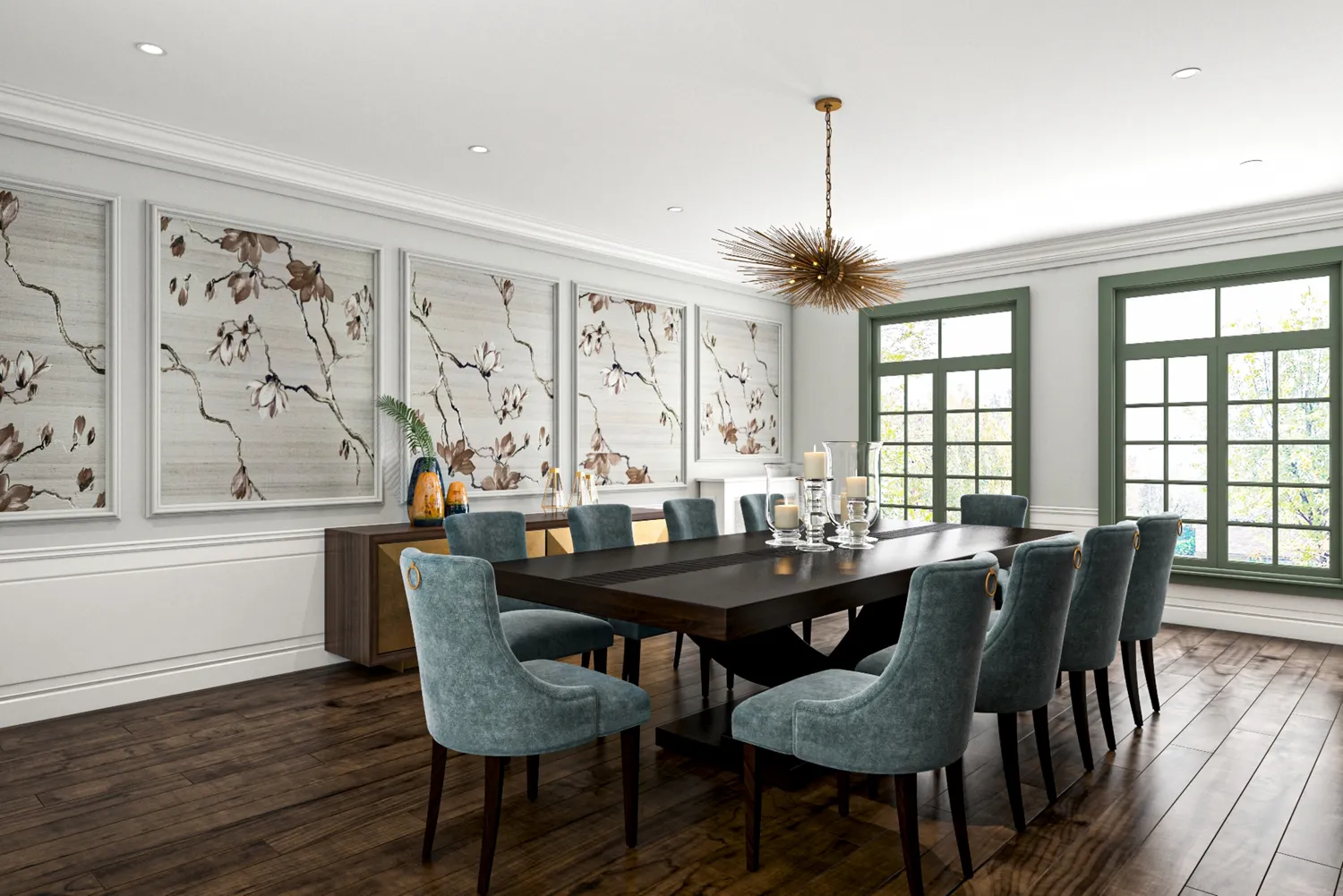
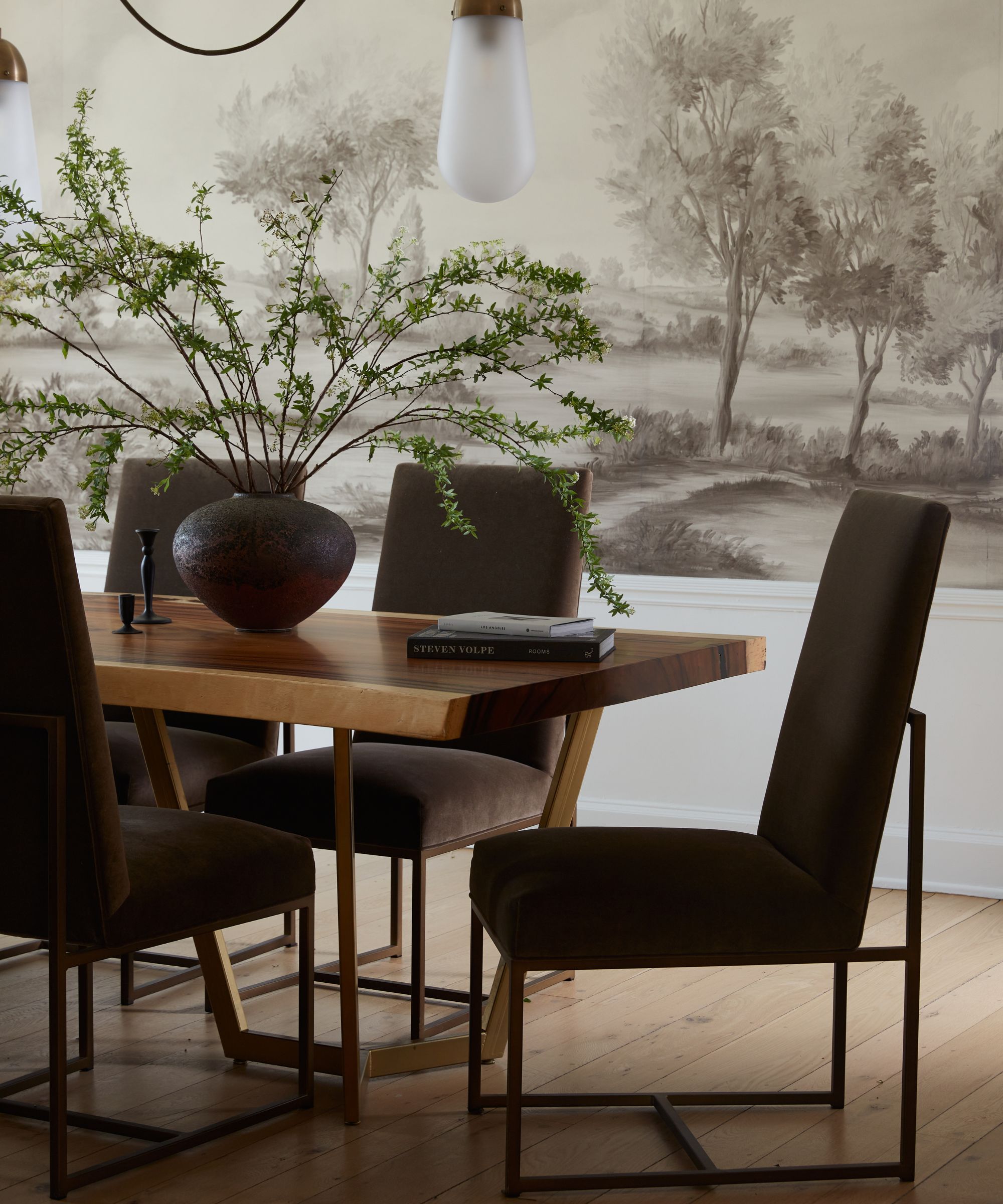
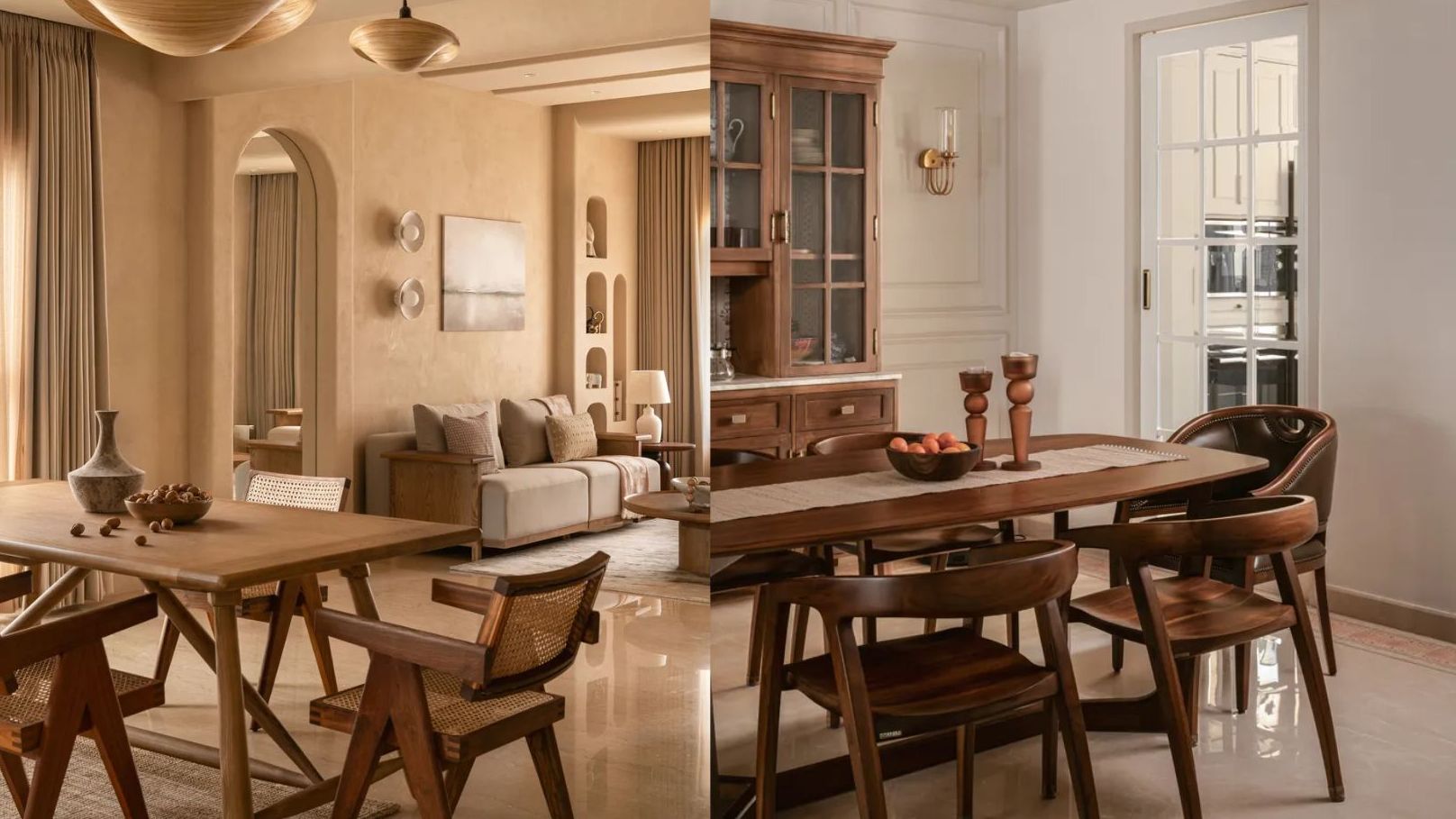
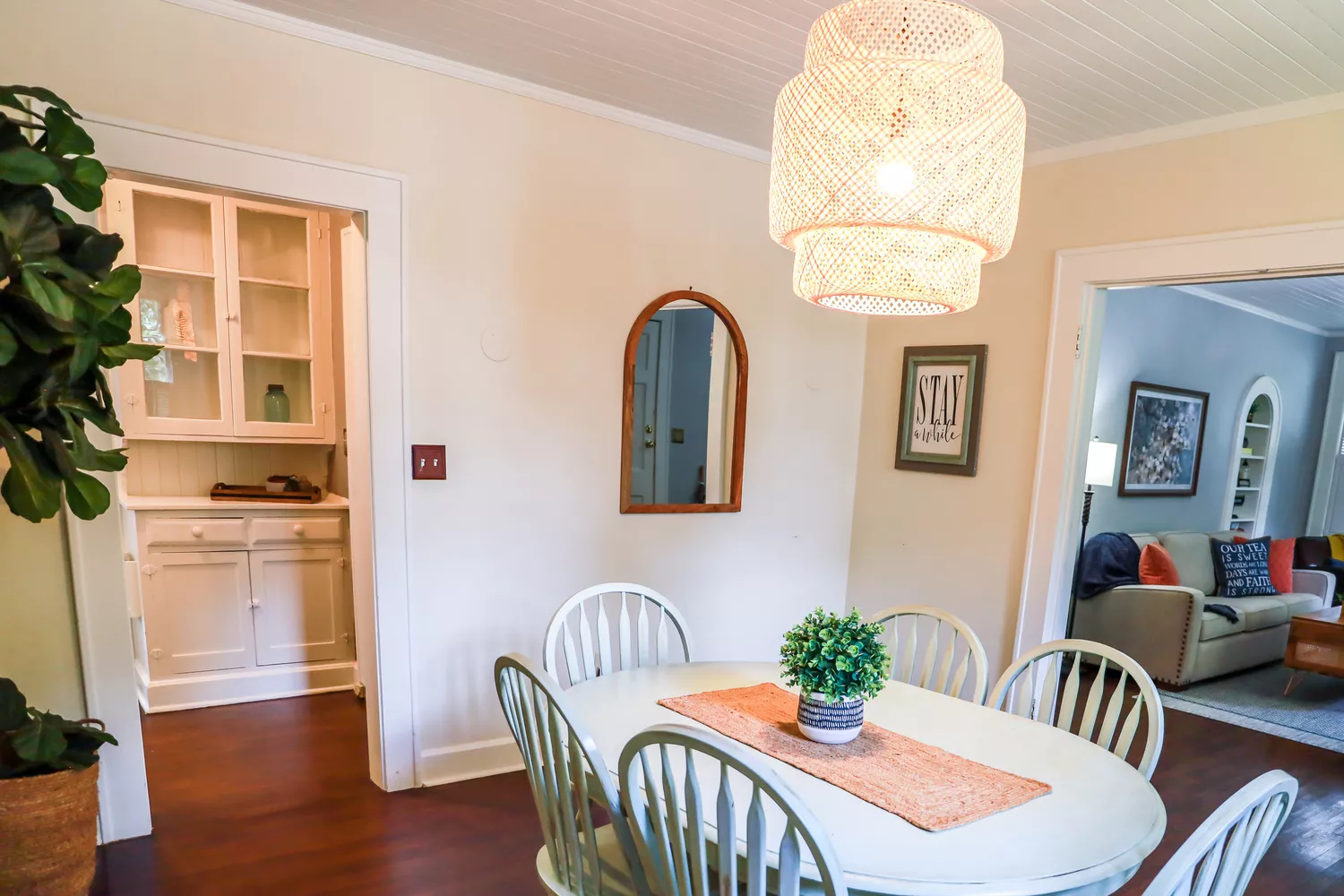
Third, the shape of the dining table can influence appetite and overall well-being. Round or oval tables are believed to cause an insatiable appetite, making them more suitable for restaurants than homes. Square or rectangular tables are preferred for residential dining areas.
Fourth, the placement of the dining table relative to the entrance is significant. A dining table positioned directly in front of the main entrance can obstruct the flow of 'prana' or life force into the home, potentially hindering prosperity and opportunities for residents.
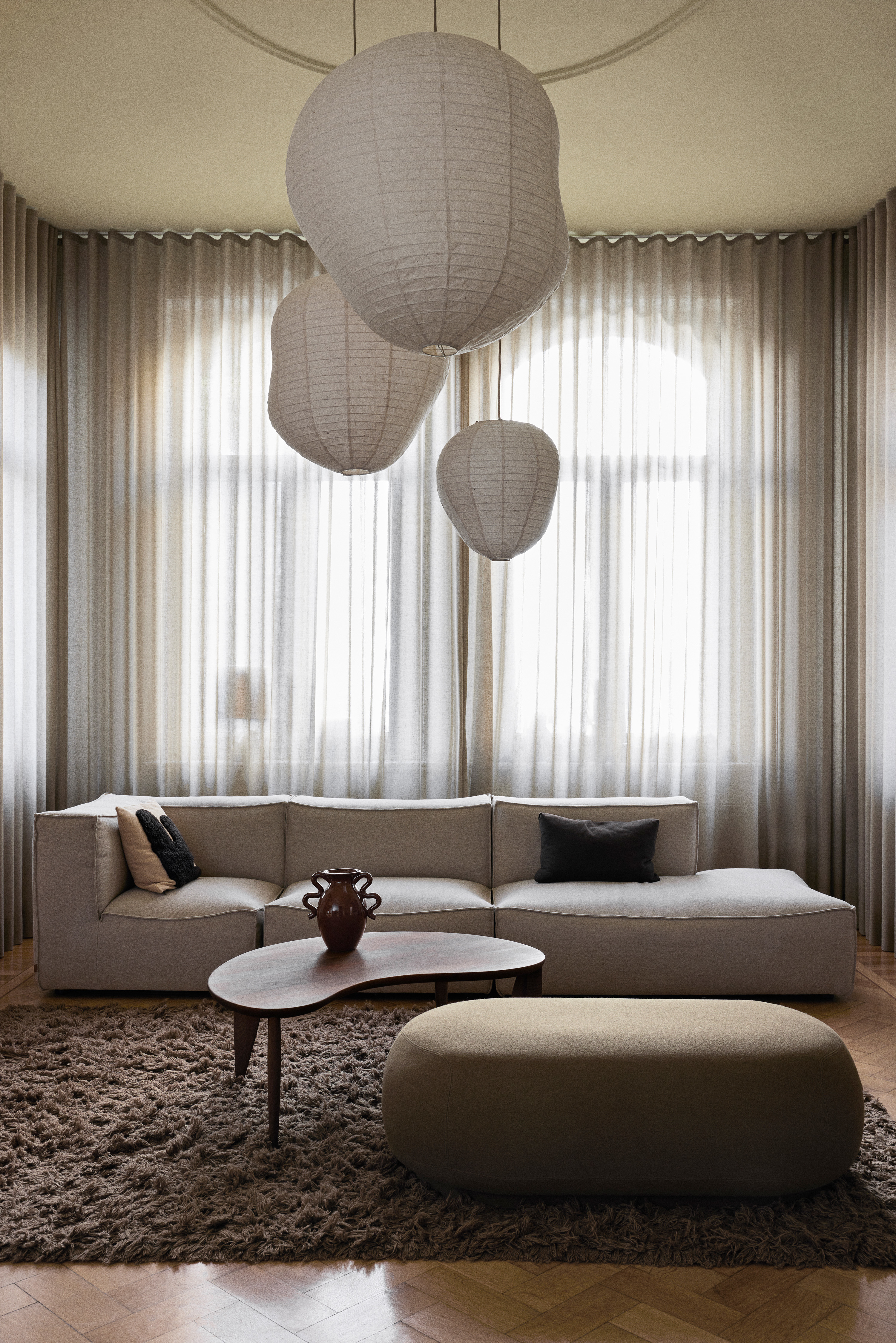
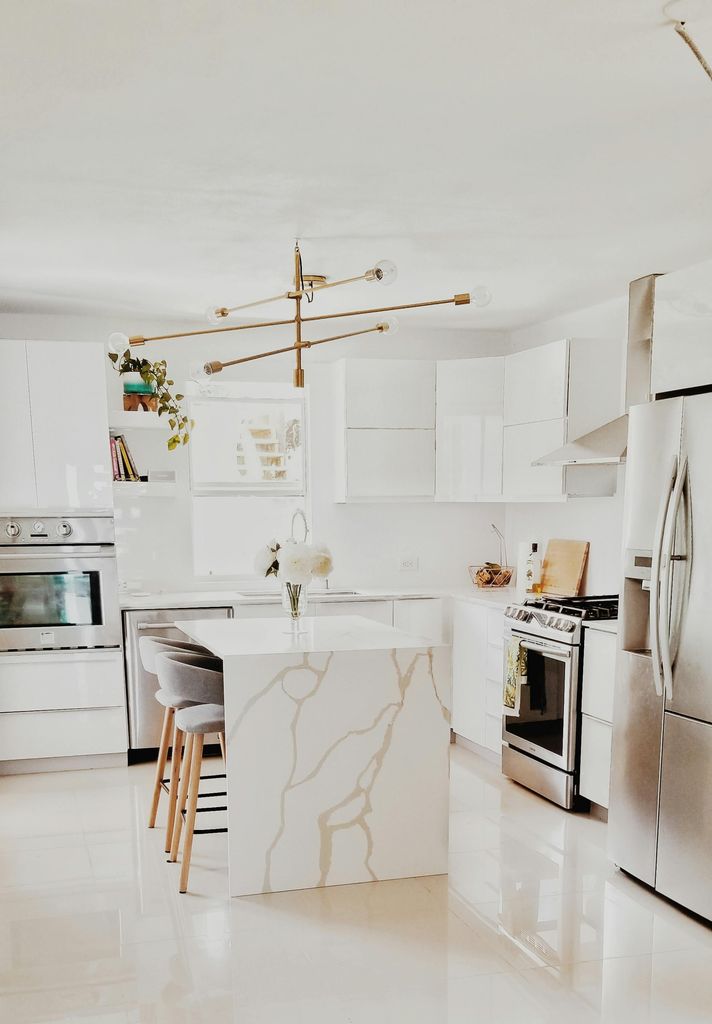
Fifth, appropriate lighting is essential. Both excessively dim and overly bright lighting should be avoided. Optimal lighting includes hanging lights that spotlight the table, creating an inviting ambiance for meals.
Sixth, the direction diners face while eating impacts health. Eating frequently while facing south can lead to health issues. It is advisable to face north or east during meals.
Seventh, dining tables should not be placed directly under beams. Beams are believed to exert negative energy. If an overhead beam is unavoidable, installing a false ceiling can help counterbalance this negative influence.
Finally, the choice of wall colors in the dining room plays a role. Dark colors are discouraged. Instead, pleasant hues like off-white, light yellow, and other calming shades are recommended. For dining areas in the east, yellow, saffron, or peach walls are suitable, while light green and light blue are ideal for north-facing dining rooms. Adhering to these Vastu principles can transform the dining experience into a more harmonious and health-supportive activity.
#VastuShastra #DiningTable #HomeDecor #InteriorDesign #VedicPrinciples #HomeWellness #FengShui #VastuTips #VastuShastra #DiningTable #HomeDecor #InteriorDesign #VedicPrinciples #HomeWellness #FengShui #VastuTips
0 comment in total
 No comments yet
You may also like
7 major dining room layout mistakes to avoid, according to designers

6 things you should never put on your dining room table, according to interior designers
3 crucial mistakes to avoid when setting your Christmas table, according to an interior stylist

7 Dining Room Layout Mistakes That Ruin the Flow of Your Space, Designers Say

10 Easy-to-Make Dining Room Mistakes That Are Killing the Vibe — And How to Fix Them Before Your Next Dinner Party

8 small kitchen design mistakes to avoid, according to an interior designer

6 Dining Room Design Rules Designers Always Break—and You Should, Too

5 things that always make a dining table look cluttered
6 ways to prevent damage to your dining table
3 mistakes you're probably making with your dining room decor, according to an interior stylist
6 Christmas Table Styling Mistakes, According to Designers

6 Christmas Table Styling Mistakes I Wish Everyone…
7 Dining Room Design Mistakes That Could Ruin Your Next Dinner Party

5 Common Coffee Table Mistakes You’re Probably Making, According to the Professionals
8 shockingly common kitchen design mistakes according to a pro

Experts reveal the kitchen worktop mistakes to avoid - ignore at your peril
5 coffee table mistakes you should always avoid, according to interior designers
Are YOU guilty of these living room layout mistakes? Decor expert reveals the 8 sins people make
8 shockingly common kitchen design mistakes according to a pro

7 Dining Room Layout Mistakes That Ruin the Flow of Your Space, Designers Say