7 Entryway Mistakes Designers Instantly Notice When They Walk Into Your Home
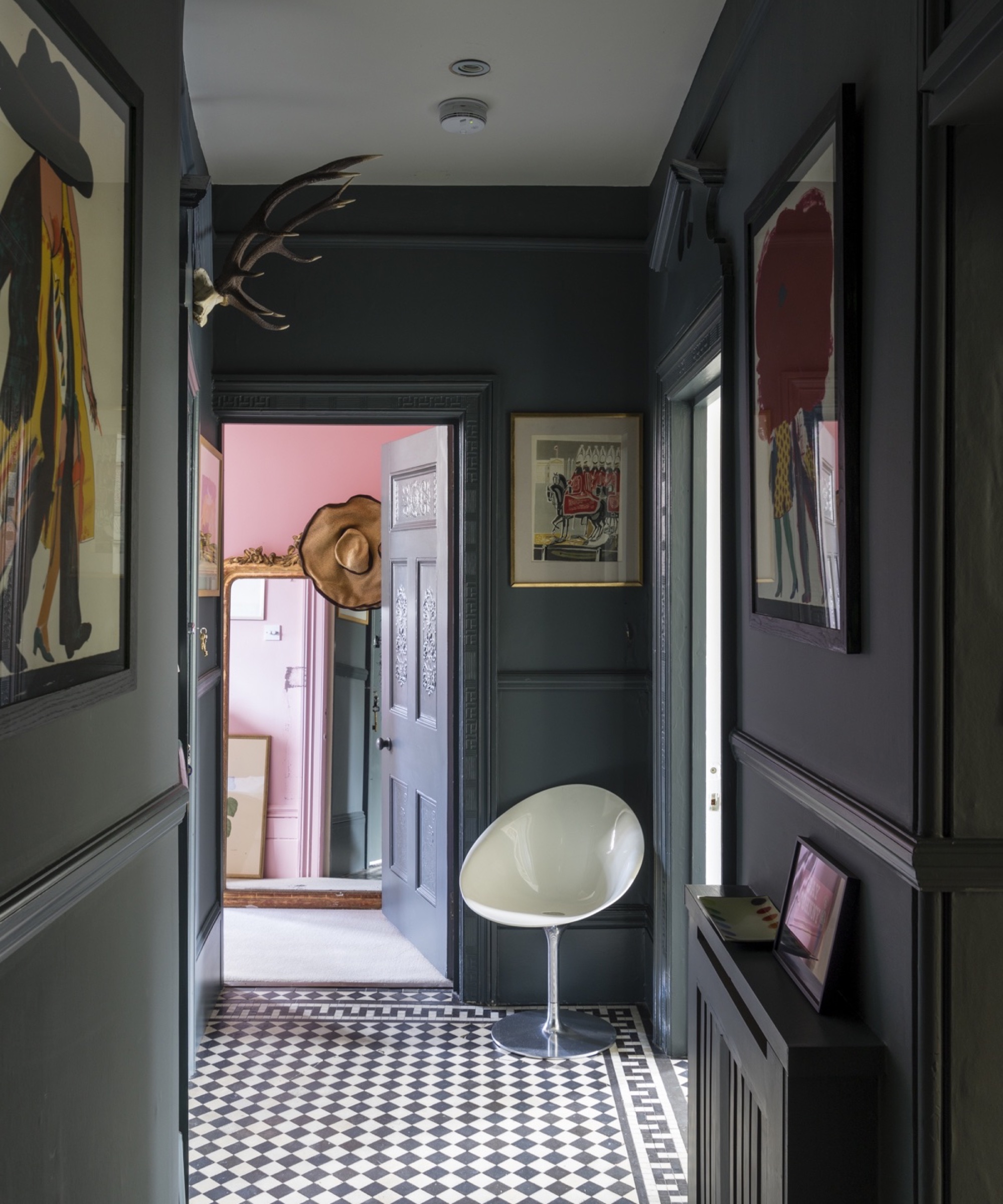
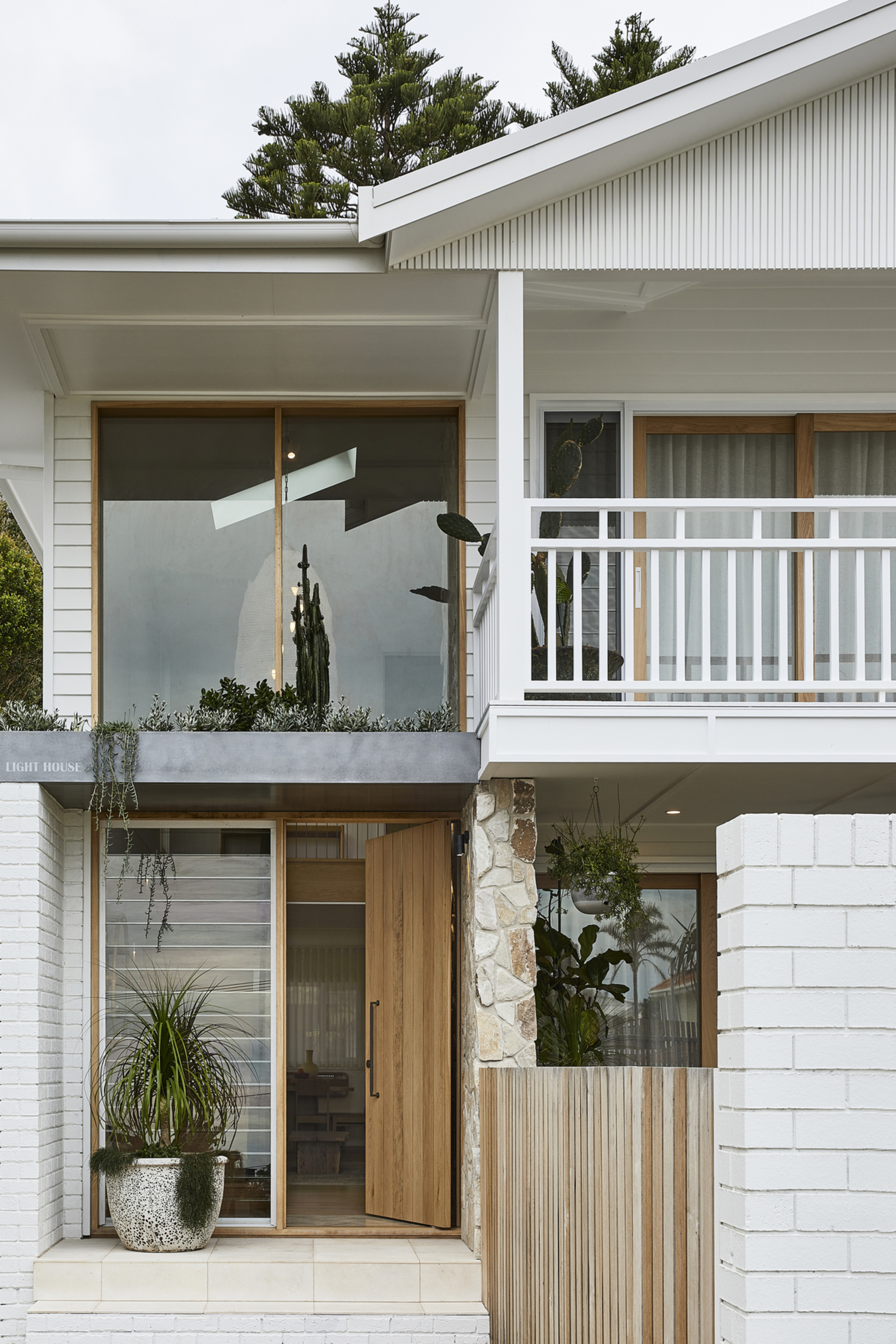
The entryway serves as the initial impression of a home, influencing how both residents and guests perceive the space. Interior designers emphasize the importance of optimizing this area, despite its often-small footprint, by avoiding common mistakes that can diminish its functionality and aesthetic appeal. The primary pitfalls identified by experts Lindsay Speace, Madison Massaro, and Andrea Taylor revolve around clutter, inadequate storage, neglected design, absence of seating, lack of mirrors, poor lighting, and the omission of an entryway rug.
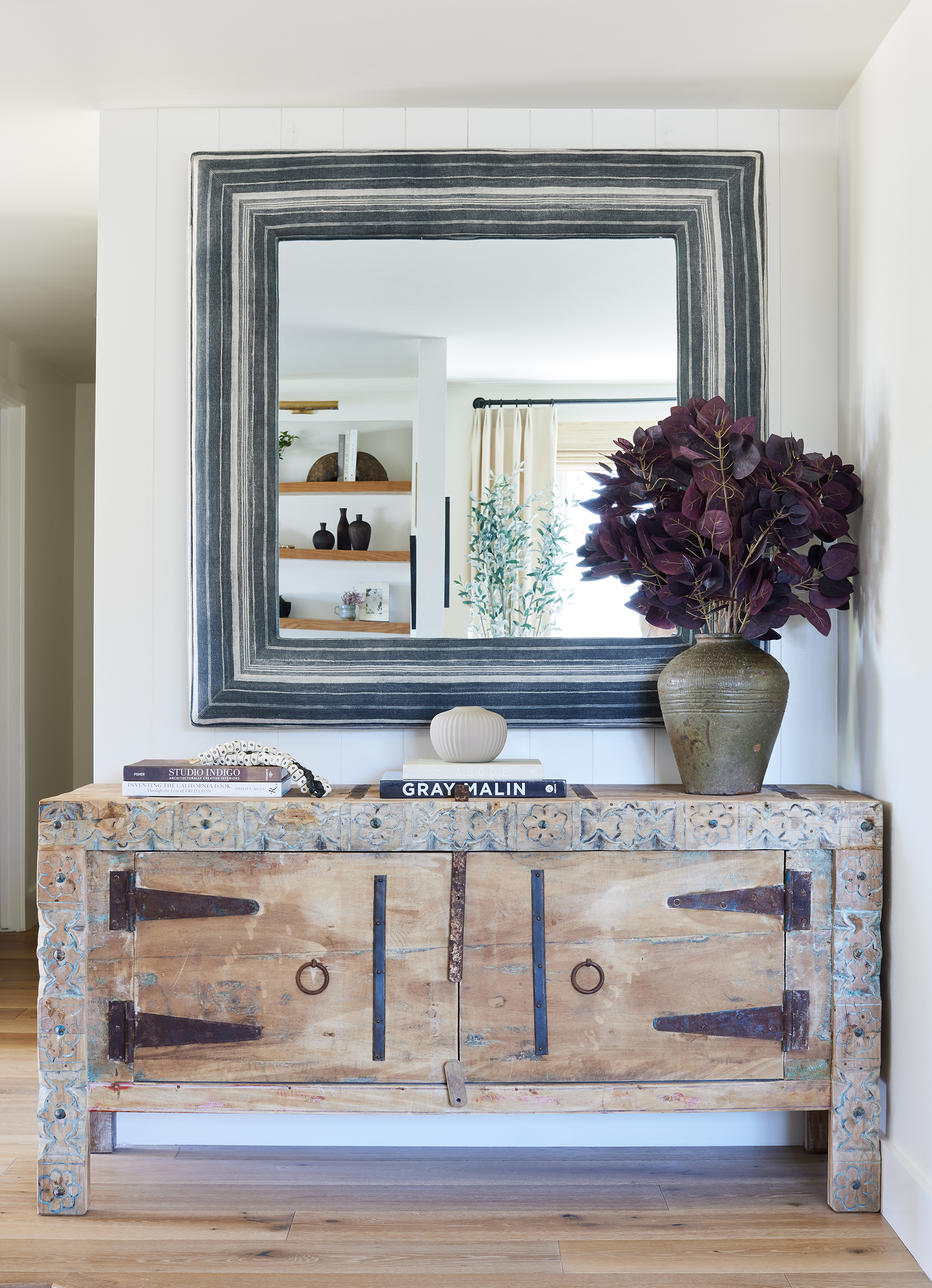
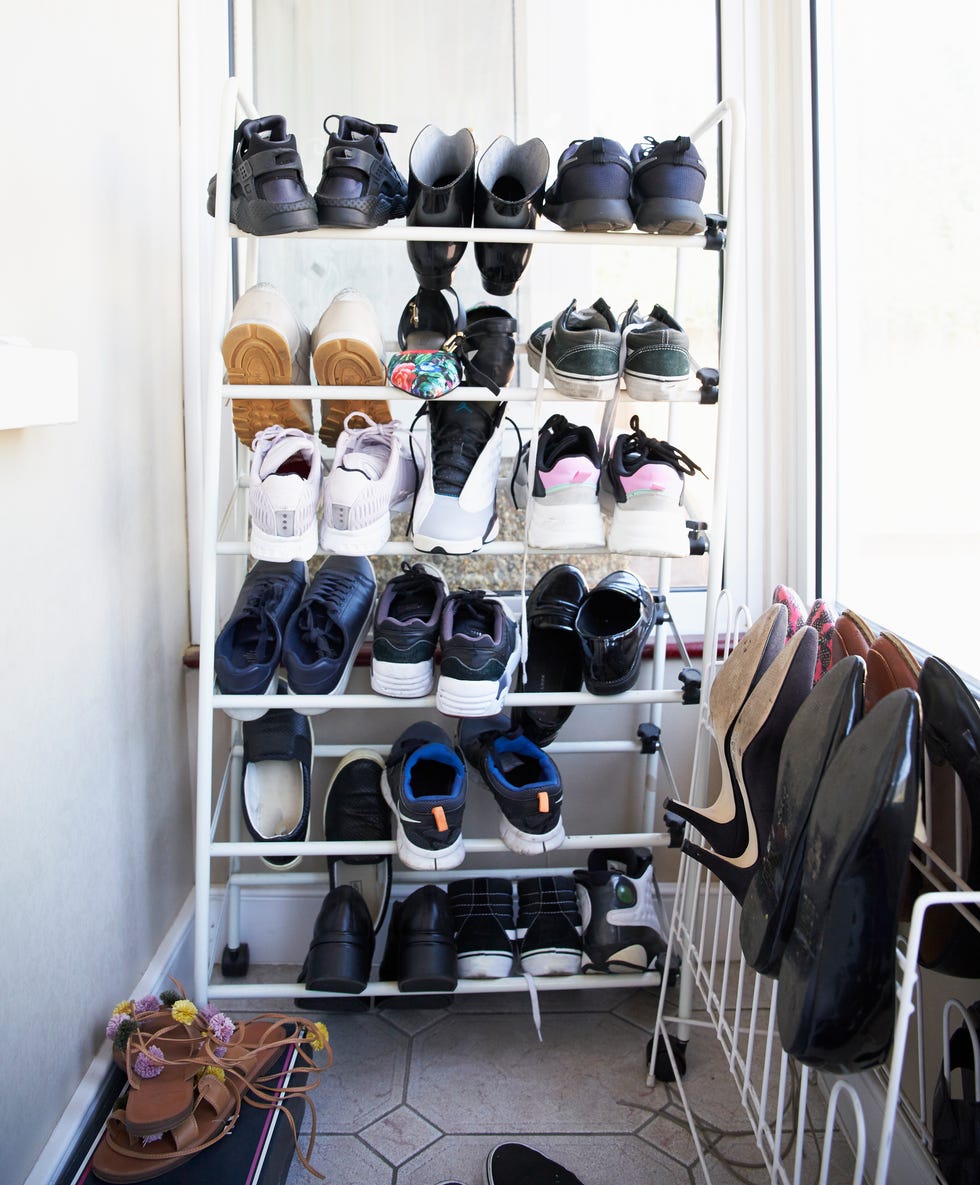
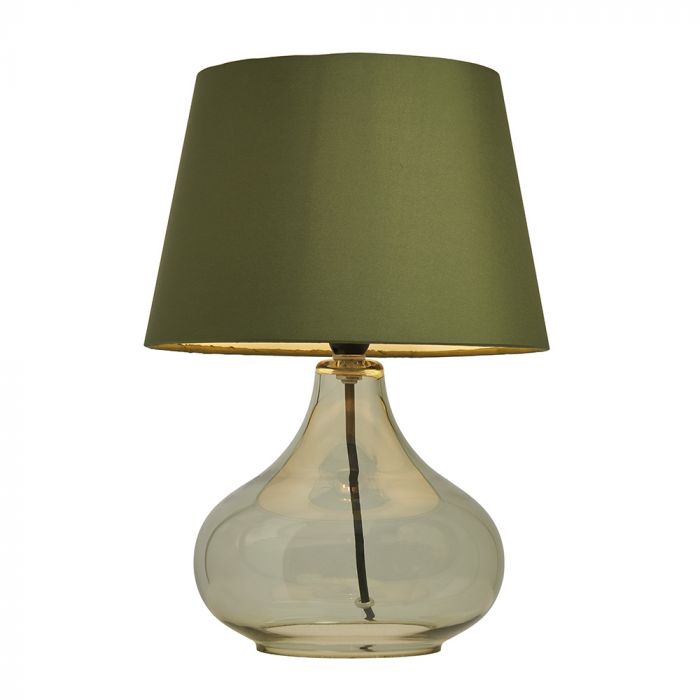
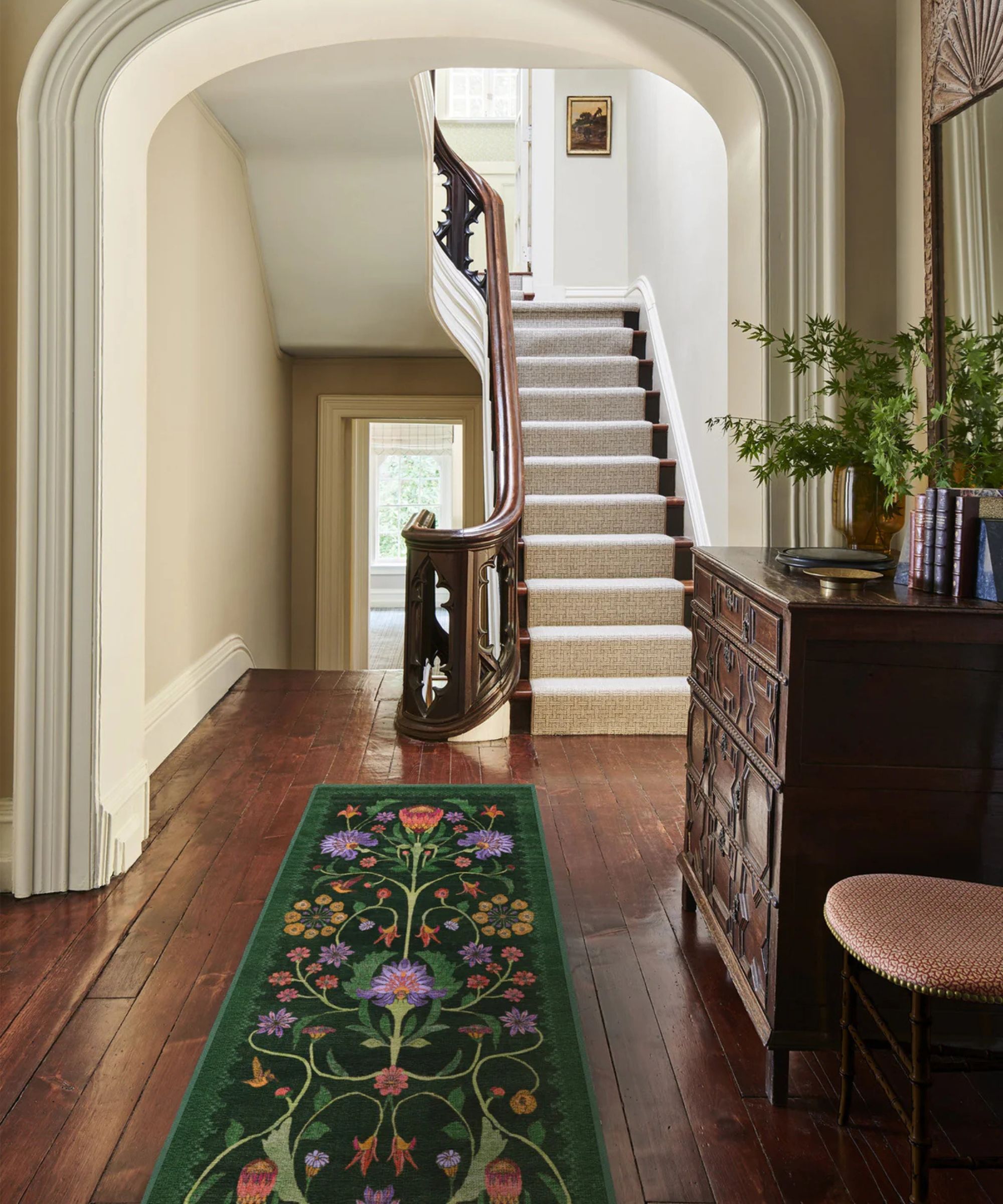
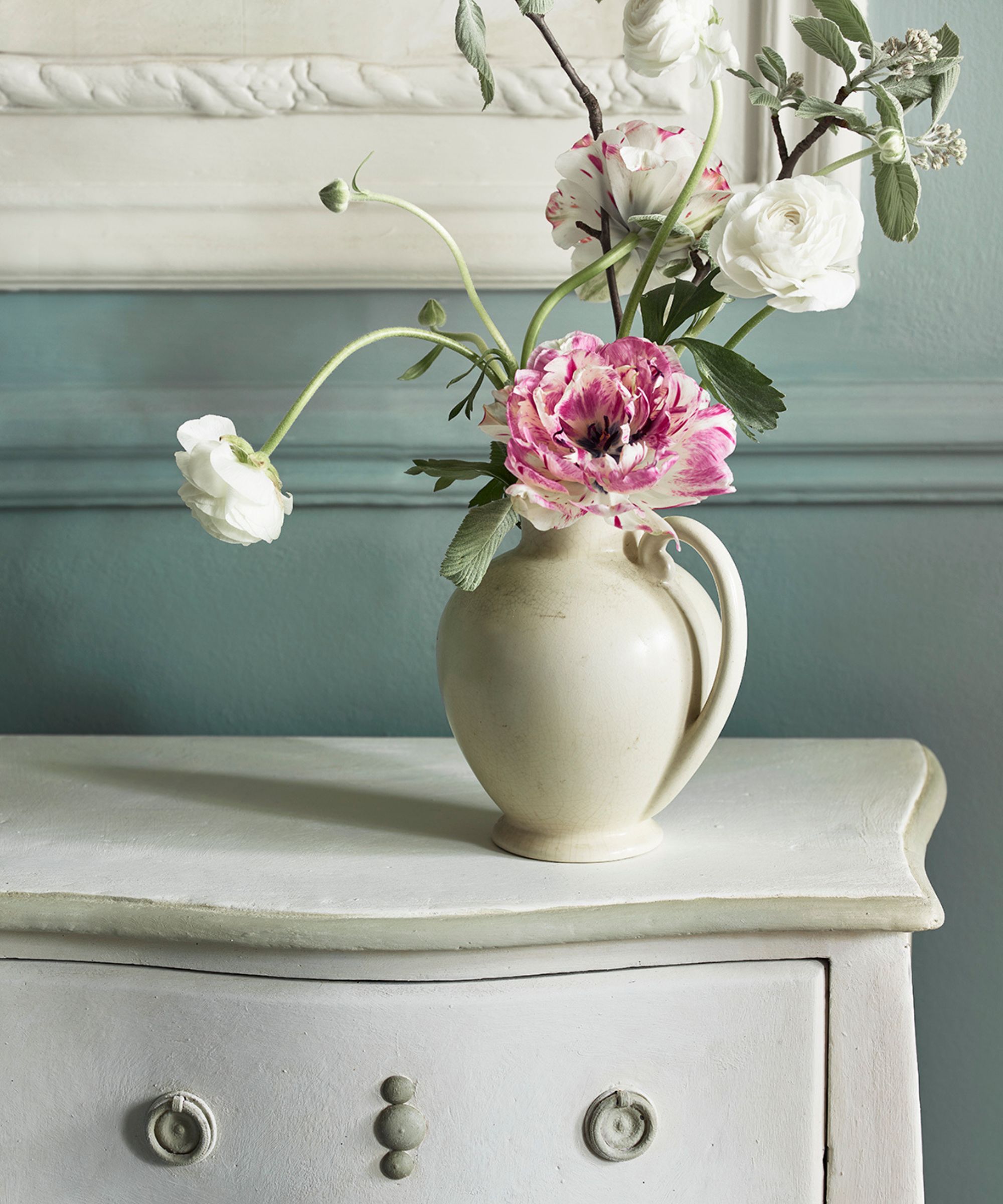
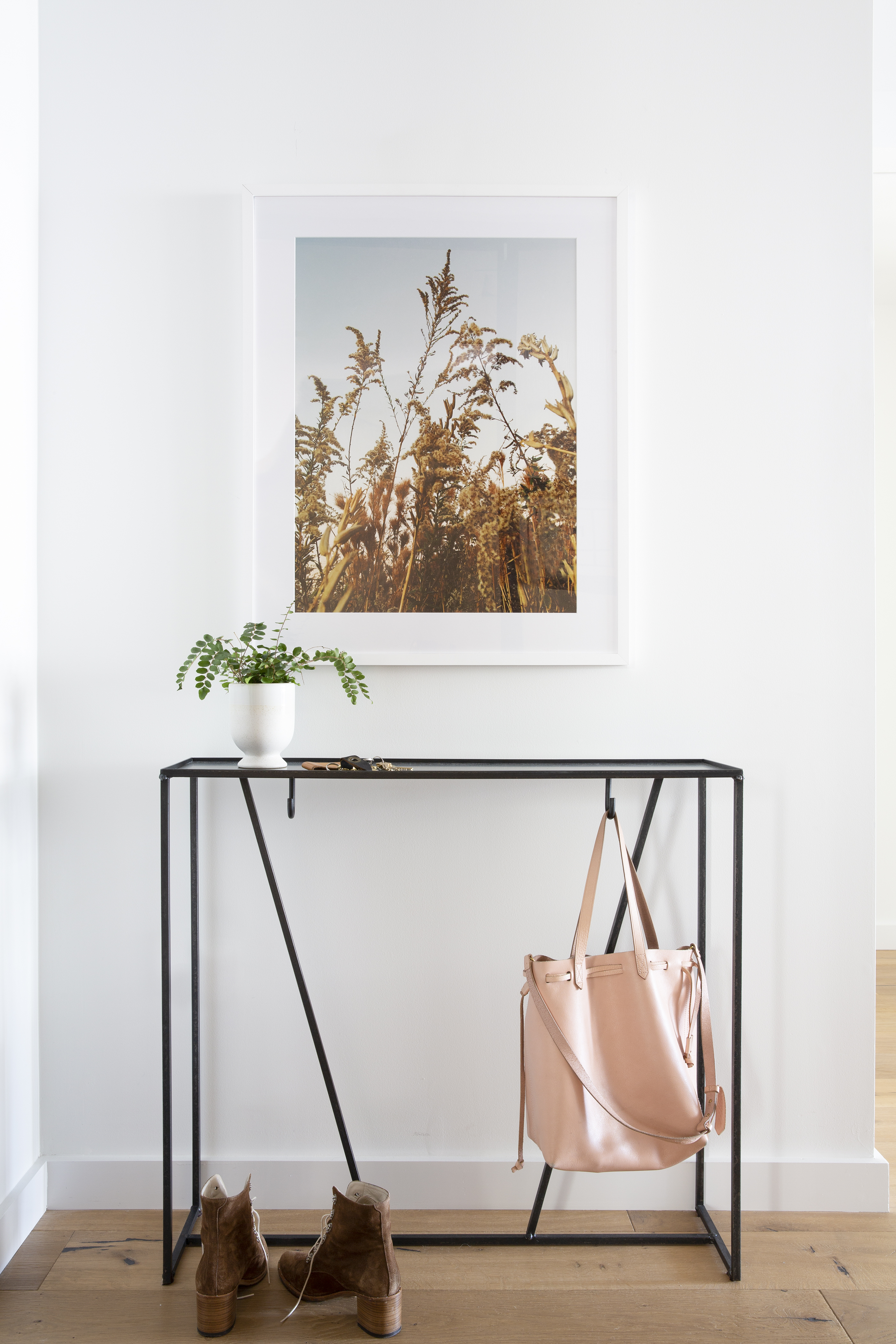
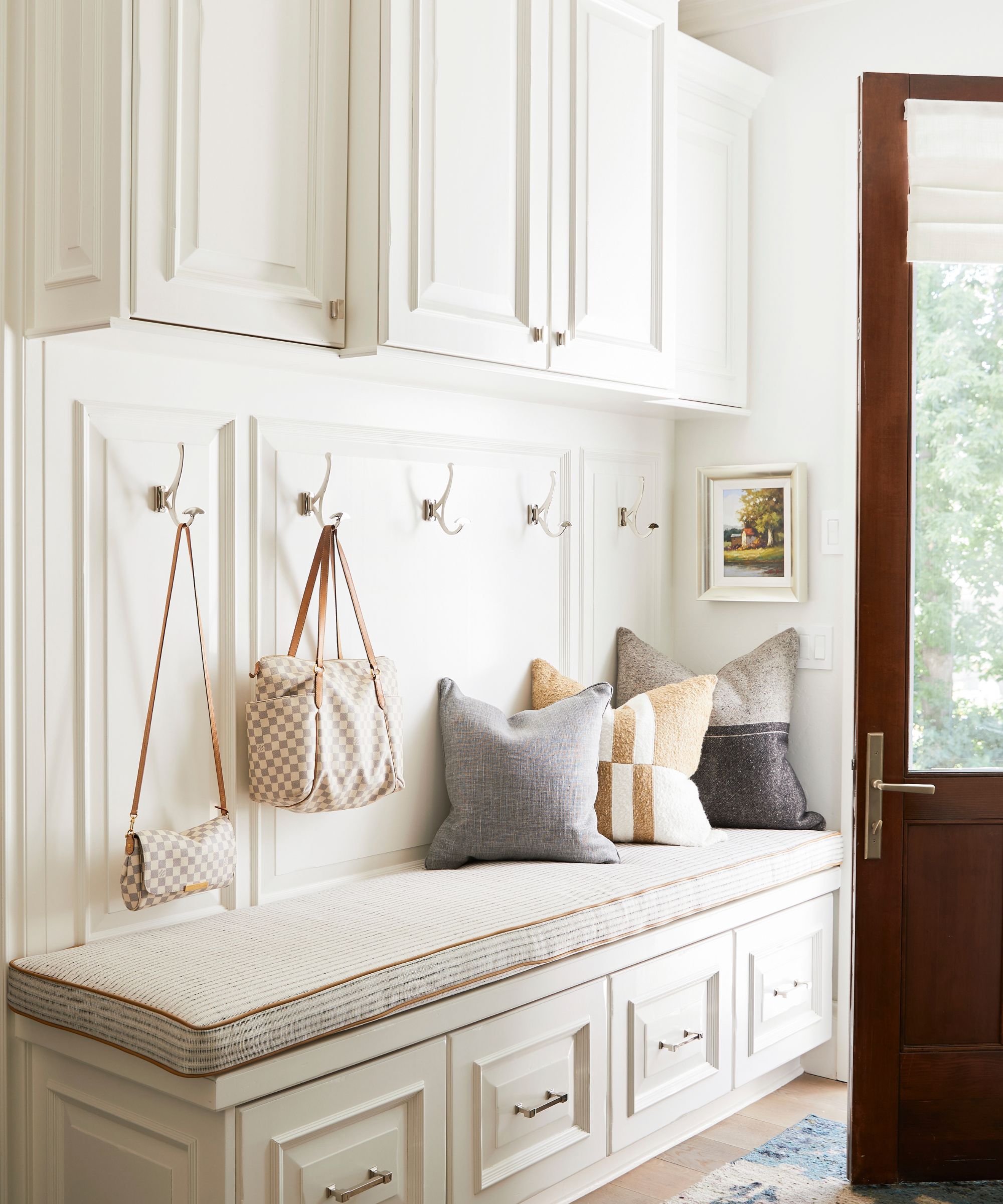
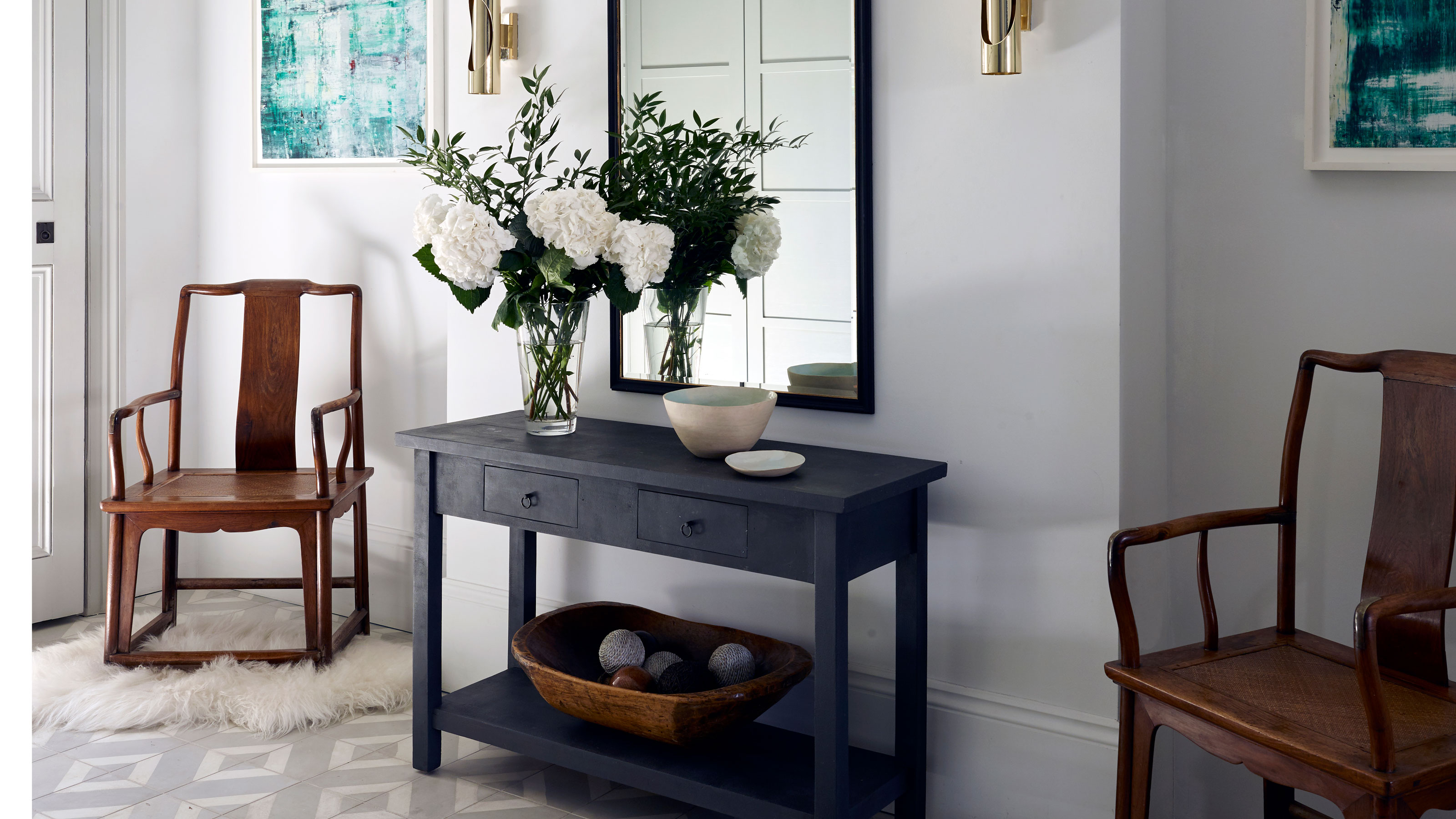
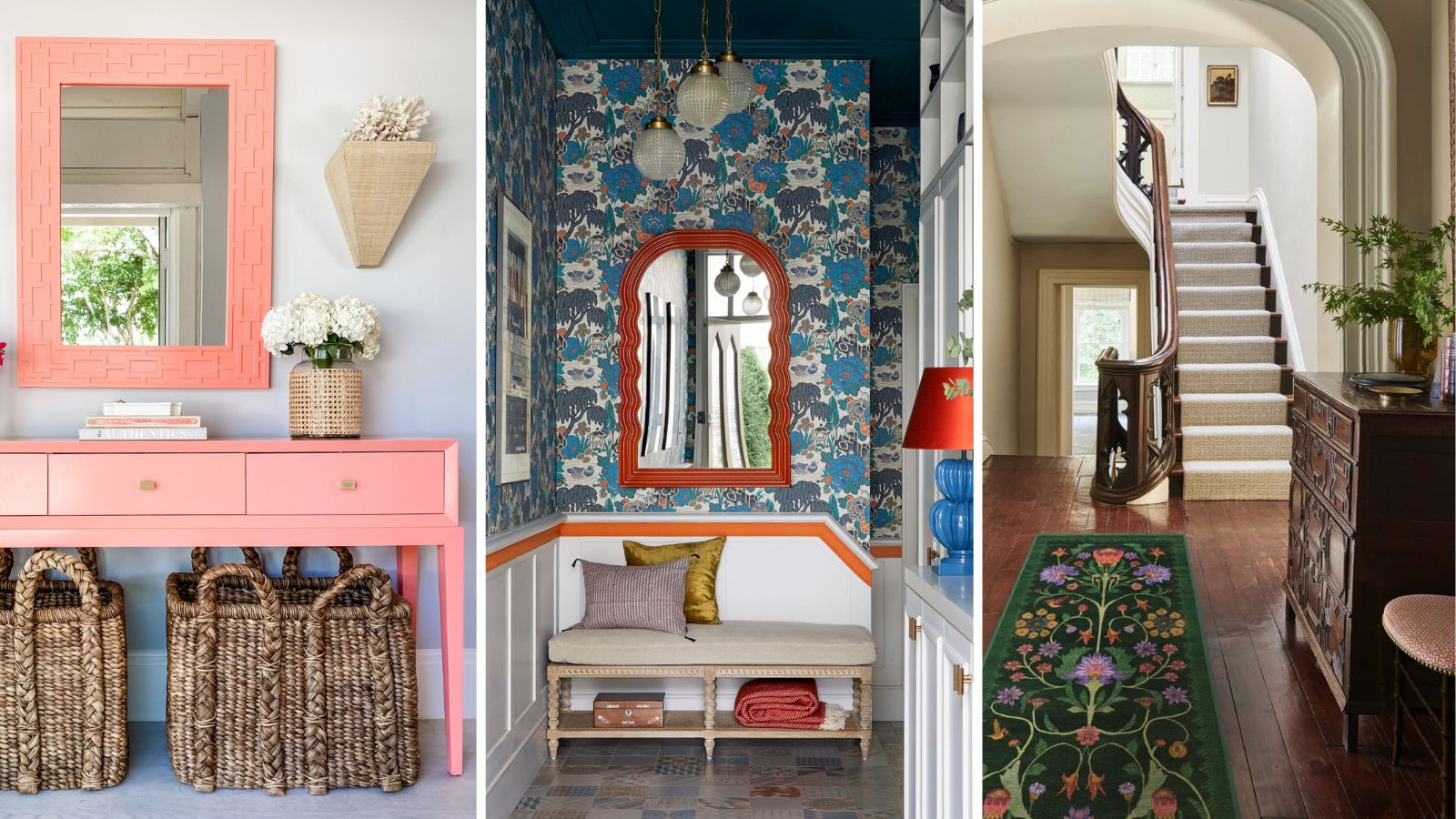
Clutter is a significant deterrent, making an entryway feel chaotic and uninviting. Designers advise prioritizing organization by integrating furniture pieces that streamline the space. For instance, an antique chest can serve as a multi-functional item, providing a surface for mail and drawers for essentials like dog leashes and reusable bags. Neatly tucking away items such as shoes and coats is also crucial. If a dedicated closet is unavailable, a shoe storage bench can offer a practical solution, which, when adorned with decorative elements like a lamp and a mirror, transforms into an aesthetically pleasing and functional area.
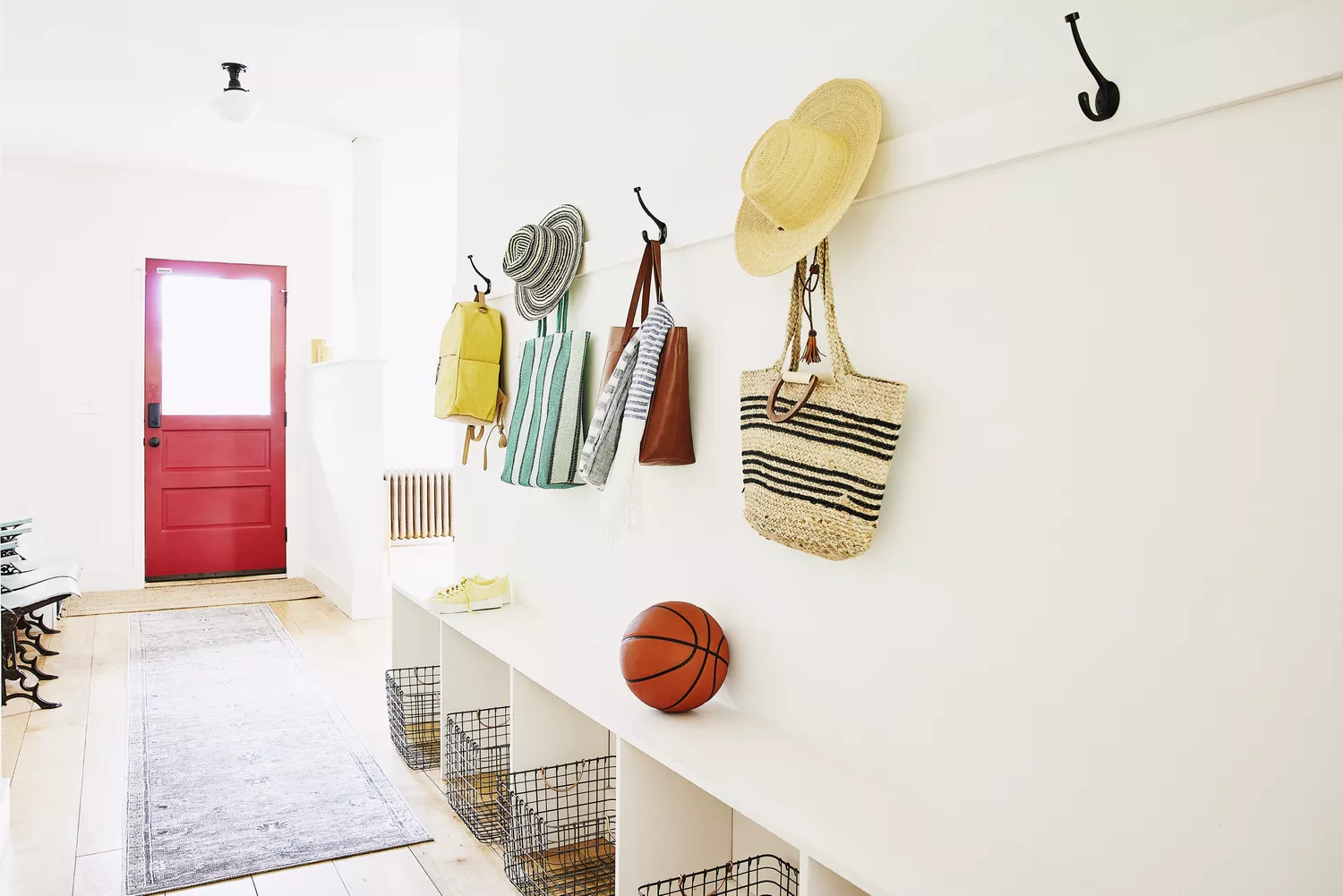
Related to clutter, overly complex storage systems are discouraged. Simplicity is key in the entryway, with designers recommending practical solutions such as hooks, baskets, and benches. These elements offer straightforward organization without overwhelming the space. The absence of a thoughtful design is another common error. An entryway should not merely be a transitional space but rather an opportunity to showcase the home's unique style and set a welcoming tone. It is the first glimpse into the home's aesthetic, making a strong first impression vital.
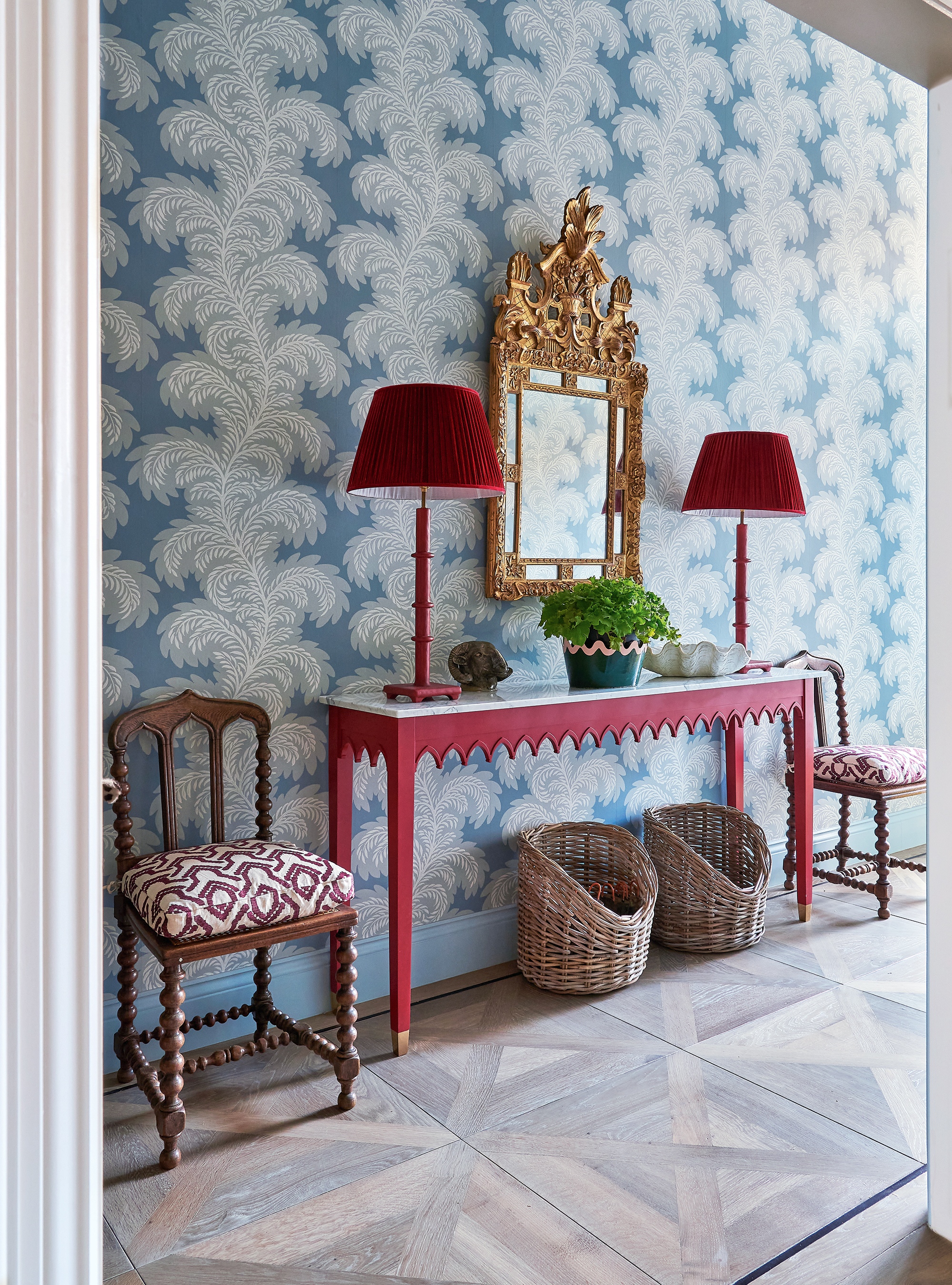
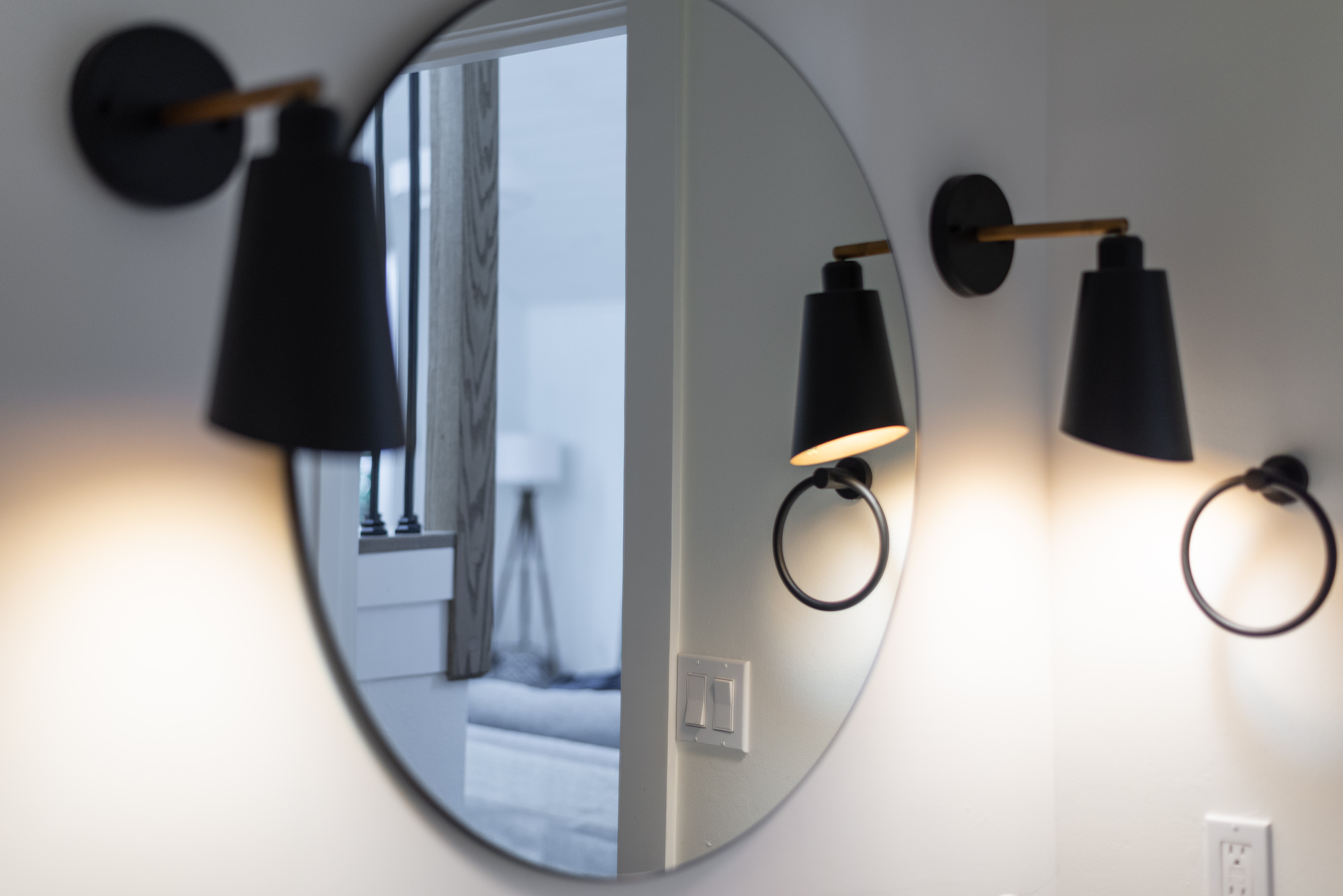
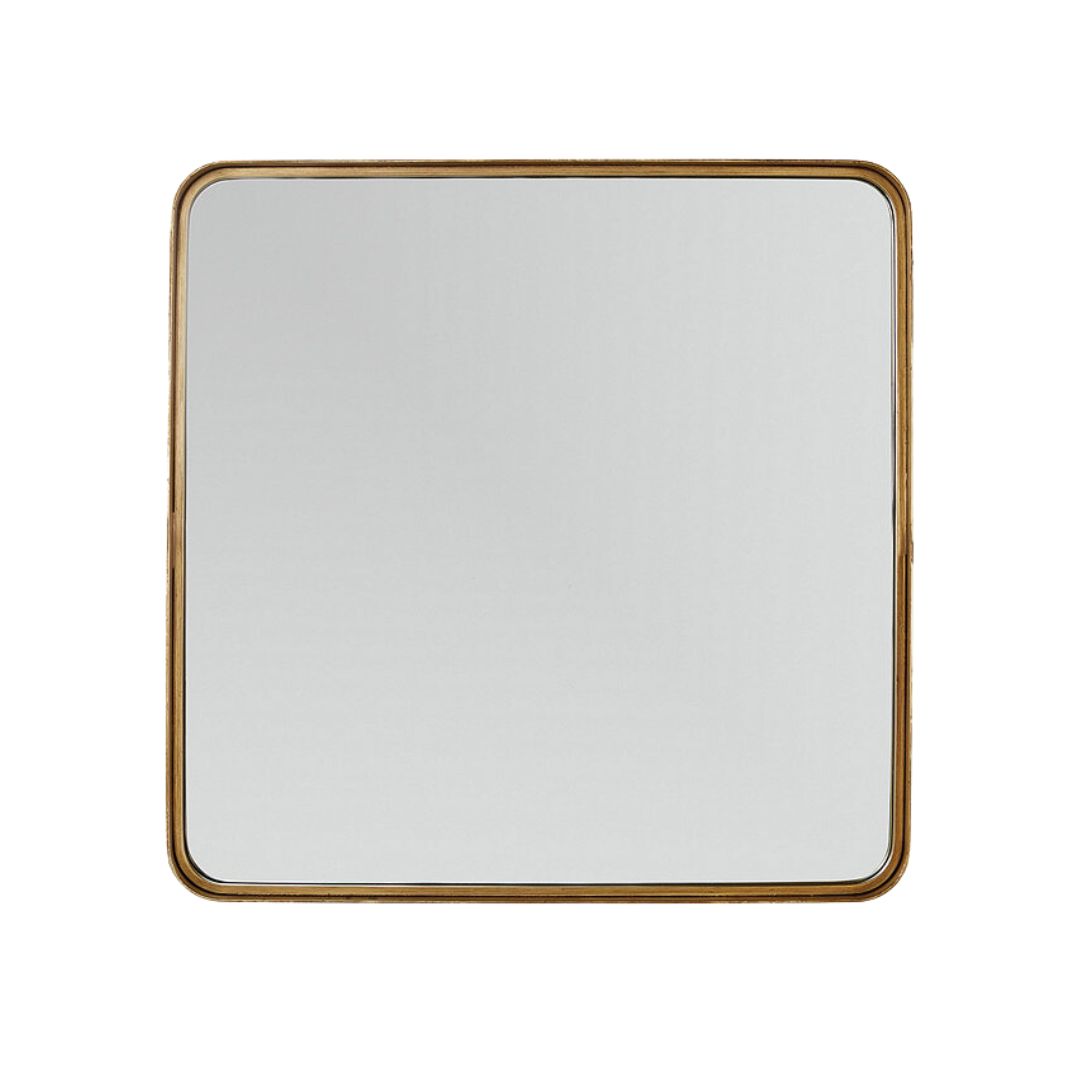
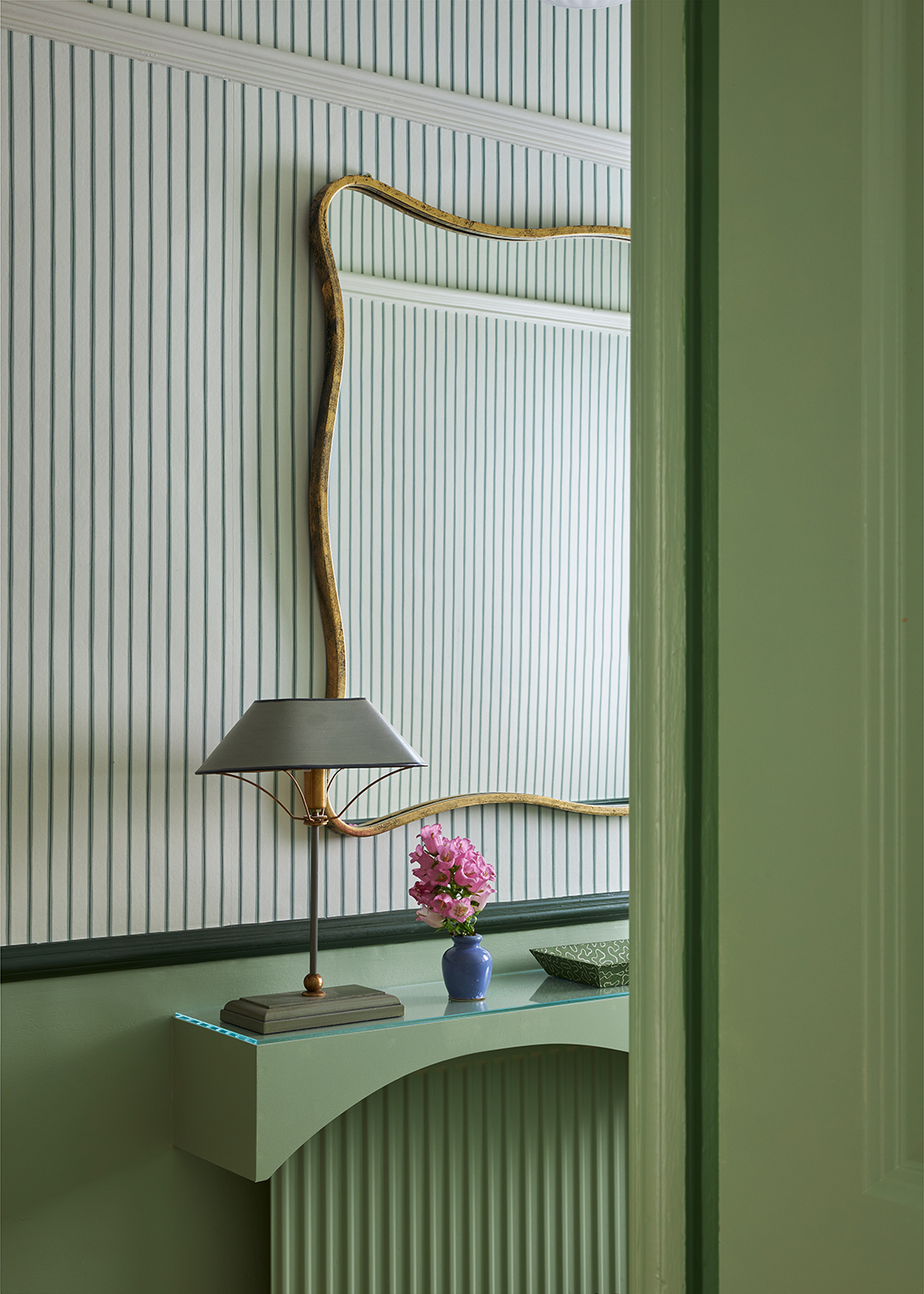
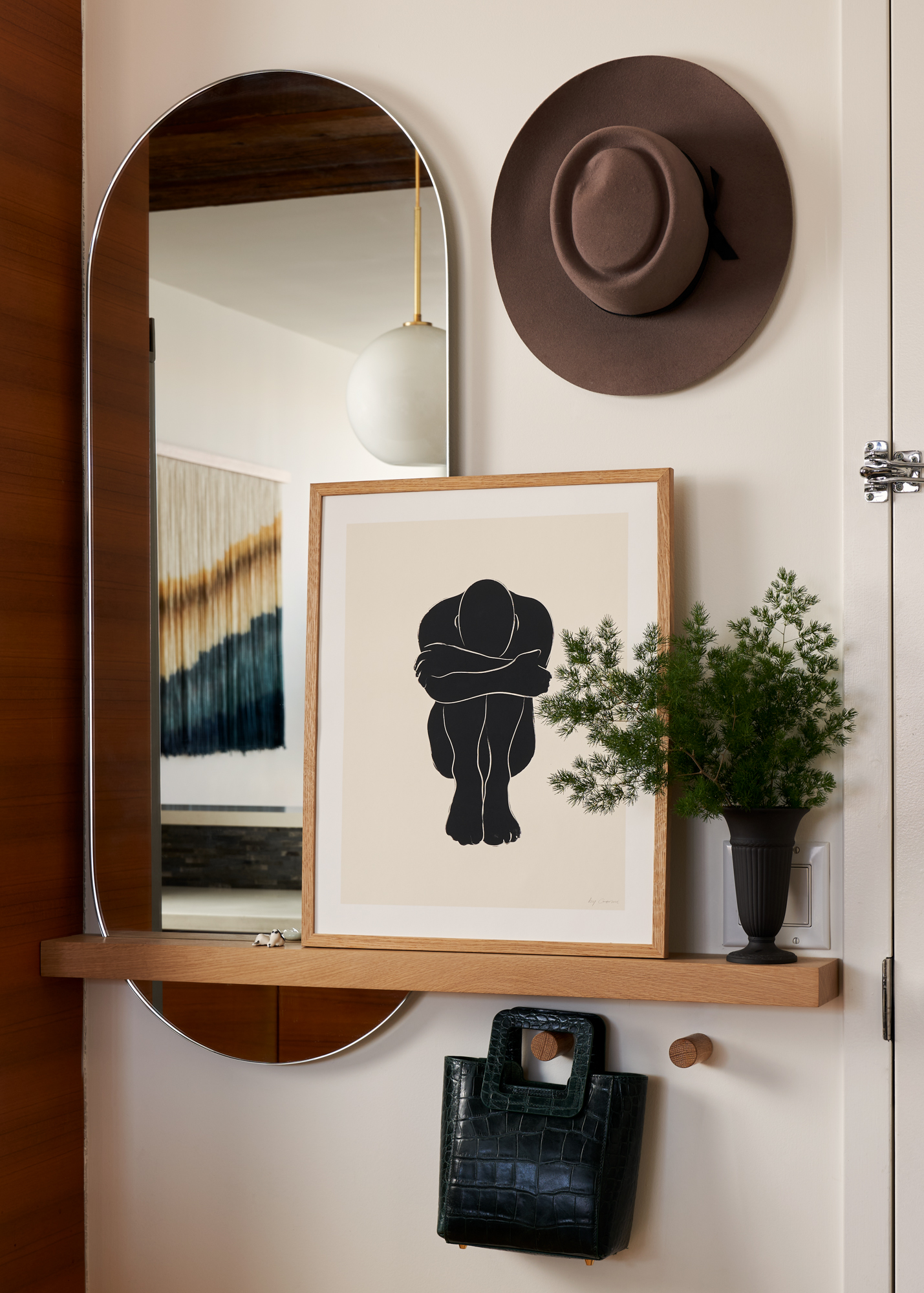
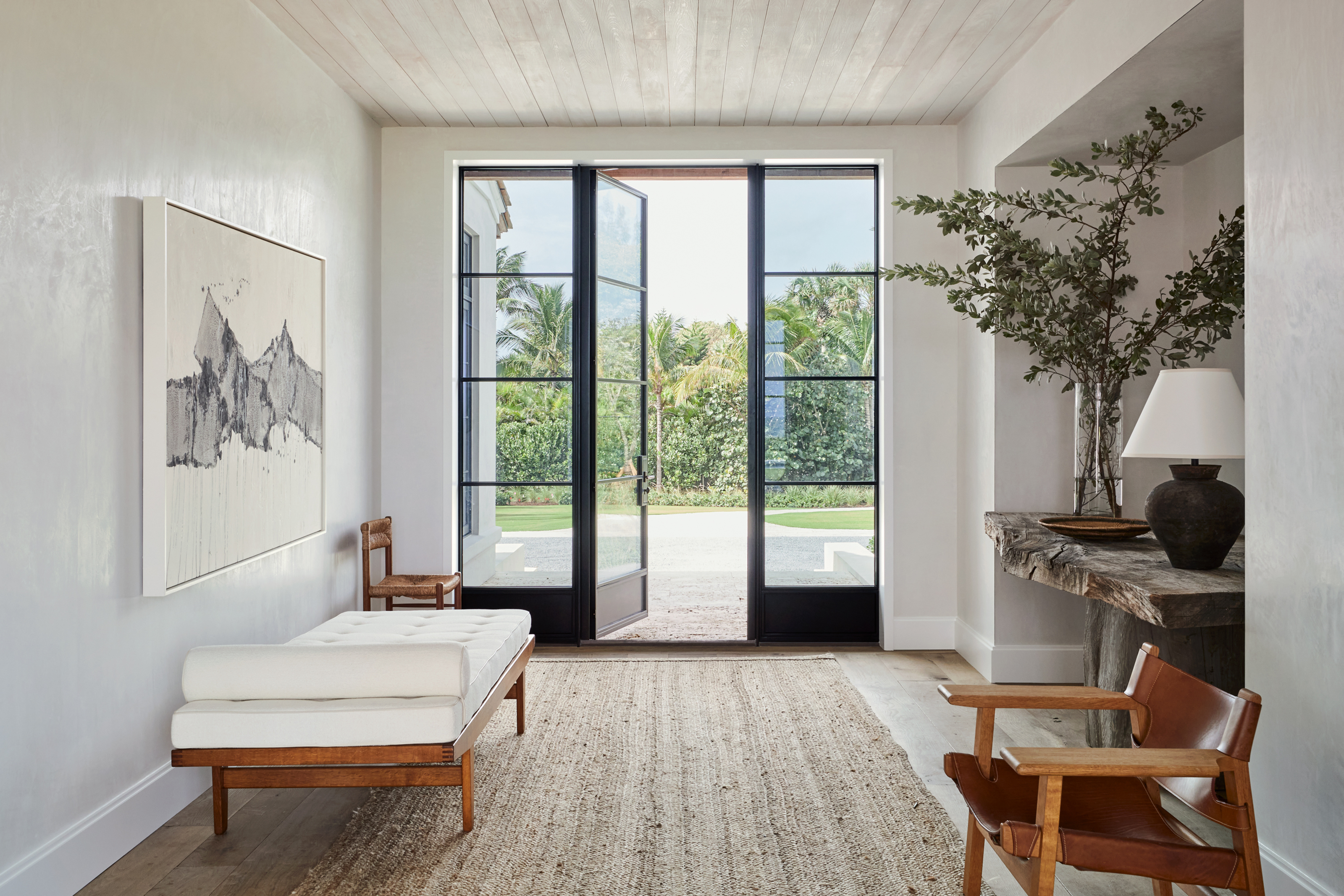
Seating, if space permits, is highly recommended for its dual benefit of functionality and style. Chairs, a bench, or a console table with stools can provide a convenient spot for putting on shoes or preparing to go outside, effectively treating the entryway as an extension of the home's living areas rather than just a corridor. The lack of a mirror is another oversight. Beyond its practical use for a quick reflection check before leaving, a mirror can visually expand the entryway, making it appear more spacious.
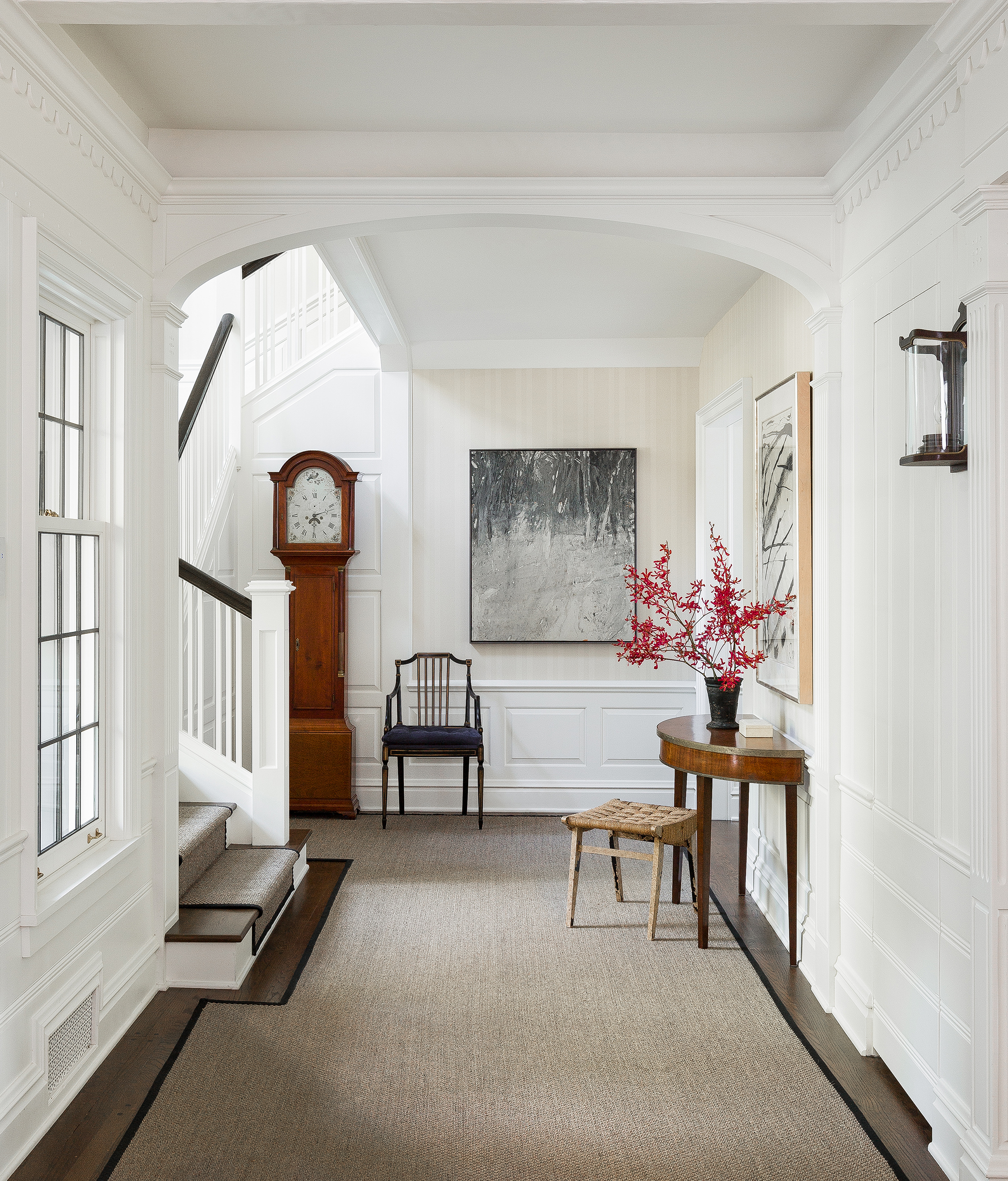
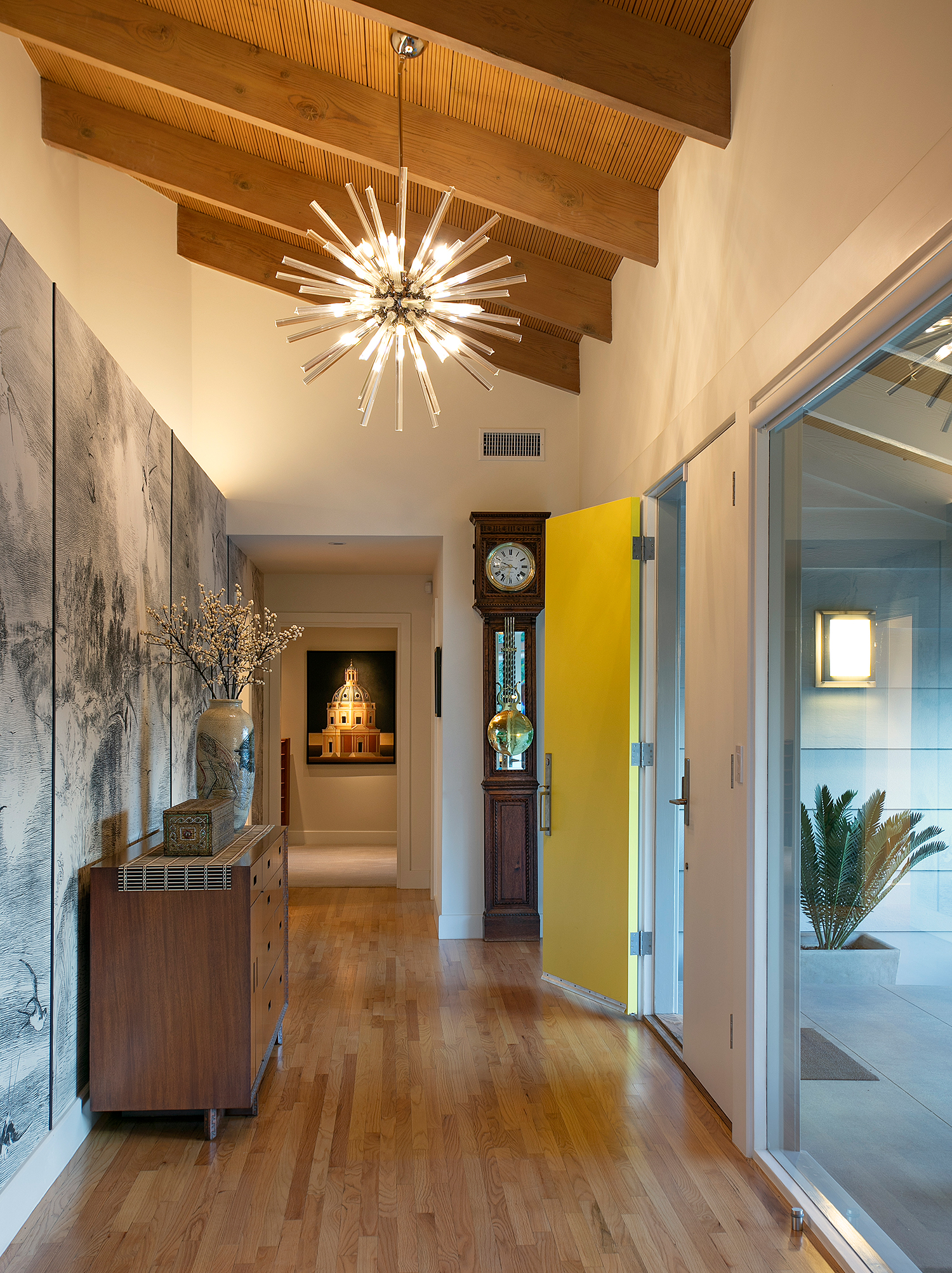
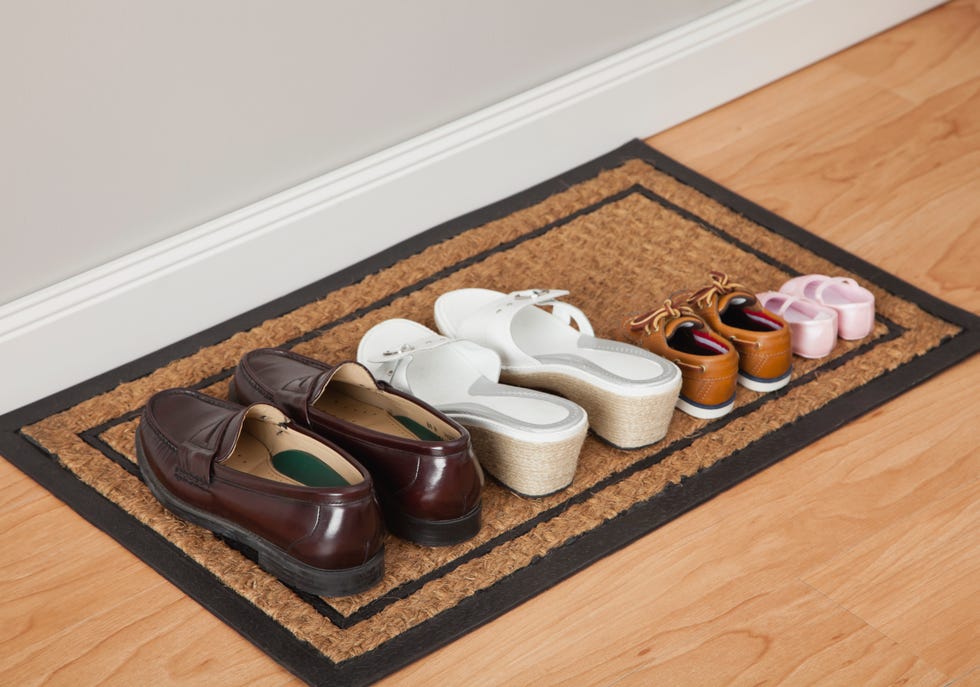
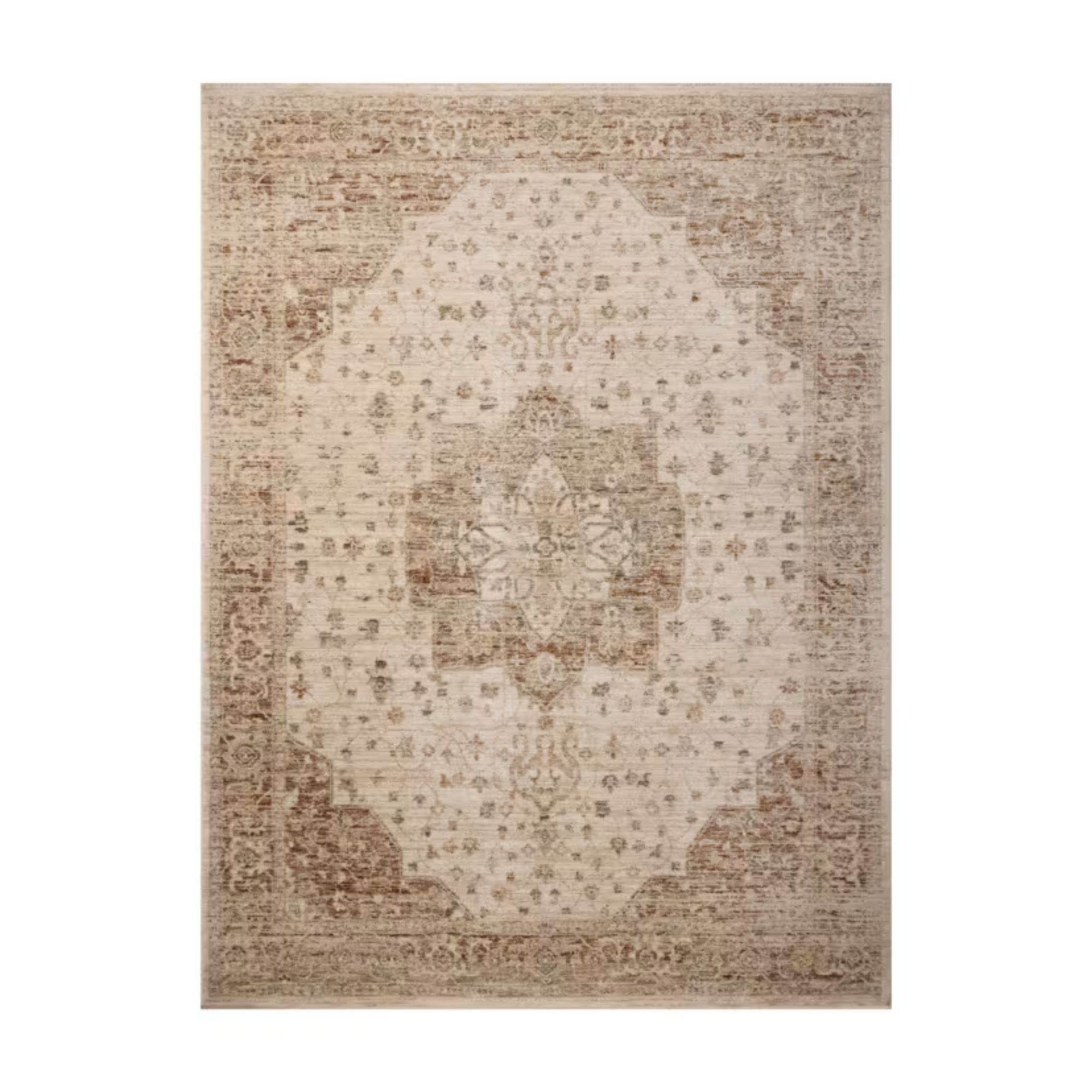
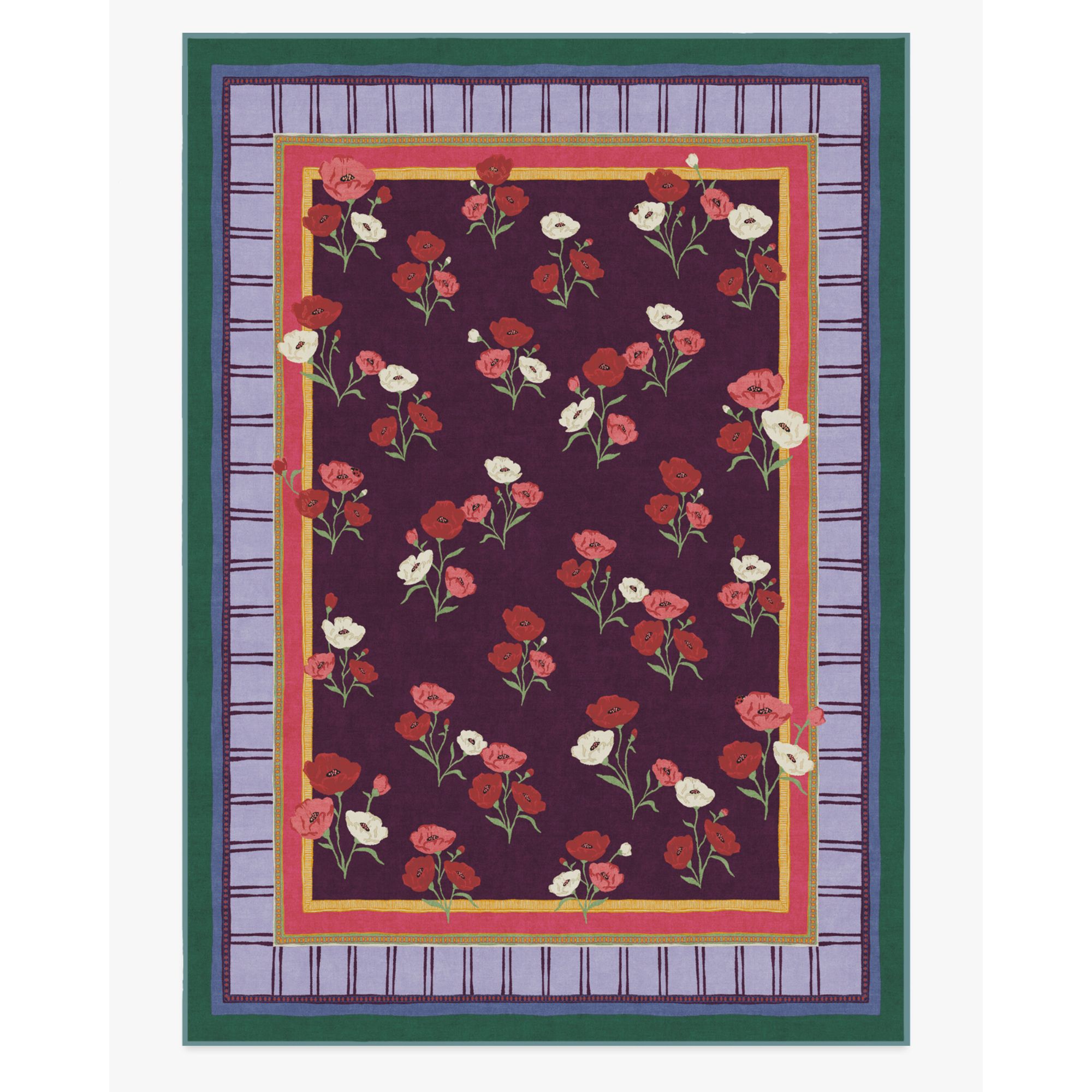
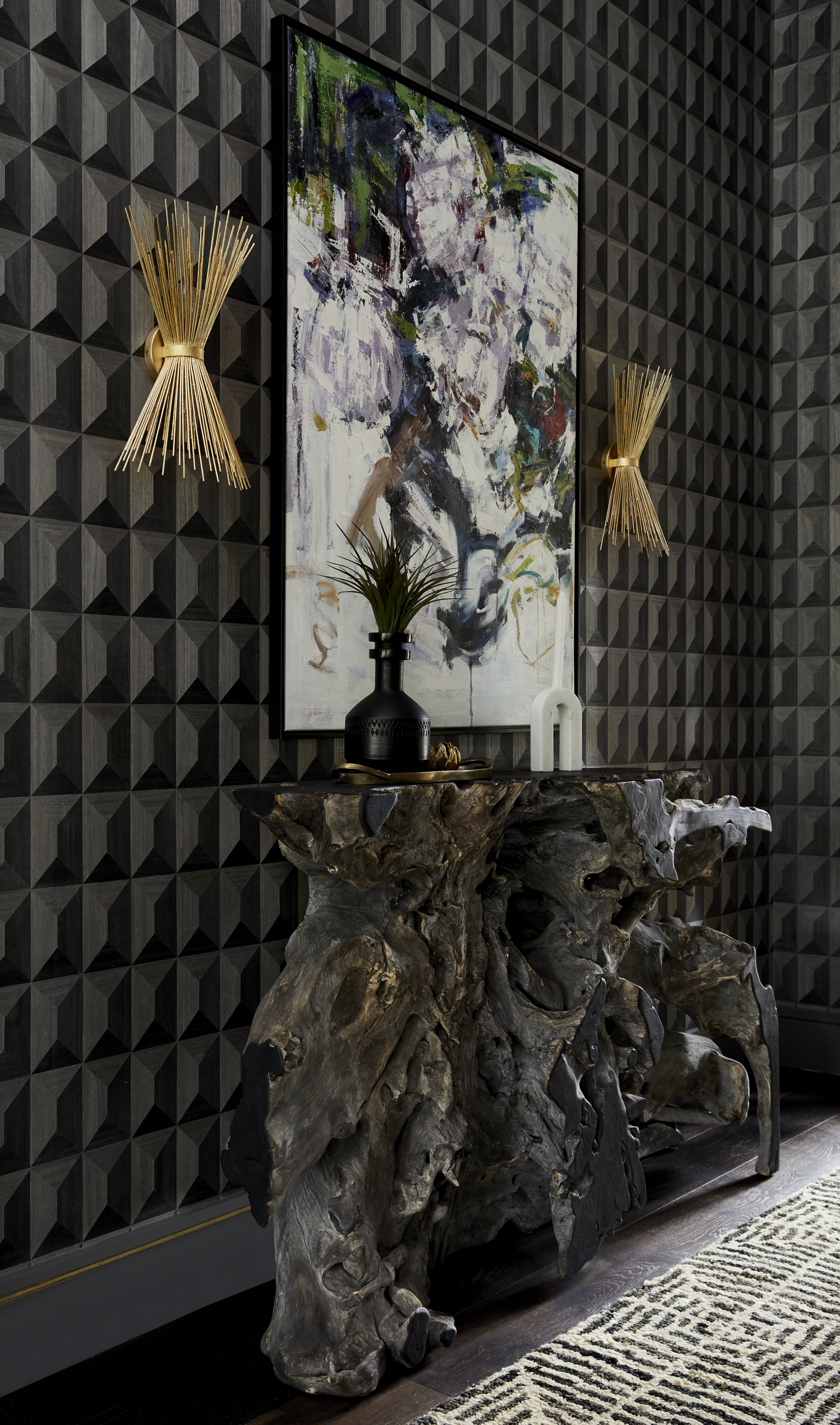
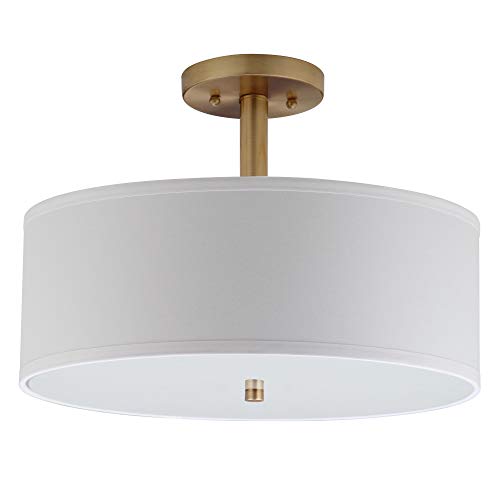
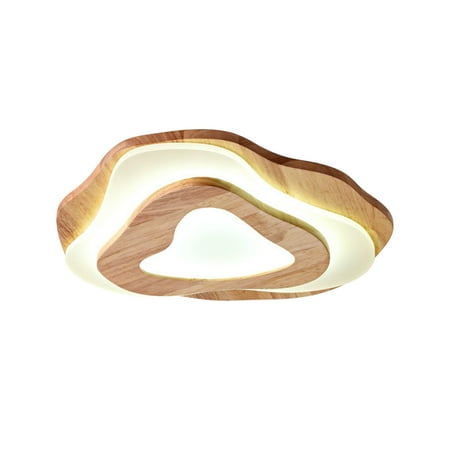
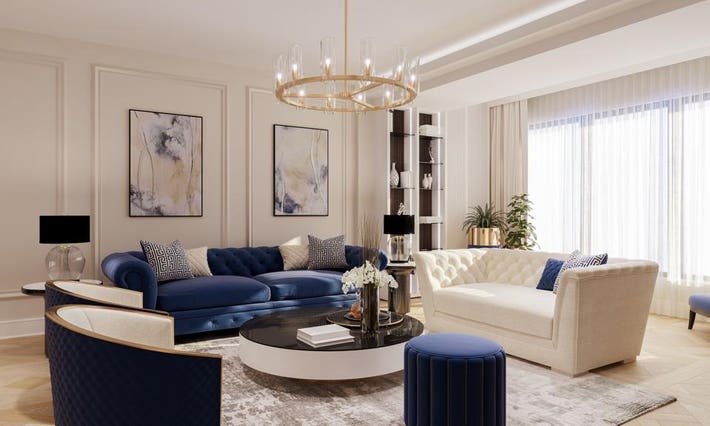
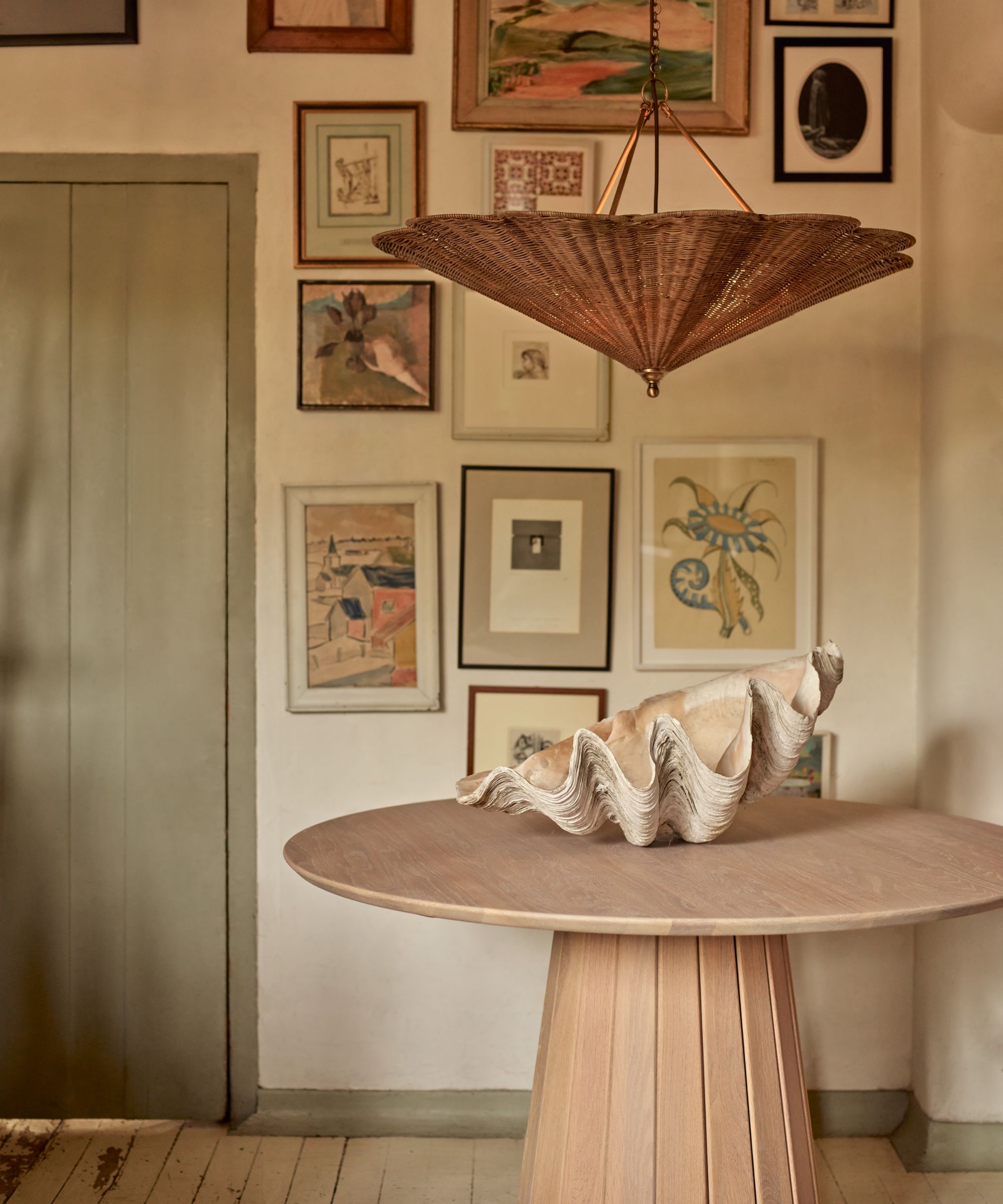
Lighting often gets overlooked in entryways, especially in grand foyers with high ceilings. Designers note that small, inadequate light fixtures fail to do justice to the space. Opting for a bold, statement lighting fixture can enhance the entryway's impact and contribute significantly to the overall first impression. Finally, the absence of an entryway rug is a missed opportunity. A rug can introduce pattern and texture, anchor the space, and effectively minimize dirt and dust tracking into the home. For wider entryways, a 3x5 foot rug is suitable, while a runner is ideal for longer, narrower spaces. Addressing these common mistakes can transform an entryway into a welcoming, functional, and stylish introduction to any home.
#EntrywayDesign #HomeDecor #InteriorDesign #HomeOrganization #SmallSpaces #LightingDesign #HomeStyling #FunctionalDecor #EntrywayDesign #HomeDecor #InteriorDesign #HomeOrganization #SmallSpaces #LightingDesign #HomeStyling #FunctionalDecor
0 comment in total
 No comments yet
You may also like
10 Mistakes Designers IMMEDIATELY Notice When They Walk Into Your Home

6 Things That Make Your Entryway Look TACKY, According to Designers
5 Common Entryway Lighting Mistakes Designers Never Fail to Notice — I'll Always Avoid These Now

5 Common Entryway Mistakes That Make The Wrong First Impression
7 Design Mistakes Interior Designers Always Notice

6 mistakes design experts instantly notice in your home – and how to fix them

5 Things Guests Instantly Notice About Your Entryway—And Not in a Good Way

10 Interior Design Mistakes Experts Avoid In Their Own Homes
5 entryway mistakes we all make – and how designers suggest we avoid them

6 Things That Make Your Entryway Look TACKY, According to Designers

7 Paint Mistakes That Make Designers Instantly Cringe When They Walk Into Someone's Home

How do you decorate an awkward entryway? 7 designer-approved tricks for tough-to-style entrances
5 Mistakes That Are Making Your Entryway Look Bad, According to a Designer
5 entryway Feng Shui mistakes experts always notice as soon as they step foot into a home
Don't make these 5 entryway decor mistakes

What makes an entryway look cheap? 6 mistakes to immediately switch out in 2025
These Are the First Things Designers Will Always Notice in Your Entryway
6 things to never put in an entryway, according to interior designers
The 5 small entryway color mistakes design experts say are big bloopers

6 Home Décor Mistakes Interior Designers Notice Right Away—and How to Fix Them