The Secrets To A Well-Lit Room
Effective lighting is crucial for creating an inviting and comfortable atmosphere within a room, yet it often goes unnoticed when executed flawlessly. Lindsey Adelman, an industrial designer specializing in light fixtures, notes that well-lit rooms make people feel relaxed and look their best without understanding the underlying reason. Conversely, interior designer Andrew Galuppi warns against overly bright lighting, which can make a space feel uninviting, akin to a hospital emergency room.
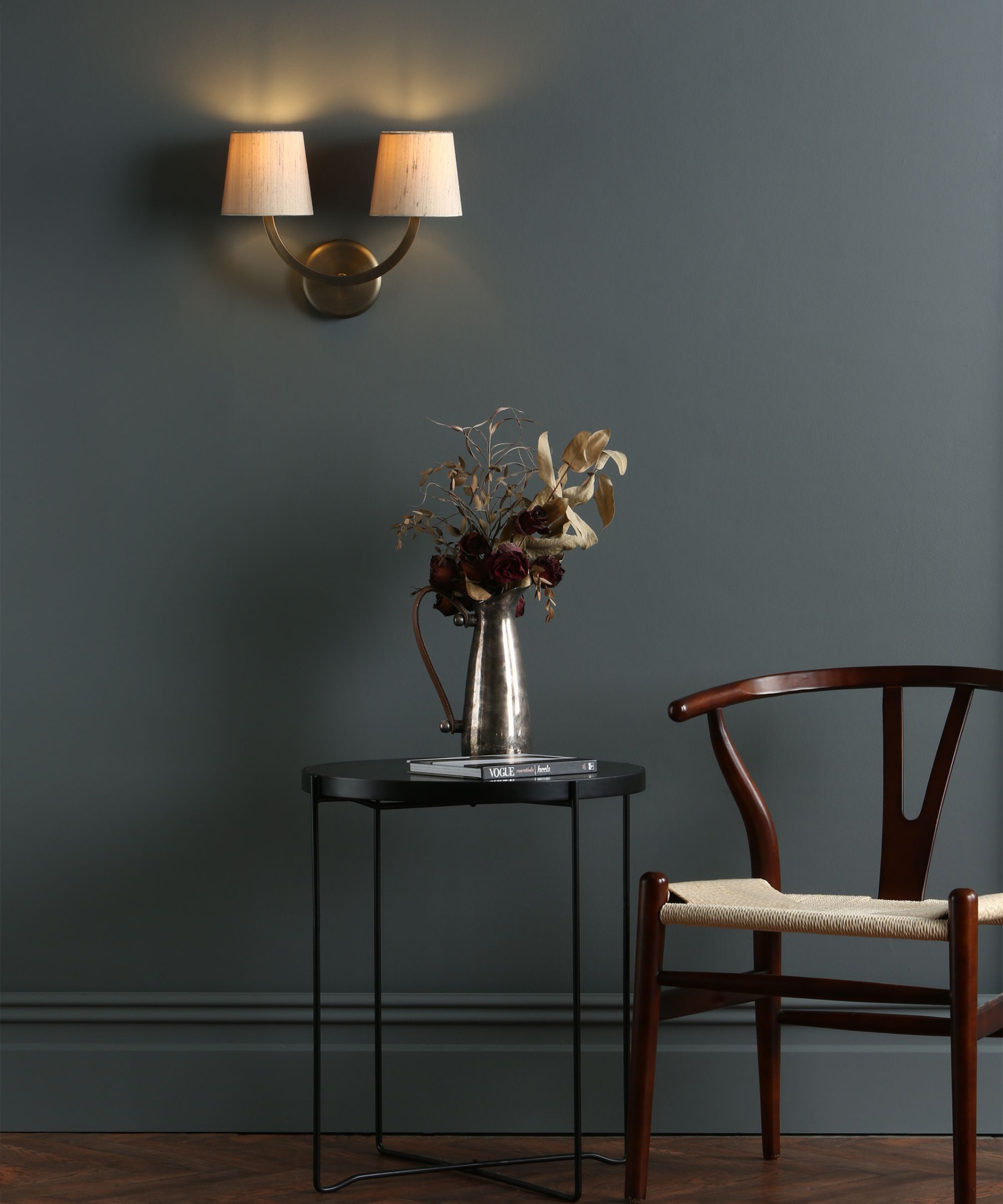
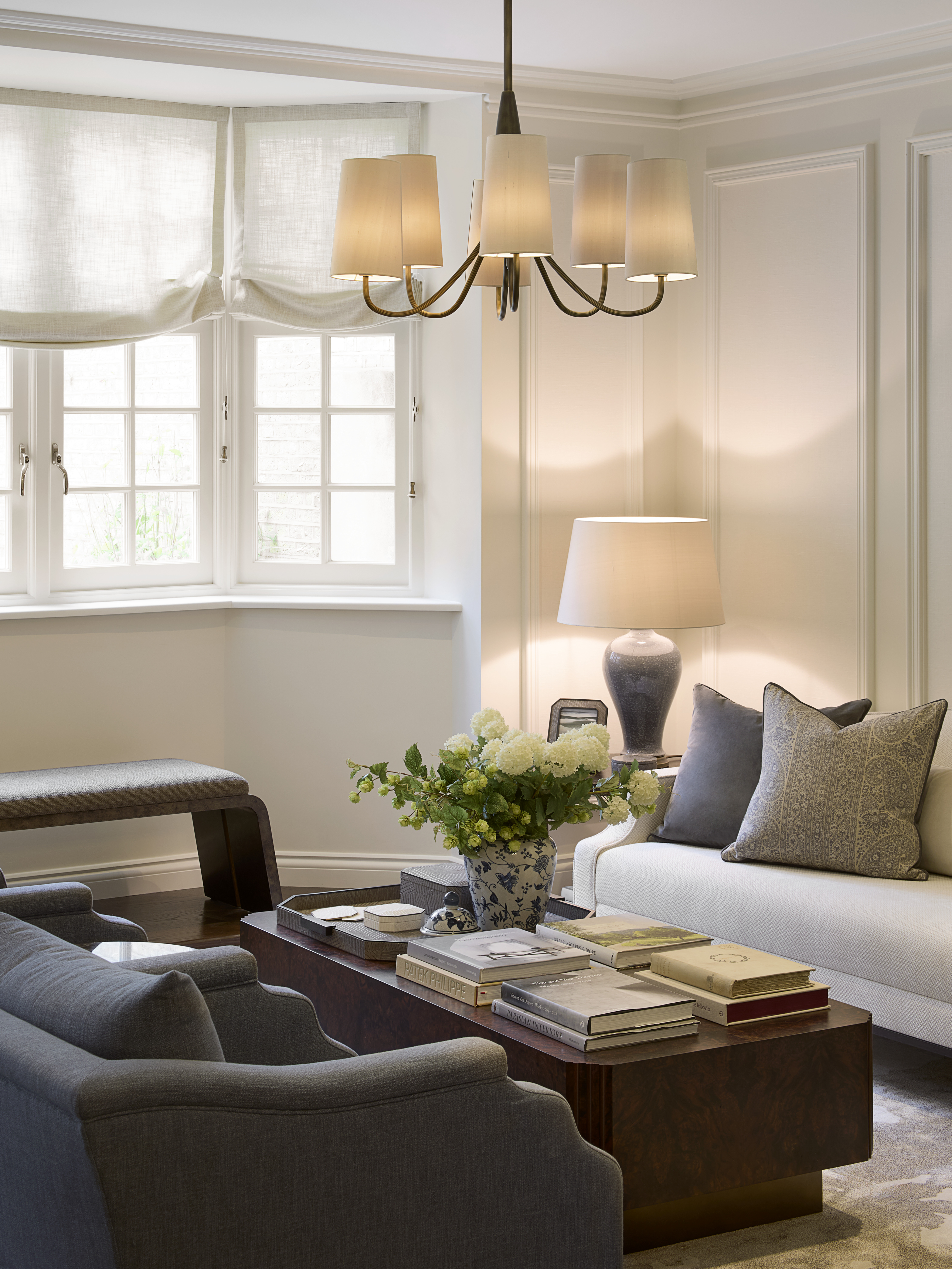
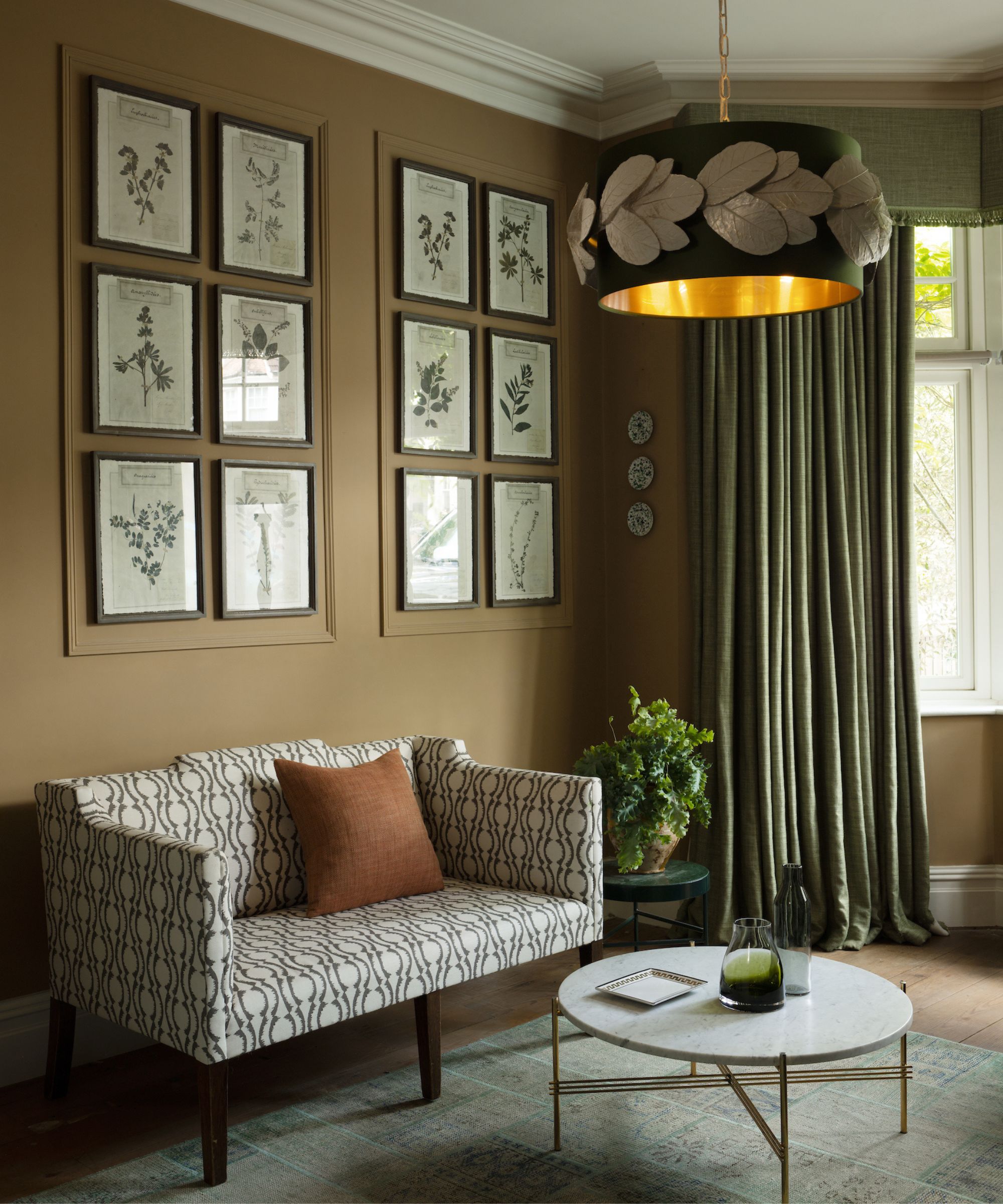
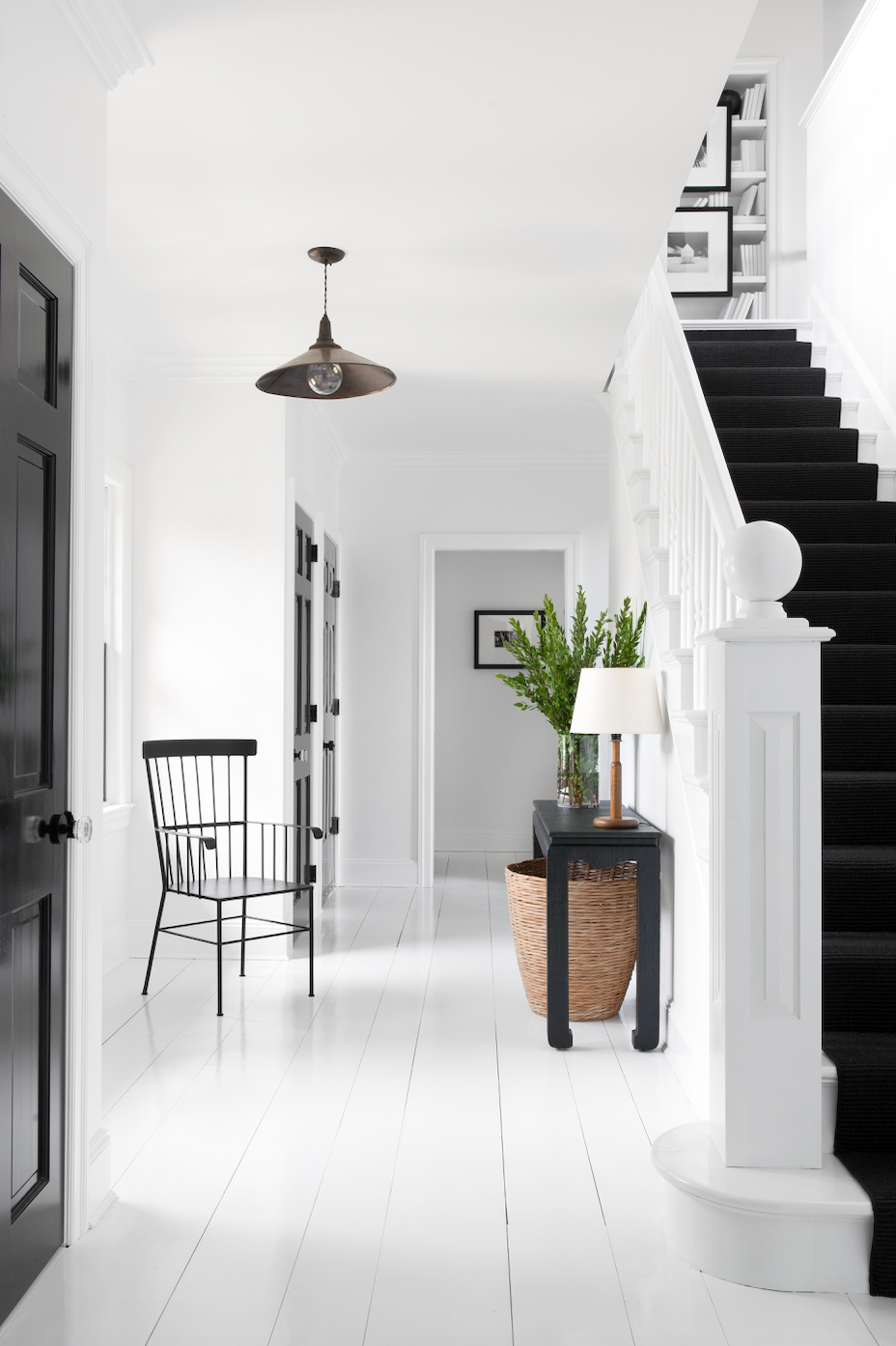
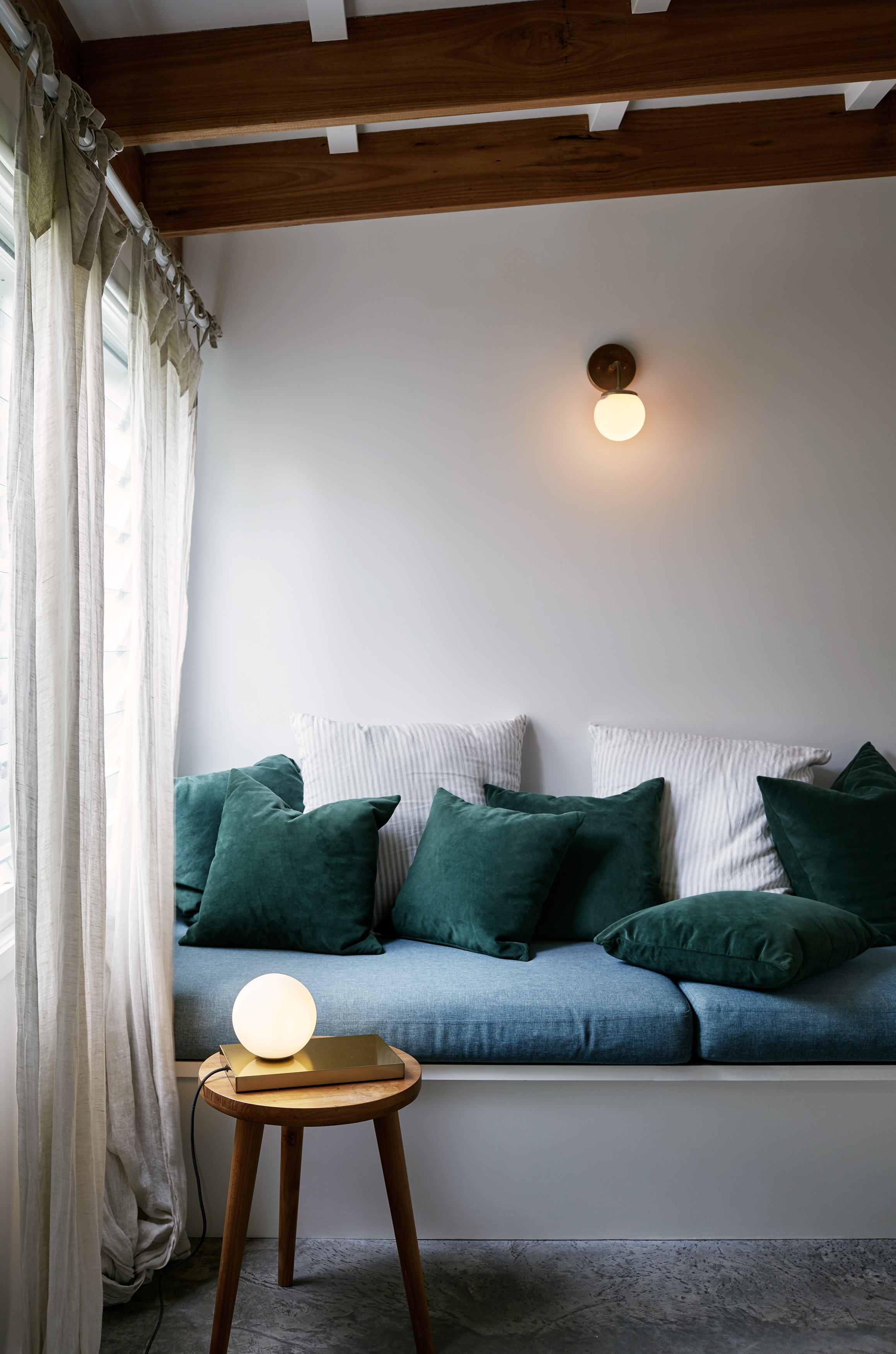
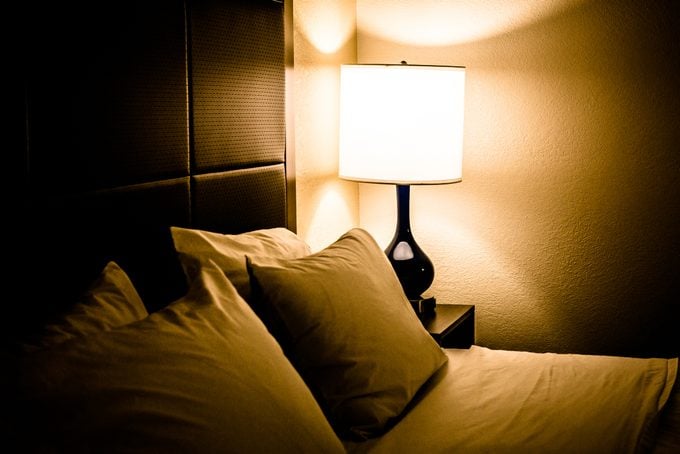
A key principle for achieving optimal lighting is to localize light sources rather than attempting to illuminate an entire room from a single point. Architect and designer David Rockwell suggests incorporating multiple layers of light that blend harmoniously. He advises selecting a light source and then determining the best way to diffuse it, recommending that individuals test low-wattage bulbs with various lampshades in stores to find the ideal match.
Dimmers are considered essential for multipurpose rooms, offering flexibility to adjust lighting based on the time of day, event, or mood. Rockwell highlights their energy-saving benefits and longer bulb life. Adelman goes further, deeming dimmers non-negotiable for overhead lighting, as a single central light source without a dimmer can create harsh shadows and a depressing ambiance.
The choice of light bulbs significantly impacts a room's aesthetic and comfort. Fluorescent tubes are strongly discouraged due to their tendency to distort colors and cause eye fatigue. While compact fluorescent light bulbs (CFLs) are a viable option, proper disposal is necessary. Screw-in LEDs, though potentially costly, offer longevity. Adelman specifically recommends the dimmable white A-19 LED light bulb from TheLEDLight.com for its warmth, shape, and suitability as an incandescent replacement.
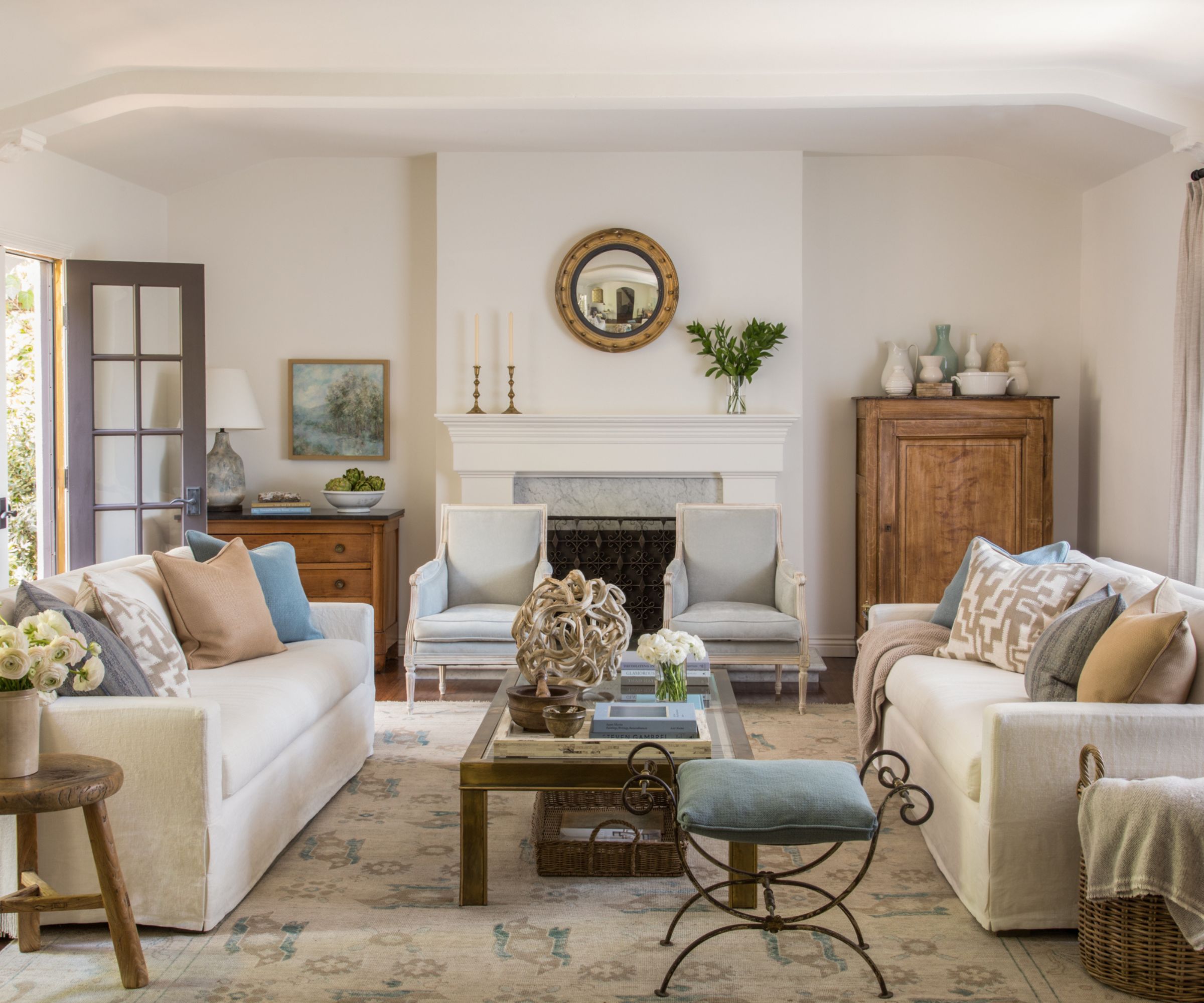
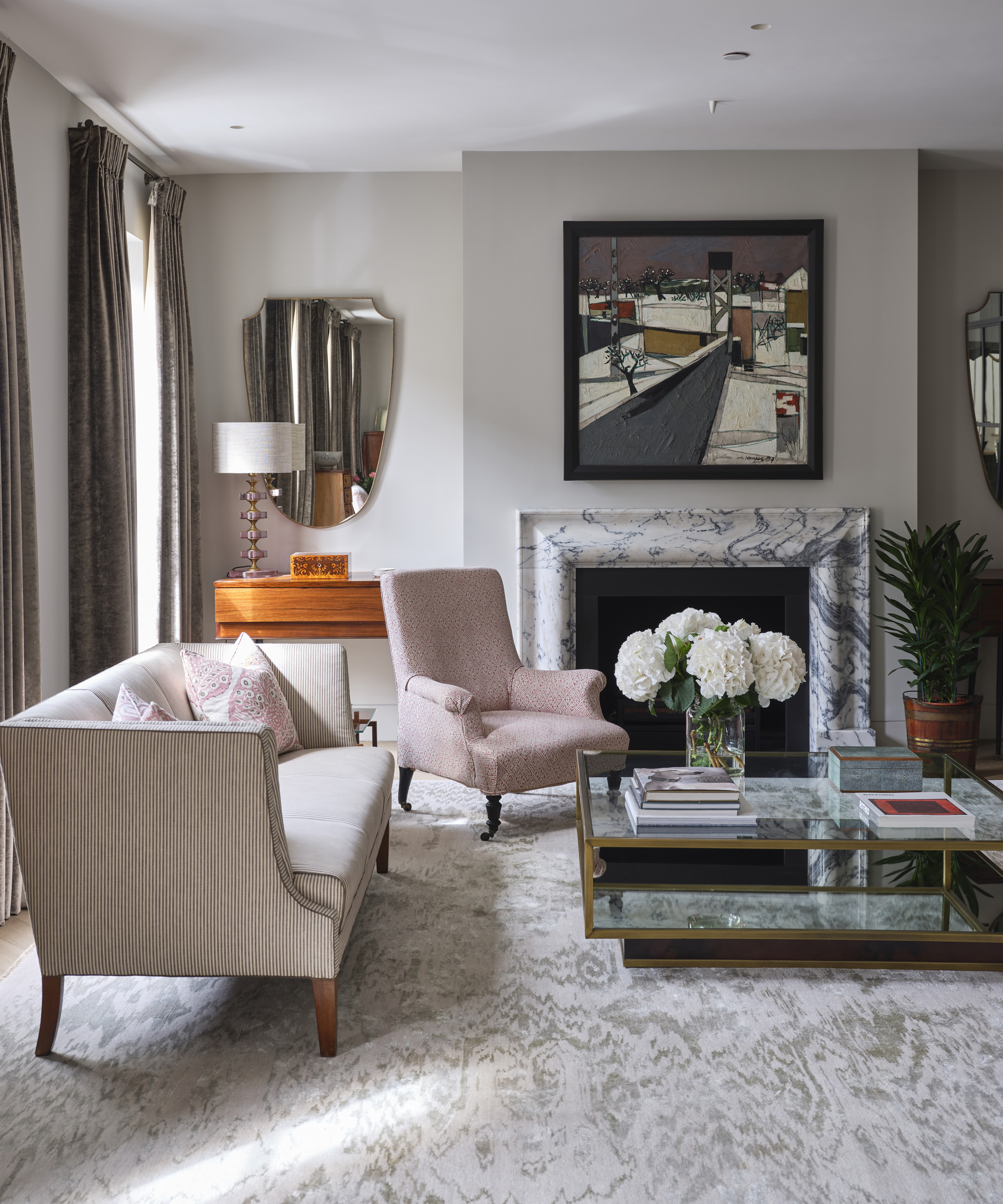
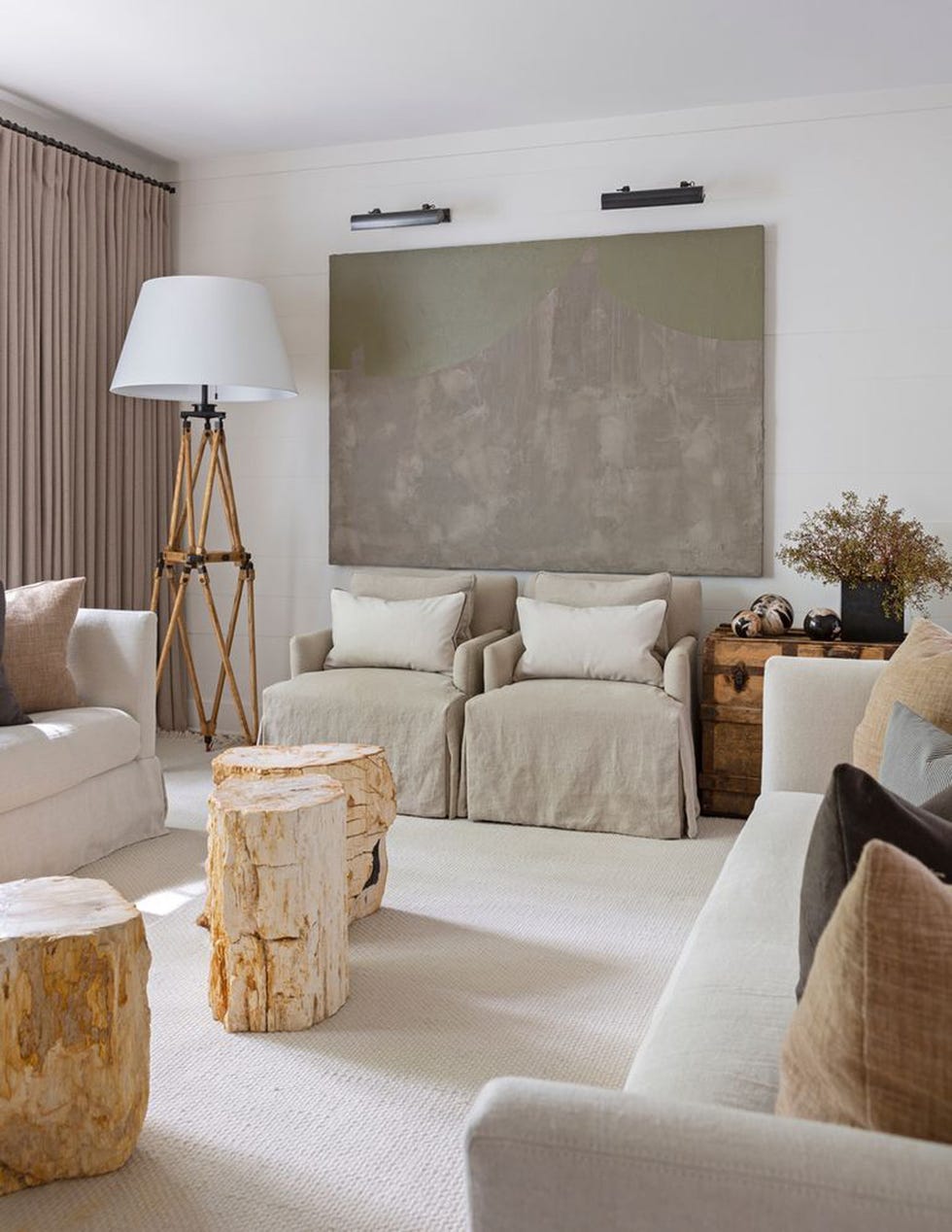
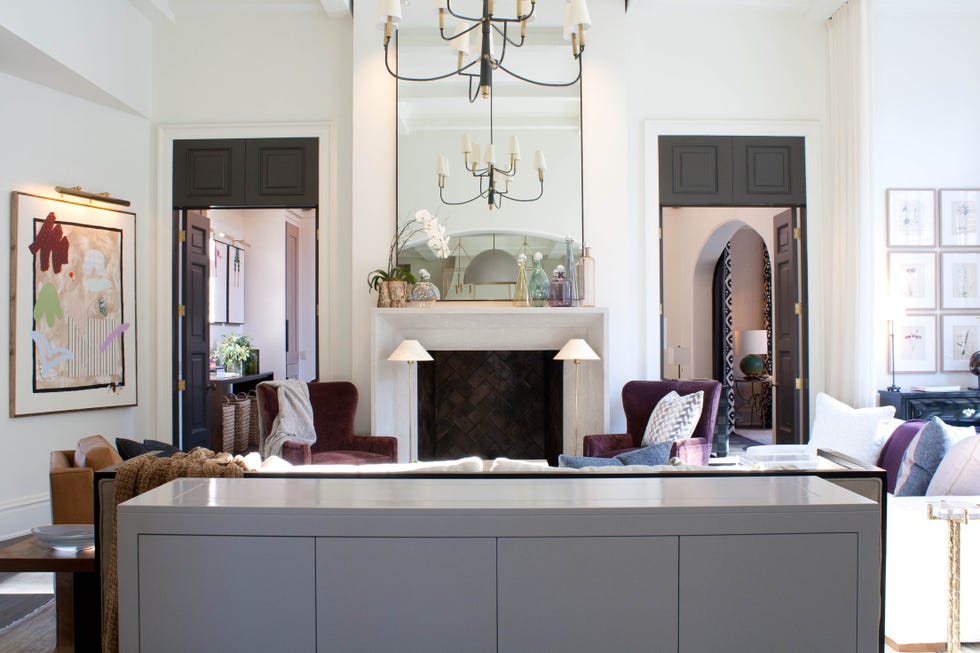
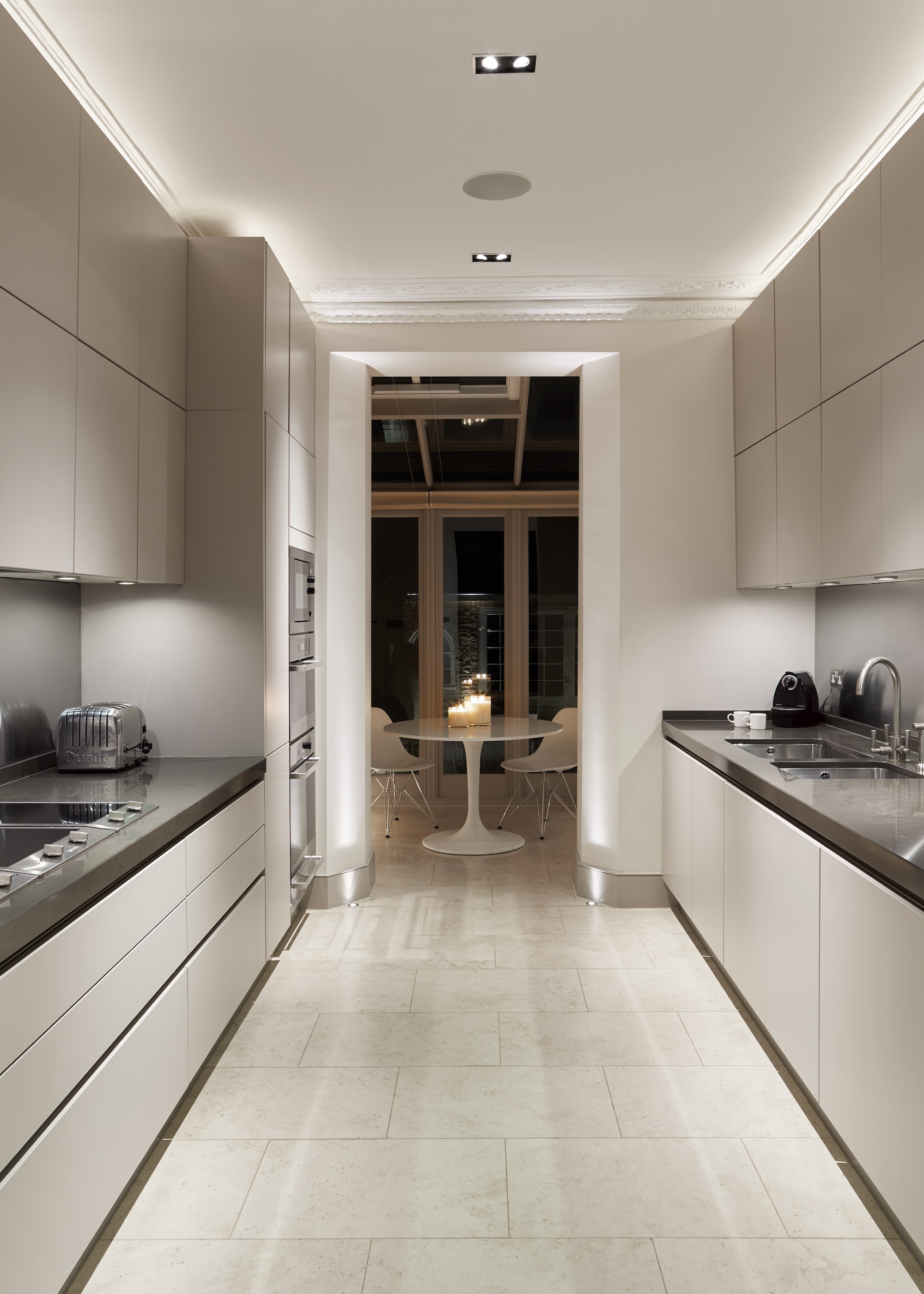
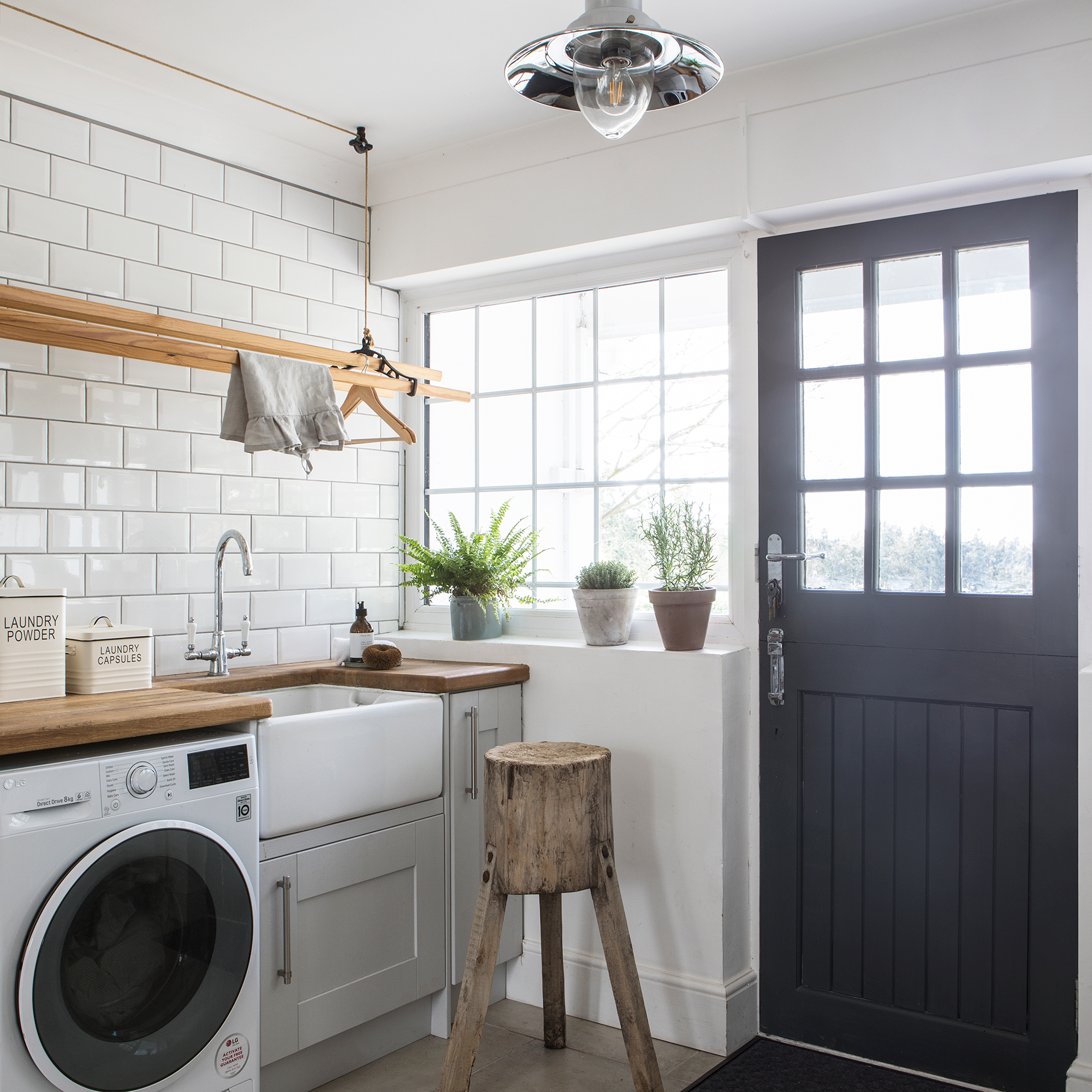
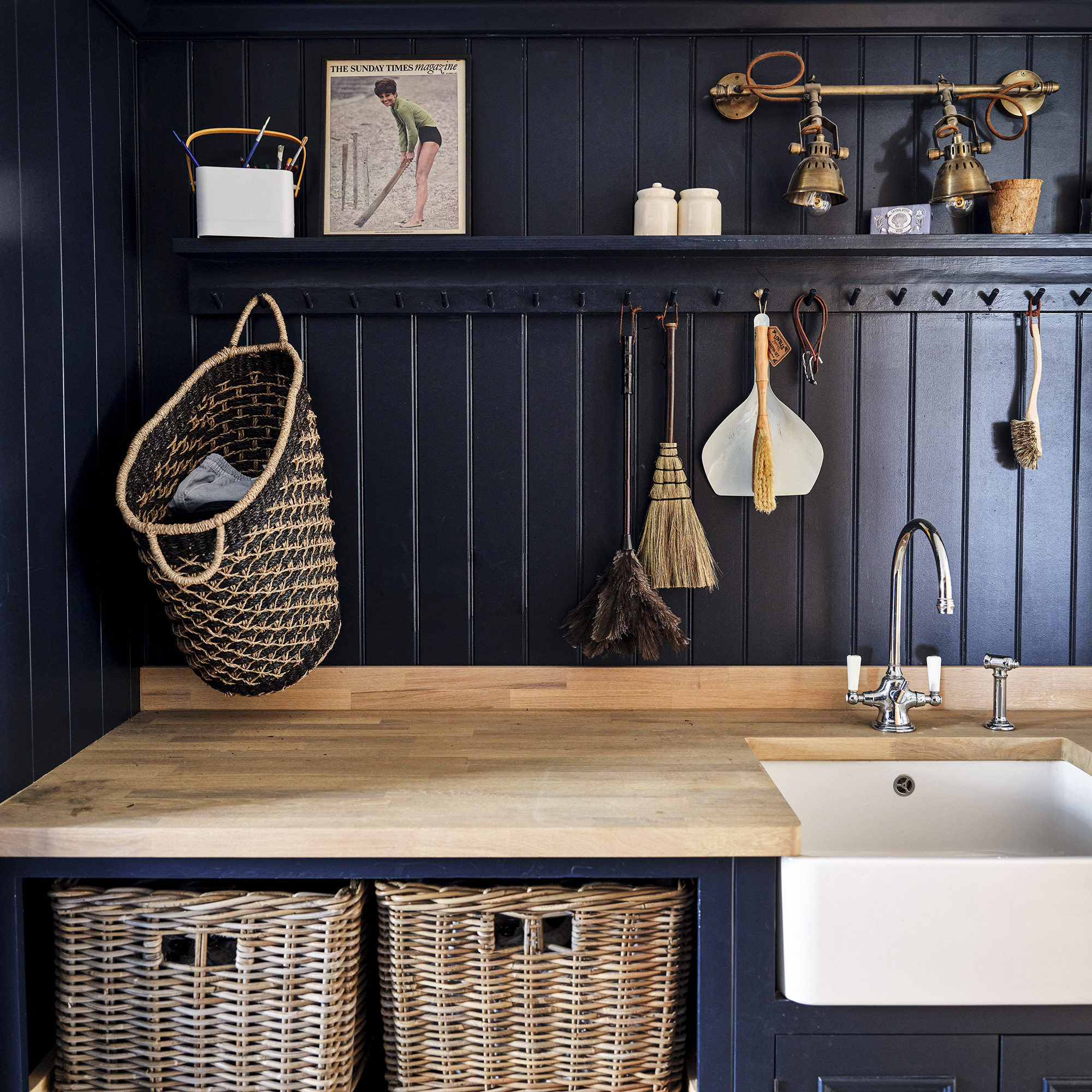
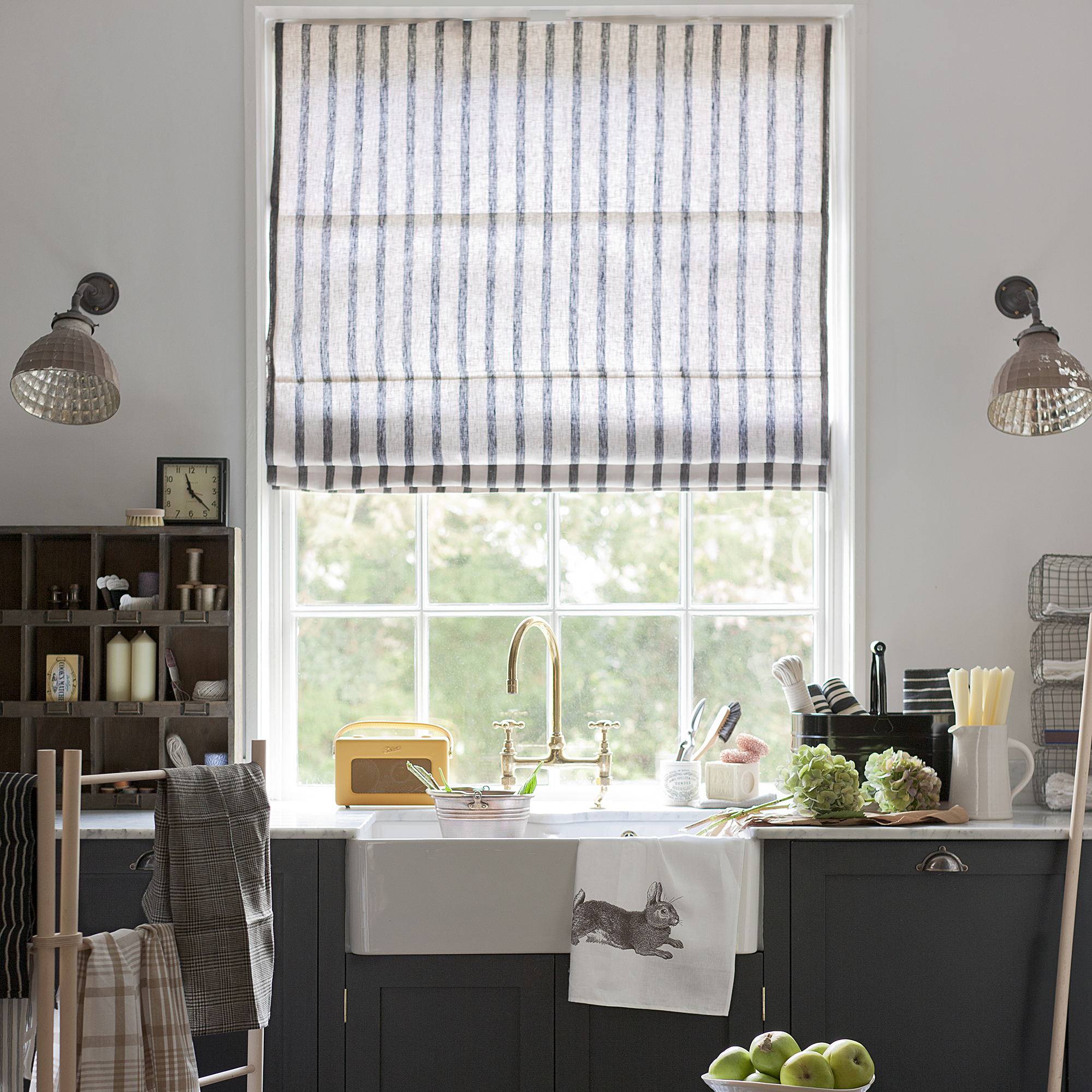
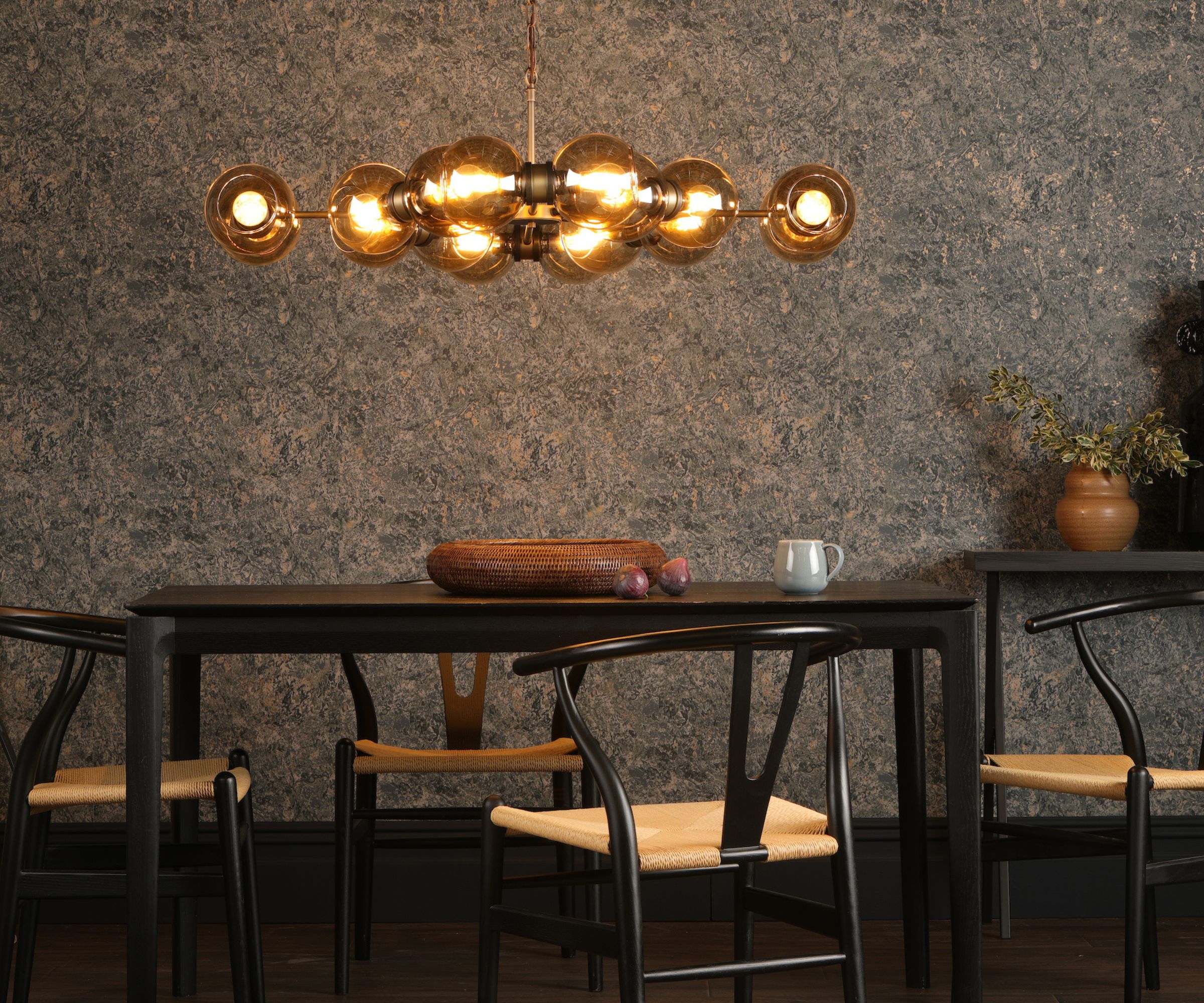
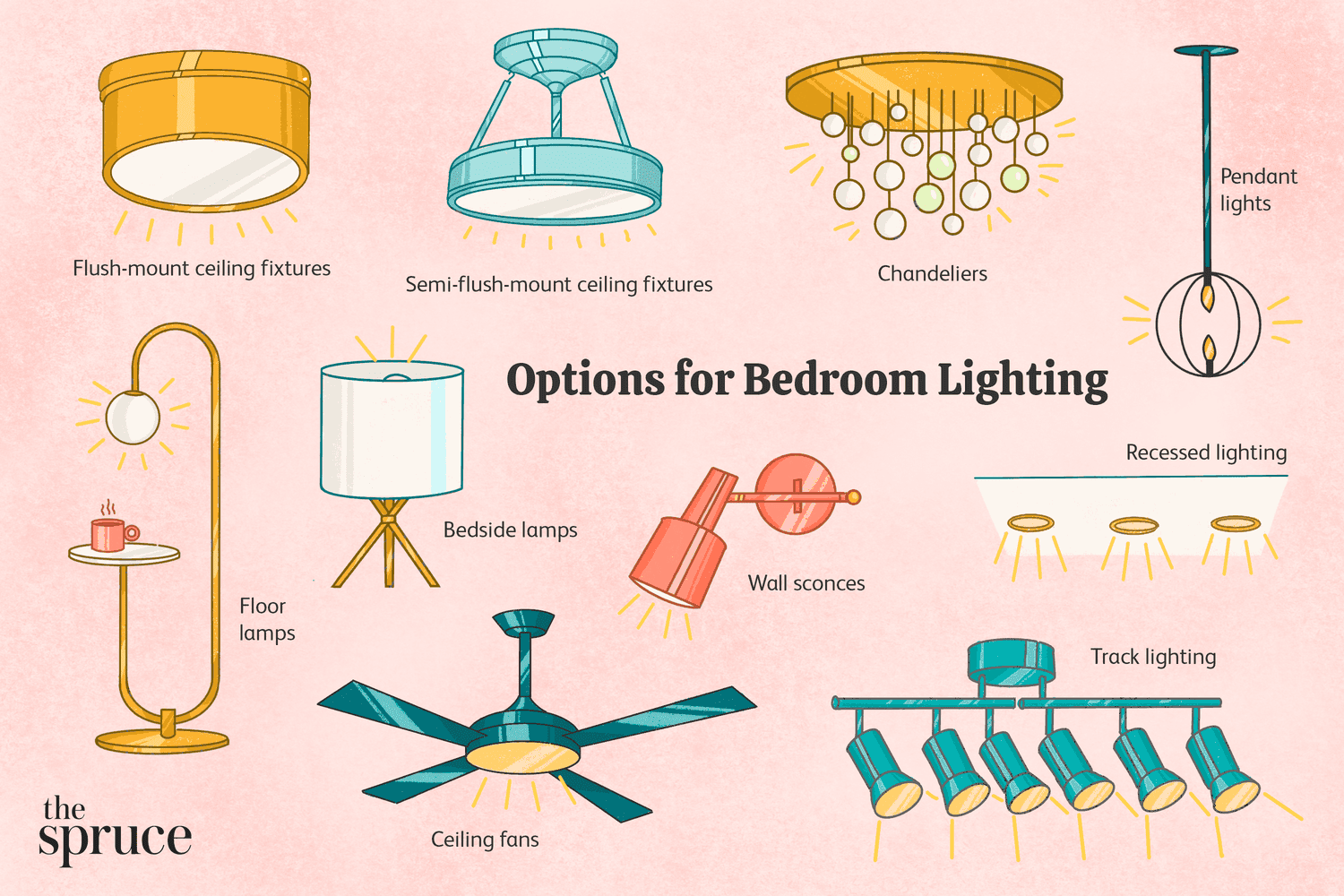
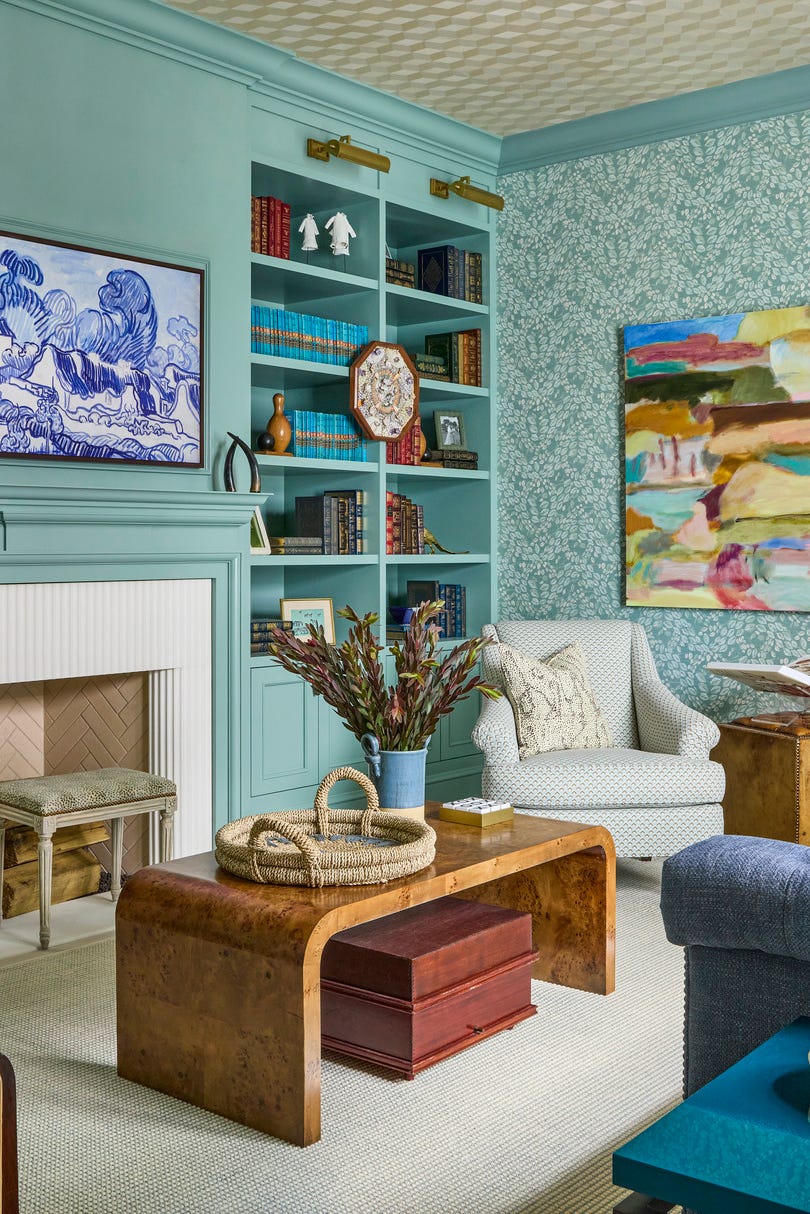
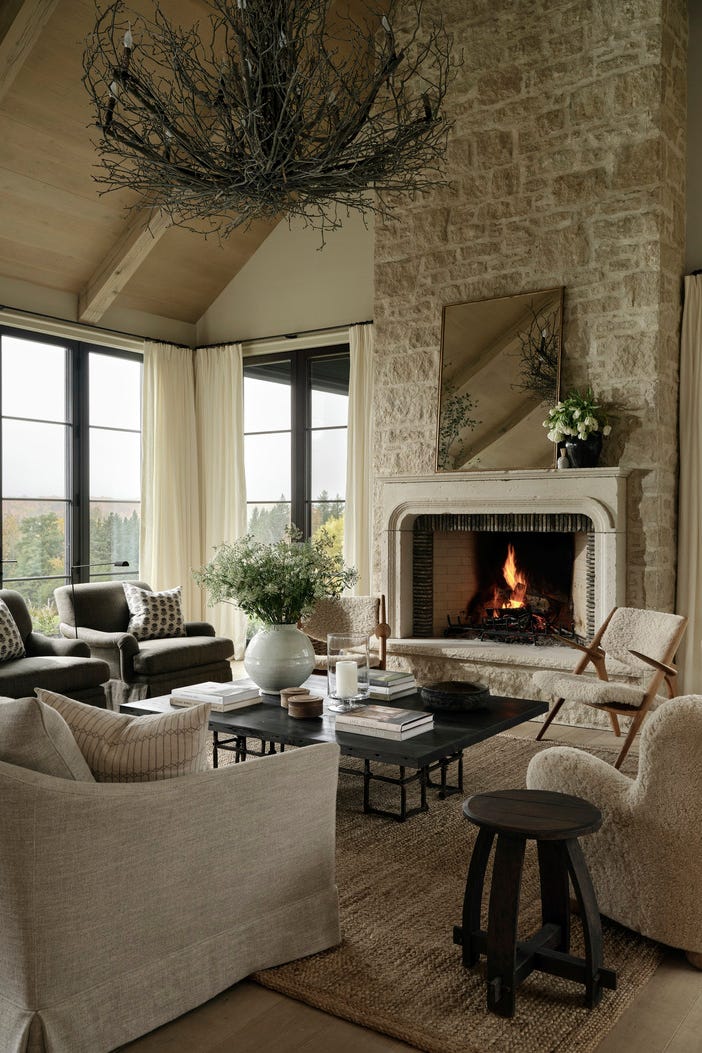
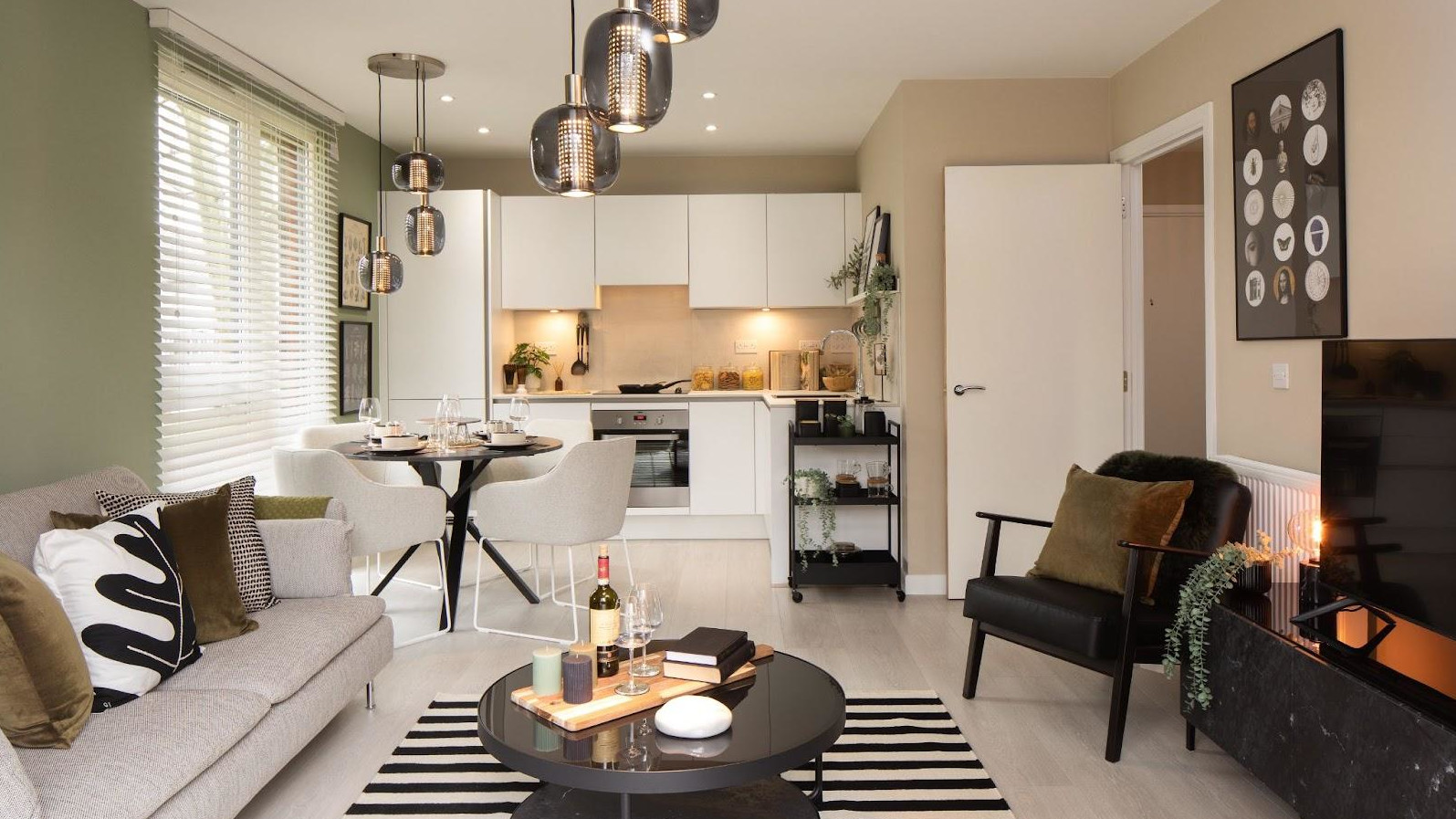
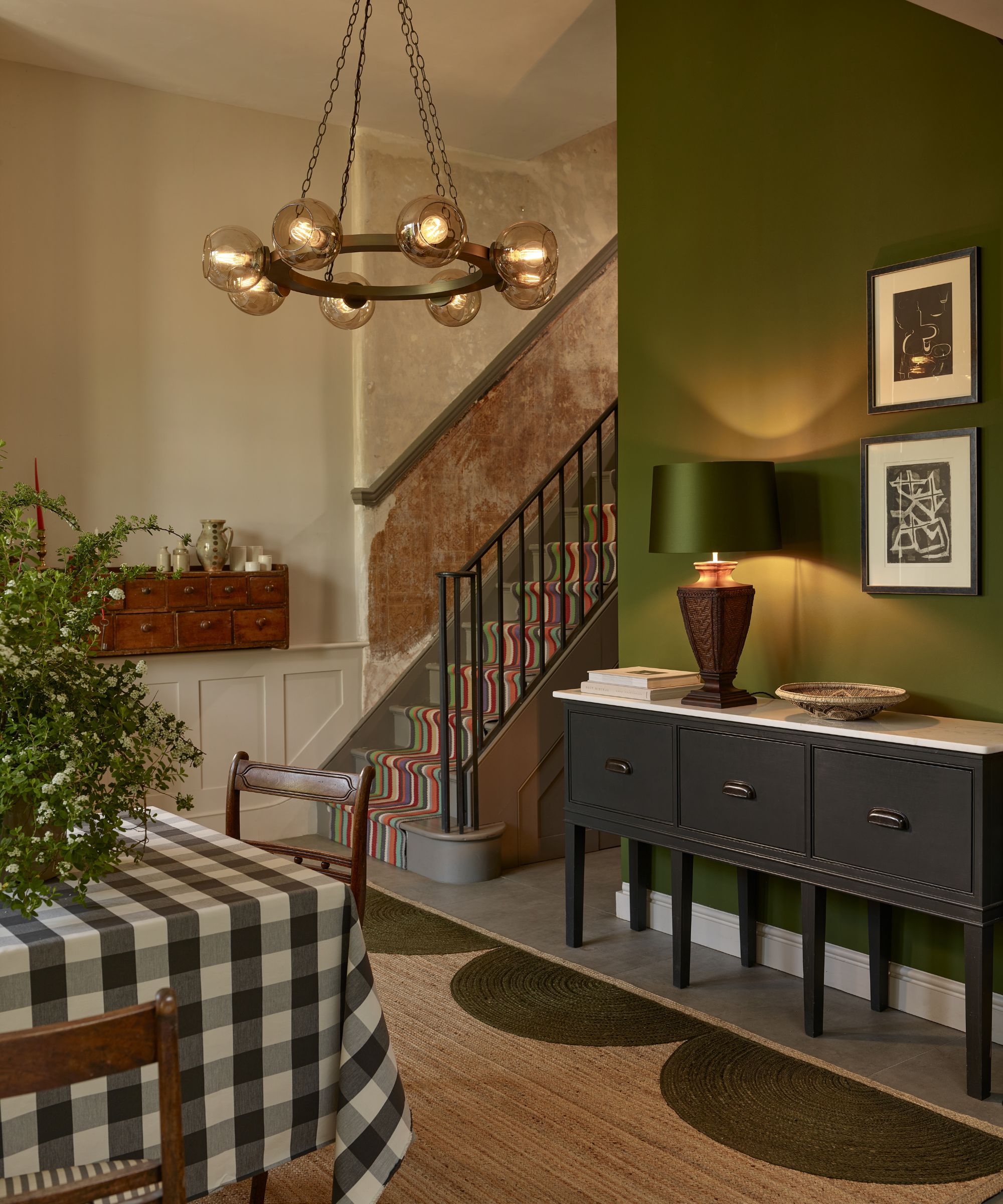
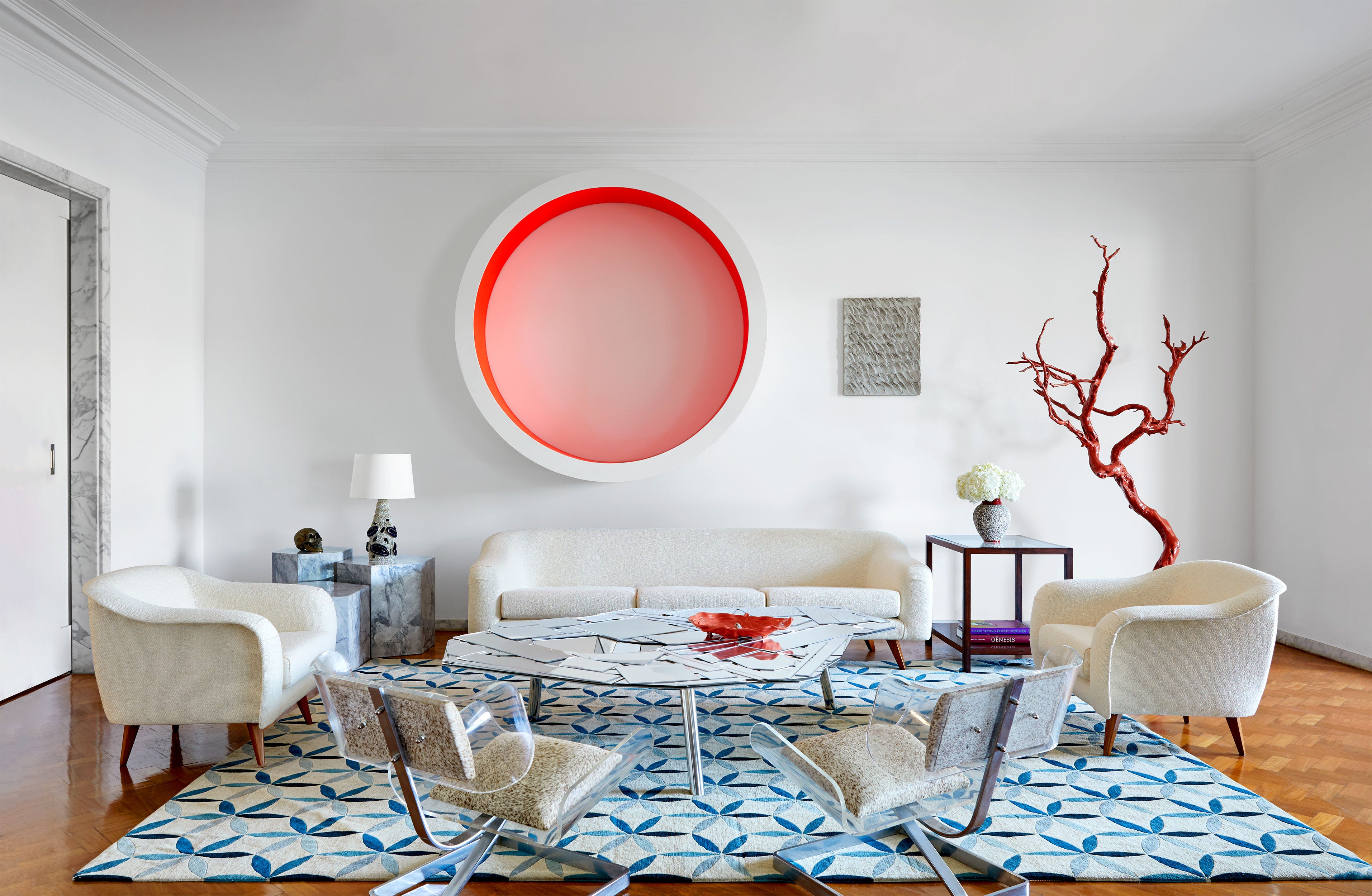
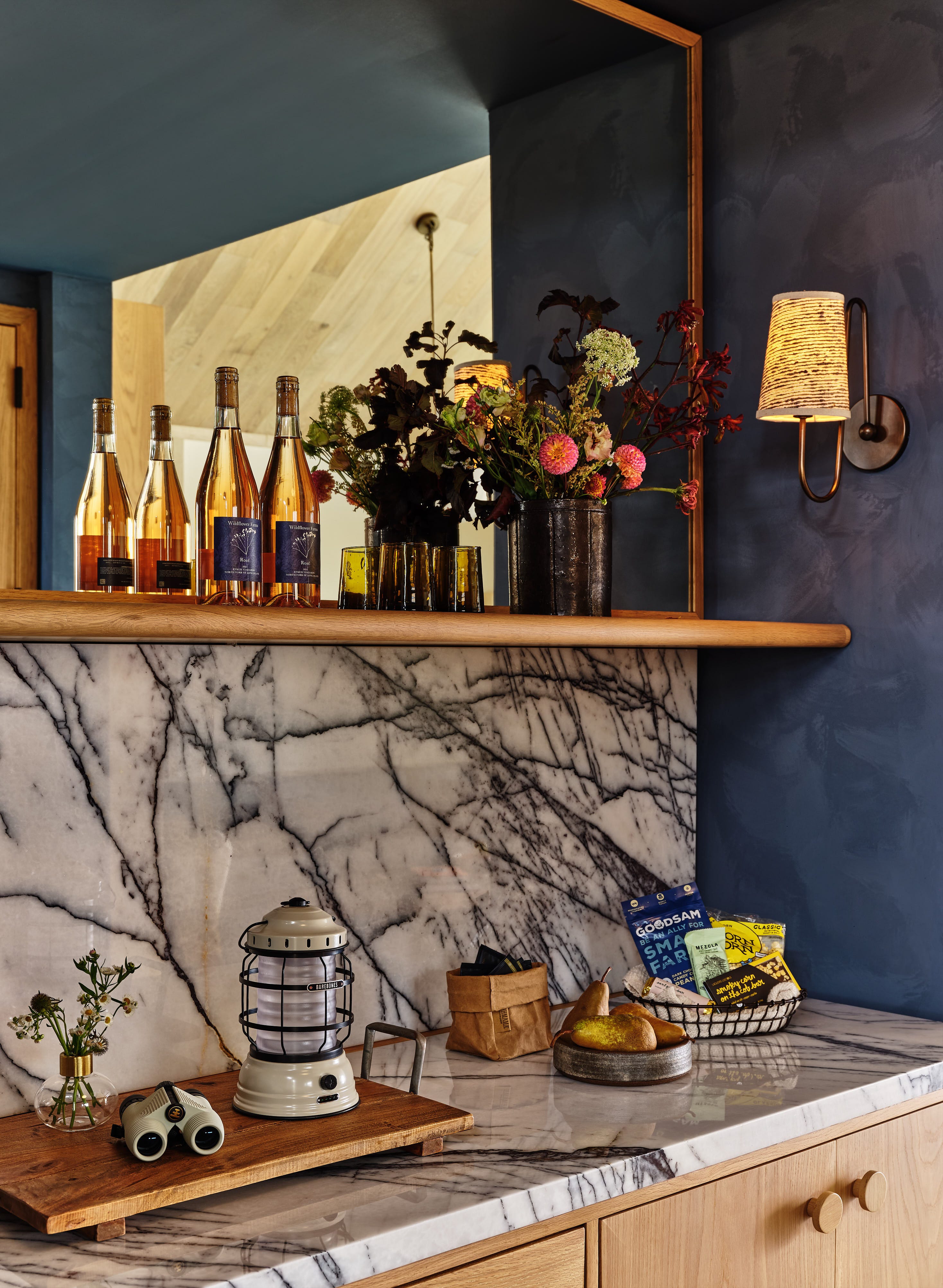
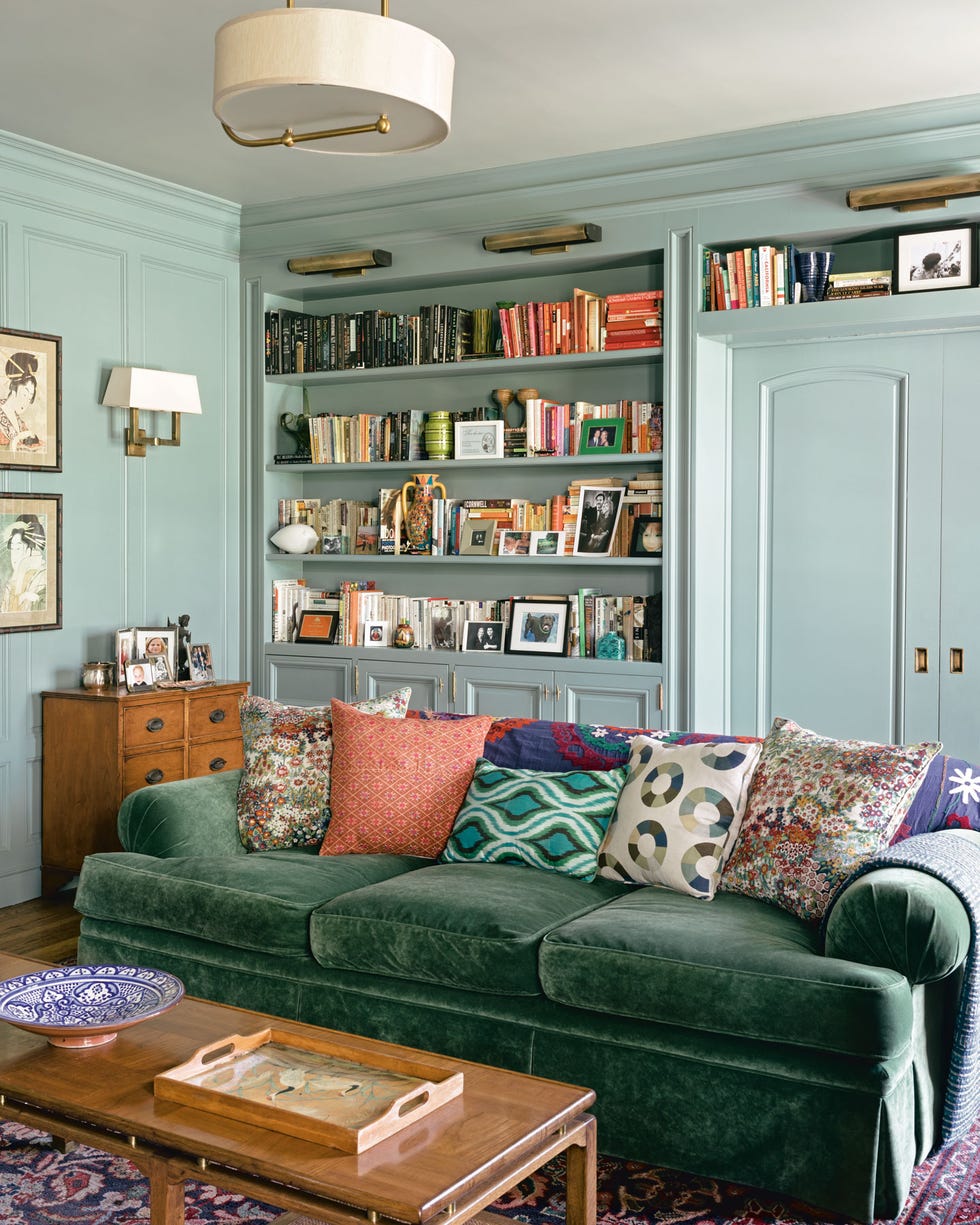
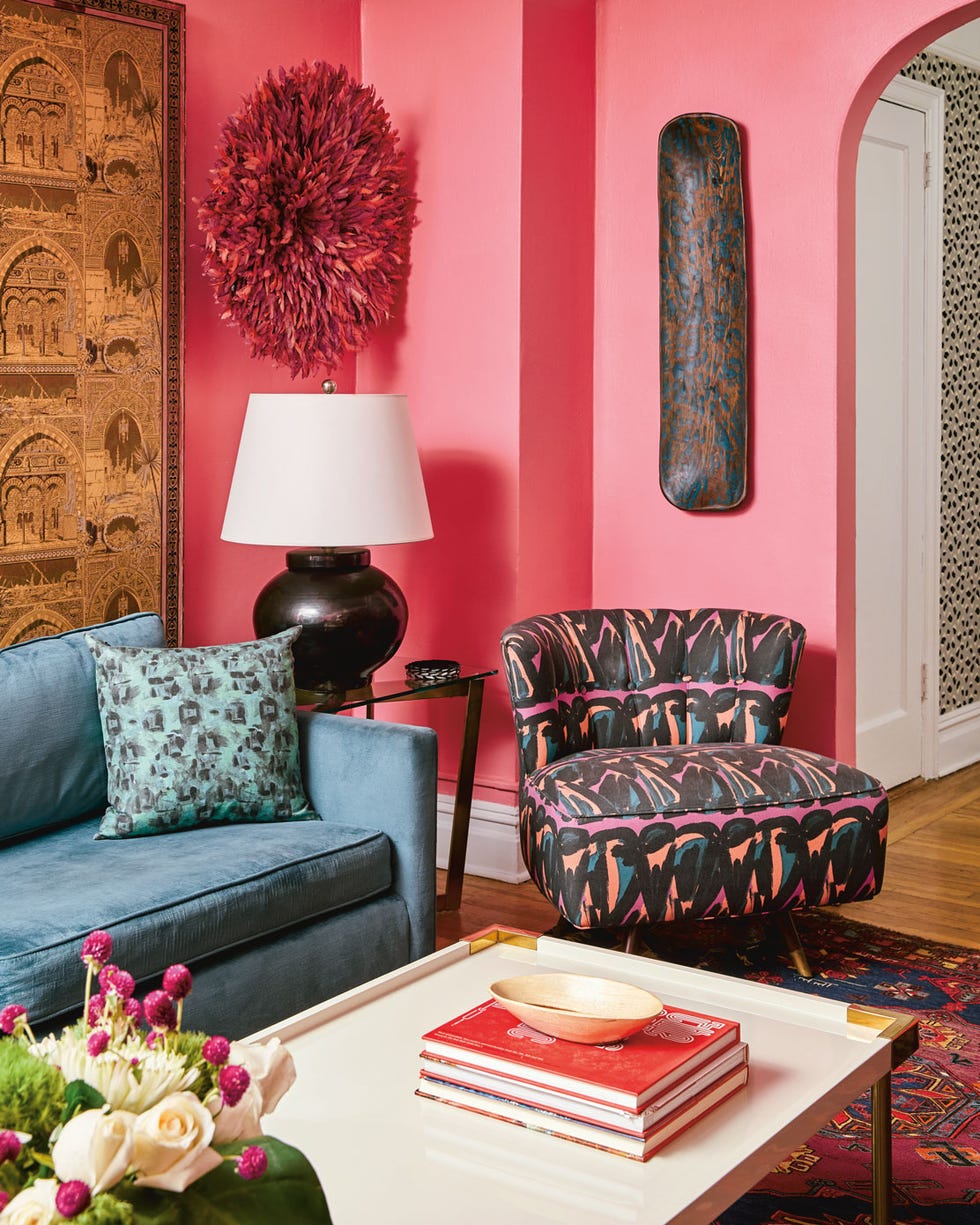
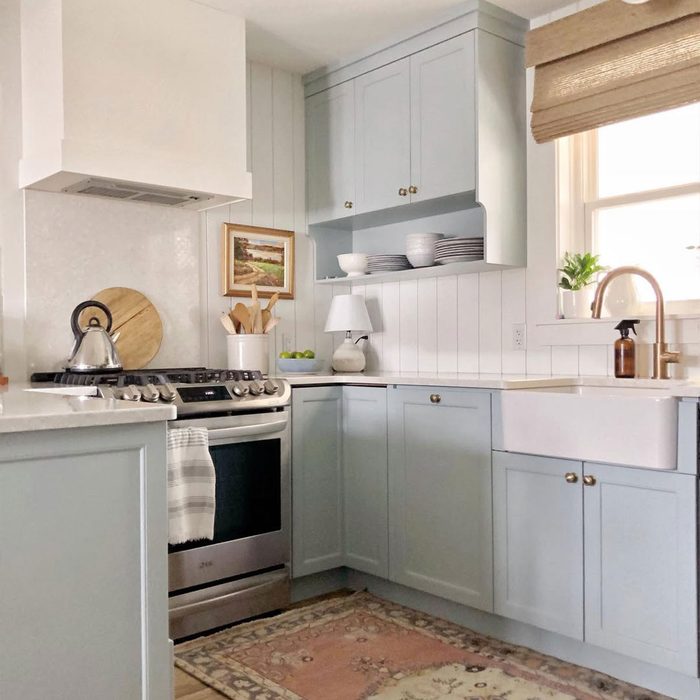
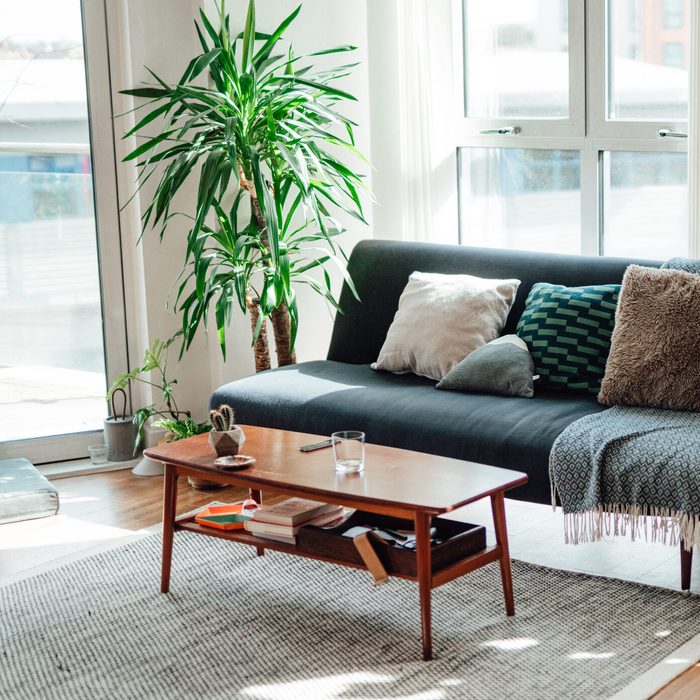
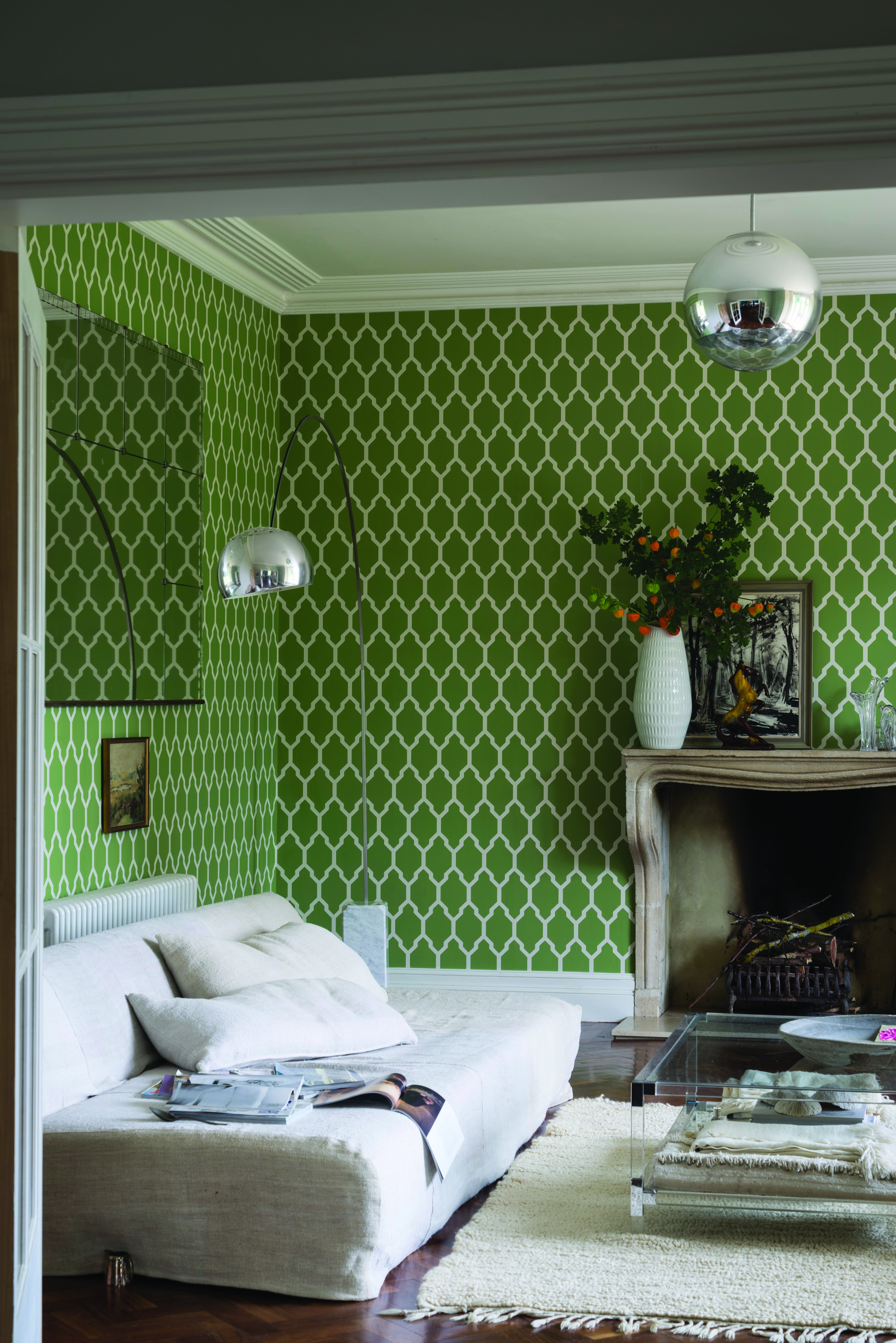
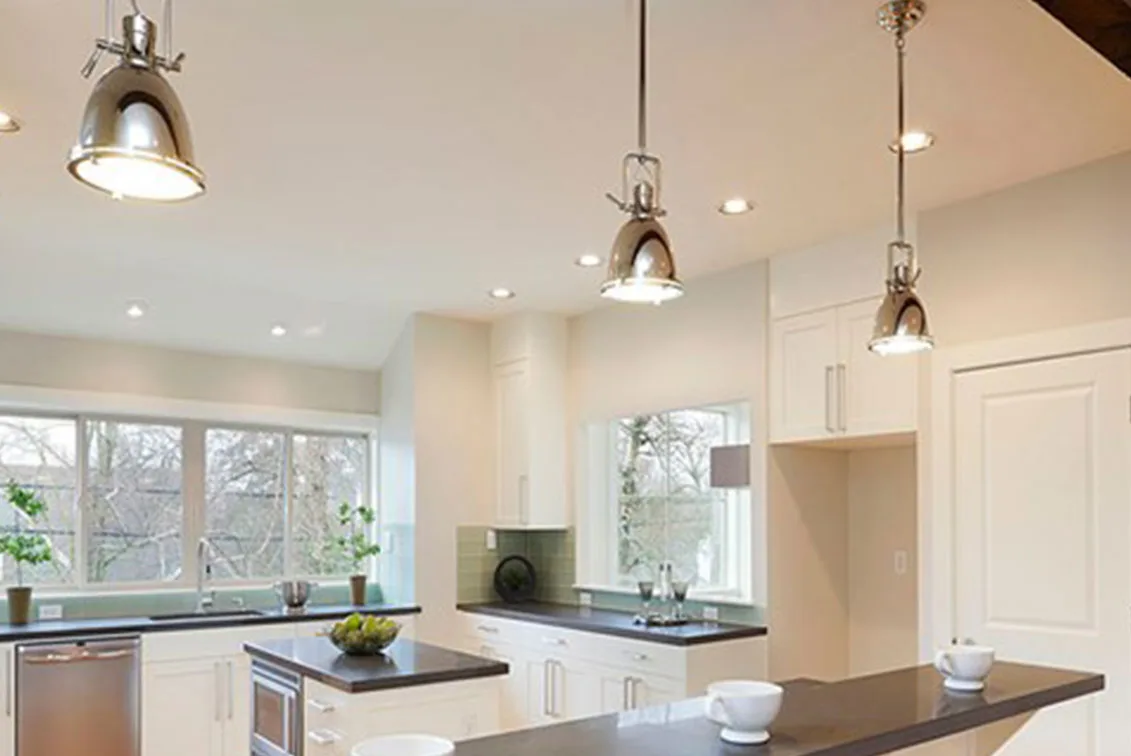
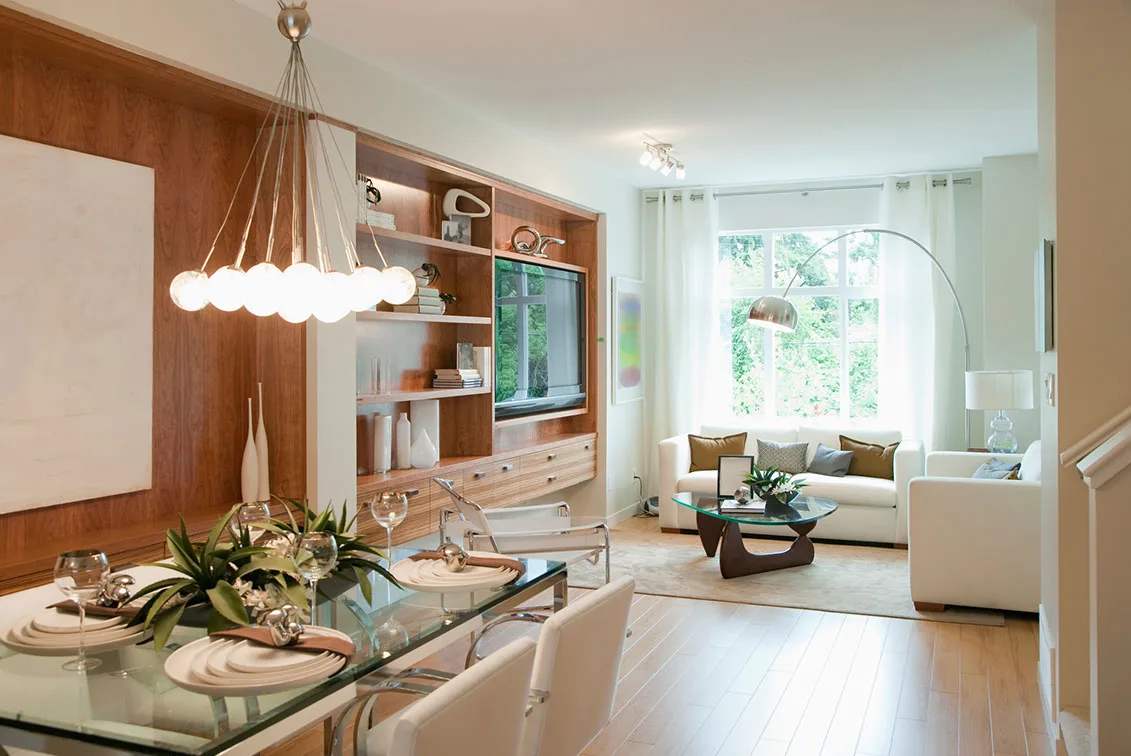
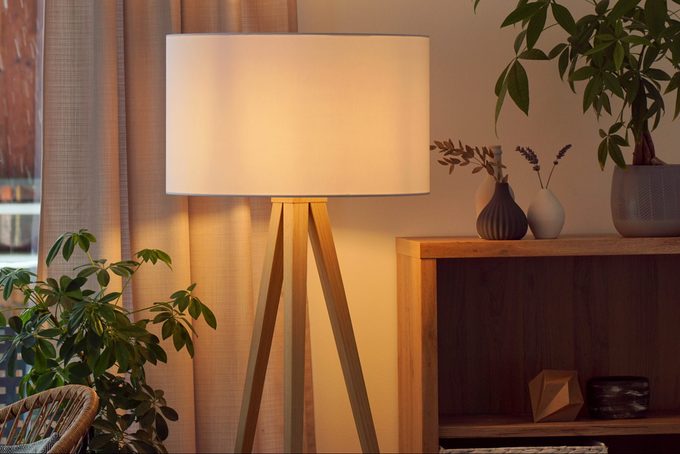
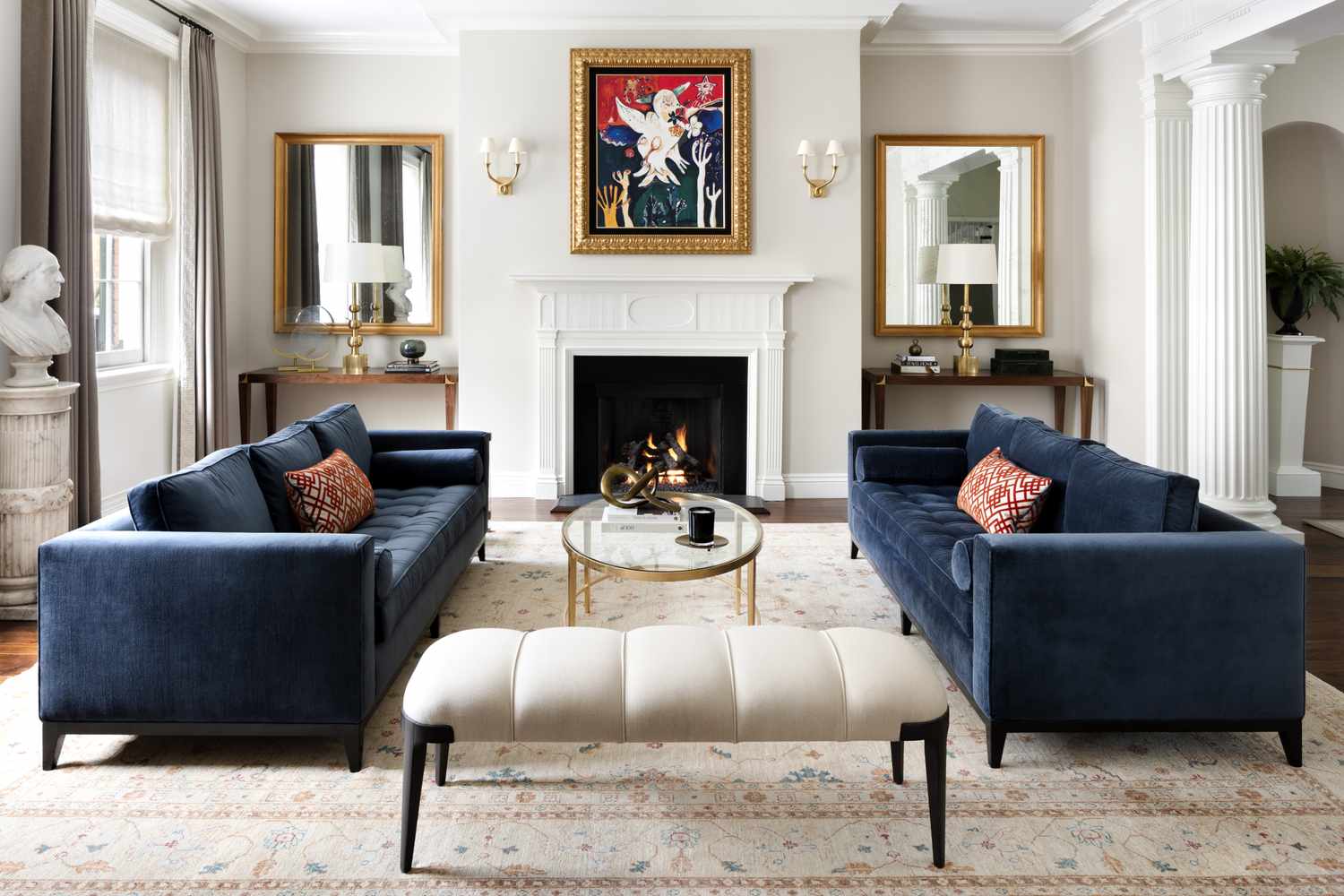
The function of a room should dictate its lighting design. In dining rooms, a dimmable overhead chandelier is recommended. When using track lighting, care should be taken to avoid shining lights directly into guests' eyes. Kitchen lighting is more complex, requiring direct illumination for work areas. Adelman advises placing task lights below eye level, such as under stove ranges or cabinets, to brighten countertops. Living rooms benefit from a combination of floor lamps, table lamps, and down-lights (recessed or track lighting), with lighting serving as an integral part of the decor.
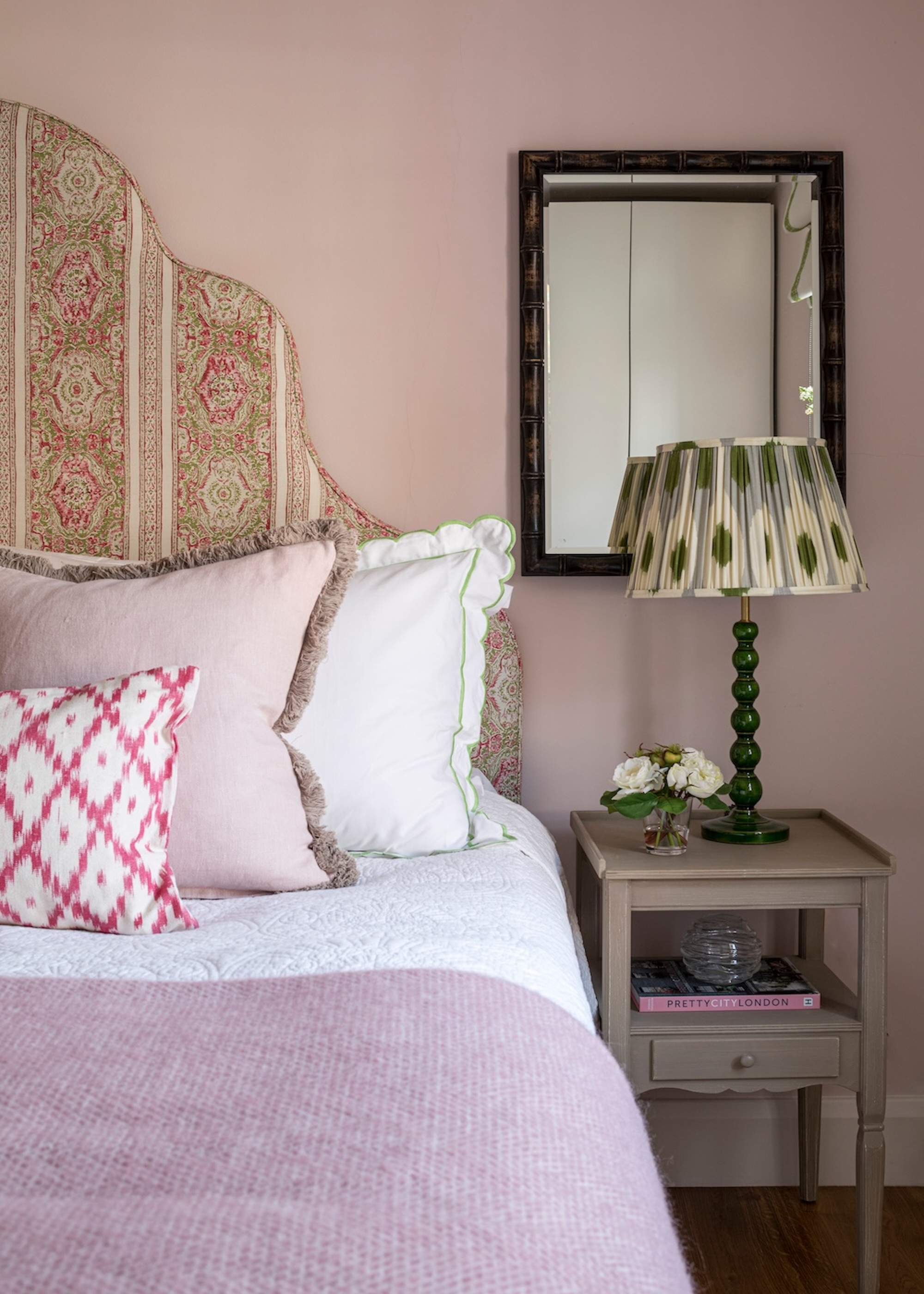
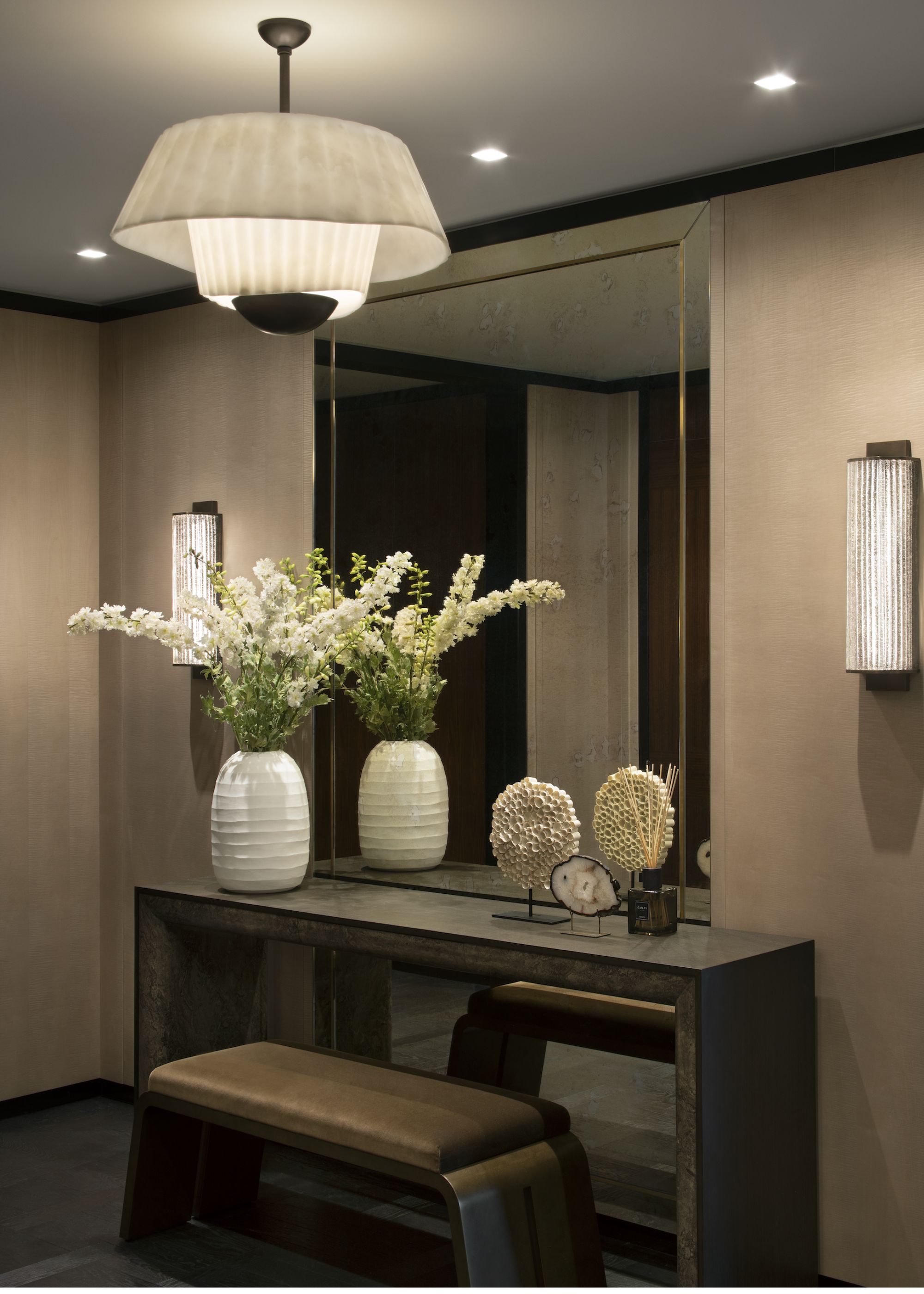
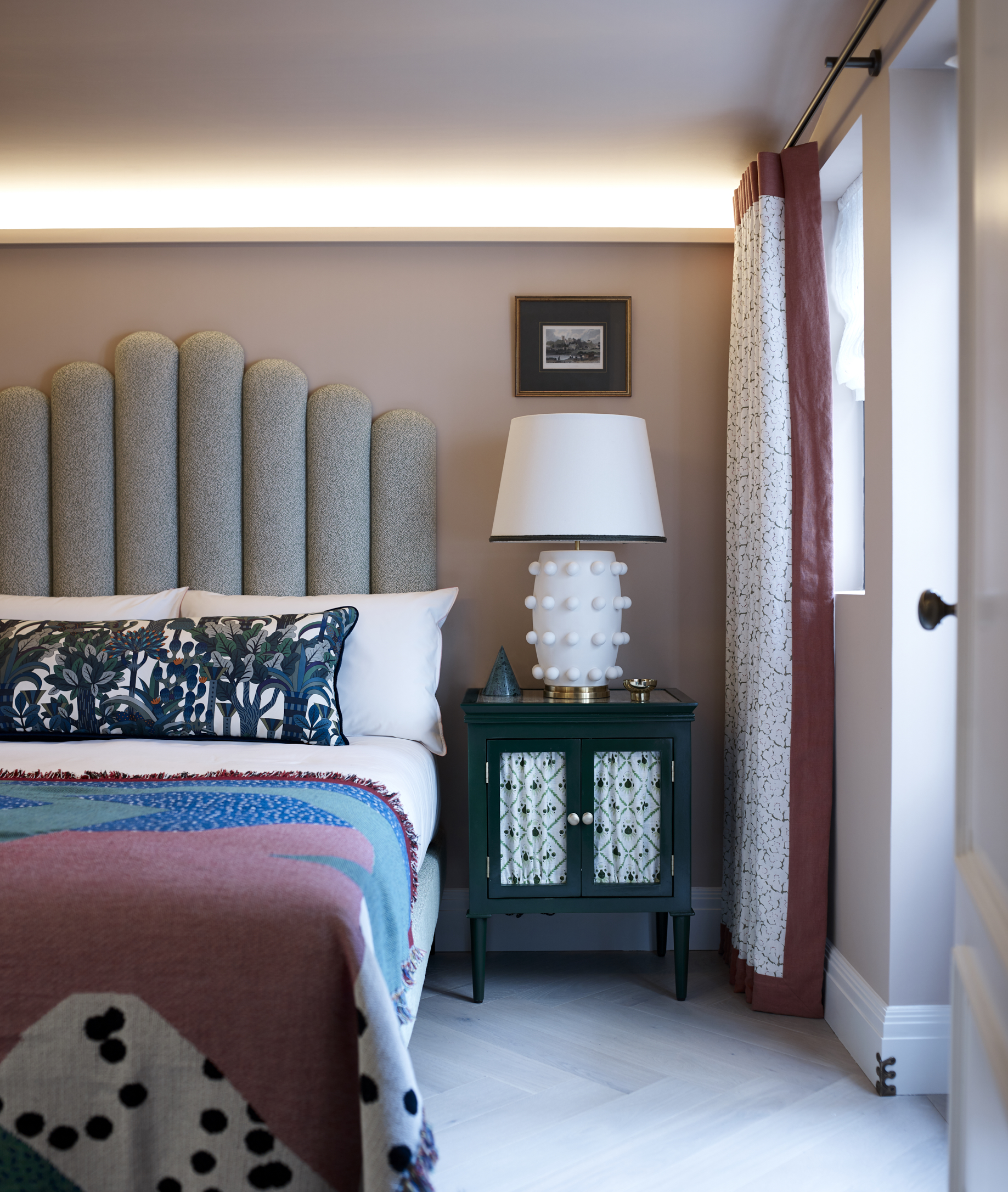
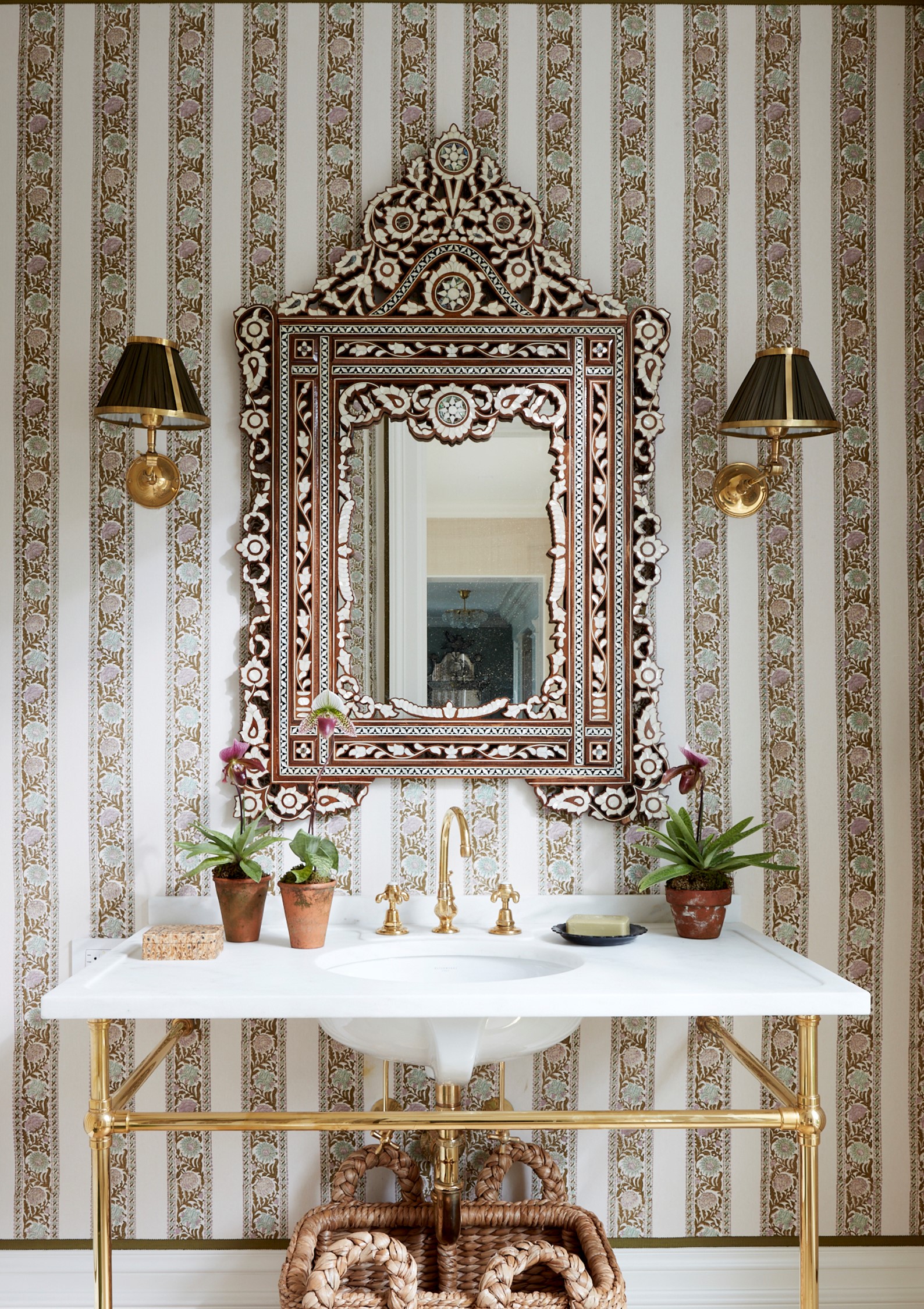
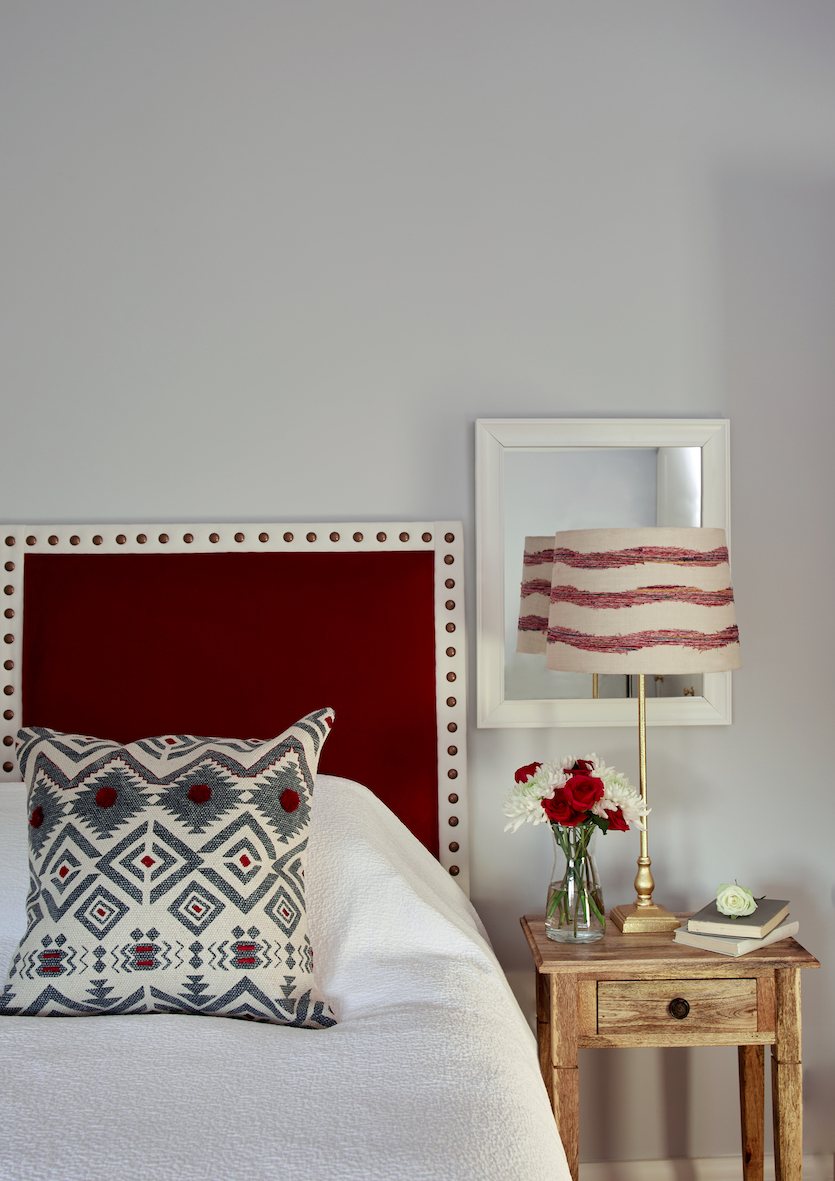
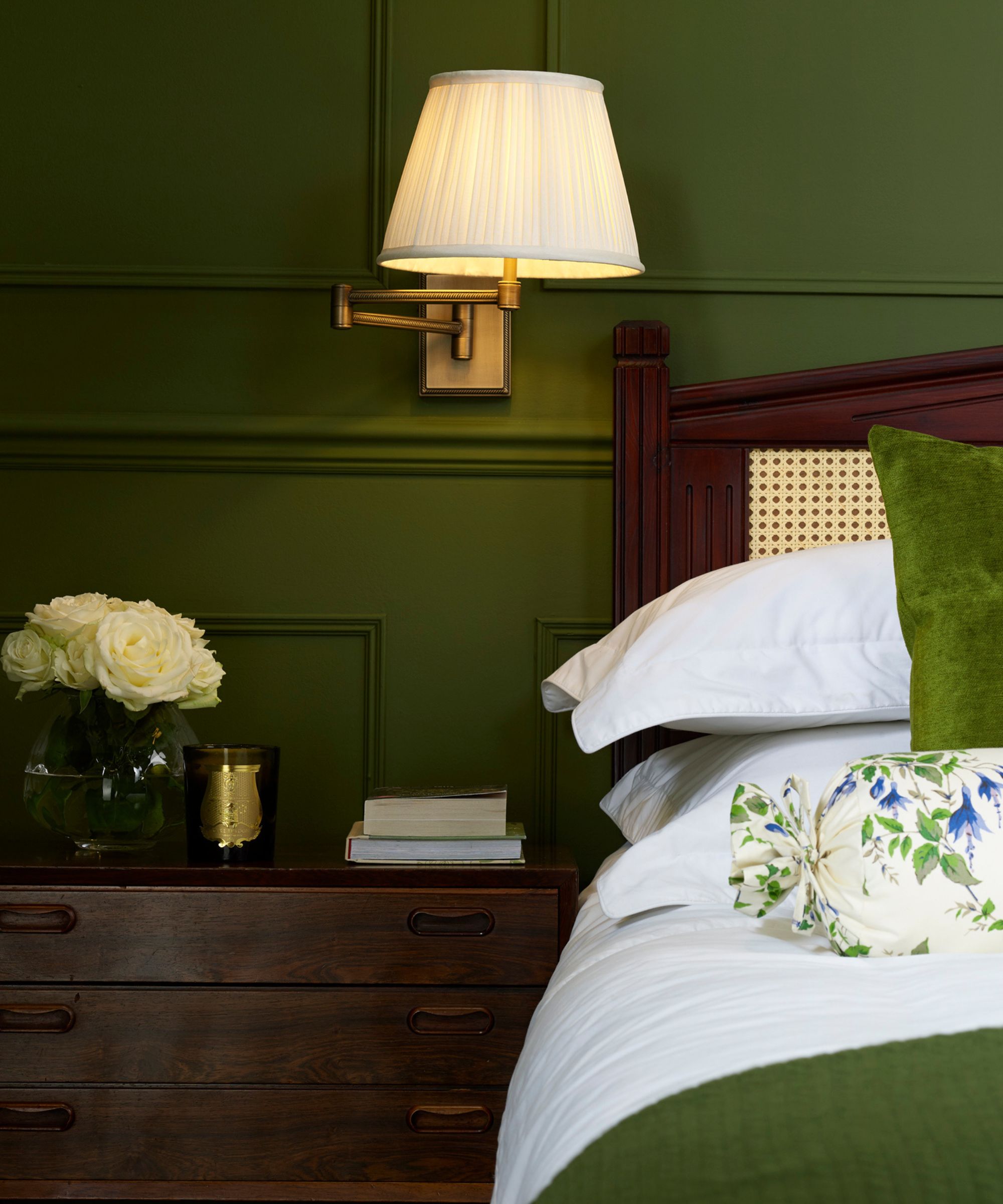
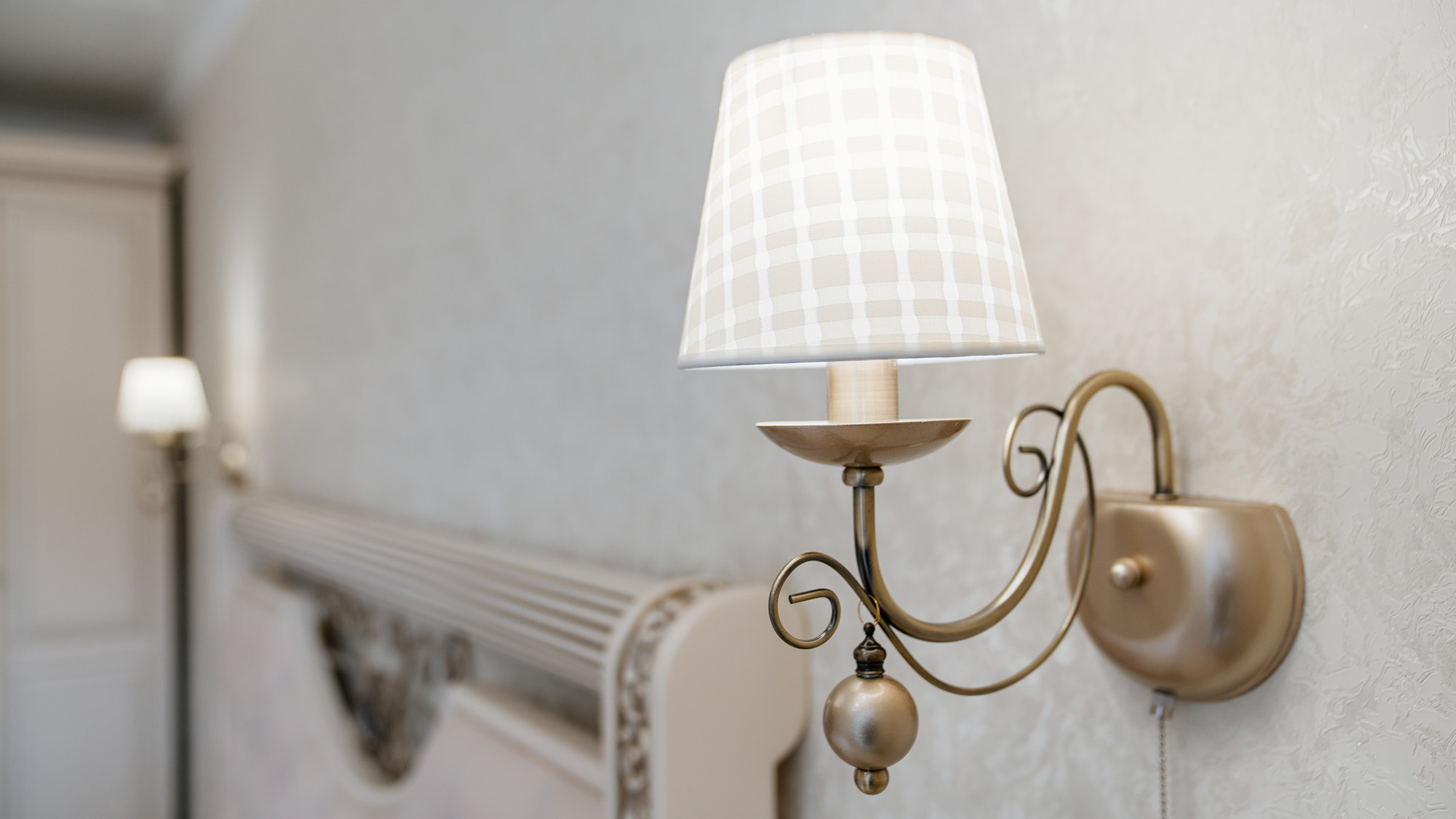
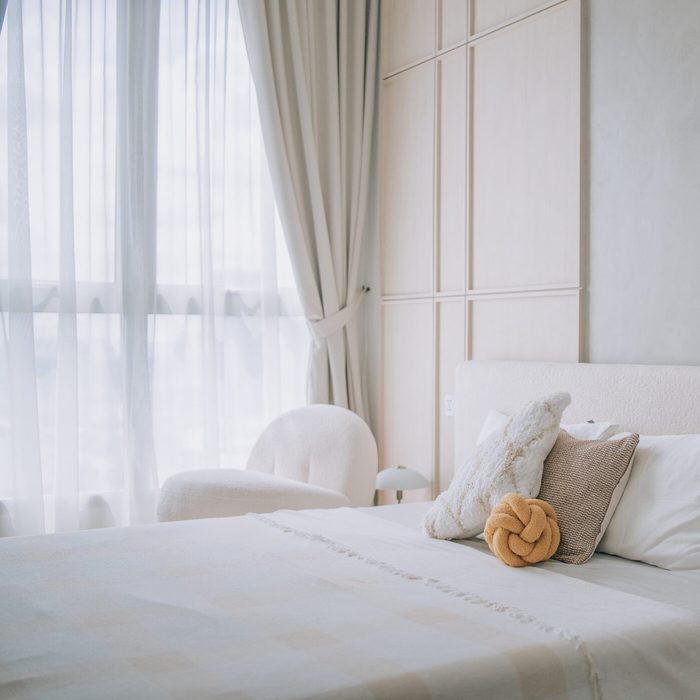
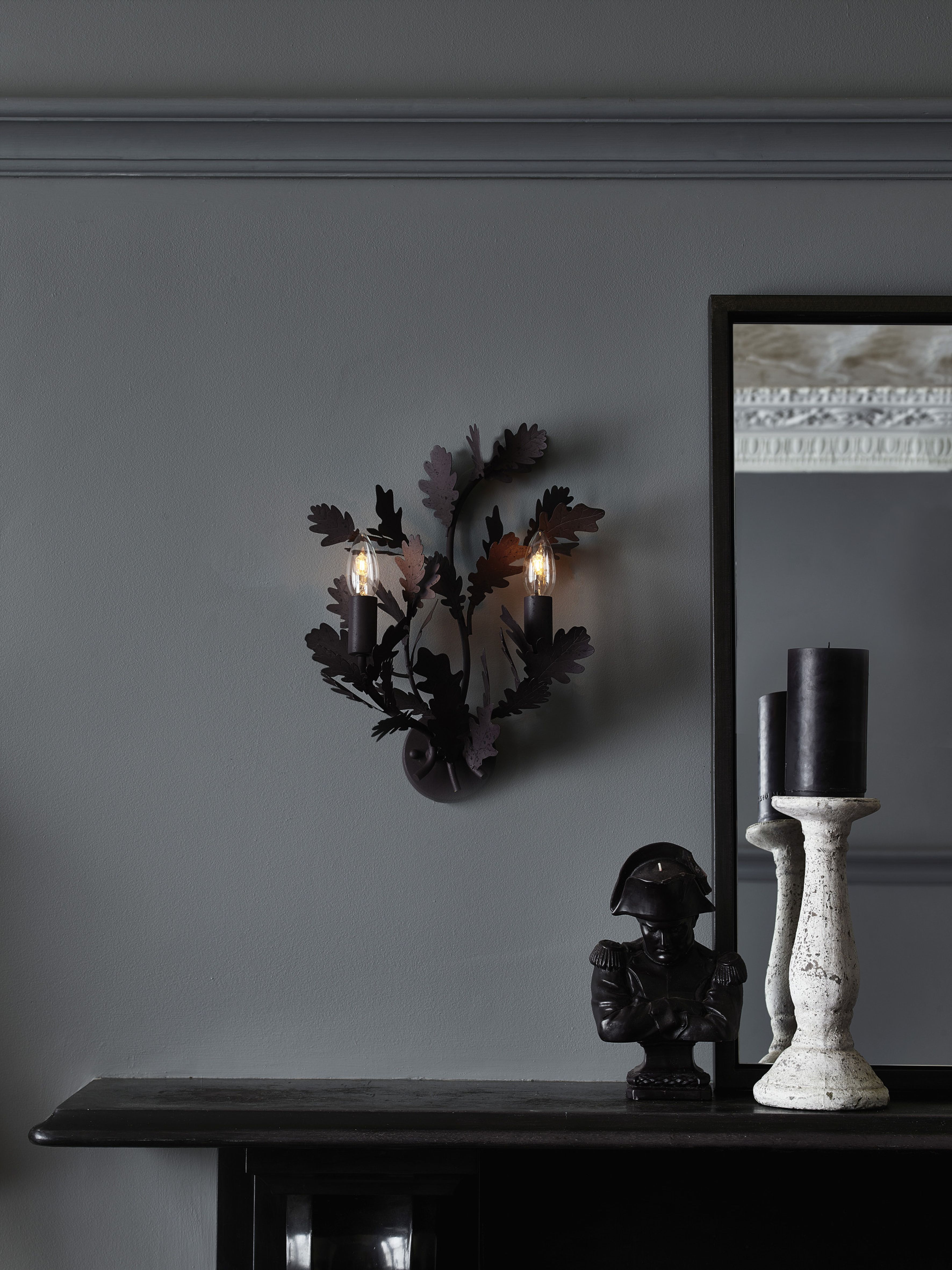
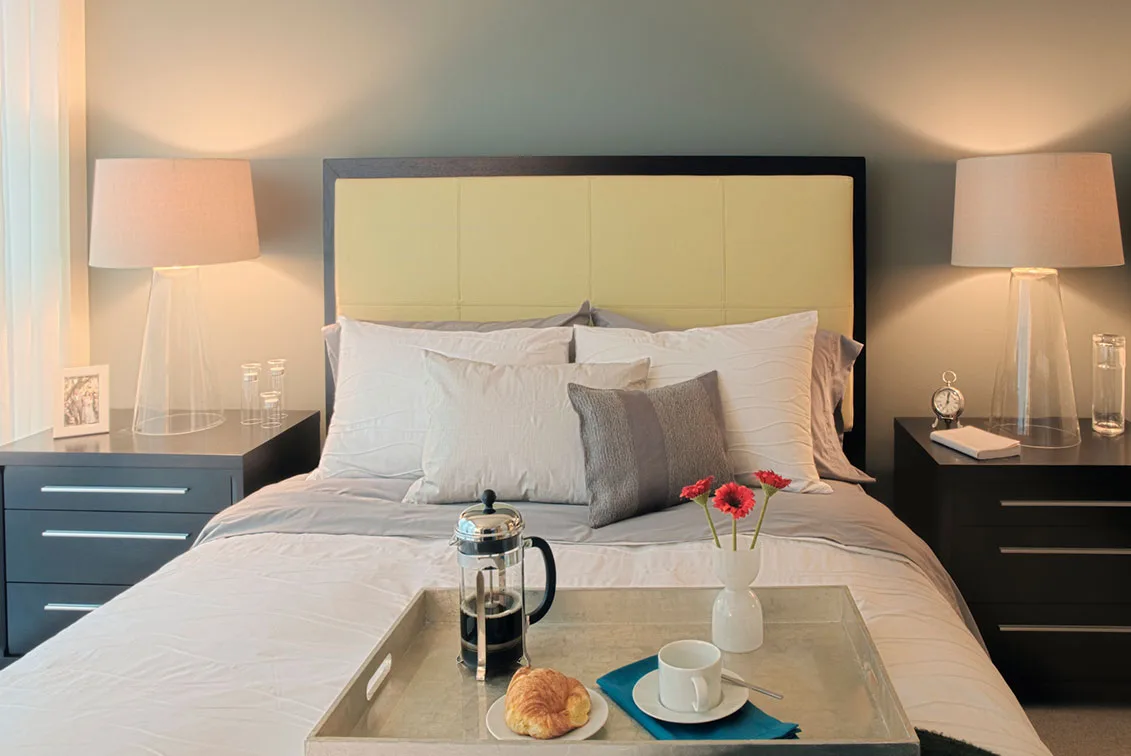
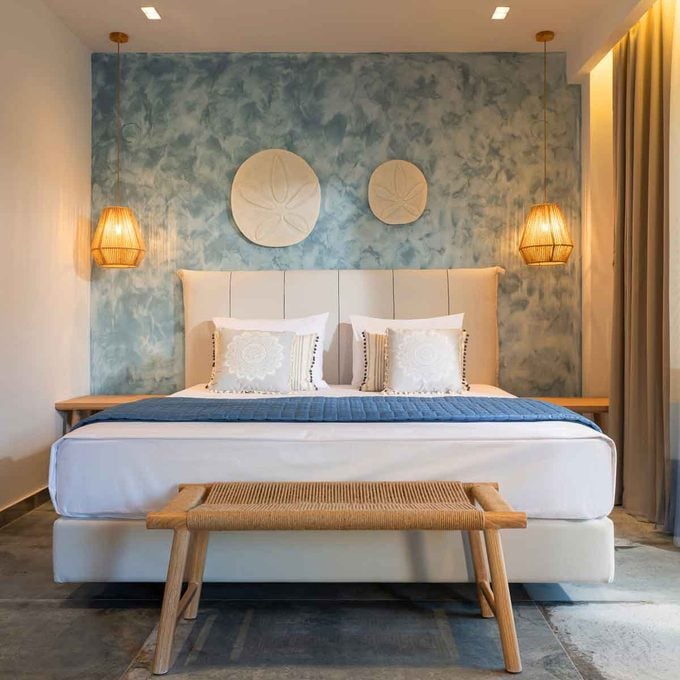
Bathroom lighting presents unique challenges. While some prefer bright, clinical lighting, especially around the vanity, others favor a softer, dimmable glow from sconces. A compromise involves incorporating both options and adding candles to create a relaxing atmosphere for unwinding in the bath. Master bedrooms should include effective reading lights for the bed and desk, a task light for dressing, and dimmers for any overhead lighting.
#HomeLighting #InteriorDesign #LightingTips #RoomAmbiance #LEDLighting #Dimmers #HomeRenovation #LightFixtures #HomeLighting #InteriorDesign #LightingTips #RoomAmbiance #LEDLighting #Dimmers #HomeRenovation #LightFixtures
0 comment in total
 No comments yet
You may also like
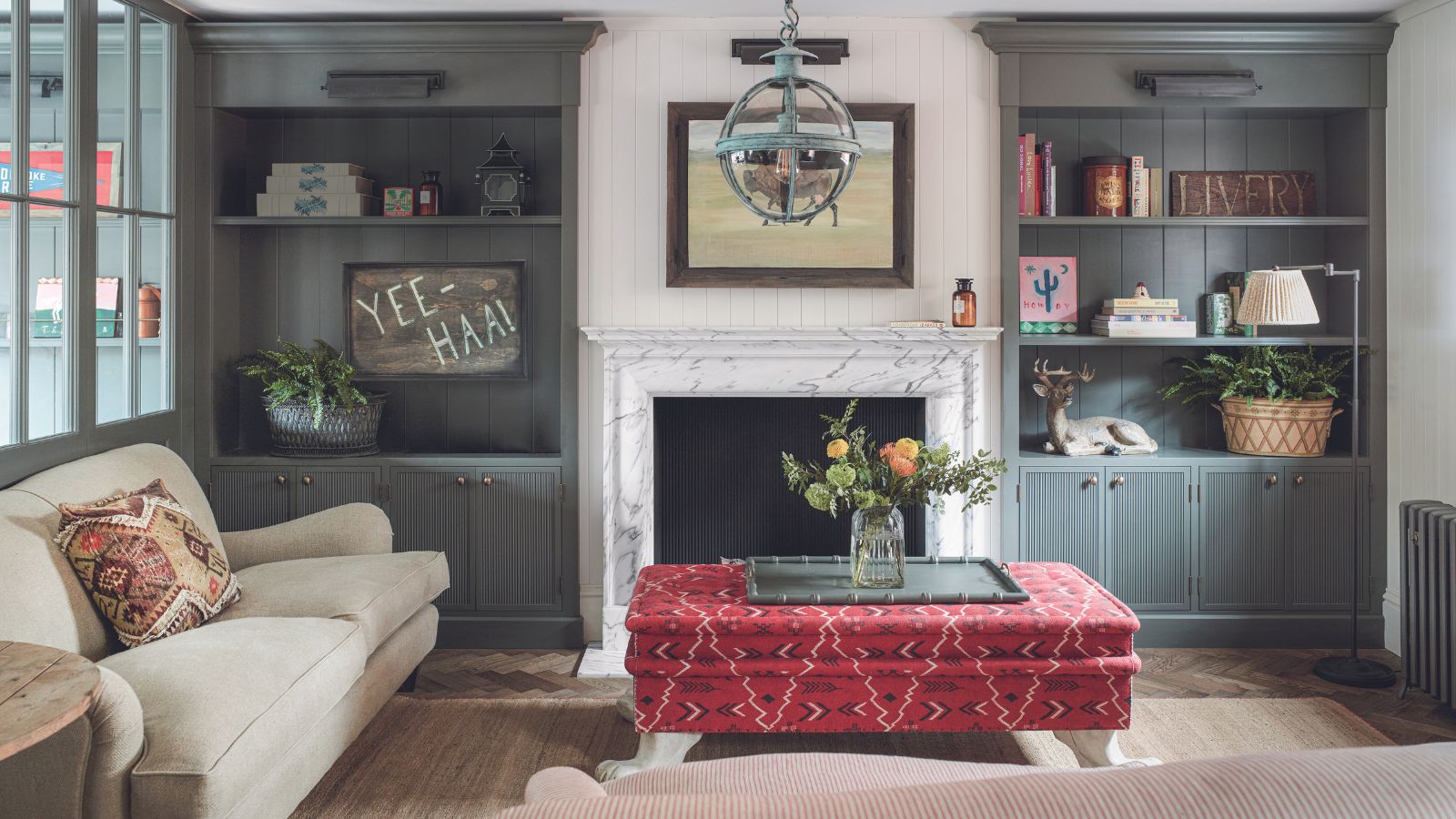
How to make a living room lighter – an interior designer's 10 tips for a creating brighter space
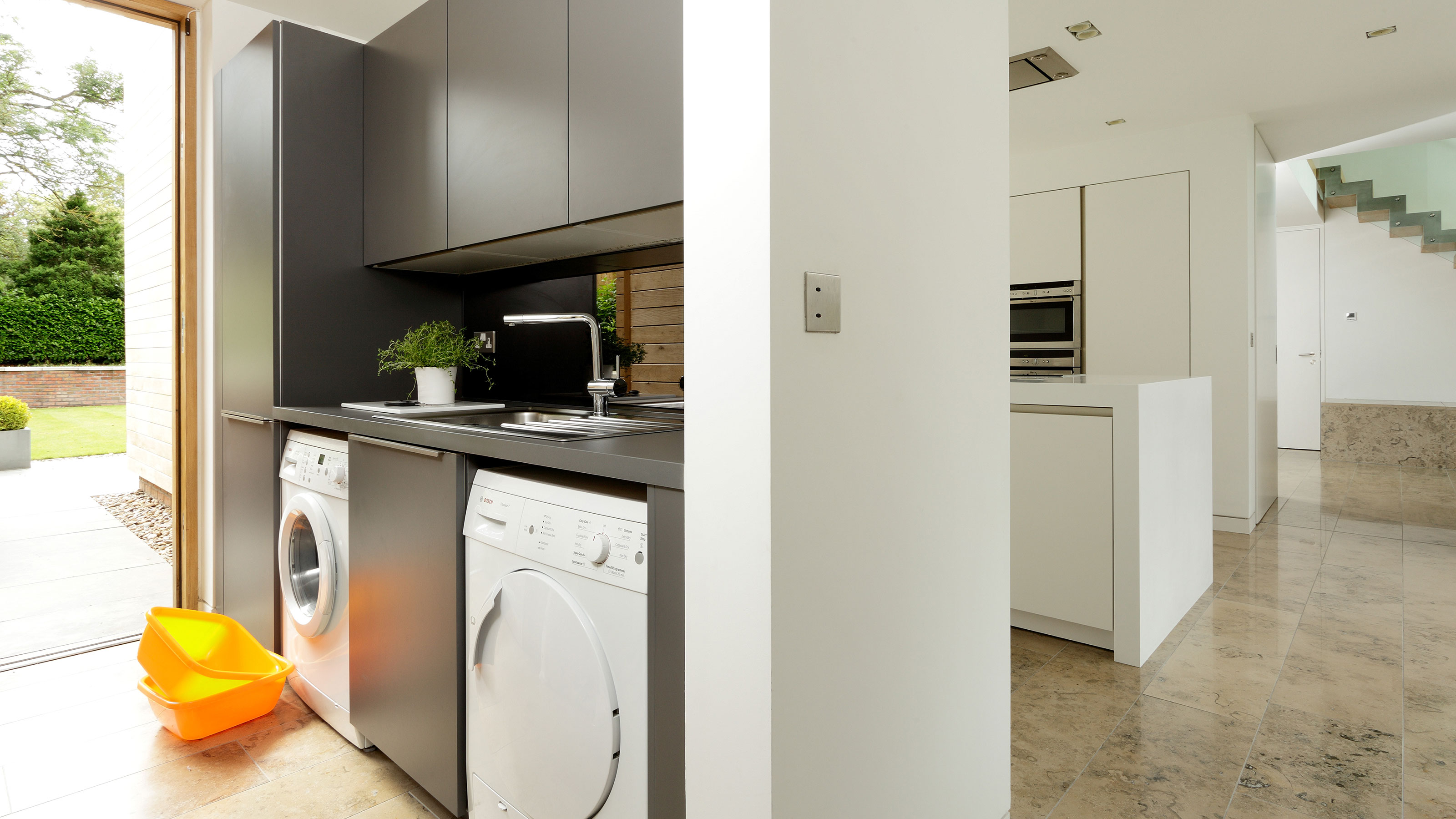
18 Utility room lighting ideas to achieve a light and bright space
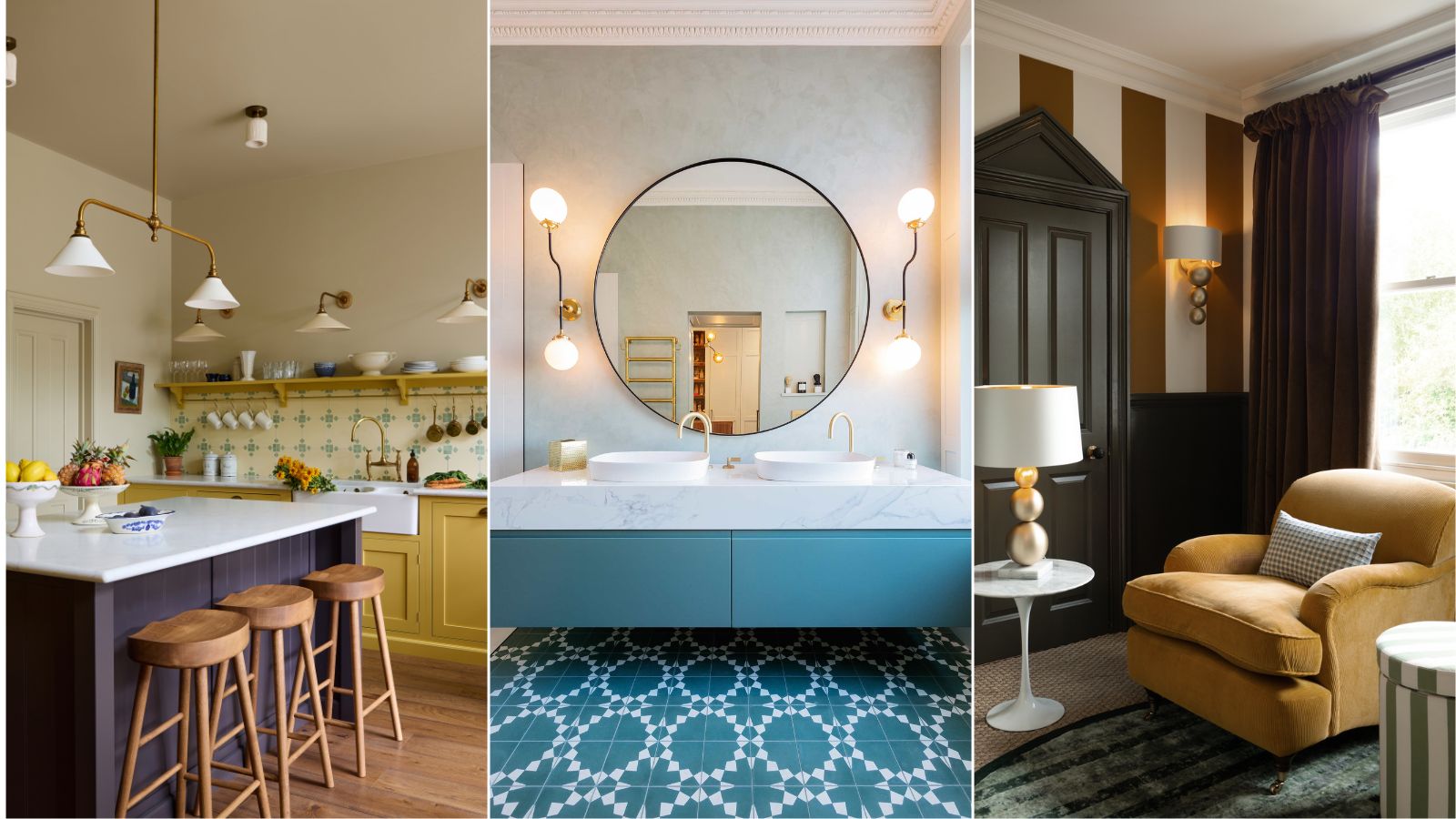
How to layer lighting – expert tips to create the perfect soft yet practical scheme for every room

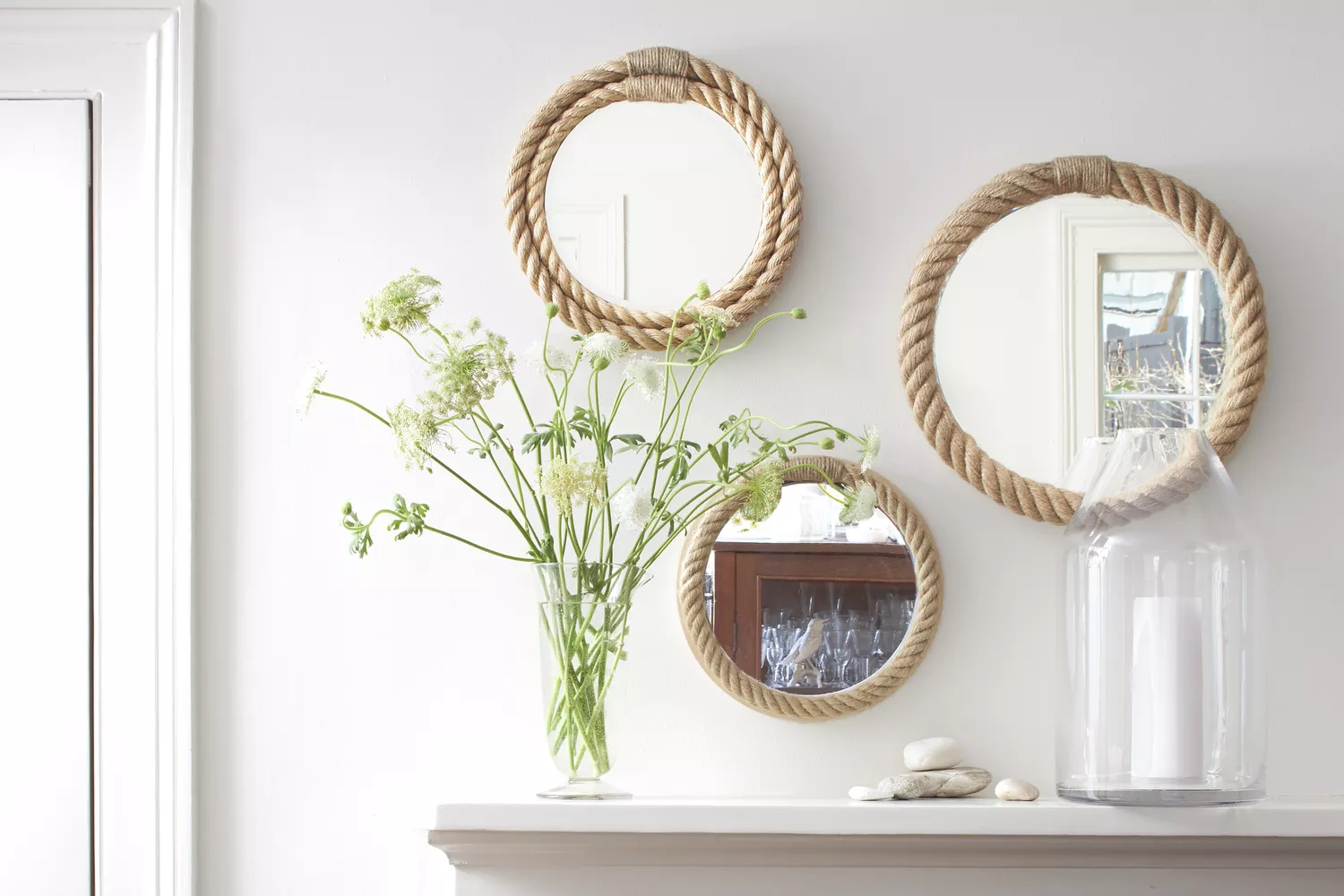
10 Ways to Brighten a Dark Room, According to Interior Designers

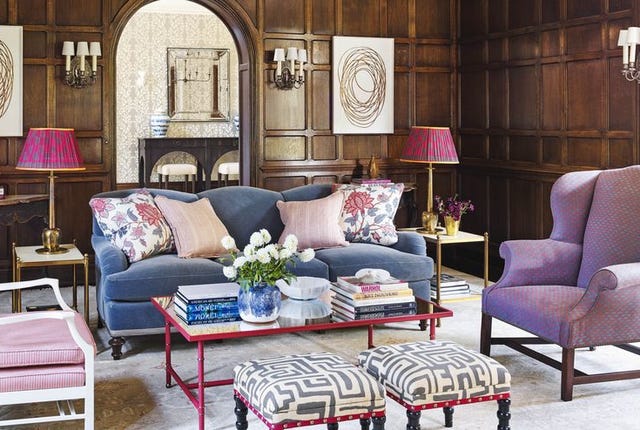
Designers Share Their Best Tips for Acing Ambience in the Living Room with Lighting
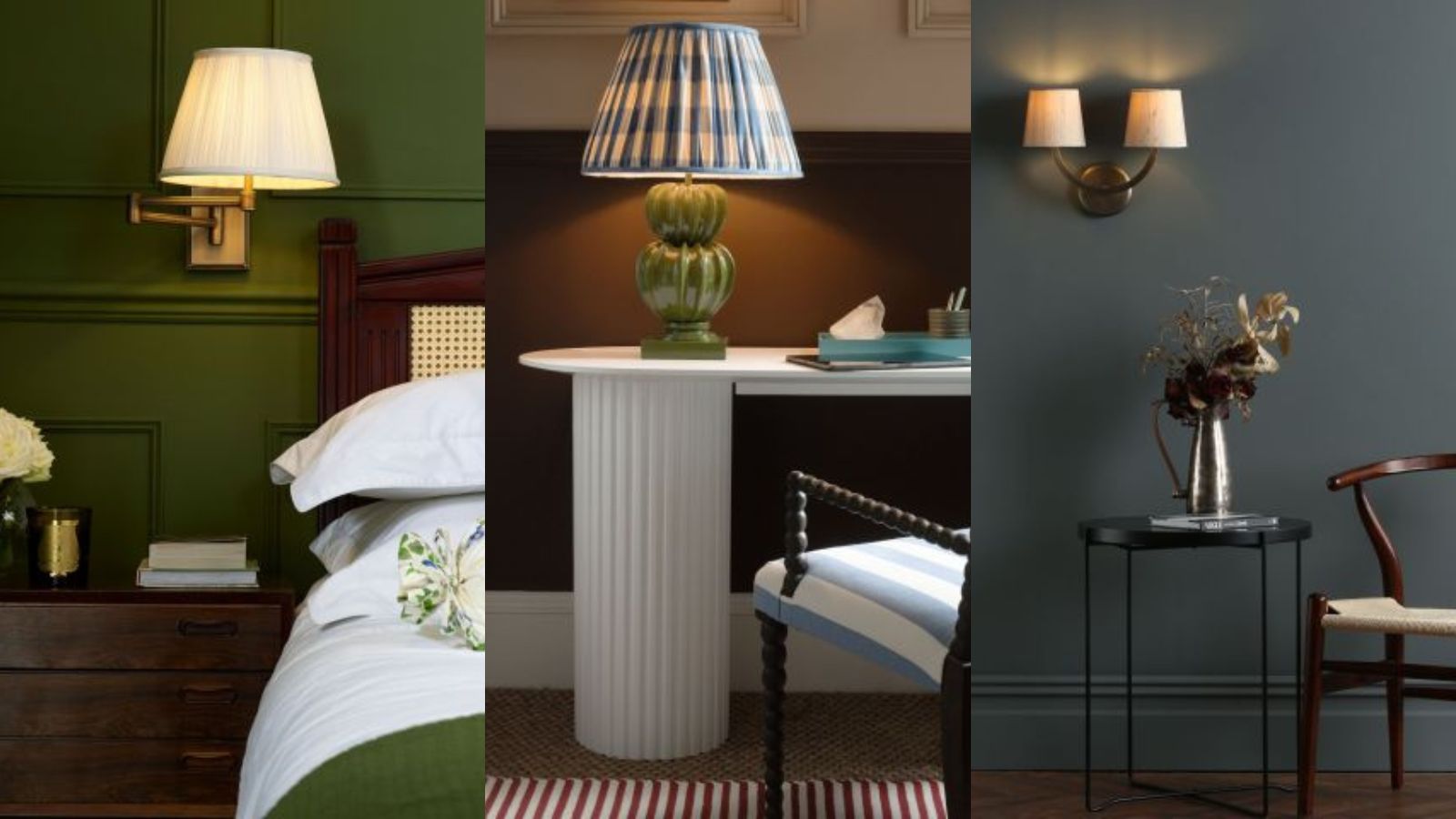
4 expert lighting schemes to make guests feel welcome in the rooms they'll use most
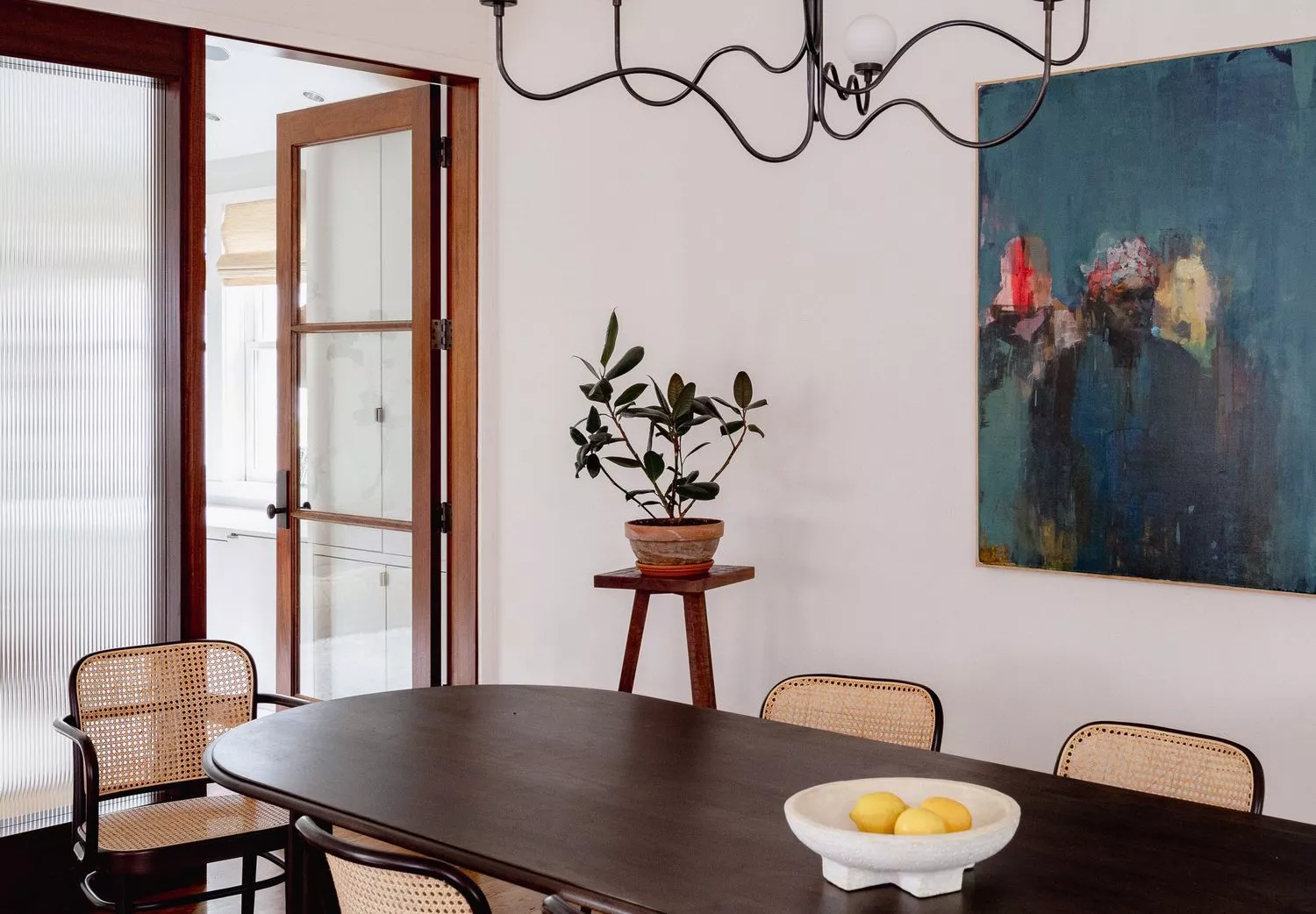
We Asked Designers How to Brighten a Dark Room and We’re Using These All Winter

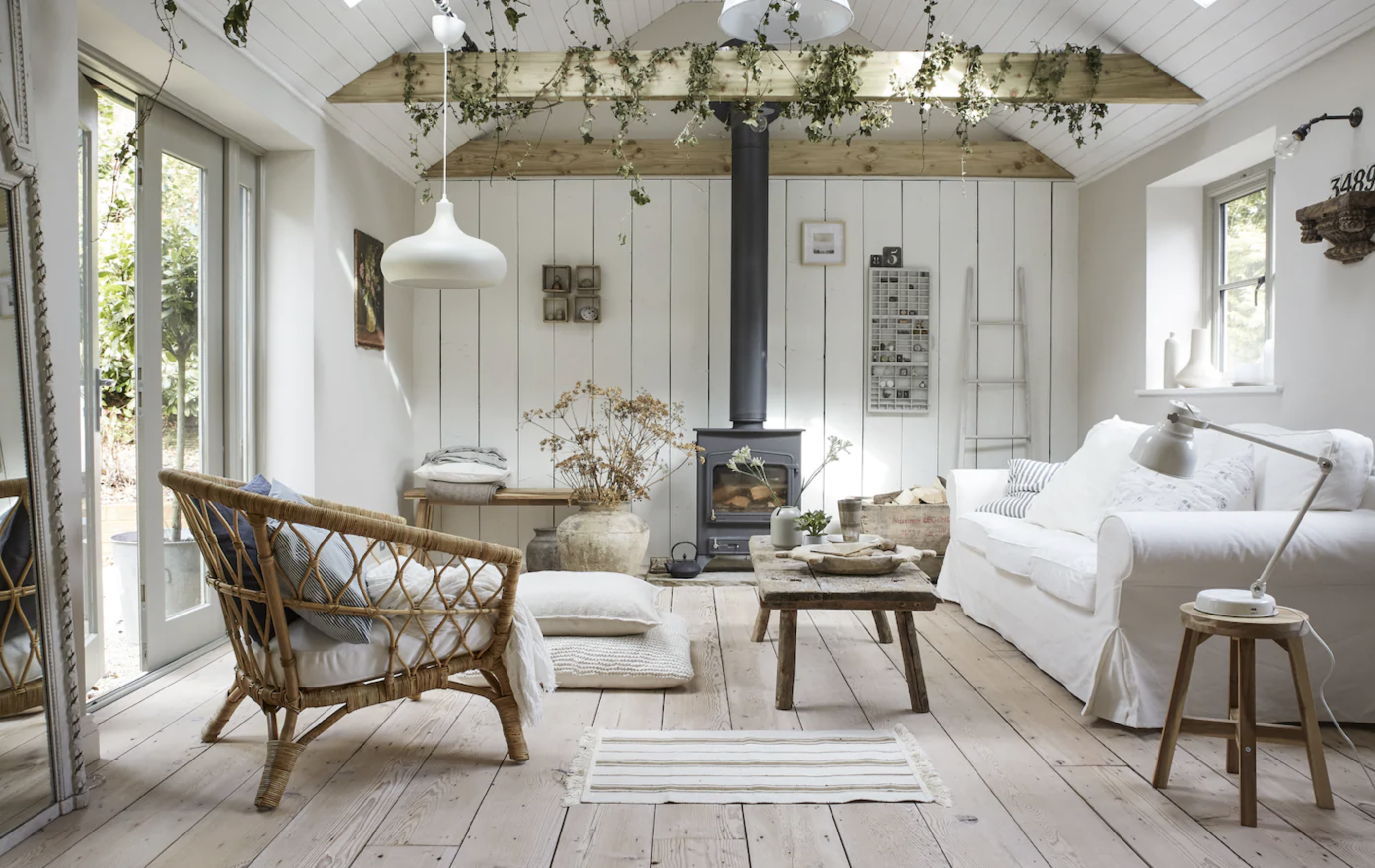
21 living room lighting ideas and expert tips to getting it right

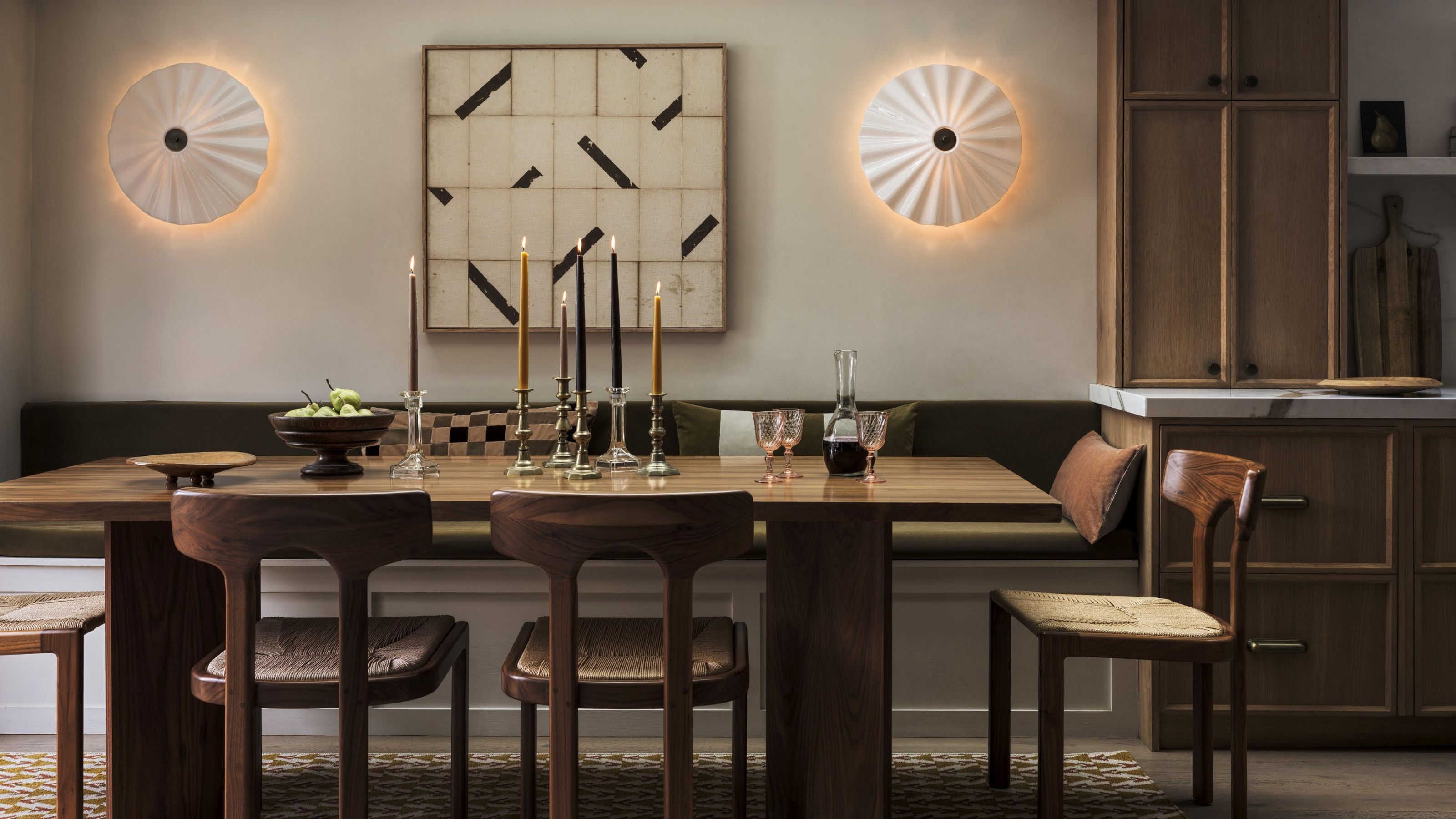
Let There Be Light — 10 Lighting Tricks That Will Transform Any Dark Room Into A Warm and Inviting Space

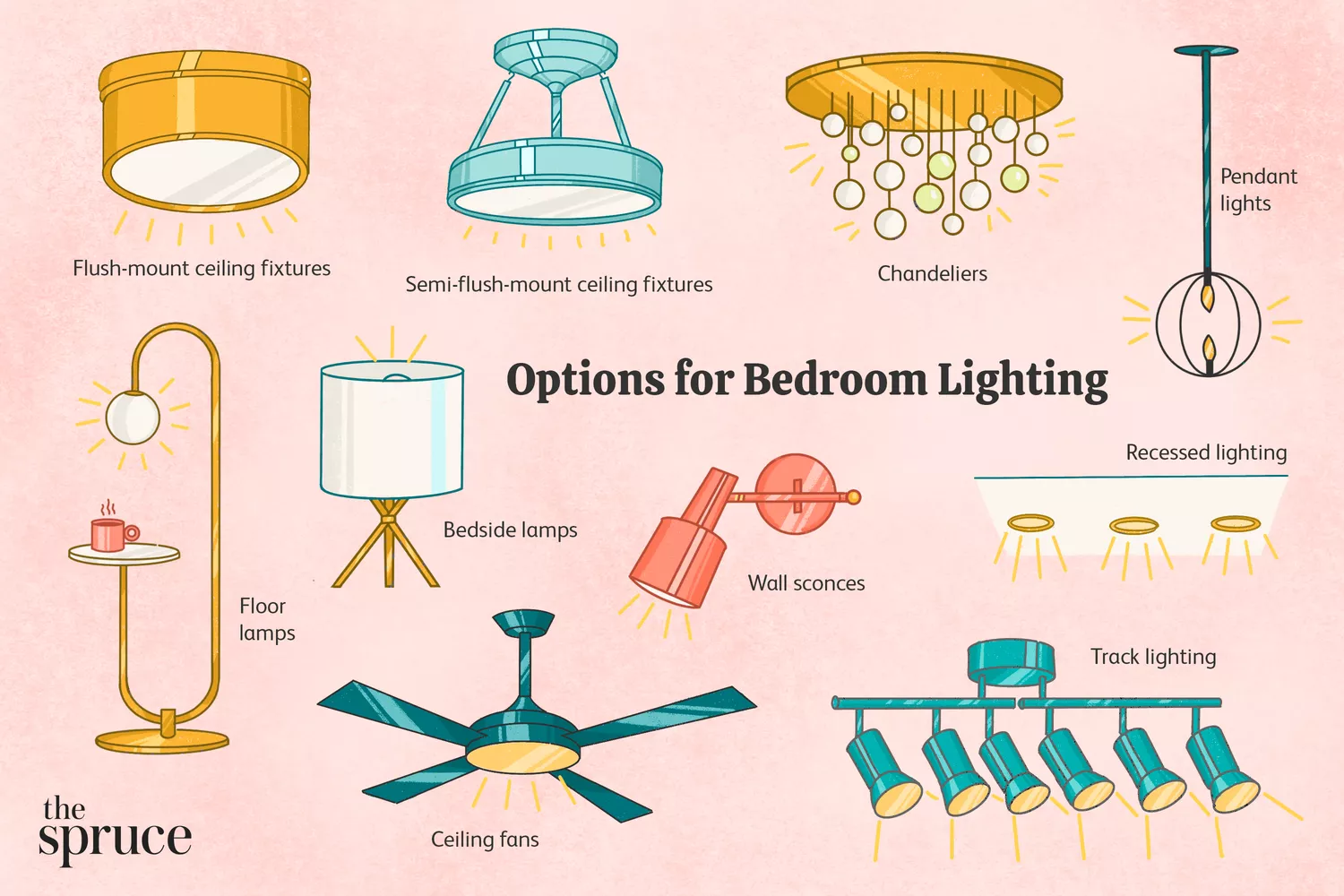
Bedroom Lighting Guide: How to Light a Bedroom
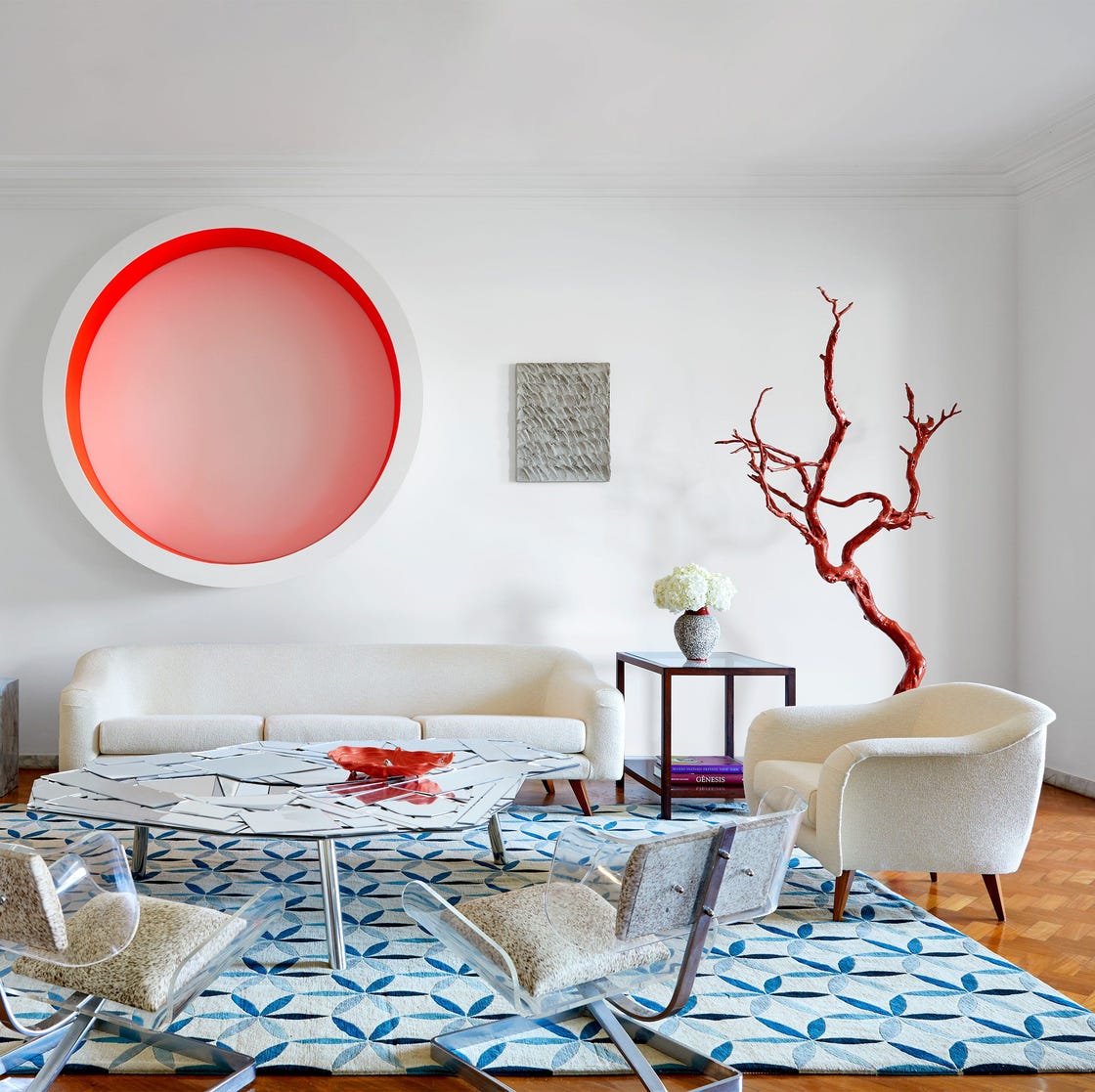
So You Live in a Lightless Cave. Here’s How to Create the Illusion of Sunshine
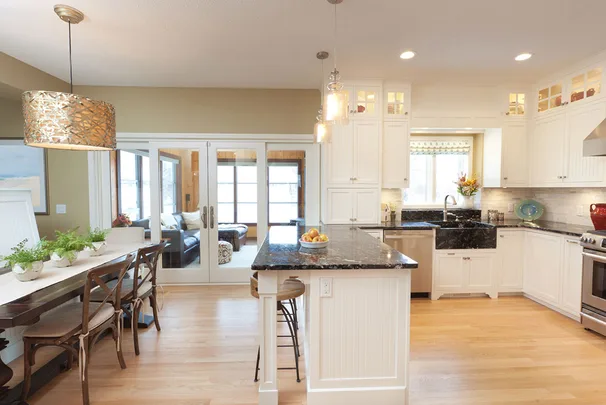
The best lighting for every room in the house

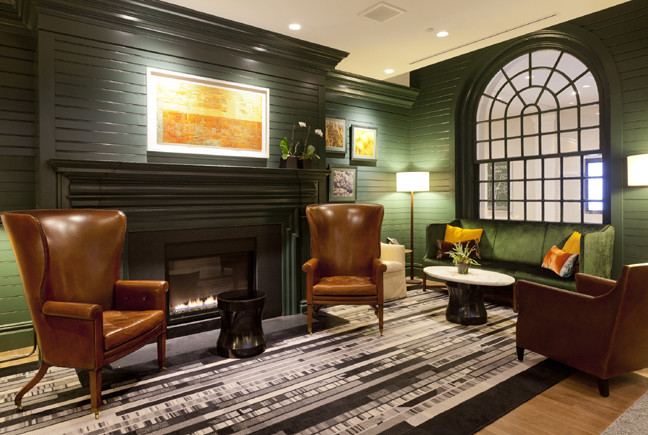
The Secrets Of Good Lighting
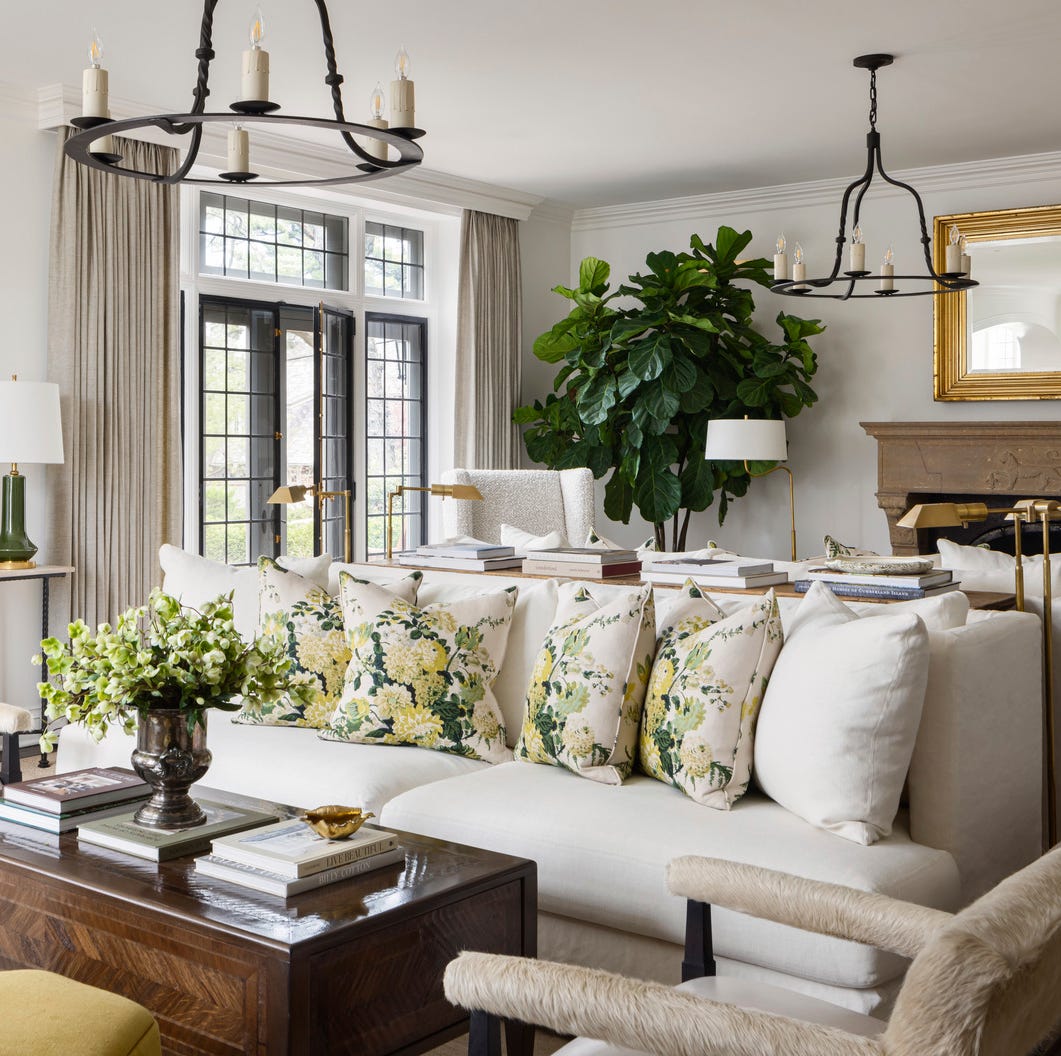
20 Ways High-End Designers Properly Light a Living Room

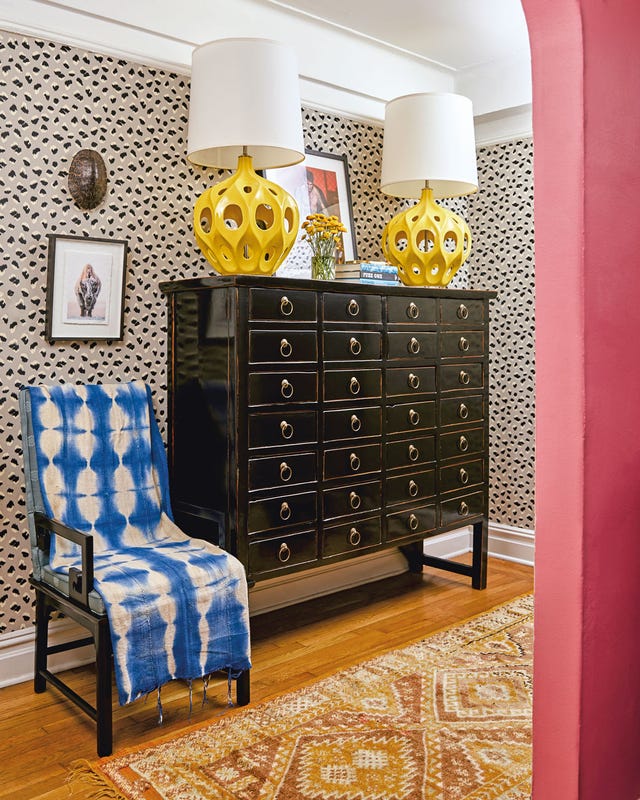
6 Ingenious Ways to Brighten Up a Room That Gets Very Little Natural Light
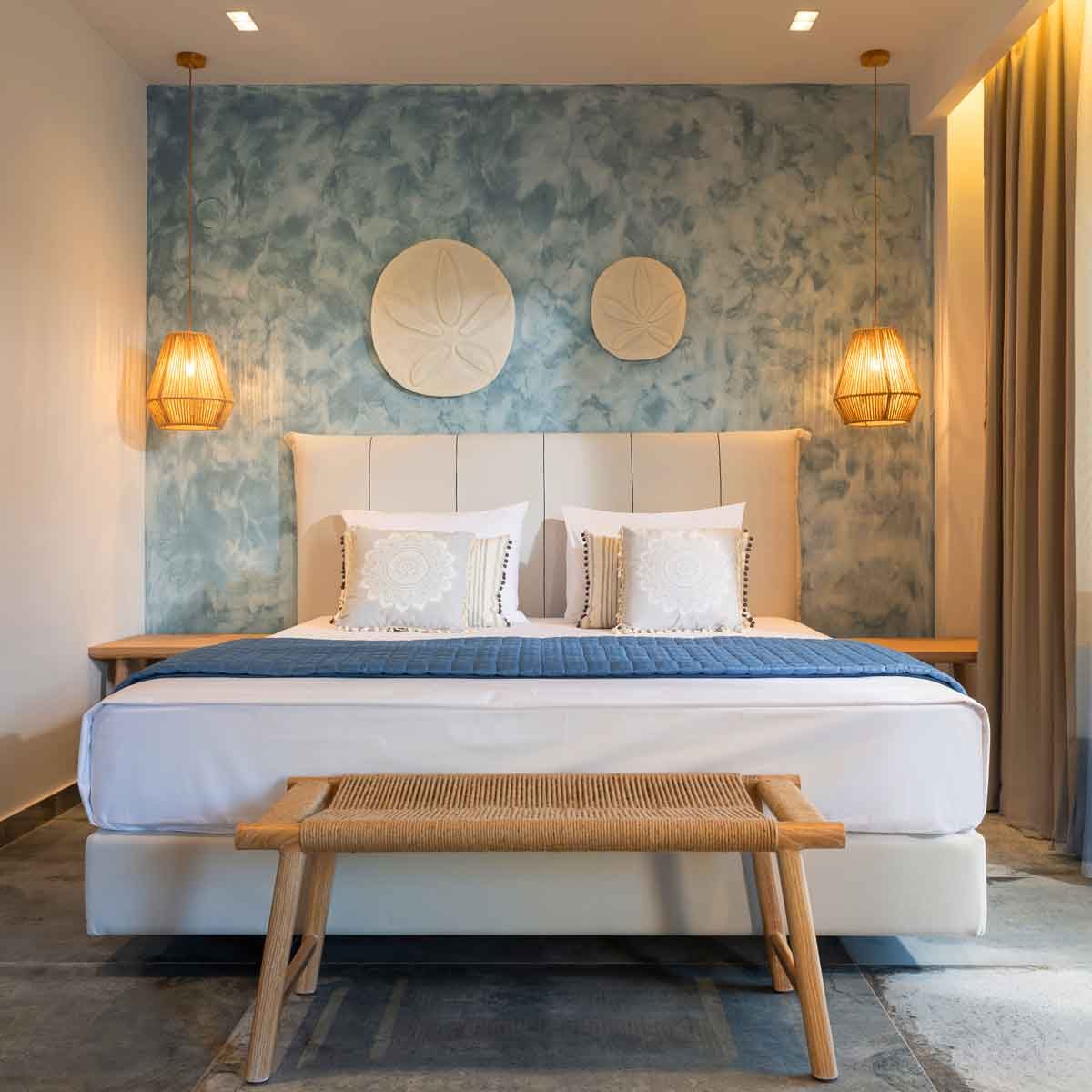
Tips for Choosing the Best Bedroom Lighting

Lighting a dark room – 10 top tips from experts
How to brighten any room in your home — 5 tips from a lighting expert

Maximize Your Space: 19 Tips to Make a Small Room Feel Bigger
This Is the Room Design Formula Pros Use Again and Again—Here’s Why It Works