1/2
This Is the Room Design Formula Pros Use Again and Again—Here’s Why It Works
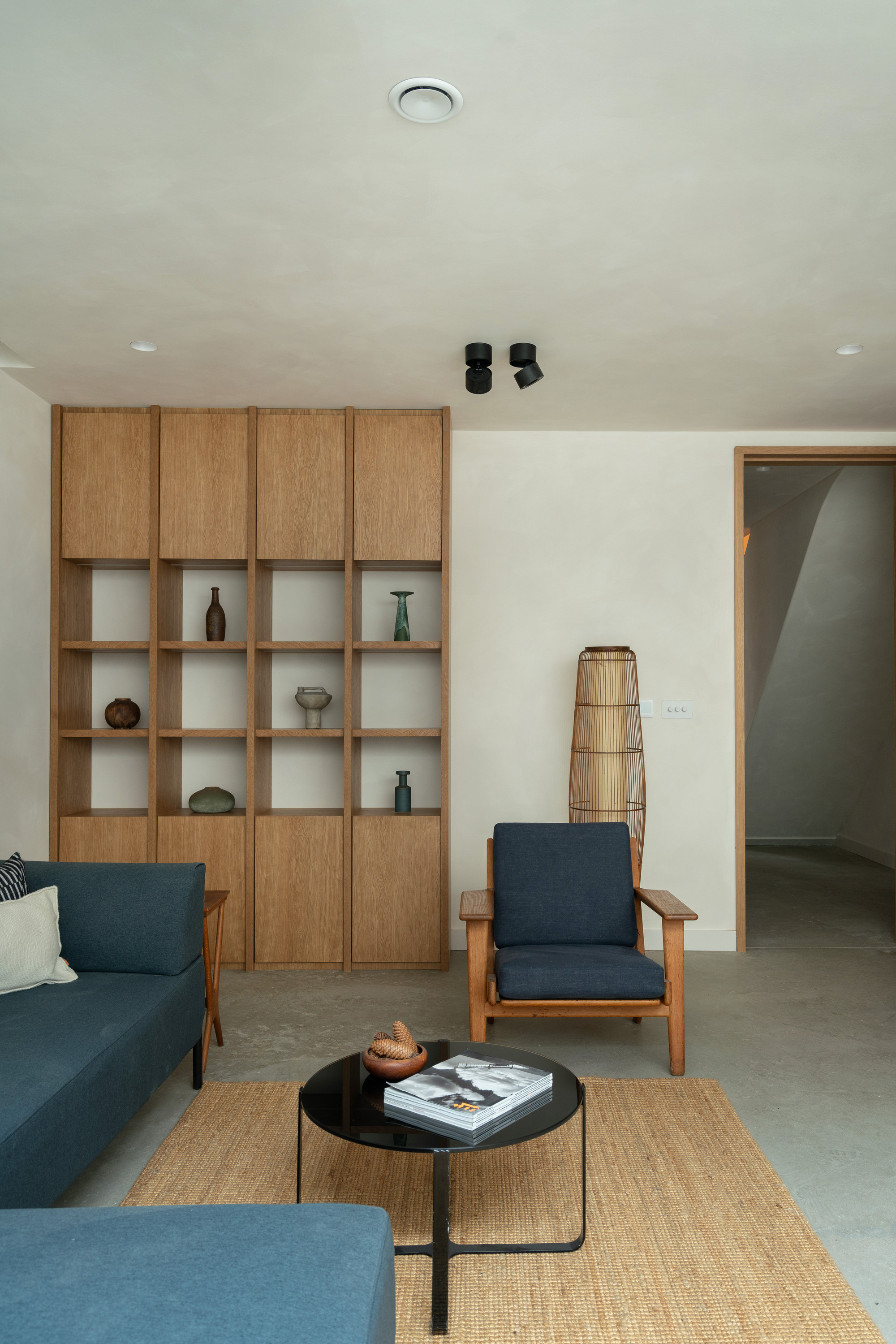
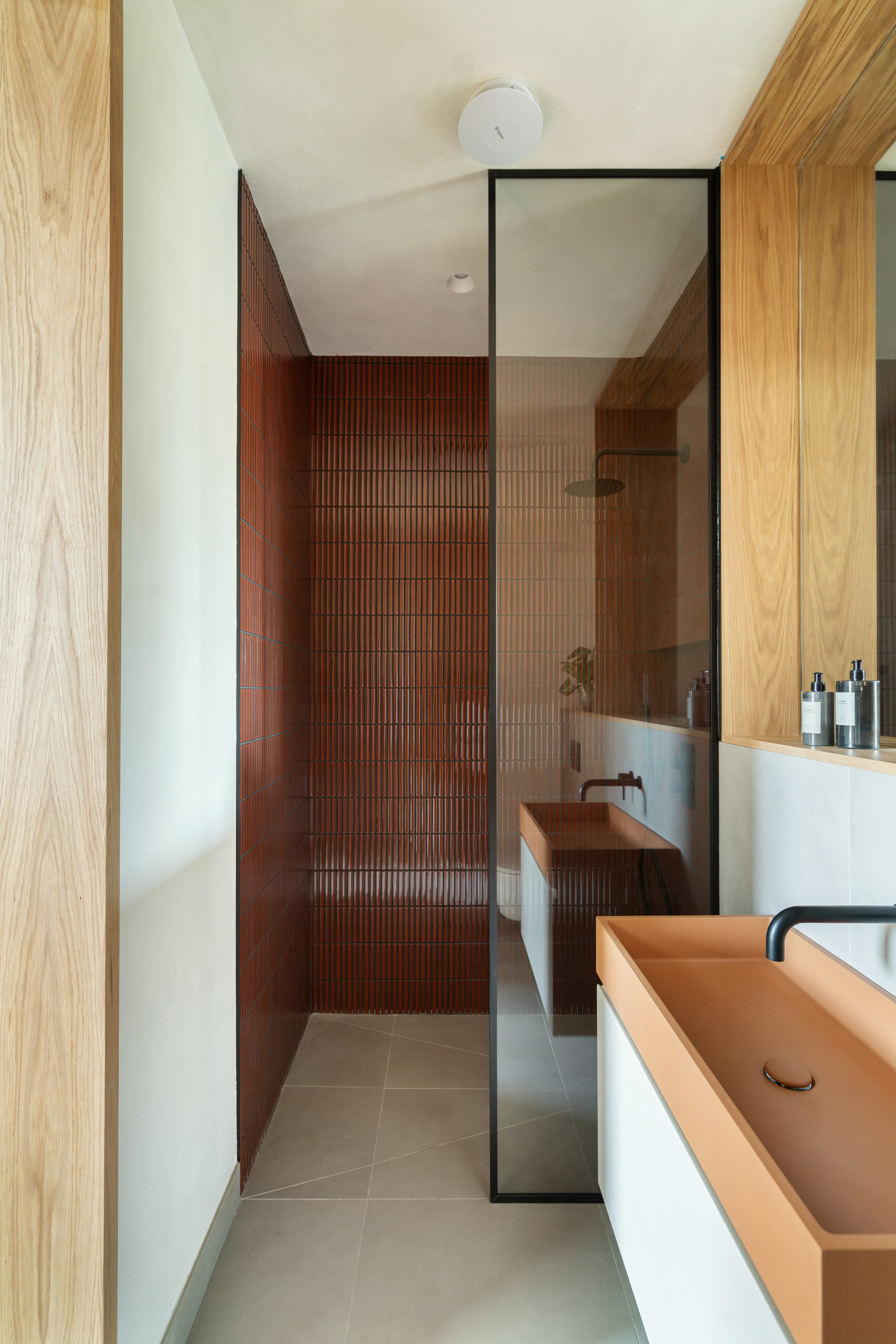
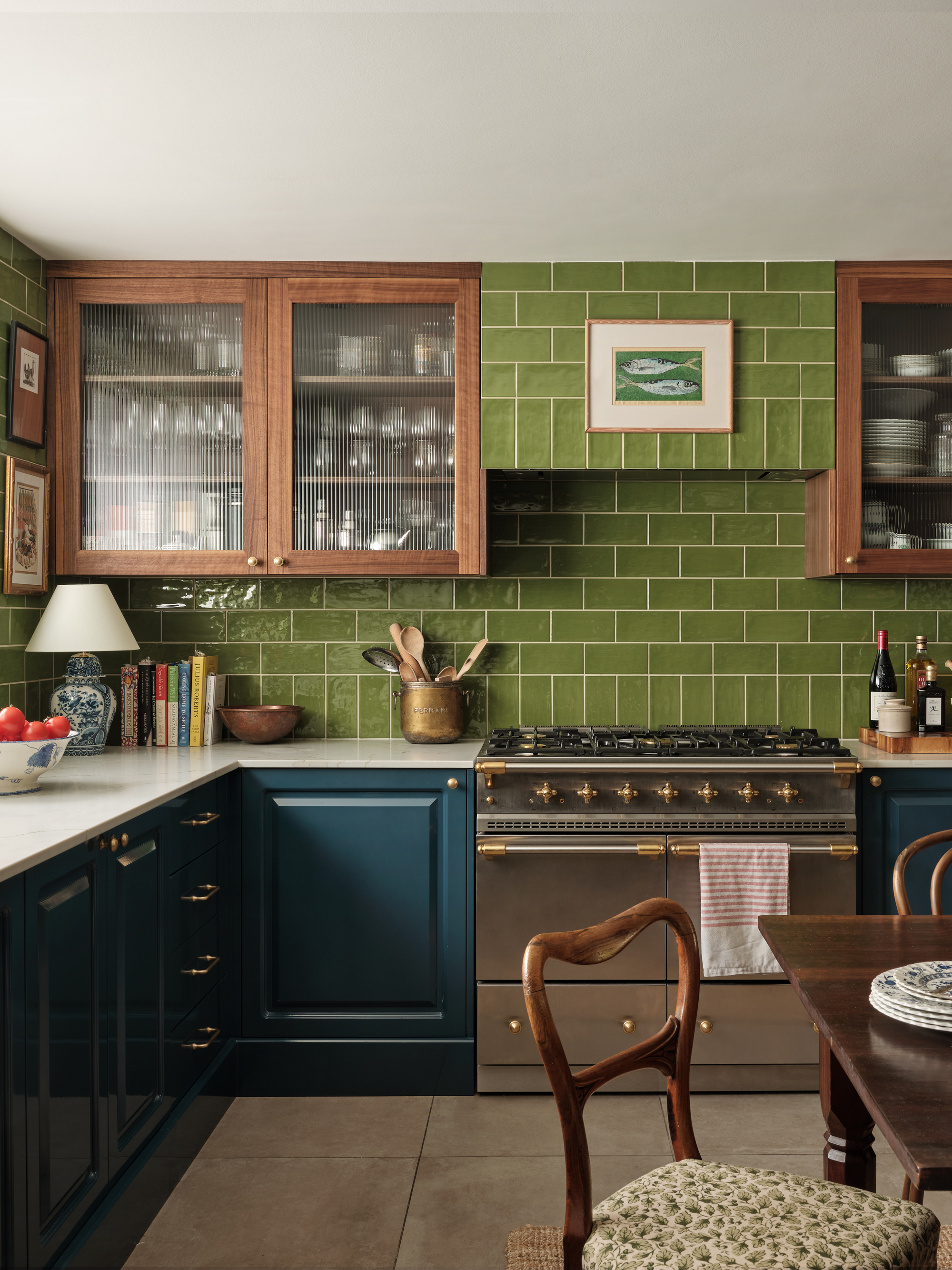
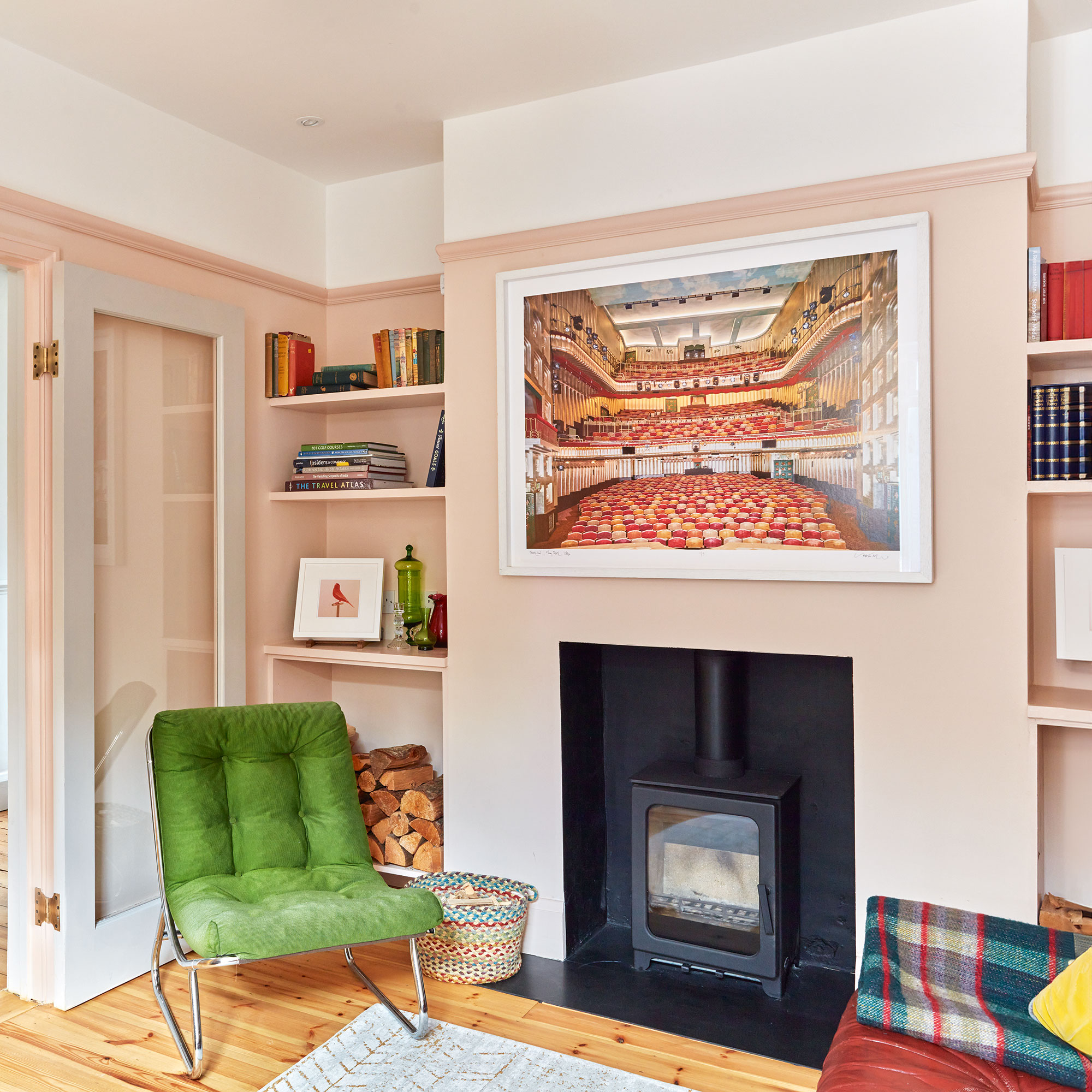
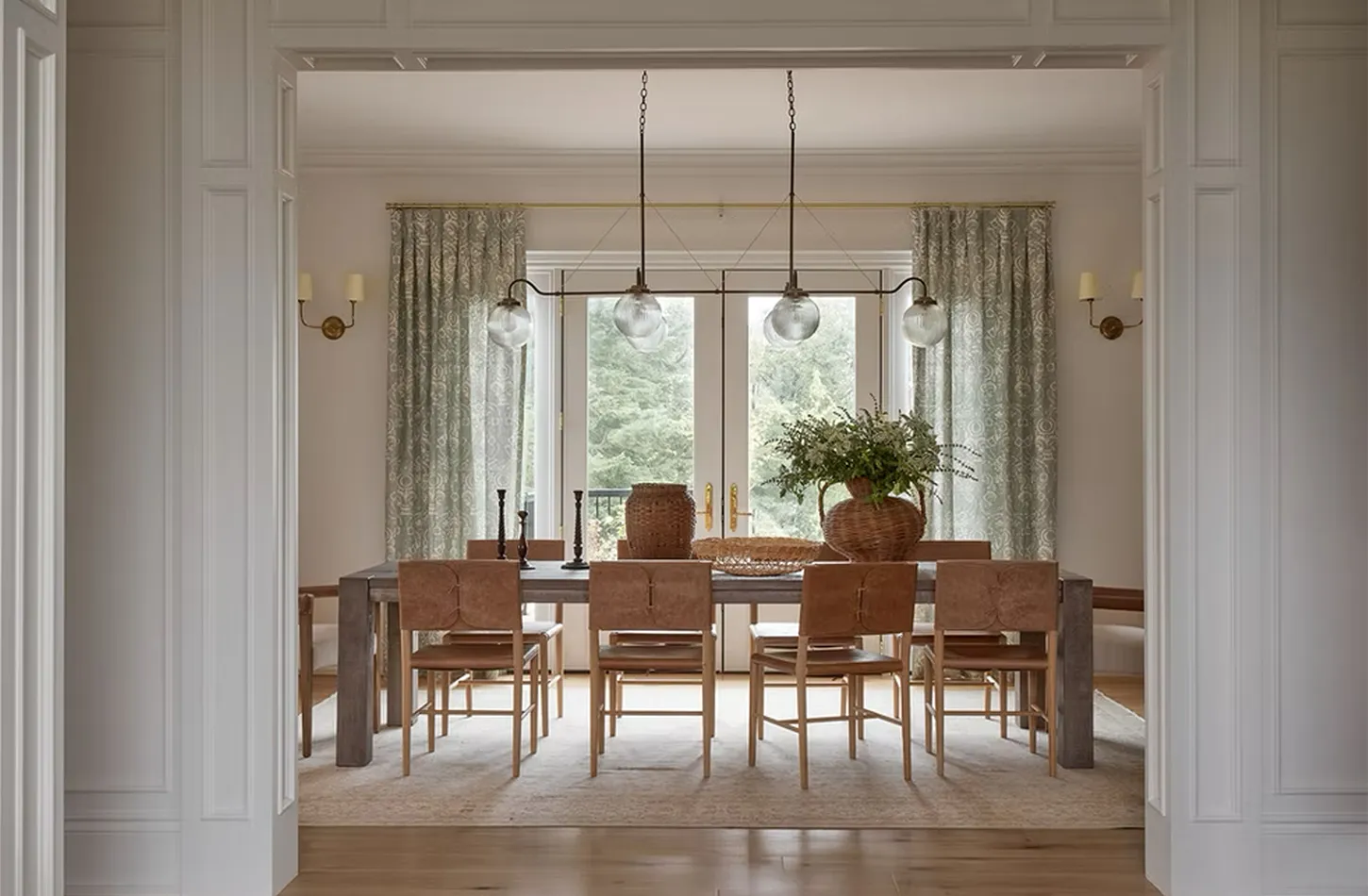
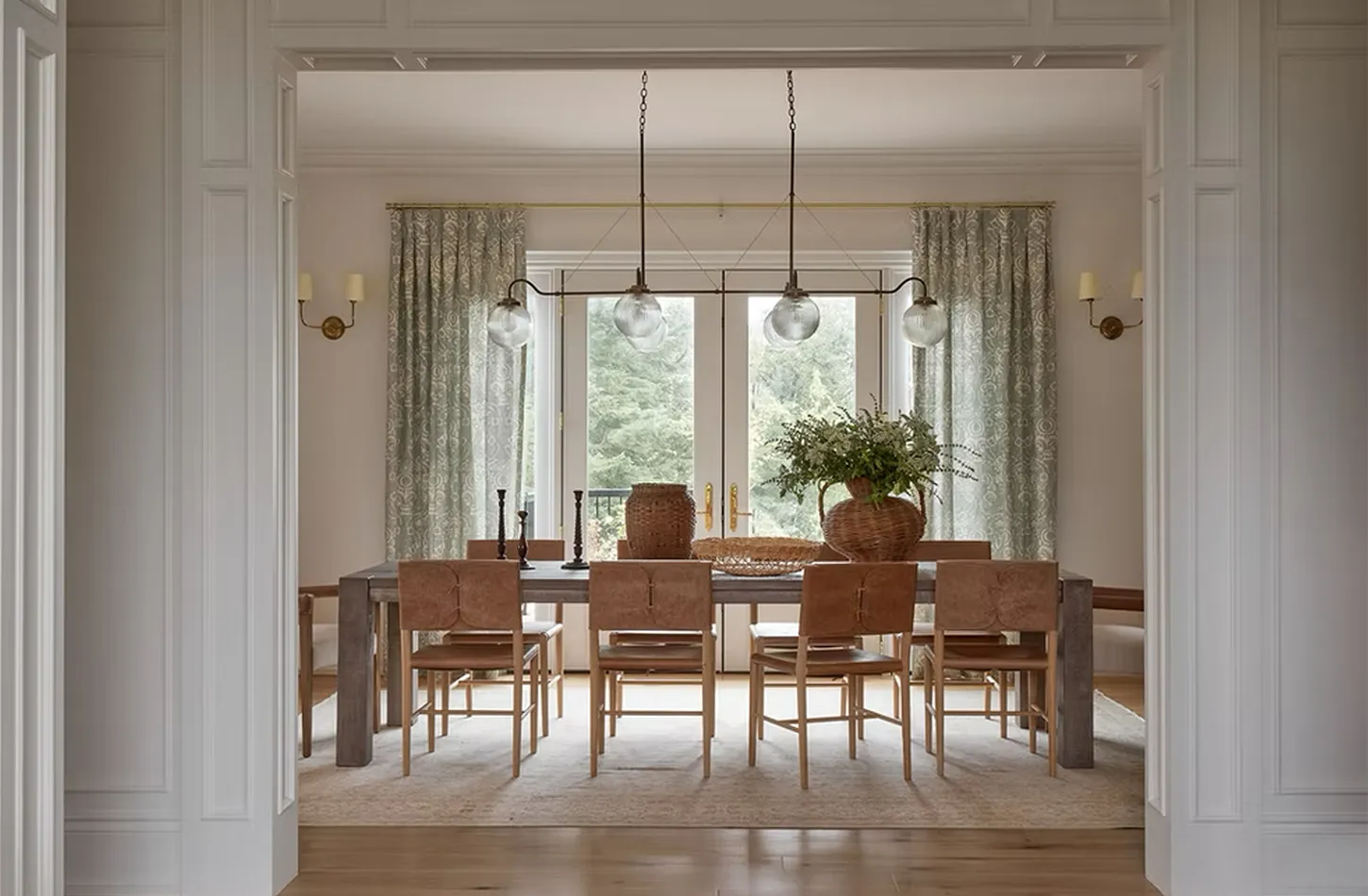
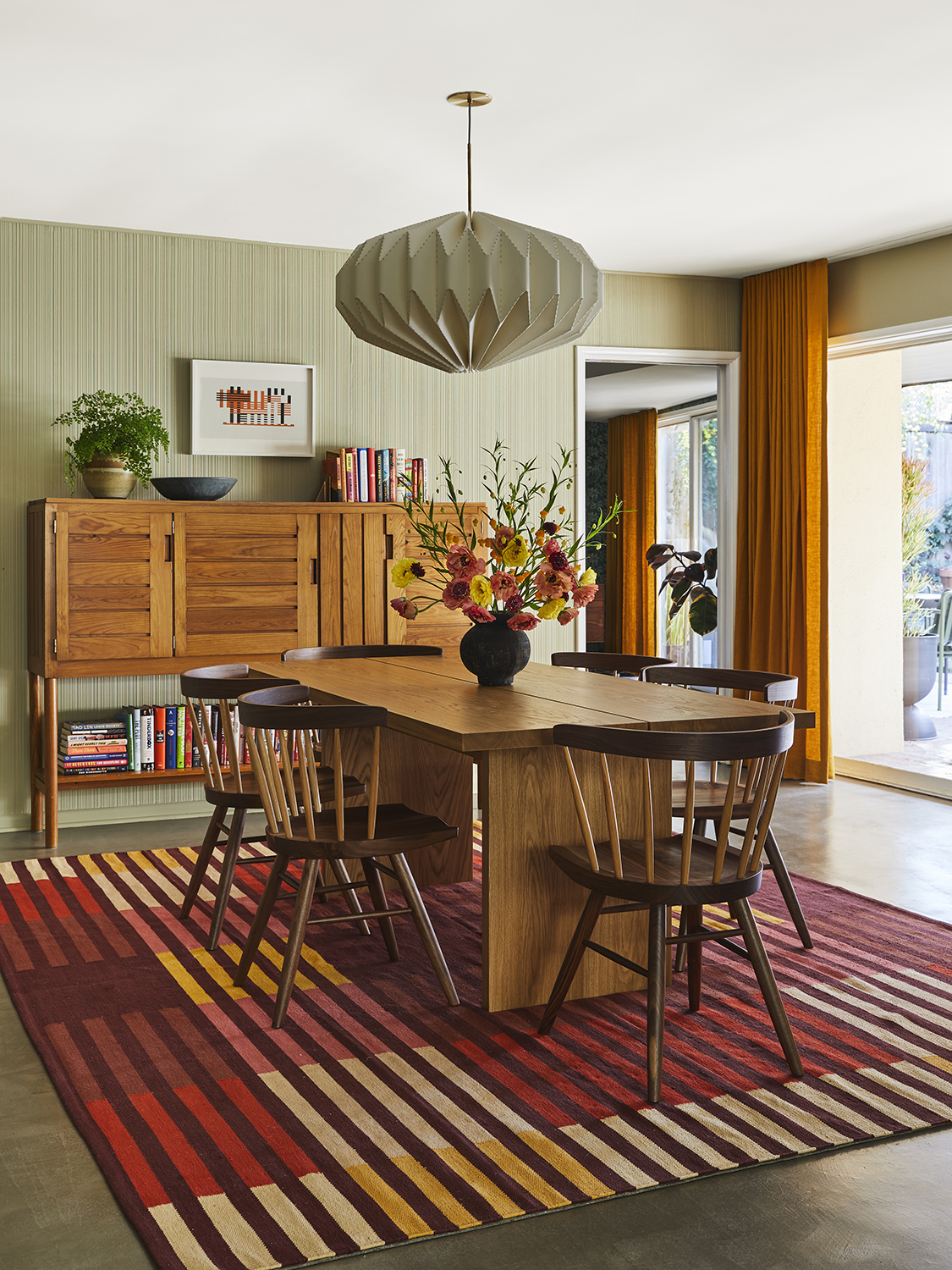
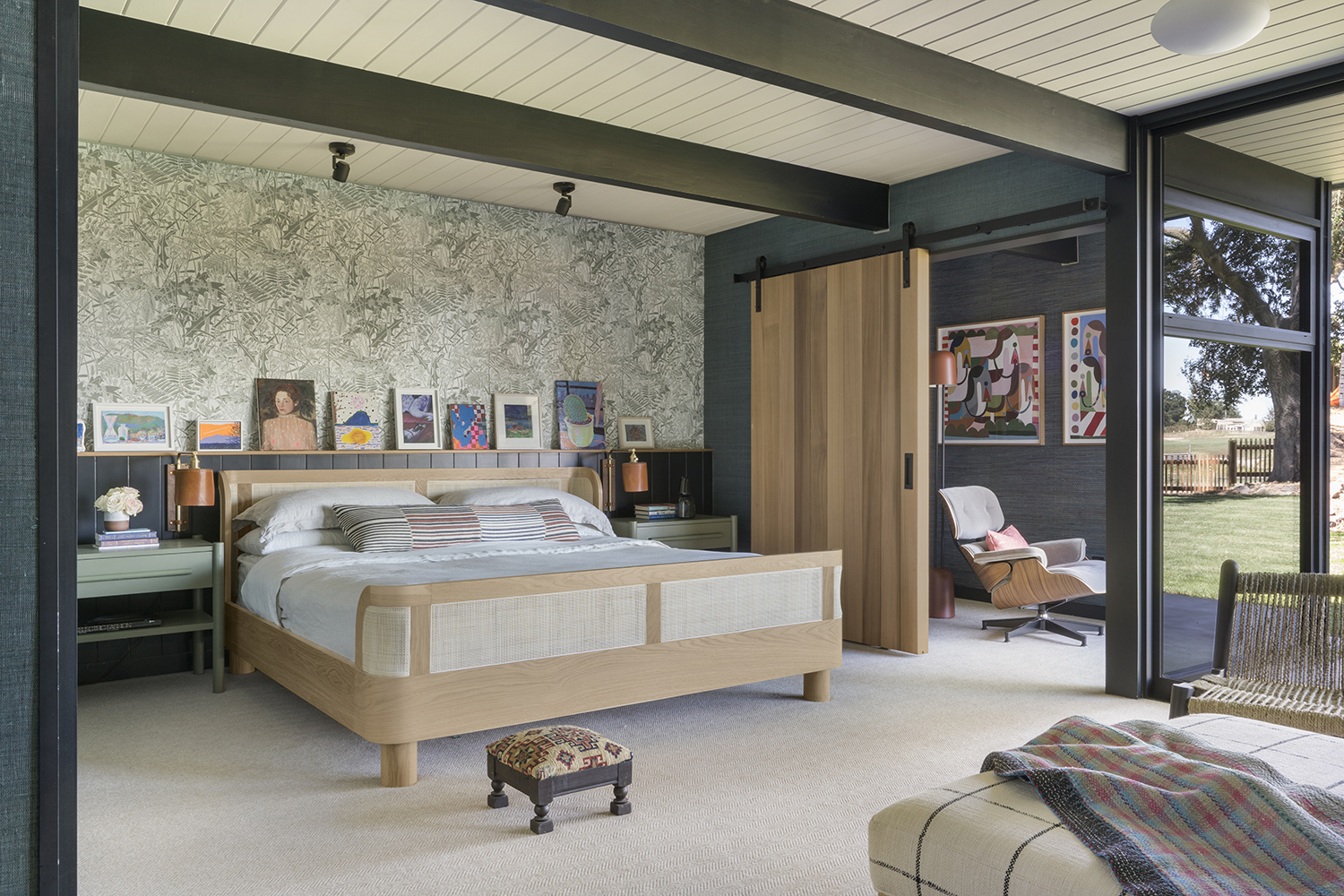
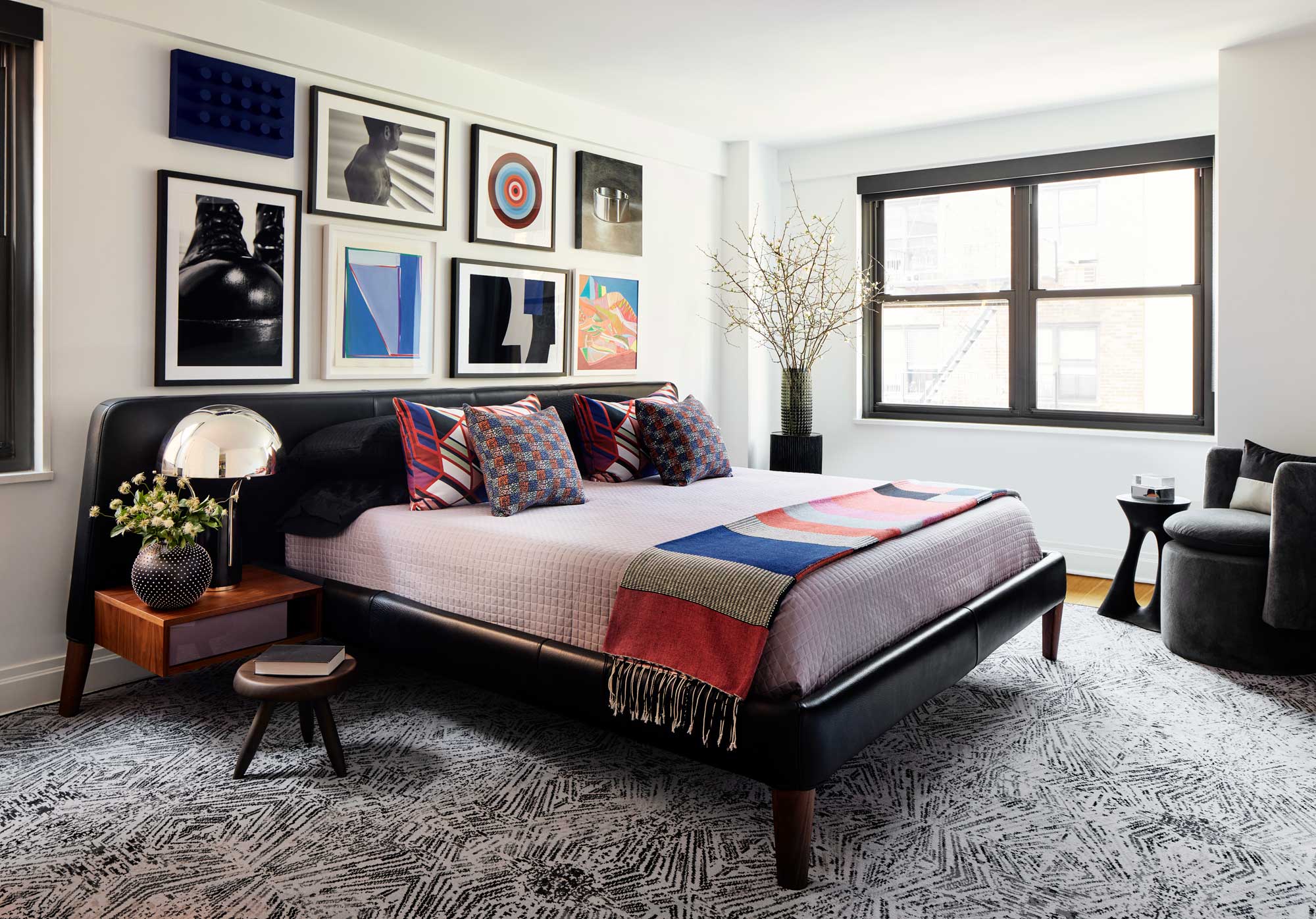
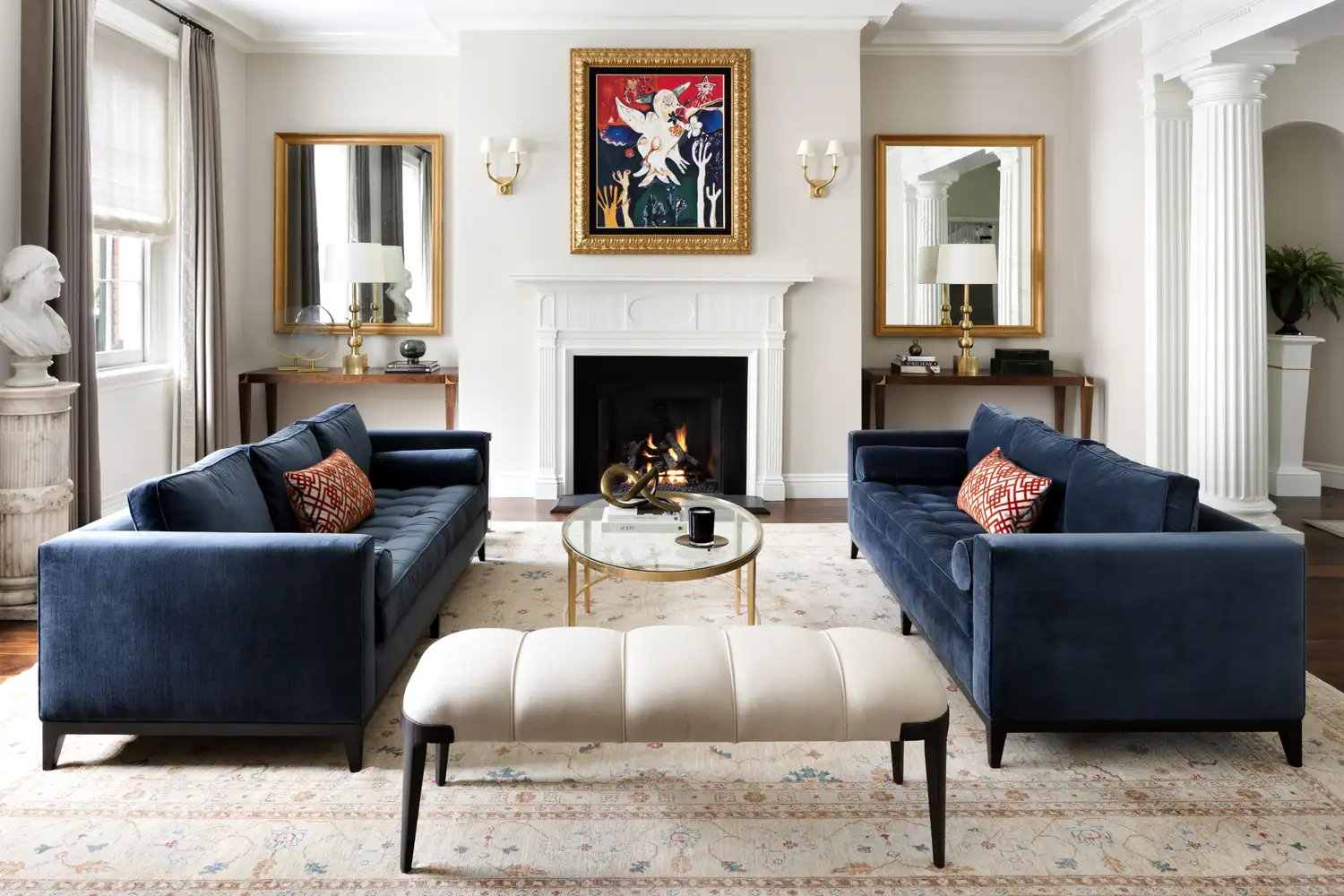
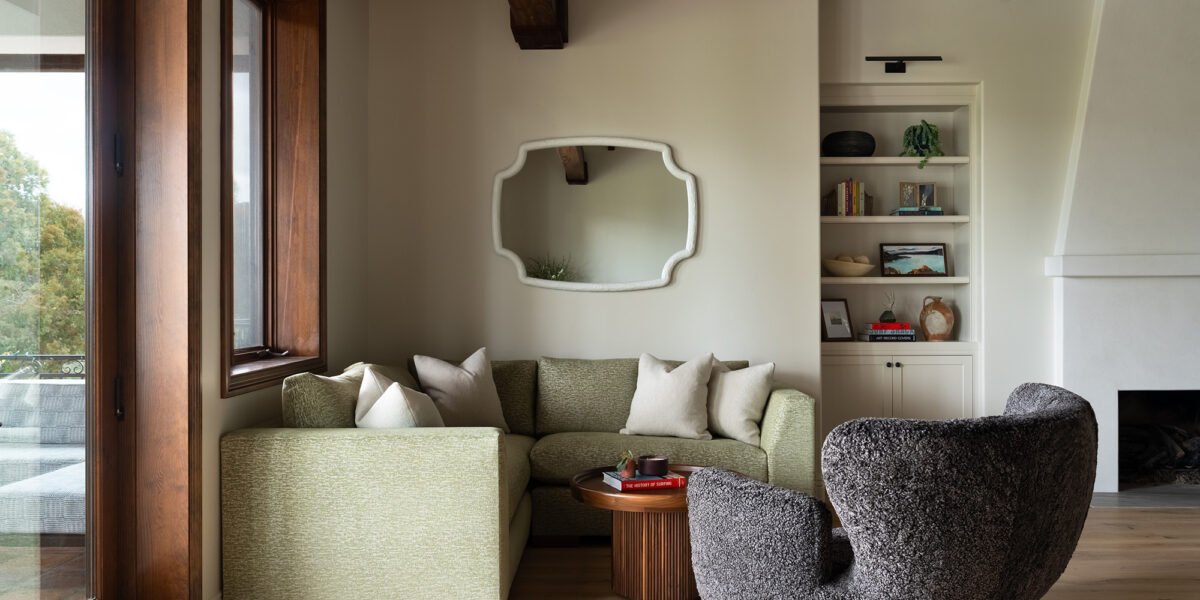
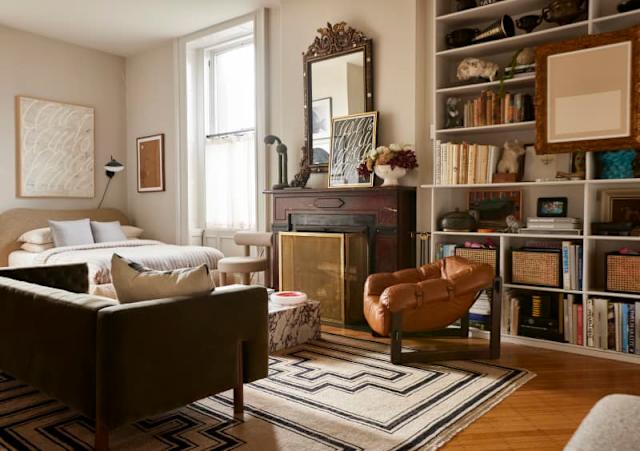
Achieving a well-designed room involves a combination of thoughtful planning and aesthetic considerations, according to leading interior designers. Three key elements consistently highlighted are thoughtful space planning, balance, and a well-planned lighting scheme. These components work together to create spaces that are not only visually appealing but also highly functional and comfortable.
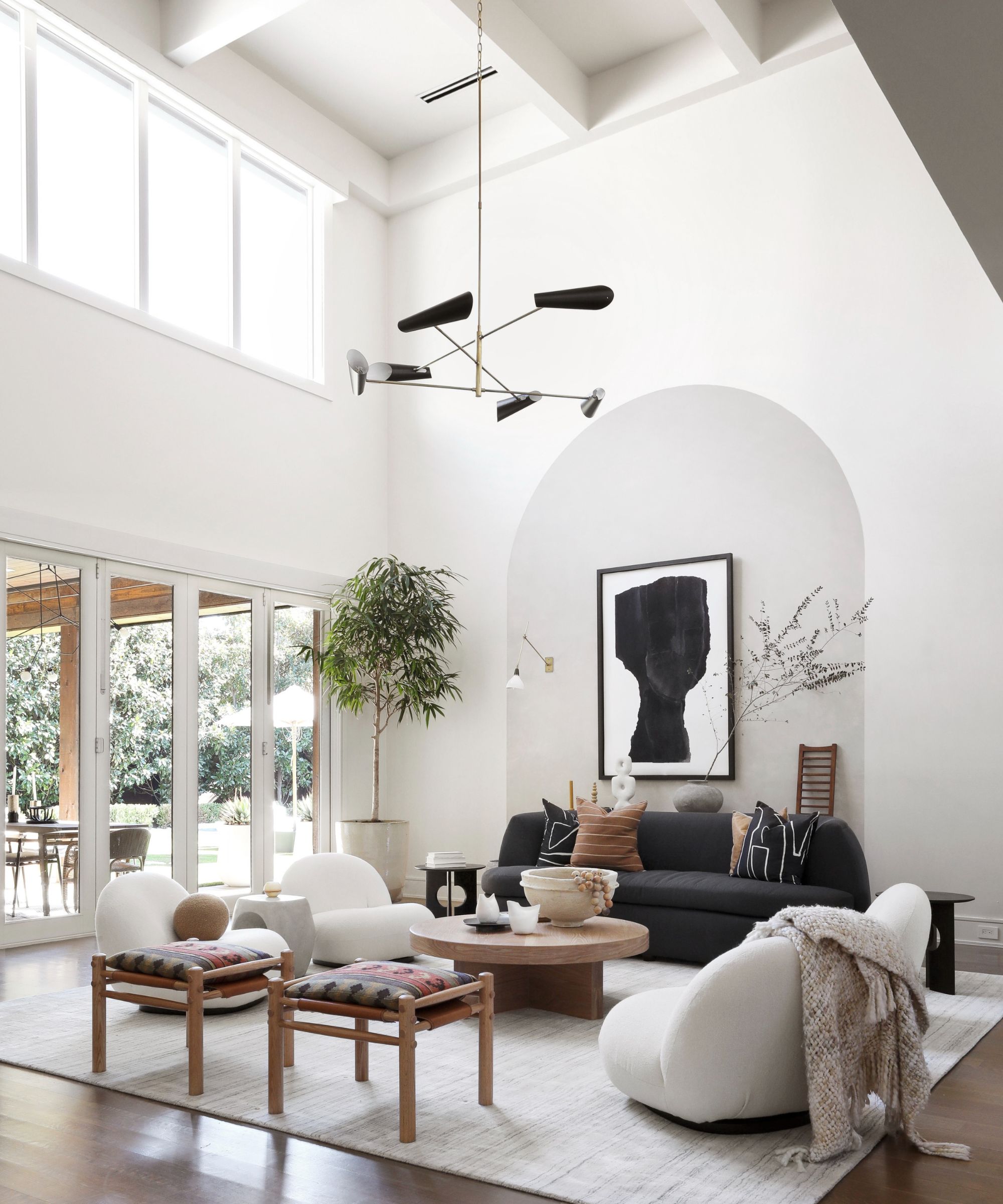

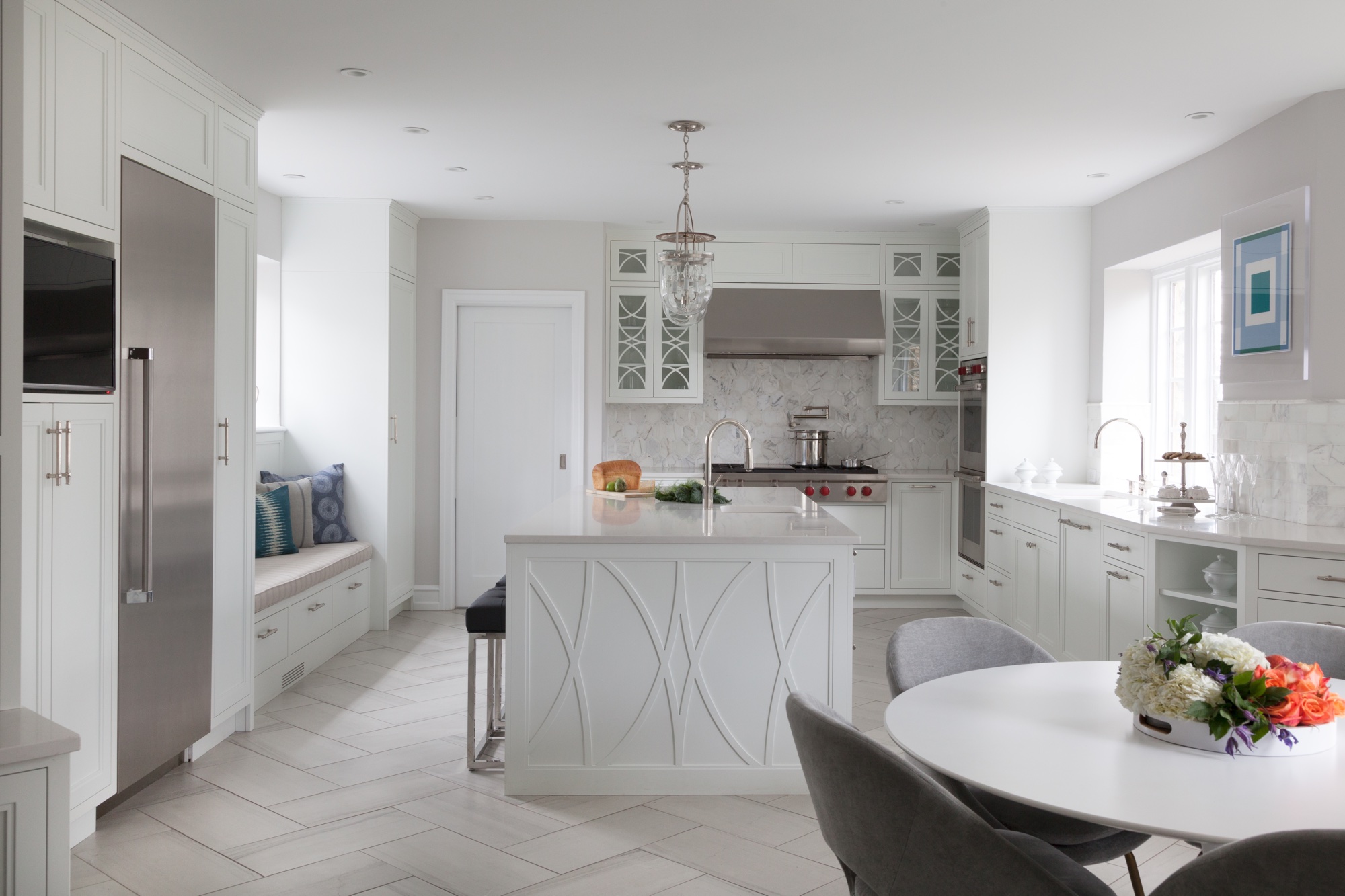
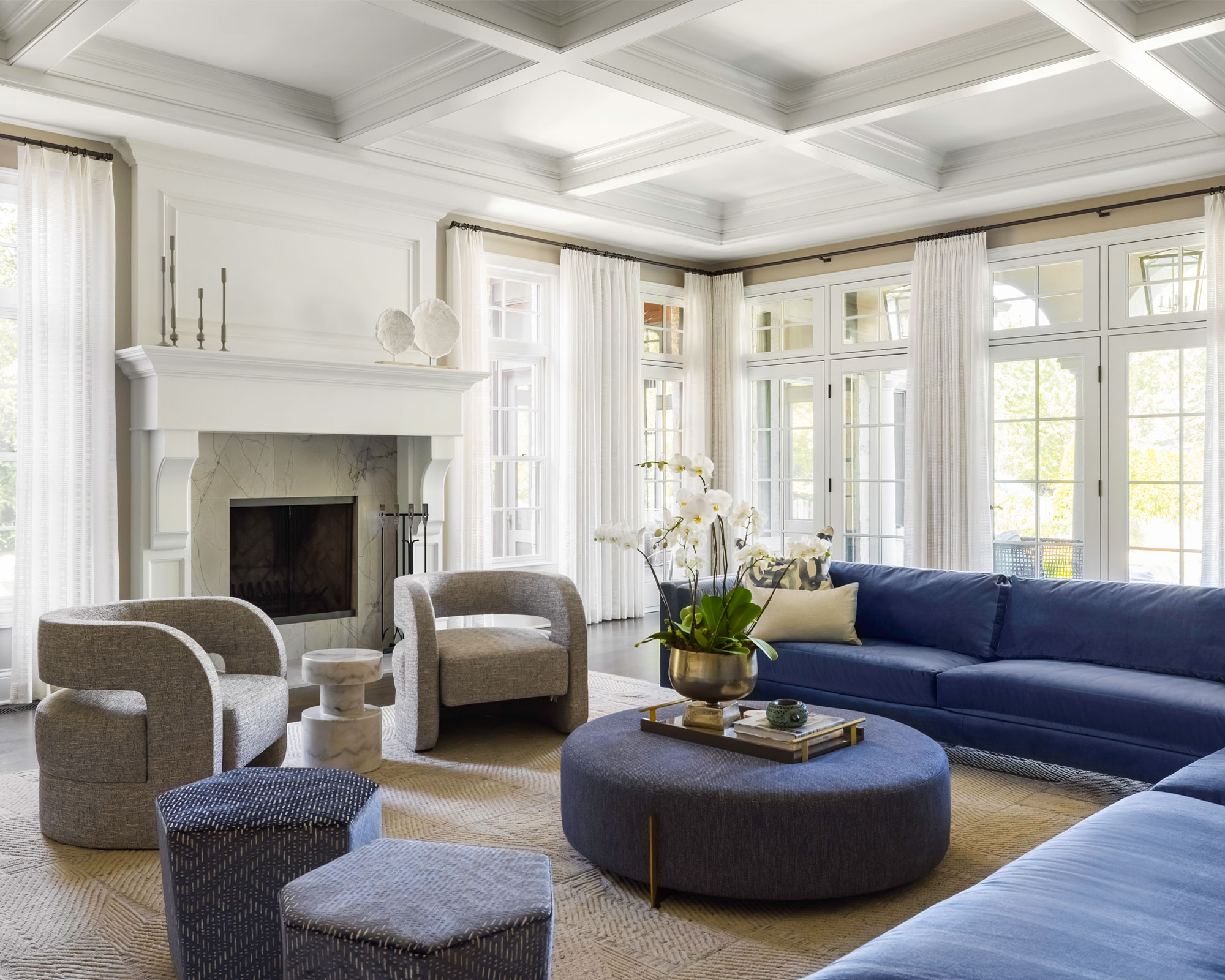
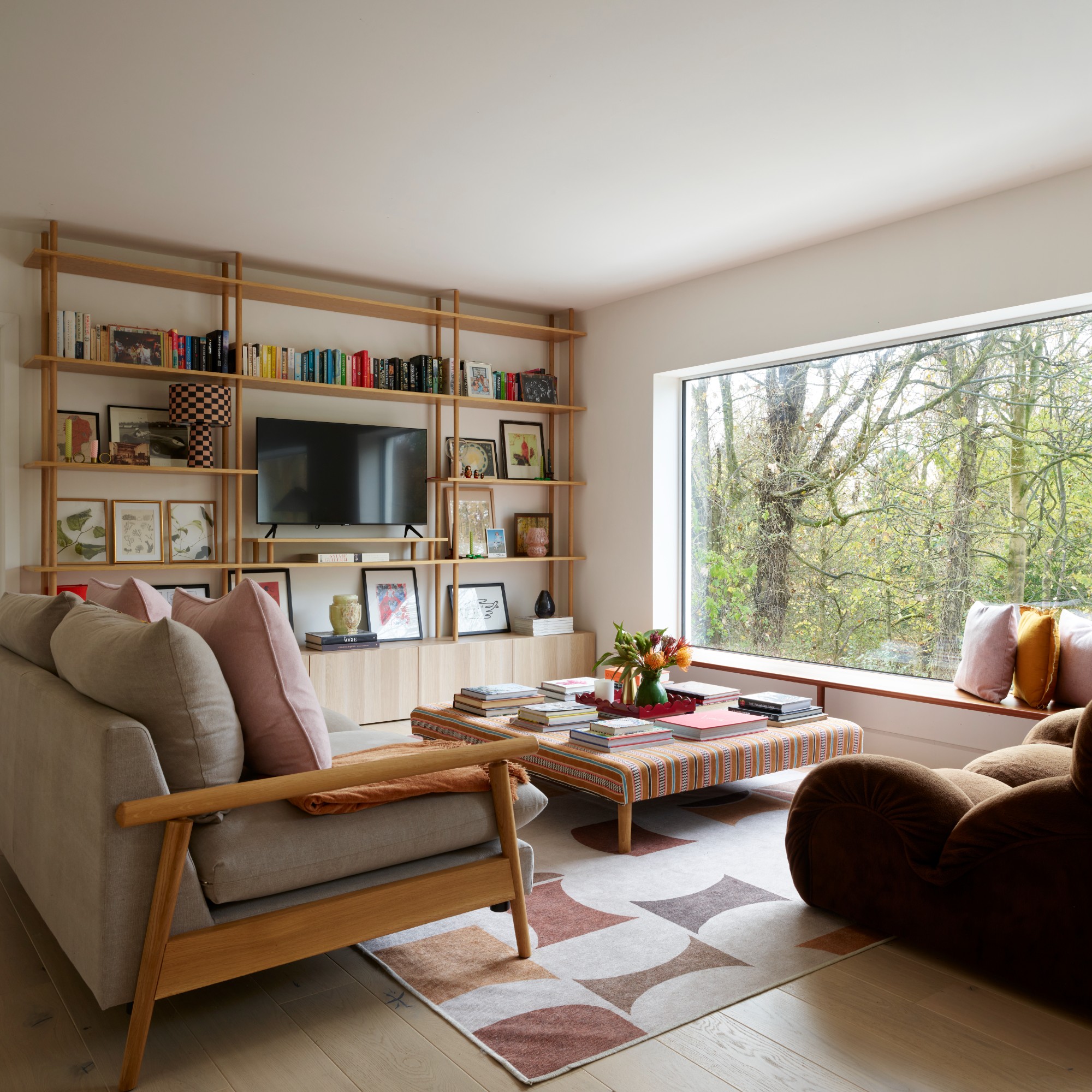
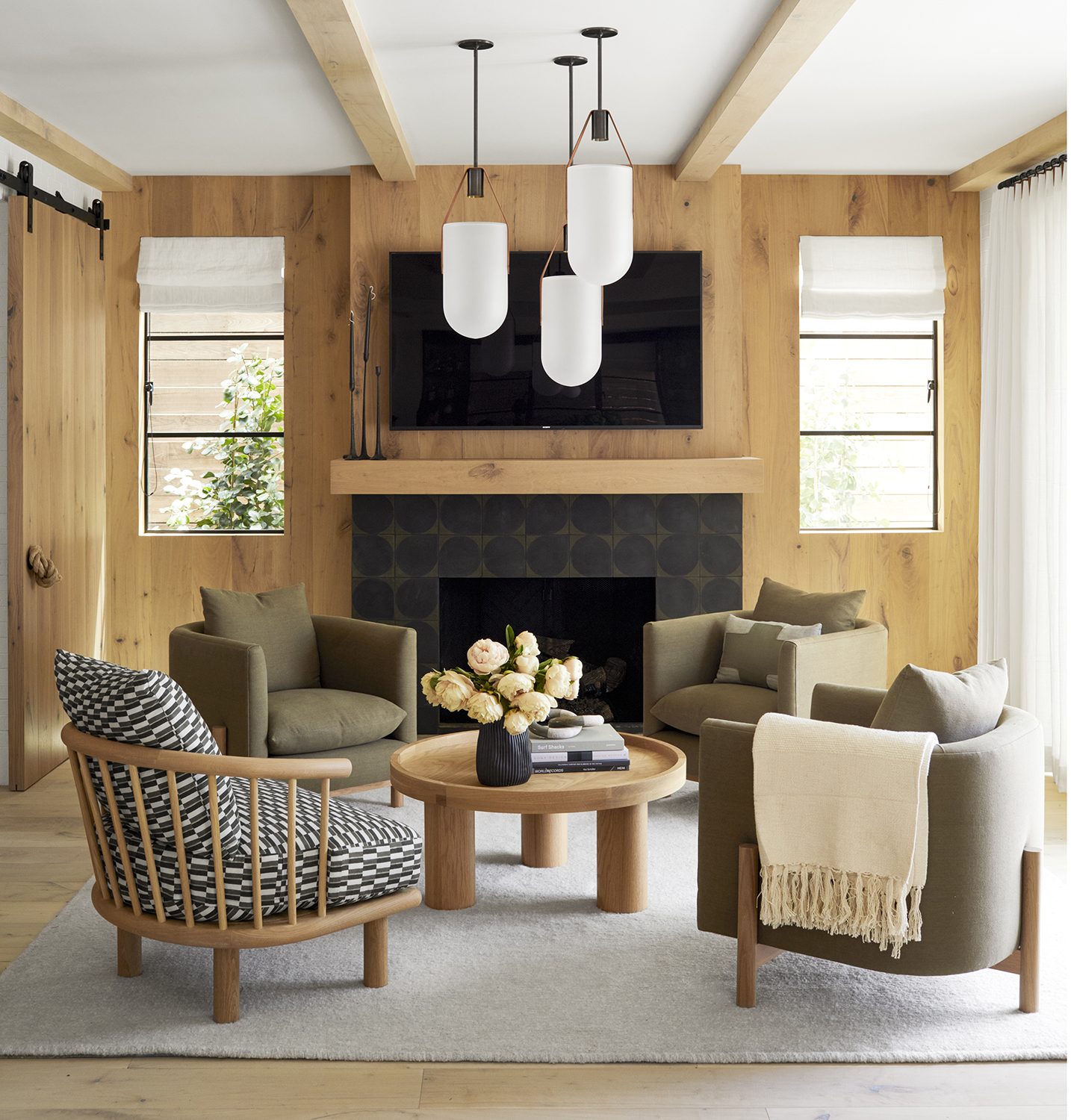
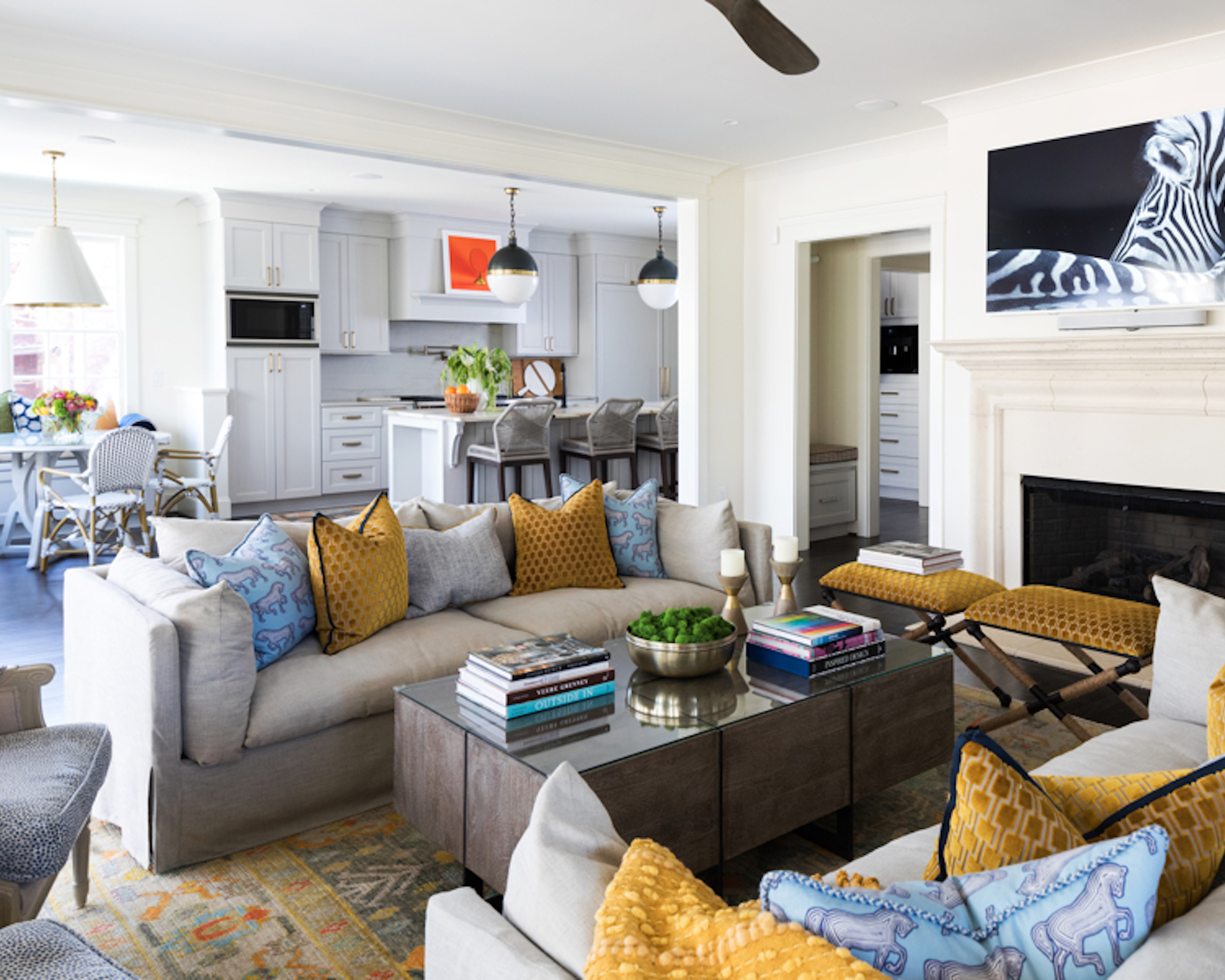
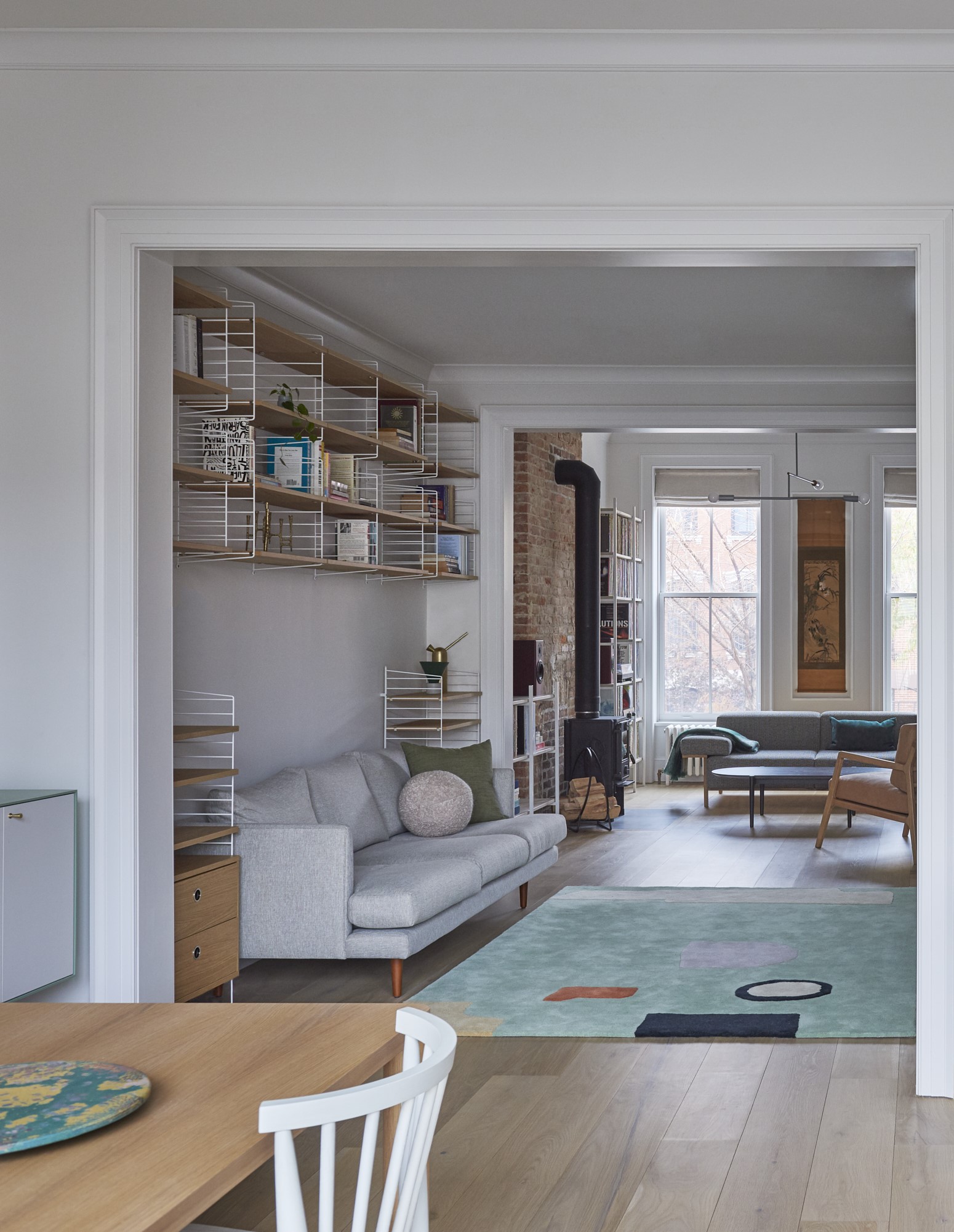
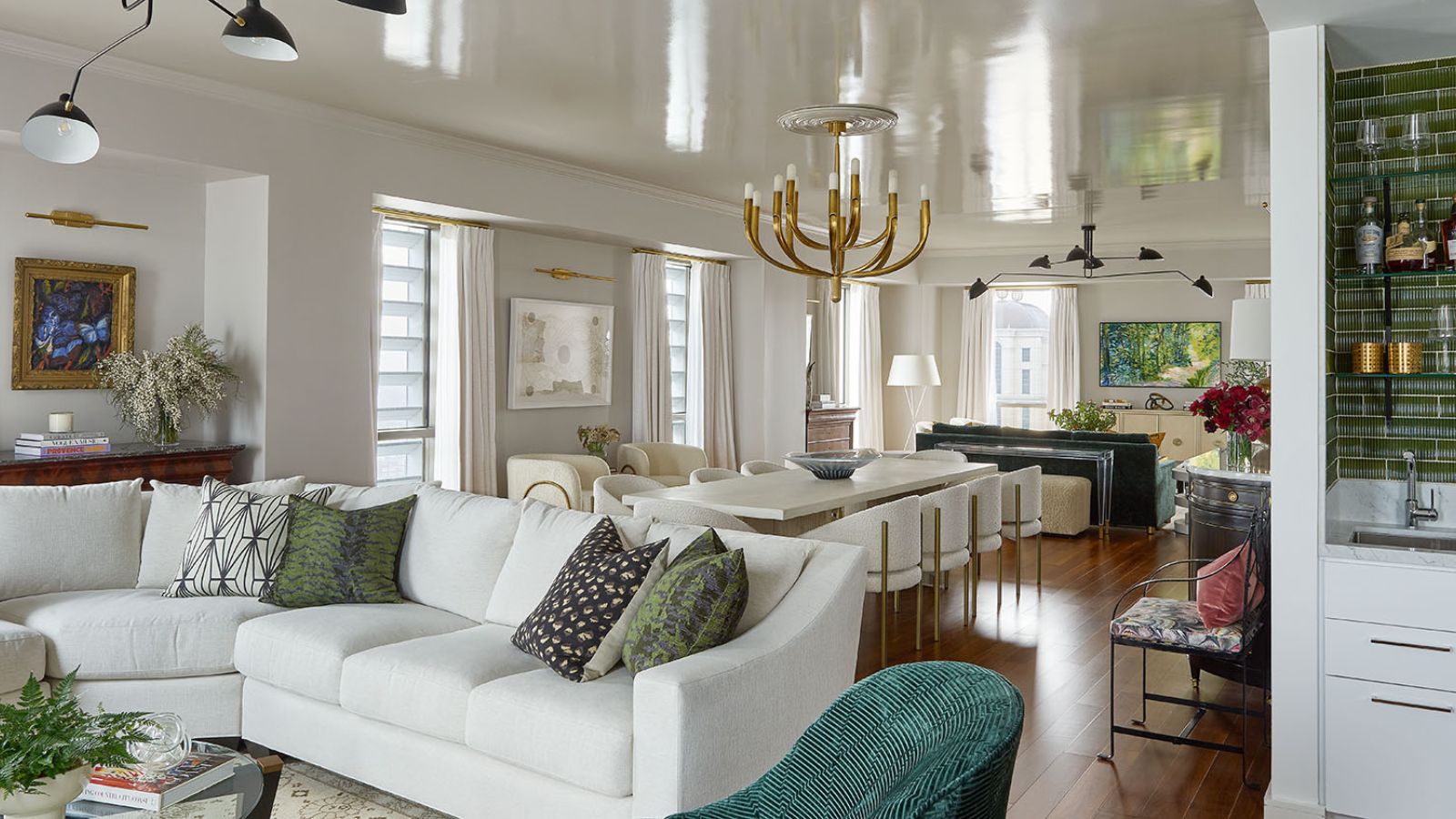
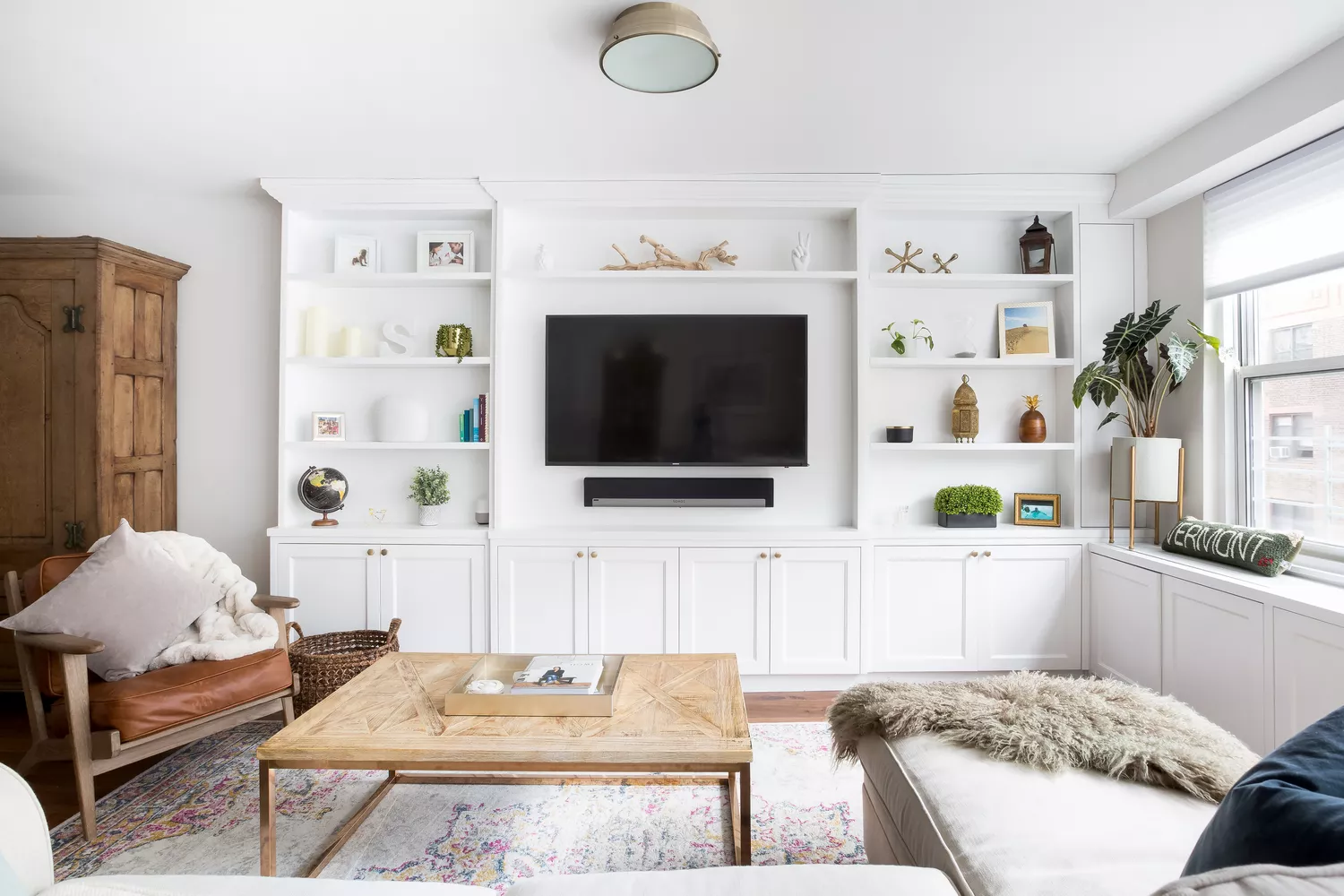
Thoughtful space planning is fundamental to any well-designed room. Suzanne Manlove, principal designer and CEO of Manlove and Company Interiors, emphasizes the importance of considering a room's intended use, flow, and functionality. This involves carefully assessing how furniture pieces will fit and interact within the space, ensuring they are to scale and do not impede movement or daily activities. Addressing these practical needs before focusing on aesthetic details can prevent common design pitfalls, such as awkward furniture arrangements or unnecessary purchases. For instance, determining the best placement for a television—whether on a credenza or mounted above a mantel—can significantly impact the room's layout. While initially requiring more effort, meticulous space planning ultimately saves time, money, and energy by ensuring the design meets the occupants' practical requirements.
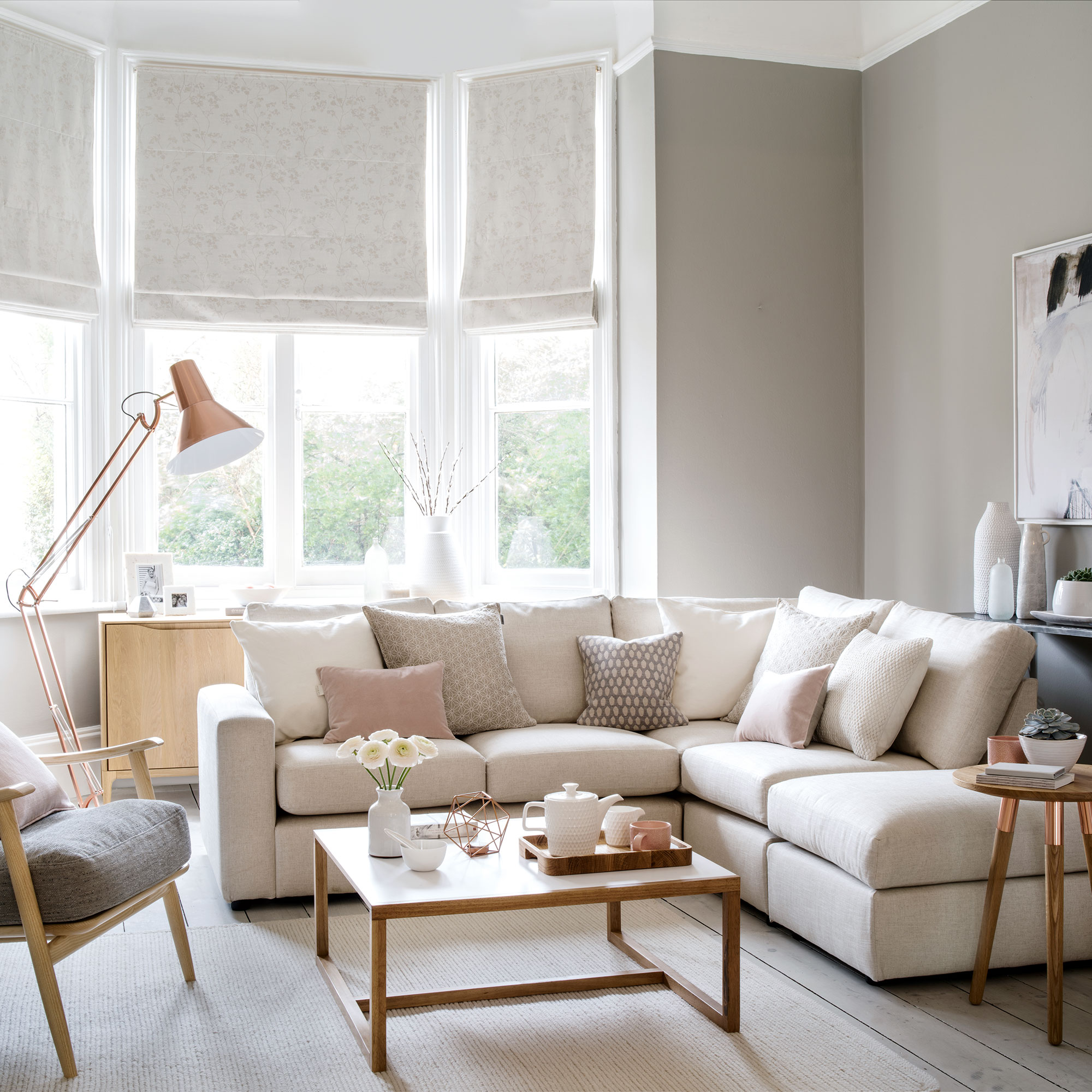
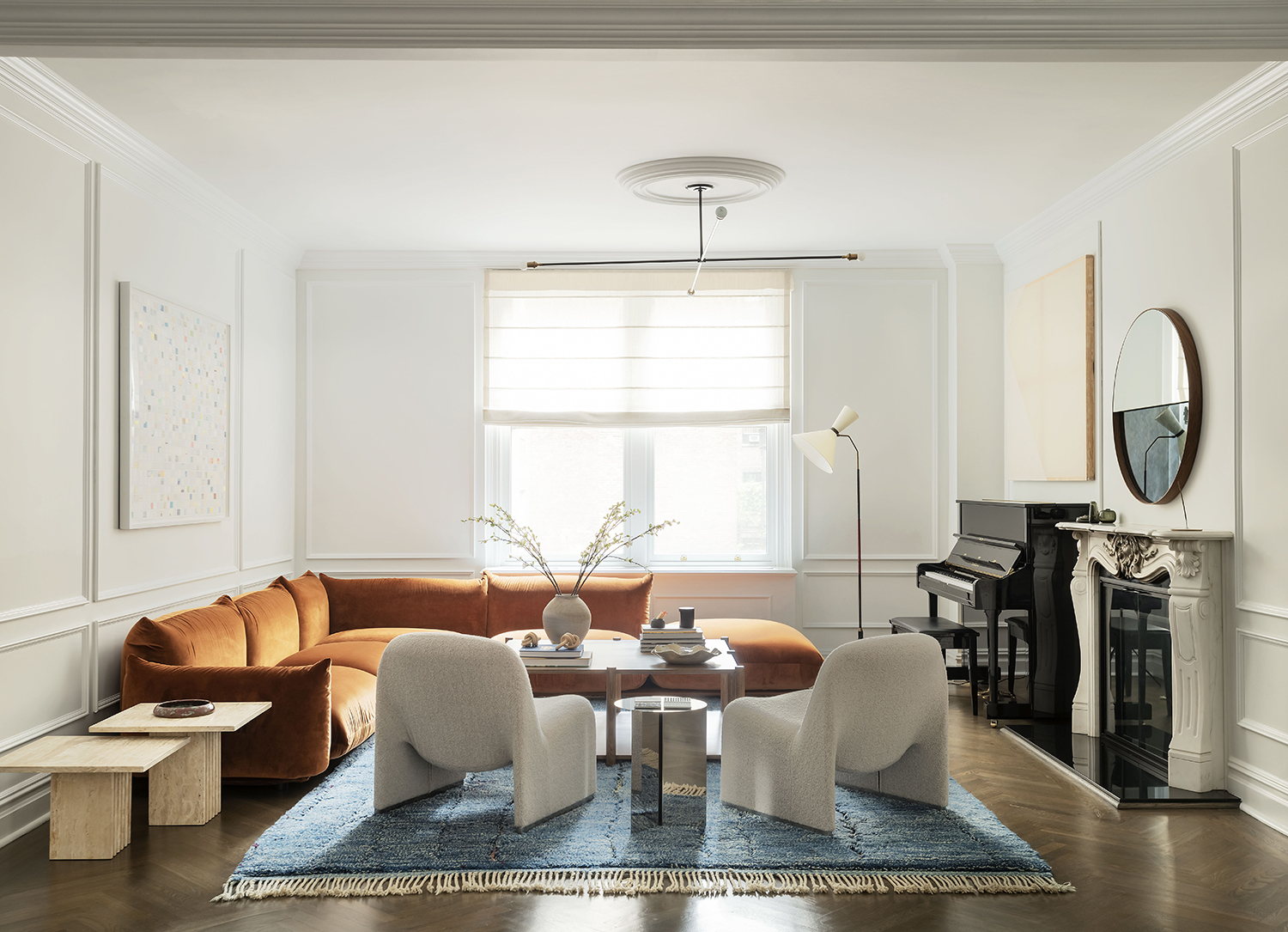
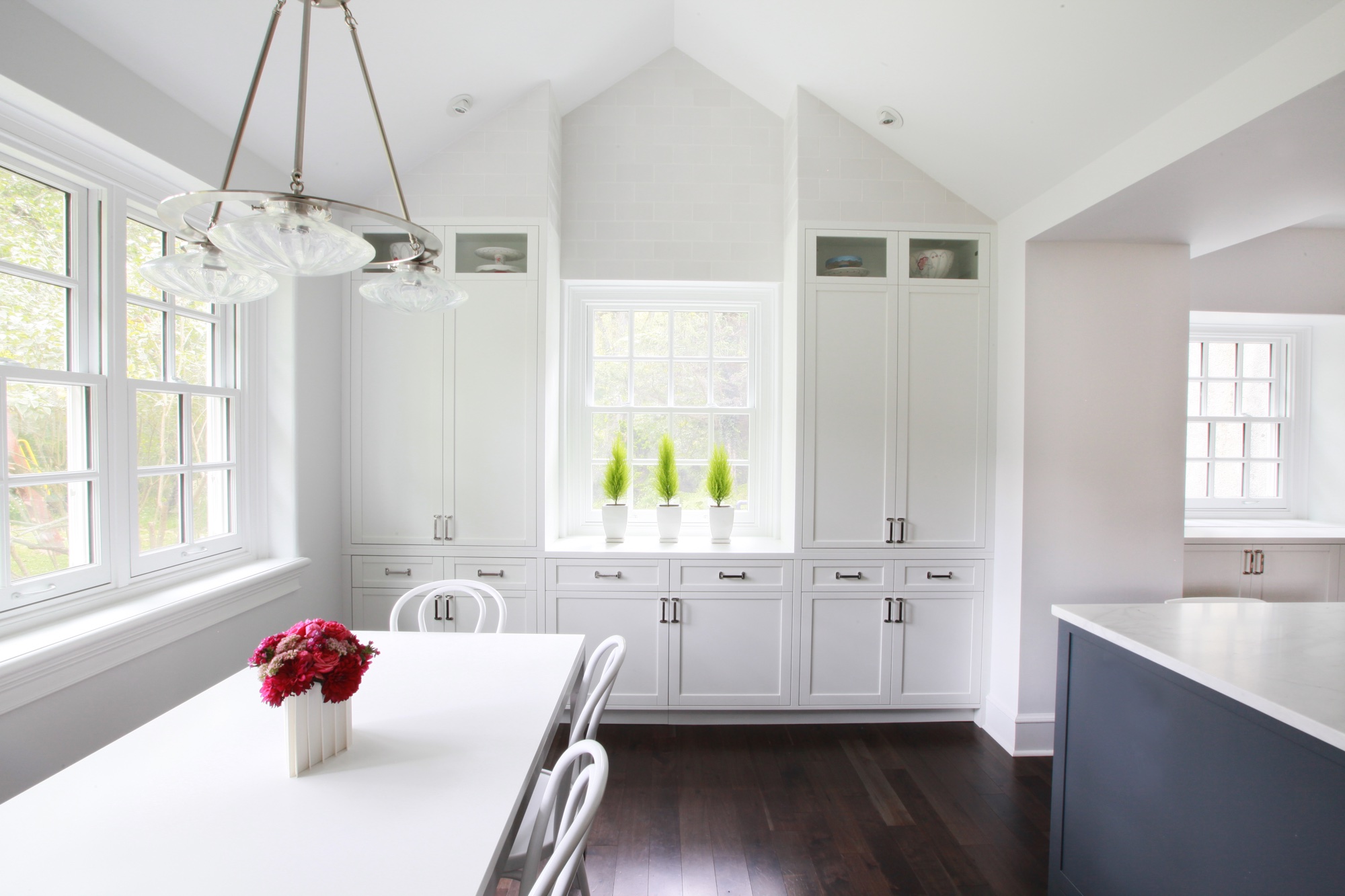
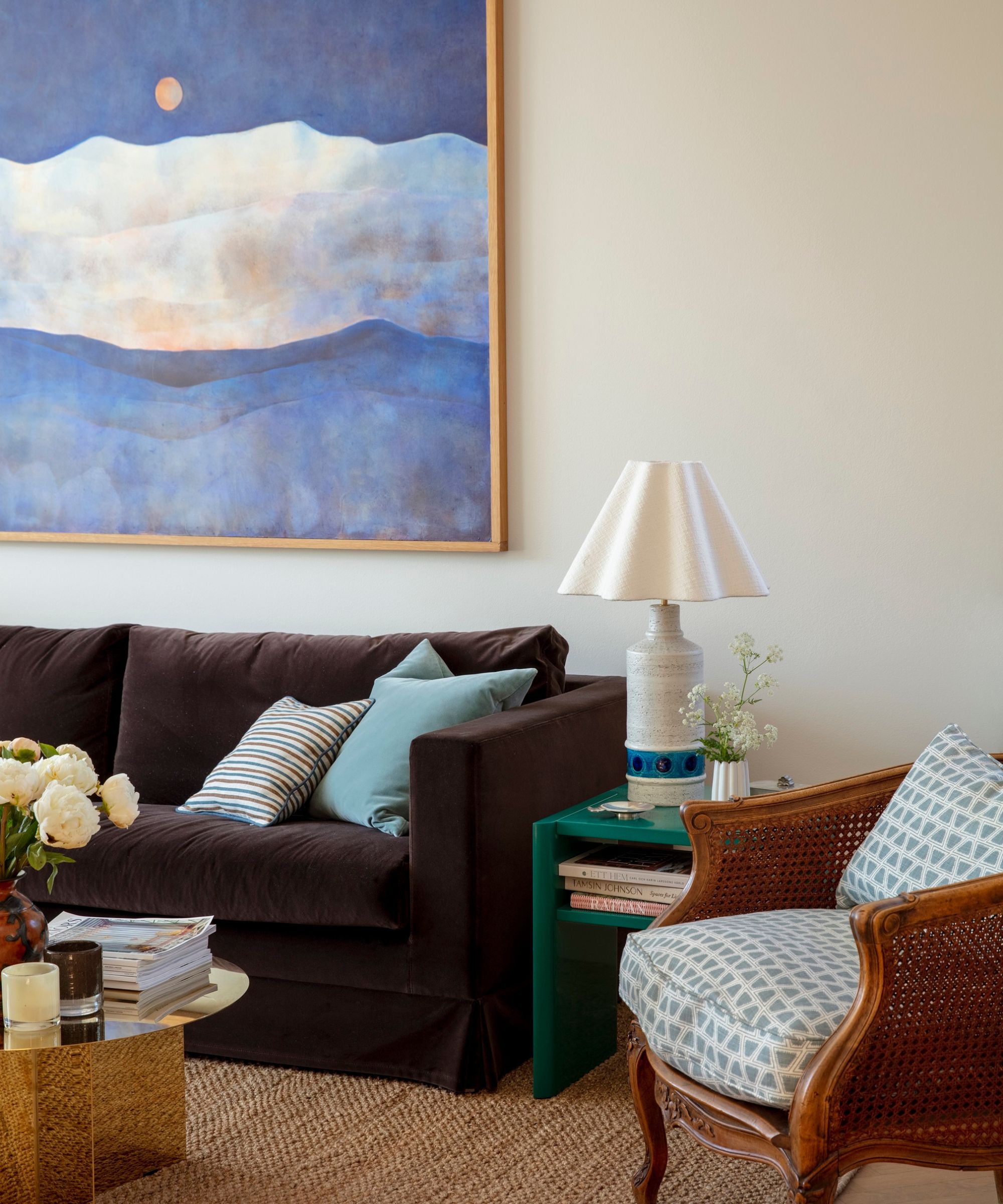
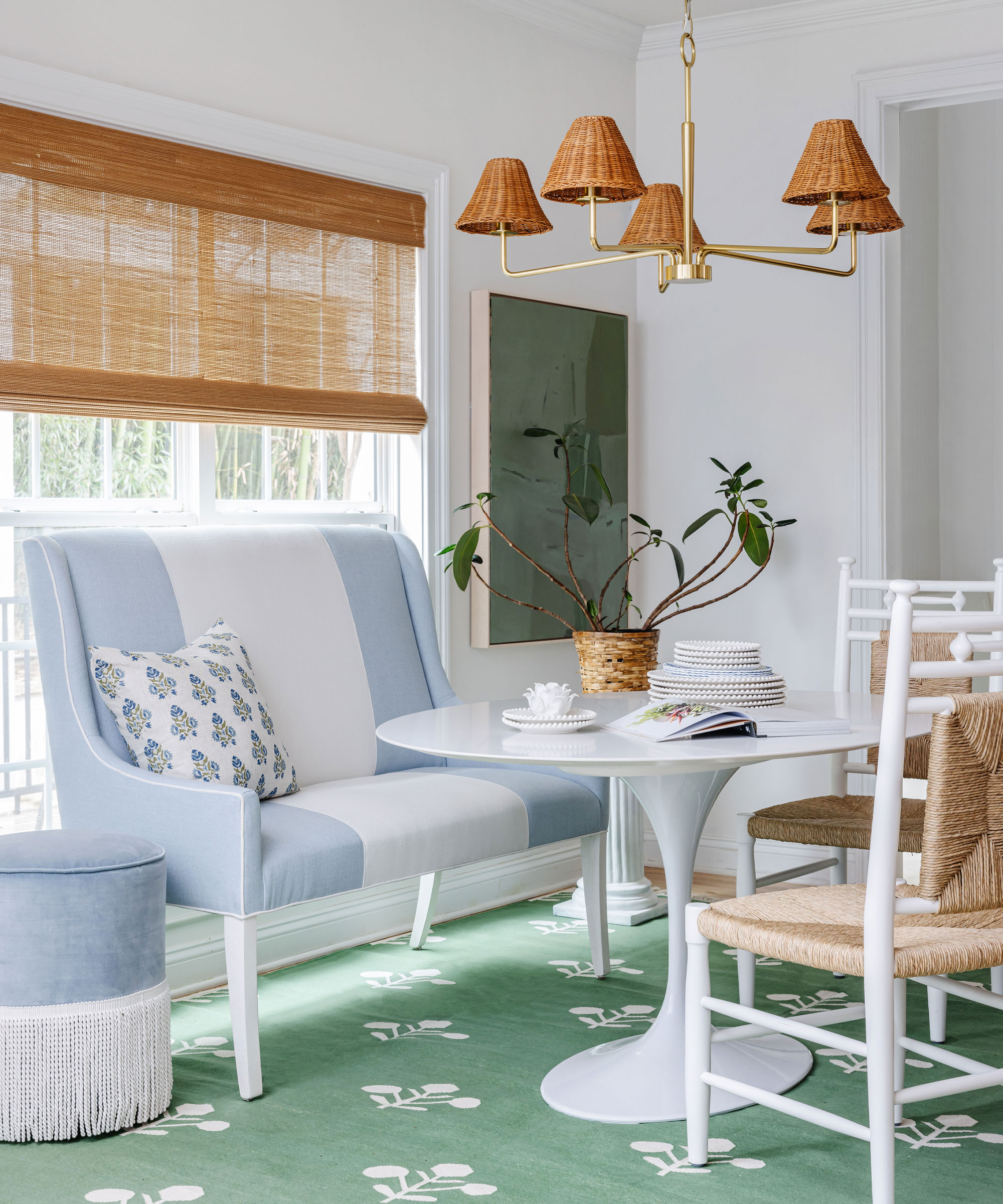
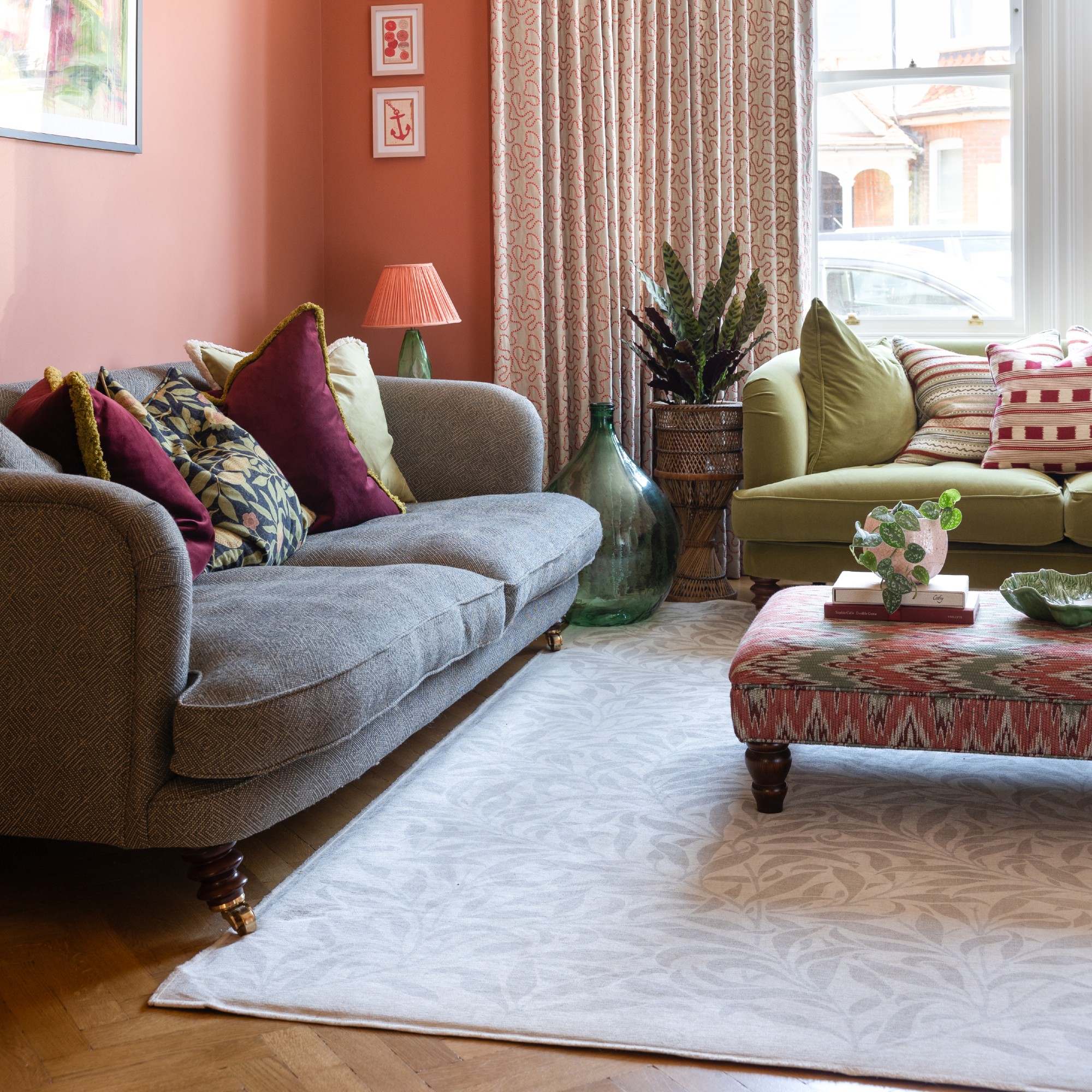
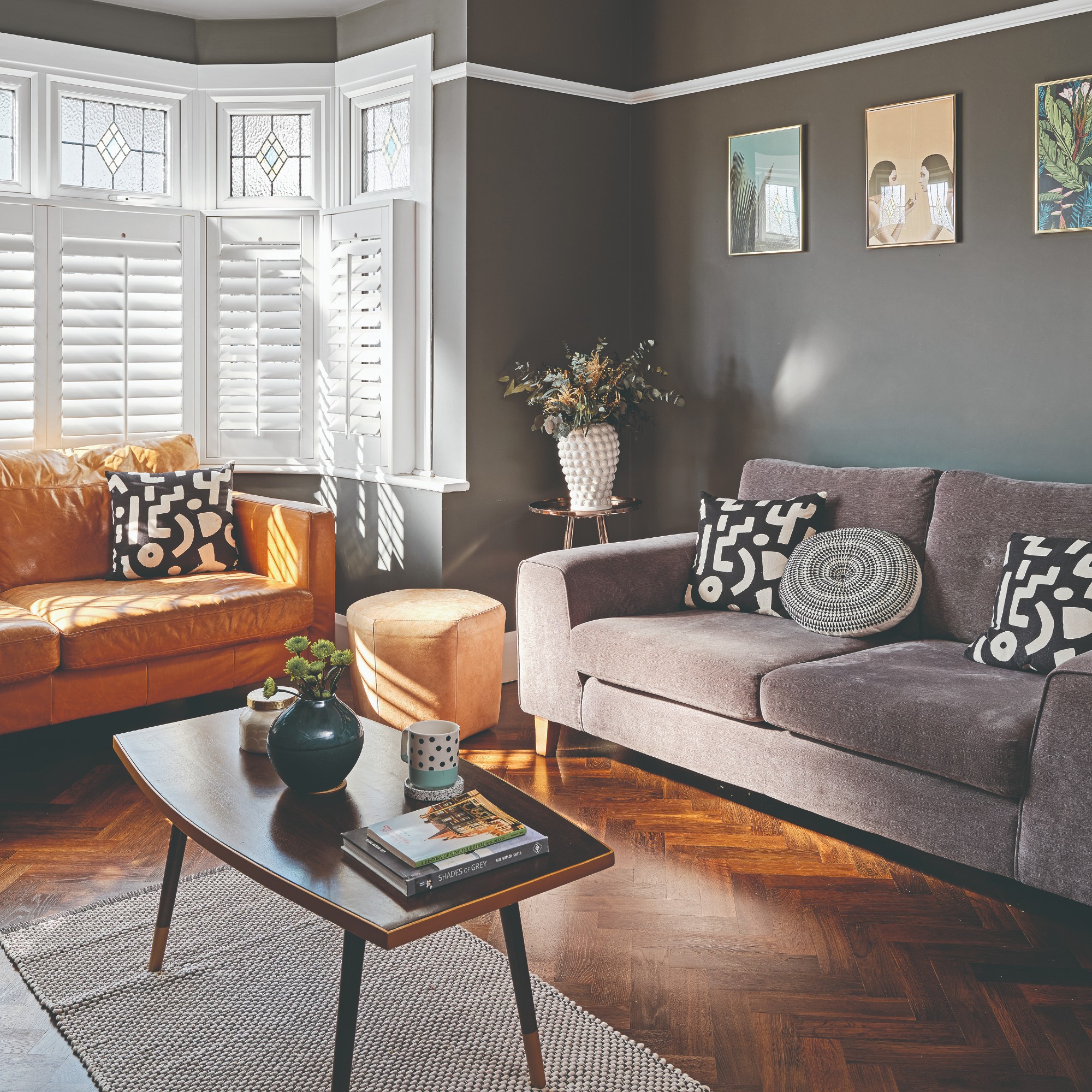
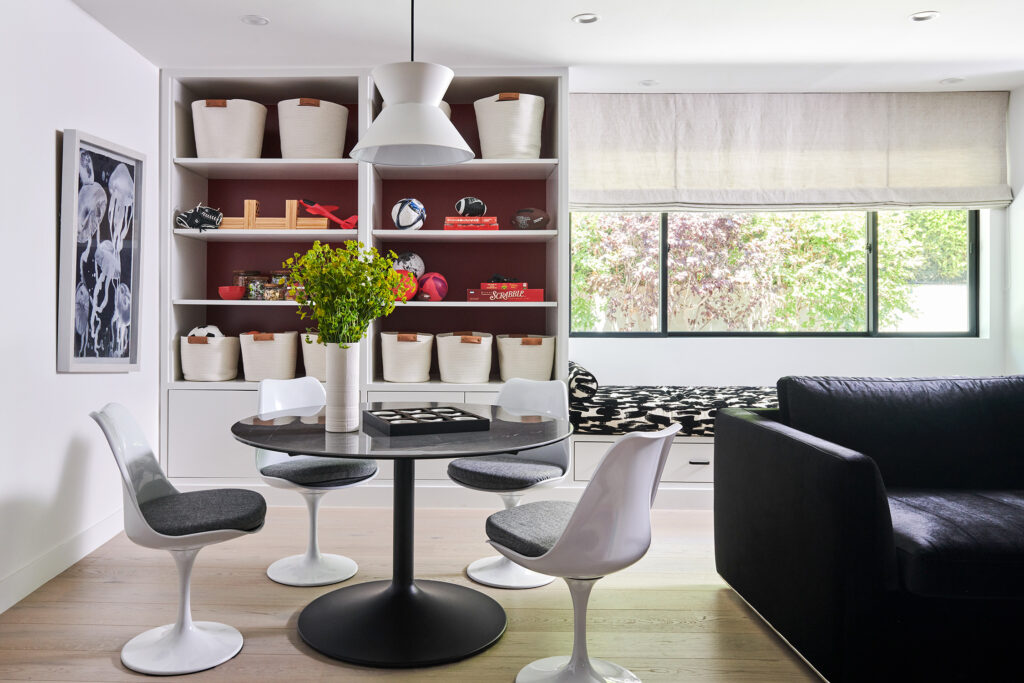
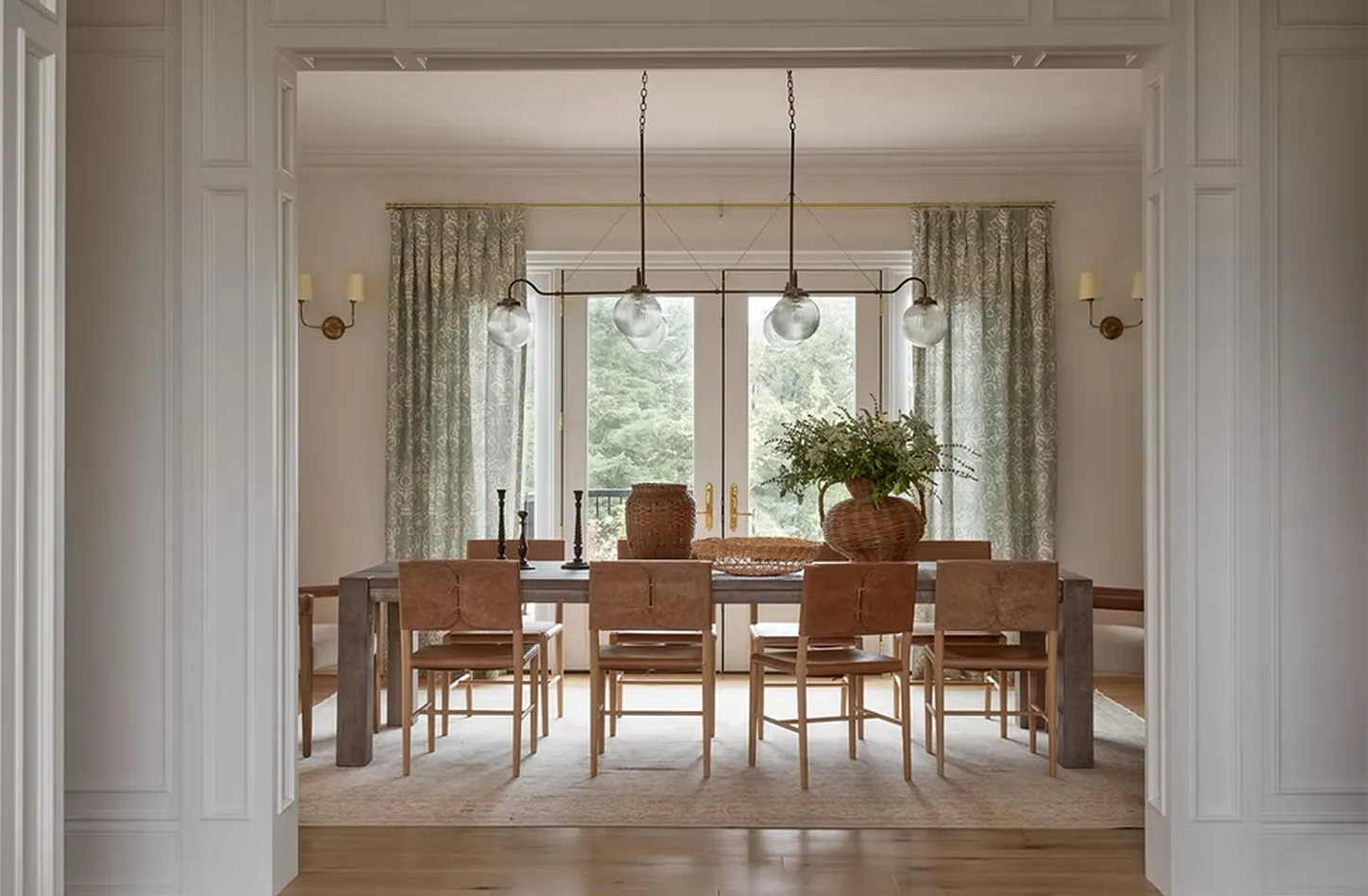
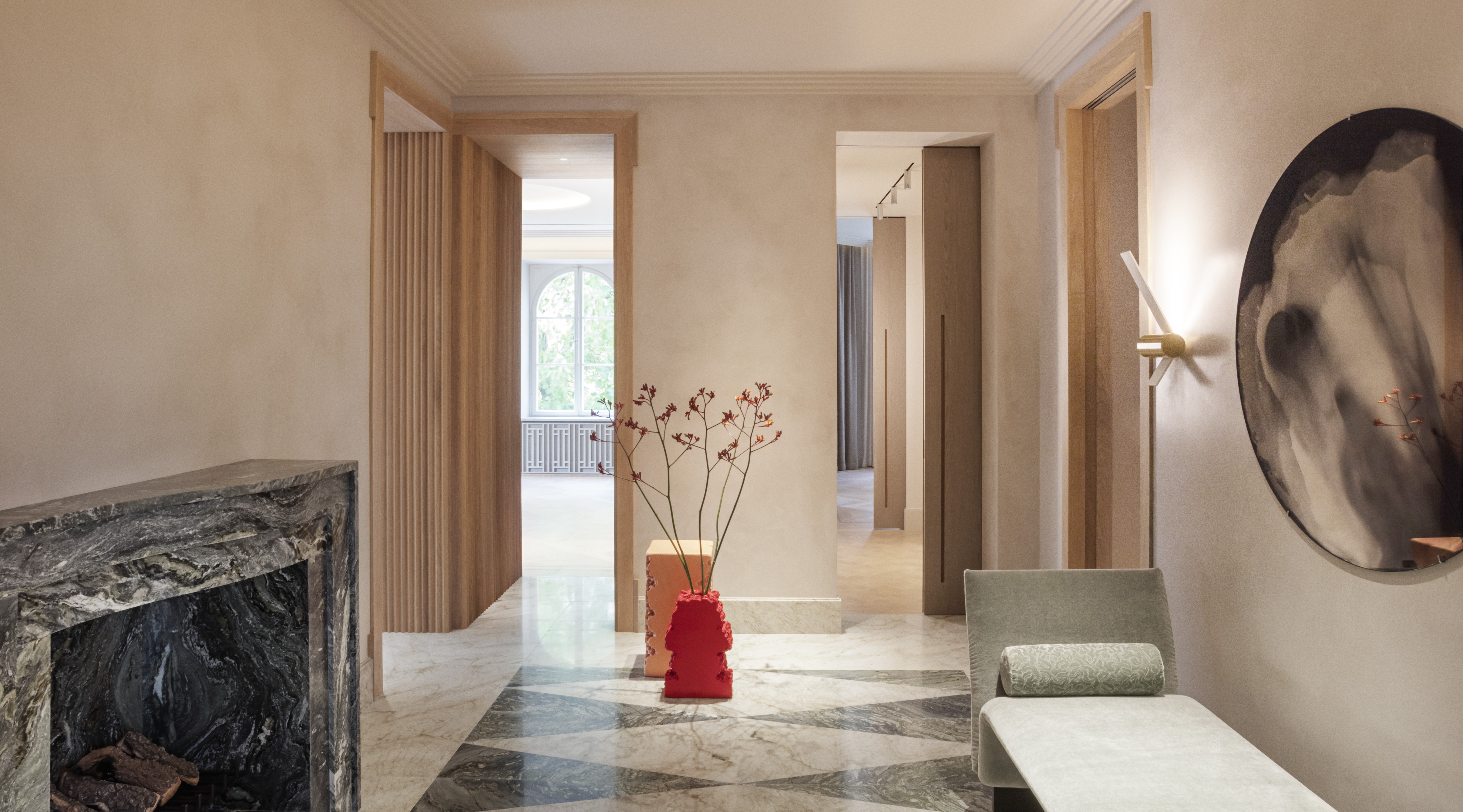
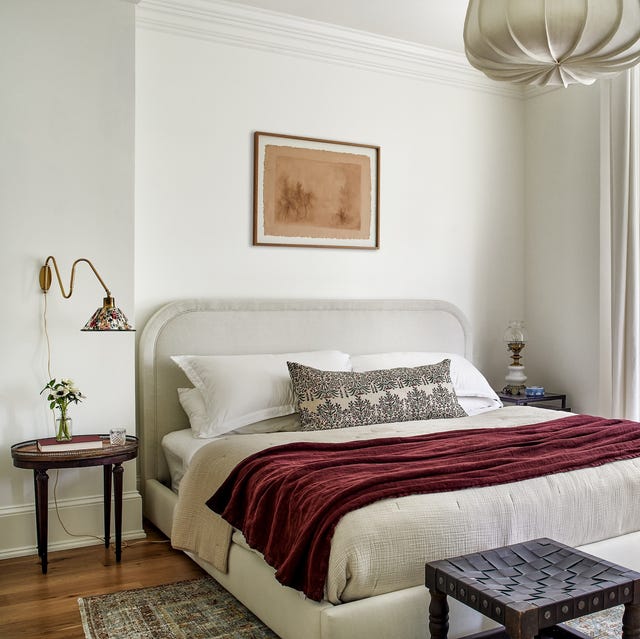
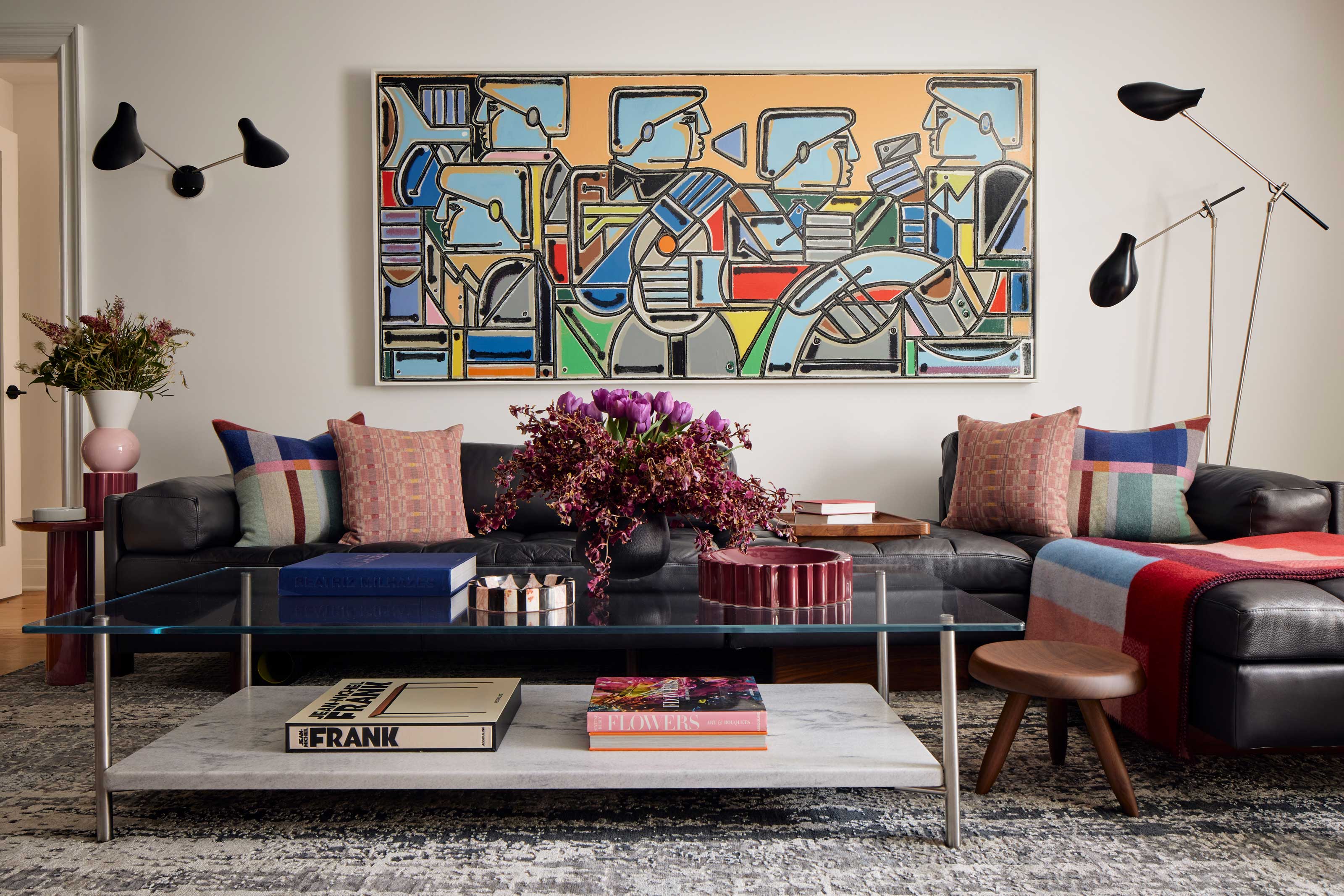
Balance is another critical aspect of a well-designed room, as noted by Tracy Morris, founder of Tracy Morris Design. A consistent paint color throughout the space serves as a unifying backdrop, allowing other design elements like furnishings, art, and textures to stand out without creating visual clutter. This approach creates a sense of calm and cohesion, even when using neutral tones such as white or off-white. The consistent color scheme provides a foundation upon which layers of personality can be built through the selection of lighting, fabrics, and accessories, ensuring that all elements complement each other harmoniously.
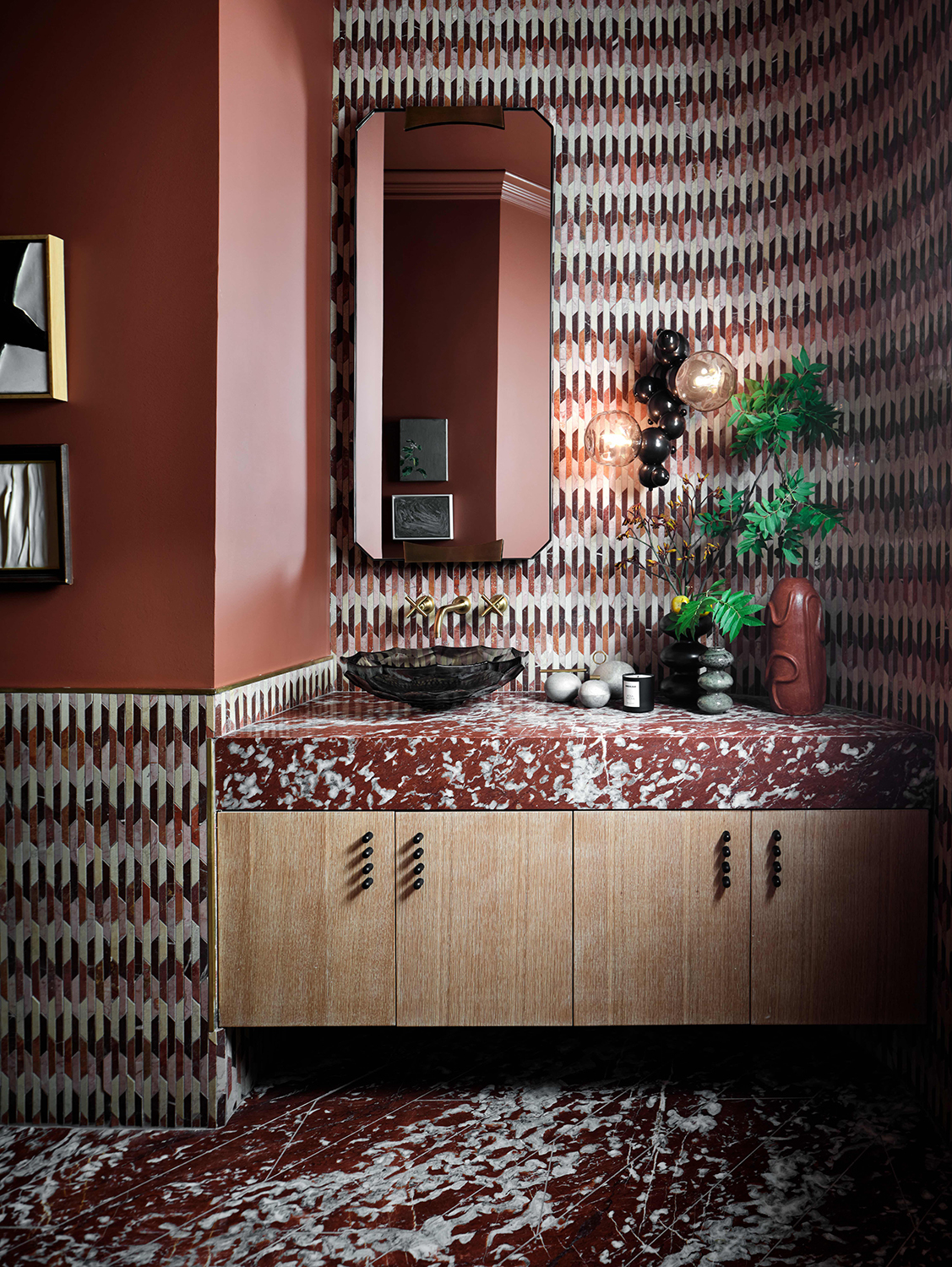
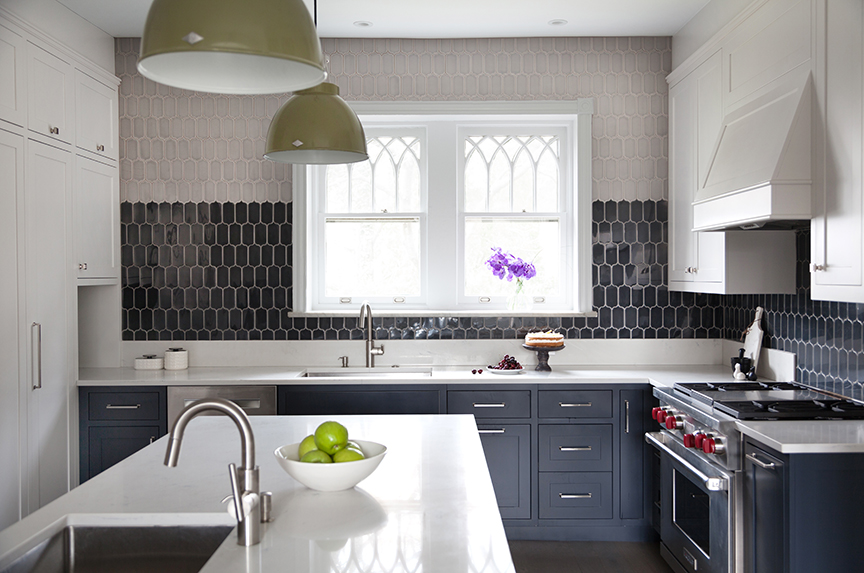
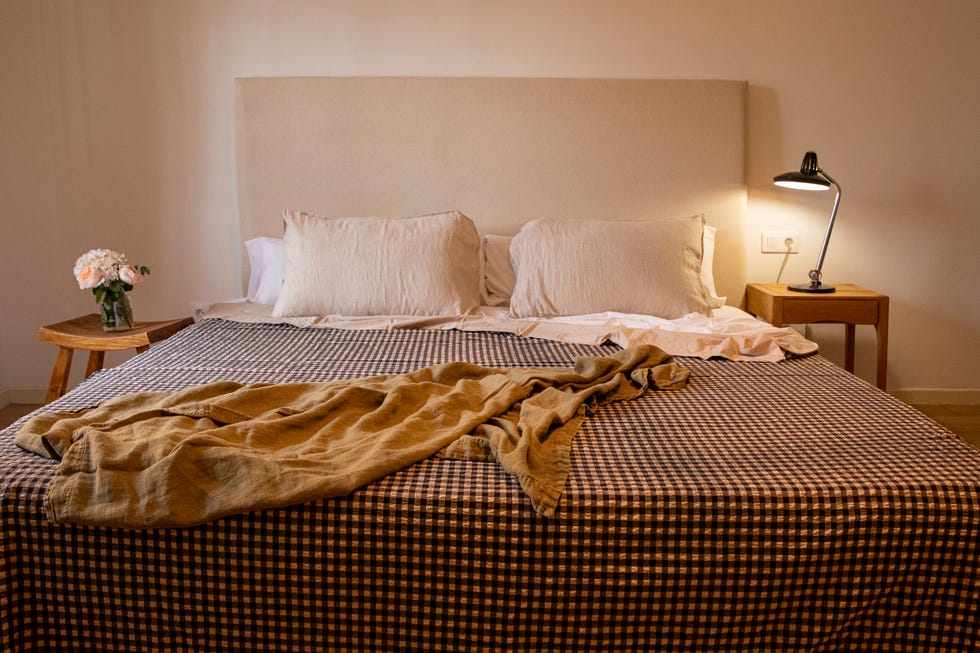
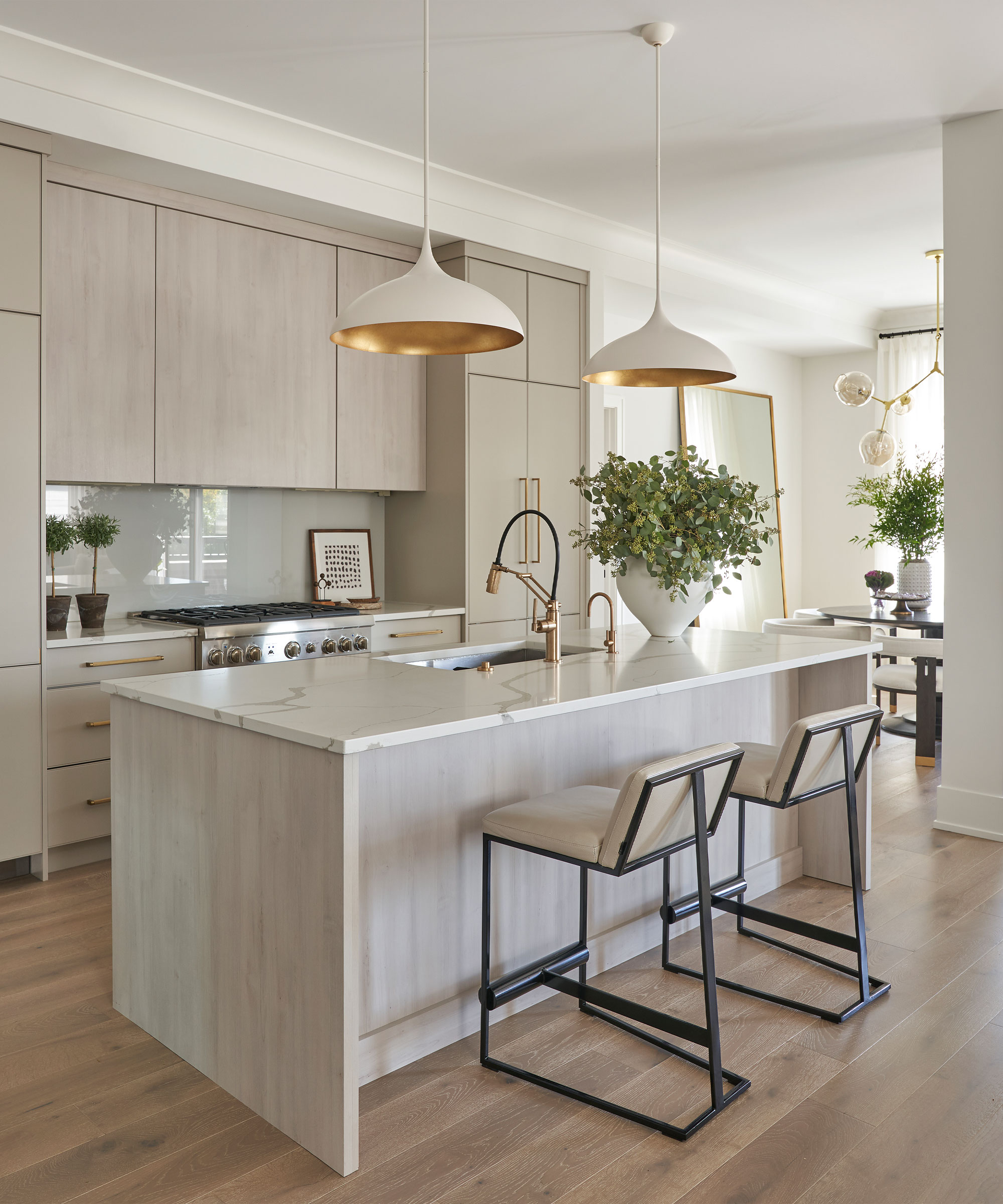
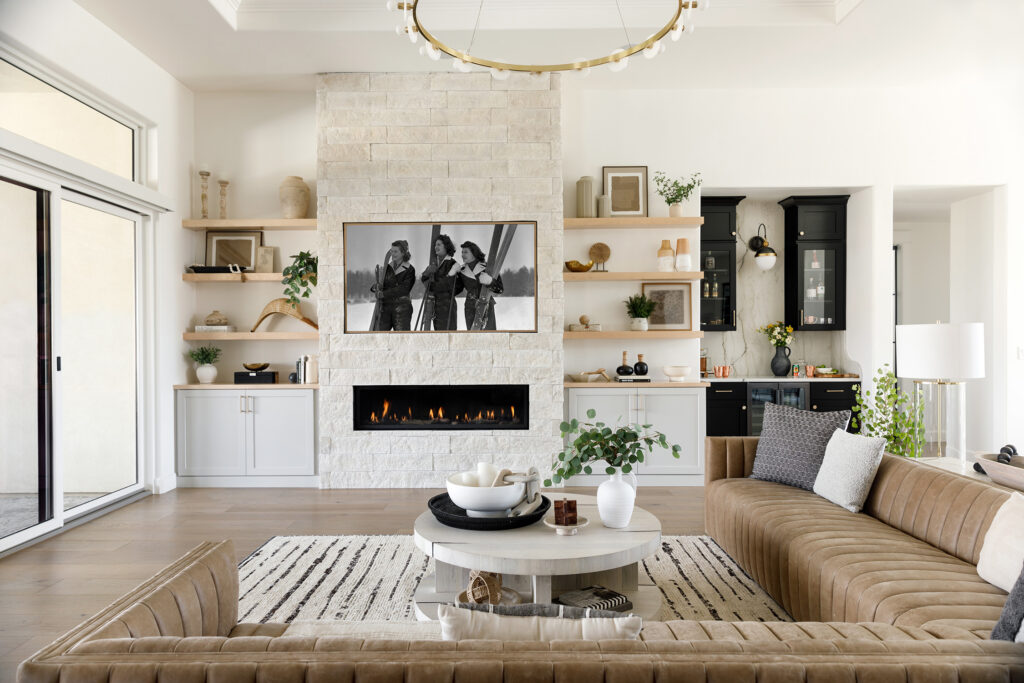
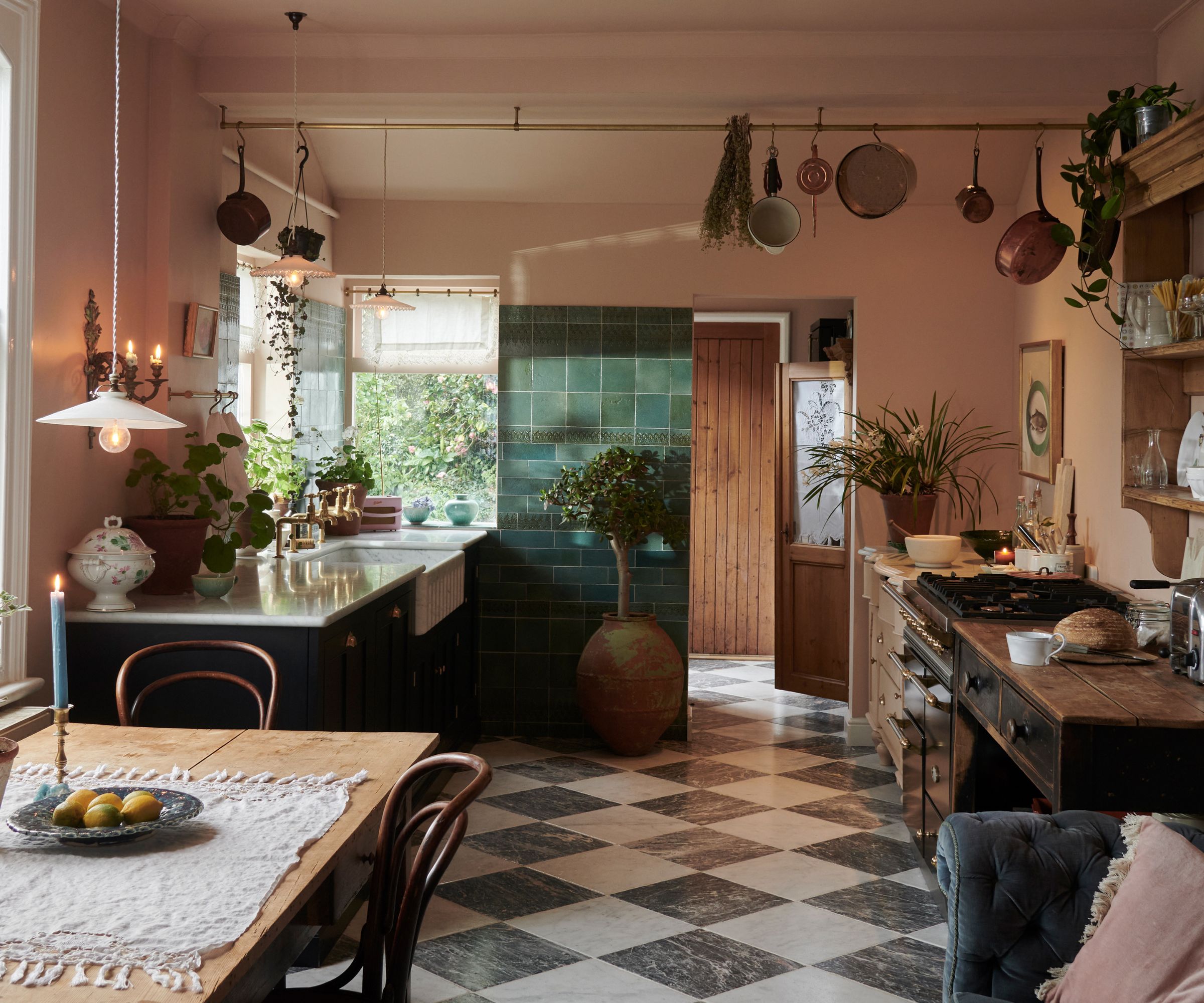
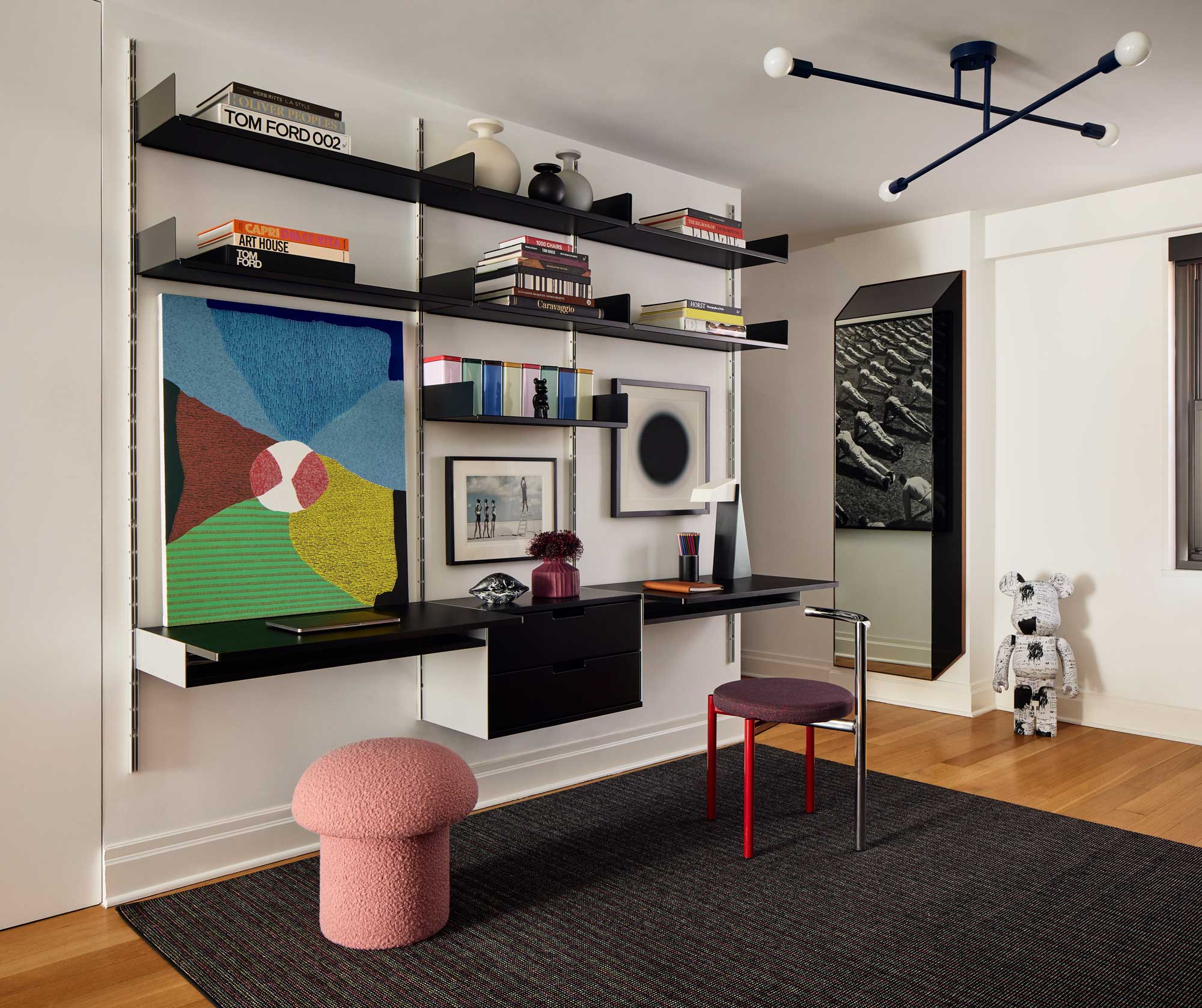
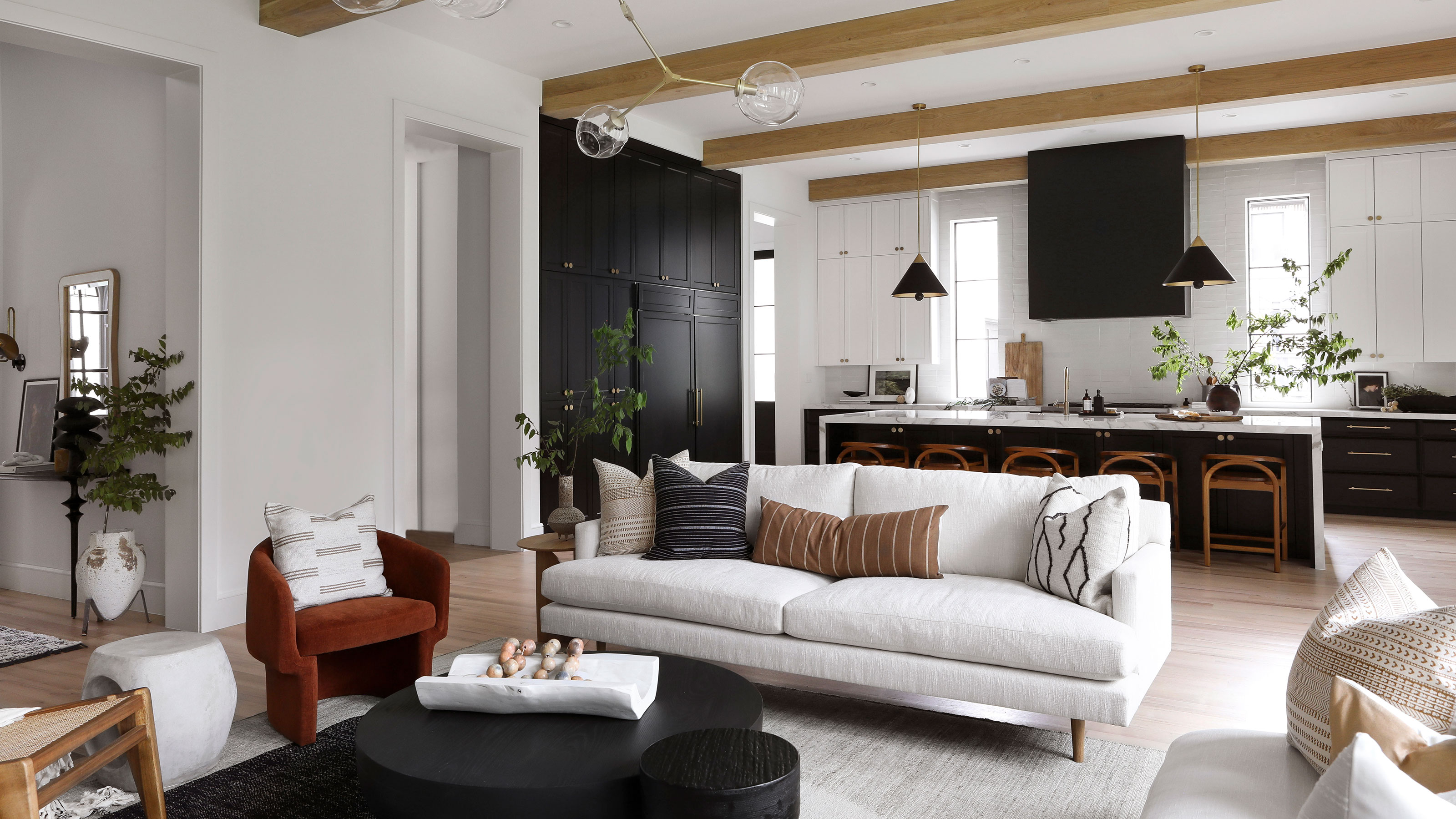
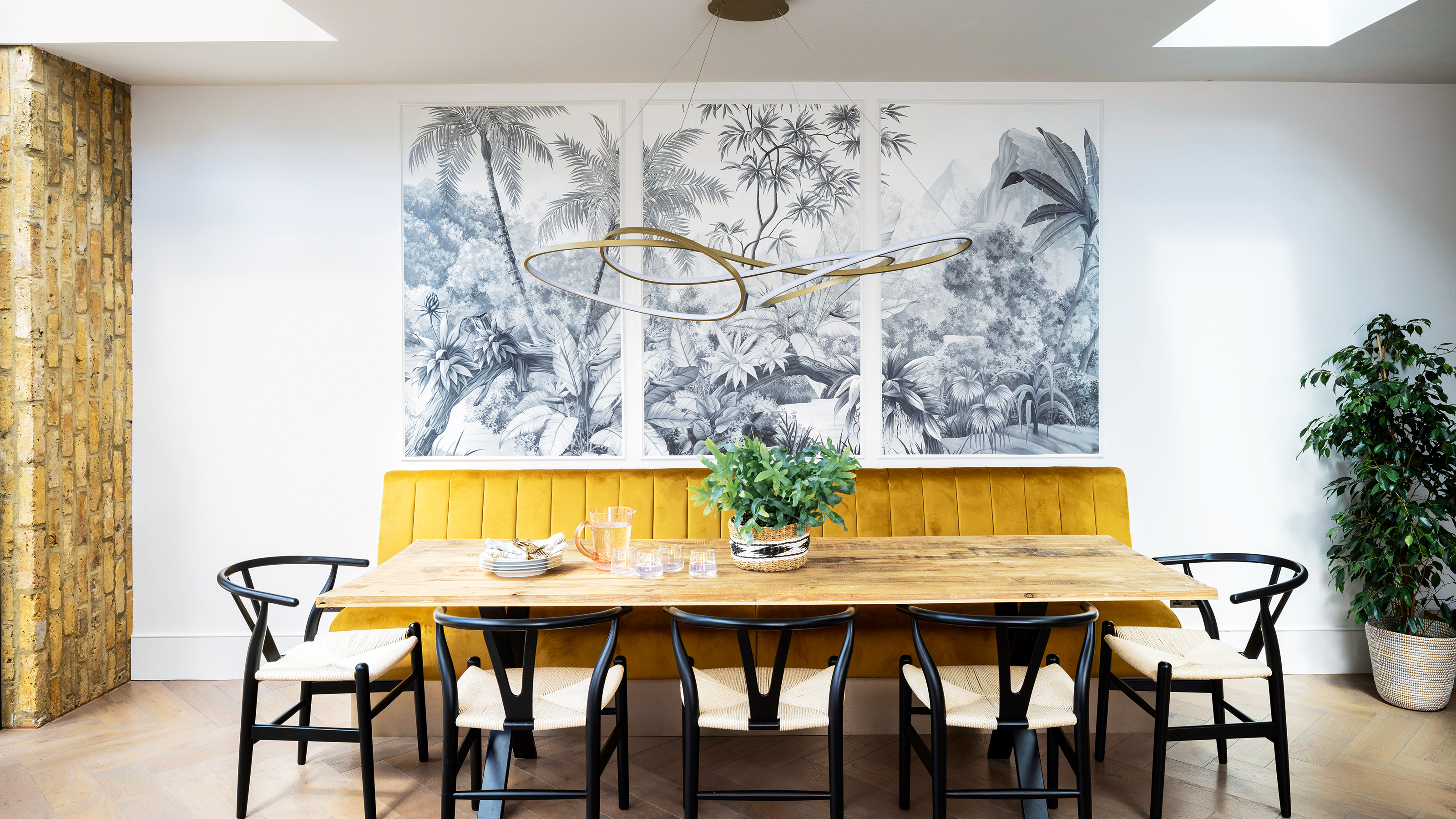
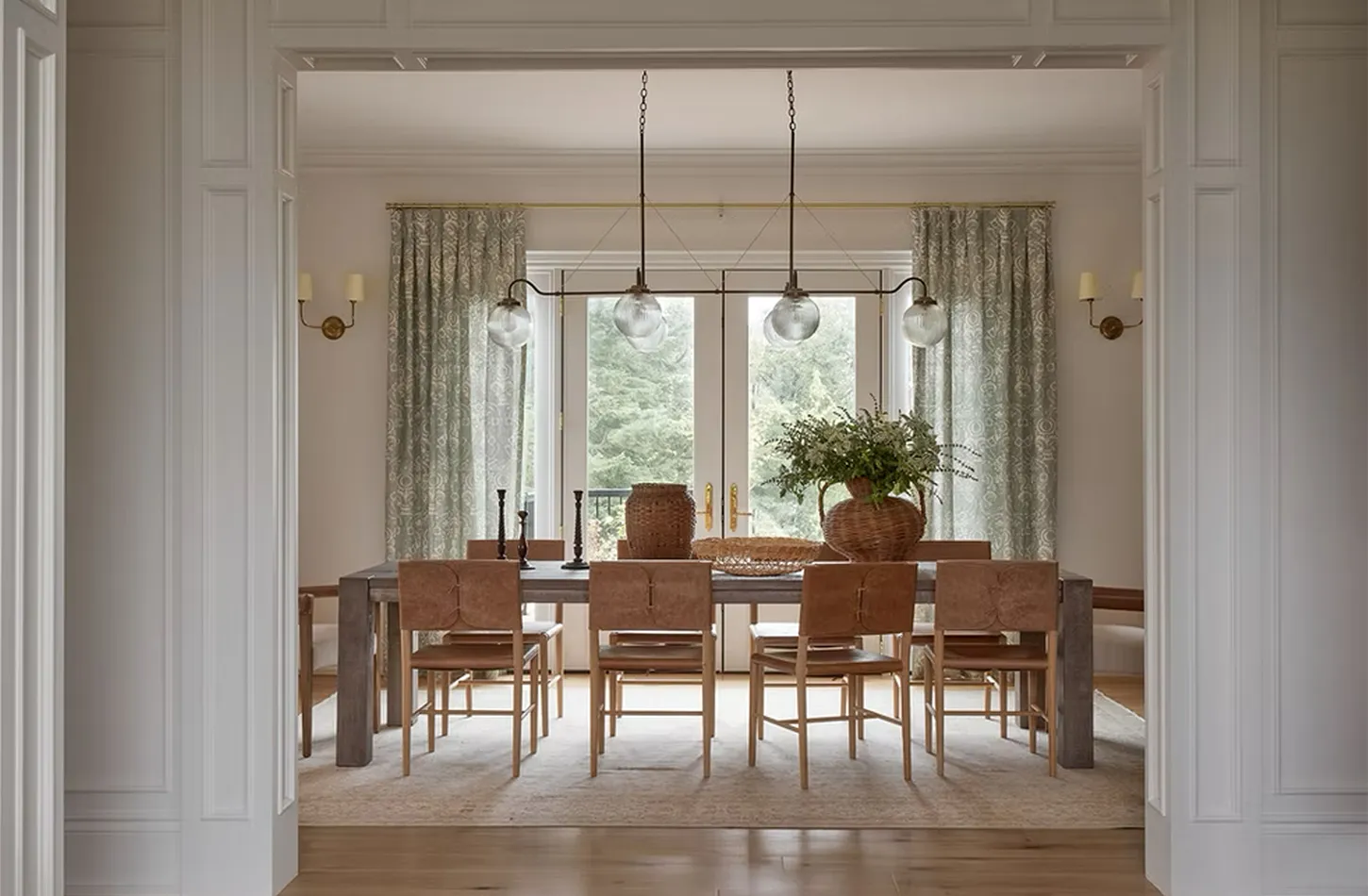

Finally, a well-planned lighting scheme is indispensable for bringing a space to life and enhancing its completeness. Sydney Levy, a designer at Anthony Wilder Design/Build, stresses that lighting should never be an afterthought, as it plays a crucial role in setting the mood and allowing a room to transition seamlessly between day and night. Layered lighting is essential, incorporating various fixture types to achieve different effects. Levy recommends a combination of recessed lights for general function, a chandelier for dramatic flair, sconces for soft ambient light, and table lamps for warmth. Each lighting fixture should ideally be on its own dimmer switch to allow for flexible mood control. Opting for warm daylight bulbs is also suggested for a pleasant ambiance. For those on a budget, exploring secondhand options such as thrift stores or online marketplaces like Facebook Marketplace can provide stylish and affordable lighting solutions, making it possible to enhance a room's lighting scheme effectively without significant financial outlay.
#InteriorDesign #HomeDecor #SpacePlanning #RoomLayout #DesignBalance #LightingDesign #HomeImprovement #DecoratingTips #InteriorDesign #HomeDecor #SpacePlanning #RoomLayout #DesignBalance #LightingDesign #HomeImprovement #DecoratingTips
0 comment in total
 No comments yet
You may also like
This 'Invisible' Design Rule Is What Makes a Good Room Just Click — Psychologists and Designers Swear By It

The rule of thirds – how experts use this design trick for successful schemes

This Is What Makes a Home Functional, According to Interior Designers
Why Your Room Feels 'Off'—6 Designer Rules for Perfecting Furniture Scale and Proportion
4 rules interior designers always use to plan the perfect living room layout - these tried-and-tested tricks work every time
This interior-designer-approved vignette formula will transform under-used corners in an instant

Designers Agree: This Is the Most Underrated Room That Everyone Should Decorate
Zoning in interior design is the layout trick you need to know – expert tips on creating a home that flows and functions
6 failsafe formulas designers always follow when planning a living room
The Game-Changing Bedroom Design Hack Pros Swear by

The rule of three is the secret behind every beautiful home - here's how it works

How to elevate your 'pass-through room' - experts make more of that unloved space you're ignoring
Why Designers Use the Rule of Thirds in Every Design Project
How to create repetition in interior design – 7 ideas for decorating success
6 Underrated Designer Secrets That Instantly Make Any Room Look Better
This interior designer's golden rule for making small rooms feel bigger set the tone for decorating his own apartment
13 ways repetition in interior design can be used to create calmingly sophisticated rooms
‘It makes your living room feel more connected and comfortable’ – the 4-inch seating rule is the trick interior designers have been using for years
Rhythm in interior design - 11 ways to use this clever technique for rooms that look professionally done
My Favorite Designer Swears By the “4-Inch” Rule for Seating in Every Room of the House