1/10
How to elevate your 'pass-through room' - experts make more of that unloved space you're ignoring
The article addresses the common design challenge posed by 'pass-through rooms,' which are spaces primarily used for transition between other rooms rather than serving a dedicated function. These areas, often characterized by multiple doors or a central location, are frequently overlooked or become cluttered, leading to a missed opportunity for enhancing a home's aesthetics and functionality. Experts emphasize that with thoughtful planning, these unloved spaces can be transformed into inspiring and alluring areas.

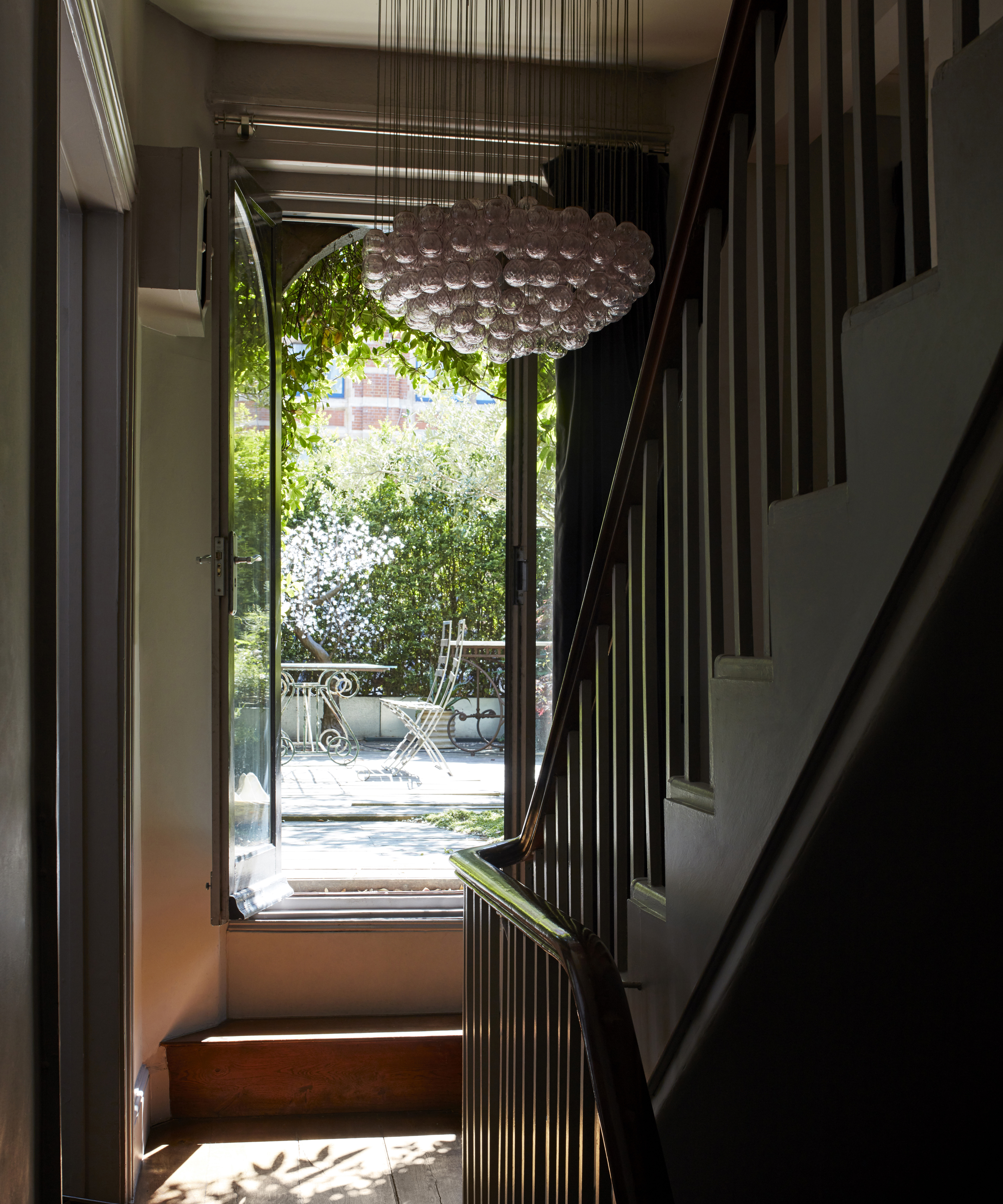
A 'pass-through room' is defined as a room or space with multiple doors that connect various parts of a home. These can be located between different interior spaces, between indoors and outdoors, or even between upstairs and downstairs areas. While they might resemble hallways, they are often wider and offer more walking space. Historically, these areas have been viewed as merely transitional, lacking character or practical purpose. However, design professionals now see them as prime candidates for significant design interventions.
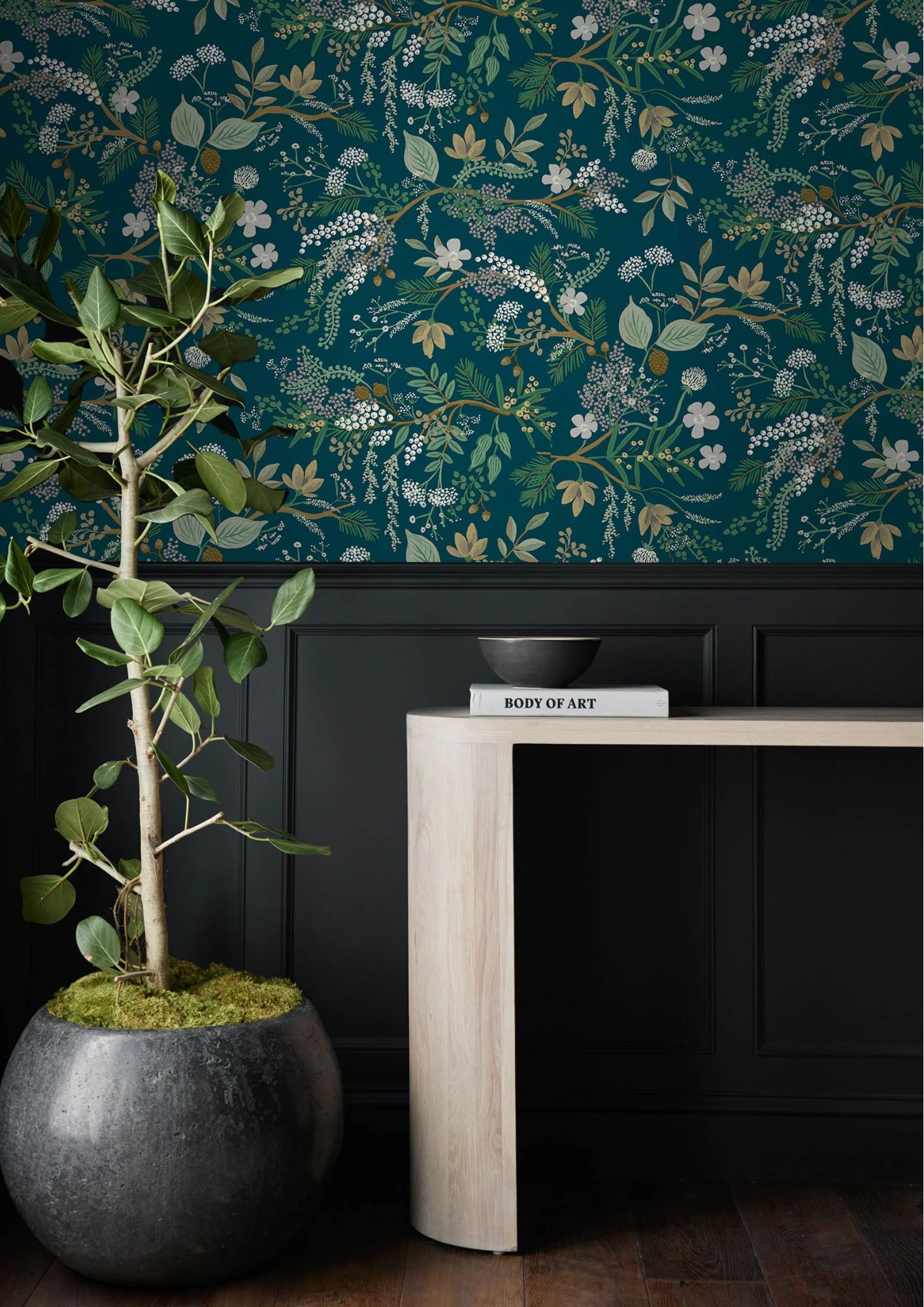
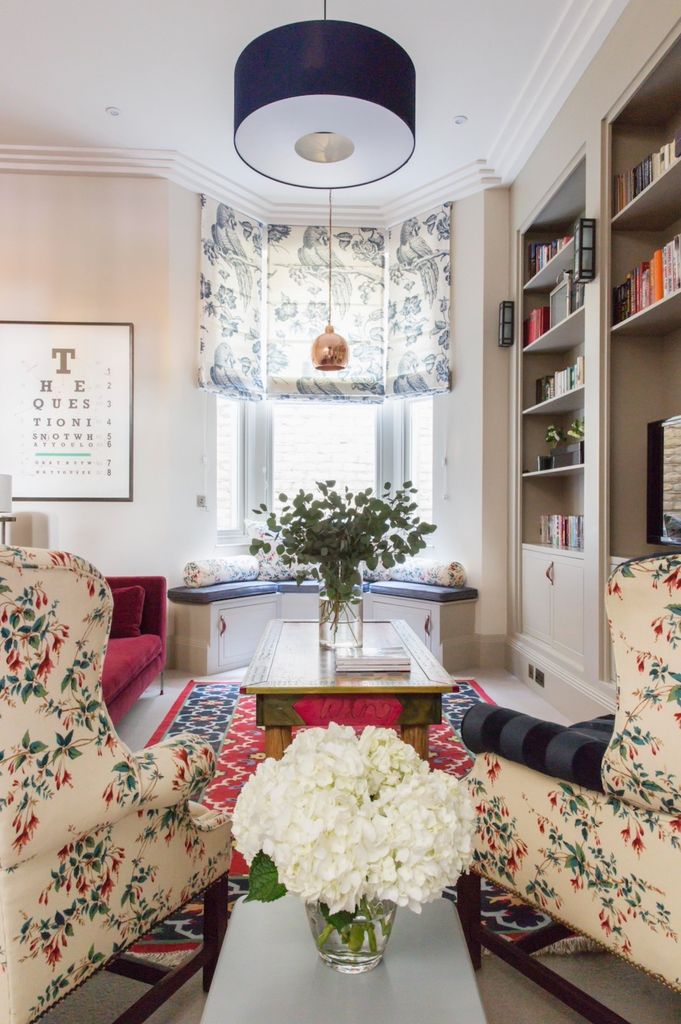
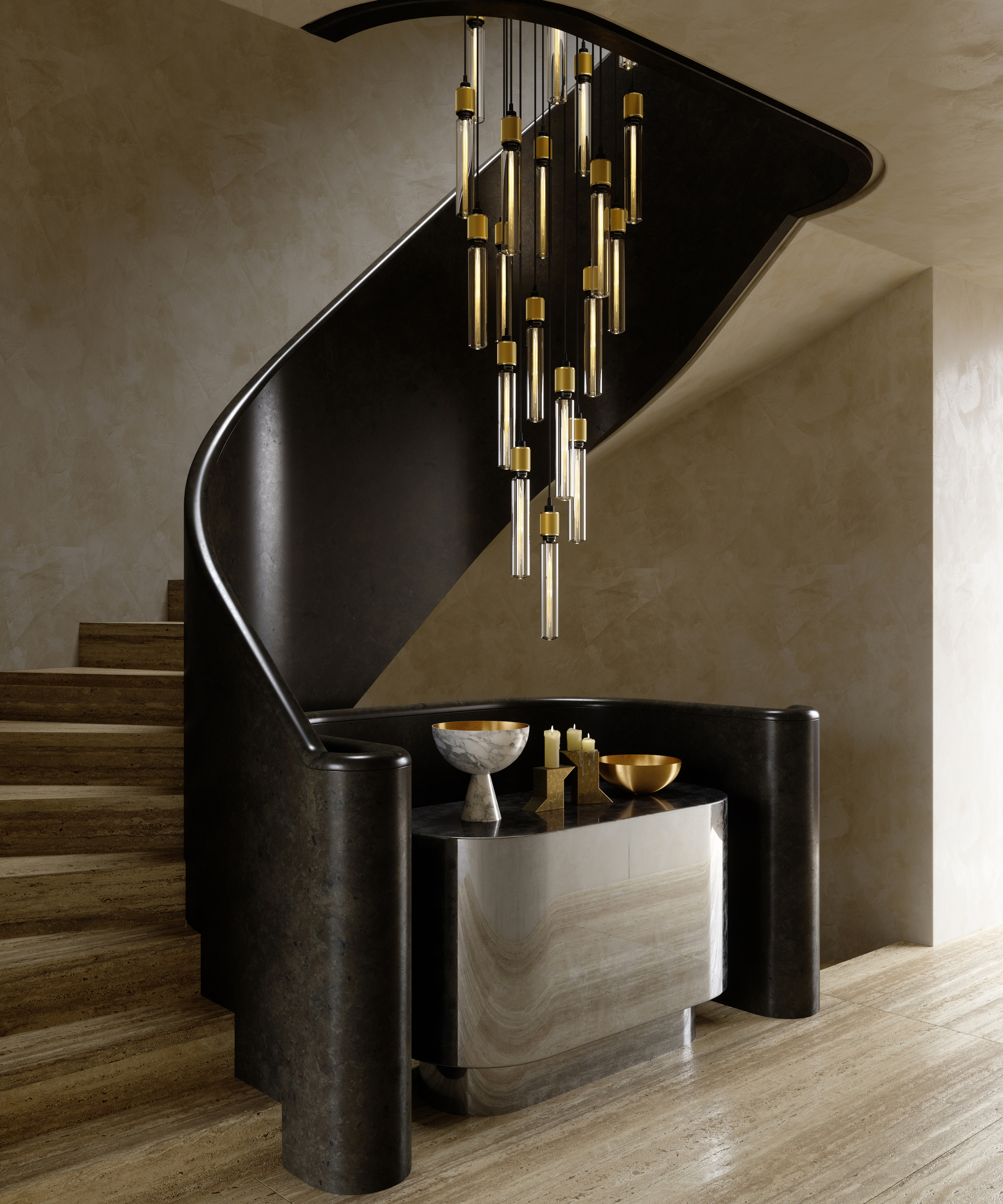
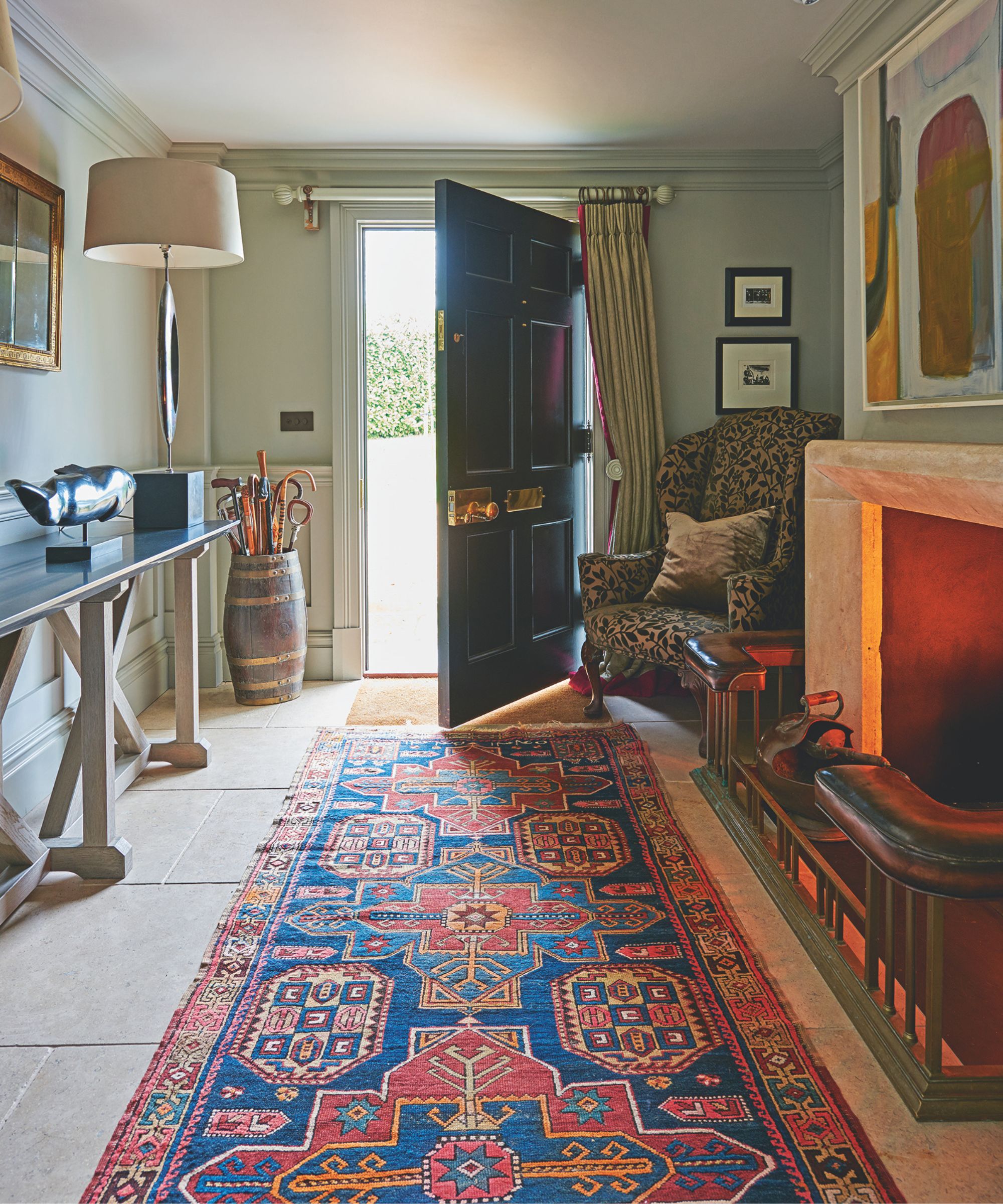
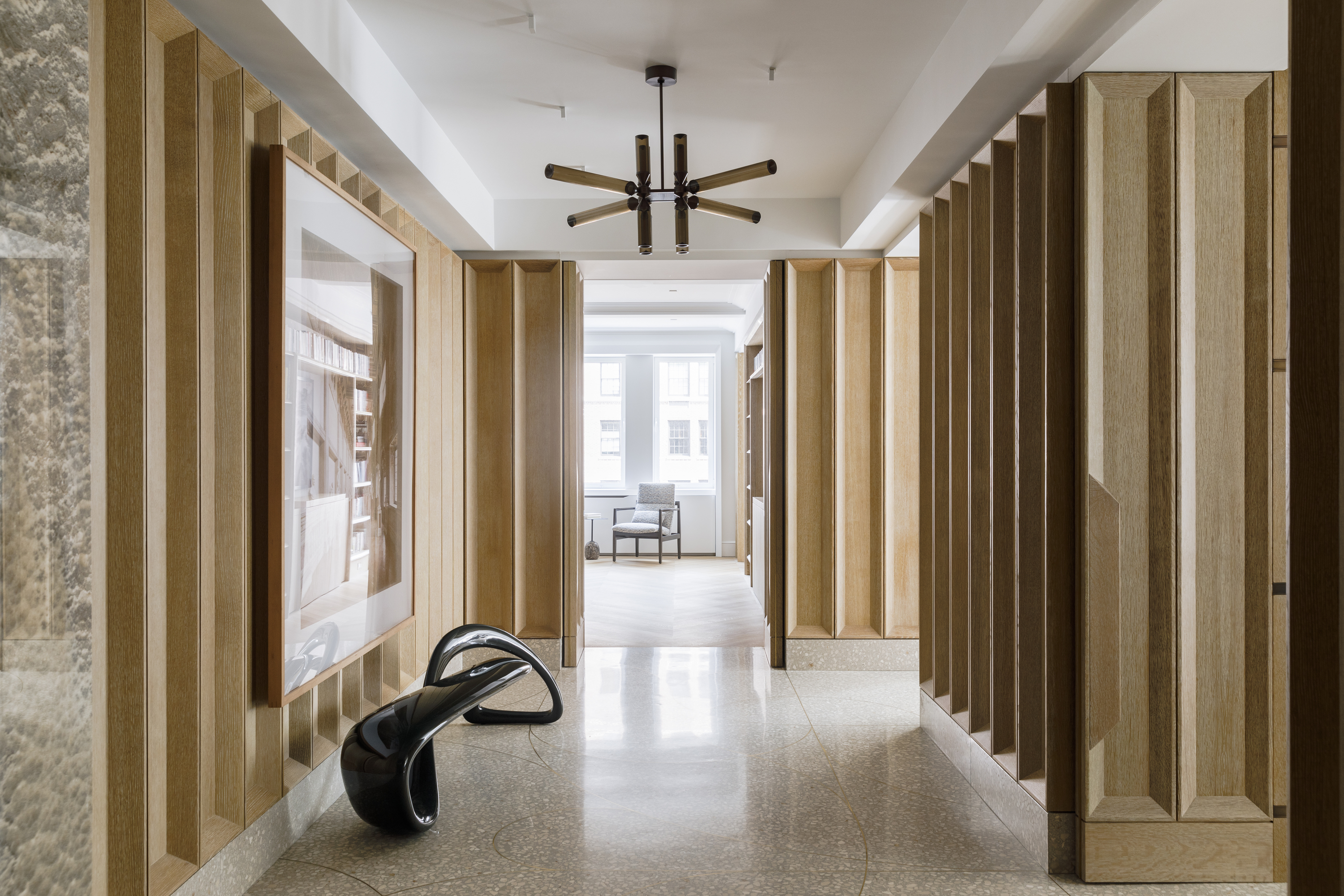
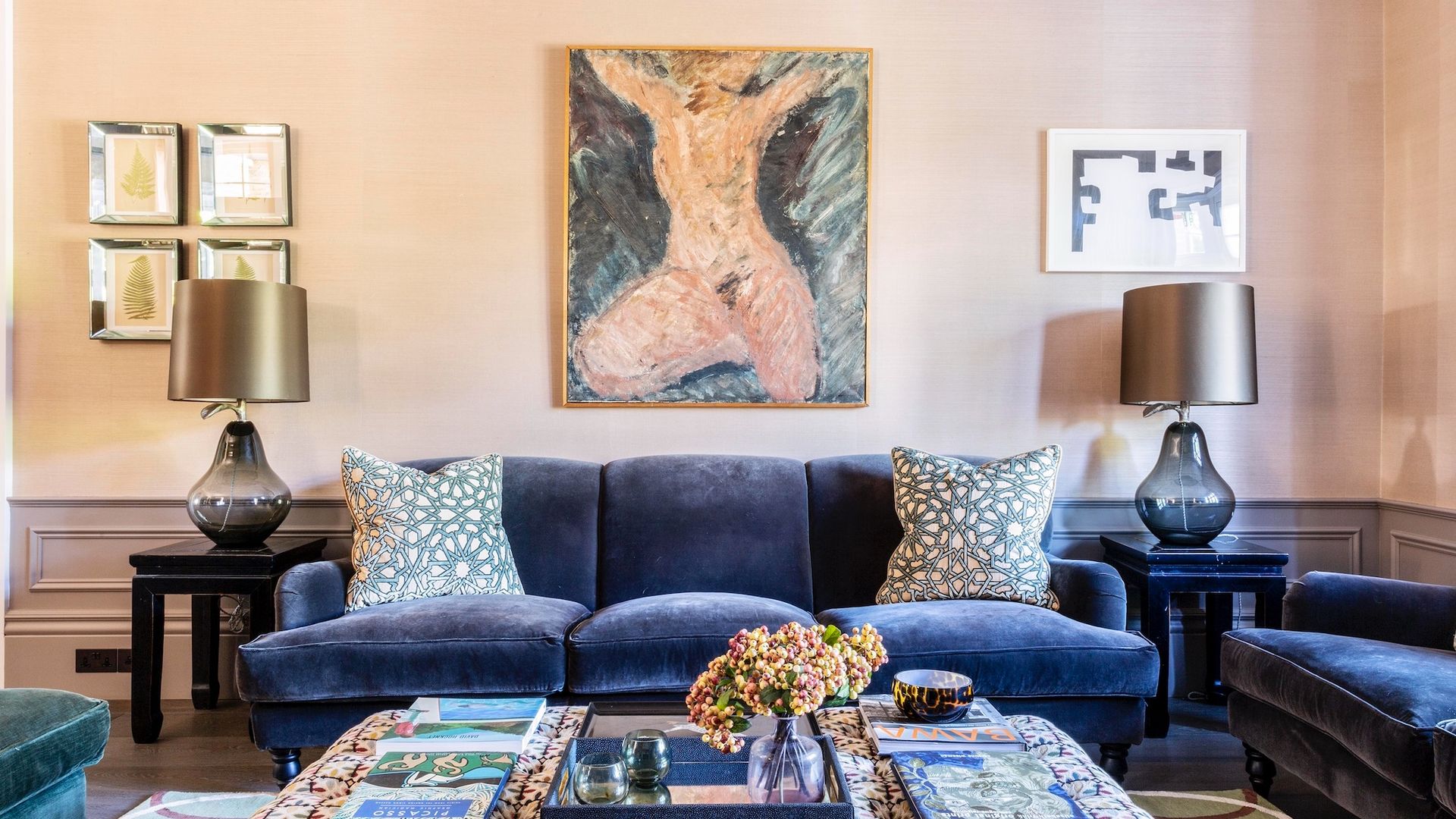
The first recommendation for designing a pass-through room involves the strategic selection of furniture. Due to their transitional nature, these rooms require furniture that facilitates unobstructed movement. Long, rectangular pieces are ideal as they do not impede traffic flow and efficiently utilize non-walkthrough sections of the room. Consoles, for instance, are highly recommended. They act as connectors between different areas and can serve multiple purposes: displaying art, holding books or decorative objects, or providing a temporary spot for guests' belongings. For particularly slim or small pass-through spaces, designers suggest choosing furniture that 'floats' in the middle, ensuring easy access to all doorways.
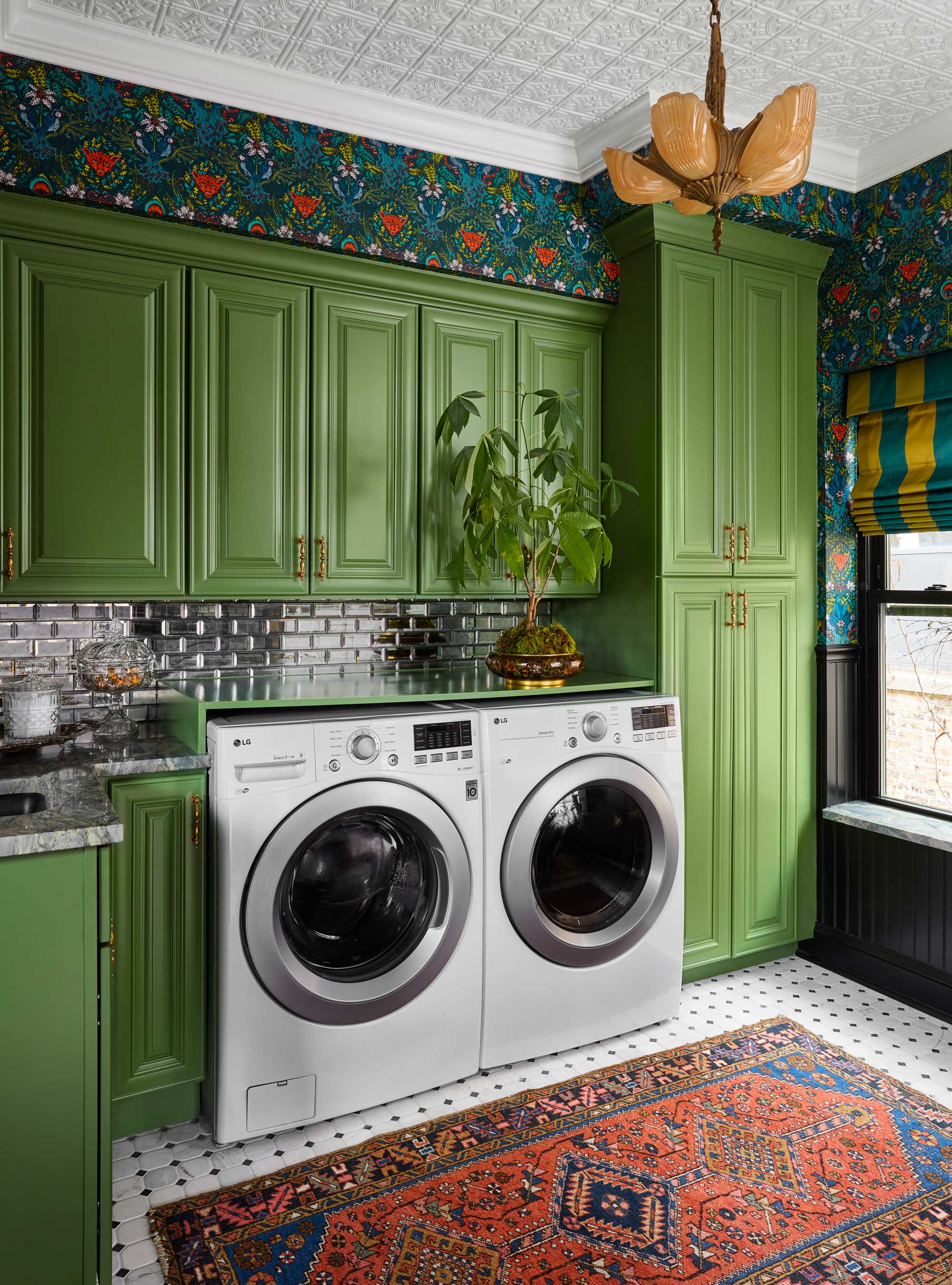
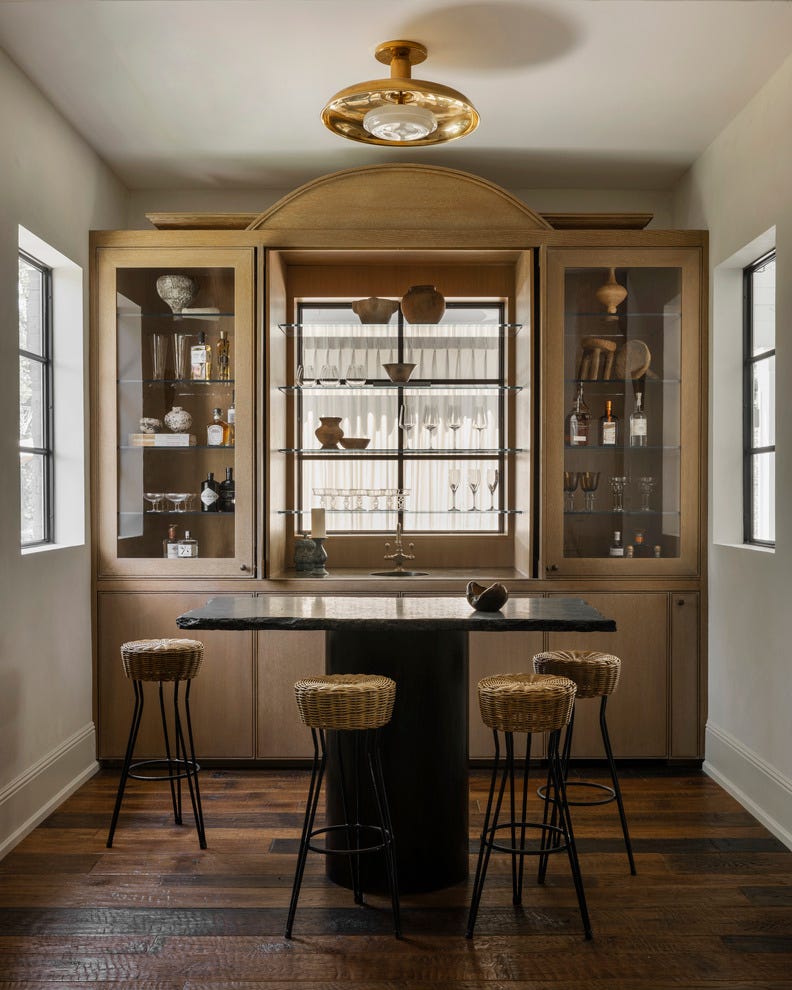
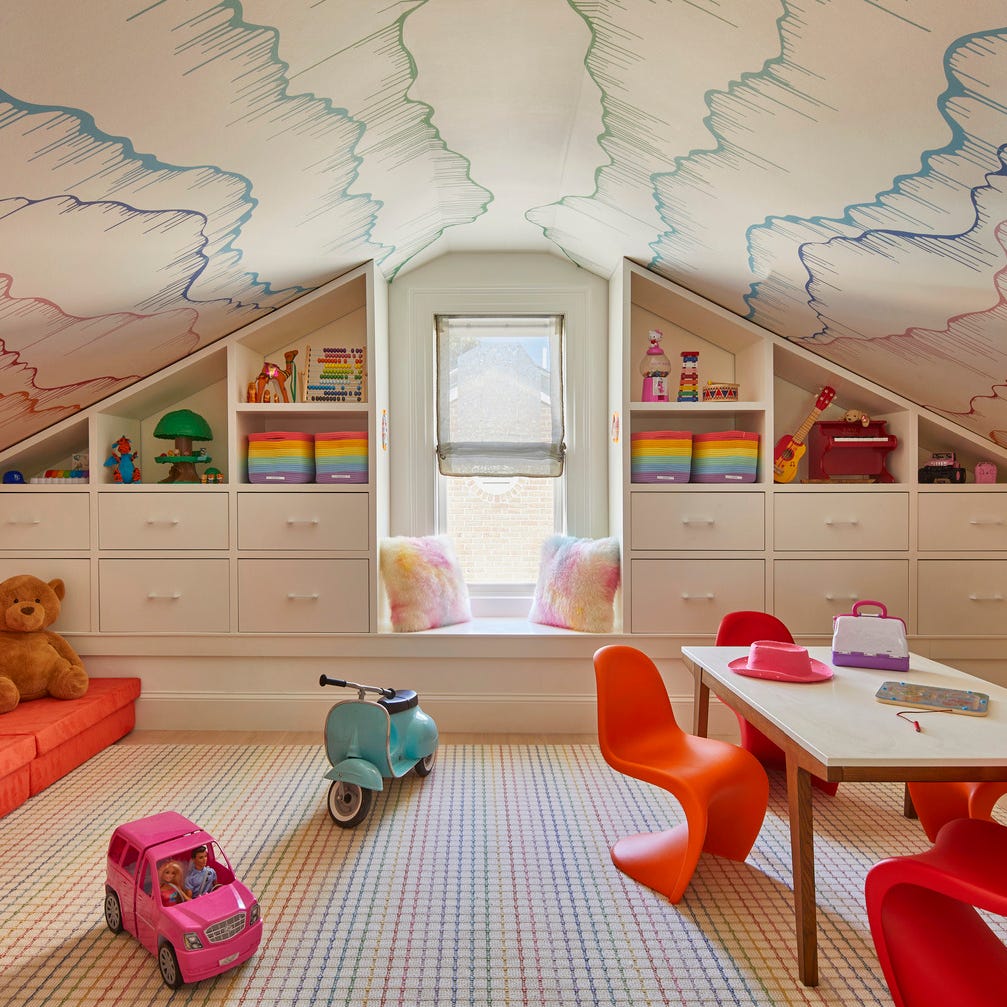
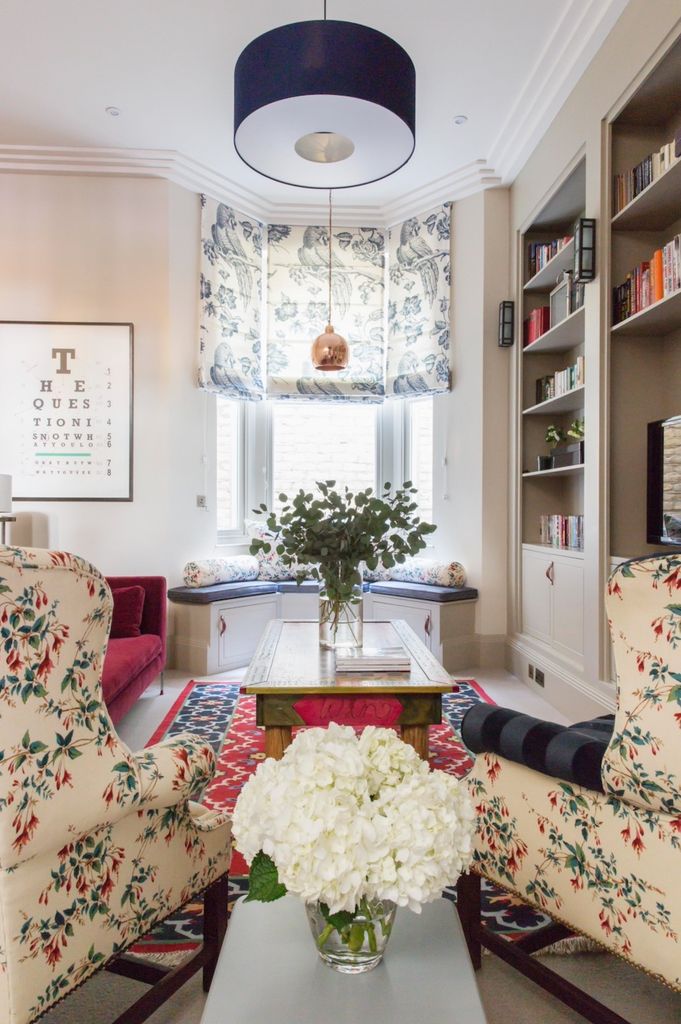
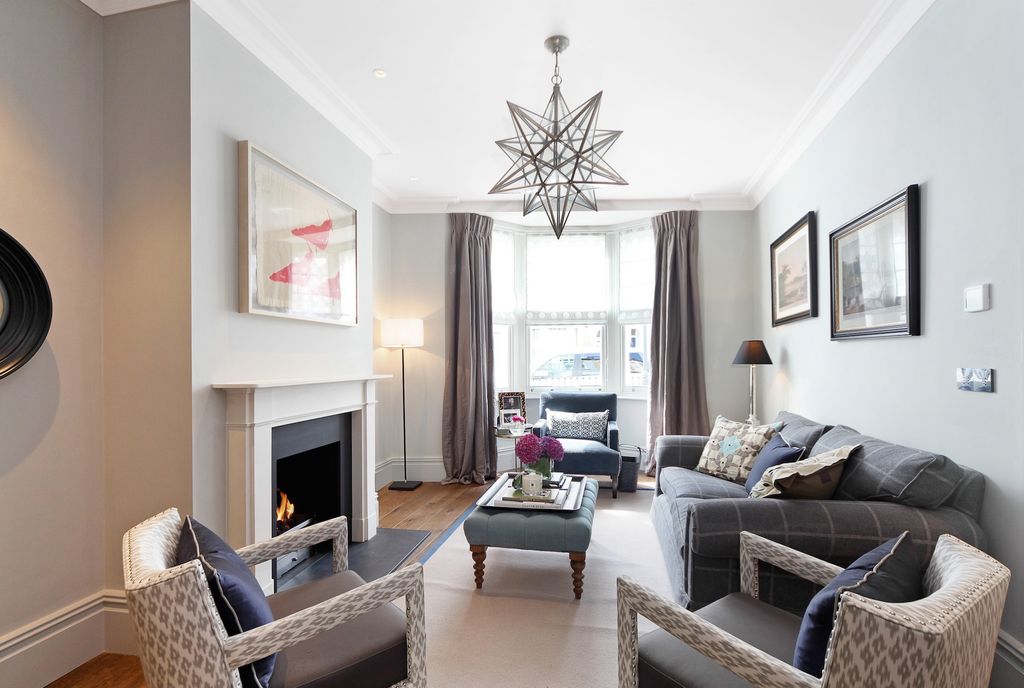
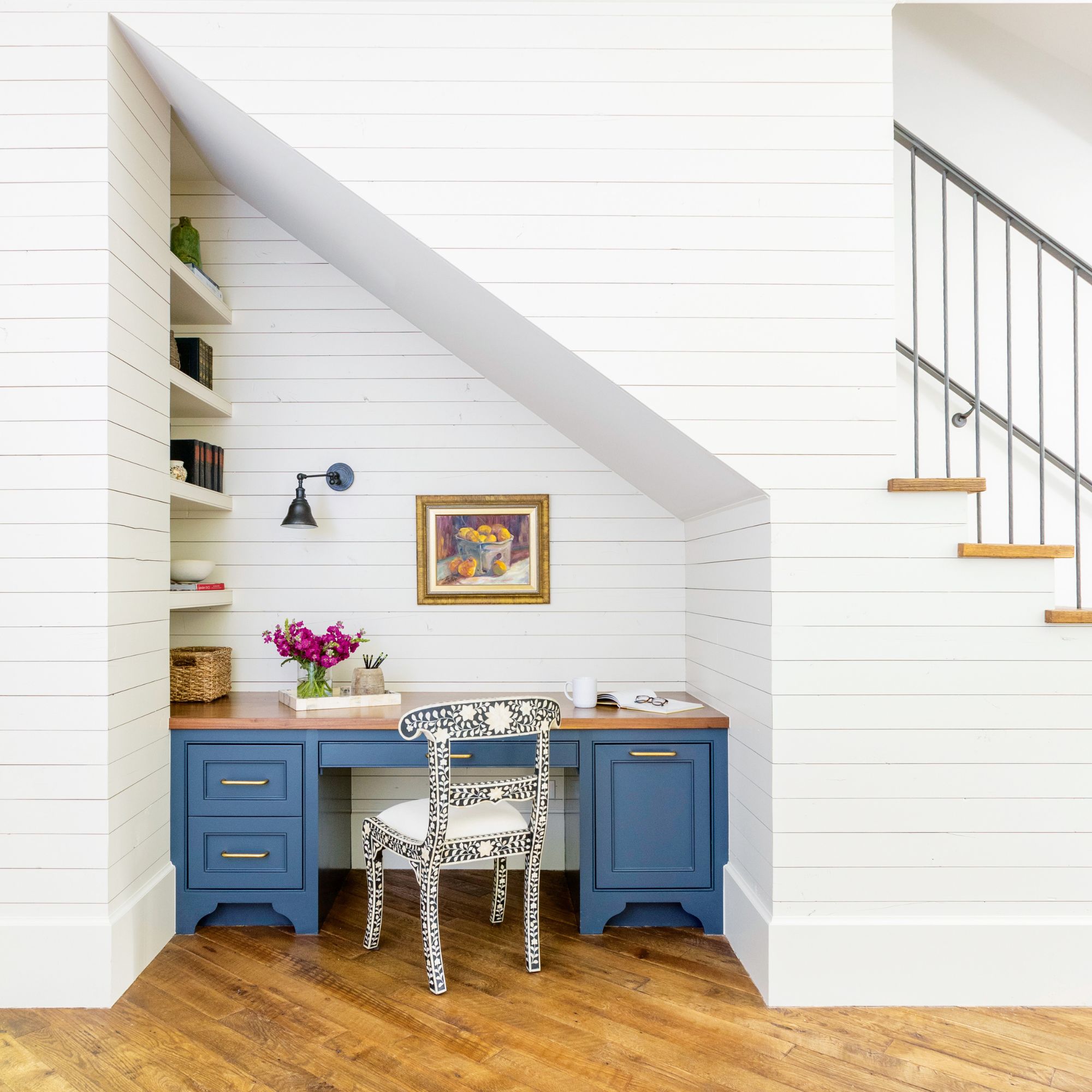
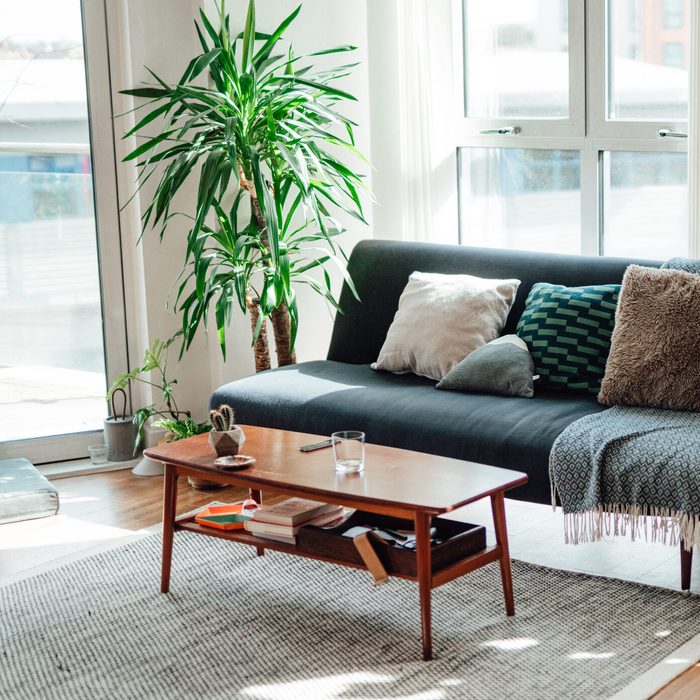
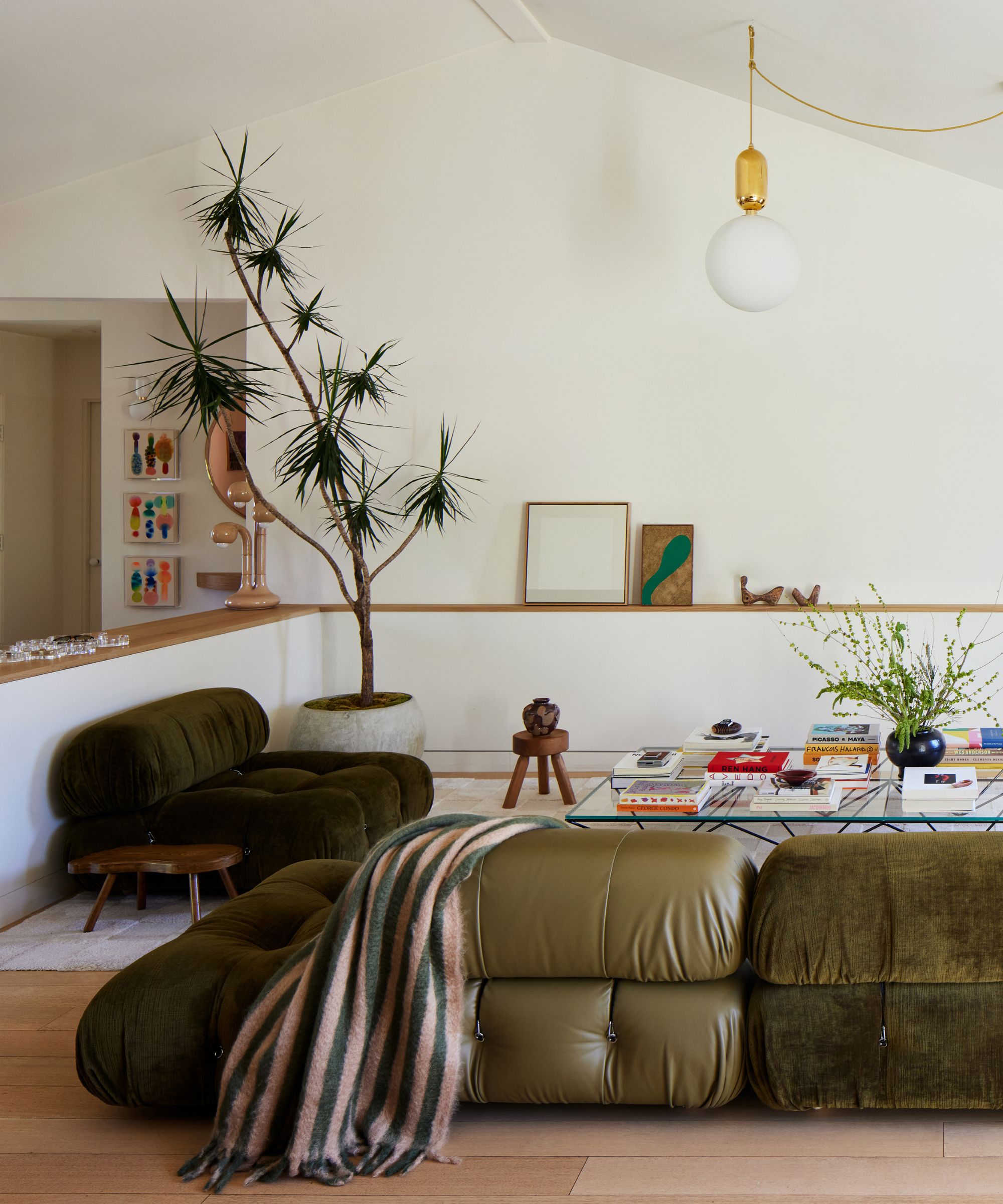
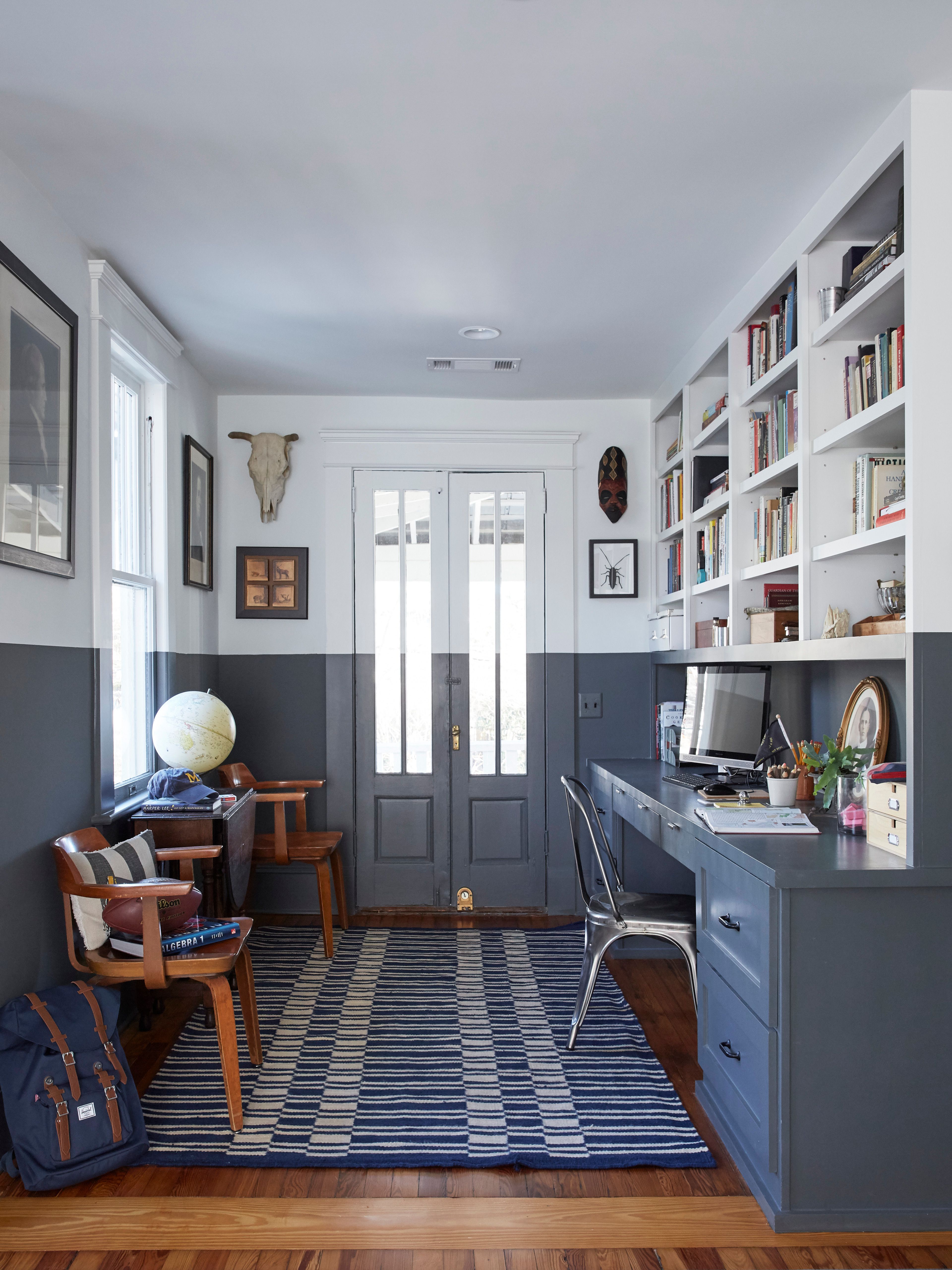
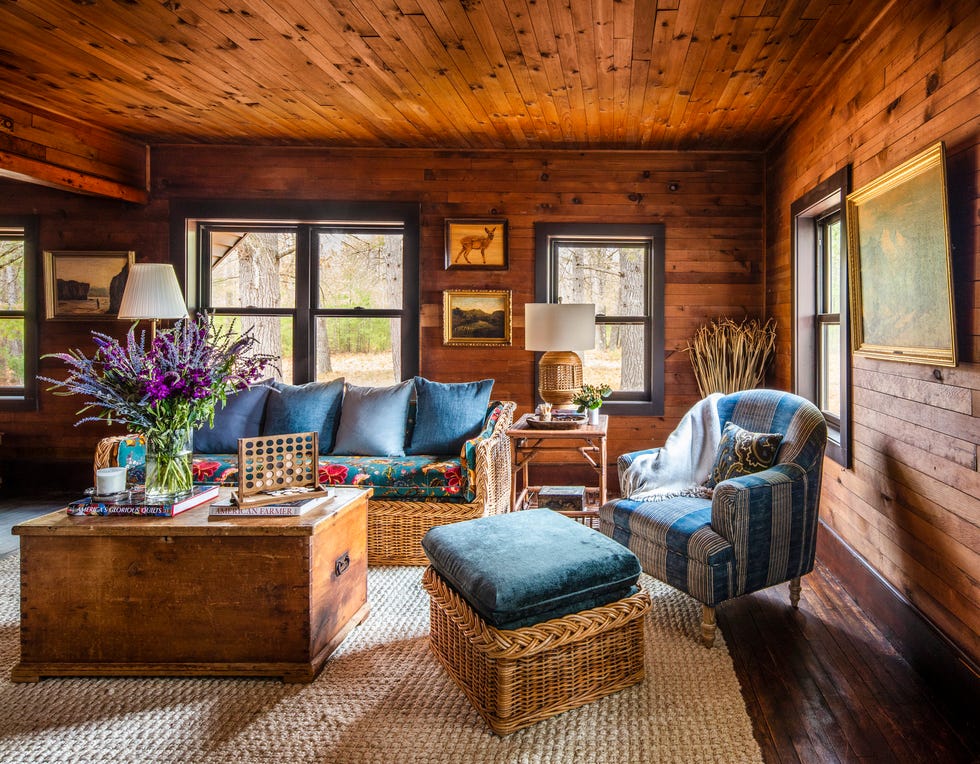
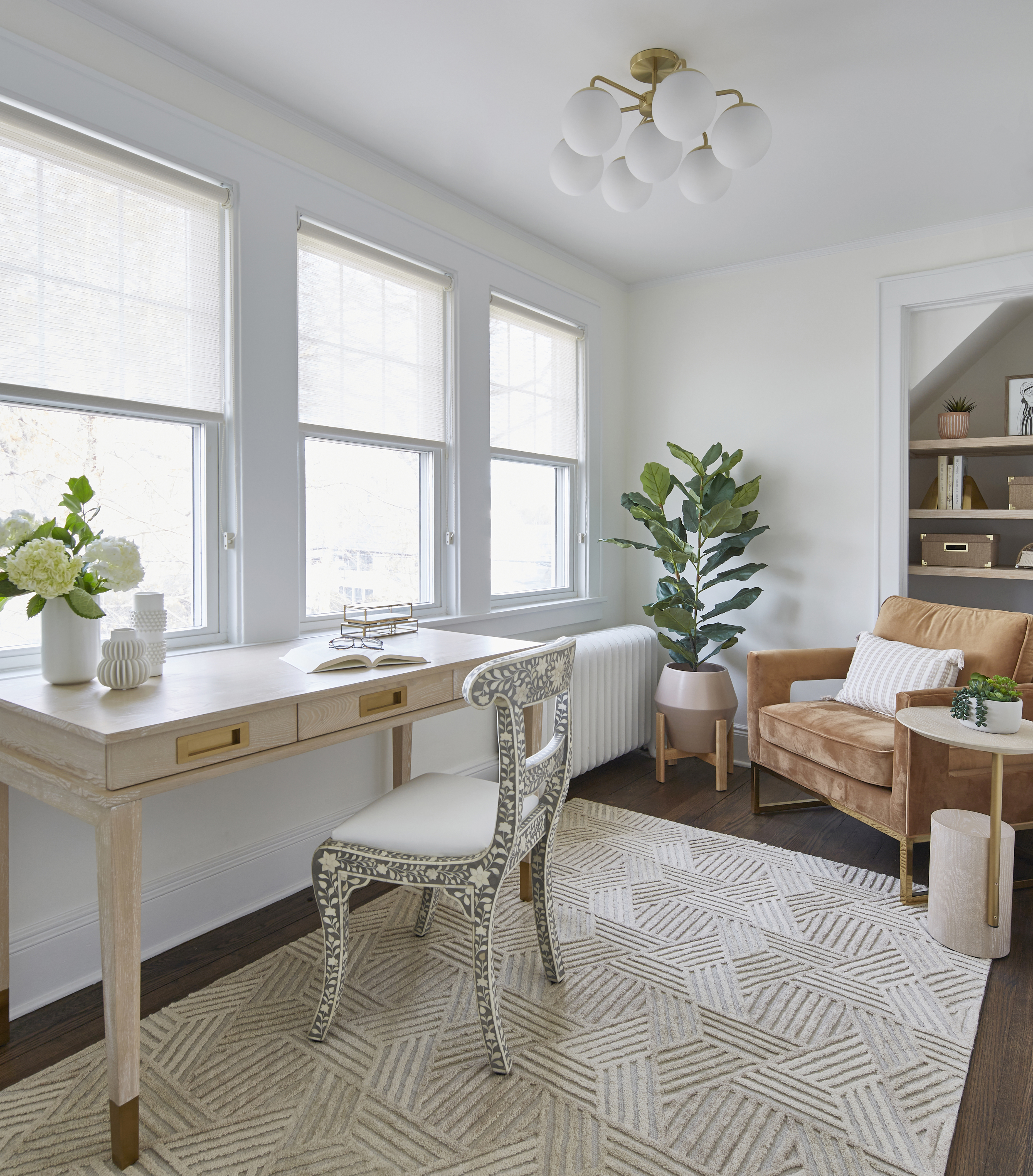
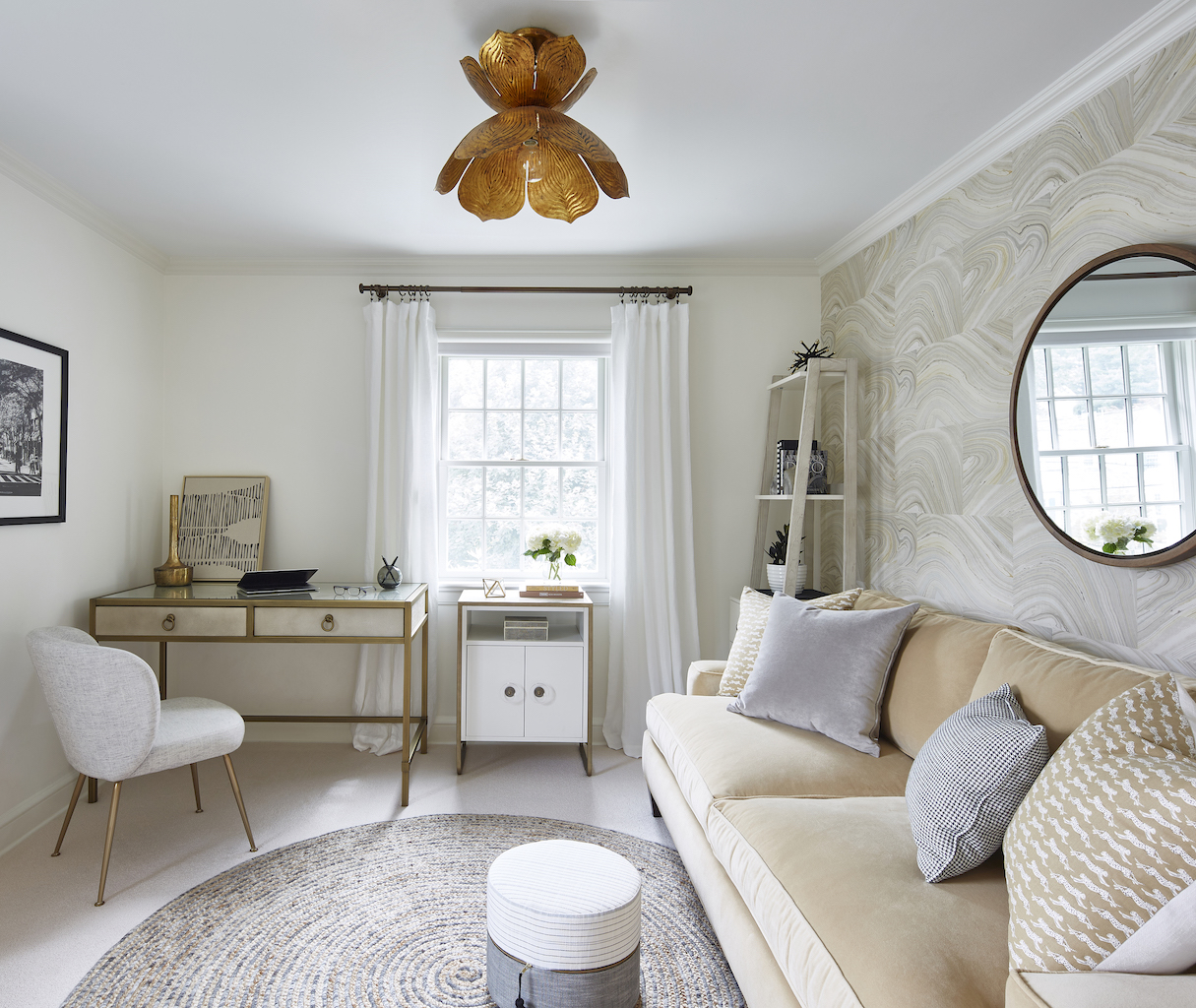
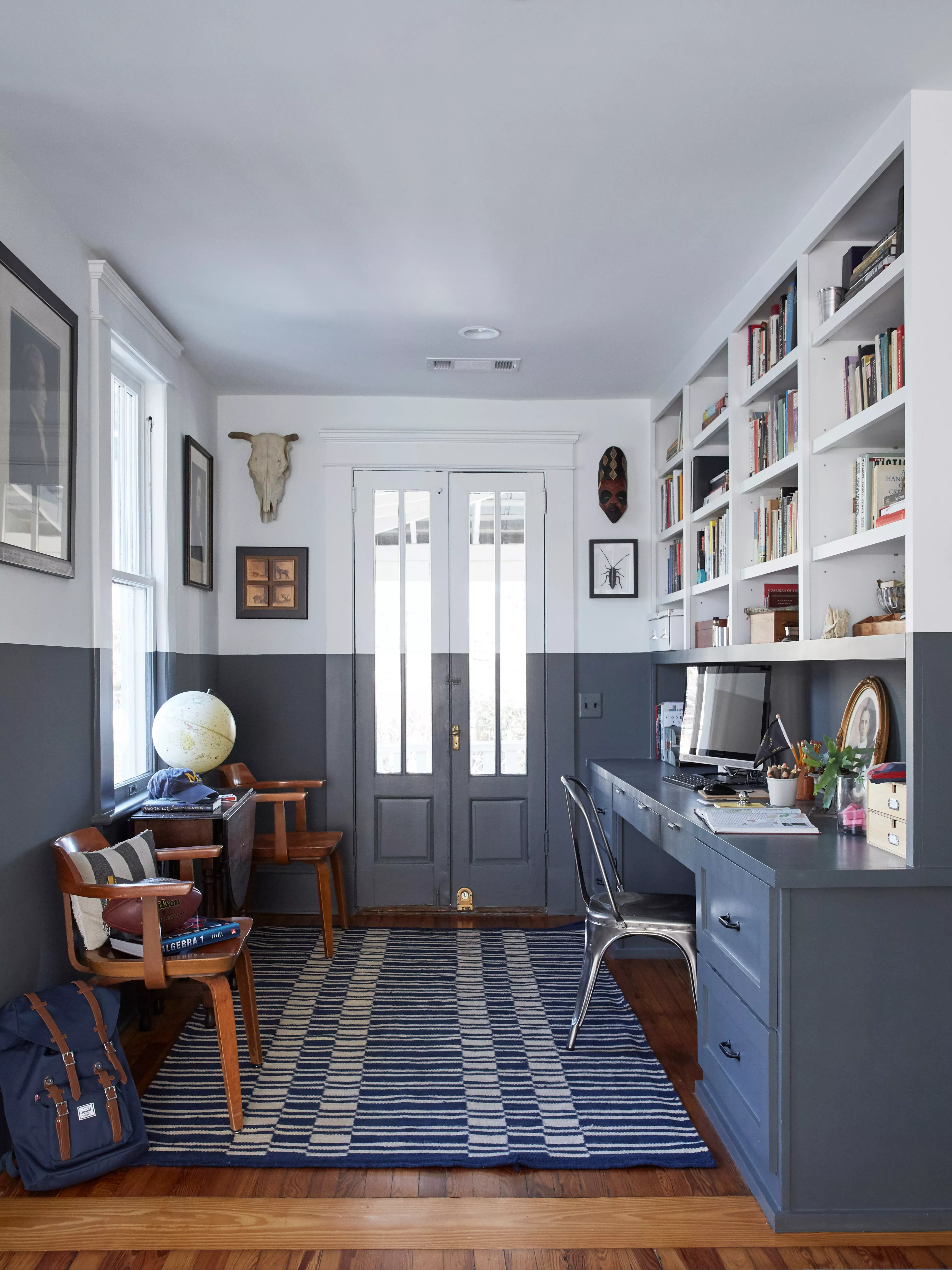
Another key strategy discussed is converting the pass-through room into a functional space. In instances where the room offers substantial area, it can be re-imagined as a den, a reading room, a small dining area, or an informal lounging space. Designers highlight the importance of careful planning to ensure the new function doesn't interfere with the room's primary role as a thoroughfare. For example, in a living room that also serves as a pass-through, the main seating or activity area should be positioned away from the direct traffic path to maintain a pleasant experience for occupants.

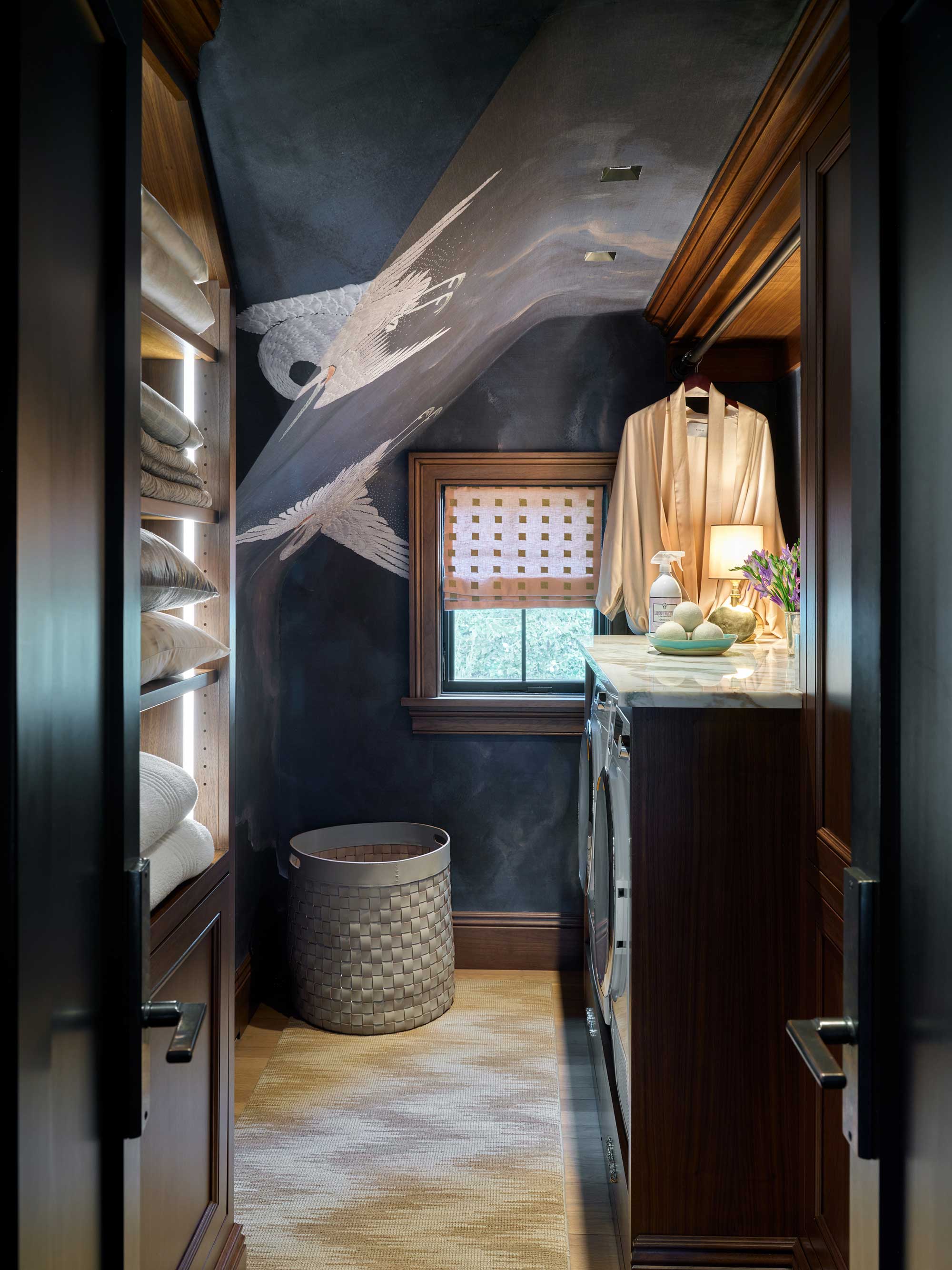
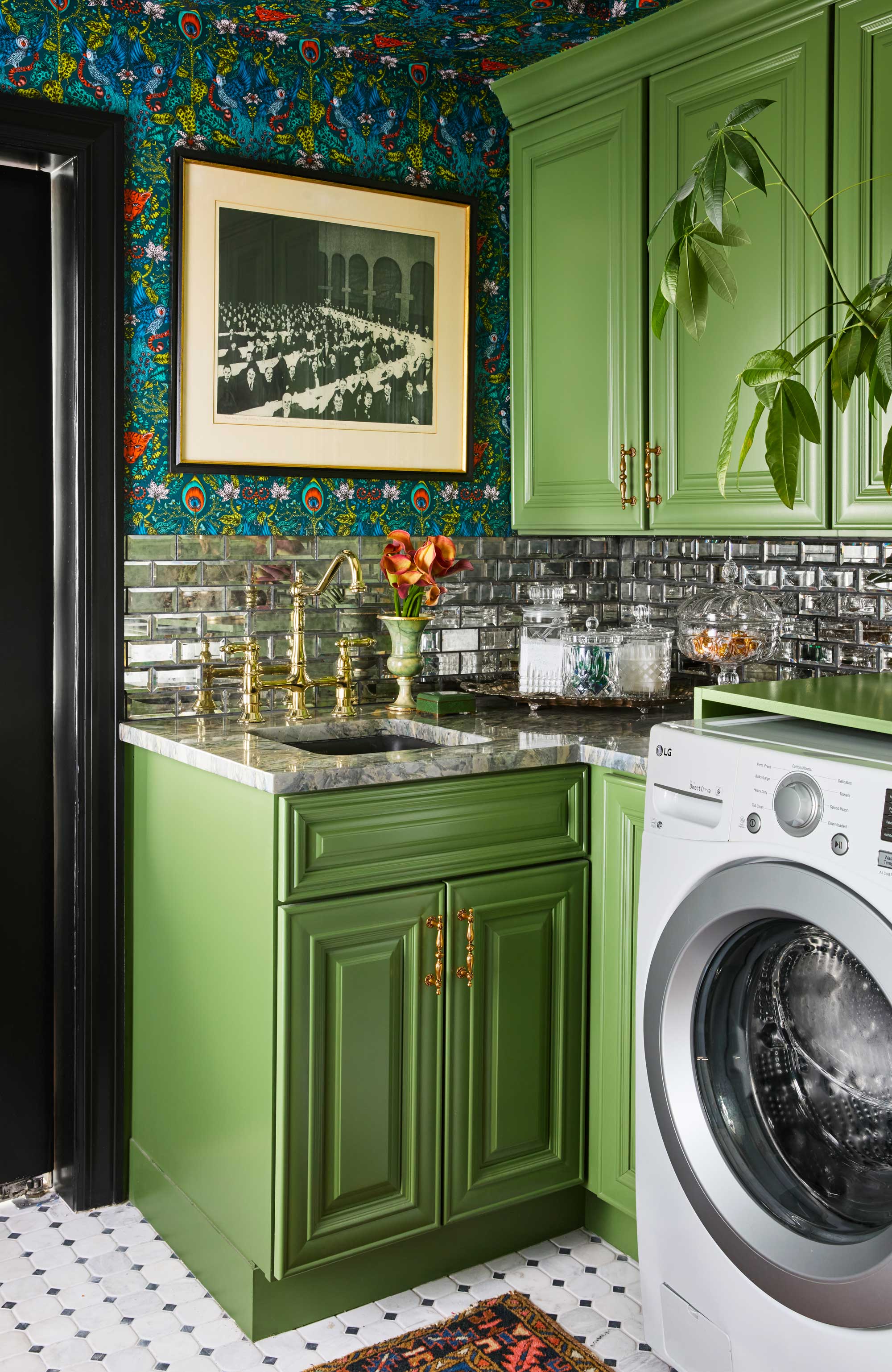
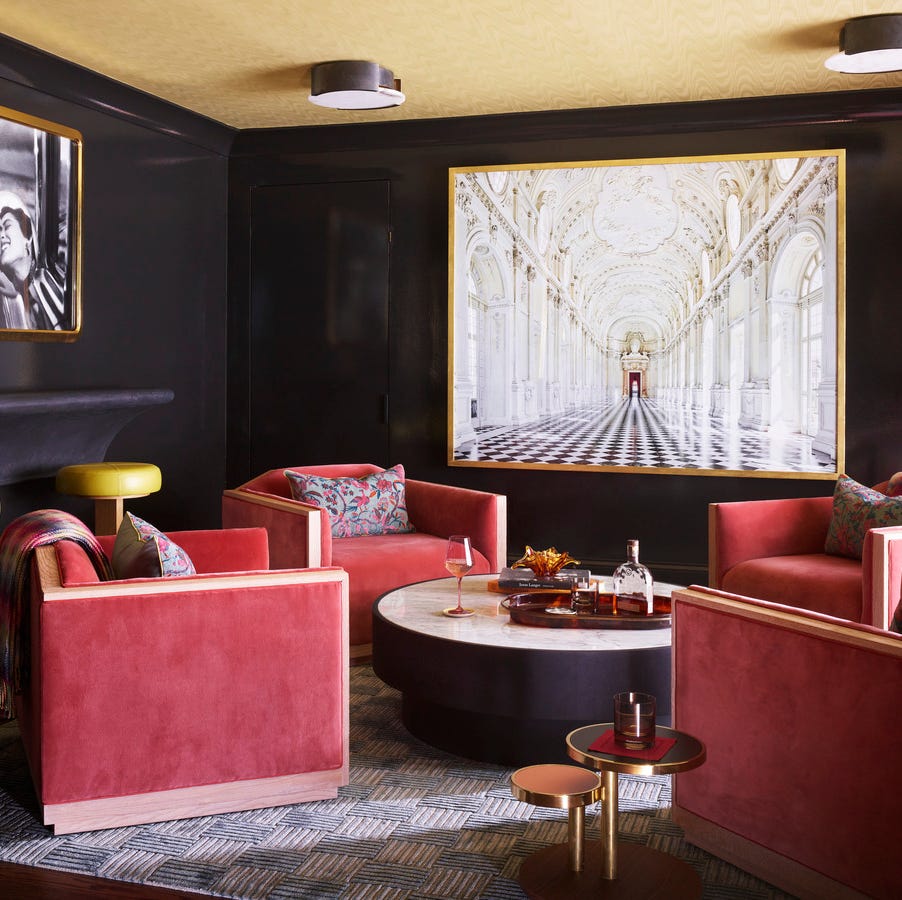
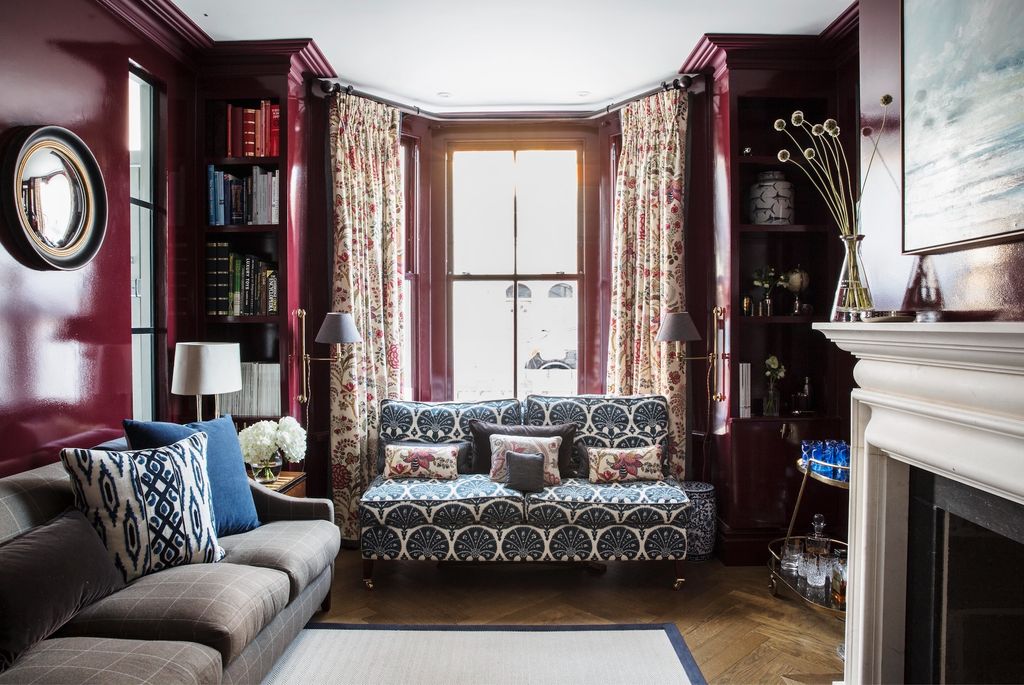
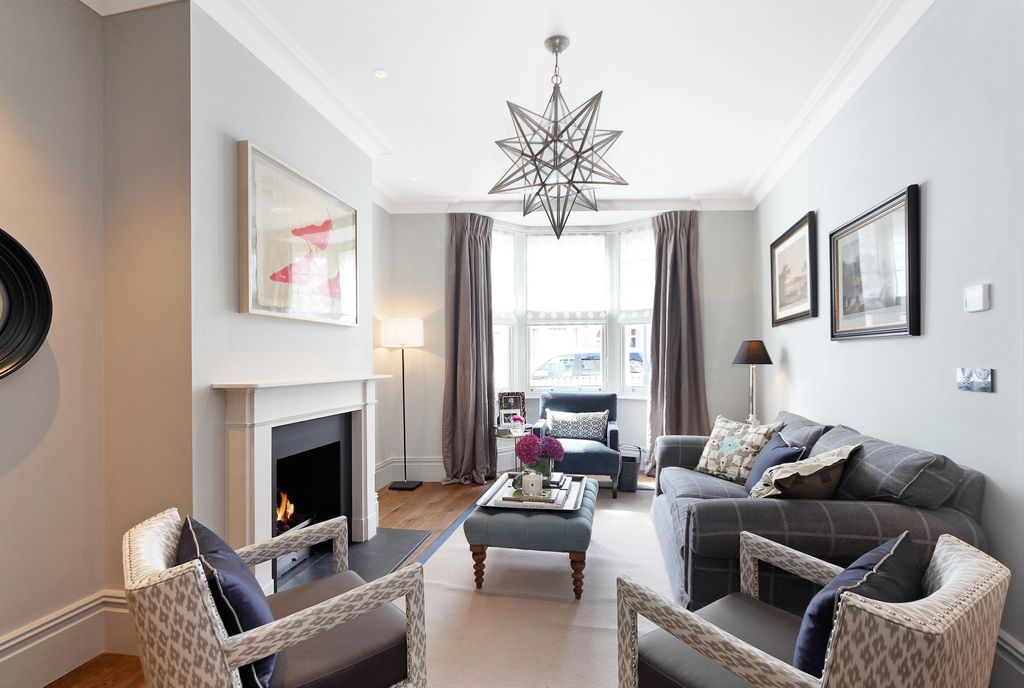
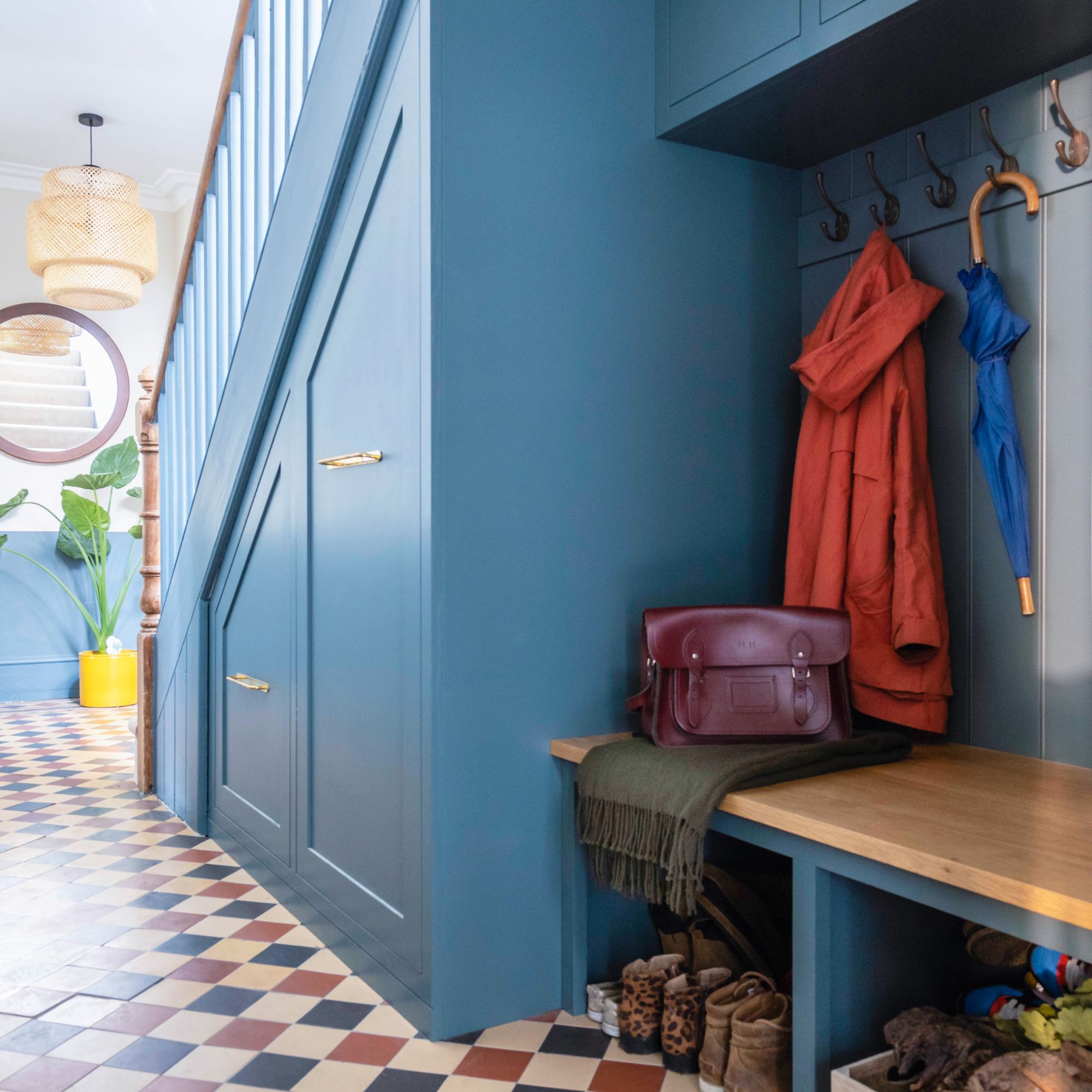
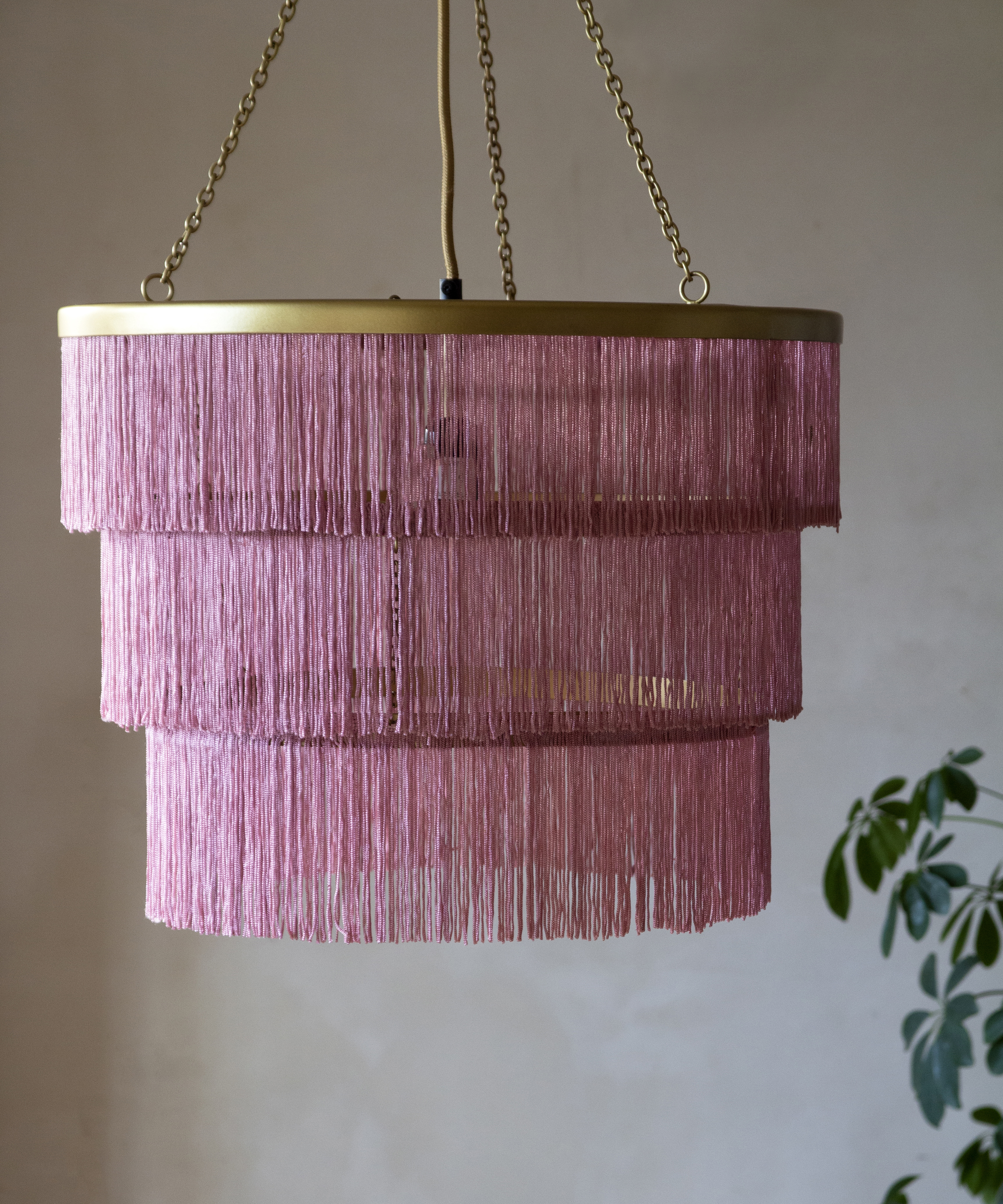
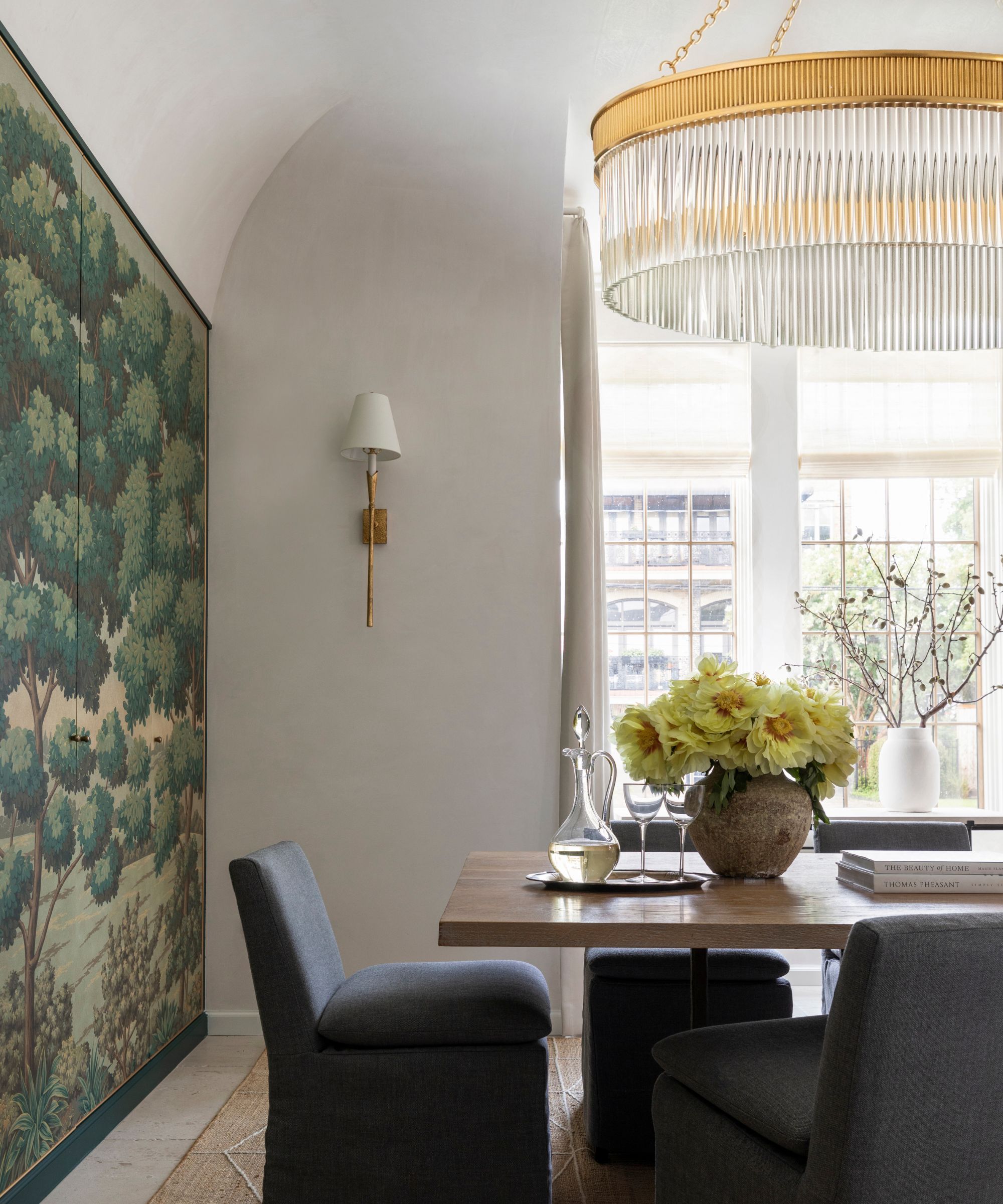
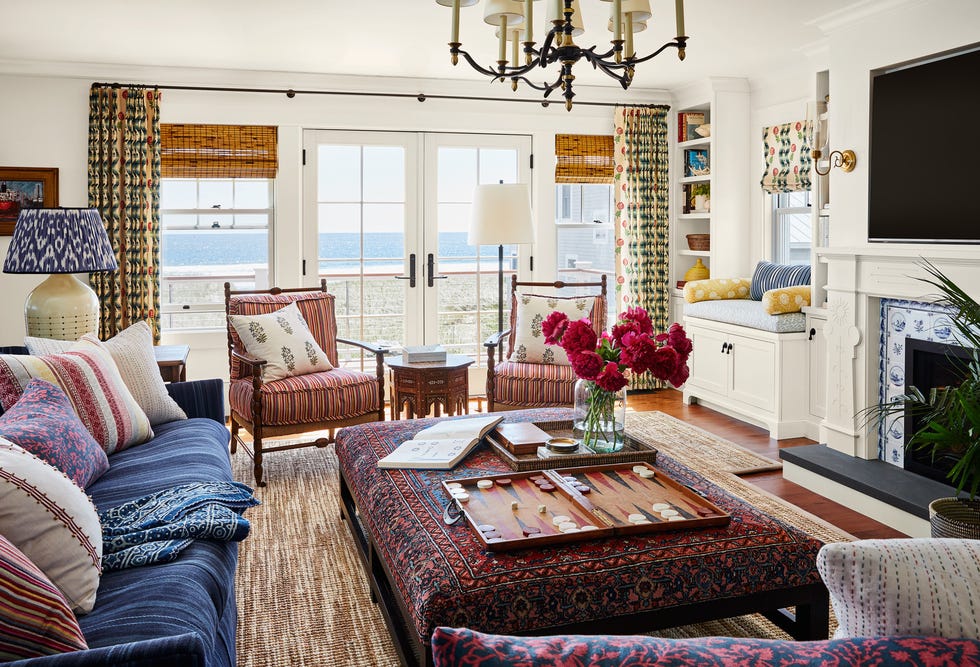
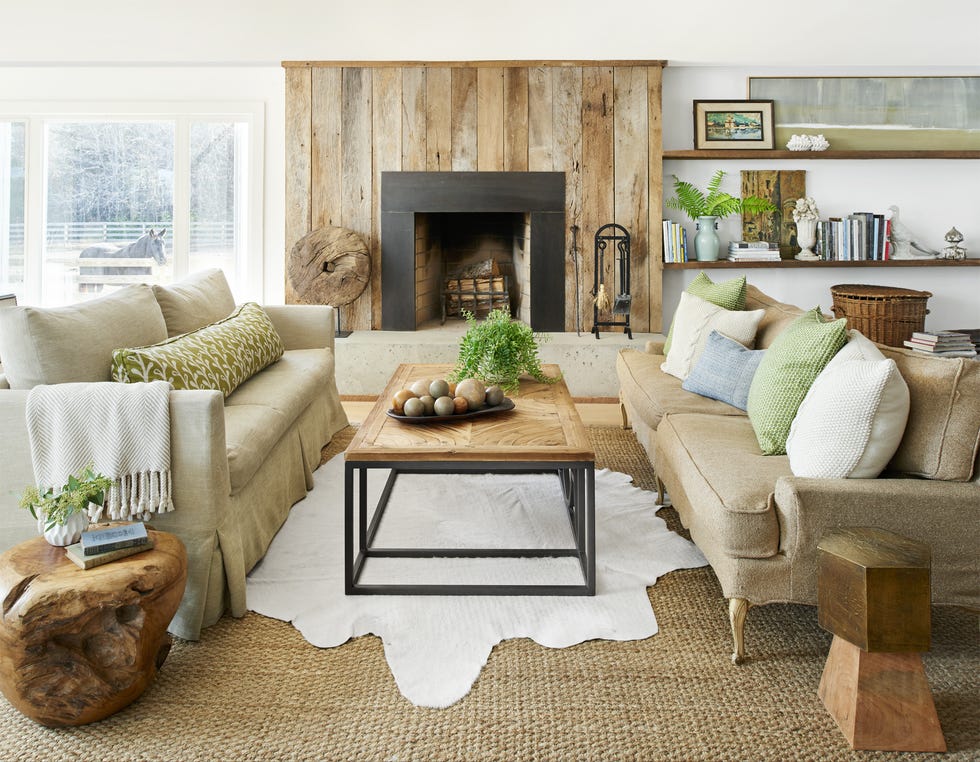
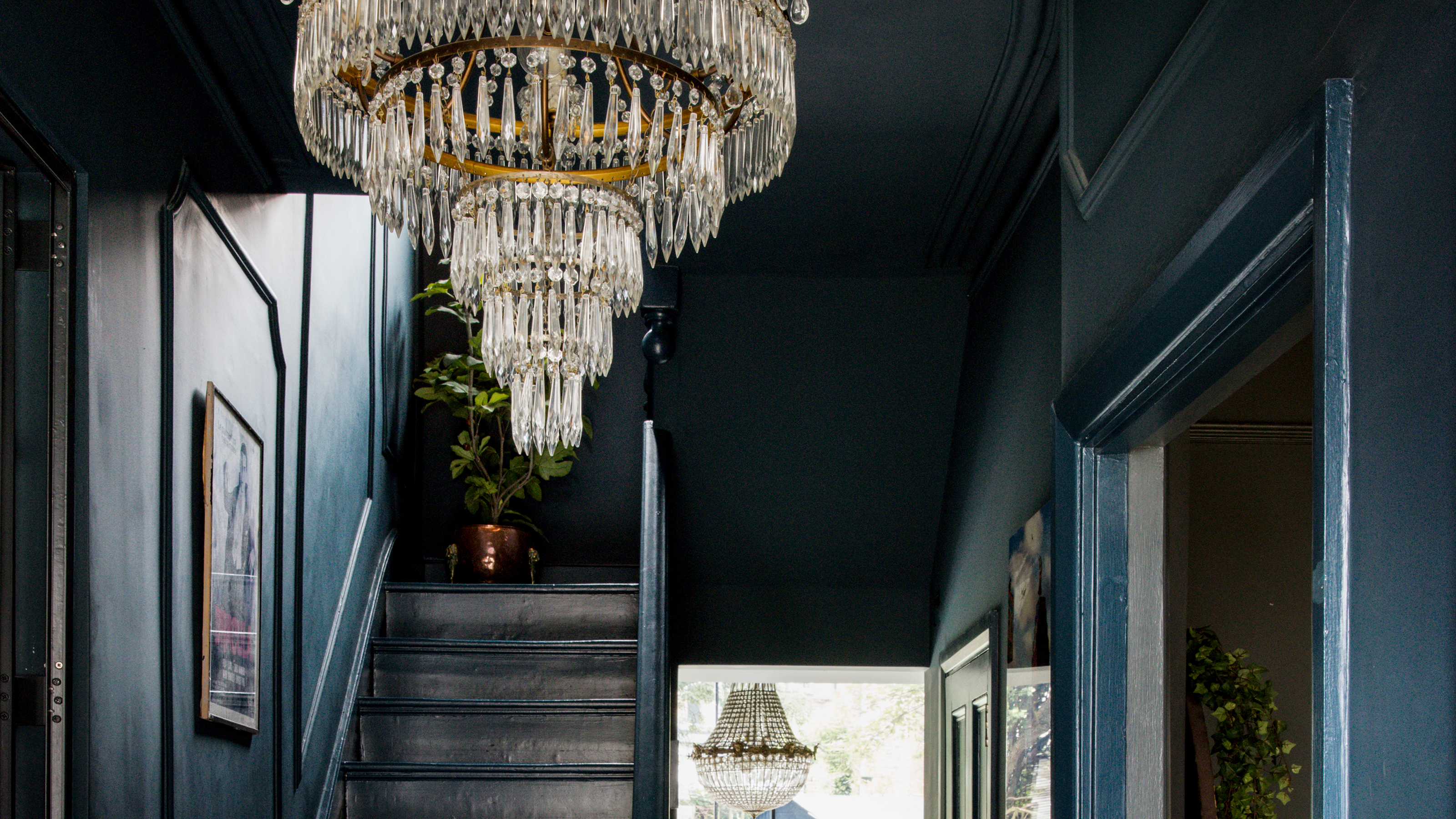
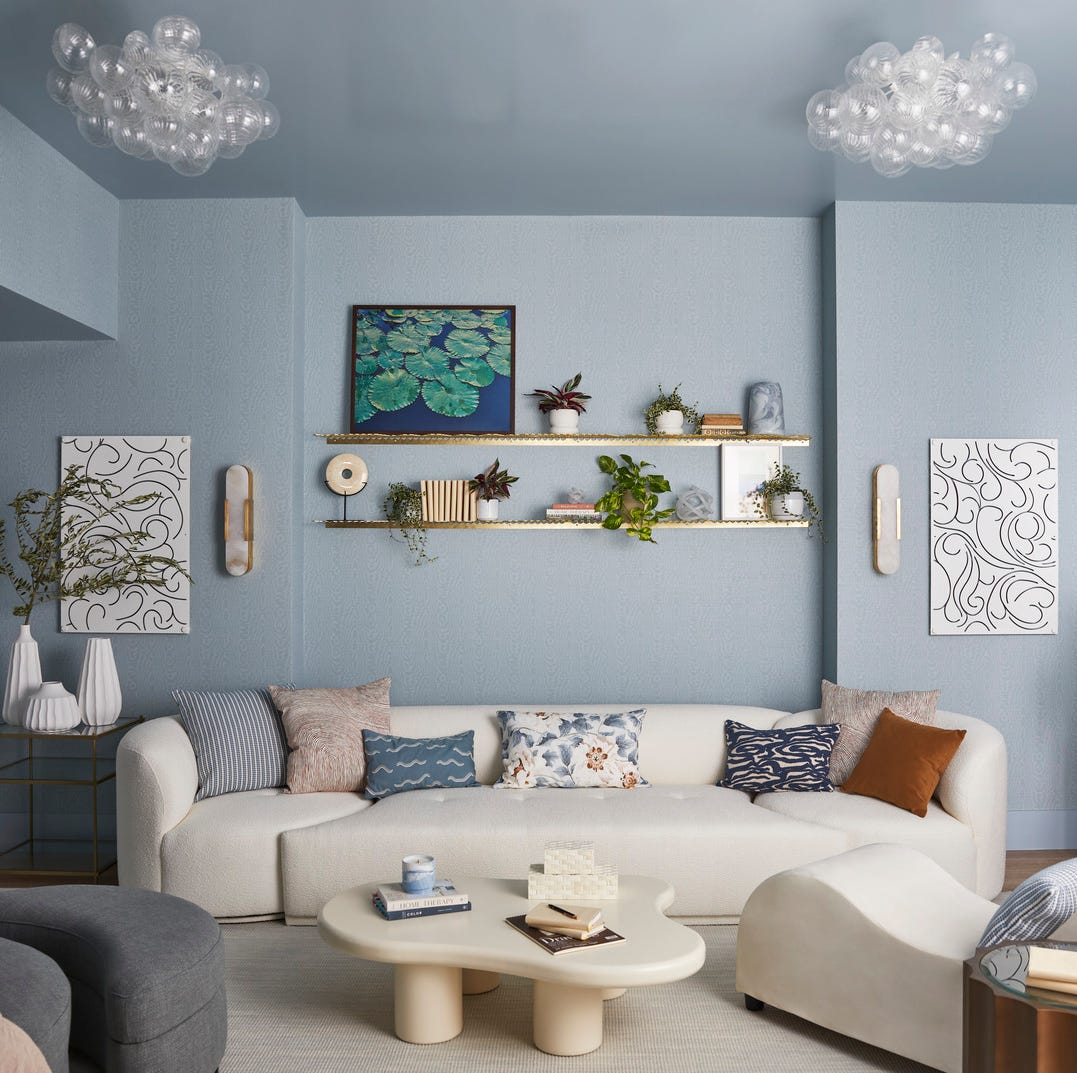
Color and soft furnishings are also crucial for imbuing pass-through rooms with personality and comfort. For homes with a neutral palette, maintaining similar muted tones in the pass-through area helps create a seamless flow. However, for those looking to make a statement, bold paint colors, such as dark inky blues or even black, can transform the space into a dramatic focal point. Painting walls and ceilings in such hues, while keeping trim white, and adding a striking ceiling-mounted pendant light can create a brilliant glow and a sense of drama. The article also suggests incorporating soft furnishings like rugs to add tactility and coziness. A well-chosen rug can define an anchored part of the room, ensuring walkways remain clear. Shaggy wool or natural fiber rugs in soothing tones are currently trending and can make the space feel welcoming and intentional, rather than just a route to another room.
Ultimately, the goal in designing a pass-through room is to make it feel purposeful and inviting, rather than merely a transitional area. This involves carefully balancing aesthetic appeal with practical considerations, such as maintaining clear pathways and ensuring any added functionality enhances, rather than detracts from, the overall living experience. By following these expert recommendations, homeowners can transform these often-neglected spaces into valuable and cherished parts of their homes. #InteriorDesign #HomeDecor #RoomLayout #SpacePlanning #FurnitureSelection #ColorPalette #SoftFurnishings #FunctionalSpaces #DesignTips
0 comment in total
 No comments yet
You may also like
‘You’re missing a trick' – 5 ways experts make that empty space in your upstairs hallway look beautiful
9 simple tricks to elevate your small living room according to an interior designer

Experts reveal the one furnishing that will instantly make a small hallway feel bigger
These Creative Bonus Room Ideas Are the Best Way to Use Your Extra Space

This often-overlooked room is having a design moment – I think it's the secret to making your home much more cheerful
9 simple tricks to elevate your small living room according to an interior designer

5 Ways to Elevate Your Living Room

Designers Say This One Trick Will Make Your Living Room Look More Luxe
The Stylish Trick for Creating an Extra Room in Your Home

48 Bonus Room Ideas to Optimize Your Extra Space and Enjoy Favorite Pastimes

Maximize Your Space: 19 Tips to Make a Small Room Feel Bigger

Bedroom Improvements to Sell Your Home Faster
Does Your Room Feel Like It's Missing Something? Here Are 10 Designer-Approved Ways to Quickly Elevate the Space

Under-the-stairs ideas to make the most of this awkward space
How to transform your bedroom into a wellbeing sanctuary, according to experts
How to elevate your teen's former bedroom into a beautiful home office

50 Bonus Room Ideas That Make Use of Your Extra Square Footage

Conversion tactics: making the most of unused space in your home
Does your room feel like a boring white box? This interior designer's 5 easy tips will help you transform it into a personality-packed scheme in no time
Room to grow: Finding ways to add space to your home without a major remodel