1/2
6 Window Treatment Trends That Are Going Out of Style (and What to Do Instead)
Window treatments are an essential element in home decor, serving not only practical purposes like privacy and sun protection but also contributing significantly to a room's style and overall ambiance. Experts emphasize that window treatments should enhance a room's personality rather than merely blend in, likening them to "dressings" that can transform windows from plain voids into focal points. Although trends in window coverings evolve, updating them is crucial for maintaining a cohesive and modern interior design, especially when moving into a new home or undertaking interior renovations. While window treatment investments might seem significant, their power to completely transform a space justifies the cost.
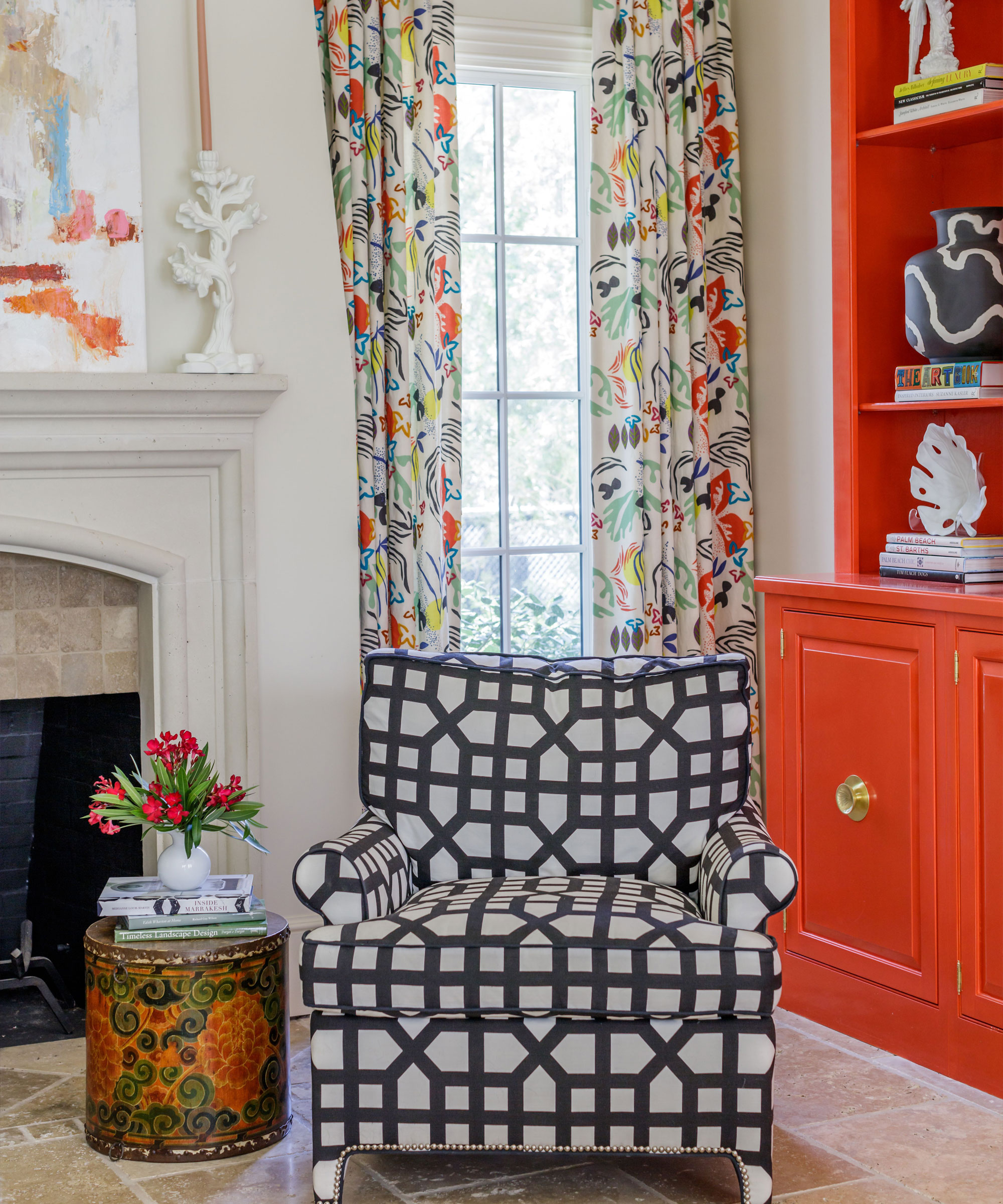
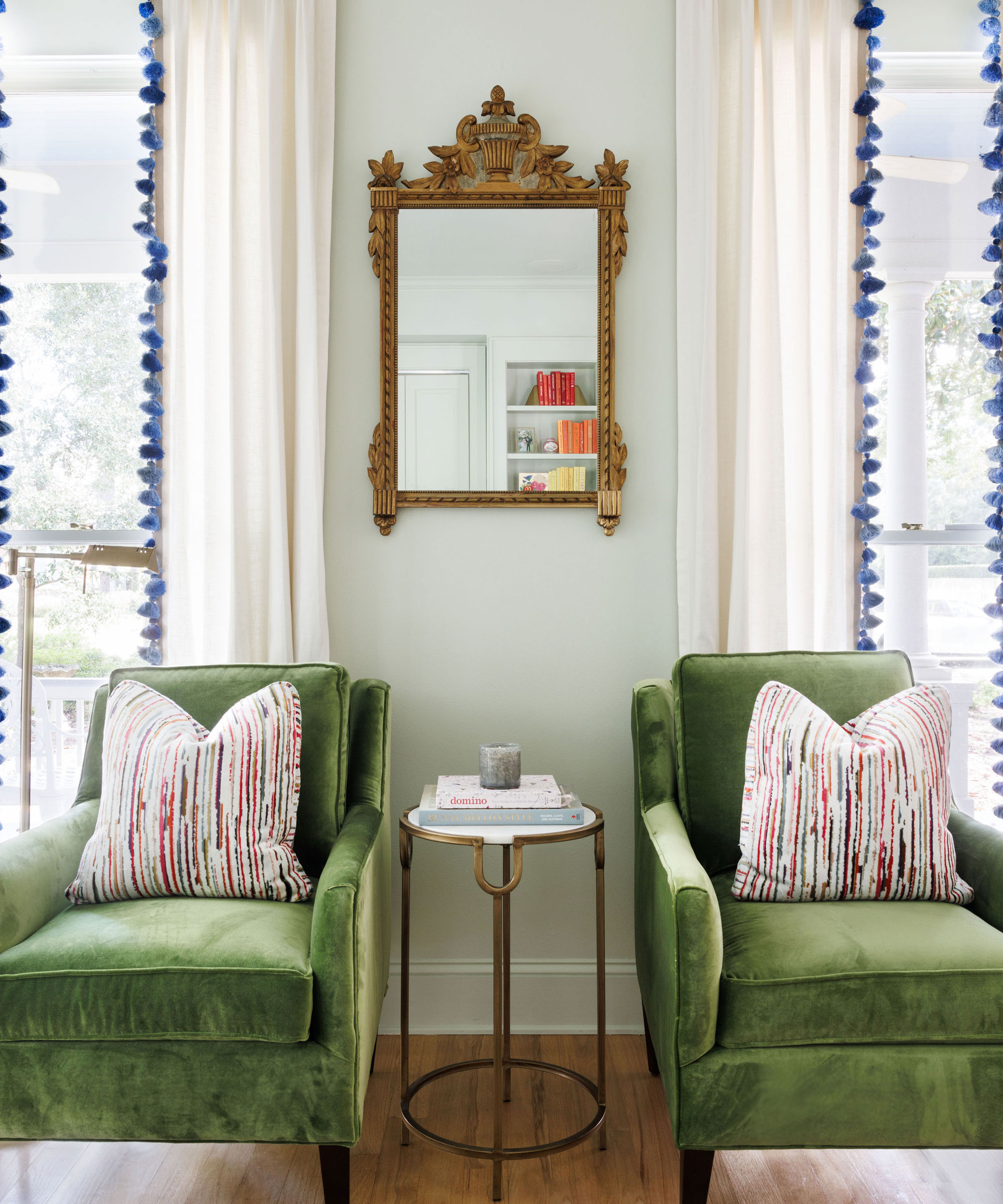
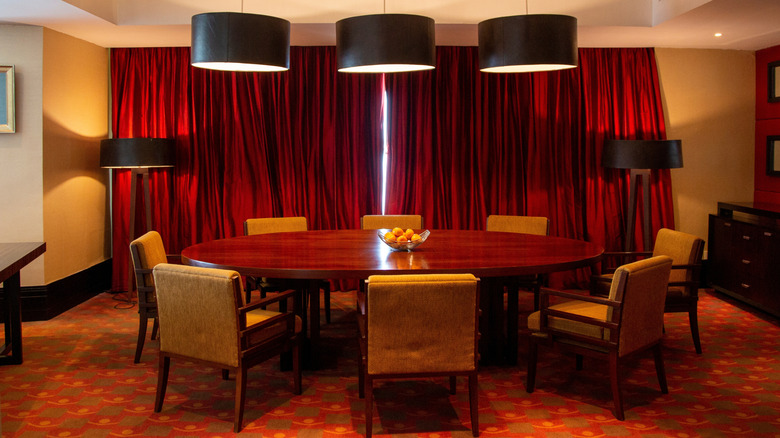
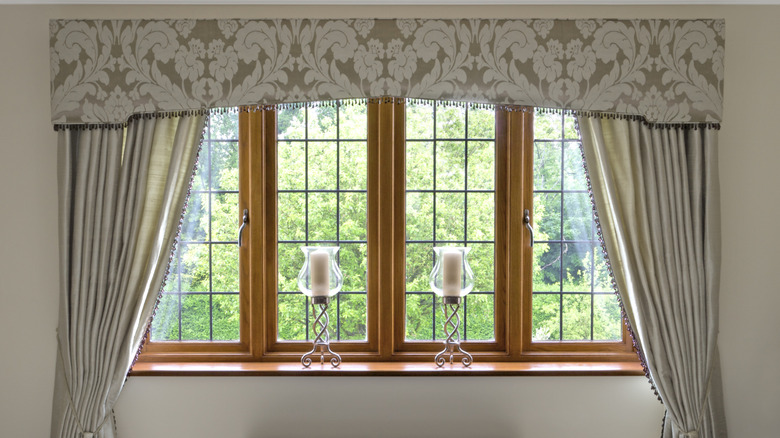
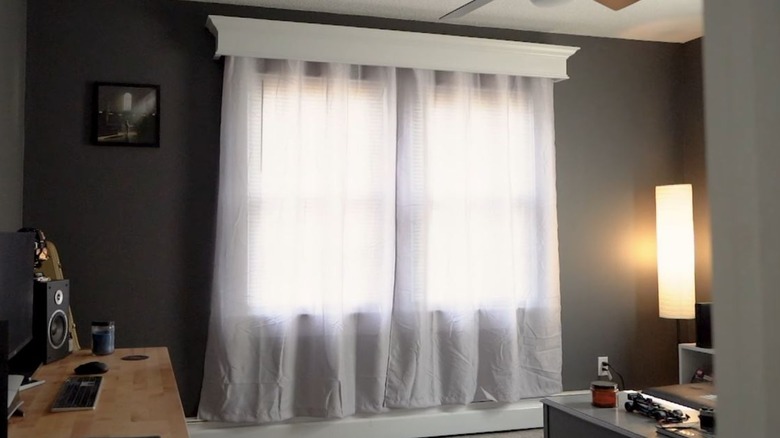
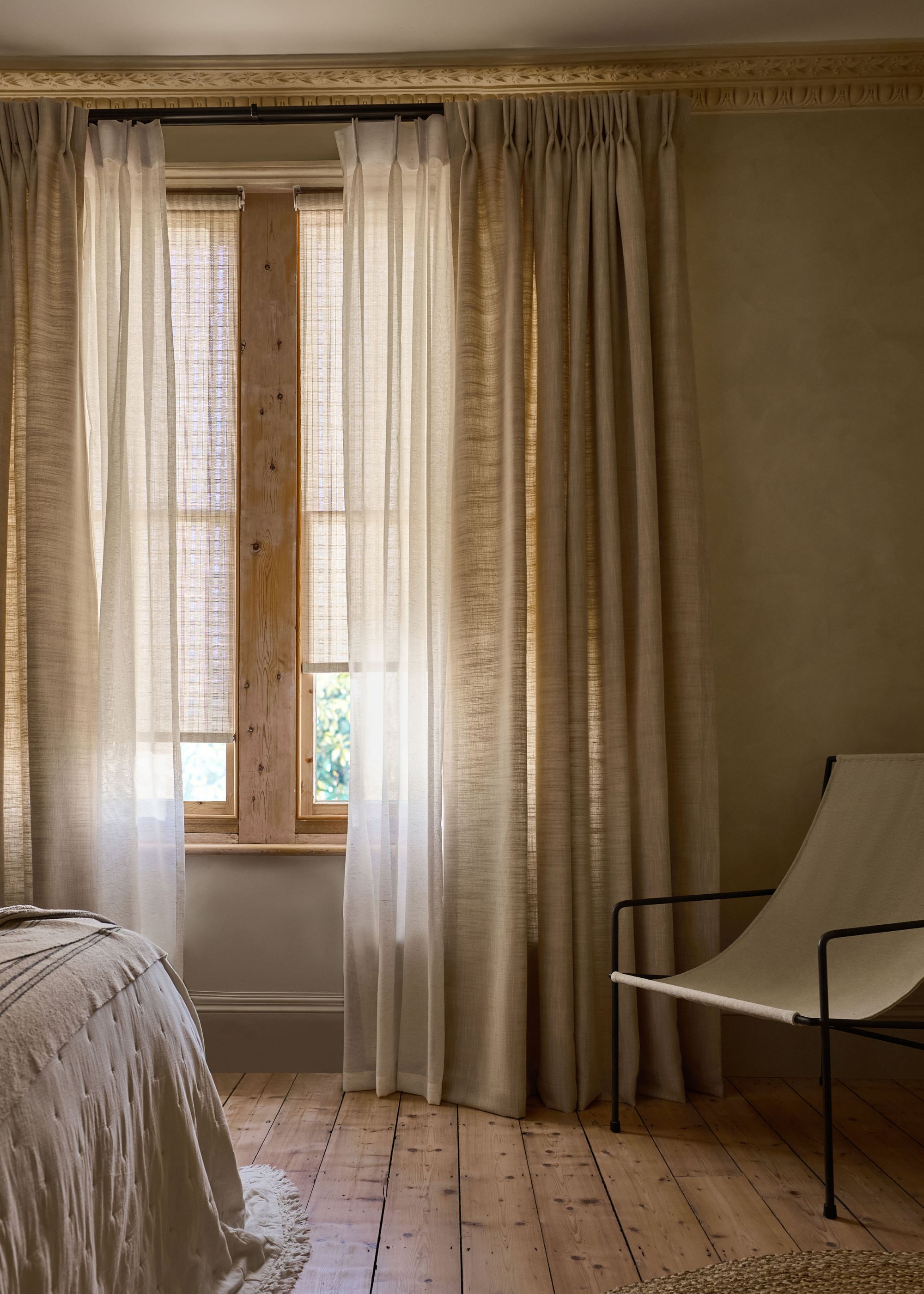
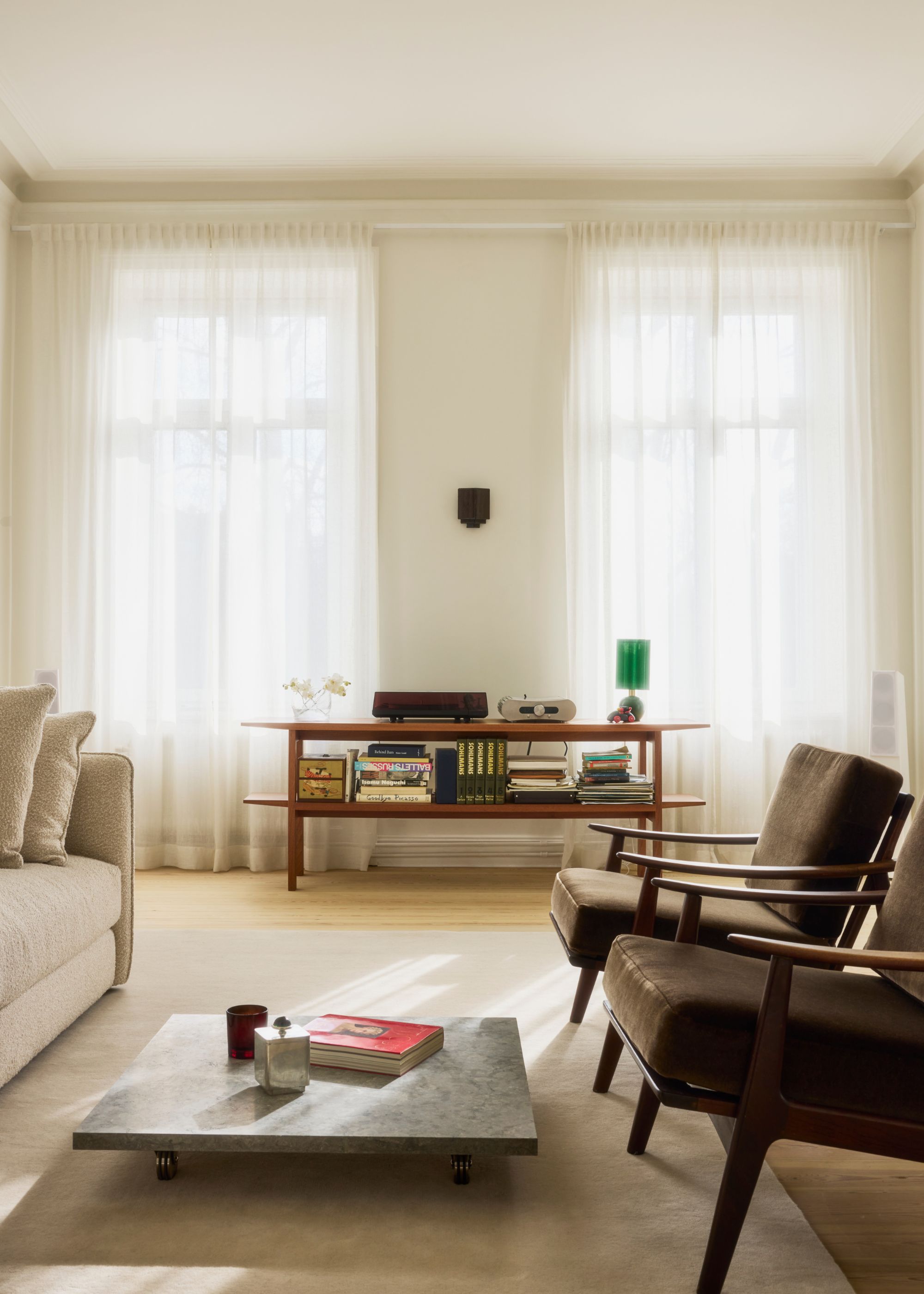
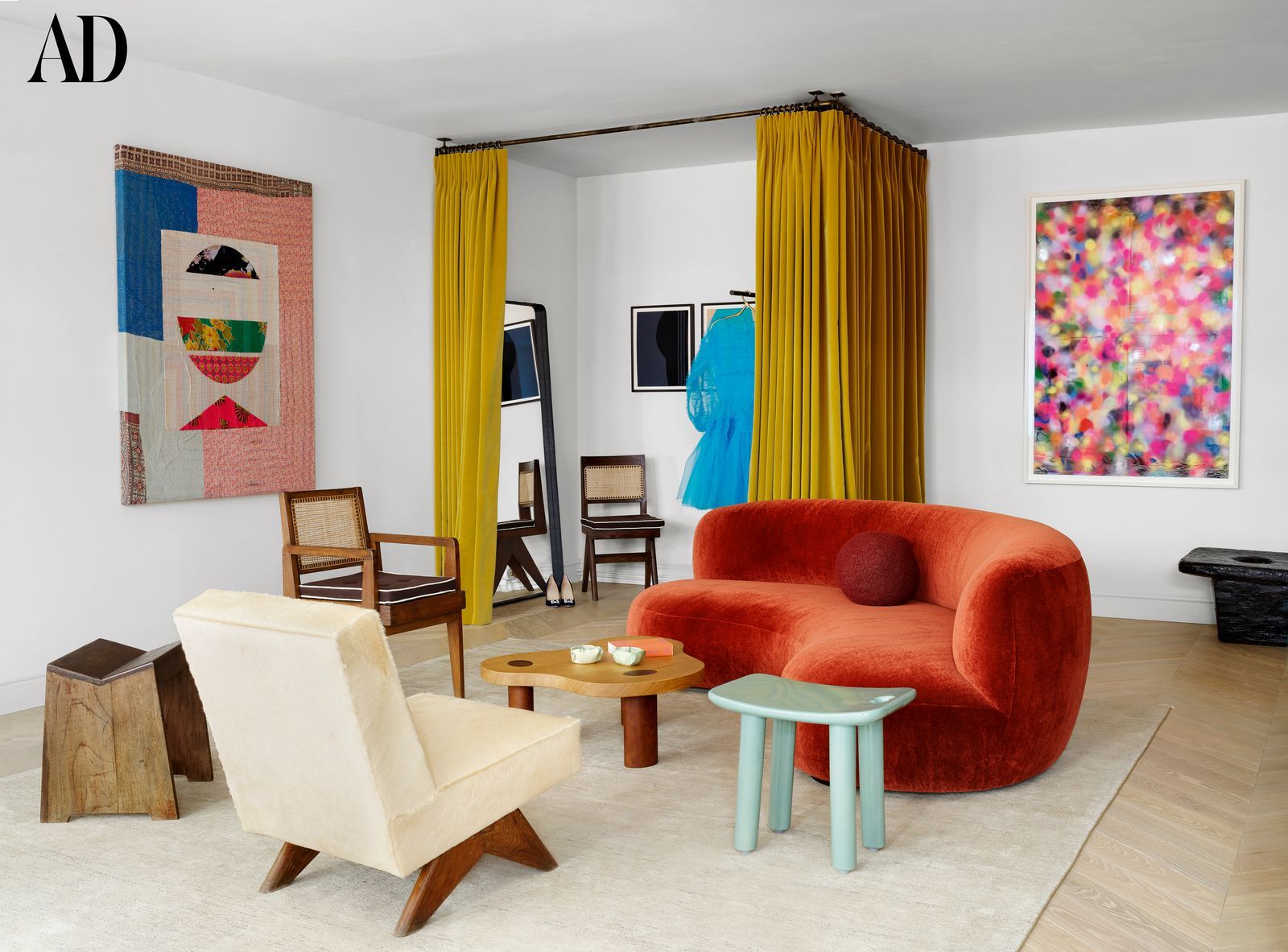
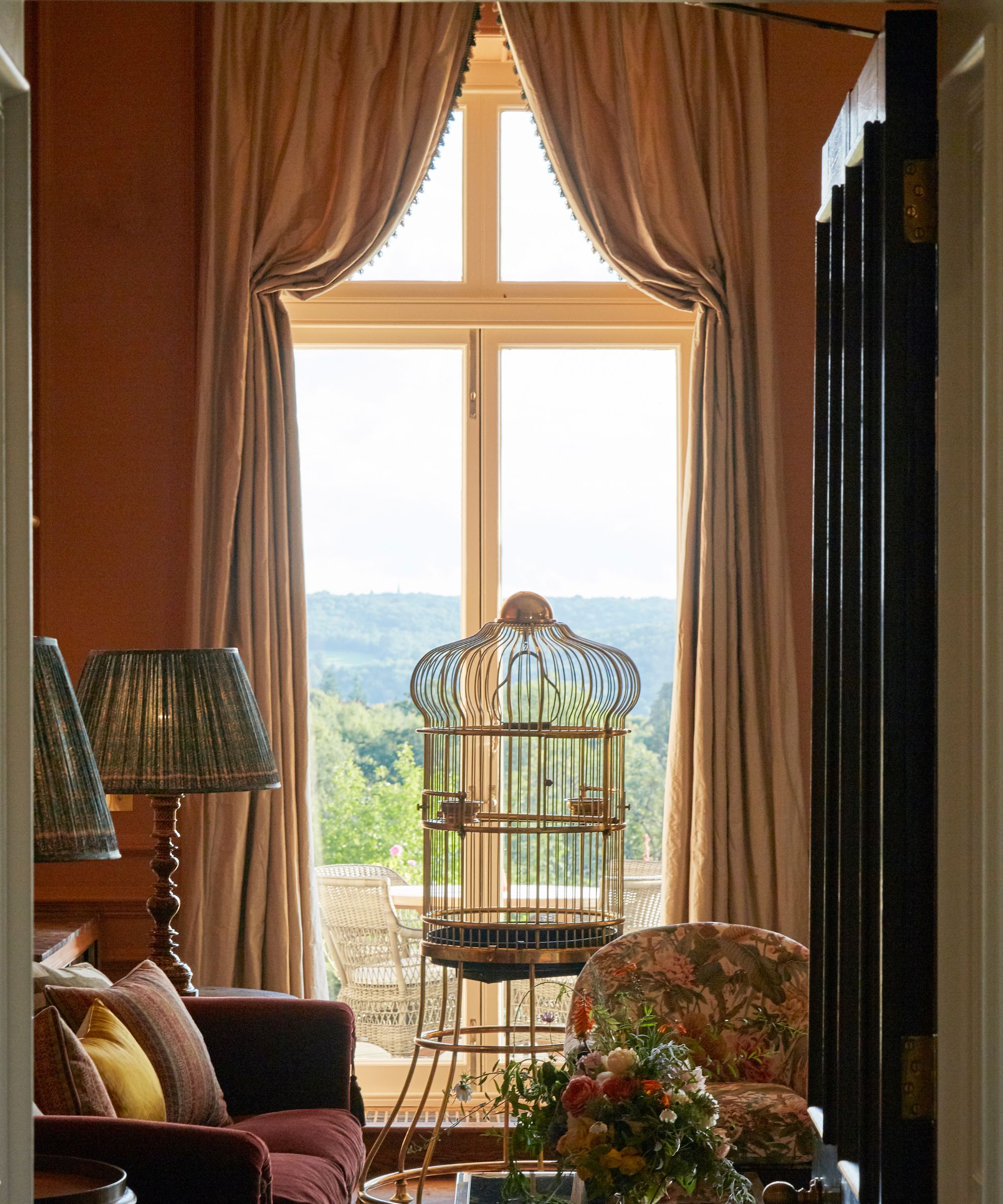
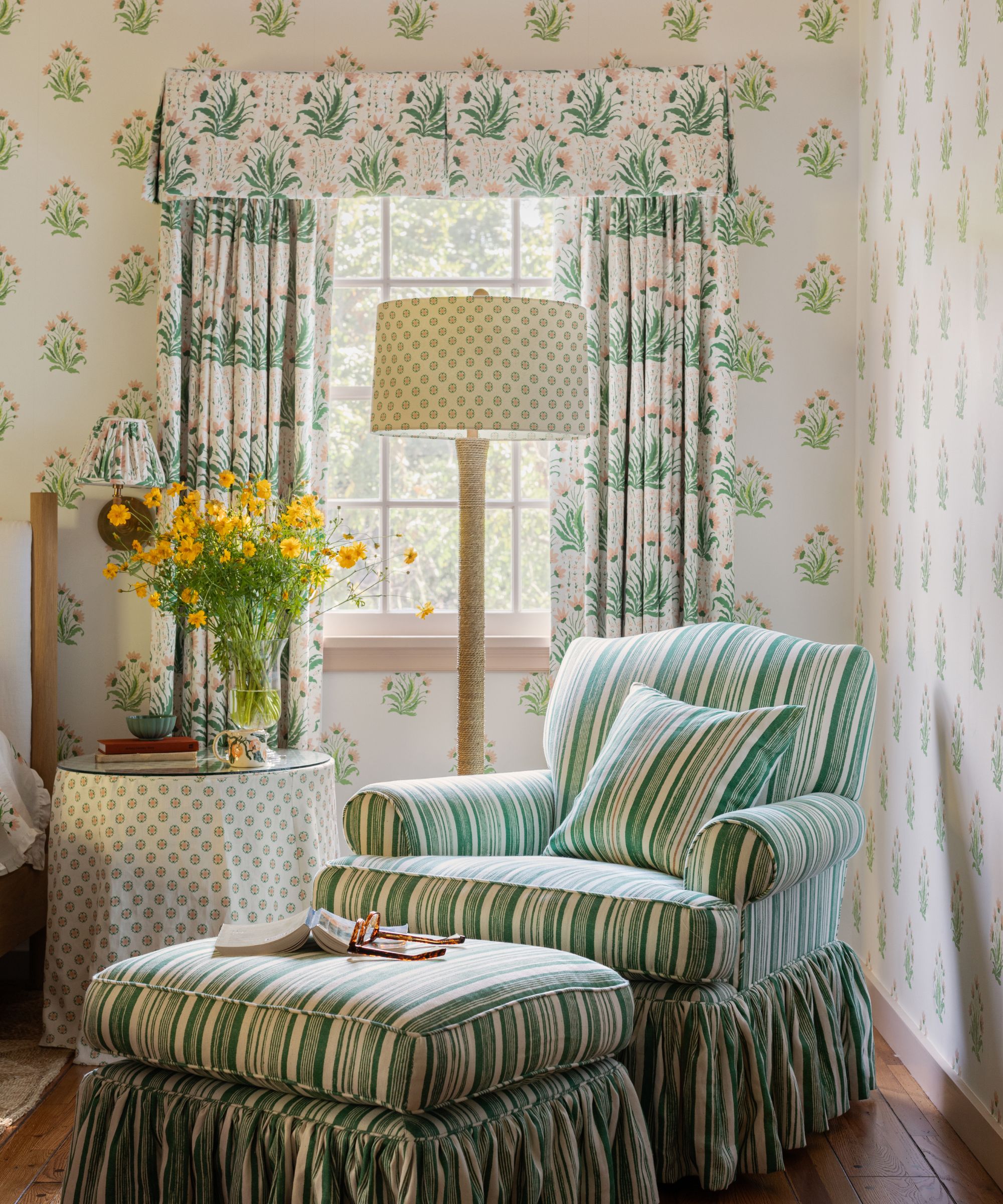
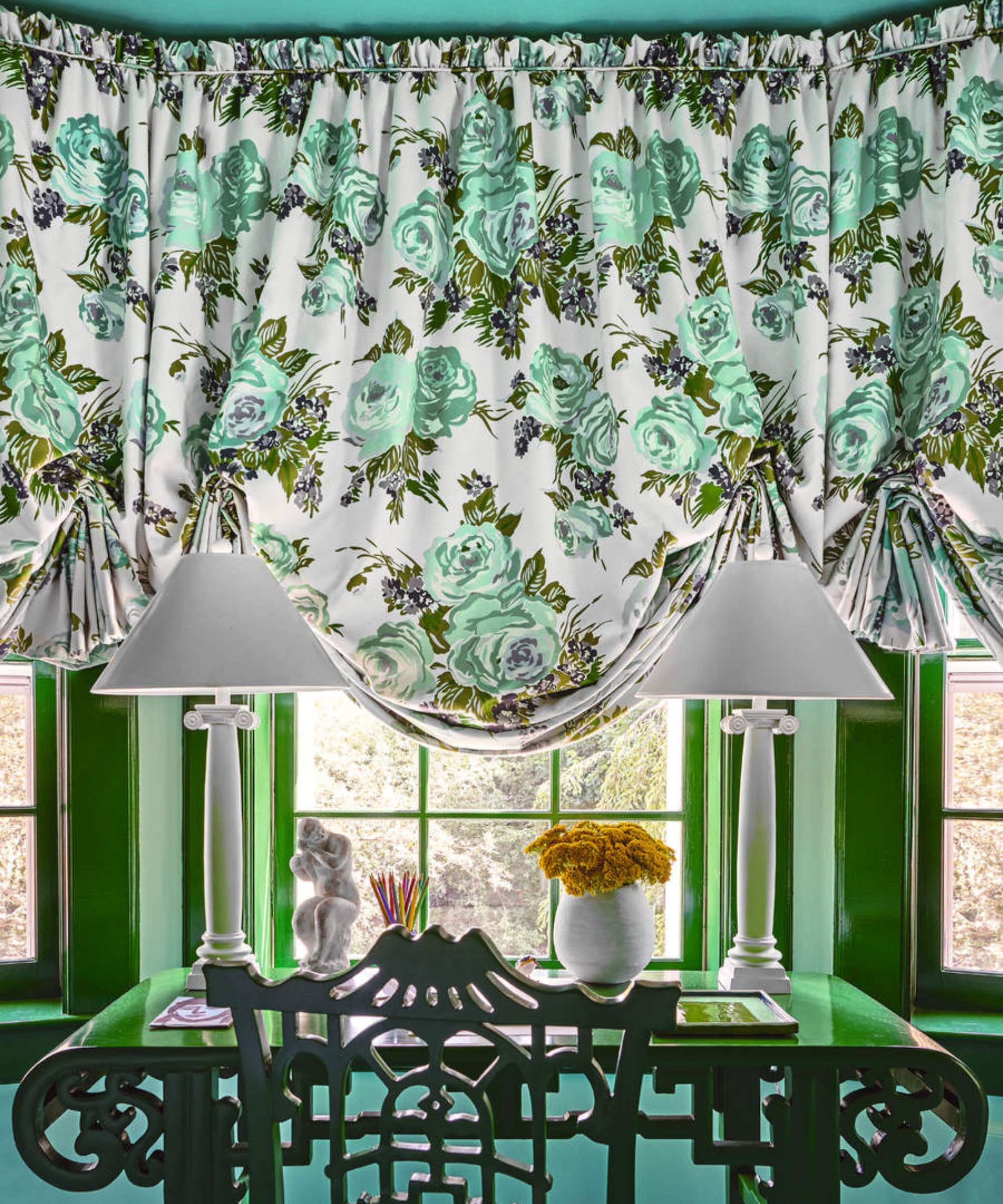
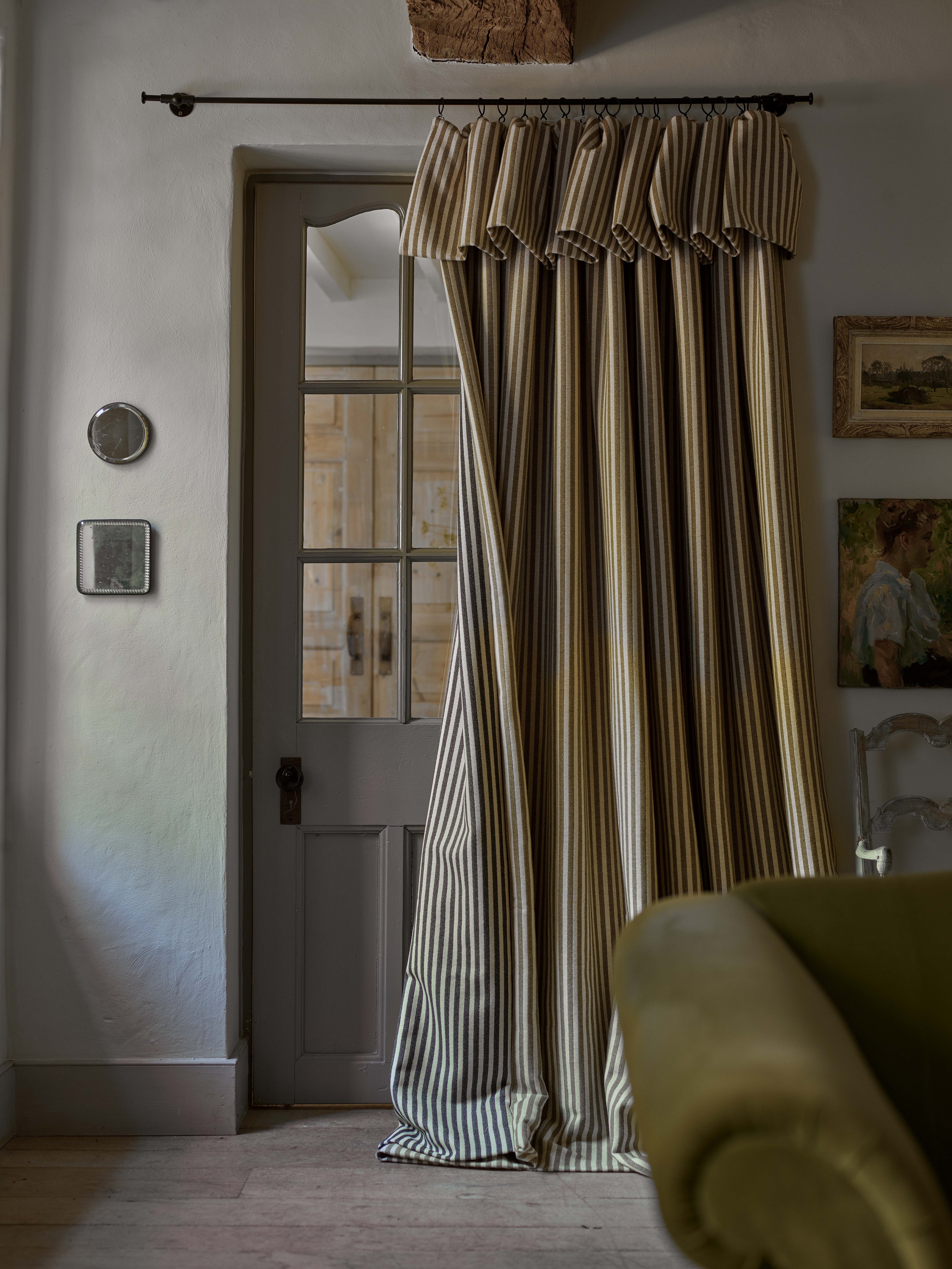
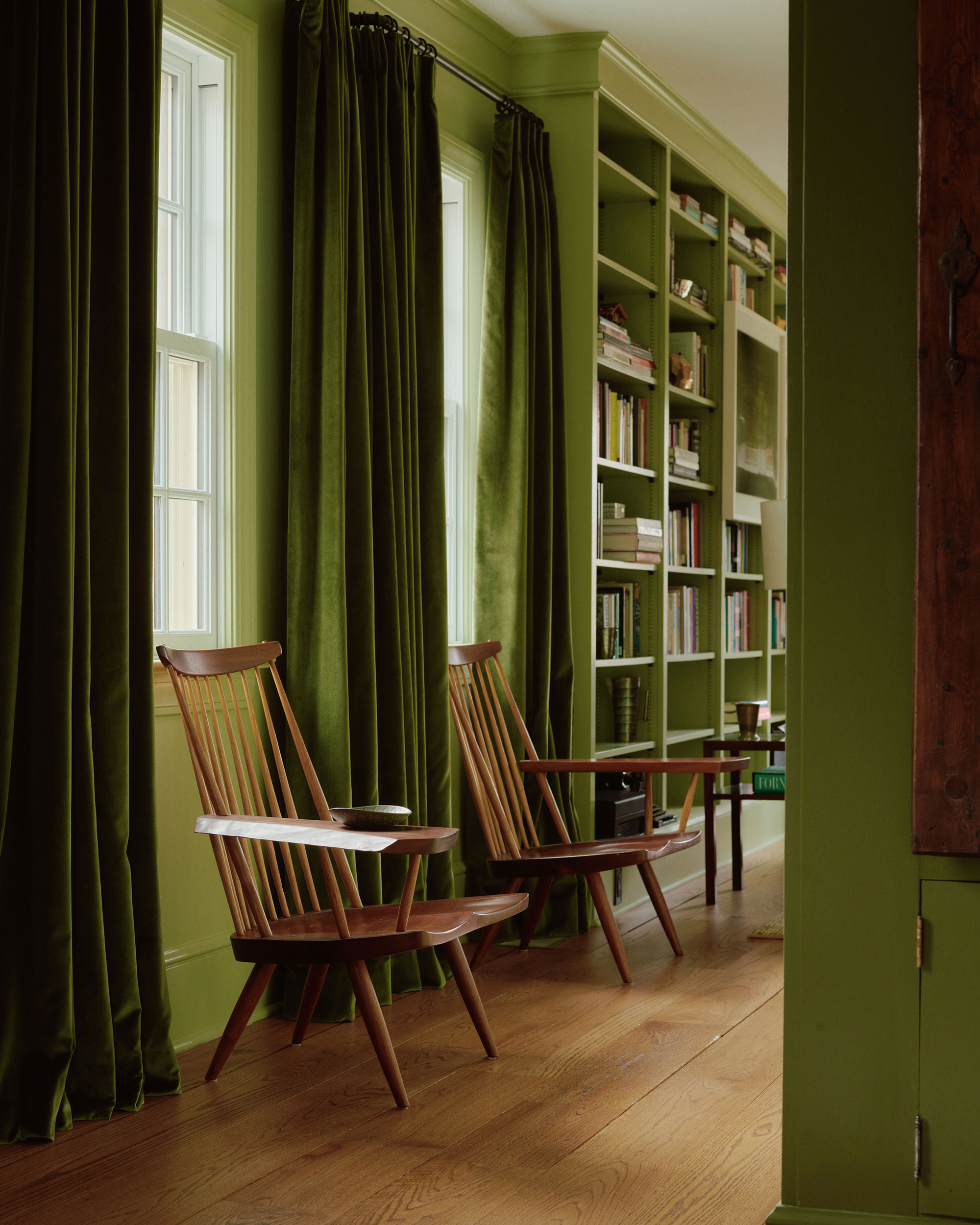
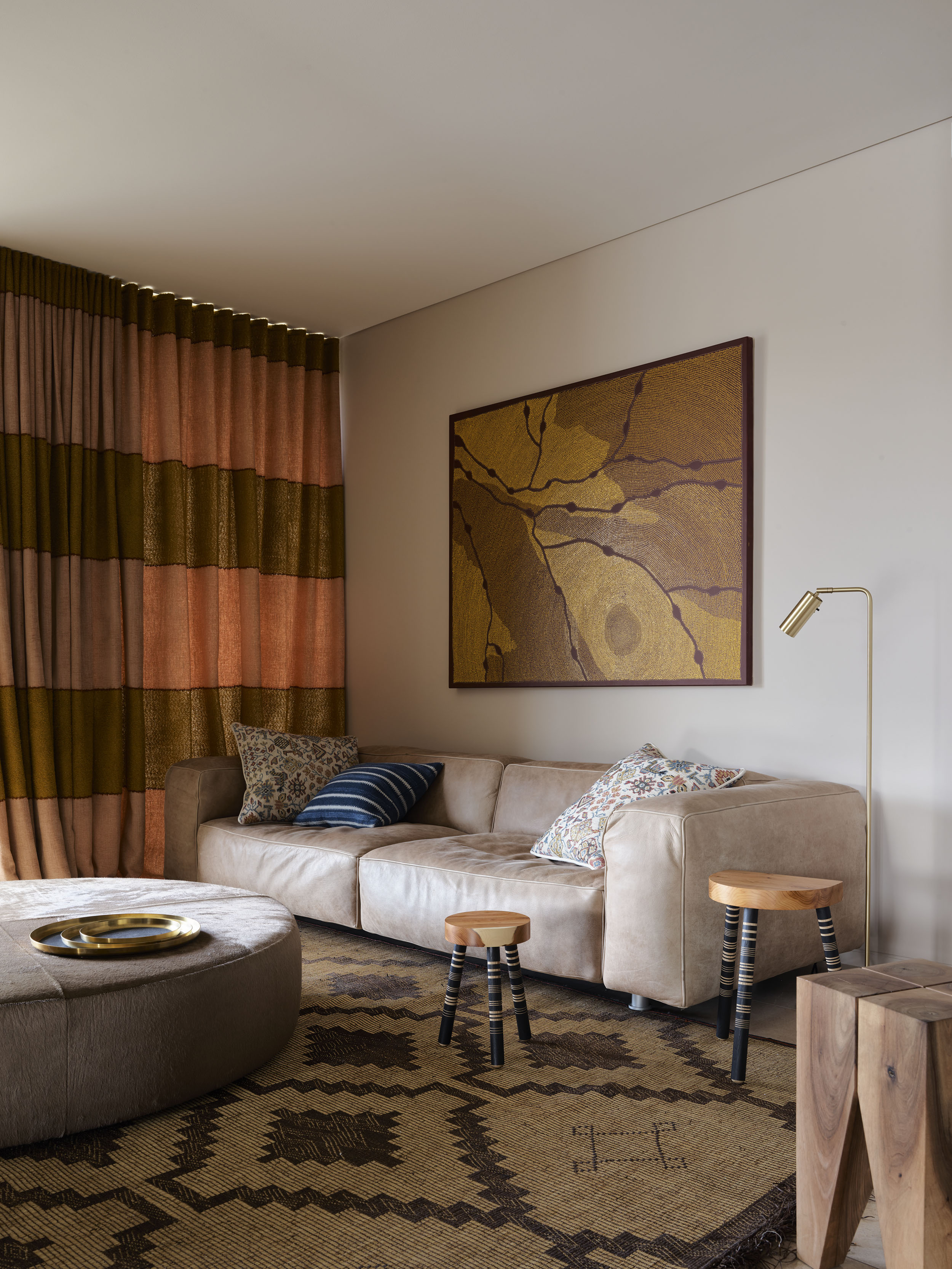
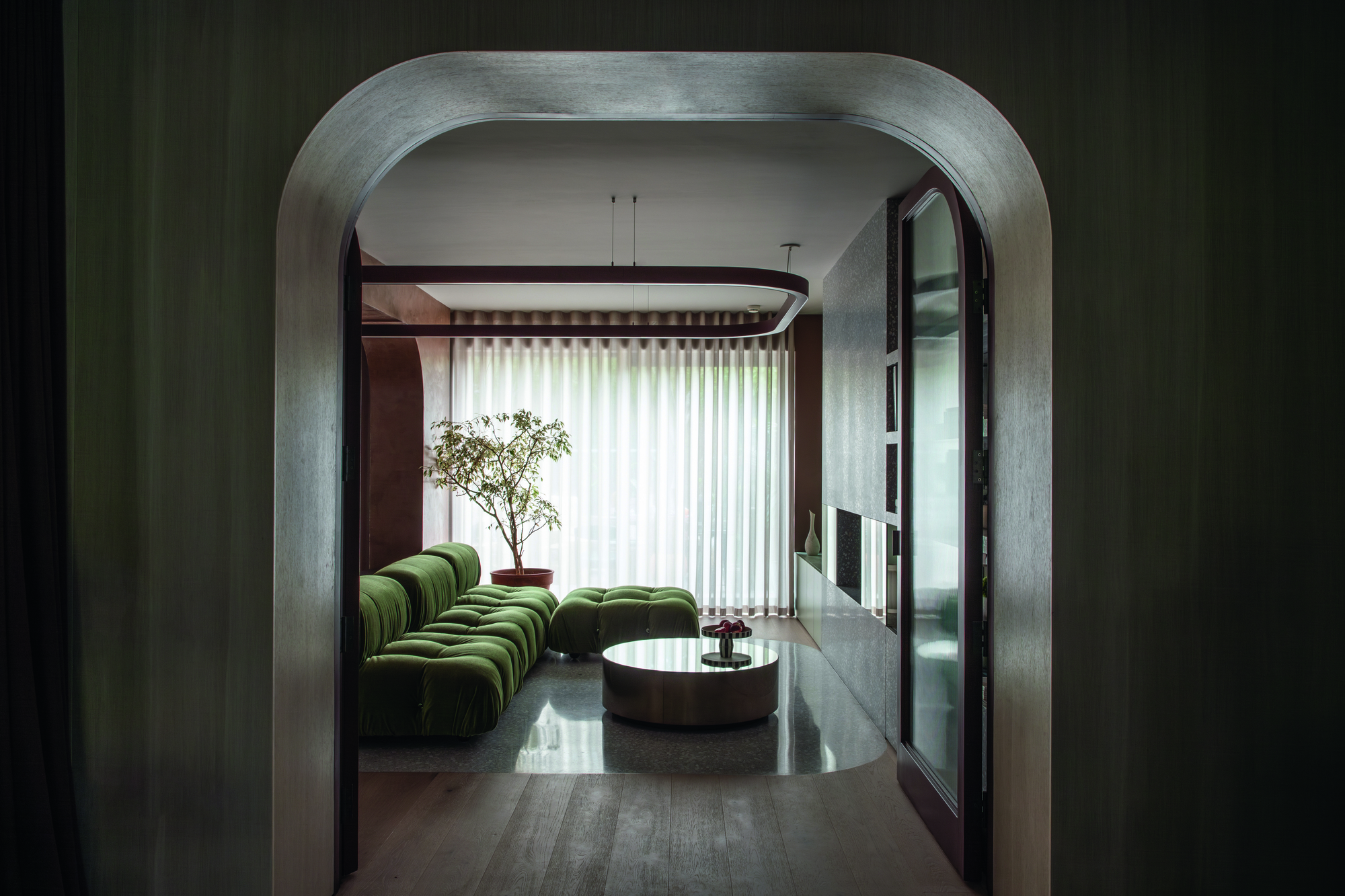
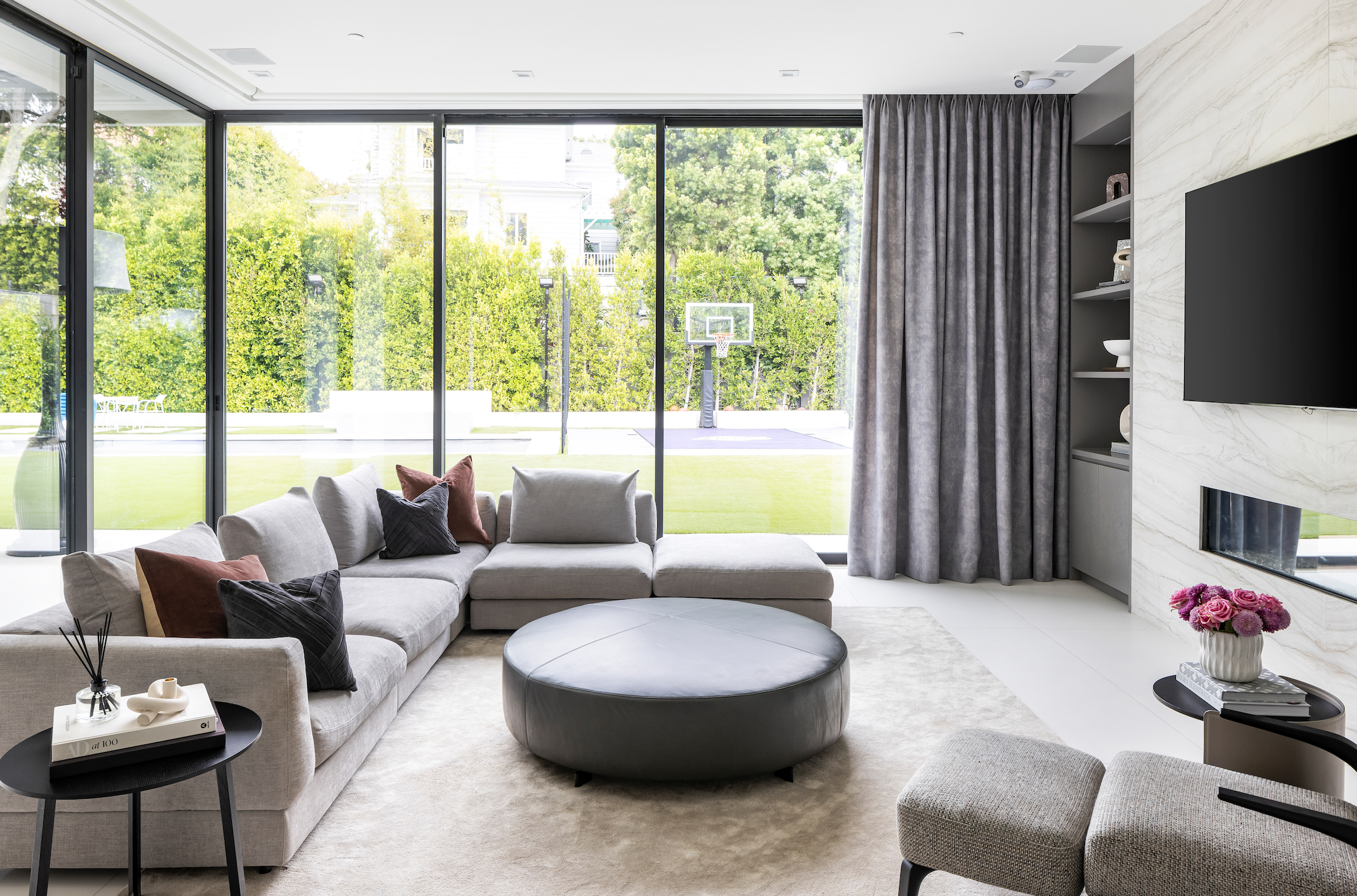
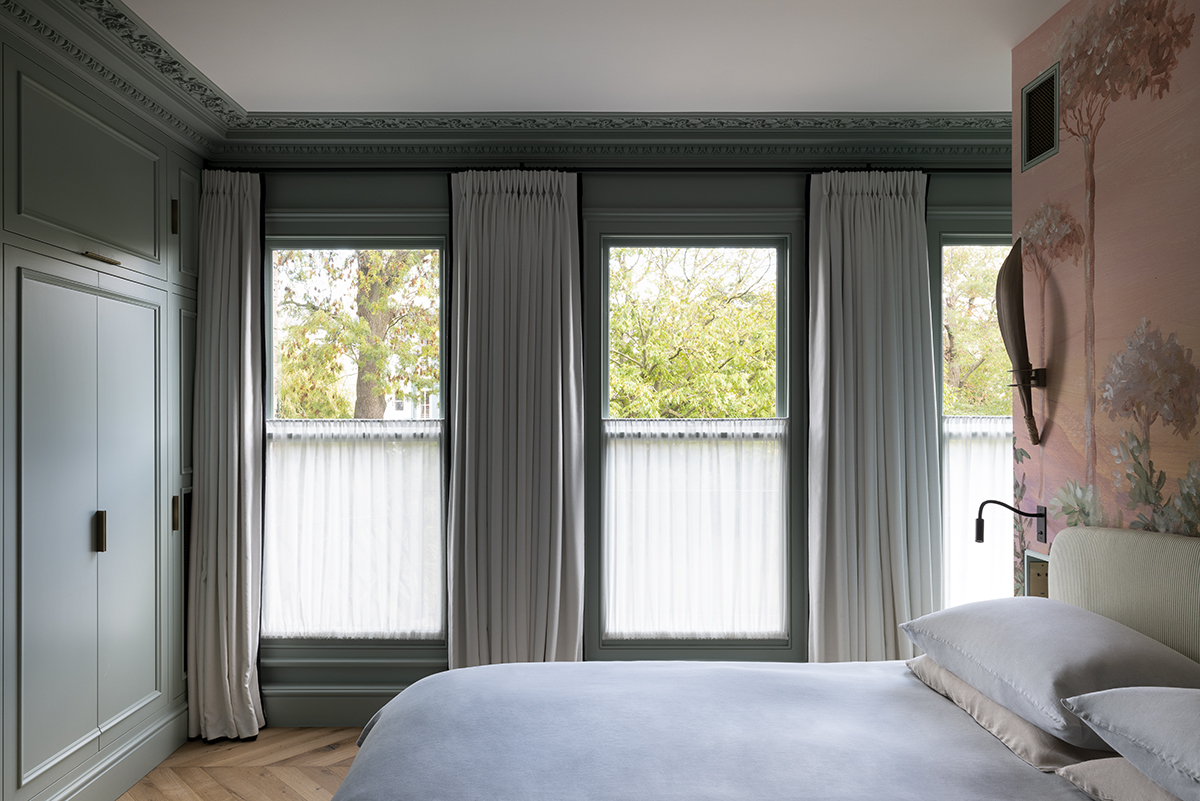
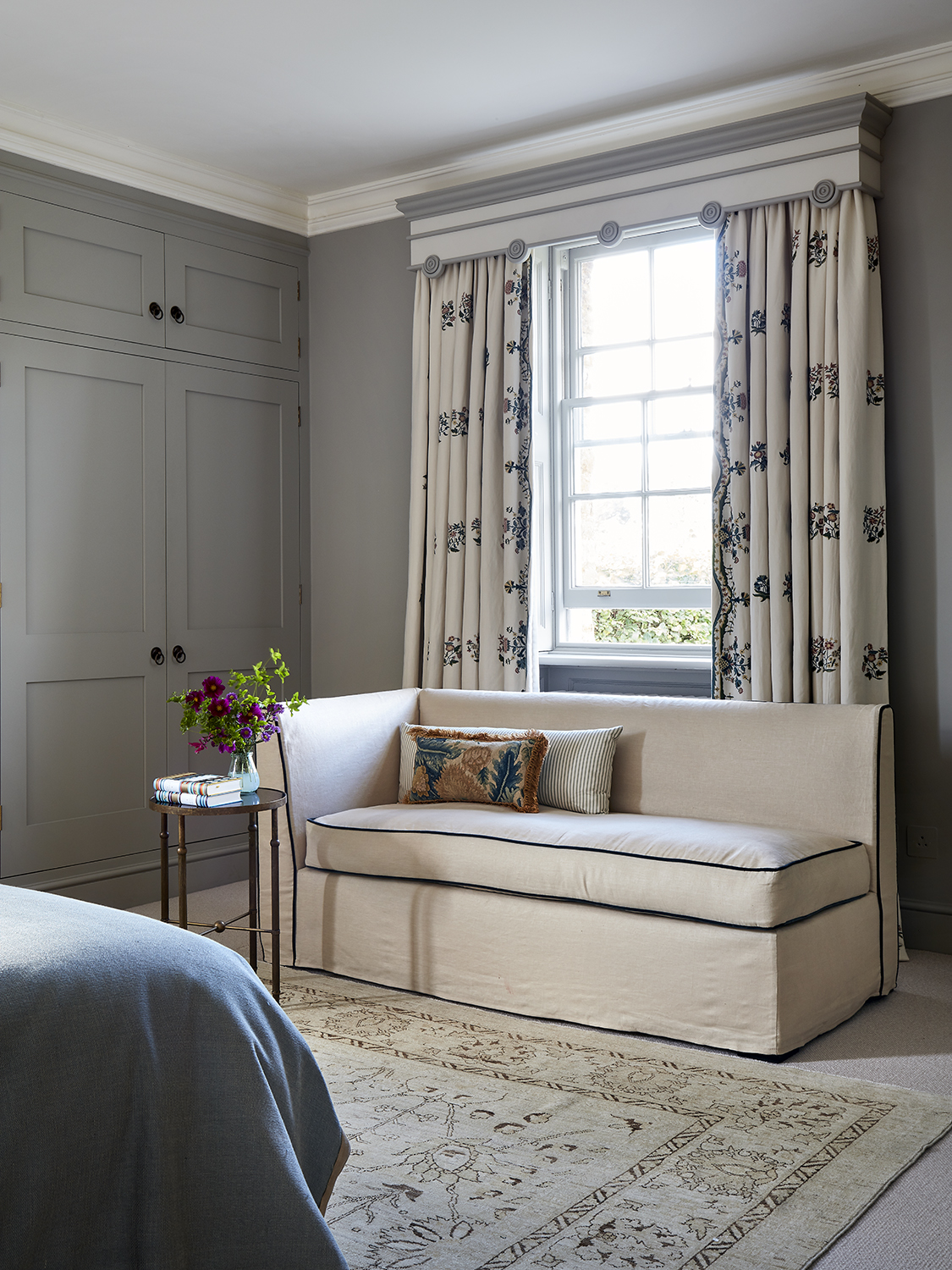
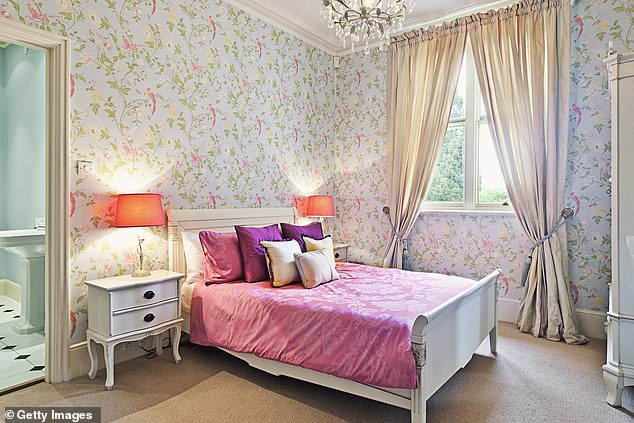
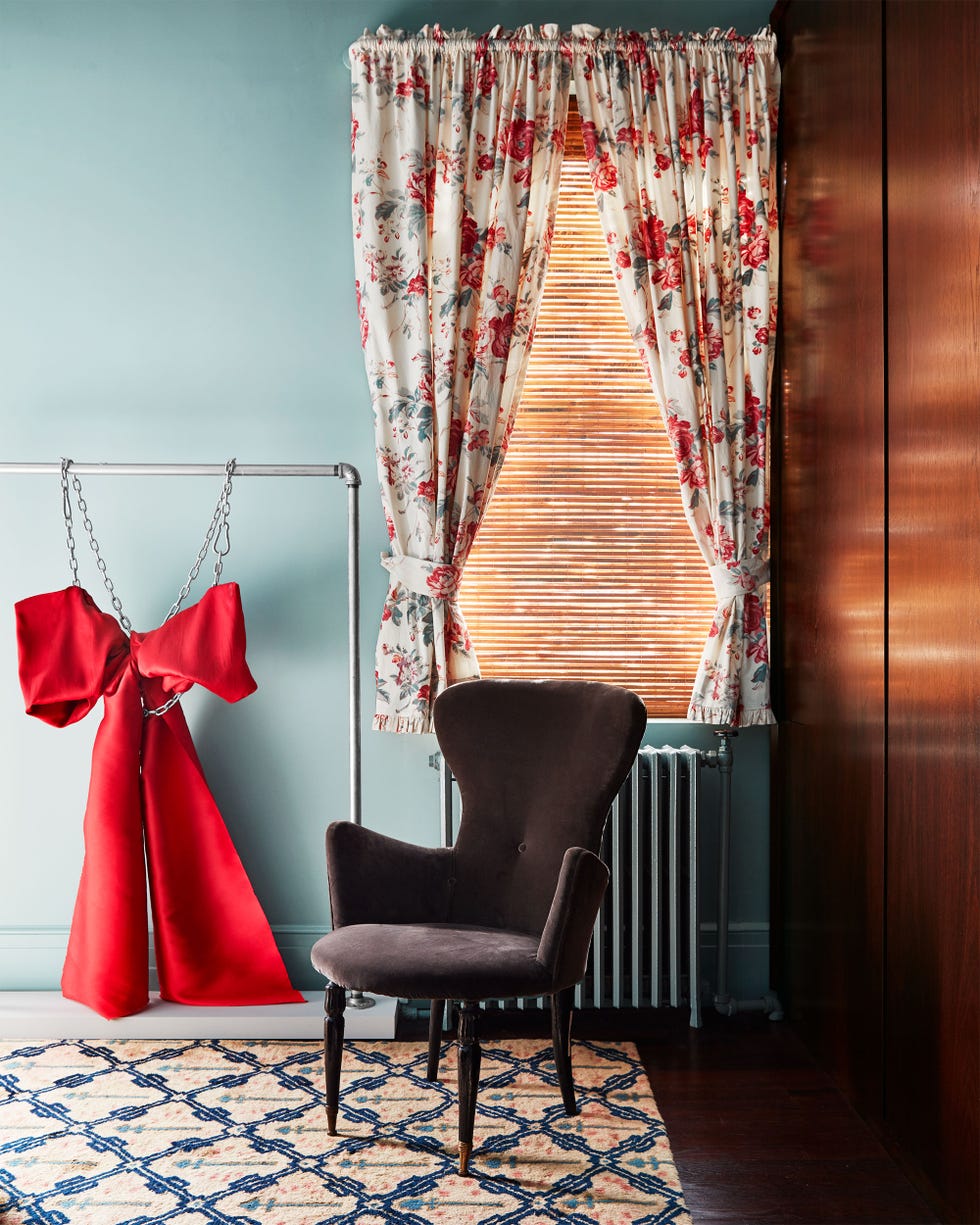
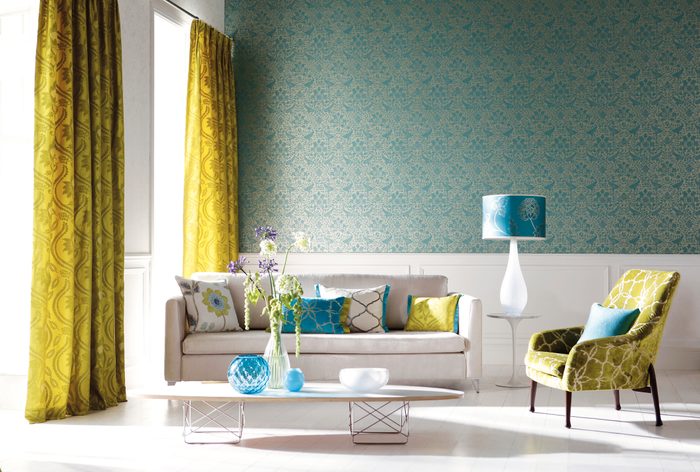
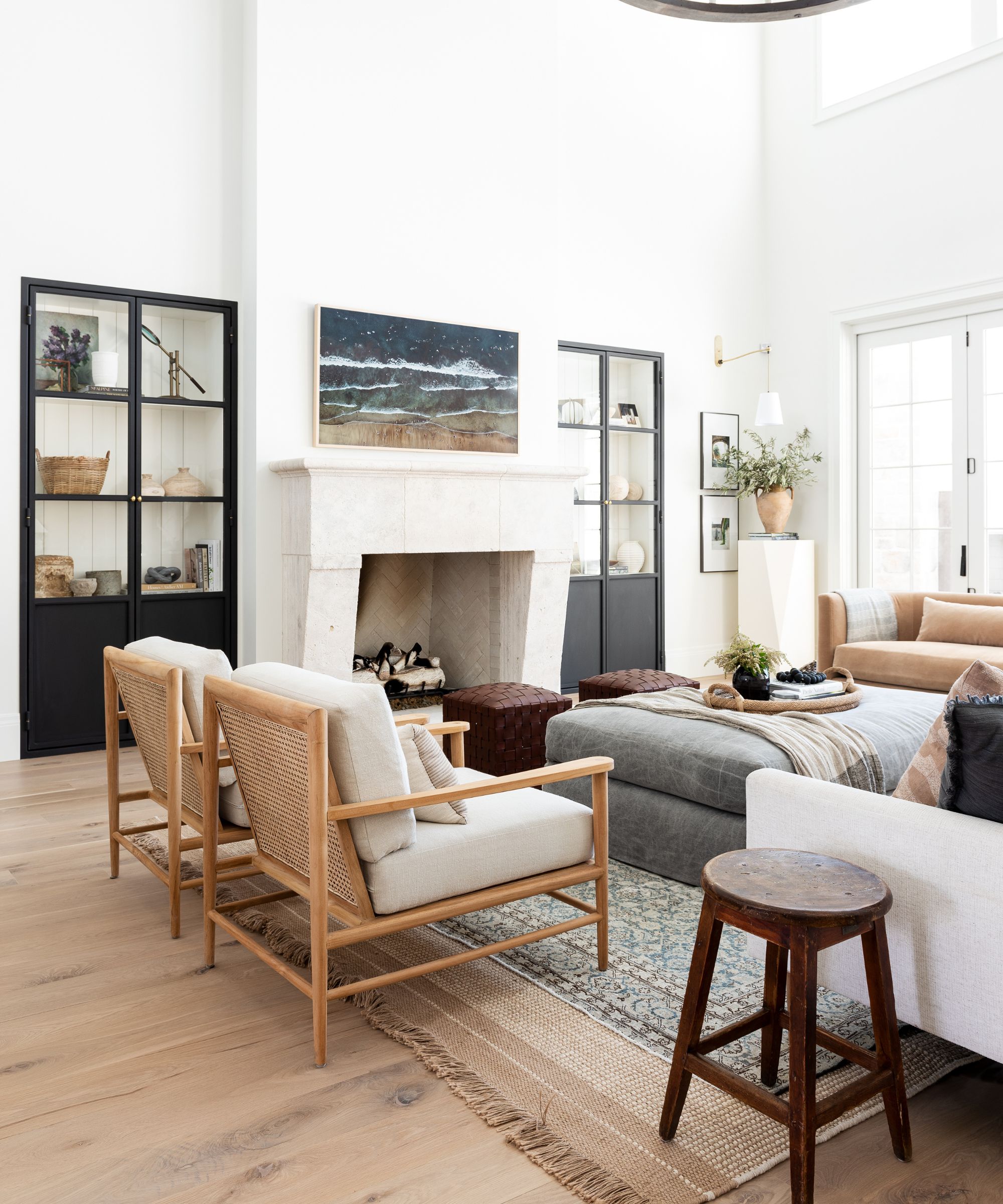
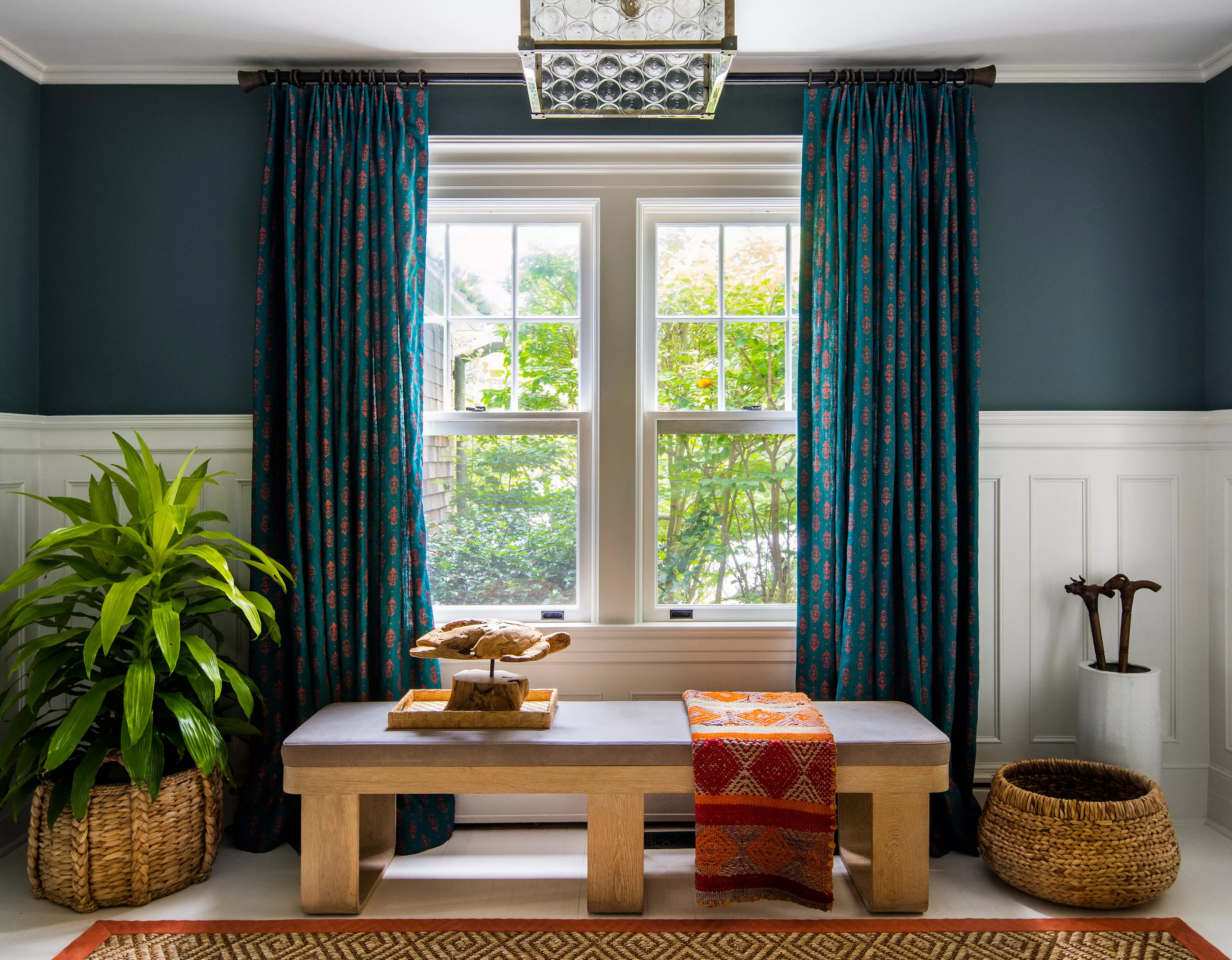
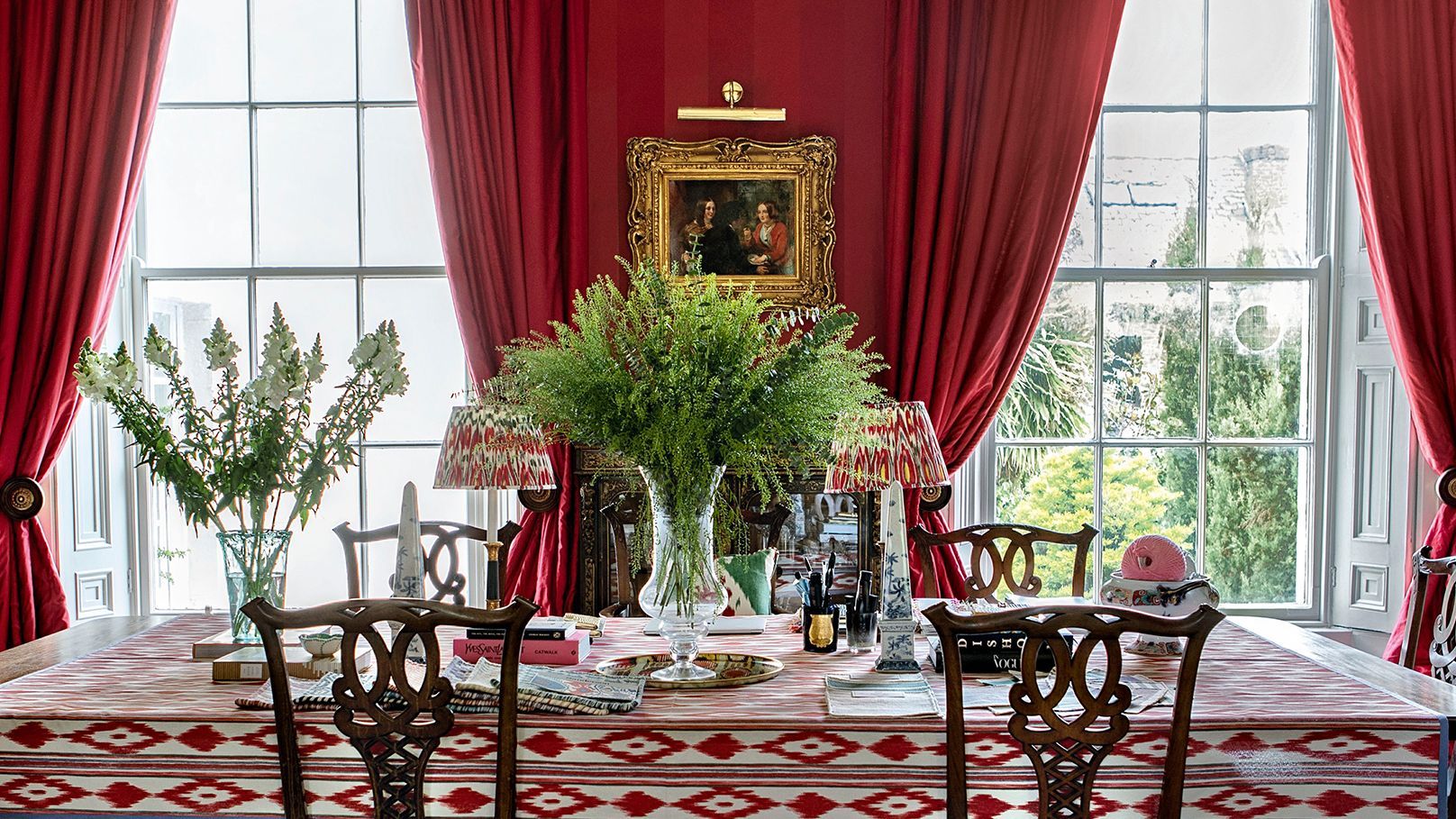
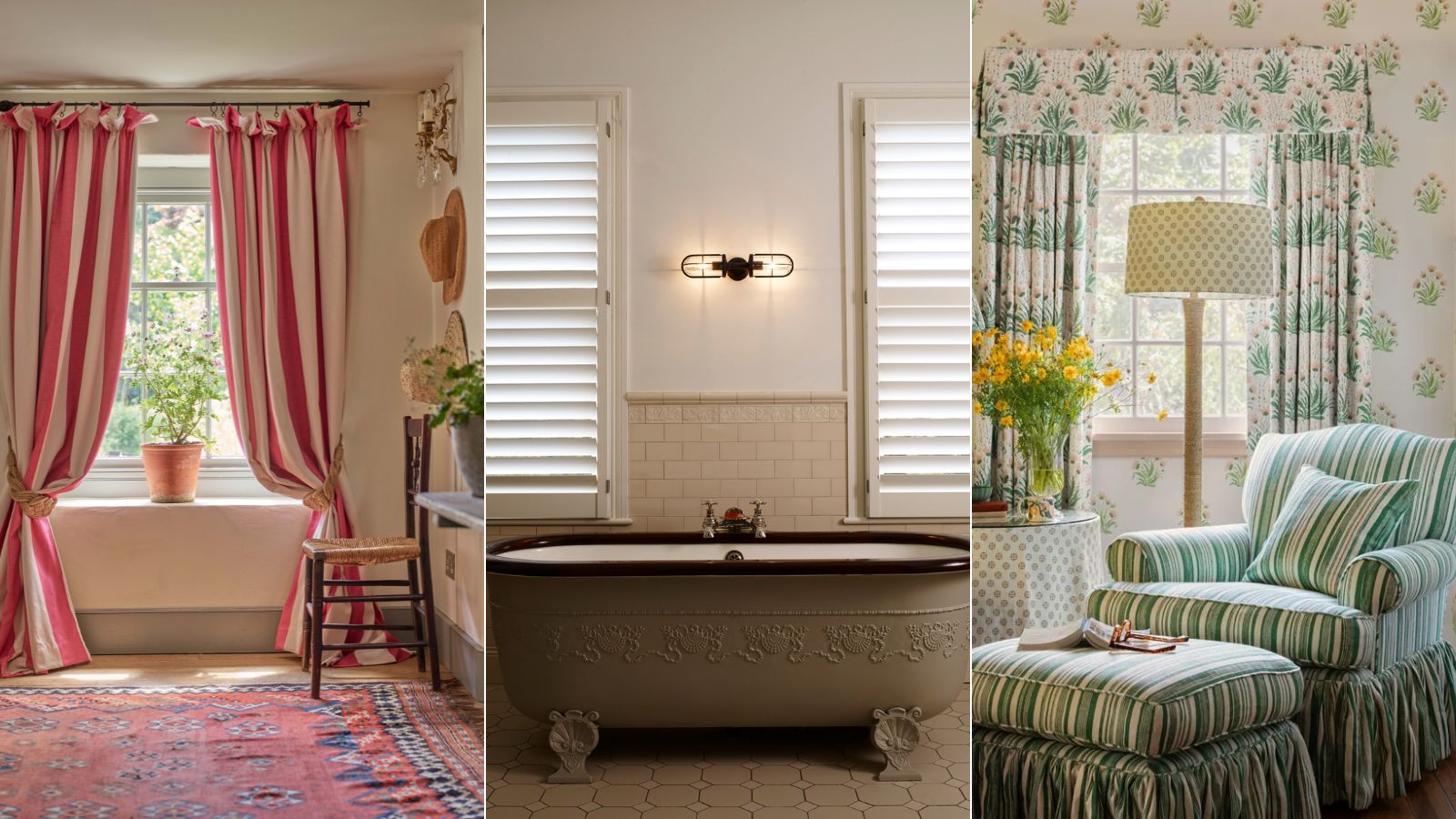
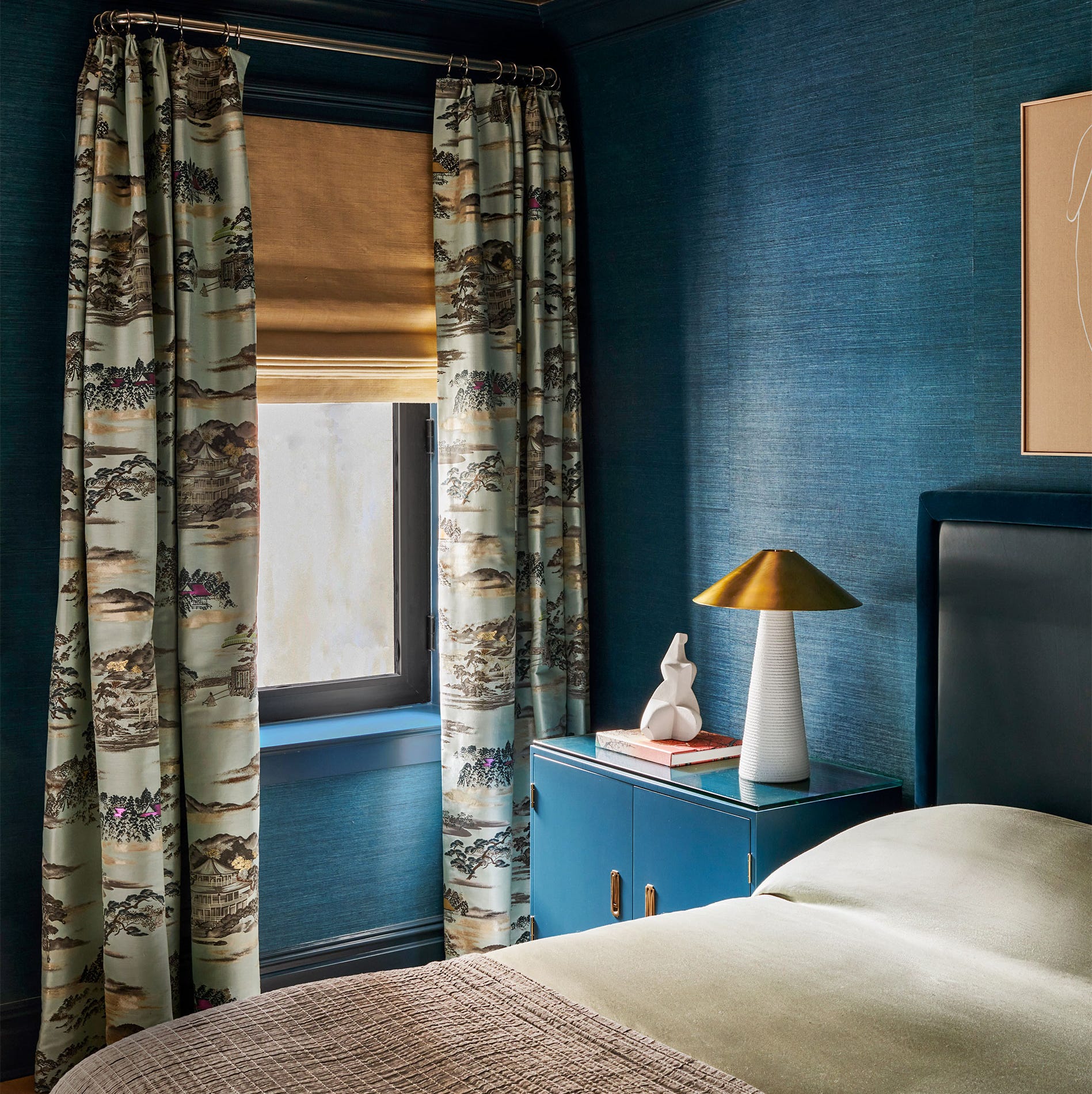
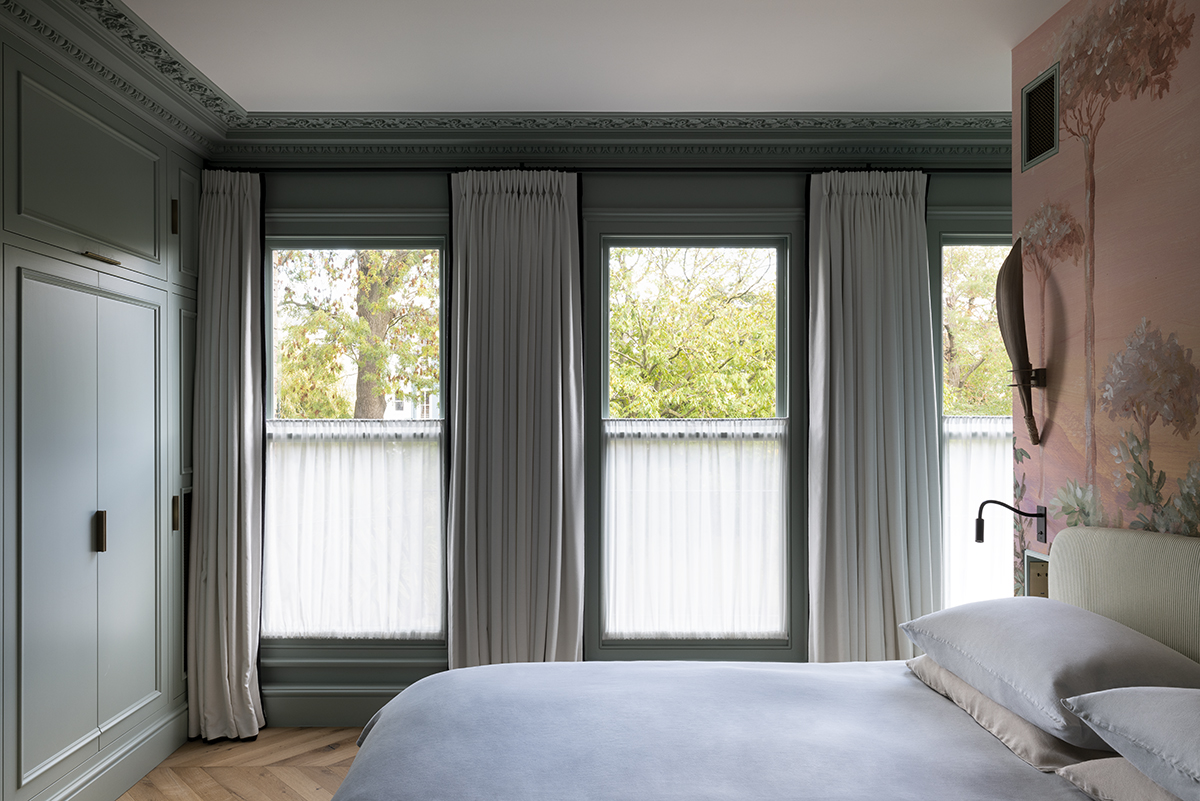
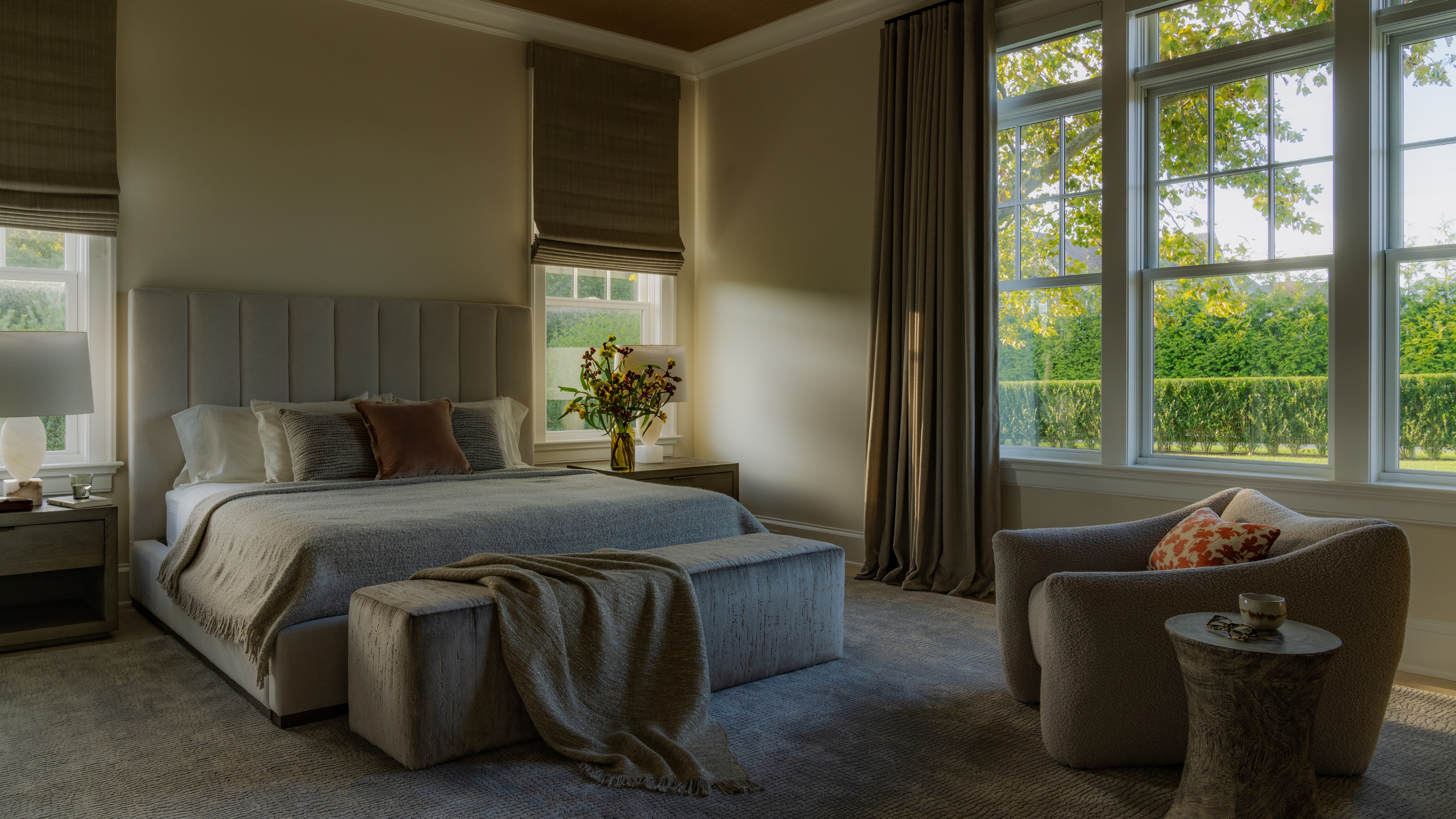
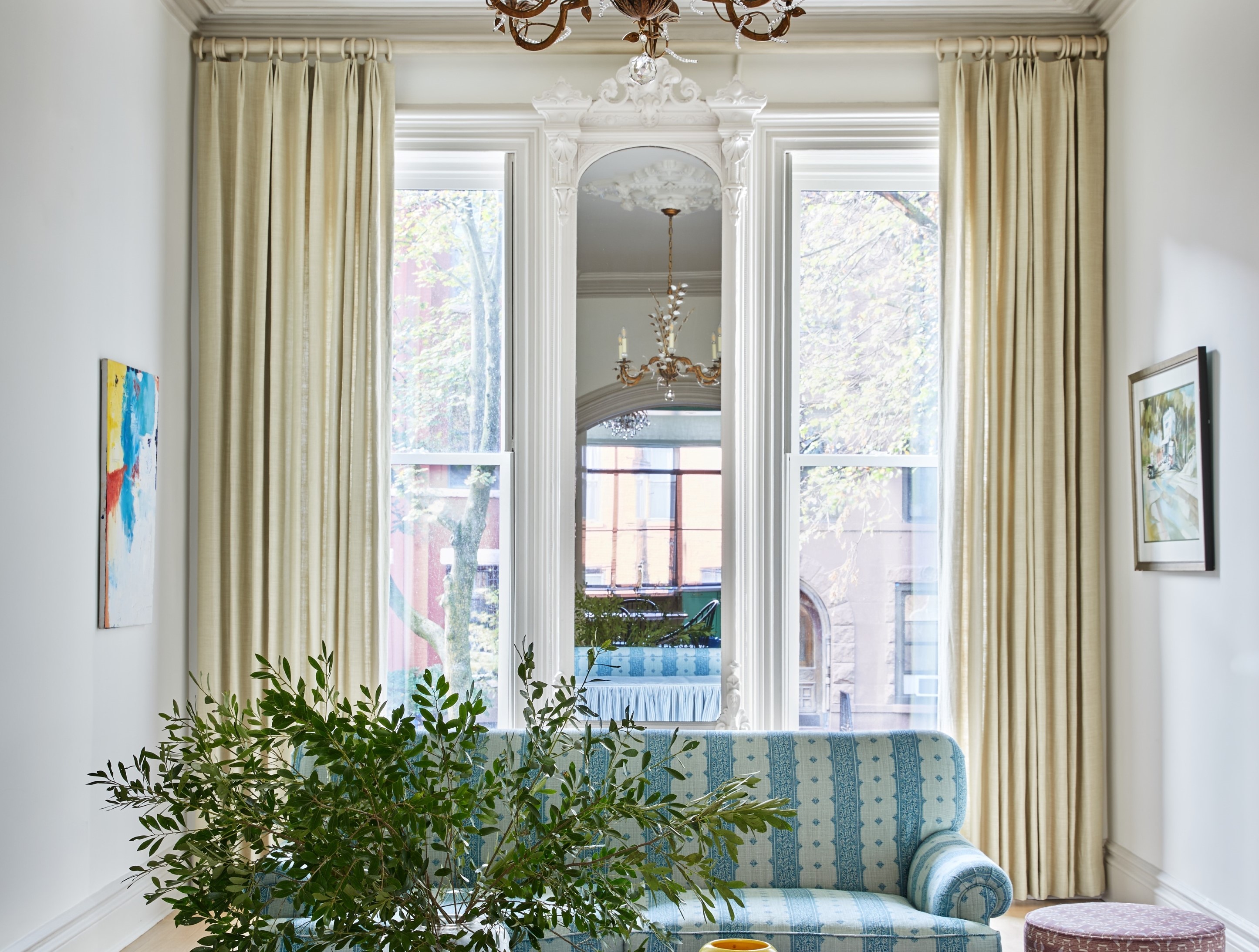
Several outdated window treatment styles are being replaced by more contemporary and functional alternatives. Flat drapery, for instance, is giving way to full, dramatic curtains featuring puddled hems and decorative pleats, which introduce a sense of luxury, softness, and dimension. The current preference leans towards refined finishes and subtle, custom touches, with diaphanous, billowy fabrics and rich, soft materials being favored over stiff or overly structured pleats. Simple pinch pleats combined with subtle patterns like soft plaids or dainty florals are also gaining popularity.
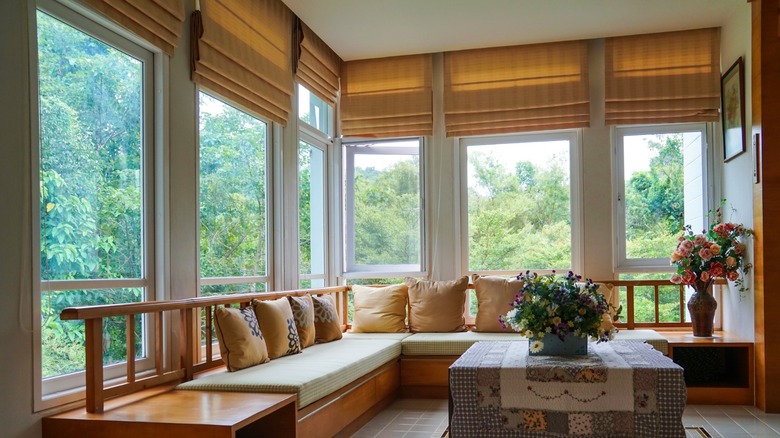
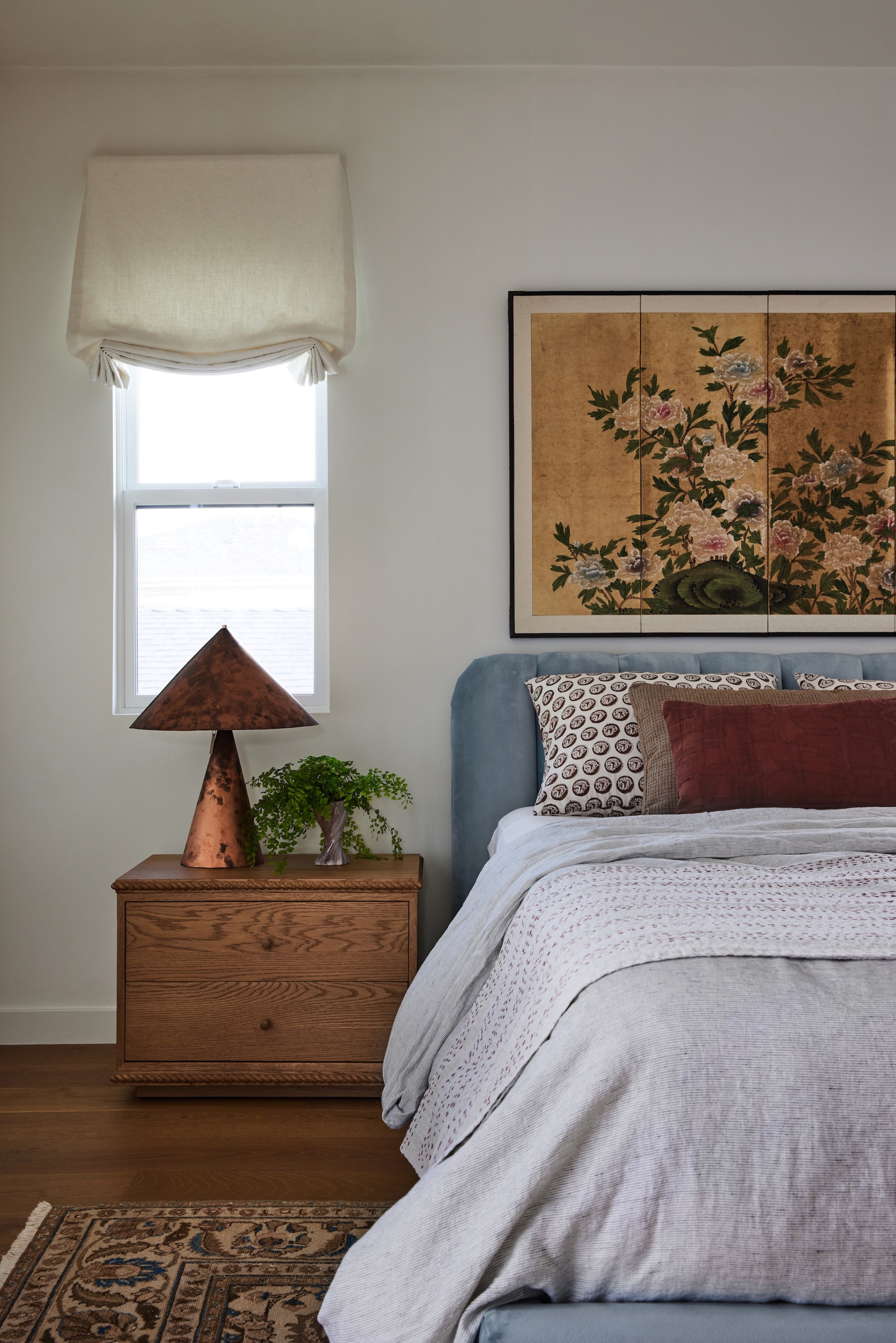
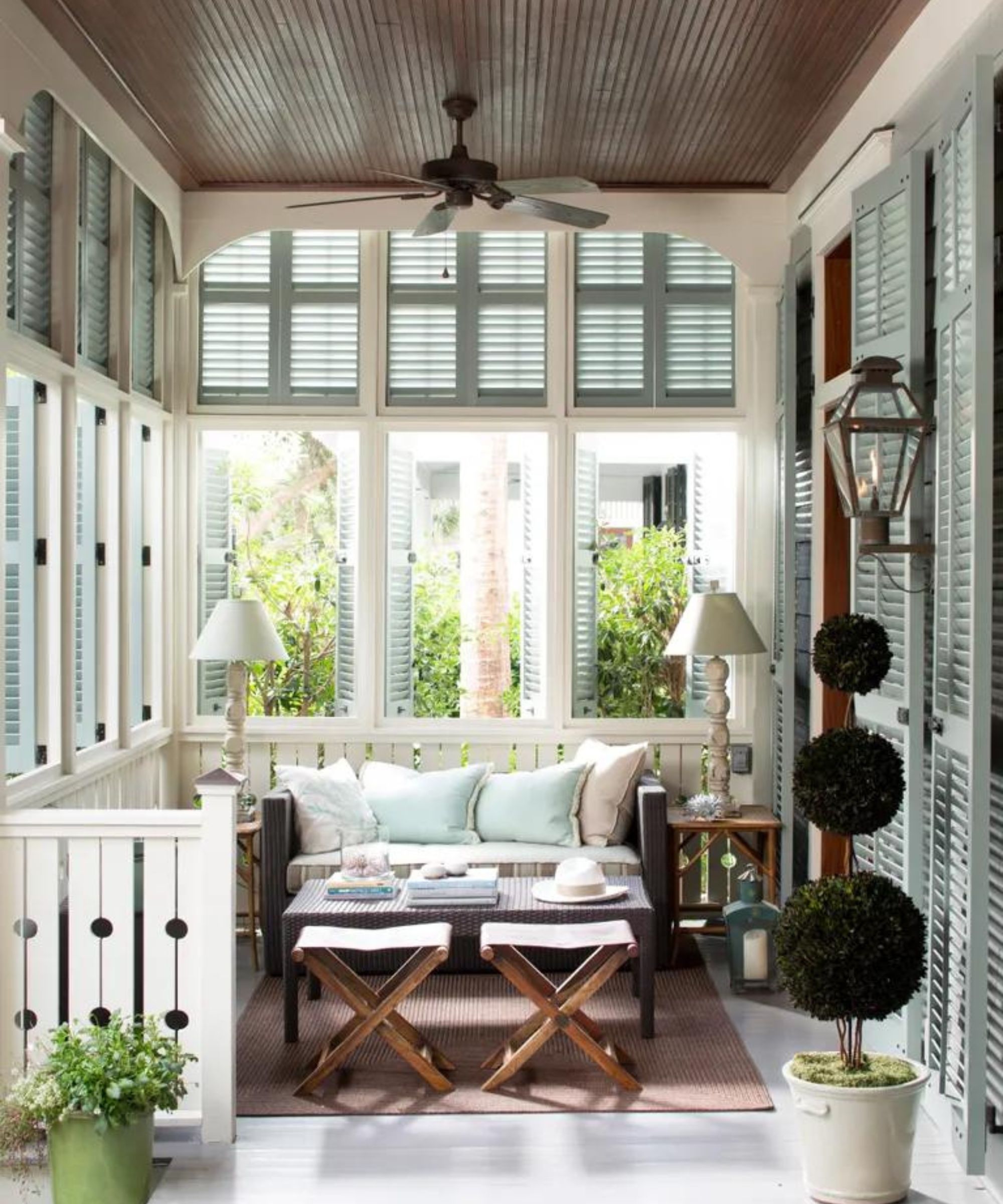
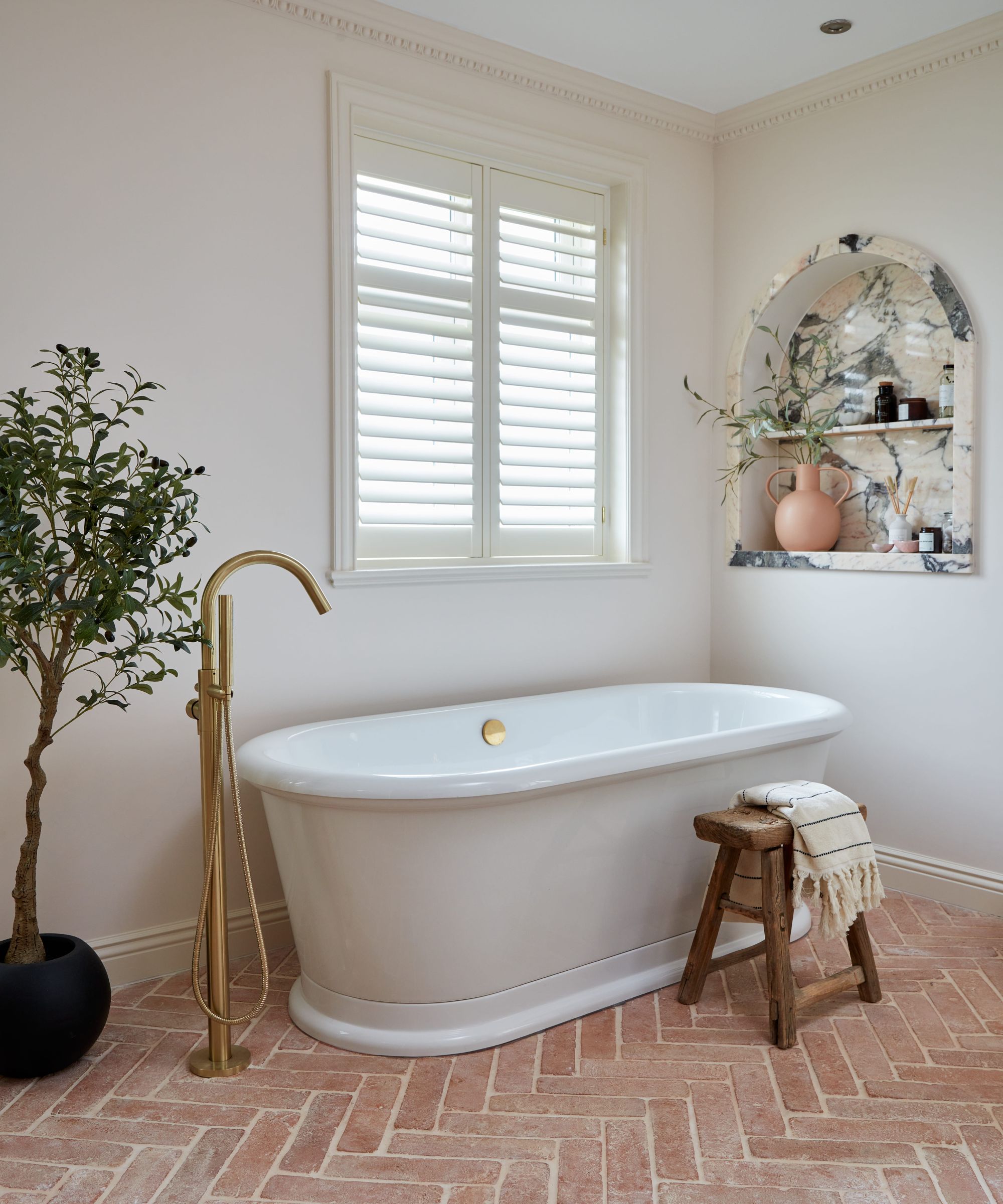
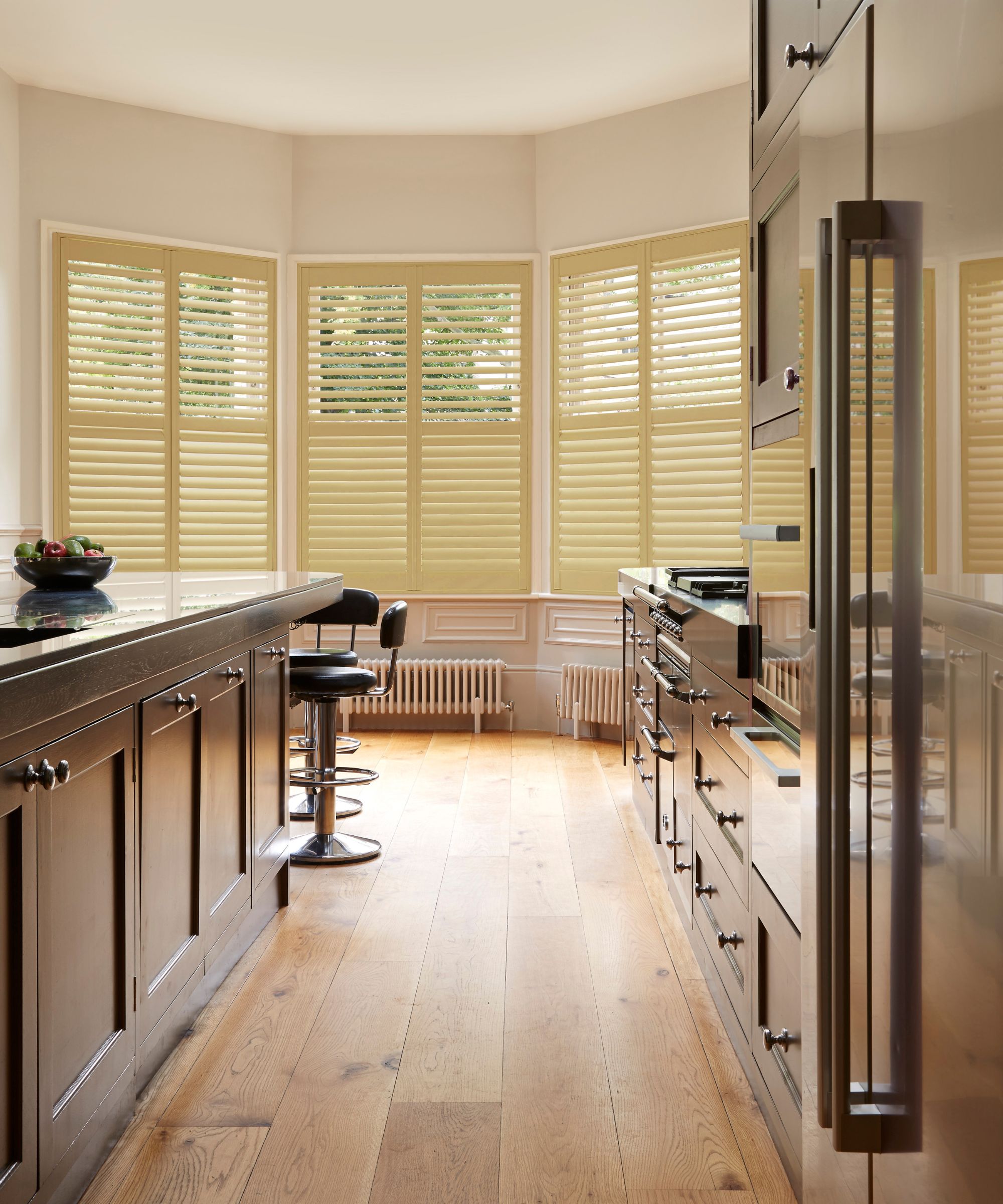
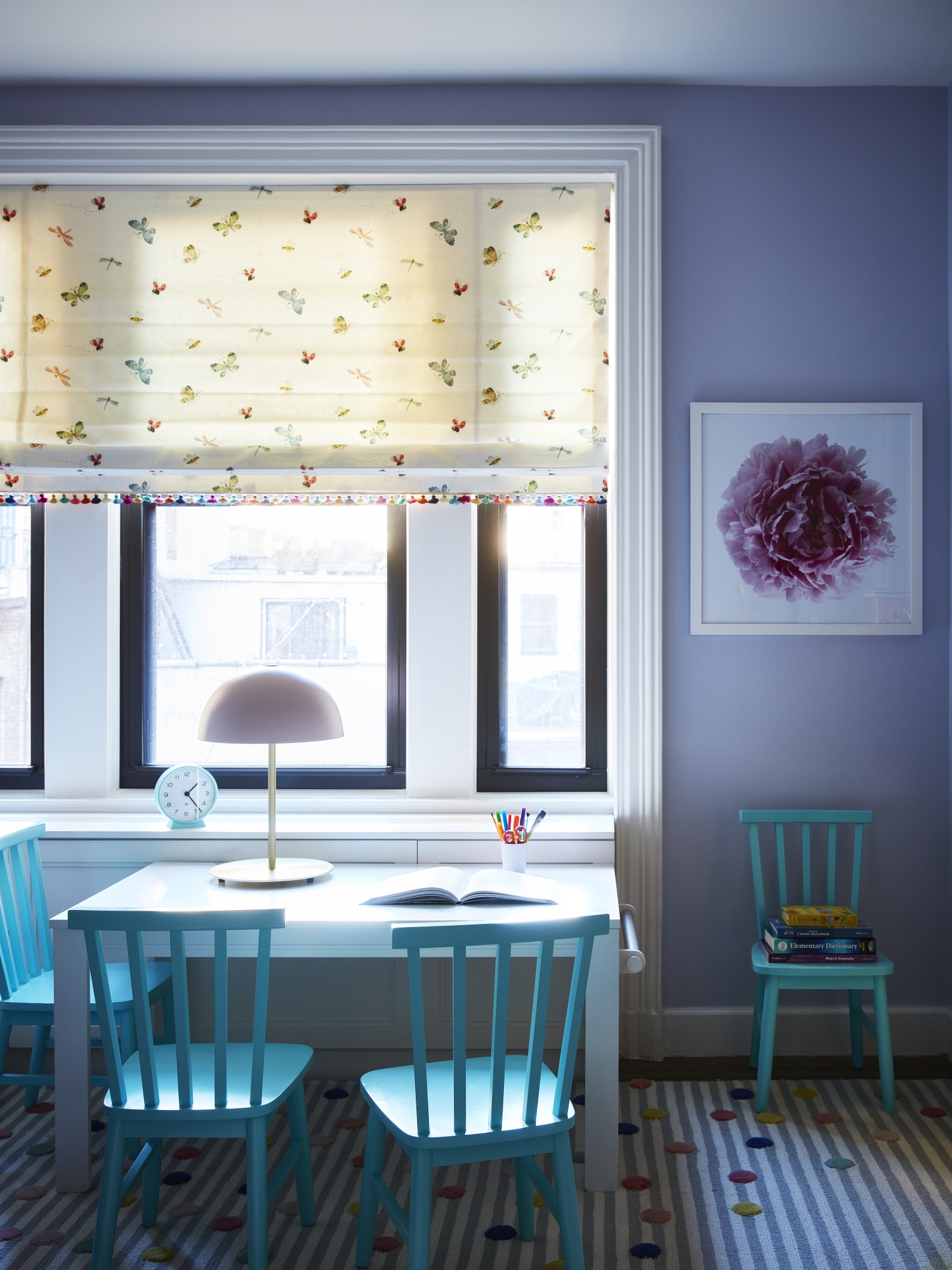
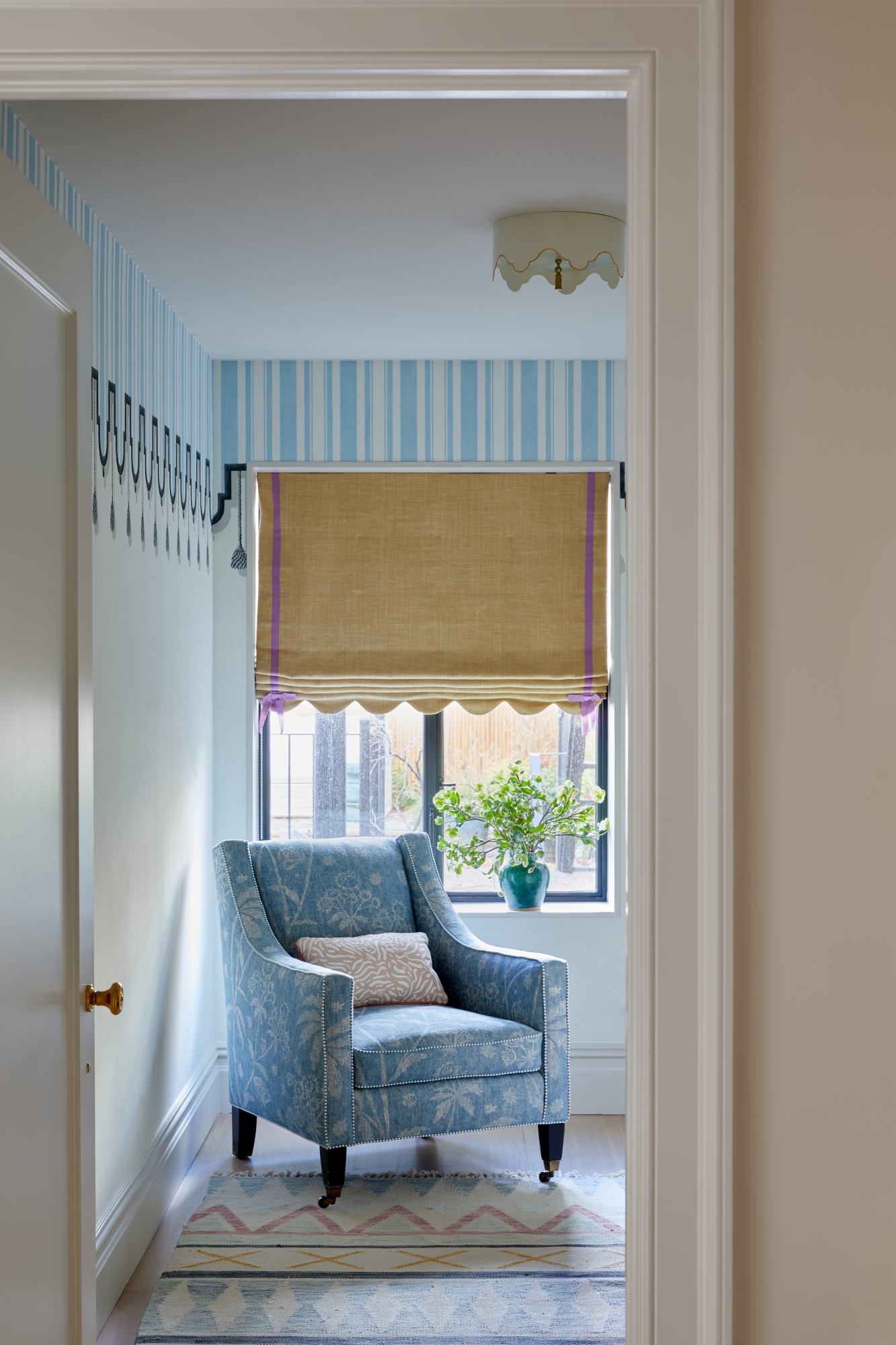
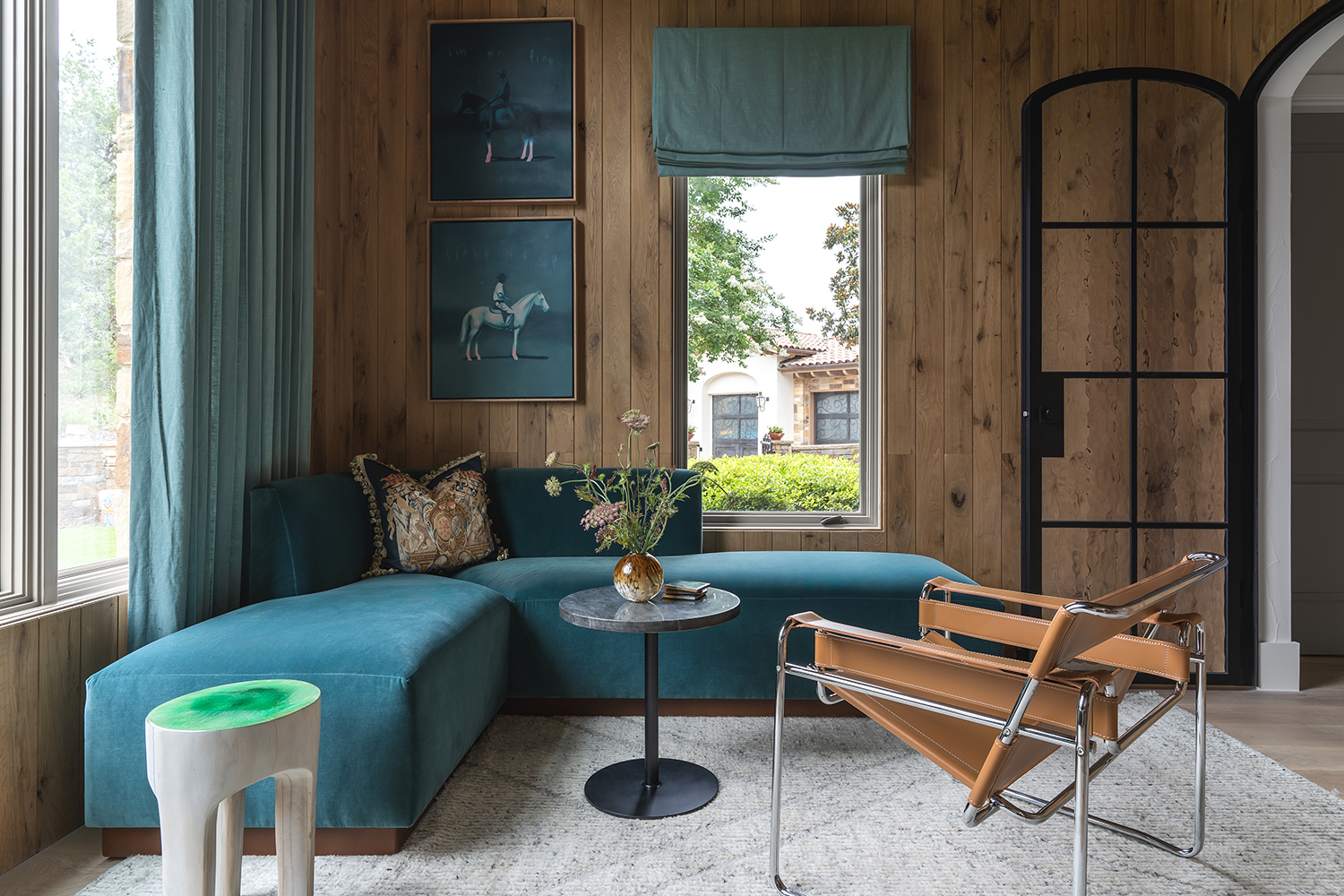
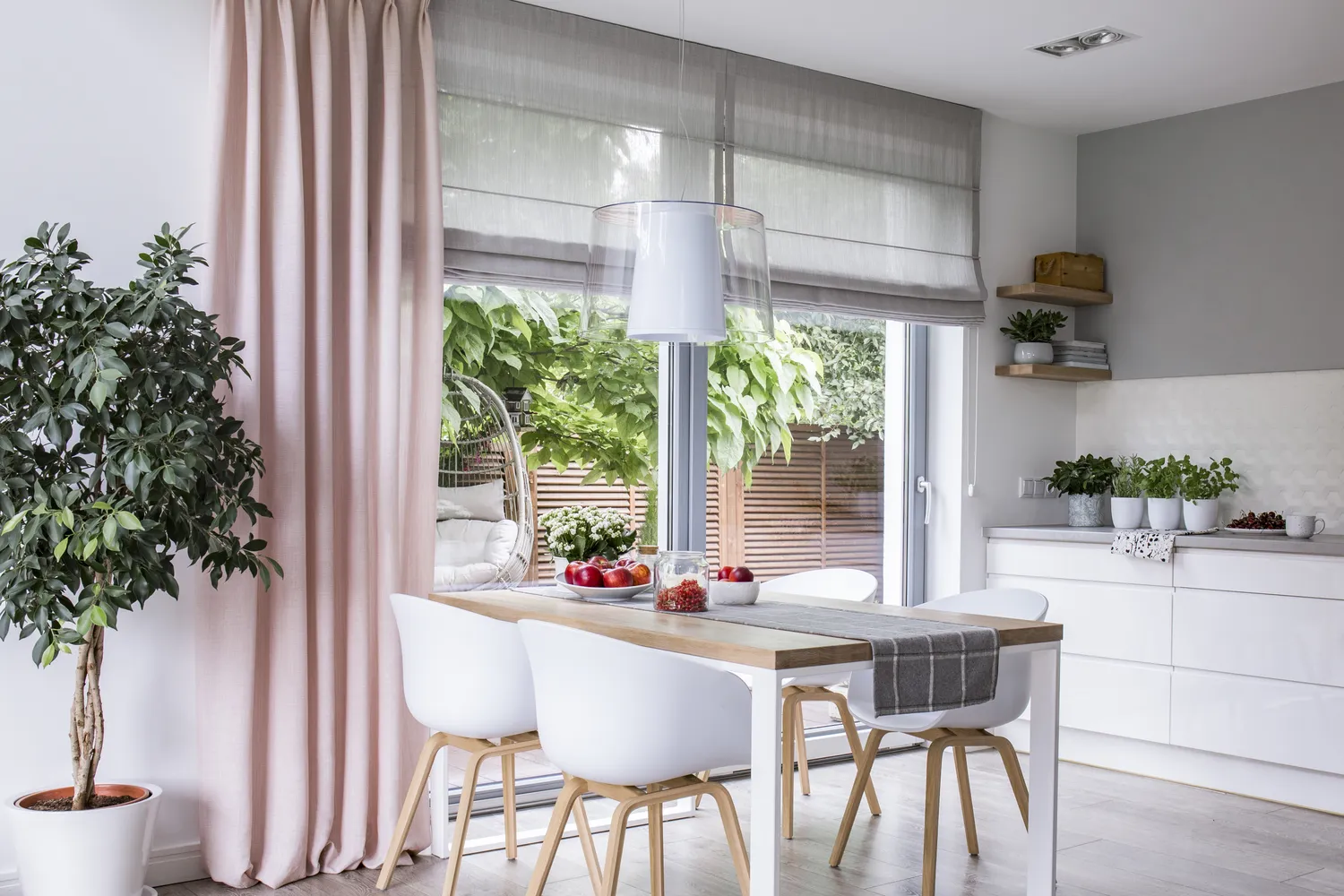
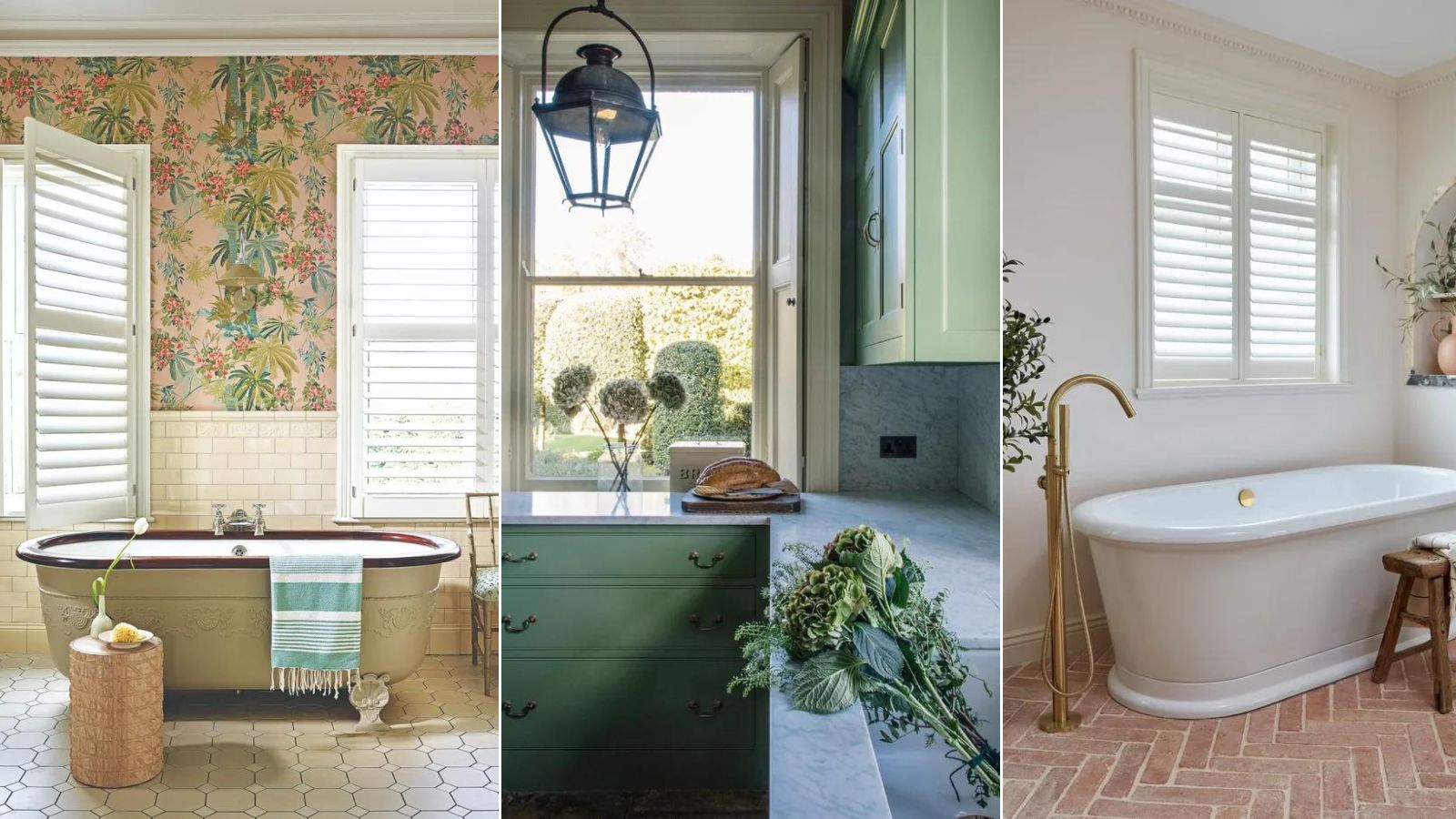
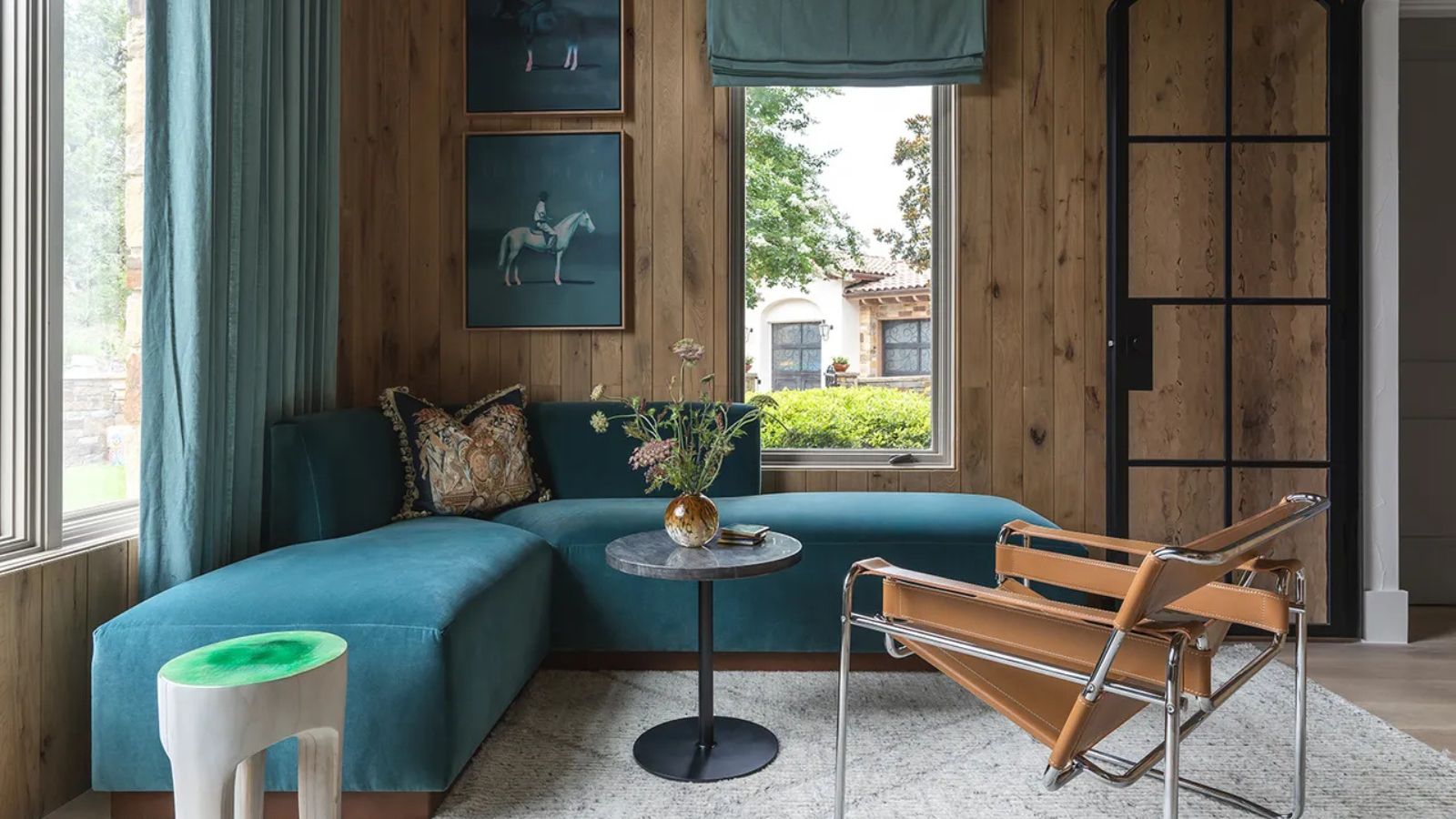
Shutters, despite their occasional utility, are being superseded by sleek Roman shades due to their limitations in light control and flexibility in furniture placement. Roman shades, especially when combined with blackout liners, offer excellent light management and can be easily adjusted to maximize natural light. Traditional fabric styles like single or double pinch-pleat drapes are considered timeless classics that remain stylish.
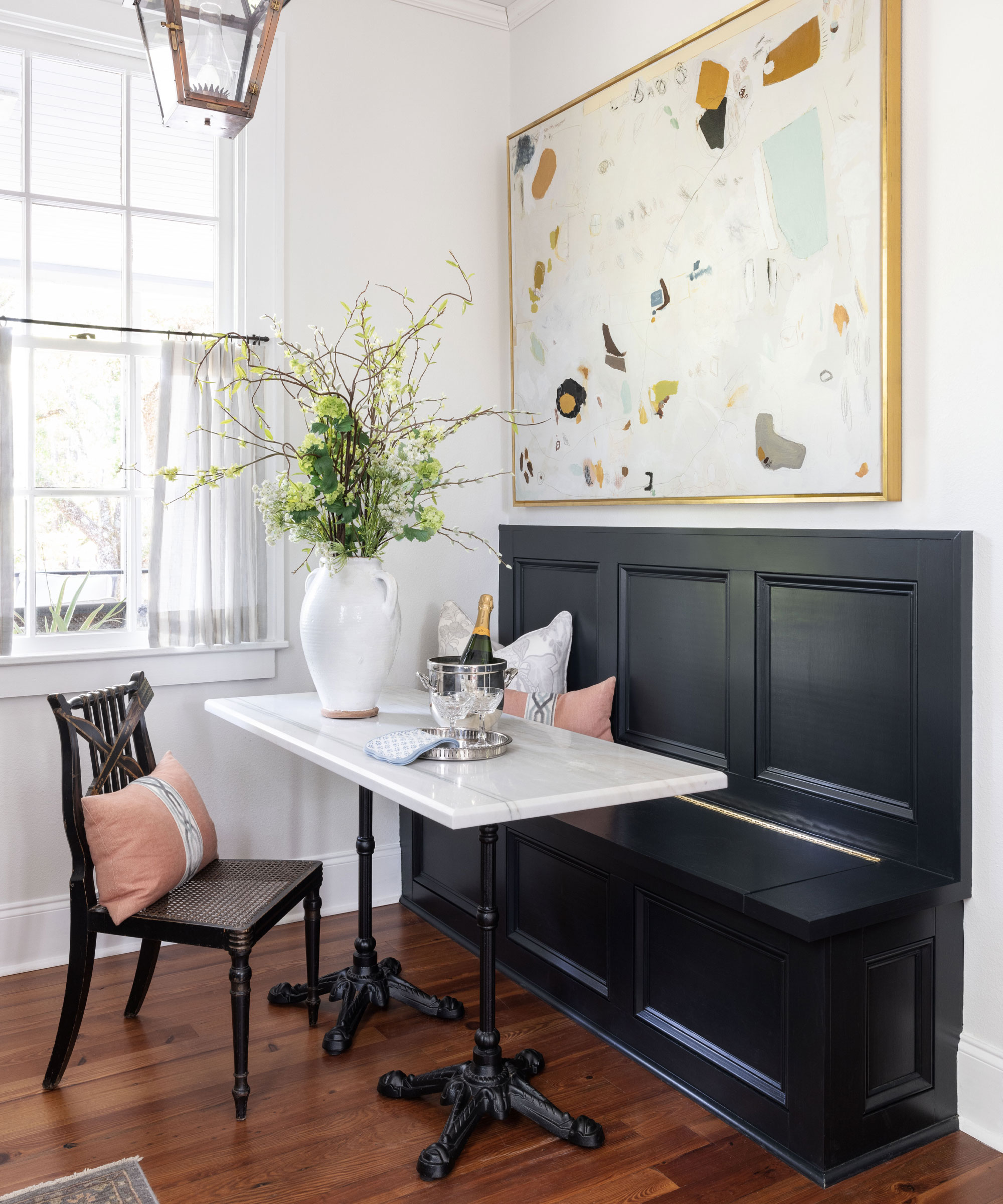
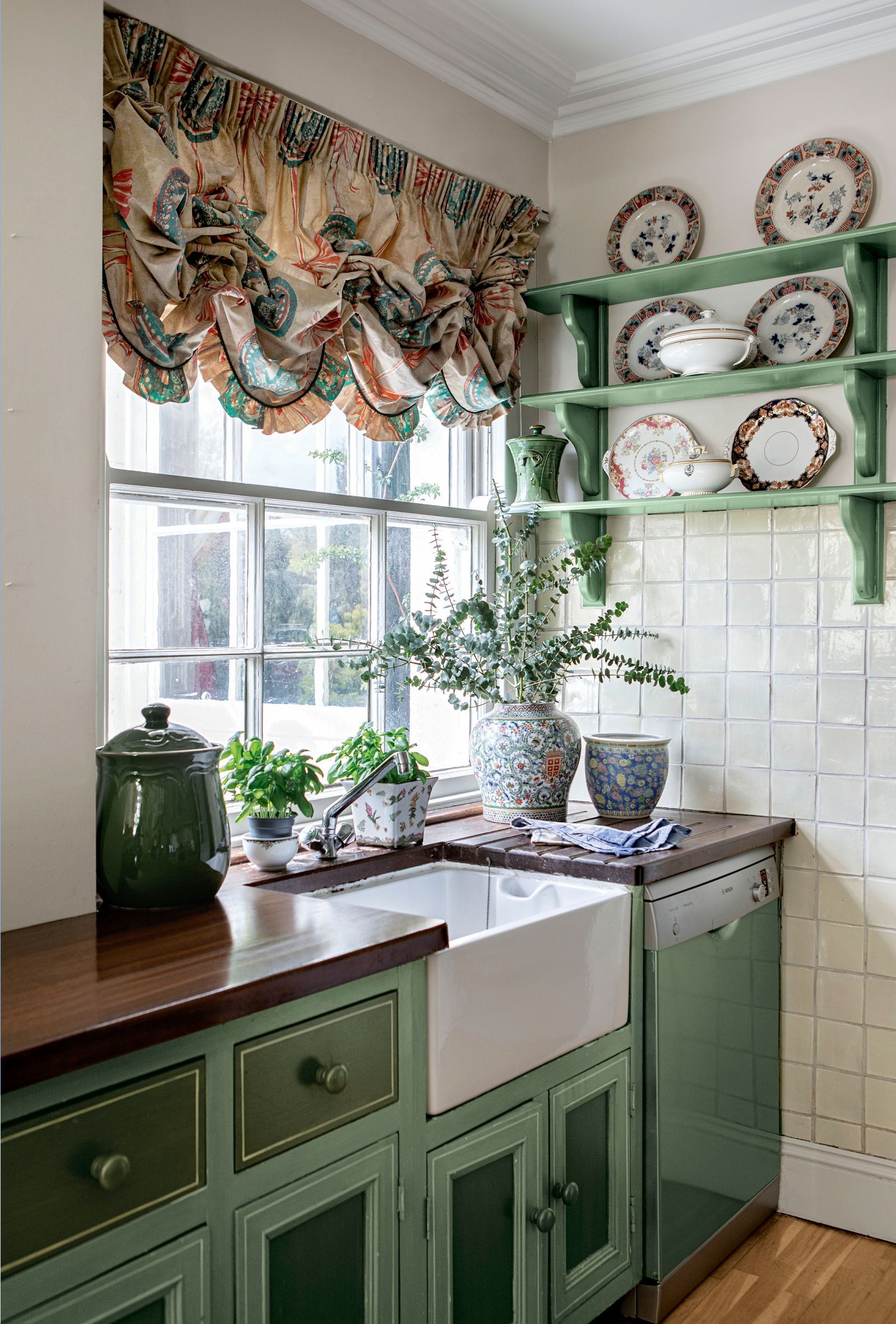
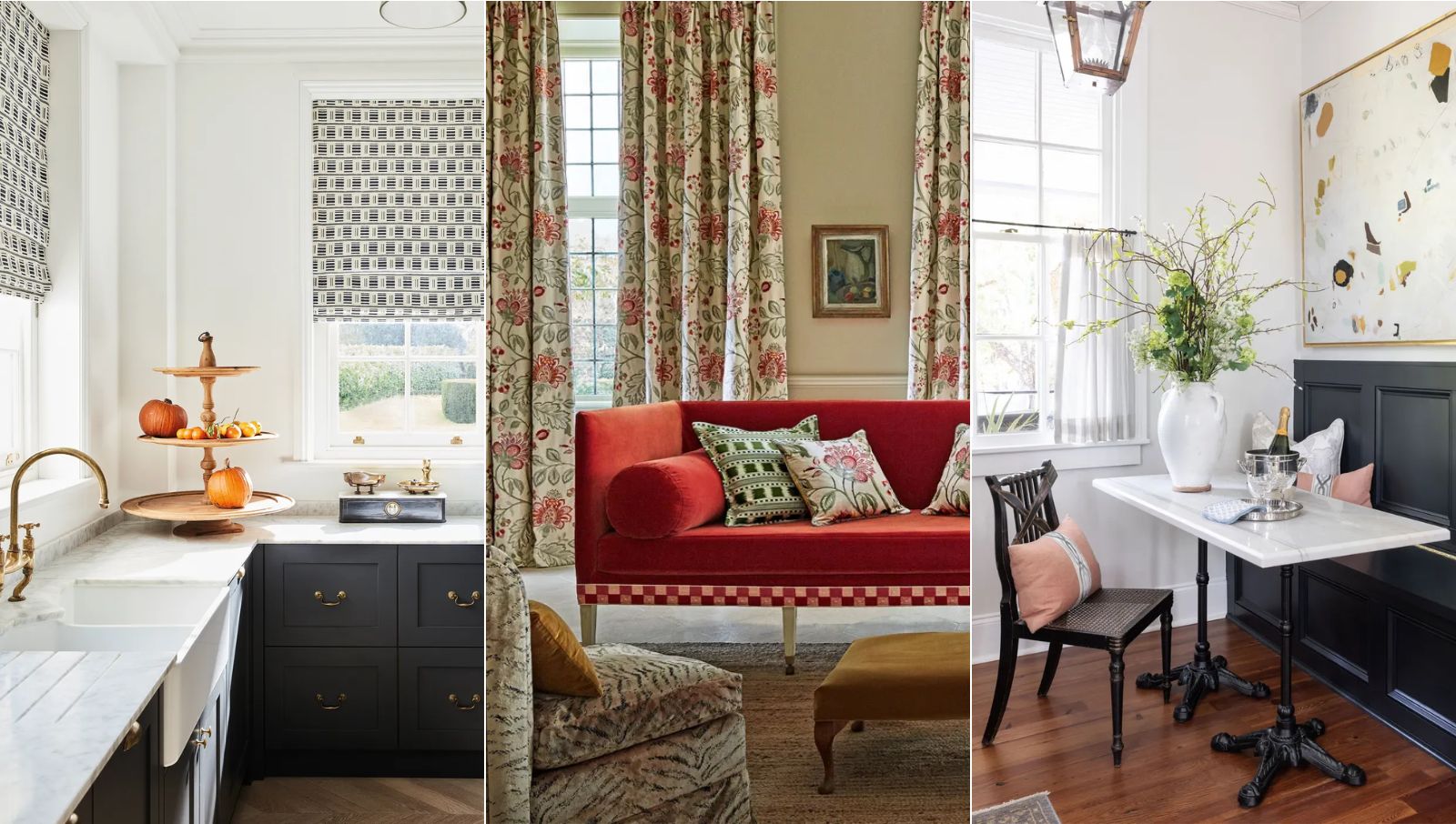
Furthermore, a one-size-fits-all approach to window coverings is no longer in vogue. Instead, treatments should be chosen based on the specific window's location and type. Drapes that awkwardly terminate at counter level are out; shades or café curtains are recommended for such applications. Café curtains, in particular, are making a comeback, offering charm and an elevated design aesthetic suitable for kitchens, bathrooms, or sitting areas, while maintaining a timeless appeal. To ensure visual harmony, it's advisable to use consistent fabrics and hardware for window treatments throughout a space.
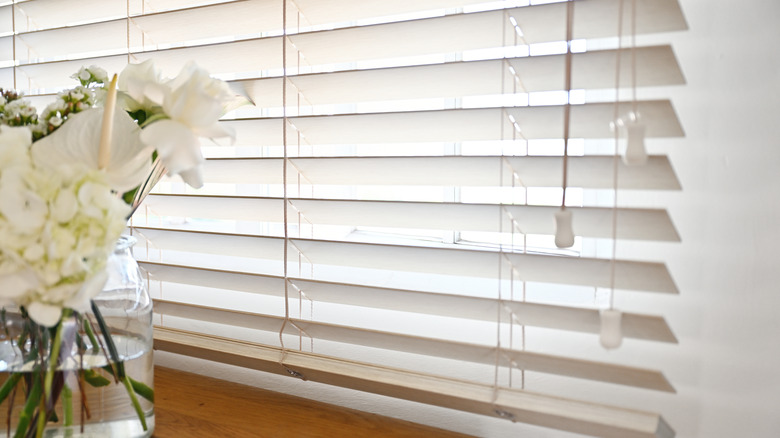
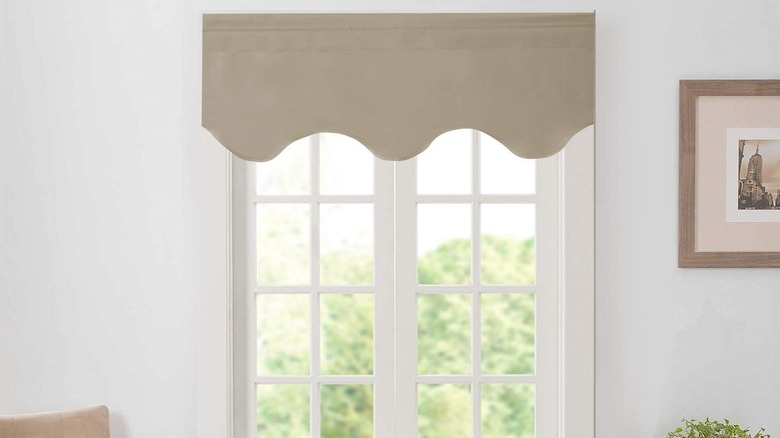
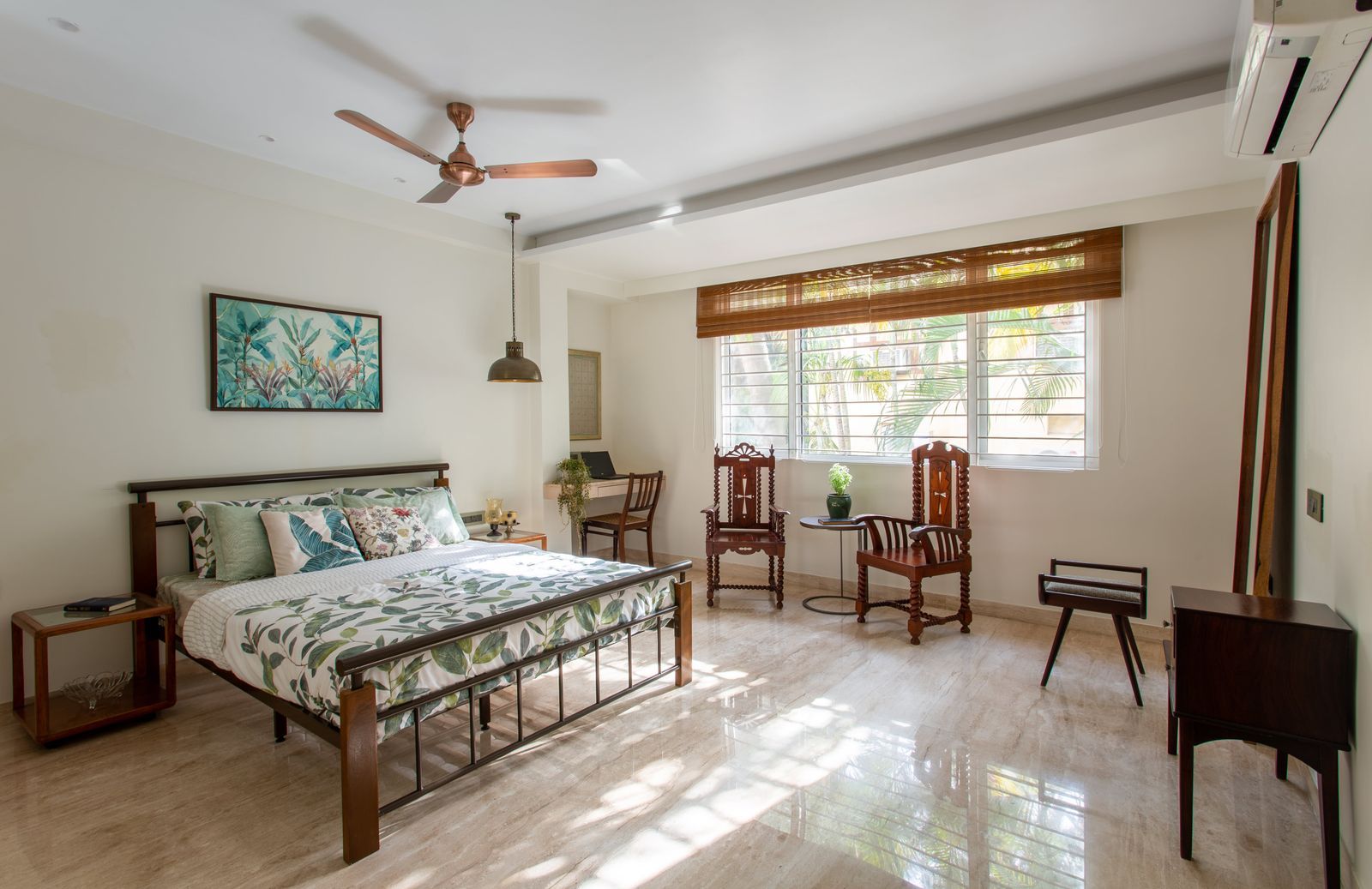
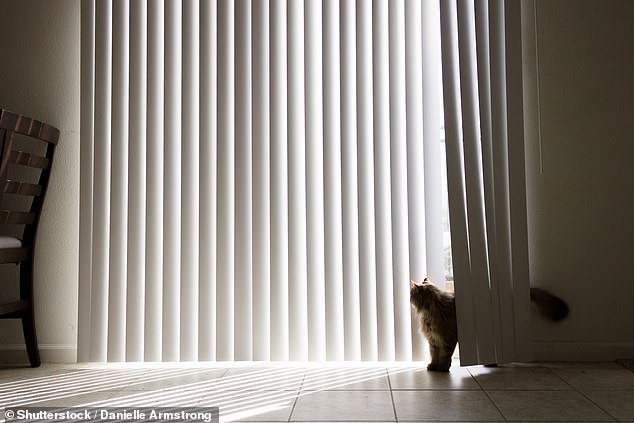
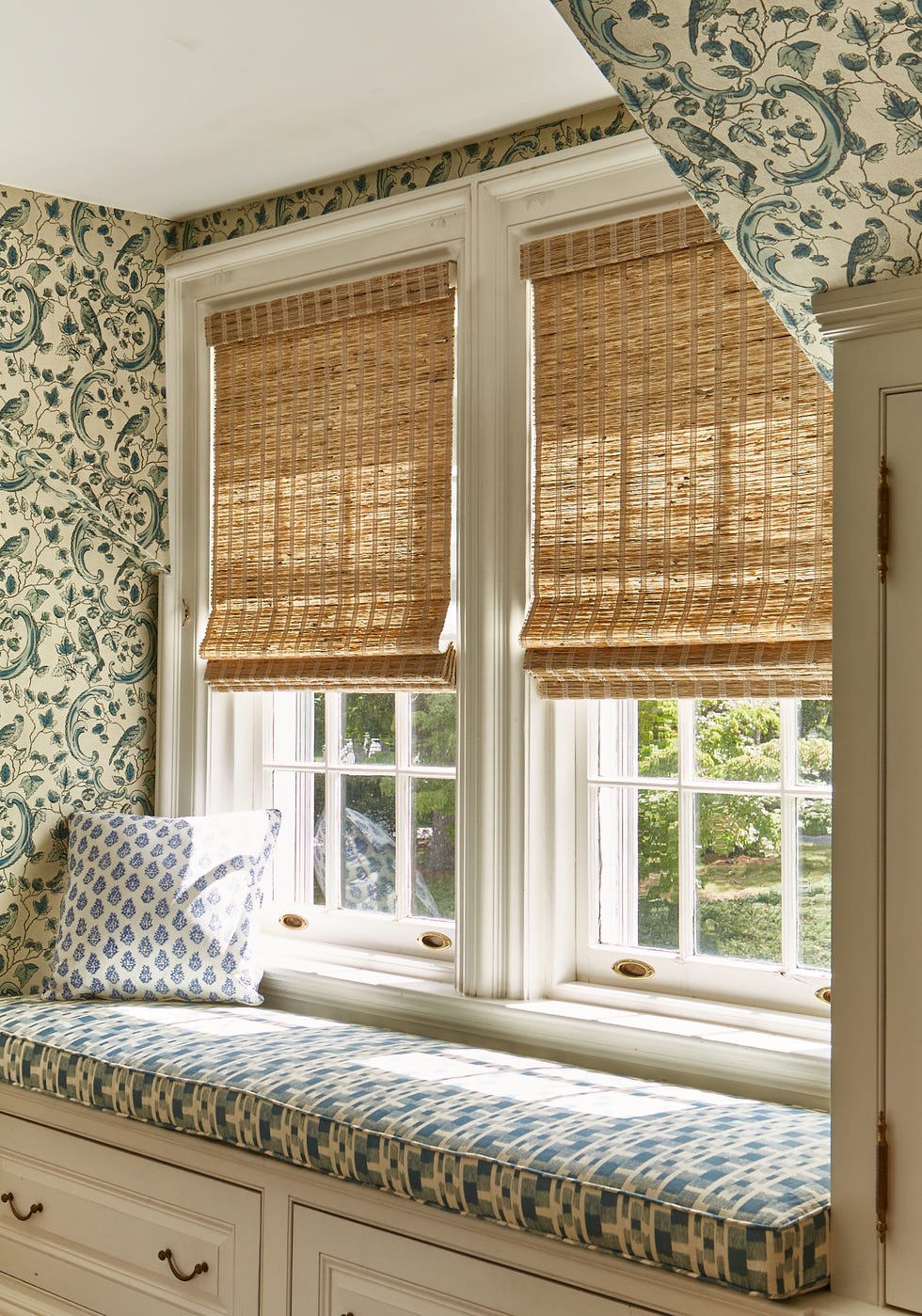
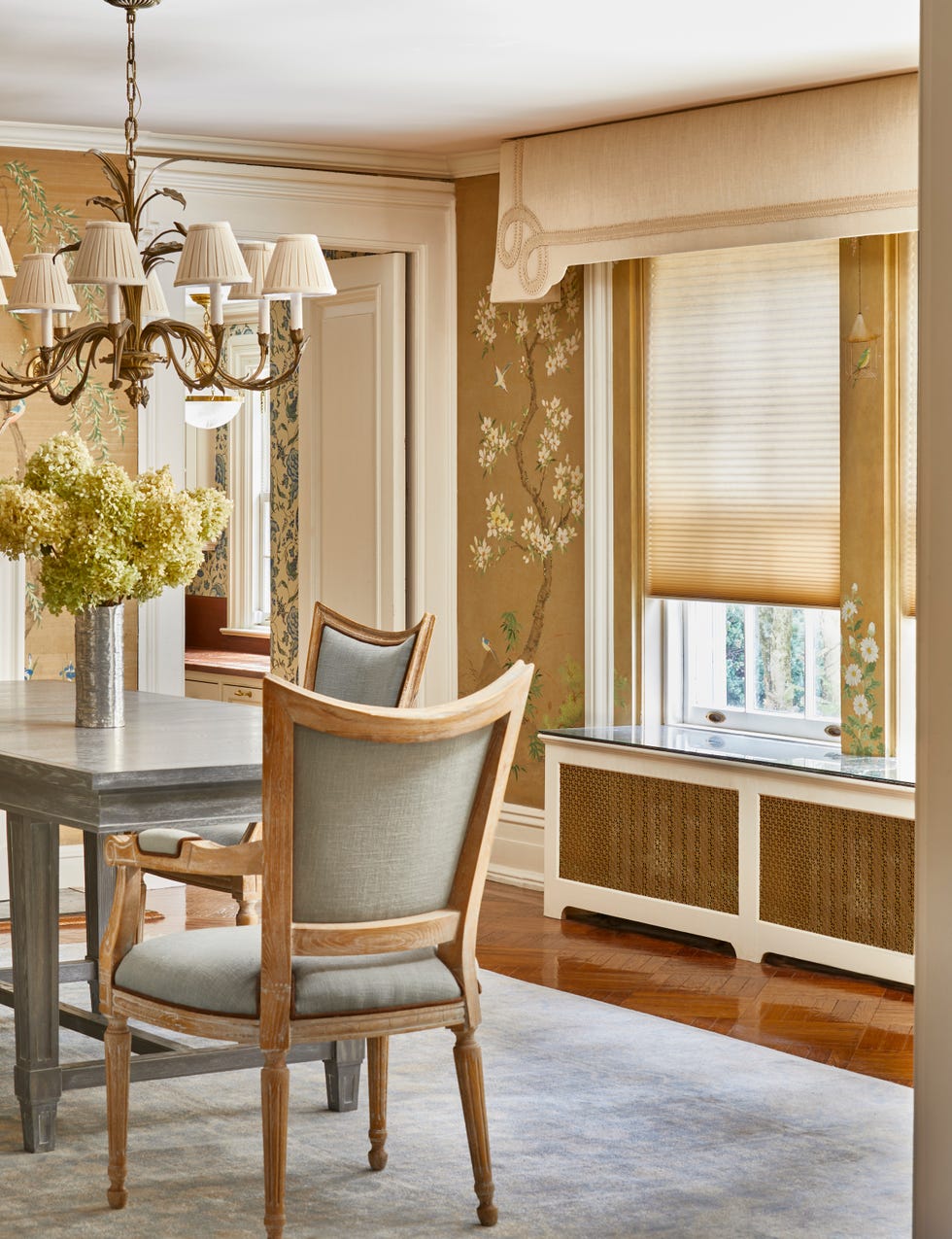
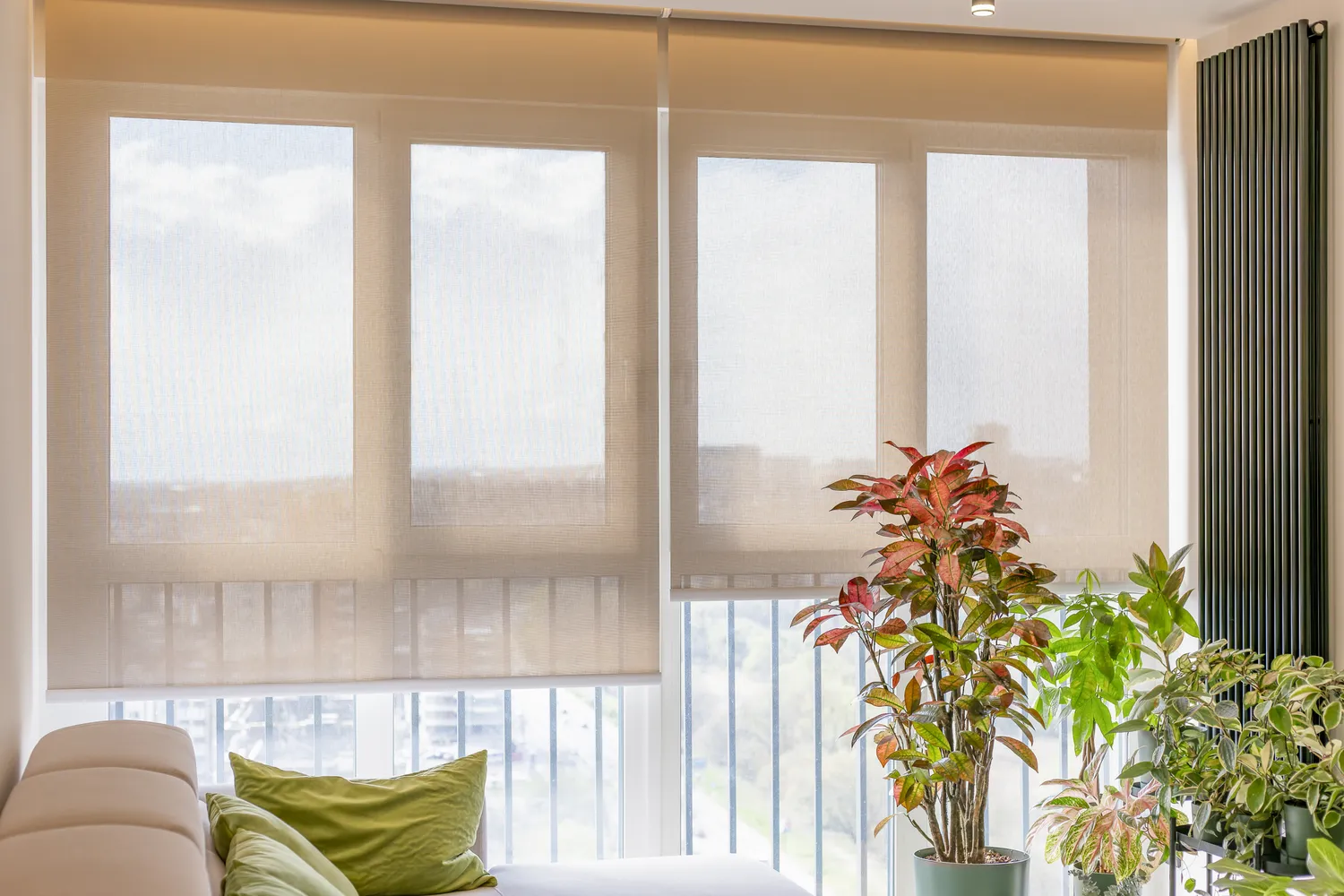
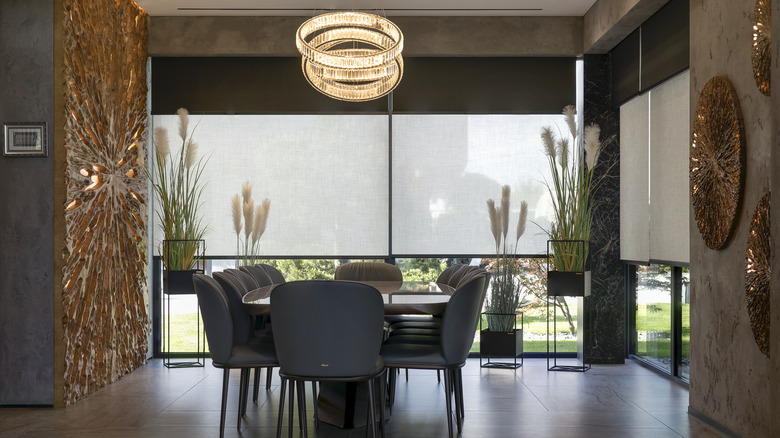
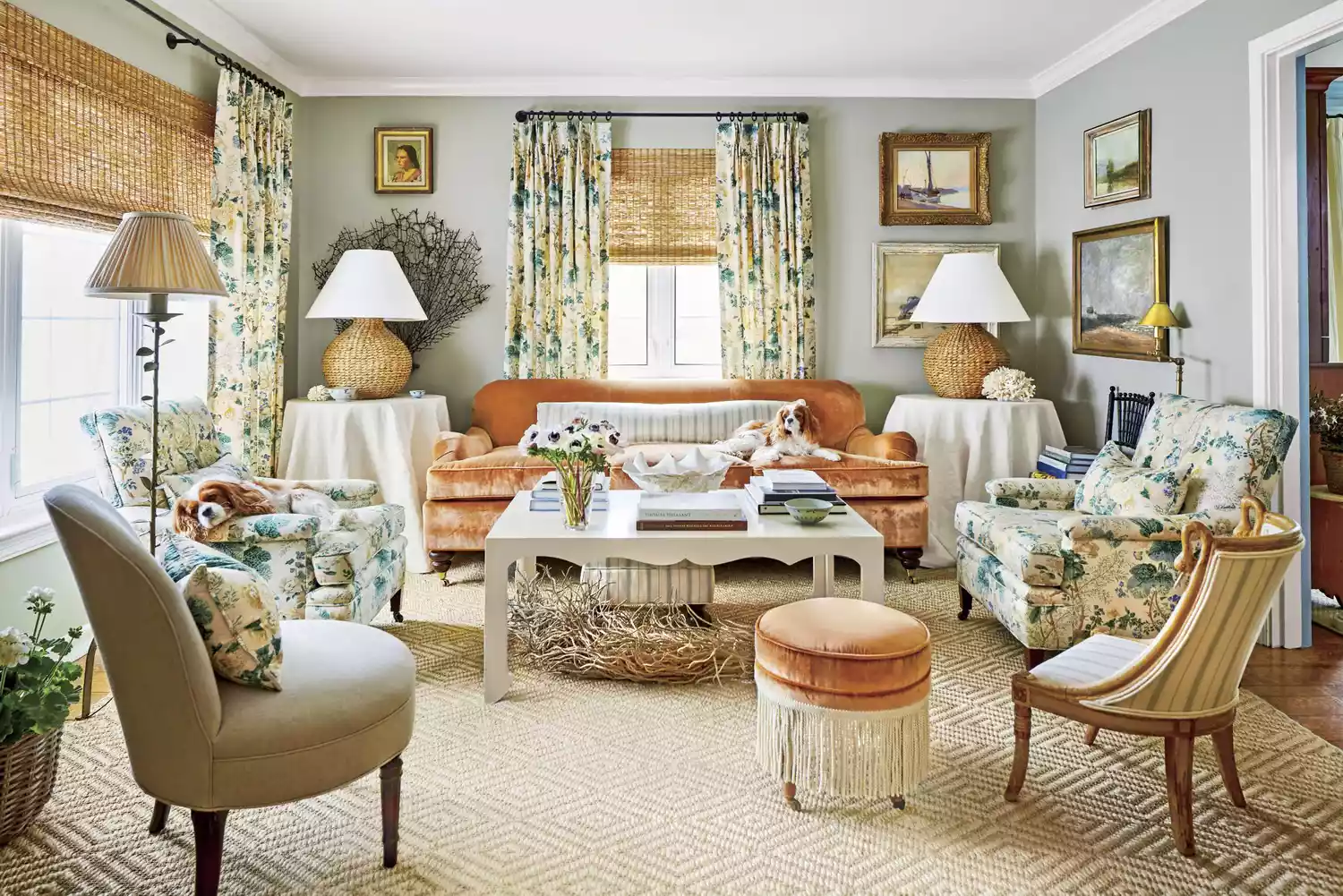
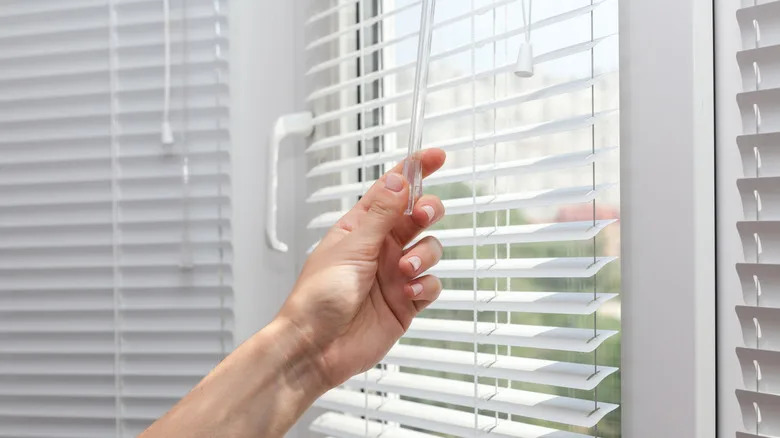
Flimsy, generic blinds commonly found in rentals are being replaced by more substantial options. Tasteful roller shades or thicker wood blinds, particularly those with a two-inch slat width, are preferred for their resilience and aesthetic value. Woven shades are seeing a decline in popularity, with bamboo blinds, also known as chik blinds, becoming the preferred alternative. These bamboo options provide a more elevated and uniform look than traditional woven woods. Layering is another key trend, though its application has shifted from purely aesthetic cornices and valences to functional combinations. Modern layering integrates drapery with solar or blackout shades, offering versatility for light control and privacy while softening the sleek appearance of shades.
In essence, the evolving trends in window treatments reflect a broader move towards functionality, subtle luxury, and personalized design choices that enhance a home's overall character and comfort.
#WindowTreatments #HomeDecor #InteriorDesign #CurtainTrends #RomanShades #BambooBlinds #HomeImprovement #DecoratingAdvice #WindowTreatments #HomeDecor #InteriorDesign #CurtainTrends #RomanShades #BambooBlinds #HomeImprovement #DecoratingAdvice
0 comment in total
 No comments yet
You may also like
6 window treatment trends that interior designers swear by for a quick and easy update

Trend alert: 4 window treatments ruling interiors right now

Curtain Trends for 2025 — The 7 Ways Everyone's Going to Be Dressing Their Windows This Year

6 Outdated Window Treatments Interior Designers Are Tired of Seeing
Once-Popular Window Treatments That Are Now Dating Your Home
These are the dated window treatments interior designers are encouraging you to avoid in 2024
8 Window Treatment Trends to Watch in 2026—and That Designers Can't Stop Talking About
Why You Should Never Skip Curtains, According to Top Designers

Forget Basic Curtains: These Will Be The Biggest Window Treatment Trends Of 2026
We Asked Designers Which Window Treatments Are Out in 2026—These Made the List

Modern window treatments – 11 trending ideas to elevate your view
16 Home Décor Trends on Their Way Out

5 Window Treatment Styles That Are Quietly Dating Your Home
Are window shutters out of style? Interior designers weigh in

Window blinds, shutters and curtains: top trends for 2017

5 trends that look good right now but interior designers warn they won't last
No More of These, Please — 4 Outdated Window Treatments Designers Don't Want to See You Using Anymore
4 window treatments that people with the most chic homes are choosing right now, according to interior designers
Expert reveals the interior design trends that will make your home look dated
Swap Outdated Flimsy Blinds With One Of 2025's Biggest Window Treatment Trends