We Asked Designers Which Window Treatments Are Out in 2026—These Made the List
Window treatments, much like other home decor elements, are subject to changing design trends. As 2025 draws to a close, interior designers are identifying specific window treatment styles that are becoming outdated, and offering fresh alternatives for the upcoming year. This allows homeowners to refresh their living spaces in line with contemporary aesthetics, moving away from options that are perceived as dated or impractical.
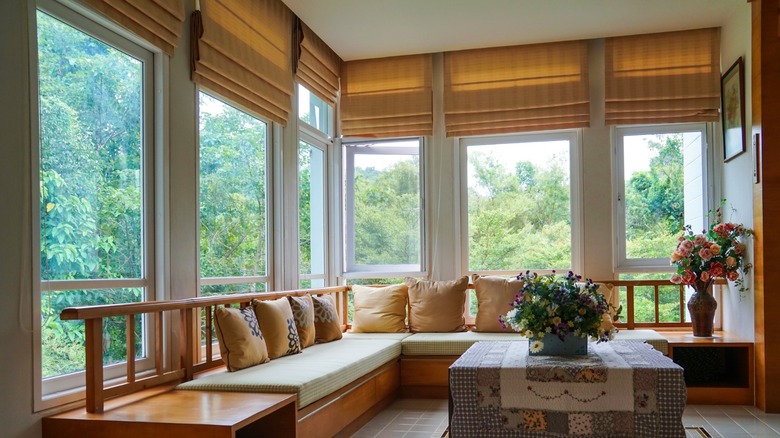
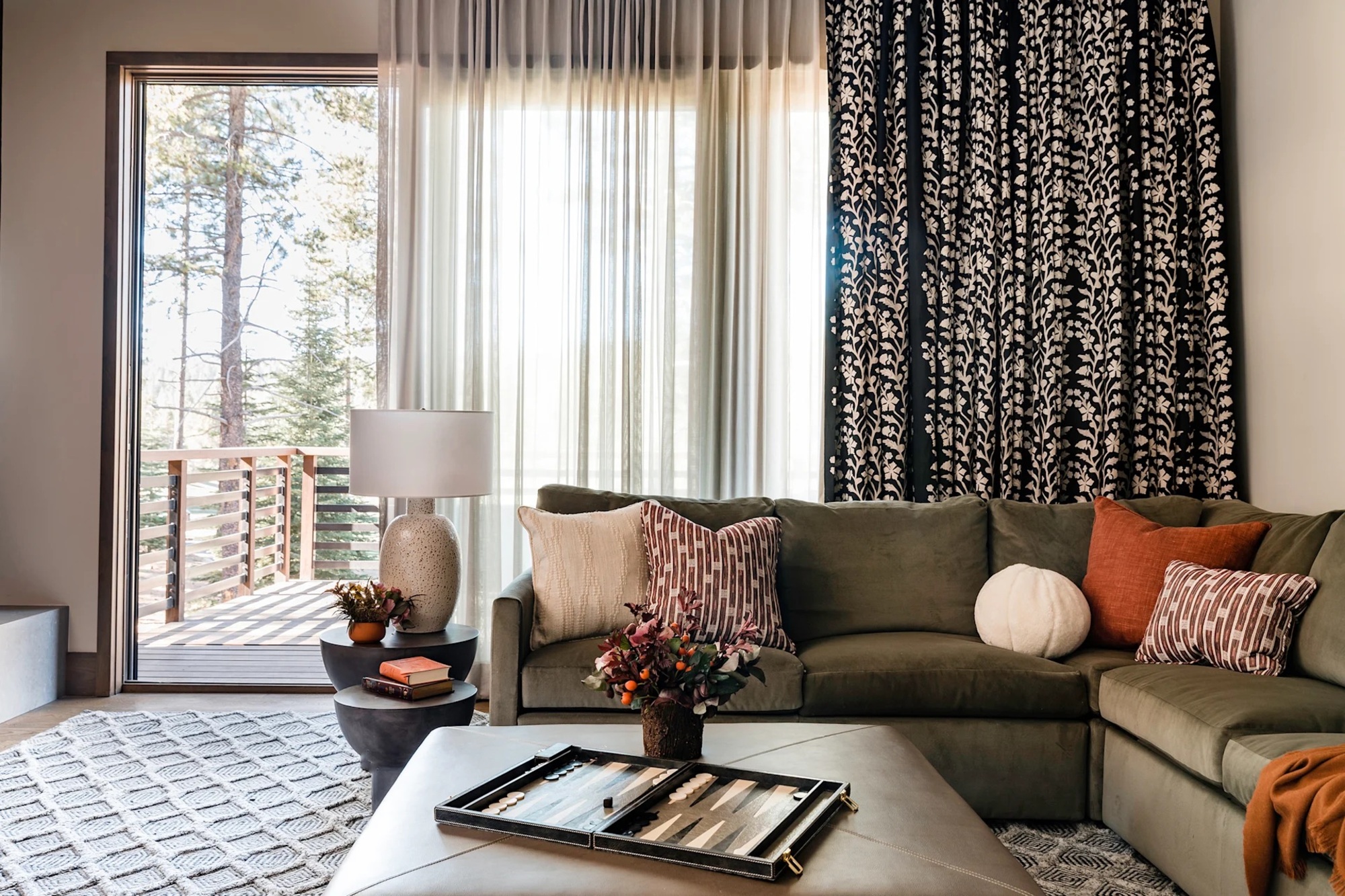
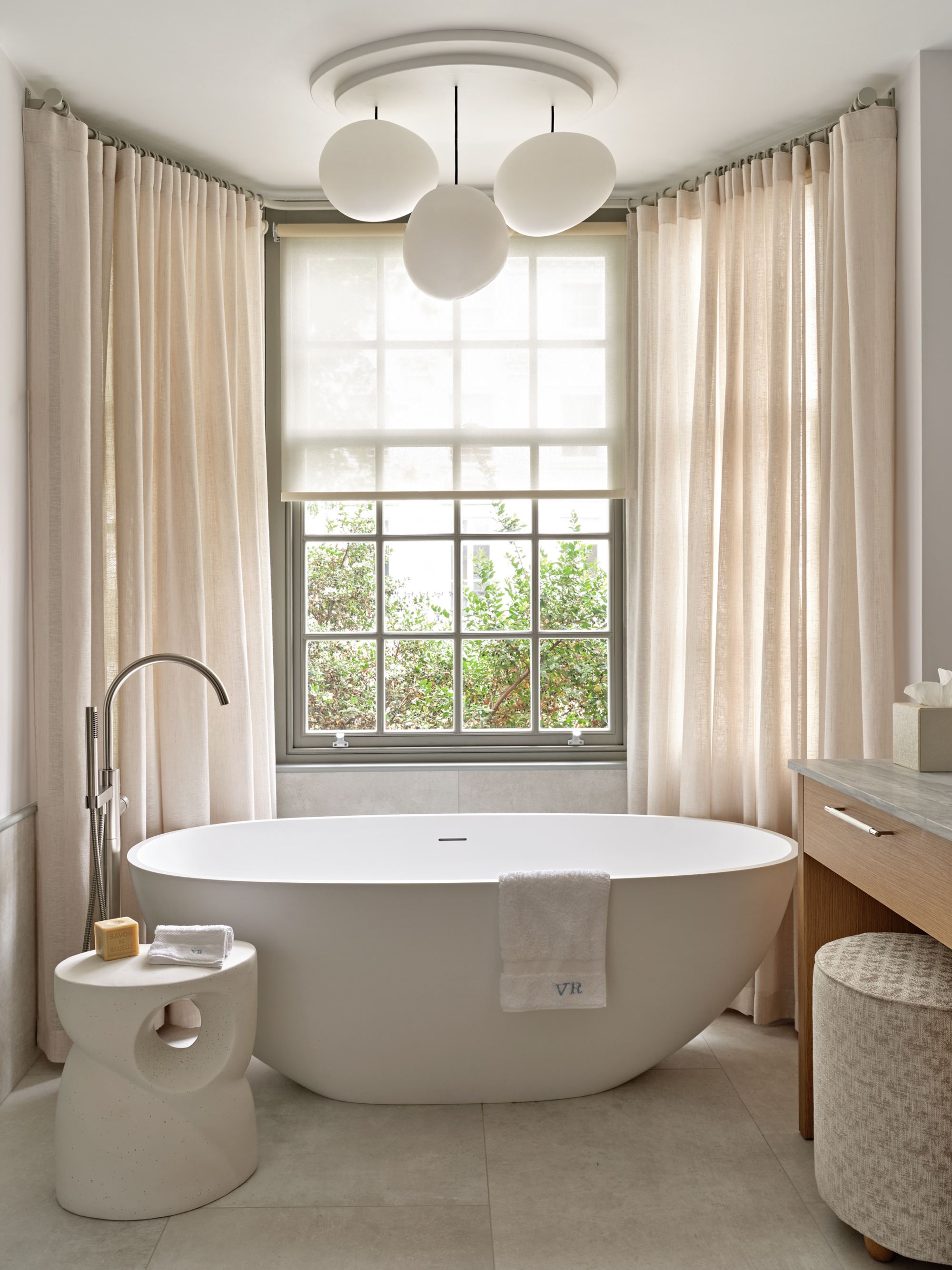
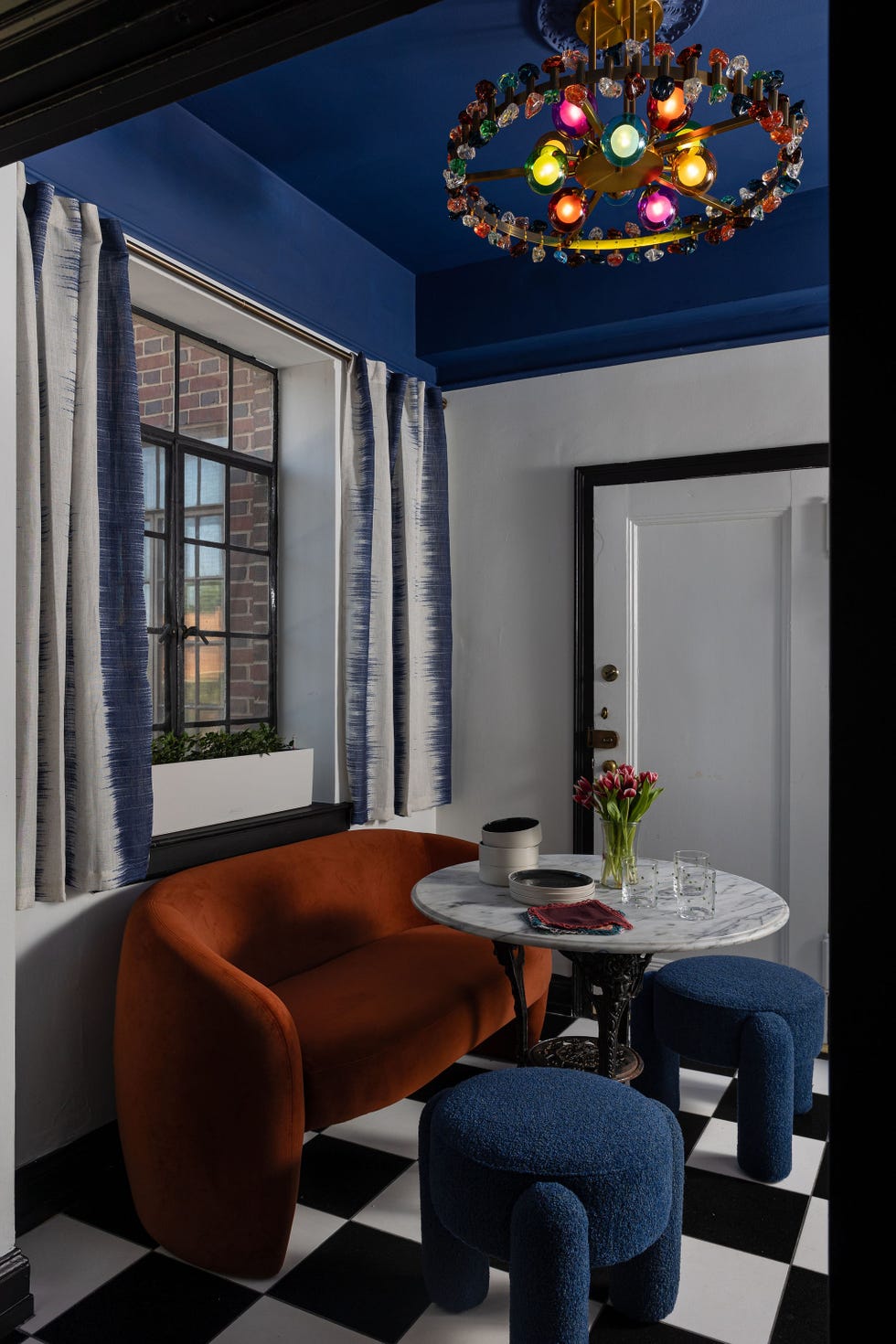
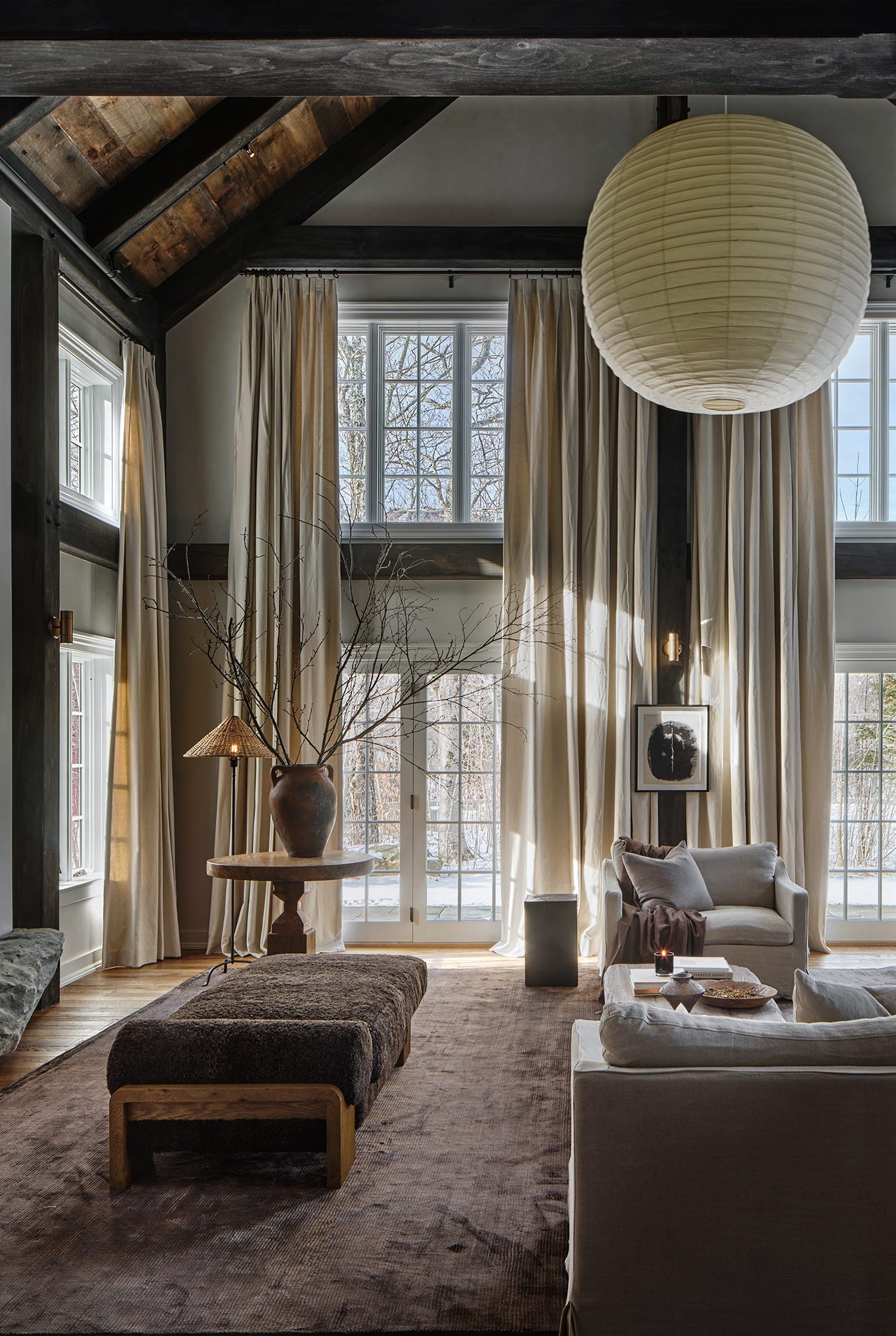
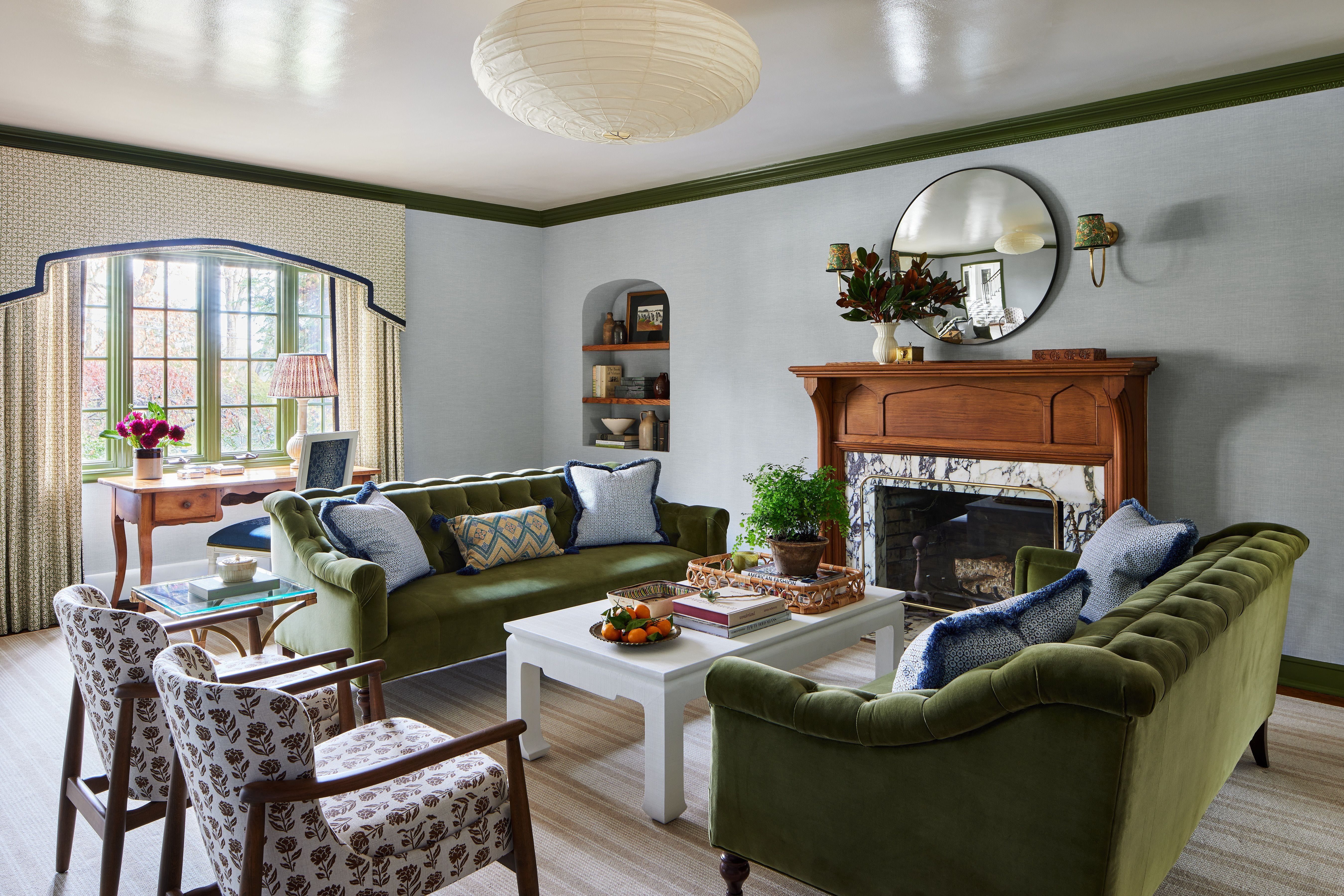
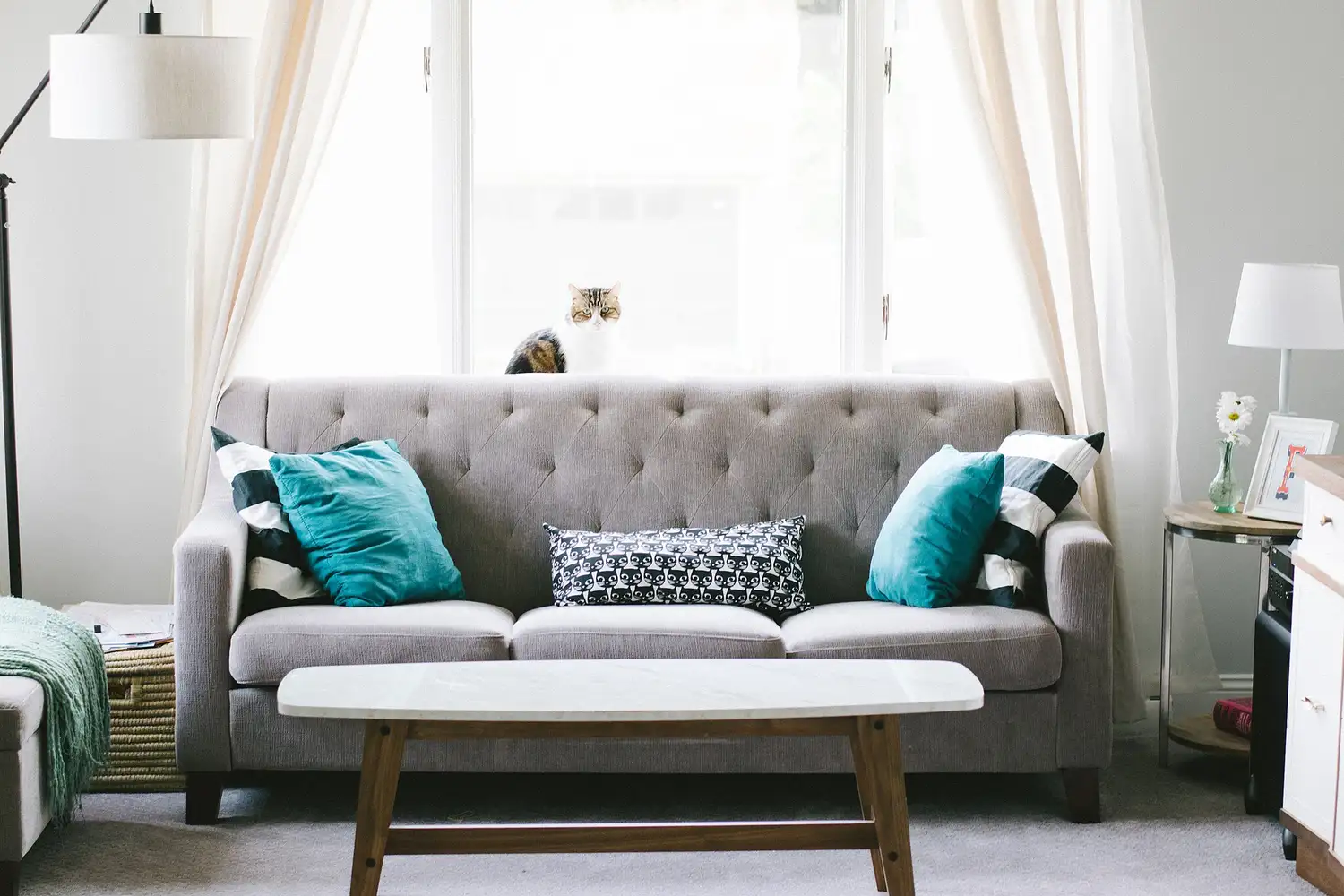
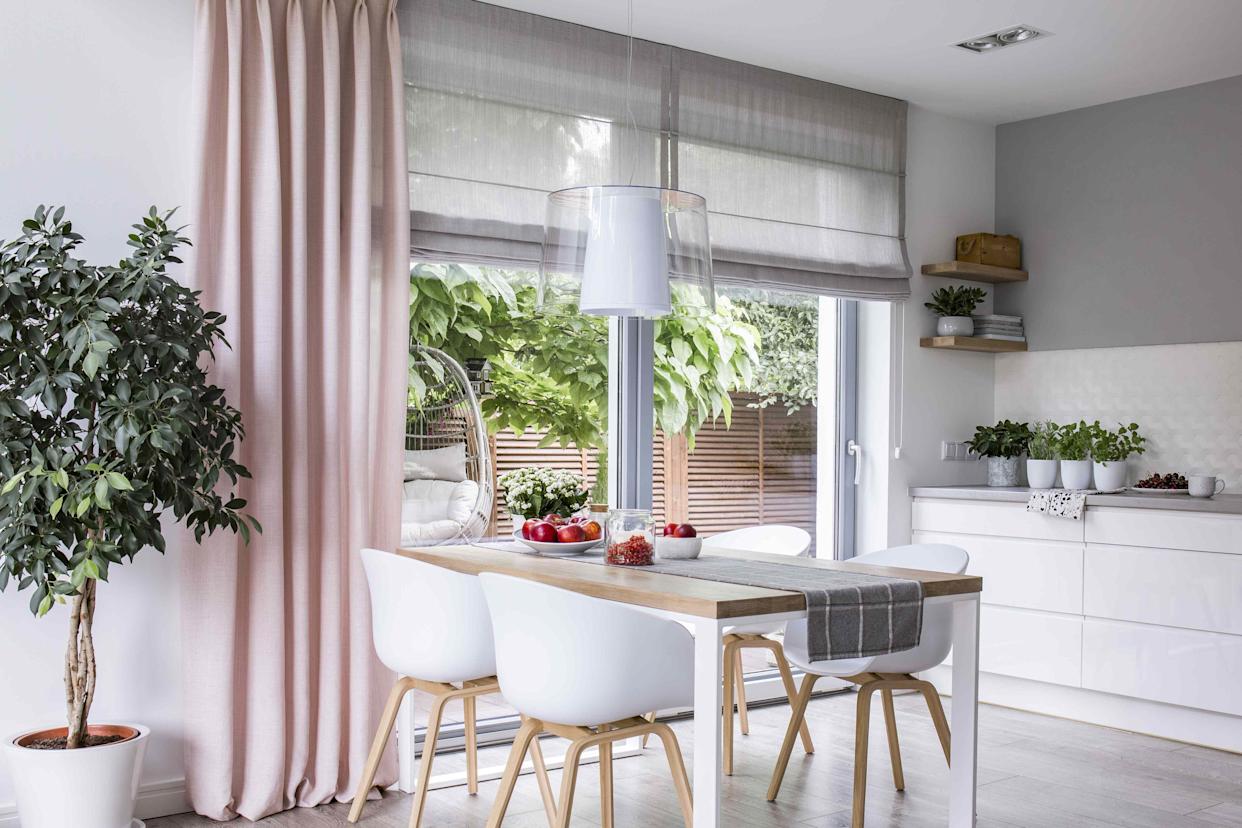
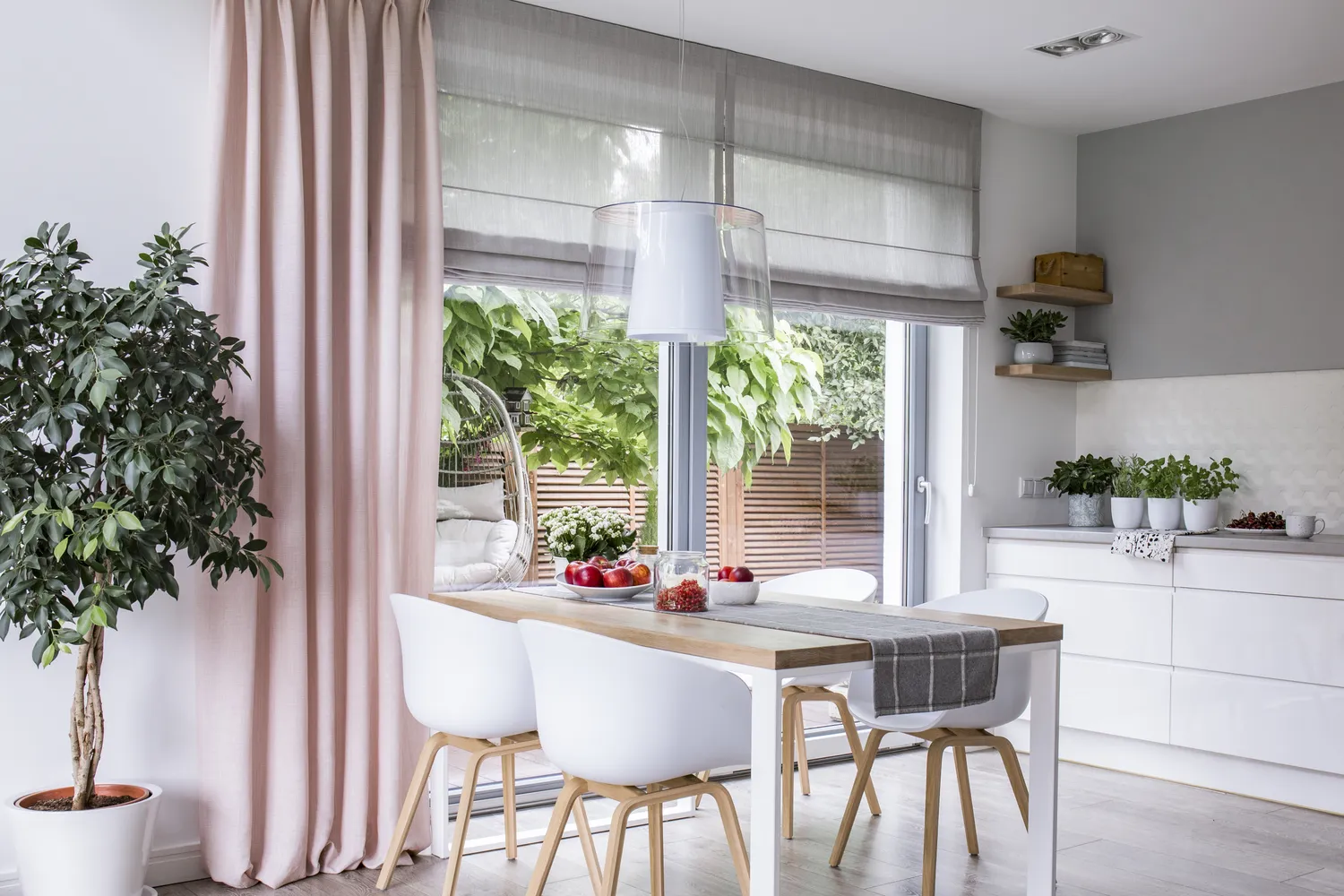
One significant category falling out of favor is vinyl blinds, which include mini-blinds and vertical blinds. Despite their past functionality in filtering light, designers now view their plasticky white appearance as an eyesore. Instead, a more sophisticated approach for 2026 involves layering window treatments, combining shades and drapes. This method not only offers superior light control and privacy but also enhances the room's aesthetic by framing the window, accentuating or concealing views, and introducing softness and visual depth.
Honeycomb shades, also known as cellular shades, are another window treatment style that designers suggest moving past. While they provide privacy, their light-blocking capabilities are often considered excessive compared to sheer alternatives. Furthermore, their visual appeal is often described as busy without being interesting, contributing to a less refined or 'dorm room' look rather than a polished interior. Recommended replacements for honeycomb shades include simple roller shades for basic functionality, woven wood shades for added texture, and stylish patterned Roman shades for blackout needs.
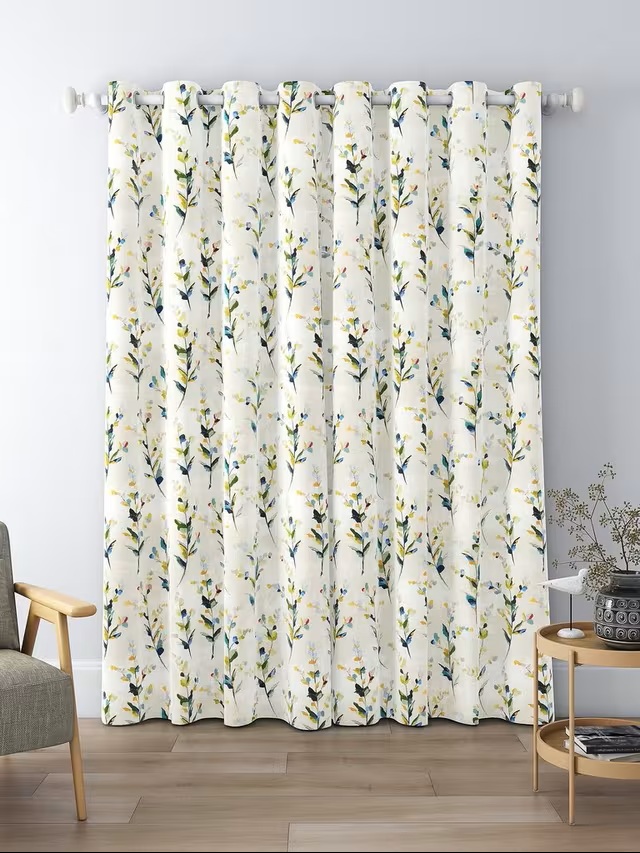
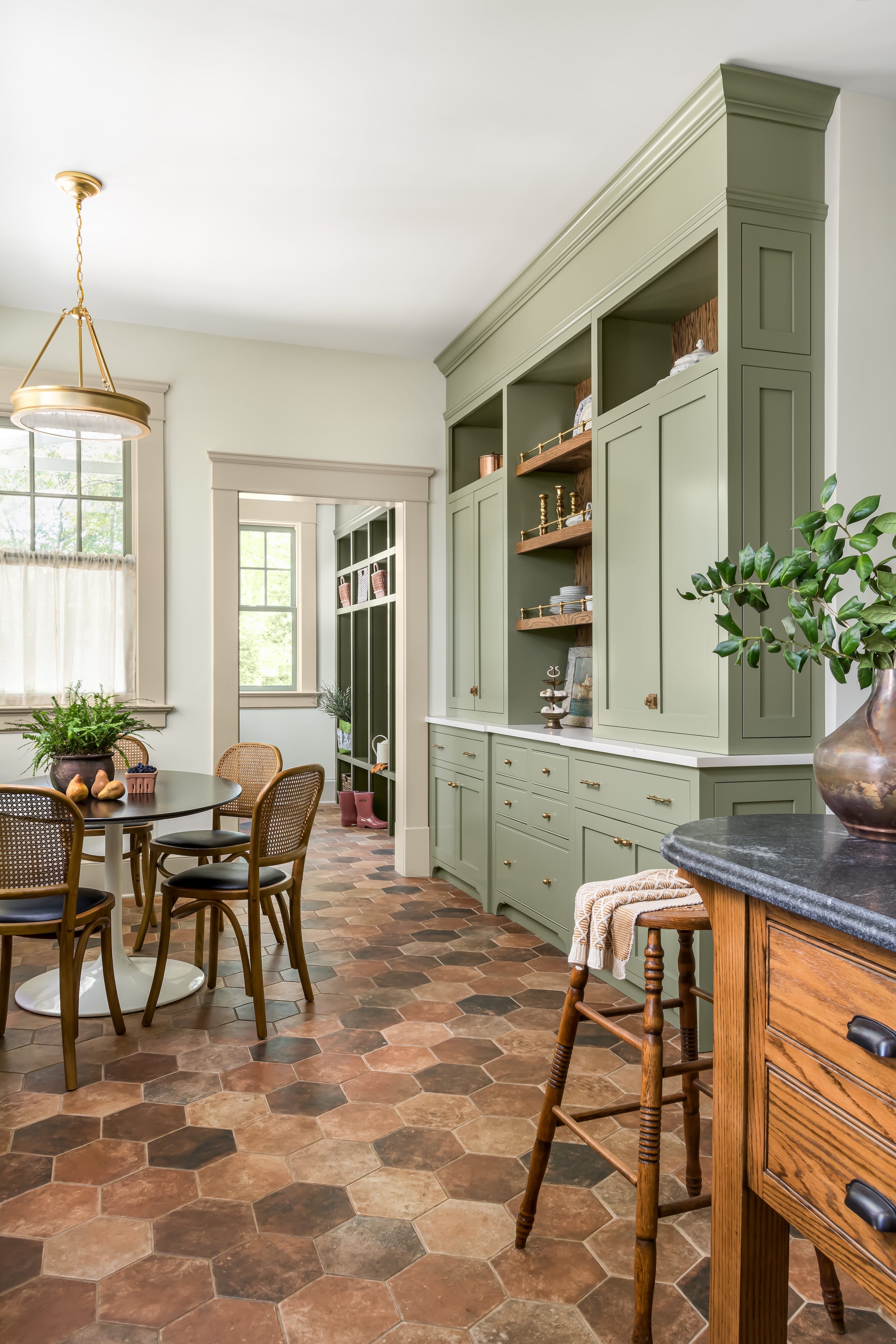
Cafe curtains, despite a recent resurgence in popularity linked to cottagecore aesthetics, are also deemed tricky to implement without appearing old-fashioned. Particularly, those made from fussy materials like lace or bold floral patterns tend to look dated and dowdy rather than elegant or intentional. For a similar romantic feel without the dated aesthetic, Roman shades are suggested as a versatile alternative. These can be customized with various fabrics, from simple linen to vibrant prints with decorative trims, or even natural woven materials, making them suitable for diverse spaces.
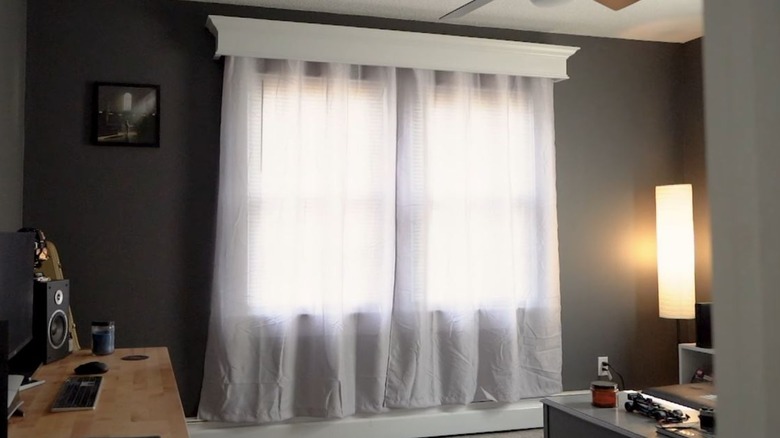
Puddle drapery, characterized by extra-long curtains that gather on the floor, was once a symbol of luxury. However, this style is now considered impractical and outdated. The excess fabric on the floor tends to accumulate dirt and dust, and can also pose a tripping hazard. Modern design favors a more streamlined approach, with drapery panels stopping approximately one-fourth of an inch above the floor, offering a cleaner and more contemporary look.
Finally, curtains with tie or ribbon tops are also on the list of outdated window treatments. While intended to be a charming detail, they often come across as frumpy and out of place, contributing to an overly decorative or ornate appearance that feels unnecessary given the wide range of sophisticated drapery options available today. Instead, designers recommend tailored draperies with European pinch pleats for a refined look. For those seeking more intricate details, adding trims and tapes to these tailored draperies can provide visual interest without compromising modern elegance. These recommendations highlight a shift towards more functional, layered, and tailored window treatment solutions that prioritize both aesthetic appeal and practicality.
#WindowTreatments #InteriorDesign #HomeDecorTrends #DesignersAdvice #WindowDecor #HomeRenovation #ModernInteriors #CurtainStyles #WindowTreatments #InteriorDesign #HomeDecorTrends #DesignersAdvice #WindowDecor #HomeRenovation #ModernInteriors #CurtainStyles
0 comment in total
 No comments yet
You may also like
Forget Basic Curtains: These Will Be The Biggest Window Treatment Trends Of 2026
Designers Are Calling It: These Furniture Trends Will Be Everywhere in 2026

6 Tile Trends Spotted at Coverings 2024

We Asked Designers If Wallpaper Is Finally Out in 2026—And Their Answer Surprised Us
The Curtain Trends Designers Say to Look Out for in 2026

The decorating trends everyone will be talking about in 2026

8 Window Treatment Trends That Will Dominate 2026, According to Designers
Designers Agree: These 15 Home Trends Are Officially Out in 2026

Interiors experts predict this will be the biggest paint trend of 2026

8 Window Treatment Trends to Watch in 2026—and That Designers Can't Stop Talking About
Designers Say This Fabric Will Dominate Living Rooms in 2024

Designers Predict Every Front Door Will Be One of These Colors in 2026
Interior Designers Reveal the Biggest Window Treatment Trends of 2025
These Are the Most Popular Interior Styles of 2026, According to Designers
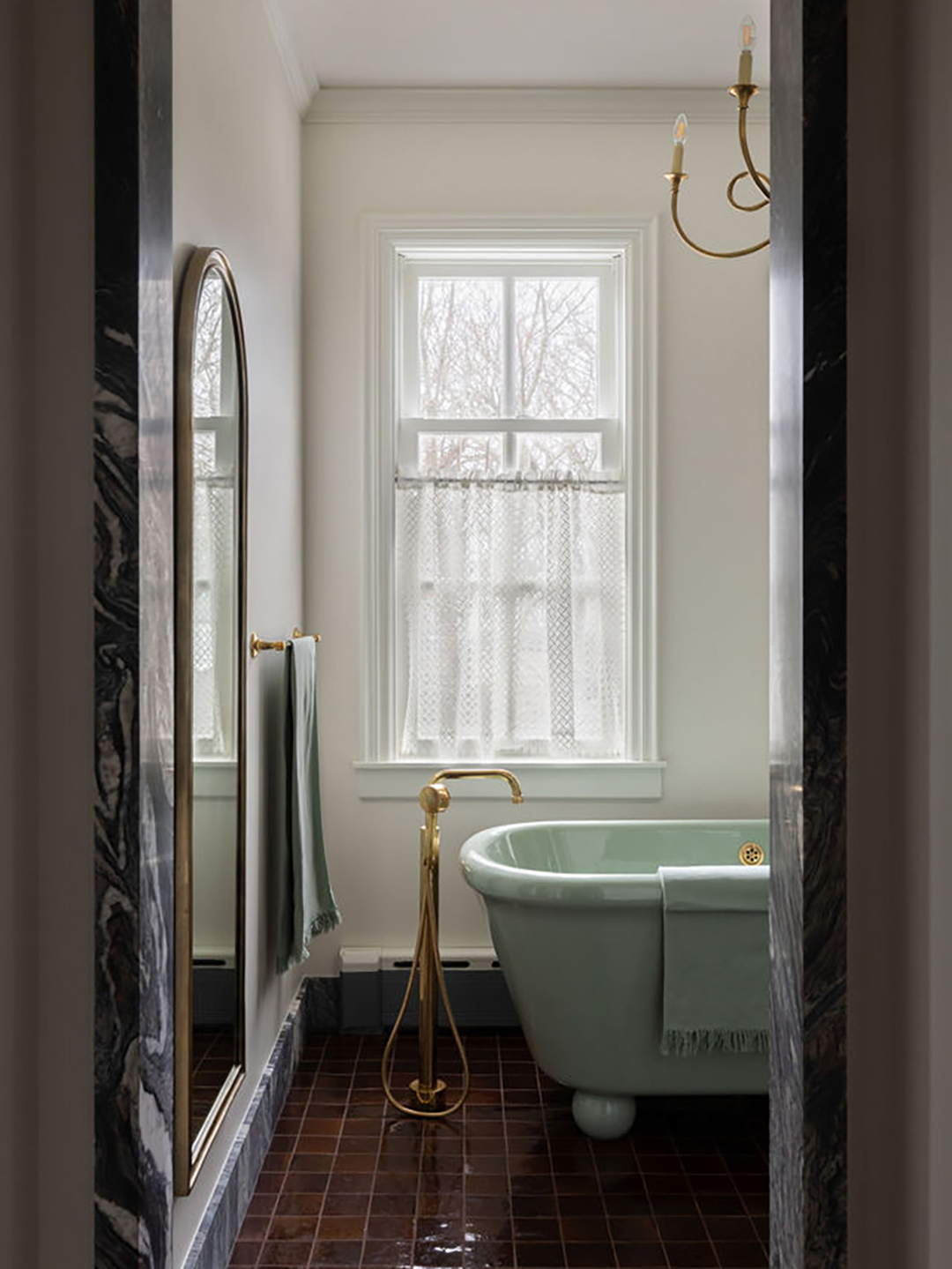
The Decorating Trends Designers Are Leaving Behind in 2026

The Best New Wall, Floor, and Window Products of 2025
Designers Predict This Will Be The Biggest Paint Trend Of 2026
Designers Are Calling It: These Interior Design Trends Will Be Everywhere in 2026
Designers Say This Century-Old Glass Trend Is About to Be EVERYWHERE in 2026
Designers Reveal the Top 7 Window Trends You'll See Everywhere in 2026