1/6
Designers Say This Century-Old Glass Trend Is About to Be EVERYWHERE in 2026
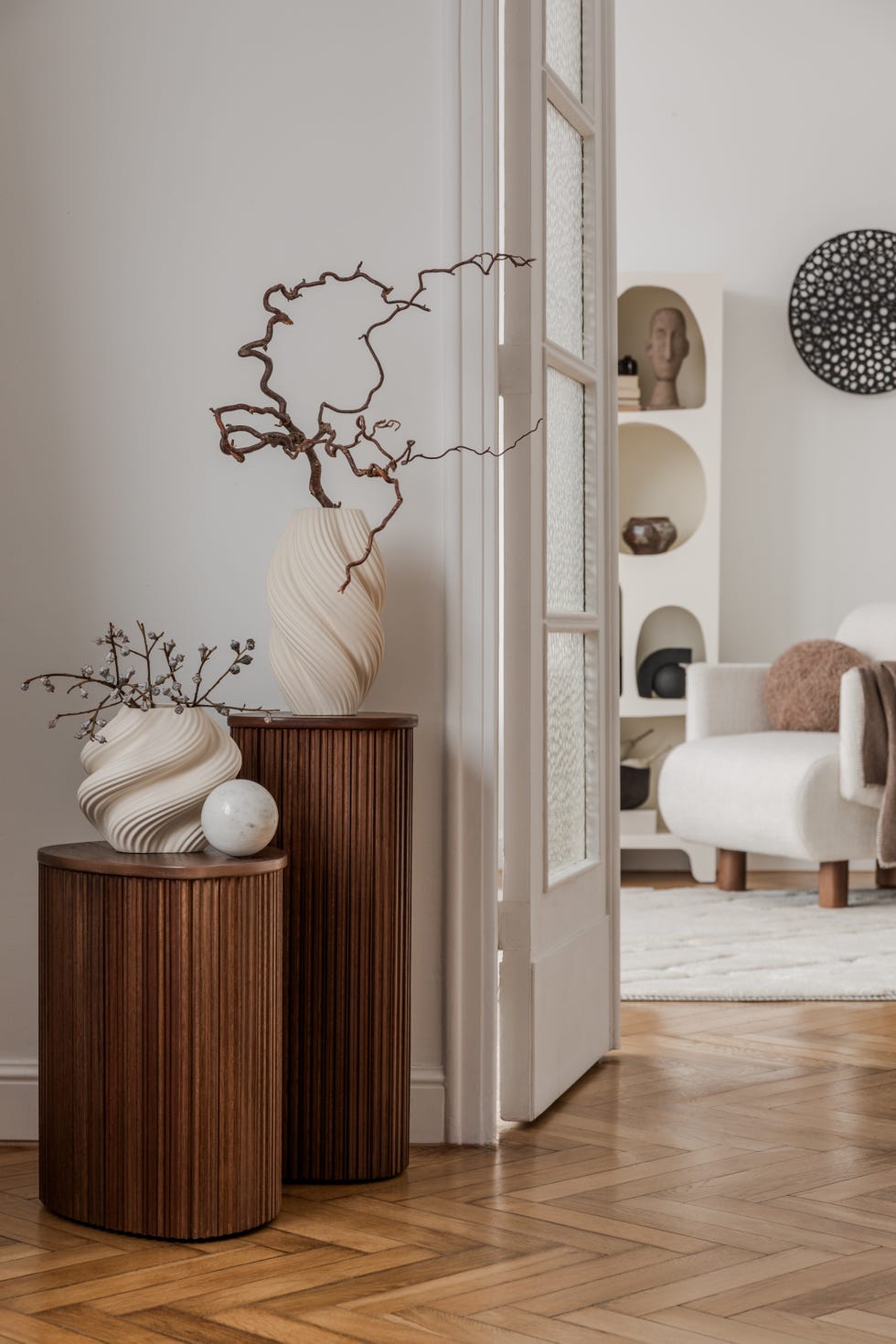
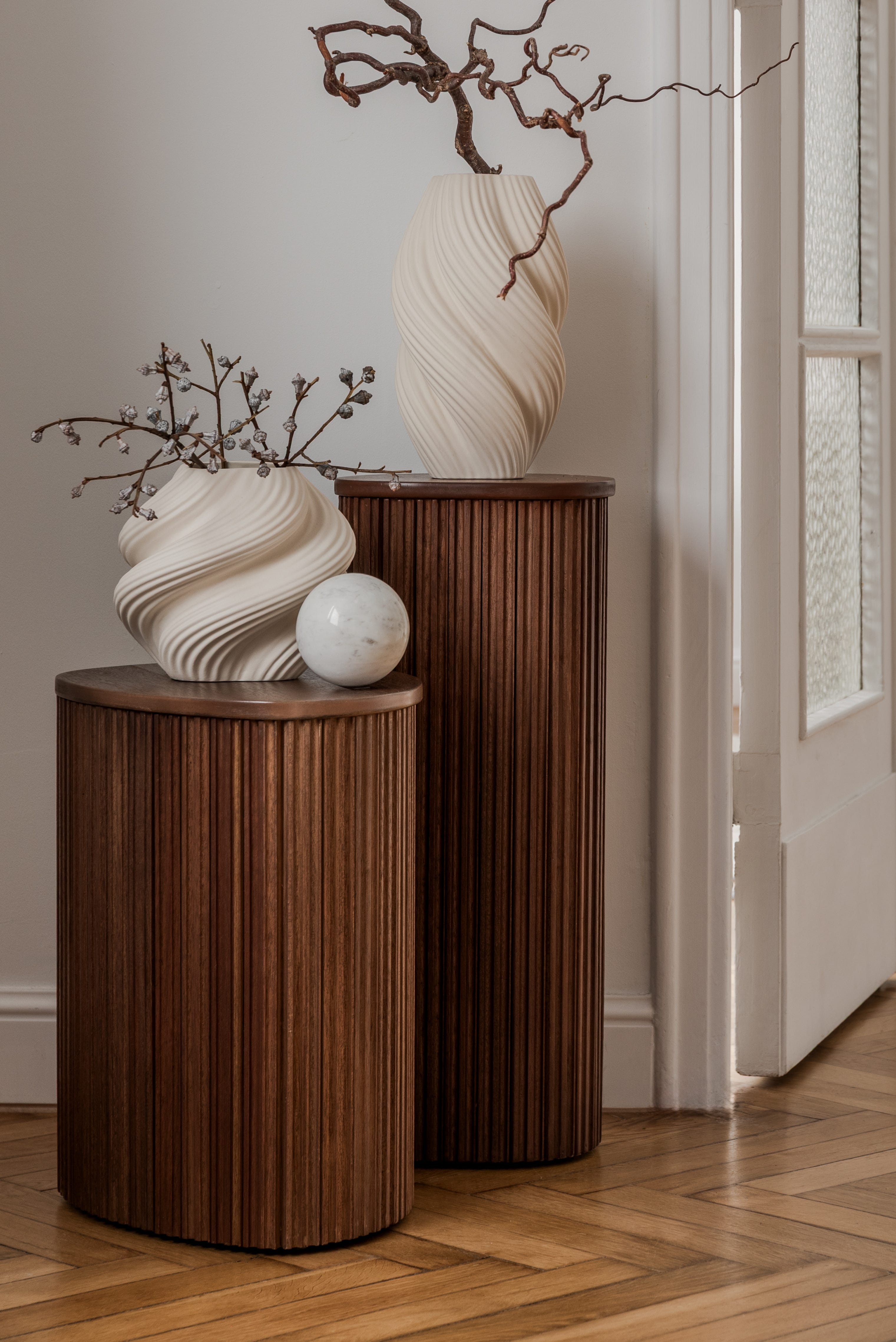
Fluted glass, a style characterized by vertical, undulating grooves, has been present in design for over a century but is now gaining significant traction as a prominent interior design trend for 2026. This type of glass is highly valued by designers for its ability to diffuse light and subtly obscure objects behind it, making it a versatile material for various applications within a home. It is being incorporated into projects in several ways, offering both aesthetic and practical benefits.
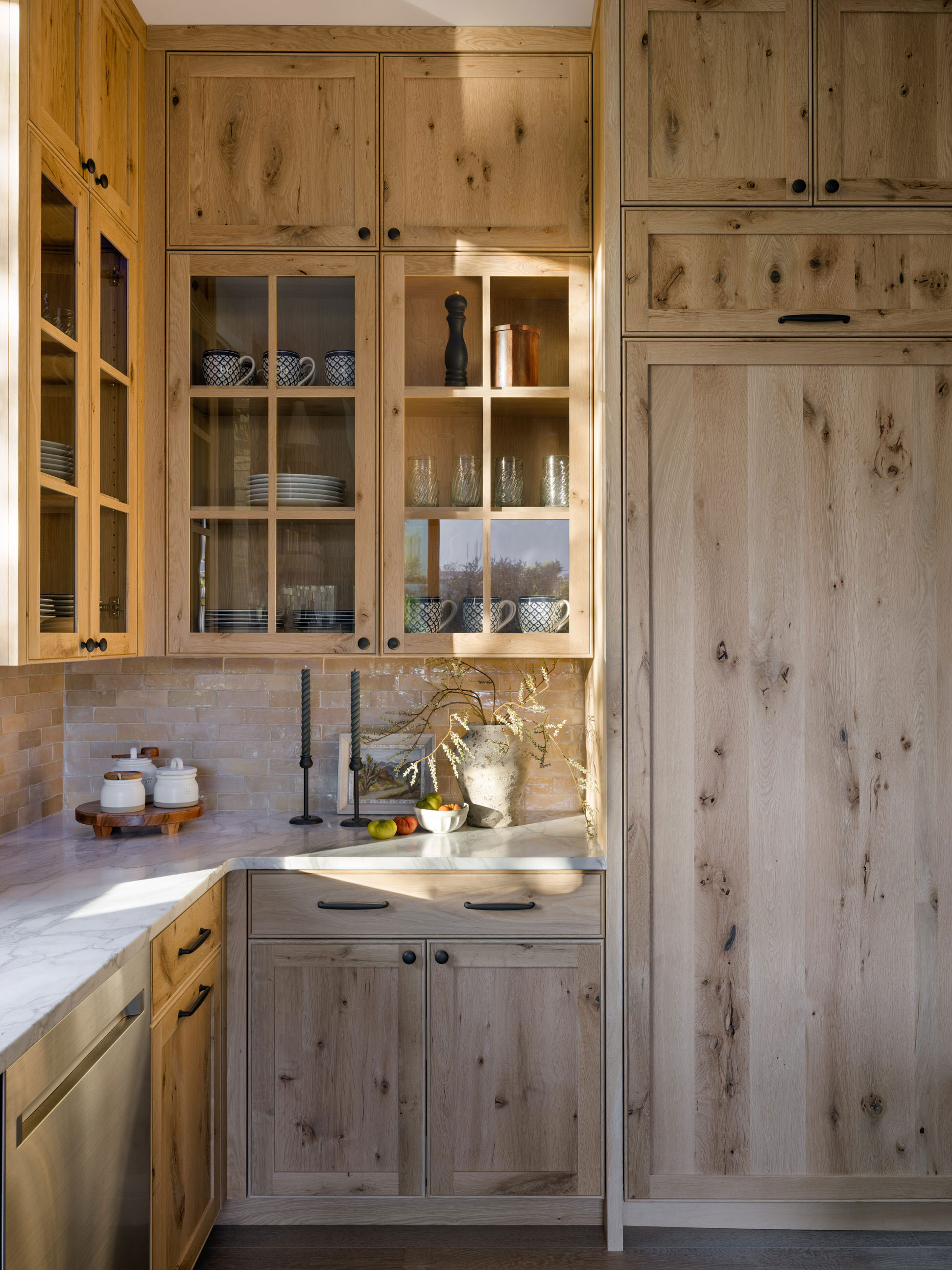
One primary application of fluted glass is to add texture and depth to furniture. Designers, like Linda Hayslett, have replaced traditional wood cabinet doors with fluted glass panels, particularly in areas such as bars. This technique softens the overall appearance of cabinetry and allows for a hint of the items stored inside, rather than a full, clear display. The unique ripple effect created by the glass adds movement and elevates a simple storage piece into a notable design element.
Another key advantage of fluted glass is its capacity to obscure storage while maintaining an elegant look. Designer Claire Staszak notes that fluted or reeded glass panels in cabinets create visual movement, bounce light, and introduce a vintage or historic aesthetic. While not completely concealing clutter, it effectively hides items better than clear glass, making it suitable for areas where a neat interior is desired but not always perfectly maintained. However, it is not recommended for spaces intended to hide significant disarray.
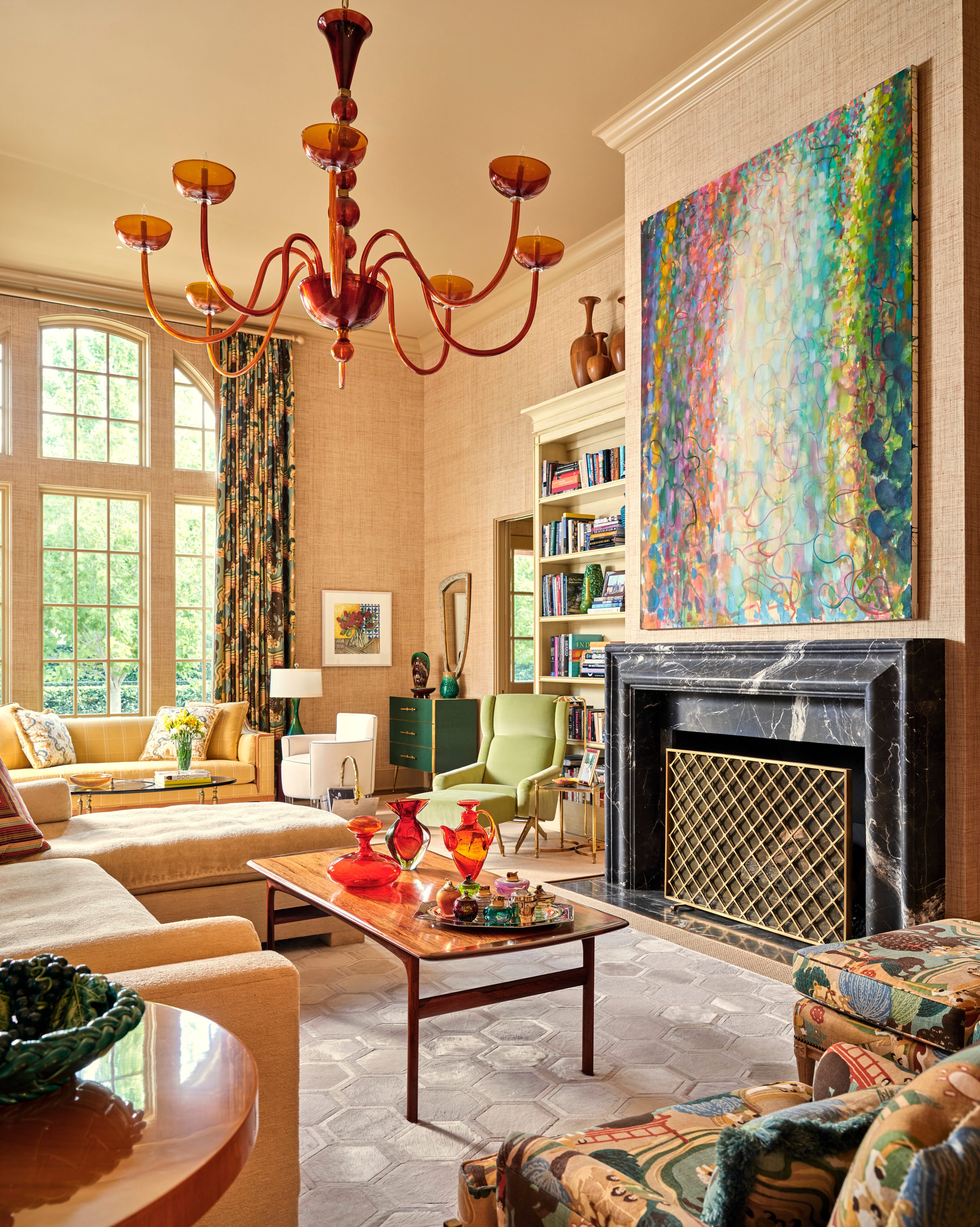
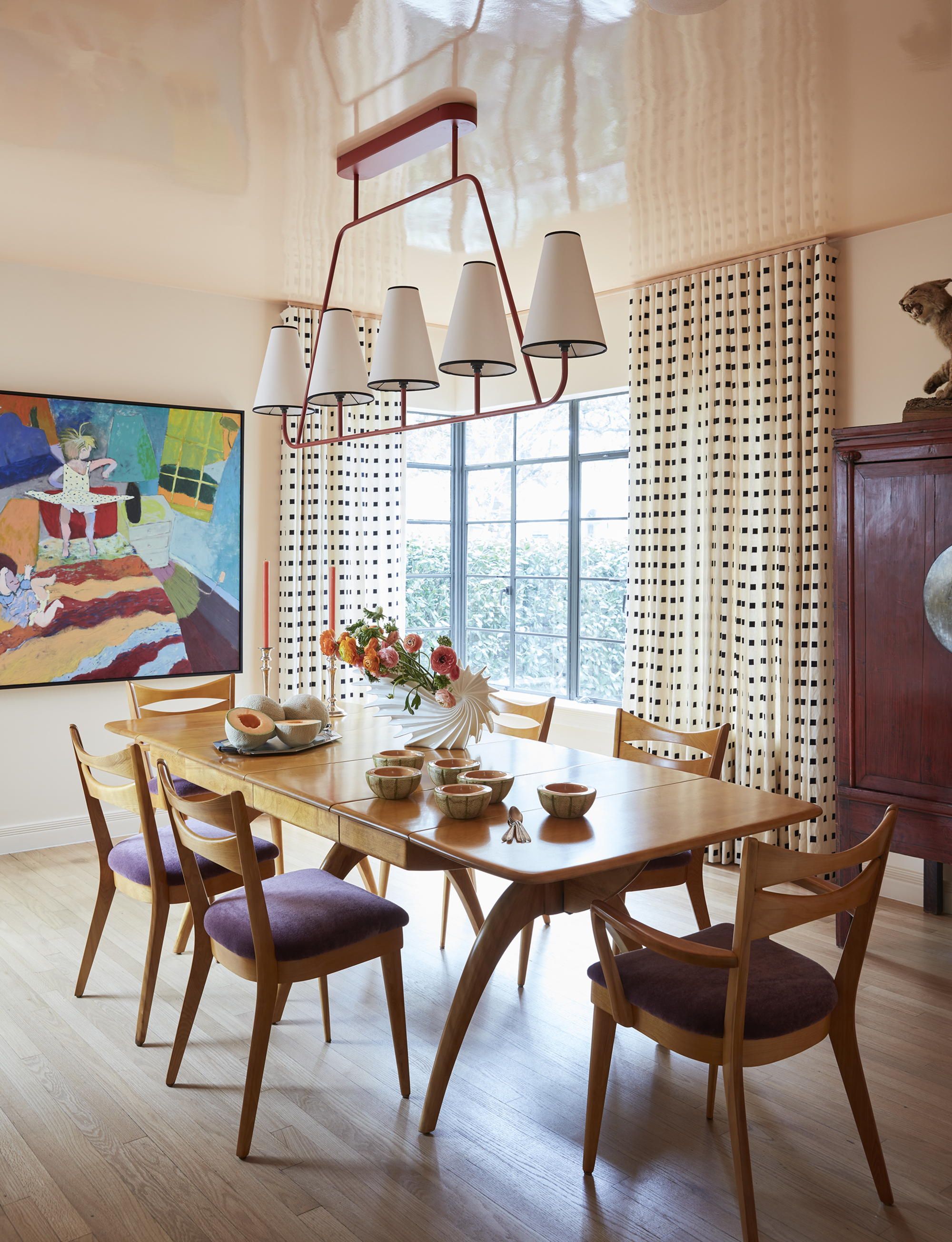
Fluted glass is also instrumental in softening the ambiance of a room by scattering and refracting light. This makes it an excellent choice for spaces where a moodier, more diffused glow is preferred over bright, focused task lighting. For instance, Julie Bradshaw utilized white fluted glass in a historic Texas home to preserve its architectural heritage while introducing a modern touch. The refined lines and texture of the glass create a bridge between eras, complementing classical millwork with a light, contemporary counterpoint.
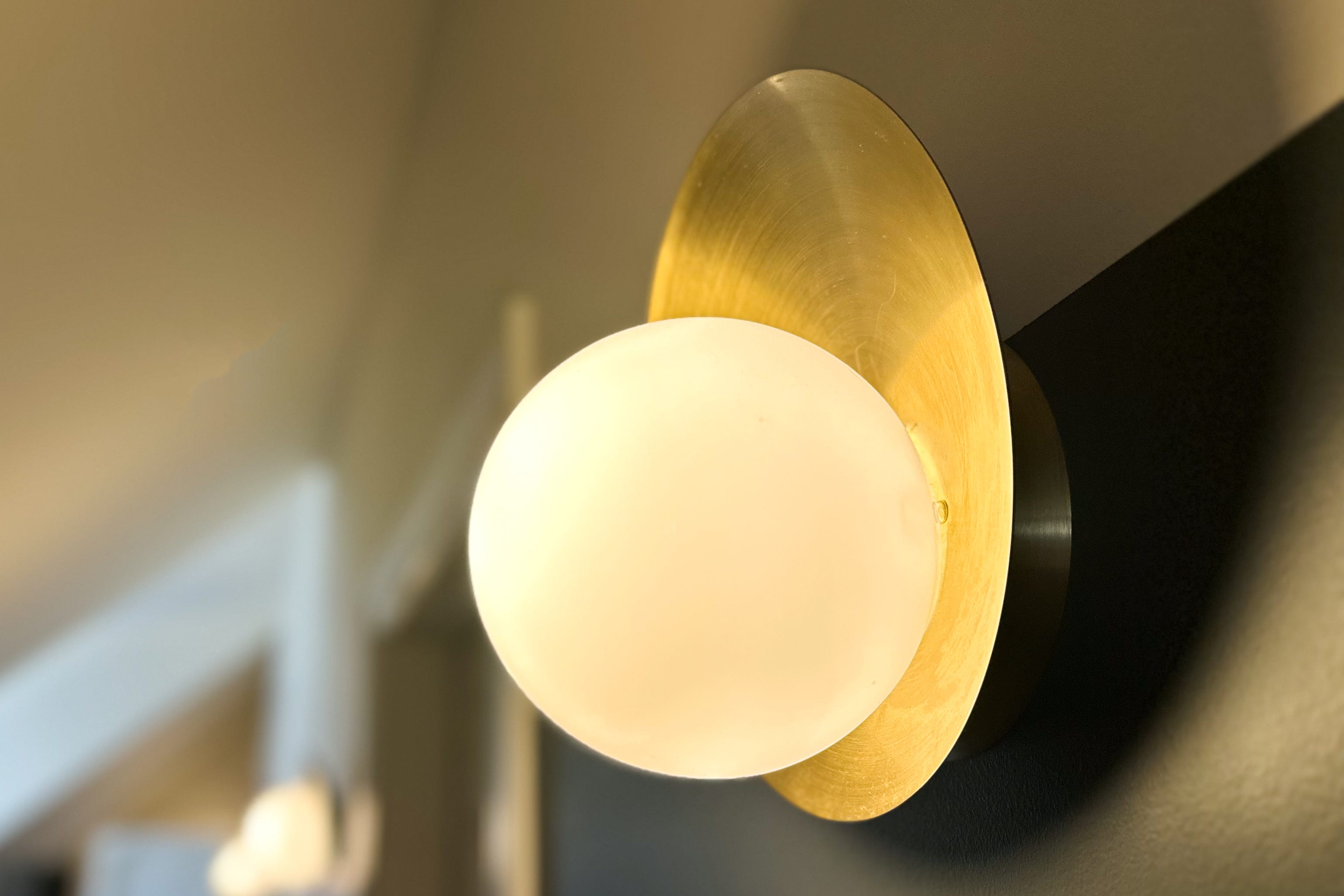
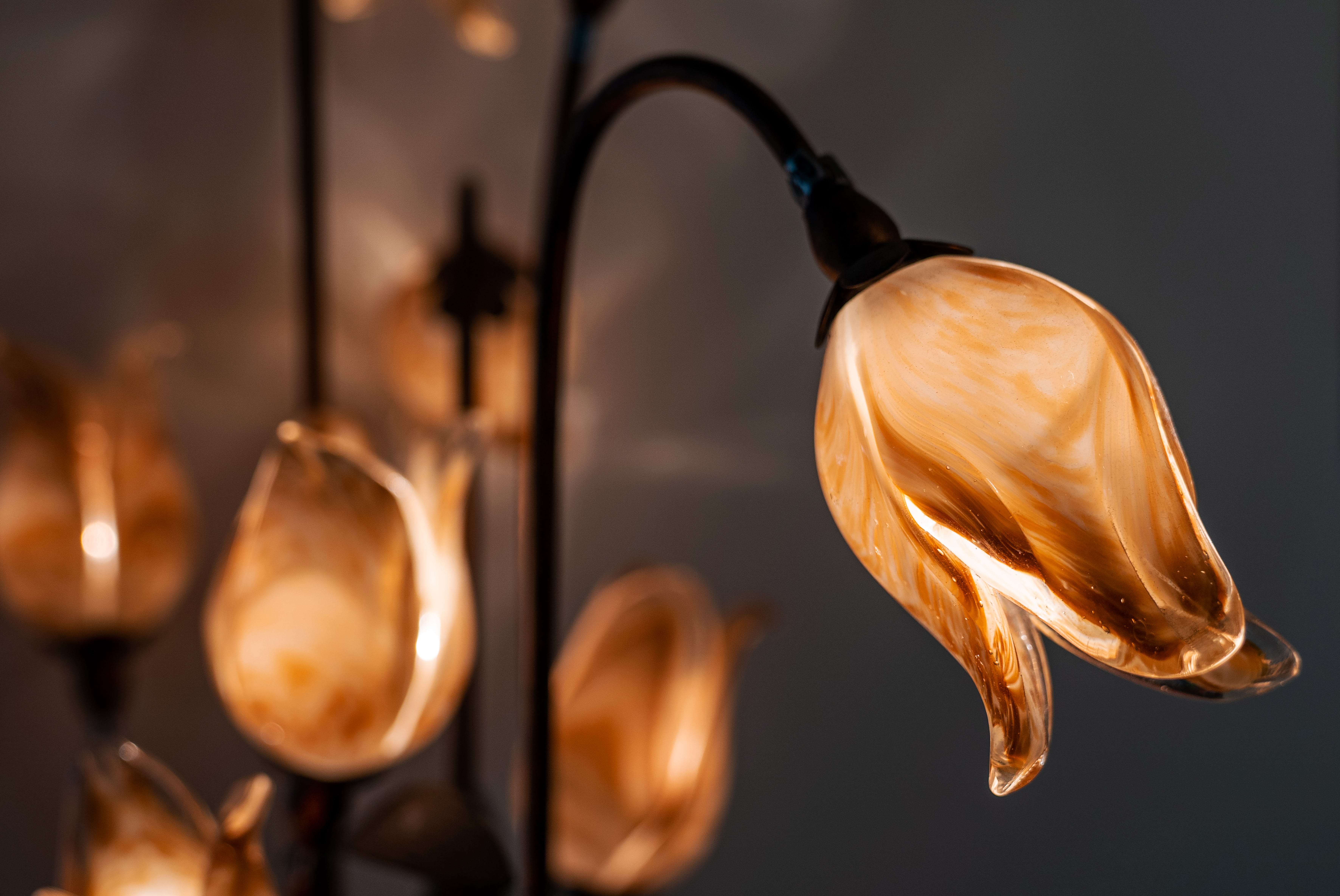
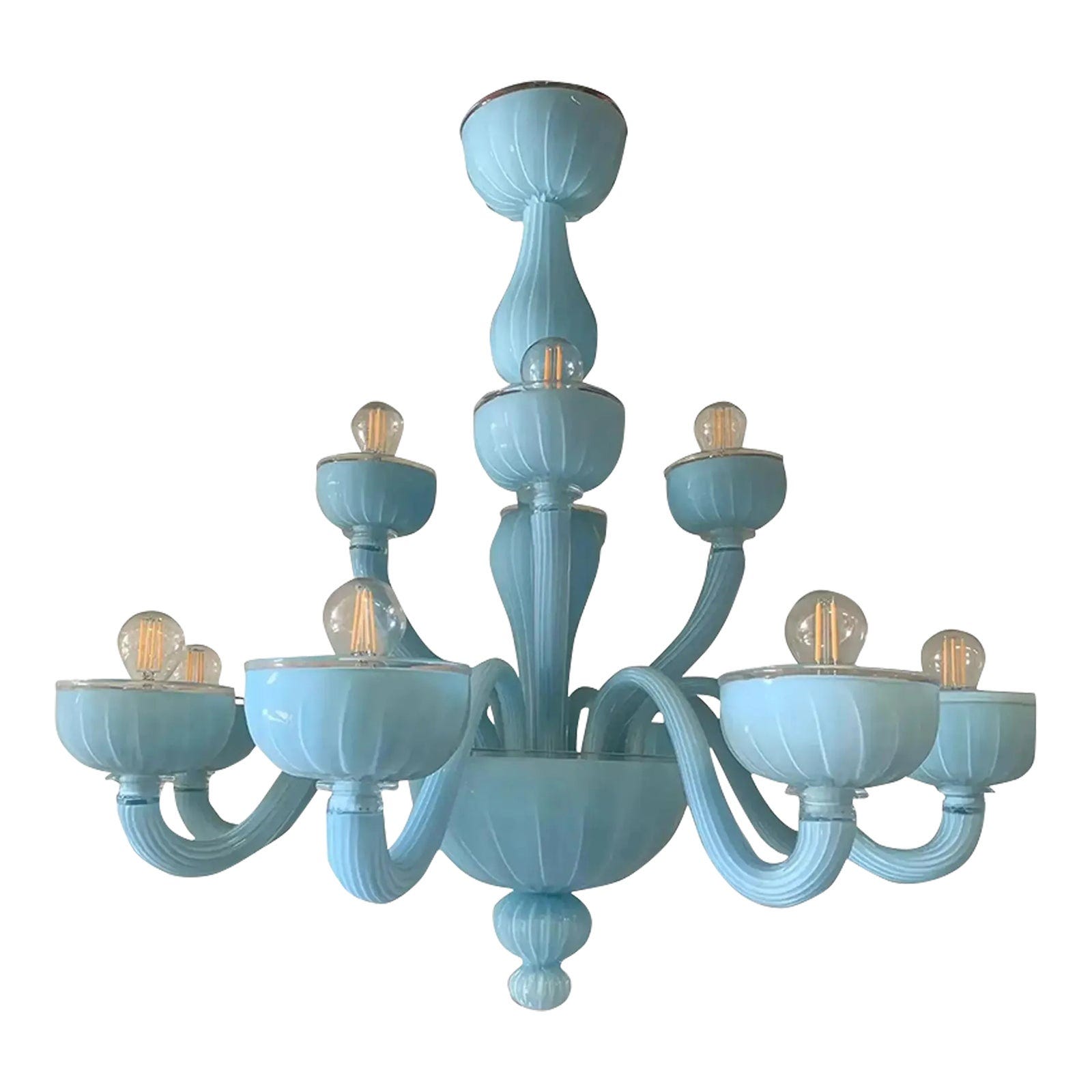
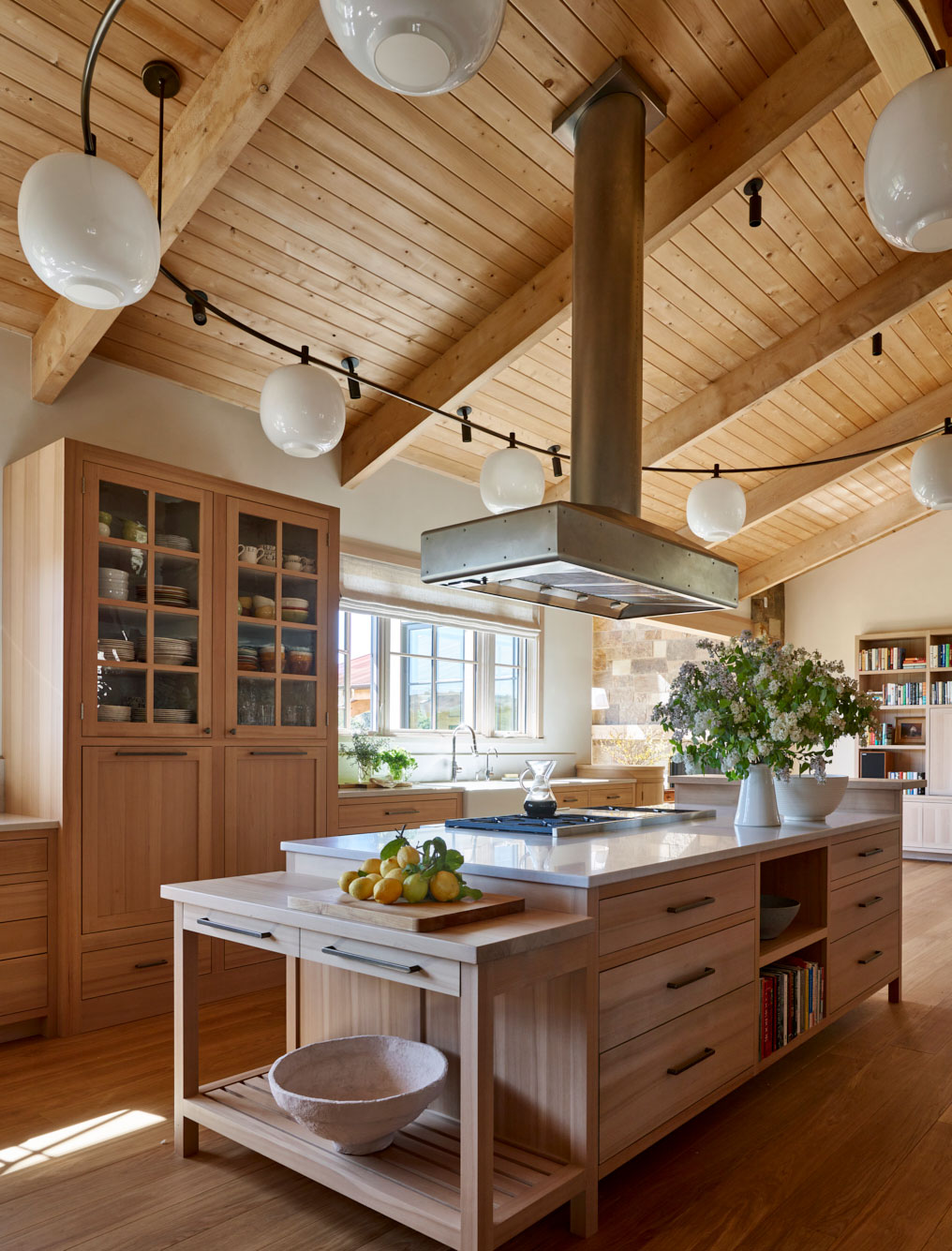
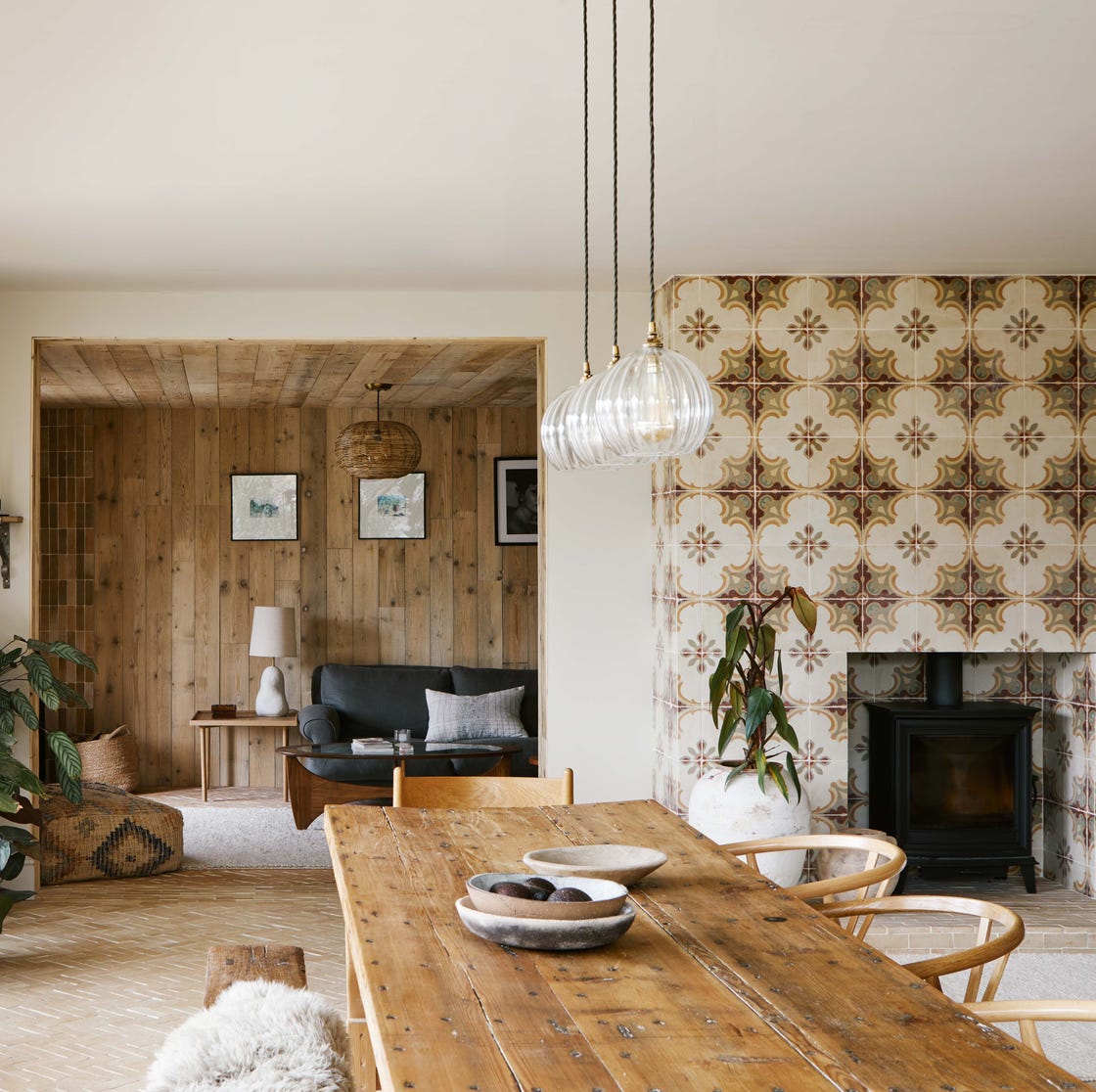
Furthermore, fluted glass is being used to create warm and cozy moods, especially in lighting fixtures. Lee Thornley, founder of Bert & May, highlights how fluted glass shades in dining rooms produce a dappled, warm glow that enhances comfort. In rustic settings, the delicate nature of the glass pendants balances more robust elements like wooden paneling and reclaimed tiles, contributing to a softer overall atmosphere. This makes it ideal for spaces where intense focus is not required, unlike home offices.
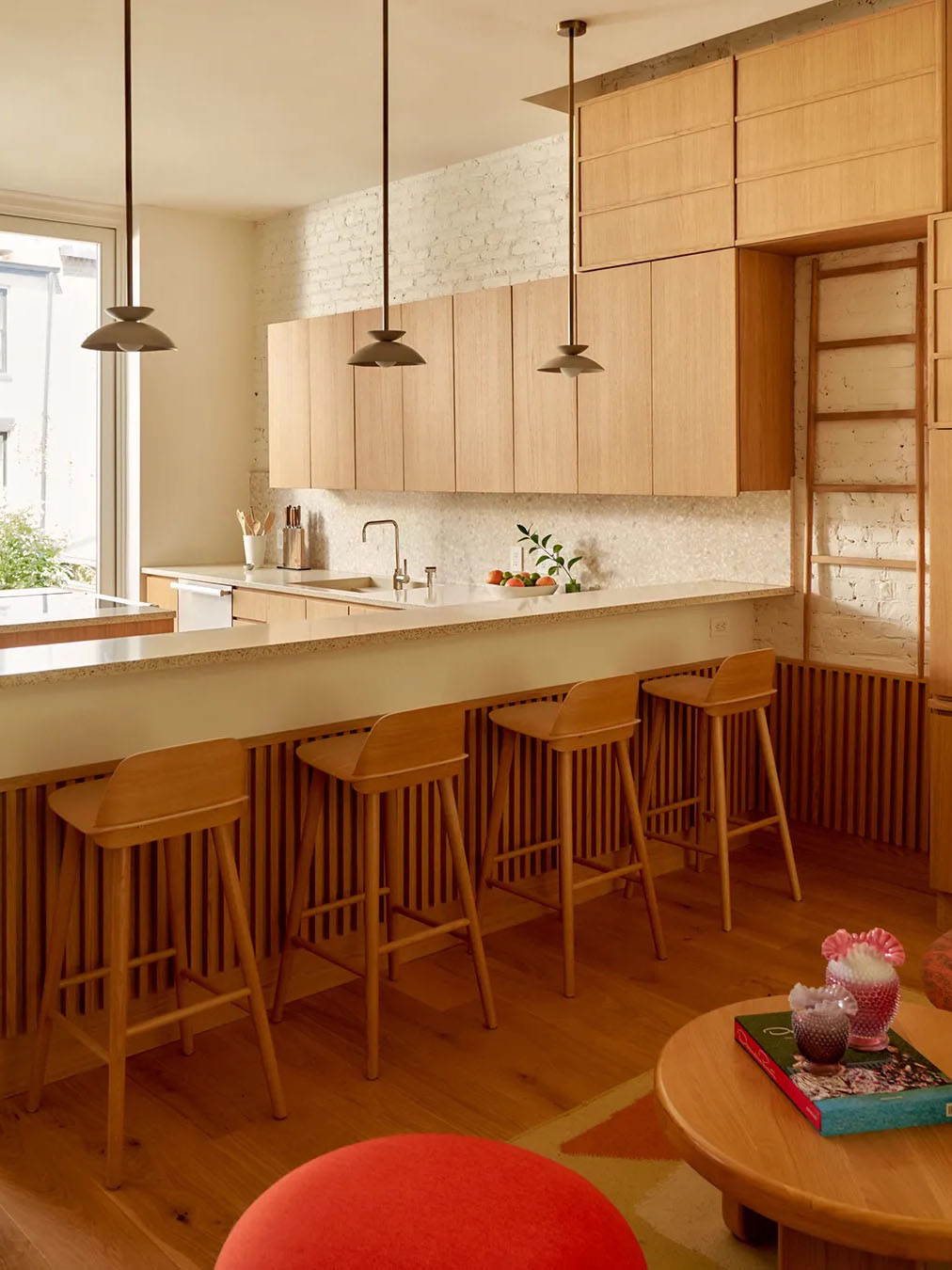
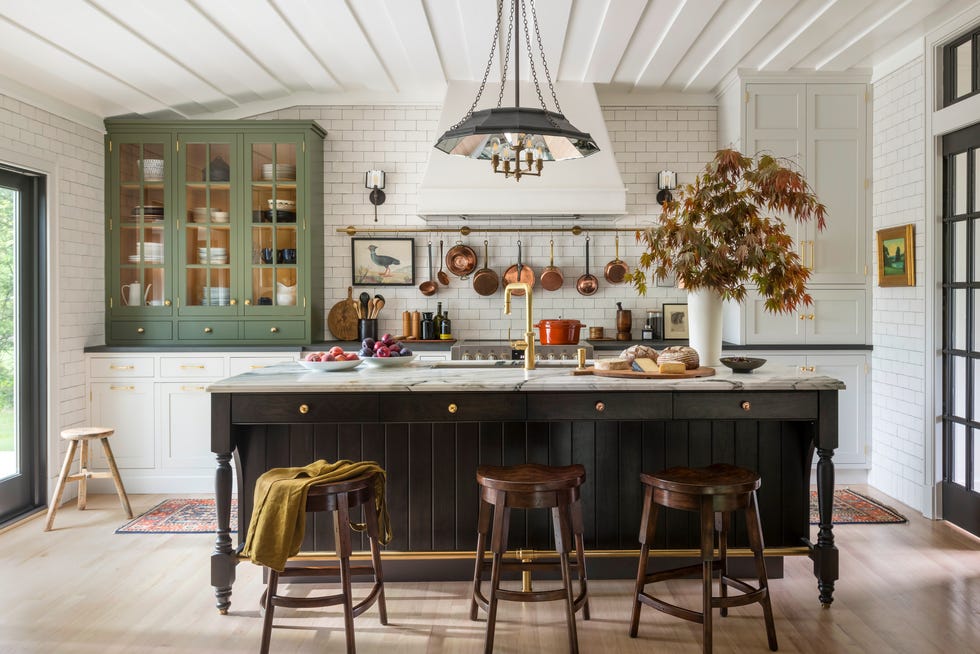
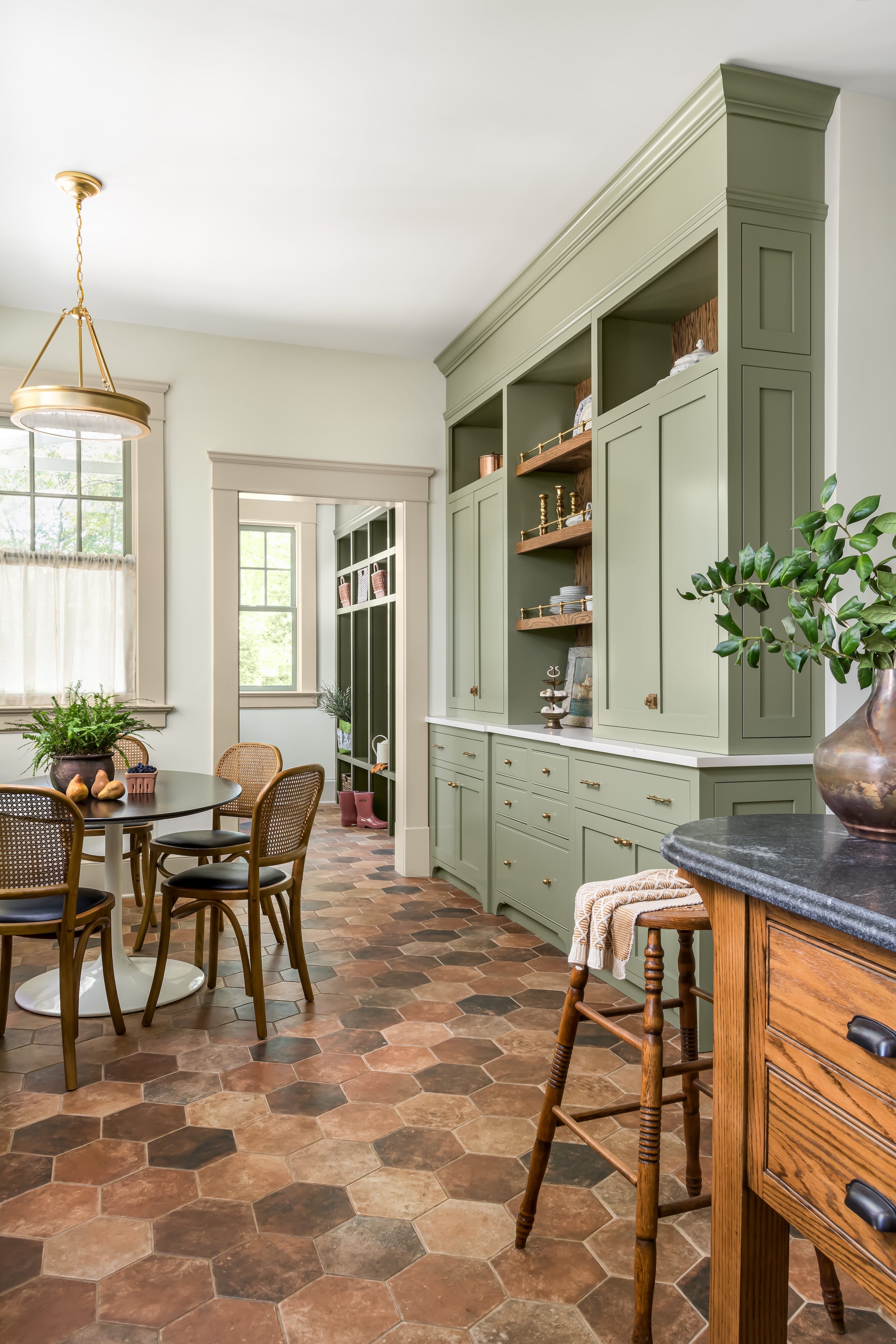
Finally, fluted glass provides an excellent contrast with other materials, particularly in kitchens. In environments where functionality often dictates a uniform material palette, such as wood in many kitchens, fluted glass introduces much-needed dimension and texture. Joelle Kutner of Ome Dezin emphasizes that fluted glass in kitchen cabinetry achieves a perfect balance between beauty and practicality by adding depth without overwhelming the space. The ribbed surface helps achieve this harmonious blend of aesthetics and utility in interior design.
#InteriorDesign #FlutedGlass #HomeDecor #DesignTrends2026 #TextureInDesign #LightDiffusion #CabinetryDesign #AmbianceCreation #InteriorDesign #FlutedGlass #HomeDecor #DesignTrends2026 #TextureInDesign #LightDiffusion #CabinetryDesign #AmbianceCreation
0 comment in total
 No comments yet
You may also like
Designers Say These Vintage Lighting Trends Will Be Everywhere in 2026

Interiors experts predict this will be the biggest paint trend of 2026

Designers Say This Fabric Will Dominate Living Rooms in 2024
The Verdict Is In: Refined Layering Will Be Everywhere in 2026

Designers Predict This Will Be The Biggest Paint Trend Of 2026
Designers Are Calling It: These Furniture Trends Will Be Everywhere in 2026
Pinterest Says This High-Class Aesthetic Is Sure To Trend In 2026

This British Paint Trend Is Set to Take Over 2026

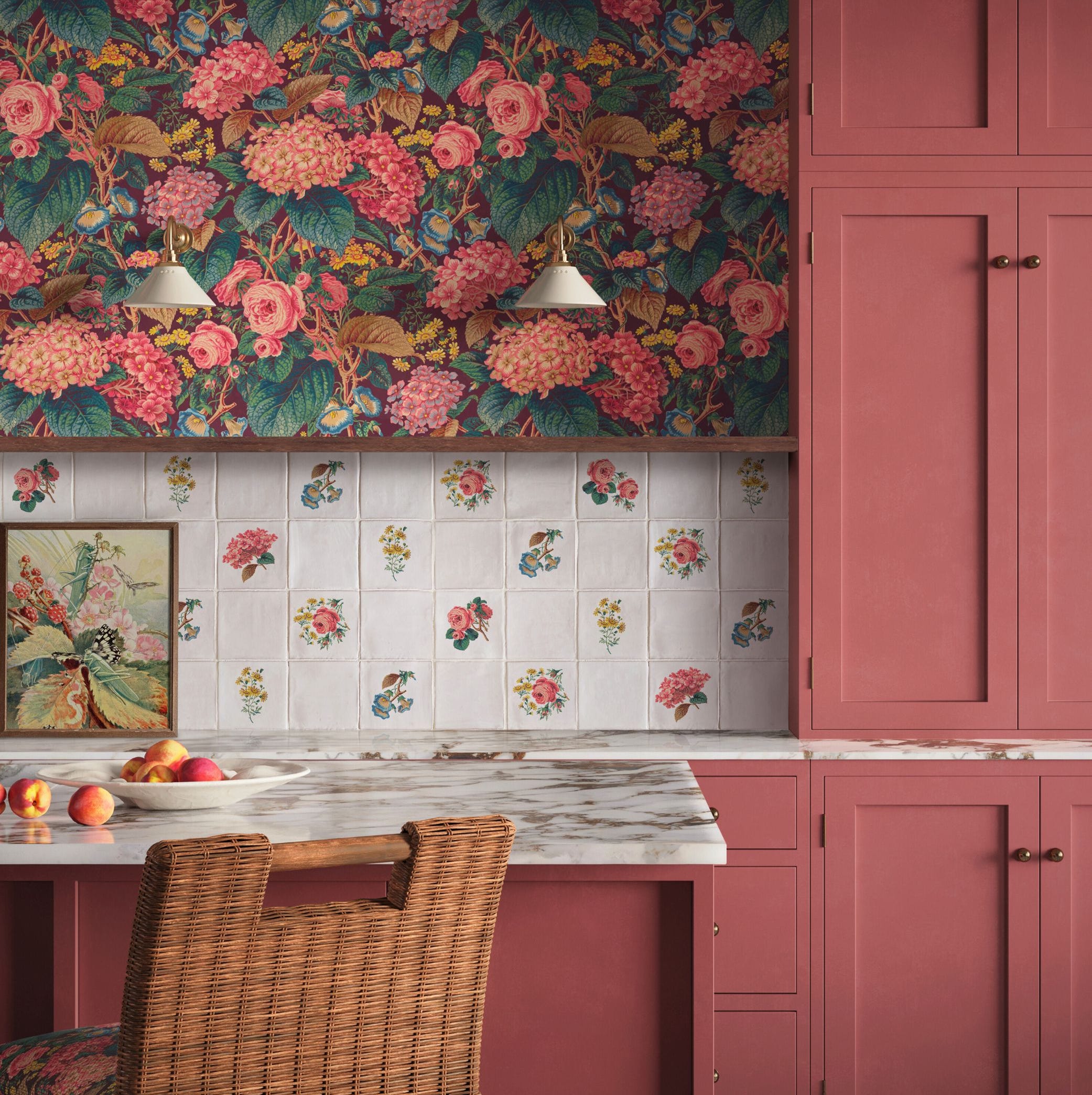
Pattern Splicing: The Bold Tile Trend About to Be Everywhere in 2026

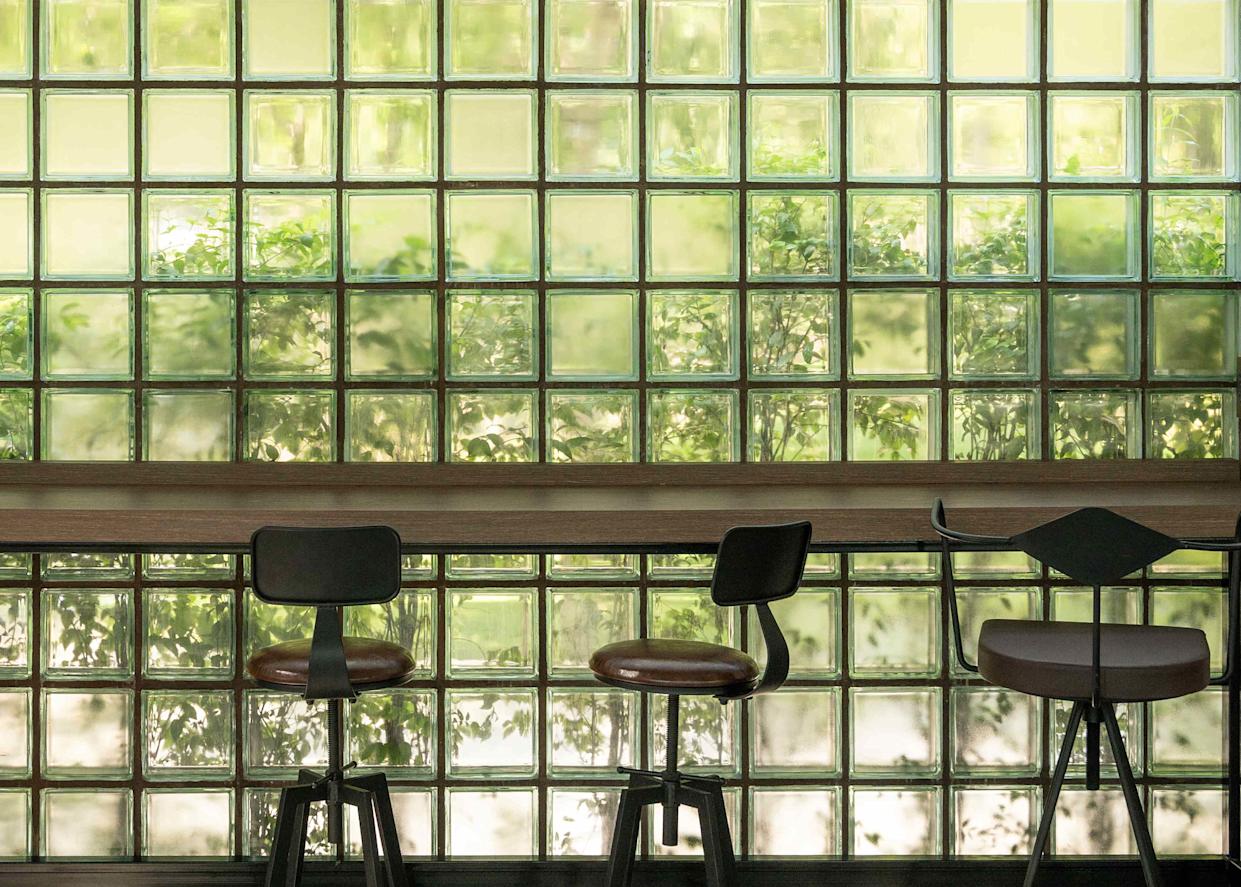
Glass Blocks Are the Vintage Trend We're Loving in 2025—Here's How to Use Them
Designers Are Calling It: These Interior Design Trends Will Be Everywhere in 2026

This British Paint Trend Is Set to Take Over 2026
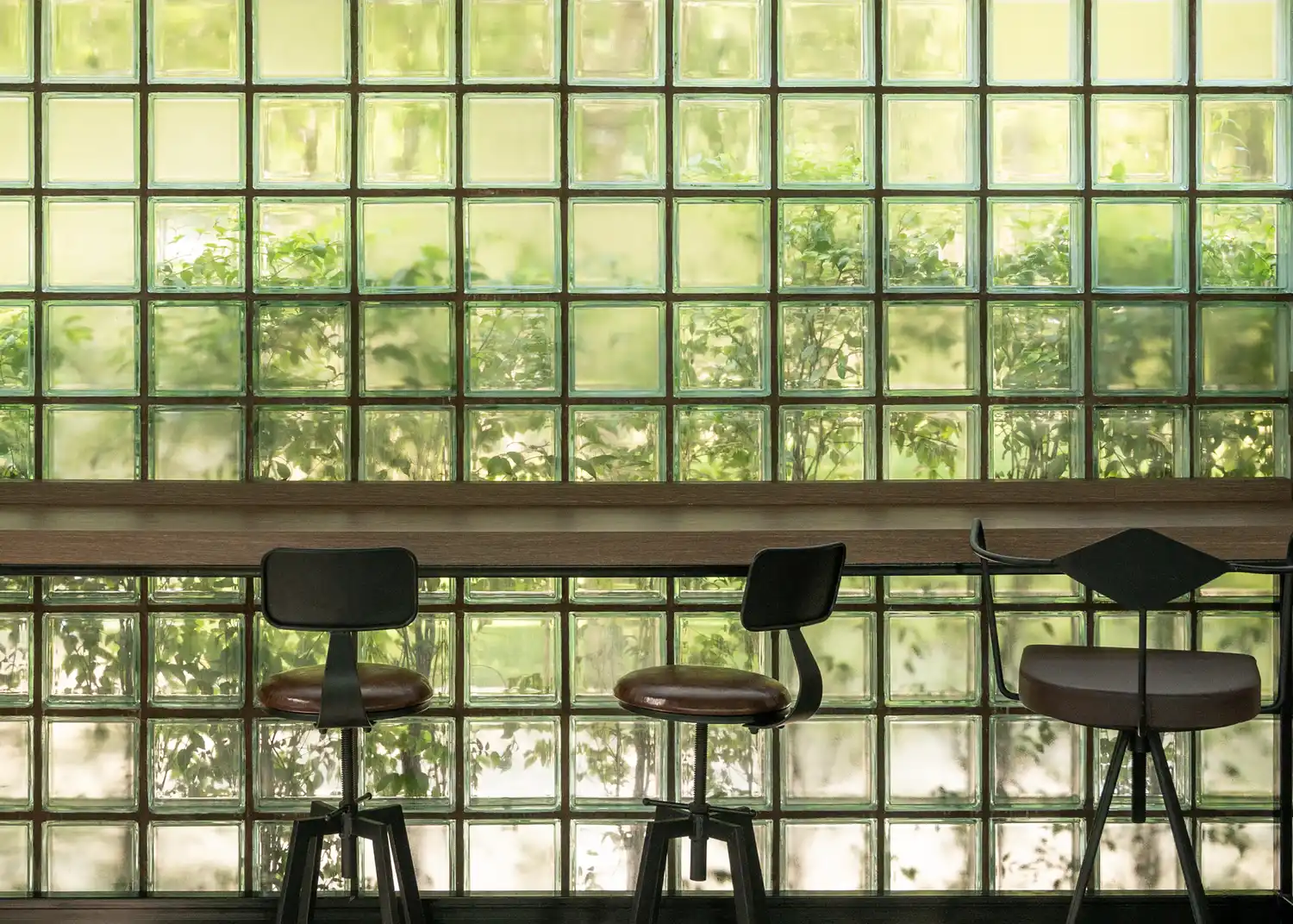
Glass Blocks Are the Vintage Trend We're Loving in 2025—Here's How to Use Them

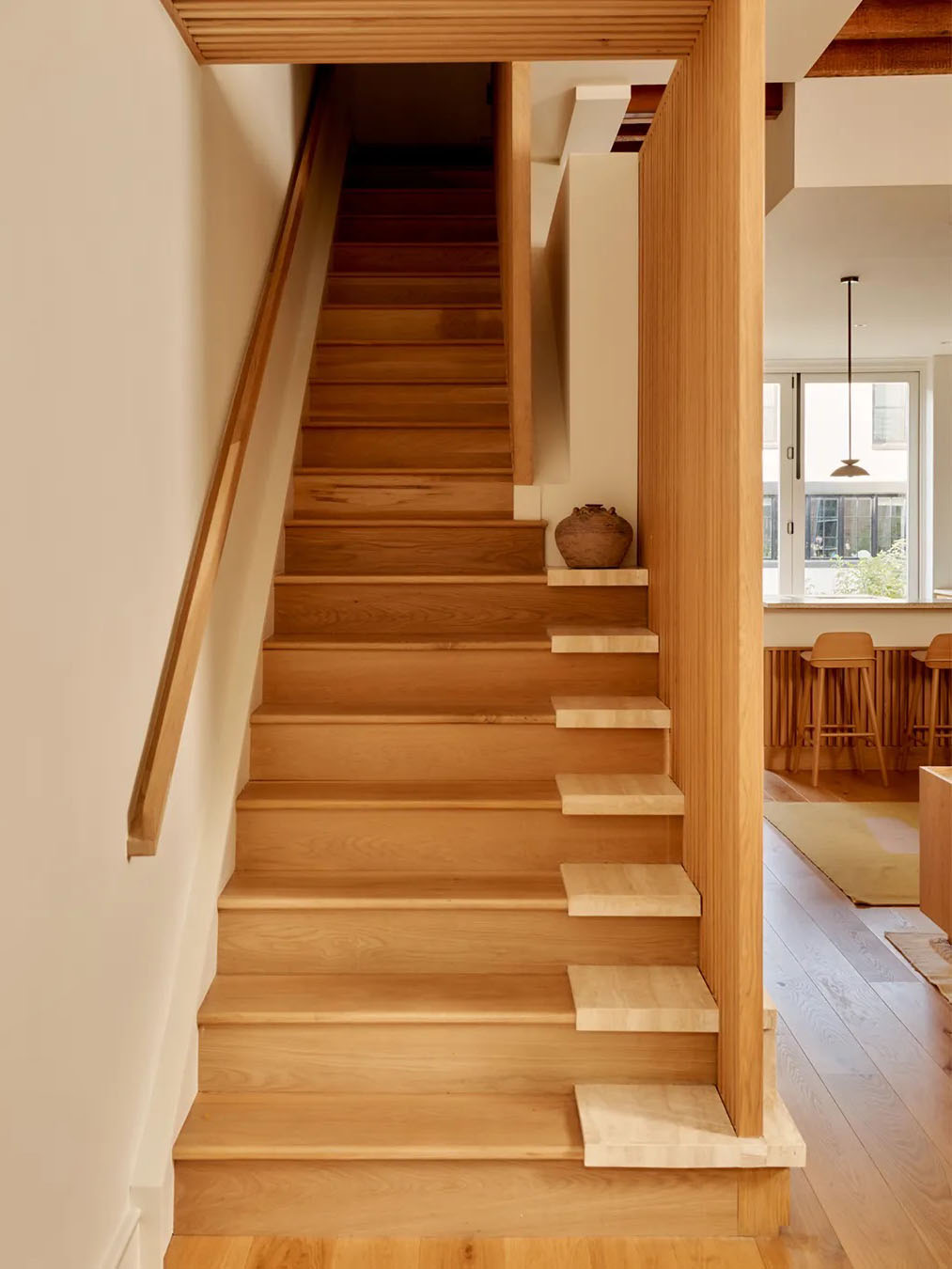
80% of Design Pros Agree This Pared-Back Material Will Rule Construction in 2025

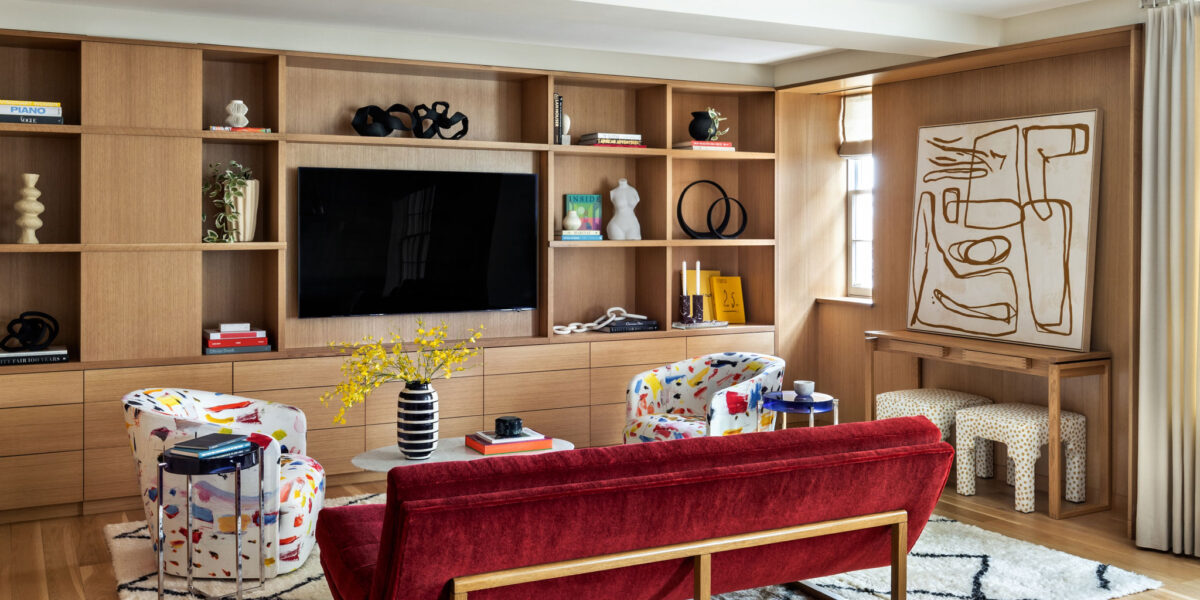
This Opulent Decor Choice Is Poised to Become the Biggest Design Trend of 2025
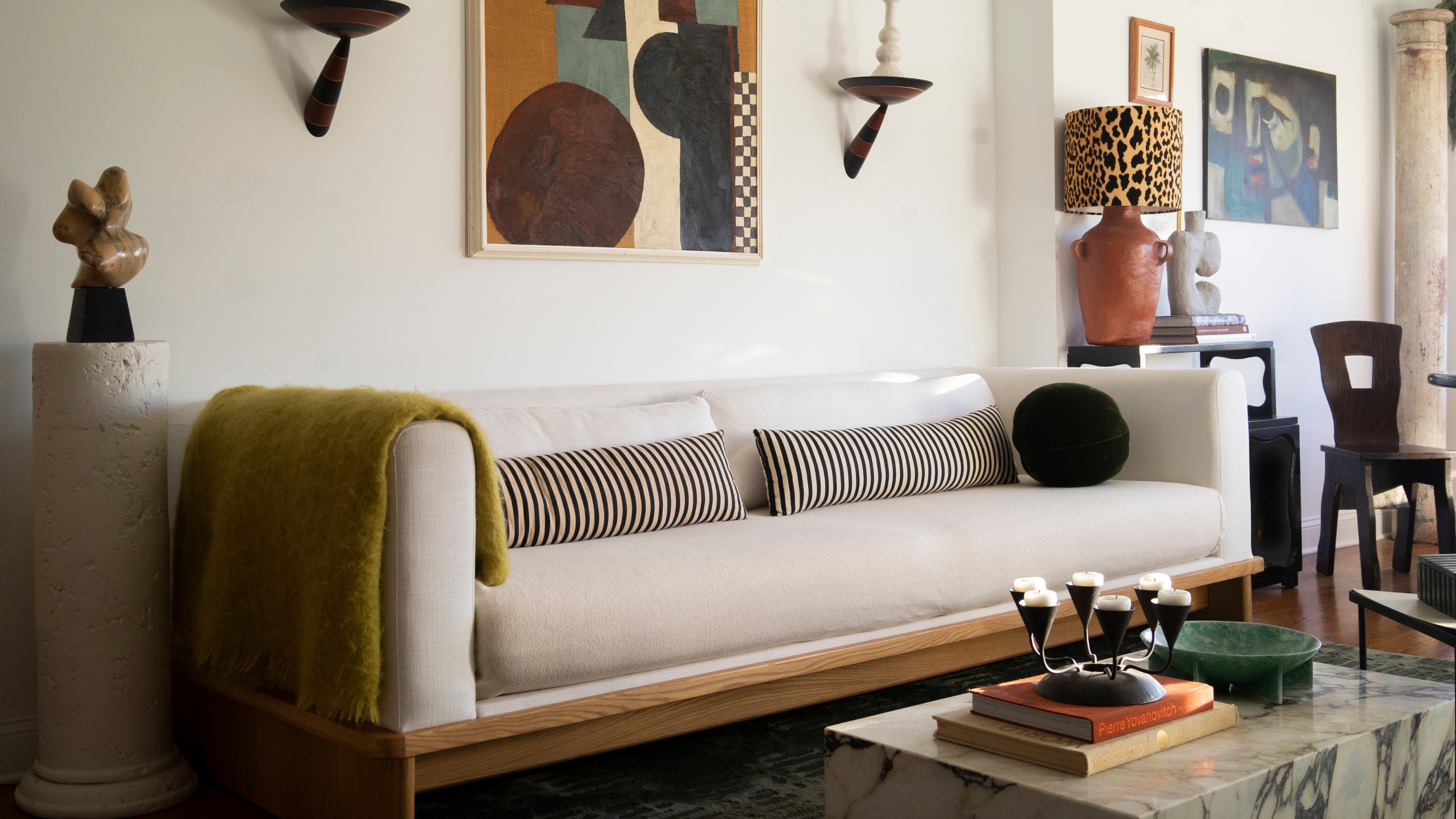
Designers' Reveal the Biggest Pattern Trends for 2025, and It's Shaping Up to Be a Bold Return to the Classics

These Lighting Trends Will Be Everywhere in 2026, According to Designers

This 1920s-Inspired Design Trend Is Taking Over Homes in Fall 2025
Meet 'colour capping', the paint trend set to take over 2026
The Old-School Pattern Trend That's Having A Major Resurgence In 2026