1/4
Meet 'colour capping', the paint trend set to take over 2026
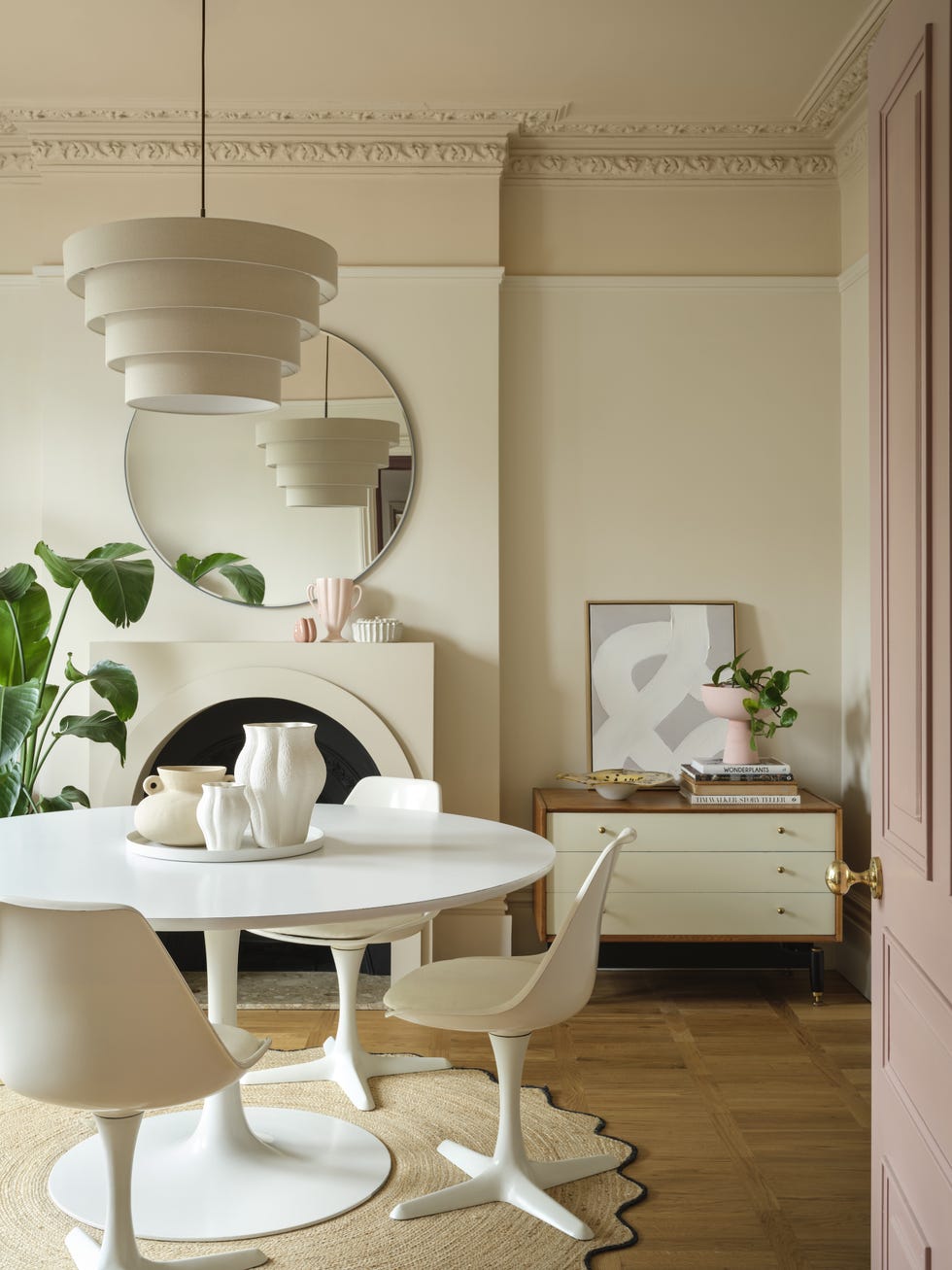
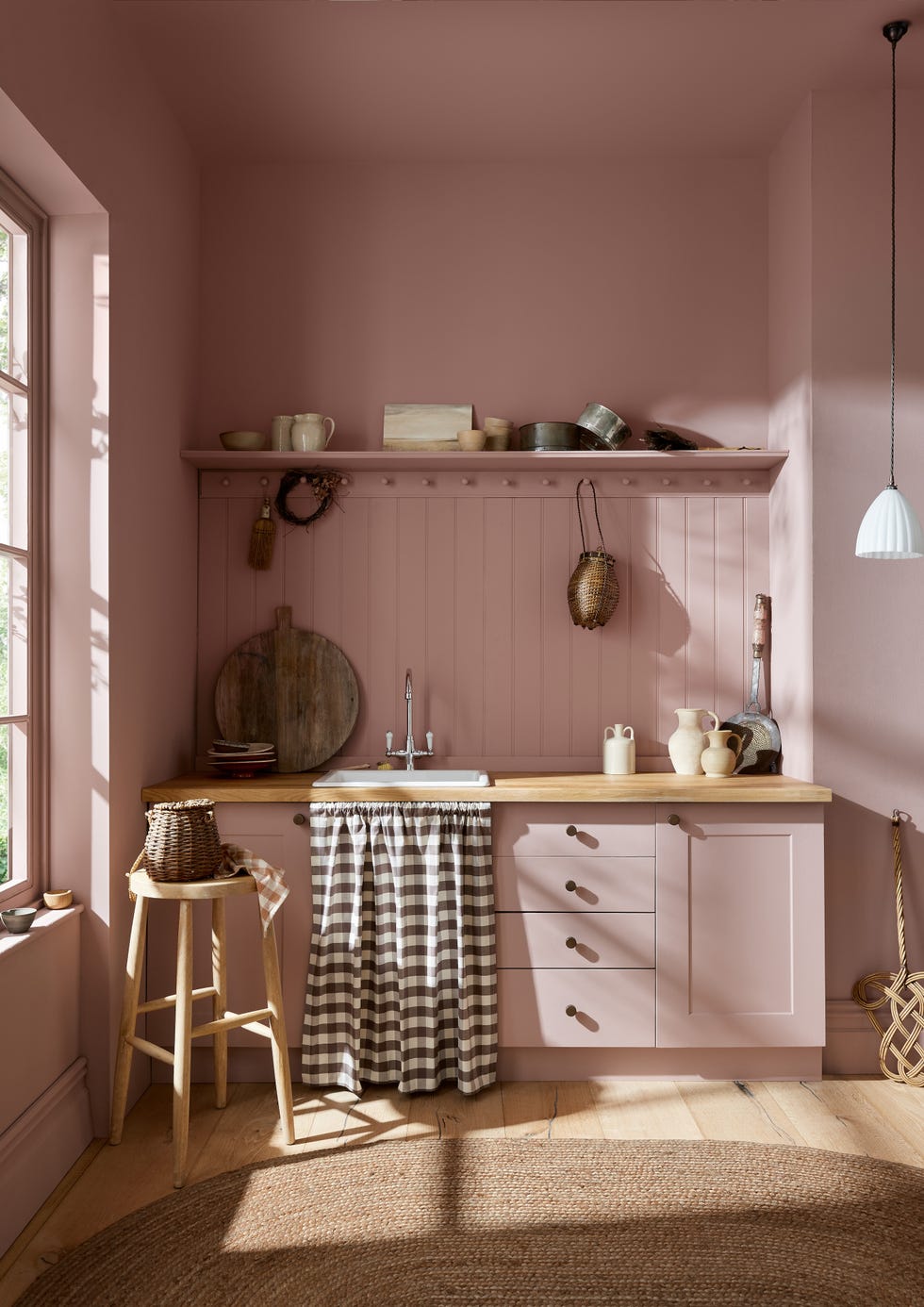
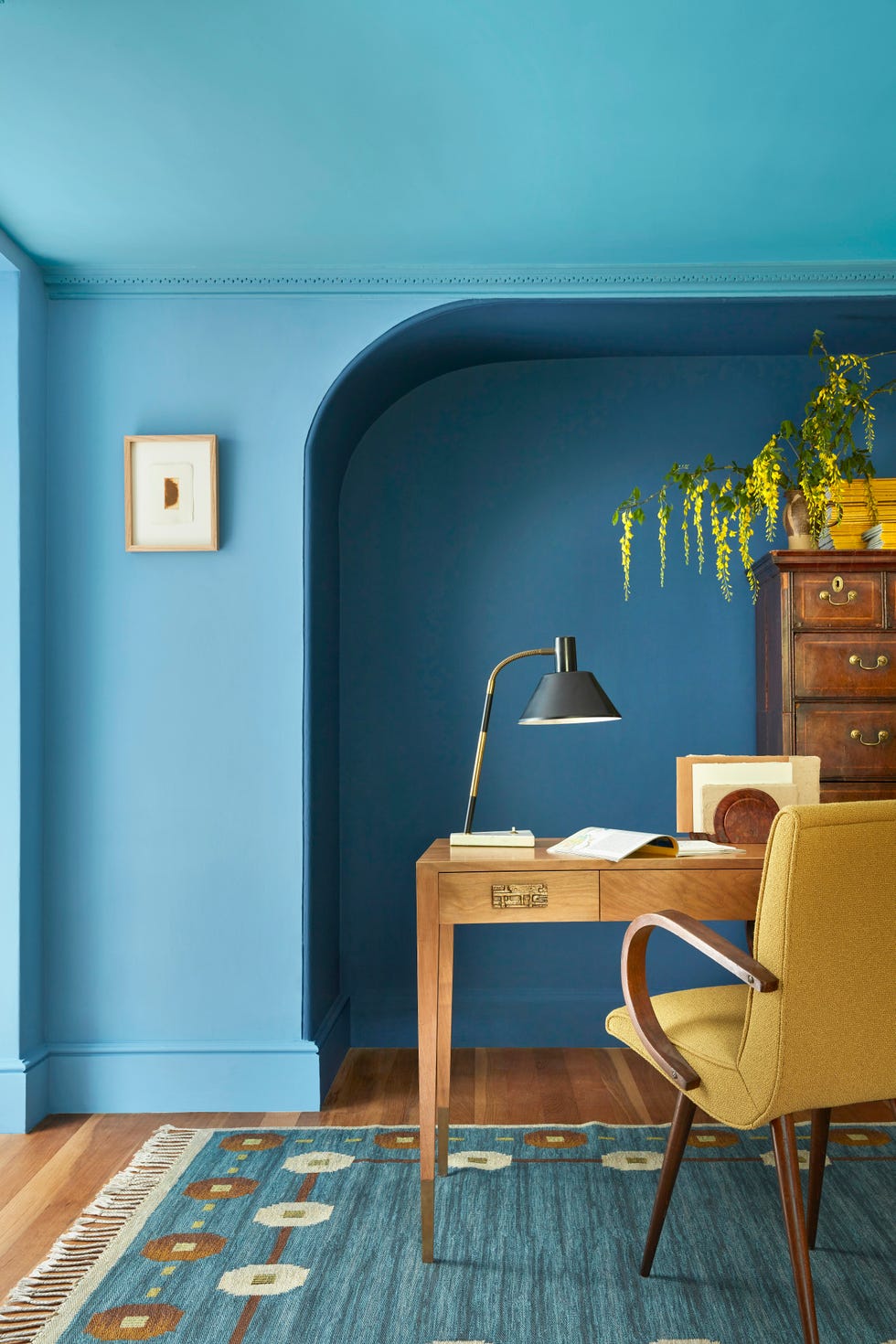
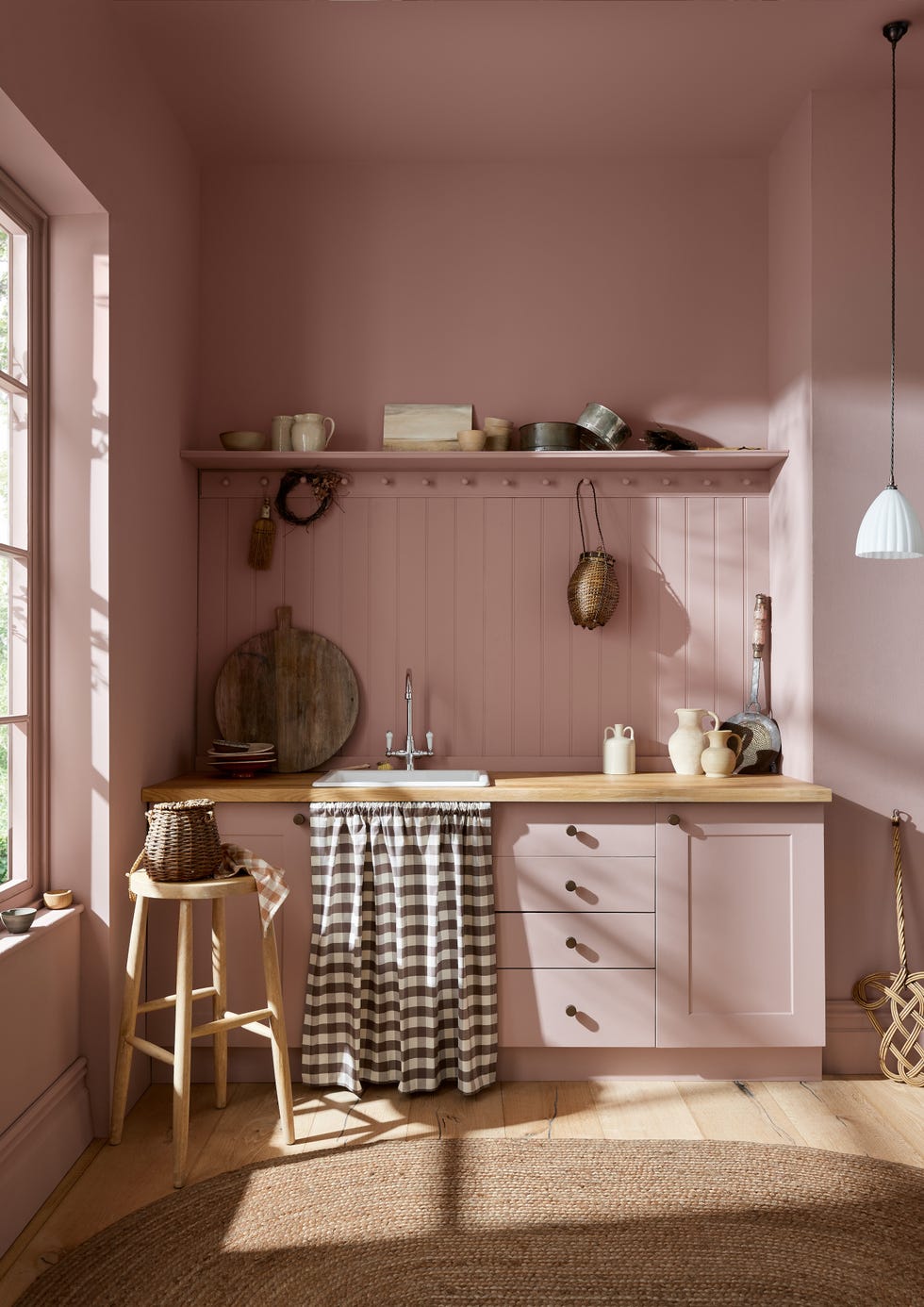
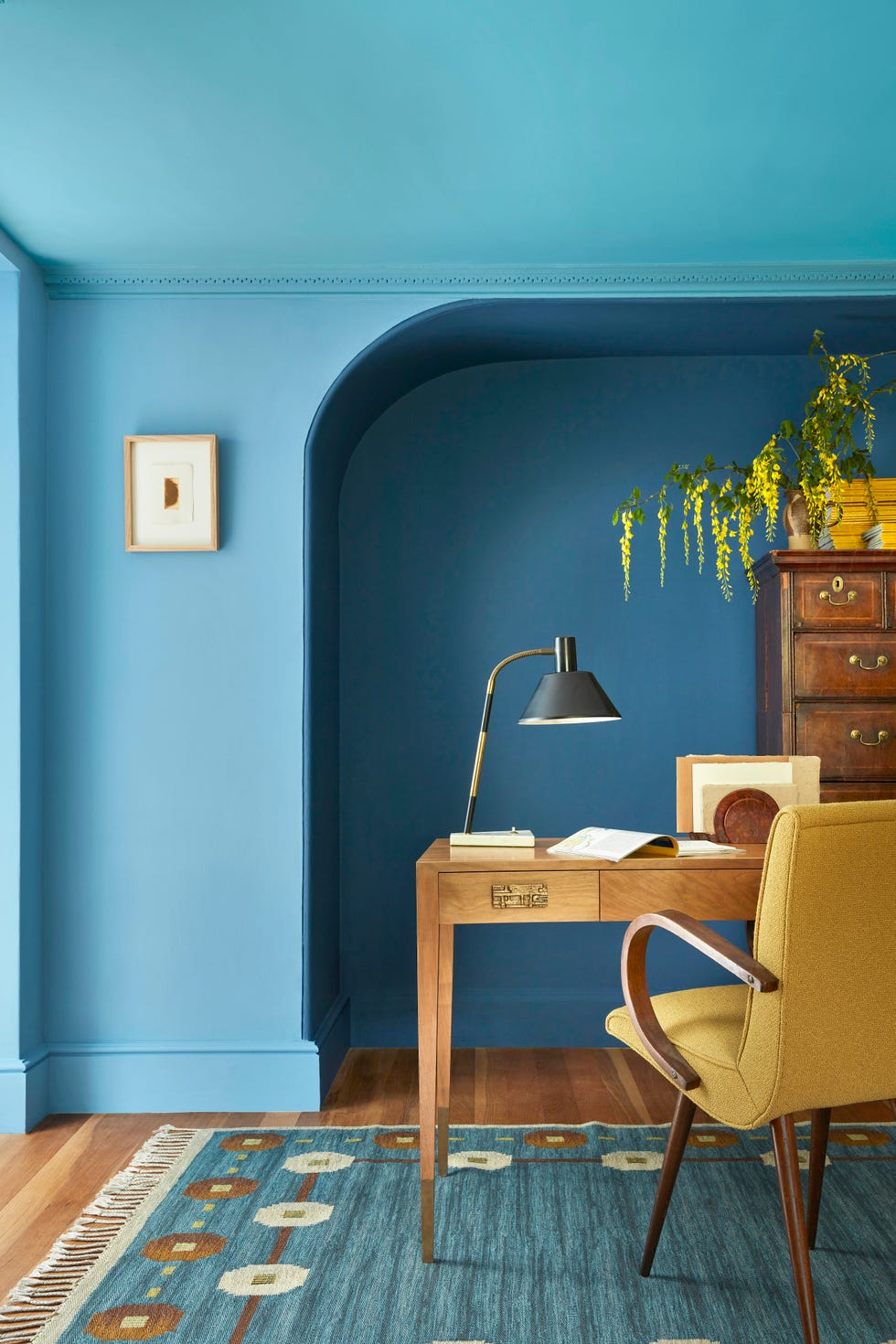
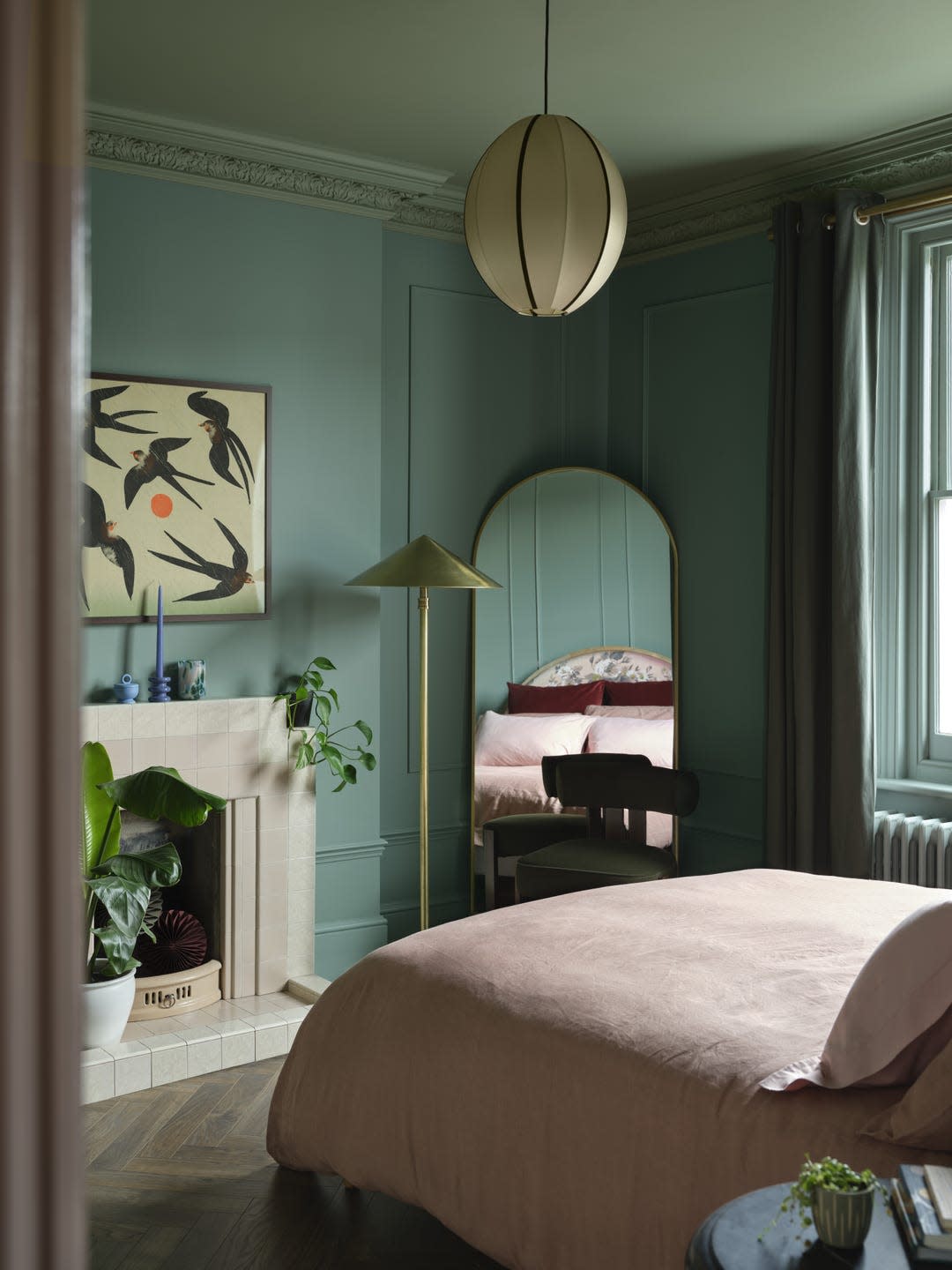
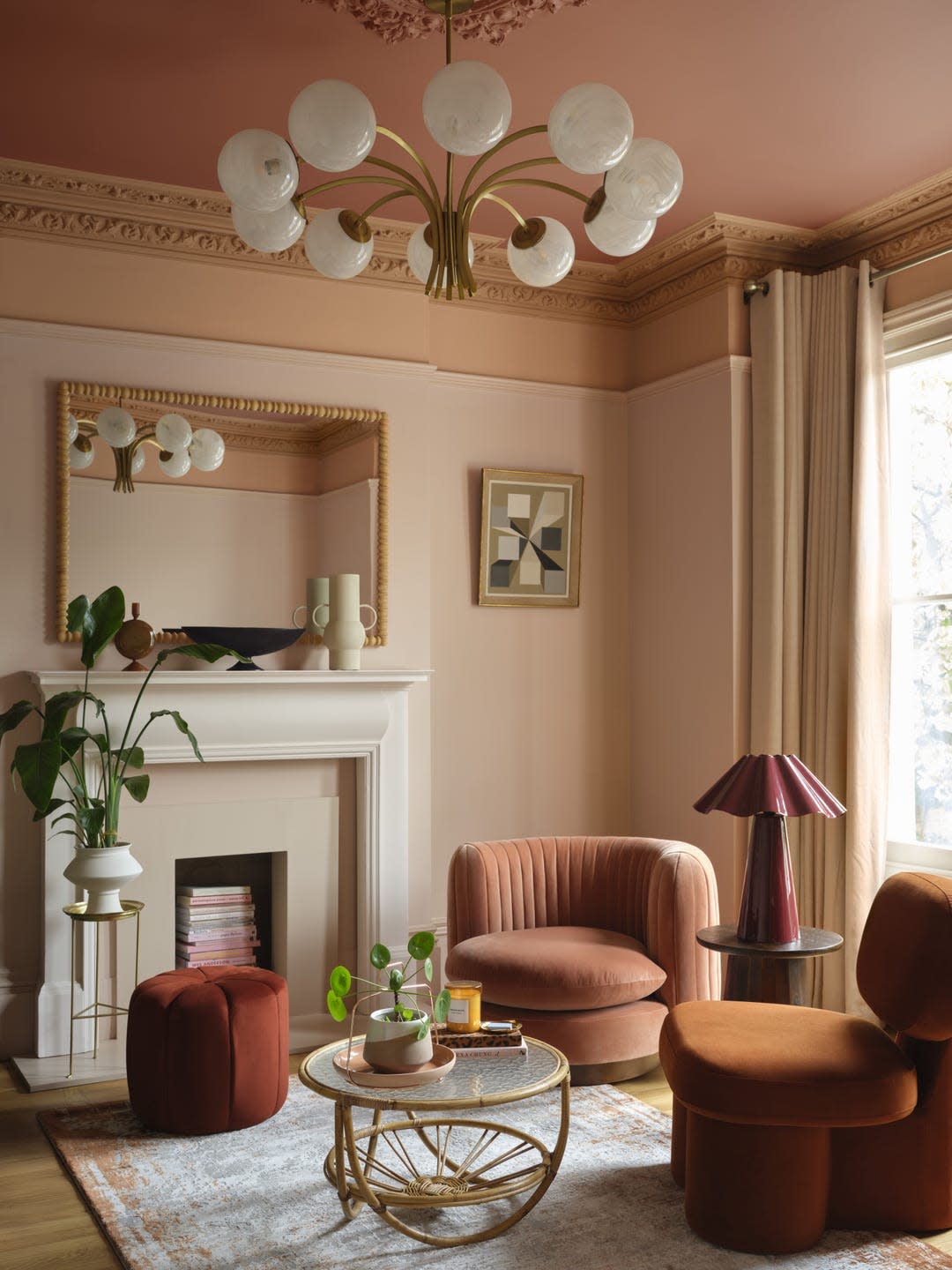
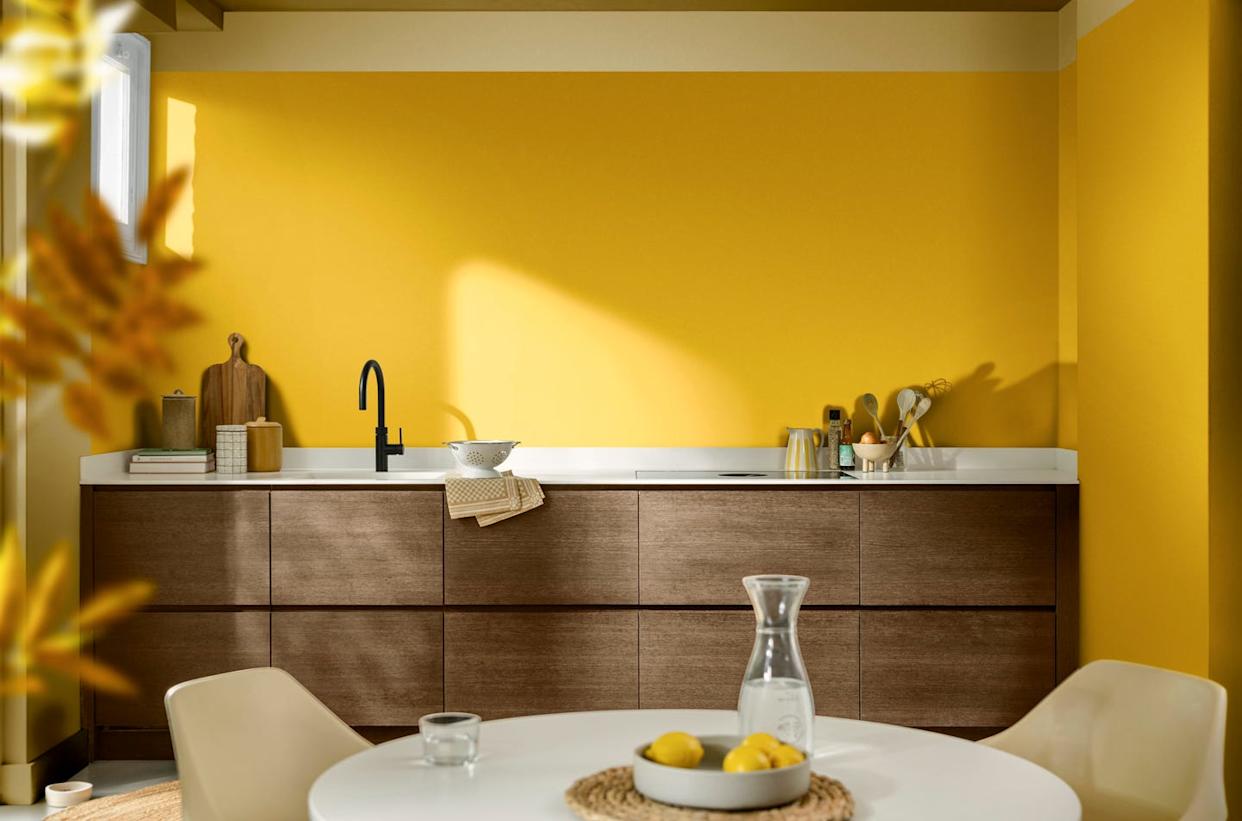
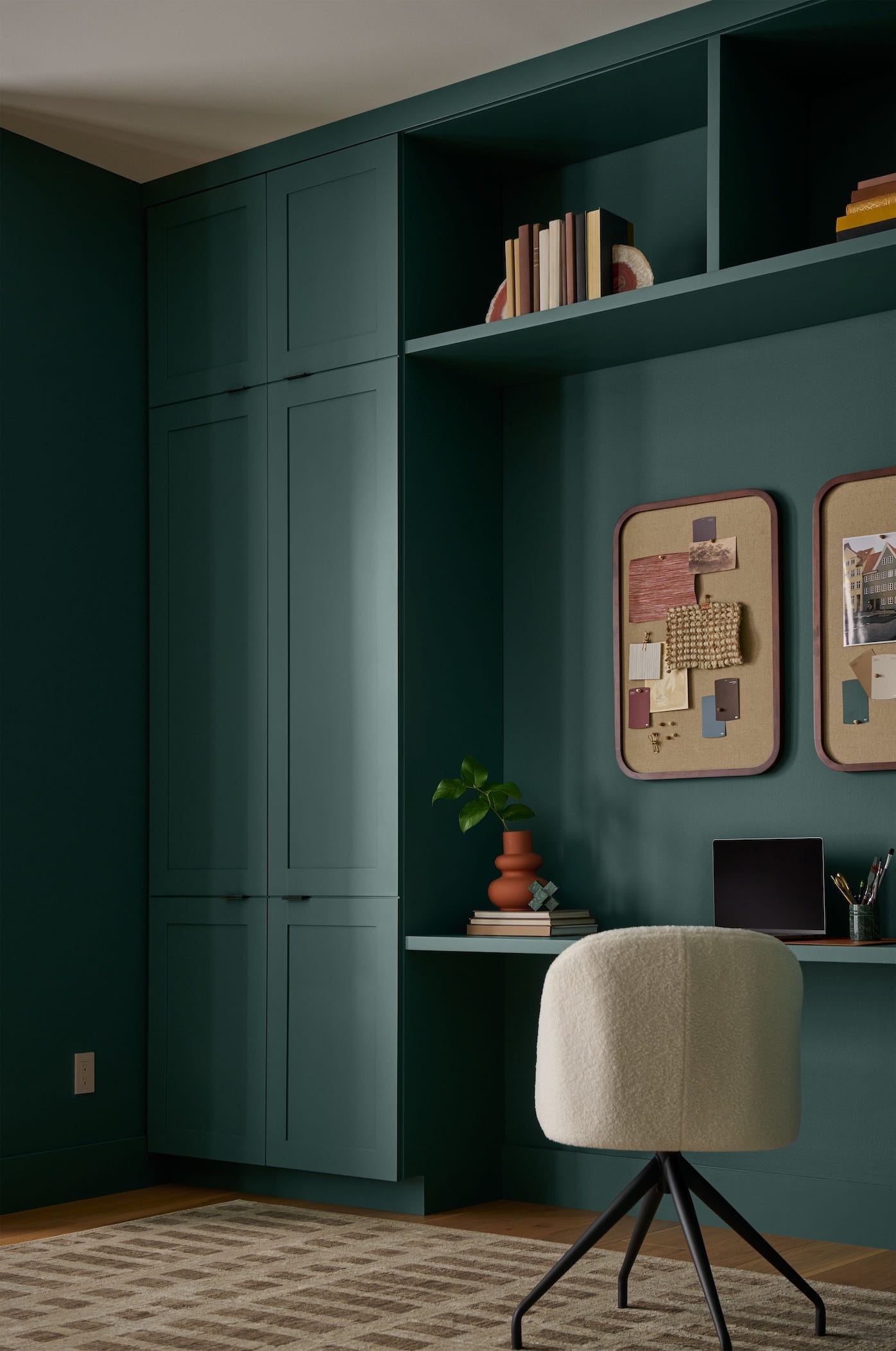
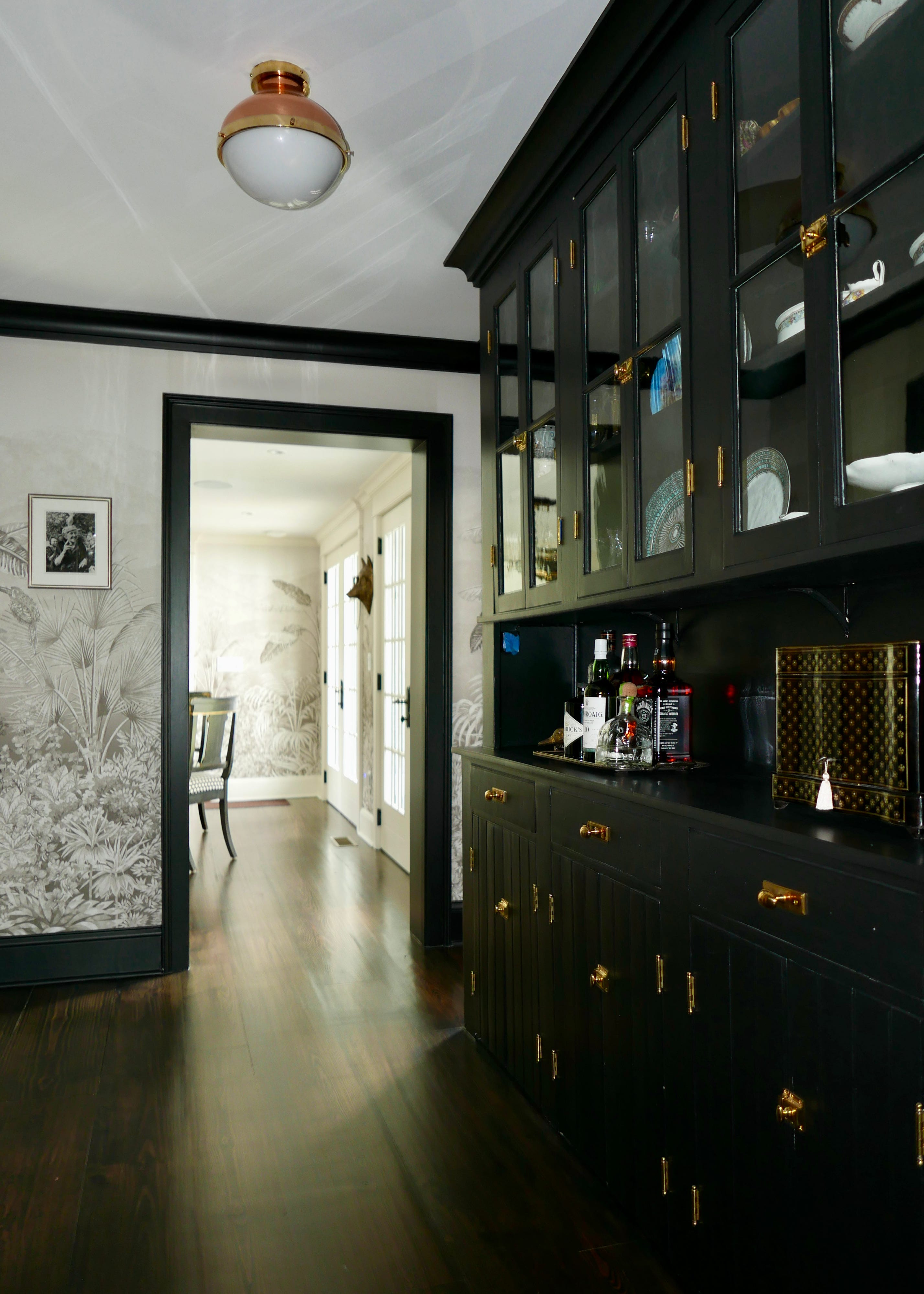
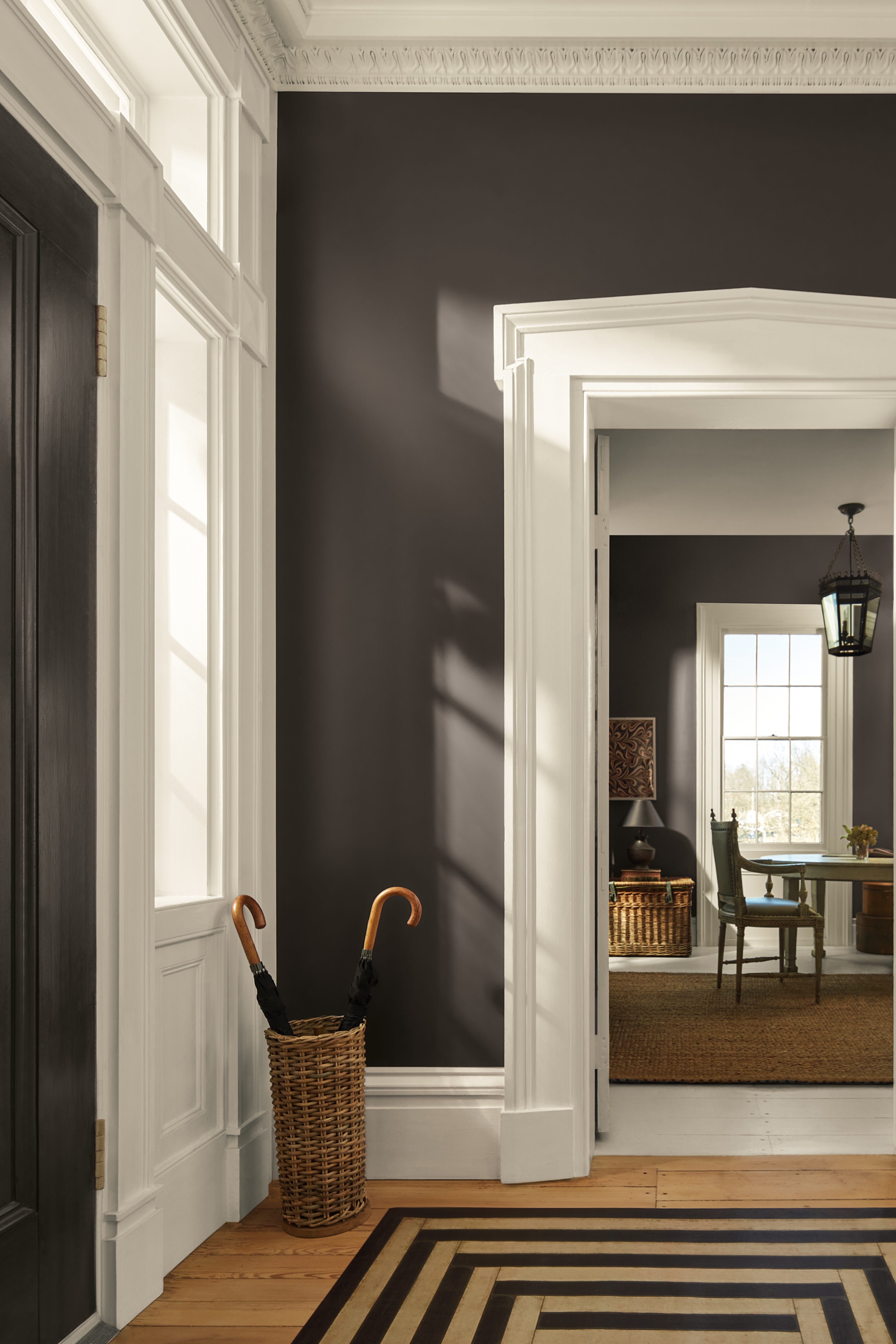
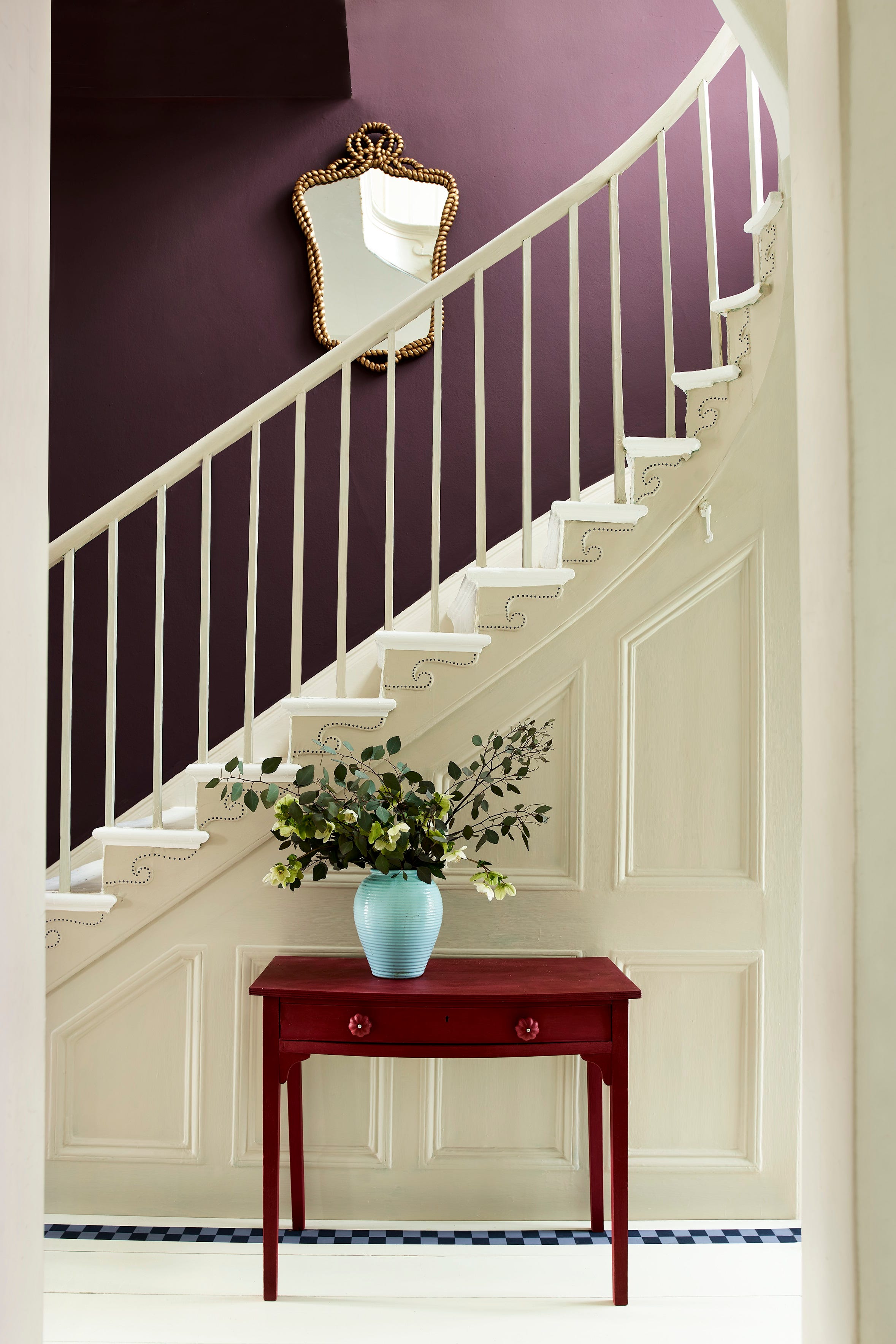
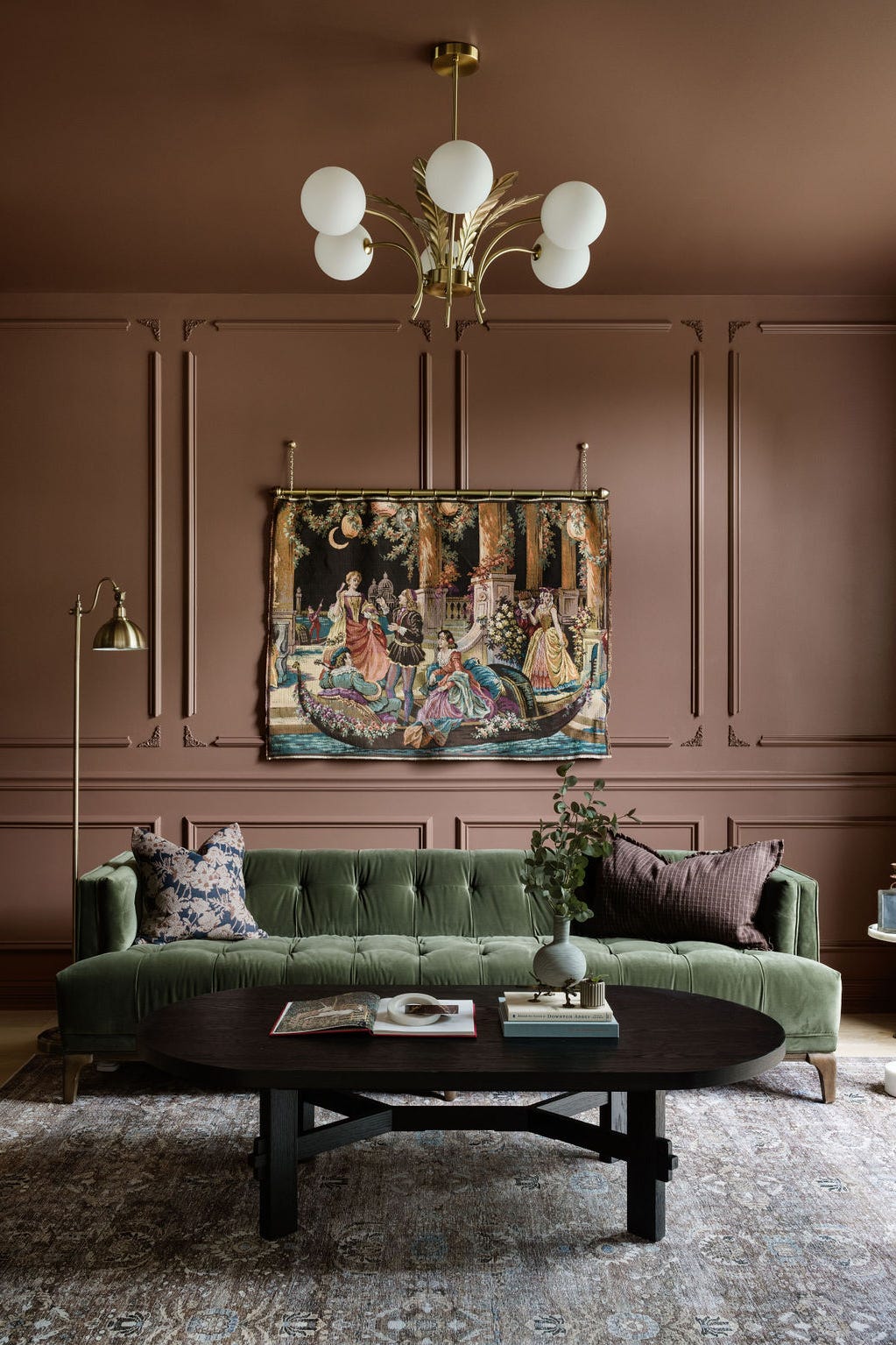
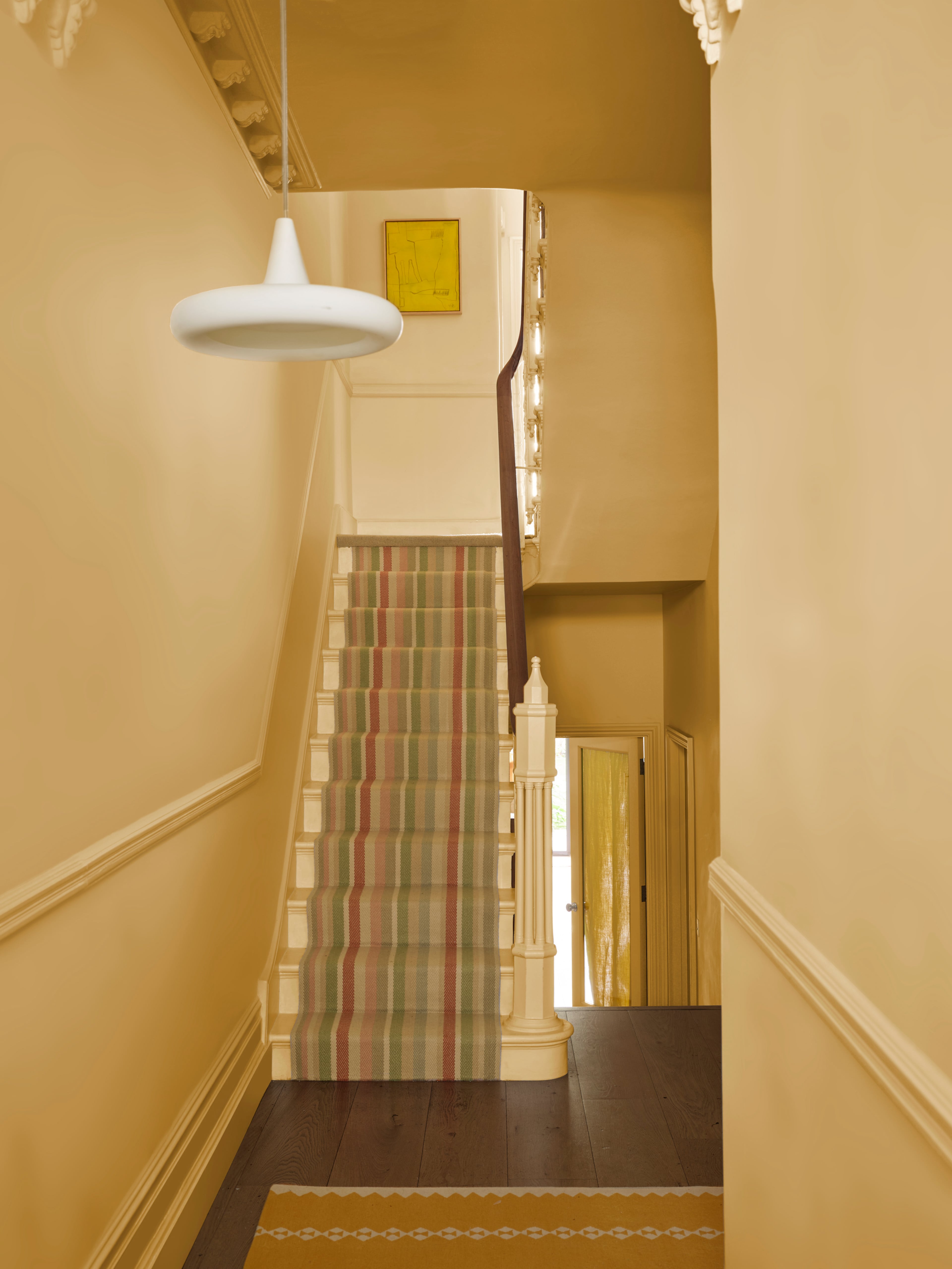
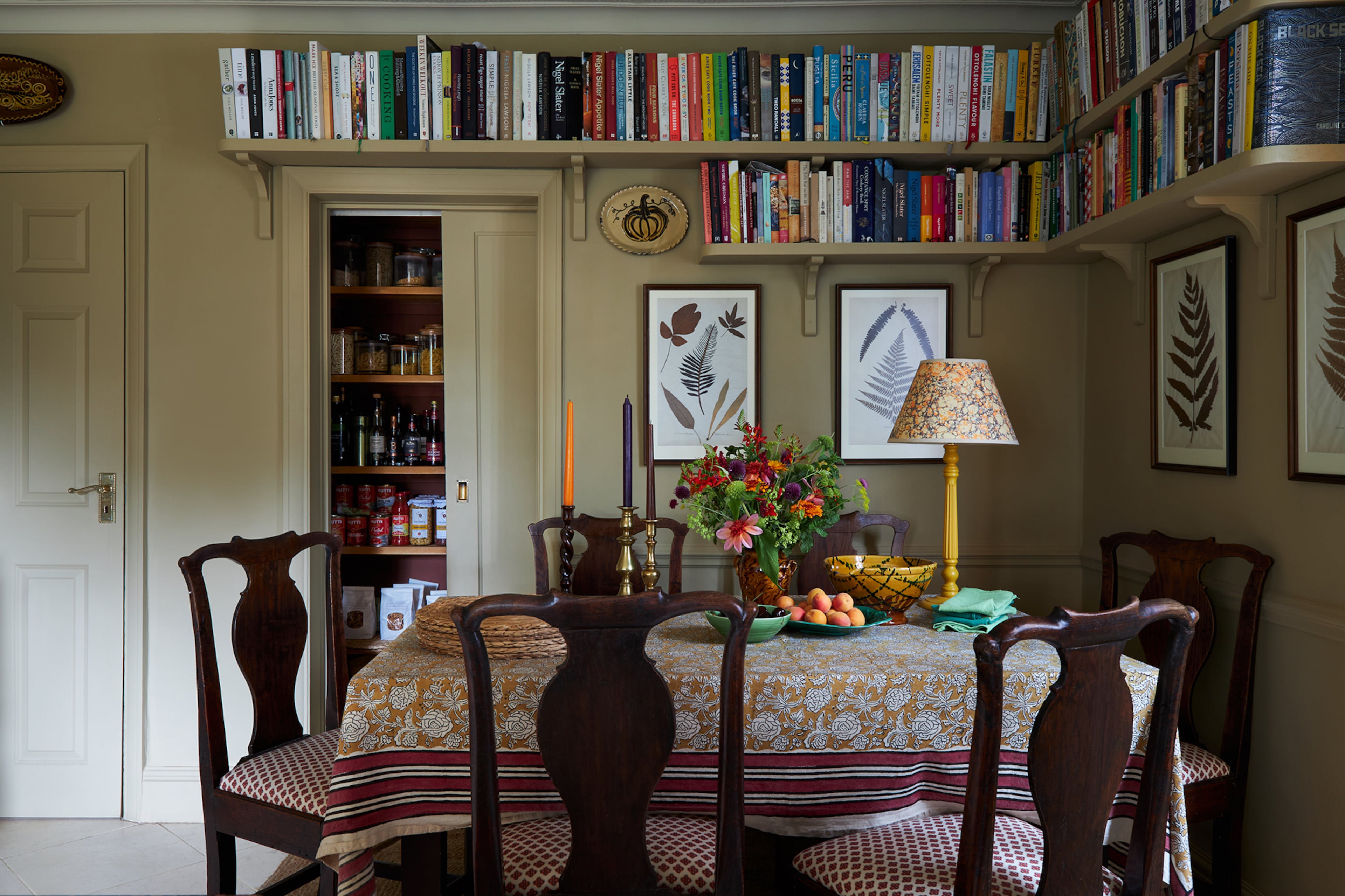
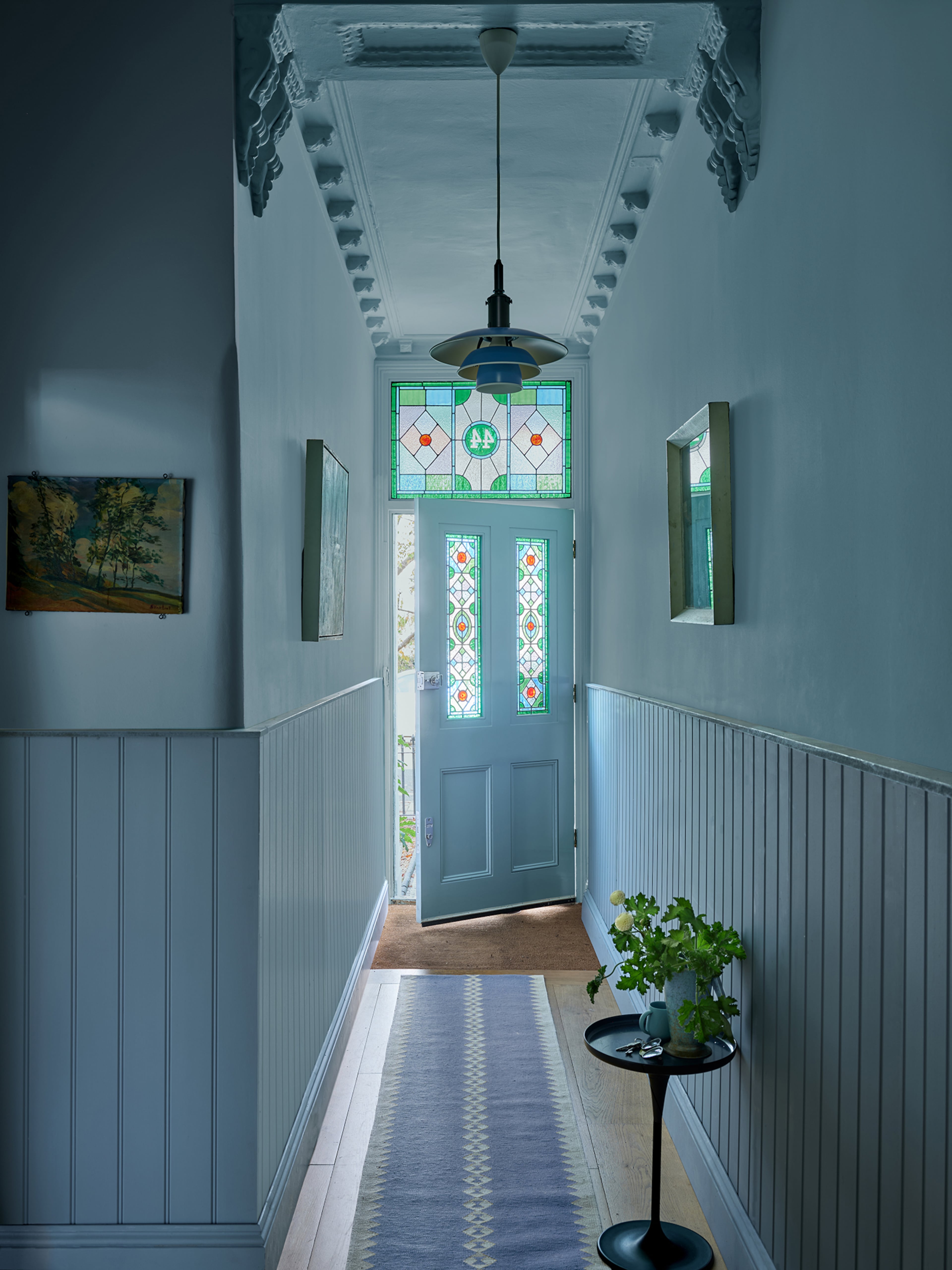
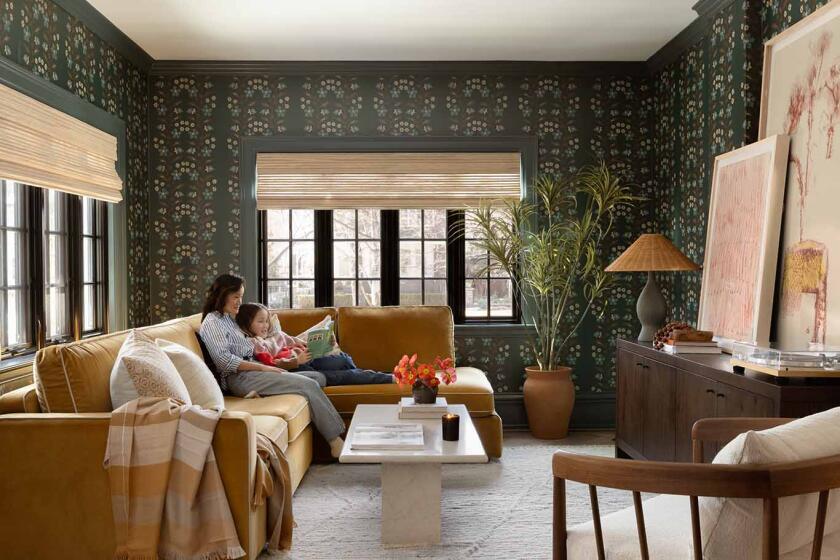
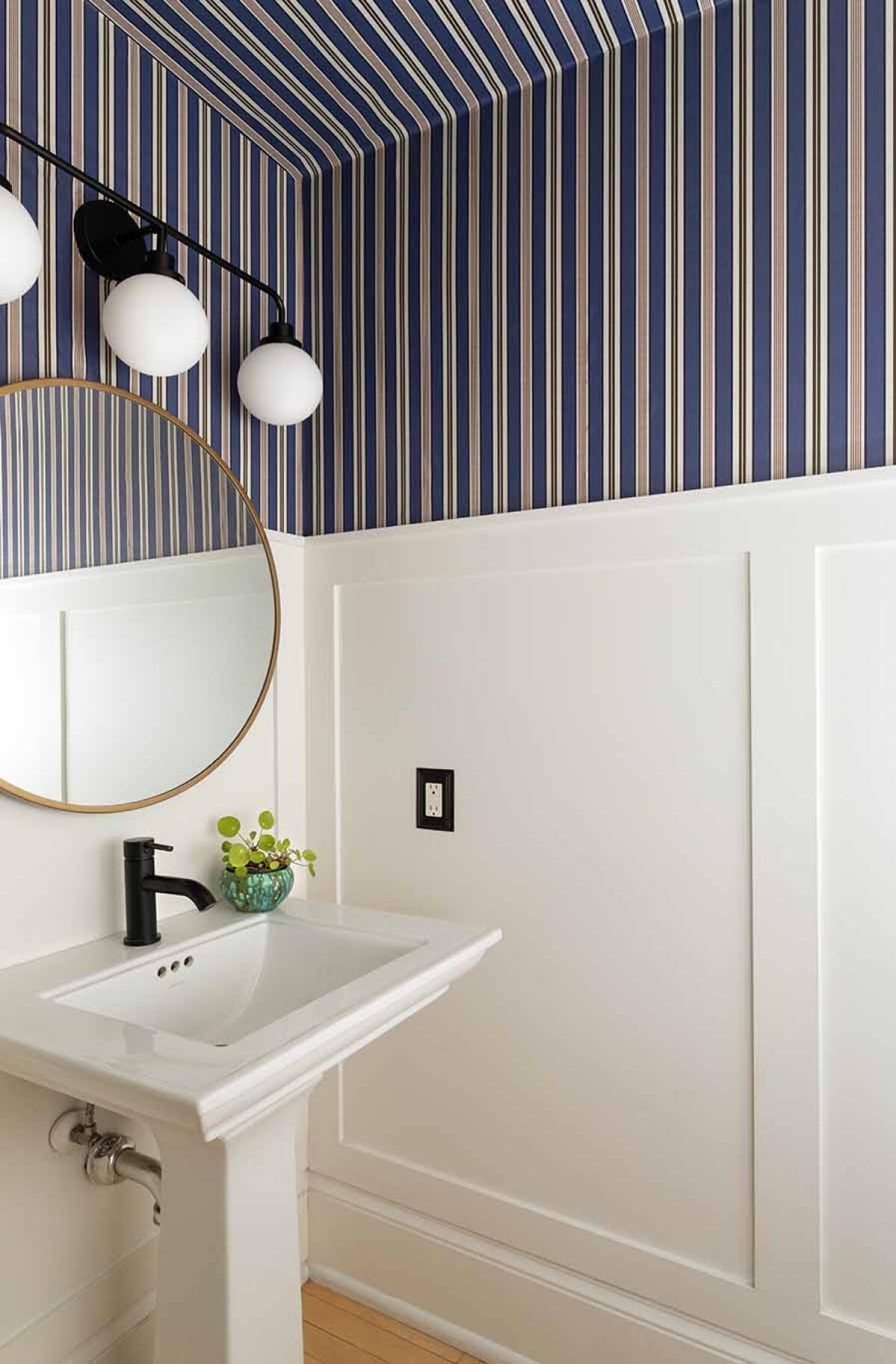
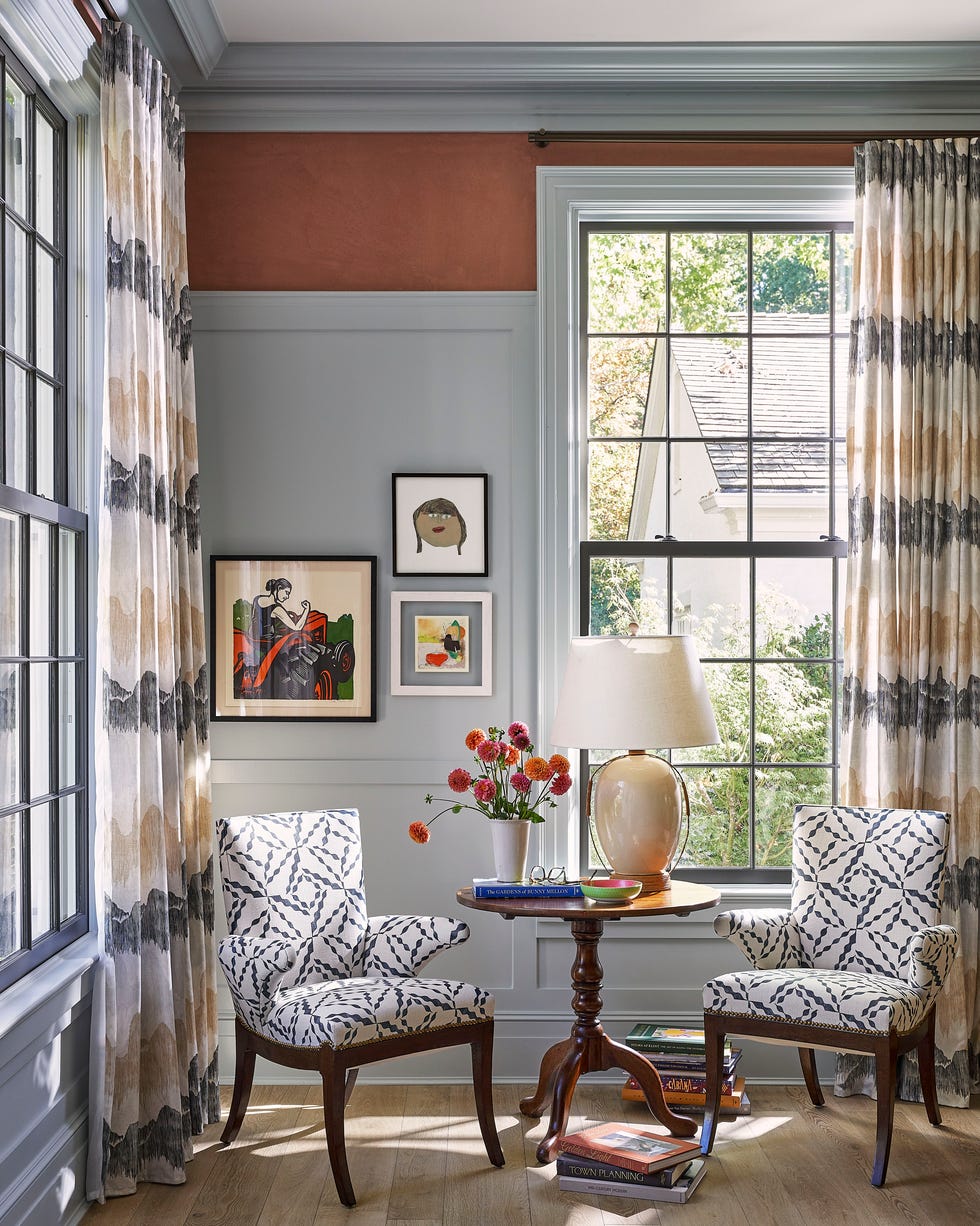
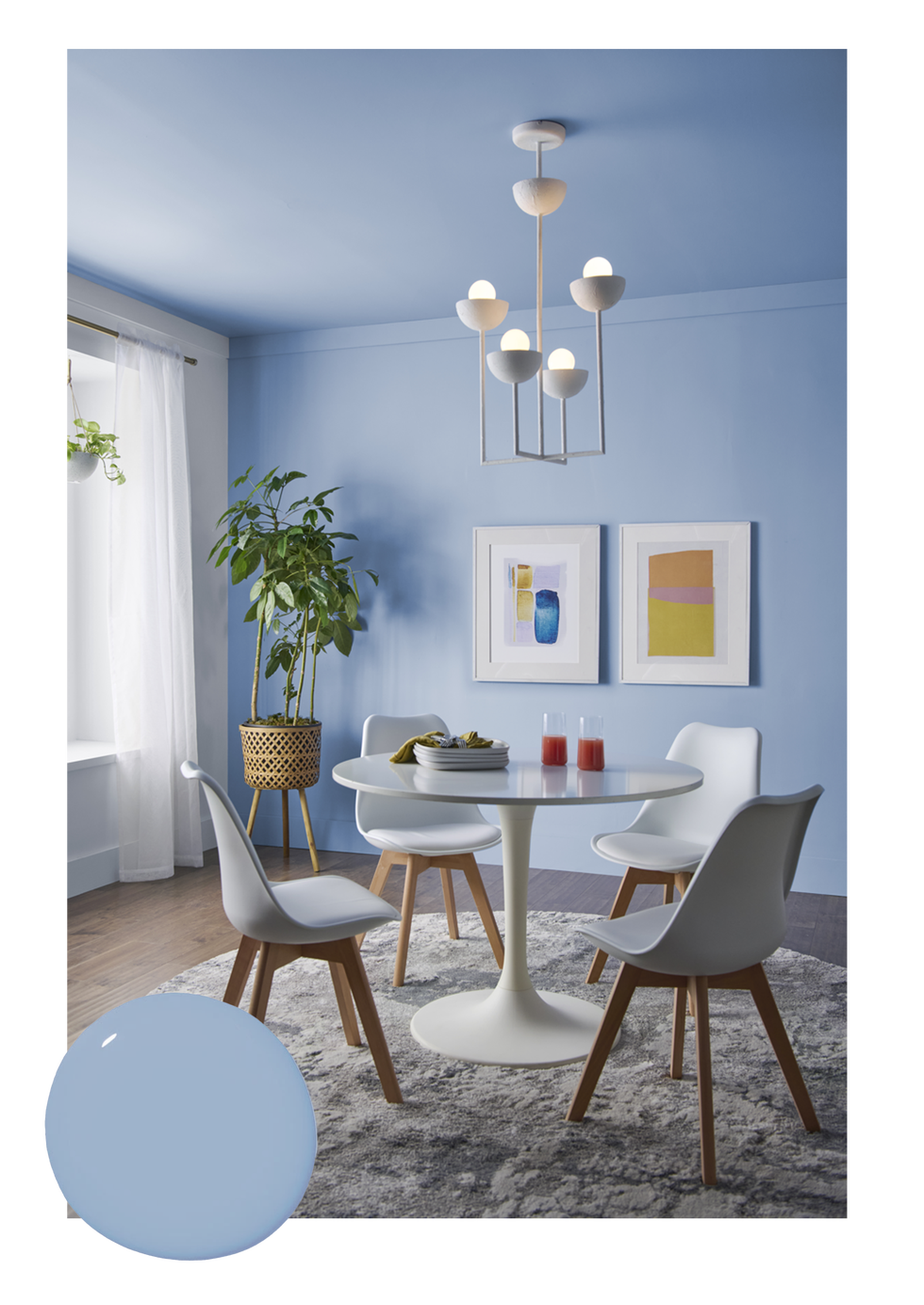
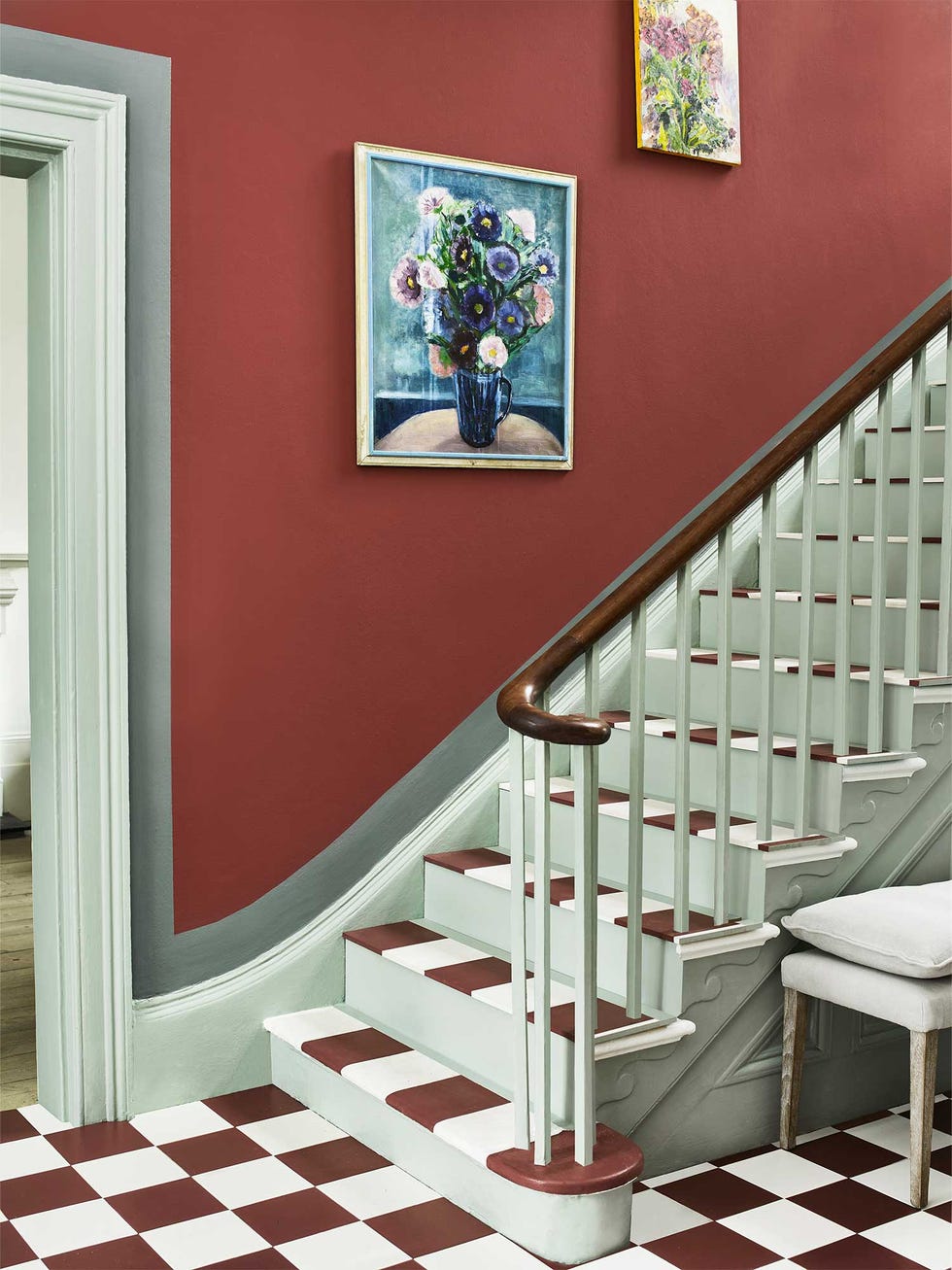
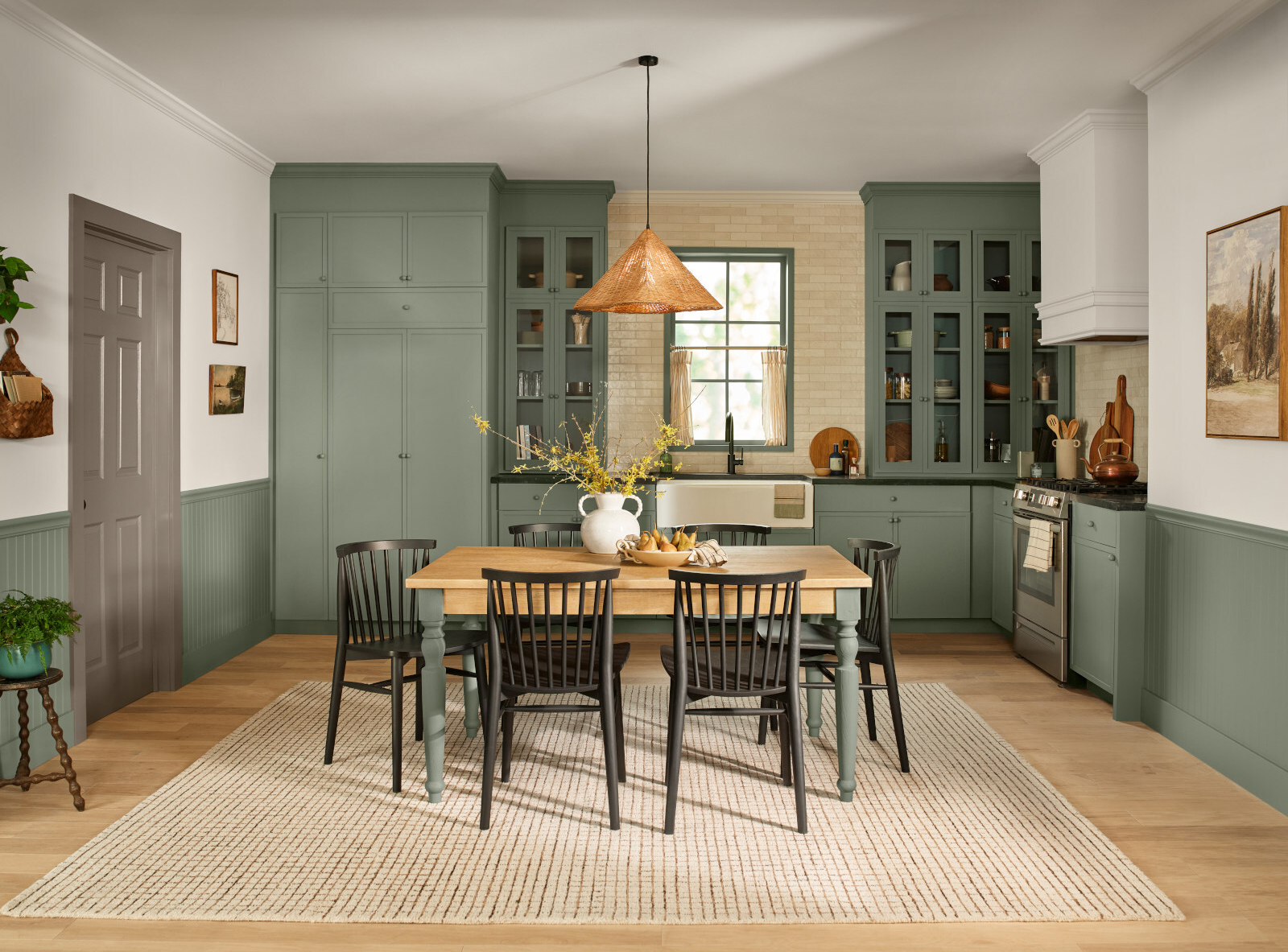
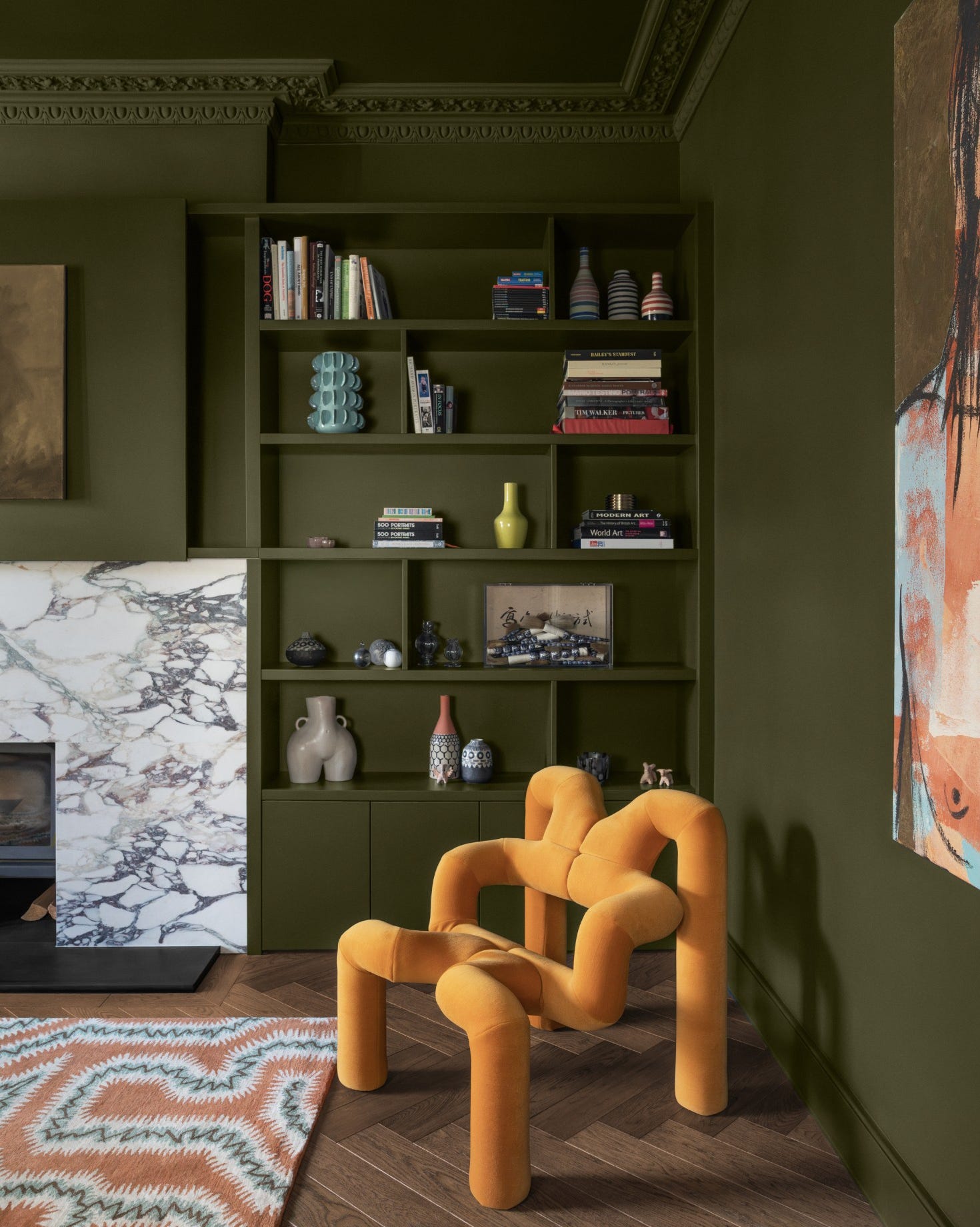
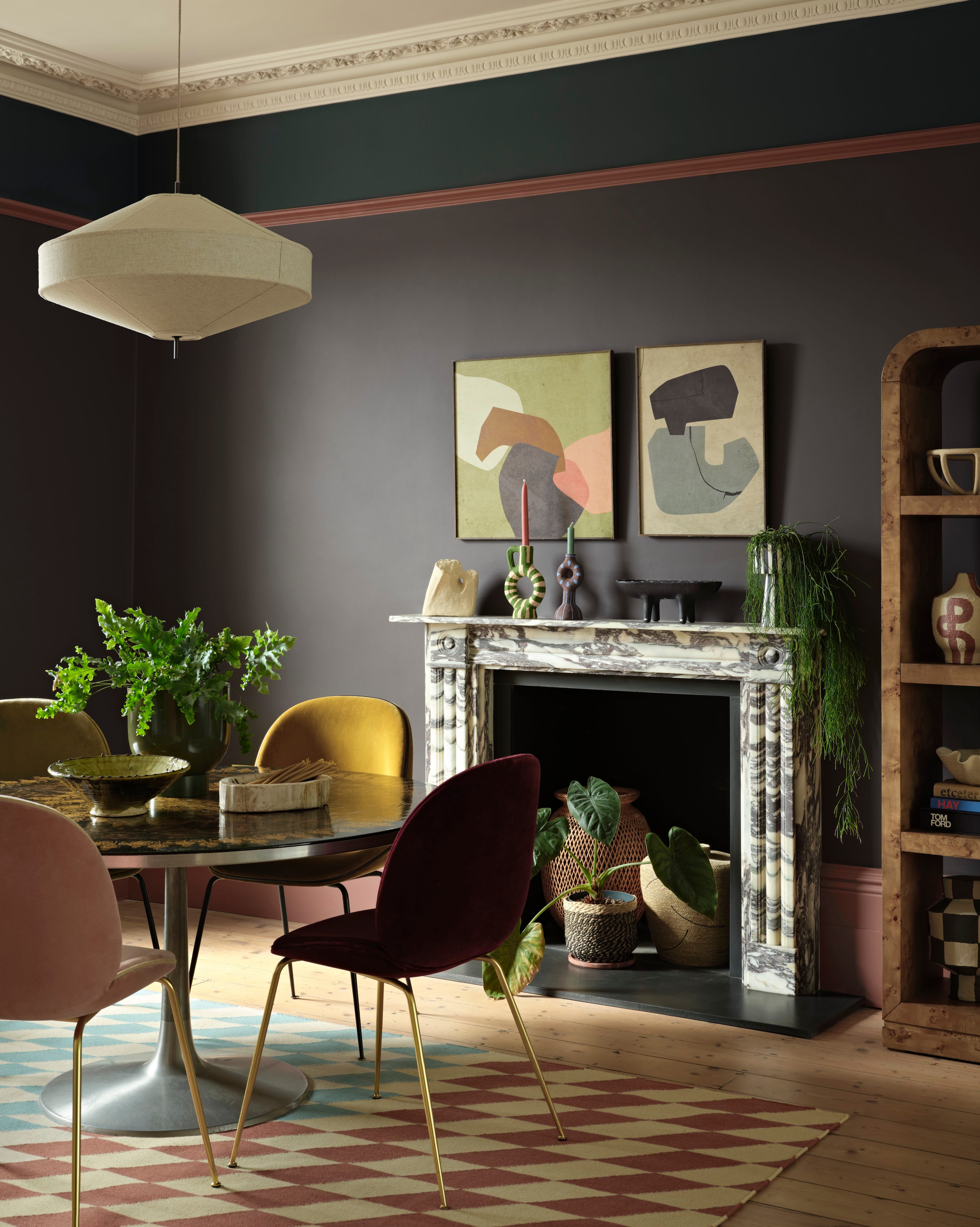
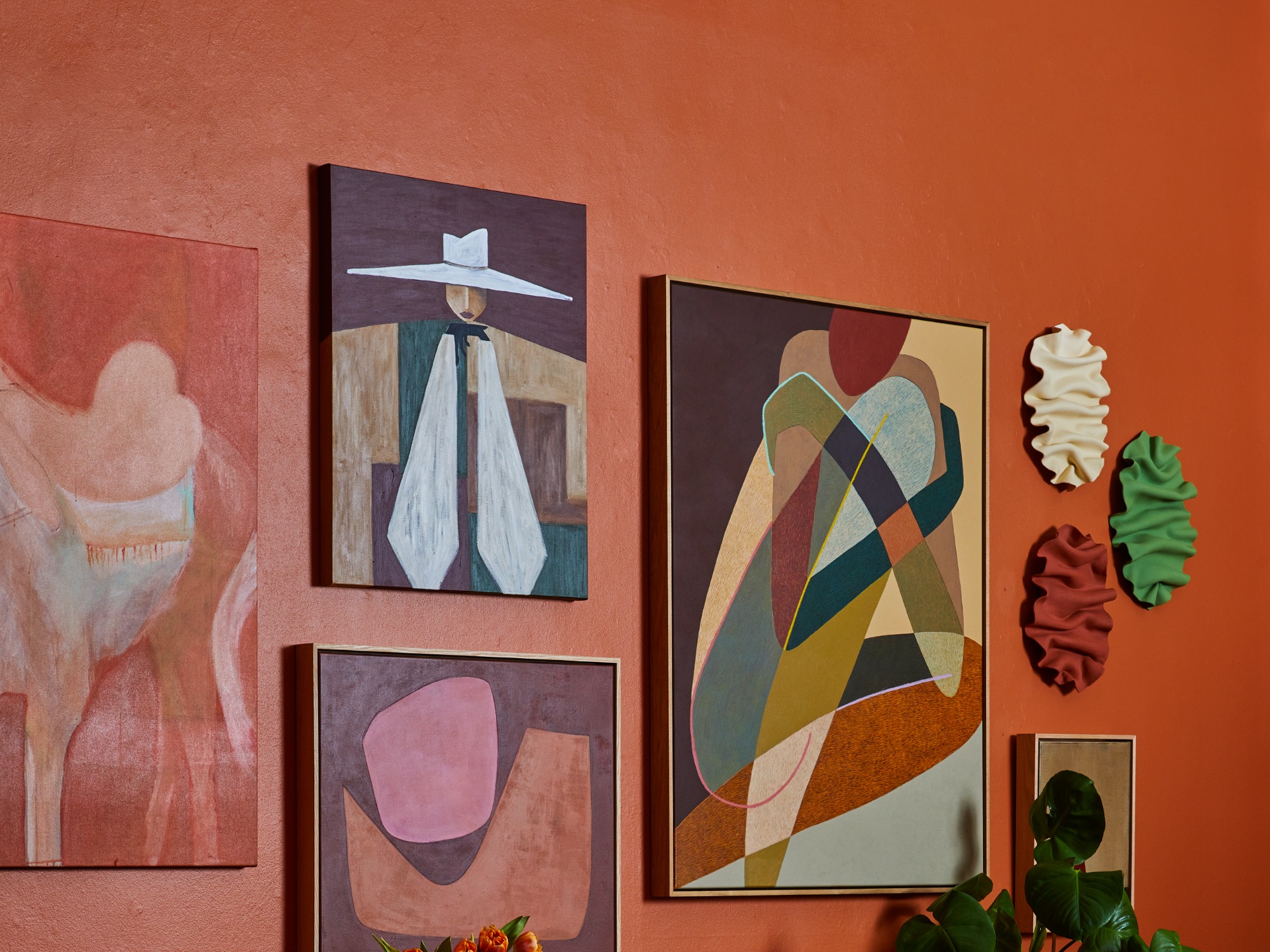
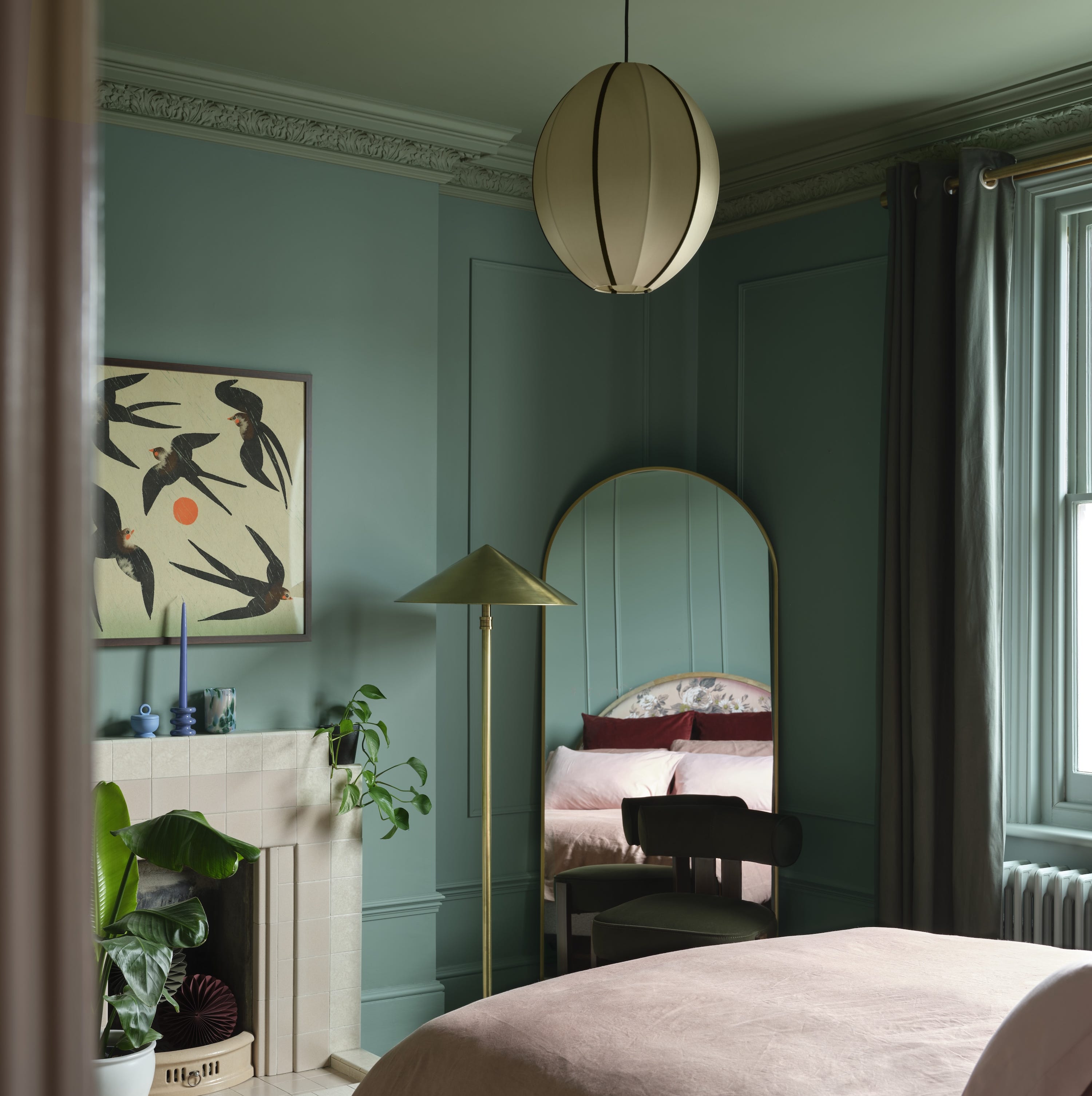
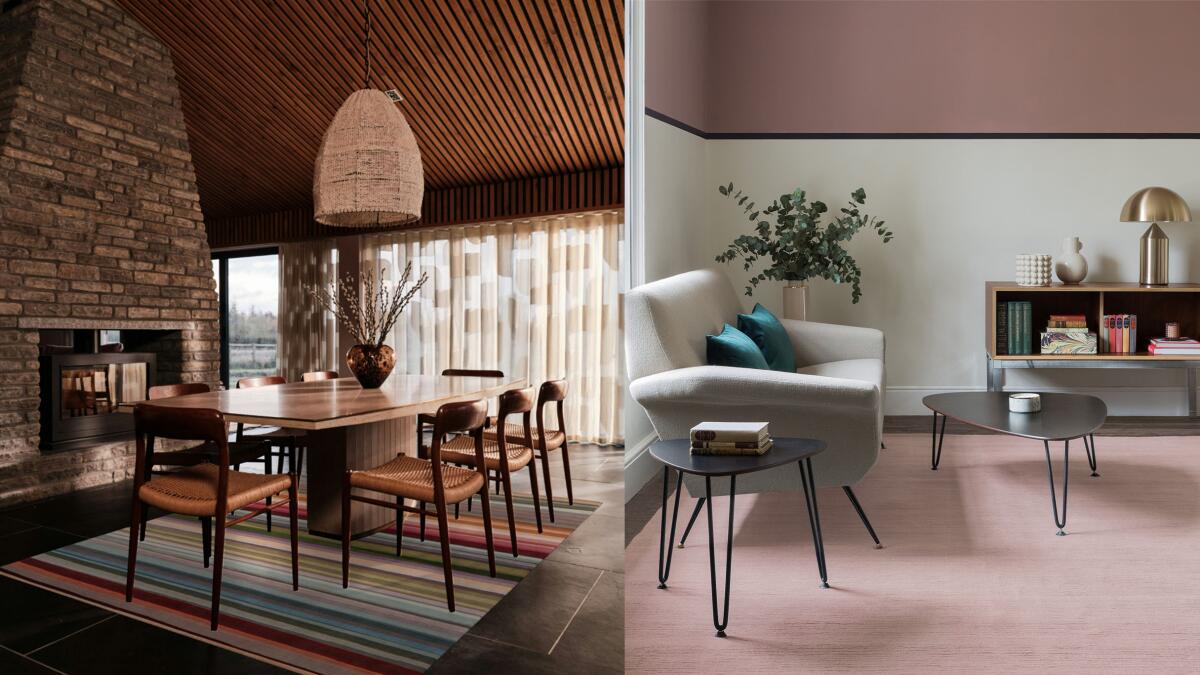
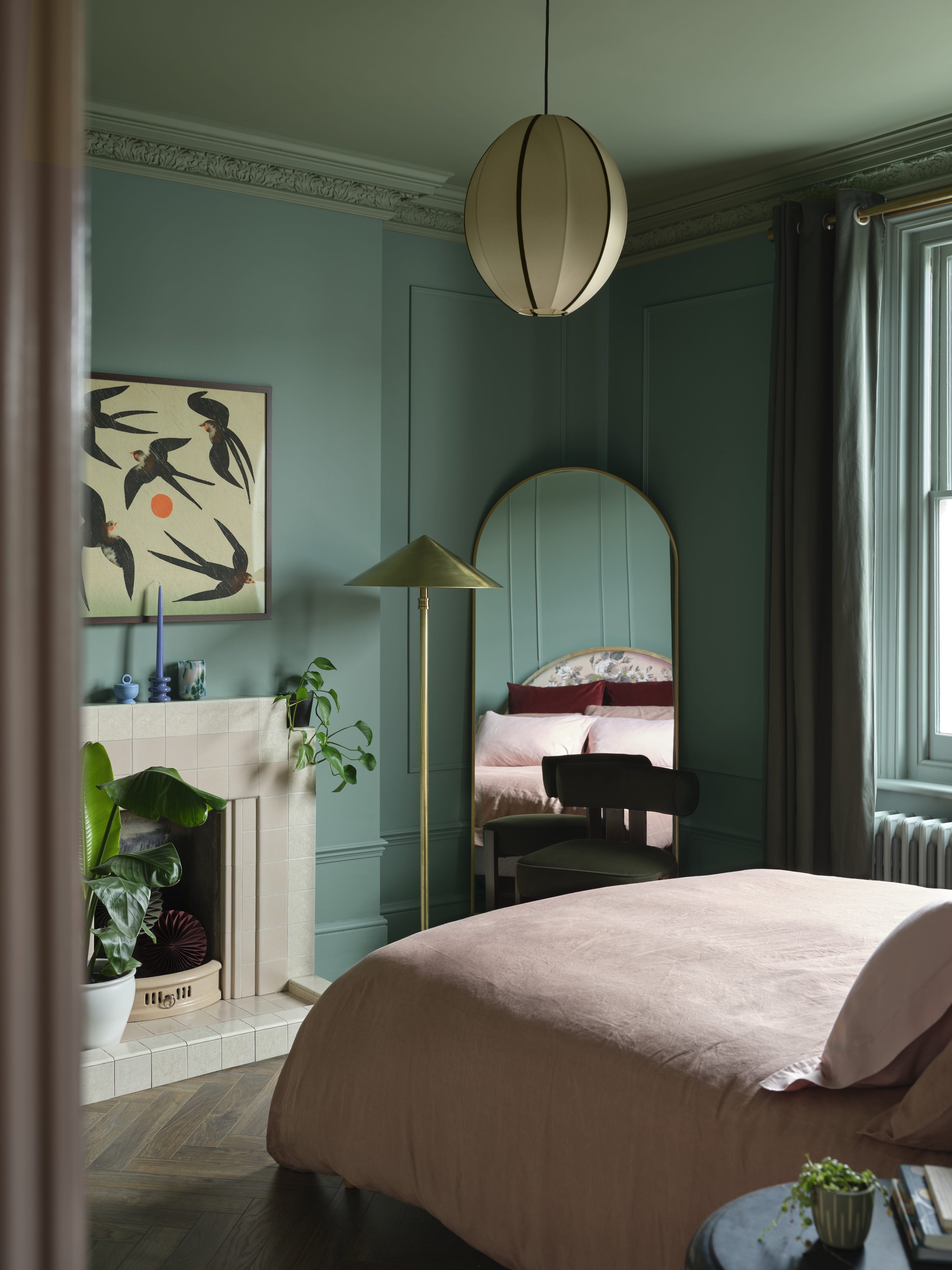
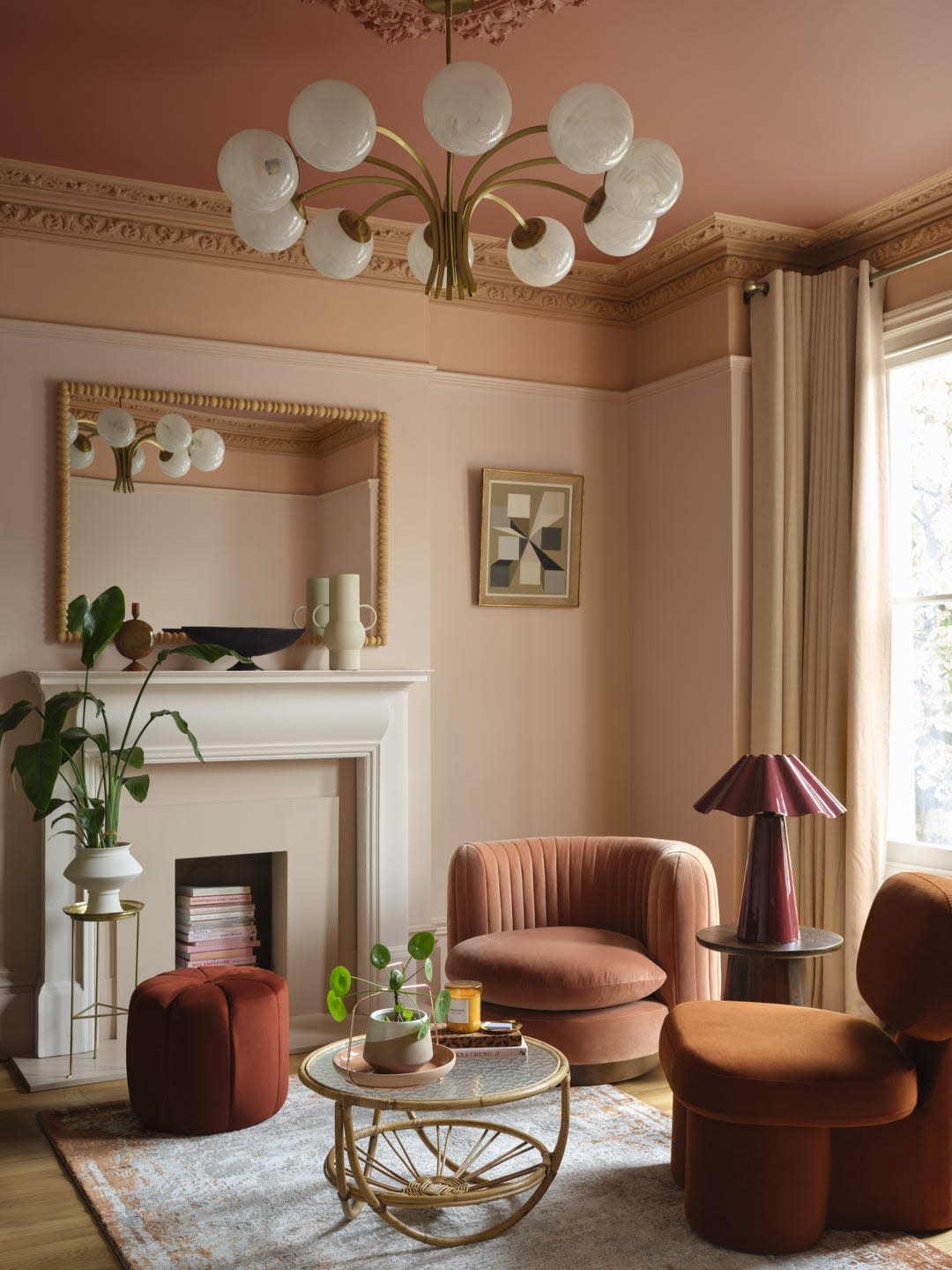
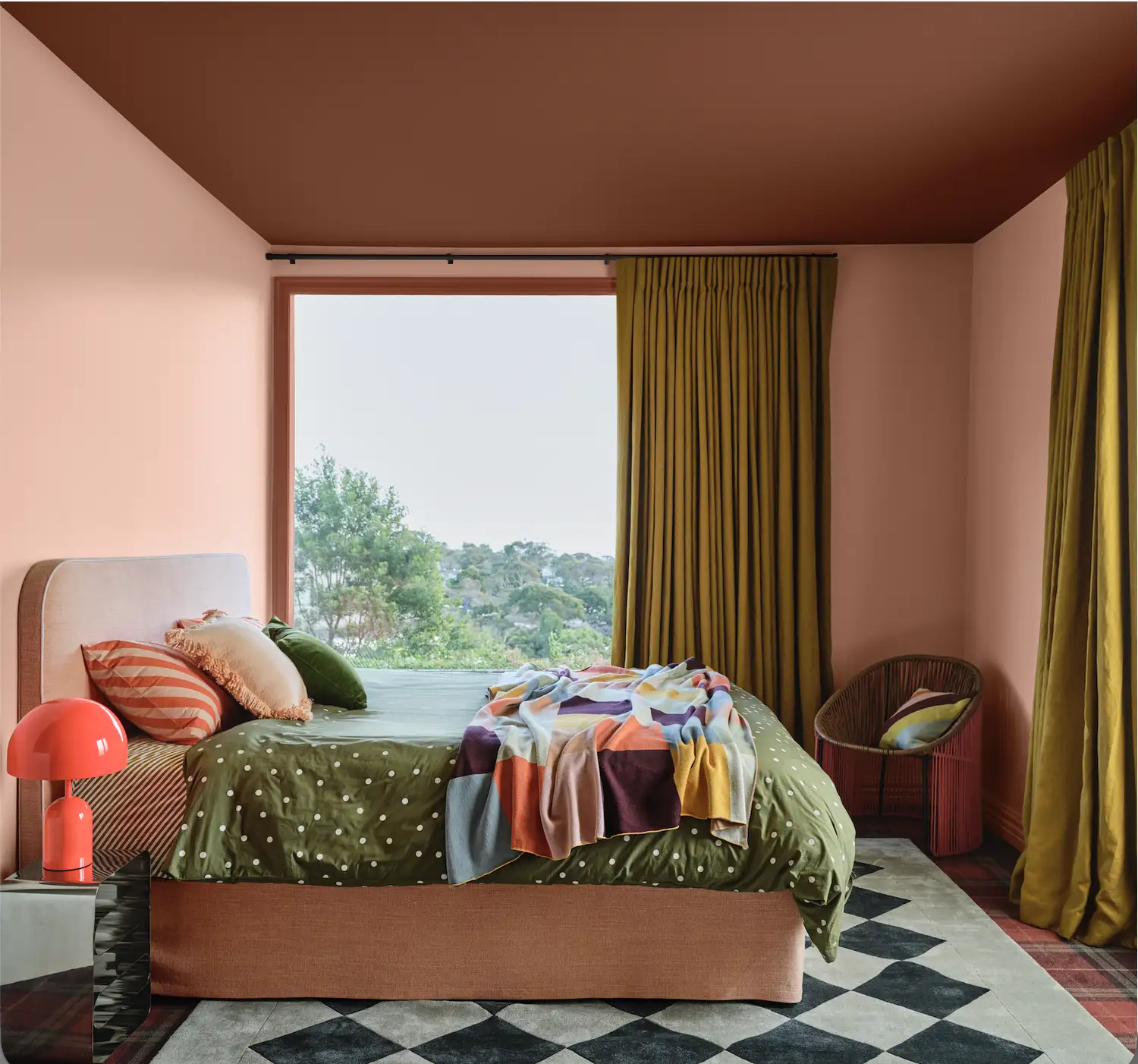
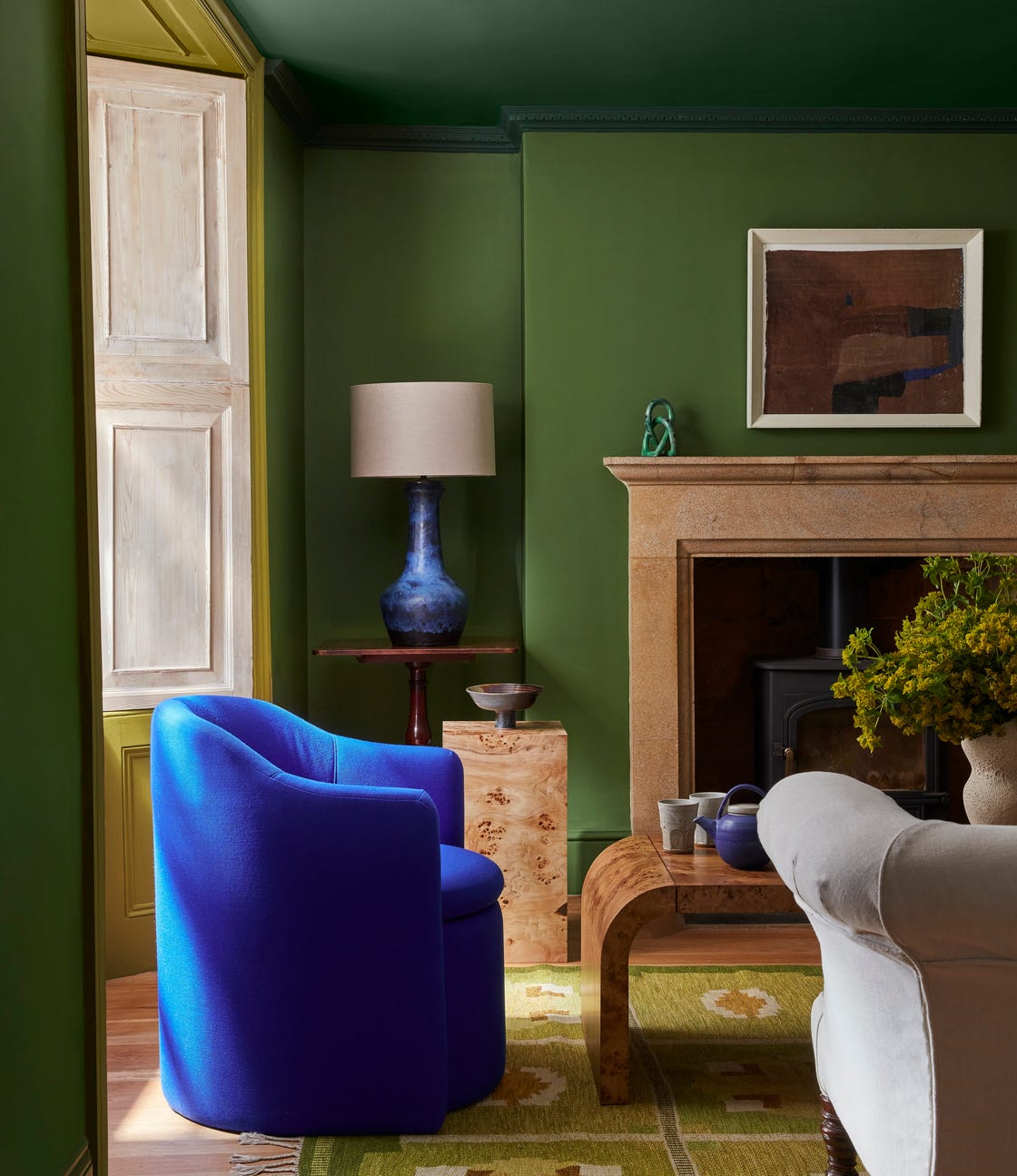
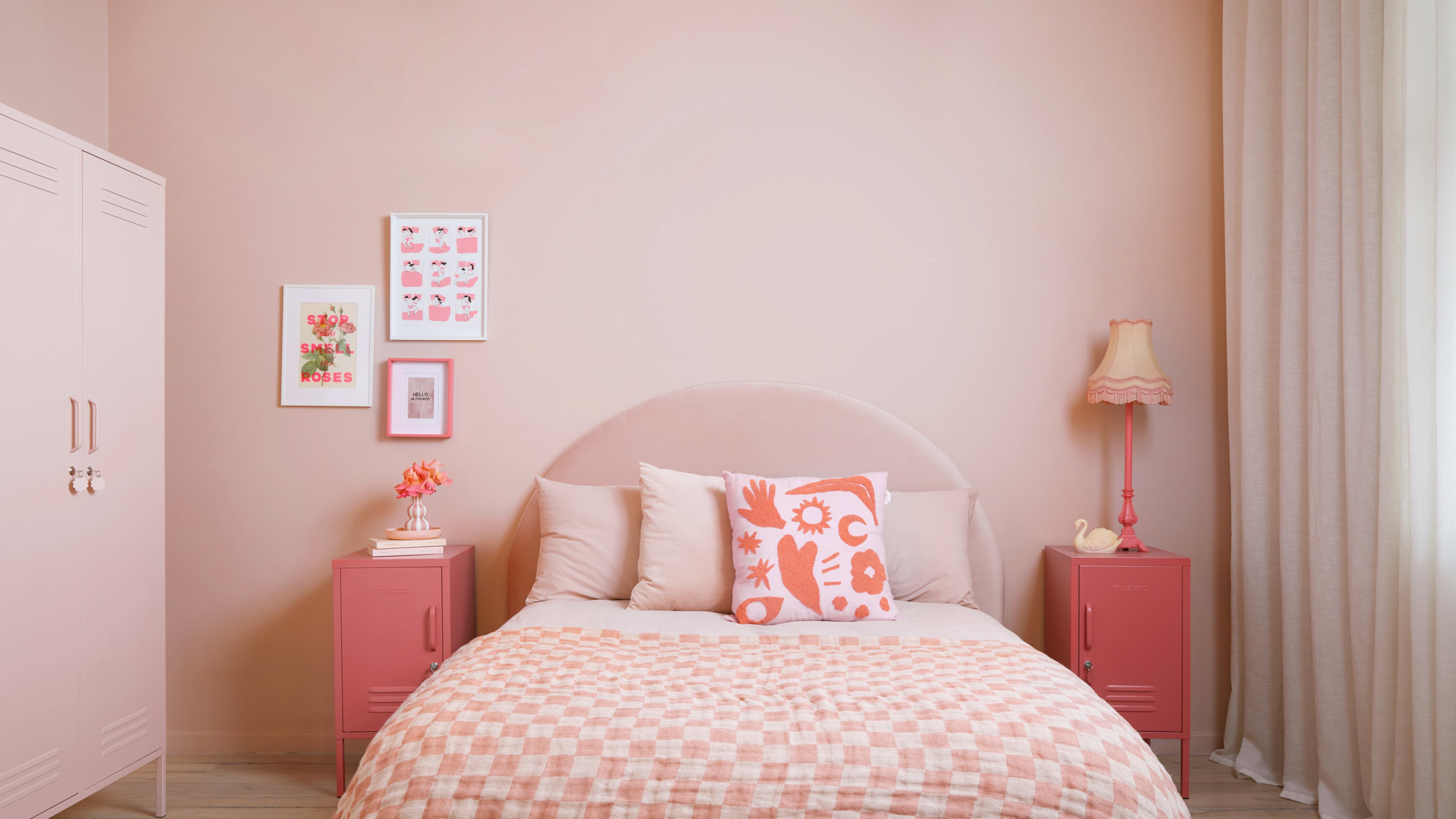
Colour capping is an emerging interior design trend predicted to gain significant popularity in 2026. This technique involves painting a band of color around the top portion of walls, specifically where the walls meet the ceiling. The chosen color for this band typically comes from the same palette as the adjoining wall and ceiling colors, creating a cohesive and layered look. The primary purpose of colour capping is to draw the eye upwards, which gives the illusion of taller walls and a more expansive space.
Unlike previous trends such as colour drenching, which involves painting an entire room, including the ceiling, in a single color, or double drenching, colour capping offers a more refined approach to incorporating color into a room. It addresses the ongoing debate about how to treat the 'fifth wall' (the ceiling) by integrating it with the wall treatment in a sophisticated manner. Depending on the color choices, this technique can create a bold focal point or a subtle, graduated effect that adds depth and artistry to an interior.
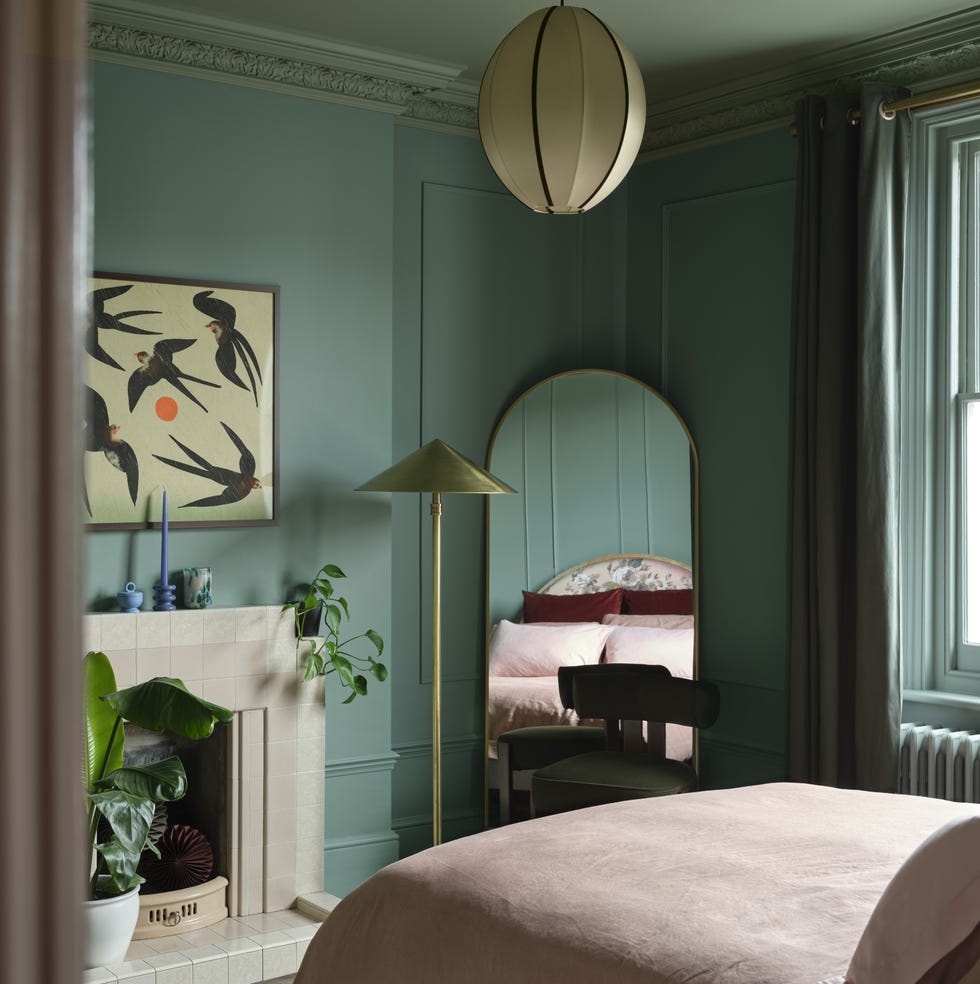
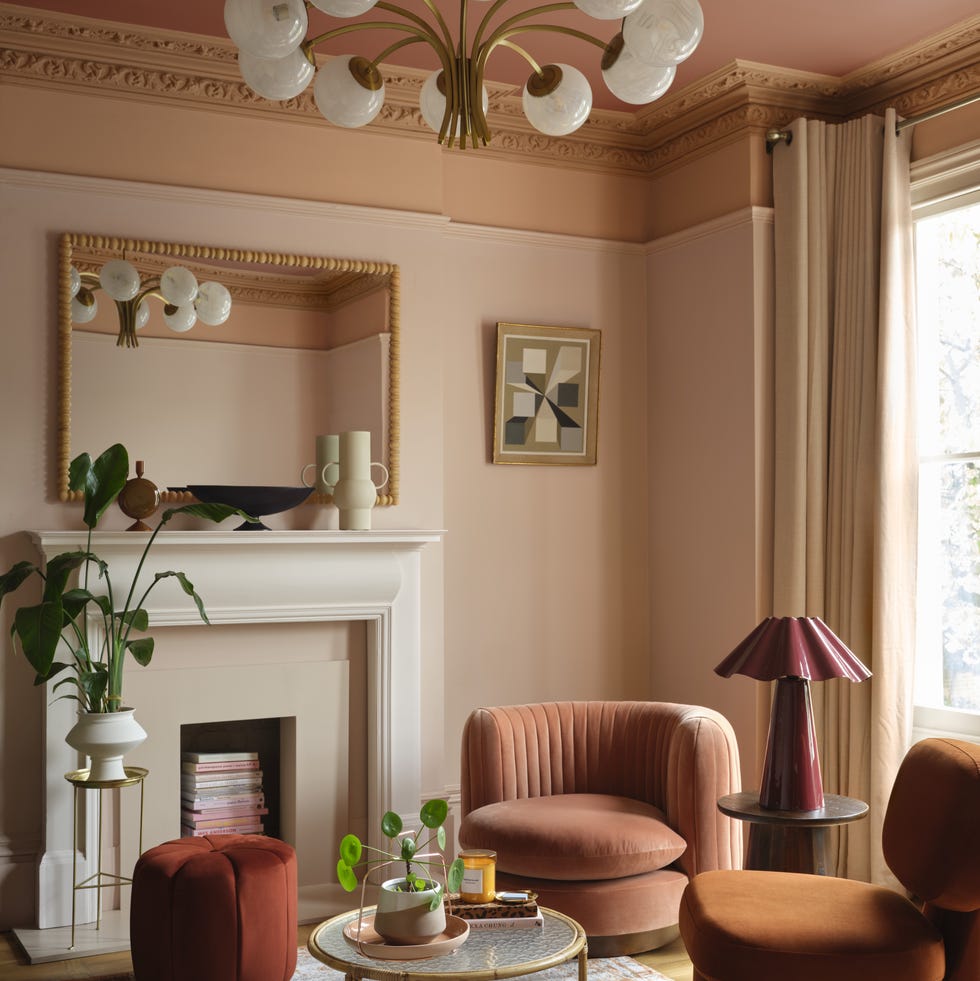
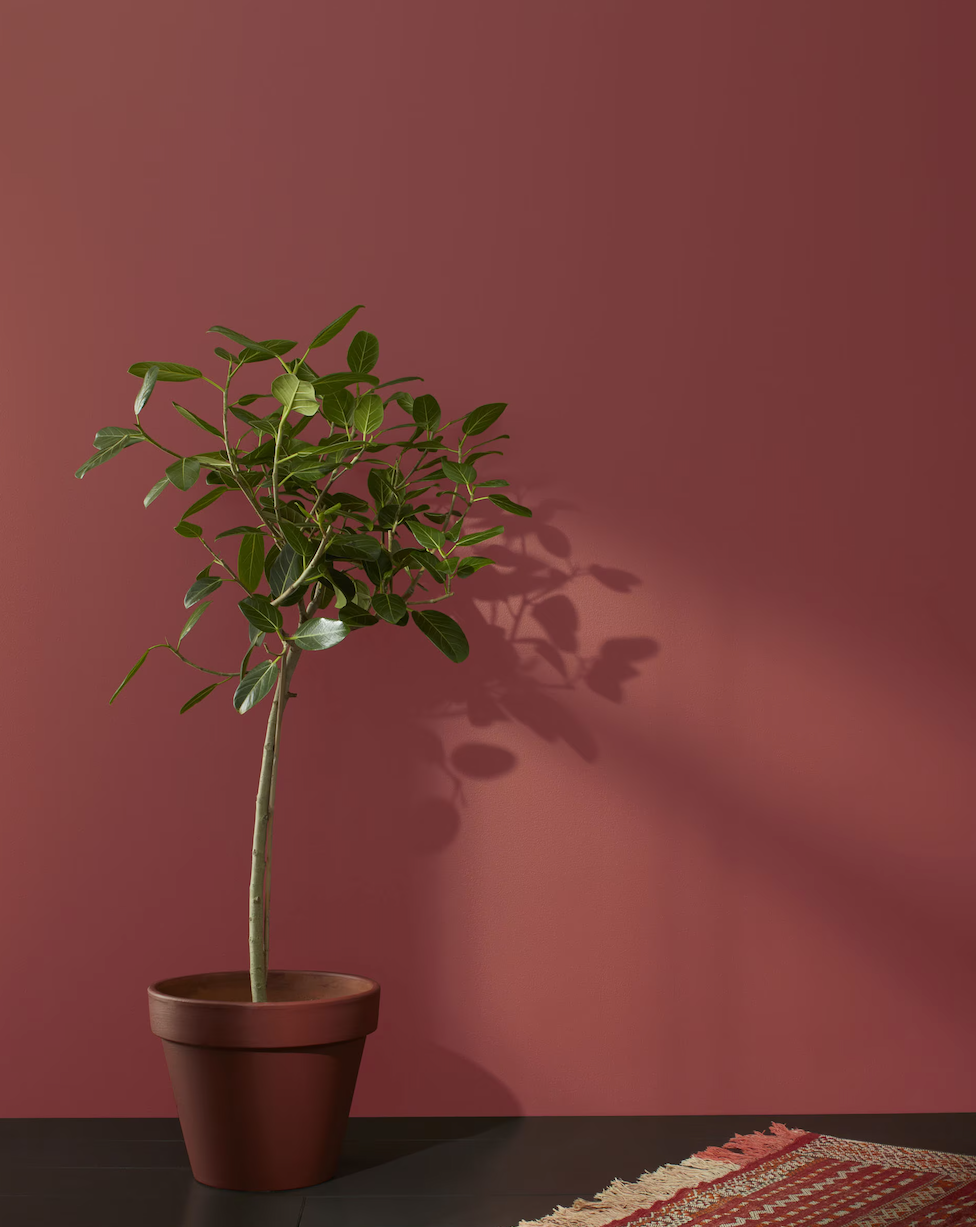
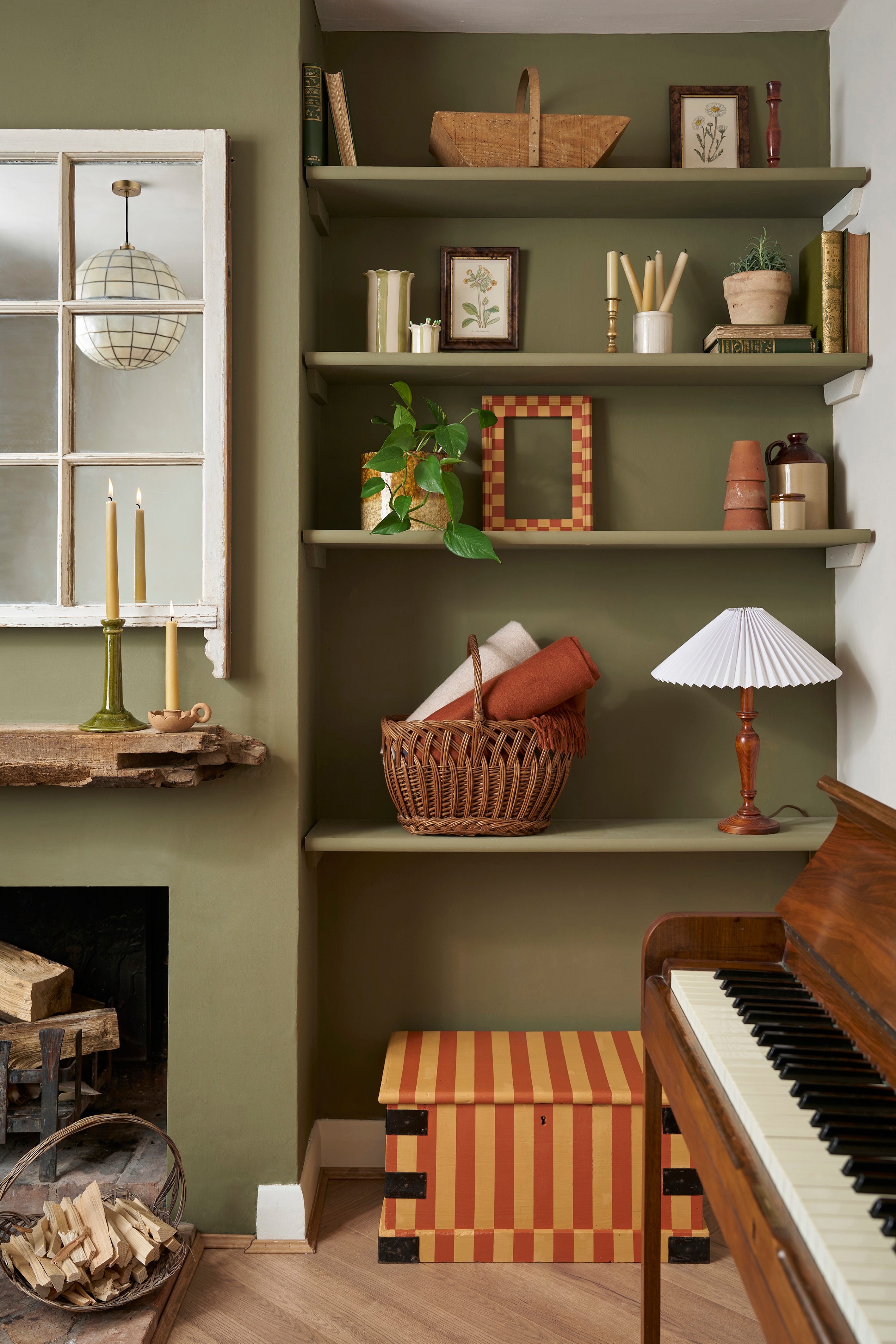
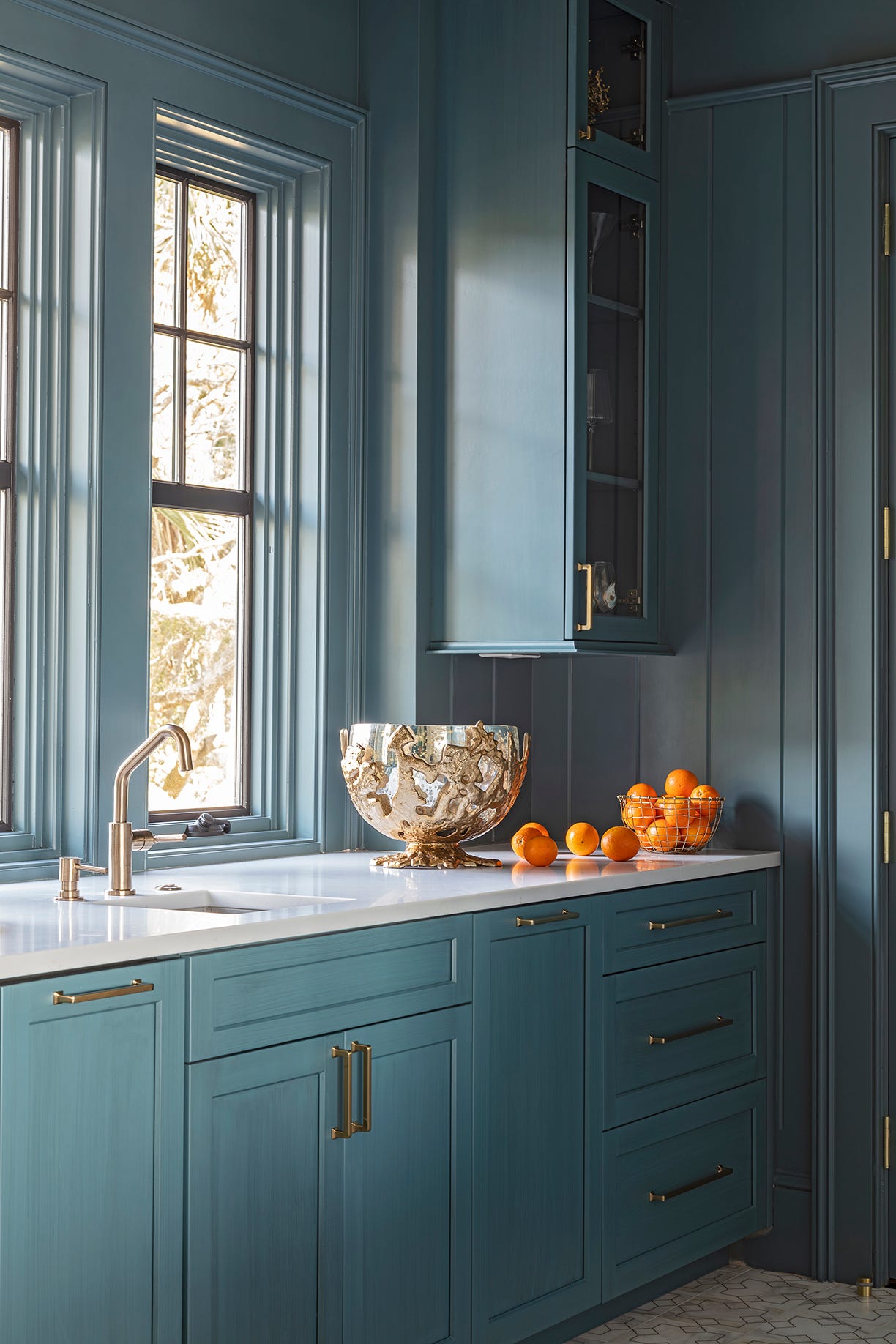
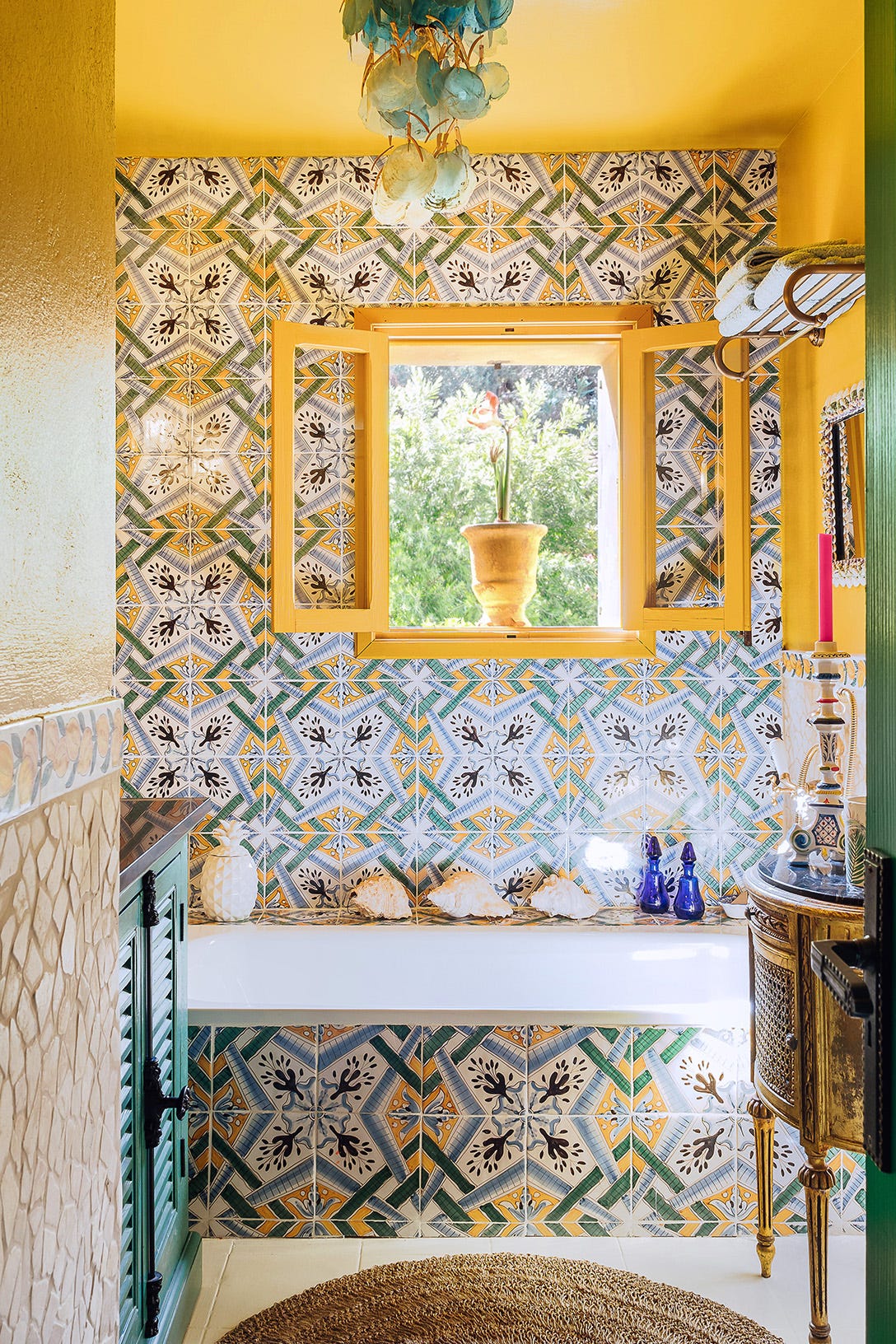
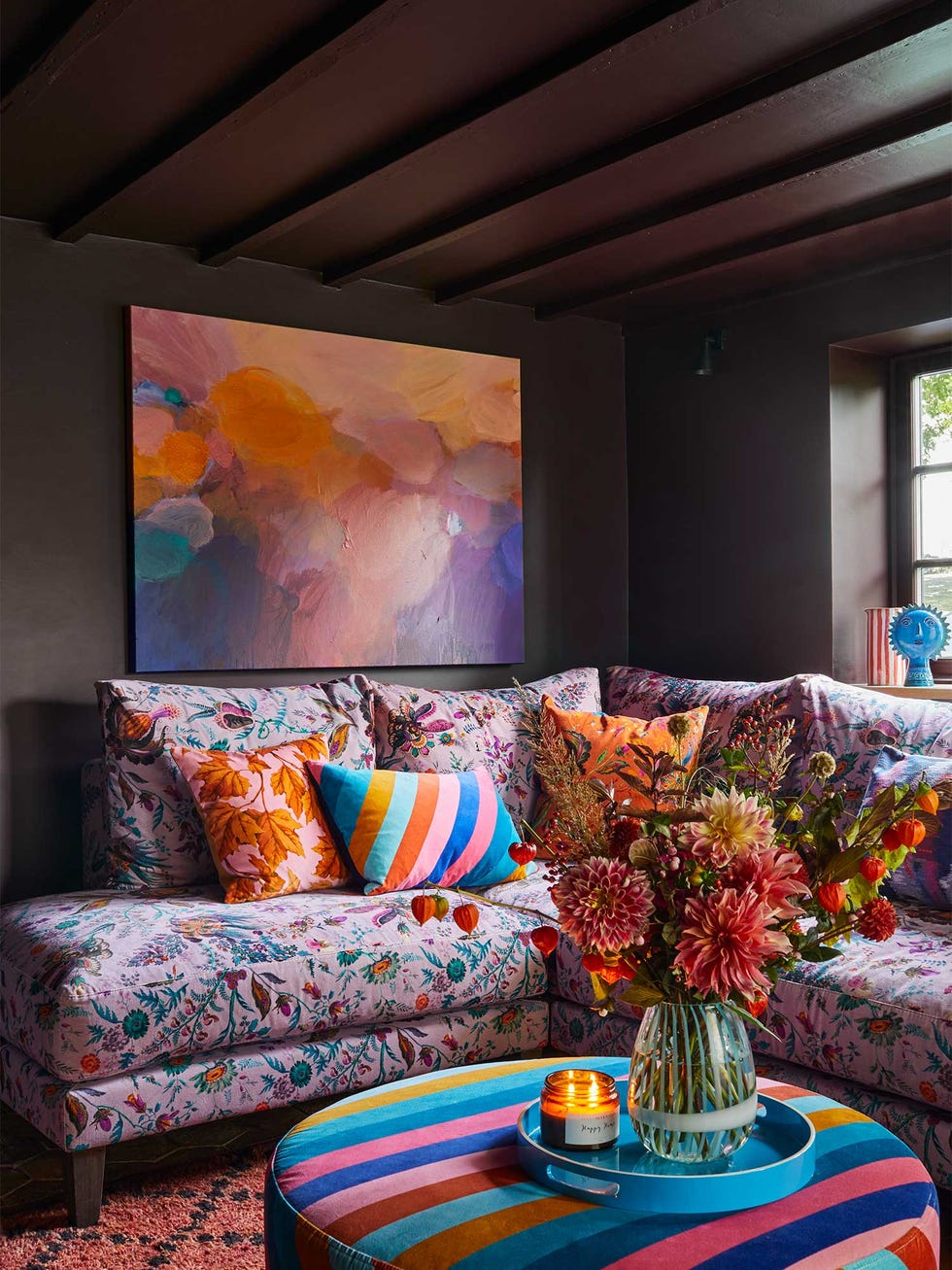
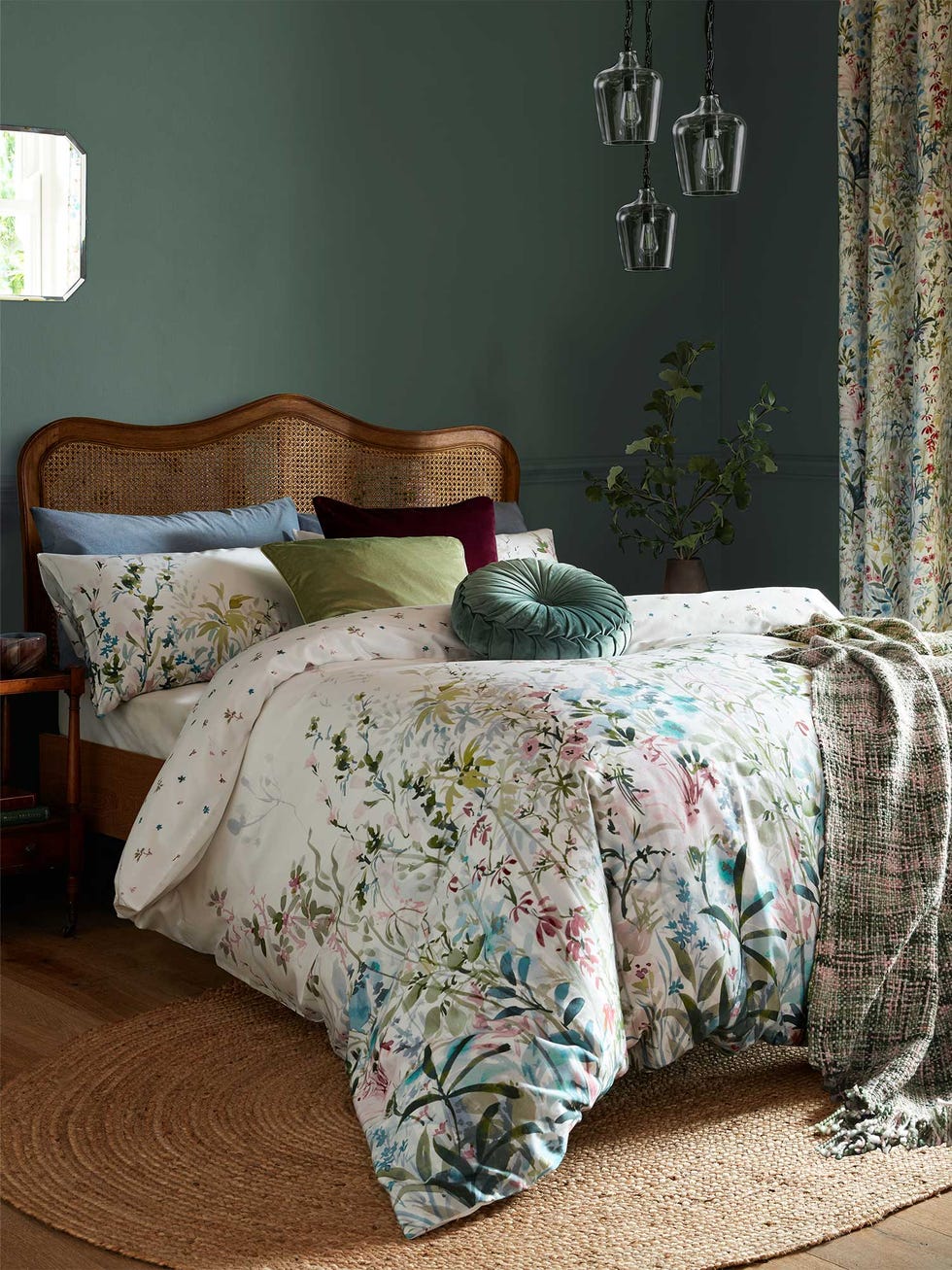
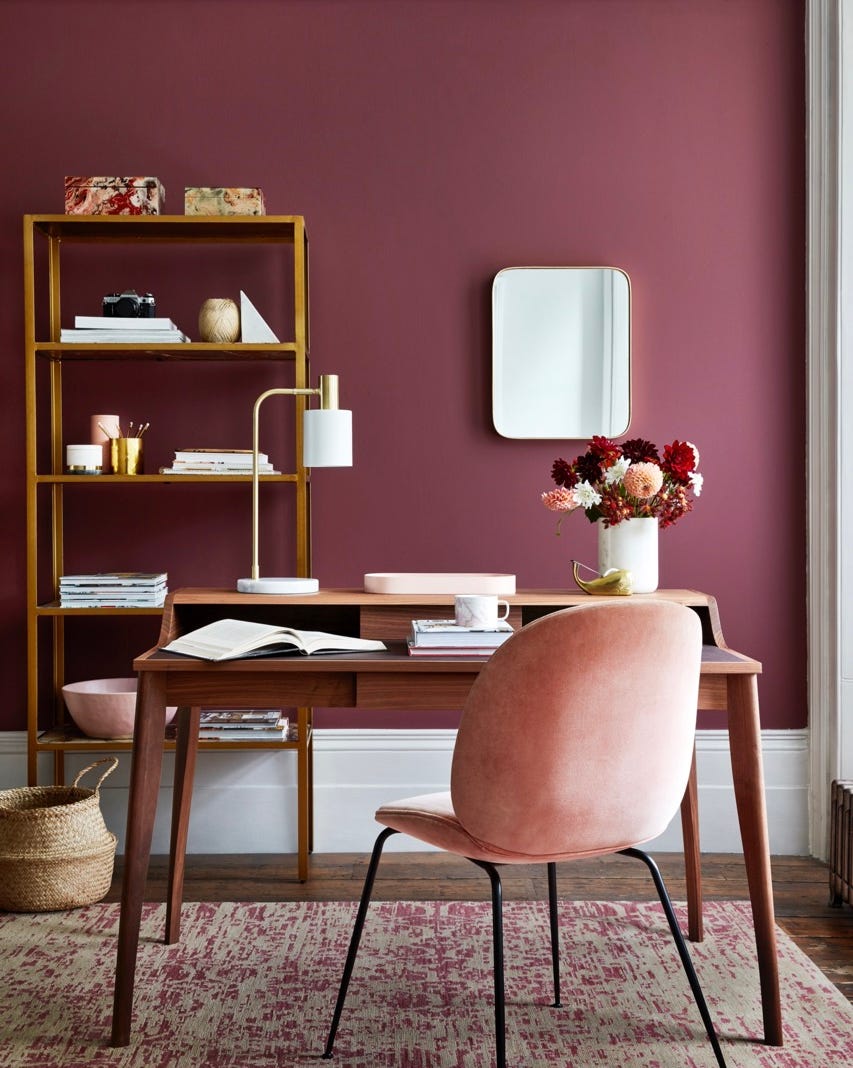
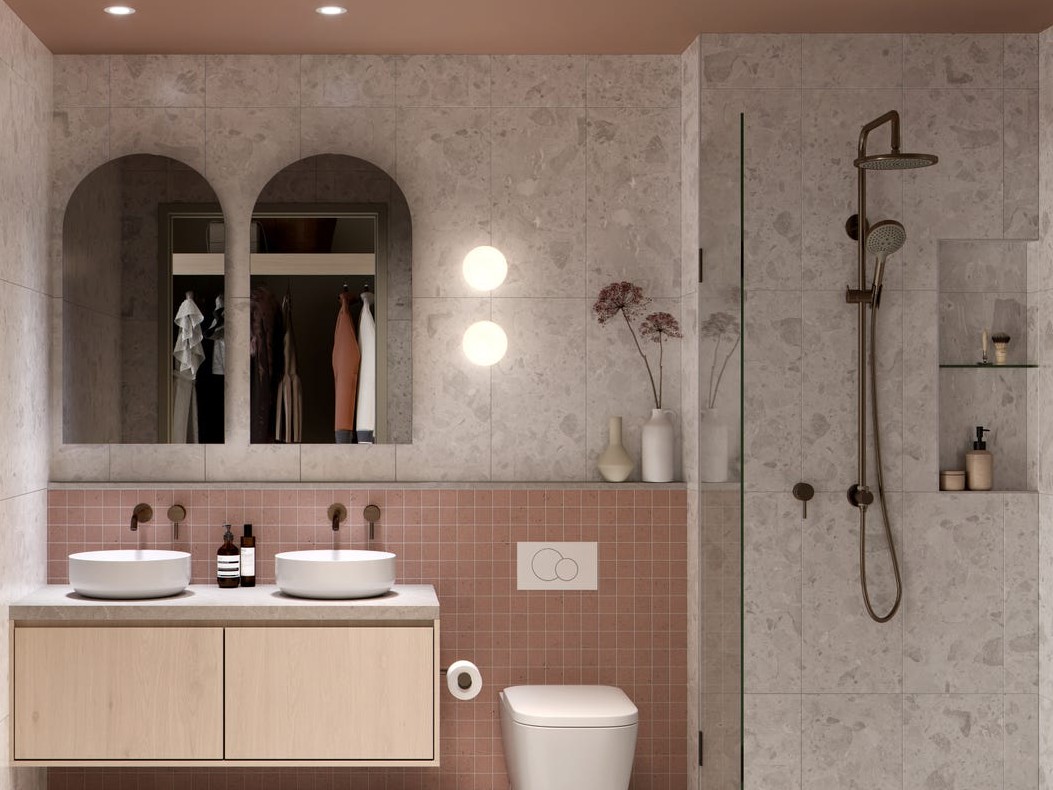
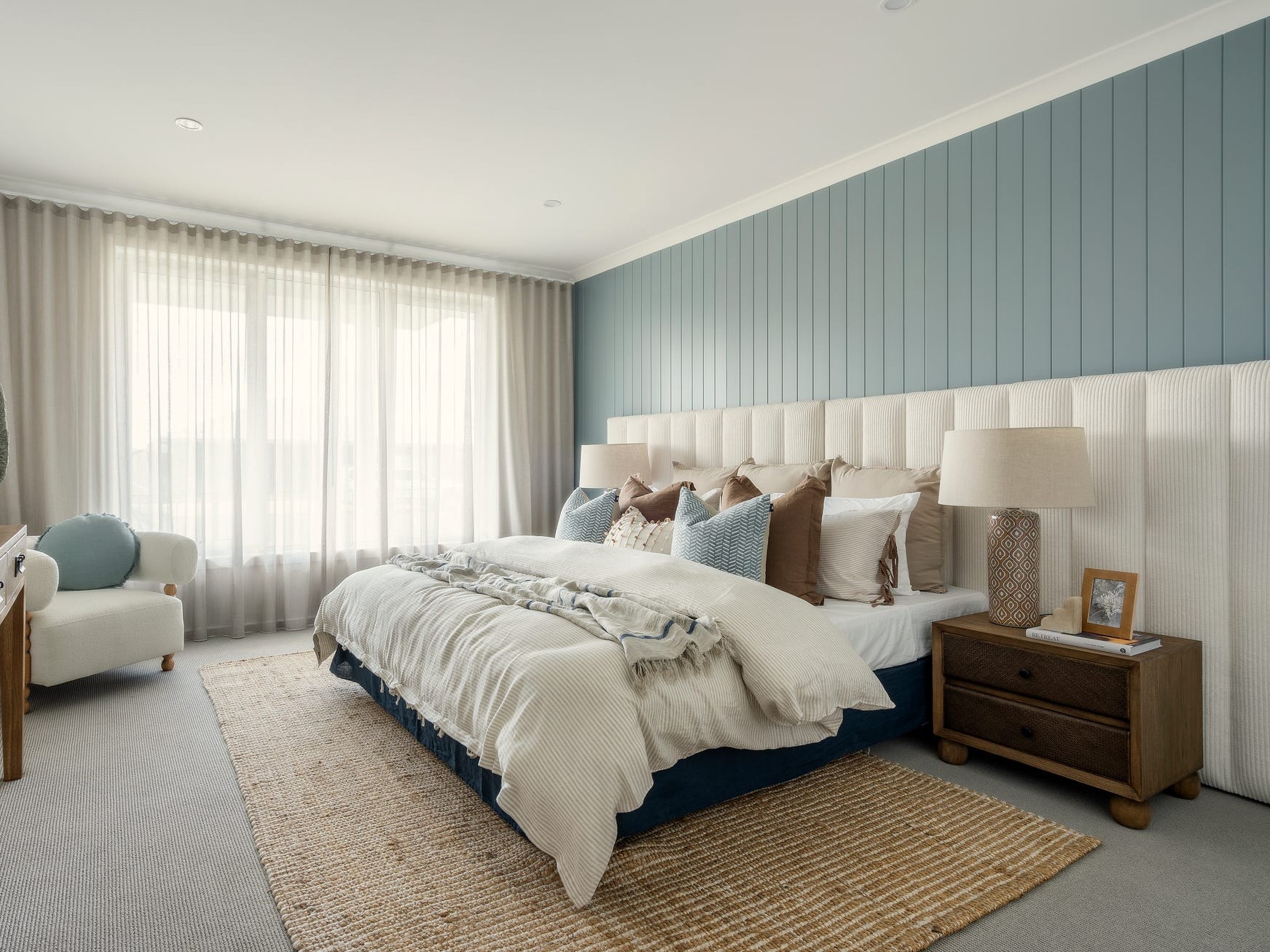
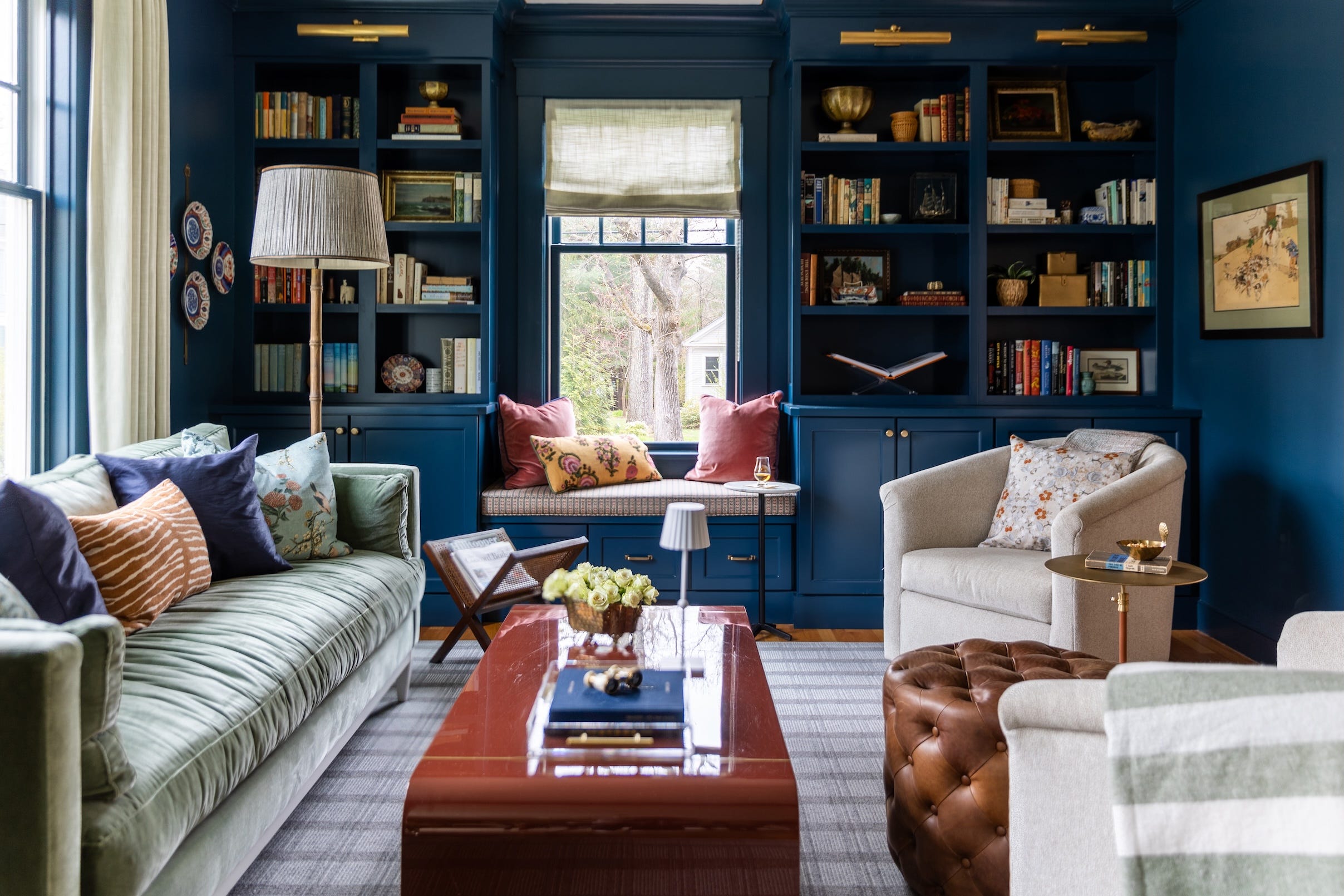
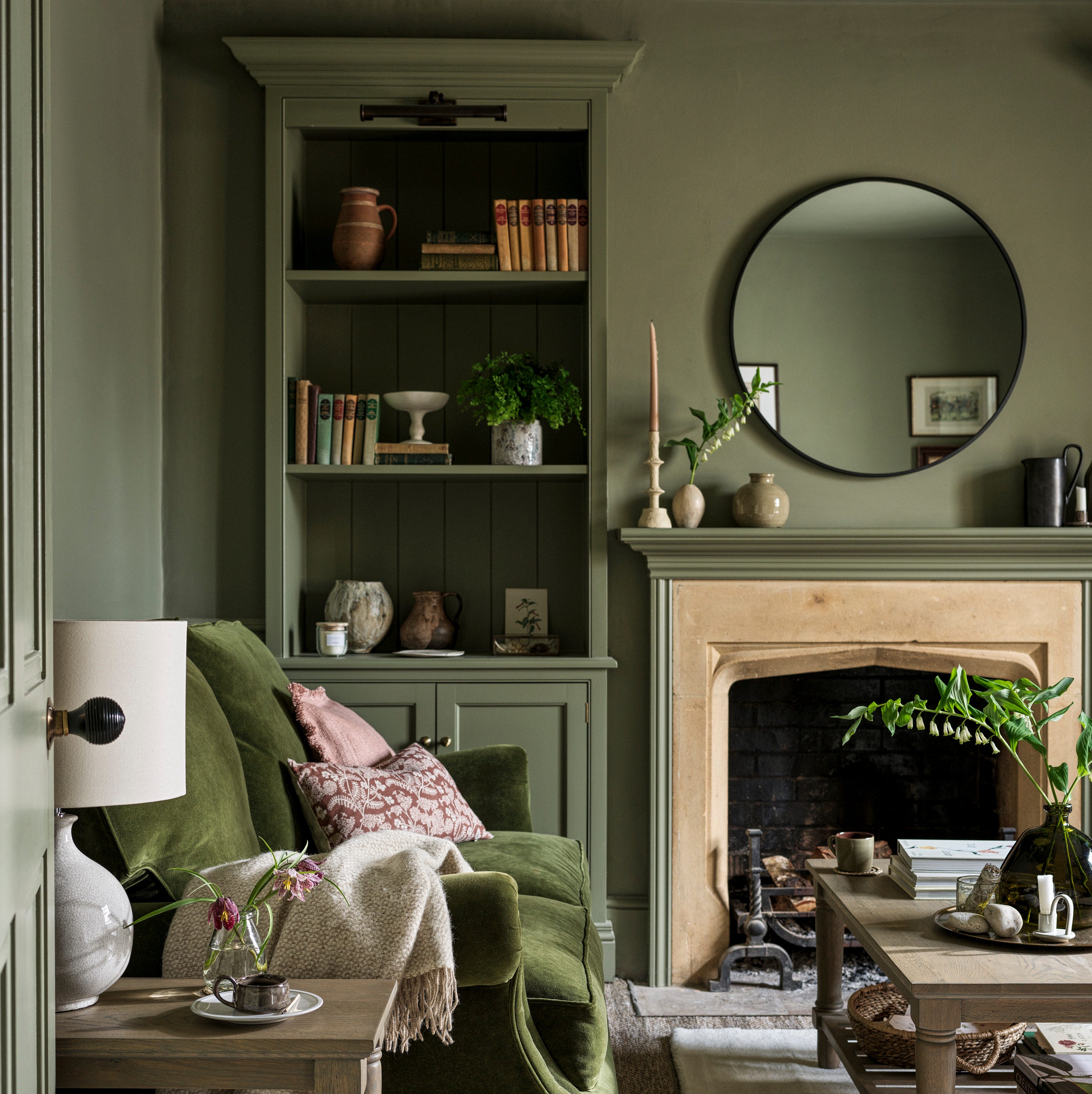
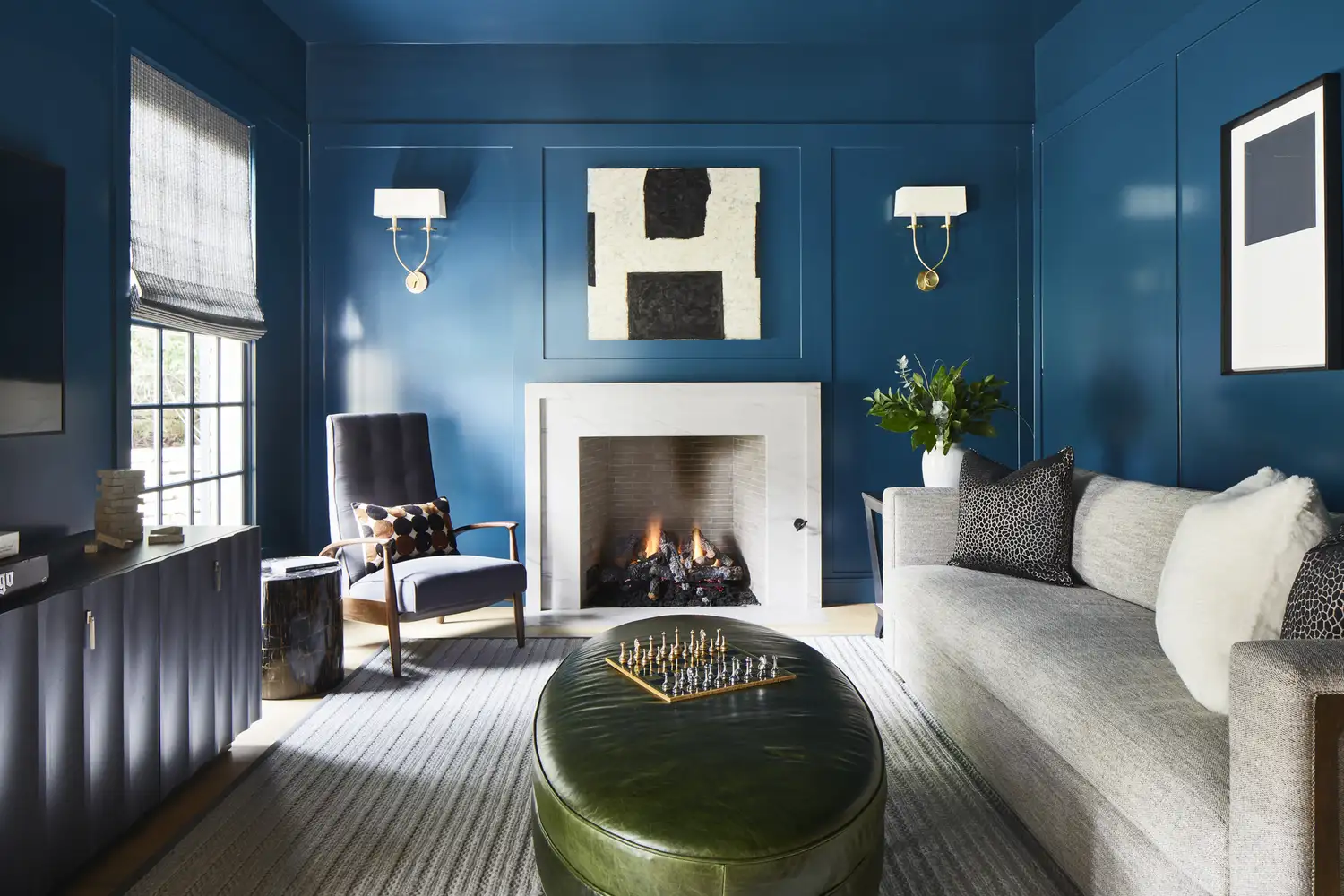
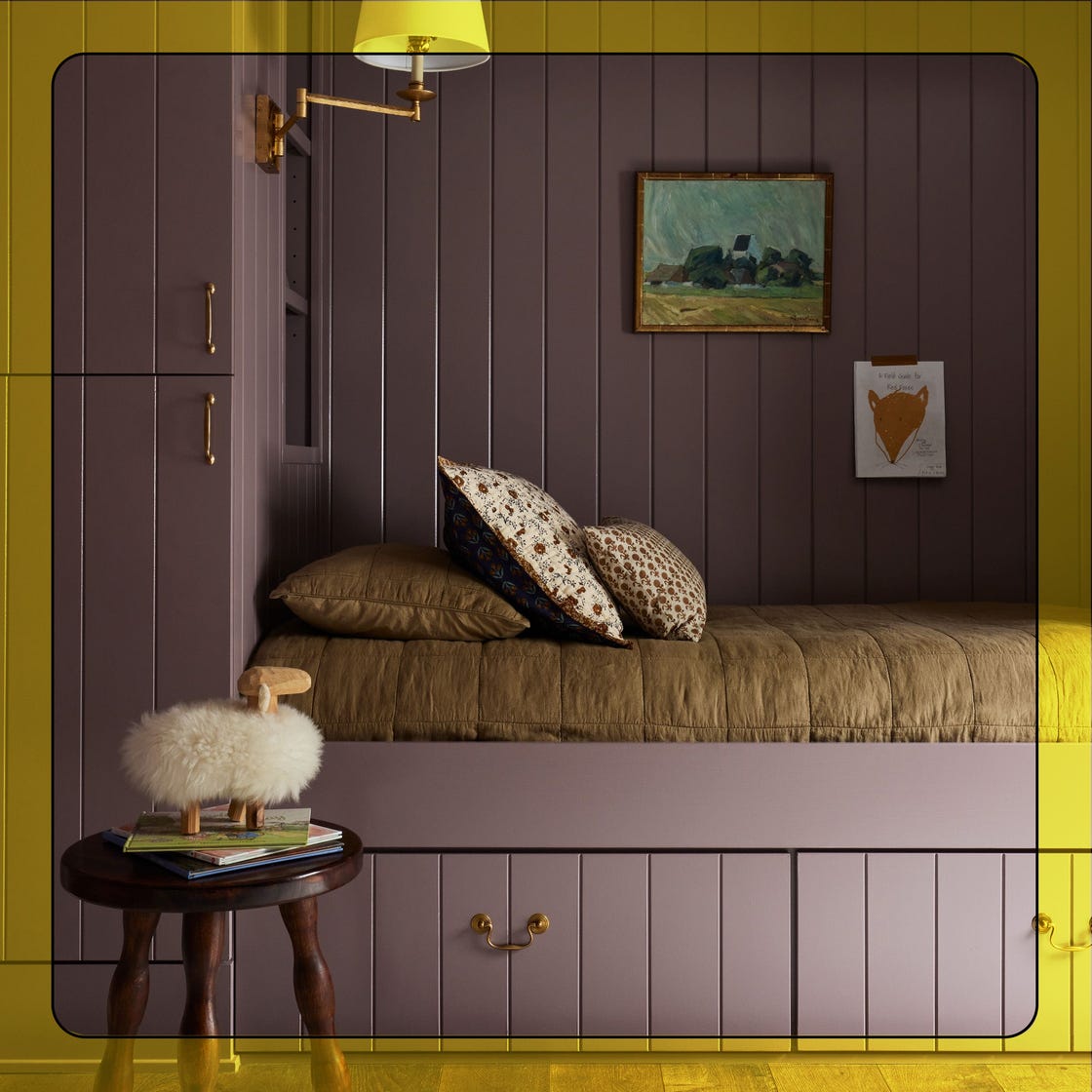
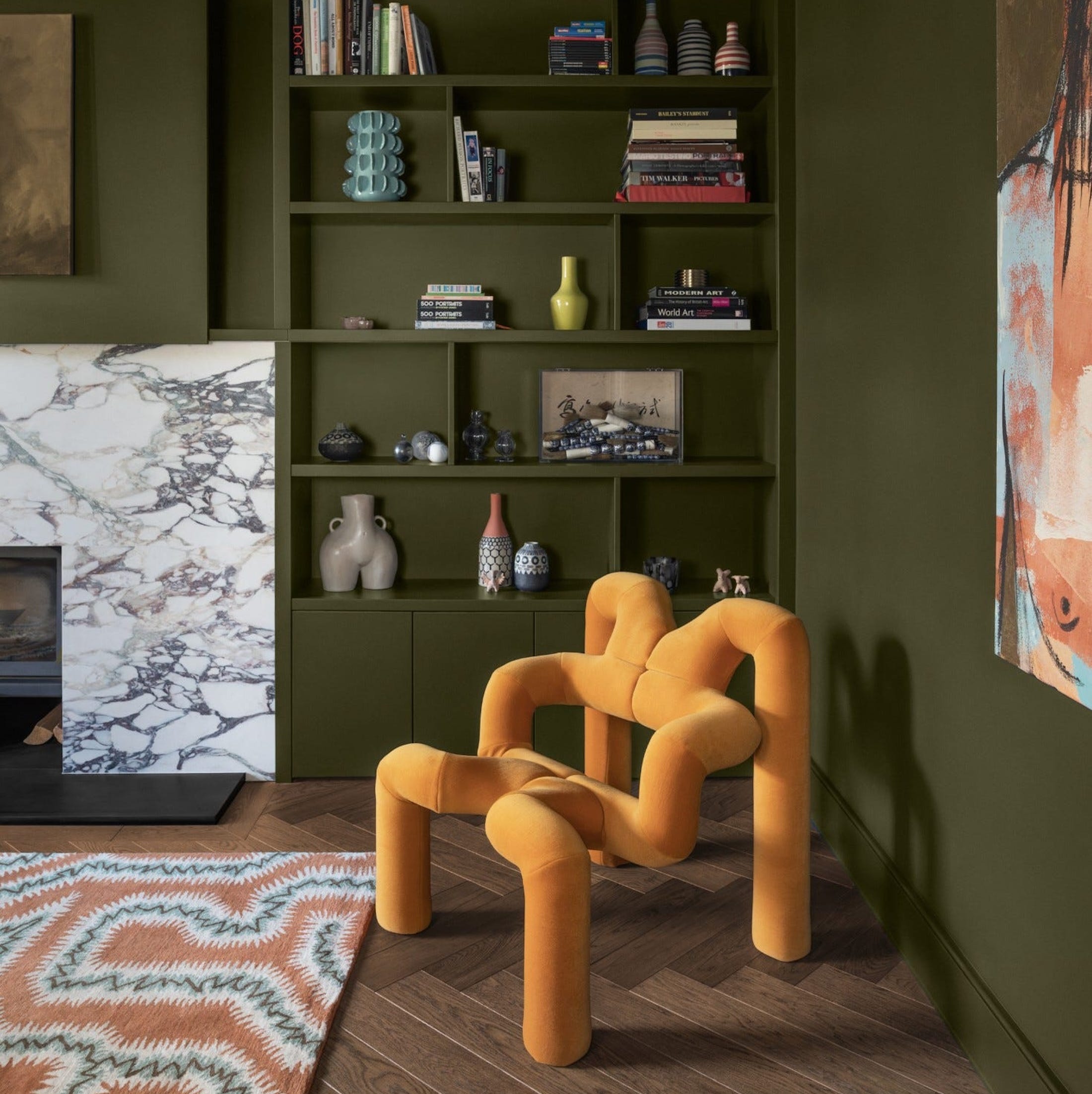
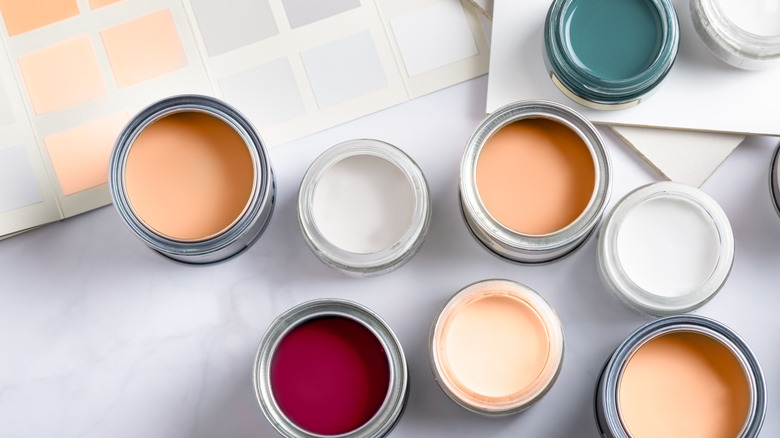
Interior design experts highlight that colour capping appeals to homeowners seeking to infuse personality, warmth, and an architectural aesthetic into their spaces without committing to an overwhelming amount of bold color. Kunal Trehan, Interior Designer & Founder of Touched Interiors, notes that it provides a layered, bespoke way for individuals to express their style. The versatility of colour capping allows for various levels of boldness, from vibrant combinations like burnt orange with a softer peach for a statement look, to gentler shades of green or blue for a calmer and more grounded ambiance.
To successfully implement colour capping, precision is crucial. Experts recommend using tools such as a spirit level or a laser guide to ensure crisp and consistent paint lines. Color selection is also key; Kathryn Lloyd, Crown Colour Specialist, suggests choosing at least three shades from the same color family for versatility. For those aiming to enlarge a space, light, muted shades, such as blues or greens, are recommended as they visually extend wall height.
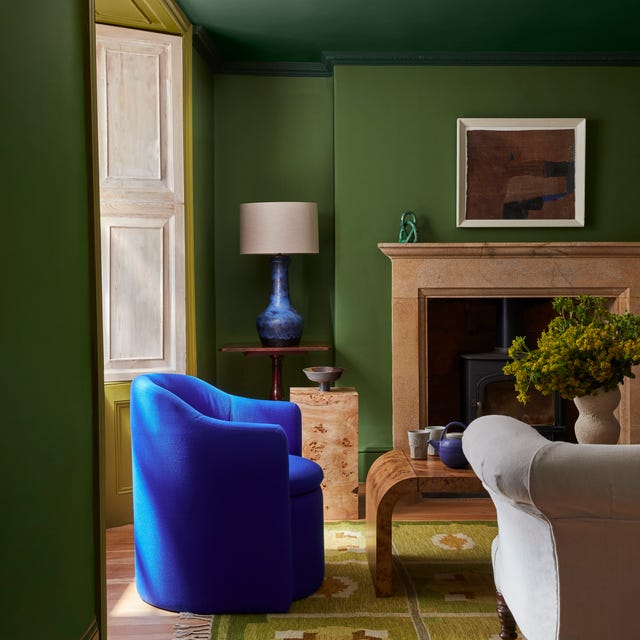
Furthermore, the placement of the color cap significantly influences the room's feel. A lower line can create a sense of coziness and depth, while a higher line enhances the perception of taller ceilings and an airier atmosphere. Beyond paint, incorporating these tonal gradients into furnishings and soft decor, such as upholstery and accessories, can further unify the room's design. Magdalena Gierasinska, Head of Product & Displays at Barker and Stonehouse, advises echoing deeper ceiling tones with velvet sofas or armchairs and using lighter, complementary shades to reflect wall colors, ensuring a harmonious and sophisticated interior.
#ColourCapping #PaintTrends2026 #InteriorDesign #HomeDecor #PaintTechniques #ColorSchemes #WallDesign #RoomTransformation #ColourCapping #PaintTrends2026 #InteriorDesign #HomeDecor #PaintTechniques #ColorSchemes #WallDesign #RoomTransformation
0 comment in total
 No comments yet
You may also like
Designers Predict This Will Be The Biggest Paint Trend Of 2026

Designers Say These 12 Paint Colors Will Be Everywhere in 2026

Looks Like Bold Stripes Will Have Their Moment in 2026

These Will Be the Most Popular Paint Colors in 2026

Interiors experts predict this will be the biggest paint trend of 2026

Experts Say These 5 Paint Colours Will Be Everywhere In 2026
The 2026 paint Colors of the Year Have Been Announced

2026 Color of the Year Announcements Have This In Common
This British Paint Trend Is Set to Take Over 2026

Say Goodbye to Neutrals: Color-Drenching Will Define 2026 Interiors

What Paint Colors Will Rule 2026? Designers Make Their Predictions
What Paint Colours will Rule 2026? The Experts Make Their Predictions

Move Over, Color Drenching— Color Capping Will Dominate 2026 Interiors

The #1 Paint Color Trend of 2025, According to Designers
Colour experts share their top paint trends for 2024

The Biggest Colour Trends Taking Off in 2025
This British Paint Trend Is Set to Take Over 2026
Bold, edgy color drenching is going to be big in 2024
Color Explosion: 2025 Color Trends

The Outdated Paint Color That's Coming Back In A Major Way In 2026