Move Over, Color Drenching— Color Capping Will Dominate 2026 Interiors
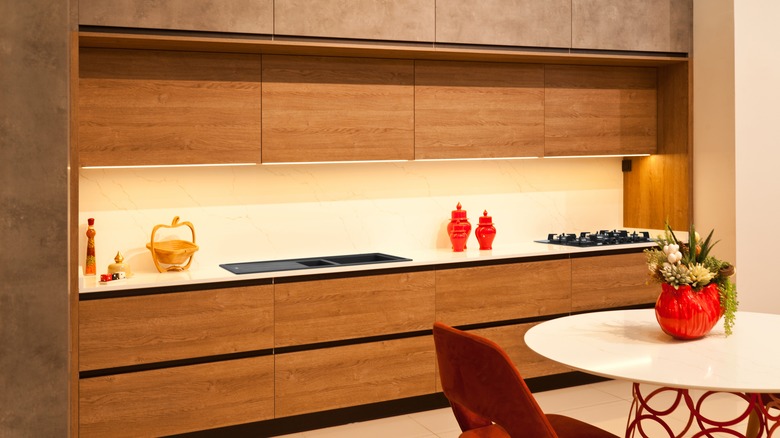
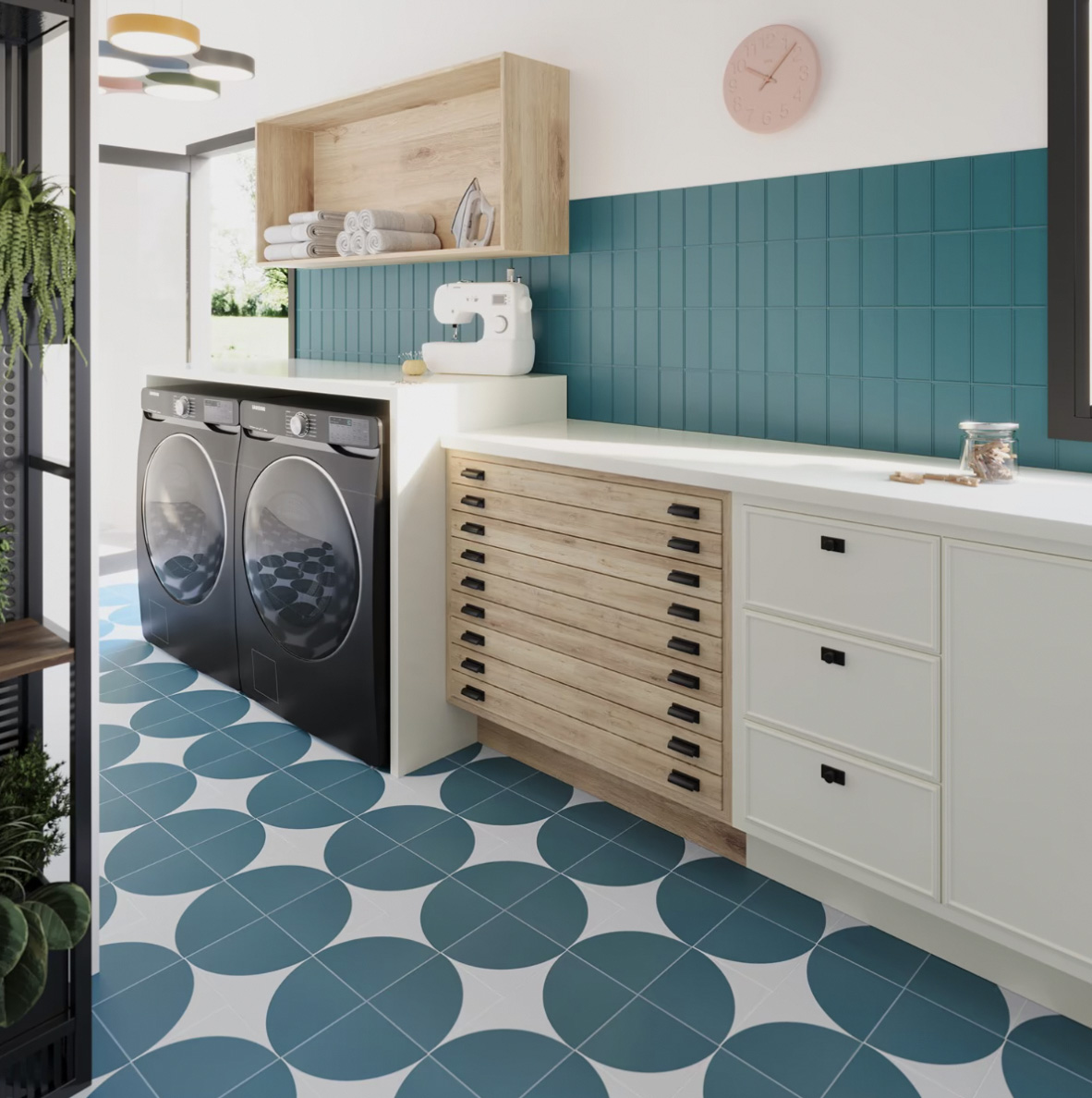
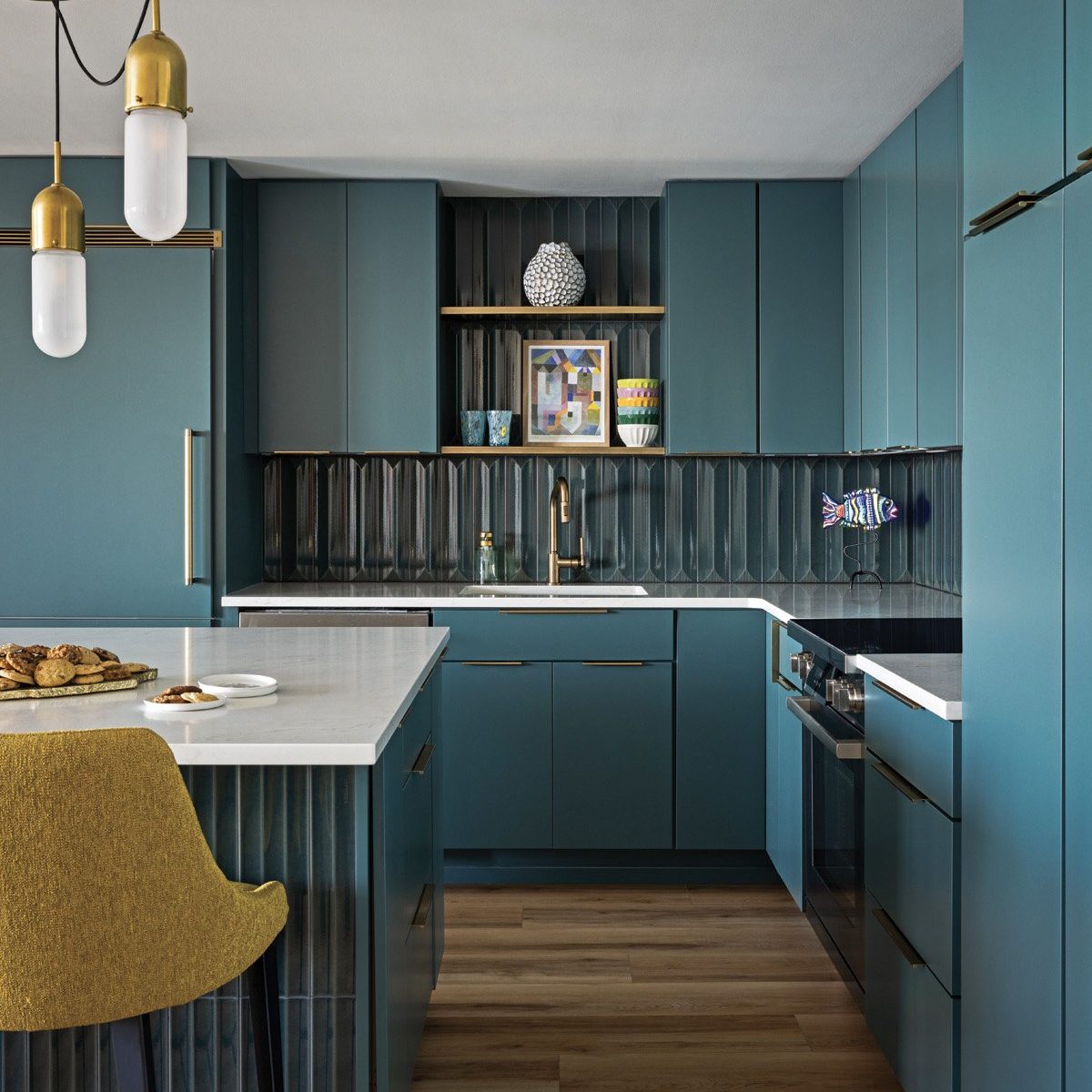
As interior design trends evolve towards bolder palettes, richer textures, and increased use of pattern in 2026, a paint technique known as color capping is gaining prominence. This approach serves as a more subtle alternative to color drenching, offering a method to introduce fresh energy and color into a room without the commitment of painting every surface in a single hue. It is presented as a low-effort way to revitalize a space, especially during darker seasons, by adding brightness and warmth without undertaking extensive renovations.
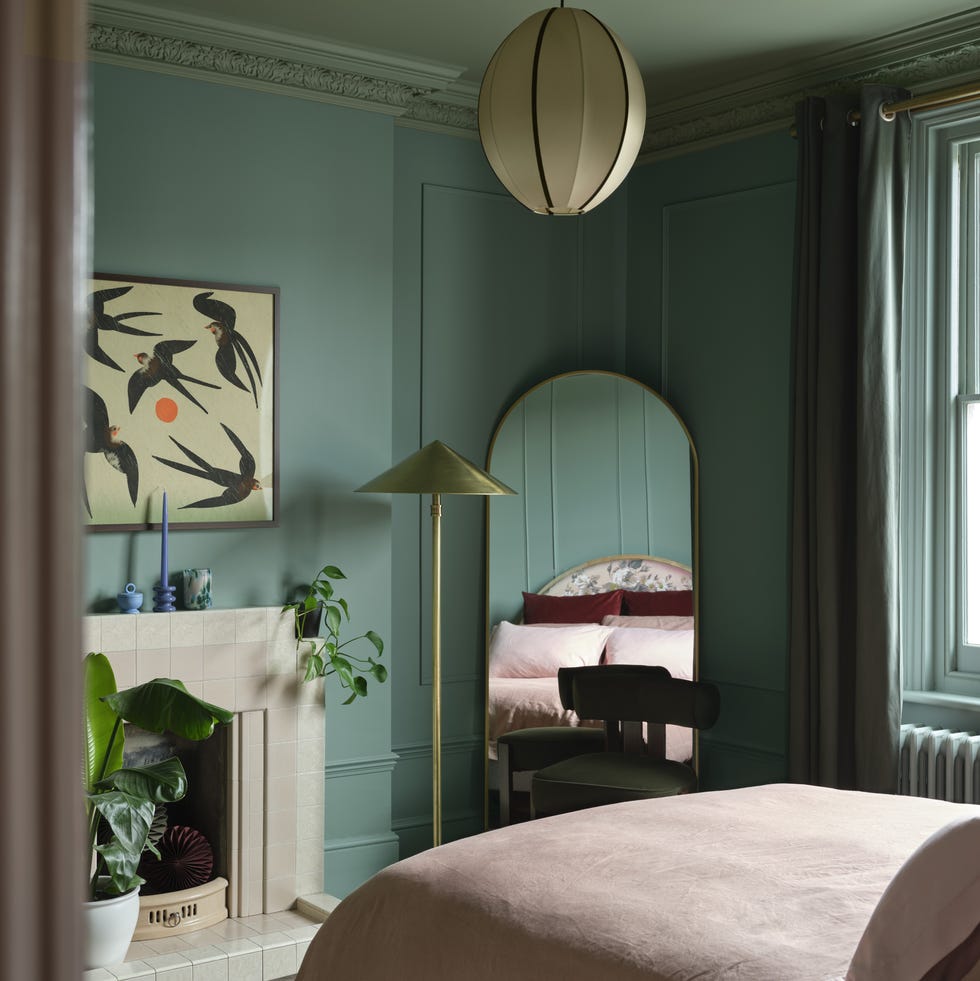
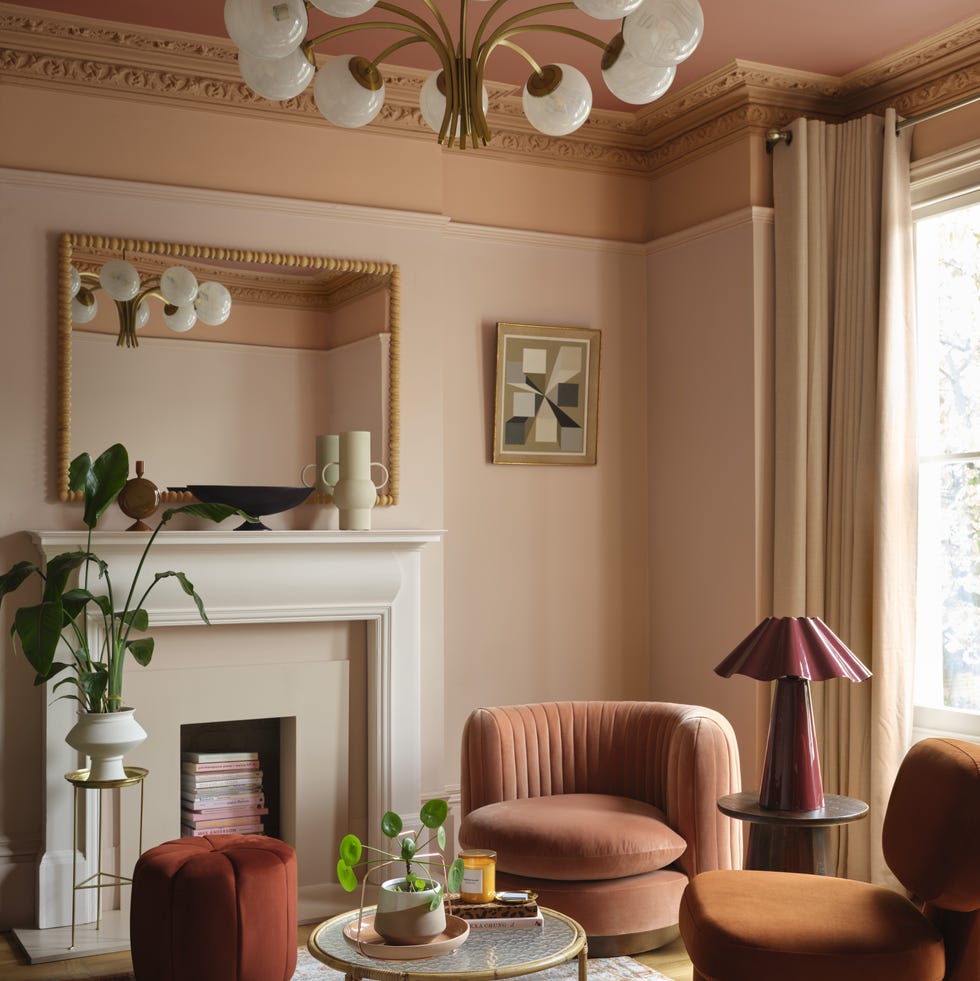
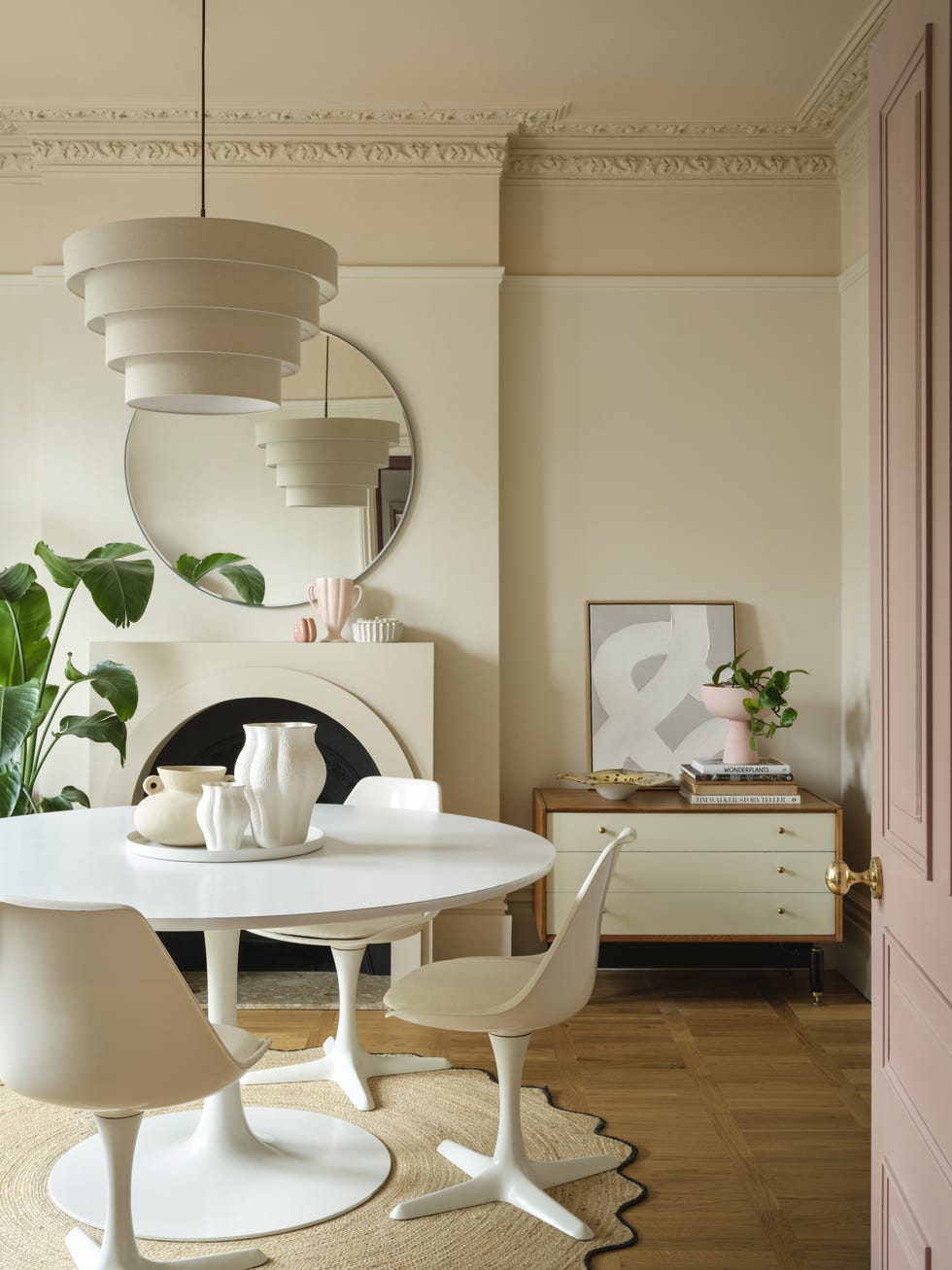
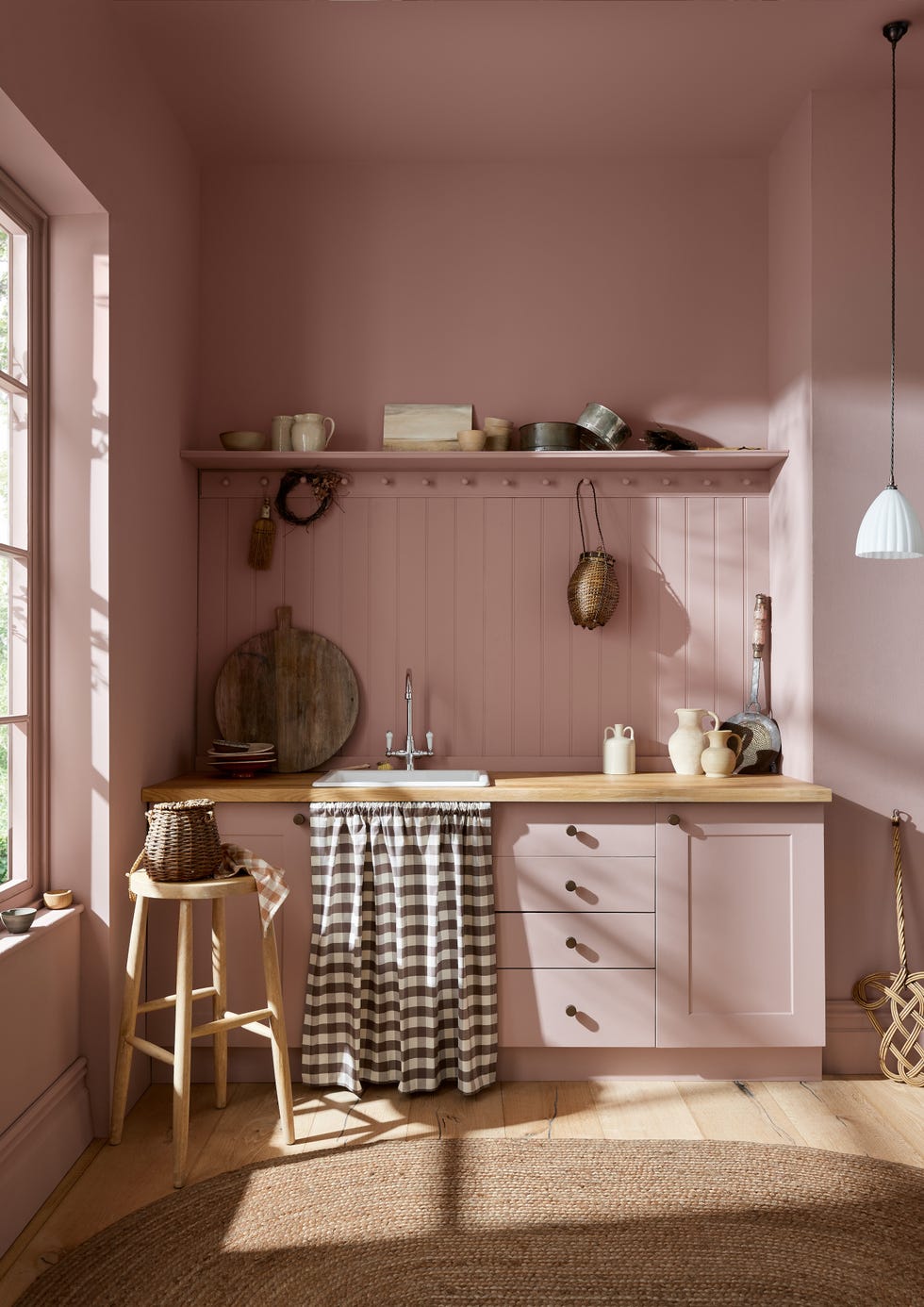
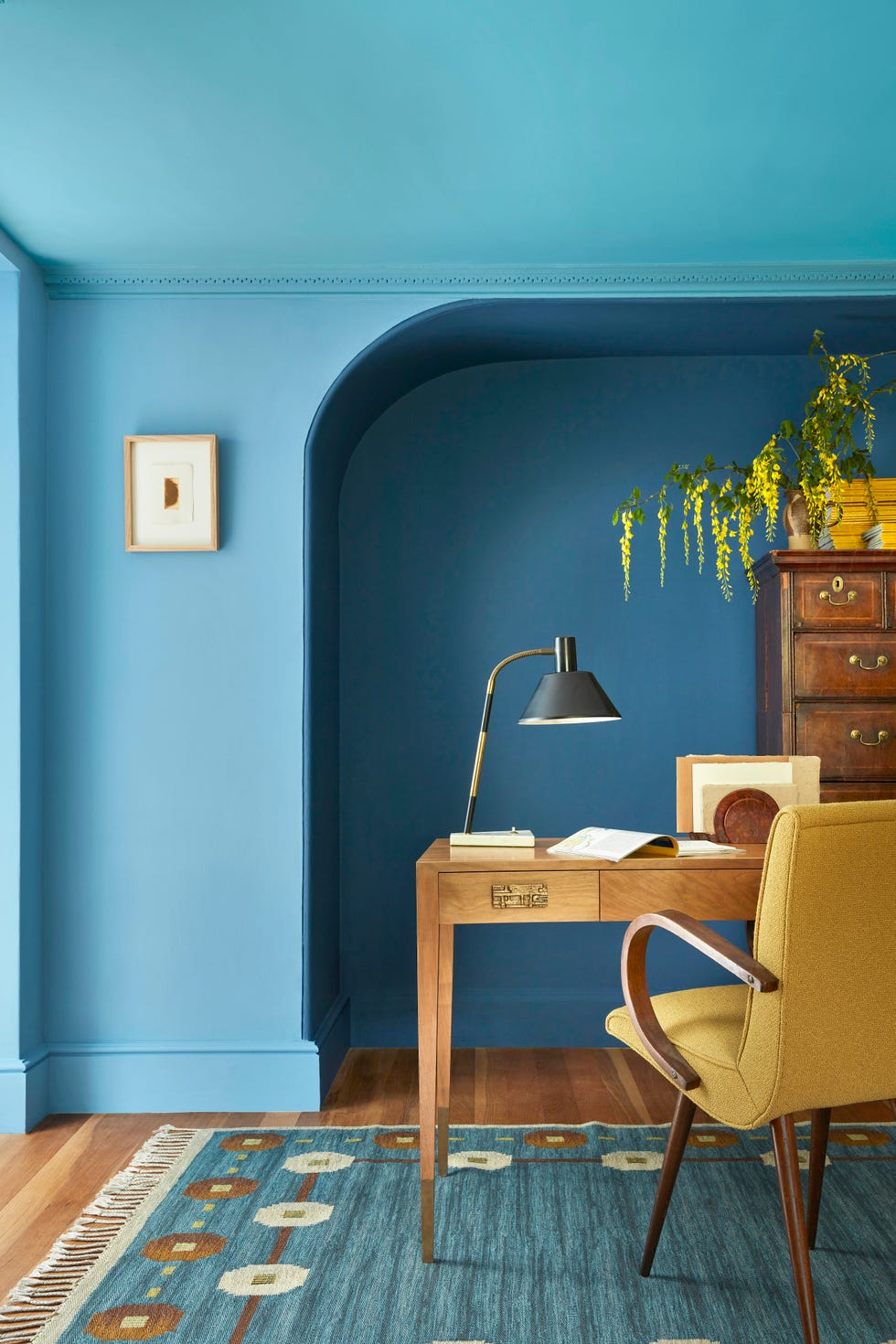
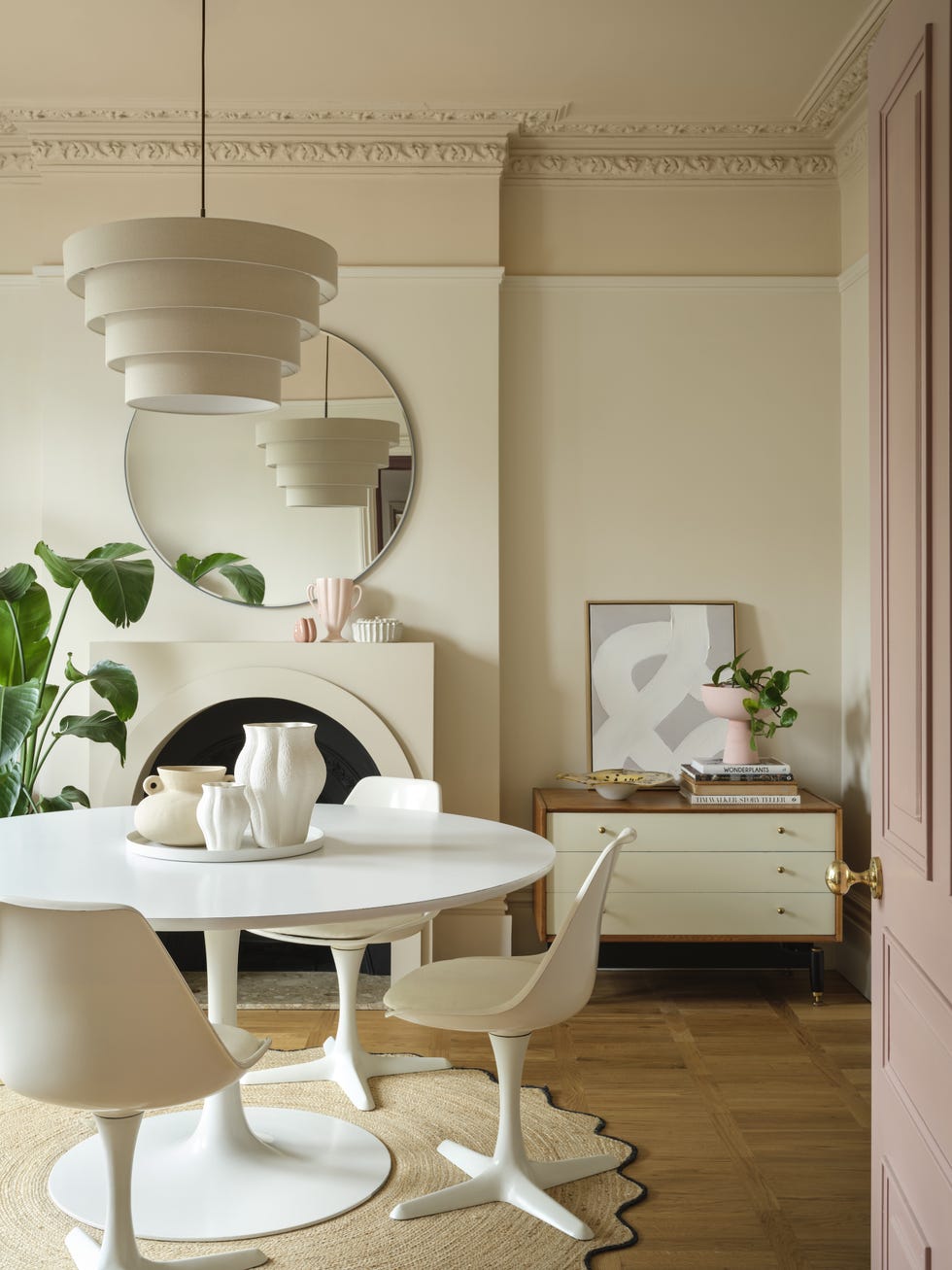
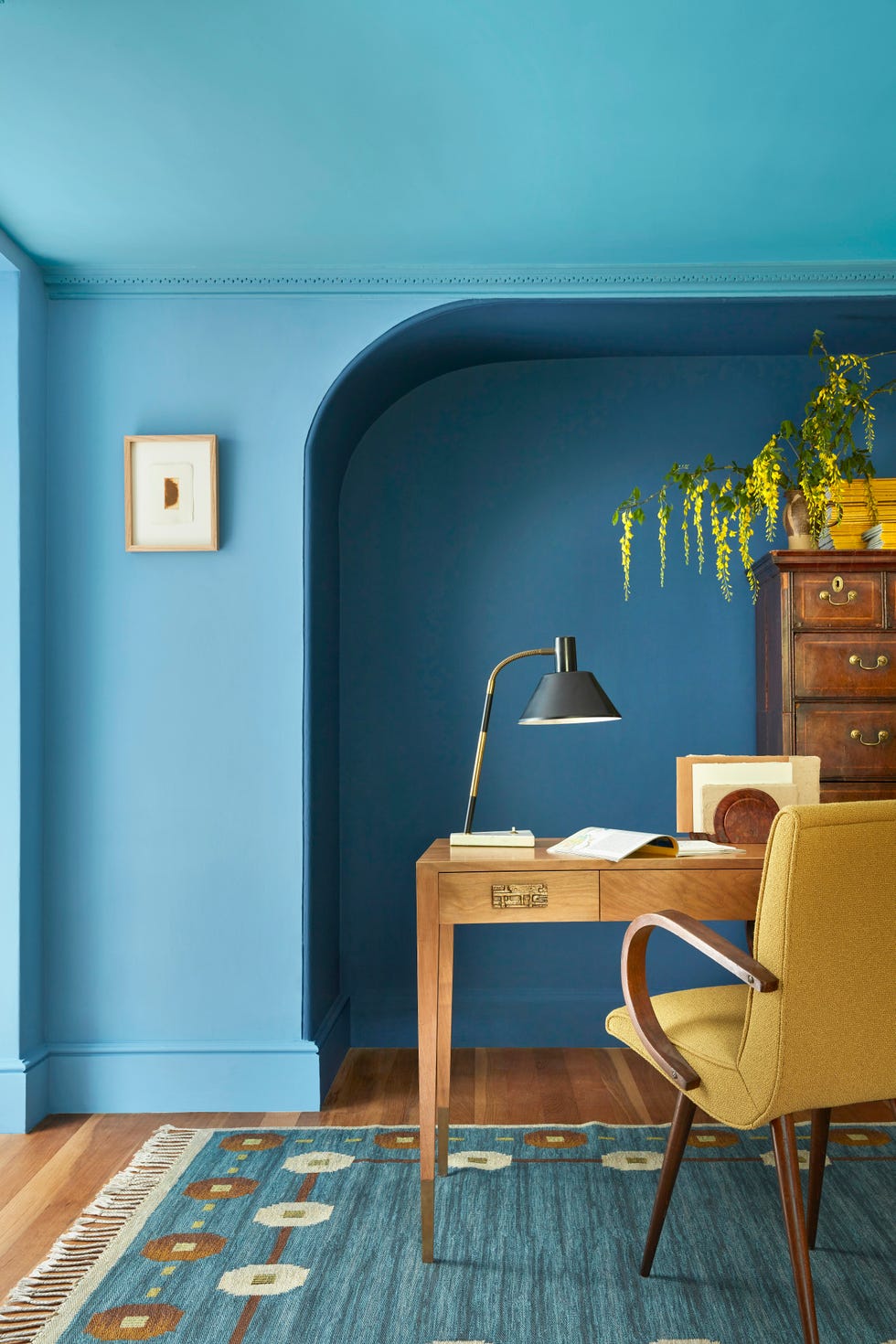
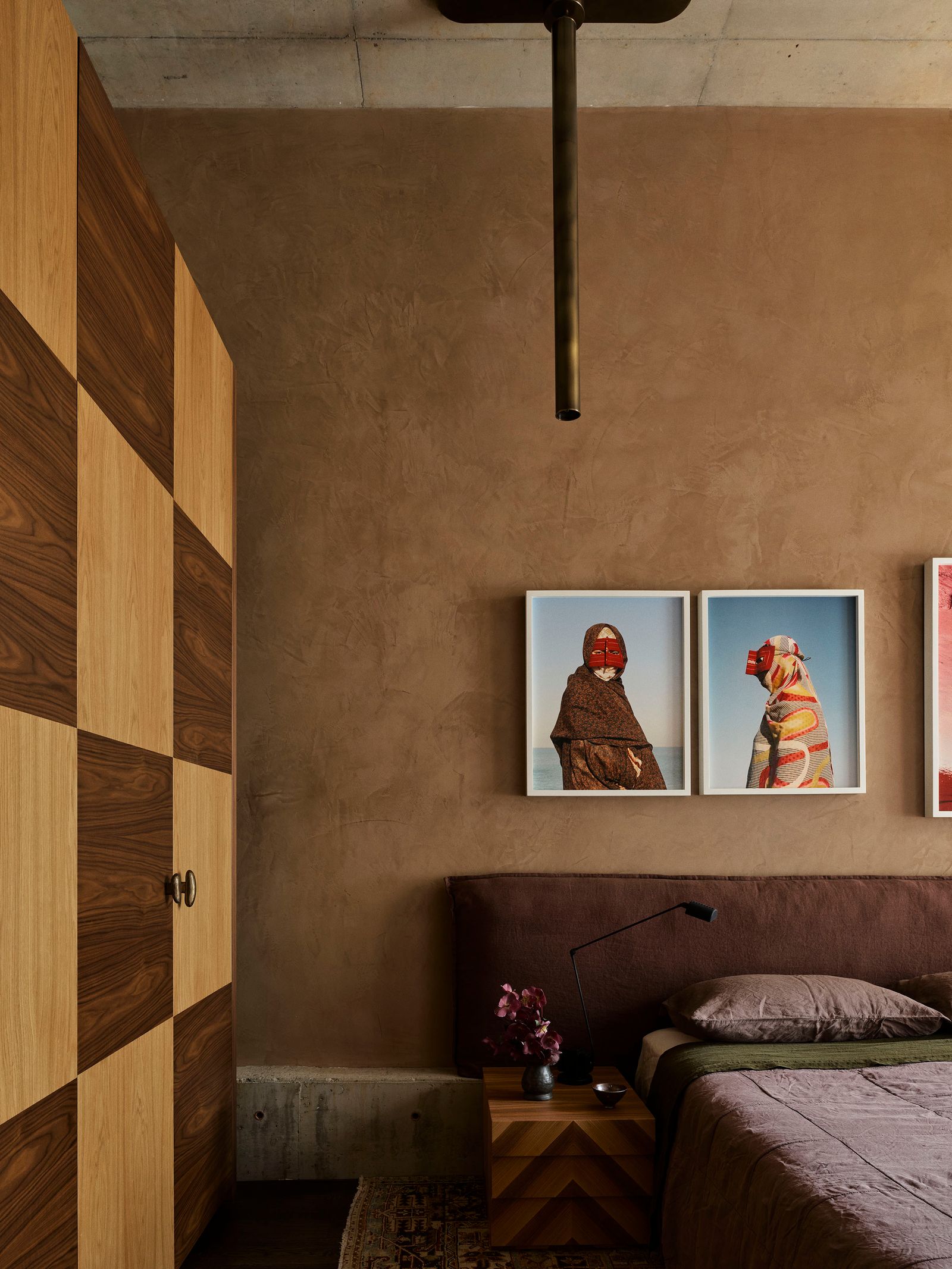
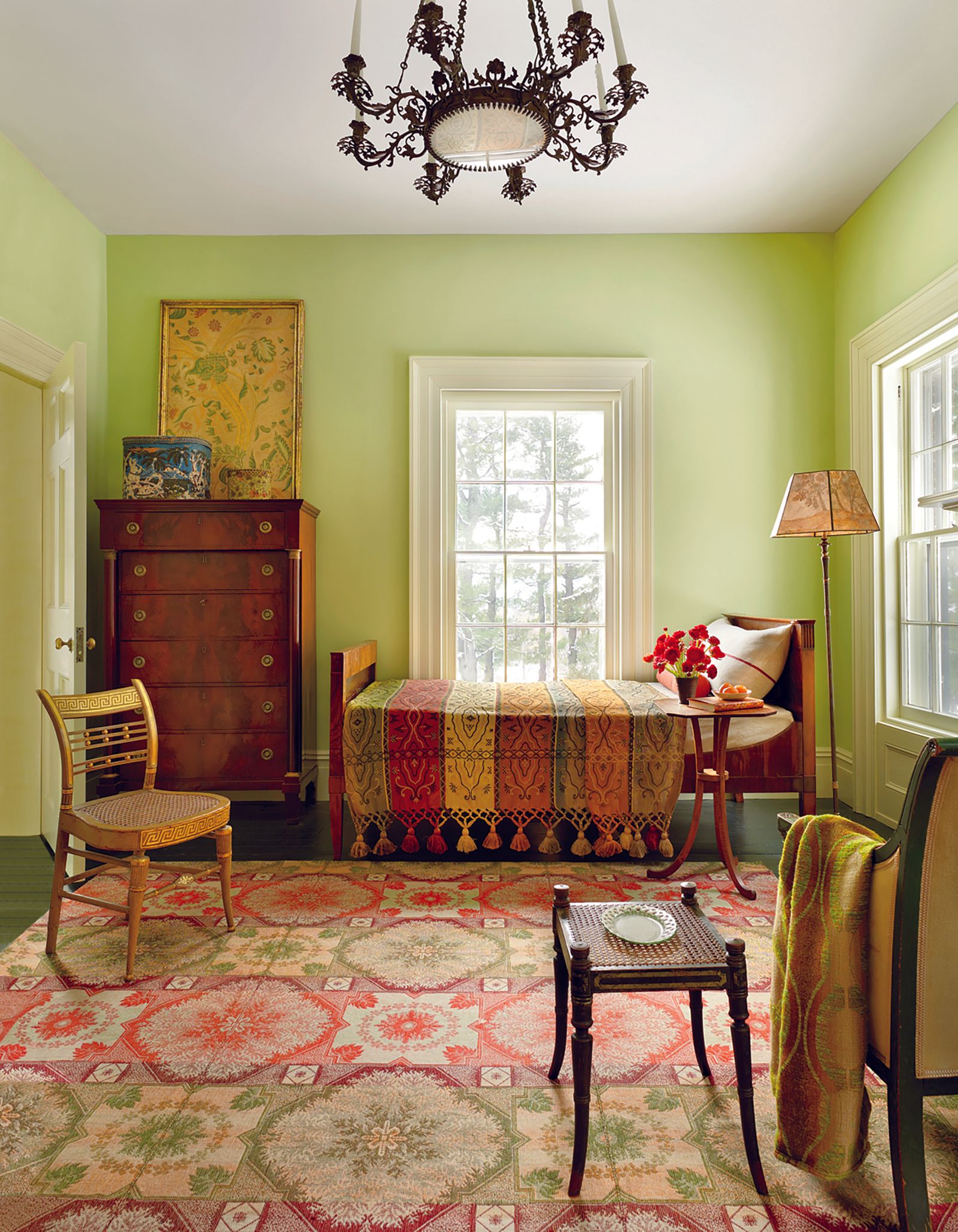
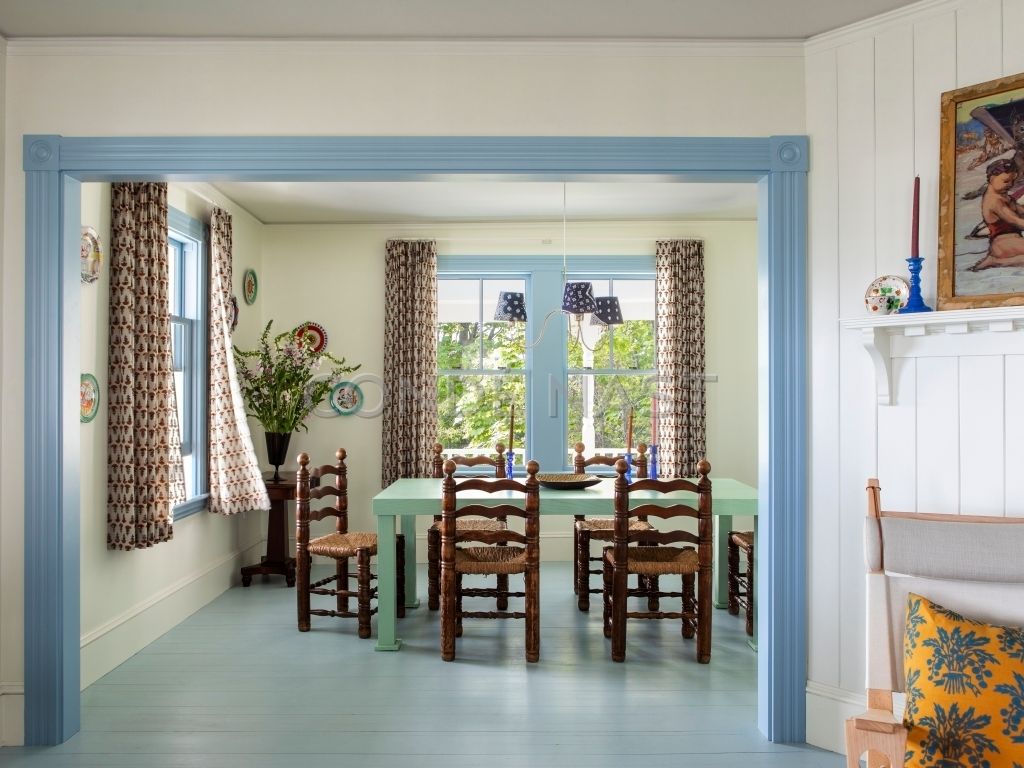
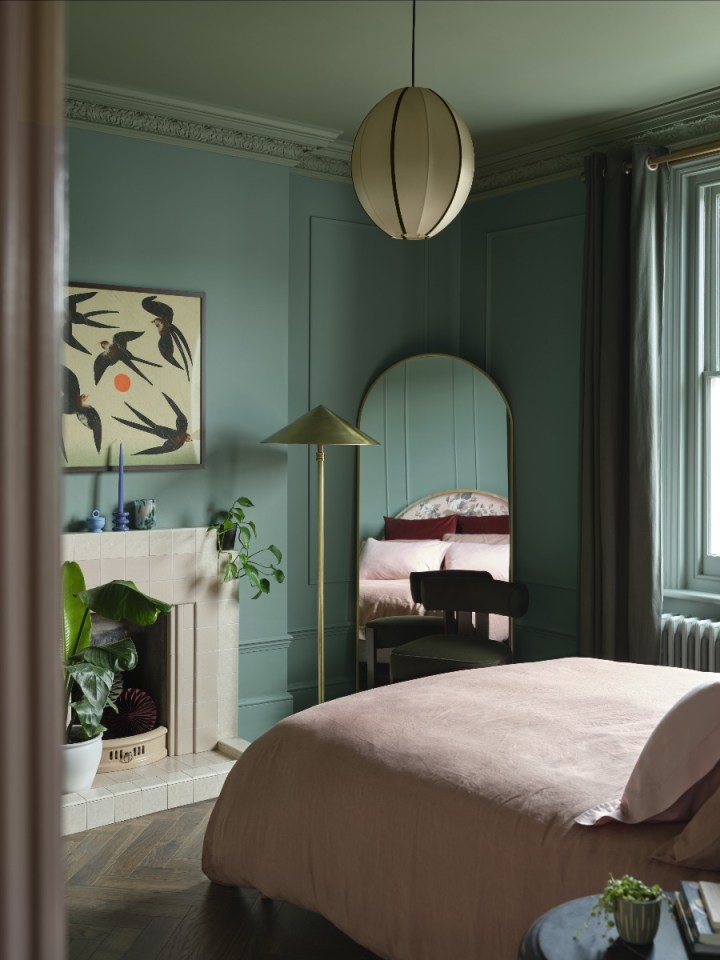
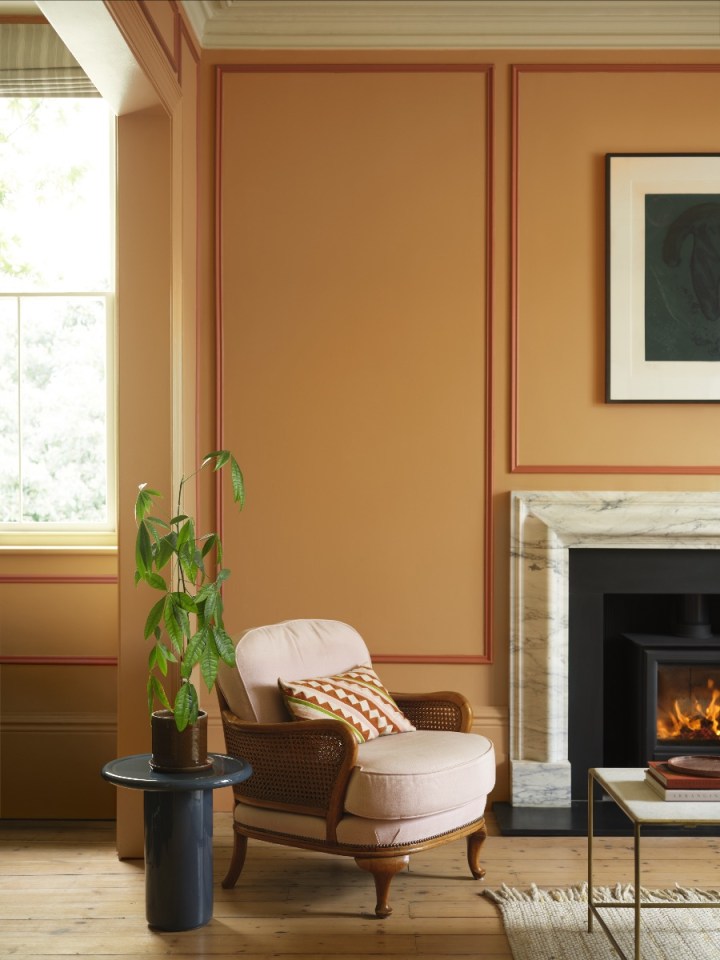
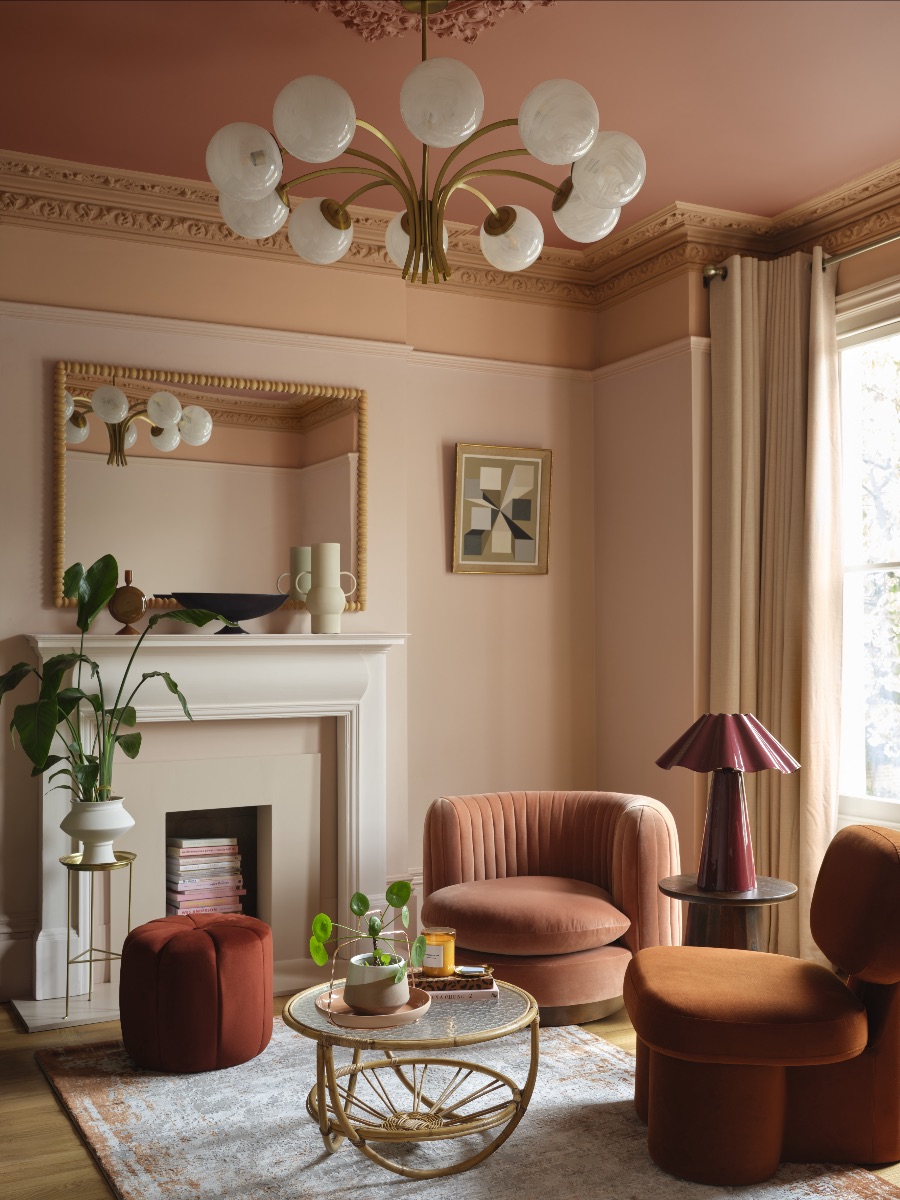
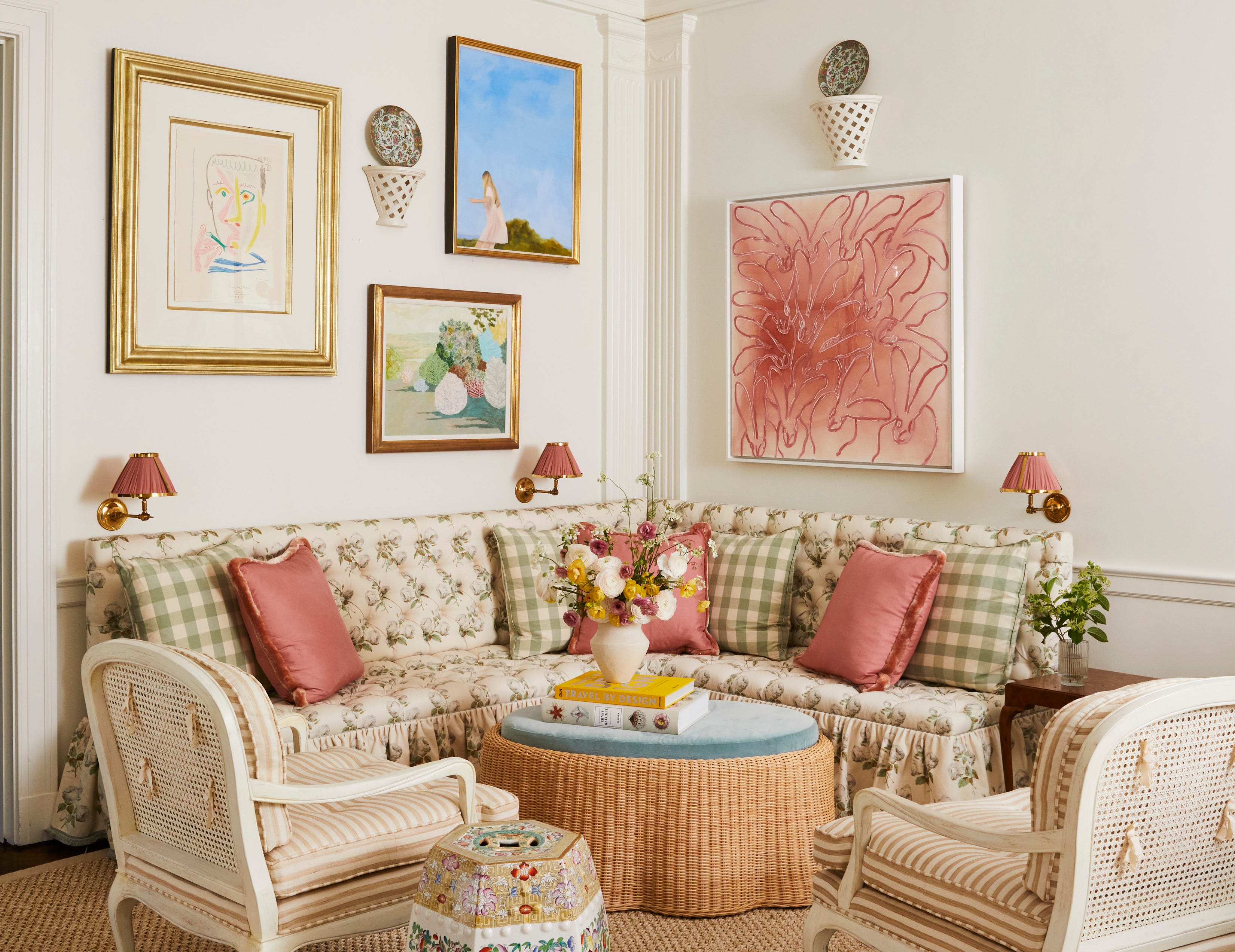
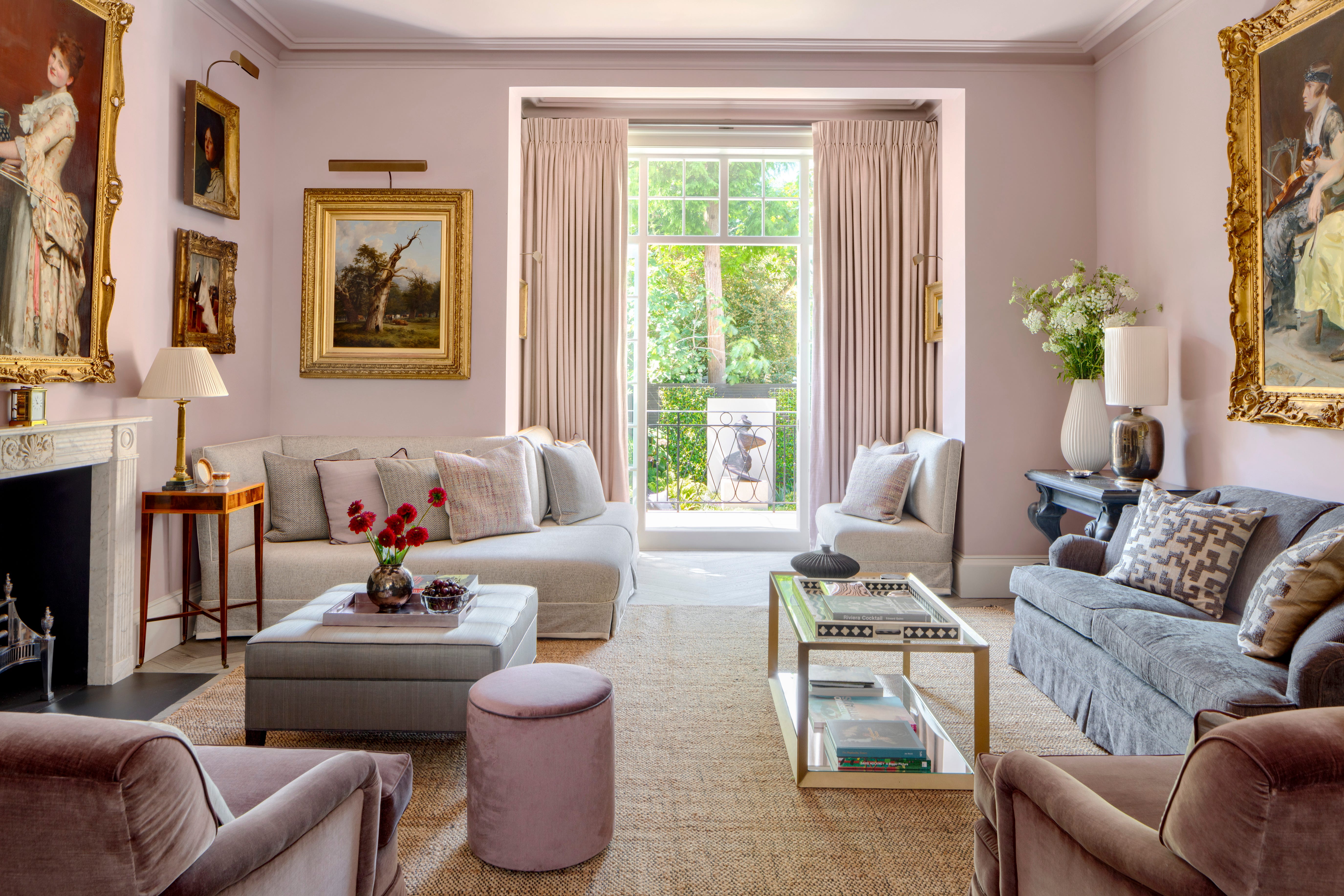
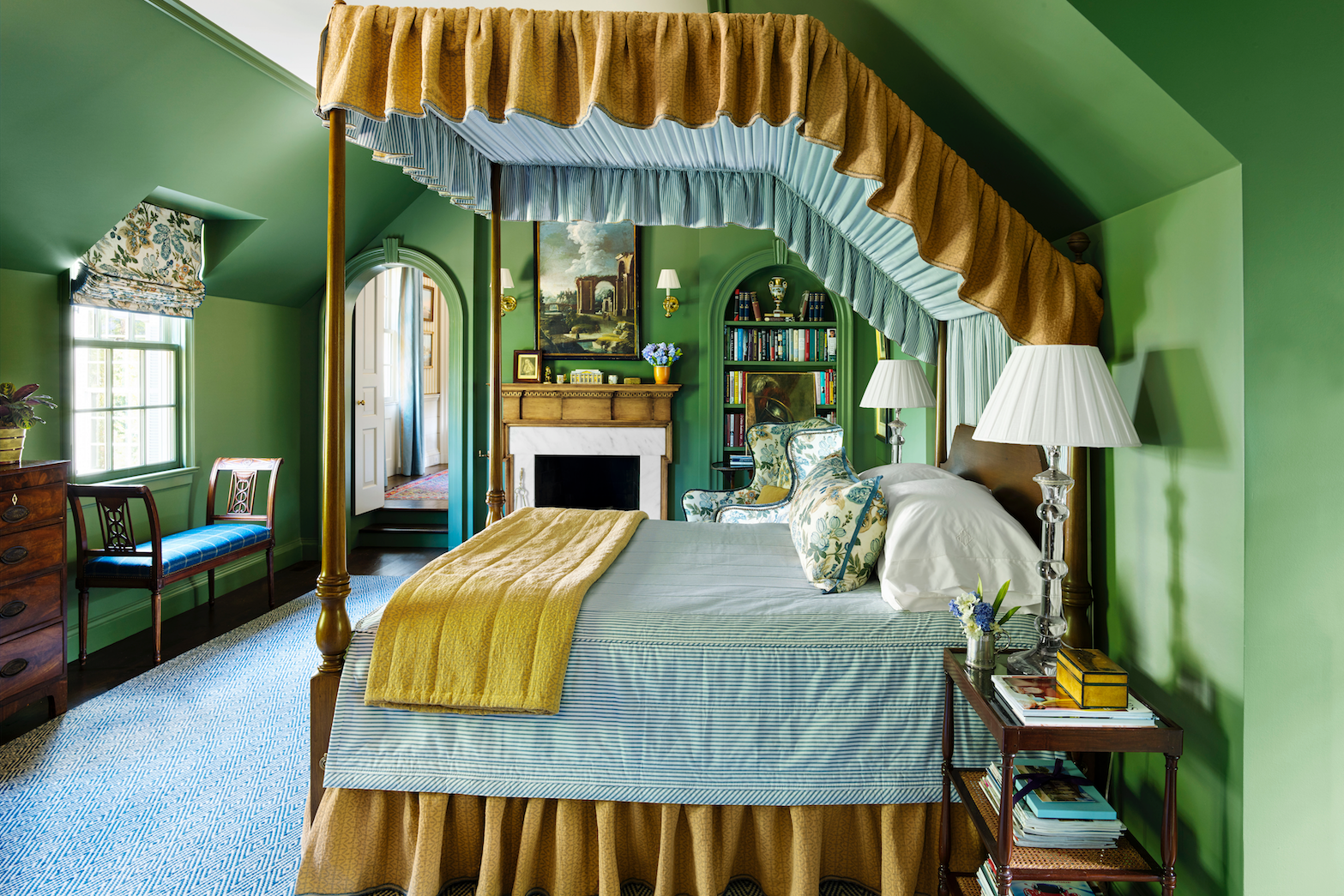
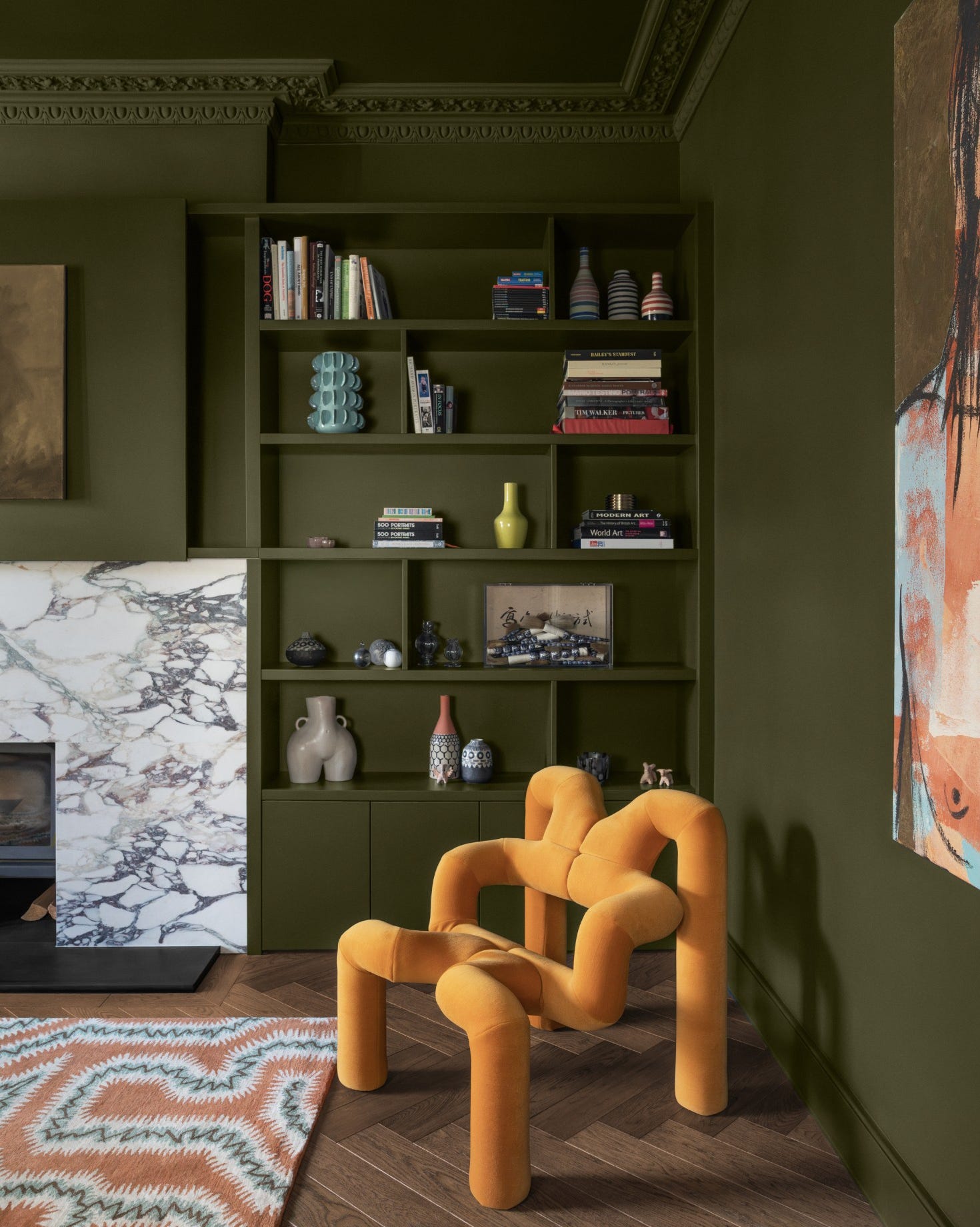
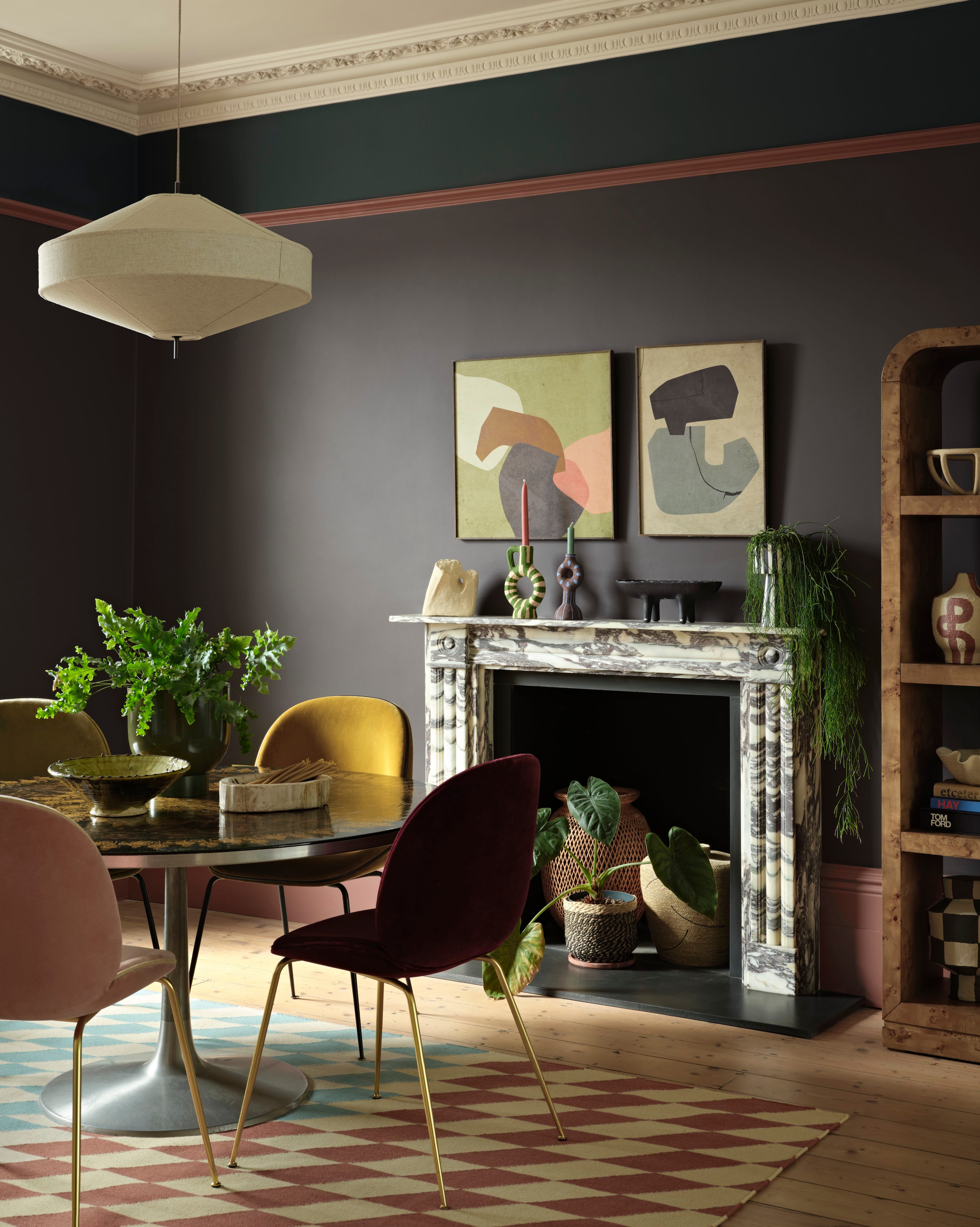
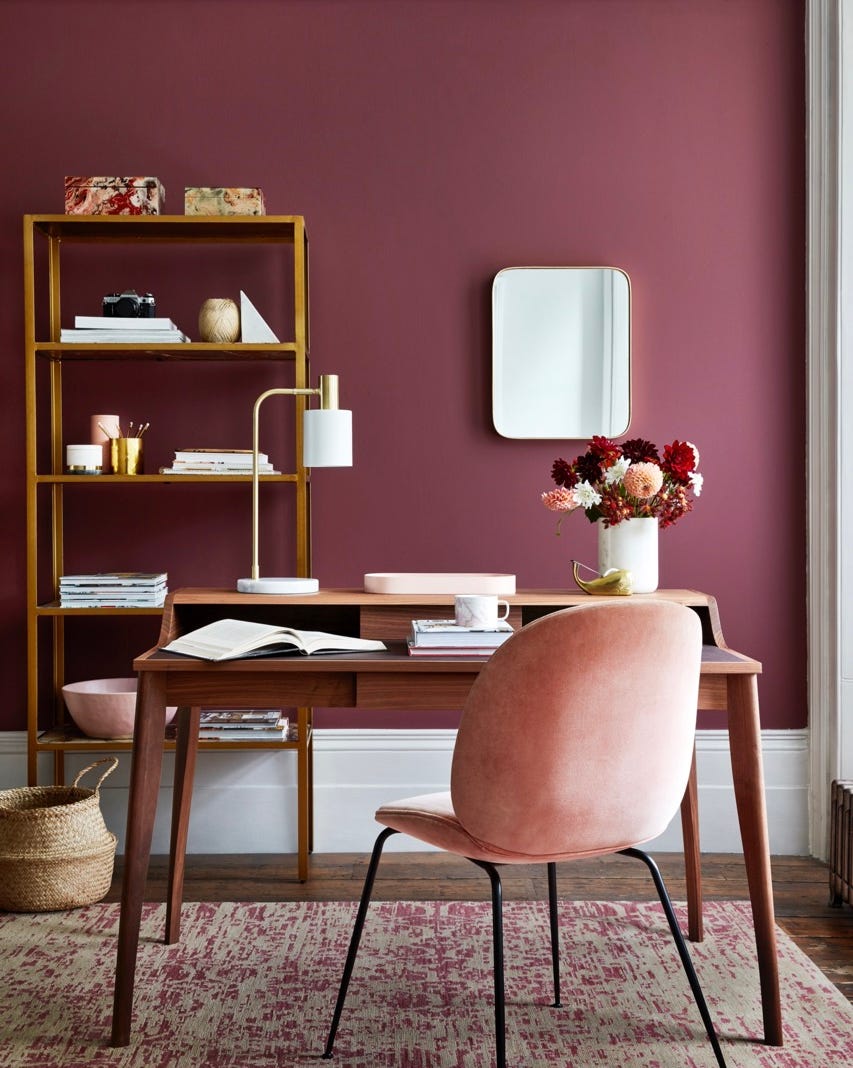
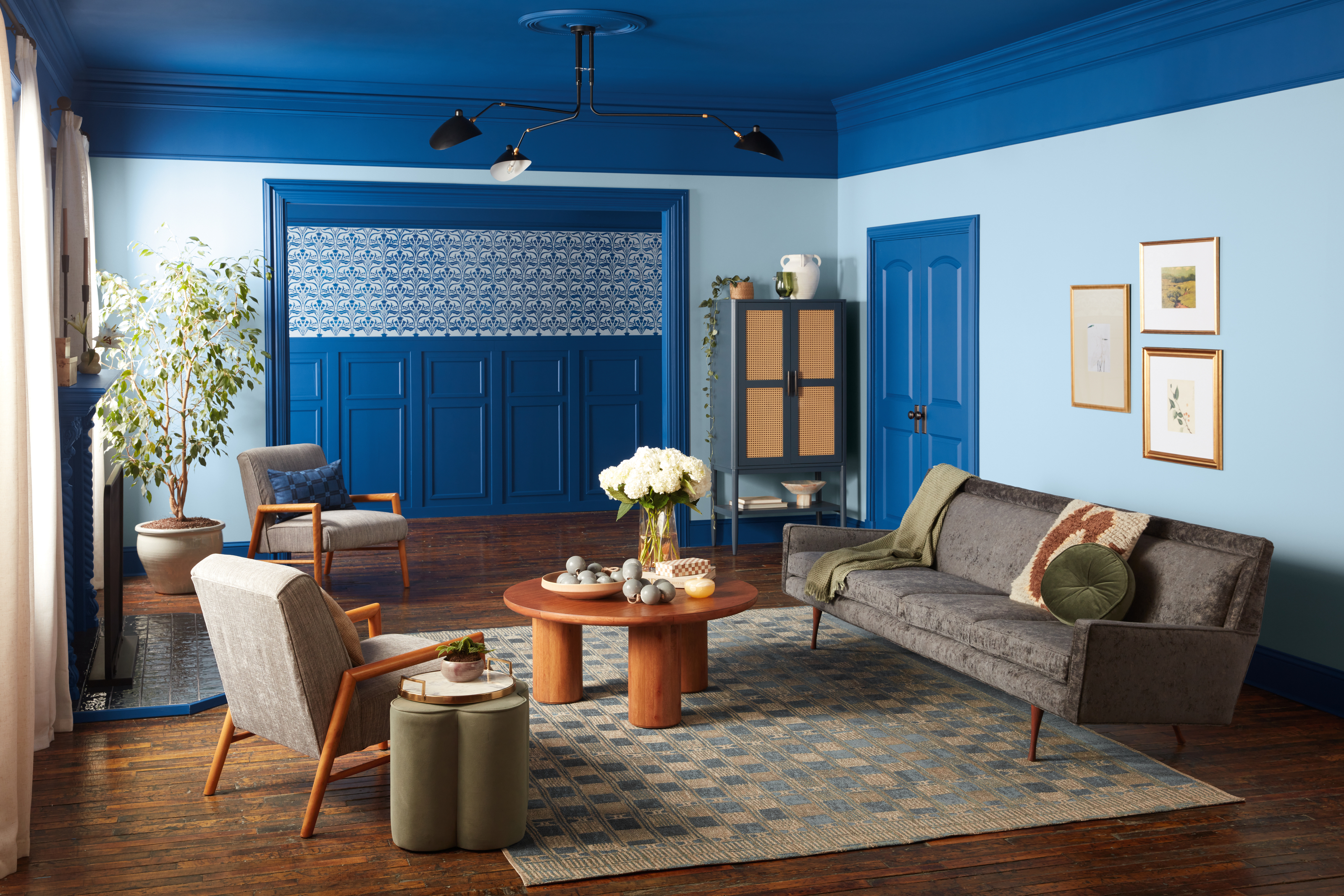
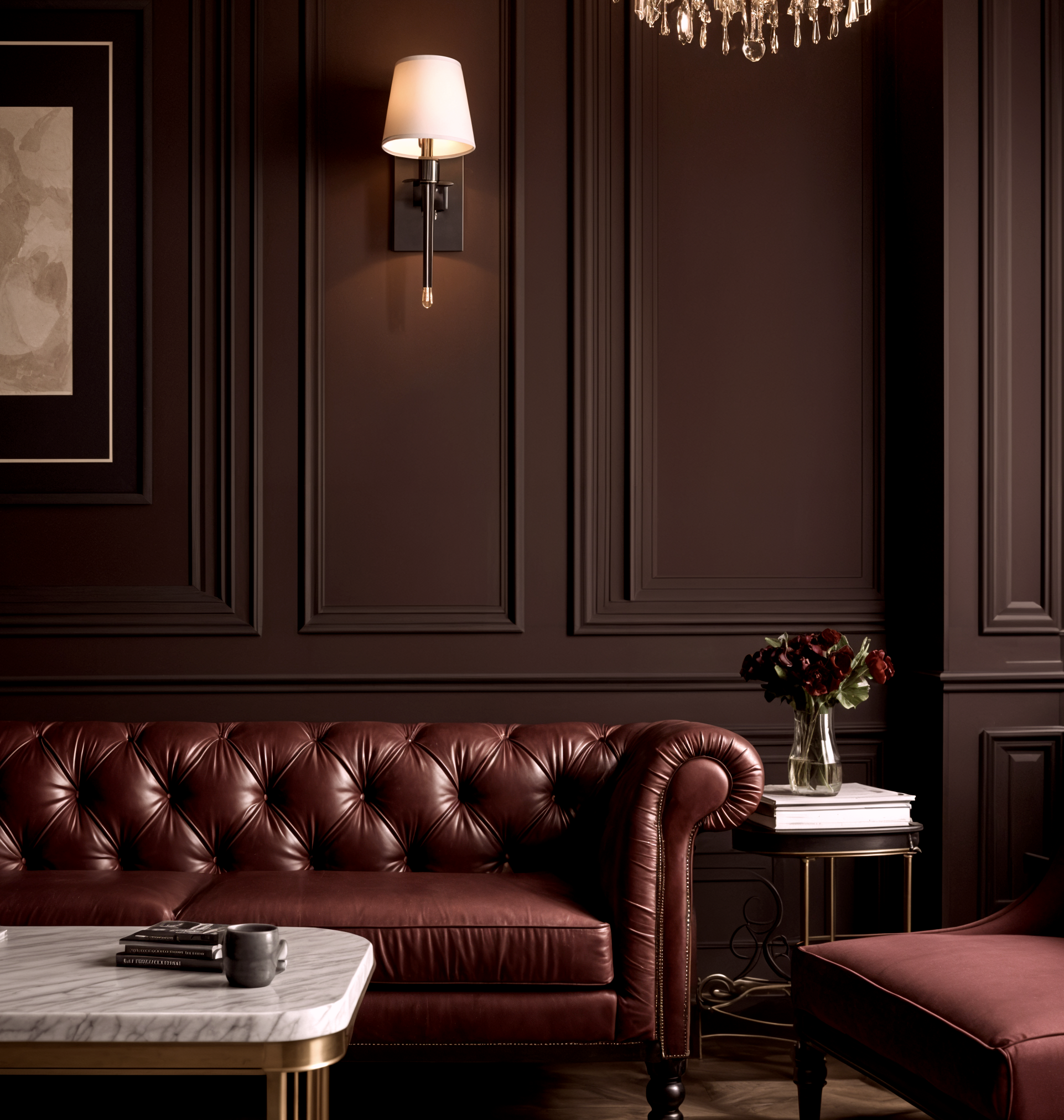
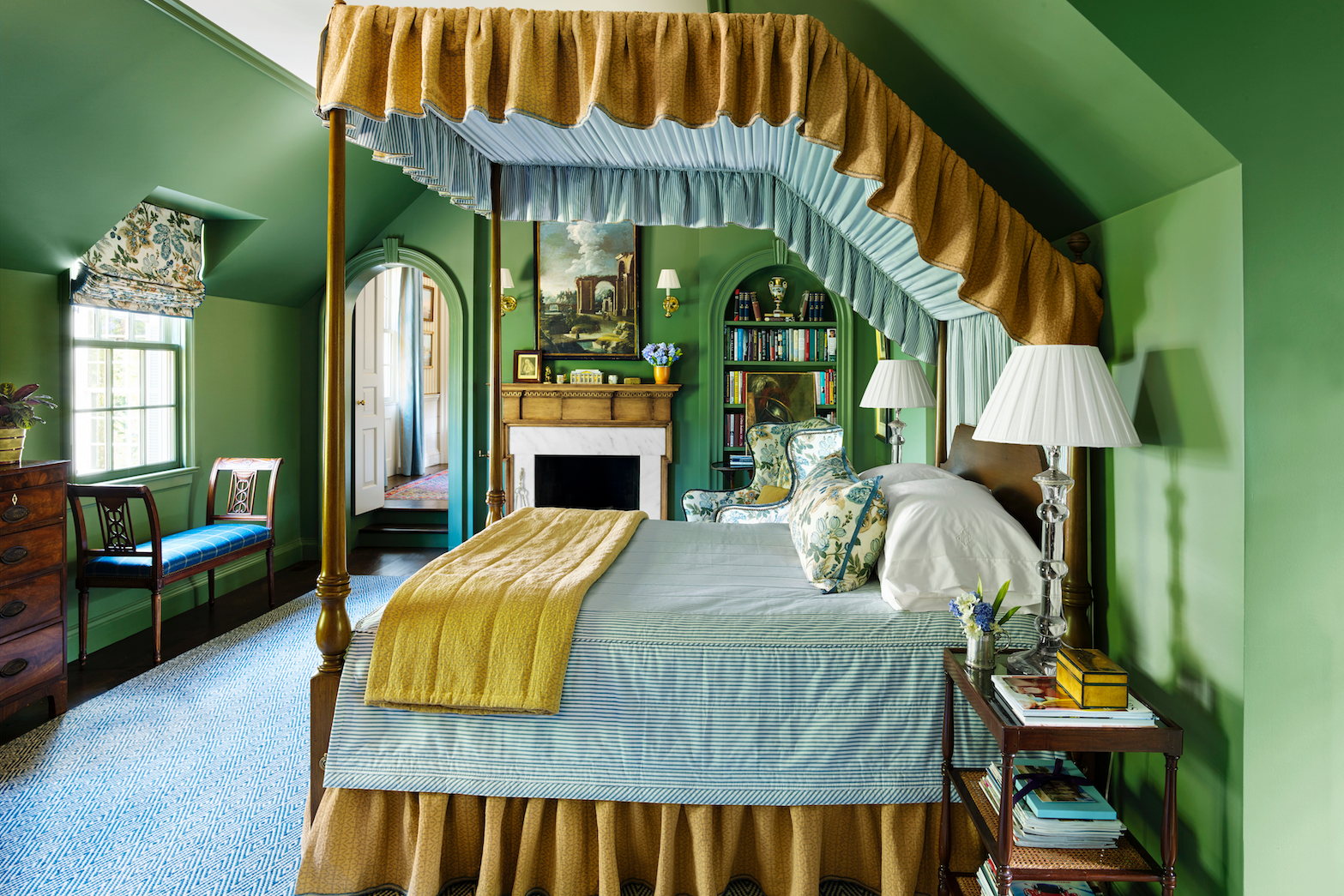
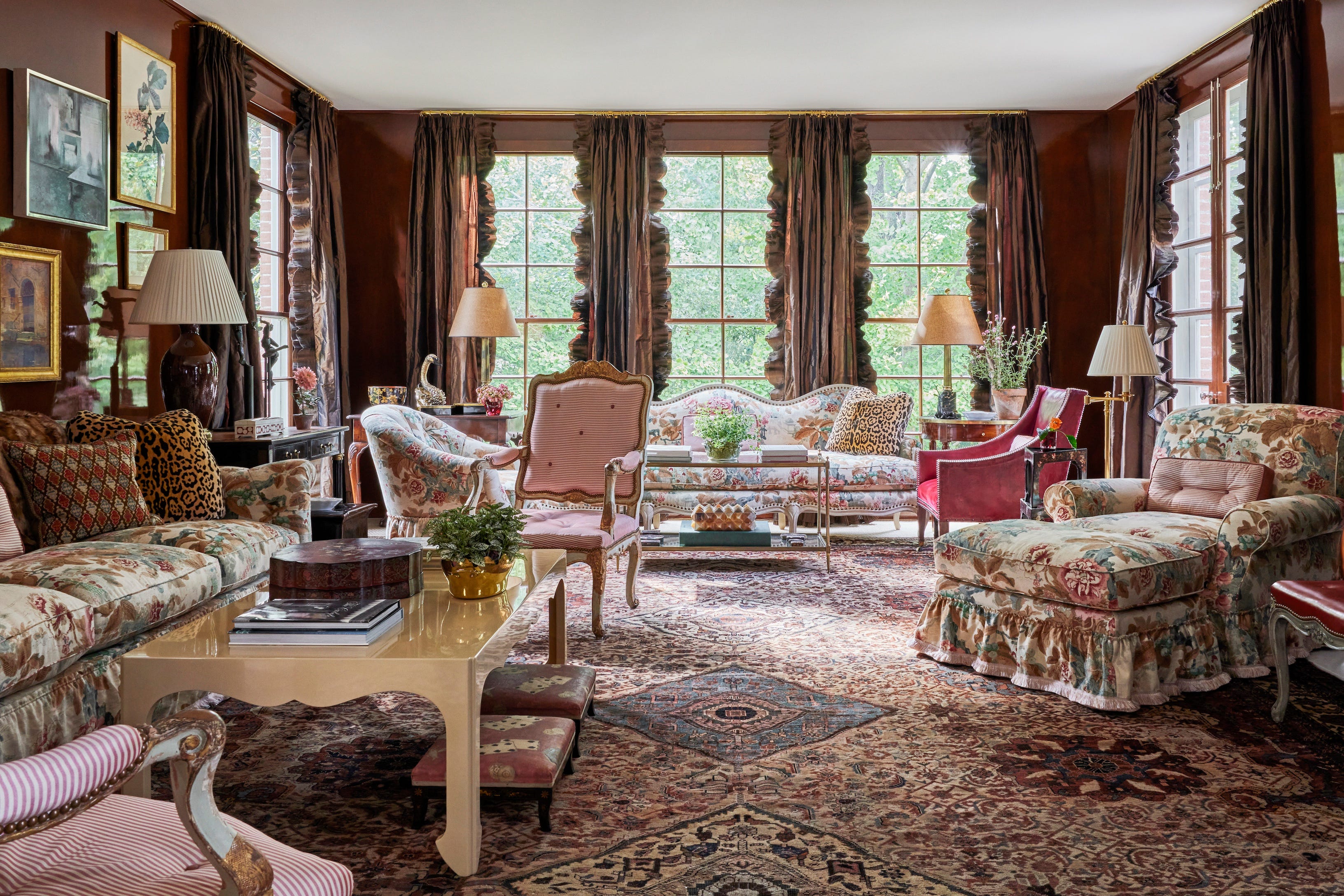
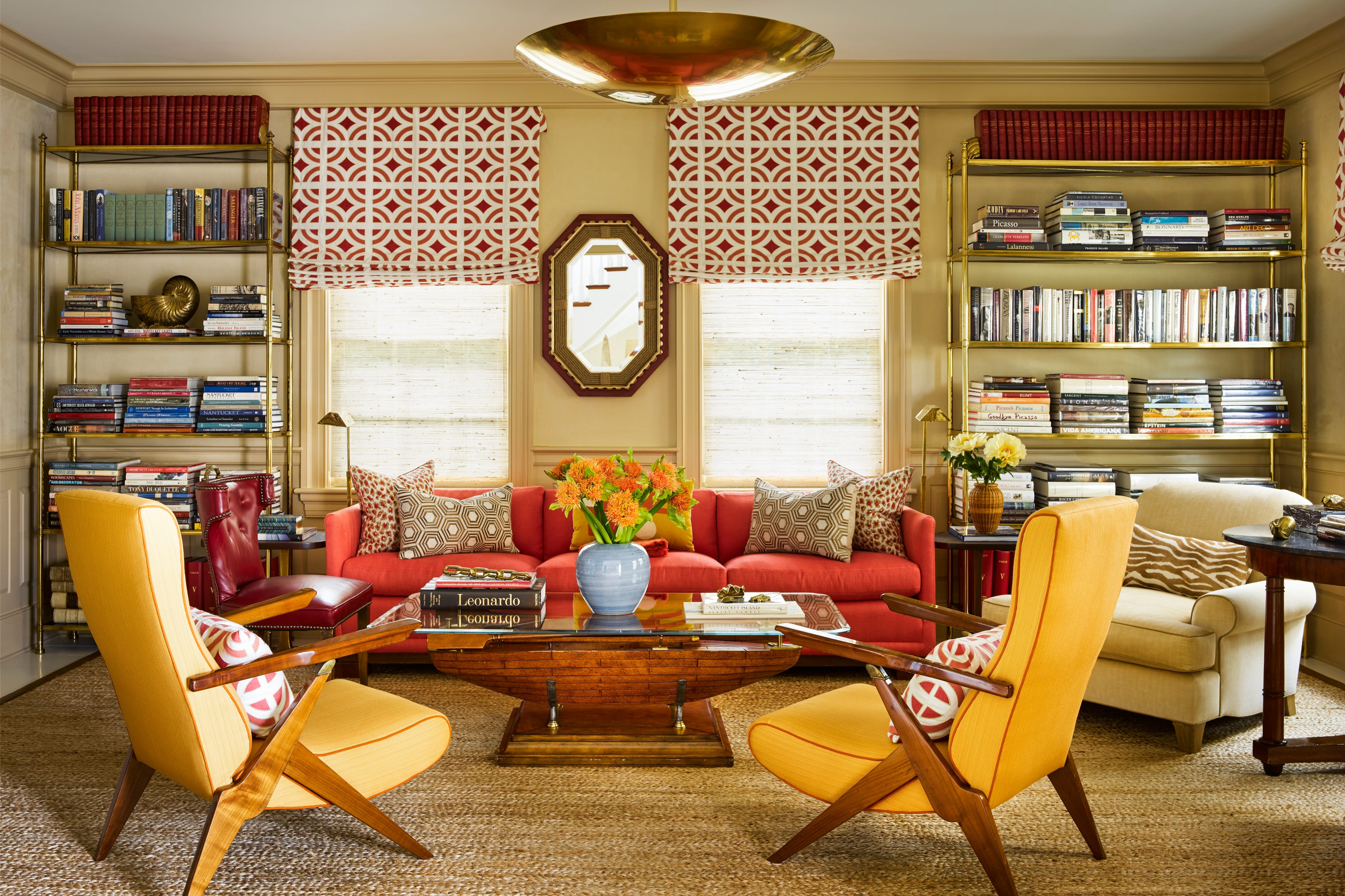
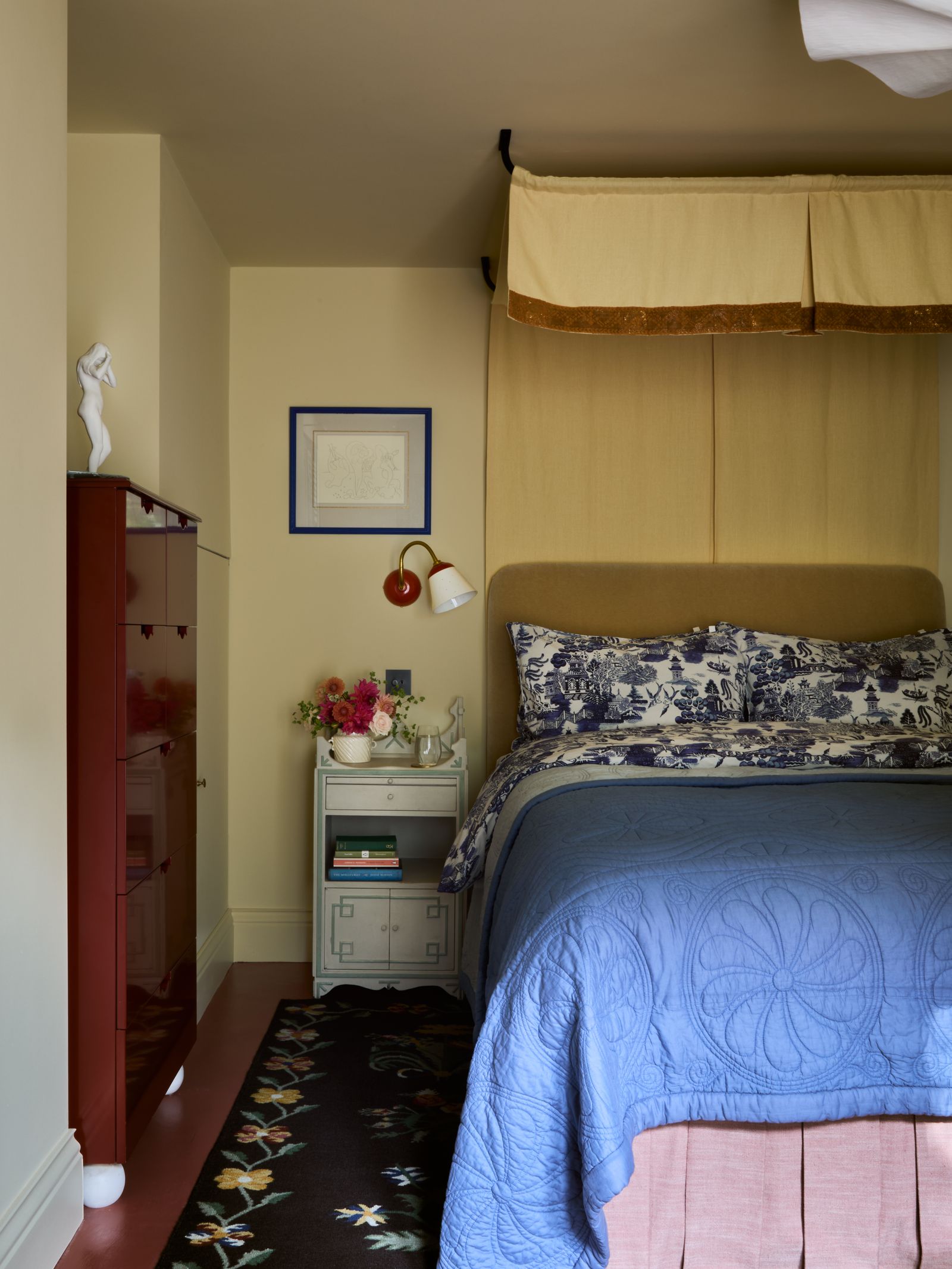
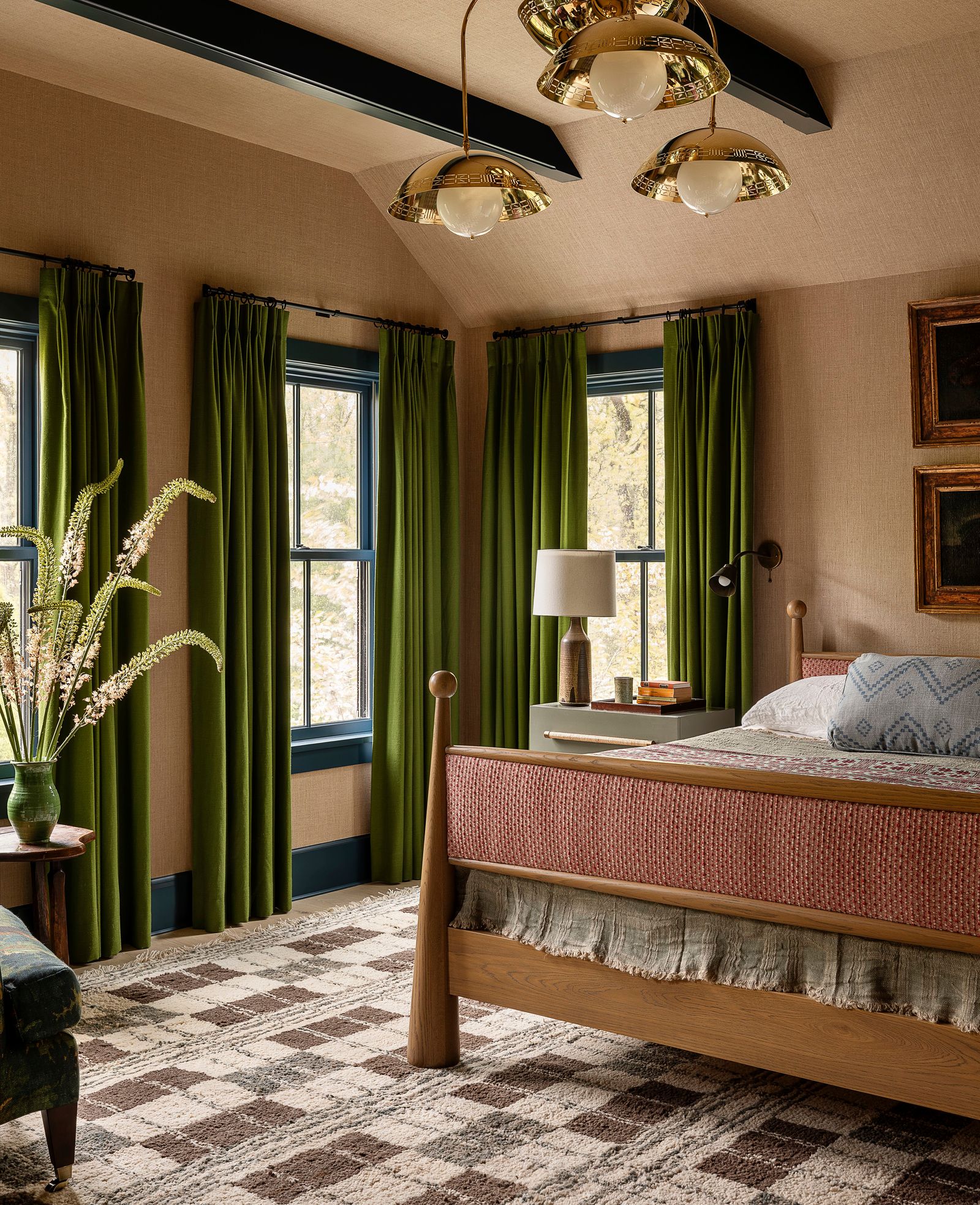
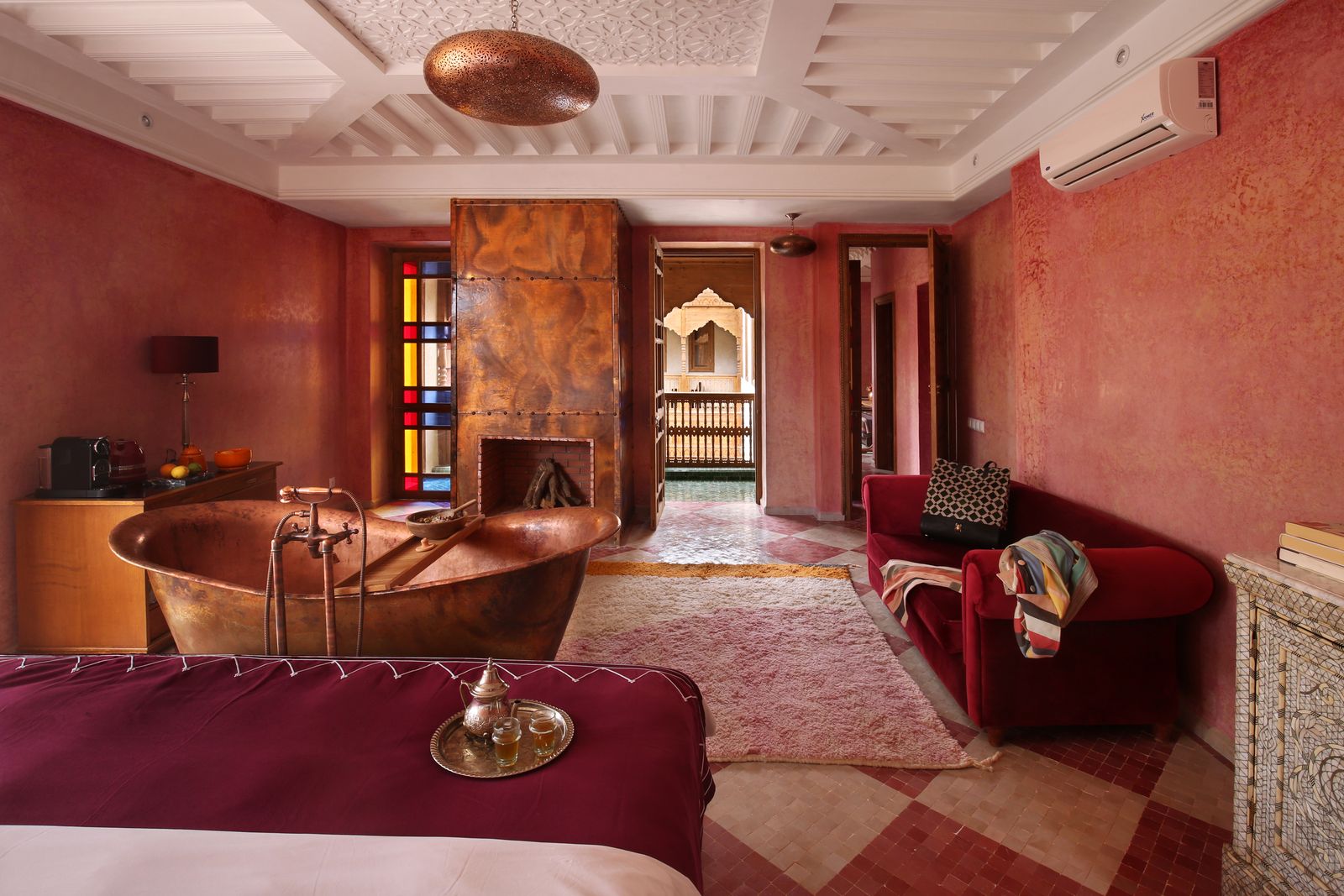
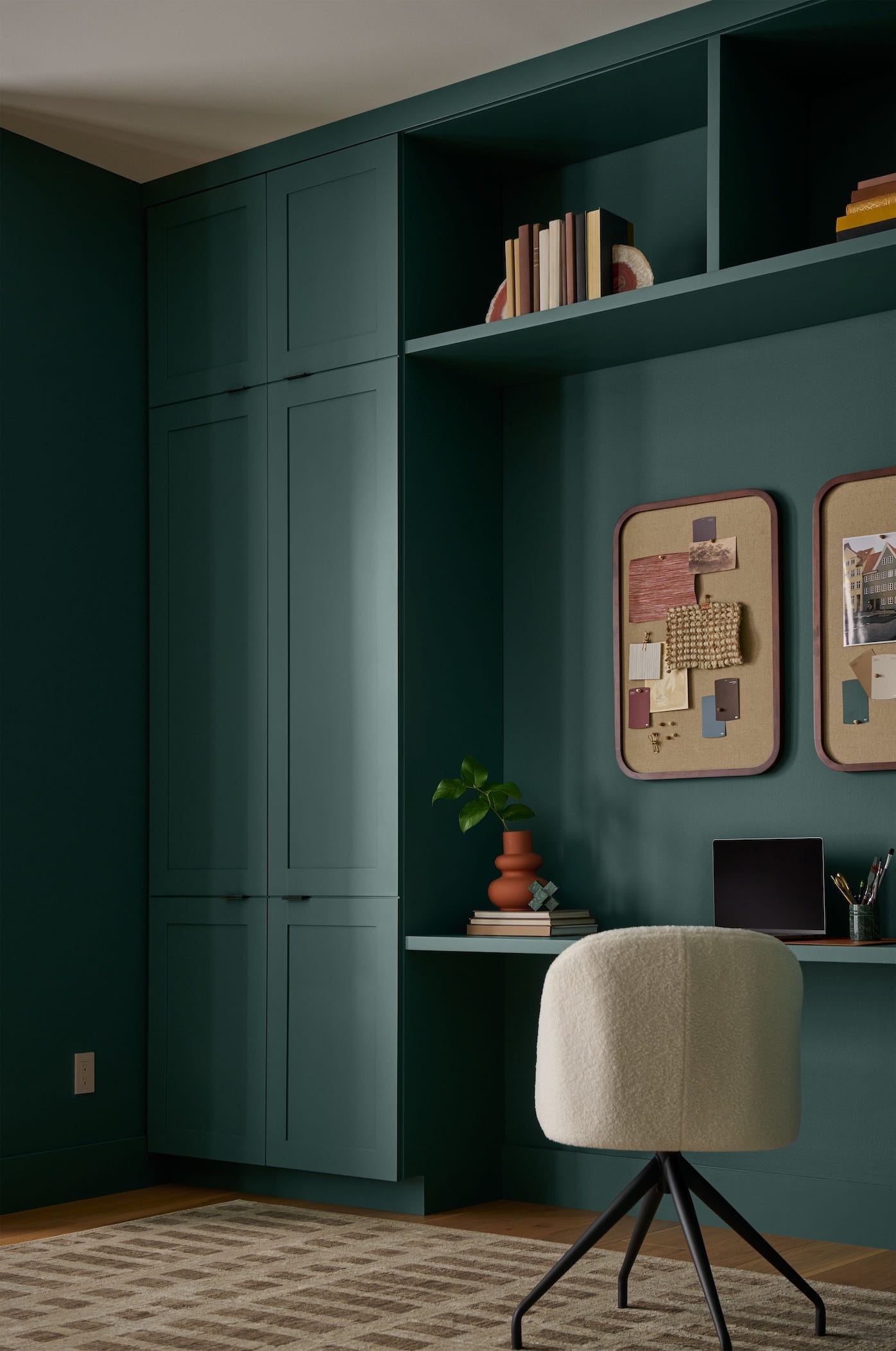
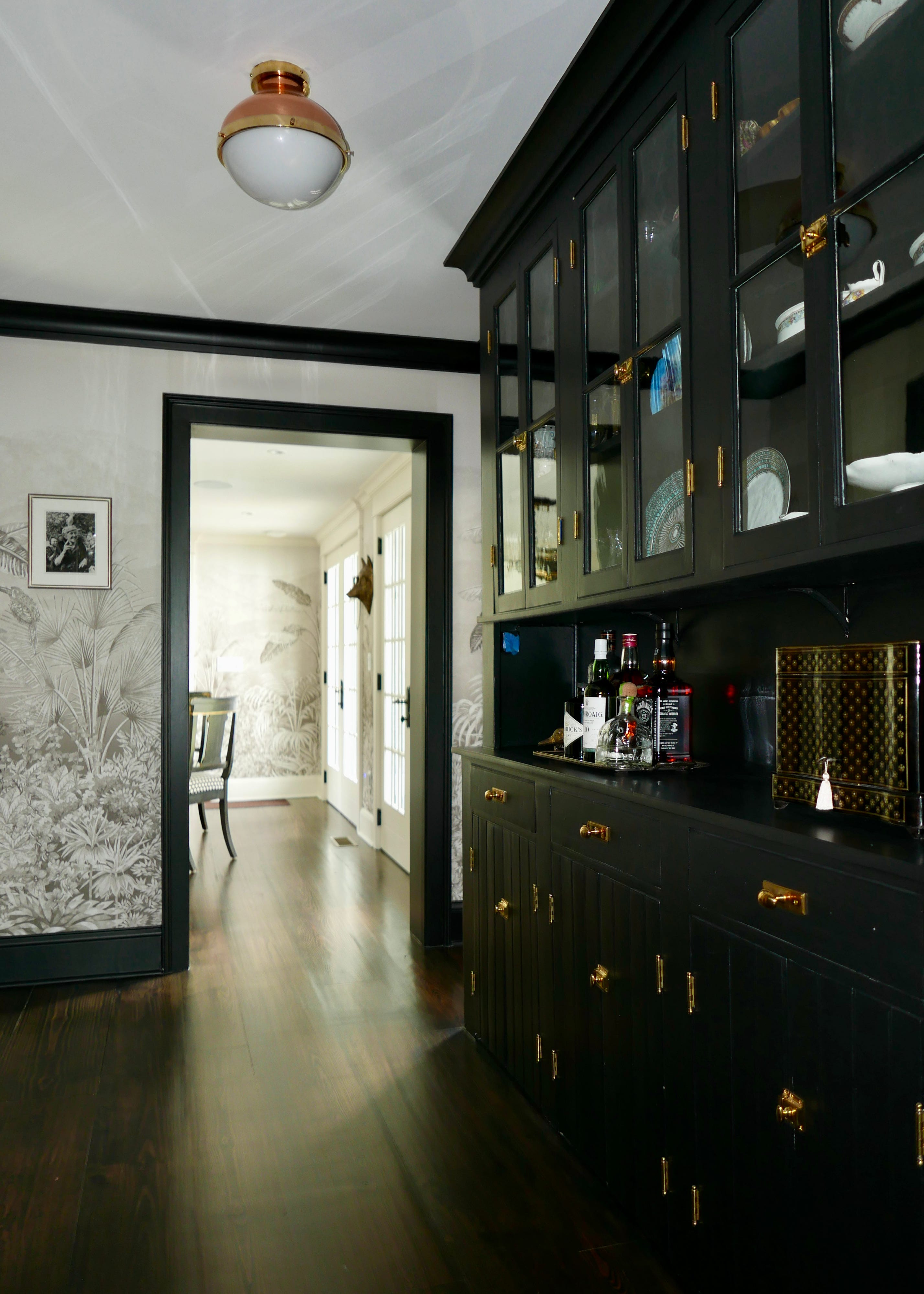
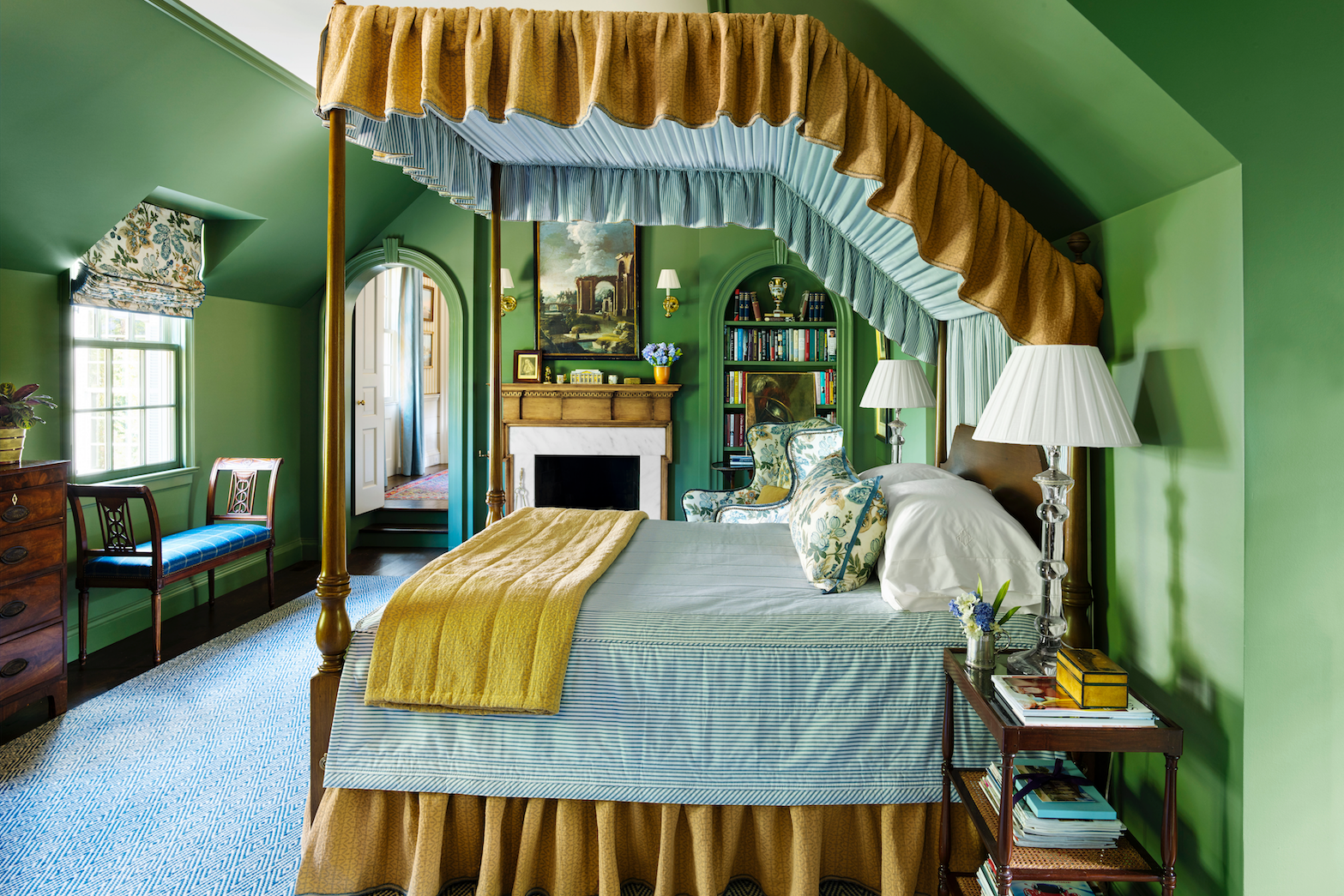
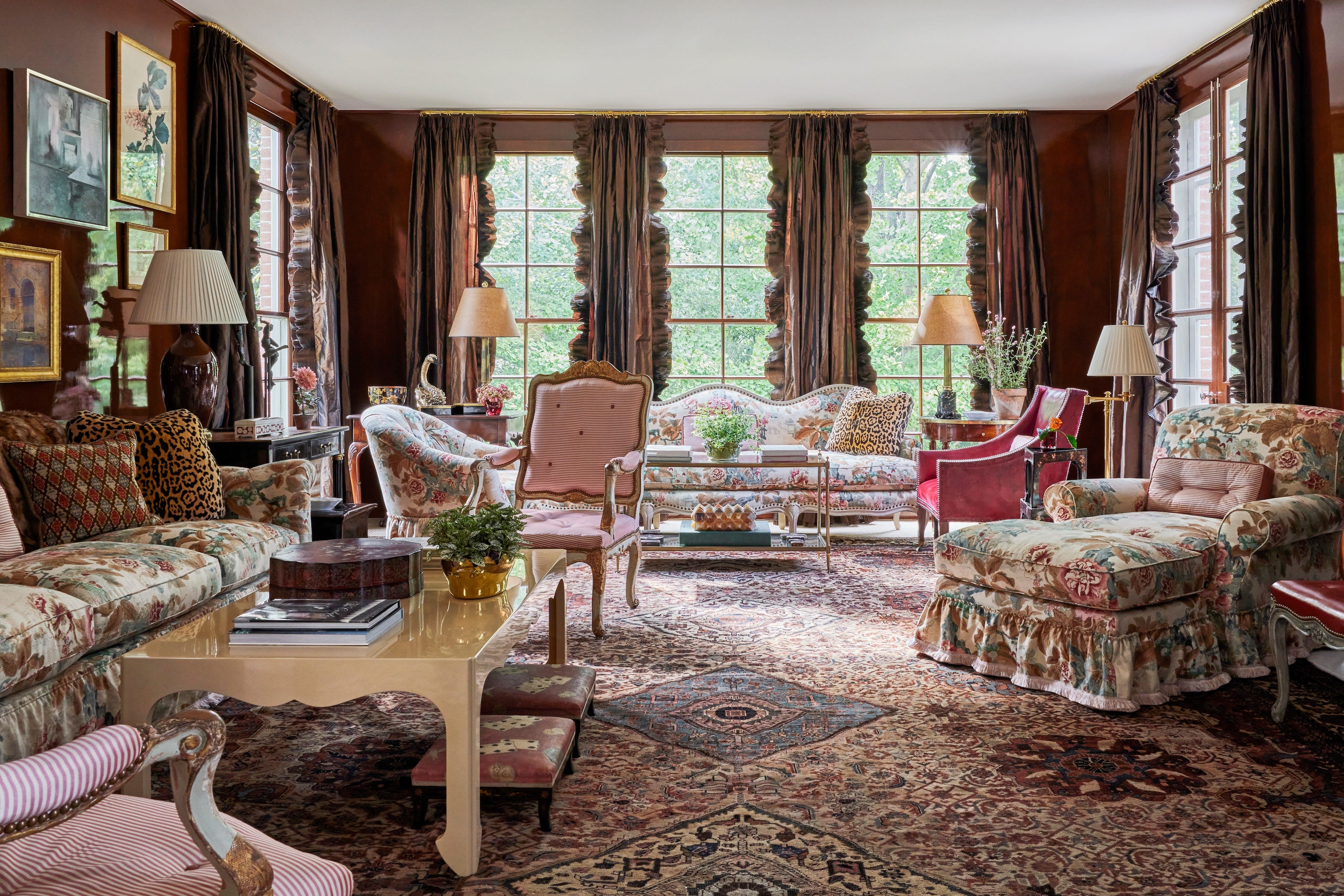
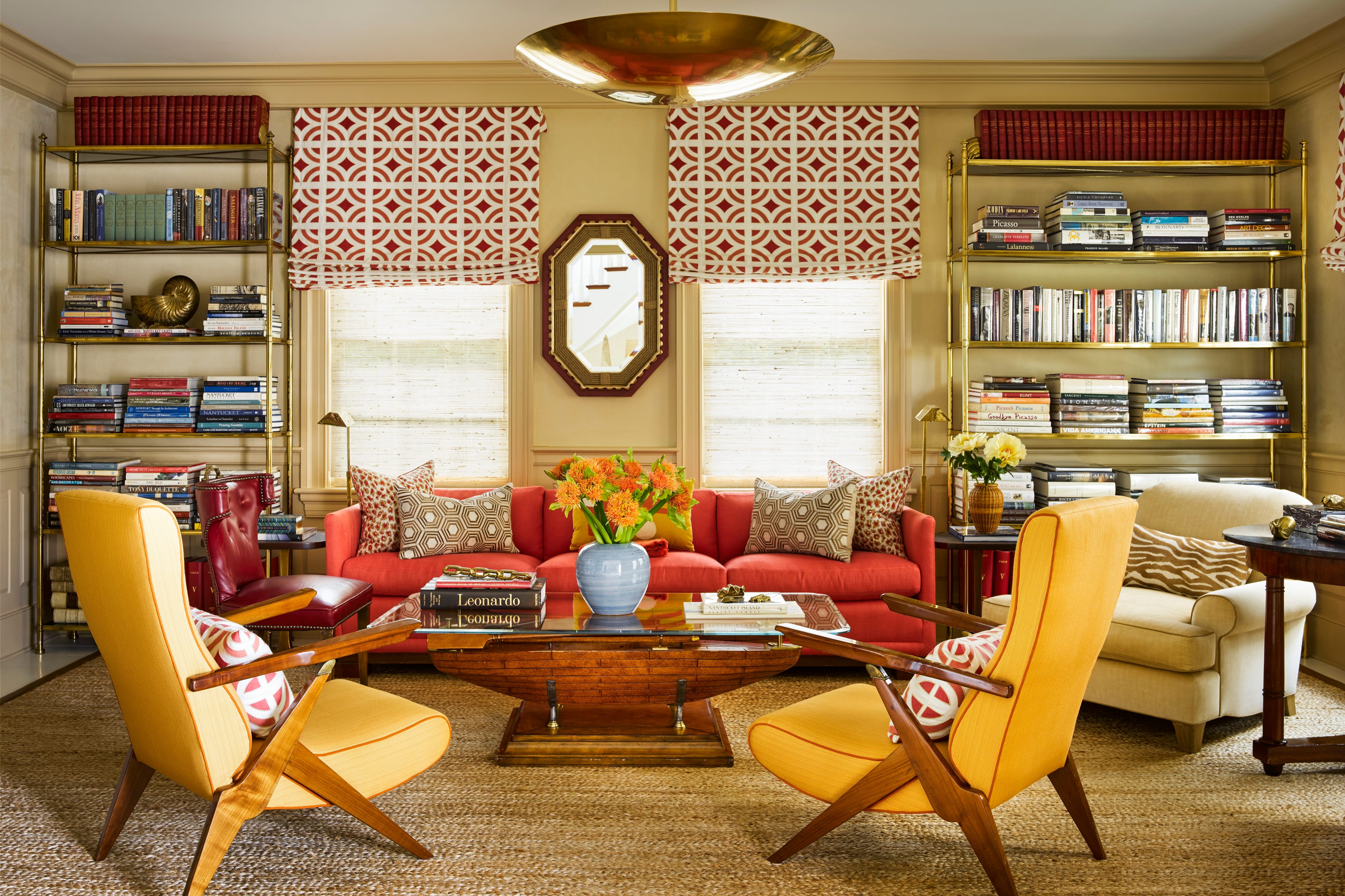
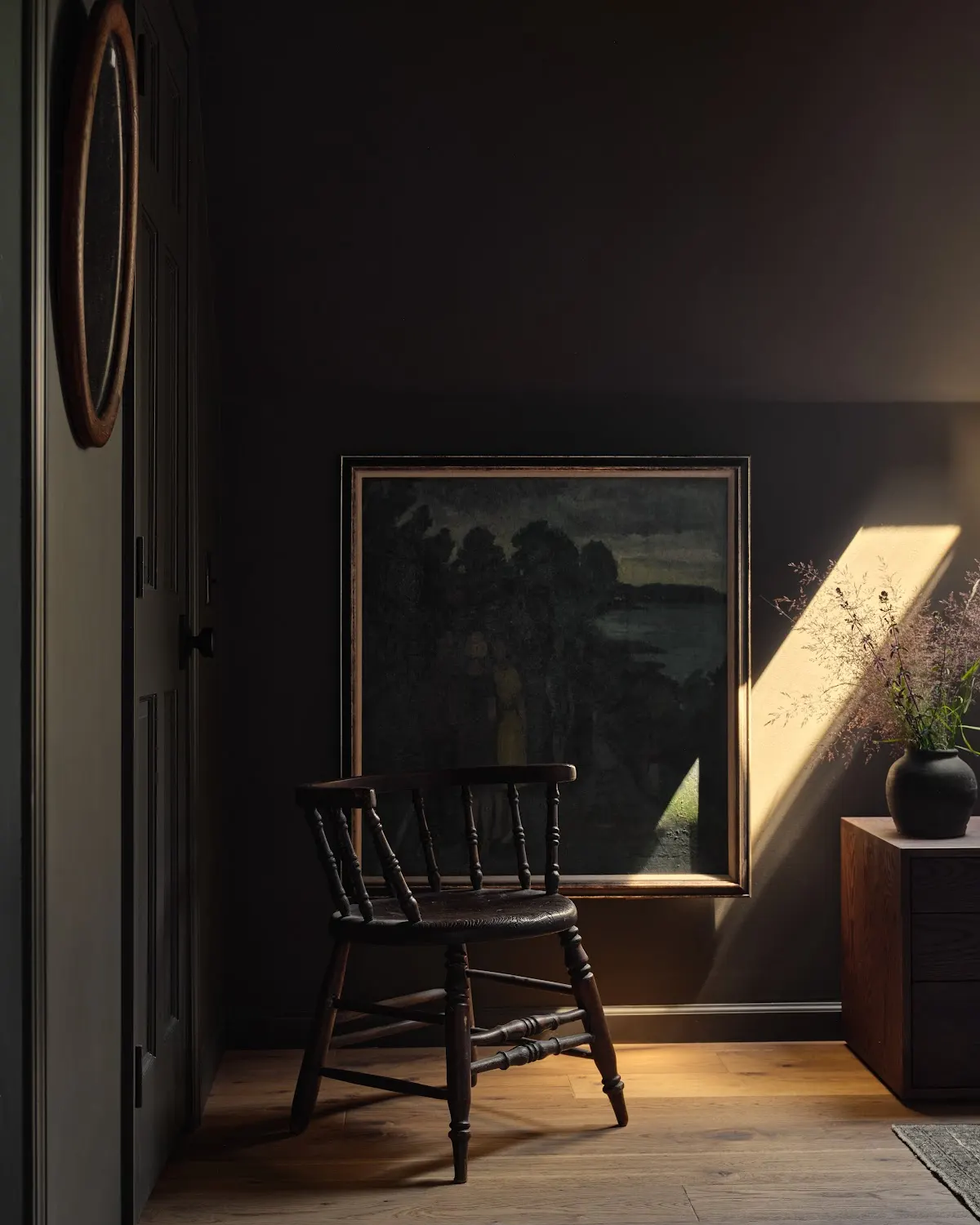
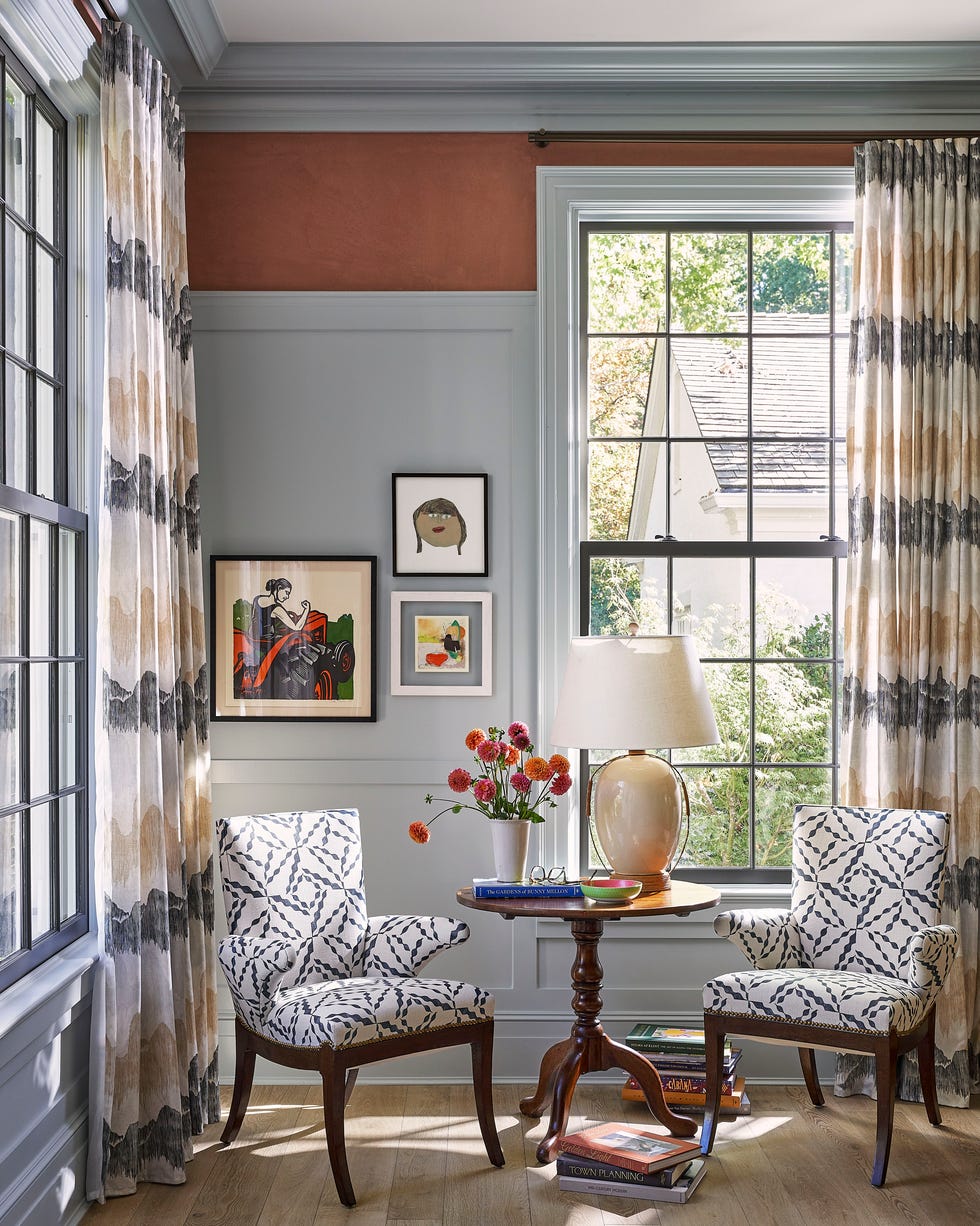
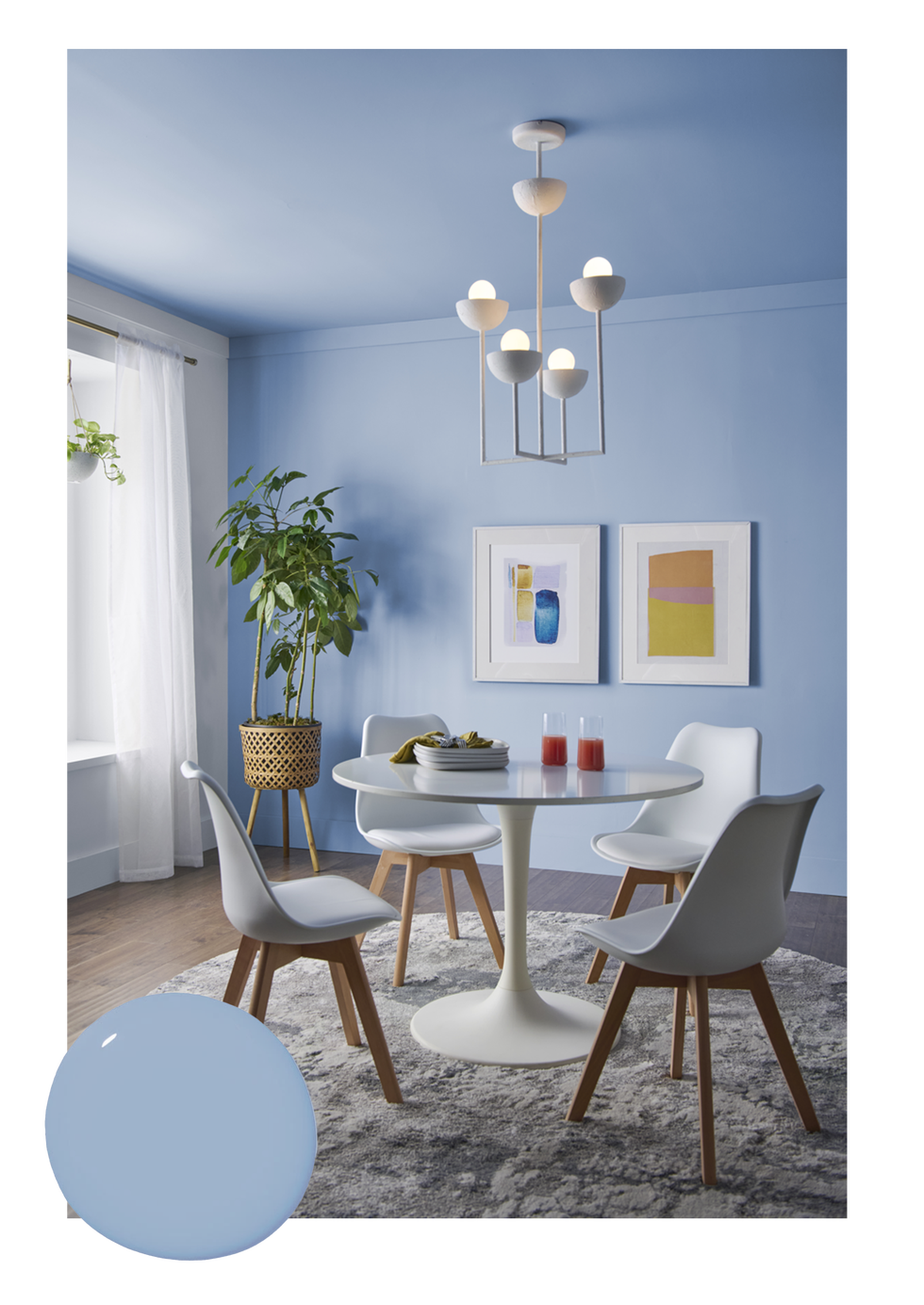
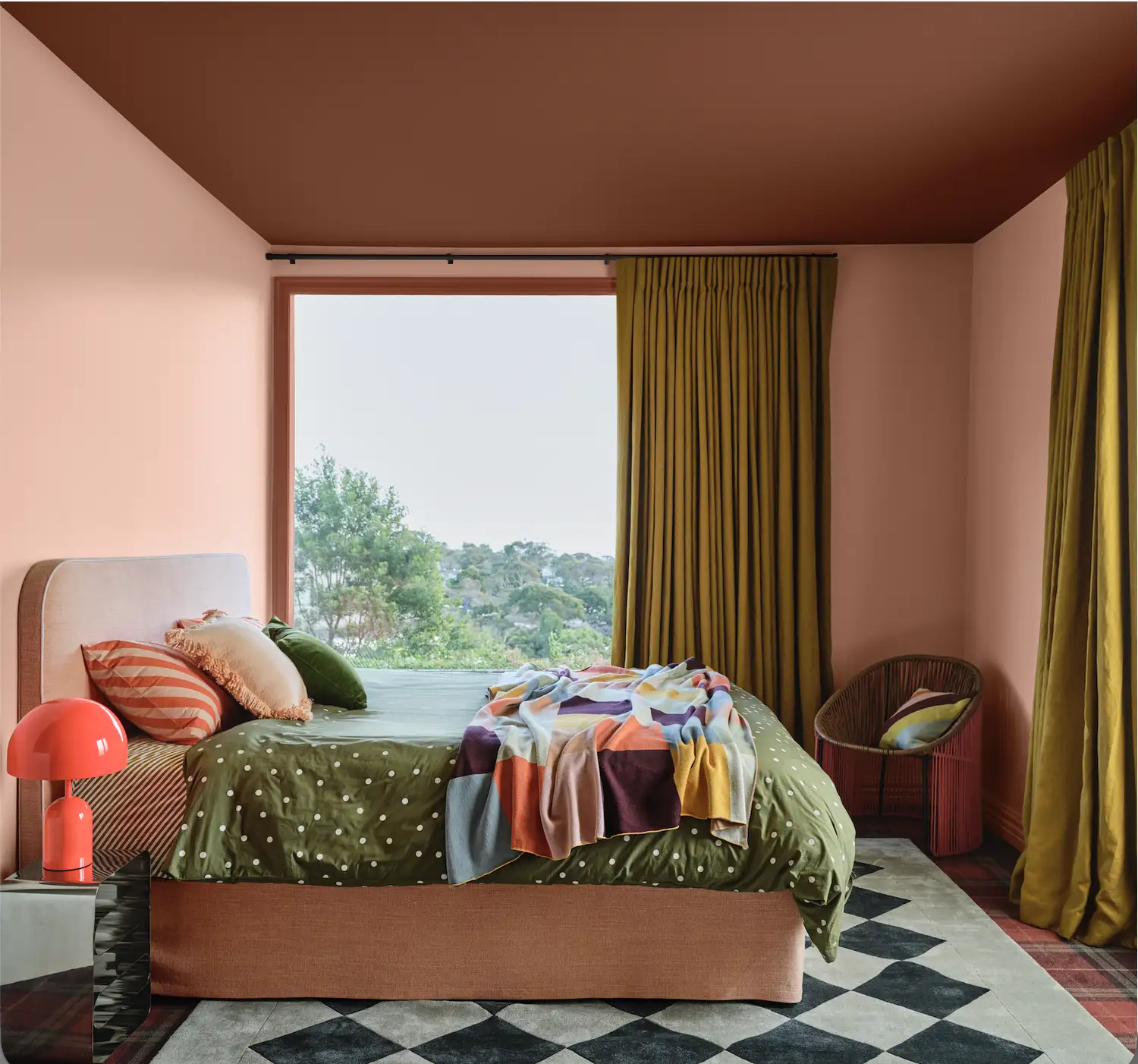

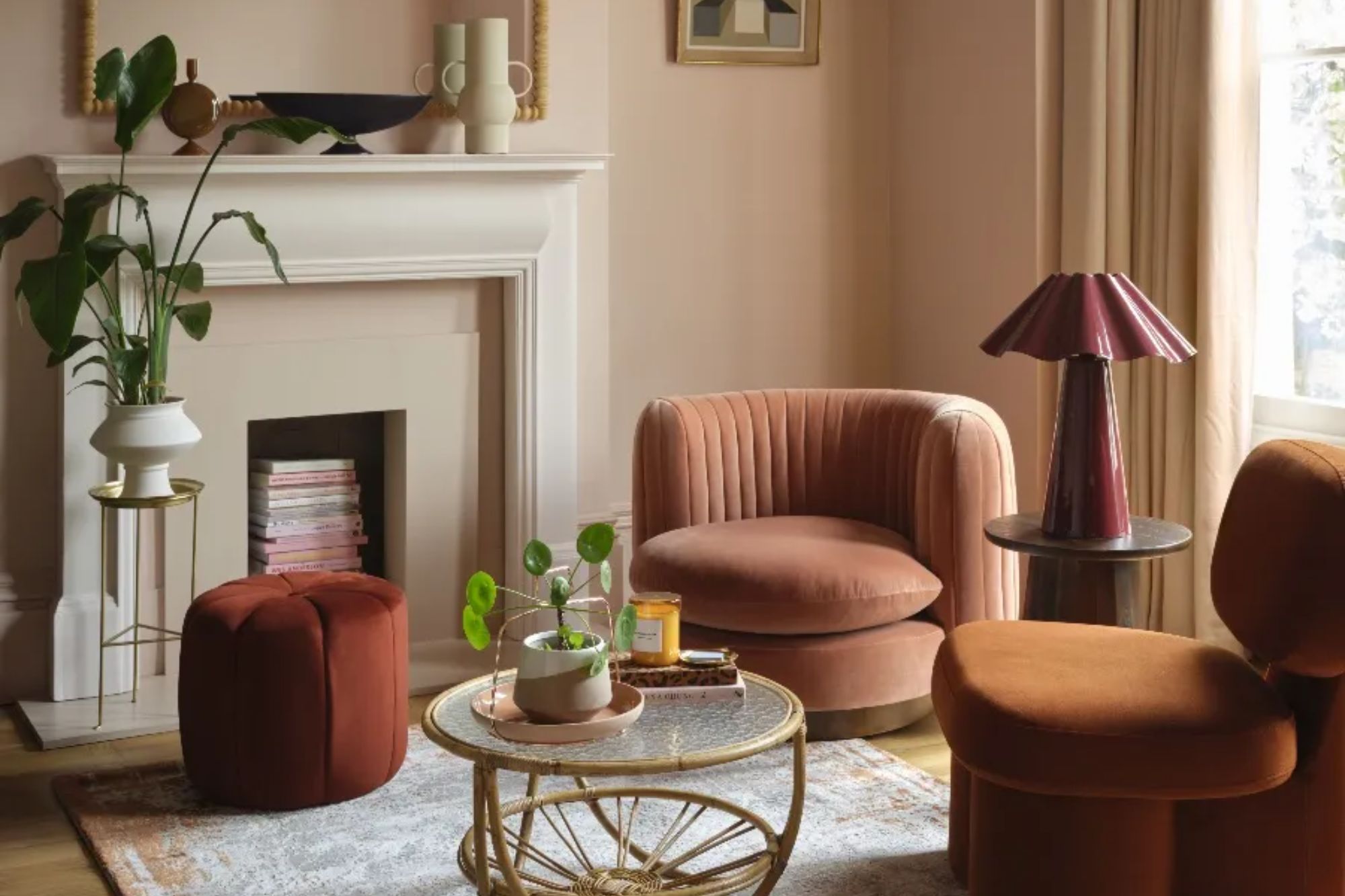
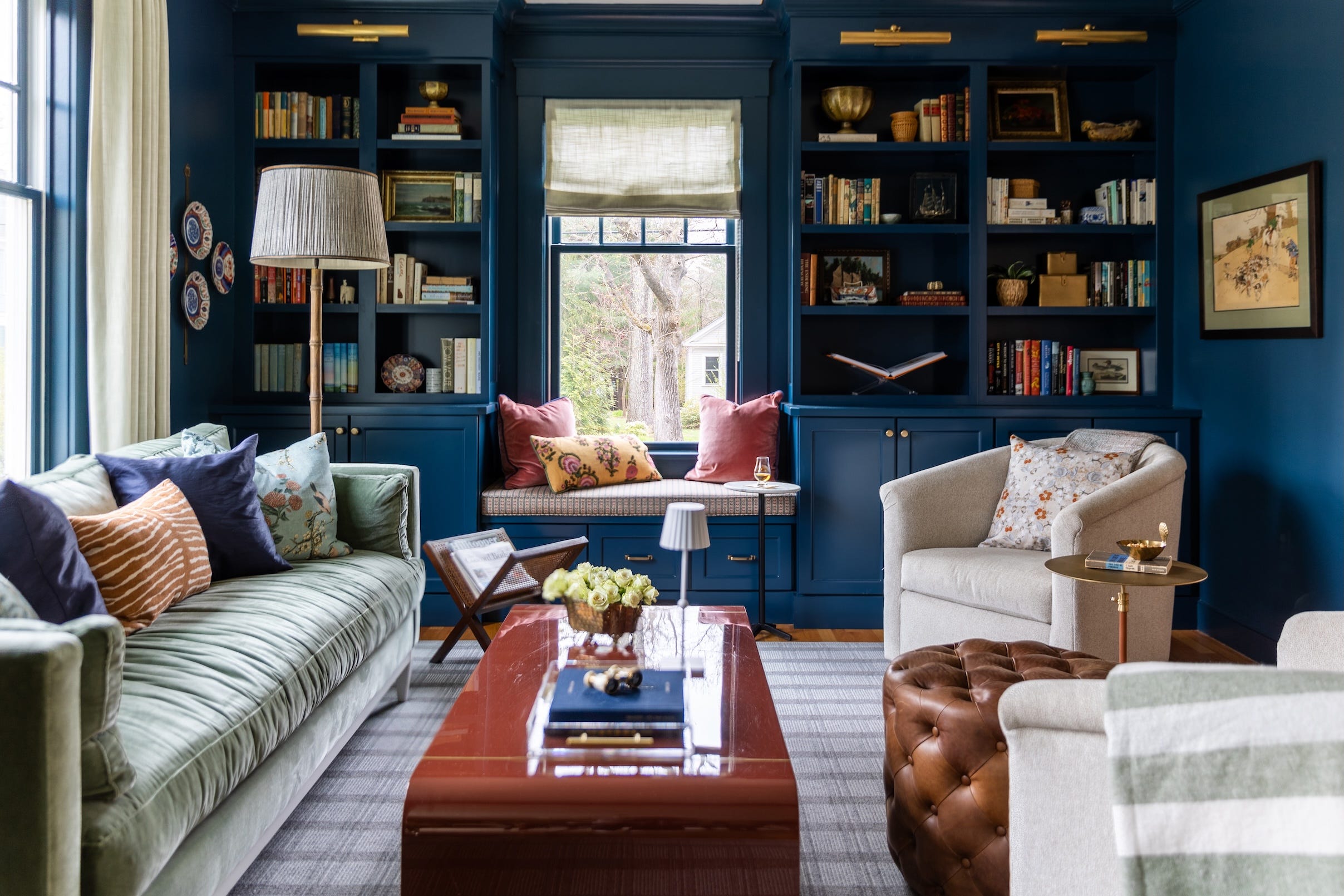
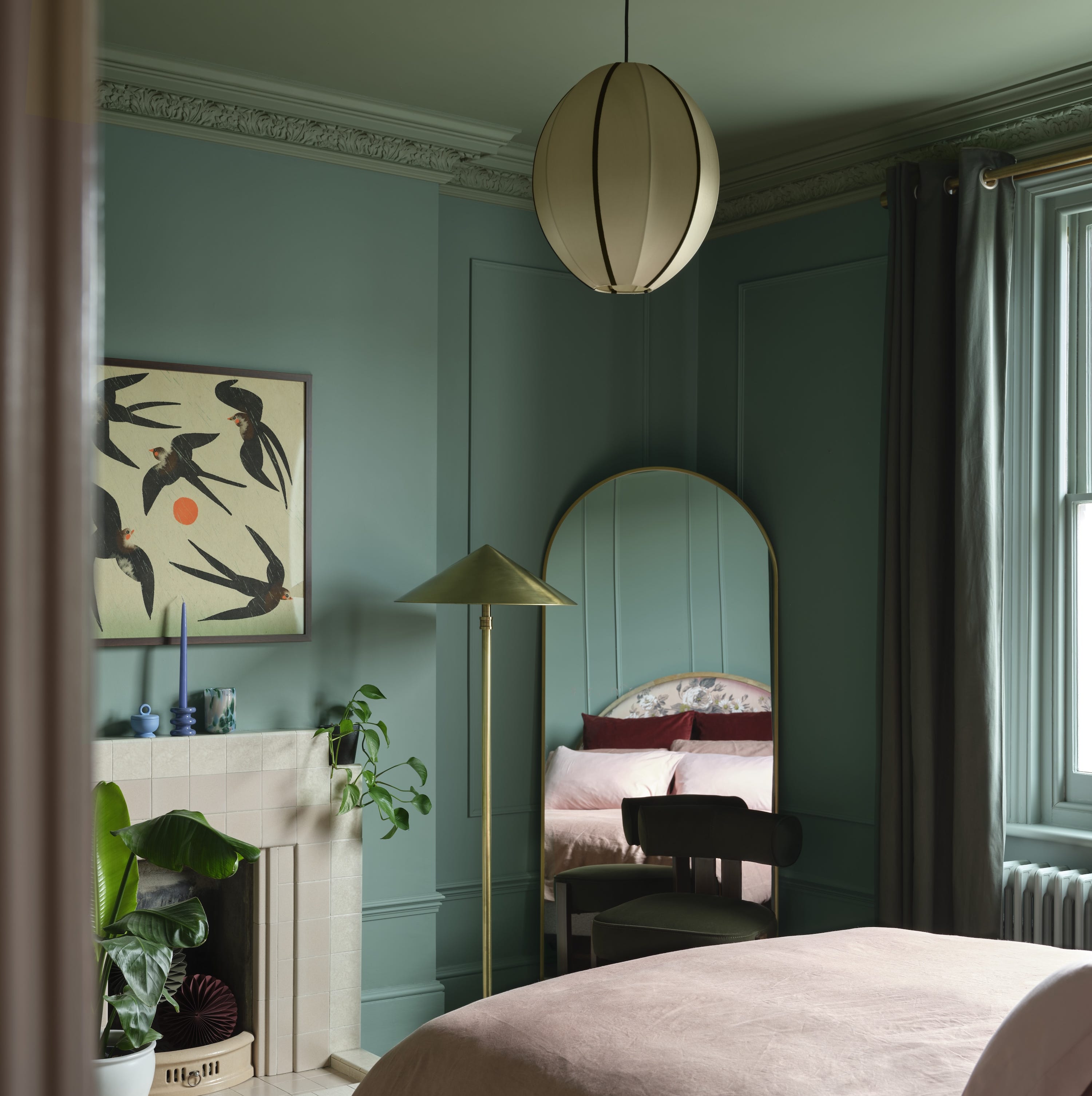
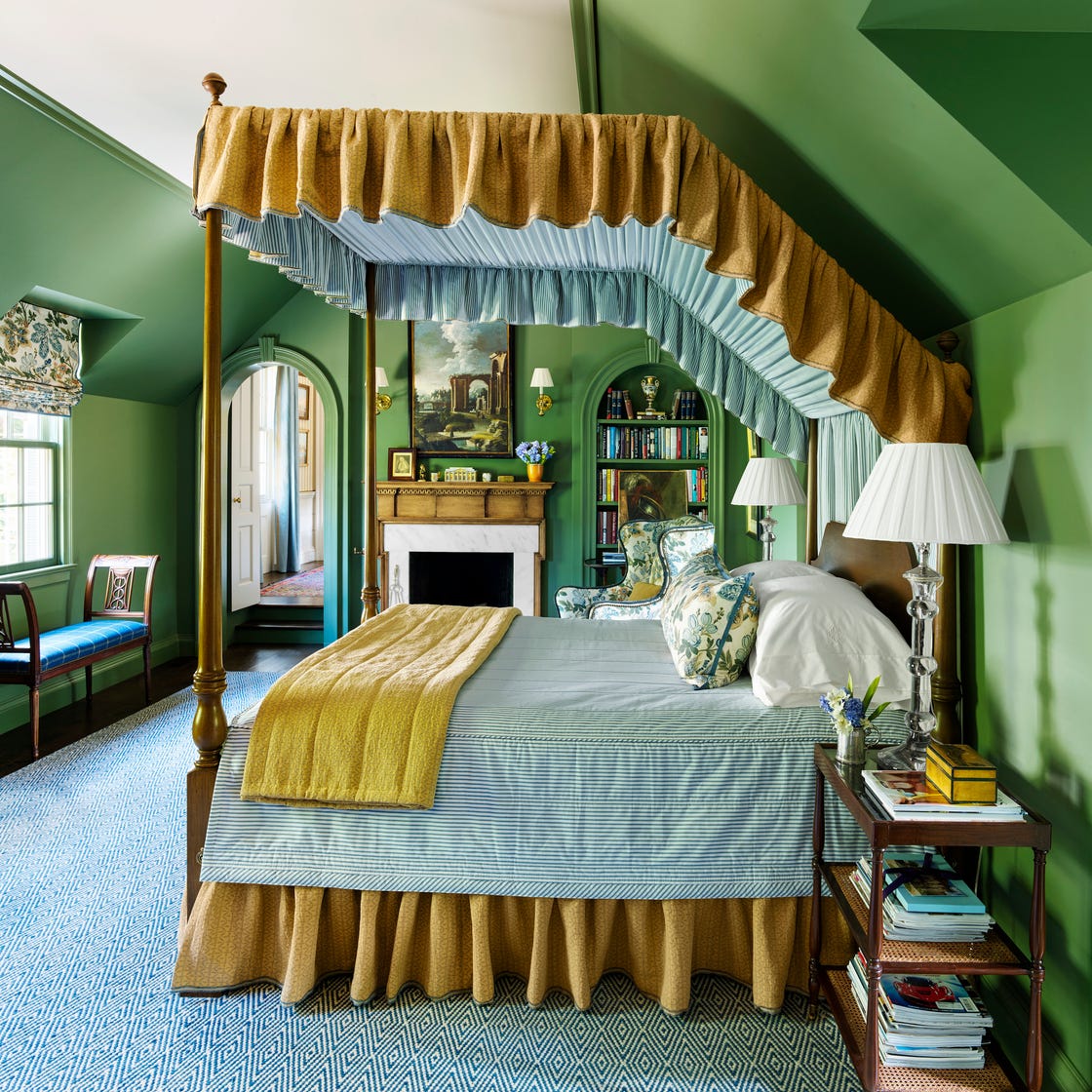
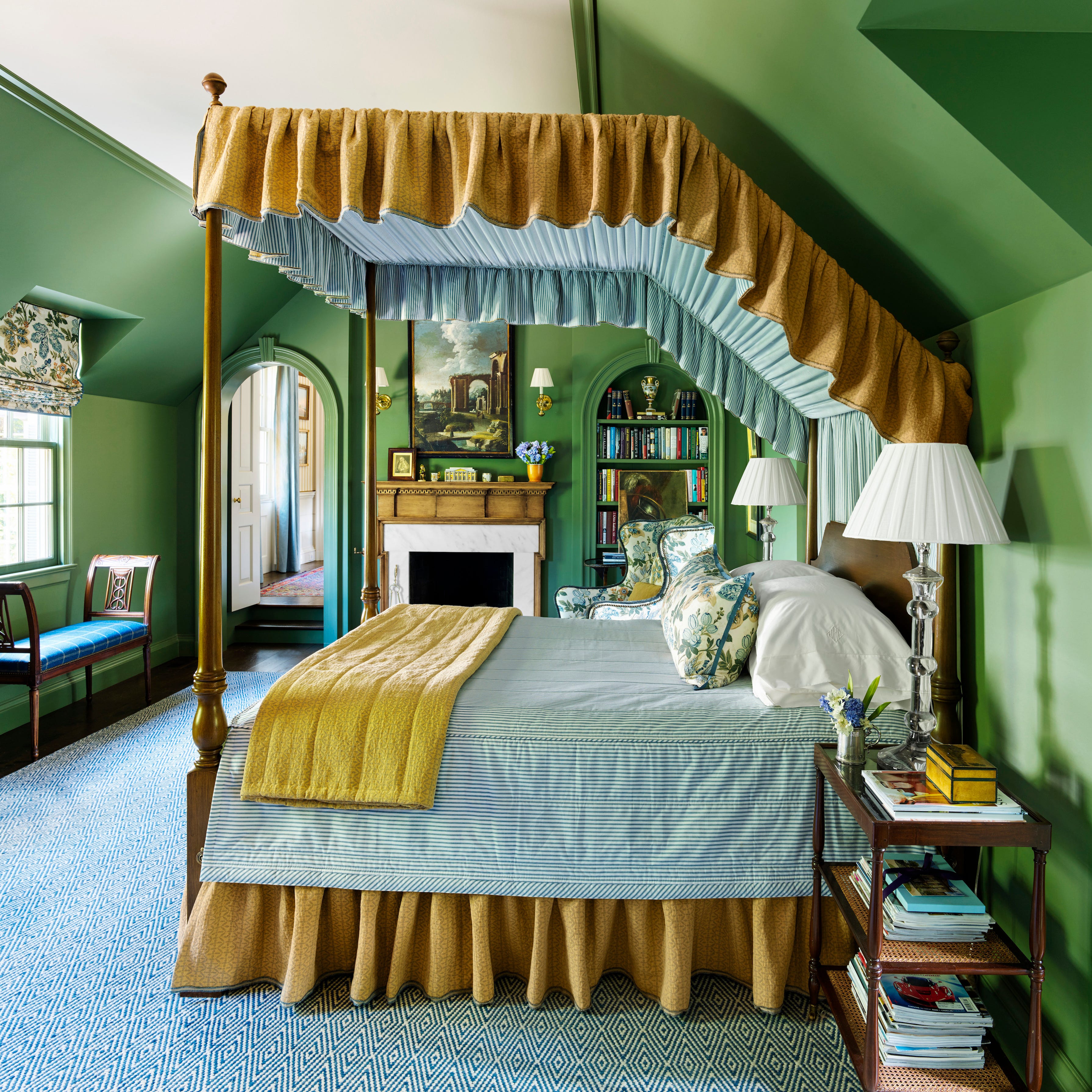
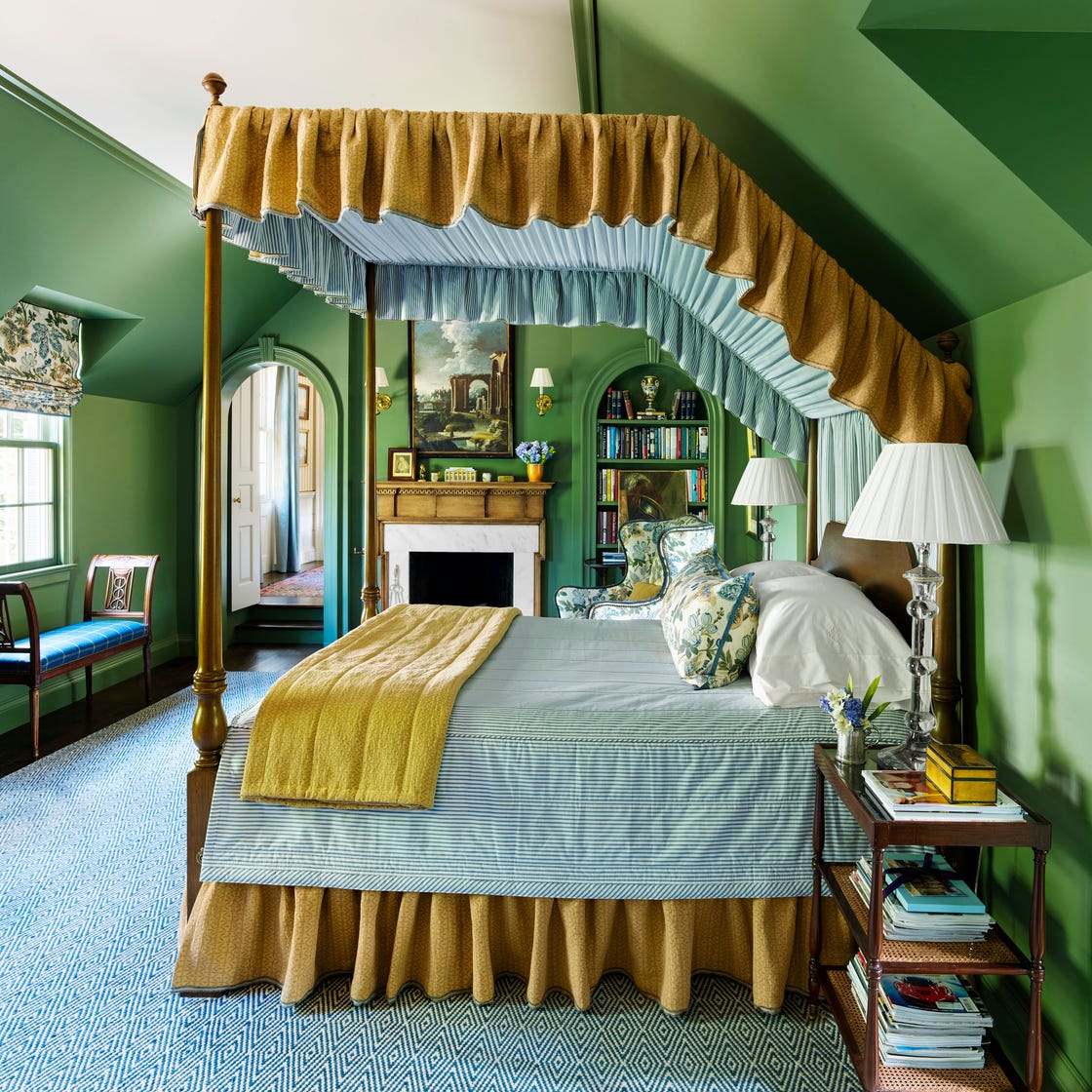
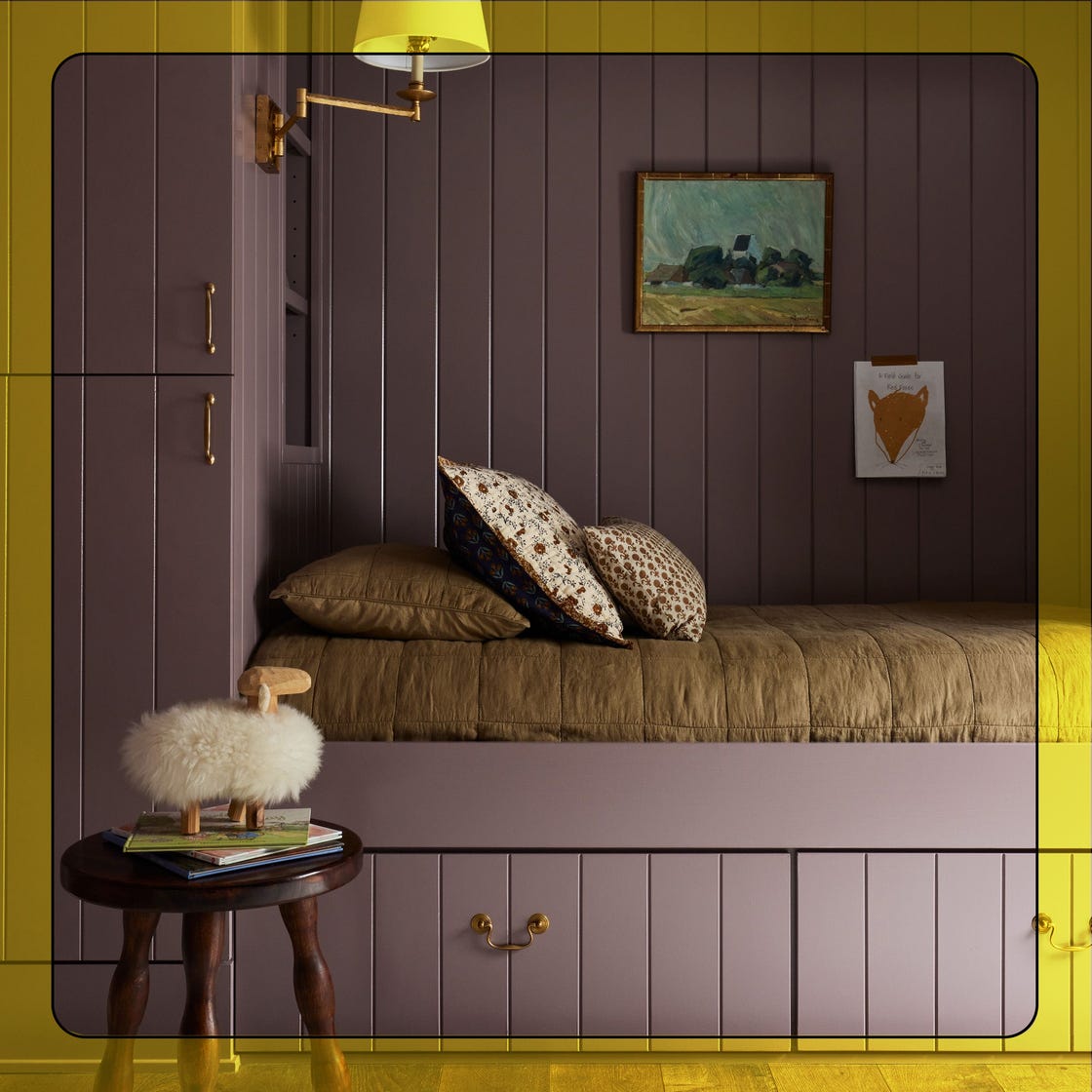
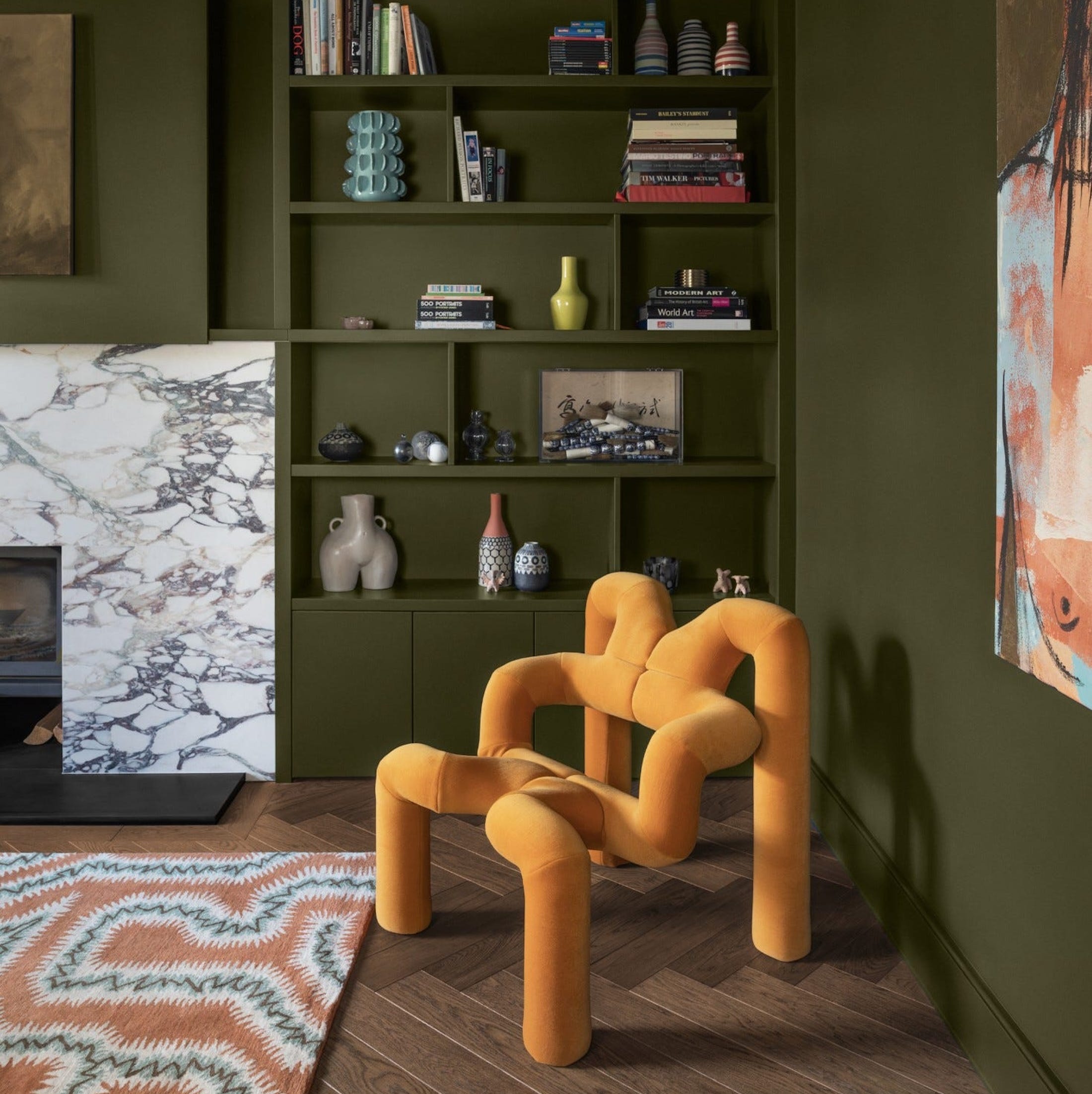
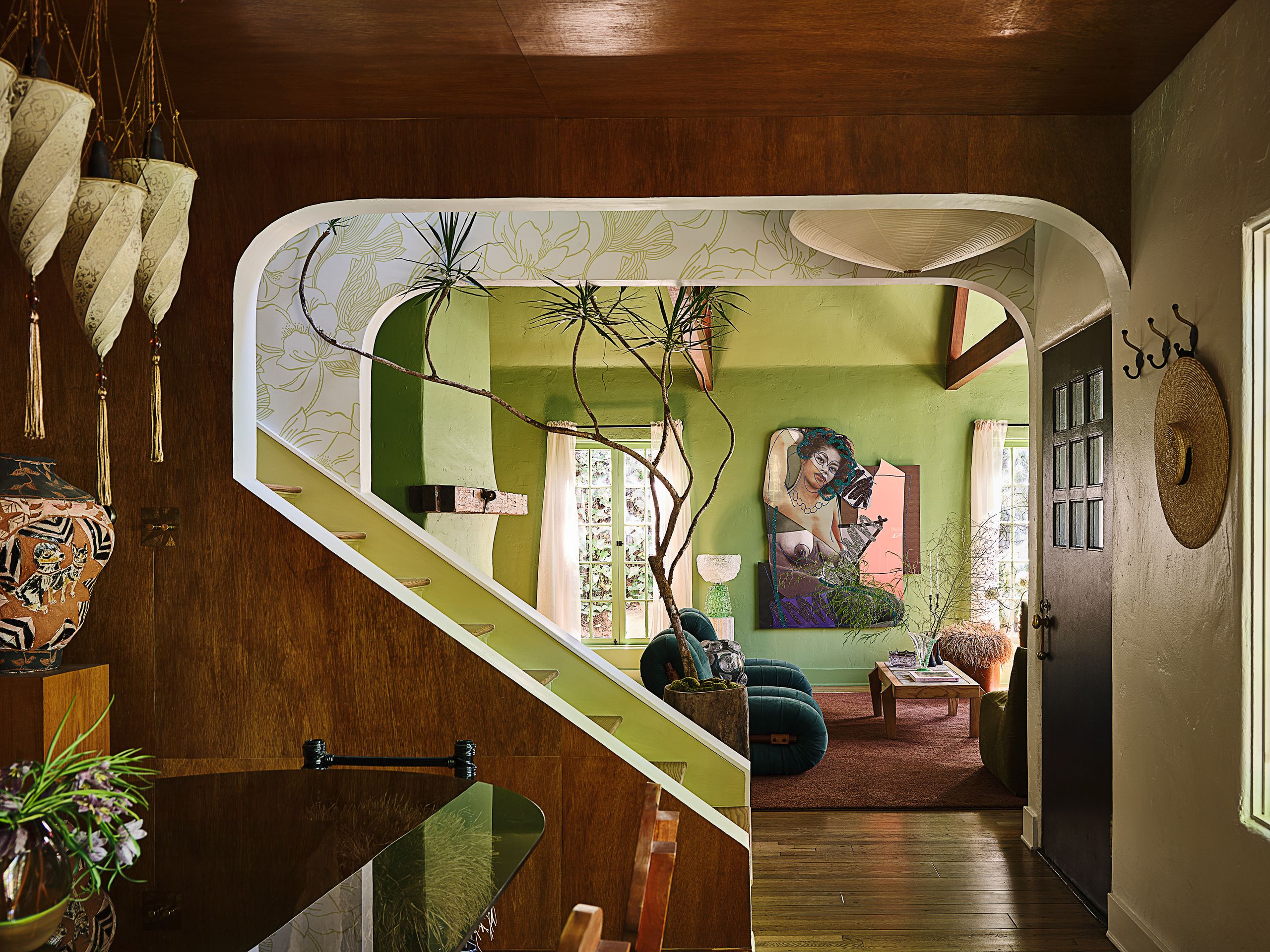
Color capping is defined by Stephanie Hunt, founder of The Flair Hunter, as the application of a single color in various tonal variations or saturations across a space. This typically involves using a range of similar shades on multiple surfaces, such as cornices, millwork, doorways, and ceilings. Hunt's preferred method is to combine lighter walls with mid-tone cornices and a darker ceiling. This creates a sense of height and a cozy, enveloping atmosphere. While this is a common application, the technique encourages flexibility, allowing for different arrangements of tones and materials. The essential principle is to maintain a smooth tonal gradient, avoiding abrupt shifts between very light and very dark shades to prevent a color-blocking effect. Beyond paint, the concept of tonal color capping can extend to upholstery, rugs, and other decorative elements to create a cohesive, layered look.
Regarding optimal locations for color capping, experts suggest it is most effective in relatively enclosed spaces, as its impact can be diminished in grand, vaulted areas. Bedrooms and living rooms are particularly suitable due to the calming and layered feel that tonal shifts can create, which is conducive to relaxation. The presence of millwork, such as baseboards and crown molding, is crucial for a seamless transition between shades. For instance, one shade might be used on baseboards and walls, a different one on crown molding, and another on the ceiling, with crown molding helping to blend wall and ceiling colors.
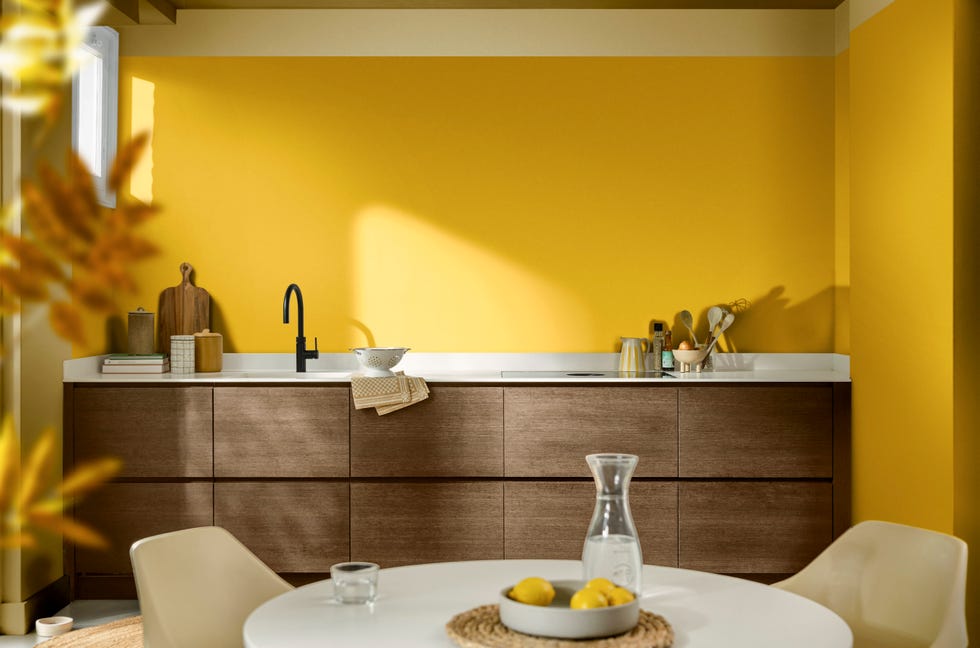
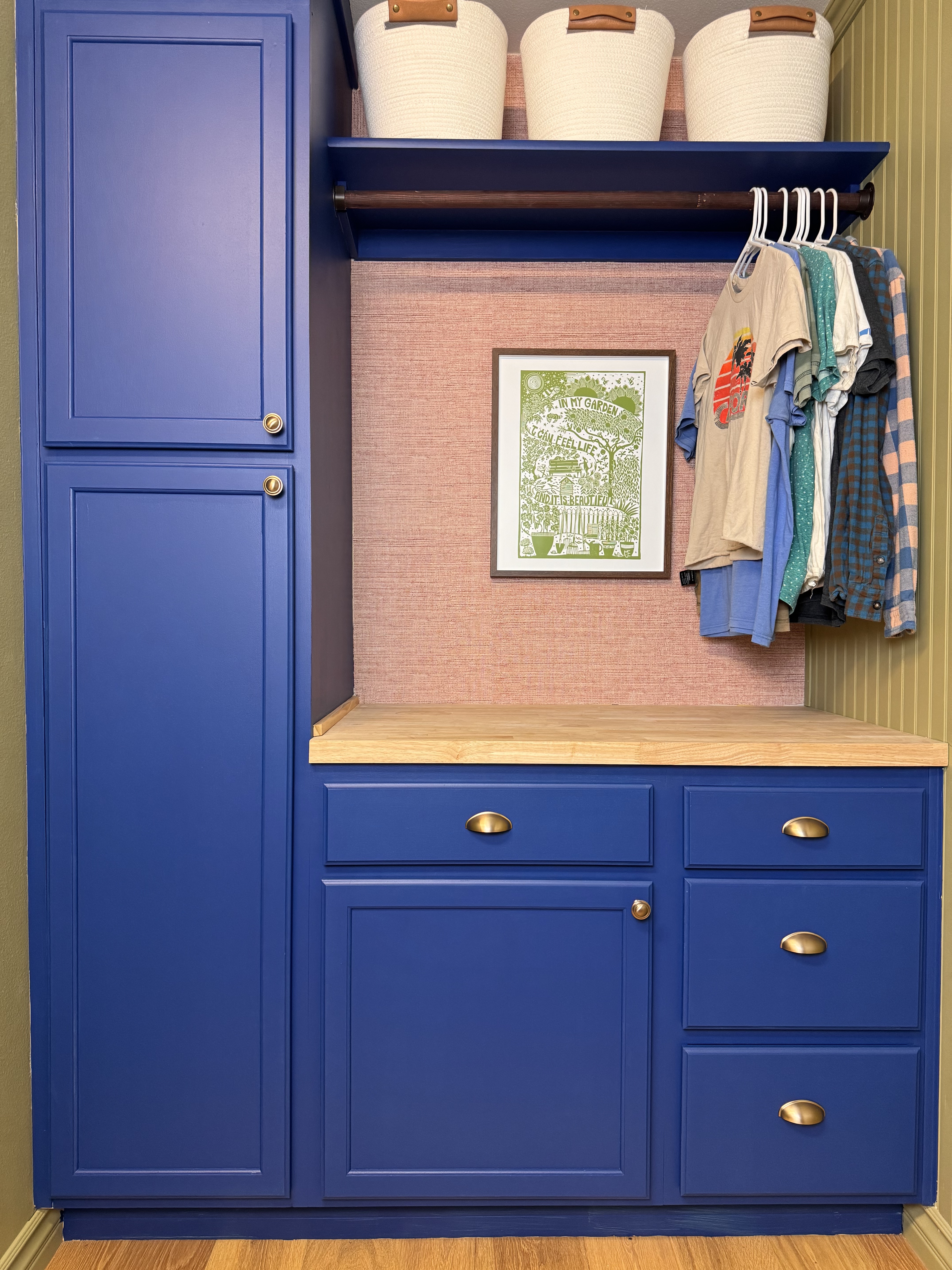
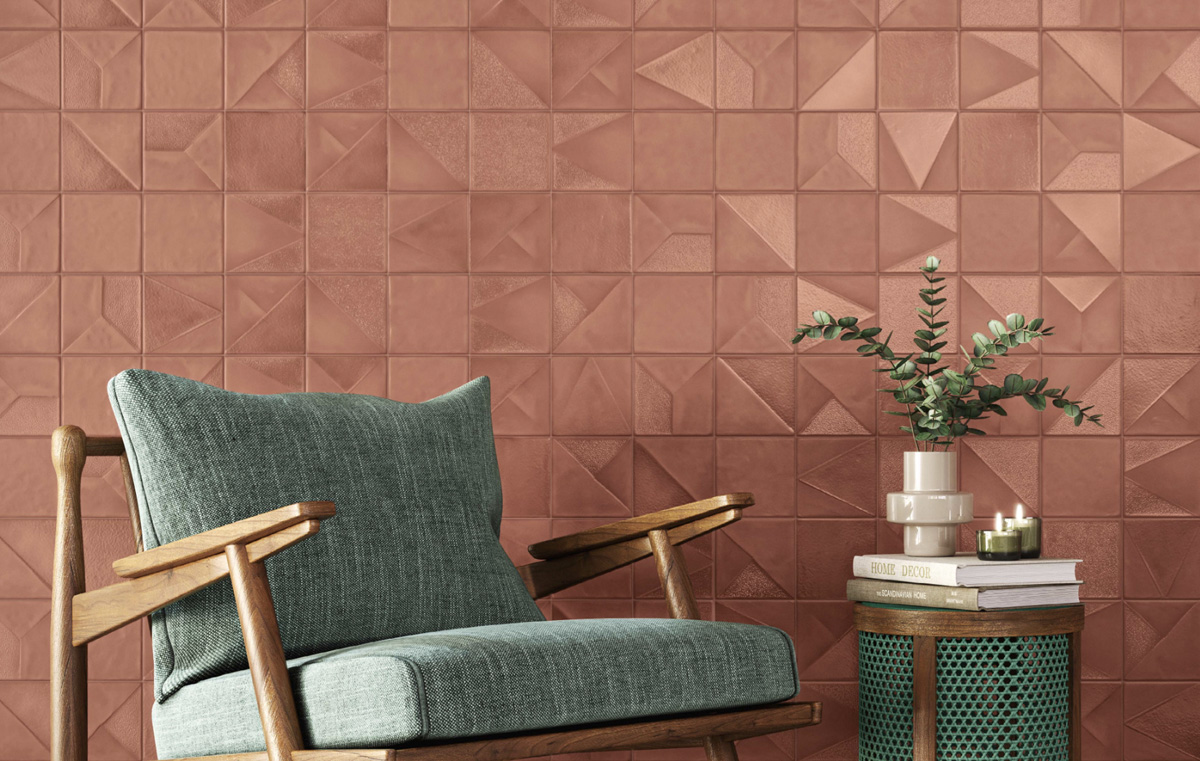
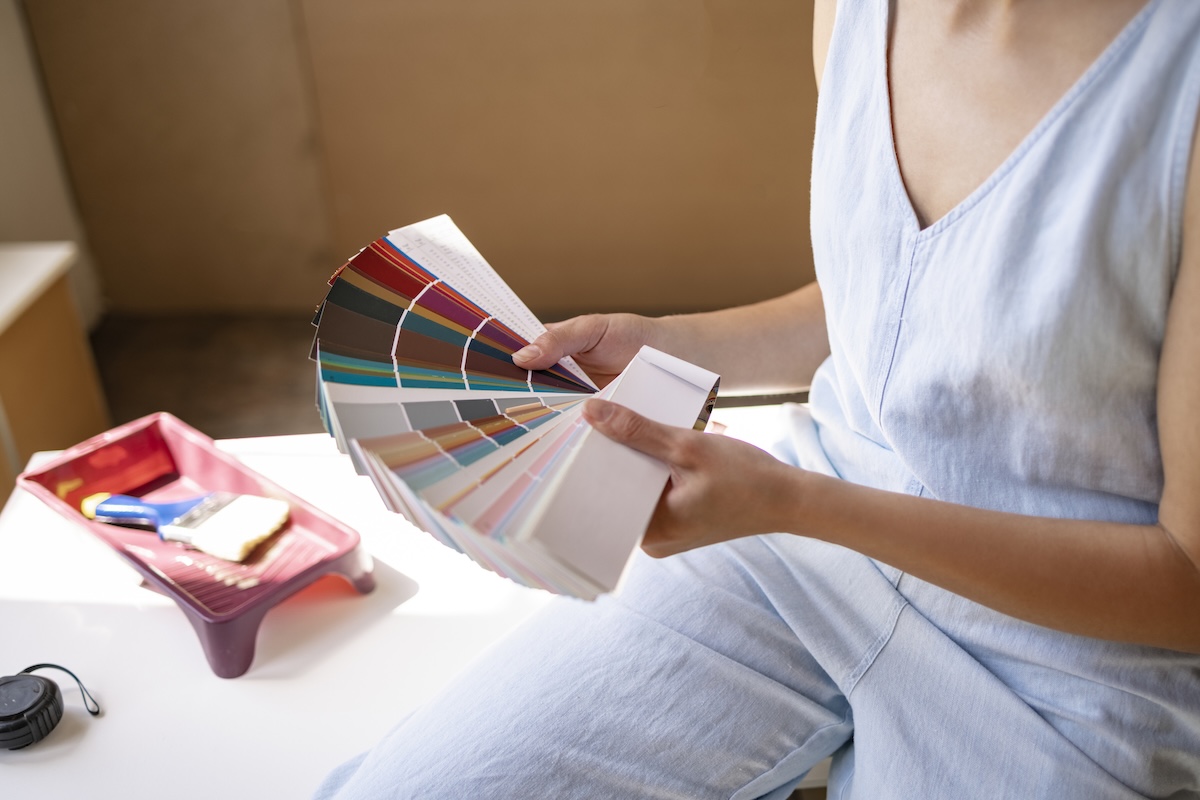
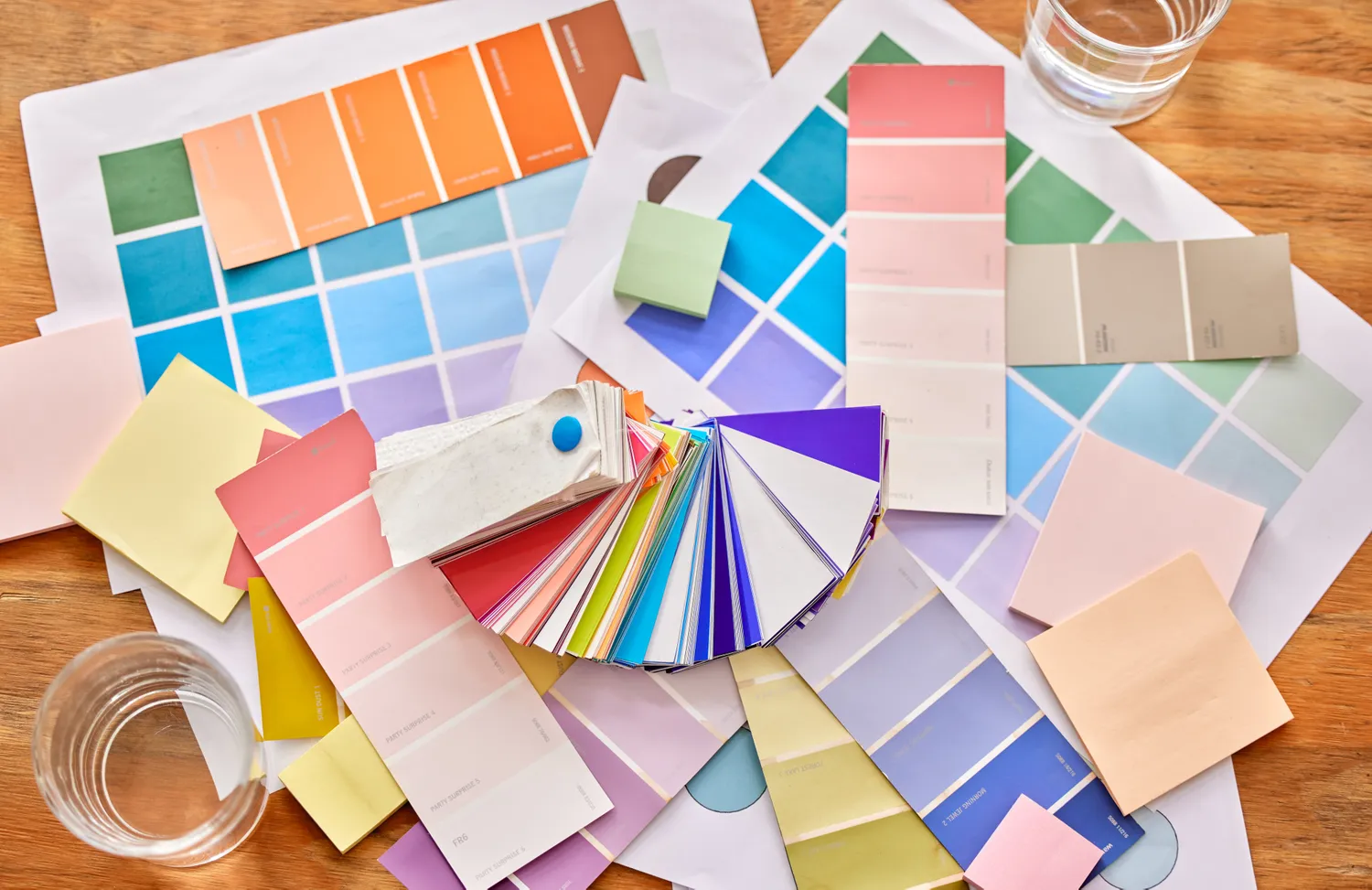
The process of color capping begins with selecting a color, starting with an anchor hue (often a mid-tone) and then choosing lighter and darker variations. Many paint brands provide tonal cards to simplify this selection, emphasizing that the chosen shades should appear to belong to the same color family. When matching colors to a room, simple, open-layout spaces can accommodate bolder and darker hues, while smaller spaces benefit from lighter colors with neutral undertones. Inspiration for a color palette can be drawn from existing elements in the room, such as a rug, textile, or artwork. However, it's advised to limit the dominant color to just over 50% of the space to prevent it from feeling overly thematic.
Testing the chosen colors is a critical step, as natural light and time of day can significantly alter how shades appear. It involves sampling a range of tones and observing them side-by-side to ensure the desired subtle gradient is achieved. This can be done by painting swatches directly onto multiple areas of the room or by using large poster boards that can be moved around to assess color perception in various lighting conditions. Thorough preparation of the space is also essential, including cleaning walls, ceilings, and trim to remove dust and residue. Any imperfections will become more noticeable with fresh paint. For older paint jobs, a high-build primer is recommended to ensure an even finish, with the primer's undertone matching the chosen color palette (warm for warm colors, cool for cool colors) to prevent unexpected color shifts. Once these preparatory steps are completed, the actual painting process can begin, transforming the space with the chosen tonal vision.
#ColorCapping #InteriorDesignTrends #PaintTechniques #HomeDecorating #TonalPalettes #InteriorStyling #DIYHomeImprovement #ColorCapping #InteriorDesignTrends #PaintTechniques #HomeDecorating #TonalPalettes #InteriorStyling #DIYHomeImprovement
0 comment in total
 No comments yet
You may also like
Meet 'colour capping', the paint trend set to take over 2026
2026 Color of the Year Announcements Have This In Common
What is Color Forecasting? Experts Explain How to Map Trends |

Color Capping Is the Surprising Interior Design Trend Everyone Will Be Trying in 2026
Interiors experts predict this will be the biggest paint trend of 2026

Interior designers reveal the home decor trend that will take over 2026 & why it's time to bin off accent walls

The Cabinet Color Trend That Will Be Outdated By 2026
Designers Say These 12 Paint Colors Will Be Everywhere in 2026

Designers Predict This Will Be The Biggest Paint Trend Of 2026

Goodbye Gray—This Soothing Paint Color Will Dominate Interiors in 2026, Designers Say

Color Explosion: 2025 Color Trends

These 7 Colors Will Rule Interiors in 2026, According to Experts

Say Goodbye to Neutrals: Color-Drenching Will Define 2026 Interiors
These 8 Colors Will Rule Interiors in 2026, According to Experts

These 6 Colors Will Rule Interiors in 2026, According to Experts

What Paint Colors Will Rule 2026? Designers Make Their Predictions
These Colors Will Be Everywhere in Interior Design in 2026
What Paint Colours will Rule 2026? The Experts Make Their Predictions

These Colors Will Be Everywhere in Interiors in 2025
The Bold Color Trend That's Replacing Accent Walls In 2026