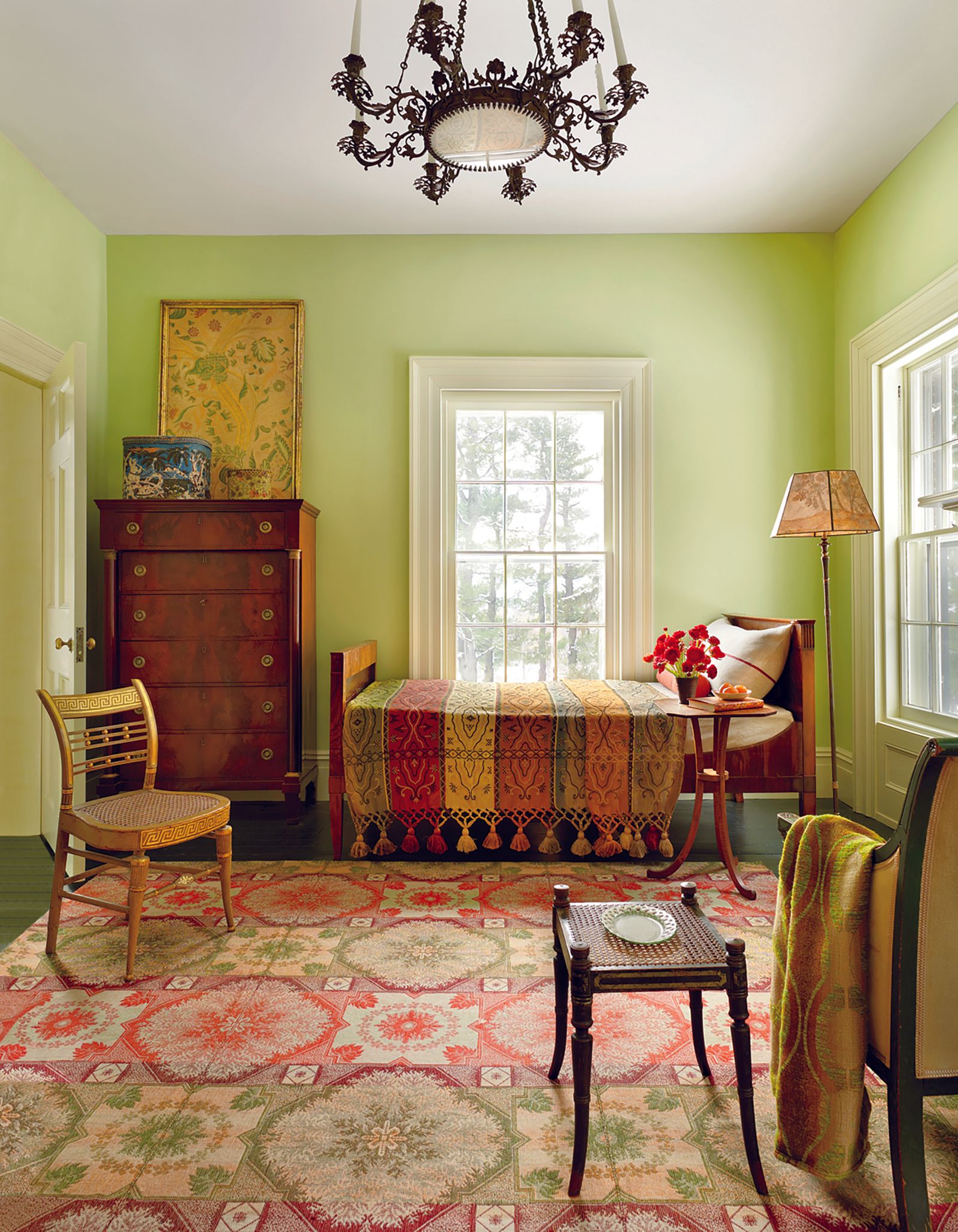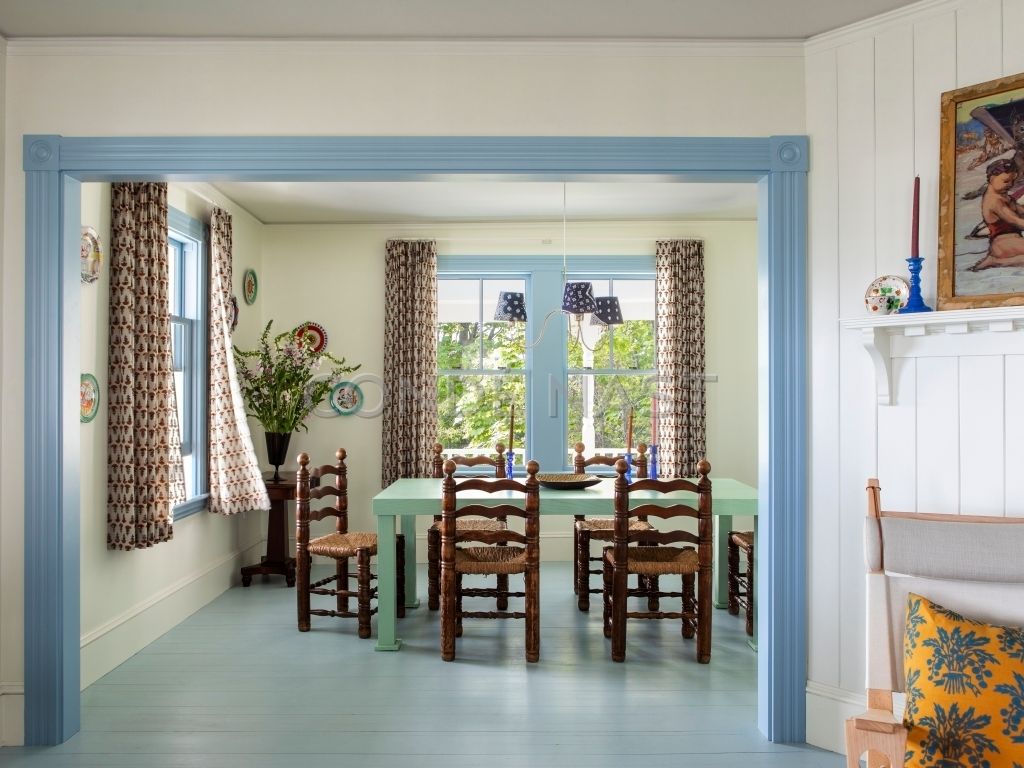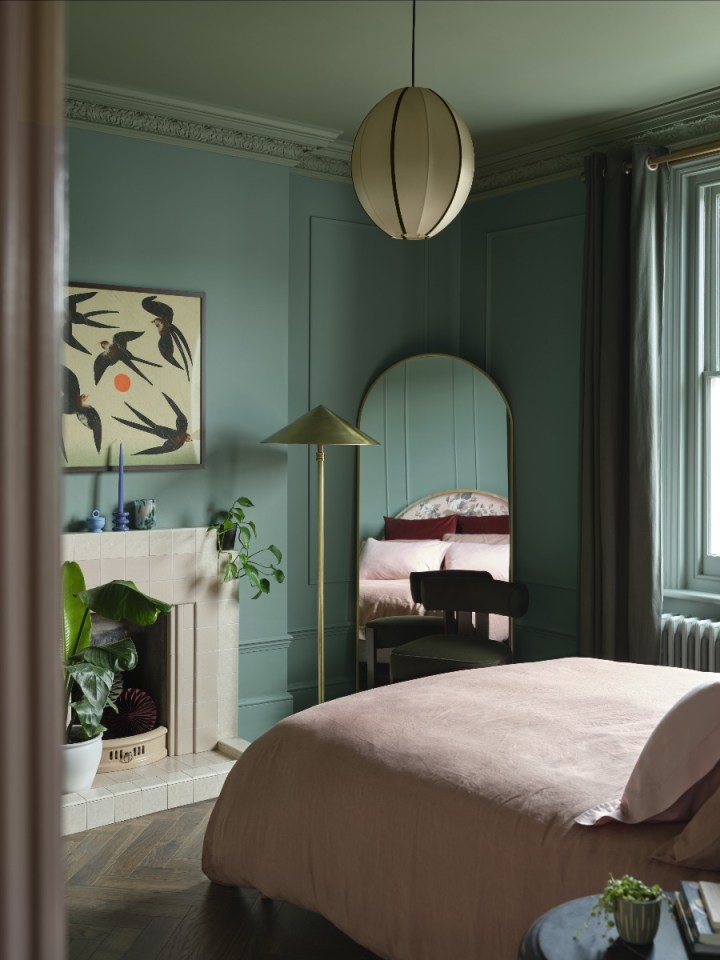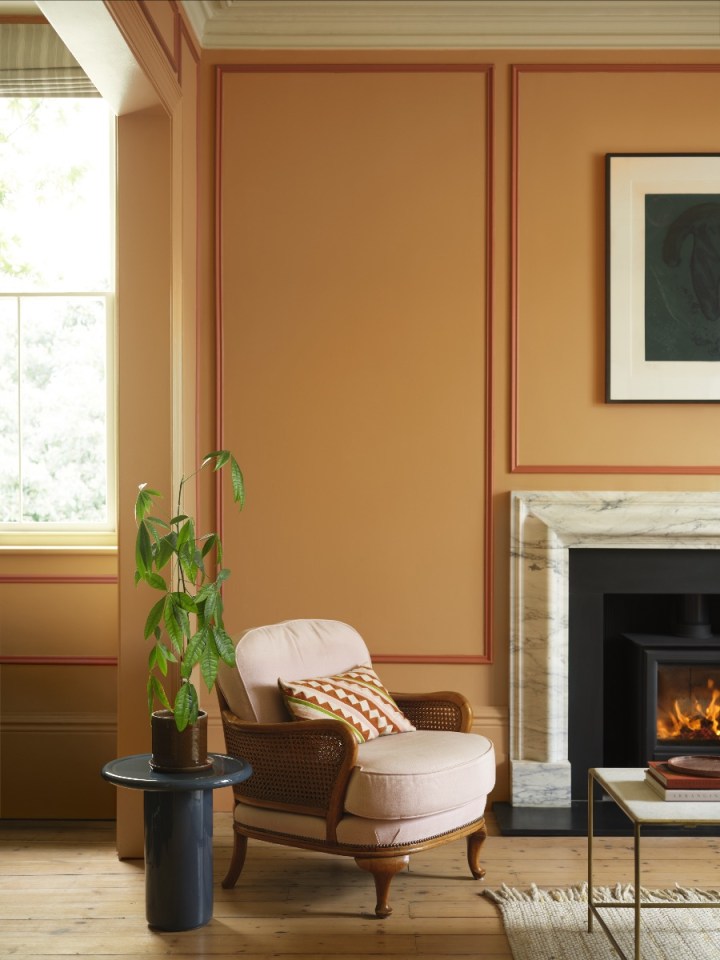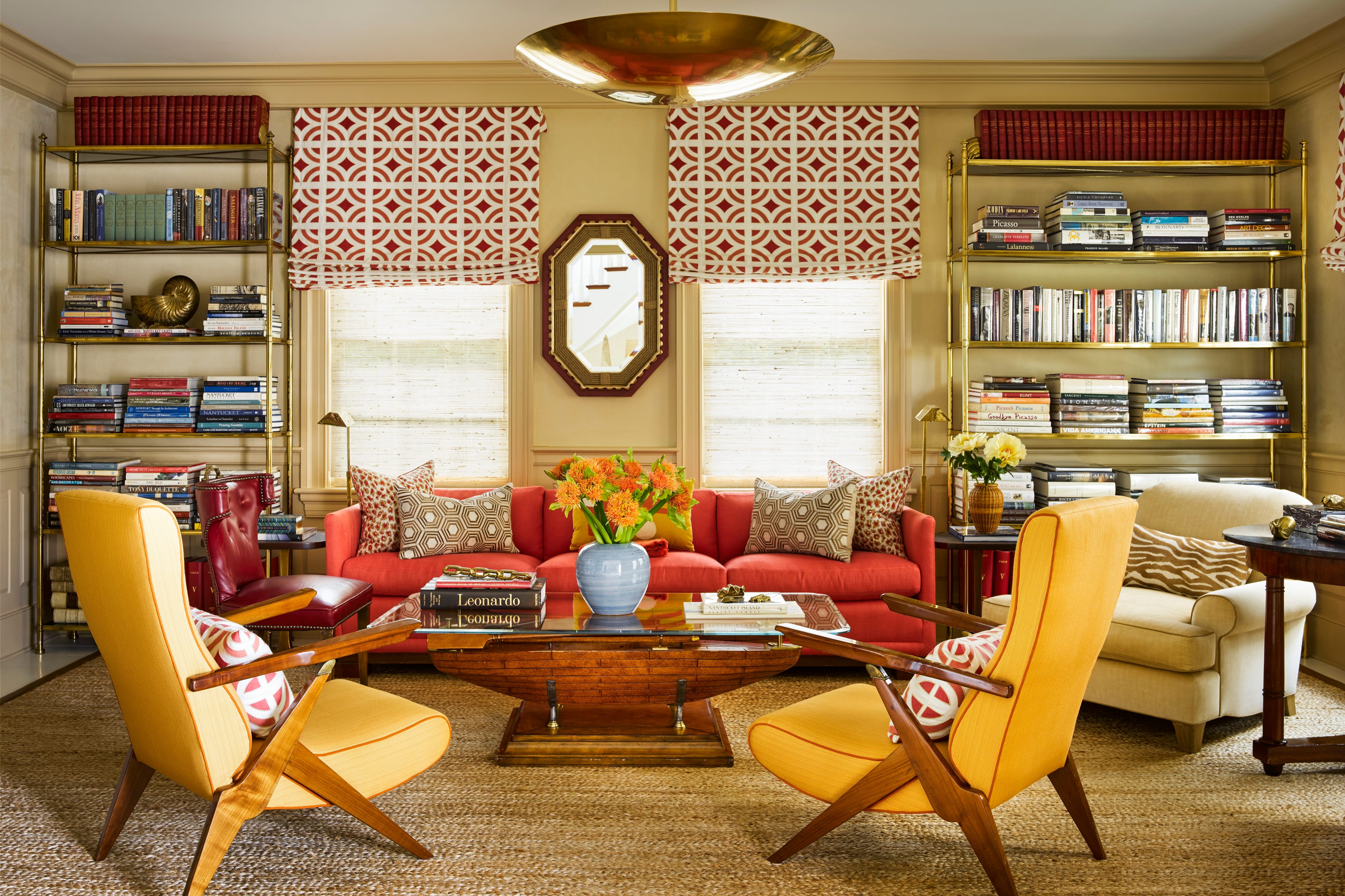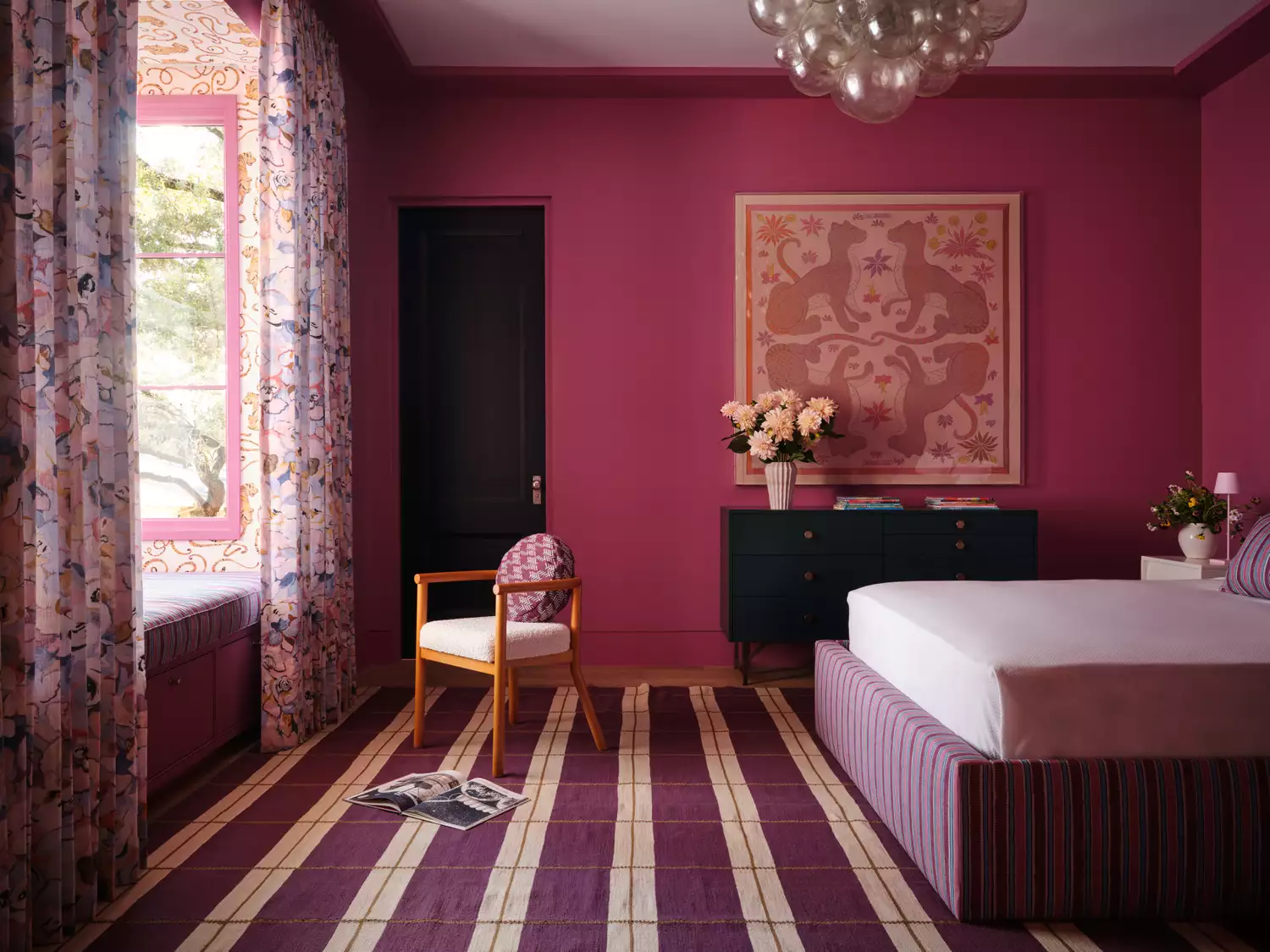
Color Capping Is the Surprising Interior Design Trend Everyone Will Be Trying in 2026
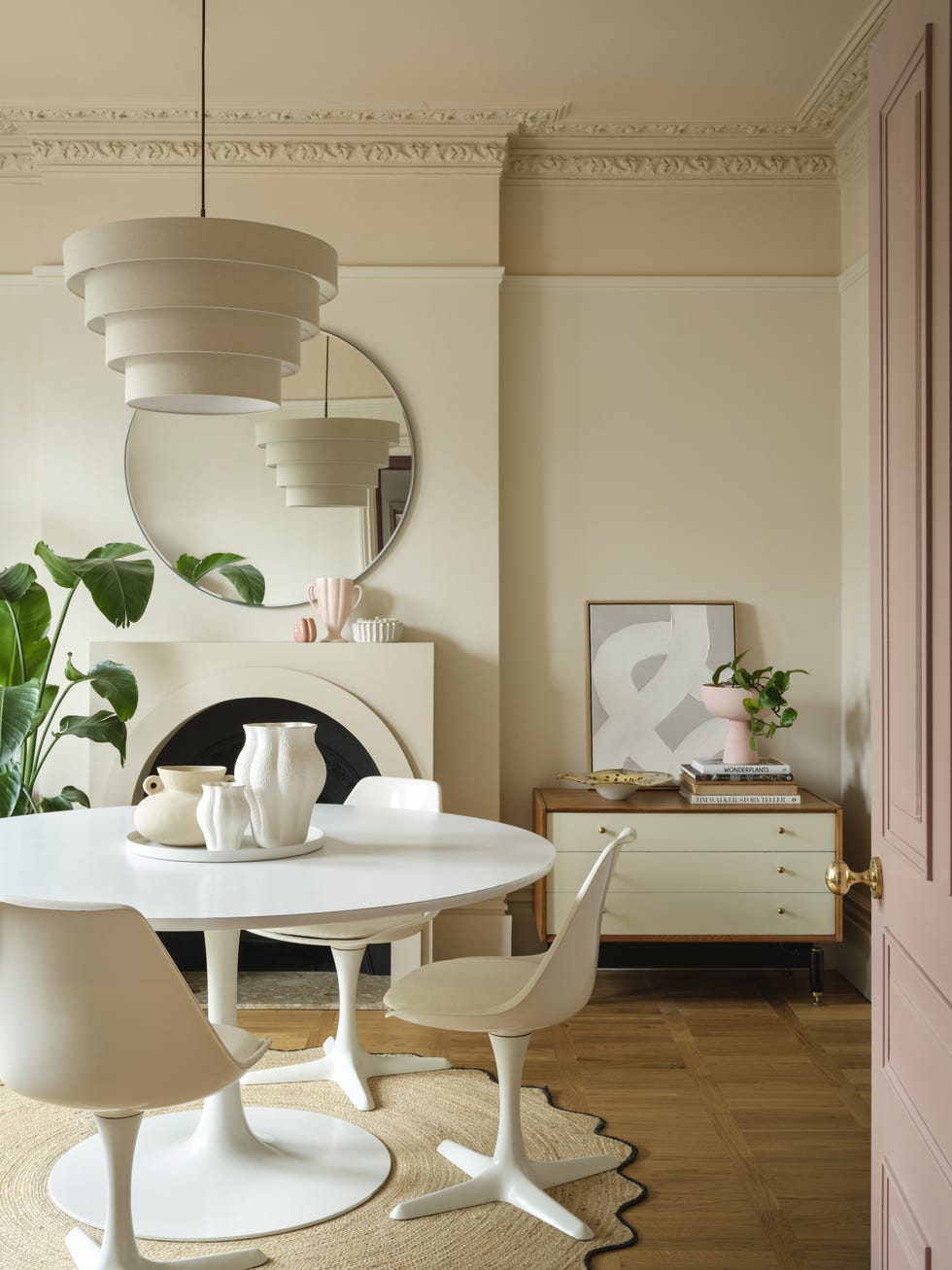
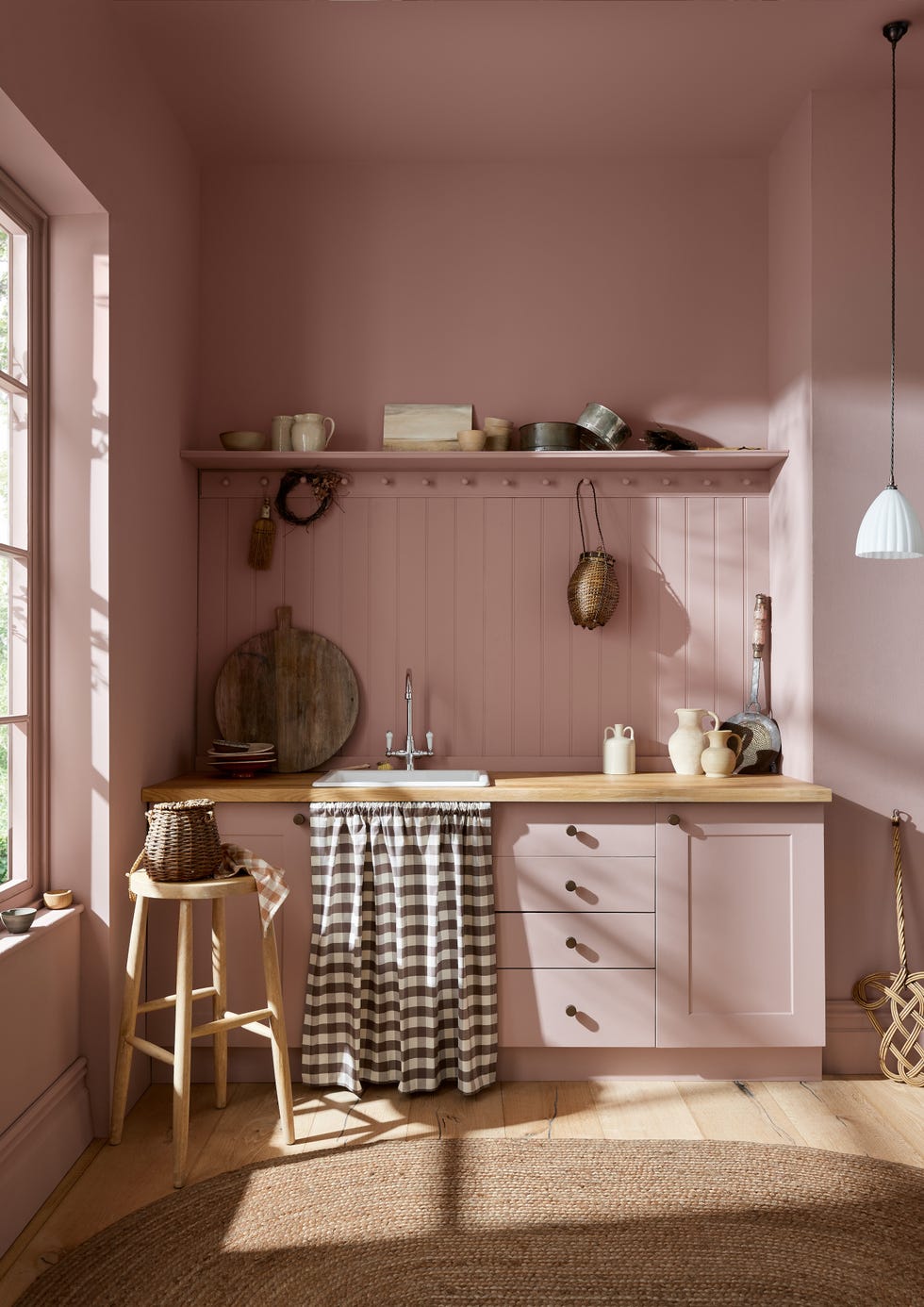
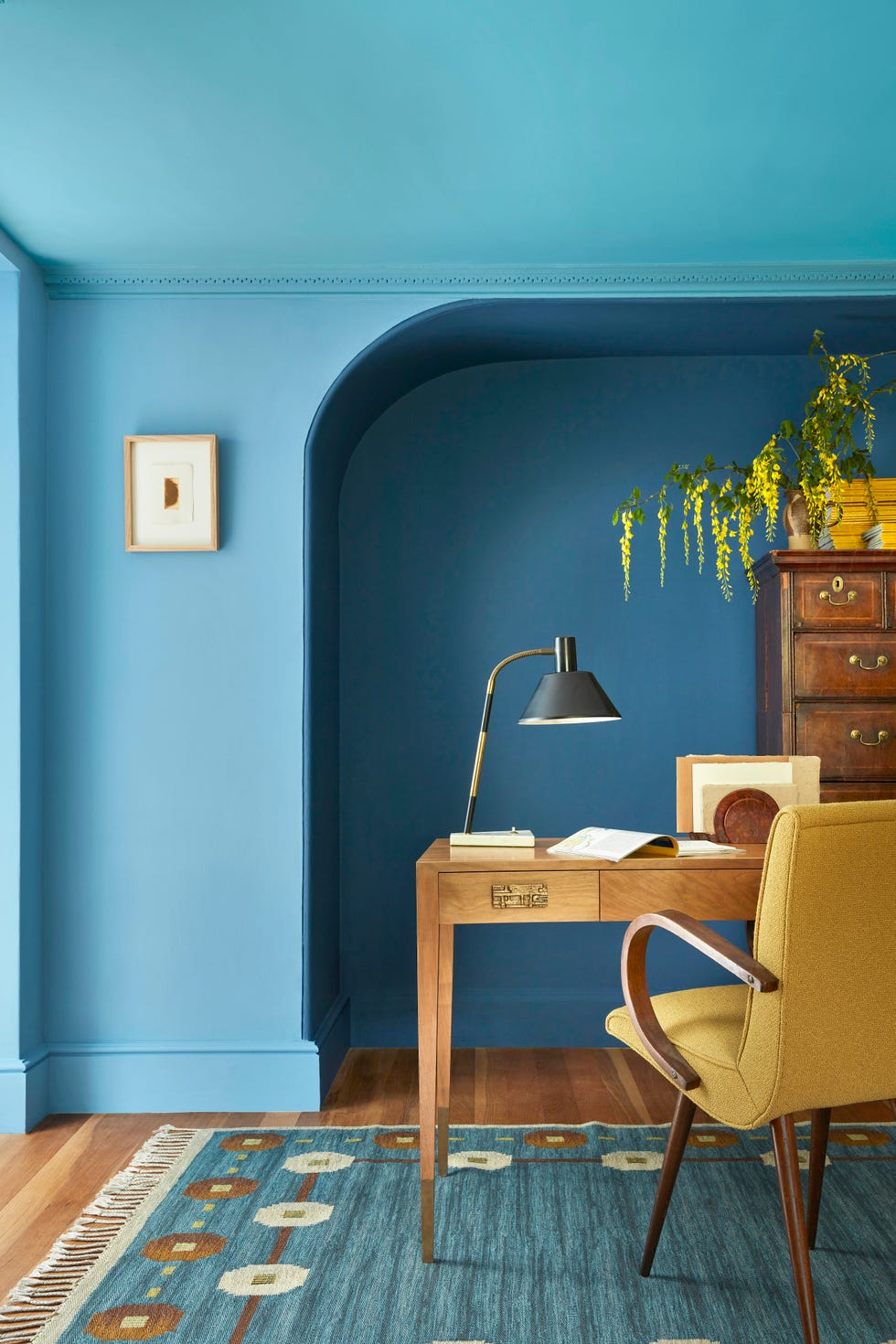
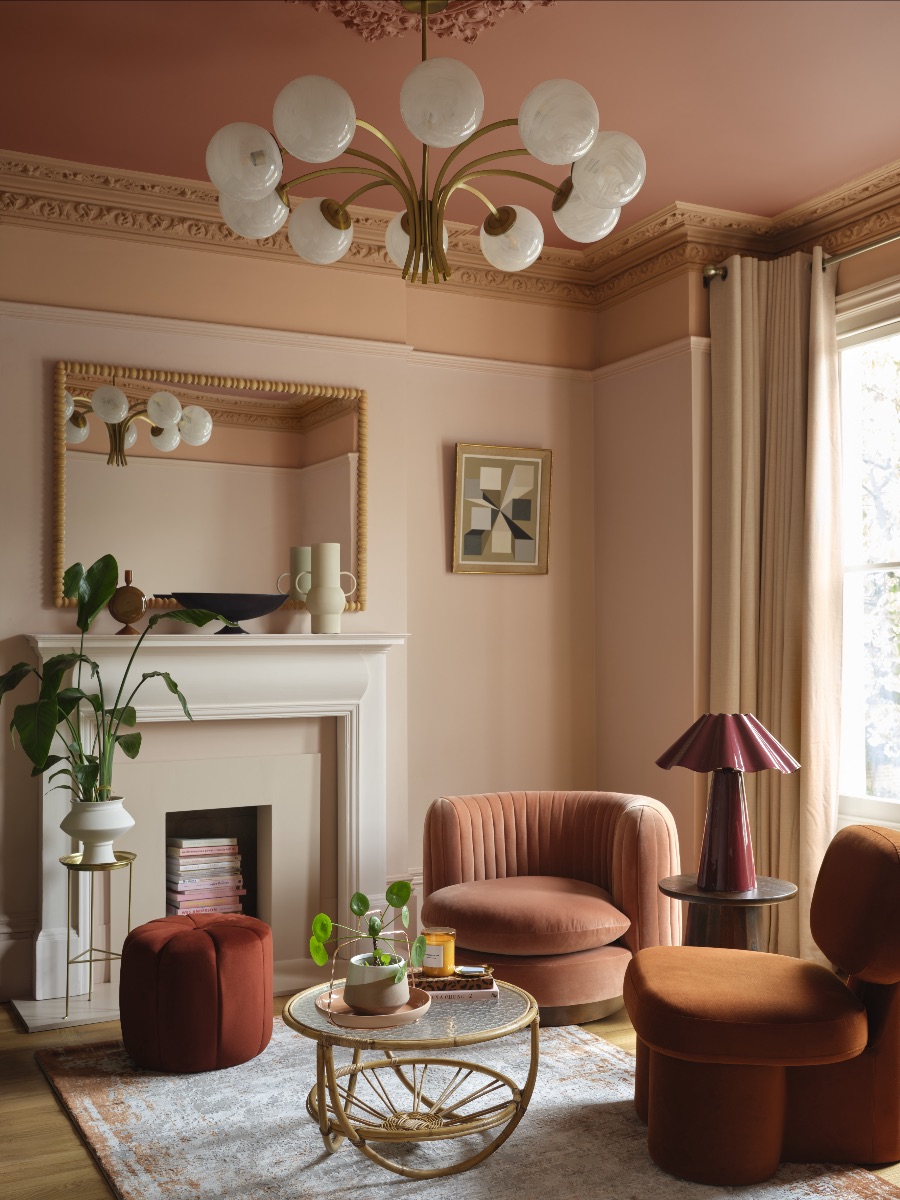
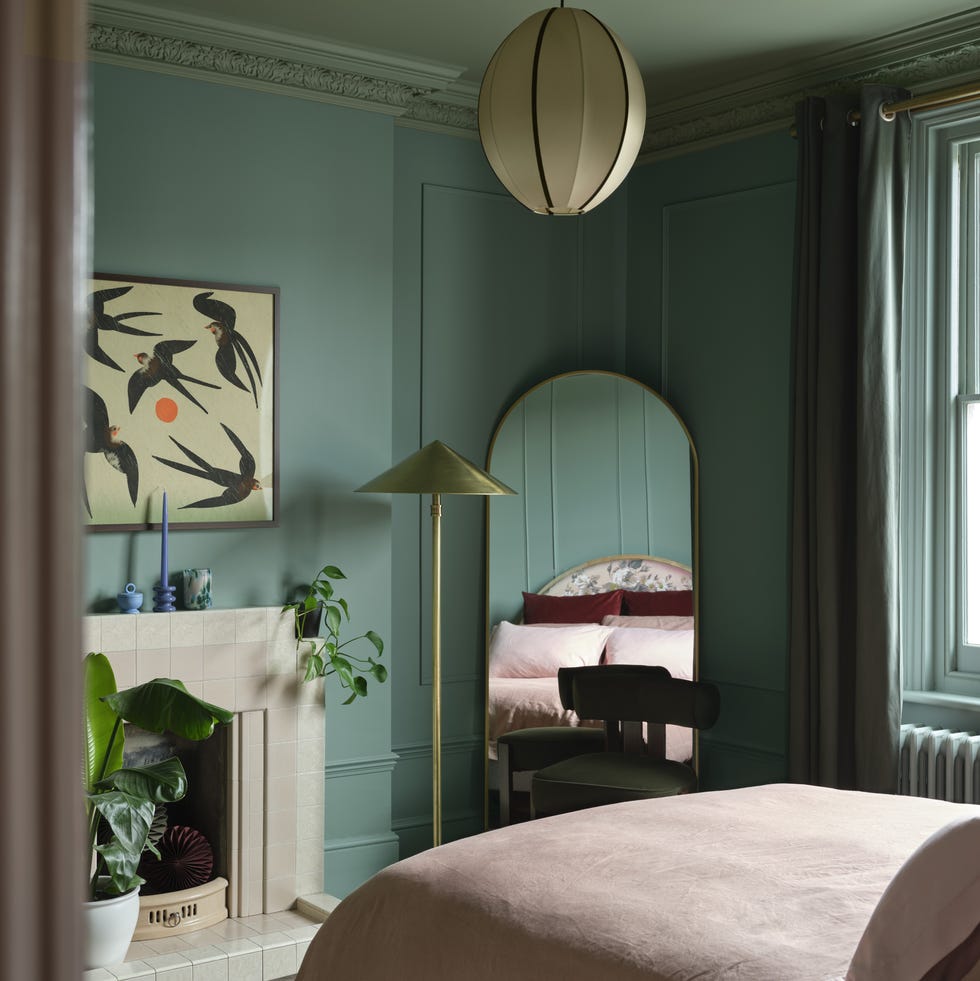
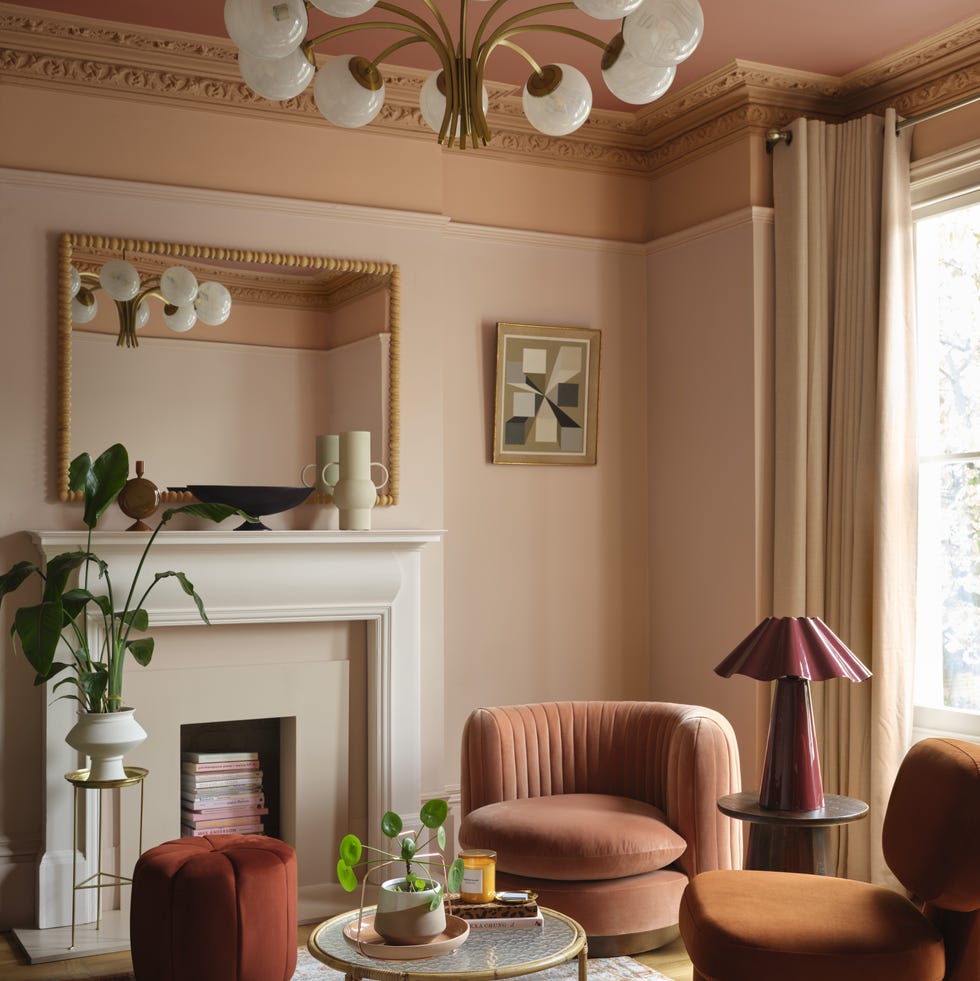
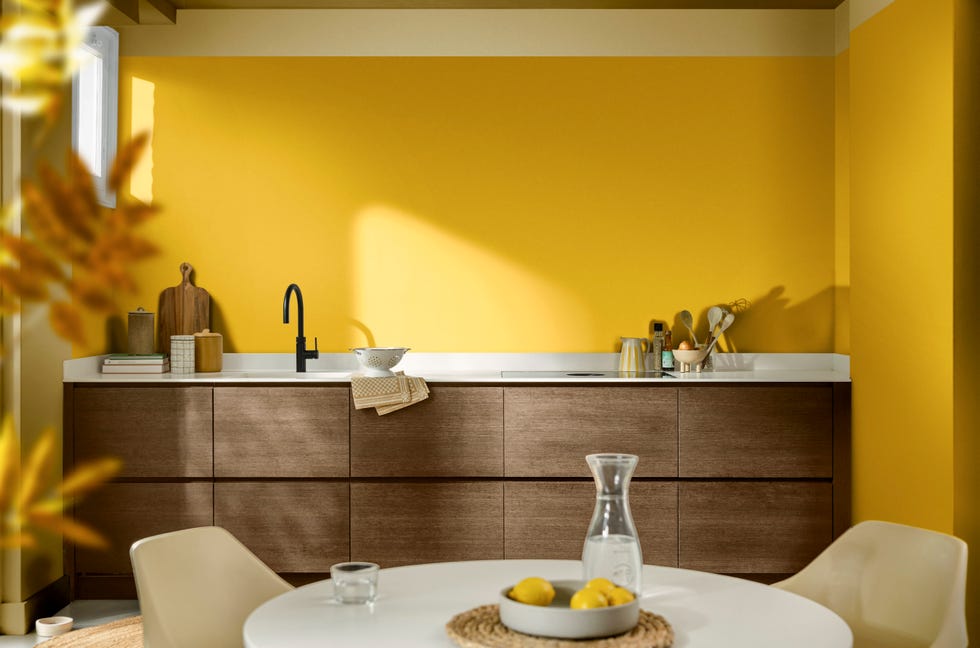
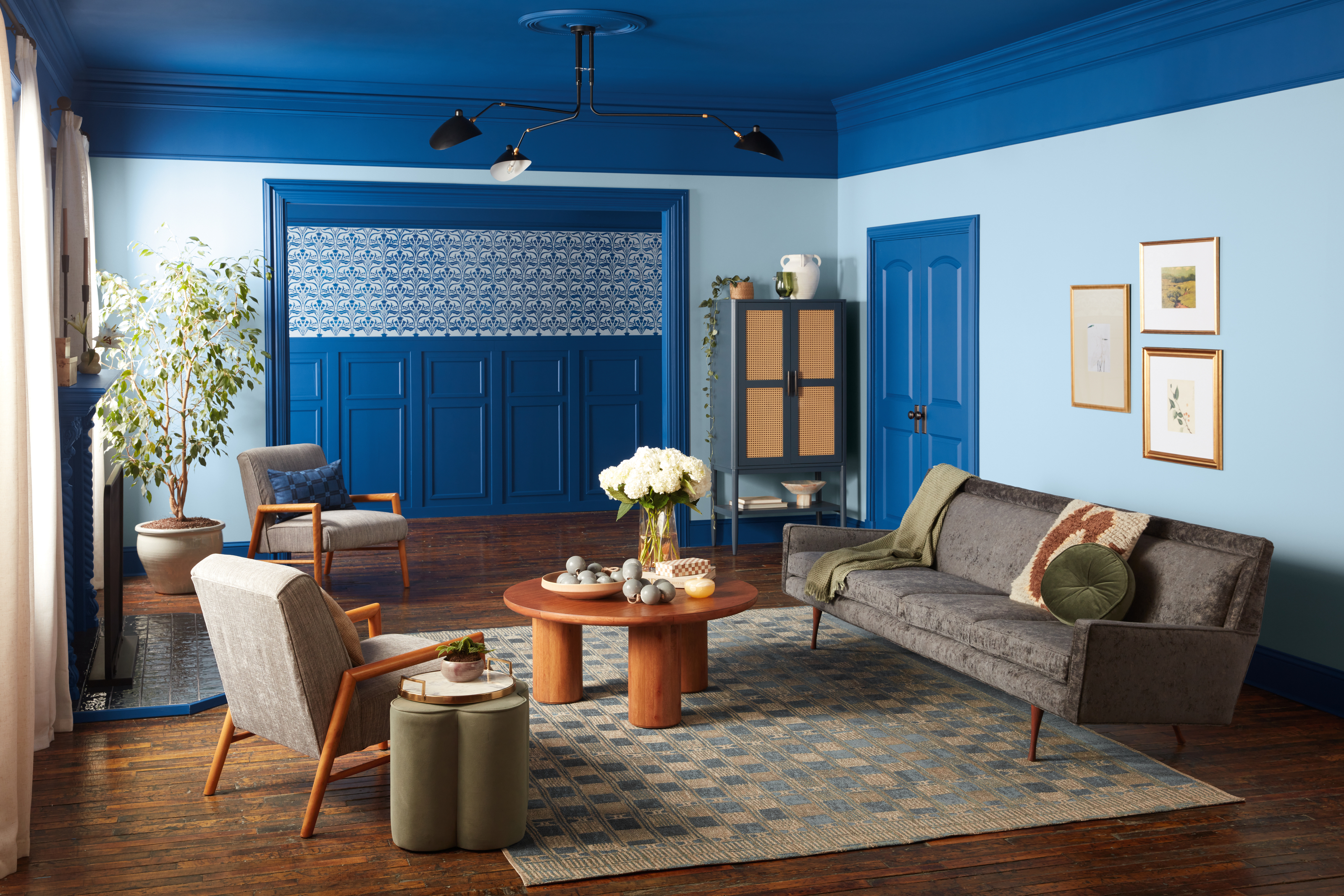
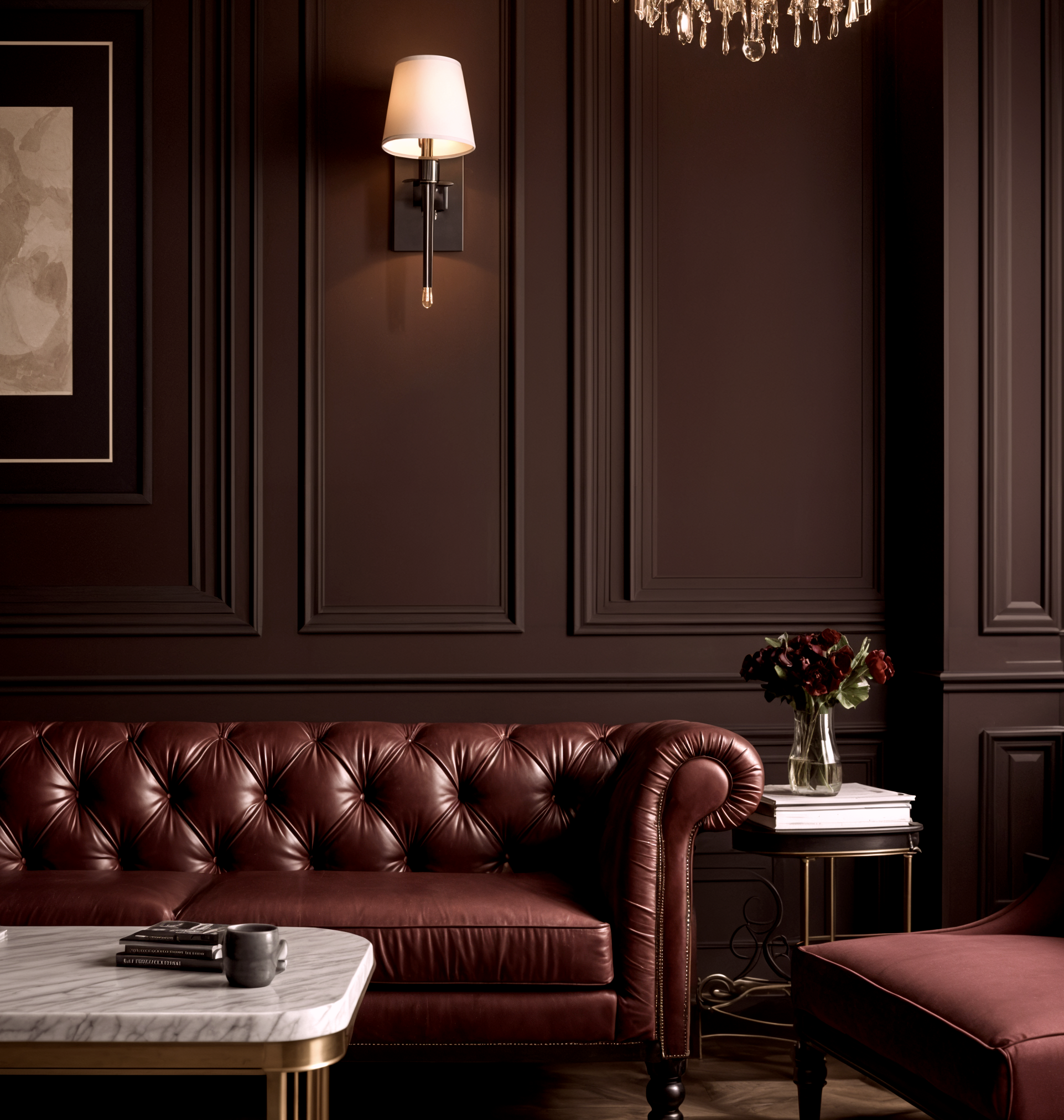
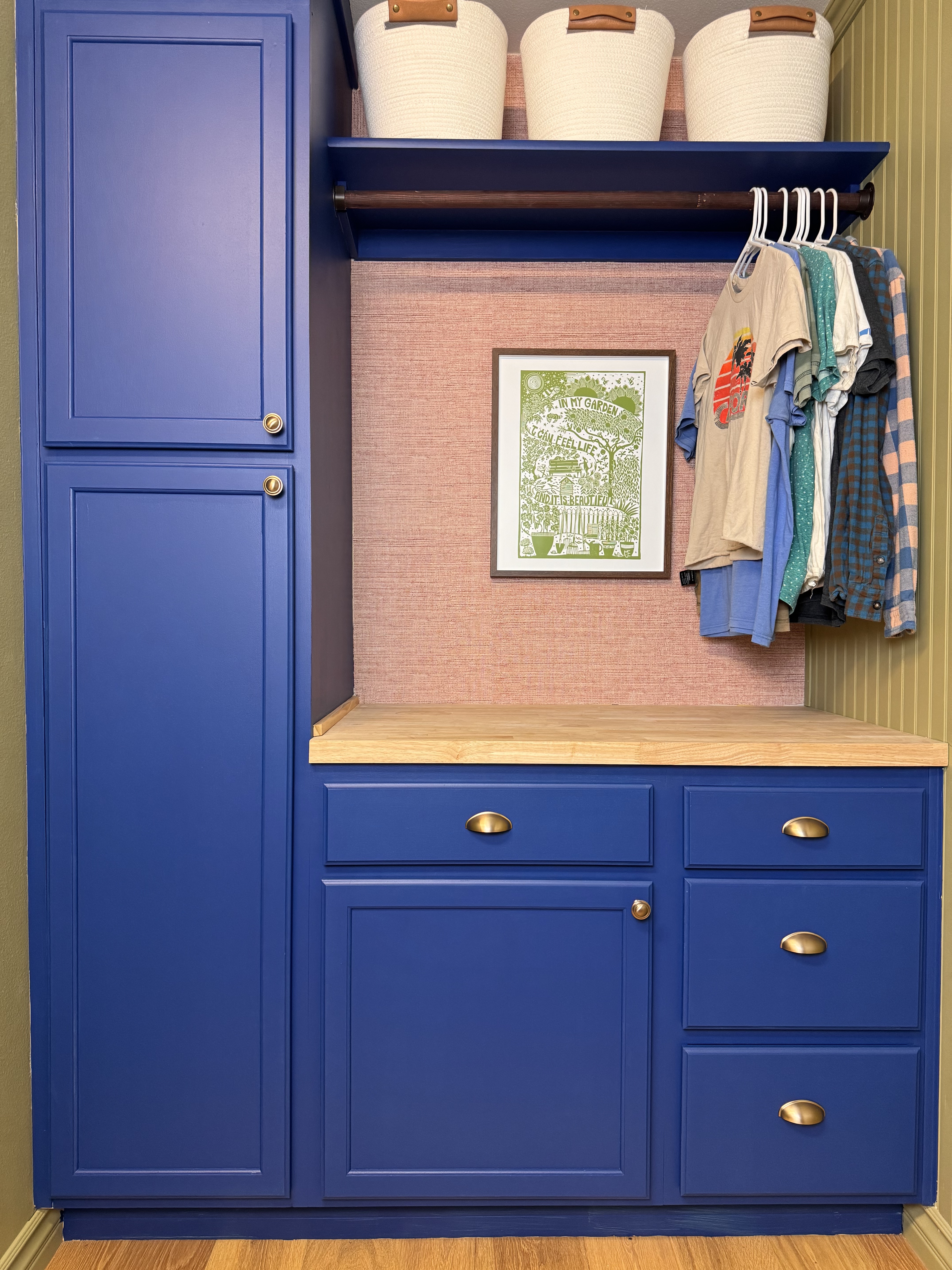
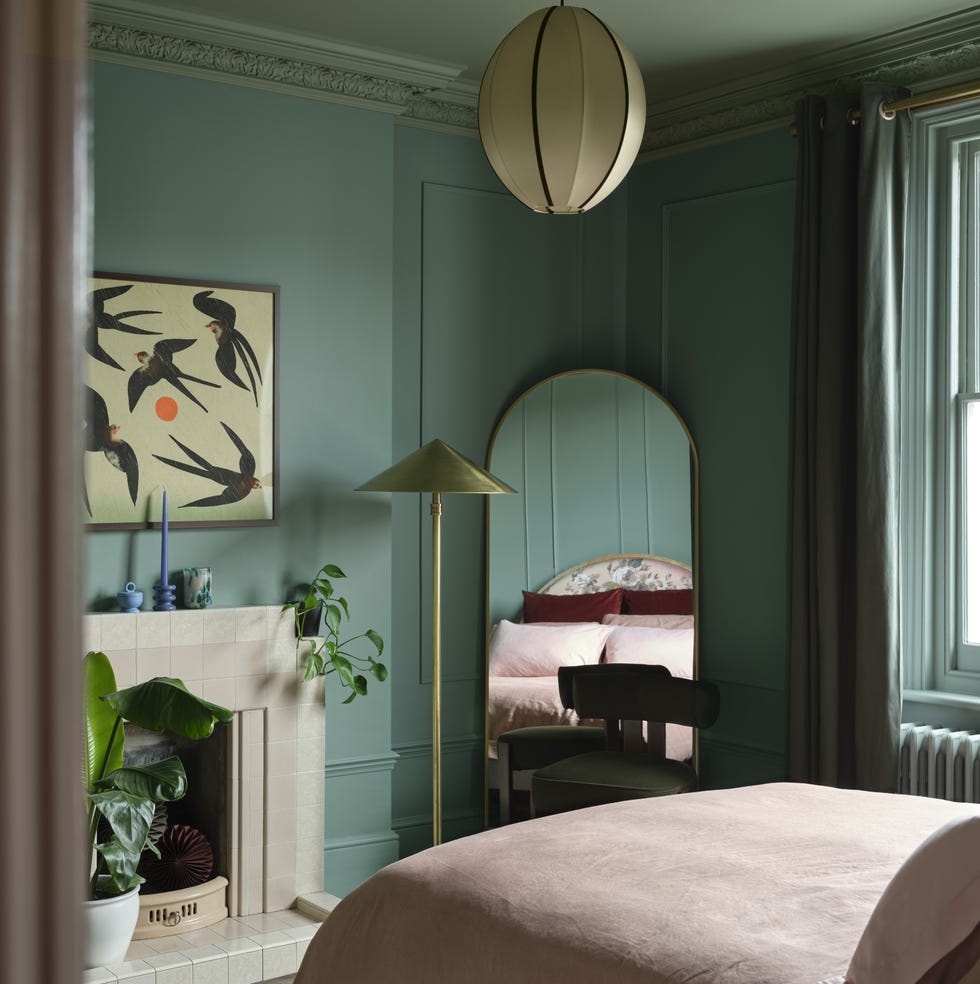
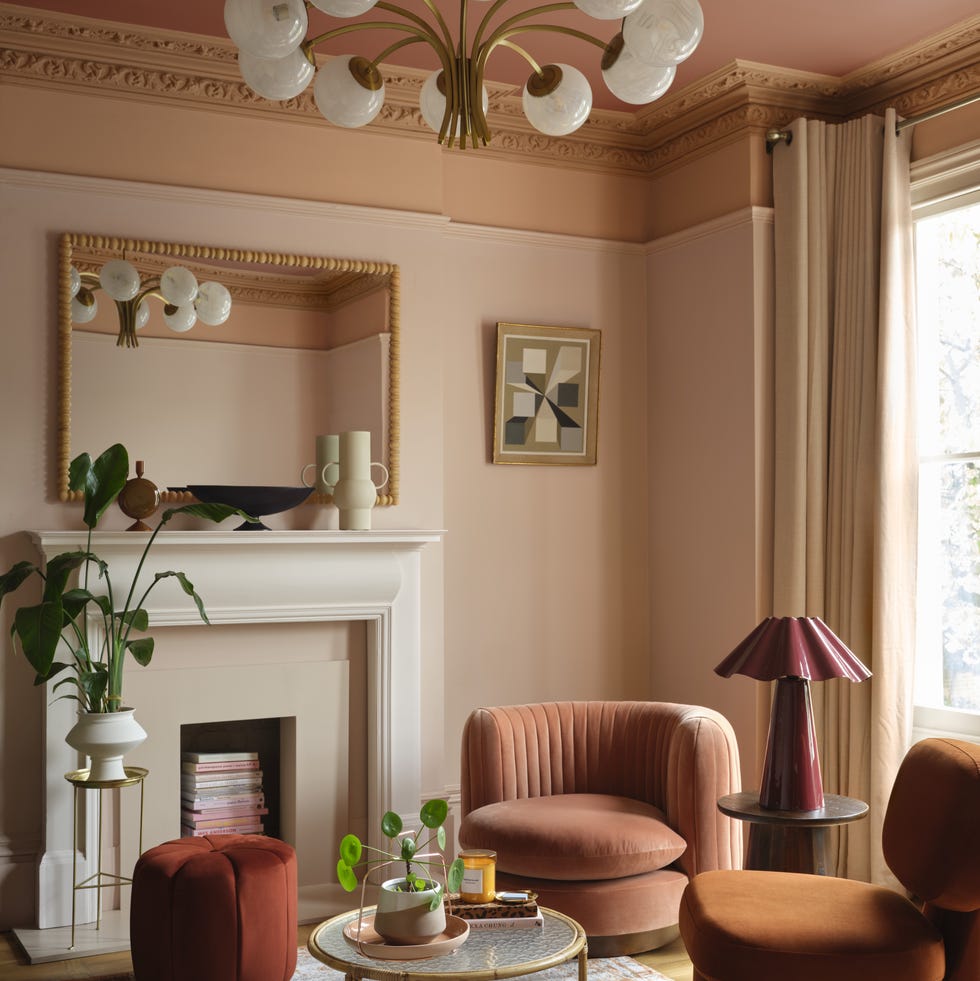
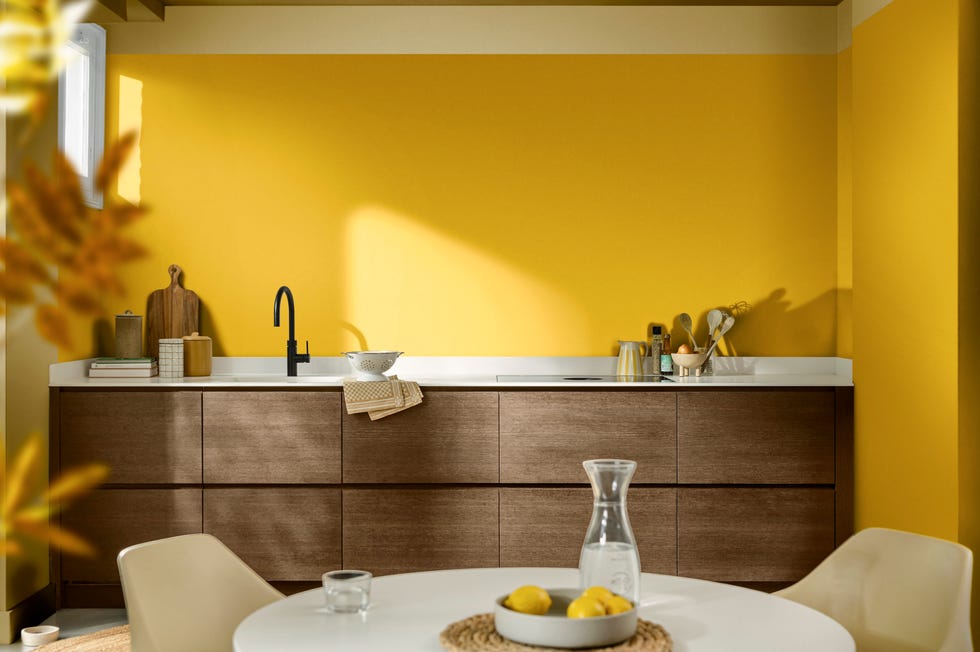
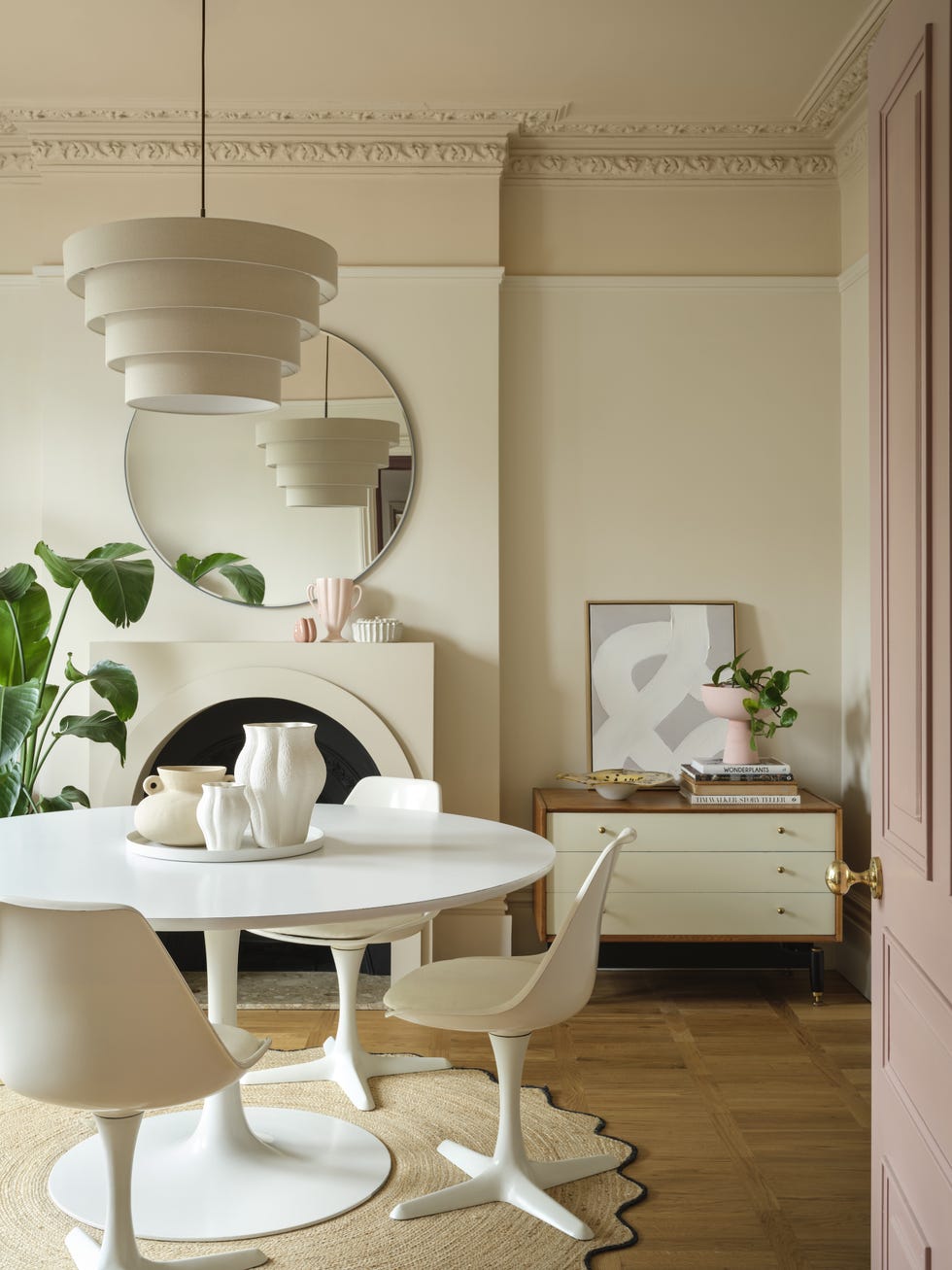
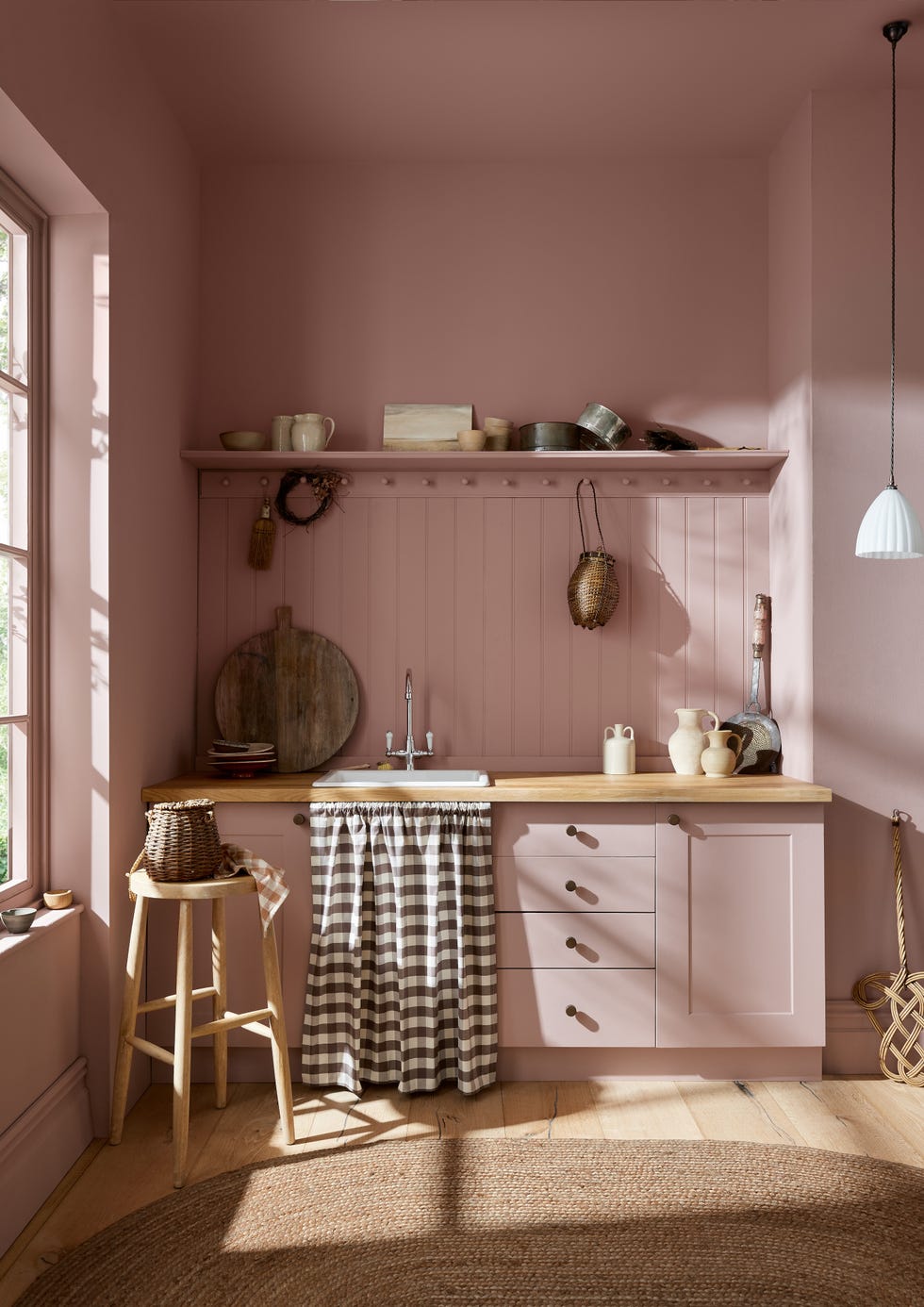
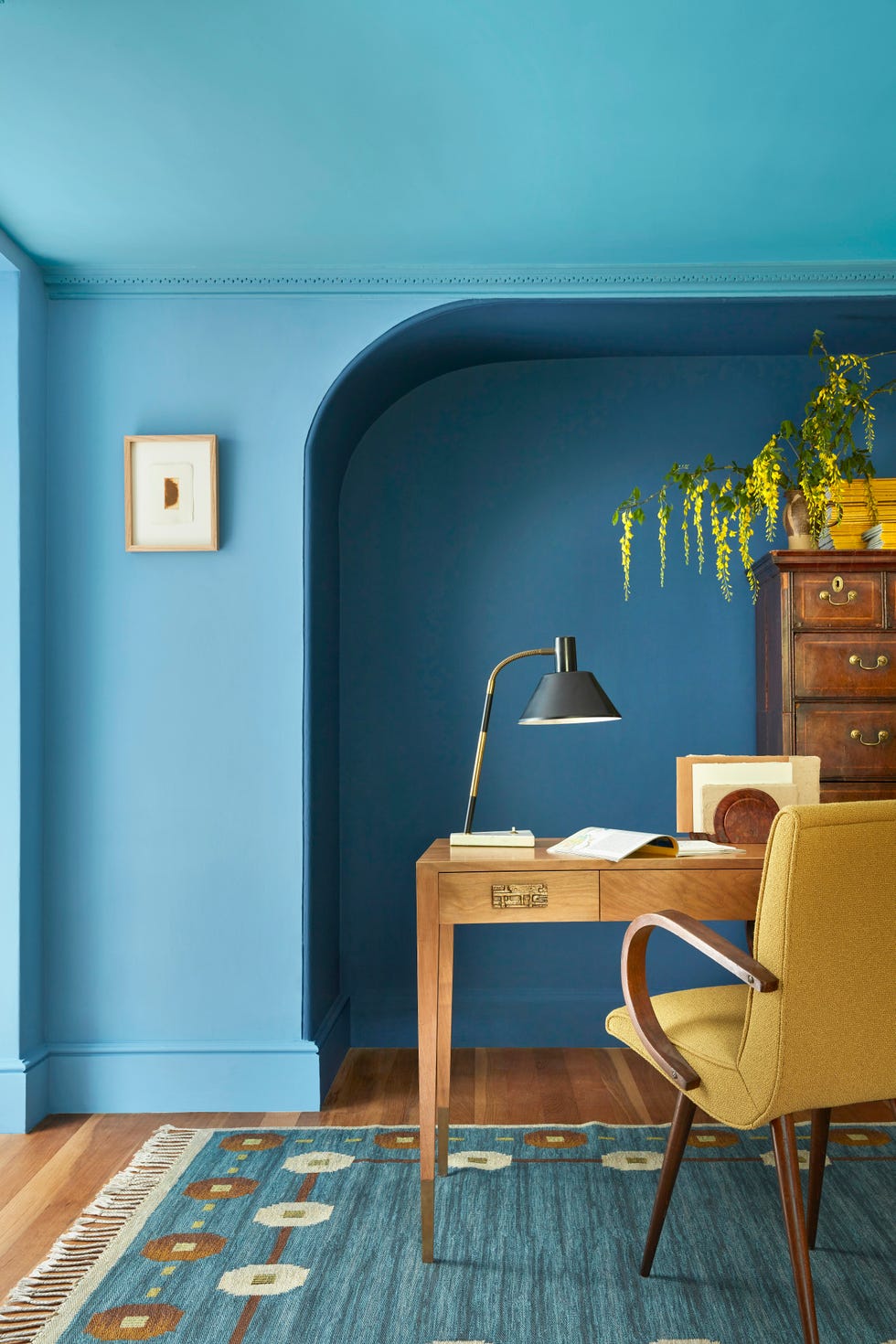
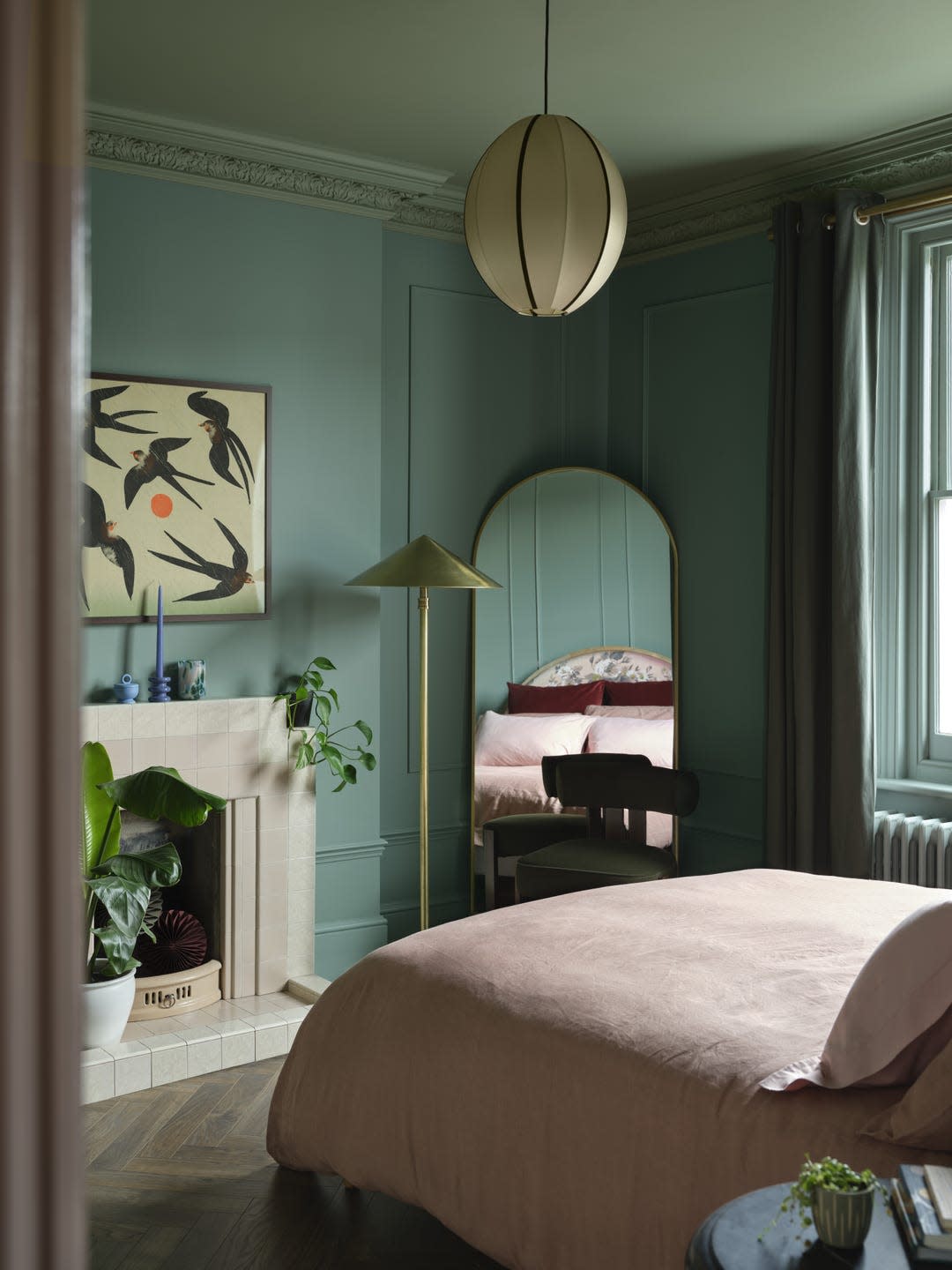
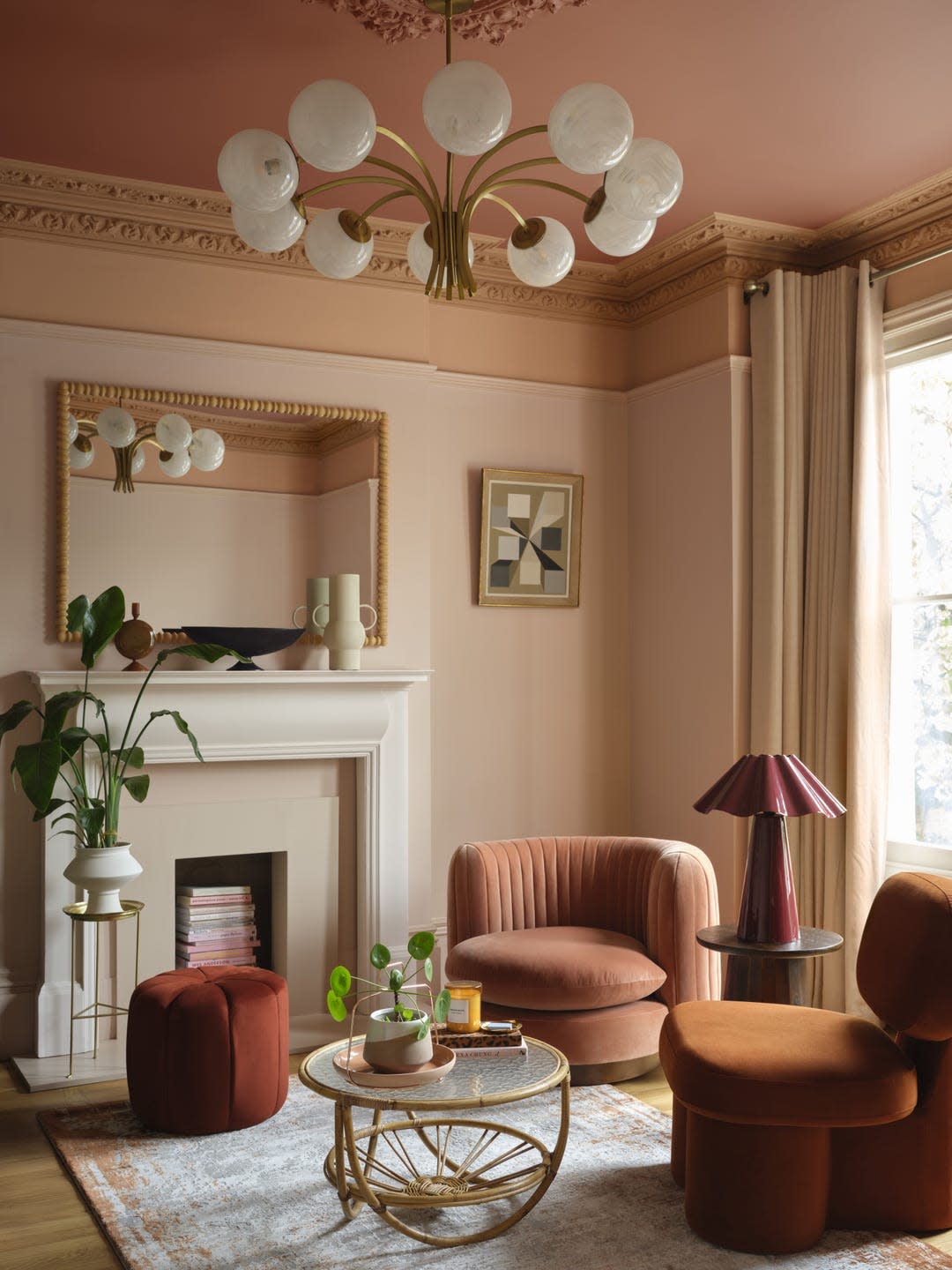
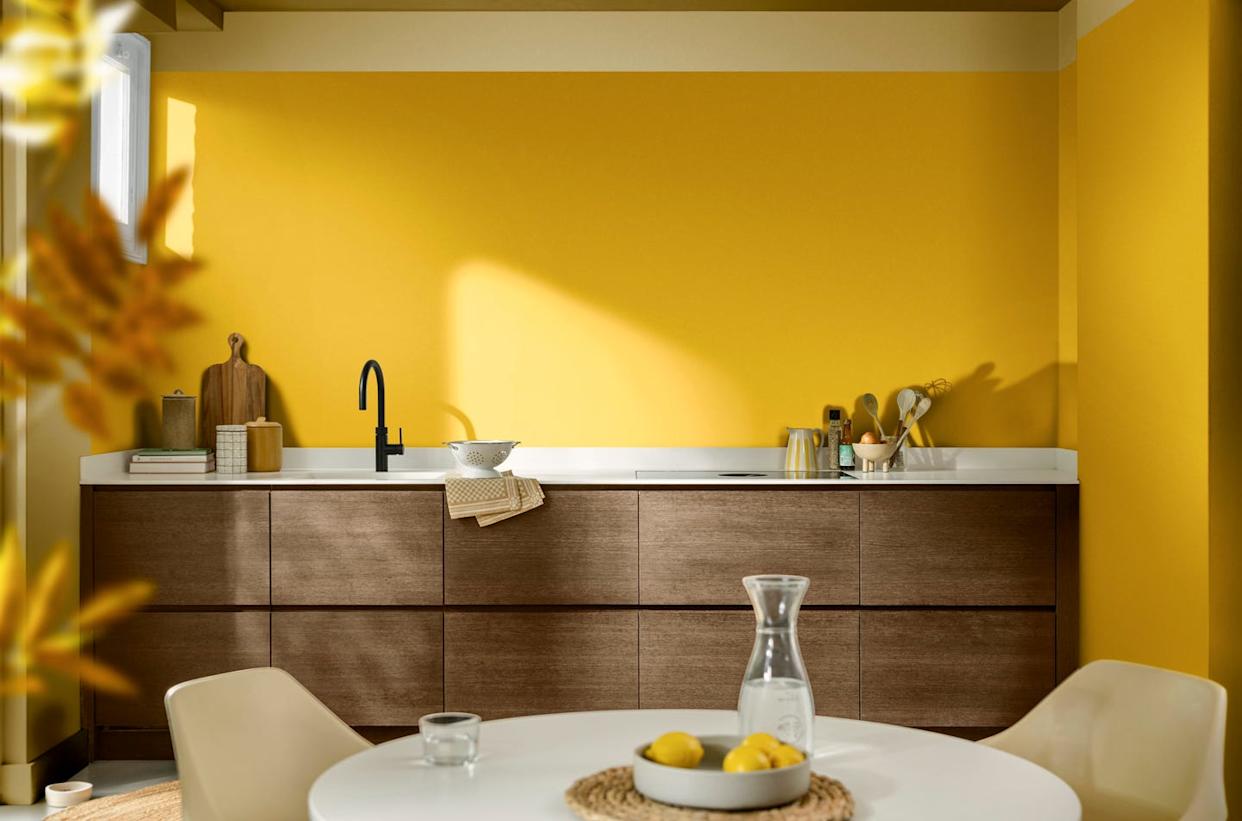
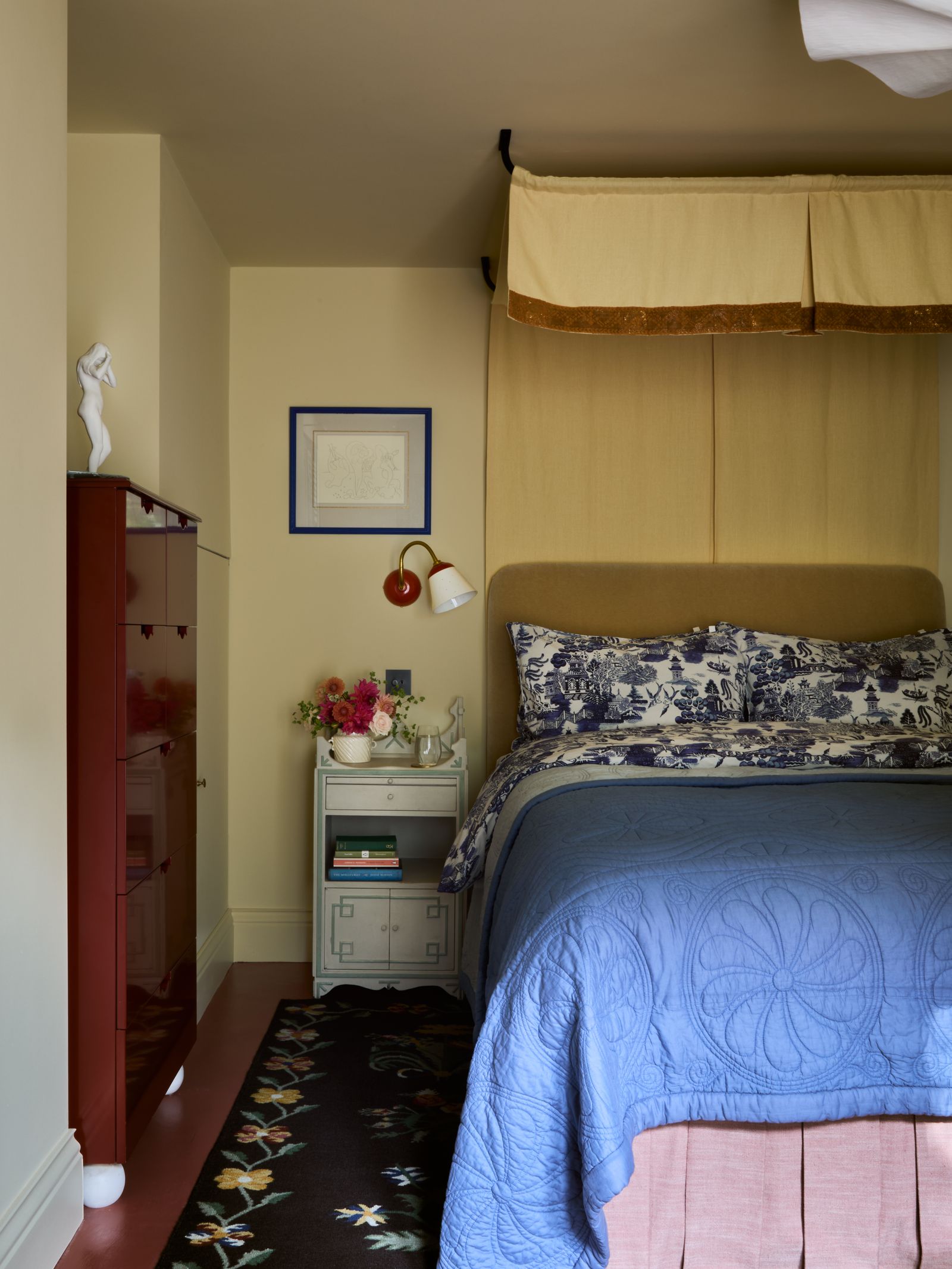
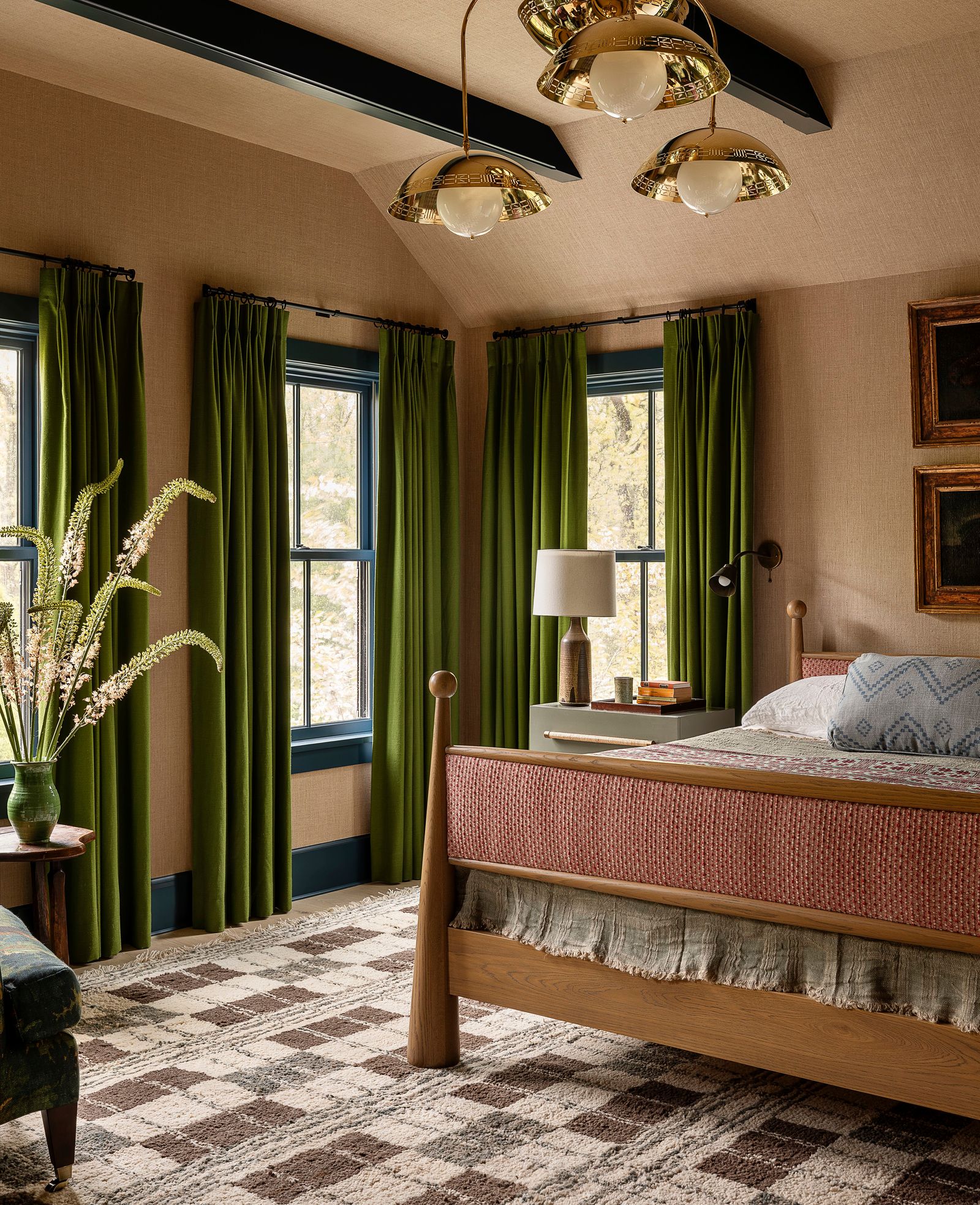
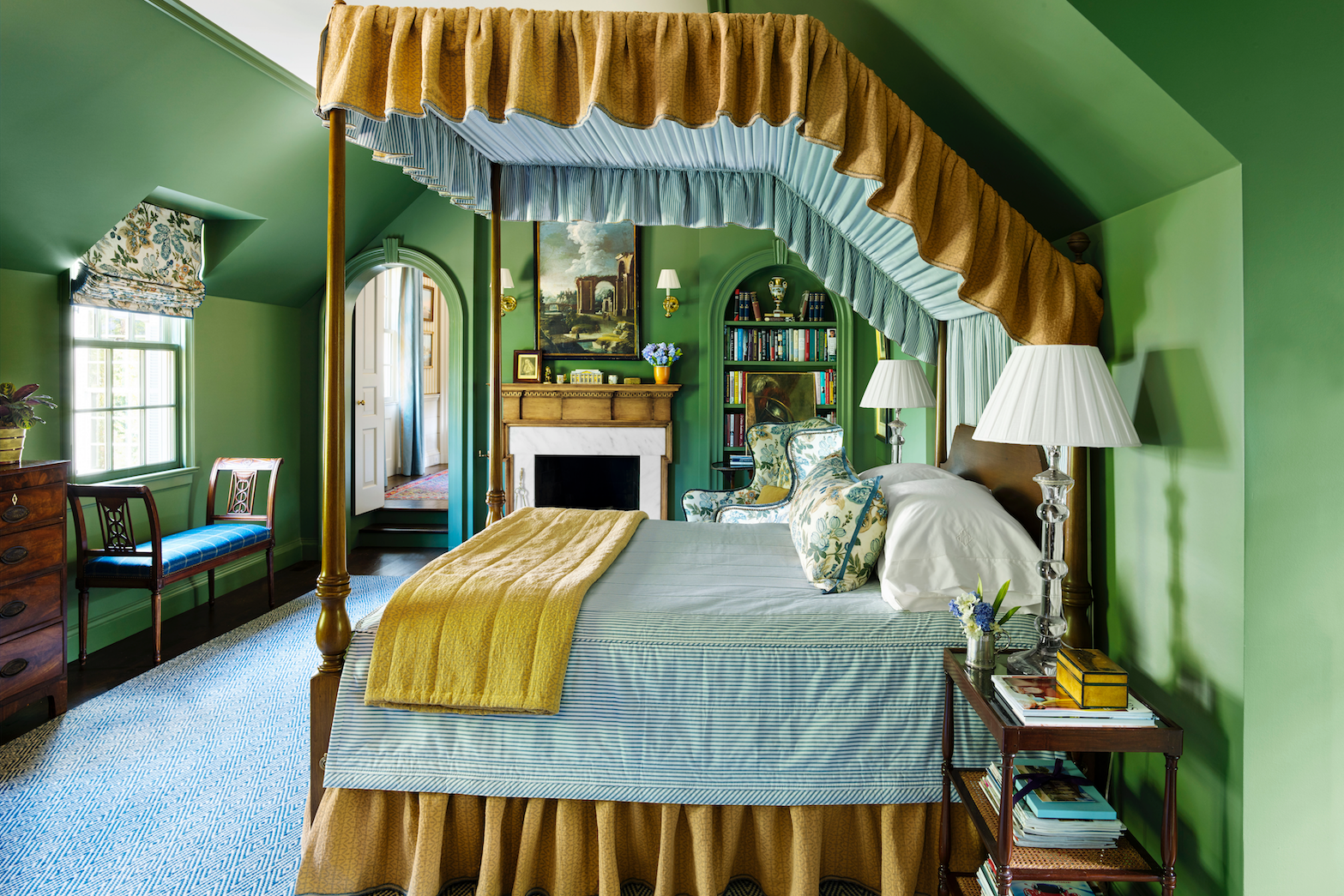
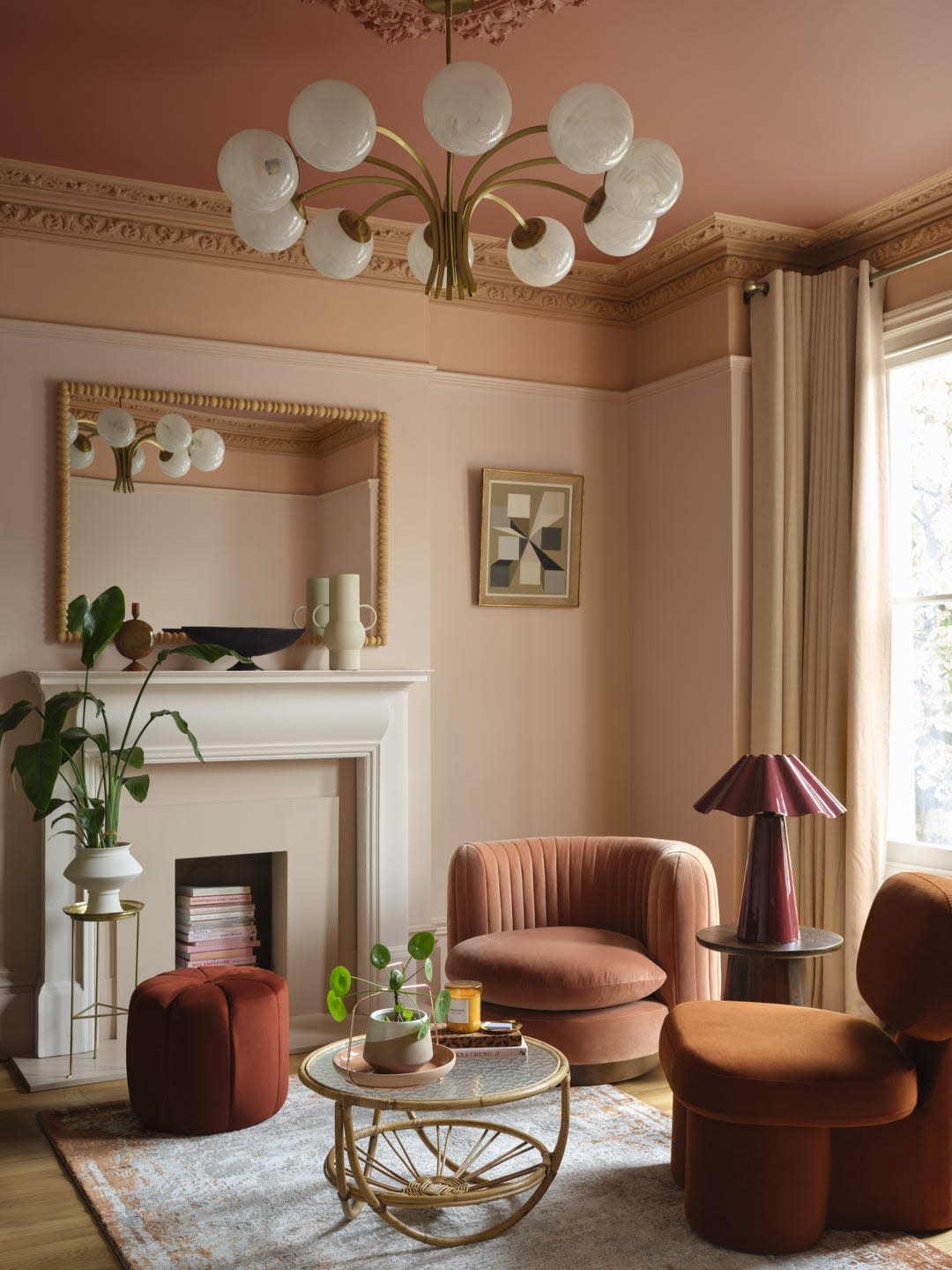
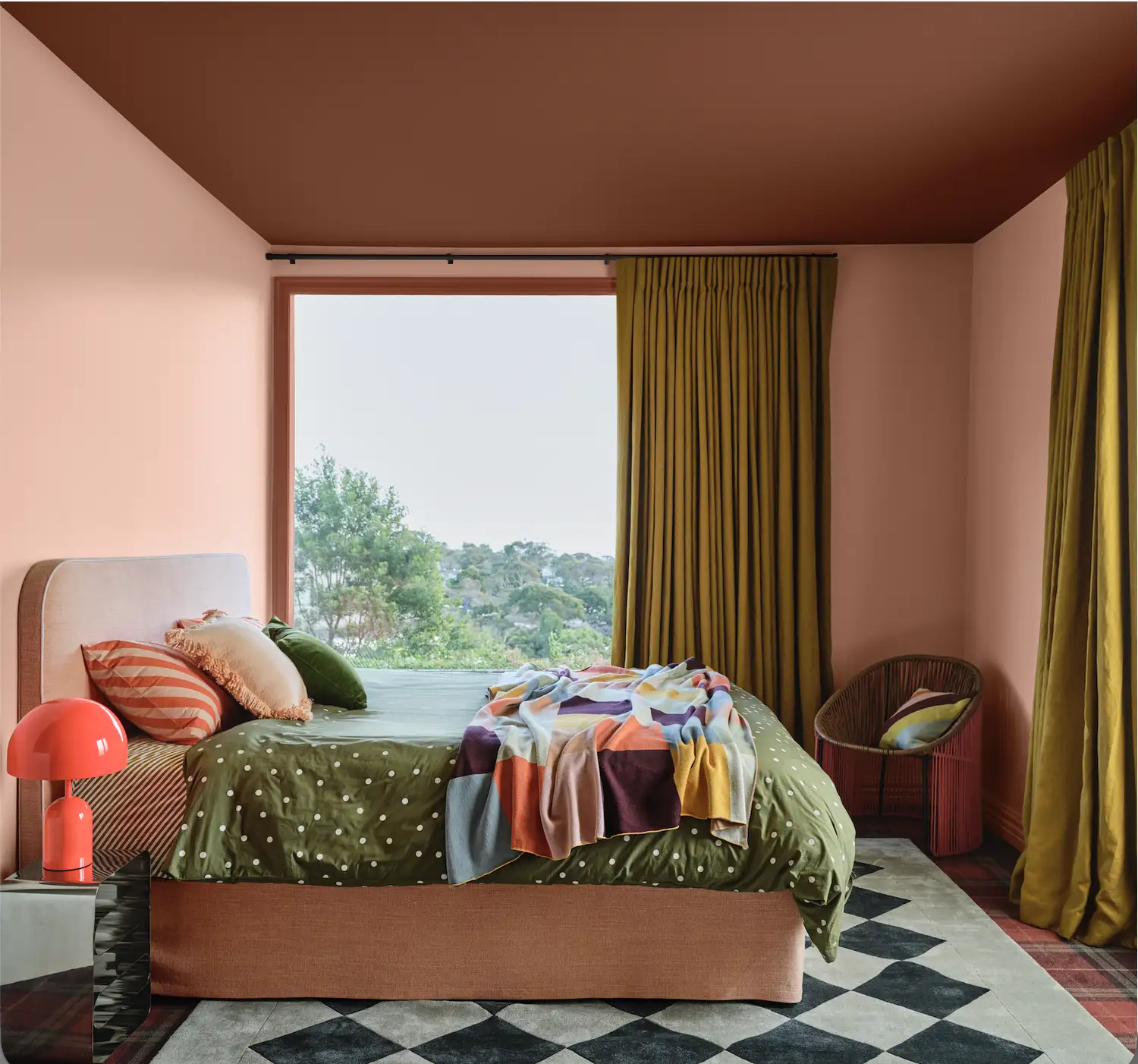
Color capping, a new interior design trend, is poised to become highly popular in 2026, offering an alternative to the currently ubiquitous color drenching technique. This method involves painting walls with graduated tones from the same color family, creating a subtle ombre effect that adds depth and visual interest to a room. Jessie Brooks, an expert in color theory and visual aesthetics from Davincified, explains that color capping can make rooms feel taller and more polished without overwhelming the space. The technique typically involves starting with a darker shade at the bottom of the wall and gradually transitioning to lighter shades towards the ceiling, though the reverse is also possible. Instead of using a single bold color, color capping employs three to five different shades within a unified color story to build dimension, eliminating the need for architectural elements like molding or wainscoting to achieve a similar effect.
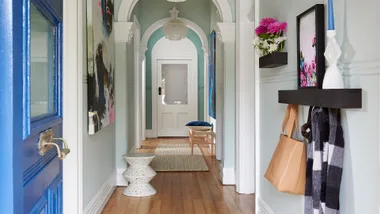
The visual impact of color capping significantly alters the perception of a space. By drawing the eye upward with lighter tones near the ceiling, the technique creates an illusion of increased vertical space. This makes it particularly effective in areas like entryways and hallways, where it can make narrow spaces feel wider and more welcoming. However, Brooks advises against using color capping in rooms with abundant windows or intricate architectural details, as these features might compete with the horizontal bands and detract from the desired effect. When selecting a color palette, it is recommended to choose a base color that is personally appealing and can be comfortably lived with in various intensities, such as soft blues, warm terracottas, sage greens, or sandy neutrals.
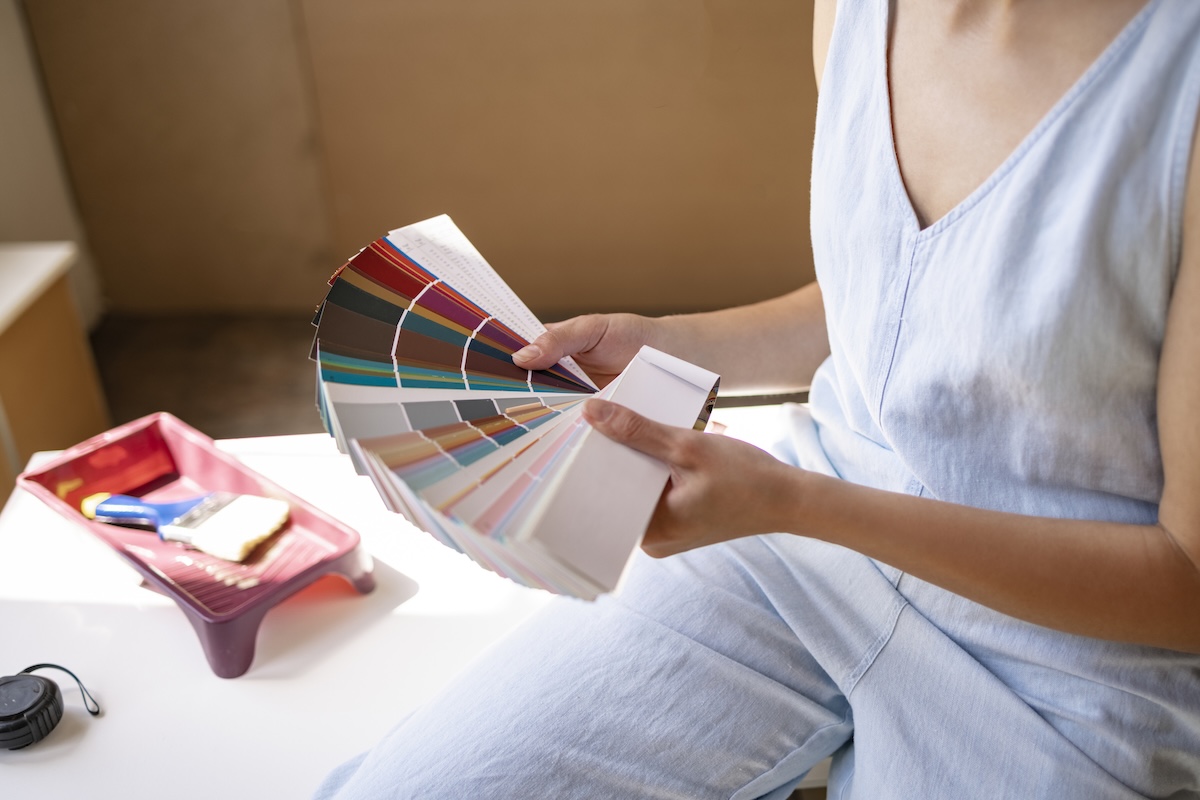
To implement color capping, a selection of three to five shades within the chosen color family is necessary. Paint stores often organize colors to show tonal variations, making it easier to select a range of shades. Brooks suggests choosing every other shade from a paint strip or simply picking the lightest, mid-tone, and darkest shades within the same family. For rooms where the goal is to enhance height, the darkest shade should be applied at the bottom, gradually lightening towards the ceiling. In narrow rooms, placing darker tones on the longest walls and lighter shades on shorter walls can help achieve visual balance. For smaller rooms, maintaining an overall lighter palette is advisable. It is also crucial to test chosen colors on the actual walls at different times of the day to observe how natural light affects their appearance.
Proper wall preparation is essential for a successful color capping project. Walls must be clean and smooth, with any holes or cracks filled with spackle, sanded, and wiped down. This meticulous preparation is critical because the tonal transitions in color capping tend to highlight imperfections more than single-color walls. Before painting, the wall sections for each color band need to be carefully mapped out. For standard 8-foot ceilings, three to four horizontal bands typically work well. Using painter's tape and a level, each band should be measured precisely to ensure uniform height around the entire room. When applying paint, it is recommended to start with the lightest shade at the top and work downwards. This method simplifies corrections, as any overlap will involve covering a lighter color with a darker one. For sharp lines, painter's tape should be removed while the paint is still slightly wet. For a blended transition, a dry brush or sponge can be used to gently blend the colors while the paint remains workable, painting one full section from light to dark at a time.
#InteriorDesign #HomeDecor #ColorCapping #PaintingTechnique #DIYHome #DesignTrends #ColorTheory #GradientWalls #InteriorDesign #HomeDecor #ColorCapping #PaintingTechnique #DIYHome #DesignTrends #ColorTheory #GradientWalls
0 comment in total
 No comments yet
You may also like
Interiors experts predict this will be the biggest paint trend of 2026

The decorating trends everyone will be talking about in 2026

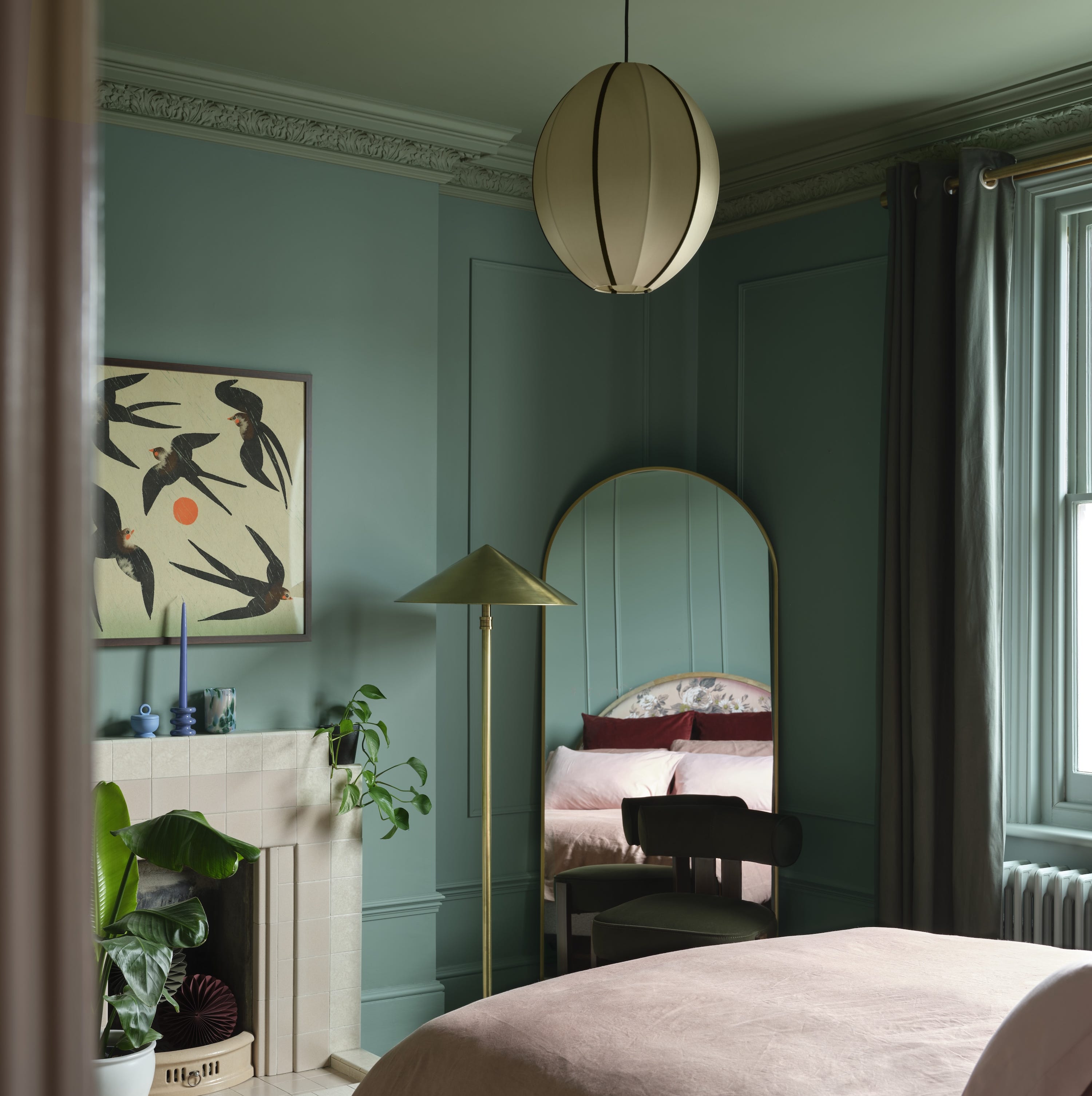
Designers Predict This Will Be The Biggest Paint Trend Of 2026

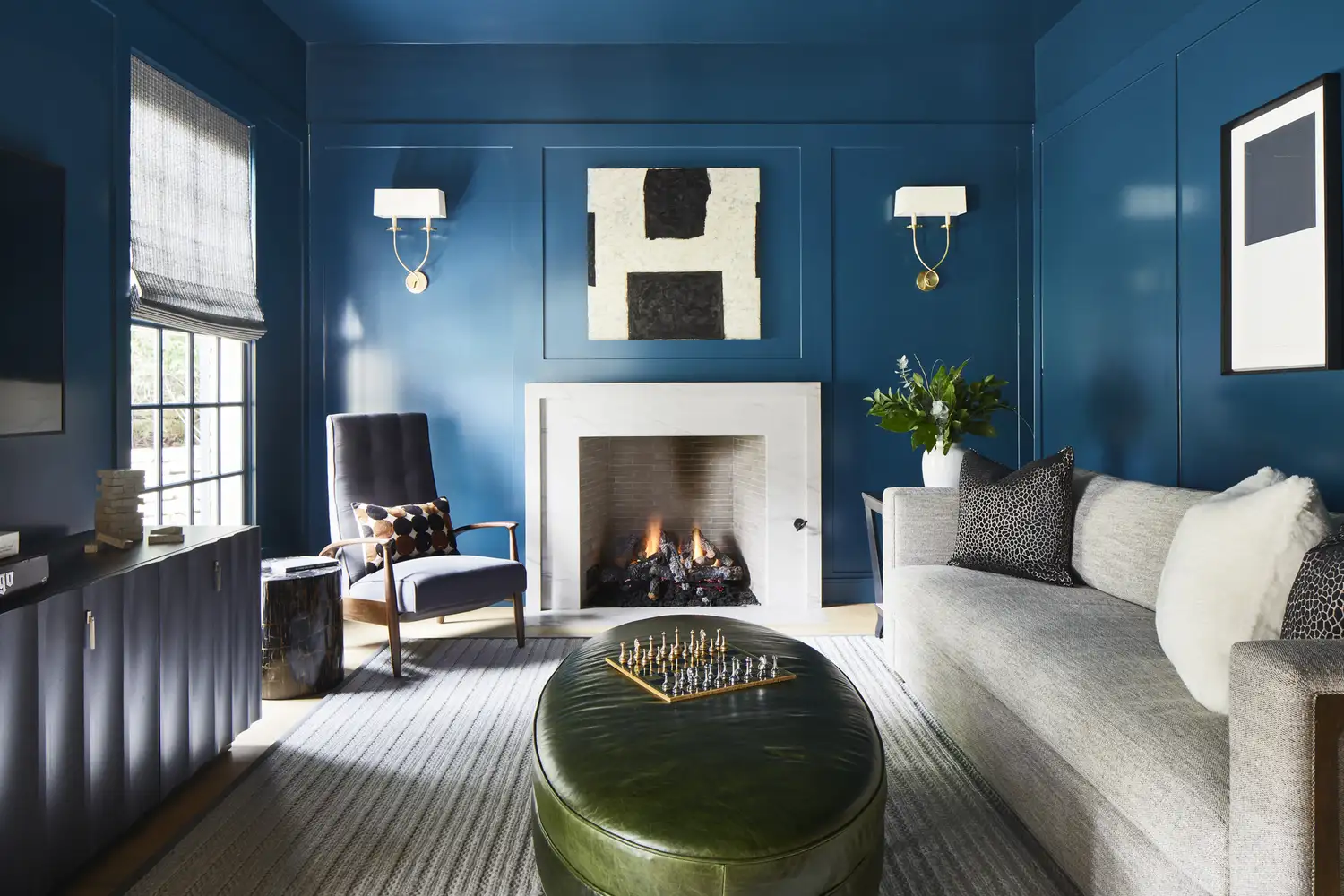
Say Goodbye to Neutrals: Color-Drenching Will Define 2026 Interiors

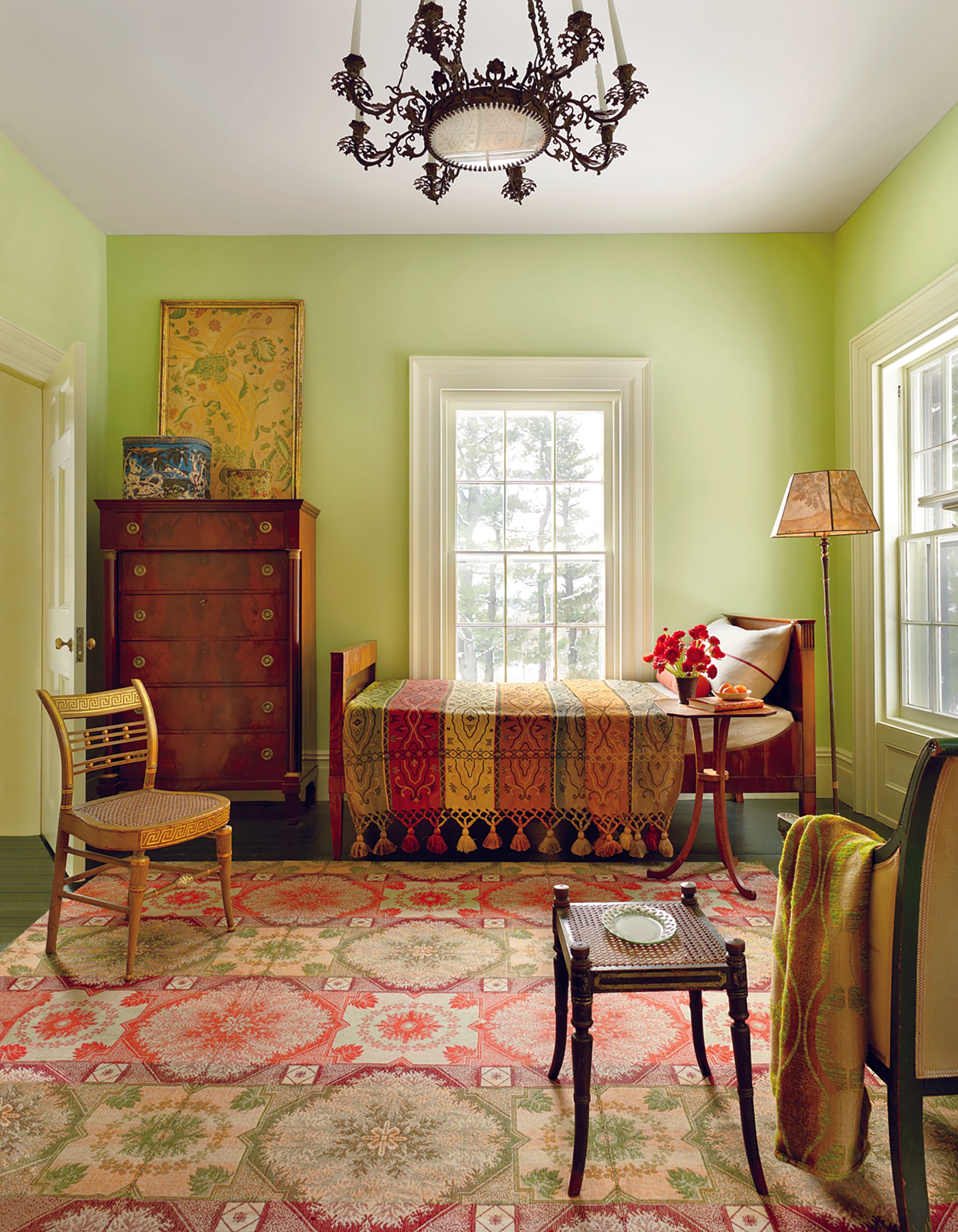
These Colors Will Be Everywhere in Interior Design in 2026

What is Color Forecasting? Experts Explain How to Map Trends |

This Is the Color Trend You'll Soon See Everywhere—And It'll Make Your Space Look Much Bigger

These 6 Colors Will Rule Interiors in 2026, According to Experts

Interior designers reveal the home decor trend that will take over 2026 & why it's time to bin off accent walls

This Color Trend Is Taking Over Homes—And It Makes Any Space Look Bigger
This British Paint Trend Is Set to Take Over 2026

2026 Color of the Year Announcements Have This In Common
Move Over, Color Drenching— Color Capping Will Dominate 2026 Interiors

This British Paint Trend Is Set to Take Over 2026
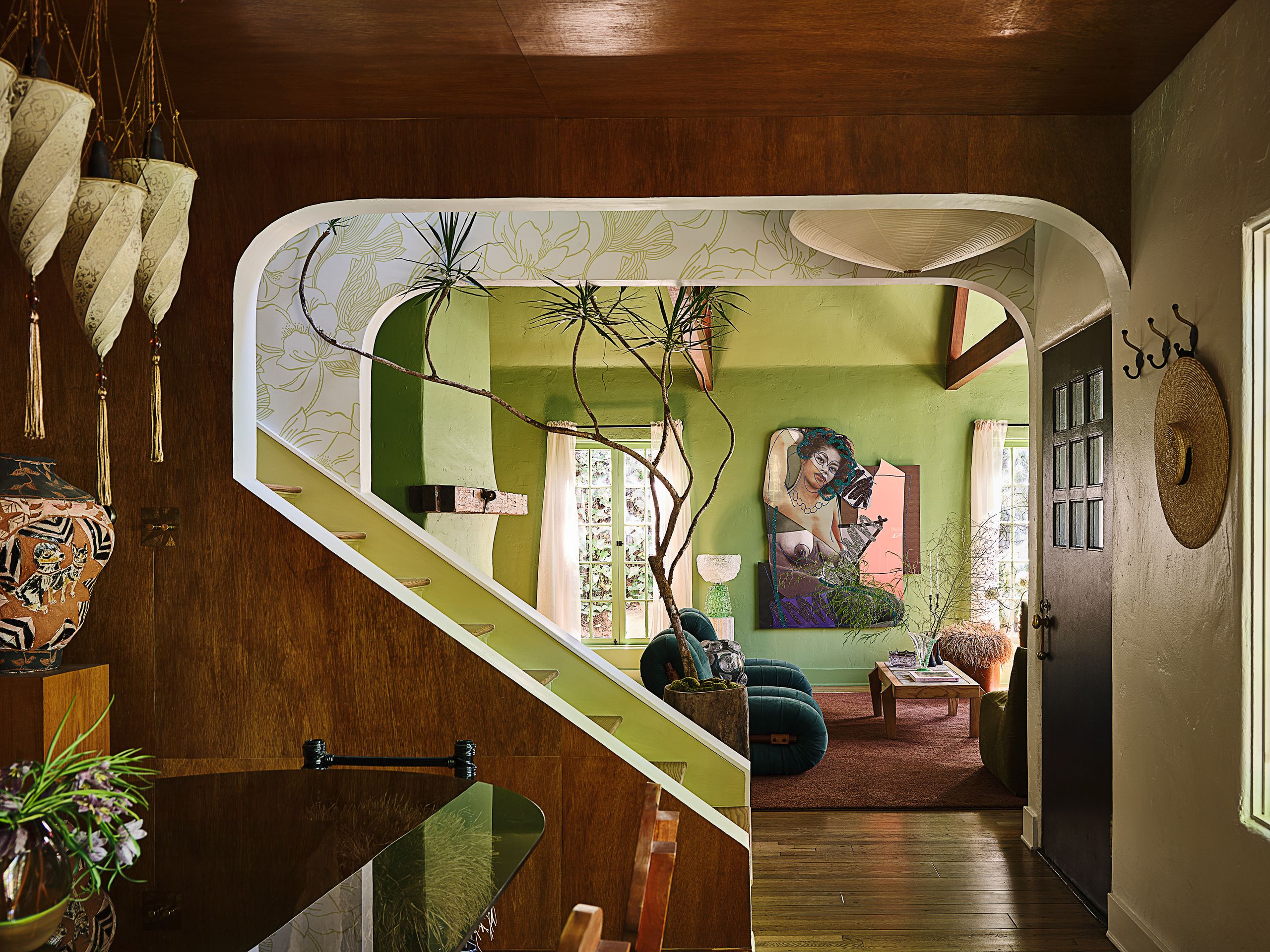
These Colors Will Be Everywhere in Interiors in 2025
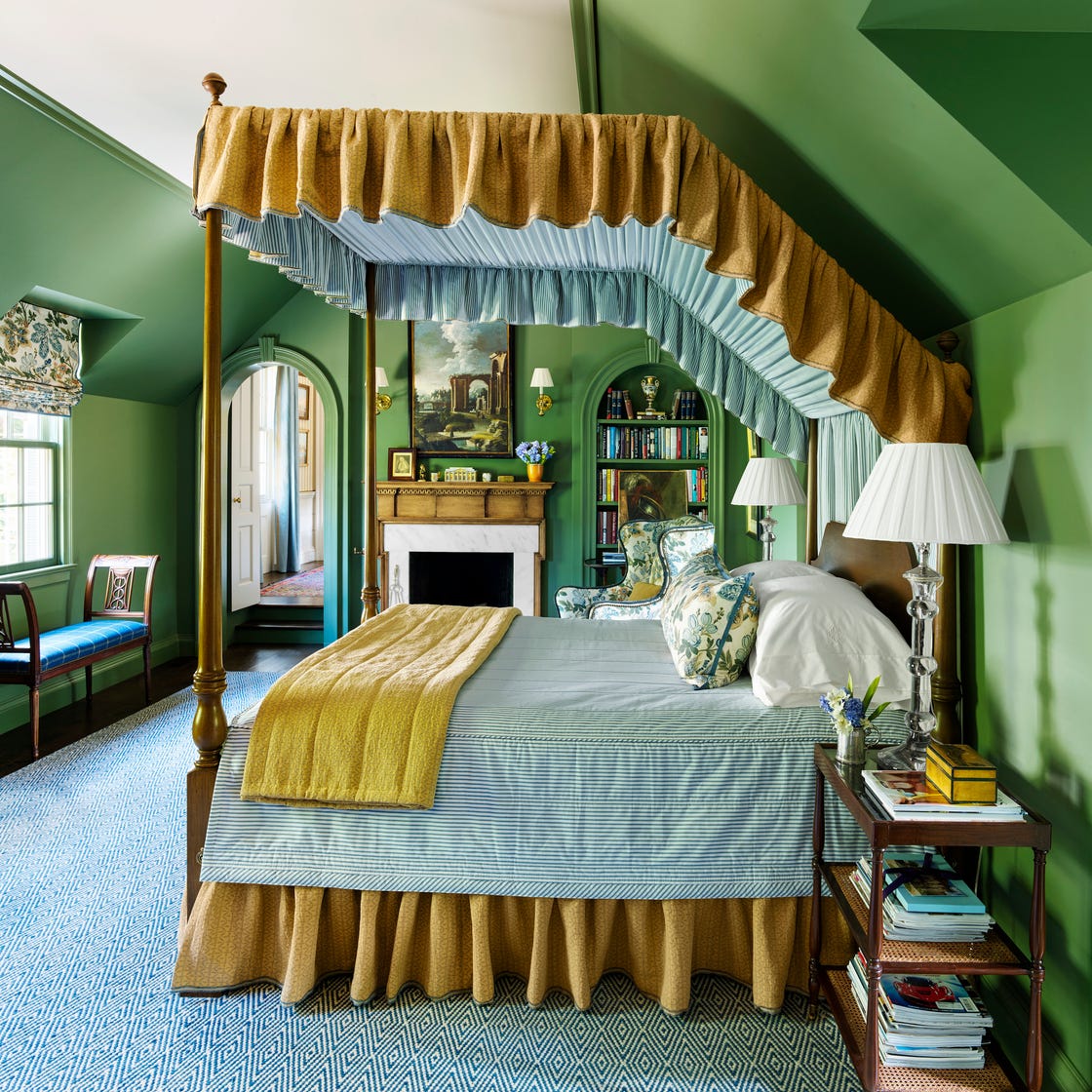
These 7 Colors Will Rule Interiors in 2026, According to Experts

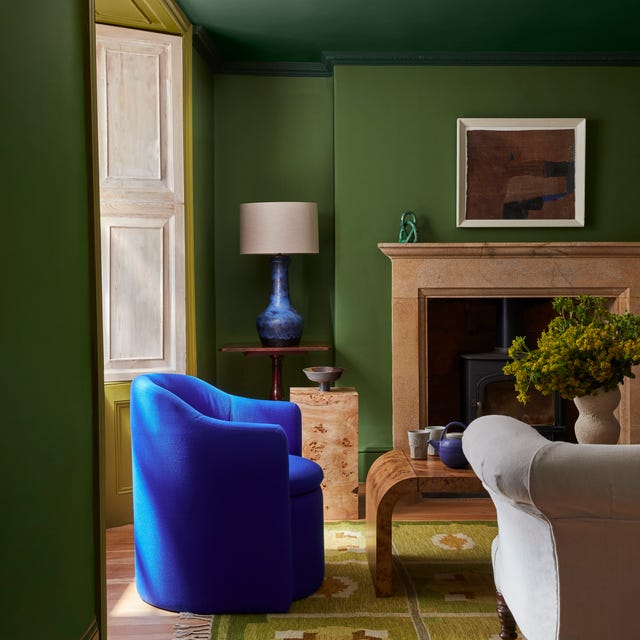
Meet 'colour capping', the paint trend set to take over 2026
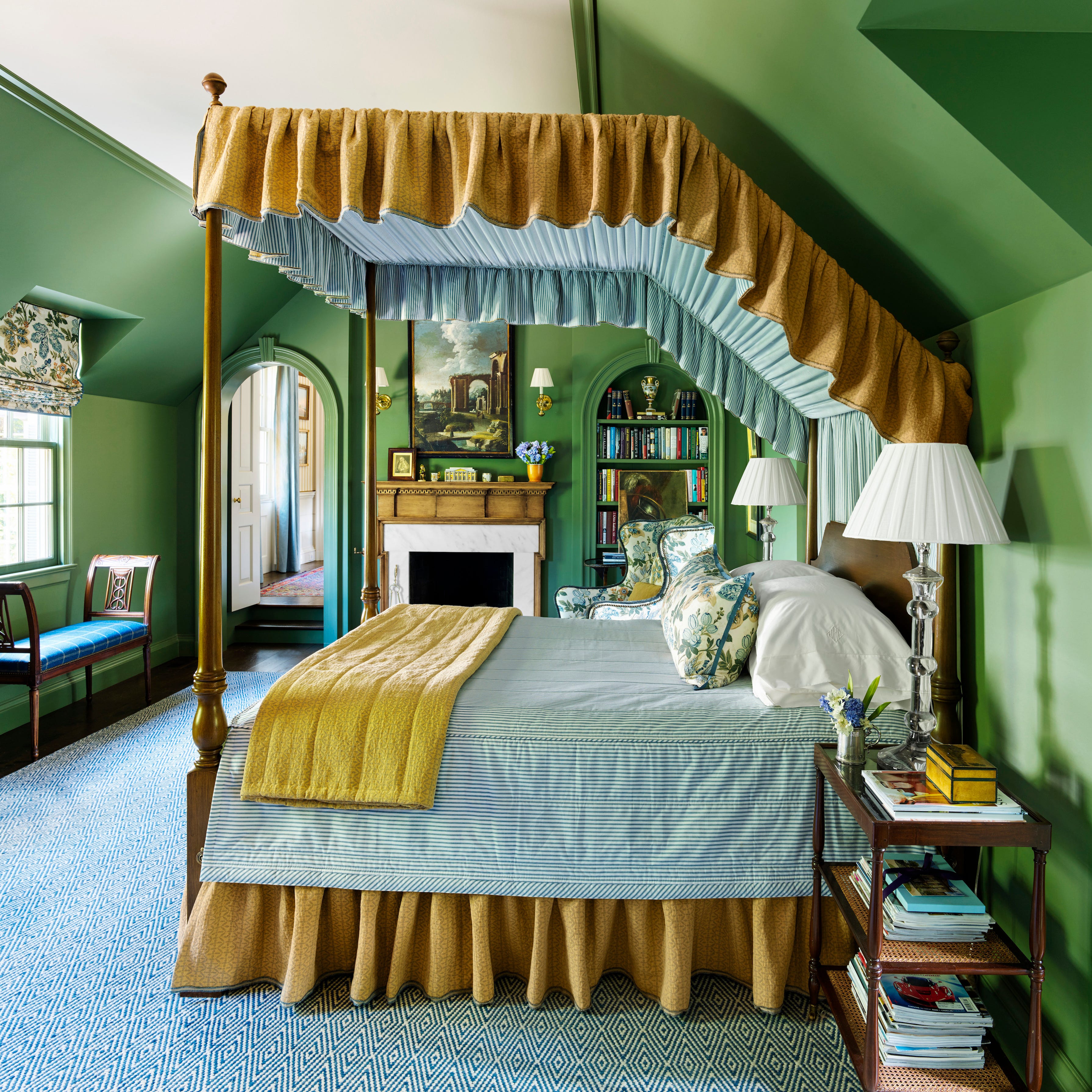
These 8 Colors Will Rule Interiors in 2026, According to Experts

Designers Are Calling It: These Interior Design Trends Will Be Everywhere in 2026
7 Trendy Paint Colors for Every Room in 2026, According to Designers