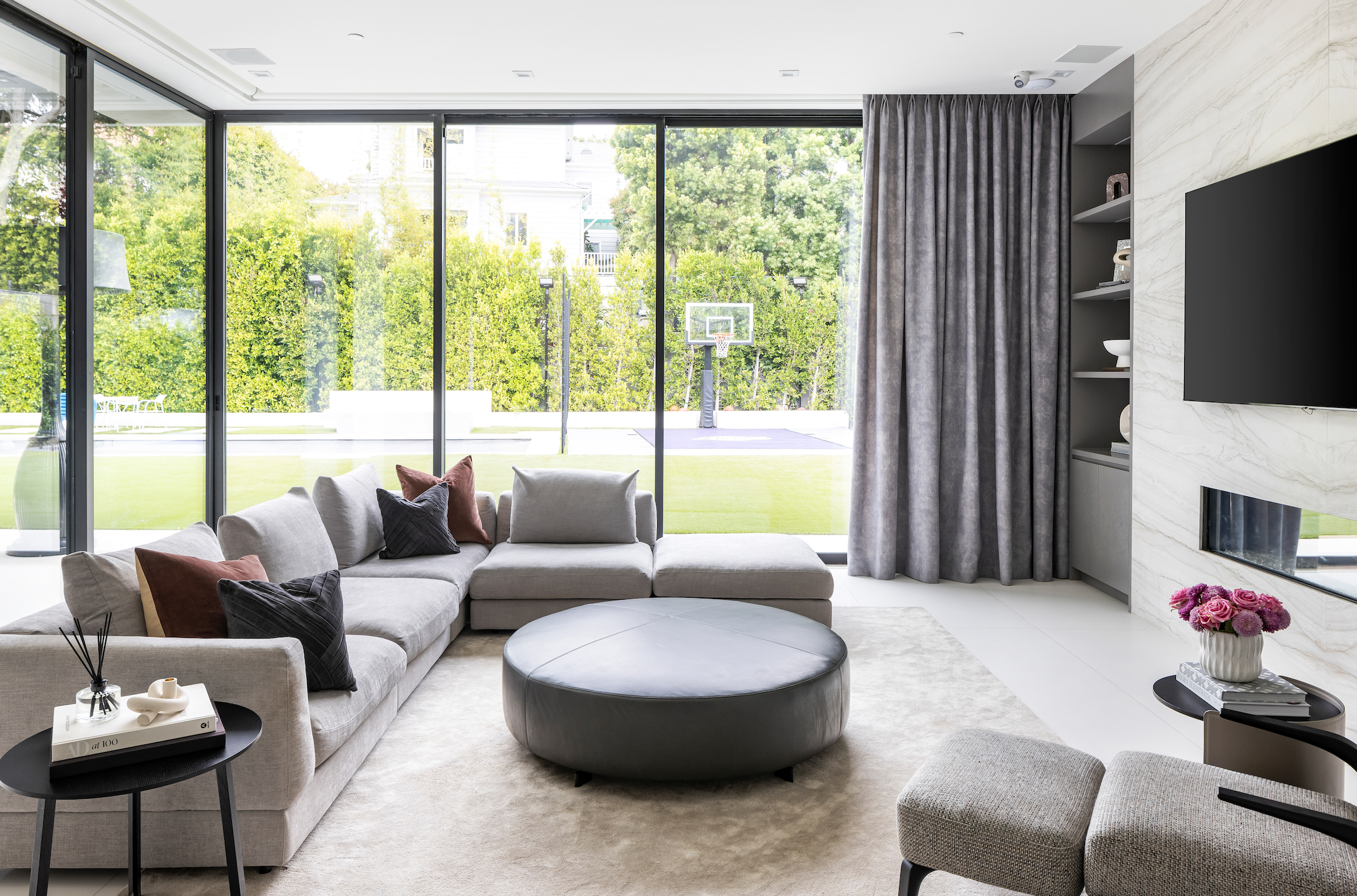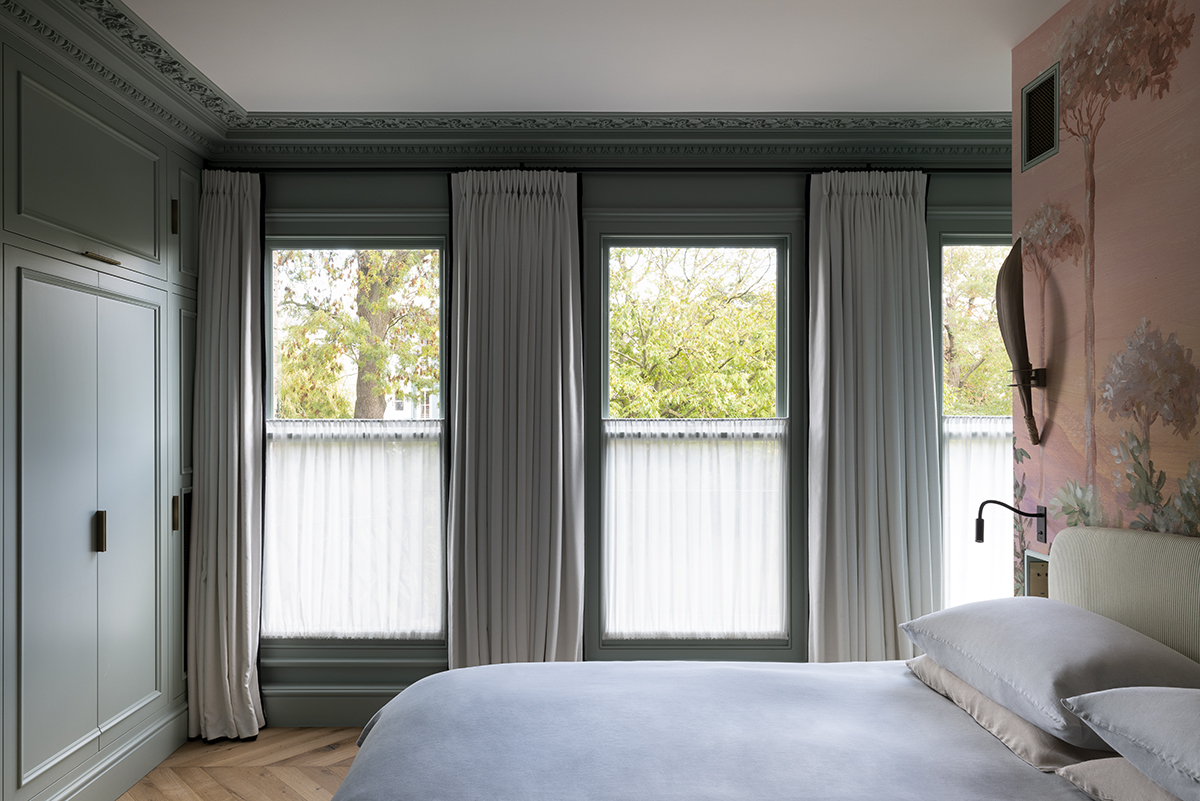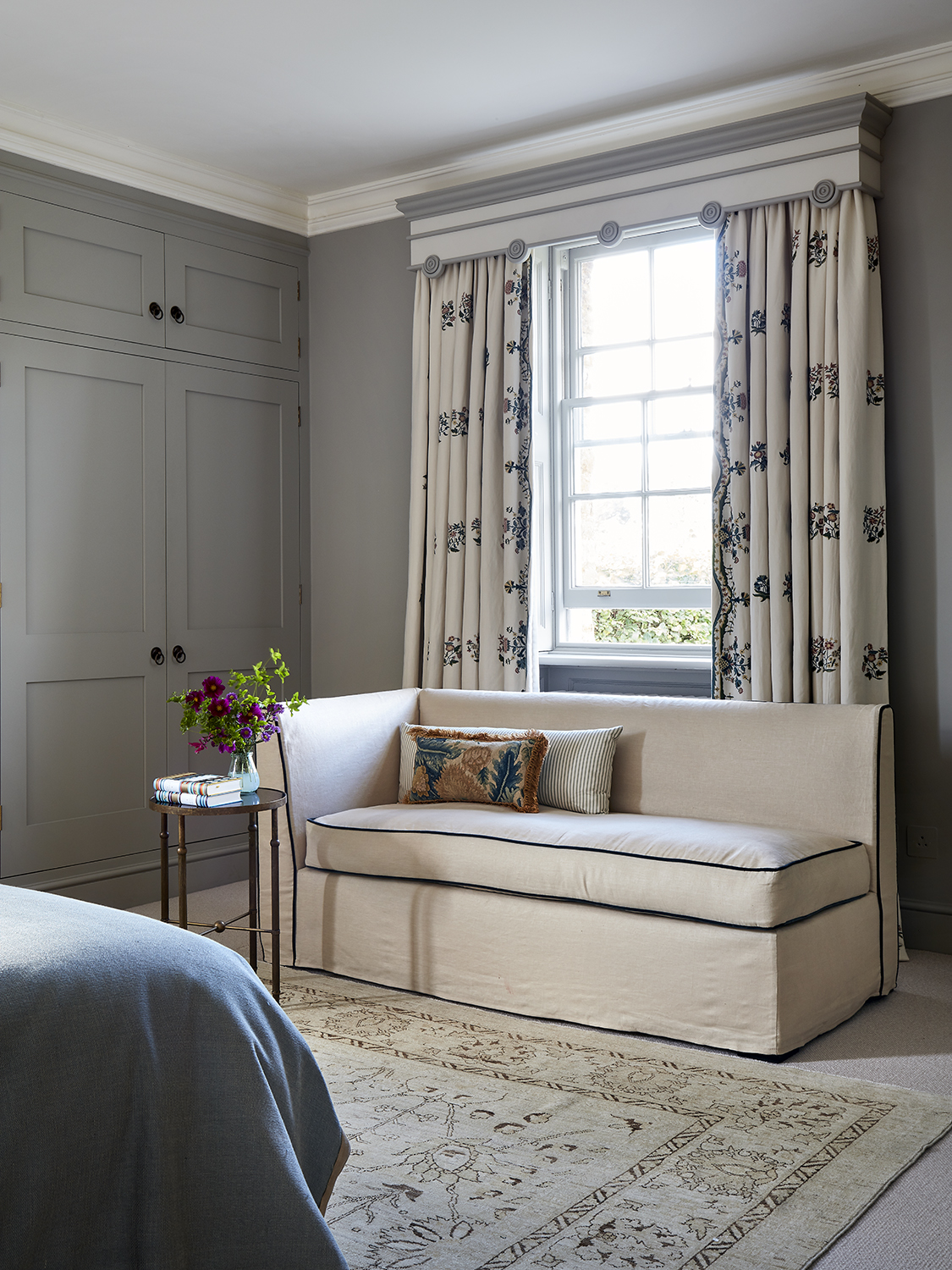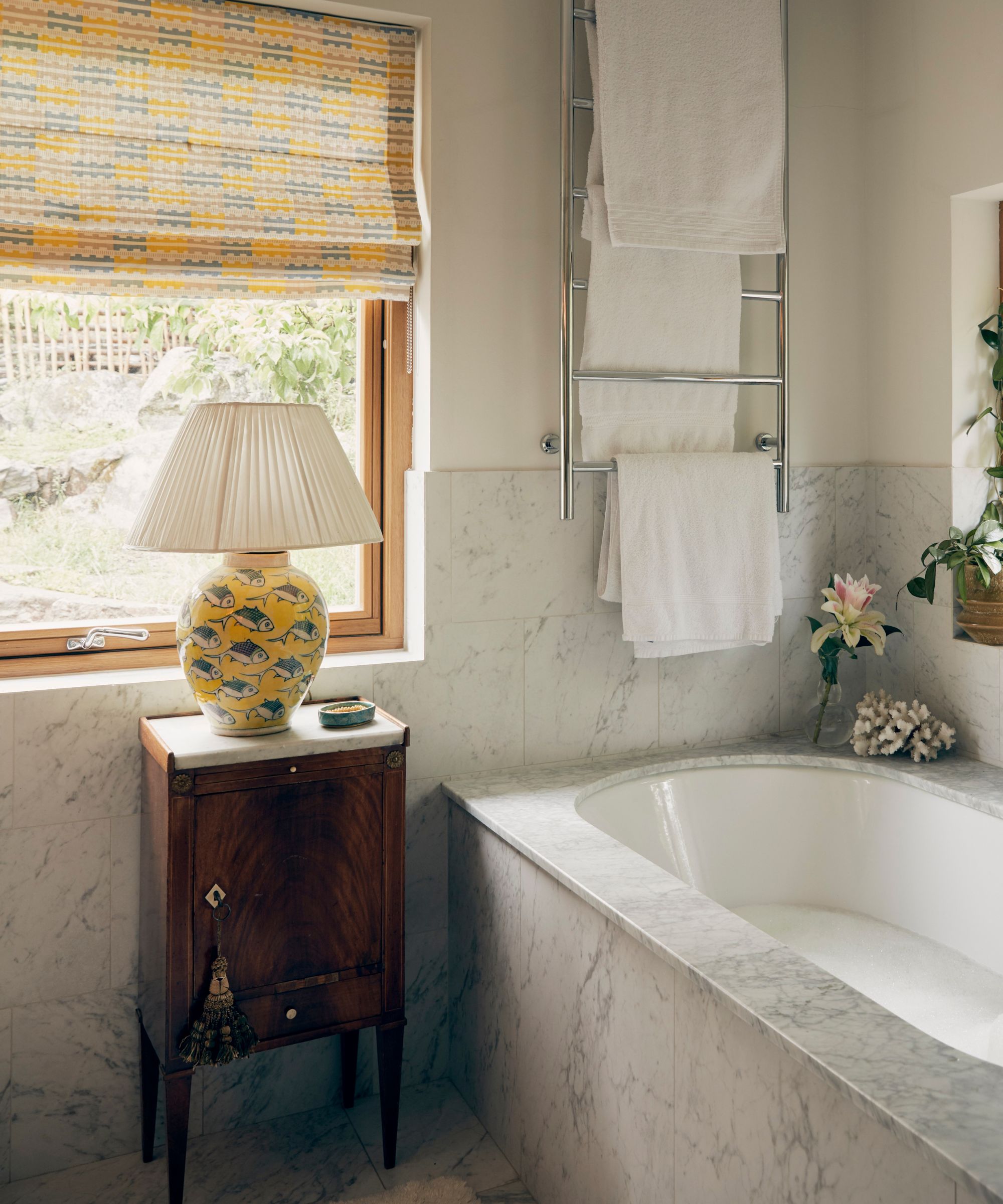
Swap Outdated Flimsy Blinds With One Of 2025's Biggest Window Treatment Trends
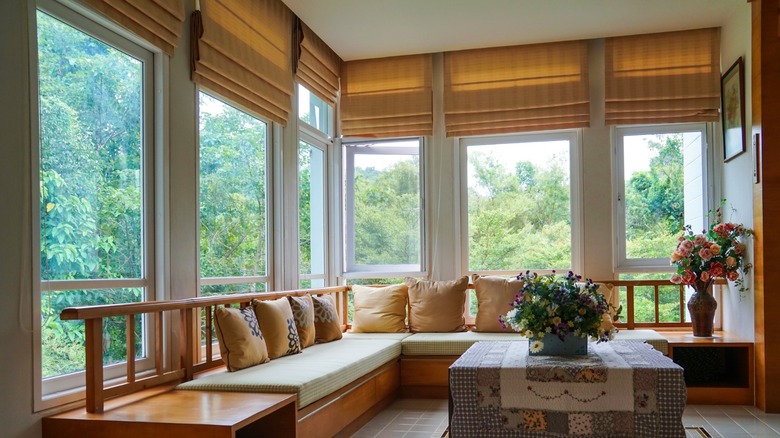
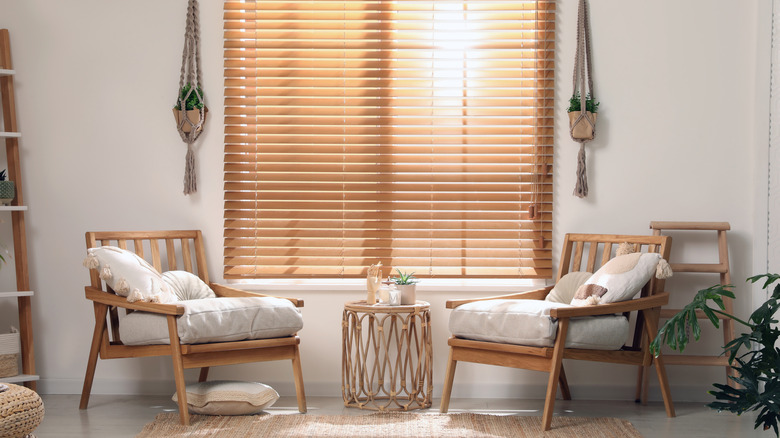
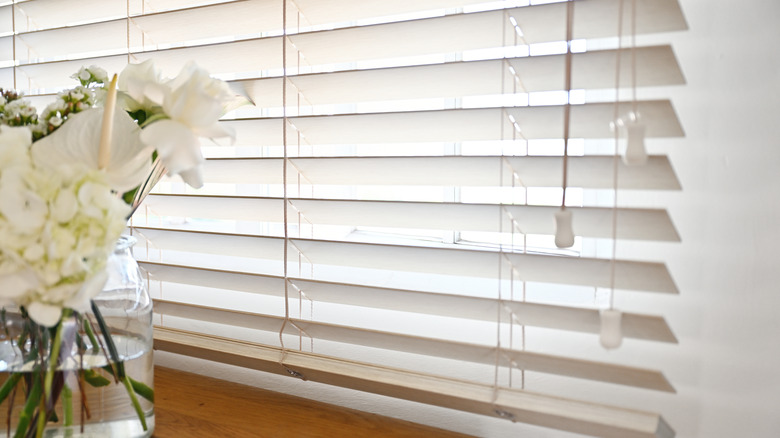
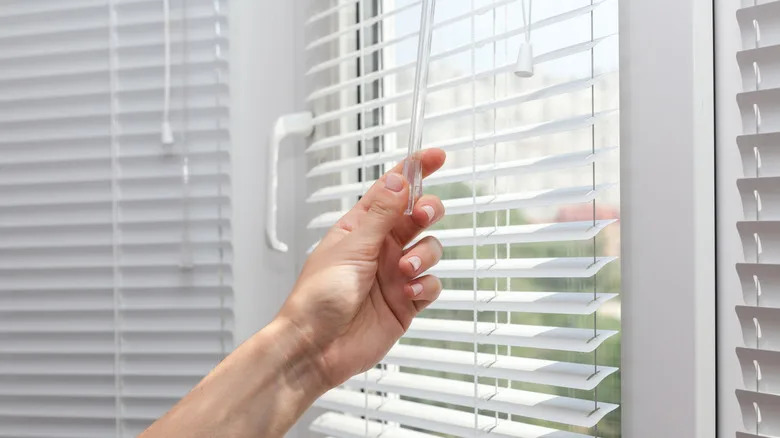
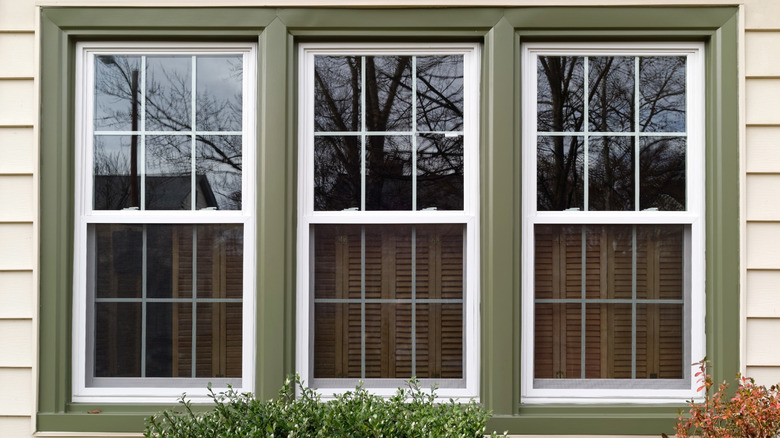
The article discusses the upcoming trend in window treatments for 2025, advocating for the replacement of outdated, flimsy vinyl blinds with more sophisticated wood or faux wood alternatives. While traditional white plastic blinds have been popular due to their affordability, availability, and versatility, they often lack aesthetic appeal and durability. The shift towards wood blinds is presented as a way to elevate interior design and introduce a touch of sophistication to living spaces.
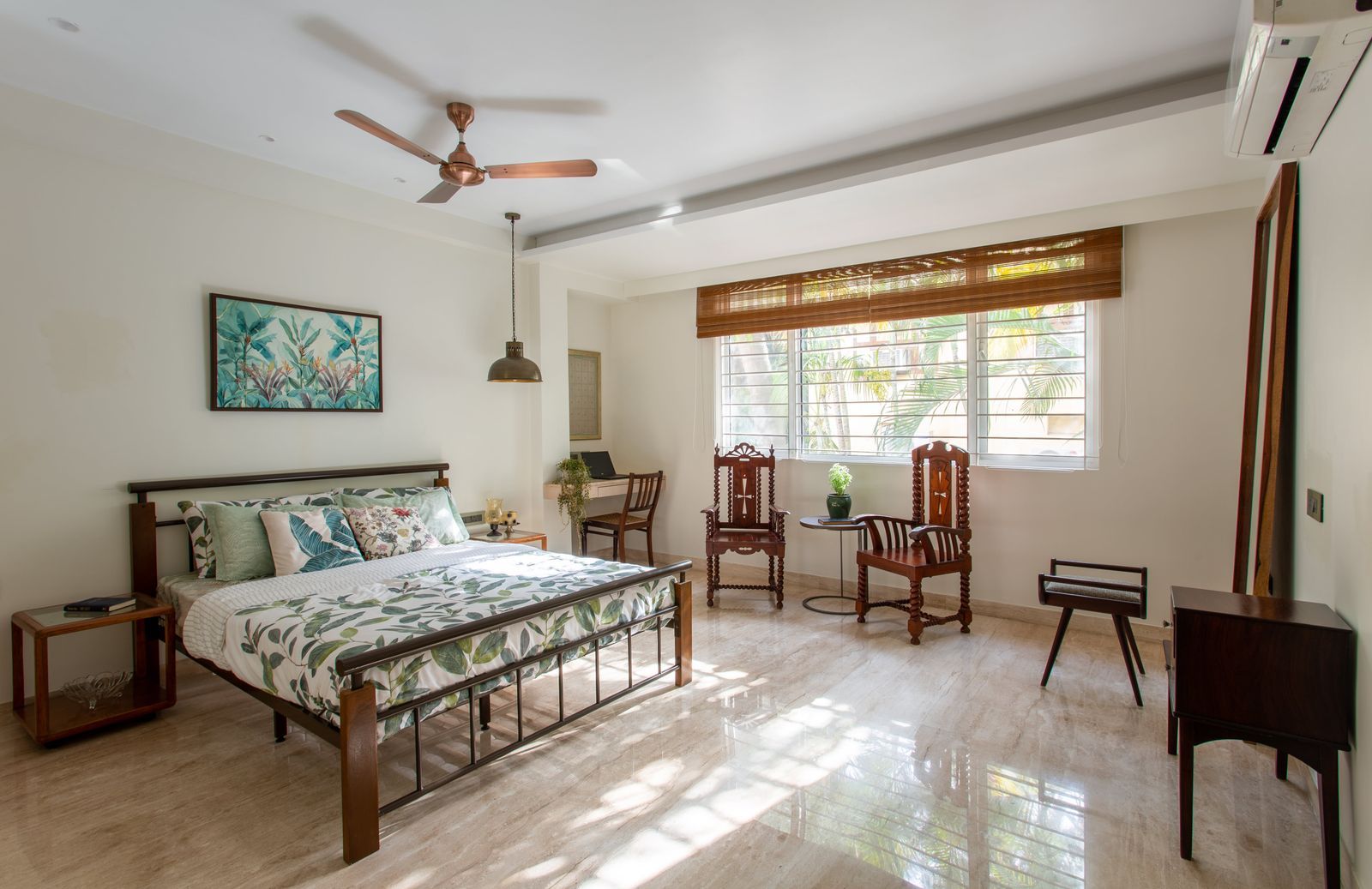
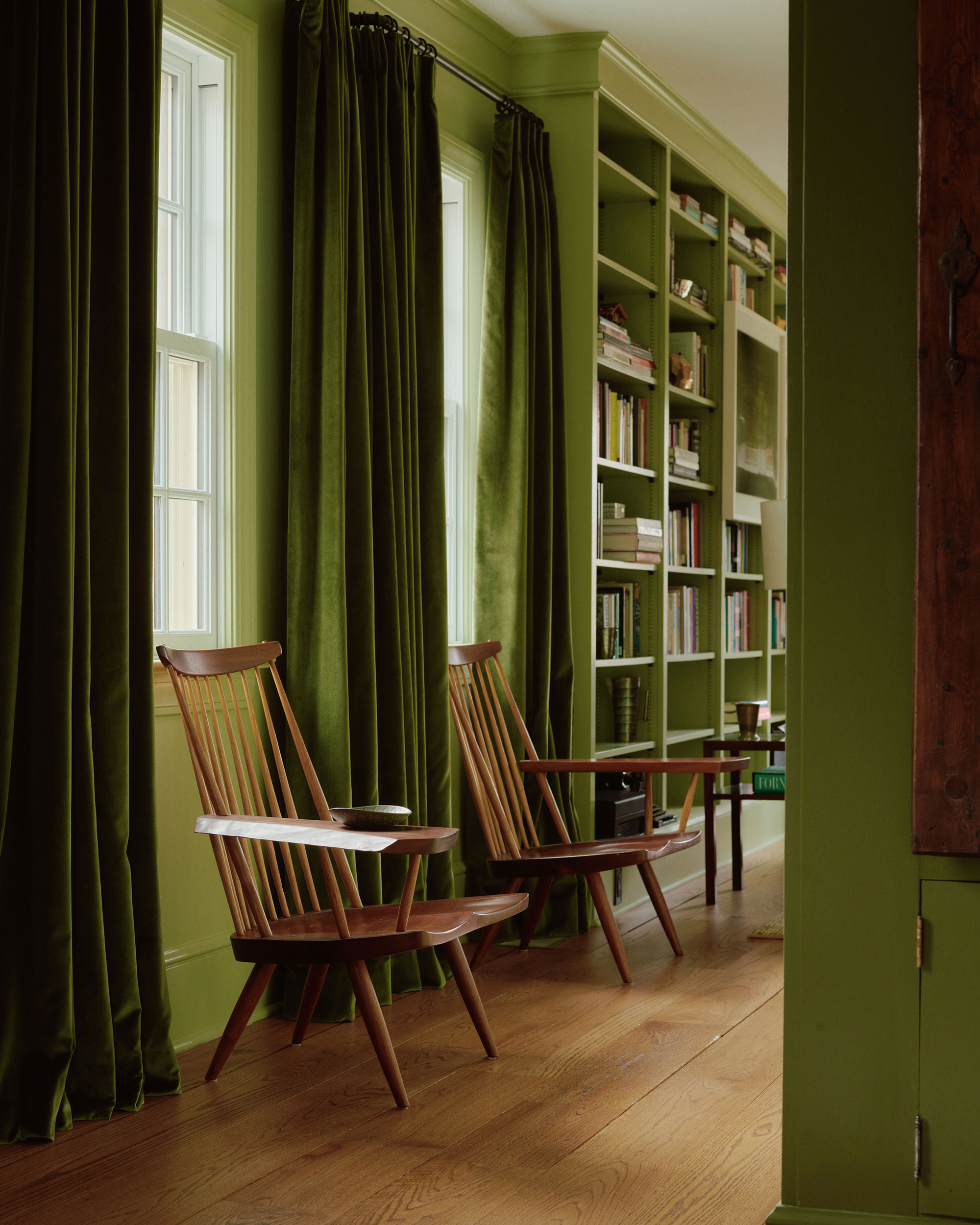
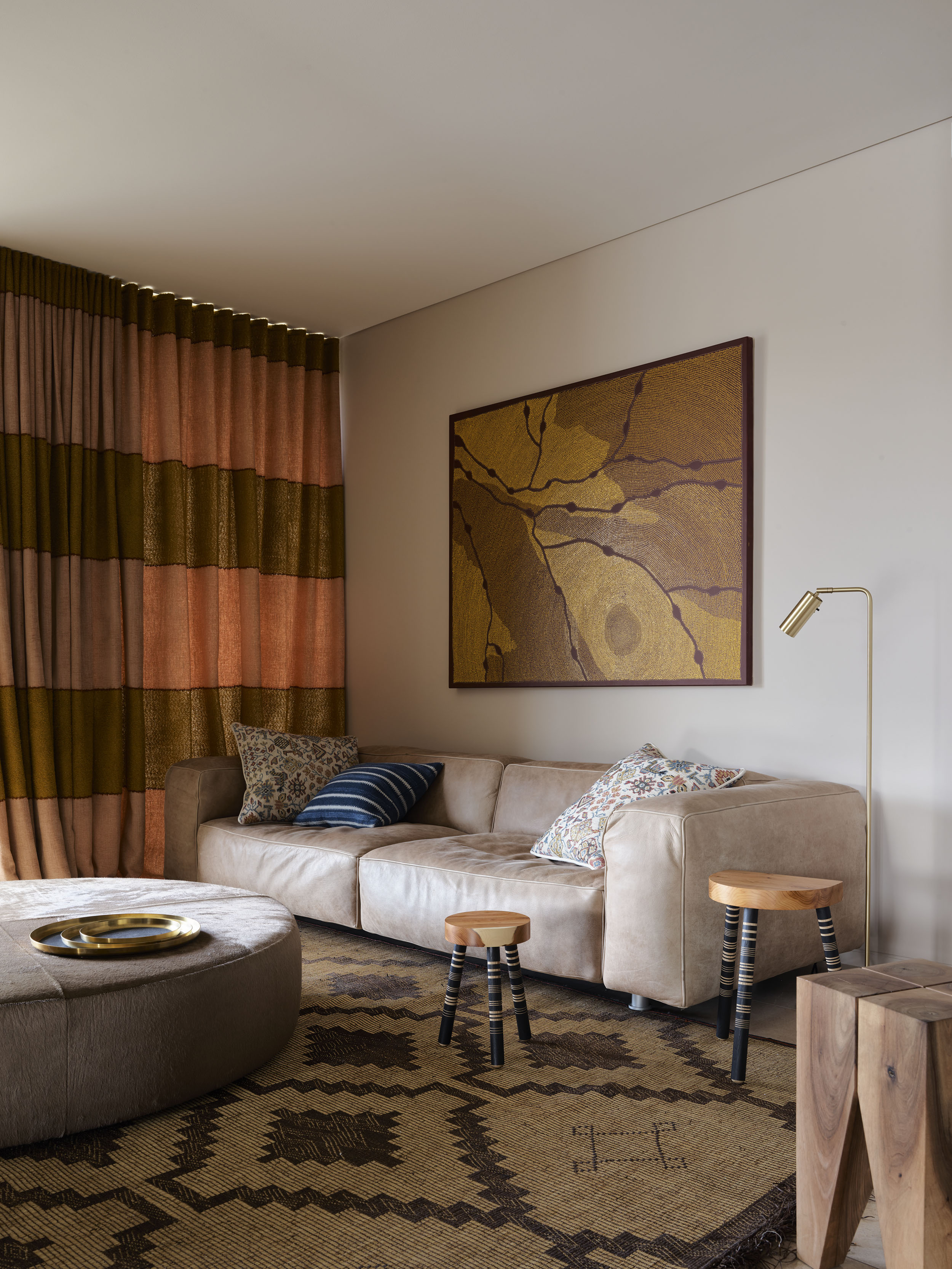
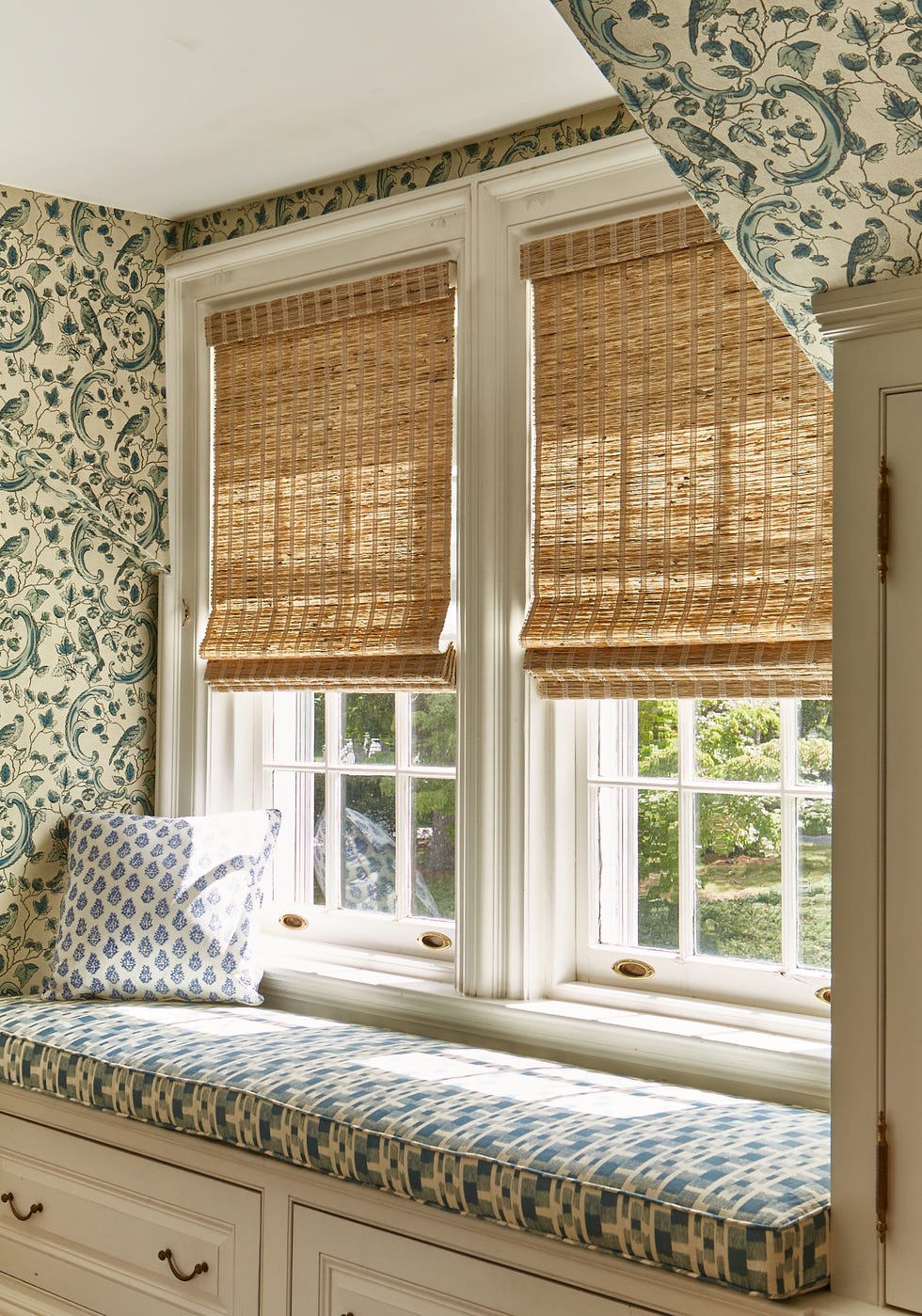
This trend aligns with broader design predictions for 2025, which anticipate a rise in warmer wood tones in various aspects of home decor, including furniture and flooring. Even the Pantone color of the year, a mocha shade, reflects this preference for earthy, brown tones. Integrating wood blinds into a room is suggested as an excellent starting point for incorporating this trend. Both real wood and faux wood options are available, offering a range of colors, thicknesses, and grain patterns to suit different preferences. The primary distinction between the two lies in the material benefits: natural wood versus composite PVC.
Real wood blinds offer several advantages, including excellent insulating properties. Wood is a natural insulator, which can help regulate indoor temperatures by keeping heat in during colder months and out during warmer ones. This can lead to reduced energy consumption and lower utility bills, making real wood blinds a practical and eco-friendly choice. Their durability also contributes to their long-term cost-effectiveness, as they are less likely to require frequent replacement compared to flimsier alternatives.
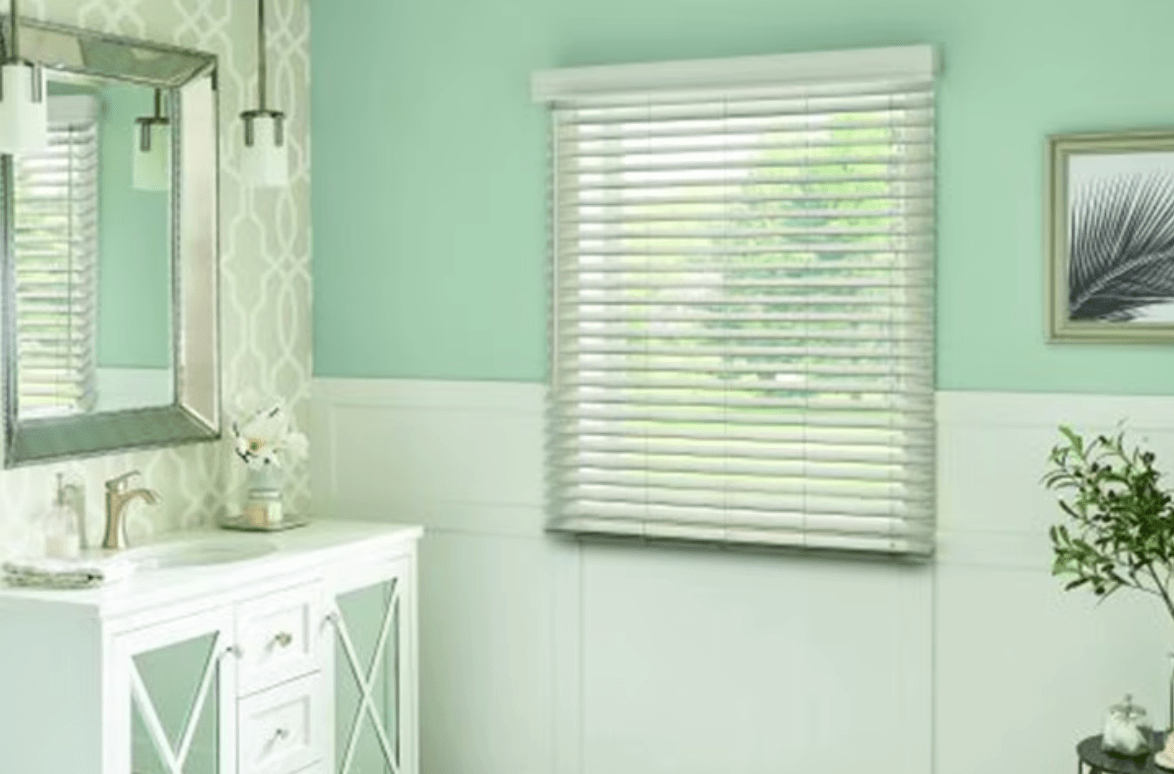
Faux wood blinds, while not offering the same natural insulating benefits as real wood, present a compelling alternative for those seeking the aesthetic without the higher cost or specific maintenance requirements of genuine wood. They are often made from PVC or a wood-composite material, making them resistant to moisture and humidity, which is a significant advantage in areas like bathrooms and kitchens where real wood might warp or degrade over time. Faux wood blinds are also typically easier to clean and maintain, requiring only a simple wipe-down. Furthermore, they are generally more resistant to fading, cracking, and chipping, providing a durable and attractive window treatment solution.
The article emphasizes that whether one opts for real wood or faux wood, the move away from thin vinyl blinds is a step towards a more welcoming and refined interior. The choice between real and faux wood depends on individual priorities, such as budget, maintenance preferences, and the specific environmental conditions of the room. Both options are highlighted as superior to the traditional vinyl, contributing to a more stylish and enduring home environment in line with the 2025 design trends.
#WindowTreatmentTrends #WoodBlinds #FauxWoodBlinds #InteriorDesign #HomeDecor #2025Trends #NaturalWoodAesthetic #HomeImprovement #WindowTreatmentTrends #WoodBlinds #FauxWoodBlinds #InteriorDesign #HomeDecor #2025Trends #NaturalWoodAesthetic #HomeImprovement
0 comment in total
 No comments yet
You may also like
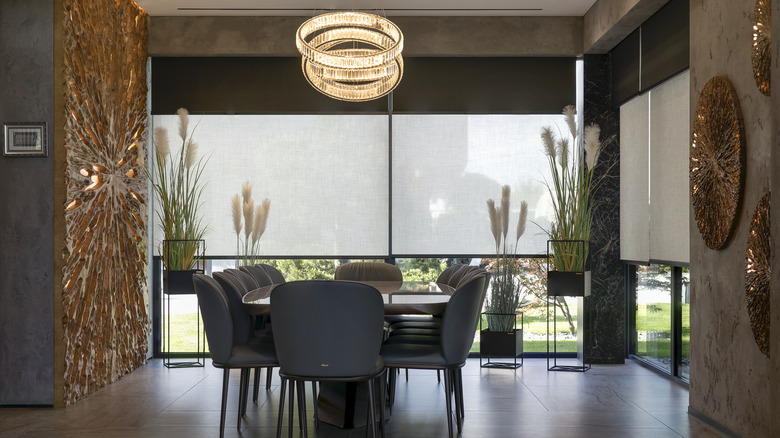
Forget Basic Curtains: These Will Be The Biggest Window Treatment Trends Of 2026

Window blinds, shutters and curtains: top trends for 2017

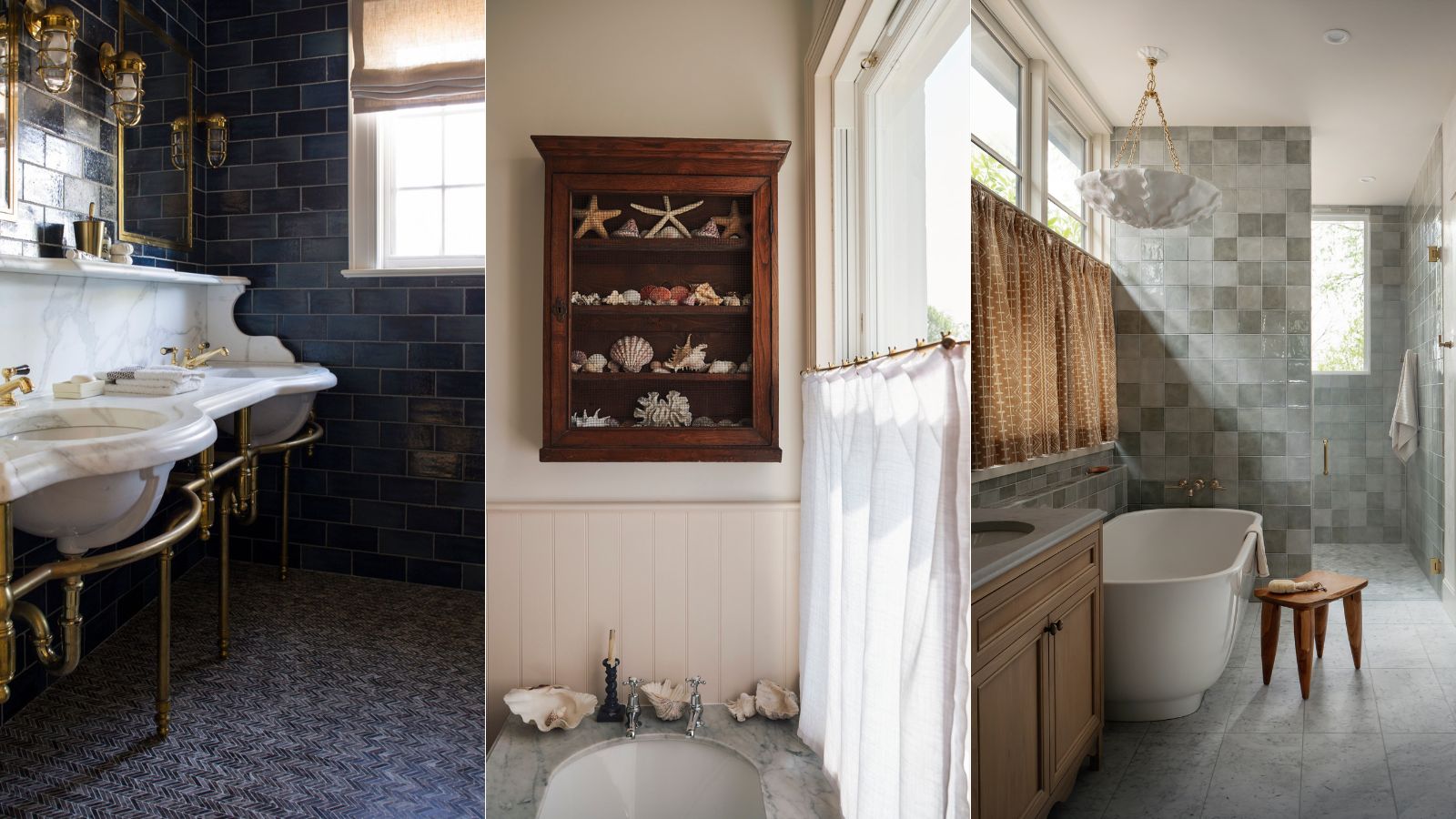
This popular window treatment actually made my bathroom dark and gloomy so here’s what I’m swapping it to in 2025

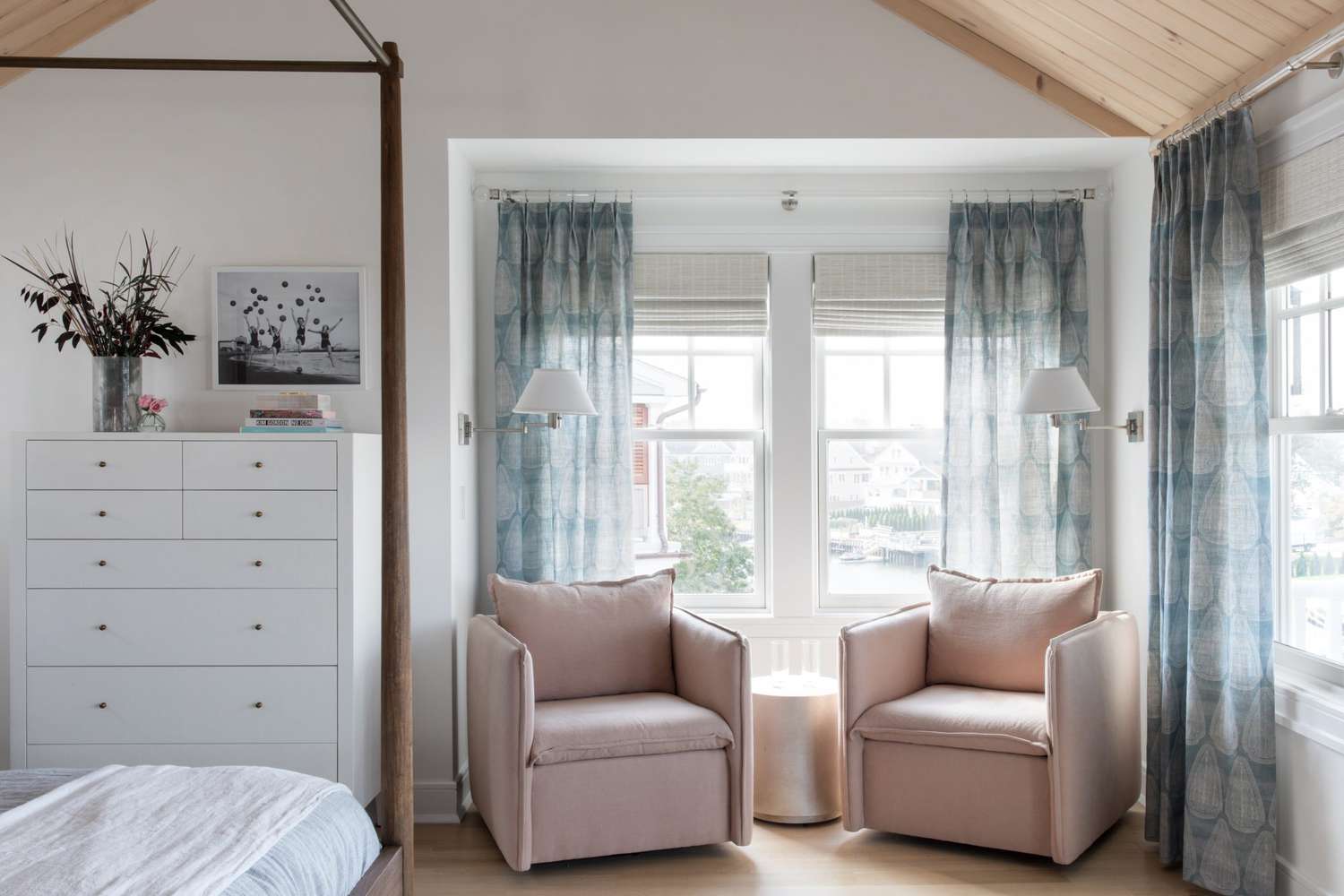
Interior Designers Reveal the Biggest Window Treatment Trends of 2025
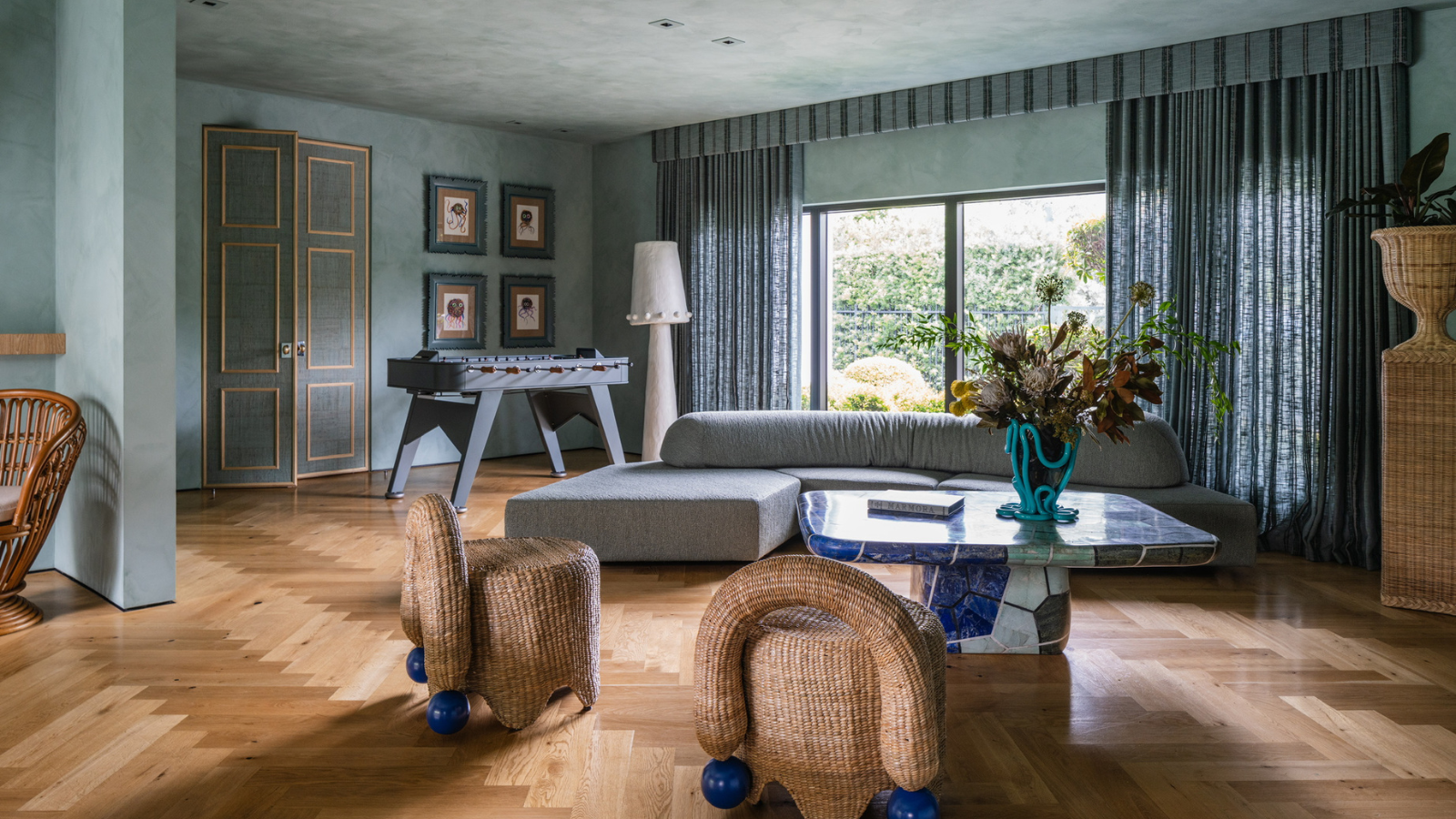
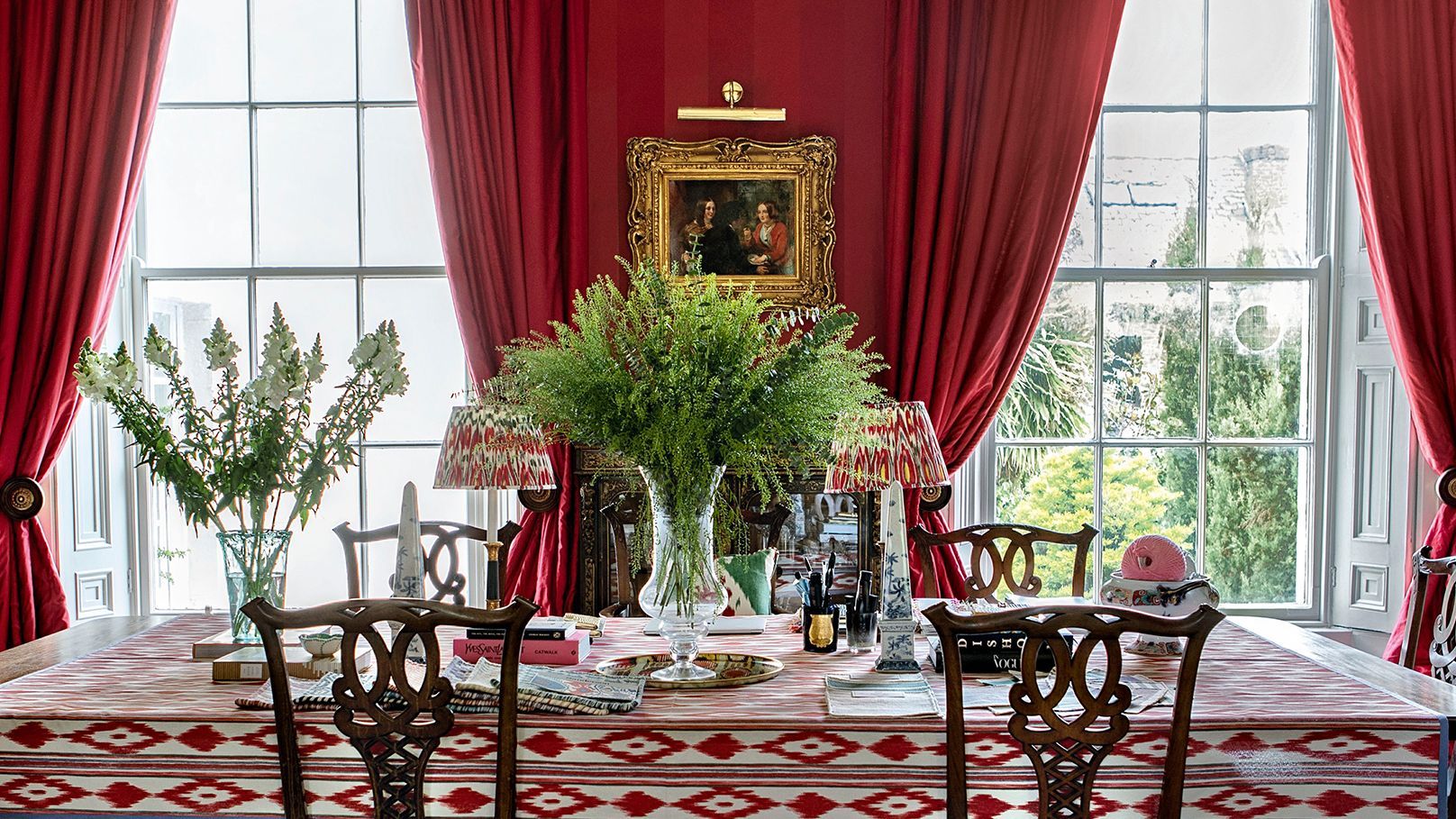
The Dramatic Drapery Trend Is 2025’s Response to Plain Window Coverings
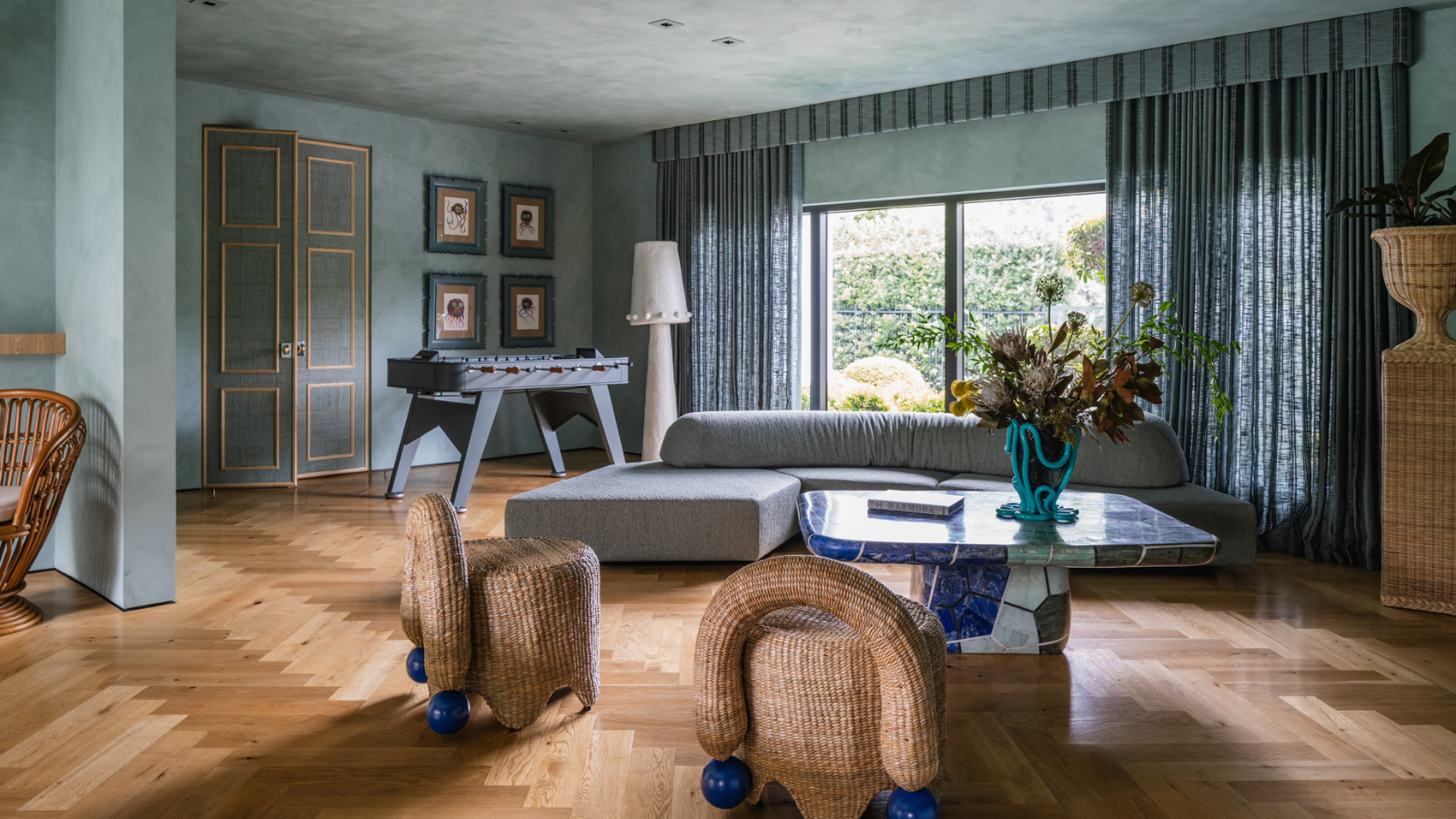
Bye-Bye Boring Drapes, The Once-Dated Trend for Luxuriously Dramatic Window Treatments Is Back – and Designers Very Much Approve
2025's Biggest Window Treatment Trend Is A Better Investment For Your Future
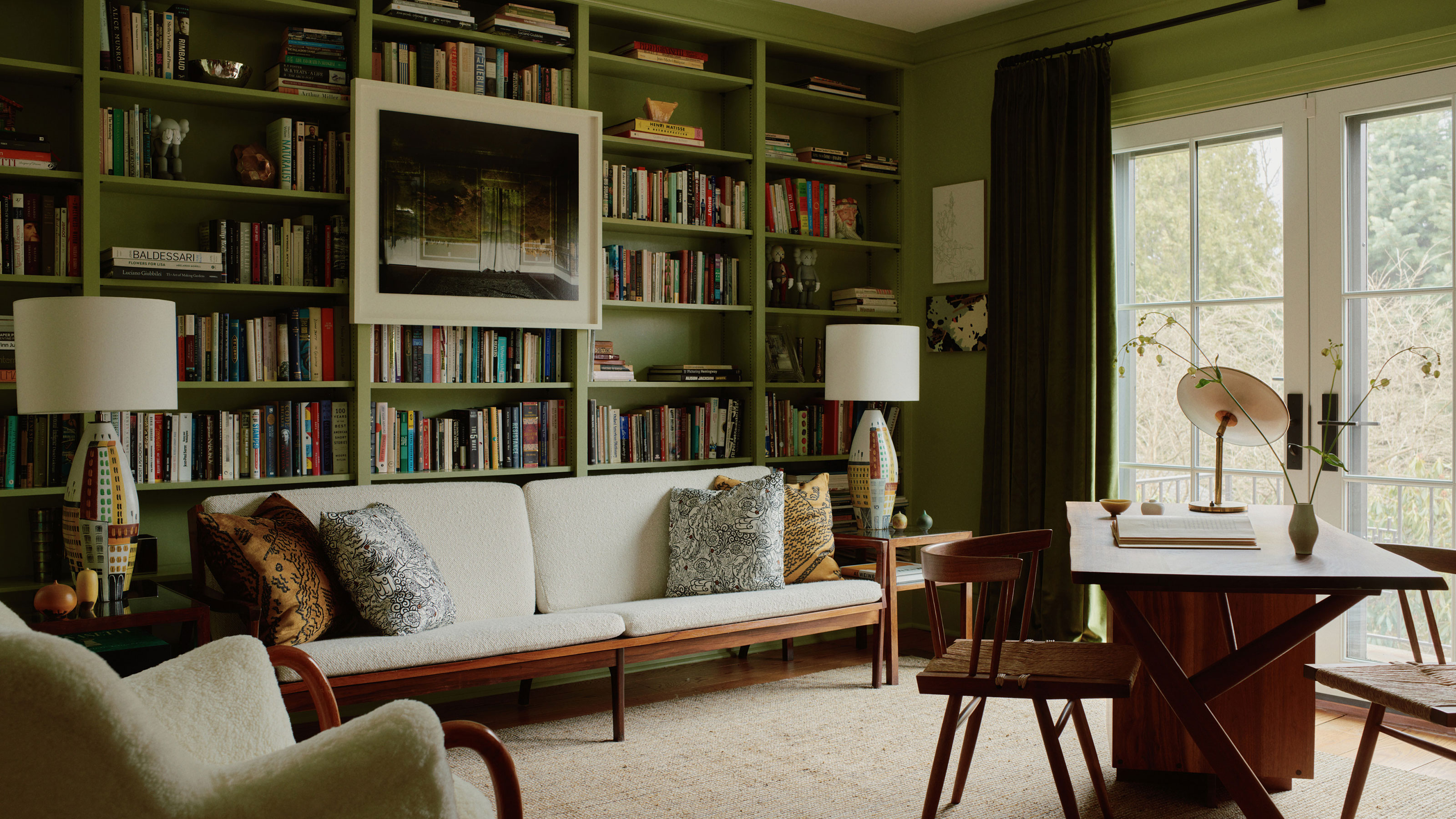
Curtain Trends for 2025 — The 7 Ways Everyone's Going to Be Dressing Their Windows This Year

Trend alert: 4 window treatments ruling interiors right now

Shedding Light on the Future of Window Treatments

The Best New Wall, Floor, and Window Products of 2025
Once-Popular Window Treatments That Are Now Dating Your Home
Swap Outdated Flimsy Blinds With One Of 2025's Biggest Window Treatment Trends
Are Balloon Shades Making a Comeback? Plus, the Other Window Treatment Trends Dominating 2025

Buy One, Get One Free: Increase Your Home’s Energy Efficiency With This Simple Upgrade

Why You Should Never Skip Curtains, According to Top Designers

Why You Should Upgrade Your Window Blinds Right Now
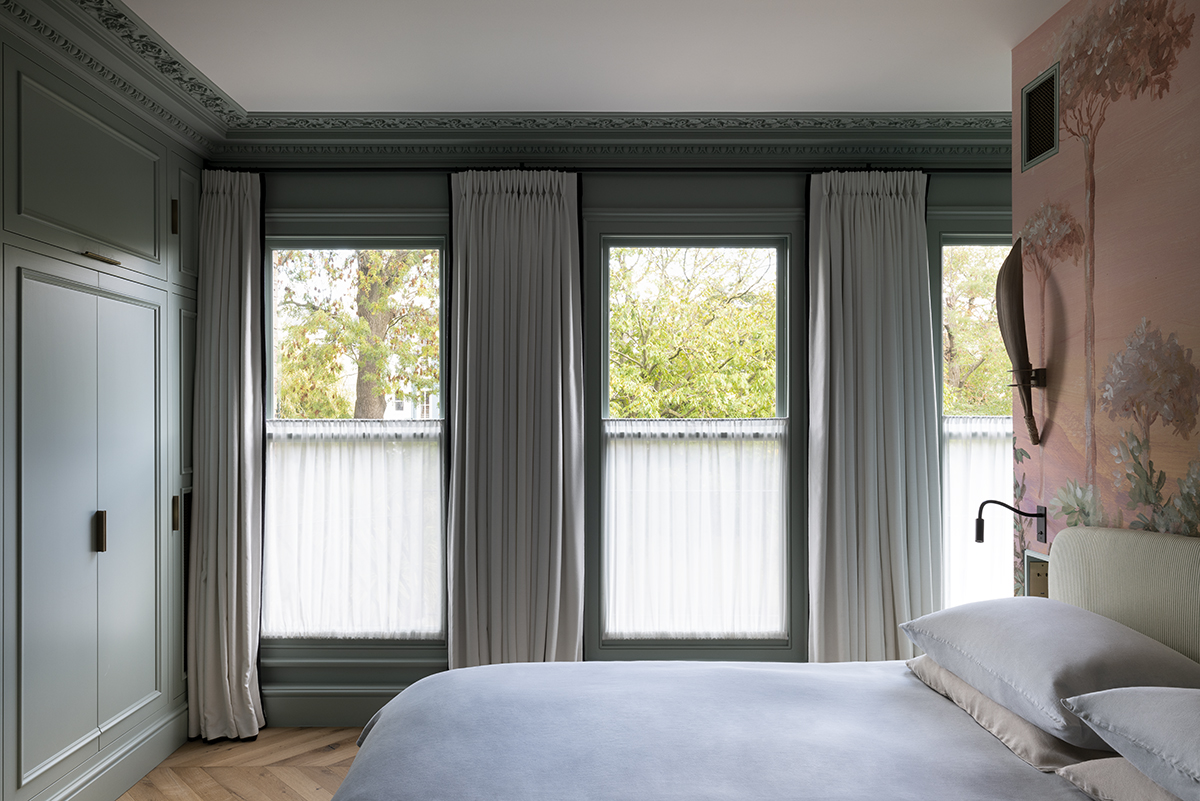
Modern window treatments – 11 trending ideas to elevate your view
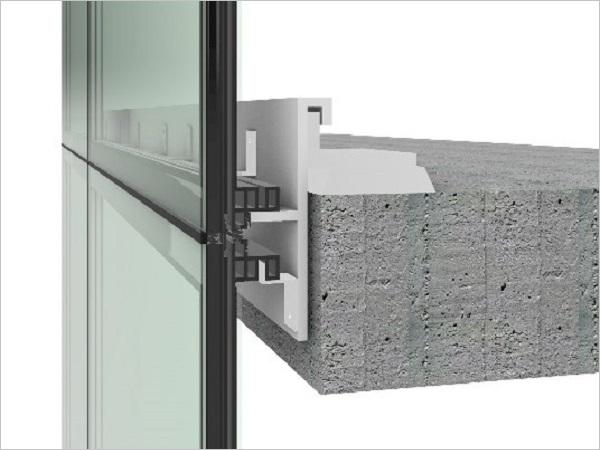
Slim Skins: Towards a New Glazed Façade System

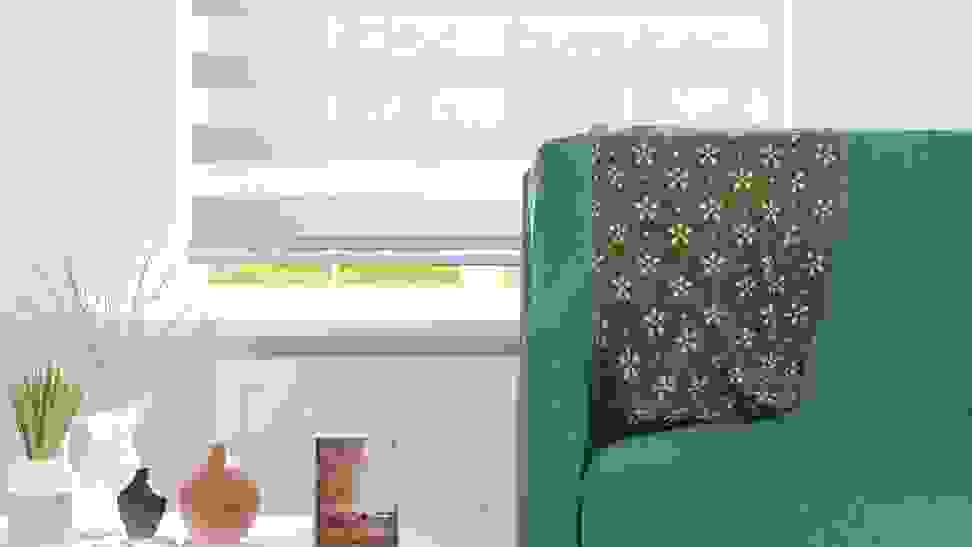
The Best Window Blinds of 2025