5 Window Treatment Styles That Are Quietly Dating Your Home
When designing a space, window treatments are often one of the last details to be finalized, and older styles can inadvertently make a home appear dated. Many homeowners keep old window treatments longer than intended because they provide necessary privacy and light control. However, these outdated styles can significantly impact a home's aesthetic, often going unnoticed by the homeowner but evident to design professionals. This article highlights five specific window treatment styles that are commonly identified as dating a home and suggests contemporary alternatives.
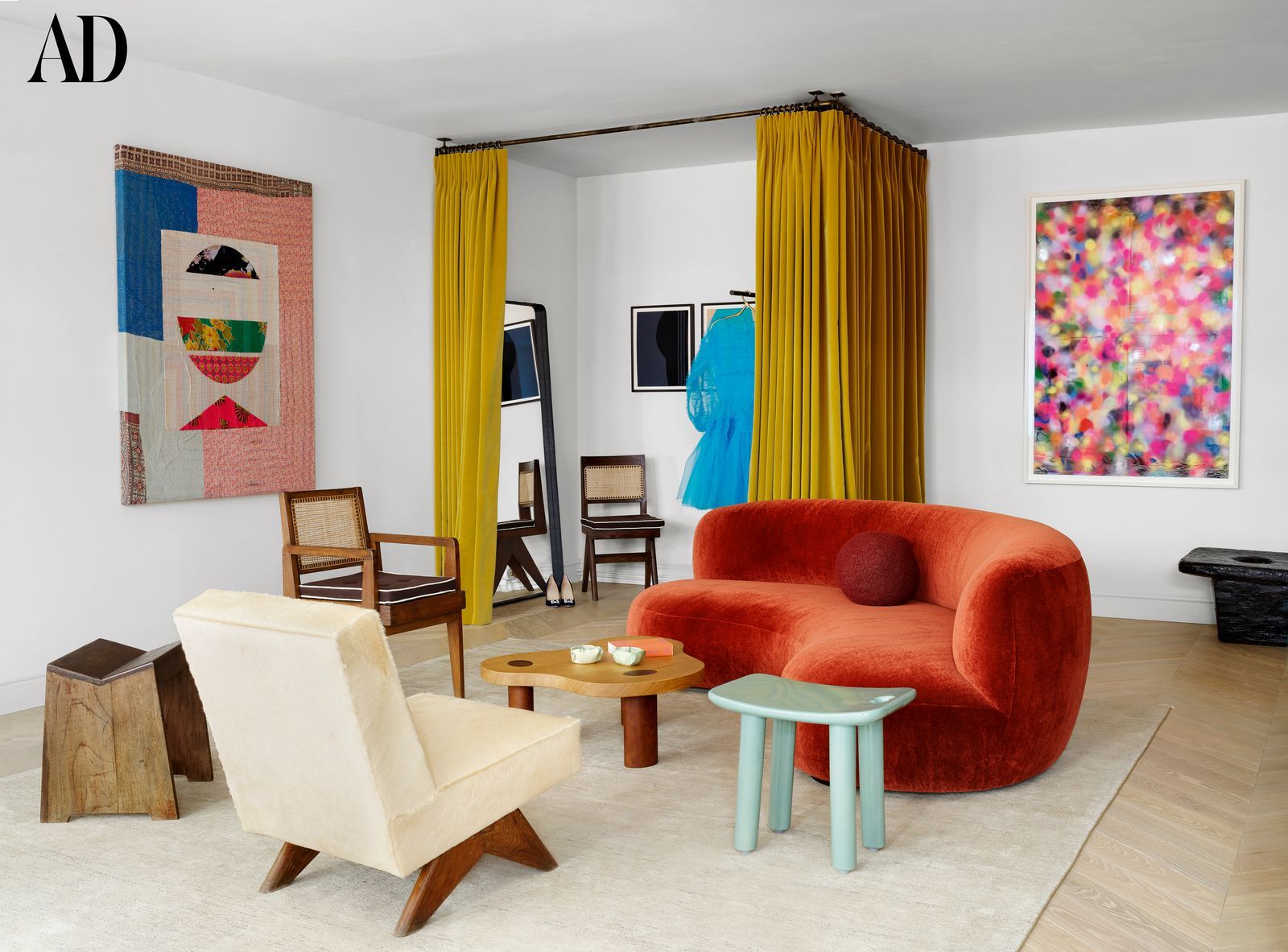
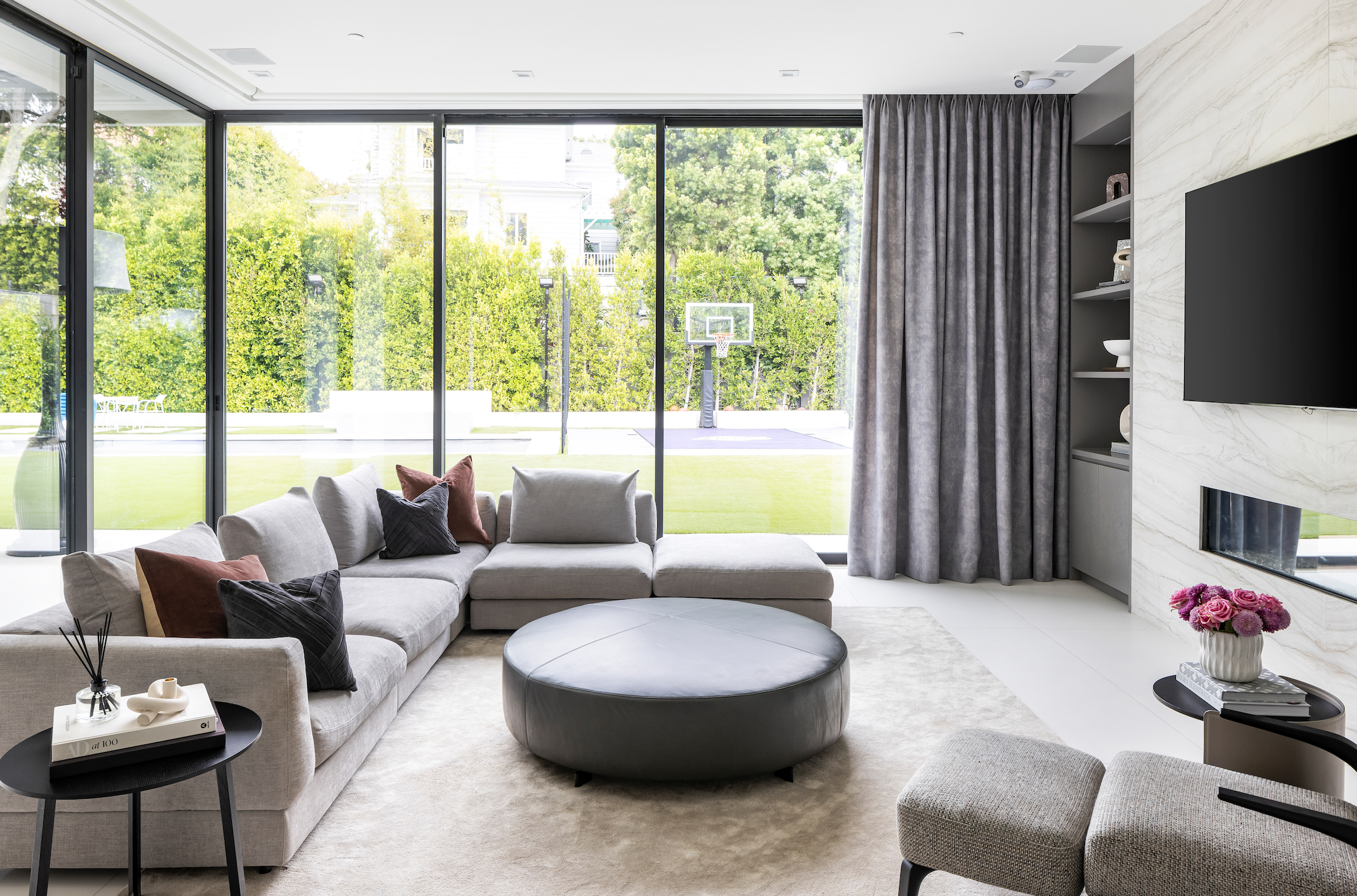
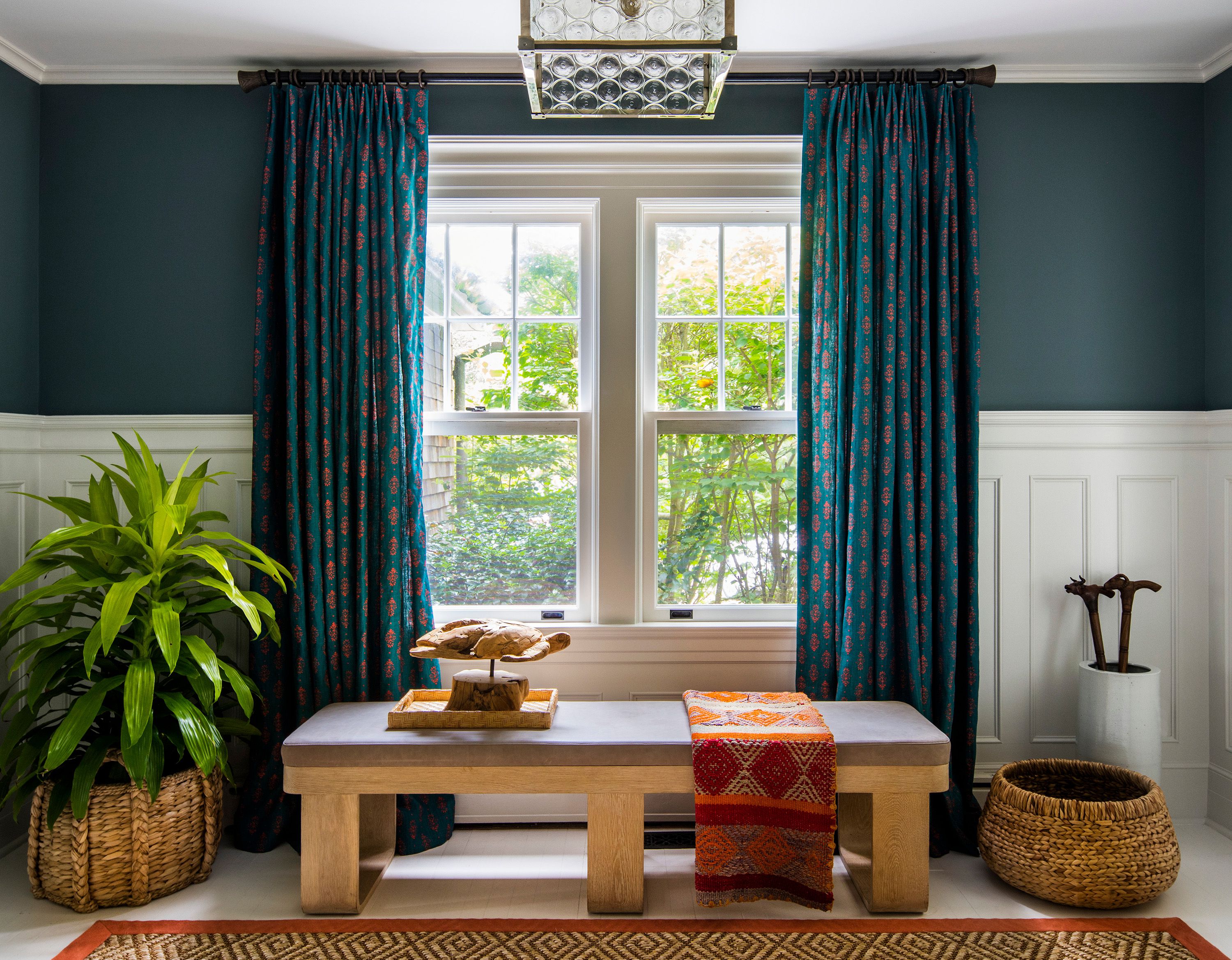
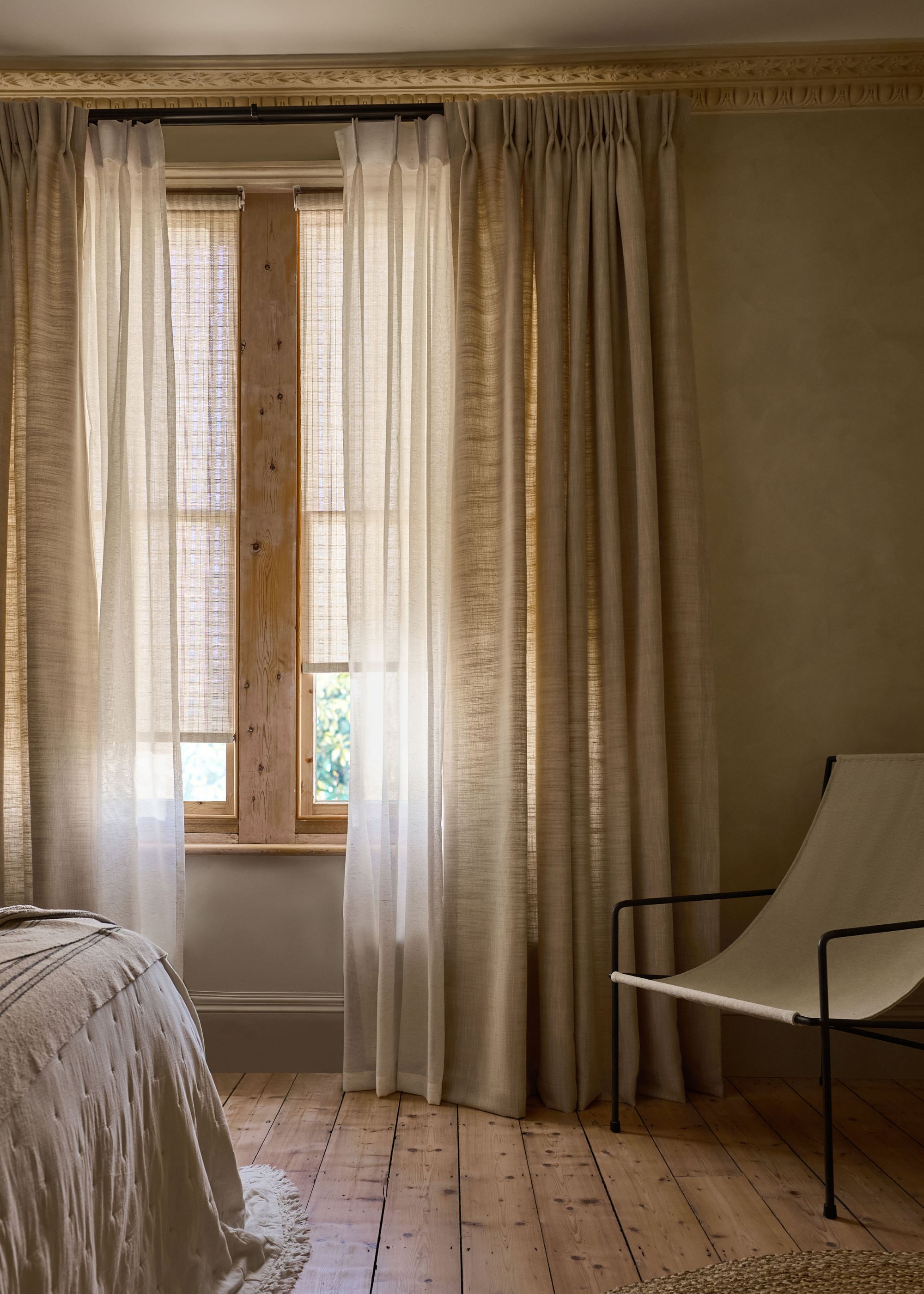
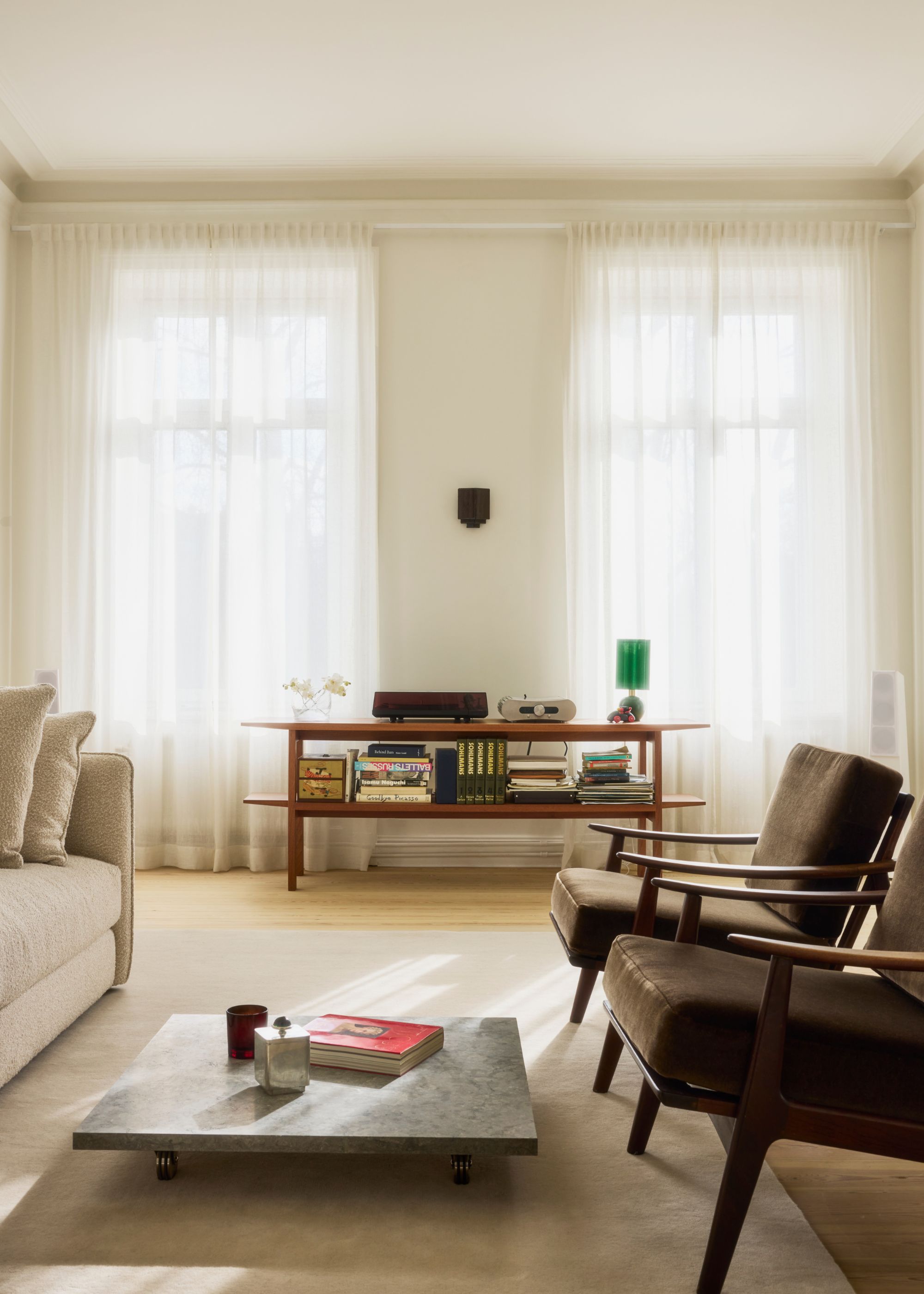
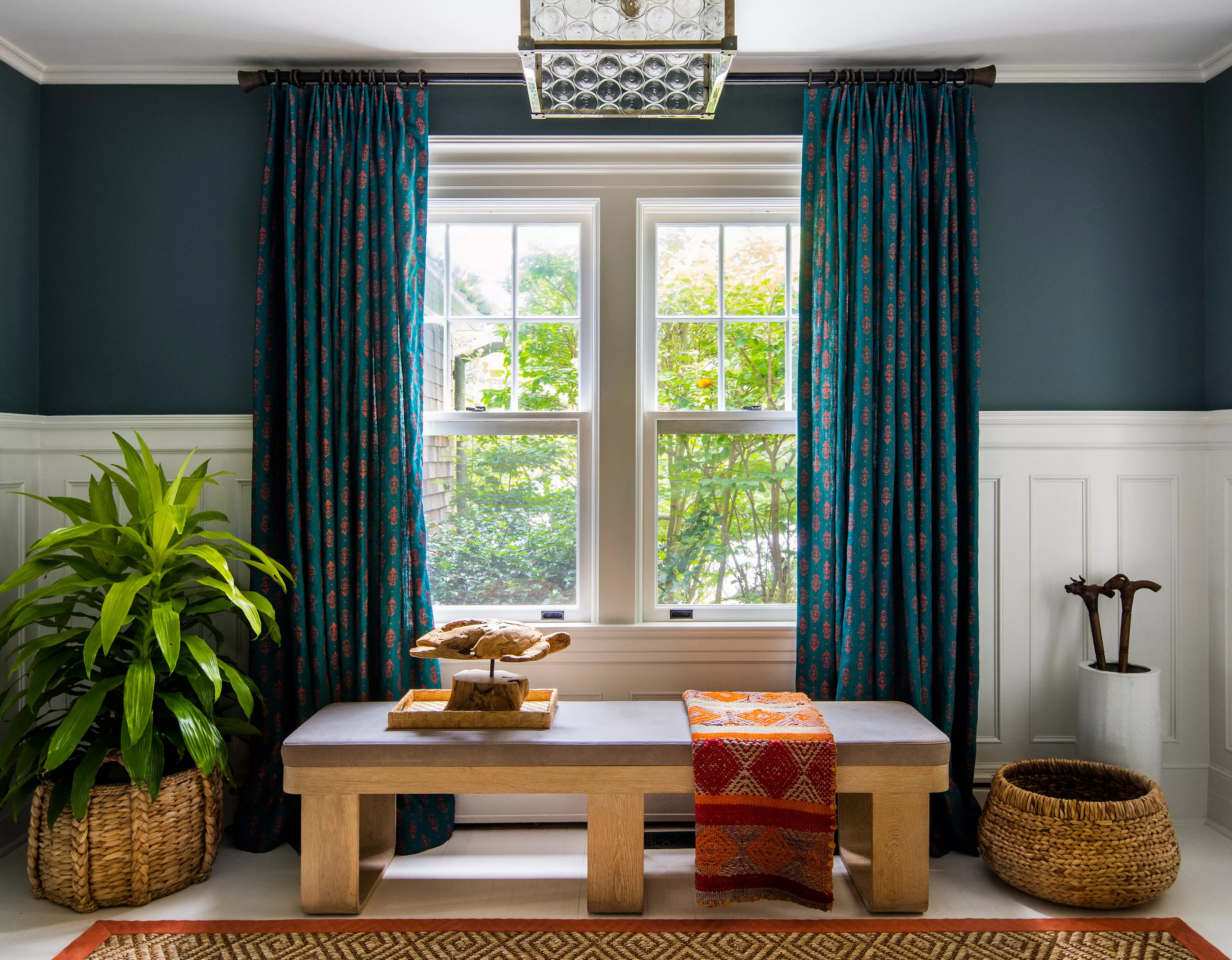
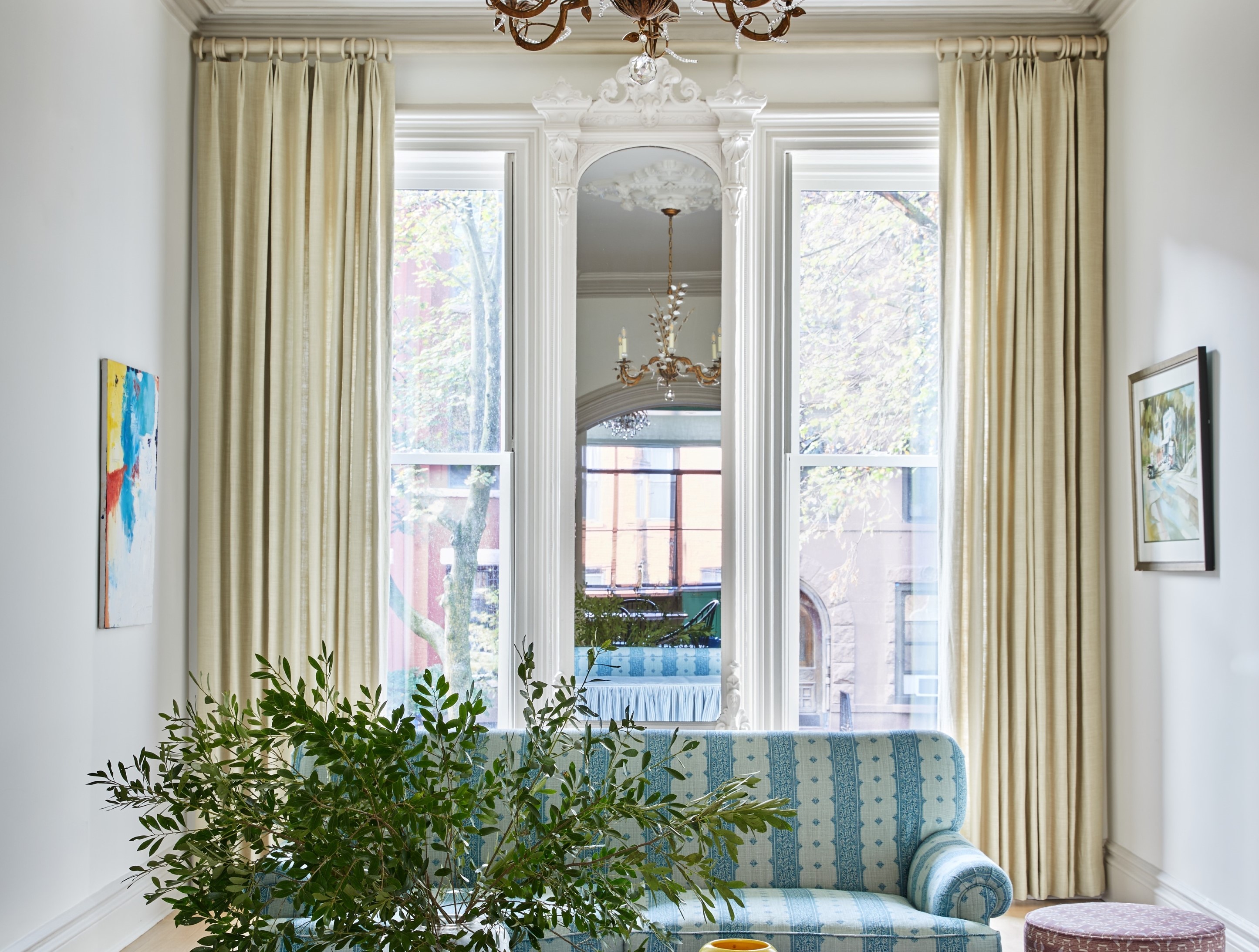
The first outdated style is grommet-style drapes. While once acceptable, these are now considered less sophisticated. Design experts recommend replacing them with pinch pleats, which offer a timeless and elegant appearance. Pinch pleats are noted for their more polished look and quiet operation, avoiding the "nails on a chalkboard" sound associated with grommet rings.
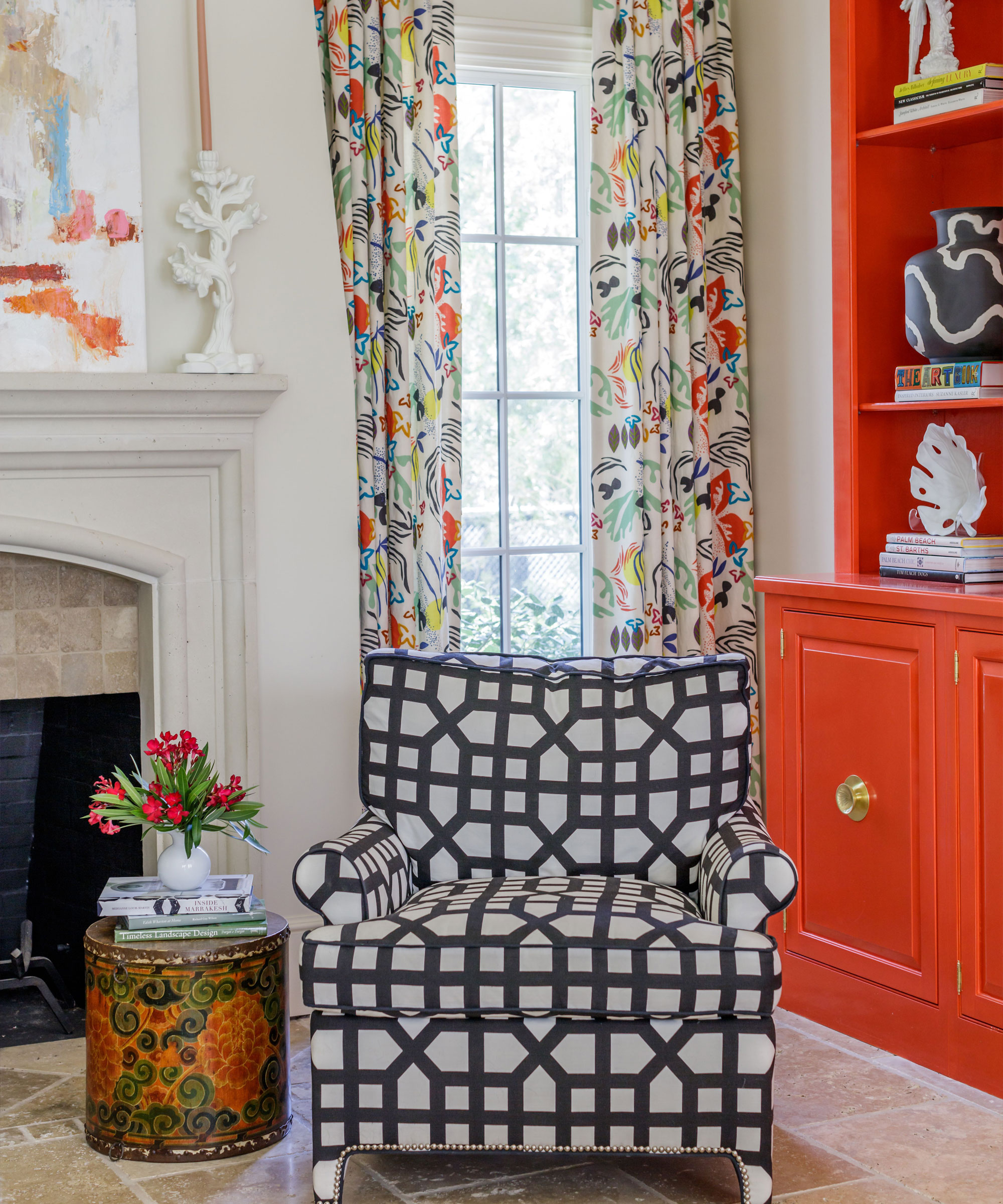
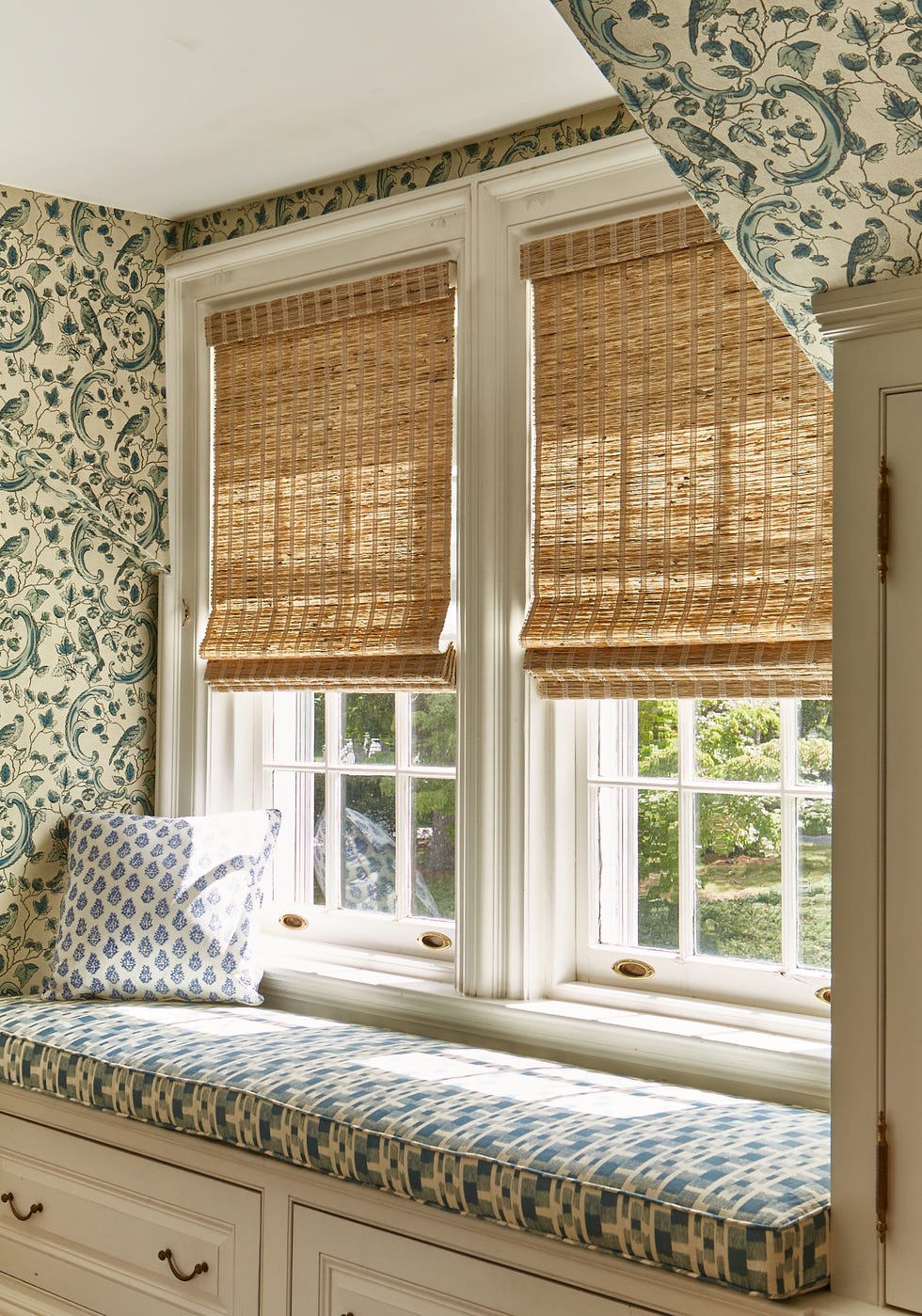
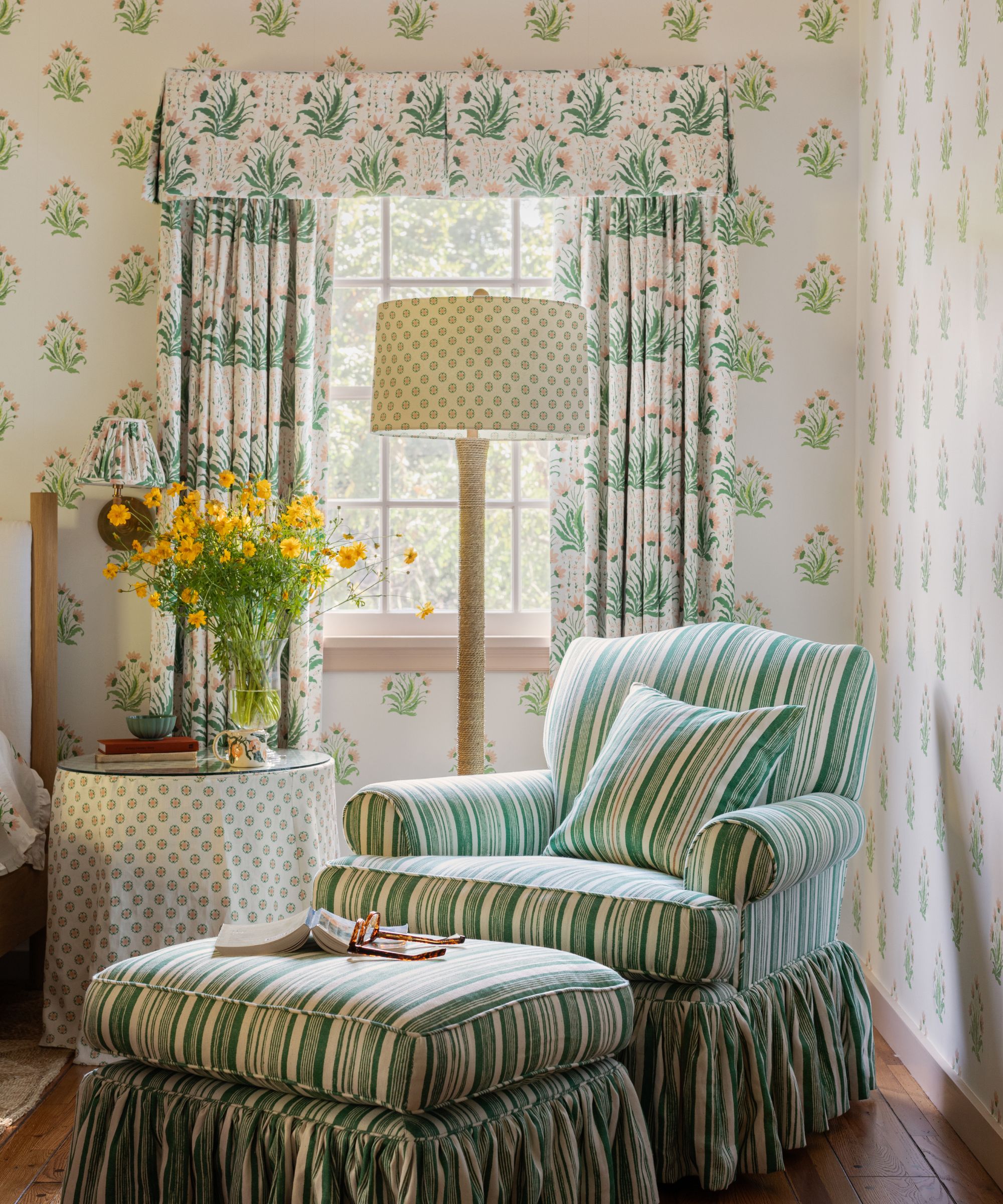
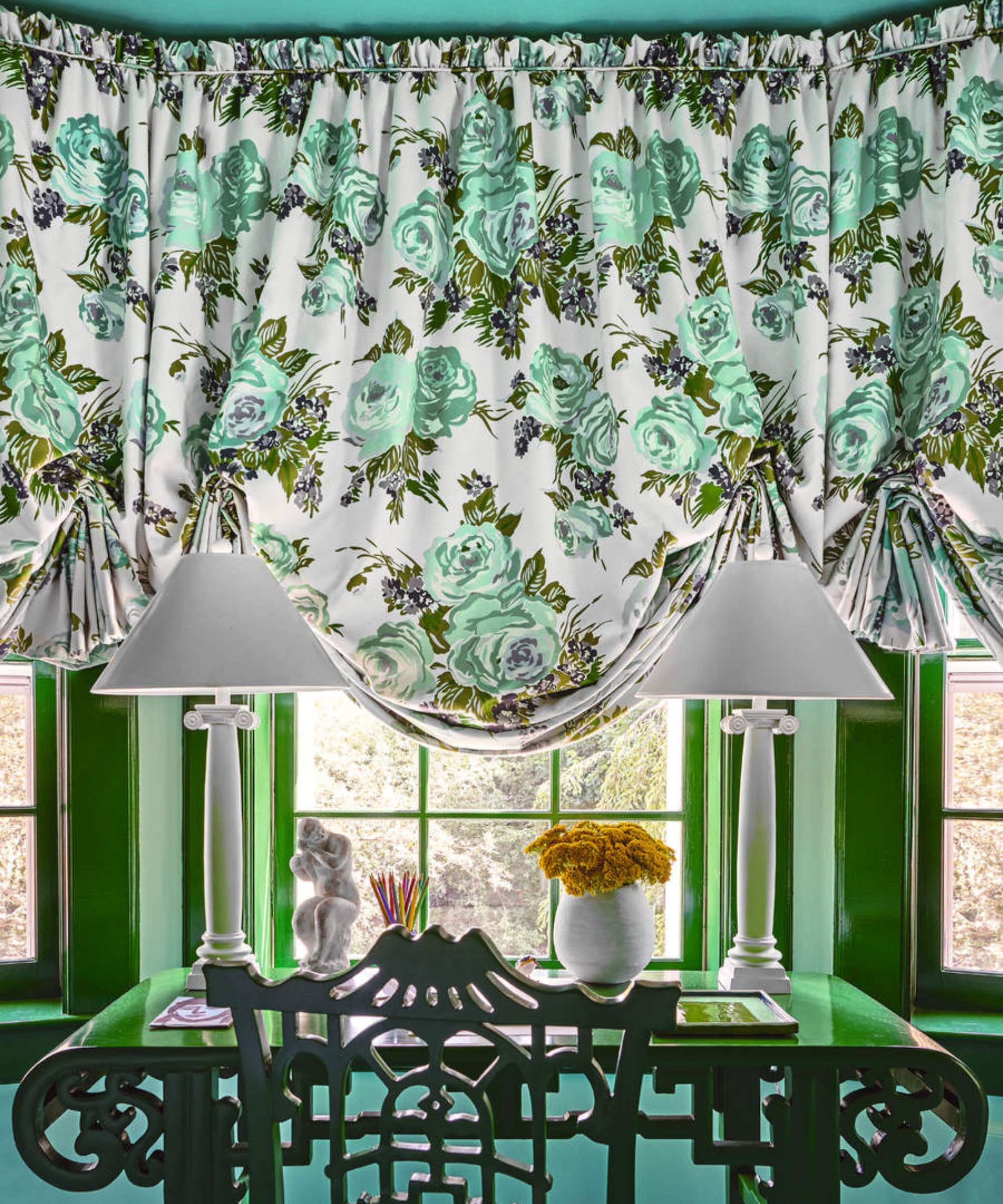
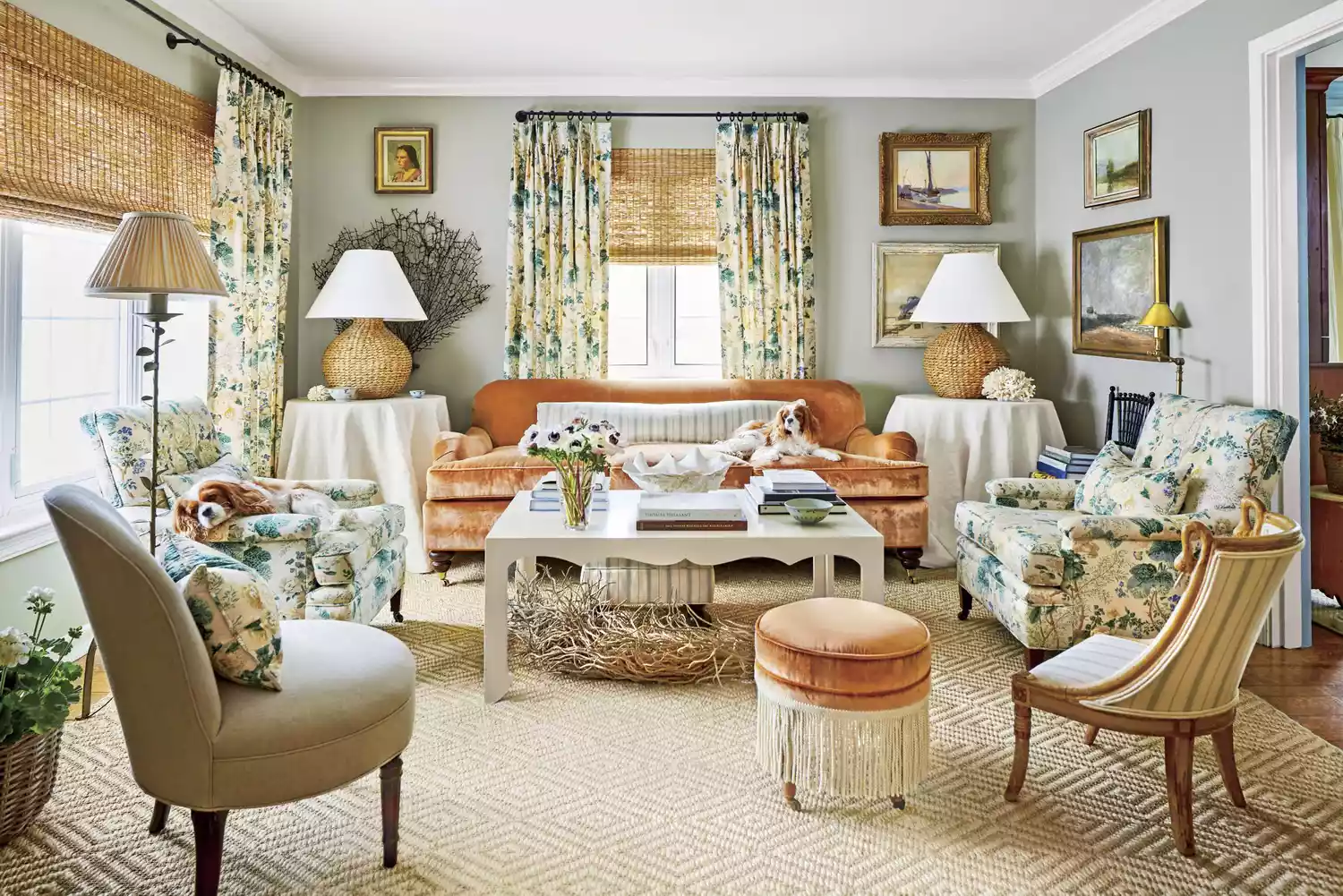
Next, the article addresses the practice of using "matchy-matchy" fabrics for different window elements. This includes having Roman shades, valances, and drapes all in the exact same fabric. While this might seem like a safe choice, it can result in a look that feels overly coordinated and lacks personality. A more curated and intentional approach involves mixing textures and materials. For example, pairing a textured woven shade with airy linen panels creates a layered and sophisticated feel, avoiding the appearance of a pre-packaged set.
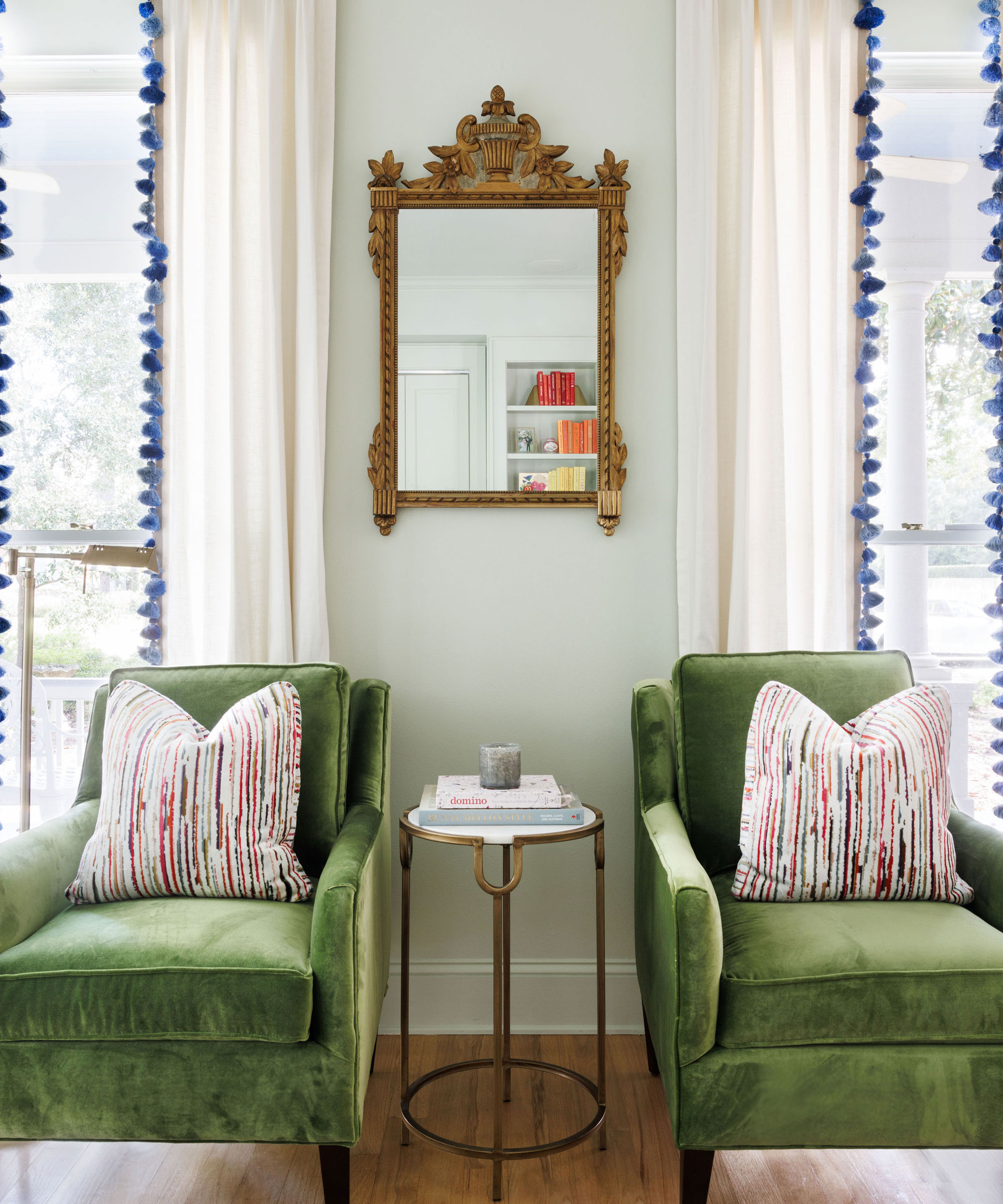
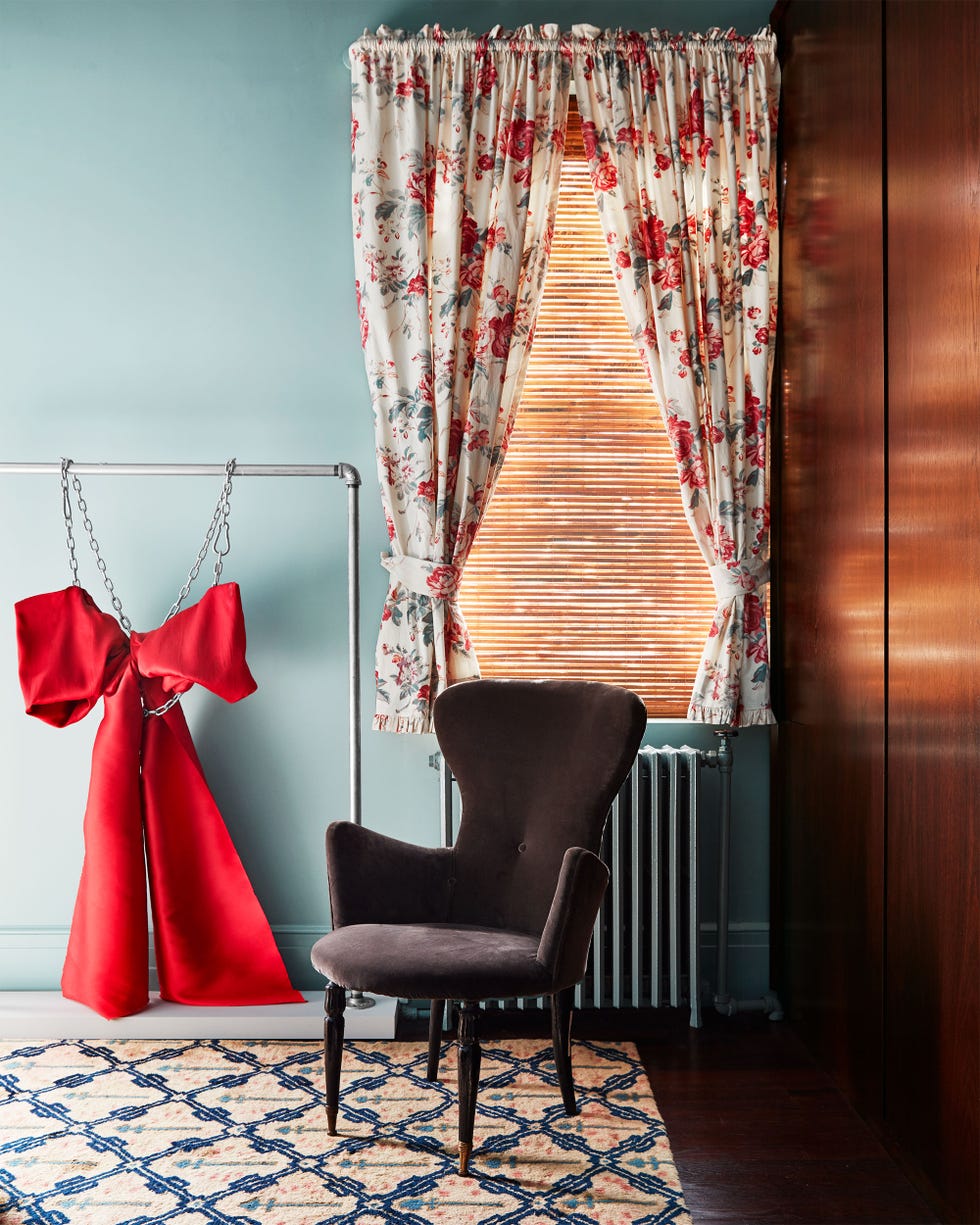
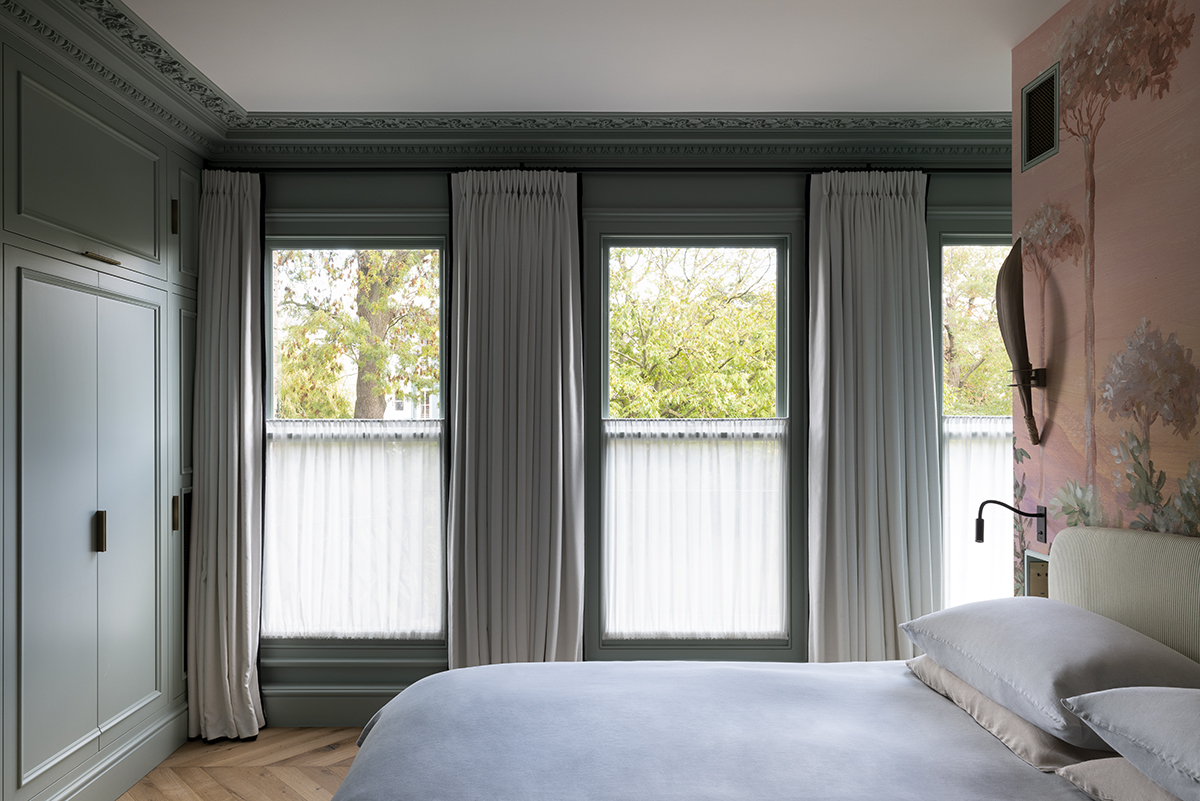
Flimsy drapes are another style that can date a home. The primary aesthetic function of drapes is to draw the eye upward, highlighting the natural light from the window. Insufficiently wide or thin drapes, such as a single or half-width panel on a large window, appear insubstantial and unintentional. To achieve a fuller and more impactful look, designers suggest investing in double-width panels for custom treatments or doubling up pre-made curtains on each side of the window.
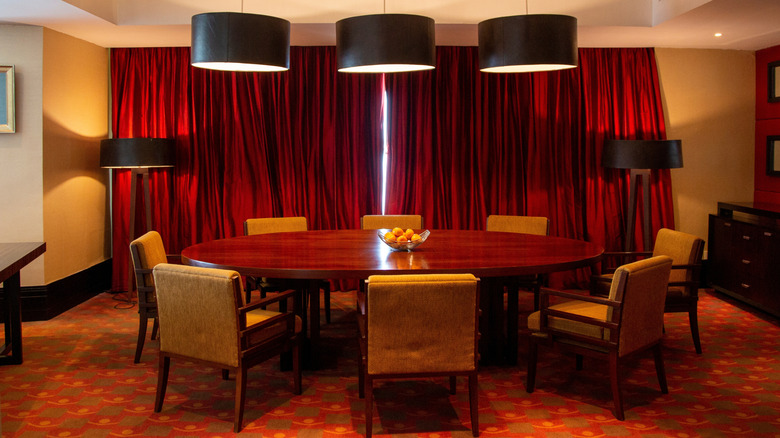
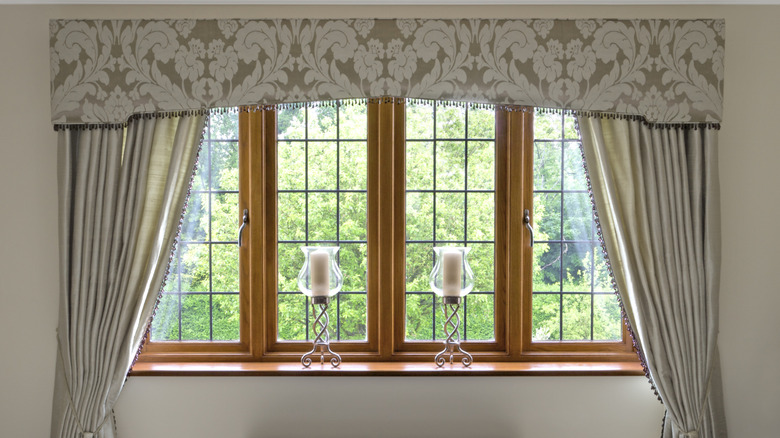
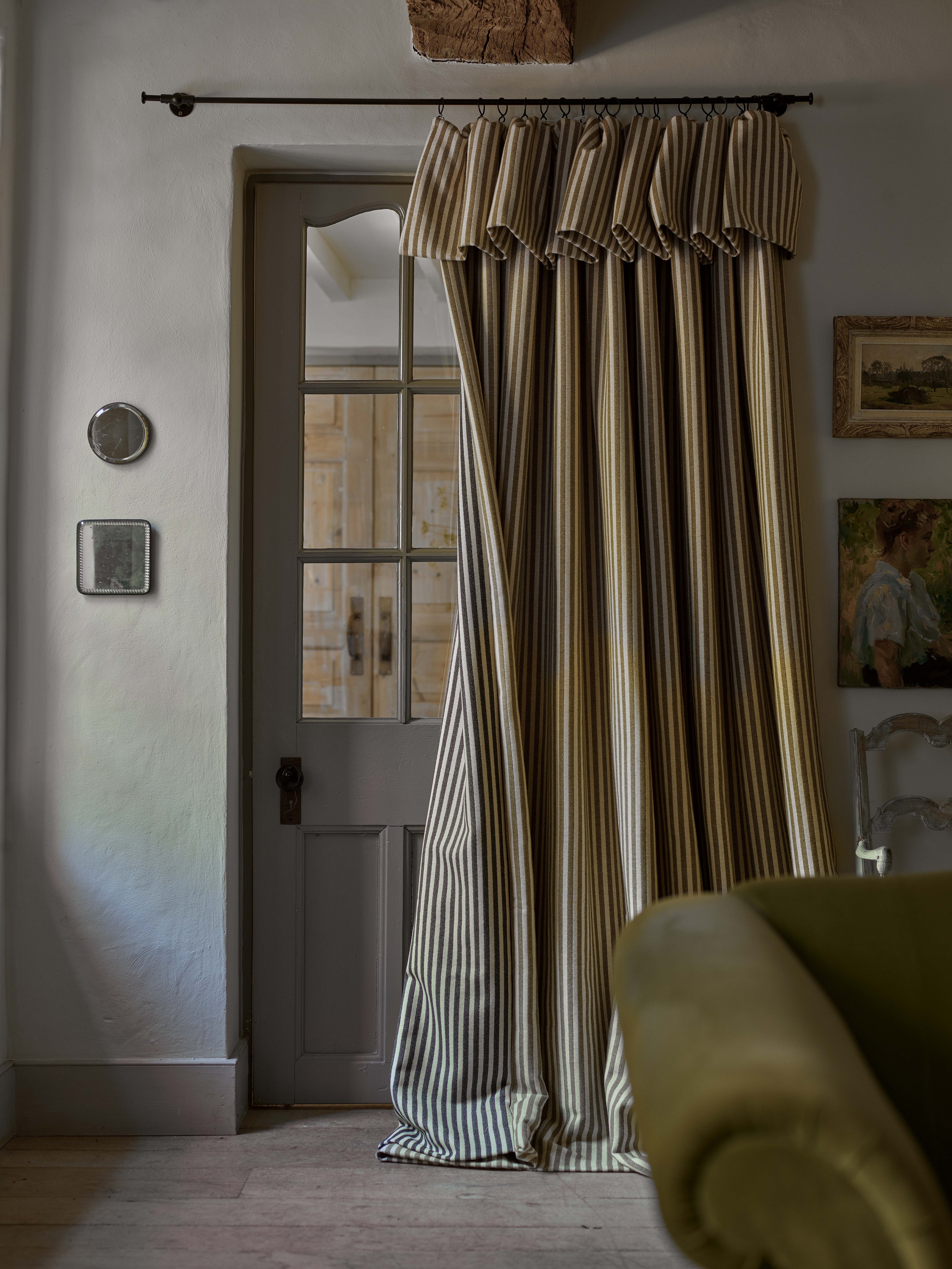
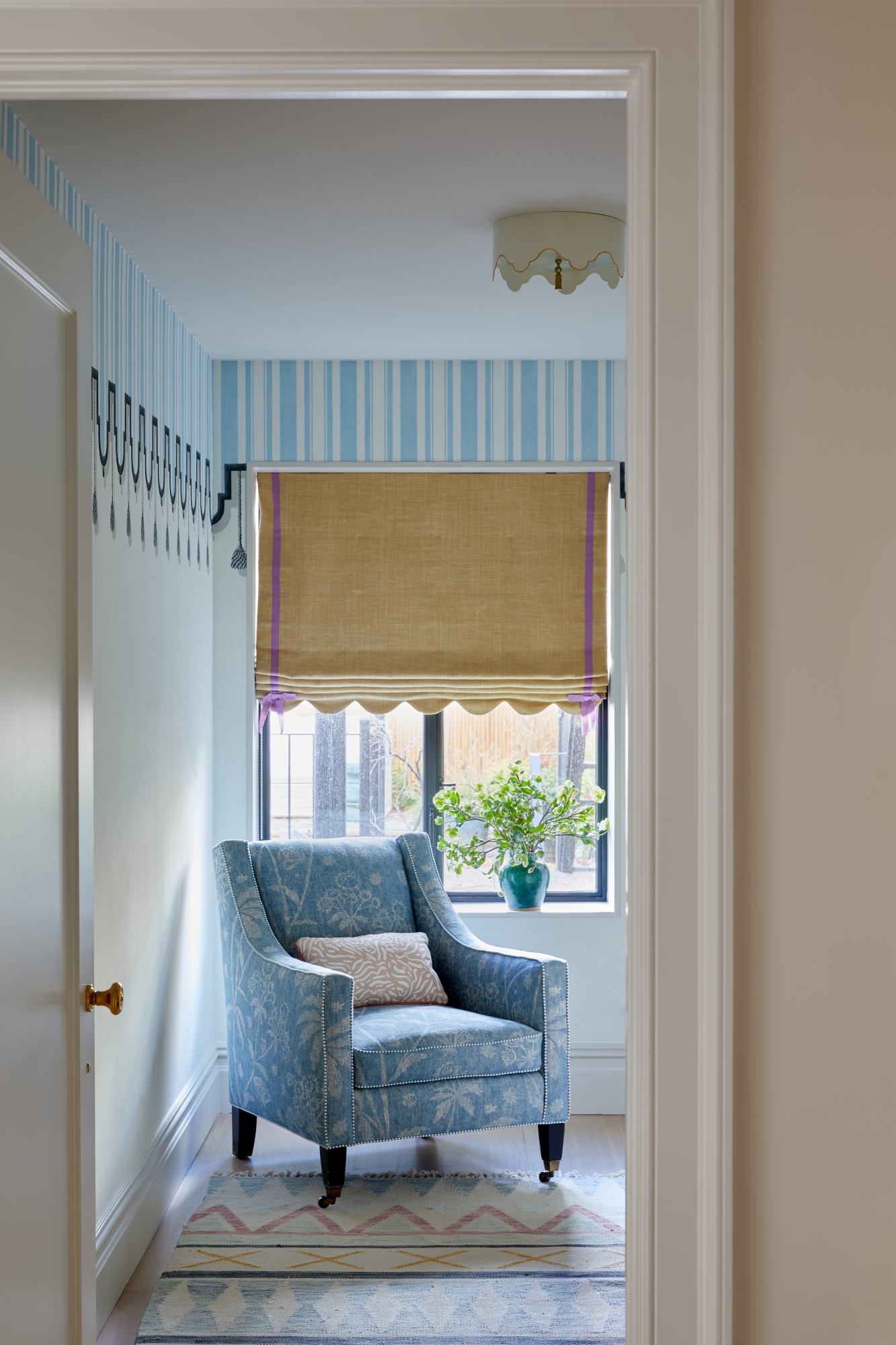
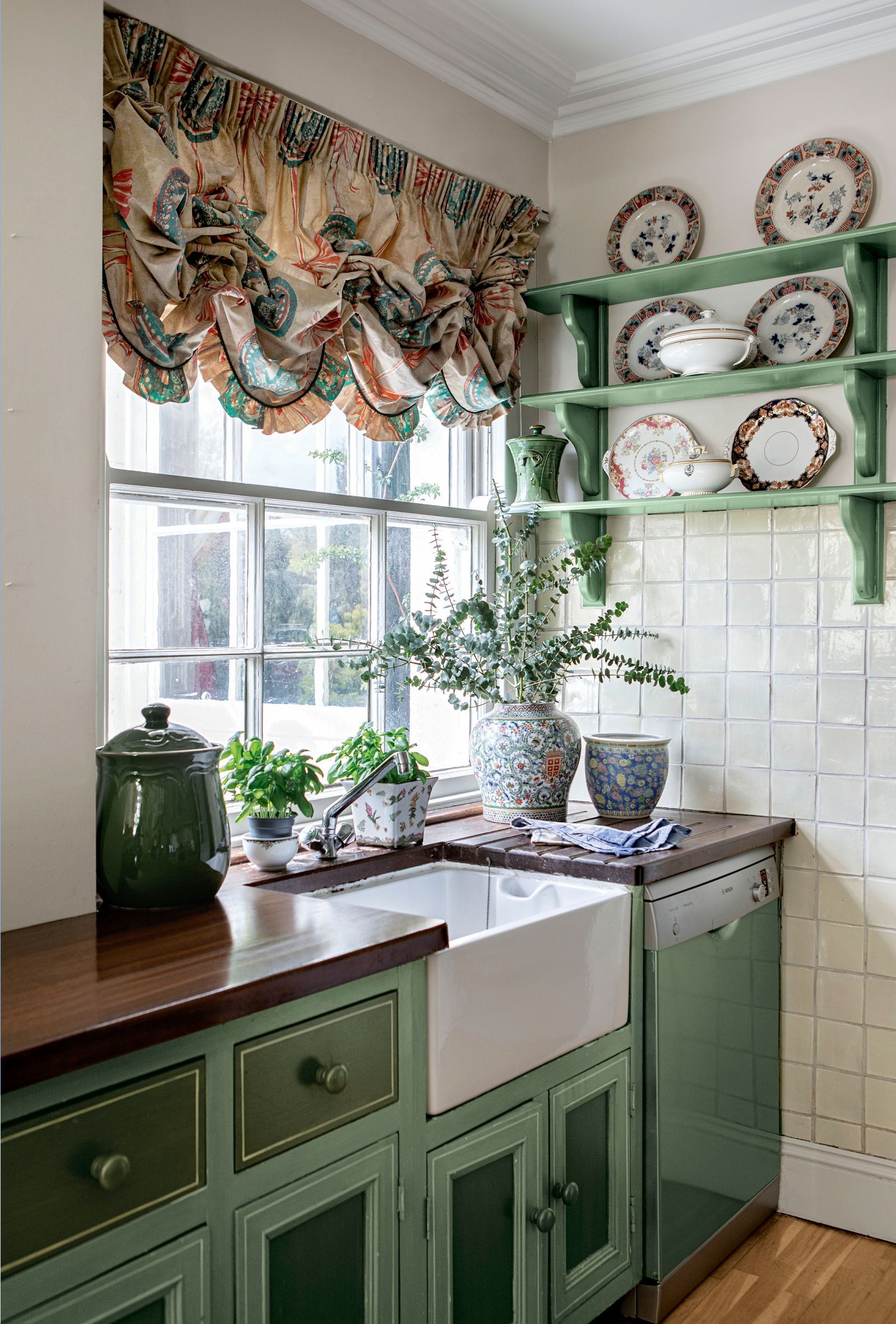
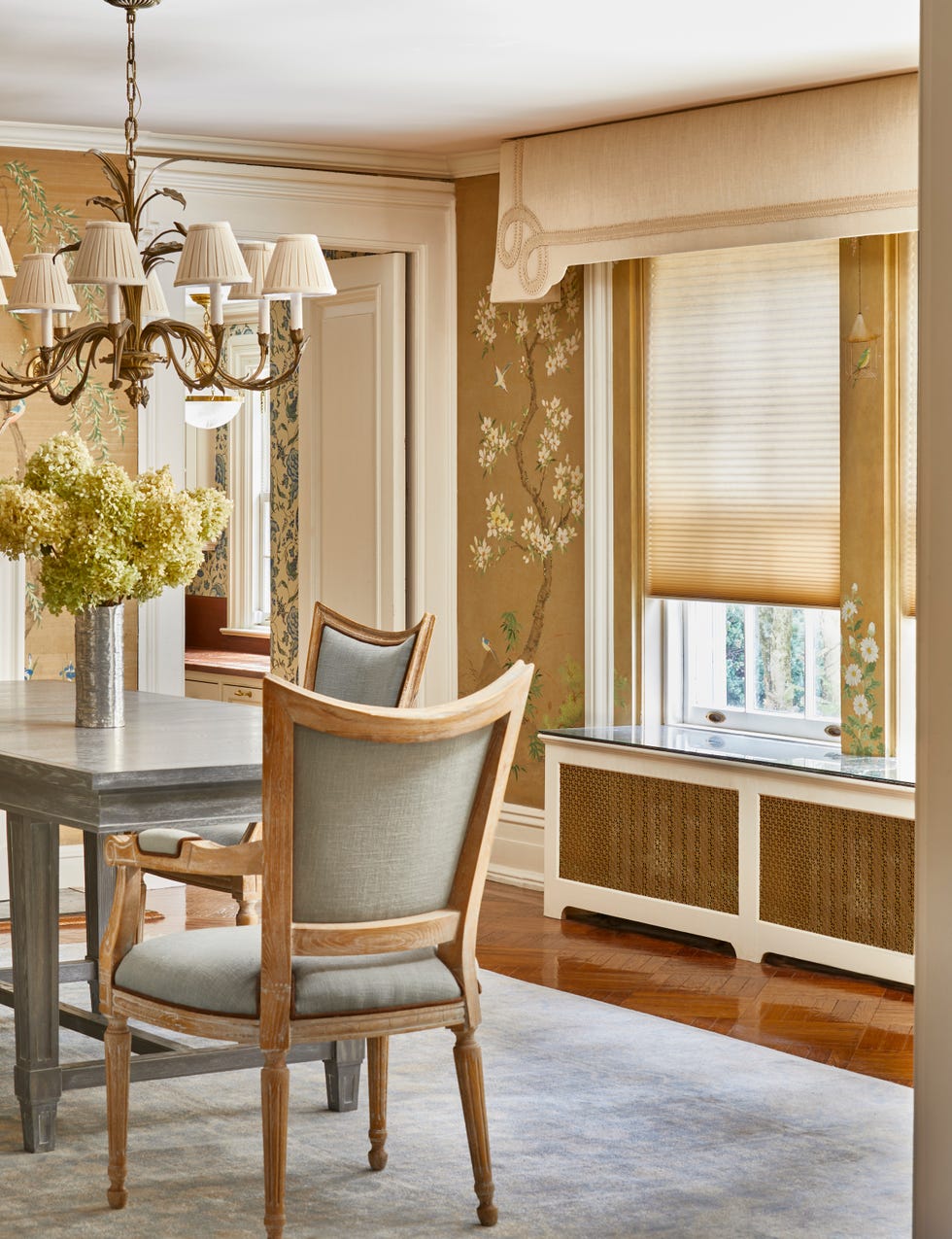
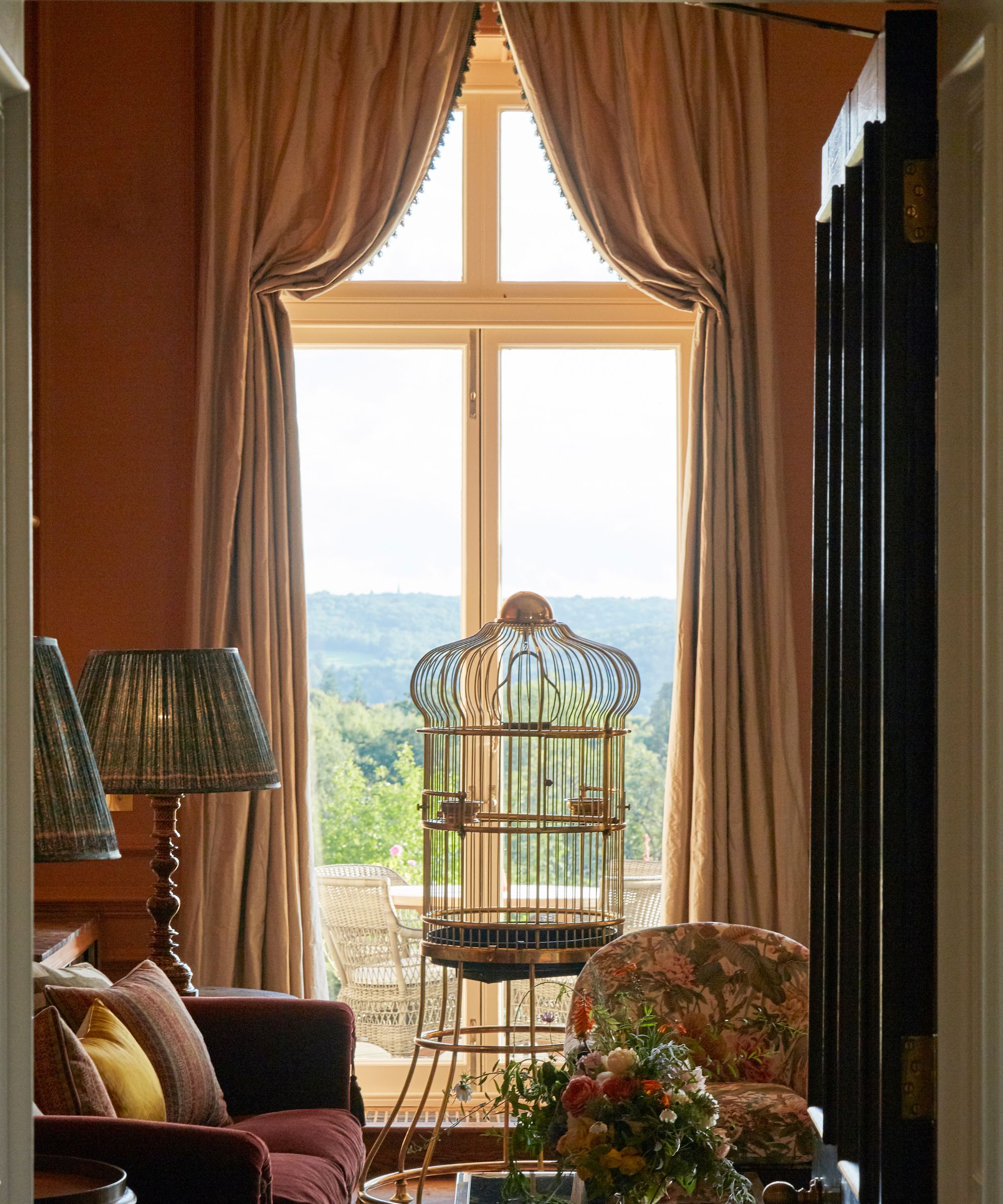
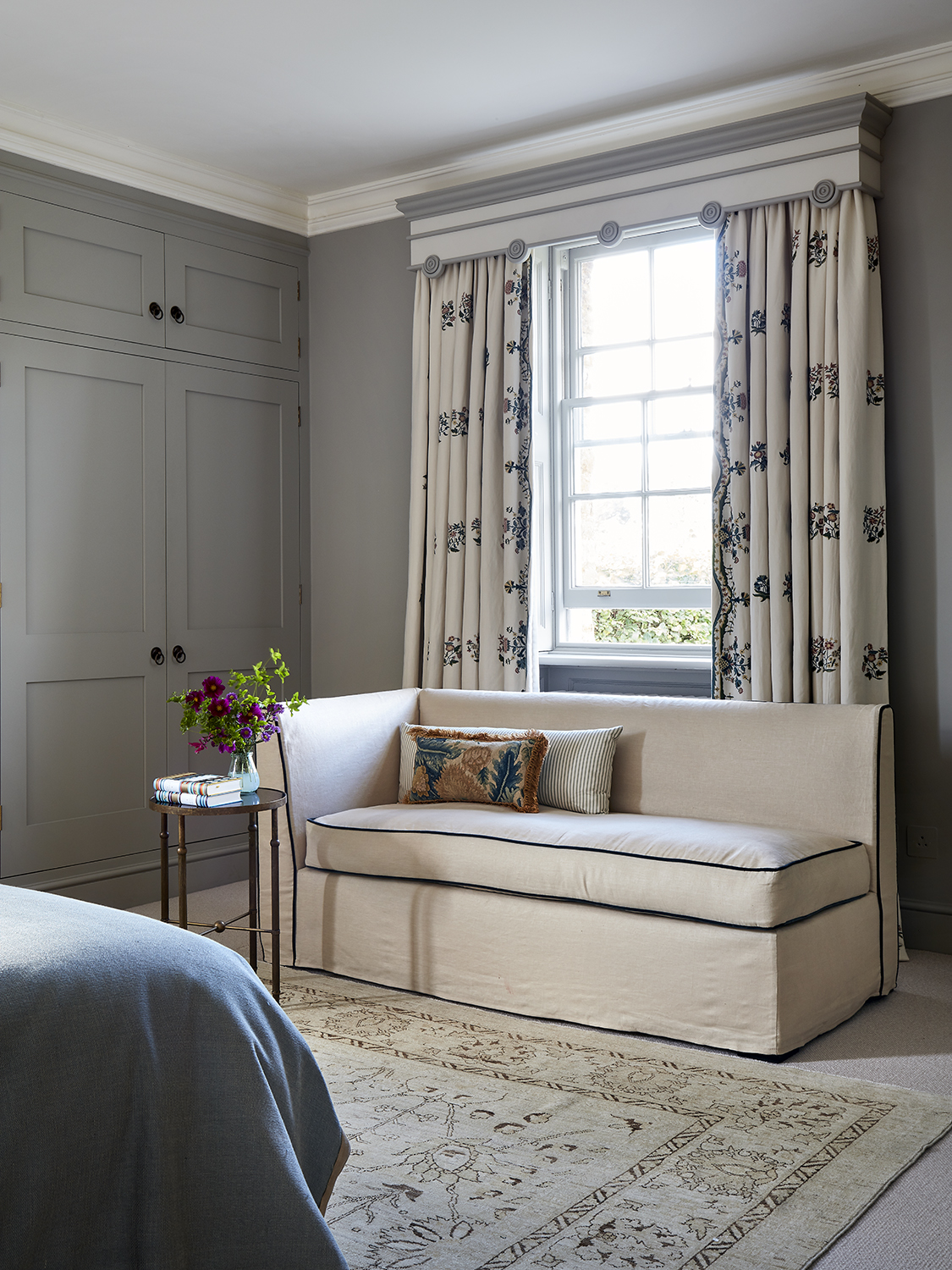
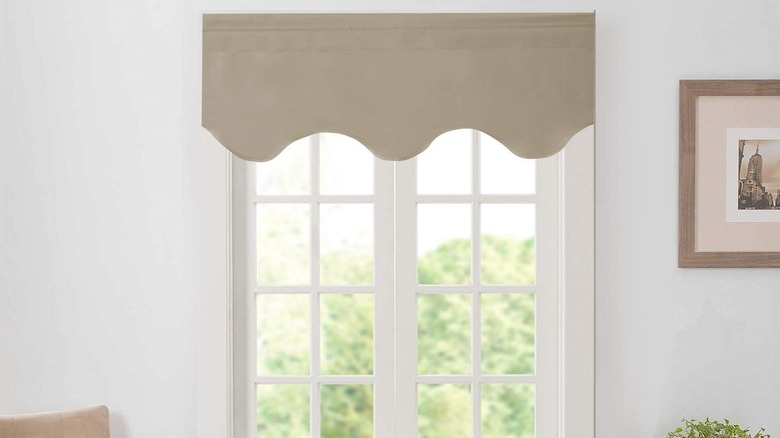
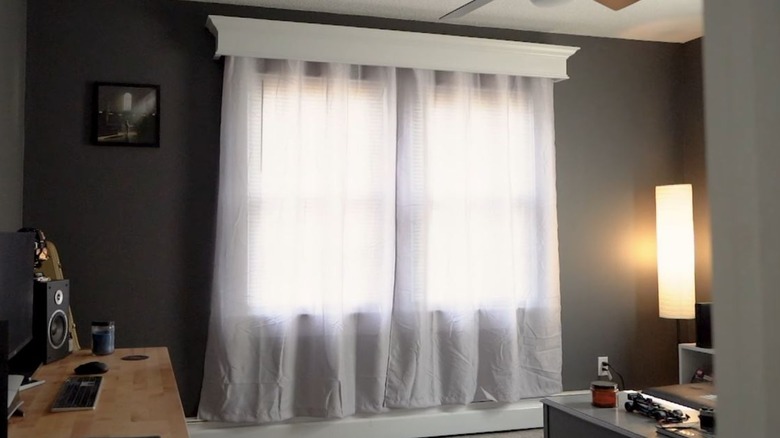
Heavy designs, characterized by thick swags, tassels, or heavily patterned fabrics, are also considered outdated. These layered and overly adorned styles can make a space feel dark and excessively formal, contrasting with the current preference for effortless and bright interiors. The recommendation is to replace these with simple, floor-length panels made from soft linen or cotton blends. These should be hung high and wide to enhance the perceived size of the windows. For those who prefer a more structured elegance, a cornice board with clean lines or a subtle scallop design is suggested as a modern alternative.
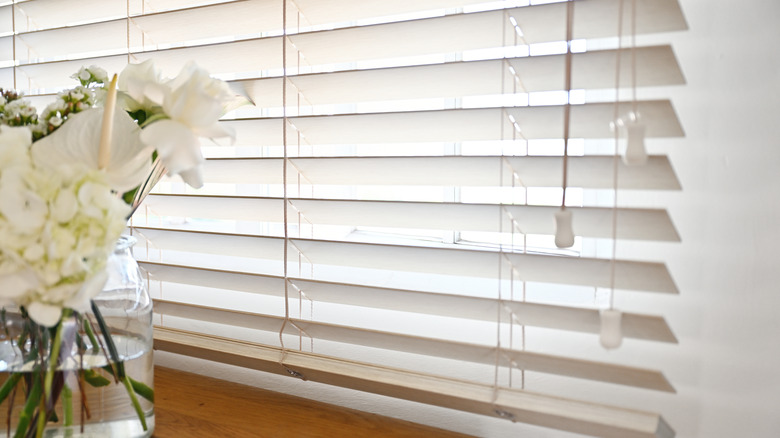
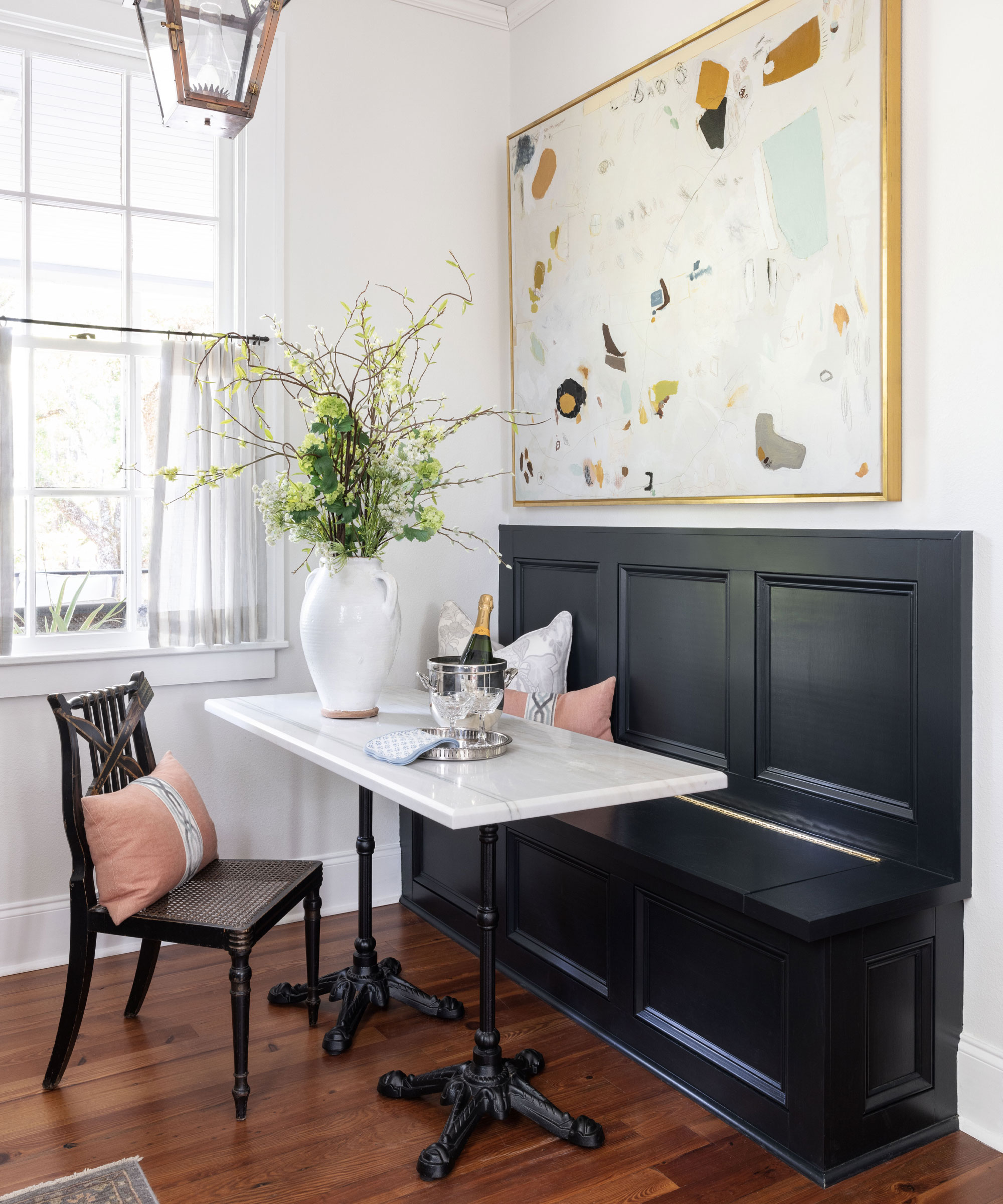
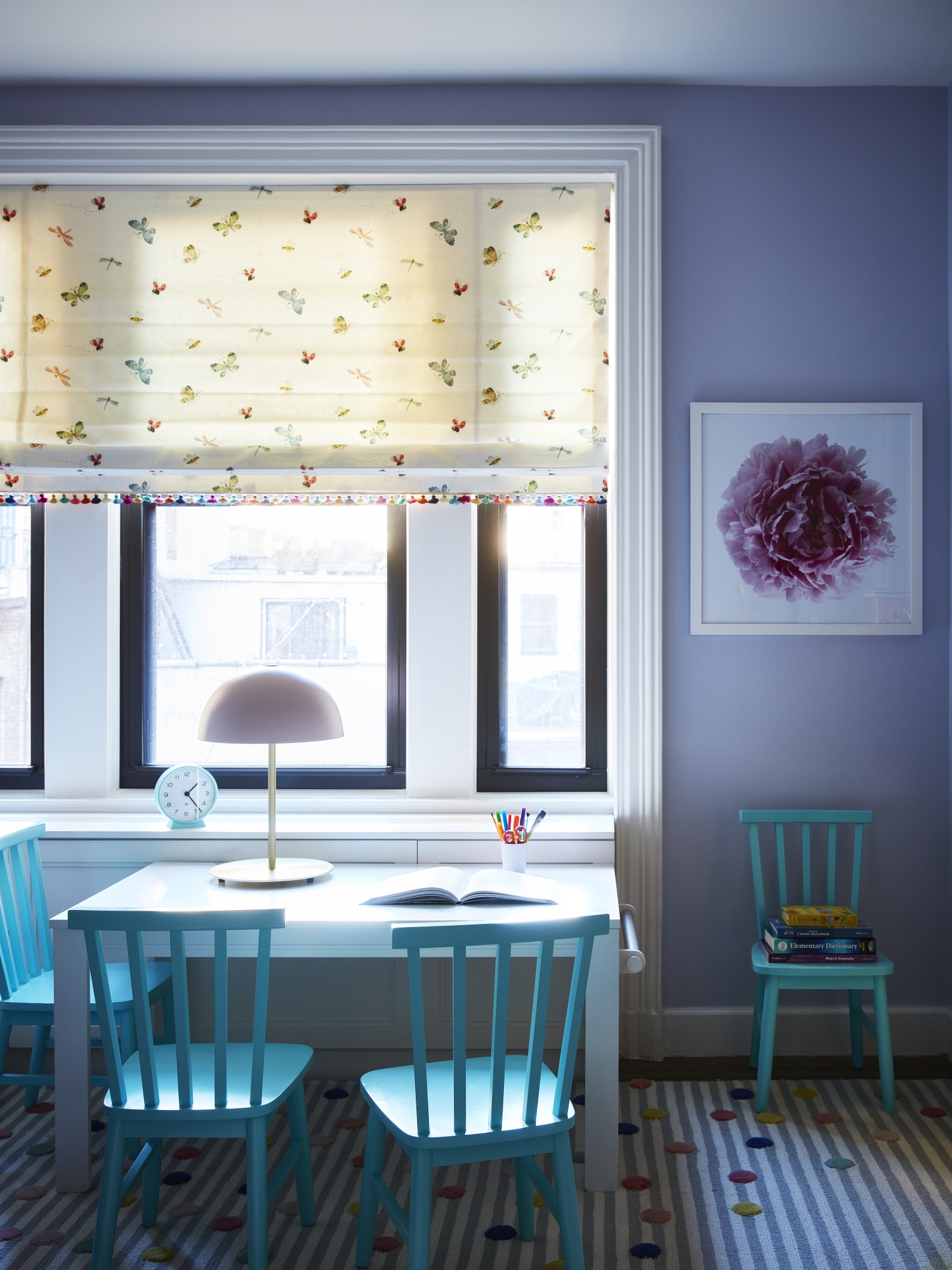
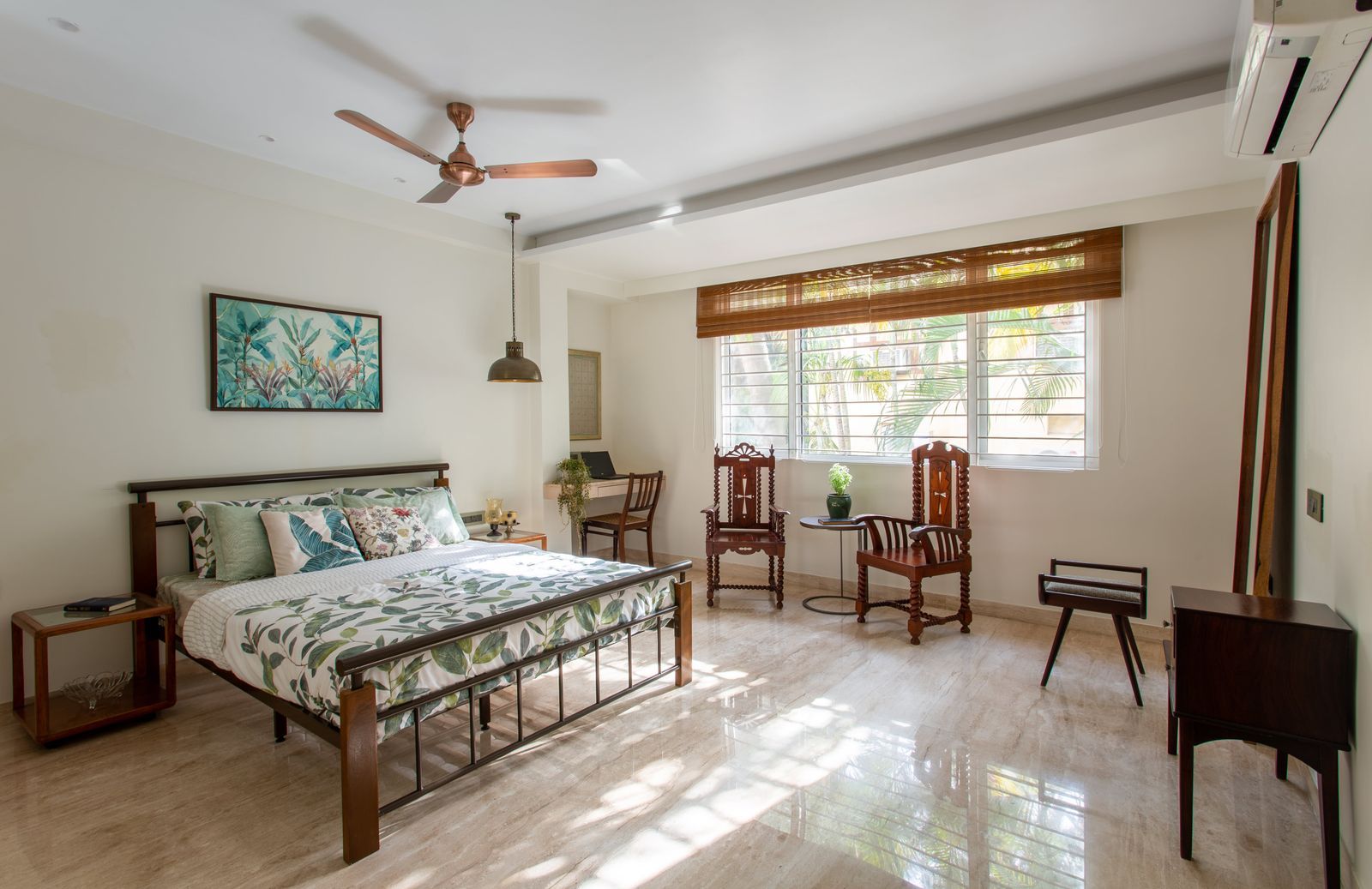
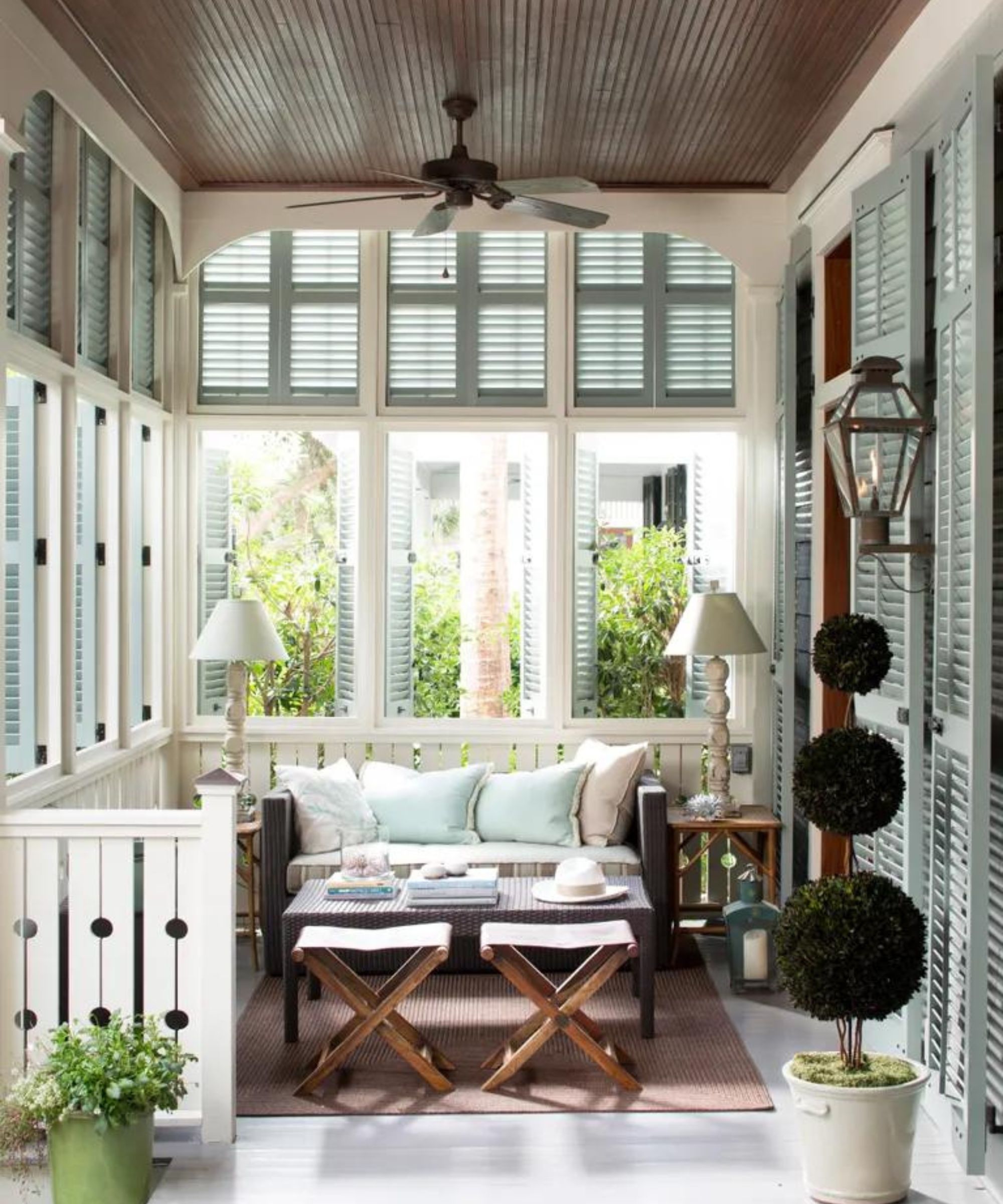
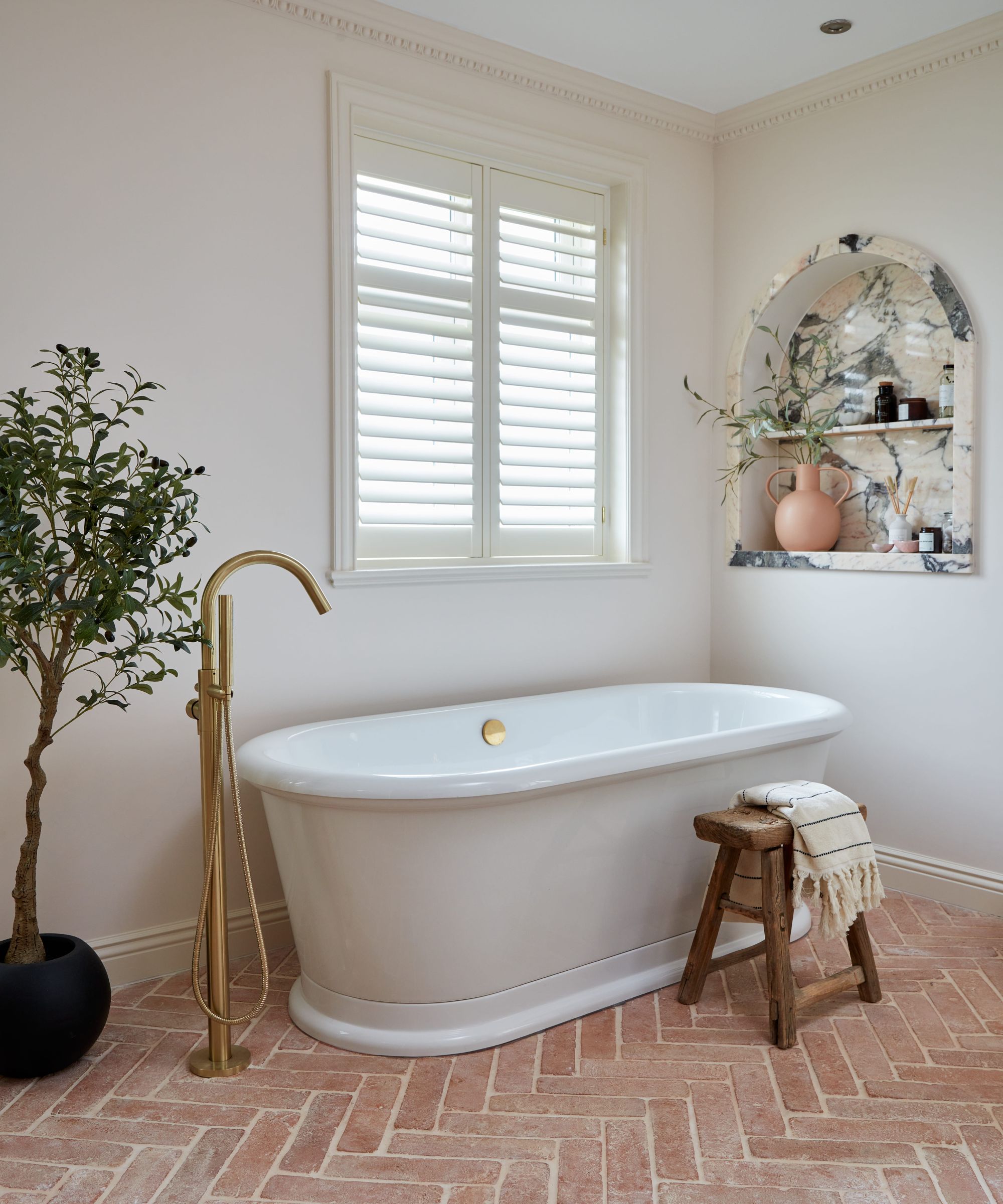
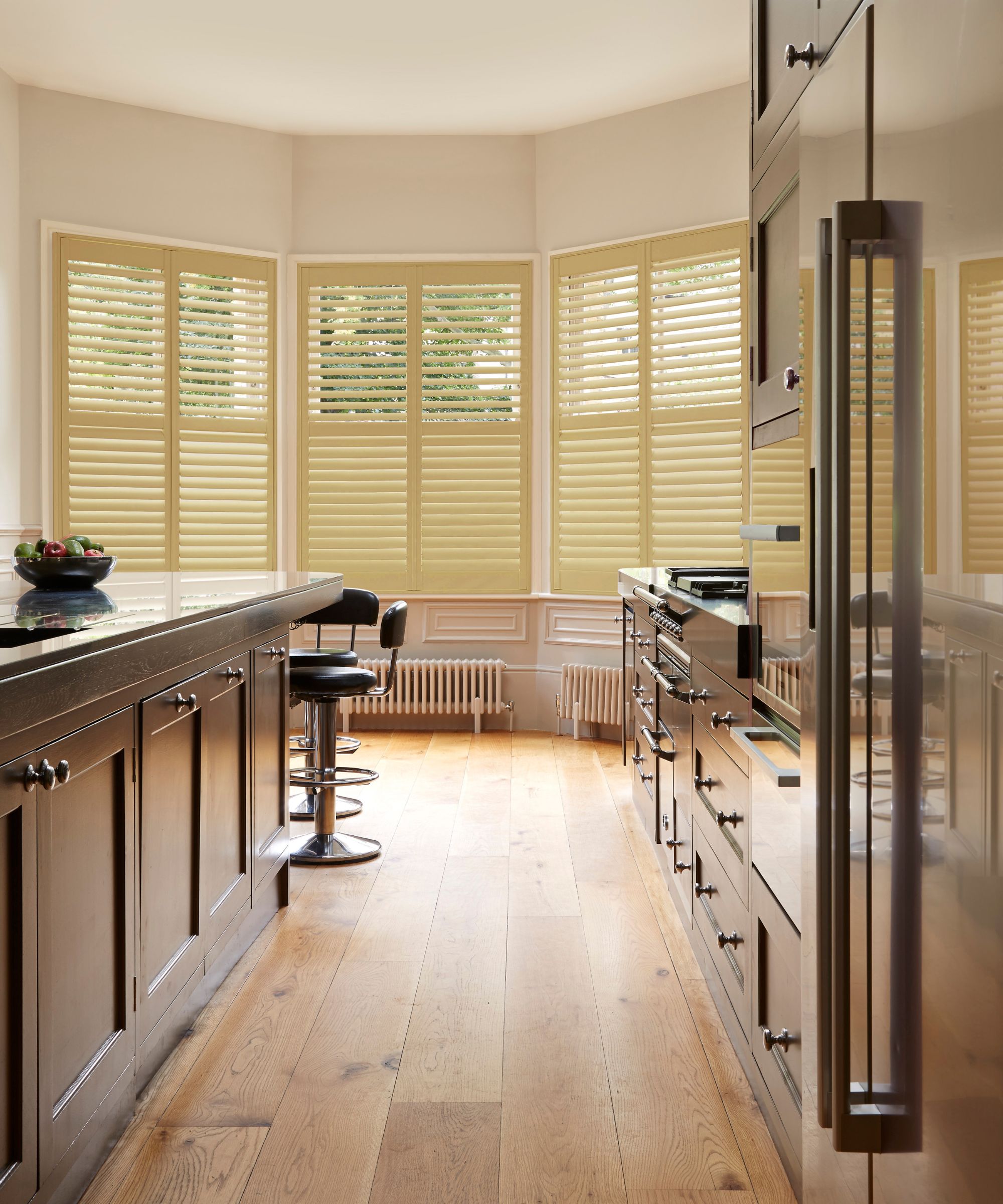
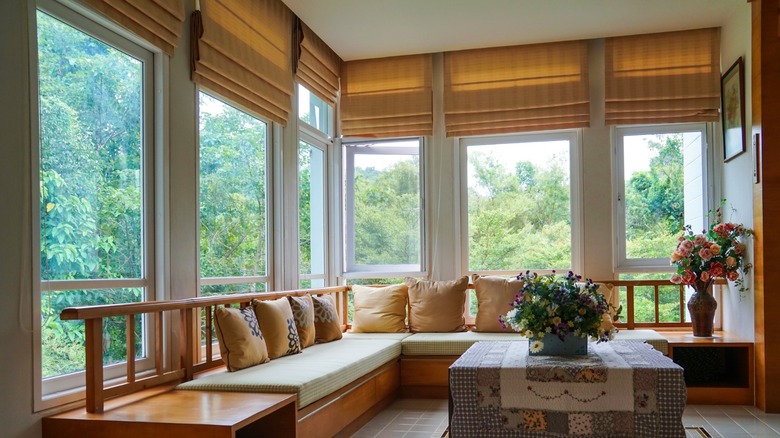
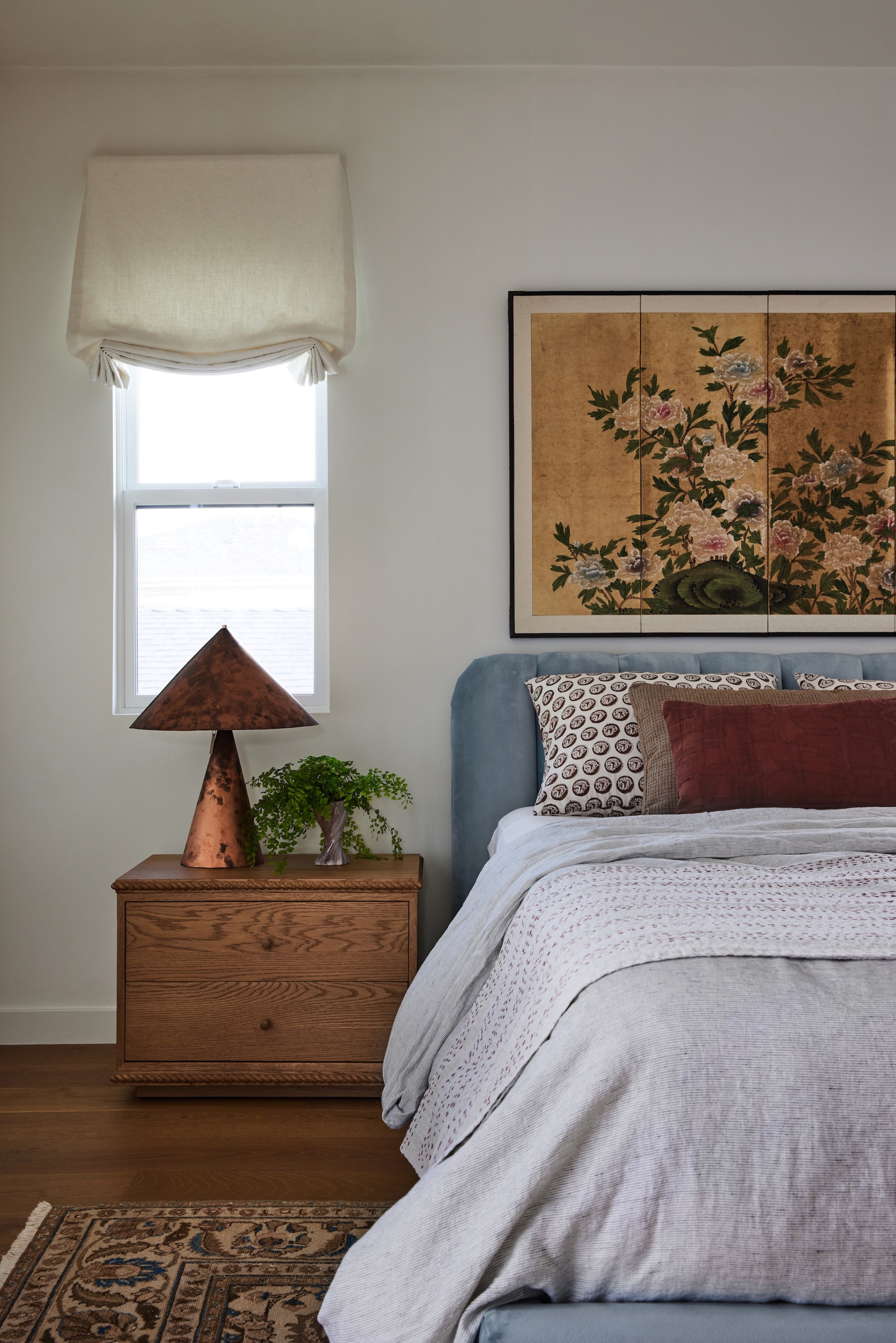
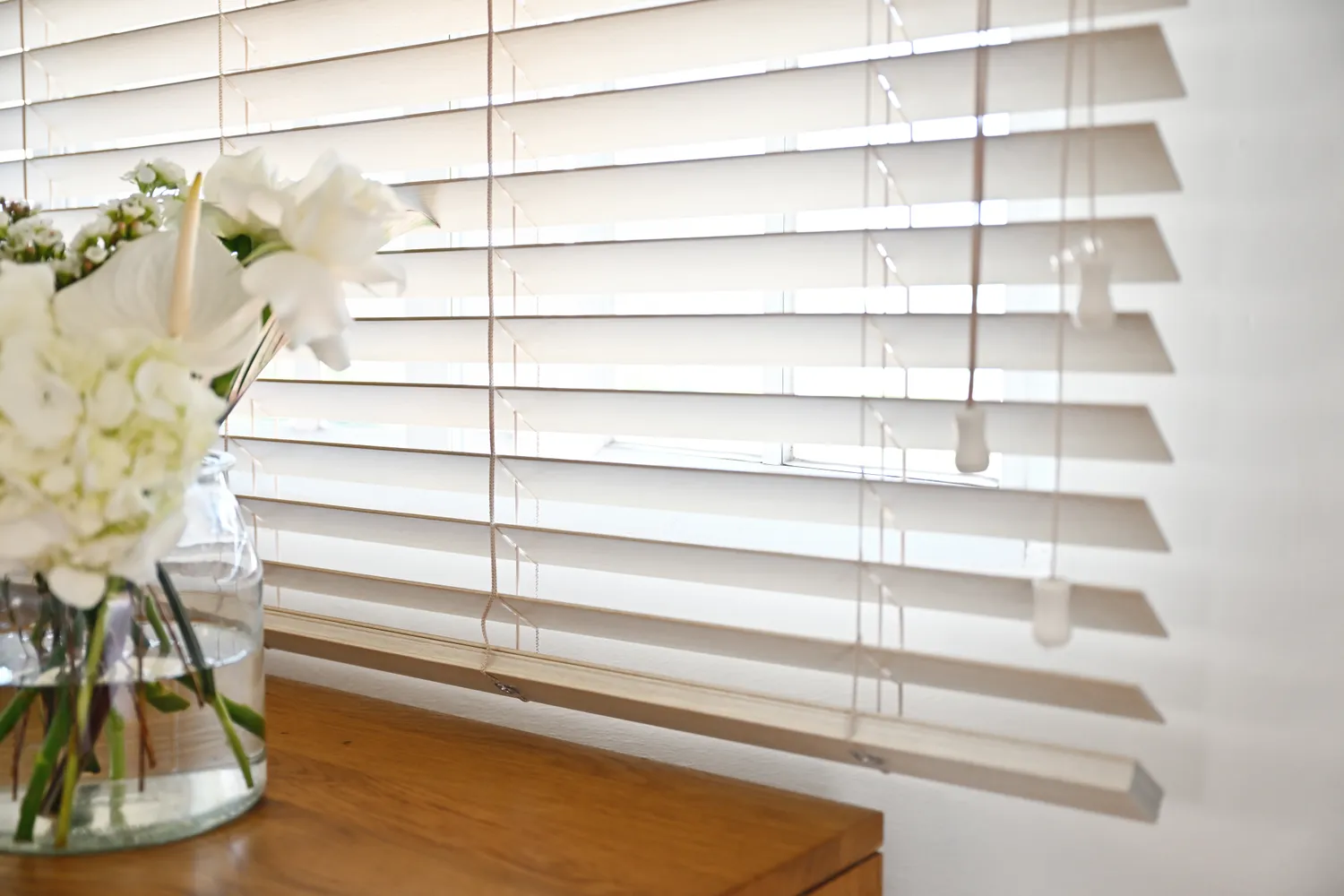
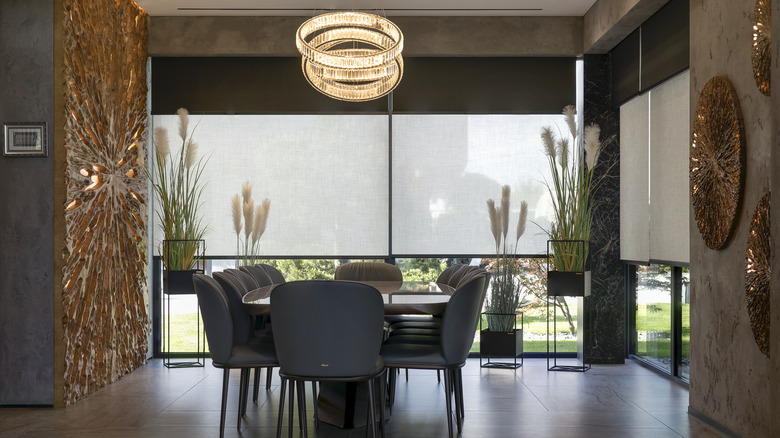
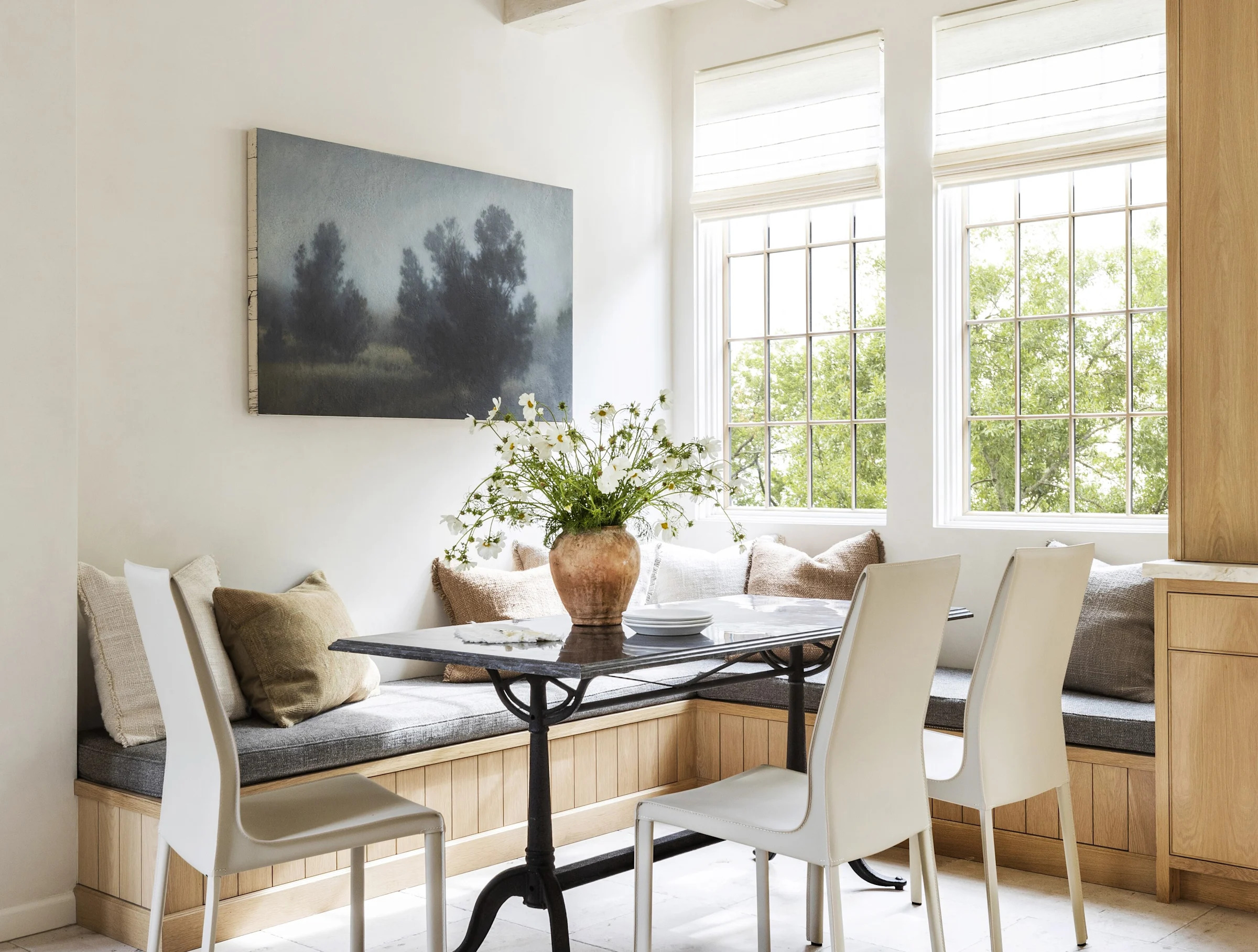
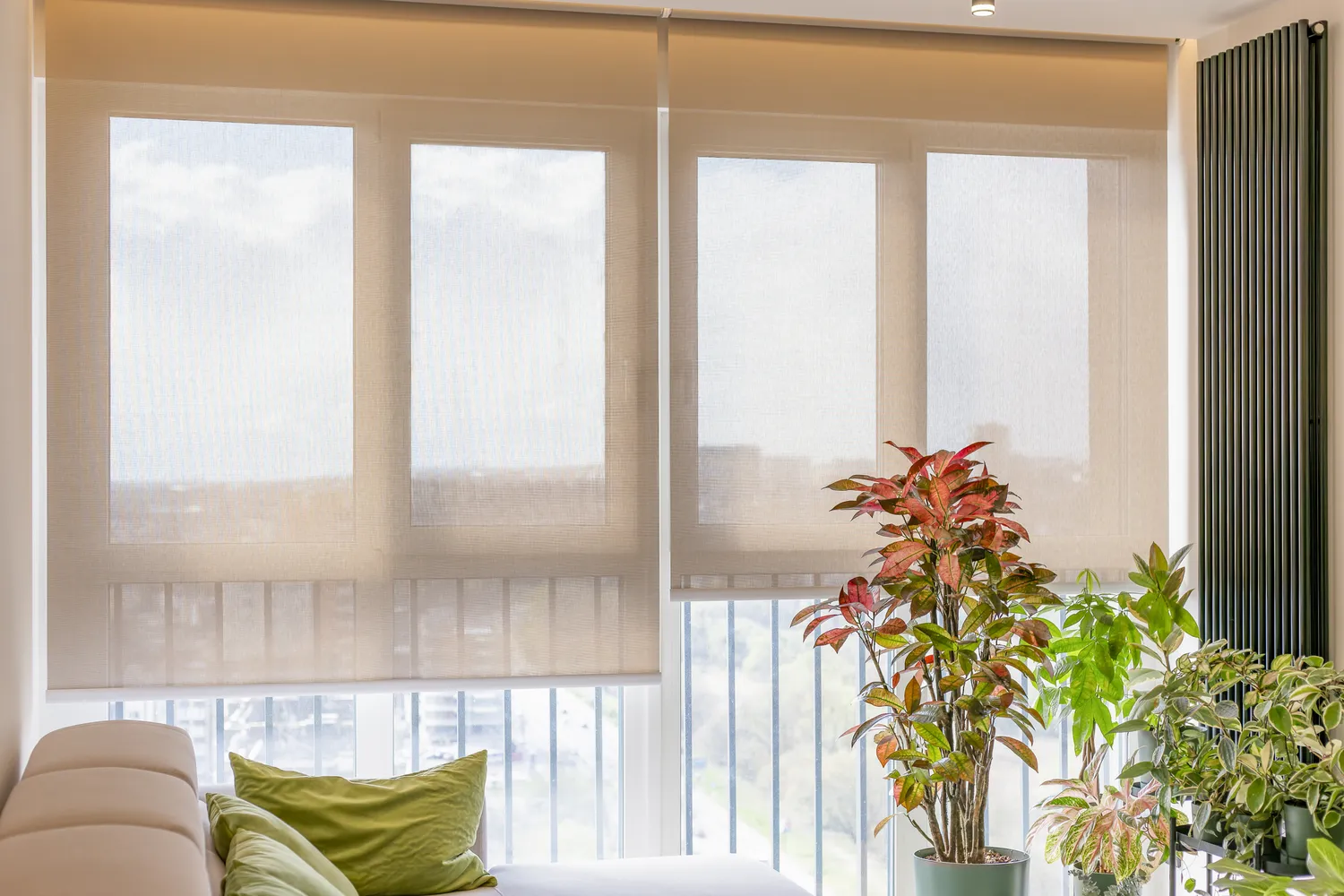
Finally, the article discusses traditional blinds, particularly vertical and aluminum varieties often found in older residences. While blinds serve an important practical purpose, they can contribute to visual clutter within a space. Contemporary alternatives that offer a more unified and cohesive aesthetic include Roman shades, roller shades, and café-style curtains. These options can be budget-friendly, with many ready-made choices and DIY solutions available, allowing homeowners to update their windows without significant expense. Updating these window treatment styles can help refresh a home's interior, making it feel more current and thoughtfully designed.
#WindowTreatments #HomeDecor #InteriorDesign #DecoratingTips #OutdatedStyles #ModernHome #DesignTrends #CurtainsAndDrapes #WindowTreatments #HomeDecor #InteriorDesign #DecoratingTips #OutdatedStyles #ModernHome #DesignTrends #CurtainsAndDrapes
0 comment in total
 No comments yet
You may also like
Once-Popular Window Treatments That Are Now Dating Your Home
5 Best Window Brands for Your Home (2025)

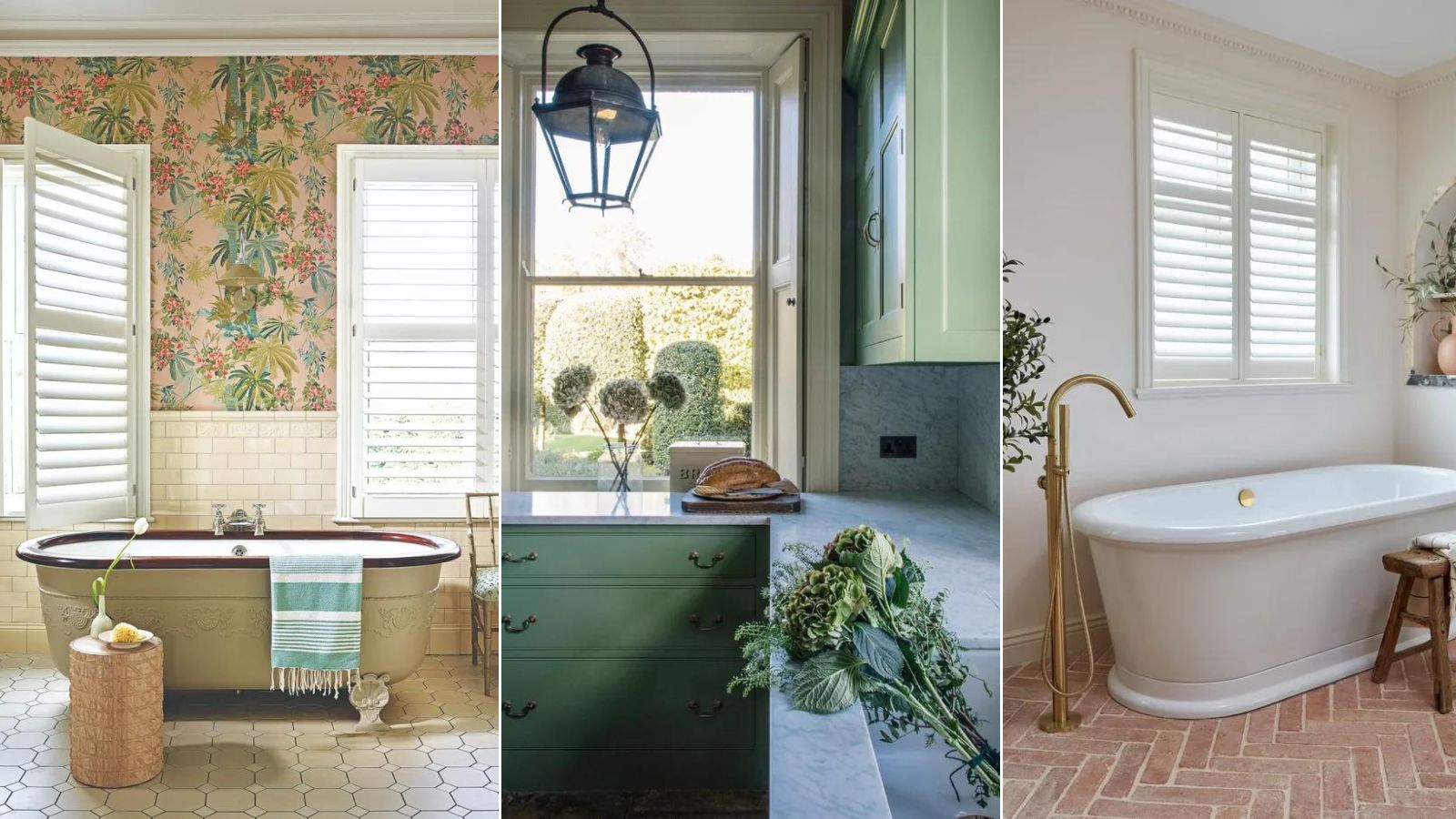
Are window shutters out of style? Interior designers weigh in

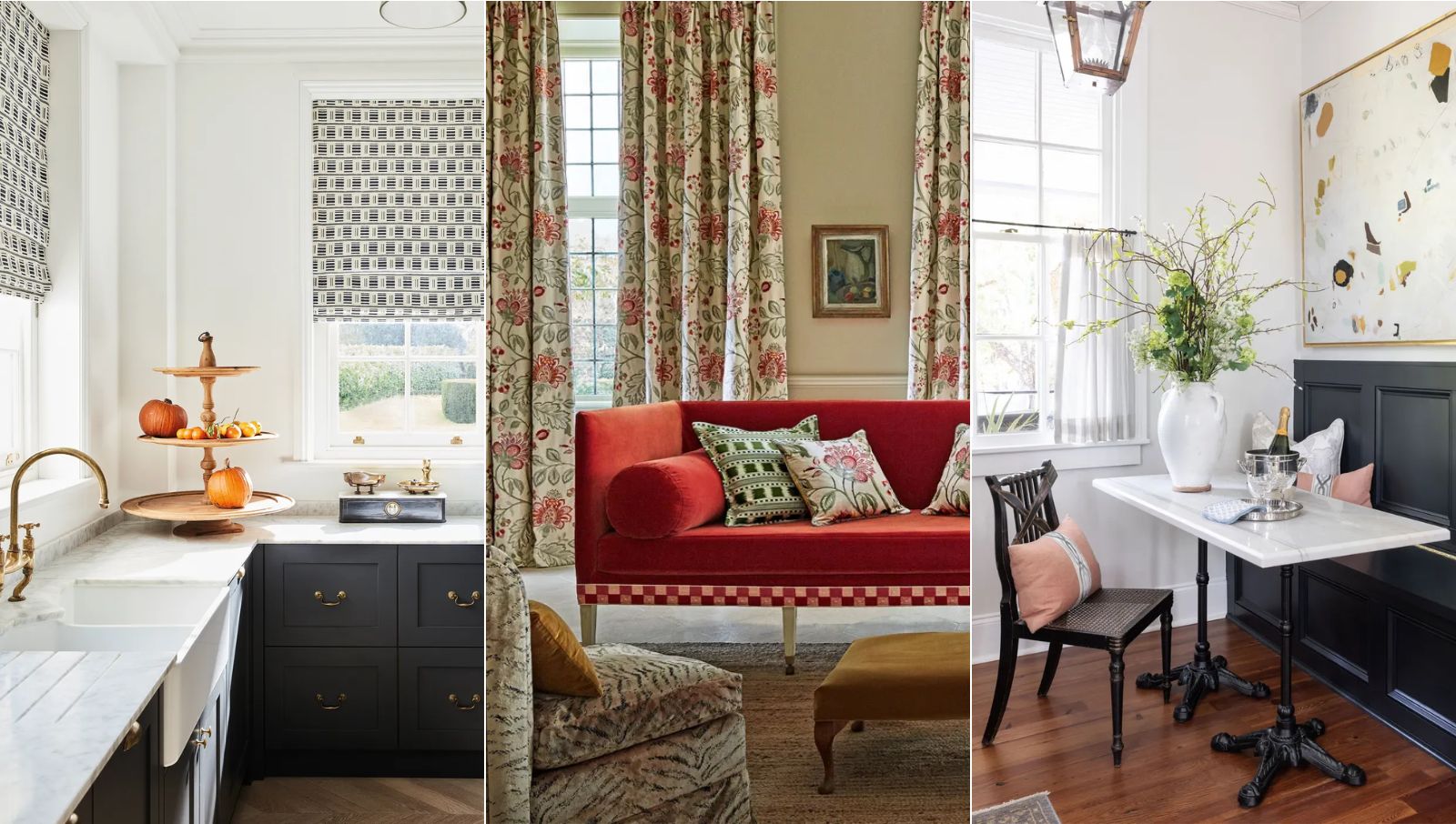
6 Window Treatment Trends That Are Going Out of Style (and What to Do Instead)

6 window treatment trends that interior designers swear by for a quick and easy update
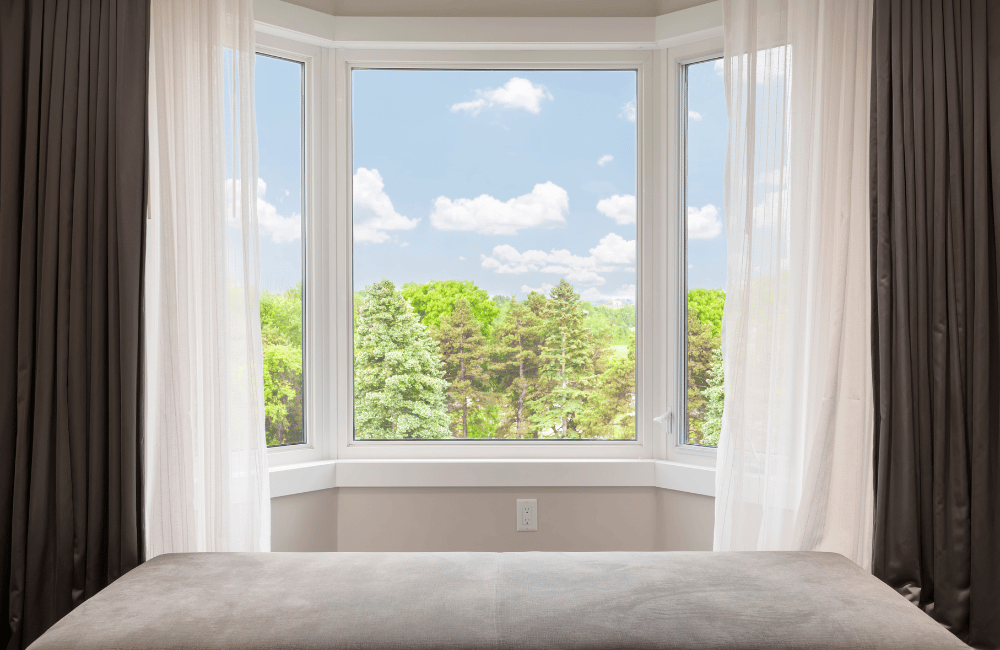
5 Best Window Brands for Your Home (2026)

4 Outdated Window Treatments That Are Secretly Aging Your Home, Designers Say

Forget Basic Curtains: These Will Be The Biggest Window Treatment Trends Of 2026
4 window treatments that people with the most chic homes are choosing right now, according to interior designers
5 window treatment trends that people with always-fashionable homes are choosing for 2024

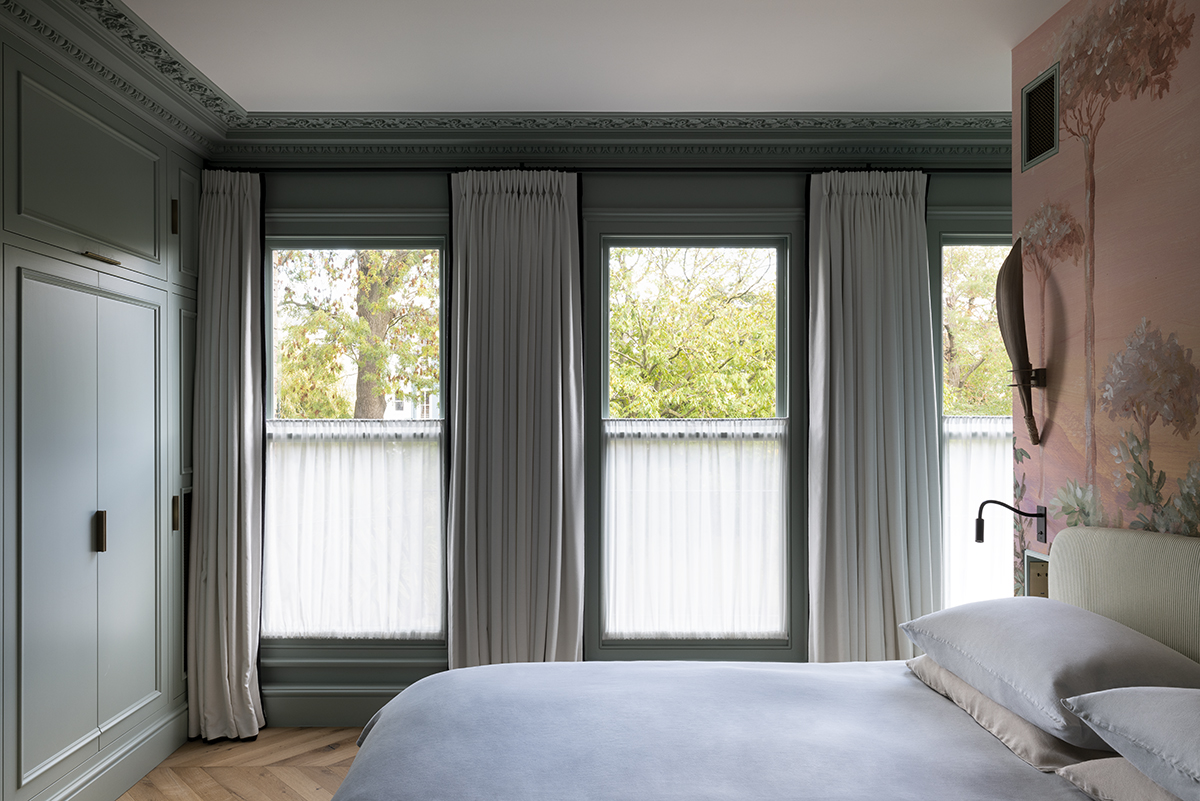
Modern window treatments – 11 trending ideas to elevate your view


Window blinds, shutters and curtains: top trends for 2017

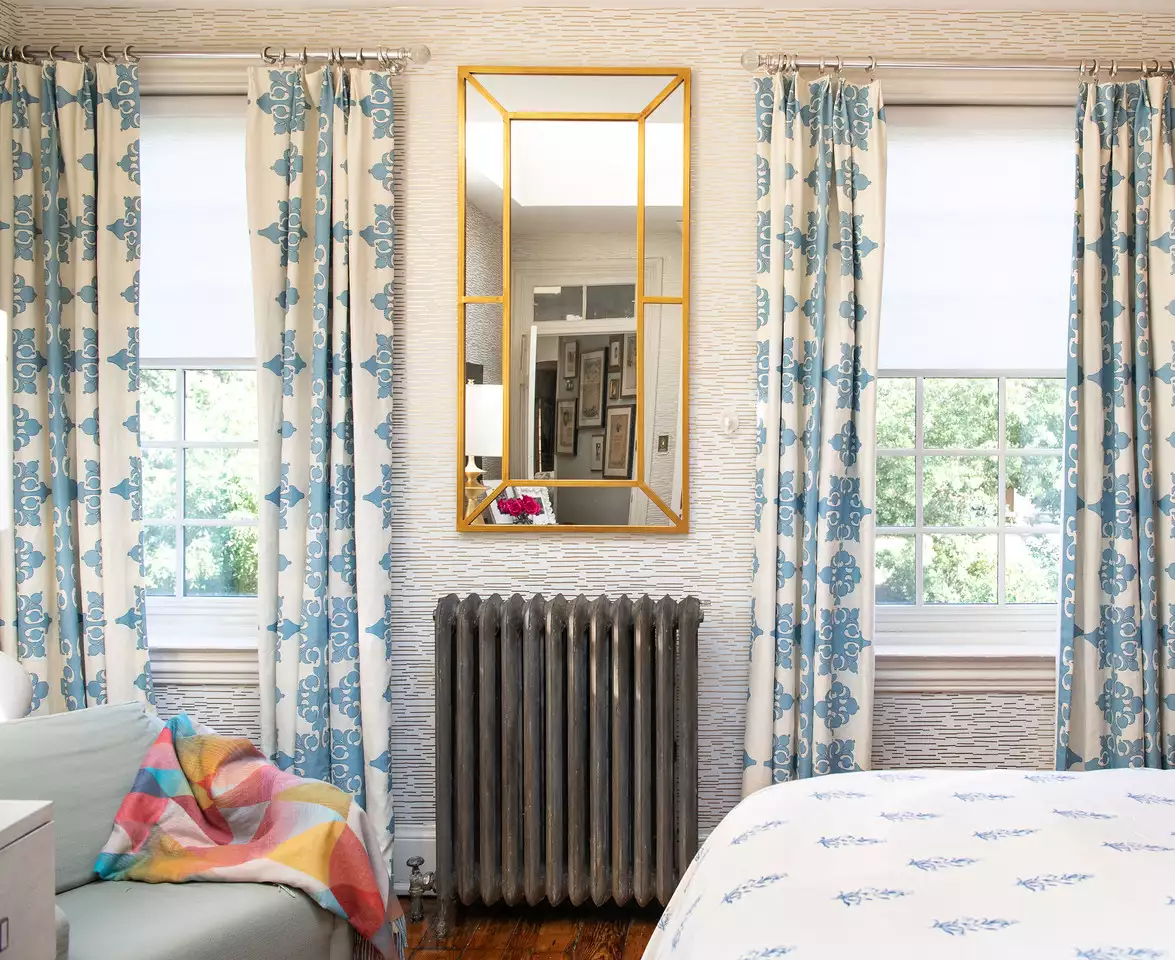
10 Window Treatment Trends to Freshen Up Every Room in Your Home

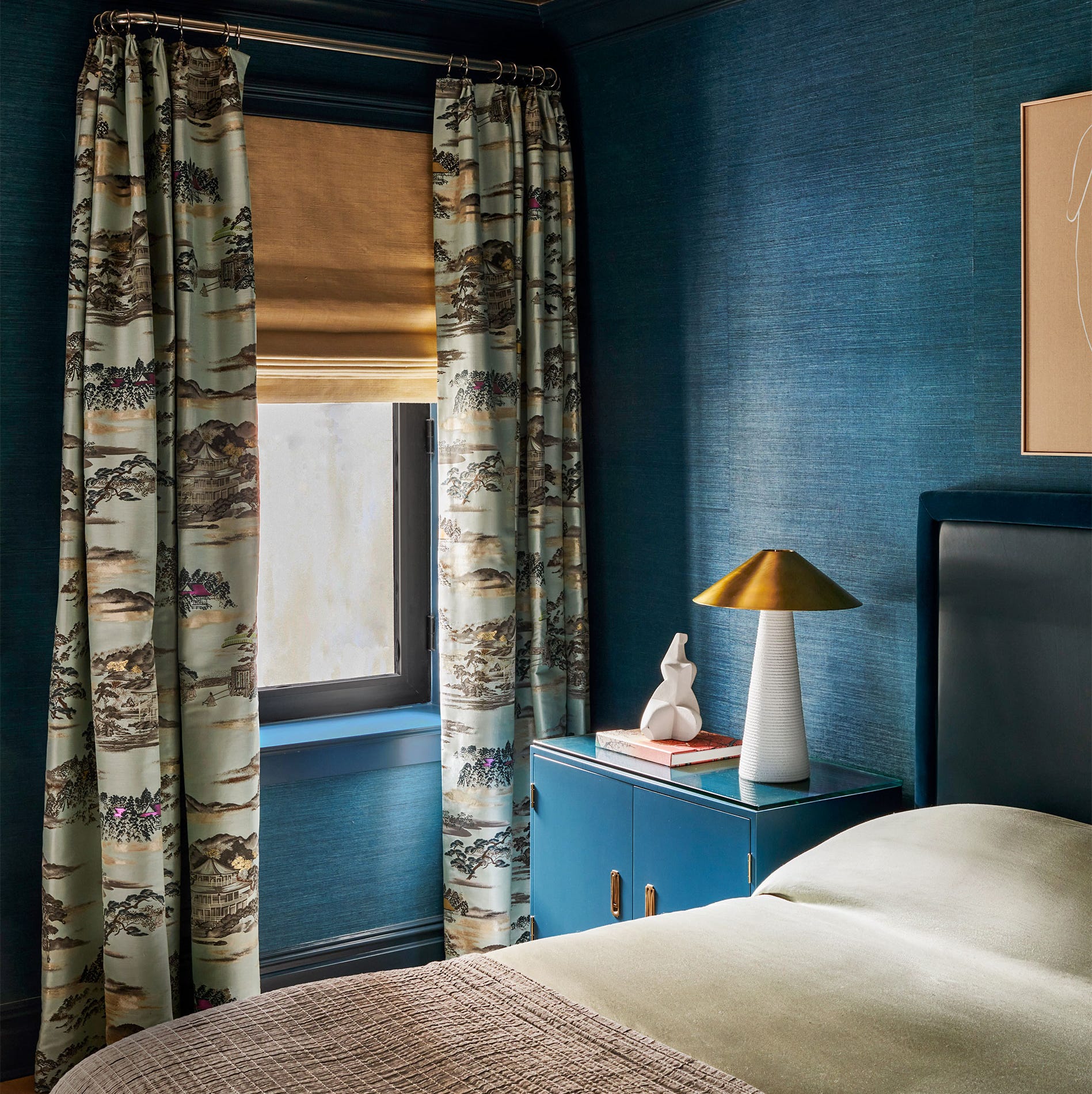
Why You Should Never Skip Curtains, According to Top Designers

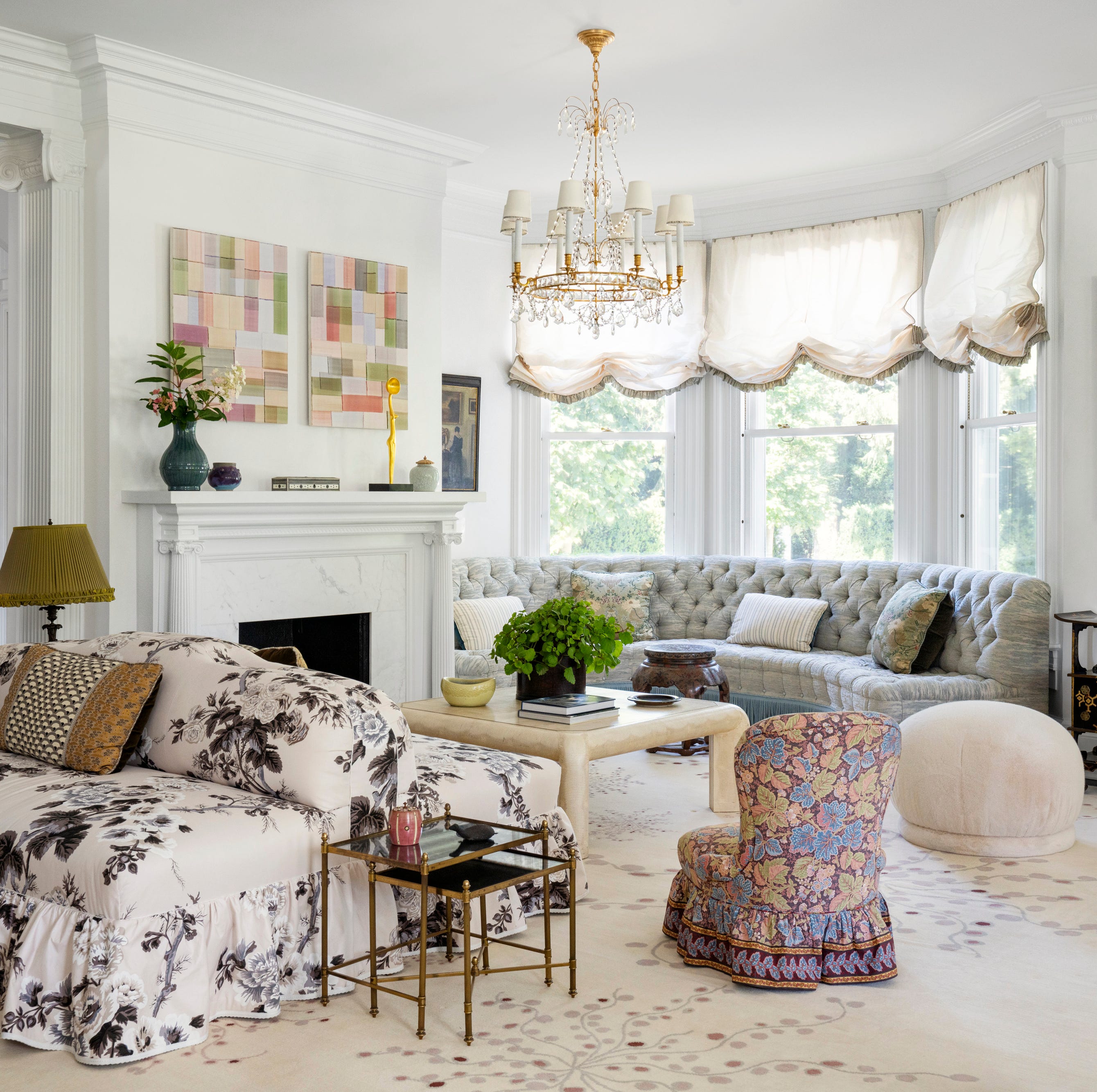
Are Balloon Shades Making a Comeback? Plus, the Other Window Treatment Trends Dominating 2025

No More of These, Please — 4 Outdated Window Treatments Designers Don't Want to See You Using Anymore
Trend alert: 4 window treatments ruling interiors right now

These are the dated window treatments interior designers are encouraging you to avoid in 2024
Are shutters outdated? Here’s what interior designers say, and how they're decorating for 2023 and beyond
6 Outdated Window Treatments Interior Designers Are Tired of Seeing