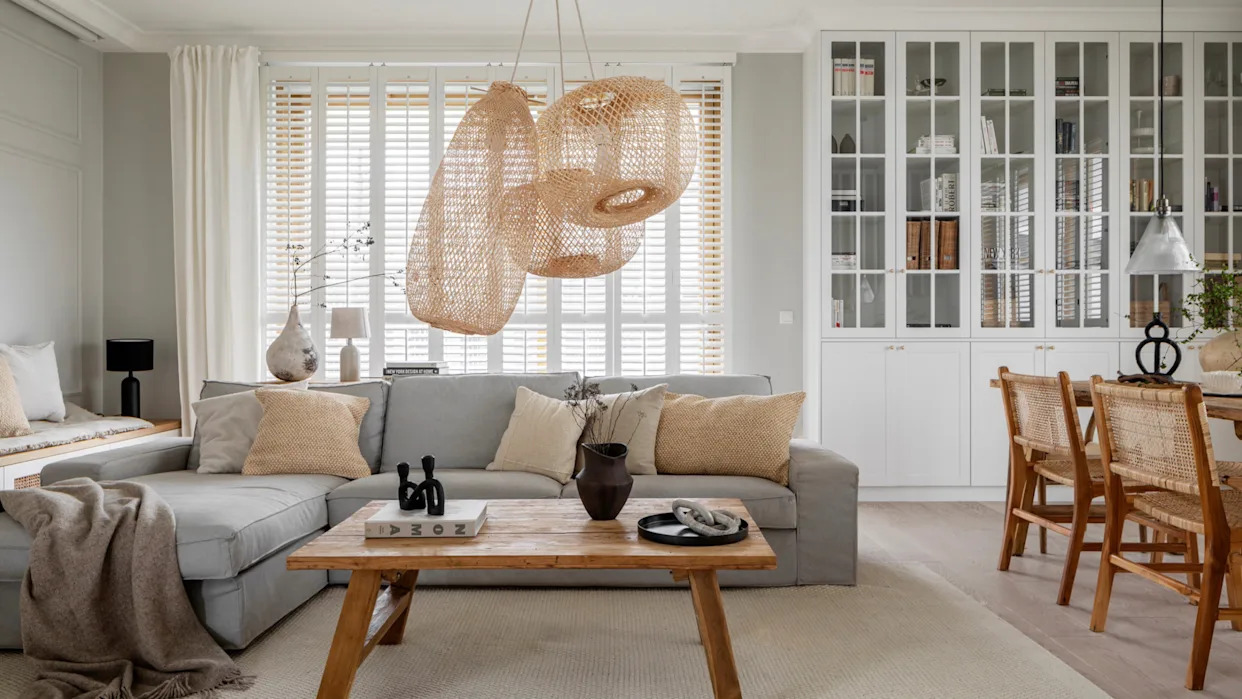
1/5
Are shutters outdated? Here’s what interior designers say, and how they're decorating for 2023 and beyond
The article explores whether window shutters, traditionally associated with older homes, remain a relevant and stylish option in contemporary interior design. While some might consider them outdated due to the prevalence of other window treatments like linen curtains, interior designers largely agree that shutters still have a place, provided the right styles and applications are chosen. The debate surrounding shutters often hinges on the type and how they are integrated into a modern scheme.
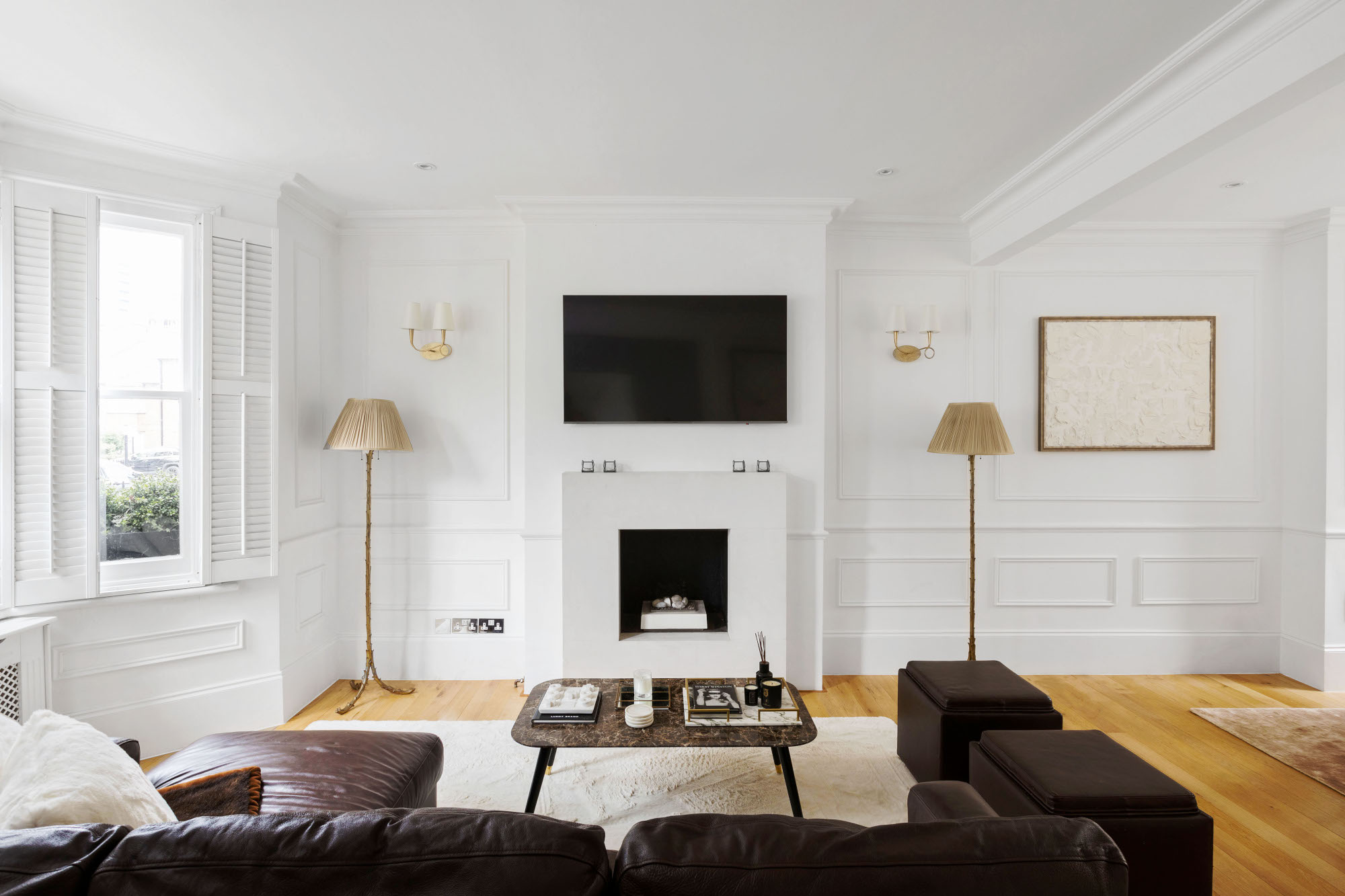
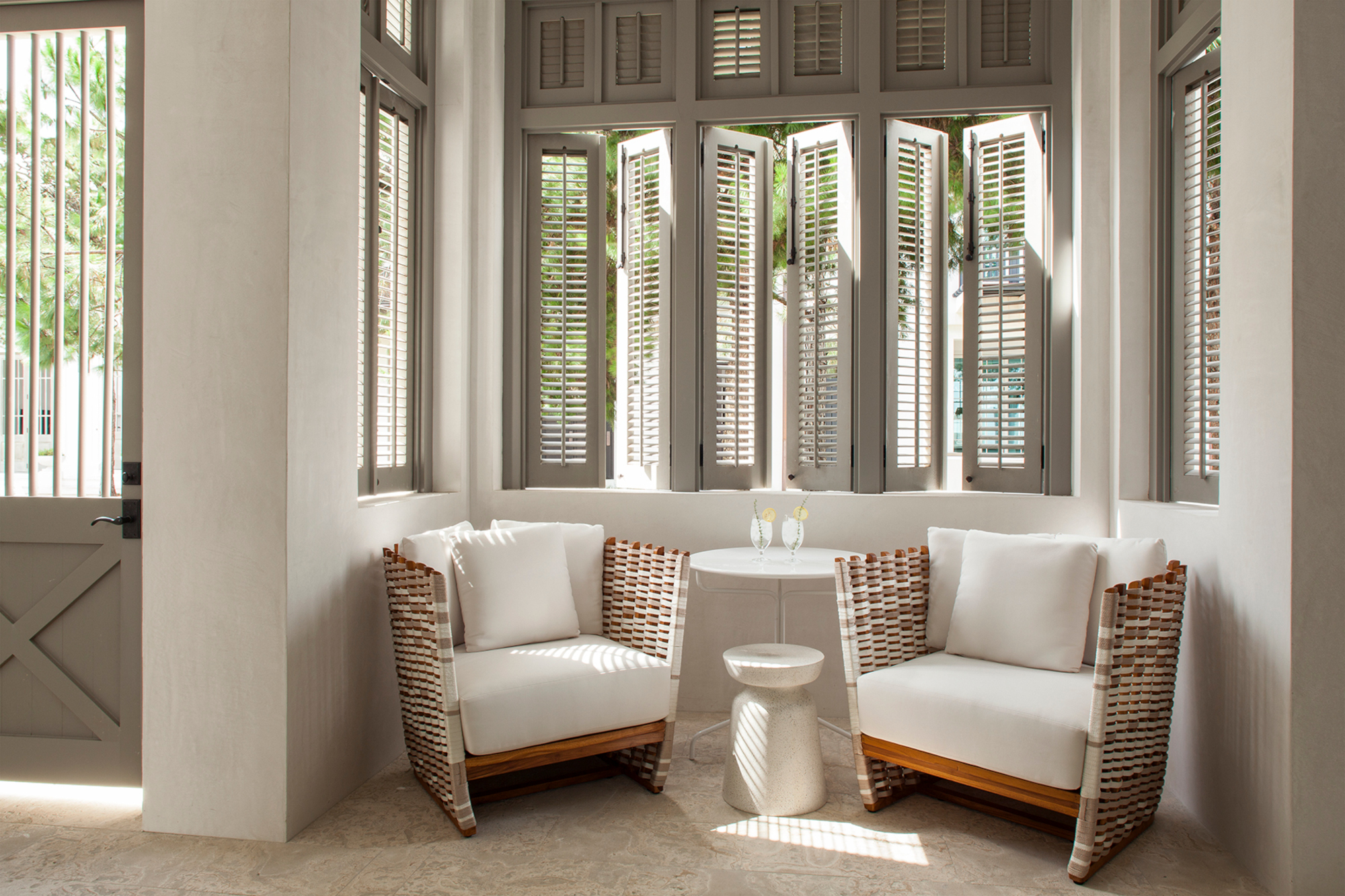
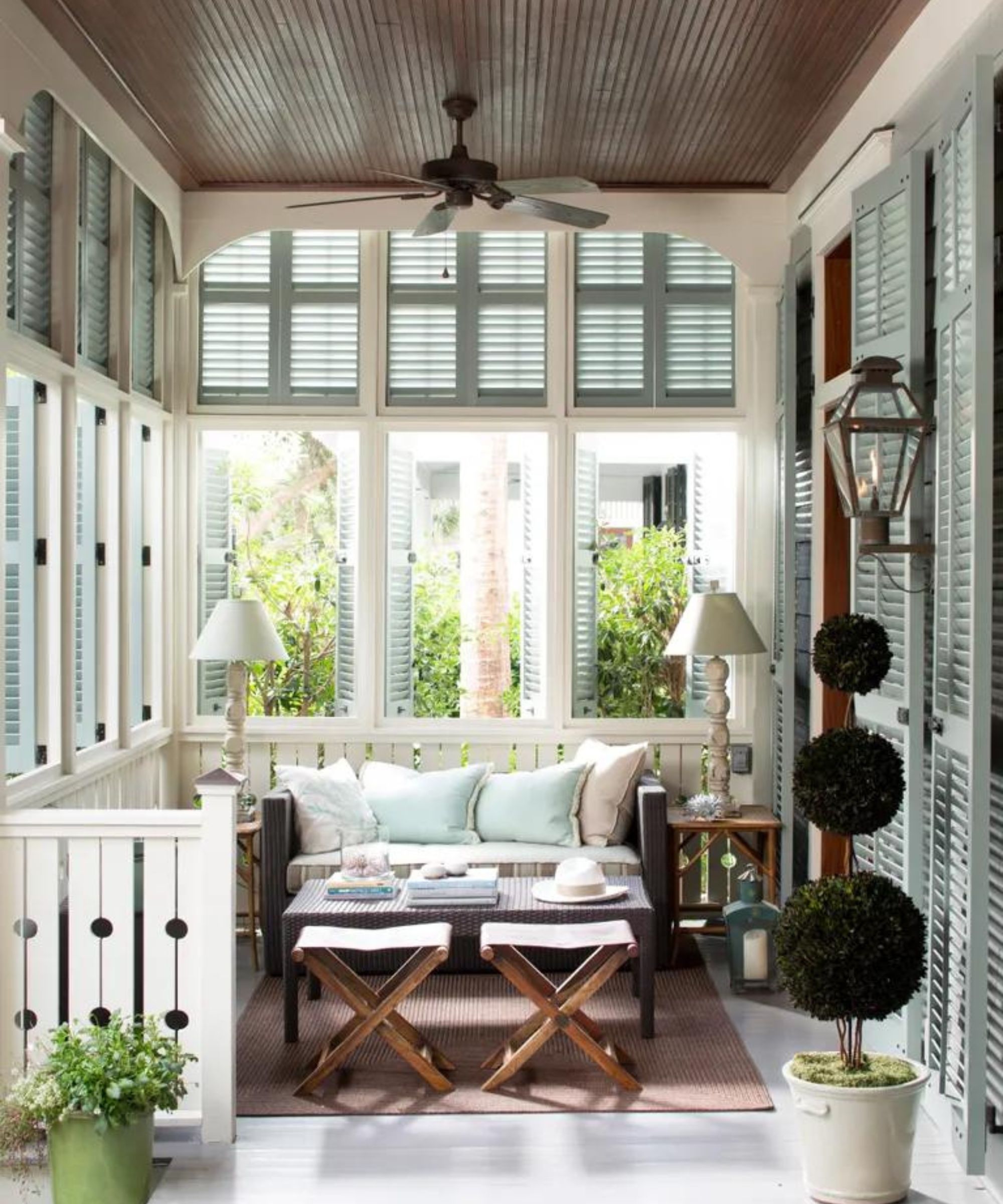
Several designers emphasize the practicality of shutters, highlighting their effectiveness in controlling light, ensuring privacy, and regulating indoor temperature. Bethany Adams, a Louisville interior designer, notes the superior light and airflow control offered by shutters, particularly in older homes. She points out that while the “Plantation” style shutter gained popularity in the nineties and early aughts, leading to a perception of datedness, a broader range of styles exists, including traditional 1-inch louvers and various panel options. Artem Kropovinsky, founder of Arsight, agrees that shutters have evolved, now available in diverse materials and designs that complement contemporary interiors, and can even contribute to energy efficiency. However, he cautions that they may not suit all spaces, especially those prioritizing natural light and expansive views.
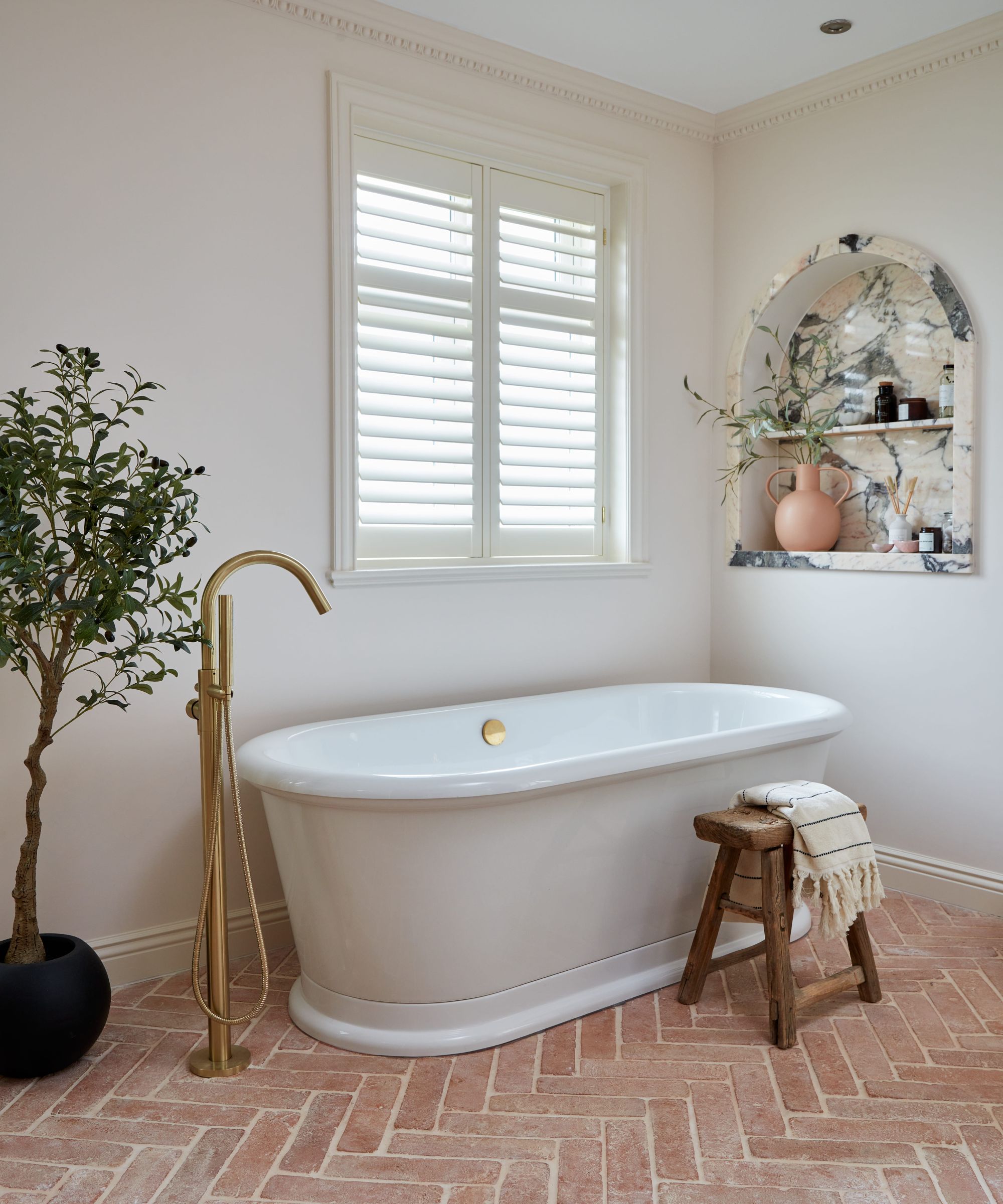
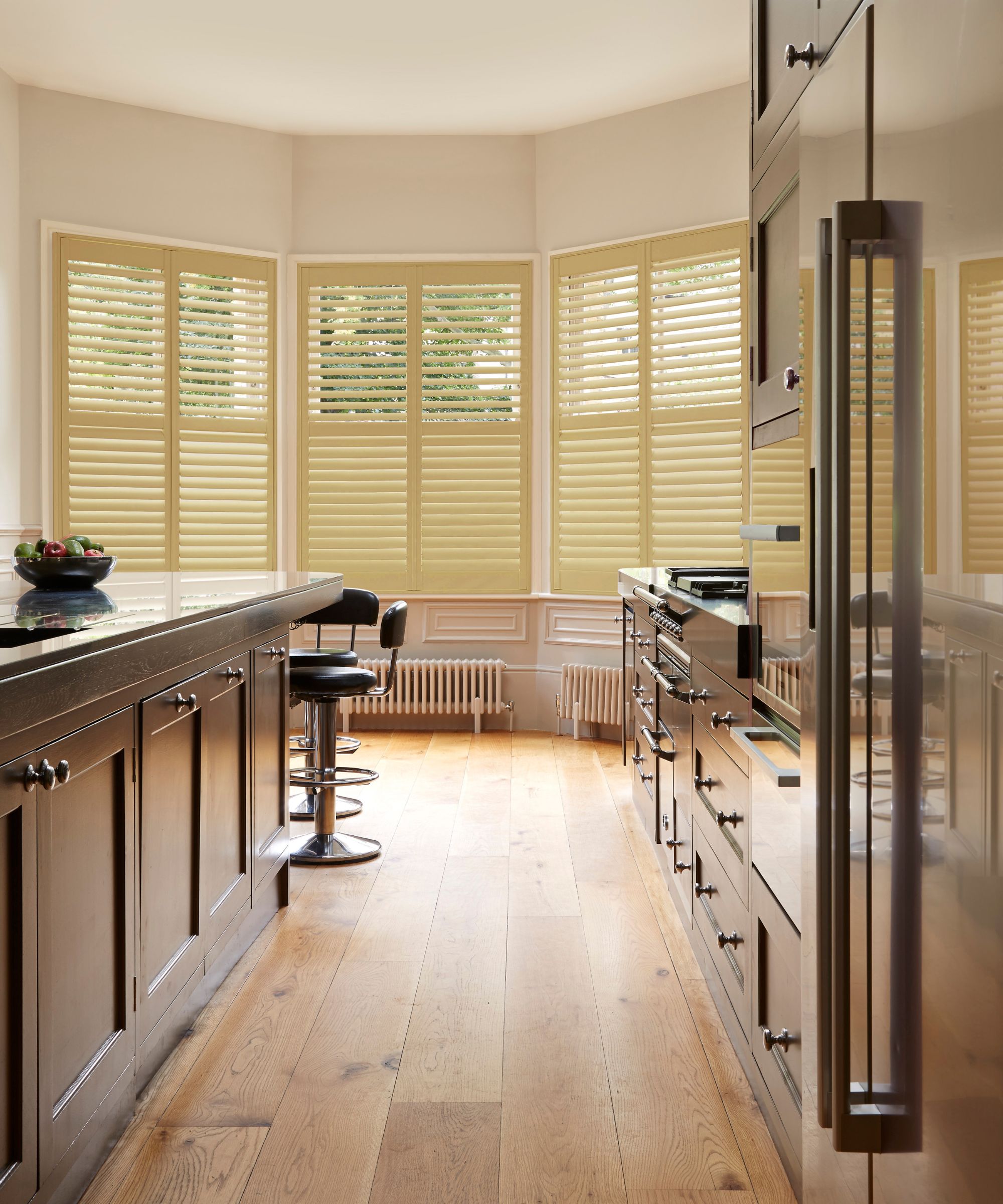
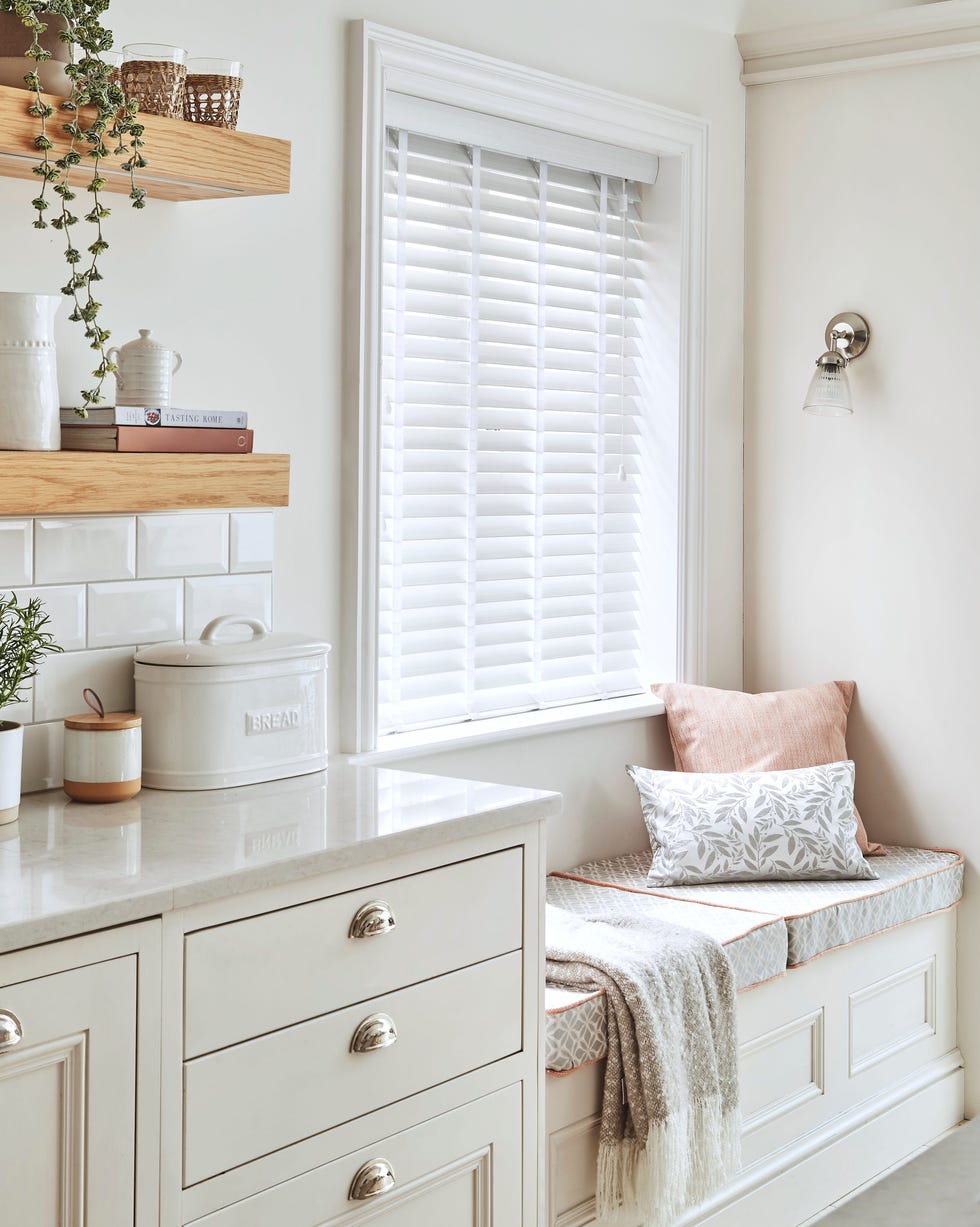
Shutters are particularly well-suited for rooms where fabric treatments are less practical, such as bathrooms and kitchens, due to their durability and ease of cleaning. Brian O’Tuama, a London-based architect, views panelled shutters in period properties as a classic architectural element that provides visual appropriateness, folds away neatly, and offers extra security. He believes such elements will never go out of style. Conversely, Sarah Storms of Styled by Storms expresses a stronger sentiment that shutters are often outdated, primarily because they can block too much light and darken rooms. Nevertheless, she acknowledges their utility in specific scenarios, such as large windows where they cover only the bottom half, providing privacy and an opportunity to introduce color, treating them like decorative trim.
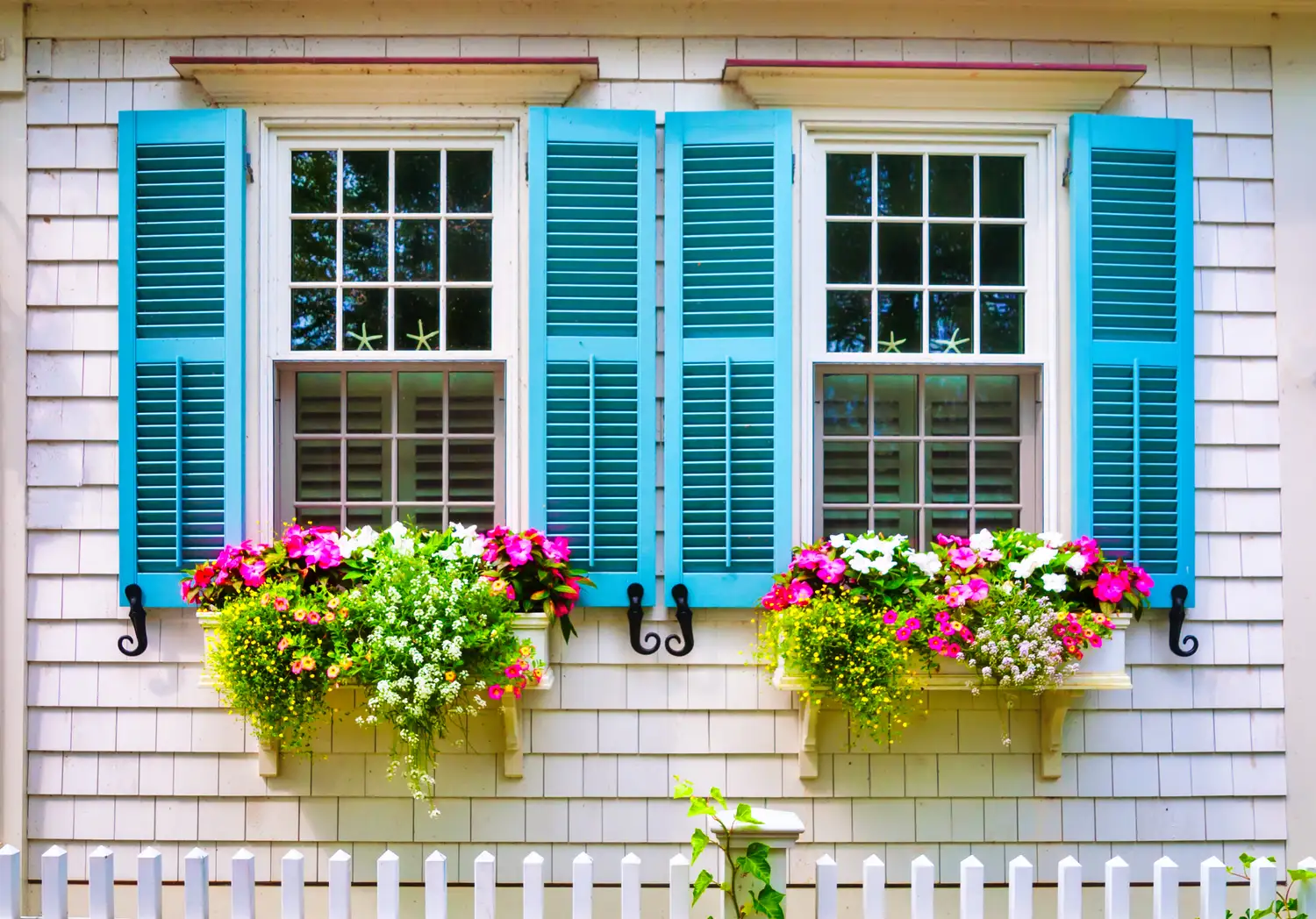
For contemporary schemes, designers recommend choosing shutters with wider blades over slimmer, more traditional ones. A minimalist approach to styling is crucial, avoiding excessive ornamentation and visible hardware to achieve a modern aesthetic. Jenny Kozena, a California-based designer, suggests embracing shutters with minimal detailing. Rosanna Bassford of Memmo Interiors adds that light and airy shutters can create a less heavy feel than drapery, blending seamlessly with walls. Solid shutters, often found in period homes, are also deemed suitable for modern settings, with Bethany Adams noting the exciting possibility of painting them in vibrant colors.
For those still unconvinced by shutters, designers offer alternatives. Jasmine Crockett of Joy Meets Home suggests that shutters might not be necessary in open, airy, modern, or minimalist interiors where privacy and light control are not primary concerns. She recommends Roman shades for a soft and elegant look or sheer curtains for a light-filled space. Julia Dempster echoes this, advocating for relaxed Roman shades to give a contemporary feel to traditional-style windows, emphasizing how the soft folds of linen can lend a classy and elegant touch to any room.
#InteriorDesign #WindowTreatments #HomeDecor #ModernInteriors #ShutterTrends #DesignTips #ContemporaryDesign #HomeStyling #ArchitecturalElements #InteriorDesign #WindowTreatments #HomeDecor #ModernInteriors #ShutterTrends #DesignTips #ContemporaryDesign #HomeStyling #ArchitecturalElements
0 comment in total
 No comments yet
You may also like
Are shutters outdated? Here’s what interior designers say, and how they're decorating for 2023 and beyond

Future-Proofing Design: How Interiors Will Evolve in 2023 and Beyond

8 interior trends predicted to be huge in 2023, according to designers
People Are Getting Real About The "Infuriating" Home Design Trends That Should Stay In 2023

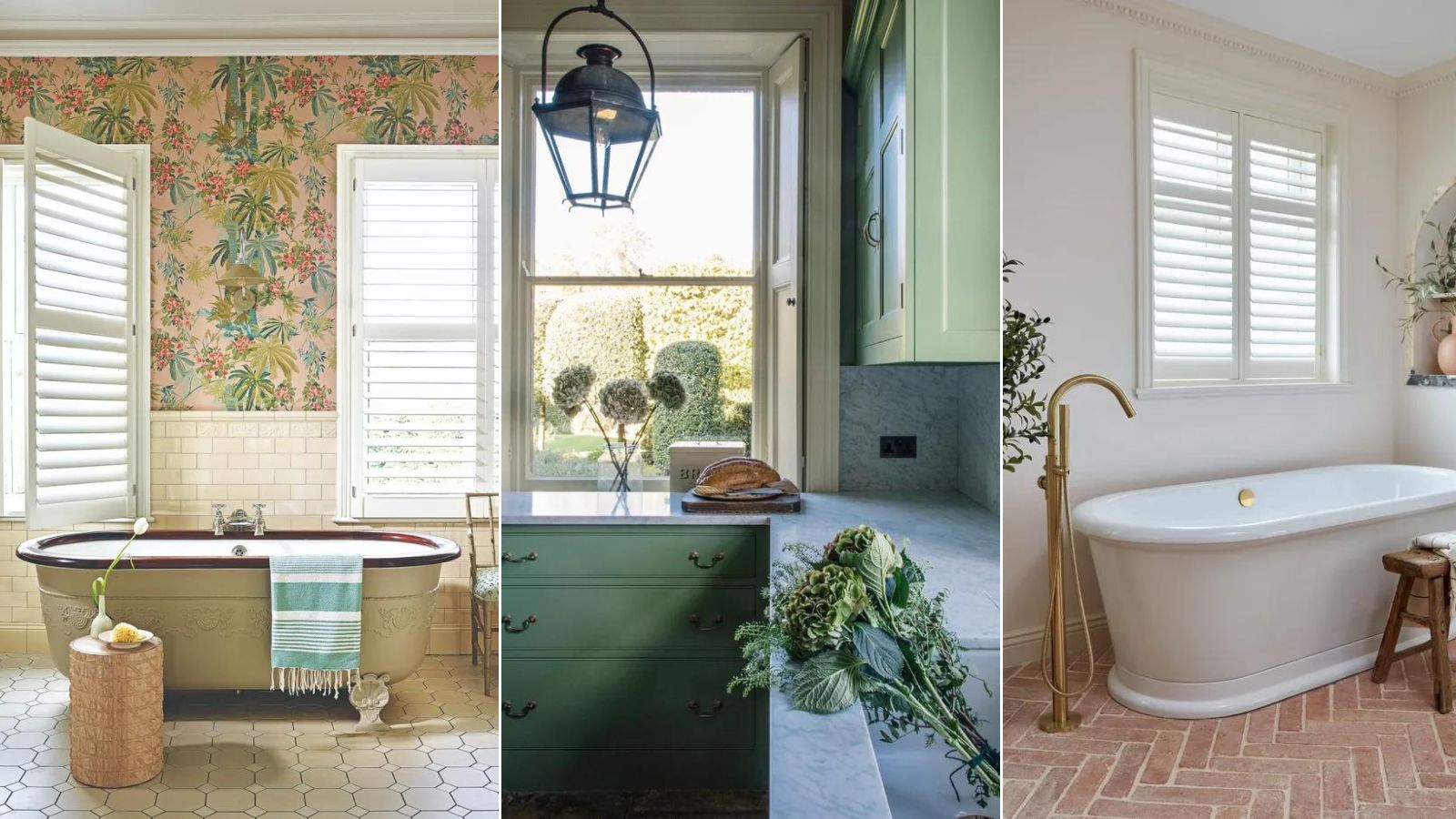
Are window shutters out of style? Interior designers weigh in

The Pros Have Spoken: These Interior Design Trends Will Define 2025

People Are Getting Real About The "Infuriating" Home Design Trends That Should Stay In 2023

Bye 2022: Home Design Trends to Ditch in 2023

Interior Design Trends to Know in 2023—And What’s on Its Way Out
Interior Designers Reveal the Biggest Window Treatment Trends of 2025
These are the interior trends to leave behind in 2023, according to experts
How to decorate in 2025: Skip these tired trends, interior designers say
Are Window Shutters Still in Style? We Asked Designers What They Really Think

Ready to Redecorate? 2025’s Top Design Trends Just Dropped

5 trends that look good right now but interior designers warn they won't last
Designers Are Shifting Away From Classic Shaker Kitchen Cabinets in 2023


7 Home Decor Trends to Look for in 2023 According to Interior Designers
Wall art trends – interior designers on the new ideas to watch for in 2023 and beyond
The Fall 2025 Décor Trends Designers Say Are Already Everywhere
3 "Timeless" Trends Designers Say Are Out—and Making Homes Look Dated in 2026