Wainscoting: the bold update to a traditional design element
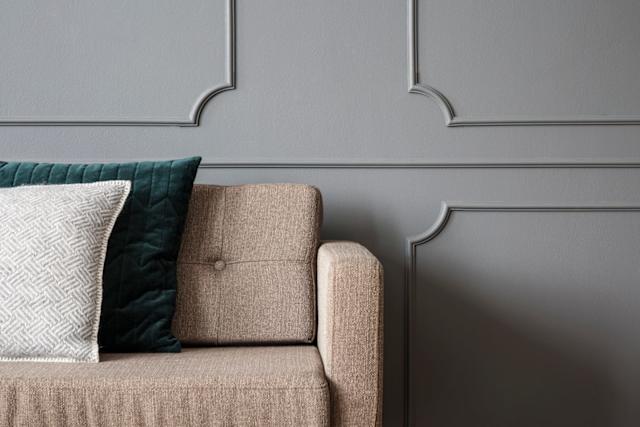
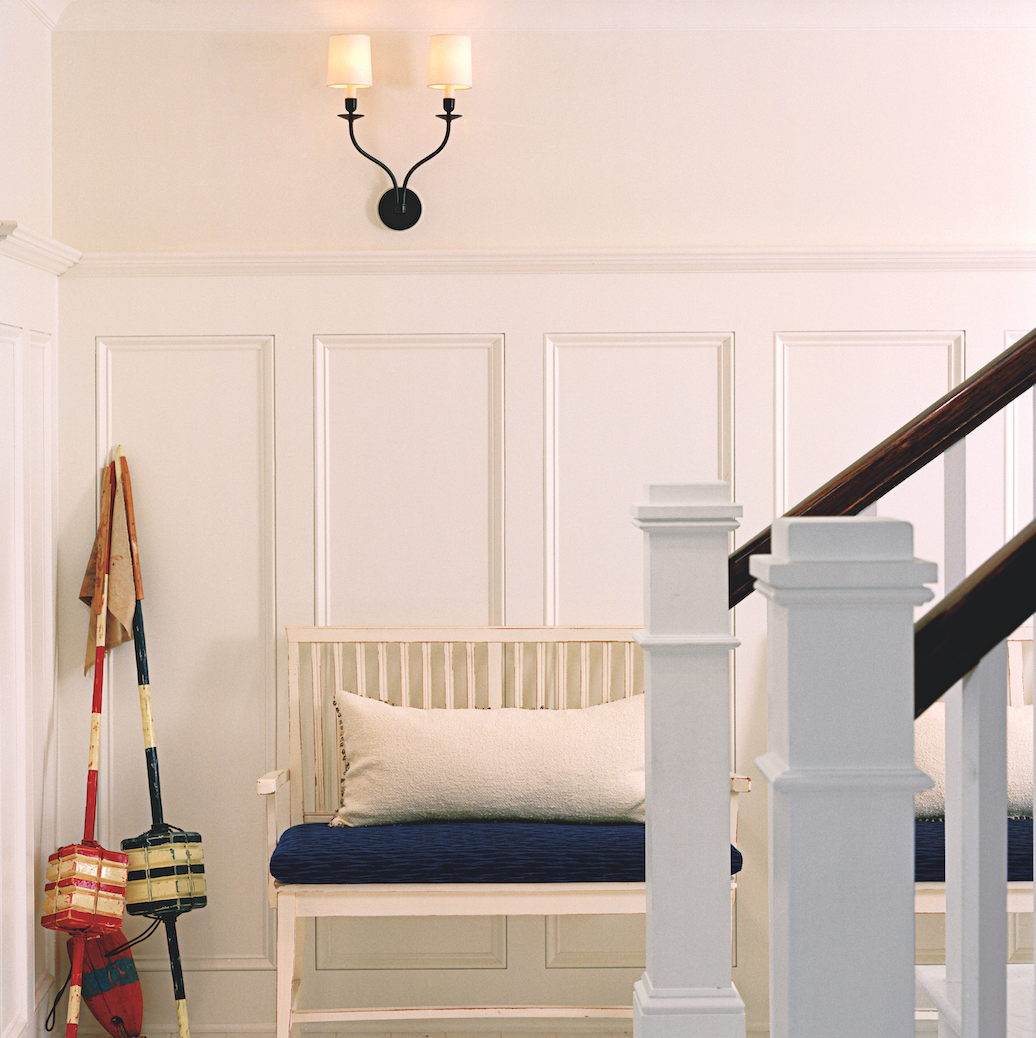
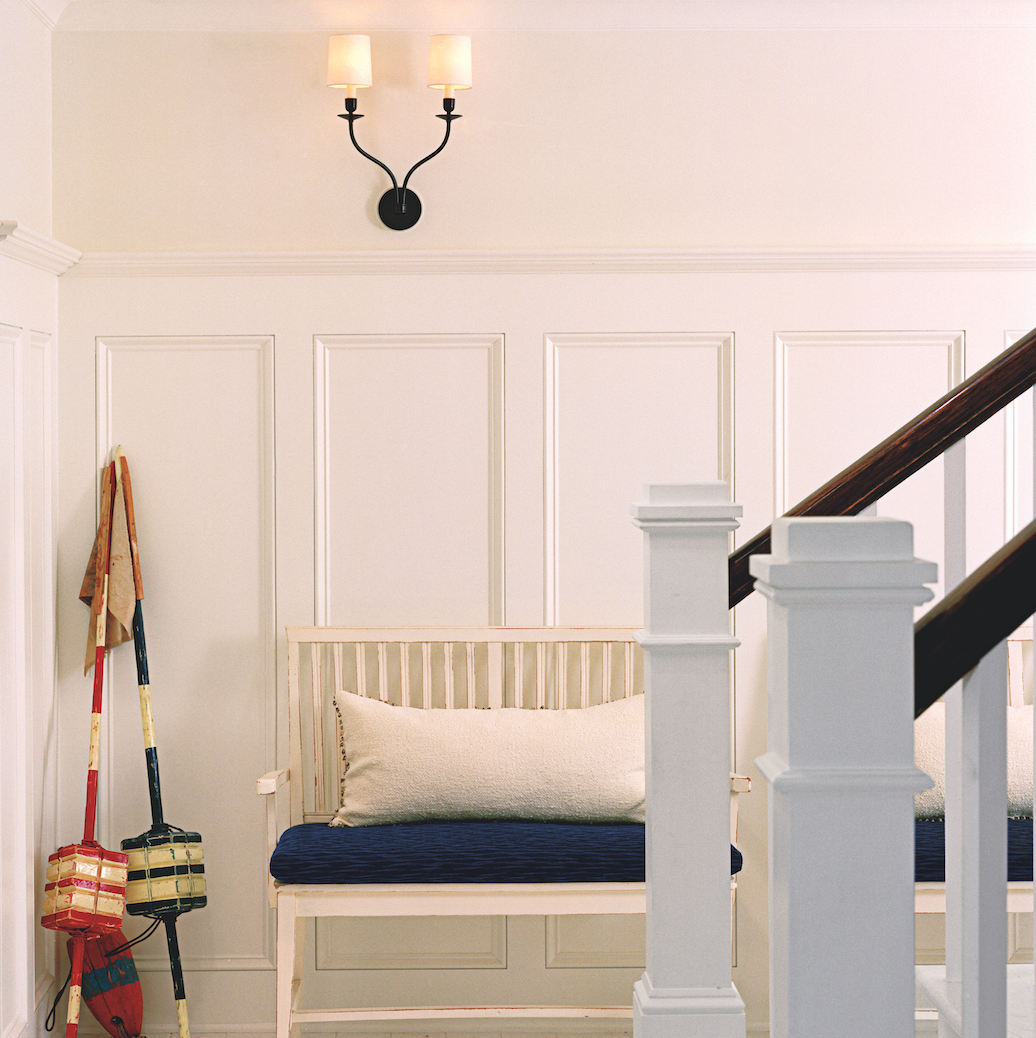
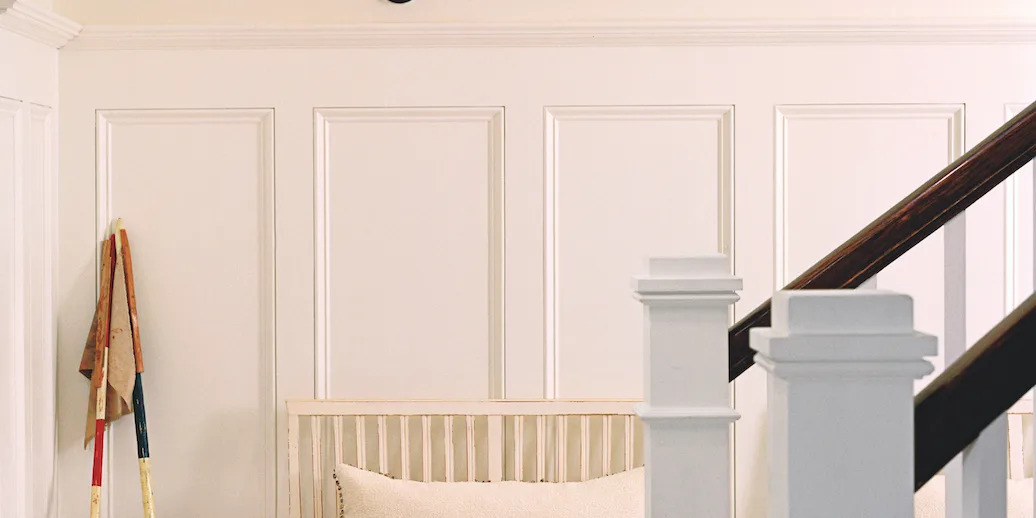
Wainscoting, a versatile design element, offers character across various price points. Historically, it served to protect walls and provide insulation, originating in the 18th century. Over time, wainscoting has evolved, maintaining its popularity due to its timeless aesthetic and adaptability. It can be installed to cover a quarter, half, or even an entire wall, depending on the desired visual impact. Typically, it consists of large panels that can be painted or stained and are available in diverse materials and textures. This design feature is often complemented with a chair rail above and a baseboard or shoe molding below, contributing to a refined and cohesive appearance.
Interior designer Debra Bevard, owner of 1749 Designs, highlights wainscoting's ability to introduce depth, texture, and interest into any space. She emphasizes that it acts as an upgrade that enhances a home's character and imparts a sense of refinement. Bevard notes the availability of various styles, from classic raised panels to sleek beadboard, all of which contribute to making a space feel more polished and inviting. Brett Clark and Ellen Lancia, co-founders of Design Collective STL, concur, stressing that wainscoting effectively balances form and function. They state that good design extends beyond aesthetics, aiming to create spaces that are effortless, functional, and deeply connected to their inhabitants. Clark and Lancia observe that wainscoting has adapted to suit a wide array of interior styles, making walls feel more intentional and elevating even minimalist rooms. They conclude that whether traditional or contemporary, wainscoting adds a level of craftsmanship that improves a home's overall charm and sophistication.
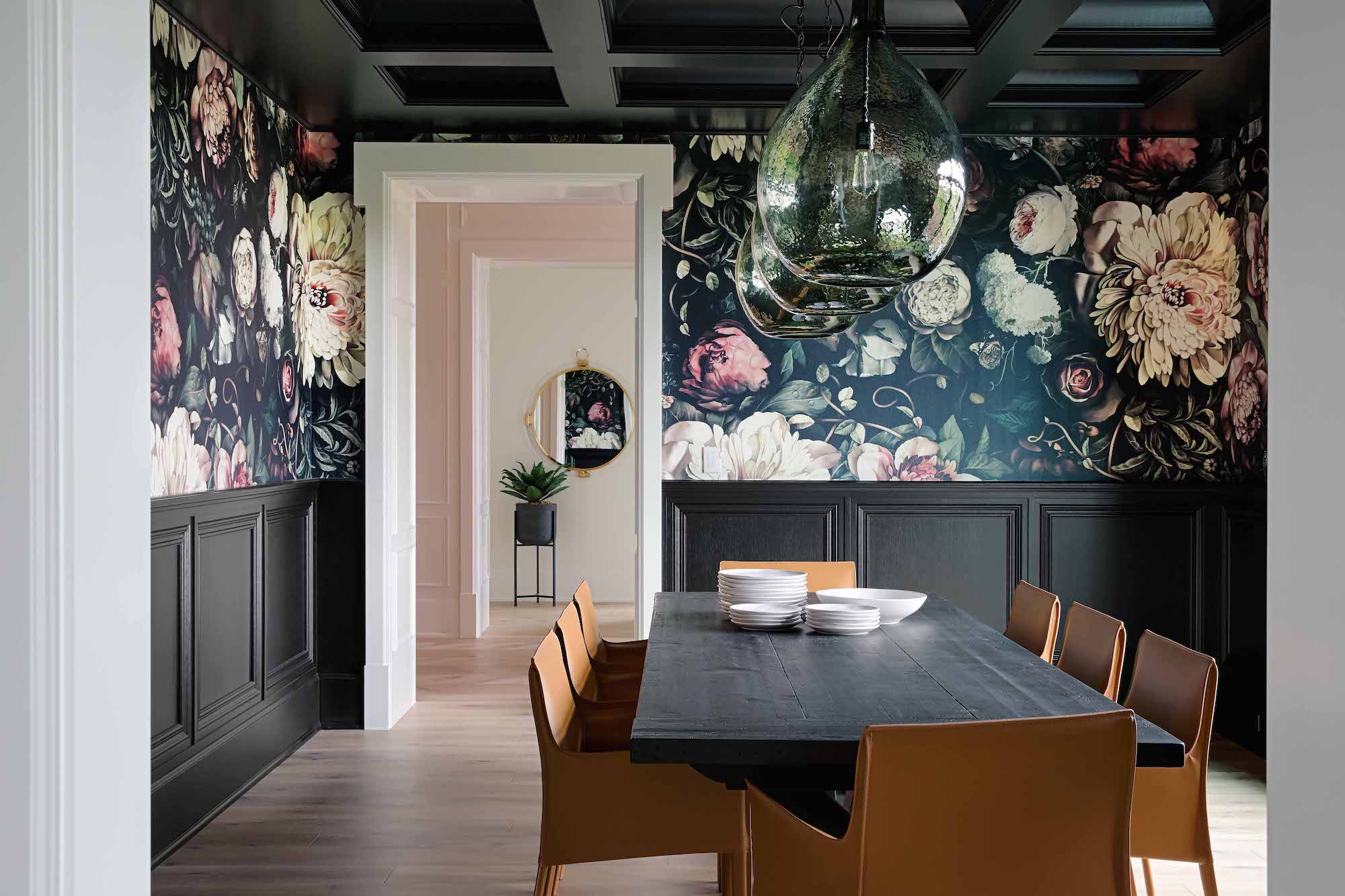
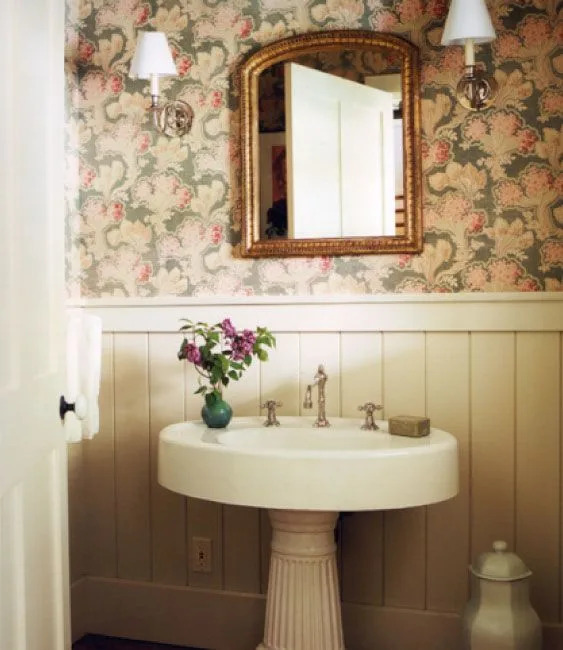
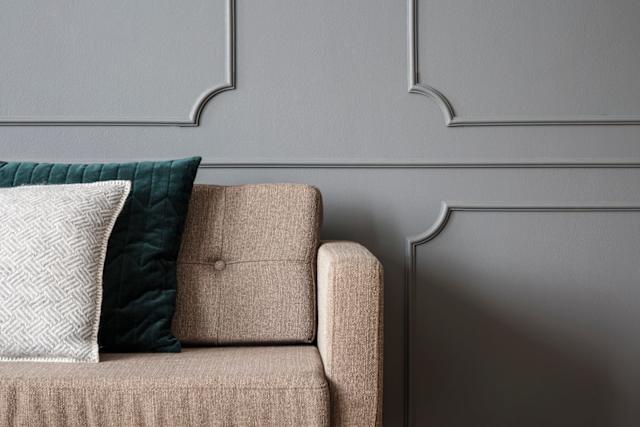
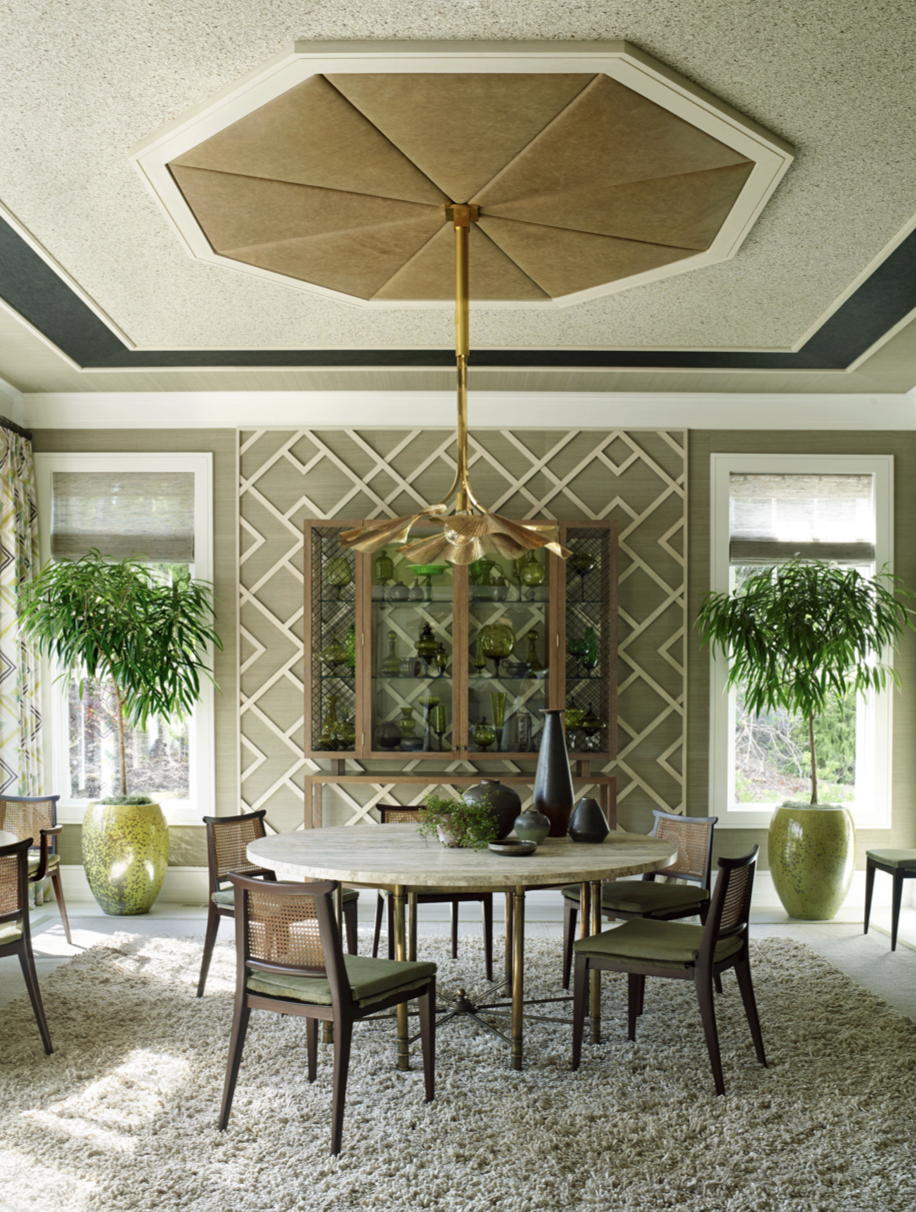
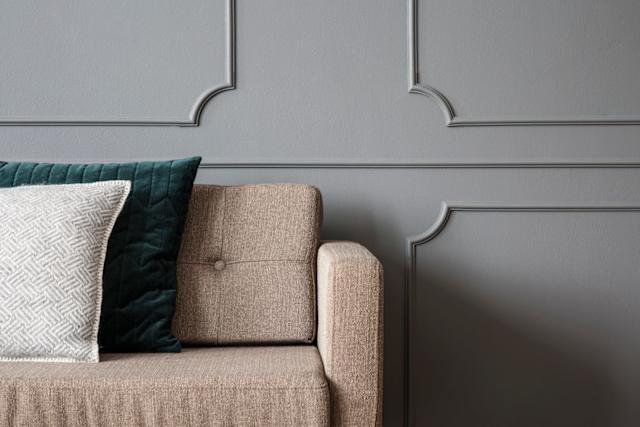
While wainscoting can technically be installed in any room, certain areas are more common applications. Clark and Lancia point out that it is frequently found in entryways and dining rooms, where it adds architectural interest and sophistication. They also suggest it as a suitable choice for hallways, staircases, and bathrooms, given its durability and visual appeal. Bevard underscores that authentic wainscoting provides a classic, high-end look without compromising structural integrity. Clark and Lancia also mention the existence of faux wainscoting options, which are often created using trim pieces. These alternatives present a budget-friendly solution while still delivering a stylish finish.
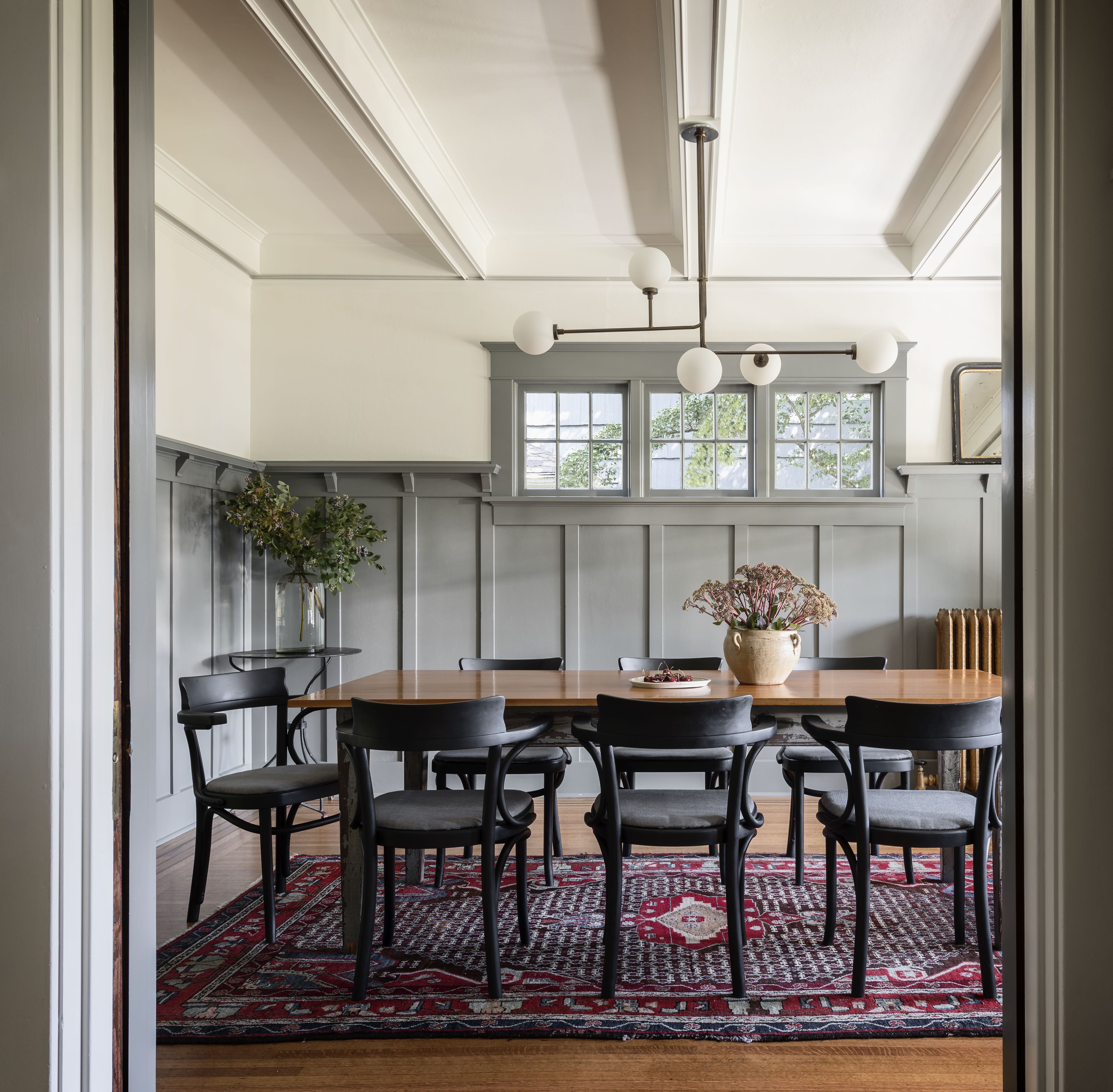
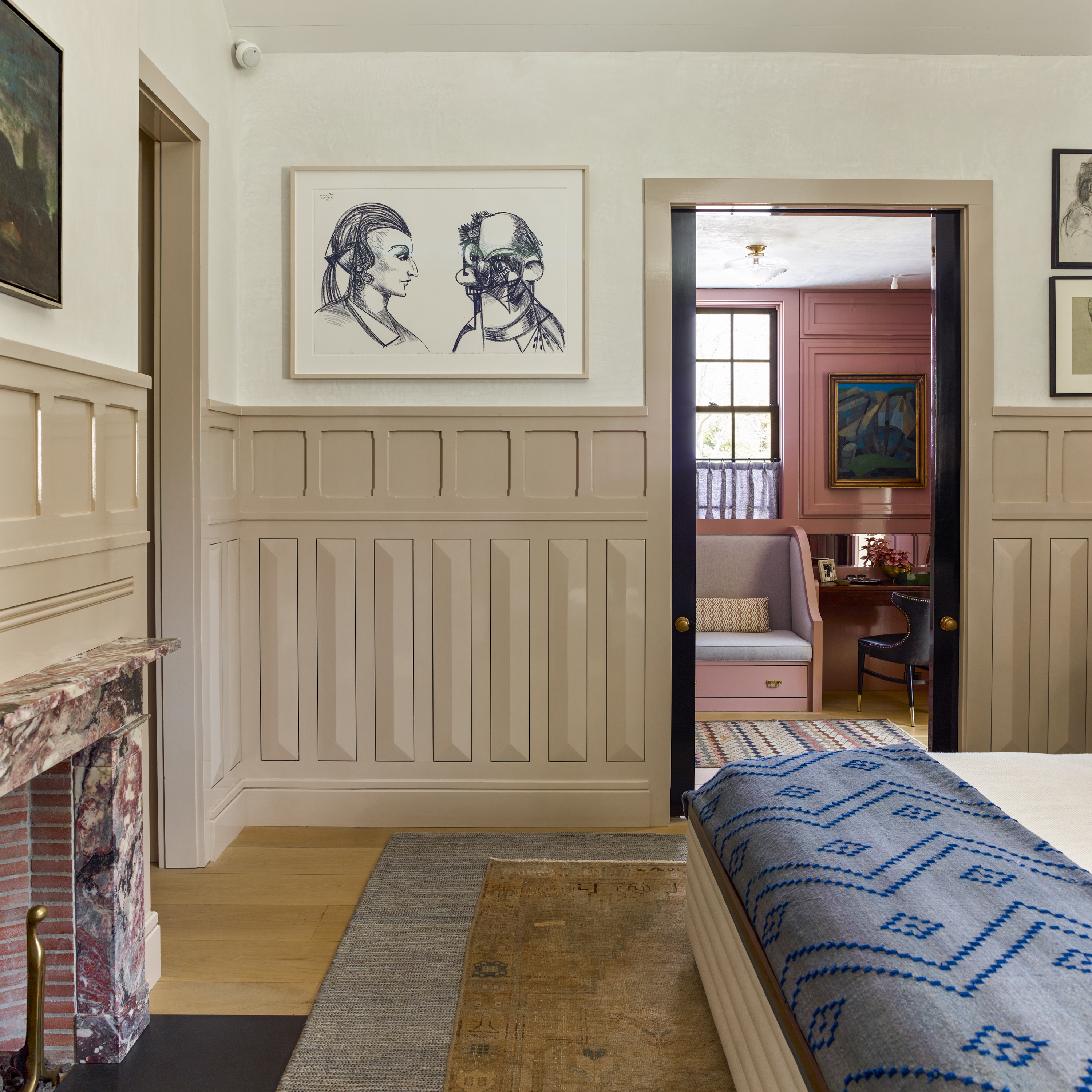
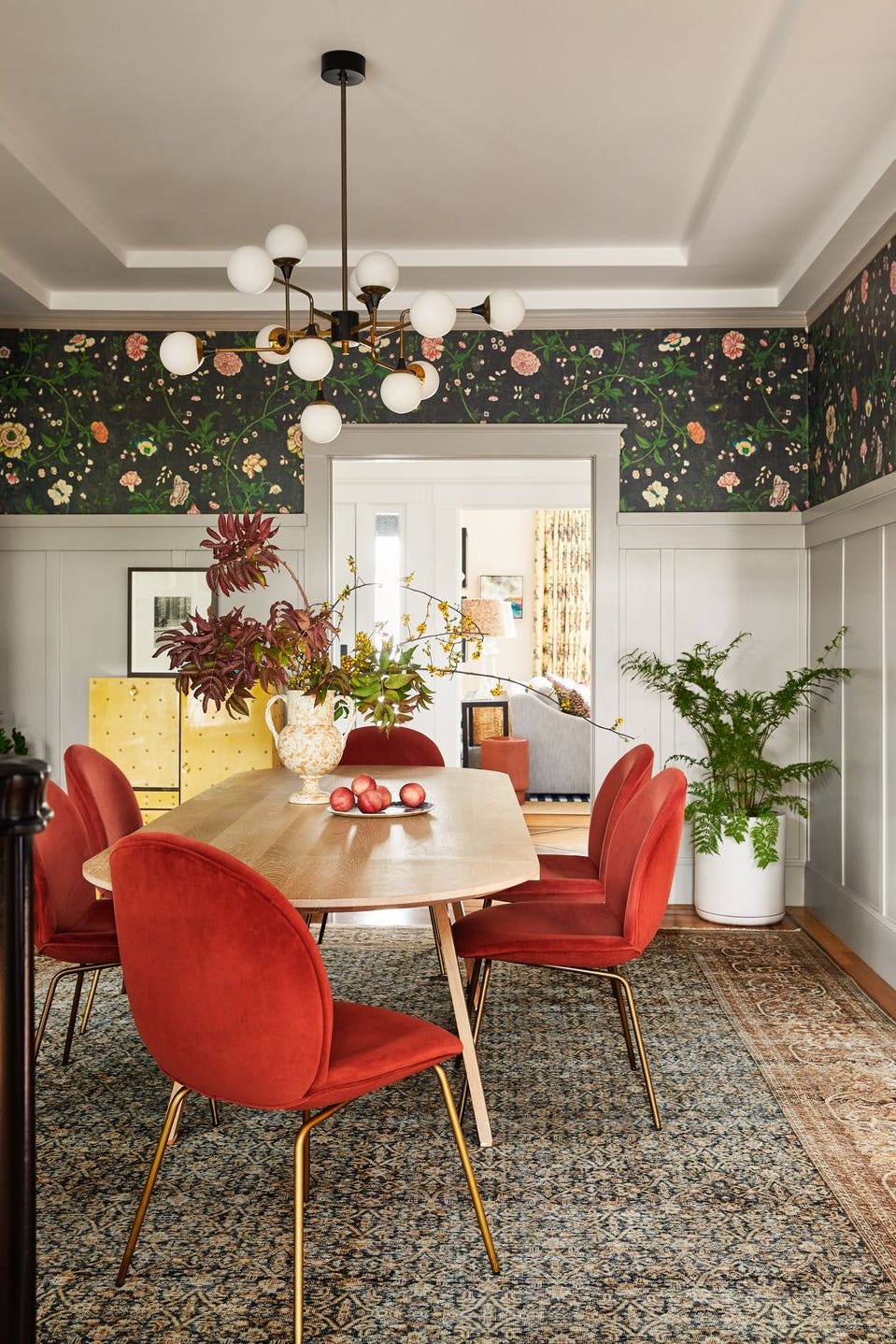
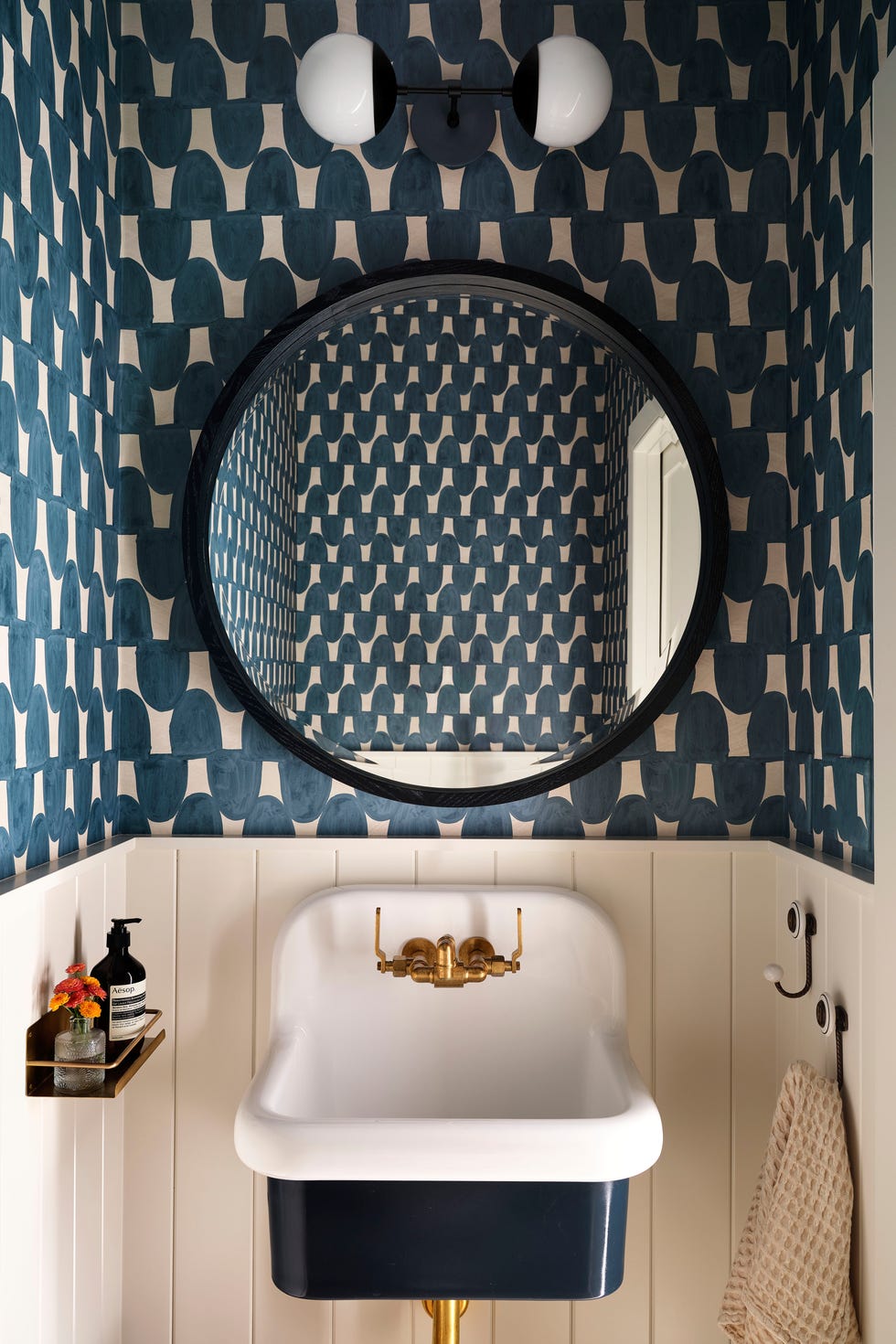
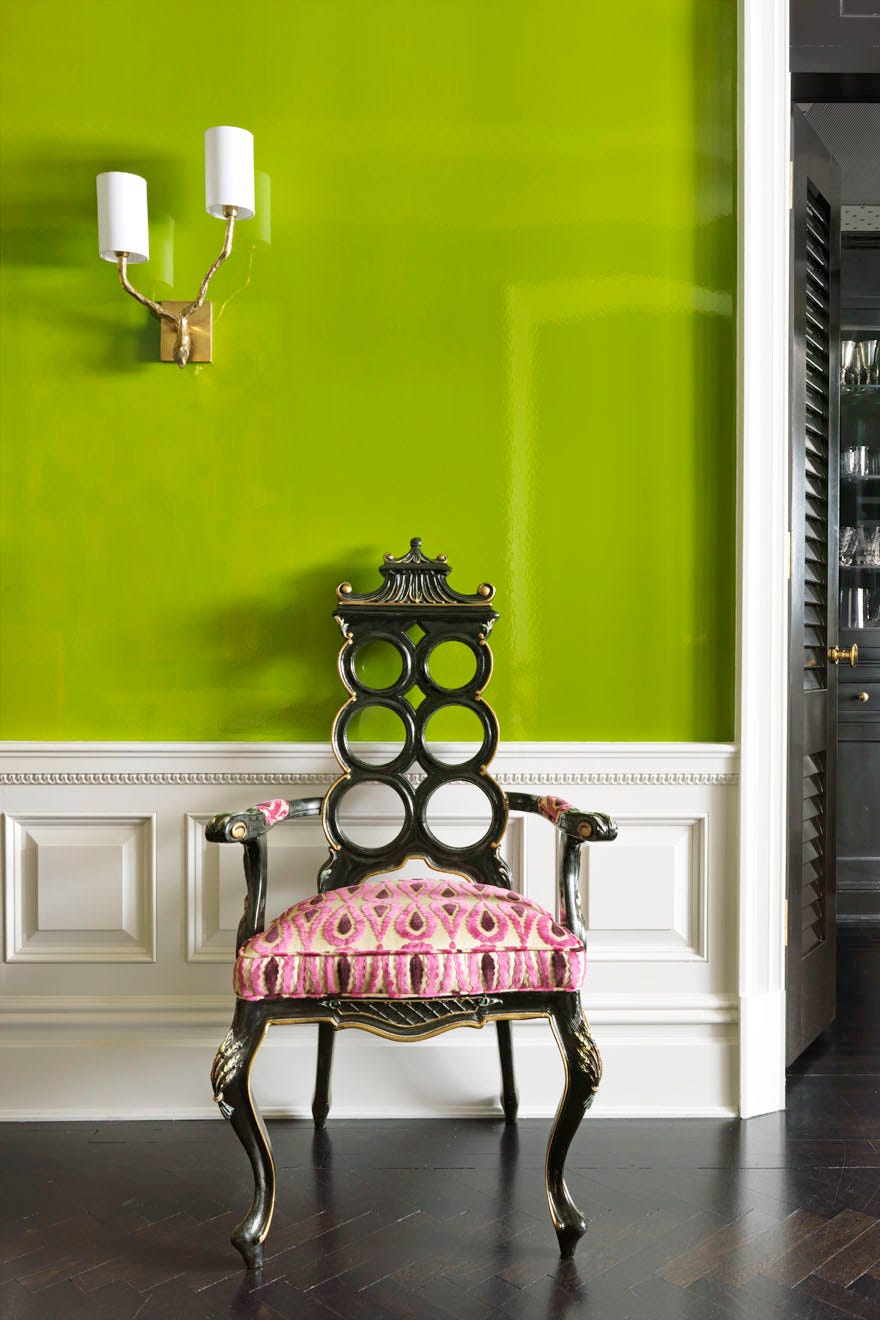
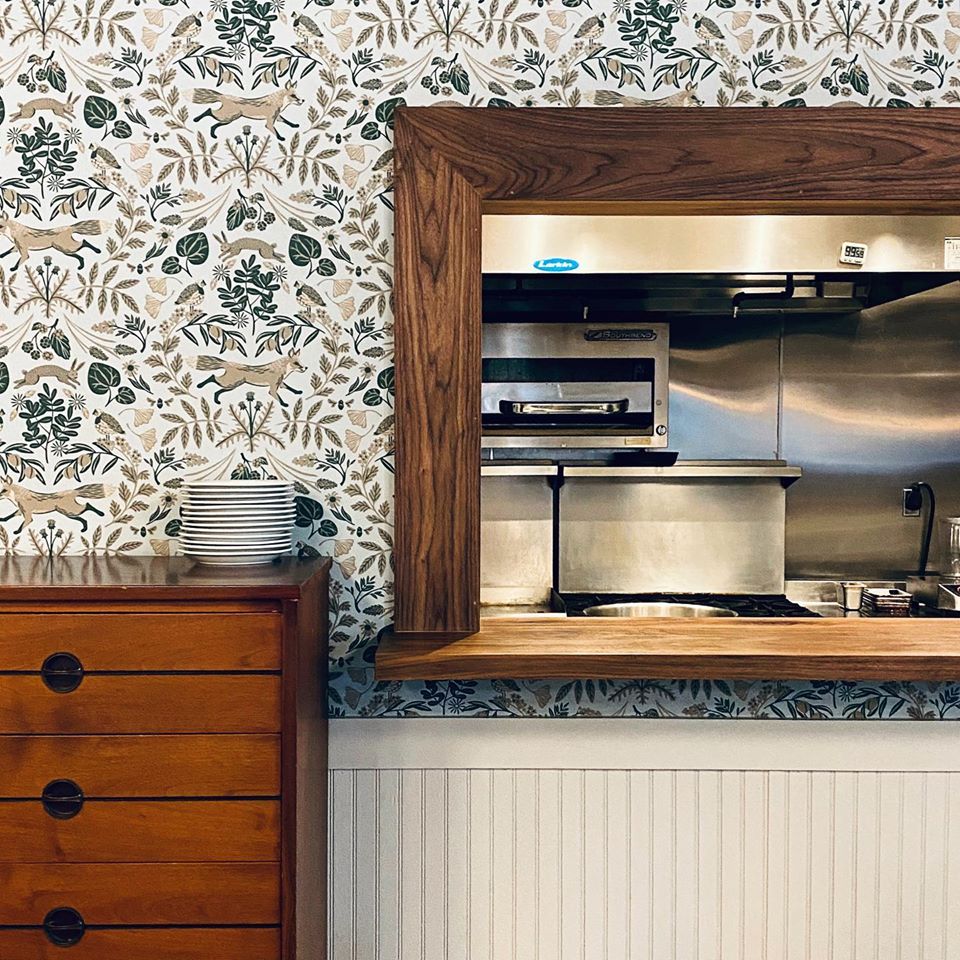
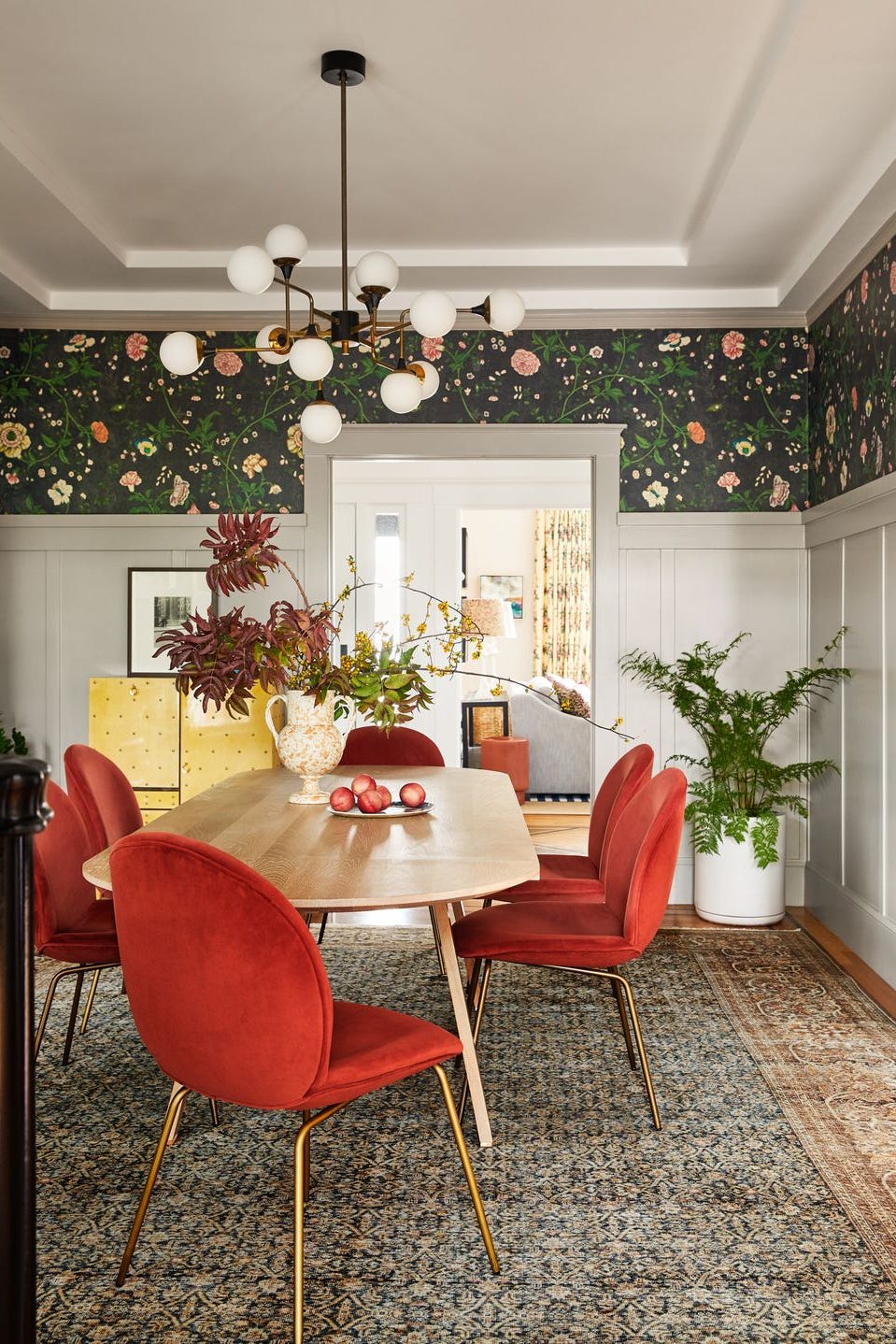
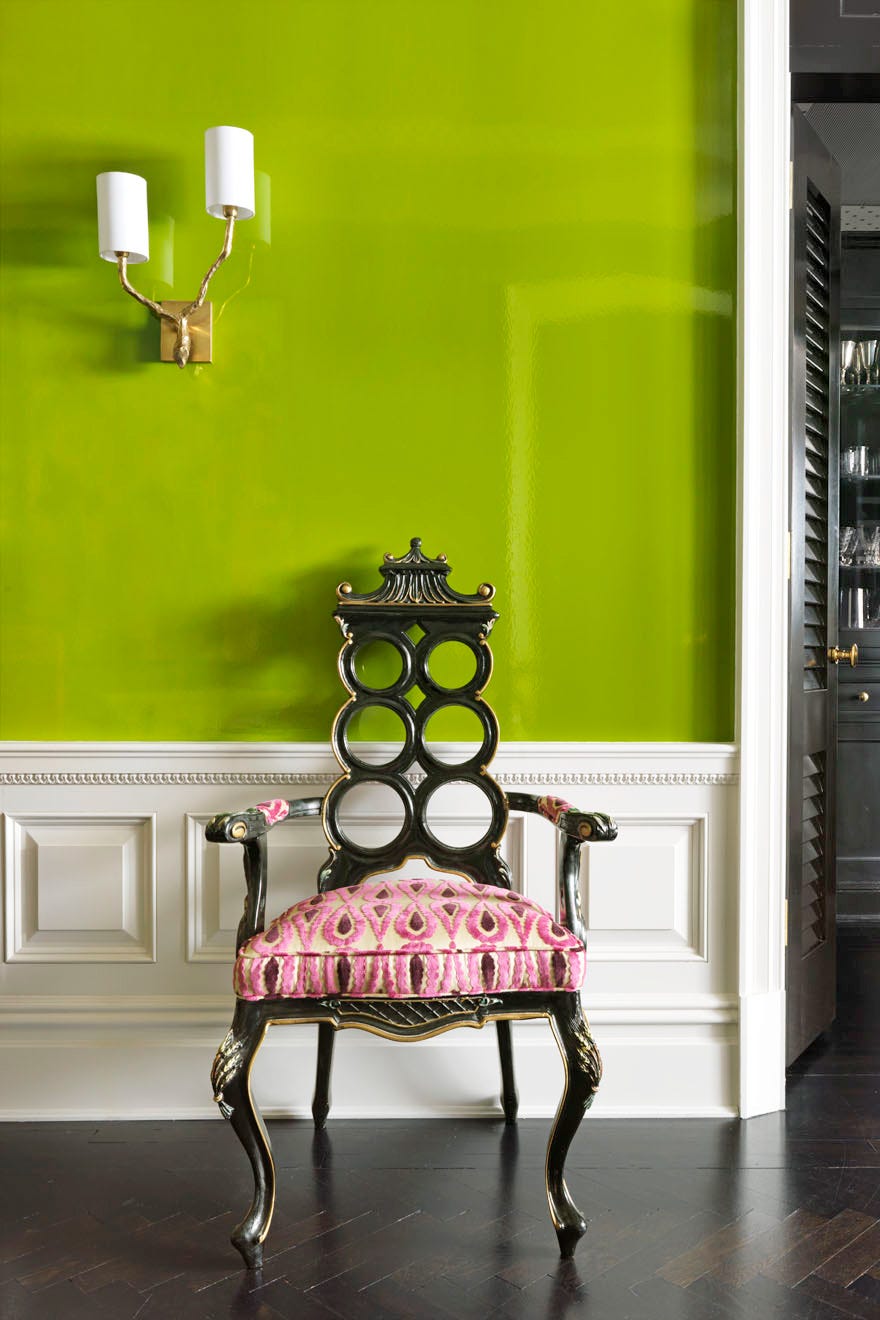
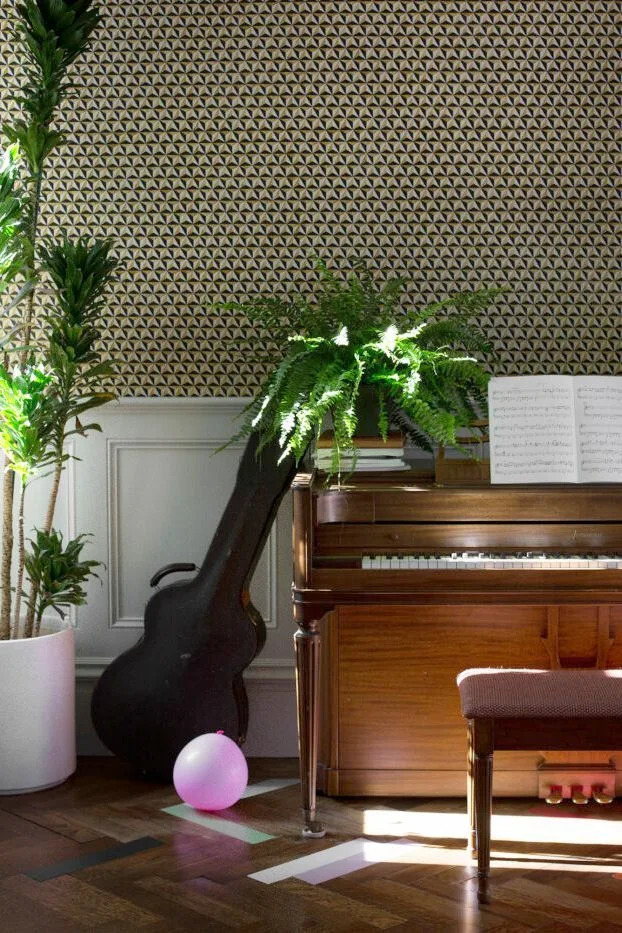
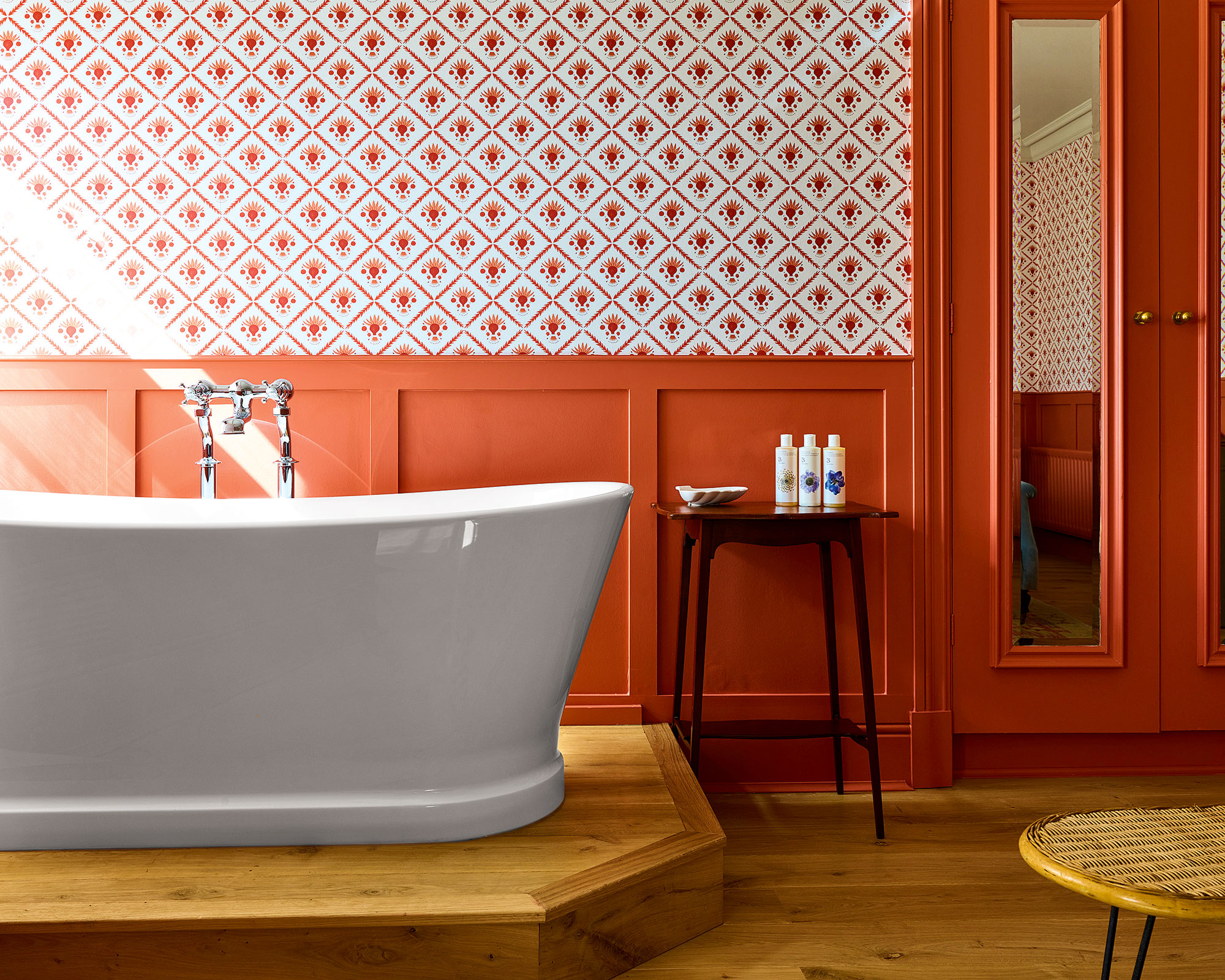
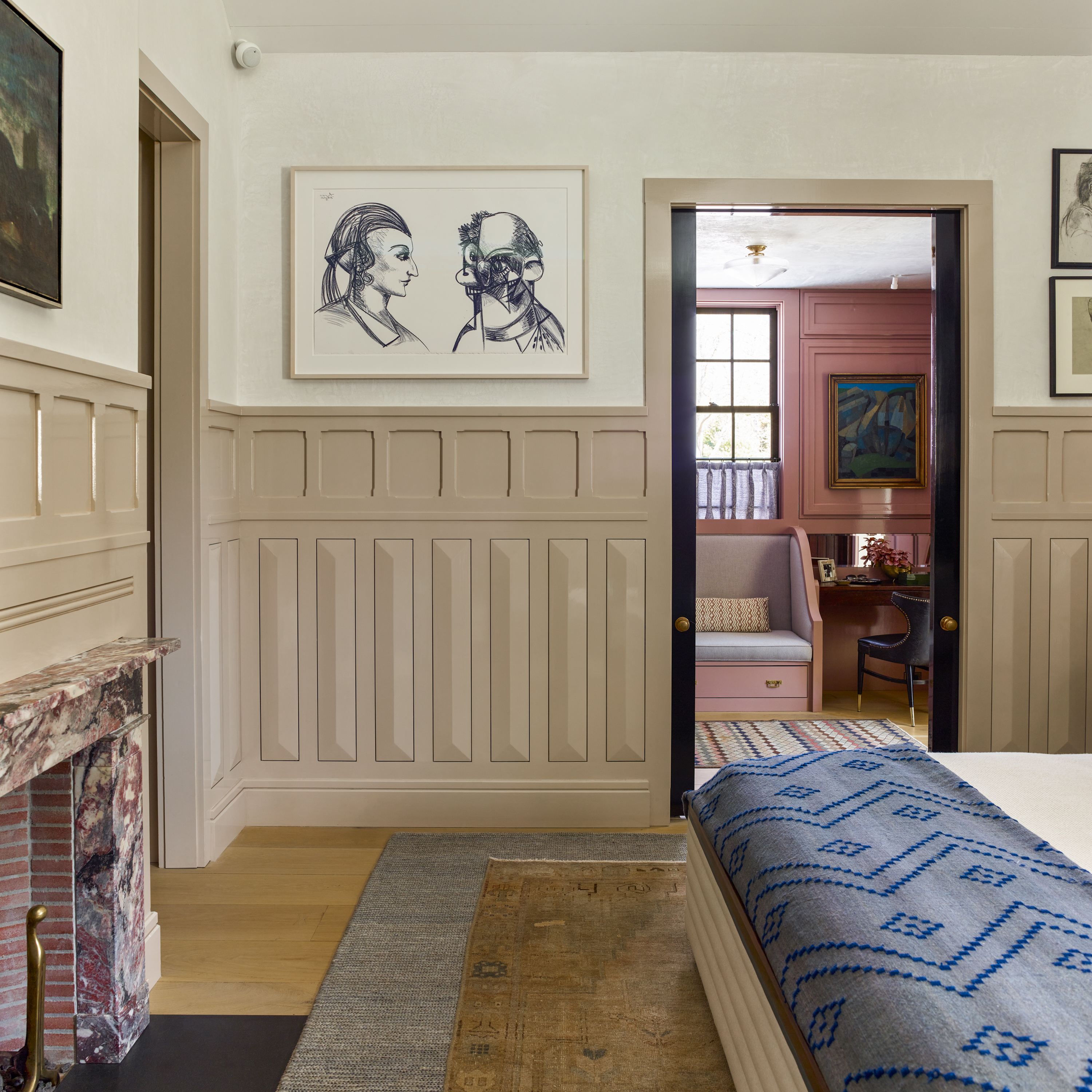
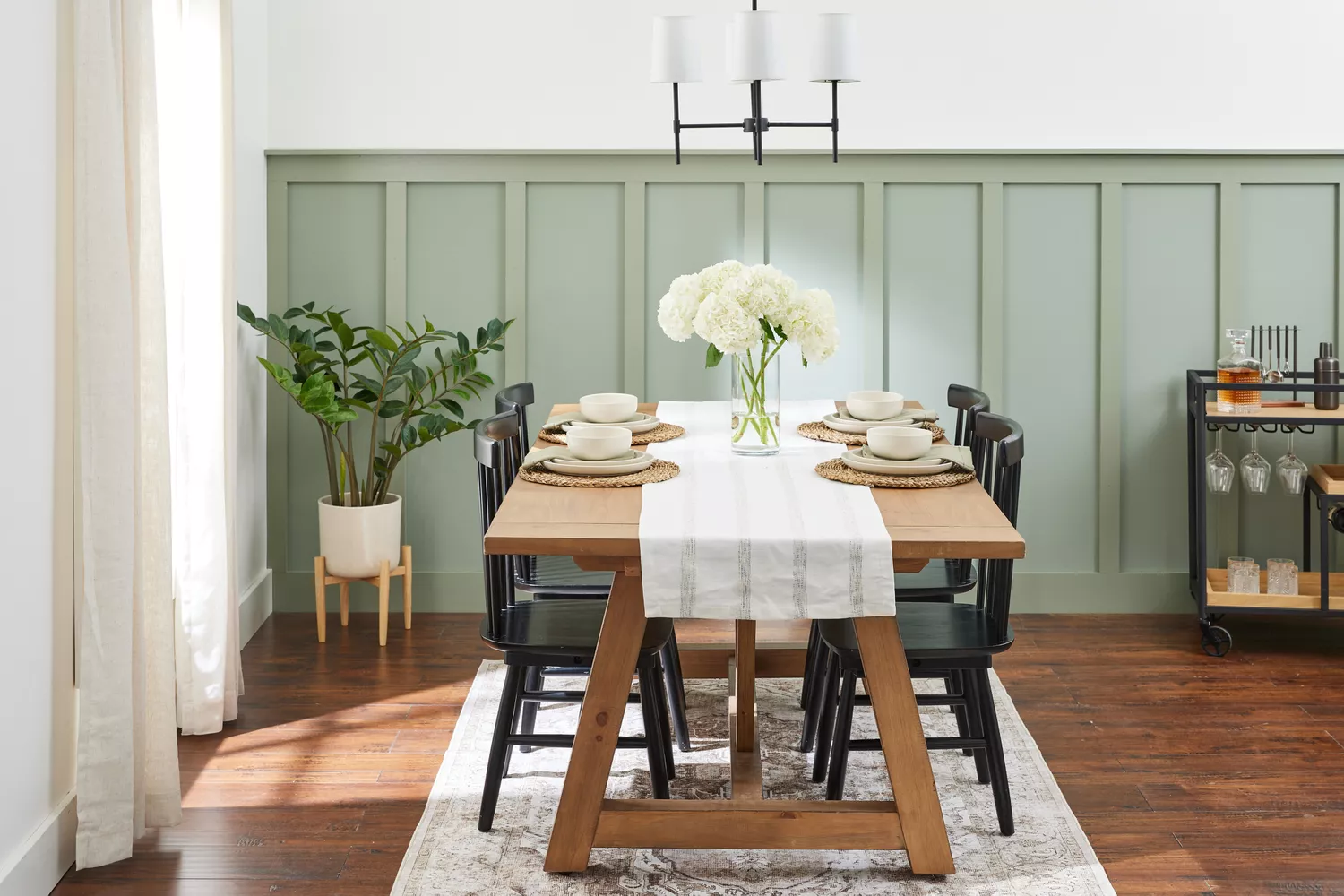
The traditional application of wainscoting typically involves white or off-white painted paneling on the lower sections of walls, often paired with simple paint or wallpaper on the upper sections. Clark and Lancia explain that traditional wainscoting on the lower half creates a grounded and classic appearance, while full-wall wainscoting adds a more dramatic effect. Another approach involves positioning a chair rail higher on the wall, allowing it to double as a picture ledge, with wainscoting covering the lower two-thirds. Bevard advises that the choice of wainscoting style should align with the home's overall design. For instance, beadboard suits a cottage style, whereas full-wall wainscoting with crown molding enhances traditional or historical homes.
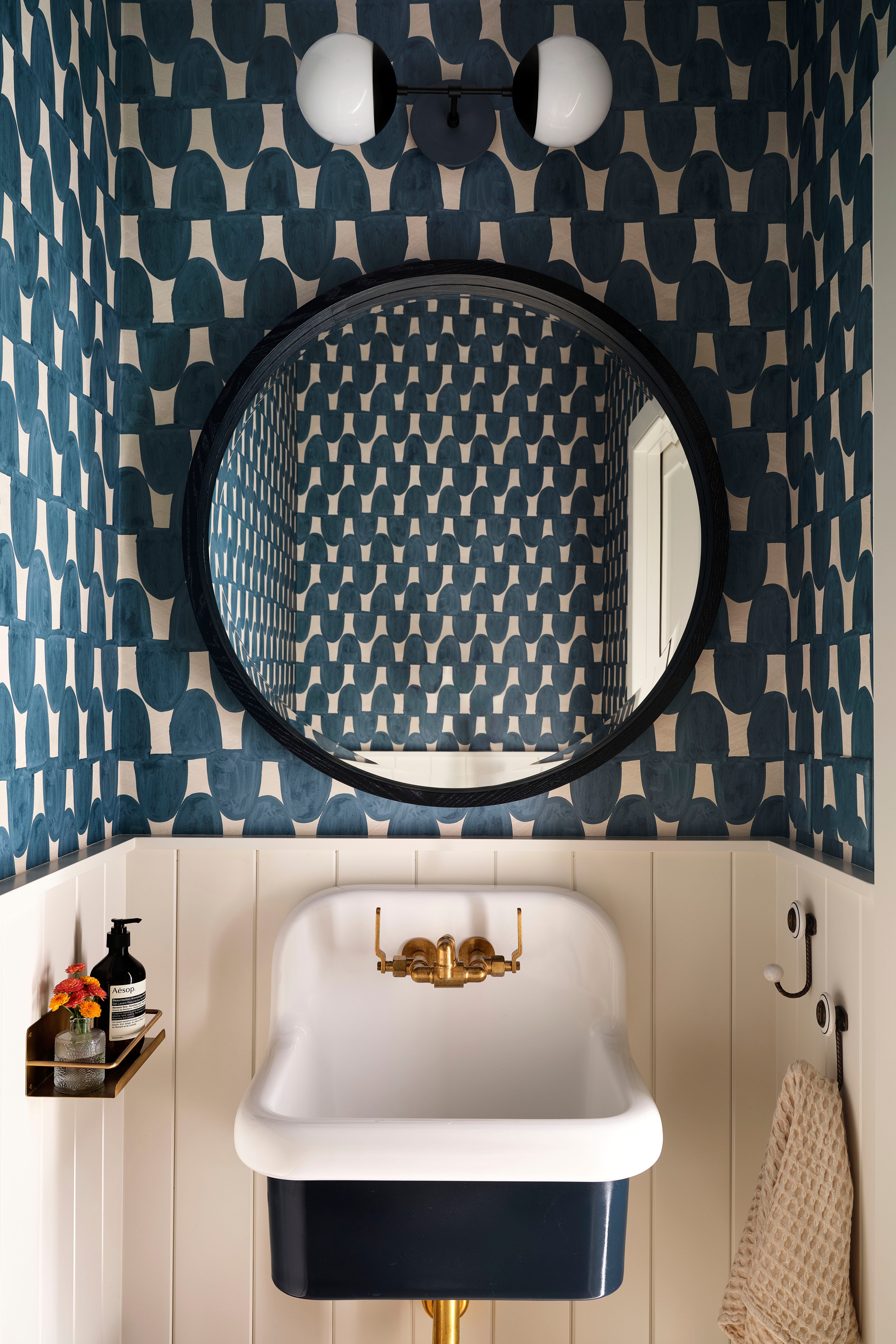
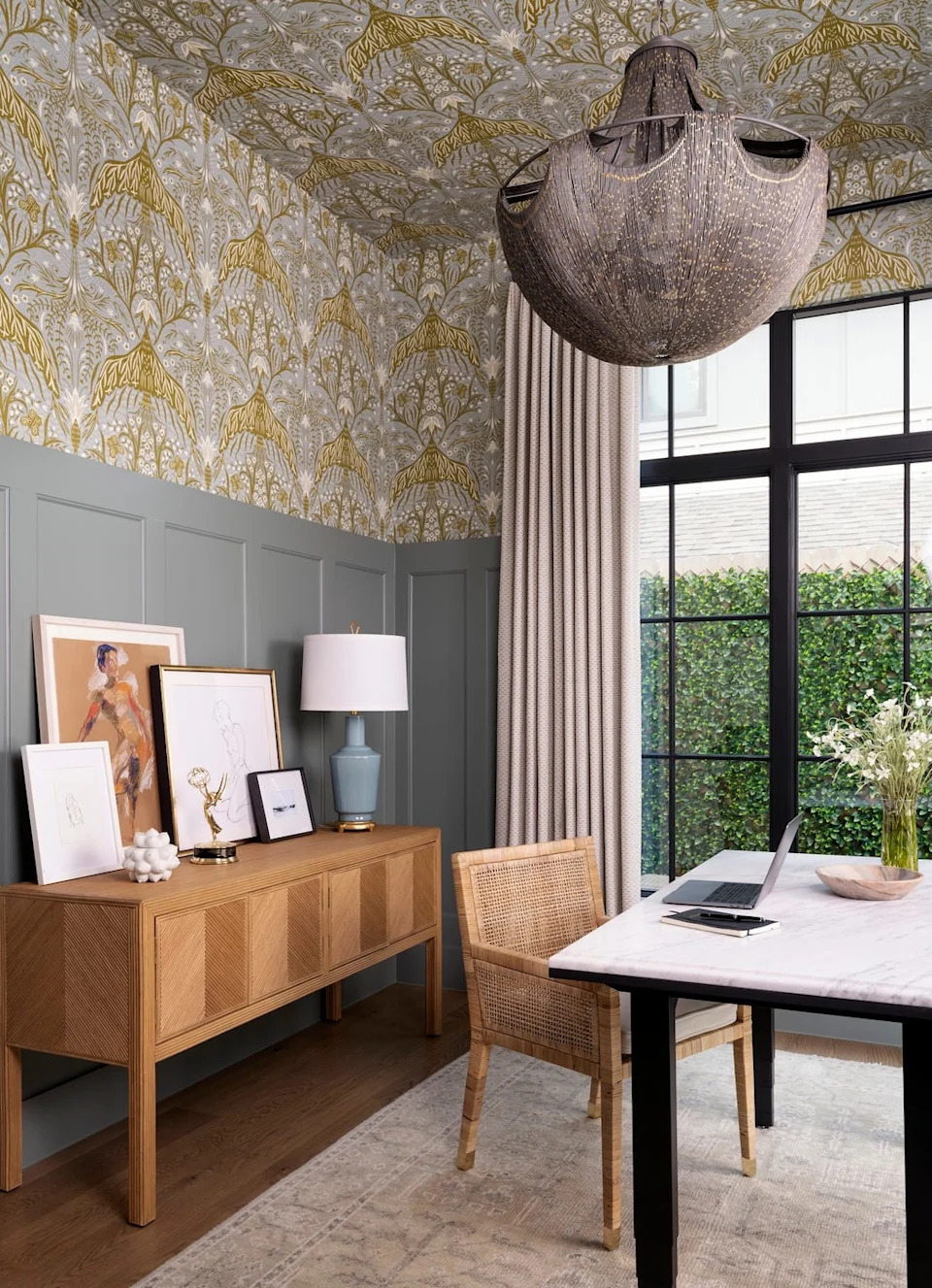
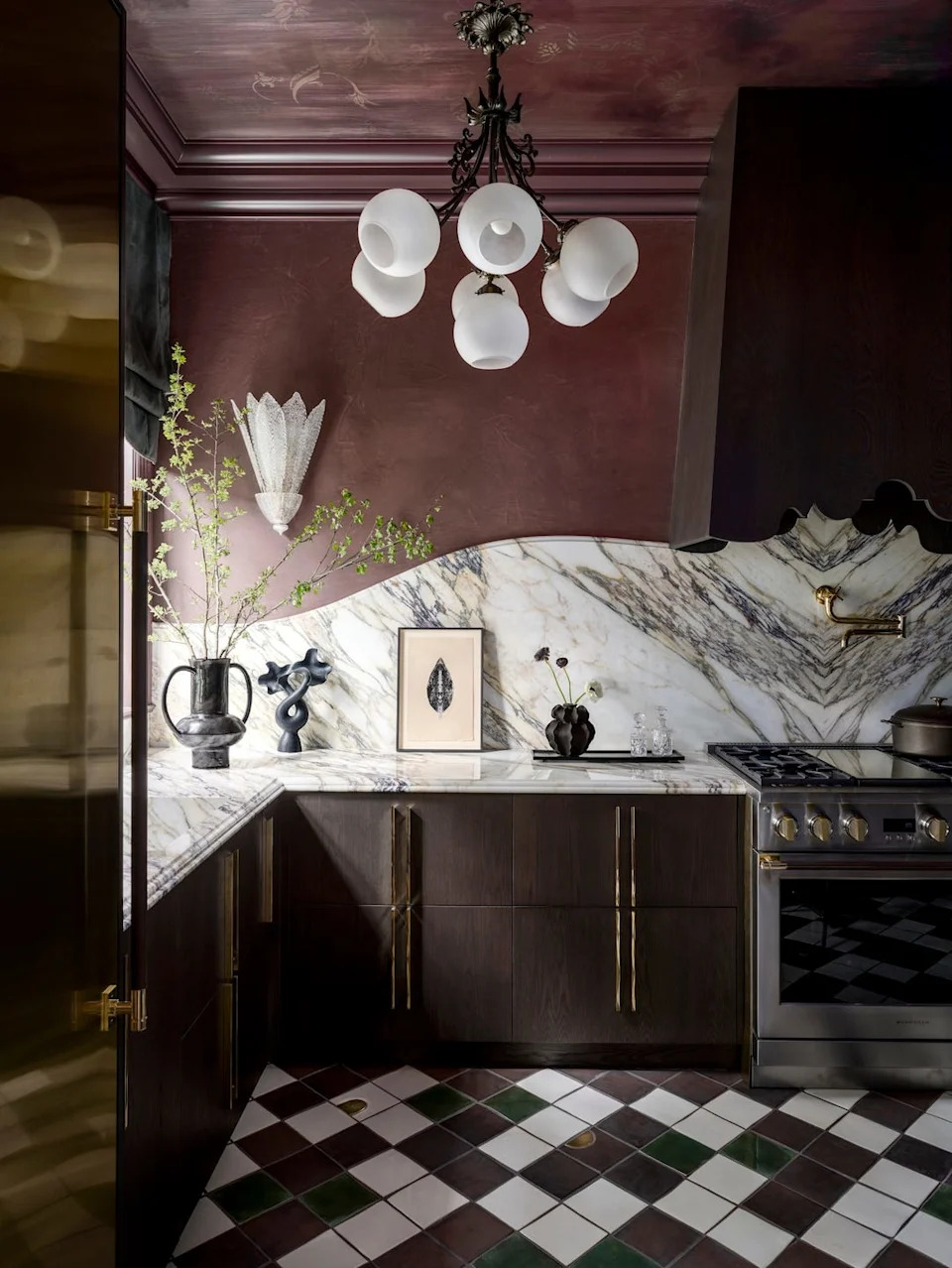
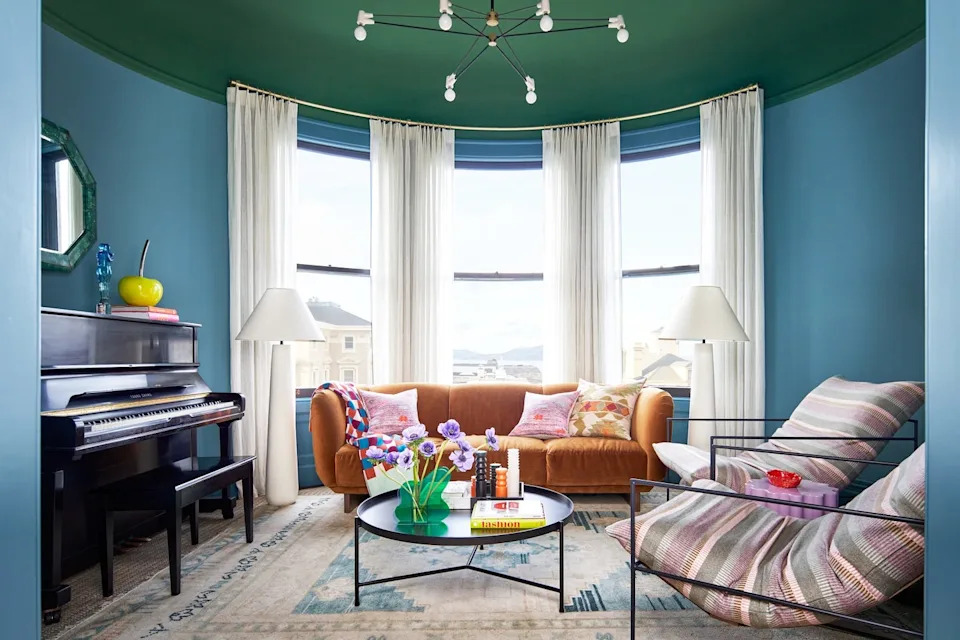
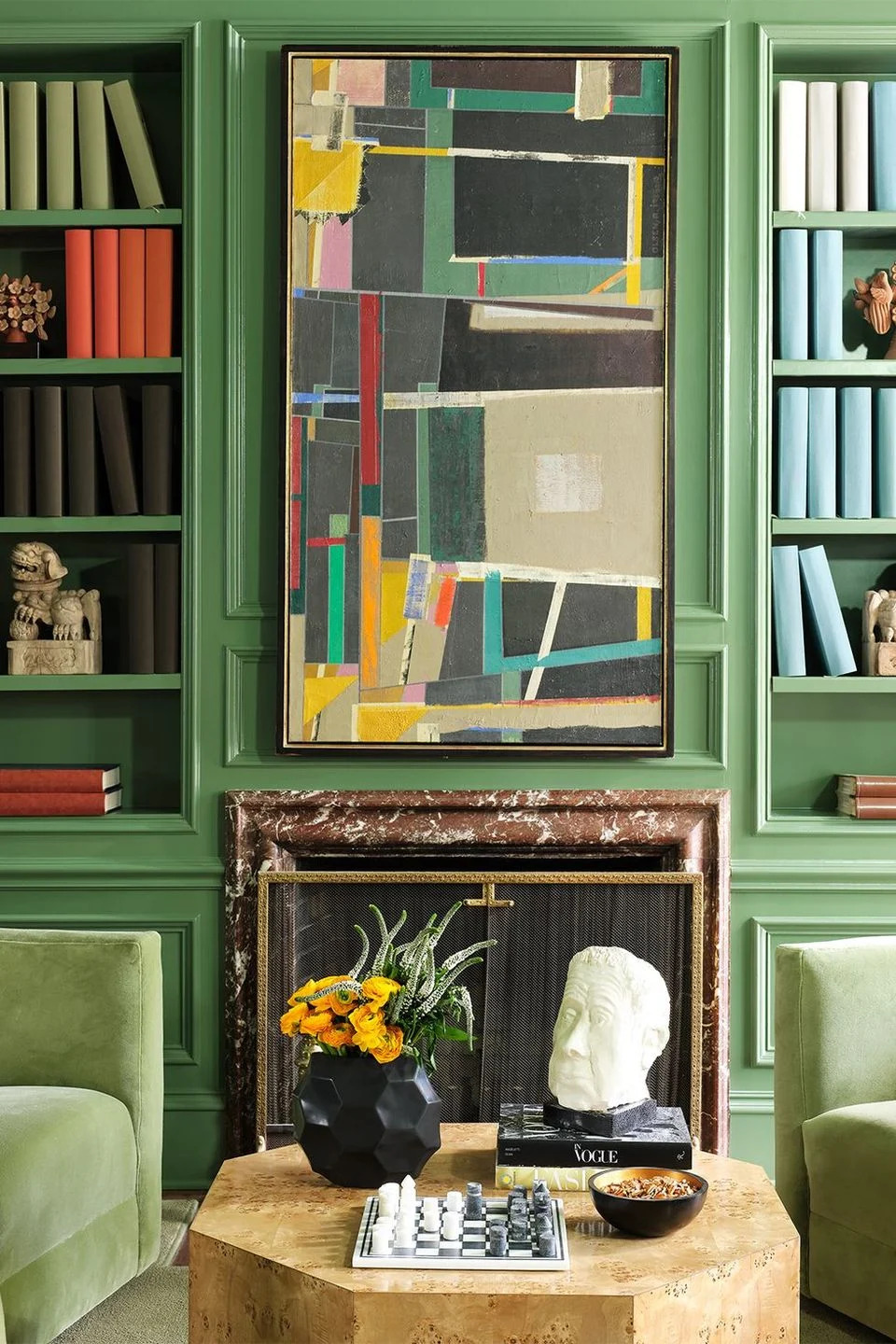
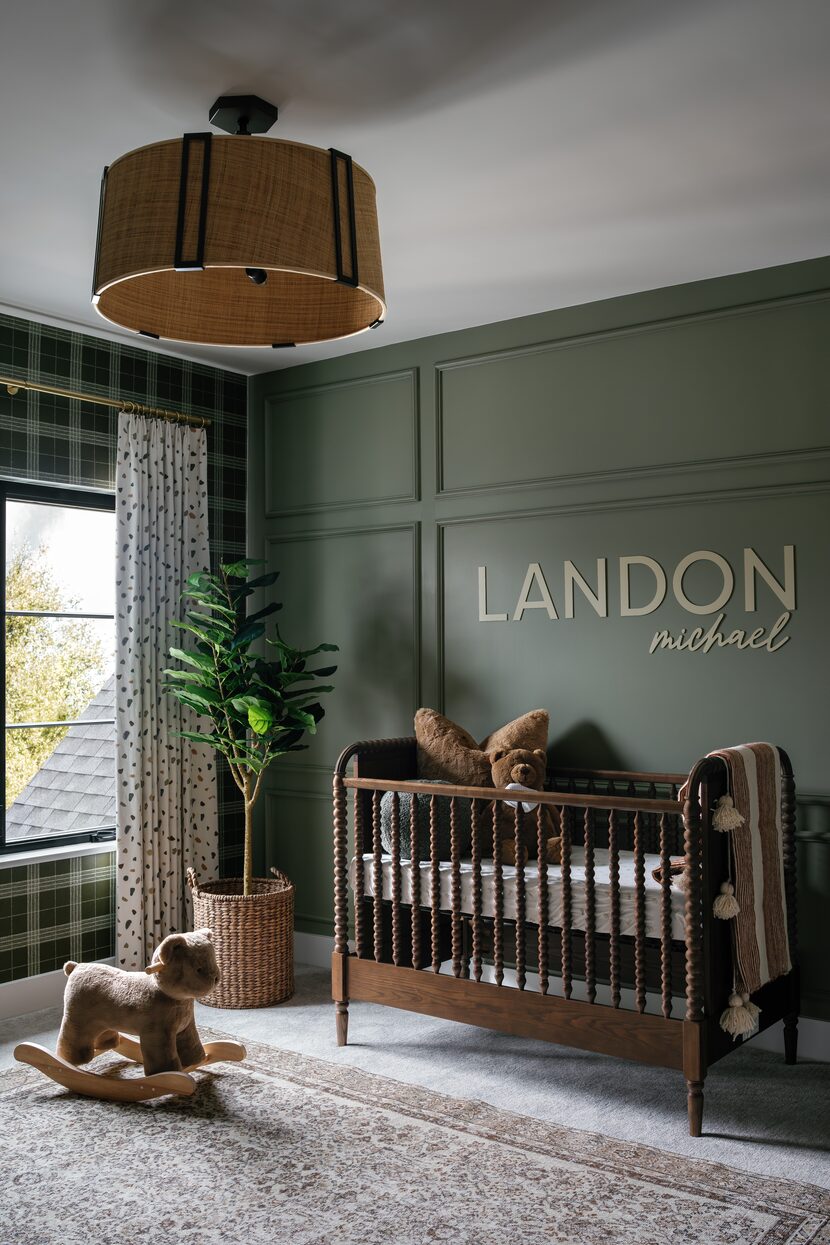
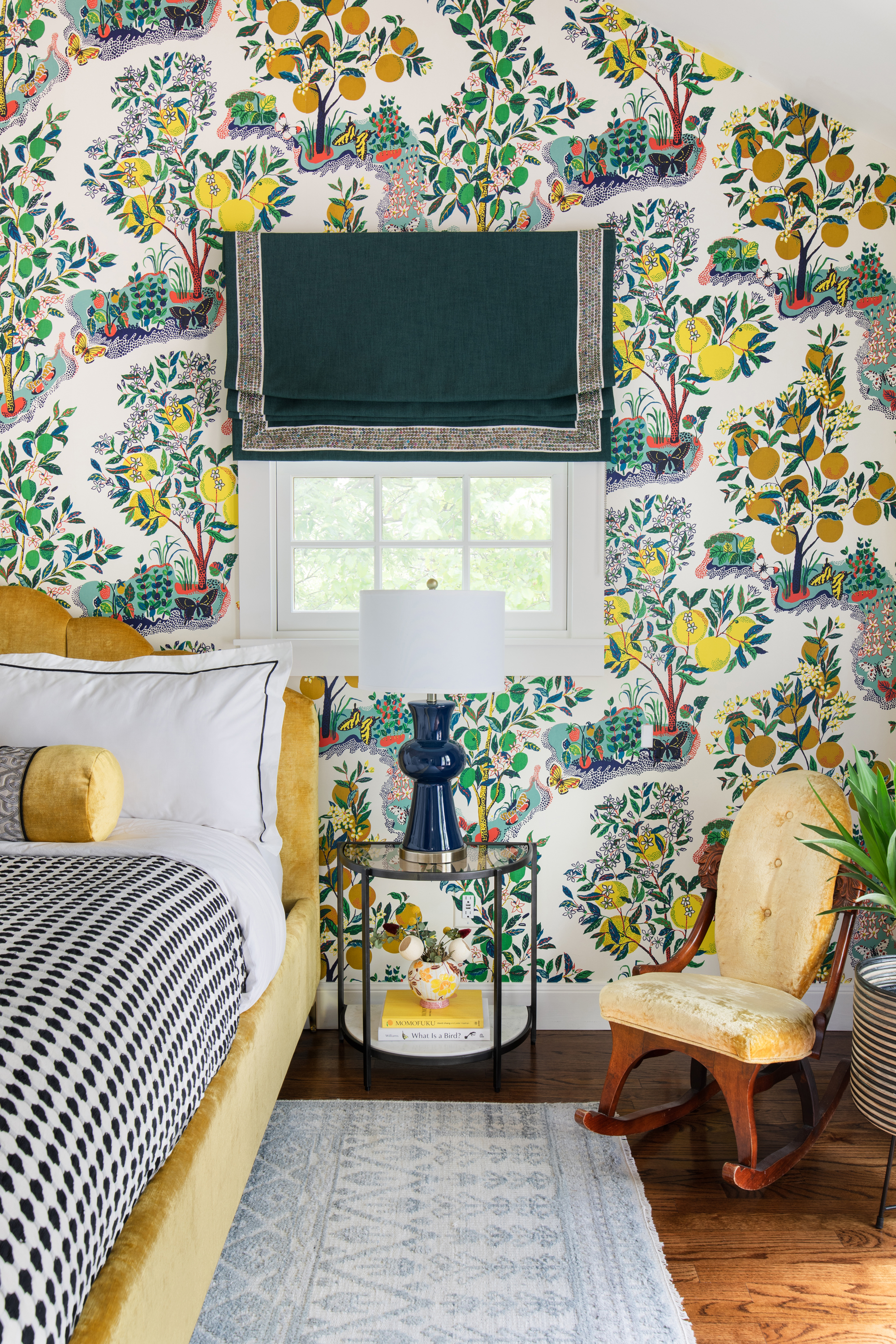
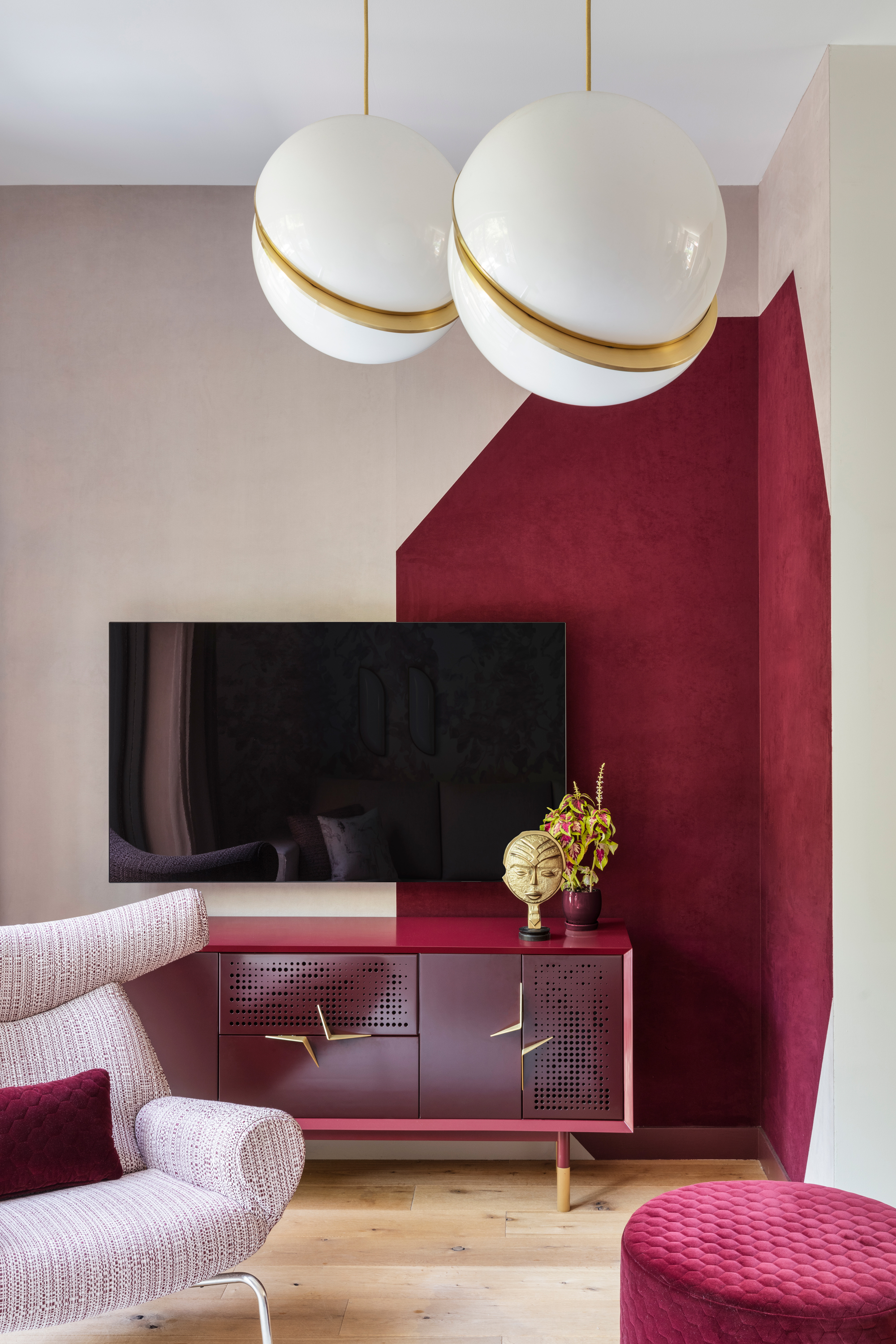
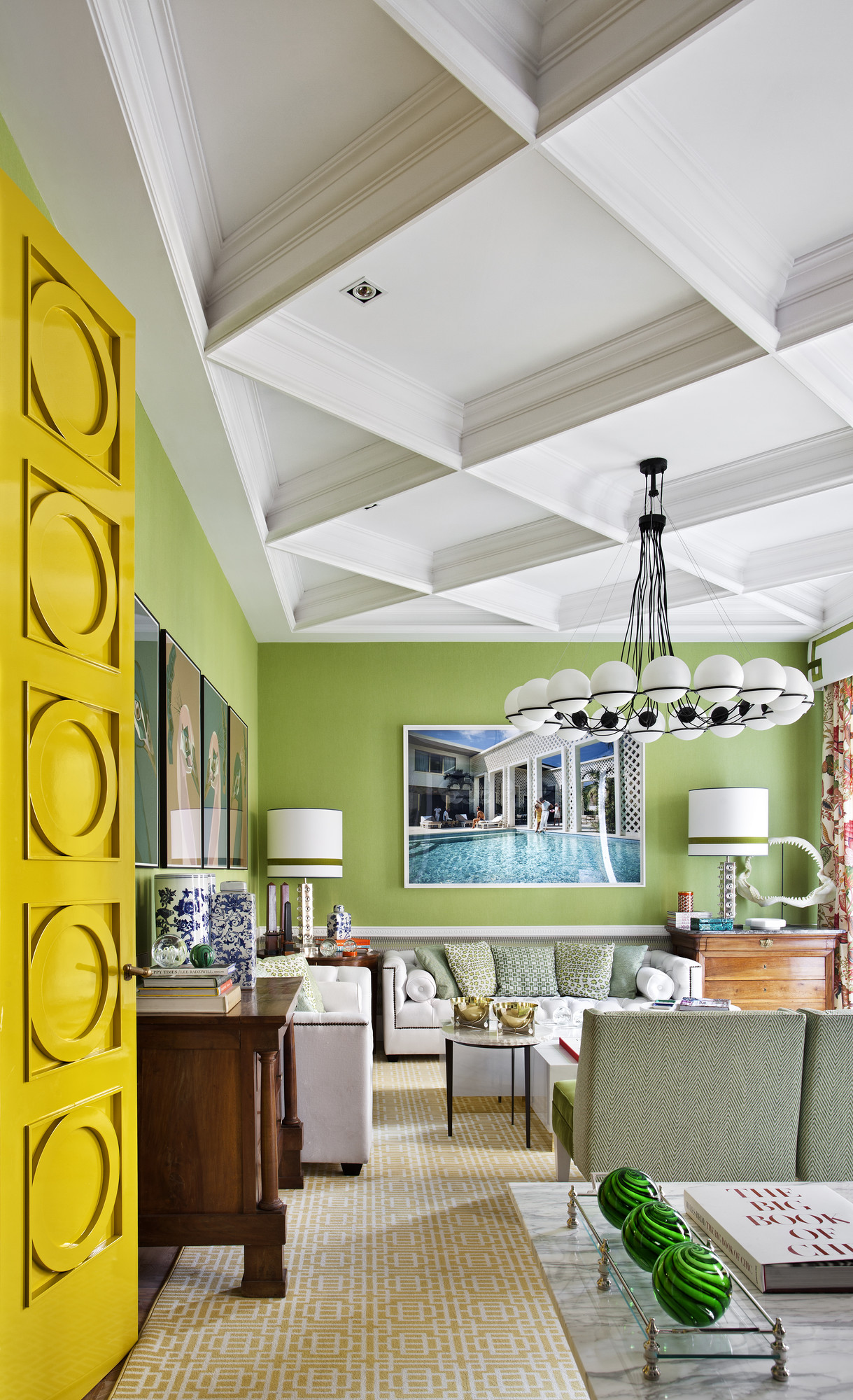
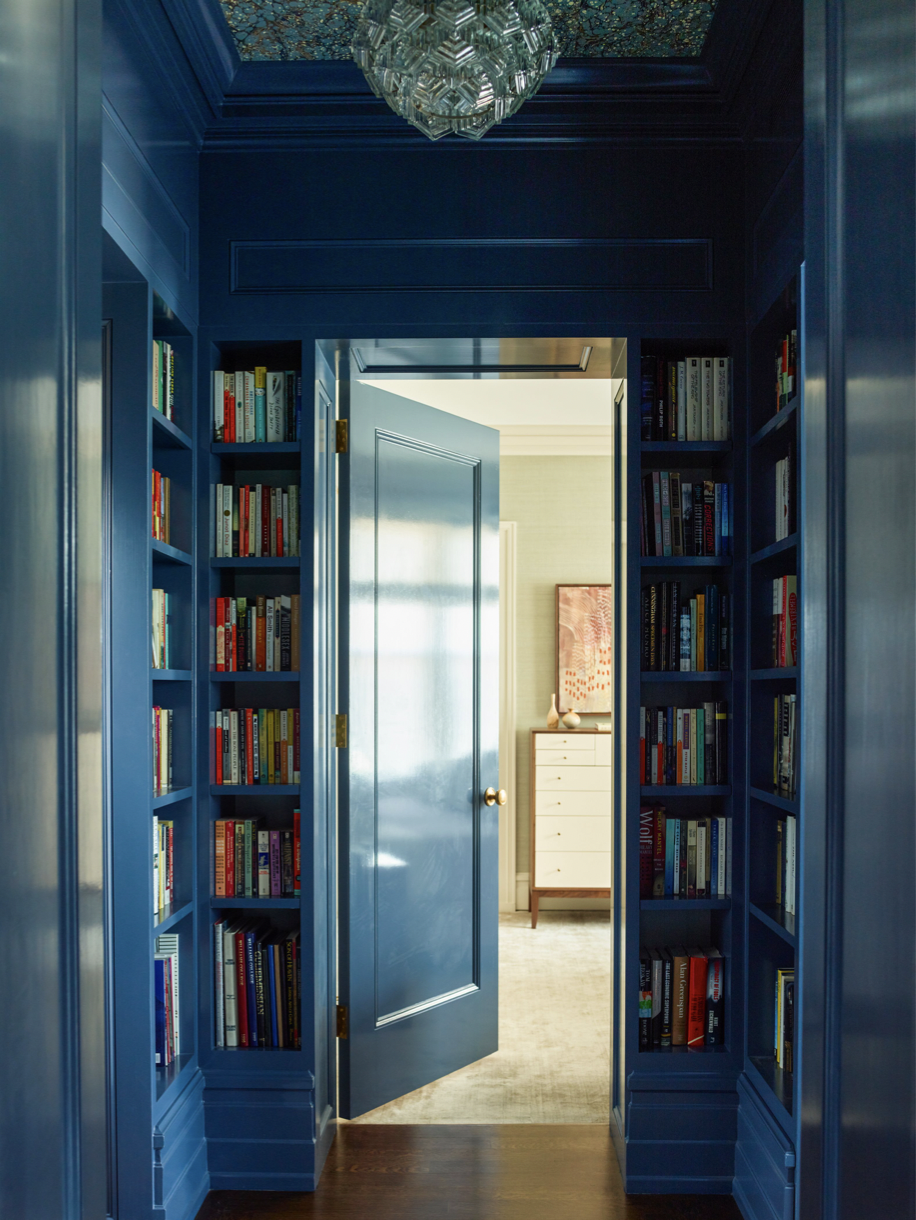
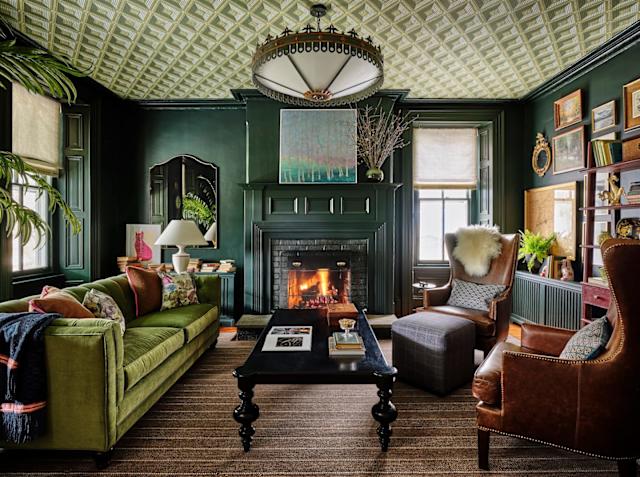
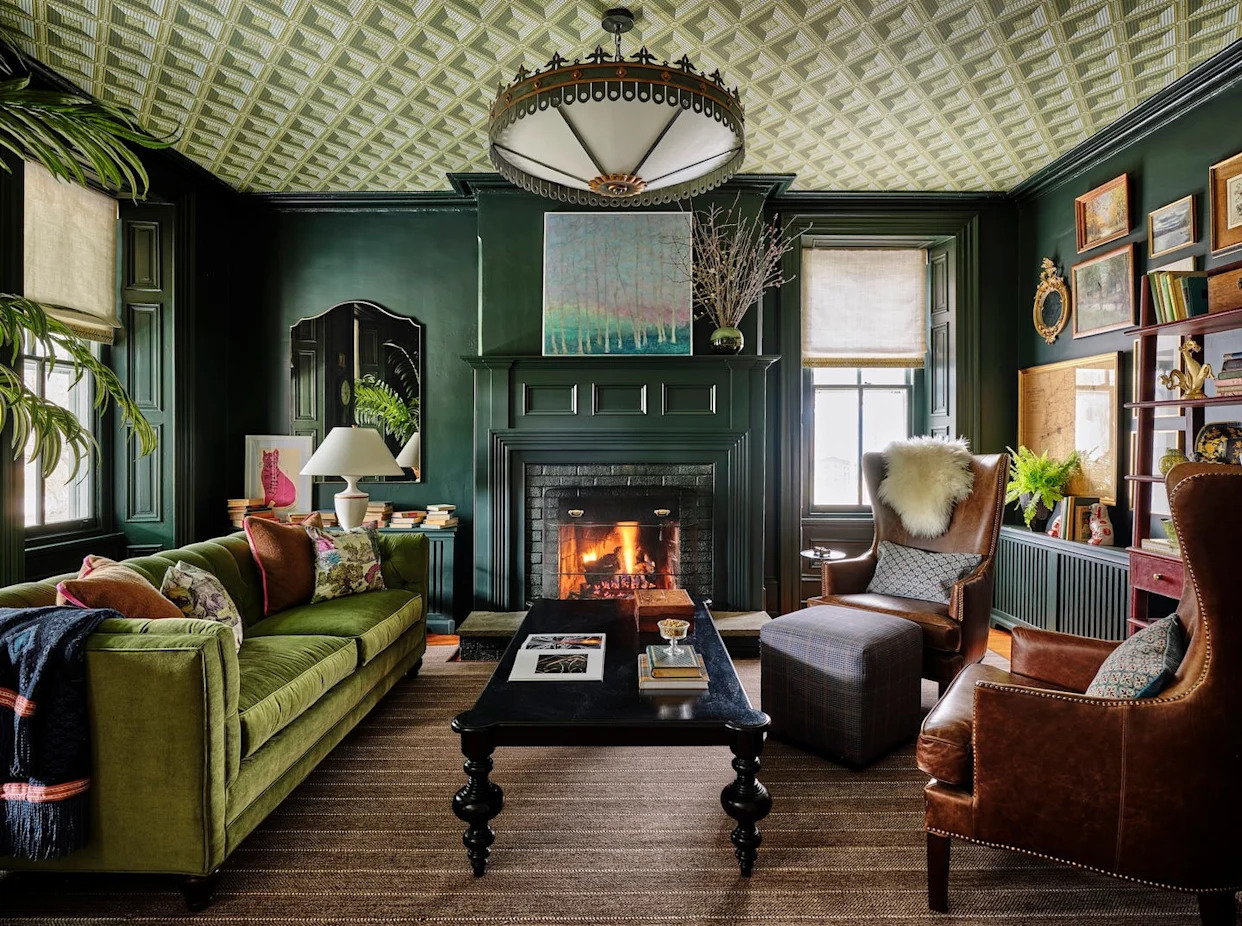
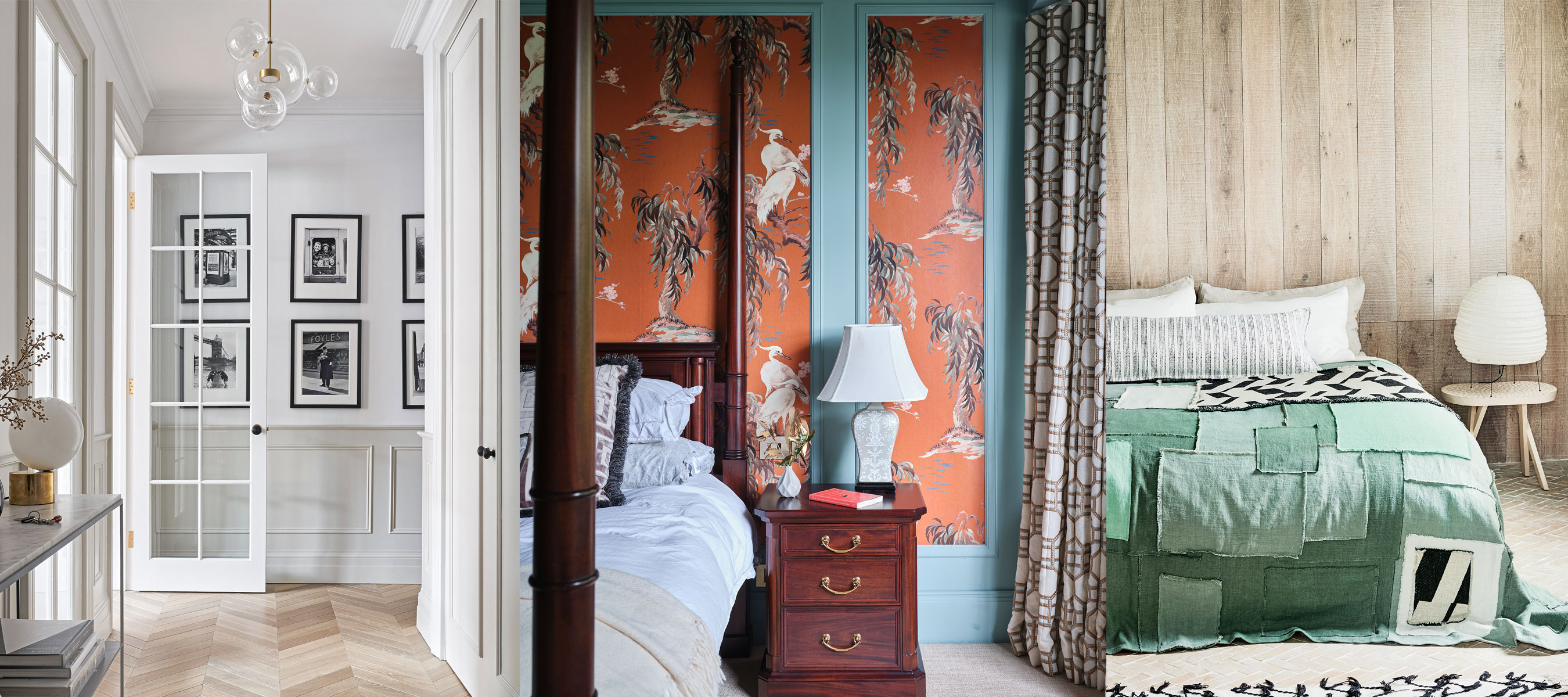
Modern design interpretations may incorporate unexpected wainscoting colors that match the crown molding and ceiling, leaving the upper wall available for wallpaper. There is no singular correct method for installing wainscoting; its inherent simplicity allows for significant impact and personalization. Whether one opts for a monochromatic scheme, painting walls, wainscoting, and ceilings in a rich hue for a contemporary statement, or installs tall wainscoting in a formal dining room for a refined touch, this design element remains a timeless feature that can be tailored to individual preferences.
#Wainscoting #InteriorDesign #HomeDecor #ArchitecturalElements #DesignTrends #TraditionalDesign #ModernDesign #HomeImprovement #Wainscoting #InteriorDesign #HomeDecor #ArchitecturalElements #DesignTrends #TraditionalDesign #ModernDesign #HomeImprovement
0 comment in total
 No comments yet
You may also like
Wainscoting ideas – designers are rediscovering how this ancient millwork can uplift modern interiors

This Surprising NEW Trend Is Replacing Accent Walls

The new accent wall: A bold statement that goes beyond a coat of paint
The Interior Design Trend That’s Replacing Outdated Accent Walls

Pinteresty walls 101: Complete guide on how to transform your interiors with aesthetic wainscoting | Hindustan Times

What Is Wainscoting? How This DIY-Friendly Accent Can Enhance Your Home
Window Dressing

5 Outdated Home Décor Trends to Rethink in 2022

5 Custom Wall Treatments You Can Do Yourself
Bye-Bye, Accent Walls! Designers Say THIS Is Now the Hottest Decorating Feature

11 Old-School Decor Ideas That Feel Surprisingly Modern
"I'm an interior designer – I think these 5 millwork trends will make your home look like a million dollars"
36 Wainscoting Ideas for Traditional and Modern Spaces

Bye-Bye, Accent Walls! Designers Say THIS Is Now the Hottest Decorating Feature
Are accent walls out of style? This is how designers are using them now and beyond
Why every room needs a statement piece — and how to choose yours

The writing is on the wall(paper) for this rising interior design trend
Wainscoting Is Hot Again—Here's What It Costs To Add It to Your Walls

Wall paneling ideas – 18 ways to add decorative cladding and moulding


Best Dressed