1/8
What Is Wainscoting? How This DIY-Friendly Accent Can Enhance Your Home
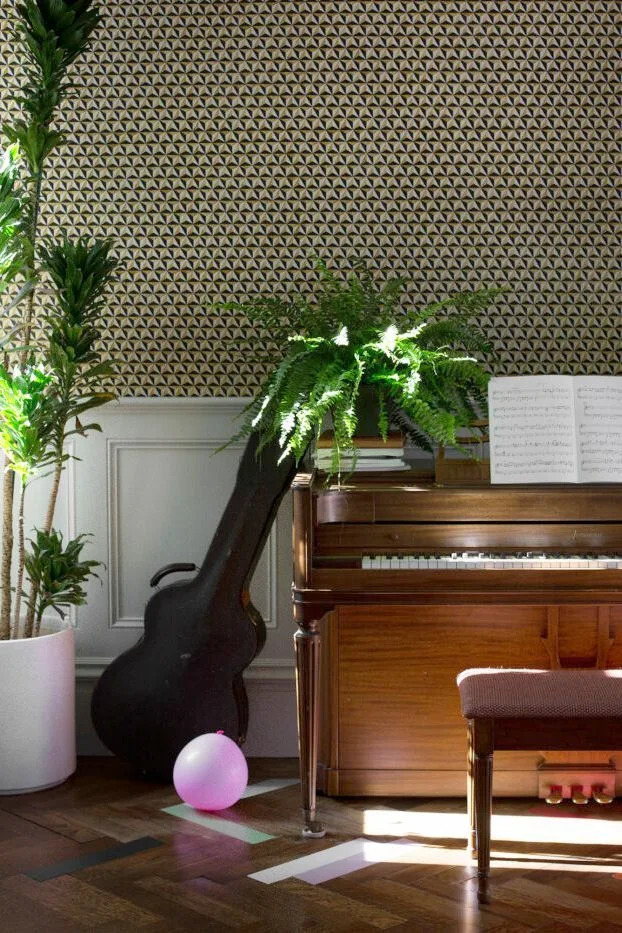
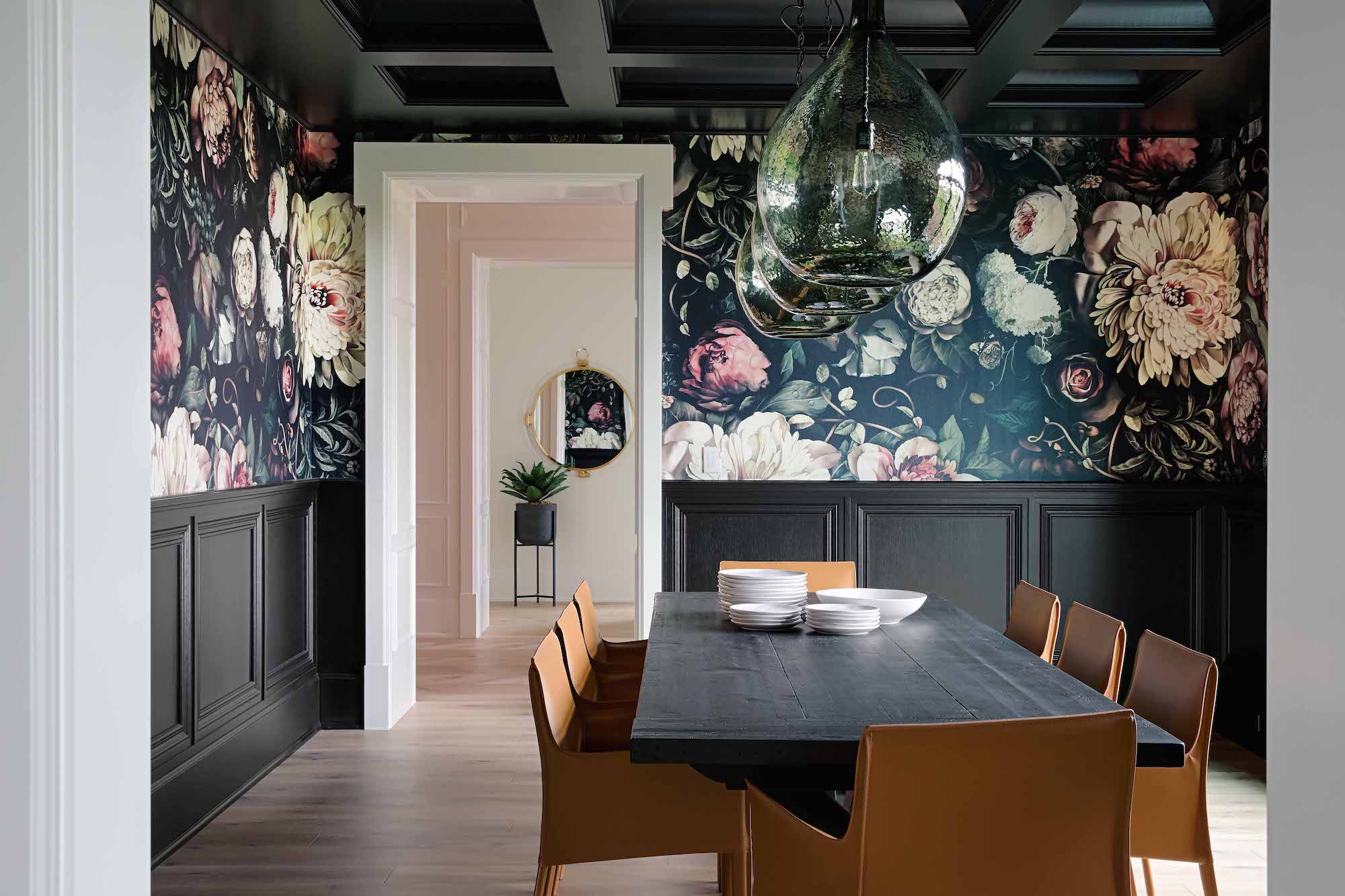
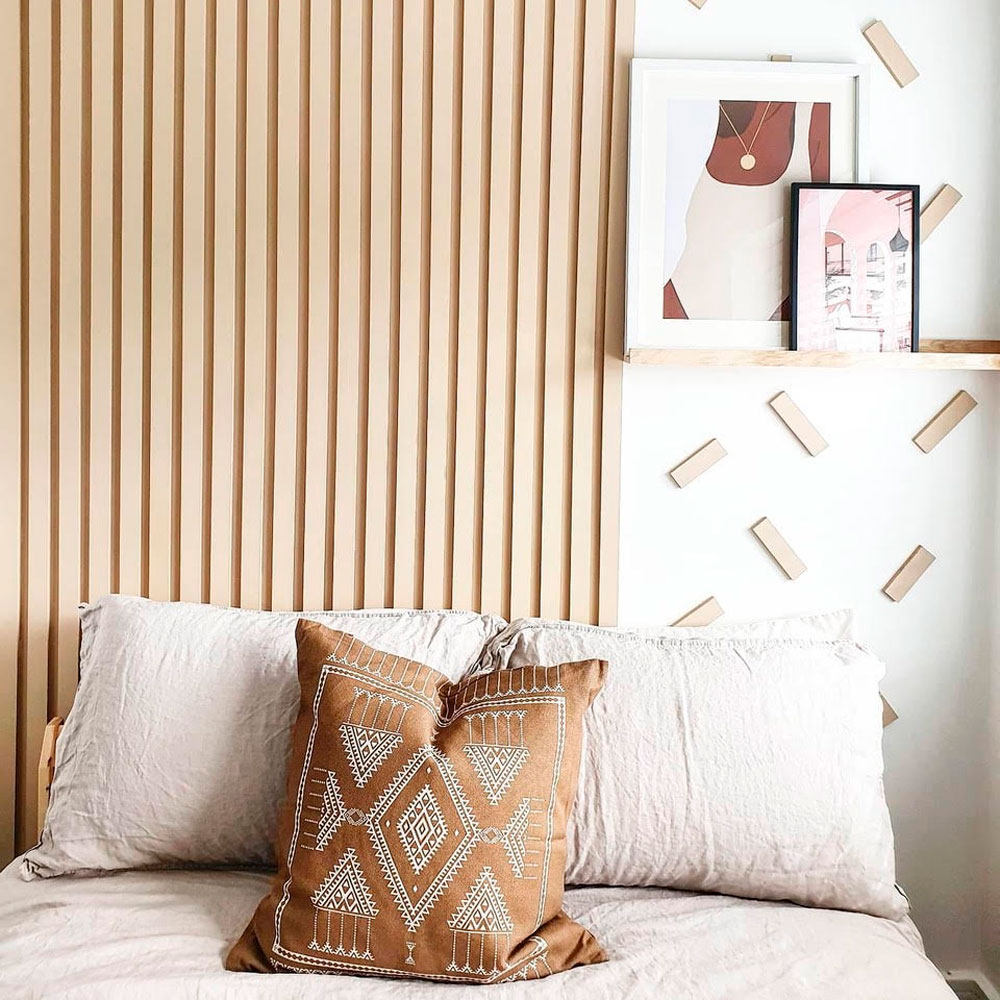
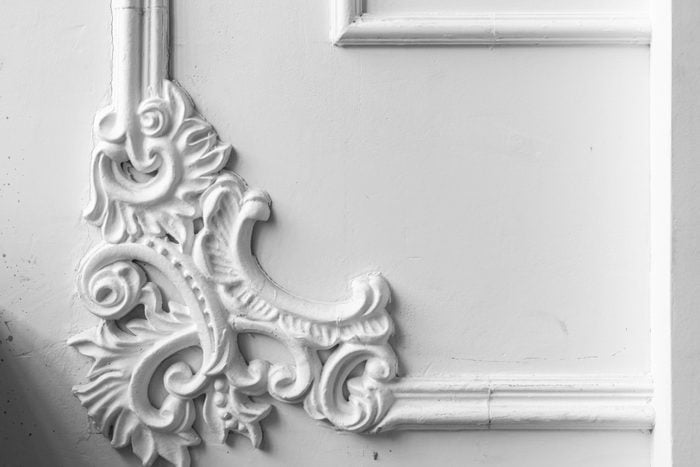
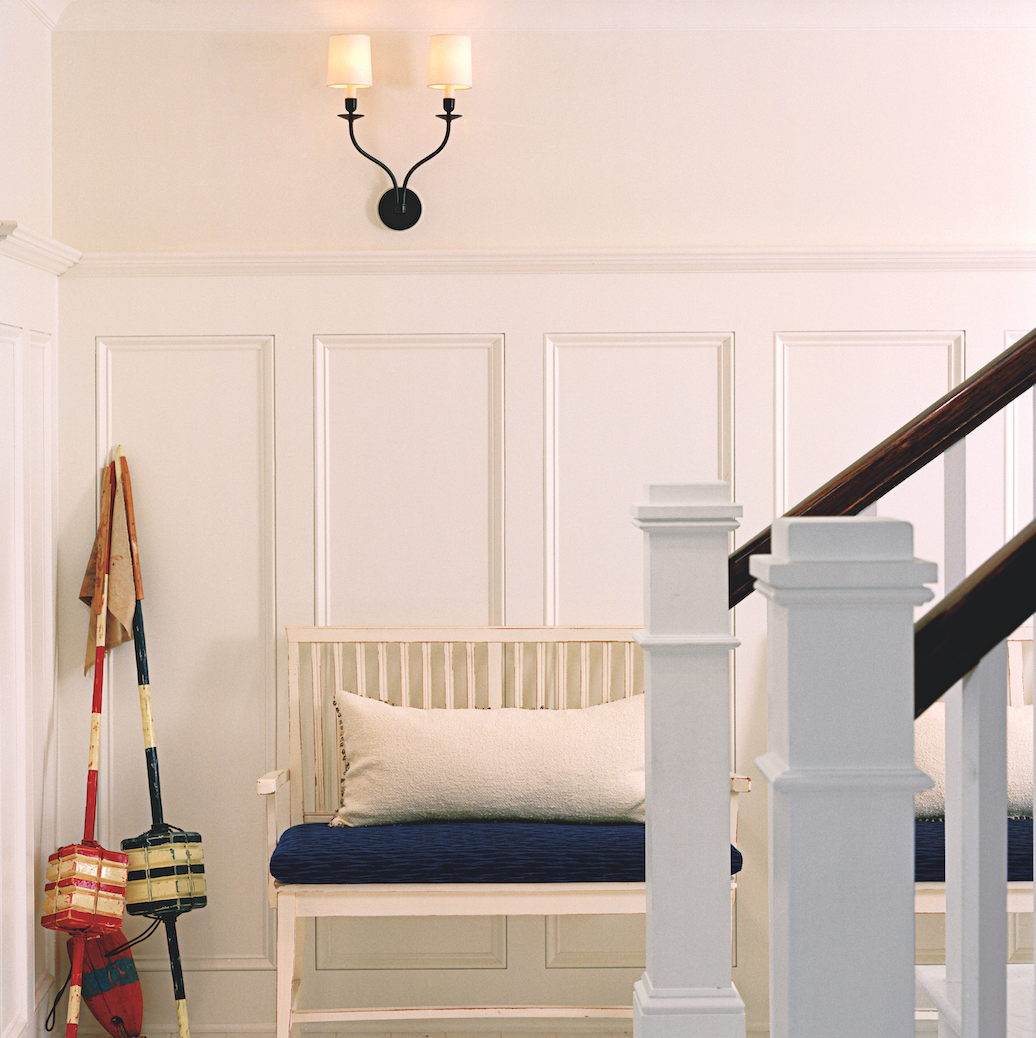
Wainscoting serves as a versatile and budget-friendly architectural detail that can significantly enhance a home's interior, offering both aesthetic appeal and practical benefits. This decorative accent, typically involving wood panels, adds texture and visual interest to otherwise plain walls. It can be applied to cover a quarter, half, or an entire wall, instantly imparting a more formal and historic feel to a space without requiring extensive renovations.
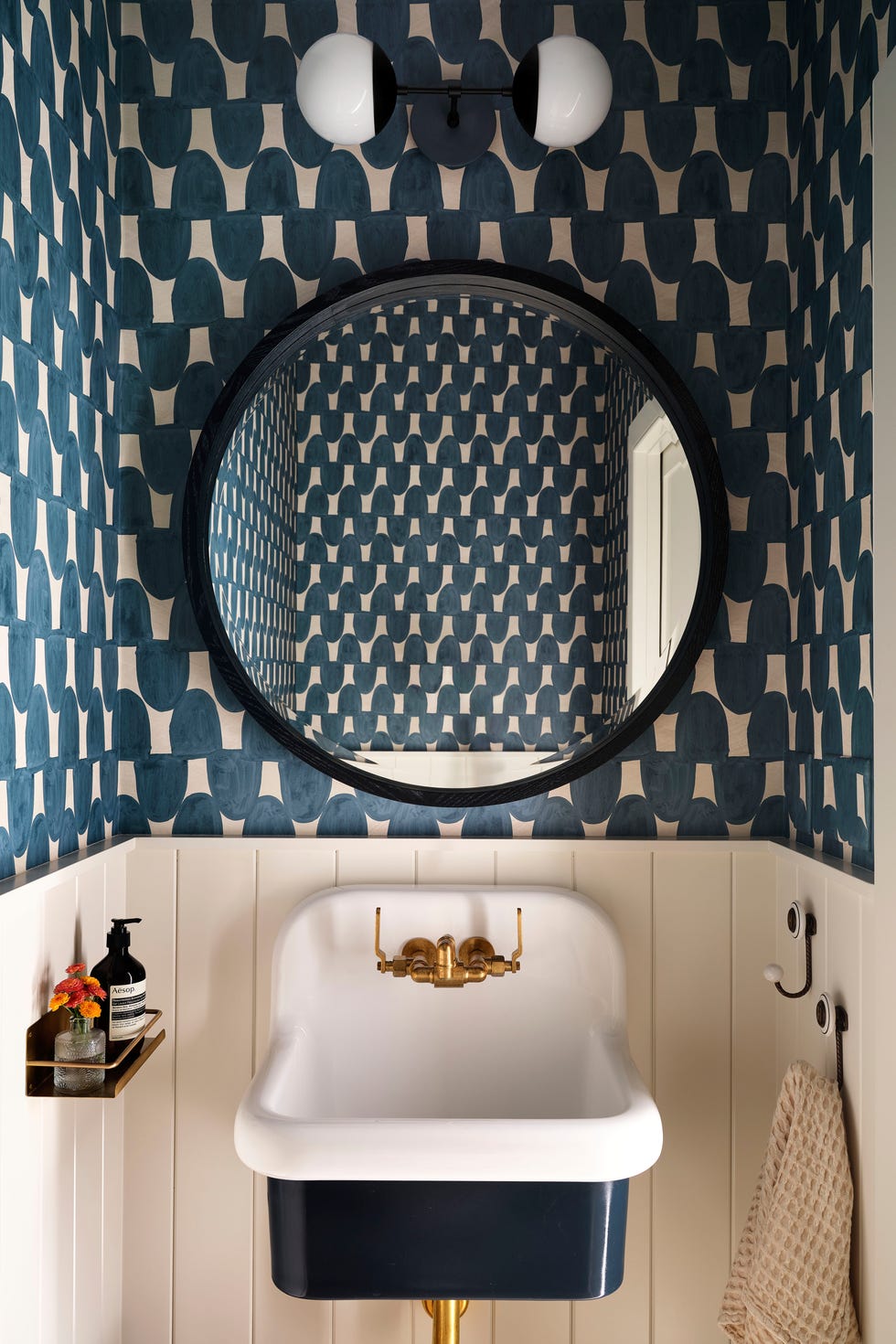
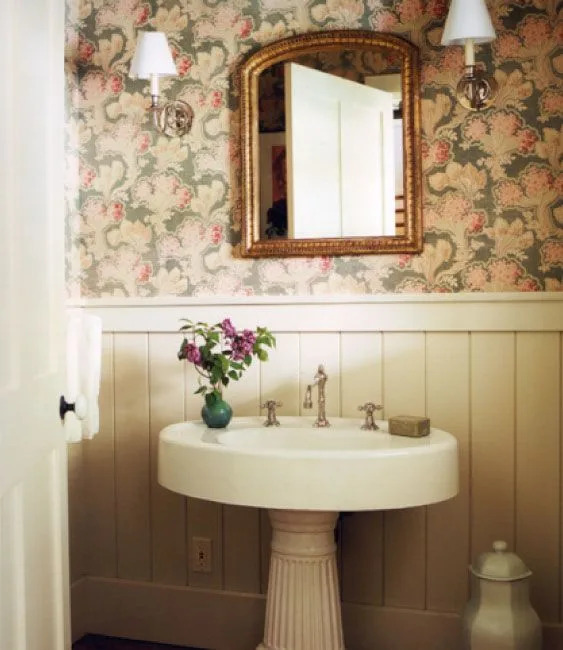
Interior designers highlight wainscoting's value as a cost-effective design solution. For instance, in bathrooms, it can be used on main walls to create a softer feel compared to full tiling, which can be expensive. Additionally, wainscoting is often recommended for newer homes to imbue them with a sense of establishment and age. Its timeless quality is attributed to its consistent presence in various design eras, from Regency-era homes to Park Slope brownstones, indicating it's not merely a passing trend but a continually relevant design option.
Historically, wainscoting's primary purpose was protective, acting as a thin barrier to shield walls from scuffs, stains, and to provide insulation against damp and cold stone or wooden walls. More elaborate designs in Victorian homes symbolized opulence and wealth, and today, it is commonly found in pre-war apartments and homes. Modern applications include shiplap and beadboard paneling, which continue to offer wall resiliency, making them suitable for high-traffic areas such as mudrooms, bathrooms, and dining rooms. These panels also contribute significantly to a room's texture, color, and personality.
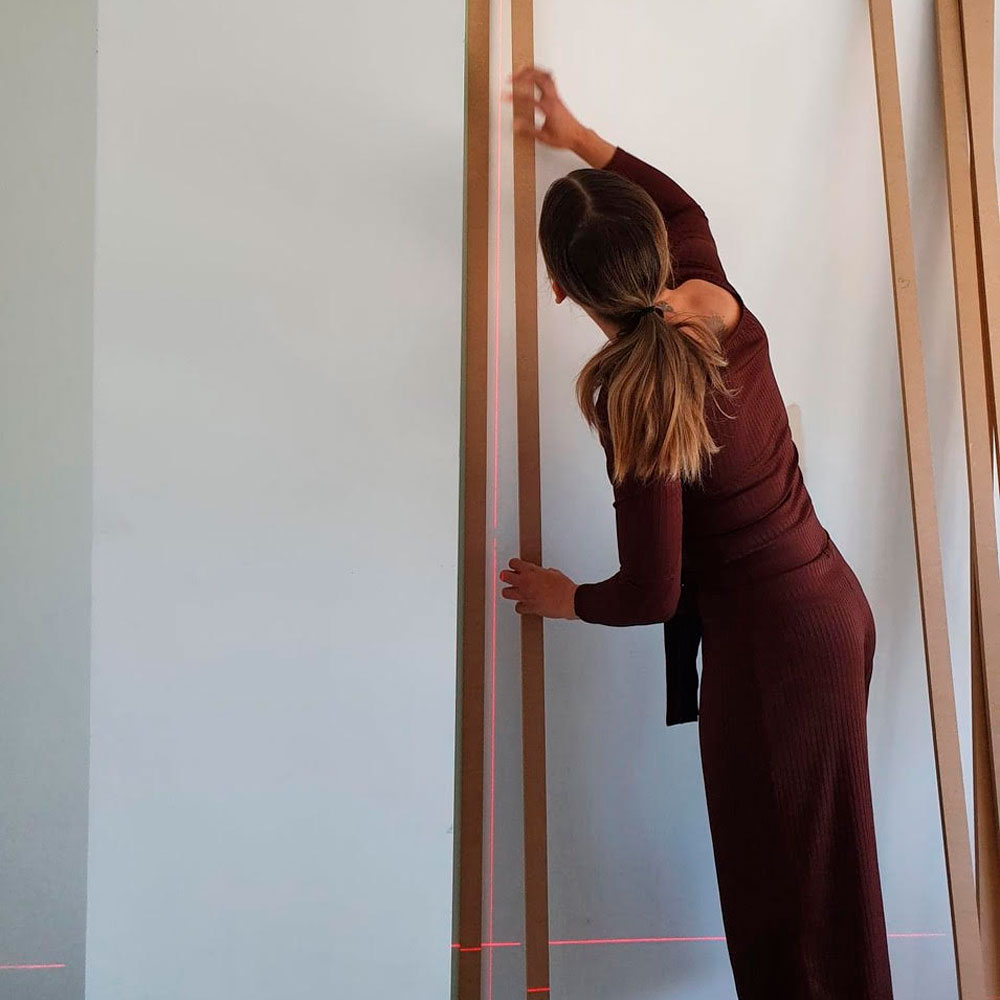
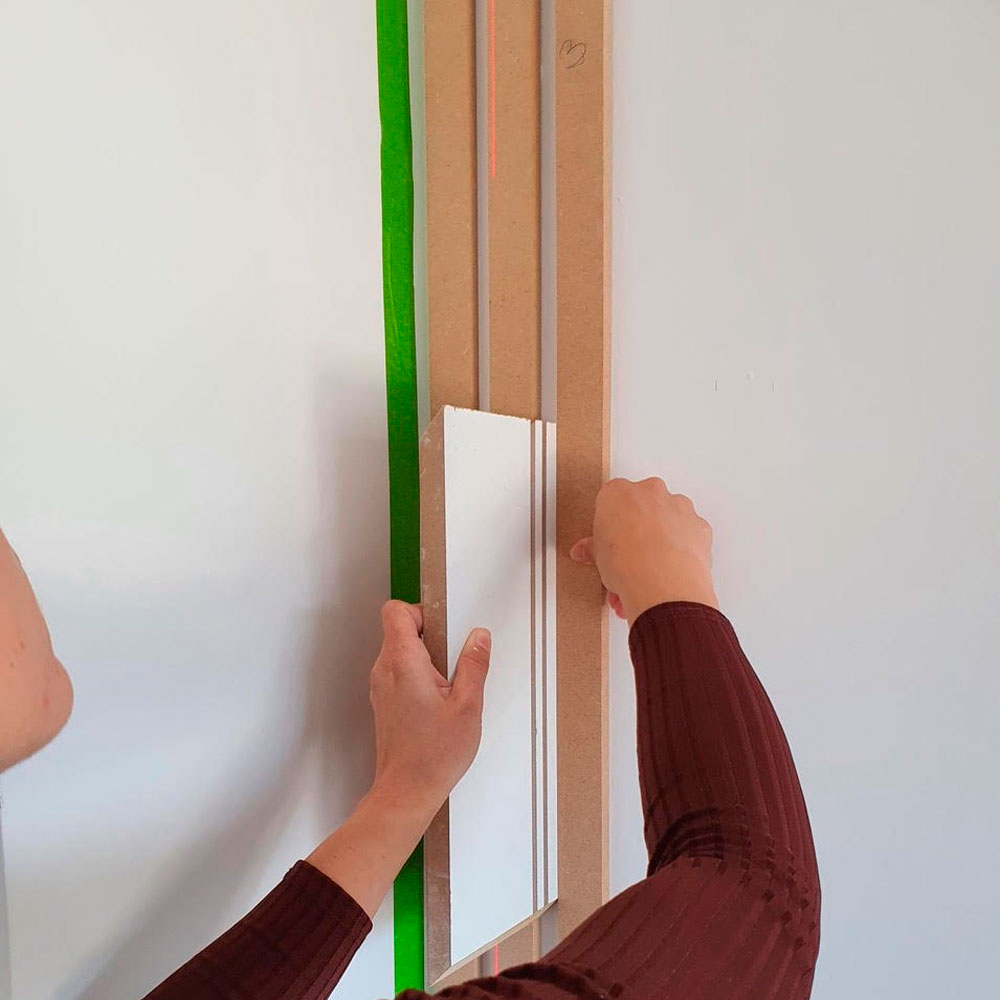
Wainscoting is considered a DIY-friendly project due to its affordability and minimal material requirements, typically involving wood panels or strips, a nail gun, and wood glue. It is distinct from elaborate paneling or crown molding, as wainscoting comes in large sheets or thin strips ready for direct application to drywall or plaster. A general guideline for installation height suggests that wainscoting should extend one-third of the way up a wall, particularly for chair rail molding or half-wall applications, though picture-frame molding and raised-panel wainscoting can vary based on room proportions.
The cost of wainscoting can range from approximately $1,050 to $1,600, depending on room size, style, and installation choices. Material costs vary significantly, with plywood or MDF being more affordable at around $1 per square foot, compared to solid wood which can cost up to $40 per square foot. DIY installation can save on labor costs, which typically add $2 to $4 per square foot if professionals are hired.
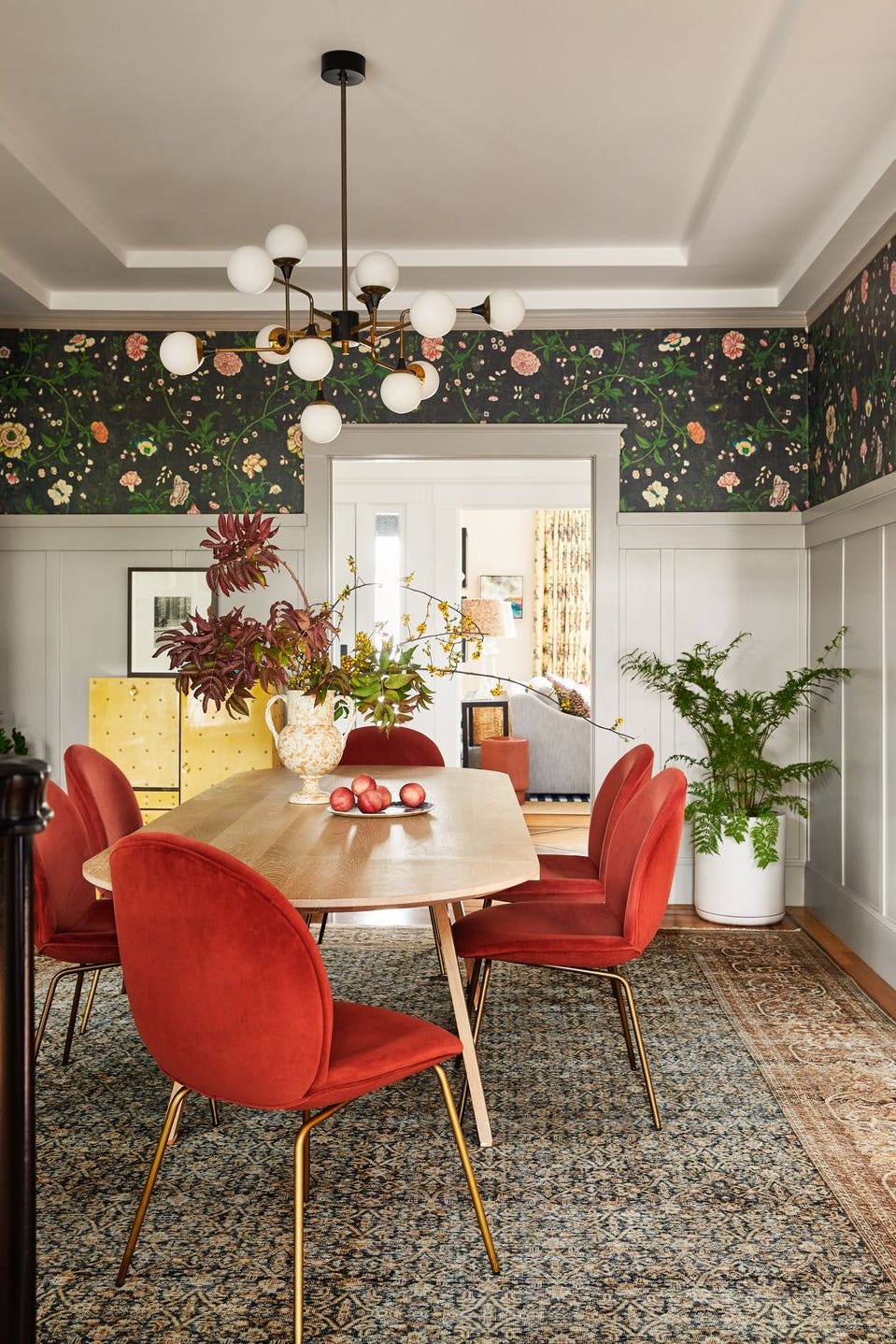
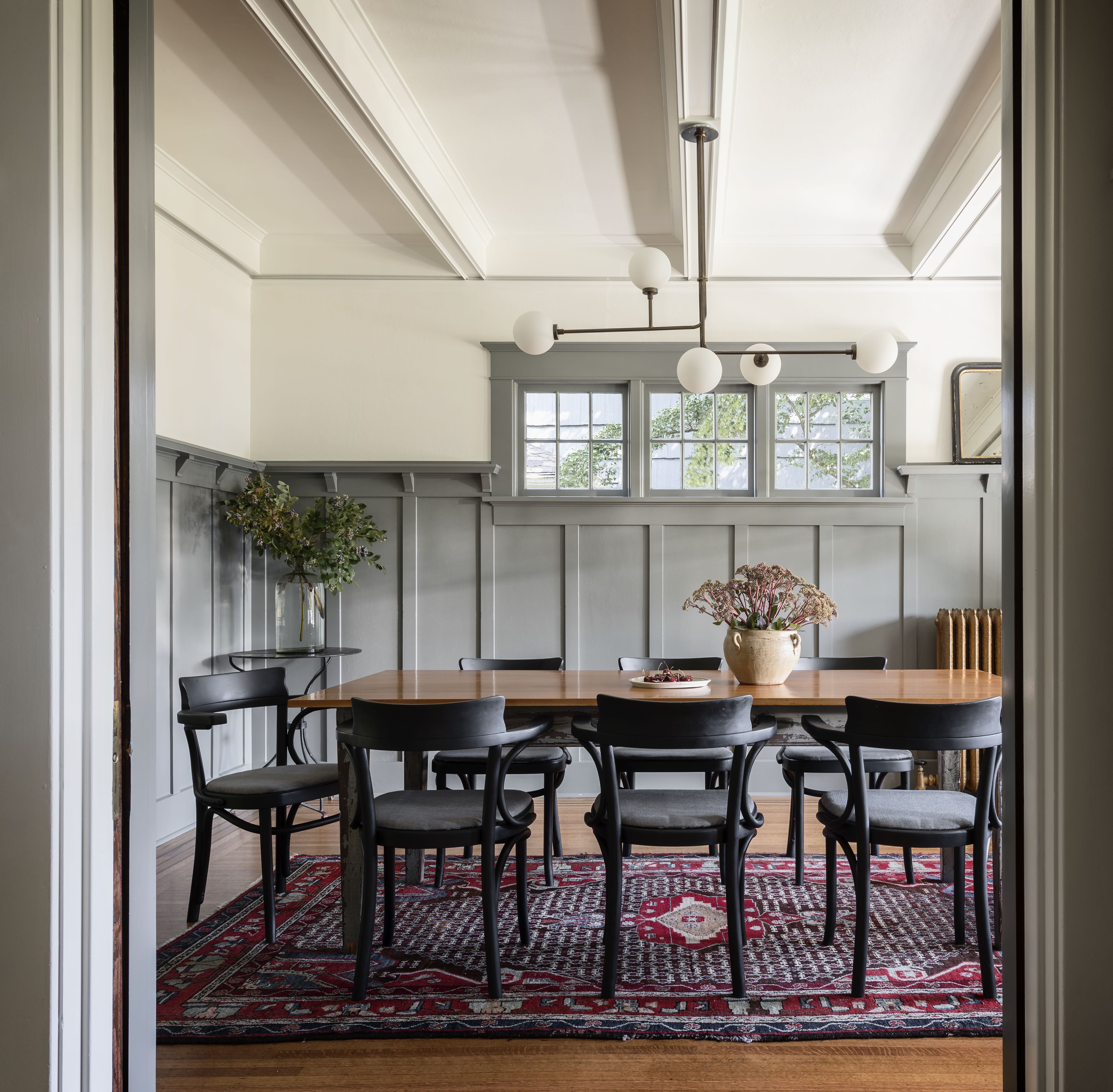
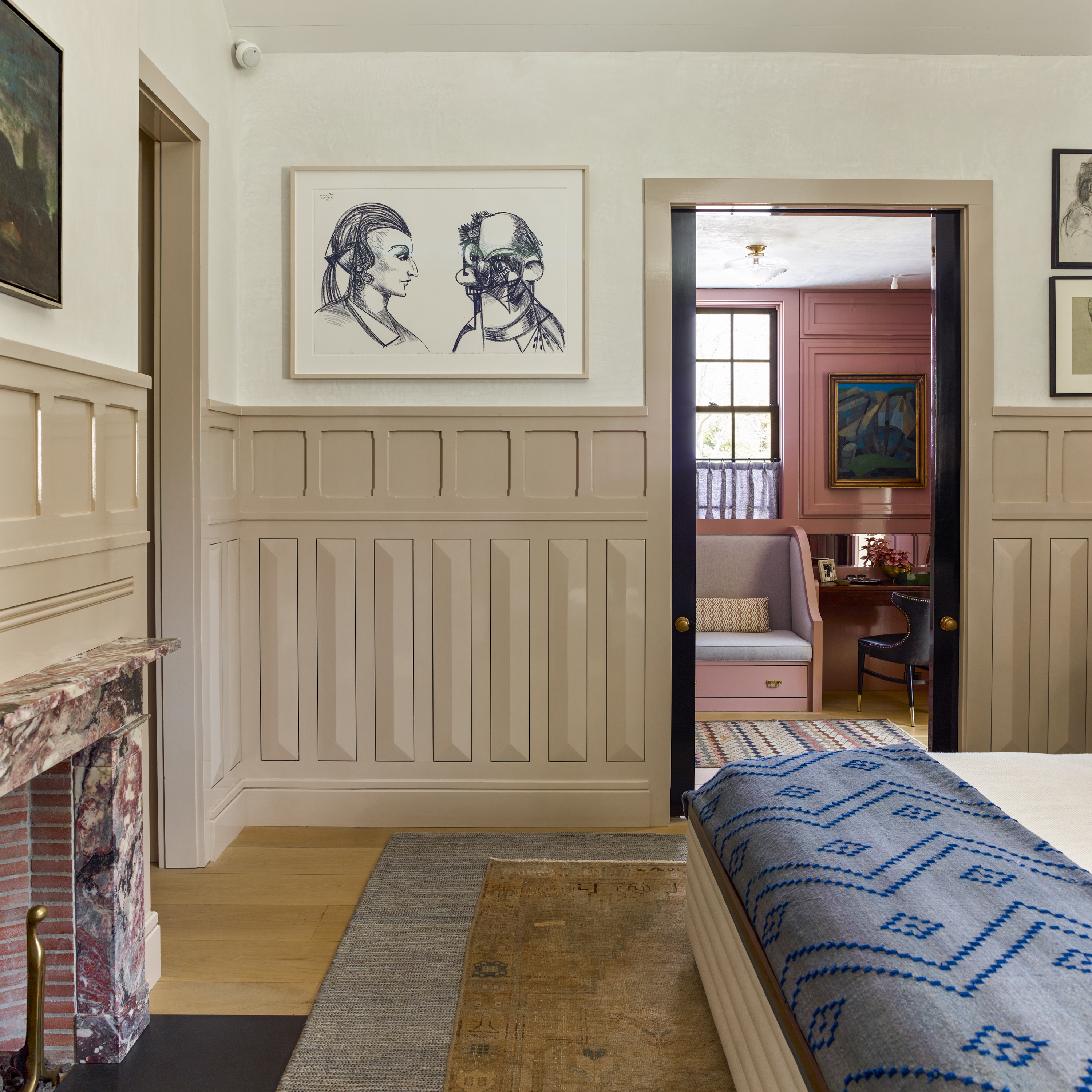
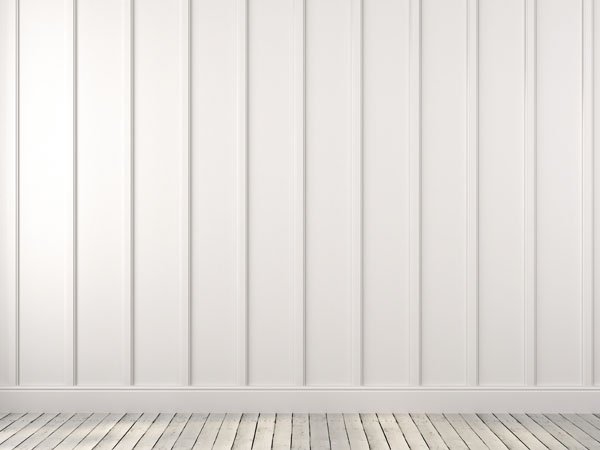
Several types of wainscoting cater to different aesthetic preferences. Raised panel wainscoting, the most traditional, involves professionally created beveled edges and wood trim, reminiscent of Victorian interiors. Wall panel wainscoting is a DIY-friendly option, using thin wood strips or molding attached directly to walls to create rectangular frames. Flat panel or Shaker panel wainscoting uses thin boards of plywood or MDF, allowing for customizable framing with additional molding. Beaded paneling, also known as beadboard, consists of connected wood paneling with vertical grooves, often favored for its formality in dining rooms.
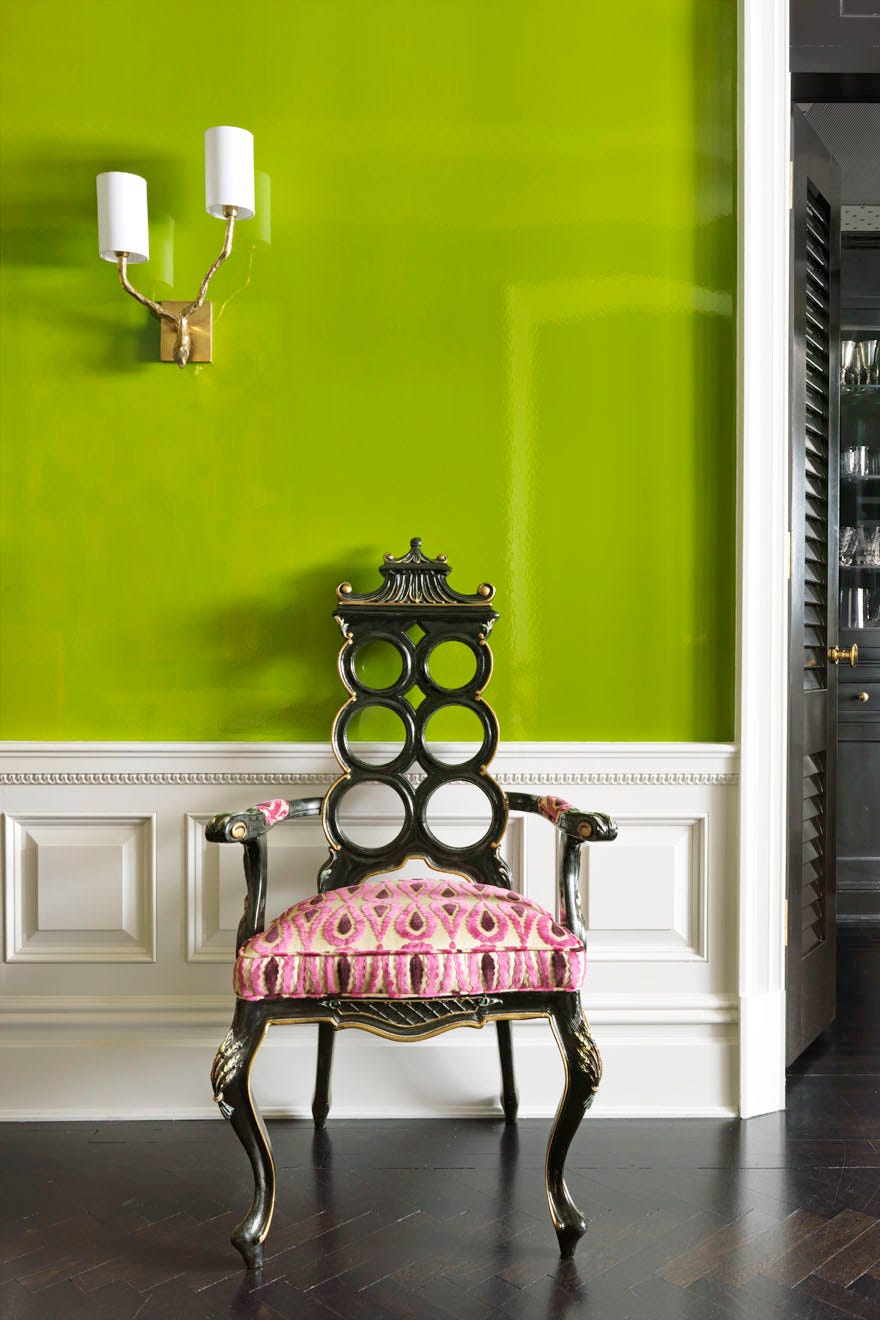
Wainscoting can be painted, often in the same hue as the wall for a cohesive look, or in contrasting colors to highlight the decorative accents. It can also be sanded to smooth textures, remove old stains or paint, and improve adhesion for new paint applications. While wainscoting, being wood, can tolerate occasional moisture, prolonged exposure to water can cause warping or rot. For outdoor use, proper sealants and exterior-friendly paints are essential to ensure durability.
#Wainscoting #HomeRenovation #DIYProjects #ArchitecturalDetails #InteriorDesign #WoodPanels #HomeDecor #DesignTips #BudgetFriendly #Wainscoting #HomeRenovation #DIYProjects #ArchitecturalDetails #InteriorDesign #WoodPanels #HomeDecor #DesignTips #BudgetFriendly
0 comment in total
 No comments yet
You may also like
5 Custom Wall Treatments You Can Do Yourself

Wall Stencils Are Back In Style! Here are 15 We Love

Finishing Touches
Wainscot Moulding Showcase From Metrie

Wainscoting Is Hot Again—Here's What It Costs To Add It to Your Walls

This New DIY Will Make Your Windows and Wall Treatments Look Way More Luxe and Fun
Home with Tess: How I learned to stop worrying about wainscoting and love an easier solution
18 Cheap Decor Ideas That Look Expensive
Wainscoting ideas – designers are rediscovering how this ancient millwork can uplift modern interiors

Wainscoting: the bold update to a traditional design element
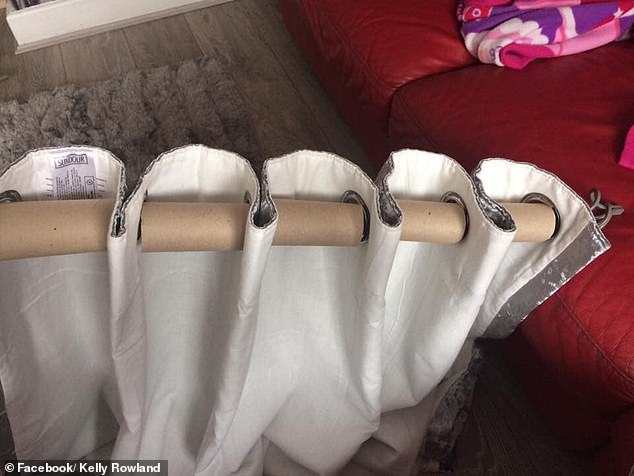
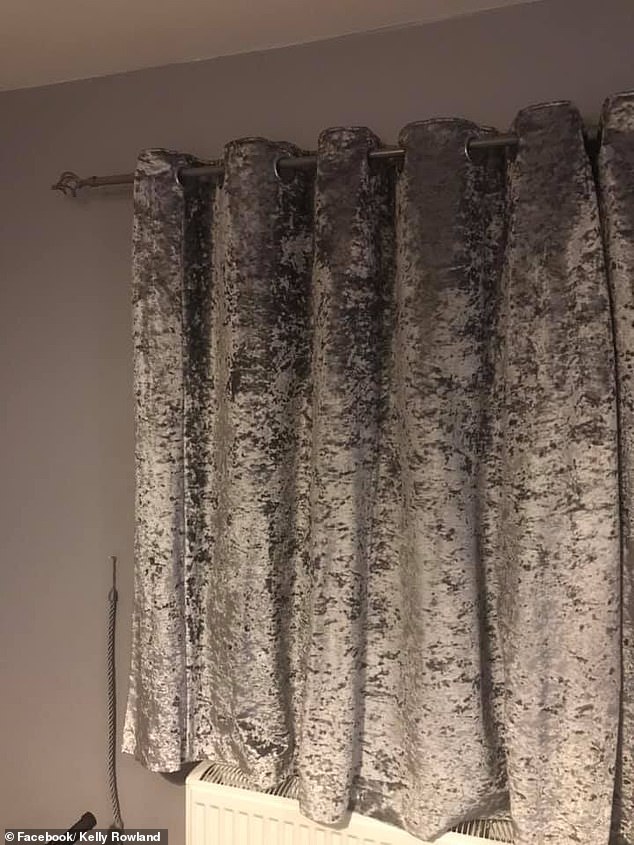
Woman reveals how she achieves neat pleats in her curtains using empty TOILET tissue rolls
The Best Wall Decor From Amazon That'll Transform Your Space
36 Wainscoting Ideas for Traditional and Modern Spaces

How to decorate with chintz in any kind of interior
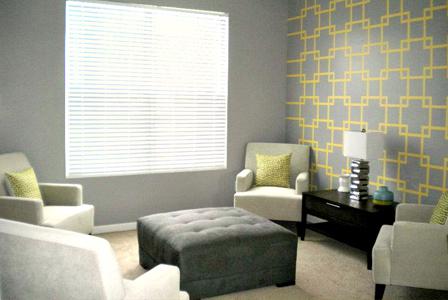
Update your home with these paint tips!

How to hang wall perfectly: Use a fork

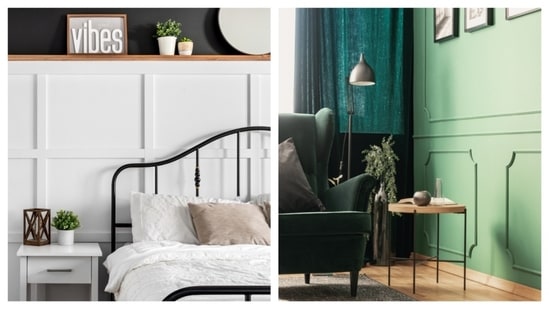
Pinteresty walls 101: Complete guide on how to transform your interiors with aesthetic wainscoting | Hindustan Times


How to install wooden panelling

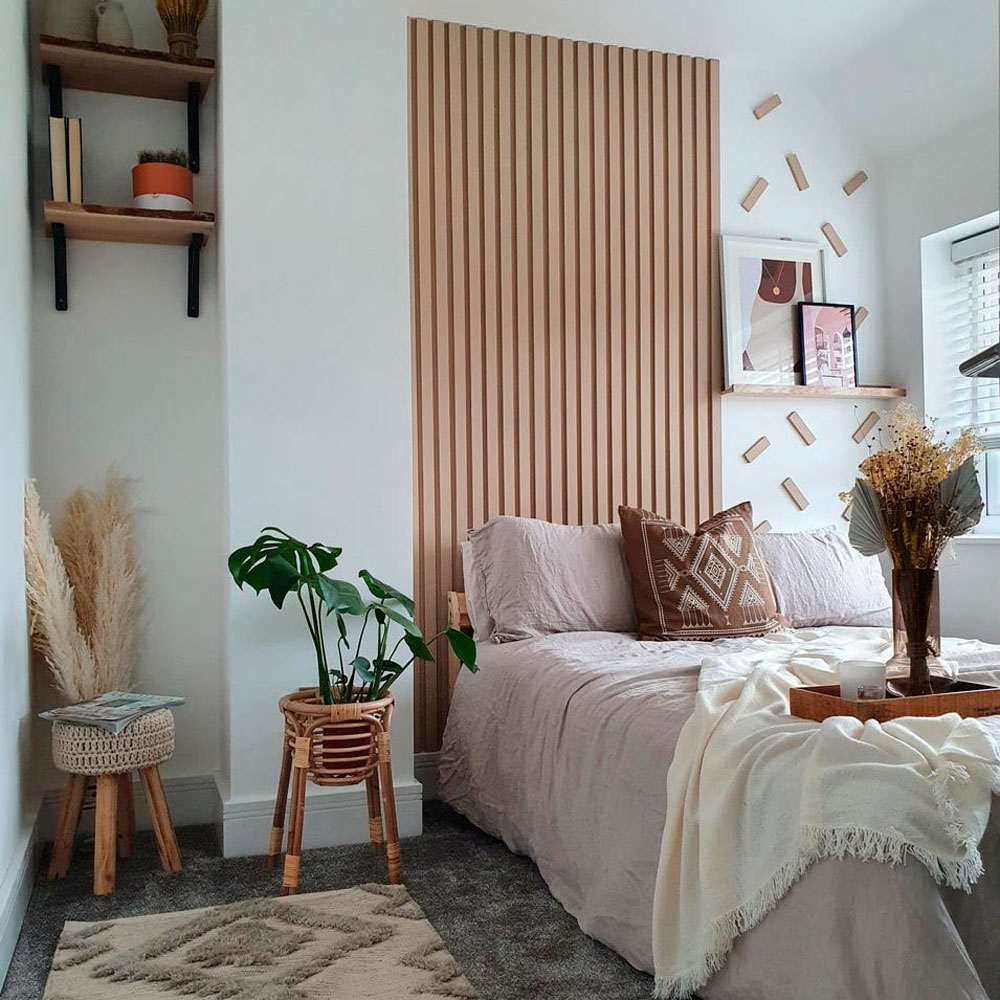
Homeowner wows with DIY version of latest feature wall trend – and the results are stunning!
Craig Phillips’ 8 tips on the best ways to refresh your home with a lick of paint