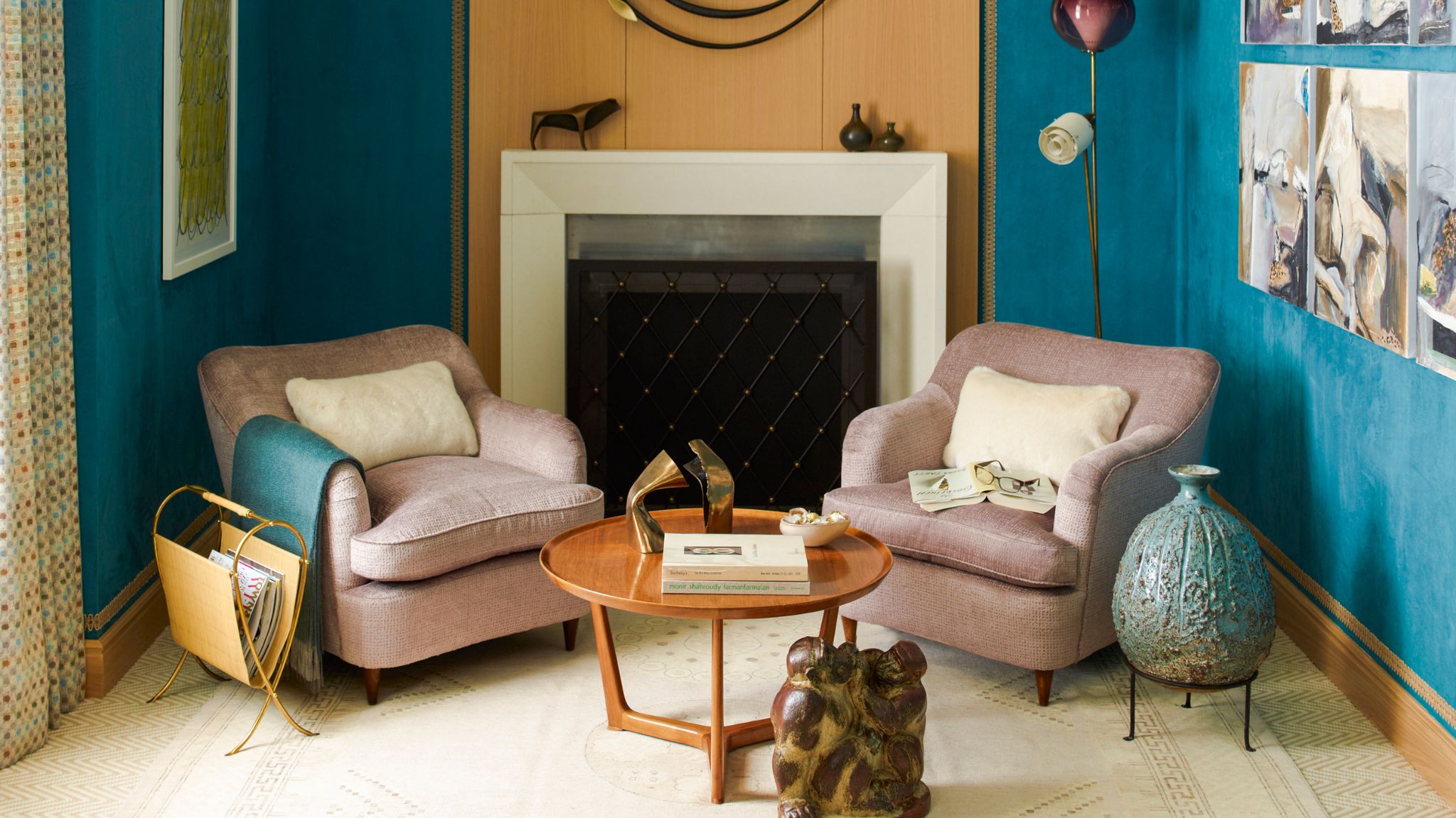
1/6
"I'm an interior designer – I think these 5 millwork trends will make your home look like a million dollars"
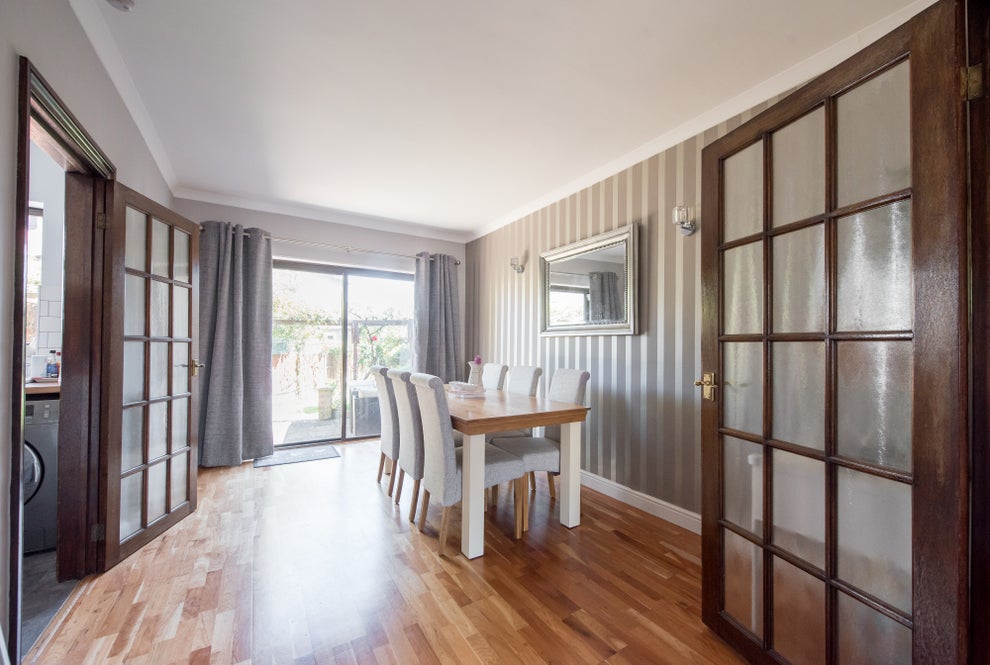
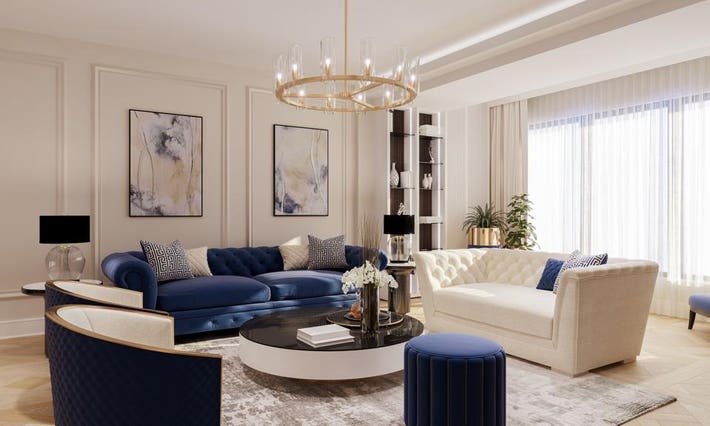
When considering home redecoration, common focus areas include wall colors, furniture selection, and kitchen or bathroom designs. However, millwork, while often an afterthought or limited to storage solutions, offers significant potential to enhance a space's character beyond mere functionality. Millwork, through subtle accents and intricate details, can establish a foundational framework for interior design, creating a distinctive ambiance. The evolution of millwork trends is typically slow, which is advantageous as it ensures designs remain relevant and do not quickly become outdated with seasonal changes. Contemporary designers are increasingly incorporating millwork, balancing function with form by introducing modern interpretations of traditional elements.
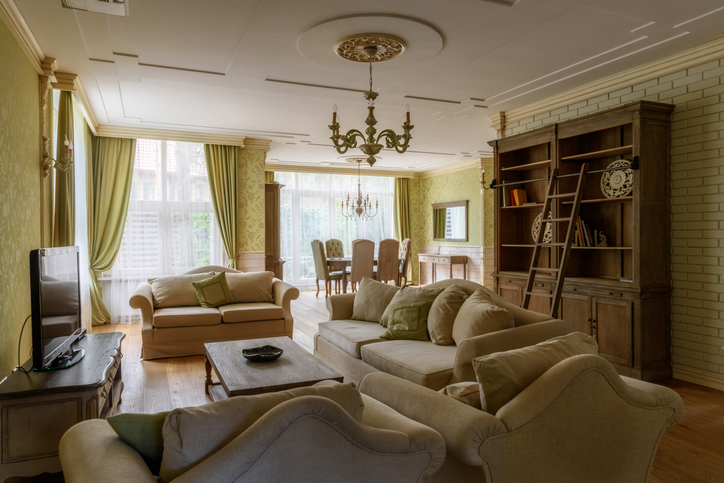
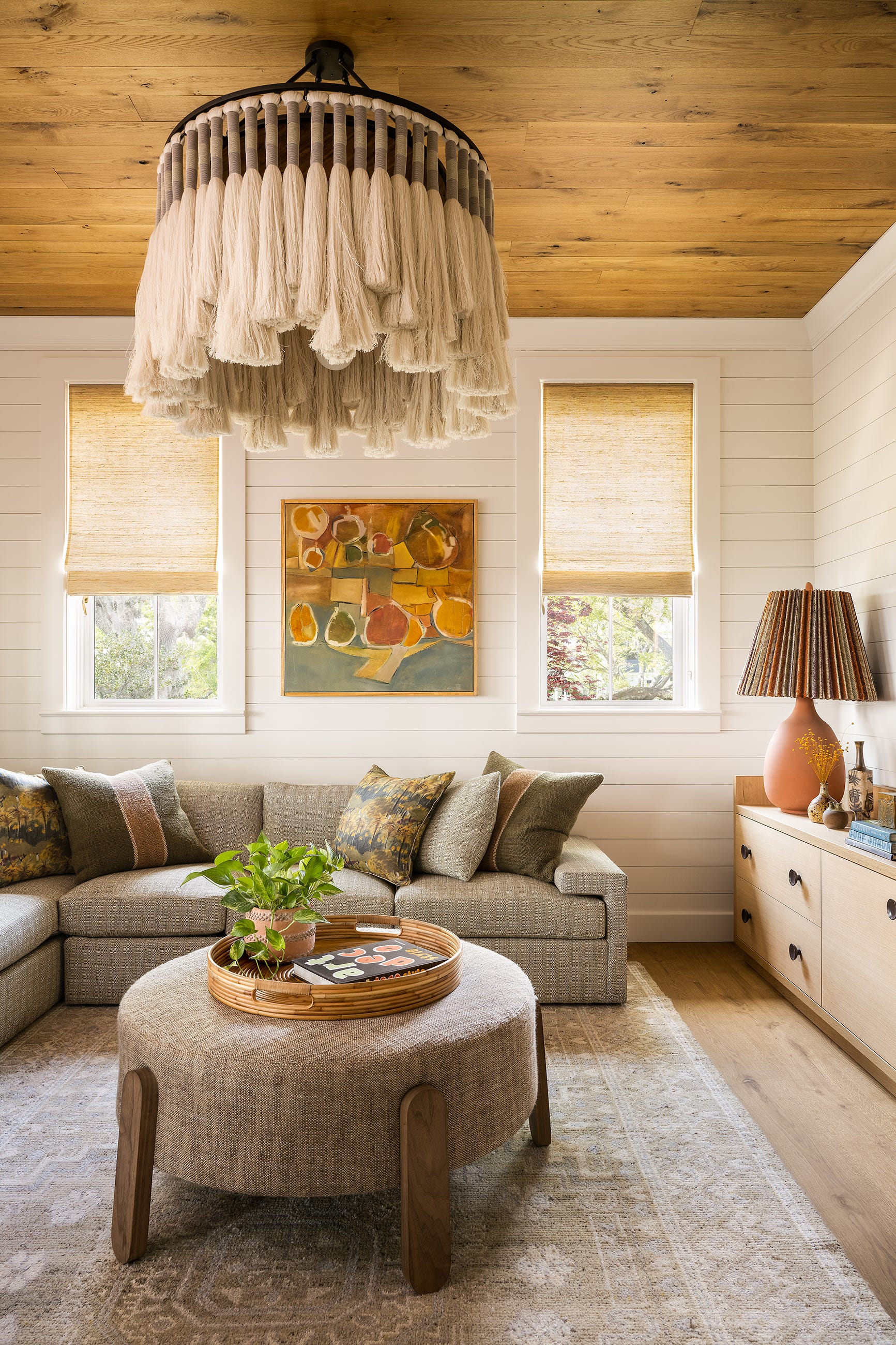
Gideon Mendelson, founder and creative director of Mendelson Group, a seasoned expert in millwork, highlights several emerging trends. One such trend involves accent ceilings. Instead of limiting attention to walls and furniture, ceilings are now being recognized as a 'fifth wall' with design potential. Utilizing paneling or coffering on ceilings can draw attention upward, and in large rooms, geometric patterns can break up the space, making it feel more intimate and luxurious. This approach offers a unique and special element not commonly seen.
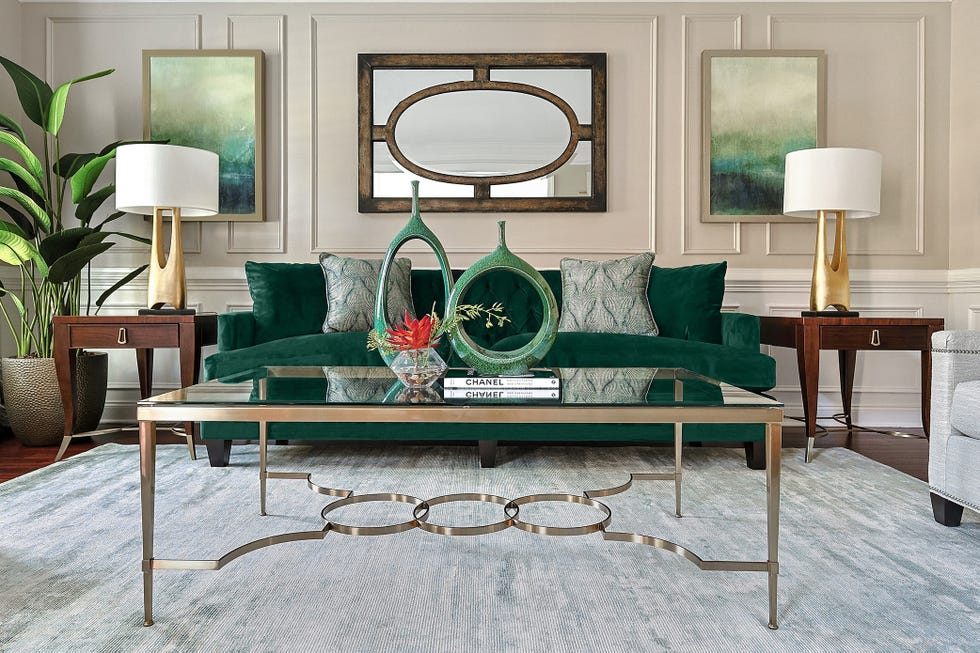
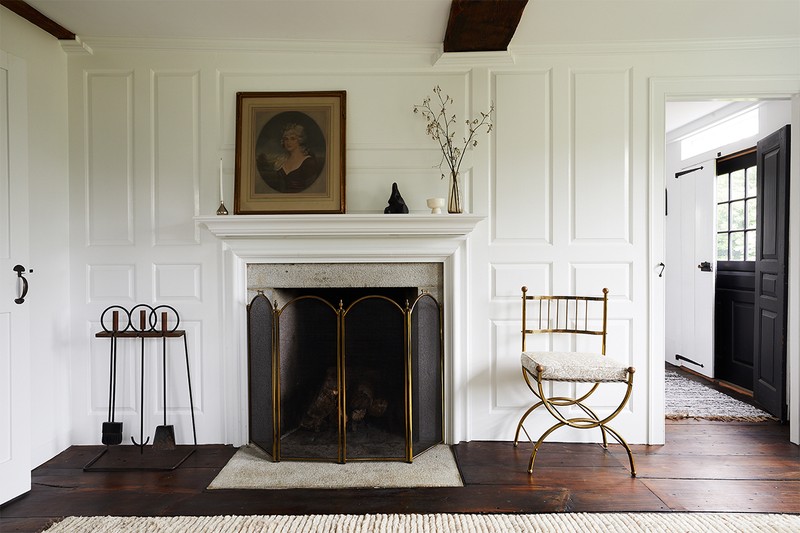
Creative wall paneling represents another significant trend. While traditional wall paneling is familiar, contemporary designers are exploring diverse patterns and shapes. This element, once considered old-fashioned, is regaining popularity due to its versatility and ability to create unique, custom designs. Achieving successful and intricate wall paneling often necessitates collaboration with specialist craftspeople.
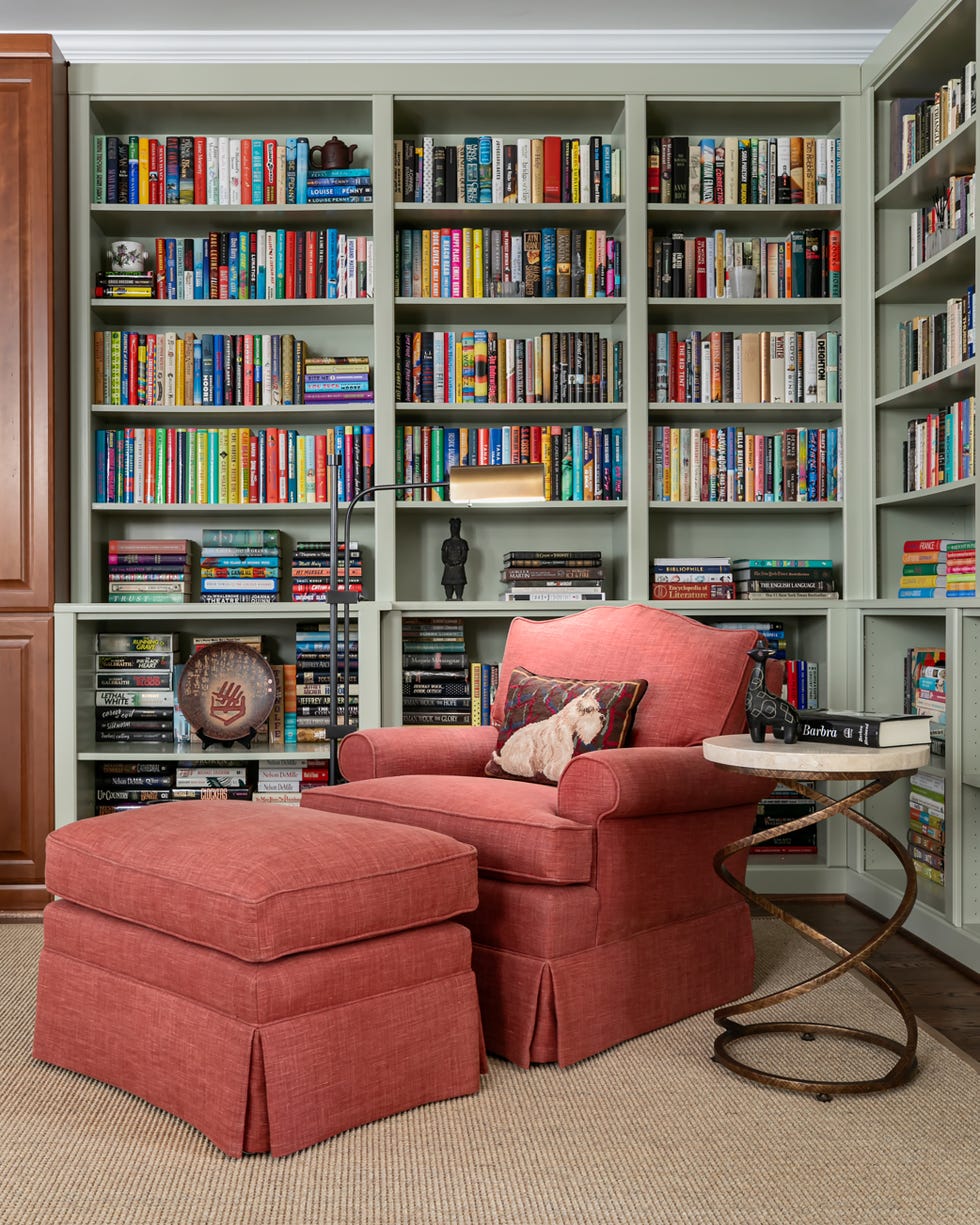
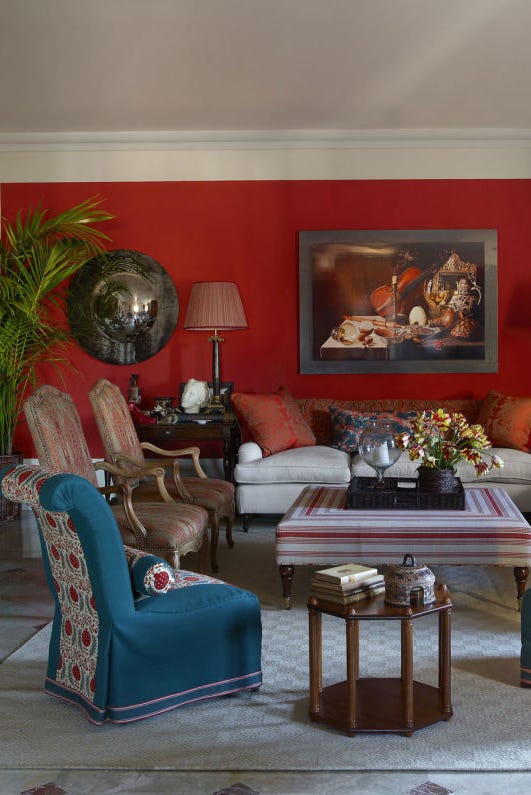
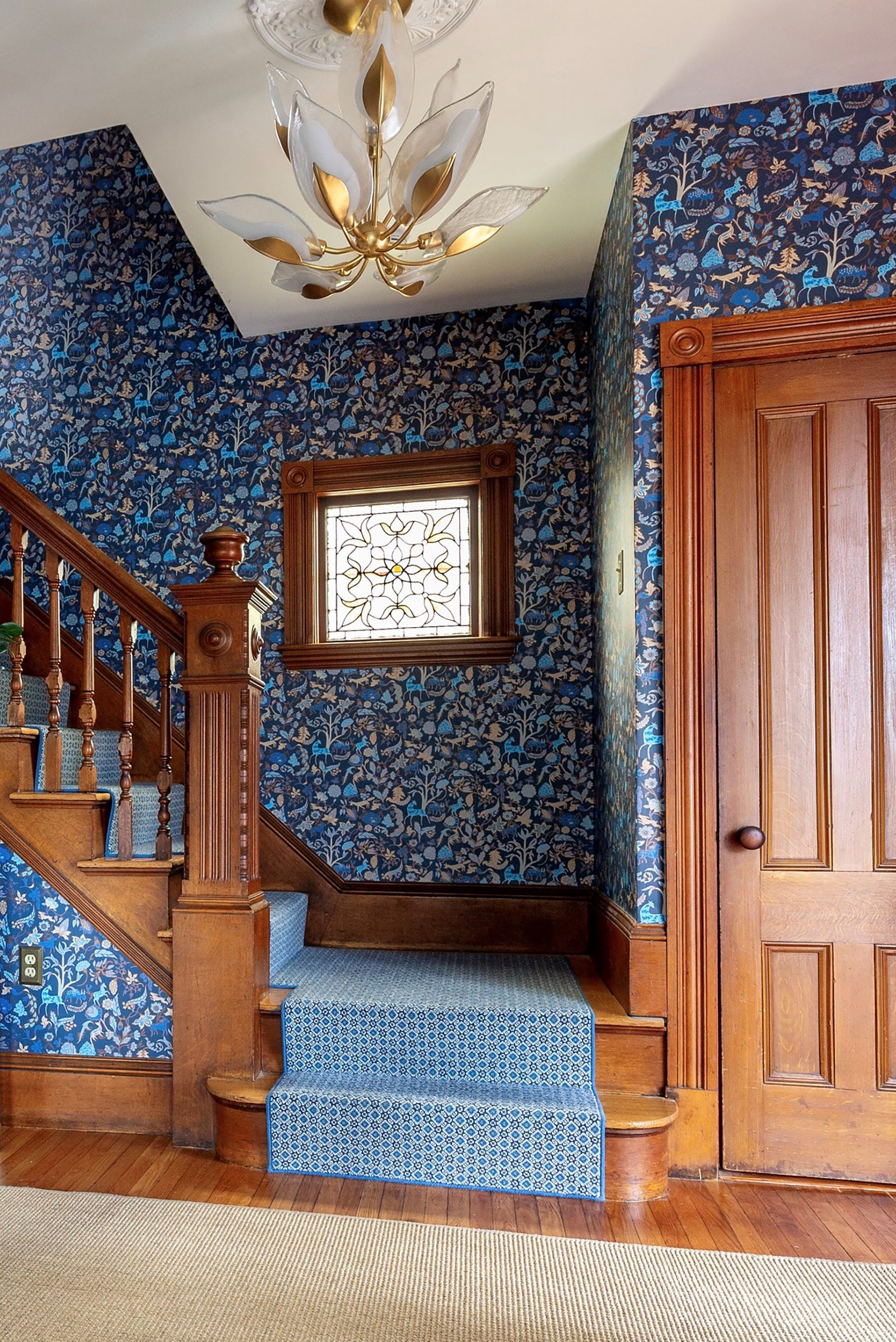
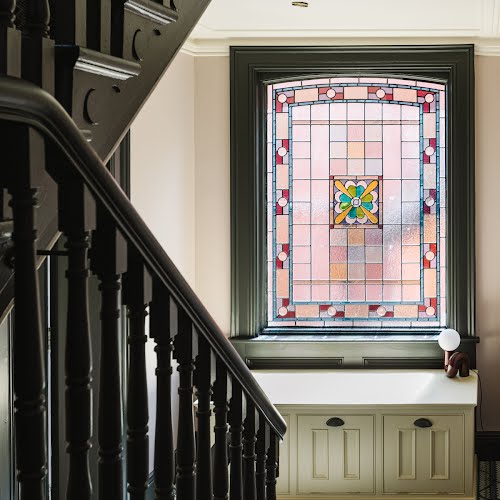
A third trend involves innovative approaches to painting millwork. Historically, millwork was often painted in neutral whites to match skirting boards or ceilings. Currently, bespoke paneling, cabinets, and bookcases are viewed as integral design components, with color selection playing a crucial role in achieving a cohesive look. Options range from matching millwork to walls for a seamless effect, using gloss paint for a luxurious statement, or applying contrasting colors for a vibrant pop. The primary consideration is ensuring the chosen color scheme complements the overall design. Mendelson advises strategic timing for color selection, typically finalizing choices toward the end of a project to ensure they align with all other furnishings, fabrics, and materials.
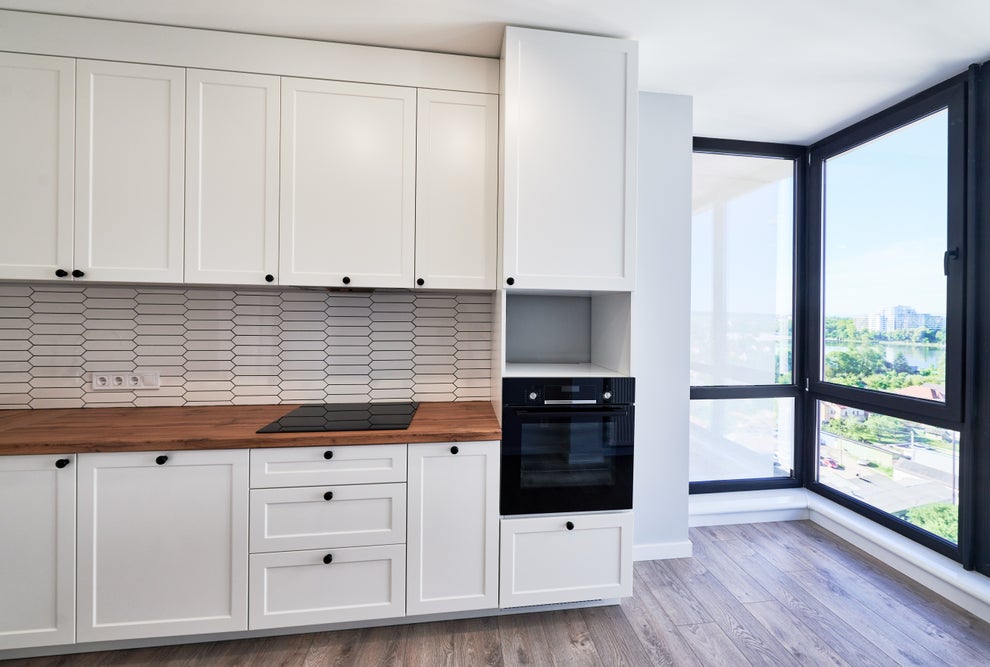
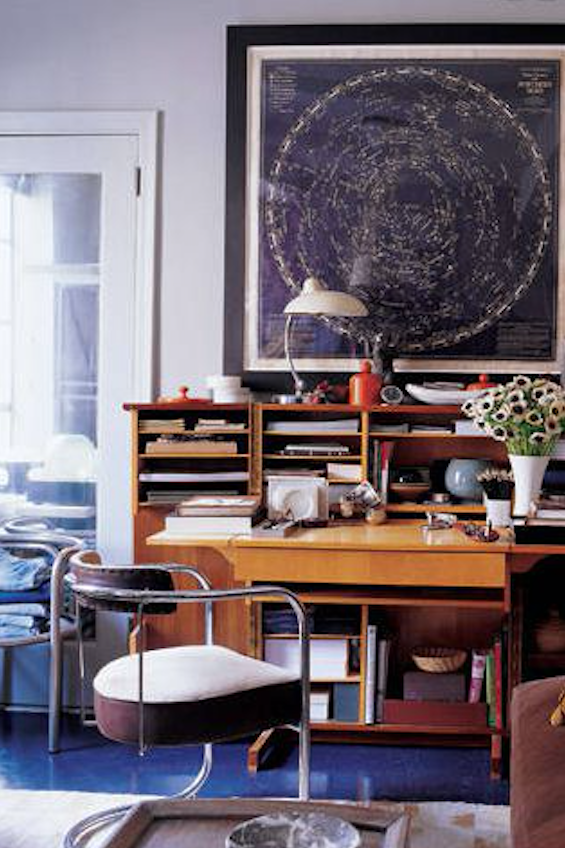
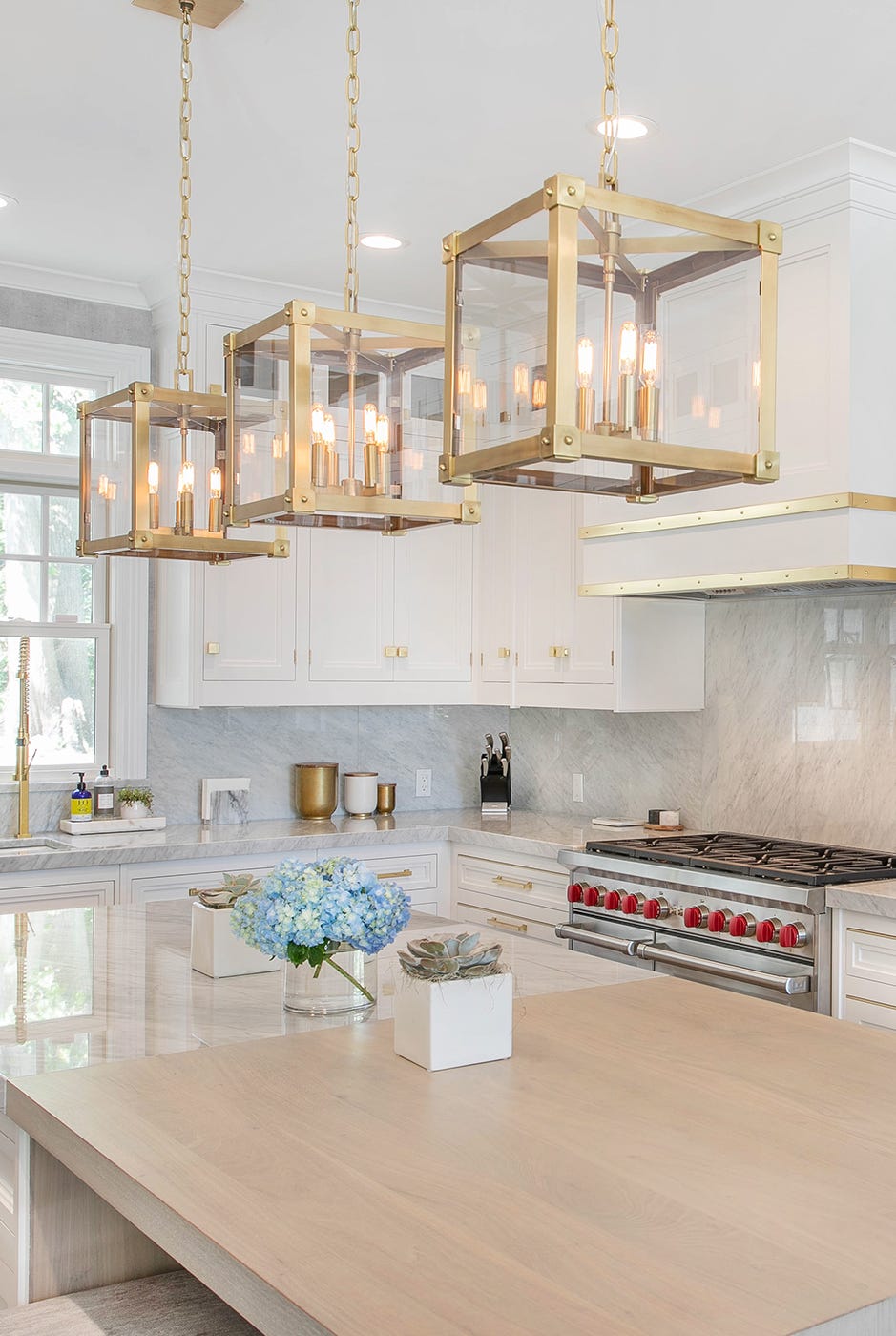
Hidden storage is a perennially popular and practical application of millwork. Custom-built storage solutions not only address functional needs but also integrate aesthetically into the interior design, providing a luxurious and organized environment. Mendelson emphasizes that customized storage adds significant value to a home, particularly in kitchens and closets. While open shelving is currently fashionable for displaying styled objects, Mendelson cautions against excessive use if maintaining organization is a challenge. Finally, the integration of traditional millwork with modern aesthetics allows for balanced home designs. Millwork, being a more traditional element, can ground a space, providing a foundation for modern expressions in other areas. This approach helps achieve a sophisticated and balanced modern look, avoiding an overly contemporary feel. The key is to find a balance that suits individual preferences and the specific space, recognizing the extensive possibilities of millwork beyond its traditional uses.
#MillworkTrends #InteriorDesign #HomeRenovation #AccentCeilings #WallPanelin #BespokeStorage #HomeDecor #LuxuryInteriors #DesignInspiration #MillworkTrends #InteriorDesign #HomeRenovation #AccentCeilings #WallPanelin #BespokeStorage #HomeDecor #LuxuryInteriors #DesignInspiration
0 comment in total
 No comments yet
You may also like
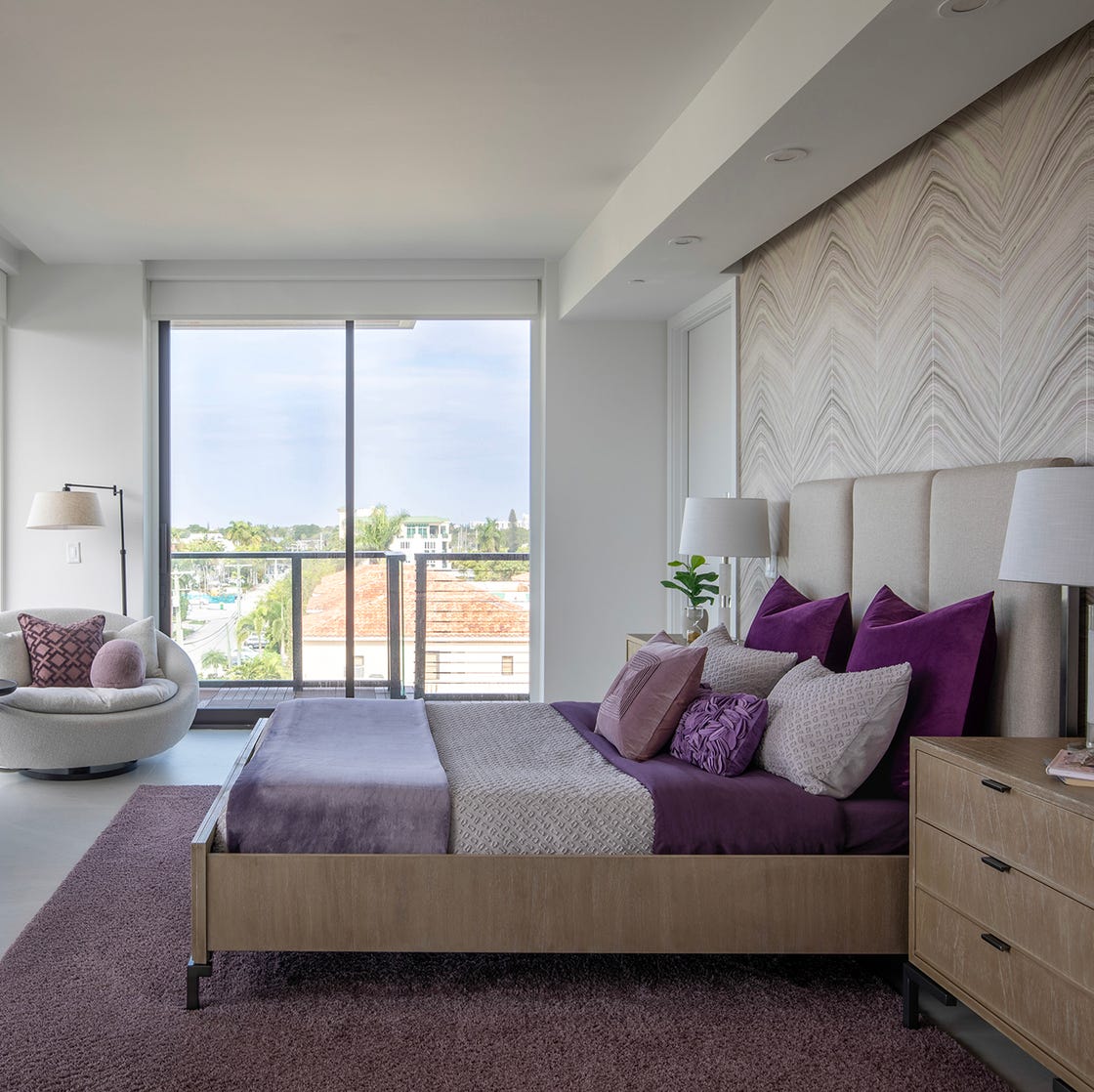
5 Things Interior Designers Wish You Would Do

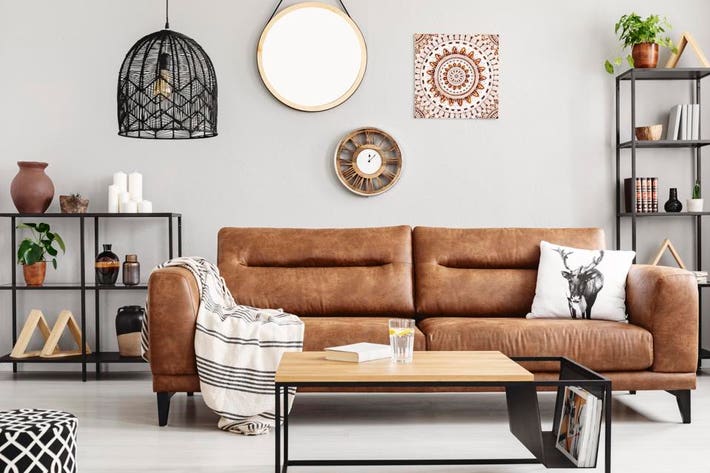
10 Interior Design Mistakes Experts Avoid In Their Own Homes

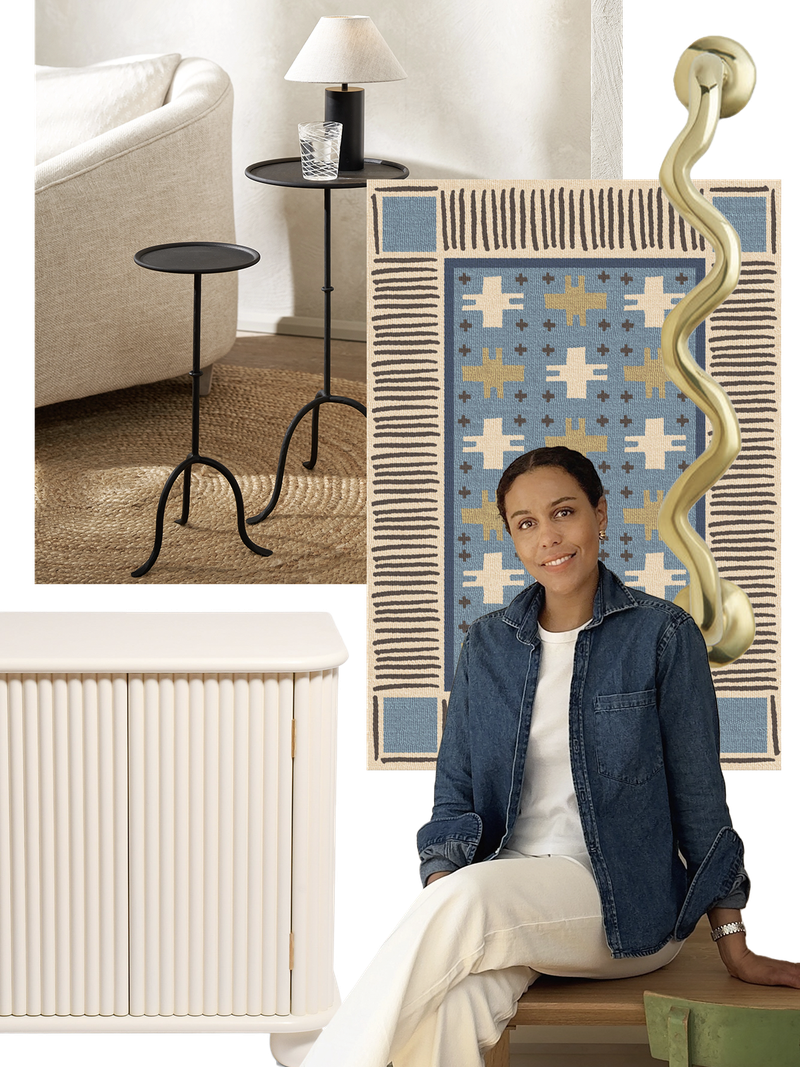
An Interior Designer Talks Style Inspiration, Wish List Items & Her Clever New Launch
10 Common Home Renovations That Lower Your Property Value in 2025

"It's Like I'm On An HGTV Acid Trip": People Are Denouncing The Worst Home Design Features


10 Horrifying Home Design Trends: 2023 Edition
7 Home Décor Trends Designers Say Are a Waste of Money
2024 Needs to Be the Year You Finally Commit to Wallpaper

“It Instantly Becomes Tacky": 22 Home Design Trends That Are Mega-Popular For Reasons Many People Will Never Understand
5 Home Decor Pieces Designers Always Wait to Buy on Sale, Even for Their Fanciest Clients


What Rich People Put in Their Homes, According to an Interior Designer
5 golden rules of home décor from an Irish interior designer


10 outdated home features that used to signal wealth but not anymore


The 2020 A-List: 125 of the Best Interior Designers in the World
19 Tips From A Top Interior Designer

25 Celebs Who Double as Interior Designers and Decorators — Celebrity Furniture Collections
Why do the ultra-rich have tacky interiors?
10 Horrifying Home Design Trends: 2022 Edition
5 Fabrics and Materials to Elevate Your Home’s Style
Top current home decor and design trends in the luxury market