I Tried 3 Digital Picture Frames And Was Pretty Impressed
The author explores the utility and aesthetic appeal of three digital art frames: the Electric Objects EO2, the Meural Canvas, and Klio, as a means to display a vast collection of art within a home setting. The review aims to assess whether these devices can elevate home decor and provide a dynamic art experience.
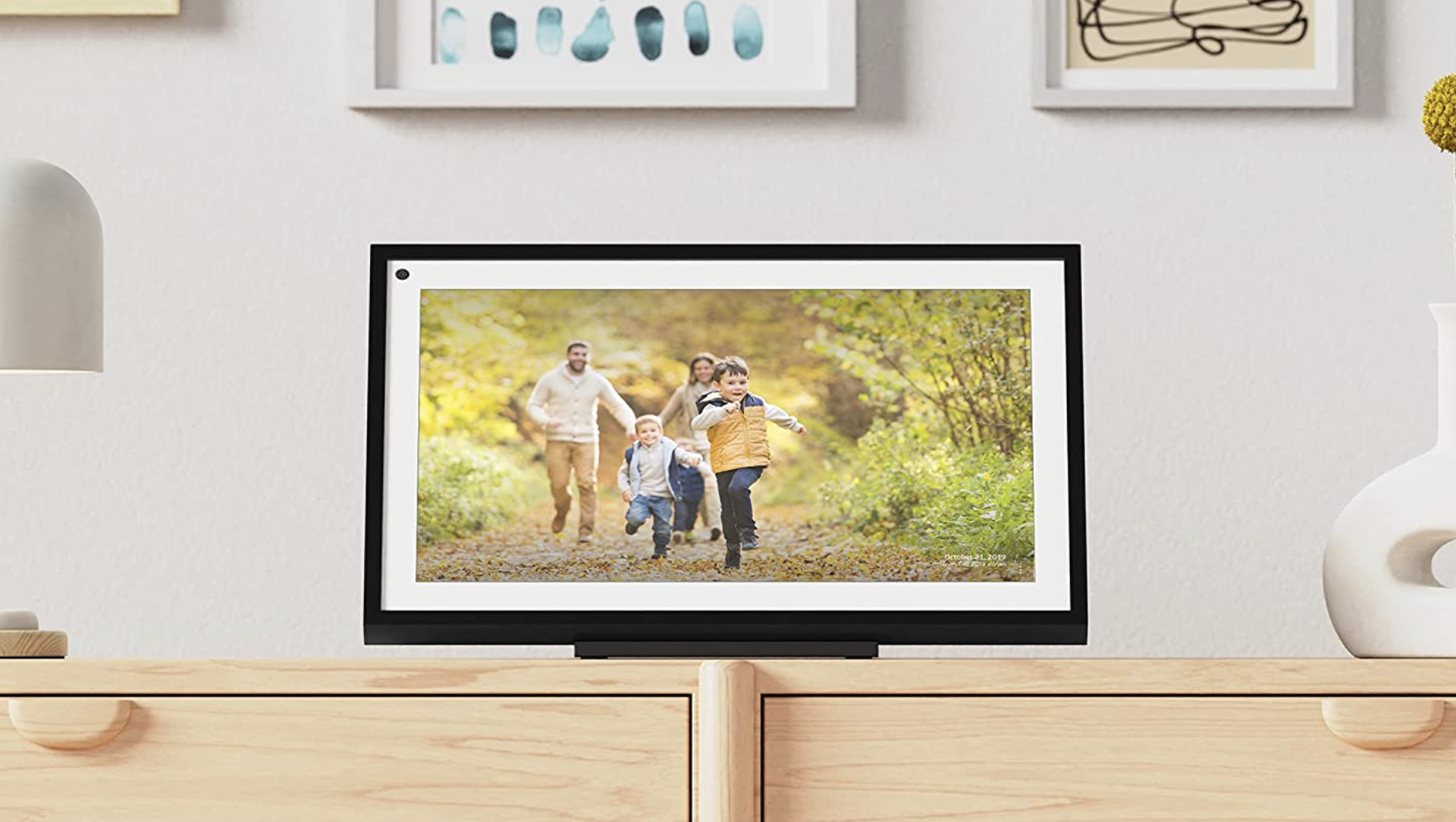
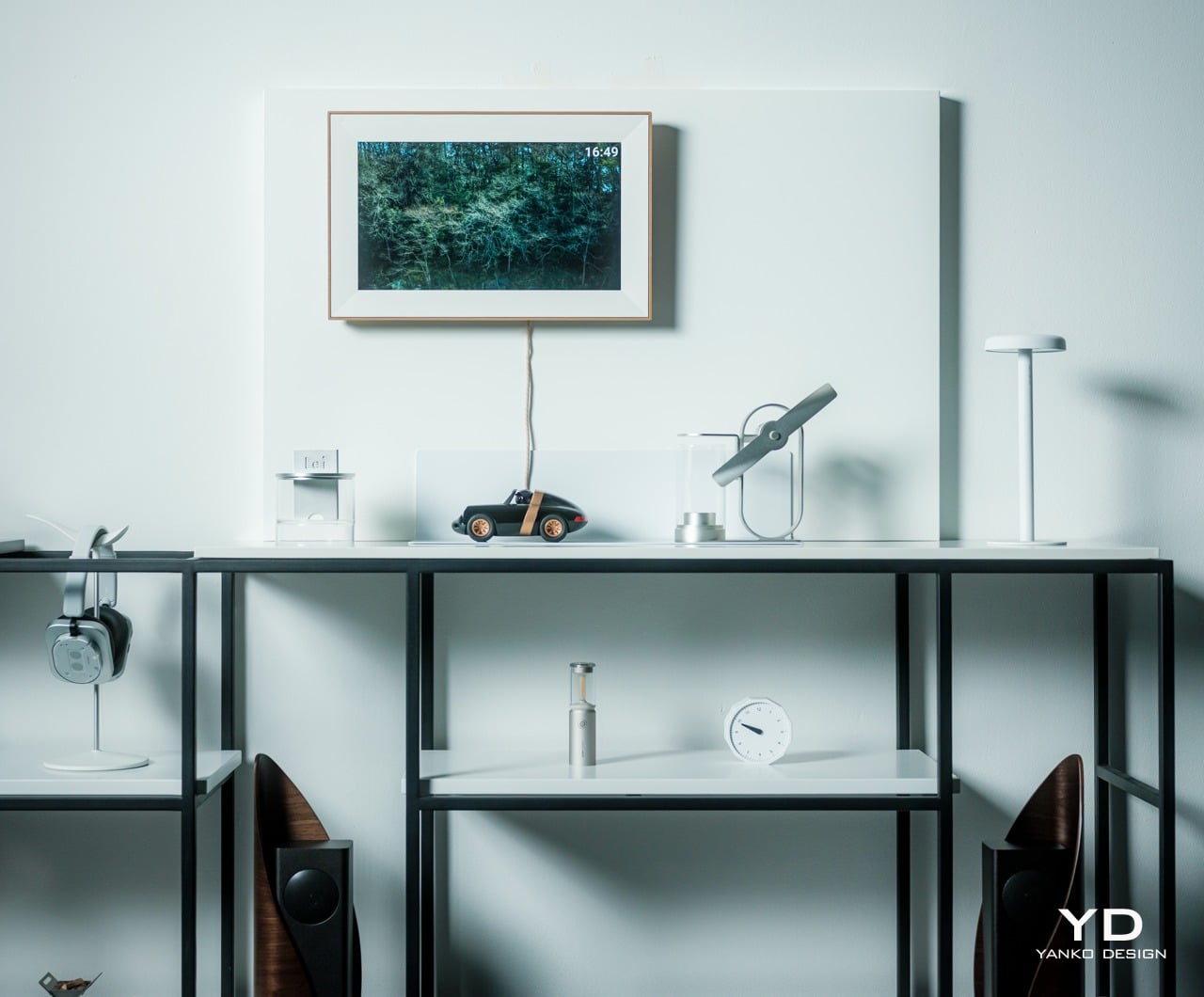
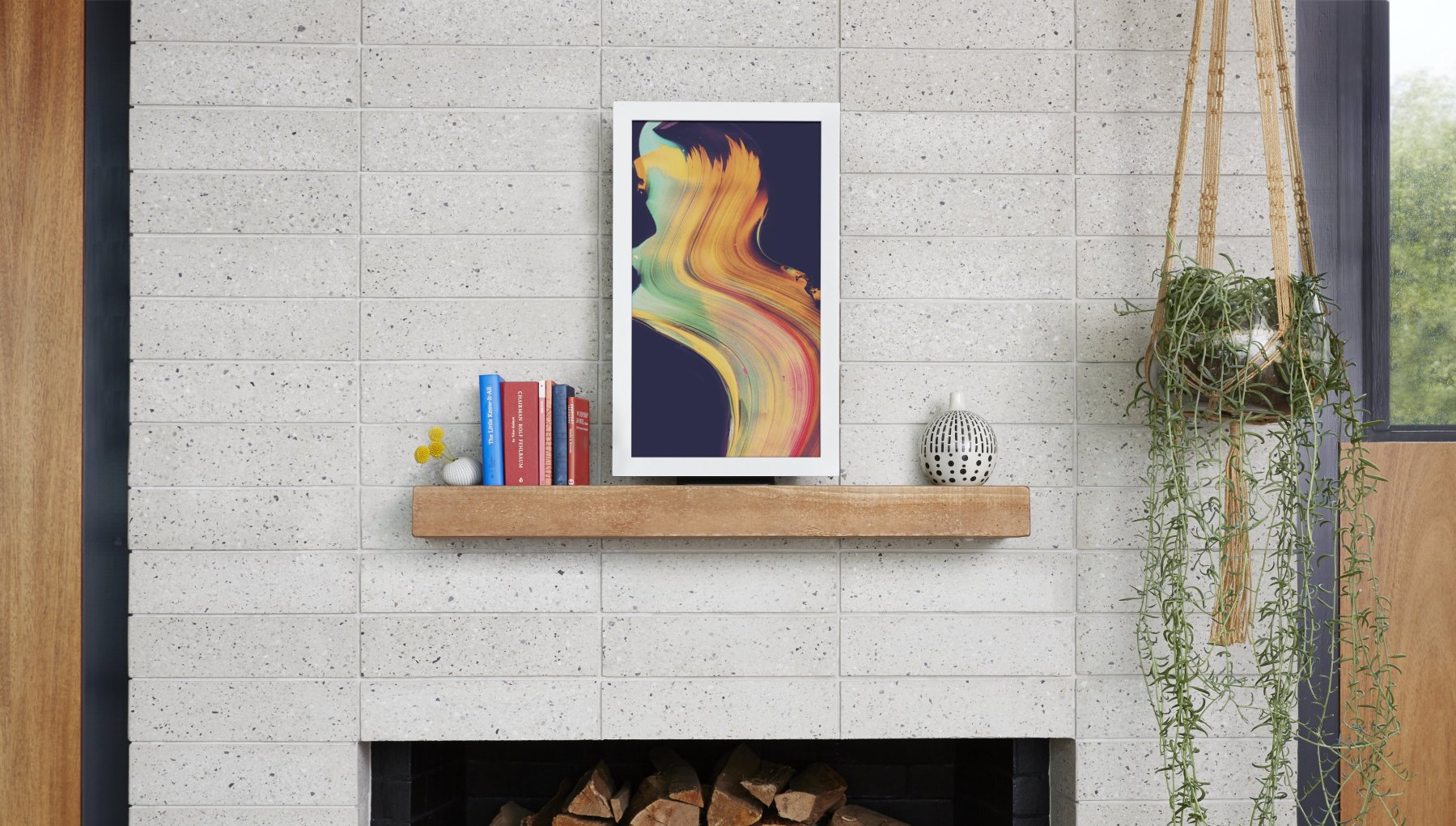
The Electric Objects EO2, priced at $299, is a 23-inch matte-finish LED-backlit display with a 1080x1920 resolution. It features a basic wood or aluminum case and connects via Wi-Fi, controlled by a smartphone app. Users can access over 20,000 curated pieces, with a $9.99 monthly membership offering museum-quality art. While its app is user-friendly for selecting art and creating playlists, the screen's brightness can detract from the art's realism, and HD video can appear blurry up close. Despite these optical drawbacks, its affordability makes it a viable option for displaying still images.
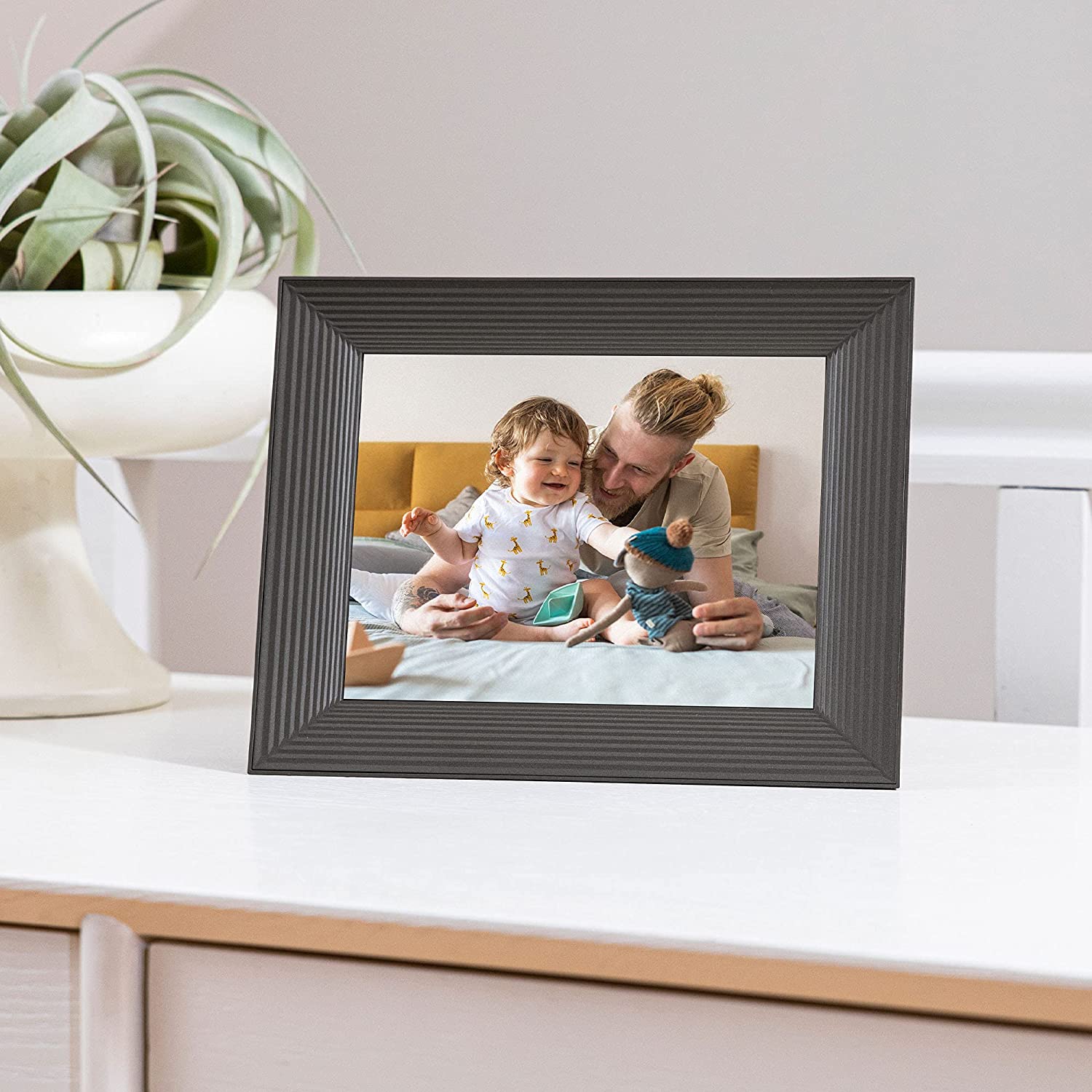
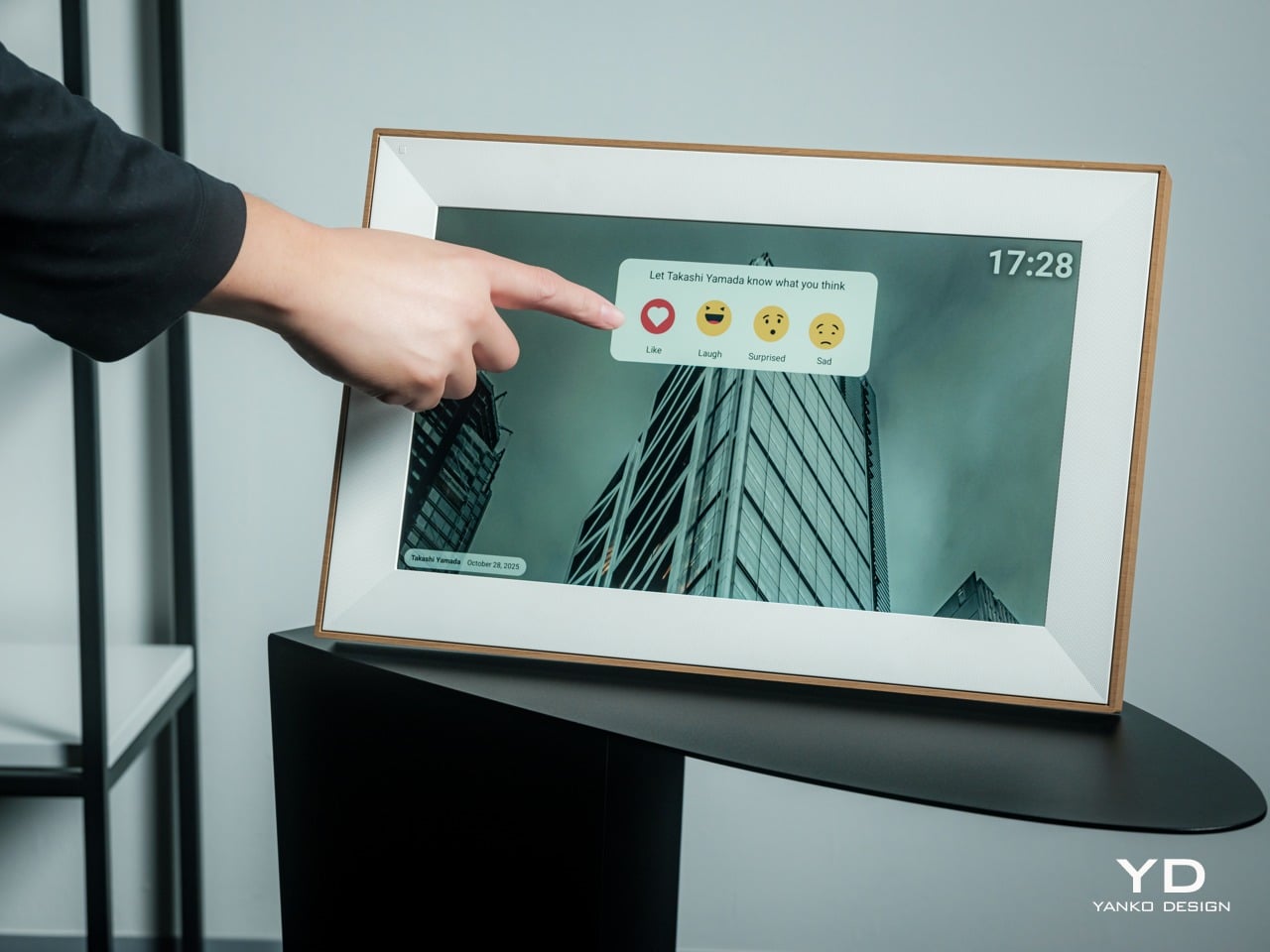
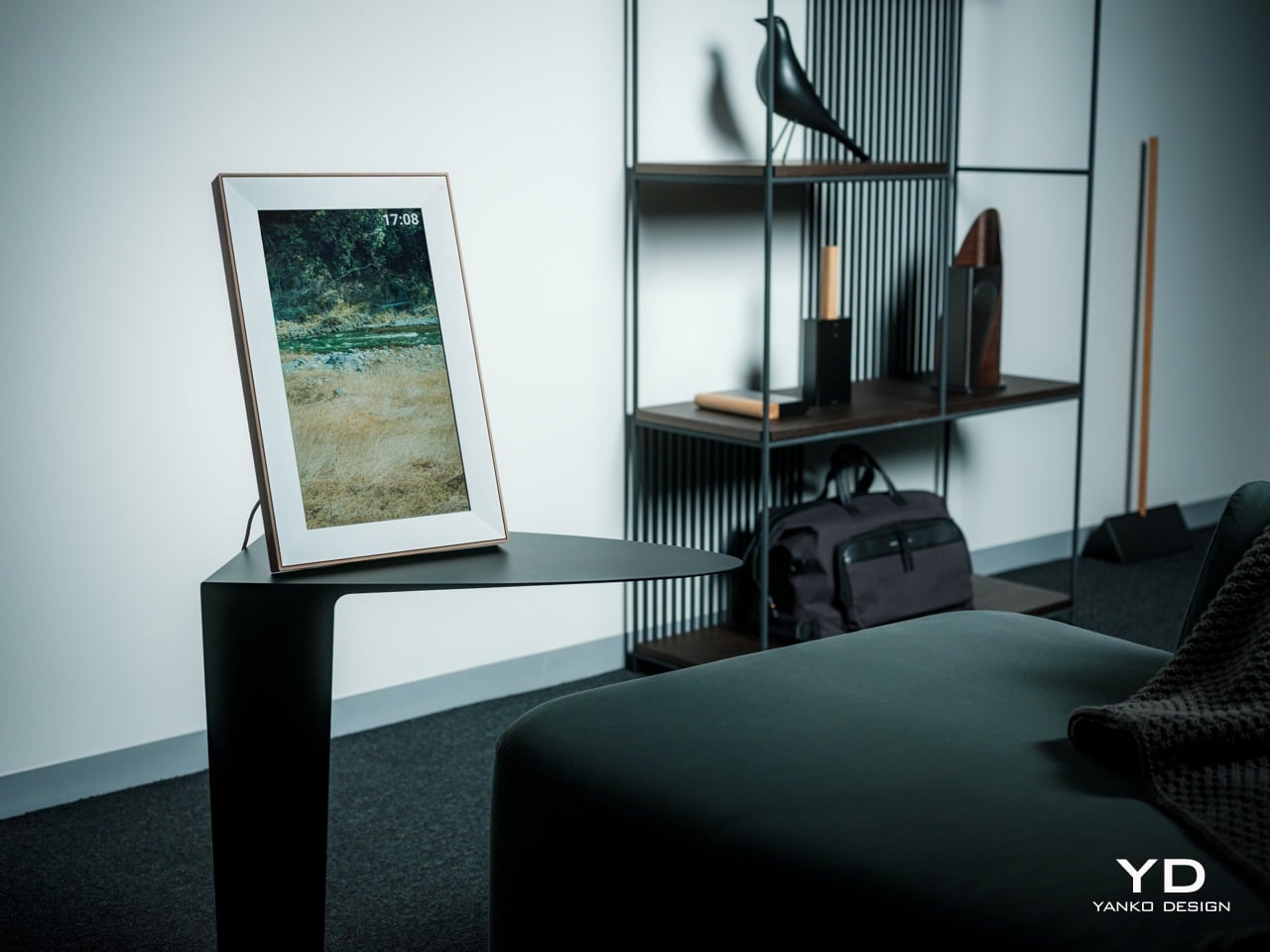
The Meural Canvas, starting at $595 for its 27-inch 1080p LCD display, impresses with anti-glare and true black technology, making the art appear remarkably realistic. It features embedded sensors for gesture control, allowing users to change images or access artist information with a hand wave. The frame's hardware facilitates easy re-orientation between landscape and portrait. The $695 "lightbox" edition, where the display seems to float within a light wooden frame, is particularly recommended for its crisp and authentic appearance. A significant drawback is the power cord, which includes a large power brick, posing a challenge for discreet installation without professional wiring. However, Meural's partnerships with institutions like the New York Public Library and Pantone provide curated art collections, enhancing its daily appeal, and its less luminous screen integrates seamlessly into home environments.
Klio, the largest and most expensive option, is a 42-inch ultra-high definition display with hand-finished frames ranging from $999 to $1,499. Designed as a premium decor piece, it offers various finishes to match any setting, serving as a focal point in a room. Its 4K display allows for viewing art both up close and from a distance, with content controlled via an iOS app, browser interface, or remote. The glossy display, while akin to framed art behind glass, might be a minor concern in certain lighting. Klio connects via Wi-Fi to an online art marketplace, currently free but soon to transition into a paid store for digital artists. It specializes in digitally native art, encompassing animations, GIFs, and videos, alongside classic pieces. The author notes a personal preference for traditional art over digital animations on the Klio, finding the latter distracting. However, Klio's forward-looking features, including upcoming IFTTT integration and Amazon Alexa compatibility, suggest potential for a smart home ecosystem where digital art can modulate a room's mood in conjunction with lighting and sound.
Overall, these digital frames offer diverse ways to integrate art into a home, transforming it into a dynamic gallery. Each product presents a unique balance of cost, display quality, user experience, and aesthetic integration, with power management and display realism being key differentiating factors. The concept of using digital art to influence the mood and ambiance of a living space is highlighted as a compelling aspect of this technology.
#DigitalArtFrames #SmartHome #HomeDecor #ArtTechnology #GadgetReview #InteriorDesign #HomeImprovement #DigitalArtFrames #SmartHome #HomeDecor #ArtTechnology #GadgetReview #InteriorDesign #HomeImprovement
0 comment in total
 No comments yet
You may also like

We Tried All Kinds of Digital Picture Frames. The Best Are Easy to Use and Look Great.

Best digital photo frames for 2025, tried and tested
5 Of The Best Digital Picture Frames In 2024


Your Vacation: Printed, Framed and Delivered to Your Door (Published 2017)


The best digital picture frames

We Ordered 7 Different Picture Frames to Find the Best Online Service
Designer-Approved Tips on Displaying a Set of Three Picture Frames

Pexar Starlight Review: 15.6" Picture Frame That Lights Up Memories

Share Your Favorite Memories With the Best Digital Picture Frames of 2023

The 6 Best Digital Picture Frames to Gift to Parents, Grandparents, and Loved Ones

Frameology offers high-quality, affordable photo framing online (and it makes a great gift)

The 2 Best Online Framing Services of 2025 | Reviews by Wirecutter

Our Favorite Digital Picture Frames Will Replace All Your Photo Albums

These Digital Picture Frames Let You Send Photos Virtually to Family


The Best Online Framing Services

How To Repurpose Your Old Tablet Into A Digital Picture Frame

The best picture frames of 2023

3 ways to update picture frames for elevated displays of art and photos
'I Tried Artscape's Stained Glass Window Film and Here's My Full Review'

The Best Online Framing Services for Flawlessly Framed Pictures