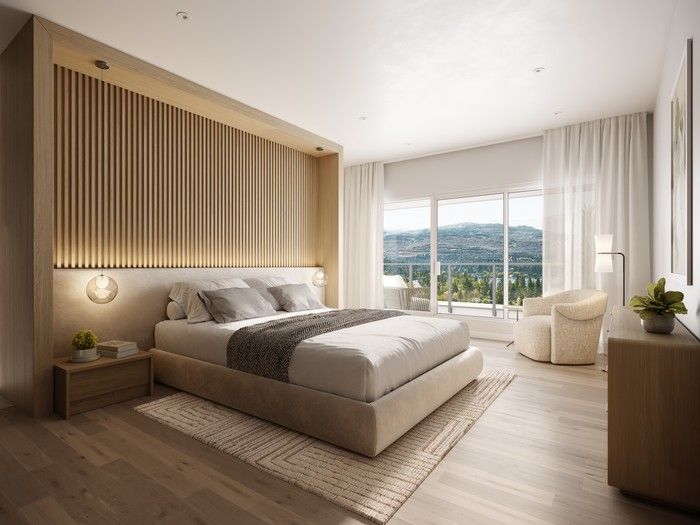
1/6
Why every room needs a statement piece — and how to choose yours
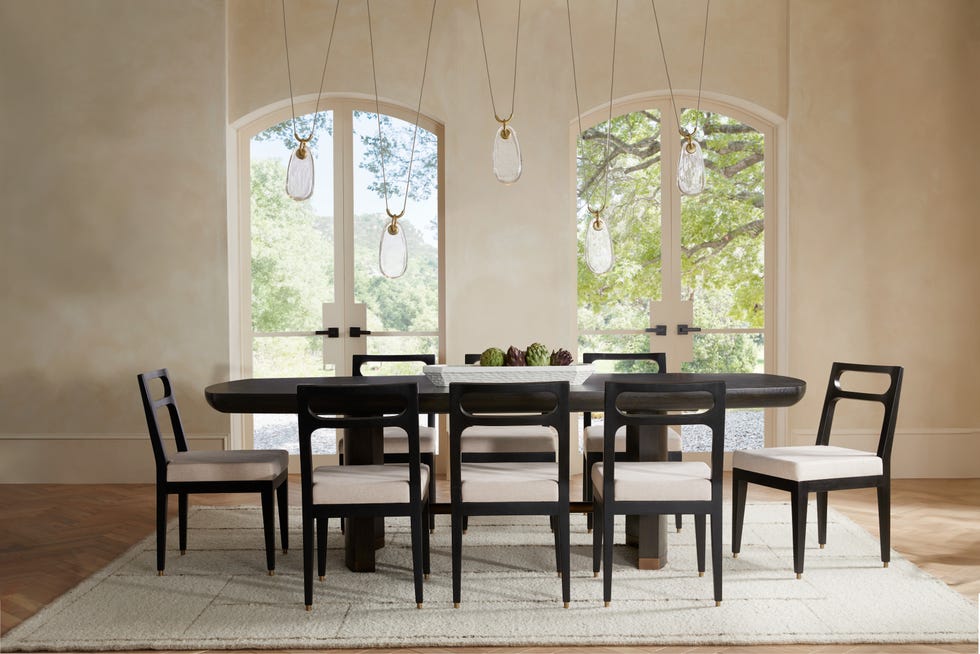
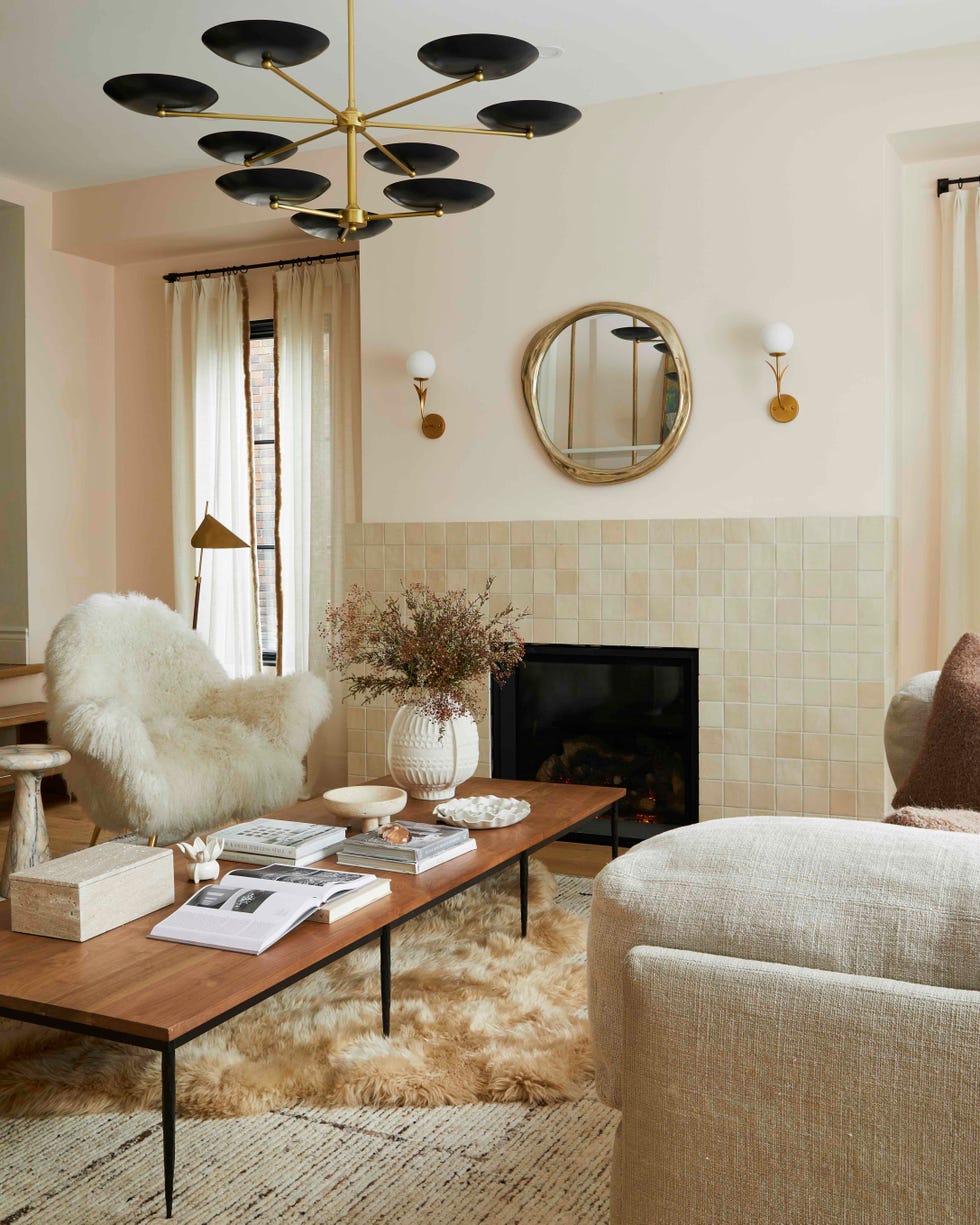
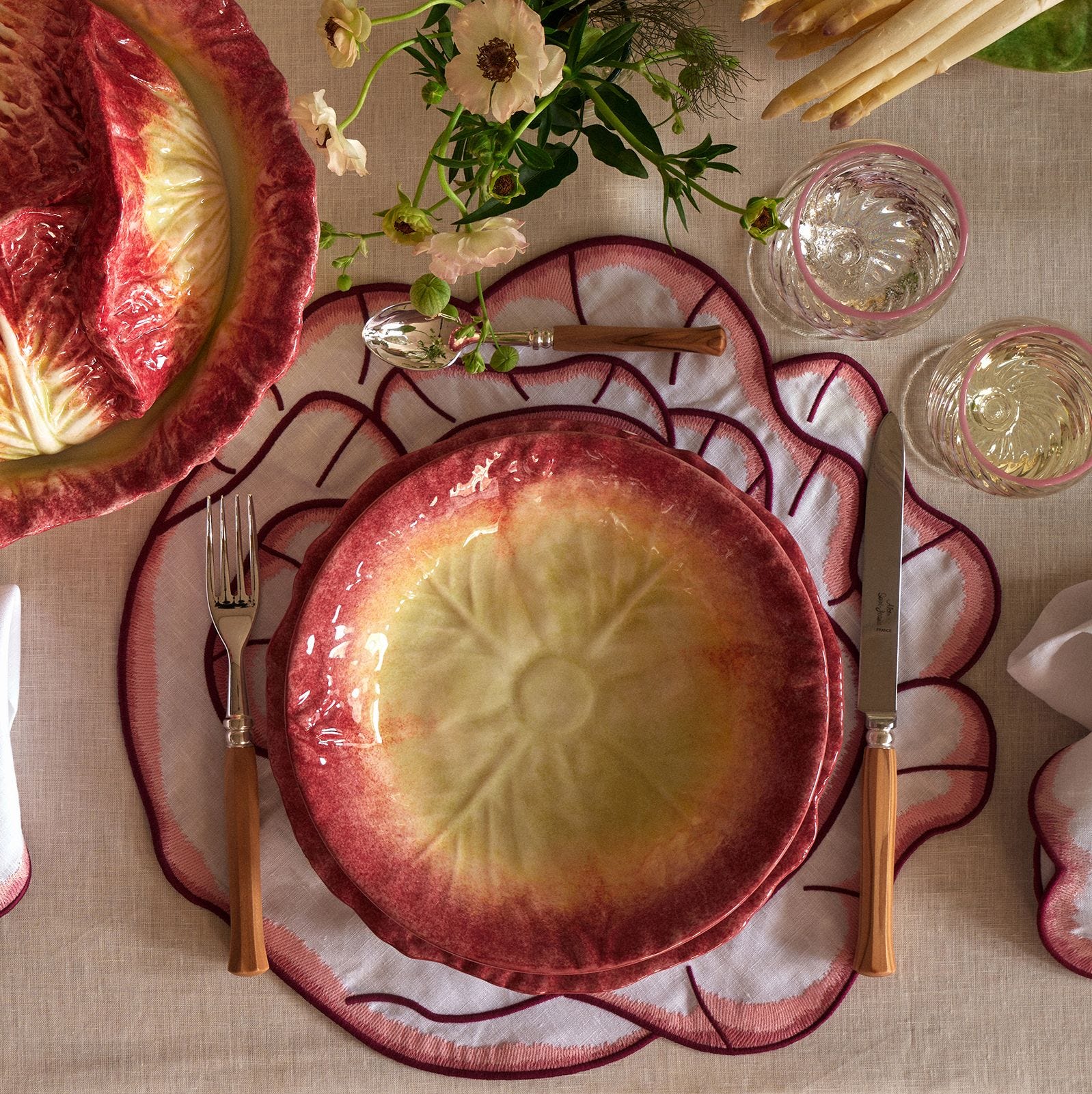
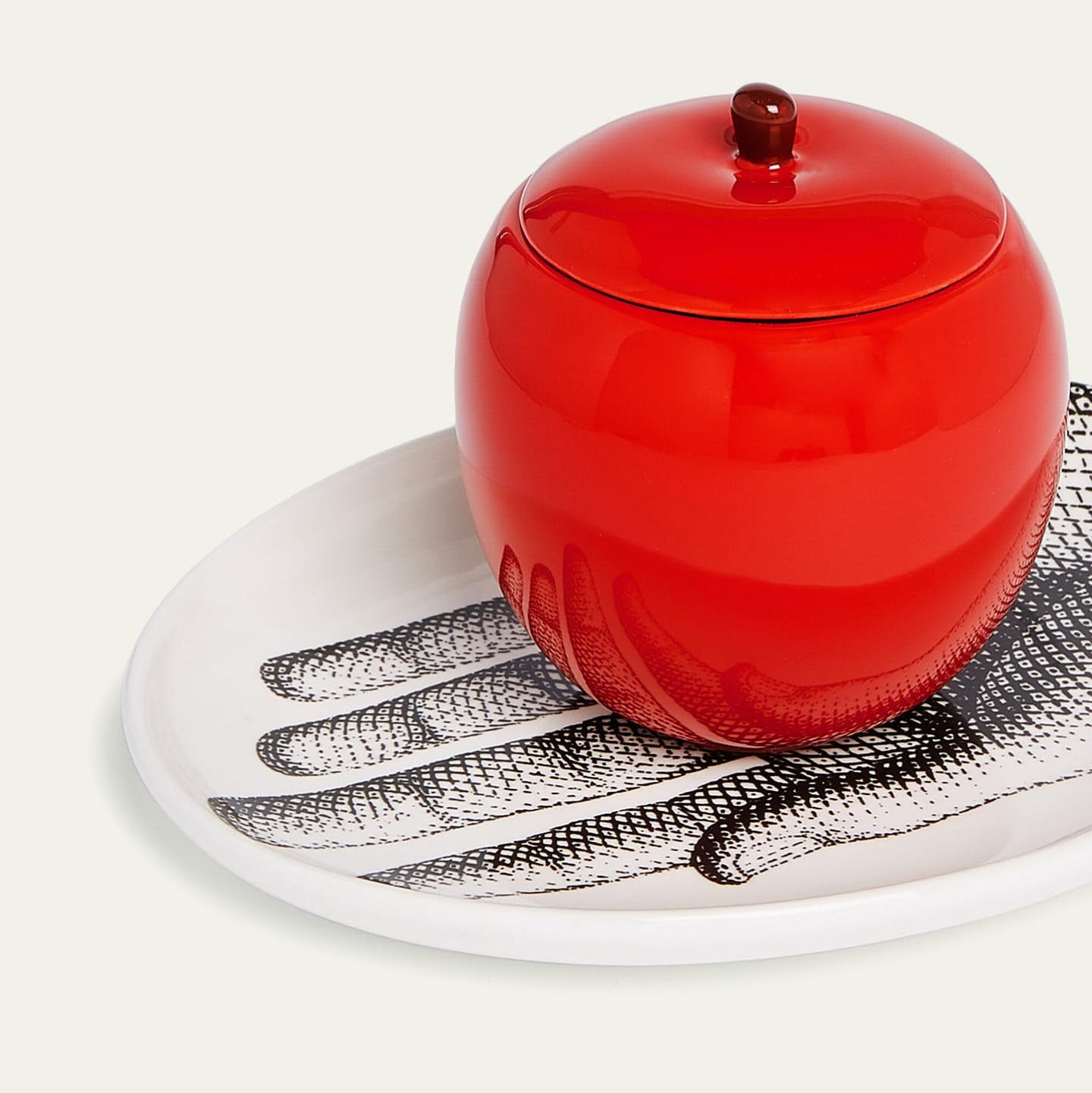
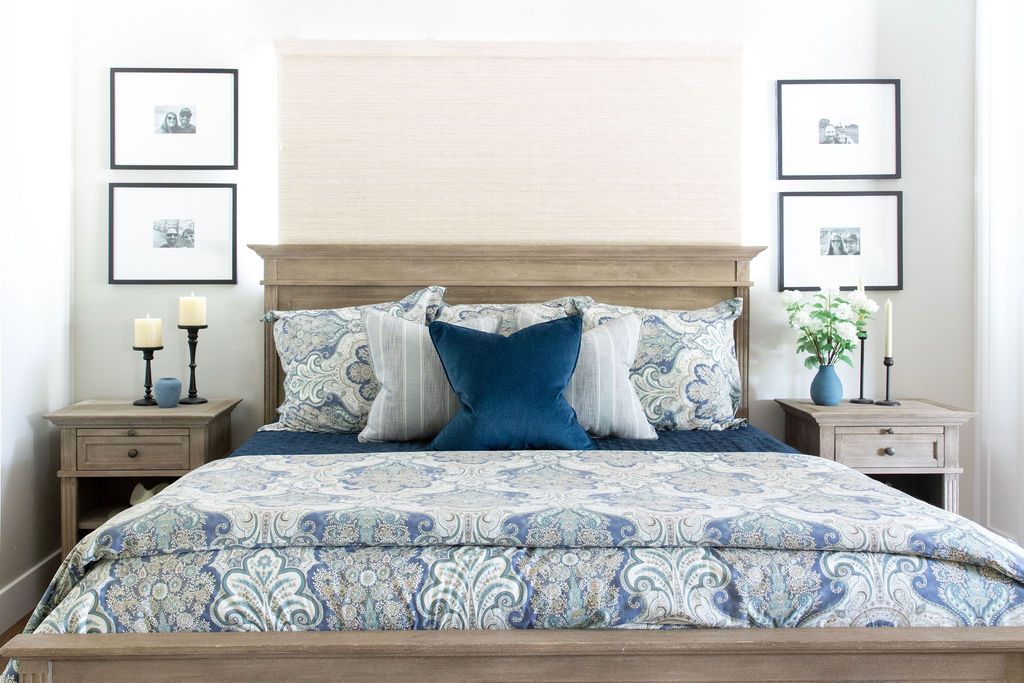
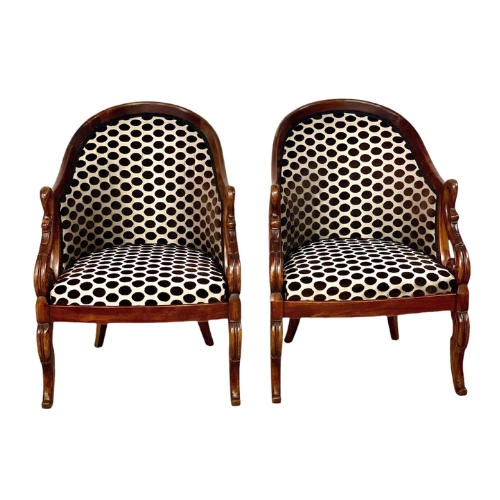
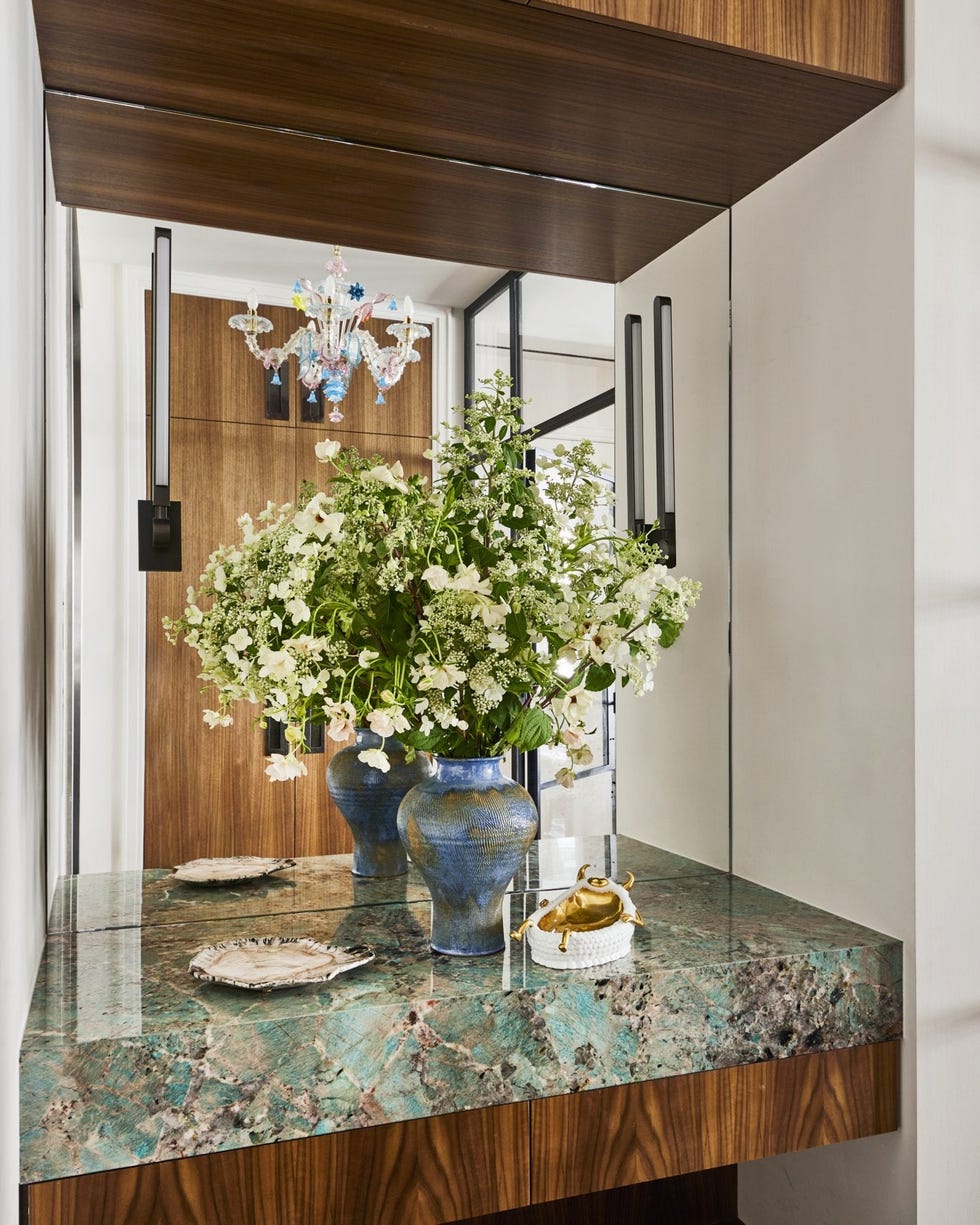
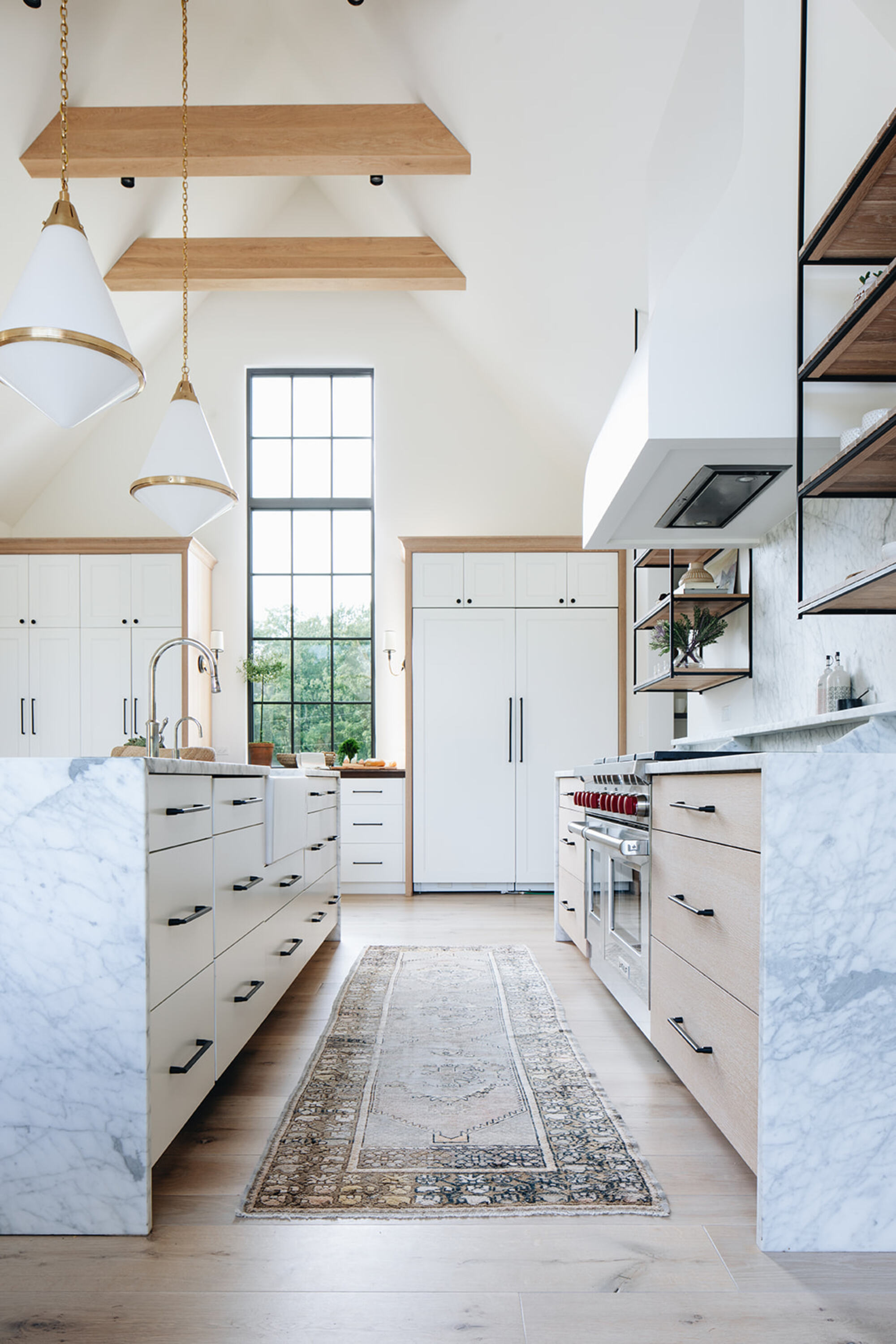
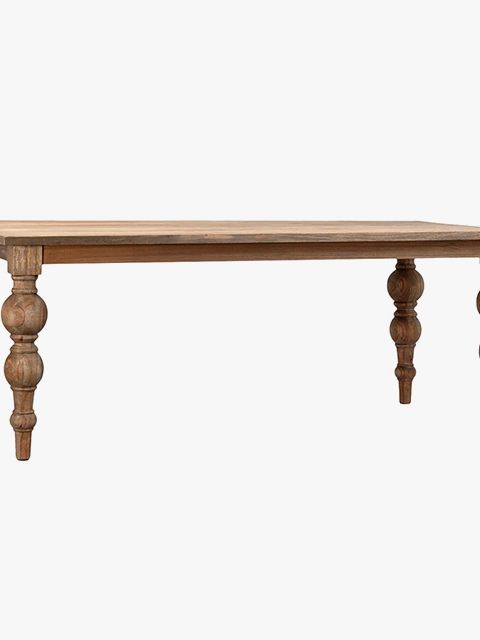
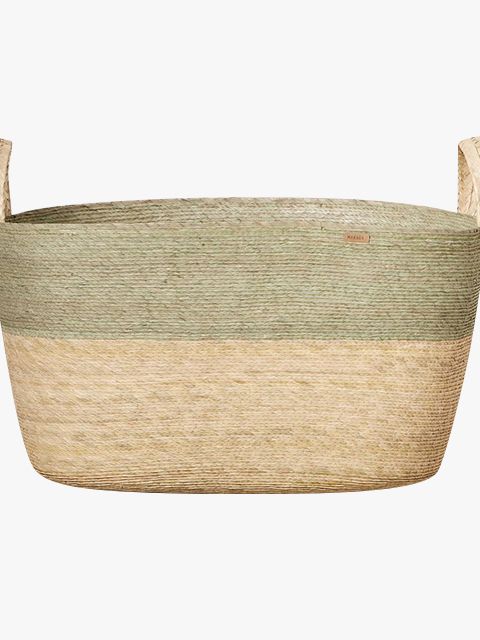
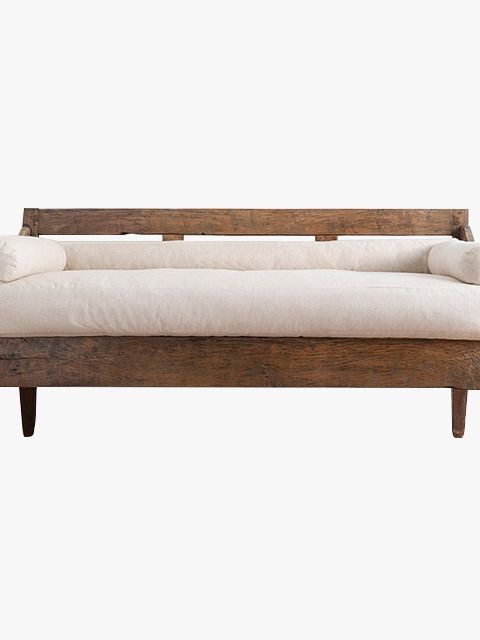
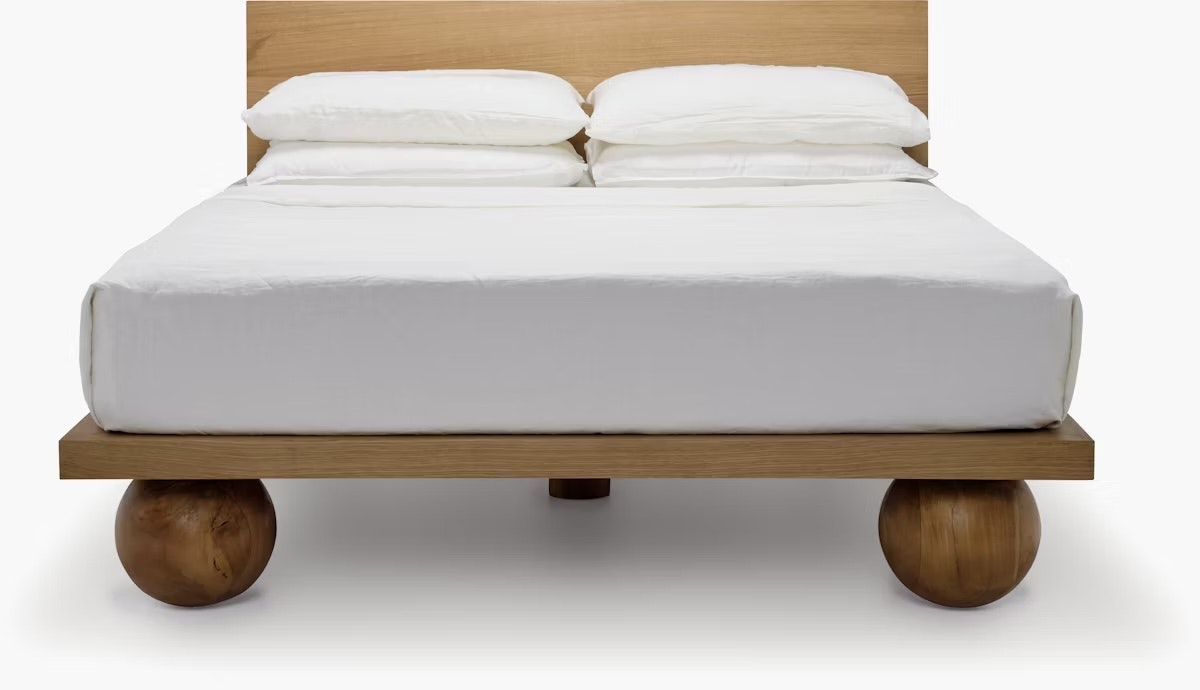
A statement piece is essential for creating a beautiful and personalized living space. It functions as a focal point, setting the overall tone for a room's interior design and reflecting the homeowner's unique personality and style. Such a piece immediately captures attention and distinguishes itself from other decor elements within the room. According to Tanya Ali, founder and creative director at Tali + Roche Designs, a statement piece can manifest in various forms, including furniture, artwork, or decorative objects, and can even involve the strategic arrangement of existing furniture. The key characteristic of a statement piece is its ability to introduce an unexpected or thoughtfully integrated element into the space.
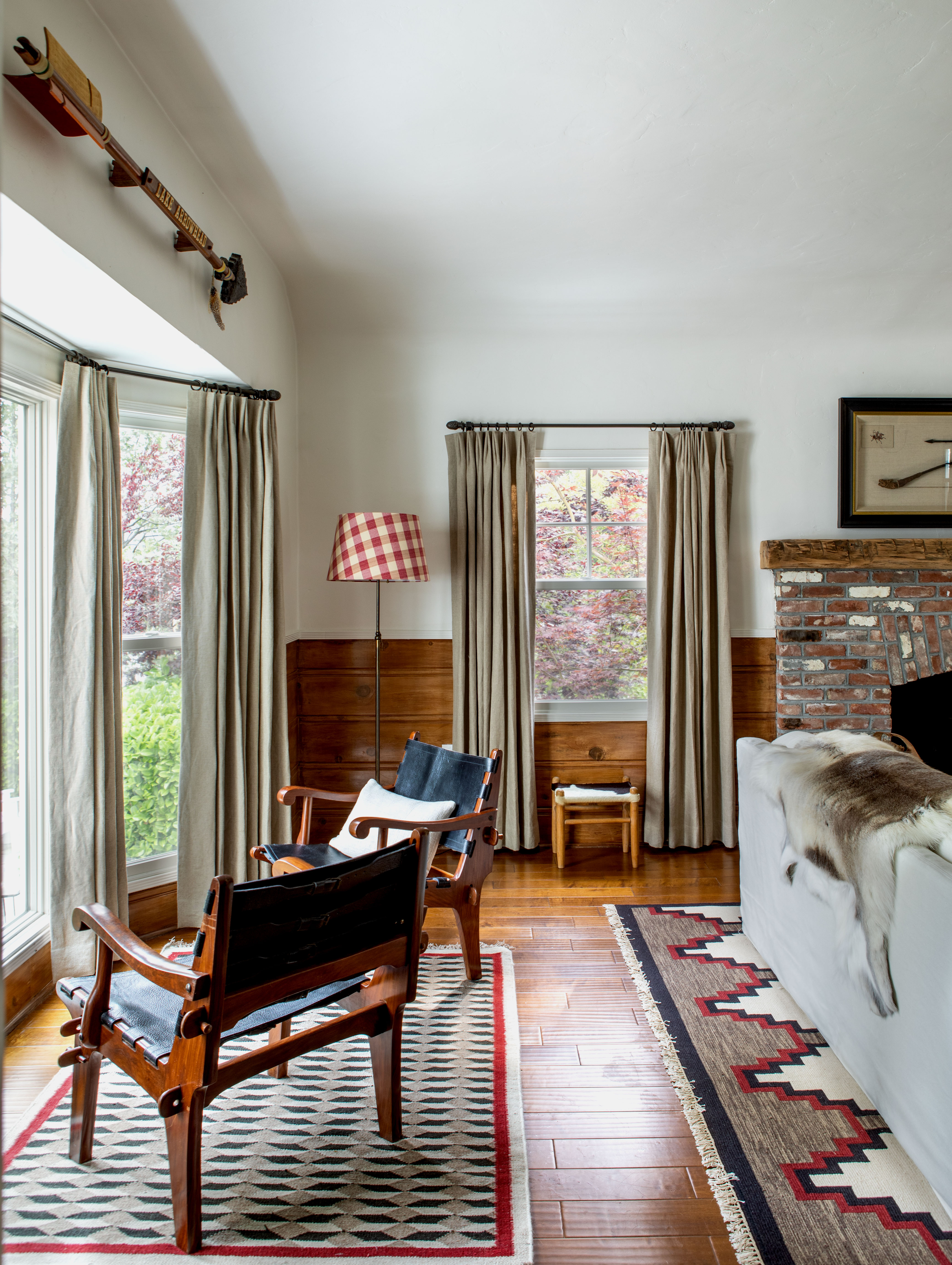
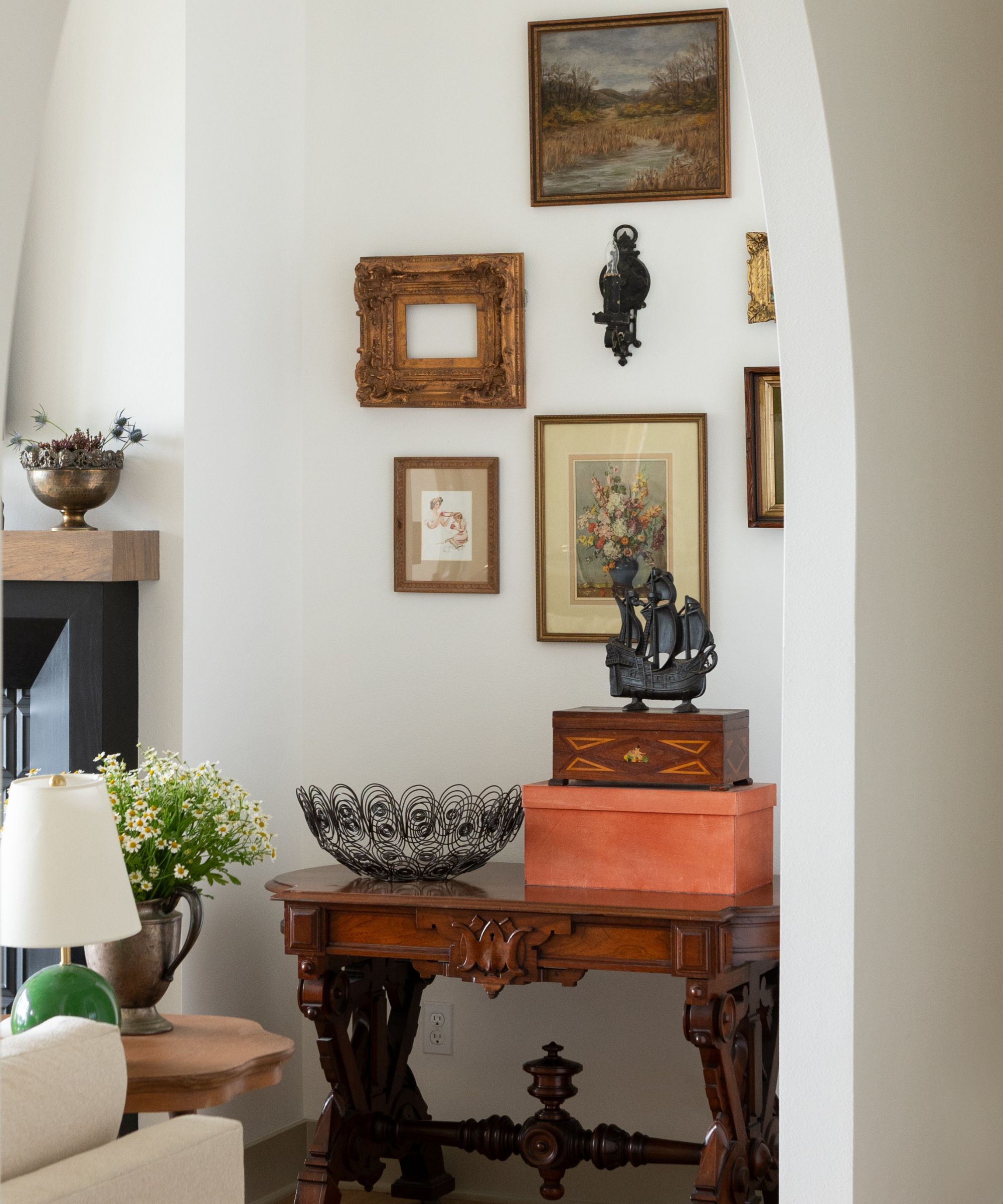
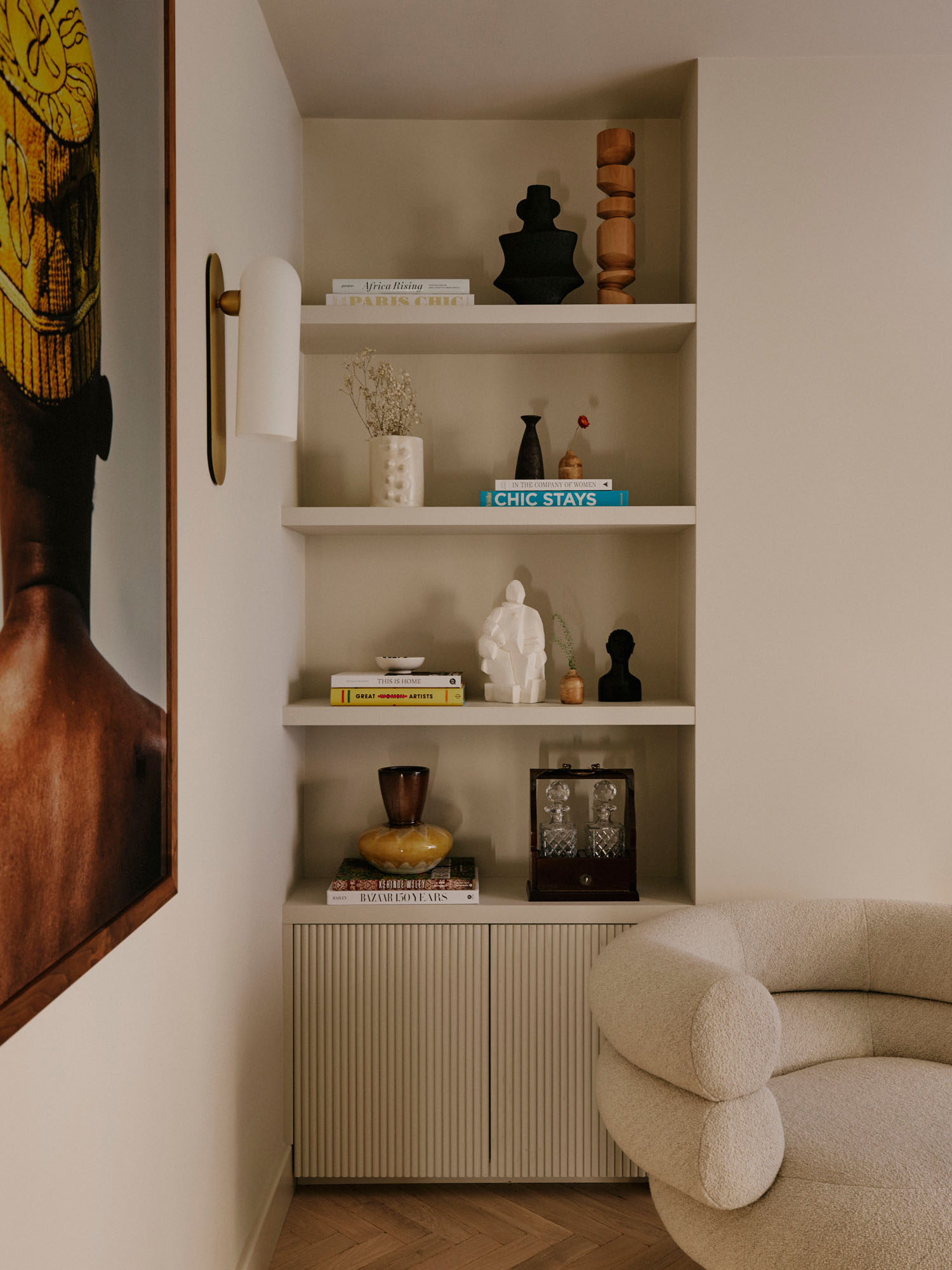
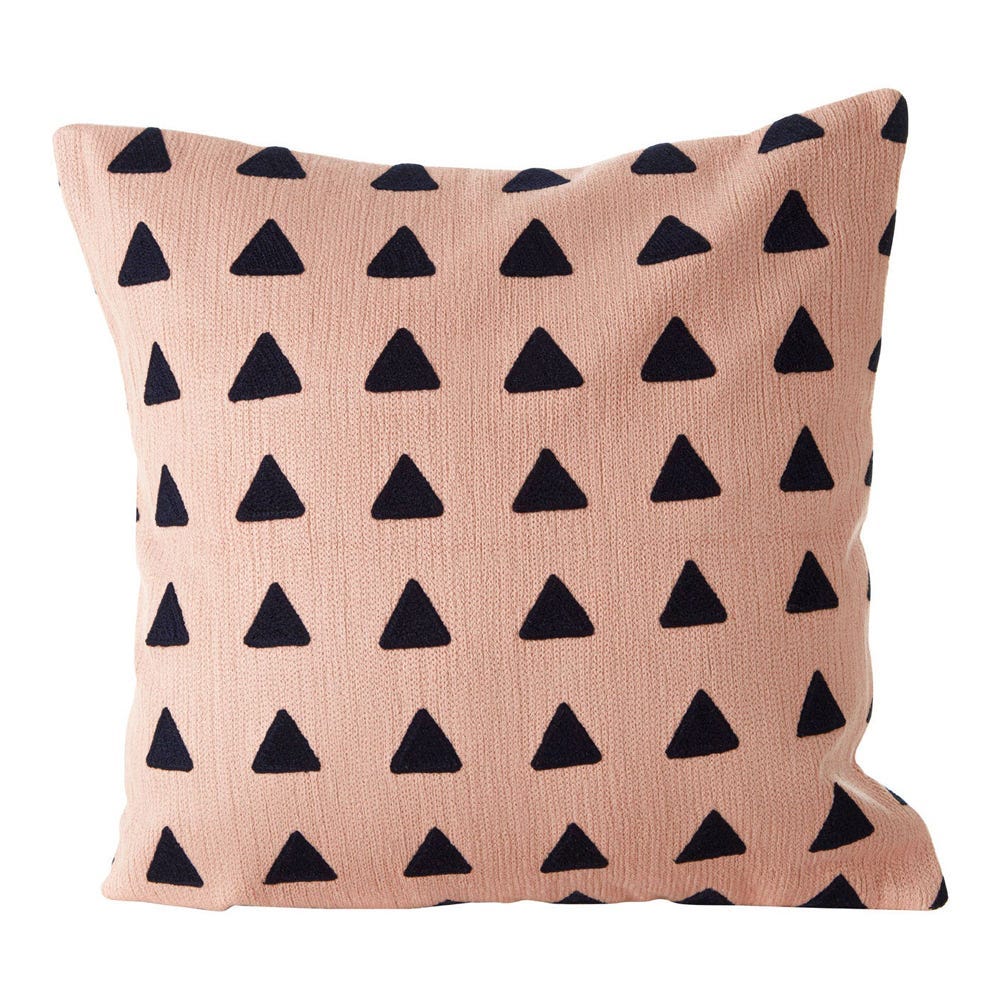
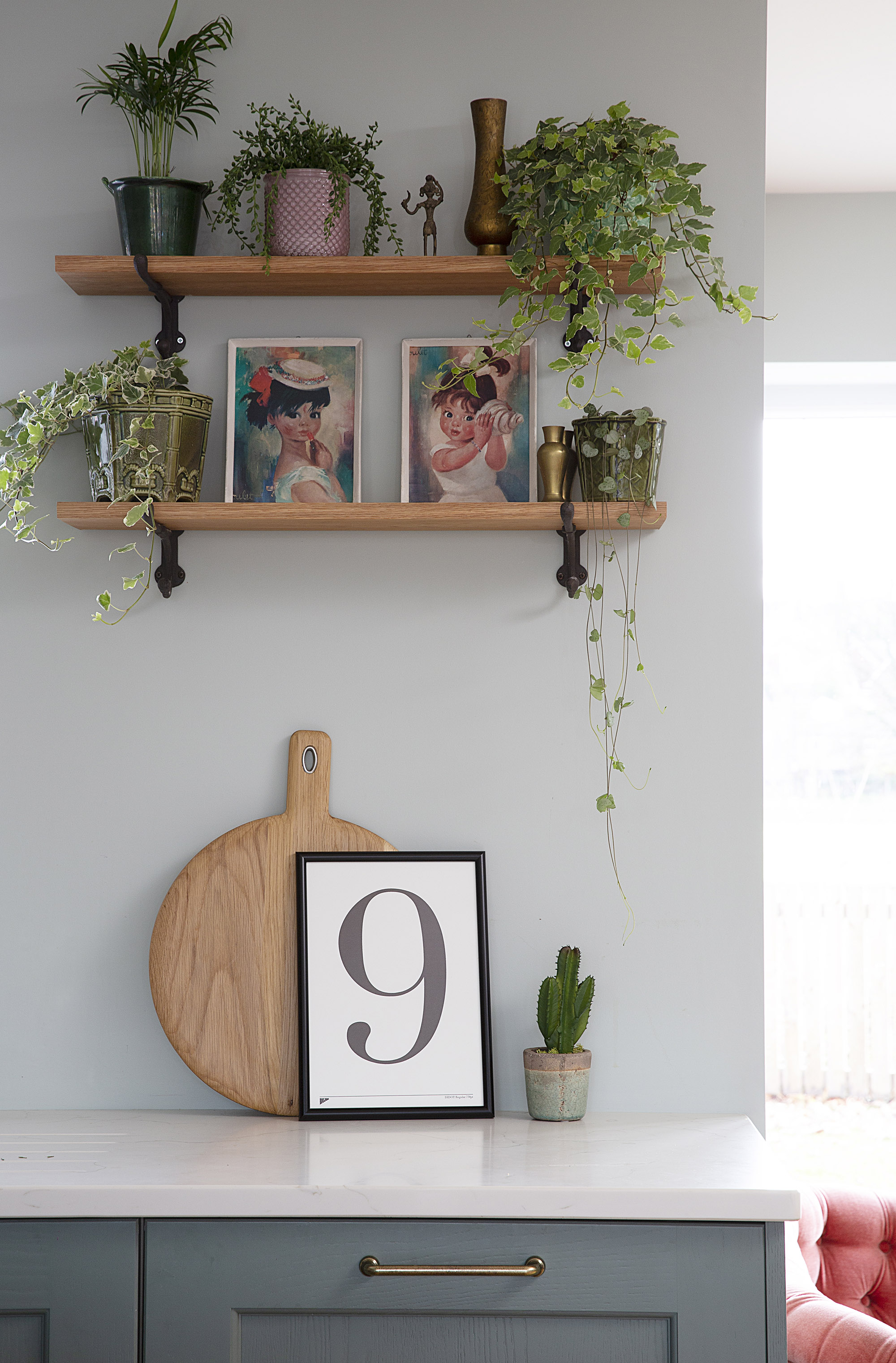
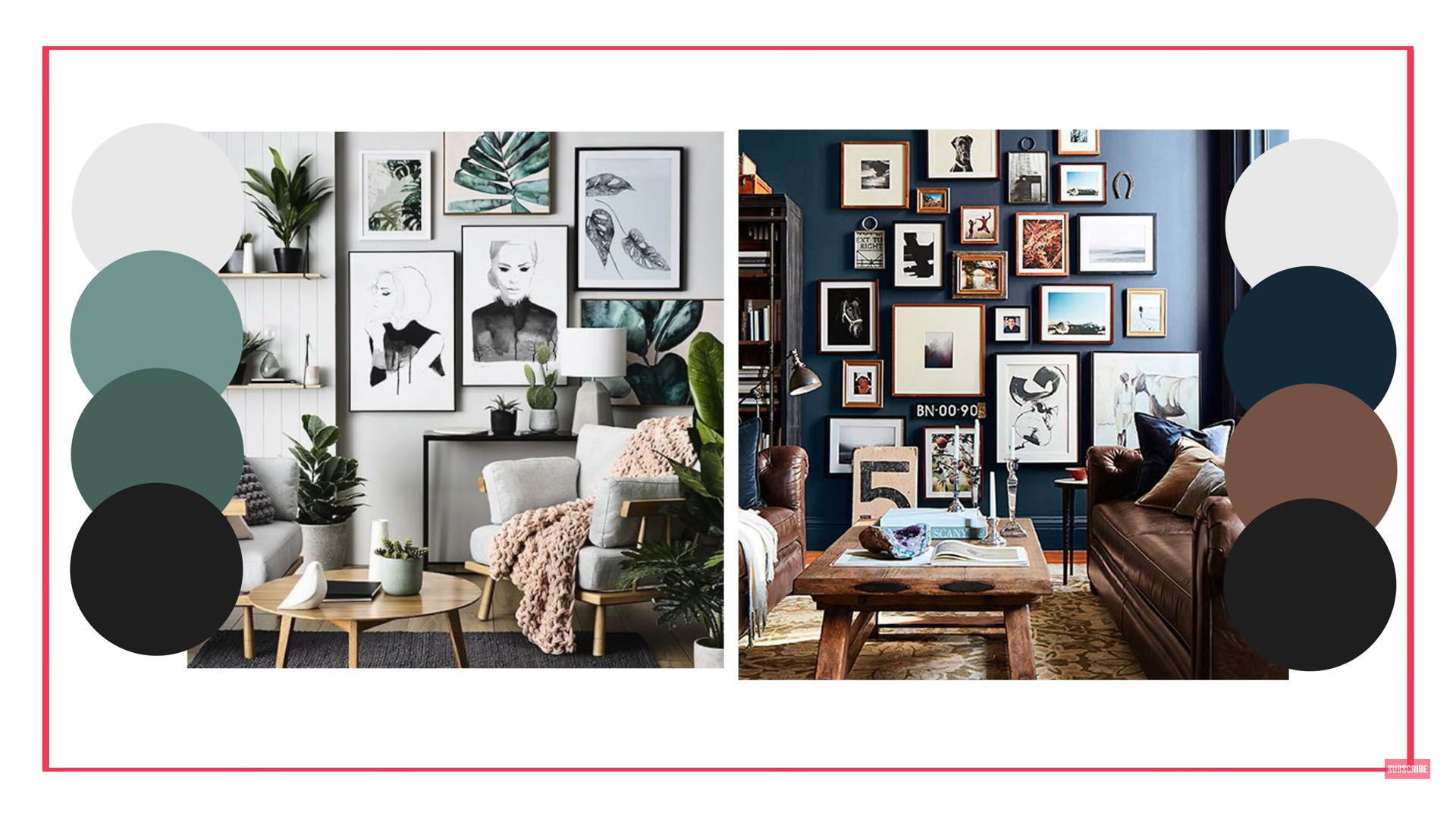
Art is frequently chosen to fulfill the role of a statement piece. Ali highlights artists like Lisa Ochowycz as examples of those whose work can provide significant visual impact. She suggests that in a monochromatic setting, art or decorative pillows can introduce color and texture, serving as the room's central highlight. While custom and expensive items can serve as statement pieces, Ali emphasizes that there are also cost-effective methods for incorporating a focal point. Exploring local or emerging artists through events, considering art rental, or discovering unique items in thrift stores and second-hand shops are viable options. DIY projects can also yield distinctive statement pieces. The overarching principle is that the chosen item should resonate with the homeowner's personality and style, rather than merely adhering to current trends.
Interior designer Stephanie Hilton, owner of Stephanie Hilton Design, stresses the importance of a statement piece complementing the existing design of a room. It should not create conflict but rather enhance the overall aesthetic through elements such as scale, color, and materials, creating an impactful yet cohesive look. A poorly chosen piece, such as a farmhouse-style item in a transitional home, can make the space appear disconnected and puzzling instead of unique or interesting. Scale is a critical consideration, particularly in smaller spaces like condos. Hilton advises against selecting pieces that are too large, which can overwhelm a room, but also warns against pieces that are too small, as they may appear as an afterthought and leave the room feeling unfinished. When evaluating scale, it's important to consider not only the room's dimensions but also the size of the furniture within it, ensuring the statement piece doesn't overpower other elements.
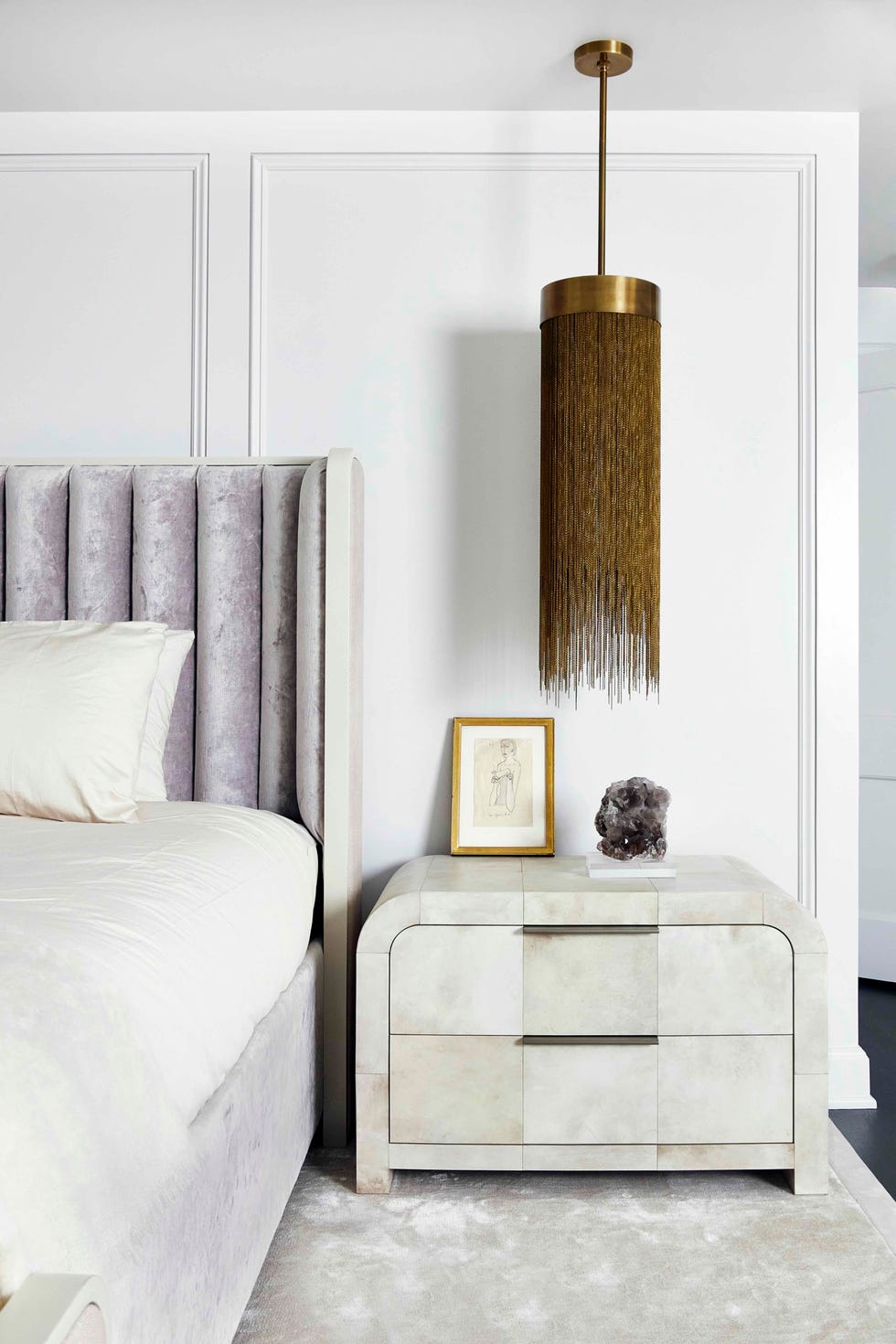
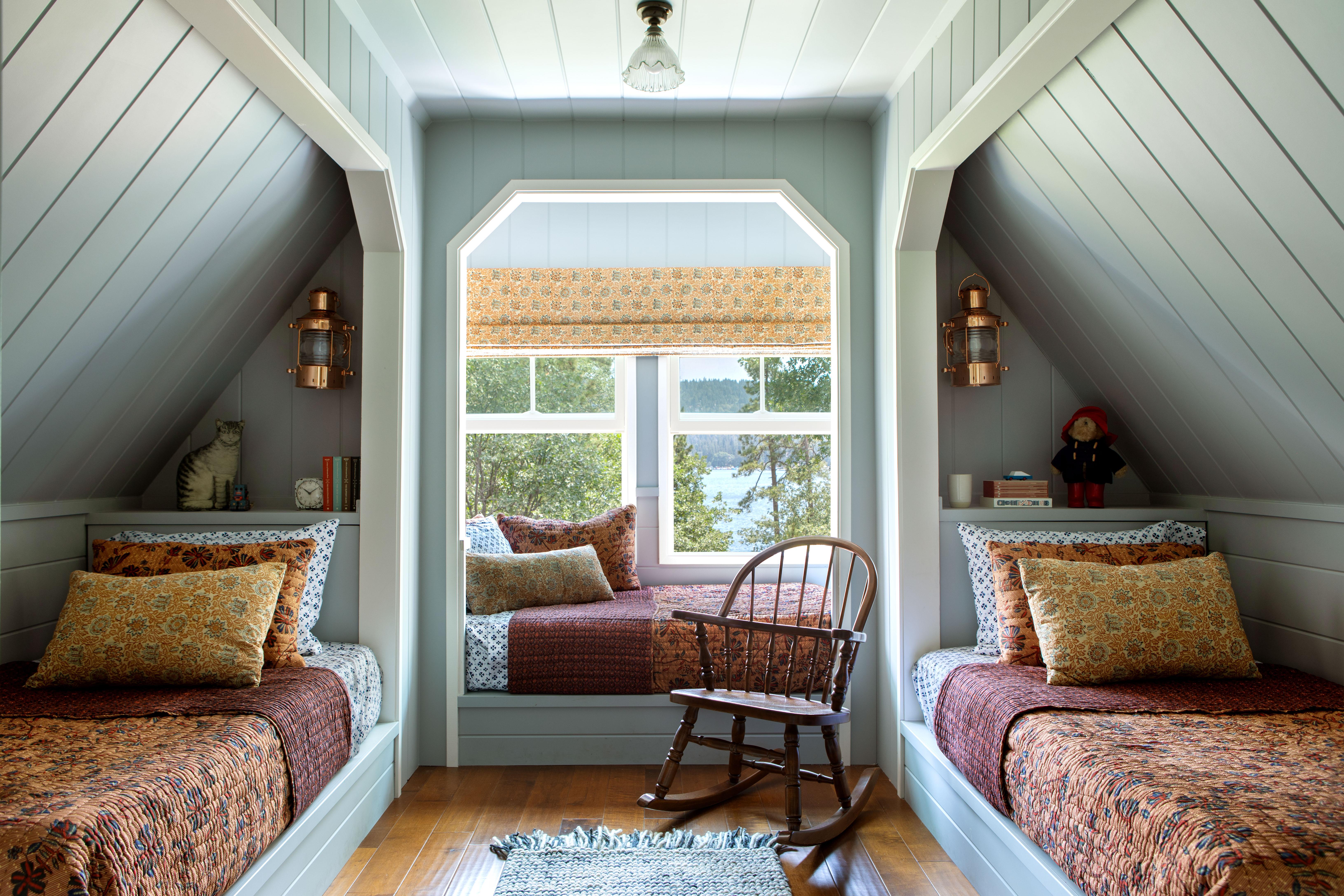
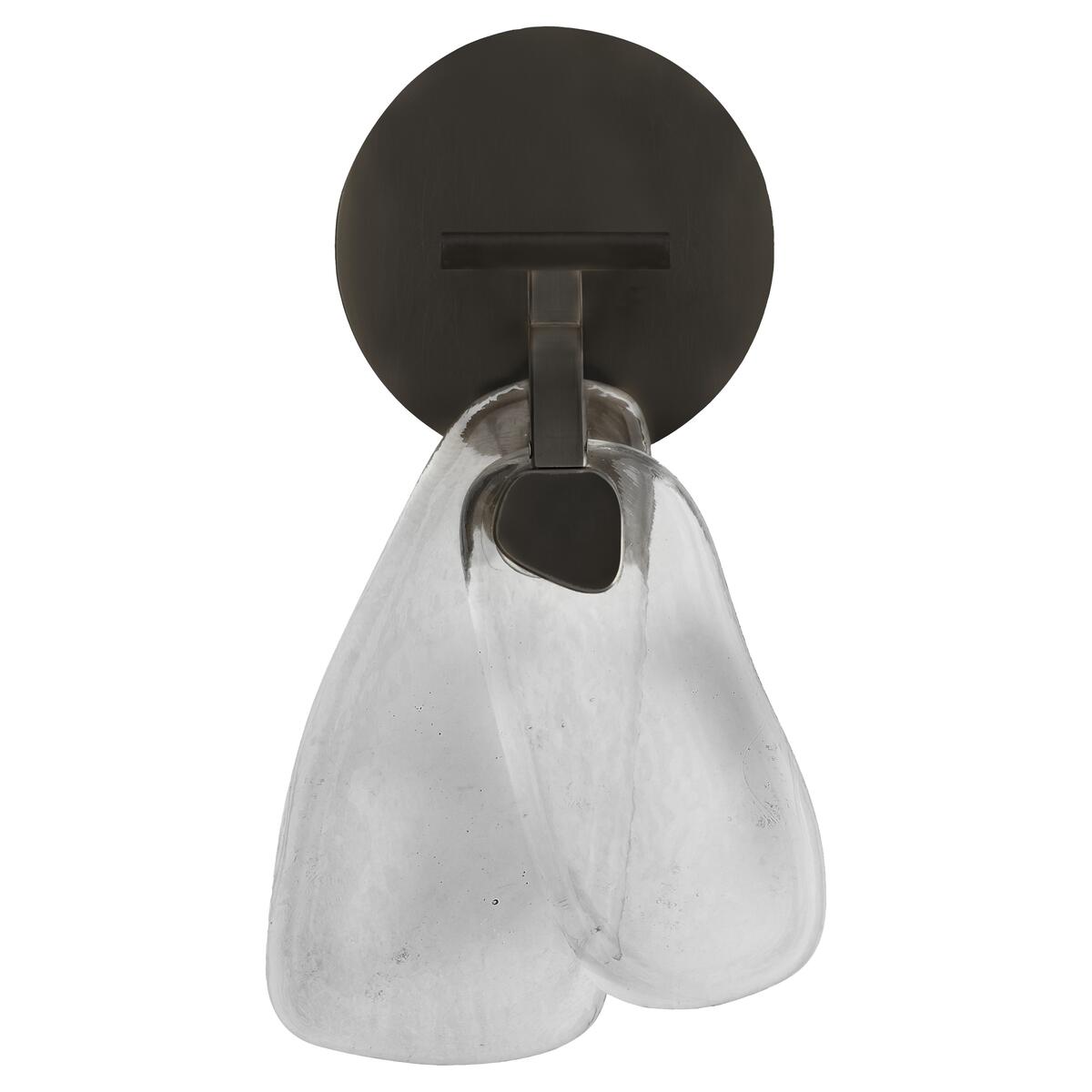
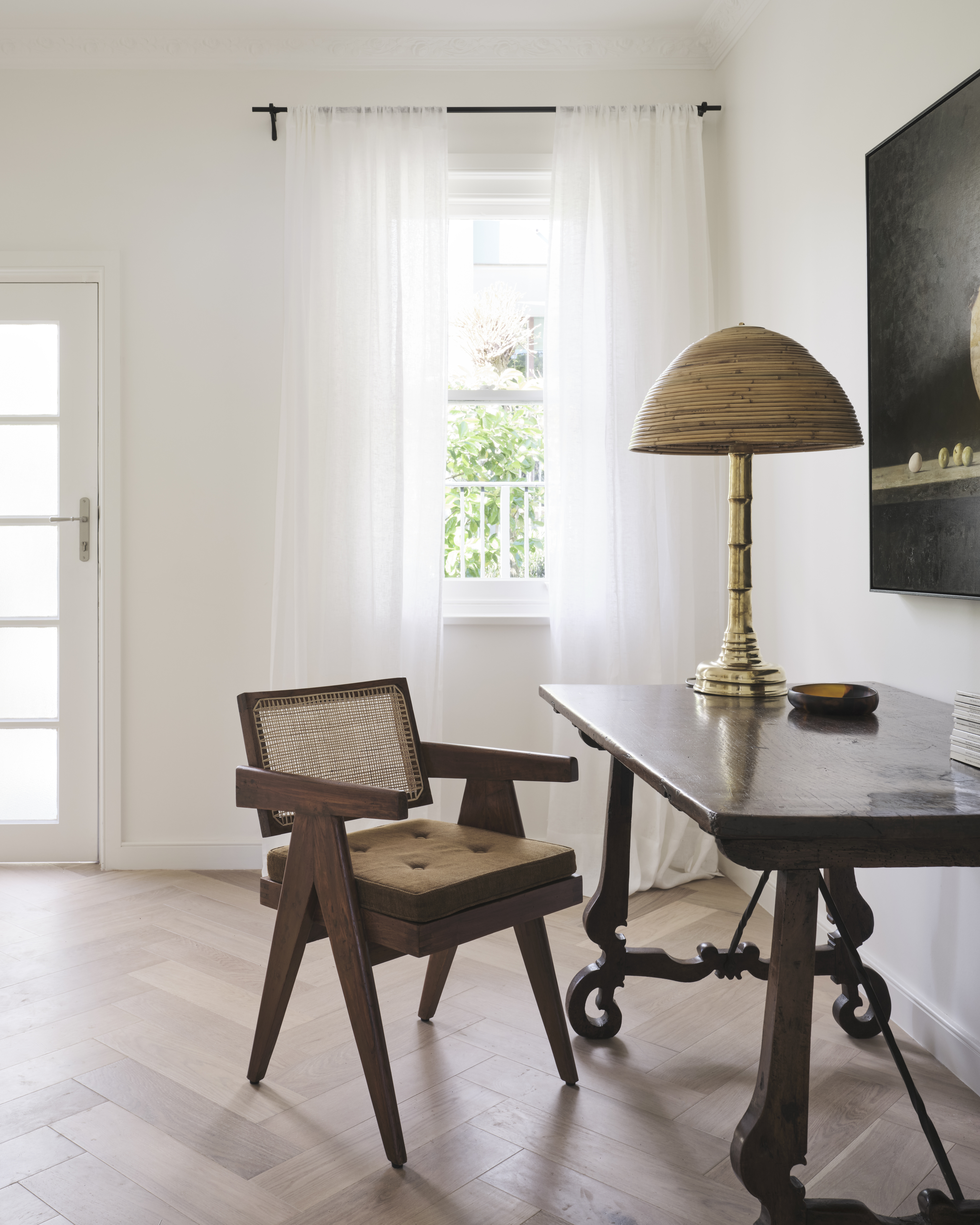
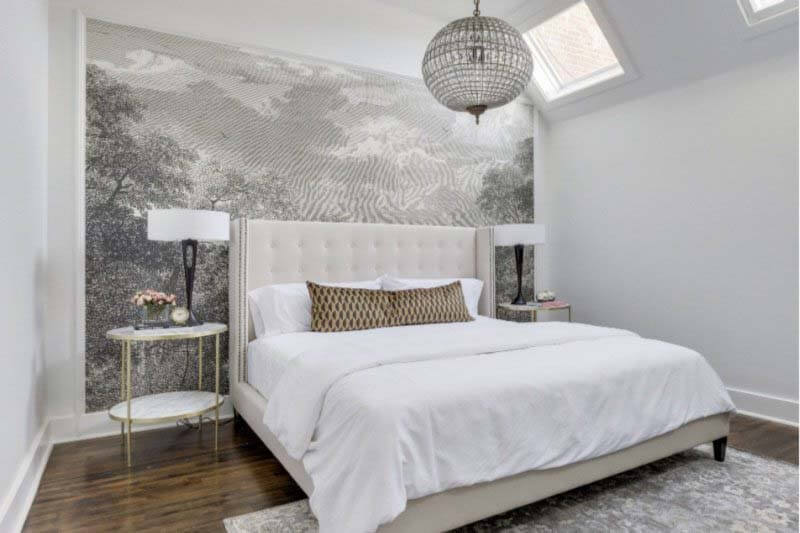
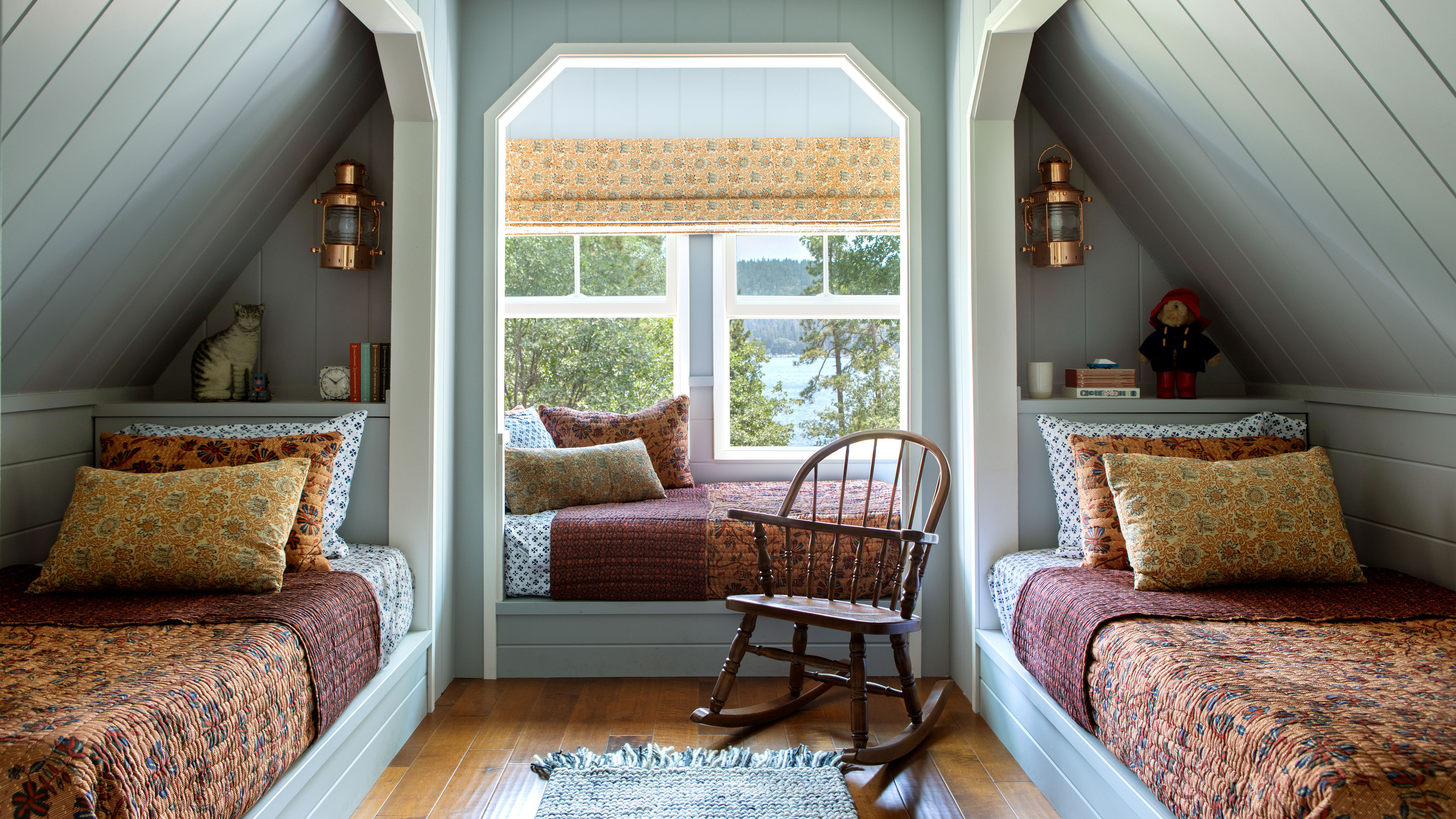
Color can be a powerful tool for creating a statement. Hilton recounts a project where a custom yellow velvet couch and burnt orange ottomans served as bold focal points in a client's home. In more neutral environments, a furniture item like a mid-century sideboard or a distinctive light fixture can effectively draw attention. Vintage and statement lighting pieces, especially mid-century designs, are considered classic and versatile enough to integrate into various design styles. Hilton also notes the rising popularity of feature wall plaster and natural finishes, which can function as standalone art. Examples include Venetian plaster fireplaces with custom lighting or lime wash in bedrooms, eliminating the need for additional wall decor. Nicole Begrand-Fast, principal at Begrand Fast Design Inc., frequently works with properties that feature prominent lake views, where the view itself becomes the primary statement. In such cases, the interior design is crafted to complement the view, not compete with it.
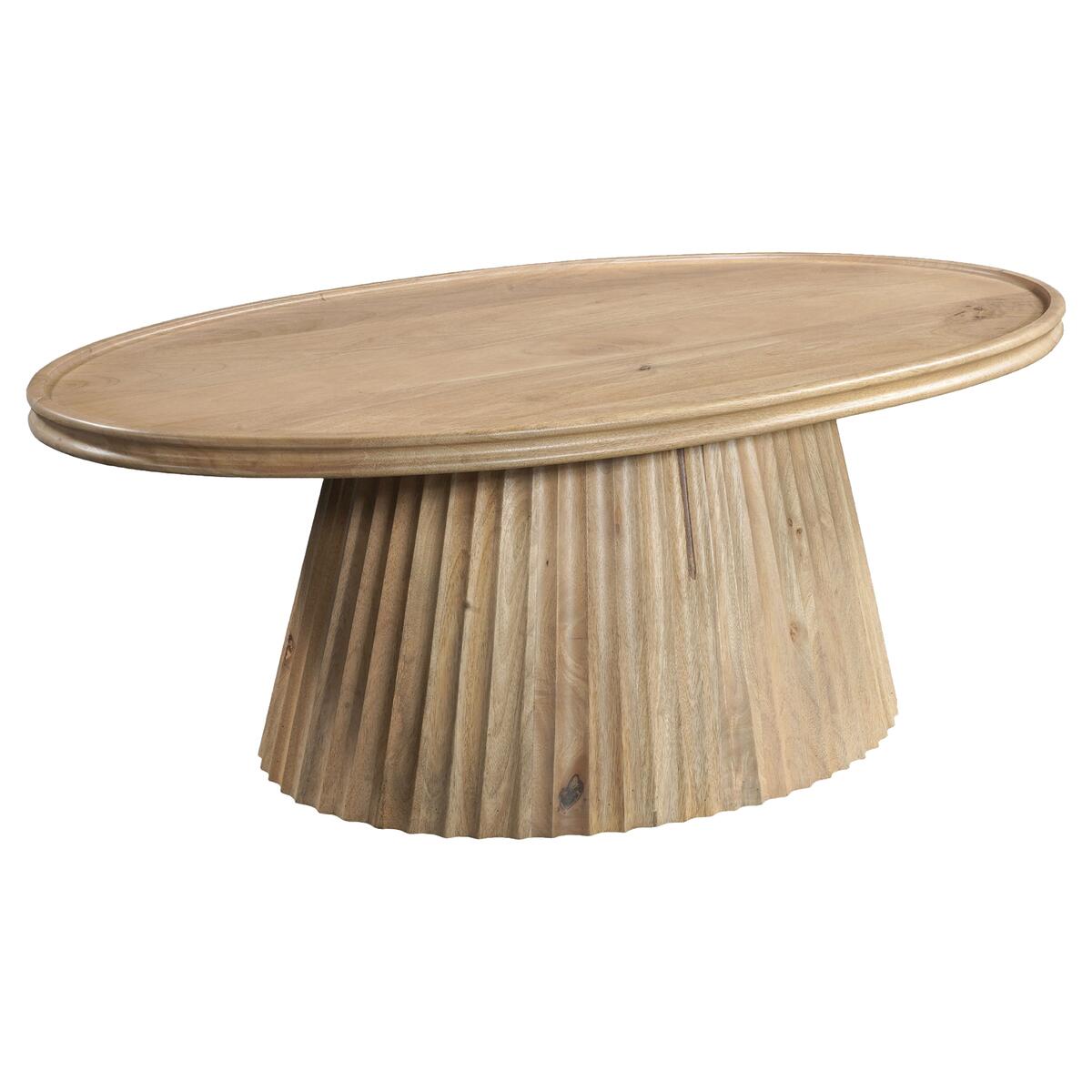
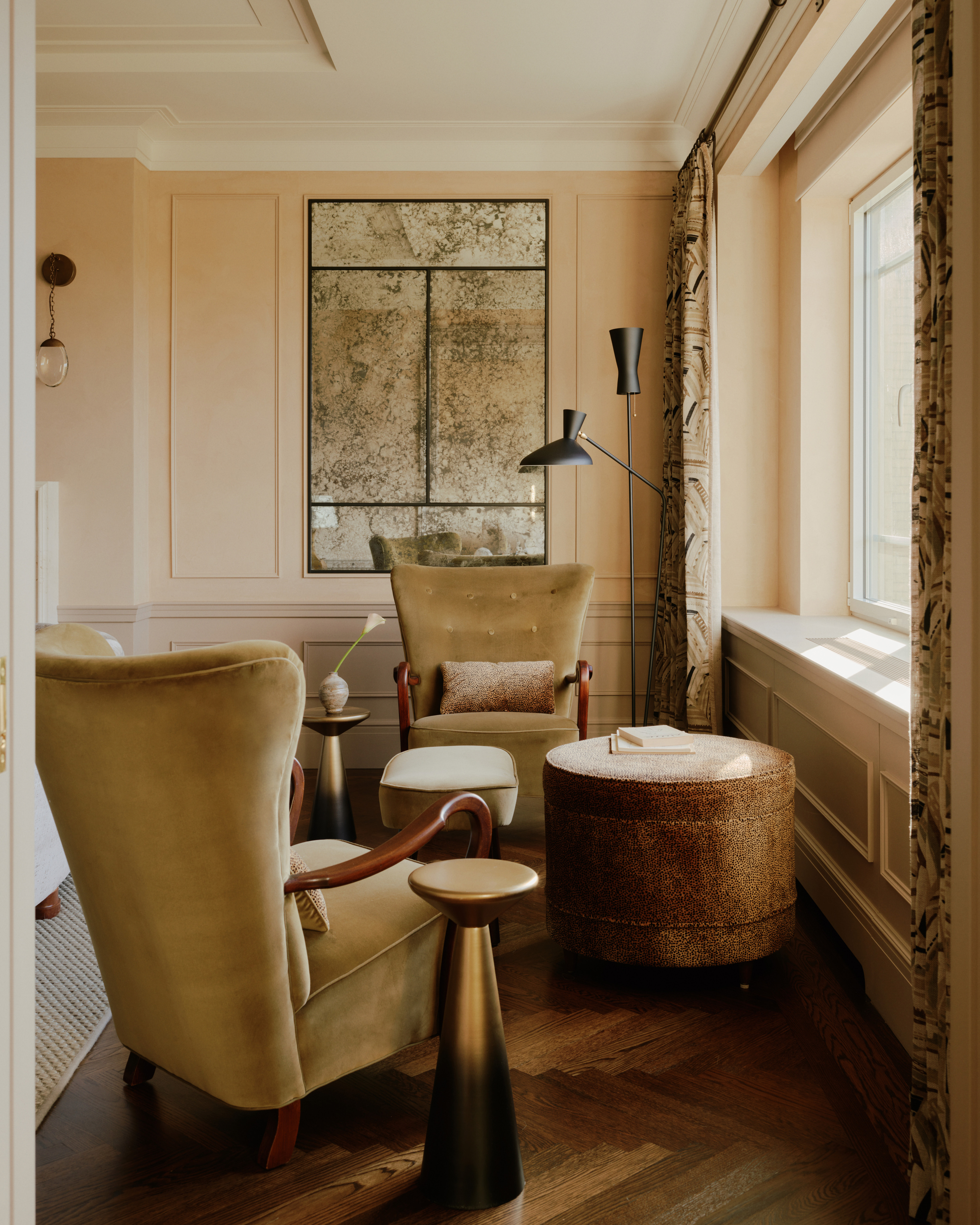
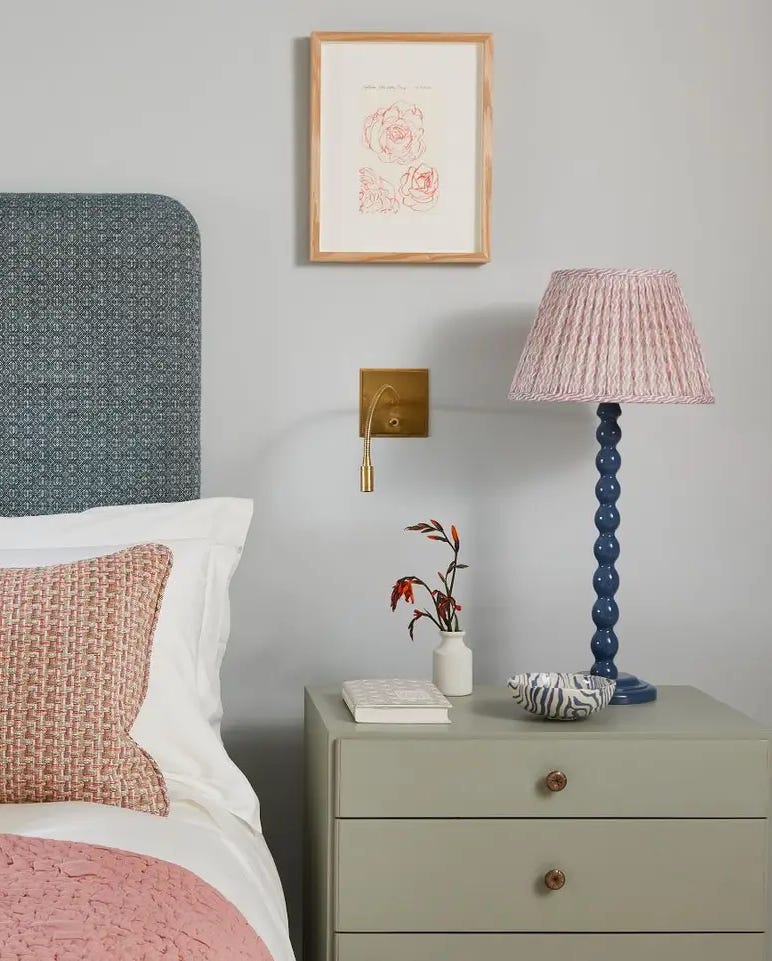
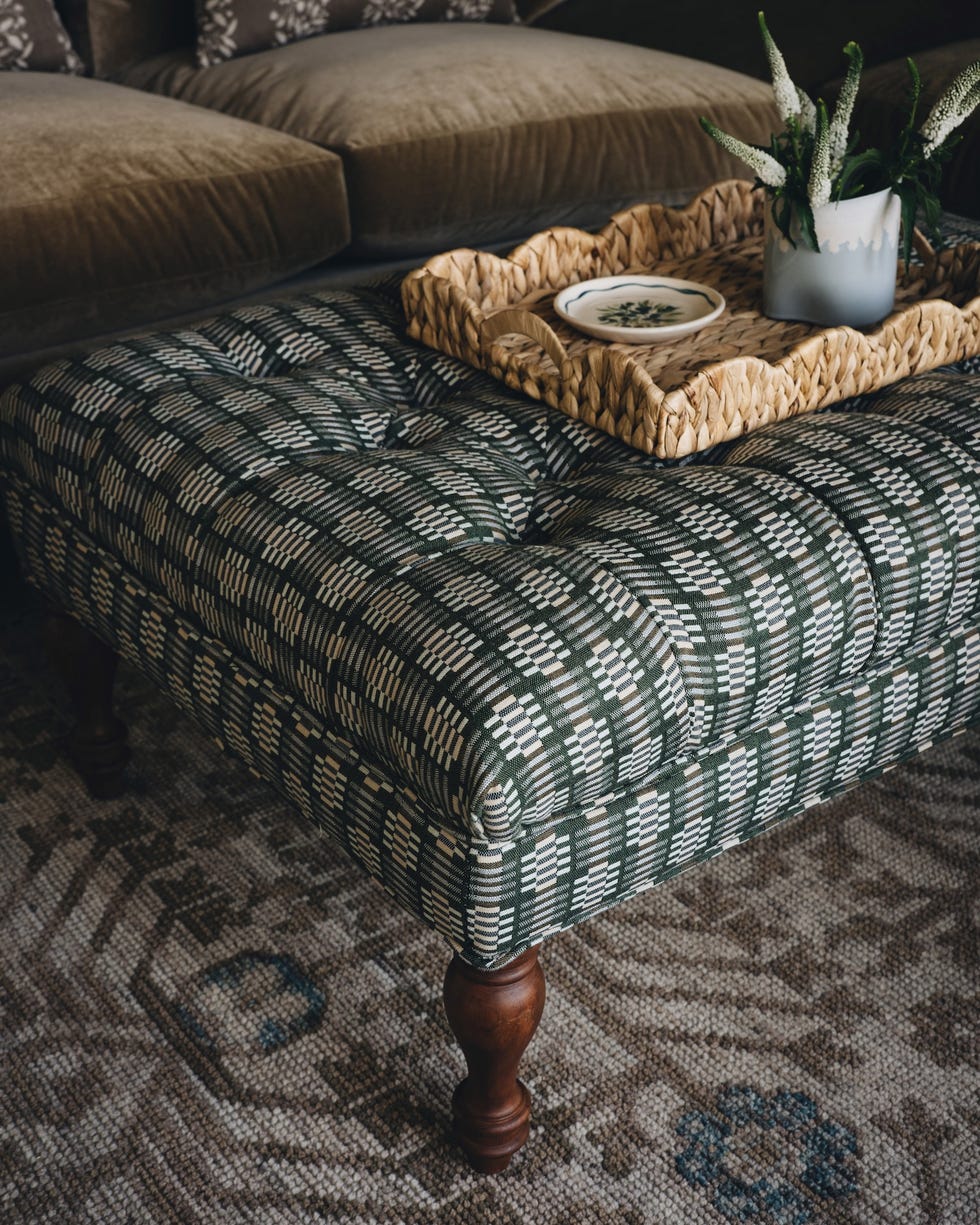
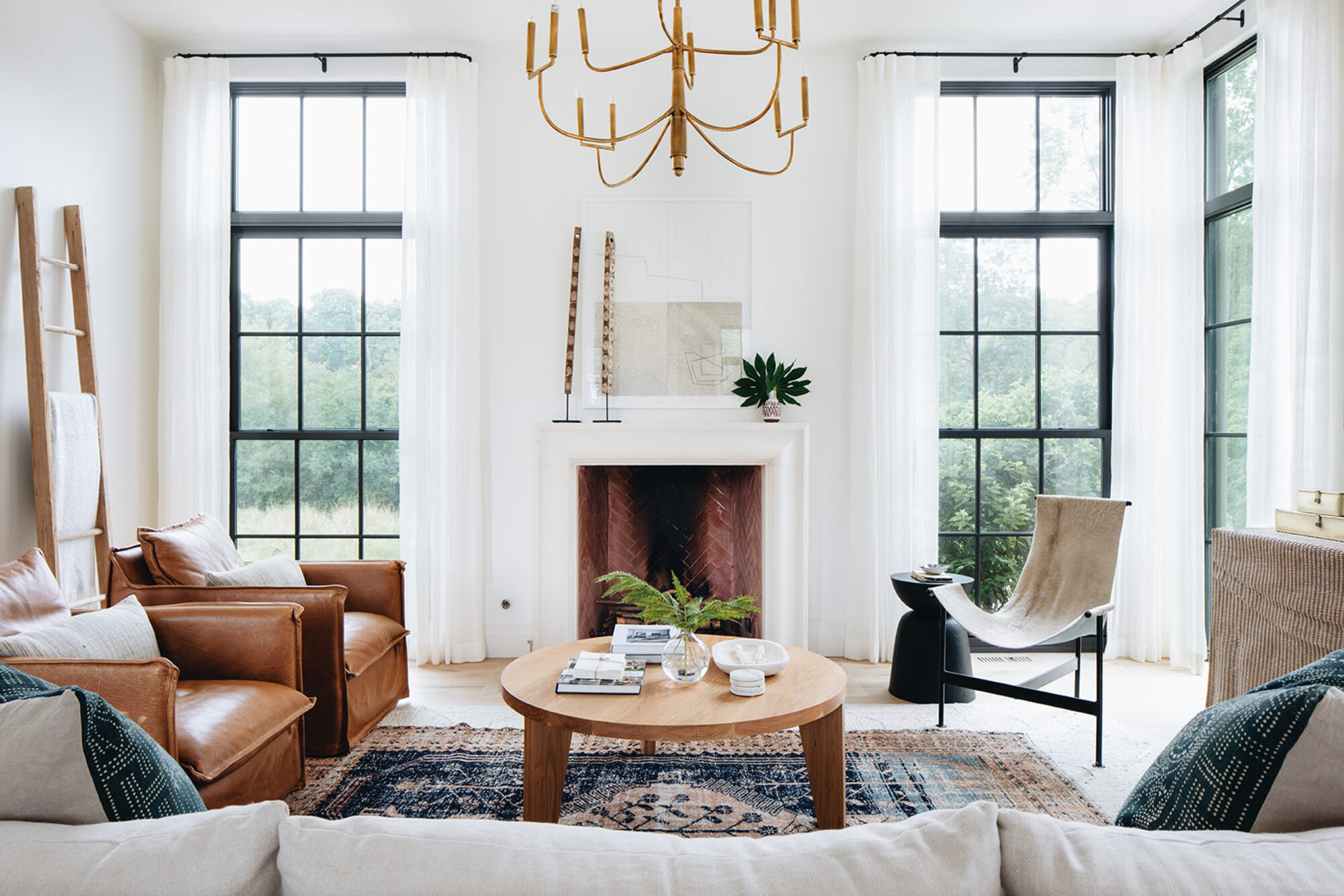
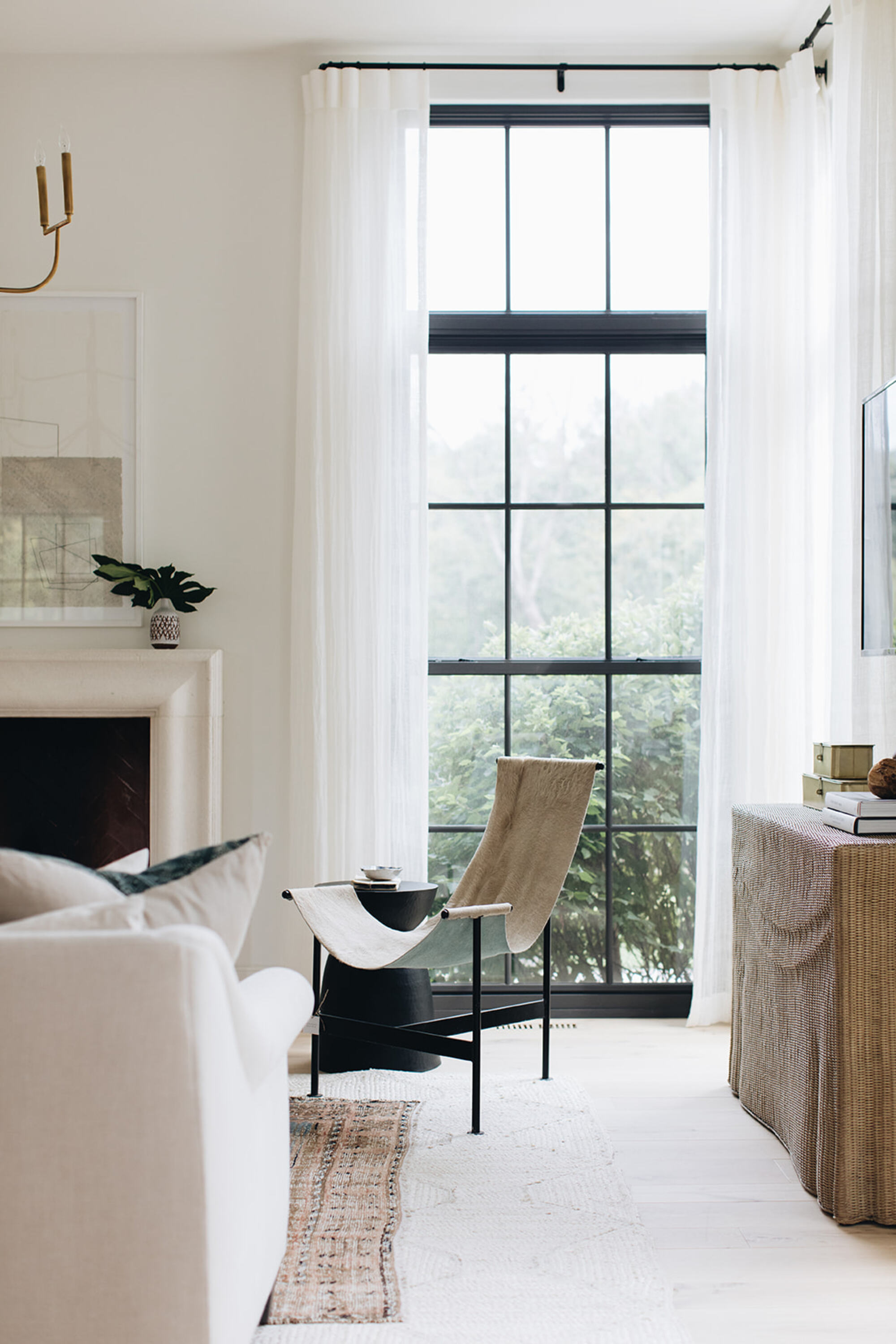
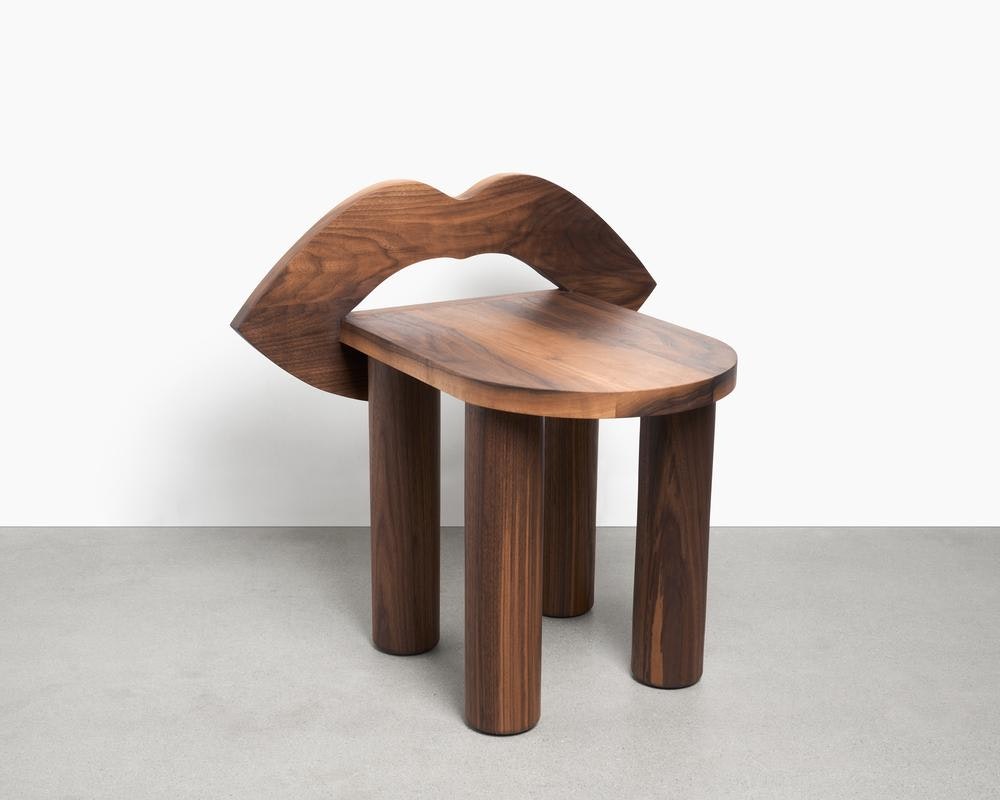
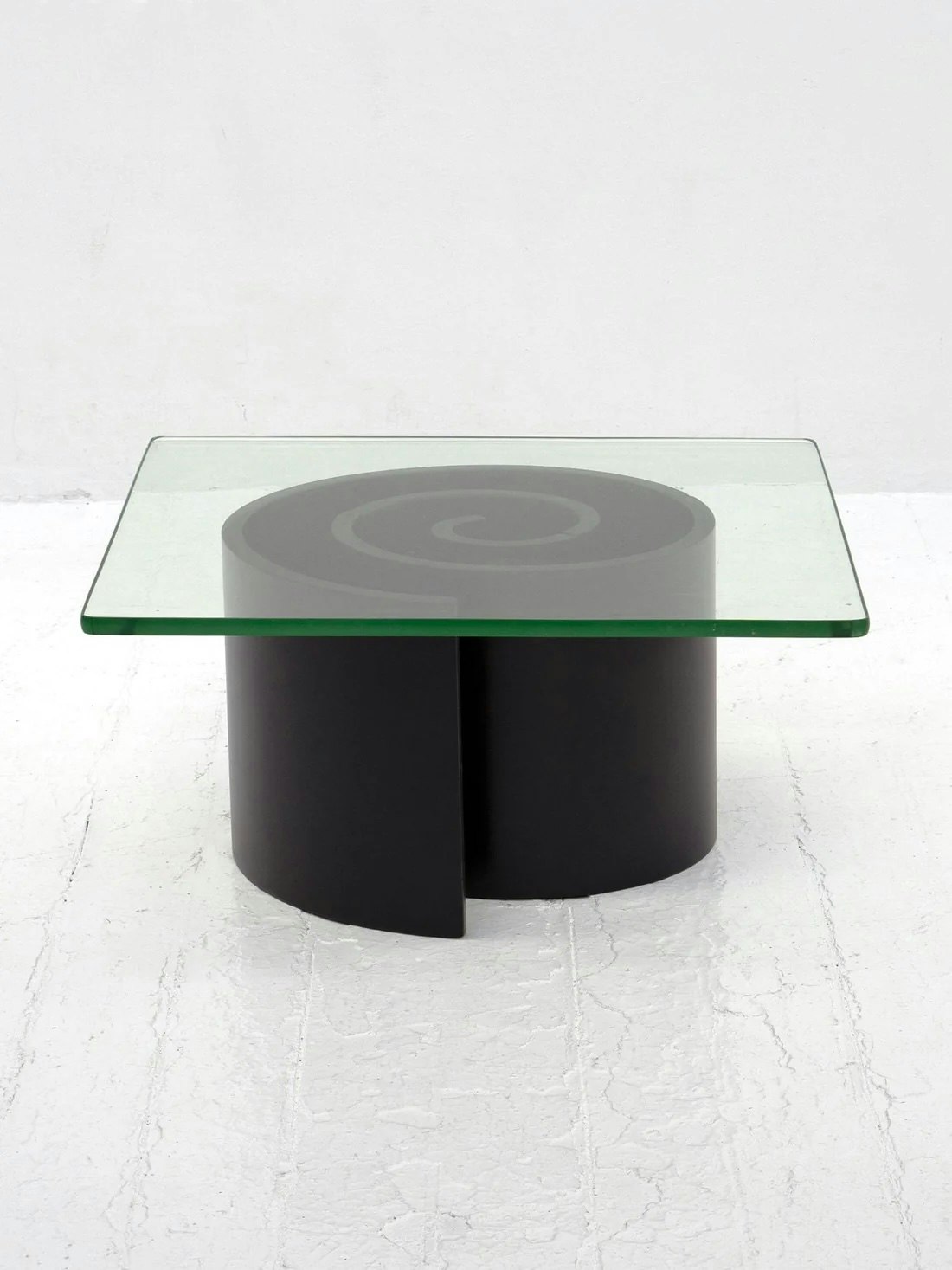
For spaces with significant views, Begrand-Fast suggests incorporating swivel chairs to allow for both appreciation of the outdoor scenery and engagement with indoor focal points like televisions or fireplaces. Elements from the surrounding environment—be it a lake, mountain, or forest—can inspire the colors and tones of statement pieces, creating a sense of flow and consistency. She advises selecting toned-down versions of these natural colors, rather than literal interpretations, to achieve a sophisticated effect. Texture also plays a crucial role in creating a statement. Begrand-Fast utilized ribbed natural oak on an interior wall in a bedroom to add textural interest. Ali also highlights how textures, such as velvet or other unique fabrics, can become the star of a room, especially when combined with rich, earthy tones. Ultimately, a statement piece can be an heirloom, a purchased artwork, or even a coffee table with an unusual finish, its essence lying in its ability to be a bit unexpected and truly reflect the homeowner's distinctive taste.
#HomeDecor #InteriorDesign #StatementPieces #FocalPoint #DesignTrends #HomeStyling #DecoratingTips #ArtInDesign #TexturalElements #HomeDecor #InteriorDesign #StatementPieces #FocalPoint #DesignTrends #HomeStyling #DecoratingTips #ArtInDesign #TexturalElements
0 comment in total
 No comments yet
You may also like
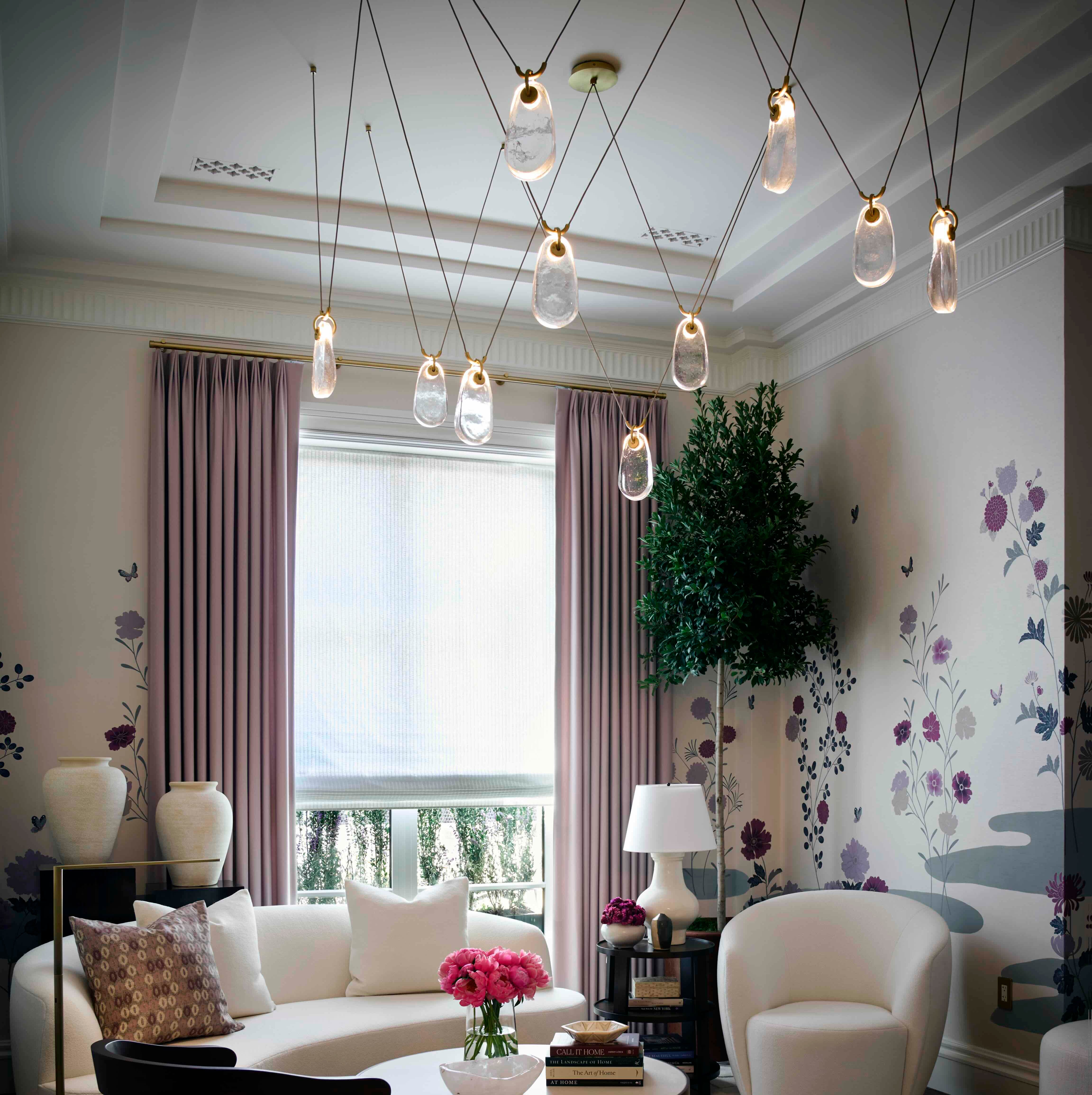
Statement Lighting You Can Build a Room Around

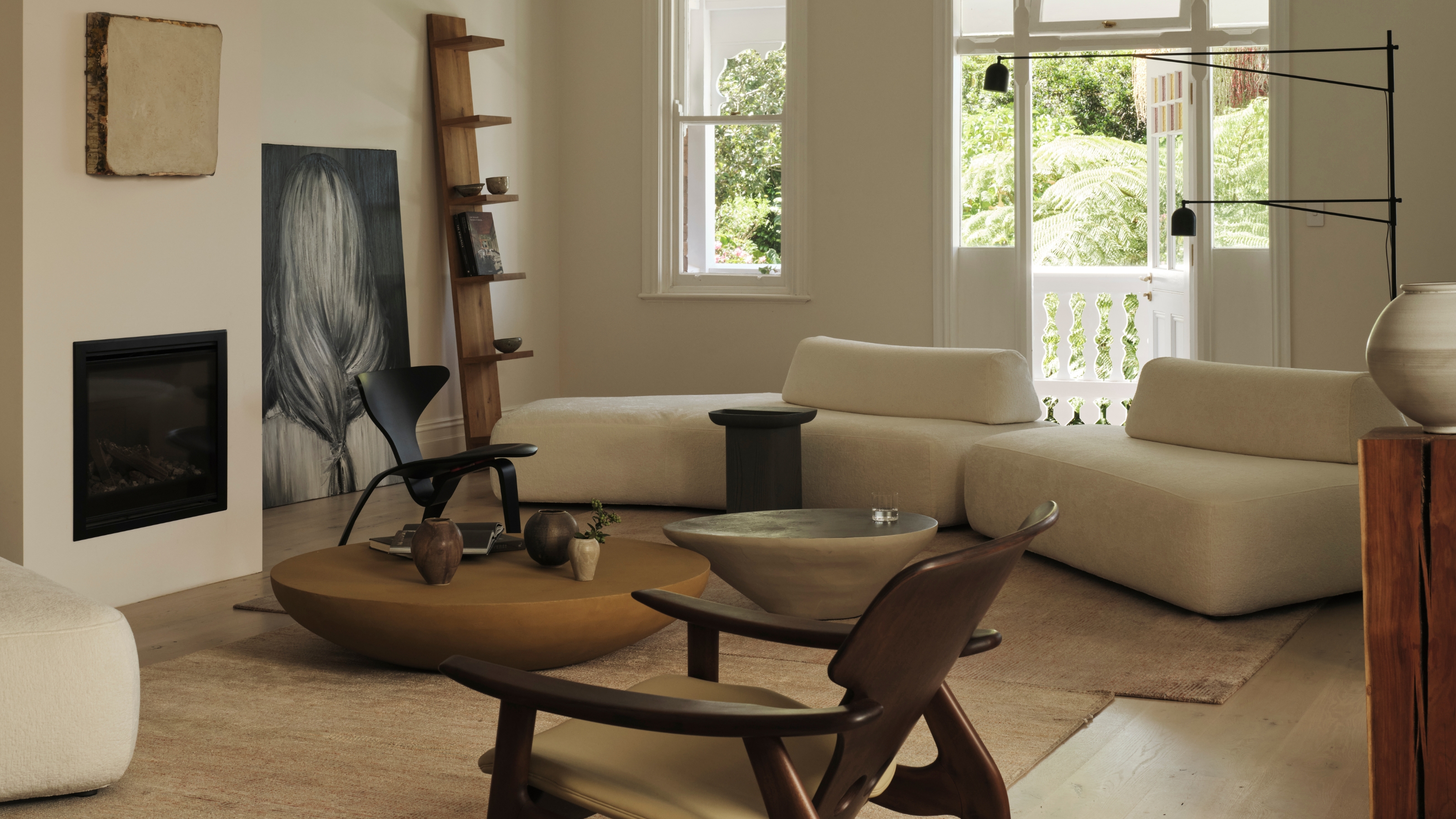
5 Things You Should Definitely Thrift for Your Living Room Styling — "A Few Pieces Add Instant Soul"

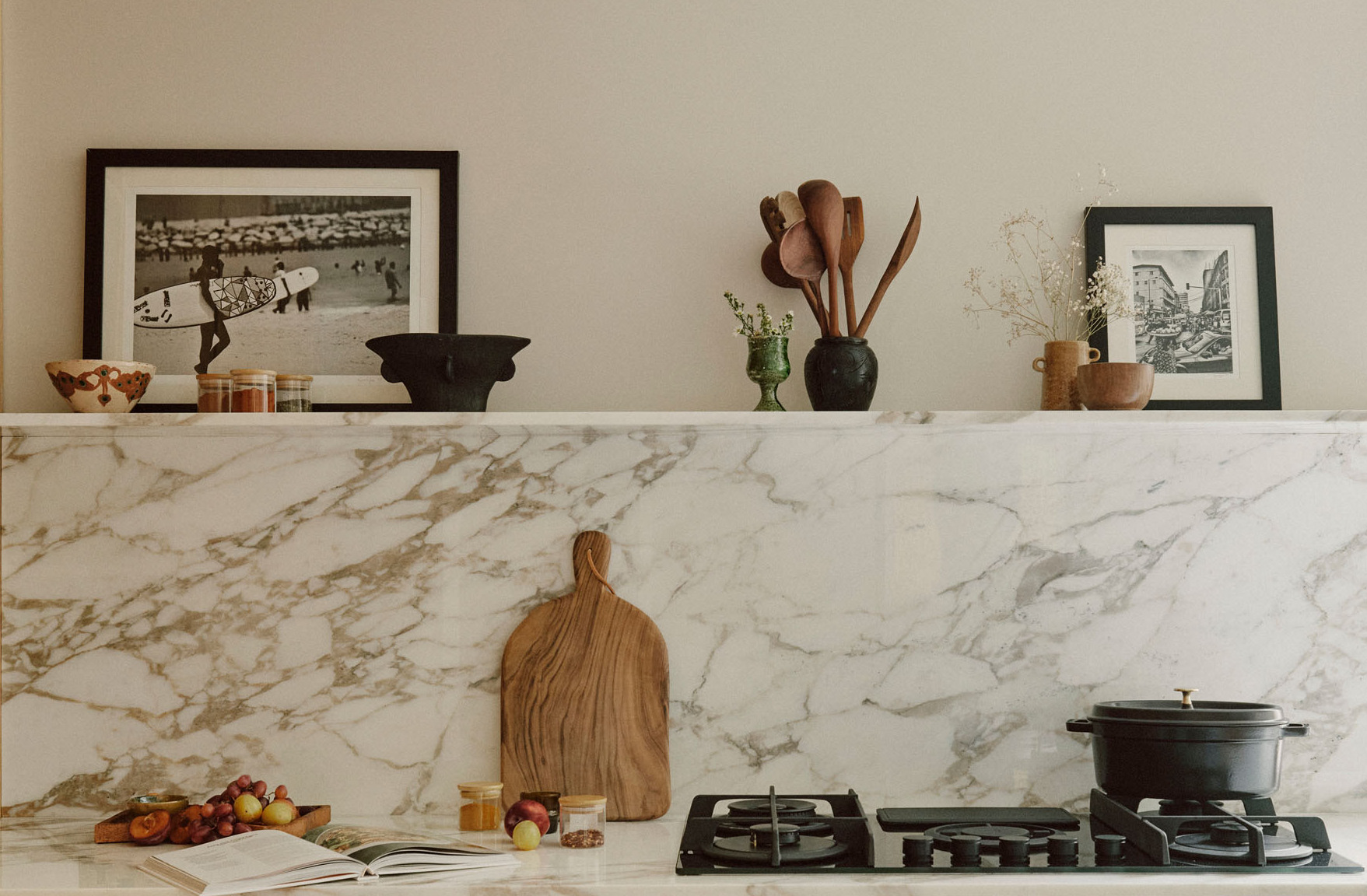
5 shelf styling trends for 2024 designers are using now to create rooms full of personality

Top 9 Home Decor Items List From Amazon: Stylish Pieces To Personalize Any Room
30 Best Luxury Home Decor Items That Are as Unique as You Are
This ONE Tiny Detail Makes the Biggest Impact in Any Room, According to Designers


Designers Agree: This Is the Most Underrated Room That Everyone Should Decorate

Home Accessories - Accent Pieces for Home
Is your room missing something? These are the 7 simple buys that designers always recommend to their clients to instantly pull a space together
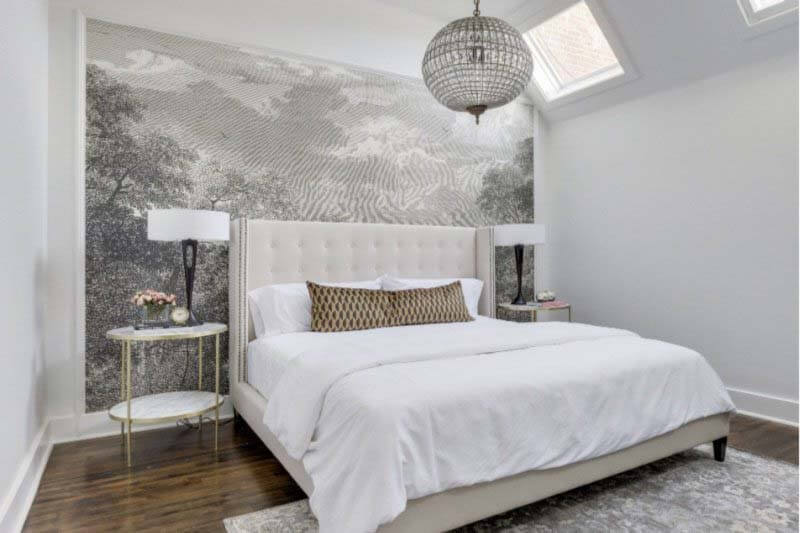
5 Amazing Statement Walls Done Right

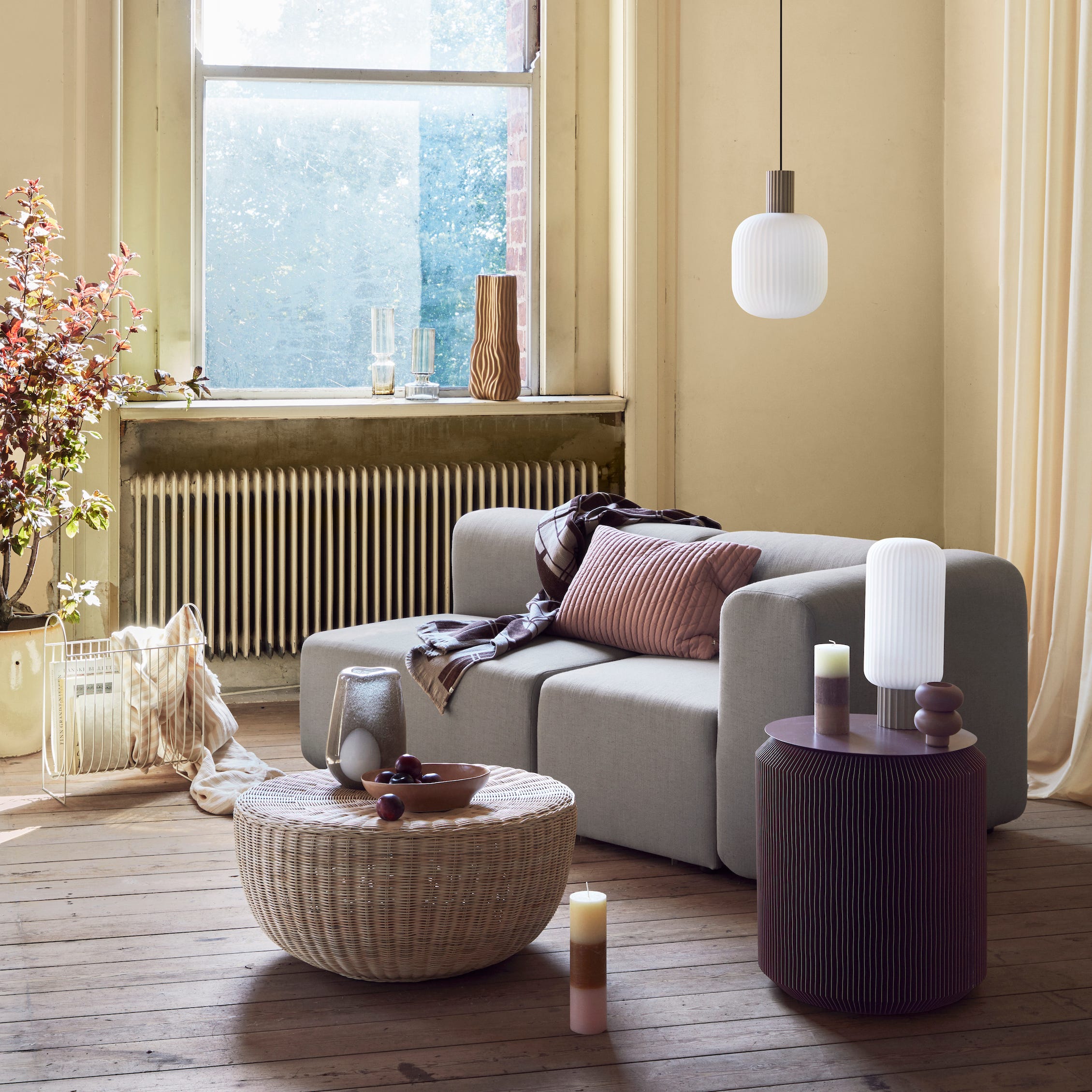
Spring update! 13 statement pieces under £50 to upgrade your interior
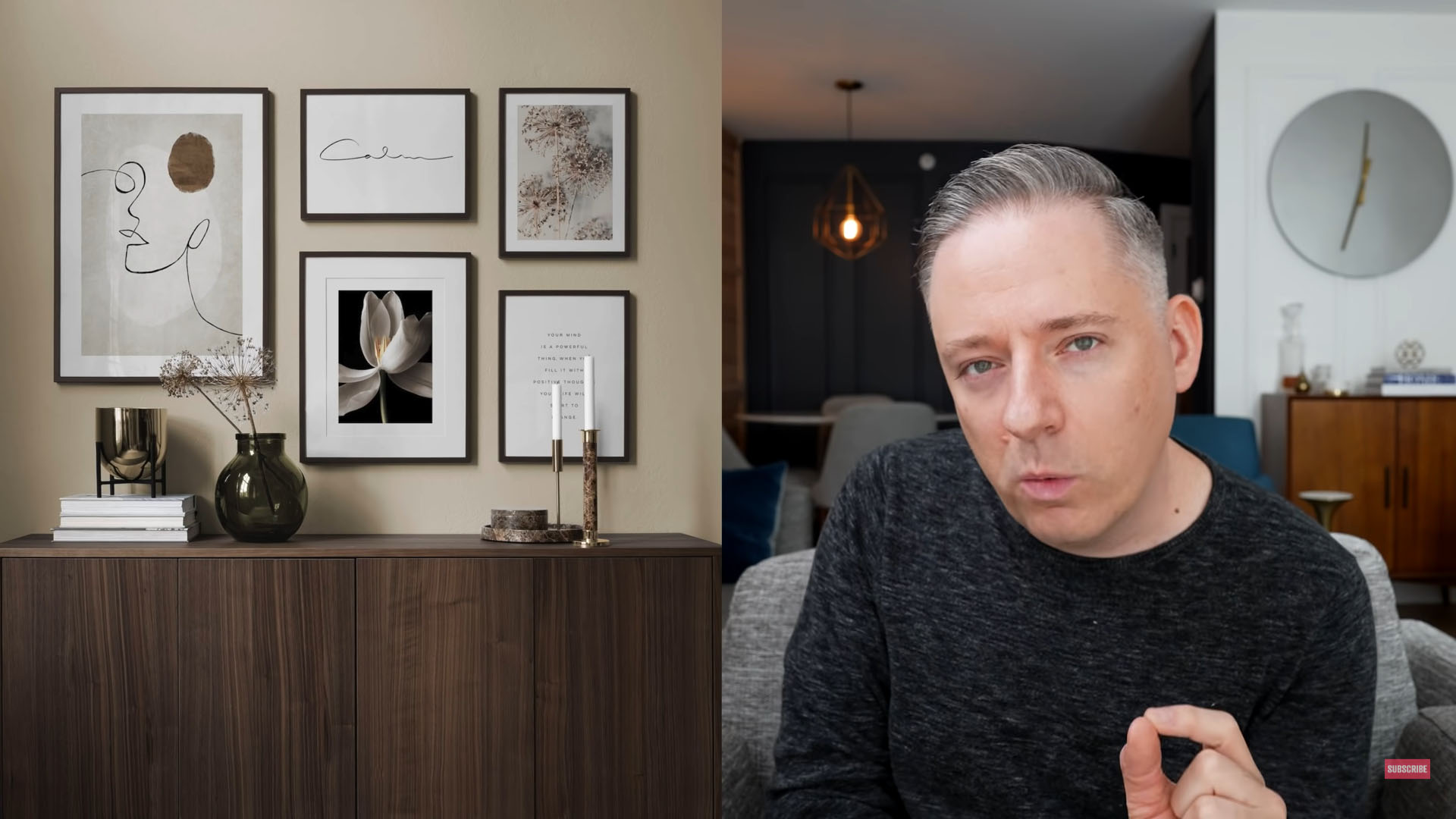
I'm an interior designer - how to create a gallery wall without it looking tacky - people always make the same mistakes

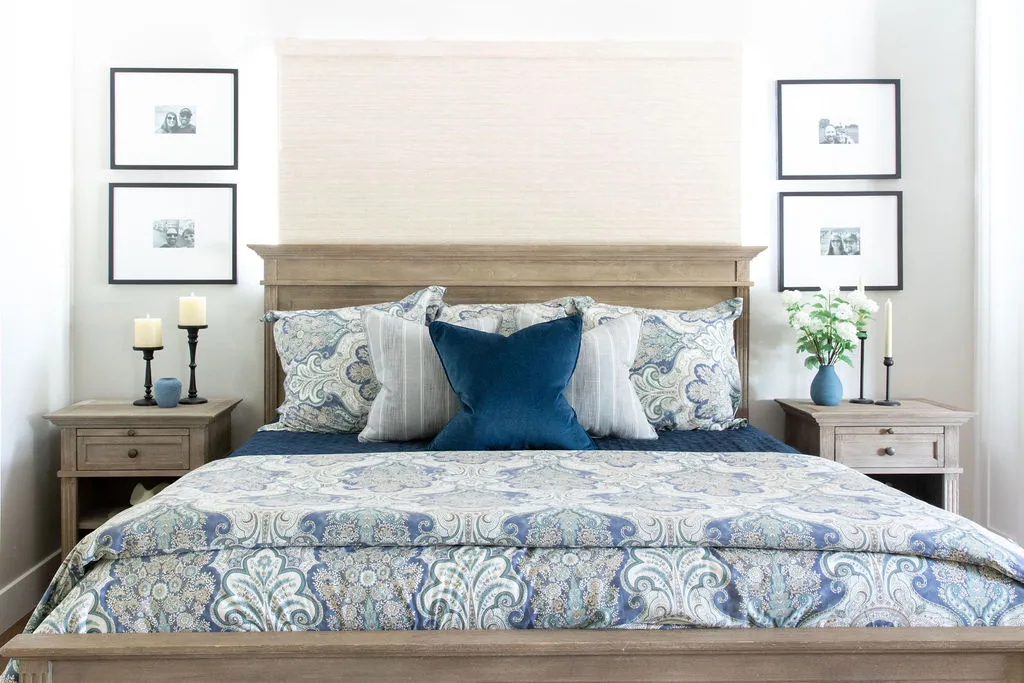
Designers Agree: These Are the Finishing Touches Every Room Needs
An Interior Designer on the Art of the ''Conversation Piece'' — And Her Golden Sofa Rule That Everyone Should Know


32 Products For The Person Whose Home Style Could Best Be Described As “Eclectic”


Top-Notch Home Goods for a Loved One With Exacting Taste

19 sublime statement pieces to discover at High Point Market

Interior Designers Share the Home Decor Tips Everyone Should Know Before They Turn 30
I asked an interior designer how to style shelves, and I learned 4 awesome tips

The One Detail Every Home Needs For Instant Character