1/13
Wainscoting ideas – designers are rediscovering how this ancient millwork can uplift modern interiors
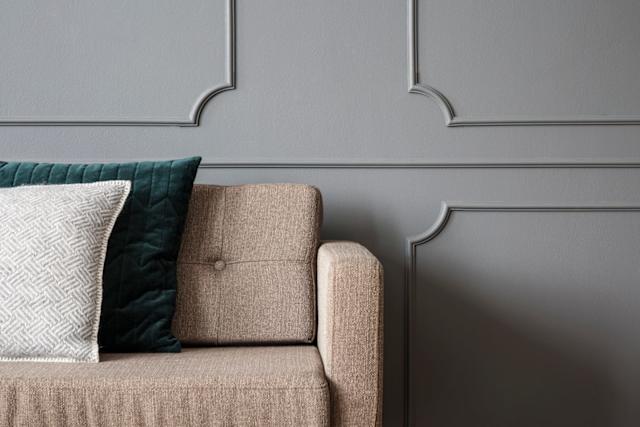
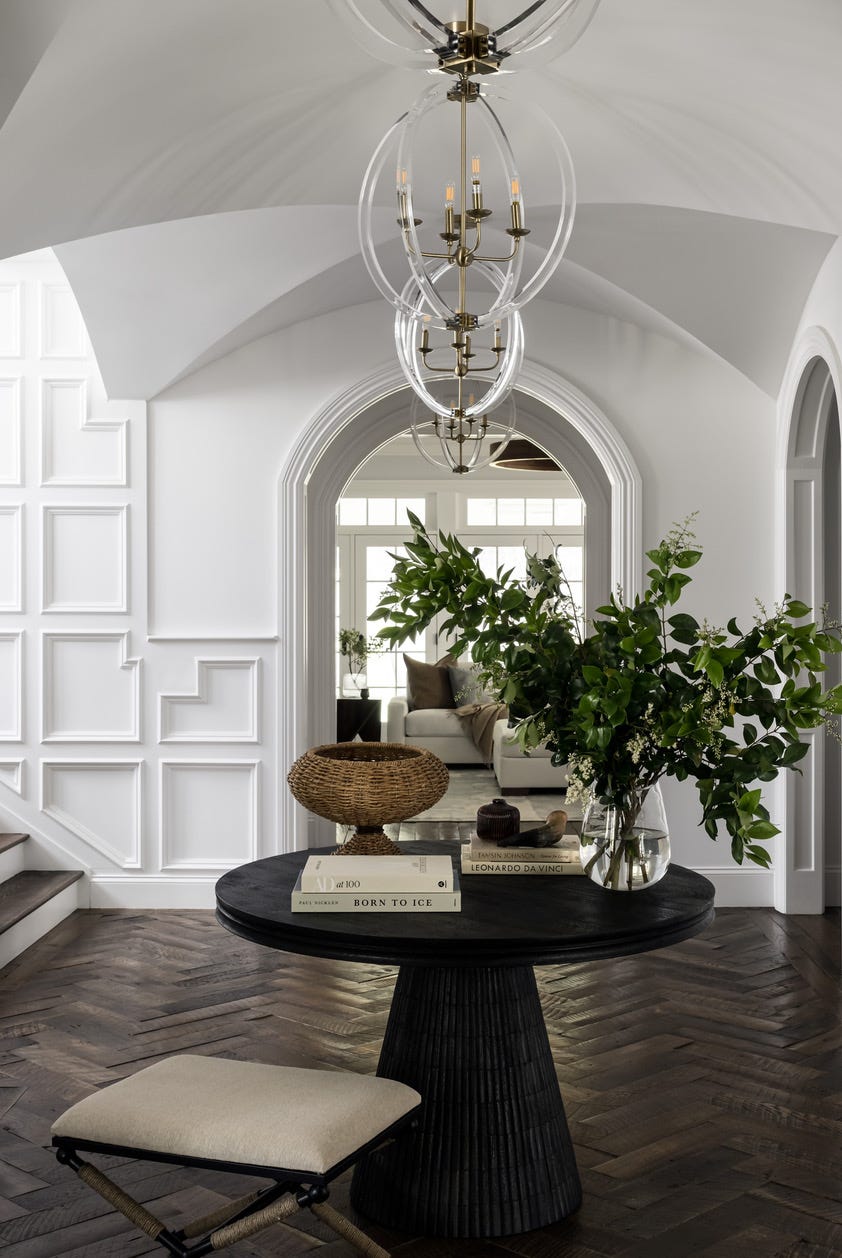
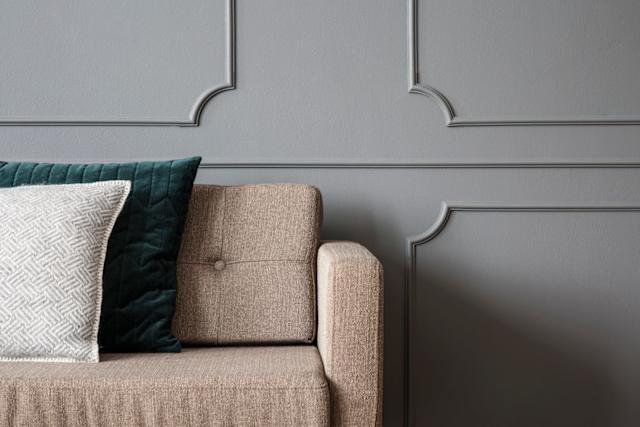
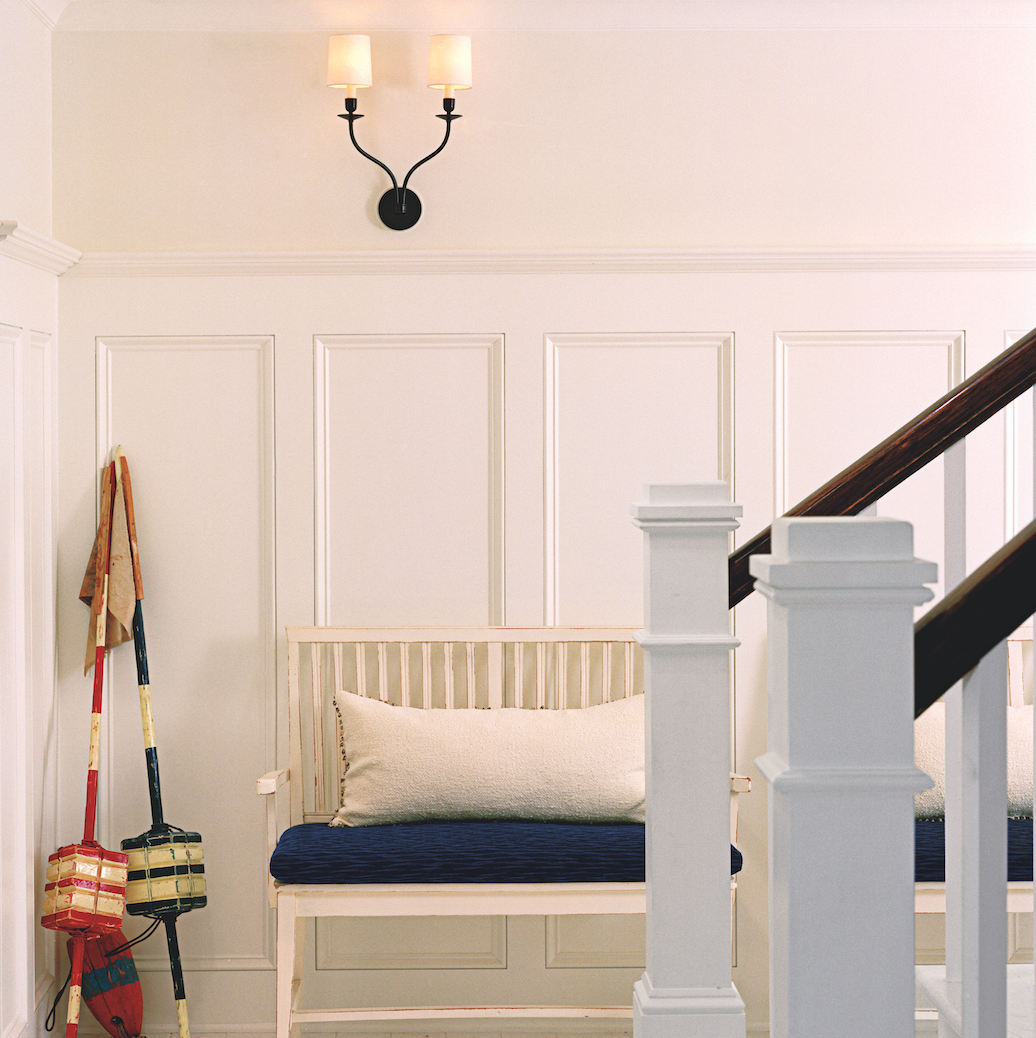
Wainscoting, an architectural feature with centuries of history, is experiencing a modern resurgence in interior design. Traditionally used as durable, decorative wooden panels to protect walls from damage, contemporary wainscoting ideas go beyond mere functionality, offering aesthetic enhancements that can transform a space.
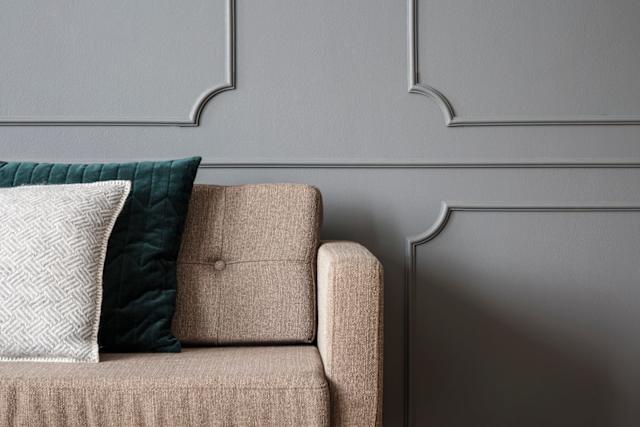
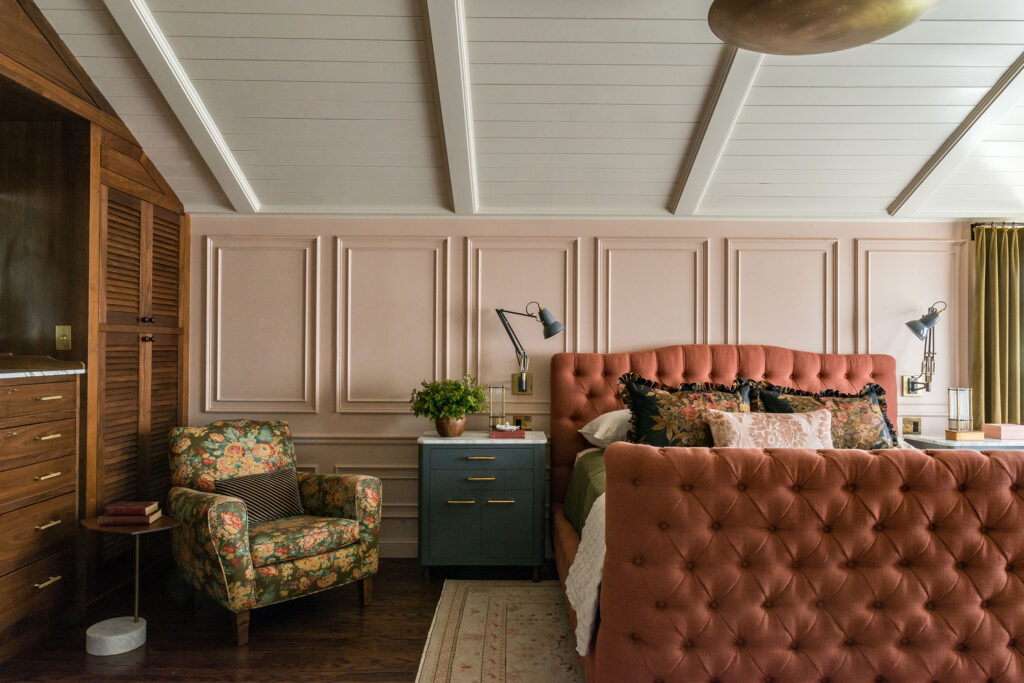
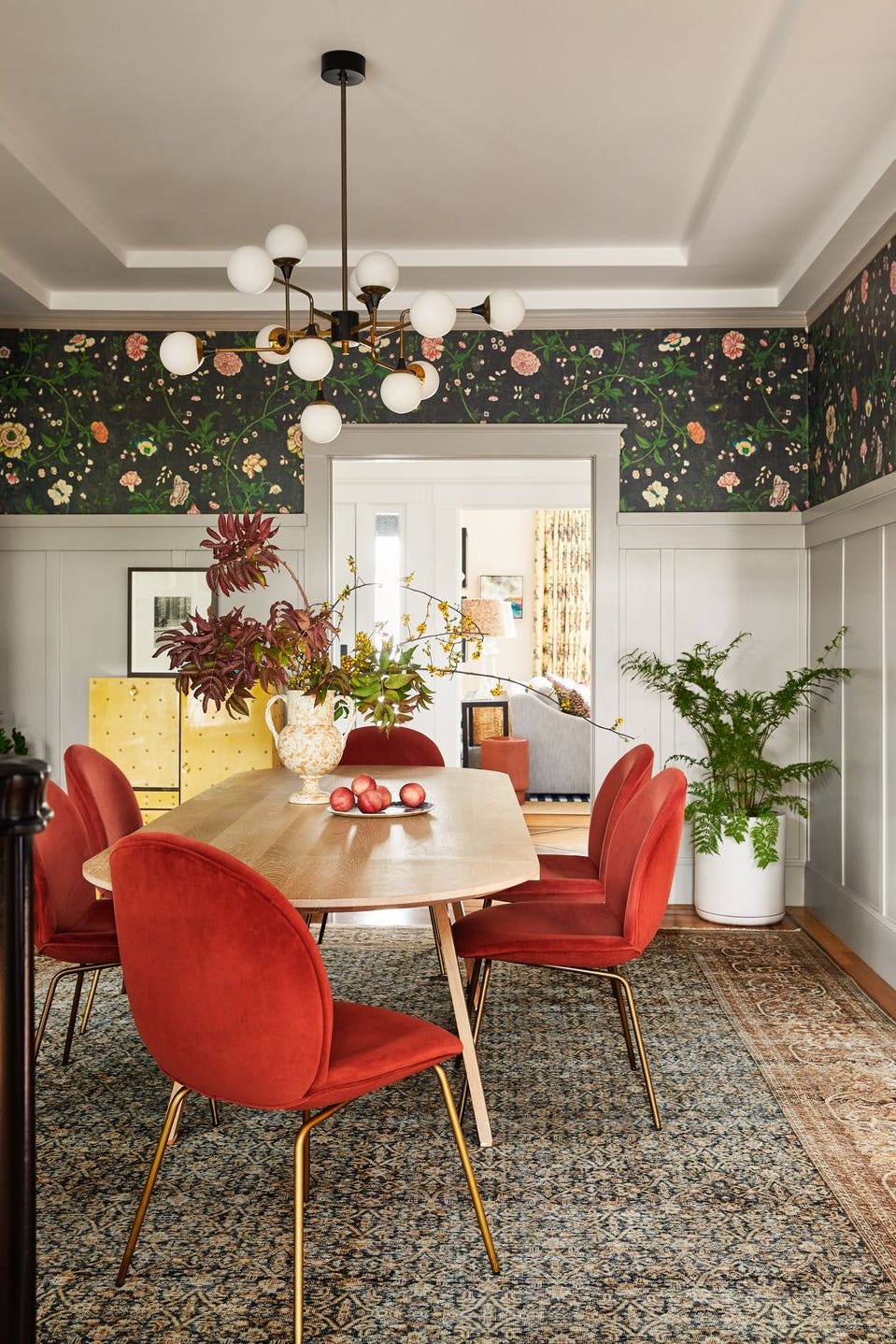
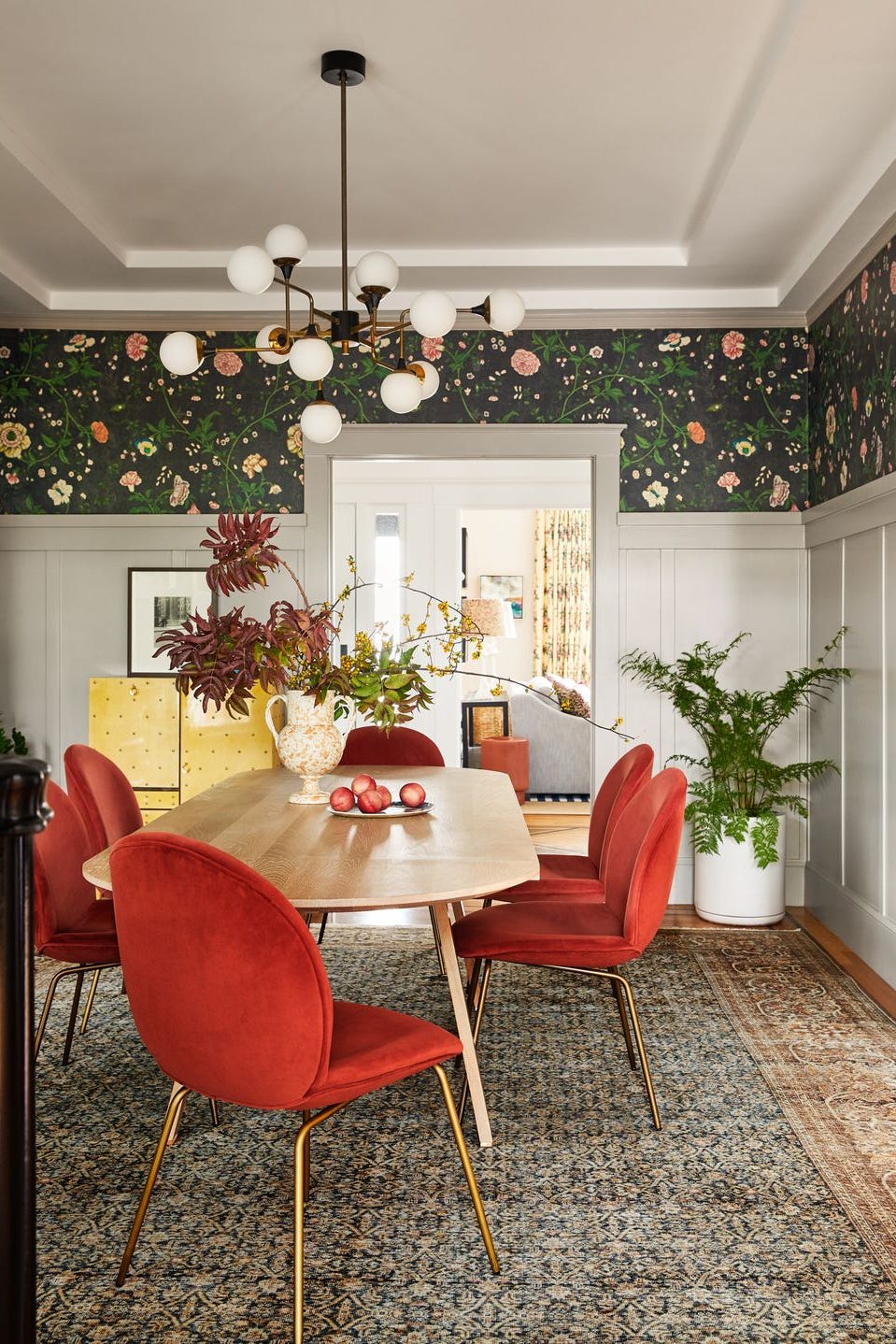
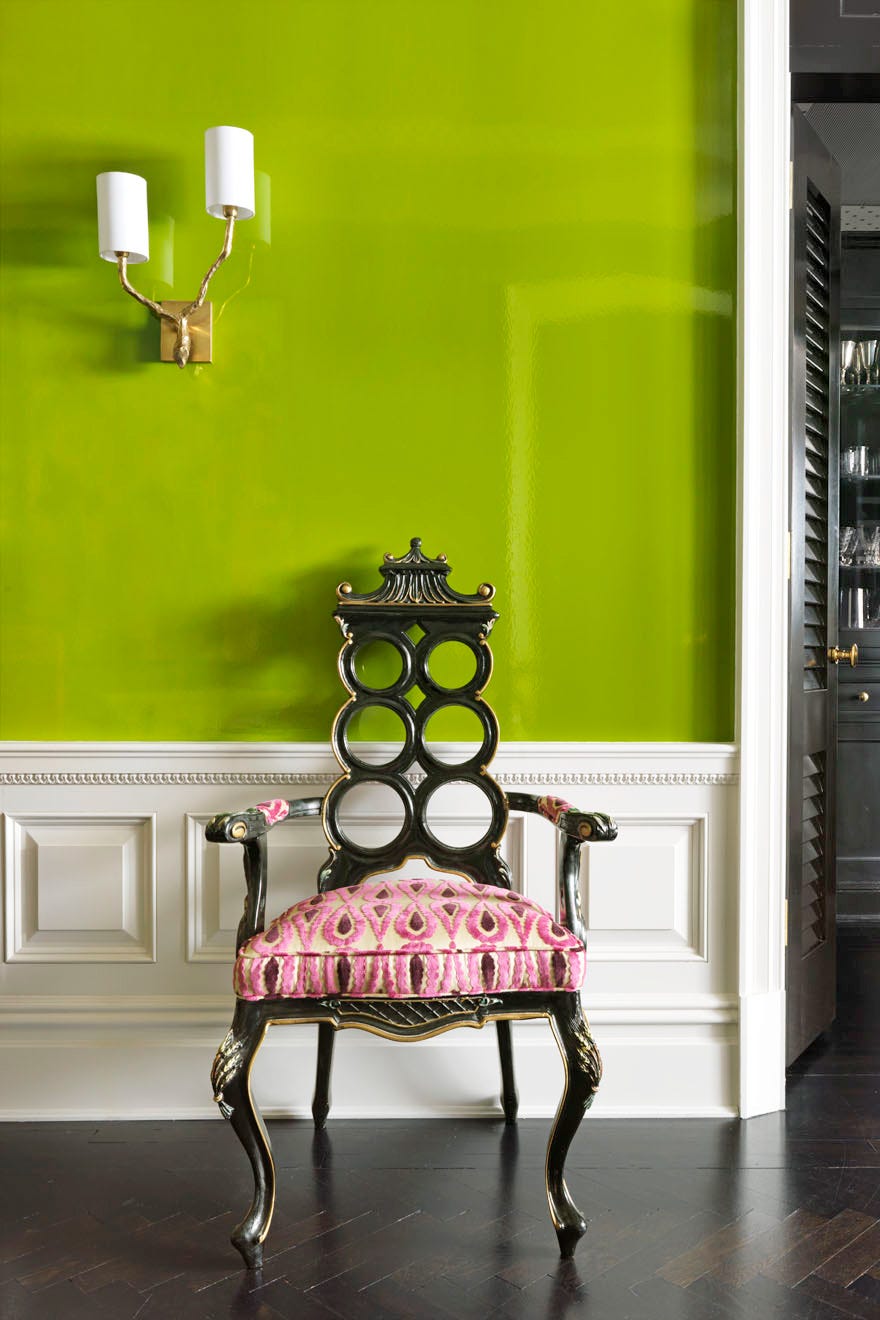
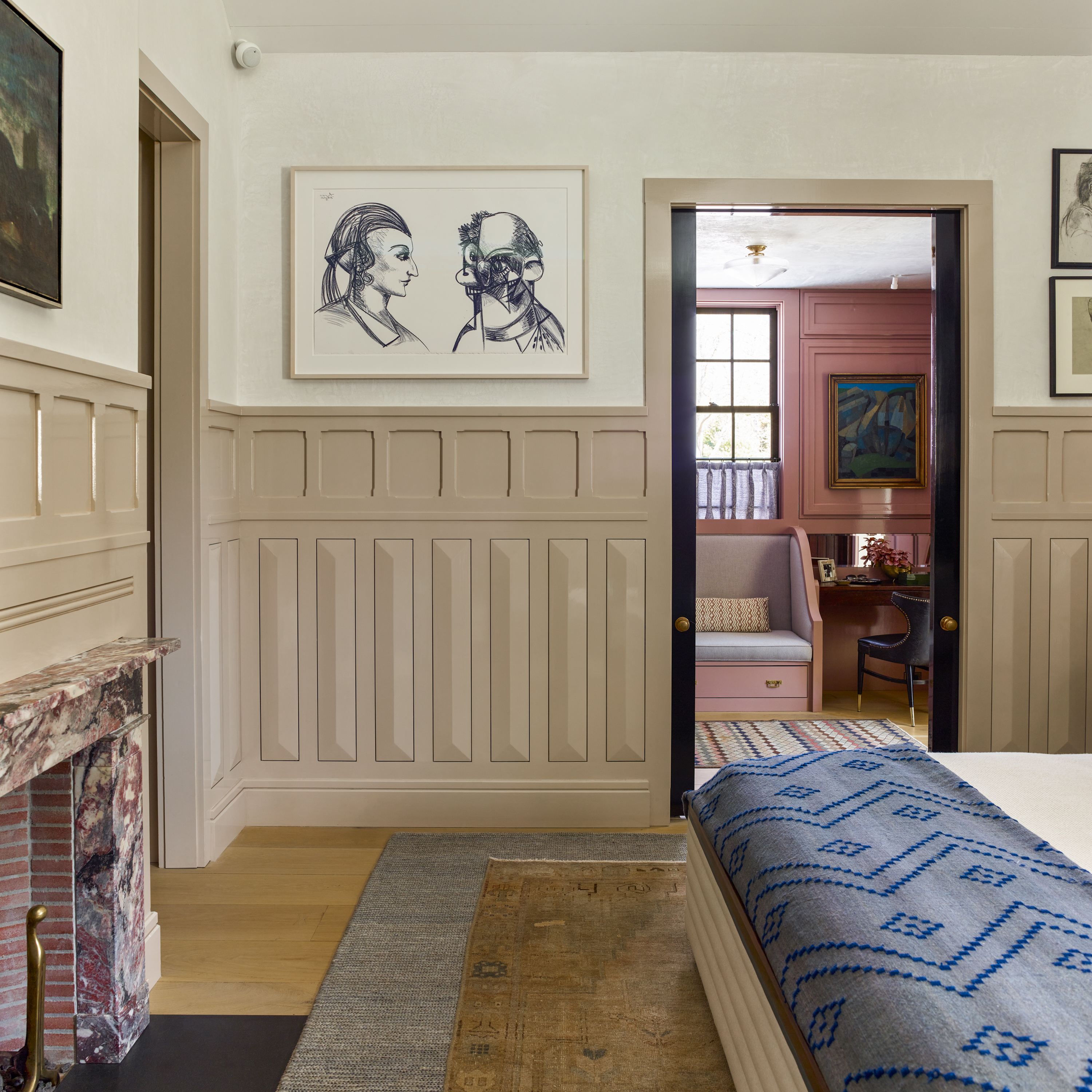
The article highlights various innovative approaches to incorporating wainscoting into modern interiors. One key trend involves updating classic wainscoting with modern color palettes. Painting existing panels in moody neutrals or vibrant hues can instantly refresh a room, as demonstrated by interior designer Lisa Staton, who used a modern gray to revitalize a classic Craftsman dining room. Another technique leverages gloss paint, which not only provides enhanced durability but also reflects light, making rooms appear brighter. Bryan Graybill's design for an East Hampton bedroom illustrates this, where high-gloss wainscoting with elongated beveled panels helps maximize light during shorter winter days.
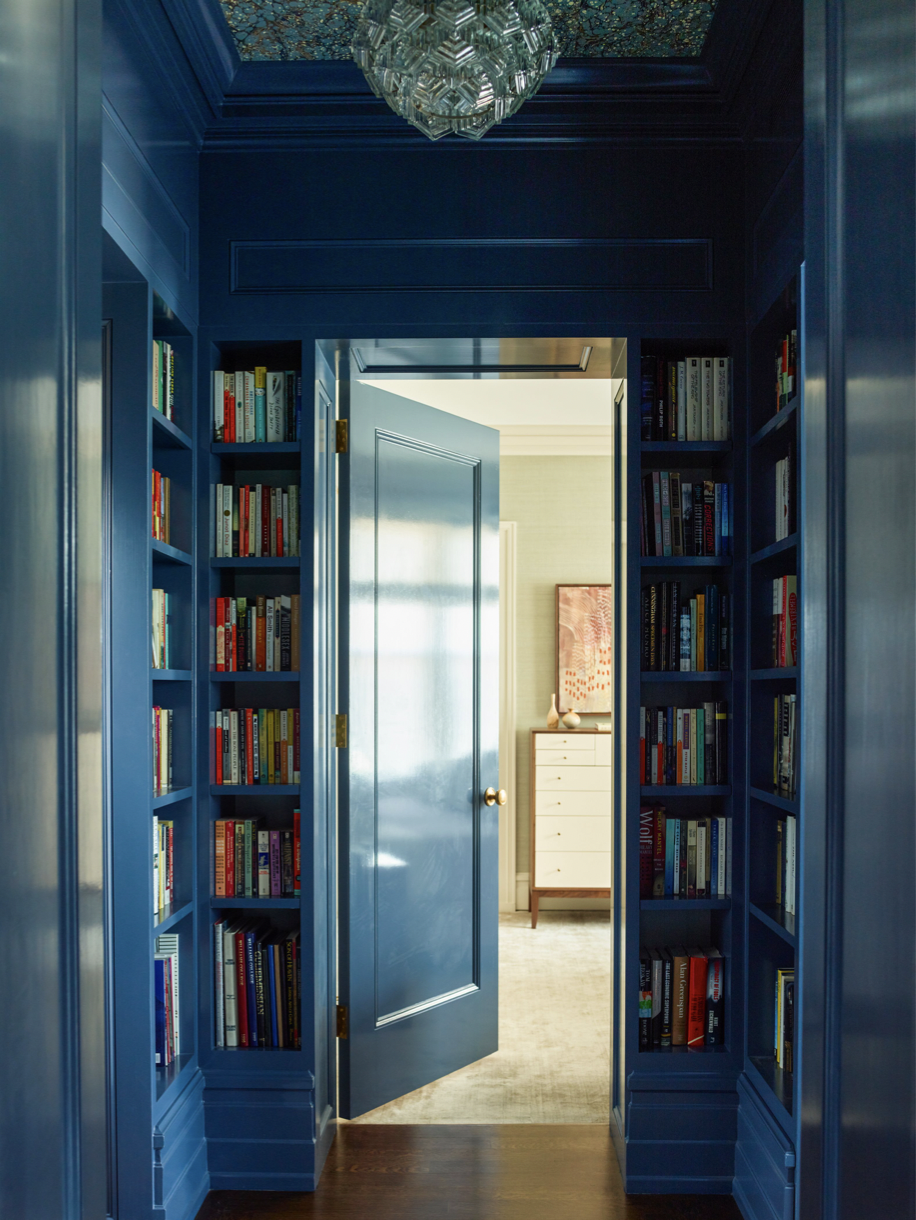
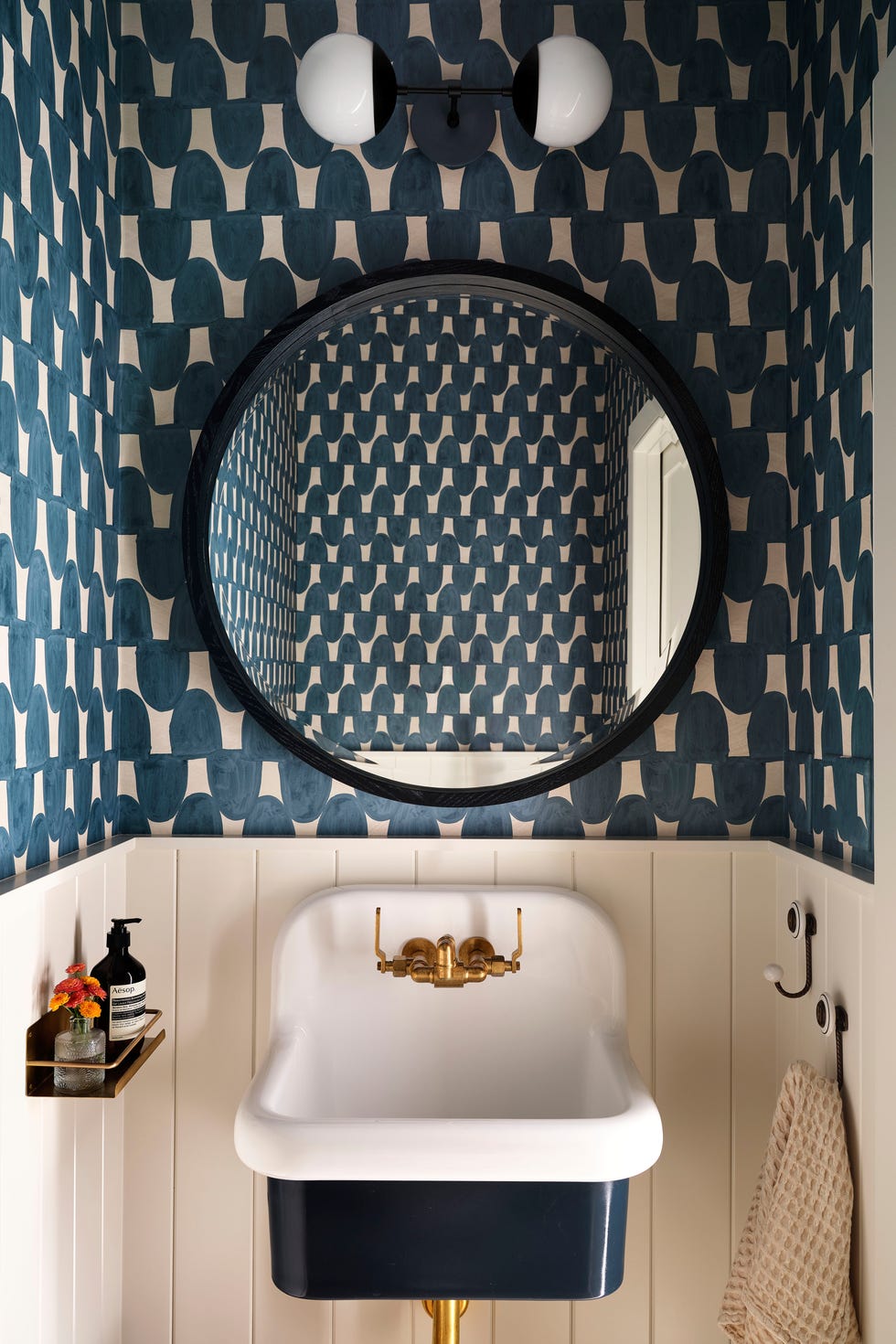
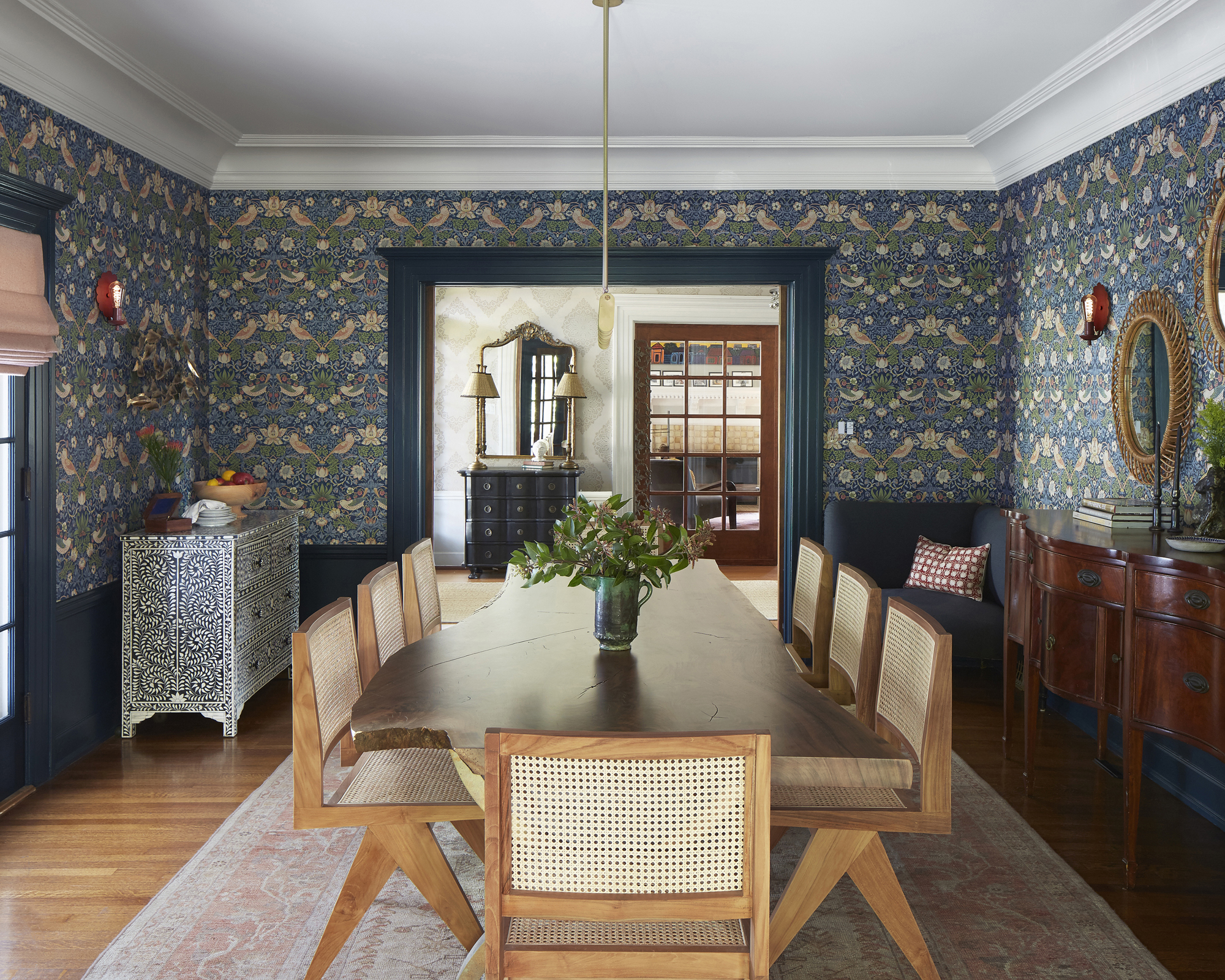
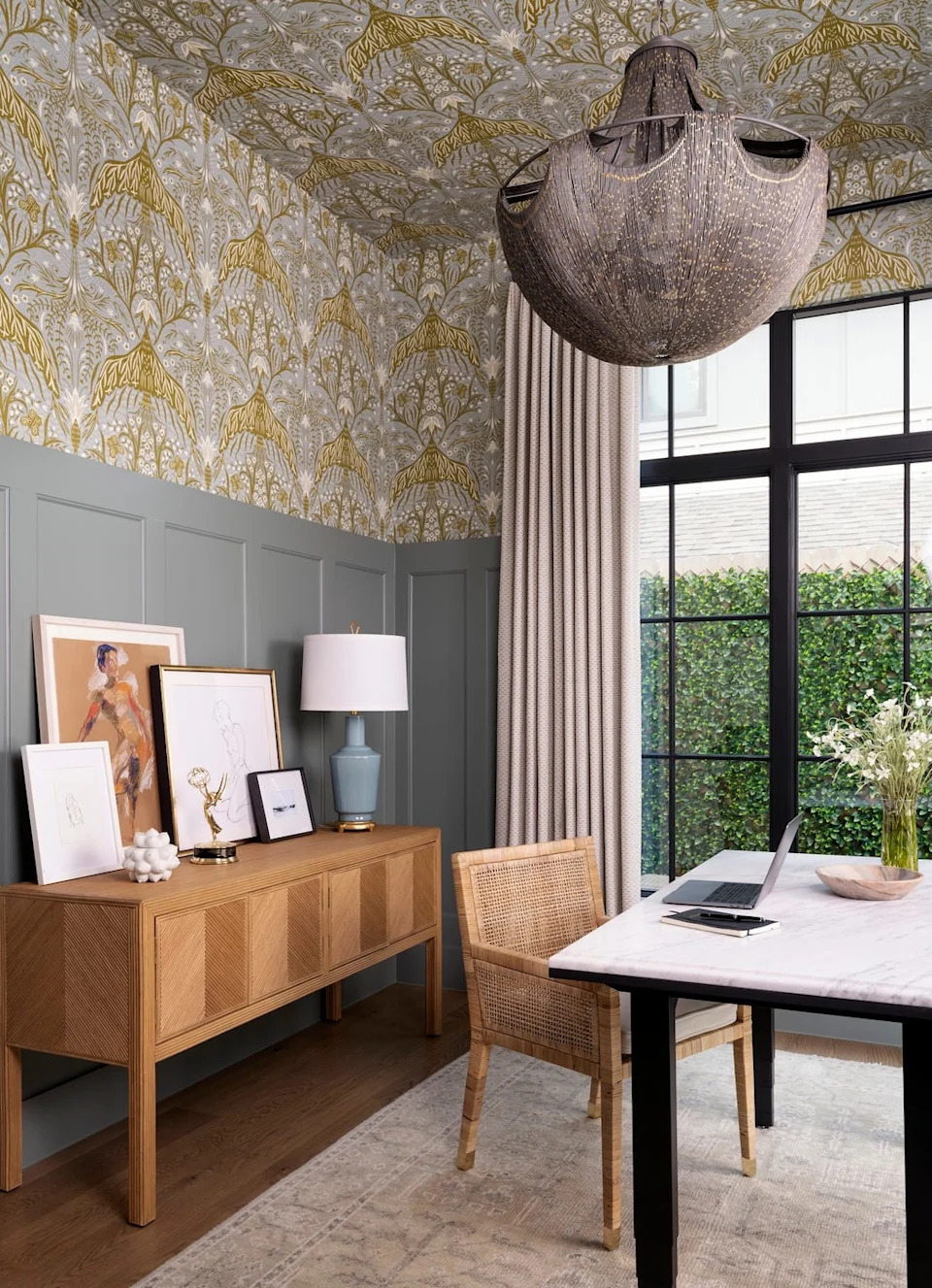
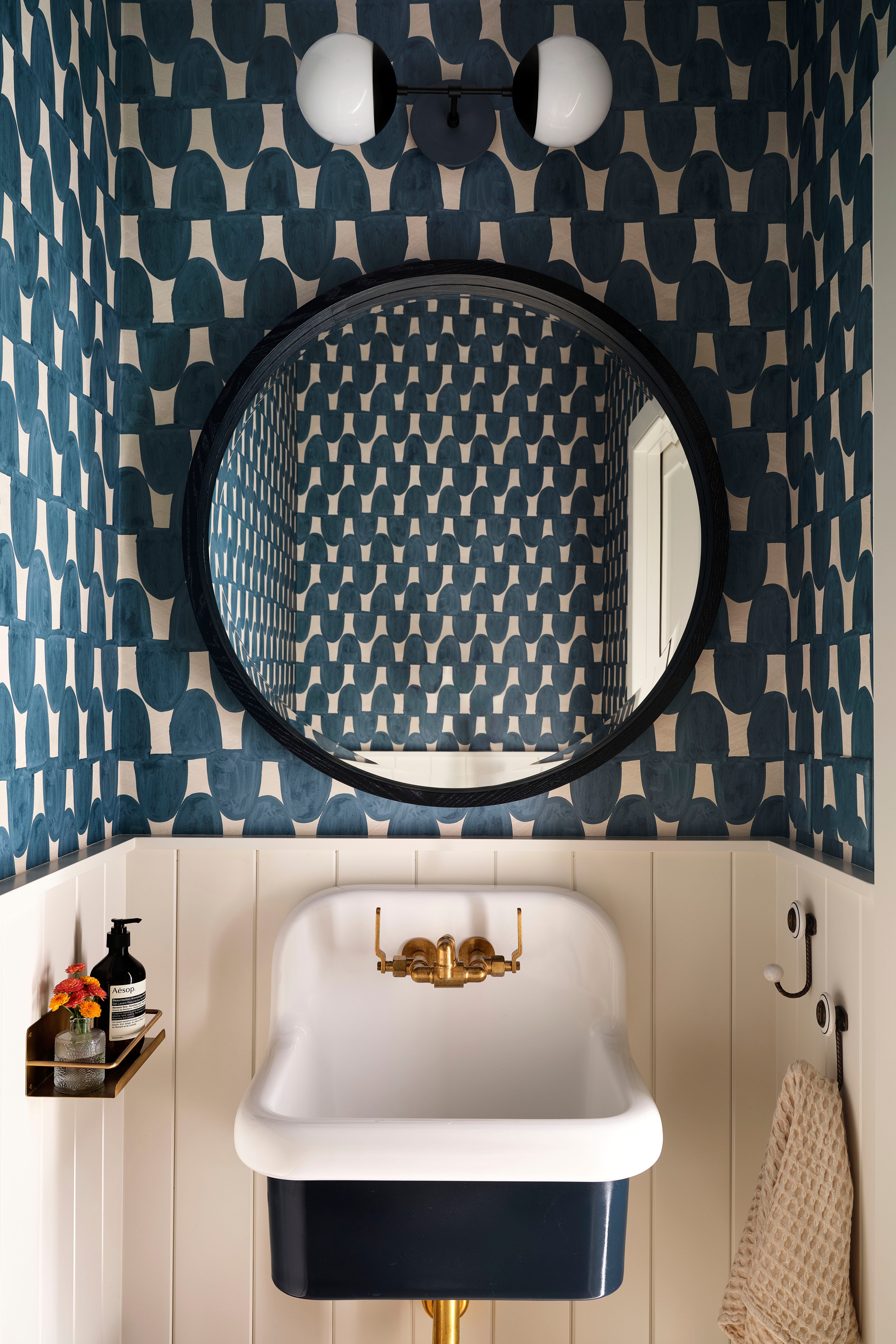
Designers are also pairing traditional wainscoting with contemporary elements such as bold wallpapers. The millwork acts as a grounding anchor and a frame for intricate patterns, balancing a room's aesthetic. An example shows black-stained shaker panel wainscoting complementing an oversized floral wallpaper, creating a dramatic yet balanced dining space. Similarly, wainscoting can be used to balance accent features. A moody blue wainscoting scheme in a dining room, for instance, provides a sophisticated backdrop that makes a bright yellow built-in pop, creating visual interest through contrast.
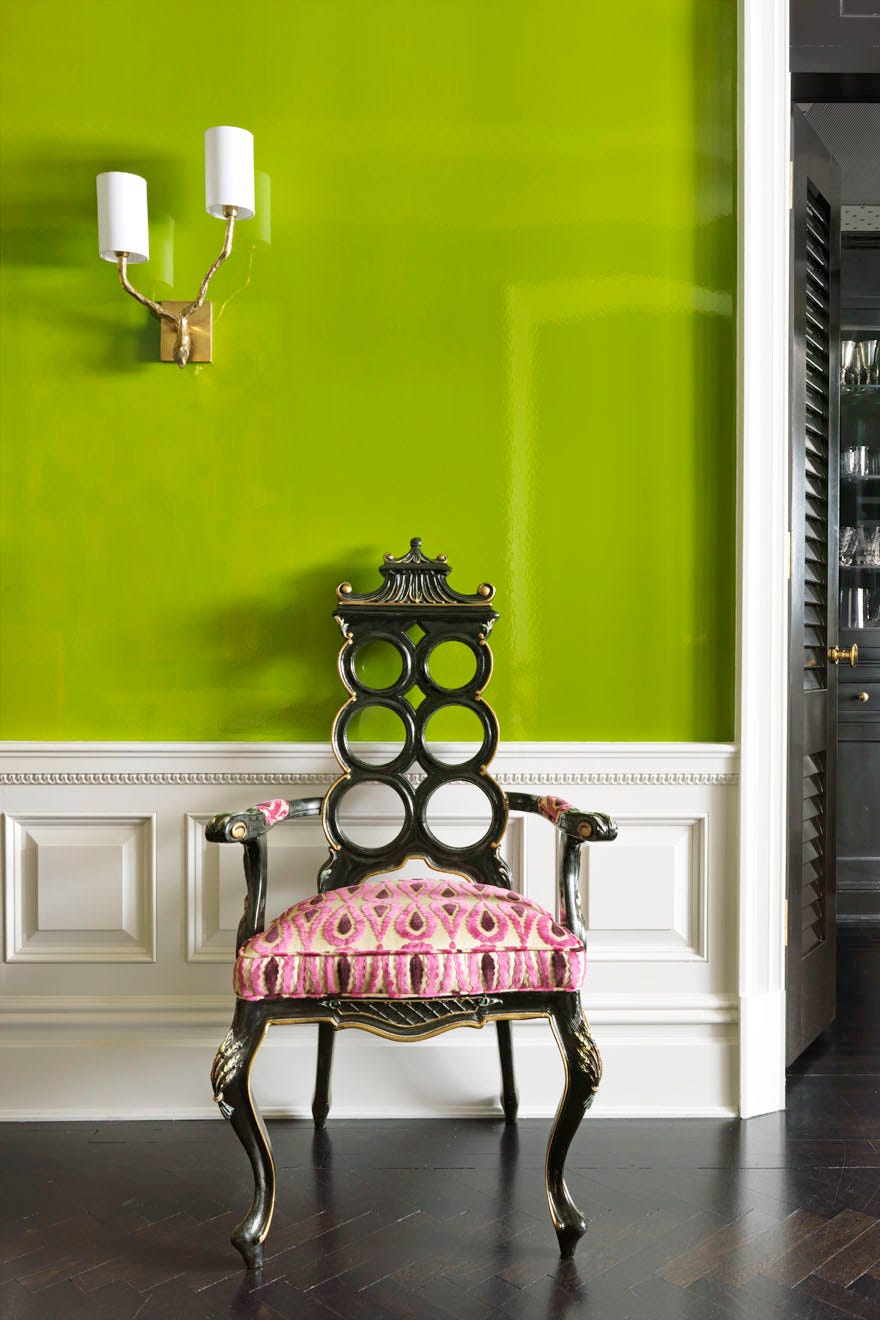
For those renovating older homes, integrating modern materials and fixtures with existing wainscoting can bridge traditional and contemporary styles. In a 1920s Tudor bathroom, new wainscoting inspired by the home’s original paneling is paired with a clean-lined stone sink and simple, vintage-inspired sconces and mirrors to achieve a fresh, modern look without losing historical warmth. The concept of 'color drenching' also extends to wainscoting, where walls and panels are painted the same color but in varying sheens. This approach adds textural depth and a layered monochromatic effect, as explained by Jennifer Marsh of Mowery Marsh Architects, who notes that high gloss is best for trim in good condition, contrasting with flat or matte wall finishes.
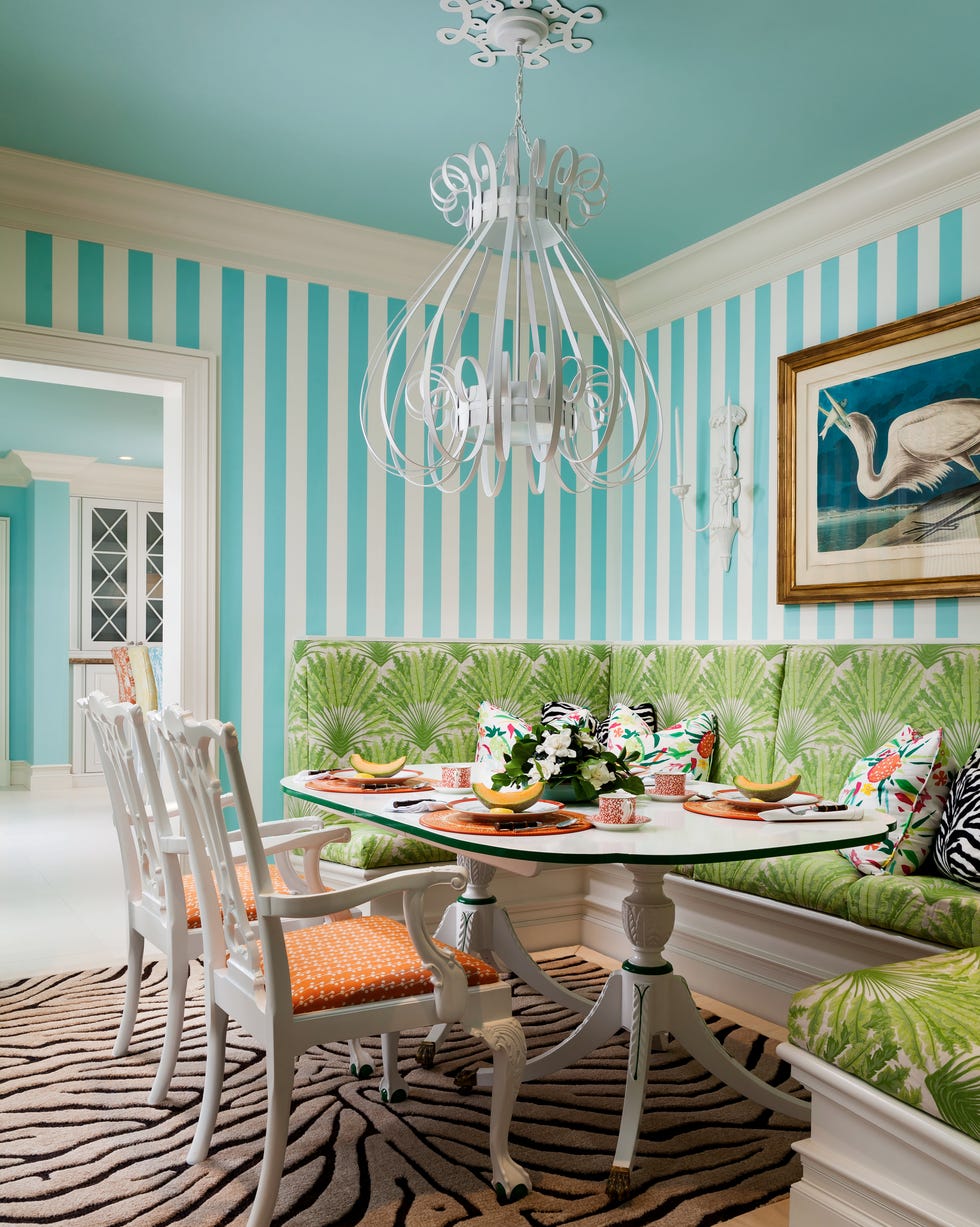
The height of wainscoting can be manipulated to alter the perception of a room's scale. Moving beyond the traditional one-third wall height, extending wainscoting three-quarters up the wall can make a room feel taller. A high wainscoting can draw the eye upwards, creating a sense of verticality and protecting walls more extensively, while allowing for lighter upper walls and ceilings to maintain an airy feel. Playful and quirky decor can soften the serious, old-school impression of traditional wainscoting, transforming spaces with eclectic furnishings, modern ceramics, and mismatched artwork, as seen in a dining room design by Pulp Design Studios where a bright white paint over textured wainscoting sets a modern tone.
For a more minimal and affordable approach, a simple painted line can mimic the effect of wainscoting. This technique, often seen in European sensibilities, uses color blocking to define the lower wall area, providing a sense of proportion and scale while being practical for hiding scuffs. Architectural features like window sills can guide the placement of this painted line for continuity. Beyond walls, wainscoting can be repurposed creatively, such as in children's rooms or as a unique headboard. A bespoke headboard design is featured that mimics wainscoting to integrate side tables and relieve the texture of an exposed brick wall, offering a space-saving and cohesive look. Finally, wainscoting can be entirely custom-designed to achieve a contemporary aesthetic, moving beyond traditional patterns to incorporate unique geometries and colorful wood patterns, as exemplified by Odami's minimalist two-tiered wainscoting in a beach house and Workshop/APD's angular, multi-colored wooden paneling in a bathroom, transforming clinical spaces into modern artworks.
#Wainscoting #InteriorDesign #HomeDecor #WallPanelling #ArchitecturalFeatures #ModernInteriors #ColorTrends #Renovation #SpacePlanning #Wainscoting #InteriorDesign #HomeDecor #WallPanelling #ArchitecturalFeatures #ModernInteriors #ColorTrends #Renovation #SpacePlanning
0 comment in total
 No comments yet
You may also like
"I'm an interior designer – I think these 5 millwork trends will make your home look like a million dollars"
This Is Why Everyone’s Obsessed with Traditional Decor Right Now
6 Antique Design Features Designers Wish Would Make a Comeback

The Interior Design Trend That’s Replacing Outdated Accent Walls

11 Old-School Decor Ideas That Feel Surprisingly Modern
This Surprising NEW Trend Is Replacing Accent Walls

The Latest Home Decor Trend Will Bring Old World Charm To Your Space
12 Designer-Approved Tricks to Fill a New Home With Vintage Character

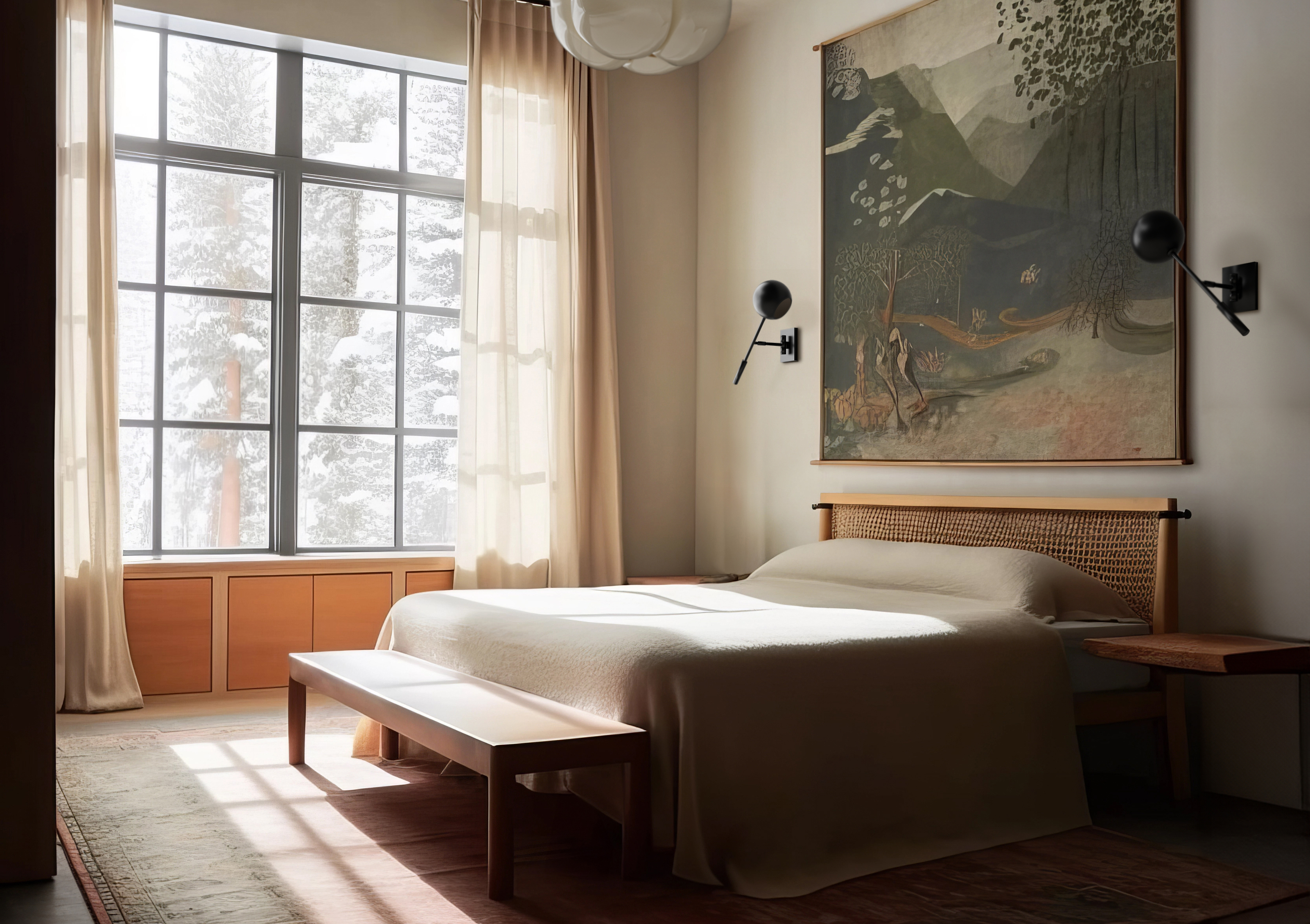
This 600-Year-Old Wall Decor is Having a Renaissance in our Homes — and These 5 Examples Look Seriously Modern

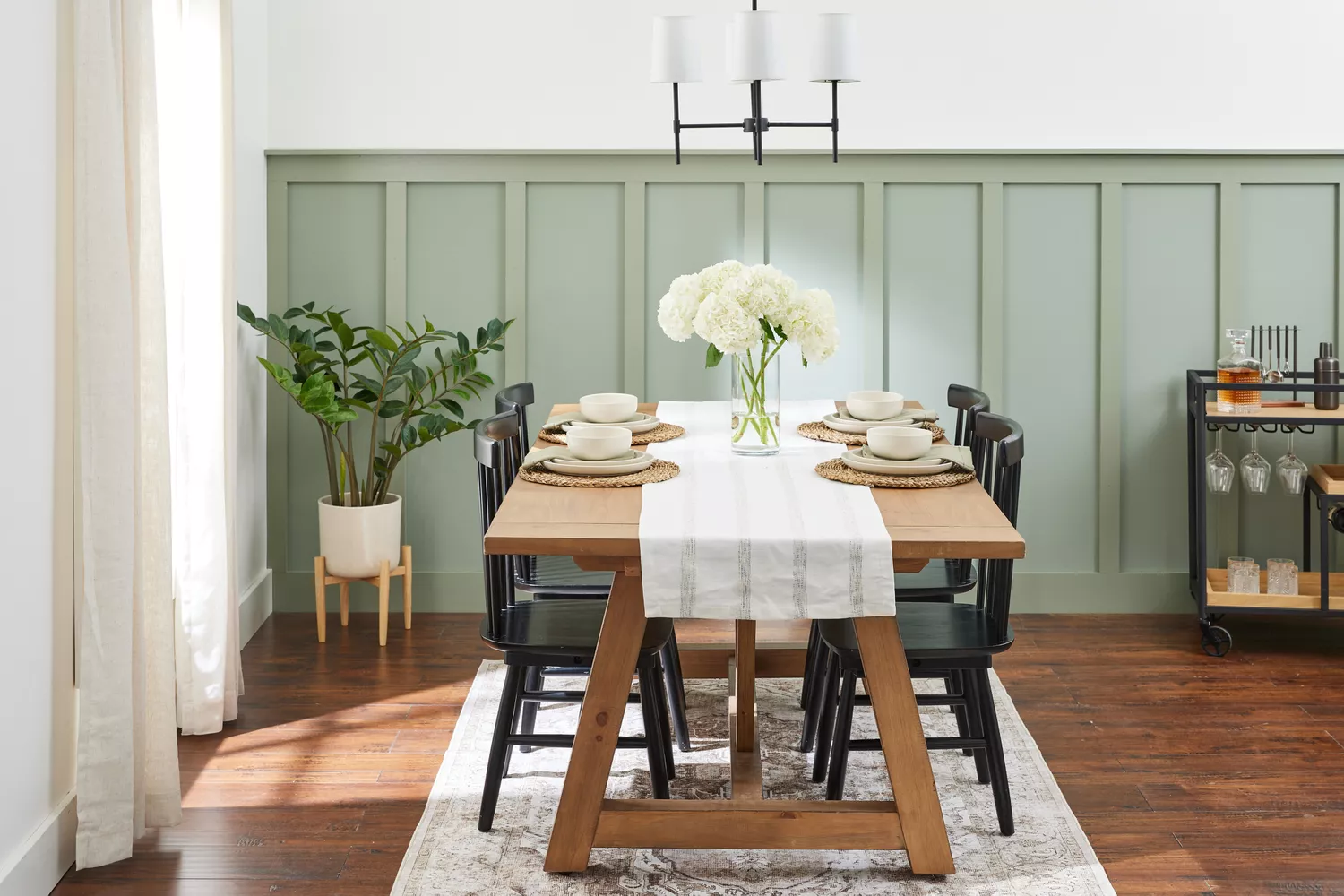
36 Wainscoting Ideas for Traditional and Modern Spaces

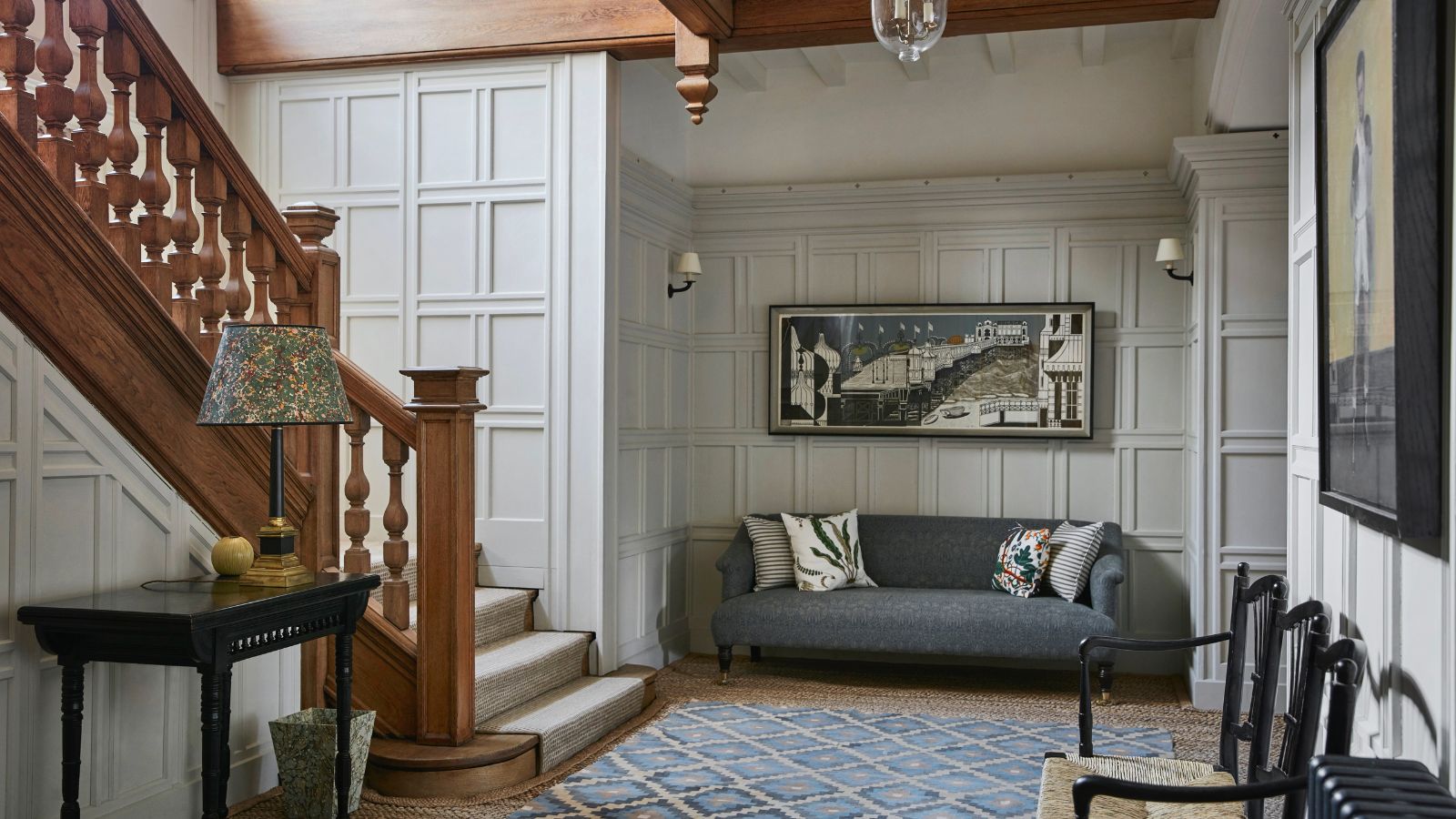
Arts and Crafts decor is making a comeback for 2025 – here's how designers are reimagining this iconic vintage style

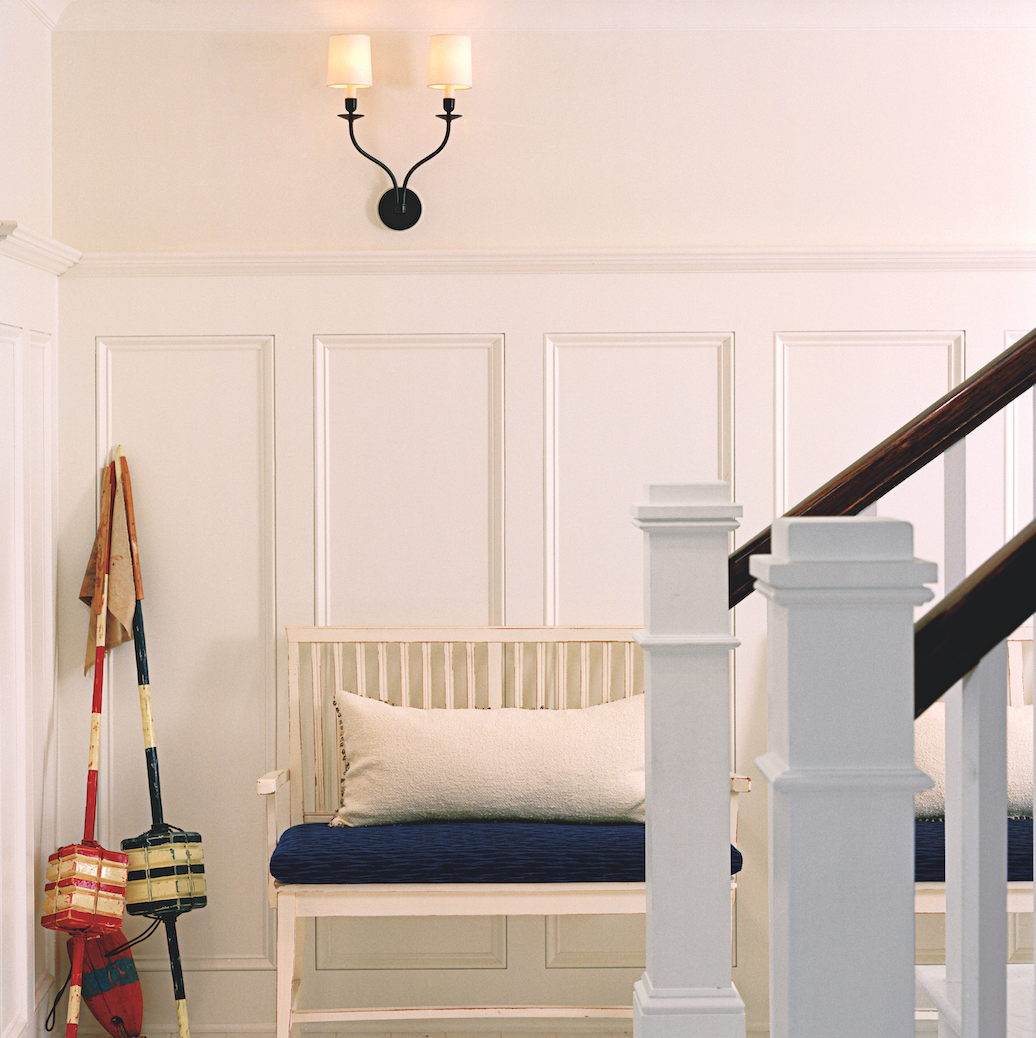
What Is Wainscoting? How This DIY-Friendly Accent Can Enhance Your Home
Wainscoting: the bold update to a traditional design element
Vintage Home Design Trends That Are Making Huge Comebacks

Bye-Bye, Accent Walls! Designers Say THIS Is Now the Hottest Decorating Feature
These 3 Retro Fabric Techniques Are Making A Killer Comeback

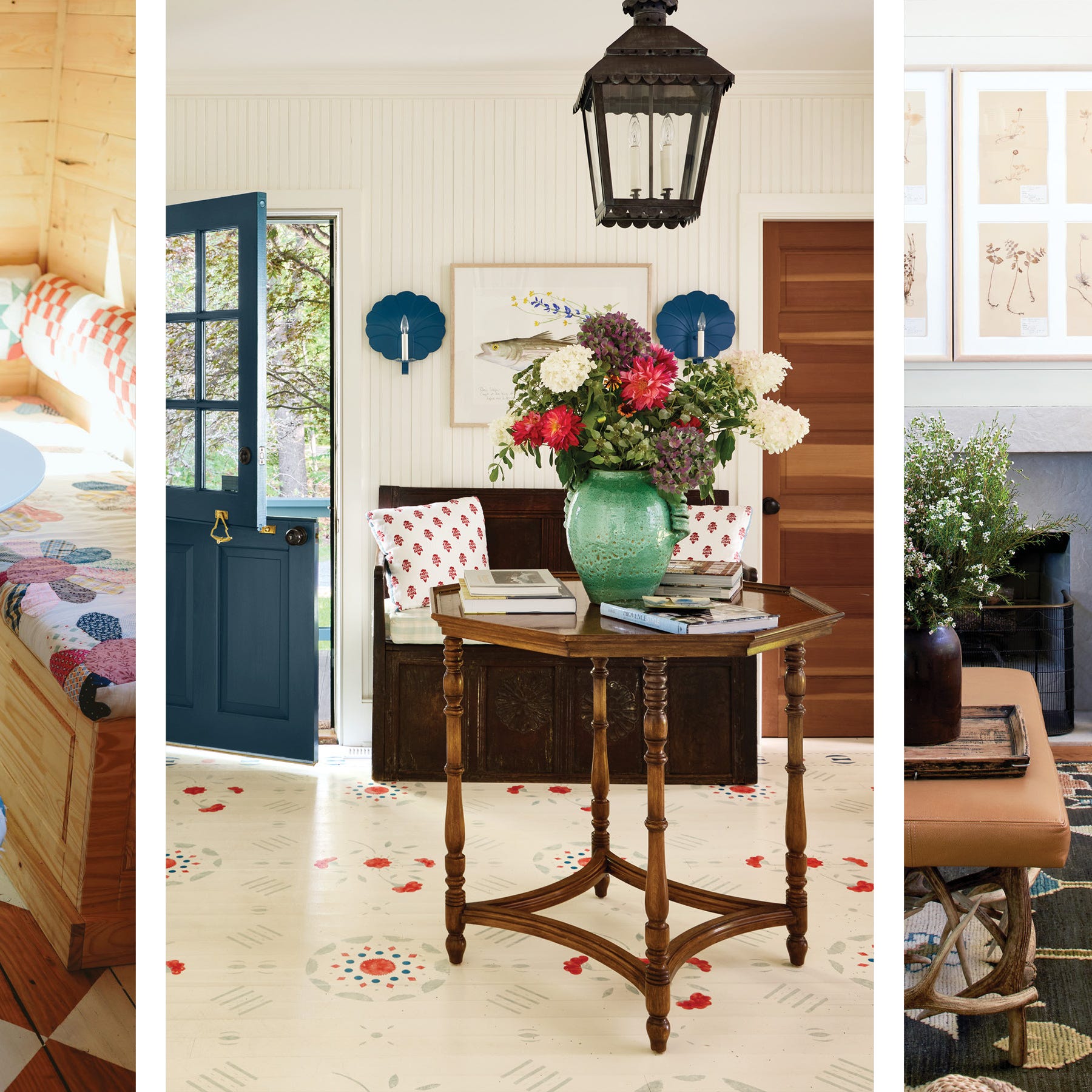
Wood Paneling and 11 More Vintage Decor Trends Making Huge Comebacks
5 Custom Wall Treatments You Can Do Yourself
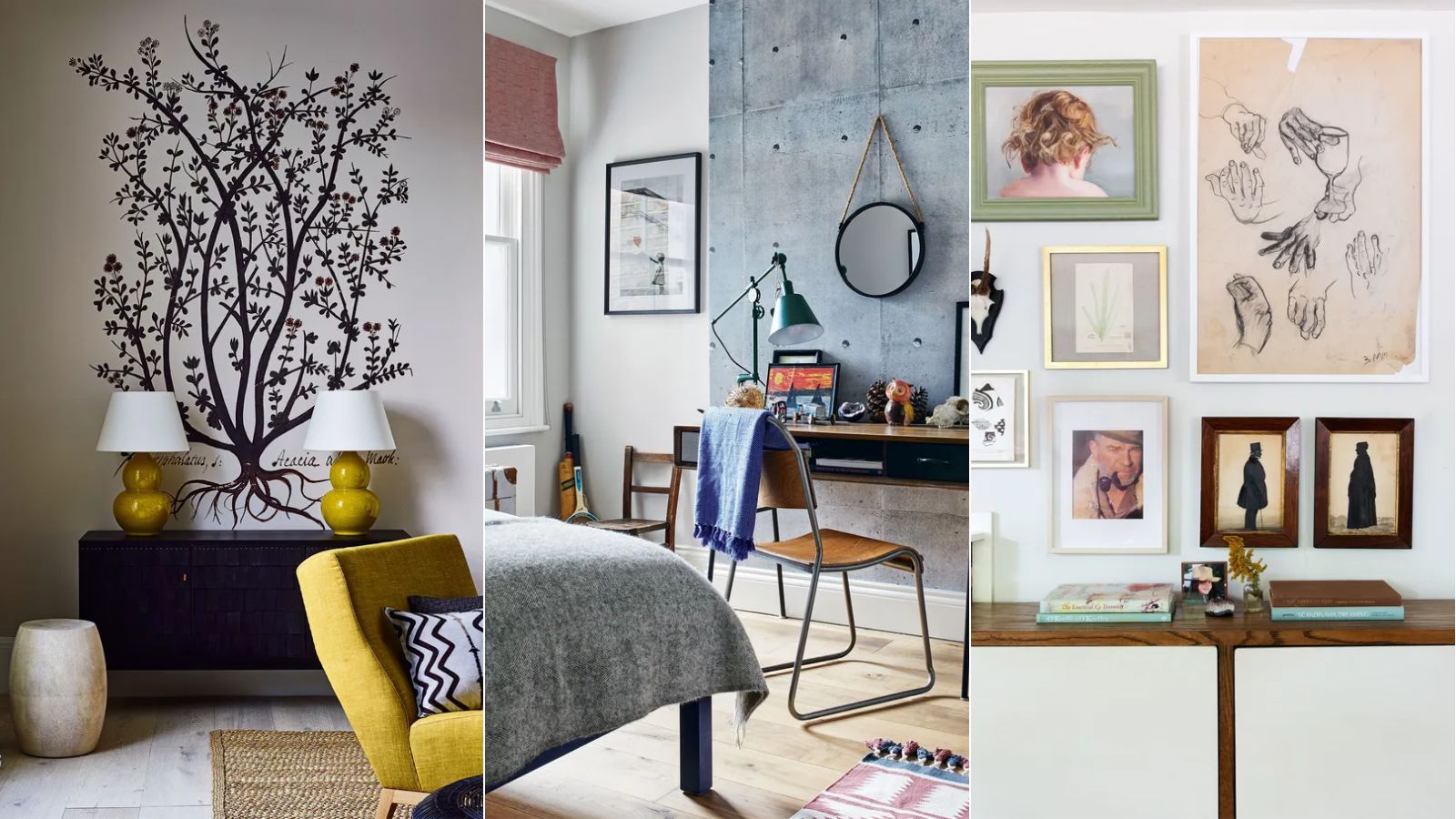
5 outdated wall decor trends designers warn to avoid – plus what we should be doing instead
The Decades-Old Decor Trend That Everyone's Putting Back In Their Homes Today