1/23
Will The Pandemic Be The Death Of The Open Floor Plan?
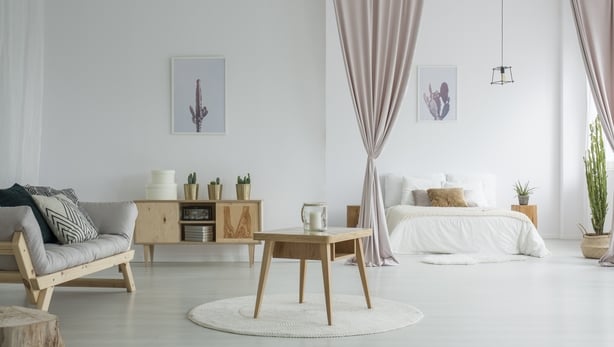
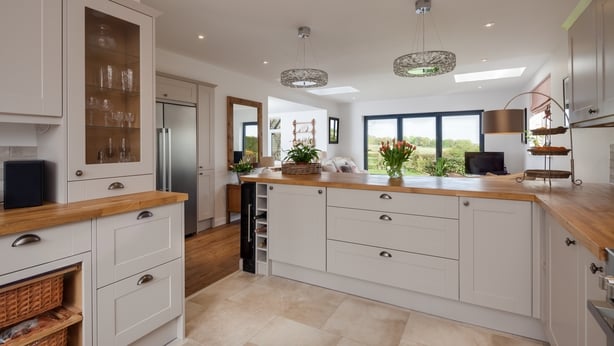
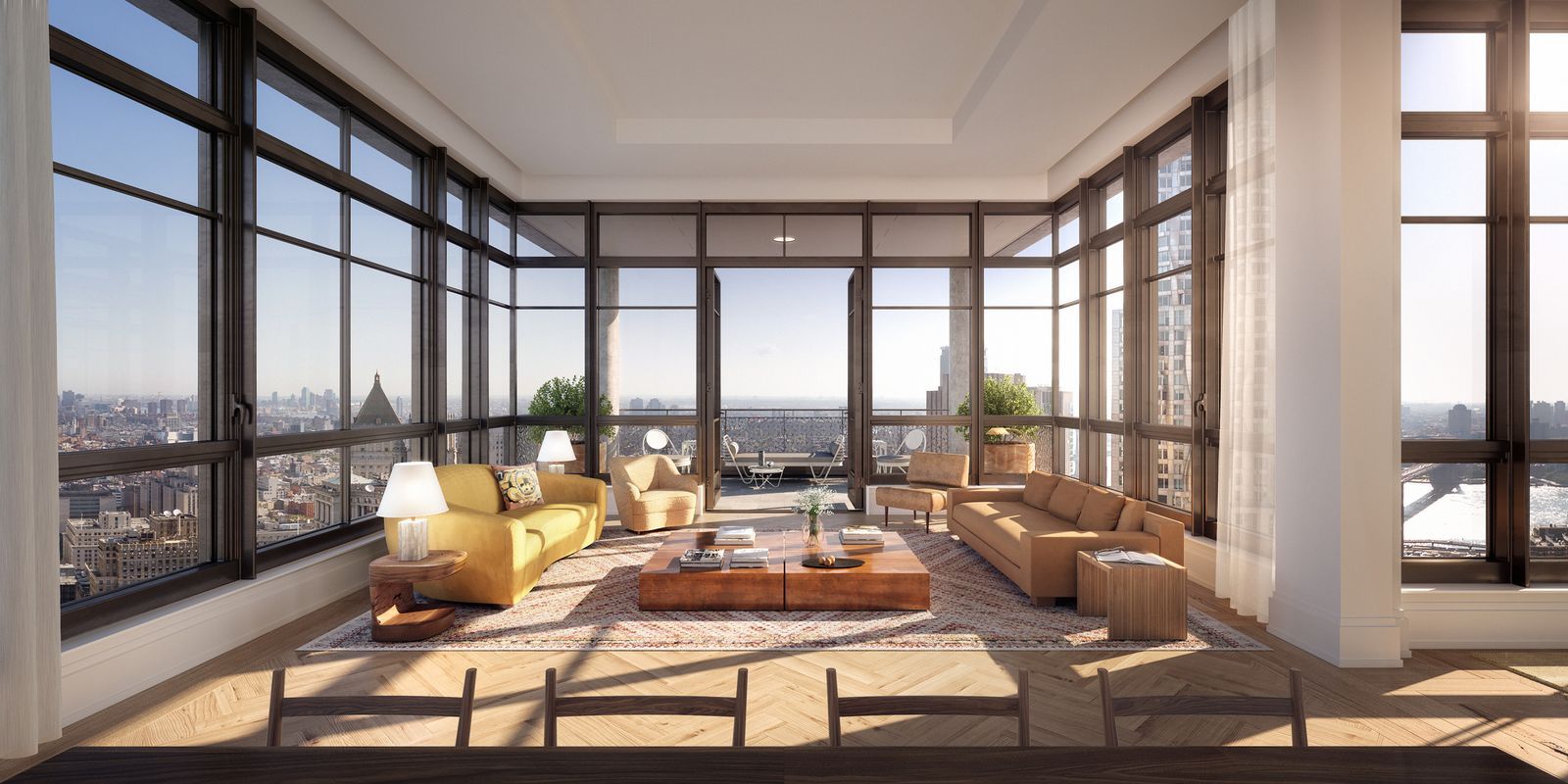
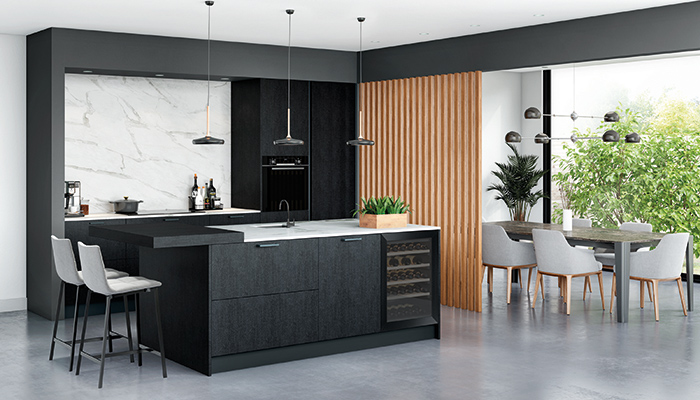
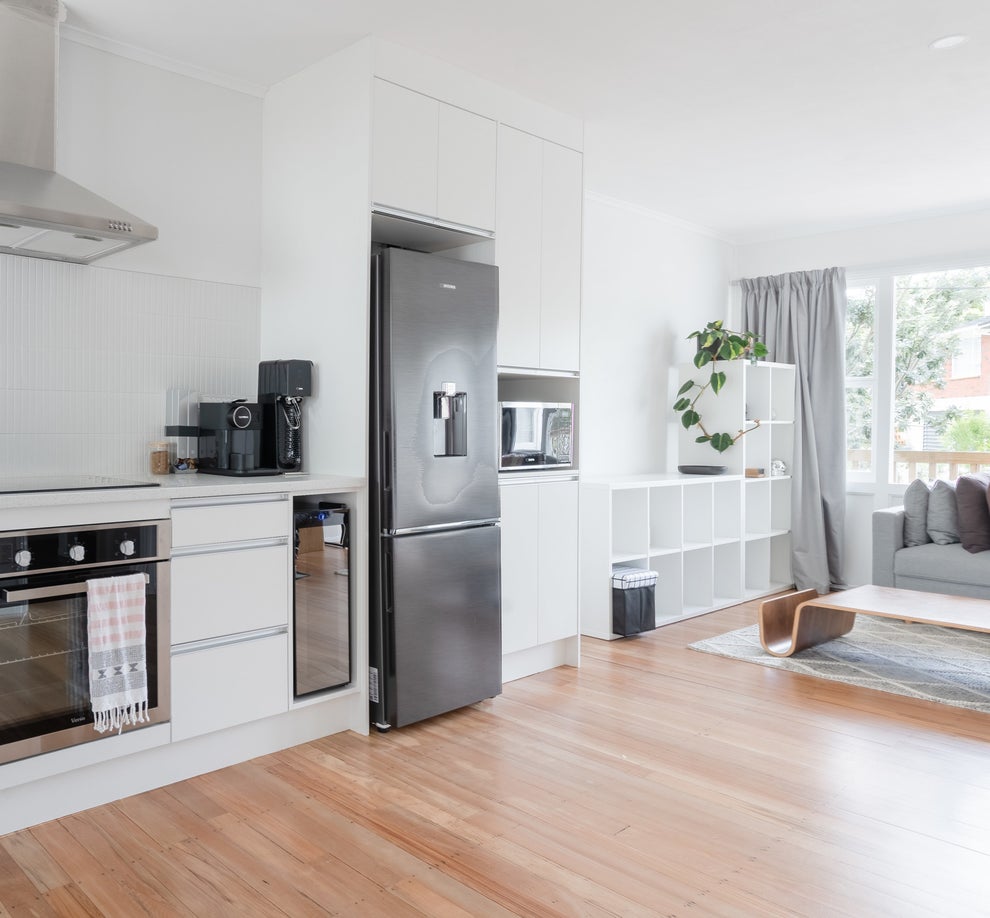
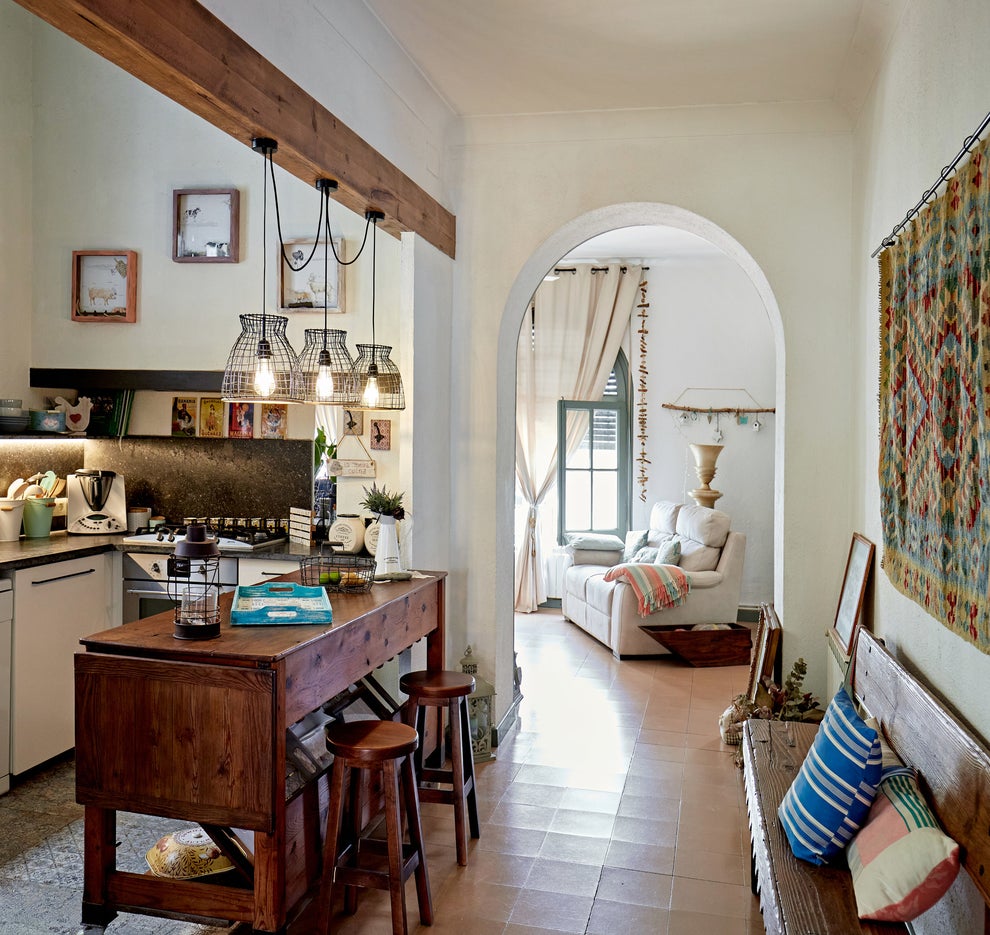
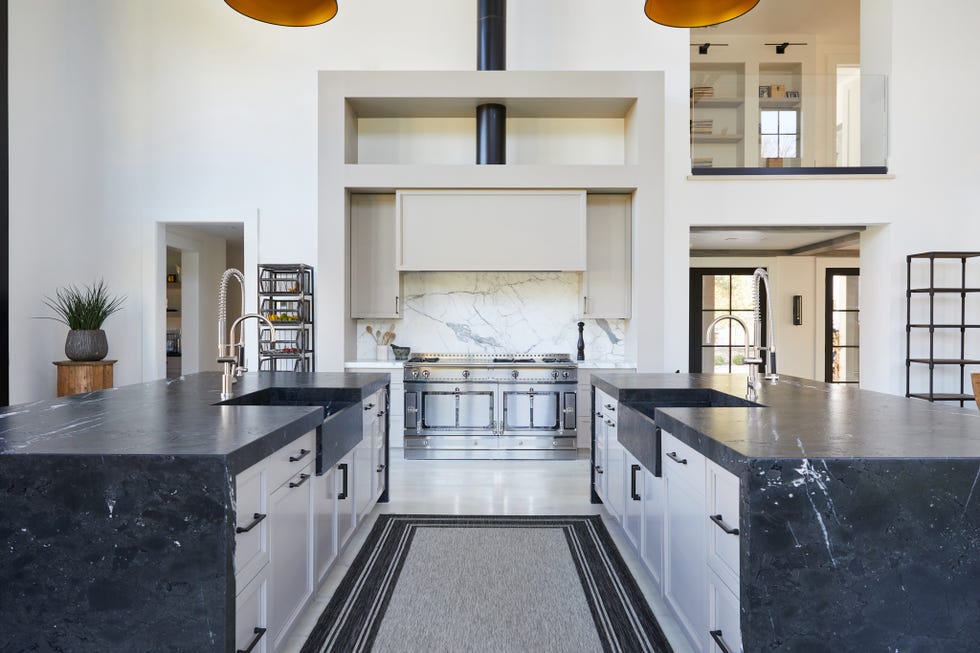
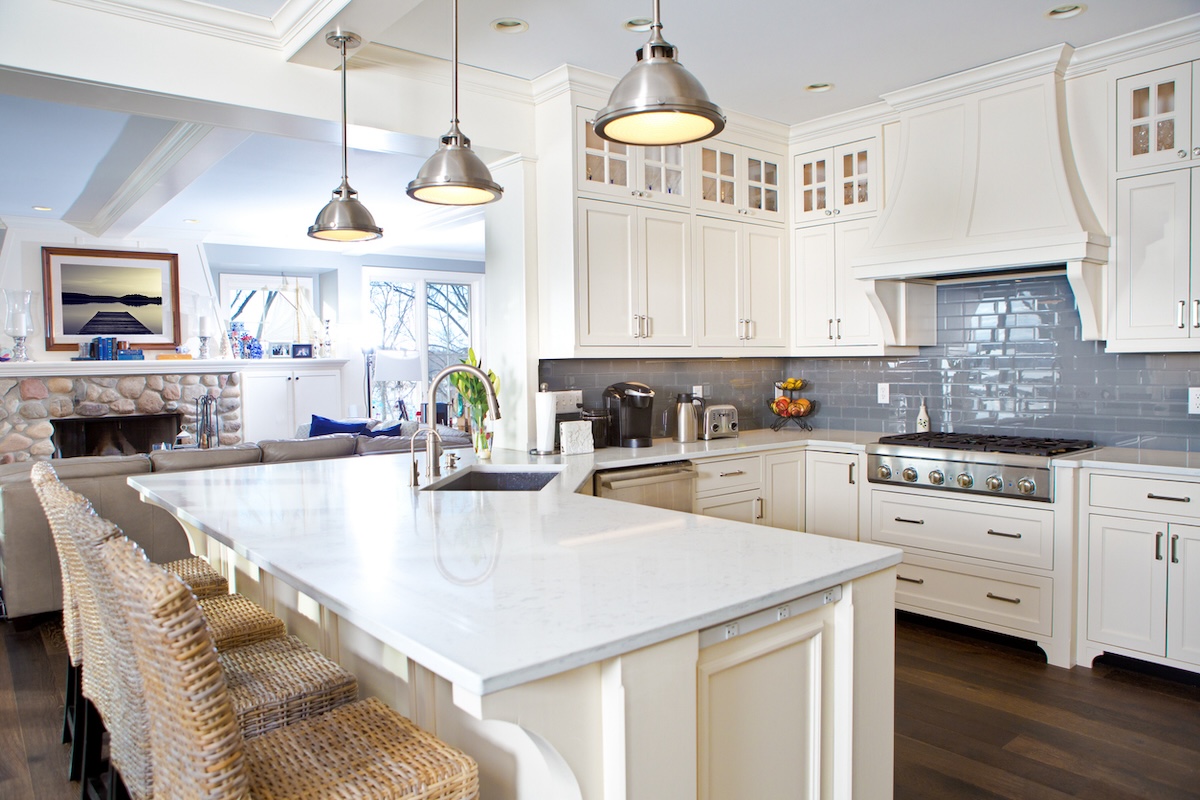
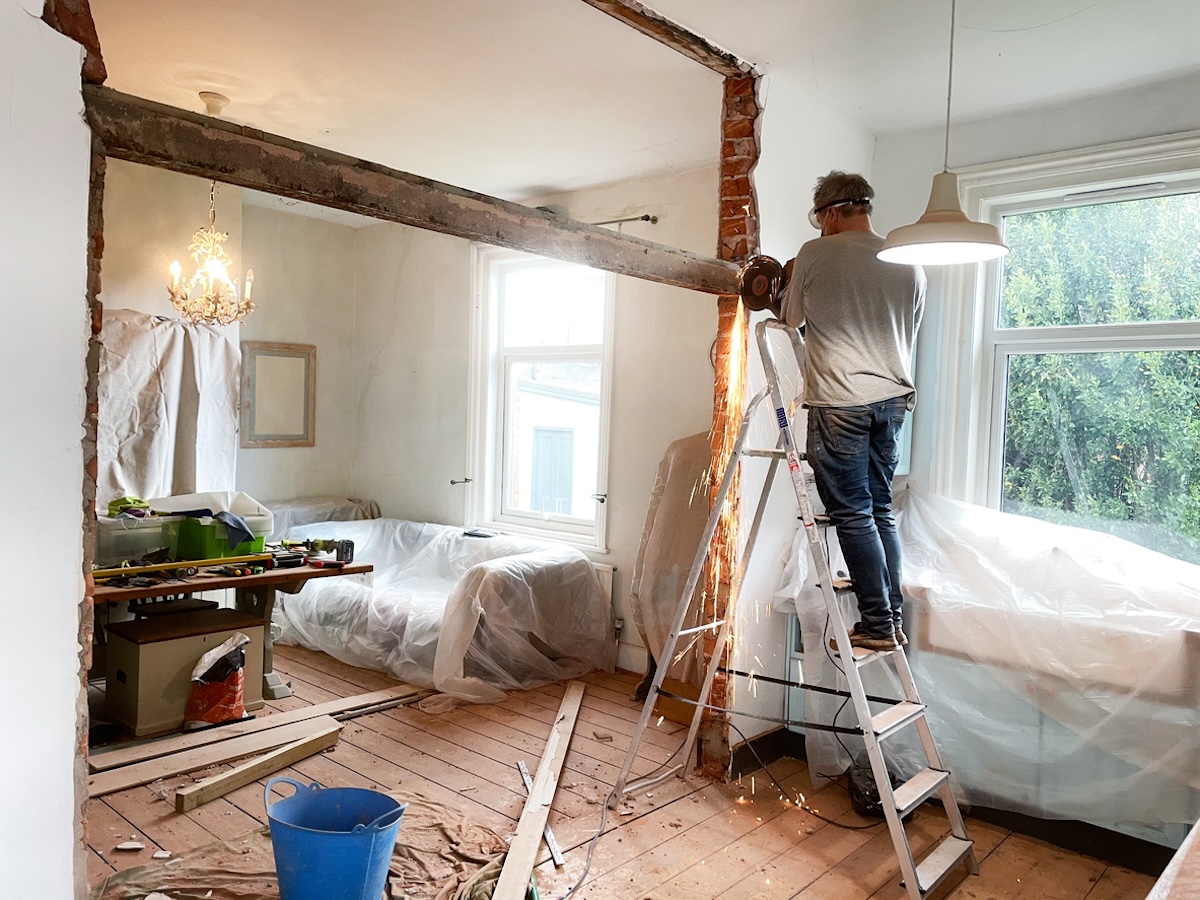
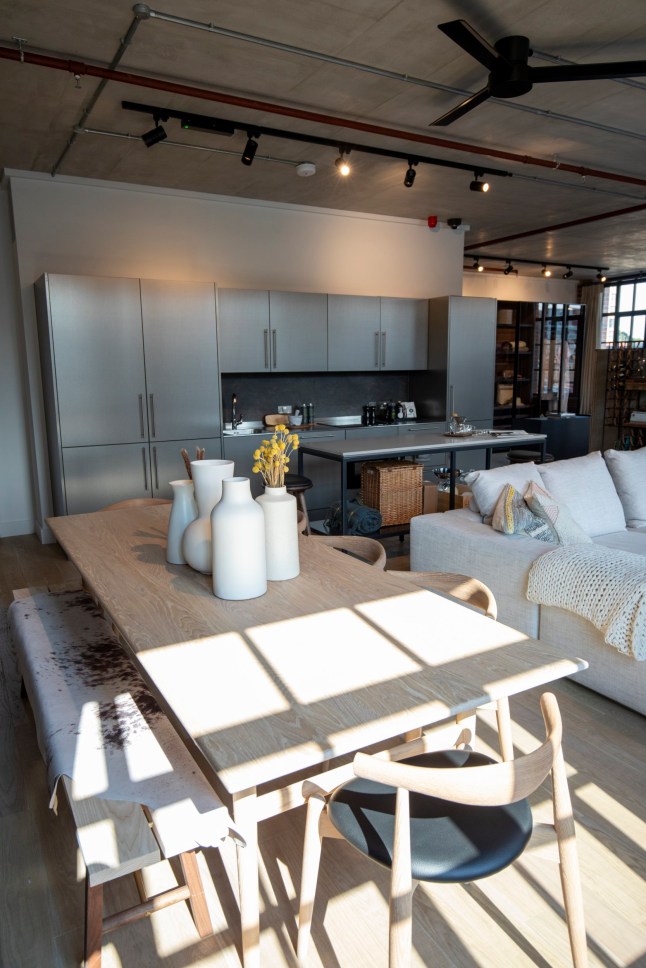
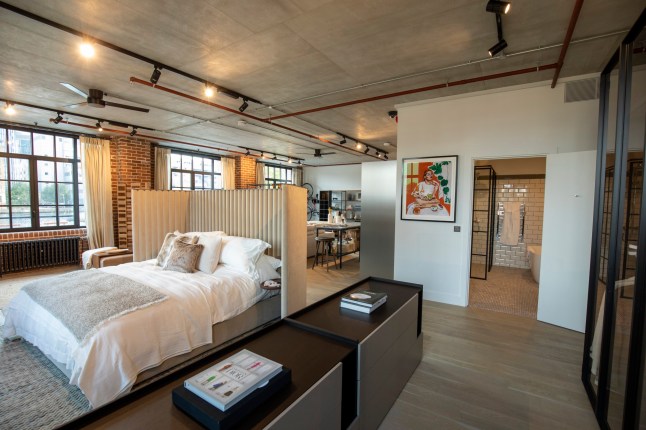
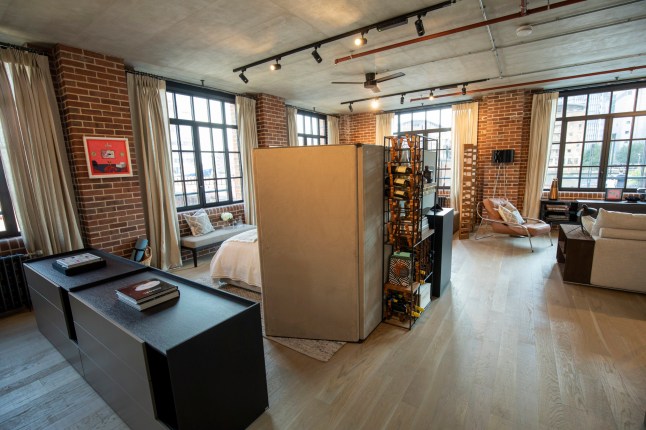
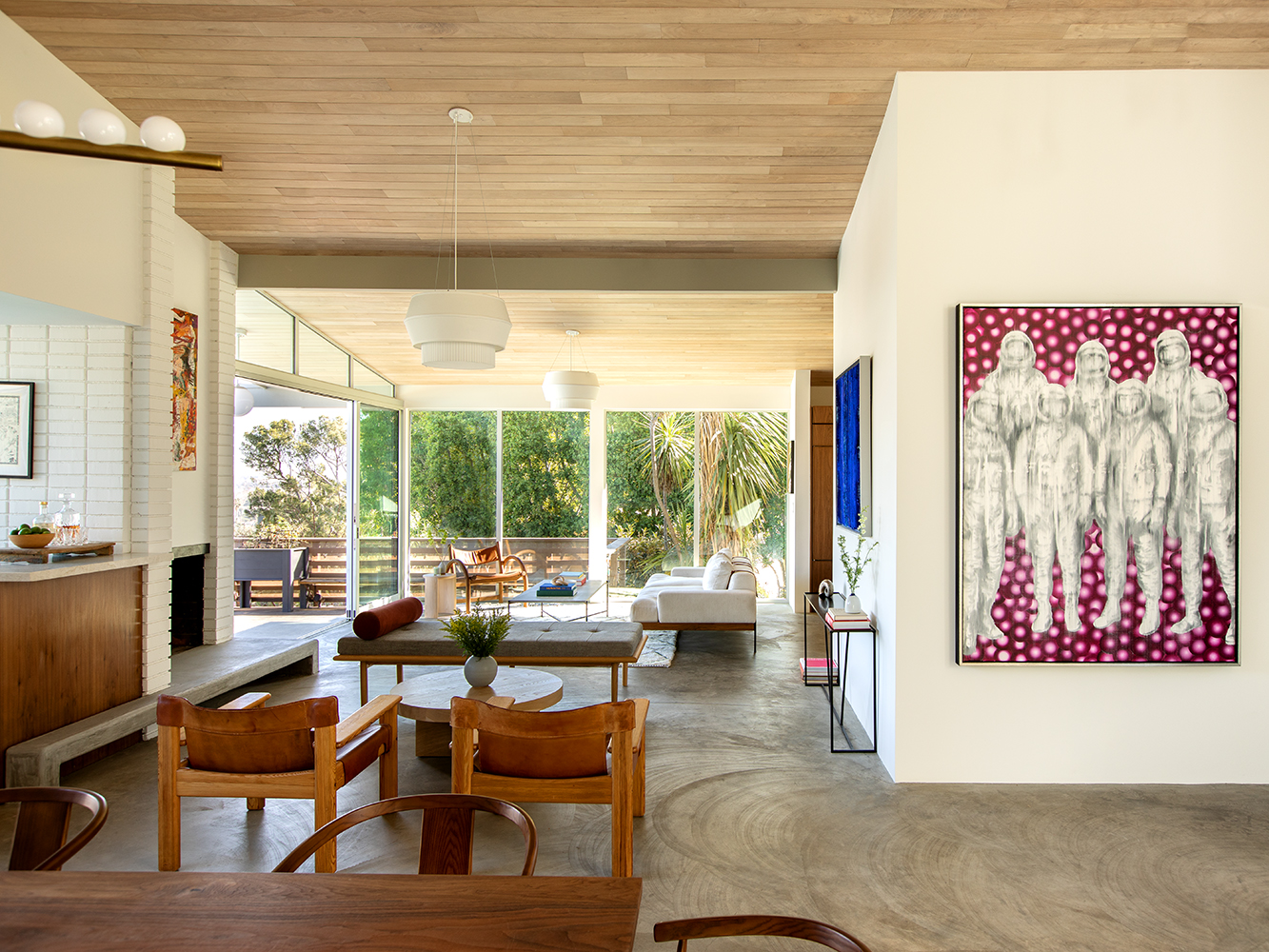
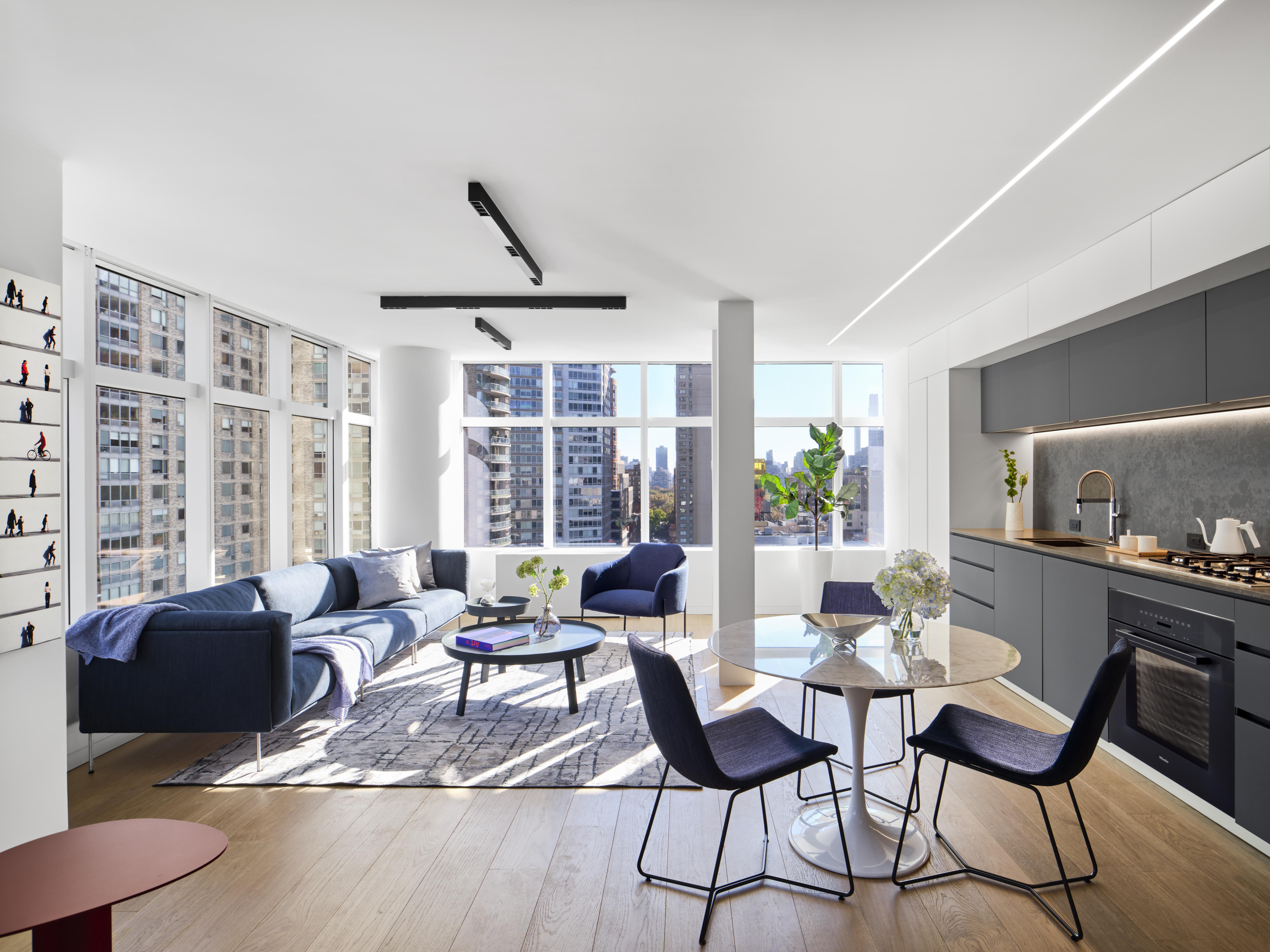
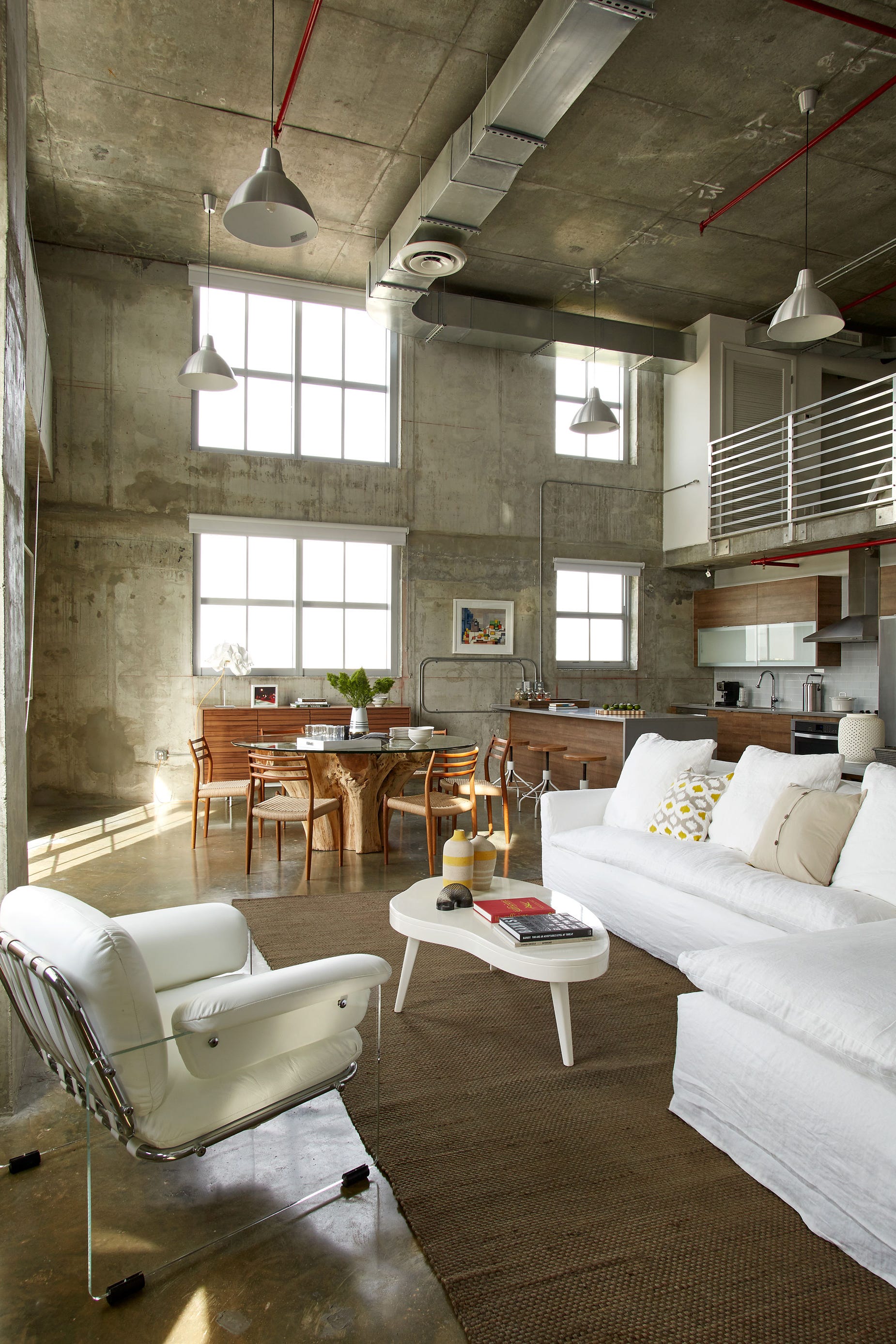
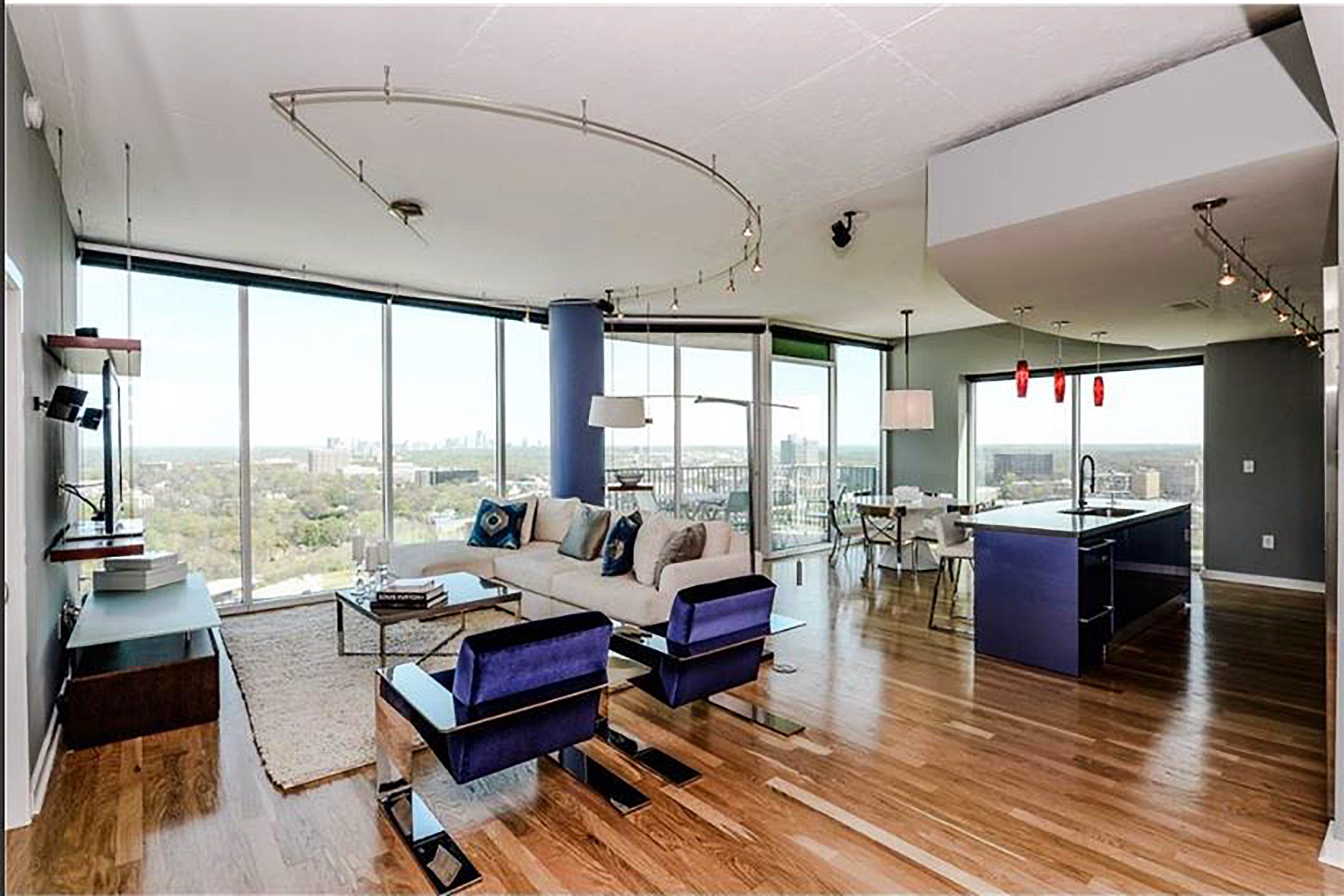
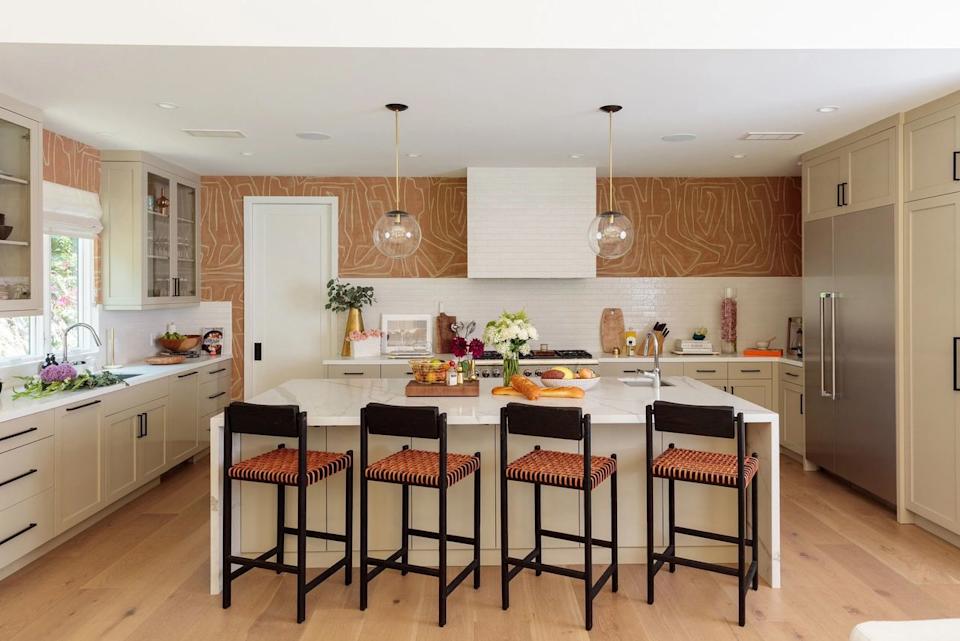
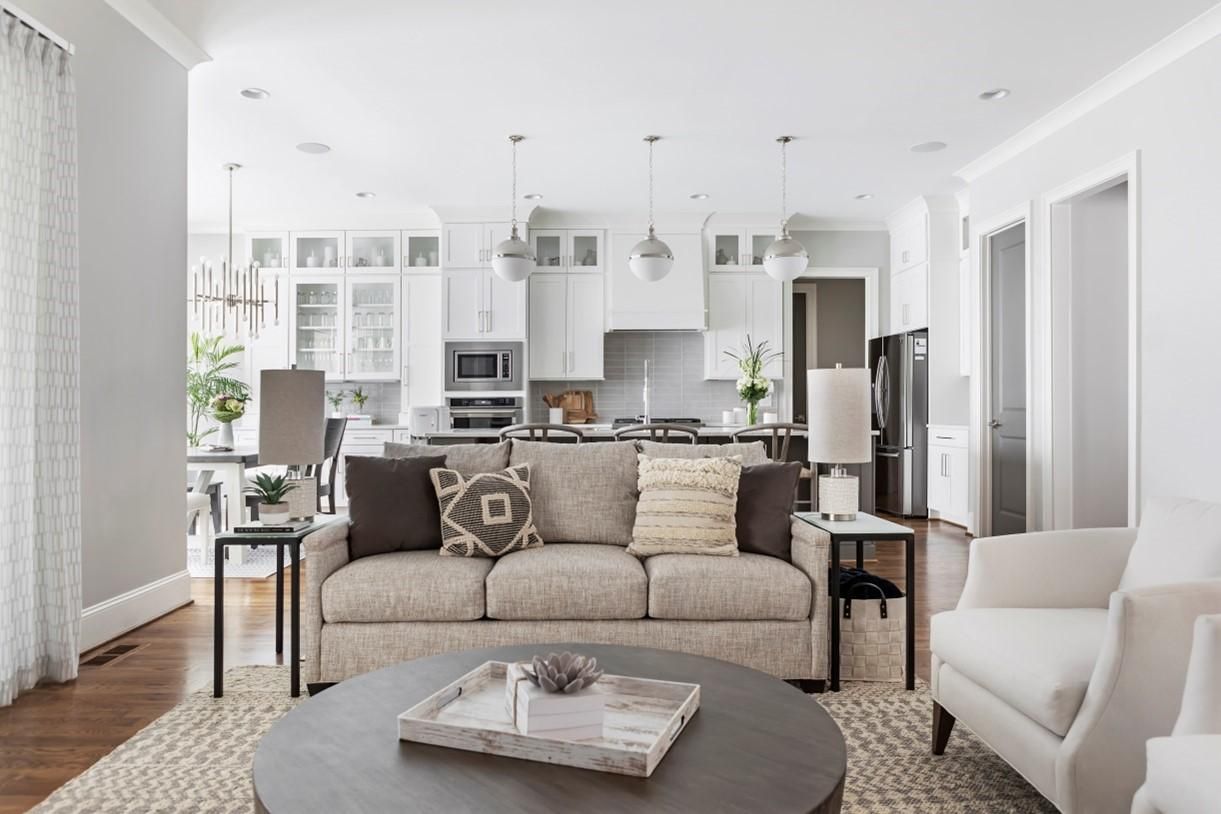
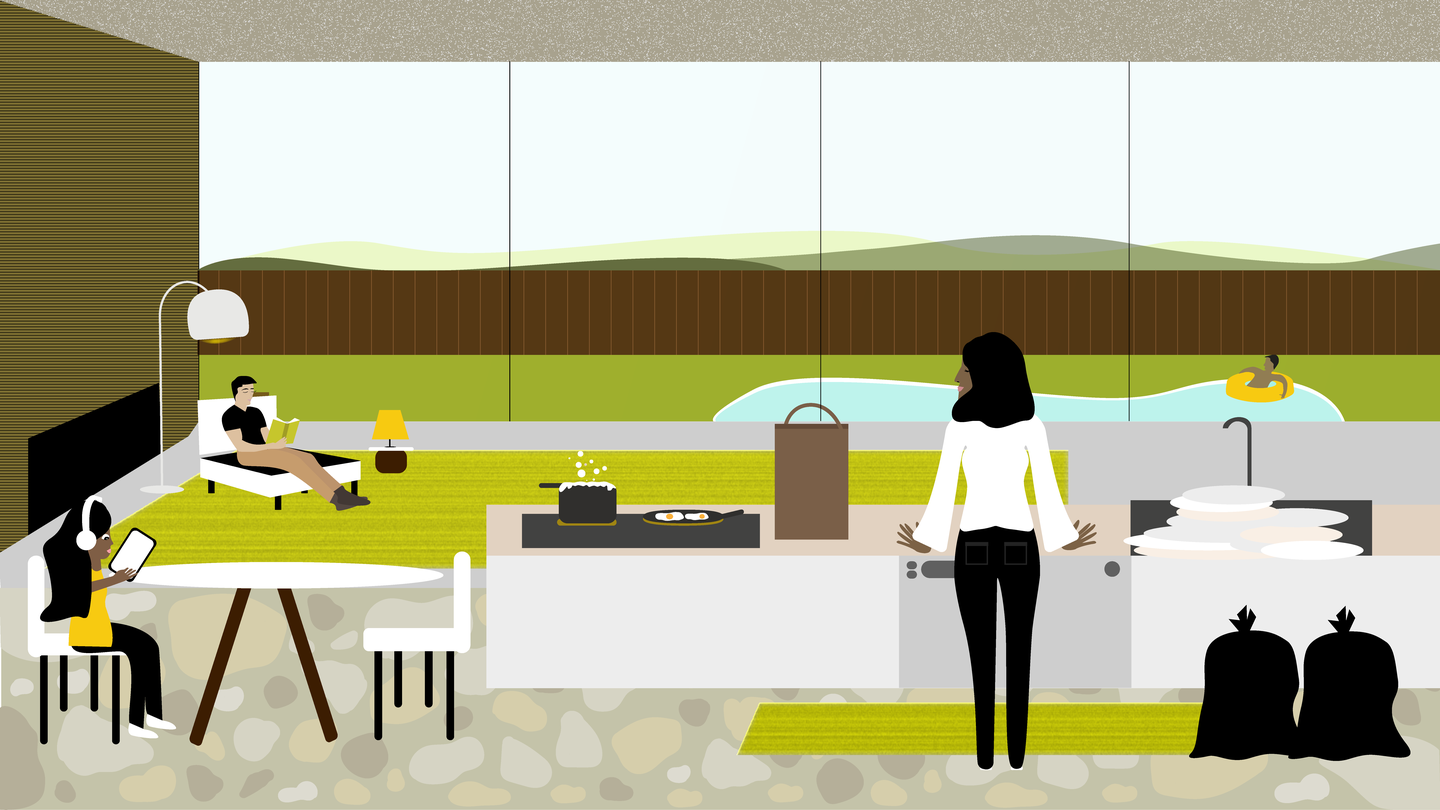
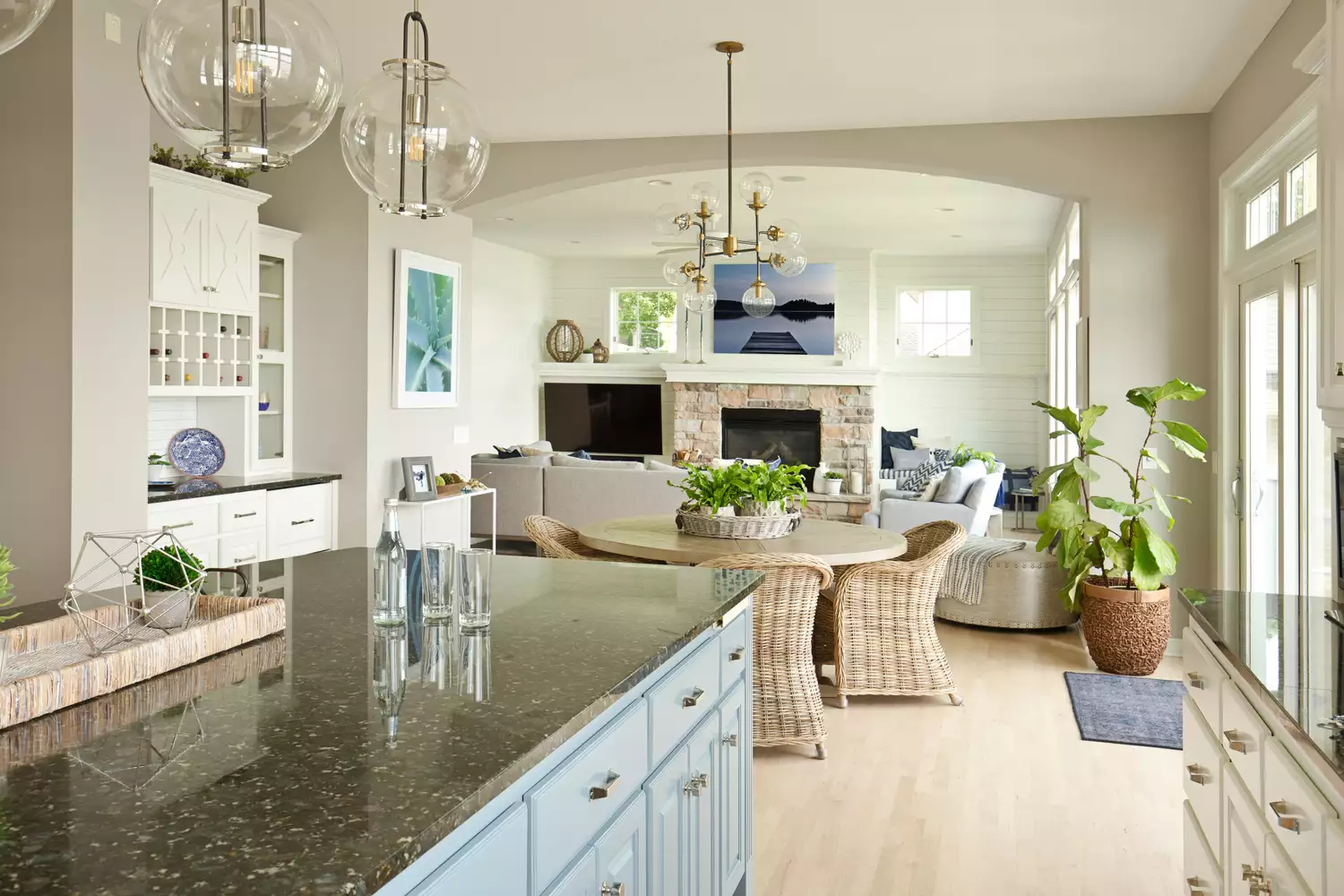
The COVID-19 pandemic has significantly altered daily life, leading many Americans to spend unprecedented amounts of time at home for work, school, and leisure. This shift has prompted a reevaluation of how residential spaces are designed and utilized, potentially challenging the long-standing popularity of the open floor plan. The open floor plan, characterized by the absence of dividing walls between common areas like the kitchen, living room, and dining room, gained widespread popularity since the 1990s, influenced by casual family lifestyles and reduced reliance on domestic staff. Architect James F. Carter notes that older homes typically had kitchens positioned at the back, accessible by a hallway, contrasting with modern open layouts where the kitchen often serves as a central hub. While open floor plans offer benefits such as improved traffic flow, increased natural light, and flexibility in furniture arrangement, they also present drawbacks including a lack of privacy, poor sound control, and a tendency towards clutter, issues that have become more pronounced during extensive home confinement.
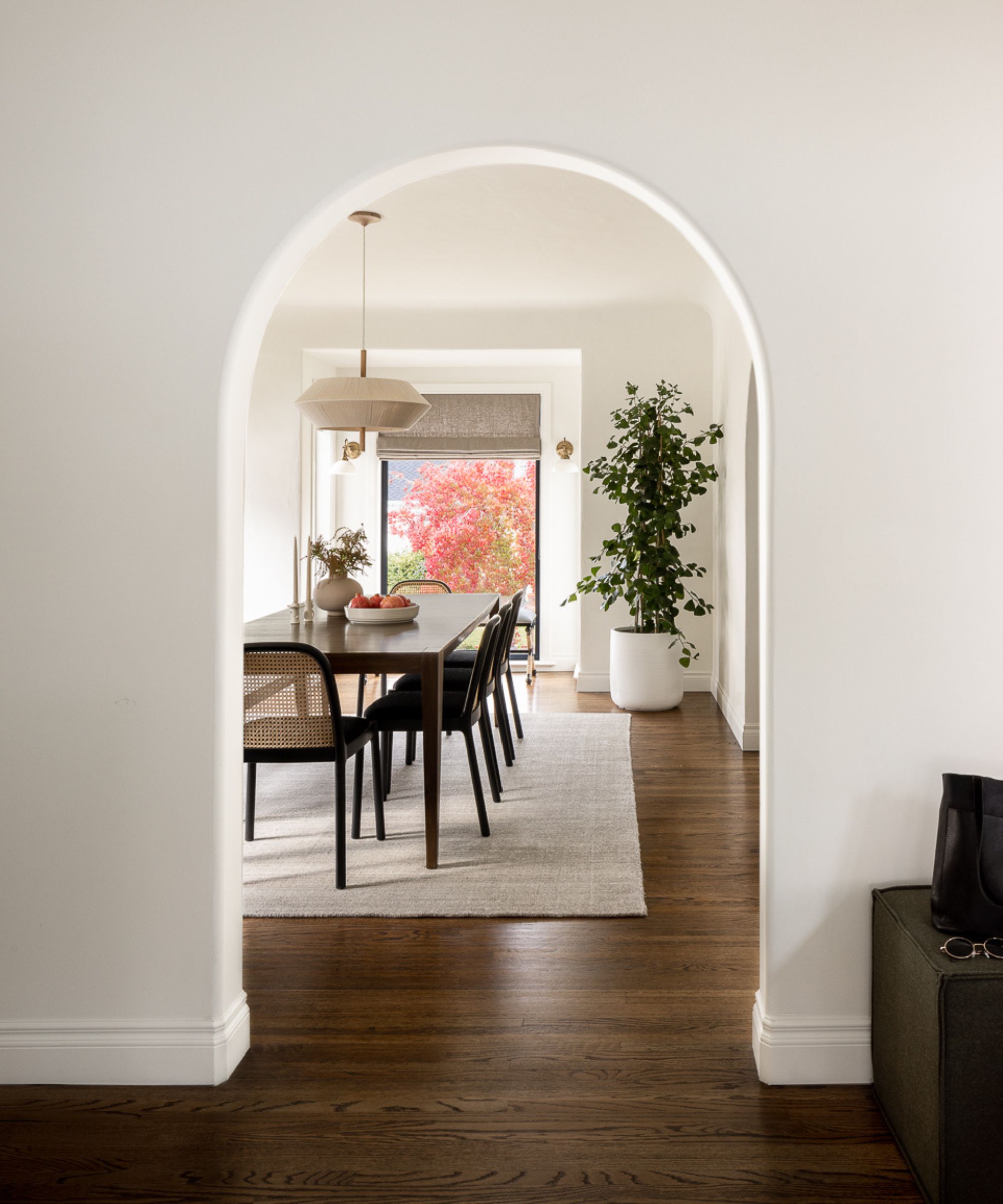
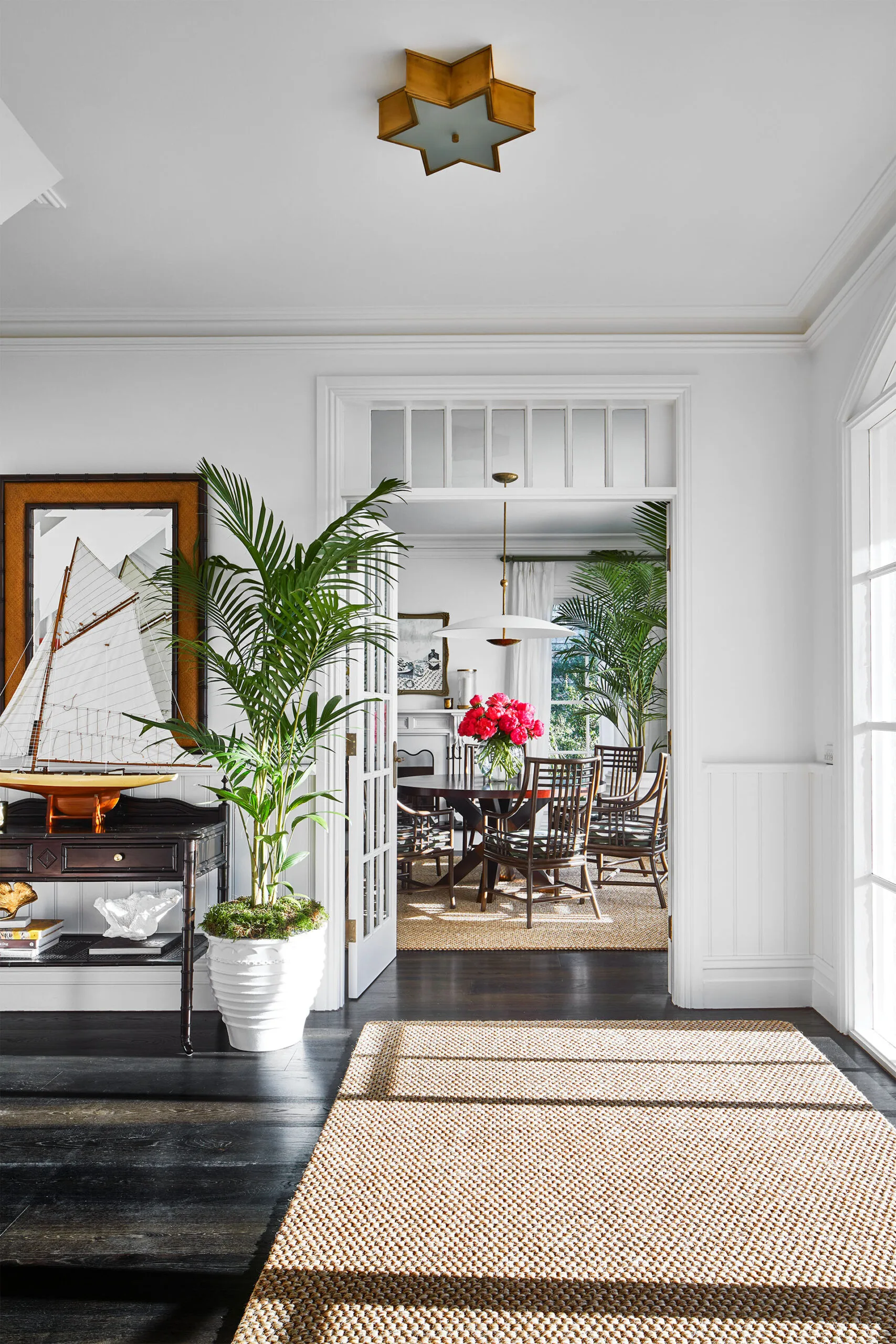
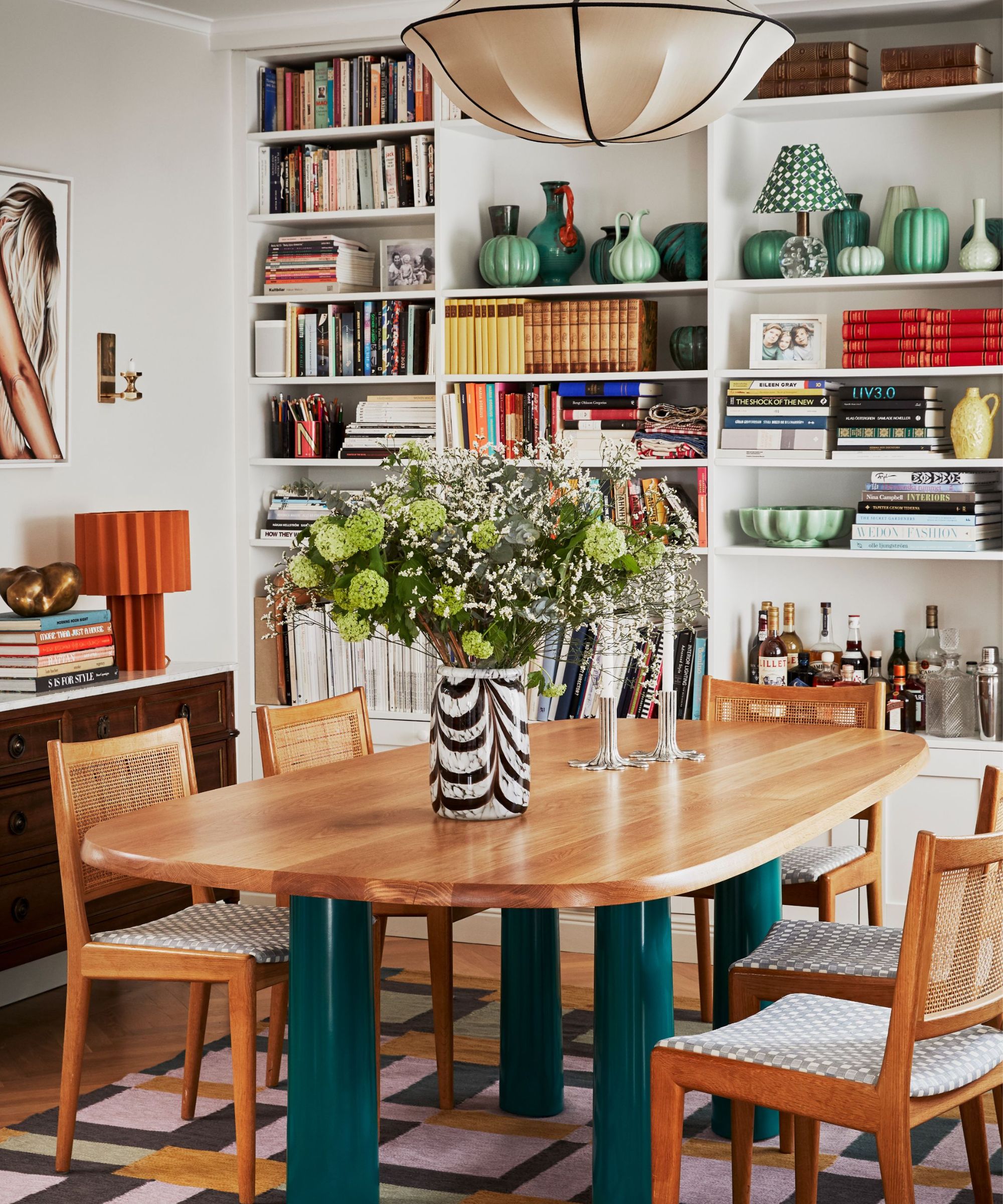
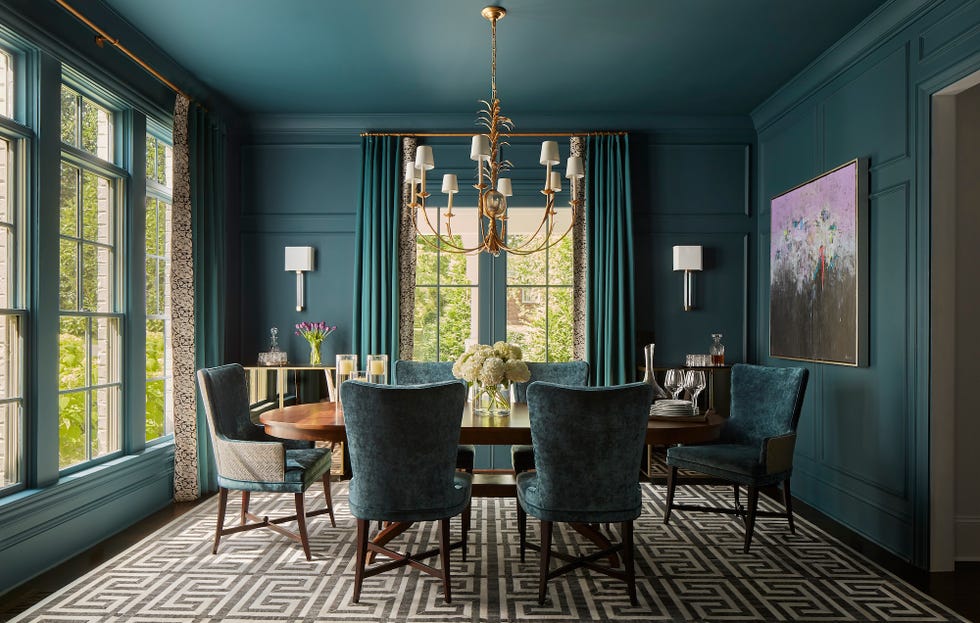
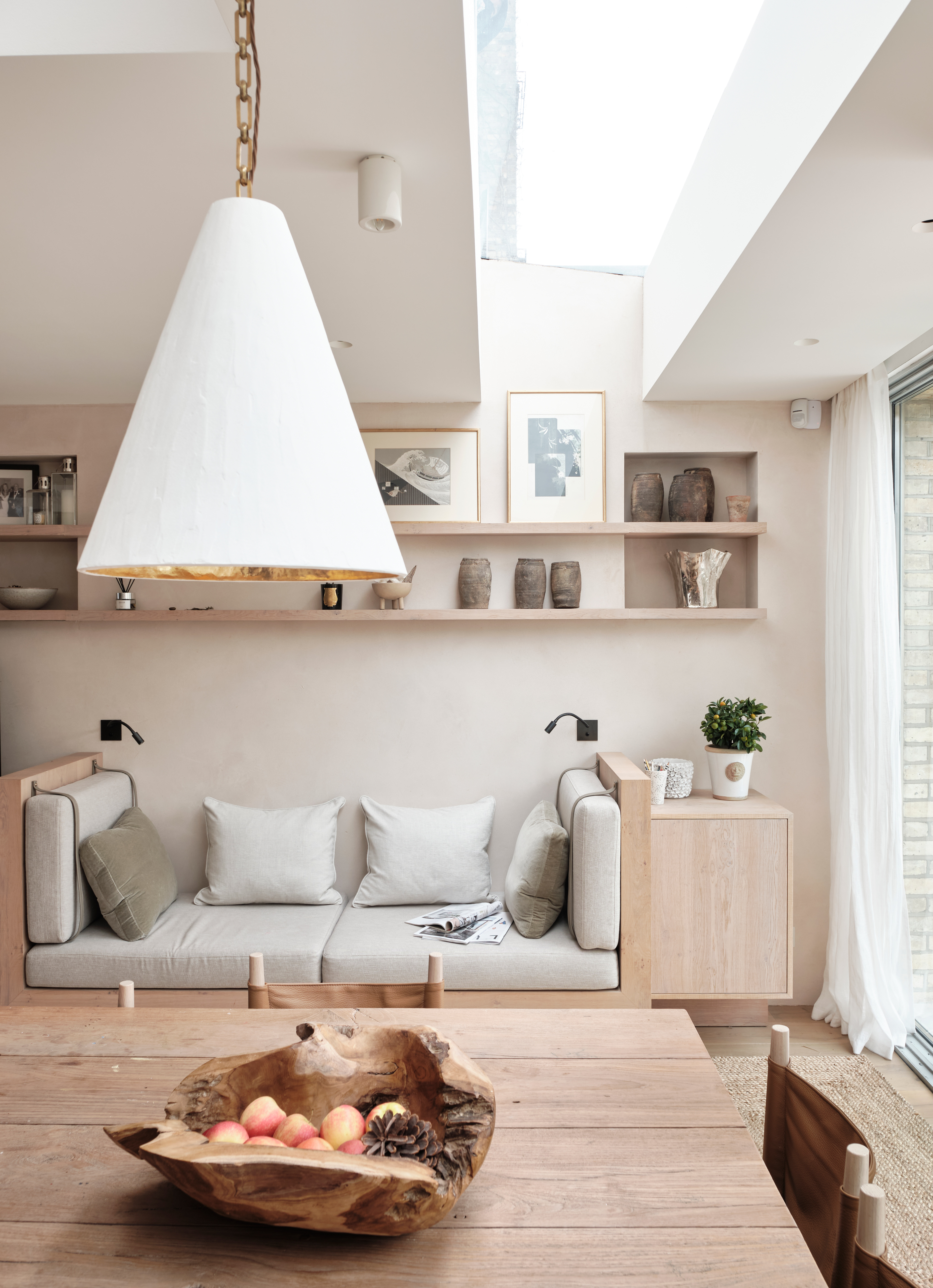
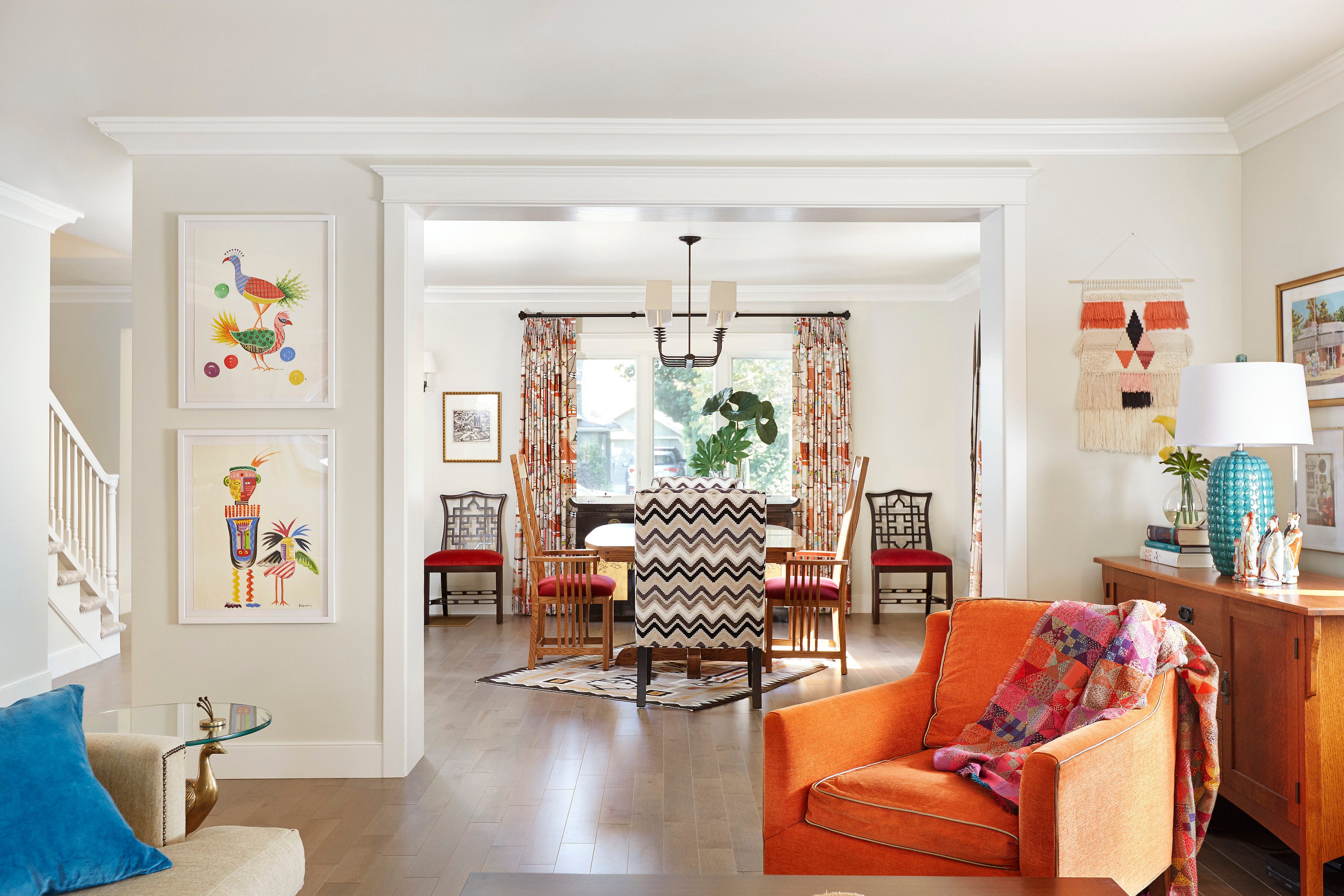
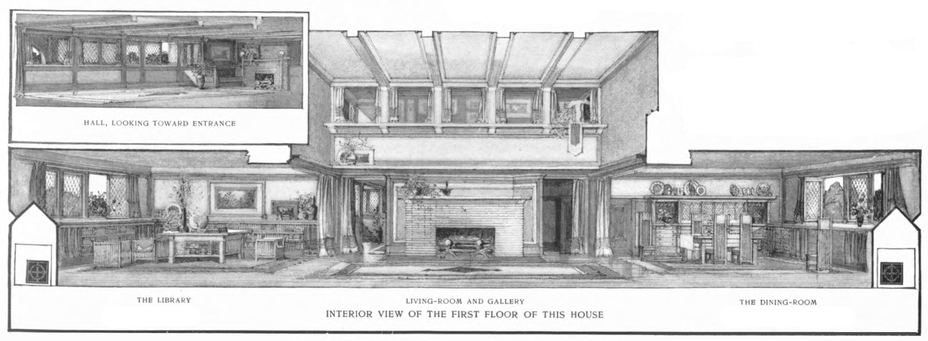
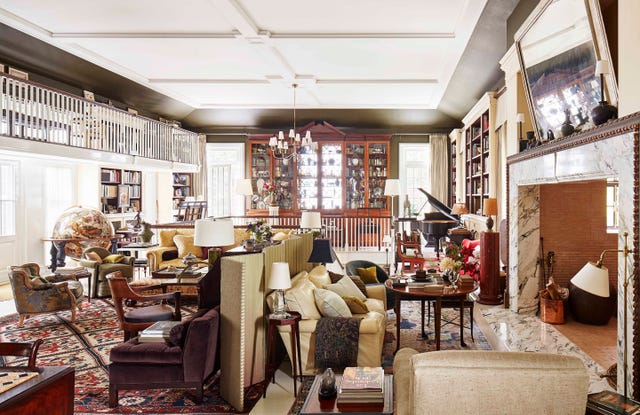
Leading architects and designers across the United States are now predicting several key changes in residential design to address these emerging needs. One significant prediction is the return of the dedicated dining room. Historically, separate dining spaces were common before the 20th century, becoming a focal point for home decoration. Charlotte Moss and Colette van den Thillart advocate for the dining room's resurgence, suggesting multi-purpose uses like a library or home office, and highlighting the importance of visual separation from kitchen clutter for a relaxed dining experience. Thomas Jayne supports single-purpose rooms, referencing Edith Wharton’s views on distinct spaces. For those without dedicated dining rooms, designers suggest versatile furniture like game tables that can serve multiple functions.
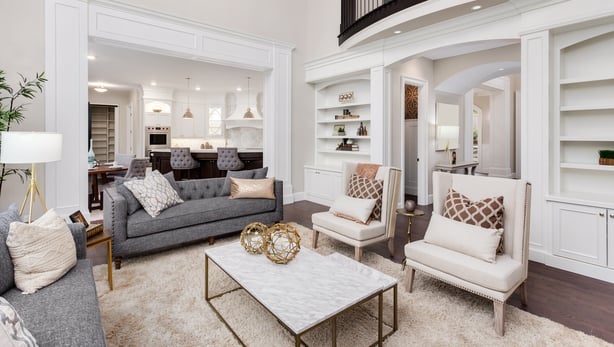
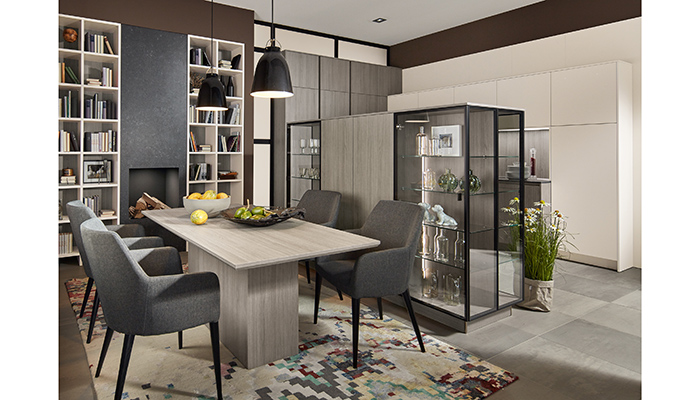
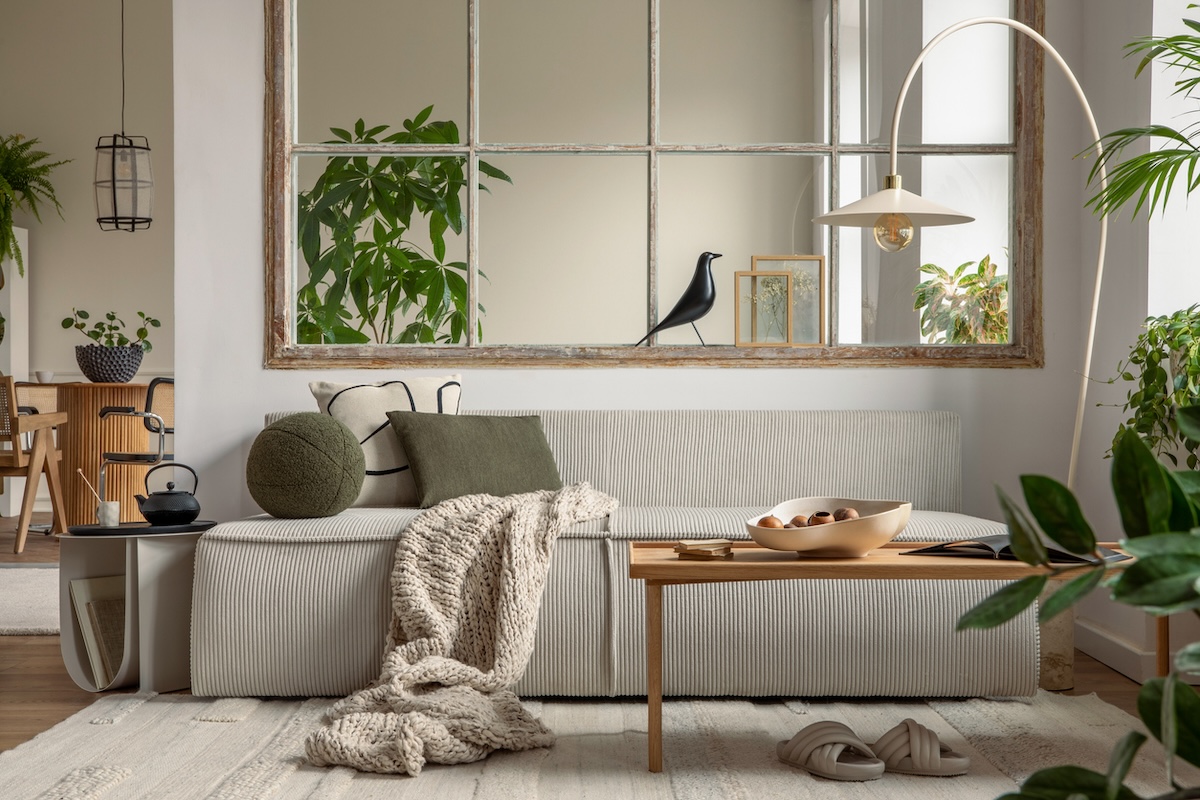
Another anticipated change is the re-zoning of living rooms with parlor-style furniture plans. Designers like Caroline Gidiere propose dividing large living spaces into smaller, more intimate conversation areas, reminiscent of early 20th-century parlors, to foster private conversations and a sense of coziness. Thomas O’Brien uses folding screens for partial divisions, while Markham Roberts suggests bookcases to create smaller, distinct dens within larger rooms. This trend emphasizes the need for varied activity zones within a single space, allowing for different activities to occur simultaneously without disruption.
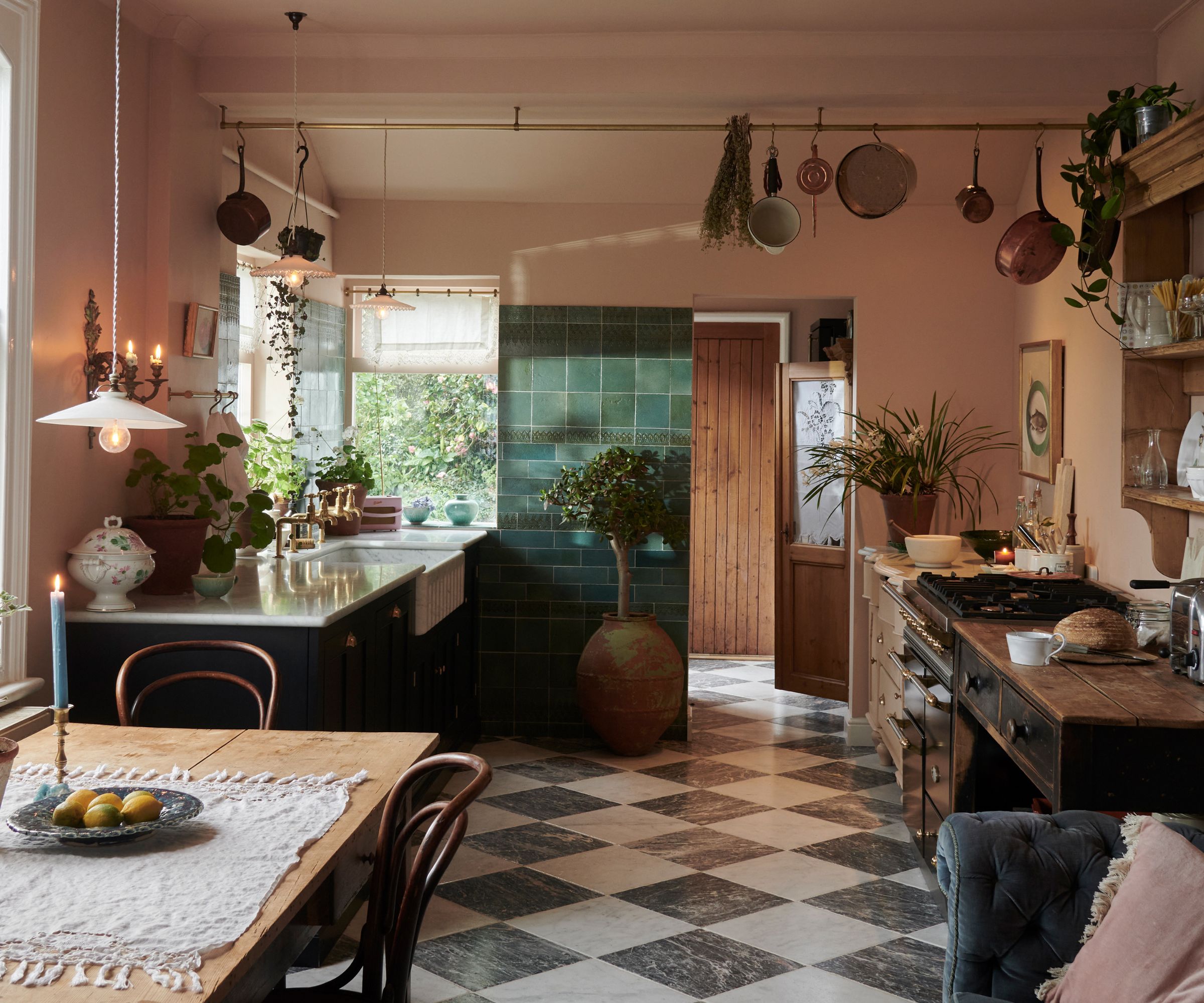
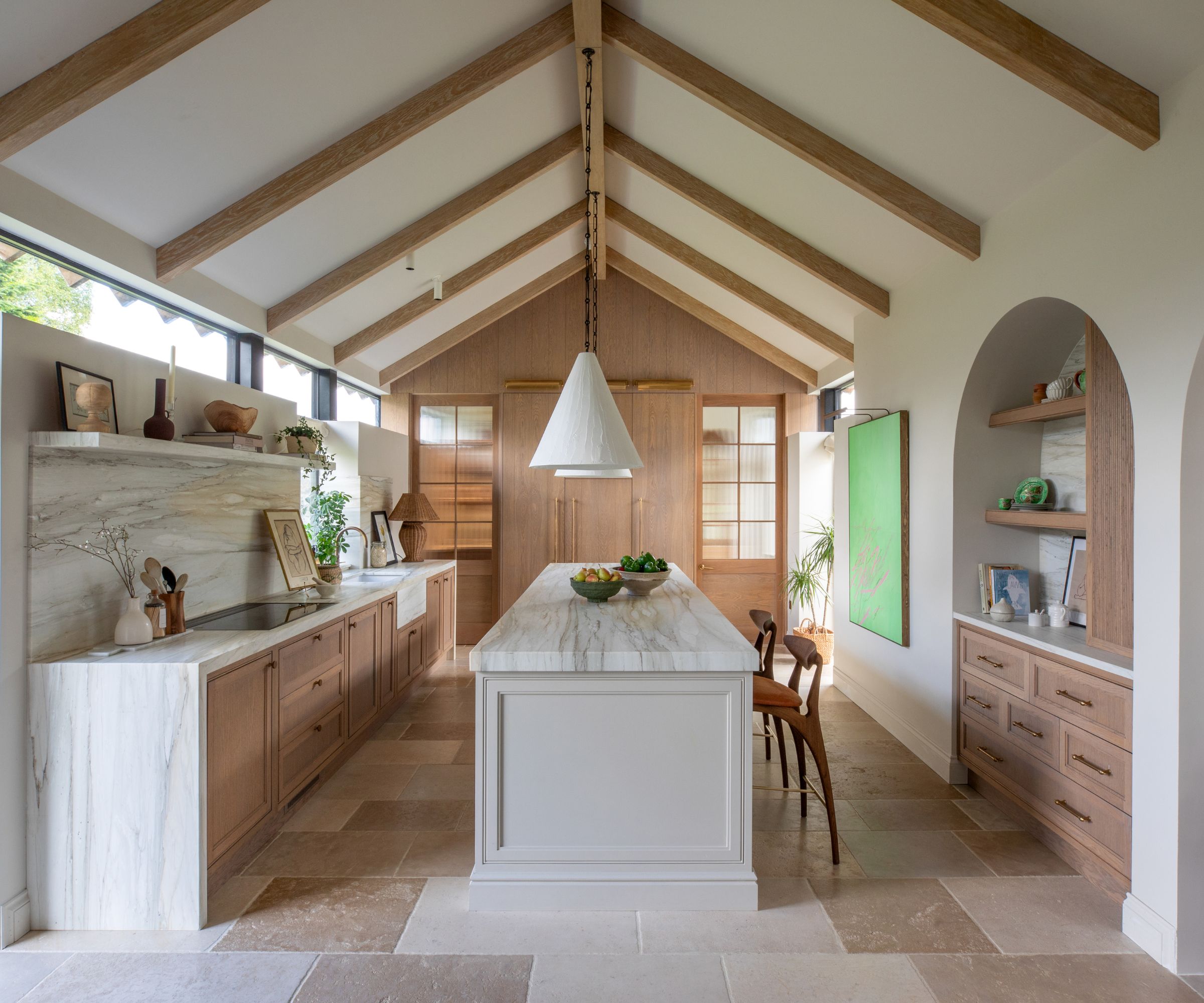
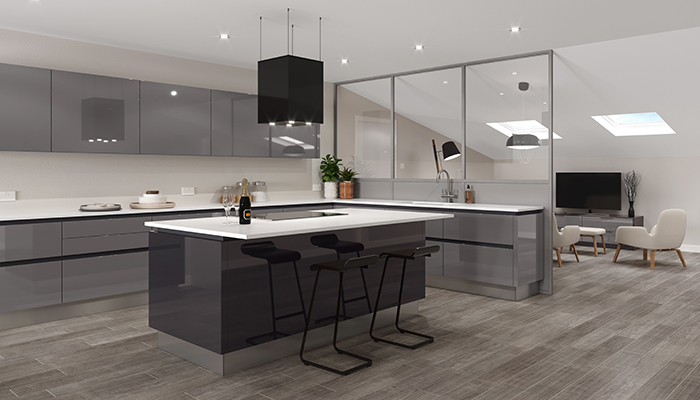
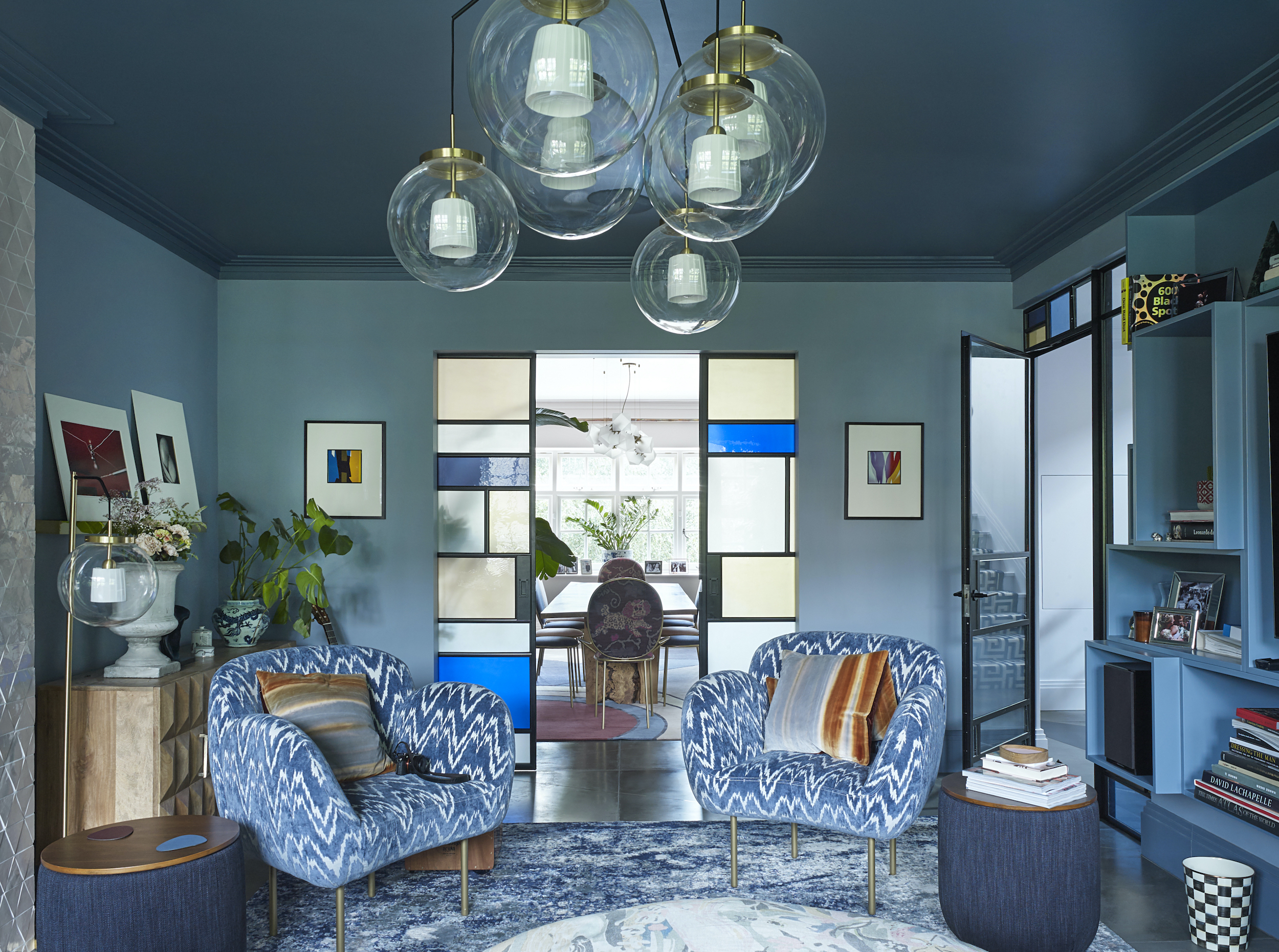
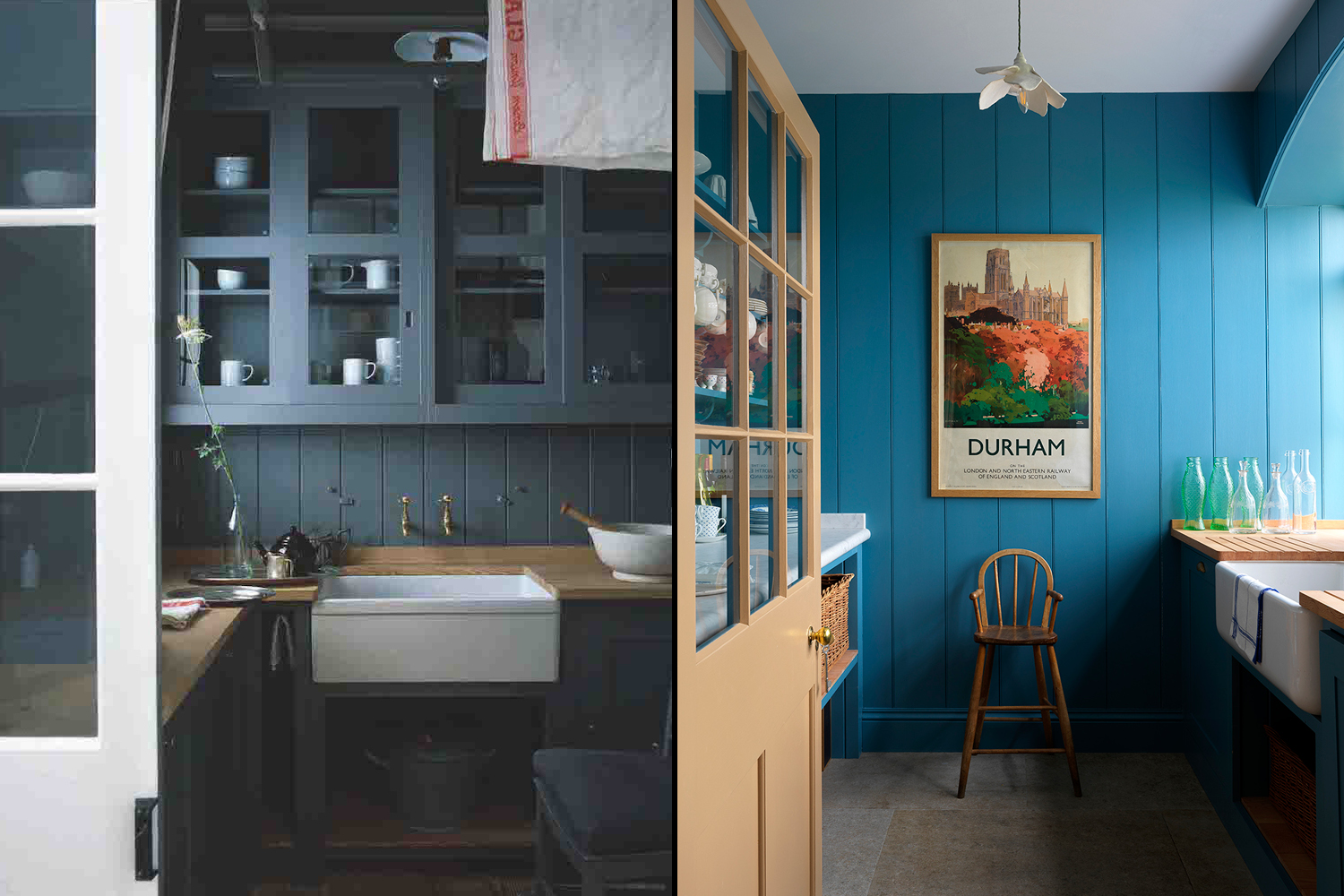
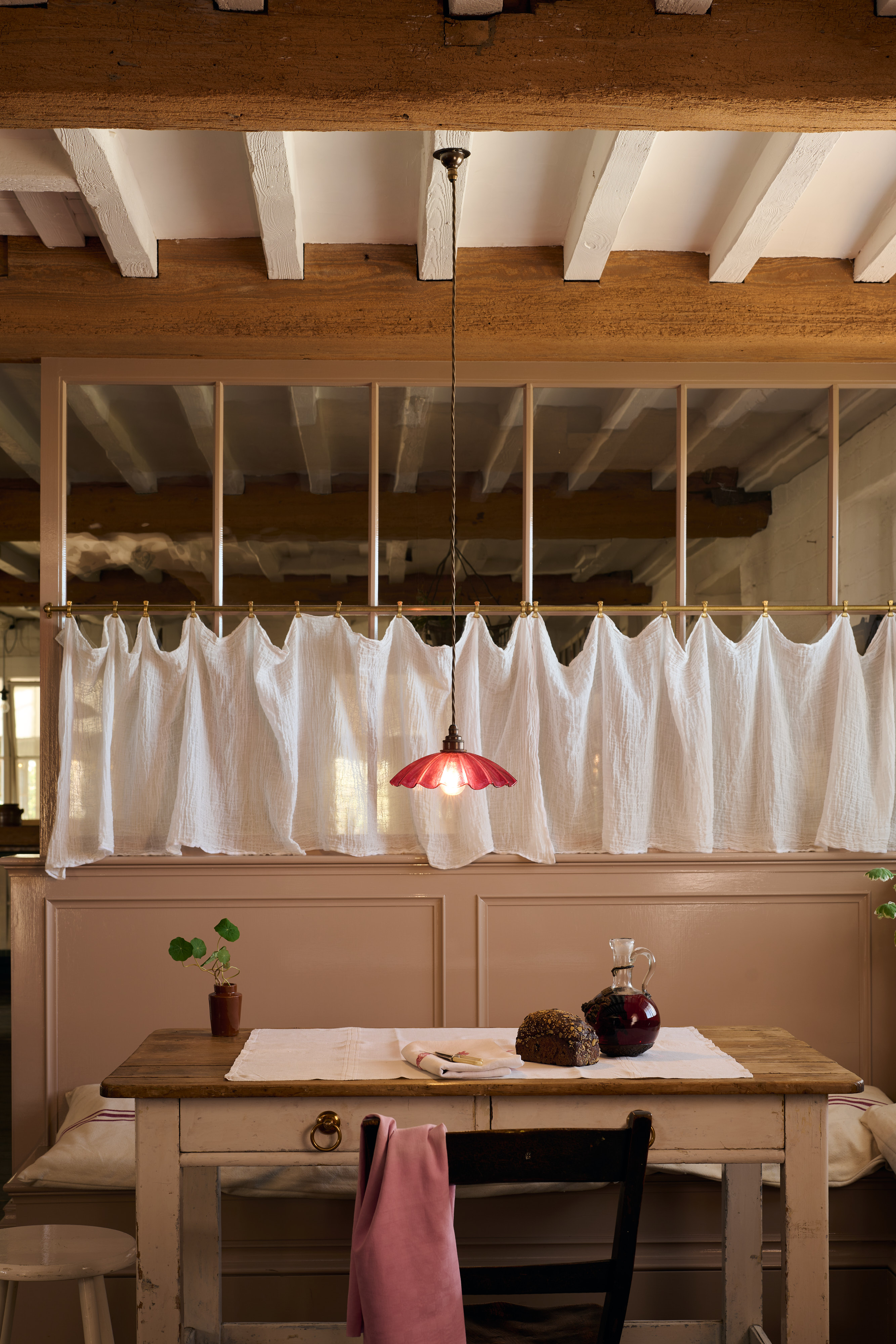
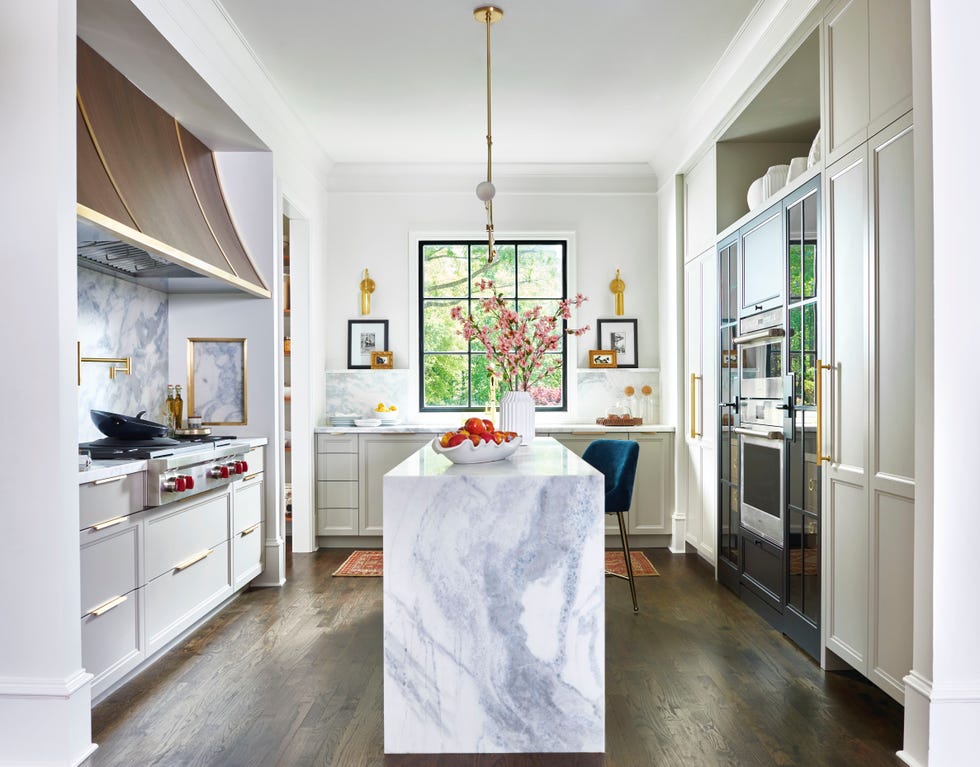
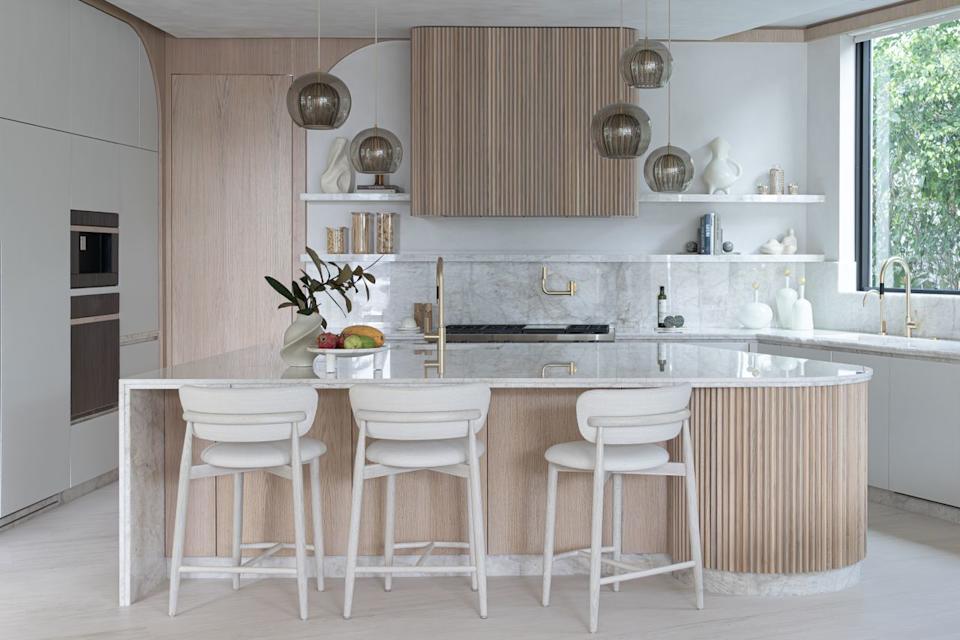
There is also a growing demand for more portable and convertible furniture. Pieces like occasional tables, folding game tables, and secretary desks are expected to become indispensable for their adaptability in multi-functional spaces. Courtney Coleman highlights the value of antique game tables and movable side tables for impromptu dining or work, while Bill Brockschmidt notes the increasing demand for closeable desks like secretary desks to maintain order and privacy. Kitchen design is also expected to evolve, moving towards more tucked-in layouts that still connect to living areas but offer better separation. Architects like Jeffrey Dungan suggest using lower ceilings and broad arches to visually separate the kitchen, while Andrew Oyen recommends architectural details such as double-sided glass cabinets and large cased openings to imply separation without fully enclosing the space. Pocket doors are also favored for their flexibility in creating distinct areas.
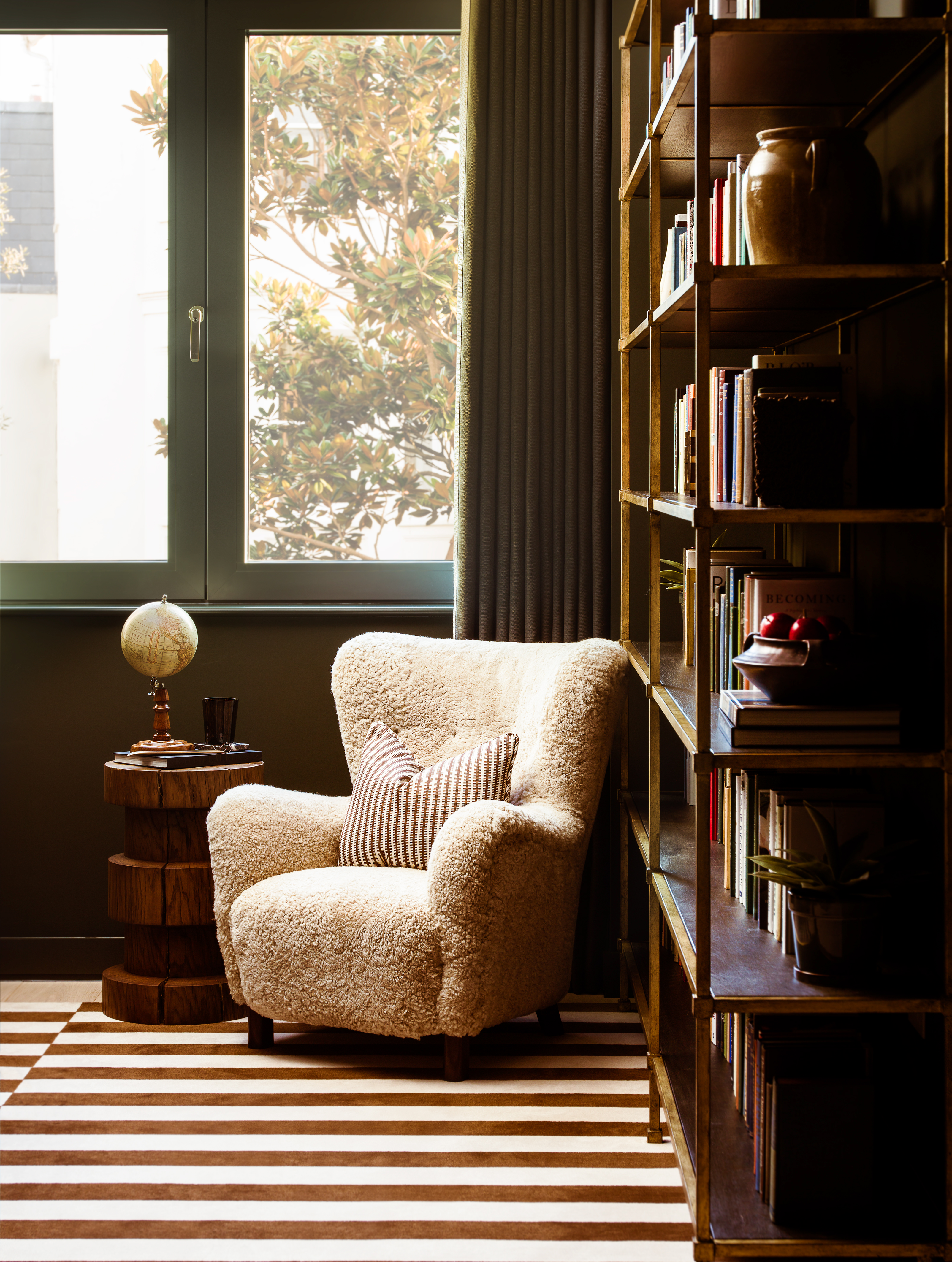
The integration of more bay windows, alcoves, and nooks is another predicted trend, offering subtle architectural separation and creating moments of respite within a home. Philip Mitchell’s design of a game nook in a living room exemplifies this, while Oyen points out that varying ceiling heights can define different activity zones. Gidiere praises bay windows for providing light, views, and comfortable banquettes for quiet contemplation. Master bedrooms are also expected to become smaller, with adjacent specific-use spaces like dressing rooms, sitting areas, or study alcoves, allowing for more varied experiences within the home. Finally, upholstered walls are gaining traction for their ability to enhance coziness and provide noise buffering, particularly in smaller rooms and alcoves, creating a “cocooning” effect as described by Alessandra Branca. The importance of connecting to the outdoors is also highlighted, with designers emphasizing access to gardens and views, even from small balconies, and advocating for multiple, defined “outdoor rooms” rather than a single large yard.
#HomeDesign #OpenFloorPlan #ResidentialArchitecture #InteriorDesign #QuarantineImpact #DiningRoomRevival #FlexibleFurniture #OutdoorLiving #HomeDesign #OpenFloorPlan #ResidentialArchitecture #InteriorDesign #QuarantineImpact #DiningRoomRevival #FlexibleFurniture #OutdoorLiving
0 comment in total
 No comments yet
You may also like
Open plan living: The new normal or passing trend?

The "Death Of Open Floor Plans" And 9 Other 2022 Home Trends (That Pros Are Surprisingly Torn Over)

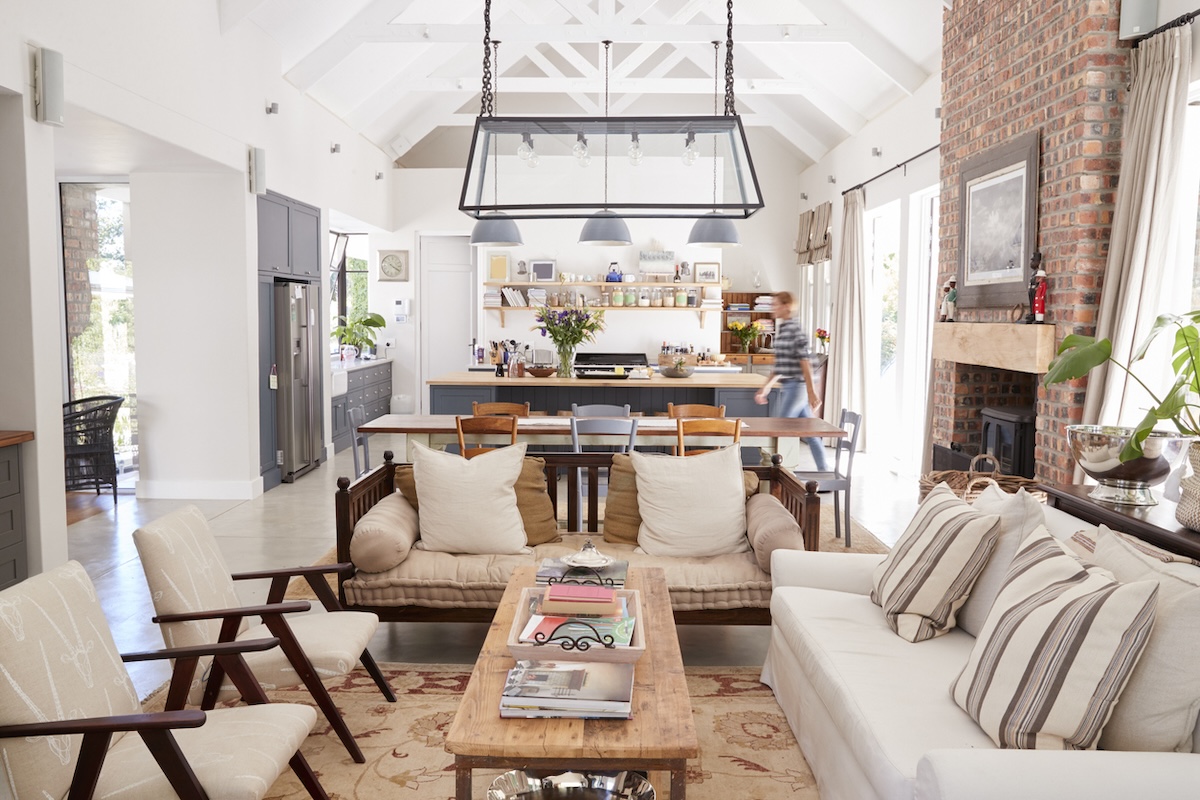
The One Wall Most People Want to Rip Out: Ideas for Open and Semi-Open Floor Plans

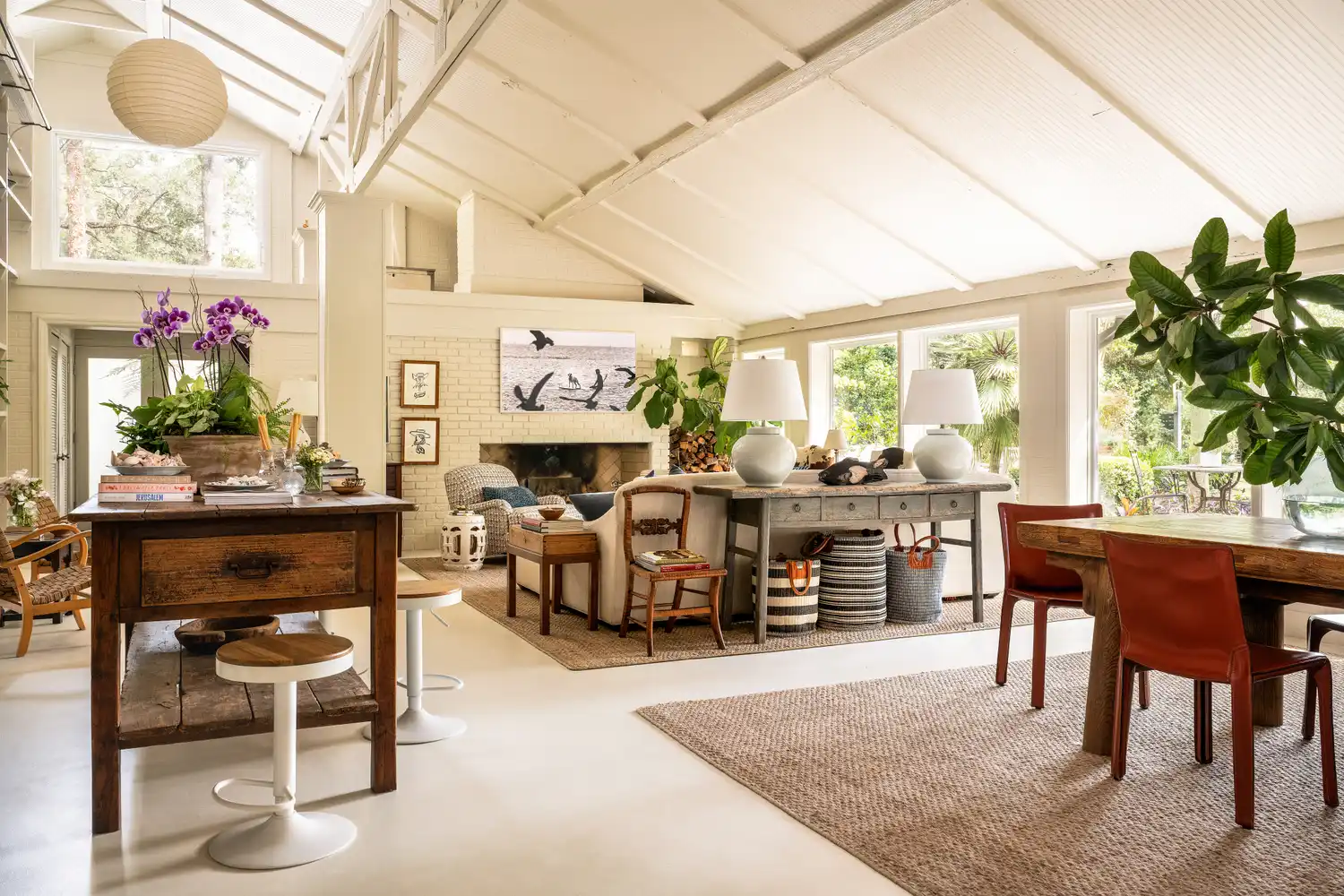
Are Open Floor Plans Going Out Of Style? Designers Share Their Take
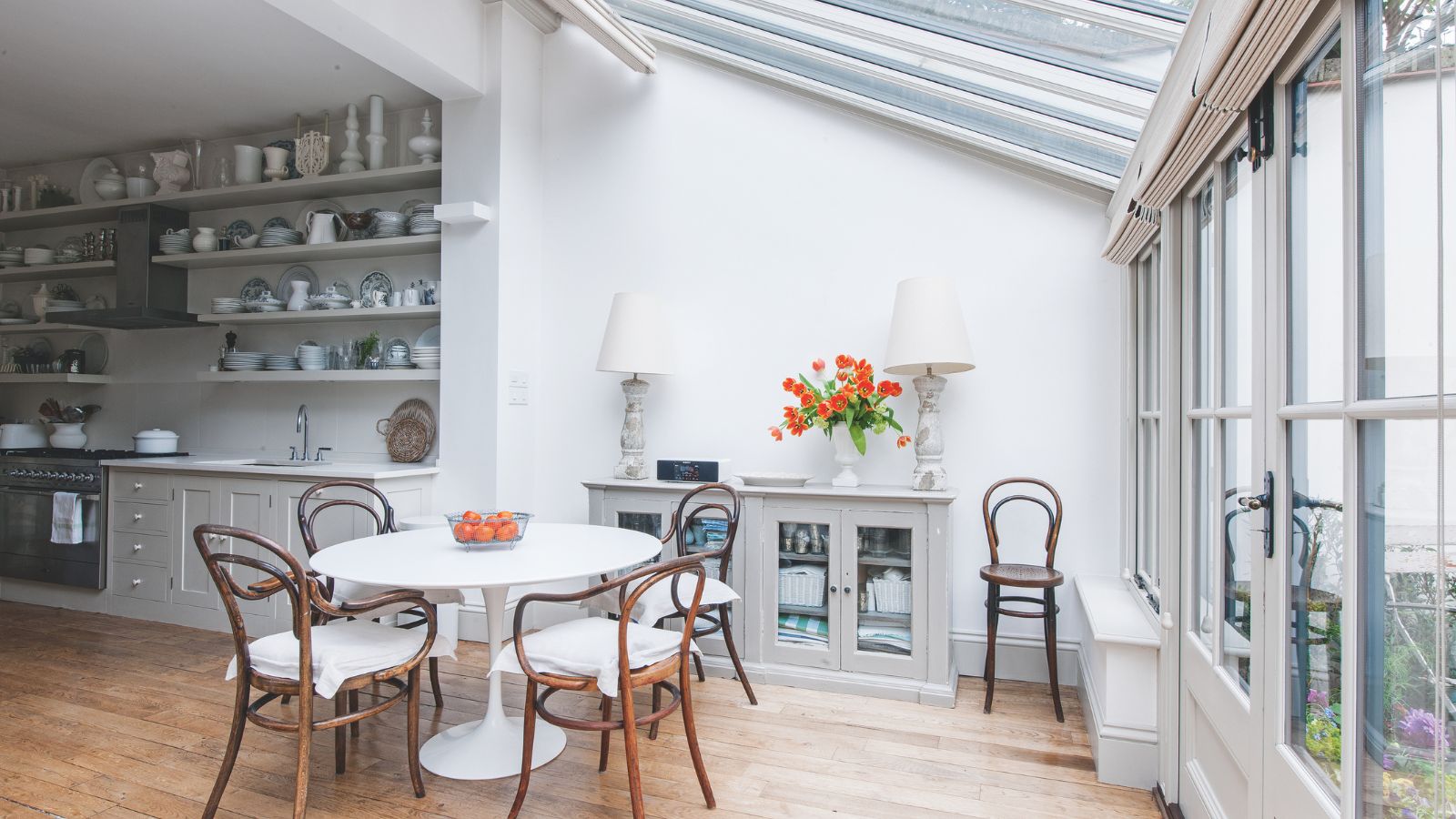
Is open plan going out of style? Experts weigh on whether this once-loved layout is starting to date

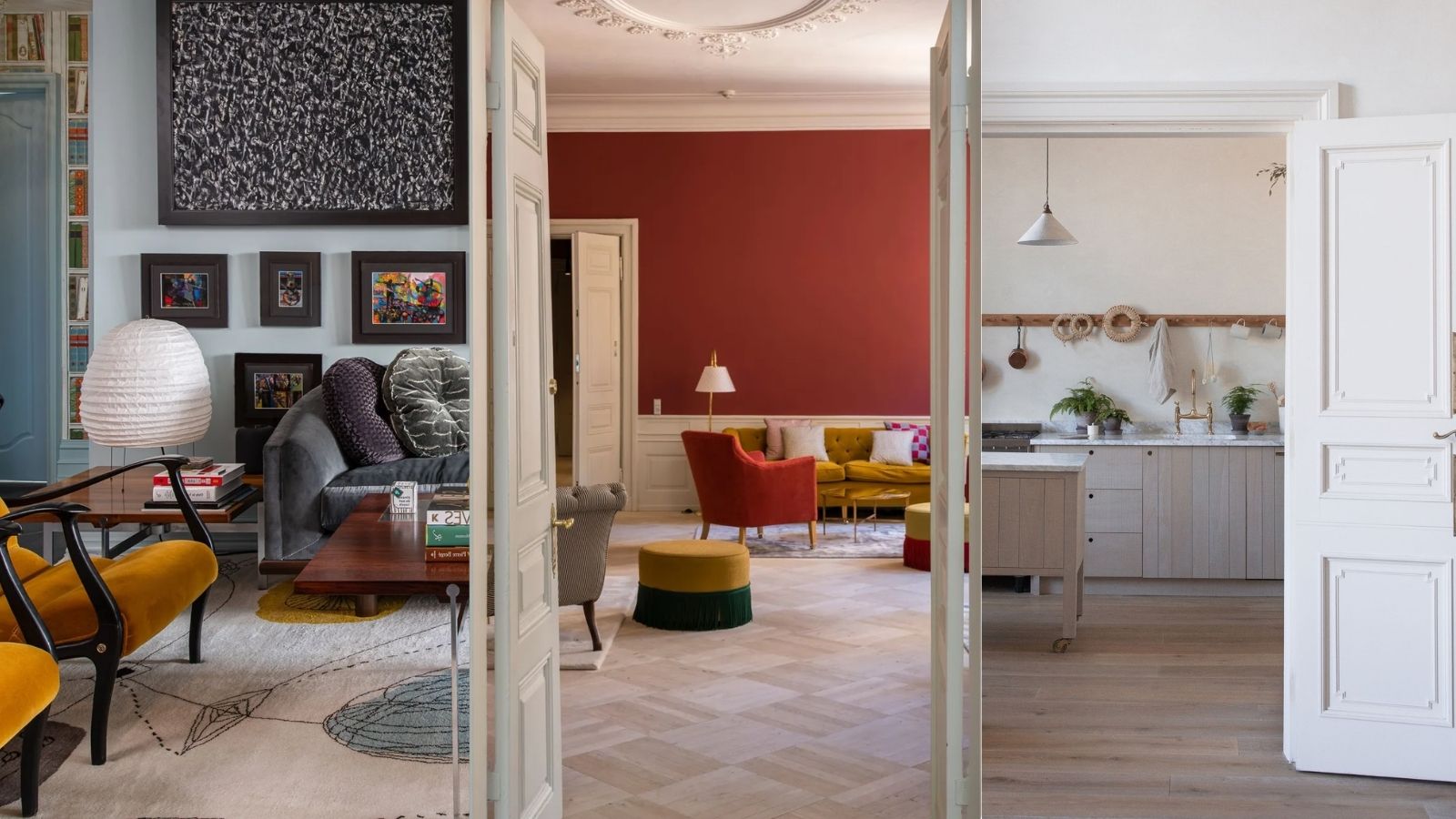
Are closed layouts back on trend? Designers weigh in on why we are over open plan
Is the open floor plan going out of style in 2022?
The Curse of an Open Floor Plan

Is open-plan living dead? Here's what the design experts say


The End of Open-Plan Everything
Say goodbye walls, open-plan living is the trend that's here to stay

Are Open Shelves Finally Out of Style in 2026? Designers Weigh In
Is the open floor plan really dead?

Open plan living is over. Here’s why we all want walls again
Are Open Concept Floor Plans Still in Style? Here's Why Designers are Opting Against This Once-Loved Layout

Planning the office space of the future
Broken dreams: Has COVID called time on open-plan kitchen designs?
Is It Time to Shut the Door on Open-Concept Living?

The Challenges and Opportunities of Open-Concept Floor Plans

Are Open Concept Floor Plans Going Out of Style? We Asked Designers and They All Agreed