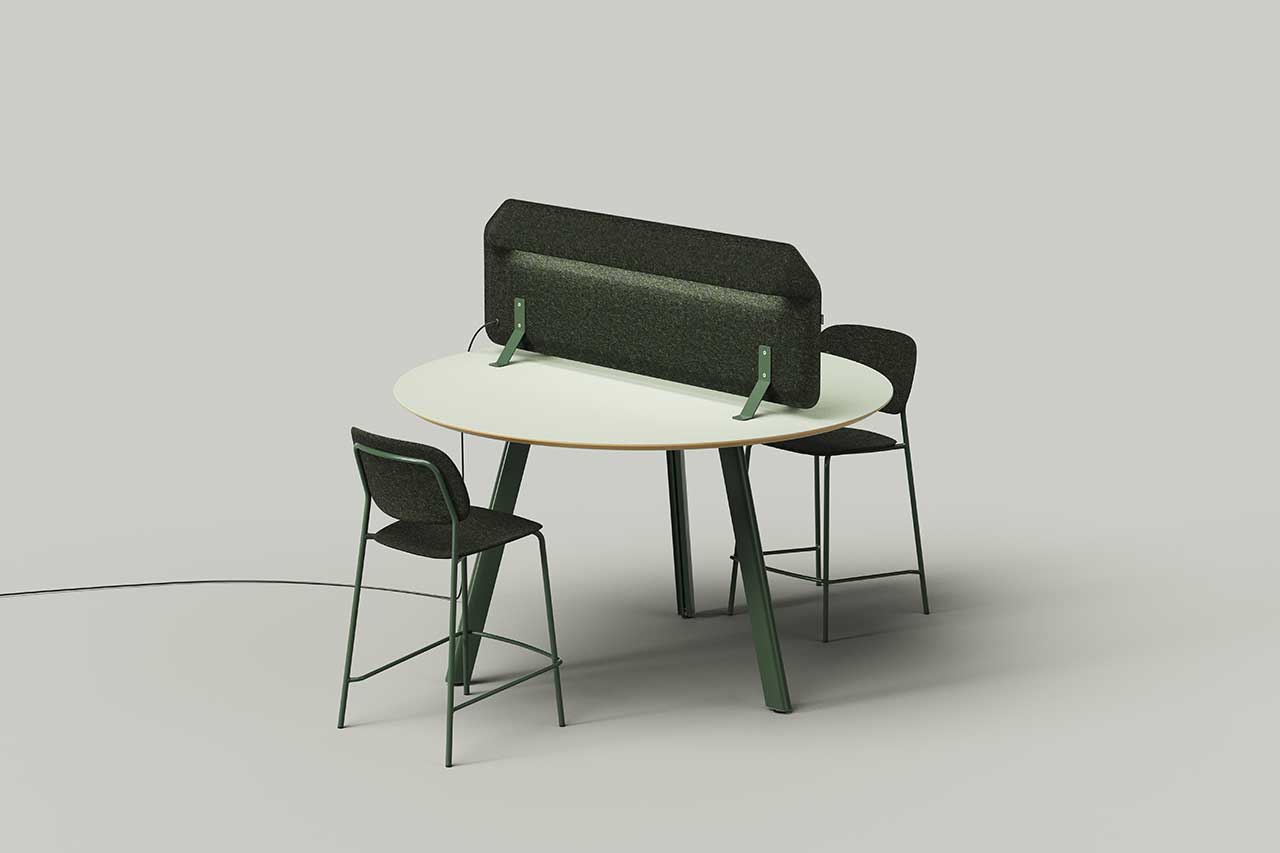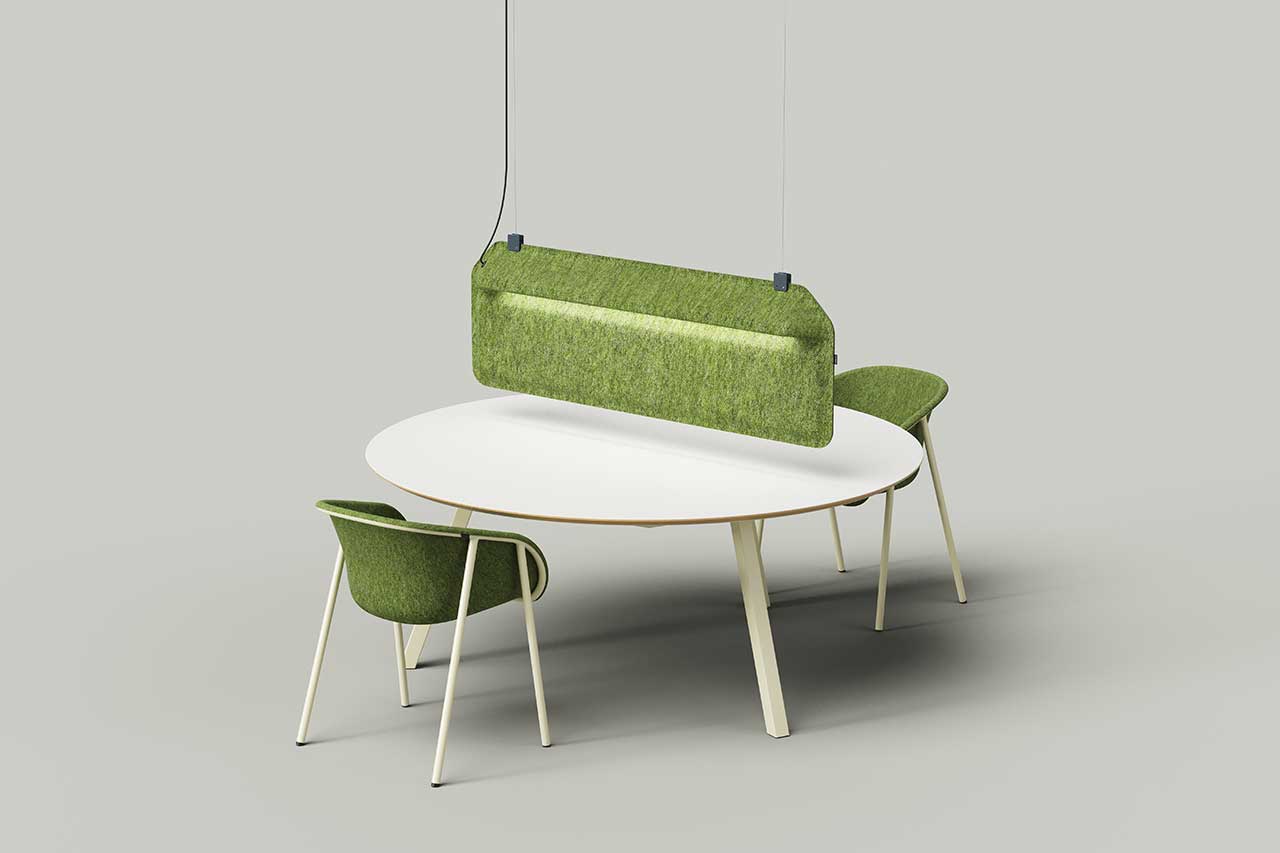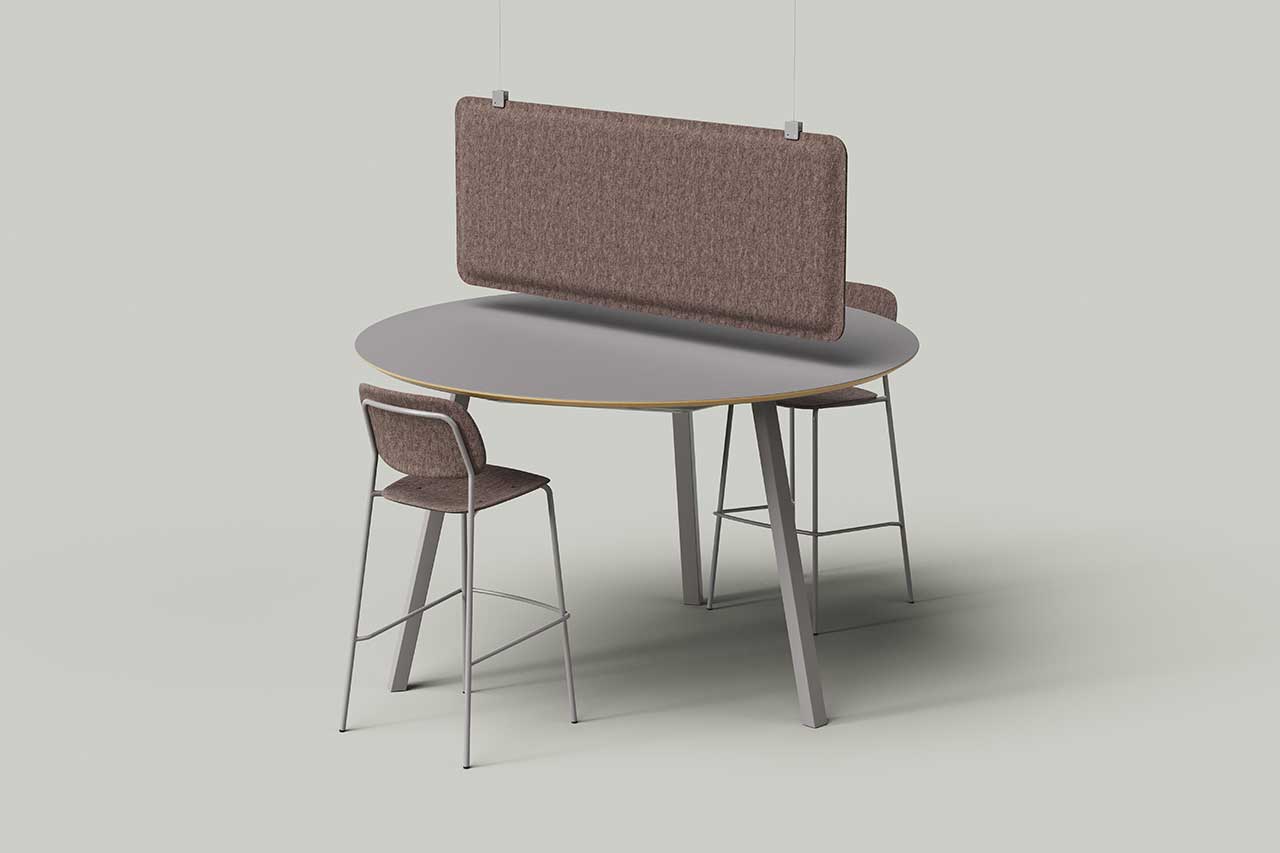
1/4
Planning the office space of the future
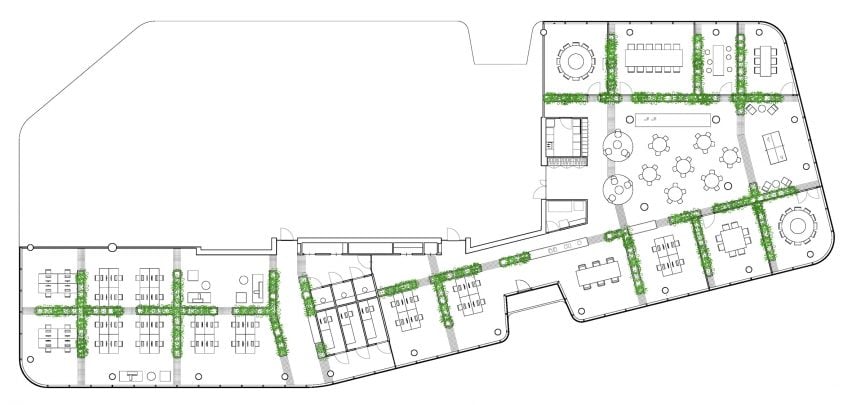
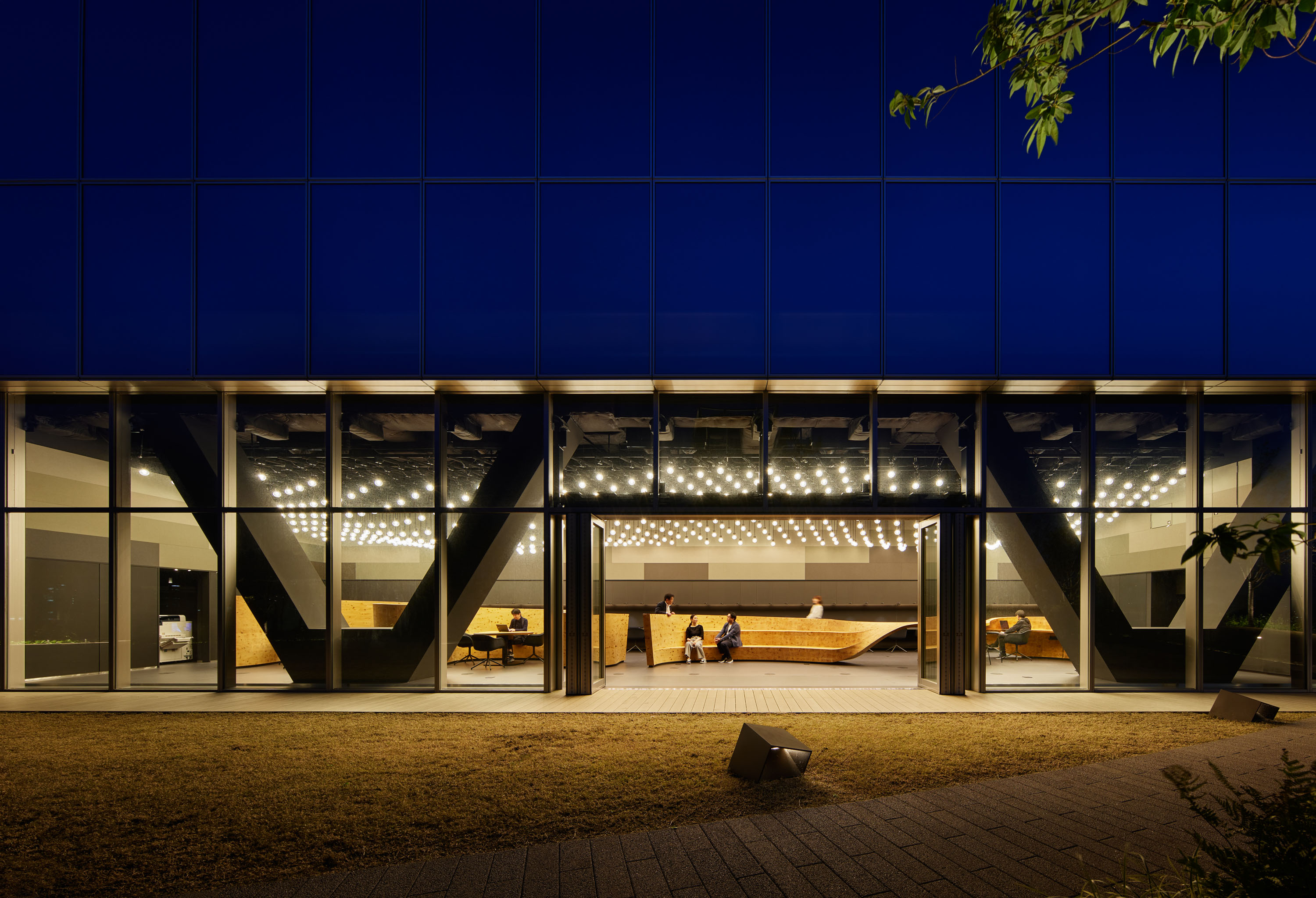
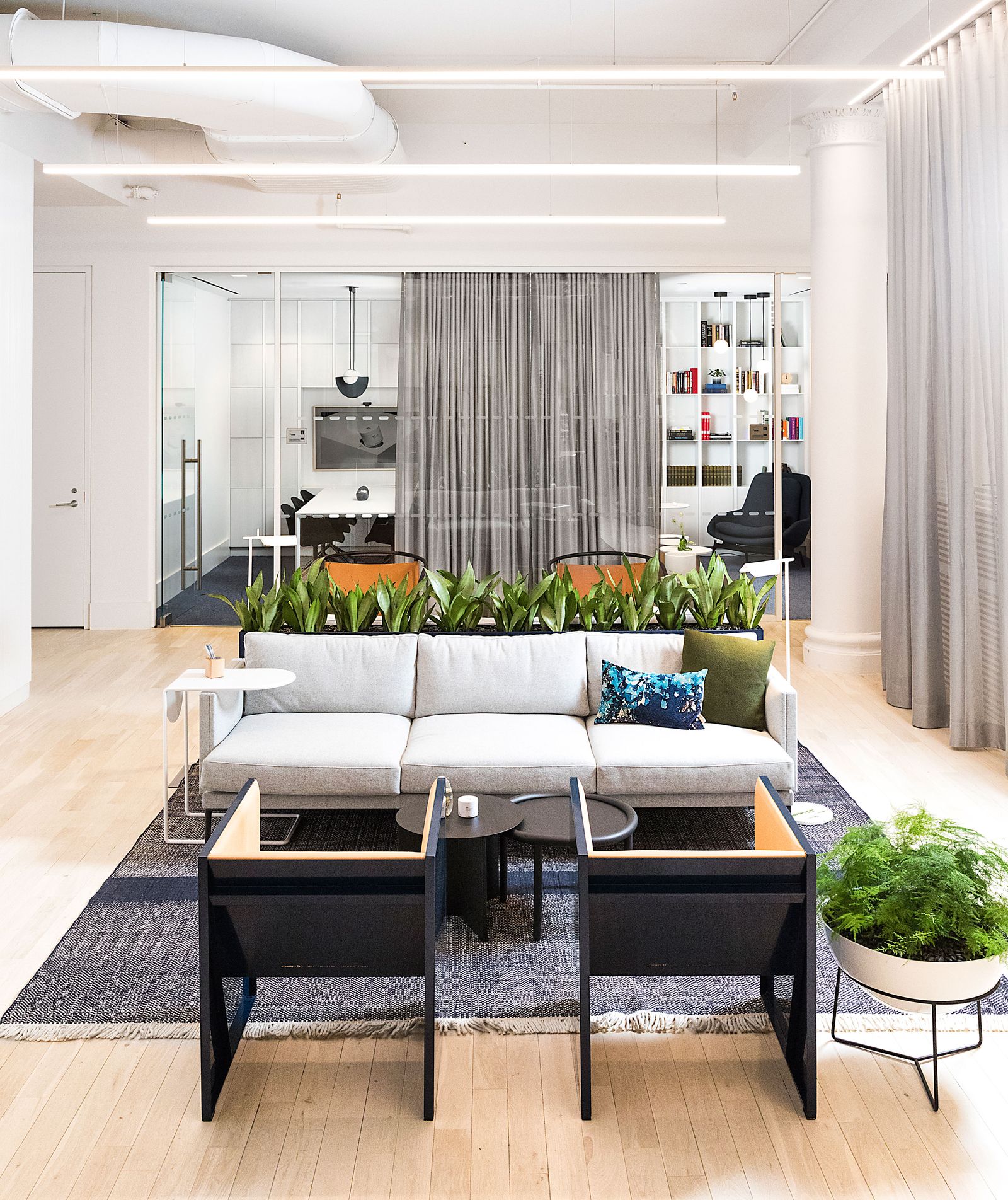
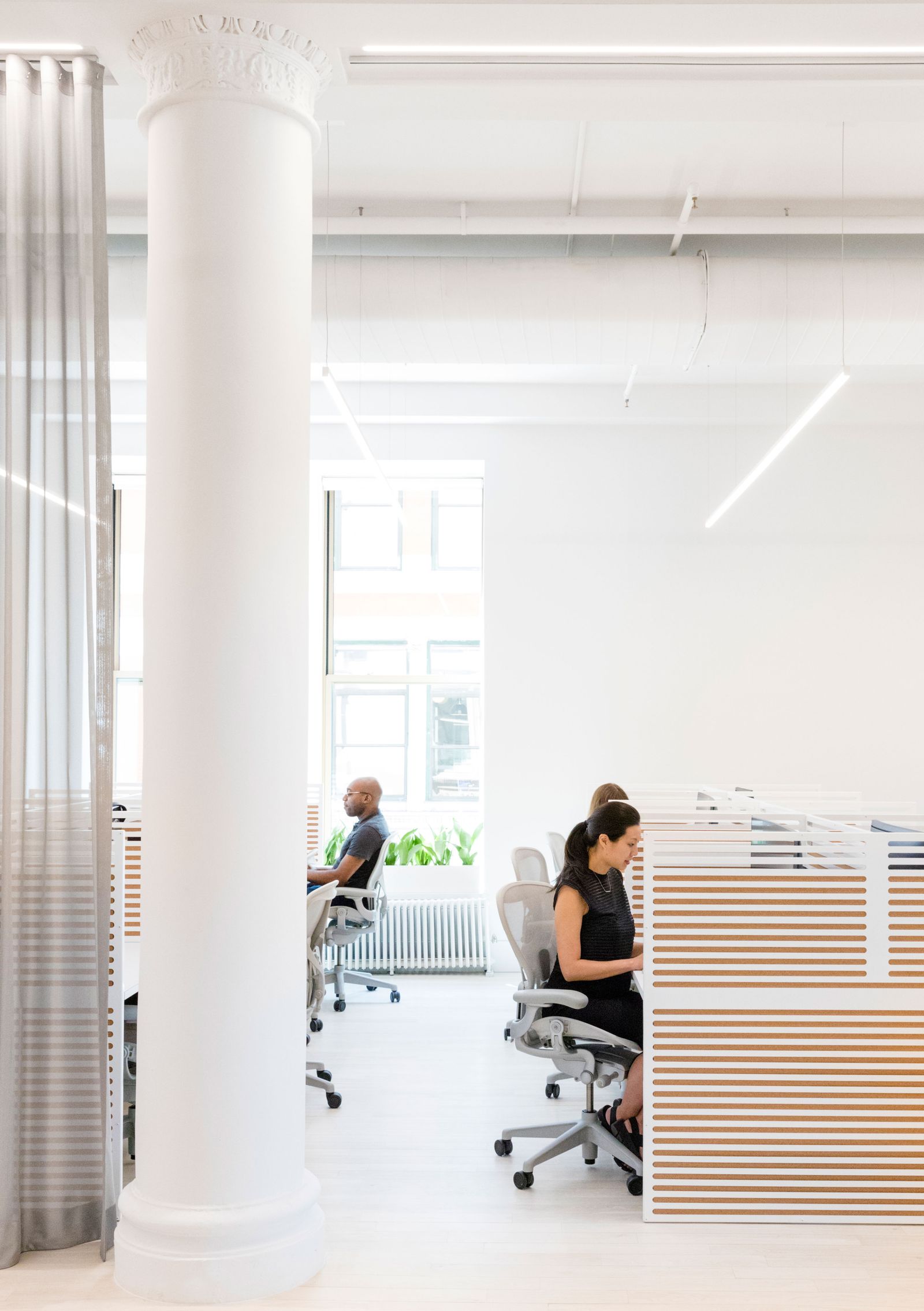
The global pandemic has significantly disrupted business and the workplace, accelerating existing trends in the commercial property sector such as health and wellbeing, activity-based working, flexibility, and space utilization. Sustainability, smart buildings, and the digital workplace are also integral to the evolving office environment. As organizations prepare for employees to return, ensuring safety is a primary concern, especially considering the need for physical distancing as highlighted by scientific advisors. Managing desk occupancy and people's movements in accordance with government guidelines poses a significant challenge.
While complete elimination of virus transmission risk is impossible, organizations are obligated to minimize it. Determining the optimal number of people who can safely occupy a given space is increasingly pertinent. Initially, in-house facilities management teams can address these issues pragmatically, but as more employees return and guidelines evolve, the complexity will increase. Arup's Space Explorer is a data-driven tool designed to assist with these challenges, applicable to offices, laboratories, retail spaces, and other venues where people gather. It combines space planning functionality with intelligent modeling and simulation of human movement to help organizations worldwide manage their return to the office.
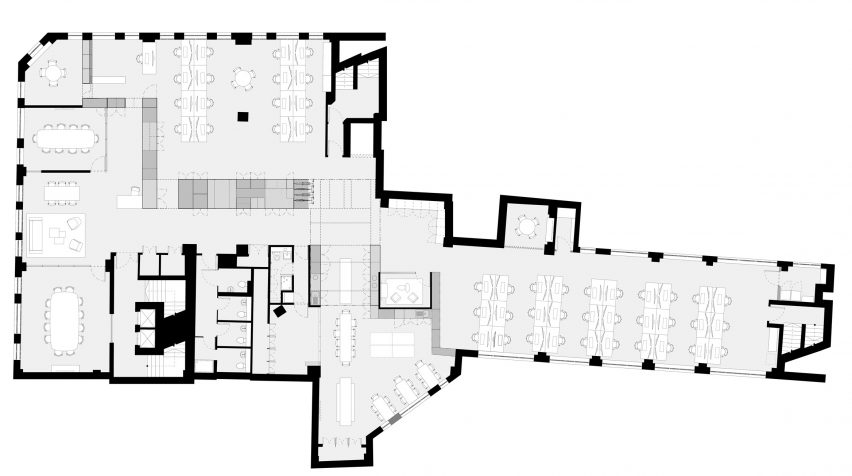
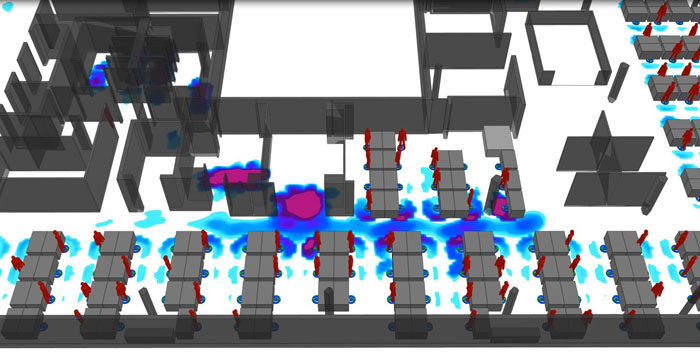
Space Explorer enables architects to quickly replicate existing layouts and test various scenarios to optimize desk usage or redesign spaces for maximum occupation under government regulations. Generative techniques rapidly optimize layout adjustments to achieve the highest possible occupancy. The tool also allows for testing the placement of business units and teams, using iterative mathematical optimization to mitigate potential issues related to daily physical interactions. After establishing a layout, Space Explorer integrates with Arup’s MassMotion pedestrian modeling software. MassMotion, developed in-house, uses pioneering research into human movement to analyze pedestrian flow through physical spaces.
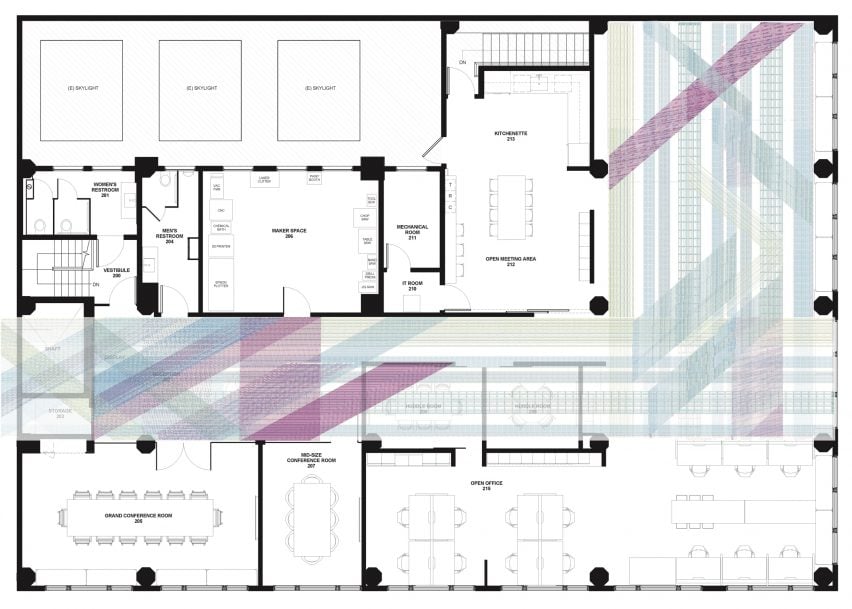
The latest version of MassMotion includes experimental behavioral modes that allow for dynamic testing of physical distancing scenarios. Simulations are conducted using client-agreed input parameters, such as the frequency of trips to restrooms, tea points, and printers, as well as inter-floor travel and stair usage. The simulations identify areas where social distancing breaches are unavoidable, such as circulation routes and lobbies. While some breaches are unavoidable, improvements can often be made by reconfiguring furniture layouts and implementing one-way systems. By comparing iterations, the software clearly indicates which interventions are beneficial or detrimental.
Critically, the software identifies workspaces with disproportionately high exposure, often near aisles. Instead of a blanket approach of avoiding all aisle seats, which can lead to significant capacity loss, Space Explorer allows for targeted mitigation by removing specific workspaces or local furniture rearrangement. The seamless integration of Space Explorer and MassMotion facilitates rapid testing of multiple layouts, enabling organizations to present various options to clients. This analysis helps senior management communicate the measures taken to ensure a safe workplace, complementing other interventions like air conditioning modifications, enhanced cleaning, and touch-free devices to build staff confidence. Simulations conducted on Arup’s London office, for instance, showed a significant reduction in close contact time when operating at 30% capacity with 2m distancing compared to 100% capacity. While Arup does not make health risk assumptions, the difference in exposure is notable. The tools developed during the pandemic are expected to have lasting utility, providing insights into staff interaction and informing the design of future office spaces as organizations continue to adjust to new operational norms and densify their occupation in a safe manner.
#OfficeSpacePlanning #Covid19Impact #SpaceExplorer #MassMotion #SocialDistancing #WorkplaceSafety #BuildingSimulation #DataDrivenDesign #CommercialProperty #OfficeSpacePlanning #Covid19Impact #SpaceExplorer #MassMotion #SocialDistancing #WorkplaceSafety #BuildingSimulation #DataDrivenDesign #CommercialProperty
0 comment in total
 No comments yet
You may also like
Ten offices with floor plans divided in interesting ways

A New Solution for Open Office Shelving

De Vorm Introduces Soft Distancing for Added Safety in the Office
Can AI revolutionize office space design?

The Importance of Privacy in Open-Plan Offices

Black Kite’s London office is a riot of colour and geometry


How Leaders Can Decide If An Open-Plan Office Is Right For Their Company

Step up your home office game with these tips from an interior designer
Design-conscious co-working spaces around the world

Hate open floor office spaces? There’s a better way.
Open floor plans and home offices: How to make it work
The Rise of the Backyard Office
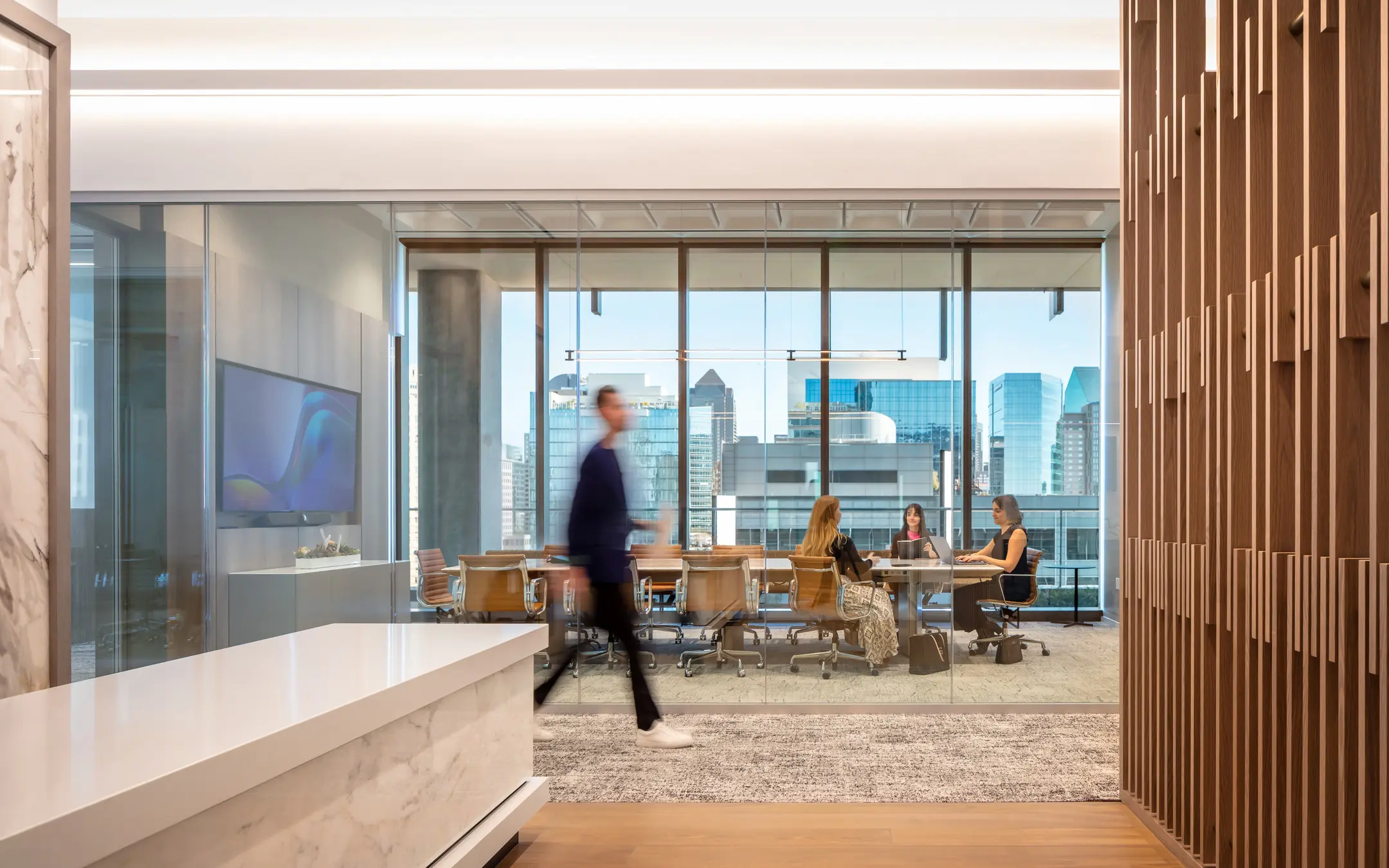
An Interior Designer’s Take on Return-to-Work Strategies
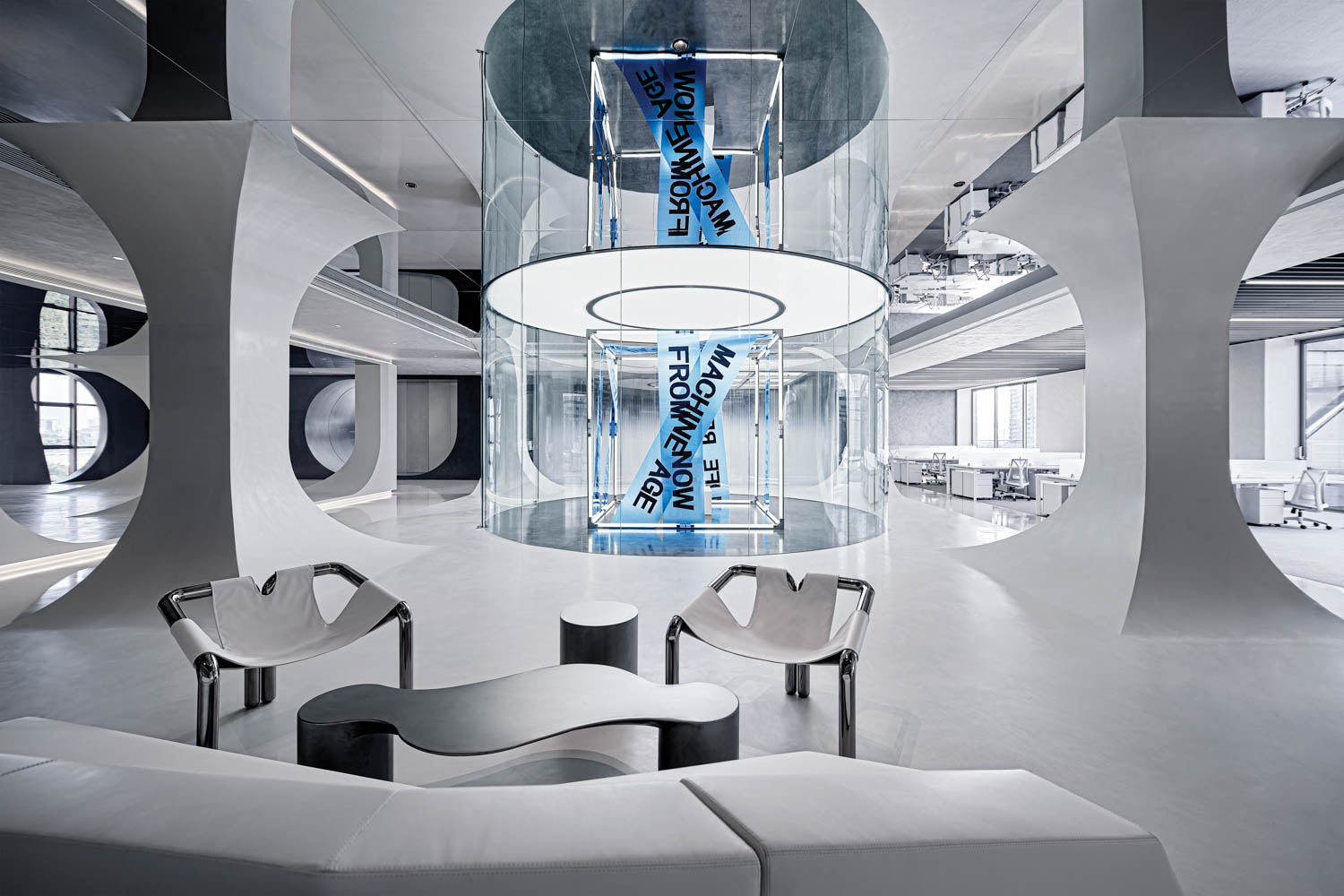
Step Into The Future At This Sleek Chrome Office
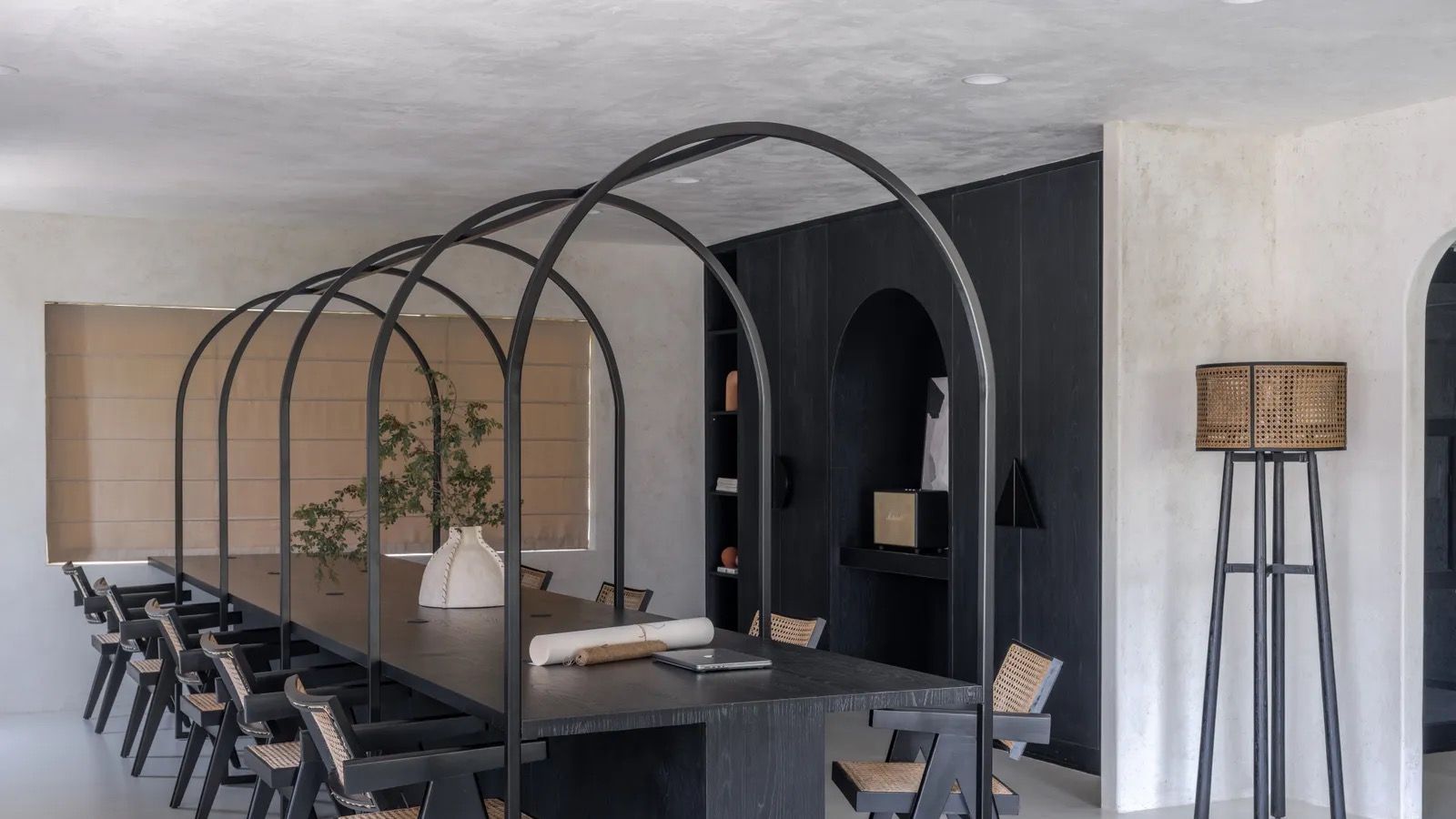
5 extraordinary office designs in India that will blow your mind

Introducing Microsoft Places: Turn your spaces into places
Of Course, This Anti-Aging Startup Has the Most Zen Office of All Time

Who needs a Zoom background when your home office looks this good?

This vibrant office in Kerala has open ‘caged’ seating areas for meetings
I thought having my own office meant I'd 'arrived,' but it was depressing. Here's why open-plan office layouts are best.