1/25
Introducing Microsoft Places: Turn your spaces into places
The article introduces Microsoft Places, a new connected workplace platform designed to address the complexities of hybrid work. The platform aims to transform physical office spaces into dynamic 'places' by integrating technology that supports flexible work arrangements. Hybrid work models often present challenges such as employees experiencing 'commute-regret' when finding themselves alone in the office, and leaders lacking sufficient data to make informed decisions about workspace optimization. Microsoft Places is presented as a solution to these issues, focusing on three key areas: coordinating where work happens, modernizing the office with intelligent technology, and optimizing space and costs for changing needs.
The first core aspect, coordinating where work happens, involves features like hybrid scheduling. This system uses data from Outlook and Teams to show employees when their colleagues and key collaborators plan to be in the office, enabling them to align their schedules for in-person collaboration. Intelligent booking is another feature, assisting users in finding suitable meeting spaces with appropriate technology and even providing recommendations for shortest commute times based on traffic conditions and meeting schedules. These tools are designed to help employees prioritize their time and maximize the benefits of in-person interactions.
Modernizing the office with intelligent technology is the second pillar of Microsoft Places. This includes wayfinding capabilities that allow employees to navigate office layouts using mobile devices, reducing time spent searching for rooms. Desk booking features enable users to reserve desks near their colleagues, fostering collaboration. Microsoft Teams Rooms are highlighted as crucial for ensuring inclusive participation in meetings, regardless of whether attendees are in-person or remote. Additionally, Microsoft Places aims to facilitate serendipitous meet-ups by allowing colleagues to easily organize impromptu gatherings within the office, thereby strengthening bonds and encouraging informal interactions.
Finally, the platform focuses on optimizing space and costs for changing needs. This involves providing leaders with space insights, such as utilization data, energy-saving opportunities, and occupancy trends. This data enables dynamic adjustments to office layouts, for instance, converting excess huddle rooms into collaboration spaces as demand changes. Advanced knowledge of expected occupancy allows for strategic space optimization, such as reducing the number of open floors on lighter attendance days to save energy and improve the overall workplace experience. Leaders can also aggregate trends across their entire real estate portfolio to create more flexible, dynamic, and sustainable work environments.
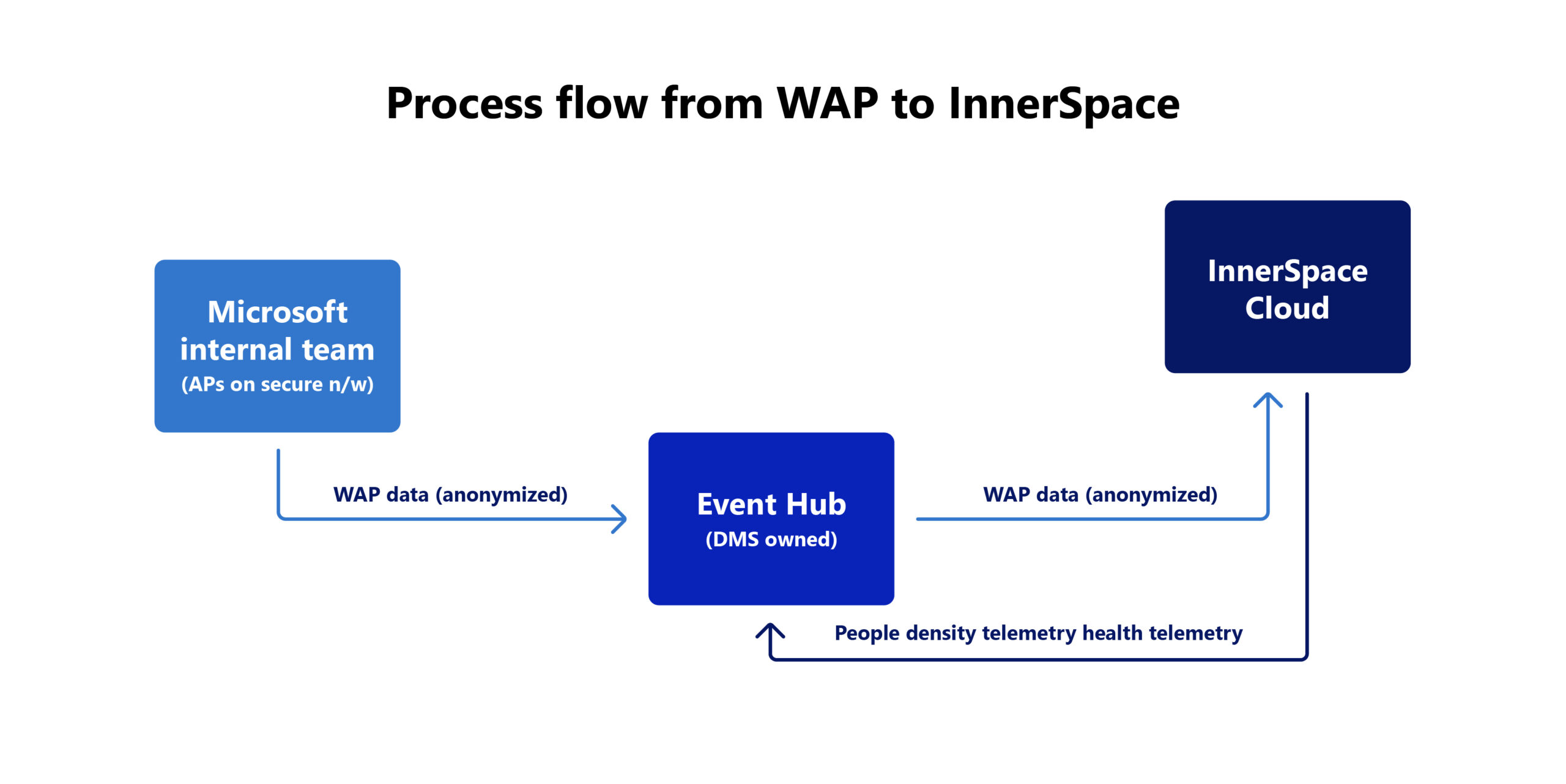
Microsoft Places integrates with existing Microsoft 365 solutions like Outlook, Teams, and Viva, leveraging and enhancing the data available on the Microsoft Graph. This integration combines 'people' and 'place' signals to provide comprehensive insights. The platform adheres to stringent privacy standards, ensuring users have control over their data, and information is presented as trends without singling out individuals. Microsoft Places will be available through a private preview in 2023 and is being developed in collaboration with a wide ecosystem of partners across various segments of the Connected Workplace market, including Accenture, CBRE, EY, and Honeywell, among others. The article concludes by emphasizing that Microsoft Teams Rooms serves as an ideal starting point for organizations, as its usage data will feed into Microsoft Places to drive further space optimization and support the realization of hybrid work's full potential.
#MicrosoftPlaces #HybridWork #WorkplaceInnovation #SmartOffice #OfficeOptimization #ConnectedWorkplace #DigitalTransformation #SpaceManagement #EmployeeExperience #MicrosoftPlaces #HybridWork #WorkplaceInnovation #SmartOffice #OfficeOptimization #ConnectedWorkplace #DigitalTransformation #SpaceManagement #EmployeeExperience
0 comment in total
 No comments yet
You may also like
Transforming small, awkward spaces into usable, functional areas | Produced by Seattle Times Marketing

The New Trick Designers are Using To Zone Rooms and Create Privacy Is Both Beautiful and Functional


Step Inside KREWE’s Luxe New Global Headquarters in New Orleans

These Chic Home Office Renovations Make Workspaces Stylish
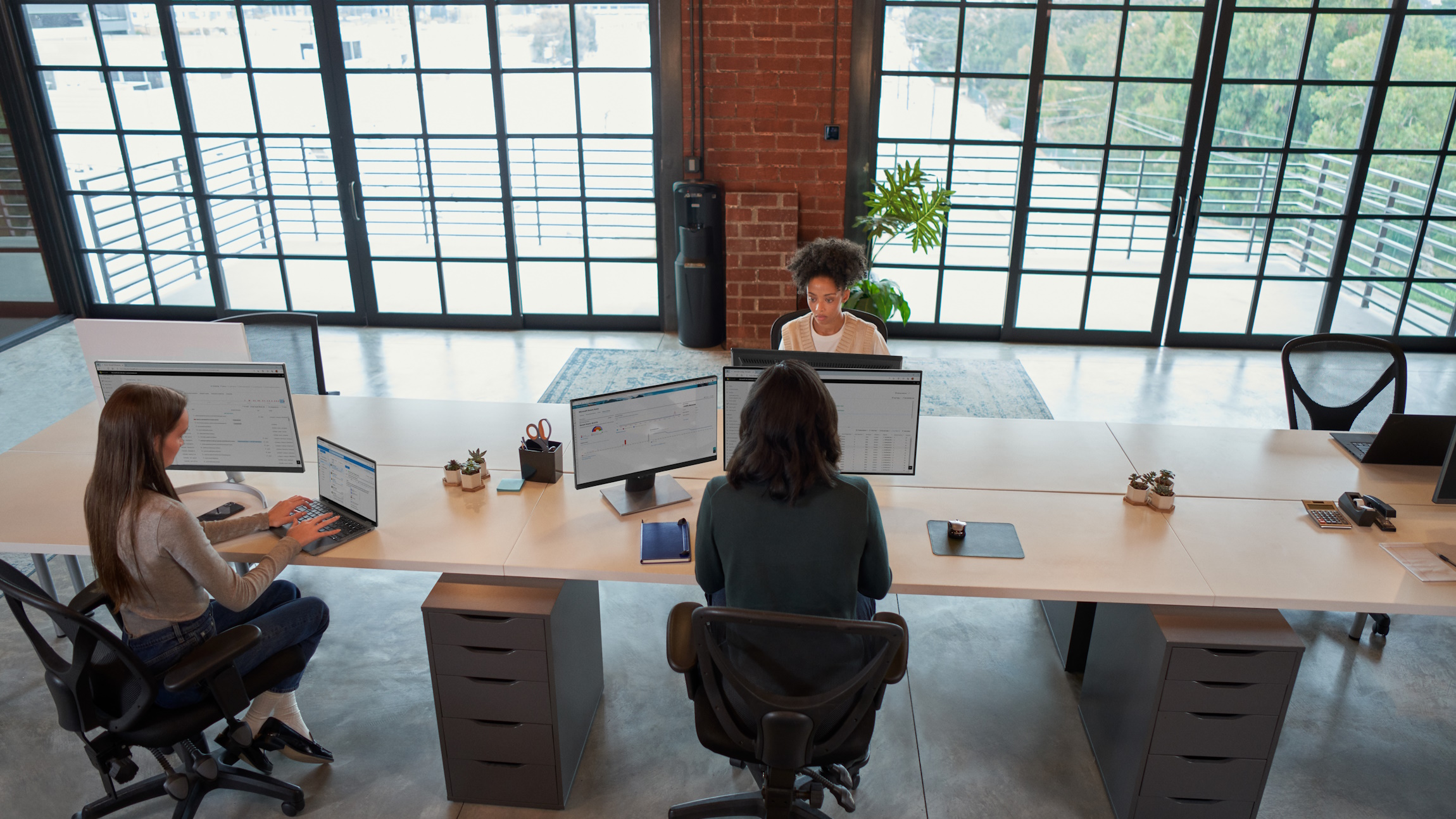
Enhancing space management internally at Microsoft with Wi-Fi data
The Secrets to a High-Functioning “Does It All” Room


Spotlight: HOMEE AI Delivers AI-Powered Spatial Planning to Your Living Room

6 free design and room planner apps you should know about

Google’s Installation Tells You What Spaces Make You Feel Better than Others

Transforming Home Comfort
7 Home Specialty Rooms for Hobbyists

Ten offices with floor plans divided in interesting ways

The Key to Turning Awkward Spaces Into Brilliantly Organized Hubs

Spaces for Wellness: Integrating Fitness into Everyday Environments

Technicolour textiles by Peter Saville for Kvadrat among new products on Dezeen Showroom
Beyond Aesthetics: How Tech is Redefining Interior Design
Desk ideas for the home office - how to make sure your space works hard in the style stakes

The Rise of the Backyard Office
Lowe’s North Bergen Chosen to Pioneer In-Store Kitchen Design Tool For 4 Days Only


Promotion: Meet the local flooring business turning houses into homes