1/4
Enhancing space management internally at Microsoft with Wi-Fi data
Microsoft Digital has developed an innovative solution, Space Busyness Insights, to optimize space utilization and enhance employee experience in its new headquarters buildings in Redmond, Washington. The solution leverages existing Wi-Fi Wireless Access Point (WAP) infrastructure to collect data on people density and space usage, thereby eliminating the need for costly new IoT sensor installations. This approach aims to address key questions for modern workplaces: how to effectively use building spaces, reduce IoT sensor costs, and protect employee privacy while complying with regulations.
The Space Busyness Insights solution integrates artificial intelligence (AI) and machine learning (ML) capabilities to analyze raw WAP data. This analysis provides real-time insights into identifying unused areas, occupied spaces, crowd density, and the availability of common areas like kitchenettes and conference rooms. Employees can access this real-time information to make informed decisions about using shared spaces, while facility managers can optimize space allocation, repurpose areas, and plan for future real estate needs. A crucial aspect of this solution is its cost-effectiveness; by reusing existing WAP devices, Microsoft saved approximately $3 million in hardware costs for the East Campus buildings alone.
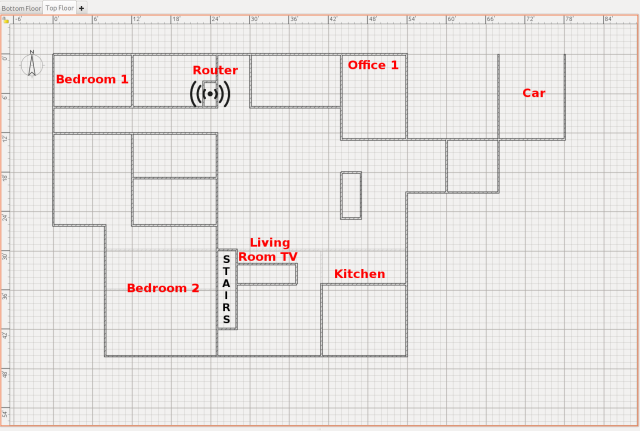
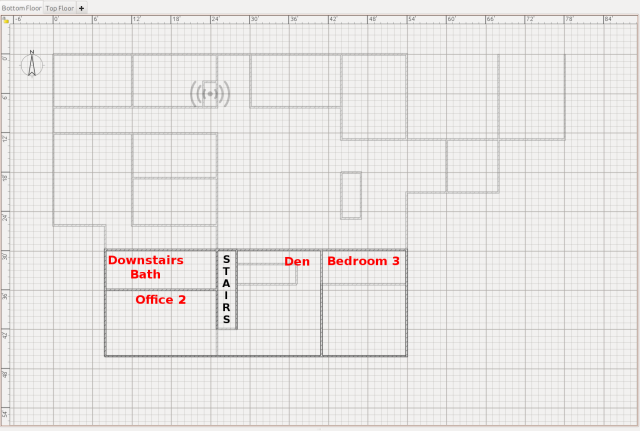
To implement this system, Microsoft Digital collaborated with its Infrastructure and Security team, internal facilities managers, and InnerSpace, a third-party vendor. InnerSpace provides the AI and ML logic to process the raw WAP data, triangulating device locations to estimate people density. InnerSpace utilizes Microsoft Azure services, including Azure Kubernetes for elastic capacity, Azure App Services for web-based tooling, and Azure Container Instances for deploying containerized subsystems. The system also incorporates proprietary AI logic to prevent double-counting individuals who may carry multiple Wi-Fi-enabled devices.
Protecting employee privacy and ensuring compliance with privacy regulations are paramount to the solution's design. The system hashes Media Access Control (MAC) addresses of devices to anonymize data before it is sent to InnerSpace. Microsoft conducts stringent architectural and data privacy reviews to prevent the leakage of identifiable personal information. Only necessary, anonymized data is shared with InnerSpace via a federated authentication mechanism through Microsoft's Device Management Services (DMS) Azure Event Hub. InnerSpace then processes this data, correlating it with building maps and AP locations, and returns people-count information to Microsoft.
The benefits of this solution extend beyond cost savings and operational efficiency. It enables data-driven decisions for space planning, replacing subjective guesswork with clear-cut data. The system allows for holistic analysis by potentially combining WAP data with other sensor signals, such as lighting and air quality. Its rapid deployment process, requiring only configuration updates for new buildings, facilitates scalability. Microsoft is already using this solution in seven buildings and plans to integrate it into its upcoming product, Microsoft Places, to provide a holistic view of physical and digital spaces and their usage within organizations. The company believes other organizations can benefit from this approach, which prioritizes existing infrastructure, reduces dependency on external sensors, protects privacy, and offers intuitive data access.
#SpaceManagement #WiFiData #MicrosoftDigital #Azure #ArtificialIntelligence #PrivacyProtection #CostOptimization #SmartBuildings #DigitalTransformation #SpaceManagement #WiFiData #MicrosoftDigital #Azure #ArtificialIntelligence #PrivacyProtection #CostOptimization #SmartBuildings #DigitalTransformation
 No comments yet
Introducing Microsoft Places: Turn your spaces into places

How to declutter, quiet down, and take the AI out of Windows 11 25H2
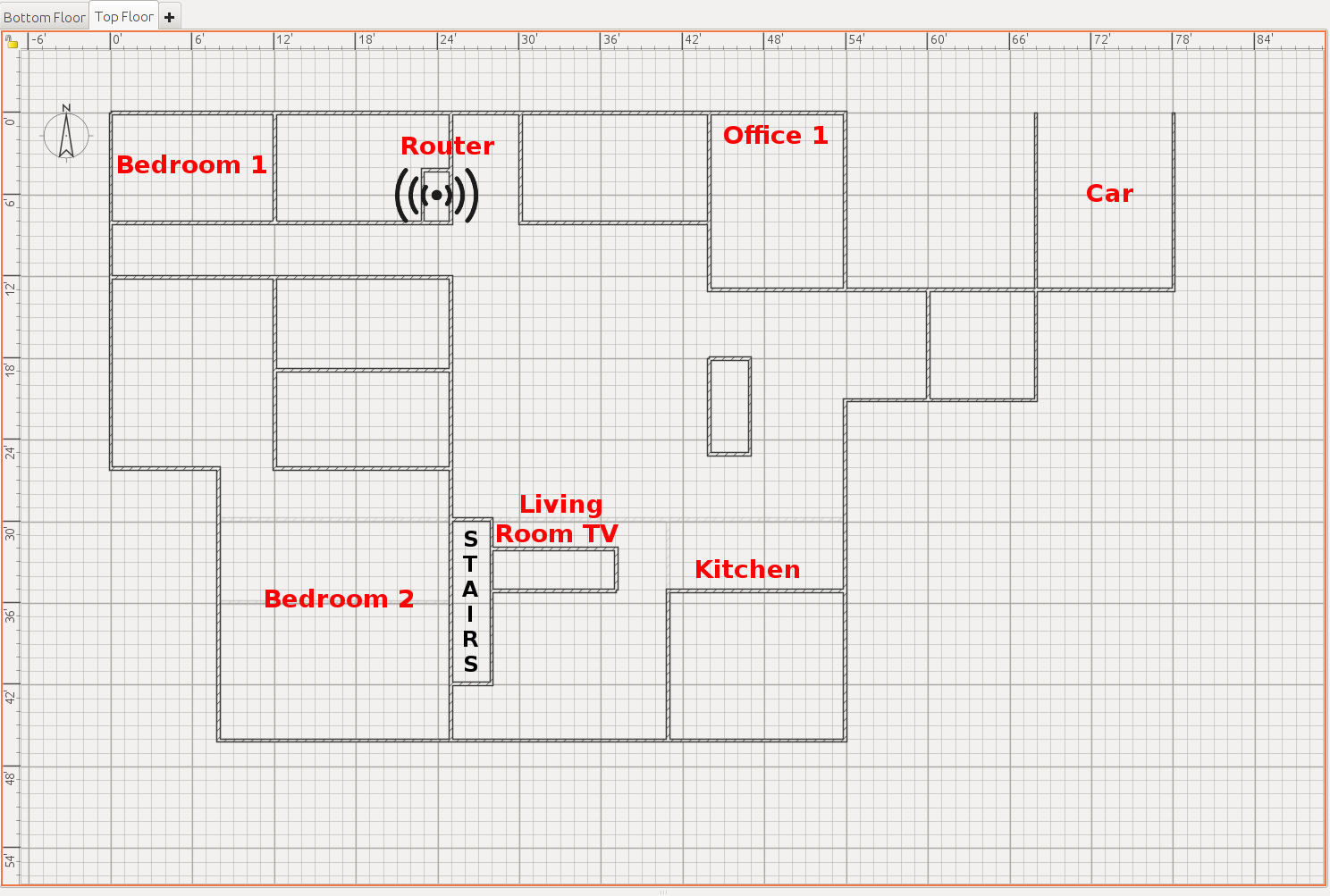
Send Wi-Fi companies floor plans, receive the ultimate mesh networking test

The latest WFH must-haves – stylish and reliable tech to upgrade each day
Can AI revolutionize office space design?

Here's How to Make Your Windows Installation More Private