Transforming Home Comfort
The hometech textiles market is experiencing significant growth, driven by increasing consumer demand for home renovation, heightened fashion consciousness, and a focus on sustainability. This sector, a prominent segment within the global textile industry, encompasses products made from natural and synthetic fibers used in furniture, interior decoration, cushion materials, wall coverings, and carpeting. Valued at $191.15 billion in 2022, the global hometech textiles market is projected to reach $272.33 billion by 2030, growing at a rate of 4.7% between 2022 and 2030, with Western economies holding the largest market share, followed by the Asia Pacific region.
Technological advancements and evolving consumer needs are transforming the hometech textile industry. Companies are innovating to enhance customer experience through user-friendly products and services, integrating smart gadgets seamlessly into daily routines. Modern hometech textiles combine style with practicality, offering features such as moisture control, temperature regulation, antimicrobial properties, and sound absorption. This growth is further fueled by global population increases, rising disposable incomes, and changing lifestyles. The COVID-19 pandemic also accelerated the adoption of digital technology and remote work, increasing the demand for resilient hometech textile solutions.
Smart textiles and technology are playing a crucial role in this transformation. Examples include smart curtains that use sensors and automation to adjust to light levels, leading to energy savings, and smart bedding that monitors sleep quality and adjusts mattress settings for optimal rest. Furniture upholstery with temperature regulation capabilities aims to enhance comfort, while kitchen textiles prioritize safety and functionality with eco-friendly and antibacterial options. Aesthetics remain important, with smart textiles offering LED-adorned fabrics and customizable designs. Cotton Incorporated's RESTech COTTON, a performance sheeting solution, exemplifies the blend of durability, sustainability, and innovation, utilizing non-fluorine technology to create soft, moisture-wicking fabrics. Consumer preference for 100% cotton remains high, valuing its natural excellence.
Wellness in the home is another significant trend, with designers incorporating antimicrobial properties, sensor-based monitoring, aromatherapy-infused bedding, and moisture-wicking fabrics. The Wellness Textures fabric collection by Crypton Home, for instance, integrates Celliant technology to reflect body heat as infrared energy, potentially improving cellular oxygenation and local circulation.
Sustainability is a paramount concern, driving manufacturers to use eco-friendly materials like bamboo, organic cotton, and recycled fibers. Innovative production techniques, such as water-saving dyeing processes and closed-loop manufacturing systems, are also being adopted. Retailers like Macy's and Williams-Sonoma Inc. (including West Elm) are implementing programs and partnerships to promote responsible materials, reduce waste, and prioritize circularity in their supply chains and product offerings. Customization and personalization are also advancing through digital printing technologies, allowing consumers to tailor upholstery fabrics and bedding designs to their individual preferences and lifestyles.
Key players in the hometech market include Freudenberg Performance Materials, Ahlstrom-Munksjö, DuPont, Hunter Douglas, 3M, Kimberly-Clark, Unifi, Berry Global, Interface, and Milliken & Company. Despite the market's growth, challenges include fluctuating raw material prices, a relatively low consumer preference for technical textiles compared to traditional ones, and the higher initial cost of sophisticated hometech textile products. Rapid technological changes also require constant adaptation from manufacturers. However, opportunities abound, particularly in the growth of online retail, smart home textiles, and the increasing demand for personalized products. New technological developments, such as health-enhancing textiles and the integration of Artificial Intelligence (AI) and the Internet of Things (IoT), are expanding the possibilities for intelligent and responsive living spaces. The hometech textile industry is poised for continued growth by focusing on innovation, sustainability, and evolving consumer needs.
#HometechTextiles #SmartTextiles #Sustainability #HomeComfort #InteriorDesign #TechnicalTextiles #TextileInnovation #WellnessInTheHome #Customization #HometechTextiles #SmartTextiles #Sustainability #HomeComfort #InteriorDesign #TechnicalTextiles #TextileInnovation #WellnessInTheHome #Customization
0 comment in total
 No comments yet
You may also like

Spotlight on Flexible Homes: Adaptable Living Spaces

Your Home Checklist for Aging in Place

30 Home Features That Jumped in Popularity This Year

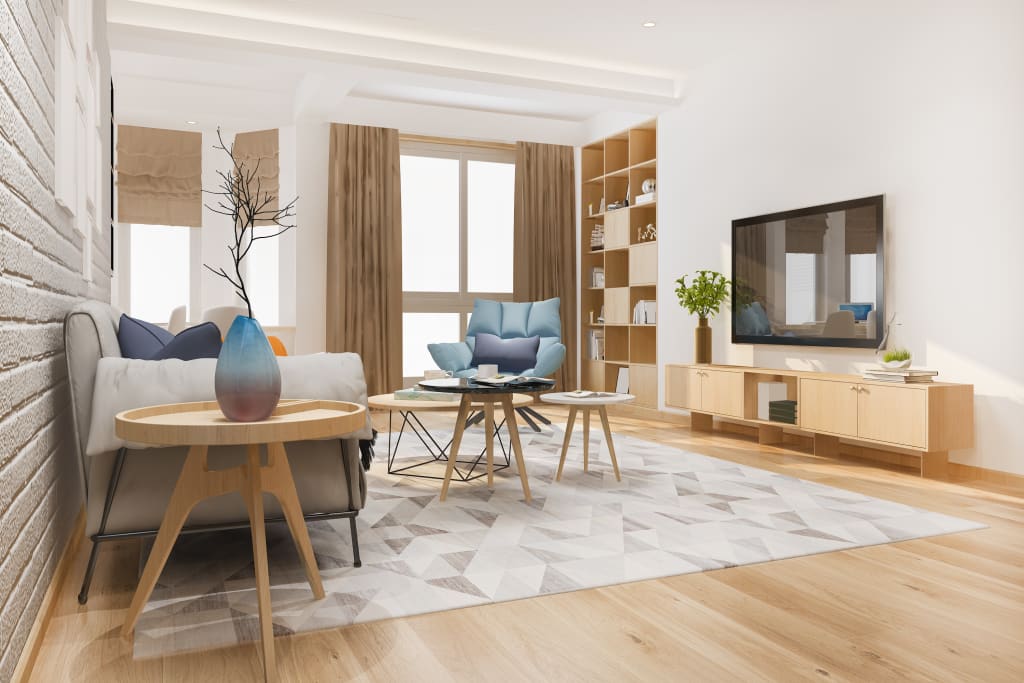
Renovating for the Future: Trends That Will Shape Your Home in 2025
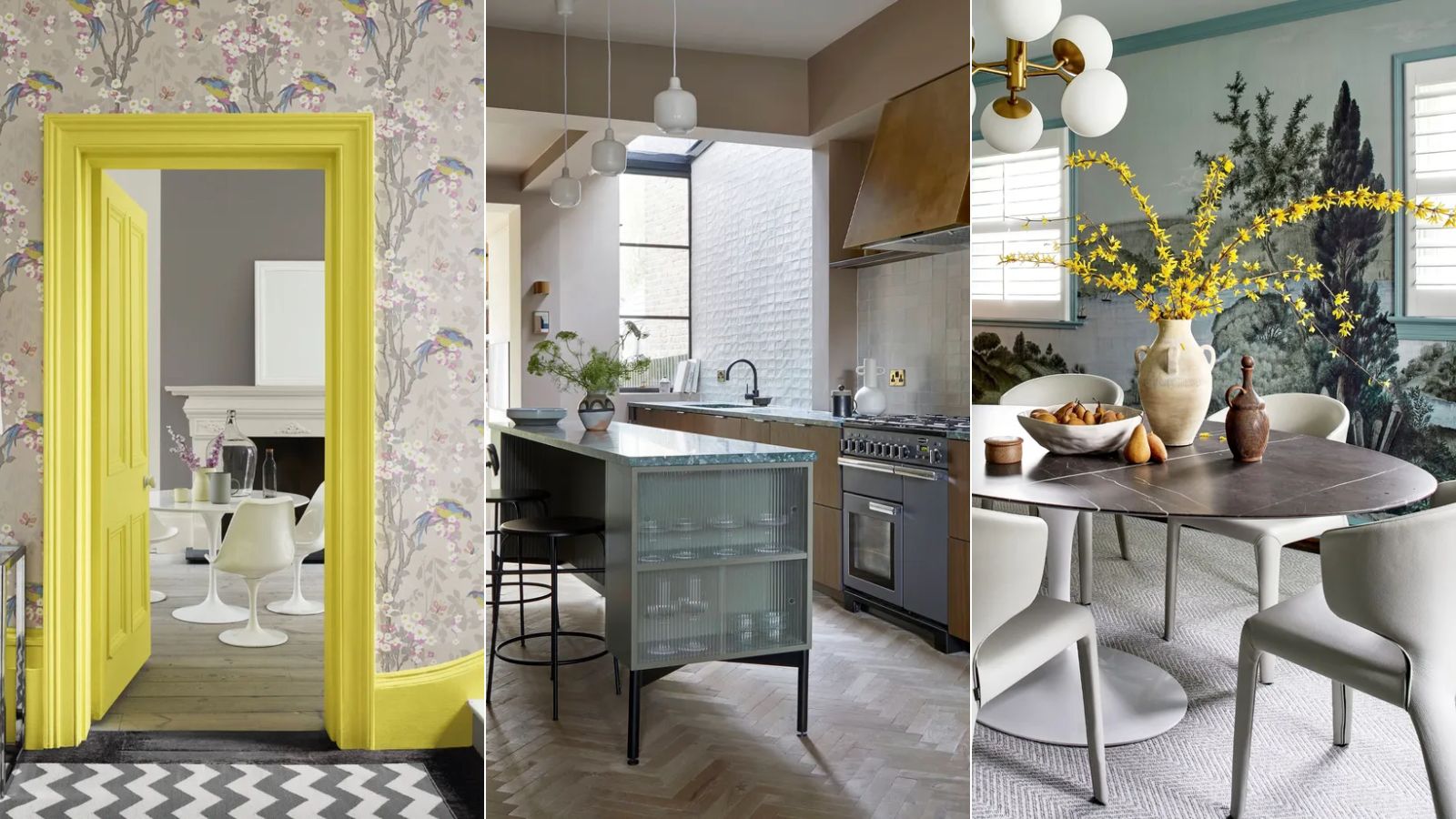
How to make a home more accessible – 7 universal design tips to improve your space


Want Your Home to Feel Happier and Calmer? It's Time to Consider Biophilic Design

Home Trends

“It Instantly Becomes Tacky": 22 Home Design Trends That Are Mega-Popular For Reasons Many People Will Never Understand

From Hard Loft to Comfortable, Plant-Filled Home

How These Interior Designers Are Staying Cozy (and Sane) at Home
When My Mom Had a Stroke, My Goal Was to Make Her Assisted Living Apartment Calm and Cozy


'In this house, we don’t shy away from joy. We make room for it' – how a designer turned her tiny 1920s cottage into her dream family home

'Comfort decorating' is all about making your home a sanctuary : Life Kit
7 aging-in-place remodeling products with major style


Couple turn their cramped house into beautiful open plan living-space

If You're Looking For Products That'll Make Your Home Cozier, Look No Further Than This List

Why the Perfect Time to Work with an Interior Designer Is Now


Once Upon a Time


A full house remodel makes space for open-plan comfort, luxury and elegance

Aging In Place Remodeling: A Checklist For Senior Homes