Aging In Place Remodeling: A Checklist For Senior Homes
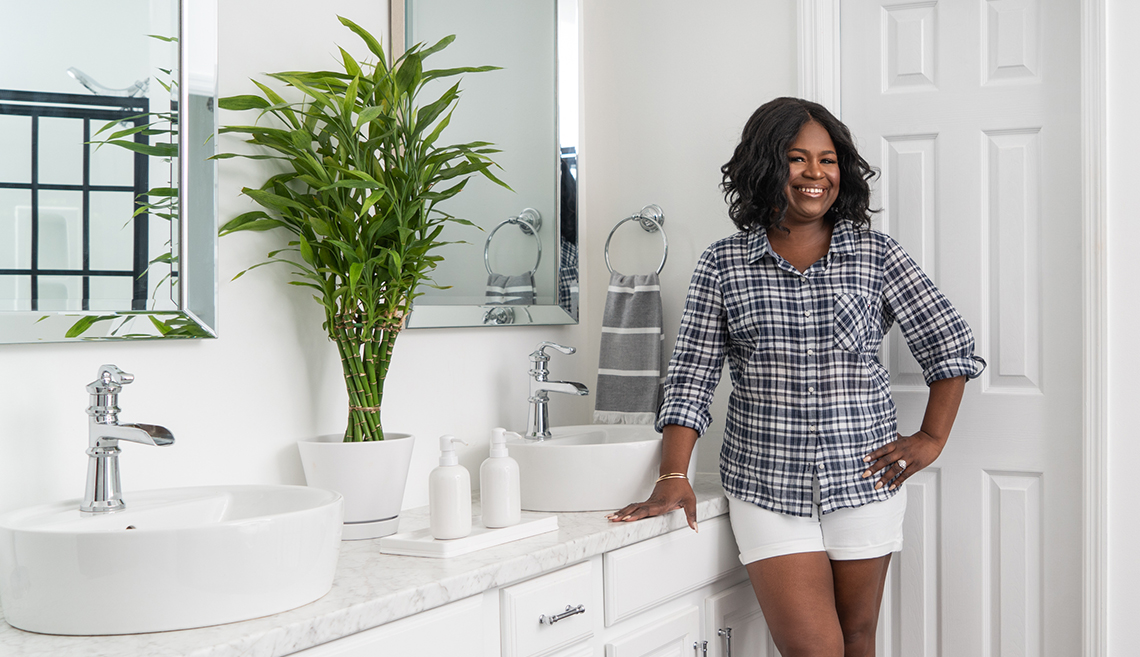
Aging in place remodeling is defined as adapting a home to be safe and manageable for individuals regardless of their physical limitations, enabling them to live independently for longer. This concept is increasingly popular, with a 2021 AARP poll indicating that 75% of people aged 50 and older desire to remain in their homes. While the aspiration to age in place is strong, many existing homes do not meet the evolving needs of older adults, necessitating thoughtful renovation.
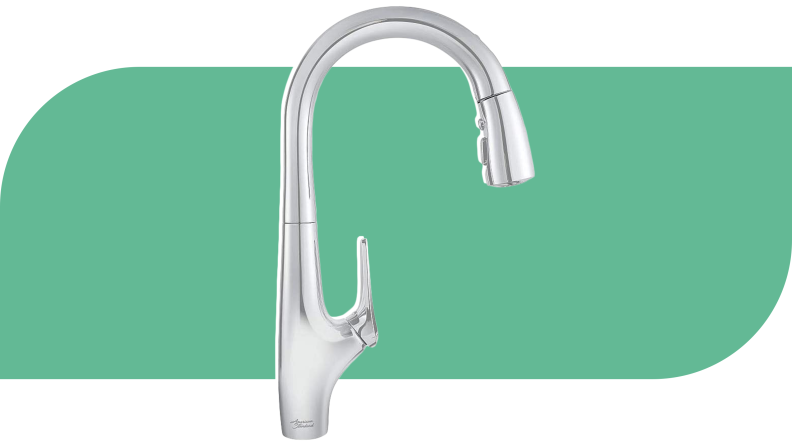
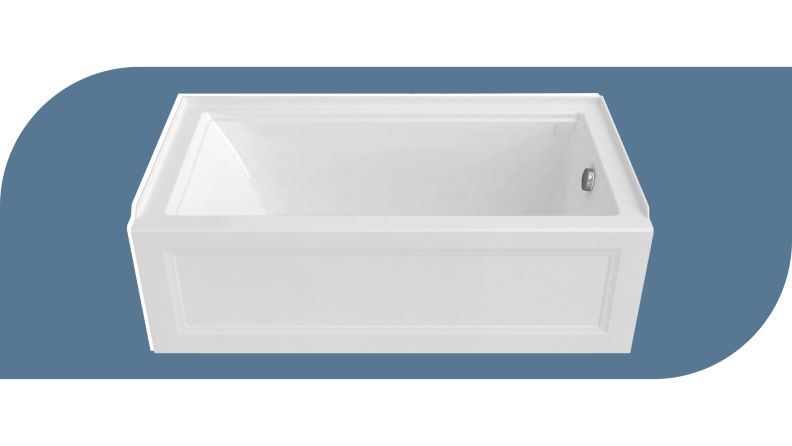
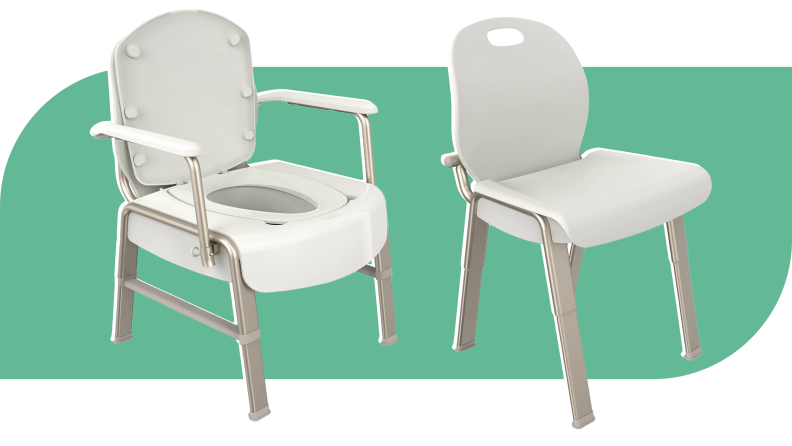
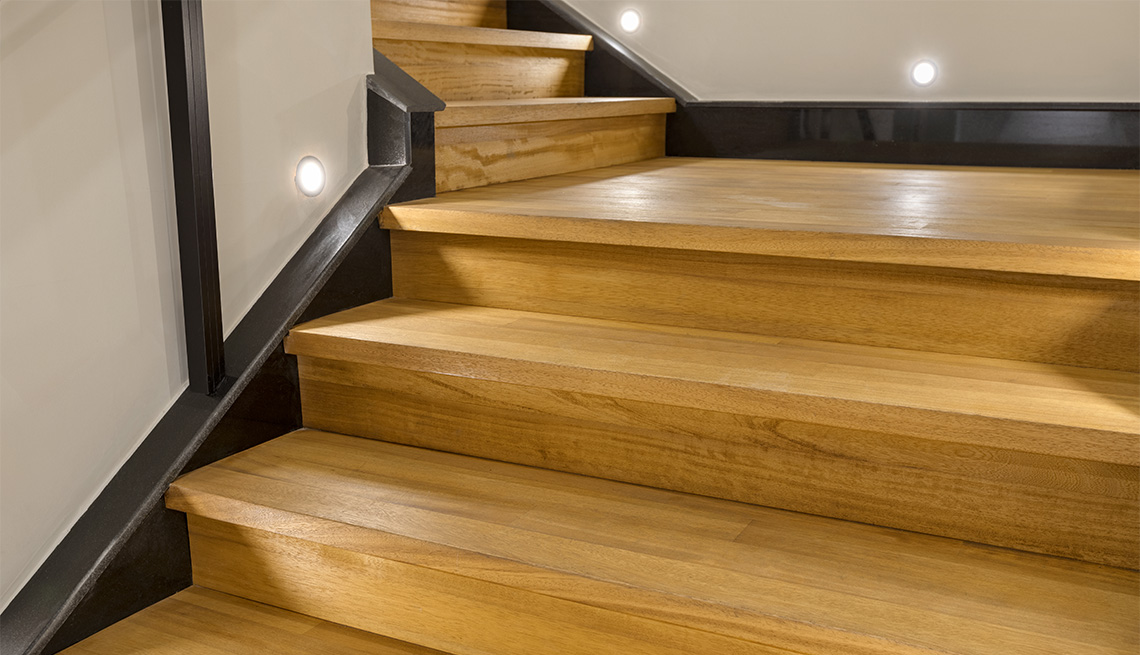
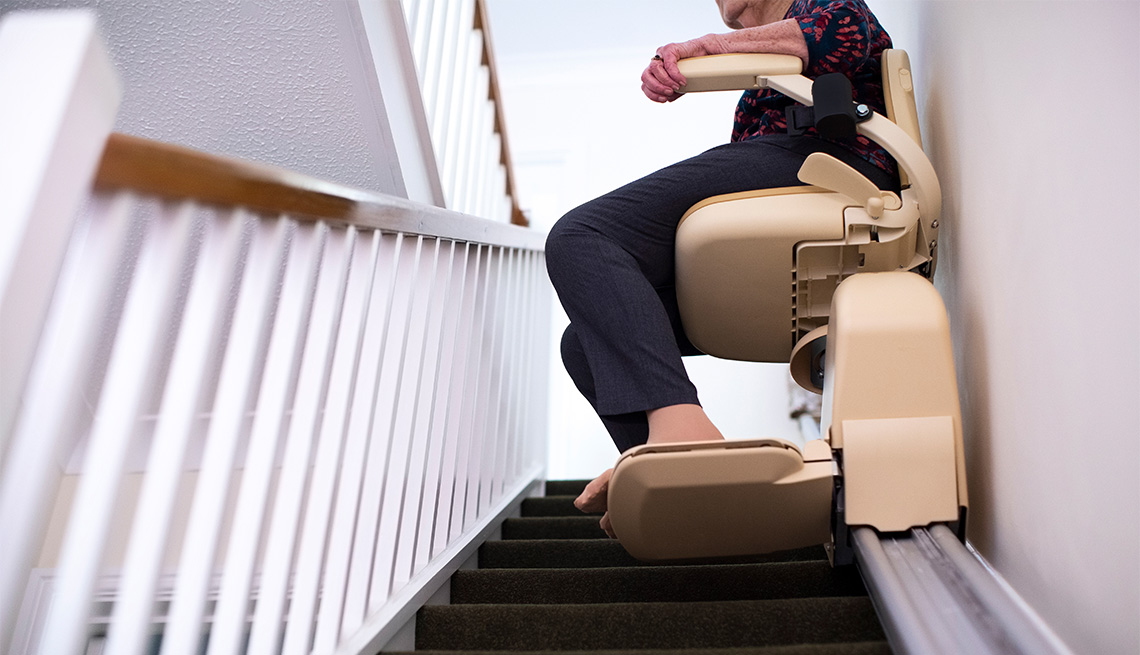
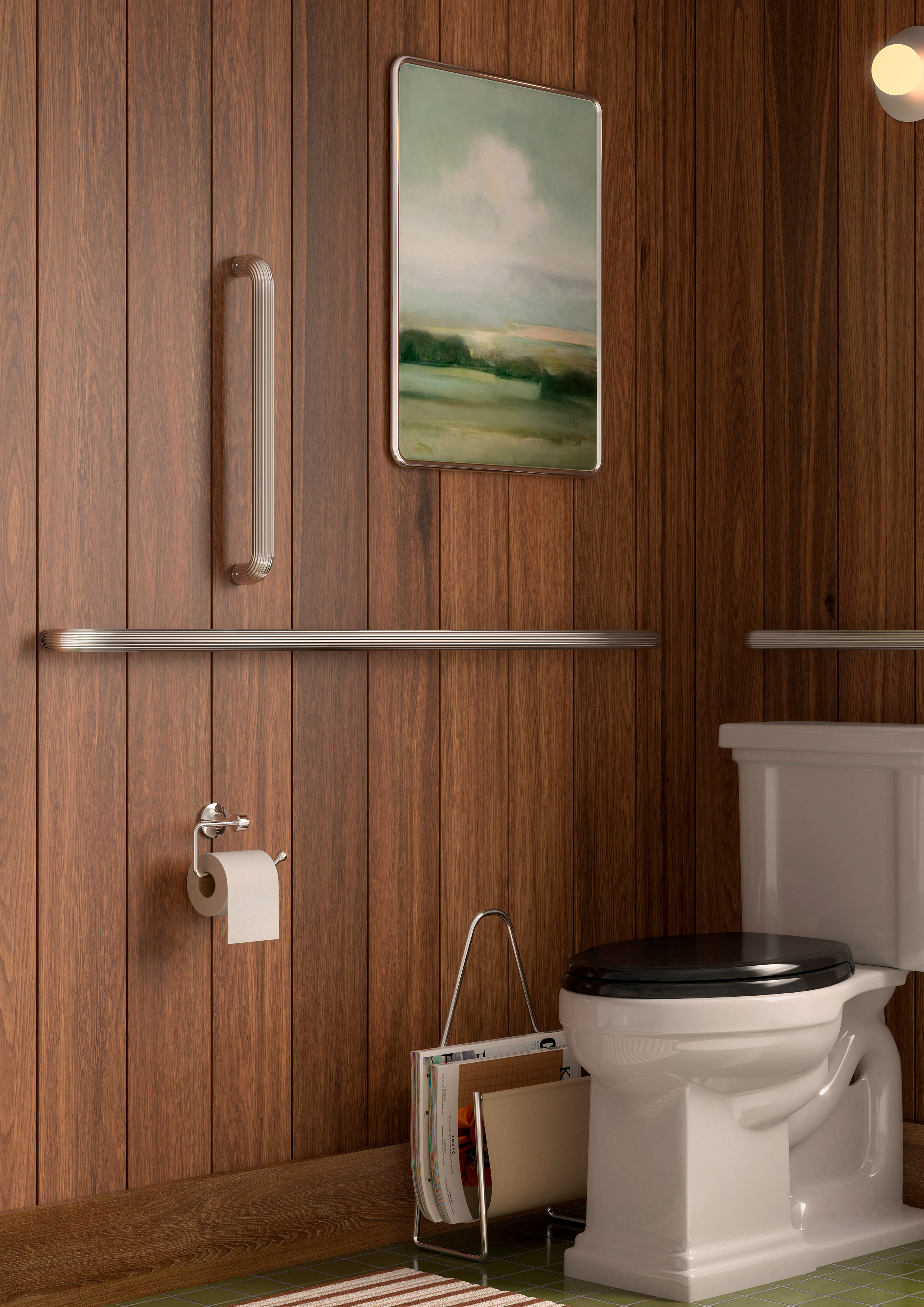
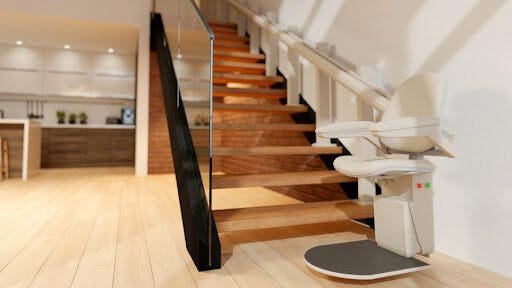
Key renovations for aging in place include installing grab bars, which are highly effective in preventing falls, especially in bathrooms. Walk-in showers offer barrier-free entry, and walk-in tubs provide low-threshold access with integrated safety features. Raised toilet seats assist those with leg weakness, and shower chairs offer additional support during bathing. For homes with stairs, stair lifts provide a motorized solution for vertical mobility, while lift chairs help individuals transition from sitting to standing. For more extensive needs, home elevators can facilitate movement between floors. Bed rails enhance safety by preventing falls from bed and aiding in repositioning, and wheelchair ramps allow access over steps and thresholds.
Beyond structural modifications, various products and smart home technologies can significantly support independent living. Mobility scooters and electric wheelchairs offer enhanced autonomy for transportation inside and outside the home. Medical alert systems provide immediate access to emergency help, crucial for individuals with health or balance issues. Home oxygen concentrators ensure respiratory support, and hearing aids improve auditory awareness, contributing to overall safety. Pulse oximeters allow for self-monitoring of vital signs, and pill organizers help manage medication schedules effectively. Walkers provide essential stability for those with mobility challenges, and heart rate monitors offer real-time cardiac monitoring.
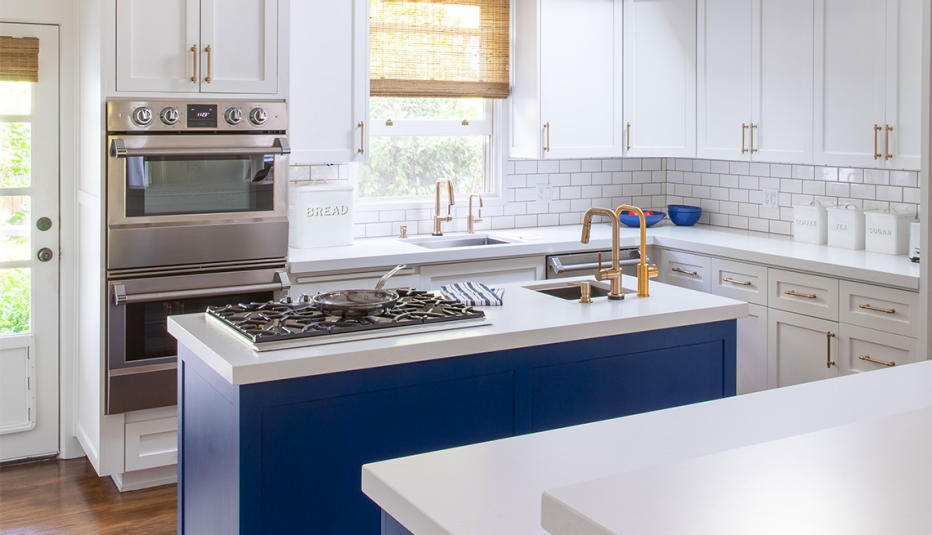
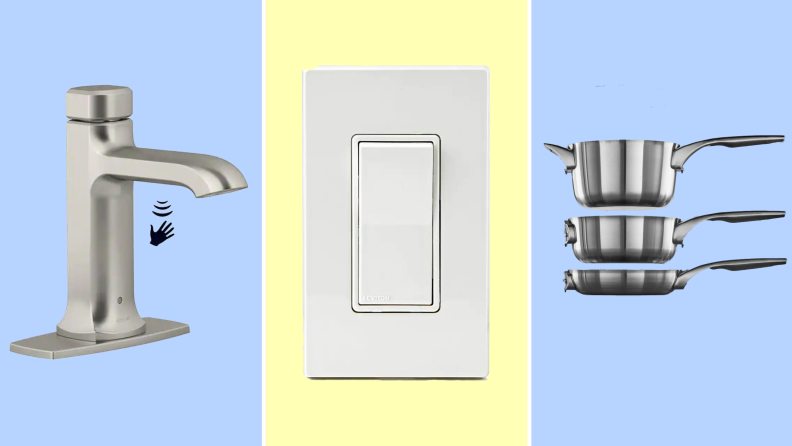
Smart home upgrades, controlled via central hubs like Amazon Echo or Google Nest, and smartphone apps, can simplify daily tasks. These include smart doorbells and locks for remote access, security cameras for monitoring, smart thermostats for climate control, and smart light switches for voice-activated illumination. Smart stoves and ovens, capable of automatic shut-off and remote control, enhance kitchen safety.
The optimal time to consider and initiate aging in place remodeling is proactively, before urgent needs arise. This approach allows for thorough planning and cost-effective implementation, avoiding rushed decisions during a crisis. Discussing aging in place with loved ones requires empathy and a focus on maintaining independence. Professional guidance from certified aging in place specialists, healthcare professionals, or organizations like the Area Agency on Aging can help assess needs and identify appropriate modifications. Financial assistance for renovations may be available through state Medicaid benefits or veterans' Aid and Attendance benefits.
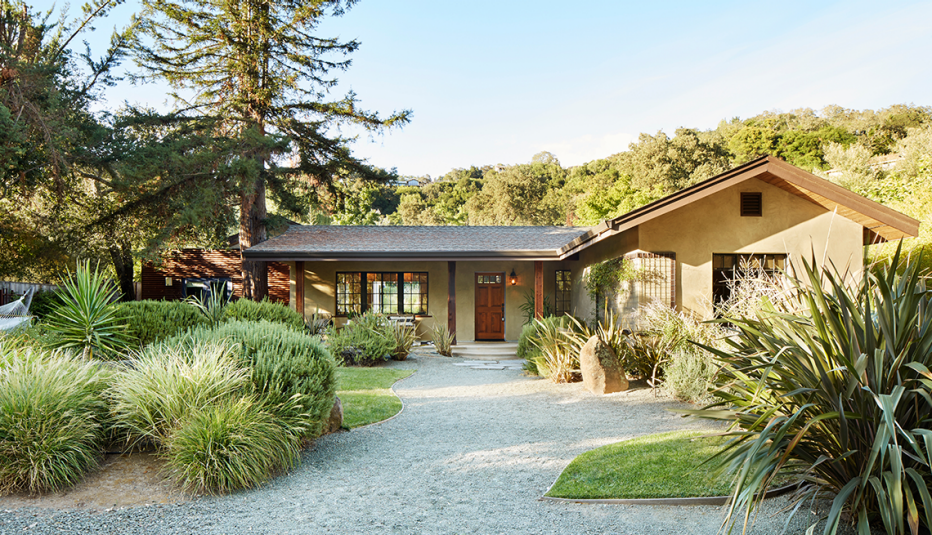
The cost of these remodeling projects varies widely depending on scope, materials, and labor. Examples include grab bars ranging from $15 to $300, walk-in showers from $1,500 to $3,500, and walk-in tubs averaging around $10,000 including installation. Raised toilet seats typically cost $27 to $85, and shower chairs $50 to $300. Stair lifts can range from $2,000 to $10,000, while home elevators are a significant investment, costing $20,000 to $50,000. Bed rails are $30 to $150, and wheelchair ramps typically cost $100 to $250 per square foot. The most common renovation remains the installation of grab bars, which significantly reduce fall risks. For a home design ideal for aging in place, a one-story ranch-style home with an open, spacious floor plan is recommended to accommodate mobility devices.
#AgingInPlace #HomeRemodeling #SeniorLiving #Accessibility #SmartHomeTechnology #FallPrevention #UniversalDesign #Healthcare #AgingInPlace #HomeRemodeling #SeniorLiving #Accessibility #SmartHomeTechnology #FallPrevention #UniversalDesign #Healthcare
0 comment in total
 No comments yet
You may also like
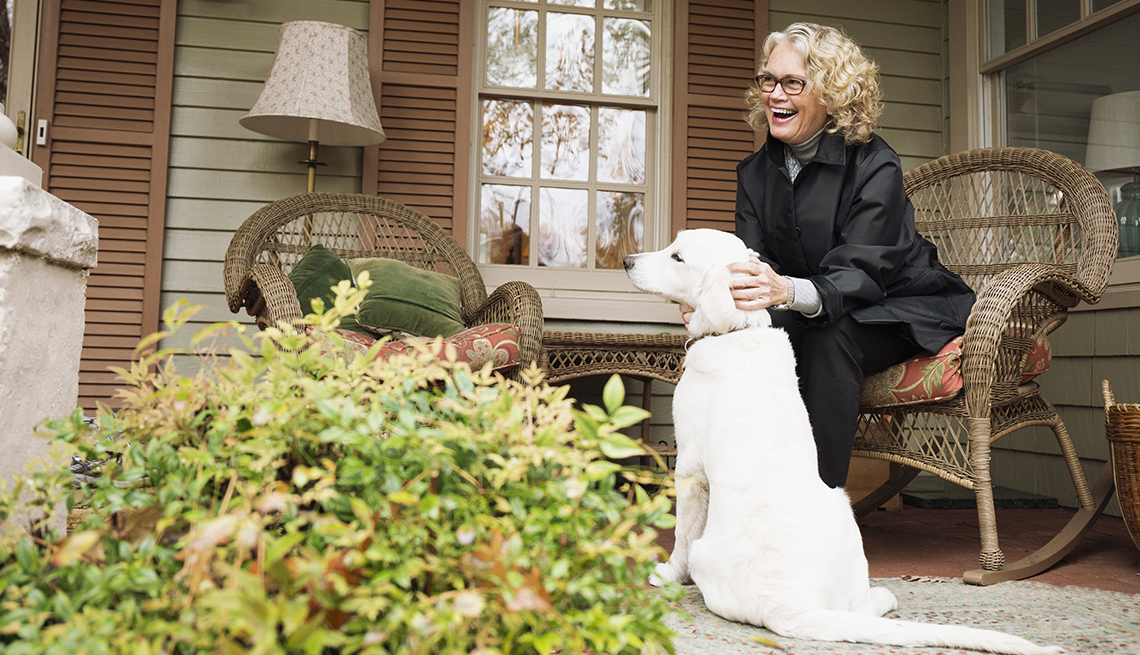
Your Home Checklist for Aging in Place
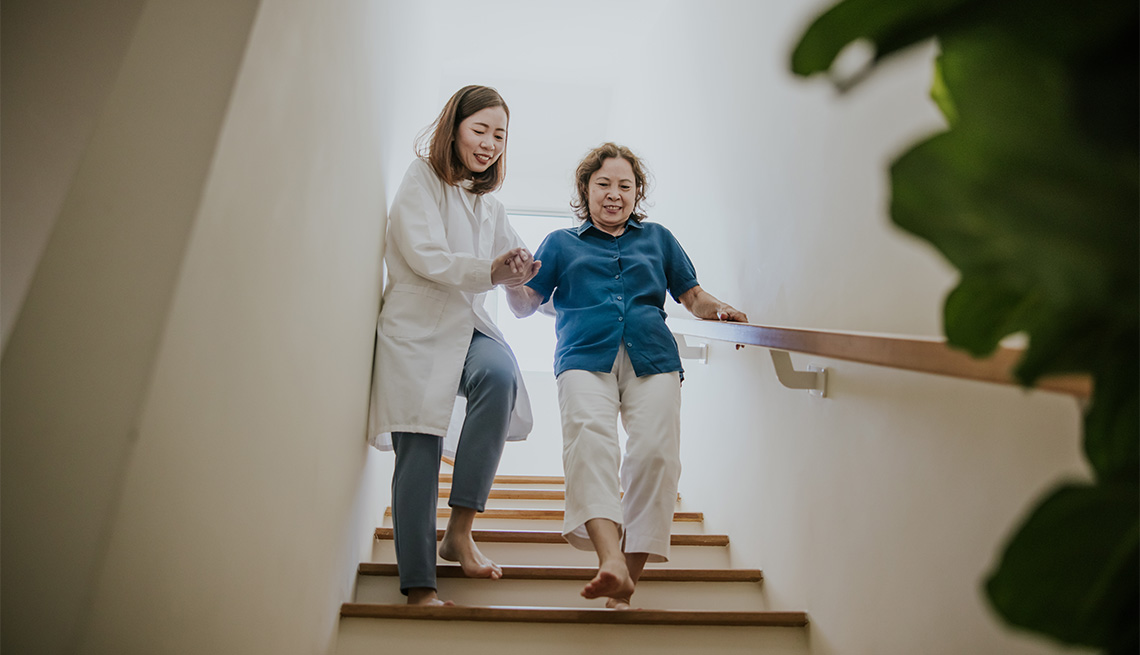
8 Ways to Make the Stairs Safer at Home
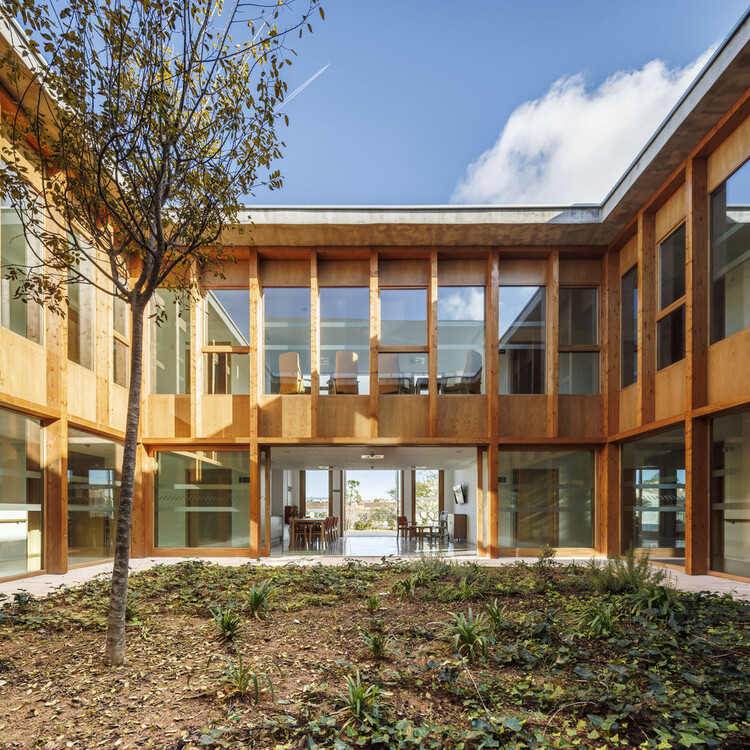
Courtyards, Gardens, and Terraces for Seniors: Residences that Integrate Community Life into the Natural Environment


Top 7 home renovations that can increase your property's value — and quality of life as you age

7 DIY Home Improvement Ideas for Your Forever House

Better with age: Flooring trends in senior living

How is an aging baby boomer generation changing the design of homes?

15 Old House Features We Were Wrong to Abandon

Research on architectural space design based on an empirical investigation of the communication life of older adults: taking unit-type nursing home as examples


Property Brothers’ Tips for Older Homeowners | Members Only
5 aging-in-place remodeling ideas for the kitchen

First Look: Remsen reframes ageing through design. ‘As you age, you should want the things you need’

5 Essential Home Design Ideas to Make Aging in Place Easier


Top tips for renovating old homes: Whether restoring or modernising, clever design is key
5 Common Mistakes Homeowners Make When Restoring Old Houses
Here's What Nobody Tells You About Buying and Renovating a Historic Home

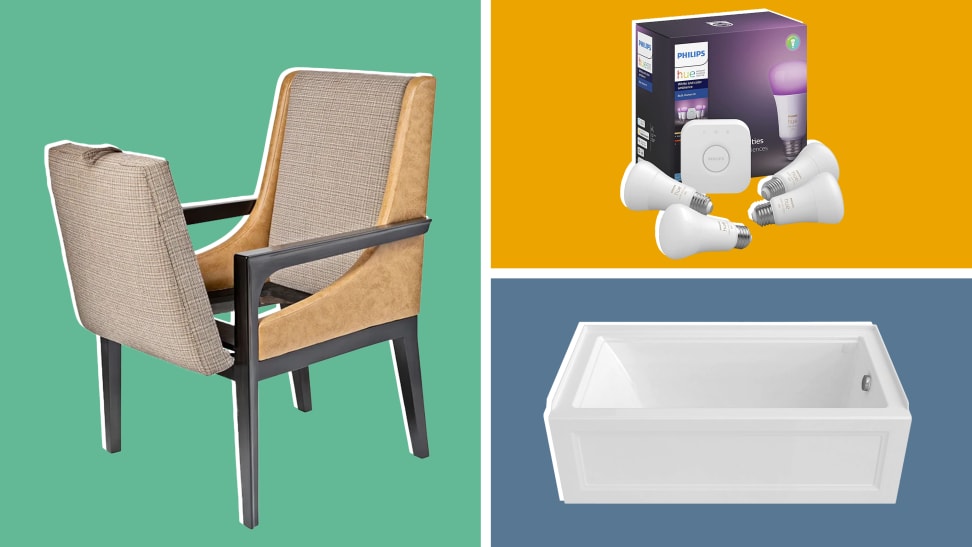
7 aging-in-place remodeling products with major style

Flexible space: Design for aged care
Guide to Buying Older Homes by Decade

How to Live With Stairs That Aren't Up to Code