1/6
The Importance of Privacy in Open-Plan Offices
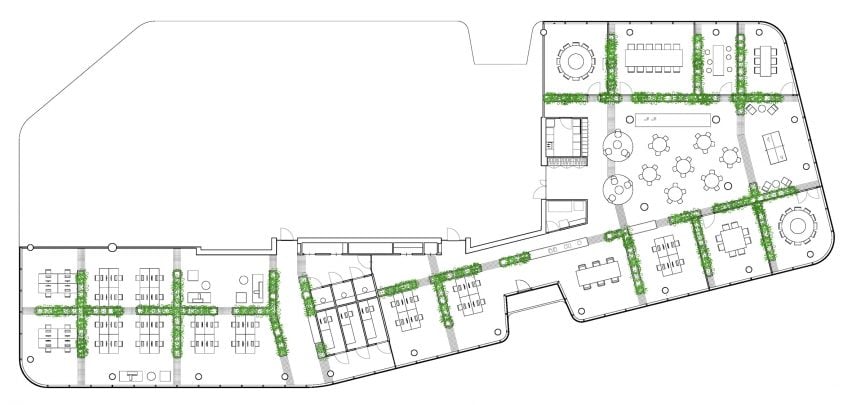
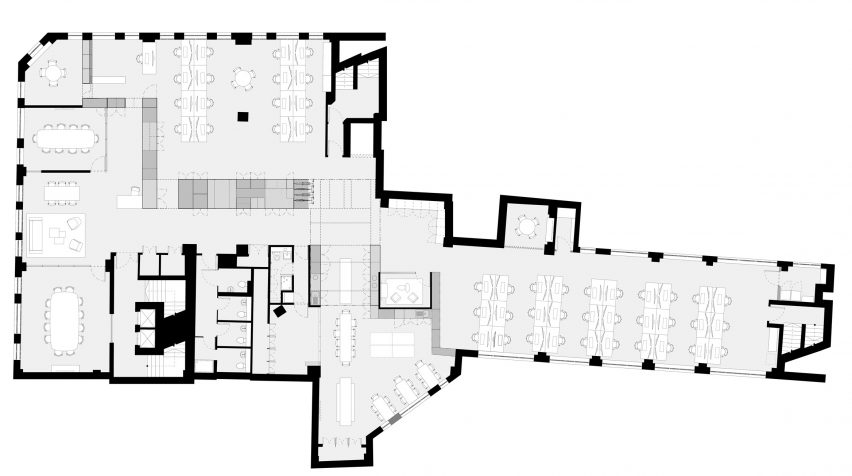
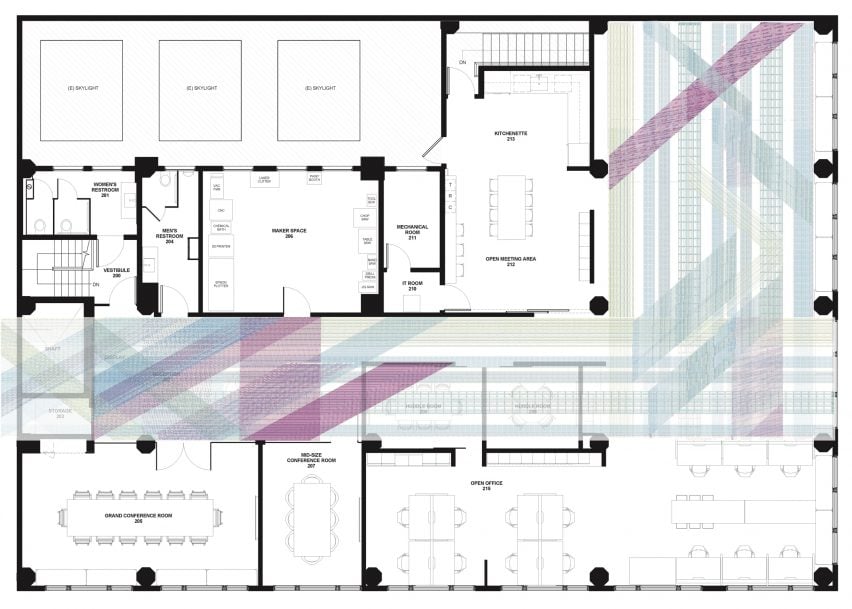
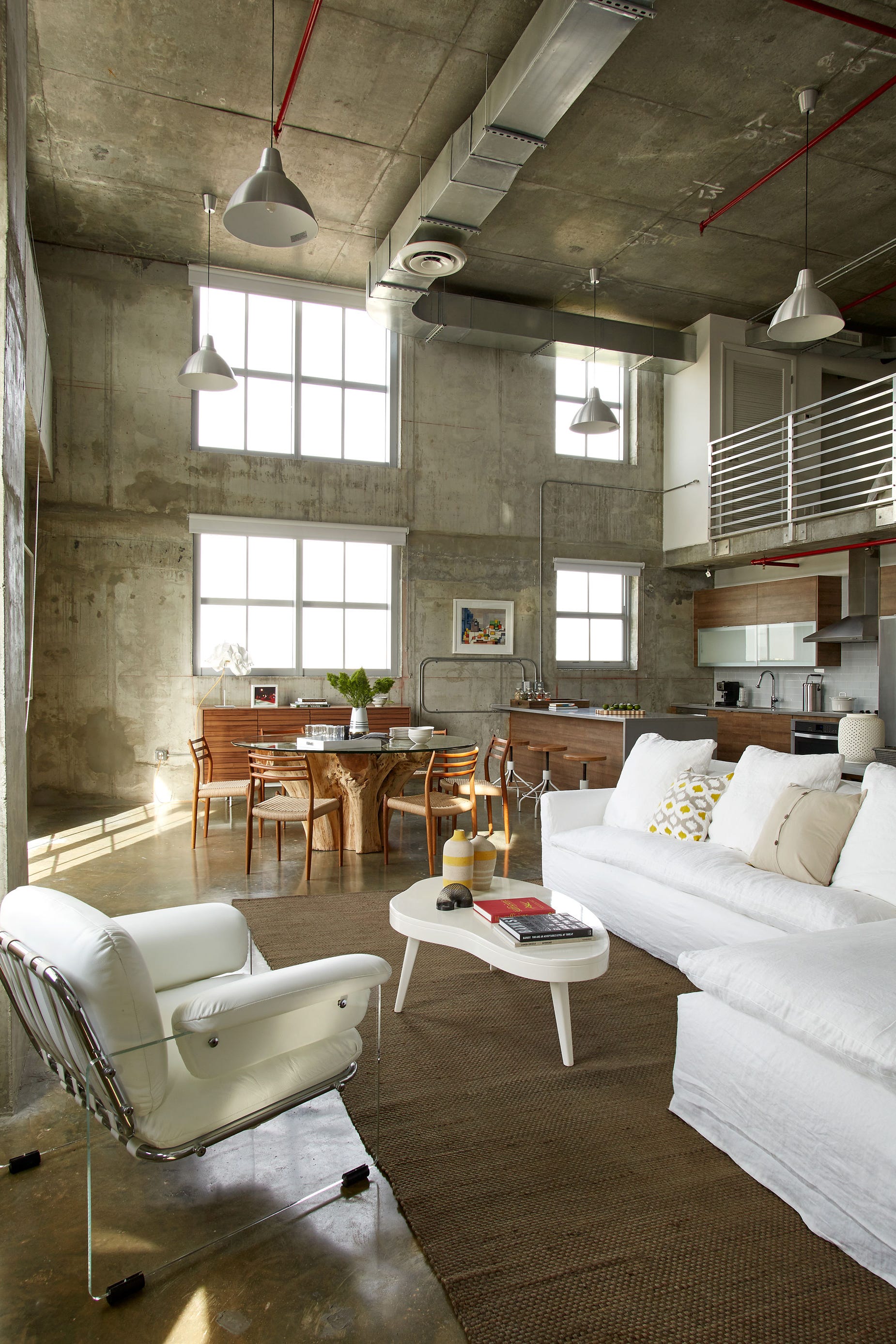
The concept of the open-plan office, first introduced by Frank Lloyd Wright in 1906 with the Larkin Building, and later popularized in Germany in the 1950s as "Bürolandschaft," aimed to foster communication and teamwork by eliminating spatial hierarchies and traditional closed offices. This design philosophy gained widespread acceptance, especially influenced by Silicon Valley tech companies like Google, which incorporated recreational areas, shared kitchens, and vibrant aesthetics to cultivate a collaborative and innovative work environment. The prevailing belief was that these open layouts were the most effective for increasing productivity.
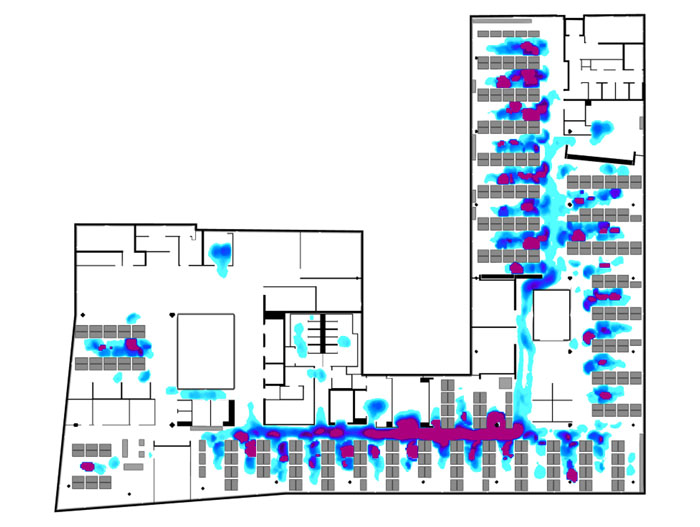
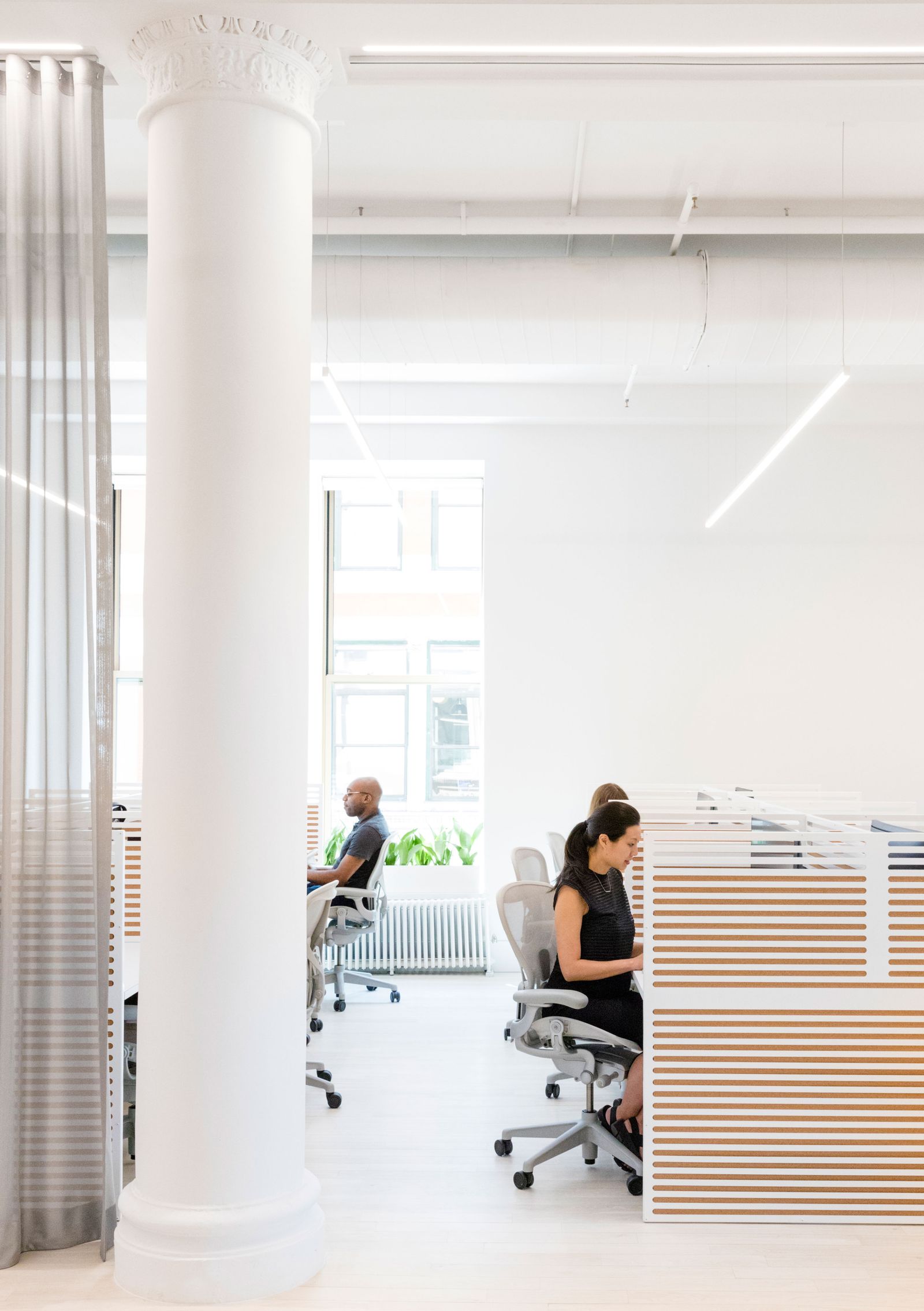
However, technological advancements and shifts in work culture, particularly following the global pandemic, have led to a reevaluation of the open-plan office model. Research conducted by HBS professor Ethan Bernstein examined the impact of transitioning from cubicle spaces to open floor plans. Contrary to expectations of increased collaboration, the study revealed a significant 70% decrease in face-to-face interactions, accompanied by a 50% rise in email and messaging communication. This phenomenon is attributed to what Bernstein calls the "fourth wall," a concept inspired by 18th-century philosopher Denis Diderot. In open offices, individuals implicitly create a figurative barrier to maintain focus, leading colleagues to respect this unspoken boundary and minimize interruptions. This often results in reduced interactions and the formation of social "bubbles" despite sharing the same physical space.
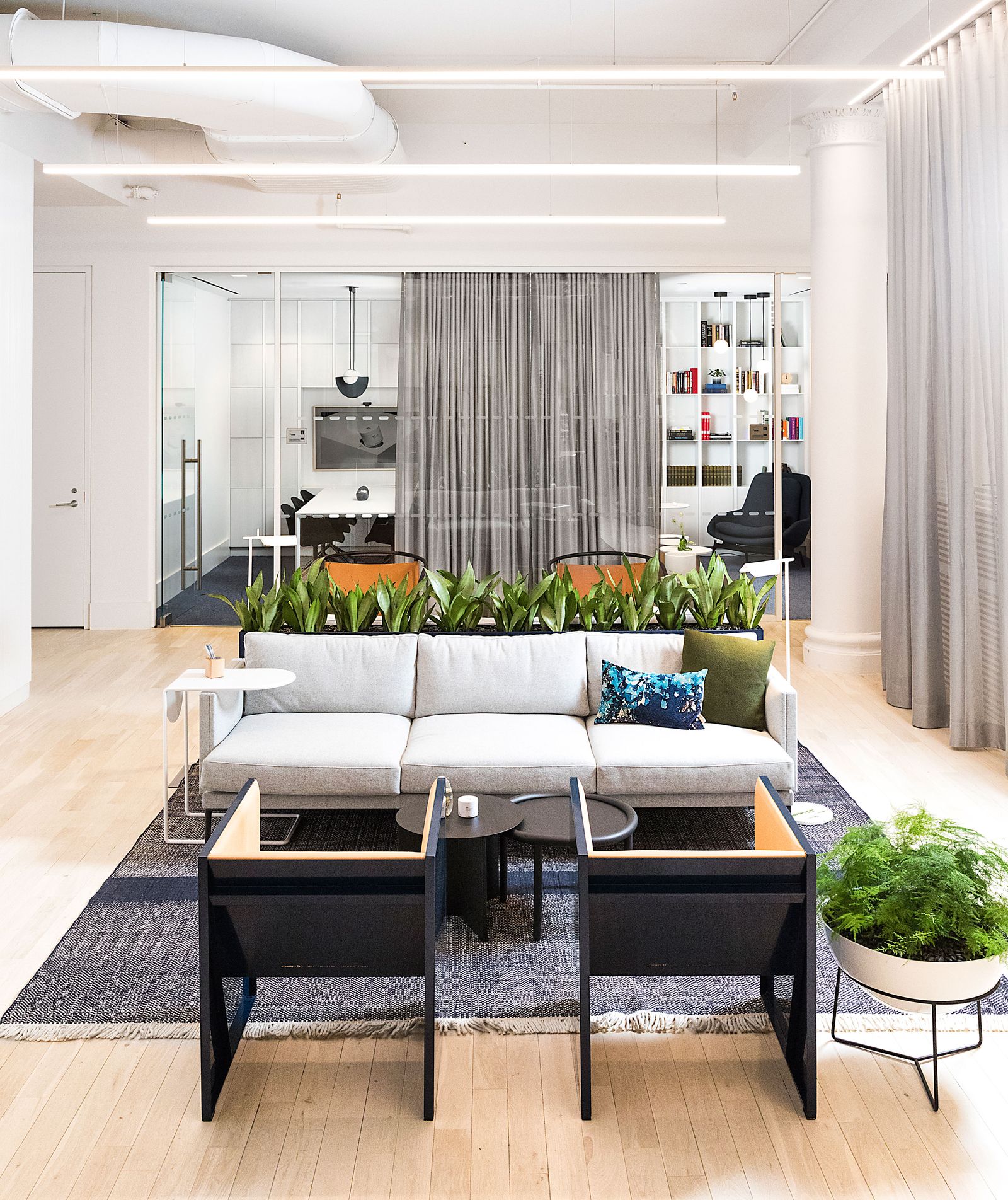
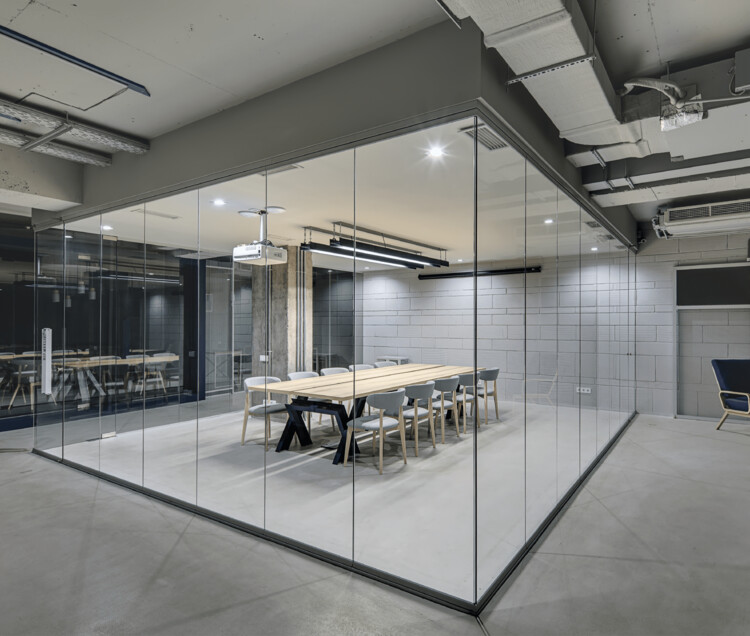
Another major concern voiced by occupants of open-plan offices is the difficulty in maintaining concentration due to numerous distractions, especially in large or noisy environments. Many employees require quiet spaces for focused work, and meetings often necessitate private areas to avoid disturbing others, ensure confidentiality, and facilitate deeper concentration. The study concluded that an optimal office design provides a diverse range of environments, allowing individuals to select workspaces based on their daily tasks and needs. Incorporating glass partitions emerges as a practical solution in these hybrid settings, as they enable the creation of secluded areas for concentrated work and private discussions while preserving visual transparency and maximizing natural light distribution. However, traditional blinds, often used for privacy on glass partitions, can significantly diminish the benefits of natural lighting.
To address the challenge of balancing privacy and natural light, some offices have adopted innovative solutions such as the Sonte Smart Film. This technology is designed to transform glass partitions from transparent to opaque instantly, offering flexible privacy control with options for dimming. The film can be operated via a switch, remote control, or a dedicated application, making it suitable for various glass surfaces including doors, windows, and large installations. Beyond privacy, it also offers protection against harmful UV rays, enhancing comfort and safety within the workspace. The Smart Film functions using liquid crystals embedded between two PET films. When turned off, these crystals are randomly dispersed, making the glass opaque. When an electric current is applied, the crystals align, rendering the film transparent. Its self-adhesive nature and customizable size allow for easy, cost-effective installation on existing glass, eliminating the need for specialized contractors. Post-installation, simply connecting a Wi-Fi transformer and powering the film activates its functionality, providing a practical and aesthetically pleasing solution for managing privacy and lighting.
The evolution of office environments highlights a continuous search for a balance between collaborative spaces and individual concentration. The adaptability of workspaces and visual comfort are critical considerations in modern office design. Technologies like the Smart Film offer an effective way to achieve this balance, providing dynamic control over privacy and light in open-plan settings, thereby catering to the diverse needs of contemporary workforces.
#OpenPlanOffice #OfficeDesign #WorkplacePrivacy #ArchitecturalInnovation #SmartFilm #FlexibleWorkspace #EmployeeProductivity #CollaborationSpace #ModernOffice #BuildingMaterials #OpenPlanOffice #OfficeDesign #WorkplacePrivacy #ArchitecturalInnovation #SmartFilm #FlexibleWorkspace #EmployeeProductivity #CollaborationSpace #ModernOffice #BuildingMaterials
0 comment in total
 No comments yet
You may also like
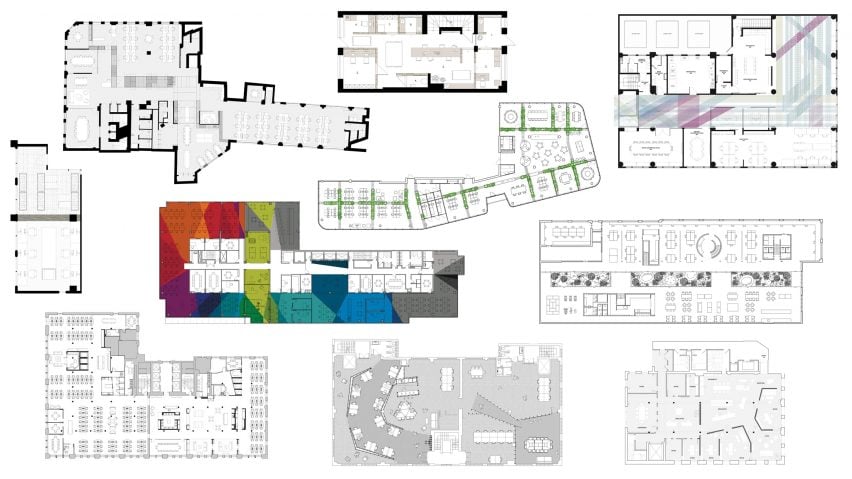
Ten offices with floor plans divided in interesting ways

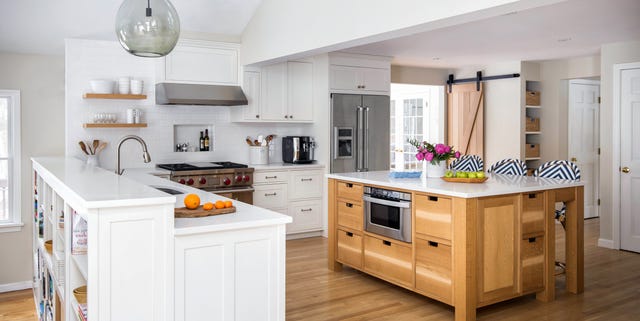
The Challenges and Opportunities of Open-Concept Floor Plans

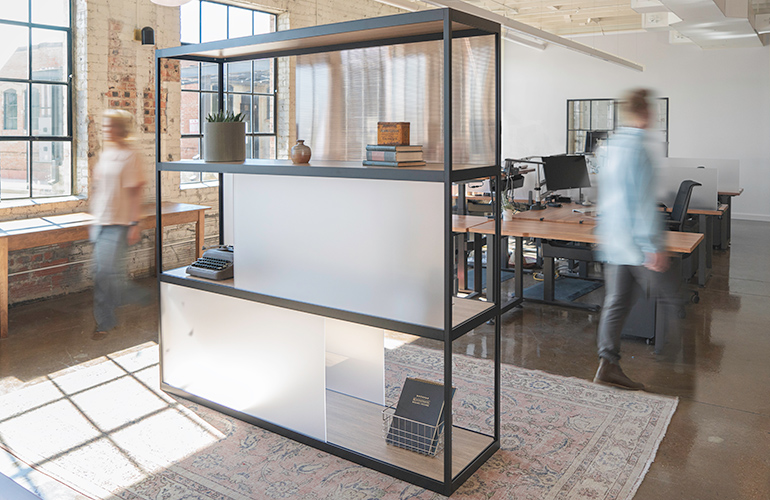
A New Solution for Open Office Shelving


I thought having my own office meant I'd 'arrived,' but it was depressing. Here's why open-plan office layouts are best.
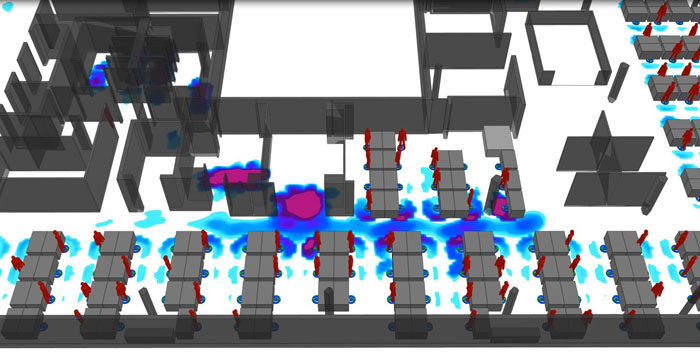
Planning the office space of the future
Open plan living: The new normal or passing trend?

Hate open floor office spaces? There’s a better way.

Open floor plans should be killed with fire — or sound

Open floor plans and home offices: How to make it work

How Leaders Can Decide If An Open-Plan Office Is Right For Their Company

5 New Ways With An Open Floor Plan
Home Office Ideas for Open-Plan Living
How to Deal When Your Company Moves to an Open Floor Plan
Of Course, This Anti-Aging Startup Has the Most Zen Office of All Time

Are open floor plans on the way out?


The End of Open-Plan Everything

Is open plan going out of style? Experts weigh on whether this once-loved layout is starting to date

De Vorm Introduces Soft Distancing for Added Safety in the Office
The Reason Why People Despise Open-Concept Homes

Turns Out, This House Layout Isn’t as Controversial as We Thought