Home Office Ideas for Open-Plan Living
The increasing prevalence of working from home necessitates a re-evaluation of home office design, particularly for sustained remote work. Initially, advice focused on temporary, low-cost solutions, but the current landscape suggests a more permanent shift, prompting the need for more integrated and functional home office spaces. John McCulley of McCulley Design Lab offers a series of design interventions aimed at transforming common open-plan "great rooms" into productive workspaces, without requiring extensive construction.
Historically, the environmental benefits of working from home have been a recurring theme, often accompanied by discussions of transformer furniture designed to accommodate technology in compact spaces. Examples include furniture by Julia West Home, which integrated bulky computers into small areas, and Graham Hill's LifeEdited apartment, featuring a movable office wall. With the author having worked from home for two decades and teaching sustainable design, a critical review of new design proposals becomes relevant.
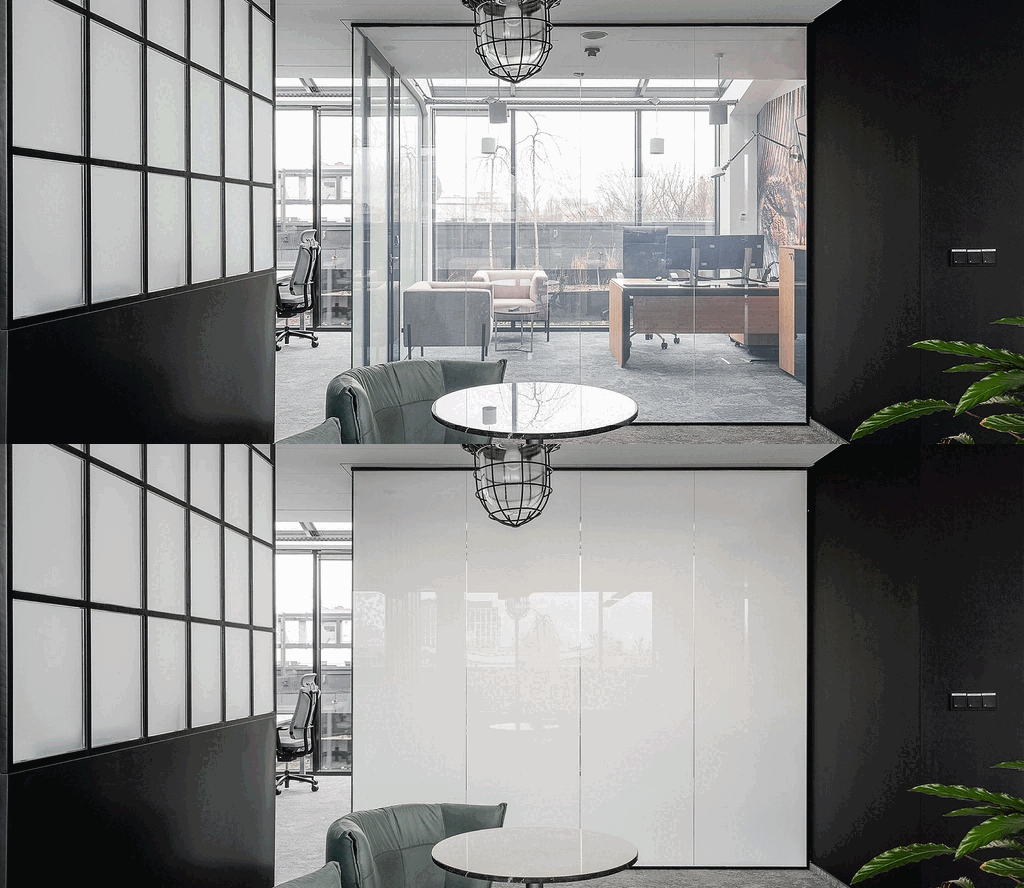
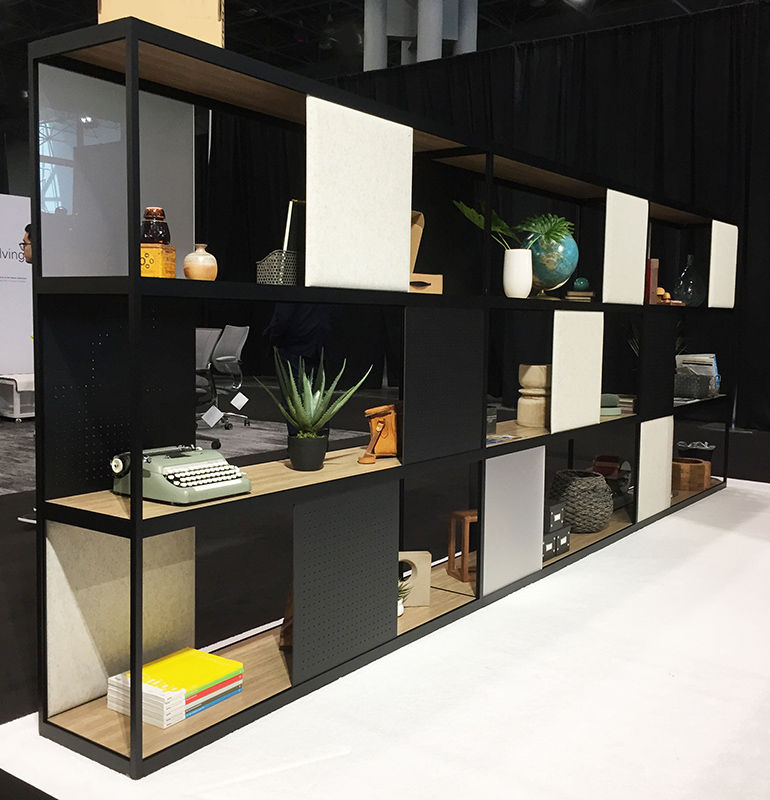
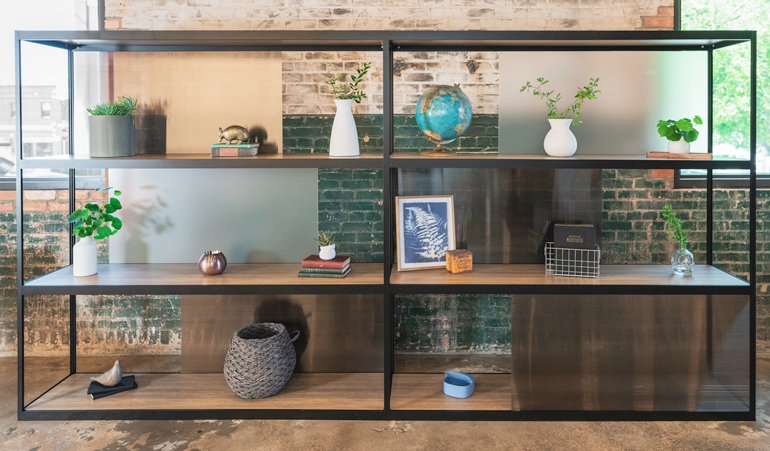
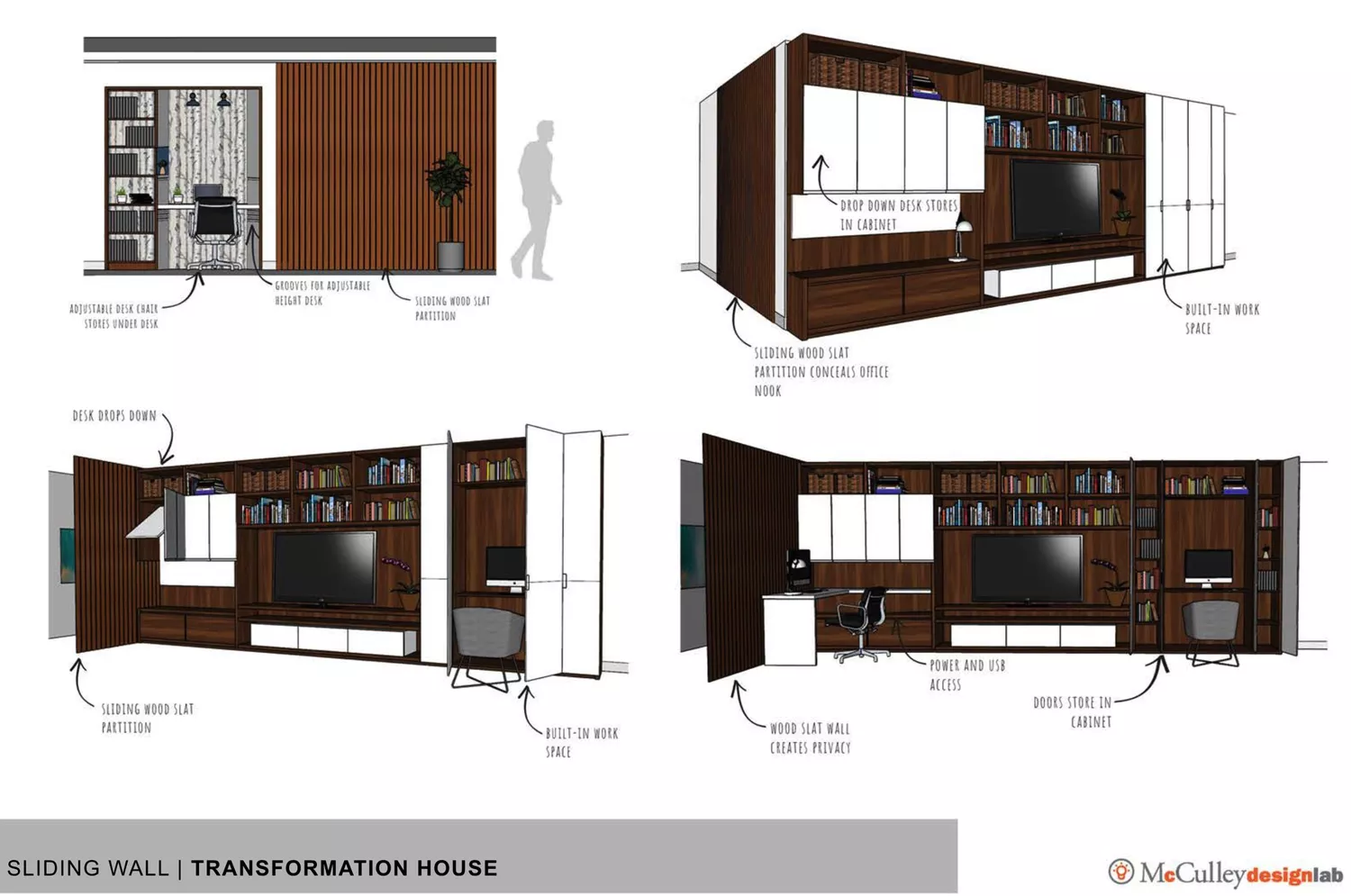
McCulley's "Secret Bookcase" design is a notable solution, offering versatility for various home layouts. When closed, it appears as a standard bookcase. However, it rotates 90 degrees from the wall, revealing a roll-out screen on the reverse side. An elaborate side-table folds down from the unit, designed to hold items such as a printer or an additional computer. The design also incorporates "fake lightglass windows" to simulate natural light and create a more conventional office ambiance.
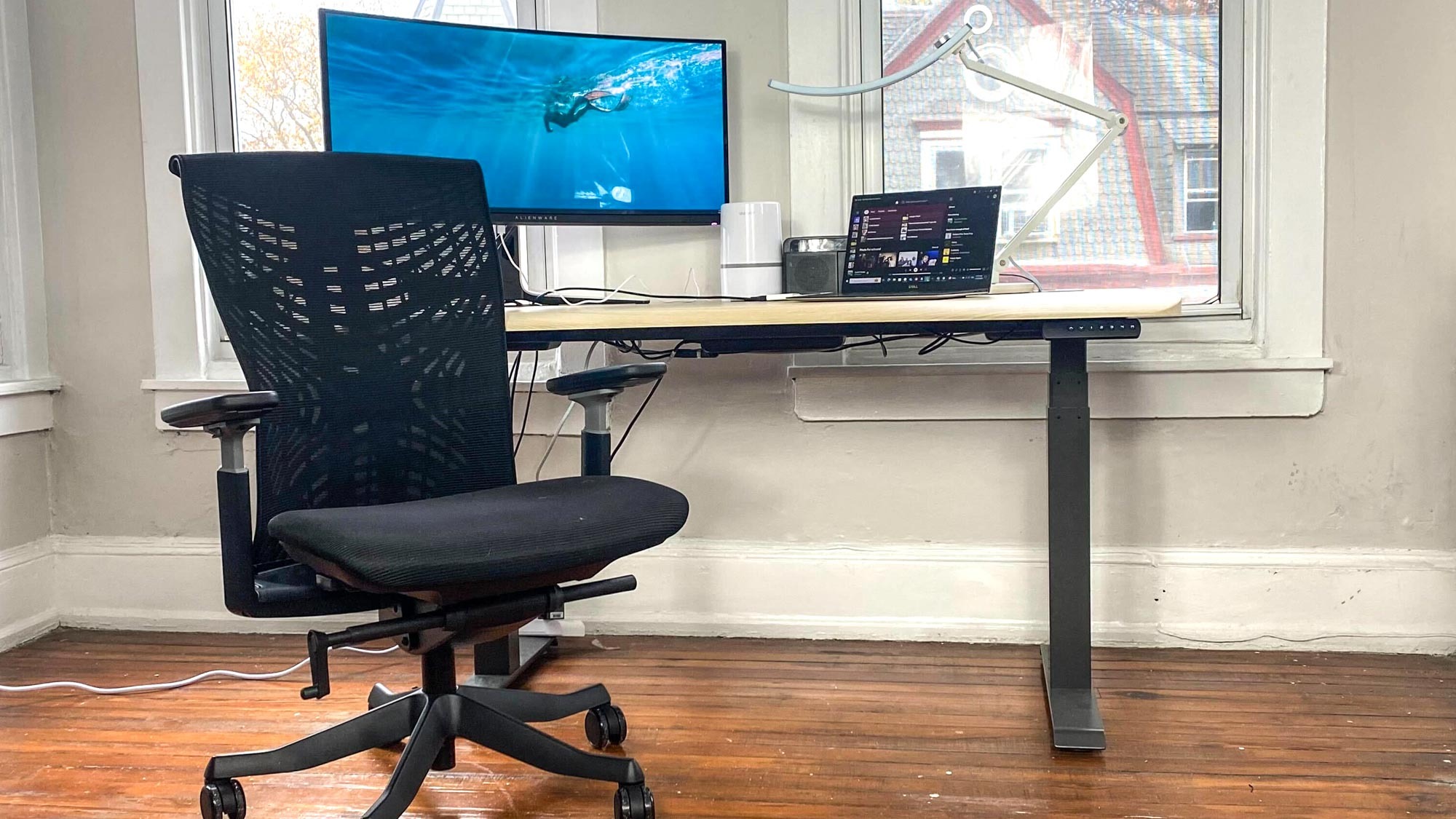
While innovative, certain aspects of the design warrant consideration. The utility of the elaborate side-table, particularly for housing a printer, may be outdated given the reduced need for physical printing and the consolidation of many office functions into personal devices. A more significant point of critique arises when considering the modern home office's role as a studio for virtual meetings. For effective Zoom calls, the placement of the simulated window is suboptimal; ideally, light sources should face the user to ensure proper illumination. Additionally, dual monitors are highly beneficial for managing participants and presentations simultaneously, and a green screen behind the user allows for dynamic and professional virtual backgrounds.
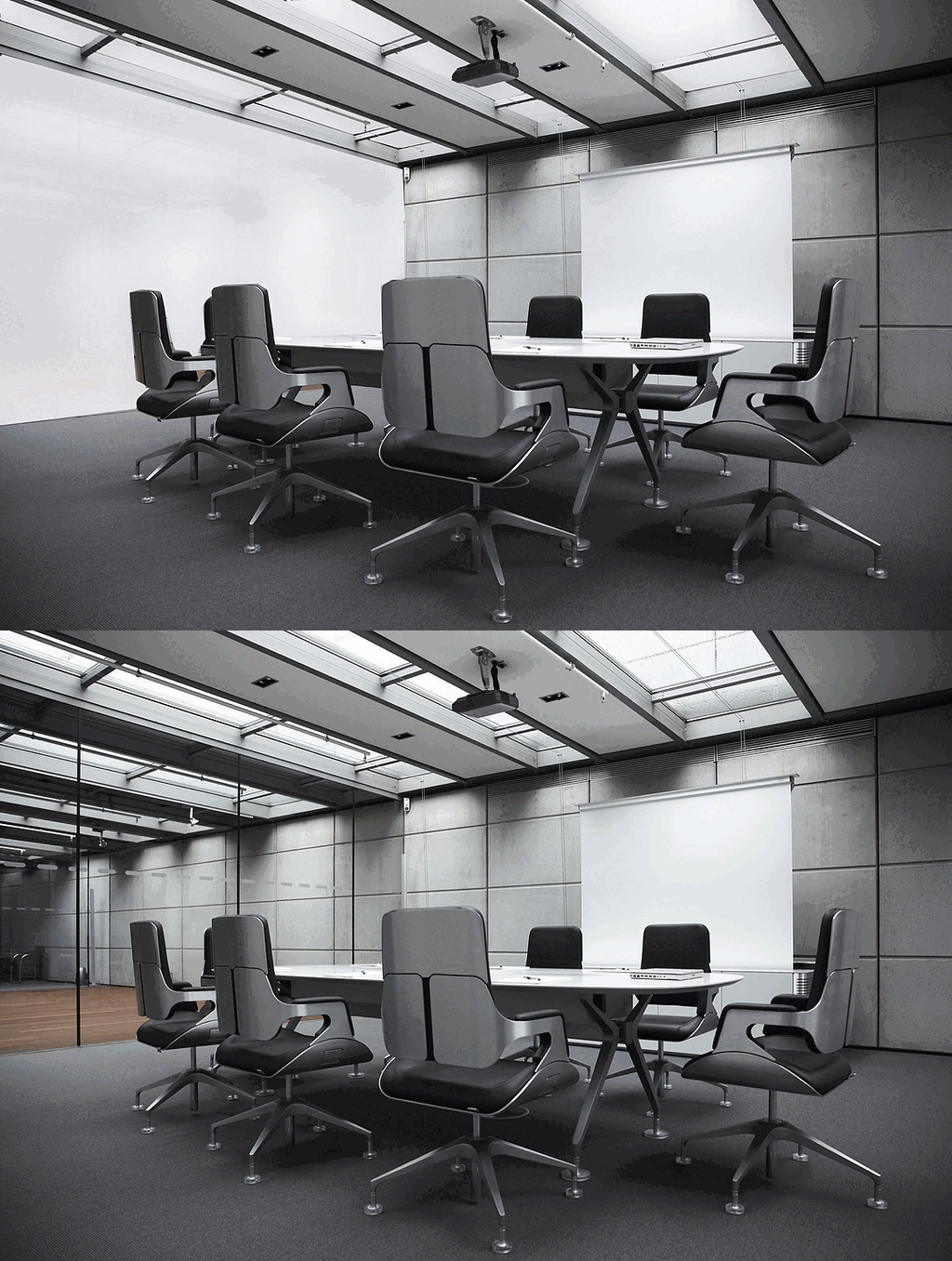
The current design does not explicitly address issues such as acoustic privacy or the prevention of interruptions from children and pets during virtual meetings, which are common challenges in a home environment. However, these may be beyond the scope of a single furniture intervention. The primary advantage of McCulley's design is its ability to provide an attractive and comfortable workspace that can be discreetly closed off at the end of the day, helping to establish a clear boundary between work and personal life—a crucial aspect for those working from home to avoid burnout. Other designs from McCulley, such as a larger multi-workspace setup, also highlight the importance of optimal video setup for virtual interactions, emphasizing proper lighting and non-distracting backgrounds.
#HomeOffice #OpenPlanLiving #WorkFromHome #FurnitureDesign #InteriorDesign #FlexibleWorkspaces #SustainableDesign #McCulleyDesignLab #RemoteWorkSolutions #HomeOffice #OpenPlanLiving #WorkFromHome #FurnitureDesign #InteriorDesign #FlexibleWorkspaces #SustainableDesign #McCulleyDesignLab #RemoteWorkSolutions
0 comment in total
 No comments yet
You may also like
Open floor plans and home offices: How to make it work
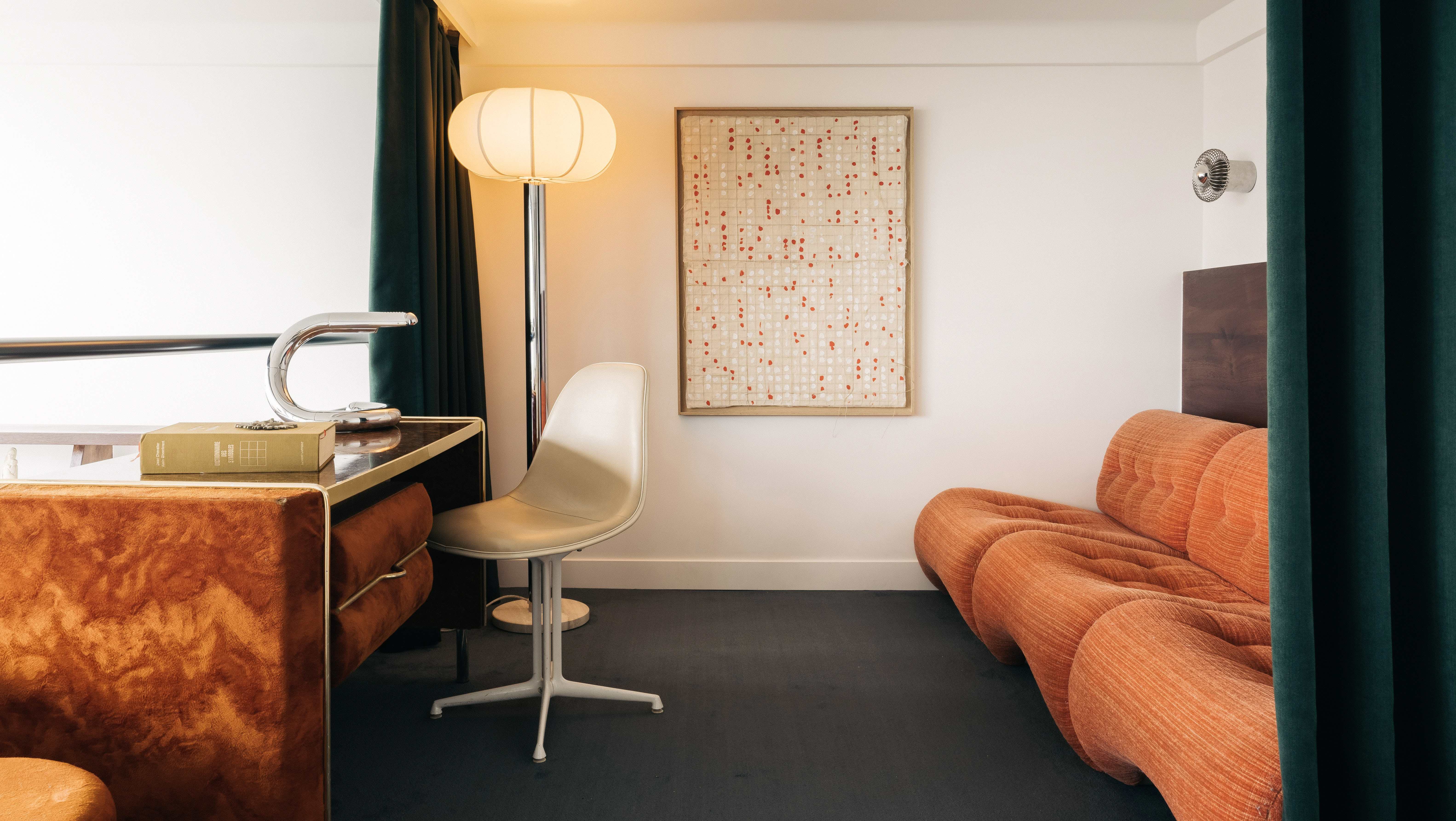
Who needs a Zoom background when your home office looks this good?

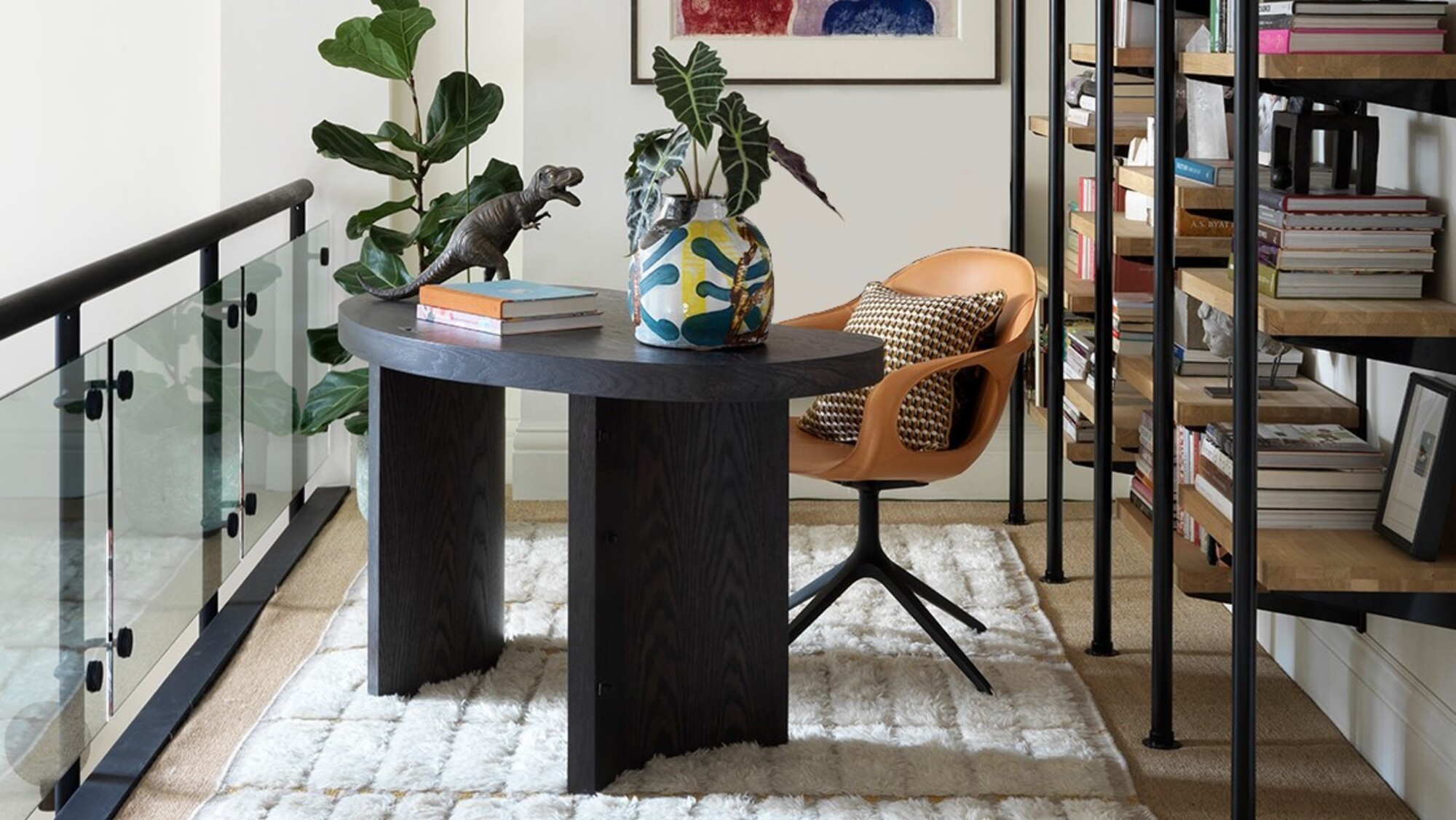
Home office ideas – 29 WFH spaces that marry practicality and style

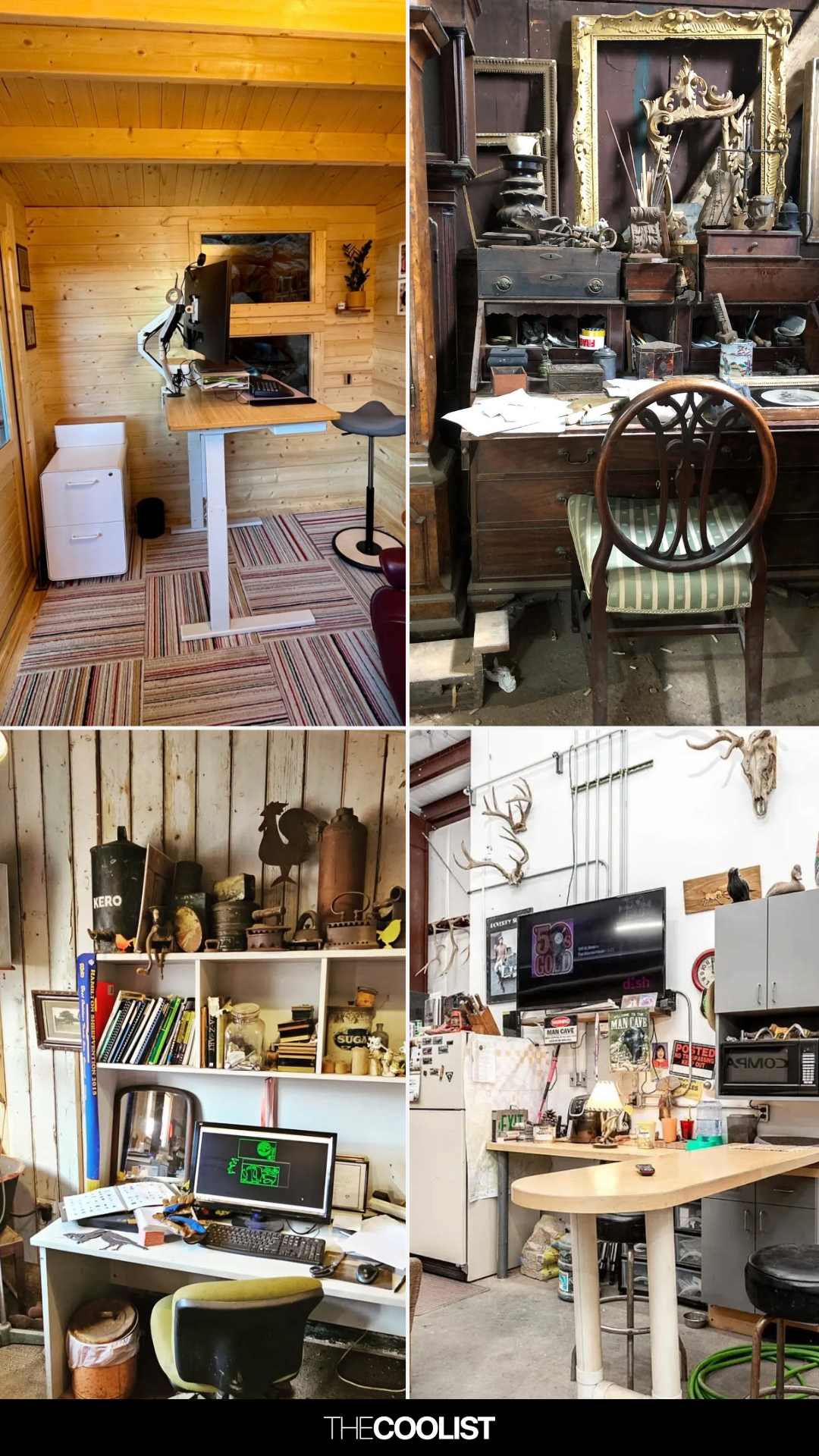
22 Home Office Workshop Ideas That’ll Make You Realize Why You’ve Been Unproductive
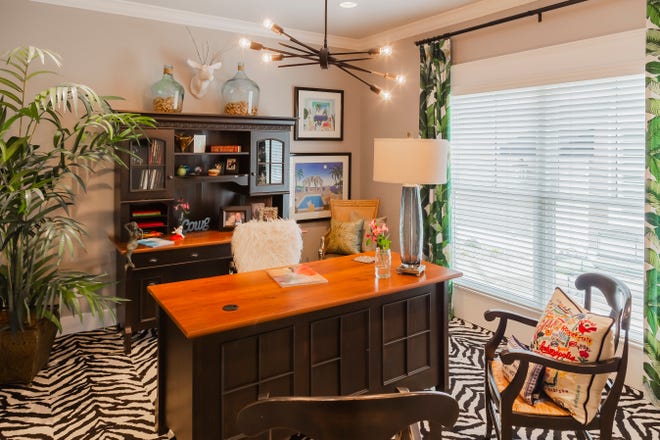
Step up your home office game with these tips from an interior designer
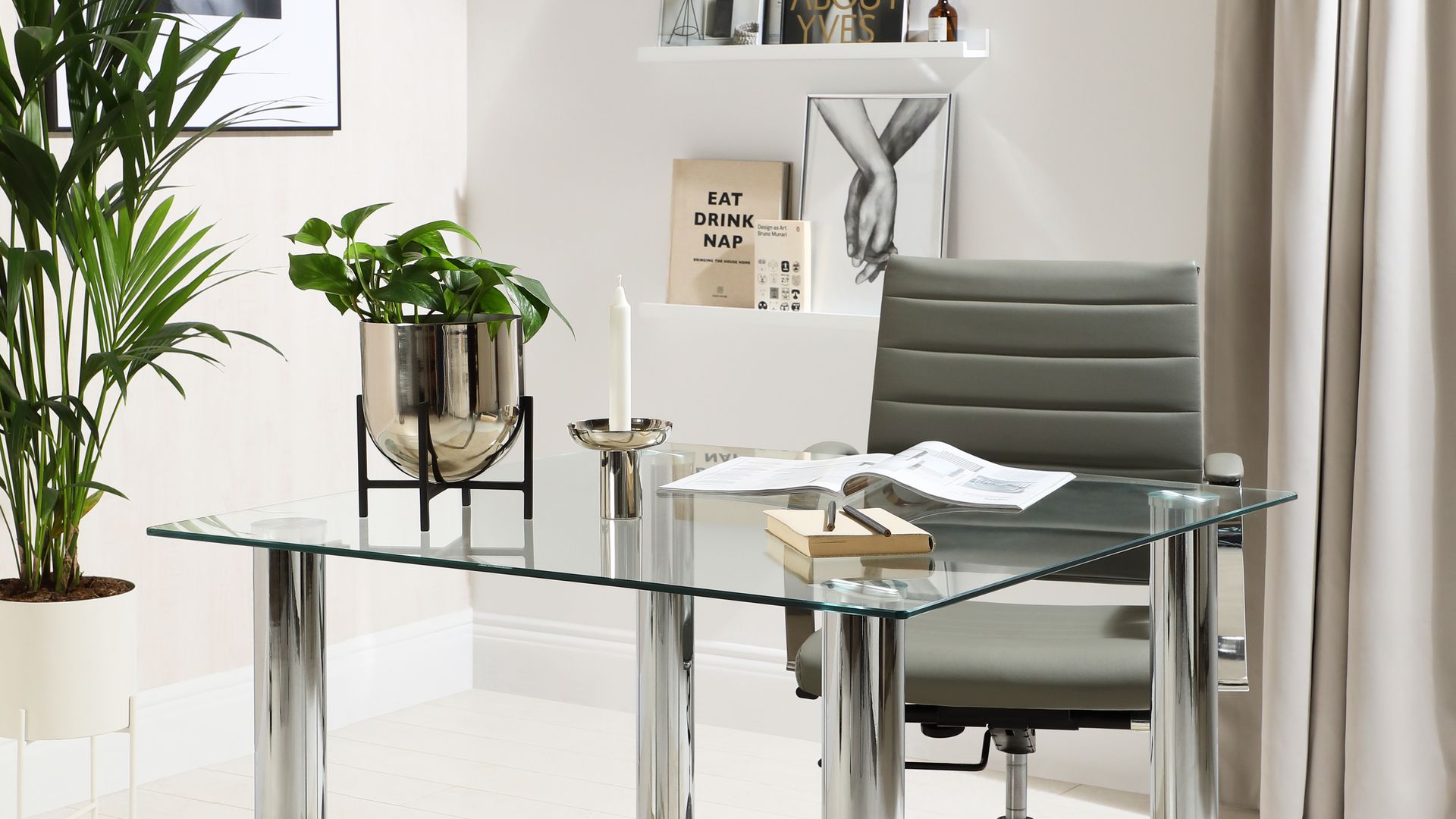
15 home office décor ideas for every WFH setup

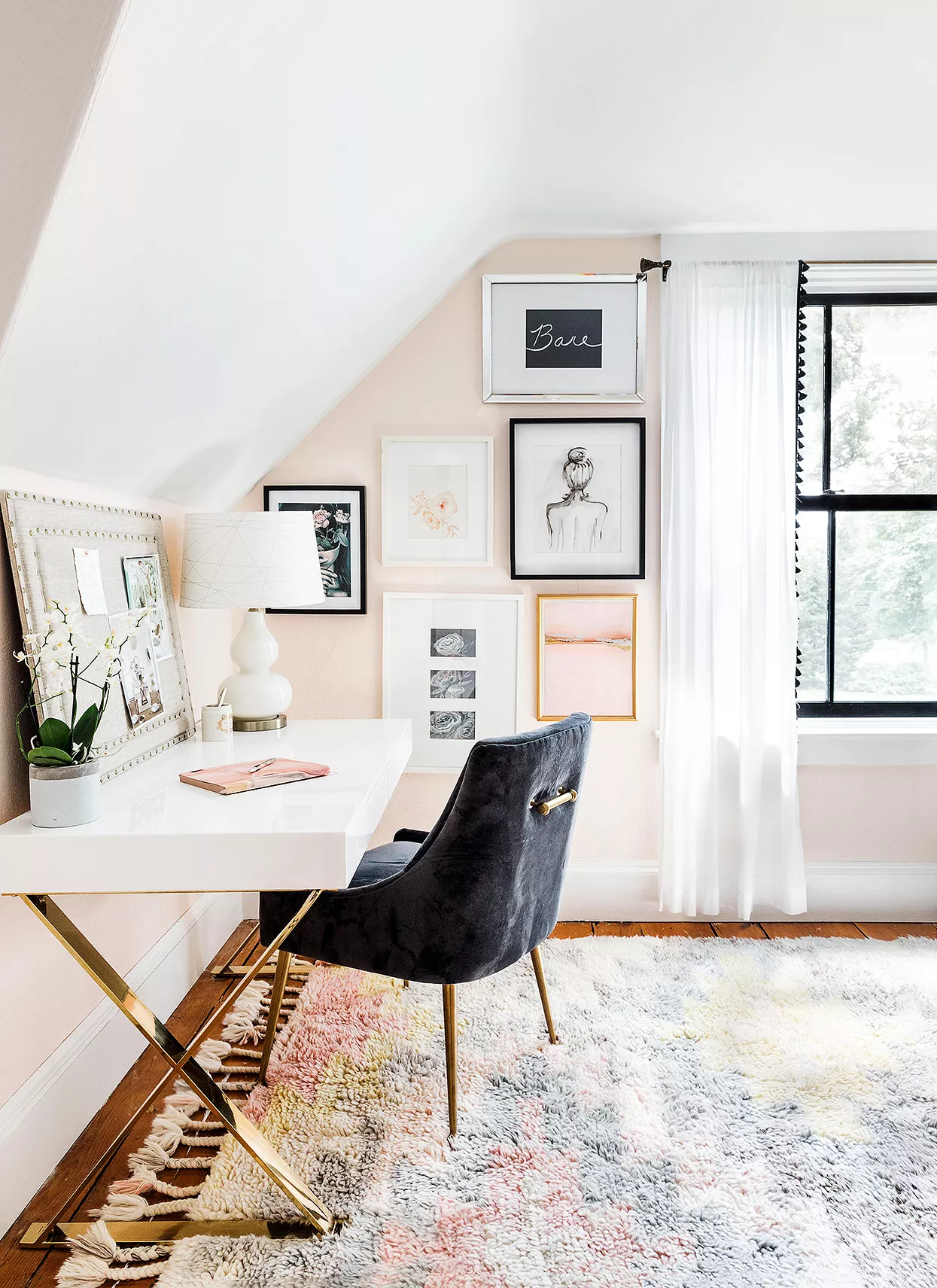
Corporate Natalie’s Top Tips for a Functional Home Office


Desk ideas for the home office - how to make sure your space works hard in the style stakes
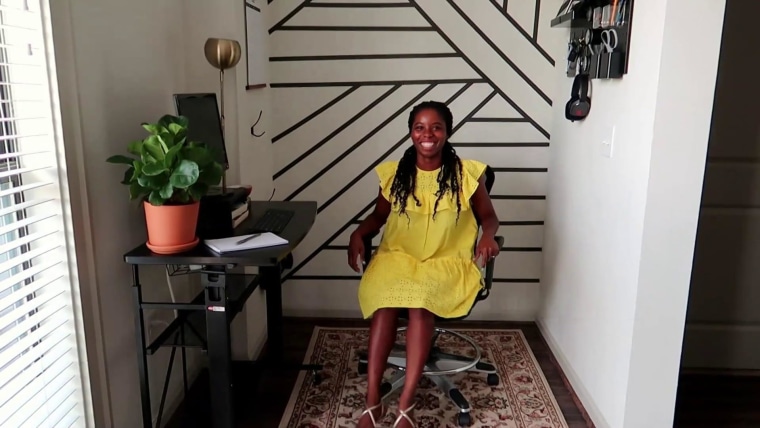
5 home office ideas to create the perfect workspace

Home office ideas and inspiration for when you're short on space

The Importance of Privacy in Open-Plan Offices

5 small office layout ideas you've never thought about before

8 Home Office Layout Ideas That Are Up to Any Task

Ten offices with floor plans divided in interesting ways

5 New Ways With An Open Floor Plan

How I Set Up My Dream Desk in My Tiny Bedroom
Ten residential interiors with spacious open-plan studies
5 home office layout ideas to refresh your workspace for the new year

A New Solution for Open Office Shelving

I thought having my own office meant I'd 'arrived,' but it was depressing. Here's why open-plan office layouts are best.