8 Home Office Layout Ideas That Are Up to Any Task
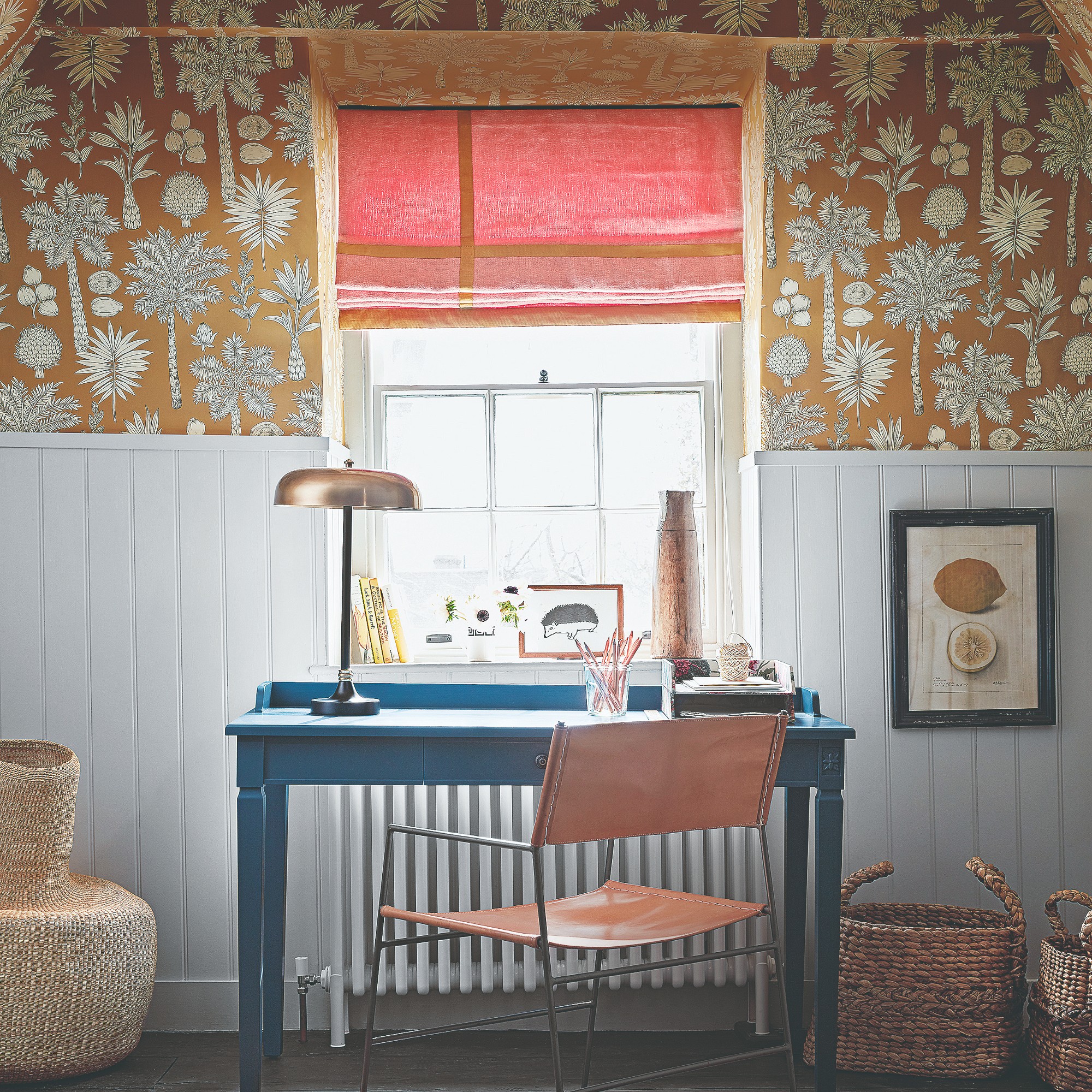
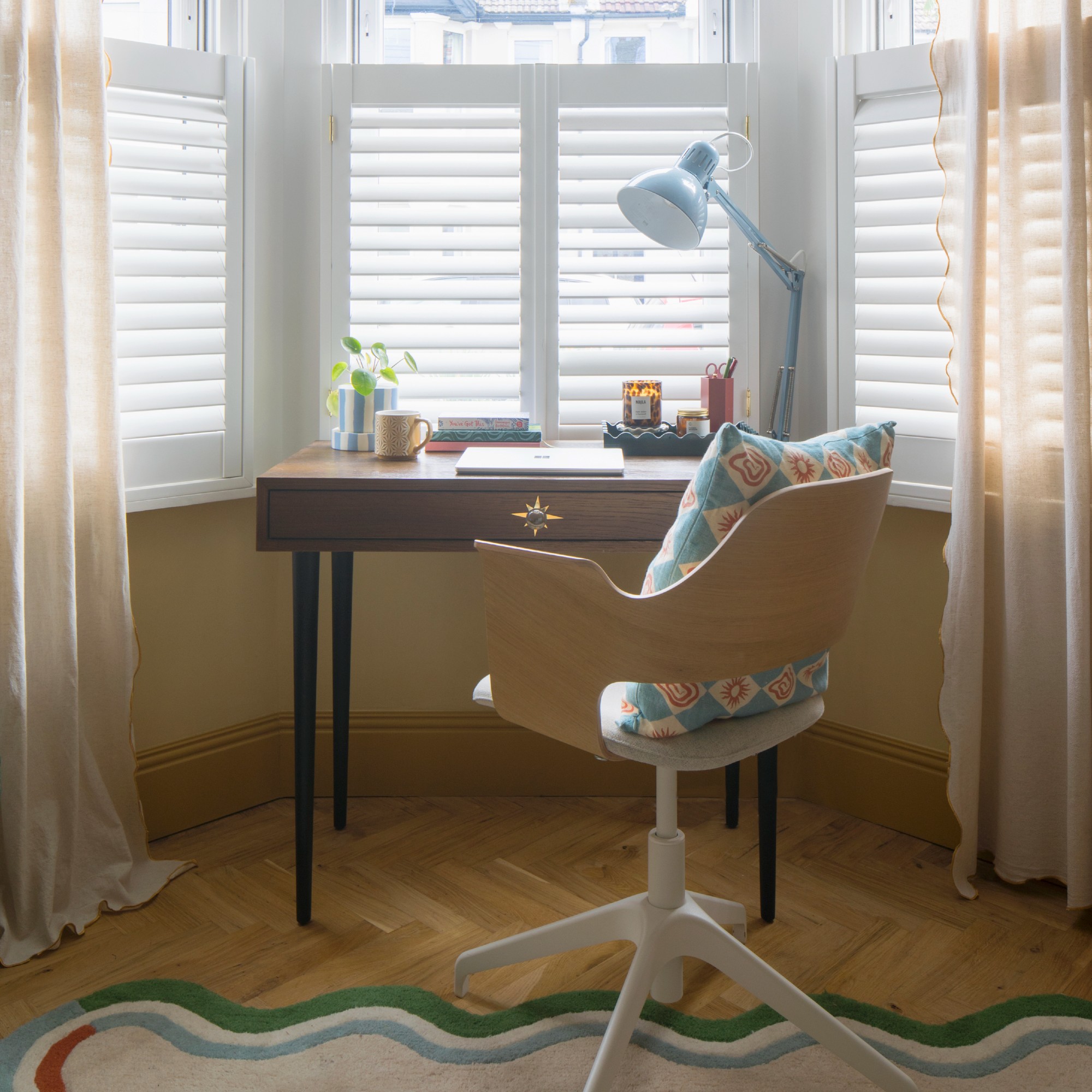
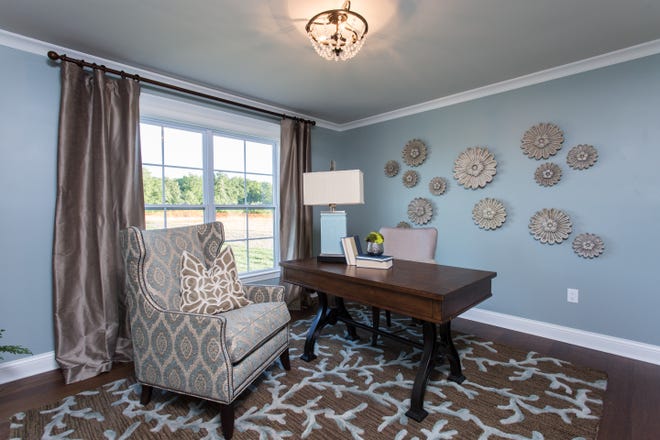
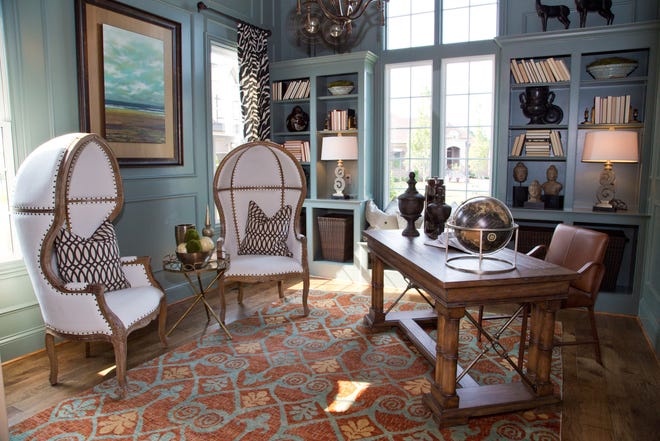
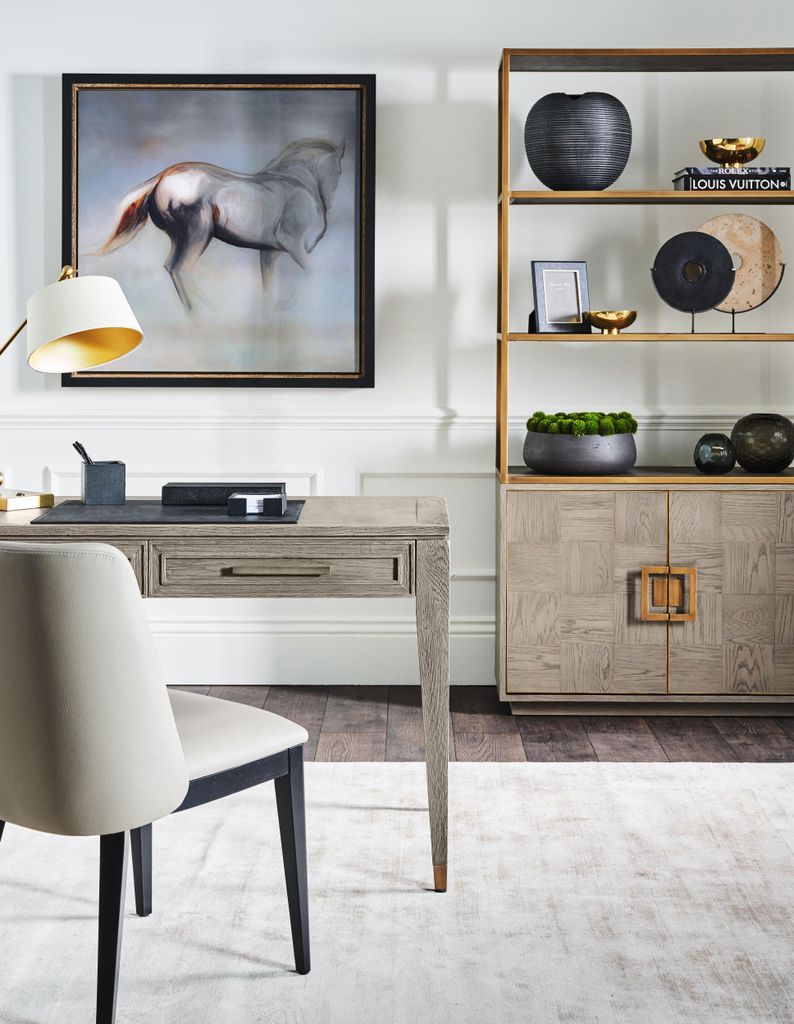
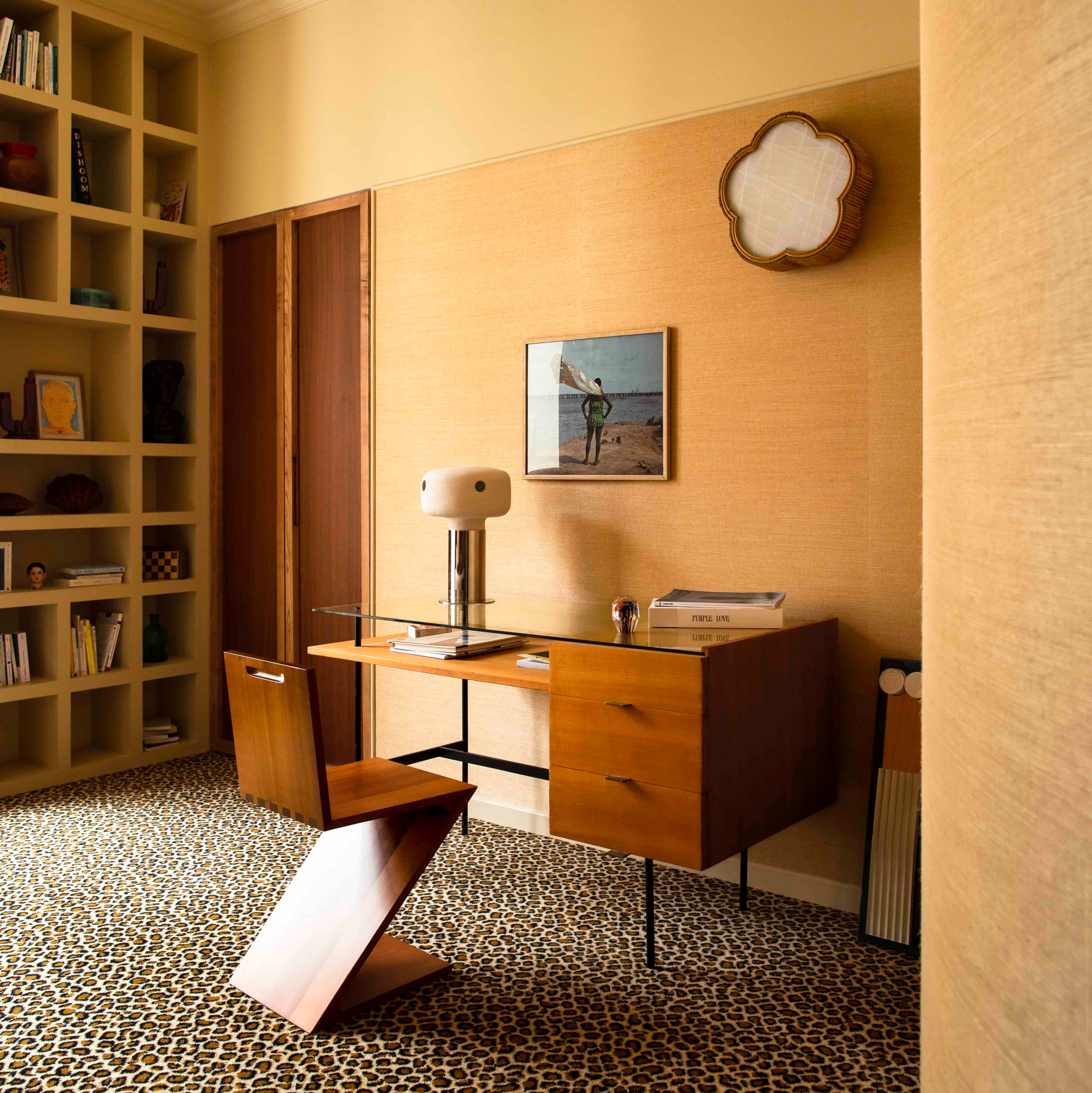
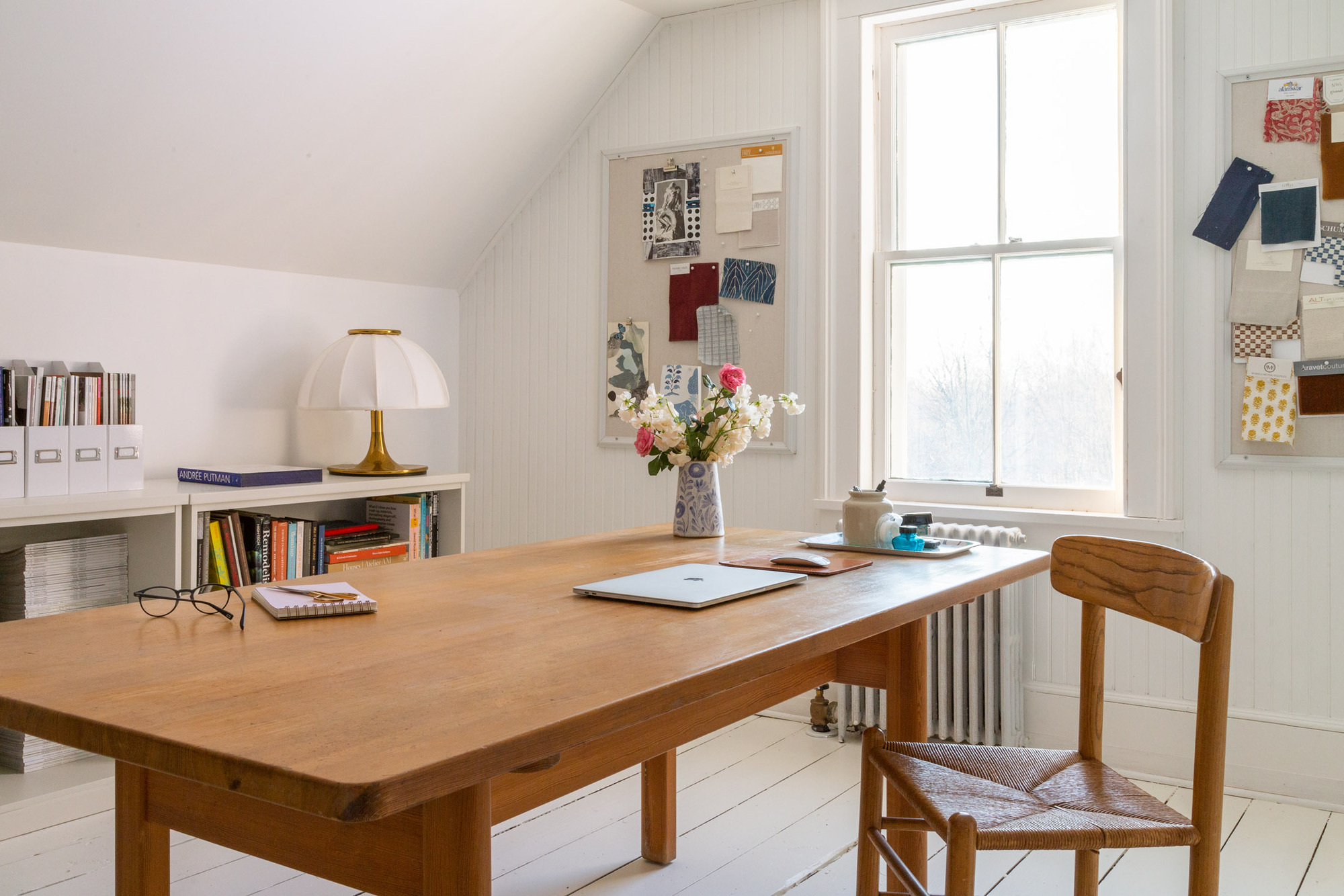
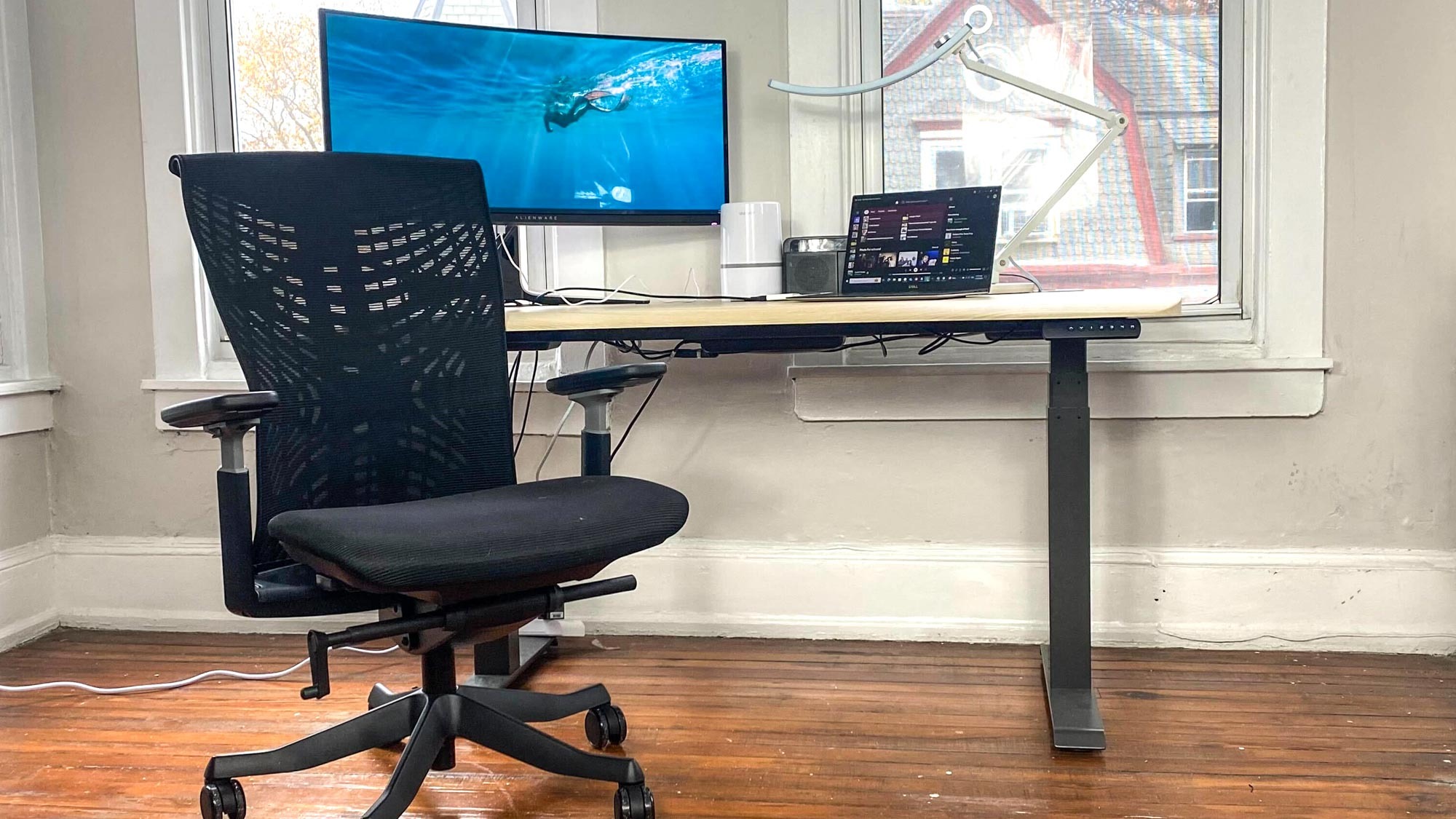
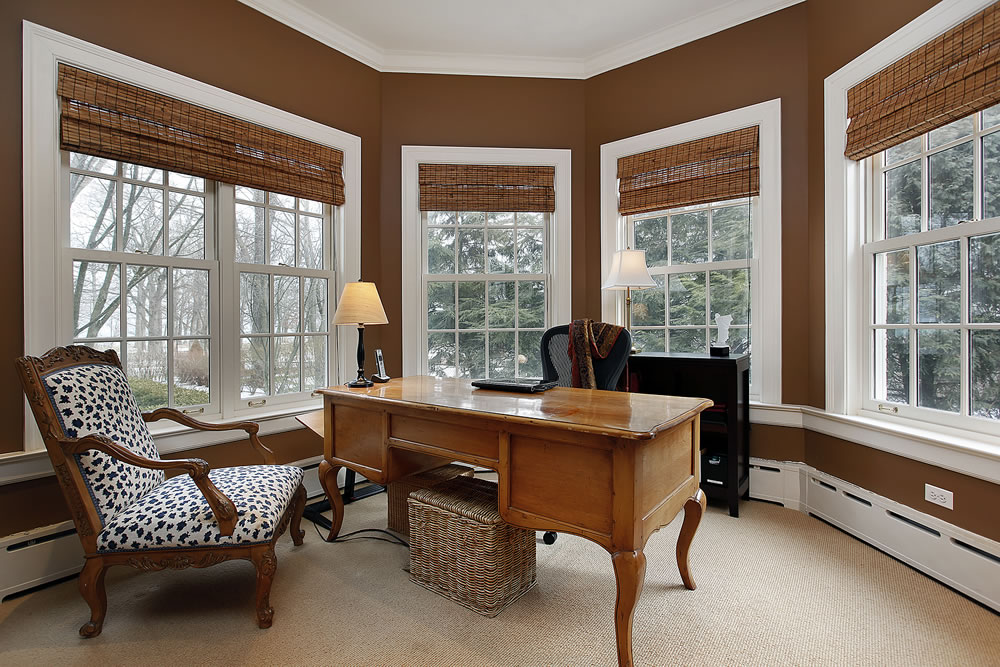
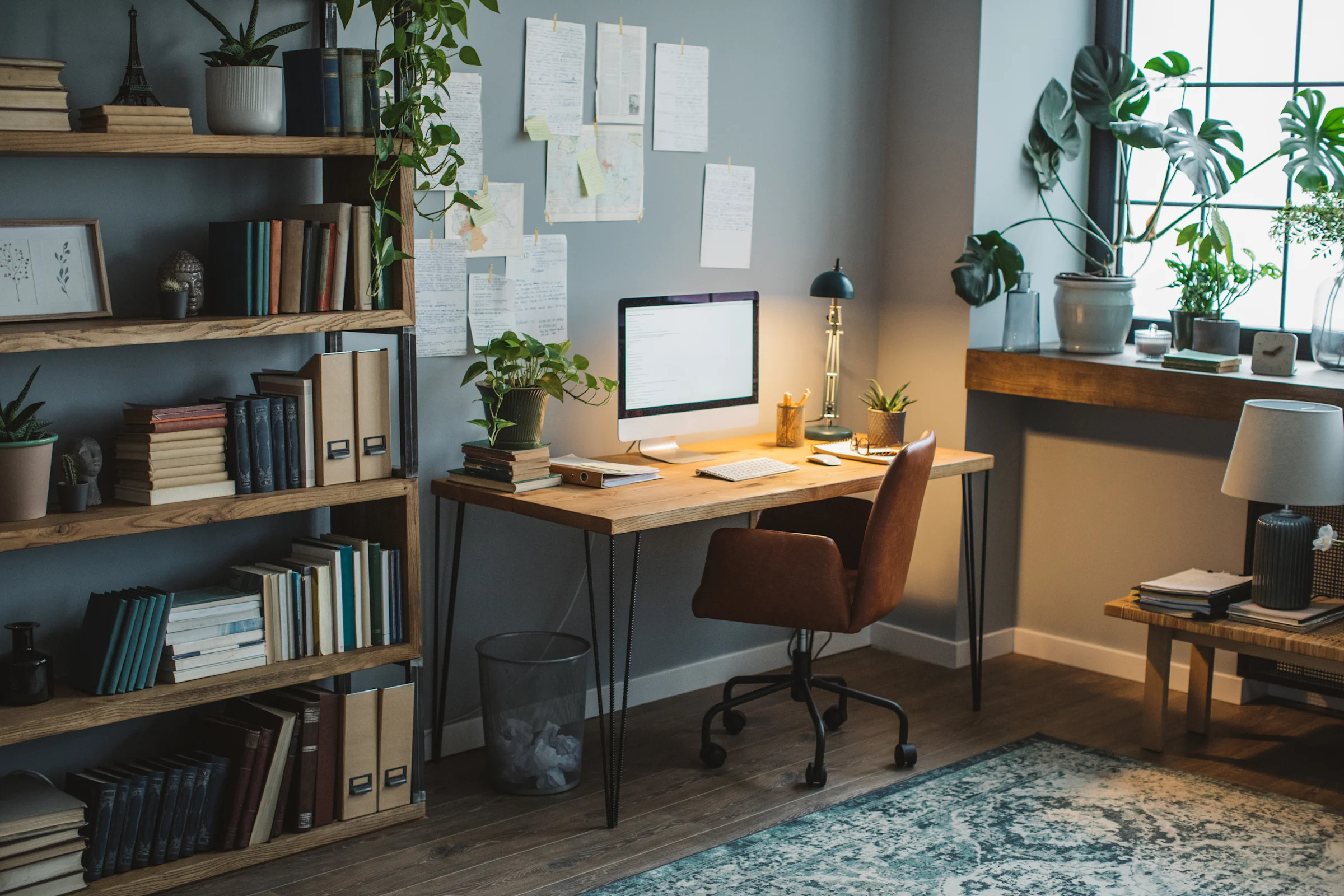
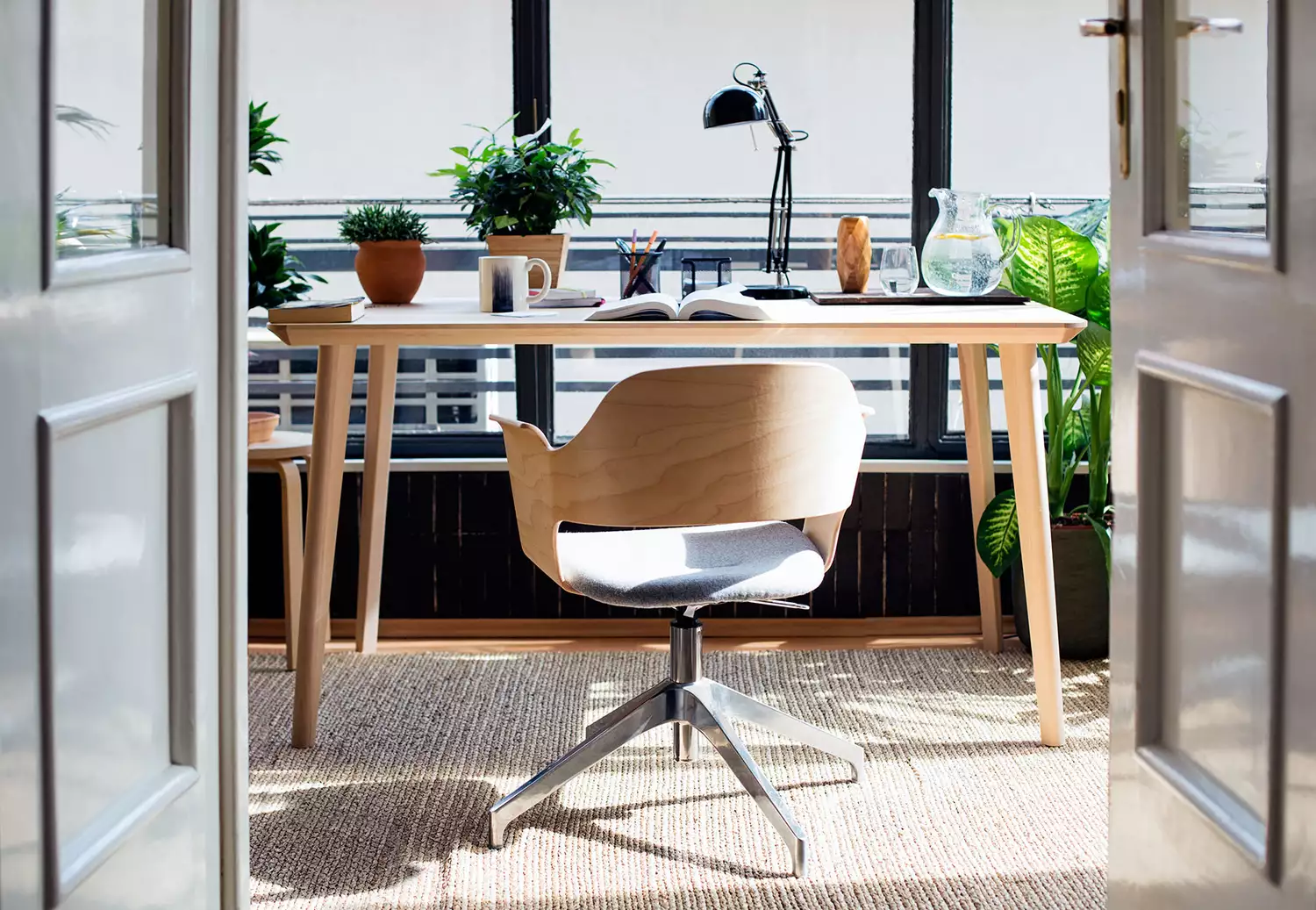
With the increasing prevalence of remote work, establishing an effective home office layout has become more crucial than ever. This guide provides a range of ideas for optimizing a home office, whether it's a dedicated room or a small, integrated space. Expert advice from Archival Designs Lead Interior Designer Ana Coddington emphasizes the importance of natural light, suggesting that positioning a desk in a well-lit area, such as in front of a south-facing window, can significantly enhance cognitive function and productivity.
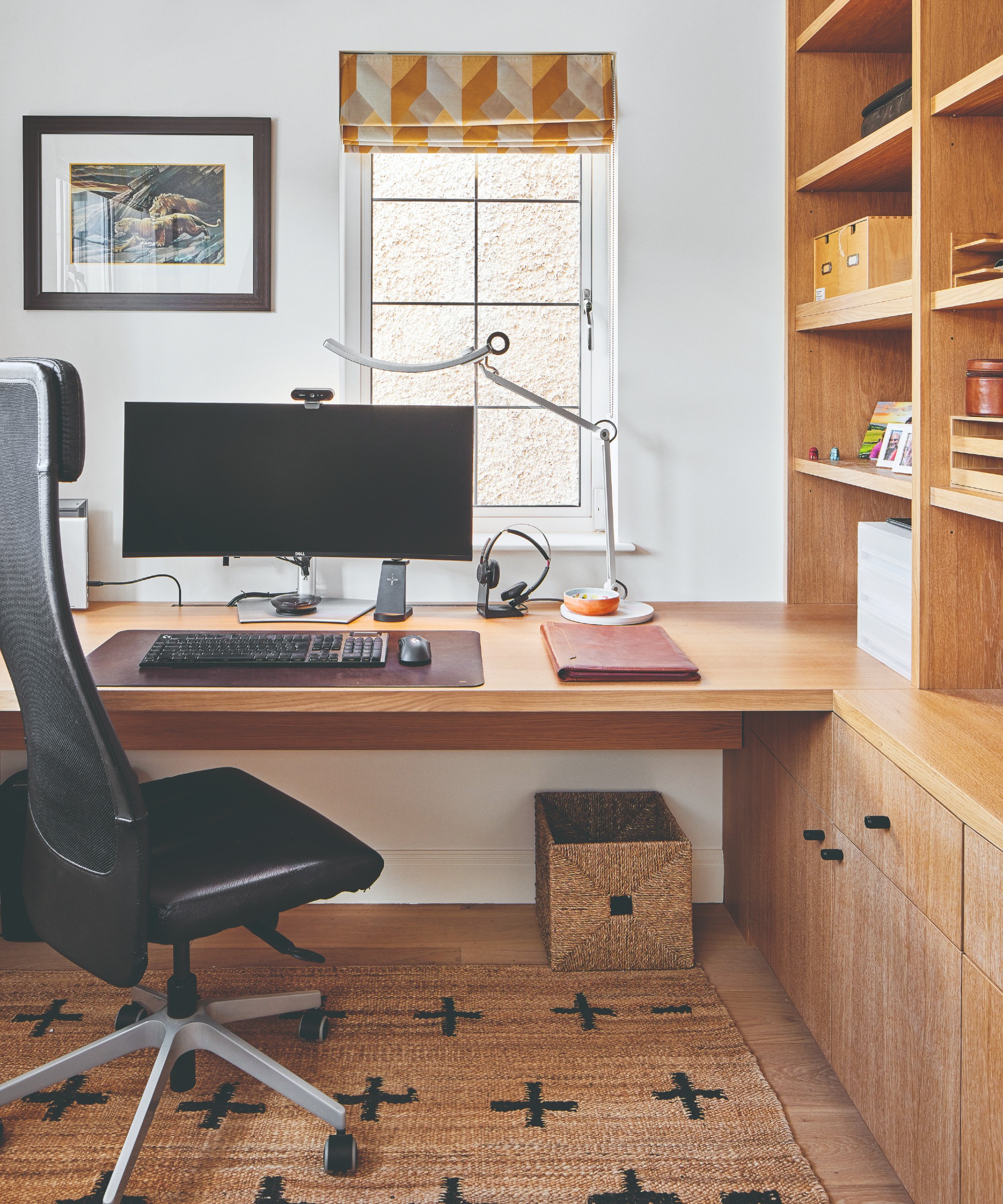
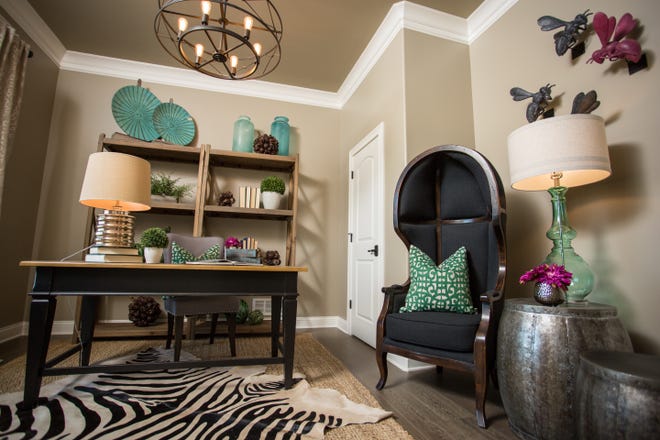
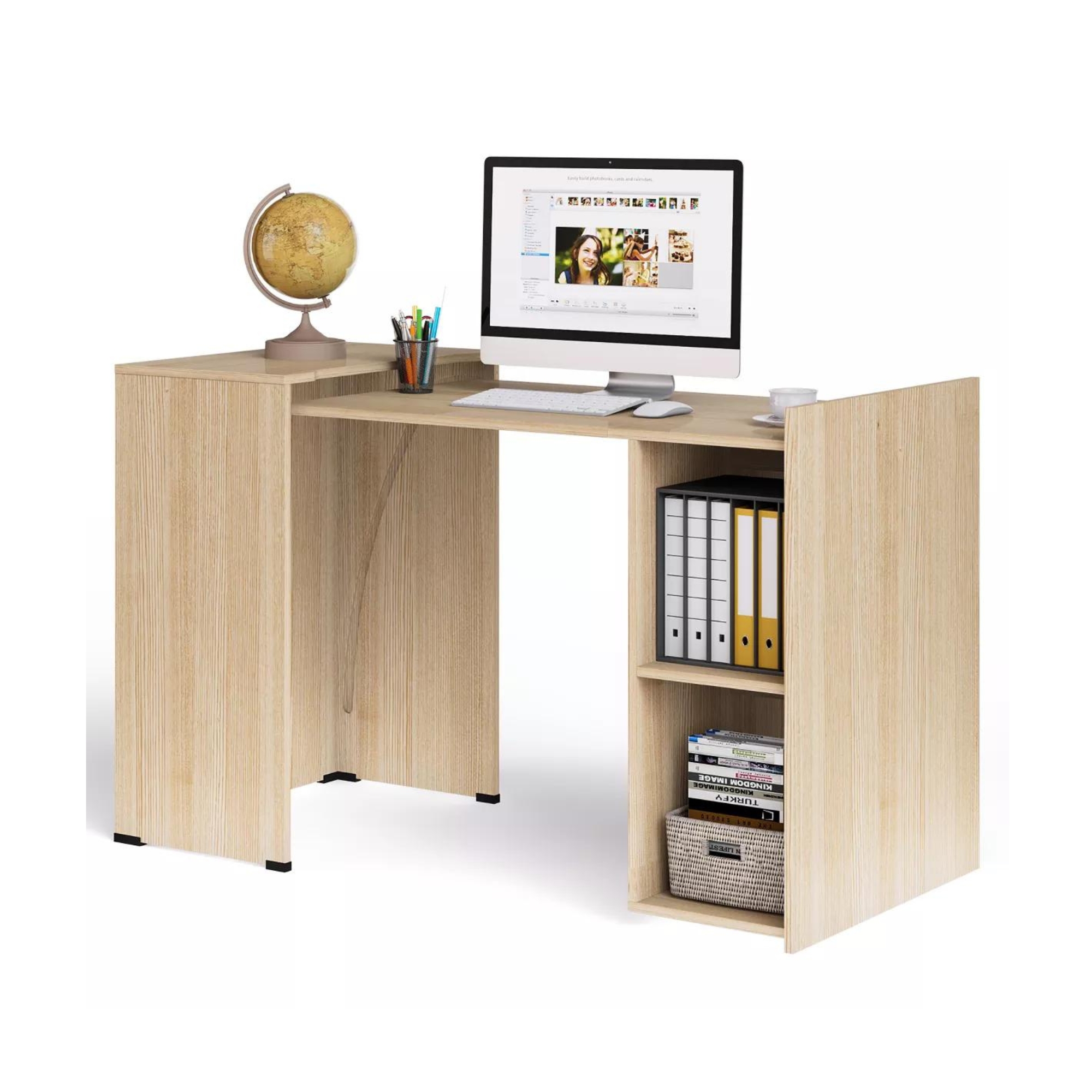
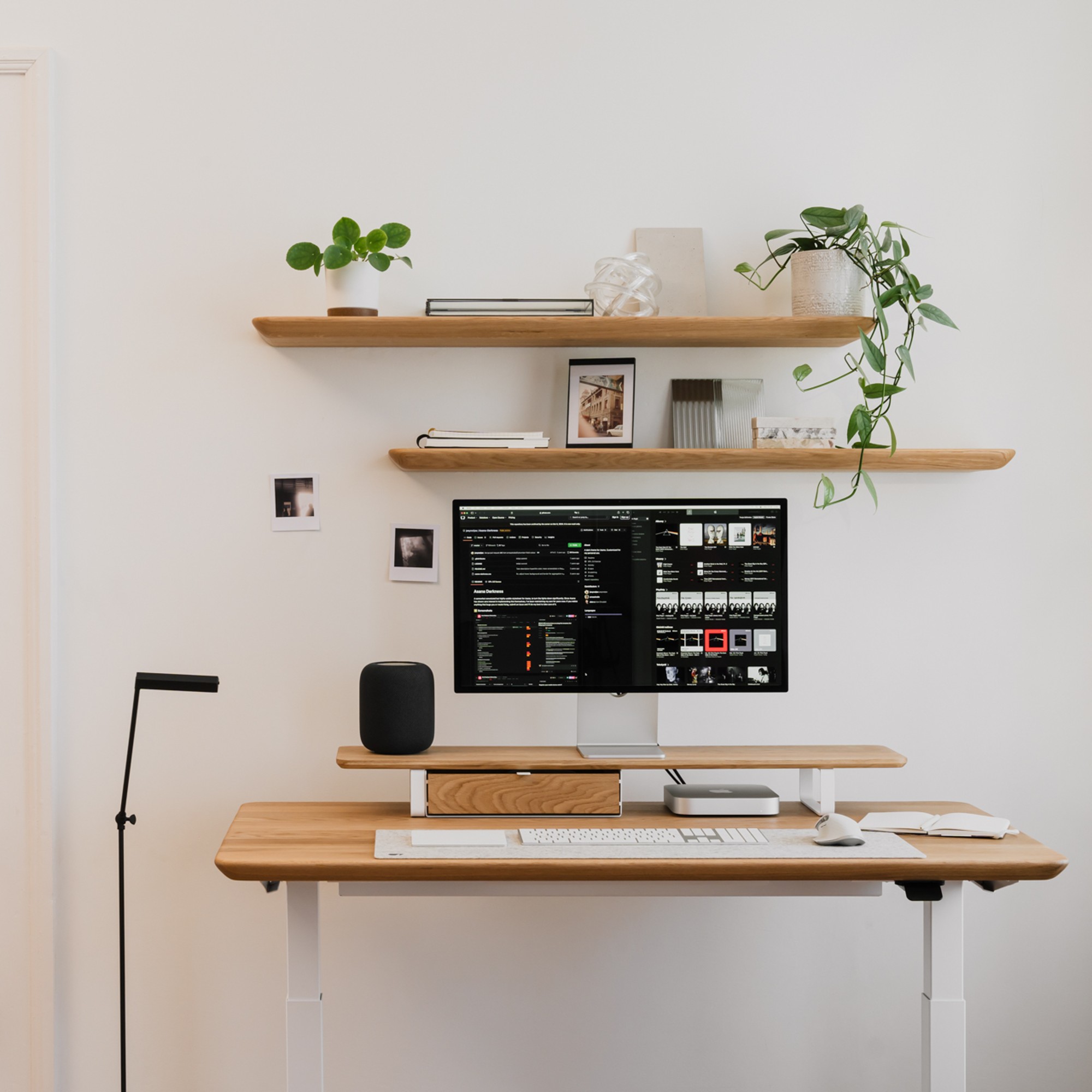
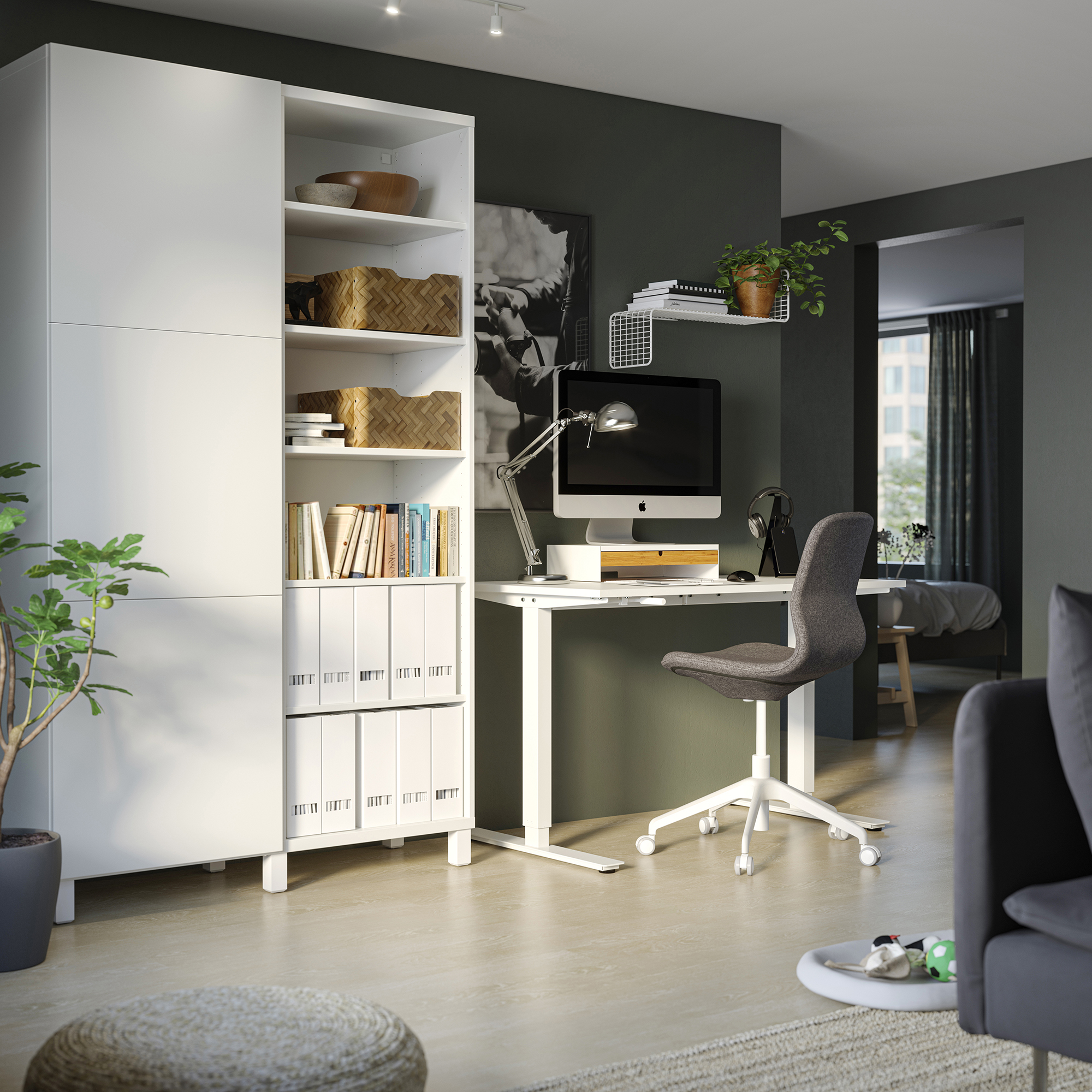
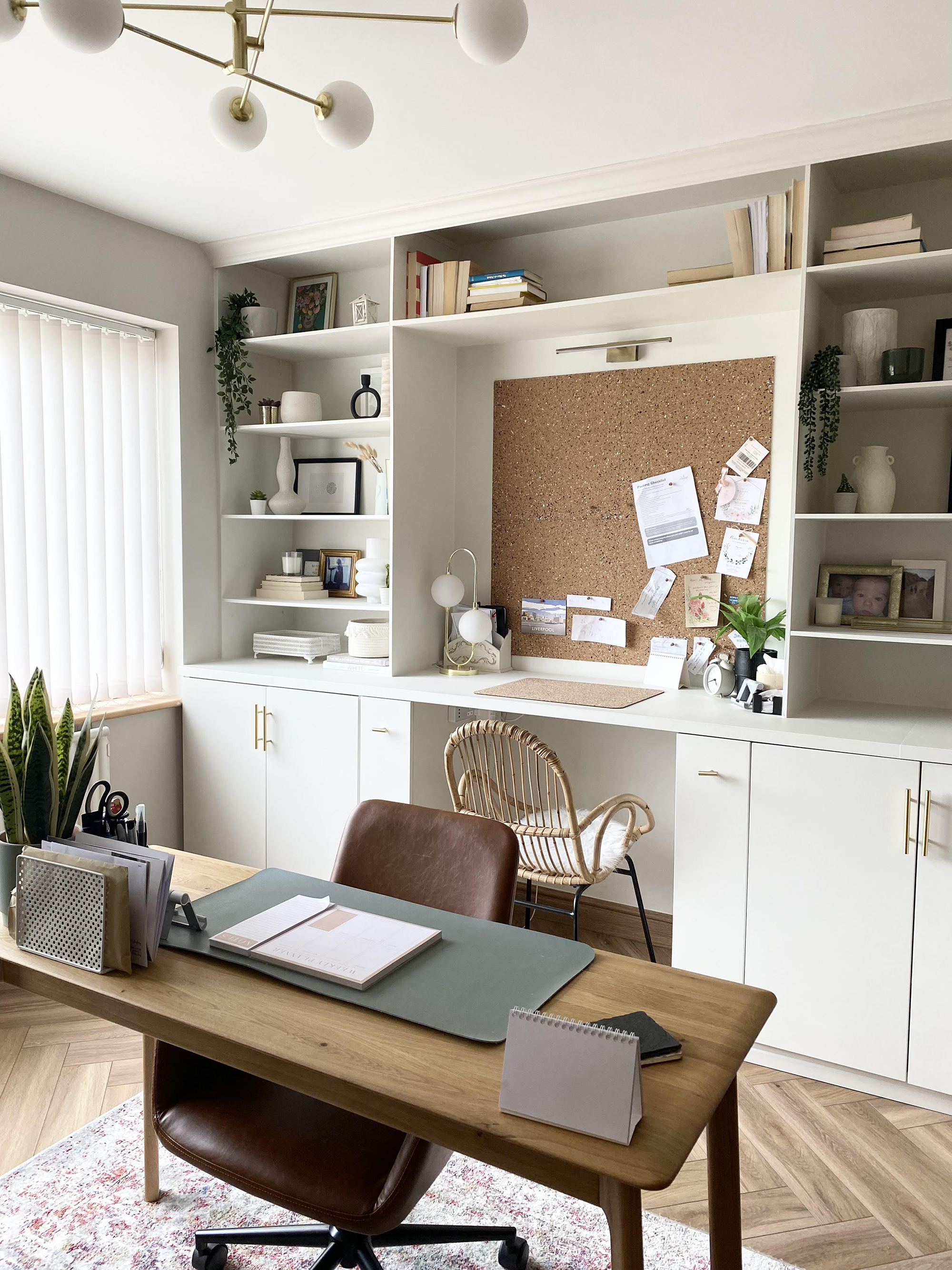
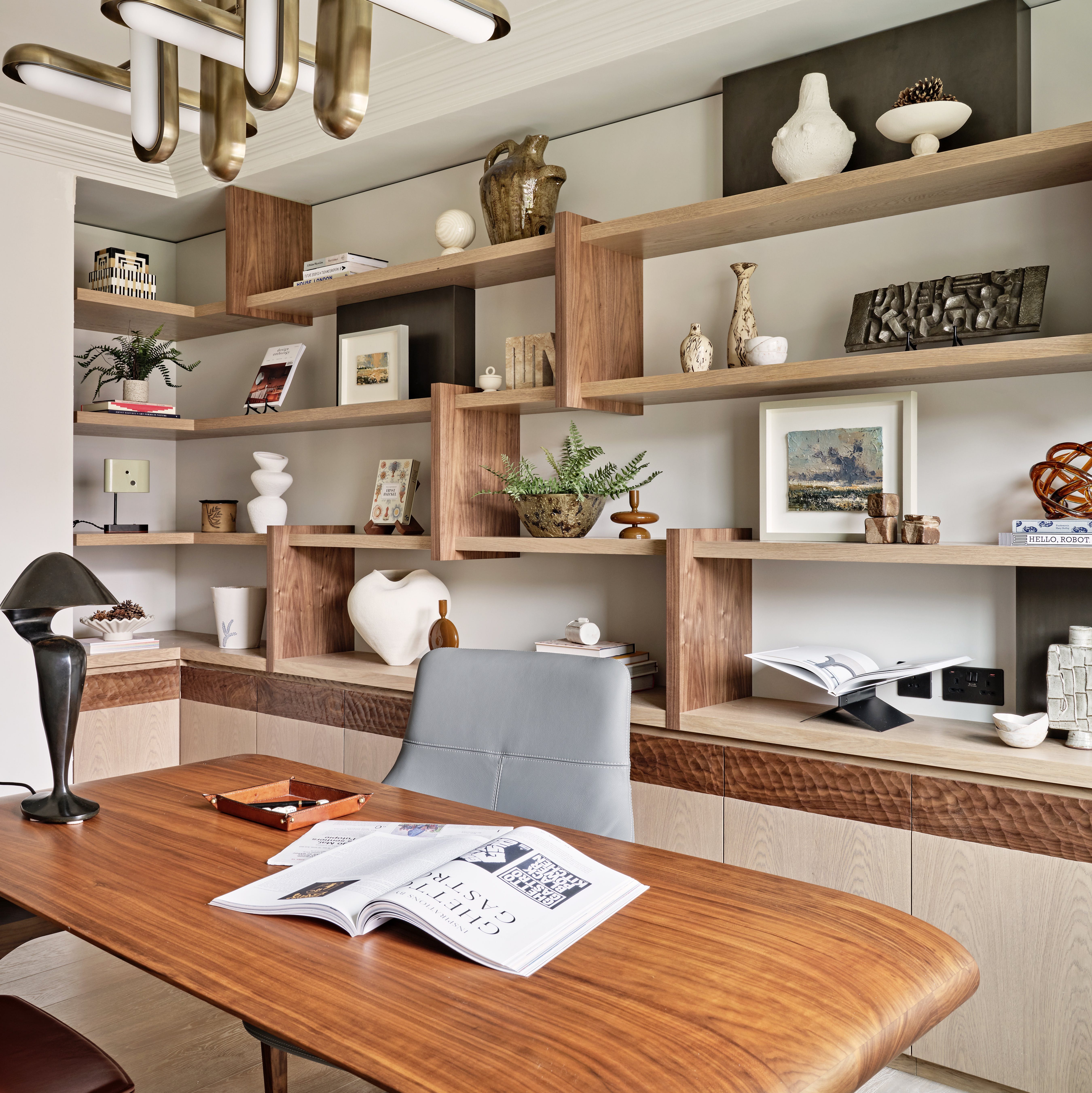
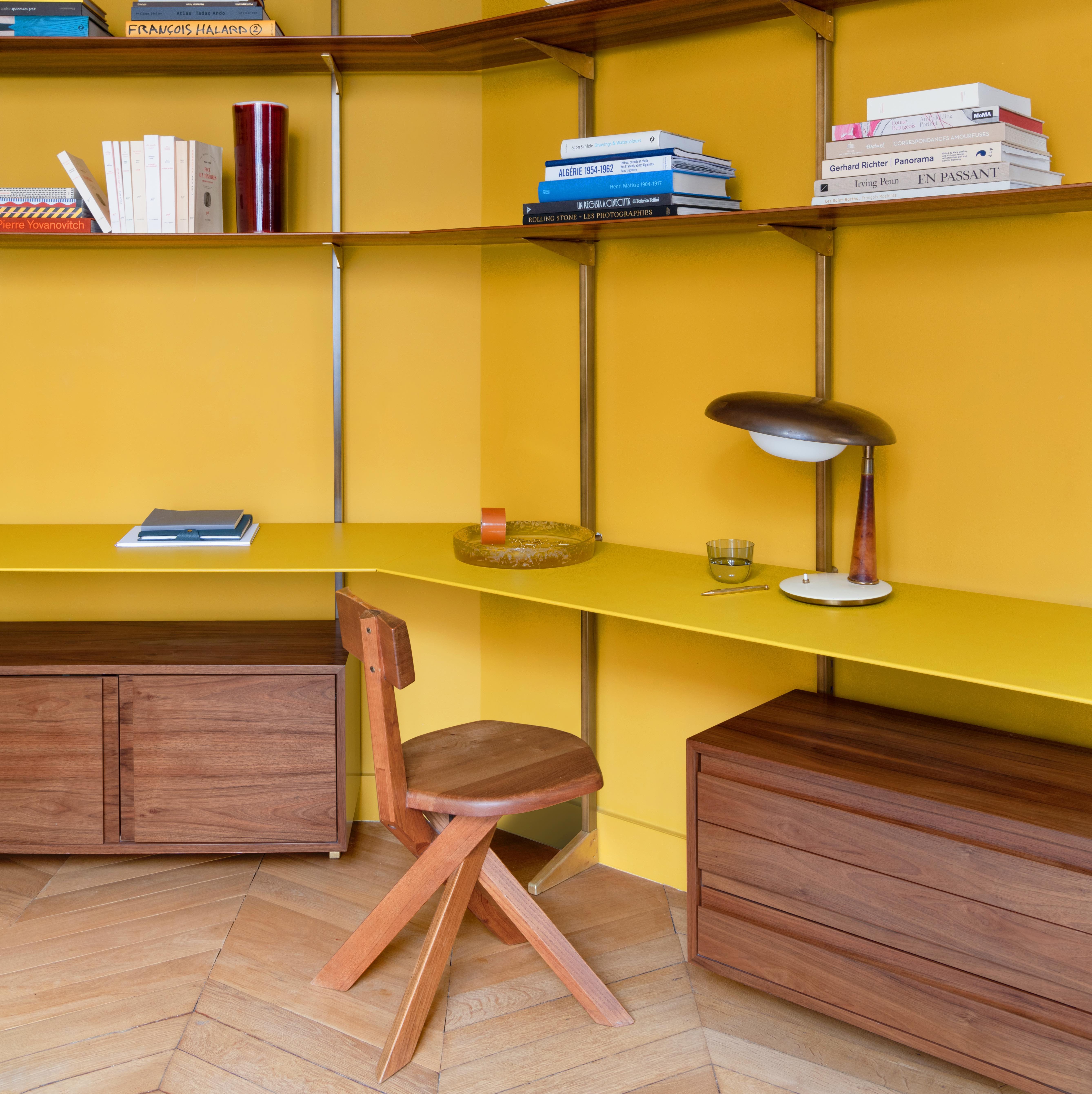
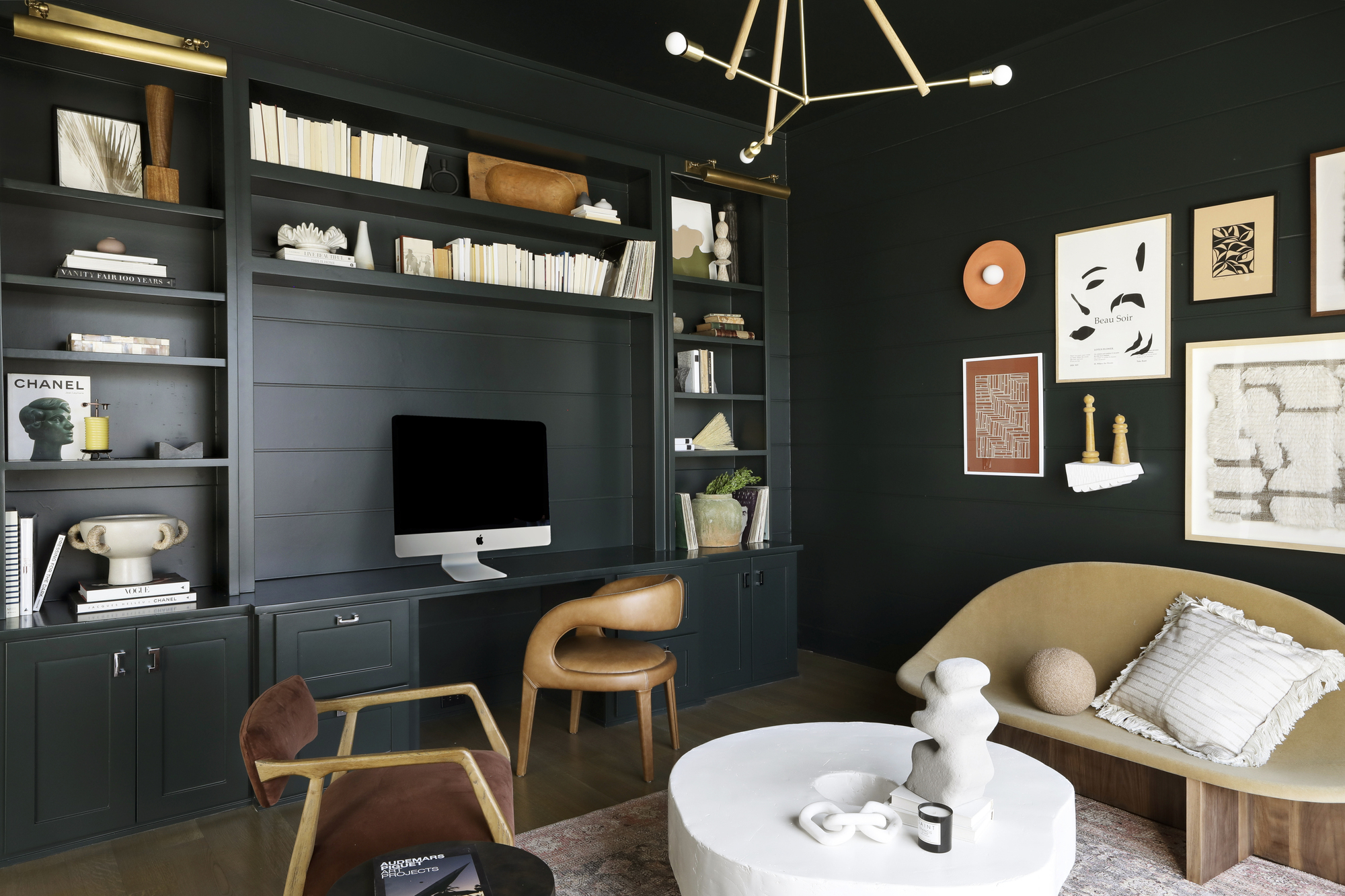
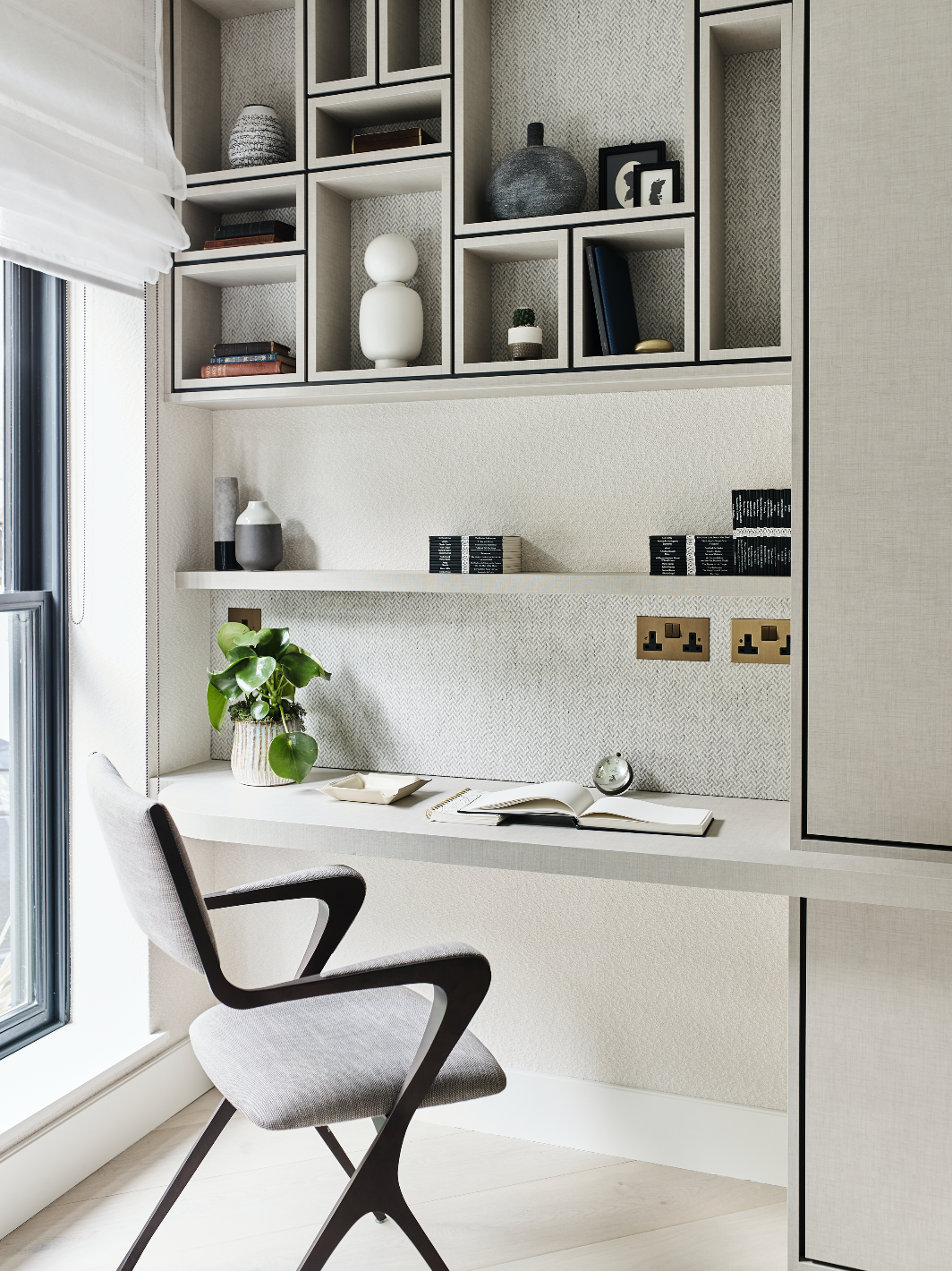
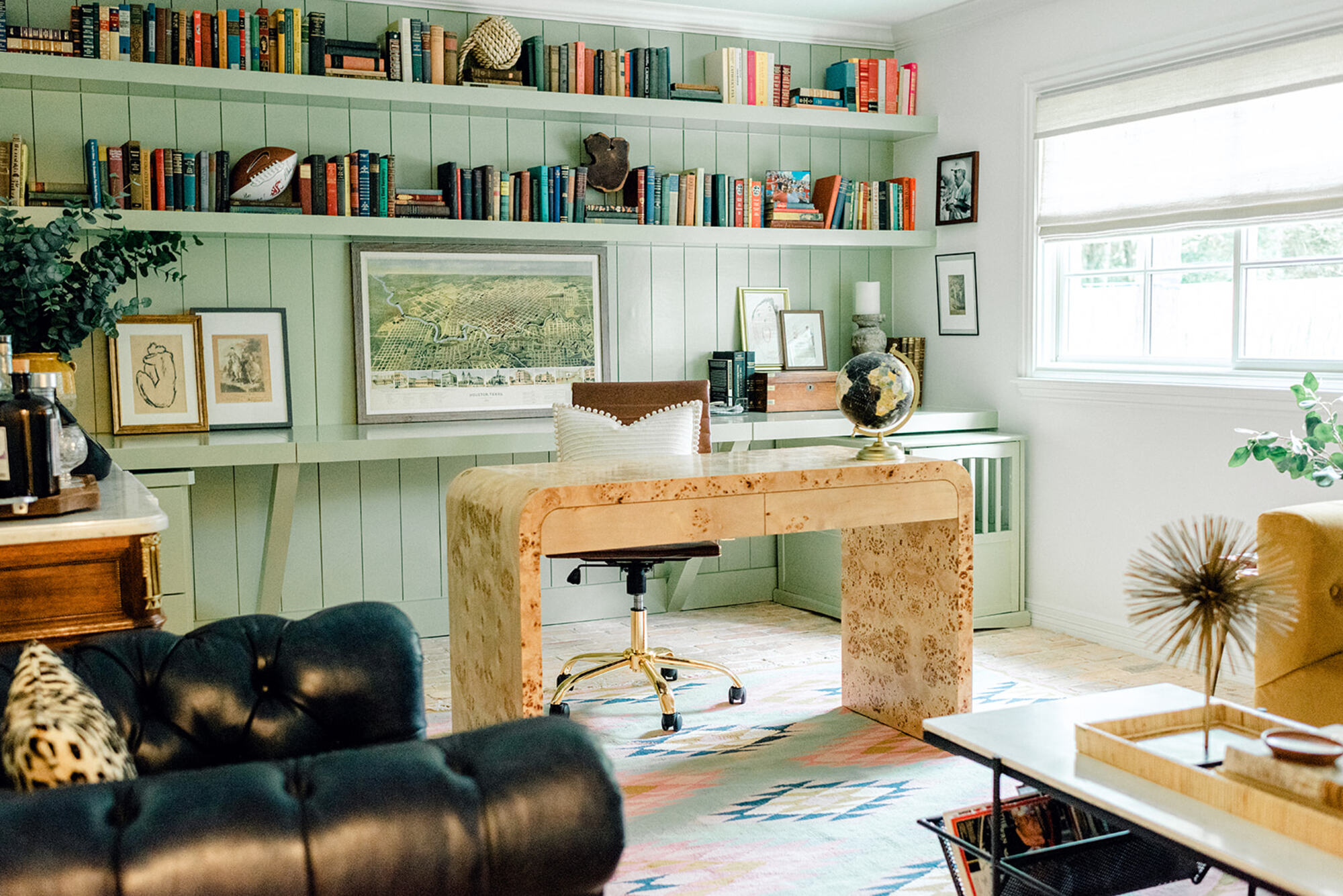
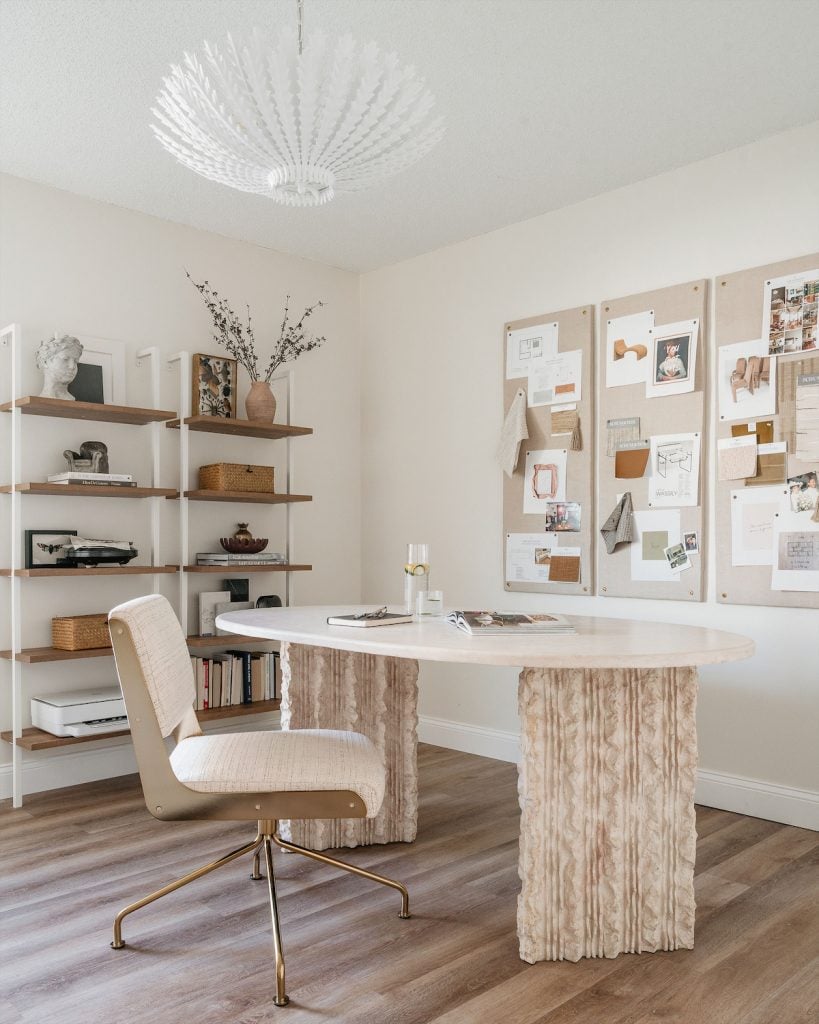
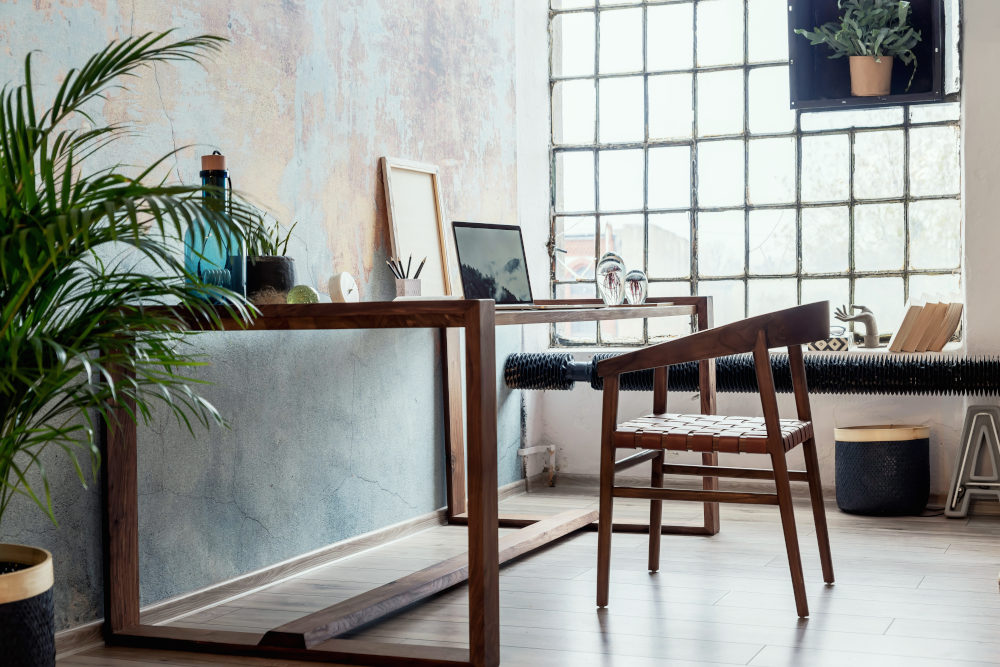
One fundamental principle for creating a functional home office is to consider the available space and personal work style. For those with a dedicated room, options range from minimalist designs that prioritize a clutter-free environment to more elaborate setups that incorporate multiple zones for different tasks, such as a standing desk area and a comfortable seating nook for reading or brainstorming. Utilizing vertical space with shelves and wall-mounted organizers can help maximize storage and maintain an uncluttered desktop, which is essential for sustained focus.
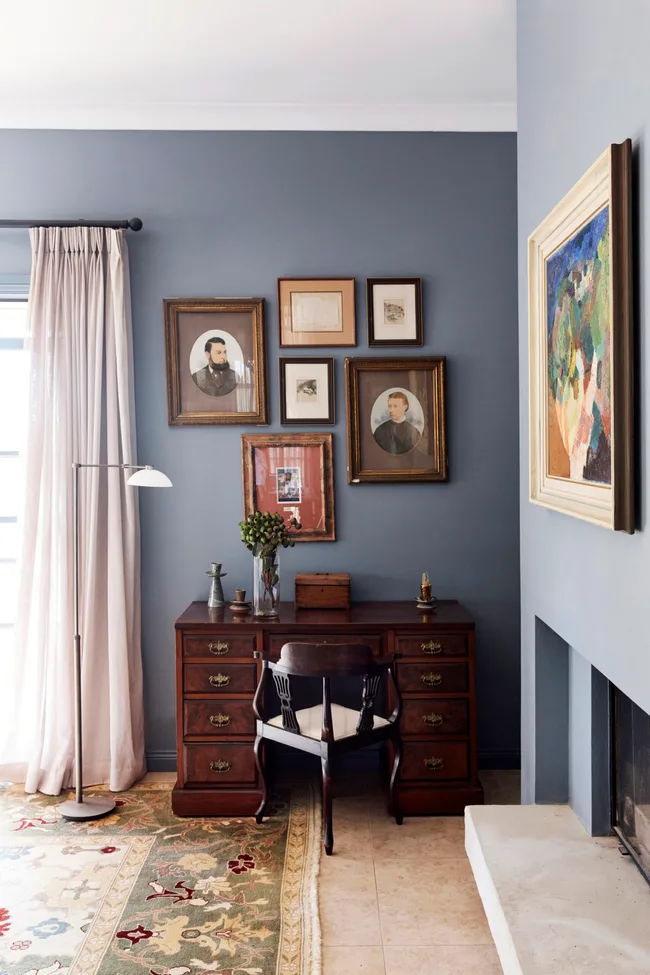
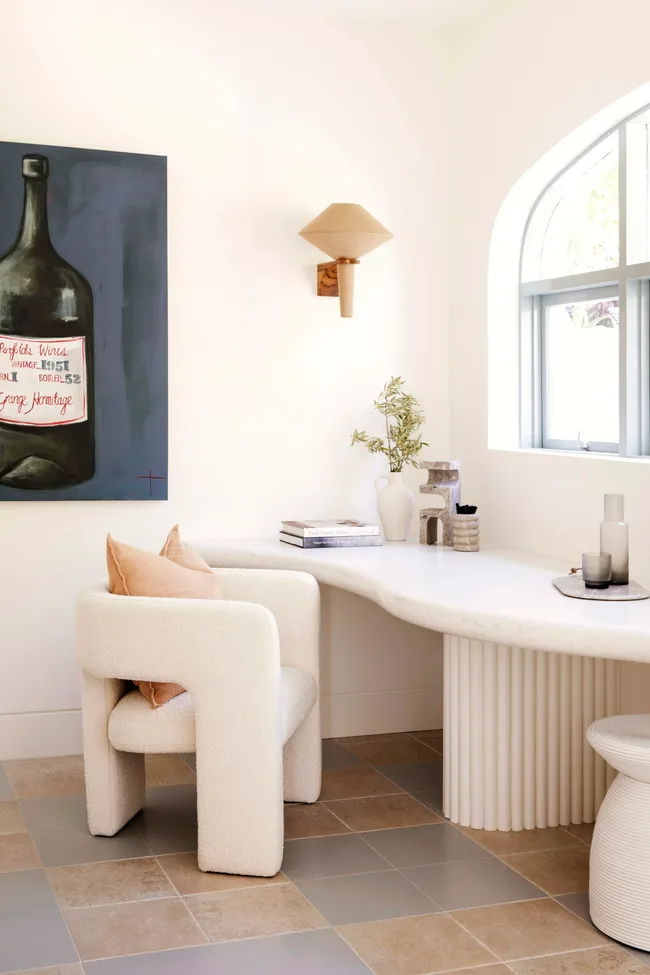
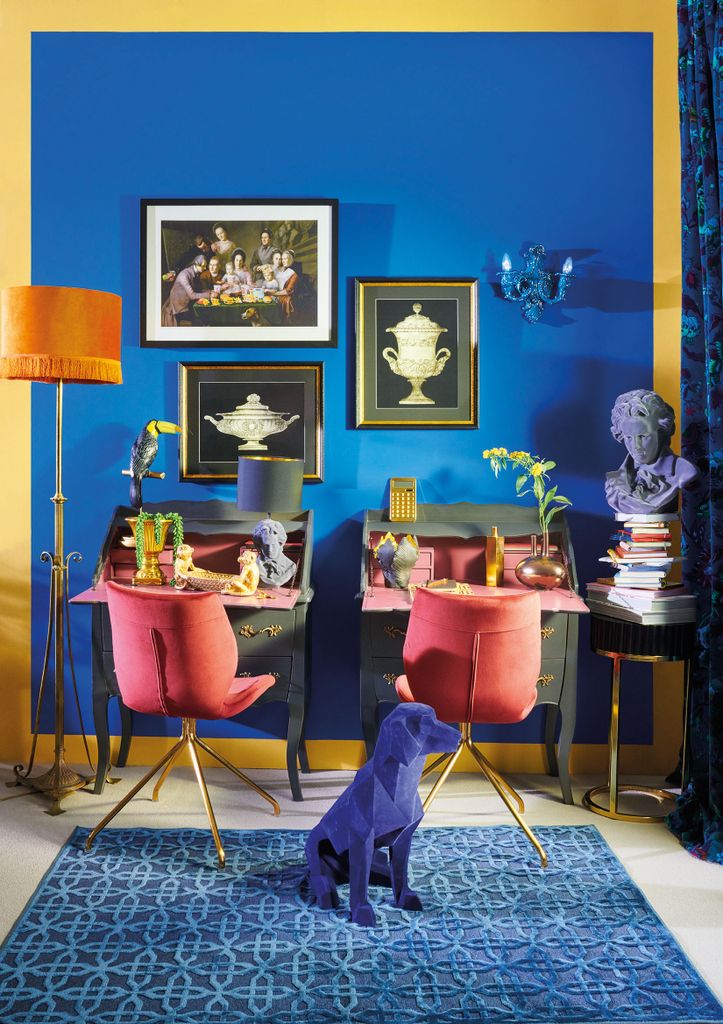
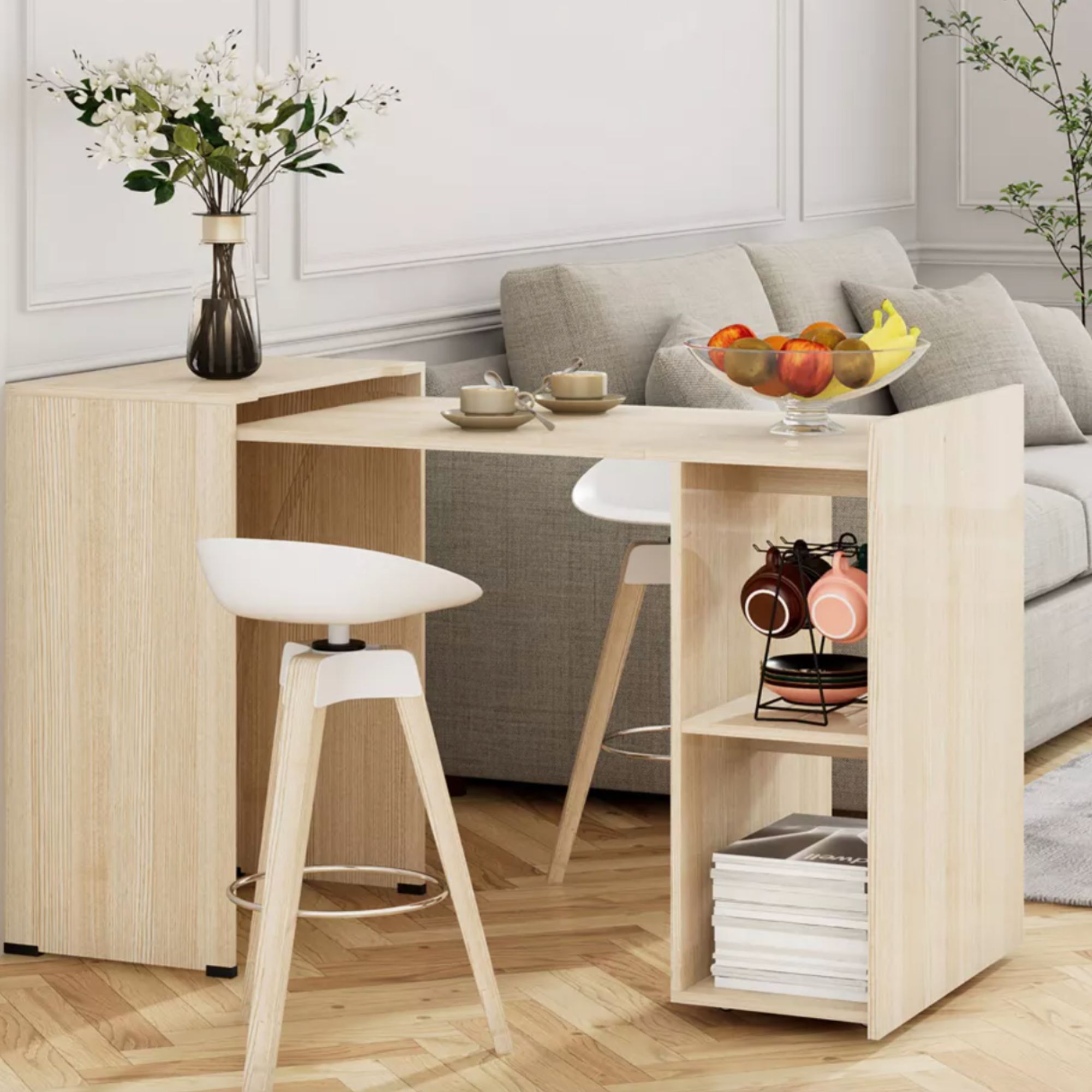
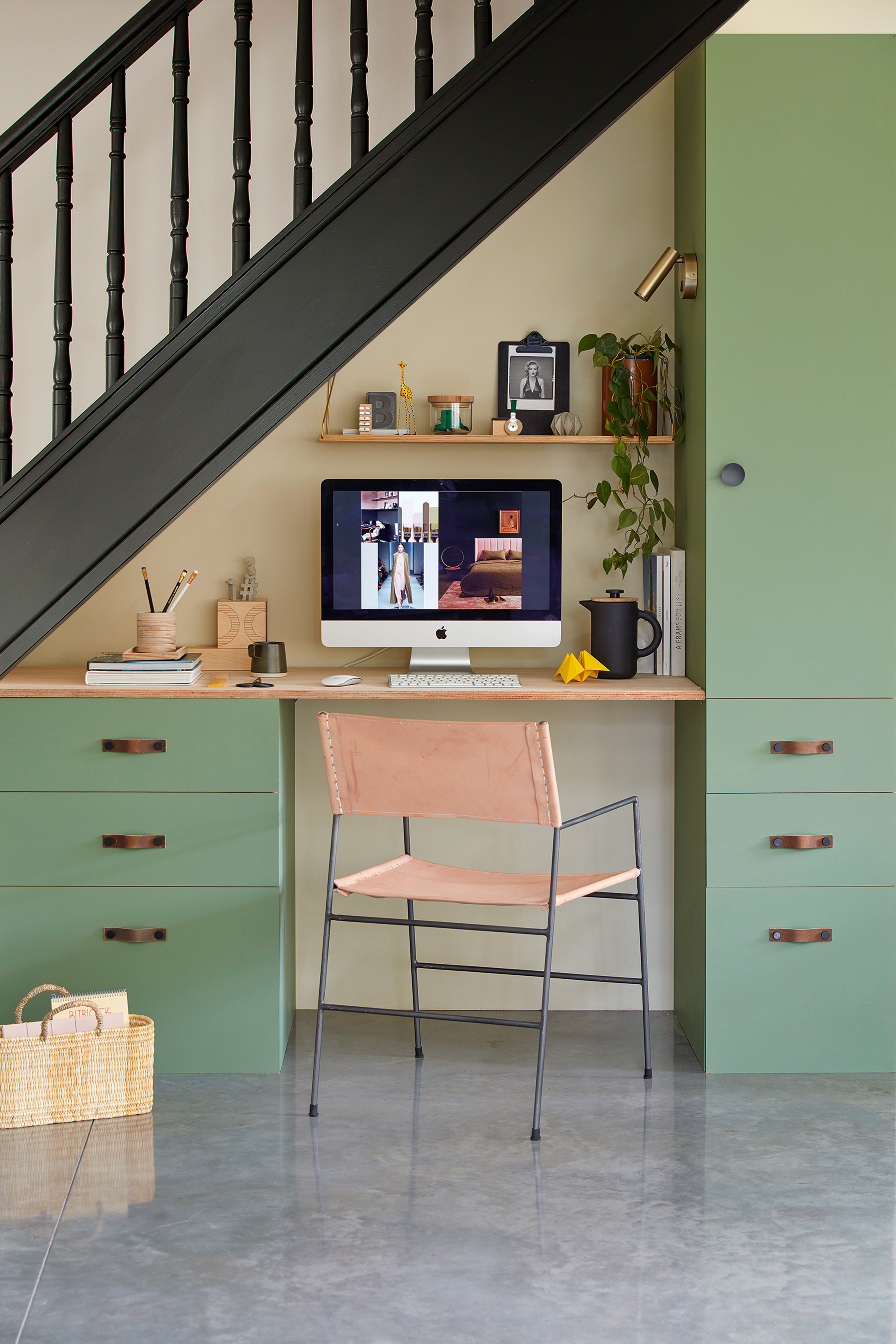
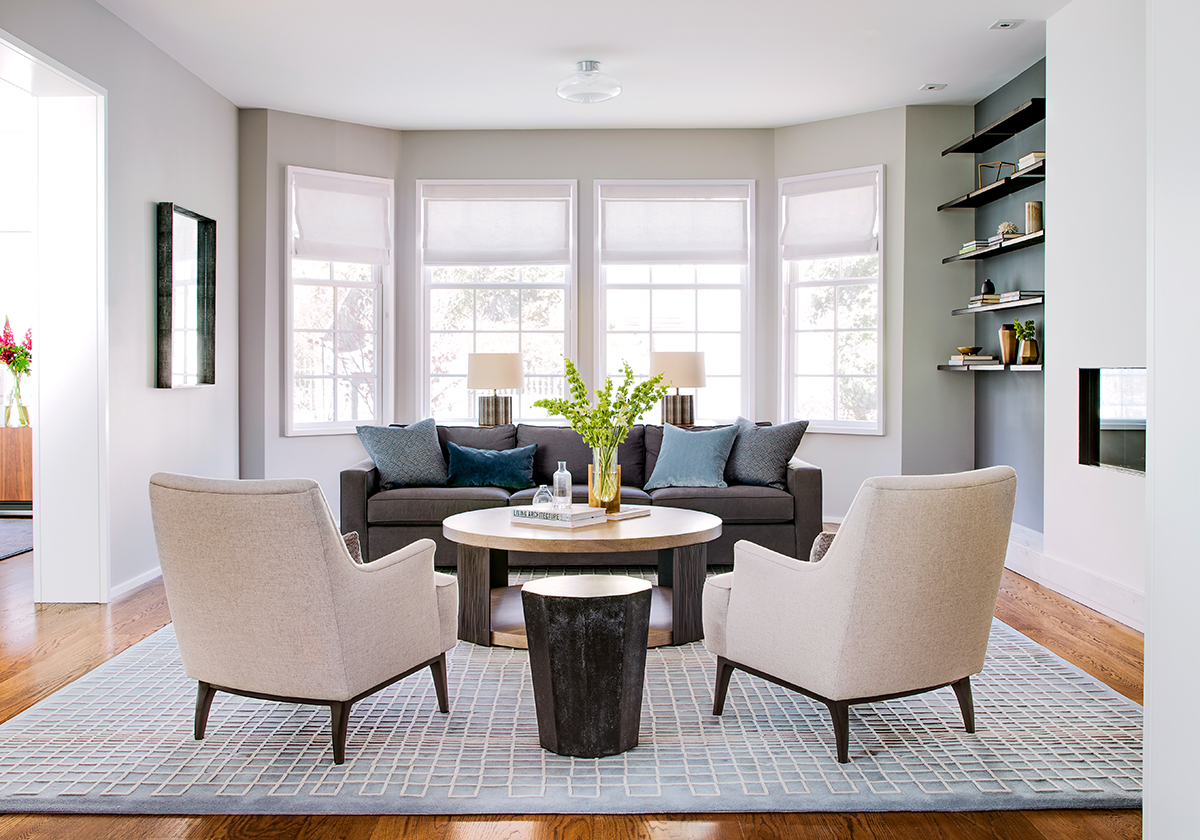
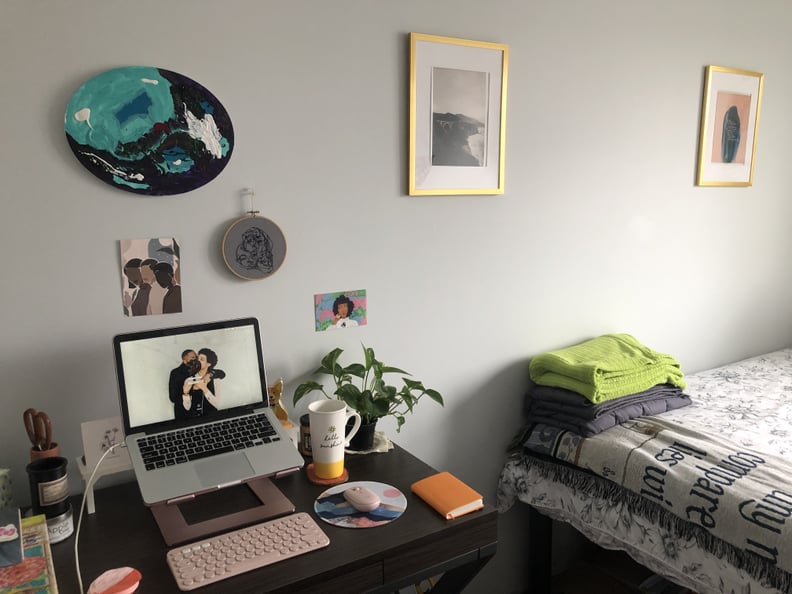
In smaller living arrangements, innovative solutions are key. A desk integrated into a living room, a closet converted into a workstation, or a corner of a bedroom can all be transformed into efficient office spaces. The design should aim to create a sense of separation from personal living areas, even if only visually, to help maintain a professional mindset during working hours. This can be achieved through strategic furniture placement, the use of room dividers, or even consistent color schemes and lighting that define the workspace.
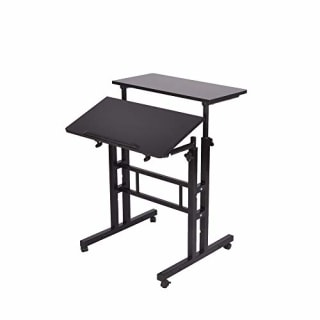
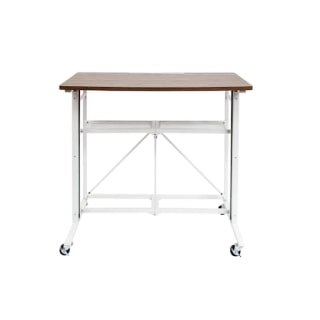
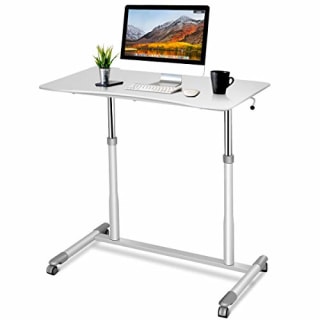
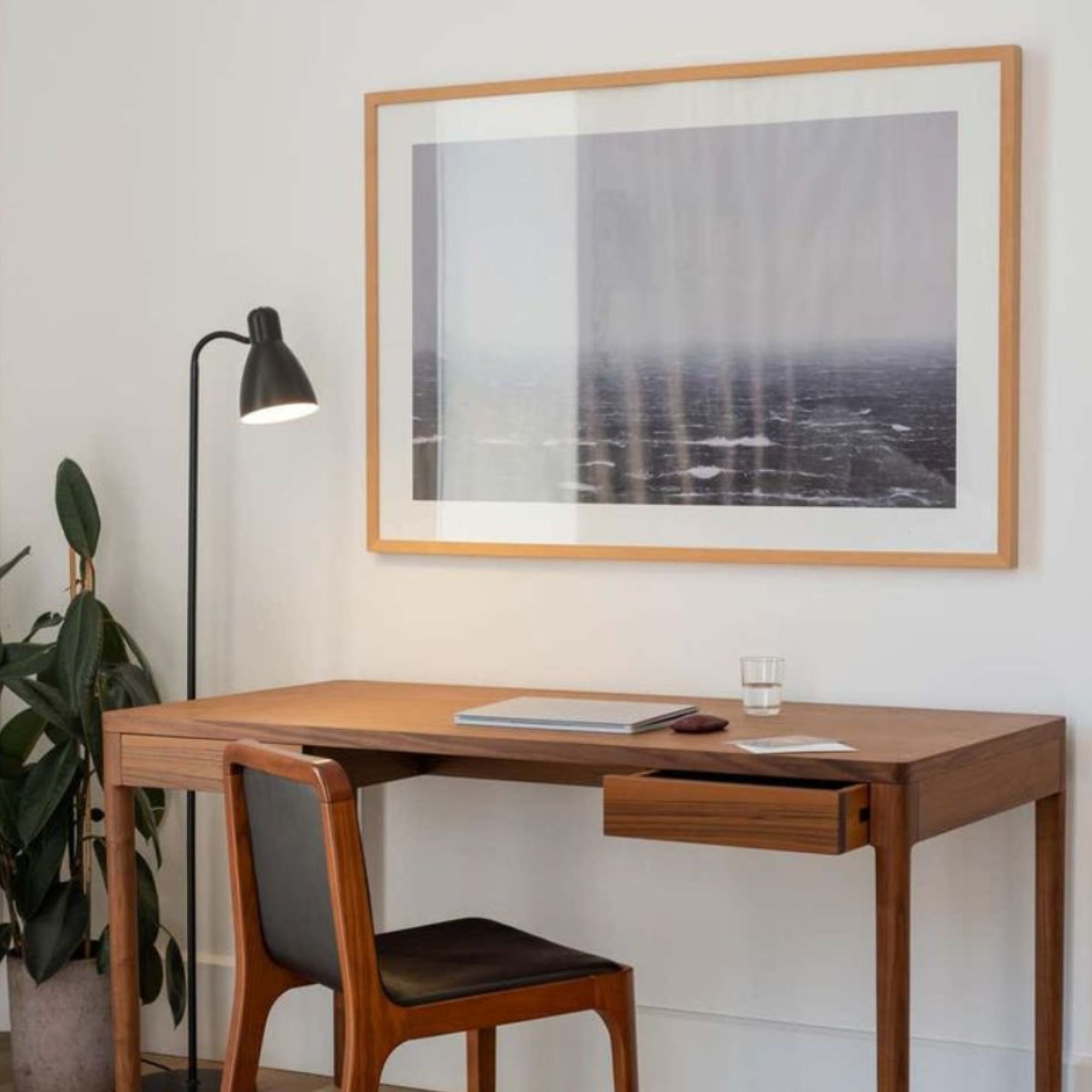
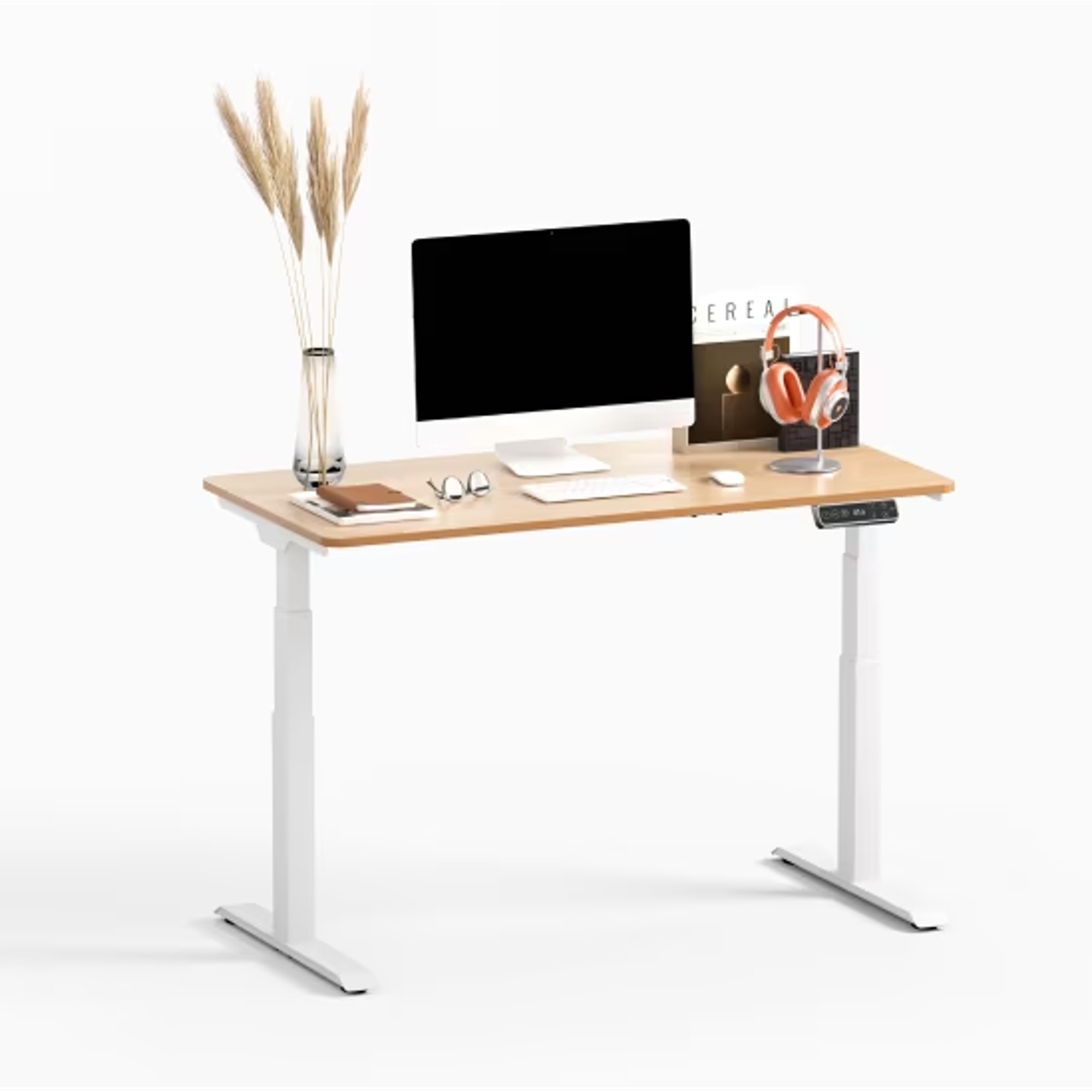
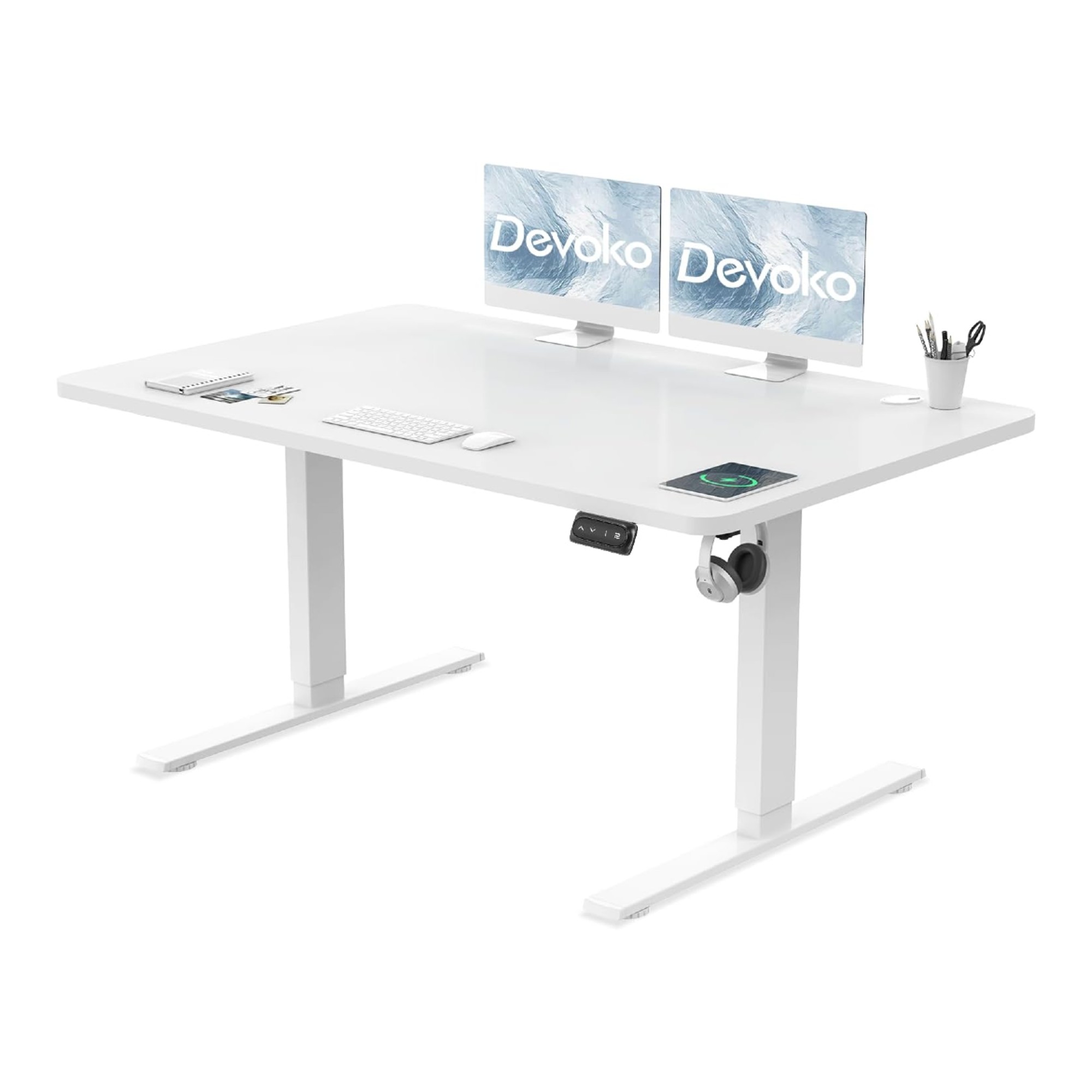
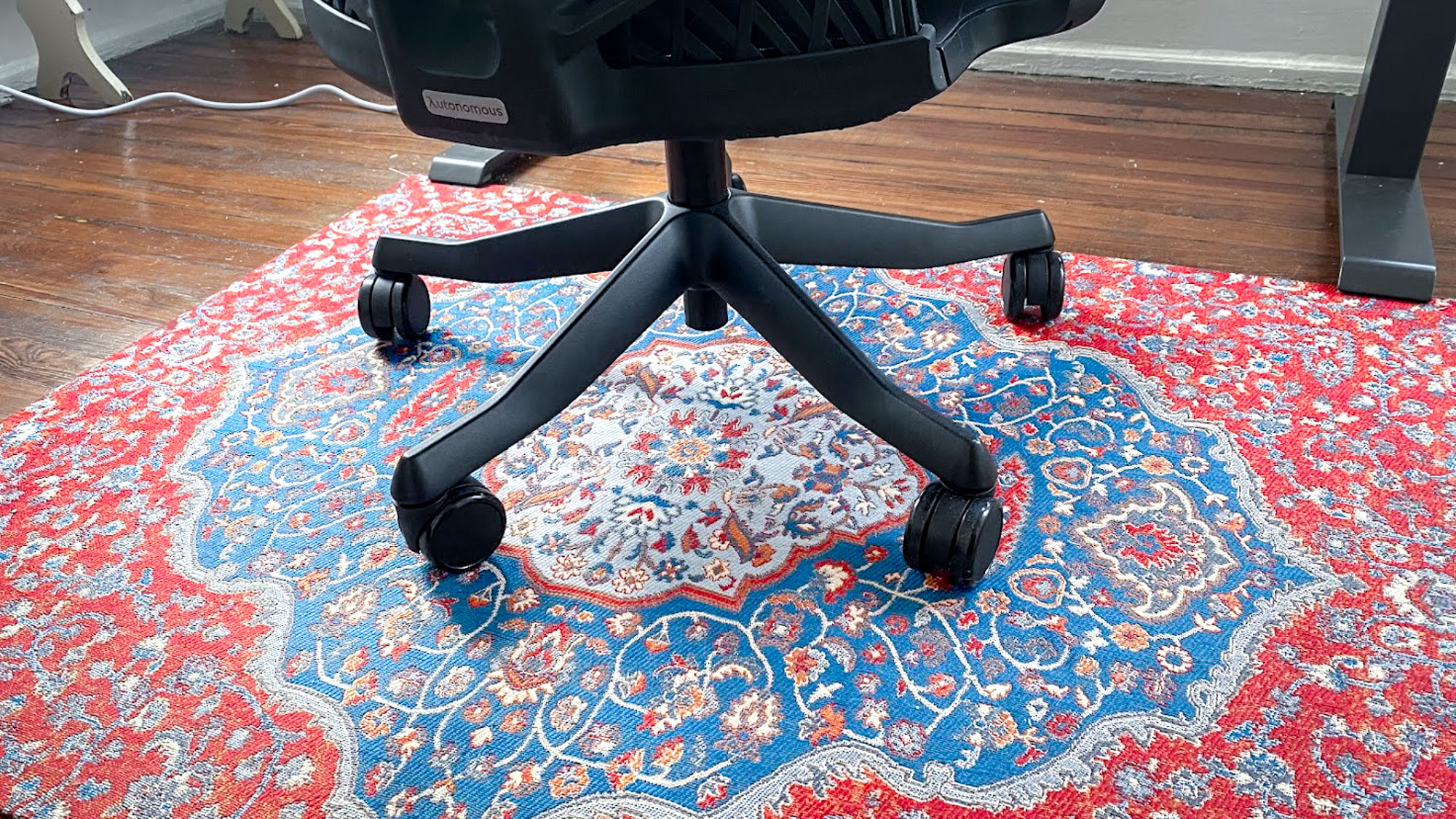
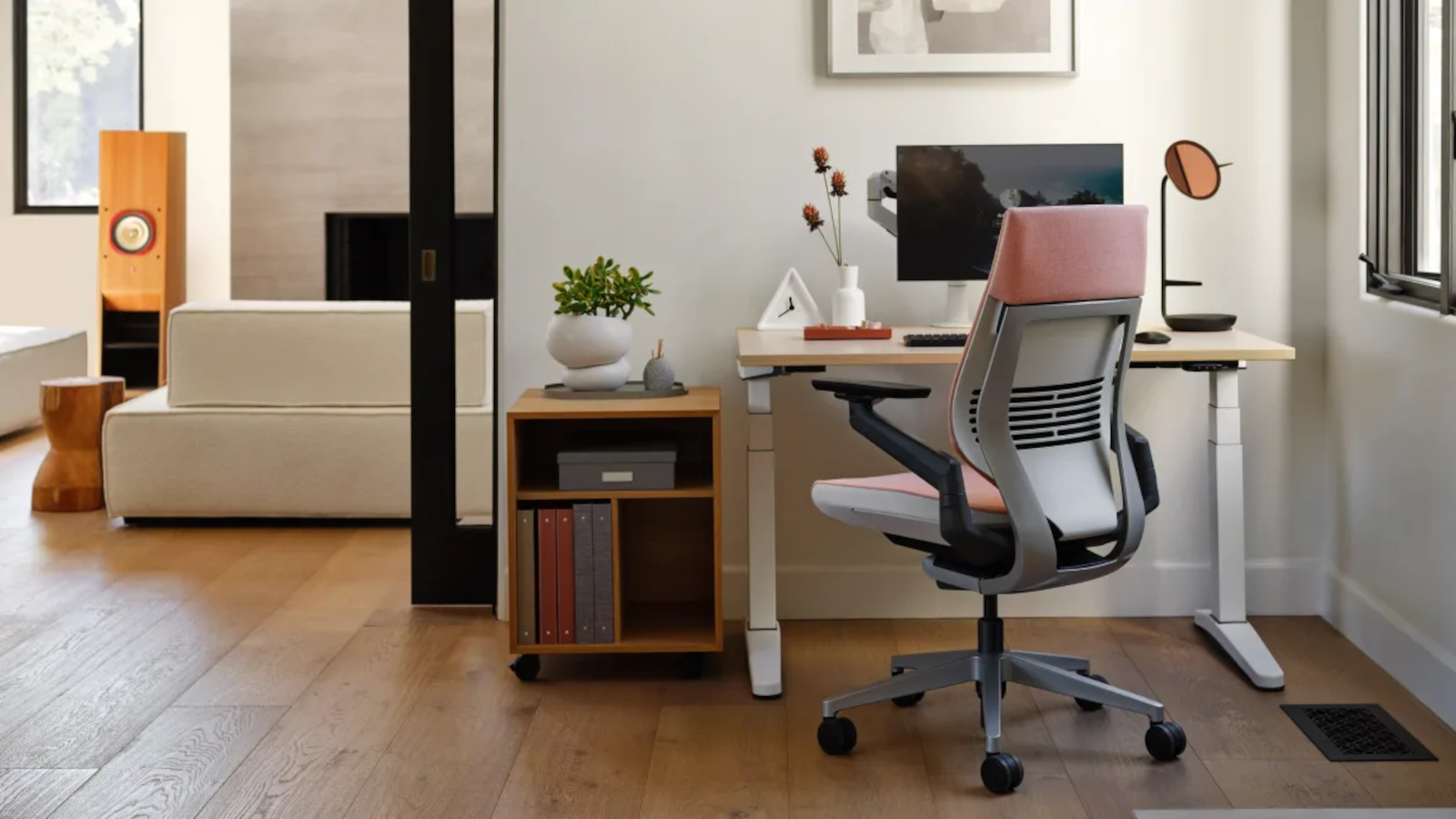
Ergonomics plays a vital role in any home office setup, regardless of its size. Investing in a comfortable chair, a desk at an appropriate height, and proper monitor placement can prevent discomfort and improve overall well-being. Adjustable desks, for instance, allow for seamless transitions between sitting and standing, promoting better posture and reducing sedentary behavior. The goal is to create an environment that supports physical health and long-term productivity.
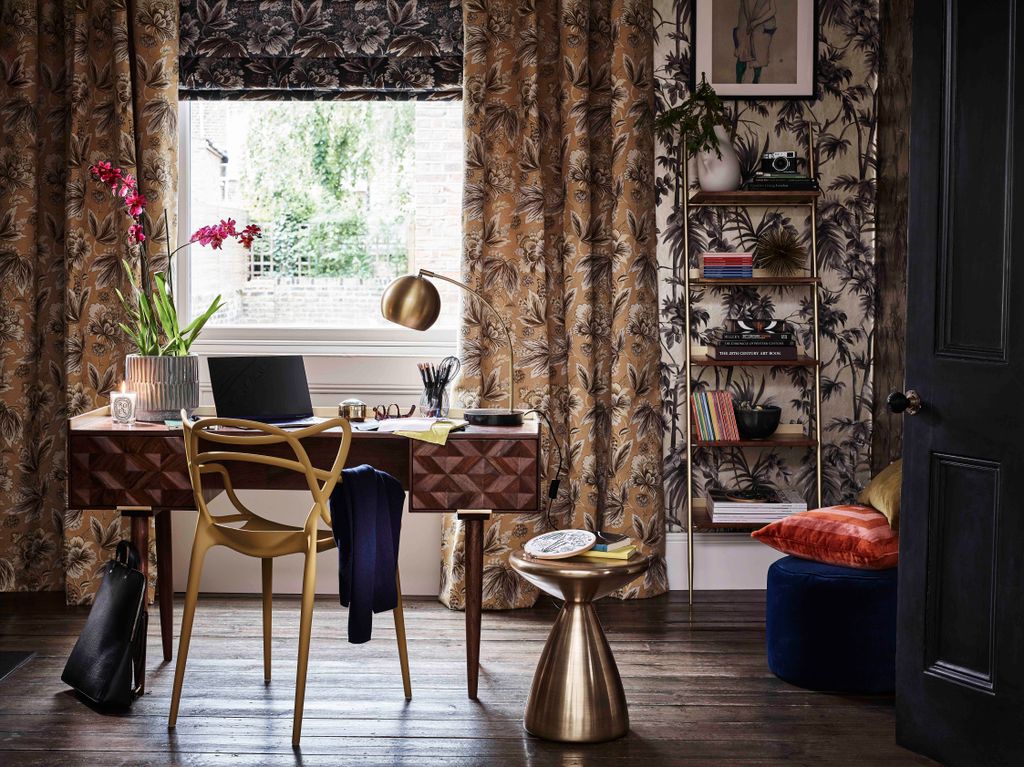
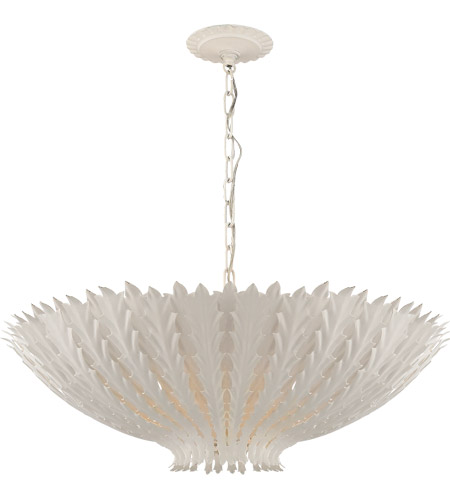
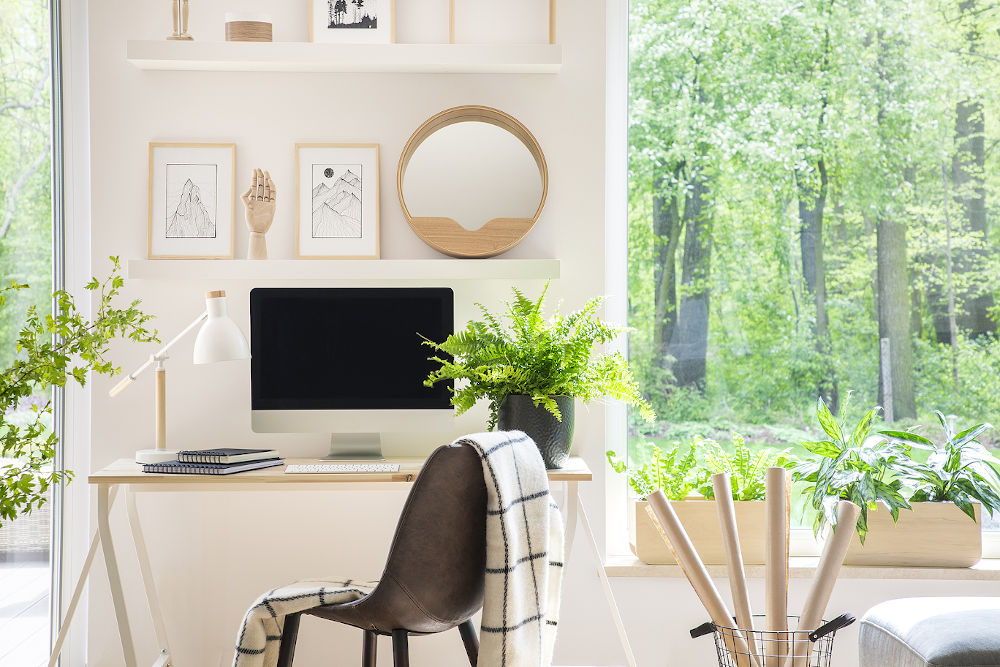
Lighting, both natural and artificial, is another critical element. Beyond the benefits of natural light, a combination of ambient, task, and accent lighting can create a well-rounded and visually appealing workspace. Task lighting, such as a desk lamp, is crucial for reducing eye strain during detailed work, while ambient lighting ensures general visibility. Accent lighting can be used to highlight decorative elements or introduce a sense of coziness.
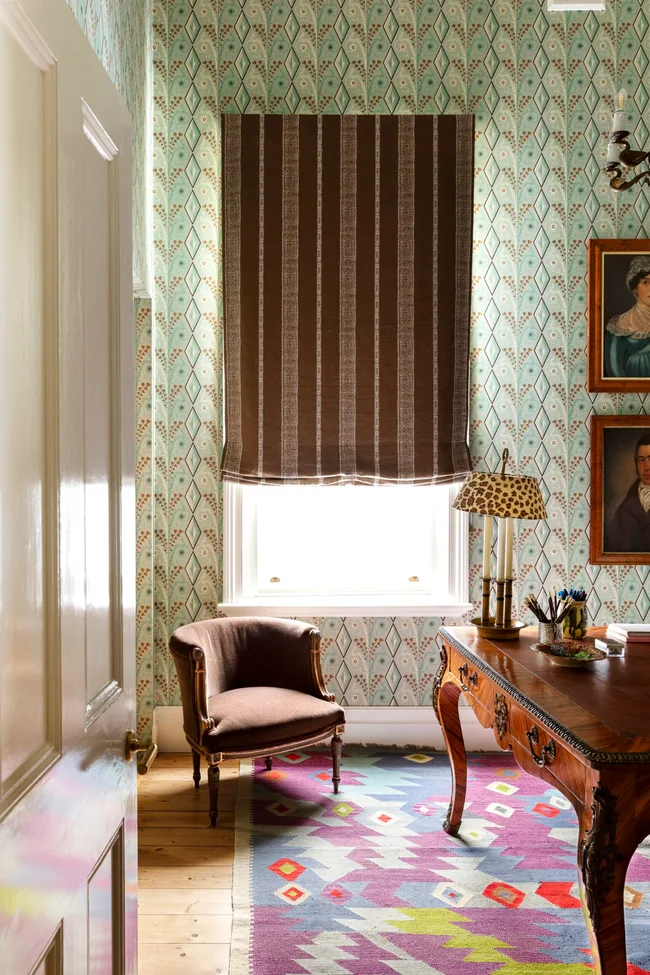
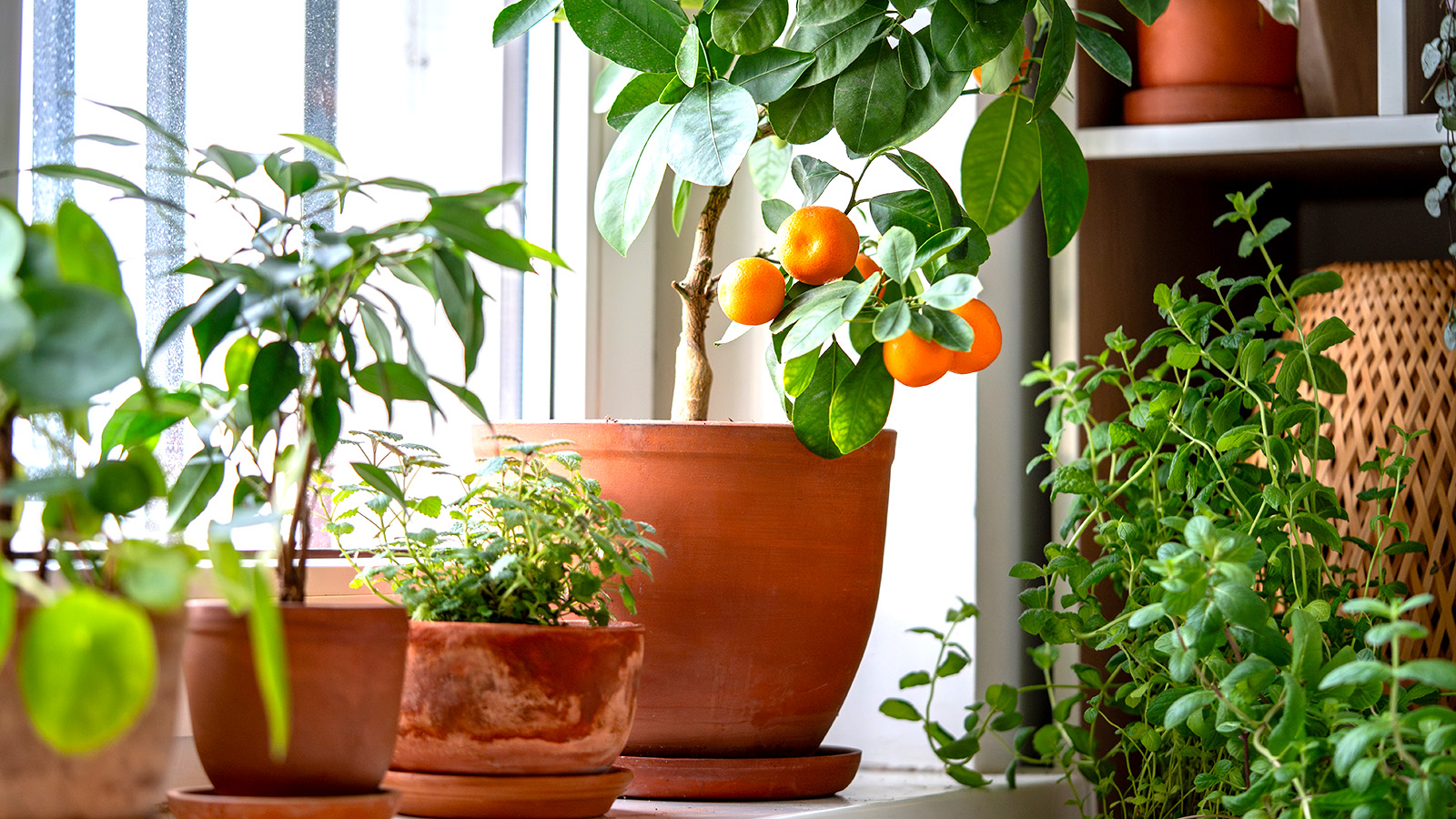
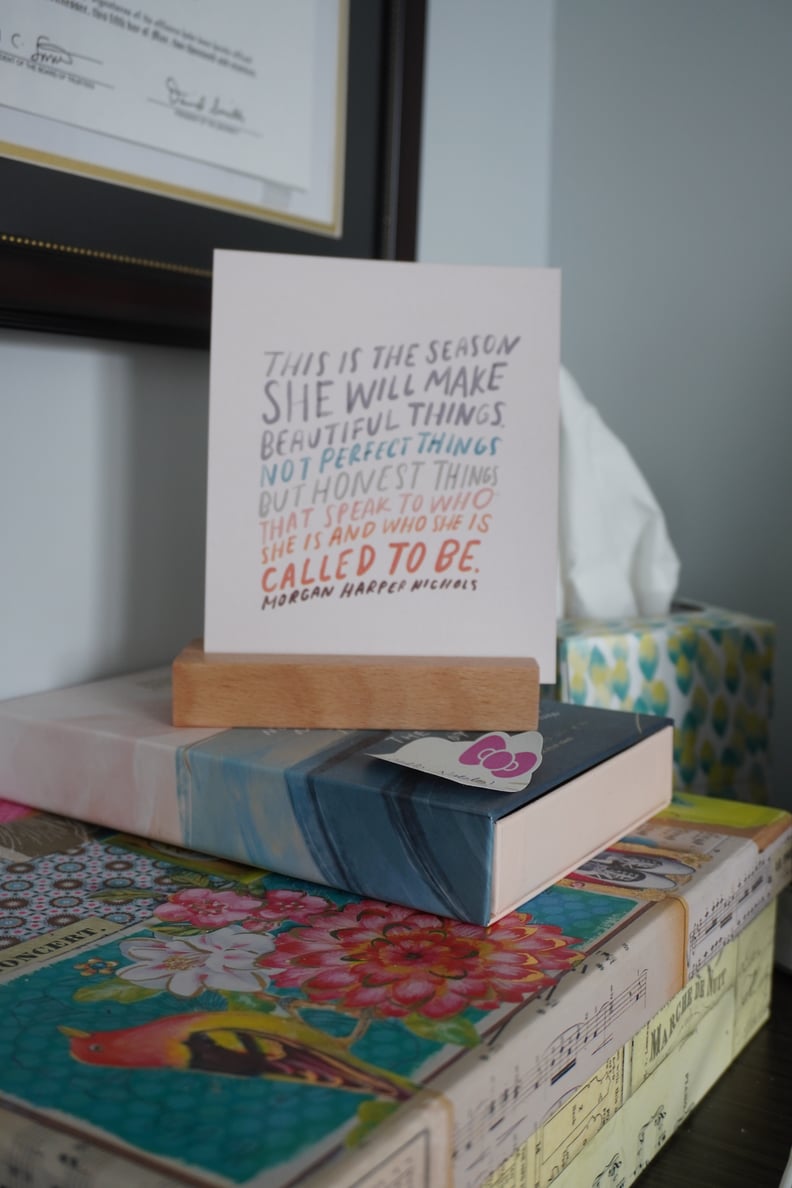
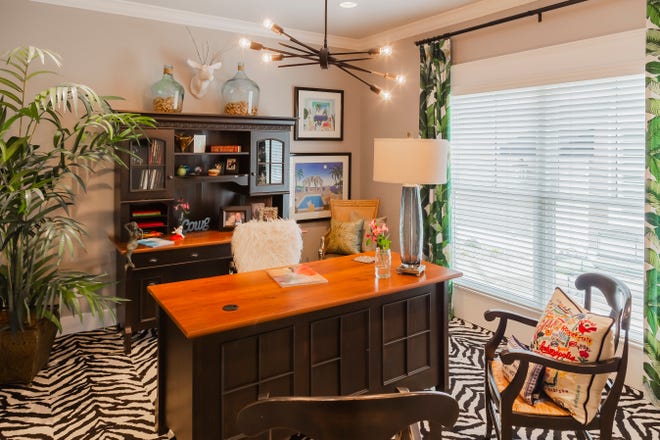
Furthermore, personalizing the home office with elements that inspire and motivate can significantly impact productivity and job satisfaction. This might include incorporating plants, artwork, or personal mementos that foster a positive and stimulating environment. However, it is equally important to avoid excessive clutter that could distract from work. The balance between functionality, aesthetics, and personal expression is crucial for a home office that is both effective and enjoyable.
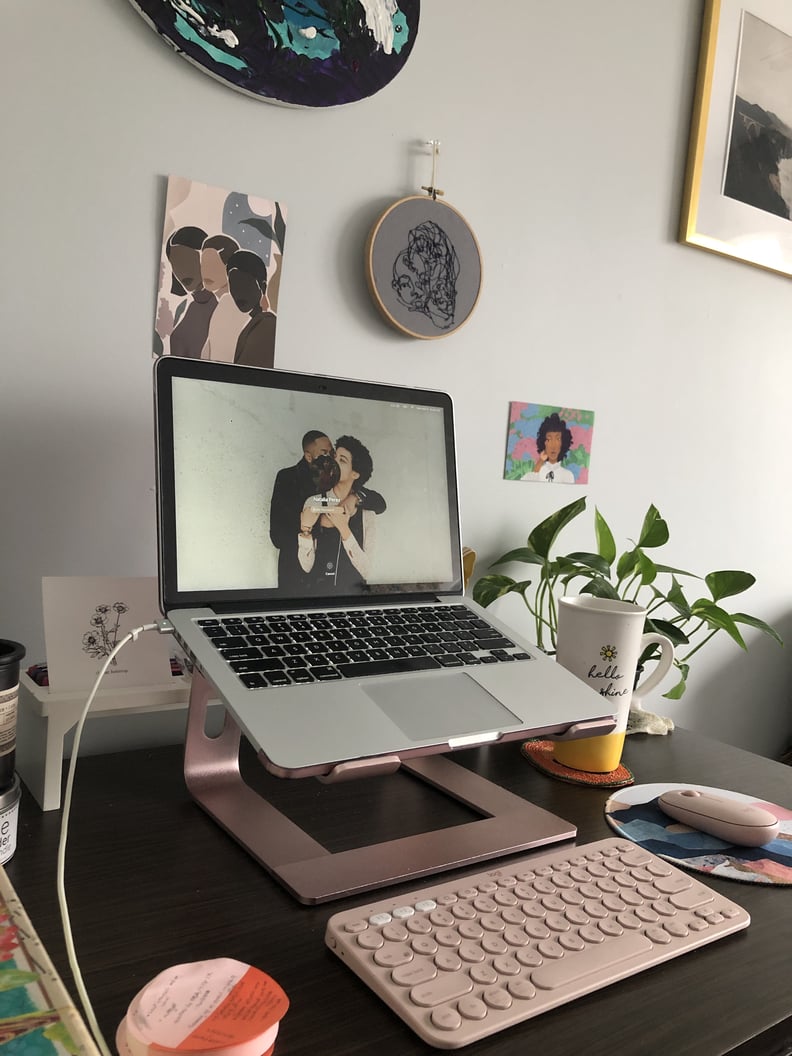
Sound management is also a consideration, especially in shared living spaces. Strategies such as using noise-canceling headphones, incorporating soft furnishings to absorb sound, or even strategically placing plants can help minimize distractions. For those requiring frequent video calls, a background that appears professional and uncluttered is essential. Thoughtful cable management is another often-overlooked detail that contributes to a clean and organized workspace, reducing visual noise and potential tripping hazards.
Ultimately, designing an optimal home office involves a holistic approach that balances practical needs with personal preferences, aiming to create a space that promotes efficiency, comfort, and a clear distinction between work and home life.
#HomeOffice #OfficeLayoutIdeas #RemoteWork #ProductiveWorkspace #HomeDesign #InteriorDesign #Ergonomics #WorkFromHome #HomeOffice #OfficeLayoutIdeas #RemoteWork #ProductiveWorkspace #HomeDesign #InteriorDesign #Ergonomics #WorkFromHome
0 comment in total
 No comments yet
You may also like
16 home office layout ideas to boost productivity and create a comfortable work space
15 home office décor ideas for every WFH setup

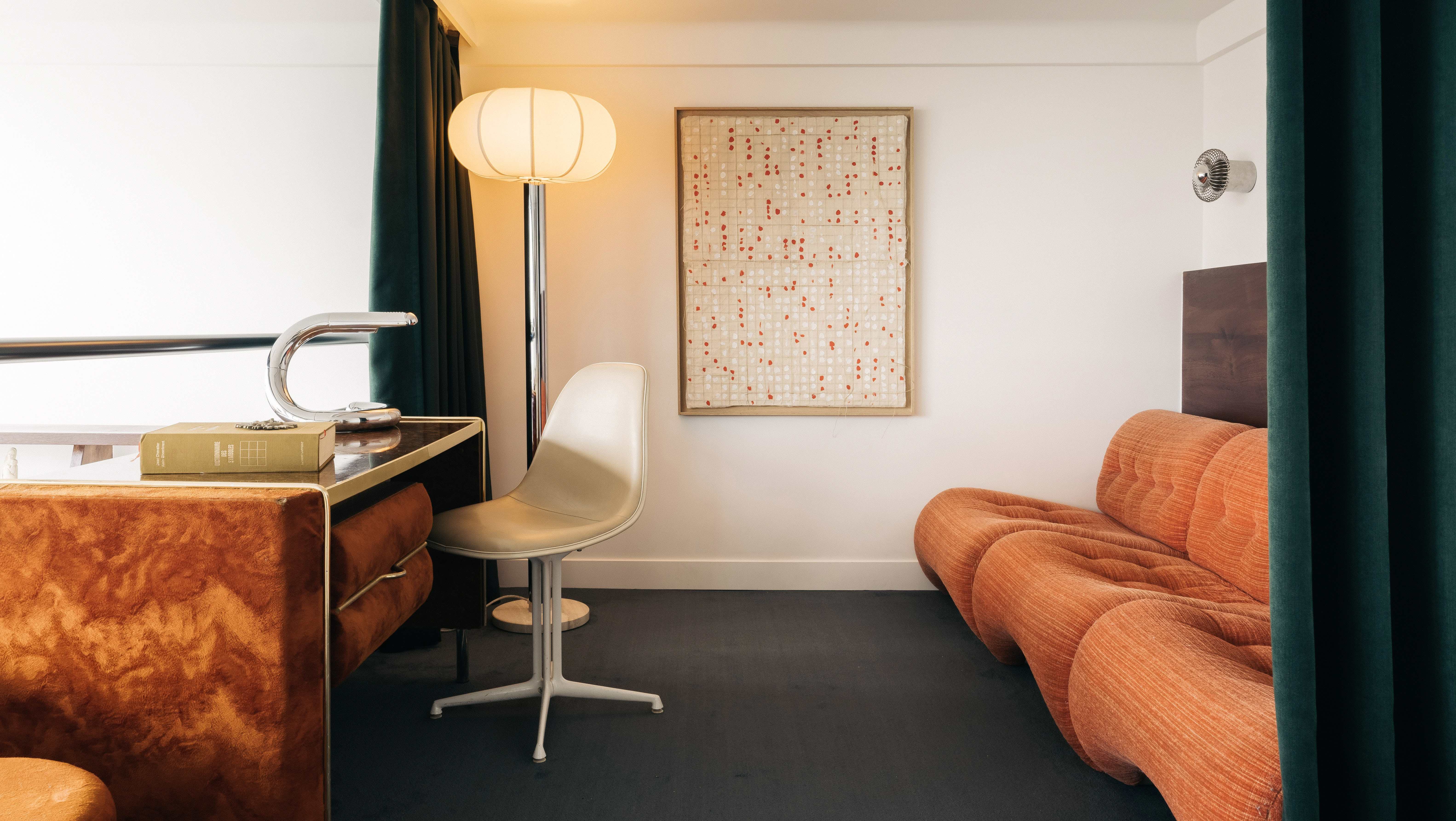
Who needs a Zoom background when your home office looks this good?

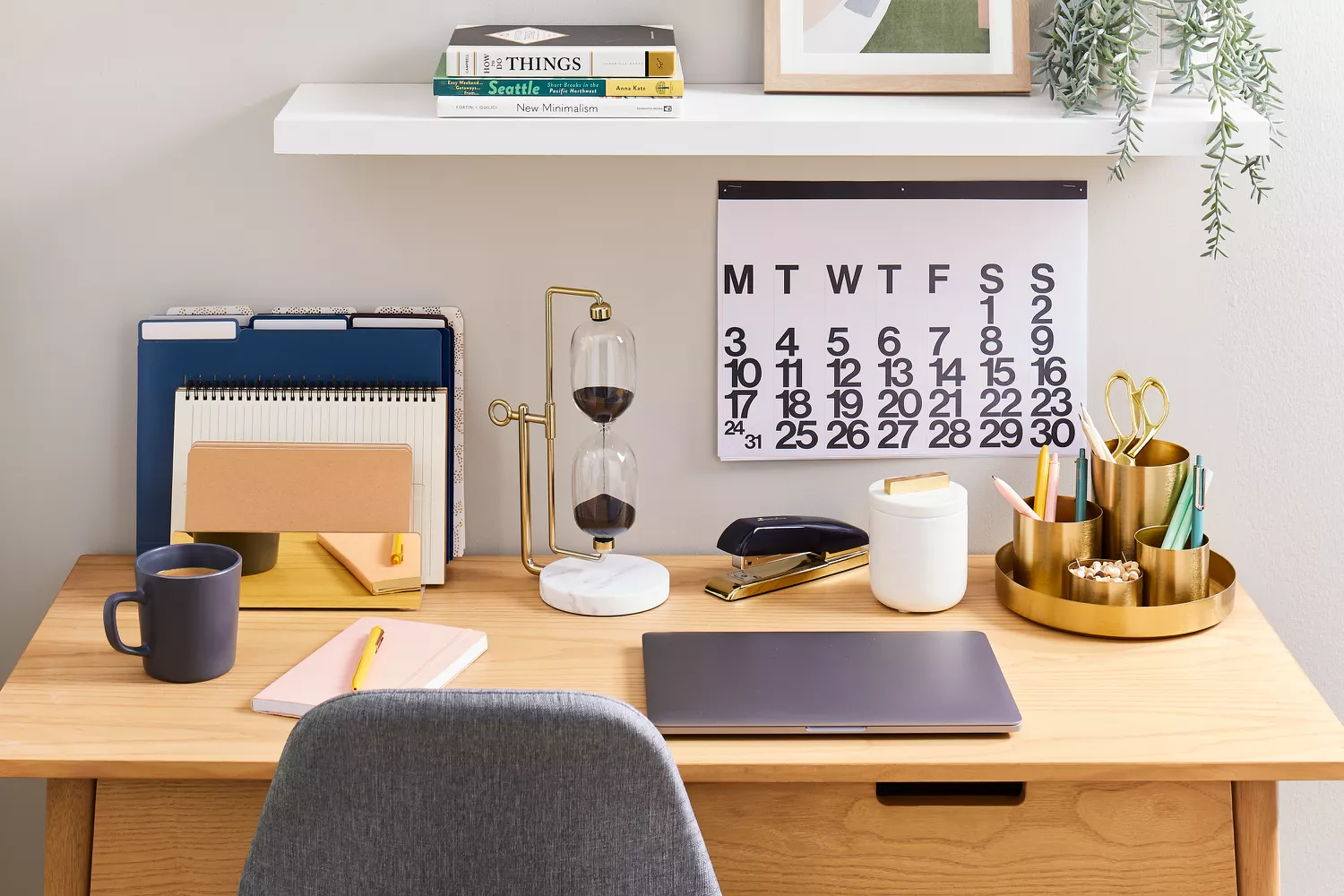
67 Modern Home Office Ideas That Will Help You Get the Job Done in Style

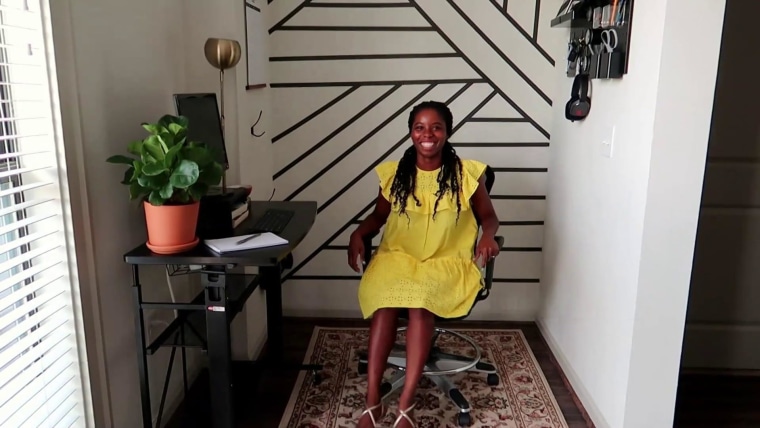
5 home office ideas to create the perfect workspace

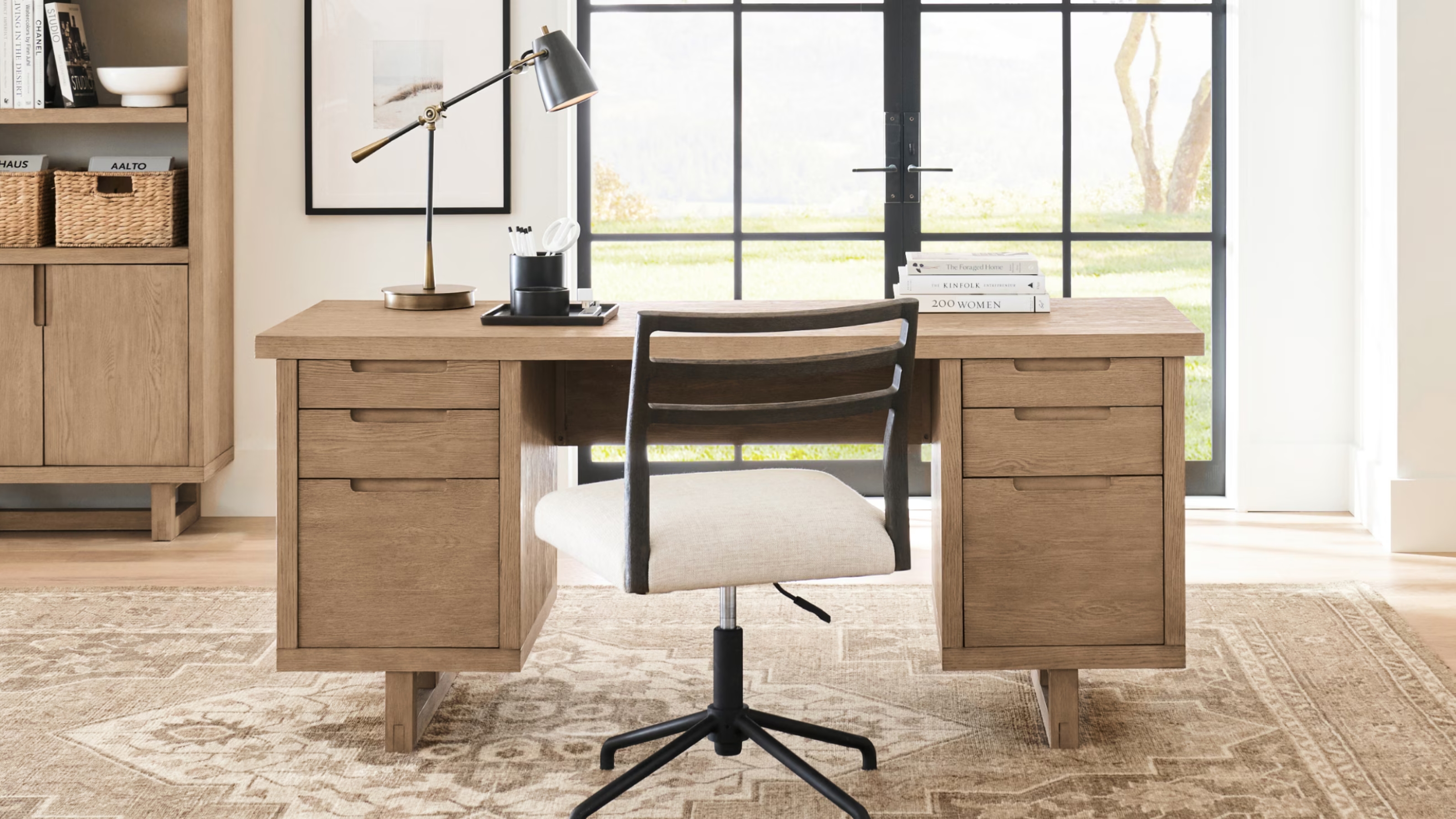
8 modern small office ideas to WFH in style

20 Home Office Ideas That Will Make You Want to Work All Day

5 home office layout ideas to refresh your workspace for the new year

Step up your home office game with these tips from an interior designer
Small Office Ideas for Every Kind of Work-from-Home Setup

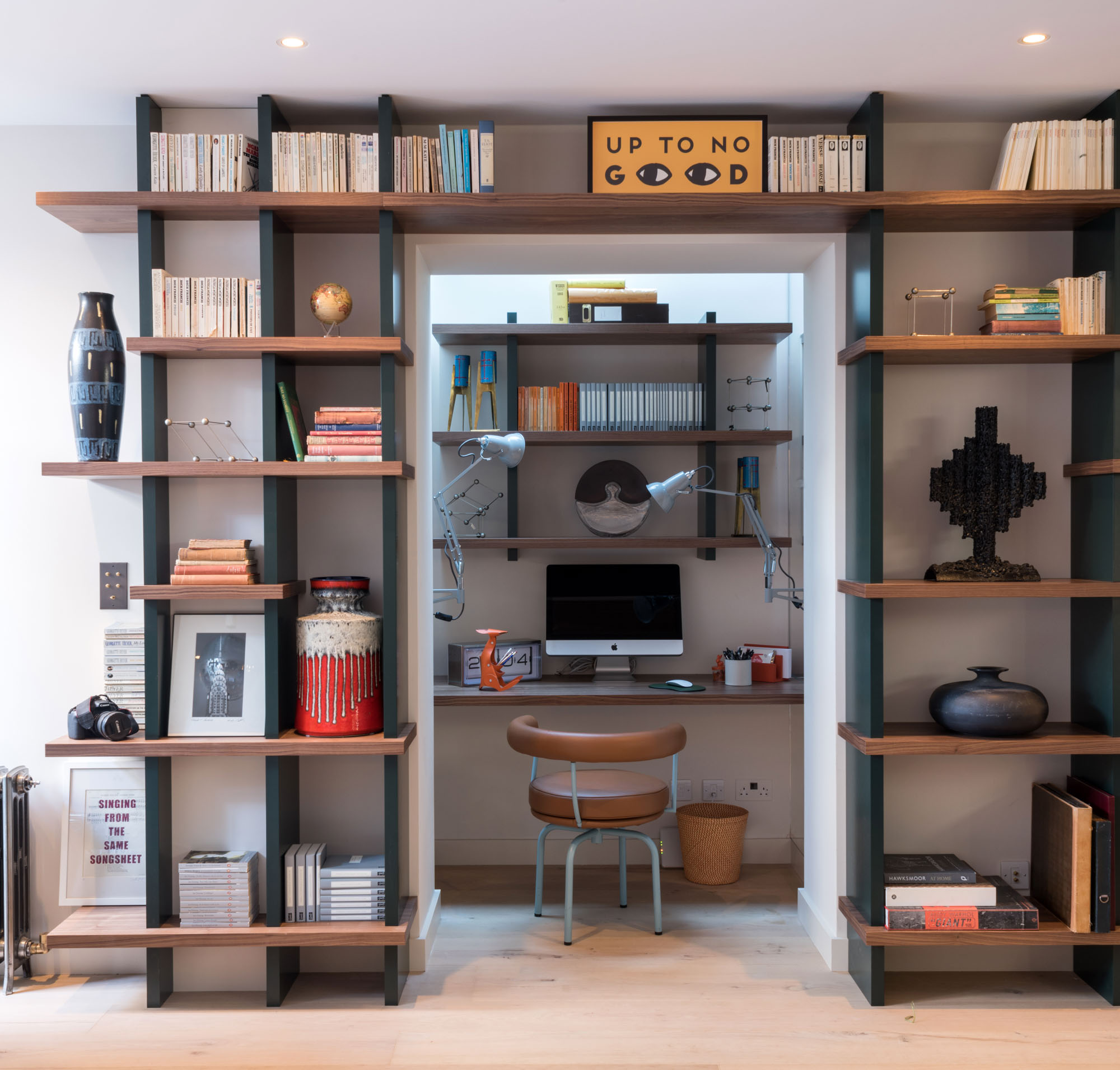
10 ways to design a home office into your living room (and still switch off at the end of the day)

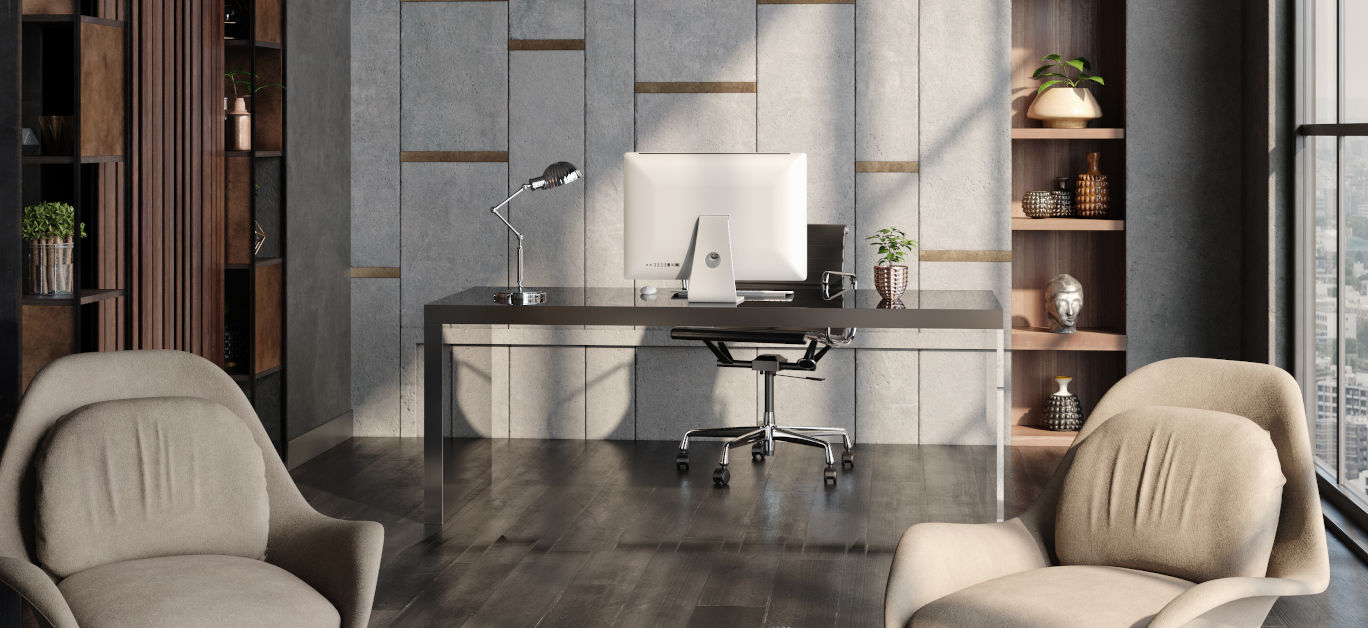
Creating a comfortable and luxury home office in 2024: From design to maintenance

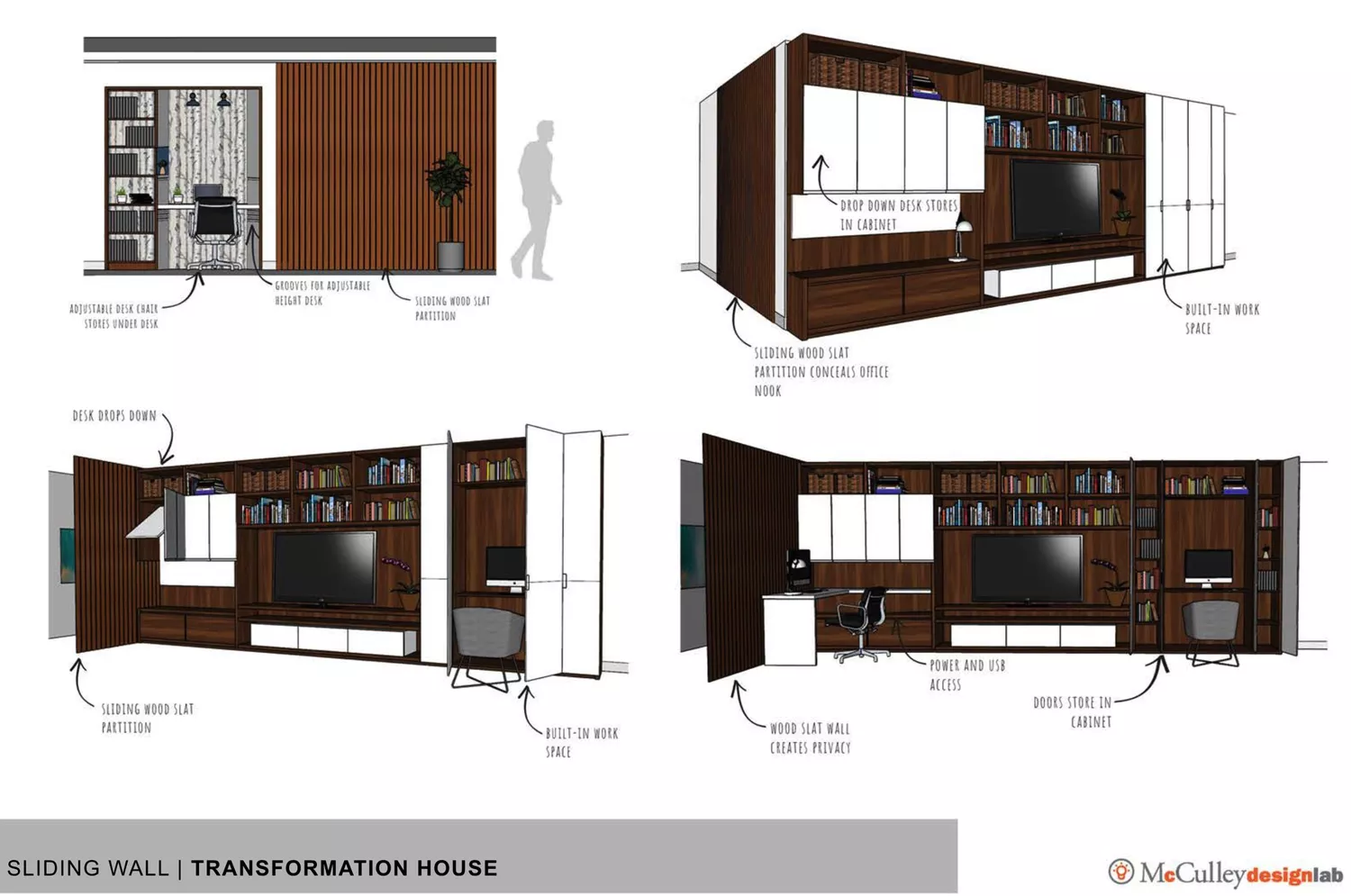
Home Office Ideas for Open-Plan Living
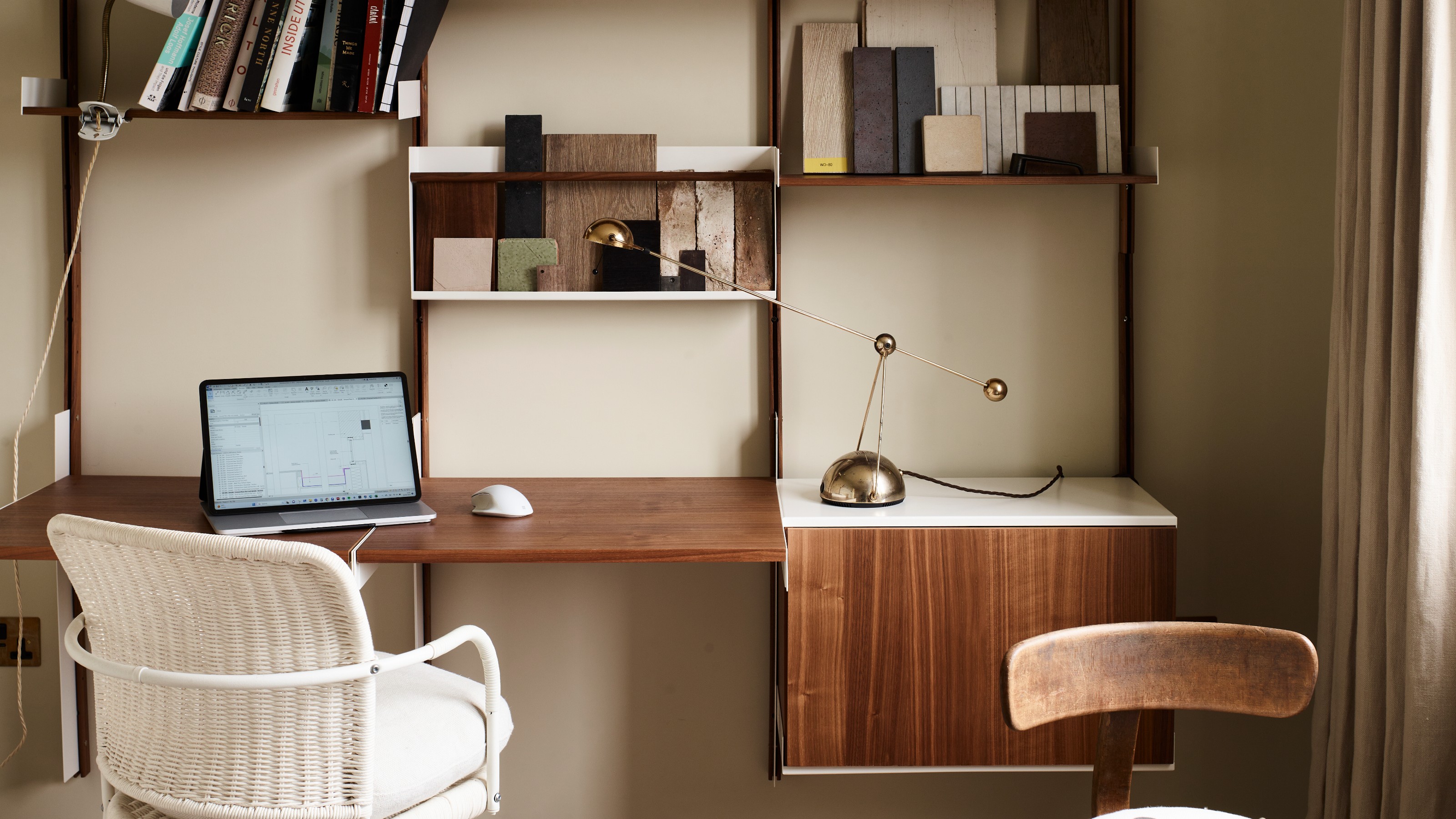
21 home office desk ideas for a stylish and functional WFH set-up
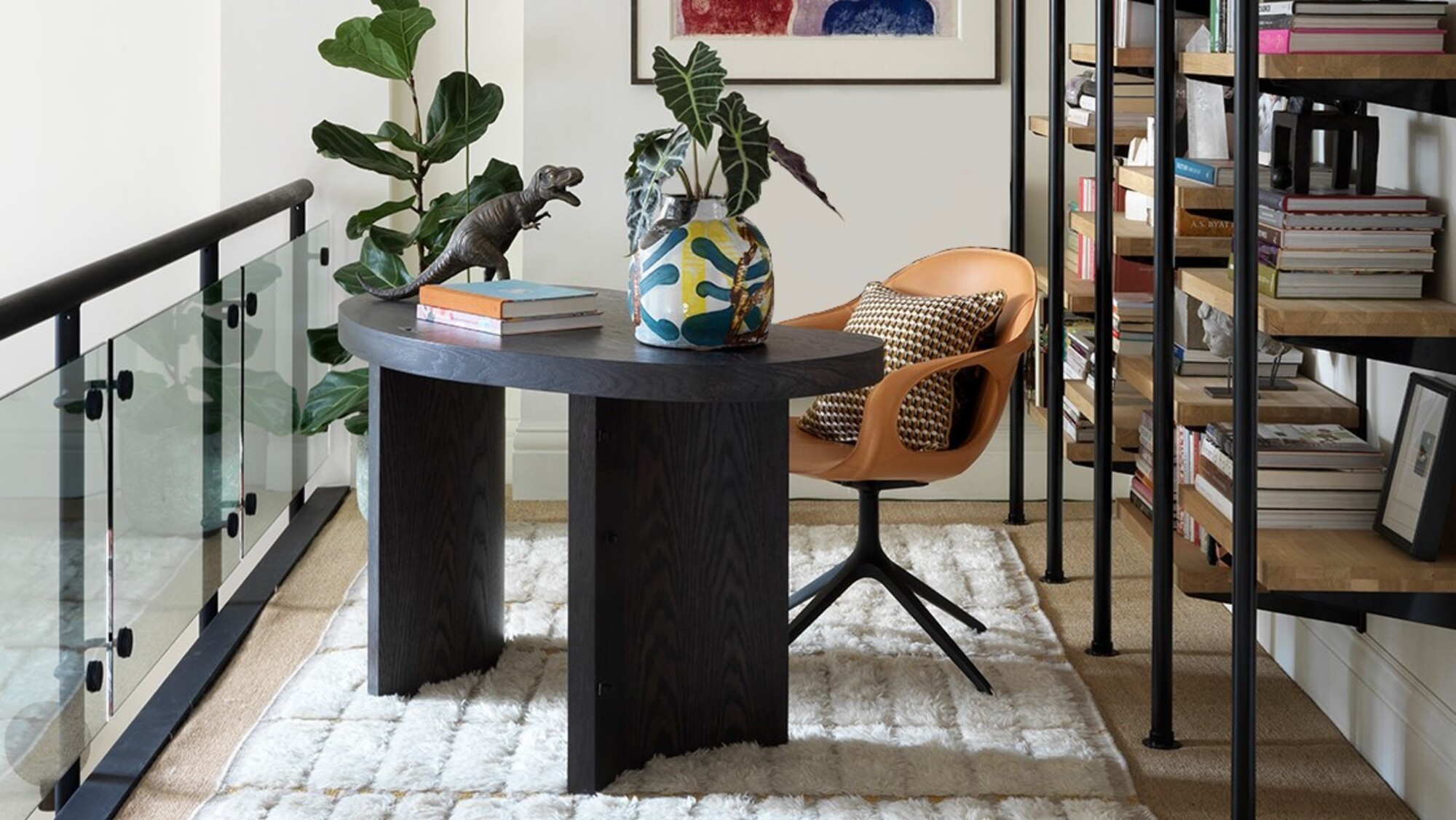
Home office ideas – 29 WFH spaces that marry practicality and style
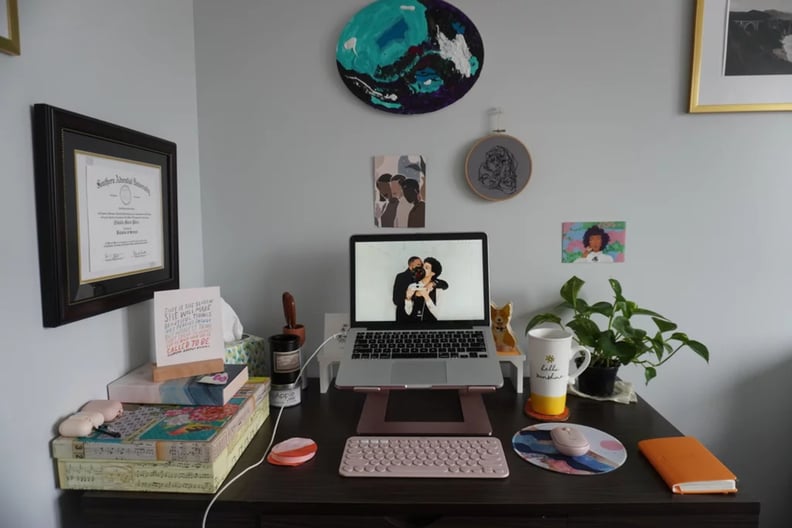
How I Set Up My Dream Desk in My Tiny Bedroom
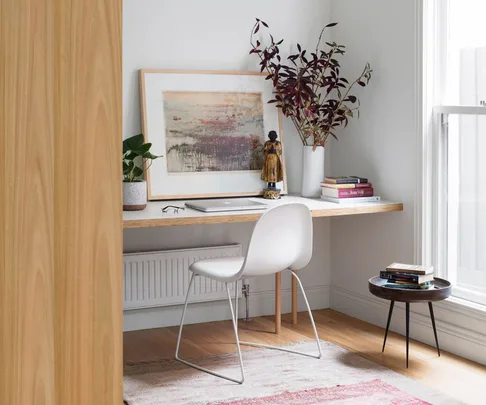
23 home office ideas that will kick your mind into gear

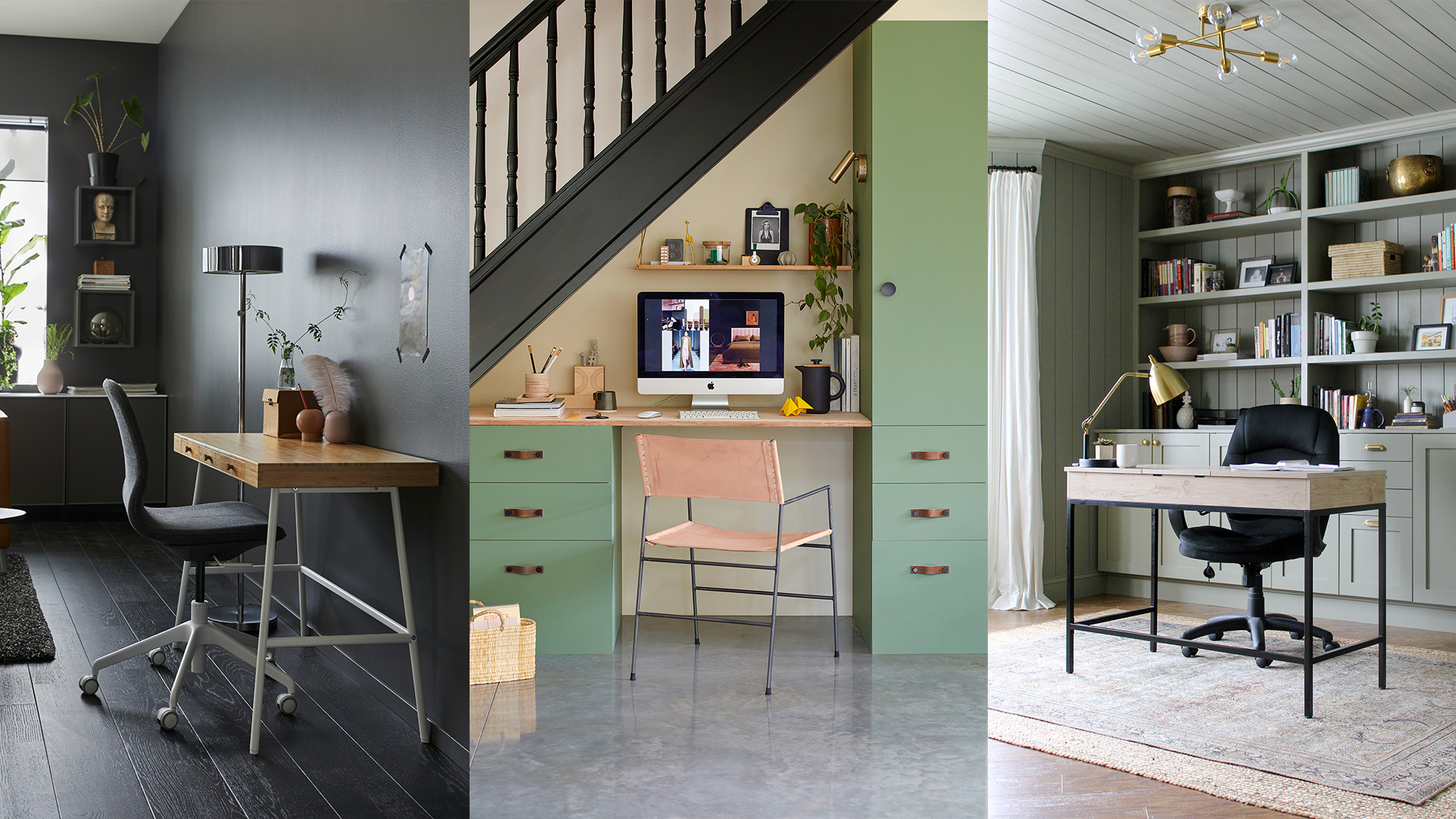
Ikea home office ideas – 11 practical and stylish schemes

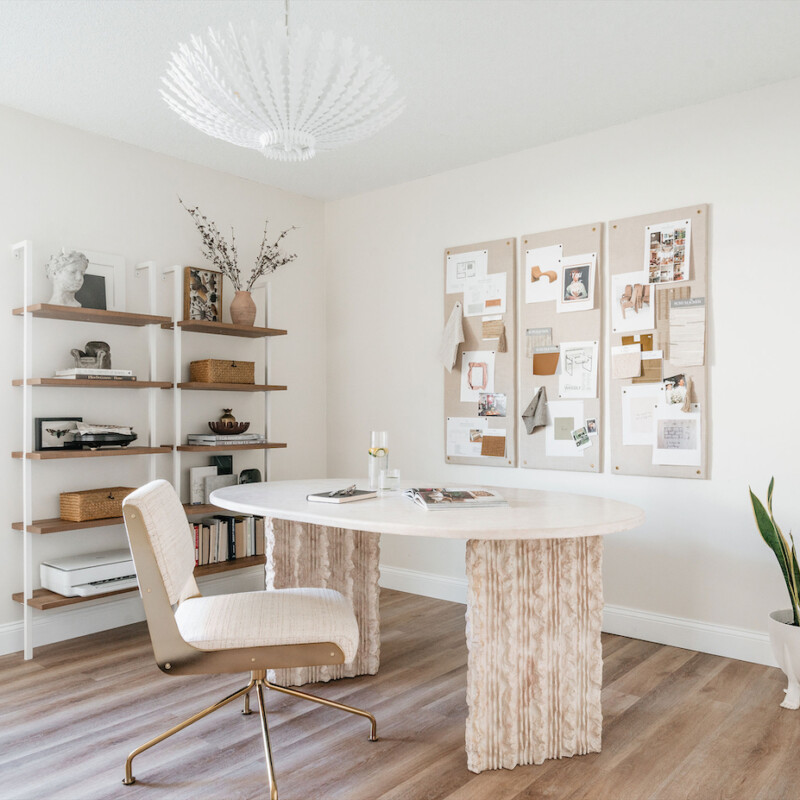
6 Home Office Design Ideas to Fuel Productivity and Keeps Spirits Lifted

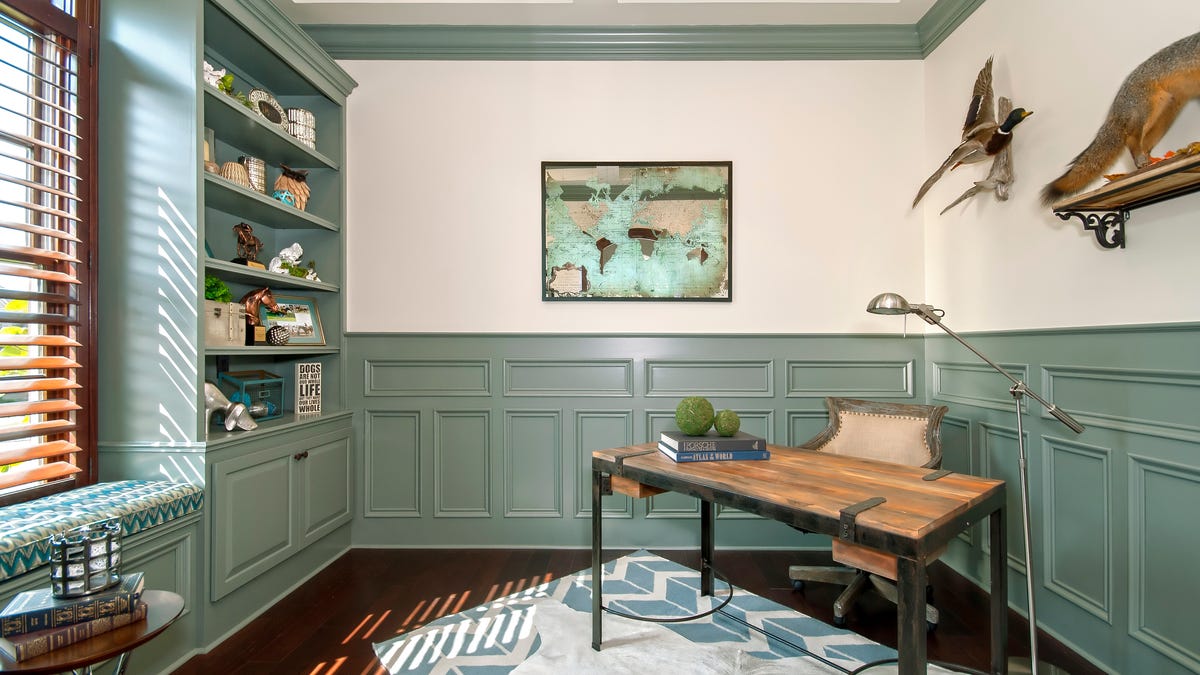
Creative interior design looks to help you redesign your home office