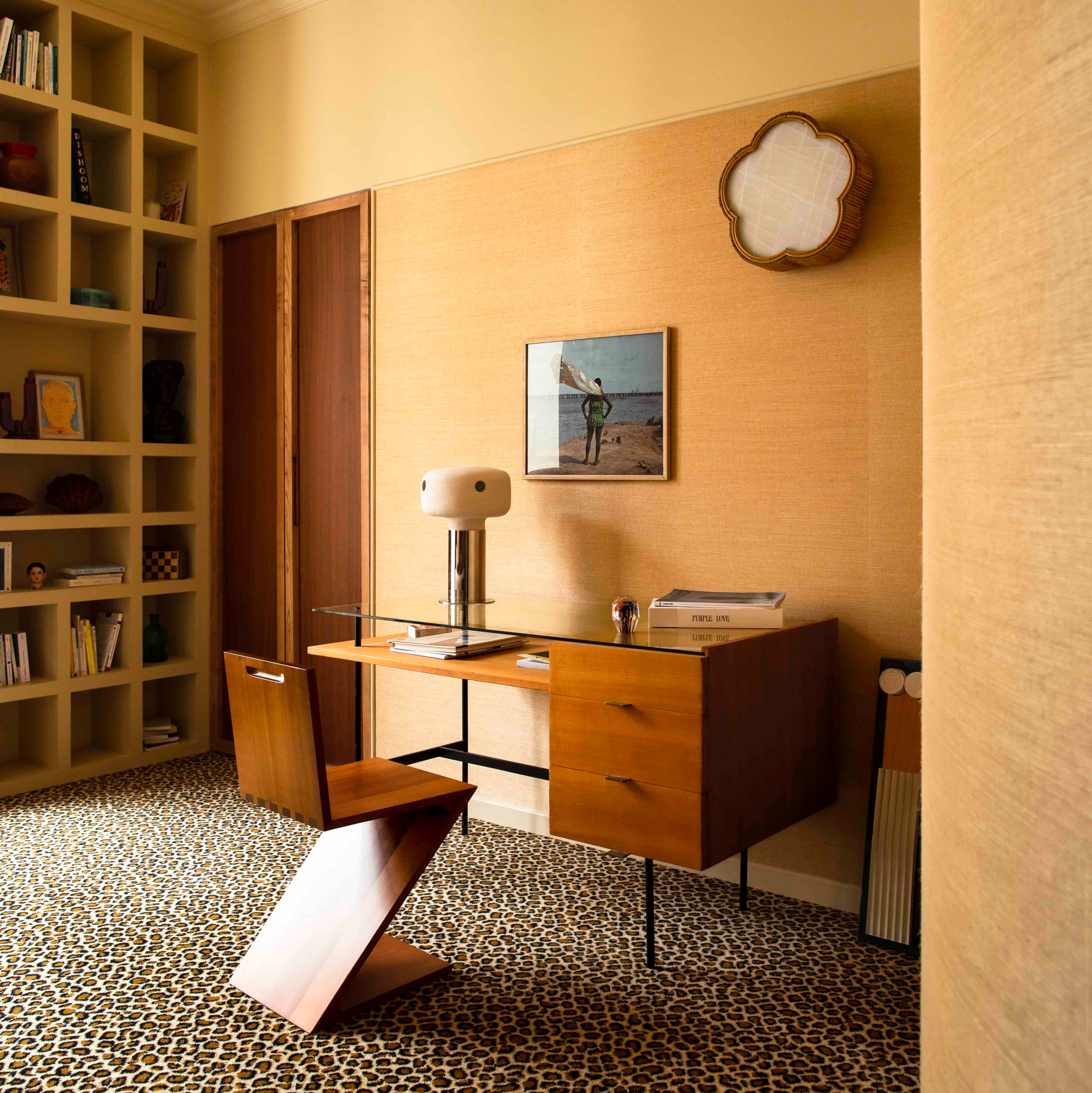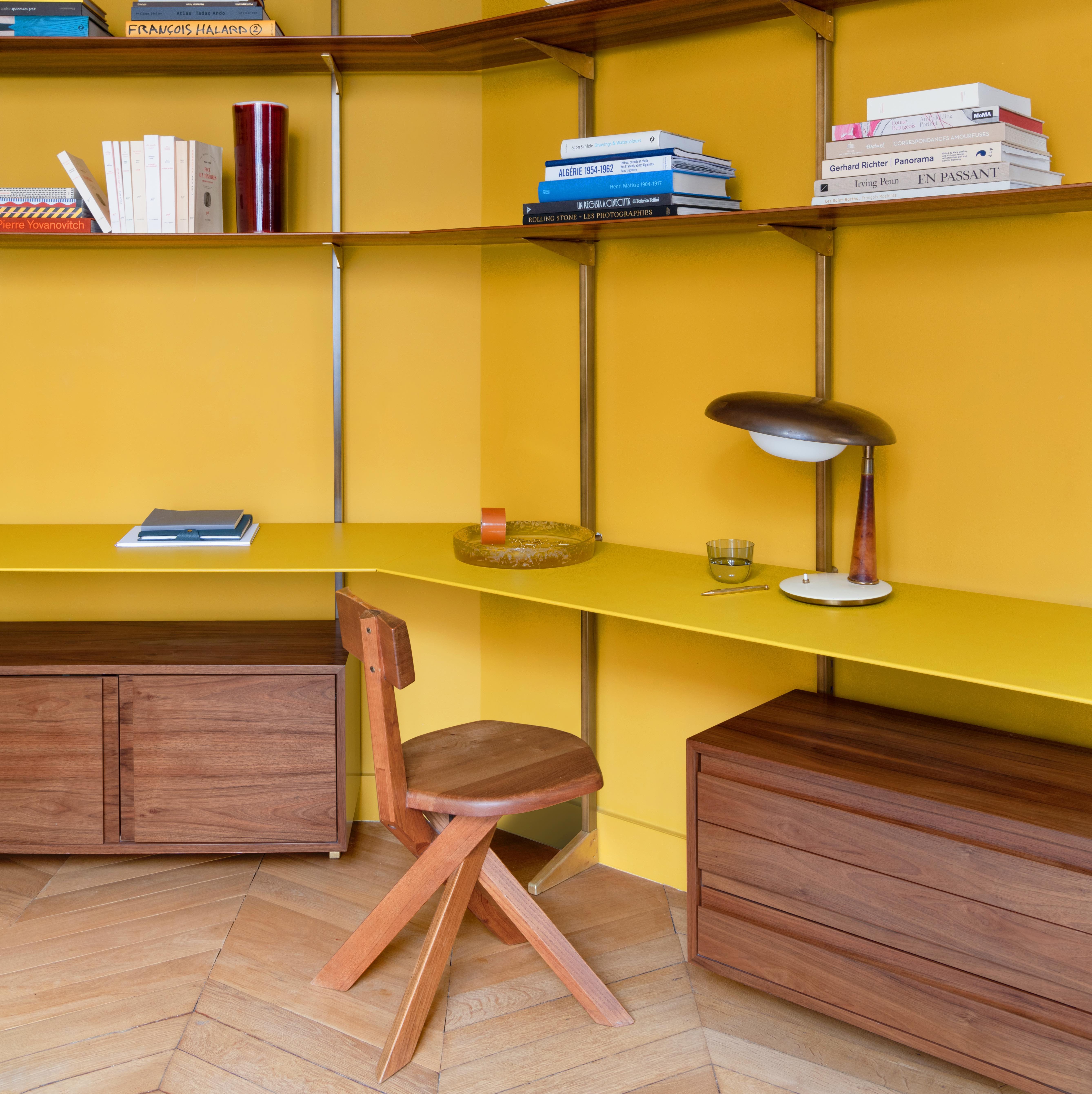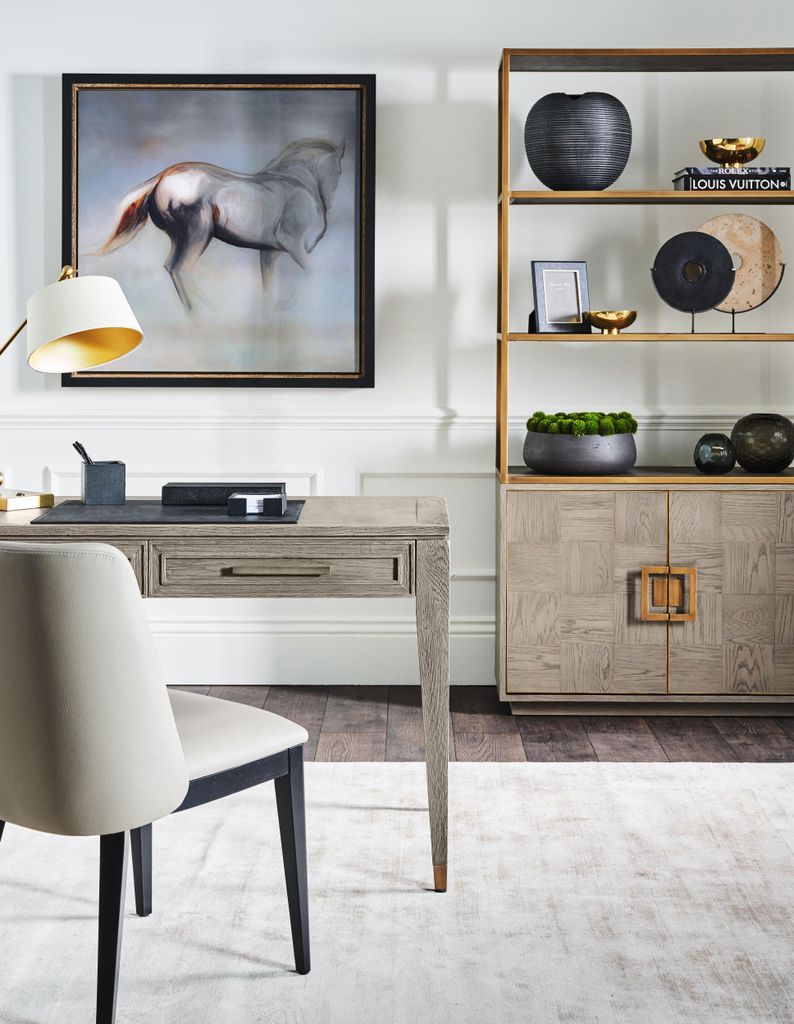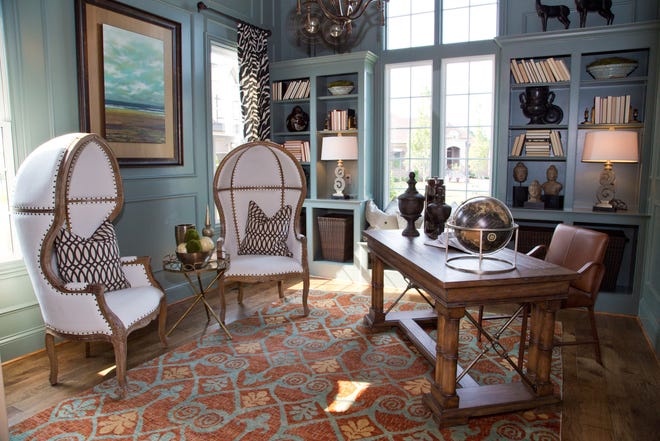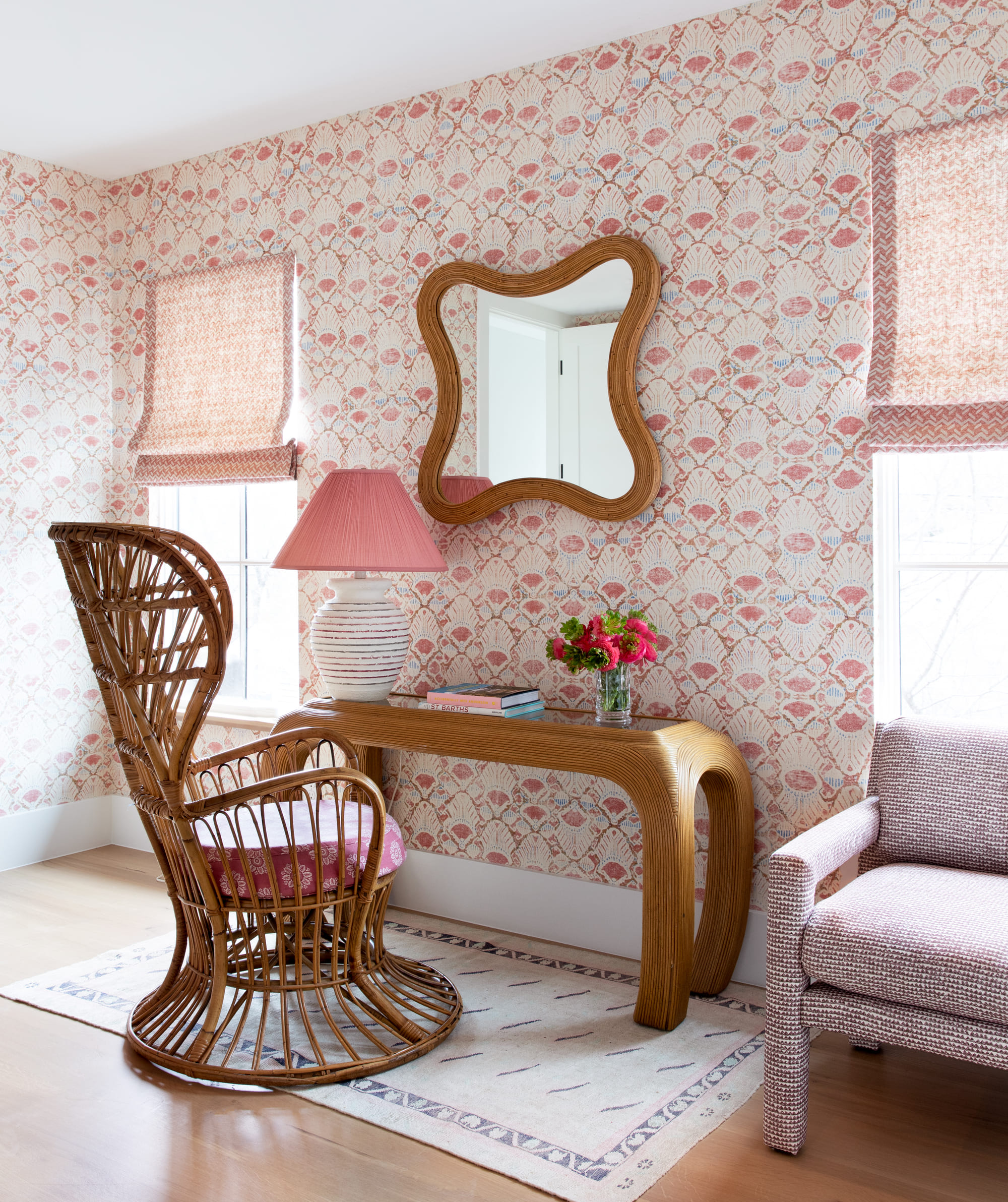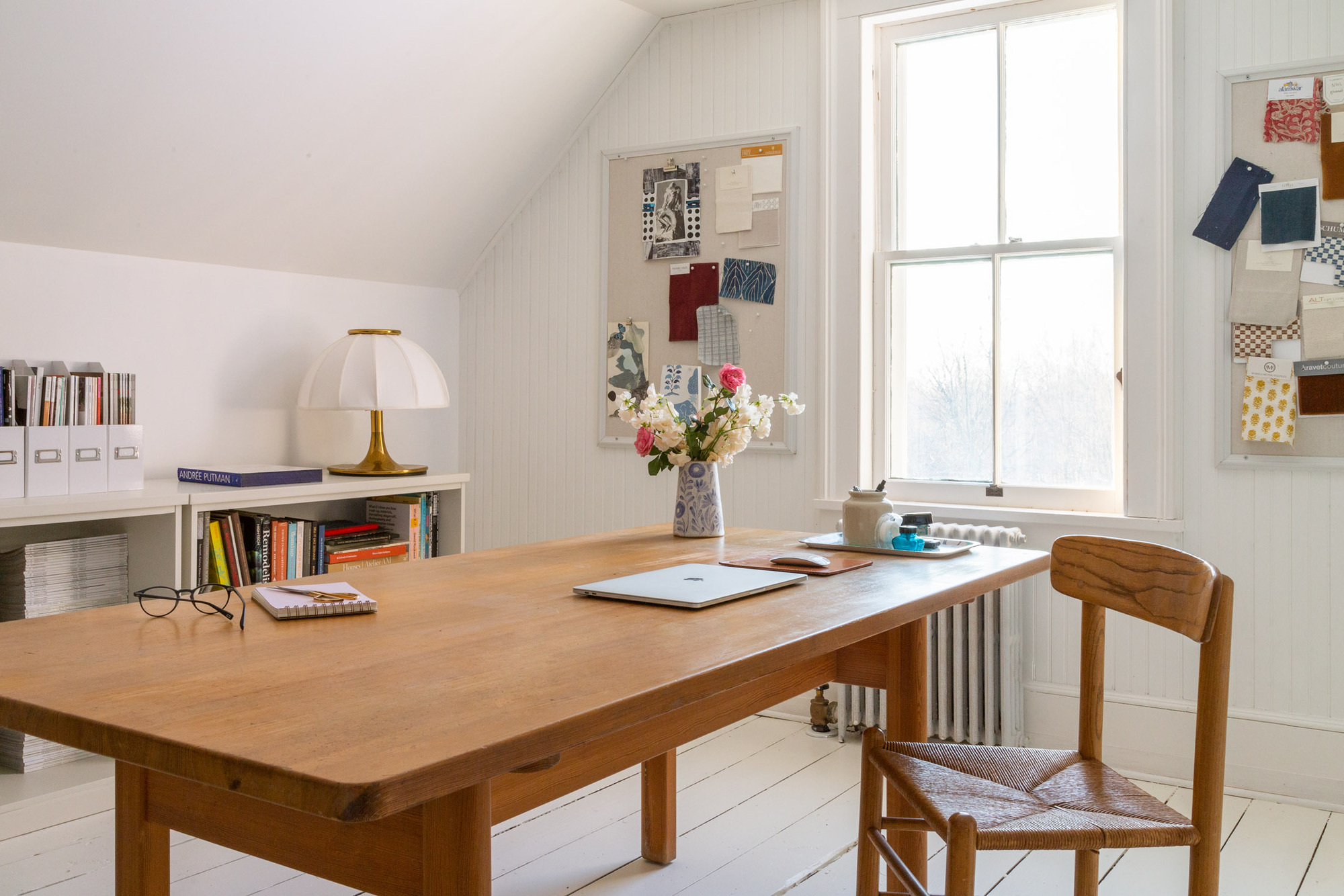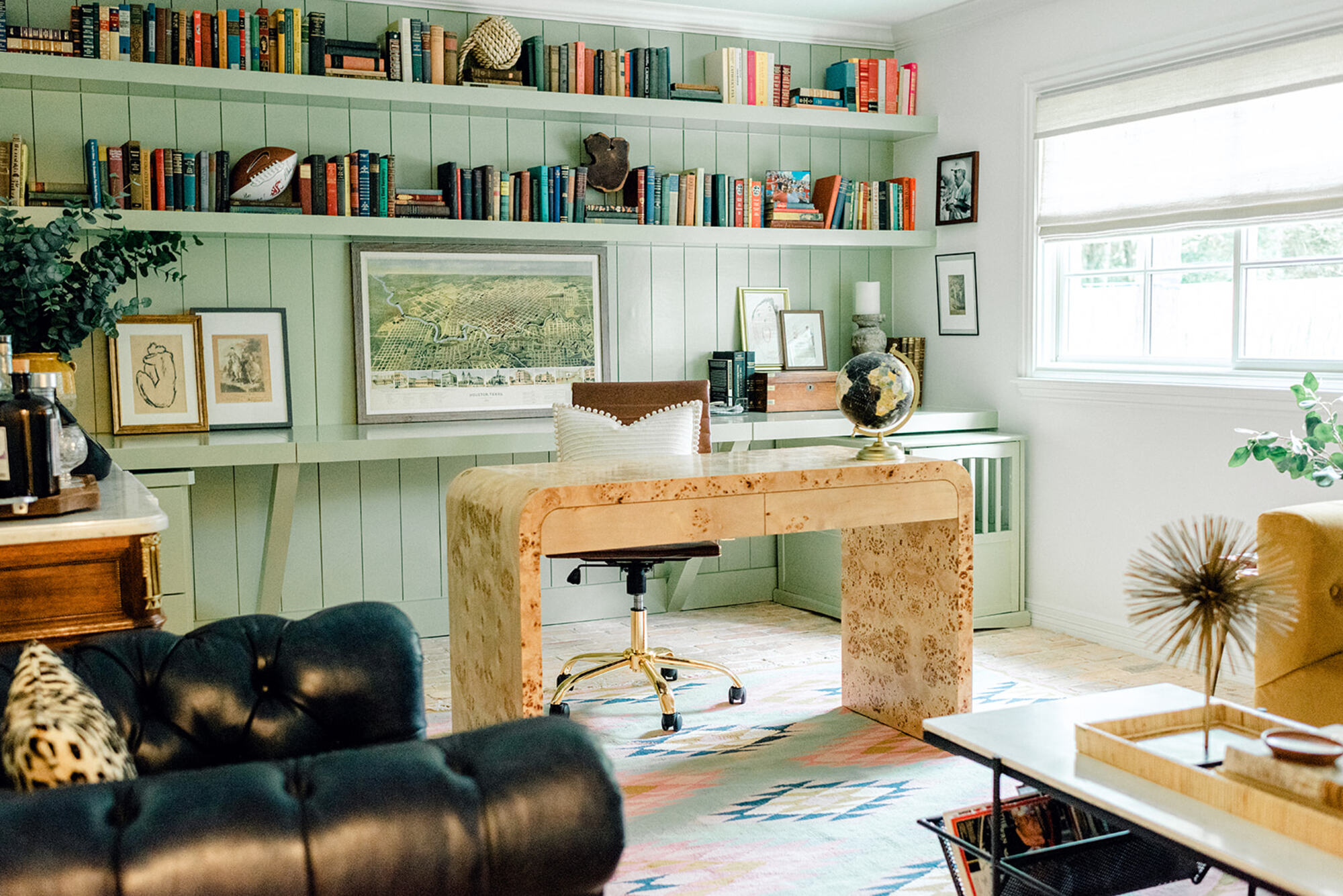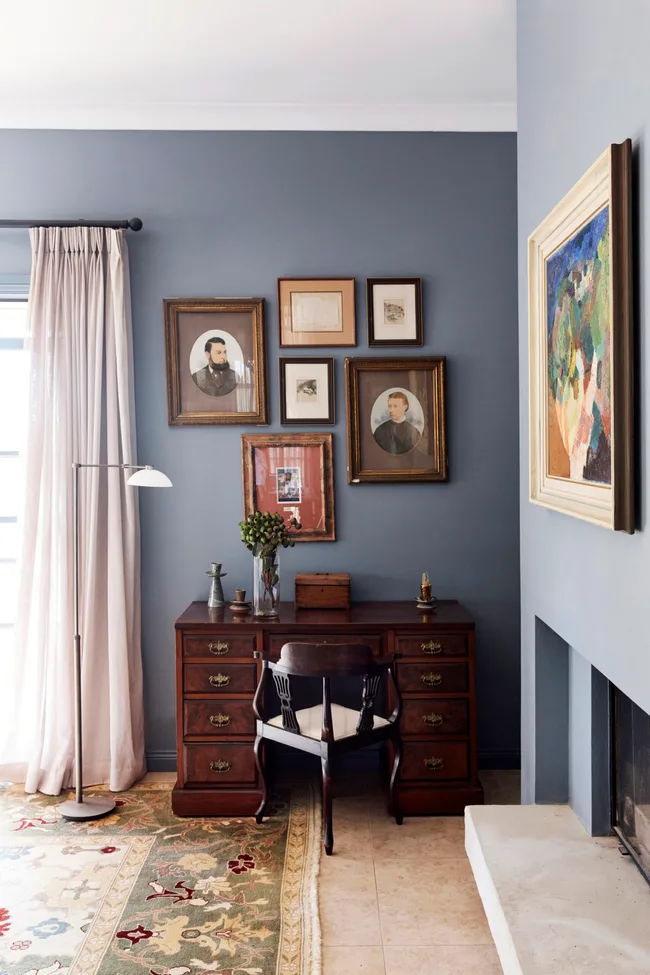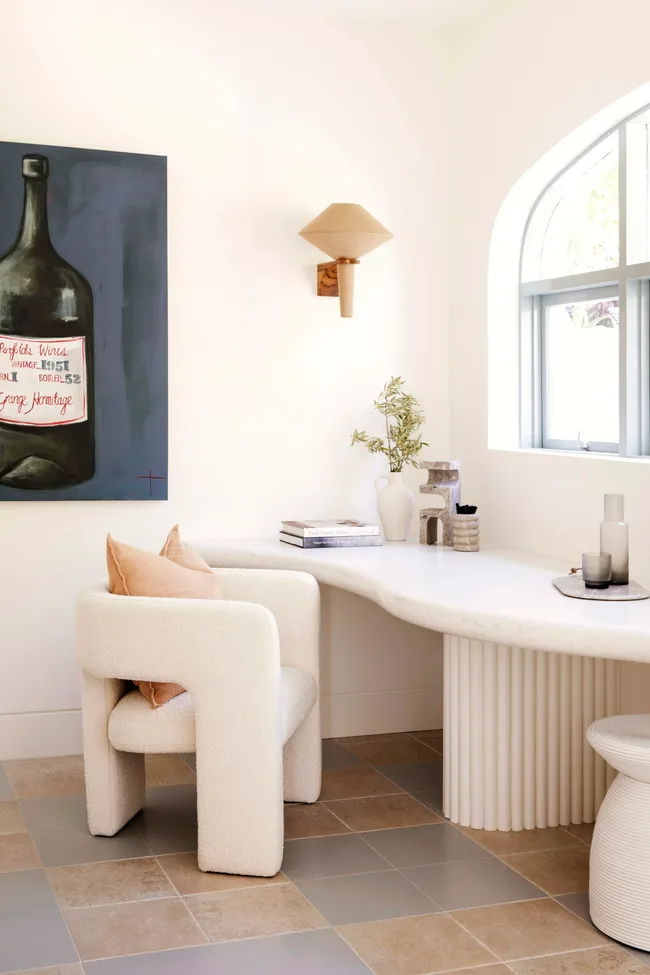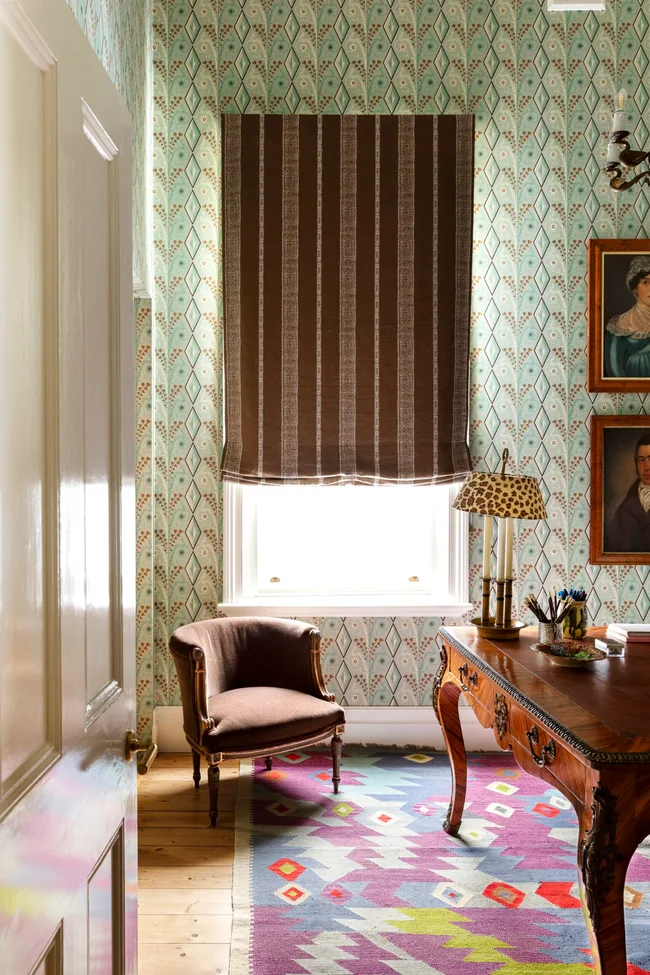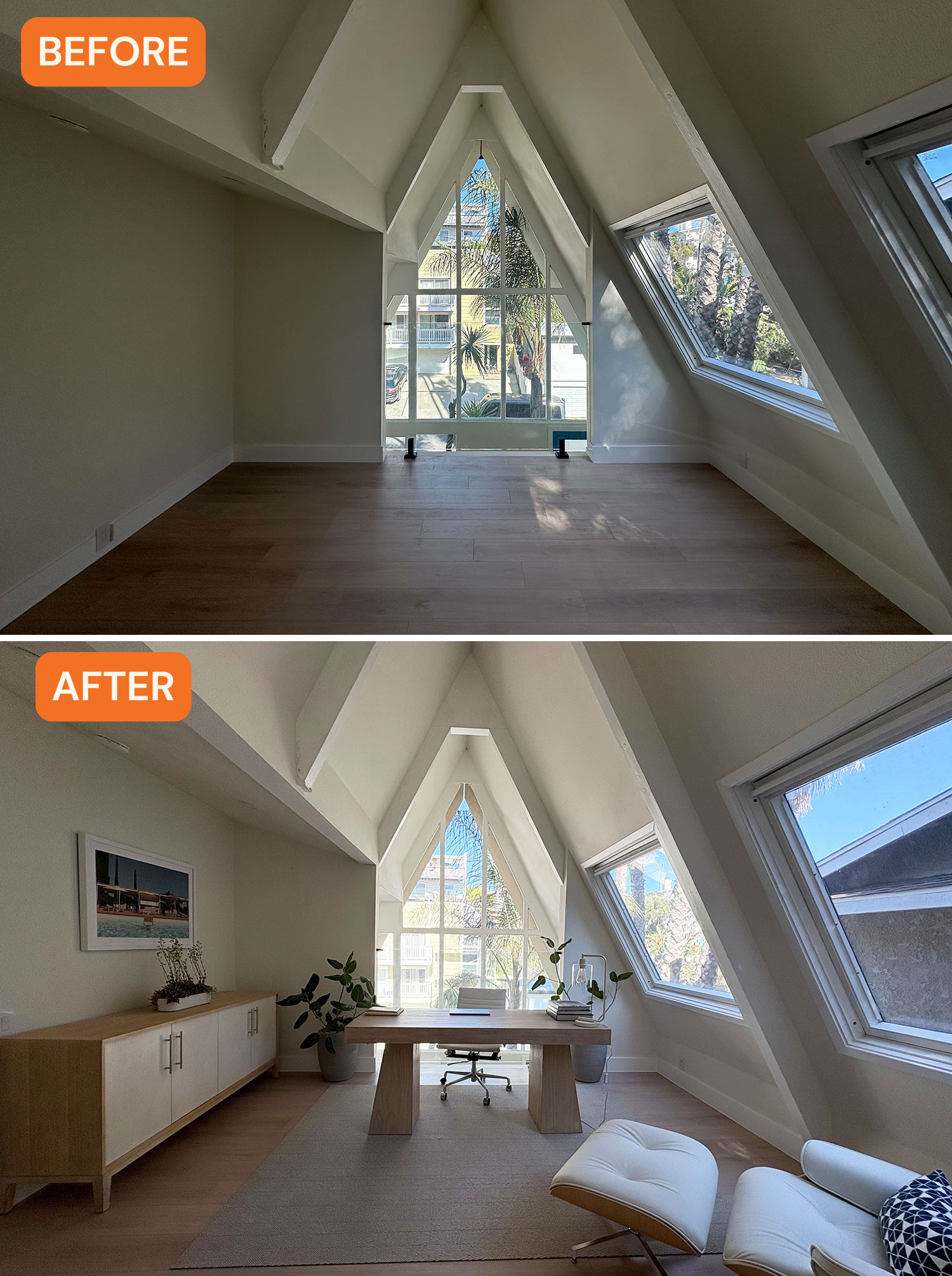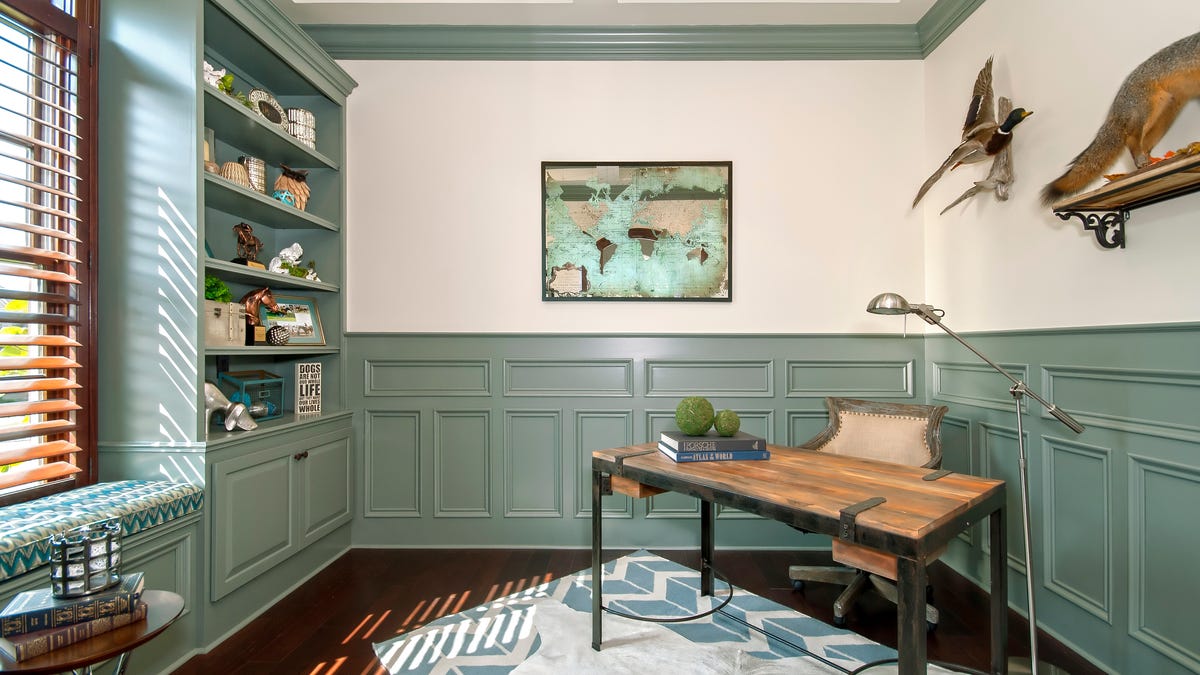
Creative interior design looks to help you redesign your home office
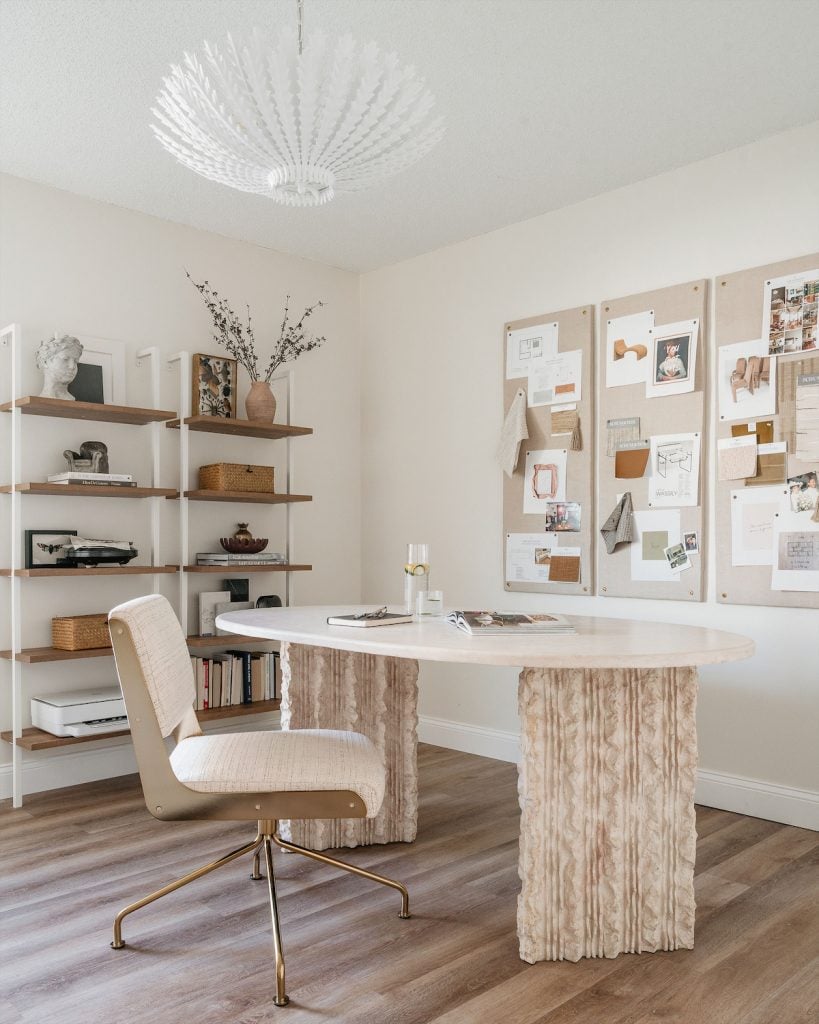
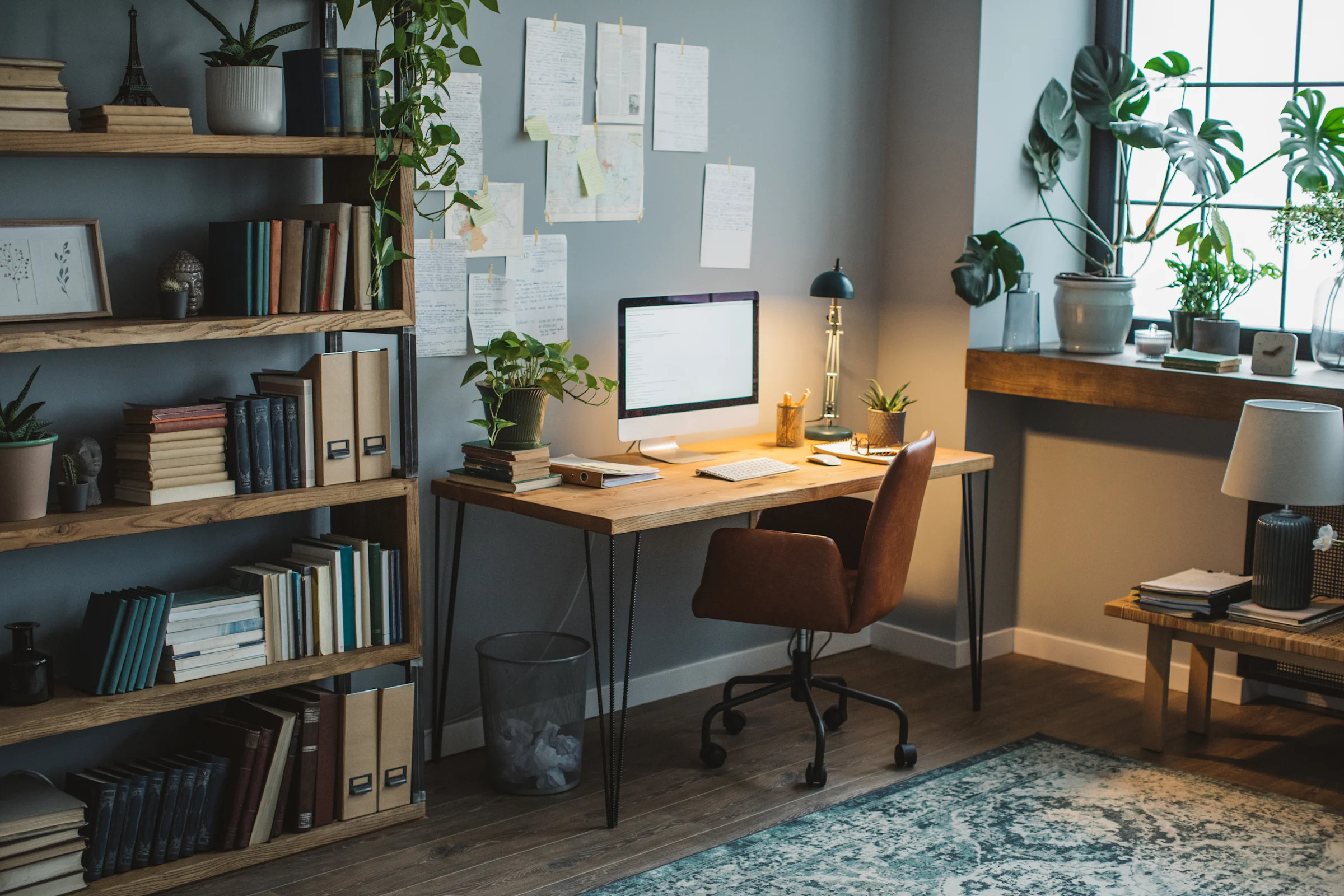
The transition to remote work has significantly altered the home environment, transforming spaces previously dedicated to leisure into multifunctional areas for both living and working. This shift underscores the importance of a well-designed home office, which can profoundly impact productivity, mental well-being, and the overall aesthetic of a home. Kristen Pawlak, owner and interior designer at KP Designs/Decorating Den Interiors, emphasizes that creating an effective home office involves more than just placing a desk and a chair. It requires a thoughtful approach to design, ensuring the space is both functional and inspiring.
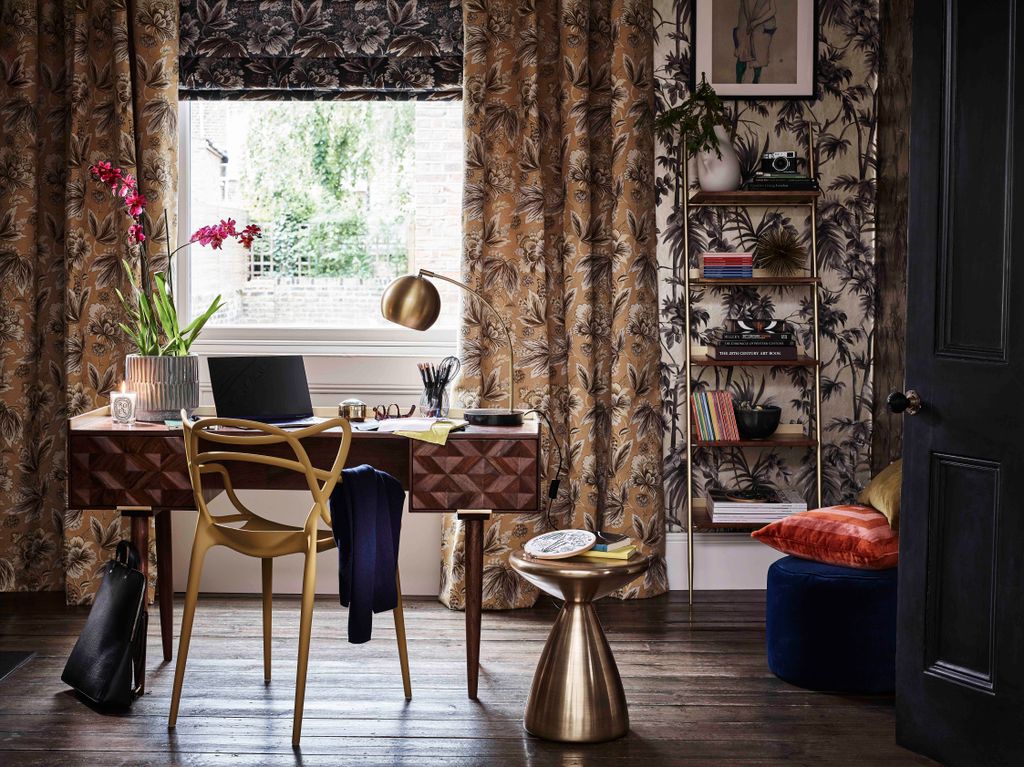
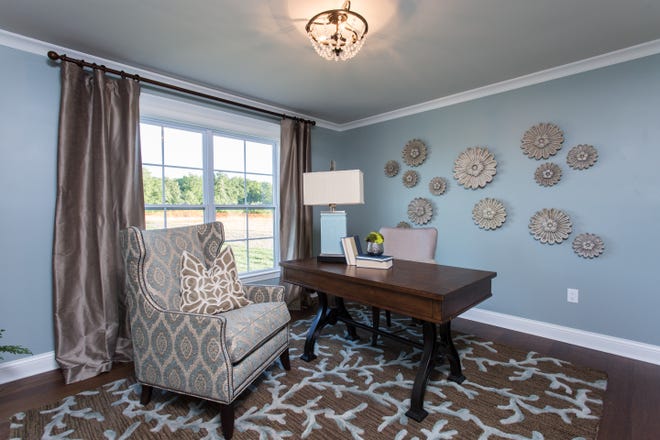
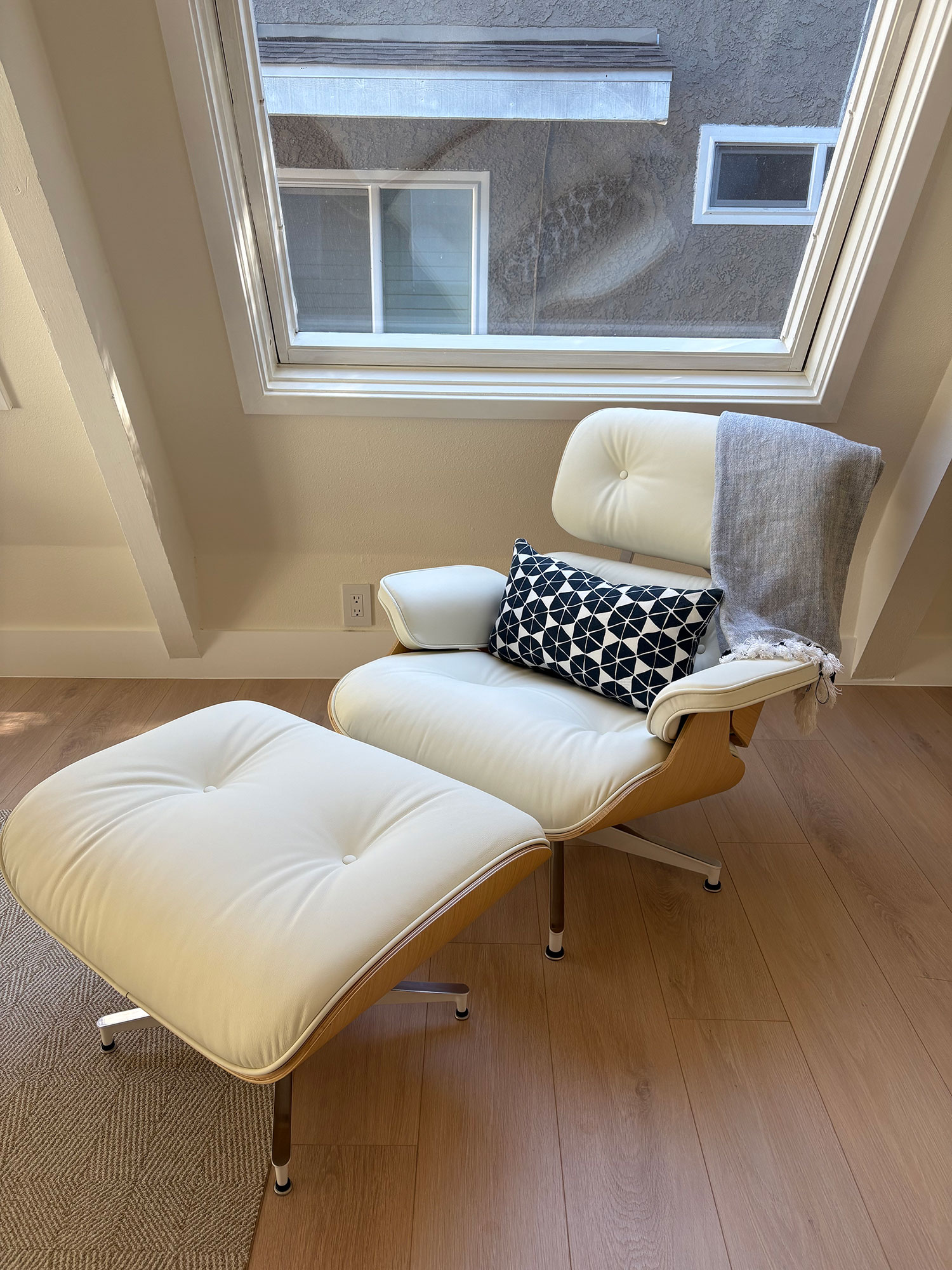
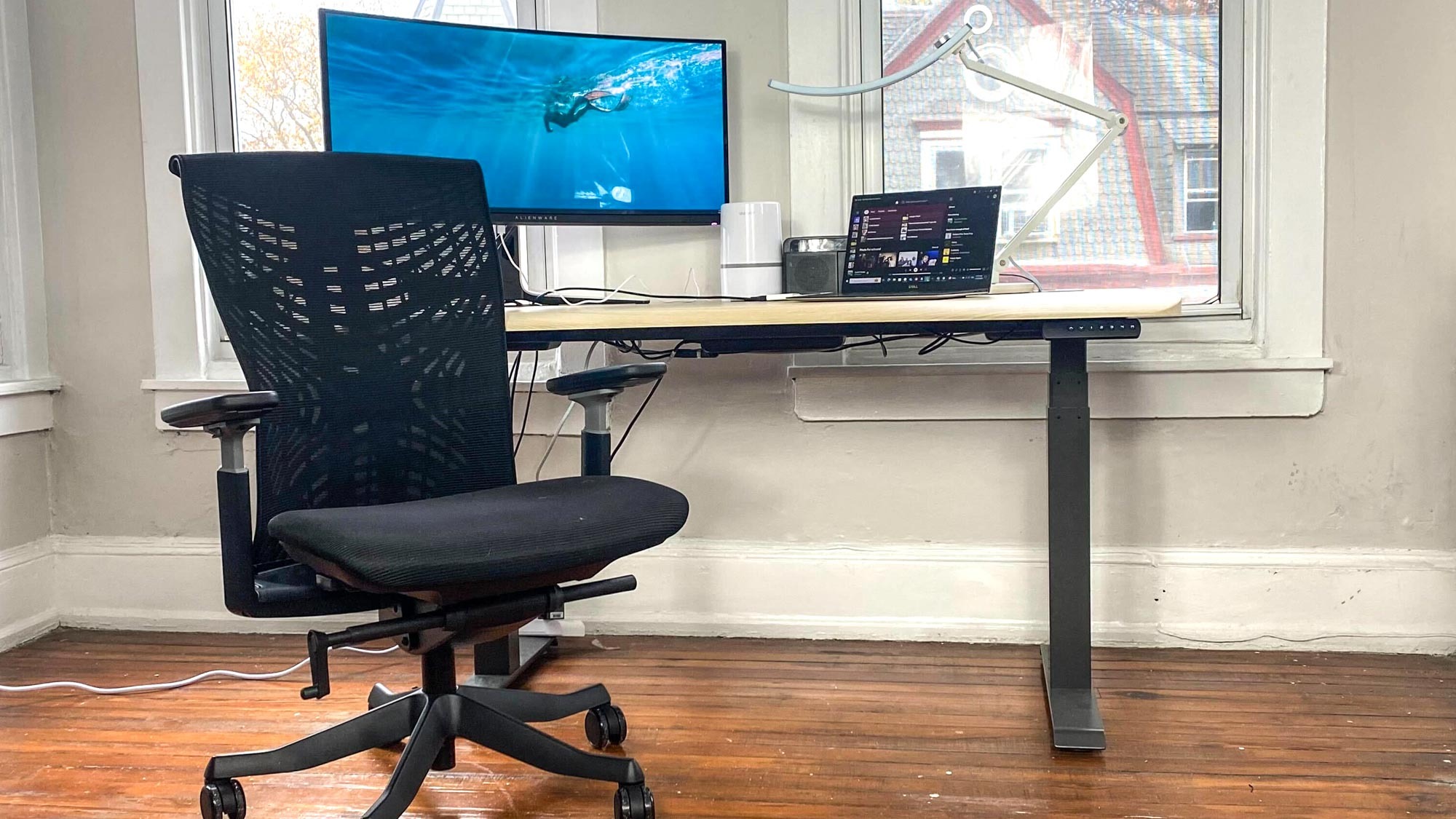
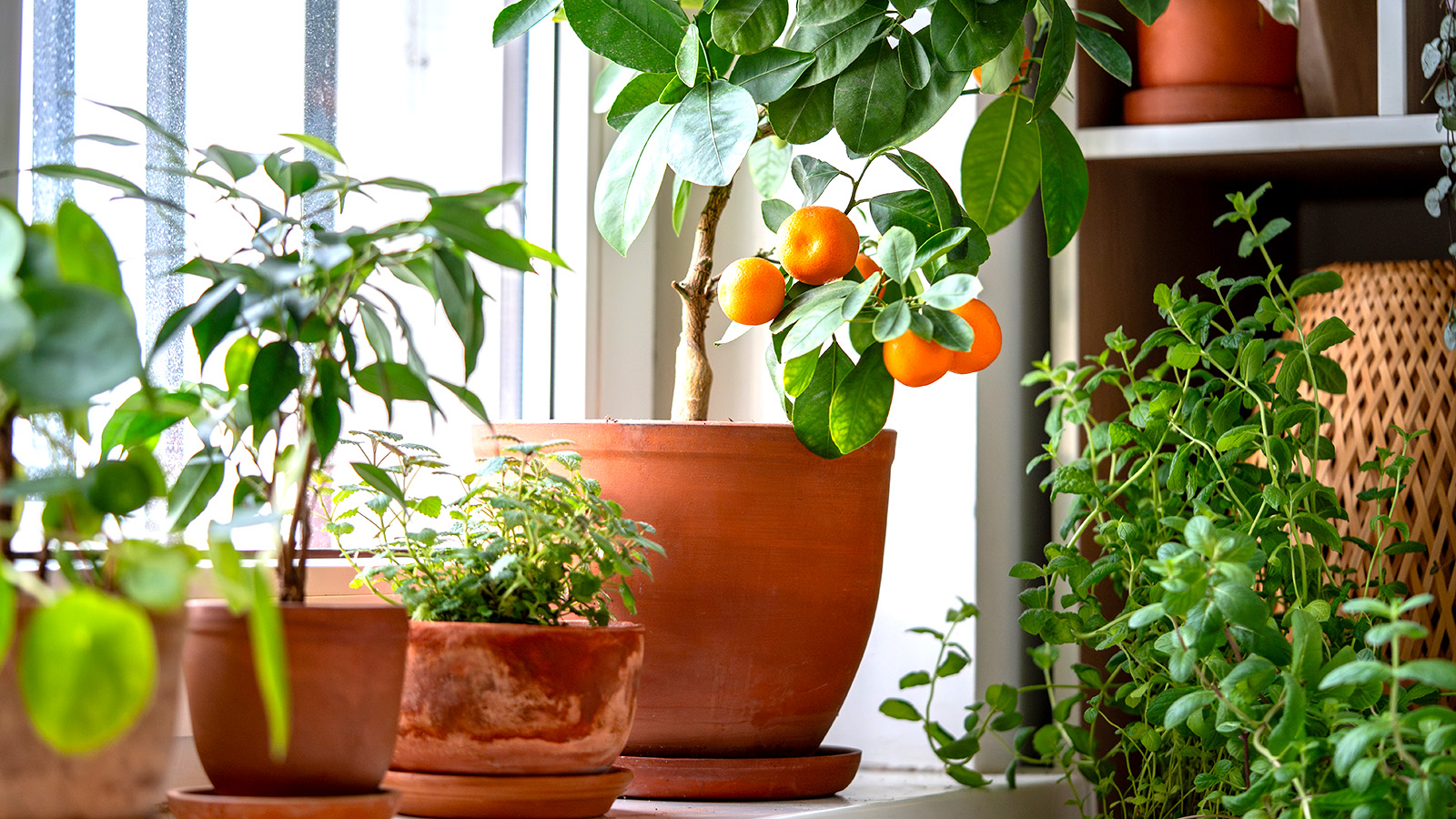
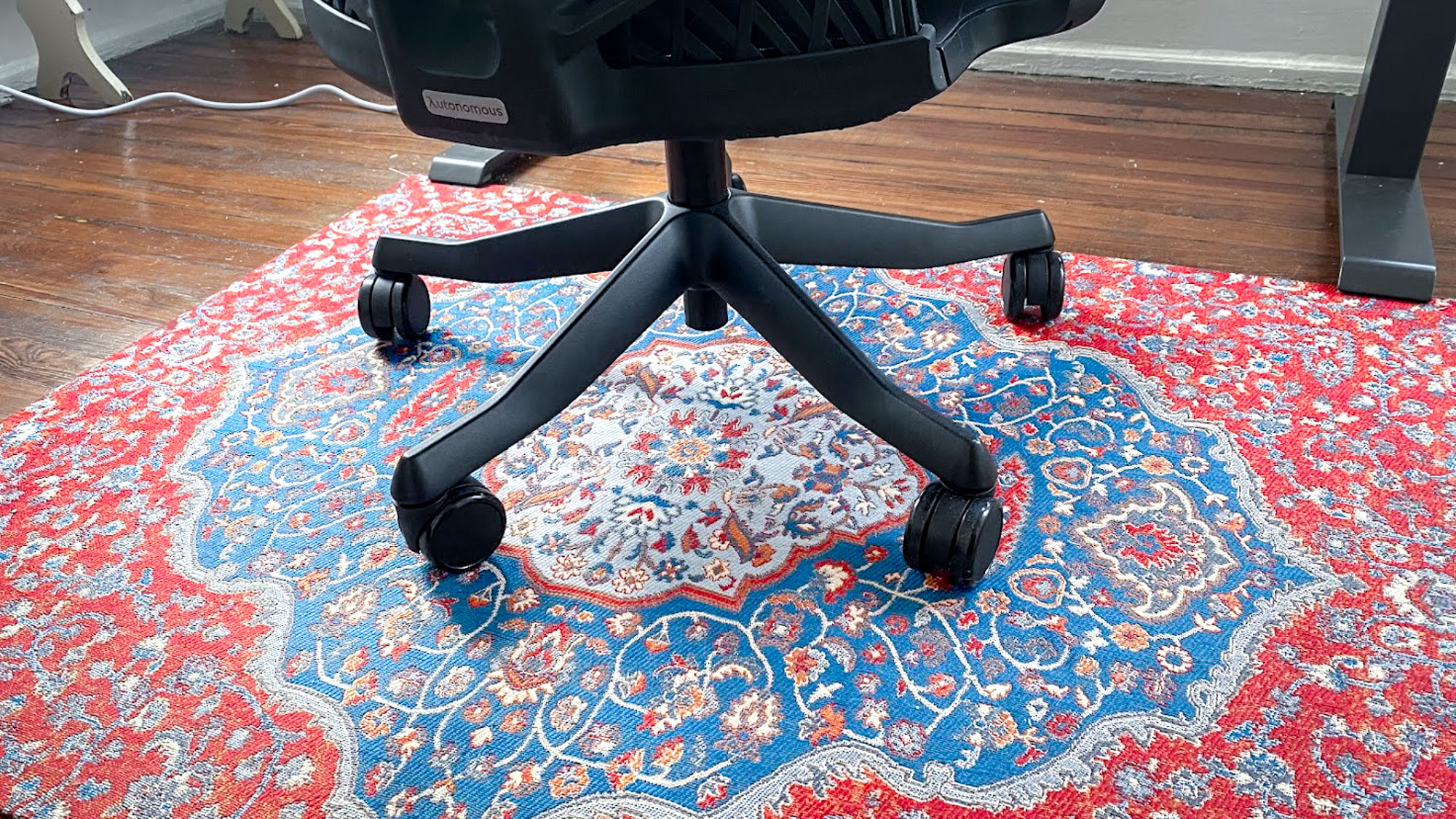
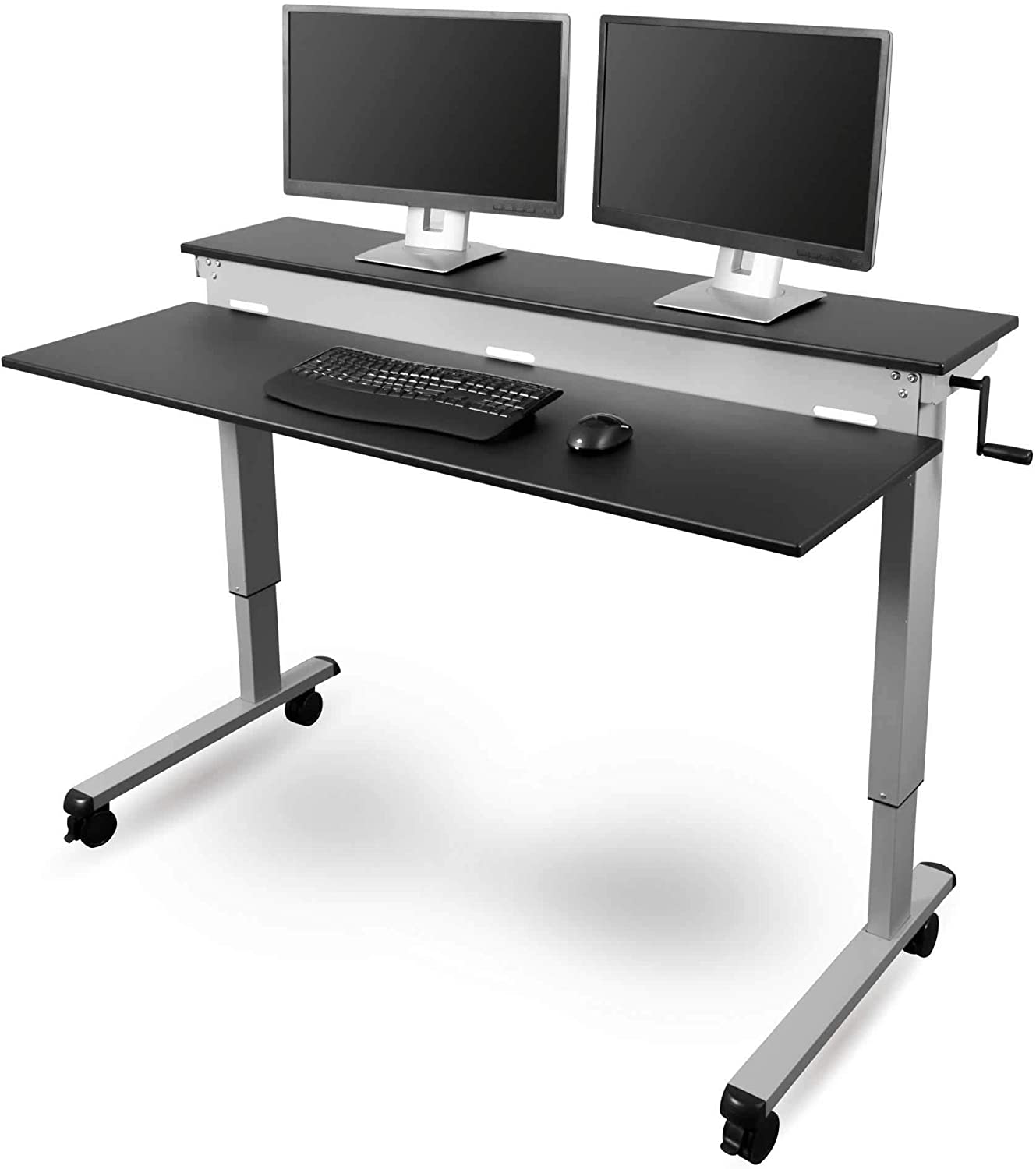
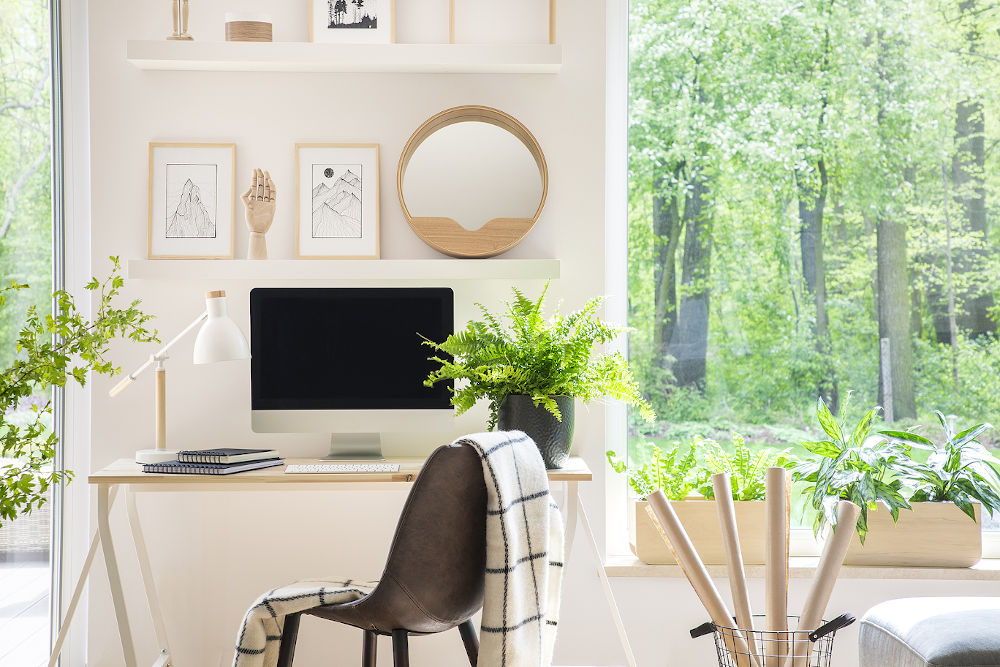
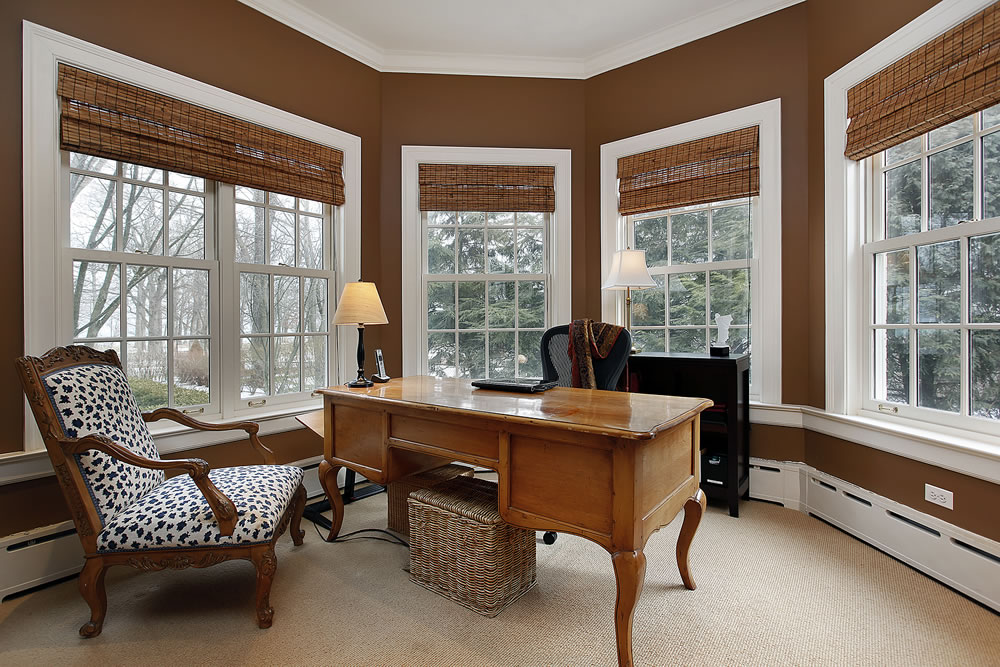
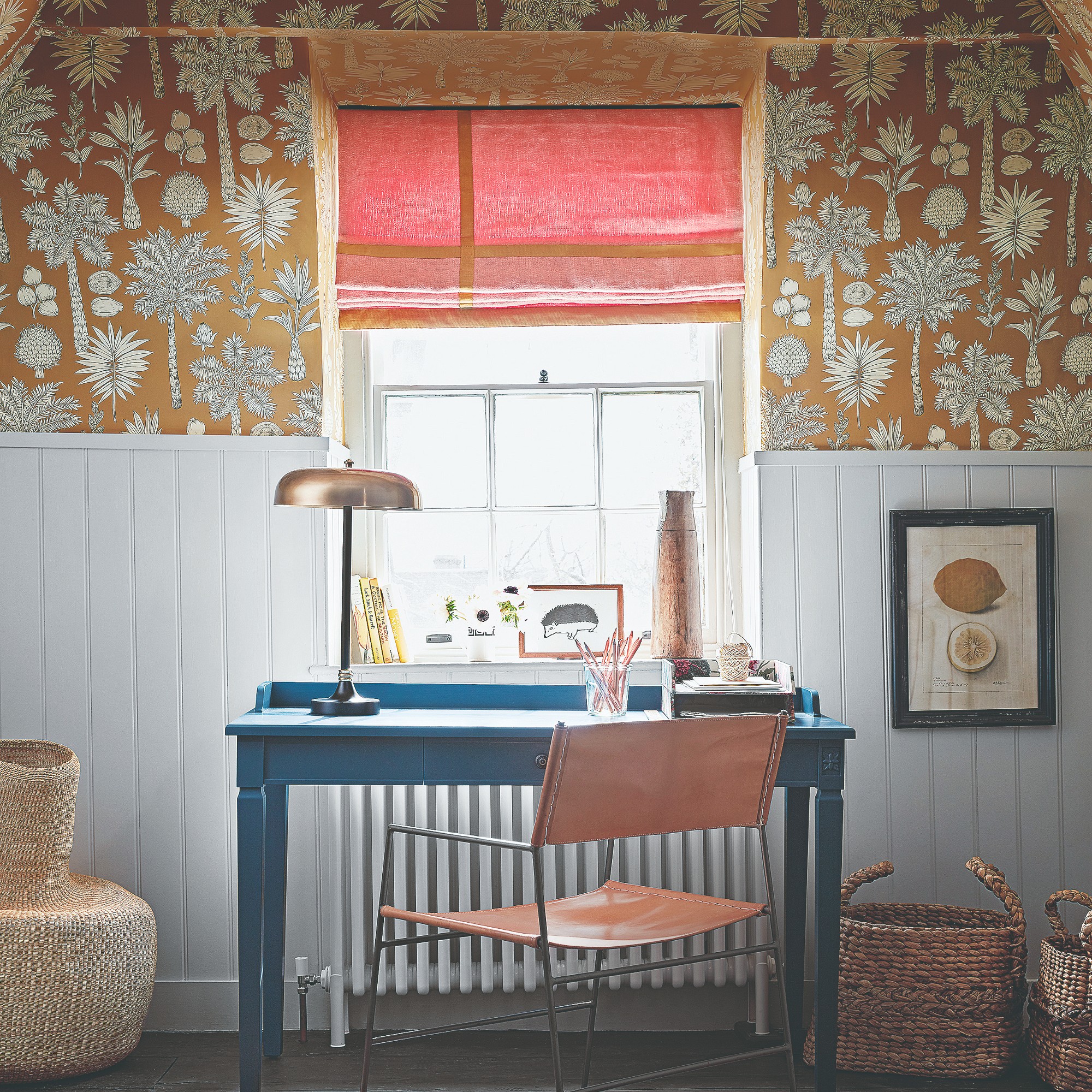
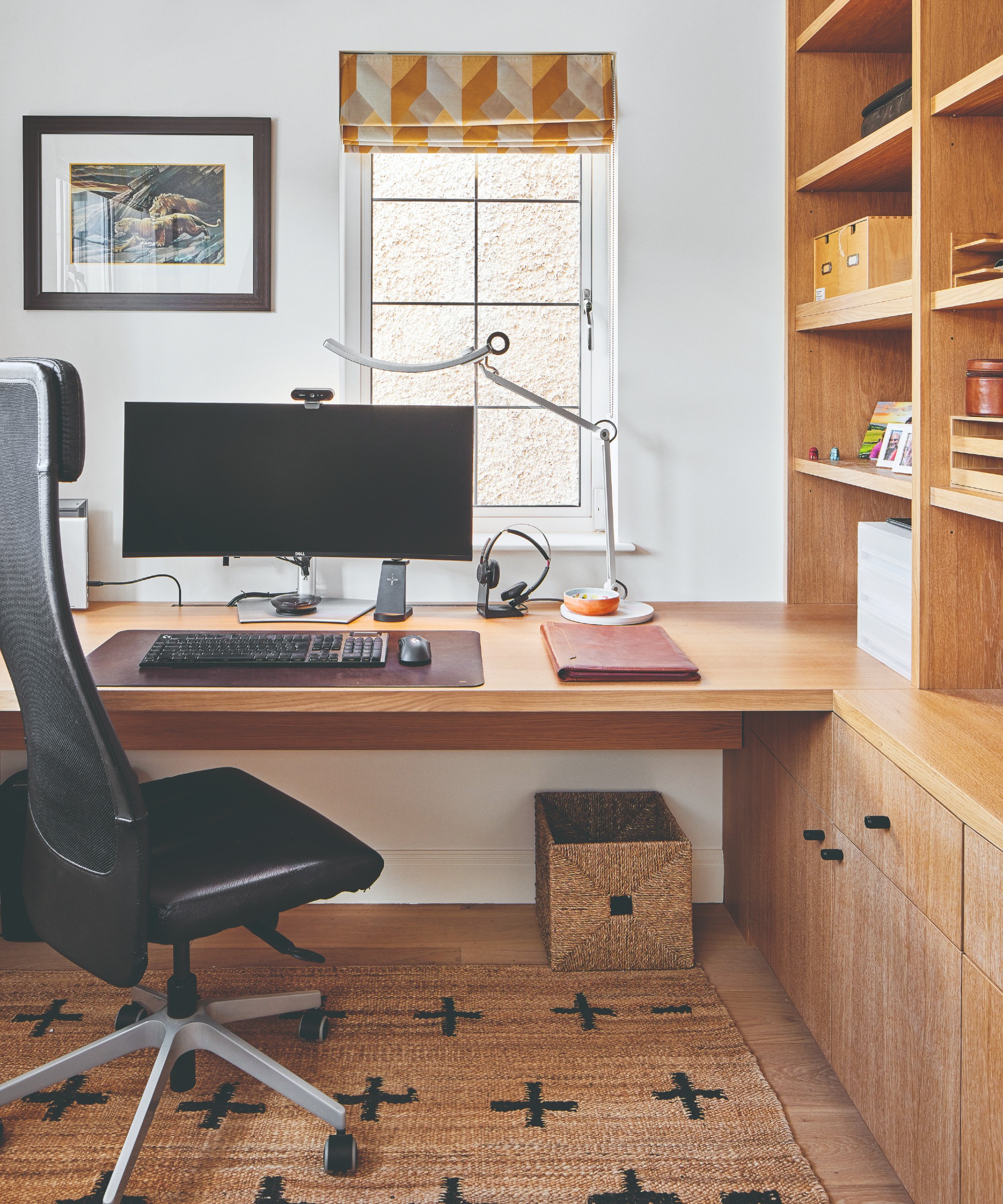
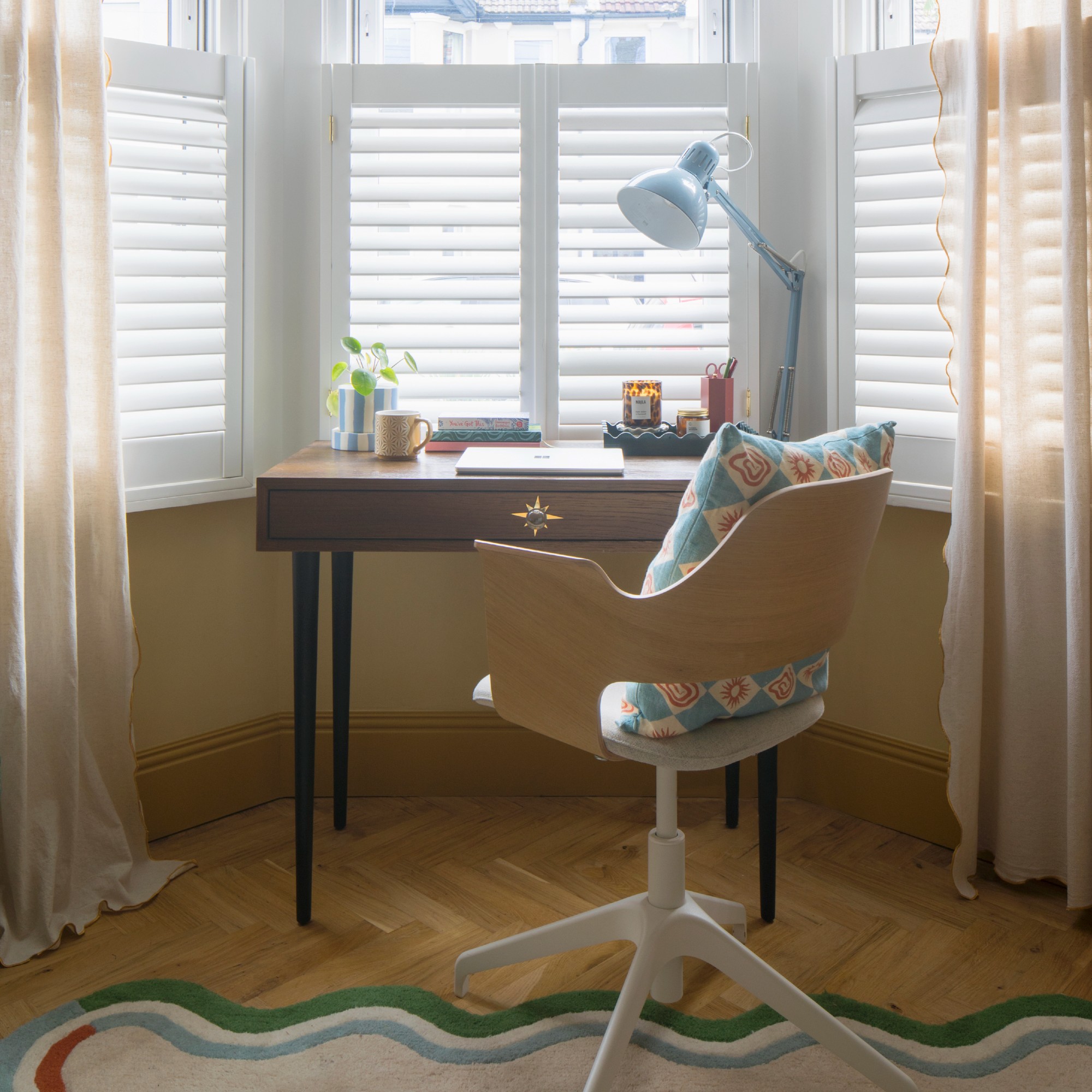
Key considerations for designing a home office include maximizing natural light, a crucial element for reducing eye strain and boosting mood. Positioning the desk near a window allows for optimal light exposure, but for those without such an option, strategic placement of lamps and ambient lighting can compensate. Ergonomics is another vital aspect, as an ill-fitting chair or improperly aligned monitor can lead to discomfort and long-term health issues. Investing in ergonomic furniture, such as an adjustable chair and a monitor stand, is essential for maintaining good posture and preventing fatigue during extended work periods. Pawlak advises that these investments contribute to sustained productivity and comfort.
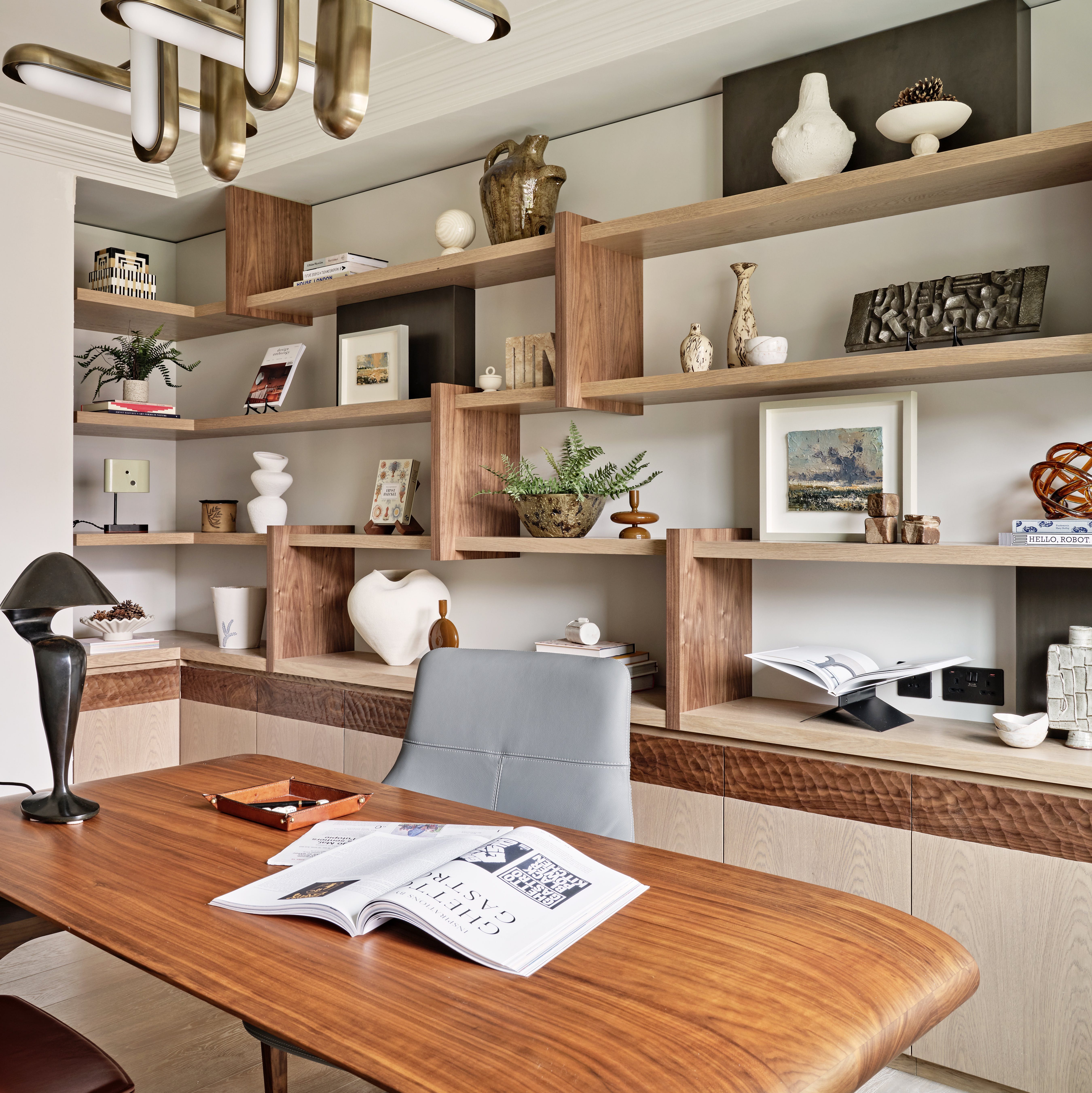
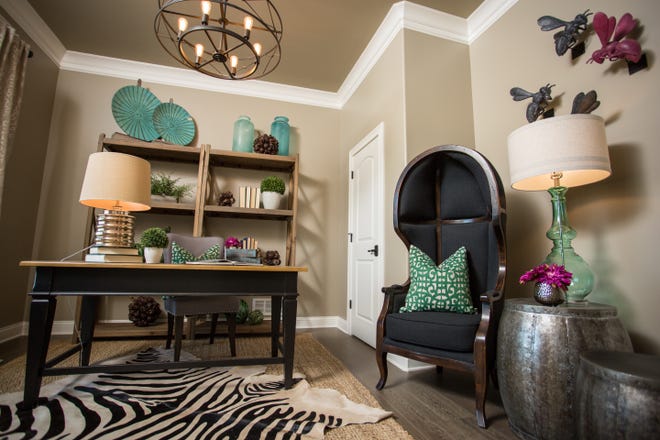
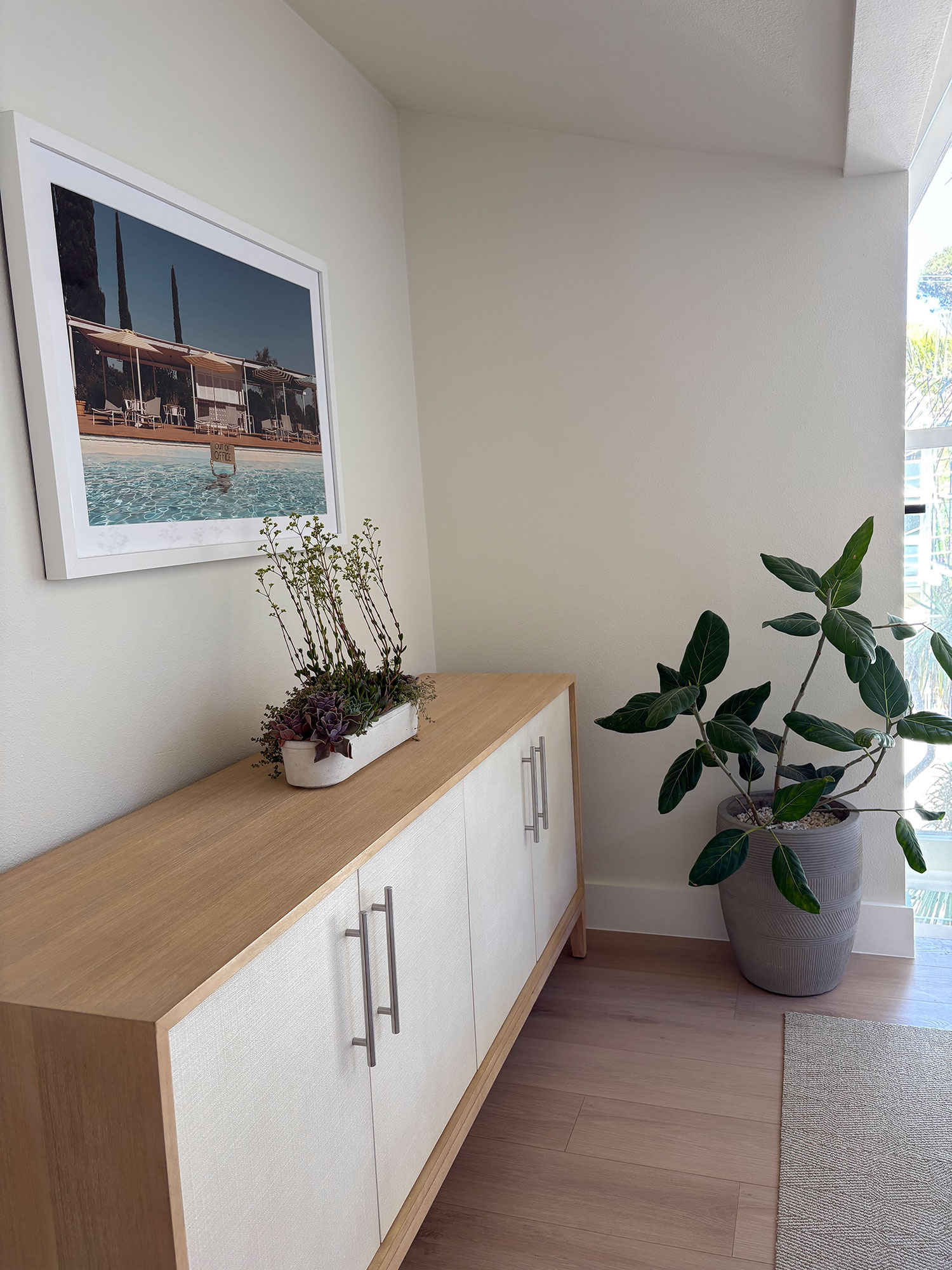
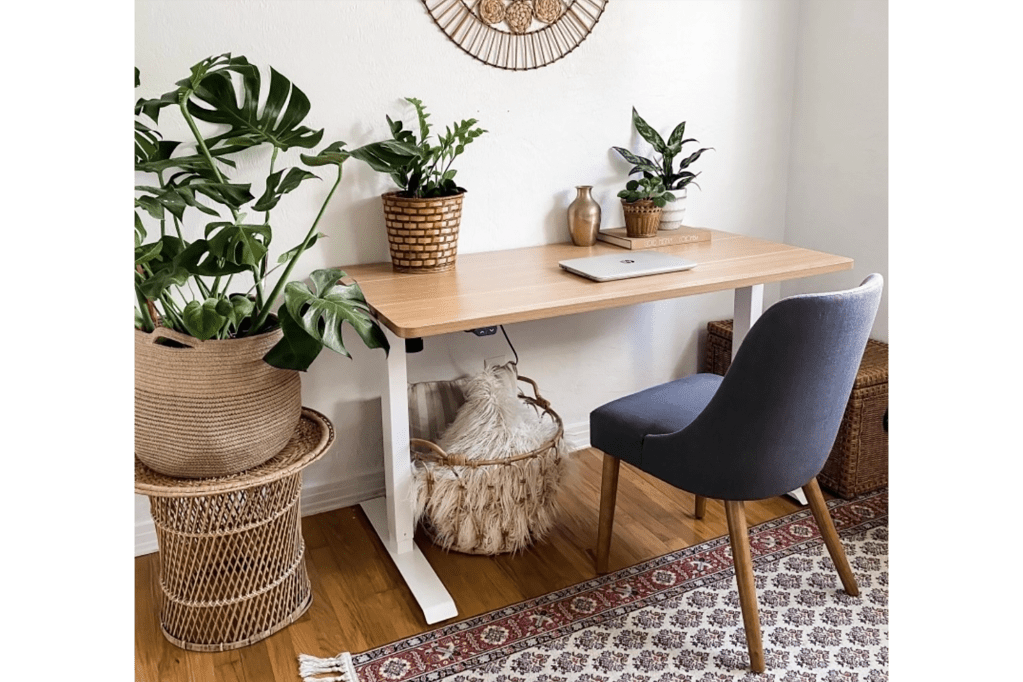
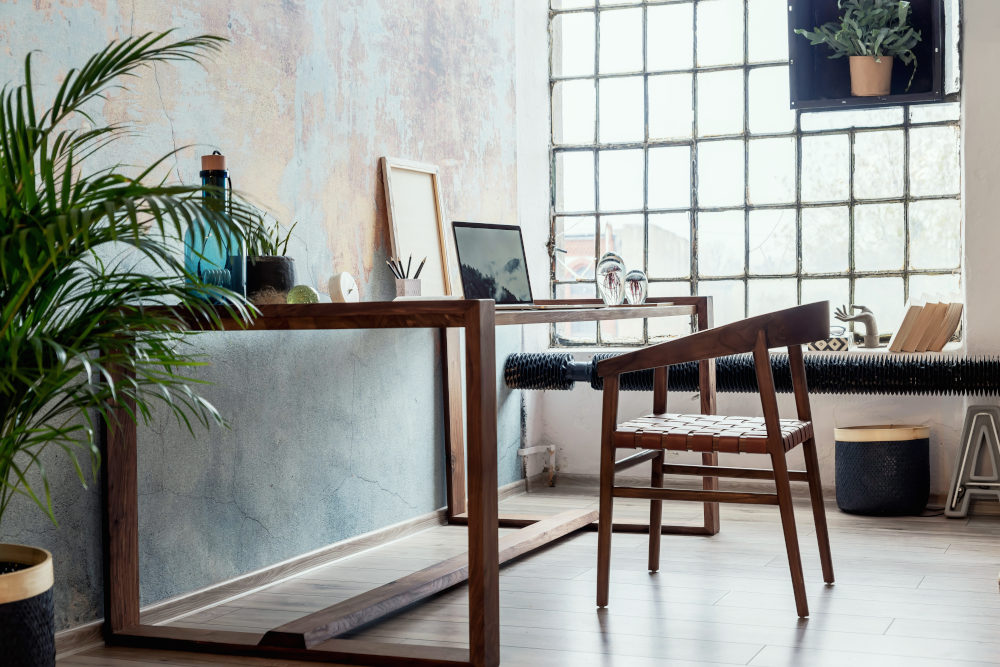
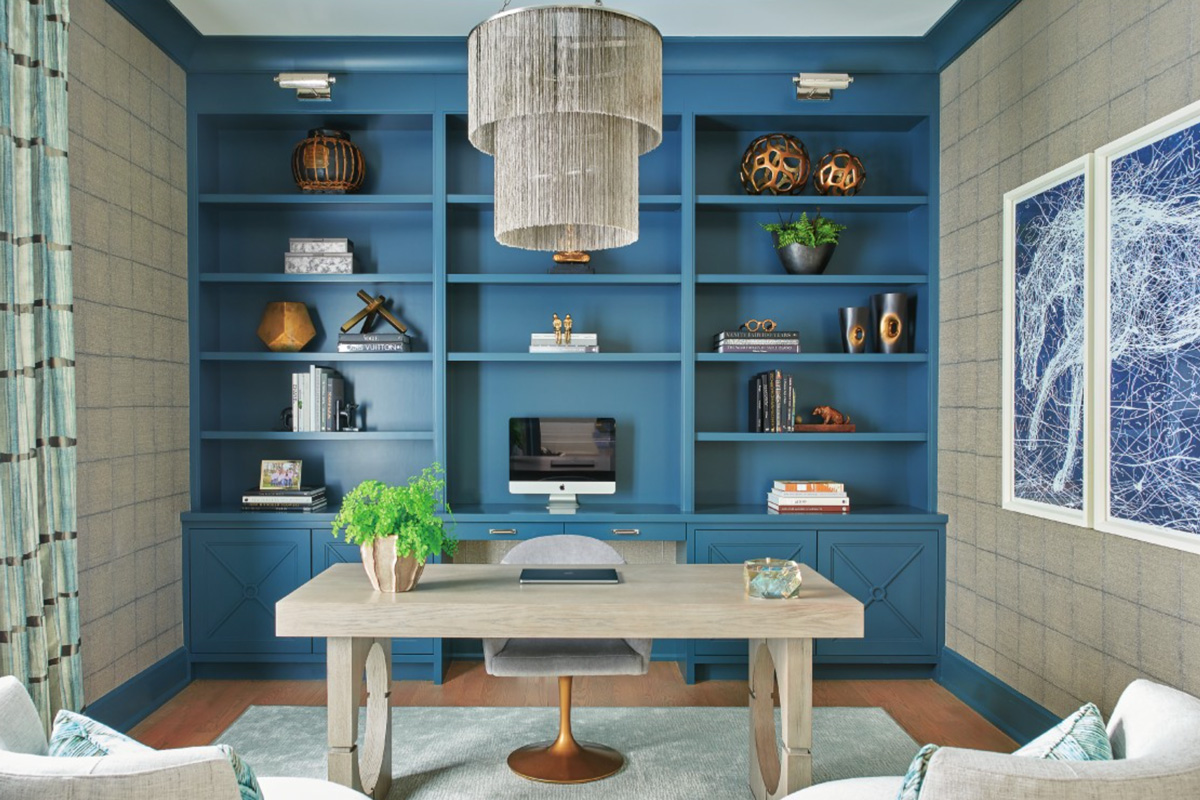
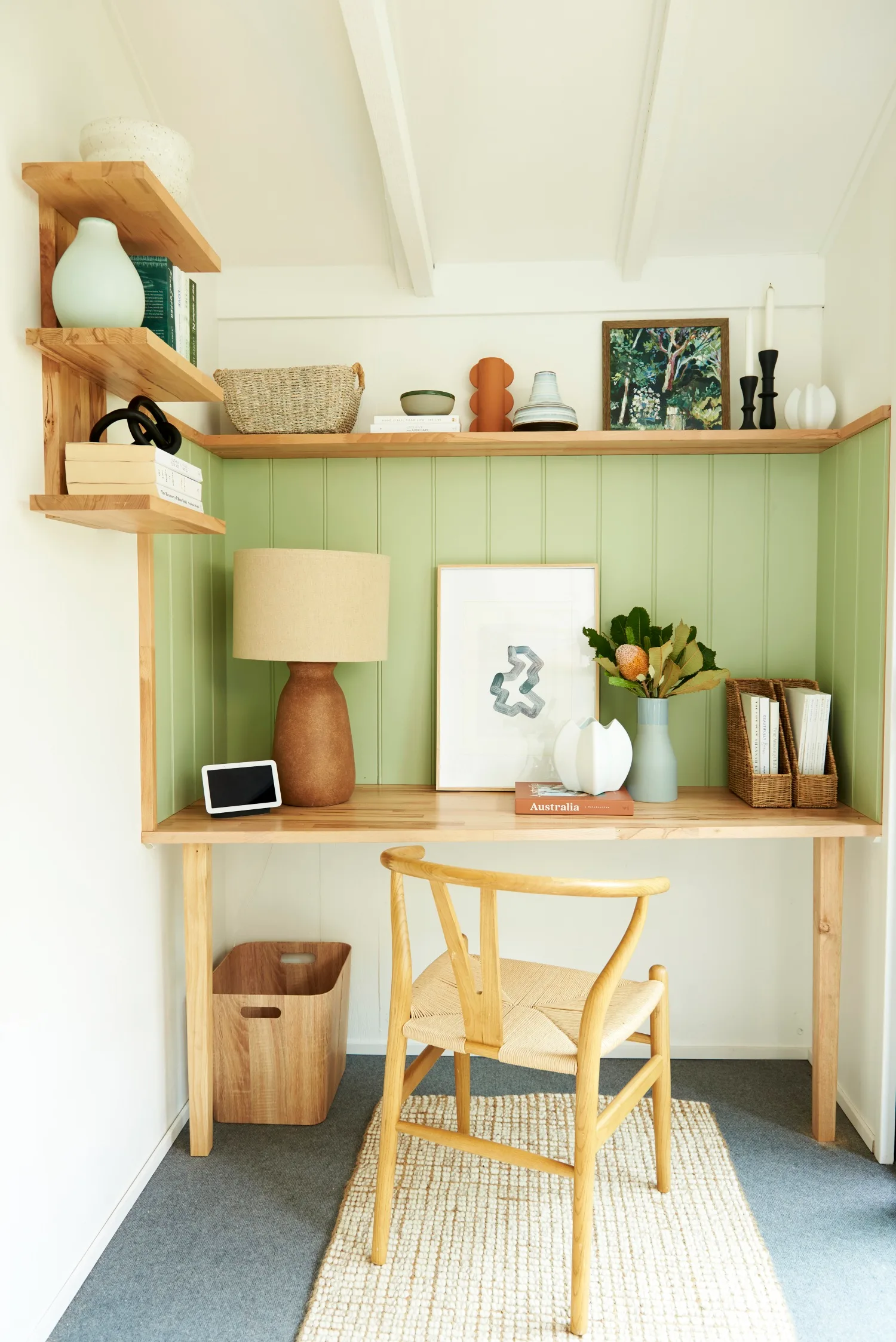
Storage solutions play a critical role in maintaining an organized and clutter-free workspace. Built-in shelving, filing cabinets, and decorative boxes can help keep documents and office supplies neatly out of sight, preventing visual distractions. A tidy environment not only looks professional but also fosters a clearer mind, making it easier to focus on tasks. Incorporating personal touches, such as artwork, plants, or cherished photographs, can transform a sterile office into a warm and inviting space that reflects one's personality, thereby enhancing job satisfaction and creativity.
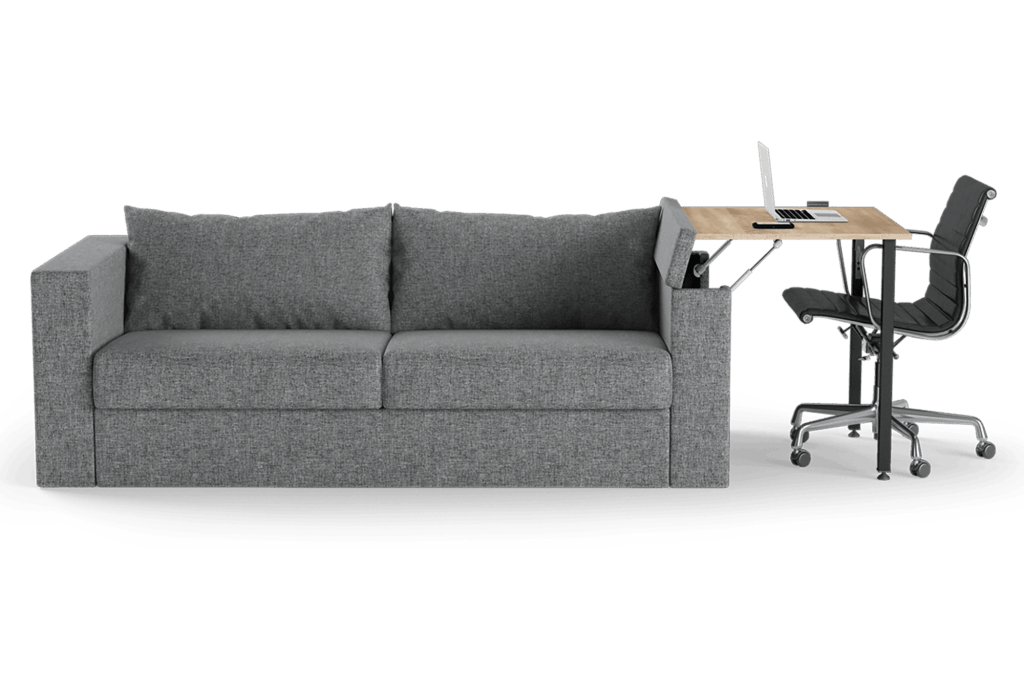
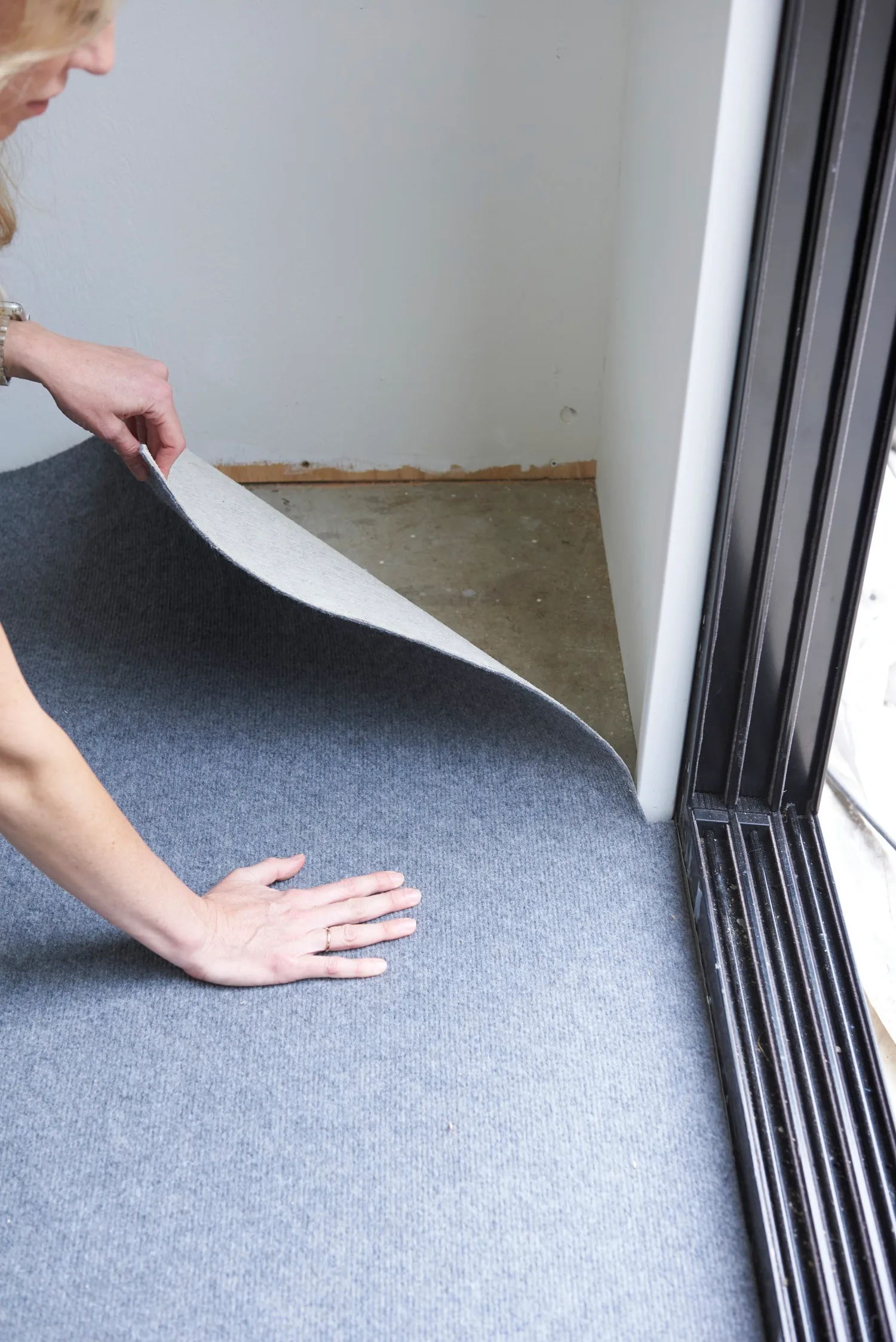
The layout of the home office should also be carefully planned to optimize workflow. Whether the space is a dedicated room or a designated corner within a larger area, defining zones for different activities—such as working, meeting, or taking breaks—can improve efficiency. Acoustic considerations are also important; materials like rugs, curtains, and upholstered furniture can help absorb sound, minimizing distractions and creating a quieter, more conducive work environment. Pawlak highlights that the goal is to create a sanctuary where work can be done effectively without infringing on the home's primary function as a living space.
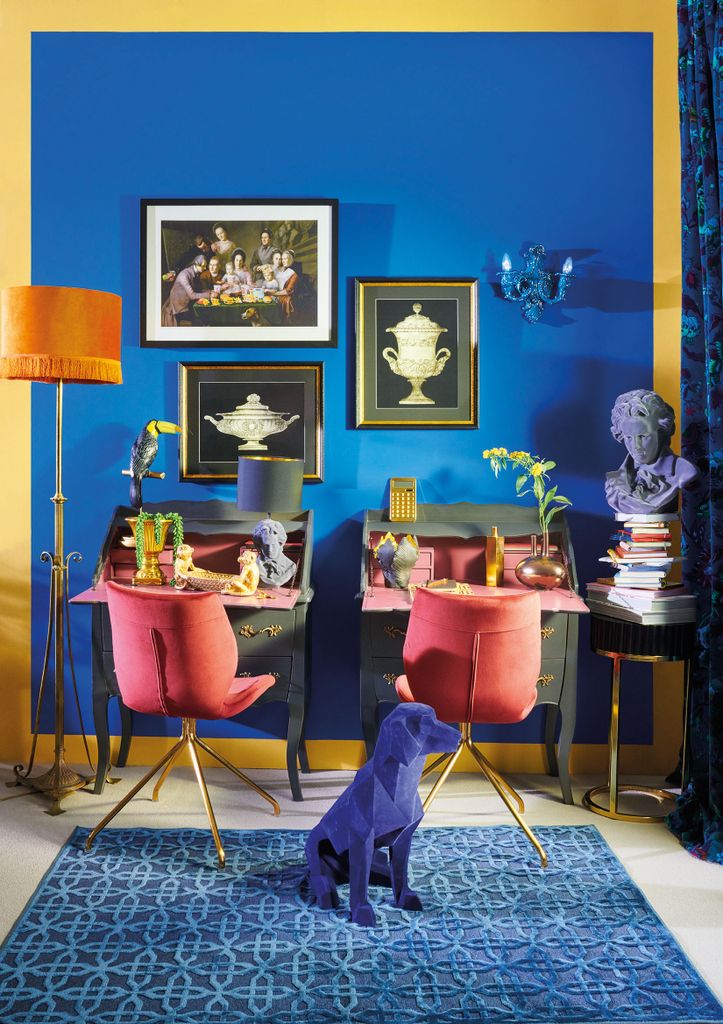
Color psychology can be leveraged to create a conducive atmosphere. Calming colors like blues and greens can promote focus and reduce stress, while brighter accents can inject energy and creativity. The integration of technology, including proper cable management, is also crucial to avoid a messy appearance. Concealing wires with cable ties or decorative covers can contribute to a streamlined and professional look. Ultimately, a well-designed home office is a personal retreat that supports professional endeavors, enhances daily life, and reflects the individual's unique style and needs in the evolving landscape of remote work.
#HomeOffice #InteriorDesign #RemoteWork #Ergonomics #Productivity #HomeDecor #WorkFromHome #SpacePlanning #DecoratingTips #HomeOffice #InteriorDesign #RemoteWork #Ergonomics #Productivity #HomeDecor #WorkFromHome #SpacePlanning #DecoratingTips
0 comment in total
 No comments yet
You may also like
Who needs a Zoom background when your home office looks this good?

23 home office ideas that will kick your mind into gear

Creating a comfortable and luxury home office in 2024: From design to maintenance

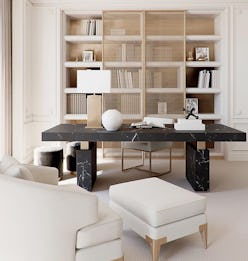
This Insta-Famous Office Will Inspire Your Next Design Project
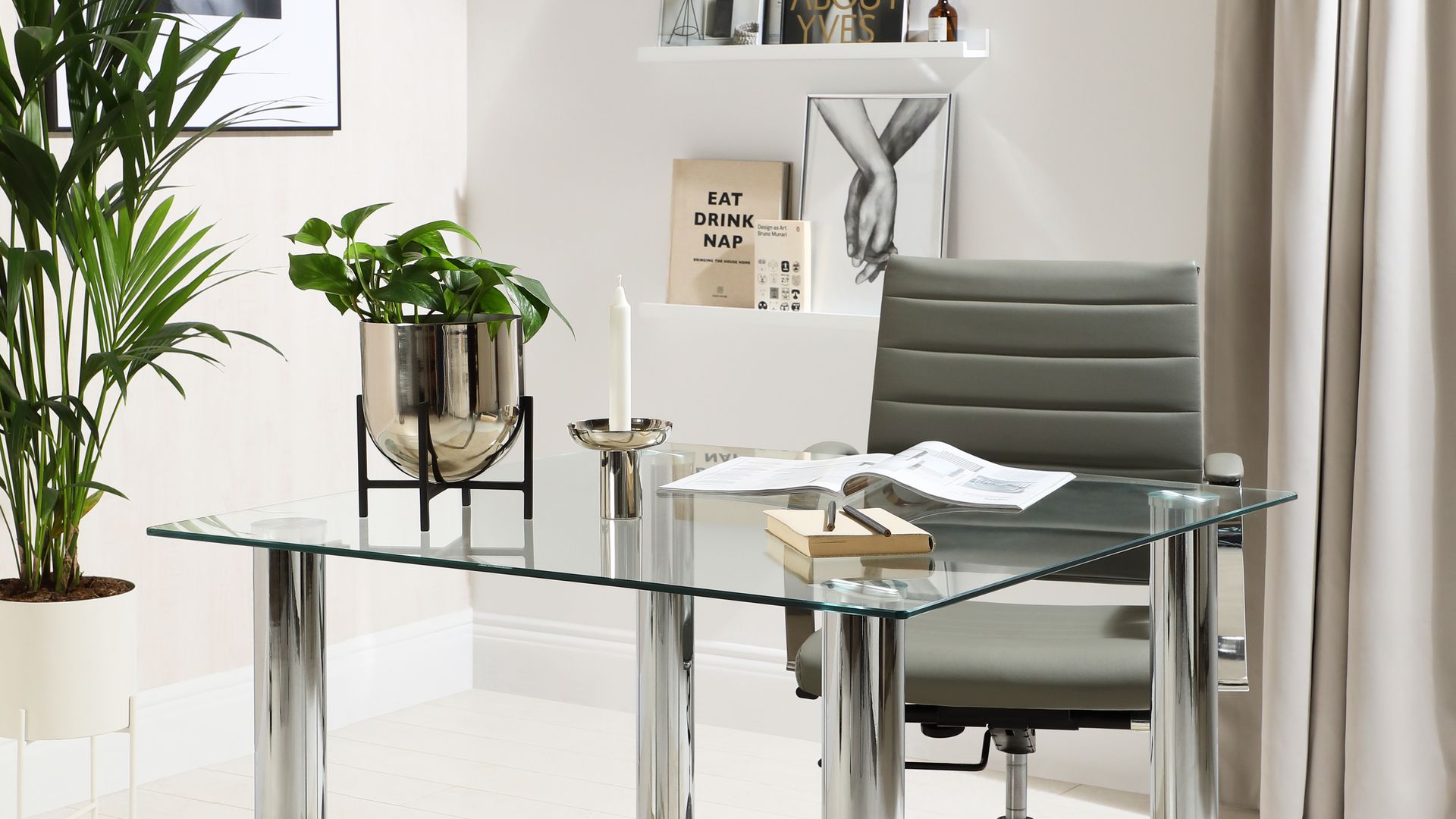
15 home office décor ideas for every WFH setup

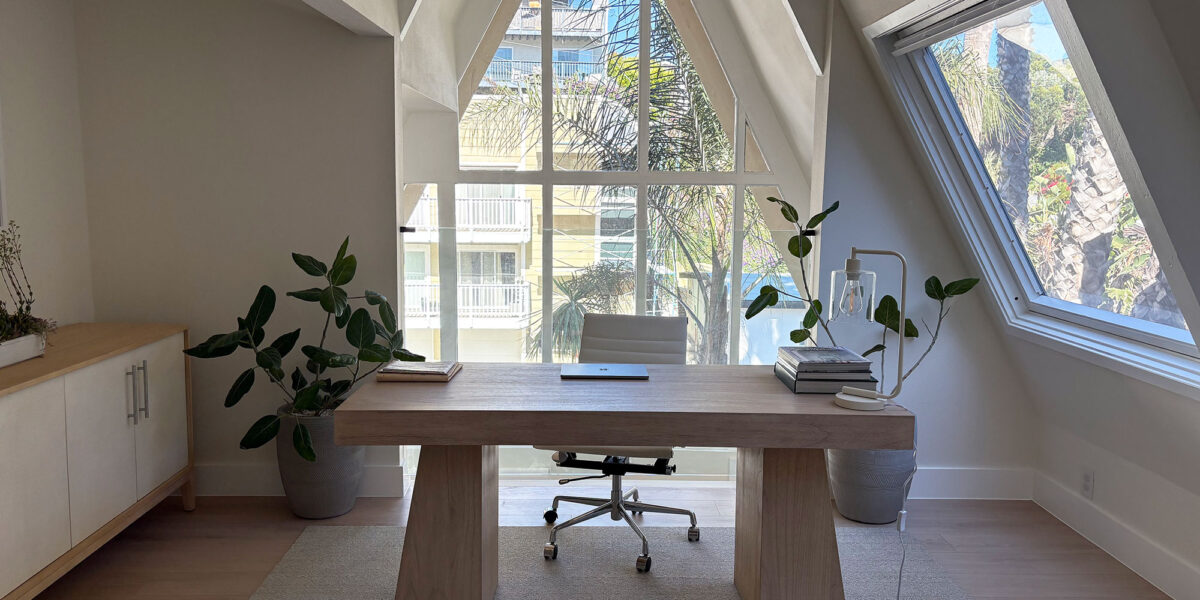
A Look at an Architect’s A-Frame Home Office Makeover
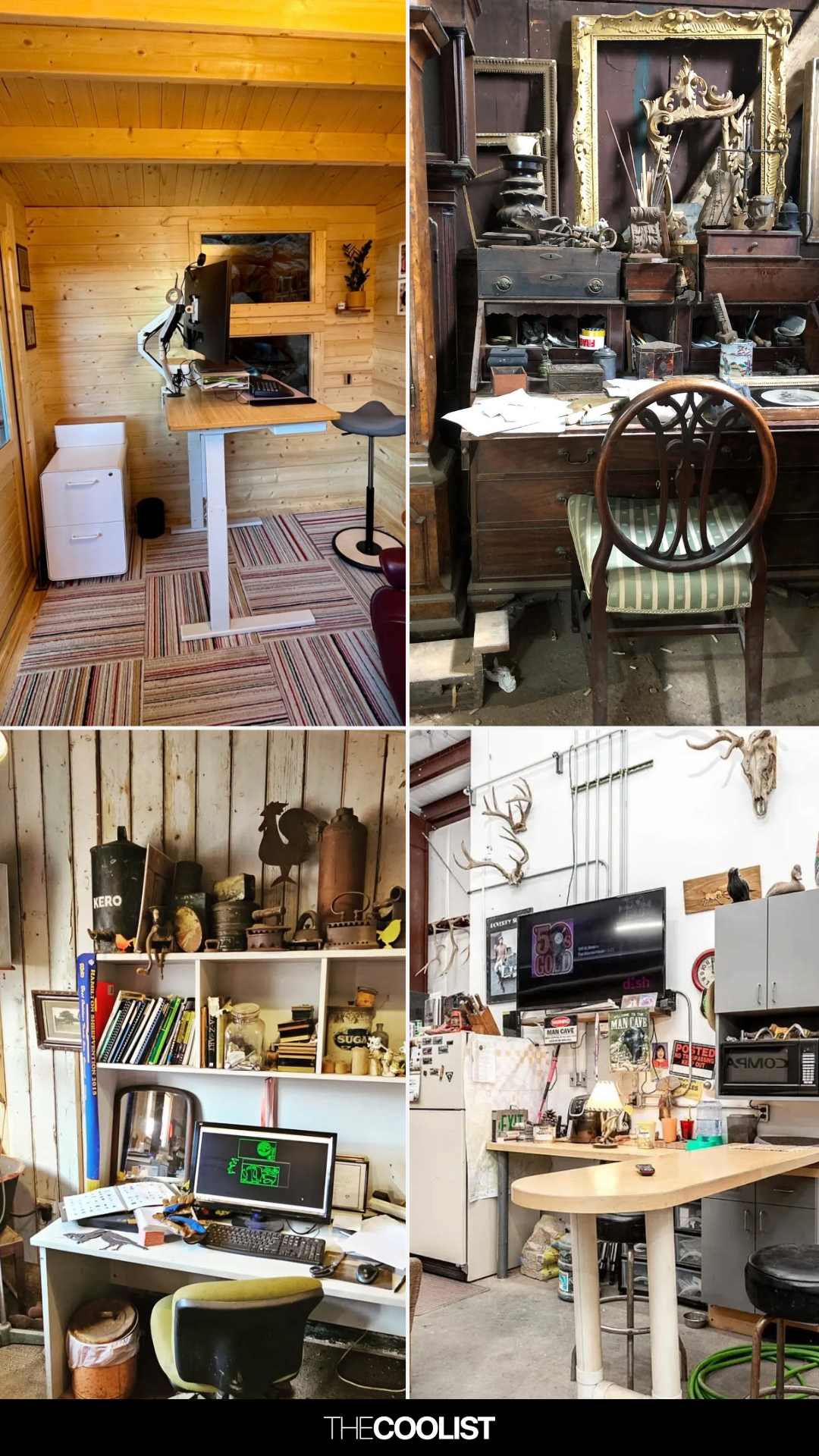
22 Home Office Workshop Ideas That’ll Make You Realize Why You’ve Been Unproductive
16 home office layout ideas to boost productivity and create a comfortable work space
Step up your home office game with these tips from an interior designer
67 Modern Home Office Ideas That Will Help You Get the Job Done in Style

5 home office ideas to create the perfect workspace

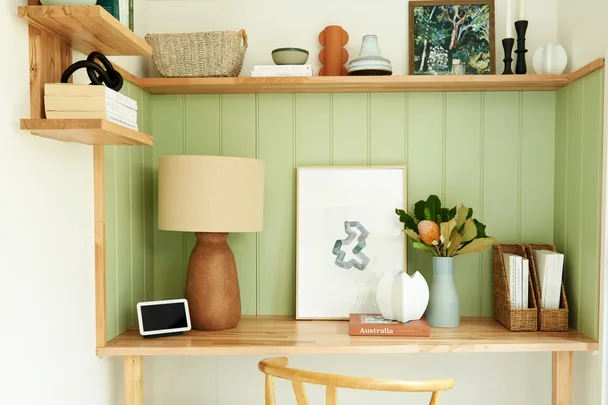
Give your home office a much-needed update with these easy DIY projects

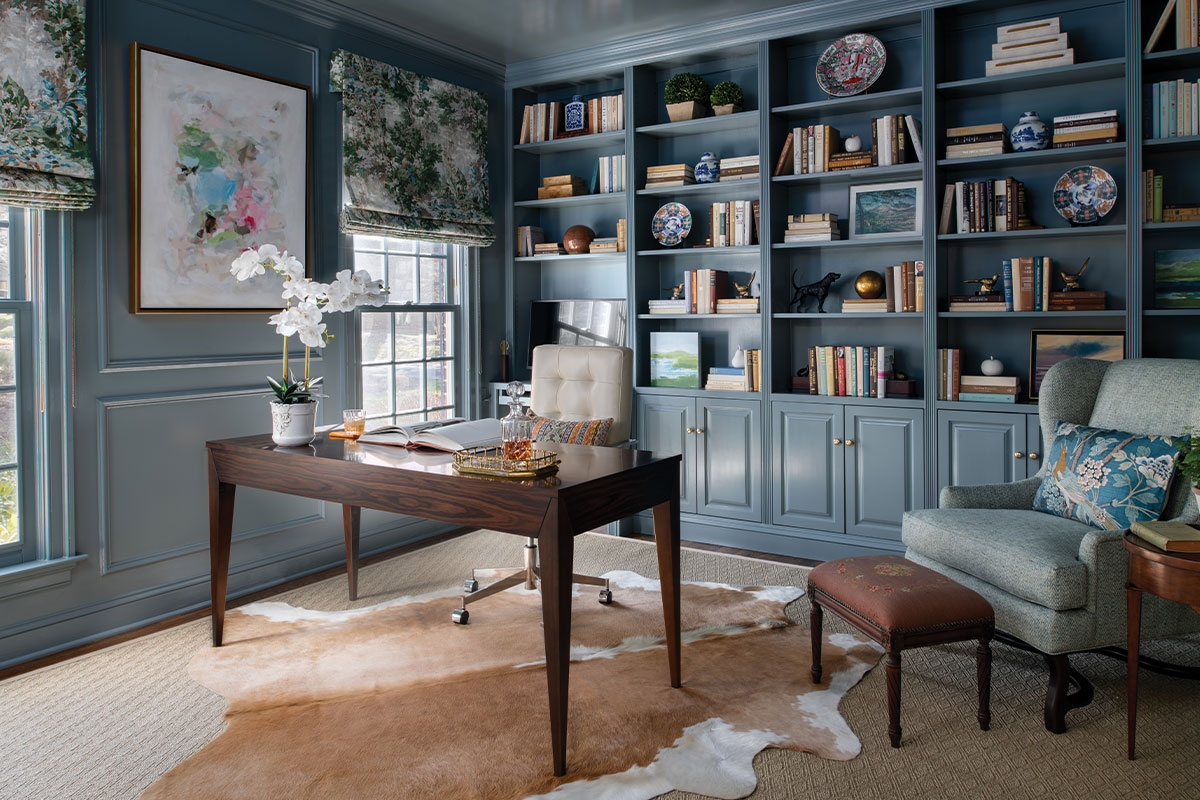
These Chic Home Office Renovations Make Workspaces Stylish
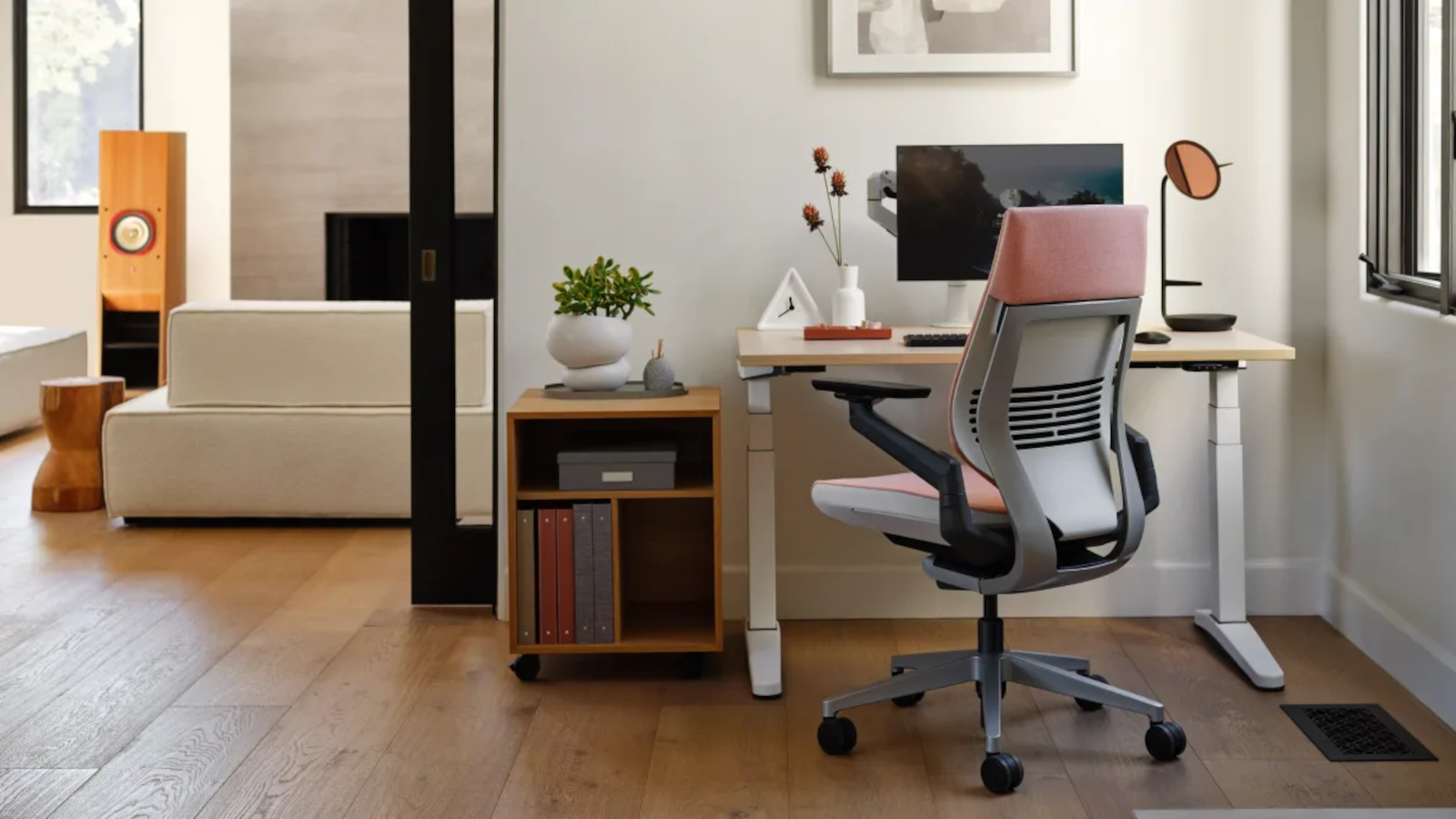
5 home office layout ideas to refresh your workspace for the new year

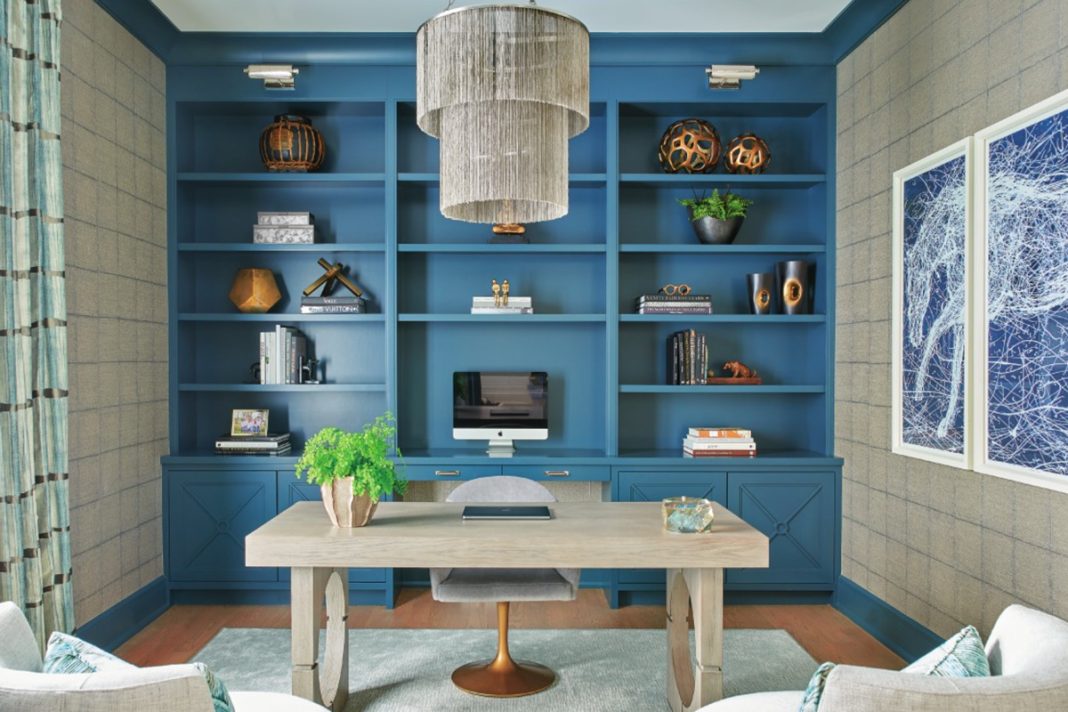
Get the Look of This Colorful and Chic Home Office

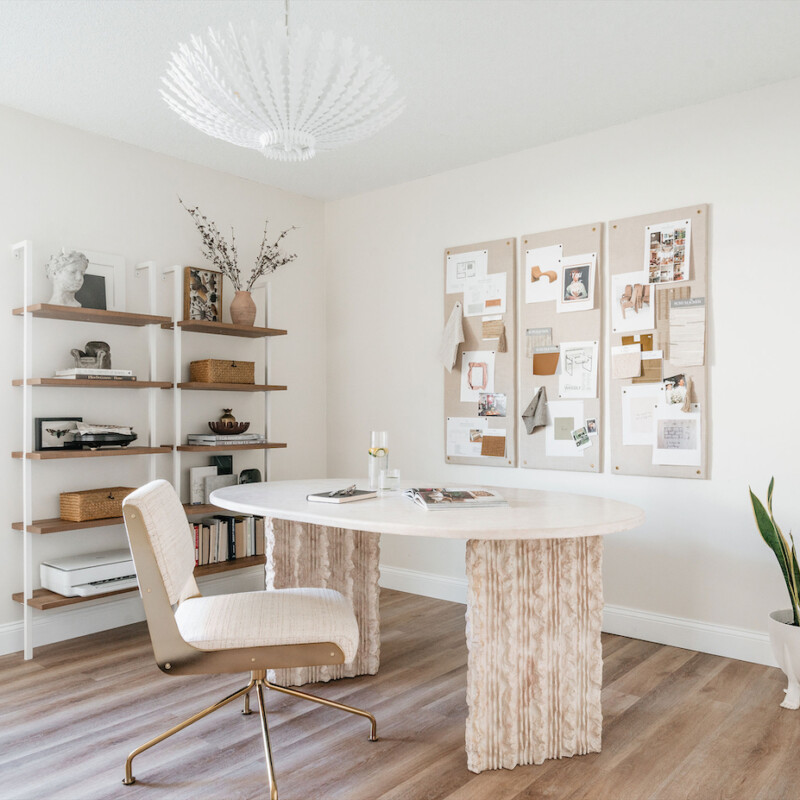
6 Home Office Design Ideas to Fuel Productivity and Keeps Spirits Lifted

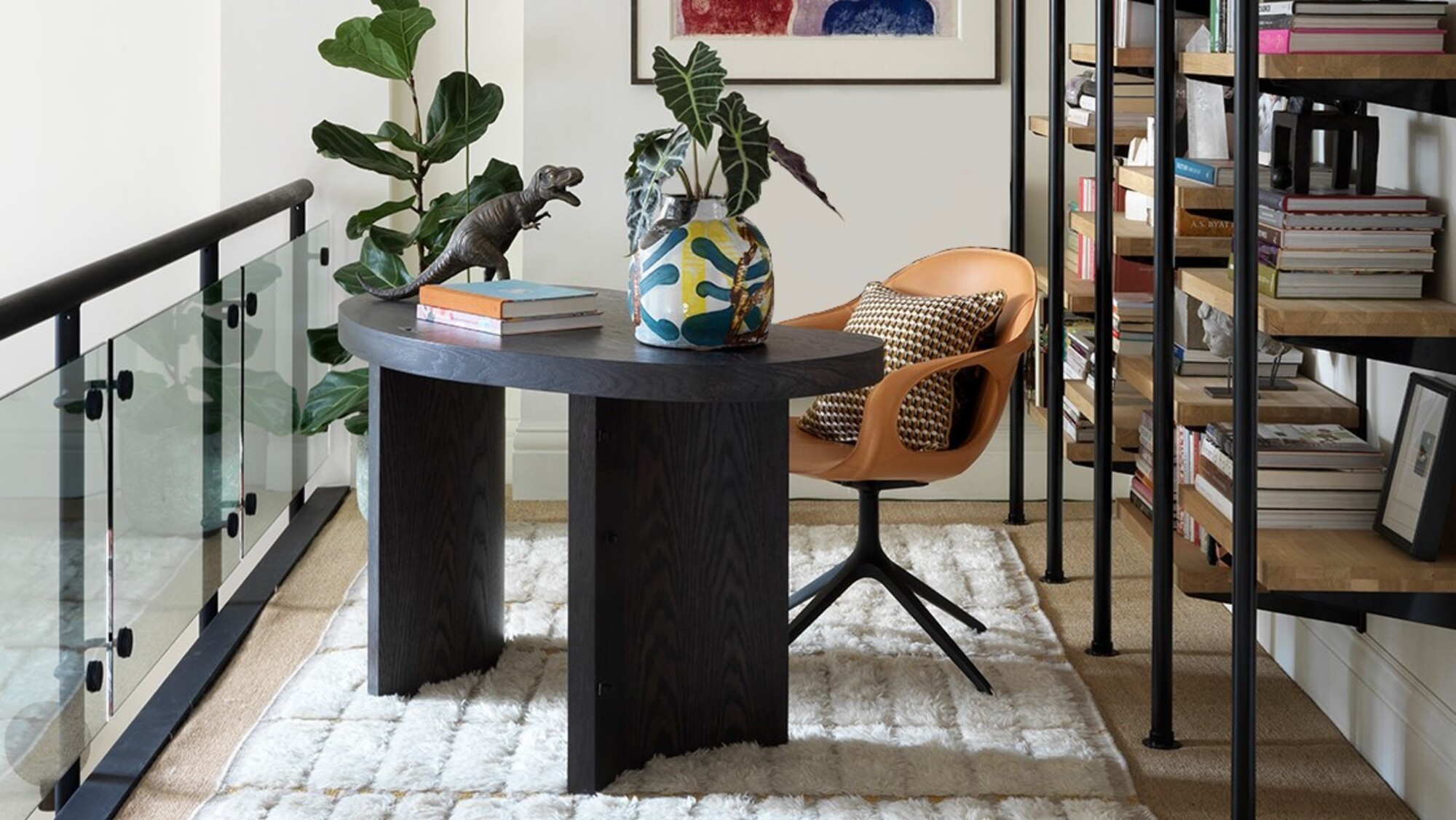
Home office ideas – 29 WFH spaces that marry practicality and style

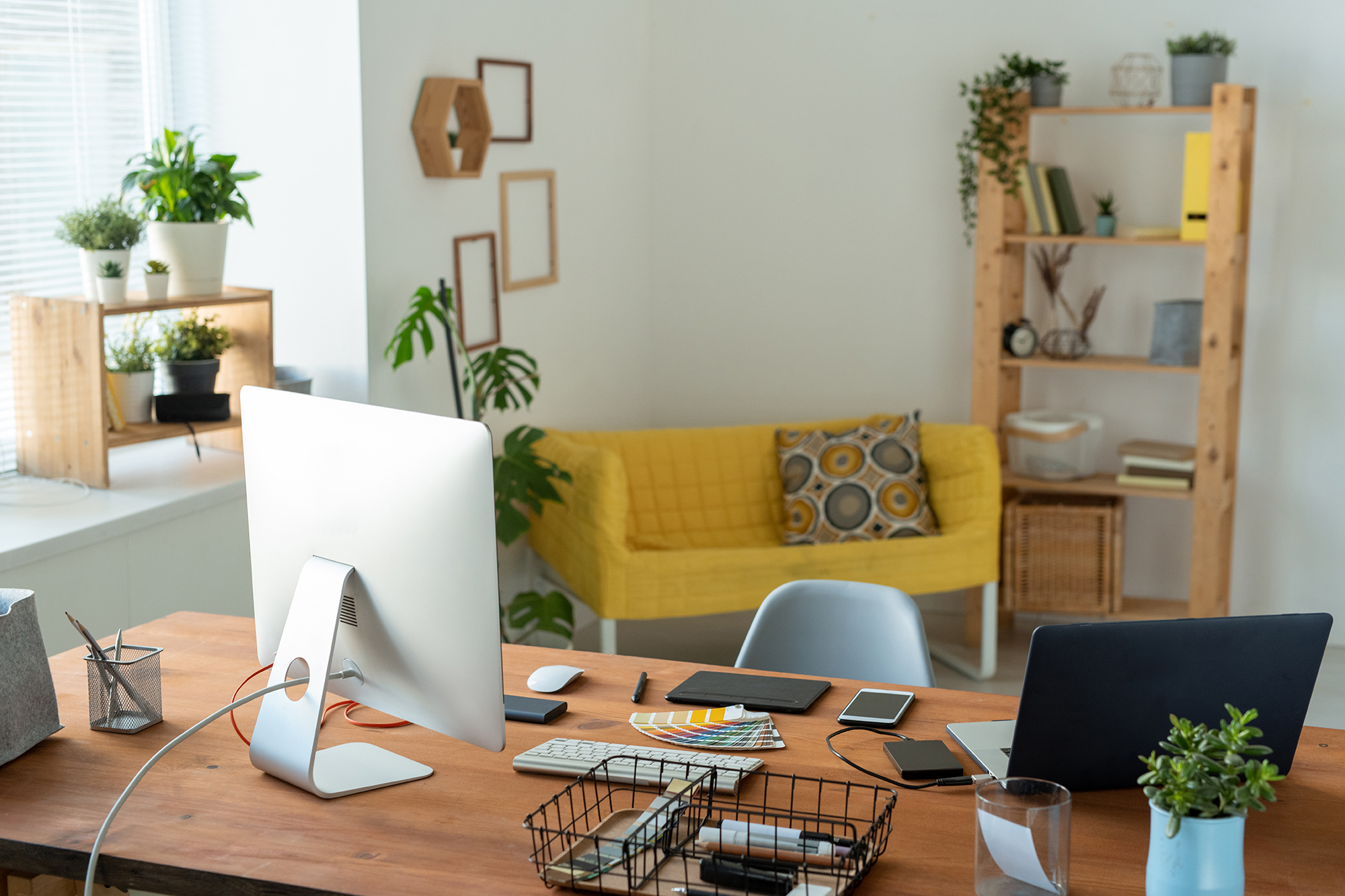
25 fresh office decor ideas: Revamp your work from home space in 2022
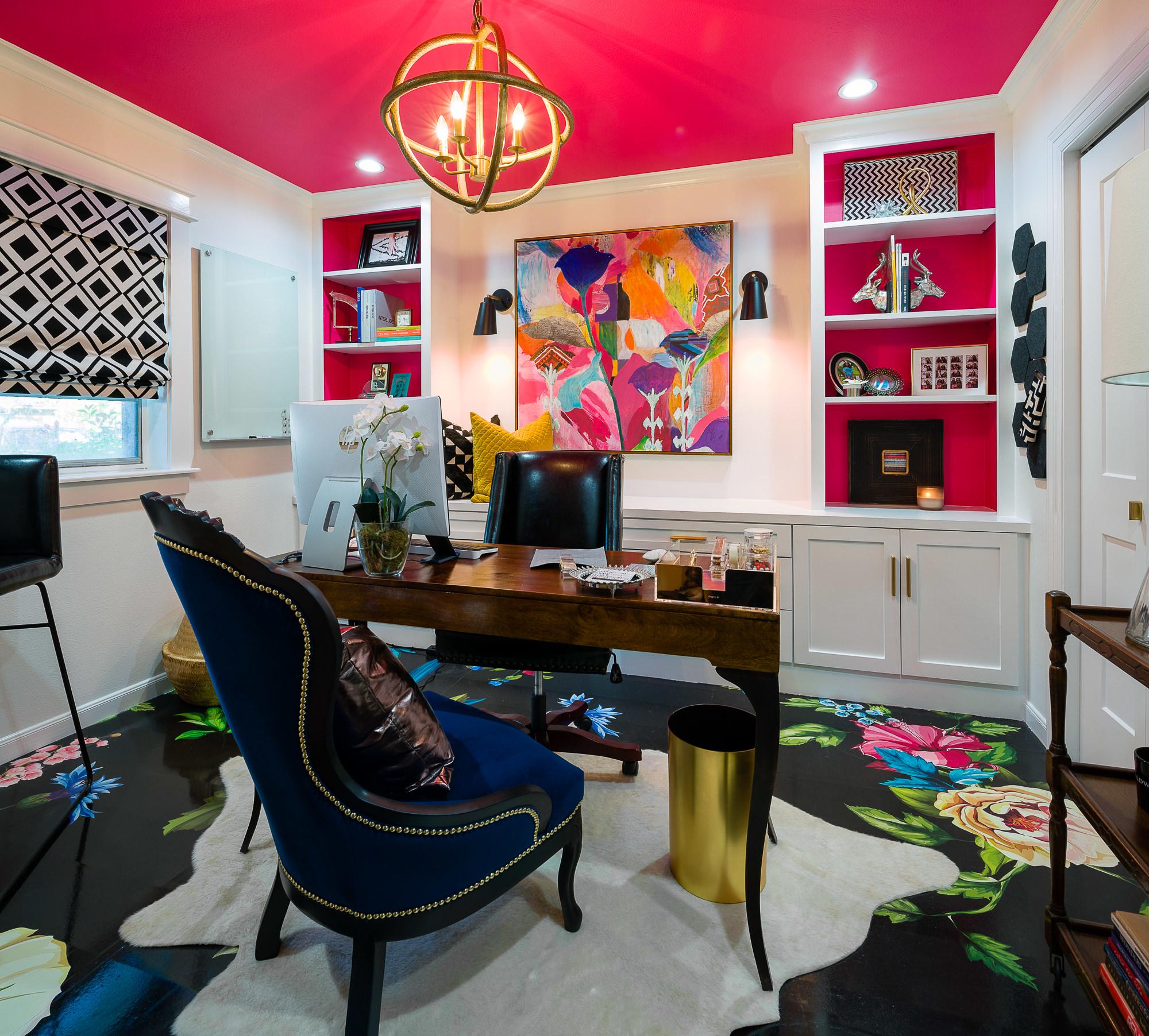
Home office is interior designer’s bold portfolio sample in itself

8 Home Office Layout Ideas That Are Up to Any Task