1/4
Are Open Concept Floor Plans Still in Style? Here's Why Designers are Opting Against This Once-Loved Layout
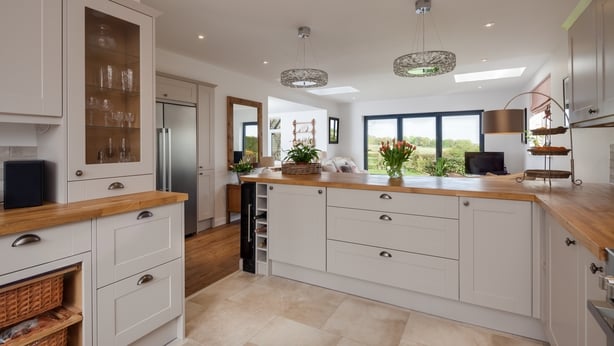
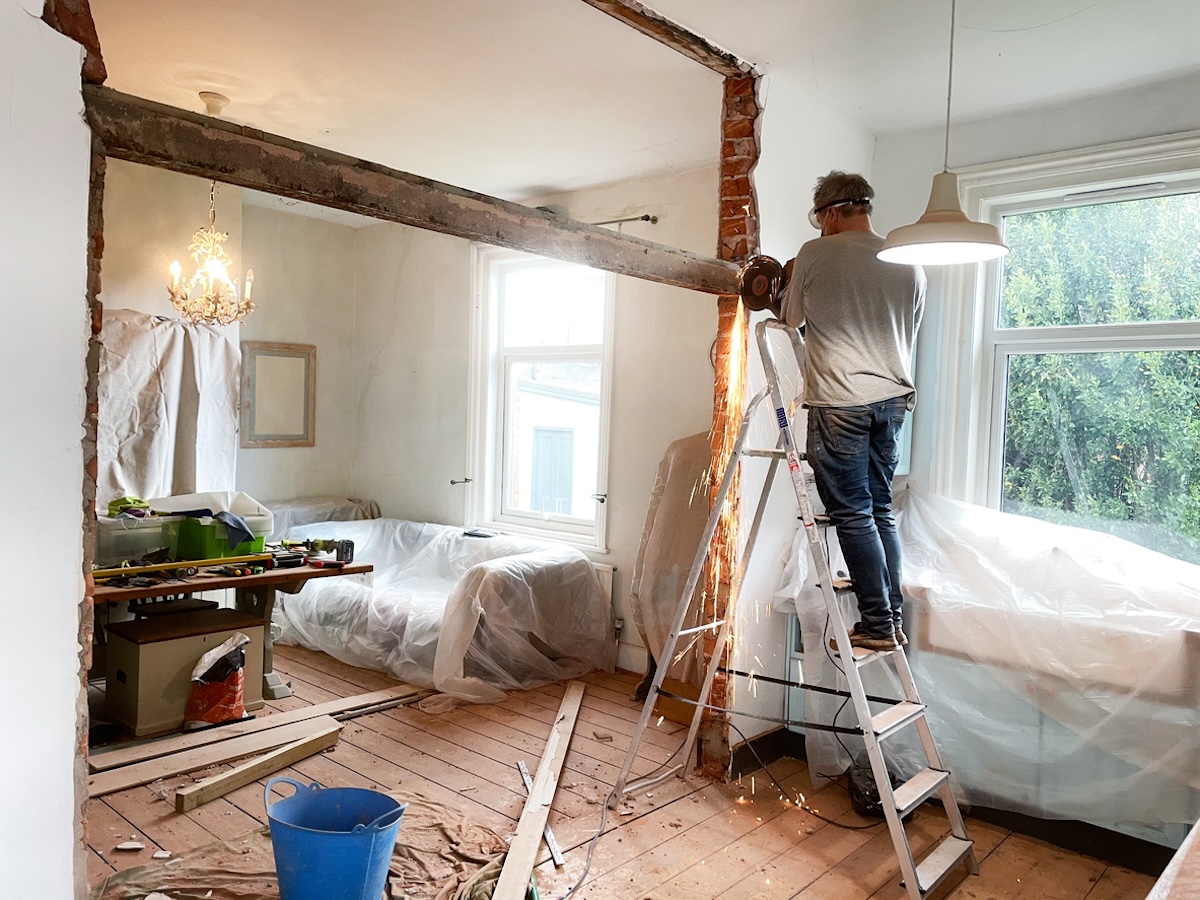
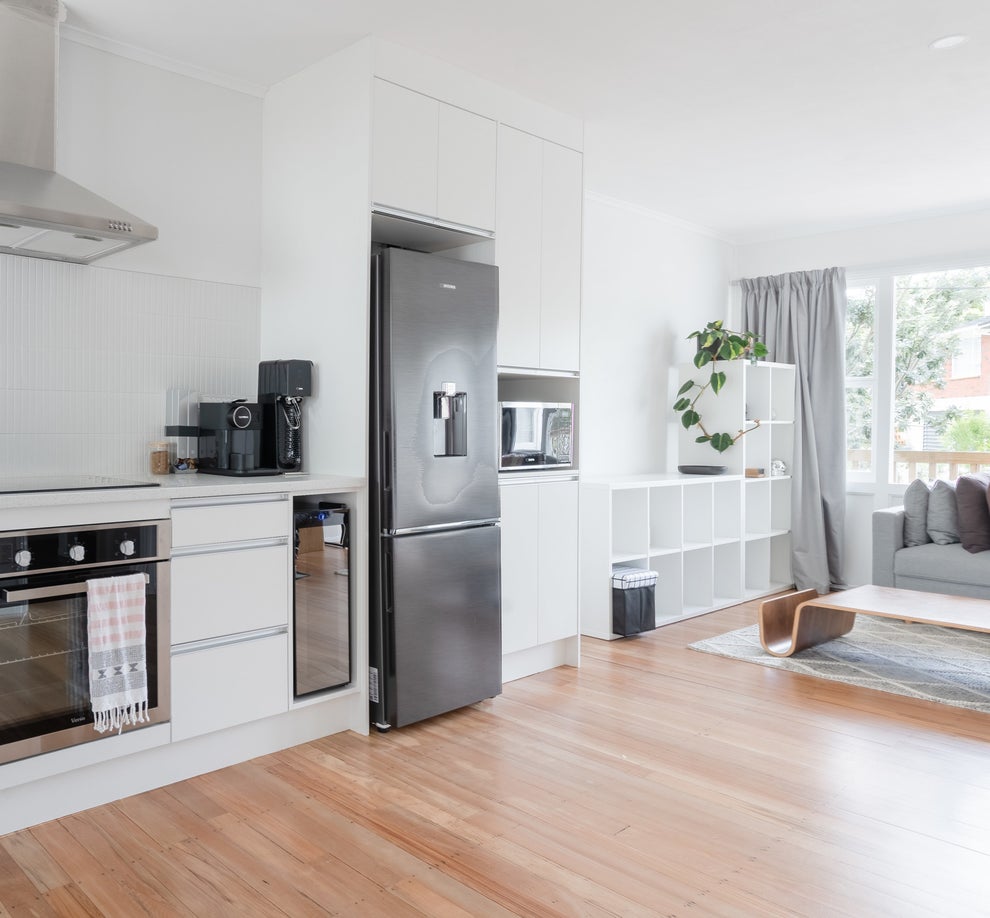
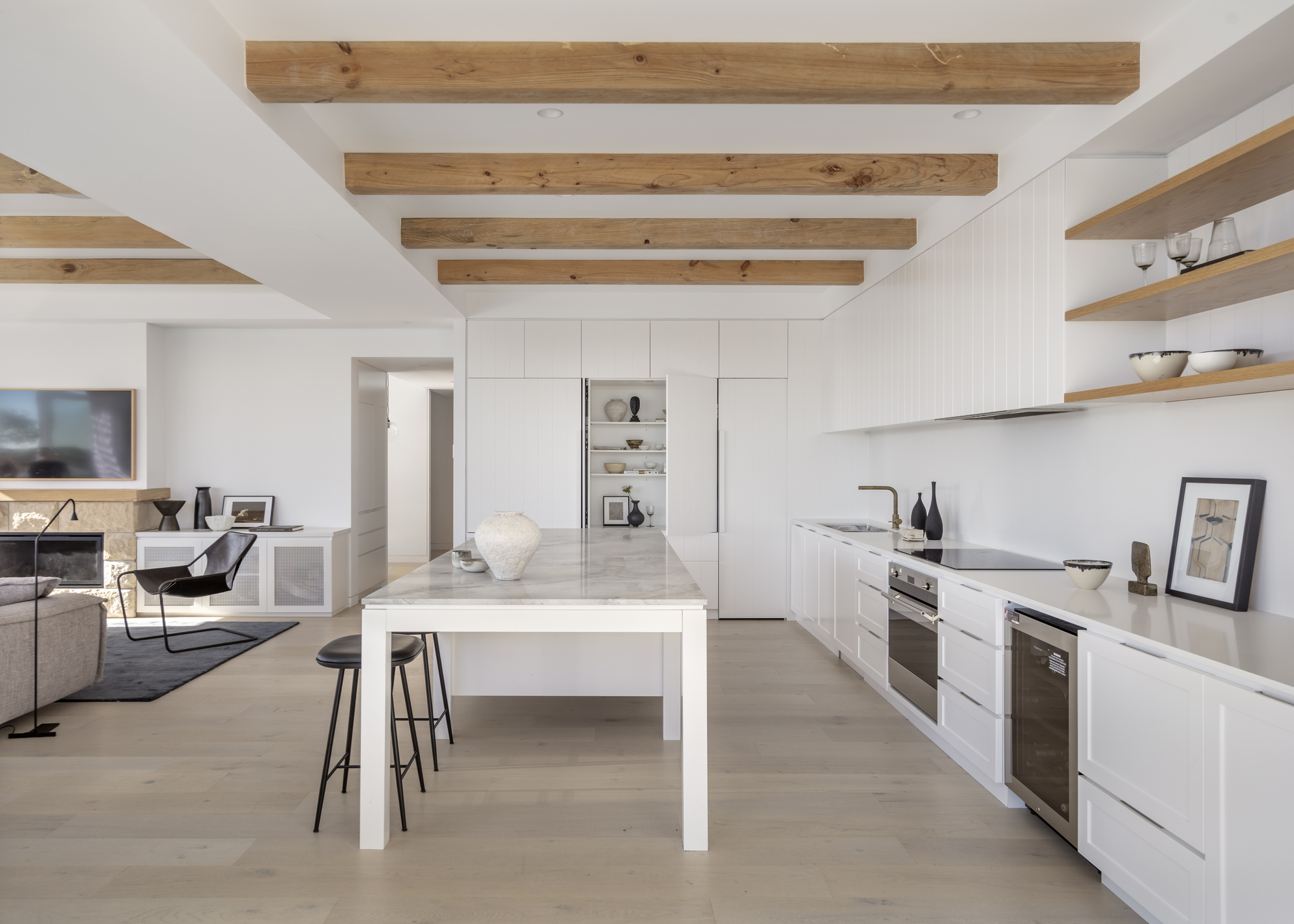
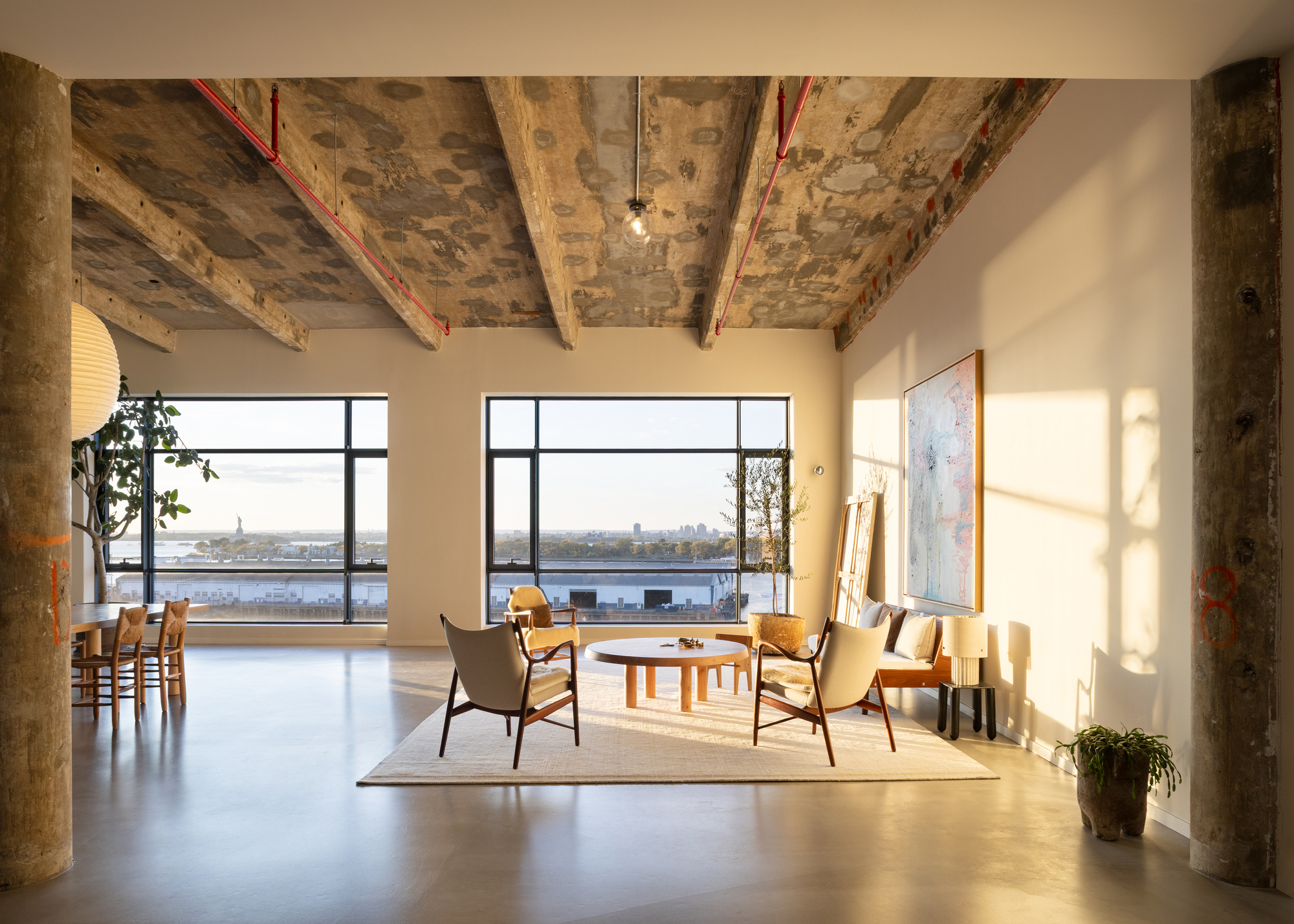
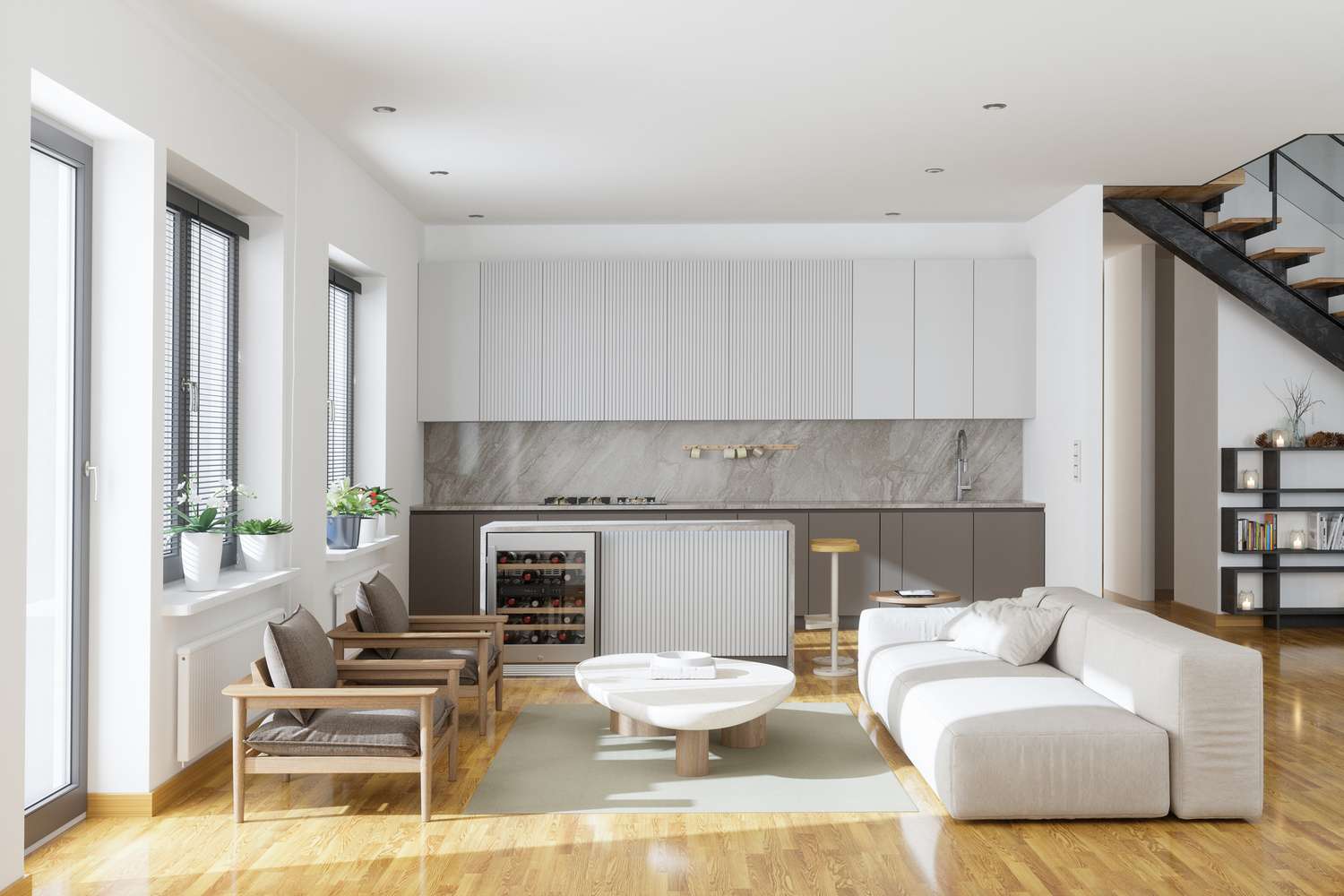
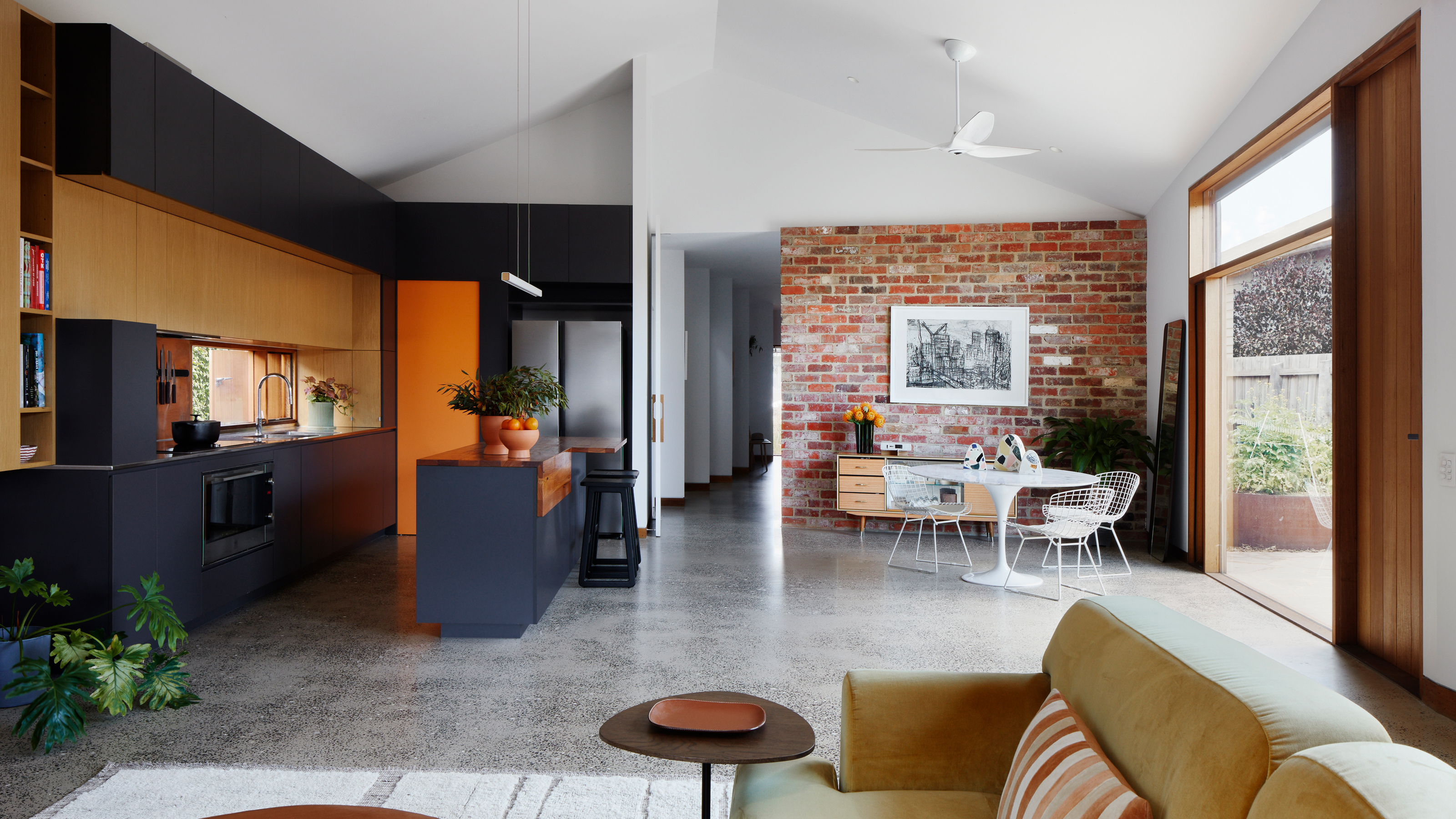
The article discusses the evolving trends in interior design regarding open-concept floor plans versus more traditional, closed layouts. For several decades, open-plan designs, characterized by free-flowing and cohesive spaces, have been popular for their laid-back and multi-functional appeal, particularly suited for modern family life. However, there is a discernible shift away from this once-dominant blueprint in recent renovations, with interior walls making a comeback.
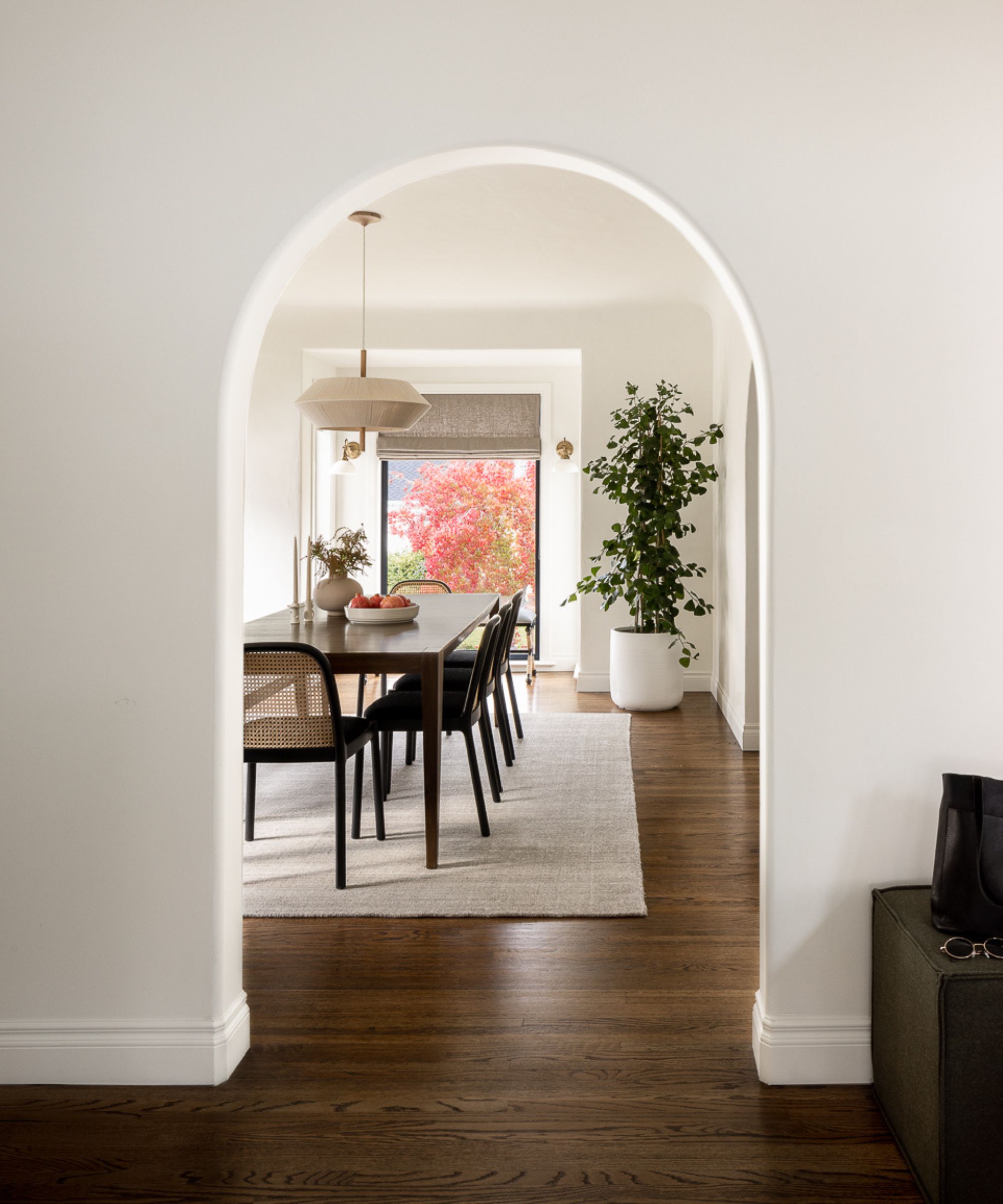
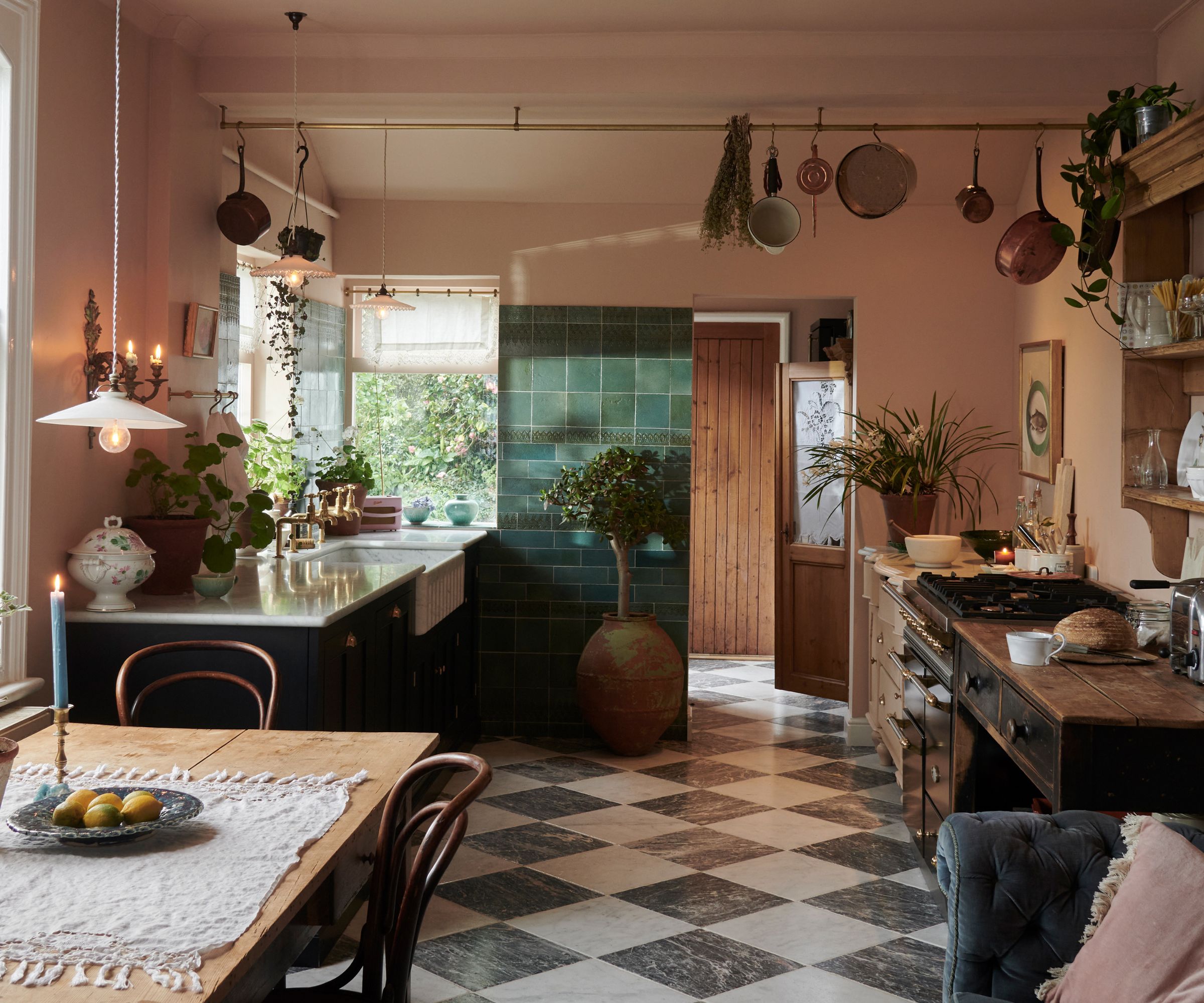
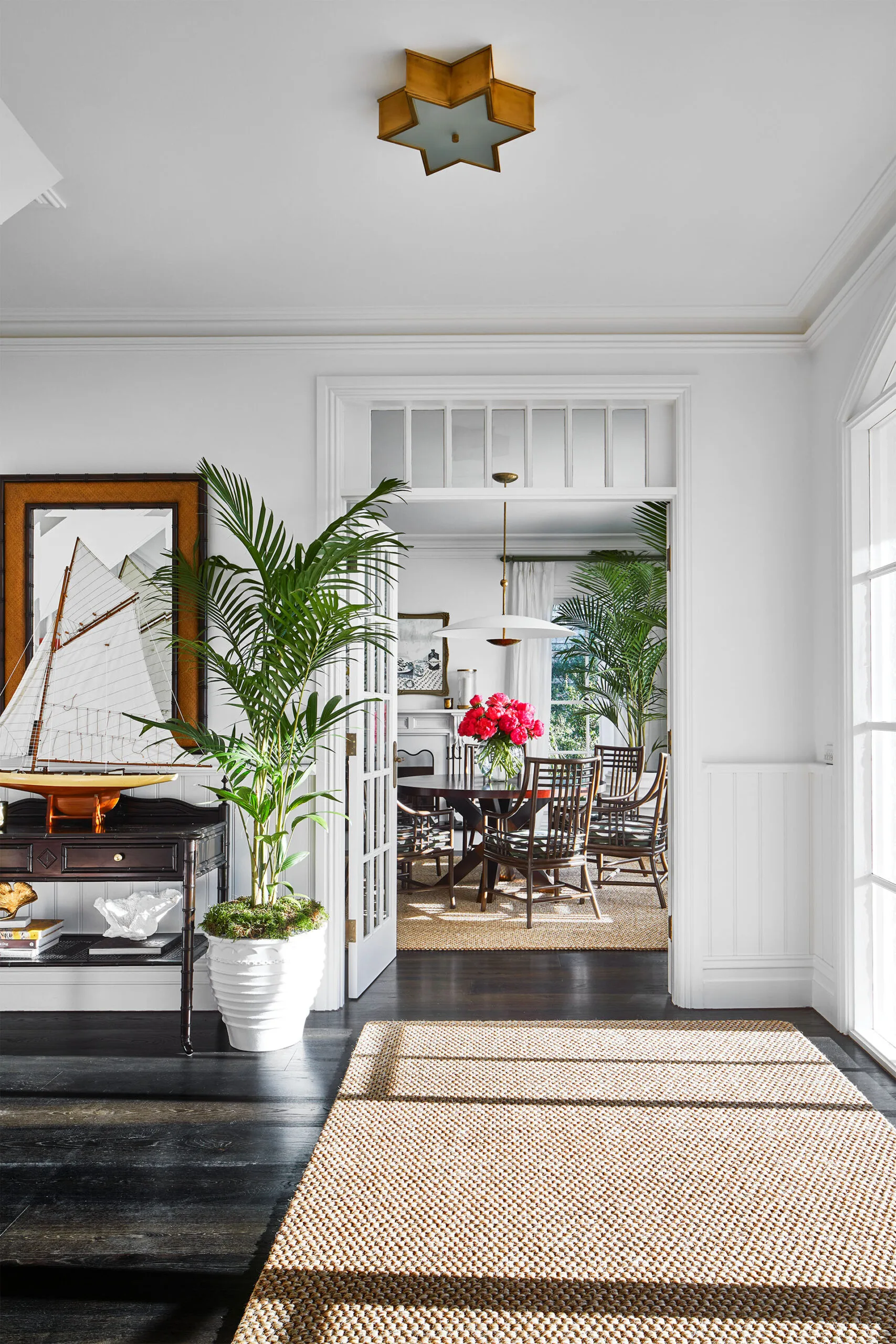
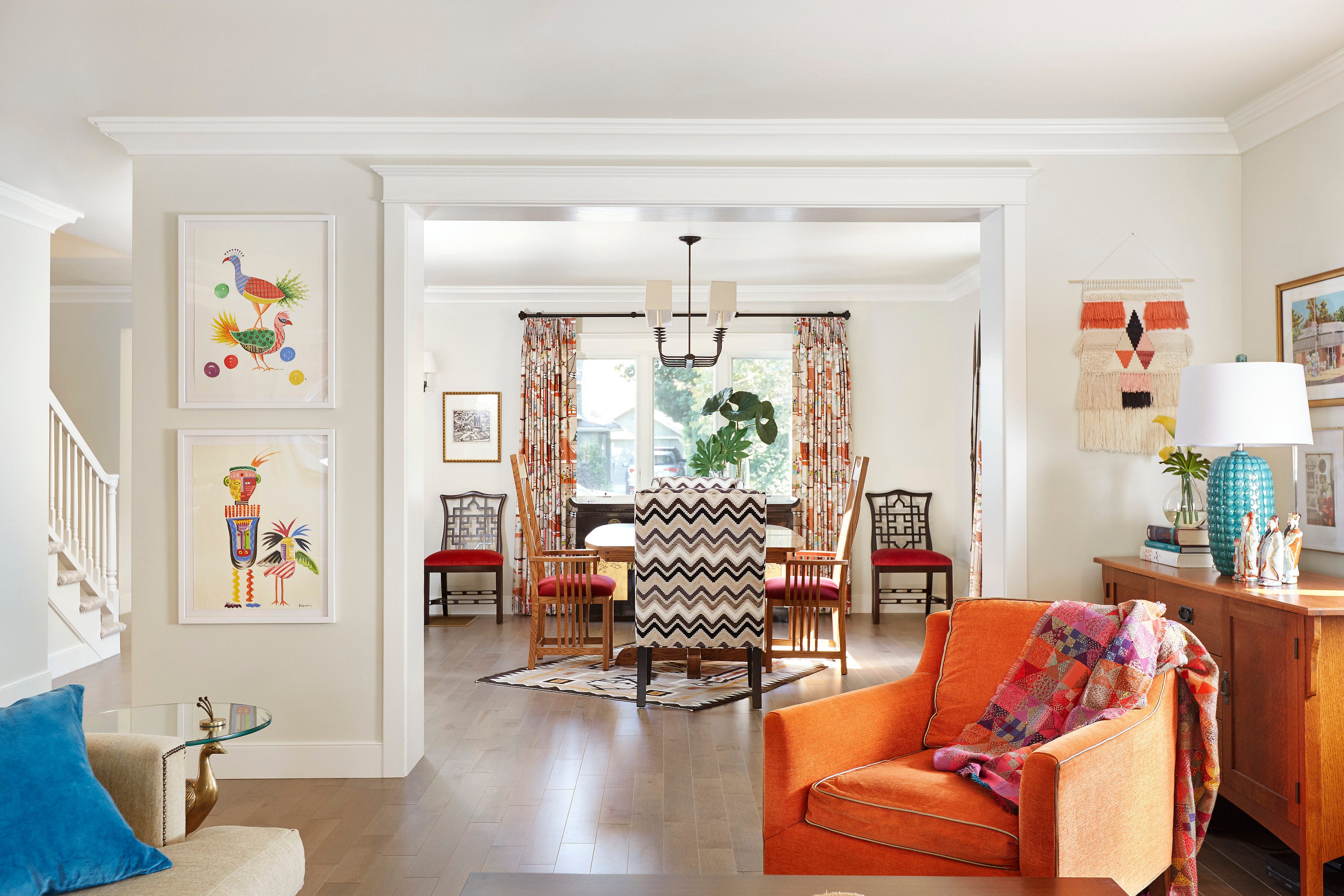
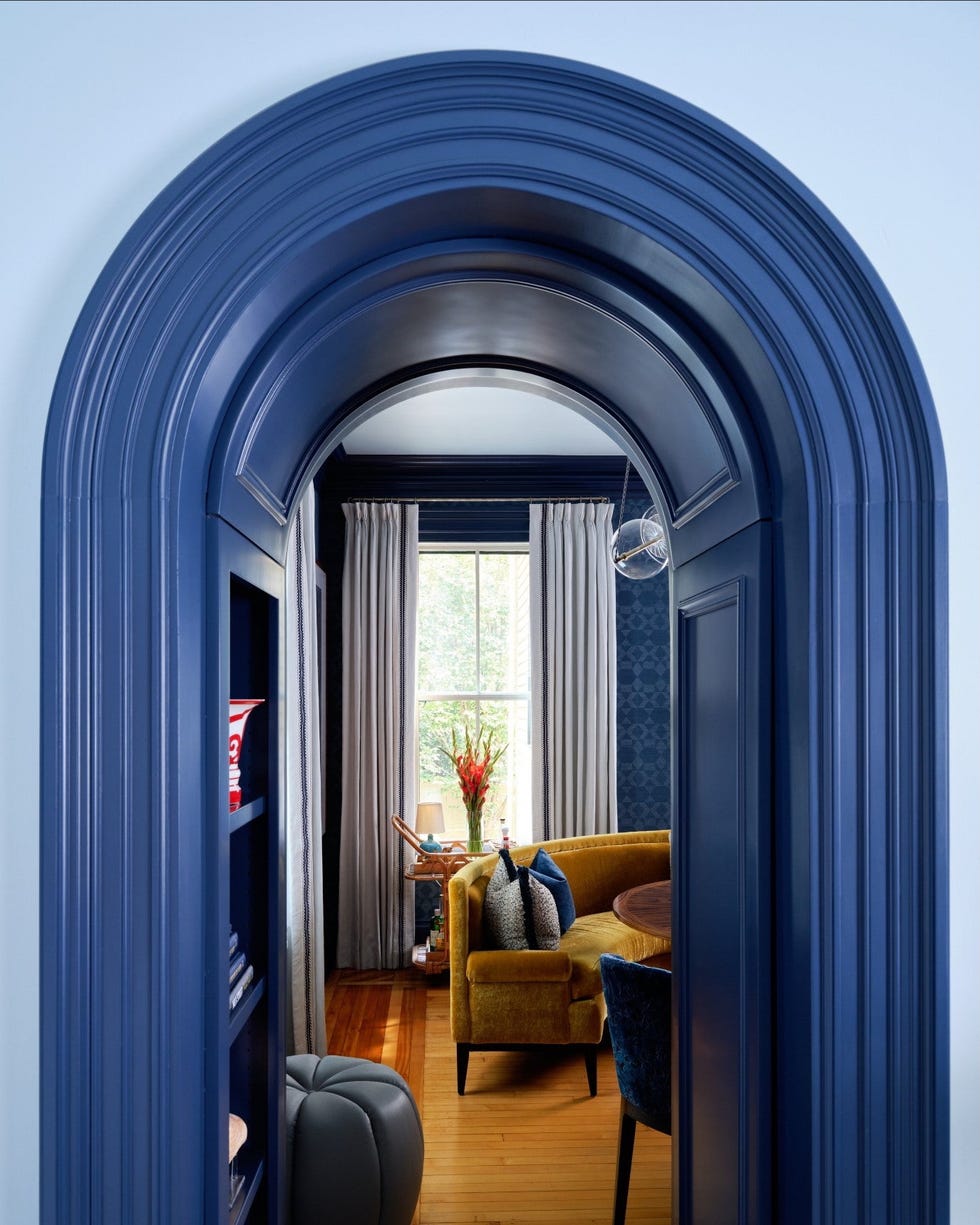
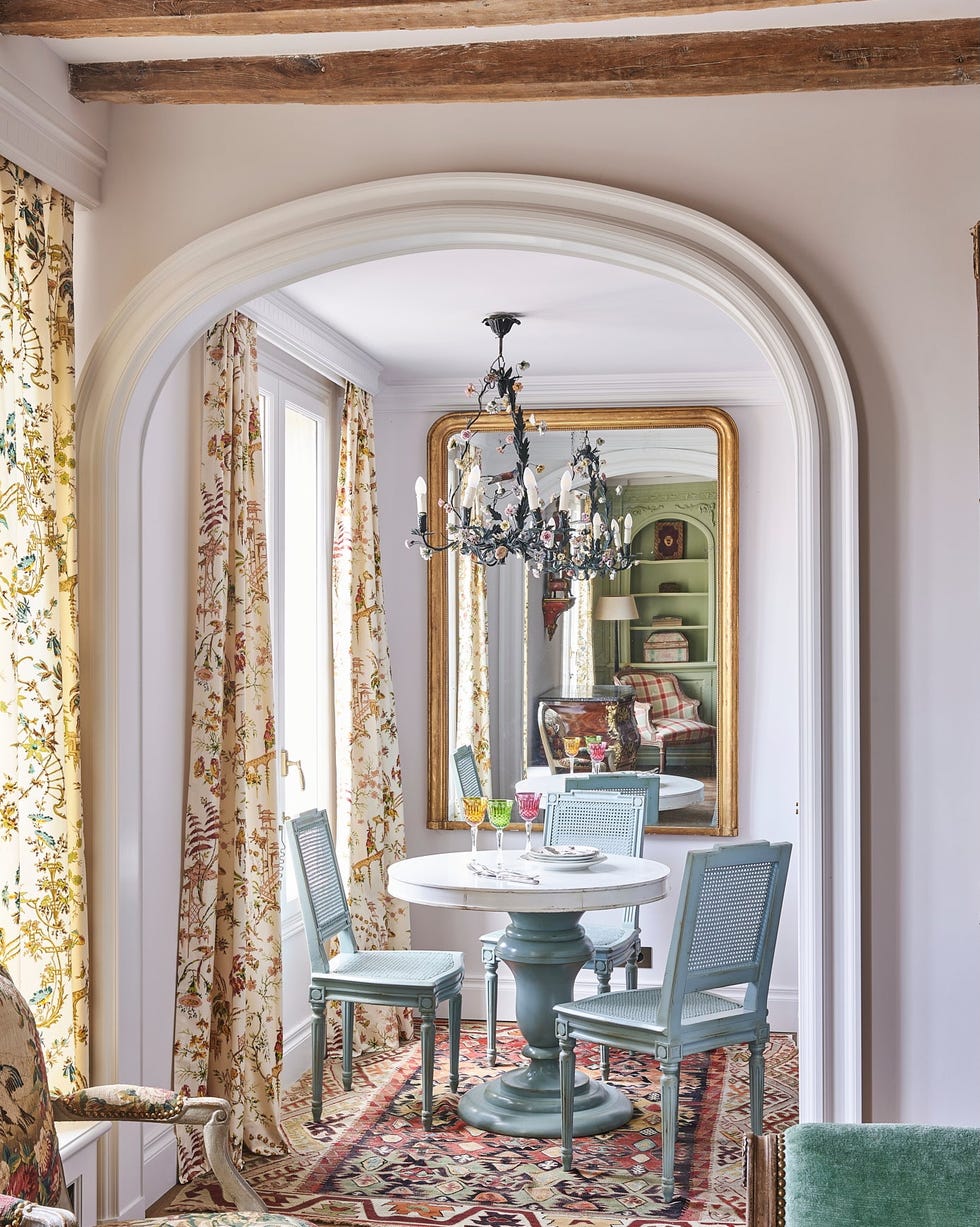
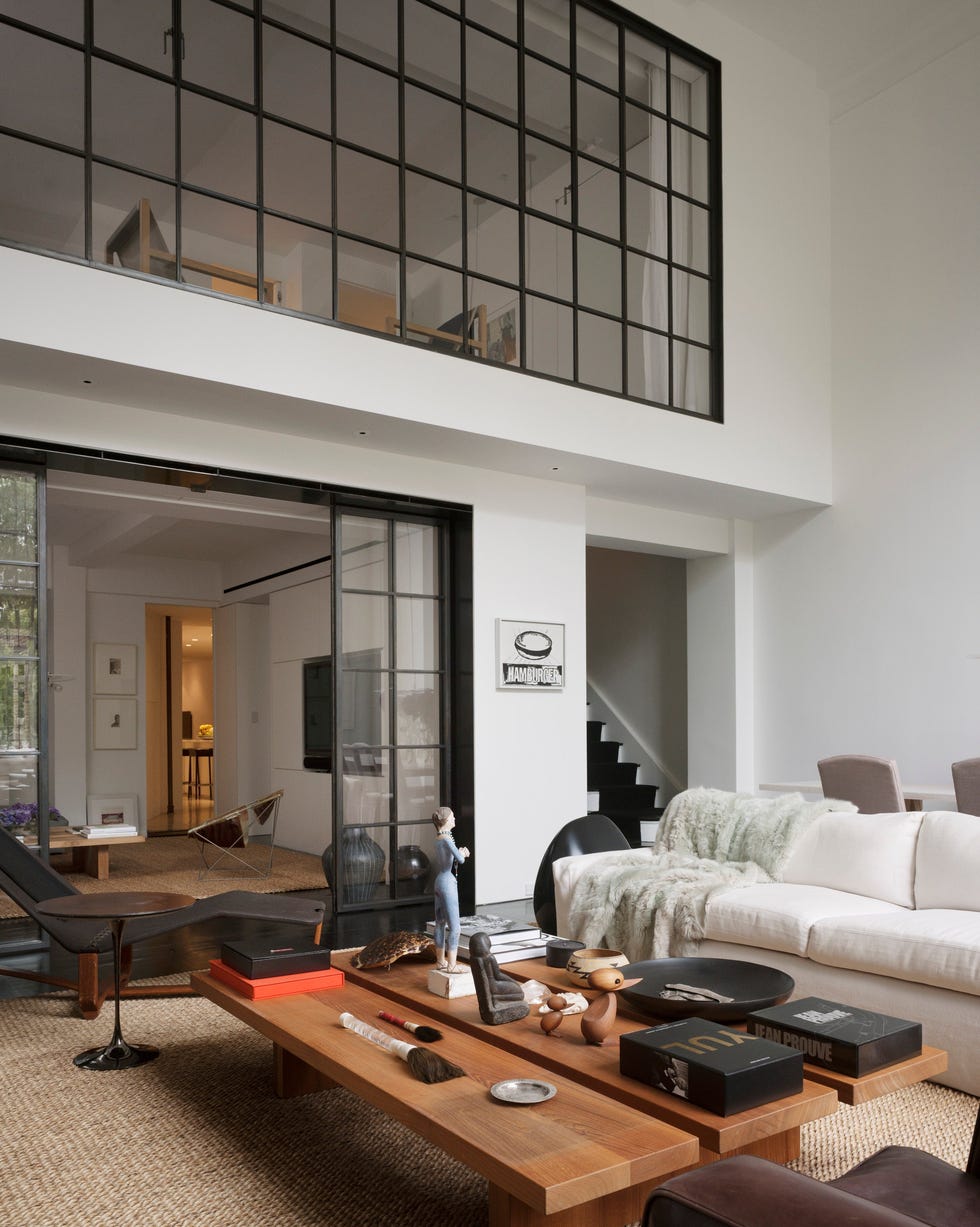
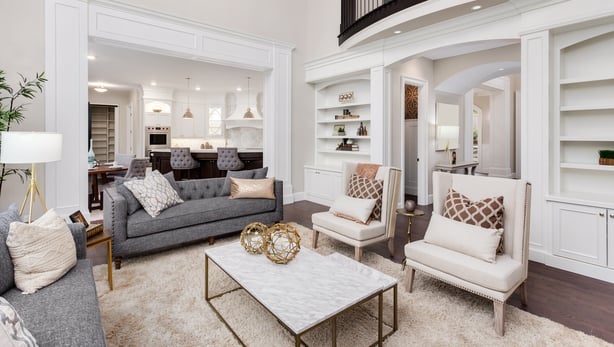
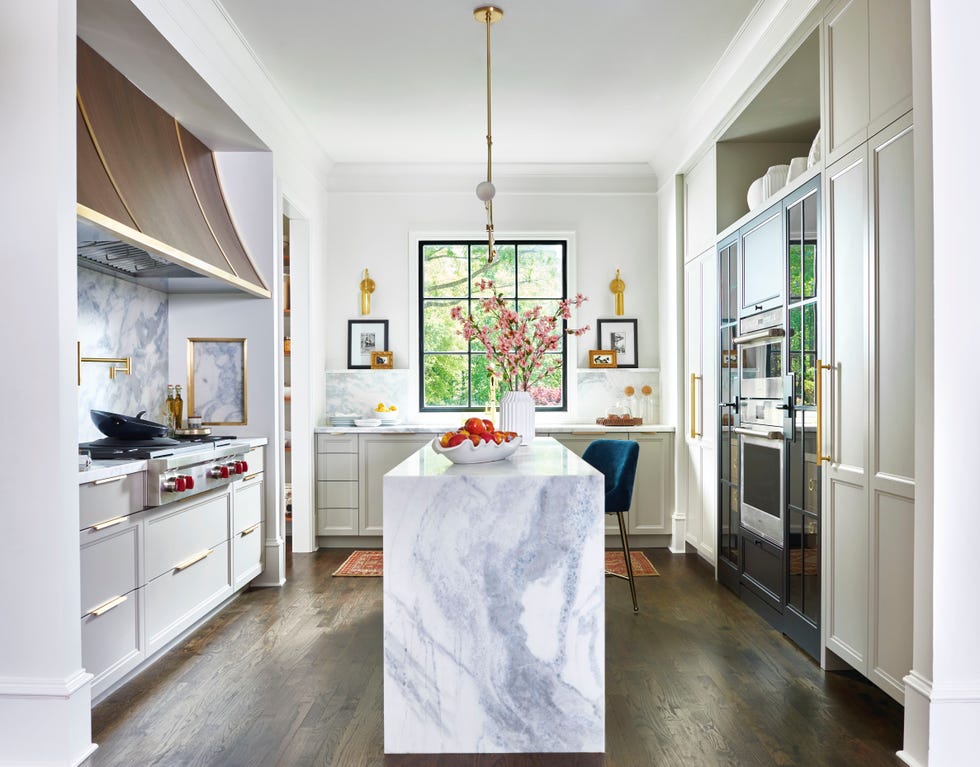
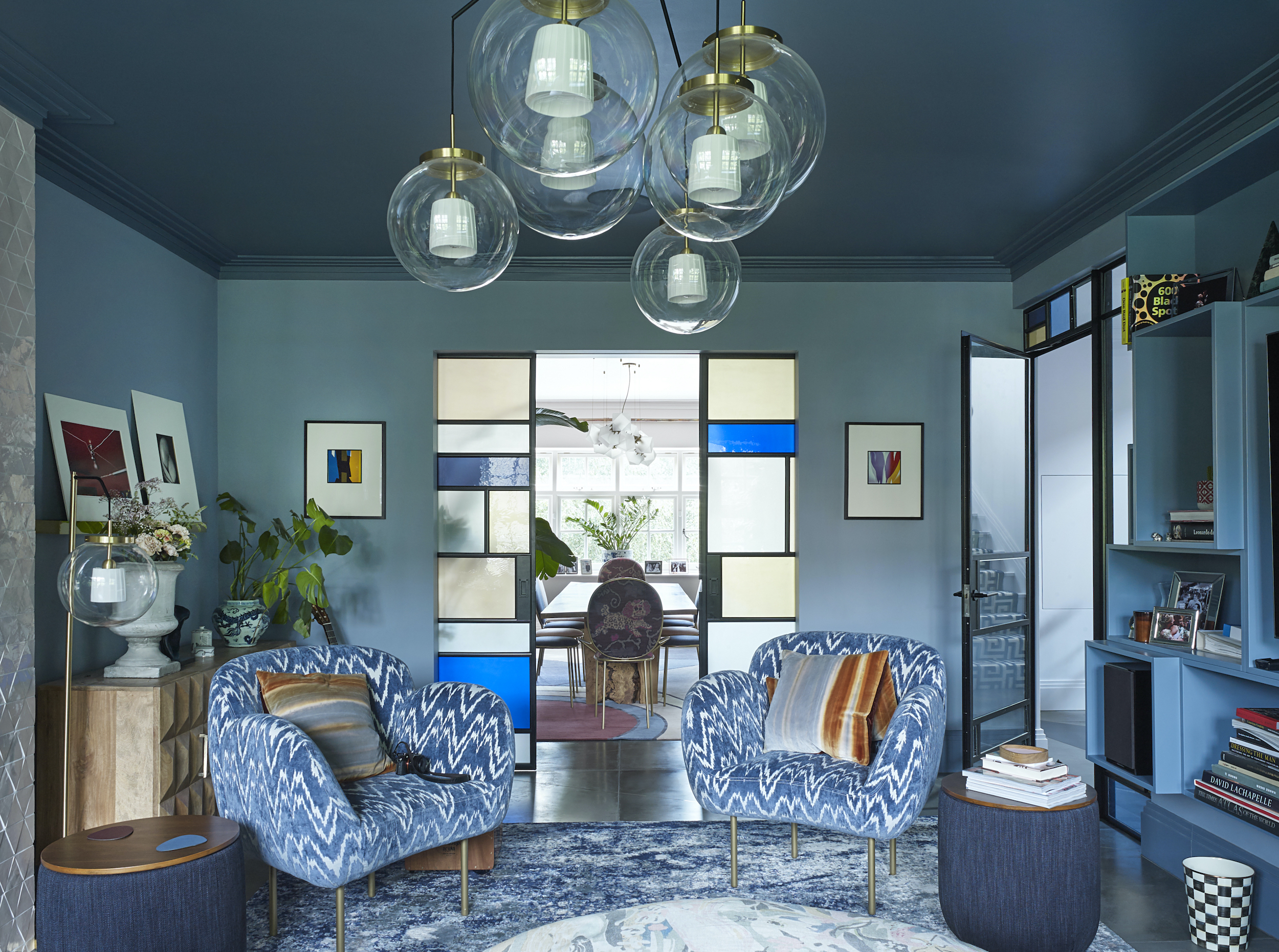
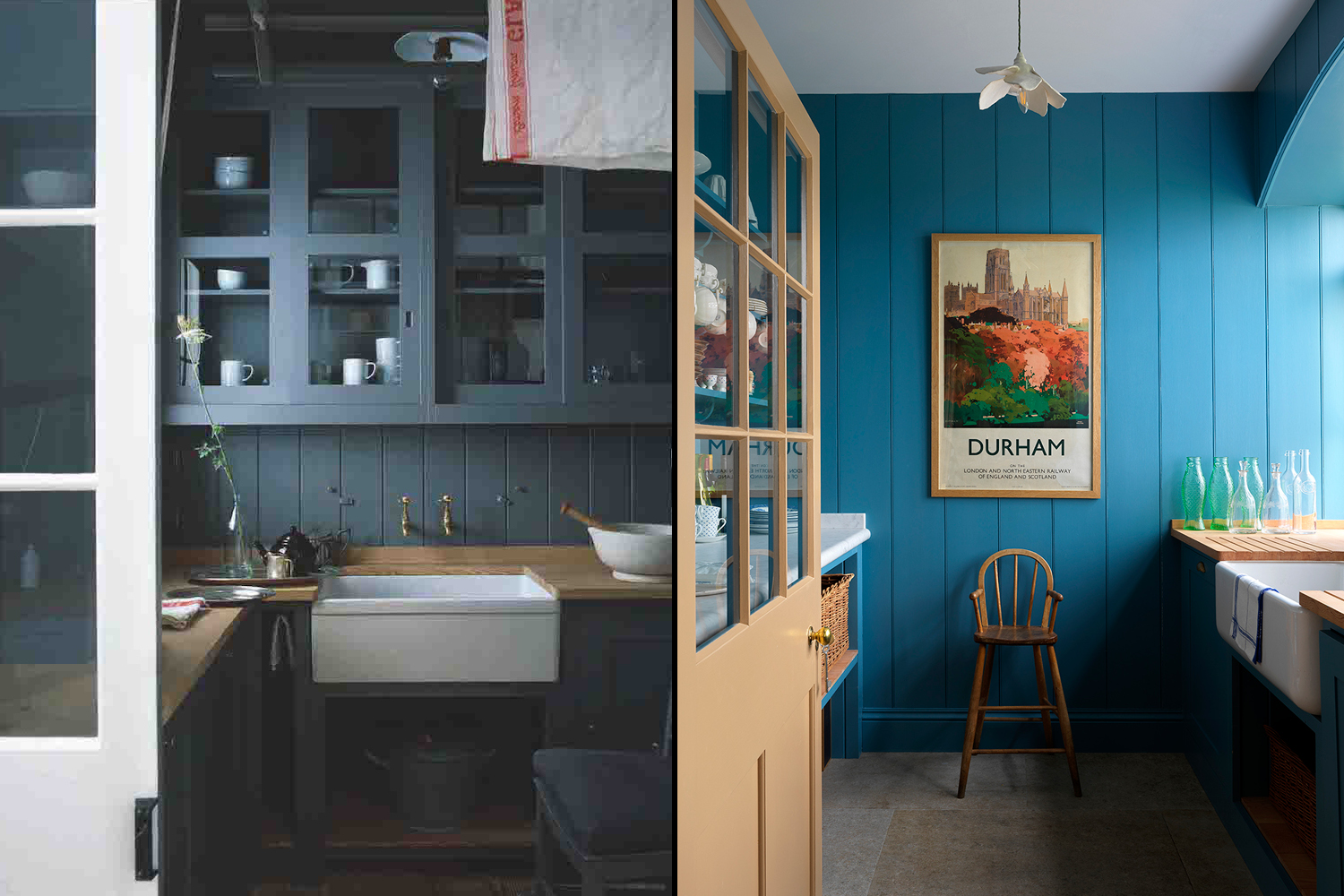
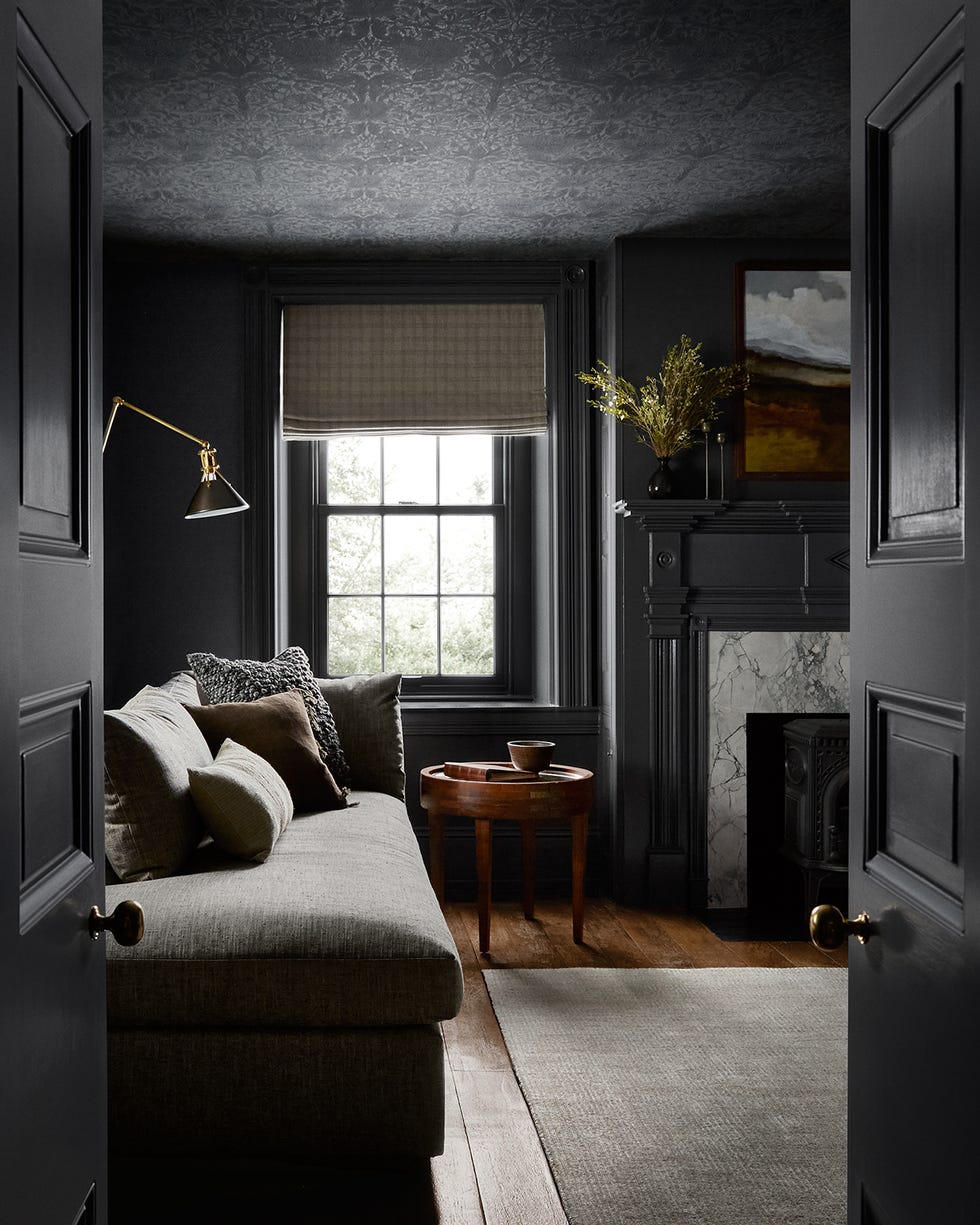
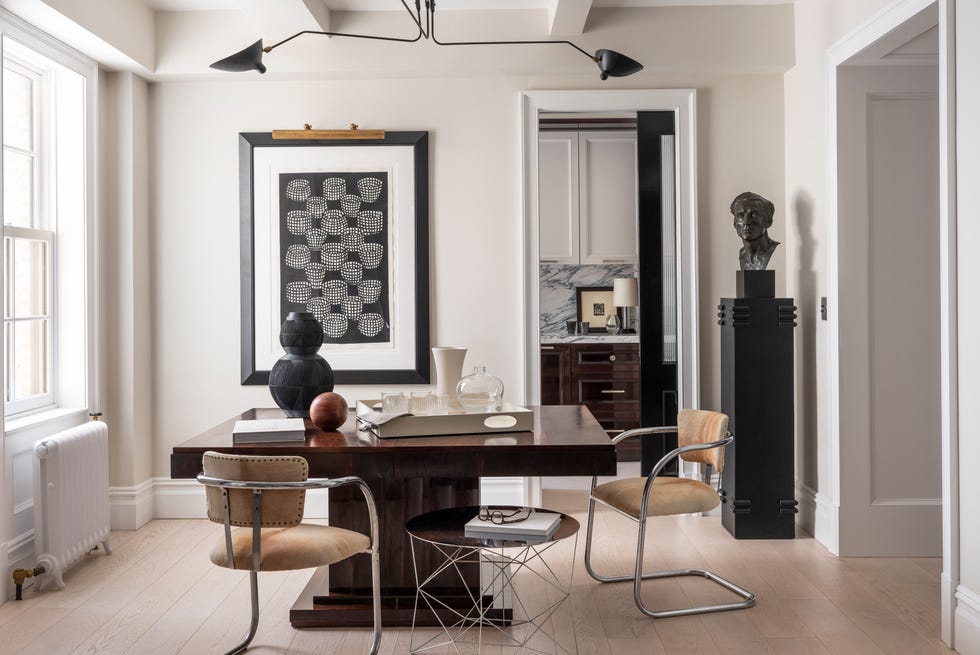
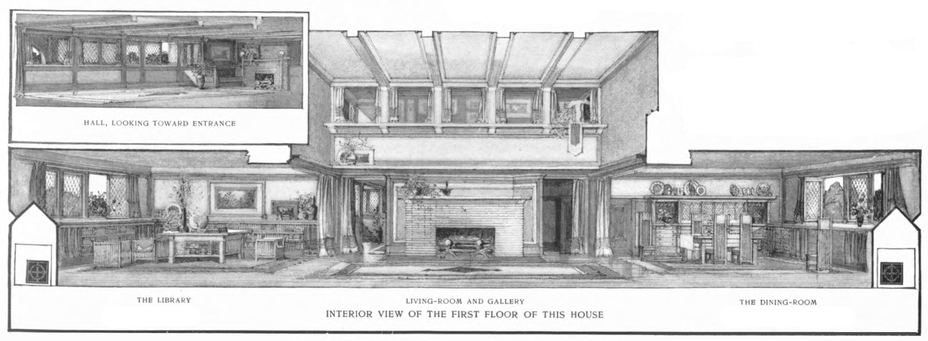
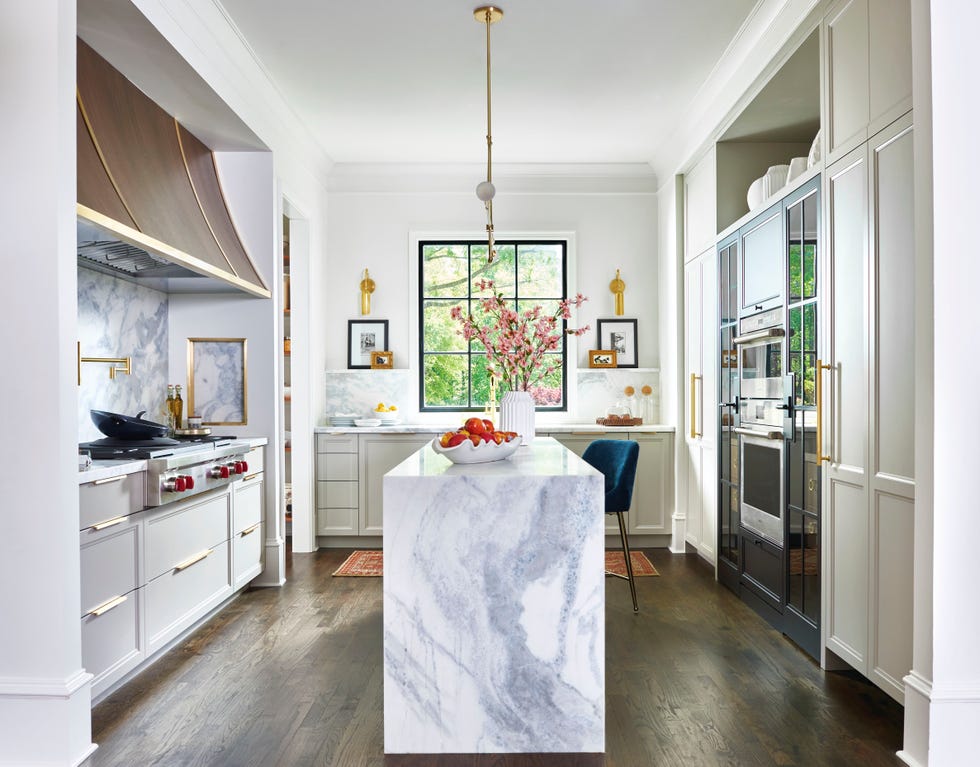
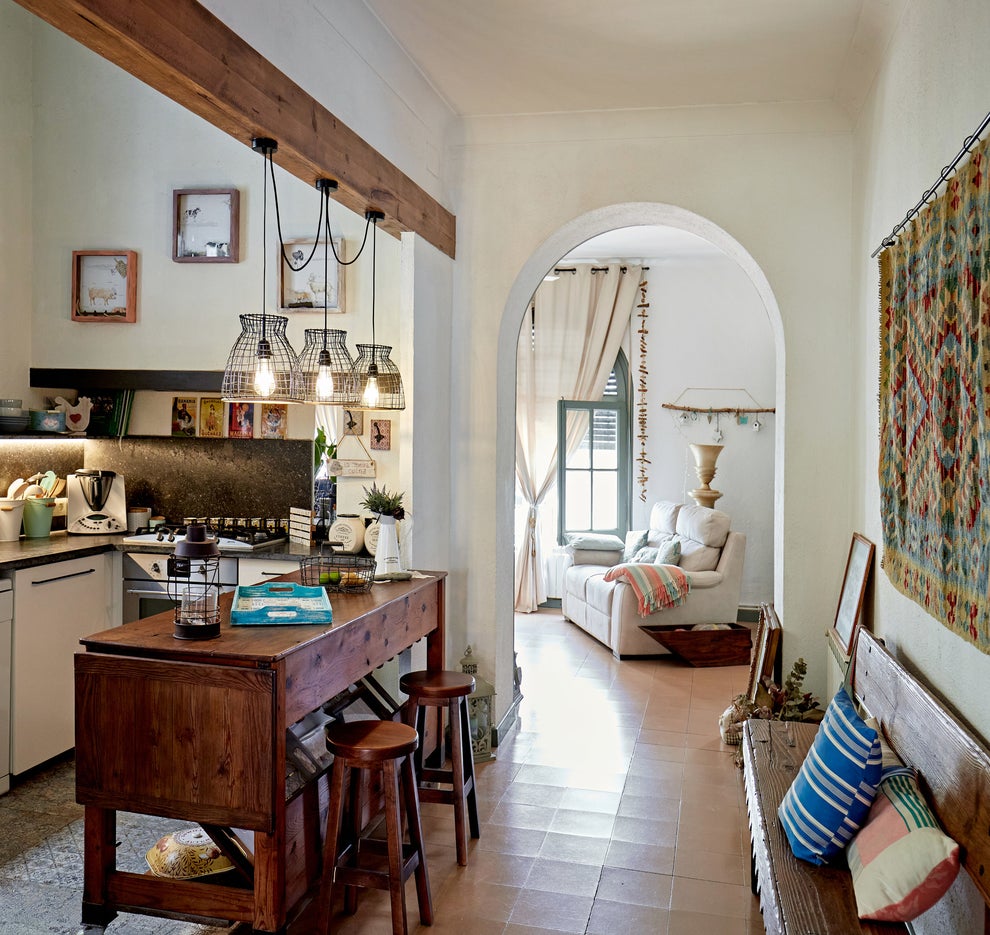
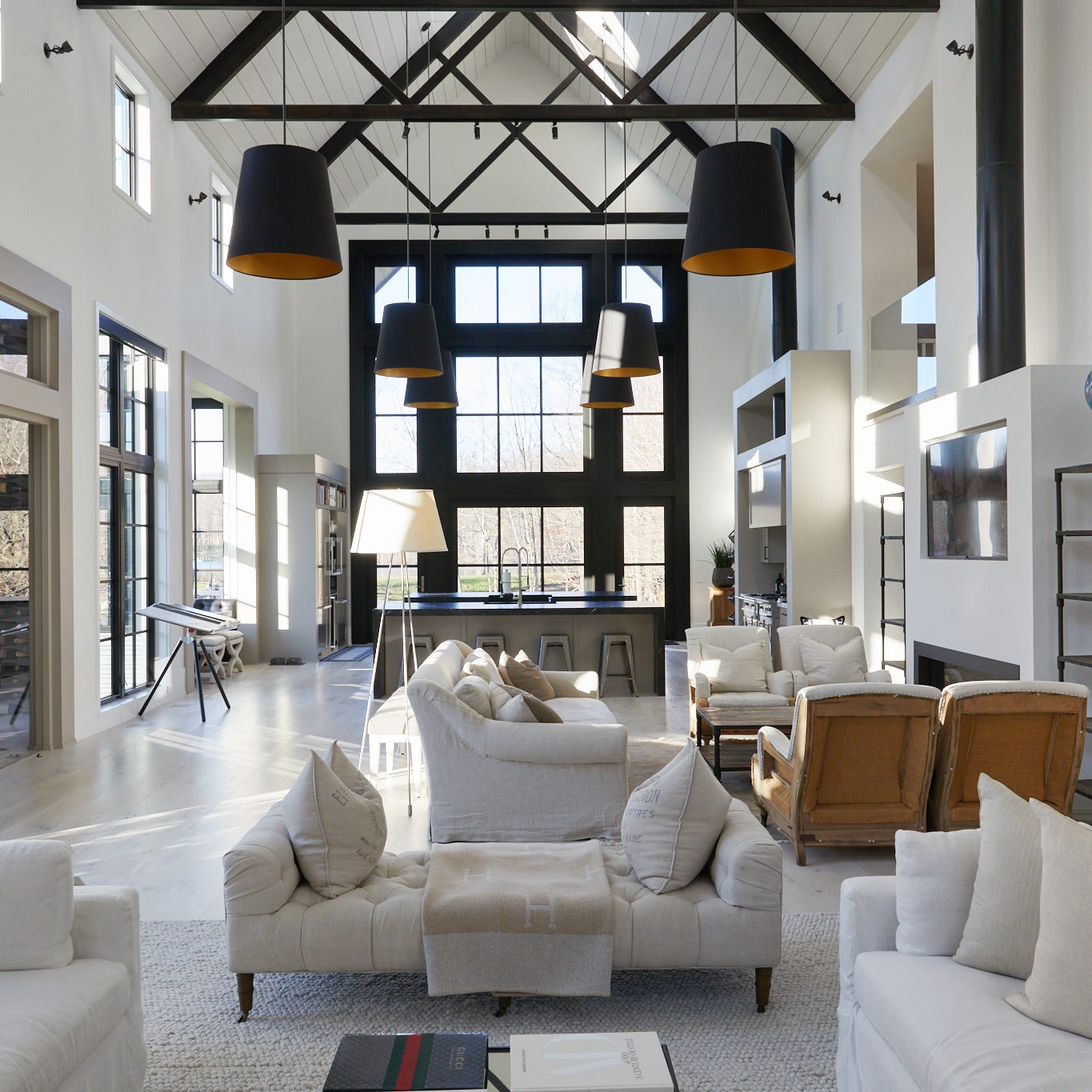
Interior designers are increasingly favoring distinct, closed rooms for various reasons. Pamela Nast, an interior designer, highlights that in an open-plan home, the entire space is visible upon entry, blurring the lines between public and private areas. In contrast, a closed floor plan allows for a more curated experience, unfolding a 'story' as guests move through different rooms. The emerging trend is not a complete return to entirely closed-off spaces but rather a 'liminal, semi-open concept' or 'broken-plan' design, which seeks to integrate the best aspects of both approaches.
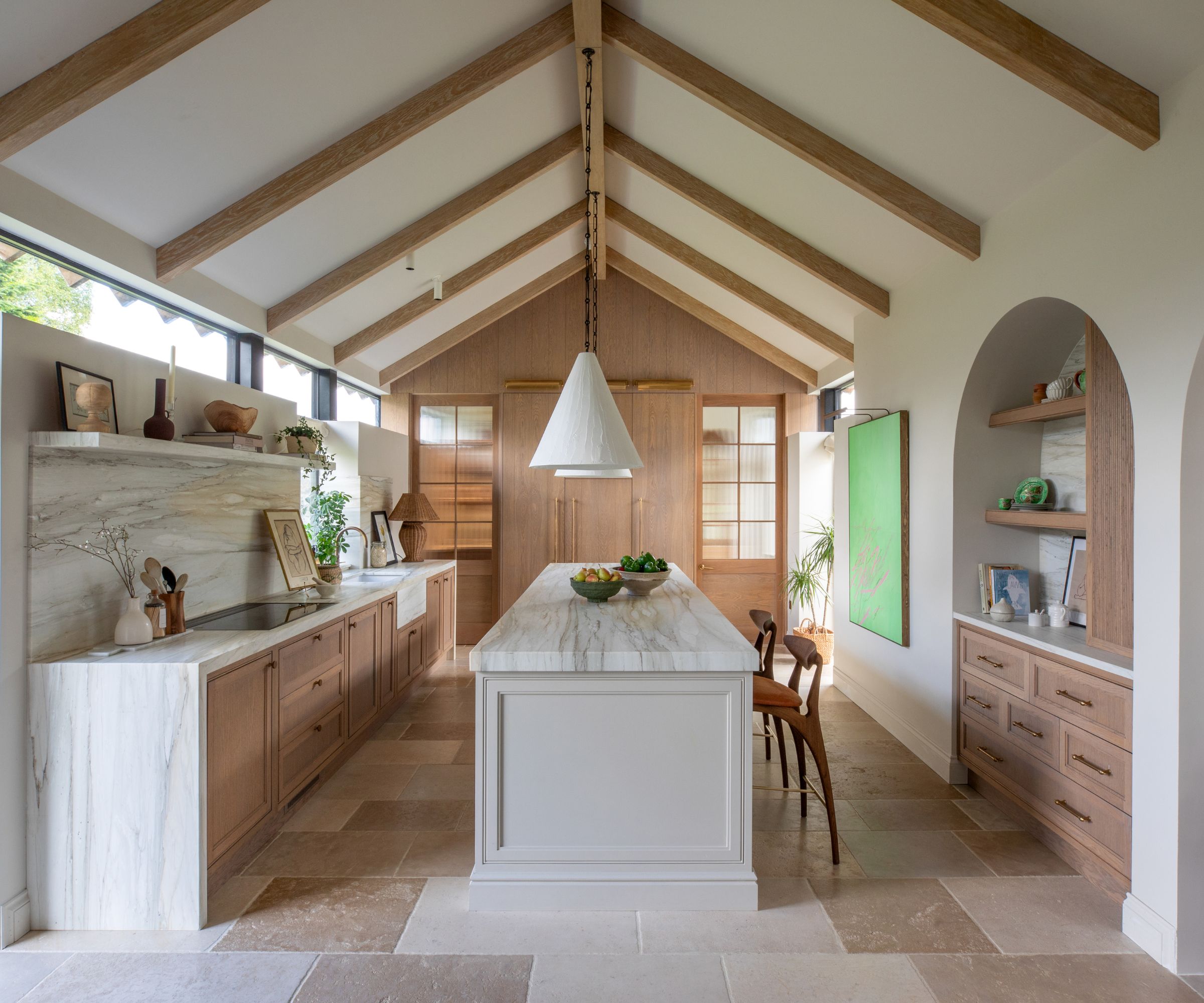
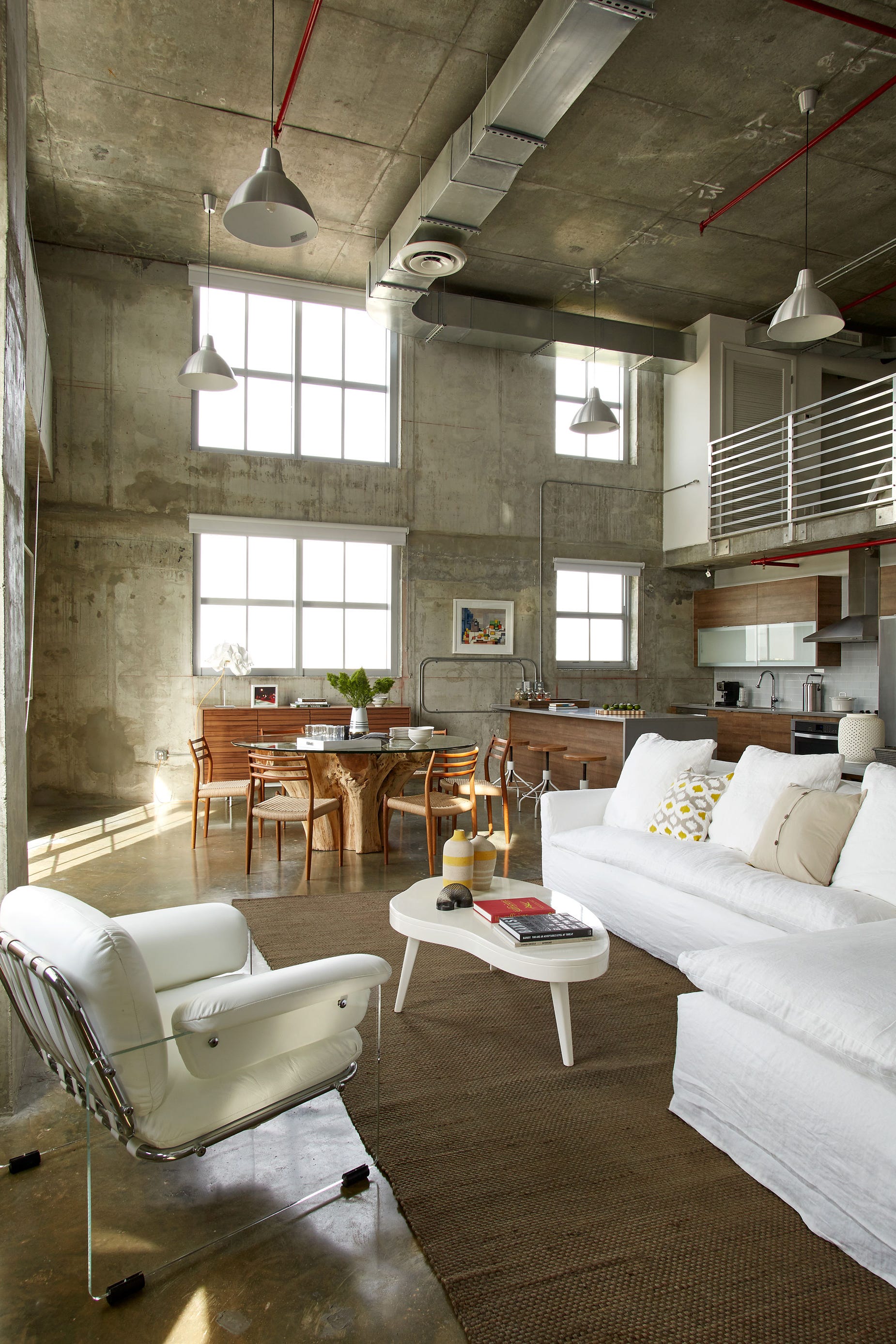
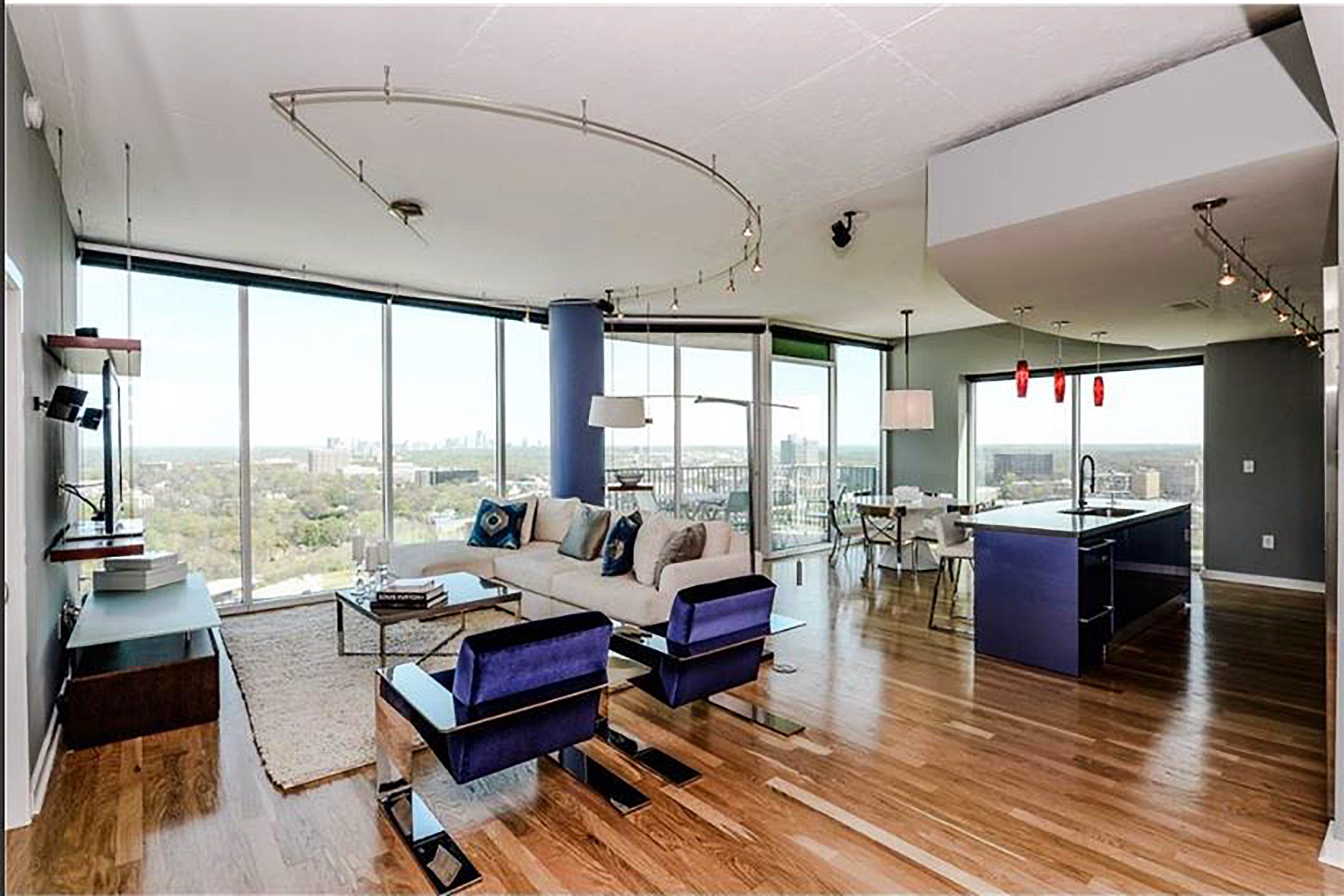
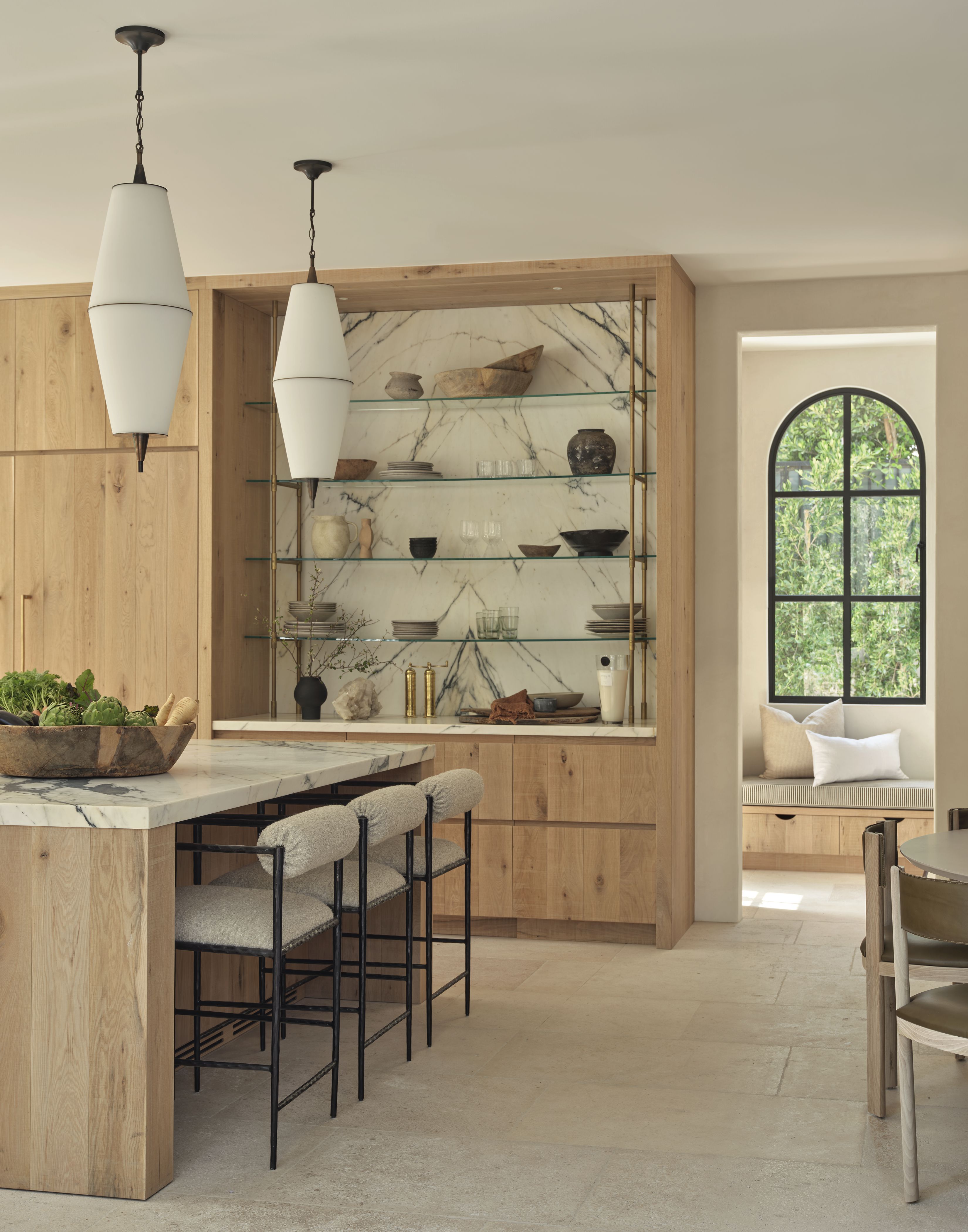
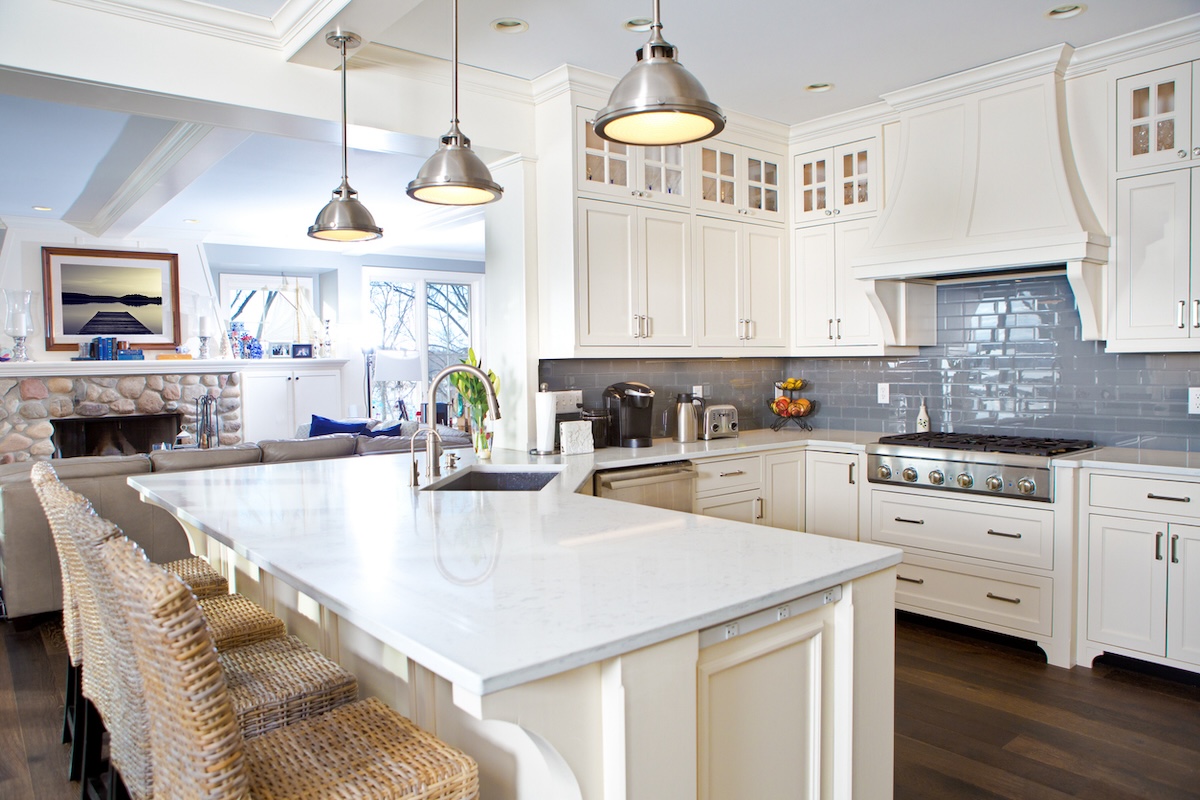
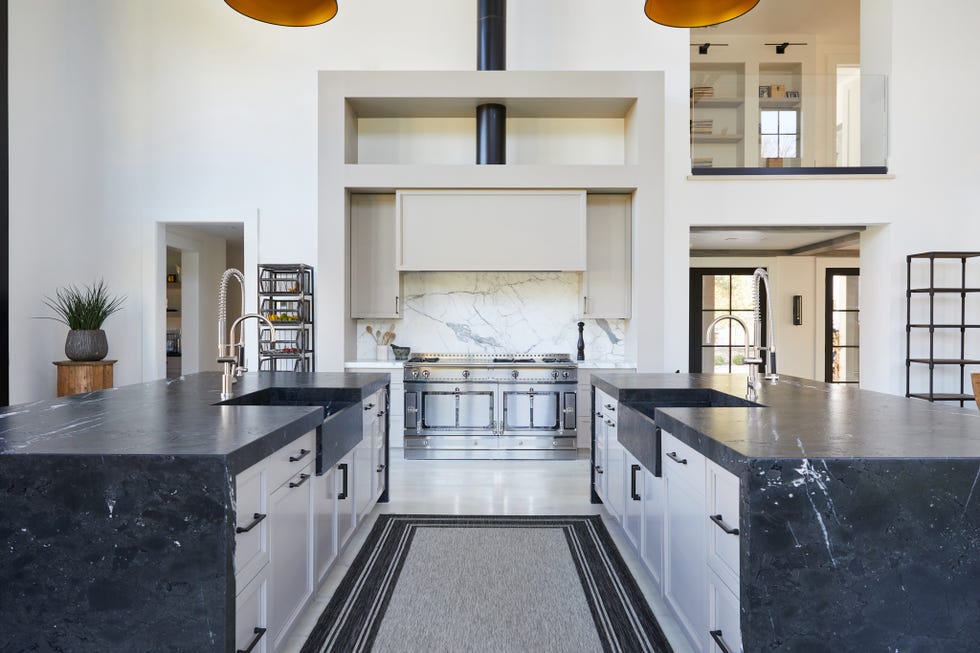
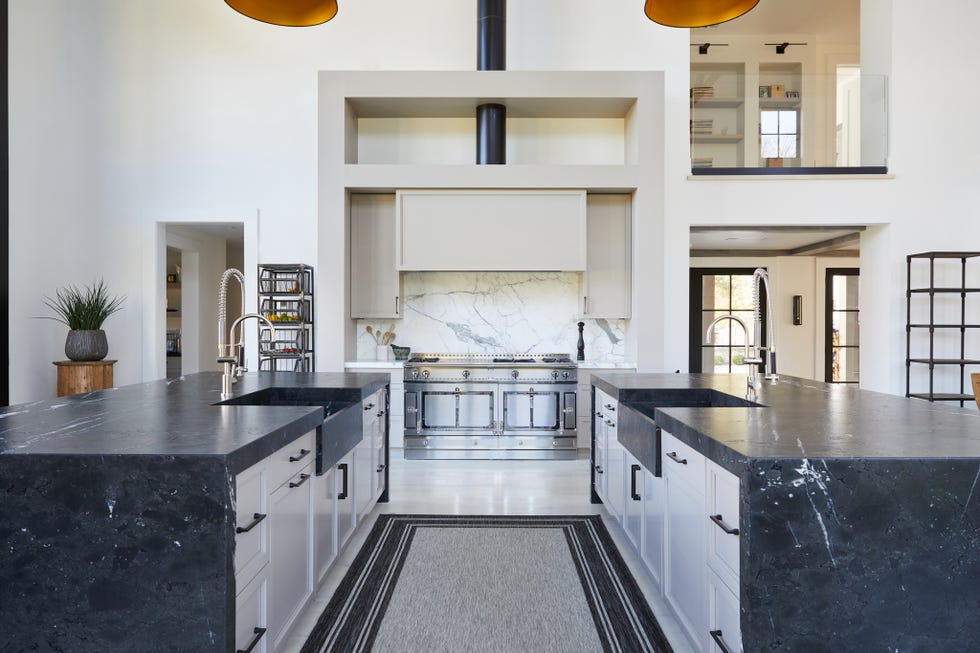
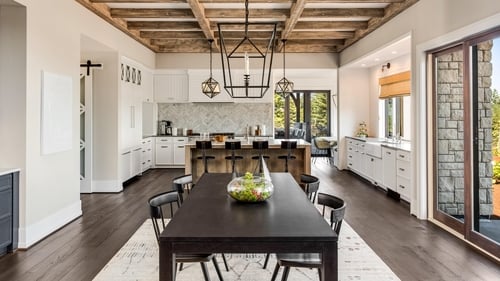
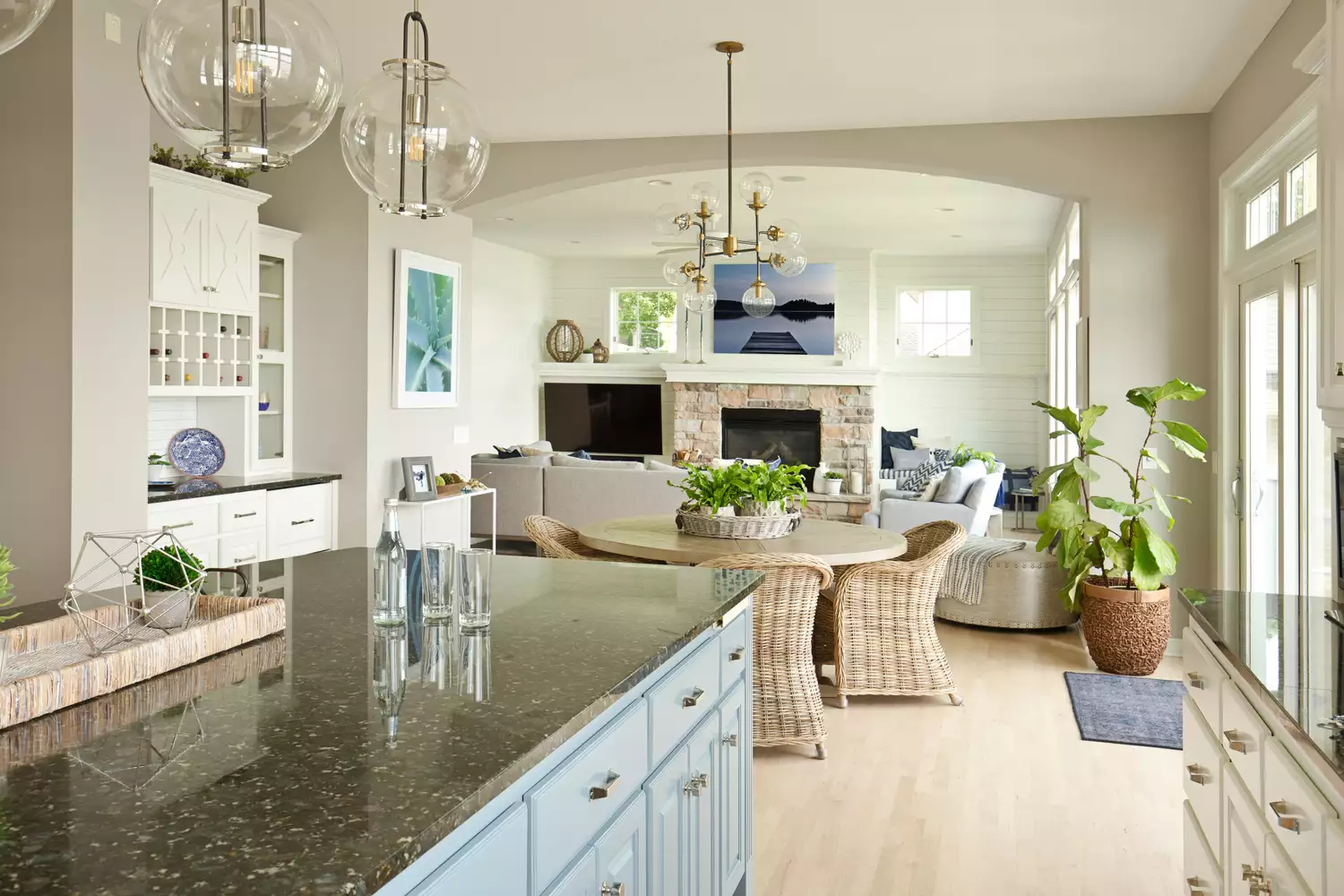
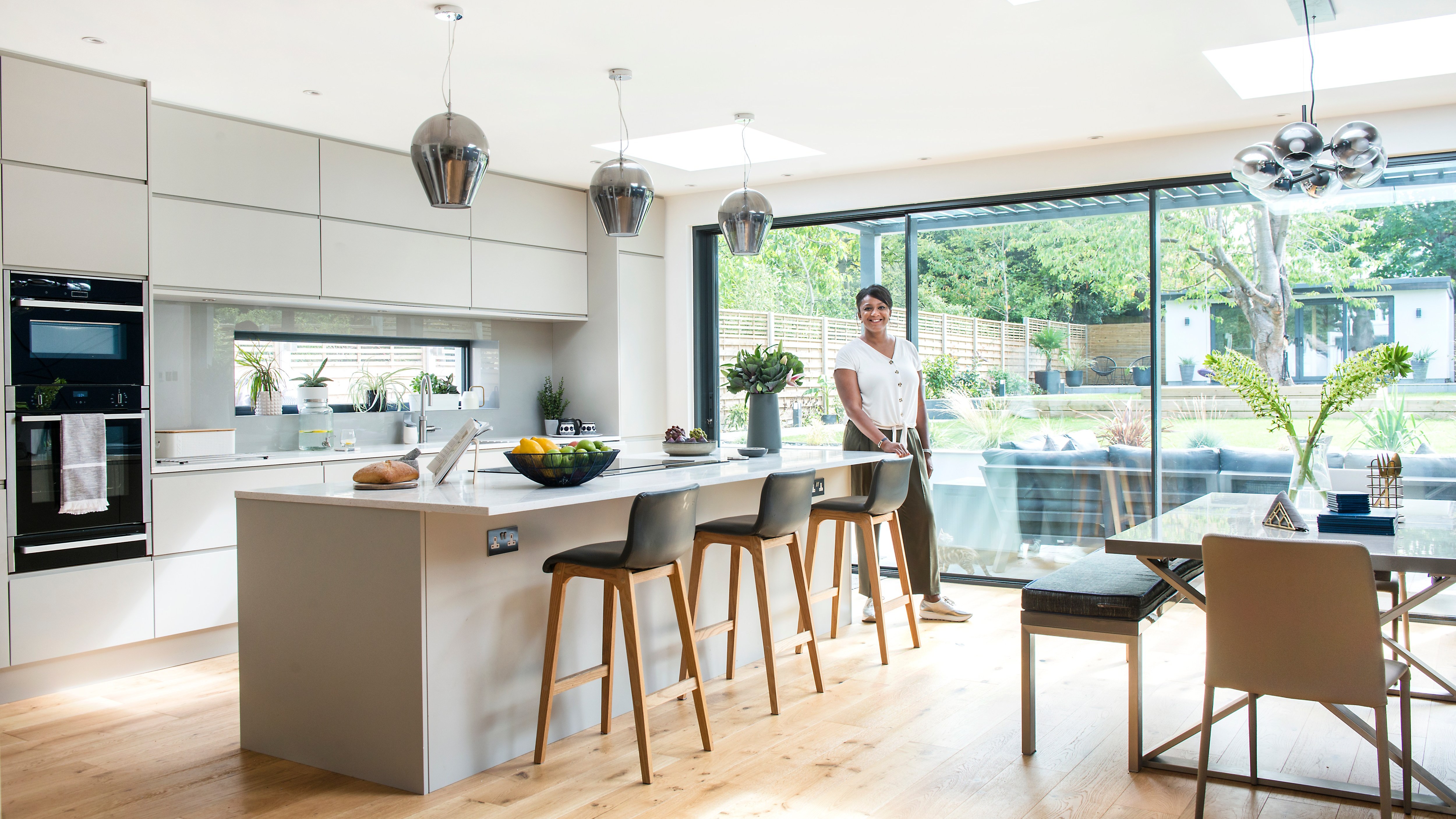
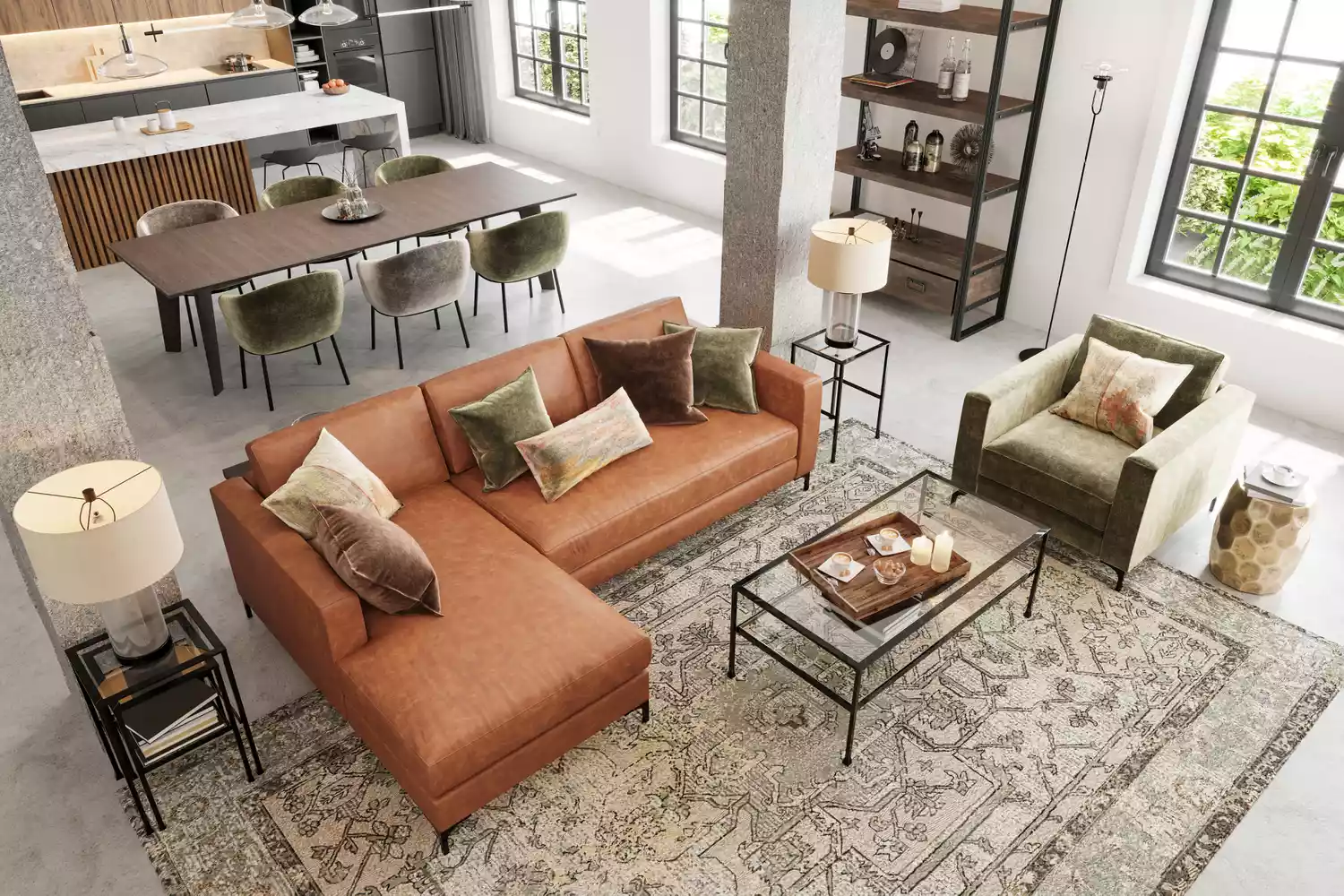
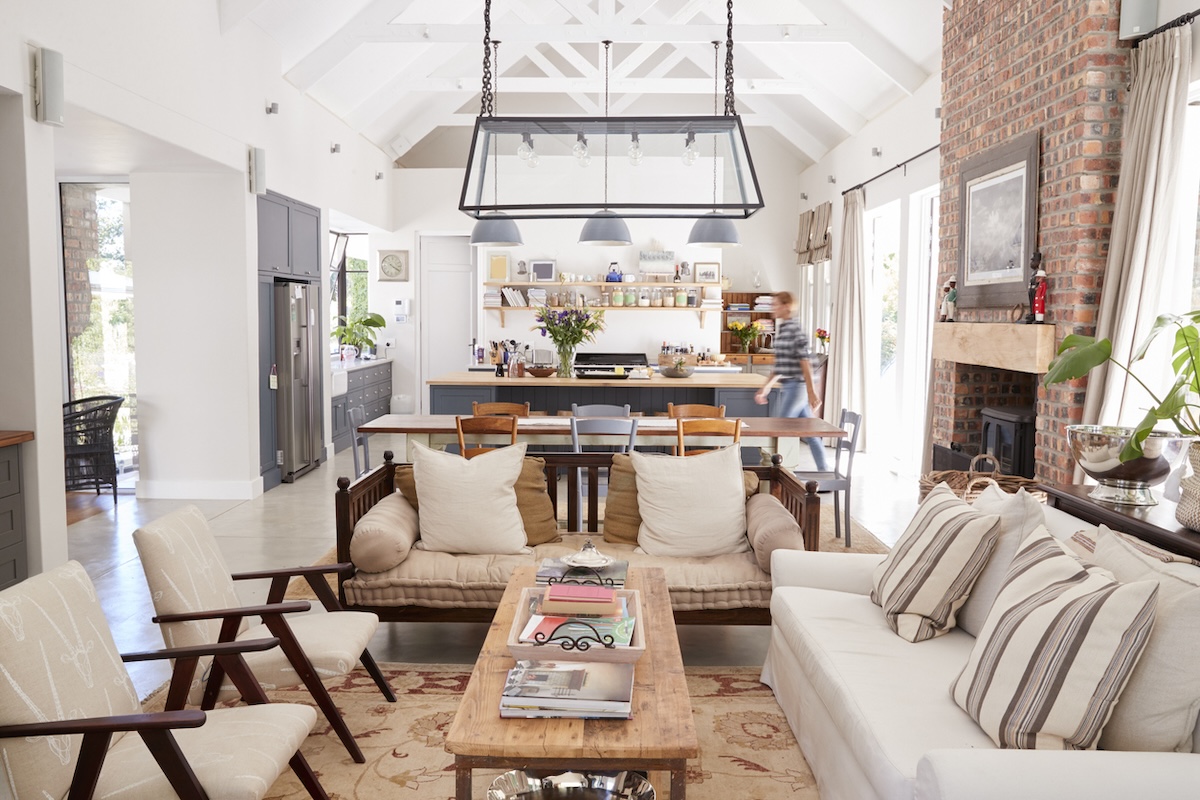
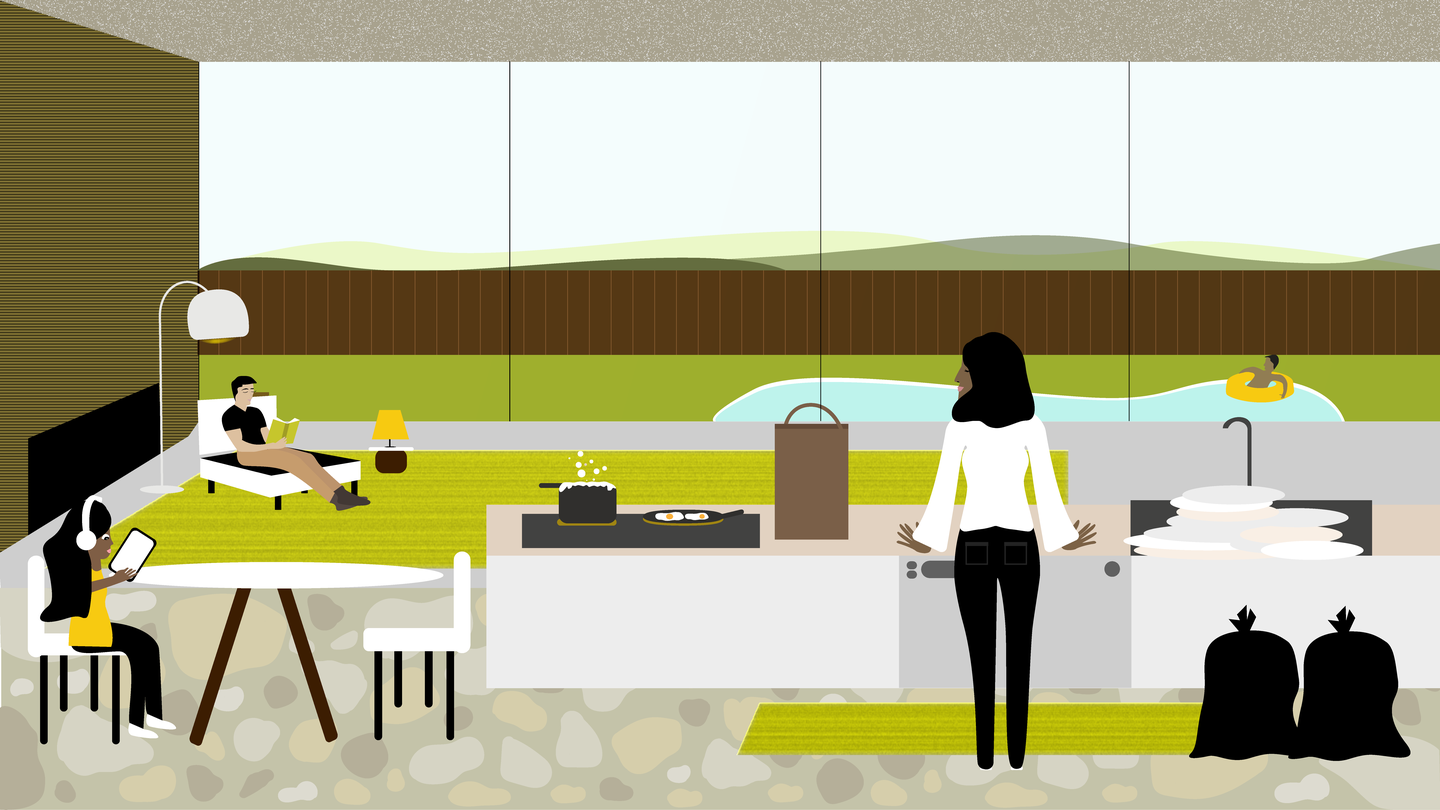
Open-concept spaces, especially open-plan kitchen ideas, have been prevalent for an extended period, making a shift inevitable. Proponents of open plans appreciate their ability to foster togetherness, allowing individuals in the kitchen to remain part of conversations in adjacent living areas and facilitating large gatherings by easily flowing dining into living spaces. Despite these advantages, open concepts have drawbacks. Pamela Nast points out that open layouts demand meticulous organization, as any clutter in one area can make the entire space feel messy. For instance, dirty dishes left out after cooking remain visible during meals, impacting the overall aesthetic.
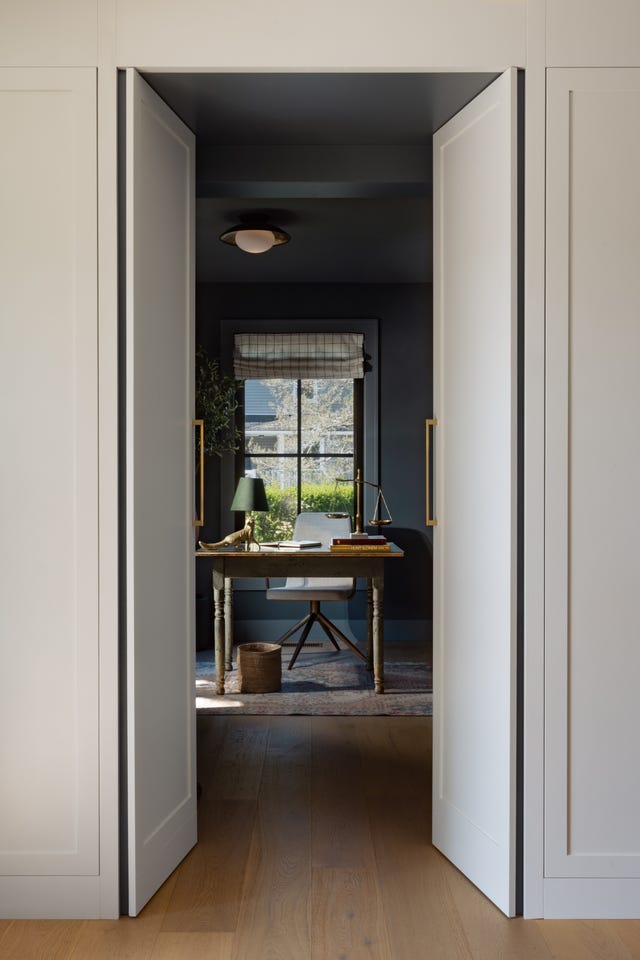
Conversely, closed-concept or blended spaces are gaining popularity, particularly since the pandemic. The need for distinct functional zones within homes became evident when individuals required quiet office spaces, separate dining areas for family gatherings, and relaxing living rooms for respite. Amanda Foster of Foster Decor Consulting explains that closed floor plans offer intimacy and sanctuary, addressing a contemporary desire for cozy, recharging spaces away from constant overstimulation. Ashley Ferguson, another designer, notes that while open floor plans might initially seem appealing during home tours due to their bright and expansive feel, the reality of living in them often reveals their challenges.
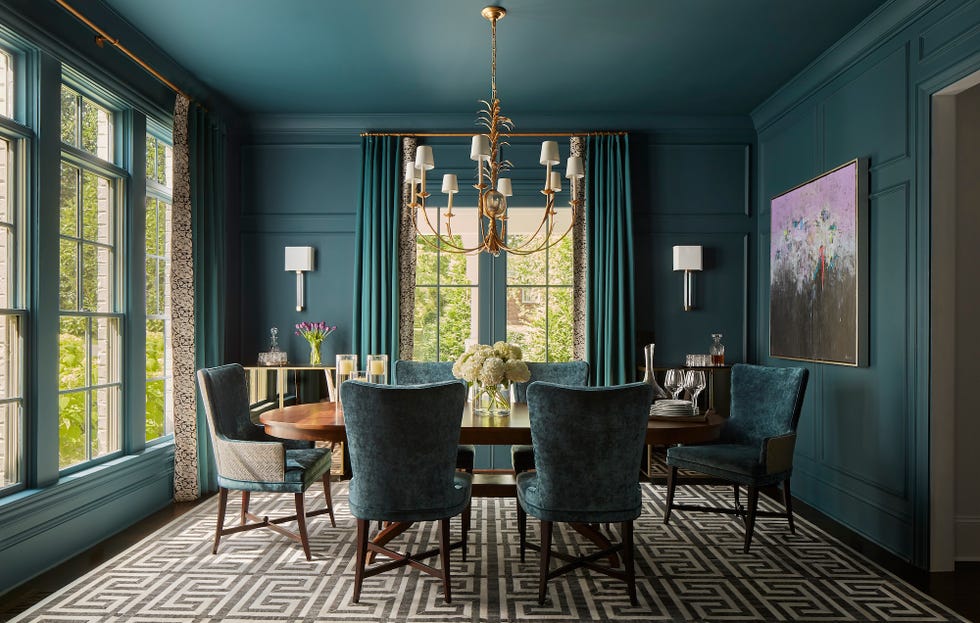
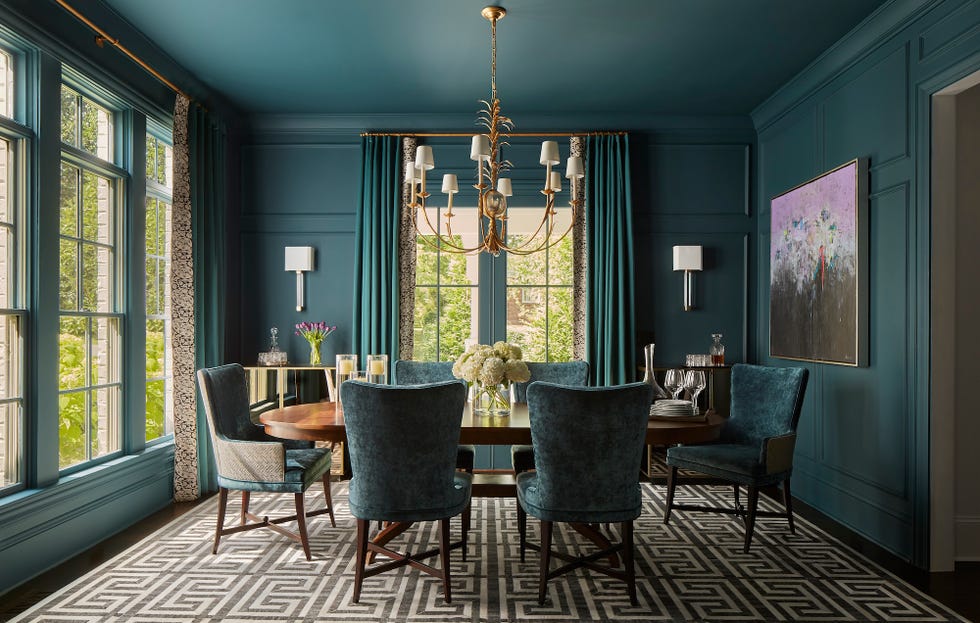
Closed layouts offer practical benefits such as enhanced privacy and better noise control, which are especially advantageous for families or those working remotely. Beyond functionality, they provide greater opportunities for varied and distinct interior designs. Each room can have its unique aesthetic and serve a specific purpose, allowing for diverse decor ideas and color schemes. This approach enables a 'story' to evolve from room to room, offering a more engaging experience. Additionally, closed floor plans help contain clutter, allowing specific areas to remain serene even if other parts of the house are untidy. This is particularly useful for families with children, enabling toys and messes to be confined behind closed doors.
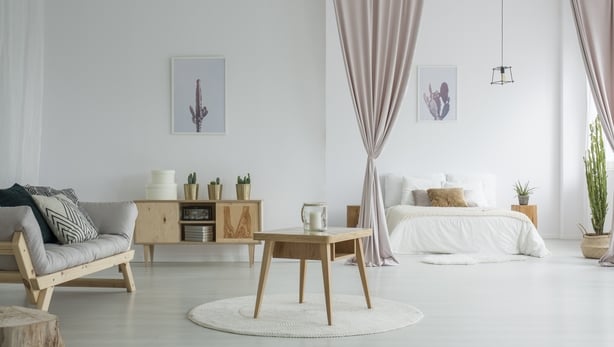
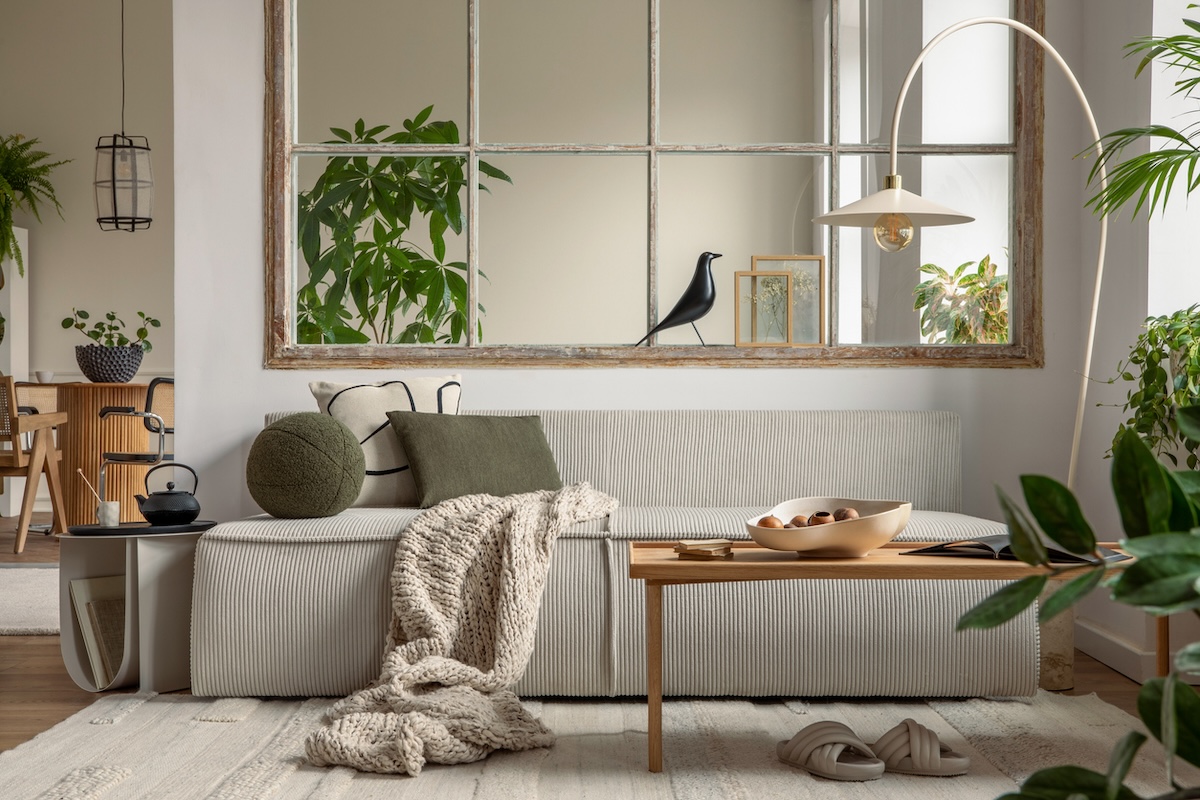
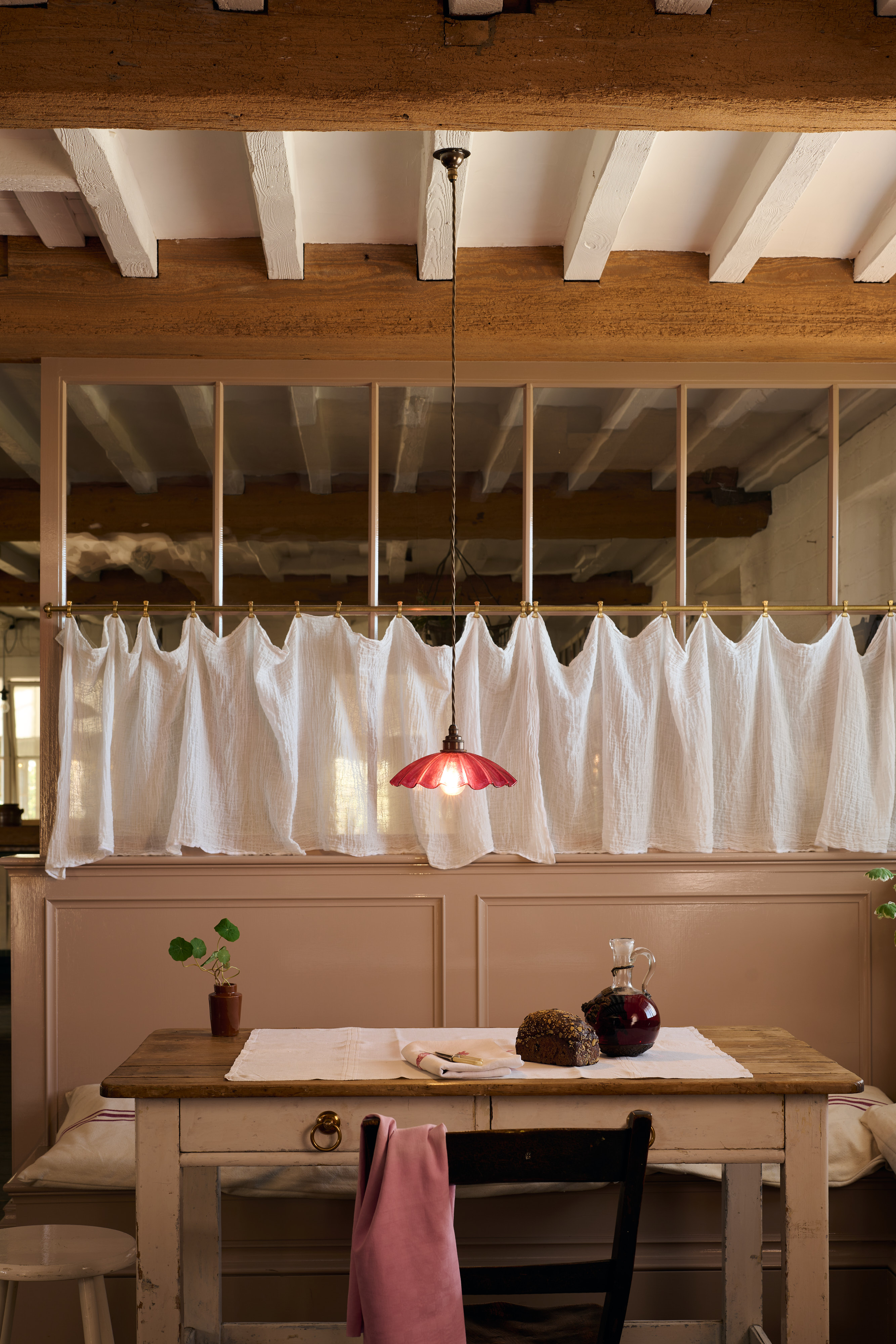
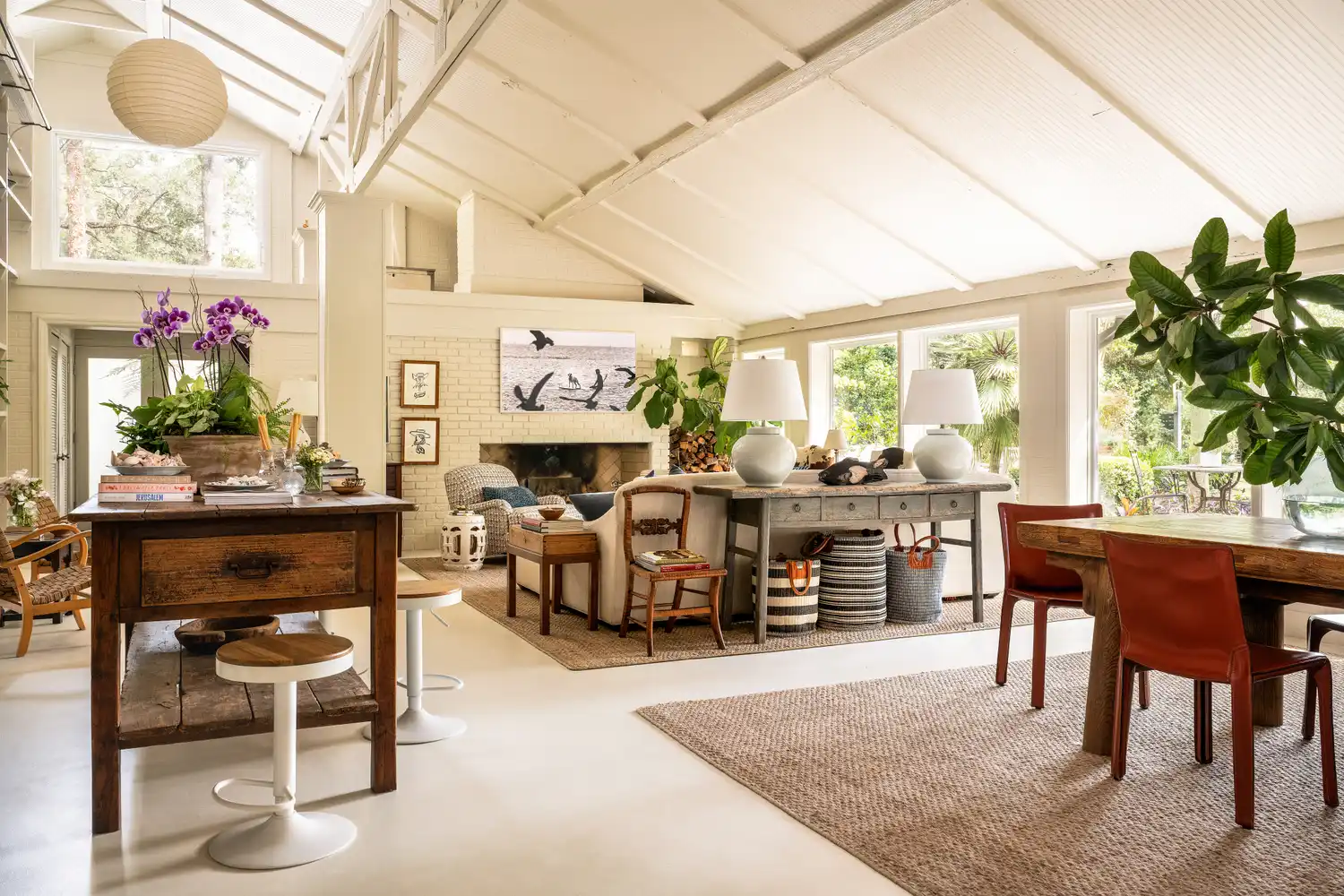
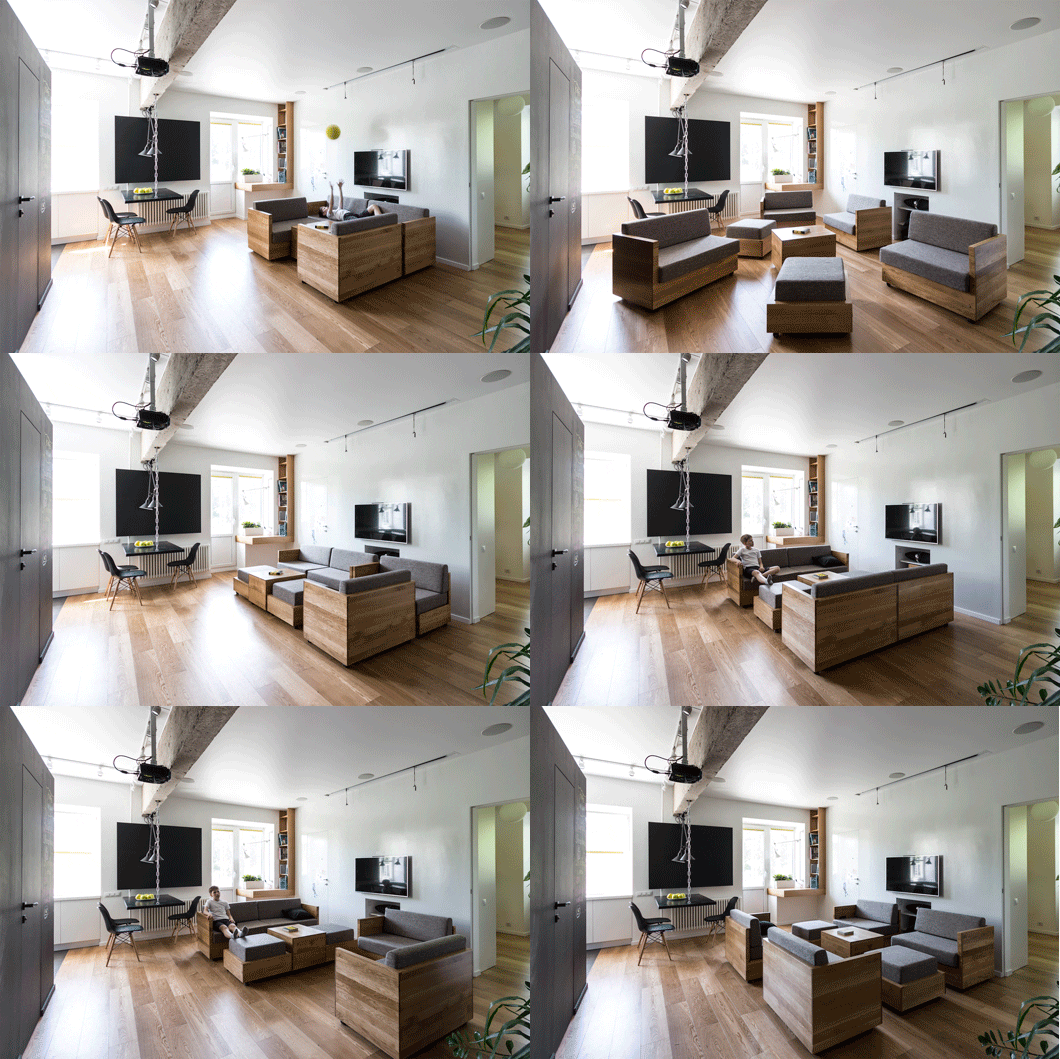
The choice between open and closed floor plans ultimately depends on personal preferences, family size, and how a home is utilized. Open plans retain their relevance for entertaining and fostering social interaction, providing a vibrant backdrop for gatherings. However, many designers advocate for a fusion approach, blending the intimacy of closed rooms with the openness of shared living areas to achieve a balanced design tailored to individual lifestyles. Architectural considerations like windows and views, as well as the overall size of the home, also influence this decision. In smaller homes, partial separations or flexible elements like shutters can create distinct zones without making spaces feel cramped. Even without extensive renovations, zoning principles using rugs, screens, or specific color palettes can define areas within an open floor plan, offering a cozy, 'closed' feel while maintaining an airy atmosphere.
#InteriorDesign #FloorPlans #OpenConcept #ClosedConcept #HomeDesignTrends #ModernLiving #ResidentialArchitecture #SpacePlanning #InteriorDesign #FloorPlans #OpenConcept #ClosedConcept #HomeDesignTrends #ModernLiving #ResidentialArchitecture #SpacePlanning
0 comment in total
 No comments yet
You may also like
Are closed layouts back on trend? Designers weigh in on why we are over open plan
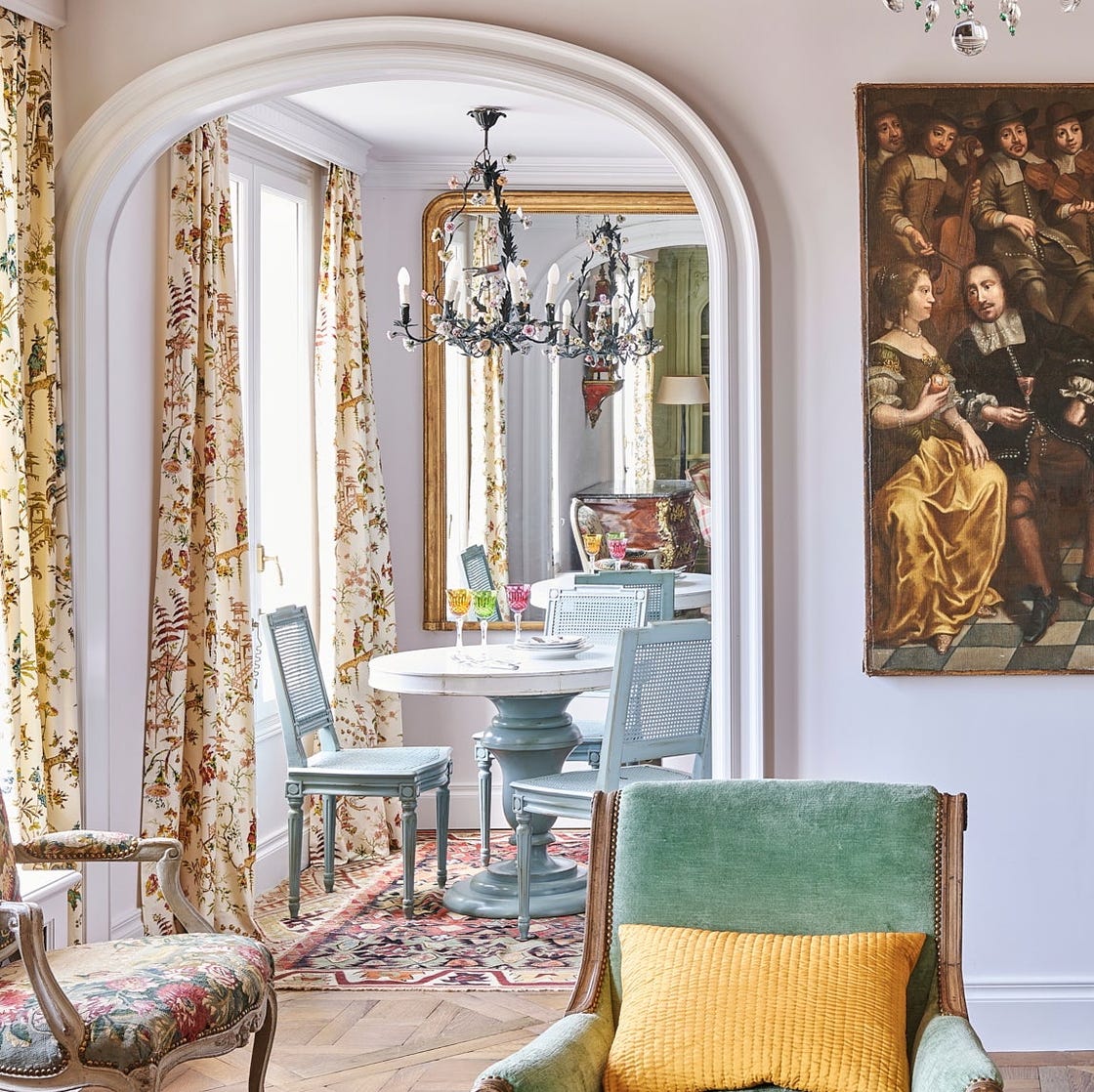
Why Designers Are Ditching Traditional Layouts for "Broken Floor Plans"

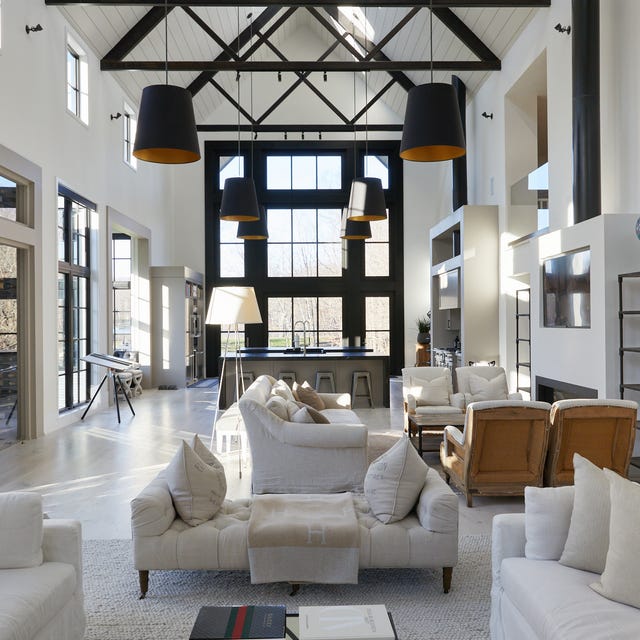
Is It Time to Shut the Door on Open-Concept Living?
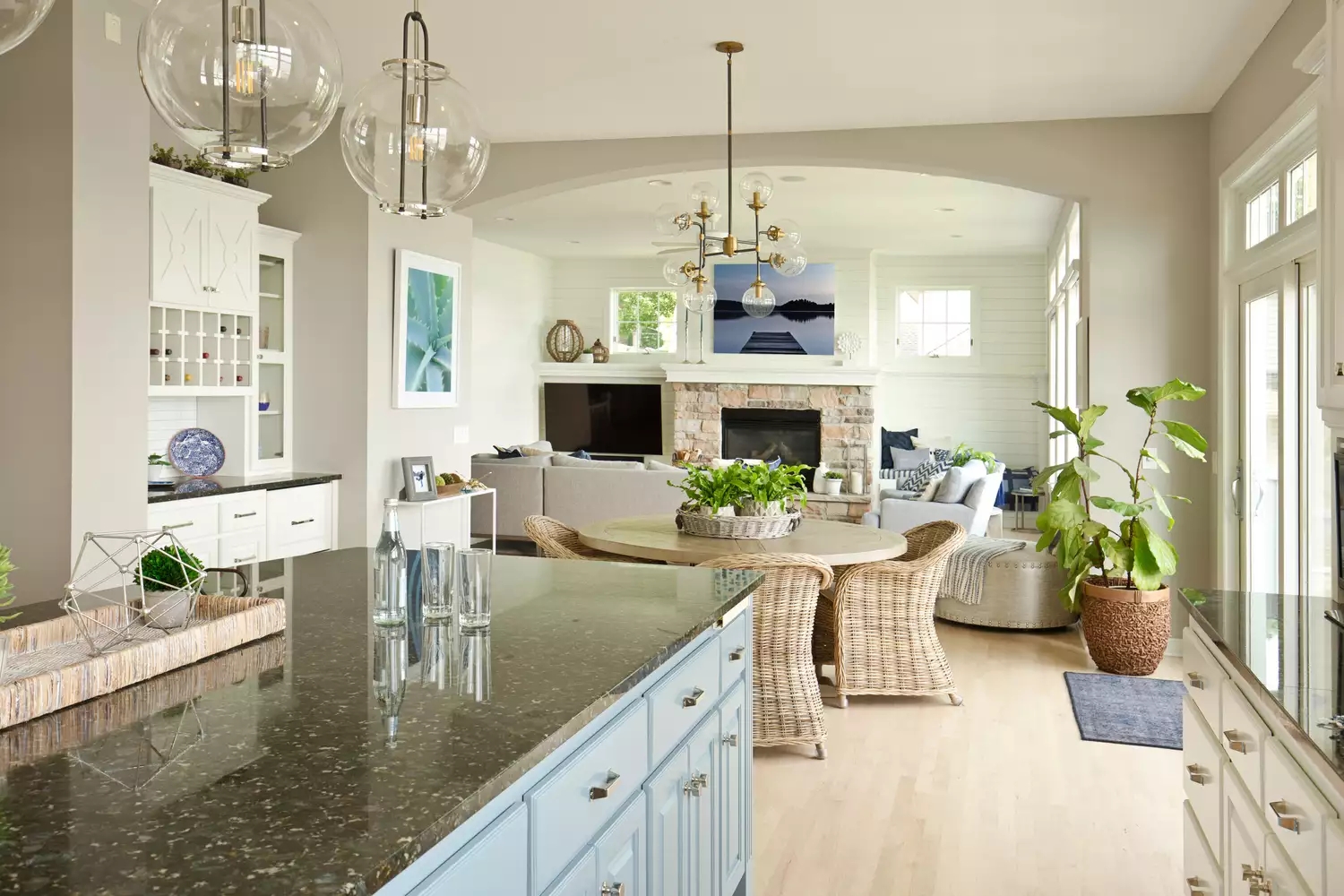
Are Open Floor Plans Outdated? We Asked Designers What They Really Think

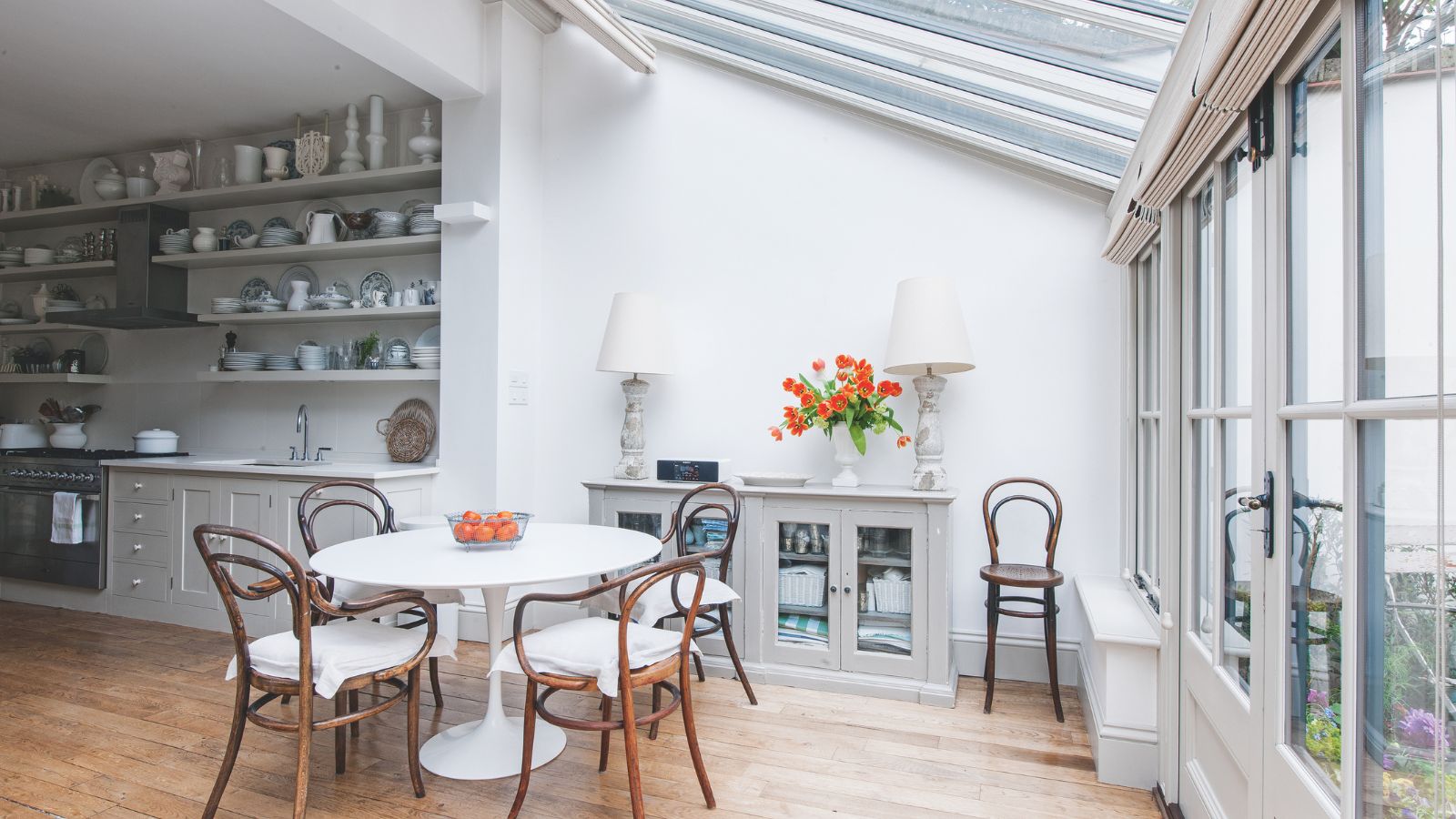
Is open plan going out of style? Experts weigh on whether this once-loved layout is starting to date

Open plan living: The new normal or passing trend?

Are Open Floor Plans Going Out Of Style? Designers Share Their Take
This Controversial Home Layout Has DIVIDED the Design World
Is open-plan living dead? Here's what the design experts say

Are Open Concept Floor Plans Going Out of Style? We Asked Designers and They All Agreed

Open plan living is over. Here’s why we all want walls again
The "Death Of Open Floor Plans" And 9 Other 2022 Home Trends (That Pros Are Surprisingly Torn Over)

Are Open Concept Floor Plans Going Out of Style? Here's What Interior Designers Say

Are Open Kitchen Shelves Still in Style? This Interior Designer Told Us to Ditch Them — Here's Why
Designers Agree: Open Concept Is Out, Tradition Is In

Here's Why Your Open Plan Layout Isn't Actually Working — 5 Mistakes You're Probably Making and How to Fix Them
The Challenges and Opportunities of Open-Concept Floor Plans

The One Wall Most People Want to Rip Out: Ideas for Open and Semi-Open Floor Plans

The Curse of an Open Floor Plan

Open Floor Plans Are Over—Why Designers Hate Using This Layout in Their Projects