1/2
Micro Apartments Are the Future of Urban Living
Major American cities are currently grappling with a significant housing crisis, characterized by high living costs and a shortage of affordable housing options, particularly for single adults. New York City exemplifies this challenge, with a substantial portion of its population consisting of single individuals, yet a scarcity of suitable, affordable small apartments. The Museum of the City of New York addressed this issue through its exhibition, *Making Room: New Models for Housing New Yorkers*. This exhibition was a direct response to Mayor Bloomberg's PlaNYC, a strategic initiative aimed at bolstering the city's economy, combating climate change, and enhancing urban quality of life in anticipation of a projected population surge of over one million by 2030.
The PlaNYC report highlighted that existing building codes and housing regulations, including those governing density and minimum unit sizes, were established in the early 20th century and no longer align with contemporary urban realities. For instance, apartments smaller than 400 square feet are largely illegal in many parts of New York City, and it is also unlawful for more than three unrelated adults to share a residence. These outdated regulations exacerbate the housing crisis, forcing many urbanites to contend with escalating rents and stagnant wages, often leading them to contravene housing laws by living with multiple roommates. The crisis extends beyond single adults, impacting immigrants, the elderly, and single-parent households.
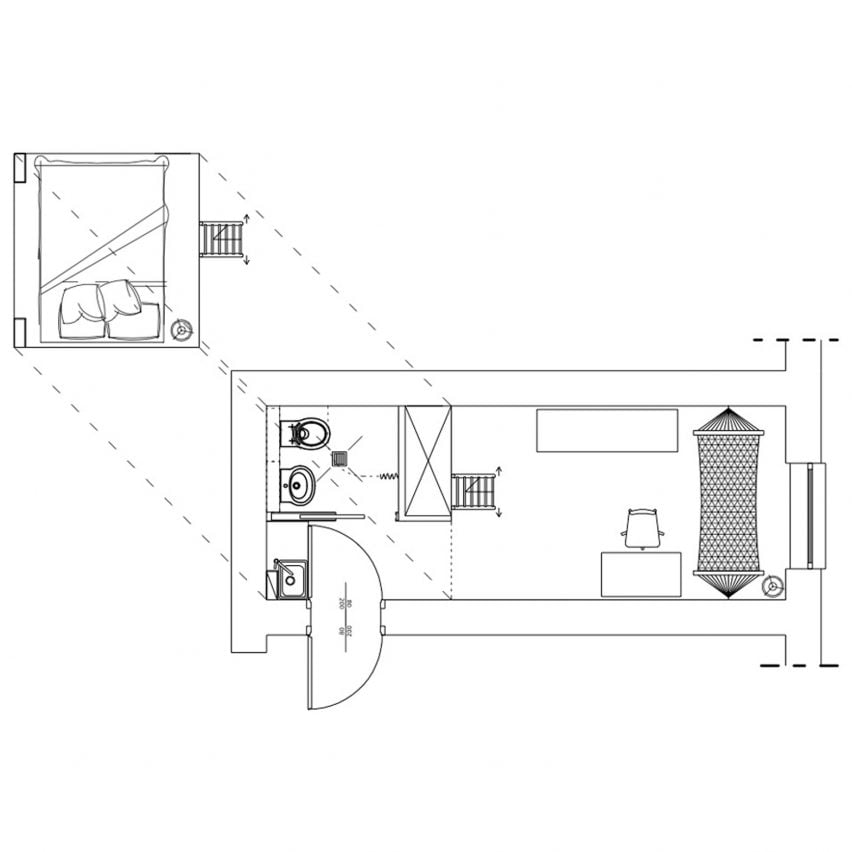
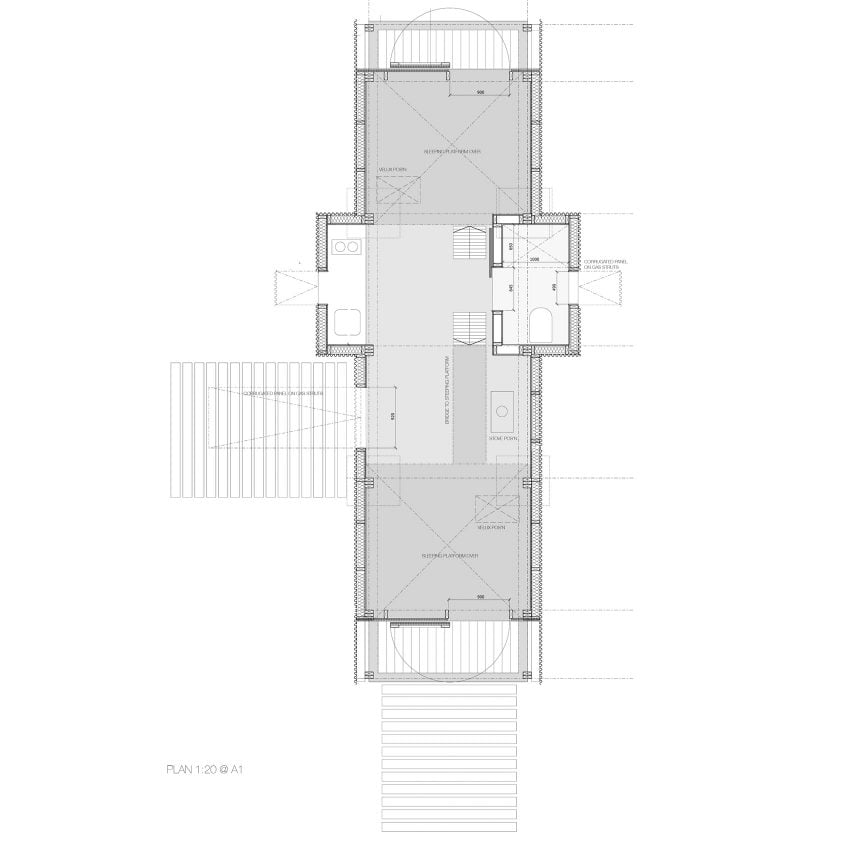
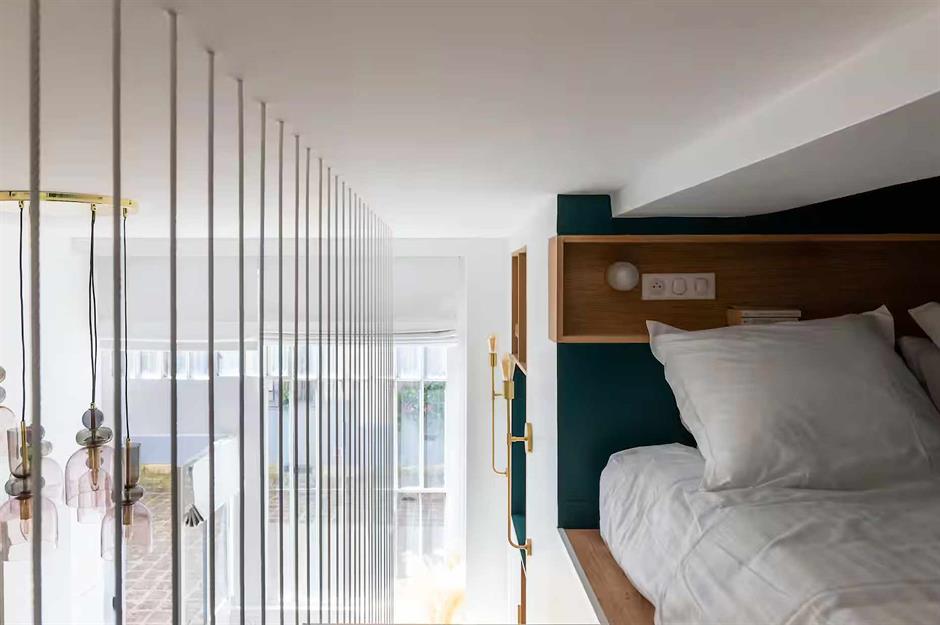
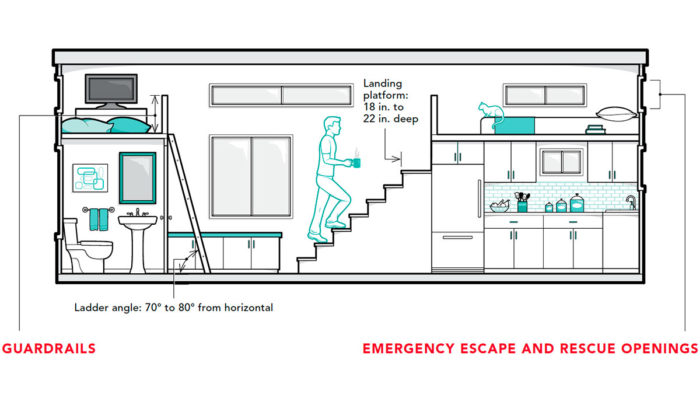
To address urban density in an already crowded city, strategies involve either building taller structures or designing smaller, more efficient living spaces. Recent urban planning efforts have increasingly focused on the latter. The *Making Room* exhibition showcased various micro-apartment designs, defined as units under 400 square feet, alongside concepts for "vertical neighborhoods" and shared housing models. These designs emphasize communal amenities such as dining areas and kitchens, encouraging a new approach to urban living. While these models offer potential solutions, the article acknowledges the challenges of shared living, particularly the potential for friction over shared responsibilities and maintaining communal spaces.
Despite the novelty of these housing types in New York, other cities have successfully implemented smaller apartments. San Francisco, for example, has seen success with its first micro-apartment building, appealing to first-time homebuyers and seniors. Tokyo, in particular, stands out as a city where residents are accustomed to compact living, prioritizing natural light over expansive floor plans. The *Making Room* exhibition drew inspiration from Tokyo's hyper-efficient and minimalist living spaces, recognizing the lessons American architects could learn from their Japanese counterparts.
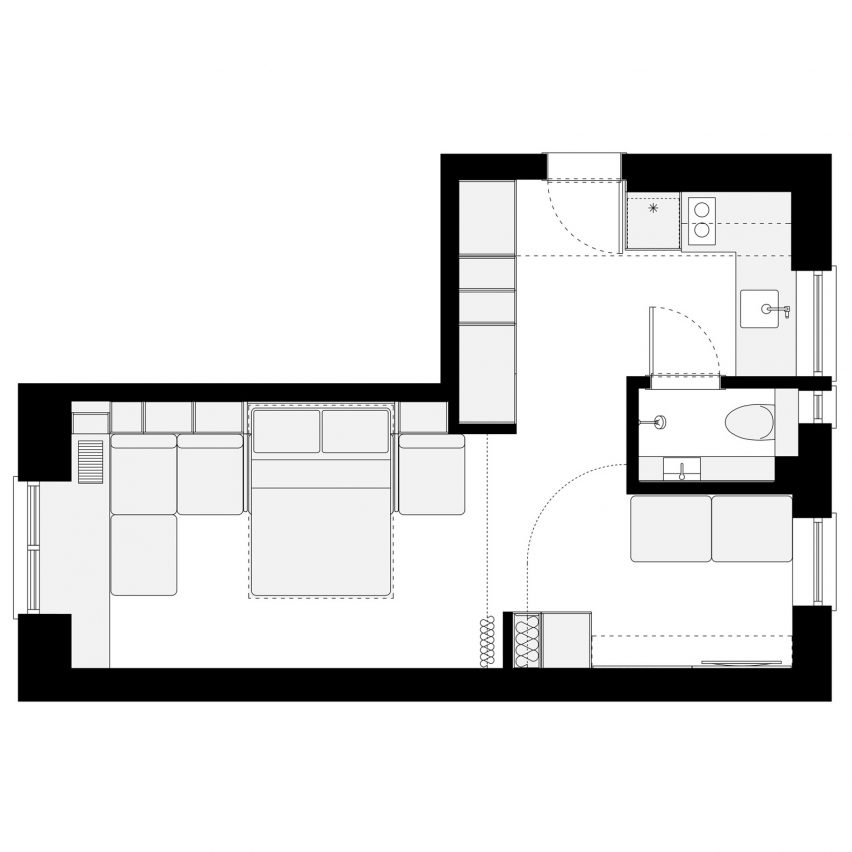
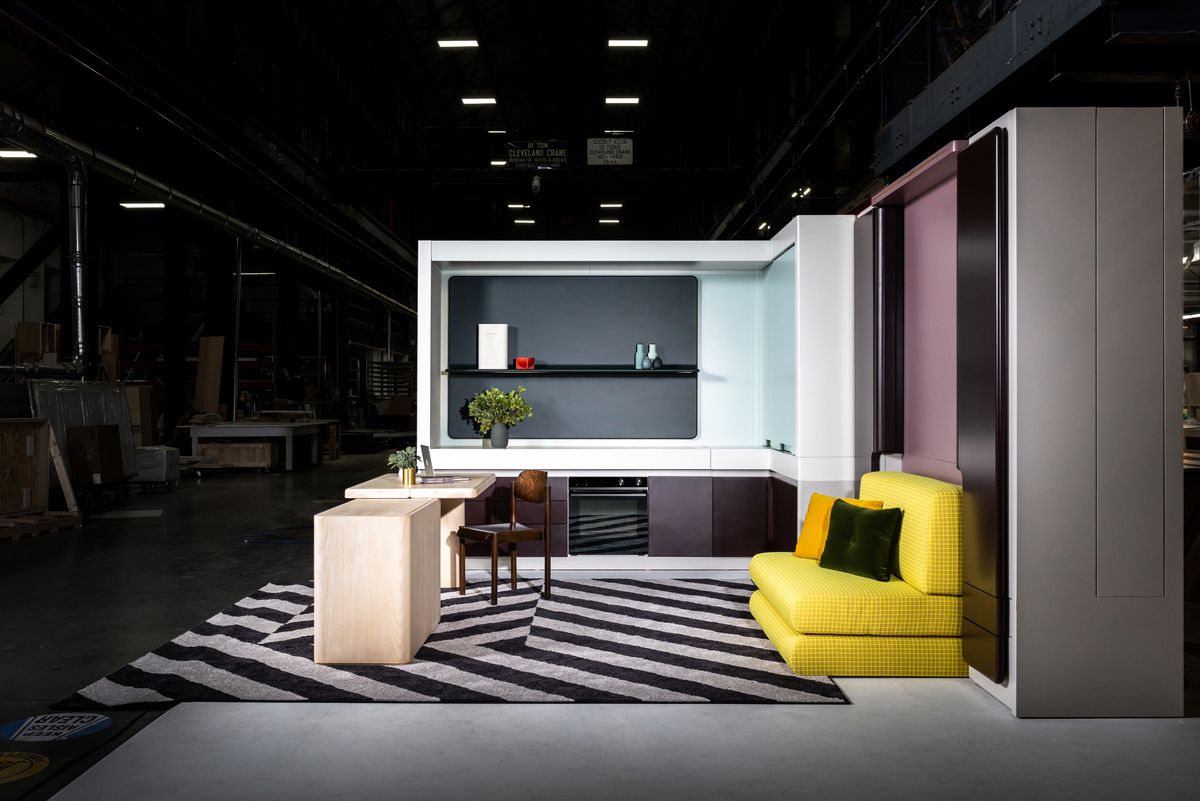
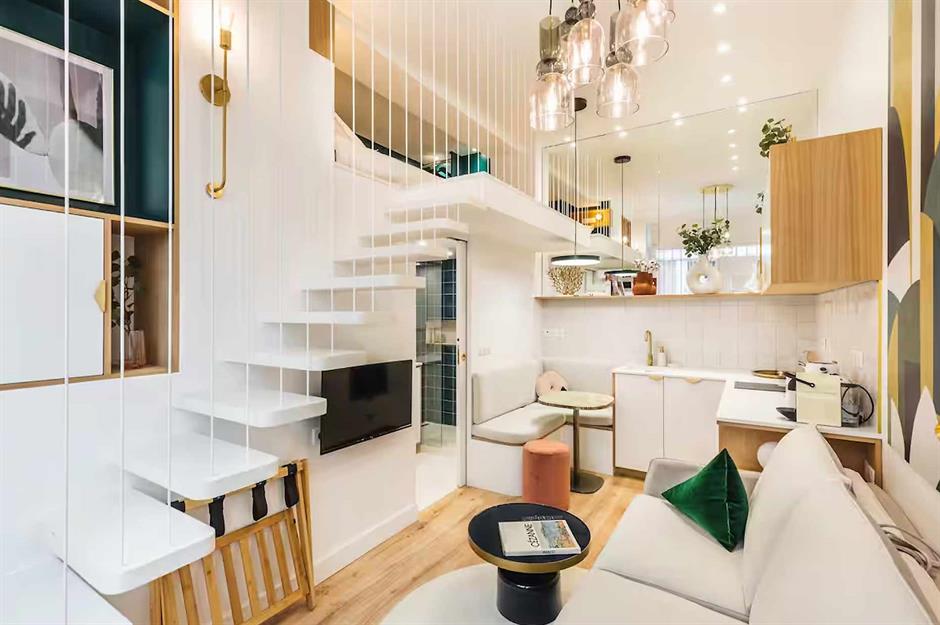
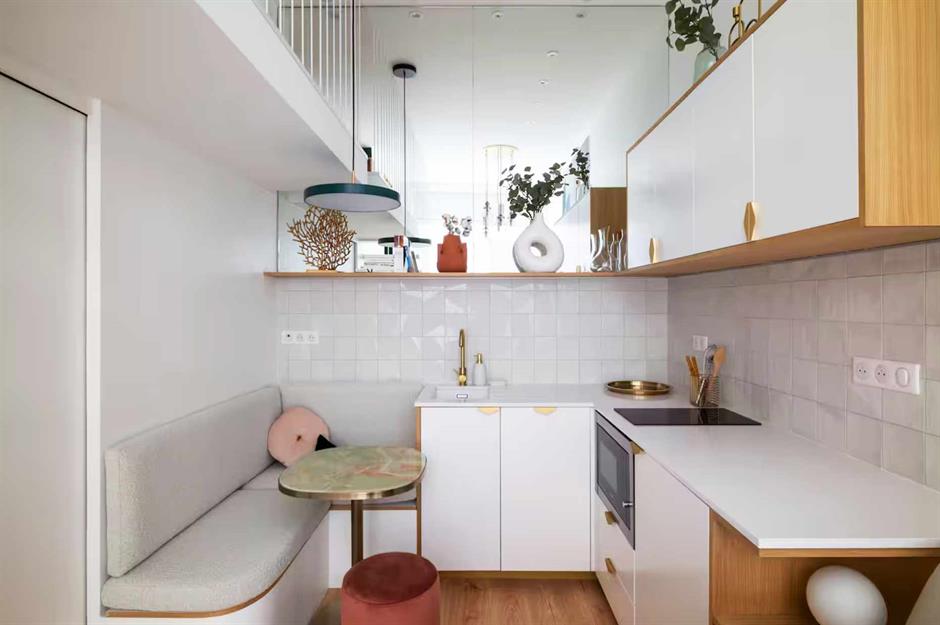
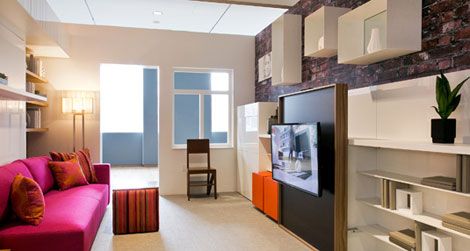
A central feature of the exhibition was a full-scale, 325-square-foot model unit, a collaboration between Clei s.r.l., Resource Furniture, and Amie Gross Architects. This unit exemplified modern design, with every piece of furniture ingeniously designed to be multifunctional—chairs transforming into stools, couches into beds, and hidden desks unfolding from walls. The model showcased efficient and aesthetically pleasing use of limited space, creating an environment that felt surprisingly spacious and livable. This demonstration aimed to make the concept of micro-apartments more appealing and feasible, although it also highlighted the difference between an optimized floor plan and the realities of existing, often irregularly shaped, urban dwellings.
The article concludes by emphasizing that while these micro-apartments are not designed for everyone, they represent a viable design solution to a growing urban problem. The city of New York is actively promoting these developments, evidenced by its adAPT competition, which challenged developer/architect teams to design micro-unit buildings. The winning design from Monadnock Development LLC, Actors Fund Housing Development Corporation, and nARCHITECTS is slated for construction. The *Making Room* exhibition is presented as a preview of the future of housing in New York, seeking to inspire both innovative architectural designs and crucial policy changes to legalize and support these new housing models, thereby addressing the broader housing crisis in American cities.
#UrbanLiving #MicroApartments #HousingCrisis #UrbanDesign #NewYorkCity #ArchitecturalInnovation #SustainableLiving #CityPlanning #SmallSpaceLiving #UrbanLiving #MicroApartments #HousingCrisis #UrbanDesign #NewYorkCity #ArchitecturalInnovation #SustainableLiving #CityPlanning #SmallSpaceLiving
0 comment in total
 No comments yet
You may also like
Ten micro homes with floor plans that make the most of space

We need more flexible housing for 21st-century lives
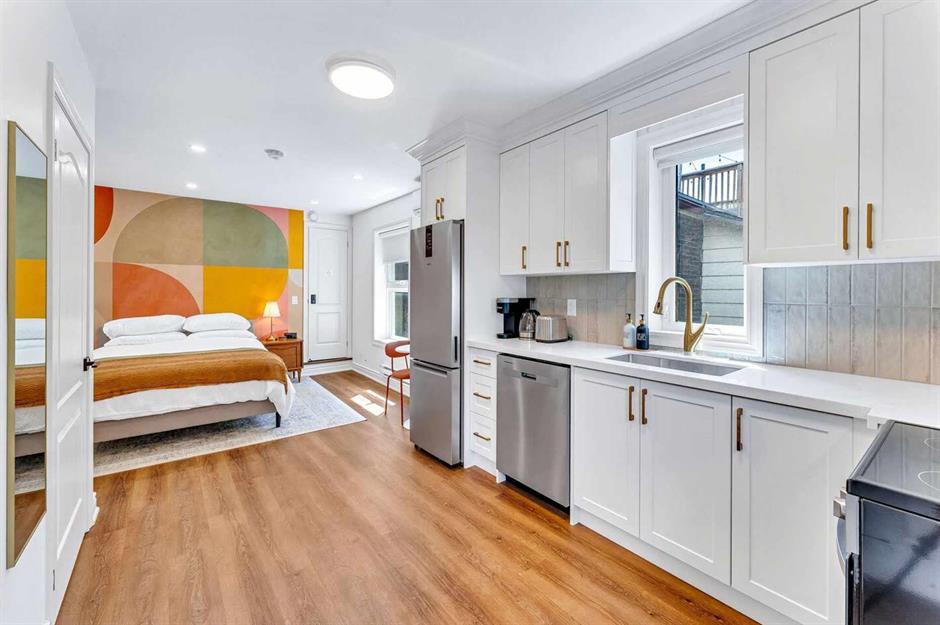
Inside 8 tiny apartments that prove downsizing is an upgrade | loveproperty.com
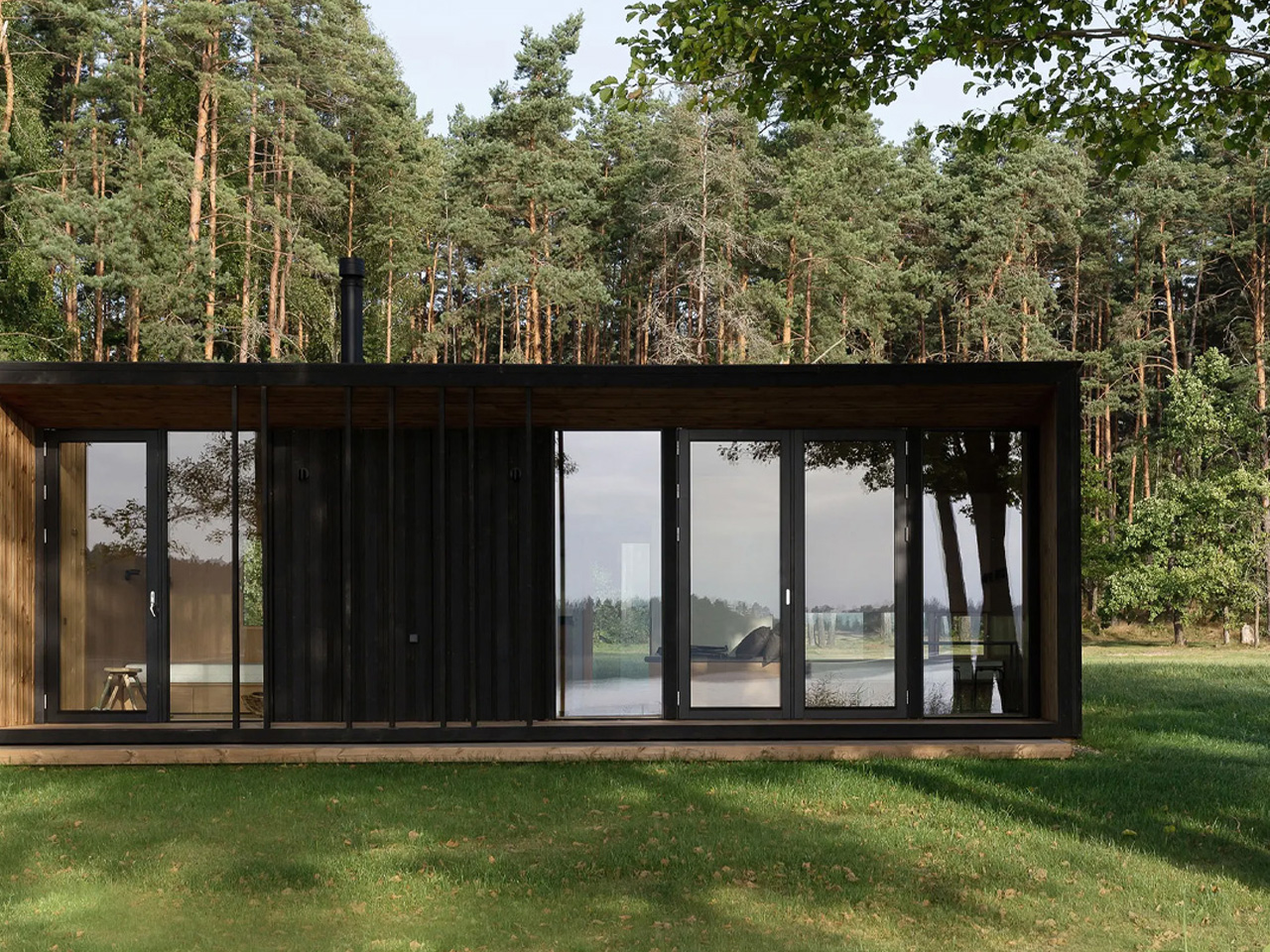
Top 10 Homes Designed To Be Sustainable Retreats For Off-Grid Living


Nestron’s Plug-and-Play Prefabs Start at $40K and Don’t Require a Foundation

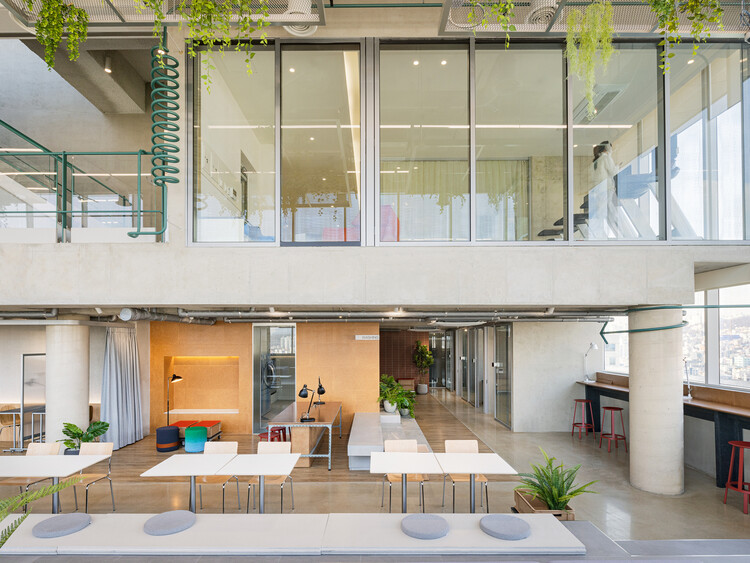
The Rise of Co-Living Spaces for Young Professionals in East Asia: 5 Projects Redefining Flexible Living

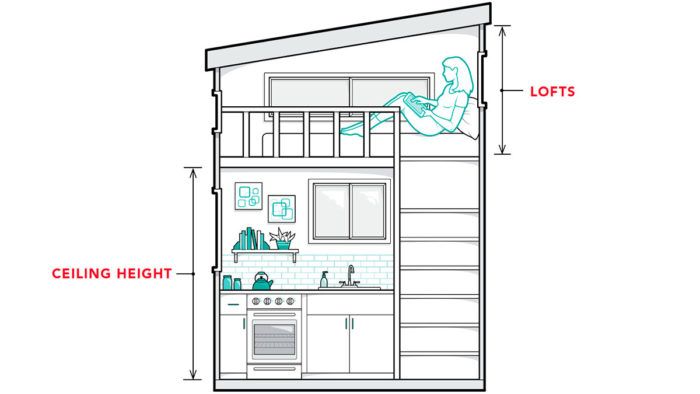
Tiny Homes Get Big Recognition

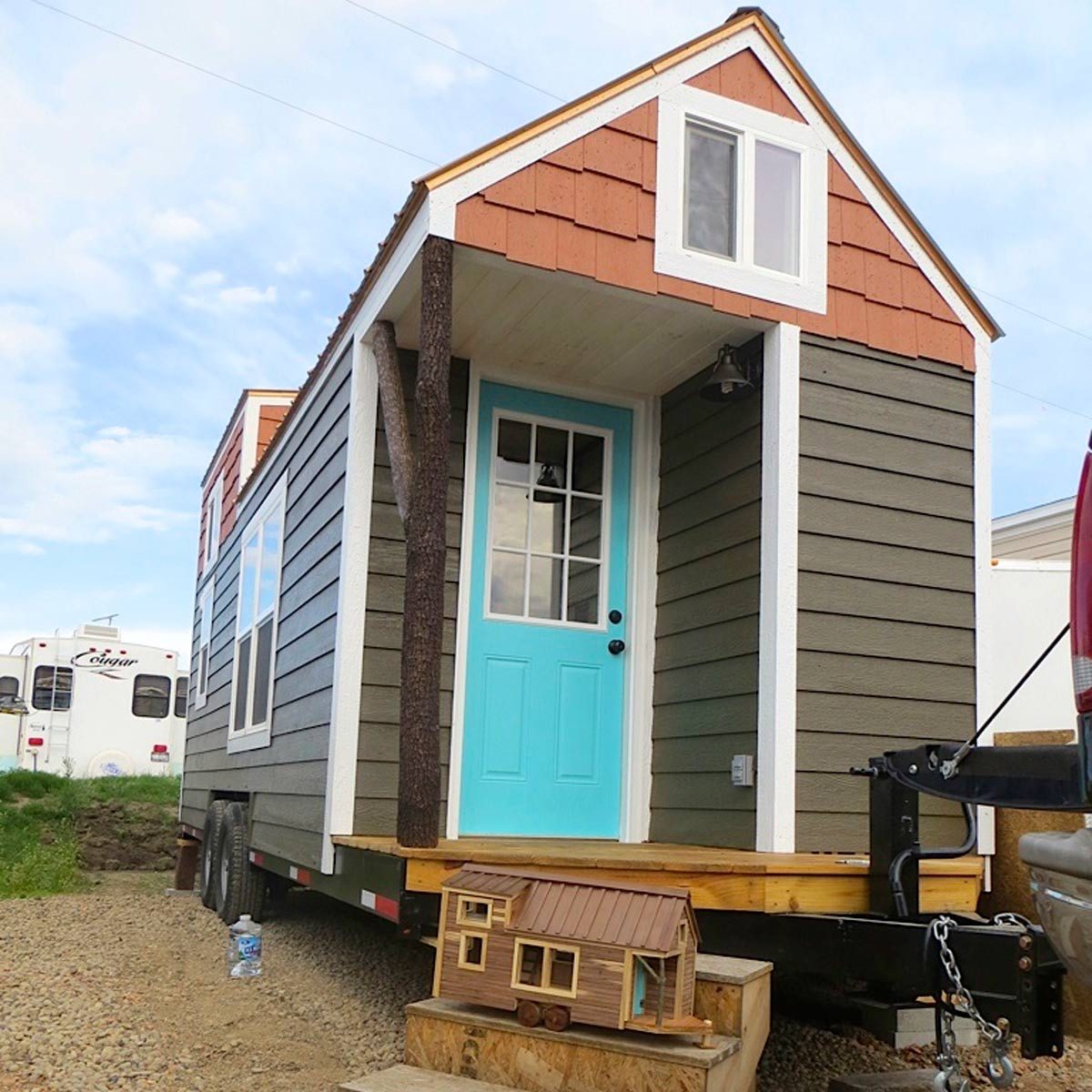
14 Incredible Tiny Homes You Can Buy Now

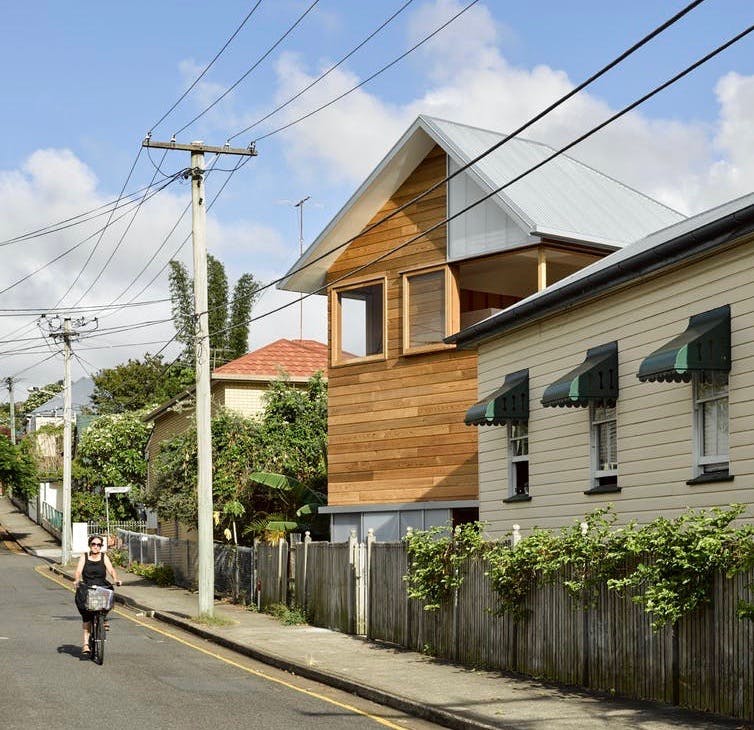
We need more flexible housing for 21st-century lives

The Size of a Millennial’s Dream Home Is Shrinking

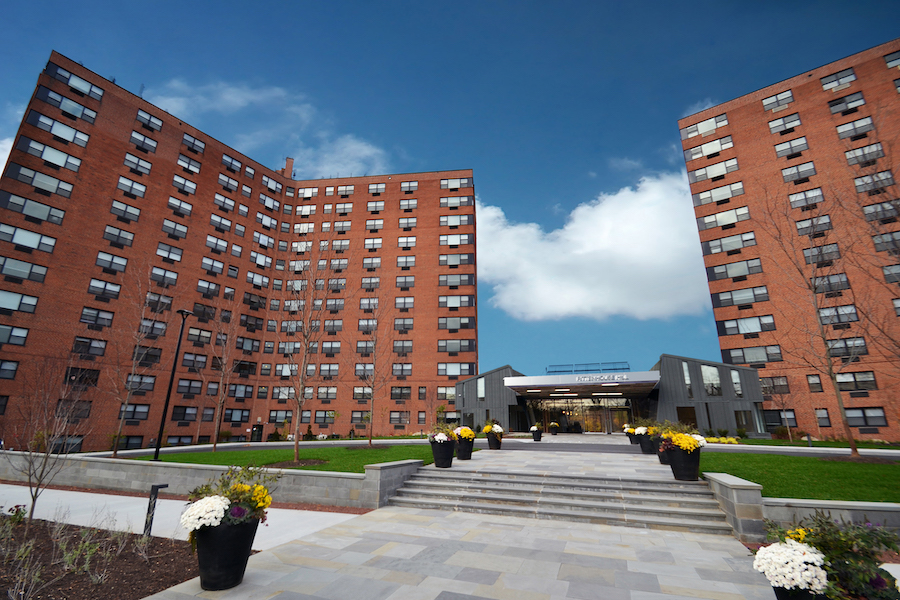
Apartment Profile: Rittenhouse Hill


7 Character-Filled Apartment Buildings That Wow


Co-living Market Size, Share | CAGR of 15.4%
Micro apartment design shape-shifts to maximize space
Floating Small Home Offers Flexible Living While Preserving Trees & Maximizing Space
Small Space, Big Impact: 3 Condos That Maximize Every Square Foot


These Prefab Tiny Homes Can Be Linked to Create Entire Apartment Complexes

The Tiny Home Builder Who Opened a Village in Florida Now Offers More Than 10 Models
From Prototype to Progress: How Small-Scale Sustainable Housing Models Are Shaping Our Future
Top 10 tiny homes on wheels designed for sustainable architecture advocates