1/5
Disability-Forward Design Across Multiple Cities
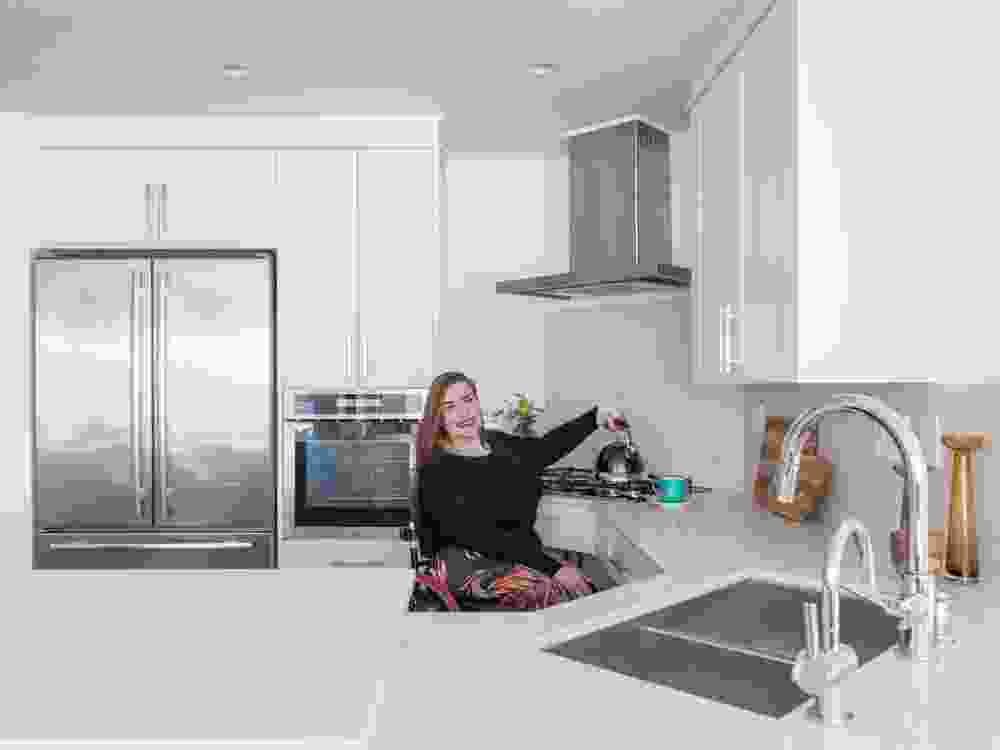
The housing needs of individuals with disabilities in the U.S. are significantly underserved, with less than 6% of housing being accessible despite 26% of the population having a disability. This discrepancy highlights a critical housing crisis, prompting the development and adoption of disability-forward housing solutions. Such housing is characterized by being inclusive, accessible, and affordable, demonstrating a pathway to a more equitable future in urban development.
Central to this solution are the Inclusive Design Standards (IDS), a set of design recommendations co-developed by The Kelsey, Mikiten Architecture, and the Inclusive Design Council. These standards encompass every stage of a housing project, from initial pre-design to long-term operations. The IDS are designed to be cross-disability, focusing on a broad spectrum of access needs, including mobility, height, and cognitive accessibility, rather than specific diagnoses. A key feature of these recommendations is their cost-effectiveness, especially when integrated early in the design process, with many solutions being low or no-cost.
The IDS go beyond the minimum requirements set by the Americans with Disabilities Act (ADA), which primarily addresses mobility and sensory disabilities. Inclusive Design aims to create environments that are usable by a diverse population with varied needs, abilities, and backgrounds. An illustrative example is thoughtful wayfinding systems that incorporate words, numbers, Braille, colors, and pictograms, catering to a wide range of users. By considering human differences such as age, physical ability, chronic health conditions, and cognitive capacity, Inclusive Design removes unnecessary barriers and enhances the experience for all residents, not just those with specific disabilities.
Cities are pivotal in advancing affordable, accessible, and inclusive housing. Several cities nationwide are proactively incorporating IDS or other disability-forward criteria into their Requests for Proposals (RFPs) and Notices of Funding Availability (NOFAs), and are creating incentives for Inclusive Design. By embedding these standards into funding criteria, cities empower developers to be more competitive and to construct housing that better serves all members of the community.
Specific examples of urban initiatives include San Antonio, Texas, which has developed Multi-Family Universal Design Standards with input from The Kelsey and a committee of individuals with disabilities. These standards cover site design, building components, and dwelling units. Teton County and Jackson, Wyoming, are integrating elements from the Inclusive Design Standards into their existing Livability Standards to enhance new construction and rehabilitation projects. Washington, D.C., offered maximum points in its 2023 Qualified Allocation Plan (QAP) for projects achieving Silver, Gold, or Platinum Inclusive Design Standards certification, and provided additional points for projects exceeding accessible unit requirements. Similarly, the City of San Jose, California, offered extra points in its 2023 NOFA for affordable housing projects that committed to increasing accessible units beyond the building code minimum and conducting Inclusive Design Workshops with people with disabilities.
Beyond city-level interventions, designers, architects, developers, and builders should consider several values to promote inclusive housing. These include consulting people with disabilities during the design phase and involving them in leadership roles to ensure genuine accessibility. It is also crucial to recognize that disability intersects with other communities affected by the housing crisis, amplifying challenges related to affordability and accessibility, especially for marginalized identities such as race, gender, socioeconomic status, and age. Maintaining forward momentum, even through small steps, is critical as every effort contributes to more accessible housing. Cities have a profound opportunity to transform lives by investing in partnerships with disability-focused housing organizations and leading the charge in creating fairer, more resilient, and inclusive communities for everyone.
#DisabilityForwardDesign #InclusiveHousing #AccessibleDesign #UrbanPlanning #AffordableHousing #CommunityDevelopment #HousingPolicy #UniversalDesign #CityInitiatives #DisabilityForwardDesign #InclusiveHousing #AccessibleDesign #UrbanPlanning #AffordableHousing #CommunityDevelopment #HousingPolicy #UniversalDesign #CityInitiatives
0 comment in total
 No comments yet
You may also like

The new elegance of cities. The evolution of inclusive design


Erick Mikiten Has a Vision for the House You’ll Grow Old In


Architect Sam Klopper talks accessible design that doesn’t feel “clinical or differentiated”


How to Make Your Home Handicap Accessible

Residential design through a lens of care

Ten principles for designing vibrant and liveable mixed-use spaces

Importance of Elevators for Universal Housing
Case Studies in Community-Centered Living: Innovative Residential Design


Universal Design: Why Americans Need Home Design That Welcomes Everyone

Berkeley Talks transcript: Bess Williamson on the history of disability and design
Universal design hits home for all


Modulyss' carpet tiles aim to "foster an environment of comfort and inclusion"
Universal Design: The Essential Tool for Intergenerational Communities

5 Ways architectural epidemiology redefines design impact
How to make a home more accessible – 7 universal design tips to improve your space

We need more flexible housing for 21st-century lives


9 Inspiring Accessible Homes That Champion Inclusive Design

Designing with Empathy: Architecture for Social Equity
DASH – Designing Affordable Sustainable Housing

This Mid-Century Modern Home Welcomes Accessibility Through Universal Design