1/2
Universal Design: The Essential Tool for Intergenerational Communities
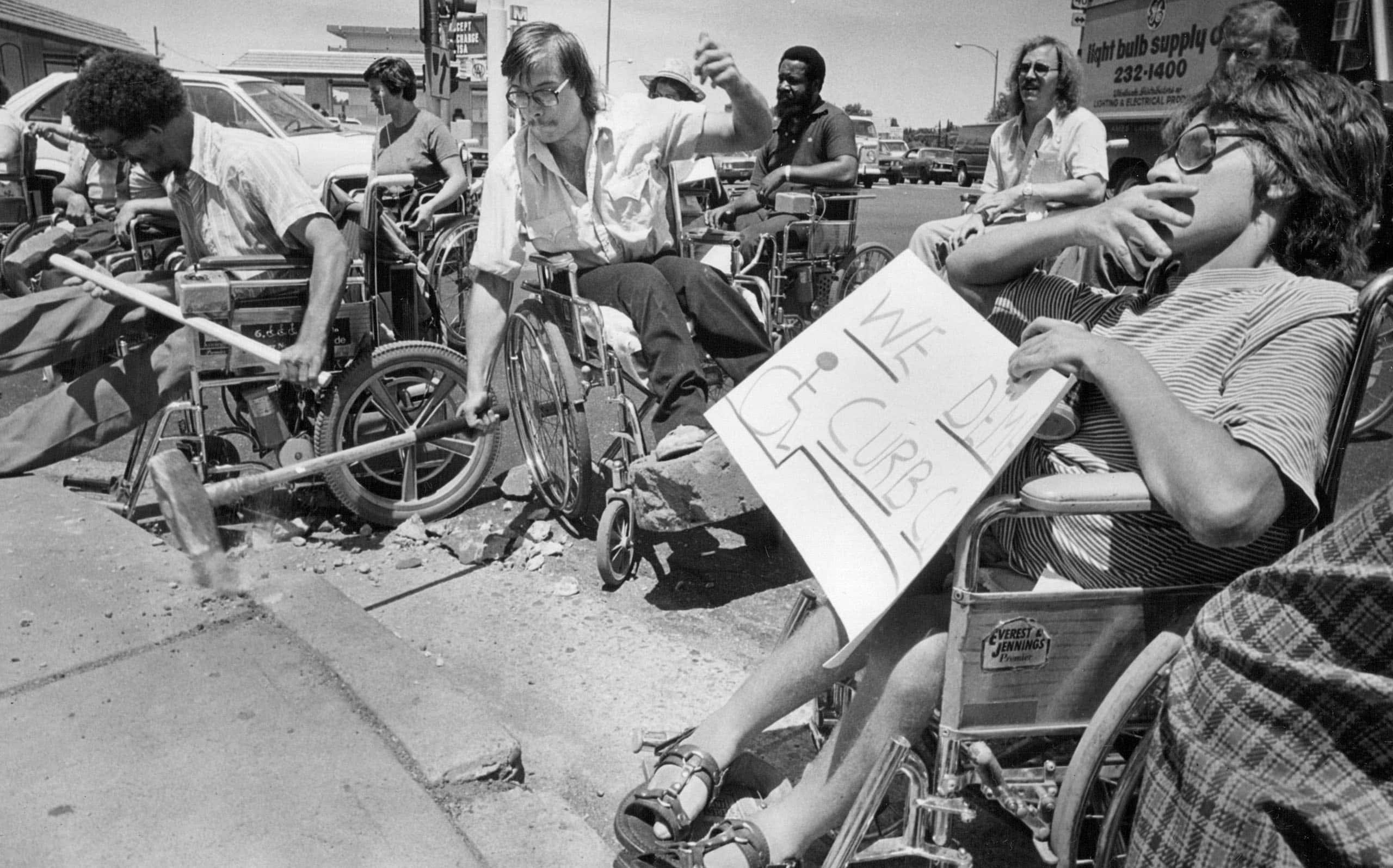
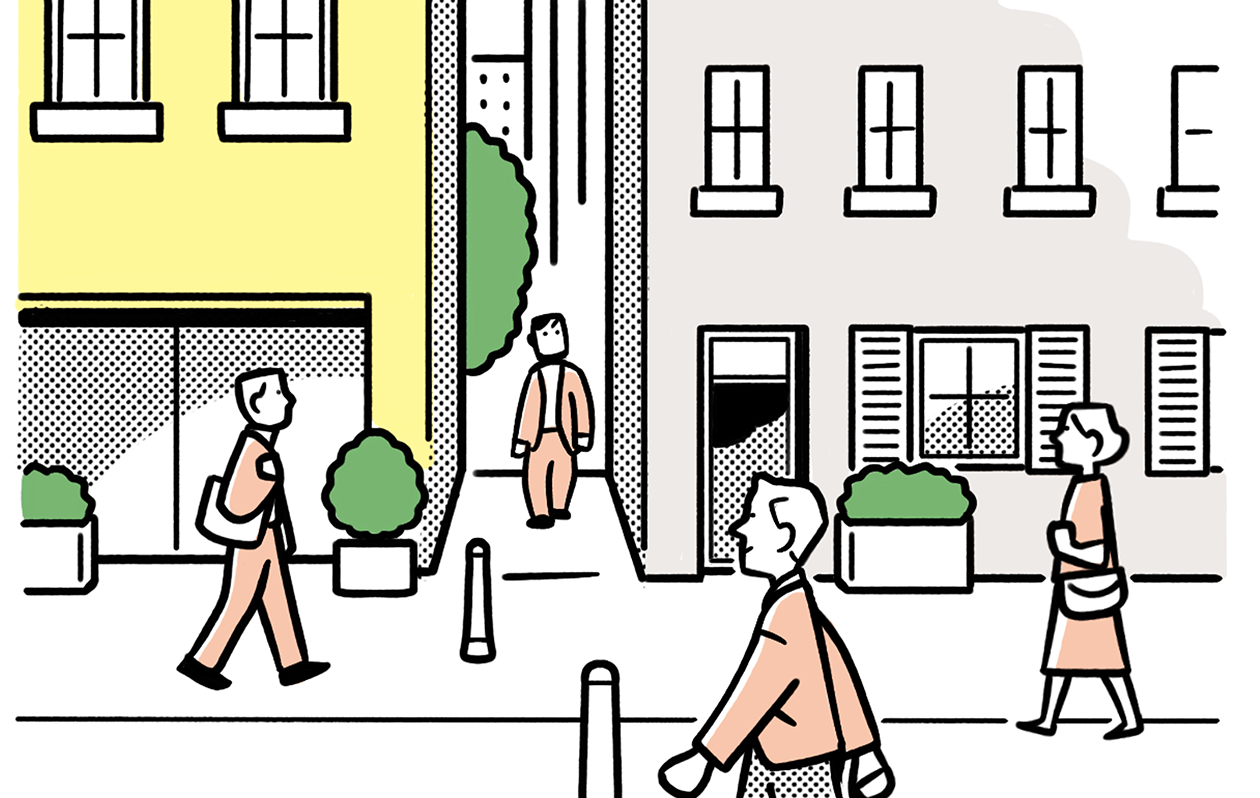
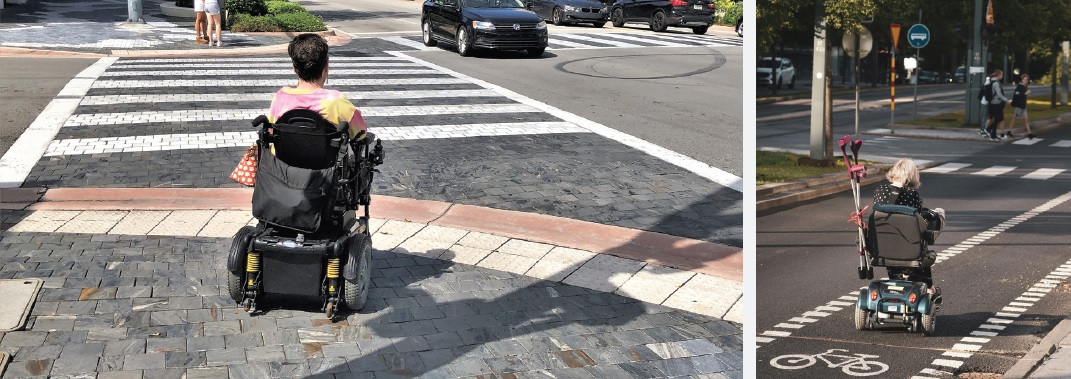
Universal Design, a concept developed by architect Ron Mace, advocates for creating environments and products that are accessible and usable by everyone, regardless of age or ability. This approach extends beyond mere disability access, benefiting a wide range of individuals, from parents pushing strollers to the elderly. For example, wide sidewalks without obstructions serve all pedestrians, while extended crossing times at intersections enhance safety for children and individuals with mobility challenges alike. Raising crosswalks to sidewalk level not only aids people with disabilities but also compels drivers to reduce speed, improving overall safety.
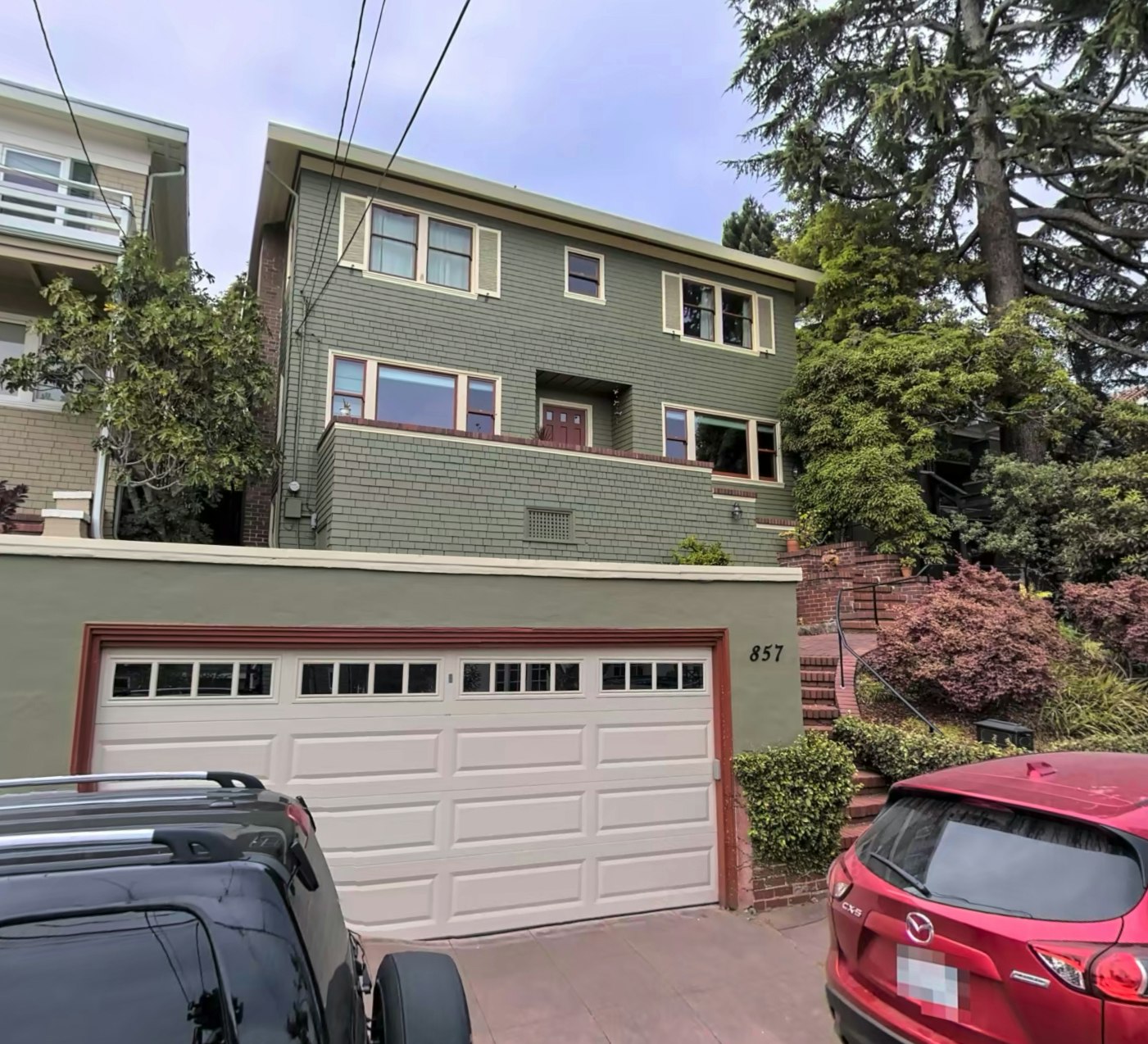
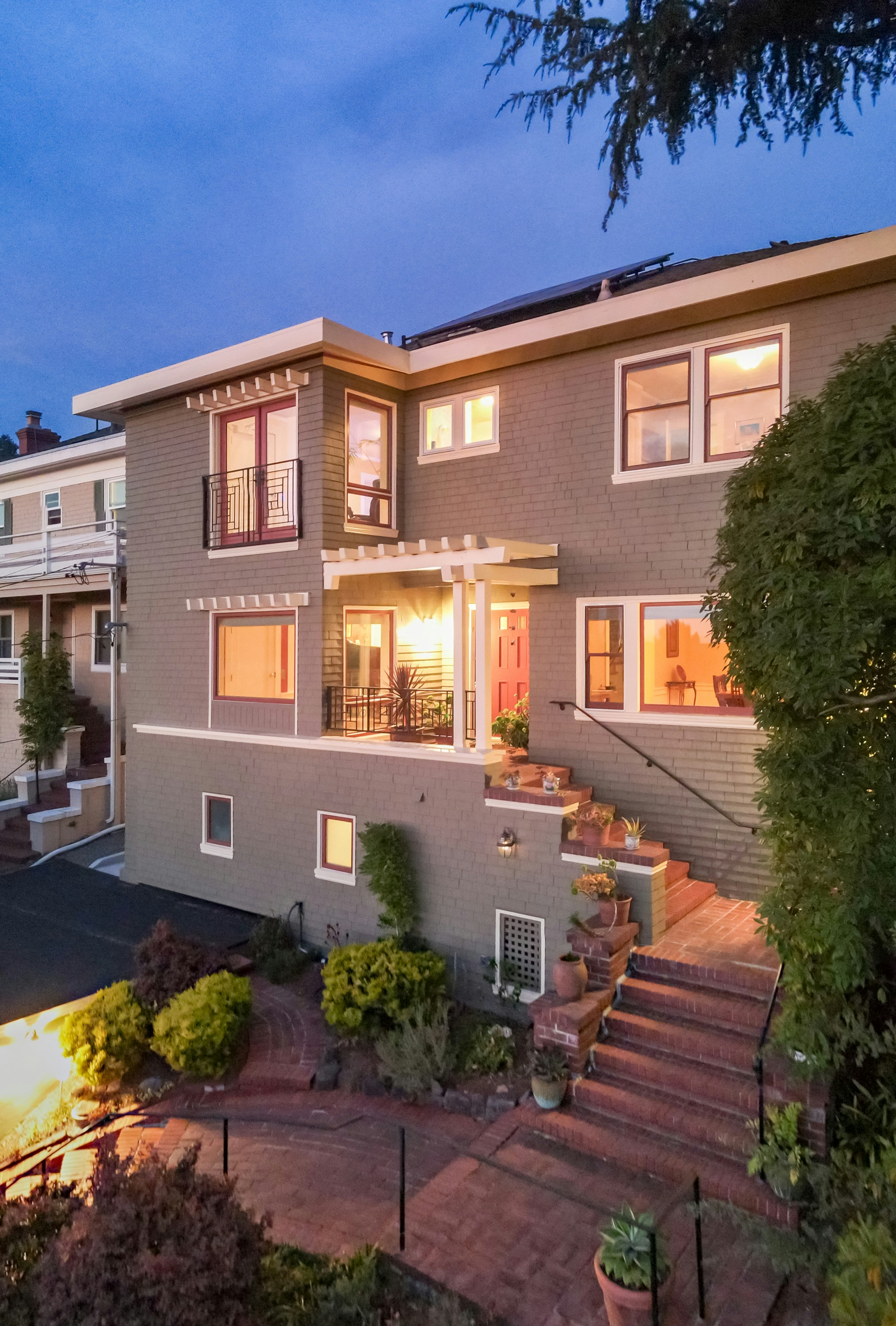
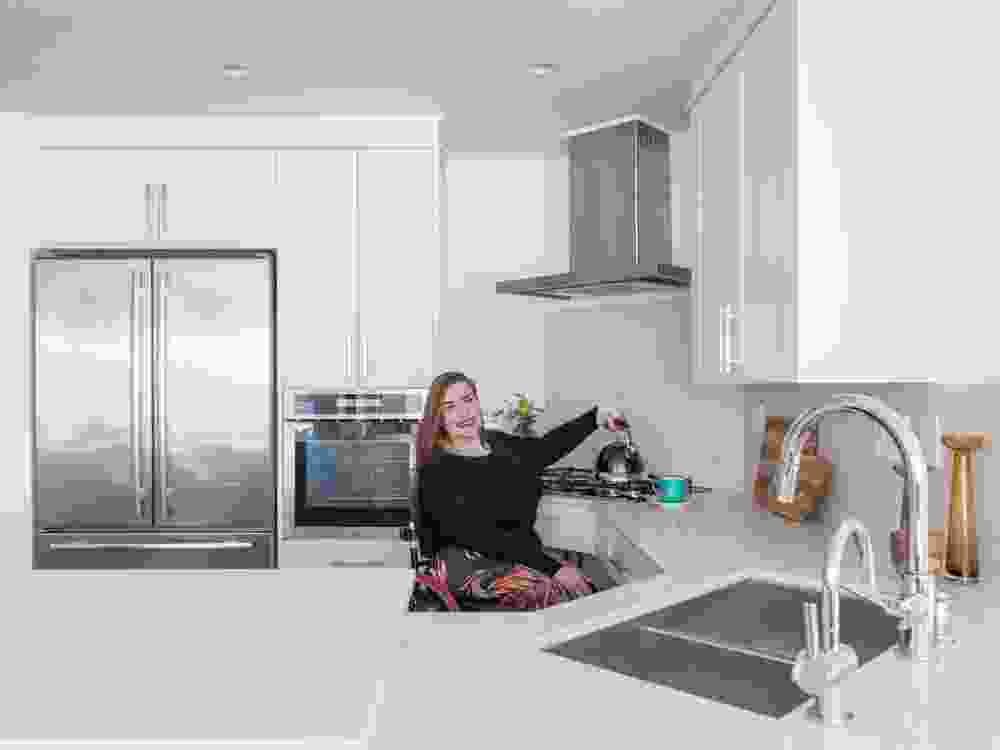
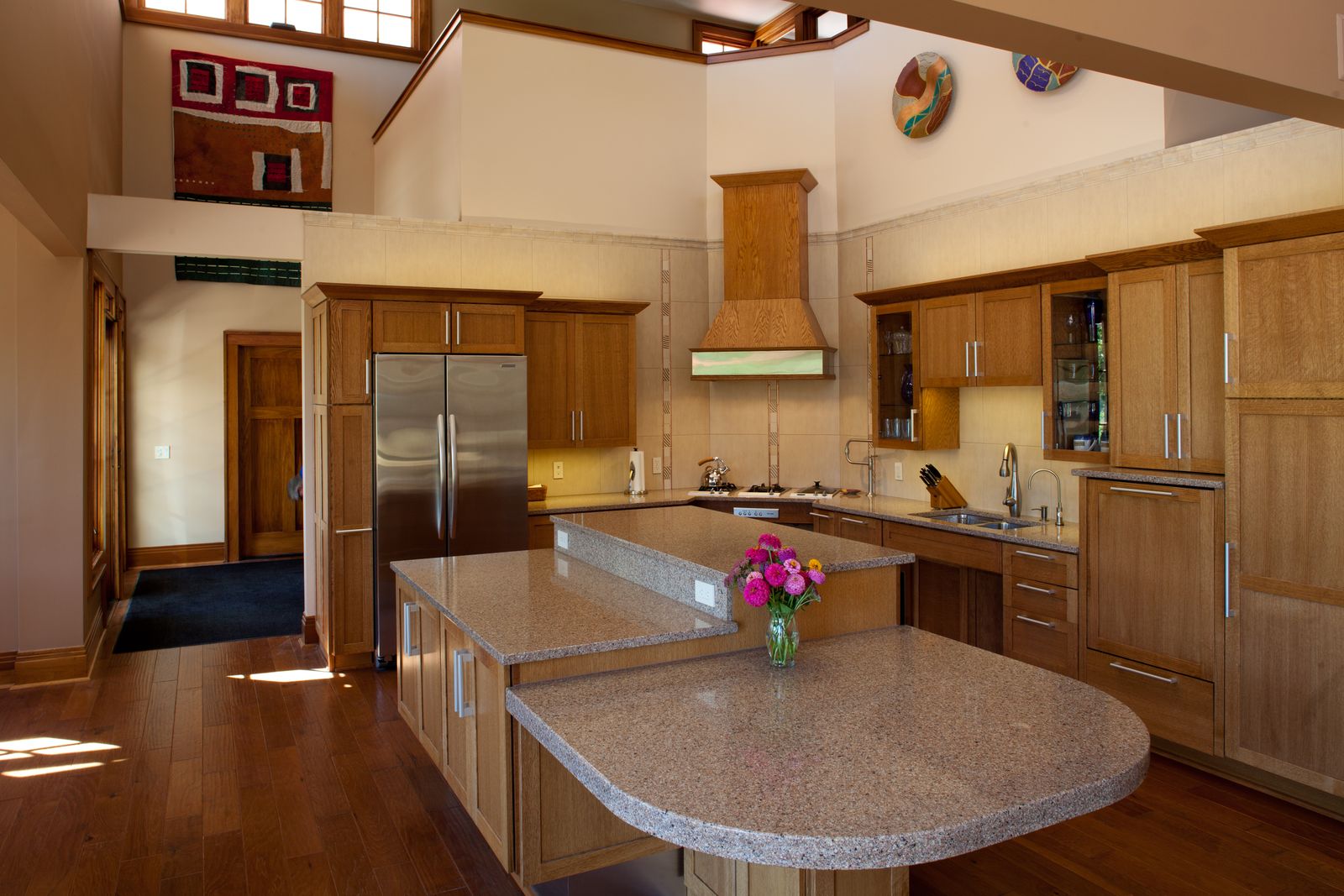
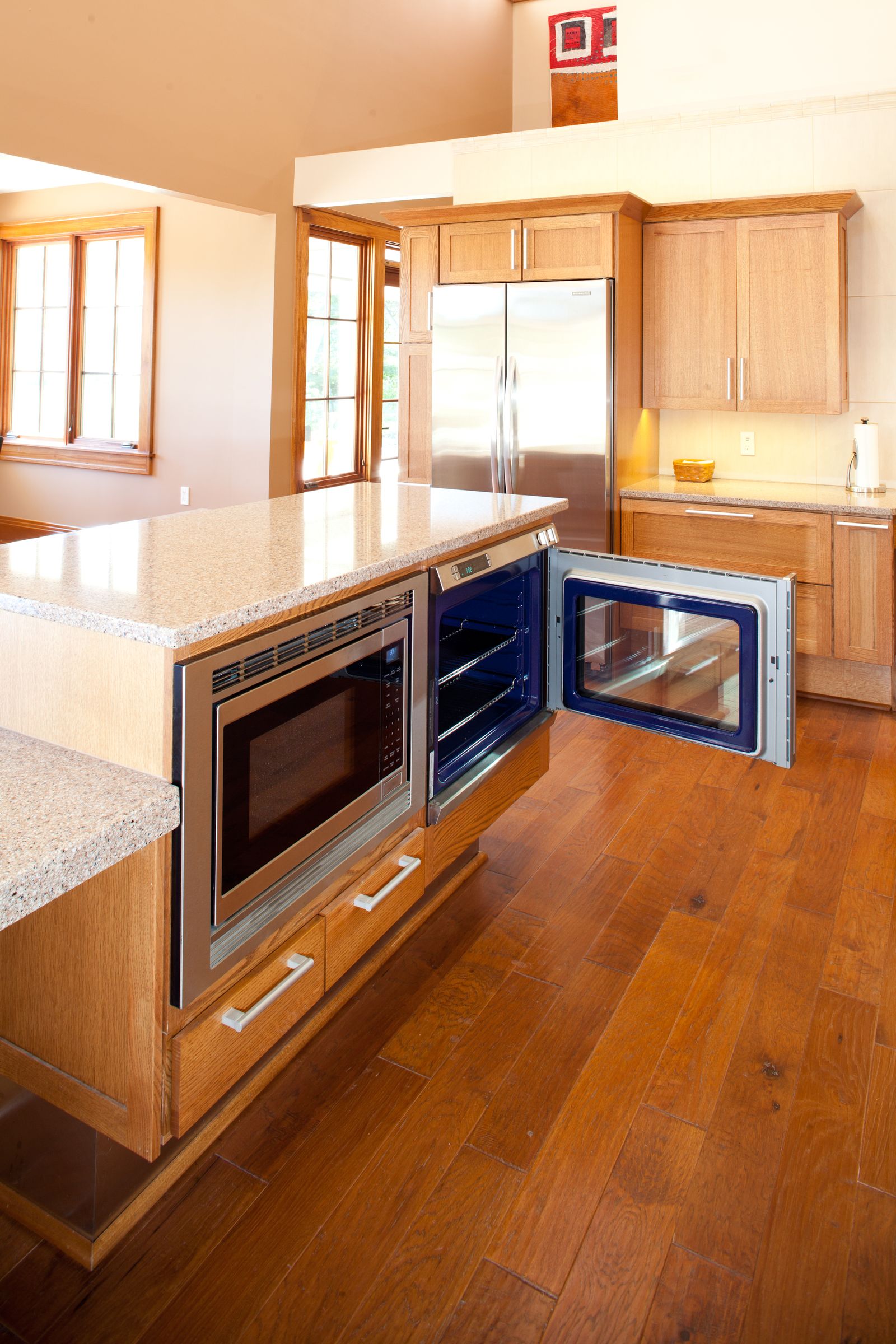
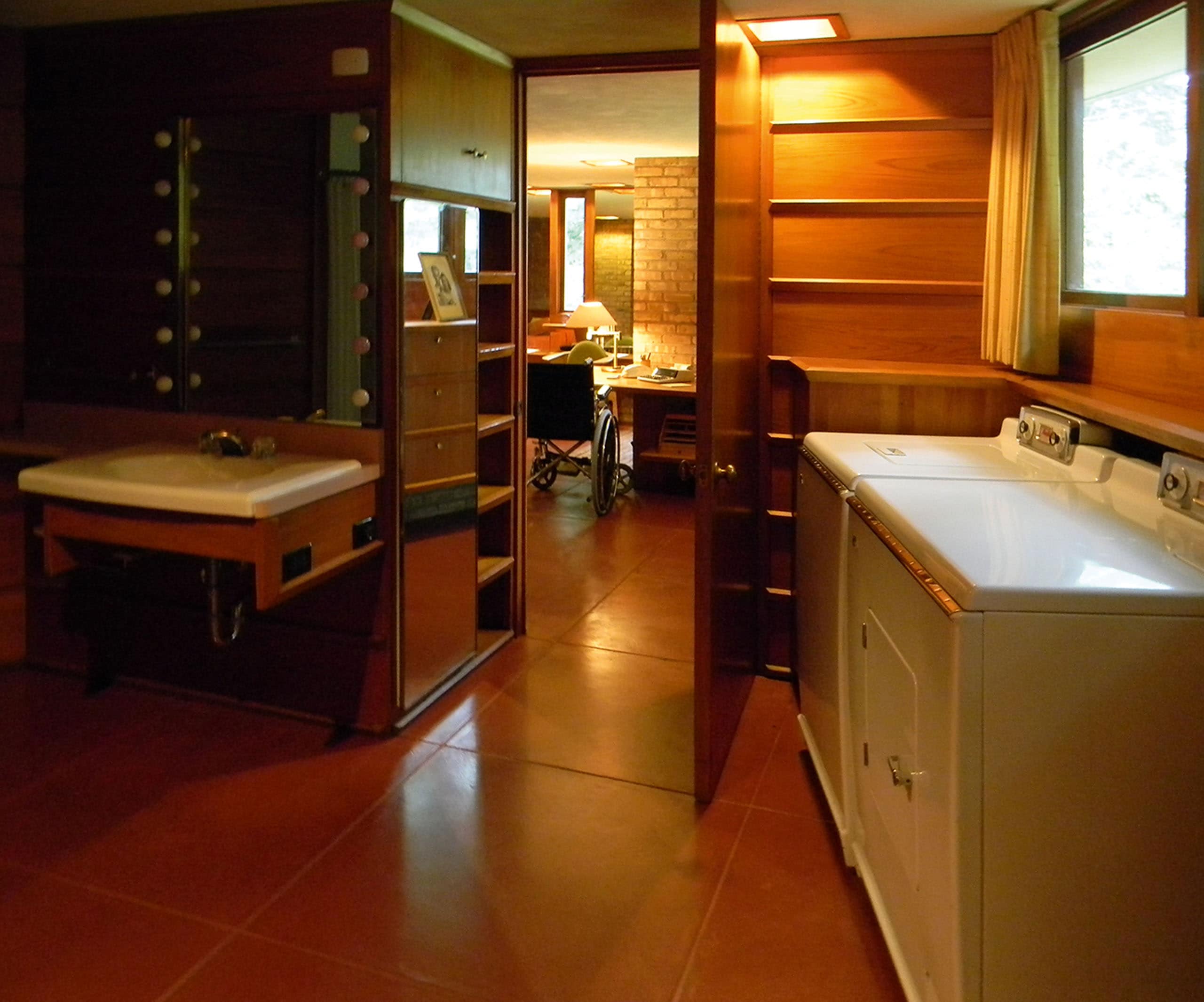
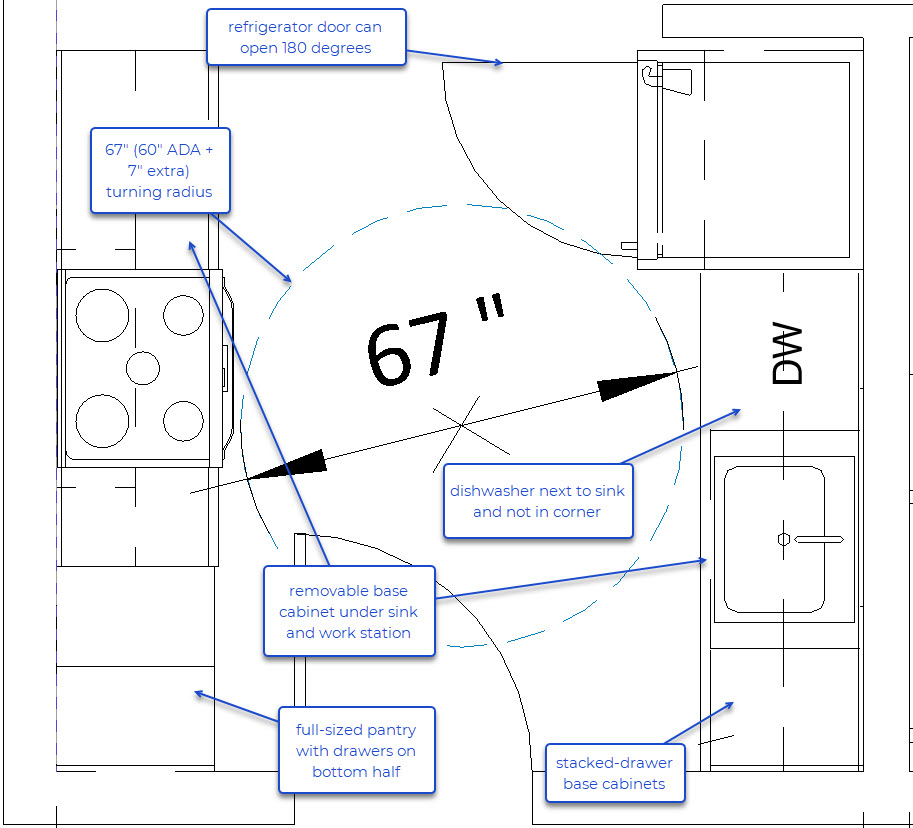
In the context of housing, less than one percent of homes are wheelchair-ready, a significant challenge for an aging population and individuals with mobility impairments. Eleanor Smith's concept of Visitability proposes essential accessible housing features: a level entrance, an accessible first-floor bathroom, and sufficient space to maneuver in a kitchen. This approach allows for diverse architectural styles, including multi-story homes, and promotes social inclusion by enabling people with disabilities to visit neighbors. Despite initial resistance from builders, cities adopting Visitability standards have not experienced a decline in housing development.
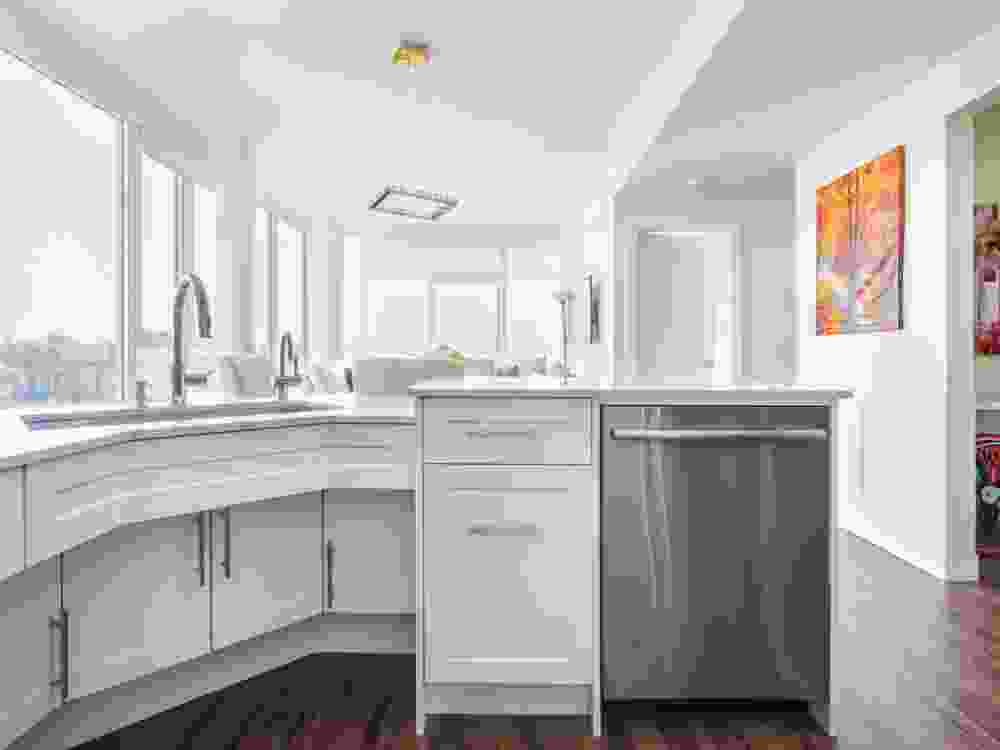
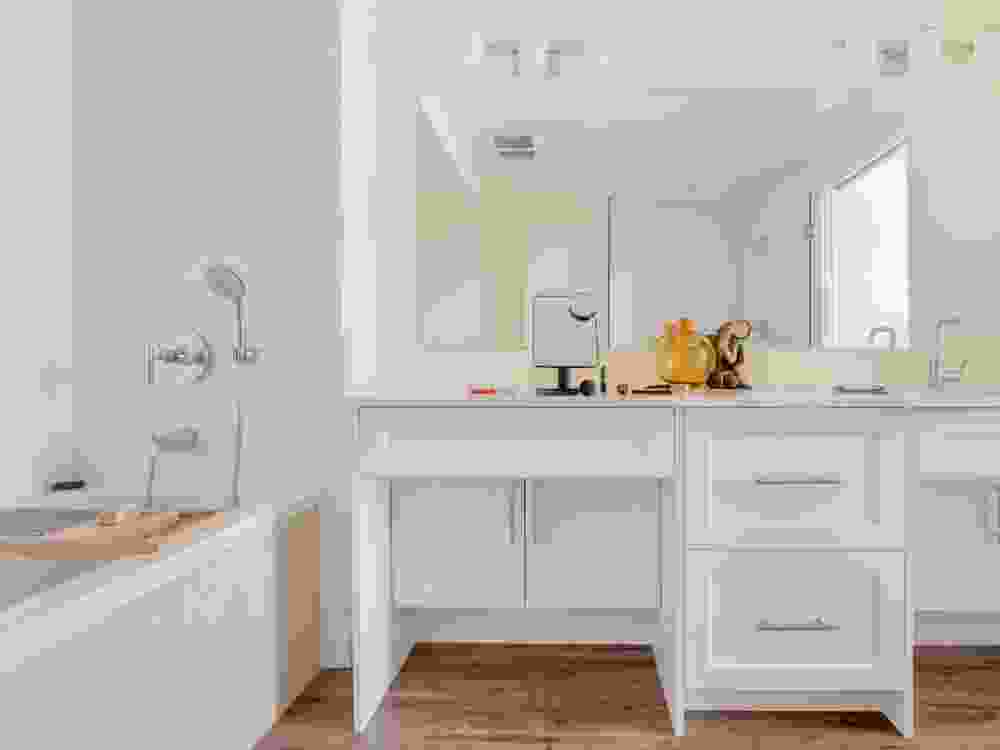
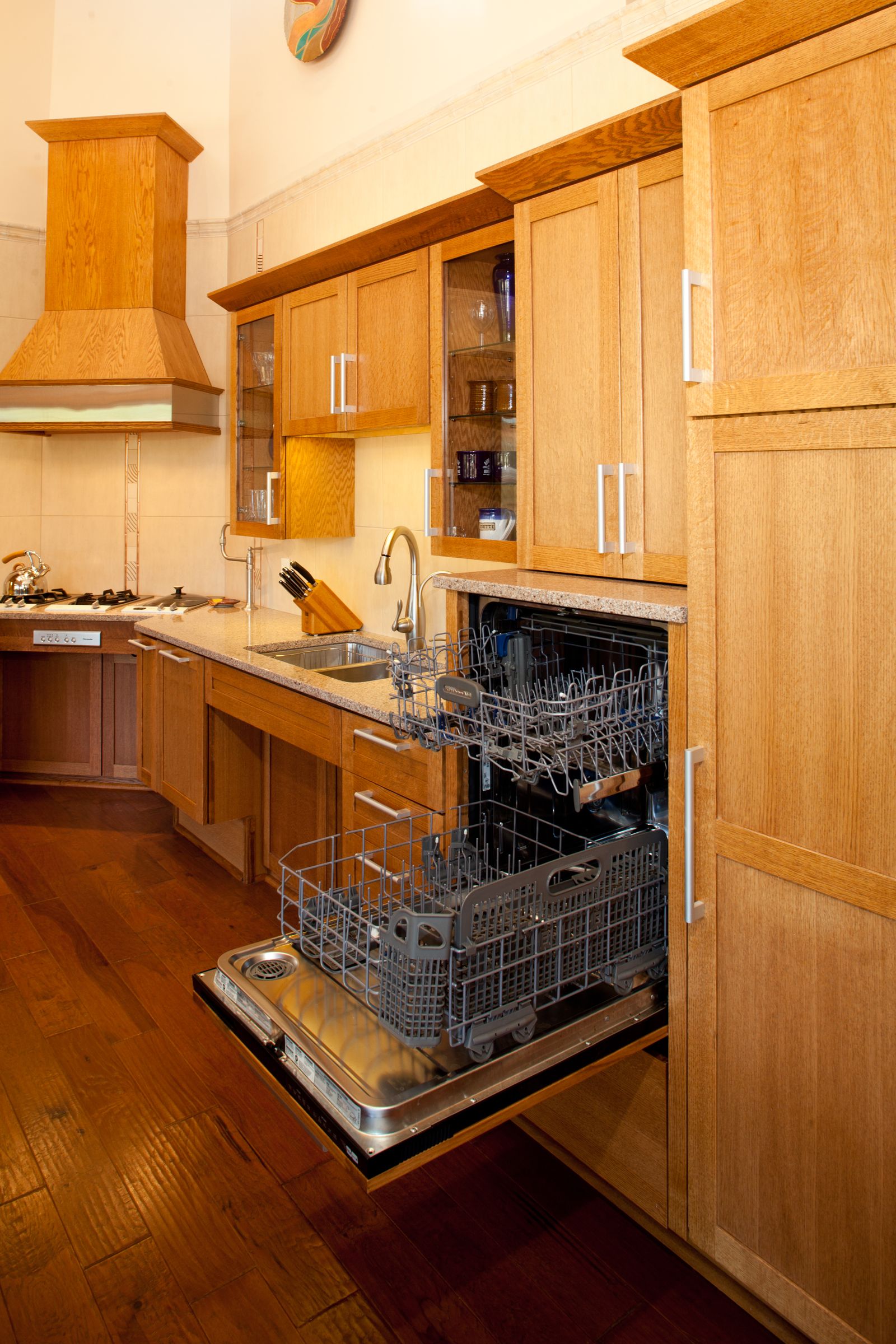
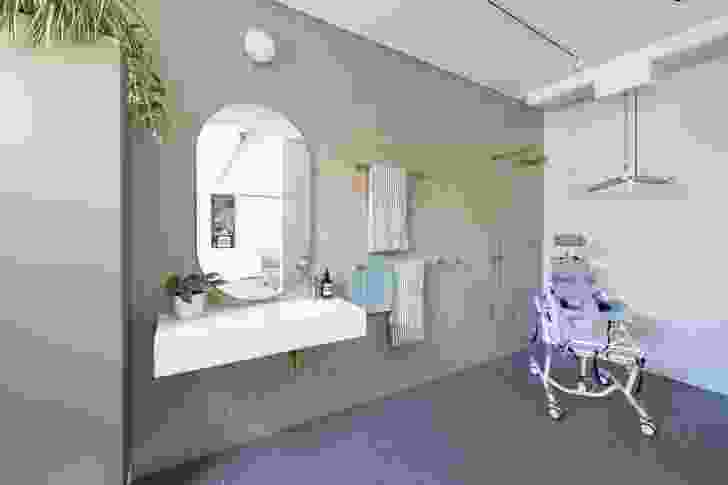
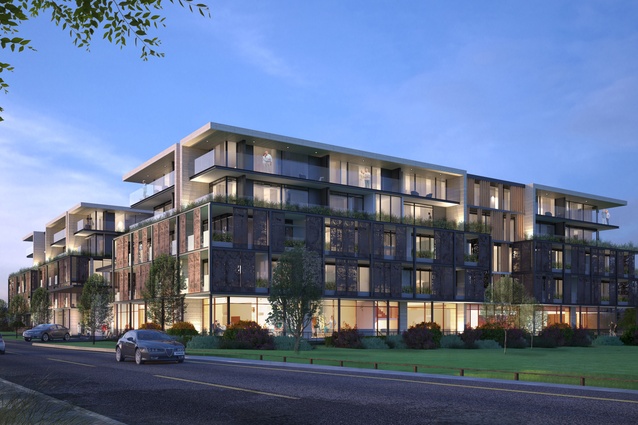
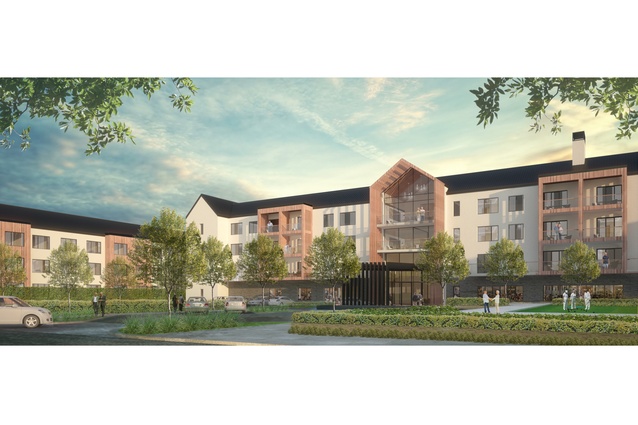
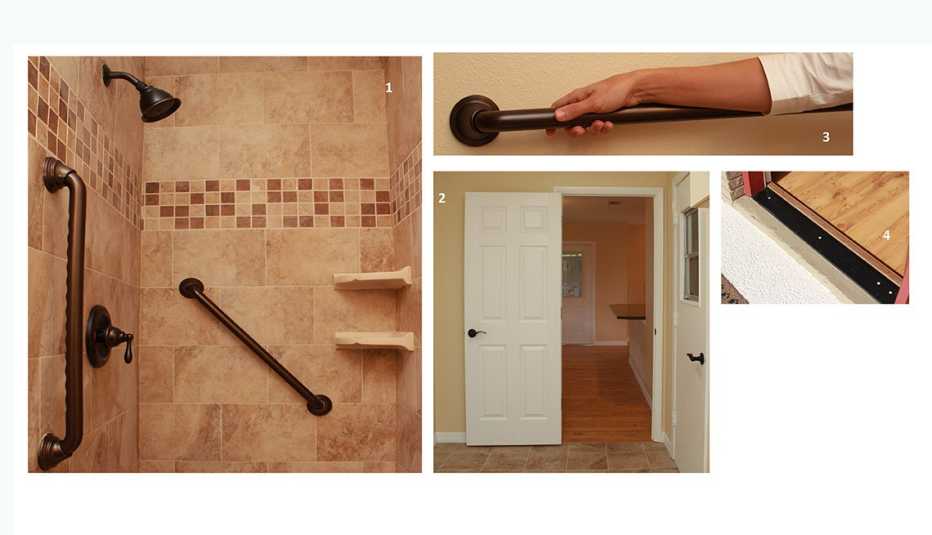
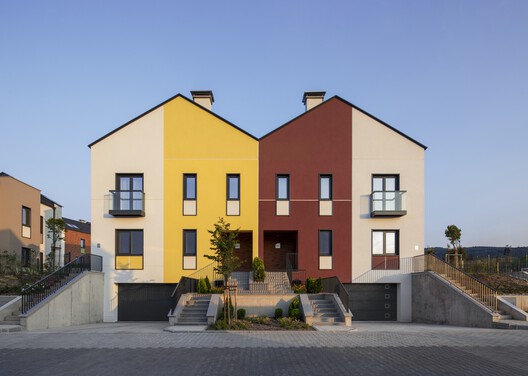
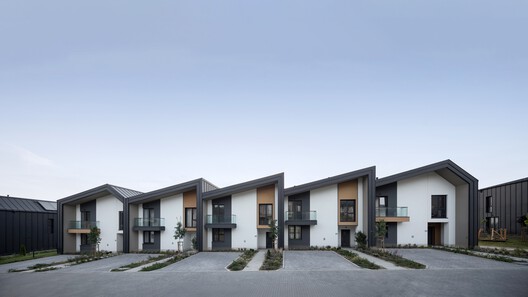
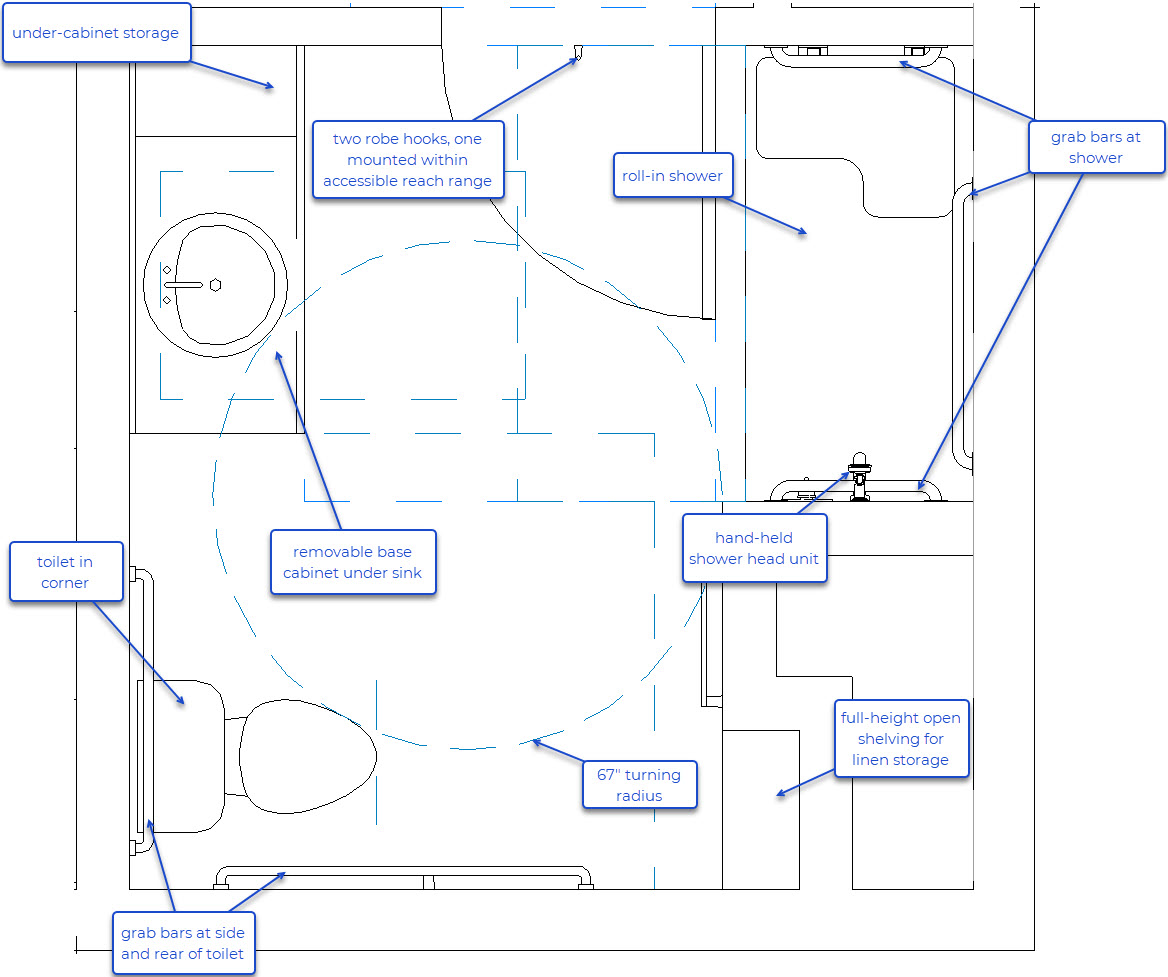
For multifamily buildings, Universal Design elements include unobstructed entrances, spacious elevators, and roll-in/walk-in showers instead of traditional tubs. These features demonstrate that Universal Design can be integrated into high-quality, modern aesthetics, moving beyond the perception of clinical, institutional design. Beyond individual buildings, accessible and frequent public transit is crucial. Research indicates that up to one-third of the population does not drive, relying on public transport for various reasons, including age, disability, or economic constraints. Many older transit systems, such as those in New York and Chicago, lack elevators, making them inaccessible to a large segment of the population, including wheelchair users, individuals with respiratory issues, or parents with young children. In less dense areas, the absence of accessible, weather-protected bus stops and insufficient training for bus drivers on operating lifts further exacerbate accessibility problems for the 80 million people with disabilities in the U.S.
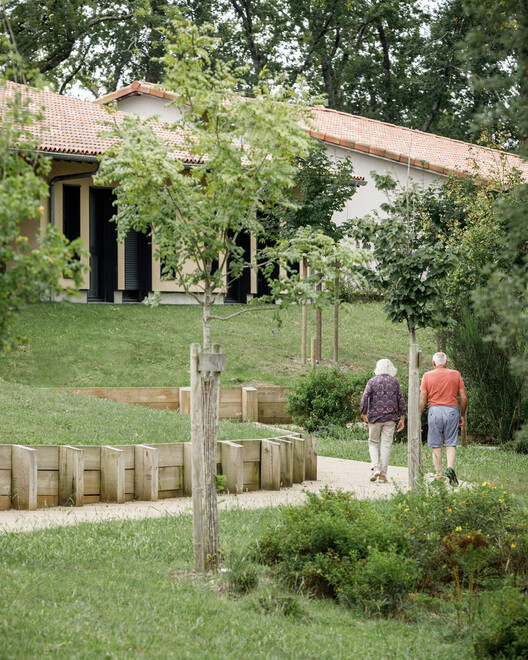
Community infrastructure also plays a vital role in fostering intergenerational communities. The removal of street benches, often an ill-conceived effort to deter homeless individuals, can inadvertently prevent elderly people from engaging in physical activity or accessing local amenities. People cannot successfully age in place if their homes, sidewalks, public transit, parks, and civic buildings are not inclusive. Similarly, children's independence and safety are compromised when sidewalks are blocked, bike lanes are obstructed, and streets are unsafe due to fast-moving traffic. Simple policy changes, such as more rigorous enforcement against blocked sidewalks and bike lanes, and traffic calming measures through redesign, can address these issues.
The financial aspects of implementing Universal Design are also manageable. Retrofitting existing housing for accessibility can be integrated into existing economic development incentives offered by cities. Transit training programs can be refined to ensure drivers are adept at assisting passengers with disabilities. While adding elevators to older transit systems is costly, substantial federal funding is available for such upgrades. Real estate professionals recognize the value of Universal Design. For instance, the Heartland REALTOR® Organization in Illinois, in collaboration with the city of Woodstock, the local school district, and Illinois REALTORS®, developed a prototype model home incorporating Universal Design principles. This initiative, supported by a Housing Opportunity grant from NAR, aims to educate communities and builders on constructing homes with "Universal Design from the ground up," promoting aging in place and attracting interest from organizations like AARP and the Metropolitan Mayors Caucus. Universal Design aligns with broader urban planning movements such as the 15-minute city, the Congress for New Urbanism, LEED certification, and smart growth principles, ultimately enhancing dignity, independence, and well-being within intergenerational communities.
#UniversalDesign #IntergenerationalCommunities #Accessibility #InclusiveDesign #HousingAccessibility #Visitability #PublicTransit #AgingInPlace #SmartGrowth #UniversalDesign #IntergenerationalCommunities #Accessibility #InclusiveDesign #HousingAccessibility #Visitability #PublicTransit #AgingInPlace #SmartGrowth
0 comment in total
 No comments yet
You may also like
Erick Mikiten Has a Vision for the House You’ll Grow Old In


Designed for Community: An Interior Designer Leans into the Power of ‘We’

Courtyards, Gardens, and Terraces for Seniors: Residences that Integrate Community Life into the Natural Environment

The Quiet Architecture of Purpose: Unpacking the Talent of Sanjana Satya Prakash

Universal design hits home for all


Architect Sam Klopper talks accessible design that doesn’t feel “clinical or differentiated”


Universal Design and Visitability
Disability-Forward Design Across Multiple Cities
Universal Design: Why Americans Need Home Design That Welcomes Everyone

How can we make design decisions meaningful?
10 New Trends in Multifamily Housing Design

Universal Design Studio: the practice quietly shaping the way we live, work, shop and eat


Interview with Richard Duncan about Universal Design

The new elegance of cities. The evolution of inclusive design

Case Studies in Community-Centered Living: Innovative Residential Design
Multi-Purpose Design: Hybrid Spaces for a Sustainable Future
Designing with Empathy: Architecture for Social Equity

Flexible space: Design for aged care

Ten principles for designing vibrant and liveable mixed-use spaces

How is an aging baby boomer generation changing the design of homes?