1/4
takao shiotsuka atelier connects the floors of SJ building in japan via outdoor concrete ramp
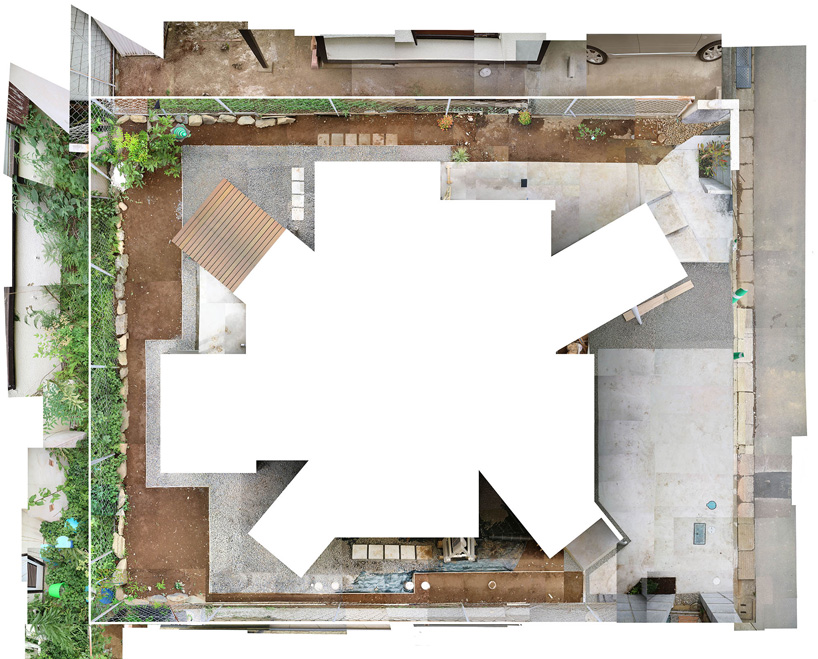
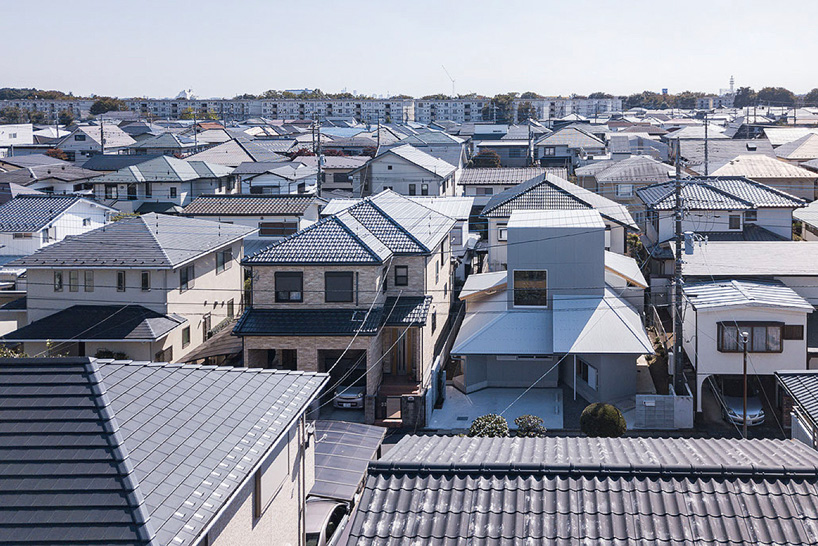
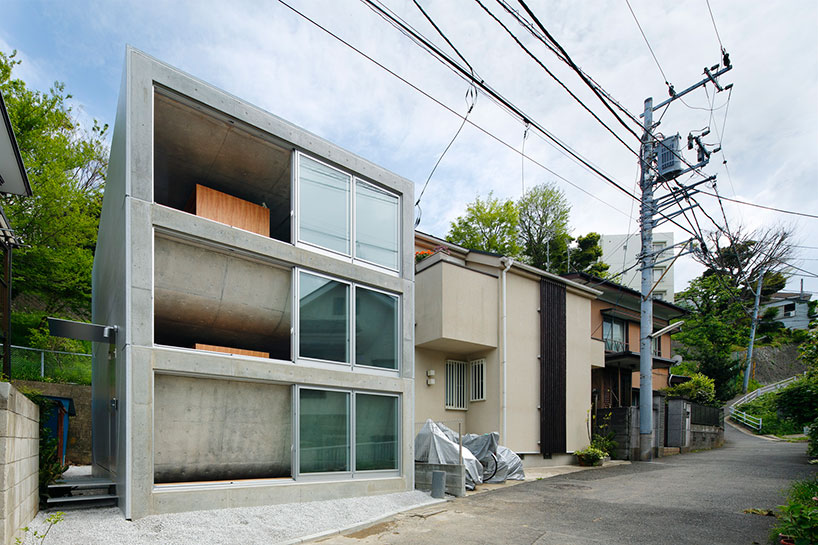
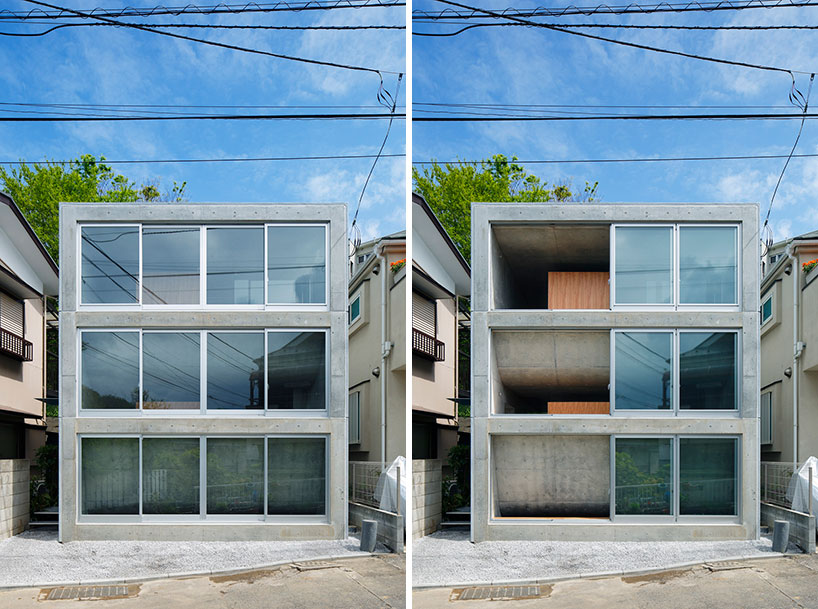
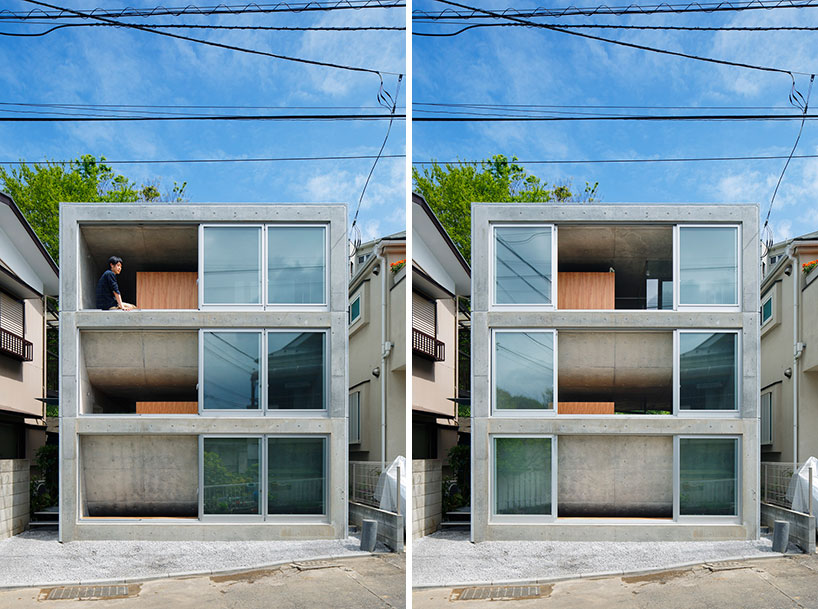
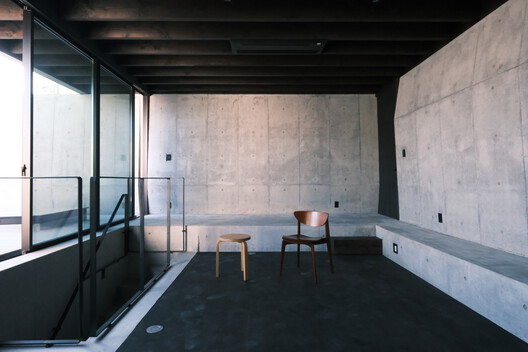
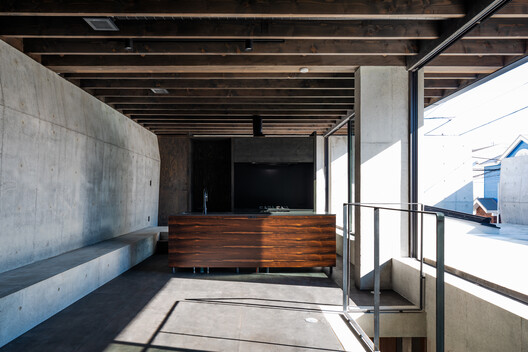
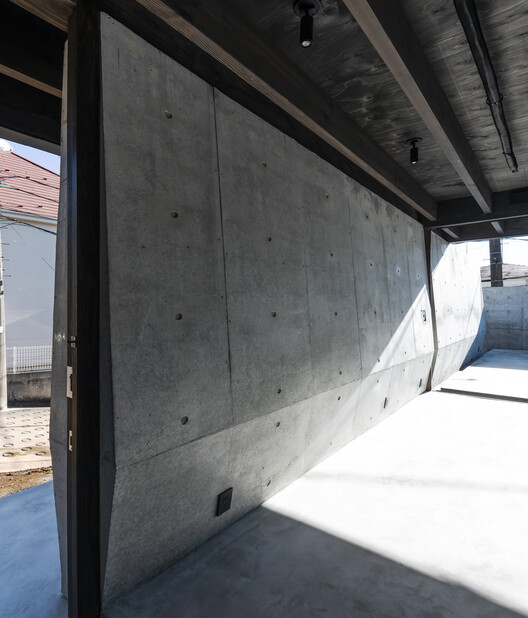
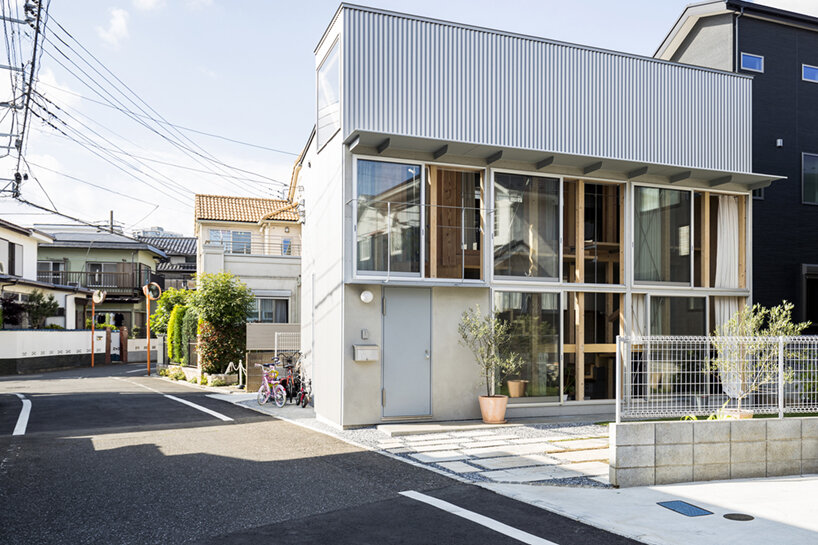
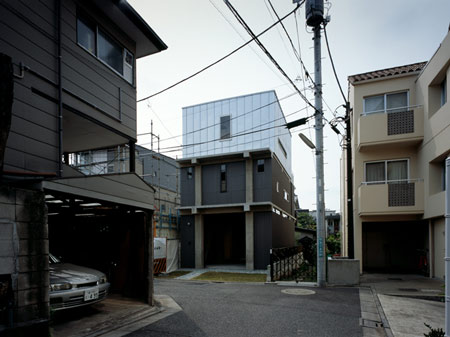
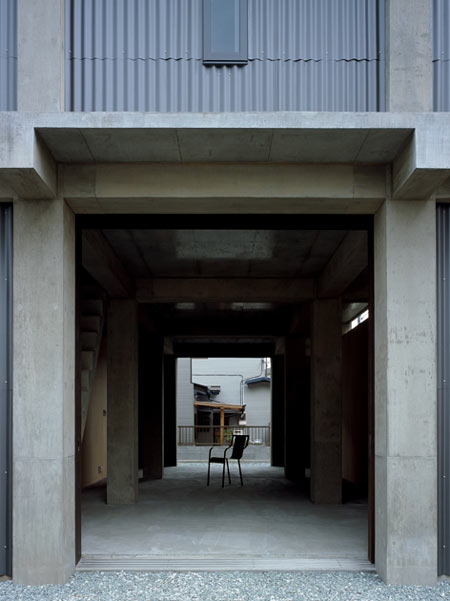
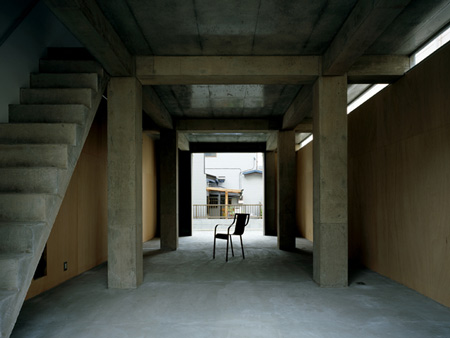
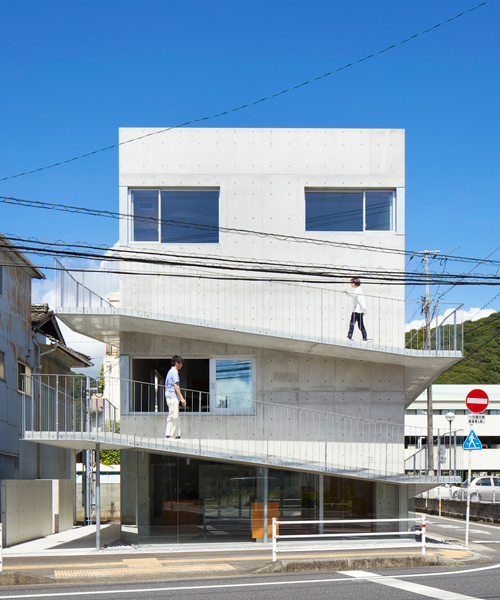
The SJ building, designed by Takao Shiotsuka Atelier, is a three-story reinforced concrete structure situated in Saiki, Oita Prefecture, Japan. This unique complex houses a wine shop, a canteen, and two residential units (the owner's house and the grandmother's house) stacked vertically. Its distinguishing feature is an innovative outdoor concrete ramp that serves as the primary means of vertical circulation, linking all floors and spaces without any internal stairs.
The project is deeply rooted in the historical context of its location, an intersection leading to a shrine approach in Saiki city, where a liquor store traditionally operated. The ground-floor wine shop continues this legacy, fostering a strong connection with the local community. The canteen, strategically placed within the building, caters to elderly visitors of nearby hospitals, highlighting the building's role in serving the broader community.
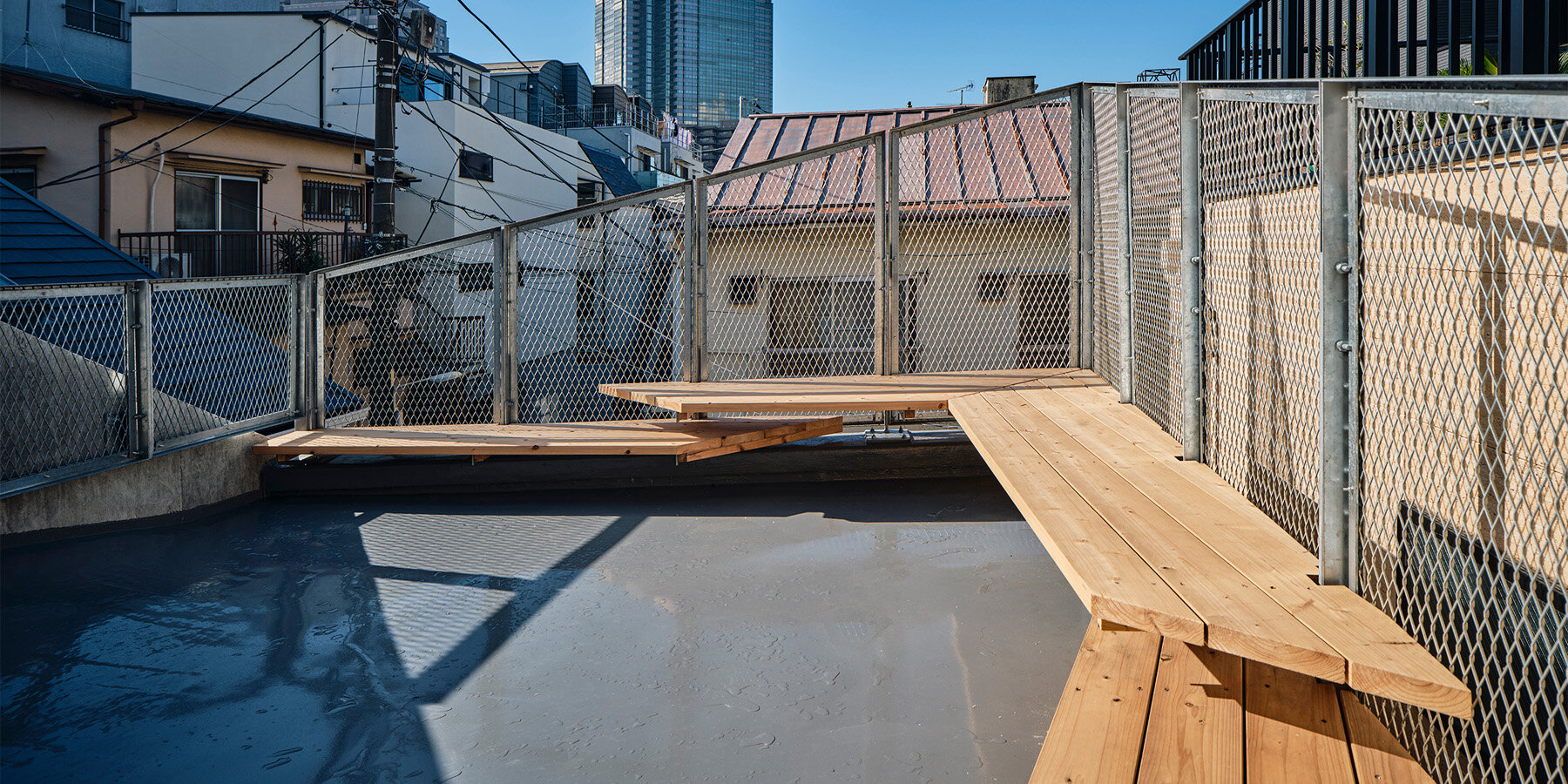
Takao Shiotsuka Atelier's design philosophy for the SJ building emphasizes creating an open relationship both within its interior spaces and with its external surroundings. The decision to implement an outdoor spiral ramp, rather than internal staircases, is central to this vision. As occupants and visitors ascend or descend the ramp, they are presented with continuously changing views of the historic castle town, creating a dynamic and engaging experience. This architectural choice not only facilitates movement between the disparate functional areas but also integrates the building with its urban landscape.
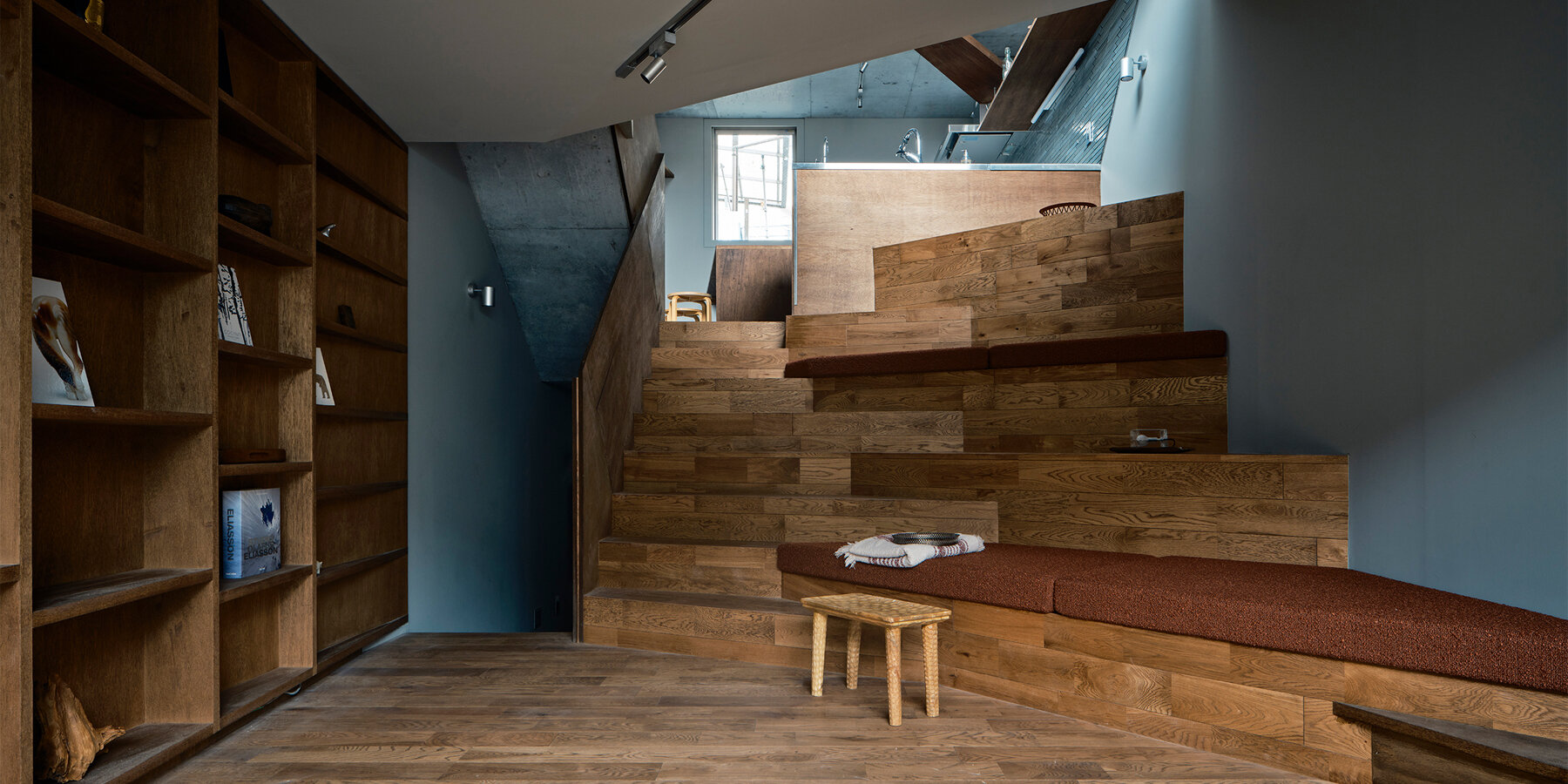
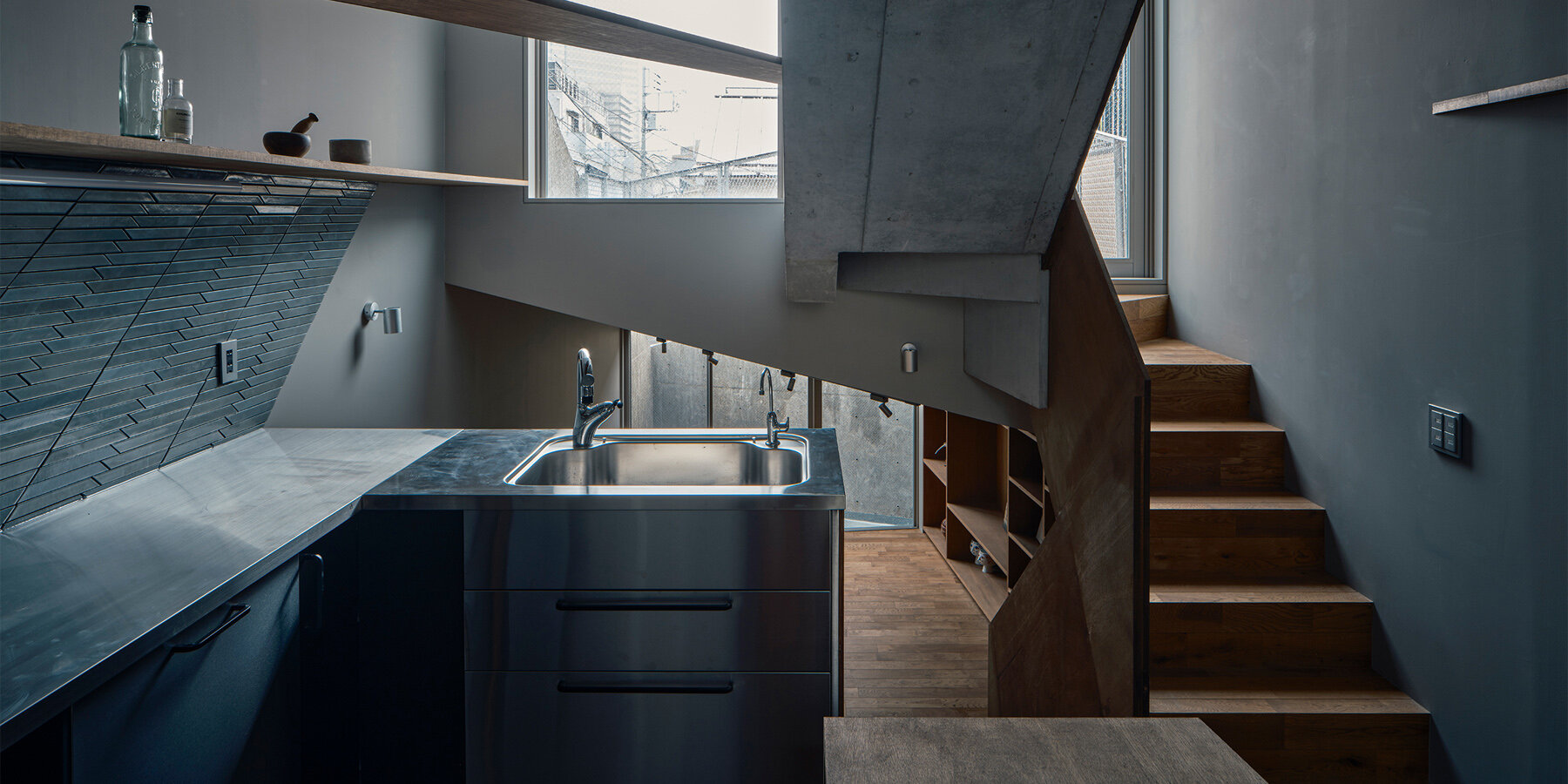
The varying heights along the ramp introduce diverse floor and ceiling levels within the interior spaces. This volumetric manipulation results in rooms with distinct characteristics, each offering unique perspectives and connections to the outside environment through strategically placed openings. The building's design ensures that it interacts meaningfully with the four surrounding streets, effectively extending the existing shrine approach and an adjacent alleyway through the continuous flow of the ramp.
Despite the distinct functions of the wine shop, canteen, and two residences, the building is conceived as a cohesive entity. The architect suggests that the layered structure, though functionally separate, can be viewed as a single, organically linked house due to the interconnectedness of its residents' lives facilitated by the shared circulation. The SJ building is a testament to how thoughtful architectural design can blend commercial, community, and residential functions into a harmonious, vertically integrated space, enhancing both internal user experience and external urban engagement. The project was structurally designed by Hirohide Tao and occupies a lot size of 158 square meters.
#TakaoShiotsukaAtelier #SJBuilding #JapaneseArchitecture #ConcreteConstruction #OutdoorRamp #MixedUseBuilding #ResidentialArchitecture #RetailDesign #CommunitySpace #UrbanIntegration #TakaoShiotsukaAtelier #SJBuilding #JapaneseArchitecture #ConcreteConstruction #OutdoorRamp #MixedUseBuilding #ResidentialArchitecture #RetailDesign #CommunitySpace #UrbanIntegration
0 comment in total
 No comments yet
You may also like
Staircase is a social space in Tokyo house by Kiri Architects
Yushima Building / Tenhachi Architect & Interior Design

House in Tama / Cheng Hao Chung Architect
DOG completes 8.5 house in japan with steep sloping roof and diagonal exhibition wall
Balancing act: Case-Real convert Japanese storehouse into modern work space

Eight talking-point staircases from Dezeen's pinterest
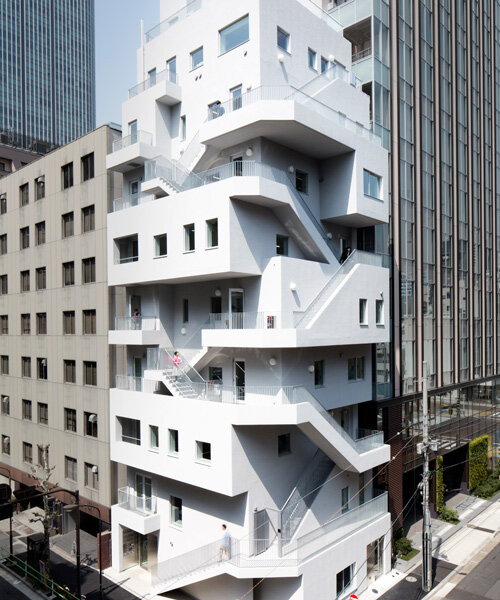
NIKKEN SEKKEI wraps façade of ARAKAWA office building in emergency staircases
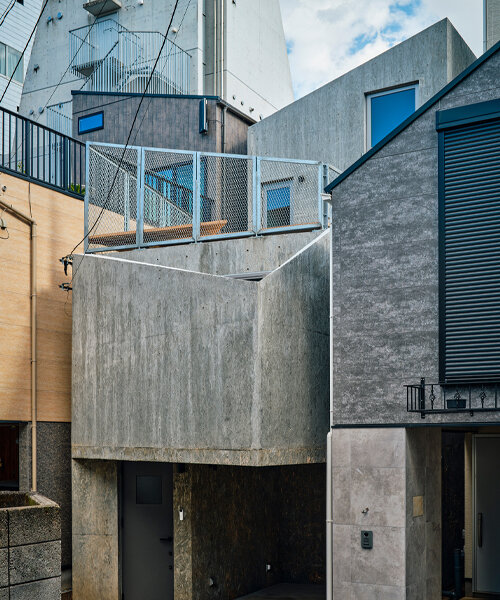
slanted lines and staggered floors create alternative spaces inside tokyo's diagonal house
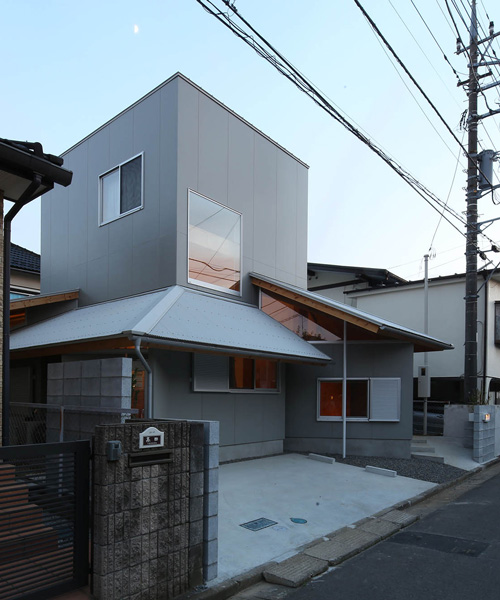
matsuokasatoshitamurayuki builds courtyard house with pleated floor plan outside of tokyo
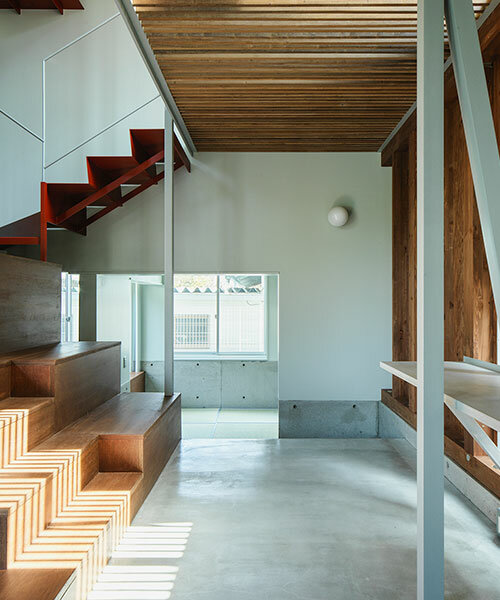
split-level platforms build up archidivision's dance floor house in tokyo
KIRI architects opens up this compact japanese house with a light-filled stair hall
Column and Slab house by FT Architects
t-square design associates adds a transitional corridor linking a japanese house to nature
Sunlight Courtyard, Entrance Lobby of Aranya / SHISUO design office
Office in the Breeze / Furumori Koichi architectural design studio+Daiju Kuwahara
built for cats, tan yamanouchi's japanese home unfolds around a playful spiral staircase
takeshi hosaka architects bend the concrete floors of byoubugaura
When It Rains, This Japanese Home’s Concrete Deck Becomes a Reflecting Pool

ETH Zurich explores novel fabrication method for light and reusable concrete staircase
frontoffice combines dance studio, house + yoga space in three-storey building within tokyo