Three things to know about managing a building with flex space
The role of flexible space in real estate is rapidly expanding and is predicted to constitute 30% of office space by 2030, according to JLL’s 2021 Global Flex Space Report. This growth is driven by increasing tenant demand for flexible lease options, including expansion, contraction, and termination options, and a preference for shorter-duration commitments due to business uncertainties and evolving workplace strategies. In 2021 alone, flex space accounted for 3.6 million square feet of leased space. This shift presents significant opportunities and implications for property owners, requiring proactive consideration of flex space integration into their properties.
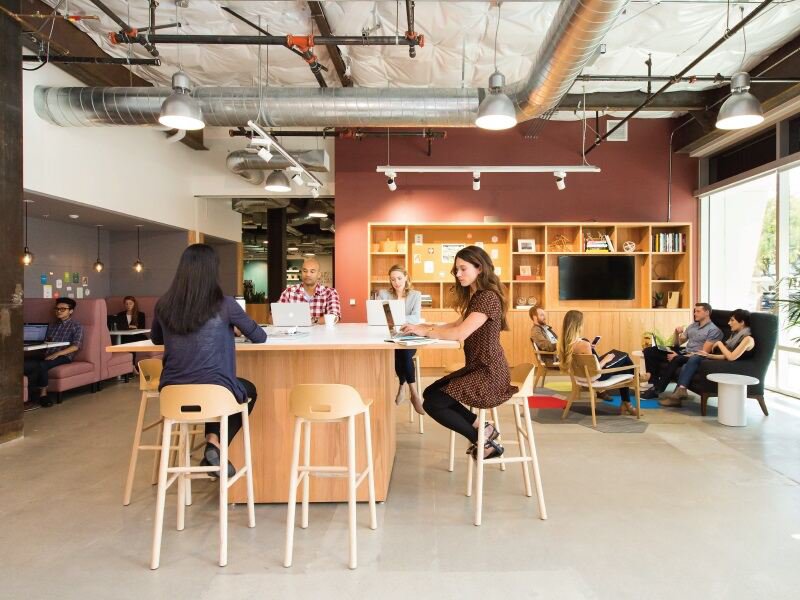
Integrating flex space can significantly enhance a property's appeal, attracting and retaining tenants. Tenants are increasingly drawn to buildings that offer the flexibility to adapt to their evolving business needs. Flex spaces can also serve as incubators for future long-term tenants, as smaller companies utilizing coworking spaces may eventually expand and seek direct leases within the same building. Beyond practical benefits, coworking spaces inject vitality into a building by introducing diverse demographics and fresh perspectives into traditional office environments. Many asset managers are adopting a holistic approach to incorporating flexible space into their portfolios, with over 40% of tenants anticipating an increase in their use of flex space as part of their post-pandemic workplace strategies.
Effective communication is paramount when a traditional lease involves a flex operator. It is crucial to clearly define and document rules, regulations, construction timelines, and other policies in the lease agreement to prevent future misunderstandings or conflicts. Involving experts from various fields, such as legal, operational, and marketing teams, during the initial lease negotiation phase is essential to address potential issues proactively. For instance, policies regarding pets in the workplace, a common perk in many coworking spaces but less so in traditional offices, must be established to ensure compatibility with all tenants.
Regardless of the management model chosen – whether self-managed, a sublet with a flex operator, or a management agreement with a white-label service provider – curating a positive and engaging experience for occupants is vital. Highly skilled experience management teams, employing a marketing-oriented approach, can design spaces and activities that create a desirable atmosphere. This can range from implementing touch-free entry systems to organizing pop-up events that foster a sense of community. The objective is to offer an in-office experience that surpasses what individuals can achieve at home, thereby enticing them to return. While some owners may expect their property managers to provide these services, developing and maintaining a vibrant experience might be outside the current capabilities of an existing team. In such cases, a partnership between a landlord and an experienced flexible space operator, particularly one with hospitality-trained teams, can help mitigate risks, maximize opportunities, and contribute to overall success.
#FlexSpace #PropertyManagement #TenantRetention #HybridWorkplace #OfficeLeasing #RealEstateTrends #WorkplaceExperience #CommercialRealEstate #AssetManagement #FlexSpace #PropertyManagement #TenantRetention #HybridWorkplace #OfficeLeasing #RealEstateTrends #WorkplaceExperience #CommercialRealEstate #AssetManagement
0 comment in total
 No comments yet
You may also like
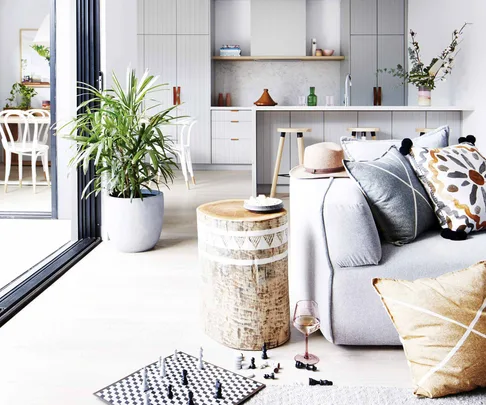
3 open-plan layout tips from interiors expert Shannon Vos


Spotlight on Flexible Homes: Adaptable Living Spaces

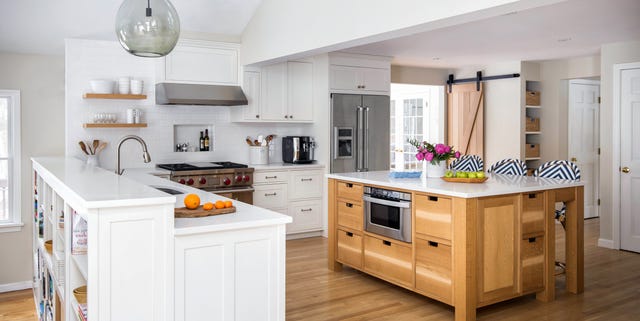
The Challenges and Opportunities of Open-Concept Floor Plans


Getting the most out of your multi-res floorplan

5 New Ways With An Open Floor Plan


Flexible space: Design for aged care
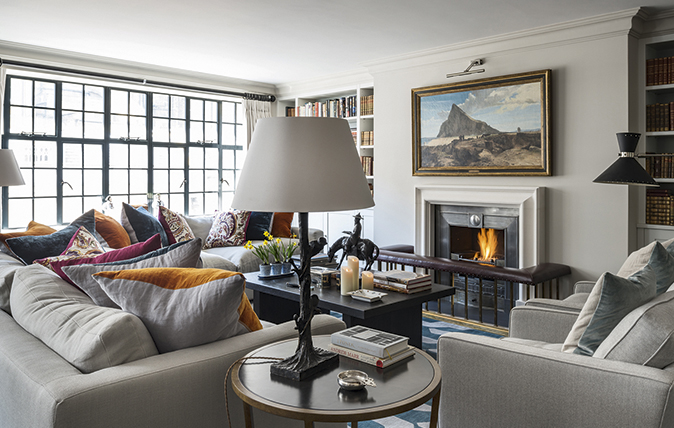
Open plan apartment design ideas and tips
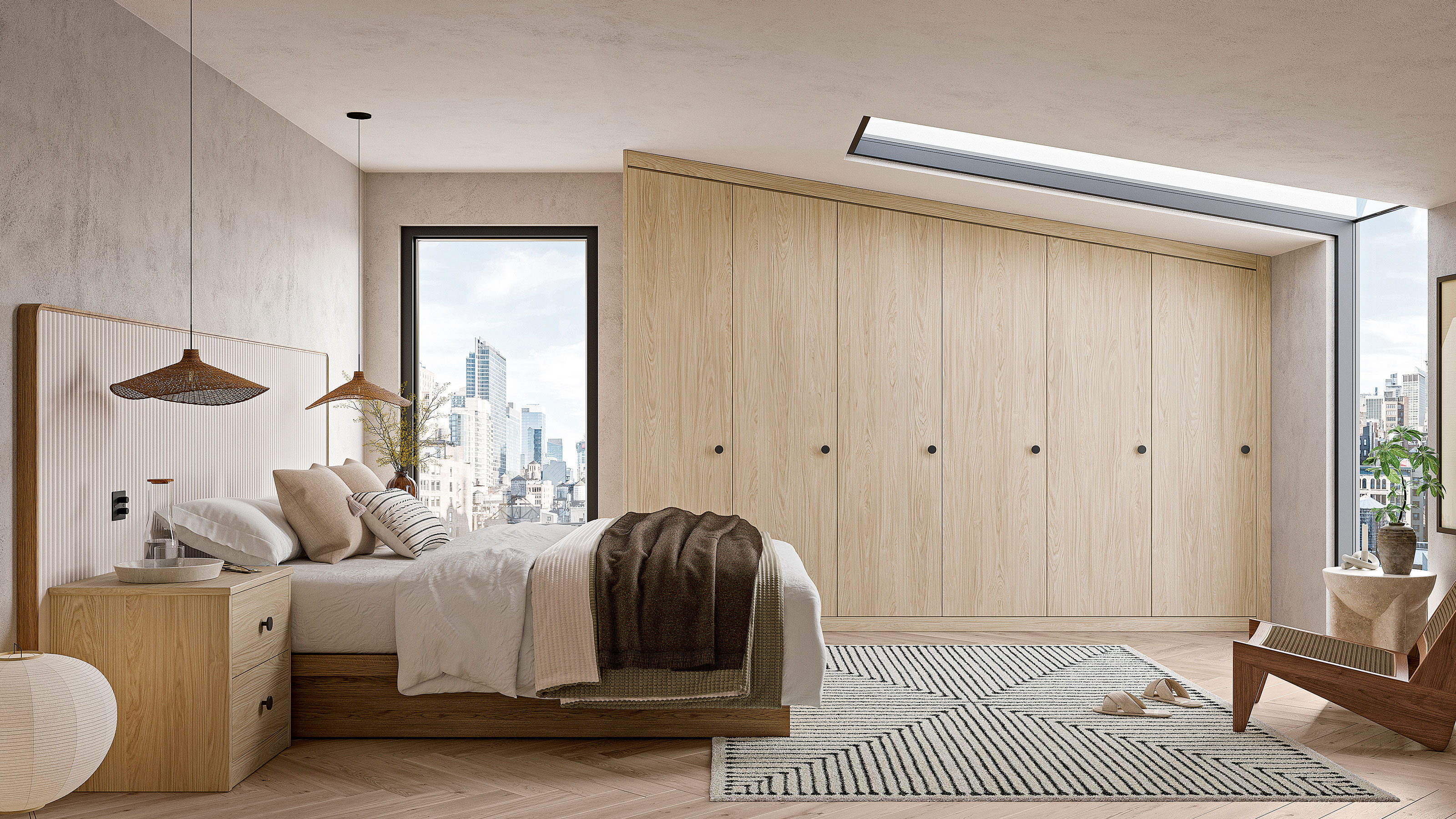
3 design experts reveal how to plan the perfect loft space - from a cohesive scheme to the finishing touches
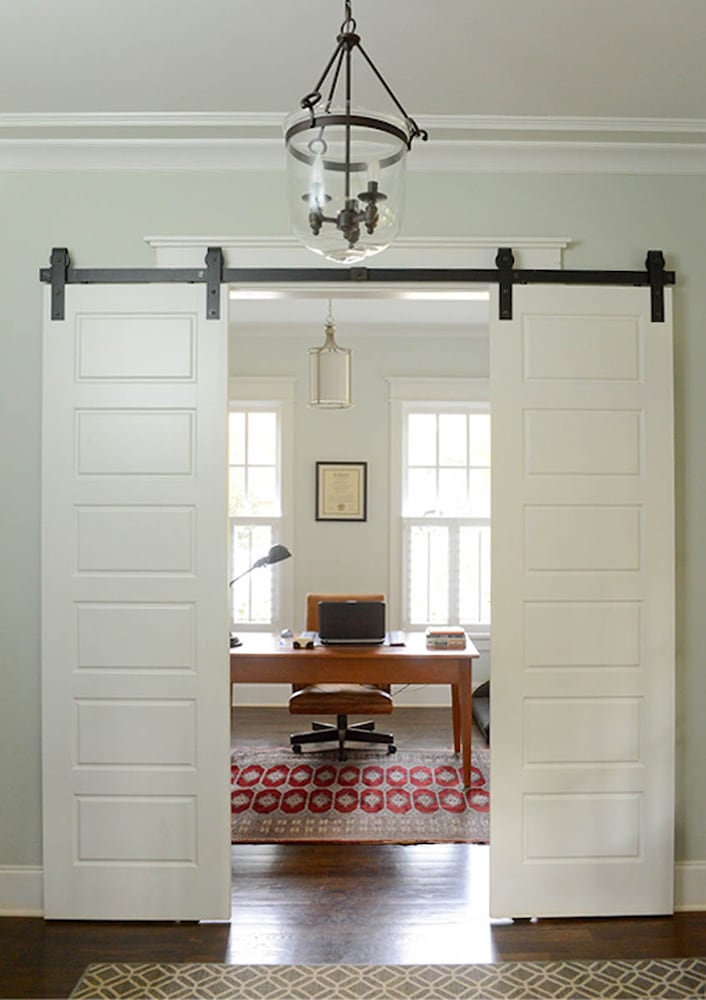
Open floor plans and home offices: How to make it work
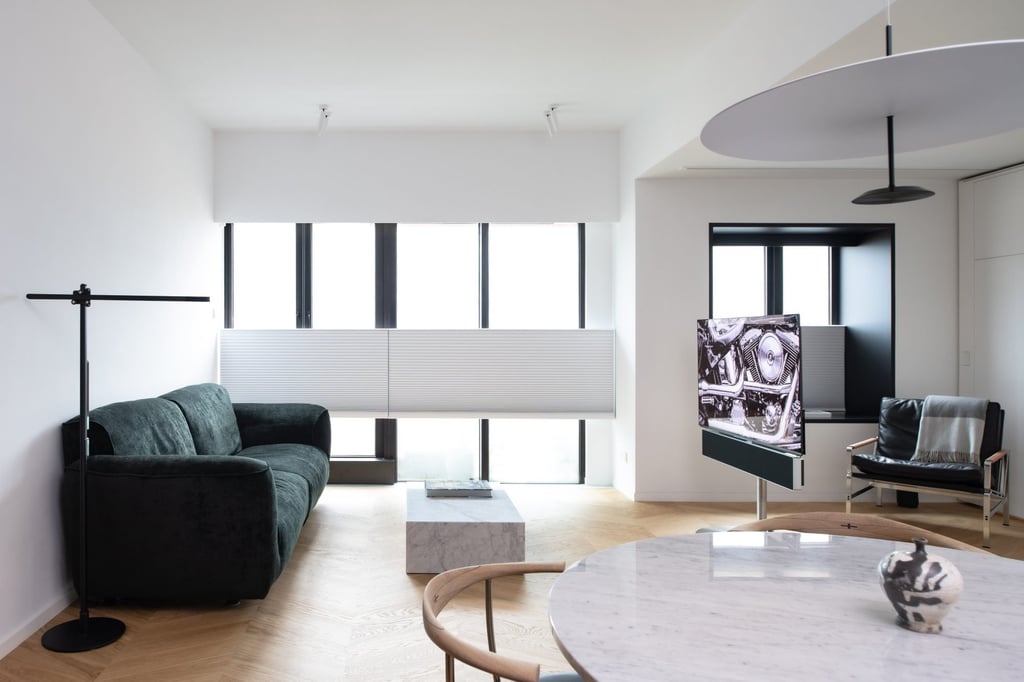
Rooms in this flat flex and contract to suit different needs

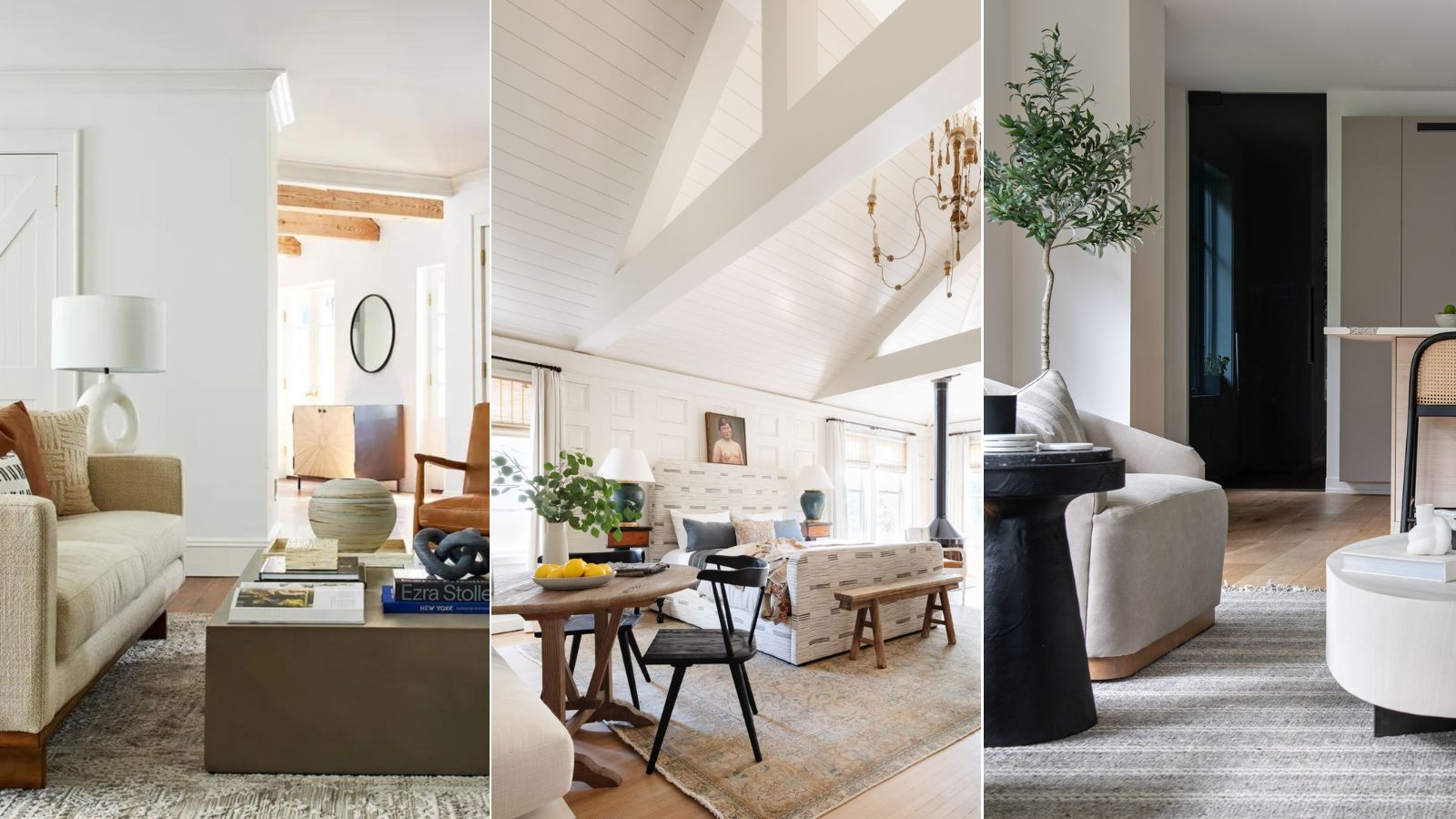
How can you make an open-plan apartment feel cohesive? Follow these designer's furniture placement rules

How can you master the art of open-plan living? We asked the experts for answers

How to Deal When Your Company Moves to an Open Floor Plan

3 top designers agree on this open-plan layout trick – to zone your space quickly

12 Luminous Lofts That Pull Off the Industrial Look

An Analysis Of 5 Shoebox Units Floor Plans From An Architecture Student

Floor Plan tips and hints

Open-plan living: 12 tips for overcoming the obstacles
From atriums to mezzanines: 7 stylish ways to design your interior floor plan

Rectify or replace 1980s loft conversion?