1/8
From atriums to mezzanines: 7 stylish ways to design your interior floor plan
Effective interior space planning is crucial for creating a home that is both aesthetically pleasing and functional, whether undertaking a renovation or building a new house. The design choices vary significantly based on budget and lifestyle. Beginning the planning process by envisioning an ideal space, without initial limitations, allows for creative freedom. A key step involves defining interior zones and their intended uses, then orienting each space according to the home's solar path, ensuring comfort by avoiding overexposure to sunlight.
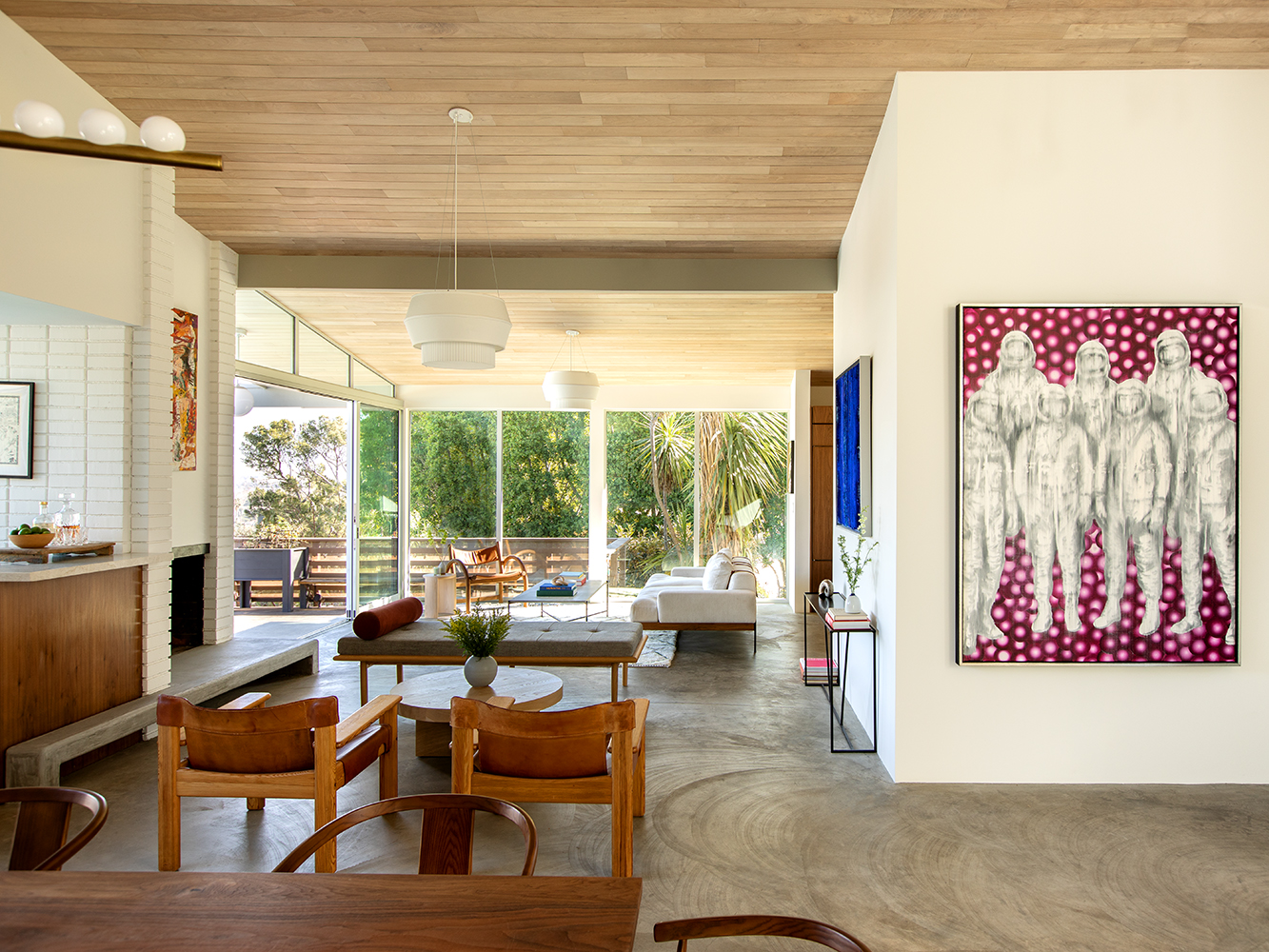
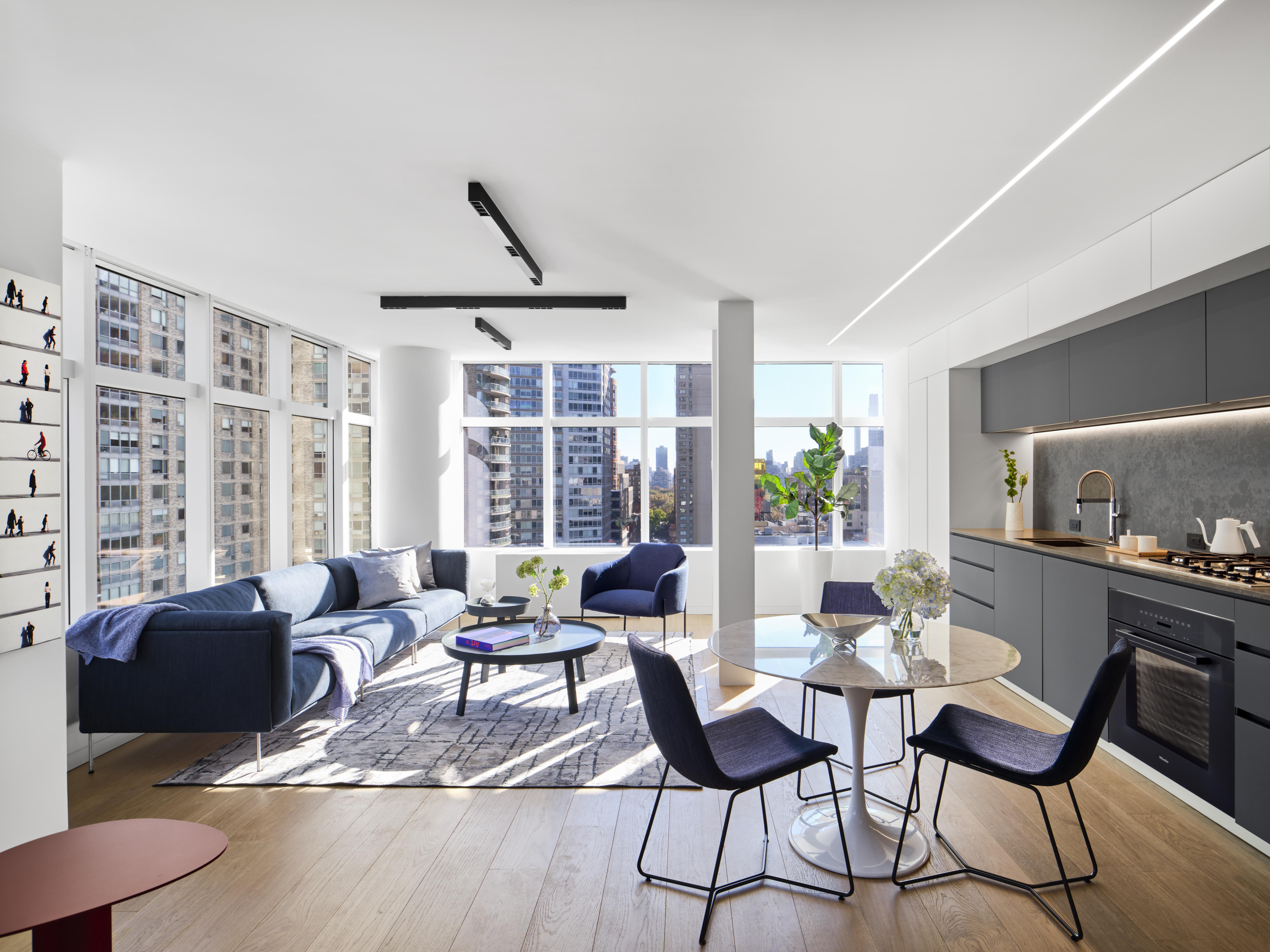
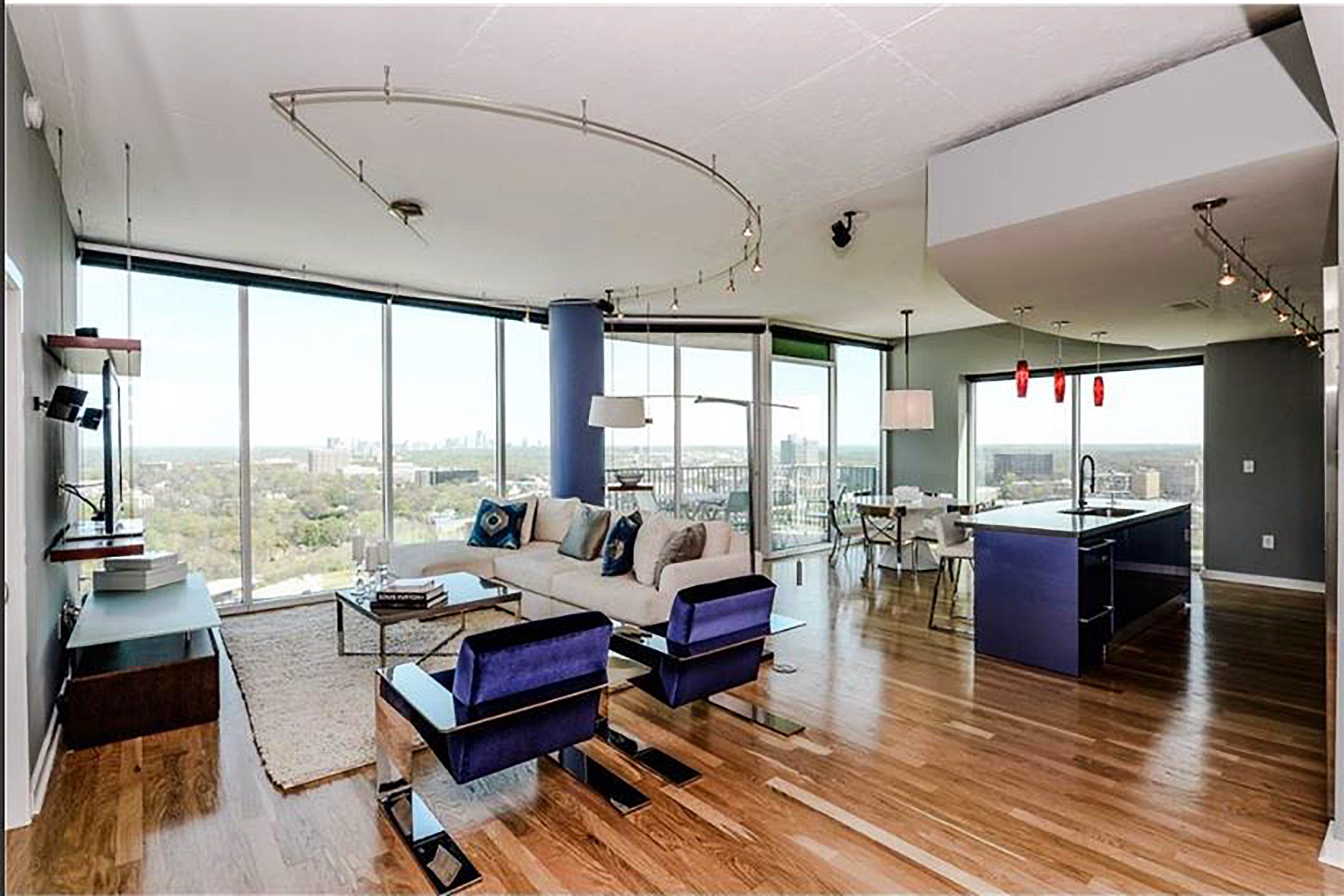
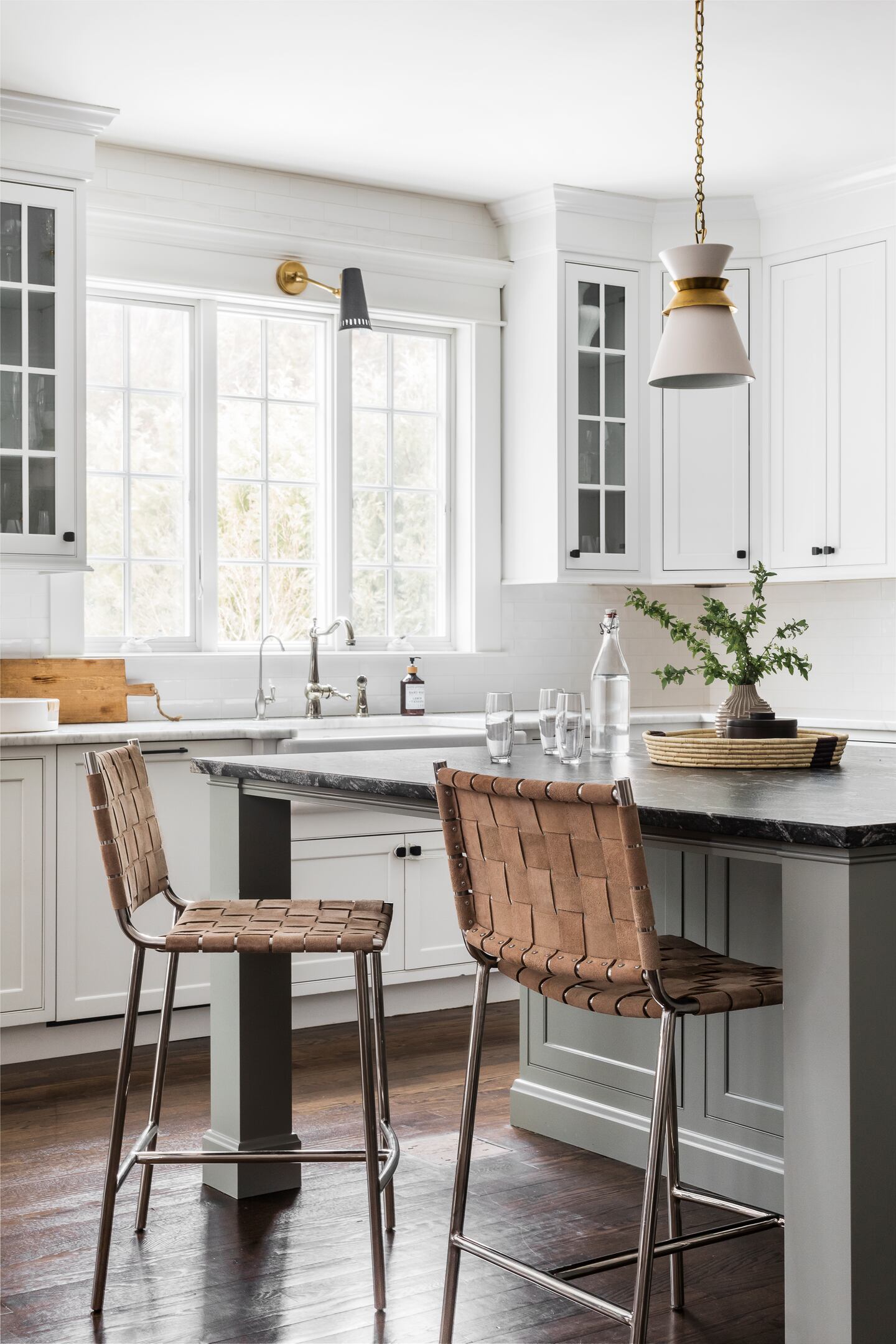
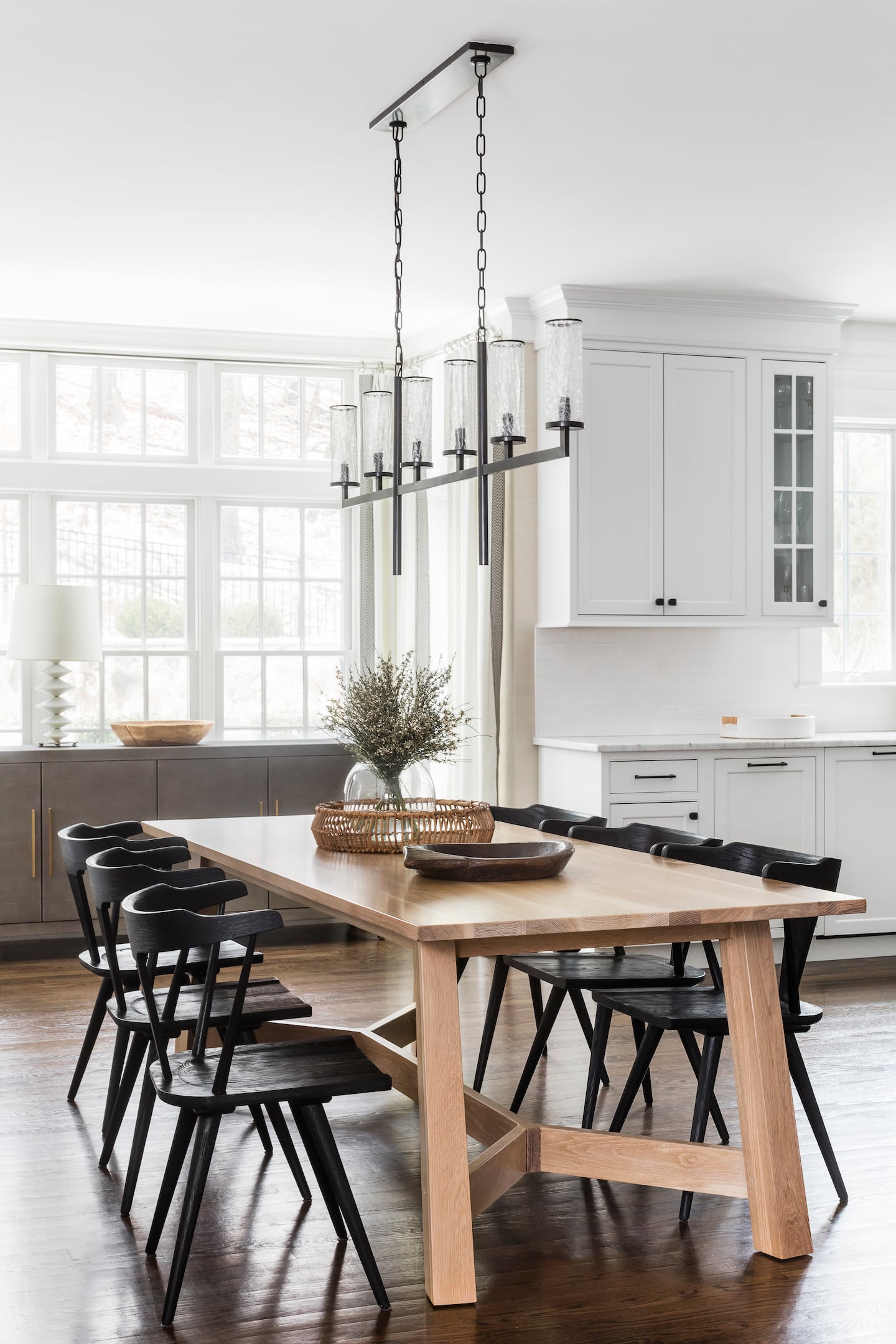
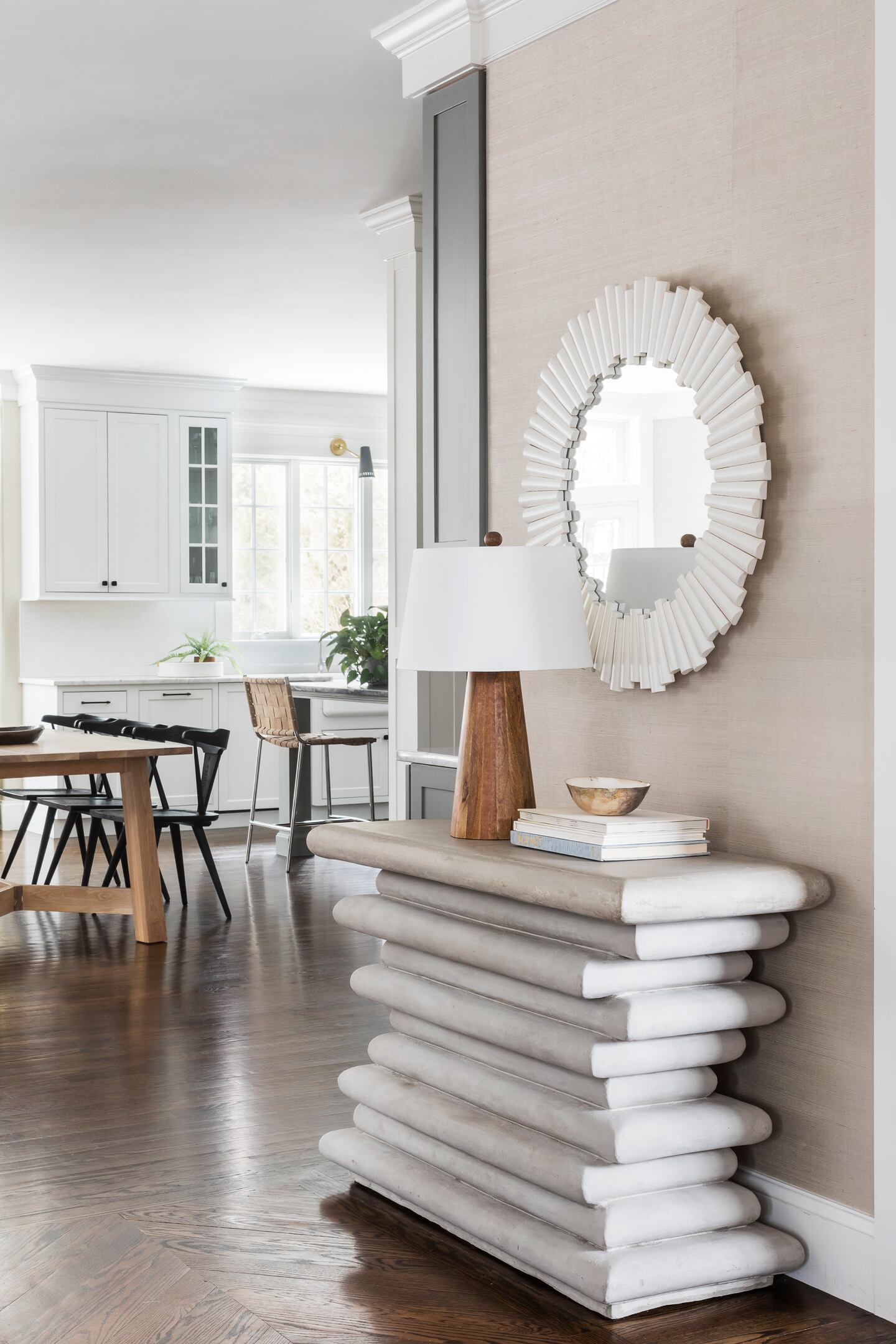
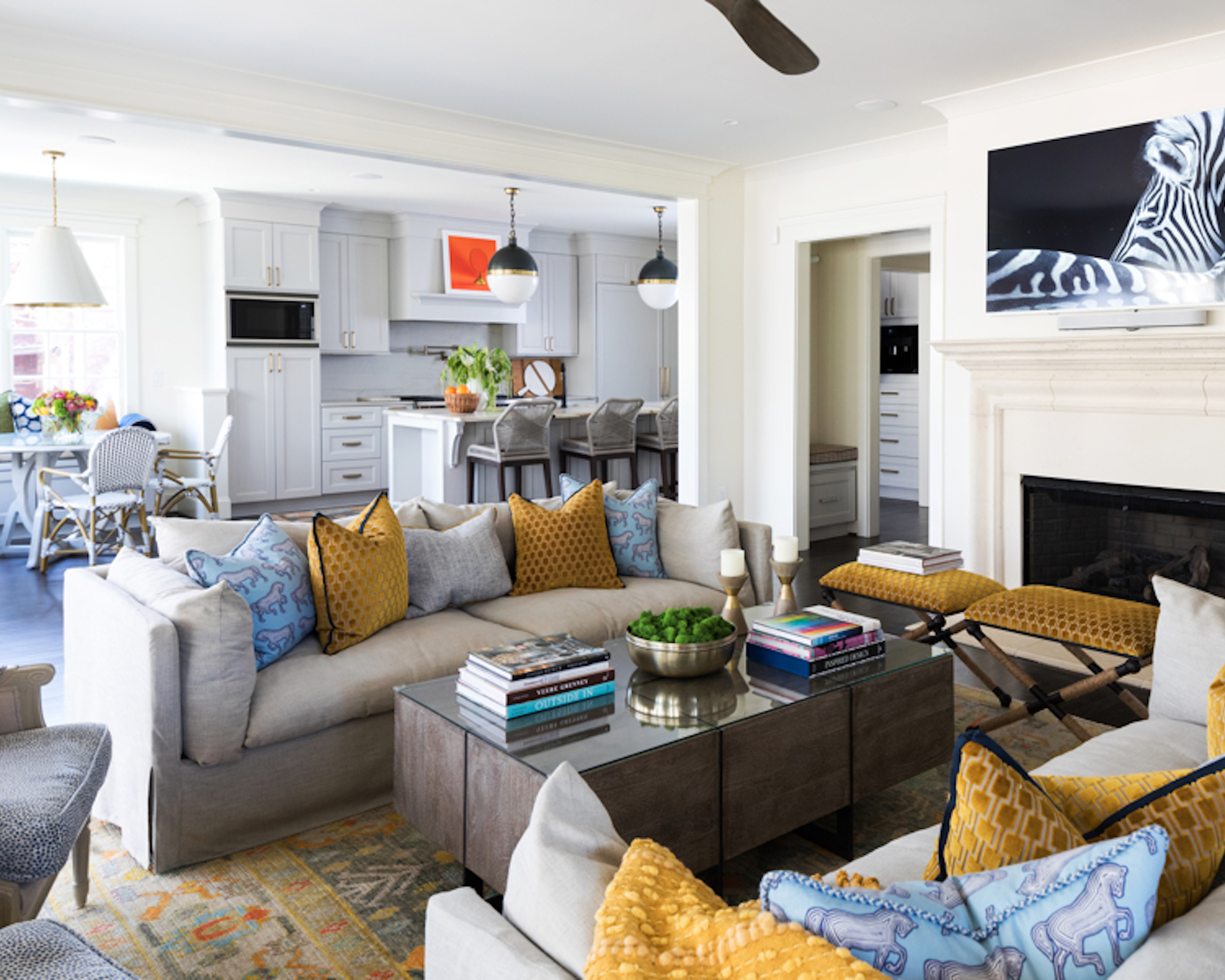
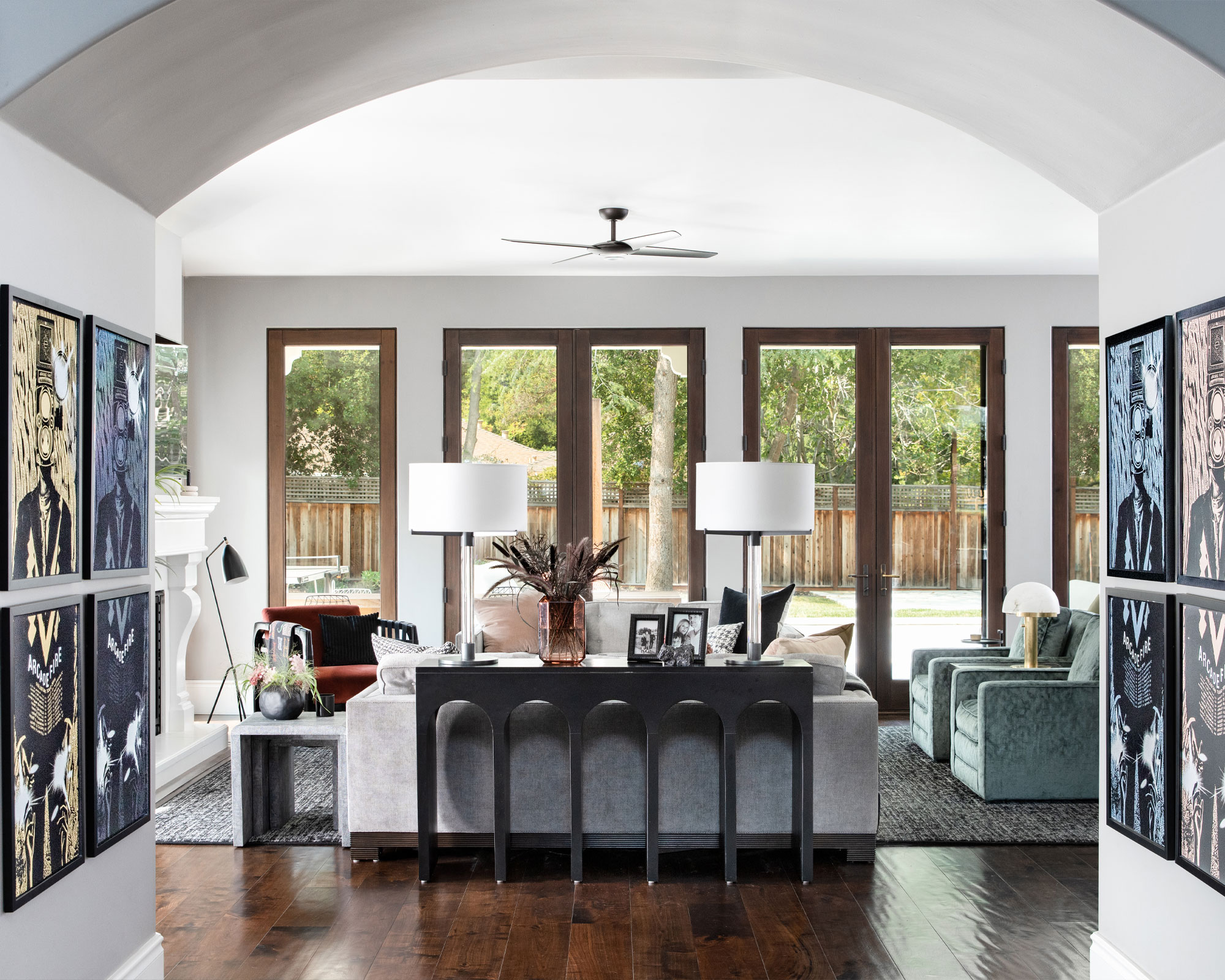
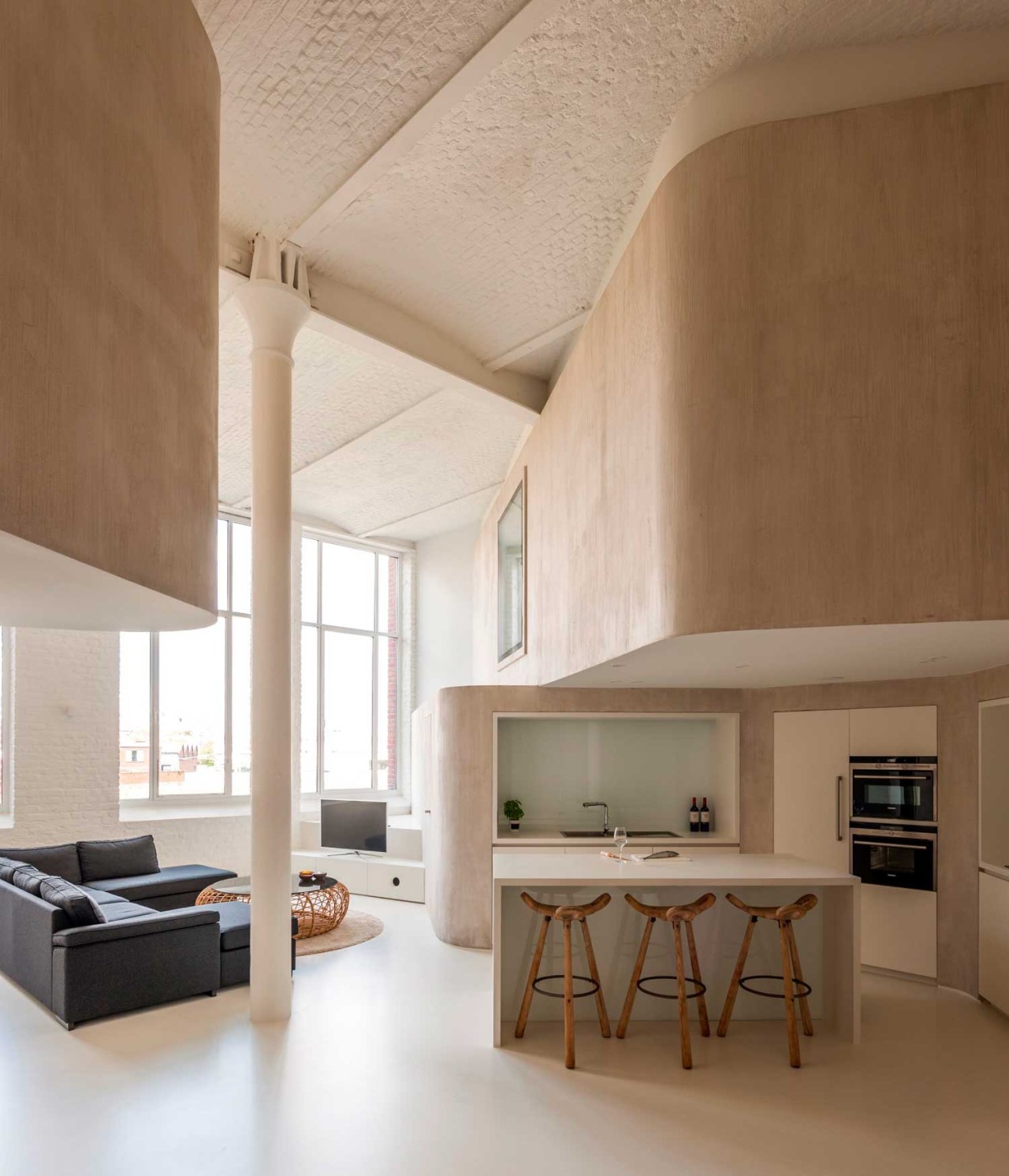
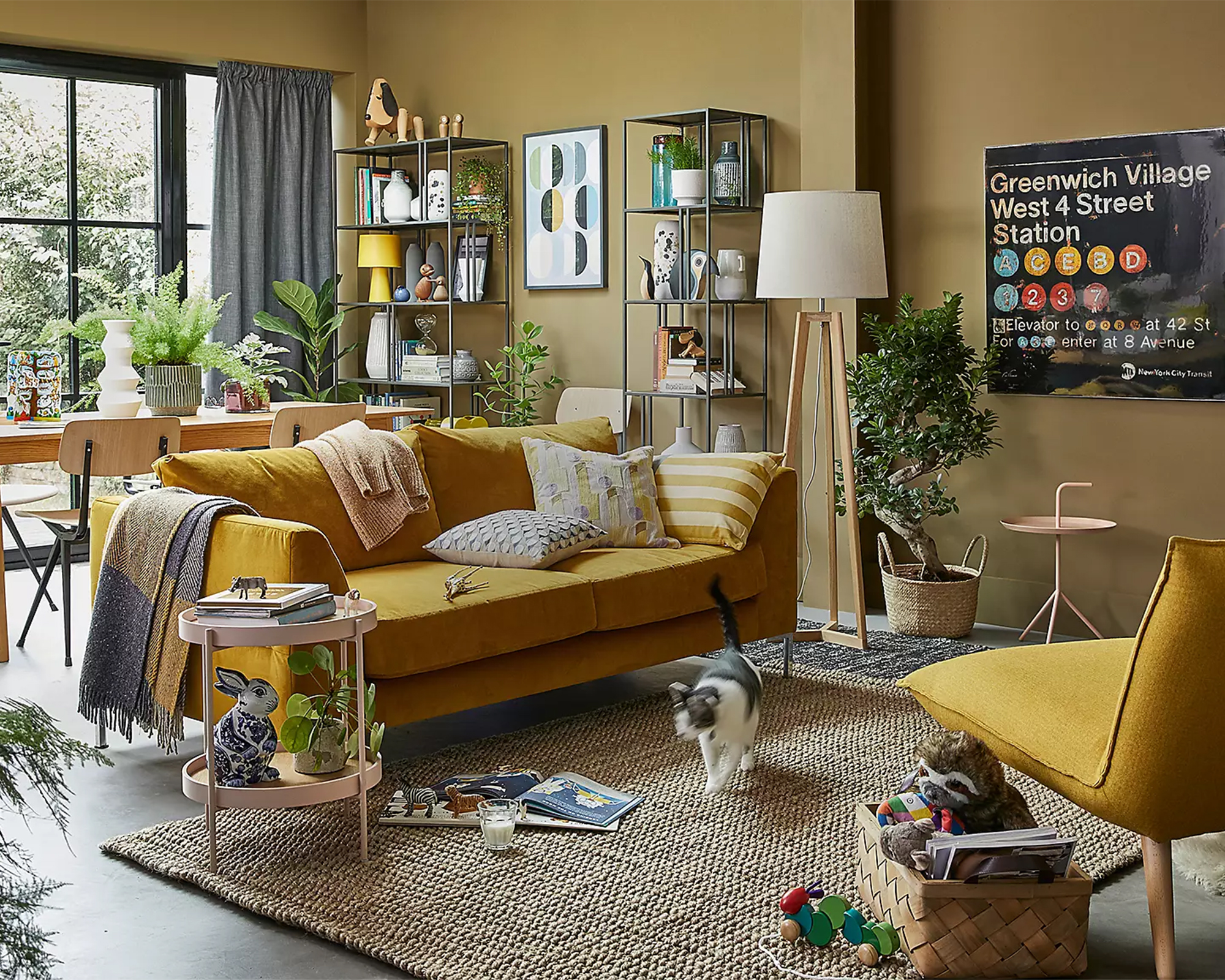
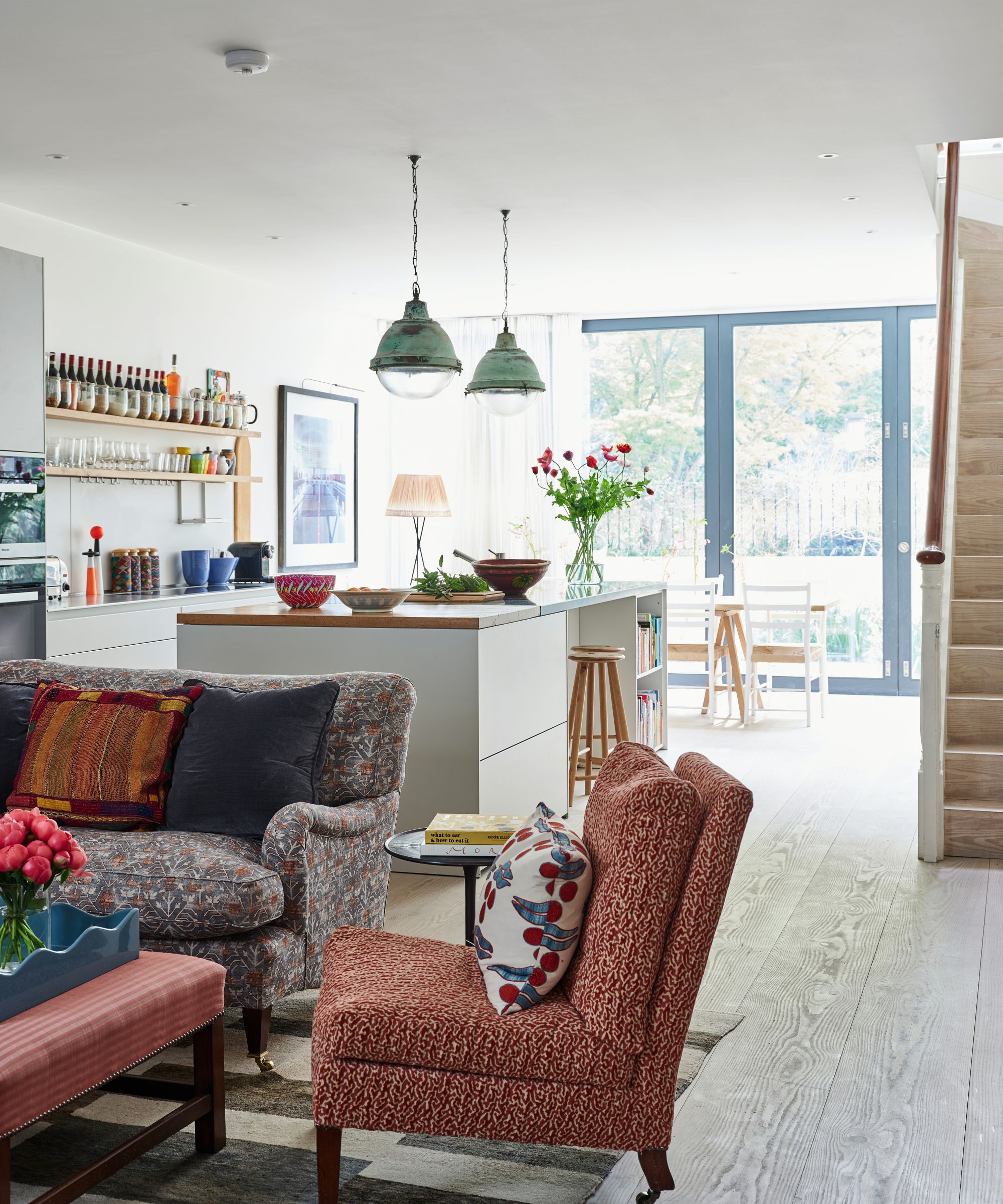
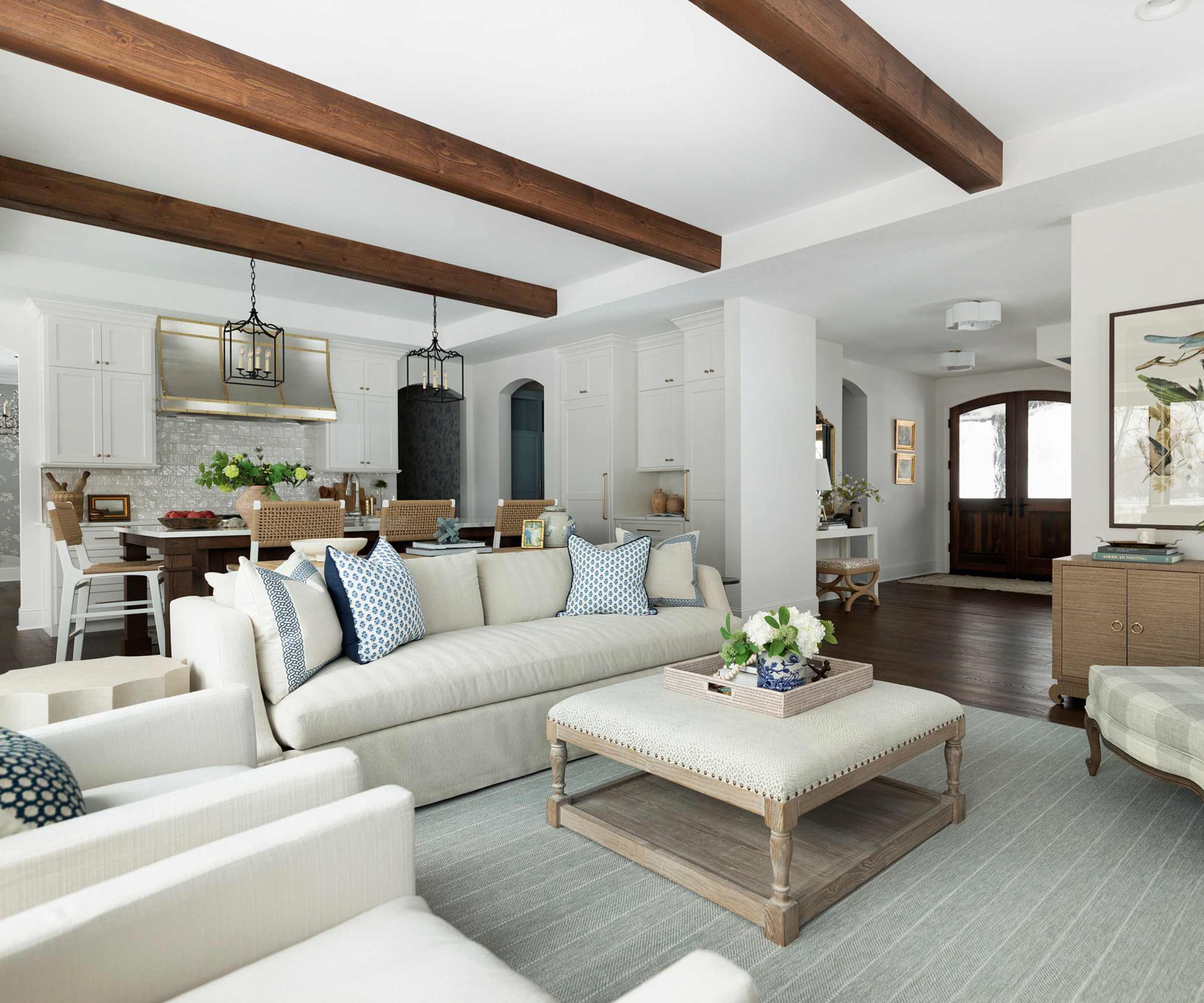
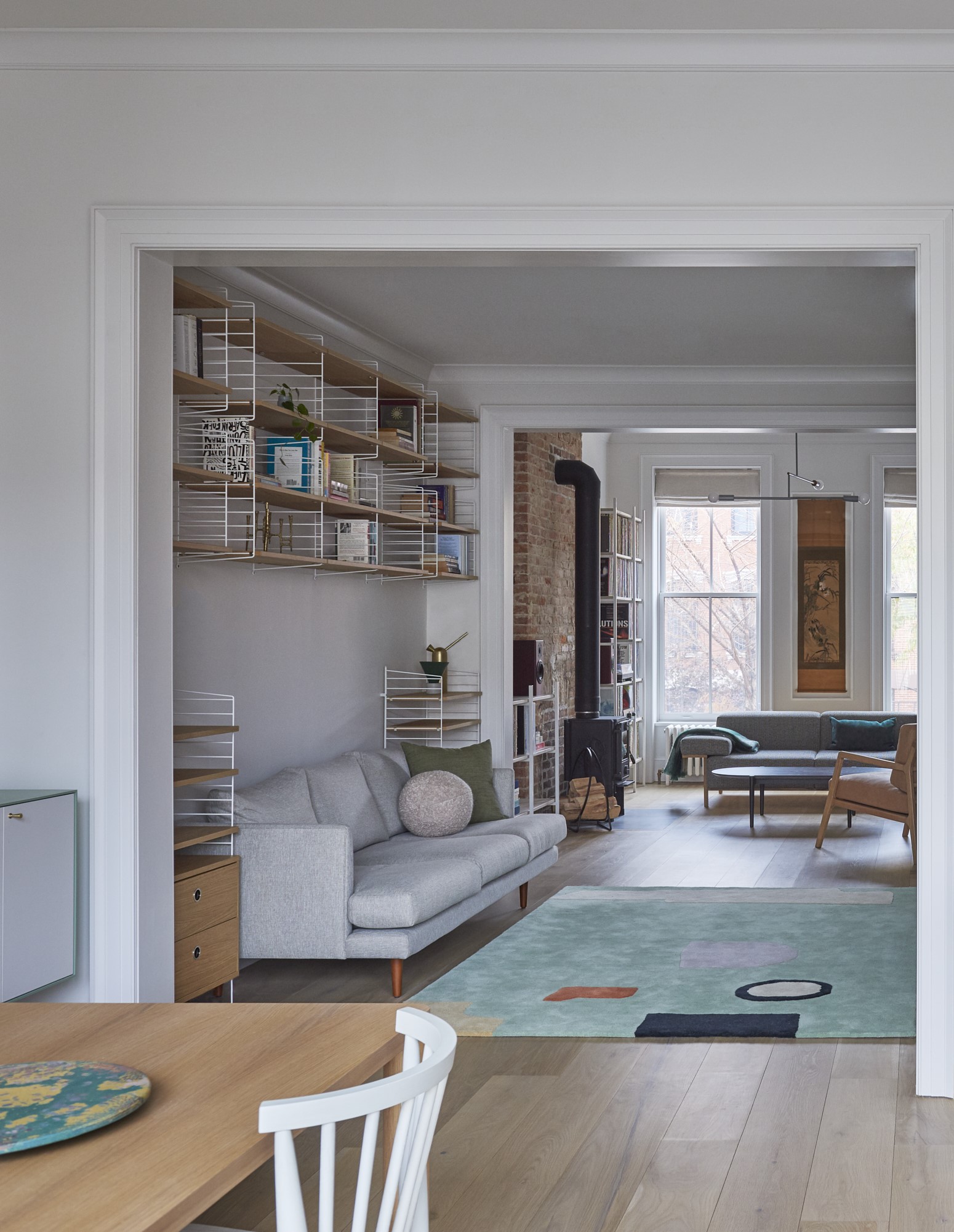
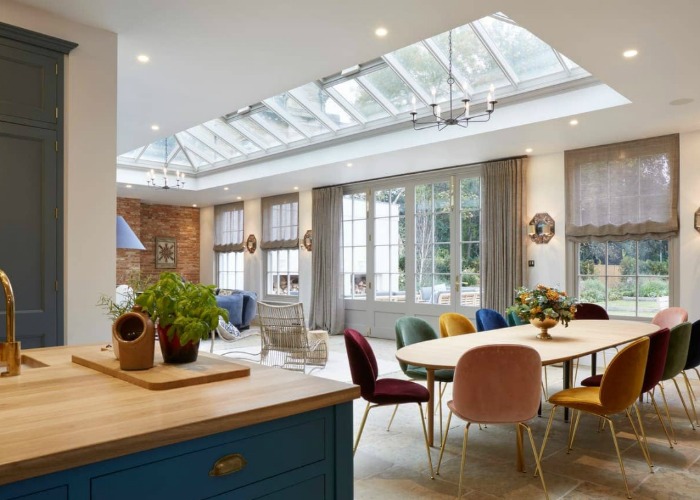
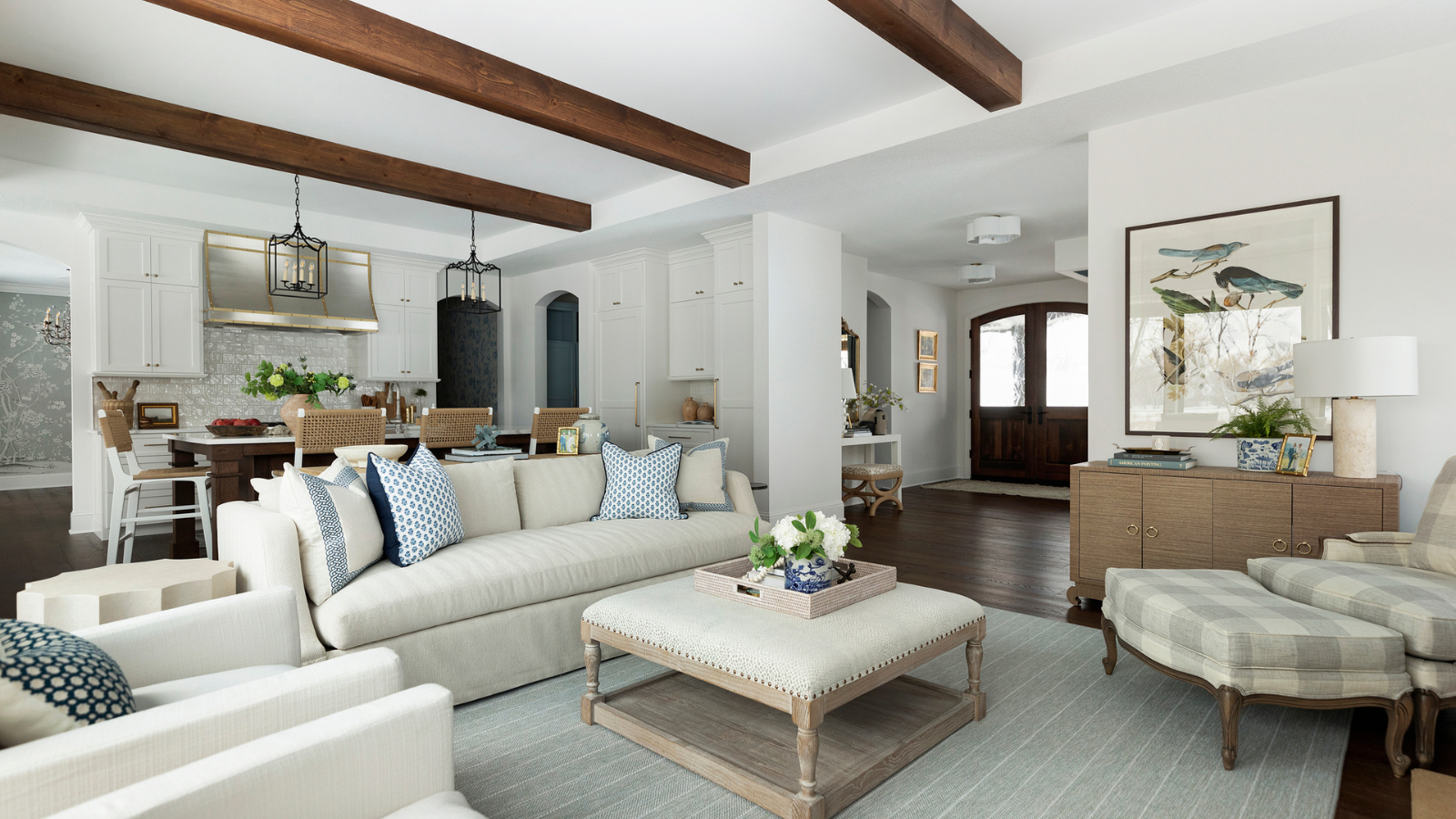
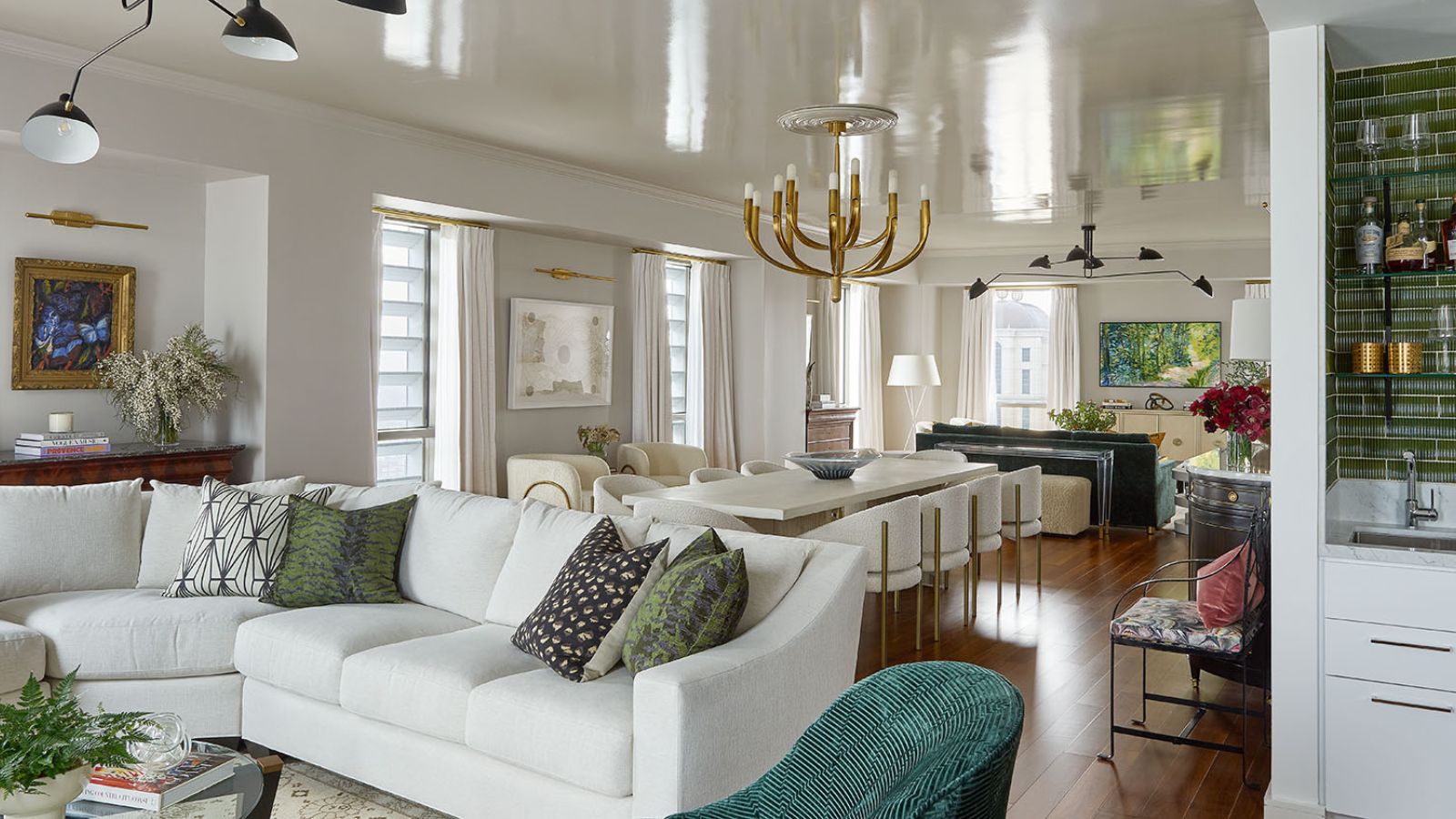
Several layout options exist to achieve desired functionality and style. Open-plan living, for instance, modernizes a home by removing walls to create large, seamless spaces. While this enhances a home's "wow factor" and facilitates socializing, it can reduce privacy and amplify noise. Open-plan kitchens, though popular, may not suit all households, especially if a cozy living room is adjacent to a busy kitchen. To mitigate these issues, subdividing open-plan rooms into functional zones is recommended, always considering the unique constraints and opportunities of the interior.
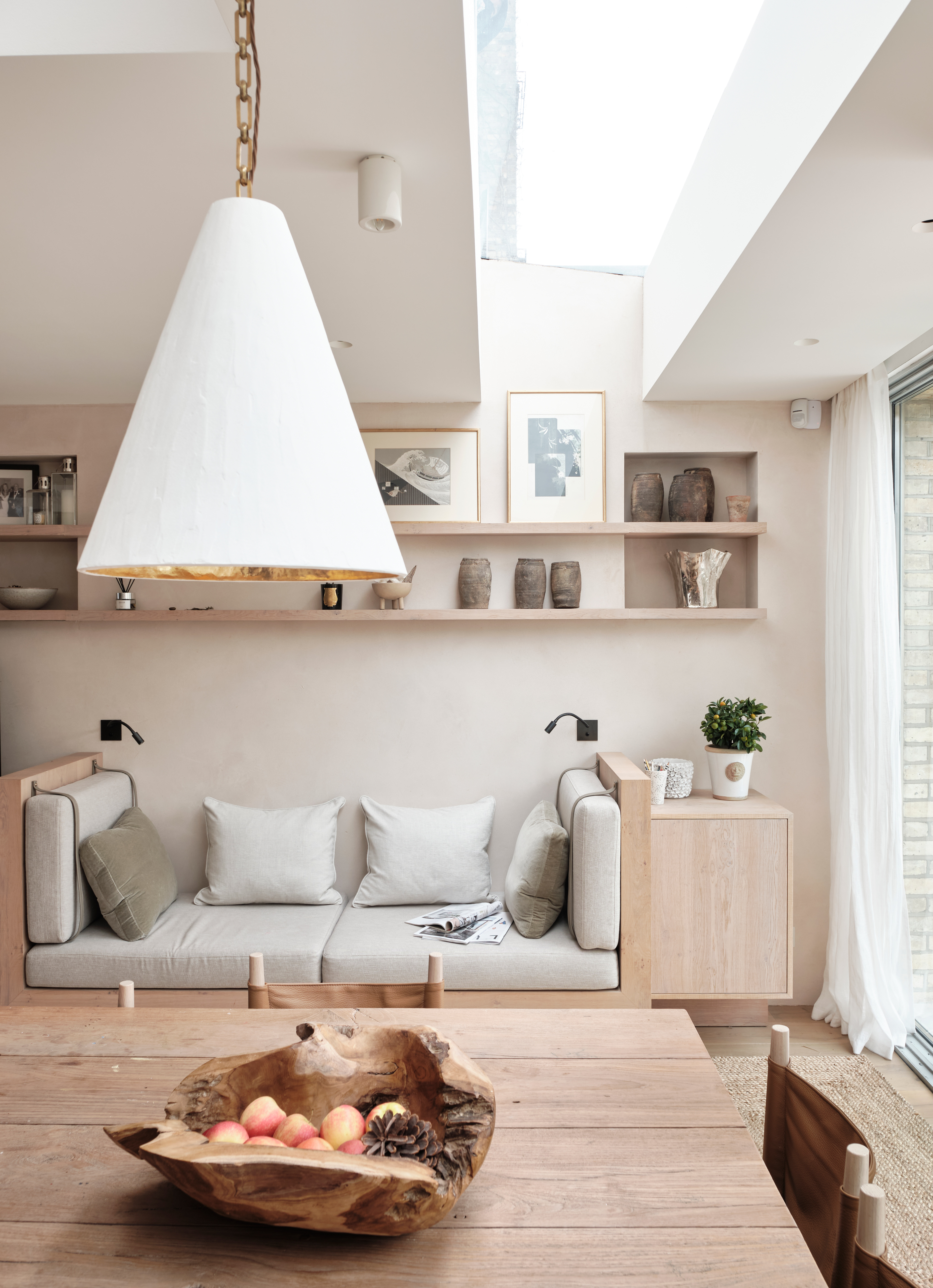
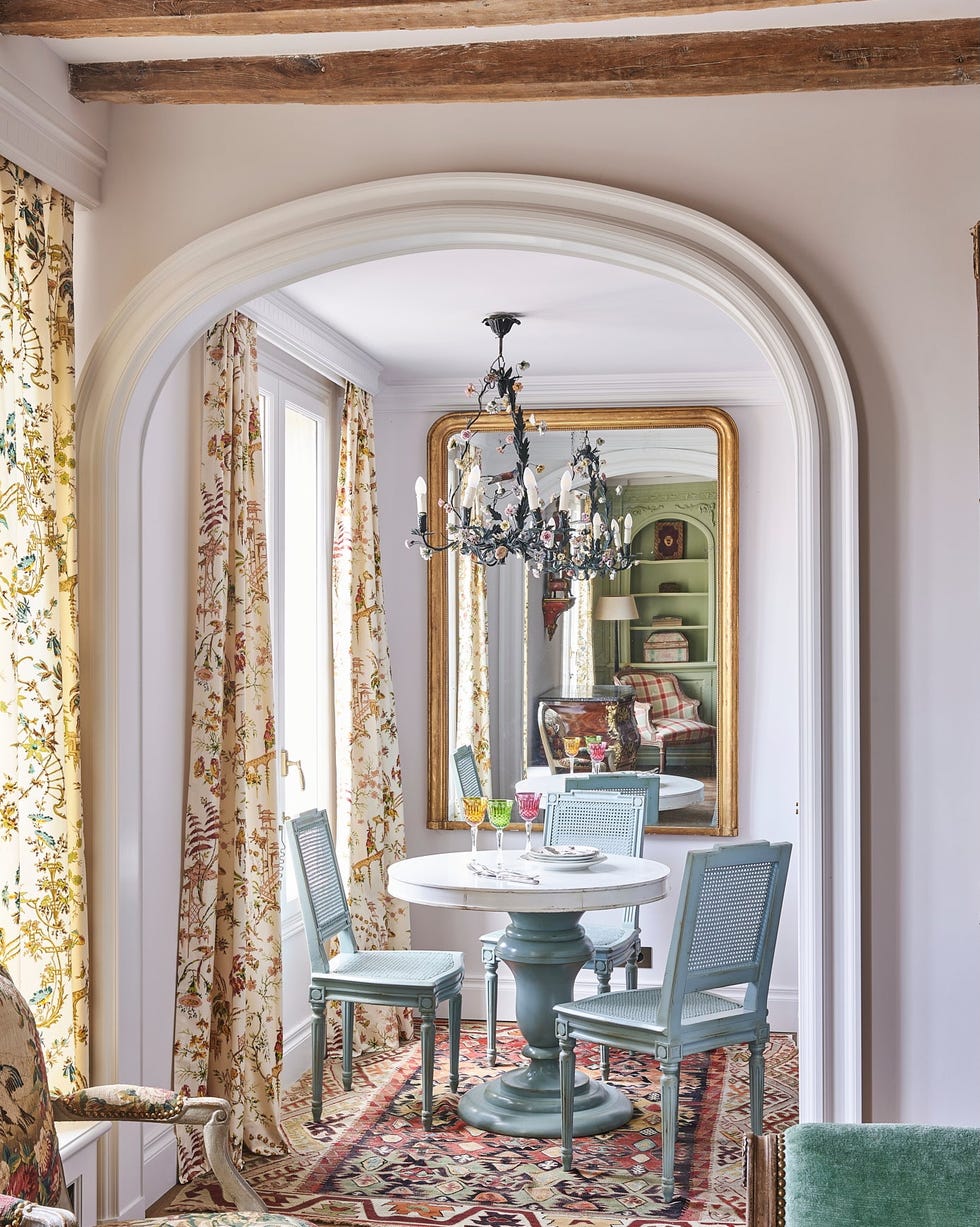
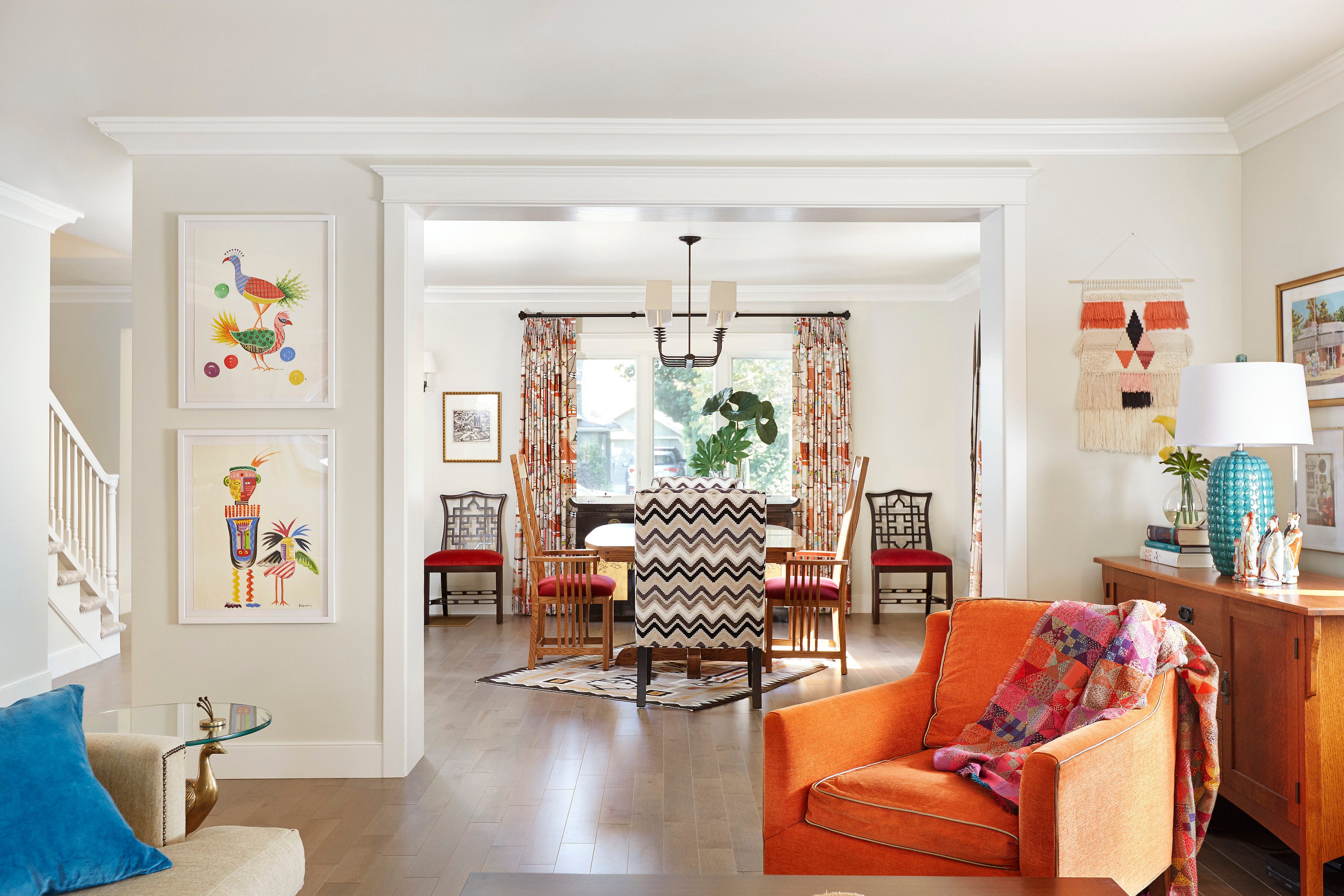
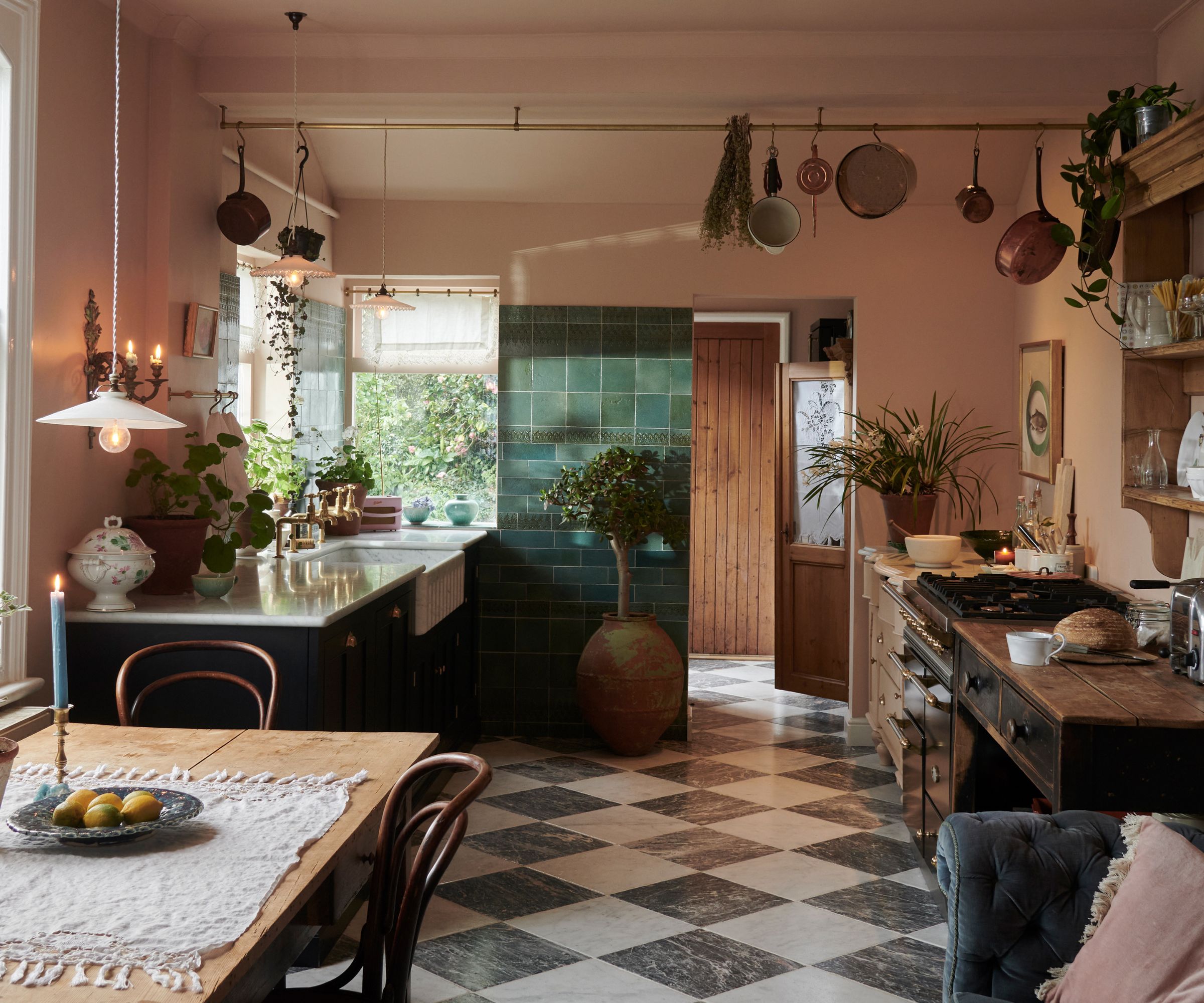
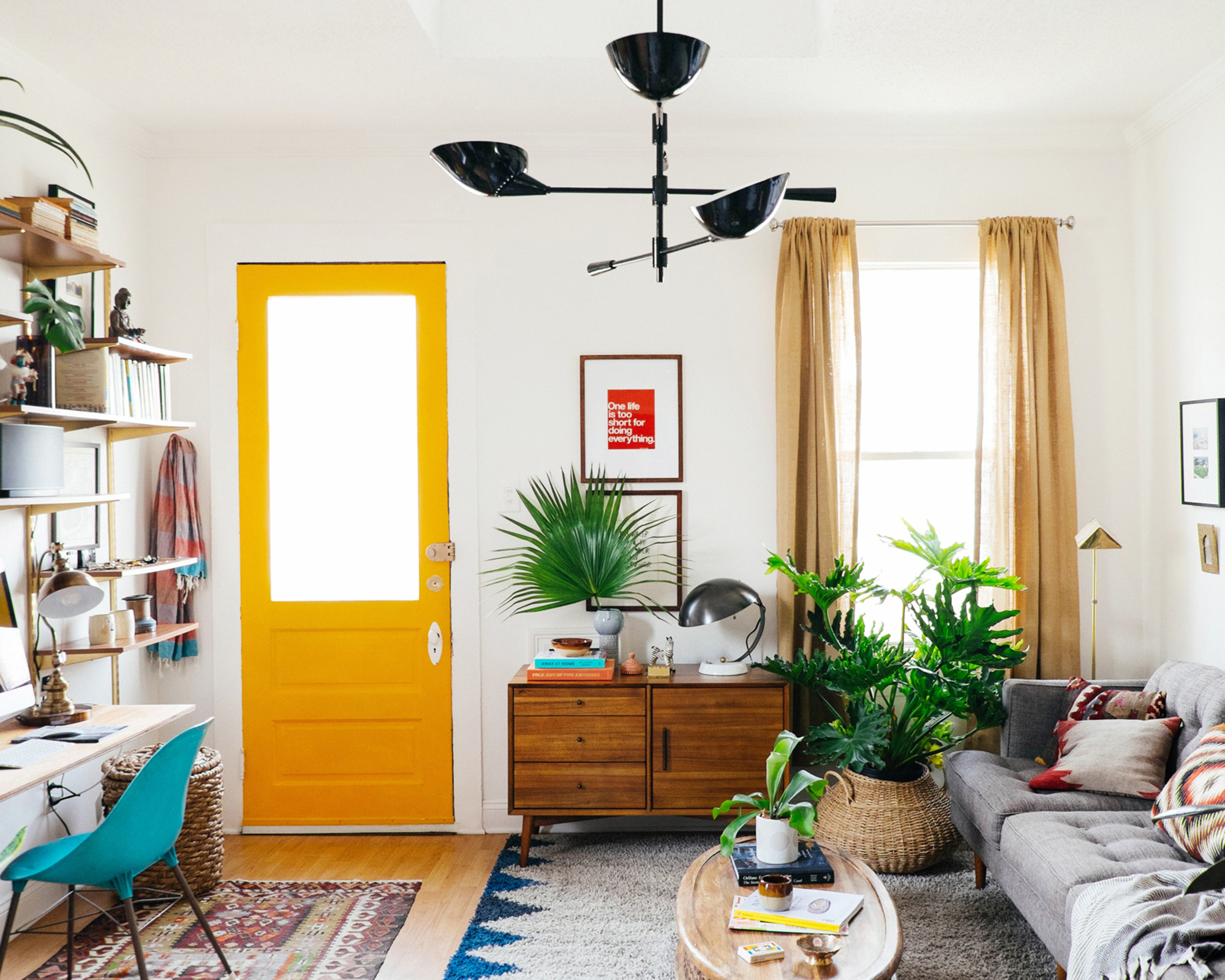
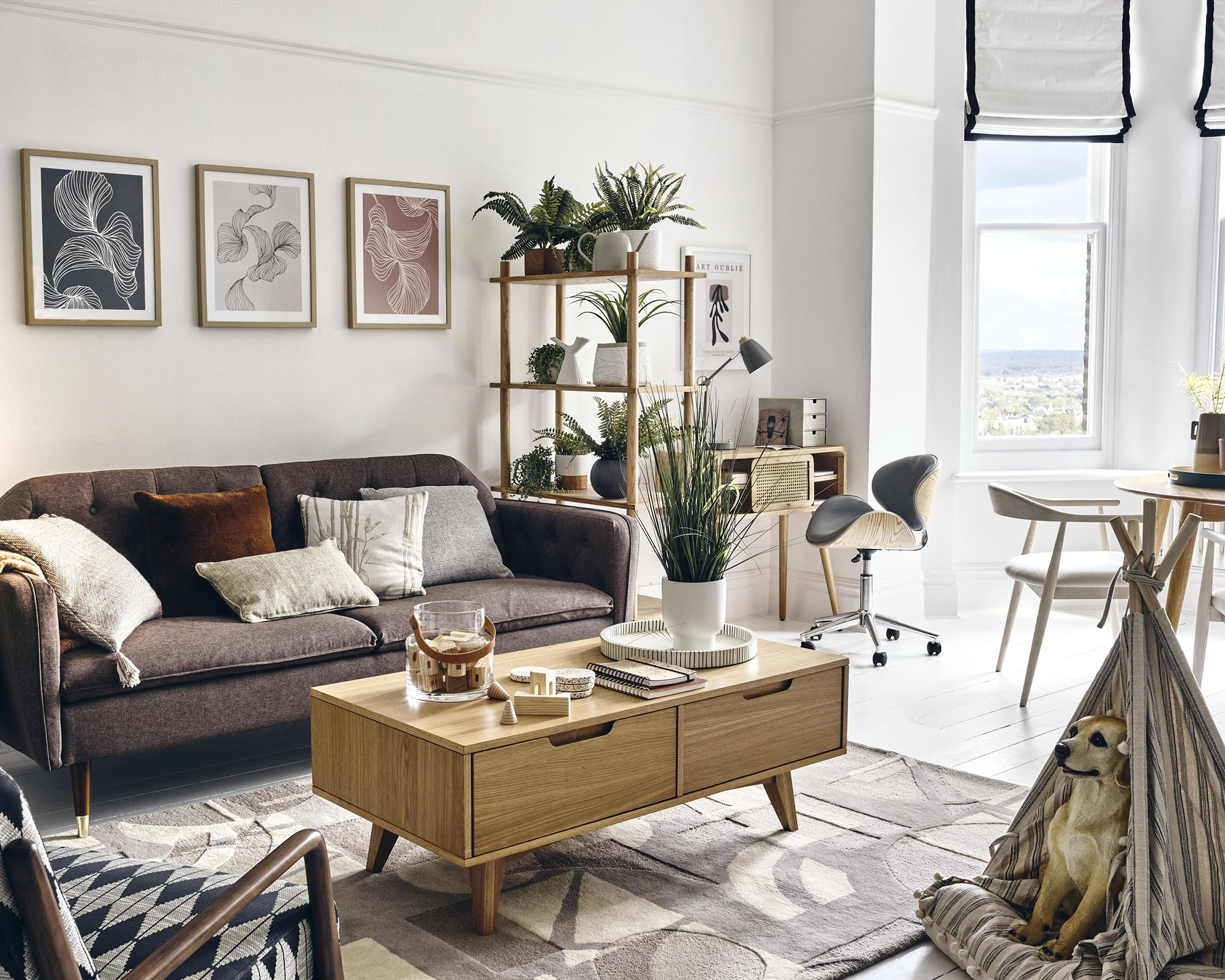
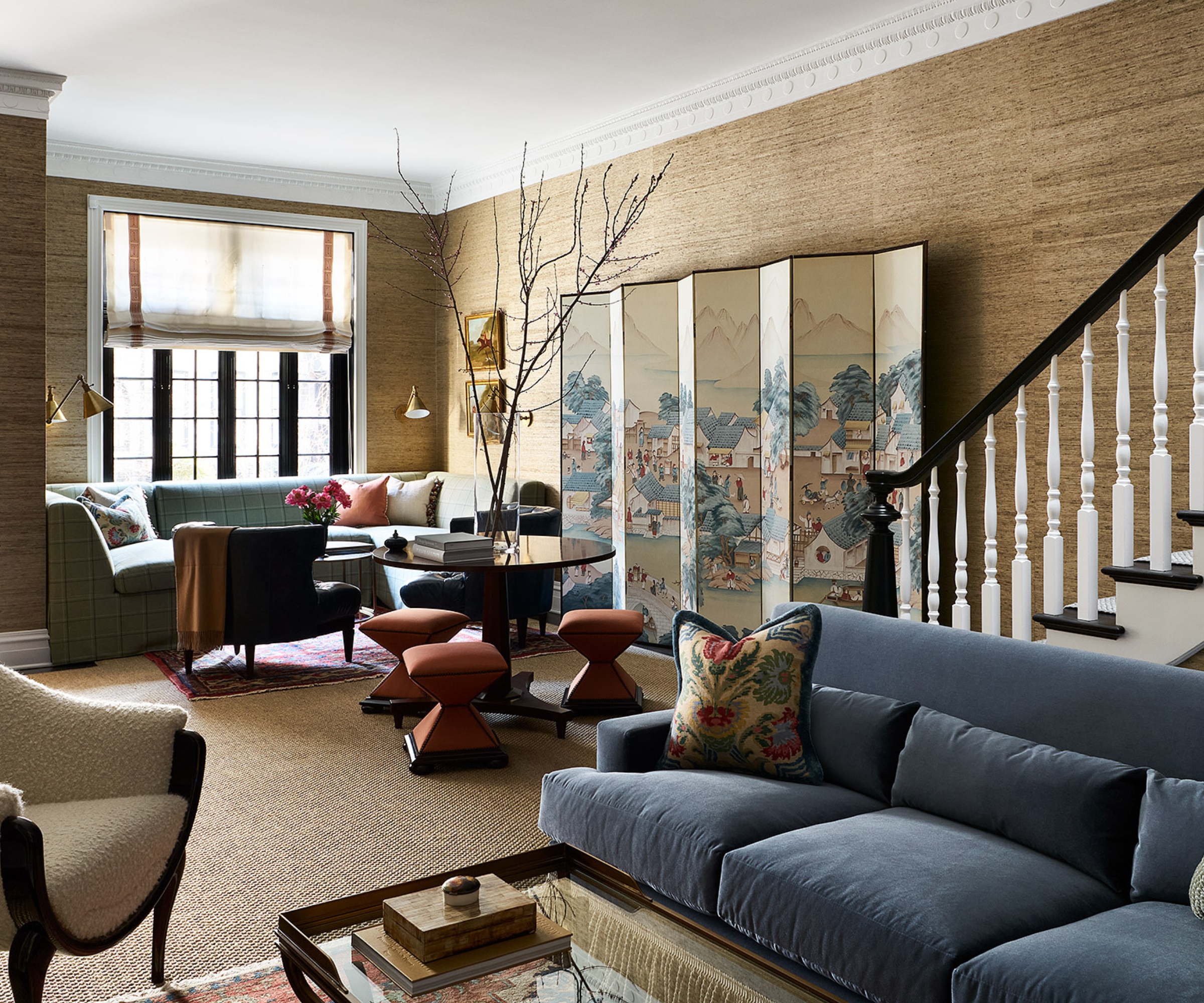
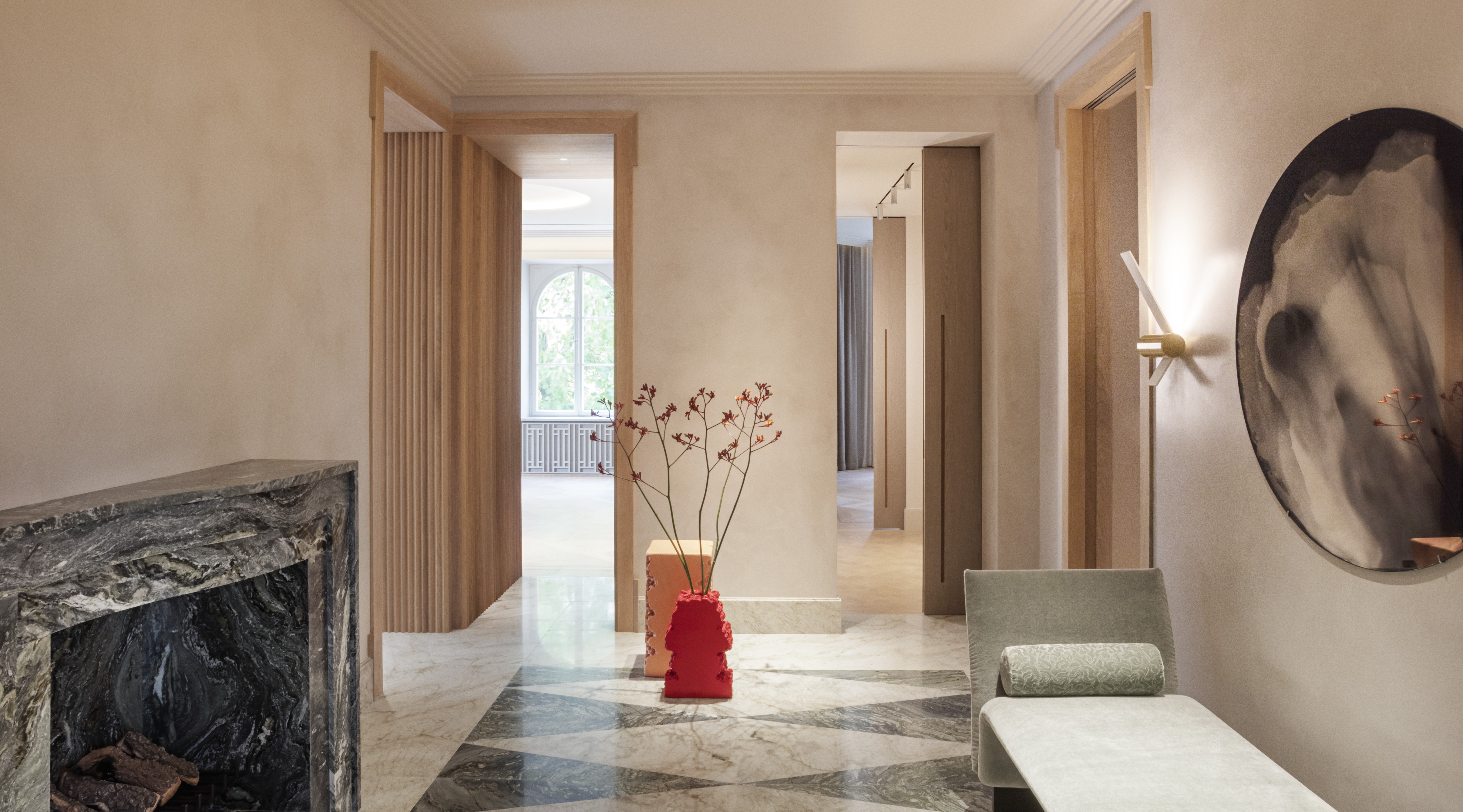
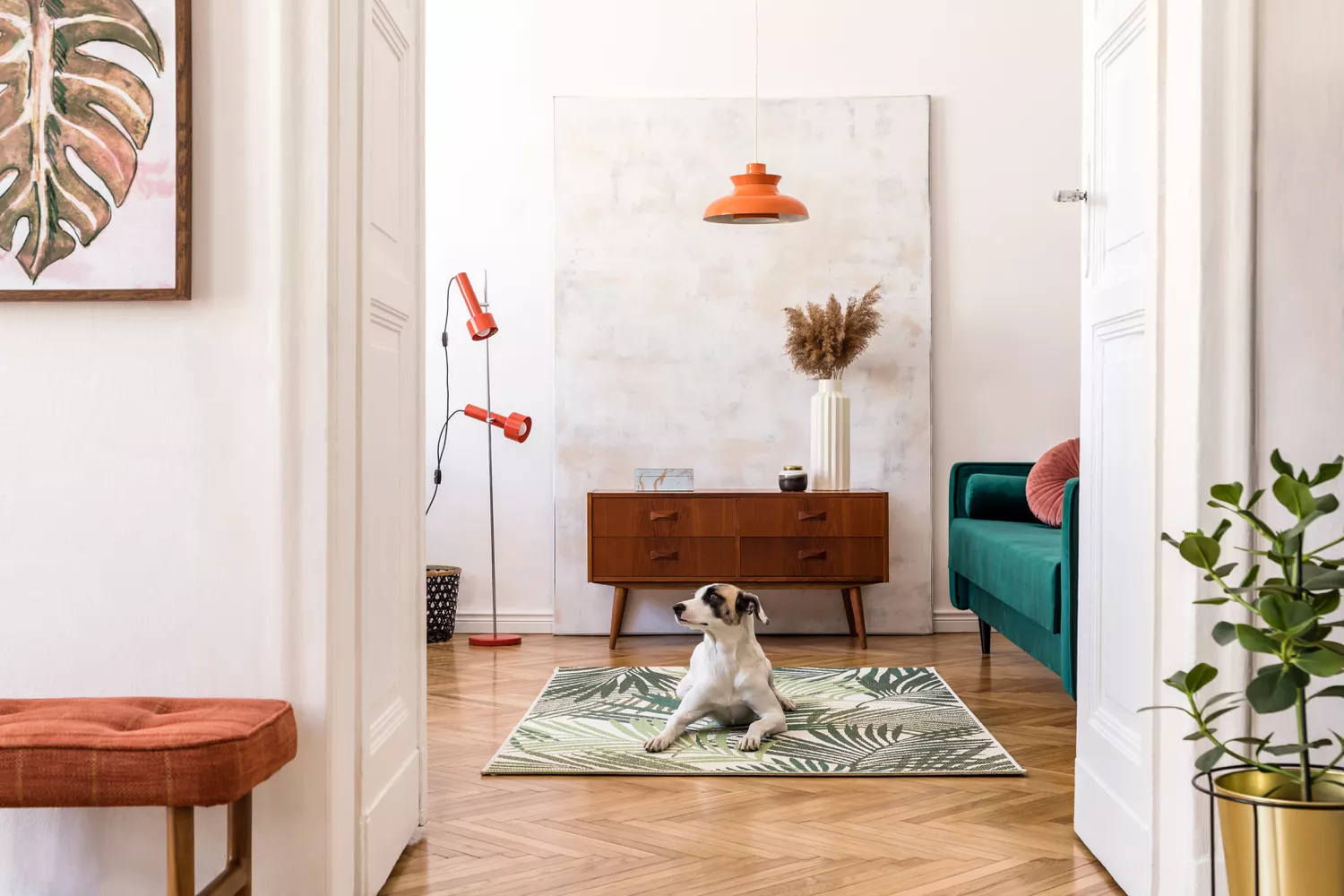
Broken-plan living offers an alternative, providing subtle ways to segment rooms while maintaining a sense of openness. This approach is particularly beneficial for busy families, allowing for distinct zones without fully enclosed walls. Techniques include using varied floor finishes, movable partitions, or splitting living areas across multiple levels. Broken-plan design allows for spatial separation, which is advantageous in smaller properties or when building on a compact plot. Material continuity, such as using the same flooring in adjacent areas like the kitchen and hallway, can tie different zones together.
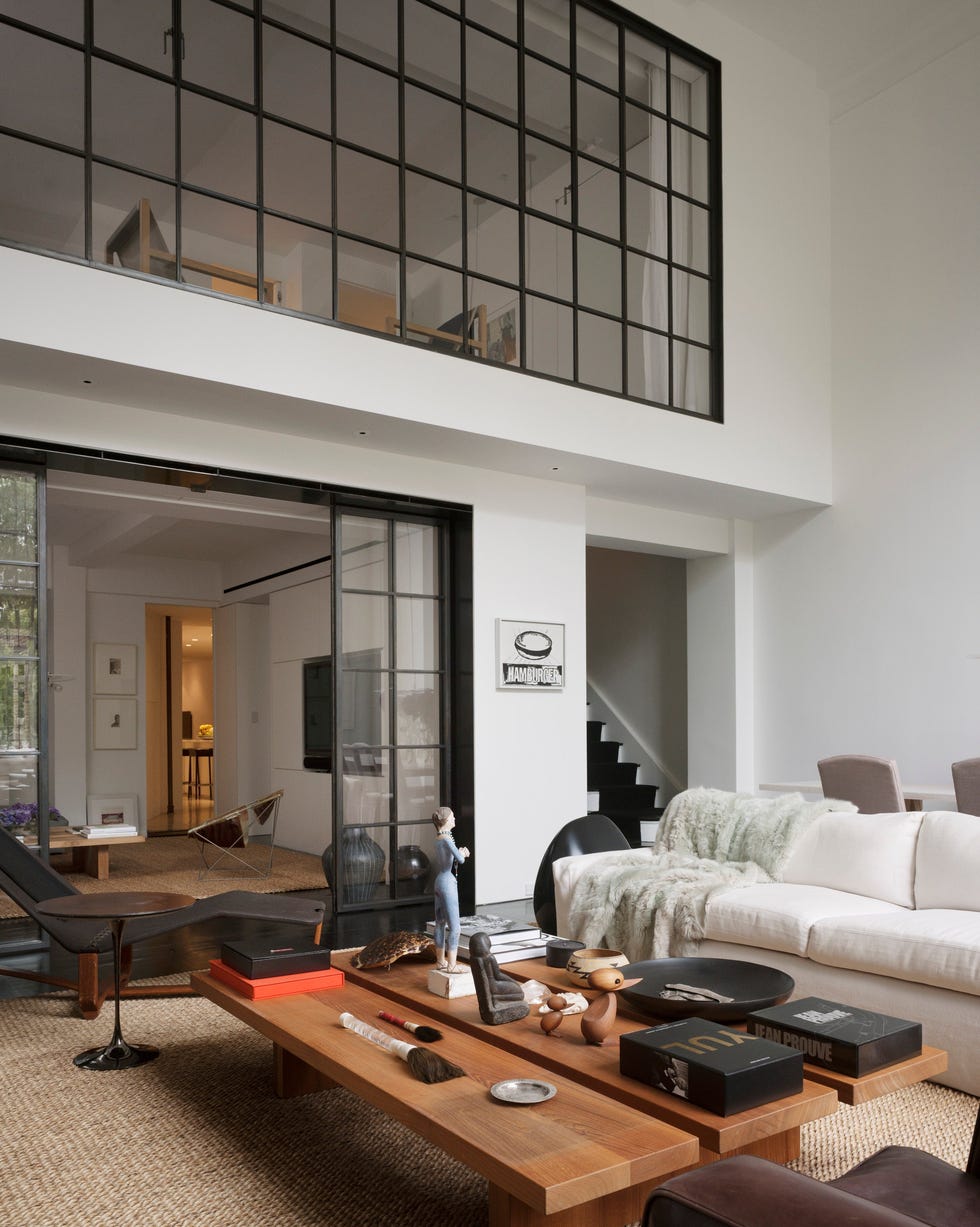
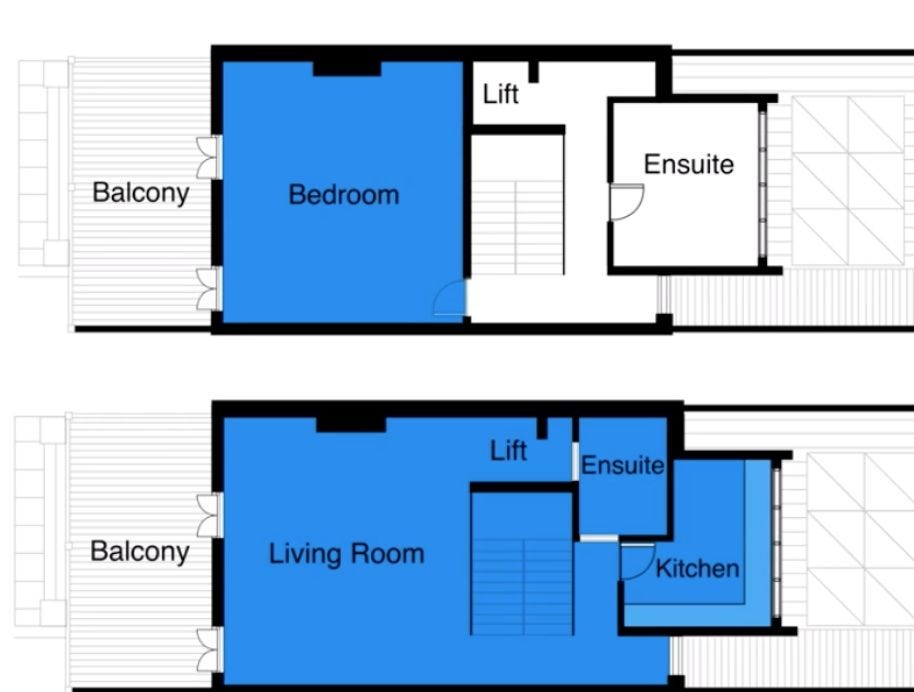
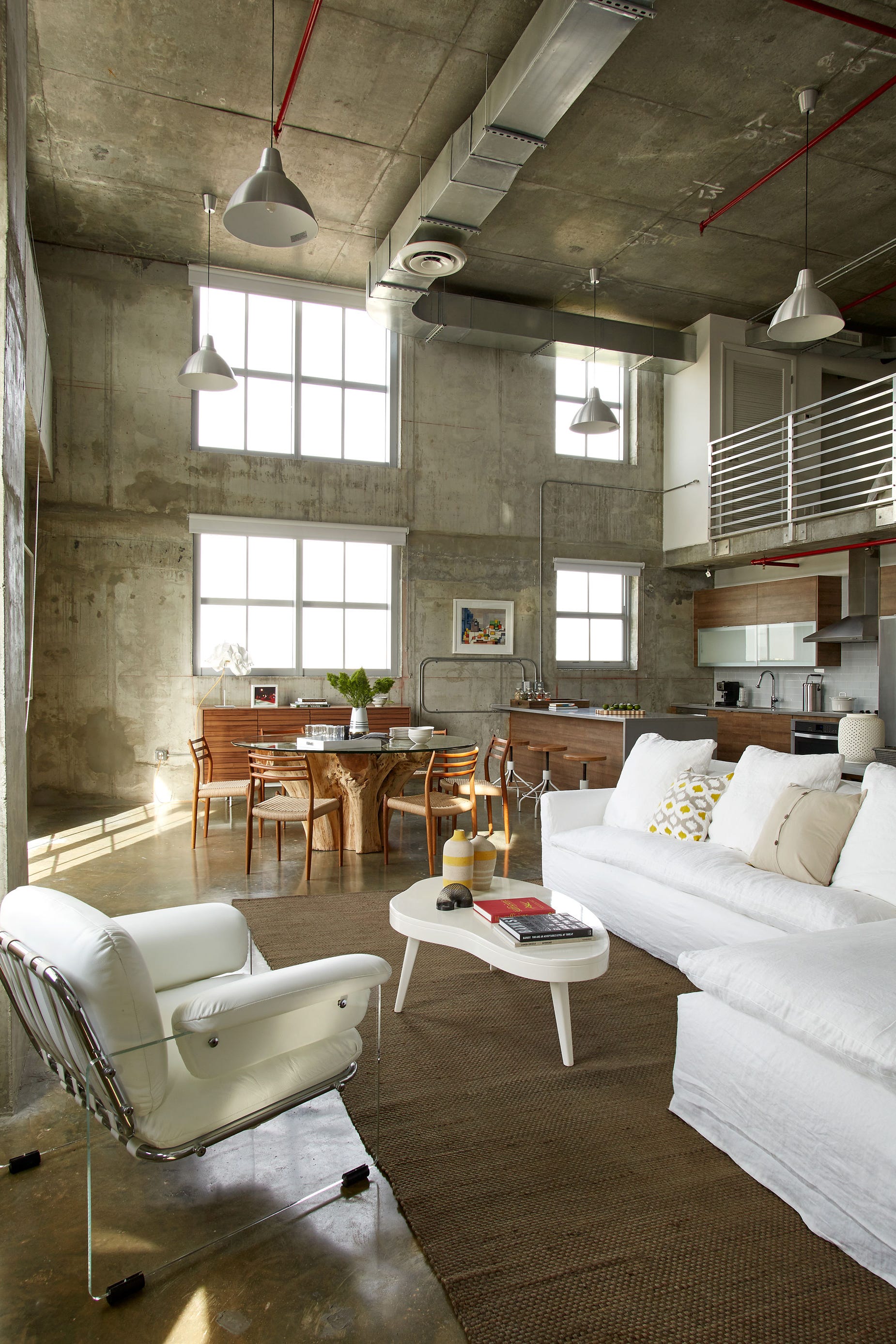
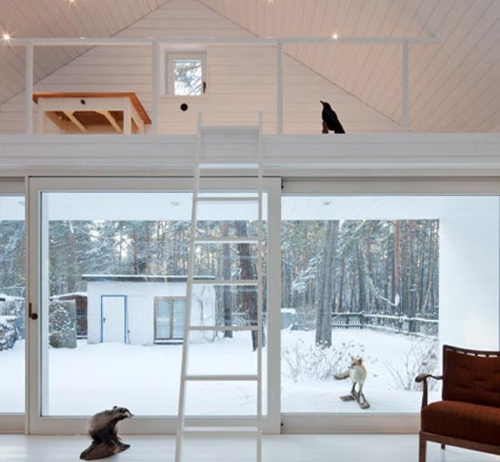
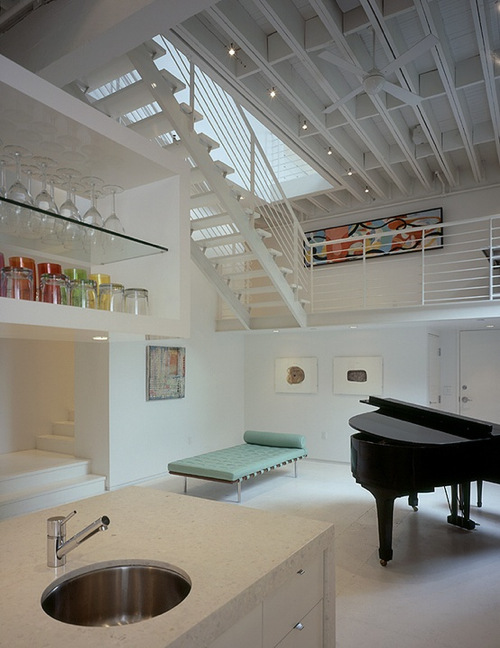
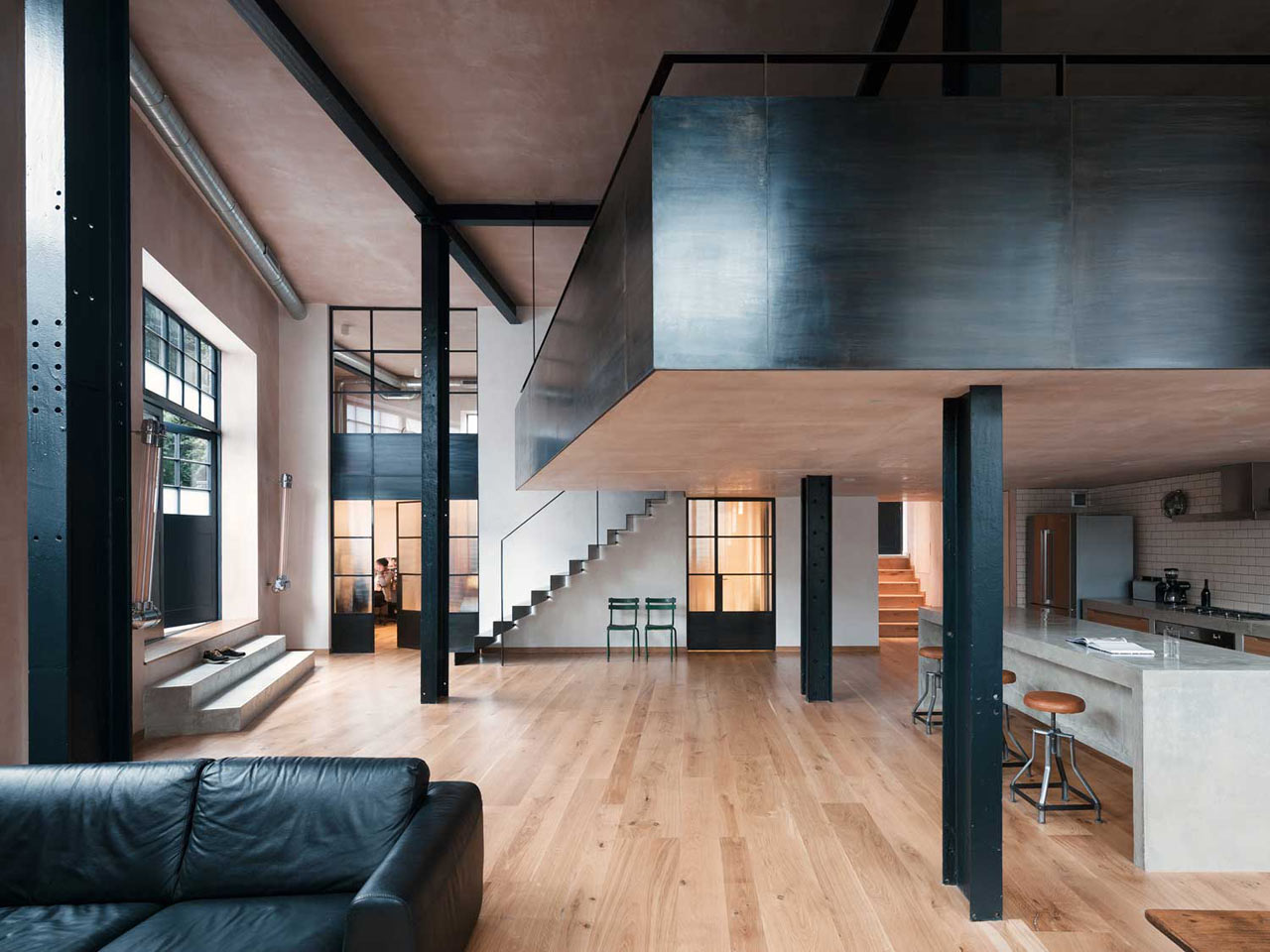
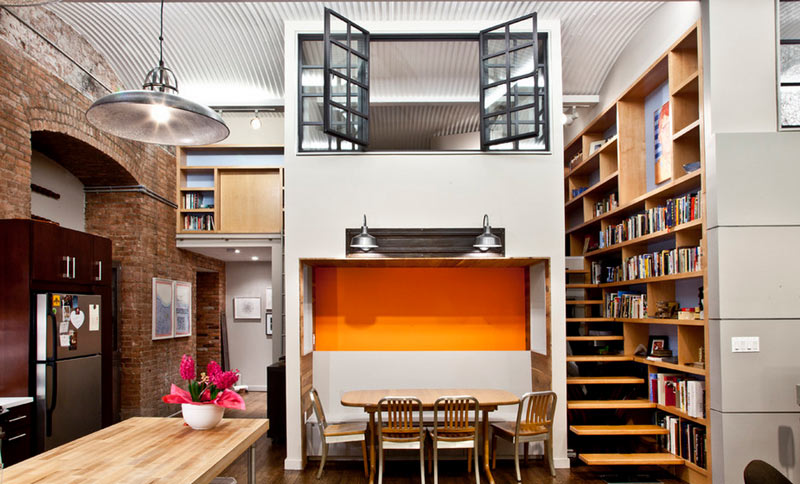
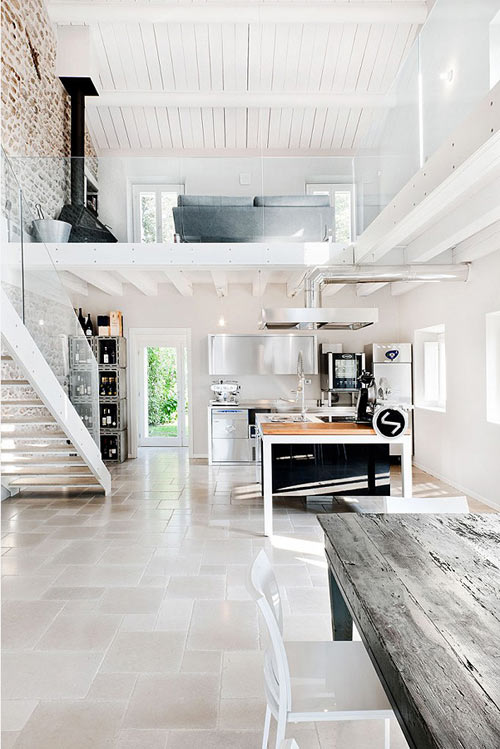
Mezzanines introduce additional floor area without increasing the property's footprint, typically situated above double-height rooms. They serve as a focal point and offer versatile spaces for offices or sleeping platforms, especially useful in modern conversions or homes with limited space. Planning a mezzanine involves considering height, structural requirements, daylight access, and finishing materials, including choices for stairs and balustrades that impact privacy and openness.
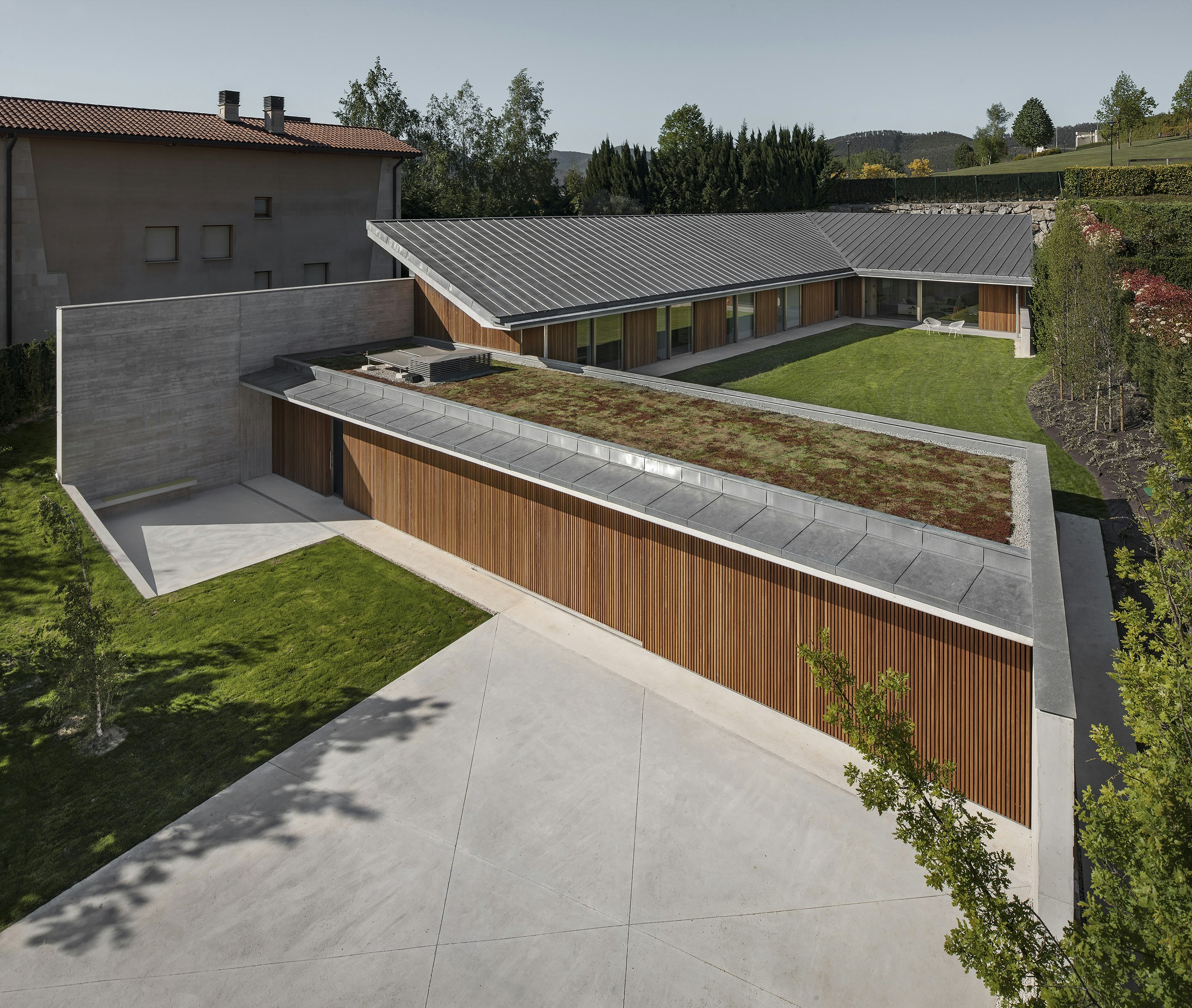
Atriums are large internal courtyards, either covered or open-air, designed to maximize natural light throughout the interior. They connect the property with the outdoors and create a striking central feature, often linked to surrounding rooms by multiple doorways. Atriums are suitable for properties with substantial plots or larger homes needing modernization, and are particularly effective in naturally sunlight-deprived buildings. Internal glazing can further enhance light penetration and visual connection.
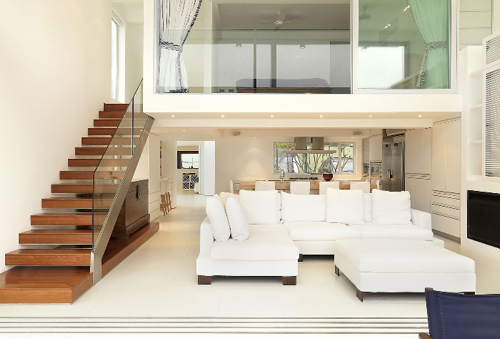
Multilevel living spaces provide a focal point within a single room, using steps to divide areas for different functions. This can range from sunken living rooms to balconies overlooking the space below. Multilevel designs are an efficient way to achieve a trendy, broken-plan aesthetic. However, their practical implications should be considered for long-term homes or those with young children.
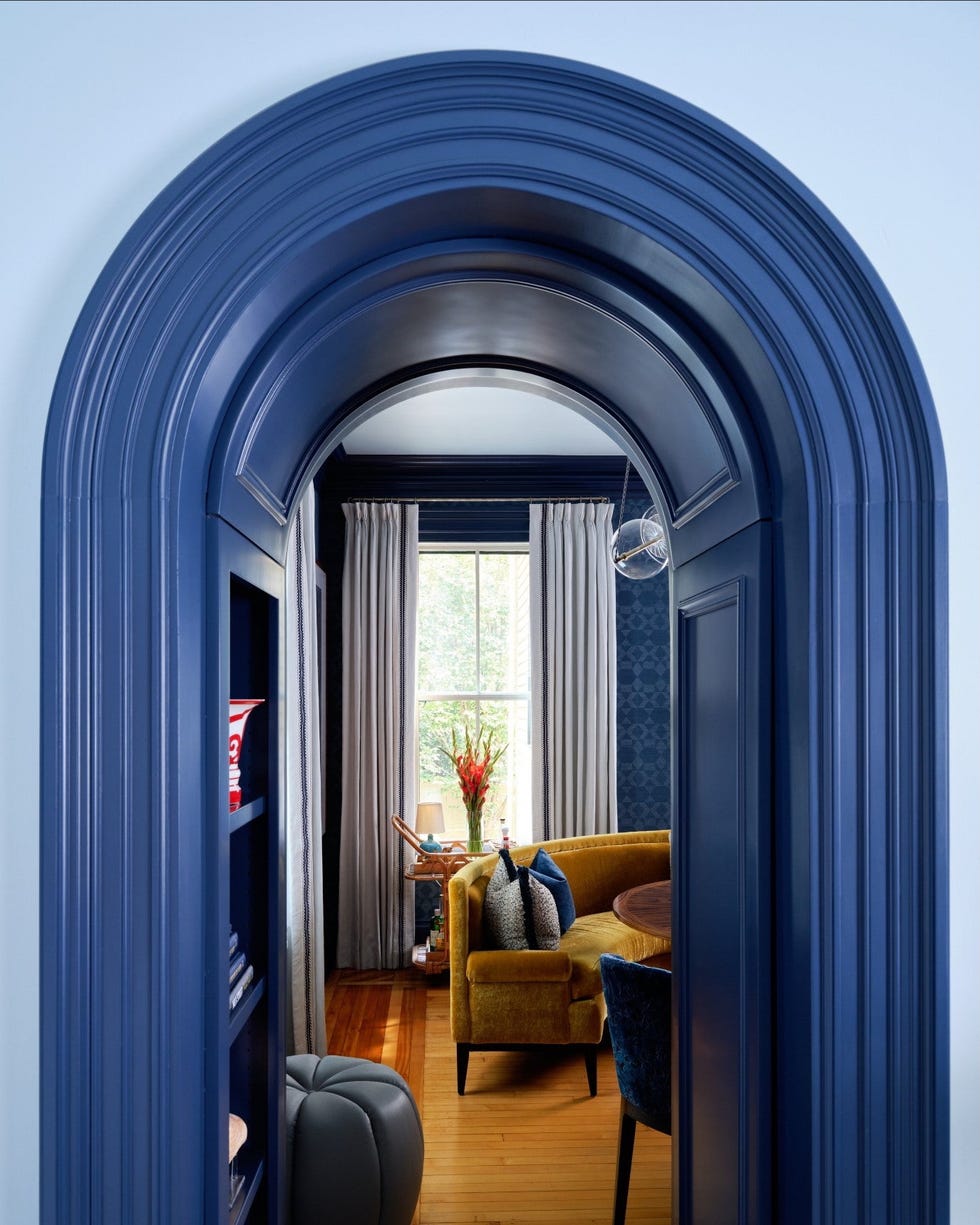
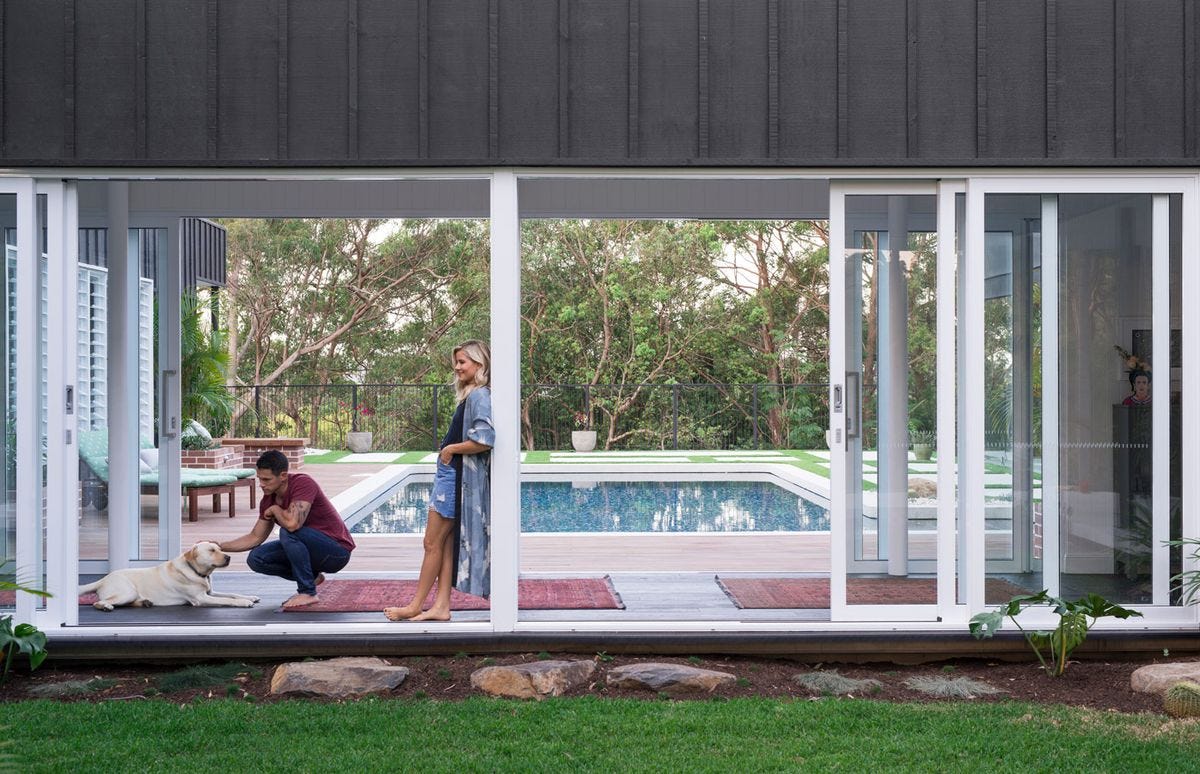
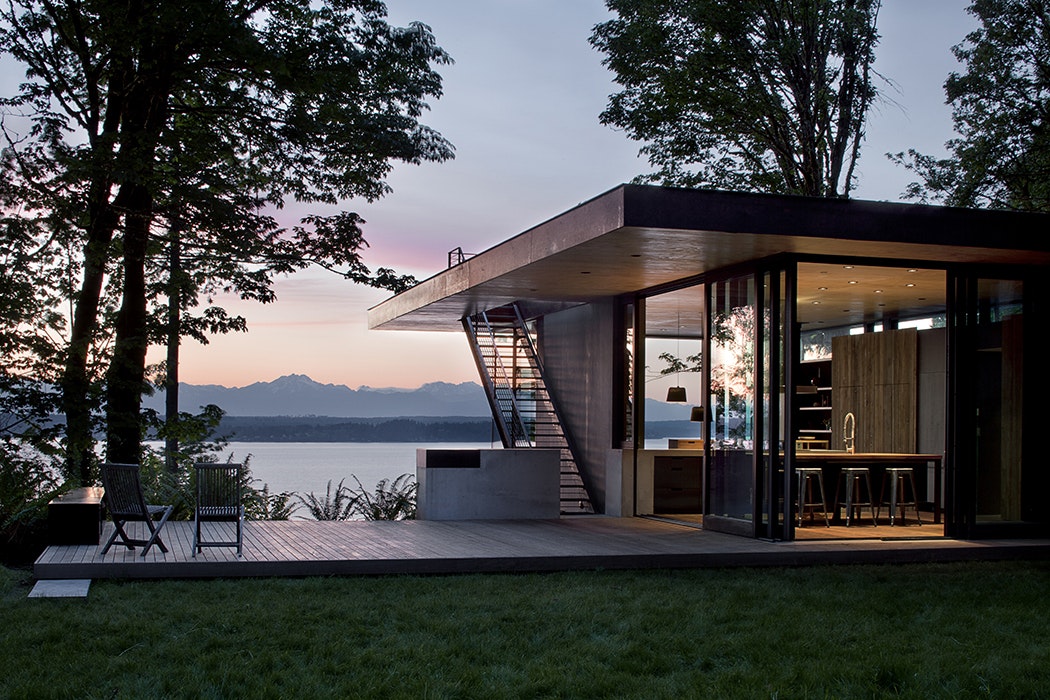
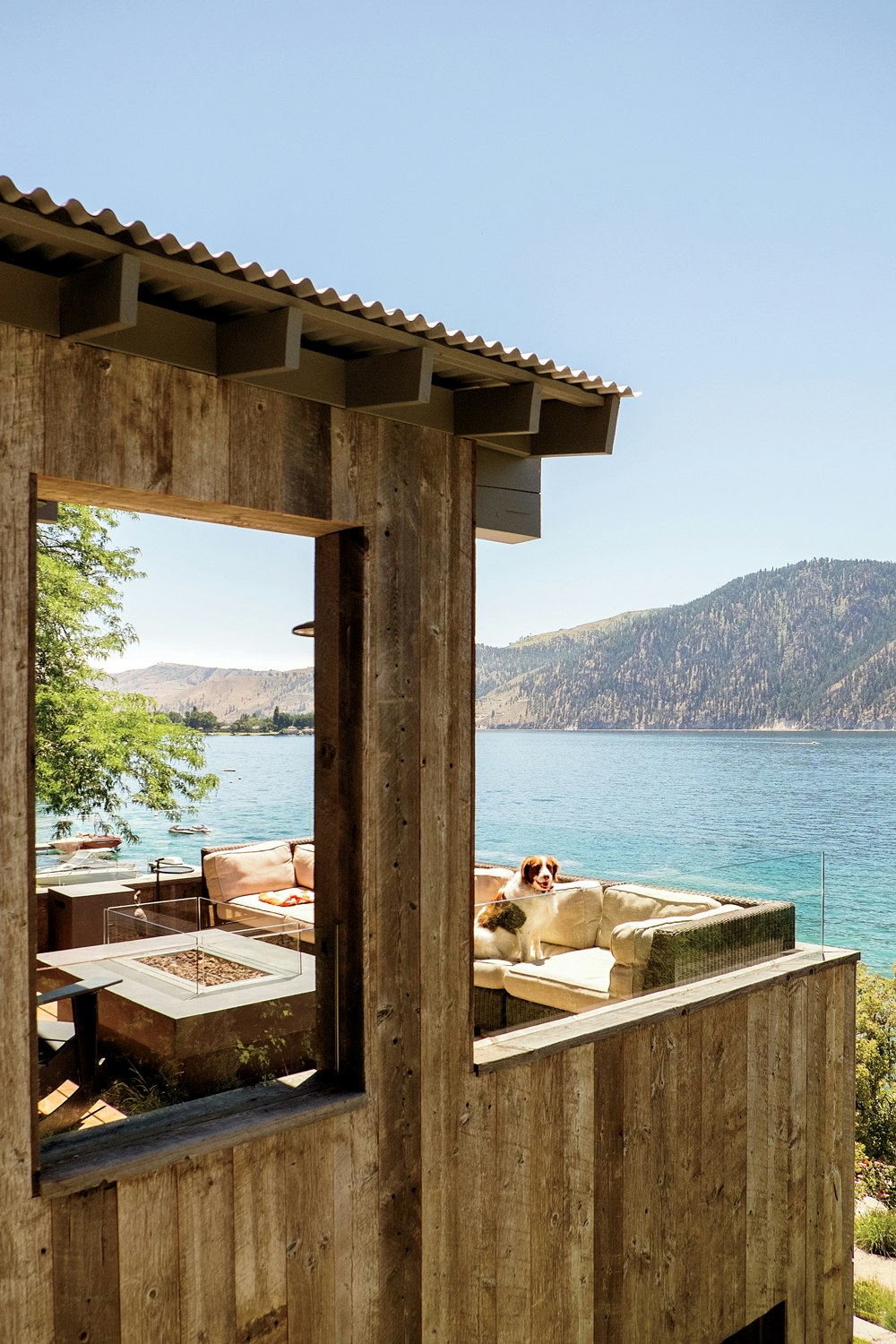
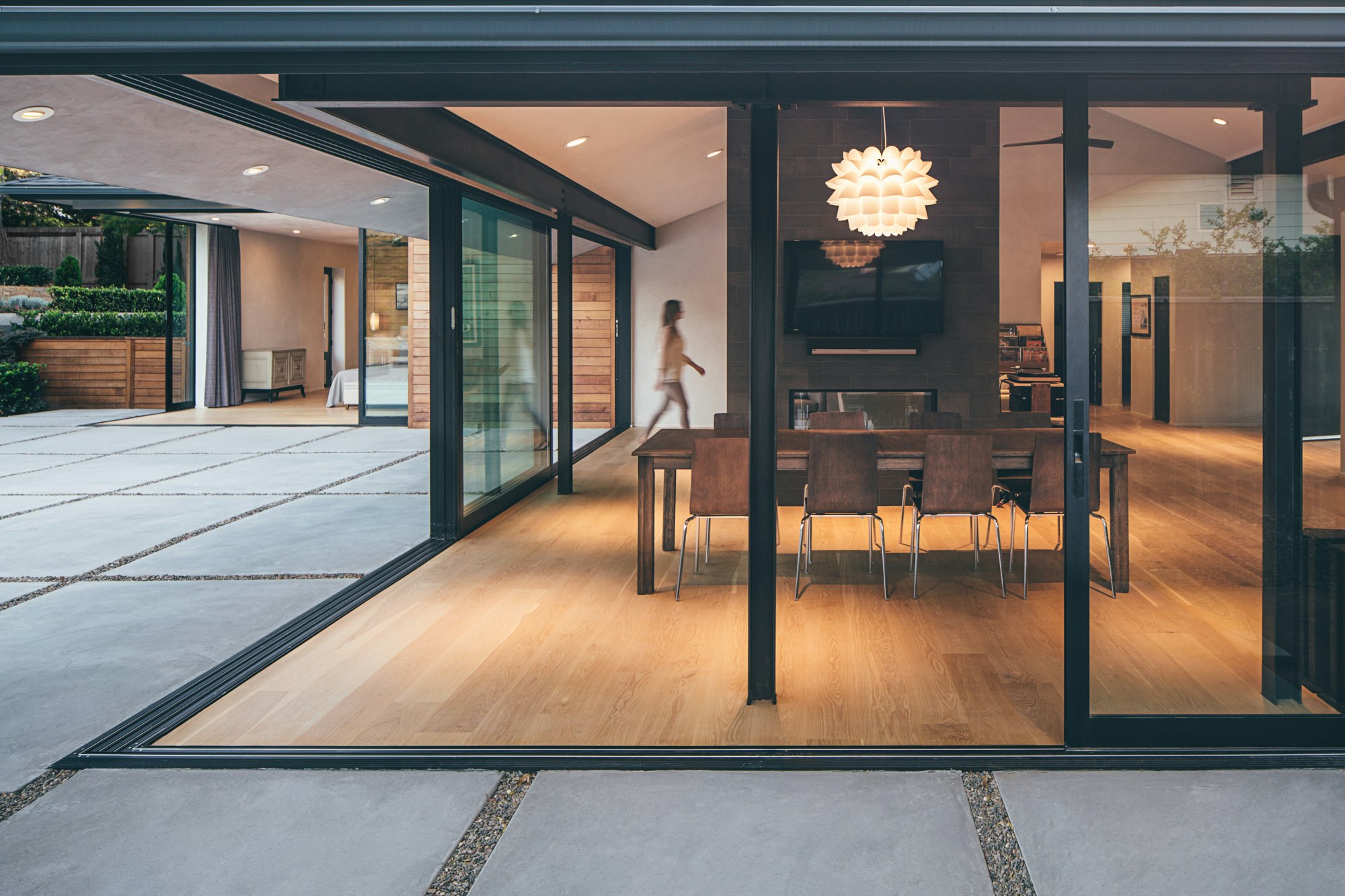
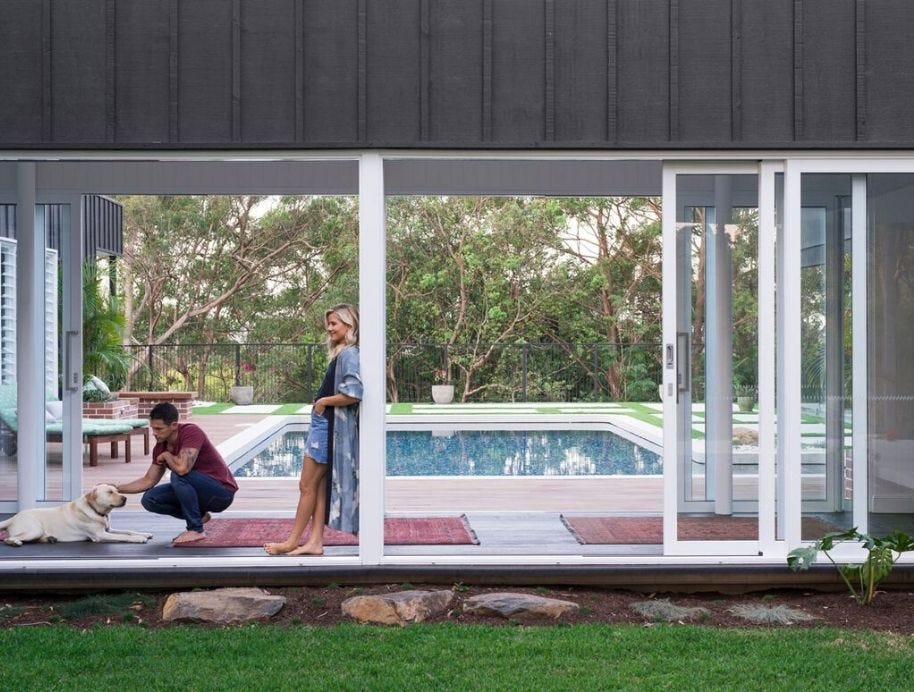
Inside-outside living aims to blur the boundaries between the interior and exterior, increasing natural light and, in limited plots, effectively "borrowing" space from the garden. This is achieved through elements like slim glazing frames and extending interior color schemes outdoors, ensuring flush floor levels between the spaces. Finally, internal glazing, such as glass doors, is vital for enhancing light levels and visually expanding smaller rooms, while solid doors offer privacy and stronger spatial delineation. Careful consideration of door placement and opening direction is essential for furniture arrangement and overall flow.
#InteriorDesign #FloorPlan #HomeRenovation #OpenPlanLiving #Mezzanines #Atriums #SpacePlanning #InteriorDesign #FloorPlan #HomeRenovation #OpenPlanLiving #Mezzanines #Atriums #SpacePlanning
0 comment in total
 No comments yet
You may also like
Are Open Concept Floor Plans Still in Style? Here's Why Designers are Opting Against This Once-Loved Layout

Open Concept Interior Architecture Ideas: 12 Lofty Mezzanines

9 whole house layout mistakes – avoid these common floor plan flaws

Are Open Concept Floor Plans Going Out of Style? We Asked Designers and They All Agreed

Why Designers Are Ditching Traditional Layouts for "Broken Floor Plans"

Top 5 Homes of the Week With Interesting Floor Plans

Closed Floor Plans Are Making a Comeback—but Designers Say They’re Not for Everyone

What is zoning in interior design? Expert layout tips
Floor Plan tips and hints
Should Your Home Have An Open Or Closed Floor Plan? 7 Designers Debate

10 Modern Lofts We’d Love to Call Home
How to elevate your 'pass-through room' - experts make more of that unloved space you're ignoring
Closed Concept Is Back: Here's How to Breathe New Life Into the Design

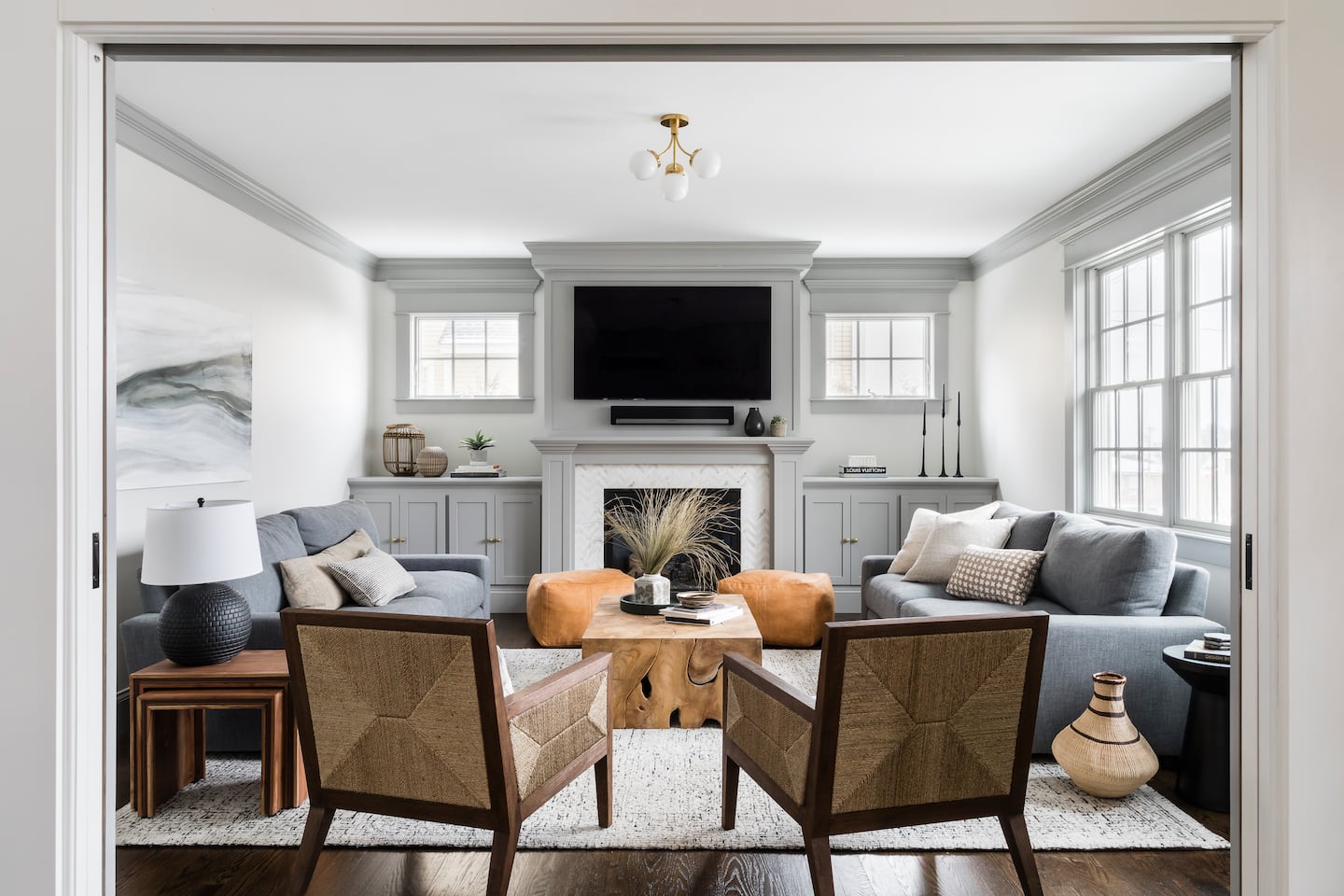
Interior design tricks that brought calm to a chaotic open floor plan

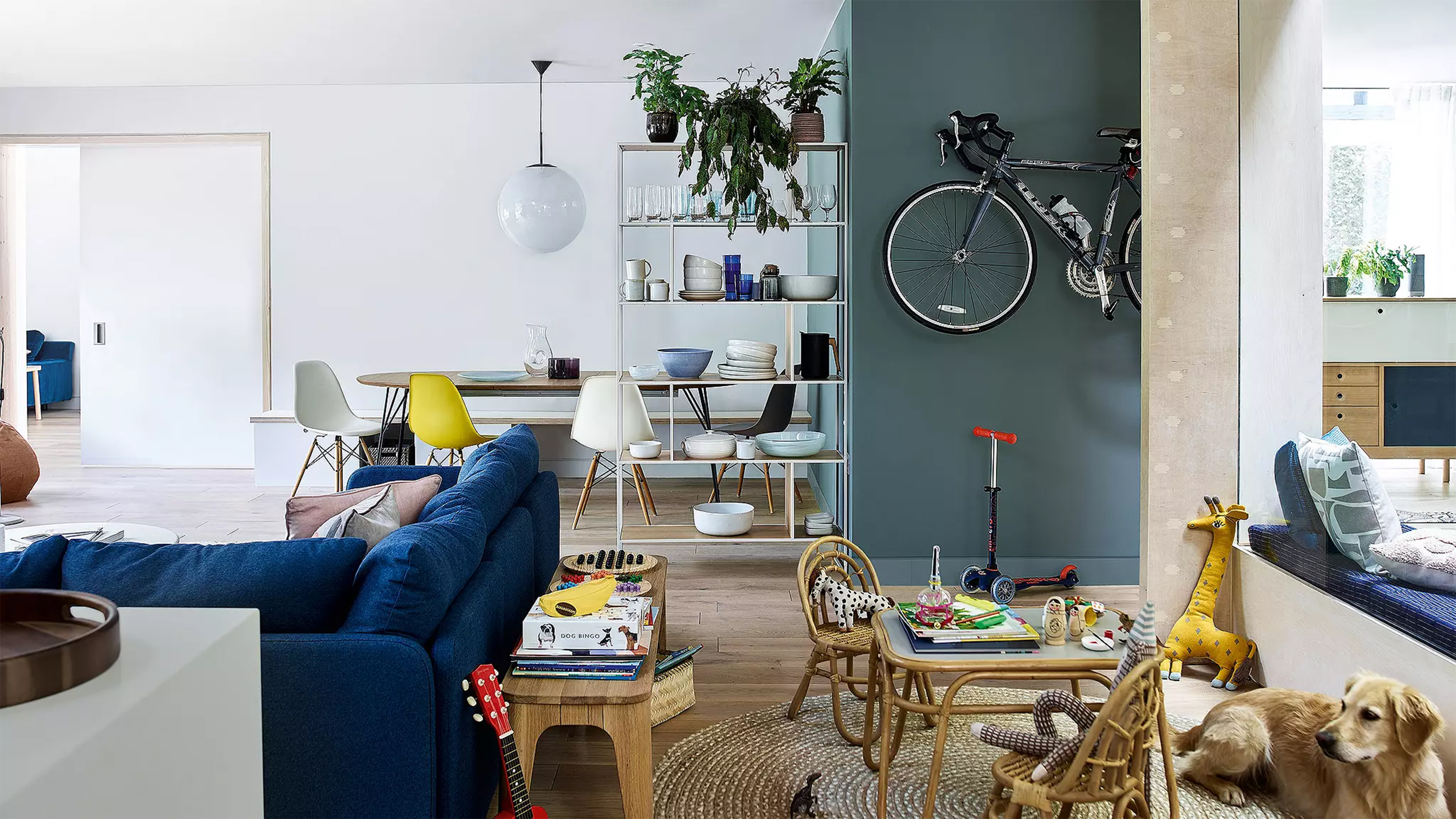
11 open plan living room ideas – seamless and stylish spaces

Serendipity: The Clay Home
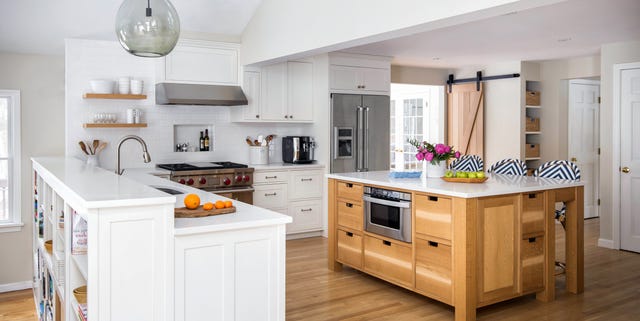
The Challenges and Opportunities of Open-Concept Floor Plans

Zoning in interior design is the layout trick you need to know – expert tips on creating a home that flows and functions
The Best Interior Design Apps, Tools, and Software

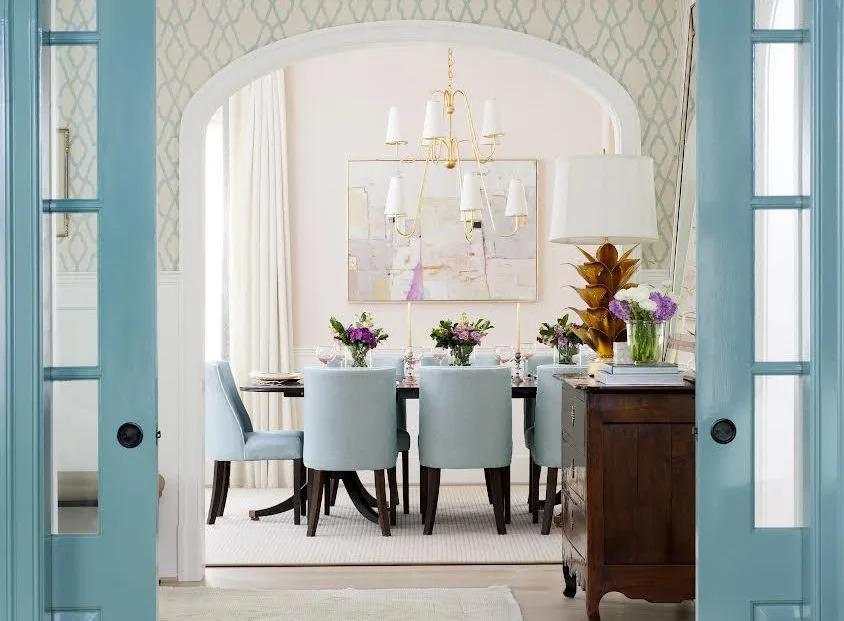
Should Your Home Have An Open Or Closed Floor Plan? 7 Designers Debate