Why buildings fail: damp can become dangerous
Mike Parrett FRICS, a self-described building pathologist, has dedicated over four decades to understanding the causes of building failure, particularly focusing on damp. His expertise, spanning from South London housing estates to historical landmarks like Saint Mark's Basilica, emphasizes the need for a comprehensive approach to diagnosing and preventing damp, moving beyond superficial fixes. Parrett challenges the conventional practice where surveyors refer property owners to commercial damp-proofing companies, which often leads to misdiagnosis, unnecessary expenditure, and recurring problems. He advocates for an independent investigation into the underlying causes of damp, similar to a medical doctor's role in diagnosing illness.
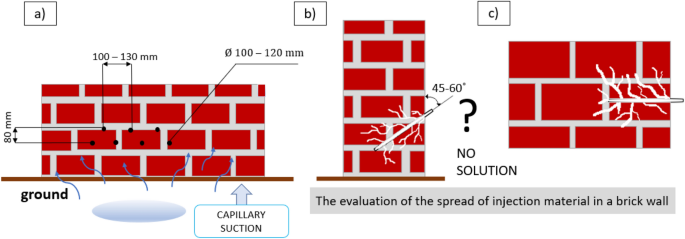
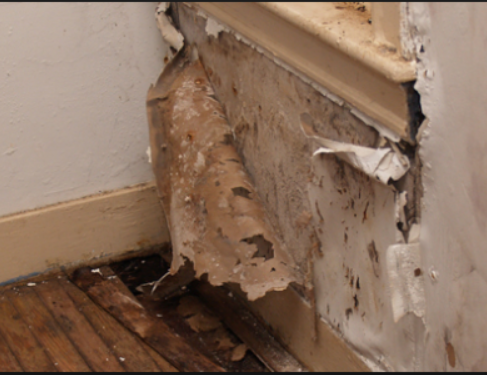
Parrett's early career in social housing repair and maintenance revealed that damp and mould were the most frequent complaints and often detrimental to tenants' health. He observed that the common practice of chemical damp-proof injections and waterproof plaster retrofits often failed because they did not address the true causes of damp. At Lewisham Council, he successfully implemented a policy to halt chemical damp proofing, saving millions and allowing for more effective solutions. He asserts that in his 40 years as a consultant, he has never recommended chemical damp-proof course injections.
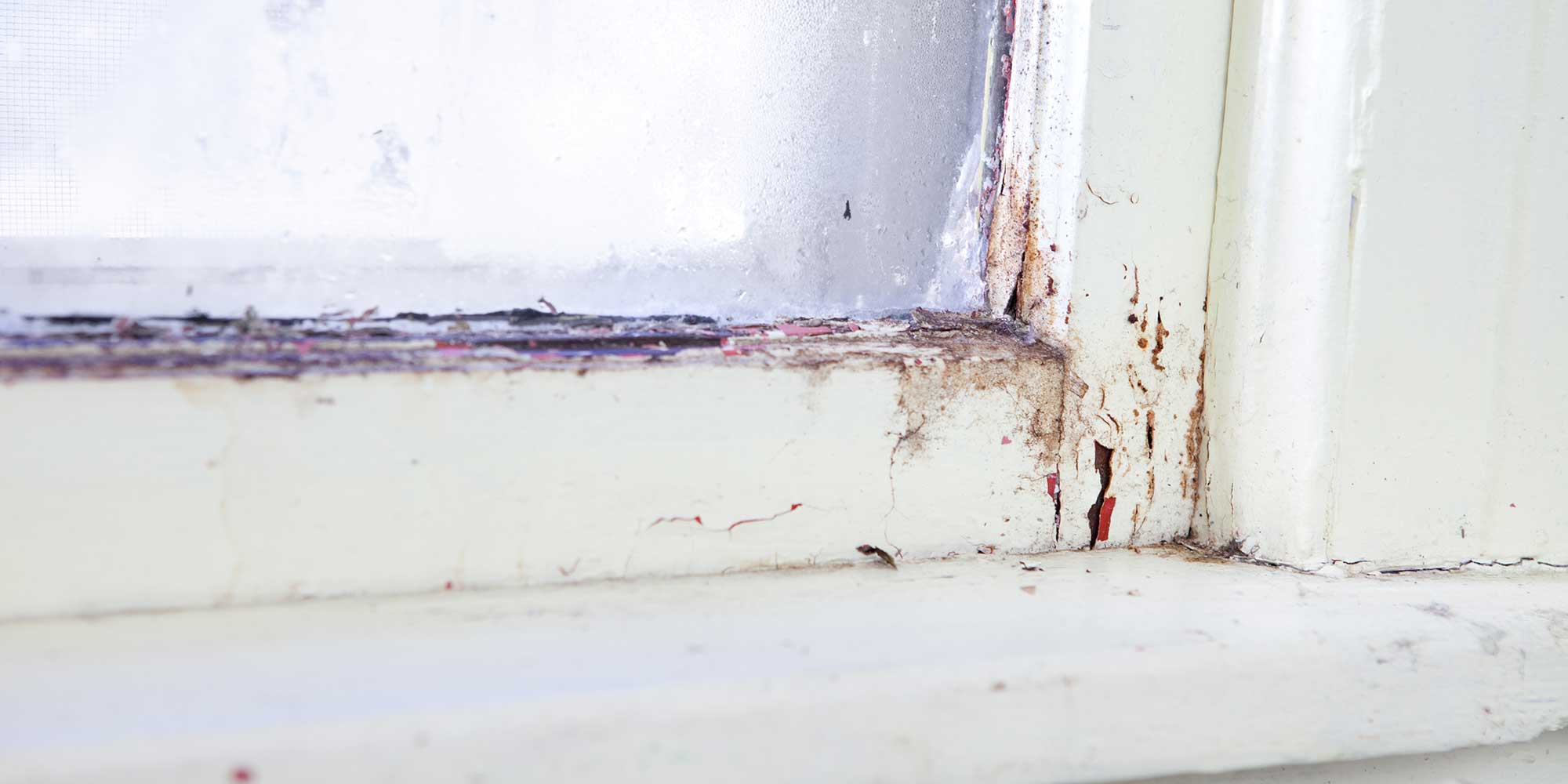
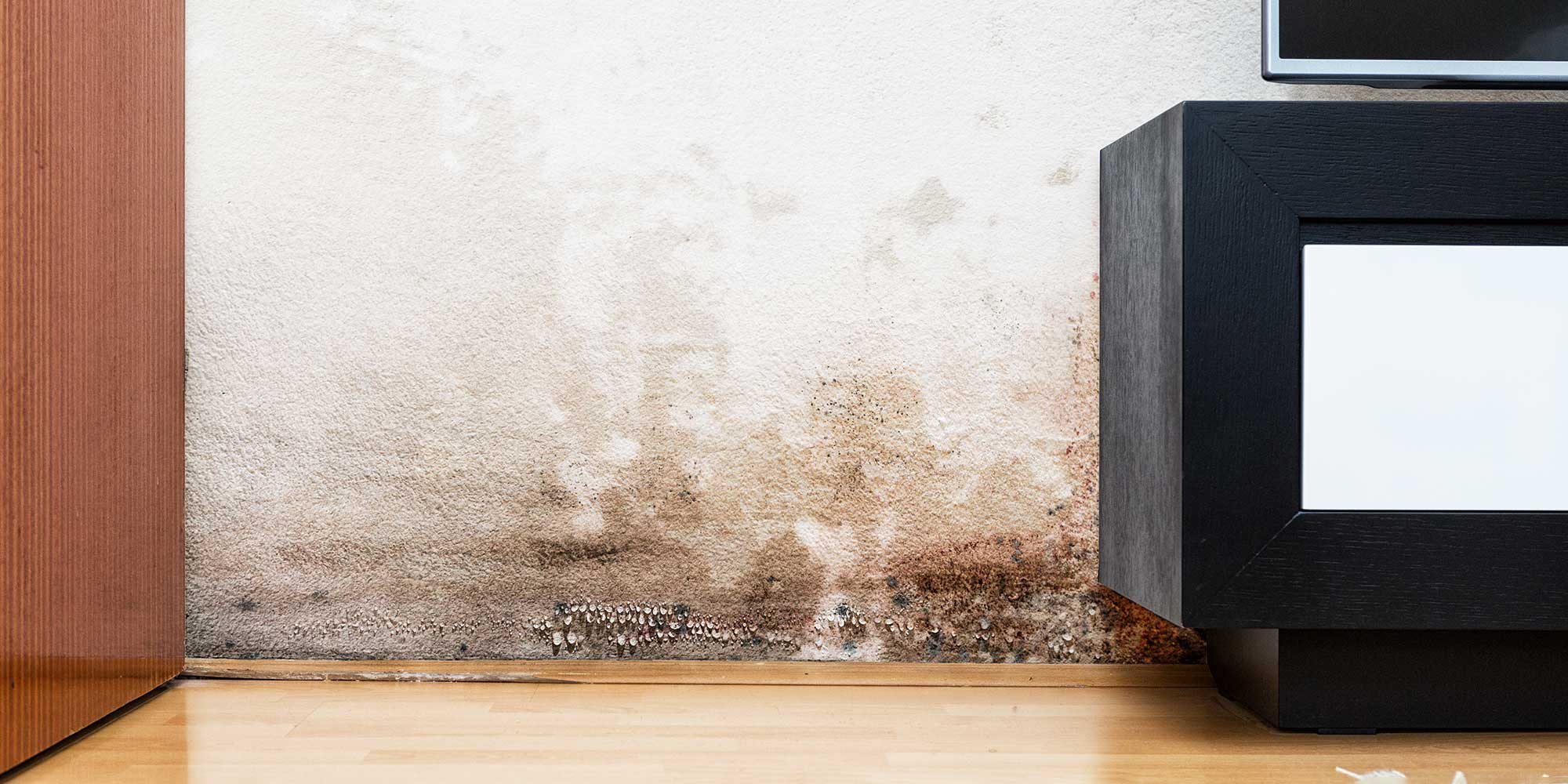
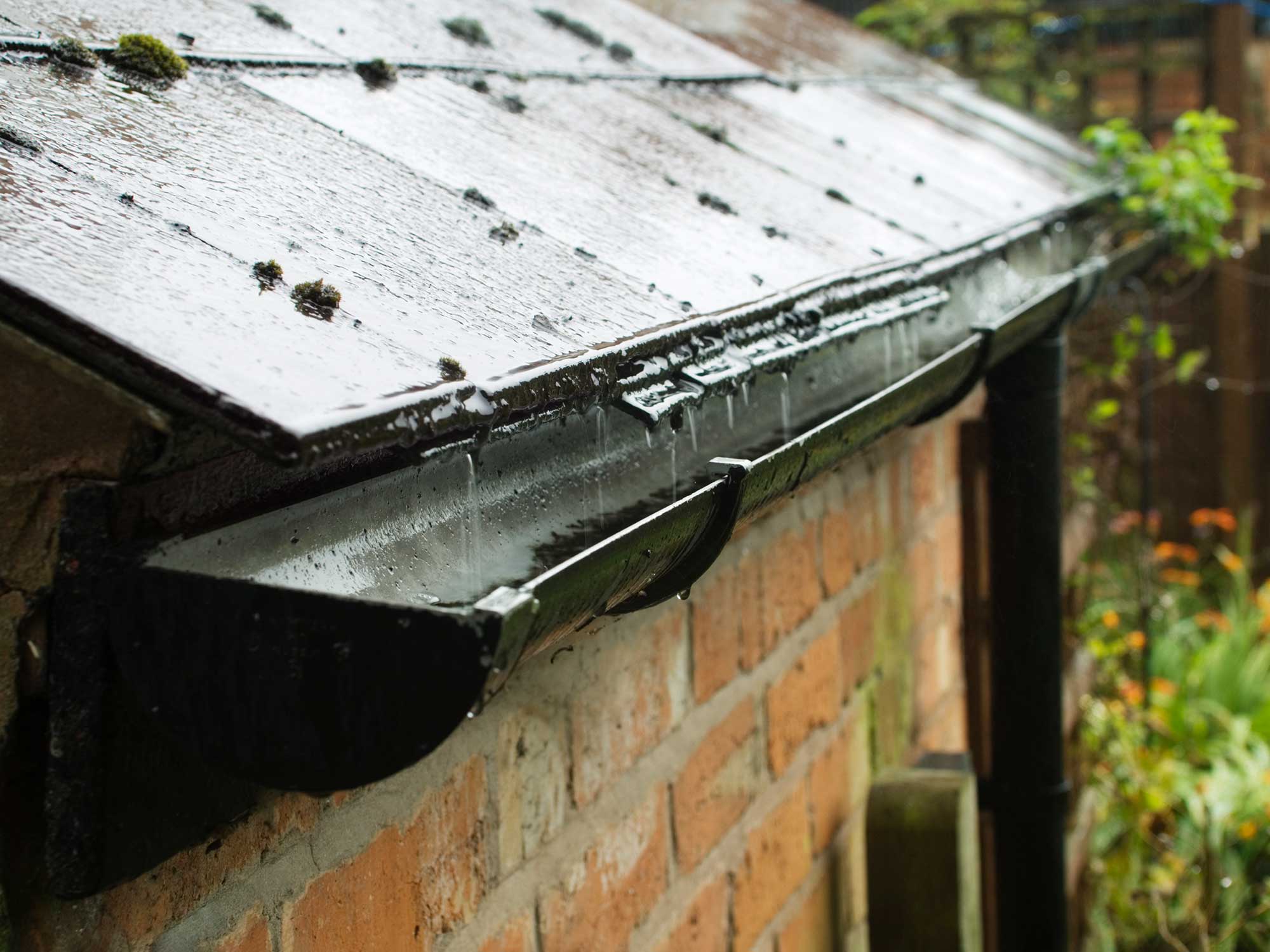
The article highlights various contributors to damp and mould, including defective guttering, blocked cavity wall voids, leaking water mains, faulty plumbing, and blocked air vents. Underheating, exacerbated by rising energy prices, is identified as a growing national problem contributing to damp. Climate change is also noted for its role in raising water tables, impacting even historic properties previously unaffected by damp. Parrett's work at Saint Mark's Basilica exemplifies addressing complex damp issues in historic structures, where a specially developed acrylic paste was used, prioritizing solutions that are reversible and preserve the building's integrity.
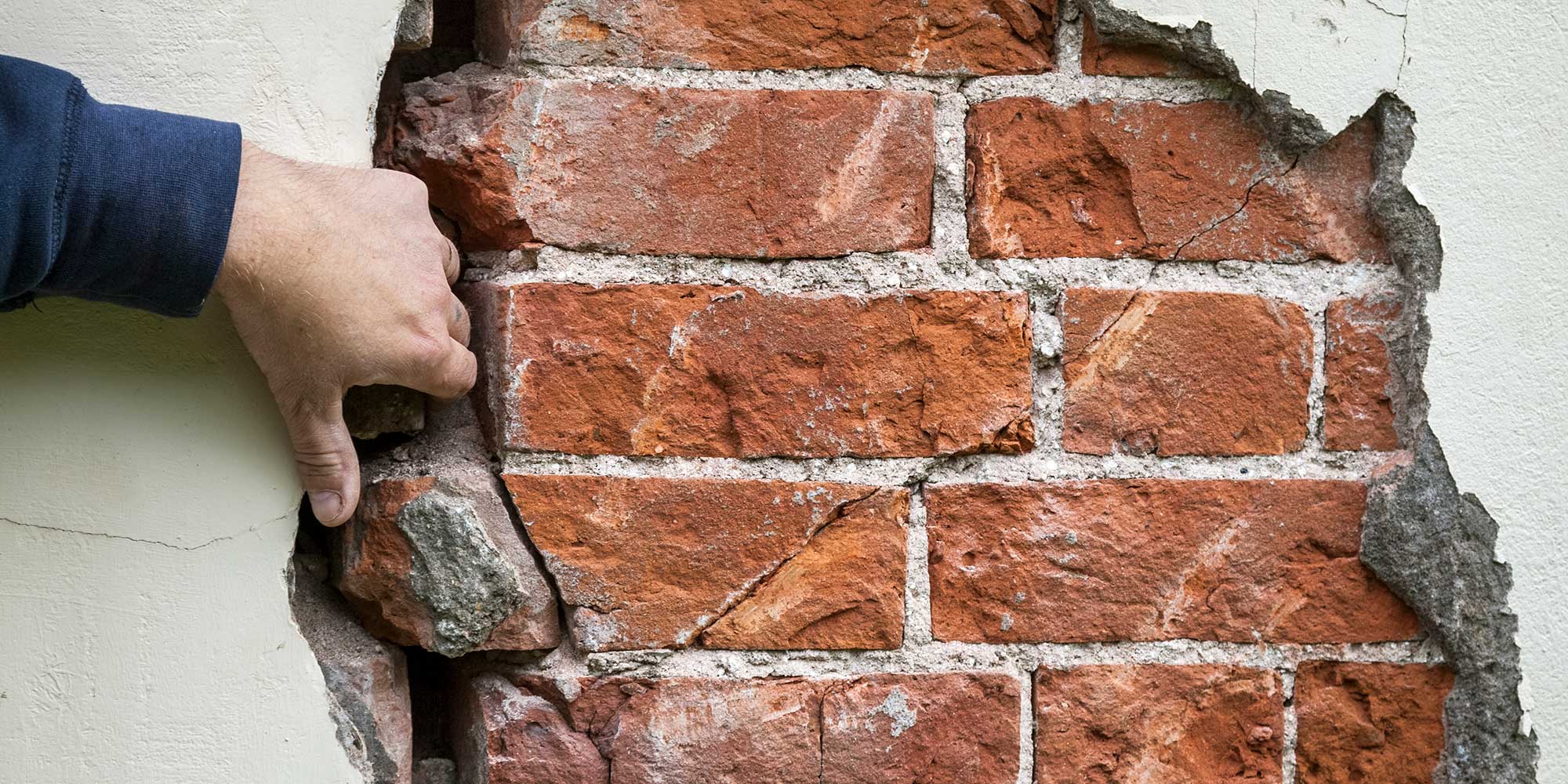
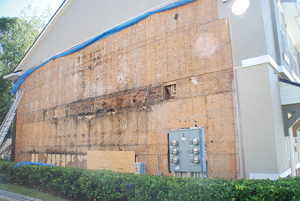
Parrett criticizes the current retrofit agenda aimed at increasing energy efficiency, arguing that it often traps moisture within old buildings not designed to be hermetically sealed, leading to warm, humid homes rather than warm, dry ones. He suggests that internal insulation might sometimes be more effective than external applications, but policymakers are often deterred by cost. The article also touches upon the dangers of inappropriate external cladding and cavity wall insulation, drawing parallels to disasters like the Grenfell Tower fire and Champlain Towers collapse. He proposes that lessons from such failures should be integrated into building information modeling (BIM) to inform future design and maintenance.
Parrett concludes that building failure is not limited to aging structures; poor design and construction are endemic in new buildings globally. He argues for a shift in the surveying industry, advocating for the training of specialized building pathology experts who can conduct independent investigations and collaborate in multidisciplinary teams. This approach would ensure that issues are designed out from the outset and that proper, unbiased diagnoses are made when buildings fail, moving away from commercial interests.
#BuildingPathology #DampPrevention #BuildingFailure #HistoricBuildings #RetrofitChallenges #ClimateChangeImpact #BuildingDesign #SurveyingIndustry #BuildingPathology #DampPrevention #BuildingFailure #HistoricBuildings #RetrofitChallenges #ClimateChangeImpact #BuildingDesign #SurveyingIndustry
0 comment in total
 No comments yet
You may also like
What Kind Of Damp Is Affecting My Home?
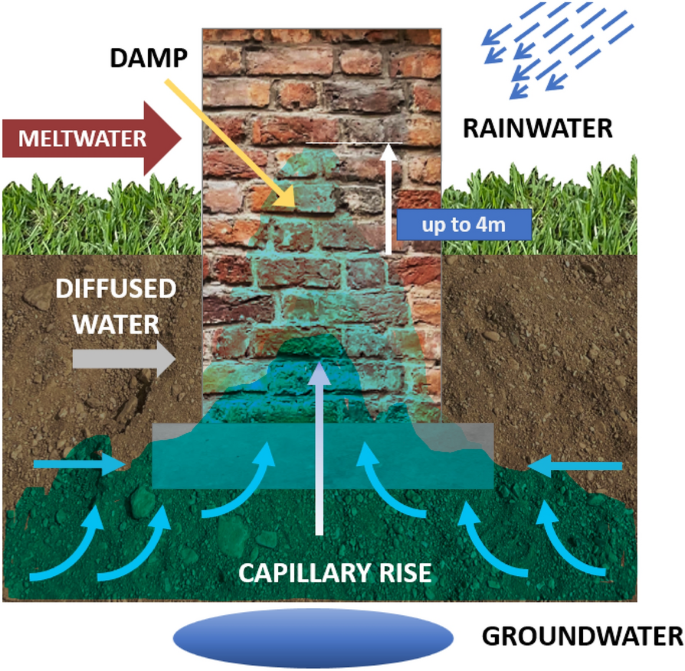
Assessment of the effectiveness of secondary anti-damp insulation in heritage buildings made of historic brick: the current state of knowledge, research gaps and perspectives
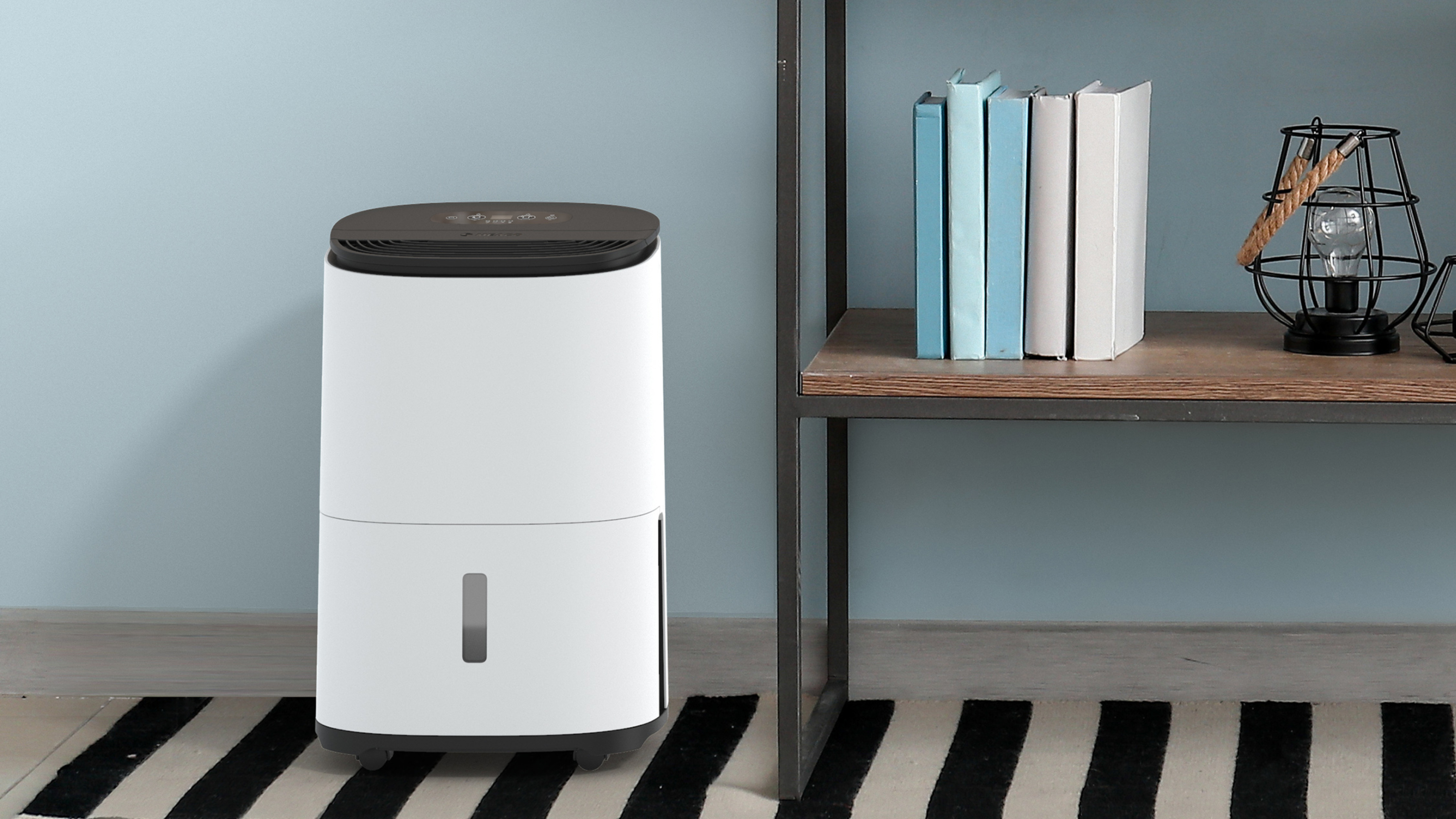
These simple mistakes could be why your dehumidifier isn't working properly – and here's how to avoid them
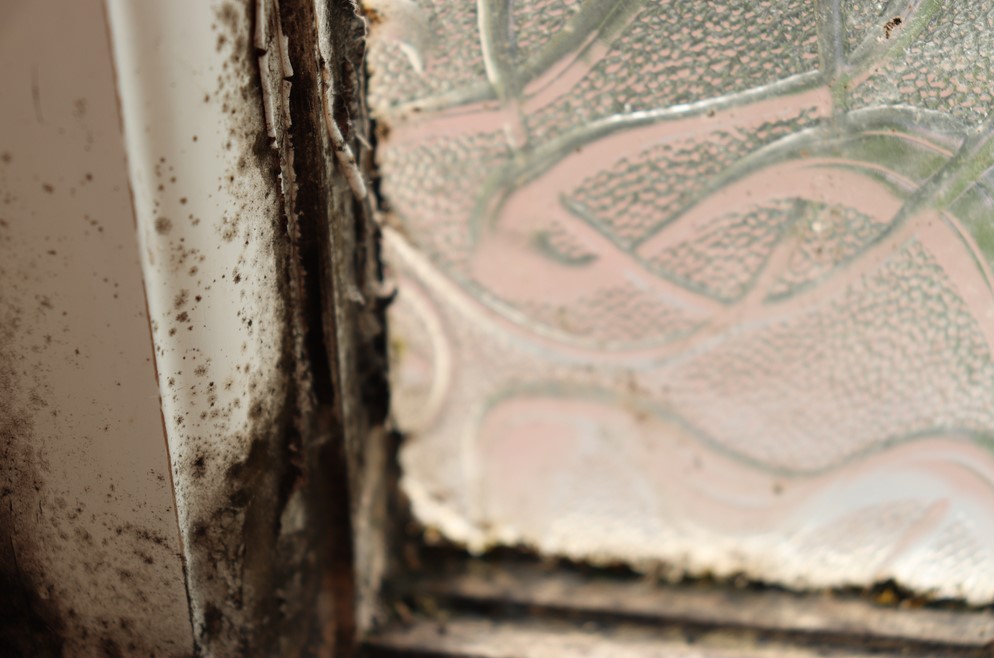
Damp and mould – why blame landlords?


How to get rid of damp
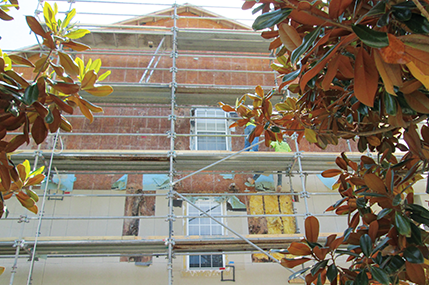
Getting Along With Stucco: Sometimes it just needs space
Advice on Damp problems – are these damp specialists trying to make a quick buck?
Damp structural issues in leasehold flat?

Building with High Thermal Mass in a Hot, Humid Climate
Why new homes can be damp – and what we can do about it

5 common types of water damage to your home – and how to fix them

Why You Shouldn't Buy a House That Was Built in the Rain

What a damp basement can do to brick

7 things construction pros spot in bad bathroom remodels

This one basement conversion mistake could leave your space completely uninhabitable
Ask the Builder: Water loss causes shrinkage
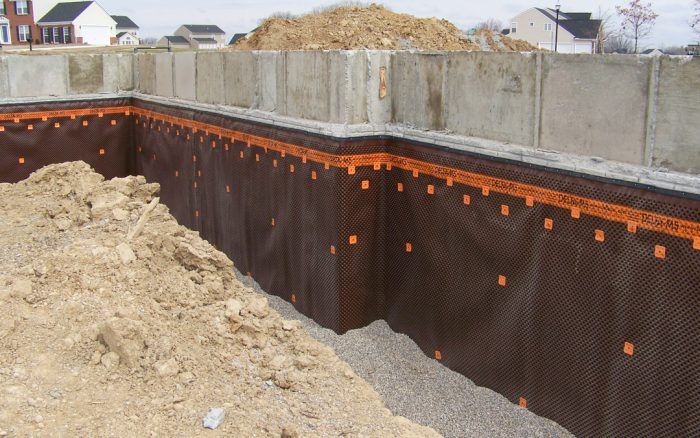
Dampproofing and Waterproofing for Foundation Walls
Can a dehumidifier dry out damp walls? Expert tips you need to know to drive out unwanted moisture this winter
Top 5 Things That Go Wrong in Too-Fast Construction
Here’s Why So Many New Buildings Look Like Shit—And Will Look Worse in 10 Years