1/11
Getting Along With Stucco: Sometimes it just needs space
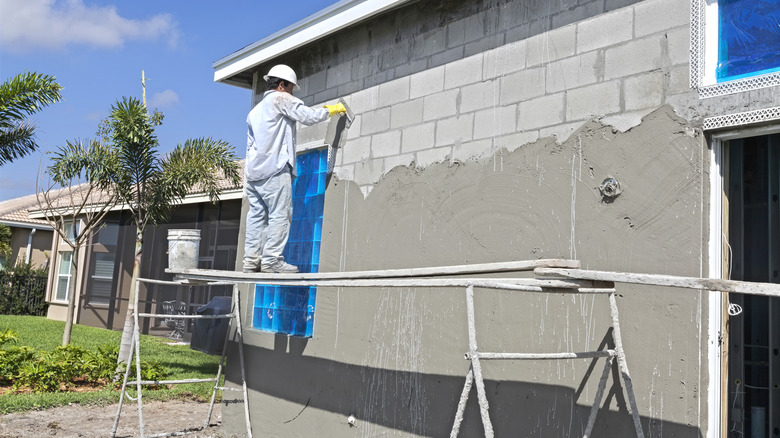
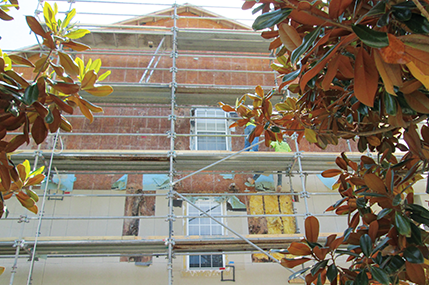
The article addresses the pervasive issue of water intrusion through stucco claddings on wood-framed structures, particularly in regions like Florida, where re-skinning buildings due to moisture damage is a common occurrence. Despite building codes requiring two layers of a water-resistive barrier (WRB), including a bond-break layer, failures continue to happen even when installations generally comply with codes and manufacturer instructions.
The core problem lies in the methodology of securing stucco. Fasteners, typically staples, draw the lath, bond-break layer (BB), WRB, and wood wall sheathing tightly together. This tight sandwich eliminates the intended air space for the bond-break, allowing capillary movement of moisture. More critically, fasteners create holes in the WRB at precisely the point of maximum compression. This allows moisture to accumulate within the assembly, cling to the fastener shank, and migrate through the WRB into contact with the wood sheathing. The tightly bound, unventilated space also prevents drying, leading to chronic dampness and wood decay.
The article highlights that standard WRB performance tests, like ICC-ES AC38, do not account for fastener penetrations, which would cause a material to 'fail' the water penetration resistance test in a real-world scenario. A puzzling double standard exists for paper-based WRBs (Grade D paper), which are less water-resistant but serve as the baseline for stucco veneer WRBs in codes. Grade D paper allows water passage with minimal exposure and hydrostatic pressure, exacerbating moisture-related distress.
To investigate these issues, full-scale mockup tests were conducted on various code-compliant stucco wall assemblies with different WRBs. Water was introduced to the drainage cavity, and observations for moisture ingress were made. The tests confirmed water penetration through fastener penetrations in both polymeric and felt-based WRBs, and directly through the field of some woven polymeric WRBs and Grade D paper. Grade D paper-based mockups showed significantly more severe intrusion. Magnified observations revealed oblong, torn annular openings around staple shanks, especially in woven WRBs, and additional holes from pneumatic tool impacts.
To mitigate these issues and extend the life of stucco-clad buildings, several installation practices are recommended. Firstly, separating the stucco from the WRB with drainage media (e.g., polymeric filament products, 6 mm thick) creates a functional capillary break and an unobstructed path for moisture to drain vertically. This air gap, combined with through-wall flashing vents and drainage weeps, promotes ventilation and drying. Secondly, controlling the installation force and depth of fasteners is crucial. Reducing air pressure for pneumatic tools or using pan-head screws allows for better control, reducing penetrations and potential for corrosion. Screws also halve the number of penetrations compared to staples. Thirdly, using fluid-applied weather barriers can prevent tearing and create a gasket effect around fasteners, though these require skilled installation and designers must consider their vapor-impermeable nature. These recommendations, while not a complete guarantee against water penetration, significantly improve the long-term performance of stucco veneers by addressing the critical vulnerabilities of fastener penetrations and inadequate drainage/drying.
#Stucco #WaterIntrusion #BuildingCodes #WRB #FastenerPenetrations #MoistureDamage #ConstructionFailures #DrainageMedia #BuildingEnvelope #WoodFraming #Stucco #WaterIntrusion #BuildingCodes #WRB #FastenerPenetrations #MoistureDamage #ConstructionFailures #DrainageMedia #BuildingEnvelope #WoodFraming
0 comment in total
 No comments yet
You may also like

Plastered In Style

Stucco House Finish: Everything You Need To Know About Stucco

This DIY Project Was WAY More Than I Anticipated


Rosie on the House: Understanding Arizona stucco applications and repairs

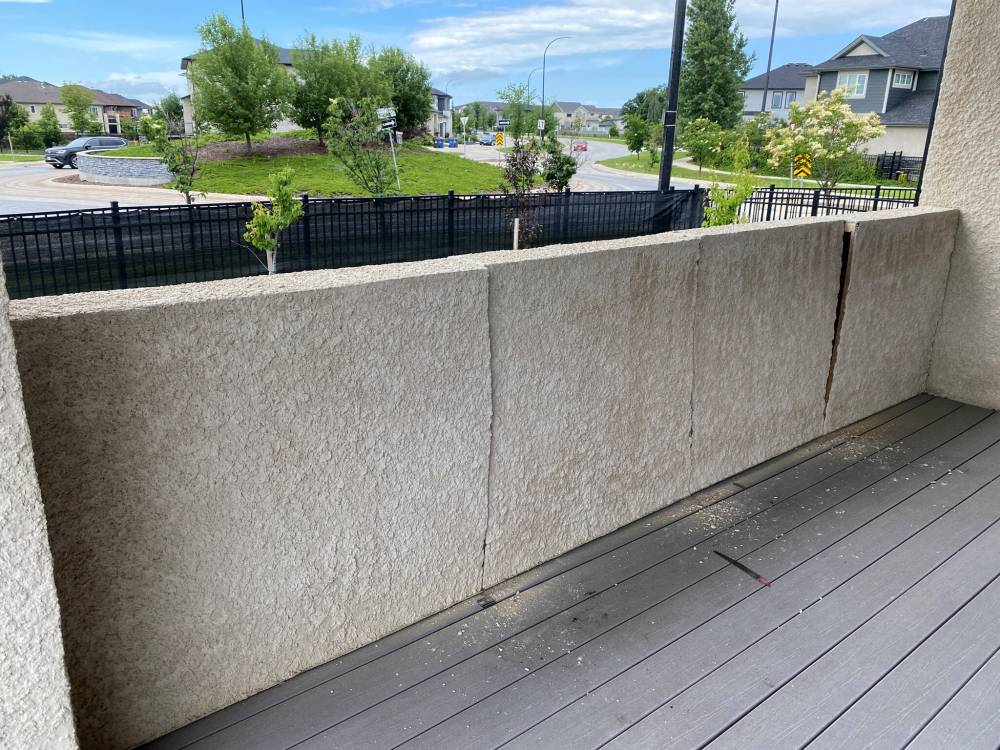
Jul 2022: You aren’t stuck with stucco


15 Stucco Paint Color Ideas That Go Beyond Classic Tan

Stucco tips all Arizona homeowners should know

Christina Haack's Best Solution For Blending Stucco Patching
100 Day Dream Home Details The Inexpensive Way To Make Stucco Walls Look Like Brick