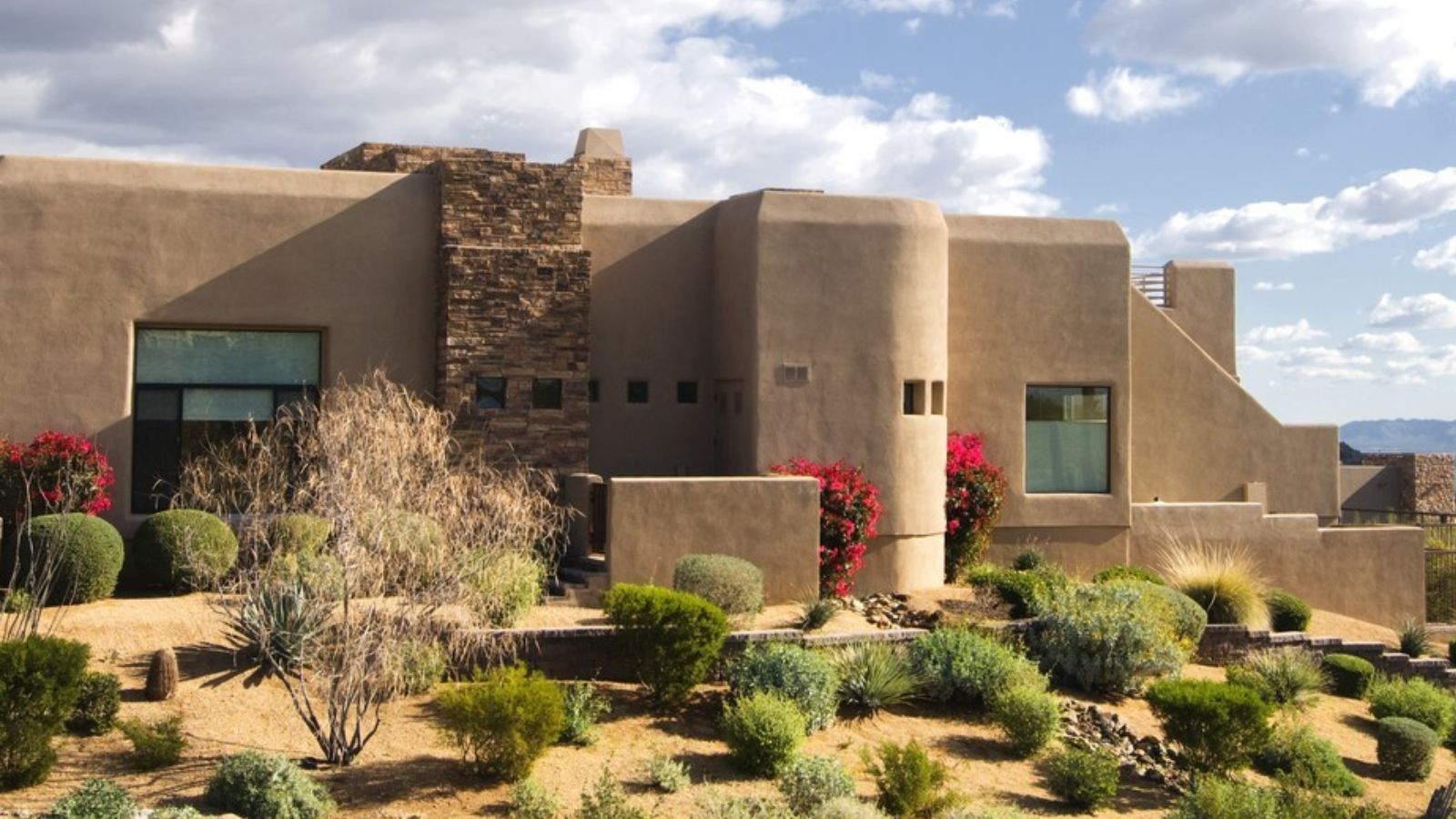
Stucco tips all Arizona homeowners should know
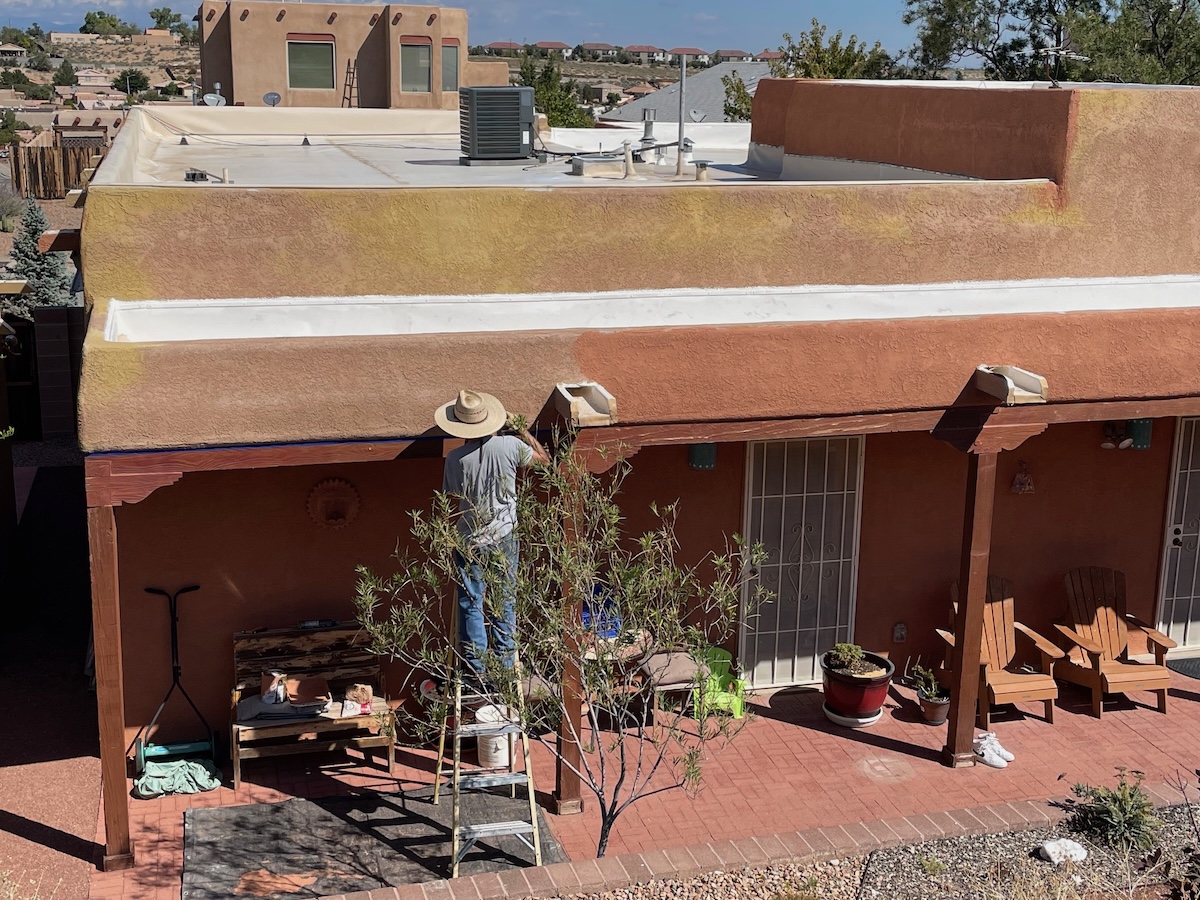
Stucco is a widely used exterior finish for homes in Arizona. This article, featuring insights from Doug Dedrick of Stucco Renovations of Arizona, LLC, details the various stucco systems, finishing options, decorative features, and repair methods. Understanding these aspects is crucial for Arizona homeowners to maintain their homes effectively.
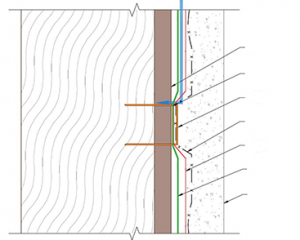
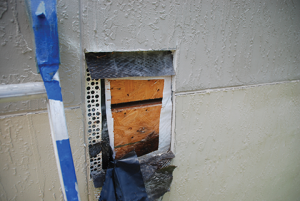
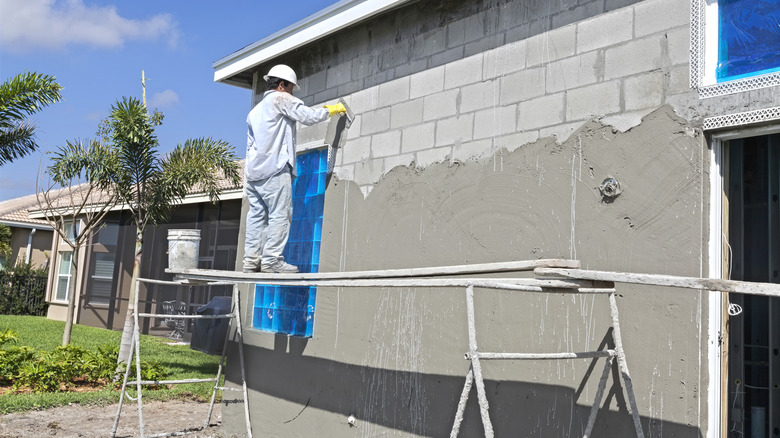
The three-coat stucco system is a traditional method involving three cementitious layers applied over a paper-backed lath on a solid substrate. The initial scratch coat is intentionally rough to ensure adhesion for the subsequent brown coat, which is smoother. The final finish coat, where texturing is applied, follows after the brown coat cures. A notable characteristic of cementitious stucco products is their propensity to crack. However, the three-coat system allows these cracks to form in the underlying layers, making repairs simpler and reducing the likelihood of cracks appearing in the visible finish coat.
The one-coat stucco system, also known as a “Western one-coat,” is a more prevalent option. Despite its name, it consists of two cementitious coats—a combined scratch and brown coat—that incorporate fibers, proprietary chemicals, and water, applied over a metal mesh on rigid foam sheathing. Similar to the three-coat system, the base coat needs to dry and any cracks must be mended before the finish coat is applied.
The Exterior Insulation Finishing System (EIFS) is another system, though less common in residential applications due to its higher cost compared to traditional stucco and potential issues with moisture entrapment within home framing. This polymer-based, stucco-like finish is applied to thick foam insulation and is more frequently seen in commercial construction where moisture dissipation methods are integrated into the building design. Stucco manufacturers often include fibers and polymers in their mixes to minimize cracking, though complete elimination of cracks is not guaranteed.
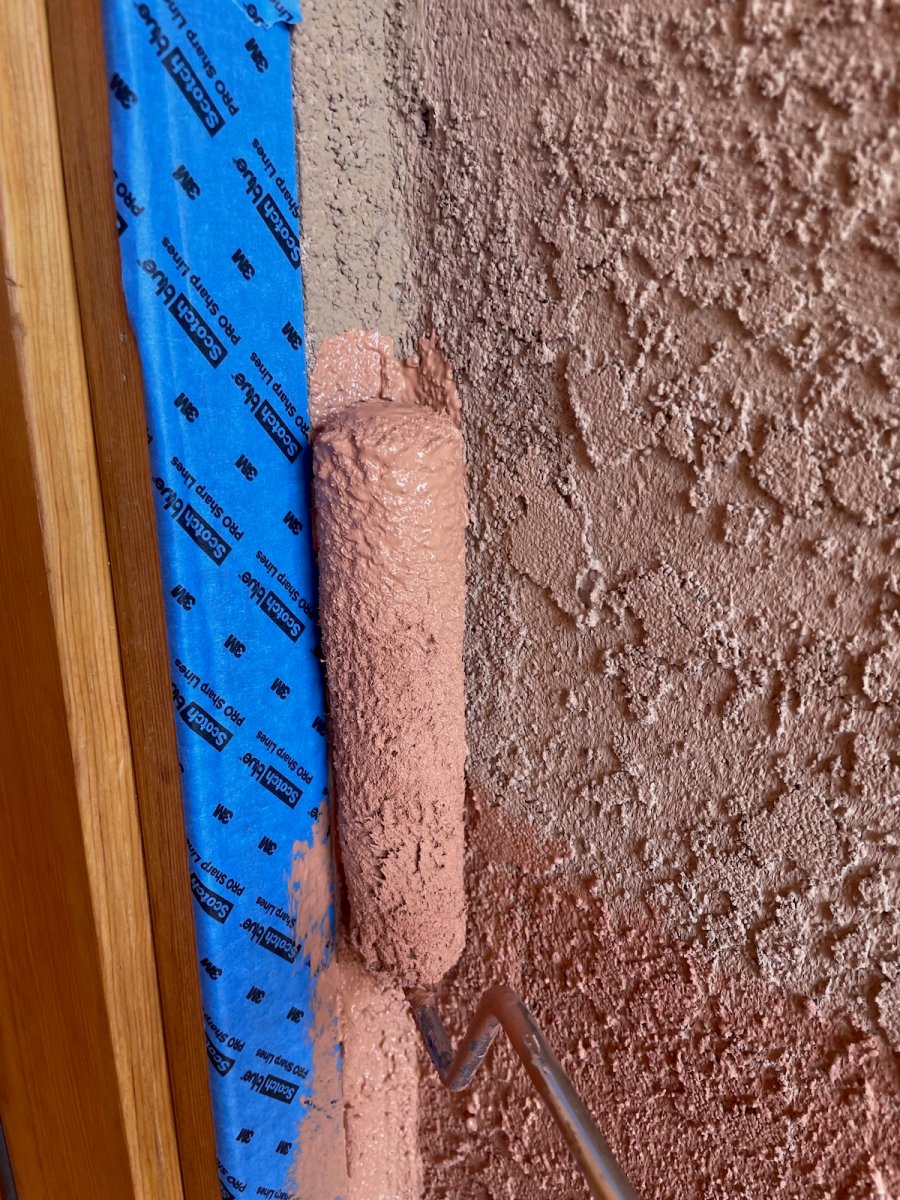
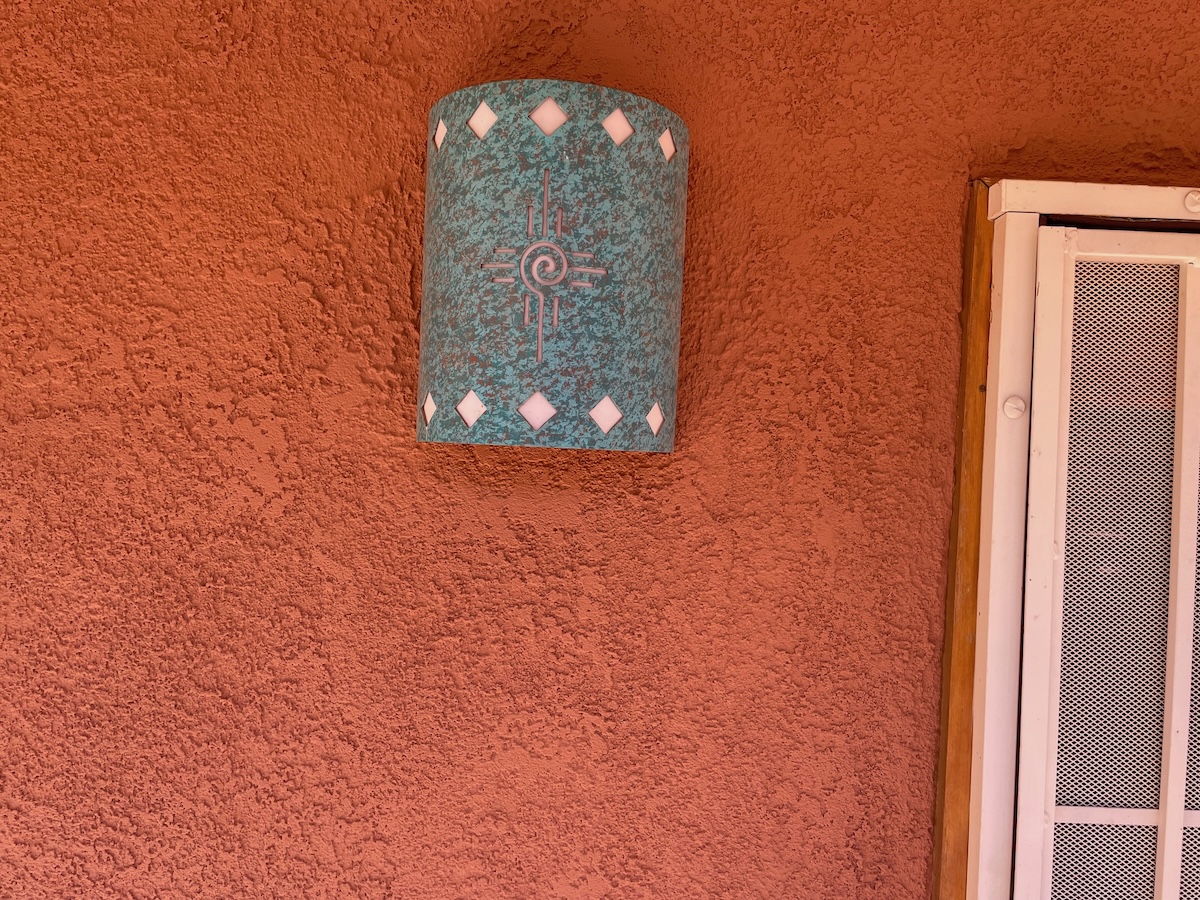
The article also discusses stucco finishes, which vary significantly. In Arizona, smoother finishes are less popular due to their tendency to highlight minor cracks. A coarser sand finish is more common, as it helps obscure hairline cracks and complements contemporary home designs. Applicators may have proprietary or regional finishes, such as “River Sand,” “Random,” “Skip Trowel,” or “Spanish Lace.” Another finish, "Cat Face" or "Santa Fe," features a smooth surface with small rough patches. Homeowners are advised to examine tactile samples rather than relying solely on images when selecting a finish.
Decorative features like cornices around windows, doorways, and arches are also discussed. These elements, which can enhance a home's aesthetic, must be securely wired to the base lath system to prevent separation or cracking. The use of expansion joints can further mitigate cracking by accommodating the stucco system's natural expansion and contraction.
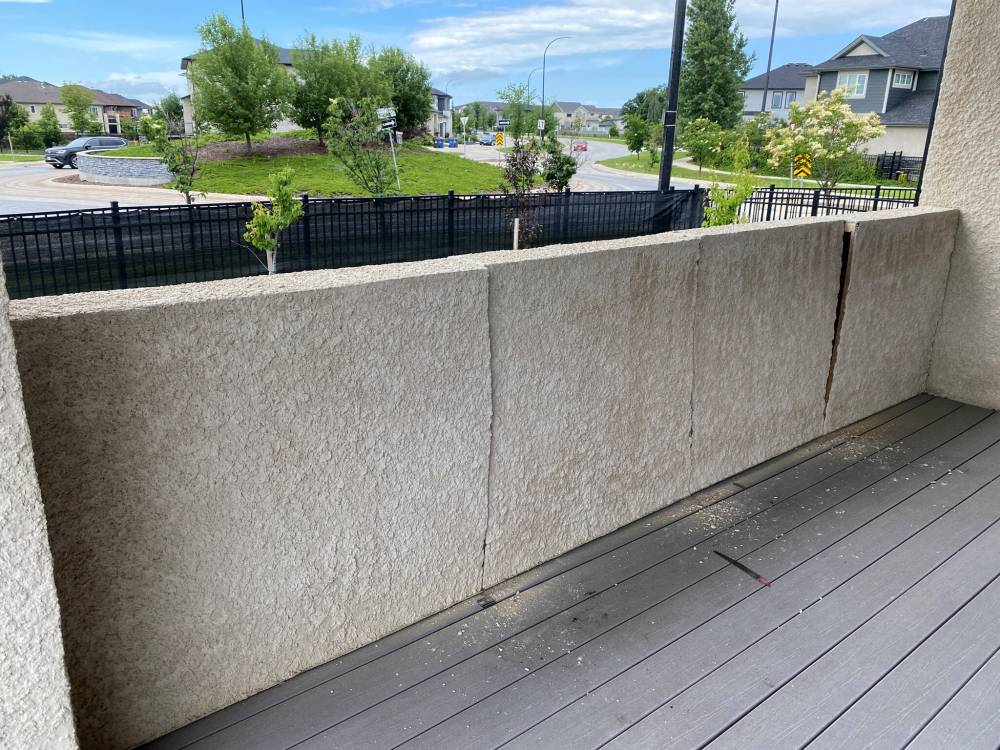
Regarding repairs, a fundamental principle in construction is that concrete, including stucco, will crack. For cracks, homeowners should assess their location, size, and direction. Cracks wider than 1/8-inch, those where surfaces are misaligned, or wide cracks at a 45-degree angle from an opening, may indicate structural issues requiring professional assessment. For non-structural cracks, the repair process involves cleaning the crack of debris, selecting an appropriate caulk (sand caulk is recommended for texture matching), filling the crack, and then painting. Often, the entire wall may need refinishing to ensure a consistent appearance. The article concludes by touching upon industry training for stucco workers, highlighting both on-the-job experience and essential safety training, particularly scaffolding and heat safety in Arizona's climate.
#StuccoSystems #HomeMaintenance #ArizonaHomes #ExteriorFinishes #StuccoRepair #ConstructionMaterials #HomeDesign #BuildingCracks #MoistureManagement #StuccoSystems #HomeMaintenance #ArizonaHomes #ExteriorFinishes #StuccoRepair #ConstructionMaterials #HomeDesign #BuildingCracks #MoistureManagement
0 comment in total
 No comments yet
You may also like
This DIY Project Was WAY More Than I Anticipated

How to care for natural stone in your home – 7 expert tips, including what to never do

100 Day Dream Home Details The Inexpensive Way To Make Stucco Walls Look Like Brick
15 Stucco Paint Color Ideas That Go Beyond Classic Tan

Getting Along With Stucco: Sometimes it just needs space
Experts swear by these 6 sustainable home renovation tips
Backsplash tips for Arizona homeowners going into 2025

Christina Haack's Best Solution For Blending Stucco Patching

Plastered In Style

Stucco House Finish: Everything You Need To Know About Stucco

Jul 2022: You aren’t stuck with stucco

It’s the best time of year to paint your Arizona home, but not for the reasons you may think
Rosie on the House: Understanding Arizona stucco applications and repairs

Acme Brick, Tile and Stone – Jackson, TN

Does Consistent Flooring Throughout A Home Help It Sell Faster? Our Real Estate Expert Weighs In

Rosie on the House: Interior and exterior paint tips from a pro

‘It’s a tough lesson to learn’ – brick homeowners must complete this outdoor maintenance task to avoid costly repairs and structural failure

Rogue builders quoted over £15k for a repair job that cost £185 to fix - my lessons learnt

Follow This Expert-Approved Checklist to Avoid Renovation Regrets

Story from Arizona Painting Company: 5 tips to keep your home’s new paint looking great