Rosie on the House: Interior and exterior paint tips from a pro
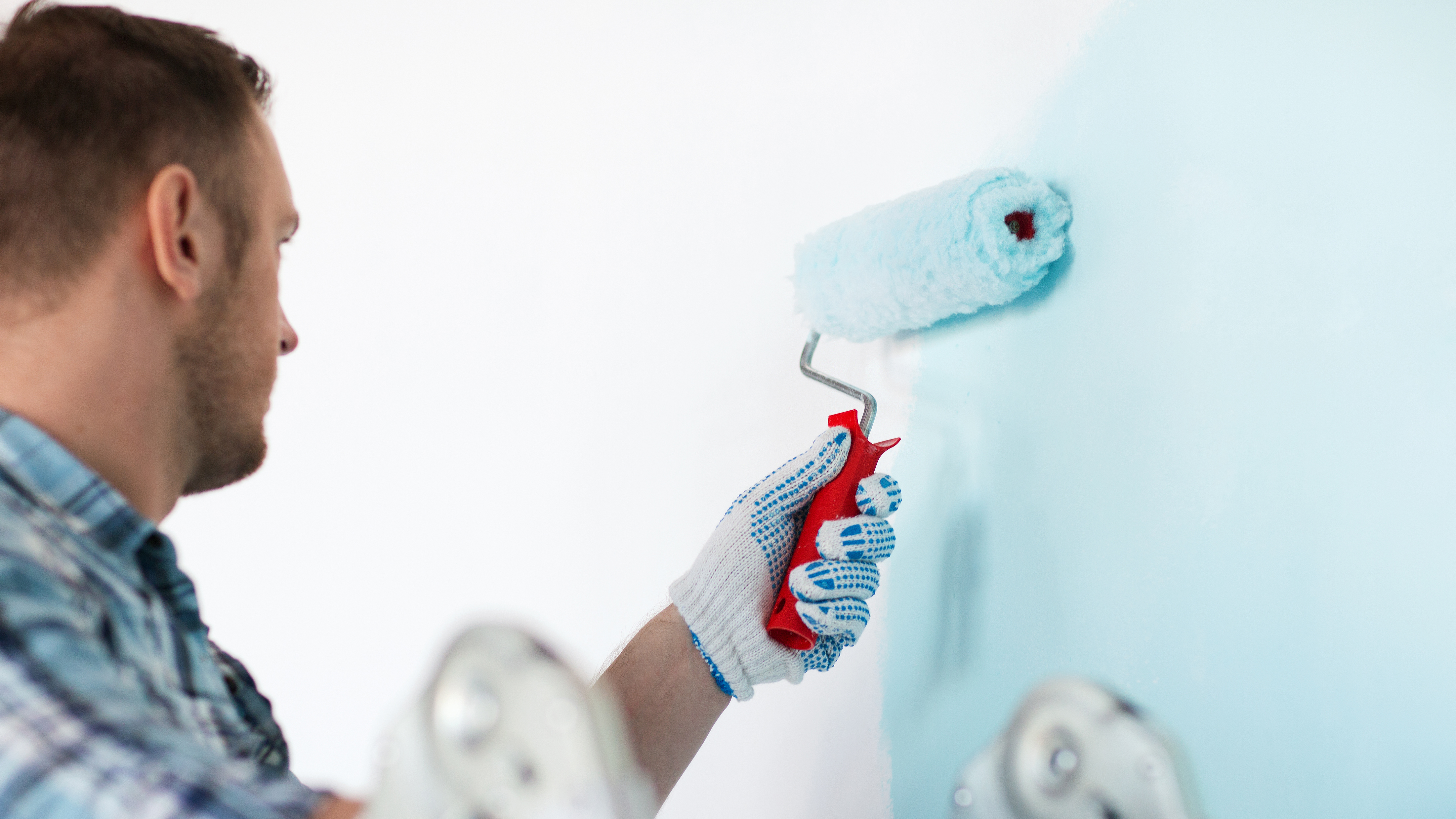
This article, part of the "Rosie on the House" series, provides comprehensive tips for both interior and exterior painting projects, covering new builds and repaints. It emphasizes the critical role of preparation, detailing specific steps for different surfaces and materials. For new interior constructions, the article advises removing dust from taped and sanded drywall surfaces using a broom or damp cloth before priming. It highlights the importance of using a PVA (polyvinyl acetate) primer on drywall and raw wood moldings to ensure proper paint adhesion, noting that primer's main role is adhesion, not complete coverage or opaqueness.
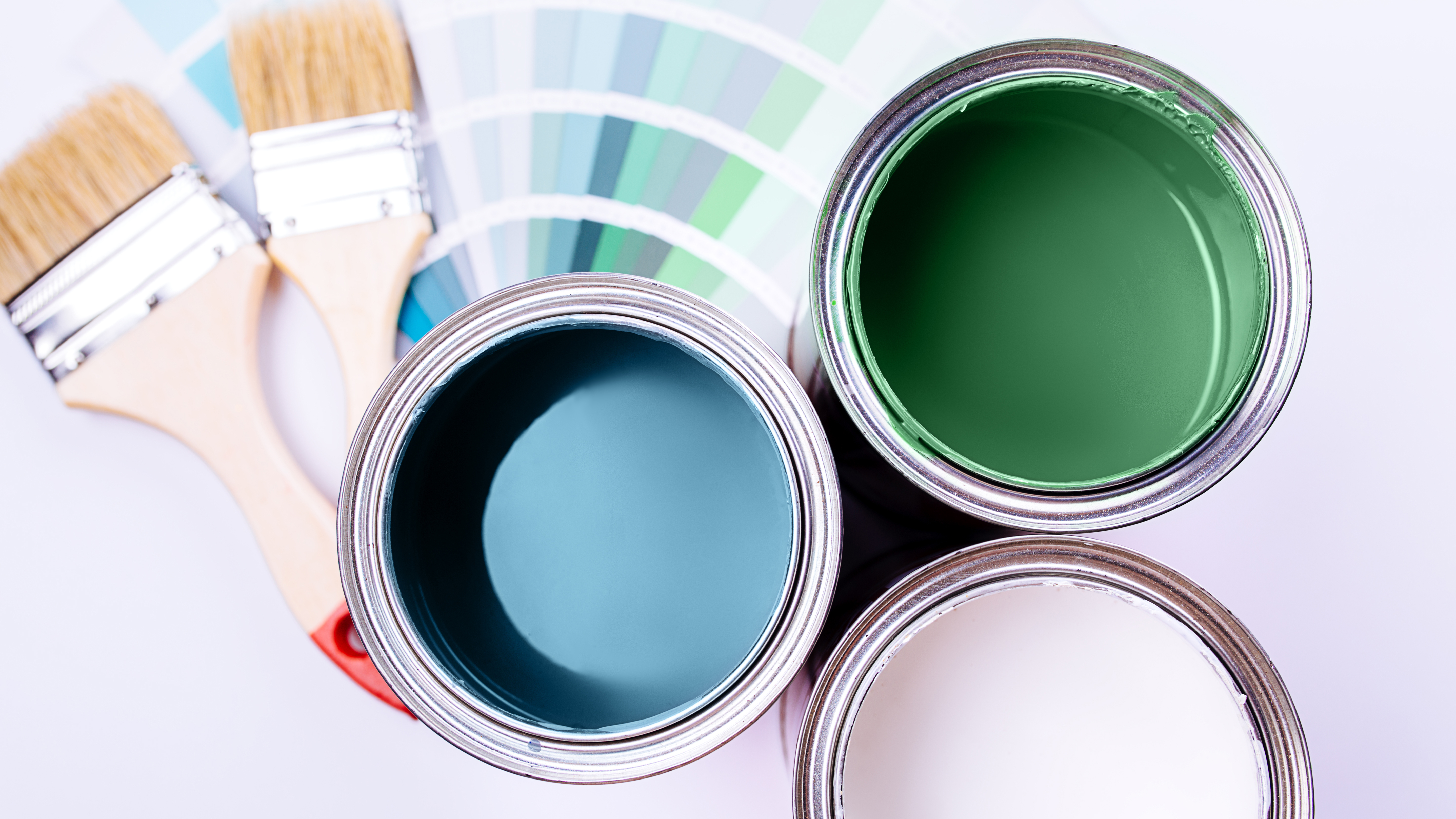
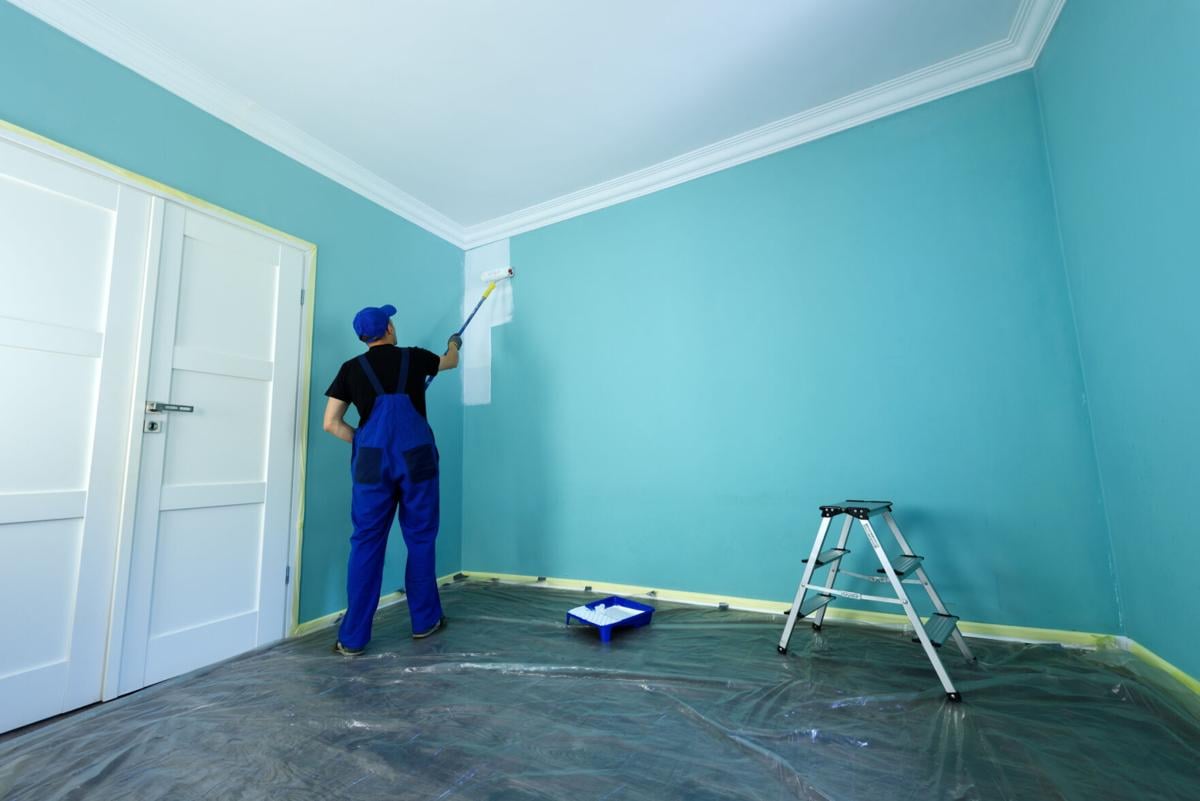
The article recommends applying at least two coats of acrylic latex paint for new interior surfaces, using the same product for both coats. It suggests satin or eggshell finishes for most walls and ceilings, flat paint for ceilings, and semi-gloss for trim and doors due to its durability and moisture resistance, making it suitable for bathrooms and kitchens. For repainting existing interior surfaces, cleaning off dust is still recommended, but priming is only necessary if patchwork has been done. Two coats of quality acrylic latex paint are usually sufficient, though three coats might be needed when covering dark colors with lighter ones.
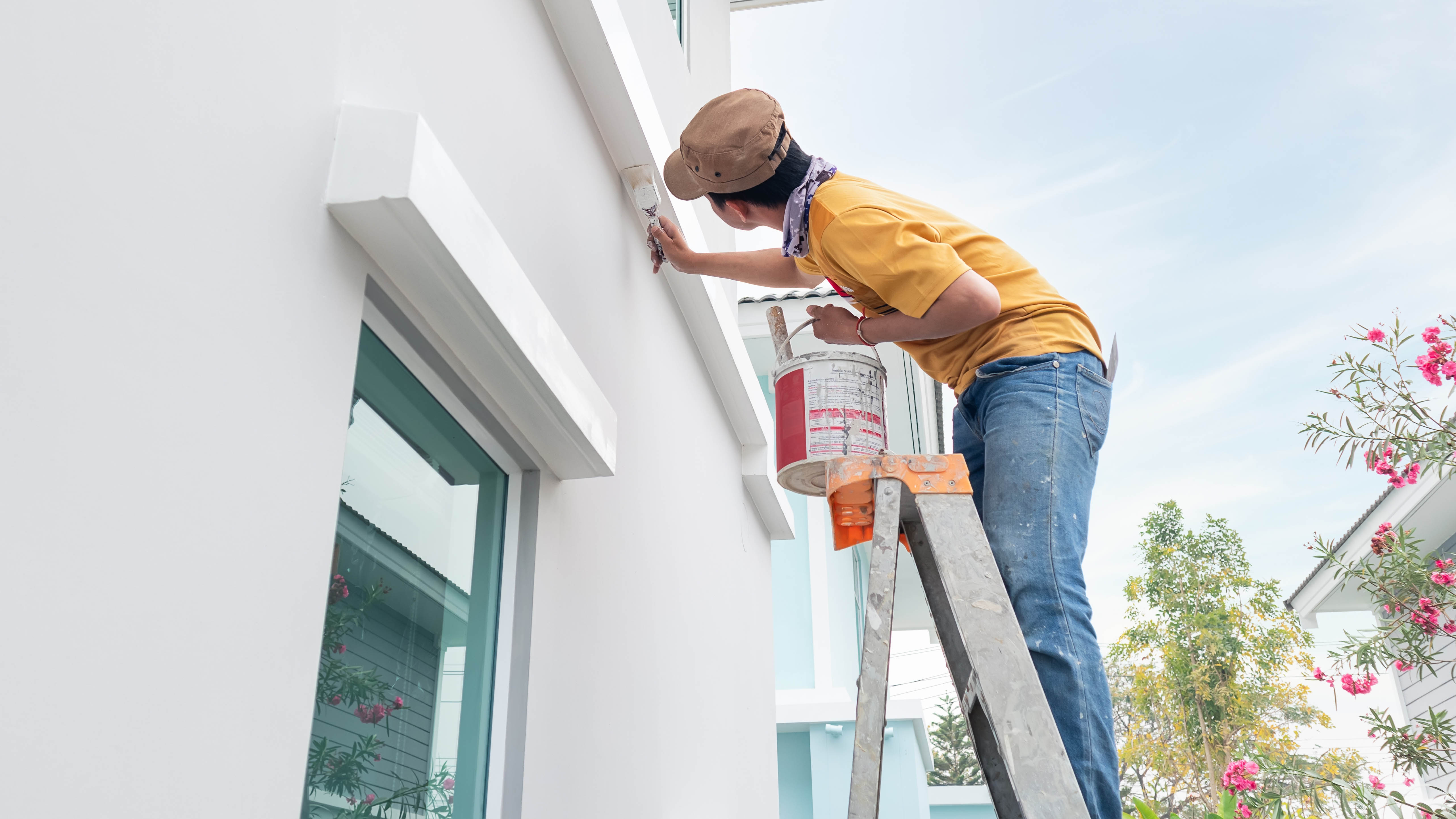
Regarding exterior painting on new builds, the article focuses on stucco. It stresses that raw cement stucco must be fully cured, with a moisture content of 12% or less, which can take a month or more. Acrylic stucco requires a pH level of six, generally achieved after 30 days of curing. However, if Loxon Primer is used, painting can commence with a pH between seven and 13. pH test kits are essential for verifying readiness. Once the stucco is prepared, 100% acrylic Sherwin Williams paints like "Superpaint" or "Duration" are suggested.
The application method for exterior paint depends on the stucco's texture. While most paints are sprayed, coarse textures may require "back rolling." This technique involves two painters: one sprays a crosshatch pattern, and the other immediately follows with a freshly dipped roller to achieve 100% coverage. This increases labor and material costs but ensures thorough application. Other new exterior materials should be primed before applying two coats of paint. For exterior repainting, power washing is recommended for cleaning, with precautions to maintain distance (three to four feet) and use a wide-fan spray tip to prevent surface damage. A low luster finish, such as eggshell or satin, is advised for its weathering and durability benefits.
Preparation is identified as the most crucial step, constituting 80% of the painting job. Interior prep includes caulking trim joints around floors, doors, and windows, and covering all areas not intended for paint, especially when spraying. Exterior prep involves filling small holes and making necessary surface repairs. The article explicitly advises against relying on paint to fill gaps and cautions against using elastomeric paint on vertical surfaces. For those hiring a contractor, it suggests inquiring about their methods for achieving full coverage, specifically mentioning the cross-hatch technique for general painting and true back rolling for stucco.
#HomeImprovement #PaintingTips #DIYProjects #InteriorPainting #ExteriorPainting #StuccoPreparation #PaintApplication #HomeMaintenance #PaintSelection #HomeImprovement #PaintingTips #DIYProjects #InteriorPainting #ExteriorPainting #StuccoPreparation #PaintApplication #HomeMaintenance #PaintSelection
0 comment in total
 No comments yet
You may also like

Get A Home Town-Inspired Look With Erin Napier's Top Painting Tips

Here's What Colorists Want You to Know About Picking House Paint

The best paints for streak-free coverage, from Dulux to Farrow & Ball

How to Choose the Best Paint Finish for Every Area of Your Home, From Kitchen Cabinets to Bathroom Walls

Update your home with these paint tips!

8 Surprising Colors That Will Decrease Your Home's Value, According to Experts

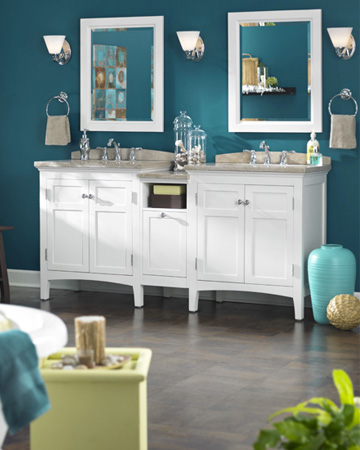
Paint tips from a pro!
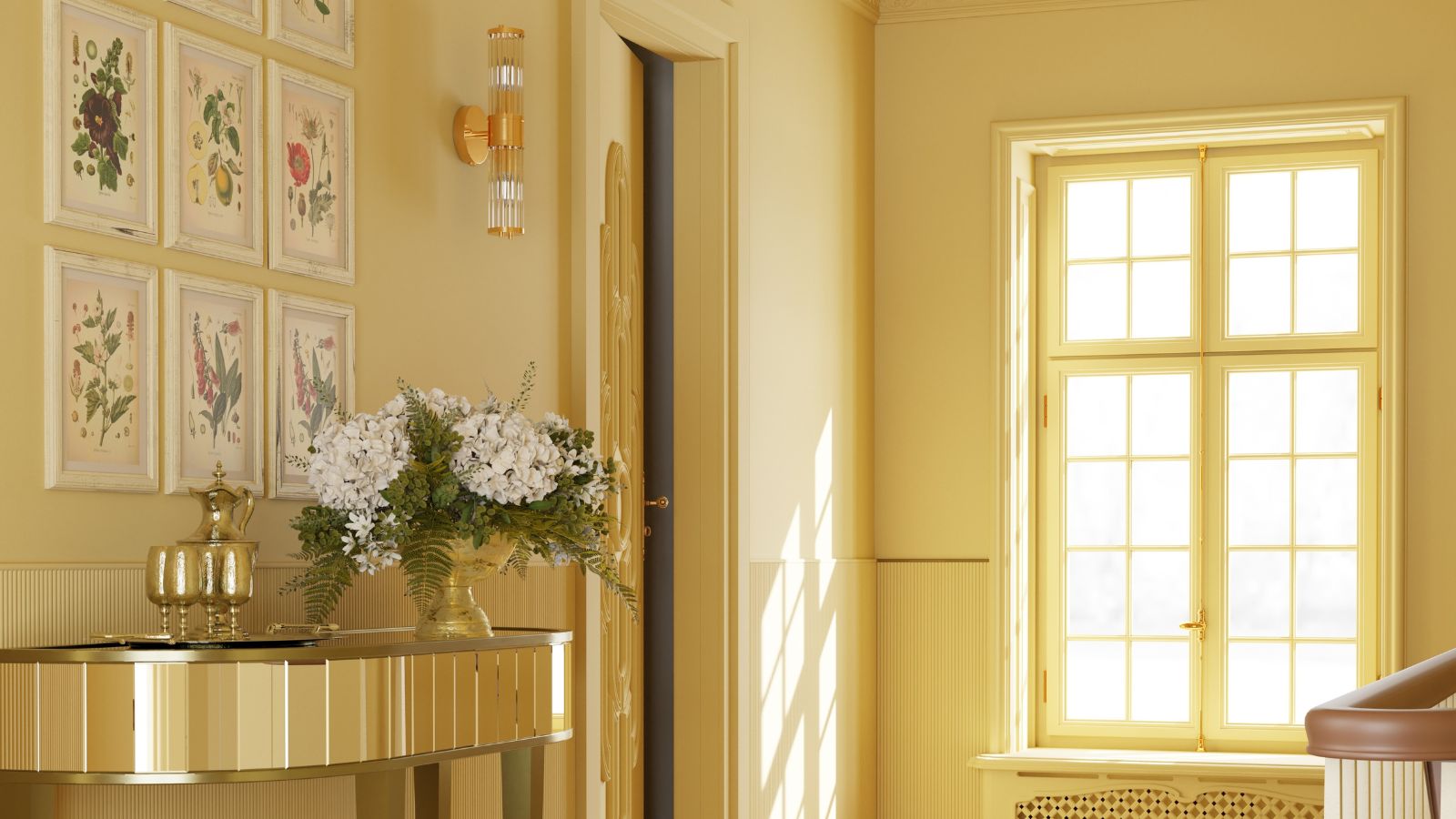
There's still time! I’m a painting expert and it's the best month to paint inside your home for a silky-smooth finish

Understanding paint finishes

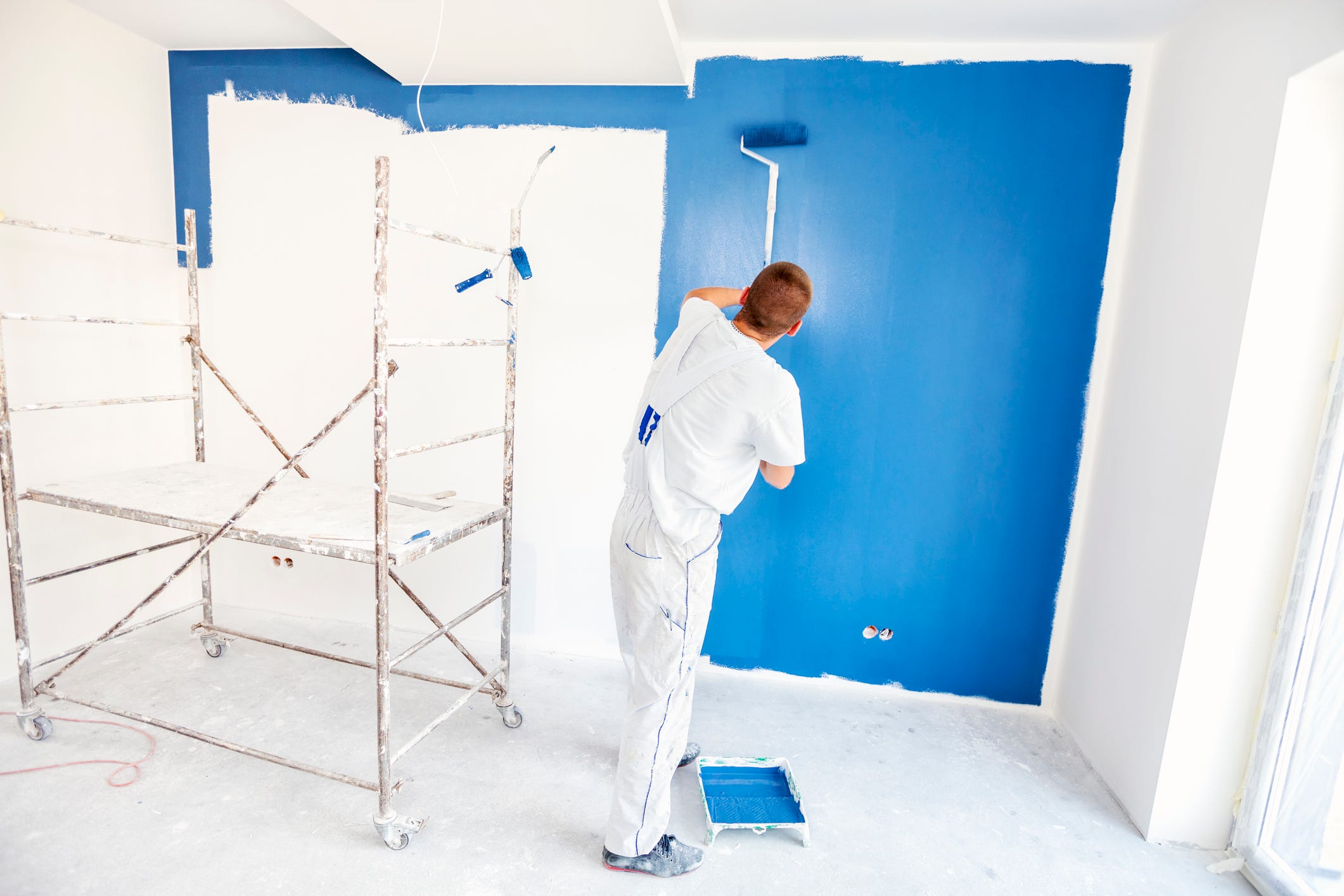
Story from Arizona Painting Company: 6 tips to prepare a home for a professional paint crew

10 Painting Tips The Stars Of HGTV's Unsellable Houses Swear By
12 top interior painting tips from experts – for a flawless, fabulous finish
Professional Tips on Exterior Paint for Your Home

Designers Share Their Tried-and-True Shades From the Best Interior Paint Brands
The Best Interior Paints, According to Expert Testing
'It's the best way to make a home joyful' - this paint trend is the perfect idea to introduce color thoughtfully

Decorating expert reveals this is the best time of year to paint your home


Fixer Upper's Joanna Gaines Shares The Perfect Paint Colors For Every Area Of Your House
Four Gorgeous Front Range Rooms That Embrace Color

The 3 Biggest Exterior Paint Color Mistakes Homeowners Make, According to Pros