1/2
Paint tips from a pro!
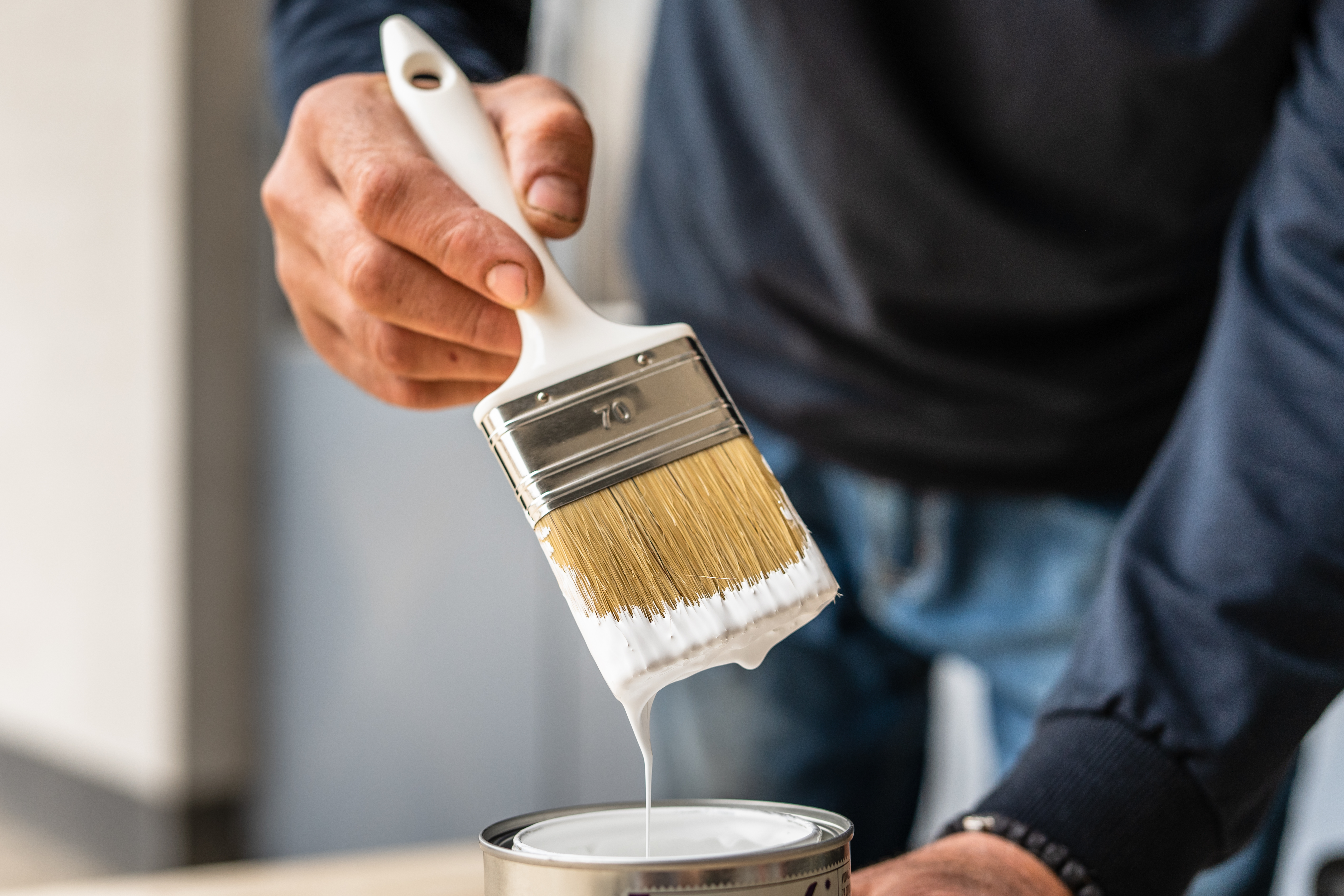
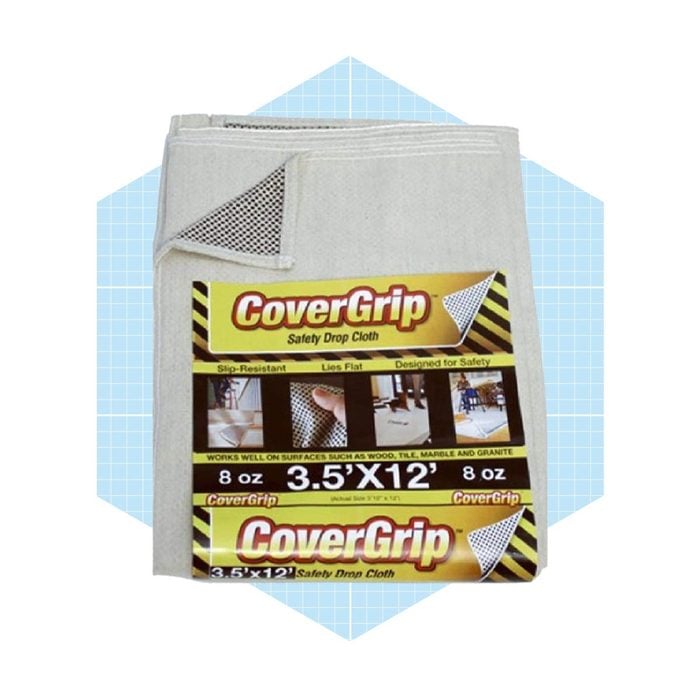
This article provides a Q&A session with a Lowe's paint expert, offering practical advice and tips for homeowners looking to refresh their living spaces with a new coat of paint. The discussion covers various aspects of the painting process, from preparation to execution and achieving a professional finish. It begins by defining primer as a sealant that helps paint adhere better to surfaces, noting that while not always necessary for repainting an already painted room, two coats of paint are recommended in such cases. The expert estimates the average cost to paint a room, assuming no existing supplies, to be between $80 to $90, though this can fluctuate based on room size, paint brand, and whether a ladder is needed. A cost-saving tip suggests using old sheets or blankets instead of purchasing tarps for floor protection.
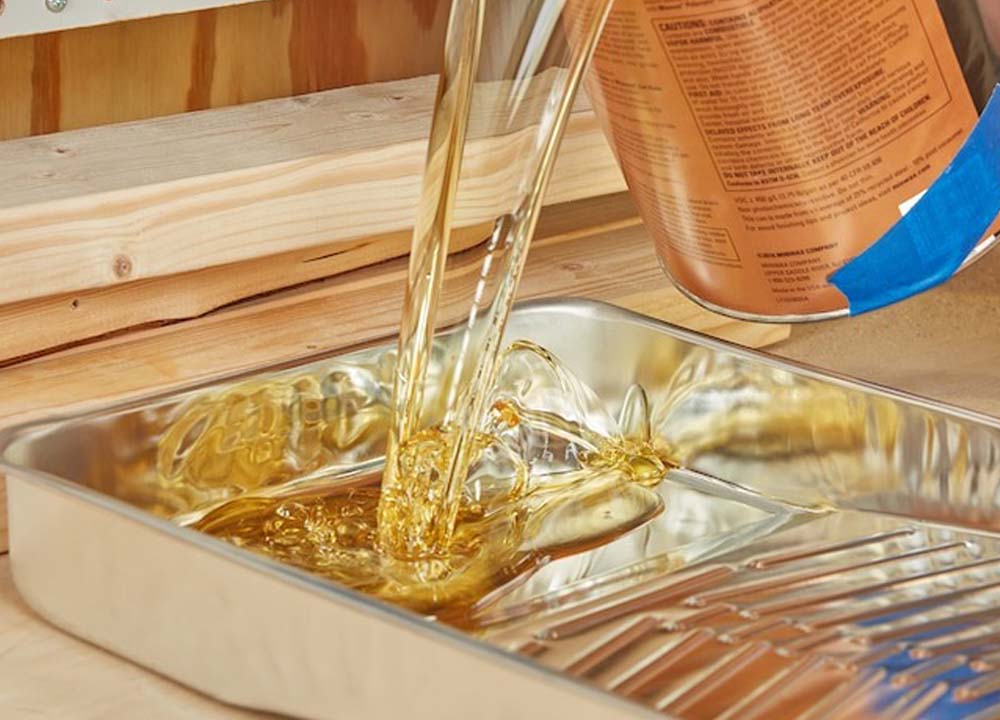
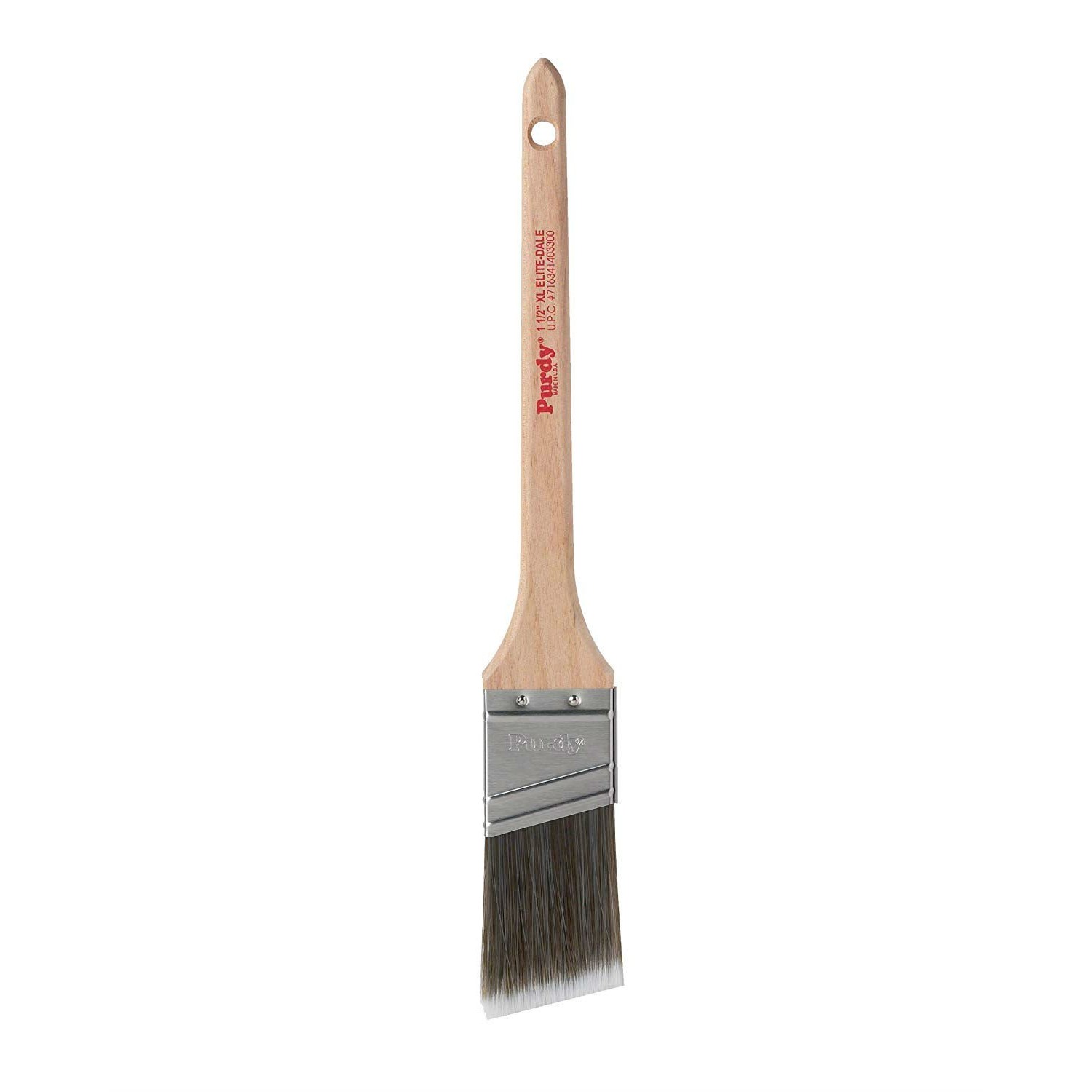
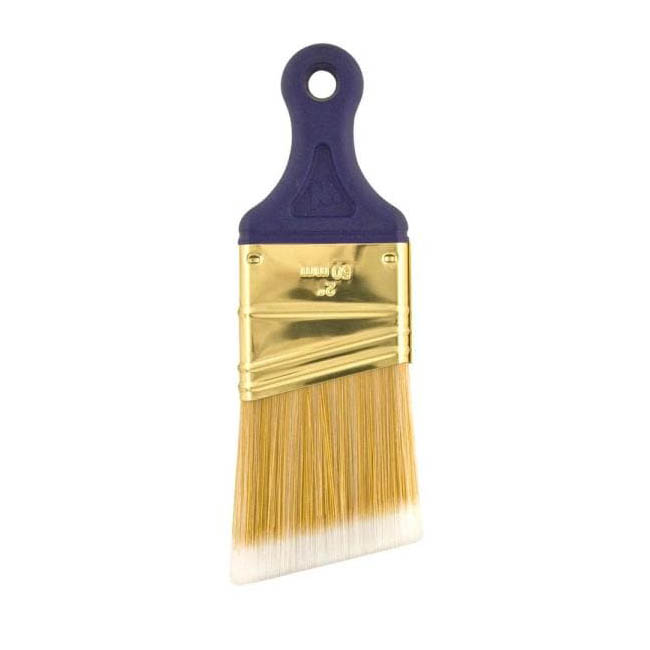
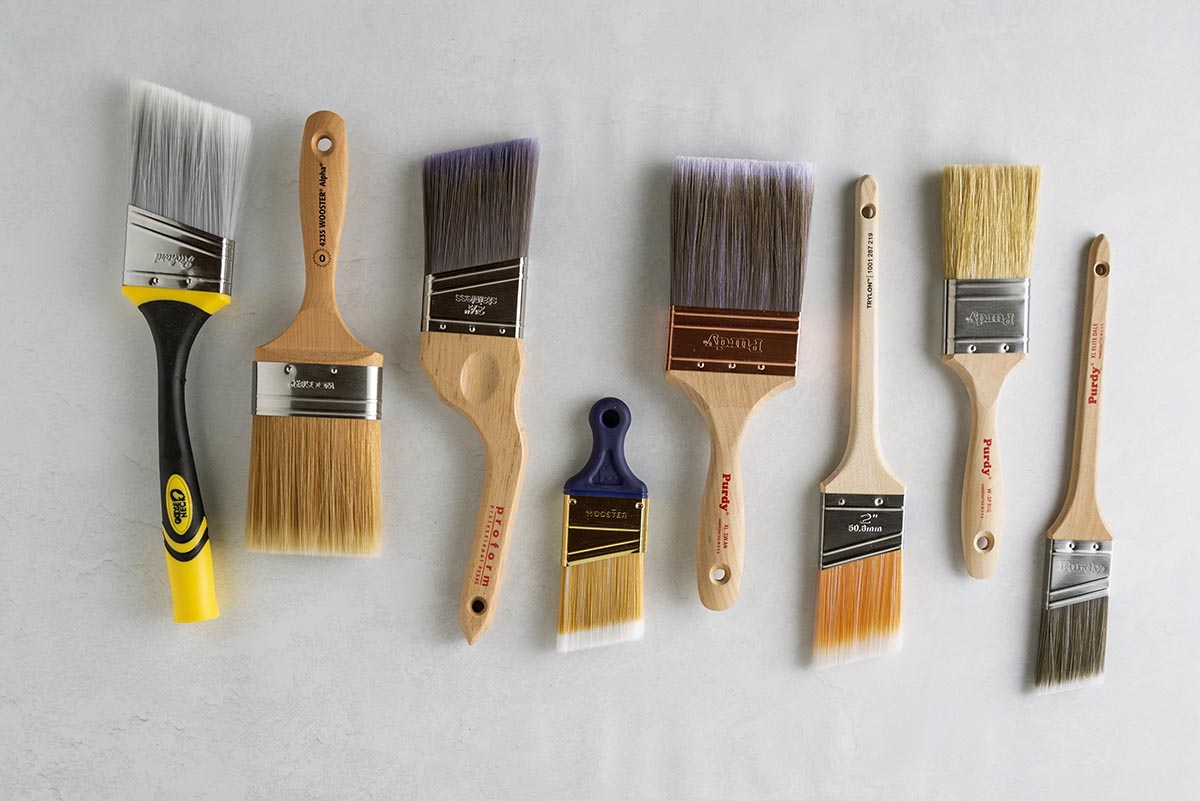
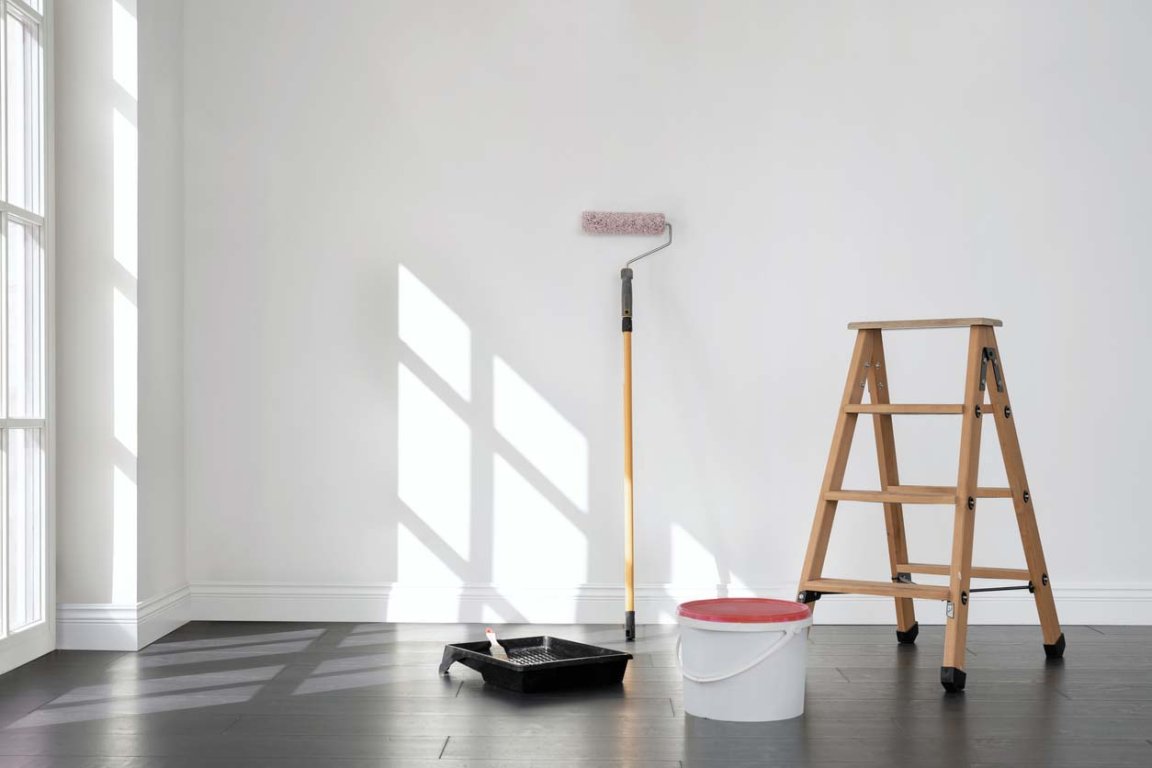
The article outlines essential painting supplies, which typically include two gallons of paint (depending on room size), a brush, a roller, a roller handle, a tarp, and painting tape. A kit containing most of these items, excluding paint, can be purchased for about $25. For tools that are not strictly necessary but enhance efficiency, the expert recommends a five-gallon bucket with a paint grid, which allows for more efficient work compared to a paint tray and reduces physical strain. An extension pole is also suggested for painting higher wall sections quickly, though a ladder remains essential for detailed work near the ceiling.
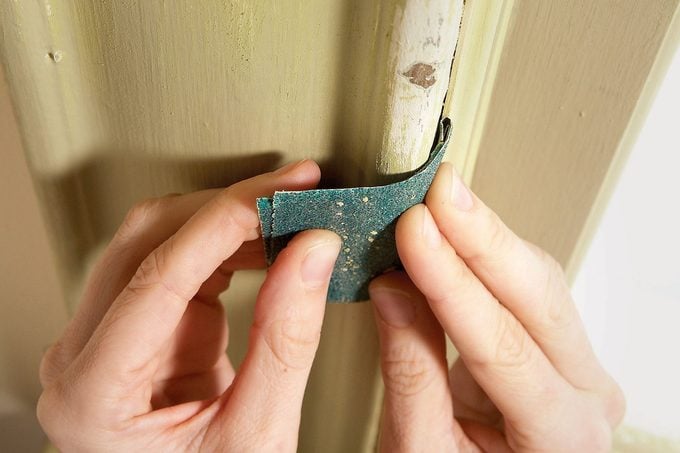
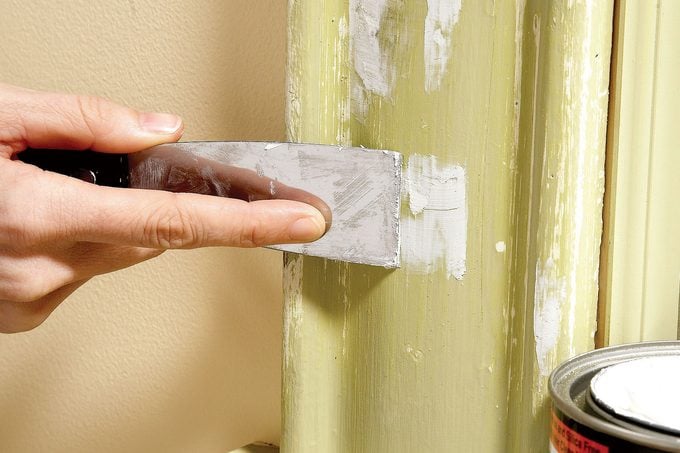
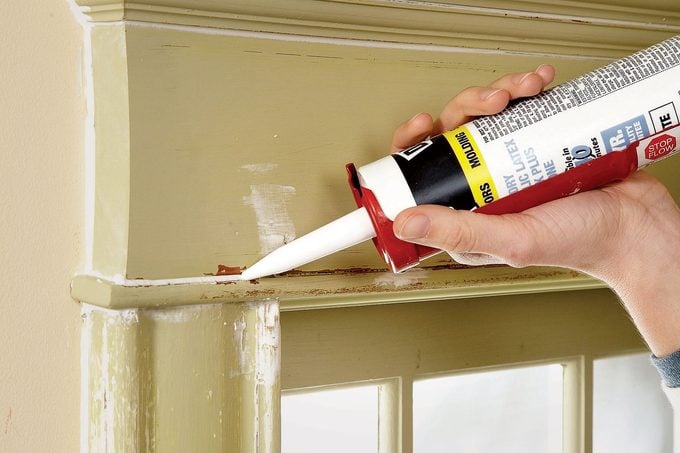
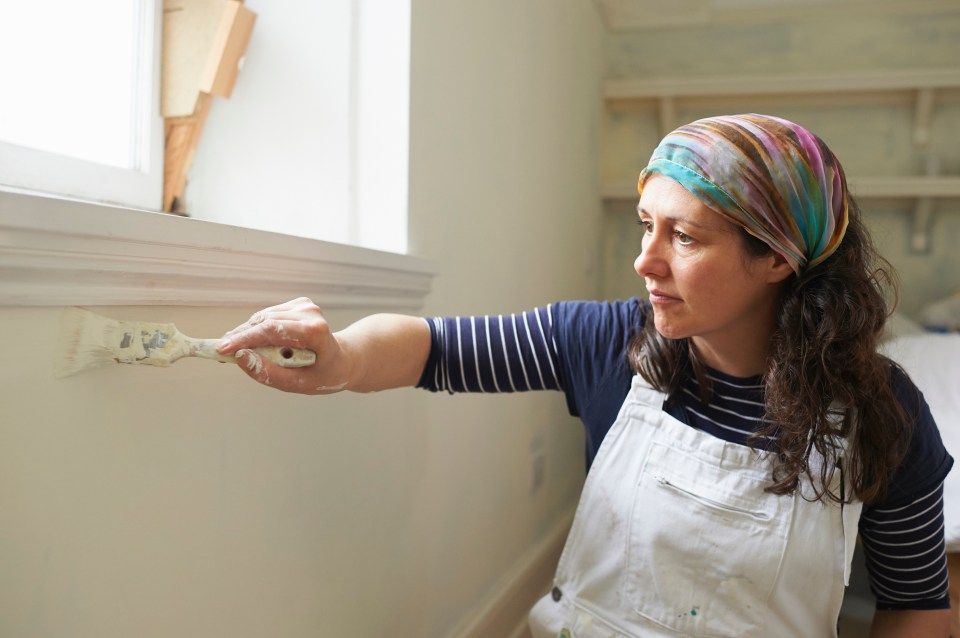
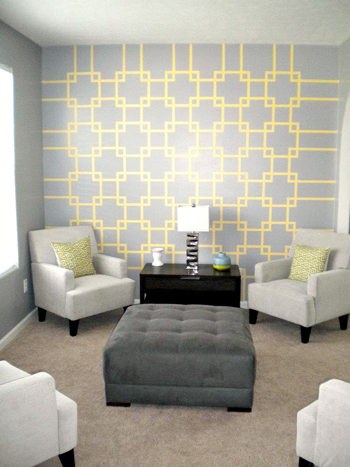
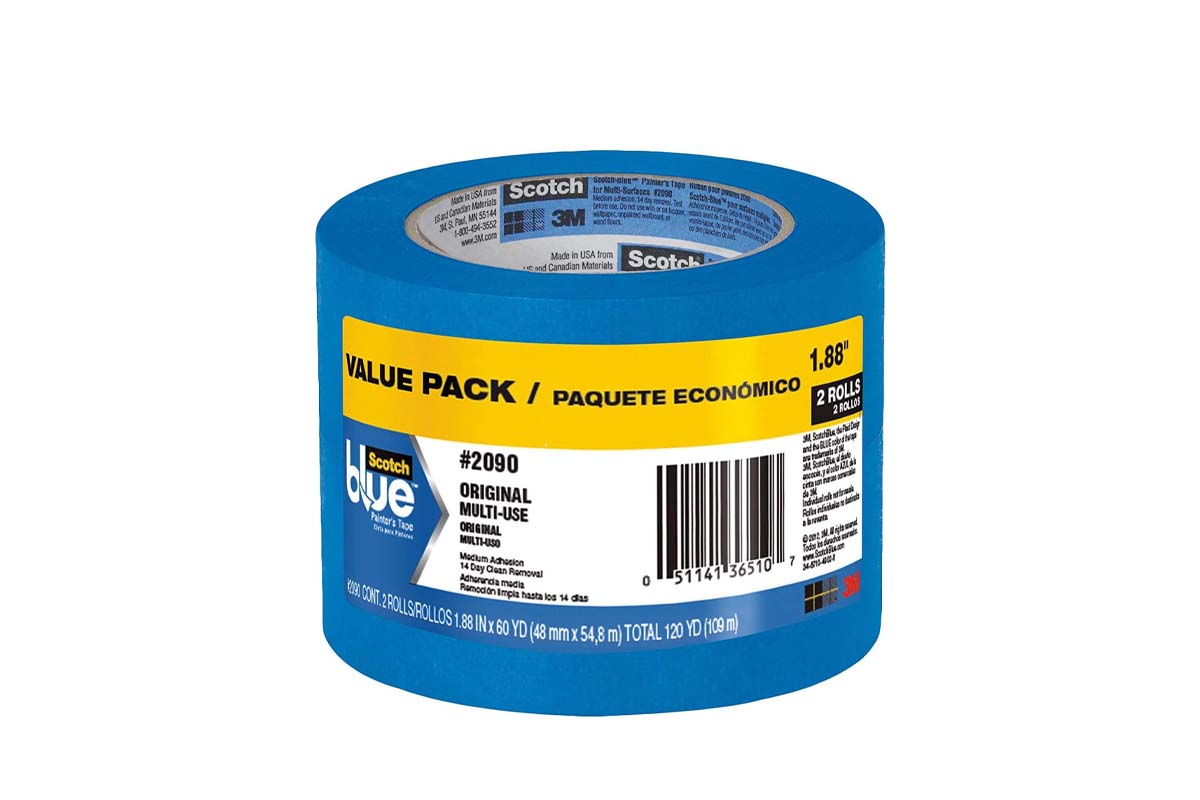
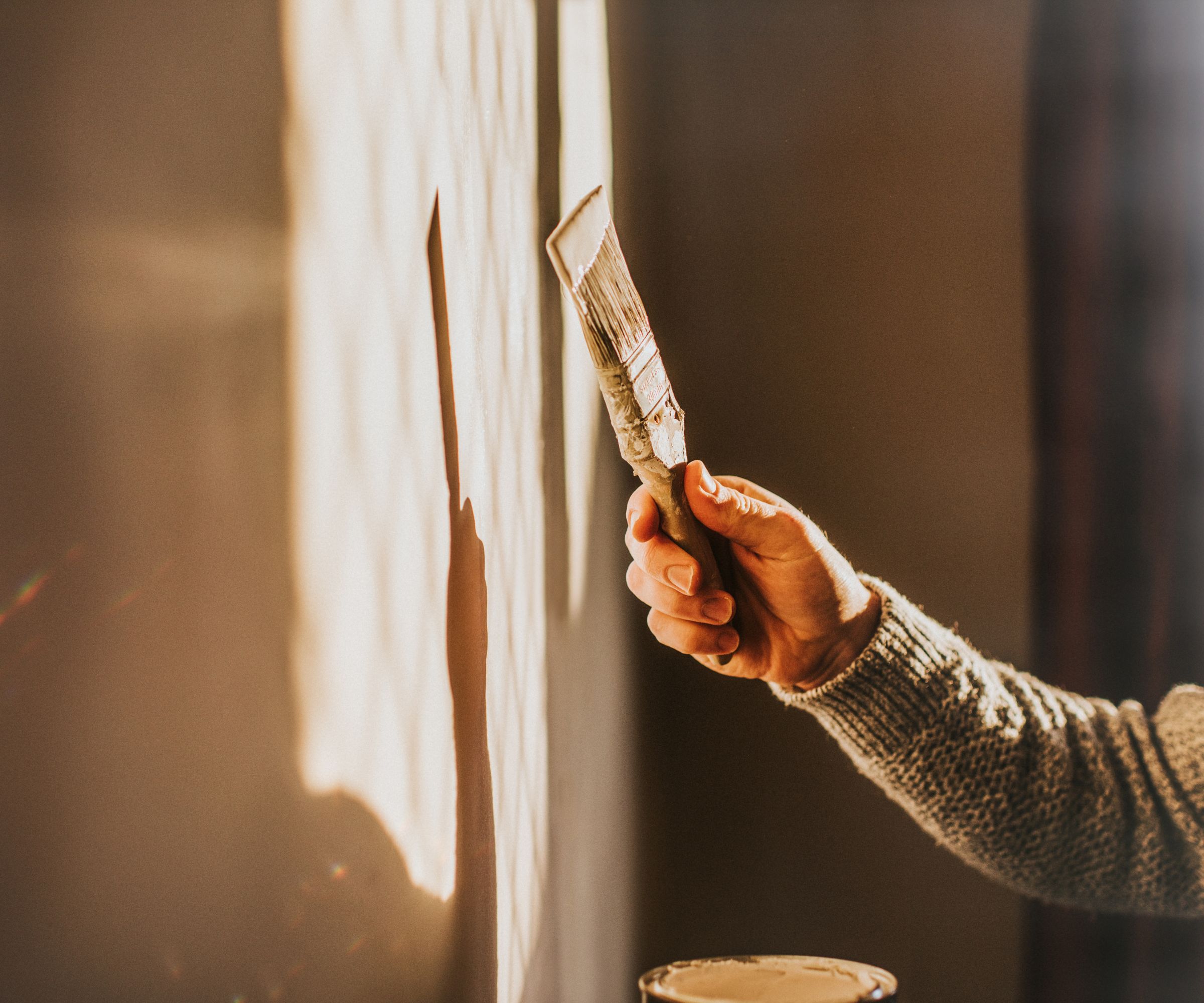
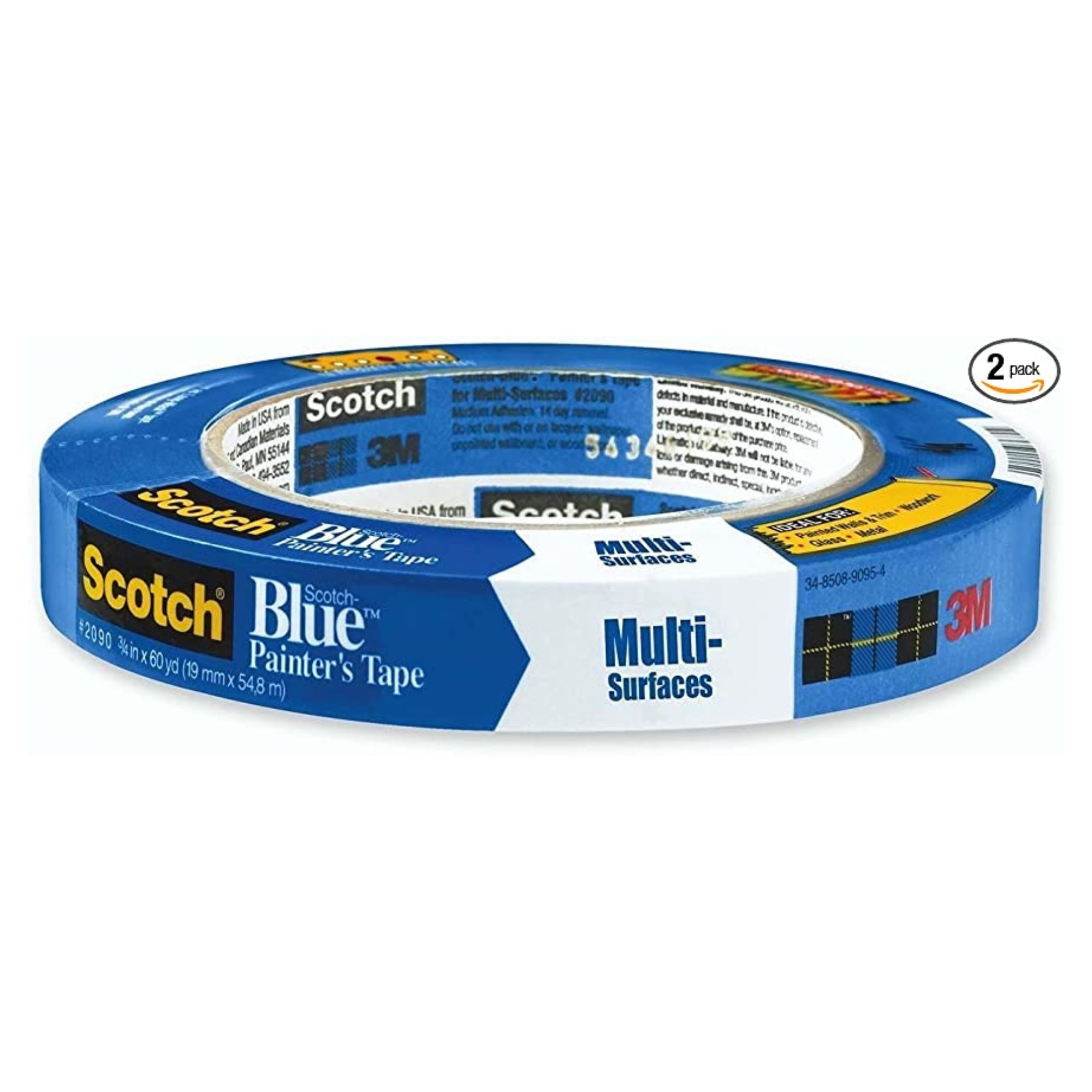
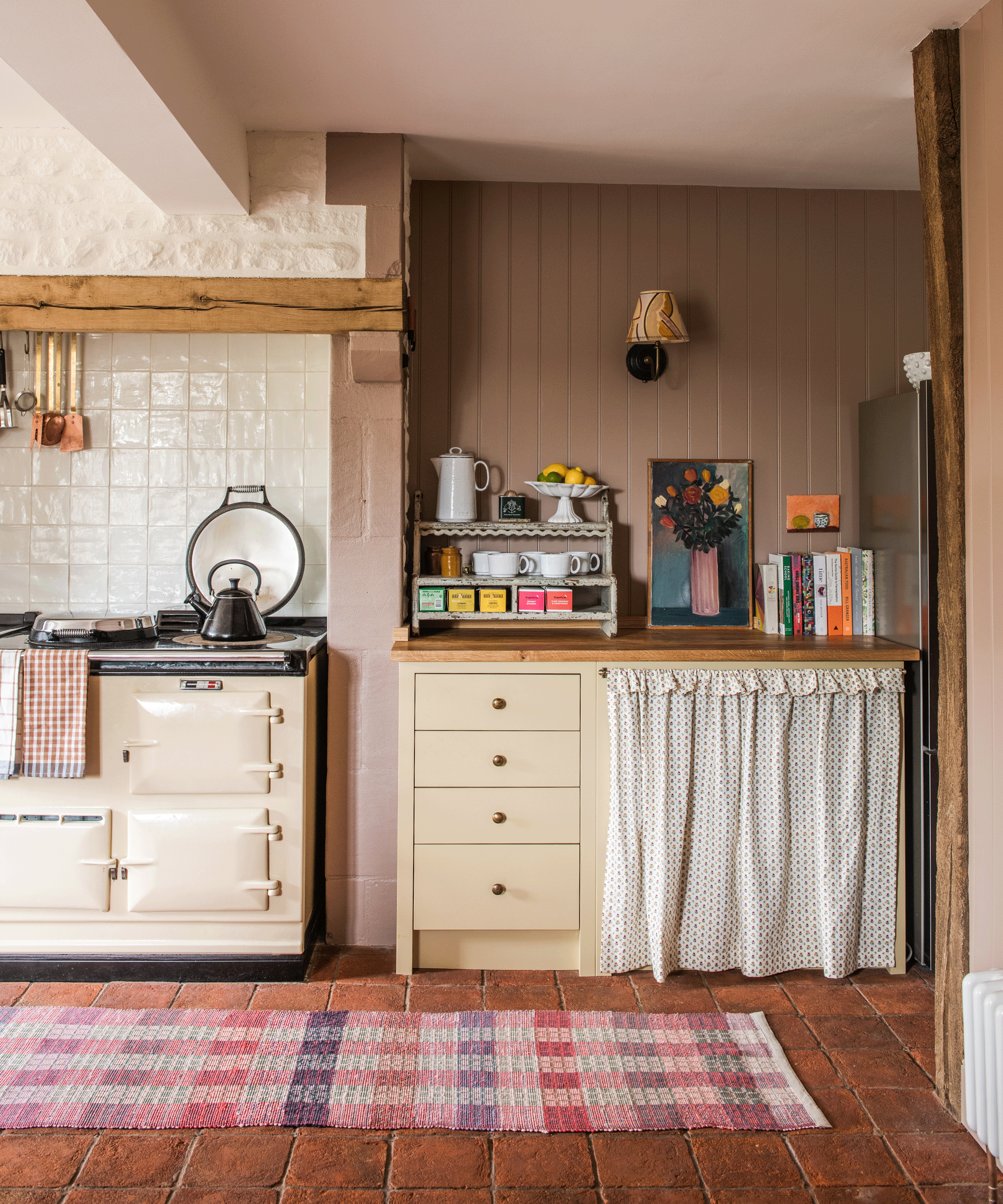
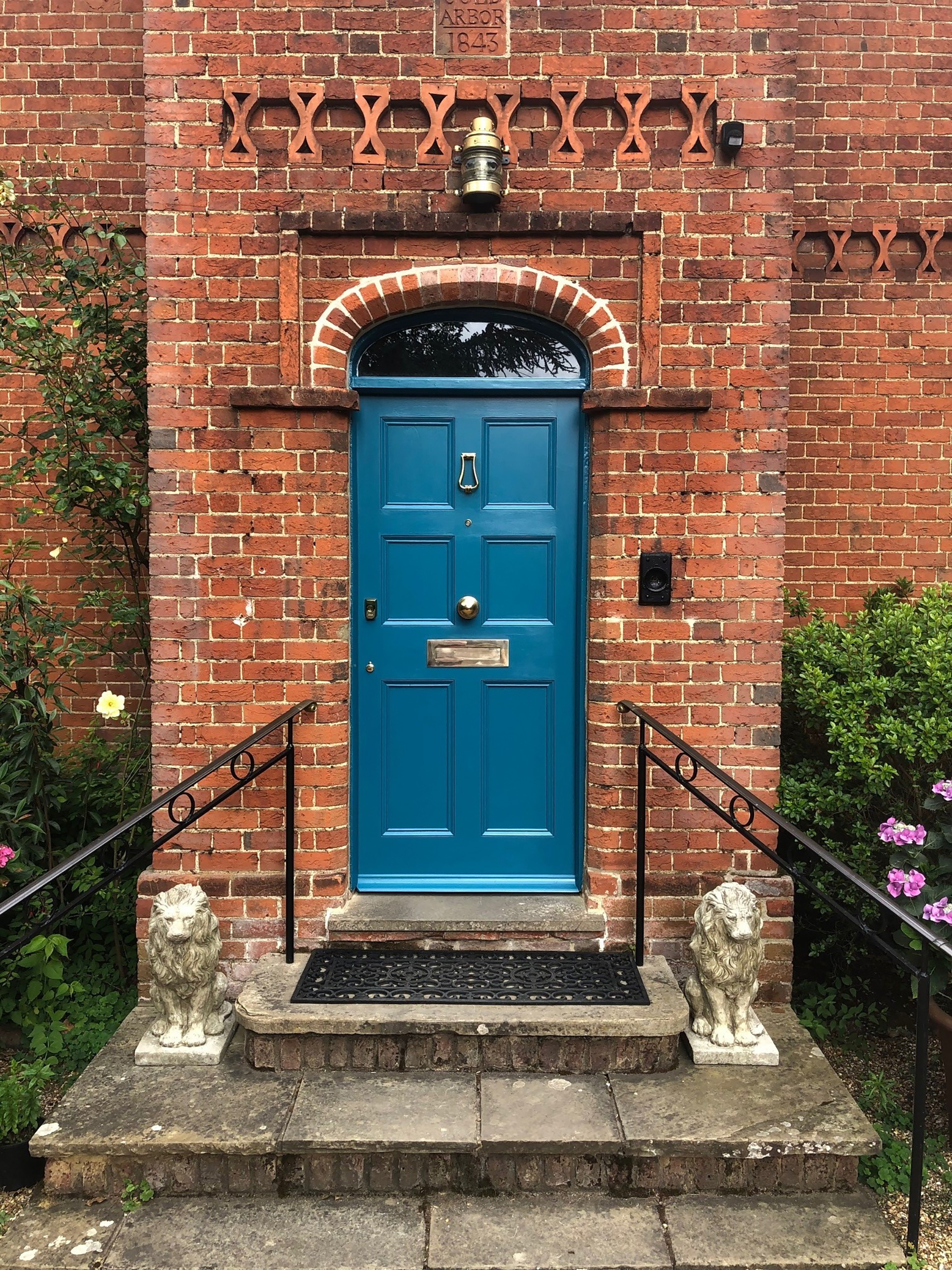
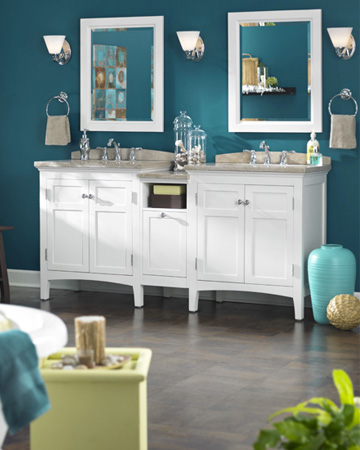
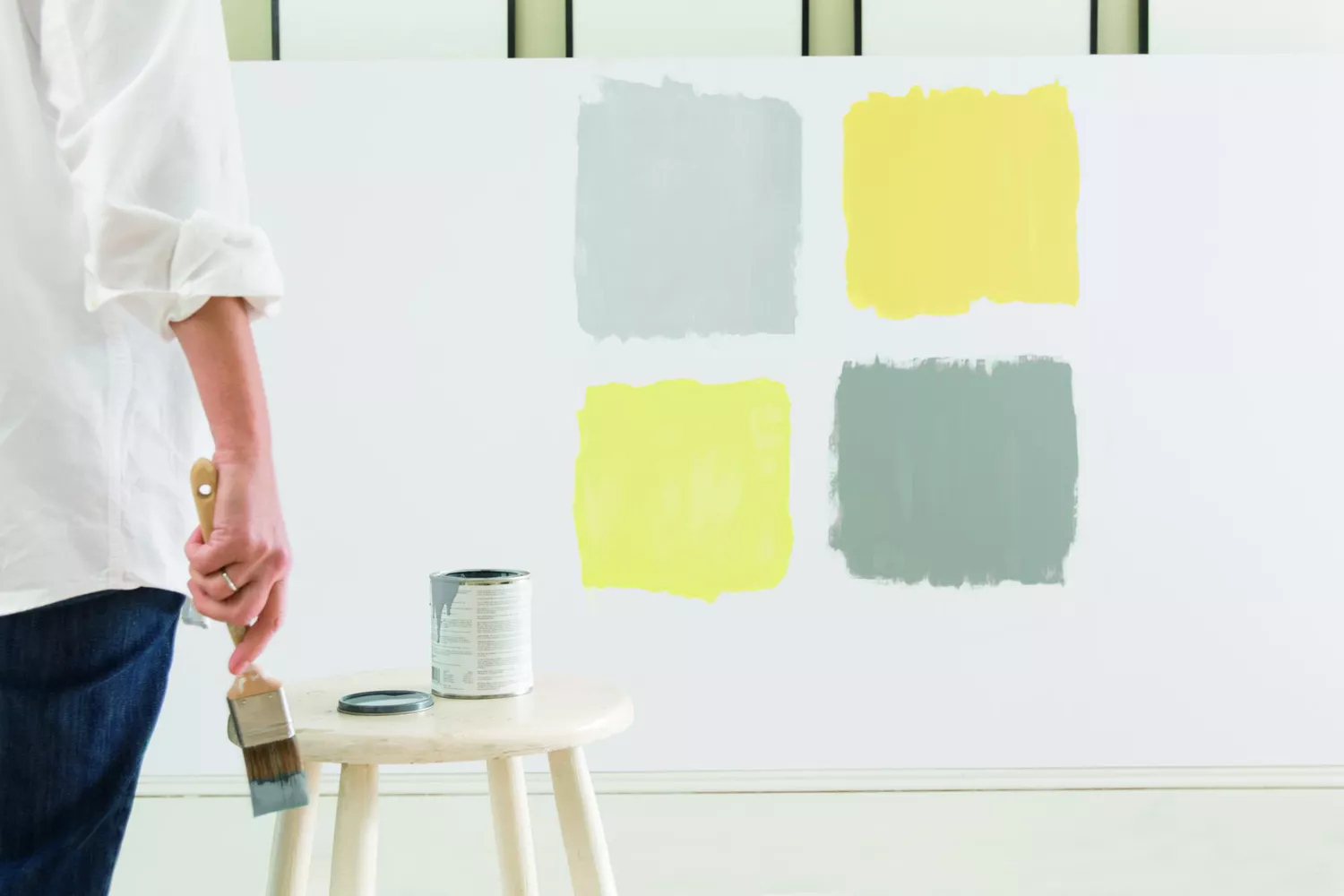
Regarding the timeline for a beginner to paint a standard 10-foot by 10-foot room, the expert estimates five to six hours for two coats, including drying time between applications. The initial step in painting is thorough preparation, which involves covering floors with tarps, removing faceplates and covering them with tape, filling any wall imperfections with drywall mud, taking down blinds, and taping off baseboards and door trim to create a clean barrier. A key secret to achieving a professional-looking finish is the use of a caulk gun and quality masking tape. This technique ensures straight, crisp lines, even for novice painters, making the finished room appear professionally done. The process involves taping a clean line between the ceiling and wall or baseboard/door trim, applying a thin bead of caulking where the tape meets the wall, spreading the caulk with a finger to remove excess, applying paint while the caulk is still wet (within three to five minutes), and carefully removing the tape once a section is completed. The article also provides examples of color palettes and combinations for bathrooms and living rooms, featuring Valspar brand paints to inspire readers in their home decoration projects.
#Painting #PaintingTips #HomeImprovement #DIYPainting #InteriorDesign #HomeDecor #PaintColors #Painting #PaintingTips #HomeImprovement #DIYPainting #InteriorDesign #HomeDecor #PaintColors
0 comment in total
 No comments yet
You may also like

Paint tricks – 10 painting tips and techniques loved by the experts


Update your home with these paint tips!
20 Essential Painting Tools for Your Next Project, According to Painting Pros

Professional Tips on Exterior Paint for Your Home


These Master Tips Will Help You Avoid Choosing The Wrong Type Of Paint
The Best Painting Tools

8 Secrets Only Professional Painters Know

The Best Paint Brushes, Tested and Reviewed
11 Pro Tips for How To Paint Trim

We Asked a Pro Painter For His Secret to a Seamless Paint Job Every Time—And We’re Obsessed


An A-List Designer’s Secrets To Picking Perfect Paint Colors

Here's What Colorists Want You to Know About Picking House Paint

Paint Maintenance and Touch-Up Tips
Understanding paint finishes

These hacks are all you'll need for your next home painting project


Paint finishes – a guide for every room
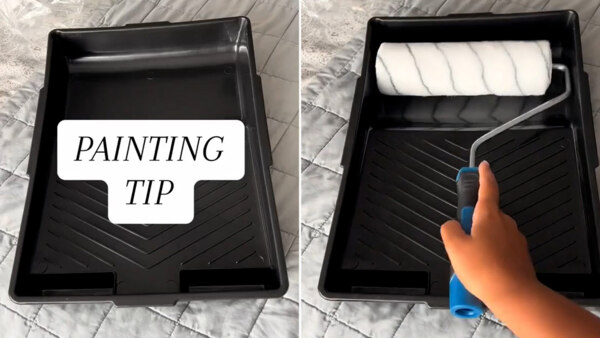
I’m a paint expert - the £1.25 buy pros swear by for a flawless finish on walls

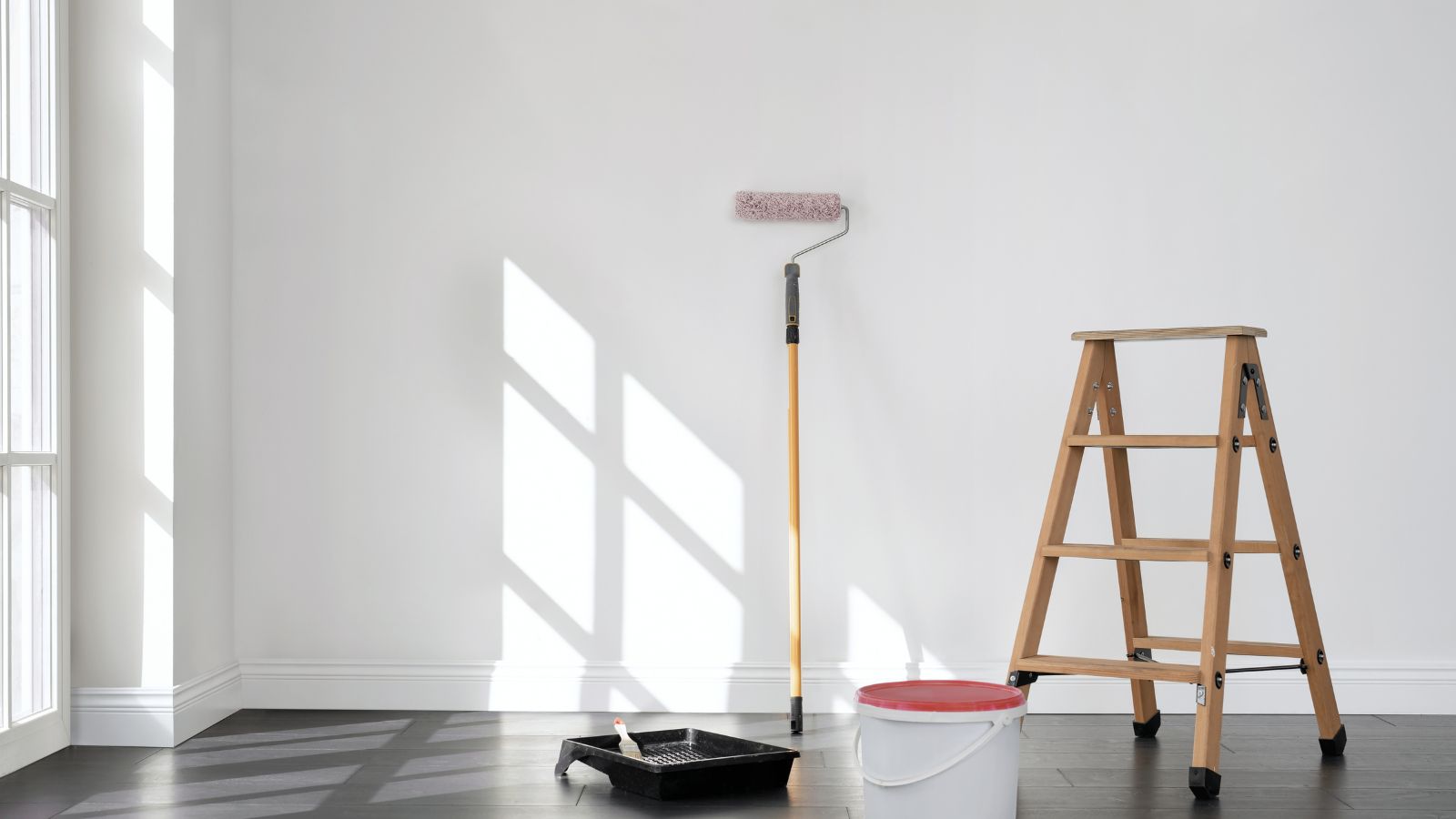
12 top interior painting tips from experts – for a flawless, fabulous finish
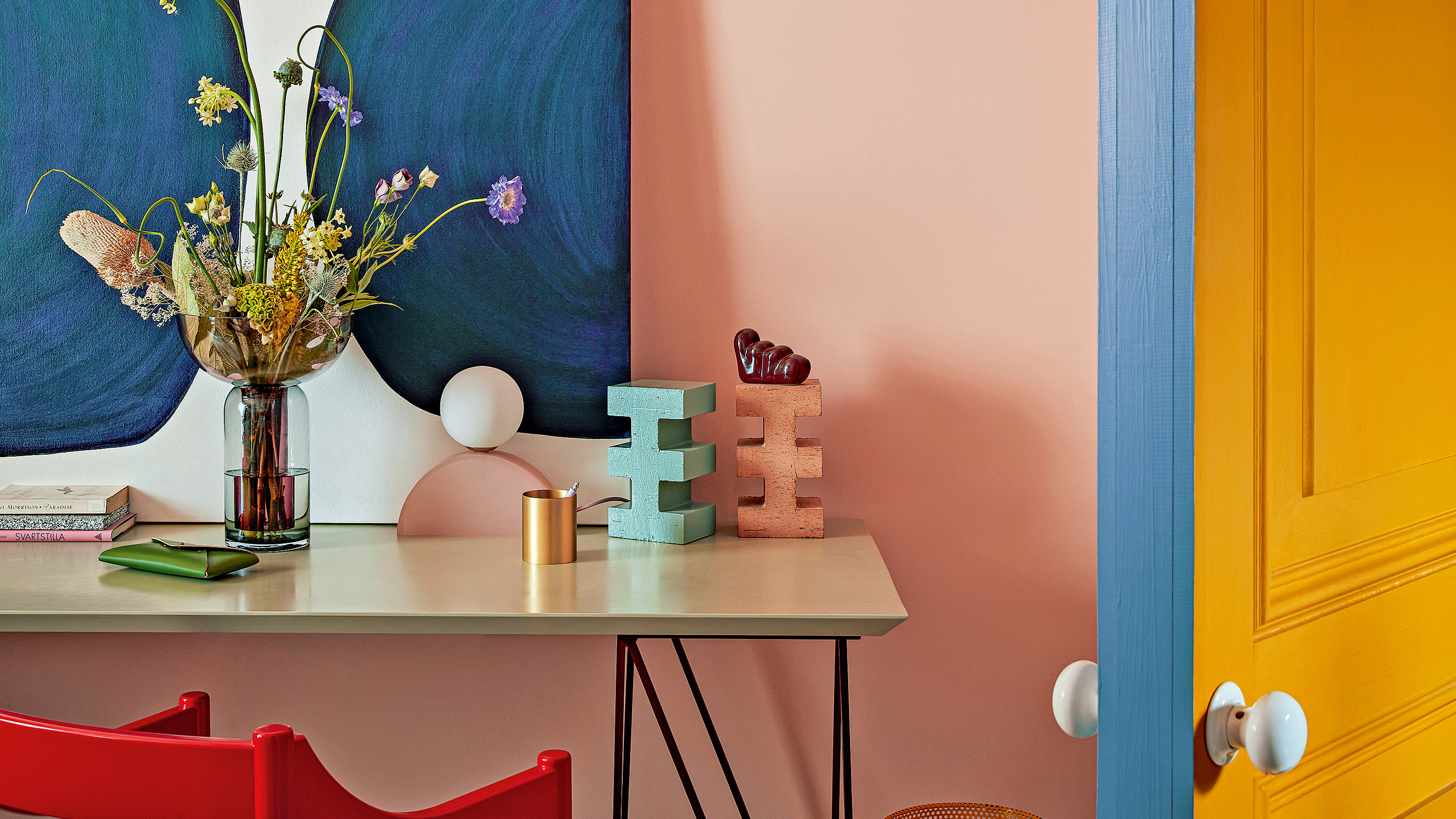
Paint finishes explained – an expert guide to choosing the perfect type of paint for your projects

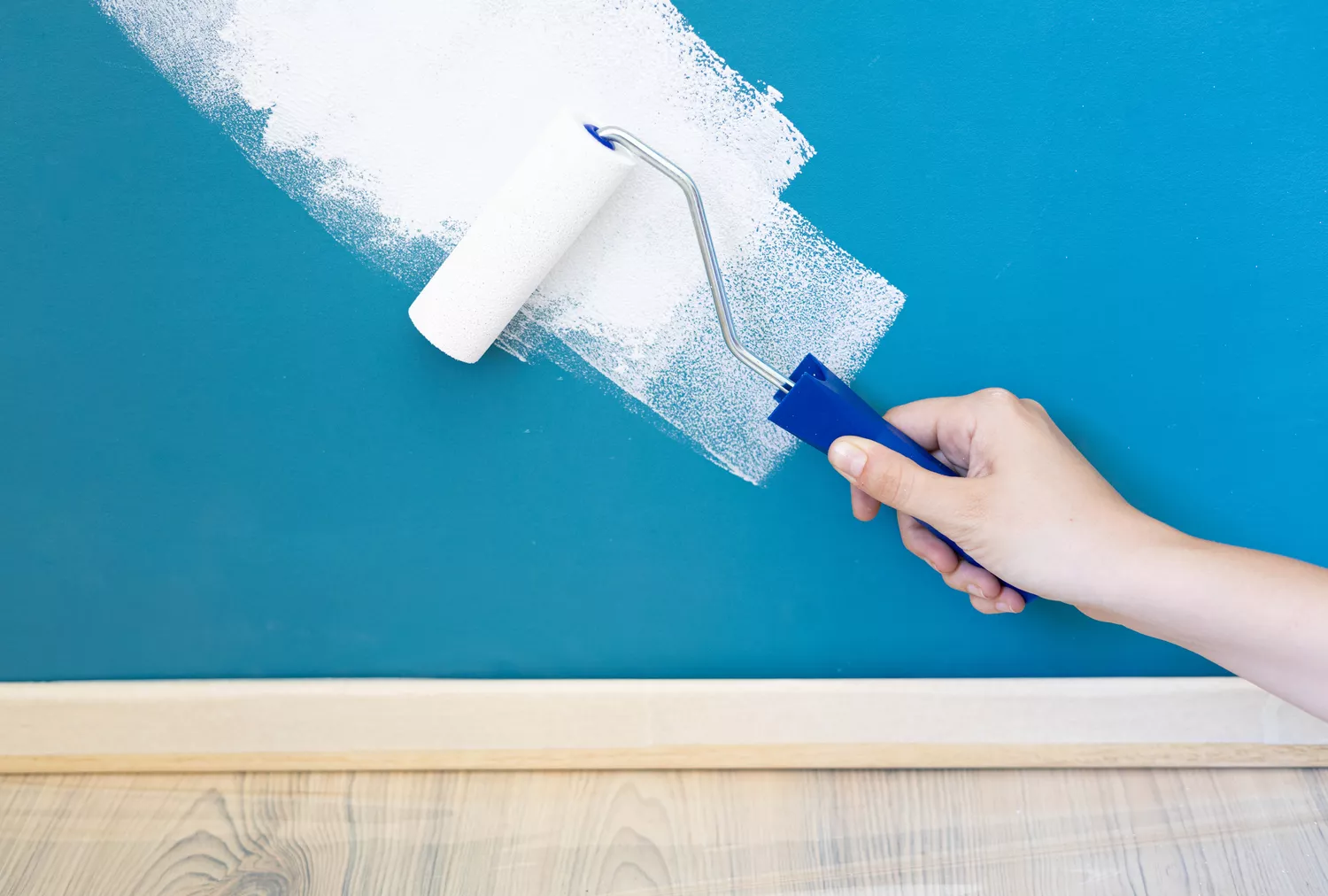
5 Painting Mistakes That Are Actually Ruining Your Projects, According to Reno Pros