Rosie on the House: Understanding Arizona stucco applications and repairs
Stucco is a widely used exterior home finish in Arizona, and homeowners frequently inquire about its applications and repairs. This article, featuring insights from Doug Dedrick of Stucco Renovations of Arizona, LLC, delves into the different stucco systems, their characteristics, common finishes, decorative features, and repair guidelines.
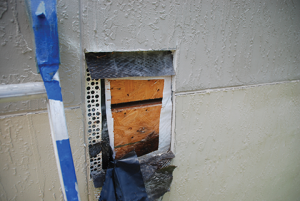
The article begins by detailing the three primary stucco systems. The traditional three-coat stucco system involves three distinct cementitious layers applied over a paper-backed lath on a solid substrate. The first layer, the scratch coat, is intentionally rough to ensure adhesion of the subsequent brown coat. The brown coat is then applied, smoothed, and allowed to cure before the final finish coat, where texturing is introduced. A key characteristic of all cementitious stucco products is their tendency to crack; however, the three-coat system allows for cracks to appear in the underlying layers, making repairs on the finish coat less common.
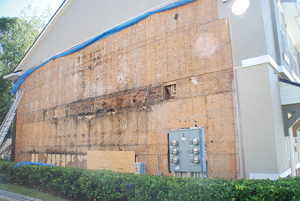
Next, the article discusses the more prevalent one-coat stucco system, often referred to as a “Western one-coat.” This system, despite its name, involves two coats of a specialized mixture containing cement, fibers, proprietary chemicals, and water applied over a metal mesh and rigid foam sheathing board. This single application combines the functions of the scratch and brown coats found in the three-coat system. Similar to the three-coat system, the base coat needs to dry and any cracks addressed before the finish coat is applied. The article also touches upon the Exterior Insulation Finishing System (EIFS), primarily used in commercial construction. EIFS utilizes a polymer-based, stucco-like finish over foam insulation. It is noted that EIFS is more expensive than traditional stucco and presents potential moisture trapping concerns in residential applications due to its non-breathable polymers, unlike commercial methods designed to manage moisture dissipation.
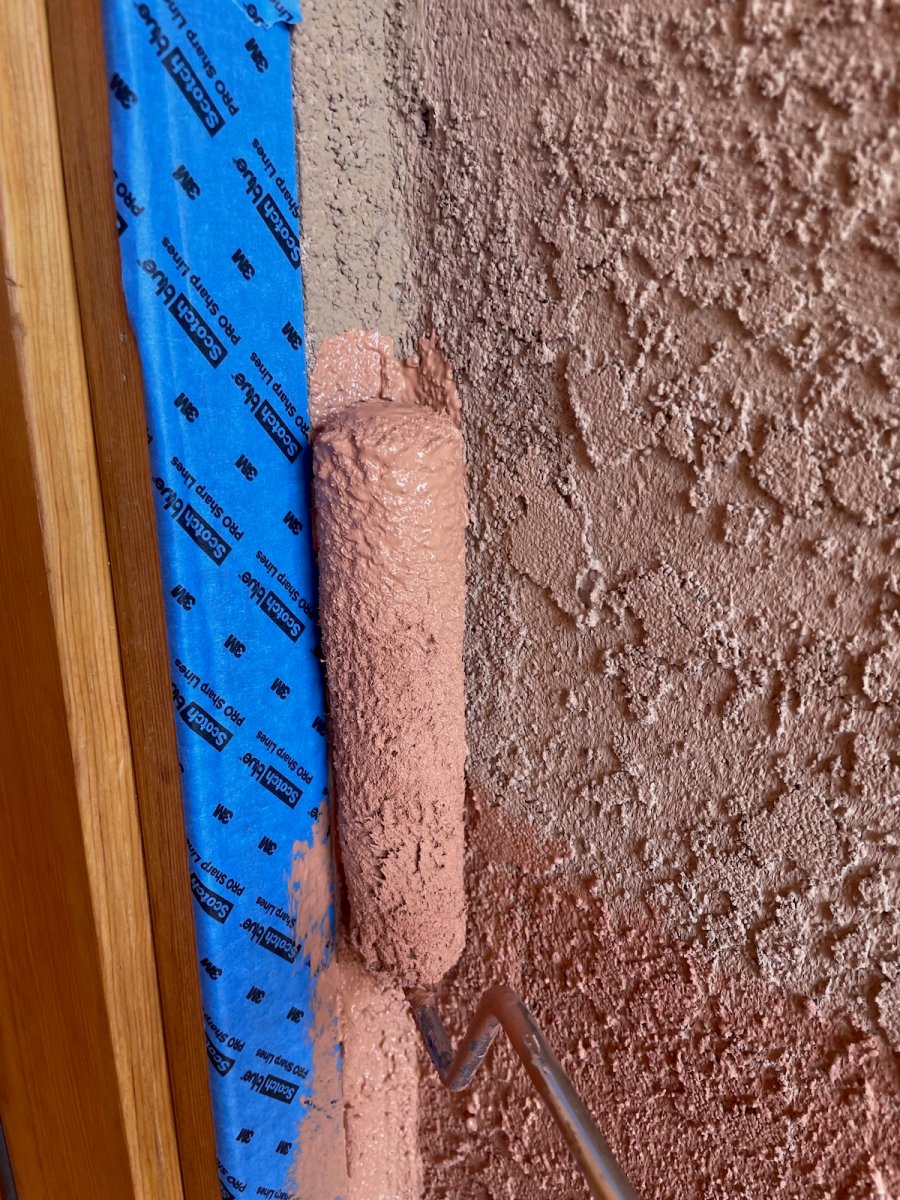
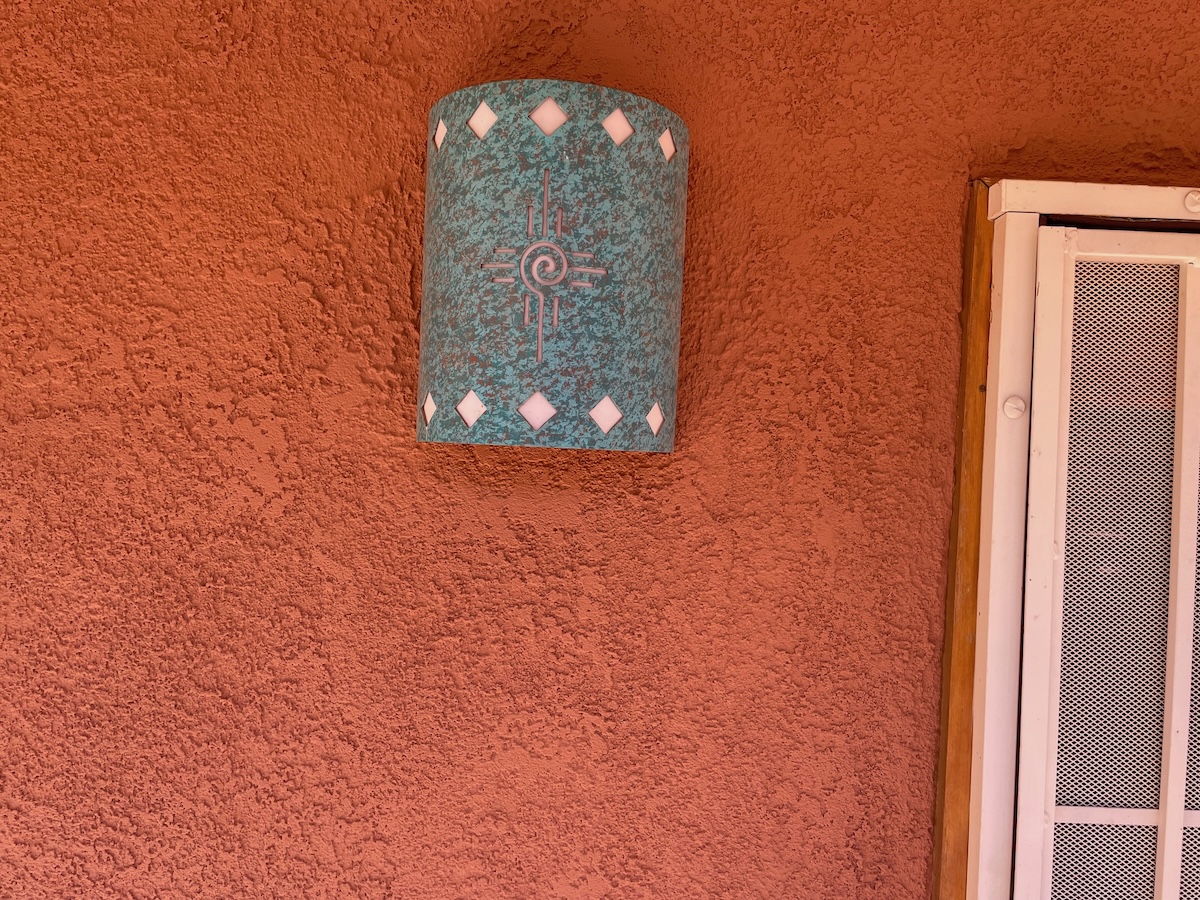
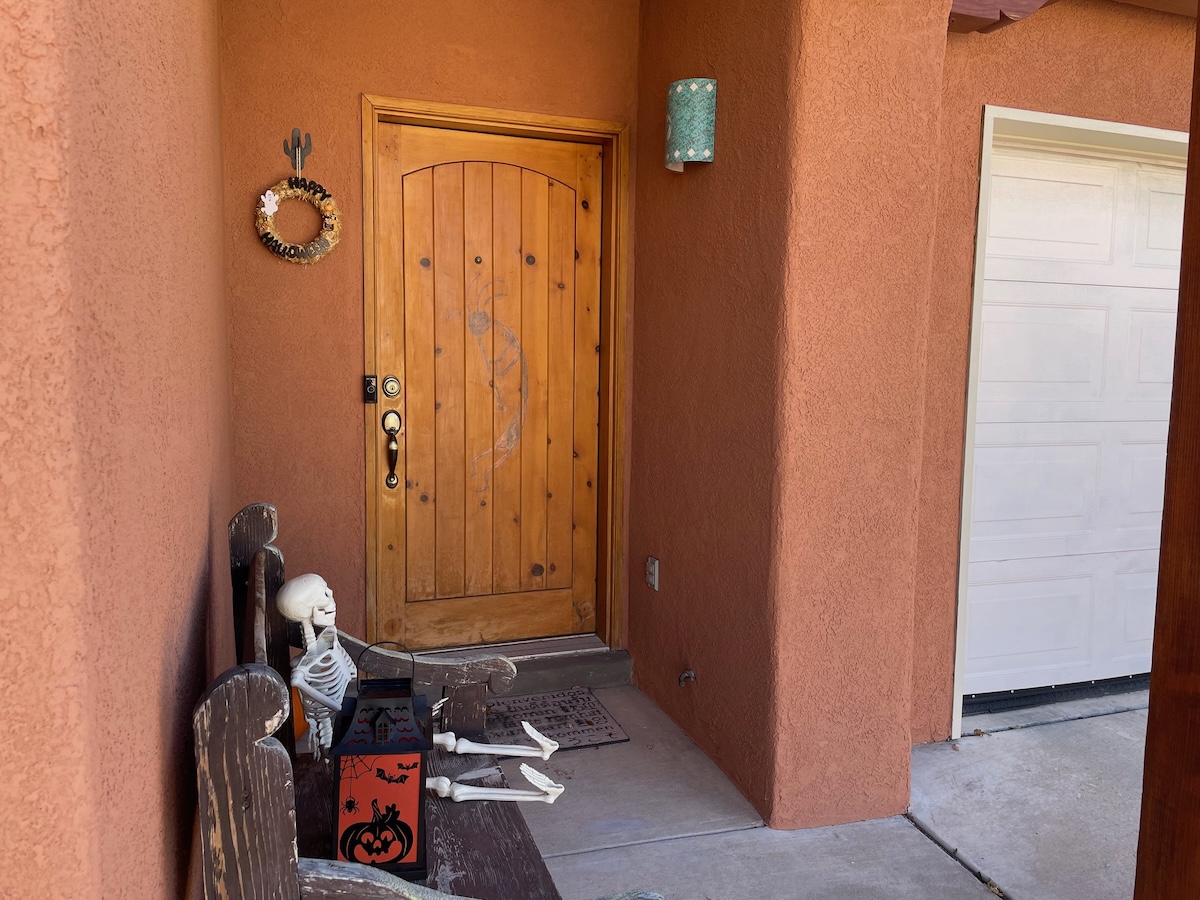
The discussion then shifts to stucco finishes, highlighting that the final coat dictates the aesthetic style. While dozens of finishes exist, the focus is on those common in Arizona. Smooth finishes are less popular due to visible cracking, with coarser “sand” finishes being preferred as they camouflage hairline cracks and complement contemporary home designs. The article notes the variability in applicator-specific finishes, with examples like “River Sand,” “Random,” “Skip Trowel,” “Spanish Lace,” and “Cat Face” (also known as “Santa Fe”). Homeowners are advised to examine tactile samples rather than relying solely on pictures to choose a finish.
Decorative features such as cornices and various profiles around windows, doorways, and arches are also covered. These add-on pieces are typically wired to the base lath system for secure attachment, often incorporating built-in lath to simplify stucco application. Proper securement is emphasized to prevent separation or cracking. The role of expansion joints in accommodating stucco expansion and contraction to minimize cracking is also mentioned.
Regarding repairs, the article adopts the construction industry adage that “concrete cracks” and, by extension, so does stucco. Repair guidelines are provided, starting with assessing the crack. Structural issues, characterized by cracks wider than 1/8-inch, displaced surfaces, or 45-degree angle cracks from openings, necessitate professional assessment. For non-structural cracks, cleaning the crack of debris is the first step, followed by applying a sand caulk for texture matching. The article advises that sometimes an entire wall may need refinishing to ensure a consistent appearance, and repainting should be anticipated.
Finally, the article addresses industry training for stucco workers. It outlines two main types: traditional on-the-job training, where new workers learn from experienced crews over several years, and job site safety training. Safety training is crucial for all hires, covering scaffolding safety, tie-off procedures, and, in Arizona, heat safety.
#ArizonaStucco #HomeRepair #ExteriorFinishes #StuccoSystems #ConstructionTechniques #HomeMaintenance #BuildingMaterials #StuccoFinishes #HomeImprovement #ArizonaStucco #HomeRepair #ExteriorFinishes #StuccoSystems #ConstructionTechniques #HomeMaintenance #BuildingMaterials #StuccoFinishes #HomeImprovement
0 comment in total
 No comments yet
You may also like

Rogue builders quoted over £15k for a repair job that cost £185 to fix - my lessons learnt

Revamping a Scottsdale Ranch Home: Design Made Personal
Jul 2022: You aren’t stuck with stucco

Home improvement: Remodeling trends and roof care


‘It’s a tough lesson to learn’ – brick homeowners must complete this outdoor maintenance task to avoid costly repairs and structural failure

An Austin Couple Turn a Ranch Home Into a Refreshing Live/Work Space


Christina Haack's Best Solution For Blending Stucco Patching

Austen Kroll Reveals His Major Home Renovation Plan: "My Next Project Will Be..." (EXCLUSIVE)

Getting Along With Stucco: Sometimes it just needs space

Stucco House Finish: Everything You Need To Know About Stucco


Should I paint my exposed brick wall before selling?

HGTV's 'Rehab Addict' gives tips on restoring old houses

Stucco tips all Arizona homeowners should know

Podcast 563: Caulking Old Siding, Tearing Into Leaky Walls, and HVAC in Unconditioned Attics

Rosie on the House: Interior and exterior paint tips from a pro

Amaral Services General Contracting shares tips on Home Remodeling Projects
This DIY Project Was WAY More Than I Anticipated


7 DIY Home Improvement Ideas for Your Forever House


Remodeling company offers clients quality, peace of mind

Alford Foundation & Crawl Space Repair