Why new homes can be damp – and what we can do about it
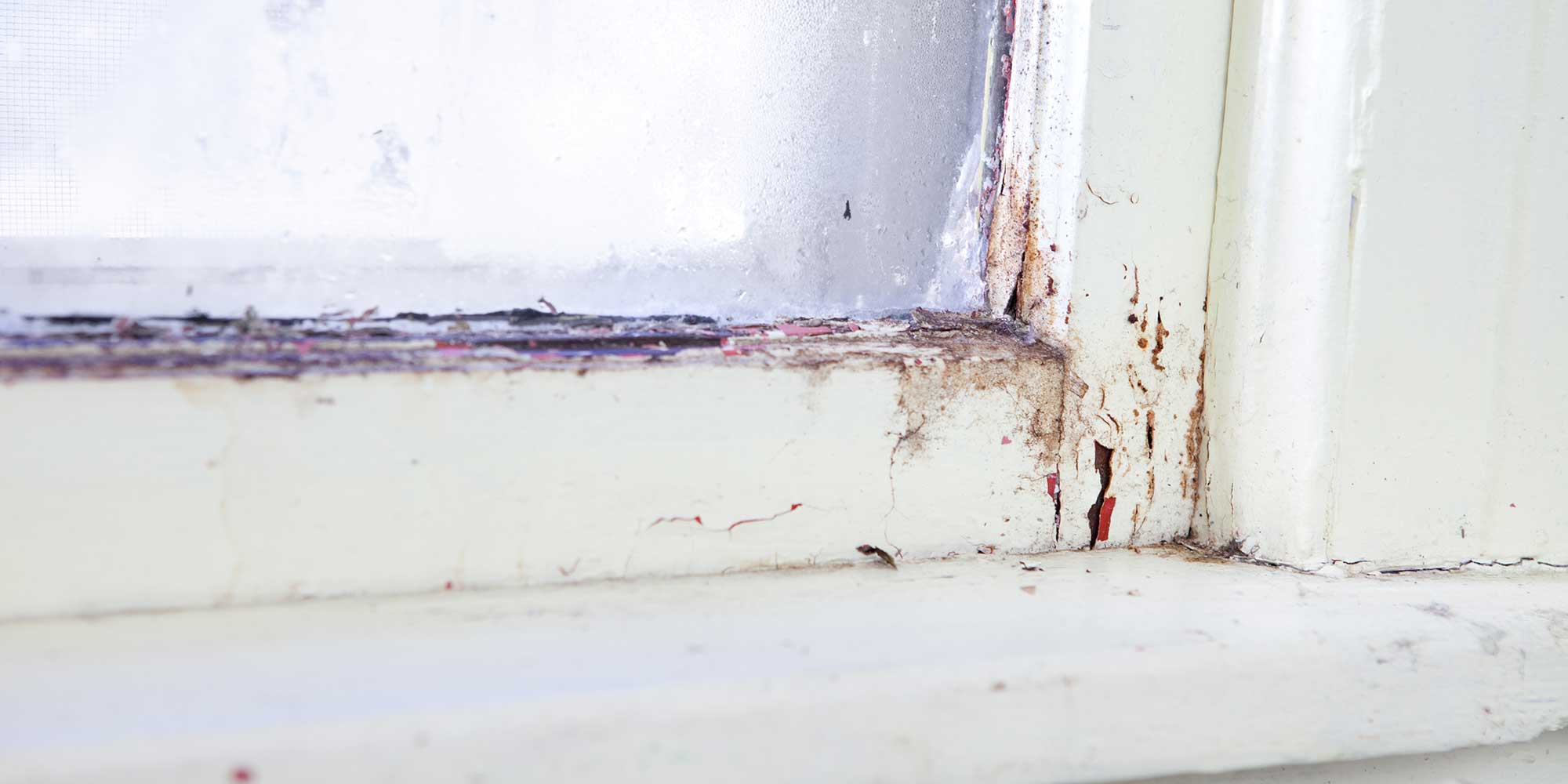
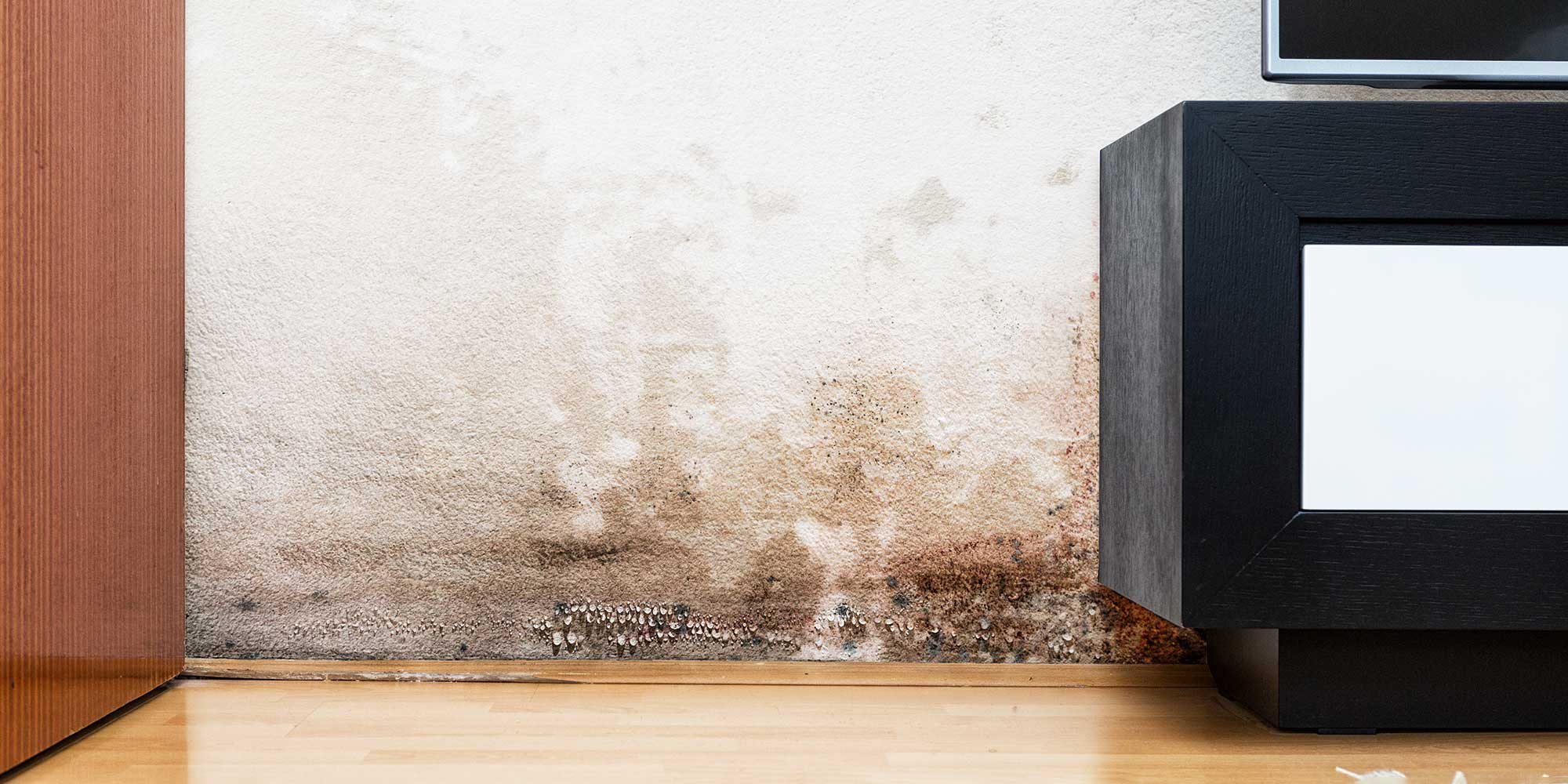
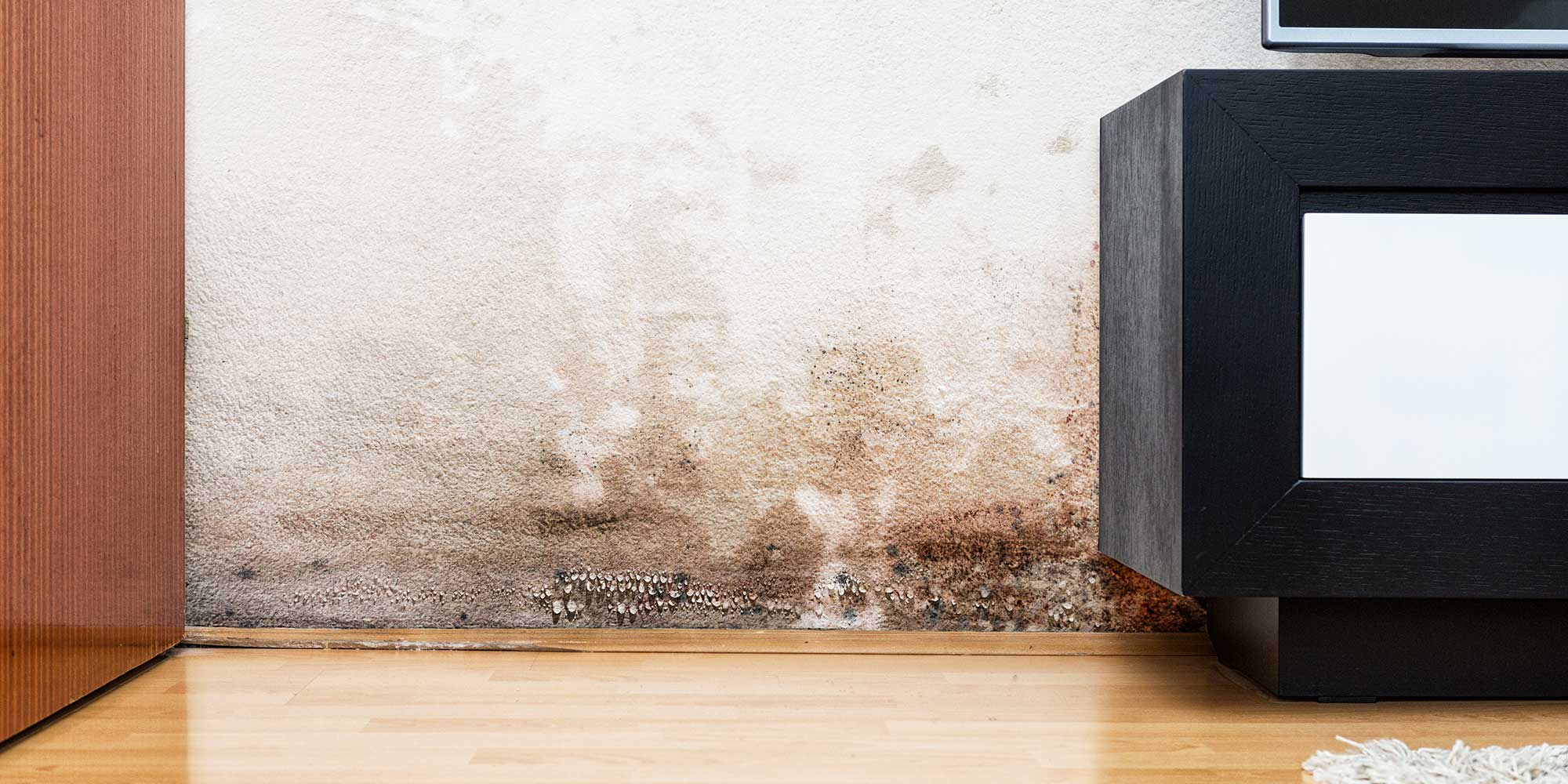
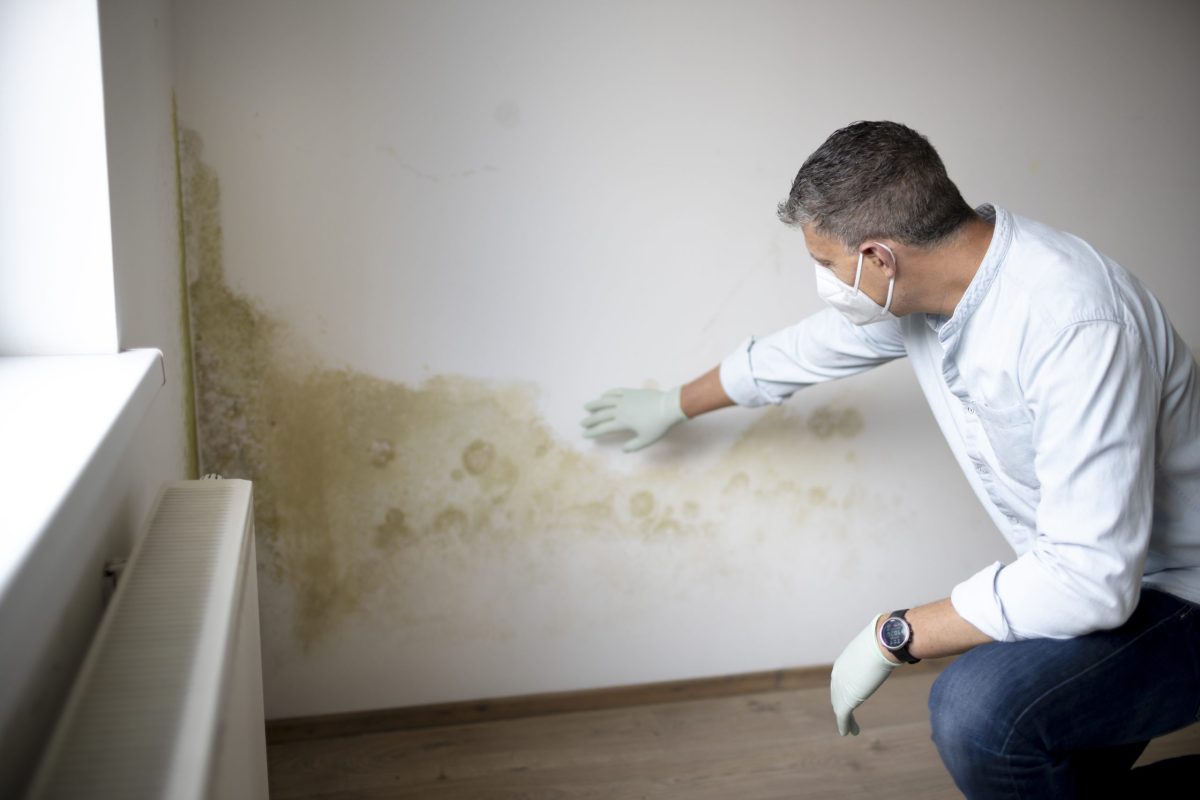
Many new homes in New Zealand, despite adhering to the Building Code, still face issues with dampness and mould. This problem stems from fundamental inadequacies in the current Building Code requirements for managing indoor environments and an overly simplistic method for assessing and minimizing condensation and mould growth on internal surfaces. The core of the issue lies in Acceptable Solution E3/AS1, which is the method used to assess moisture on the internal surfaces of timber-framed walls and roofs. This solution fails to account for the impact of thermal bridges on surface temperature, thereby not reliably preventing condensation and mould.
Thermal bridges are created when building materials like timber studs bypass insulation, allowing heat to transfer more readily. Since timber is a less effective insulator, an increase in thermal bridges directly correlates with a greater influence on surface temperatures and, consequently, a higher risk of condensation and mould. The Building Code's current approach relies on an R-value of R-1.5, calculated using the 'isothermal planes' method. This method averages the thermal resistance of timber studs and insulation, overlooking the localized effects of timber on surface temperatures and assuming one-dimensional heat flow. This assumption neglects heat loss occurring in multiple directions at timber junctions. Compounding this, modern homes often incorporate significantly more timber framing than assumed by designers, exacerbating the problem of thermal bridging and potentially leading to subpar thermal performance, increased surface condensation, mould growth, and unhealthy living conditions.
Addressing these challenges necessitates a more sophisticated approach to assessing building performance. Research indicates a direct relationship between the complexity of assessment tools and the reliability of results. While highly detailed tools offer the most accurate insights, they also come with higher costs and time commitments. A PhD research study compared Building Component Simulations (BCS) and Whole Building Simulations (WBS) to identify an optimal balance between detail and practicality. BCS models specific building components or junctions, like thermal bridges, while WBS can calculate a home’s entire internal climate, factoring in variables such as building orientation, construction materials, conditioning systems, and ventilation. The research confirmed that while reducing thermal bridging and increasing insulation are beneficial, they alone cannot entirely eliminate the risk of condensation and mould. Other variables, including heating and ventilation, are crucial considerations.
The findings suggest that assessing moisture risk using a whole building simulation, which calculates internal temperature and relative humidity, is more effective than focusing solely on individual components. Whole building simulations require comprehensive data, including the building's geometry, material properties, and detailed information about ventilation, heating, cooling systems, and occupant behavior. Initiatives like the Housing Energy End-use Project 2 by BRANZ are vital in providing the necessary data on housing stock, construction methods, and typical occupant usage patterns. Adopting a whole building approach for risk assessment could not only ensure compliance with the Building Code's internal moisture and energy efficiency standards but also help mitigate the growing issue of overheating, particularly in apartments. This holistic modeling approach would enable designers to improve occupant health, thermal comfort, and energy efficiency through strategies like enhanced insulation, modeled from the initial design phase, leading to better outcomes than merely meeting minimum Building Code requirements and potentially reducing costs.
#NewZealandHomes #BuildingCode #Dampness #MouldGrowth #ThermalBridging #WholeBuildingSimulation #HomeDesign #IndoorEnvironmentQuality #EnergyEfficiency #NewZealandHomes #BuildingCode #Dampness #MouldGrowth #ThermalBridging #WholeBuildingSimulation #HomeDesign #IndoorEnvironmentQuality #EnergyEfficiency
0 comment in total
 No comments yet
You may also like
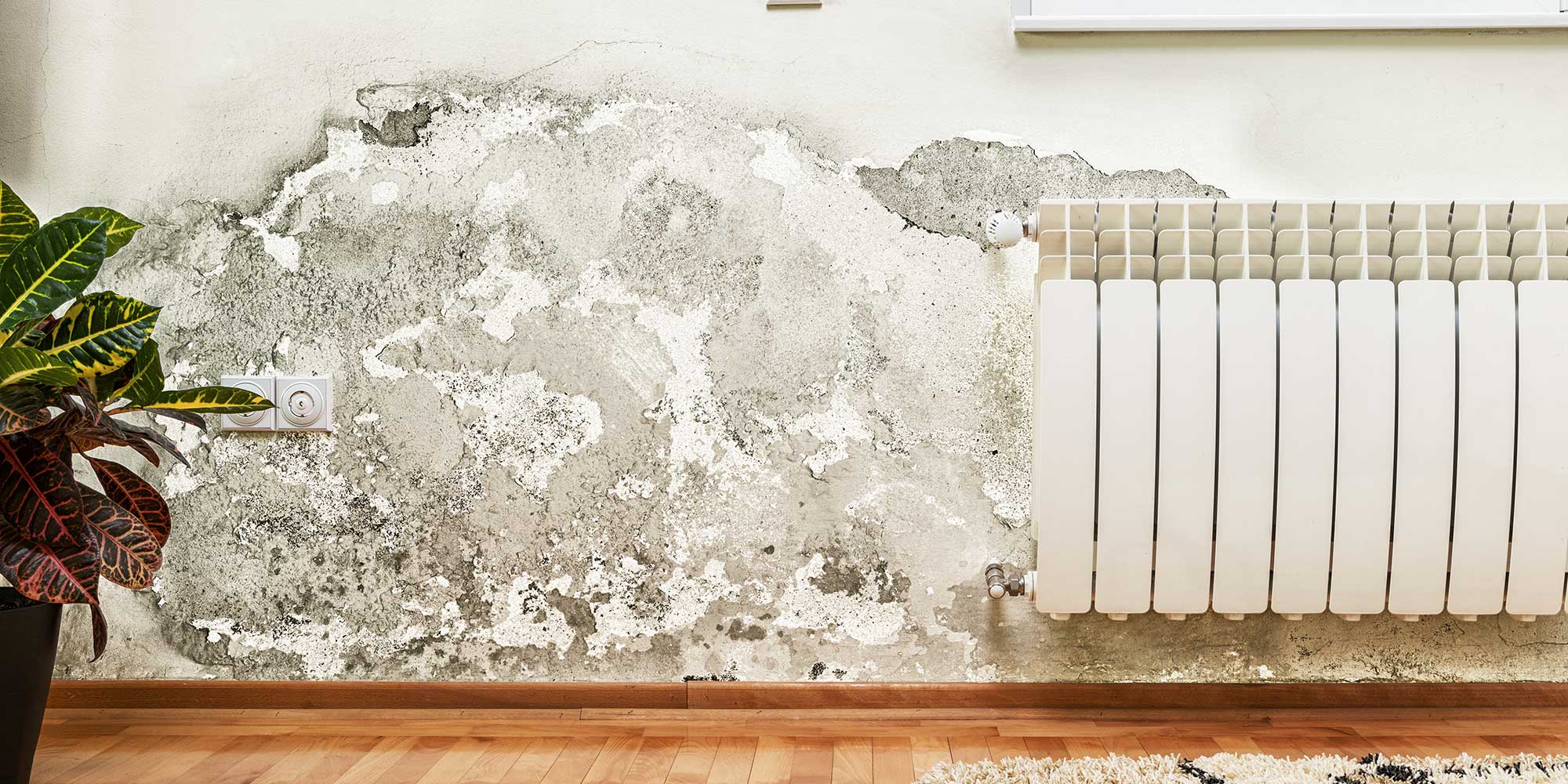
What Kind Of Damp Is Affecting My Home?
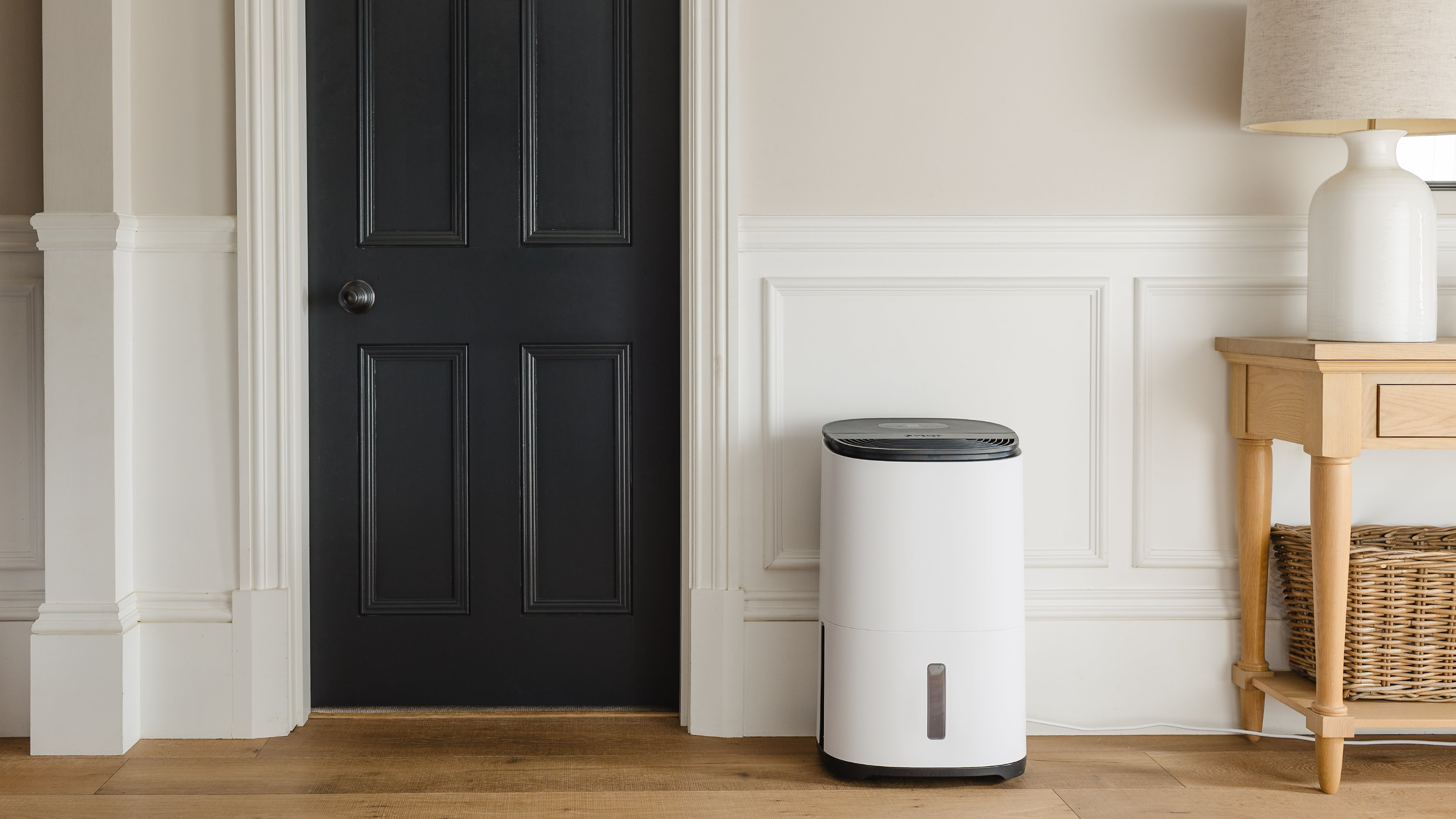
Can a dehumidifier dry out damp walls? Expert tips you need to know to drive out unwanted moisture this winter
These simple mistakes could be why your dehumidifier isn't working properly – and here's how to avoid them
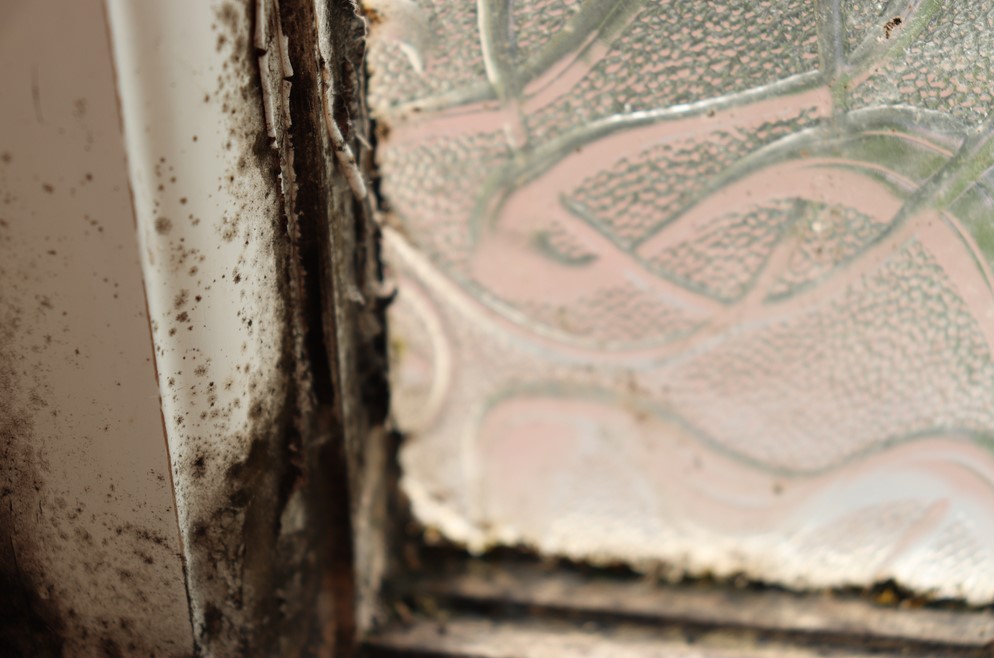
Damp and mould – why blame landlords?


How to get rid of damp
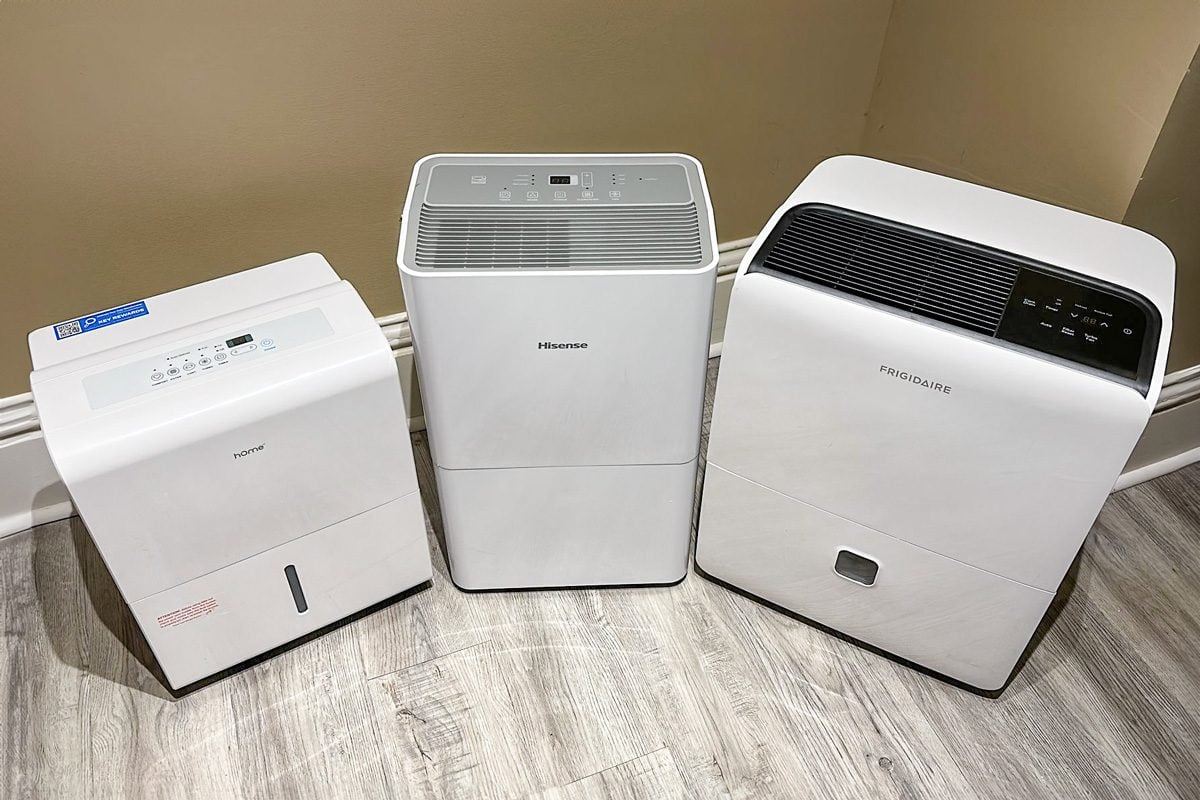
The 9 Best Dehumidifiers for Basements to Get Ahead of Moisture Issues


Why buildings fail: damp can become dangerous
How to ventilate a basement – expert tips to reduce damp and mold


14 Easy Ways to Increase Humidity in a Dry House

Advice on Damp problems – are these damp specialists trying to make a quick buck?
Stop Bedroom Damp with This 84-Cent Natural Home Fix

9 items never to store in a bathroom vanity – according to the experts

How to protect your home from damp, moisture and mould
6 bedroom storage mistakes that could be causing mould – and what to do instead
How to prevent mould in wardrobes - expert-approved tips to protect your furniture and your clothes

I've Tested Dehumidifiers for 25 Years: These Are the Most Reliable

How to stop damp in a bedroom - 10 foolproof ways to keep mould at bay
7 things construction pros spot in bad bathroom remodels
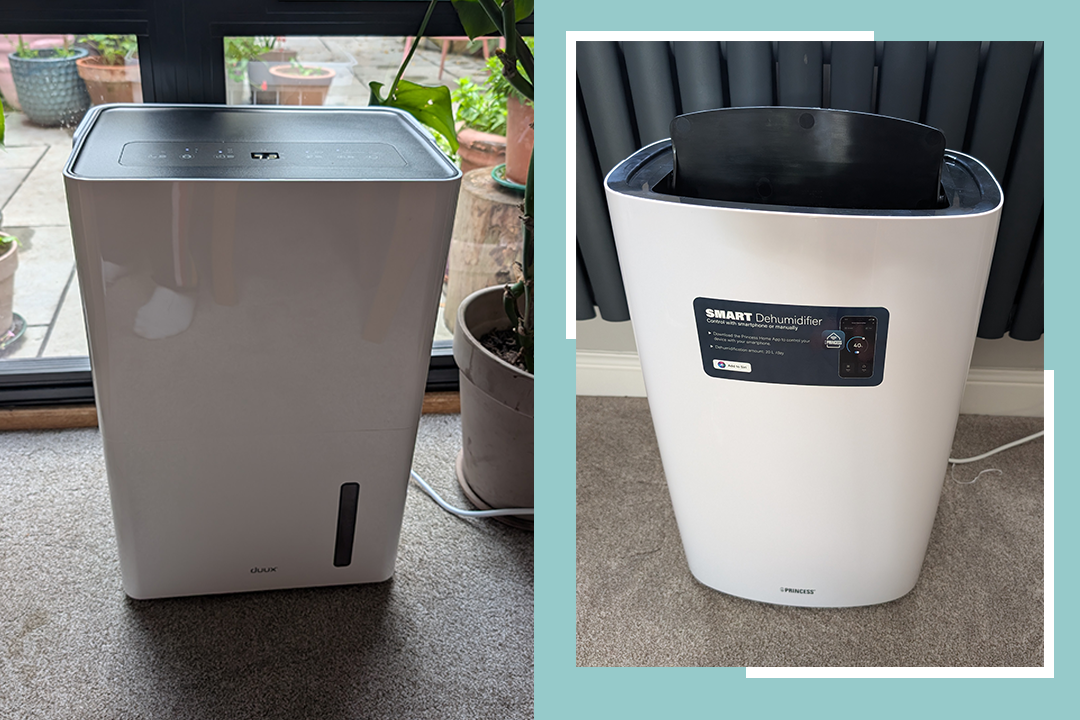
Best dehumidifiers 2025, tried and tested for tackling damp


Damp structural issues in leasehold flat?